STATEN ISLAND CARE CENTER
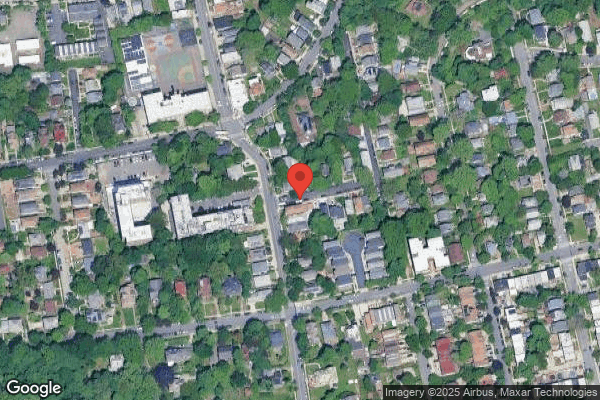
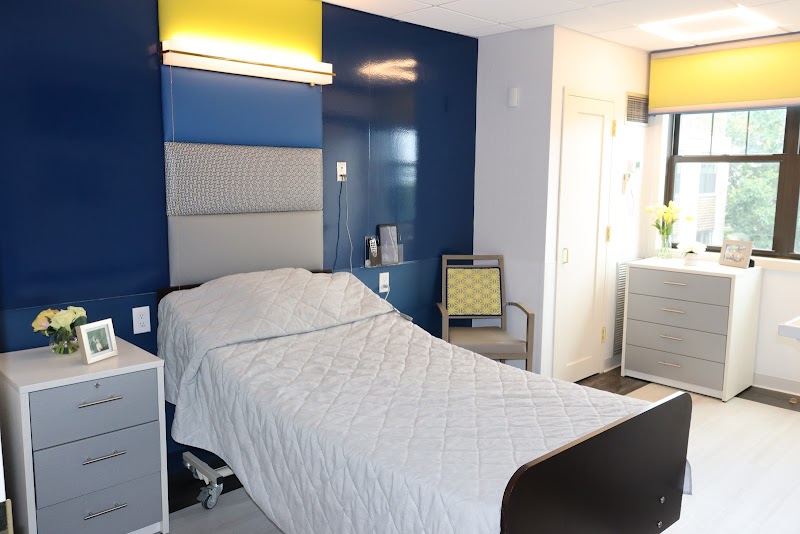
200 LAFAYETTE AVENUE, STATEN ISLAND, NY 10301 (718) 448-9000
For profit - Limited Liability company 300 Beds EXCELSIOR CARE GROUP Data: November 2025
Trust Grade
93/100
#106 of 594 in NY
Last Inspection: March 2024

Within standard 12-15 month inspection cycle. Federal law requires annual inspections.

Overview

Staten Island Care Center has received a Trust Grade of A, indicating it is excellent and highly recommended among nursing homes. It ranks #106 out of 594 facilities in New York, placing it in the top half, and is #3 out of 10 in Richmond County, meaning only two local options are better. The facility's performance trend is stable, with 4 issues reported in both 2022 and 2024. While the staffing rating is below average at 2 stars and the RN coverage is concerning-less than 79% of state facilities-the staff turnover rate is a strength at 25%, below the state average. There were no fines on record, which is positive, but some specific concerns include failure to properly ensure the accessibility of survey results, leaving a laptop with personal health information unattended, and not following infection control practices with linens, suggesting room for improvement in operational procedures.

Trust Score
A
93/100
In New York
#106/594
Top 17%
Safety Record
Low Risk
No red flags
Inspections
Holding Steady
4 → 4 violations
Staff Stability
✓ Good
25% annual turnover. Excellent stability, 23 points below New York's 48% average. Staff who stay learn residents' needs.
Penalties
✓ Good
No fines on record. Clean compliance history, better than most New York facilities.
Skilled Nurses
⚠ Watch
Each resident gets only 19 minutes of Registered Nurse (RN) attention daily — below average for New York. Fewer RN minutes means fewer trained eyes watching for problems.
Violations
○ Average
10 deficiencies on record. Average for a facility this size. Mostly minor or procedural issues.
★★★★★
5.0
Overall Rating
★★☆☆☆
2.0
Staff Levels
★★★★★
5.0
Care Quality
★★★★☆
4.0
Inspection Score
Stable
2022: 4 issues
2024: 4 issues

The Good

  • 5-Star Quality Measures · Strong clinical quality outcomes
  • Low Staff Turnover (25%) · Staff stability means consistent care
  • Full Sprinkler Coverage · Fire safety systems throughout facility
  • No fines on record
  • Staff turnover is low (25%)

    23 points below New York average of 48%

Facility shows strength in quality measures, staff retention, fire safety.

The Bad

Chain: EXCELSIOR CARE GROUP

Part of a multi-facility chain

Ask about local staffing decisions and management

The Ugly 10 deficiencies on record

Mar 2024 4 deficiencies
CONCERN (D)

Potential for Harm - no one hurt, but risky conditions existed

Deficiency F0645 (Tag F0645)

Could have caused harm · This affected 1 resident

**NOTE- TERMS IN BRACKETS HAVE BEEN EDITED TO PROTECT CONFIDENTIALITY** Based on record review and interviews during the Recertification survey from 3/14/24 to 3/21/24, the facility did not ensure tha...

Read full inspector narrative →
**NOTE- TERMS IN BRACKETS HAVE BEEN EDITED TO PROTECT CONFIDENTIALITY** Based on record review and interviews during the Recertification survey from 3/14/24 to 3/21/24, the facility did not ensure that a complete preadmission screening for individuals with a mental disorder was conducted. Specifically, the SCREEN DOH 695 form was incomplete and a determination of a resident's need for Level II services had not been documented. This was evident for 1 of 2 residents (Resident #244) reviewed for Preadmission Screening and Resident Review (PASARR) out of 38 sampled residents. The finding is: Resident #244 was admitted to the facility on [DATE] with diagnoses that included Non-Alzheimer's Dementia, Anxiety Disorder, Depression, Bipolar Disorder. The Annual Minimum Data Set, dated [DATE] documented resident was cognitively intact and that Antipsychotics were received on a routine basis only. The admission Minimum Data Set, dated [DATE] documented that Resident #244 had not been evaluated by Level II Preadmission Screening and Resident Review (PASRR). The Comprehensive Care Plan (CCP) for Behavior dated 5/3/2023, last updated 2/13/2024, documented Resident has behavior act seen as a source of danger and/or distress to oneself or to others as evidenced by socially inappropriate behaviors of disrobing in public; smearing feces; Wandering; Resisting Activities of Daily Living assistance; with goals Resident's behavior will be easily redirected with appropriate interventions. During review of the SCREEN Form DOH-695 dated 5/2/2023 completed for Resident #244 prior to admission to the nursing home, it was observed that Question 23 Does this person have a serious mental illness? was marked Yes. Items 24-26 were marked No. The guideline on the form documented that if item 23 or any of item 24-26 were marked YES, proceed to Categorical Determination (items 27-30). Items 27-30 on the SCREEN form had not been marked. The guideline for items 27-30 documented that if items 27-30 are marked NO, proceed to LEVEL II REFERRALS (Item 33). Item 33 had not been marked. On 03/20/24 at 12:10 PM, an interview was conducted with Registered Nurse Manager #2 who stated that when Resident #244 was initially admitted they wandered into other residents' rooms, removed their things, pulled things off the wall, and resistive to care. Registered Nurse Manager #2 further stated that the Social Worker is responsible for the resident's Pre-admission Screening and Resident Review screen. On 03/20/24 at 02:29 PM, the Acting Director of Social Services was interviewed and stated that the SCREEN is completed in the hospital and the Social Services department is responsible for reviewing the Preadmission Screening and Resident Review screen upon admission. If a resident has diagnosis of serious mental illness and 24-26 are checked off no then the screener is to proceed to question 36 indicating why screen was done. This resident had the screen completed because they were going to be admitted for rehabilitation services only so items 27-30 did not need to be answered. The Acting Director of Social Services also stated that in instances when the SCREEN is filled out incorrectly, we notify the admission department who notifies the hospital Social Worker to have them to revise screen for necessary corrections. On 03/21/24 at 11:44 AM, during a follow-up interview the Acting Director of Social Services stated that Items 27-30 should have been completed on Resident #244's SCREEN Form. The Acting Director of Social Services also stated that a completed version of the form was found in a binder kept in the Social Services office and had not been placed in the Electronic Medical Record. The Acting Director of Social Services further stated that they may have multiple screens for each resident which are kept in binders in the Social Services office. 10 NYCRR 415.11(e)
CONCERN (D)

Potential for Harm - no one hurt, but risky conditions existed

Deficiency F0679 (Tag F0679)

Could have caused harm · This affected 1 resident

**NOTE- TERMS IN BRACKETS HAVE BEEN EDITED TO PROTECT CONFIDENTIALITY** Based on observation, record review, and interviews conducted during the Recertification survey from 3/14/2024 to 3/21/2024, the...

Read full inspector narrative →
**NOTE- TERMS IN BRACKETS HAVE BEEN EDITED TO PROTECT CONFIDENTIALITY** Based on observation, record review, and interviews conducted during the Recertification survey from 3/14/2024 to 3/21/2024, the facility did not ensure an ongoing activities program was provided to meet the interests of and support the physical, mental, and psychosocial well-being of the resident. This was evident for 1 of 1 resident (Resident #53) reviewed for Activities out of 38 total sampled residents. Specifically, Resident #53, a resident with severely impaired cognition, was observed for extended periods of time without meaningful activities, and there was no activity plan to provide activities to the resident while in their room. The findings are: The facility policy and procedure reviewed 1/25/24 titled Activities On Unit Programming and House Wide Activities documented an individual program is designed for each unit, composed of leisure education, social recreation, and therapeutic interventions reflecting the interests and needs of the unit's population. This includes the Subacute Unit and Dementia Unit. Specially tailored programs are developed to meet the unique needs of the residents/patients on these units. Resident #53 had diagnoses which included Non-Alzheimer's Dementia, Restlessness, and Agitation. The Minimum Data Set assessment dated [DATE] documented Resident #53 had severely impaired cognition. The Comprehensive Care Plan related to activities effective 1/09/2023 documented Resident #53 is at risk for limited participation in activities secondary to confusion, dementia, memory impairment, communication, and unable to demonstrate interest in activities. Interventions included provide 1:1 room visits 3 times per week, recognize resident's right to refuse to participate, provide assistance when needed, and staff will pray with resident and play soft Spanish music. The Recreation Quarter/Annual/Sig Change Assessments-IDT dated 1/1/2024 documented Resident #53 preferred listening to music. On 3/14/24 from 10:30 AM to 12:12 PM and from 2:31 PM to 3:00 PM, Resident #53 was observed in their wheelchair in their private room. There was no sensory stimulation being provided for the resident in either the form of a television or music playing, or any 1:1 interaction from activity staff. On 03/14/24 from 03:31 PM to 3:40 PM, Resident #53 was observed lying in bed. There was no music or television playing and no 1:1 interaction from activity staff. Resident #53 was observed occasionally yelling out in Spanish. On 3/18/24 at 11:15 AM, Resident #53 was observed in their room sitting in their wheelchair with the television playing. No staff was present. On 3/18/24 at 1:00 PM and 03/19/24 from 10:51 AM to 12:16 PM, Resident #53 was observed in their wheelchair in their room. No observation of any television or music on, and there was no 1:1 interaction from activity staff observed. On 3/19/24 at 2:38 PM, Resident #53 was observed lying in bed and yelling out Spanish words. There was no music or television playing or staff observed in the resident's room. On 3/20/24 at 11:00 AM, Resident #53 was observed in their wheelchair in their room. No observation of any television or music on and there was no 1:1 interaction from activity staff. The Unit Activity Calendar for Resident #53's unit dated 3/14/24 to 3/20/24 documented the following: Monday: Morning Rounds at 9:30 AM, Morning Prayer at 10:00 AM, and Manicures and Music at 2:00 PM, Tuesday: Morning Rounds at 9:30 AM, Bingo at 2:00 PM, and Music and Aroma Therapy at 3:30 PM, Wednesday: Morning Rounds at 9:30 AM, Music and Movement at 2:00 PM, and Movie at 3:00 PM, Thursday: Morning Rounds at 9:30 AM, Let's Make a Deal at 10:00 AM, and Music Time at 3:30 PM, Friday: Morning Rounds at 9:30 AM, Music with Arts and Crafts at 10:00 AM and Bible Study at 3:00 PM. Resident #53 was not observed being taken to or participating in any activities occurring on the unit. There was no documented evidence that 1:1 room visits were provided to Resident #53 as indicated in the Comprehensive Care Plan. There was no documented evidence that Resident #53 was provided with an activity program that supported their physical, mental, and psychosocial wellbeing. On 3/20/24 at 12:05 PM, Certified Nurse Aide #7 was interviewed and stated the activity aide is always in the day room. Resident #53 sometimes attends the activities in the dayroom and likes to play with the ball and observe others. When Resident #53 becomes agitated, they escort them to their room and turn the television on. Certified Nurse Aide #7 also stated that sometimes the activity aide will visit Resident #53 in their room. During an interview on 3/20/24 at 3:14 PM, the Recreation Leader stated they visit residents in their room every morning and sometimes in the afternoon, and that they talk to and read to the residents they visit. The Recreation Leader also stated that Resident #53 likes it when you pray with them. Sometimes, Resident #53 becomes agitated and yells when they are in the dayroom, so the nurse decides if Resident #53 will attend activities in the dayroom. The Recreation Leader further stated there was no schedule or participation log for the 1:1 visits provided for Resident #53, and no attendance records were kept for the on unit activities. On 3/20/24 at 4:39 PM, Registered Nurse Manager #2 was interviewed and stated that Resident #53 is unable to participate in activities much because they are cognitively impaired. The Recreation Leader visits Resident #53 in their room and plays music and talks with them and Resident #53 also attends activities in the dayroom in between resting. Registered Nurse Manager #2 also stated Resident #53 screams at times in the dayroom and prays loudly. When this happens, Resident #53 is escorted back to their room to bed because they are most likely tired. On 3/21/24 at 10:09 AM, the Recreation Director was interviewed and stated that the Recreation Leader visits Resident #53 during their morning rounds or when they return from their lunch. The Recreation Director also stated that there is no schedule or documentation that room visits were done. Activity programs start at 10:00 AM on all the units and Recreation staff helps transport residents to the activities. The Recreation Director further stated that recreation staff are on the units from 10:00 AM to 5:00 PM, and they only keep attendance records for residents who leave the unit for activities, not for those who attend activities on the unit. On 3/21/24 at 12:24 PM, the Director of Nursing was interviewed and stated Resident #53's unit is made up of 2 day rooms with 2 recreation staff. The Director of Nursing also stated that maybe Resident #53 was disruptive in activities, and they were then brought back to their room. The Director of Nursing further stated that staff does not turn the television on when a resident needs a quiet environment in order to calm down. 10 NYCRR 415.5(f)(1)
CONCERN (D)

Potential for Harm - no one hurt, but risky conditions existed

Deficiency F0688 (Tag F0688)

Could have caused harm · This affected 1 resident

**NOTE- TERMS IN BRACKETS HAVE BEEN EDITED TO PROTECT CONFIDENTIALITY** Based on observations, record review, and staff interviews conducted during the Recertification/complaints survey from 3/14/24 t...

Read full inspector narrative →
**NOTE- TERMS IN BRACKETS HAVE BEEN EDITED TO PROTECT CONFIDENTIALITY** Based on observations, record review, and staff interviews conducted during the Recertification/complaints survey from 3/14/24 to 3/21/24, the facility did not ensure that a resident with limited range of motion received appropriate treatment and services to increase range of motion and/or to prevent further decrease in range of motion. Specifically, a resident was not provided with handrolls and a splint device as ordered by the physician. This was evident for 1 of 1 resident (Resident #218) reviewed for Position/Mobility out of 38 sampled residents. The findings are: The facility's Policy and Procedure titled Adaptive devices dated 03/30/2014, last updated 01/15/2024, documented that Licensed Nurse/Certified Nursing Assistant ensures that device is in place in accordance with plan of care and notifies nurse manager/nurse if resident refuses to use the device. Resident #218 was admitted to the facility with diagnoses that included Peripheral Vascular Disease, Other Fracture, Cerebrovascular Accident, and Hemiplegia or Hemiparesis. The Quarterly Minimum Data Set assessment dated [DATE] documented that Resident #218 was cognitively intact, dependent on staff for most Activities of Daily Living as helper does all of the effort or the assistance of 2 or more helpers is required for the resident to complete the activity. The Comprehensive Care Plan (CCP) titled ADL (Activity of Daily Living) Functional/Rehab Potential dated 5/12/2022 documented Resident requires total assist for transfers, bathing, bed mobility, toileting and extensive of 1 for personal hygiene, eating. Goals included that resident would continue to participate in Activities of Daily Living to the best of ability; will improve ability in all areas of Activities of Daily Living. Interventions included apply hand splints per Physician's order, occupational therapy as scheduled, physical therapy as scheduled, and range of motion per order. The Comprehensive Care Plan (CCP) for Non-Compliance dated 08/04/2022, last updated 02/21/2024 documented that Resident refuses medications/treatments, refuses morning care, refuses blood draw. Goals included Resident will adhere to plan of care. Interventions included staff will accept resident's preferences, will recognize resident's right to refuse care/treatment/medications, resident will be encouraged to express feelings and concerns and staff will use calm and reassuring approach. There was no documented evidence that Resident #218 had been non-compliant with or refusing to have hand splints and handrolls applied. The Physician's order dated 3/2/24 documented Apply BUE (Bilateral Upper Extremities) resting hand splints at all times and as tolerated, off during ADLs (Activities of Daily Living). Monitor for signs of discoloration, redness, swelling, and pain. B/L (Bilateral Lateral) hand Cleanse with soap and water, keep hand open with roll of gauze every shift. On 03/14/24 at 10:11 AM, Resident #218 was observed sitting on the wheelchair beside bed in their room. Resident #218 had contractures of both hands and a splint device was observed top of the night stand behind the resident. Resident #218 was immediately interviewed and stated they supposed to have the brace on hands, and sometimes the staff put it on, but most of the time they do not put it on. On 03/14/24 at 11:59 AM, Resident #218 was observed being fed in their room. No device was applied to their hands. Blue hand splints were observed on resident's night stand, and no hand rolls were observed in resident's hands or in the room. On 03/18/24, between 08:56 AM and 12:56 AM, Resident #218 was observed in their room. No device was applied to their hands. Blue hand splints were observed on resident's night stand, and no hand rolls were observed in resident's hands or in the room. On 03/19/24 at 10:21 AM, Resident #218 was observed sitting on a chair placed beside their bed. No device was applied to their hands. Blue hand splints were observed on resident's night stand, and no hand rolls were observed in resident's hands or in the room. On 03/20/24, between 9:15 AM and 10:56 AM, Resident #218 was observed in the room without any devices or hand rolls applied to their hands. Blue hand splints were observed on resident's night stand No hand rolls were observed or in the room. During an interview conducted on 03/20/24 at 10:56 AM, Resident #218 stated that they would like staff to put their devices in but they put them in anytime they want. The Resident CNA (Certified Nursing Assistant) Documentation History Detail contained no field where the Certified Nursing Assistant) could document the placement of splint devices or hand rolls. On 03/19/24 at 12:13 PM, an interview was conducted with Certified Nursing Assistant #1 who stated that Resident #218 is totally dependent on staff for all activities of daily living, and is fed, cleaned, dressed, and taken out of bed. Certified Nursing Assistant #1 also stated that Resident #218 has a splint device that is put on by the Rehab staff. Certified Nursing Assistant further stated that they are not sure how often the device is applied. On 03/20/24 at 11:07 AM, Registered Nurse Manager #1 was interviewed and stated that Resident #218 has hand splint that are supposed to be worn at all times and as tolerated. Registered Nurse Manager #1 also stated they have been seen the resident with the splint, but they think that the Rehab staff is supposed to apply it. Registered Nurse Manager #1 further stated they are not sure why it is not being applied all the time. Registered Nurse Manager stated that they did not know that Resident #218 has an order for hand rolls. After review of the medical record Registered Nurse Manager #1 stated that the hand rolls had been ordered on 08/5/2023, and a hand splint was ordered when the resident was admitted in May 2022 but they were not able to explain why the devices were not being applied as ordered. Registered Nurse Manager #1 further stated that they should have been checking to see that necessary interventions are carried out and documented according to the resident's plan of care. ` On 03/20/24 at 11:19 AM, an interview was conducted with the Occupational Therapist #1 who stated that Resident #218 has bilateral hand splints that are to be worn at all times, to be removed for skin check and during Activities of Daily Living. Occupational Therapist #1 also stated that Rehab staff places the order, and the nurses are expected to apply the device for the resident. When devices are provided they educate the nursing staff on how to apply them. Occupational Therapist #1 further stated that they check the resident periodically to ensure the devices are being applied, and when the resident comes for rehab the splints are applied after the exercise. Occupational Therapist #1 stated that they had not been informed that Resident #218 was refusing to wear the devices. Occupational Therapist #1 also stated that they always document the in-service training given to the staff when devices are recommended and ordered, but they were unable to provide documented evidence of in-service training given to the nursing staff when this specific device was ordered. On 03/20/24 at 12:44 PM, an interview was conducted with the Director of Nursing who stated that when the order for a resident's device is placed by the rehab department, it will also be entered onto the Certified Nursing Assistant Accountability Record and the resident's care plan. The Certified Nursing Assistant is responsible to ensure that the devices are placed on the residents as ordered, and the nurses and the Supervisor/Unit Managers are to ensure it is done appropriately by the Certified Nursing Assistant. The Director of Nursing also stated Resident #218 was receiving therapy, and the rehab staff should have been checking to ensure that the device is being applied as ordered. The Director of Nursing stated that the nursing assistants document placement of the splint devices as part of the Personal Hygiene field on the Certified Nursing Assistant record. 10NYCRR 415.12 (e)(2)
CONCERN (E)

Potential for Harm - no one hurt, but risky conditions existed

Deficiency F0577 (Tag F0577)

Could have caused harm · This affected multiple residents

Based on observations, record review, and staff interviews conducted during the Recertification survey from 03/14/2024-03/21/2024, the facility did not ensure that the survey results were posted in a ...

Read full inspector narrative →
Based on observations, record review, and staff interviews conducted during the Recertification survey from 03/14/2024-03/21/2024, the facility did not ensure that the survey results were posted in a place readily accessible to residents, visitors, or other individuals, where individuals wishing to examine survey results do not have to ask to see them. Specifically, the survey results were in a binder at sitting height at the front desk facing towards the inside area of the security desk and were not readily accessible for review. The finding is: The facility policy and procedure titled Survey Results reviewed on 01/08/2024 documented that it is the policy of the facility to post all survey results at the front desk for all residents and visitors to view. Signs are posted throughout the facility indicating where the results can be found. On 03/14/2024 between 09:20 AM and 11:37AM, the facility lobby and all 5 units were observed. In the lobby there was a sign posted opposite the administrative office stating, Please be advised the New York State Department of Health survey results are located at Reception Desk. Postings about the location survey results were located on the Main floor, 3rd, and 4th floor only. The security desk was observed with a counter-height surface. The labeled binder containing the facility survey results was positioned inside of the front desk and could only be accessed by someone standing and reaching over the desk. The results were not visible or accessible to any resident seated in a wheelchair. On 03/15/2024 at 11:15 AM, a Resident Council meeting was held with ten residents. Seven of the ten residents who regularly attended the meetings stated they were informed where the results were located during Resident Council meetings but only three residents knew where to find the survey results. Three residents who did not attend the Resident Council meetings regularly did not know where the survey results were located. On 03/19/2024 at 09:30 AM, the binder containing the survey results was observed lying flat behind the receptionist desk. There were papers on top of the binder blocking the label of the binder. On 03/20/2024 between 09:41 AM and 10:55 AM, no posting regarding the location of survey results was observed on the 1st, 2nd, or 5th floors. In addition, the sign stating where survey results could be found could no longer be located on the 4th Floor. During an interview on 03/21/2024 at 11:33 AM, the Resident Representative for Resident #108 stated they did not know where to find the facility state results. During an interview on 03/21/2024 at 01:01 PM, the Director of Recreation was interviewed and stated that the signs about the survey results are posted on the floors for residents and visitors, and everyone knows where to find the results. The Director of Recreation also stated residents are informed at Resident Council meetings of the location of survey results. During an interview on 03/21/2024 at 01:43 PM, the Facility Administrator was interviewed and stated that the New York State Department of Health survey results are located at the front desk. There is a sign by the main floor elevator, past the bulletin board, which states that the results are available at the front desk, but they were not sure if there were signs anywhere else. The Facility Administrator also stated that signs are posted so residents and visitors know where to find the results. During an interview on 03/21/2024 at 01:46 PM, the Facility Receptionist was interviewed and stated that there is a book containing the survey results at the front desk, and no one has ever asked them for the results since they started working there in December 2023. The Facility Receptionist also stated that in order for someone to access the survey results they would have to come inside the front desk area. The Facility Receptionist further stated that they did not know if there were survey results located anywhere else in the facility. 10NYCRR 415.3(1)(c)(1)(v)
Feb 2022 4 deficiencies
CONCERN (D)

Potential for Harm - no one hurt, but risky conditions existed

Report Alleged Abuse (Tag F0609)

Could have caused harm · This affected 1 resident

**NOTE- TERMS IN BRACKETS HAVE BEEN EDITED TO PROTECT CONFIDENTIALITY** Based on interview and record review conducted during a recertification survey (U53P11) and facility reported incident (FRI) com...

Read full inspector narrative →
**NOTE- TERMS IN BRACKETS HAVE BEEN EDITED TO PROTECT CONFIDENTIALITY** Based on interview and record review conducted during a recertification survey (U53P11) and facility reported incident (FRI) complaint investigation (NY00251863) completed on 2/04/2022, the facility did not ensure all alleged violations involving abuse were reported immediately, but not later than 2 hours after the allegation is made to the State Survey Agency. Specifically, the facility did not report an incident where a resident was noted with a bleeding nose after they were found in another resident's room and this incident occurred on 01/30/2020 at 3:16 PM and was reported to NYSDOH on 01/31/2020 at 04:46 PM. Additionally, a resident was injured by the actions of another resident that occurred on 3/30/2021 at 04:00AM and reported to NYSDOH until 3/30/3021 at 06:37PM. This was evident for 3 of 6 residents reviewed for Abuse (Resident #19, Resident # 415 and Resident # 416). The finding is: The facility policy and procedure titled Abuse, Mistreatment, Neglect, Exploitation and Misappropriation of Resident's Property reviewed 1/4/2022 documented that facility that each resident has to be free of abuse, mistreatment, neglect and misappropriation of property. Identification of residents and development of intervention strategies to prevent the occurrence, monitoring of changes that would trigger abusive behavior, and reassessment of the intervention on a regular basis. Screening and training of employees, protection of residents, prevention, identification, investigation and reporting of abuse, mistreatment, neglect and misappropriation of property. The Director of Nursing (DON)/designee coordinates the investigation of alleged violations and reporting of results to the appropriate authorities, if applicable. The DON/designee is responsible for reporting all alleged violations and all alleged violations and all substantiated incidents to the State Agency (NSYDOH) and to all other agencies as required to take all necessary corrective actions dependent on the result of the investigation. This will include local police department. Will notify NYSDOH office when there is reasonable cause to believe that an occurrence of abuse, mistreatment or neglect has occurred. All victimization and abuse prevention care plans will be updated quarterly and at significant change or whenever any significant change or whenever any change in behavior or risk are noted. 1. Resident #19 was admitted with diagnoses which included Paranoid Schizophrenia, Bipolar Disorder, Alzheimer's Dementia with early onset and Unspecified Dementia without behavioral disturbance. The Minimum Data Set (MDS) 3.0 assessment dated [DATE] documented Resident # 19 had moderately impaired cognition with no behaviors. The Nursing Progress note dated 1/30/2020 at 11:19PM documented at around 3:16PM resident #19 was sent to the hospital for evaluation after they were found with a nosebleed. Resident #415 stated they were attacked by resident. Resident #19 was assessed and transferred to the psychiatric unit at the hospital. The Nursing Progress note date 1/30/2020 at 6:38PM documented the incident occurred on 1/30/2020 at 3:16PM. Resident #19 was noted with injury and during an alleged altercation with Resident #415. Resident #19 was noted with injury of bruise, bleeding nose, redness and pain during the altercation with Resident #415. The incident occurred on the 1st floor in room [ROOM NUMBER]. Licensed Practical Nurse (LPN #5) heard some loud screaming went to investigate sounds. Resident #19 was observed sitting in A bed in room [ROOM NUMBER] with bleeding from nose screaming holding bed remote and attempting to hit Resident #415. LPN #3 removed remote from resident hand and called supervisor. LPN #3 applied pressure to Resident #19 nose to control bleeding but Resident #19 continued to scream and attempted to hit Resident #415 who was sitting in wheelchair. The RN Supervisor (RN #2) was notified at 3:16PM and Resident #19 designated representative was contacted on 1/30/2020. An Incident Report and Investigation Summary, initiated on 1/30/2020 at 3:16 PM, documented Resident #19 was noted with a bleeding nose and was attempting hit Resident # 415. The Department of Health (DOH) was notified of the incident. Resident #19 was sent out for evaluation after they were assessed by the Nurse Practitioner (NP) and no changes in range of motion (ROM) were noted. Interventions included 1:1 supervision, Psychiatry follow up and Psychology consultation. Statements were obtained from staff. The Health Electronic Response Data System (HERDS) report was submitted by DON #3, the former DON. HERDS documented on 1/30/2020 at 3:16PM that Resident # 415 reported Resident #19 came into their room with a walker and Resident #19 kept on moving so they hit Resident #19. Staff statements were obtained from the License Practical Nurse (LPN) and Registered Nurse (RN) on duty. No evidence of abuse neglect and misappropriation documented. Both residents have psychiatric history. Documented Resident # 415 acted at that moment in defense to advances of Resident #19 and the action was refractory and instinctual. Resident #19 was last seen on 1/6/2020 for Psychiatry follow up and medications reviewed. Resident #415 was transferred to another unit. Review of the NYS DOH Automated Complaint Tracking System (ACTS) Complaint/Incident Investigation Report documented that the incident that occurred on 01/30/2020 at 3:16 PM and was reported to NYSDOH on 01/31/2020 at 04:46 PM. The incident was submitted 25 hours and 30 minutes after the occurrence. The facility did not ensure that the alleged violation involving abuse was reported within 2 hours. On 2/03/2022 at 02:54 PM, LPN #5 was interviewed and stated the RN Supervisor was notified of the incident along with Resident#19 family. Police and ambulance were also called. Resident #19 was sitting on Resident # 415 bed with nose bleeding/ Pressure was applied to the site to stop bleeding. Resident # 415 was separated from Resident #19 who was trying to hit Resident # 415. Resident #19 wanders into other resident's rooms and when they get tired and sit down. The care plans for the residents were updated. On 02/03/2022 at 3:01PM, RN #2 was interviewed and stated that they are not aware of any incidents prior to the incident on 1/30/2020 for Resident #19. They would notify the supervisor if an incident occurred. When two residents involved in an incident (argument or physical altercation) involving hitting, police will be notified. If they are mentally capable, they are taken to the hospital and if deemed incapacitated, we remove resident from their room and they are relocated. Behavioral care plans are updated, behavioral monitoring and victimization care plan updated/initiated. They would notify the supervisor of the incident. On 02/03/2022 at 04:01 PM, DON # 3 was contacted and voice mail left. No return phone call received back for State Agent (SA). 2. Resident # 415 was admitted with diagnoses which included Schizophrenia unspecified, Psychotic disorder with hallucinations due to know physiological condition, Major Depressive Disorder recurrent mild, Paranoid schizophrenia and Alzheimer's disease early onset. The Quarterly Minimum Data Set (MDS) 3.0 assessment dated [DATE] documented Resident #415 had intact cognition with no behaviors. Medical Progress note on 3/30/2021 at 1:45PM documented Resident #415 was in an altercation with another Resident #19 overnight and stated that voices in head were telling them what to do. Documented Resident #415 had recent medication tapering by Psychiatry. Nursing Progress notes on 3/30/2021 at 3:13PM documented that Resident #415 was interviewed by police officers in relation to an altercation with Resident #416. Resident #415 was transferred to the 4th floor and family was notified. The Report of Investigation documented the incident occurred on 3/30/2021 between Resident #415 and Resident # 416. The Accident/Incident Report documented the incident occurred on 3/30/2021 at 4:00AM. Resident #415 was seen in the hallway pushing Resident #416 to the floor in the hallway. Nurse Manager was notified at 4:05AM and medical provider at 4:15AM. Resident #416 was assessed, no pain, no changes in range of motion/ no visible injury documented. Consultation for Psychology/Psychiatry requested and resident not sent to the hospital. Statements were documented. Resident # 415 was upset another resident was making too much noise and Resident # 415 pushed Resident # 416 from their wheelchair onto the floor. Nurse Manager statement documented Resident # 415 is high risk for accident and incident with a history of agitation and aggression. LPN # 4 documented Resident #416 was pushed to the floor in the hallway by Resident #415. Resident #416 was observed pushing pushed to the floor by Resident #415 the hallway and Resident #416 stated it hurts holding on to their left shoulder. Documented no significant change noted. The Final disposition documented Resident # 415 was upset that Resident #416 was making too much noise. Resident # 415 pushed Resident # 416 out of their wheelchair. Residents #415 and #416 were separated counseled and placed on Q15min monitoring. Resident # 416 was transferred to the hospital for evaluation, noted to be complaining of pain in left shoulder. The (HERDS) documented the incident occurred on 03/30/2021 at 04:00AM and was not reported until 03/30/2021 at 06:37PM. The HERDS report documented Resident # 415 and Resident # 416 had no previous altercations and no reports of problems between the two residents. Documented LPN heard Get out of my room and went towards the yelling and witnessed Resident # 415 pushing Resident # 416 causing them to fall from their wheelchair onto their left side. Residents were assessed, Registered Nurse Supervisor notified and responded. Resident # 415 counseled on behavior, psych consultation ordered, 15-minute monitoring until evaluated. Social Worker notification, police called and responded. Resident # 416 was sent to ER for evaluation due to complaint of left shoulder pain. Resident #416 was interviewed. Behavior care plan/victimization care plan updated for both residents. Resident # 415 was transferred to the 4th floor, residents psych meds reevaluated by Nurse Practitioner (NP) with orders for medications. Residents were interviewed about the incident. Police were notified. Review of the NYS DOH Automated Complaint Tracking System (ACTS) Complaint/Incident Investigation Report documented that incident that occurred on 03/30/2021 at 04:00 AM was not reported until 03/30/2021 at 06:37 PM. The incident was submitted 14 hours and 37 minutes after the occurrence. The facility did not ensure that the alleged violation involving abuse with injury was reported within 2 hours. On 02/04/2022 at 10:35AM, LPN #6 was interviewed and stated they notified the RN Supervisor and Administrator about the incident. The Director of Nursing (DON #3) was notified of the incident. Charge Nurse notified and call code when altercation happen. Nurse manager and staff are notified of the incident. On 02/03/2021 at 04:09PM, LPN # 4 was interviewed and stated Resident #415 was wheeling Resident # 416 out of their room. Resident # 415 flipped Resident #416 wheelchair and Resident # 416 had a shoulder injury possible break. They would notify the RN Supervisor of the incident. The Director of Nursing was called at 6:30AM before their shift ended and wanted to interview them about the incident. On 02/04/2022 at 10:2AM, the RN Supervisor (RN #3) was contacted, and voice mail left no return call received. On 02/04/2022 at 11:42AM, the DON # 2 was interviewed and stated they have 24 hours to report once we come to a decision that abuse occurred. The RN Supervisor calls the Administrator to inform them of the incident. They are notified that same day as the incident occurrence. Supervisor starts incident report and follow up with summary. We have 5 days to complete the investigation. If they are off the premises when the incident occurs, they are notified by staff calling them. 3. Resident #416 was admitted with diagnosis that includes Bipolar Disorder current episode depression severe with psychotic features, Insomnia, Paranoid Schizophrenia, Schizoaffective disorder unspecified and Restlessness and Agitation. The Annual Minimum Data Set, dated [DATE] documented the resident was cognitively intact with no behaviors documented. The Medical Provider Progress note dated 3/30/2021 at 2:28PM documented the medical provider spoke with the medical doctor in ER and resident status post education of dislocated shoulder awaiting transport to return to the facility. Nursing Progress note dated 3/30/2021 at 05:28AM documented an incident occurred on 3/30/2021 at 4 AM they observed the occurrence in the unit hallway and Resident #416 seen lying on their left side. Resident #416 designated representative was contacted to inform them of the incident and they were transferred to the emergency room for evaluation to rule out fracture of left arm. Medical Provider Progress note on 3/31/2021 at 09:30AM documented patient seen and examined return from emergency room after shoulder dislocation now in sling and recommendations continue sling, orthopedic follow up fall precautions patient counseled on safe behavior, patient advised to change position safely called nurse for assistance and notify MD of any concerns. Nursing Progress note on 3/31/2021 at 1:14PM documented resident status post hospital visit left shoulder dislocation with sling in place and as needed pain medications with good effect. The Incident Report dated 3/30/2021 at 4:00AM documented Resident #416 was observed being pushed by Resident #415 out of their wheelchair in the hallway, the residents were separated. Resident #415 was asked to remain in their room. Resident #416 was evaluated and noted with complaint of left arm pain and transferred out the emergency room for evaluation. The nurse supervisor was documented as notified on 03/30/2021 at 4:05AM and Nurse practitioner notified at 4:15AM. The (HERDS) documented the incident occurred on 03/30/2021 at 04:00AM and was not reported until 03/30/2021 at 06:37PM. Review of the NYS DOH Automated Complaint Tracking System (ACTS) Complaint/Incident Investigation Report documented that incident that occurred on 03/30/2021 at 04:00 AM was not reported until 03/30/2021 at 06:37 PM. The incident was submitted 14 hours and 37 minutes after the occurrence. On 2/03/2022 at 4:09PM, LPN #4 was interviewed and stated they witnessed Resident #415 pushing Resident #416 in their wheelchair out of their room and Resident #415 flipped Resident #416 wheelchair and Resident #416 has a shoulder injury possibly a break. The RN Supervisor was notified right away after the incident occurred. The DON #2 called LPN #4 at 06:30AM before the end of their shift and wanted to interview them about the incident. On 02/04/2022 at 11:42AM, the DON # 2 was interviewed and stated they have 24 hours to report once we come to a decision that abuse occurred. The RN Supervisor calls the administrator to inform them of the incident. They are notified that same day as the incident occurrence. Supervisor starts incident report and follow up with summary. We have 5 days to complete the investigation. If they are off the premises when the incident occurs, they are notified by staff calling them. 415.4(b)(1)(i)
CONCERN (D)

Potential for Harm - no one hurt, but risky conditions existed

Garbage Disposal (Tag F0814)

Could have caused harm · This affected 1 resident

**NOTE- TERMS IN BRACKETS HAVE BEEN EDITED TO PROTECT CONFIDENTIALITY** Based upon observation, interview and record review during the recertification survey, the facility did not dispose of garbage a...

Read full inspector narrative →
**NOTE- TERMS IN BRACKETS HAVE BEEN EDITED TO PROTECT CONFIDENTIALITY** Based upon observation, interview and record review during the recertification survey, the facility did not dispose of garbage and refuse properly. Specifically, a garbage container were observed being transported without a cover. The findings are: Policy & Procedure titled Garbage Disposal last review date 11/17/21, documents, It is the policy of [NAME] Island Care Center to ensure that all garbage is handled in a manner which maintains the cleanliness of the facility, maintain infection control and maintain dignity and privacy of items disposed. General Information: All garbage is transported from the location obtained directly to the trash compactor in a covered bin. On 02/01/22 at 11:13AM a Dietary Aide was observed bringing a large garbage container off the elevator to take outside to the dumpster and back down to the kitchen empty. The garbage container was not covered traveling in either direction. On 2/1/22 at 11:17AM the Dietary Aide was interviewed and stated, I am trained to put a cover on the garbage container but it was too full. On 02/04/22 at 11:39 AM the Food Service Director (FSD) was interviewed and stated, One staff person mans the elevator and another takes out the garbage. Garbage is transported in a large bin with a lid. Staff have been trained on how to transport garbage. 415.14 (h)
CONCERN (E)

Potential for Harm - no one hurt, but risky conditions existed

Deficiency F0583 (Tag F0583)

Could have caused harm · This affected multiple residents

Based on observation, records review and staff interview during the recertification survey, the facility did not ensure that each resident's right to privacy and confidentiality of his or her personal...

Read full inspector narrative →
Based on observation, records review and staff interview during the recertification survey, the facility did not ensure that each resident's right to privacy and confidentiality of his or her personal and medical records was maintained. Specifically, the licensed nurse left an open laptop logged into a resident's electronic medical record (EMR) (Resident #141) and medication blister pack (Resident #83 and Resident #140) unattended, on top of the medication cart, in the hallway, exposing personal health information. This was evident for 3 of 4 residents reviewed for privacy (Resident #141, #140 and #83) on 1 of 5 units (Unit 2). The findings are: The policy and procedure for Health Information Privacy and Accountability ACT (HIPAA) dated 10/1/16 and revised date 12/1/21 documented that it is the policy of the facility to protect the privacy of our residents in the person and as related to their personal health information. To maintain compliance with HIPPA law enacted in 4/13/03 to protect privacy of health care information and privacy of the resident. Information can be gathered at the nursing station, medication or treatment carts as needed to prevent accidental breach while using EMR simply by logging off or locking your session. Staff should not let anyone near the chart or computer when you are charting unless the person identifies himself and you validate their authority to look at the medical record. The undated policy and procedure for Maintaining Confidentiality during and after Medication Pass documented that nurse should always be mindful of confidentiality when performing medication pass. The computer should be closed off, locked session or screen turned off to maintain confidentiality when the nurse walks away from the medication cart. When walking away from the cart, there should be no medication left on top of the cart. The nurse should discard blister packs/bottles or other medicine containers when empty into the medication trash and tie off the bag after completion of the medication pass. The bag is then placed immediately in bin in the locked soiled utility room for pick up by housekeeping. The housekeeping department will pick up the trash and dispose of same in trash compactor. The policy and procedure for Medication Administration and Documentation Occurs in a timely and accurate manner dated 11/1/18 ad revised date on 9/28/21 documented that the Electronic Medication Administration Record (EMAR) is the form onto which all medication orders are transcribed from physician electronic orders from which medications are poured and administered and on which medication doses are documented. The EMAR is a permanent part of the resident's medical record. The policy and procedure for Proper Disposal of Empty Medication Containers/ Blister packs dated 6/12/18 and revised on 11/13/21 documented that it is the policy of the facility to discard blister packs when empty into the medication trash and tie off the bag after completion of the medication pass. The bag is then placed in bin in the locked soiled utility room or pick up by housekeeping. The housekeeping department will pick up the trash and dispose of same in trash compactor. The policy and procedure for Sensitive Information and Handling dated 6/12/18 and last revised date on 11/13/21 documented that all personnel disposing of garbage must tie off bag before disposing of trash in appropriate receptacle and housekeeping staff will pick up trash from the unit and place in the portable garbage bin and transport directly to the trash compactor where it will be loaded and disposed of in accordance with the compactor direction for use. On 2/1/22 at 10:47 AM, during medication storage and labeling observation on the 2nd floor unit, the Licensed Practical Nurse (LPN #1) walked away from the medication cart to administer a supplement to Resident #141 in the dining room. An open laptop logged into Resident #141's EMR, exposing Resident #141's medical information was left unattended. The EMR information that was seen on Resident # 141 was the resident's full name, date of birth , room number and medication administration record with three medications. These medications were: Tylenol 325 mg tablet, give 1 tablet (325 mg) by oral route once daily for pain. Supplement: two Cal HN 8 oz QID with a protocol that states that the resident is at risk for malnutrition and to document intake 30 minutes after administration. Docusate Sodium 50 mg/5ml oral liquid, give 10 milliliters (100mg) by oral route once daily for constipation. In addition, two medication blister packs for Resident #140 and Resident #83 were left unattended on top of the medication cart. Resident #83 blister pack information documented resident's full name, room number, Meclizine Tablet 25 mg, 1 tablet by mouth twice daily for vertigo, RX # 46449676, and physician's name. Resident # 140 blister pack information documented resident's full name, room number, Metformin Tab 500mg 1 tablet by mouth twice daily, RX #46535879, and physician's name. On 2/1/22 at 10:49 AM, an interview with LPN# 1 was conducted. LPN #1 stated that he/she left the medication cart in the hallway to provide medication and a supplemental drink to Resident #141 in the dining. LPN #1 stated the laptop was left open and logged in because if he/she closed the screen, the information he/she entered would be deleted. LPN#1 added that they were told by management to place the computer screen halfway down as there is no way to retrieve or edit the EMR documents that they wrote when the EMR is closed and locked. LPN #1 added that every time he/she closes or locks the computer screen it either closes or locks his /her computer and he/she loses all the information he/she entered earlier. Opening the computer EMR screen will also take time as the facility Wi-Fi is very slow. The LPN added that he/she placed the blister pack on top of the cart as a reminder for him/her to refill the medication. Once the medication refill is ordered, he/she throws the blister pack in the garbage. LPN #1 stated he/she always discards the medication blister packs in the garbage without removing the resident's information as per management instruction. There is no shredder or shred bin on the unit. During the interview LPN#1 was observed throwing both Blister packs with resident's (Resident # 140 and Resident #83) full information in the medication cart trash bin. On 2/3/22 at 11AM, an interview with the Director of Nursing (DON) was conducted. The DON stated that all Electronic Medical Record (EMR) should be handled carefully and when not in use should always remain locked or closed. When the nurses are administering a medication or treatment, the nurses should ensure the EMR computer screens are locked and closed. As for the medication blister pack, the nurses were educated that all medication and blister packs should be kept inside the cart, and nothing should be left on top when the medication cart is unattended. For Resident #83 blister pack, I don't know why there is a diagnosis on it as normally blister packs does not have residents' diagnosis. That is too much information exposed. On 2/4/22 at 10:51 AM, an interview with the Regional Director of Nursing (RDON) was conducted. RDON stated he/she just heard about the WIFI and chrome notebook issue yesterday. The issue is that when left half open, the laptop will lock the EMR fully and nurses has to restart all over again. The RDON added that he/she thinks that the nurses get frustrated because the facility WIFI is slow, causing the computer restart to take longer. According to the policy, the EMR should always be locked to avoid exposure of any resident medical information when the computer is left unattended. As for the blister packs or any other medications full or empty, it should be kept inside the cart, and not left unattended as it still has resident's personal information. 415.3 (d)(1)(ii)
CONCERN (E)

Potential for Harm - no one hurt, but risky conditions existed

Infection Control (Tag F0880)

Could have caused harm · This affected multiple residents

**NOTE- TERMS IN BRACKETS HAVE BEEN EDITED TO PROTECT CONFIDENTIALITY** Based on observation, record review, and staff interviews during the Recertification survey, the facility did not ensure that in...

Read full inspector narrative →
**NOTE- TERMS IN BRACKETS HAVE BEEN EDITED TO PROTECT CONFIDENTIALITY** Based on observation, record review, and staff interviews during the Recertification survey, the facility did not ensure that infection prevention control practices were followed to help prevent the spread, development, and transmission of communicable diseases and infections. Specifically, The facility staff did not follow infection control guidelines while handling clean and soiled linen to prevent the spread of infection; This was evident for 1 of 5 units observed for infection control (unit 5 and unit 1). The findings are: 1) The Infection Control: Safe handling of linen policy dated 6/12/18 last reviewed on 11/9/21 documented that it is the policy of the facility to ensure that all personnel must handle, store, process, and transport linens so as to prevent the spread of infection. Proper handling of linen is required throughout the facility. Nursing staff may take the linen and place on portable linen carts on the unit and must remain covered. At no time should the cover remain open. Care must be taken when removing or adding linen to ensure that no linen touches the floor. If any linen touches the floor the staff member should immediately place it in the soiled linen bin. Take only the linen you need to residents' room and do not return linen to cart once removed. Do not allow linen to touch your uniform and when handling soiled linen, linen should be rolled in a manner to keep the most soiled inside and placed in the soiled linen container outside the resident's room. During a tour of the 5th floor on 02/01/22 at 12:30 PM, the following was observed: A Certified Nursing Assistant (CNA #1) took clean linen from the clean linen cart, carrying it pressed against their uniform, and entered room [ROOM NUMBER]. At 12:32 PM, CNA #1 exited room [ROOM NUMBER] with the same linens and returned the linens back to the clean linen cart. CNA#1 went back to room [ROOM NUMBER]. At 12:33 PM, CNA #1 exited room [ROOM NUMBER], reopened the clean linen cart, removed the returned linens, and carried the linens to room [ROOM NUMBER]. The linens were in contact with CNA #1's uniform again. At 12:40 PM, CNA #1 exited room [ROOM NUMBER], holding dirty linens pressed against his/her uniform with his/her bare hands. CNA #1 then placed the dirty linens in the dirty laundry hamper that was stationed between room [ROOM NUMBER] and 522. At 12:40 PM, CNA #1 was interviewed by the surveyor and responded that he/she just changed room [ROOM NUMBER] linens, as the resident soiled the linens. At 12:42 PM, CNA #1 walked back to the clean linen cart and grabbed another set of linens, leaving the cart half open. Some of the clean linens were in contact with the hallway wall beside room [ROOM NUMBER]. While CNA #1 carried the clean linen and walked towards room [ROOM NUMBER], the linen was in contact with his/her uniform pants. On 02/01/22 at 12:33 PM, an interview with the CNA #1 was conducted. CNA #1 stated that he/she was in a hurry to provide care for a resident that was in room [ROOM NUMBER]. CNA #1 stated he/she was not aware if he/she was handling the linens improperly. CNA #1 stated that he/she has been provided with infection control in-services and that he/she should have handled the clean linens correctly despite being under pressure with residents needing immediate care. CNA #1 added that handling the linens should be done correctly and the staff should make sure clean or dirty linens should never touch the staff clothing. On 2/2/22 at 11:05 AM, an interview with the Director of Nursing (DON) was conducted. DON stated that staff were trained and provided with in-services regarding infection control and proper handling of linens. The staff were educated to ensure that while handling of linens, no linens should be in contact with their uniforms, linen carts should remain clean and always closed. Once the linens are taken out from the cart, the staff should not return the linens back. On 2/2/22 at 2:30 PM, an interview with the Infection Control Nurse (ICN) was conducted. ICN stated that linens should be stored and managed accordingly to prevent infection. All staff should ensure that linen carts will always remain covered, and never to return linen to the cart once removed and to never allow linens to touch or in contact with their work uniform at any cost. 415.19(a)(b) (1-3)
Jun 2019 2 deficiencies
CONCERN (D)

Potential for Harm - no one hurt, but risky conditions existed

Assessment Accuracy (Tag F0641)

Could have caused harm · This affected 1 resident

**NOTE- TERMS IN BRACKETS HAVE BEEN EDITED TO PROTECT CONFIDENTIALITY** Based on record review and interviews the facility did not ensure that the Minimum Data Set (MDS) accurately reflected the statu...

Read full inspector narrative →
**NOTE- TERMS IN BRACKETS HAVE BEEN EDITED TO PROTECT CONFIDENTIALITY** Based on record review and interviews the facility did not ensure that the Minimum Data Set (MDS) accurately reflected the status of the resident. Specifically, Resident #212 had three (3) consecutive MDS document a diagnosis of Schizophrenia. However, there was no corroborating documentation in the resident's medical record supporting this diagnosis. This was evident for 1 out of 35 sampled residents. The finding is: Resident #212 was admitted to the facility on [DATE] with diagnoses which included Post Traumatic Stress Disorder, generalized Anxiety, Depression and Peripheral Vascular Disease. The medical record was reviewed and the following was documented: The Preadmission Screening and Resident Review (PASSR) dated 4/12/18. was reviewed and documented: No dementia diagnosis, no serious mental illness and no Level II referrals were indicated. The Quarterly MDS dated [DATE] in Section I, Active diagnoses: Psychiatric/Mood disorder the diagnosis: Schizophrenia was documented. The Annual MDS dated [DATE] in Section I, Active diagnoses: Psychiatric/Mood disorder the diagnosis: Schizophrenia was documented. The Quarterly MDS dated [DATE] in Section I, Active diagnoses: Psychiatric/Mood disorder the diagnosis: Schizophrenia was documented. On 06/24/19 at approximately 03:26 PM, RN#1 and this SA reviewed the Quarterly MDS dated [DATE], section I where the diagnosis of Schizophrenia was documented. The RN was interviewed and she stated the resident does not have Schizophrenia. On 06/24/19 at approximately 3:40 PM MDS coordinator #1 was interviewed regarding the coding of Schizophrenia for Resident #212. She stated that the person who completed the MDS is out today. She reviewed the EMR, specifically the Medical notes for documentation of the Schizophrenia diagnosis and did not locate it. She further stated that no one checks the MDS to ensure that it is accurately coded. On 06/24/19 at approximately 03:52 PM Psychiatrist #1 was interviewed over the telephone and stated that the resident was never diagnosed with Schizophrenia. On 06/24/19 at approximately 4:24 PM MDS coordinator #1 stated that the Director of MDS and herself looked through the resident's medical records, there was no finding of Schizophrenia diagnosis documented and this coding was an oversight. On 06/26/19 at approximately 11:18 AM This SA met with the MDS coordinators #1 and #2. The MDS coordinator #2 stated that she coded the three (3) MDS's incorrectly and it was an oversight on her part. She stated that she knows he does not have Schizophrenia and she did not review any of the MDS for accuracy. She continued to state that she believes she clicked the boxes because they are close together on the screen and the print on her computer screen is too small. She lastly stated that she has since made the print larger on her computer screen. On 06/26/19 at approximately 11:26 AM MDS coordinator #1 stated that the corrections have been made, submitted and accepted for the three records. 415.11(b)
CONCERN (D)

Potential for Harm - no one hurt, but risky conditions existed

Infection Control (Tag F0880)

Could have caused harm · This affected 1 resident

**NOTE- TERMS IN BRACKETS HAVE BEEN EDITED TO PROTECT CONFIDENTIALITY** Based on observation, record review, and interviews during the re-certification survey, the facility did not ensure infection co...

Read full inspector narrative →
**NOTE- TERMS IN BRACKETS HAVE BEEN EDITED TO PROTECT CONFIDENTIALITY** Based on observation, record review, and interviews during the re-certification survey, the facility did not ensure infection control practices were maintained to help prevent the development and transmission of communicable diseases and infections. Specifically, a housekeeper was observed exiting the room of Resident #115 who is on contact precautions for Acinetobacter Baumani without wearing personal protective equipment (PPE). He was mopping the floor. The same housekeeper was also observed using the same mop to clean the room of Resident #149. This deficient practice was observed for one housekeeping employee. The finding is. The facility policy and procedure titled, Isolation Procedure (Dated 05/29/18) was reviewed and documented the following. The steps that must be followed by the housekeeper include, check type of isolation, prepare to enter the room by putting on gown, disposable mask, and latex gloves. When preparing to leave room, place wet mop in red plastic trash bags. As defined in the federal regulation set under F880, Contact Precautions are intended to prevent transmission of infections that are spread by indirect contact with the resident or environment, and require the use of appropriate PPE, including a gown and gloves upon entering and prior to leaving the resident's room, the PPE is removed, and hand hygiene is performed. According to the Centers for Disease and Control (CDC), Acinetobacter Baumannii is a bacterium that typically occurs in healthcare settings. This bacterium can be found in wound infections. The bacteria can be spread to susceptible persons by person to person contact or contact with contaminated surfaces. It can live on the skin and may survive in the environment for several days. Careful attention to infection control procedures such as hand hygiene and environmental cleaning can reduce the risk of transmission. Resident #115 was most recently re-admitted on [DATE] with intact cognition. On 06/19/19 at 11:03 AM, outside of resident #115 room was a PPE cart with gloves, mask, gowns, and an instruction sheet on how to don PPE gear. A housekeeper was observed mopping the resident room floor from the inside to outside exiting resident room. The housekeeper only had on gloves and no other PPE gear. He was then observed taking the same mop, dipped it into the bucket of water and started mopping the entry way floor of Resident #149's room. The Minimum Data Set (MDS) 3.0 Quarterly assessment dated [DATE] was reviewed. Resident #115 with diagnoses which include but not limited to diabetic foot ulcer, necrotizing fasciitis (a severe soft tissue infection that is caused by bacteria (such as Group A streptococci or MRSA) and is marked by edema and necrosis of subcutaneous tissues with involvement of adjacent fascia and by painful red swollen skin over affected areas ), and Charcot's joint left ankle foot (a progressive, degenerative condition that affects one or more joints especially of the foot or ankle). The physician orders were reviewed and documented resident on contact isolation for Acinetobacter Baumani in wound of the left foot dated 06/11/19. On 06/24/19 at 10:49 AM, the housekeeper was interviewed and stated the following. He stated there is currently one resident who is on contact precautions on the unit. For contact precaution rooms, he must put on a gown, gloves, mask and then can go in and start cleaning and mopping the floor. The housekeeper further stated he is supposed to change both the mop and water after cleaning a contact precaution room. He was not able to answer why it was important to change the mop and water and why he didn't have on the proper PPE gear. On 06/24/19 at 03:00 PM, the Director of Housekeeping was interviewed and stated the following. Residents who are on contact precautions are cleaned with the same standard germicide cleaner for rooms that are not on contact precautions. However, after cleaning and mopping a resident floor who is contact precaution, the mop head and water gets changed immediately. It is important to change both to prevent the spread of infection to others. She further stated the housekeepers are also supposed to don PPE gear when cleaning a contact isolation room. 415.19(b)(1)
Understanding Severity Codes (click to expand)
Life-Threatening (Immediate Jeopardy)
J - Isolated K - Pattern L - Widespread
Actual Harm
G - Isolated H - Pattern I - Widespread
Potential for Harm
D - Isolated E - Pattern F - Widespread
No Harm (Minor)
A - Isolated B - Pattern C - Widespread

Questions to Ask on Your Visit

  • "Can I speak with families of current residents?"
  • "What's your RN coverage like on weekends and overnight?"

Our Honest Assessment

Strengths
  • • Grade A (93/100). Above average facility, better than most options in New York.
  • • No major safety red flags. No abuse findings, life-threatening violations, or SFF status.
  • • No fines on record. Clean compliance history, better than most New York facilities.
  • • 25% annual turnover. Excellent stability, 23 points below New York's 48% average. Staff who stay learn residents' needs.
Concerns
  • • No significant concerns identified. This facility shows no red flags across CMS ratings, staff turnover, or federal penalties.
Bottom line: Generally positive indicators. Standard due diligence and a personal visit recommended.

About This Facility

What is Staten Island's CMS Rating?

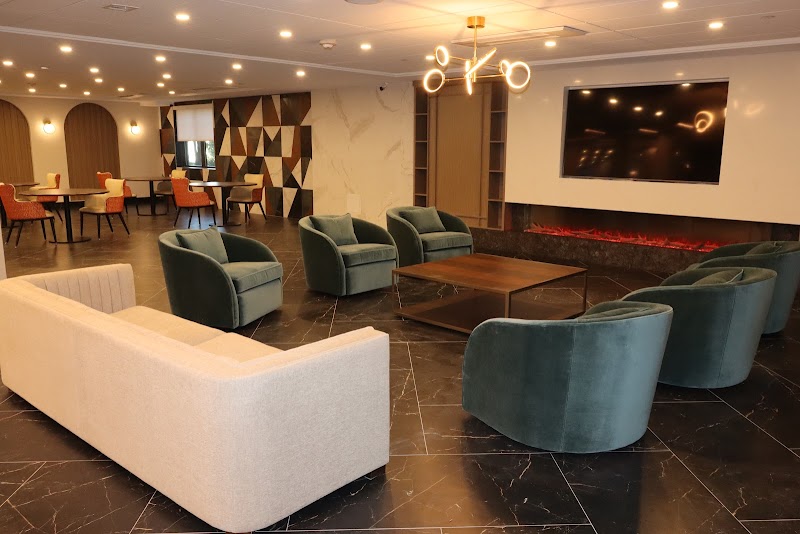
CMS assigns STATEN ISLAND CARE CENTER an overall rating of 5 out of 5 stars, which is considered much above average nationally. Within New York, this rating places the facility higher than 99% of the state's 100 nursing homes. This rating reflects solid performance across the metrics CMS uses to evaluate nursing home quality.
How is Staten Island Staffed?

CMS rates STATEN ISLAND CARE CENTER's staffing level at 2 out of 5 stars, which is below average compared to other nursing homes. Staff turnover is 25%, compared to the New York average of 46%. This relatively stable workforce can support continuity of care.

What Have Inspectors Found at Staten Island?

State health inspectors documented 10 deficiencies at STATEN ISLAND CARE CENTER during 2019 to 2024. These included: 10 with potential for harm.
Who Owns and Operates Staten Island?

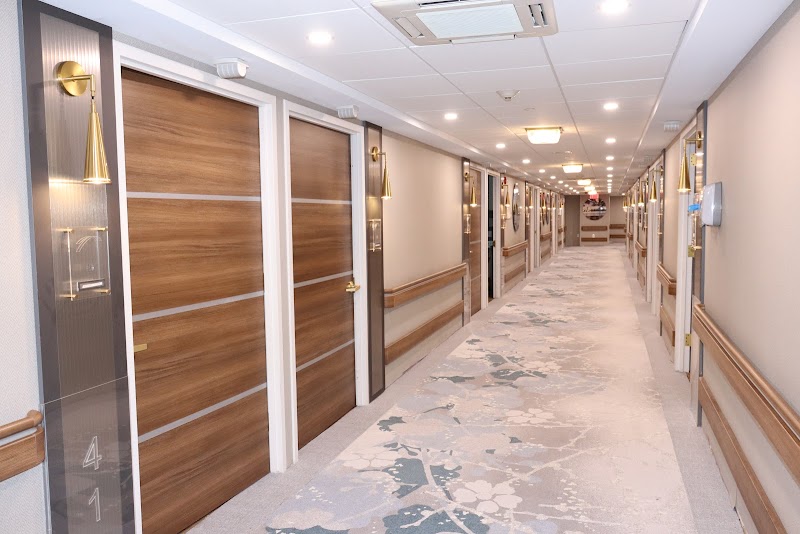
STATEN ISLAND CARE CENTER is owned by a for-profit company. For-profit facilities operate as businesses with obligations to shareholders or private owners. The facility is operated by EXCELSIOR CARE GROUP, a chain that manages multiple nursing homes. With 300 certified beds and approximately 290 residents (about 97% occupancy), it is a large facility located in STATEN ISLAND, New York.
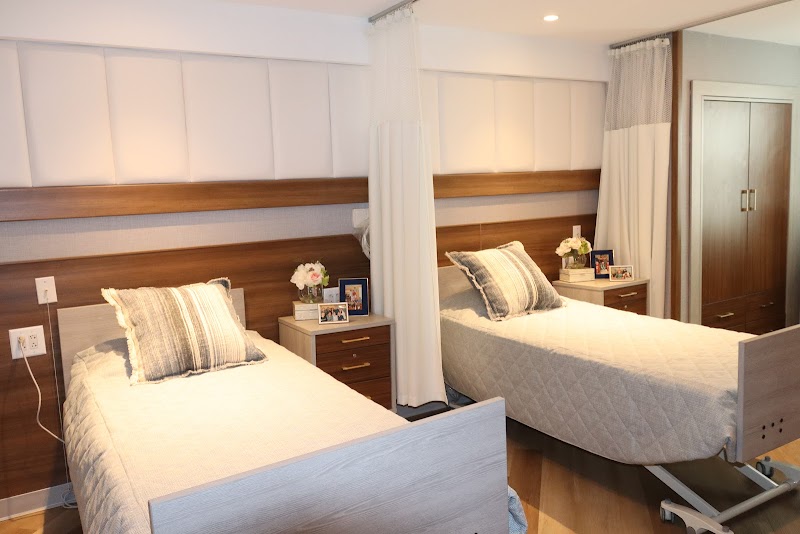
How Does Staten Island Compare to Other New York Nursing Homes?

Compared to the 100 nursing homes in New York, STATEN ISLAND CARE CENTER's overall rating (5 stars) is above the state average of 3.1, staff turnover (25%) is significantly lower than the state average of 46%, and health inspection rating (4 stars) is above the national benchmark.

What Should Families Ask When Visiting Staten Island?

Based on this facility's data, families visiting should ask: "Can you walk me through typical staffing levels on day, evening, and night shifts?" "Can I visit during a mealtime to observe dining assistance and food quality?" "How do you handle medical emergencies, and what is your hospital transfer rate?" "Can I speak with family members of current residents about their experience?" These questions are particularly relevant given the below-average staffing rating.

Is Staten Island Safe?

Based on CMS inspection data, STATEN ISLAND CARE CENTER has a clean safety record: no substantiated abuse findings (meaning no confirmed cases of resident harm), no Immediate Jeopardy citations (the most serious violation level indicating risk of serious injury or death), and is not on the Special Focus Facility watch list (a federal program monitoring the lowest-performing 1% of nursing homes). The facility has a 5-star overall rating and ranks #1 of 100 nursing homes in New York. While no facility is perfect, families should still ask about staff-to-resident ratios and recent inspection results during their visit.

Do Nurses at Staten Island Stick Around?

Staff at STATEN ISLAND CARE CENTER tend to stick around. With a turnover rate of 25%, the facility is 20 percentage points below the New York average of 46%. Low turnover is a positive sign. It means caregivers have time to learn each resident's needs, medications, and personal preferences. Consistent staff also notice subtle changes in a resident's condition more quickly. Registered Nurse turnover is also low at 18%, meaning experienced RNs are available to handle complex medical needs.

Was Staten Island Ever Fined?

STATEN ISLAND CARE CENTER has no federal fines on record. CMS issues fines when nursing homes fail to meet care standards or don't correct problems found during inspections. The absence of fines suggests the facility has either maintained compliance or corrected any issues before penalties were assessed. This is a positive indicator, though families should still review recent inspection reports for the full picture.

Is Staten Island on Any Federal Watch List?

STATEN ISLAND CARE CENTER is not on any federal watch list. The most significant is the Special Focus Facility (SFF) program, which identifies the bottom 1% of nursing homes nationally based on persistent, serious quality problems. Not being on this list means the facility has avoided the pattern of deficiencies that triggers enhanced federal oversight. This is a positive indicator, though families should still review the facility's inspection history directly.