VERRAZANO NURSING AND POST-ACUTE CENTER
100 CASTLETON AVENUE, STATEN ISLAND, NY 10301 (718) 273-1300
For profit - Corporation 120 Beds Independent Data: November 2025
Trust Grade
10/100
#586 of 594 in NY
Last Inspection: March 2025

Within standard 12-15 month inspection cycle. Federal law requires annual inspections.

Overview

Verrazano Nursing and Post-Acute Center has received a Trust Grade of F, indicating significant concerns about its operations and care quality. It ranks #586 out of 594 facilities in New York, putting it in the bottom half of all nursing homes in the state, and #10 out of 10 in Richmond County, meaning there are no better local options available. The facility is showing signs of improvement, with the number of issues decreasing from 6 in 2024 to 4 in 2025. However, staffing is a major concern, with a low rating of 1/5 stars and a high turnover rate of 75%, indicating that staff frequently leave, which could affect continuity of care. Additionally, the facility has incurred $157,139 in fines, which is higher than 97% of New York facilities, suggesting ongoing compliance problems. While RN coverage is average, incidents raised during inspections are troubling, including a failure to prevent a resident from developing a pressure ulcer and another resident wandering off the premises undetected, leading to hospitalization. These findings reflect serious issues in resident supervision and care practices, highlighting both the facility's need for improvement and the potential risks for residents.

Trust Score
F
10/100
In New York
#586/594
Bottom 2%
Safety Record
High Risk
Review needed
Inspections
Getting Better
6 → 4 violations
Staff Stability
⚠ Watch
75% turnover. Very high, 27 points above average. Constant new faces learning your loved one's needs.
Penalties
✓ Good
$157,139 in fines. Lower than most New York facilities. Relatively clean record.
Skilled Nurses
⚠ Watch
Each resident gets only 22 minutes of Registered Nurse (RN) attention daily — below average for New York. Fewer RN minutes means fewer trained eyes watching for problems.
Violations
⚠ Watch
20 deficiencies on record. Higher than average. Multiple issues found across inspections.
★☆☆☆☆
1.0
Overall Rating
★☆☆☆☆
1.0
Staff Levels
★★☆☆☆
2.0
Care Quality
★★☆☆☆
2.0
Inspection Score
Stable
2024: 6 issues
2025: 4 issues

The Good

  • Full Sprinkler Coverage · Fire safety systems throughout facility
  • No fines on record

Facility shows strength in fire safety.

The Bad

1-Star Overall Rating

Below New York average (3.0)

Significant quality concerns identified by CMS

Staff Turnover: 75%

29pts above New York avg (46%)

Frequent staff changes - ask about care continuity

Federal Fines: $157,139

Well above median ($33,413)

Significant penalties indicating serious issues

Staff turnover is very high (75%)

27 points above New York average of 48%

The Ugly 20 deficiencies on record

2 actual harm
Apr 2025 1 deficiency
CONCERN (D) 📢 Someone Reported This

A family member, employee, or ombudsman was alarmed enough to file a formal complaint

Potential for Harm - no one hurt, but risky conditions existed

Report Alleged Abuse (Tag F0609)

Could have caused harm · This affected 1 resident

Based on observation, record review, and interviews conducted during an Abbreviated Survey (NY00352315), the facility failed to ensure that all alleged violations involving abuse, exploitation, or mis...

Read full inspector narrative →
Based on observation, record review, and interviews conducted during an Abbreviated Survey (NY00352315), the facility failed to ensure that all alleged violations involving abuse, exploitation, or mistreatment, including injuries of unknown source are reported immediately but not later than two hours after the allegation is made, if the events that cause the allegation involve abuse or result in serious bodily injury, or not later than 24 hours if the events that cause the allegation do not involve abuse and do not result in serious bodily injury, to the administrator of the facility and to other officials (including to the State Survey Agency and adult protective services where state law provides for jurisdiction in long-term care facilities) in accordance with State law through established procedures. This was evident for one (1) out of three (3) residents (Resident #3). Specifically, on 08/15/2024, when Resident #3 was leaving the facility for the appointment, Resident #3 told Registered Nurse Supervisor #1 they will inform the doctor at the clinic they were abused in the facility. Registered Nurse Supervisor #1 informed the Facility's Medical Doctor. On 08/16/2025 at 5:49 PM, Medical Doctor #1 documented seen for abuse / patient claim and did not follow up. The Facility's Medical Doctor and Registered Nurse Supervisor #1 did not report an abuse allegation to the Director of Nursing or to the Administrator. There was no documented evidence that the allegation of abuse was reported to the New York State Department of Health. Findings are: The facility's Policy and Procedure, dated 01/05/2025, documented that all allegations of mistreatment, neglect, and abuse, including injury of unknown origin and misappropriation of the property, will immediately be reported to the Administrator and Director of Nursing. All allegations of abuse and incidents resulting in serious bodily injuries must be reported to the New York State Department of Health within two hours. Resident #3 was admitted to the facility with diagnoses including Mood Disorder, Anxiety, and Gastroesophageal Reflux Disease (stomach problem). A Minimum Data Set (an assessment tool) dated 07/11/2024, documented Resident #1 had intact cognition. Medical Doctor Progress Note dated 08/16/2024 at 5:49 PM, written by Medical Doctor #1, documented that Resident #3 was seen for Abuse (Resident #3 claimed). Resident #3 was sent to the hospital because at Gastroenterology consult Resident #3 claimed they had been abused. Resident #3's vital signs remained stable. No visible injury was noted. Resident #3 denied pain. A Care Plan Potential for Abuse, effective date 03/19/2024, documented intervention to allow Resident #3 to verbalize feelings about current situations. A review of nursing notes from 08/01/2024 to 8/16/2024, there were no documented evidence of any abuse incidents. A review of facility Incident /Accident reports from 08/01/2024 to 08/30/2024, there were no incident reports initiated regarding Resident #3's complaint of abuse. Review of Registered Nurse Supervisor #1 's Written Statement dated 04/08/2025, documented on 08/15/2024, before leaving for the appointment, Resident #3 stated to Registered Nurse Supervisor #1 they would tell the doctor they had been abused, and the doctor would send them to the hospital, and they will never come back to the facility. During an interview on 04/09/2025 at 4:25 PM, the Director of Nursing stated they were unaware of the allegation of abuse and were not aware of the Medical Doctor #1's note dated 08/16/2024. The Director of Nursing stated they started an investigation on 04/08/2025. The Director of Nursing stated the Medical Doctor #1, who wrote the note, is no longer working in the facility. The Director of Nursing stated they reached out to Medical Doctor #1, and Medical Doctor #1 said that some nurse (did not remember who) told them about Resident #3's complaint of being abused. The Director of Nursing stated that Medical Doctor #1 told them that they don't remember why they did not report the allegation of abuse to anyone. The Director of Nursing stated they reviewed the schedule when Resident #3 went to the hospital (on 08/15/2024) and reached out to Registered Nurse Supervisor #1, who is no longer working in the facility, and obtained a statement from them. The Director of Nursing stated that Registered Nurse Supervisor #1 said that before going to the hospital, Resident #1 told Registered Nurse Supervisor #1 that they would tell that staff abused them, and they notified Medical Doctor #1. The Director of Nursing stated Registered Nurse Supervisor #1 admitted that they did not inform the Director of Nursing because it was usual for Resident #1's behavior to report staff if their needs were not met. During an interview on 04/24/2025 at 11:08 AM, the Administrator stated all involved staff (Registered Nurse Supervisor #1 and Medical Doctor #1) should have reported the allegation of abuse immediately to the Director of Nursing and the Administrator. The Administrator also stated that the former Medical Director, who reviewed the chart after Resident #3 was discharged to the hospital, should have ensured that the allegation of abuse was investigated. 10 NYCRR 415.4(b)(2)
Mar 2025 3 deficiencies
CONCERN (D)

Potential for Harm - no one hurt, but risky conditions existed

Comprehensive Care Plan (Tag F0656)

Could have caused harm · This affected 1 resident

**NOTE- TERMS IN BRACKETS HAVE BEEN EDITED TO PROTECT CONFIDENTIALITY** Based on record reviews and interviews conducted during the recertification survey from 03/12/2025 to 03/19/2025, the facility d...

Read full inspector narrative →
**NOTE- TERMS IN BRACKETS HAVE BEEN EDITED TO PROTECT CONFIDENTIALITY** Based on record reviews and interviews conducted during the recertification survey from 03/12/2025 to 03/19/2025, the facility did not ensure that comprehensive care plans were developed. This was evident for 3 residents (Resident #28, #79, and #93) out of 26 sampled residents. Specifically, a diuretic care plan was not developed for Resident #28, a dialysis care plan was not developed for Resident #79, and a hospice care plan was not developed for Resident #93. The findings are: The facility policy titled Comprehensive Care Planning with effective date 1/26/2023 and last review date 10/16/2023 documented the facility utilizes an interdisciplinary team to provide an individualized comprehensive resident assessment and care planning process in order to maximize and maintain every resident's functional potential and quality of life. It also documented the interdisciplinary team is responsible for the overall supervision, training, consultation, and evaluation of the individual resident's care plan. 1) Resident # 28 had diagnoses of Essential hypertension and Hypokalemia. The Quarterly Minimum Data Set 3.0 (MDS) dated [DATE] documented Resident # 28 was moderately cognitive impairment, had diagnosis of hypertension, and took Diuretic. Medical Doctor Order started on 7/5/2024 and last renewed 3/1/2025 documented Resident #28 was ordered to receive 1 tablet of medication Hydrochlorothiazide 50mg tablet by oral route daily for essential hypertension. Comprehensive Care Plan related to Cardiac Status was initiated on 7/5/2024. The cardiac care plan had no focus, no goals, and no interventions entered. There was no documented evidence that a comprehensive care plan related to the diuretic use was developed and implemented in the medical record of Resident #28. On 03/18/2025 at 03:16 PM, Registered Nurse #3 was interviewed and stated, they developed, reviewed, and updated the comprehensive care plans at least every 3 months for the residents on the floor. Registered Nurse #3 also stated the electronic medical record system gave them an alert when the care plans were due for review. Registered Nurse #3 reviewed Resident #28's medical record and was unable to locate a comprehensive care plan that was developed for Resident #28 about cardiac care or to take the diuretic medication Hydrochlorothiazide. Registered Nurse #28 stated there should be a comprehensive care plan to address Resident #28's need for cardiac care and/or taking the diuretic. 2) Resident # 79 had diagnoses of Chronic Kidney Disease at Stage 4 (severe) and Dependence on Renal Dialysis. The Quarterly Minimum Data Set 3.0 (MDS) dated [DATE] documented Resident # 79 was cognitively intact and received dialysis care. Medical Doctor Order started on 1/23/2025 and last renewed 2/20/2025 documented Resident #79 was ordered to receive hemodialysis 3 times a week on Tuesday, Thursday, and Saturday. Comprehensive Care Plan related to Dialysis was initiated on 9/20/2024. The dialysis care plan had no interventions entered. There was no documented evidence that a comprehensive care plan related to dialysis was developed and implemented in the medical record of Resident #79. On 03/18/2025 at 03:07 PM, Registered Nurse # 4 was interviewed and stated Resident #79 was on dialysis 3 times a week and they developed the dialysis care plan for Resident #79 on 9/20/2024. Registered Nurse # 4 reviewed the dialysis care plan for Resident #79. Registered Nurse # 4 stated no interventions were entered into the dialysis care plan. Registered Nurse # 4 also stated the dialysis care plan was not considered developed as it missed the interventions. 3) Resident # 93 had diagnoses of unspecified dementia, unstable angina, and hypertensive heart disease with heart failure. The Significant Minimum Data Set 3.0 (MDS) dated [DATE] documented Resident # 93 was severely cognitive impairment and received Hospice care. Medical Doctor Order started on 1/31/2025 documented Resident #93 received Hospice care. There was no documented evidence that a comprehensive care plan related to Hospice care was developed and implemented for Resident # 93 in their medical record. On 03/18/2025 at 03:00 PM, Registered Nurse # 4 was interviewed and stated Resident #93 was on Hospice care since January 2025. Registered Nurse # 4 also stated they did not develop a care plan related to Hospice for residents at the facility. Registered Nurse # 4 further stated they communicated with other staff for Hospice care through the progress notes. On 03/18/2025 at 03:24 PM, Director of Nursing was interviewed and stated the day shift registered nurses on the unit were responsible to develop, review, and update the comprehensive care plan at least every 3 months. Director of Nursing also stated every physician order required a care plan to address the medical problem. Director of Nursing stated a comprehensive care plan is required for Hospice care. Director of Nursing also stated the care plans were not considered developed if the care plan missed goals or interventions. 10 NYCRR 415.11(c)(1)
CONCERN (E)

Potential for Harm - no one hurt, but risky conditions existed

Deficiency F0883 (Tag F0883)

Could have caused harm · This affected multiple residents

**NOTE- TERMS IN BRACKETS HAVE BEEN EDITED TO PROTECT CONFIDENTIALITY** Based on record review and interviews during the Recertification Survey conducted from 03/12/2025 to 03/19/2025, the facility di...

Read full inspector narrative →
**NOTE- TERMS IN BRACKETS HAVE BEEN EDITED TO PROTECT CONFIDENTIALITY** Based on record review and interviews during the Recertification Survey conducted from 03/12/2025 to 03/19/2025, the facility did not ensure that each resident was offered the Pneumococcal and Influenza immunizations. This was observed in 5 of 5 residents (Residents #11, #23, #57, #84, #93) sampled for Immunizations out of a total of 26 sampled residents. Specifically, there was no documented evidence that Resident #23 was offered or educated on the Influenza immunization, and there was no documented evidence that residents #11, #23, #57, #84, and #93 were offered or educated on the Pneumococcal immunization. The facility policy titled Conducting the Influenza Vaccination Program for Residents, last reviewed 08/25/2023, documented that all residents/representatives will be provided with education on the influenza vaccine at the start of the influenza season. The facility policy titled Pneumococcal Vaccinations for Residents, last reviewed 11/05/2024, documented that to prevent pneumonia infections and to decrease the morbidity and mortality associated with pneumonia, the facility will offer Pneumococcal vaccines as recommended by the Centers for Disease Control and Prevention to all eligible residents. Residents [AGE] years of age and older that have no prior history of receiving the Pneumococcal vaccination will be offered the PCV20 Pneumococcal vaccine. The findings include: Resident #11 was admitted to the facility on [DATE] and had diagnoses including Cerebellar Stroke Syndrome and Type 2 Diabetes Mellitus. The Minimum Data Set Comprehensive assessment dated [DATE] documented that Resident #11 had severe cognitive impairments. It also documented that Resident #11's Pneumococcal immunization status was not up to date because the resident declined the vaccination. The facility was unable to provide documented evidence that Resident #11 was offered and educated on the Pneumococcal immunization. Resident #23 was admitted to the facility on [DATE] and had diagnoses including Cerebral Infarction and Chronic Systolic Heart Failure. The Minimum Data Set Comprehensive assessment dated [DATE] documented that Resident #23 had moderate cognitive impairments. It also documented that Resident #23's Pneumococcal immunization status was not up to date because the resident declined the vaccination. The facility was unable to provide documented evidence that Resident #23 was offered and educated on the Pneumococcal immunization. The facility was also unable to provide documented evidence that Resident #23 was offered and educated on the Influenza immunization. Resident #57 was admitted to the facility on [DATE] and had diagnoses including Parkinson's Disease and Hypothyroidism. The Minimum Data Set Quarterly assessment dated [DATE] documented that Resident #57 had moderate cognitive impairments. It also documented that Resident #57's Pneumococcal immunization status was up to date. The facility was unable to provide documented evidence that Resident #57's Pneumococcal immunization status was up to date, or that they were offered and educated on the Pneumococcal immunization. Resident #84 was admitted to the facility on [DATE] and had diagnoses including Alzheimer's Disease and Epilepsy. The Minimum Data Set Quarterly assessment dated [DATE] documented that Resident #84 had severe cognitive impairments. It also documented that Resident #84's Pneumococcal immunization status was up to date. The facility was unable to provide documented evidence that Resident #84's Pneumococcal immunization status was up to date, or that they were offered and educated on the Pneumococcal immunization. Resident #93 was admitted to the facility on [DATE] and had diagnoses including Non-Alzheimer's Dementia and Essential Hypertension. The Minimum Data Set Comprehensive assessment dated [DATE] documented that Resident #93 had severe cognitive impairments. It also documented that Resident #93's Pneumococcal immunization status was not up to date due to a medical contraindication. The facility was unable to provide documented evidence that Resident #93 had a medical contraindication that prevented them from being eligible for the immunization. On 03/17/2025 at 11:19 AM, the Infection Preventionist was interviewed and stated that the Director of Nursing is responsible for monitoring resident immunization statuses within the facility. On 03/17/2025 at 11:24 AM, the Director of Nursing was interviewed and stated that the facility offers residents immunizations for COVID-19, Influenza, Pneumococcal, and Respiratory Syncytial Virus. The Director of Nursing stated that a nurse who was no longer employed by the facility had previously been responsible for monitoring resident immunization statuses and after that employee left the facility, it became the Director of Nursing's responsibility. The Director of Nursing stated that due to the personnel transition, they fell behind on maintaining their immunization program and that was why the sampled residents were not up to date on their immunizations. 10NYCRR 415.19 (a) (1-3)
CONCERN (E)

Potential for Harm - no one hurt, but risky conditions existed

Deficiency F0887 (Tag F0887)

Could have caused harm · This affected multiple residents

**NOTE- TERMS IN BRACKETS HAVE BEEN EDITED TO PROTECT CONFIDENTIALITY** Based on observation, record review and interviews conducted during the Recertification Survey from 03/12/2025 to 03/19/2025, th...

Read full inspector narrative →
**NOTE- TERMS IN BRACKETS HAVE BEEN EDITED TO PROTECT CONFIDENTIALITY** Based on observation, record review and interviews conducted during the Recertification Survey from 03/12/2025 to 03/19/2025, the facility did not ensure that each resident was offered the COVID-19 immunization. This was observed in 5 of 5 residents (Residents #11, #23, #57, #84, #93) sampled for Immunizations out of a total of 26 sampled residents. Specifically, there was no documentation related to the screening, administration or declination, and education on the COVID-19 immunizations for Residents #11, #23, #57, #84, and #93. The findings include: The facility policy titled COVID-19 Vaccination Administration for Residents last reviewed 10/14/2024 documented that the facility will provide all residents and representatives with education regarding the COVID-19 vaccination. The resident/representative decision to accept or decline the COVID-19 vaccination will be documented in the COVID Vaccination Care Plan. Resident #11 was admitted to the facility on [DATE] and had diagnoses including Cerebellar Stroke Syndrome and Type 2 Diabetes Mellitus. The Minimum Data Set Comprehensive assessment dated [DATE] documented that Resident #11 had severe cognitive impairments. It also documented that Resident #11's COVID-19 immunization status was up to date. The facility was unable to provide documented evidence that Resident #11's COVID-19 immunization status was up to date, or that they were offered and educated on the COVID-19 immunization. Resident #23 was admitted to the facility on [DATE] and had diagnoses including Cerebral Infarction and Chronic Systolic Heart Failure. The Minimum Data Set Comprehensive assessment dated [DATE] documented that Resident #23 had moderate cognitive impairments. It also documented that Resident #23's COVID-19 immunization status was up to date. The facility was unable to provide documented evidence that Resident #23's COVID-19 immunization status was up to date, or that they were offered and educated on the COVID-19 immunization. Resident #57 was admitted to the facility on [DATE] and had diagnoses including Parkinson's Disease and Hypothyroidism. The Minimum Data Set Quarterly assessment dated [DATE] documented that Resident #57 had moderate cognitive impairments. It also documented that Resident #57's COVID-19 immunization status was up to date. The facility was unable to provide documented evidence that Resident #57's COVID-19 immunization status was up to date, or that they were offered and educated on the COVID-19 immunization. Resident #84 was admitted to the facility on [DATE] and had diagnoses including Alzheimer's Disease and Epilepsy. The Minimum Data Set Quarterly assessment dated [DATE] documented that Resident #84 had severe cognitive impairments. It also documented that Resident #84's COVID-19 immunization status was up to date. The facility was unable to provide documented evidence that Resident #84's COVID-19 immunization status was up to date, or that they were offered and educated on the COVID-19 immunization. Resident #93 was admitted to the facility on [DATE] and had diagnoses including Non-Alzheimer's Dementia and Essential Hypertension. The Minimum Data Set Comprehensive assessment dated [DATE] documented that Resident #93 had severe cognitive impairments. It also documented that Resident #93's COVID-19 immunization status was up to date. The facility was unable to provide documented evidence that Resident #93's COVID-19 immunization status was up to date, or that they were offered and educated on the COVID-19 immunization. On 03/17/2025 at 11:19 AM, the Infection Preventionist was interviewed and stated that the Director of Nursing is responsible for monitoring resident immunization statuses within the facility. On 03/17/2025 at 11:24 AM, the Director of Nursing was interviewed and stated that the facility offers residents immunizations for COVID-19, Influenza, Pneumococcal, and Respiratory Syncytial Virus. The Director of Nursing stated that a nurse who was no longer employed by the facility had previously been responsible for monitoring resident immunization statuses and after that employee left the facility, it became the Director of Nursing's responsibility. The Director of Nursing stated that due to the personnel transition, they fell behind on maintaining their immunization program and that was why the sampled residents were not up to date on their immunizations. 10NYCRR 483.80(d)(3)
Apr 2024 6 deficiencies 1 Harm
SERIOUS (G) 📢 Someone Reported This

A family member, employee, or ombudsman was alarmed enough to file a formal complaint

Actual Harm - a resident was hurt due to facility failures

Pressure Ulcer Prevention (Tag F0686)

A resident was harmed · This affected 1 resident

**NOTE- TERMS IN BRACKETS HAVE BEEN EDITED TO PROTECT CONFIDENTIALITY** Based on interviews and record review during an Abbreviated Survey (Complaint # NY00314677), the facility failed to ensure that ...

Read full inspector narrative →
**NOTE- TERMS IN BRACKETS HAVE BEEN EDITED TO PROTECT CONFIDENTIALITY** Based on interviews and record review during an Abbreviated Survey (Complaint # NY00314677), the facility failed to ensure that each resident receives care, consistent with professional standards of practice, to prevent pressure ulcers and does not develop pressure ulcers unless the individual's clinical condition demonstrates that they were unavoidable. This was evident in 1 (Resident #2) of 3 residents reviewed for pressure ulcers (ulcers which occur on the skin surface due to prolonged pressure). Specifically, Resident #2, who was at mild risk for developing a pressure ulcer, was identified with a pressure ulcer on the sacrum (a bone located on the lower back) on 03/28/2023. The resident's pressure ulcer was not promptly assessed, and treatment was not started until 04/07/2023. Subsequently, on 04/10/2023, Resident #2 was assessed by the physician and diagnosed with a decubitus (Damage to a person's skin caused by constant pressure on an area for a long-time) ulcer infection. Additionally, a care plan to prevent pressure ulcer was not developed for Resident #2. This resulted in actual harm to Resident #2 that is not Immediate Jeopardy. The findings are: The undated facility's policy titled Pressure Ulcer Tracking documented it is the policy of the facility to ensure that all residents with potential for or actual pressure ulcer achieves intactness in skin. All residents identified via the Nursing admission Assessment as well as the Braden Scale Assessment and the Minimum Data Set to be at risk for pressure ulcers will have an active nursing care plan addressing this variable. Resident #2 was admitted to the facility with diagnoses of Peripheral Vascular Disease (is a blood circulation disorder that causes the blood vessels outside of your heart and brain to narrow, block, or spasm), schizoaffective disorder (a mental health condition characterized by abnormal thought processes and unstable mood), and Delusional Disorders (a type of psychotic disorder characterized by firmly held false beliefs). The Minimum Data Set (an assessment tool that measures health status in nursing home residents) assessment dated [DATE] documented that Resident #2 was moderately cognitively impaired. Section M (an item in the Minimum Data Set that documents the risk, presence, appearance, and change of pressure ulcers in nursing home residents) of the assessment documented Resident #2 did not have pressure ulcers and was at risk for developing pressure ulcers. The Minimum Data Set assessment documented that Resident #2 required extensive assistance with 1-person physical assist for transfer, toilet use, dressing, and personal hygiene; limited assistance with 1-person physical assist for bed mobility and eating. The Nursing admission assessment dated [DATE] documented that Resident #2 had intact skin. The Braden Scale (an assessment tool to assess and document a resident's risk for developing pressure ulcer) for Resident #2 dated 01/14/2023 documented Resident #2 had mild risk of developing pressure ulcers. The risk factors documented were slightly limited sensory perception, skin was occasionally moist, slightly limited mobility, and potential problem (requires minimum assistance) on friction and shear. Despite the Braden Scale identifying that Resident #2 was at mild risk of developing a pressure ulcer, a review of Resident #2's Comprehensive Care Plans did not reveal documented evidence that a care plan was developed that identified resident as at risk for pressure ulcer development. There was no documented evidence that interventions were in place to prevent the development of pressure ulcers. The Weekly Skin Assessment forms dated 03/14/2023 and 03/21/2023 documented Resident #2 had intact skin. A Weekly Skin Assessment form for Resident #2 dated 03/28/2023 documented skin exam, with the sacral part circled, description was unstageable. The progress notes from 03/28/2023 through 04/06/2023 had no documented evidence that the unstageable pressure ulcer was evaluated. The Certified Nursing Assistant Documentation Record dated 03/21/2023, 03/28/2023, 04/04/2023, and 04/11/2023 documented that skin check was performed but did not document the skin observations or impairment. A review of the physician's orders from 03/28/2023 through 04/06/2023 did not reveal orders for unstageable pressure ulcer on the sacrum. A review of the Treatment Administration Record from 03/28/2023 through 04/06/2023 did not reveal documented evidence that Resident #2 received treatment to the unstageable sacral pressure ulcer. A review of Resident #2's comprehensive care plans revealed that the facility did not develop a care plan that identified the development of a pressure ulcer or skin alteration until 04/14/2023. At this time the wound was identified as a Stage 4 pressure ulcer to the sacrum. The care plan had no documented goals or interventions in place to guide the care of the wound. Physician #2's progress note dated 04/07/2023 at 2:02 pm documented Resident #2 was seen for sacrum wound break down and copious foul-smelling necrotic (medical term for the death of body tissue that can occur when there is lack of blood flow to the tissues) tissue present on exam. Resident will need twice a week debridement until it improves. The note documented sacrum unstageable decubitus with breakdown 7 by 9-centimeter, 63-centimeter, depth 3.5-centimeter, copious foul-smelling tissue, no granulation tissue, minimal exudate; will debride at bedside today. Recommended topical sodium hypochlorite dressing (a strong topical antiseptic used to treat pressure sores) twice a day, consider Collagenase (treatment for skin ulcers that removes dead skin and tissue), offload pressure, pain control, optimize nutrition. Physician #1's order dated 04/07/2023 documented dilute sodium hypochlorite solution 0.25% -(a solution used to treat bedsores), apply by topical route 3 times per day, cleanse with normal saline wet gauze with dilute sodium hypochlorite solution 0.25% apply to affected area and cover with dry abdominal dressing. The order did not specify the site of treatment. The Treatment Administration Record dated 04/07/2023 through 04/30/2023 documented that Resident #3 received treatment of topical sodium hypochlorite dressing, apply by topical route 2 times per day cleanse with normal saline, wet gauze with topical sodium hypochlorite dressing solution, apply to affected area and cover with dry abdominal dressing. The Treatment Administration Record did not specify the site of treatment. Physician #1's progress note dated 04/10/2023 at 7:11 pm documented Resident #2 was seen for follow up on decubitus ulcer infection. Resident was started on intravenous antibiotics for 7 days. Physician #1's progress note dated 04/17/2023 at 4:09 pm documented Resident #2 was seen for follow up on decubitus ulcer infection. Resident #2 completed antibiotic therapy for decubitus infection with no adverse reaction. The note documented that Resident #2 was stable and that the wound improved. Physician #2's progress note dated 04/28/2023 at 12:14 pm documented Resident #2 was seen for follow up of the pressure ulcer on the sacrum. Wound assessment documented sacrum stage 4 pressure ulcer, 7 by 6 centimeter with undermining, depth of 5-centimeter, moderate necrotic tissue, moderate granulation tissue, minimal exudate. The pressure ulcer was debrided down to the depth level and including bone. Resident #2 tolerated the procedure with no complications. Physician #2's progress note dated 05/05/2023 at 12:34 pm documented Resident #2 was seen for follow up of the pressure ulcer on the sacrum, Wound assessment documented sacrum stage 4 pressure ulcer, 8 by 6-centimeter, depth of 5 centimeter, with undermining, with moderate necrotic and granulation tissue, minimal exudate. The pressure ulcer was debrided down to the depth level and including bone. Resident #2 tolerated the procedure with no complications. Physician #1's progress note dated 05/19/2023 at 10:39 am documented that Resident #2's pressure ulcer in the sacrum area presented with foul odor and purulent drainage; recommended to transfer Resident #2 to the hospital for wound debridement and antibiotic therapy. A nurse's progress notes dated 05/20/2023 at 6:45 am documented Resident #2 was admitted in the hospital. During an interview on 03/06/2024 at 12:17 pm, Registered Nurse #1, who was the nursing supervisor in Resident #2 unit, stated they knew about Resident #2's unstageable pressure ulcer in April 2023, could not recall the exact date, after it had been reported by a staff. Registered Nurse #1 stated they were not aware and had not received report about Resident #2's pressure ulcer prior to April 2023. Registered Nurse #1 stated Registered Nurses are responsible for initiating the care plan for at risk to develop pressure ulcer upon admission and must be updated when there is a change in resident's condition. Registered Nurse #1 stated care plans must have long and short-term goals and interventions. During an interview on 04/11/2023 at 9:11 am, Registered Nurse #2 stated they identified the pressure ulcer on the sacrum on 03/28/2023 during weekly skin assessment. Registered Nurse #2 stated they documented the observation on the Weekly Skin Assessment form and verbally notified the Director of Nursing and the Attending Physician of the suspected pressure ulcer. Registered Nurse #2 stated the facility did not have a wound care nurse at that time. Registered Nurse #2 stated they were responsible for initiating a care plan for pressure ulcer. During an interview on 03/06/2024 at 12:17 pm, Physician #1 stated they were not notified that Resident #2 developed pressure ulcer until 04/07/2023. They stated the Wound Care Consultant evaluated Resident #2 and debrided the wound. They stated Resident #2 was started on antibiotic therapy so that wound did not get worse. Physician #1 stated they believe the reason they were not notified immediately was because the facility had a high turnover of nurses and were using travel nurses. They stated the facility did not have a wound care nurse. Physician #1 stated they cannot say that Resident #2's pressure ulcer was avoidable, but it could have been prevented. They stated they could have referred Resident #2 to a wound care specialist had they been immediately notified. During an interview on 03/12/2024 at 11:20 am, Physician #2, who was the Wound Care Consultant, stated it was the primary attending physician who was responsible for managing a resident's wound. They stated their responsibility was to make recommendations on how to manage the wound. Physician #2 stated Resident #2 was very sick and was bed ridden, and that could lead to developing pressure ulcers. They stated that Resident #2's pressure ulcer was preventable, but the facility must have preventive measures in place. During an interview on 04/11/2024 at 12:00 pm, Director of Nursing #1 stated they recently started working at the facility and was not the director when Resident #2 developed the pressure ulcer. The Director of Nursing stated weekly resident skin assessments were performed by the licensed nurses, and if a nurse identifies a pressure ulcer, they must immediately notify the attending physician to evaluate the wound and get treatment orders; a referral must also be made to the wound care consultant. The Director of Nursing stated the Registered Nurse Supervisors were responsible for developing care plans upon admission and it must be updated when there was a change in resident's condition. During an interview on 03/18/2024 at 1:25 pm, the Administrator stated they started working at the facility towards the end of May 2023 and was not the Administrator when Resident #2 developed the pressure ulcer. They stated they do not recall the issues surrounding Resident #1's pressure ulcer development. The Administrator stated it was the nurse manager and the Director of Nursing's responsibility to ensure care plans were developed and updated with each change in a resident's condition. 10 NYCRR 415.12(c)(1)
CONCERN (D) 📢 Someone Reported This

A family member, employee, or ombudsman was alarmed enough to file a formal complaint

Potential for Harm - no one hurt, but risky conditions existed

Report Alleged Abuse (Tag F0609)

Could have caused harm · This affected 1 resident

Based on record review and interviews conducted during an Abbreviated Survey (NY00322823), the facility did not ensure that the results of all investigations of alleged violations involving abuse were...

Read full inspector narrative →
Based on record review and interviews conducted during an Abbreviated Survey (NY00322823), the facility did not ensure that the results of all investigations of alleged violations involving abuse were reported to the State Survey Agency within 5 working days of the incident. This was evident for 2 (Residents #4 and #5) of 4 residents reviewed for abuse. Specifically, on 08/26/2023, the facility received a report that Resident #5 inappropriately touched Resident #4. The facility submitted a Follow-up Investigation Report on 09/05/2023. The findings are: A Dear Nursing Home Administrator Letter (DAL: NH 22-20) dated 10/18/2022 regarding Facility Incident Reporting System stated that the notice was to inform the Administrator of changes in reporting of nursing home facility incidents as detailed in QSO-22-19-NH and effective on 10/24/2022. The guidance stated that in addition to an initial facility incident report that must be submitted following reporting timelines, nursing homes must submit to the New York State Department of Health the results of the facility investigation. Within 5 business days of the incident, the facility must provide, in its report, sufficient information to describe the results of the investigation, and must indicate any corrective action(s) taken if the allegation was verified. The facility should include any updates to information provided in the initial report and the following additional information, including, but are not limited to, the following: 1. Additional/Updated information related to the reported incident, 2. Steps taken to investigate the allegation, 3. A conclusion, 4. Corrective action(s) taken, and 5. The name of the facility investigator. The facility policy on Accident and Investigation Reporting with a last reviewed date of 10/20/2023 documented that the Director of Nursing / Administrator are responsible to investigate the allegations and report findings to the New York State Department of Health within 5 working days of the reported incident. The Resident Grievance form dated 08/28/2023 documented Resident #4 reported to nursing staff they were sexually abused by their roommate on 08/27/2023. The Social Worker interviewed each resident independently. The grievance form documented that there was no reasonable suspicion on the findings of investigation. A Nursing Home Facility Incident Report documented that the incident occurred on 08/26/2023 at 3:00 am and that the initial incident report was submitted to the New York State Department of Health on 08/26/2023 at 5:11 pm. The report documented that the staff was first made aware on 08/26/2023 at 2:55 pm. A Nursing Home Investigation Report documented that the 5-day Follow Up report was submitted to the New York State Department of Health on 09/05/2023 at 10:07 am. The report documented that the investigation findings were inconclusive. During an interview on 04/15/2024 at 3:51 pm, the Director of Nursing stated they recently started working in the facility and was not the director when the alleged incident occurred. They stated that the nursing director was responsible for conducting a thorough investigation of abuse allegations and that an initial report must be submitted to the New York State Department of Health within a 2-hour window. The Director of Nursing stated that the result of the investigation must be submitted to the New York State Department of Health in 5 days. During an interview on 04/12/2024 at 1:15 pm, the Administrator stated it was a Director of Nursing's responsibility to report alleged incidents of abuse to the New York State Department of Health. 10 NYCRR 415.4(b) (2)
CONCERN (D) 📢 Someone Reported This

A family member, employee, or ombudsman was alarmed enough to file a formal complaint

Potential for Harm - no one hurt, but risky conditions existed

Investigate Abuse (Tag F0610)

Could have caused harm · This affected 1 resident

Based on interviews and record review conducted during an Abbreviated Survey (NY00322823), the facility failed to ensure that all alleged violations involving abuse were thoroughly investigated. This ...

Read full inspector narrative →
Based on interviews and record review conducted during an Abbreviated Survey (NY00322823), the facility failed to ensure that all alleged violations involving abuse were thoroughly investigated. This was evident in 2 (Residents #4 and #5) of 4 residents sampled. Specifically, on 08/26/2023, the facility received a report that Resident #5 inappropriately touched Resident #4. The facility initiated an investigation but did not thoroughly investigate the allegation. The facility did not gather statements from staff members who may have potentially witnessed the allegation. The findings are: The facility policy and procedure titled Abuse Prevention with a last reviewed date of 10/2022 documented that if any staff was made aware of any alleged violation of abuse, neglect, or mistreatment, the facility will thoroughly investigate the alleged violation, attempt to prevent further abuse, neglect, exploitation and mistreatment from occurring while the investigation is in progress and take appropriate corrective action. The facility policy on Accident and Incident Investigation and Reporting with a last reviewed date of 10/20/2023 documented that the registered nurse supervisor is responsible for initiating the Accident/Incident form by ensuring that all required investigation statements are completed in a timely manner. Investigation statements are to be obtained from the unit nurse, the assigned certified nursing assistant, any witnesses to the occurrence and the person who reported the occurrence. Resident #4 was admitted to the facility with diagnoses of Panic Disorder and Generalized Anxiety Disorder. The Minimum Data Set with assessment reference date of 09/01/2023 documented that Resident #4 was cognitively intact. Resident #5 was admitted to the facility with diagnoses of Acquired Absence of Right Leg Above Knee and Major Depressive Disorder. The Minimum Data Set with assessment reference date of 05/20/2023 documented that Resident #5 was cognitively intact. Review of the Resident Grievance form dated 08/28/2023 documented Resident #4 reported to nursing staff that they were sexually abused by their roommate on 08/27/2023. The Social Worker interviewed each resident independently. The grievance form documented that there was no reasonable suspicion on the findings of investigation. An Incident Report form dated 08/28/2023 completed by the Director of Social Services documented they interviewed Resident #5. Resident #5 denied the allegation and stated that they were a double amputee and that their arms were not long enough to reach Resident #4's bed. An Incident Report dated 08/28/2023 completed by the Director of Social Services documented they interviewed Resident #4. Resident #4 stated they felt like their child placed them in the nursing home against their will and that they do not like black people. Resident #4 also stated they were asleep and was dreaming. The Director of Social Services documented that based on Resident #4's statement, the alleged incident never happened. There was no documented evidence that frontline unit staff members were interviewed or provided statements regarding the alleged abuse allegation. A Nursing Home Facility Incident Report documented that the incident occurred on 08/26/2023 at 3:00 am and that the initial incident report was submitted by the facility to the New York State Department of Health on 08/26/2023 at 5:11 pm. The report documented that the staff was first made aware on 08/26/2023 at 2:55 pm. During an interview on 04/12/2024 at 10:52 am, the Director of Social Services stated they were notified of Resident #4's allegation that they were inappropriately touched by Resident #5. They stated they interviewed Residents #4 and #5 and reported the information to the former Director of Nursing. The Director of Social Services stated they did not interview the staff in the unit where Residents #4 and #5 reside, and that it was the Director of Nursing's responsibility to interview the staff. The Director of Social Services stated that based on their interview with Residents #4 and #5, they concluded that the allegation was unfounded. During an interview on 04/15/2024 at 10:35 am, the Director of Nursing stated they recently started working in the facility and was not the director when the alleged incident occurred. They stated it was a nursing director's responsibility to initiate and conduct a thorough investigation of abuse allegations. During an interview on 04/12/2024 at 1:15 pm, the Administrator stated it was the responsibility of the nursing supervisor on duty to initiate the investigation of an alleged abuse and gather statements from the staff who were present at the time of the alleged incident. The Administrator stated that it was the Director of Nursing's responsibility to conduct an investigation of abuse allegations. 10 NYCRR 415.4(b)(3)
CONCERN (D) 📢 Someone Reported This

A family member, employee, or ombudsman was alarmed enough to file a formal complaint

Potential for Harm - no one hurt, but risky conditions existed

Deficiency F0645 (Tag F0645)

Could have caused harm · This affected 1 resident

**NOTE- TERMS IN BRACKETS HAVE BEEN EDITED TO PROTECT CONFIDENTIALITY** Based on record review and interviews conducted during the Abbreviated Survey (NY 00311407), the facility did not ensure Preadmi...

Read full inspector narrative →
**NOTE- TERMS IN BRACKETS HAVE BEEN EDITED TO PROTECT CONFIDENTIALITY** Based on record review and interviews conducted during the Abbreviated Survey (NY 00311407), the facility did not ensure Preadmission Screening for individuals with mental disorders and individuals with intellectual disability was done prior to admission. This was evident for 1 of 3 residents (Resident #1) sampled for Pre-admission Screening and Record Review (a federal requirement to ensure that residents were not inappropriately placed in a skilled nursing facility). Specifically, Resident #1's Screen Form Department of Health-695 was dated 01/04/23. Level I was positive for serious mental illness but was not completed, and Resident #1 was not evaluated for Level II screening prior to admission to the facility. Resident #1 or the legal representative did not sign the Screen Form. The findings are: The facility policy entitled, Screen/Pre-admission Screening and Record Review Evaluation, not dated, documented it is the policy of the facility to be complaint with Department of Health 695 in completing or obtaining a screen that will determine if a Pre-admission Screening and Resident Review (PASRR) evaluation is require. Prior to admission to the facility every individual will have a Screen (Level I) available to be reviewed by Social Service department to ensure that the proper level of care can be provided. Upon review of the Screen, if a Pre-admission Screening and Resident Review Level II is recommended, it will be obtained prior to admission to the facility. A Patient Review Instrument dated 01/02/23, documented Resident #1 required Guardianship. Resident #1 was admitted to the facility with diagnoses including Failure to Thrive, Major Depressive Disorder, and Schizophrenia (a serious brain disorder that causes people to interpret reality abnormally). A review of Resident #1's Screen Form Department of Health-695 Level 1 dated 01/04/23, done by hospital's Social Worker was incomplete. Resident #1 was triggered yes for serious mental illness (question 21) with directions to proceed to items 24-26. The instructions indicate that questions 24-26 must be answered; the questions were not answered. The Screen Form indicated that a Level II Pre-admission Screening and Resident Review screen was needed. Resident #1's Pre-admission Screening and Record Review documented that Resident #1 was in agreement with discharge plan but the document was not signed by Resident #1 or legal representative. There was no documented evidence a Level II Pre-admission Screening and Record Review was completed prior to Resident #1 being admitted to the facility. An admission Minimum Data Set 3.0 (a resident assessment tool) dated 01/10/23, documented that Resident #1 had intact cognition. Section A documented Resident #1 was not considered to have a serious mental illness by the state level II Pre-admission Screening and Resident Review process. During an interview on 03/05/24 at 3 :15 pm, the Director of Social Service stated that Resident #1's Patient Review Instrument and Screen should be completed before Resident #1 was admitted from the hospital. The Director of Social Service stated they were not reviewing preadmission documents prior to residents' admission. The Director of Social Service stated that they reviewed Resident #1's Patient Review Instrument and Screen Form the next day after admission and think that date 01/04/24 on the Screen Form was a error. The Director of Social Service stated that Resident #1's Screen Level I was not showing recommendations for Level II evaluation, and it was not done. The Director of Social Service stated that they saw Level 1 was checked positive for serious mental illness and the don't know why the rest of the Screen Form was not checked. The Director of Social Service stated that they don't know what to do if Screen Form was not completed in the hospital. During an interview on 03/05/24 at 3:30 pm, the Director of Admissions stated they are responsible for obtaining and reviewing Patient Review Instrument and Pre-admission Screening and Record to make sure Social Worker in the hospital completed the screen, signed, put their license number and the resident or resident's representative signed it prior to admission. Director of Admissions stated if the Screen Form was not completed the Director of Admissions must reach out Social Service in the hospital to request completed Screen Level I and if applicable Level II prior to admission to the facility. Director of Admissions further stated Resident #1's Patient Review Instrument and Screen Form was reviewed by former Director of Admissions. Director of Admissions stated that Resident #1 was admitted on [DATE], but the hospital Social Worker dated and signed Screen Form Level on 01/04/23 meaning the Screen Level I was done after Resident #1 was admitted . Director of Admissions stated that Social Worker who was completing Screen Level I missed to answer questions 24, 25, and 26 which resulted in Screen was not completed to prompt the rest of the evaluation. The Director of Admissions stated that Screen should be done in the facility to make sure Resident #1 was properly placed in the facility. During an interview on 3/6/24 at 4:32 pm, the Administrator stated the Director of admission was responsible for Patient Review Instrument and Screen review prior to residents' admission. The Administrator stated Screen Level I and Level II should be received and reviewed prior to the resident's admission to the facility to make sure the resident is placed in the facility appropriately. The Administrator stated if Level II evaluation was needed, it should be sent from the hospital with a Patient Review Instrument prior to admission. The Administrator stated they oversee the Director of admission but personally do not review the Screen or Patient Review Instruments prior to Admission. The Administrator stated the Director of Nursing reviewed the Patient Review Instrument prior to admission to determine from a clinical point if it is appropriate placement for the resident. 10 NYCRR 415.11(e)
CONCERN (D) 📢 Someone Reported This

A family member, employee, or ombudsman was alarmed enough to file a formal complaint

Potential for Harm - no one hurt, but risky conditions existed

Comprehensive Care Plan (Tag F0656)

Could have caused harm · This affected 1 resident

Based on record reviews and interviews conducted during an Abbreviated Survey (NY00322823), the facility did not ensure that a comprehensive person-centered care plan was developed and implemented for...

Read full inspector narrative →
Based on record reviews and interviews conducted during an Abbreviated Survey (NY00322823), the facility did not ensure that a comprehensive person-centered care plan was developed and implemented for each resident. This was evident for 2 (Residents #4 and #5) of 4 residents reviewed for abuse. Specifically, a comprehensive care plan related to abuse was not developed for Resident #4 and Resident #5 following an allegation of sexual abuse. The findings are: A facility policy titled Resident Care Planning with a last revised date of 02/15/2023 documented that the facility's care planning / interdisciplinary team is responsible for the development of an individualized comprehensive care plan for each resident. Resident #4 was admitted to the facility with diagnoses of Panic Disorder and Generalized Anxiety Disorder. The Minimum Data Set with assessment reference date of 09/01/2023 documented that Resident #4 was cognitively intact. Resident #5 was admitted to the facility with diagnoses of Acquired Absence of Right Leg Above Knee and Major Depressive Disorder. The Minimum Data Set with assessment reference date of 05/20/2023 documented that Resident #5 was cognitively intact. A Resident Grievance form dated 08/28/2023 documented Resident #4 reported to nursing staff that they were sexually abused by Resdient #5 on 08/27/2023. The Social Worker interviewed each resident independently. The grievance form documented there was no reasonable suspicion on the findings of investigation. A review of Resident #4 and Resident #5's medical records showed no documented evidence that a care plan was developed to address Resident #4's allegation of sexual abuse against Resident #5. During an interview on 04/15/2023 at 10:35am, the Director of Nursing stated they recently started working in the facility and was not the director when the alleged incident occurred. They stated it was the responsibility of the Registered Nurses who were on duty to initiate and update a resident's care plans as soon as an abuse allegation was made. 10 NYCRR 415.11(c)(1)
CONCERN (D) 📢 Someone Reported This

A family member, employee, or ombudsman was alarmed enough to file a formal complaint

Potential for Harm - no one hurt, but risky conditions existed

Deficiency F0660 (Tag F0660)

Could have caused harm · This affected 1 resident

**NOTE- TERMS IN BRACKETS HAVE BEEN EDITED TO PROTECT CONFIDENTIALITY** Based on observation, record review, and interviews conducted during an Abbreviated Survey (NY 00311407), the facility did not e...

Read full inspector narrative →
**NOTE- TERMS IN BRACKETS HAVE BEEN EDITED TO PROTECT CONFIDENTIALITY** Based on observation, record review, and interviews conducted during an Abbreviated Survey (NY 00311407), the facility did not ensure that an effective discharge plan was developed that focused on the resident's discharge goals, preparation of the resident to be an active participant in their care and effectively transition the resident to post-discharge care. This was evident for 1 out of 3 residents sampled (Resident #1). Specifically, Resident #1 was admitted to the facility on [DATE] and was discharged to the community on 11/01/2023. A discharge care plan was not developed for Resident #1. The findings are: The facility's Policy and Procedure, titled Care Planning-Baseline Care Plan and Comprehensive Care Plan with review date 02/12/23, documented the facility's care planning/interdisciplinary team is responsible for the development of an individualized comprehensive care plan for each resident. A comprehensive care plan for each resident is developed within seven days of completion of the resident assessment (MDS). Resident #1 was admitted to the facility with diagnoses including Failure to Thrive, Major Depressive Disorder, Bipolar Disorder, and Schizophrenia (a serious brain disorder that causes people to interpret reality abnormally). An admission Minimum Data Set 3.0 (a resident assessment tool) dated 01/10/23, documented that Resident #1 had intact cognition and required limited assistance with most of Activity of Daily Living. Section Q of the Minimum Data Set documented no active discharge planning, already occurring for the resident to return to the community. A Base Line Care Plan dated 01/03/23 documented the resident was admitted for a short term. A review of Resident #1's medical record from 01/03/23 to 11/01/2023, revealed that a discharge care plan was not initiated to address the resident's need for safe and orderly discharge from the facility to the community. A Social Service note dated 02/23/23 at 8:57 am, written by the Director of Social Service, documented Resident #1 had no virtual active discharge plan at this time due to pending guardianship proceeding. A Facility's Administrator Petition dated 03/01/23, documented that the facility's Administrator filed a petition to be the Guardianship for Resident #1. A Social Service note dated 03/02/23 at 12:52 pm, written by Director of Social Service documented there is no virtual active discharge planning at this time because resident has no home available to ensure a safe return back to the community. A Social Service note dated 03/28/23 at 3:39 pm, written by the Director of Social Service, documented Court attorney came in to visit Resident #1 for court assessment due to guardianship. The Court Evaluator Report dated 04/10/23, reviewed and revealed that Court Evaluator recommended Contact Person #2 granted as a temporary Guardian over person and permanent over property of Resident #1. A Social Service note dated 04/13/2023 at 4:00 pm documented tentative discharge planning: Resident #1 had a guardianship hearing on 04/13/2023 at 10:00 am to determine guardianship appointee. The Supreme Court of the State of the New York County, dated 05/25/23, documented Contact Person #2 was appointed as Temporary Guardian of Person and Property for Resident #1. A Psychchiatric note dated 07/11/23, documented Resident #1 has the capacity to make a medical /financial decision. Resident #1 wants to leave the facility. A Social Service note dated 07/19/23 at 2:06 pm, documented that the Interdisciplinary Team meeting to review Resident #1's general / or current medical status. Resident #1 expressed satisfaction with care. Resident #1 is stable, and placement is appropriate. Nursing Note dated 11/1/2023 at 2:20 pm, documented Resident #1 was discharged to Supported Housing. Discharge teaching was provided to the Guardian and Resident #1, and they verbalized understanding. Resident #1 left the facility at 2:30 pm with Guardian in no distress. During an interview on 3/5/24 at 3:43 pm, the Assistant Social Worker stated that they and the Director of Social Service were responsible for developing, implementing, and updating a discharge care plan. The Assistant Social Worker stated that they didn't know why it was not done. During an interview on 03/05/24 at 3:15 pm, the Director of Social Service stated that Resident #1's discharge care plan was not initiated because there was no discharge due to Resident #1 requiring a Guardianship. The Director of Social Service stated that they and the Assistant of the Social Worker were supposed to create a discharge care plan with interventions for safe discharge. The Director of Social Service stated that they documented in the progress notes and emails Resident #1's discharge process. 10 NYCRR 415.11(d)(3)
Jan 2023 8 deficiencies 1 Harm
SERIOUS (G) 📢 Someone Reported This

A family member, employee, or ombudsman was alarmed enough to file a formal complaint

Actual Harm - a resident was hurt due to facility failures

Accident Prevention (Tag F0689)

A resident was harmed · This affected 1 resident

**NOTE- TERMS IN BRACKETS HAVE BEEN EDITED TO PROTECT CONFIDENTIALITY** Based on observation, record review, and interview conducted during the recertification and abbreviated survey (NY00309172) the ...

Read full inspector narrative →
**NOTE- TERMS IN BRACKETS HAVE BEEN EDITED TO PROTECT CONFIDENTIALITY** Based on observation, record review, and interview conducted during the recertification and abbreviated survey (NY00309172) the facility did not ensure each resident received adequate supervision to prevent accidents for 1 (Resident #109) of 3 residents reviewed for wandering and elopement. Specifically, Resident #109, a resident with moderately impaired cognition and a wander alert device (a device that alerts staff when the resident is exiting the building), exited the facility without staff knowledge on 1/23/23 between 3:00 PM and 4:15 PM. The resident was found by the police on 1/24/23 at 7:07 AM and admitted to the hospital with Hypothermia (low body temperature), Altered Mental Status (a change in mental function), and a Urinary Tract Infection (UTI). This resulted in actual harm to Resident #109 that is not immediate jeopardy. The findings are: The policy and procedure titled Elopement dated 05/2008, last updated 3/2009, documented all residents should be assessed for elopement risk upon admission and quarterly. Residents identified at risk for elopement should have a comprehensive care plan (CCP) and a wander alert device provided. The Certified Nursing Assistant Accountability Record (CNAAR) should be updated with the use of a wander alert device, and a photograph of the resident should be maintained at the nursing station and reception desk. If there is a missing resident, a code M should be called to alert staff, and a search for the resident should be conducted. Resident #109 was admitted to the facility with diagnoses which include Urinary Tract Infection, Congestive Heart Failure (CHF) (a condition where the heart does not pump blood as well as it should), and Mood Disorder secondary to Medical Condition. The admission Minimum Data Set 3.0 (MDS) assessment dated [DATE] documented Resident #109 had moderately impaired cognition and required limited assistance of one person for transfer and locomotion on and off the unit. The MDS documented wandering behavior was not exhibited and no wander/elopement alarm was used. The Nursing Note dated 11/8/22 documented Resident #109 was admitted to the facility. The resident was alert and oriented with confusion at times. The admission wandering and elopement risk assessment dated [DATE] documented Resident #109 was not at risk for elopement. The assessment documented the resident had no risk factors listed, including cognitive impairment with poor decision-making, high risk diagnoses such as Dementia/Alzheimer's/Delusions, the ability to walk independently, a history of elopement at home, expressing the desire to go home, and wandering aimlessly. The Physician's Orders initiated 11/9/22 and last renewed 1/4/22, documented staff should monitor Resident #109's whereabout two times per shift and conduct hourly rounds q (every) shift. A Nursing Note dated 11/14/22 documented Resident #109 was wandering the unit but easily redirected. The note further documented the resident was walking the unit with supervision. The Physician's Order entered by the Medical Doctor (MD), initiated 11/14/22 and last renewed on 1/4/23, documented Resident #109 should be on every 15-minute visual rounds until a wander alert device is applied. The CNAAR Nursing Instructions covering 11/1/22 to 1/25/23 documented the safety instruction to complete 15-minute monitoring until the wander alert device was applied (added 11/14/22). There were no instructions for the CNAs to check the wander alert device for placement and function. The CCP for Unsafe Wandering at Moderate/High Risk, initiated 11/15/22, documented Resident #109 had a wander alert device in use. Interventions included: check wander alert device for placement and functioning every 12 hours, replace the wander alert device per manufacturer's recommendation. Ascertain the resident's whereabouts during each shift, maintain the resident's photo on the unit and at the receptionist's desk, and the alarmed doors on either end of the hallway on the unit. A Nursing Note dated 11/15/22 documented the writer placed a wander alert device on Resident #109's right wrist, and there were no complaints. A Nursing Note dated 11/16/22 at 1:21 AM documented Resident #109 had a wander alert device on the right wrist in place for unsafe wandering-elopement. The resident attempted to get on the elevator and stated, I will go home and was re-directed. The Medication Administration Records (MARs) from November 2022 to January 2023 documented from 11/14/22 to 1/25/23 nurse signatures every shift to acknowledge the CNAs should complete 15-minute monitoring of Resident #109 until the wander alert device was applied. The CNAAR Nursing instructions documented from 11/14/22 to 1/25/23 to complete 15-minute monitoring until the wander alert device was applied to Resident #109. There was no documented evidence that the wander alert device was monitored for placement or function after the wander alert device was applied to Resident #109 on 11/15/2022. The MDS assessment dated [DATE] documented Resident #109 had moderately impaired cognition with a Brief Interview of Mental Status score of 10 out of 15. The resident exhibited no wandering behavior and required limited assistance of one person for walking and transfers. The MDS further documented the resident was not steady but able to stabilize themselves without staff assistance when moving from a seated to standing position, walking, and surface-to-surface transfers. The MDS documented no wander/elopement alarm was used. The Accident/Incident Investigation Report Summary dated 1/23/23 documented Resident #109 was observed on the phone at the nursing station around 2:30 PM, and Resident #109 went to the day room afterwards. The resident was seen walking on the unit around 4:00 PM, by the assigned day shift CNA #1 before they left. At approximately 5:00 PM, staff identified the resident was missing and started a search without success and called 911. A Nursing Note dated 01/23/23 at 5:54 PM documented at the beginning of the 4:00 PM -12:00 AM shift, the CNA noticed Resident #109 was not in their room and checked all rooms and bathrooms on the unit. When the resident was not found, the CNA informed the nurse and Code M was called. A search was initiated on all units, and the resident was not located. The facility contacted 911 to report Resident #109 missing, and a police officer stated the police will begin a search immediately (report confirmation #8533). A Nursing Note dated 1/23/23 at 7:08 PM documented Resident #109 was noted as missing at 5:00 PM. Code M for missing person was announced, and a facility-wide search commenced. Resident #109 was last seen by staff talking to a friend at the nursing station telephone at 2:30 PM. The facility attempted to contact the friend without success. The facility called 911, and two New York Police Department (NYPD) officers arrived at 6:30 PM. The police completed a facility-wide and local vicinity search without success. The Fifteen Minutes Monitoring Form dated 1/23/23 documented the CNA #1 observed the resident every half hour from 8:30 AM to 4:00 PM. The last check was at 4:00 PM. The facility was unable to provide or review camera footage to establish how and when Resident #109 left the facility. A Nursing Note dated 1/24/23 at 7:31 AM documented the facility received a call from the police at 7:07 AM informing them that Resident #109 was found at a bus ramp. The police reported they would be sending Resident #109 to the hospital for evaluation. The Hospital admission Assessment/History & Physical dated 1/24/23 documented Resident #109 was Alert and Oriented to person only (A&O x 1), combative, and agitated. The resident's temperature was 93.3 degrees Fahrenheit, and Resident #109 was placed in a warming blanket. Antibiotics (Vancomycin, Azithromycin, and Ceftriaxone) were administered, and the resident had a history of dementia. The working diagnoses were lactic acidosis (too much lactic acid in the bloodstream) and altered mental status (a change in mental function) caused by a UTI vs worsening dementia. The note further documented Resident #109 had similar symptoms on the last admission and eventually became A&O x 3 (person, place, and time) after antibiotics. An undated letter from a security camera company documented the facility reached out to have the camera system checked on 1/24/23. The system settings were correct, but the hard drive was not working. The cameras started recording again after the system was rebooted. A written statement dated 1/23/23 from the Security Guard #1 documented they did not see Resident #109 leave the building or hear the wander alert device alarm sound. The Summary of Investigation documented the investigation was still ongoing as of 1/26/23. Resident #109 was last seen on the unit around 2:40 PM when they returned to the dayroom after talking on the phone at the nursing station. The police used the K-9 unit to track the resident's path, and they established Resident #109 left the building through the front door. During an interview on 01/24/23 at 12:25 PM, CNA #1, the assigned 8:00 AM - 4:00 PM shift CNA, stated Resident #109 was confused and walked independently without a device. CNA #1 stated they last saw the resident at 3:45 PM before the end of the shift, and they were informed the resident was missing today. CNA #1 stated Resident #109 wandered and always attempted to use the elevator to leave the unit. CNA #1 stated they redirected the resident and informed the charge nurse of the attempts. Resident #109 did not have a wander alert device and was monitored every 30 minutes. During an interview on 01/24/23 at 4:03 PM and 4:13 PM, CNA #2, the assigned 4:00 PM - 12:00 AM CNA, stated Resident #109 was not on the floor at the beginning of the shift at 4:00 PM. The Physical Therapist (PT #1) came to the unit at around 4:00 PM looking for the resident. PT #1 informed the nurse the resident was missing between 4:00 PM and 4:15 PM. CNA #1 informed them Resident #109 was missing so they went to the 2nd and 3rd floors to look for the resident. When they realized the resident was not in the building, the supervisor (Registered Nurse #2) was informed, and a code was called. Resident #109 wanted to leave when they were first admitted , and they used to get in the elevator. Resident #109's picture was in the lobby. CNA #2 stated Resident #109 stopped getting into the elevator and verbalizing a desire to go home. Resident #109 stayed on the unit unless they were going to therapy between 4:00 PM and 5:00 PM. During an interview on 01/26/23 12:13 PM, the Licensed Practical Nurse (LPN #1) stated they placed the wander alert device on Resident #109, as instructed by the RN Supervisor after reporting exit-seeking behavior. Resident #109 always attempted to leave the unit and had to be redirected. The RN is responsible for writing the order and contacting the physician. LPN #1 stated they visually monitored Resident #109's wander alert device, but they had no place to document it on the MAR because there were no orders. LPN #1 stated the resident was monitored every 15 minutes and hourly for safety. During an interview on 1/25/23 at 11:49 AM, PT #1 stated that, between 2:00 PM and 3:00 PM, they went to the unit to bring Resident #109 to a therapy session. The resident was not in their room, and LPN #1 reported the resident may be in recreation on the 1st floor. PT #1 looked for the resident in recreation but could not find them. At, approximately 3:00 PM, they returned to the unit with the Recreation Director to attempt to find the resident but was unsuccessful. Code M was called at 5:00 PM. During an interview on 01/26/23 at 11:40 AM, the RN #2 stated they updated the CCP for wandering and elopement after the wander alert device was placed. RN #2 was informed by staff that Resident #109 attempted to leave the facility several times and always told staff they wanted to go home. RN #2 did not check for the wander alert device orders, assuming they were already in place, and they did not complete an elopement risk assessment since the resident had one upon admission. RN #2 stated they should have completed an updated elopement risk assessment and ensured orders for the wander alert device were in place. During an interview on 01/27/23 at 11:02 AM, the Medical Doctor (MD) stated a physician's order is not required for a wander alert device, and the order for the monitoring to be completed until the wander alert device was applied indicated a wander alert device was needed. The MD stated Resident #109's wander alert device should have been monitored. During an interview on 01/30/23 at 02:59 PM, the Security Guard (SG #1) stated they were on duty from 8:00 AM to 4:00 PM on 1/23/23. The SG #1 stated they monitored the screen at the front desk, and there were pictures of residents at risk for elopement on the wall. Another security guard (SG #2) was assigned to the station at the front door from 8:00 AM to 4:00 PM on 1/23/23. When the wander alert device alarm triggers, it must be disarmed. The SG could not recall if an alarm sounded and did not see Resident #109 exiting the facility. During an interview on 1/26/23 at 3:45 PM, SG #2 stated they worked at the main entrance from 8:00 AM to 4:00 PM on 1/23/23. SG #2 did not observe any resident attempting to exit through the main entrance door or hear any alarm go off on that day. SG #2 stated that they must be aware of the residents at risk for elopement, and the pictures are posted and in the binder at the main entrance station. SG #2 stated any person who triggers the alarm would be stopped right away to prevent them from leaving the facility. During an interview on 1/26/23 at 9:18 AM, the Director of Nursing (DON) stated that on 1/24/23 at 6:00 PM, they went to the hospital to see Resident #109 and saw the wander alert device on the right wrist. The DON stated they cut off the wander alert device and brought it back to the facility. The wander alert device was tested twice and triggered the alarm both times. The device had an activate by date of 12/26/22. The DON stated the CCP should have been revised to reflect the placement of the wander alert device and revised supervision of every 2 hours. There should have been physician's orders to check the wander alert device twice per day at 6:00 AM and 6:00 PM. The LPN charge nurse should complete the checks and document them on the MAR. During an interview on 01/24/23 at 11:23 AM, the Administrator stated that on 1/16/23, they were informed by the Maintenance Director that the camera footage could not be reviewed and only provided live feed. The issue was identified through a daily check. 10 NYCRR 415.12(h)(1)
CONCERN (D) 📢 Someone Reported This

A family member, employee, or ombudsman was alarmed enough to file a formal complaint

Potential for Harm - no one hurt, but risky conditions existed

Investigate Abuse (Tag F0610)

Could have caused harm · This affected 1 resident

**NOTE- TERMS IN BRACKETS HAVE BEEN EDITED TO PROTECT CONFIDENTIALITY** Based on record review and interviews conducted during the Recertification and Complaint (NY00309472) survey, the facility did n...

Read full inspector narrative →
**NOTE- TERMS IN BRACKETS HAVE BEEN EDITED TO PROTECT CONFIDENTIALITY** Based on record review and interviews conducted during the Recertification and Complaint (NY00309472) survey, the facility did not ensure that all allegations of abuse were thoroughly investigated. This was evident for 1 (Resident #42) of 2 residents investigated for Abuse out of 29 sampled residents. Specifically, there was no documented evidence that an investigation was conducted when Resident #42 alleged that they were grabbed by an attendant. The findings are: The facility policy titled Abuse Prohibition-Prevention dated 06/2019 documented that all alleged or suspected incidents of abuse will be thoroughly investigated, and that the facility will report immediately to the Administrator/DNS and to the State Department of Health, all identified incidents of Abuse. Resident #42 has diagnoses which include Alzheimer's Disease and Cancer. The Quarterly Minimum Data Set 3.0 (MDS) dated [DATE] documented Resident #42 cognitionas moderately impaired. Resident #42 required the extensive assistance of one person for bed mobility, transfers, toilet use, and eating, and a wheelchair was used for mobility. During an interview on 01/23/23 at 12:37 PM, Resident #104 stated that a week ago, they observed Resident #42 being grabbed by a Certified Nursing Assistant (CNA), as they were going into the elevator to go downstairs. Resident #104 stated that they told the nurse, LPN#4, about the incident. During an interview on 01/23/23 at 01:00 PM, Resident #42 stated an attendant grabbed their arm as they were going into the elevator and Resident #104 witnessed the incident. Resident #42 could not recall when the incident occurred, but they were going downstairs with Resident #104. Resident #42 said that the attendant grabbed their arm and they pulled away. Resident #42 said Resident #104 reported the incident downstairs and staff were aware. There was no documented evidence in the medical record that an allegation or incident involving a CNA grabbing Resident #42 occurred. There was no documented evidence the allegation was investigated. During an interview on 01/27/23, at 12:44 PM, the 8-4 shift Certified Nursing Assistant (CNA #8) stated they were passing by the elevator when they observed Resident #104 taking Resident #42 onto the elevator. CNA #8 stated they told Resident #104 that they cannot take Resident #42 downstairs in the elevator, and CNA #8 attempted to take Resident #42 out of the elevator by holding onto the back of the wheelchair(w/c) and pulling the wheelchair backwards out of the elevator. Resident #104 was holding onto the handle of Resident #42's w/c, so CNA #8 was unable to get them out of the elevator. CNA #8 stated they let go of Resident #42's w/c, and the two residents went off the unit. CNA #8 said that later that same day, LPN#4 asked CNA #8 if they hit anyone. CNA #8 stated they told LPN #4 that no one was hit, and explained what occurred between Resident #42 and CNA #8. During an interview on 01/26/23 at 01:02 PM, the Licensed Practical Nurse (LPN #4) stated that about a week ago, Resident #104 told them that someone pulled Resident #42 from the elevator. LPN#4 stated they asked Resident #42 if there was anything wrong, and Resident #42 stated that someone pulled them from the elevator. LPN #4 said that Resident #42 was adamant that they were not hurt. LPN #4 stated they did not document the incident in the medical record since Resident #42 said they were alright and their skin did not have any marks. LPN #4 stated they informed the Registered Nurse (RN #3) when it occurred, and RN #3 said they would check on it. During an interview on 01/26/23 at 03:25 PM, RN #3 stated that they were not informed of the incident with Resident #42. RN #3 stated that if they informed of the incident, they would have directed the LPN to the Social Worker (SW)and notified the Director of Nursing (DON). RN #3 said that they would have assessed the resident, documented in the medical record, and notified the family of the incident. RN #3 stated the DON usually Supervises Resident #42's unit, and they did not cover that floor. During an interview on 01/26/23 at 03:33 PM, the DON stated that they were not informed Resident #42 reported that they were grabbed. The DON stated they supervise Resident #42's unit, at times. If they were informed of the incident, an investigation would have been initiated. DON also stated the staff were in-serviced on reporting any abuse, and all the nurses know that any allegation of abuse needs to be investigated. On 01/30/23 at 4:15PM, the Administrator was interviewed and stated that they were informed of the allegation of abuse by Resident #42 by the DON on 1/26/23. 415.4(b)(3)
CONCERN (D) 📢 Someone Reported This

A family member, employee, or ombudsman was alarmed enough to file a formal complaint

Potential for Harm - no one hurt, but risky conditions existed

Deficiency F0657 (Tag F0657)

Could have caused harm · This affected 1 resident

**NOTE- TERMS IN BRACKETS HAVE BEEN EDITED TO PROTECT CONFIDENTIALITY** 2) Resident # 45 was admitted to the facility with diagnoses that included Peripheral Vascular Disease and Hemiplegia. The Quar...

Read full inspector narrative →
**NOTE- TERMS IN BRACKETS HAVE BEEN EDITED TO PROTECT CONFIDENTIALITY** 2) Resident # 45 was admitted to the facility with diagnoses that included Peripheral Vascular Disease and Hemiplegia. The Quarterly Minimum Data Set 3.0 (MDS) assessment dated [DATE] documented Resident #45 had moderately impaired cognition with a Brief Interview of Mental Status score of 9 out of 15. Resident #45 required extensive assistance from two persons in bed mobility, transfer, toilet use, and personal hygiene. The MDS documented a splint or brace was used for the resident. The MDS assessments dated 3/12/22, 6/4/22, and 9/3/22 also documented the resident used a splint or brace device. On 01/22/2023 at 11:23 AM, 01/23/2023 at 10:23 AM, and 01/24/2023 at 11:23 AM, Resident #45 was observed out of bed in a wheelchair. Their left arm was weak, and there was no splint device in place. Medical Doctor Order (MDO) initiated 06/09/2021 documented left EZ hand Functional Splint and left elbow splint when out of bed. The order was last renewed on 05/26/2022. The Comprehensive Care Plan (CCP) titled Device/Splints was created on 5/26/2017 and last reviewed on 06/01/2018. There was no documented evidence that the comprehensive care plans had been reviewed and revised after the MDS assessments dated 12/03/2022, 09/03/2022, 06/04/2022, and 03/12/2022 2) Resident #50 was admitted to the facility with diagnoses that include Dementia, Major Depressive Disorder, and Alzheimer's Disease The quarterly MDS assessment dated [DATE] identified resident # 50's cognition as moderately impaired-decisions poor; cues/supervision required. The resident requires limited assistance of one person in bed mobility, transfer, and personal hygiene. Resident # 50 was incontinent of urine and bowel. Resident has a history of falls. Resident # 50 has no contractures. The CCP titled Functional Limitation was created on 12/16/2016 and was last revised on 02/28/2022. There was no documented evidence that the CCP was revised after the quarterly assessment on 05/28/2022, 08/20/2022, and 11/03/2022. The CCP for Falls was created on 01/23/2022 and was last revised on 06/20/2022. There was no documented evidence that the CCP was revised after the quarterly assessment on 08/2022 and on 11/03/2022. The CCP titled Incontinence-Bladder was created on 03/16/2022 and was last revised on 10/25/2022. There was no documented evidence that the CCP was revised after the assessment on 11/03/2022. On 01/30/23 at 09:24 AM, an interview was conducted with the Director of Nursing (DNS.) The DNS stated that Registered Nurse Supervisors (RNS) are responsible for reviewing and revising the care plans. They need RNS on the 3rd and 4th floor, they supposed to have RNS on each unit. There has not been a nursing supervisor for the 3rd and the 4th floors for four to five months. The supervisor on the 2nd floor is only responsible for the 2nd floor. The DNS has been covering and is responsible for reviewing and updating the care plans until they get RNS on the 3rd and the 4th floor. 415.11(c)(2) (i-iii) Based on observation, record review, and interviews conducted during a Recertification survey from 01/22/2023 through 01/30/2023, the facility did not ensure Comprehensive Care Plans (CCP) were reviewed and revised after each assessment for 3 (Resdients #28, #45, and #50) of 29 sampled residents. Specifically, (1) The care plan for Behavior was not revised for Resident #28, 2) The care plan for Device/Splint was not revised for Resident #45, and 3) The care plan for Activities of Daily Living was not revised quarterly for Resident #50. The findings are: The policy and procedure titled Nursing Care Plan, last revised 08/2019, documented the comprehensive care plan should be reviewed and updated after each quarterly Minimum Data Set 3.0 (MDS) assessment. 1) Resident #28 was admitted with diagnoses which include Alzheimer's Disease, Cerebrovascular Accident (CVA), Non-Alzheimer's Dementia, Hemiplegia or Hemiparesis. On 01/27/23 at 11:00 AM, the resident was observed in the room alert and awake. The resident appeared to be confused and refused to be interviewed. The most recent Quarterly Minimum Data Set 3.0 (MDS) assessment was completed on 01/07/23 documented that the resident's cognitive status was severly impaired. The MDS also documented that the resident required an extensive assistance when performing Activity of Daily Livings (ADLS). The MDS further documented that the resident had some mood symptoms over the past weeks from the assessment period, which include but not limited to little interest or pleasure in doing things, feeling down, depressed, or hopeless, trouble concentrating on things, such as reading the newspaper or watching television. Th Behavioral/Mood Care Plan, initiated 04/07/2016 and last revised 7/16/2022, documented that the resident was at risk for a change in behavior evidenced by easily annoyed, nasty/verbally towards staff at times,(refused to put thickener on his drinks at times, refused to elevate right arm). Interventions include but not limited to-administer meds per orders, calm consistent routine-daily contact with staff and peers-emotional support family/friend involvement, -make aware of all activities and encourage attendance/participation-observe for sign and symptoms of agitation-psychiatric follow up. The Psychiatric Consult dated 03/10/2022 documented the resident had Major Depressive Disorder, Vascular Dementia, and Alzheimer's Disease. The resident was prescribed Trintellix 10 mg (milligrams) QD (daily) and Vraylar 6 mg QD. Resident #28 expressed mild sadness regarding their health during the assessment. Nursing Notes dated 11/17/22, 11/19/22, 11/20/22, 11/21/22 documented that the resident refused treatments for right and left shins irritation despite encouragement. A Nursing Note dated 11/15/2022 documented that the resident refused to allow their nails to be trimmed. The Treatment Administration Records (TAR) from 11/08/22 to 11/30/22 documented that the resident refused treatment to the right and left shin irritations with normal saline and apply Bacitracin ointment with kerlix dressing daily at 12 AM to 8AM shifts. A review of comprehensive care plan revealed there was no documentation that the behavioral care plans were revised after the last quarterly MDS assessment was completed on 01/07/23. The last revision was 7/16/2022. During an interview on 01/30/23 at 12:17 PM, the Certified Nursing Assistant (CNA #2) stated Resident #28 refused morning care at times. During an interview on 01/30/23 at 12:23 PM, the Licensed Practical Nurse (LPN#1) stated that the resident continues to refuse care, and the Director of Nursing (DNS) was aware of the behaviors. LPN #1 also stated that they tried to encourage the resident.
CONCERN (D)

Potential for Harm - no one hurt, but risky conditions existed

Deficiency F0688 (Tag F0688)

Could have caused harm · This affected 1 resident

**NOTE- TERMS IN BRACKETS HAVE BEEN EDITED TO PROTECT CONFIDENTIALITY** Based on observation, record review, and interviews conducted during a Recertification survey from 01/22/2023 through 01/30/2023...

Read full inspector narrative →
**NOTE- TERMS IN BRACKETS HAVE BEEN EDITED TO PROTECT CONFIDENTIALITY** Based on observation, record review, and interviews conducted during a Recertification survey from 01/22/2023 through 01/30/2023, the facility did not ensure that a resident with a limited range of motion received appropriate treatment and services to prevent further decrease in range of motion. This was evident for 1 (Resident #45) of 2 resident(s) reviewed for Limited Range of Motion out of 29 sampled residents. Specifically, Resident #45 had left arm Hemiplegia and was observed without a hand splint as per rehab recommendation. The findings are: The facility policy and procedure titled Patient/Resident identification/Screening Authorization dated 09/1997 documented that all therapists will complete patient/resident Screening at admission and quarterly to determine if a problem requires further skilled evaluation. During quarterly re-screening, the therapist seeks to identify any change in function (positive or negative), which will warrant further skilled evaluation. Resident #45 was admitted to the facility with a diagnosis that included Peripheral Vascular Disease and Hemiplegia. The Quarterly Minimum Data Set 3.0 (MDS) assessment dated [DATE] documented Resident #45 had moderately impaired cognition with a Brief Interview of Mental Status score of 9 out of 15. Resident #45 required extensive assistance from two persons in bed mobility, transfer, toilet use, and personal hygiene. Section O of the MDS, titled Restorative Nursing Program, documented that a splint or brace is used for six days. On 01/22/2023 at 11:23 AM, 01/23/2023 at 10:23 AM, and 01/24/2023 at 11:23 AM, Resident #45 was observed out of bed in a wheelchair. Their left arm was weak, and there was no splint device. Comprehensive Care Plan (CCP) titled Devise/Splint initiated on 05/26/2017 documented that Resident # 45 is at risk for alteration in skin integrity as evidenced by the use of the device/splint. The interventions include applying a splint/device as ordered and EZ functional Splint to the left upper extremity when out of bed. The care plan was last revised on 05/07/2018. There was no documented evidence that the comprehensive care plans had been reviewed and revised after the MDS assessment on 12/03/2022. The Rehab-Splint/Brace/ADL/Ambulation Device Sheet dated 06/02/2022 documented a left EZ functional position, and a left gripper splint should be used for the resident. The sheet documented the recommendations did not change, and the resident should wear a left functional splint and elbow splint when OOB (out of bed) during the day. The Medical Doctor Order (MDO), initiated 06/09/2021 and last renewed 5/26/22, documented a left EZ hand Functional Splint and left elbow splint when out of bed. The MDO was discontinued on 6/22/22 by the Registered Nurse (RN #4), and the reason documented was therapy not recommended. The current Resident Nursing Instructions as of 1/26/23 documented a left EZ functional splint should be on when OOB and the CNA should check the resident's skin integrity and remove it for bathing, ADL care, and during floor ambulation. This instruction was implemented on 4/4/2018 and is still active. The Resident CNA Documentation Record dated 12/01/2022 to 01/24/2023 documented daily entries from the Certified Nusring Assistant that the a splint/brace was Not Applicable. A review of the progress notes dated 01/01/2023 to 01/24/2023 has no documented evidence that Resident #45 refused the left gripper splint On 01/26/2023 at 10:46 AM, an interview was conducted with the Certified Nursing Assistant (CNA #3). CNA #3 stated that Resident #45 could not use the left arm due to left-side weakness. Resident #45 had a splint before, but it is not at the bedside anymore. On 01/30/2023 at 11:39 AM, an interview was conducted with Licensed Practical Nurse #2 (LPN #2). LPN # 2 stated that Resident #45 had a weak left arm and was unable to use it. The resident uses an elbow splint for the left arm when out of bed. Resident #45 was always cooperative and did not refuse the splint. On 01/30/2023 at 11:03 AM, an interview was conducted with RNS # 4. RNS #4 stated that rehab makes the recommendation, provides the device, and asks nursing to enter the order into the computer. RNS #4 stated they discontinued the order because the nurse on the unit informed them that the splint was discontinued. On 01/26/2023 at 12:03 PM, an interview was conducted with the Rehab Director (RD). The RD stated that Resident #45 always had a splint for the left arm for the elbow and wrist to extend. Resident #45 is supposed to have the splint in place right now because rehab did not discontinue it. The last rehab recommendation for the splint was on 06/02/2022. The resident was supposed to have the splint because nursing signed the recommendation. On 01/30/23 at 9:48 AM, an interview was conducted with the Director of Nursing (DNS). The DNS stated that the rehab department makes the recommendation, and nursing picks it up and enters the order on the computer. RNS #4, who works weekends, discontinued the splint device order. If rehab makes a recommendation, they should follow up with the recommendation. The supervisor discontinued the order, but there is no documentation regarding the reason why the order was discontinued. 415.12(e)(2)
CONCERN (D)

Potential for Harm - no one hurt, but risky conditions existed

Deficiency F0697 (Tag F0697)

Could have caused harm · This affected 1 resident

**NOTE- TERMS IN BRACKETS HAVE BEEN EDITED TO PROTECT CONFIDENTIALITY** Based on observation, record review and interview conducted during the Recertification Survey, the facility did not ensure that ...

Read full inspector narrative →
**NOTE- TERMS IN BRACKETS HAVE BEEN EDITED TO PROTECT CONFIDENTIALITY** Based on observation, record review and interview conducted during the Recertification Survey, the facility did not ensure that pain management was provided to a resident who required such services, consistent with professional standards of practice, the comprehensive person-centered care plan, and the resident's goals and preferences for 1 (Resident #44) of 2 residents reviewed for Pain Management. Specifically, Resident #44, a resident with Metastatic Ovarian Cancer on Palliative Care, reported frequent breakthrough pain despite as needed pain medication. The nursing staff did not reassess the resident or report the pain to the physician, and the resident remained on as needeed pain medication without any standing dose pain medication. The finding is: The facility Policy and Procedure titled Pain Management last revised on 11/2021 documented each resident should be assessed to assure pain is identified and appropriate pain management and treatment has been implemented. Resident #44 was admitted with diagnoses which include Malignant Neoplasm of the Ovary with Metastasis, Pressure Ulcer, and Peripheral Vascular Disease. The Minimum Data Set (MDS) 3.0 assessment dated [DATE] documented the resident had intact cognition and required total assist for some activities of daily living. The MDS documented the resident had frequent pain and received pain medication. The resident was on Palliative Care with advance directives for Do Not Resuscitate (DNR) and Do Not Intubate (DNI). On 01/23/2023 at 11:00 AM, Resident #44 was interviewed and stated they are in pain most of the time. They received medication and sometimes called for it, but it was not helping them. They told the nurses that they need medication. The resident reported their pain was a 7 on a scale from 1 to 10. During an interview on 01/27/2023 at 4:45 PM, Resident #44 stated that staff do not come and ask about their pain. They reported they still have pain, but if they request for medication too early, staff will say it is not time to give. The Comprehensive Care Plan (CCP) for Pain dated 12/29/2022 documented Resident #44 was at risk for pain as evidenced by the need for analgesics. The interventions included: Observe for signs and symptoms of pain, assess the level of pain and notify Medical Doctor (MD), administer medications as per MD order, provide emotional support, offer non- pharmacological approaches for pain relief, redirection, recreational activities, and encourage and provide therapeutic touch. The physician's orders dated 12/29/2022 documented orders for Baclofen 20 milligrams (mg) 1 tablet (tab) twice a day (BID) and Gabapentin 800 mg 1 tab once a day (OD) by oral route (PO). The physician's order dated 12/30/2022 documented orders for Hydromorphone 8 milligrams (mg) tablet - 1 tablet every (q) 6 hours (hrs) as needed (PRN) PO. The physician's orders dated 1/5/23 at 3:19 pm documented orders for Hydromorphone 8 mg tablet - 1 tablet q4 hrs PO PRN with a maximum daily dosage of 6 tabs. There were no physician's orders regarding pain monitoring for the resident. The Physician's orders dated 01/25/2023 documented medication orders for Baclofen 20 milligrams (mg) 1 tablet (tab) twice a day (BID), Gabapentin 800 mg 1 tab once a day (OD), and Hydromorphone 8 mg 1 tab every (Q) 4 hours (Hrs) as needed (PRN) with a route via j tube. There were no changes to the dosages. The January 2023 Medication Administration Record (MAR) documented the resident was given Hydromorphone 8 mg q 6 hrs PRN was given 14 times from 1/1/23 to 1/5/23. For 7 of the administrations, the pain level after the meds were given was not collected. Resident #44 expressed moderate to severe pain at the time of administration for six of the seven adminstrations. After the orders changed to Hydromophone 8 mg q 4 hrs, the Hydromorphone was given 105 times. Resident #44 described the pain as severe (level 7 to 10) upon administration 12 times, and there was no follow-up pain level taken after administration for 4 out of 12 times. Resident #44 expressed moderate pain (level 4 to 6) 88 times upon administration. Eleven times, Resident #44 expressed moderate pain upon administration and slightly reduced moderate pain after the medication was given. Resident #44 received no follow-up pain monitoring after 8 administrations for moderate pain. On 1/18/23 at 7:18 PM, Resident #44 expressed moderate pain upon administration, and the follow-up pain level was not taken until 10:03 PM. By that time, the resident expressed increased moderate pain higher than when the medication was given. Review of the Pain Monitoring from 01/19/2023 to 01/23/2023 documented the following: 01/19/2023 ---4:19 AM --- 4 on the scale of 0--10 01/19/2023 ---7:05 AM-----2 01/19/2023---9:40 AM----- 6 01/19/2023---10:10AM----2 01/19/2023---1:28 PM------6 01/19/2023---1;58 PM------2 01/19/2023---5:38 PM------6 01/19/2023--- 6:49PM------0 01/20/2023---4:26 AM-----4 01/20/2023---7:11AM----2 01/20/2023---9:02 AM----6 01/20/2023---9:42AM-----4 01/20/2023 --2;16 PM----6 01/20/2023---2;47 PM---4 01/20/2023--6:29PM-----6 01/20/2023 ---6:59 PM ---4 01/20/2023----10:32 PM ---6 01/20/2023----11:02 PM---2 01/21/2023----3:07 AM---4 01/21/2023----6:29 AM --2 01/21/2023----9:23 AM--6 01/21/2023----9:53AM---4 01/21/2023----2:24 PM---8 01/21/2023---2;51 PM ----4 01/21/2023---6:30PM-----2 01/21/2023----7:00PM---0 01/21/2023---10:30PM---4 01/21/2023---11:00PM---0 01/22/2023----2;39 AM---4 01/22/2023----6:48 AM---4 01/22/2023---7:08 AM---2 01/22/2023---7:44 AM -- 2 01/22/2023---10:49 AM---4 01/22/2023---11:19 AM----0 01/22/2023---2;49PM------4 01/22/2023---3;19 PM----0 The Nursing Notes from 12/30/2022 to 01/27/2023 sporadically documented Resident #44 was receiving pain medication every 4 hours and monitoring is in place. There was no documented evidence the resident was re-evaluated for pain management after the medication was increased and the resident still reported moderate to severe pain daily upon administration. On 01/27/2023 at 2:00PM, Licensed Practical Nurse (LPN) # 6 was interviewed and stated they assess Resident #44 upon administration and follow-up in an hour. LPN #6 stated the resident reports they are comfortable and the pain is less. LPN #6 does not ask about the pain level outside of pain medication administration. LPN #6 stated the resident asks for pain medication 3 to 4 hours after the dose is given, and there are no standing orders for pain medication. On 01/30/2023 at 11:45 AM, the Registered Nurse Unit Manager (RNUM) # 3 was interviewed and stated Resident #44 is usually calm. The resident was on Morphine when they were discharged from the hospital. The morphine was discontinued, and Hydromorphone q6 hrs was started. It was then changed to every 4 hours. RNUM #3 stated the medication nurse did not inform them of Resident #44's pain, and if they were informed, they would have called the doctor. Resident #44 had no standing pain medication orders. On 01/30/2023 at 1:00PM, the Attending Physician was interviewed and stated Resident #44 was currently on Hydromorphone every 4 hours, and there was no standing order for pain medication. The physician stated Resident #44 did not complain of pain during their visits, and they could not recall asking Resident #44 about pain. No one informed the physician about the pain, and the physician thought the PRN Hydromorphone was effective. They physician stated Resident #44 will be referred to pain management, and Resident #44 will be started on Oxycontin. 415.12
CONCERN (E) 📢 Someone Reported This

A family member, employee, or ombudsman was alarmed enough to file a formal complaint

Potential for Harm - no one hurt, but risky conditions existed

Deficiency F0725 (Tag F0725)

Could have caused harm · This affected multiple residents

**NOTE- TERMS IN BRACKETS HAVE BEEN EDITED TO PROTECT CONFIDENTIALITY** Based on observation, record review, and interviews conducted during the recertification and abbreviated survey (NY00298195 and...

Read full inspector narrative →
**NOTE- TERMS IN BRACKETS HAVE BEEN EDITED TO PROTECT CONFIDENTIALITY** Based on observation, record review, and interviews conducted during the recertification and abbreviated survey (NY00298195 and NY00305187) from 1/22/23 to 1/30/23, the facility did not ensure sufficient nursing staffing to attain or maintain the well-being of each resident. This was evident for 3 of 3 resident units (Unit 2, 3, and 4). Specifically, 1) Resident #58 reported nursing staffing shortages led to deficits in medication administration, 2) actual nursing staffing was less than projected staffing on multiple occasions, and 3) Residents #82, #86, and #69 did not receive medications in accordance with physician orders. The findings are: 1. Resident #58 had diagnoses of anemia and narcolepsy. The Minimum Data Set 3.0 (MDS) assessment dated [DATE] documented Resident #58 was cognitively intact. The Aspen Complaint Tracking System intake dated 06/29/2022 documented Resident #58 reported ongoing nursing shortages. The resident's IV bag was unchanged, and residents were not receiving their medications. Resident # 58 was interviewed on 01/23/2023 at 11:00 AM and stated there has been a shortage of nurses on all shifts. The medications are late. 2. The undated Facility Assessment Tool documented evaluation of the resident population to identify the resources needed to provide the necessary person-centered care and services the residents require. Projected nursing staffing included 1 Licensed Practical Nurse (LPN) per each unit ( Units 2, 3, and 4) on the night shift (12 AM to 8 AM) and the evening shift (4 PM to 12 AM). The day shift (8AM to 4 PM) was projected to have 2 LPNs on Unit 2 and 1 LPN on Units 3 and 4. The Actual Staffing Sheets from 1/1/23 to 1/29/23 documented, per 87 total shifts, there were 61 scheduled LPNs that did not work and were not replaced. On 01/3/23, 1/4/23, and 1/7/23 actual staffing sheets documented 1 LPN for Units 2, 3, and 4 on the night shift. On 1/8/23, the actual staffing sheets documented no LPN or Registered Nurse (RN) worked the day shift. The Director of Nursing (DNS) was the facility's covering RN. On 01/29/2023 at 3:47 PM, Certified Nursing Assistant (CNA) #14 was interviewed and stated the facility is always short of nursing staff, occurring mostly on the weekends. On 01/29/2023 at 10:00 AM, LPN #4 was interviewed and stated there are 38 residents on the unit and LPN #4 is working with 2 CNAs. Short staffing always occurs on the weekends. LPN #4 stated they give medications and assist CNAs with making beds, handing out meal trays and feeding residents. On 01/27/2023 at 11:32 AM, the DNS was interviewed and stated as per the Facility Assessment, there are 16 licensed nursing staff divided daily amongst 3 shifts. The staffing schedule was reviewed with the DNS who stated there is a shortage practically on all shifts daily. The facility requires 2 LPNs on the Unit 2 and 1 LPN on Units 3 and 4 on the day shift. The evening and night shift require 1 LPN per Units 2, 3, and 4. Agency staff cover vacations, sick calls, and personal days. There is no cushion for the agency staff to be able to cover emergency leaves. The DNS schedules staffing monthly and has contracts with 3 staffing agencies, 1 of which has not provided the facility with staff in the last 12 months. When the DNS arrives at work, they are informed of staff callouts and cancellations. The DNS sends an email to the staffing agencies but most of the time, there is no replacement staff. Nursing staff are asked to work overtime and to come in to work extra days. Some staff have left the facility and it is very difficult to replace them. 3. The facility did not ensure Residents #82, #86, and #69 were not administered medication in accordance with Physician Order (MDO). Refer to F760 - Residents Free of Significant Medication Errors 415.13 (a)(1)(i-iii)
CONCERN (E) 📢 Someone Reported This

A family member, employee, or ombudsman was alarmed enough to file a formal complaint

Potential for Harm - no one hurt, but risky conditions existed

Deficiency F0760 (Tag F0760)

Could have caused harm · This affected multiple residents

**NOTE- TERMS IN BRACKETS HAVE BEEN EDITED TO PROTECT CONFIDENTIALITY** Based on observations, record review, and interviews conducted during the recertification and complaint survey (NY00305187) from...

Read full inspector narrative →
**NOTE- TERMS IN BRACKETS HAVE BEEN EDITED TO PROTECT CONFIDENTIALITY** Based on observations, record review, and interviews conducted during the recertification and complaint survey (NY00305187) from 1/22/23 to 1/30/23, the facility did not ensure residents were free of significant medication errors. This was evident for 3 (Resident #s 82, 86, and 69) of 29 total sampled residents. Specifically, Residents #82, #86, and #69 were not administered medication in accordance with Physician Order (MDO). The findings are: The facility's policy titled Medication Administration Schedule reviewed 3/22 documented medications are administered according to the following administration schedule. 1.) Resident #82 had diagnoses of diabetes mellitus and Alzheimer's dementia. The Minimum Data Set 3.0 (MDS) assessment dated [DATE] documented Resident #82 was moderately cognitively impaired. Aspen Complaint Tracking System intake dated 11/9/22 documented complainant called and reported Resident #82 was not being given medication on time. On 1/23/23 at 11:46 AM, complainant was interviewed and stated none of the residents on the unit received their morning medication, including Resident #82, and there was no nurse working on the unit on 1/8/23. MDO renewed on 1/9/23 documented orders for Resident #82 to receive the following medications: -Losartan 100 mg once daily for hypertension -Metformin 500 mg twice daily with at 10:00 AM and 6:00 PM for diabetes -Metoprolol Succinate ER 50 mg once daily at 6:00 PM for hypertension -Nexium 20 mg once daily before meals at 7:30 AM -Namenda 10 mg once daily at 10:00 AM for Alzheimer's disease -Atorvastatin 20 mg once daily at 9:00 PM for hyperlipidemia -Gabapentin 100 mg every 12 hours at 6:00 AM and 6:00 PM for diabetes The Medication Administration Record (MAR) from 12/31/22 through 1/10/23 did not document administration of the following medications to Resident #82: - Metformin 500 mg 2 of 22 opportunities - Losartan 100 mg 1 of 11 opportunities - Metoprolol Succinate ER 50 mg 1 of 11 opportunities - Atorvastatin 20 mg 1 of 11 opportunities - Namenda 10 mg 1 of 11 opportunities - Nexium 20 mg 6 of 11 opportunities - Gabapentin 100 mg 7 of 22 opportunities There was no documented evidence Resident #82 refused medications from 12/31/22 to 1/10/23. 2.) Resident #86 had diagnoses of bipolar disorder and hypothyroidism. The Minimum Data Set 3.0 (MDS) dated [DATE] documented Resident #86 had moderately impaired cognition. MDO renewed on 1/9/23 documented orders for Resident #86 to receive the following medications: -Atorvastatin 20 mg at 10:00 PM for hyperlipidemia -Levothyroxine 50 mcg at 7:30 AM for hypothyroidism -Divalproex 125 mg at 6 AM, 2 PM and 10 PM for bipolar disorder -Lexapro 15 mg at 6:00 AM for major depressive disorder The Medication Administration Record (MAR) from 12/31/22 through 1/10/23 did not document administration of the following medications to Resident #86: - Divalproex 125 mg 7 of 33 opportunities - Atorvastatin 20 mg 1 of 11 opportunities - Lexapro 15 mg 6 of 11 opportunities - Levothyroxine 50 mcg 6 of 11 opportunities There was no documented evidence Resident #86 refused medications from 12/31/22 to 1/10/23. On 1/30/23 at 9:57 AM, Certified Nursing Assistant (CNA) #7 stated that they worked the day shift on 1/8/23 and there was no nurse working on the unit where Residents #82 and #86 reside. One of the residents was asking for their medication and CNA #7 made the nursing supervisor aware. On 1/27/23 at 10:00 AM, Licensed Practical Nurse (LPN) #4 was interviewed and stated Resident #82 does not refuse medications and is receiving their medications. On 1/30/23 at 09:26 AM, Registered Nurse Supervisor (RNS) #1 was interviewed and stated the RNS is responsible for covering the LPN's assignment if they call out. LPNs are responsible for administering medications according to the medication schedule. All nurses are responsible for documenting medication administration on the MAR. RNS #1 was unable to explain medication not being administered to Resident #82 and Resident #86 according to MDO. On 1/30/23 at 10:26 AM, the Director of Nursing (DON) was interviewed and stated they were made aware of LPN staffing concerns on 3 units at 11 AM on 1/8/23. The morning and afternoon medication schedule passed, and the DON did not have the capacity to administer medications. Residents were not administered medications if there was no nurse working on the unit. The DNS stated there was no nurse to administer medications on 12/31/22 day shift and 1/3/23, 1/4/23, 1/5/23, 1/6/23 and 1/8/23 night shift. 3.) Resident #69 had diagnoses of peripheral vascular disease and Parkinson's disease. The Minimum Data Set 3.0 (MDS) assessment dated [DATE] documented Resident #69 had moderate cognitive impairments. MDO last renewed 1/17/2023 documented orders for Resident #69 to receive the following medication: - Abilify 5 mg daily - Levothyroxine 175 mcg daily - Aspirin 81 mg daily - Hy[DATE].5% solution to sacral area daily - Melatonin 5 mg at night - Carbidopa-Levodopa 10mg/100 mg three times daily The Medication Administration Record (MAR) from 1/1/23 through 1/10/23 did not document administration of the following medications to Resident #69: - Levothyroxine 175 mcg 7 of 10 opportunities - Aspirin 81 mg 7 of 10 opportunities - Abilify 5 mg 1 of 10 opportunities - Hy[DATE].5% solution 5 of 10 opportunities - Melatonin 5 mg 1 of 10 opportunities - Carbidopa-Levodopa 10mg/100 mg 4 of 30 opportunities There was no documented evidence Resident #69 refused medications from 1/1/23 to 1/10/23. On 01/26/2023 at 2:45 PM, Licensed Practical Nurse (LPN) #6 was interviewed and stated they were unable to confirm administration of medications. There is no signature on the MAR and if there is no signature, the medication was not given. LPN #6 could not recall if they were working the days Resident #69 did not receive their medication. On 01/29/2023 at 11:45 AM , LPN # 4 was interviewed and stated the facility is always short of nursing staff and 1 LPN for the whole building cannot cover all the residents. This may be the reason some medications are not administered. 415.12 (m)(2)
CONCERN (F)

Potential for Harm - no one hurt, but risky conditions existed

Food Safety (Tag F0812)

Could have caused harm · This affected most or all residents

Based on observation, interviews, and record review conducted during the Recertification survey from 1/22/23 to 1/30/23, the facility did not ensure that food was stored, prepared, distributed and ser...

Read full inspector narrative →
Based on observation, interviews, and record review conducted during the Recertification survey from 1/22/23 to 1/30/23, the facility did not ensure that food was stored, prepared, distributed and served in accordance with professional standards for food service safety. This was evident during Kitchen observation. Specifically, frozen food items were stored undated and with opened packaging. The findings are: The facility's policy titled Food Storage last reviewed 10/22 documented that leftover food is stored in a dated, covered containers, wrapped carefully and securely. Frozen meat, poultry and fish should be covered, labeled, and dated. On 1/22/23 at 9:51 AM, Kitchen observation was conducted with the Food Service Director (FSD) present. The freezer contained 5 packages of undated Kosher beef pot roast and three opened and ripped plastic packages of undated Kosher chicken legs. On 1/26/23 at 11:55 AM, the Dietary Aide (DA) was interviewed and stated they were responsible for receiving deliveries of frozen meat, checking for damage, and dating each item individually with a label gun. The beef pot roast and chicken legs were dated but the labels must have fallen off. The DA was not aware the chicken legs packages were left opened in the freezer. On 1/24/23 at 9:33 AM, the FSD was interviewed and stated the beef pot roast and chicken legs were delivered last week and should have been labeled with dates, covered, and stored in the freezer. 415.14(h)
Jan 2023 2 deficiencies
CONCERN (D) 📢 Someone Reported This

A family member, employee, or ombudsman was alarmed enough to file a formal complaint

Potential for Harm - no one hurt, but risky conditions existed

Notification of Changes (Tag F0580)

Could have caused harm · This affected 1 resident

Based on record review and interviews conducted during an abbreviated survey (Case # NY 00294582), the facility did not immediately inform the designated resident's representative when the resident wa...

Read full inspector narrative →
Based on record review and interviews conducted during an abbreviated survey (Case # NY 00294582), the facility did not immediately inform the designated resident's representative when the resident was transferred to hospital. This was evident in 1 of 3 residents sampled (Resident #1). Specifically, on 02/02/2022 at 05:40 PM, Resident #1 was transferred from the facility to the hospital. On 02/03/2022, a family member visited the facility and was informed that Resident #1 was in the hospital. There was no documented evidence in Resident's medical record that the designated resident's representative was informed that Resident #1 was transferred to the hospital. The Findings are: The facility's Resident Rights Policy and Procedure on Transfer and Discharge, updated 03/2022, documented under the Nursing Home Responsibility section, that staff must completely document in the clinical records reasons for the move before transferring or discharging a resident, and notify the resident, a family member or designee both in writing (in a language and manner you understand) of the transfer or discharge and the reasons for it. Resident #1 with diagnoses that included a history of Schizophrenia, Bipolar Disorder, Dementia, and Cerebrovascular Accident (CVA). The Minimum Data Set (MDS-a tool used to determine level of care required), dated 01/08/2022, documented that Resident #1 had a Brief Interview for Mental Status (BIMS-a scored tool used to determine cognitive status) score of 08 out of 15, indicating Resident #1 had moderate impaired cognition. On 07/06/2022, the BIMS score was 9 out of 15, indicating moderate cognitive impairment. A Registered Nurse Supervisor #1 (RNS #1), note dated 02/02/2022, during the 4-12 PM shift, documented that Resident #1 continued to present with high risk for elopement and was constantly going to front doors and attempted to walk out of building. Resident #1 was not easily redirected and becomes verbally agitated when redirected. The Administrator #1 (Former Administrator #1) was informed and agreed to send Resident #1 to the Hospital for an evaluation. Resident #1 was alert and verbally responsive and left the unit accompanied by two Emergency Medical Service (EMS) technicians at 05:40 PM. A Social Services Progress Note by a former Social Worker (SW#1) dated 12/10/2022, documented that there was a meeting with the Resident Representative (Complainant) on 12/10/2021. Resident Rights package was given, and receipt signed by Resident Representative. There was no documented evidence that the family or representative was notified when the Resident #1 was transferred to the hospital. During an interview on 01/05/2023 at 4:04 PM, the RNS #1 stated that a family member (Complainant/ Resident Representative) was notified but they had forgotten to document. During a telephone interview on 01/06/2023 at 11:40 AM, the Director of Nursing (DON) stated that when a resident was transferred to the hospital, the RNS calls the family representative/other designee and document in the medical record. 10 NYCRR: 415.3 (e)(2)(iii)(d)
CONCERN (D) 📢 Someone Reported This

A family member, employee, or ombudsman was alarmed enough to file a formal complaint

Potential for Harm - no one hurt, but risky conditions existed

Report Alleged Abuse (Tag F0609)

Could have caused harm · This affected 1 resident

**NOTE- TERMS IN BRACKETS HAVE BEEN EDITED TO PROTECT CONFIDENTIALITY** Based on interviews and record review conducted during an abbreviated survey (NY00302703), the facility failed to implement thei...

Read full inspector narrative →
**NOTE- TERMS IN BRACKETS HAVE BEEN EDITED TO PROTECT CONFIDENTIALITY** Based on interviews and record review conducted during an abbreviated survey (NY00302703), the facility failed to implement their policy and procedure on reporting an alleged violation involving abuse to law enforcement and to New York State Department of Health (NYS DOH) immediately, but not later than 2 hours after they are made, if the events that cause the allegation involve abuse or result in serious bodily injury, or not later than 24 hours if the events that cause the allegation do not involve abuse and do not result in serious bodily injury, to the administrator of the facility and to other officials. This was evident in 2 out of 3 residents reviewed (Resident #1 and 3). Specifically, on 09/21/2022 at 10:30 PM, Resident #3 was observed in their room with blood on their face. Resident #3 stated that Resident #1 hit them in the head with the bed remote control. Resident #3 sustained a superficial abrasion to their left forehead. Resident #3 was evaluated in the hospital and returned to the facility on [DATE] with a Band-Aid on their forehead. The facility did not report the incident timely; the facility reported the incident to the NYS DOH on 09/22/2022 at 2:42 PM. The Findings include: The facility's Policy and Procedure titled Abuse Prevention reviewed on 06/2019 documented that it is the policy of the facility ensure all Residents are protected from abuse, neglect, mistreatment, sexual abuse, exploitation, or misappropriation of property in accordance with state and federal regulations. To this end, all alleged or suspected incidents of abuse-including injuries of unknown source, neglect, mistreatment, sexual abuse, exploitation, or misappropriation of resident property will be thoroughly investigated, and findings documents in a report format. The facility will report immediately to the administrator/DNS and to the State Department of Health all identified incidents of abuse. Under Reporting the policy documented that the facility must ensure that all alleged violations are reported immediately to the Administrator of the facility and to the State Department of Health through established procedures. Resident #1 was initially admitted to the facility on [DATE] with diagnoses including Schizoaffective disorder, Bipolar type, and Psychotic disorder with hallucinations due to known physiological condition. The MDS (a resident assessment tool) dated 10/21/2022 documented that Resident #1 had moderately impaired cognition. Resident #1 required limited assistance of one person with most areas of Activity of Daily Living (ADLs). Resident #3 was admitted to the facility on [DATE] with diagnoses including Schizophrenia and Cerebral Infarction. The MDS dated [DATE] documented that Resident #3 had moderately impaired cognition. A Nurse's note dated 09/21/2022 at 10:52 PM written by the Registered Nurse Supervisor (RNS) #1 documented that at 10:30 PM Resident #3 was observed with a gash with swelling to the area. Resident #3 stated that they were hit in the head with the bed remote by Resident #1. The Medical Doctor was notified and an ordered was obtained to transfer Resident #3 to the emergency room for evaluation. A facility's Accident/Incident Investigation Report Summary dated 09/22/2022 documented that on 09/21/2022 at 10:30 PM Resident #3 was observed with a left forehead skin abrasion by a Certified Nurse Assistant. Resident #3 alleged that their roommate (Resident #1) hit them in the left side of their head with the bed remote. The MD was notified and ordered to transfer Resident #3 to the ER for an evaluation. Resident #3 returned on 09/22/2022 at 6:55 AM alert and oriented with no complaints of pain. There were no staples/stiches to the wound area. On 9/23/2022 Resident #3 was evaluated by the MD who recommended to continue monitoring Resident #1. Facility's investigation concluded that it was a single occurrence between the residents and abuse did not occur. On 01/05/2023 at 2:00 PM, the Director of Nursing (DON) was interviewed and stated that that they were informed that Resident #1 hit Resident #3 in the head with a bed remote. The DON stated that Resident #3 sustained a superficial abrasion to their forehead over the left eyebrow. The DON stated that the police were called to accompany Resident #1 to the ER. The DON stated that Resident #3 returned to the facility the same day with a Band-Aid on their forehead. The DON stated that they reported the incident to the NYSDOH on 09/22/2022 at 2:42 PM. The DON stated that they should have reported the incident to the NYS DOH within two hours after the incident occurred. 10 NYC RR 415.4(b)
Understanding Severity Codes (click to expand)
Life-Threatening (Immediate Jeopardy)
J - Isolated K - Pattern L - Widespread
Actual Harm
G - Isolated H - Pattern I - Widespread
Potential for Harm
D - Isolated E - Pattern F - Widespread
No Harm (Minor)
A - Isolated B - Pattern C - Widespread

Questions to Ask on Your Visit

  • "Why is there high staff turnover? How do you retain staff?"
  • "Can I speak with families of current residents?"
  • "What's your RN coverage like on weekends and overnight?"

Our Honest Assessment

Strengths
  • • Licensed and certified facility. Meets minimum state requirements.
Concerns
  • • Multiple safety concerns identified: 2 harm violation(s), $157,139 in fines. Review inspection reports carefully.
  • • 20 deficiencies on record, including 2 serious (caused harm) violations. Ask about corrective actions taken.
  • • $157,139 in fines. Extremely high, among the most fined facilities in New York. Major compliance failures.
  • • Grade F (10/100). Below average facility with significant concerns.
Bottom line: Trust Score of 10/100 indicates significant concerns. Thoroughly evaluate alternatives.

About This Facility

What is Verrazano Nursing And Post-Acute Center's CMS Rating?

CMS assigns VERRAZANO NURSING AND POST-ACUTE CENTER an overall rating of 1 out of 5 stars, which is considered much below average nationally. Within New York, this rating places the facility higher than 0% of the state's 100 nursing homes. A rating at this level reflects concerns identified through health inspections, staffing assessments, or quality measures that families should carefully consider.
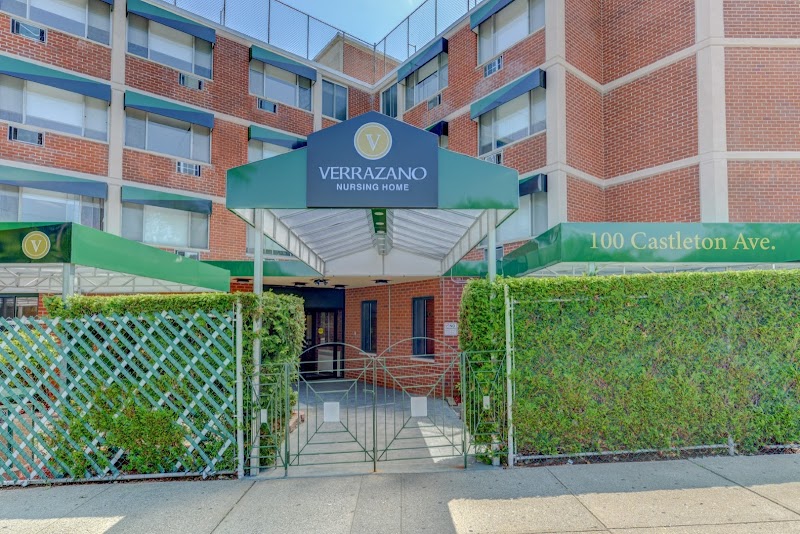
How is Verrazano Nursing And Post-Acute Center Staffed?

CMS rates VERRAZANO NURSING AND POST-ACUTE CENTER's staffing level at 1 out of 5 stars, which is much below average compared to other nursing homes. Staff turnover is 75%, which is 29 percentage points above the New York average of 46%. High turnover can affect care consistency as new staff learn residents' individual needs. RN turnover specifically is 71%, which is notably high. RNs provide skilled clinical oversight, so turnover in this role can affect medical care quality.

What Have Inspectors Found at Verrazano Nursing And Post-Acute Center?

State health inspectors documented 20 deficiencies at VERRAZANO NURSING AND POST-ACUTE CENTER during 2023 to 2025. These included: 2 that caused actual resident harm and 18 with potential for harm. Deficiencies causing actual harm indicate documented cases where residents experienced negative health consequences.
Who Owns and Operates Verrazano Nursing And Post-Acute Center?

VERRAZANO NURSING AND POST-ACUTE CENTER is owned by a for-profit company. For-profit facilities operate as businesses with obligations to shareholders or private owners. The facility operates independently rather than as part of a larger chain. With 120 certified beds and approximately 115 residents (about 96% occupancy), it is a mid-sized facility located in STATEN ISLAND, New York.
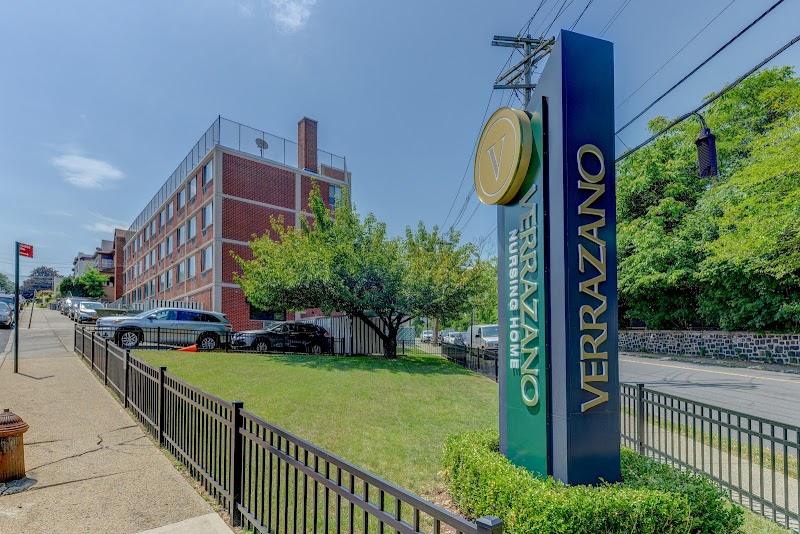
How Does Verrazano Nursing And Post-Acute Center Compare to Other New York Nursing Homes?

Compared to the 100 nursing homes in New York, VERRAZANO NURSING AND POST-ACUTE CENTER's overall rating (1 stars) is below the state average of 3.0, staff turnover (75%) is significantly higher than the state average of 46%, and health inspection rating (2 stars) is below the national benchmark.

What Should Families Ask When Visiting Verrazano Nursing And Post-Acute Center?

Based on this facility's data, families visiting should ask: "How do you ensure continuity of care given staff turnover, and what is your staff retention strategy?" "Can you walk me through typical staffing levels on day, evening, and night shifts?" "Can I visit during a mealtime to observe dining assistance and food quality?" "How do you handle medical emergencies, and what is your hospital transfer rate?" These questions are particularly relevant given the facility's high staff turnover rate and the below-average staffing rating.

Is Verrazano Nursing And Post-Acute Center Safe?

Based on CMS inspection data, VERRAZANO NURSING AND POST-ACUTE CENTER has a clean safety record: no substantiated abuse findings (meaning no confirmed cases of resident harm), no Immediate Jeopardy citations (the most serious violation level indicating risk of serious injury or death), and is not on the Special Focus Facility watch list (a federal program monitoring the lowest-performing 1% of nursing homes). The facility has a 1-star overall rating and ranks #100 of 100 nursing homes in New York. While no facility is perfect, families should still ask about staff-to-resident ratios and recent inspection results during their visit.

Do Nurses at Verrazano Nursing And Post-Acute Center Stick Around?

Staff turnover at VERRAZANO NURSING AND POST-ACUTE CENTER is high. At 75%, the facility is 29 percentage points above the New York average of 46%. Registered Nurse turnover is particularly concerning at 71%. RNs handle complex medical decisions and coordinate care — frequent RN changes can directly impact care quality. High turnover means new staff may not know residents' individual needs, medications, or preferences. It can also be disorienting for residents, especially those with dementia who rely on familiar faces. Families should ask: What is causing the turnover? What retention programs are in place? How do you ensure care continuity during staff transitions?

Was Verrazano Nursing And Post-Acute Center Ever Fined?

VERRAZANO NURSING AND POST-ACUTE CENTER has been fined $157,139 across 14 penalty actions. This is 4.5x the New York average of $34,650. Fines at this level are uncommon and typically indicate a pattern of serious deficiencies, repeated violations, or failure to correct problems promptly. CMS reserves penalties of this magnitude for facilities that pose significant, documented risk to resident health or safety. Families should request specific documentation of what issues led to these fines and what systemic changes have been implemented.

Is Verrazano Nursing And Post-Acute Center on Any Federal Watch List?

VERRAZANO NURSING AND POST-ACUTE CENTER is not on any federal watch list. The most significant is the Special Focus Facility (SFF) program, which identifies the bottom 1% of nursing homes nationally based on persistent, serious quality problems. Not being on this list means the facility has avoided the pattern of deficiencies that triggers enhanced federal oversight. This is a positive indicator, though families should still review the facility's inspection history directly.