TOLSTOY FOUNDATION REHABILITATION AND NRSG CENTER
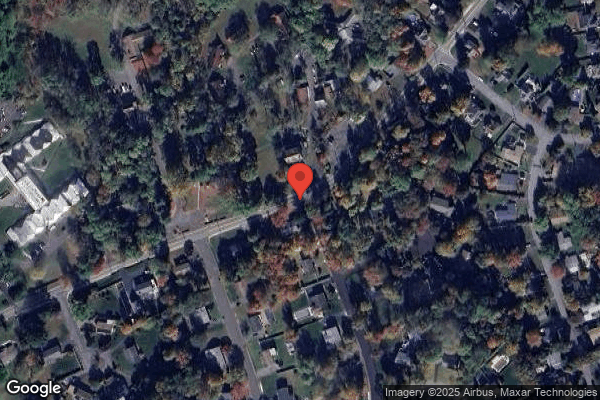
100 LAKE ROAD, VALLEY COTTAGE, NY 10989 (845) 268-6813
Non profit - Corporation 96 Beds Independent Data: November 2025 2 Immediate Jeopardy citations
Trust Grade
0/100
#579 of 594 in NY
Last Inspection: September 2025

Inspected within the last 6 months. Data reflects current conditions.

Overview

The Tolstoy Foundation Rehabilitation and Nursing Center has received a Trust Grade of F, indicating significant concerns about the quality of care provided at this facility. It ranks #579 out of 594 nursing homes in New York, placing it in the bottom half of all facilities statewide and last among the ten facilities in Rockland County. The situation is worsening, with reported issues increasing from 15 in 2024 to 21 in 2025. Staffing is a critical concern, as the center has less RN coverage than 99% of New York facilities, meaning that residents may not receive adequate medical supervision. Additionally, there have been serious incidents, such as the failure to document Do Not Resuscitate orders for six residents and a lack of properly trained staff to provide CPR, raising alarms about the safety and care quality for residents.

Trust Score
F
0/100
In New York
#579/594
Bottom 3%
Safety Record
High Risk
Review needed
Inspections
Getting Worse
15 → 21 violations
Staff Stability
○ Average
Turnover data not reported for this facility.
Penalties
✓ Good
No fines on record. Clean compliance history, better than most New York facilities.
Skilled Nurses
⚠ Watch
Each resident gets only 11 minutes of Registered Nurse (RN) attention daily — below average for New York. Fewer RN minutes means fewer trained eyes watching for problems.
Violations
⚠ Watch
43 deficiencies on record. Higher than average. Multiple issues found across inspections.
★☆☆☆☆
1.0
Overall Rating
★☆☆☆☆
1.0
Staff Levels
★★☆☆☆
2.0
Care Quality
★☆☆☆☆
1.0
Inspection Score
Stable
2024: 15 issues
2025: 21 issues

The Good

  • Full Sprinkler Coverage · Fire safety systems throughout facility
  • No fines on record

Facility shows strength in fire safety.

The Bad

1-Star Overall Rating

Below New York average (3.0)

Significant quality concerns identified by CMS

The Ugly 43 deficiencies on record

2 life-threatening
Sept 2025 14 deficiencies 2 IJ (2 facility-wide)
CRITICAL (L)

Immediate Jeopardy (IJ) - the most serious Medicare violation

Deficiency F0578 (Tag F0578)

Someone could have died · This affected most or all residents

⚠️ Facility-wide issue

**NOTE- TERMS IN BRACKETS HAVE BEEN EDITED TO PROTECT CONFIDENTIALITY** Based on interview, observation and record review during the recertification and extended survey from 08/21/2025 - 09/02/2025, t...

Read full inspector narrative →
**NOTE- TERMS IN BRACKETS HAVE BEEN EDITED TO PROTECT CONFIDENTIALITY** Based on interview, observation and record review during the recertification and extended survey from 08/21/2025 - 09/02/2025, the facility failed to establish consistent mechanisms for documenting and communicating a resident's choice regarding advance directives to the staff responsible for the resident's care, resulting in staff not being able to appropriately identify Do Not Resuscitate orders for (6) six of 26 residents with Advance Directives. Specifically, Residents #64 and #67 were admitted to the facility with Do Not Resuscitate directives signed at the hospital that were not transcribed to the physician orders in the electronic medical record at the time of admission. Additionally, there was not a consistent process for identifying or communicating the resident's wishes regarding Do Not Resuscitate orders for Residents #9, #16, #28 and #36. Subsequently, the facility's failure to have a system to ensure code status was properly identified and implemented, had the likelihood to cause serious adverse outcome to all 64 residents in the facility. This resulted in Immediate Jeopardy to resident health and safety. The findings include:The facility policy titled ‘Advance Directives Advance Care Planning' last reviewed 07/25/2024, documented clinical team members are responsible for reviewing advance directives and incorporating the resident's wishes into treatment and care provision, as well as continuing or modifying approaches as appropriate as well communicating the resident's wishes to involved staff.1. Resident #64 was admitted on [DATE] with diagnoses including COVID-19, dementia, and repeated falls. The physician admitting orders dated 08/20/2025, did not document Resident #64's code status. A review of Resident #64's electronic medical record on 08/22/2025 at 10:37 AM revealed no documented orders regarding code status, and there were no advance directives on the banner in the electronic medical record. A Physician order dated 08/22/2025 at 4:50 PM documented Do Not Resuscitate, Do Not Intubate. A Do Not Resuscitate order dated 08/19/2025 had been scanned into the resident's electronic medical record.During an observation on 08/25/2025 at 9:18 AM, Resident # 64 was in bed with no identification wristband, and the resident's name on the door was typed in black font.During an interview on 08/25/2025 at 9:22 AM, Certified Nurse Aide #2 stated if the resident had a Do Not Resuscitate order, there was an envelope on the back of the door. If they came to a room and the resident was unresponsive, they would ring the bell and go into the hall and yell for help. During an interview on 08/25/2025 at 9:24 AM, Registered Nurse #3 stated the resident's code status was assessed on admission by the admission nurse. In an emergency, the nurse would look in the electronic medical record for the code status. Registered Nurse #3 stated if the resident had a Do Not Resuscitate order, their name on the door was in red font and their identification wristband was in red. In an emergency, the nurse would look in the Electronic Medical Record for the code status. The code status was on the banner under special instructions. During an interview on 08/26/2025 at 11:47 AM, the Assistant Director of Nursing stated Resident #64 had a Do Not Resuscitate order that was included in the admission paperwork packet from the hospital. They stated it was the responsibility of the admission nurse to review the paperwork and discuss advance directives with the resident or responsible party and obtain an order for code status. They stated directives for Do Not Resuscitate were on the banner in the resident's electronic medical record under special instructions. There was no identifier that they were aware of on either the resident's door or on the identification wristband. If staff found a resident unresponsive, they should ring the bell, call out for help and the nurse should check the banner. During an interview on 08/26/2025 at 1:45 PM, Registered Nurse Supervisor #7 stated they completed the admission for Resident #64. They looked at the referral information from the hospital and did not see the code information. Since there was no information, they did not put an order in the electronic medical record related to the code status. They stated if there was not an order for Do Not Resuscitate the resident would be considered a full code. They stated they did not attempt to reach out to the responsible party or discuss Advance Directives with the resident.2. Resident #67 was admitted on [DATE] from the hospital with diagnoses including toxic metabolic encephalopathy (brain dysfunction), congestive heart failure (heart condition) and dementia.The admission orders dated 08/22/2025 did not document a code status for Resident #67. Nursing admission notes by Registered Nurse Supervisor #7, dated 08/22/2025, had no documented evidence of code status or any discussion regarding code status.A physician order dated 08/23/2025 documented Do Not Resuscitate. A Medical Order for Life Sustaining Treatment (MOLST) form was completed on 08/25/2025 with instructions including Do Not Resuscitate, comfort measures only, do not intubate, no feeding tube, a trial period of intravenous fluids, and determine use or limitations of antibiotics when infection occurs. During an observation on 08/26/2025 at 10:15 AM, Resident #67 was in bed and had their name typed in black font on the door and their identification wristband was also in black font.During an interview on 08/26/2025 at 1:45 PM, Registered Nurse Supervisor #7 stated Resident #67 was admitted to the facility with their designated representative present at the bedside. They discussed the advance directives with their designated representative who stated they had a Medical Order for Life Sustaining Treatment (MOLST) and would bring it in. They further stated the family had questions about the Do Not Resuscitate and wanted to discuss it with the physician. Registered Nurse Supervisor #7 also stated if the resident had a cardio-pulmonary arrest before a Do Not Resuscitate order was entered in the electronic medical record, they would perform Cardiopulmonary Resuscitation.During an interview on 08/26/2025 at 2:16 PM, Resident # 67's designated representative stated the resident had no quality of life and they did not want them to be resuscitated. They stated Resident #67 had a Do Not Resuscitate order at the hospital and they understood it was to be continued at the nursing facility when the resident was admitted .3. During an observation and record review audit on 08/25/2025 from 9:43 AM to 10:04 AM, Residents #9, #16, #28, and #36 had their door labels typed in black font, identification wristbands were in black font, and Do Not Resuscitation orders were in their electronic medical records.During an interview on 08/25/2025 at 11:30 AM, the Director of Nursing stated if residents had wishes not to be resuscitated, a Medical Order for Life Sustaining Treatment (MOLST) form was obtained and a Do Not Resuscitate order would be placed in the Physician Orders in the electronic medical record upon admission by the admission nurse. Directions regarding the Do Not Resuscitate would then be then noted on the banner under special instructions in the electronic medical record. A care plan would also be created for residents with Advanced Directives; the Social Workers would be responsible for initiating the care plan. They stated they only had a Social Worker on the weekend and not during the week.During an interview on 08/25/2025 at 12:29 PM, the Director of Admissions stated if the resident was known to have a Do Not Resuscitate order on admission, they would print both the wrist band label and door label in red. If they had Full Code status, they printed a label with black font. If the resident's code status changed after admission and the unit manager let them know, they would reprint the door and wrist band label. During an interview on 08/26/2025 at 11:28 AM, Licensed Practical Nurse #1 stated if the resident had a Do Not Resuscitate order, their identification wristband and door label would have their name in red font and if they were full code status the name would be in black font. Licensed Practical Nurse #1 pointed to Resident #16's door and stated the resident name was in black meaning the resident was a full code. Review of Resident #16's electronic medical record documented Do Not Resuscitate.During an interview on 08/26/2025 at 11:37 AM, Certified Nurse Aide #13 stated that when they found an unresponsive resident they called the nurse as soon as possible. They stated they did not know how to distinguish who had a Do Not Resuscitate order or who was a Full Code. Certified Nurse Aide #13 stated some residents did not wear identification bands. Certified Nurse Aide #13 stated nobody told them what the color of the wristband meant.During an interview on 08/26/2025 at 1:32 PM, the Social Worker stated the resident's Do Not Resuscitate status needed to be addressed within 48 hours of admission. The Social Worker stated there was a possibility that a Do Not Resuscitate would not be addressed if the resident was admitted on a Monday when the Social Worker was not working. The Social Worker stated it would be addressed on Saturday when they were at the facility. The Social Worker stated they spoke to administration about the Medical Order for Life Sustaining Treatment (MOLST) forms and how the physicians were not updating them regularly. They further stated they had not spoken to anyone in the facility about a plan to address who would cover the Medical Order for Life Sustaining Treatment forms and updating the Do Not Resuscitate list due to their part time schedule. The Social Worker stated when a resident had a cardiopulmonary arrest, one (1) nurse went to the Medical Order for Life Sustaining Treatment (MOLST) book, and one nurse went to the resident's room to identify the resident's code status on the resident's wristband.During an interview on 08/26/2025 at 2:58 PM, the Administrator stated they had an Advance Directives Policy. They stated if a resident was not breathing, the staff would check the electronic medical record to view the resident's wishes related to Advanced Directives. They stated they thought there was a sign behind the bed for residents with Do Not Resuscitate orders.During an interview on 08/26/2025 at 3:40 PM, Physician #2 stated the Medical Director was on leave, and they were covering. They stated they were not aware of the Do Not Resuscitate Policy and initially could not elaborate on how quickly a Do Not Resuscitate order should be entered into the electronic medical record.During a follow-up interview on 08/28/2025 at 9:38 AM, the Social Worker stated they had not reviewed the Do Not Resuscitate policy at the facility. The Social Worker stated they had not received orientation or been in-serviced on Do Not Resuscitate since the start of their employment at the facility. The Social Worker stated they only worked on weekends. They stated they were not sure if the Social Work Consultant Supervisor was providing supervision or coverage for them, and they had not had any in-person meetings with the Social Work Consultant Supervisor.During an interview on 08/28/2025 at 9:56 AM, Social Work Consultant Supervisor stated when new administration started at the facility, they assisted Human Resources with trying to find a social worker and interviewed the social worker for the position. The Social Work Consultant Supervisor stated the social worker they hired had a full-time job, was only available to work on weekends, and was hired to fill in until they found a permanent person. Social Work Consultant Supervisor stated they provide supervision by having meetings with the Social Worker via telephone. The Social Work Consultant Supervisor stated the advance directives and code status should be discussed on admission or within 24 hours. Social Work Consultant Supervisor stated when the Social Worker was not at facility the Do Not Resuscitate would be addressed by a designee and physician. The Social Work Consultant Supervisor stated the designee was the nurse doing the admission. The Social Work Consultant Supervisor stated the Assistant Director of Nursing and Director of Nursing were responsible for getting Do Not Resuscitate orders in place, completing the Medical Order for Life Sustaining Treatment (MOLST) form and updating the record when the social worker was not at the facility. 10NYCRR 400.21(7)(iii)
CRITICAL (L)

Immediate Jeopardy (IJ) - the most serious Medicare violation

Deficiency F0678 (Tag F0678)

Someone could have died · This affected most or all residents

⚠️ Facility-wide issue

**NOTE- TERMS IN BRACKETS HAVE BEEN EDITED TO PROTECT CONFIDENTIALITY** Based on interview and record review conducted during the recertification survey, the facility failed to ensure that properly tr...

Read full inspector narrative →
**NOTE- TERMS IN BRACKETS HAVE BEEN EDITED TO PROTECT CONFIDENTIALITY** Based on interview and record review conducted during the recertification survey, the facility failed to ensure that properly trained personnel (and certified in CPR for Healthcare Providers) were available immediately (24 hours per day) to provide basic life support, including cardiopulmonary resuscitation (CPR), to residents requiring emergency care prior to the arrival of emergency medical personnel, and subject to accepted professional guidelines, the resident's advance directives, and physician orders between [DATE] and [DATE]. Specifically, eight (8) out of 14 licensed nurses reviewed did not have current or acceptable completed standardized training and certification. This included six (6) Licensed Practical Nurses (Licensed Practical Nurse #1, #12, #11, #5, #17, #27), and one (1) Registered Nurse (Registered Nurse #3). Additionally, the facility did not have a reliable system to track the cardiopulmonary resuscitation certification status of its staff. This resulted in Immediate Jeopardy and Substandard Quality of Care, putting the health and safety of all 64 residents at risk. The findings include:The facility's policy and procedure titled ‘Cardiopulmonary Resuscitation' dated [DATE], documented cardiopulmonary resuscitation is performed by individuals certified in cardiopulmonary resuscitation, all licensed nursing personnel are required to be cardiopulmonary resuscitation certified and must possess a current certification to perform cardiopulmonary resuscitation.When requested on [DATE], the Director of Nursing provided a list titled CPR/BLS (Cardio-pulmonary Resuscitation/Basic Life Support) with 14 staff listed. When the list was received, the Director of Nursing was asked to provide the CPR certifications. Review of the certifications revealed Licensed Practical Nurse #27 had an expired certification card. The certifications for Licensed Practical Nurse #1, #12 and Registered Nurse #3 were dated [DATE] and were not from an accepted standardized cardiopulmonary resuscitation certification course (training that included hands on practice and in person assessment). Licensed Practical Nurses #5, #11, and #17 were on the list and had no documented evidence of certification. Review of staffing lists and staff schedules from [DATE] through [DATE] revealed that on multiple shifts, there was a lack of staff certified and trained in cardiopulmonary resuscitation. In total there were no certified staff available on five (5) days during the 7:00 AM to 3:00 PM shift ([DATE], [DATE], [DATE], [DATE], and [DATE]); on five (5) days during the 3:00 PM to 11:00 PM shift ([DATE], [DATE], [DATE], [DATE], and [DATE]). During an interview on [DATE] at 3:31 PM, Licensed Practical Nurse #1 stated that on [DATE] they took a course offered by the National Cardiopulmonary Resuscitation Foundation at the direction of the Director of Nursing. They stated this course was comprised of online learning. They stated the course did not include a practical portion it was only a video with question-and-answer format.During an interview on [DATE] at 11:44 AM, the Director of Nursing stated the Human Resource Director was responsible to make sure the staff obtained and maintained cardiopulmonary resuscitation certification. They stated the Human Resource Director resigned on [DATE]. They stated Human Resources was being covered by the management company's Human Resource specialist in the interim while they were seeking to fill the position. They further stated there was no recommended organization for the staff to receive cardiopulmonary resuscitation certification. They stated there was no procedure regarding timing of certification renewal. During an interview on [DATE] at 12:01 PM, the management company Human Resource Director stated currently there was no policy or procedure that guided the facility on reviewing the Cardiopulmonary Resuscitation certification and training for staff. They were unaware of current Cardiopulmonary Resuscitation trainings that were aligned with nationally approved standards.During an interview on [DATE] at 12:32 PM, Registered Nurse Supervisor #3 stated the supervisor of each shift was responsible for submitting a schedule to the Director of Nursing who was responsible for overseeing and approving the schedule. They stated Human Resources was responsible for obtaining cardiopulmonary resuscitation cards and ensuring they were up to date. They stated if there was not a cardiopulmonary resuscitation certified person available, they would call 911. They did not know which staff had active Cardiopulmonary Resuscitation certifications. They stated they were not aware of a plan to ensure cardiopulmonary resuscitation certified staff were in the building.During an interview on [DATE] at 3:40 PM, Physician #2 stated the Medical Director was on leave, and they were covering for the Medical Director. They stated they were not aware of the Do Not Resuscitate or Cardiopulmonary Resuscitation Policies.During an interview on [DATE] at 3:58 PM, the Administrator stated they had only been at the facility a few months and were unaware the building did not have cardiopulmonary resuscitation certified staff present during all shifts. 10 NYCRR 415.11(c)(3)(i)
CONCERN (D)

Potential for Harm - no one hurt, but risky conditions existed

Deficiency F0582 (Tag F0582)

Could have caused harm · This affected 1 resident

Based on record review and interview during the recertification survey the facility did not ensure residents and/or their designated representative were fully informed of their right to an expedited r...

Read full inspector narrative →
Based on record review and interview during the recertification survey the facility did not ensure residents and/or their designated representative were fully informed of their right to an expedited review of a service termination for one (1) of three (3) residents (Resident #71) reviewed for Beneficiary Protection Notification. Specifically, Resident #71 who received Medicare Part A services did not receive two (2) day notification of the termination of services with the Notice to Medicare Provider Non-coverage (NOMNC), form CMS-10123. The findings are:Resident #71 was admitted to facility with diagnoses including Anemia, Arthritis and Cataracts.The 02/26/2025 admission Minimum Data Set (an assessment tool) documented Resident #71 was cognitively intact and received 60 minutes of physical therapy and 40 minutes of occupational therapy.There was no documented evidence of a signed Notice of Non-Coverage for Medicare that was issued 2 days prior to the last Medicare covered day of 04/23/2025. The 08/27/2025 late entry Therapy Note documented on 04/21/2025 Resident #71 was provided a Notice of Non-Coverage the resident refused to sign it and would speak to their designated representative.During an interview on 08/29/2025 at 12:02 PM, Occupational Therapy Assistant #25 stated they called Resident #71's designated representative to find out if they signed the Notice of Non-Coverage since they gave it to the resident but were not sure if it was signed. They further stated they called the former therapist and were told Resident #71 was cut from therapy. Occupational Therapy Assistant #25 stated when there was a planned discharge the therapy department was supposed to get the Notice of Non-Coverage for Medicare signed by the resident and/or designated representative and the nursing department was responsible for insurance cuts from therapy. Occupational Therapy Assistant #25 stated Resident #71 did not want to appeal and was discharged home. They further stated they needed a better system for getting the Notice of Non-Coverage for Medicare signed and there should have only been one department involved in the process. 10 NYCRR 415.3 (g)
CONCERN (D)

Potential for Harm - no one hurt, but risky conditions existed

Pressure Ulcer Prevention (Tag F0686)

Could have caused harm · This affected 1 resident

**NOTE- TERMS IN BRACKETS HAVE BEEN EDITED TO PROTECT CONFIDENTIALITY** Based on observation, record review, and interview conducted during the recertification and extended survey from 08/21/2025 thro...

Read full inspector narrative →
**NOTE- TERMS IN BRACKETS HAVE BEEN EDITED TO PROTECT CONFIDENTIALITY** Based on observation, record review, and interview conducted during the recertification and extended survey from 08/21/2025 through 09/02/2025, the facility did not ensure that residents who had pressure ulcers received necessary treatment and services consistent with professional standards of practice to promote wound healing for one (1) of three (3) residents (Resident #1) reviewed for pressure ulcers. Specifically, Resident #1 was readmitted to the facility on [DATE] with a hospital acquired sacral pressure ulcer and there was no documented evidence of treatment or assessment from 08/01/2025 to 08/13/2025. Findings include:The facility policy and procedure titled Prevention and Treatment of Pressure Ulcers, revised 01/04/2024, documented it is the policy of the facility to prevent, care for, and provide treatment of pressure ulcer. The policy included to document weekly the status of the ulcer in the nursing notes. Resident #1 was readmitted to the facility on [DATE] with diagnoses including diabetes mellitus, depression, and unstageable sacral pressure ulcer. The admission Minimum Data Set (an assessment tool) dated 07/31/2025 documented the resident had intact cognition and required assistance from staff to complete their activities of daily living and had one Stage 3 pressure ulcer and one unstageable pressure ulcer present on admission. A wound consult dated 7/30/2025, from the hospital, documented the resident was seen for an unstageable sacral pressure injury. The recommendation was to cleanse the sacrum with normal saline, pat dry. Apply a nickel thick layer of Santyl (Collagenase) to wound bed daily and cover with a silicone bordered foam dressing daily and as needed if soiled/dislodged. The 07/30/2025 at 9:25 PM, nursing admission summary documented Resident #1 arrived from hospital at 5:00 PM via ambulette. The resident presented with a Stage 4 sacral pressure ulcer from the hospital which was not present at the facility prior to hospitalization. Orders were sent from the hospital to treat the pressure ulcer. These orders were followed, and the treatment was completed immediately after assessment. The 07/30/2025 at 9:34 PM, nursing skin check notes documented a new skin issue on the sacrum, identified a Stage 4 pressure ulcer present upon admission with full thickness skin and tissue loss. The duration of the wound was unknown and had signs and symptoms of infection, including a red and bleeding with granulation tissue and painful. Measurements as followed: length 8.0 centimeters, width 7.0 centimeters, and depth 0.1 centimeters. A nursing progress note dated 07/31/2025 at 2:14 PM, documented the resident had an unstageable sacral pressure ulcer that was cleansed with normal saline, Santyl and a protective dressing were applied. A physician's progress note/ physiatry consult note dated 8/1/2025 at 4:15 PM, documented Resident #1 had returned from the hospital and had a sacral Stage 4 ulcer and would be followed by wound care. Review of nursing and physician progress notes from 08/01/2025 to 08/13/2025, revealed no documented evidence the resident's sacral pressure ulcer was assessed. The 08/13/2025 wound care rounds summary documented Resident #1 had a sacral Stage 3 pressure ulcer that measured 9.0 centimeters x 10 centimeters x 0.2 centimeters (length x width x depth). The wound bed was 90 percent slough (moist dead tissue), 10 percent granulation (healing tissue), and moderate amount of serosanguineous (blood-tinged fluid) drainage. The recommended treatment was to cleanse with normal saline, apply Santyl and cover with dry protective dressing every day. The 08/14/2025 Physician's order documented to cleanse sacrum with normal saline and apply Santyl and cover with dry protective dressing daily. The August 2025 Treatment Administration Record documented Collagenase Ointment (Santyl) 250 unit/gram, apply to sacrum topically in the morning for pressure ulcer. Cleanse with normal saline, apply Santyl and cover with dry protective dressing daily. The start date was 08/15/2025, there was no documented treatment for the sacral ulcer prior to 8/15/2025. The 08/21/2025 wound care rounds documented sacral Stage 3 pressure ulcer measured in length 10.5 centimeters, width 11 centimeters, and depth 0.2 centimeters. Had 90 percent slough, 10 percent granulation, and moderate amount of serosanguineous drainage. Wound treatment cleanse with normal saline, apply Santyl and cover with dry protective dressing every day and as needed. During an observation and interview on 8/22/2025 at 8:38AM, the resident was lying on their back, in bed with an air mattress in place. Resident #1 stated they came from the hospital two weeks ago and had a wound on their back that had been problematic. During an interview on 8/27/2025 at 8:20 AM, the Director of Nursing stated the resident developed a severe pressure ulcer on their sacrum during the recent hospital stay. They stated the wound rounds were done weekly on Wednesdays by a wound care provider. They stated the wound rounds were not done on 8/6/2025 as the wound care provider was unavailable that day. During an observation and interview on 8/27/2025 at 11:32 AM, the Wound Nurse Practitioner stated wound rounds were conducted for all residents with wounds every Wednesday, unless unavailable. They stated the Resident #1 had a Stage 3 pressure ulcer to the sacrum. During the observation the old dressings was removed with large amount of sanguineous drainage the wound was cleansed with normal saline, the wound measured 11.0 length x 8.5 width and 2.5 depth, the wound bed had 60 % brown/black tissue, and 40% granulation tissue with no odor present. During a follow-up interview on 8/27/2025 at 12:43 PM, the Wound Nurse Practitioner stated they sent the wound care notes to the registered nurses, Director of Nursing, and the physicians through email. They stated in their absence the facility was made aware and had the option of conducting the wound rounds themselves or requesting for another wound care provider to do the wound rounds. In addition, they stated any of the registered nurses could measure the wounds in their absence as the facility was responsible for weekly wound measurements. During an interview on 8/28/2025 at 3:42 PM, Licensed Practical Nurse Unit Manager #21 stated the Wound Nurse Practitioner was not available on 8/6/2025 and the wound measurements were typically done by registered nurses and would be in the progress notes. When requested, they stated they could not find information regarding weekly wound measurements for 8/6/2025 in the resident's electronic medical record. During a follow-up interview on 8/29/2025 at 4:22 PM, the Director of Nursing stated when residents were admitted with a pressure ulcer, the nursing staff would contact the physician to obtain treatment orders for the wounds. A wound consult would be ordered, and the resident would be discussed in the morning meeting with all the clinical disciplines present. 10 NYCRR 415.12(c)(2)
CONCERN (D)

Potential for Harm - no one hurt, but risky conditions existed

Pharmacy Services (Tag F0755)

Could have caused harm · This affected 1 resident

**NOTE- TERMS IN BRACKETS HAVE BEEN EDITED TO PROTECT CONFIDENTIALITY** Based on observation, interview, and record review during a recertification and extended survey from [DATE] to [DATE], the facil...

Read full inspector narrative →
**NOTE- TERMS IN BRACKETS HAVE BEEN EDITED TO PROTECT CONFIDENTIALITY** Based on observation, interview, and record review during a recertification and extended survey from [DATE] to [DATE], the facility did not ensure that pharmaceutical services including procedures that assure the accurate acquiring of medications, met the needs of each resident for (1) one of three (3) residents (Resident #47) reviewed during the medication administration task; and the facility did not ensure a system of disposition and reconciliation for all controlled drugs. Specifically, 1) Resident #47's oral hypoglycemic medication was not available for administration as ordered; and 2) Resident #68 was discharged [DATE] and two boxes of Lorazepam concentration, prescribed for the resident, were not counted by two licensed staff members. Findings include: The Policy & Procedure dated [DATE], titled Ordering and Receiving Drugs, Discontinued Drugs and Label Changes documented to reorder medications, peel off the duplicate label on the container and affix it to the order form. 1) Resident # 47 had diagnoses including diabetes, post cerebral infarction, and hemiplegia. The Quarterly Minimum Date Set (an assessment tool) dated [DATE], documented the resident had intact cognition, and required partial to moderate assistance for activities of daily living. The physician order dated [DATE] documented to administer Metformin1000 milligrams two times a day at 9:00 AM and 6:00 PM. During a medication administration observation on [DATE] at 9:44 AM, Licensed Practical Nurse #1 took Resident #47's medications from the blister packs and placed them in the medication cup. They stated Resident #47 Metformin was unavailable in the medication cart and that they would have to request it from pharmacy. The nurse progress note dated [DATE] at 2:42 PM documented the facility was waiting for pharmacy to deliver Metformin. During an interview on [DATE] at 12:41 PM, the Director of Nursing stated that nurses were responsible for stocking medication cart. Prescribed medications were delivered by the pharmacy every night and as needed. When delivered, a Registered Nurse would verify the contents of the delivery then the Registered Nurse would restock medication carts. If there was a medication missing/unavailable, the pharmacy would be notified by the nurse. They stated that they were unsure of how long it took for medication to be delivered. Additionally, they stated Metformin was not available in the back-up box. During an interview on [DATE] at 2:37 PM, Licensed Practical Nurse #1 stated that medication was still not available. During an interview with the pharmacy on [DATE] at 2:24 PM, the pharmacy representative stated the facility could reorder medication from the pharmacy in the electronic medical record, call it in or fax it over. The facility should have re-ordered the medication 4-5 days before they ran out. The blister pack had a change in color to cue the nurse to reorder. When they order the medication, it will come the next afternoon. The pharmacy could send a medication over STAT (immediately) and they had an agreement to deliver within 2 hours if a medication was needed. During an interview on [DATE] at 2:59 PM interview with Physician #2, (covering for the Medical Director), they stated they did not remember being called about the omission of Metformin for Resident #47. They stated if they were called, they would have advised to give the next dose as ordered and monitor the blood glucose. 2)The Nursing Medication Storage policy and procedure, dated [DATE], documented that expired, discontinued and/or contaminated medications will be removed from the medication storage areas and disposed of according to facility policy. The Nursing Access to Narcotic Storage and Locked Drug Areas policy and procedure, dated [DATE], documented that at the beginning and end of each shift all narcotics and controlled substances will be accounted for by having two nurses count narcotics and sign the appropriate accountability records. Resident # 68 was admitted on [DATE] with a diagnosis of subdural hemorrhage, altered mental status and acute post procedural respiratory failure. The Minimum Data Set (an assessment tool) dated [DATE] documented a discharge date of [DATE] due to death in facility. A physician order dated [DATE] documented Lorazepam Intensol Oral Concentrate two milligrams/milliliter; give one milliliter by mouth every eight hours for agitation. During an observation of the upper-level west medication room on [DATE] at 2:53 PM with Nursing Supervisor #7, two boxes of Lorazepam oral concentration were found in the lock box in the refrigerator. One of the boxes was sealed and unopened, the other box was open, with an open date of [DATE]. The box was labeled for Resident #68. During an interview on [DATE] at 2:57 PM, Nursing Supervisor #7 stated the Lorazepam was for a resident who passed away and a count sheet for that medication could not be located. During an interview on [DATE] at 12:51 PM, the pharmacy consultant stated they found the Lorazepam in the refrigerator on their last inspection and the Director of Nursing was notified. They stated that if the nurses had access to the Lorazepam, it should have been counted. They stated that if the Lorazepam was scheduled to be destroyed, it should have been pulled from the refrigerator. During an interview on [DATE] at 3:45 PM the Director of Nursing stated they were aware that if nurses had access to narcotics, it should be counted every shift. They stated they did not know why the medication remained in the refrigerator and stated they asked for all narcotics when they started in [DATE]. They additionally stated they tried to complete narcotic destruction every quarter and the next destruction was scheduled for [DATE]. They stated the narcotics to be destroyed were kept in a lock box in their office. 10NYCRR 415.18(a)
CONCERN (D)

Potential for Harm - no one hurt, but risky conditions existed

Deficiency F0760 (Tag F0760)

Could have caused harm · This affected 1 resident

Based on record review and staff interviews during the Recertification and Extended surveys from 08/21/2025-09/02/2025, the facility did not ensure residents were free of significant medication errors...

Read full inspector narrative →
Based on record review and staff interviews during the Recertification and Extended surveys from 08/21/2025-09/02/2025, the facility did not ensure residents were free of significant medication errors for (1) one of (5) five residents (Resident # 3) reviewed for Unnecessary Medications. Specifically, Resident #3 had blood pressure parameters for Metoprolol (decreases blood pressure and heart rate) and Midodrine (increases blood pressure), and on 25 occasions the medications were given outside of the blood pressure parameters specified in the physician orders. Findings include:The undated Medication Error policy documented a nurse manager is responsible for completing a medication incident report and forwarding to Director of Nursing. Director of Nursing completes a monthly summation of medication errors /omissions, and the information is reported to the Pharmacy, and Nursing Quality Assurance Council for facility QAPI Committee review. Resident #3 was admitted to the facility with diagnoses including Hypertension, Hypotension, and End Stage Renal Disease. The 11/9/2024 physician's order documented to administer Metoprolol (lowers blood pressure) 100 milligrams one time a day for hypertension, and to hold for blood pressure below 110.The 11/9/2024 physician's order documented to administer Midodrine 5 milligrams, give 3 tablets by mouth 3 times a day for hypotension on dialysis days, and to hold for blood pressure greater than 130. Order renewed 4/30/25.The March 2025 Medication Administration Record (MAR) documented 3 medication errors; Midodrine was given on 3/13/25 and the blood pressure was 149/67. Metoprolol was given on 3/18/25 the blood pressure was 104/70, and on 3/27/25 when the blood pressure was 109/60.The April 2025 Medication Administration Record (MAR) documented 4 medication errors; Midodrine was given on 4/11/25 when the blood pressure was 132/72, and on 4/13/25 the blood pressure was 149/76. Metoprolol was given on 4/18/25 when the blood pressure was 104/70, and on 4/19/25 when the blood pressure was 105/68.The 4/24/25 Pharmacy Consultation documented on 4/14/25 midodrine was administered despite blood pressure being over 130. On 4/15/25, 4/18/25 and 4/19/25 Metoprolol was given despite blood pressure being lower than 110. It further documented to inquire, address and initiate a medication error report per the facility policy. The May 2025 Medication Administration Record MAR documented 5 medication errors; Metoprolol was given on 5/2/25 the blood pressure was 101/62, on 5/11/25 when the blood pressure was 103/64, on 5/16/25 when the blood pressure was 102/59, on 5/20/25 the blood pressure was 107/71, and on 5/24/25 when the blood pressure was 107/65.The 5/19/25 Pharmacy Consultation documented resident has order for metoprolol with a hold parameter of blood pressure less than 110. It further documented that doses were given when blood pressure was below the parameter on 5/2/25 and 5/16/25. The 5/27/25 Medication Error Inservice was given by the Pharmacy Consultant to one registered nurse and four licensed practical nurses to provide education for medications administered outside the physician ordered parameters for the medication. The June 2025 Medication Administration Record MAR documented 5 medication errors when Metoprolol was given on 6/5/25, 6/21/25, and on 6/27/25 when the blood pressure was less than 110. Midodrine was given on 6/7/25 and 6/23/25 when the blood pressure was greater than 130 The 6/22/25 Pharmacy Consultation documented to please note resident has order for metoprolol with a hold parameter of blood pressure less than 110. It further documented that doses were given when blood pressure was below the parameter on 6/5/25 and 6/21/25.The July 2025 Medication Administration Record MAR documented 4 errors, Metoprolol was given on 7/2/25 and 7/27/25 when the blood pressure was less than 110. Midodrine was given on 7/7/25 and 7/14/25 when the blood pressure was greater than 130.The August 2025 Medication Administration Record MAR documented 3 medication errors; Midodrine was given on 8/4/25 the blood pressure was 133/67, Midodrine was given on 8/13/25 the blood pressure was 132/74, Metoprolol was given on 8/14/25 the blood pressure was 109/65. The 8/18/25 Pharmacy Consultation documented metoprolol given outside parameters on 8/14/25. Midodrine was given outside parameters 8/4/25 and 8/9/25. There was no documented evidence of medication error reports for the 24 times the blood pressure medications were administered outside the blood pressure parameters for each medication.There was no documented evidence of disciplinary actions for the medication errors for Resident # 3.During an interview on 08/26/2025 at 11:34 AM, the Pharmacy Consultant stated it was a work in progress, the staff were new and they felt there had been progress. The Pharmacy Consultant stated they had been involved in a medication pass audits to assist and provide education to the nursing staff. During an interview on 08/26/2025 at 12:28 PM, The Pharmacist and the Pharmacy Consultant stated they checked for medication errors when they did their reviews and informed the Assistant Director of Nursing. They stated the Assistant Director of Nursing would check for medication errors and would identify the nurses involved and would send documentation the nurses were educated. They further stated the Assistant Director of Nursing provided an in-service on medication parameters. They stated the administration error report was sent to Assistant Director of Nursing and provided an overview and education a few weeks ago. They stated they came to the facility and did a medication pass assist and provided education to the nursing staff about parameters errors. They stated they did attend the QAPI meetings and had informed facility of medication errors. During an interview on 8/26/25 at 12:38 PM, the Assistant Director of Nursing stated they did not use the Medication Incident Report form and instead would just document the medication error on the disciplinary action form and was unable to provide copies of any reports or disciplinary actions for Resident #3 medication errors. During an interview on 08/26/2025 at 2:45 PM, Physician #3 stated they signed off on the pharmacy recommendations but was unable to give specific dates. Physician #3 stated Resident #3 had end stage renal disease and had issues with blood pressure. They further stated they were not made aware of the 25 medication errors. Physician #3 stated the resident had been hospitalized for hypotension in the past while receiving dialysis and had to be transferred to the hospital. The resident had been hospitalized many times for hypotension in the past. In order to control heart rate, the resident needed a medication that limits the heart rate. Physician #3 stated while the resident was taking the medication and going to dialysis the resident would become hypotensive. Physician #3 stated they had to add the Midodrine to bring the blood pressure up. Physician #3 stated if the blood pressure medications were given outside of the blood pressure parameters for the Midodrine and Metoprolol, the harm caused would be either the resident could become hypertensive or hypotensive. During an interview on 08/29/2025 at 10:38 AM, Licensed Practical Nurse #17 stated the medication sometimes both blood pressure medications for Resident #3 contradicted each other. Licensed Practical Nurse #17 stated they use their judgement at times and sometimes the systolic blood pressure was off, and the heart rate was too high. Licensed Practical Nurse #17 stated they had tried to call Physician #3 so many times to talk about the patient and they were unable to reach them. Licensed Practical Nurse #17 stated they tried to use their best judgement. Licensed Practical Nurse #17 stated they had been disciplined by the Assistant Director of Nursing on administering medications outside the parameters and was educated about it in May 2025. During an interview on 08/29/2025 at 10:48 AM, the Director of Nursing stated they were not aware the nurse was attempting to call Physician #3 about concerns with the blood pressure medications given to Resident #3. The Director of Nursing stated the resident went to dialysis and when they returned the blood pressure was low and the nurses were not reading the parameters properly. The Director of Nursing stated when there was a medication error, the process was the Assistant Director of Nursing would collect the list of medication errors, call the physician, and inform the Director of Nursing. The Assistant Director of Nursing was supposed to audit the medical record and do a Medication Incident Report form. The Director of Nursing stated they did have the Medication Incident Report Form, and they should have been using it. They did not know why the Assistant Director of Nursing was not using the form. The Director of Nursing stated they spoke to Physician #3 about Resident #3 medications and Physician #3 stated they could not change any of the blood pressure medication. 415.12(m)(2)
CONCERN (D)

Potential for Harm - no one hurt, but risky conditions existed

Deficiency F0761 (Tag F0761)

Could have caused harm · This affected 1 resident

Based on observations, record review and interviews conducted during the recertification and extended survey from 08/21/2025 to 09/02/2025, the facility did not ensure the labeling of medications in a...

Read full inspector narrative →
Based on observations, record review and interviews conducted during the recertification and extended survey from 08/21/2025 to 09/02/2025, the facility did not ensure the labeling of medications in accordance with currently accepted principles and the facility did not ensure all drugs and biologicals were stored in a locked compartment. Specifically, 1) an open Insulin pen was found in a medication cart without an open date. The manufacturer recommendation is to date the insulin pen when opened. After opening the medication is considered viable for 28 days. 2) a medication cart was observed unattended and un-locked. Findings include:The Nursing/medication storage policy dated 01/24/ 2025, documented all medications will be stored in a locked cabinet, cart or medication room that is accessible only to authorized personnel.The Nursing/medication administration policy dated 10/2024, documented that it is the responsibility of the licensed professional nurse to be aware of the drugs classification, action, correct dosage, side effects, and any specific manufacturer recommendations.1) Resident #5 was admitted with a diagnosis of type two diabetes mellitus, metabolic encephalopathy and brief psychotic disorder. The Quarterly Minimum Data Set (an assessment tool) dated 08/04/2025, documented the resident received insulin injections daily.Physician order dated 07/21/2025, documented Lantus Solo-Star Subcutaneous Pen-Injector 100U/milliliter. Administer 26 units every day at bedtime.During an observation on 08/21/2025 at 4:00 PM of the upper-level east medication cart with Nursing Supervisor #7, an insulin pen for Resident #5 was found with no open date.During an interview on 08/21/2025 4:05 PM, Nursing Supervisor #7 stated that insulin was viable for 60 or 30 days after opening. They stated that someone clearly opened the insulin pen and did not date it.During an interview on 8/26/25 at 3:45 PM, the Director of Nursing stated they did not know why an insulin pen would be in the medication cart without an opening date. They additionally stated that it was the responsibility of the pharmacy consultant as well as nursing leadership to educate the staff on proper labeling and insulin storage. 2) During an observation on 8/22/2025 at 3:30 PM, the medication cart on the upper-level east unit was unsupervised and unlocked in the hallway.During an interview on 8/22/2025 at 3:35 PM, Nursing Supervisor #7 stated that the day nurse must not have locked the cart when they left for the day. They stated that they had the keys and would lock the cart.During an interview on 8/22/2025 at 3:40PM, the Director of Nursing stated the medication carts should be locked when left unsupervised. 10 NYCRR 415.18(d) (e)
CONCERN (D)

Potential for Harm - no one hurt, but risky conditions existed

Infection Control (Tag F0880)

Could have caused harm · This affected 1 resident

Based on observation, interview, and record review during a recertification survey the facility did not ensure they maintained an infection prevention and control program designed to provide a sanitar...

Read full inspector narrative →
Based on observation, interview, and record review during a recertification survey the facility did not ensure they maintained an infection prevention and control program designed to provide a sanitary environment and to help prevent development and transmission of infection for two (2) of seven (7) residents reviewed for infection control. Specifically, (1) Certified Nurse Aide #26 was observed touching dresser drawers in Resident #65's room who was on contact precautions. Additionally, there was no contact precaution sign posted outside Resident #65's room and no personal protective equipment bin outside the room/garbage bin for discarding personal protective equipment by or inside the room (2) Certified Nurse Aide # 8 and Certified Nurse Aide # 4 did not wear a gown when providing incontinence care for Resident #23 who was on enhanced barrier precautions and (3) the facility did not ensure a complete infection surveillance plan was implemented for the identification, containment, and prevention of infection.The findings are: The undated policy and procedure titled “Infection Control” documented hand hygiene as well as other forms of personal protective equipment are to be utilized when caring for all residents. When providing High-Contact Care to residents on enhanced barrier precautions, staff will use a gown and gloves. It further defined “High-Contact Care” as dressing, bathing/ showering, providing hygiene, changing briefs, or assisting with toileting. The policy titled “Infection Control Program” revised November 2024 documented maintain records of incidents and corrective actions related to infections. The policy titled “Infection Control Policy” documented the Director of Nursing will maintain updated precautions list and communicate when there are changes. (1) Resident #65 was admitted with diagnoses including Gram Negative Sepsis, Parkinsons Disease with Dyskinesia, and Extended Spectrum Beta Lactamase. The 8/14/2025 physician order documented contact precaution for Extended Spectrum Beta Lactamase in urine or blood During observation and interview on 08/21/2025 at 10:31 AM, Resident #65 was in their room. There was no personal protective equipment bin outside the room/garbage bin for discarding personal protective equipment by or inside the room and no contact precaution sign on the door. During observation and interview on 8/22/25 at 11:30AM Certified Nurse Aide #26 was inside Resident #65's room wearing a mask. Certified Nurse Aide #26 without the use of gloves/gown opened the residents' dresser drawer and closed them. Certified Nurse Aide #26 stated when they provided care for a resident on contact precaution they needed to put on a gown, gloves, and mask. They further stated they were not providing cares therefore they did not need to wear a gown or use gloves. During an interview on 08/29/2025 at 11:06 AM, Registered Nurse #3 stated it was their responsibility to place personal protection equipment carts/red bins to dispose of the personal protective equipment and educate staff, residents and visitors about precautions. Registered Nurse #3 stated they did not know why Resident #65 had no personal protective equipment cart or red bin to dispose of items. Registered Nurse #3 further stated Resident #65 was on contact precaution, and needed an isolation cart with a mask, gloves, and gown inside it. (2) During an observation on 08/21/2025 at 1:20 PM, Certified Nursing Aide #8 and Certified Nursing Aide #4 wore gloves and masks and did not wear gowns when they provided incontinence care for Resident #23 on enhanced barrier precautions. During an interview at 08/21/2025 at 1:30 PM Certified Nursing Aide #8 stated a gown was required when they entered the room to provide care for a resident on enhanced barrier precautions. During an interview 08/21/2025 at 2:19 PM, the Director of Nursing/Infection Preventionist stated infection tracking sheet/s were utilized as infection surveillance. They stated they were not able to provide complete documentation of infection surveillance to include onset of symptoms, antibiotic start date/s, and which isolation precautions were ordered. During a phone interview on 08/22/2025 at 3:18 PM, the covering Medical Director stated before starting antibiotics for Urinary Tract Infection, residents would be assessed for signs/symptoms of infection, urine would be collected for culture and antibiotics would be prescribed if needed. 10 NYCRR 415.19
CONCERN (E)

Potential for Harm - no one hurt, but risky conditions existed

Grievances (Tag F0585)

Could have caused harm · This affected multiple residents

Based on observation, record review and interview during a recertification survey it was determined the facility did not make information on how to file a grievance or complaint available to residents...

Read full inspector narrative →
Based on observation, record review and interview during a recertification survey it was determined the facility did not make information on how to file a grievance or complaint available to residents. Specifically, during an 08/22/2025 resident council meeting Residents # 8, 11, 32, 34, 35, 36, 40, 41, 50, 53, 54, 59 and 65 stated they were unaware of the process of filing a formal grievance with the facility and were unaware of who the facility grievance official was.The findings include:A review of the policy titled Social Services/ Complaints and Grievances dated 07/25/2024, documented the Administrator will inform the Abuse Coordinator (Director of Social Services) that a complaint has been made, and an investigation has begun.The facilities grievance log revealed three grievances from: 02/01/24 (initiated by a resident), 03/18/24 (initiated by family) and 03/25/24 (initiated by family). No other grievances were noted for the past 15 months. During an observation on 08/22/2025 at 10:00 AM of the front entrance lobby, and resident units, there were no postings identifying the facilities grievance officer or providing information on the grievance process.On 08/22/2025 at 10:30 AM, a resident council meeting was held with Residents # 8, 11, 32, 34, 35, 36, 40, 41, 50, 53, 54, 59 and 65. All attendees stated they were unaware of the process of filing a formal grievance with the facility and were unaware of who the facility grievance official was.During an interview on 08/25/2025 at 1:31 PM, the Administrator stated they advised residents of the grievance process during admission and that a complaint and grievance form was given to the residents in the admission packet. The Administrator stated there was no Abuse Coordinator (Director of Social Services), and they were trying to hire a full-time social worker. The Administrator also stated they did not know if the process of filing a formal grievance was ever reviewed at the resident council meetings.During an interview on 8/25/25 at 2:56 PM Resident #20 stated they were unaware of the grievance process. They had no knowledge who the grievance officer was.During an interview on 8/27/2025 at 3:21 PM, Resident #1's family member stated they were not familiar with the process of filing a formal grievance with the facility. During an interview on 08/29/2025 at 4:02 PM the Social Worker stated no one asked them to handle grievances upon hire, they just assumed they would handle them. The Social Worker stated they were unaware of the grievance policy. 10 NYCRR 415.3 (D) (1) (ii)
CONCERN (E)

Potential for Harm - no one hurt, but risky conditions existed

Deficiency F0628 (Tag F0628)

Could have caused harm · This affected multiple residents

**NOTE- TERMS IN BRACKETS HAVE BEEN EDITED TO PROTECT CONFIDENTIALITY** Based on interviews and record review during the recertification and extended survey from 8/27/2025-9/3/2025, the facility did n...

Read full inspector narrative →
**NOTE- TERMS IN BRACKETS HAVE BEEN EDITED TO PROTECT CONFIDENTIALITY** Based on interviews and record review during the recertification and extended survey from 8/27/2025-9/3/2025, the facility did not ensure that the resident, resident's representative(s), or ombudsman was notified of the transfer or discharge, and the reasons for the move, in writing and in a language and manner they understand for three (3) of 3 residents (Resident #61, #63 and Resident #66) reviewed for hospitalization or discharge home. Specifically, 1) the facility did not complete a discharge notice or notification of bed hold or notify the ombudsman for Residents #61 and #66 when they were hospitalized . 2) The facility did not notify the ombudsman for Resident #63 when they were discharged to the home. Findings include: Policy and Procedure titled “Written Notification of Bed Hold” dated December 1995 documents written notice of Bed hold must be provided to all residents or representatives upon transfer or discharge. Policy and Procedure undated titled “Ombudsman Notification Discharge” documents the facility will send a copy of the notice to a representative of the Office of the State Long-Term Care Ombudsman. 1) Resident # 61 had diagnoses including Chronic Obstructive Pulmonary Disease, and Adult Failure to Thrive, The admission Minimum Data Set (an assessment tool) dated 6/23/25, documented the resident's cognition was severely impaired and they required substantial to maximal assistance with activities of daily living. A progress note dated 7/6/2025 documented the resident went to the hospital with acute respiratory distress. A review of the medical record revealed no documented evidence that a notice of Bed Hold, or notification of the ombudsman was completed. 2) Resident #63 had diagnoses including pneumonia, diabetes, and an intellectual disability. The admission Minimum Data Set (an assessment tool) dated 6/6/2025 documented the resident's cognition was severely impaired, and they required partial assistants with all activities of daily living, The progress note dated 6/20/25 documented the staff picked up the patient after lunch. All medication and clothing were given to group home staff and the resident was discharged . The facility was unable to provide documented evidence that the ombudsman was notified of the discharge. 3) Resident #66 was admitted to facility on 8/7/25 with diagnoses including Sepsis, Spastic Quadriplegic Cerebral Palsy, and [NAME] Syndrome. Resident #66 was discharged [DATE], there was no documented evidence of a transfer discharge notice or bed hold policy notice provided to the resident/designated representative and Ombudsman. During an interview on 08/22/2025 at 11:14 AM, the Assistant Director of Nursing stated the notice of bed hold and the notification to the ombudsman should be sent by the social worker. They reviewed the social worker's email and the medical record and could not locate any proof of notice of bed hold, or notification of the ombudsman. During an interview on 8/28/25 at 9:30 AM, the social worker stated they were only at the facility on weekends. They received no orientation and were unclear what their responsibilities were. They had only worked in the facility (7) seven days since they started. They were not hired to be the Director of Social Services. During an interview on 08/29/2025 at 11:18 AM, the ombudsman they stated they had not been receiving notices of discharge consistently; they had not received any notice of discharge from the facility since 7/9/25 and had no notices for Resident #61, #63, or #66. NYCRR 415.3
CONCERN (E)

Potential for Harm - no one hurt, but risky conditions existed

Deficiency F0919 (Tag F0919)

Could have caused harm · This affected multiple residents

Based on observation, record review and interviews conducted during the recertification and extended survey from 8/21/2025 through 9/2/2025, the facility did not ensure residents were adequately equip...

Read full inspector narrative →
Based on observation, record review and interviews conducted during the recertification and extended survey from 8/21/2025 through 9/2/2025, the facility did not ensure residents were adequately equipped to call for assistance through a communication system that relays the call directly to a staff member or to a centralized staff work area. Specifically, 1) the light above the residents' doors on the second floor were not functioning in five (5) of the 26 rooms (Rooms #202 A, 202B, 205B, 207B, 212B, and 217B). The call lights lit up above the residents' rooms but had no audible sound. Additionally, tap bells were not provided or readily available for three bathrooms (Rooms #202, 207, and 212). 2) The centralized call monitor console at the second-floor nurse station produced an audible sound when room call lights were activated, but it did not accurately display the corresponding room numbers. 3) The facility could not provide the documentation related to staff rounds when the call light system was malfunctioning.The findings include:The facility's policy on the resident call system, revised on 04/2025, states that the call system must be properly equipped to enable residents to request staff assistance. This communication system should relay calls directly to a staff member or to a centralized staff work area from each resident's bedside, toilet, and bathing facilities. Staff members are required to check all call lights daily and report any that are not functional to the charge nurse. Additionally, staff must conduct rounds every two hours.During an observation and interview on 08/21/2025 at 11:12 AM, Certified Nurse Aide #23 stated sometimes the call bells lit up but did not ring in all the residents' rooms. They stated that someone from outside came to repair the call bells, and they thought there might be a problem with the wiring.During an observation on 08/21/2025 at 11:40 AM, surveyors conducted tests on the call bell system located on the second floor, specifically in rooms 201P to 226P. During the observation, several resident rooms had visible lights above their doors indicating an active call. However, the console at the nursing station did not accurately display which resident's room had activated the call signal, nor did it produce any sound.During a Resident Council Group meeting held on 08/22/2025 at 10:30 AM, residents stated the call bells did not consistently work and were not answered in a timely manner. Additionally, residents stated they sometimes received tap bells but were not given instructions on how to use them. They stated the call bells had not been functioning properly for at least eight months.During an interview on 08/22/2025 at 3:19 PM, Licensed Practical Nurse Manager #21 stated sometimes the console lit up, but the room lights did not. They stated the call bells had been malfunctioning and needed to be replaced. They stated the staff conducted frequent rounds and was always present around the unit.During an interview on 08/25/2025 at 7:33 AM, Registered Nurse Night Supervisor #22 stated some call bells were not functioning properly. Residents had stated they pressed the call bells, and no one responded to them in a timely manner. Registered Nurse Supervisor #22 stated they observed the centralized call monitor console did not accurately light up to indicate the resident's room. They stated the night shift staff typically conducted rounds every two hours, which was standard practice. Registered Nurse Night Supervisor #22 stated all staff received annual in-service training, which included information about the call bells not functioning properly, but it was not specifically focused on the call bell issues. They were unaware of the actions taken for residents whose call bells were not operational, and they were not aware exactly which call bells malfunctioned. Registered Nurse Night Supervisor #22 stated they observed tap bells in use but was unsure why they were provided and did not inquire further. Additionally, they did not know if the situation had been communicated to the residents' families, nor were they certain whether families should be notified when the call bell system was not working properly.During an interview on 08/27/2025 at 12:07 PM, the Maintenance Director stated they were made aware of the malfunctioning call bell system in several rooms. They stated the first report of the issue occurred in June 2025. They stated they consulted a vendor to install a new call bell system, and they received a proposal for this in July 2025 and the proposal had not been signed. The Maintenance Director stated they spoke with the Chief Executive Officer, who was responsible for signing the proposal for the new call bell system. The Maintenance Director stated they were responsible for call bell system functioning. They stated in the meantime; staff members were making rounds and tap bells were distributed to residents whose call bells were not working.During an interview on 8/27/2025, at 12:52 PM, the Director of Nursing stated that since starting at the facility in March 2025, the call bell system had not functioned properly. They stated that the system did not work in certain rooms and the Maintenance Department was working on the issue. The Director of Nursing explained the protocol regarding a no pass zone, which required staff to respond immediately when a call light was activated. They stated staff had education on the call bell system beginning in May 2025, and temporary tap bells were placed in residents' rooms where the call bells were broken. The Director of Nursing stated they instructed the Charge Nurse for the second floor to relocate residents to a room where the call bell was functioning. However, feedback indicated that the residents did not want to move. The Director of Nursing stated there was no documentation to confirm that rounds had been conducted, but they expected the staff to maintain professionalism in caring for the residents. Additionally, they stated that the social worker was in communication with the families regarding the issues with the call bell system. The Director of Nursing stated that they were in the process of creating a flow sheet to monitor hourly rounds by the staff and will ensure follow-up on this matter.During an interview on 09/02/2025, at 10:58 AM, the Chief Executive Officers stated that the call bell system would be replaced. They were currently seeking a second quote. They stated that tap bells were in use and the nursing staff was actively rounding. They stated they became aware of the call bell malfunctions in July 2025 but were unaware about any issues that began in February 2025. They stated they had met with the Director of Nursing, the Administrator, and Maintenance Department regarding the plan to address the call bell system.10 NYCRR 415.29
CONCERN (F)

Potential for Harm - no one hurt, but risky conditions existed

Deficiency F0725 (Tag F0725)

Could have caused harm · This affected most or all residents

**NOTE- TERMS IN BRACKETS HAVE BEEN EDITED TO PROTECT CONFIDENTIALITY** Based on observations, interviews and record reviews conducted during the recertification and extended survey from 08/21/2025 to...

Read full inspector narrative →
**NOTE- TERMS IN BRACKETS HAVE BEEN EDITED TO PROTECT CONFIDENTIALITY** Based on observations, interviews and record reviews conducted during the recertification and extended survey from 08/21/2025 to 09/02/2025, the facility did not ensure sufficient staff was consistently provided to meet the needs of residents on all shifts. Specifically, residents and family members reported during confidential interviews and group meetings that there were frequent delays in responses to call bells. An analysis of the facility assessment and the daily staffing levels documented on multiple occasions between 07/21/2025 and 08/21/2025 the facility did not meet their staffing requirements set forth in their Facility assessment dated [DATE].Findings include: The Facility assessment dated [DATE], documents that each day the facility will have, in total, nine licensed nurses, 20 certified nurse aides, one social worker and two activity therapy staff members available to meet the resident's needs. The Facility Assessment did not include a break down by shift for nursing staff. The Facility Assessment also documented 75 percent of their residents were of high acuity. A document titled Par Levels, dated 8/2025, and provided by the Director of Nursing on 8/25/2025 at 10:00 AM, documented one registered nurse, two licensed practical nurses and eight certified nurse aides for the day shift (7AM-3PM); one registered nurse, two licensed practical nurses and eight certified nurse aides for the evening shift (3PM-11PM); one registered nurse, two licensed practical nurses and four certified nurse aides for the night shift (11 PM-7AM).A record review of the staffing sheets provided by the Director of Nursing documented the following shifts where the required staffing (par level) was not met:- on 07/24/2025, evening shift had one registered nurse, three licensed practical nurses and four certified nurse aides.- on 07/26/2025, evening shift had one registered nurse, two licensed practical nurses and five certified nurse aides.- on 07/29/2025, evening shift had one registered nurse, three licensed practical nurses and three certified nurse aides.- on 08/03/2025, day shift had one registered nurse, two licensed practical nurses and six certified nurse aides.- on 08/04/2025, evening shift had one registered nurse, two licensed practical nurses, and five certified nurse aides.- on 08/07/2025, evening shift had one registered nurse, two license practical nurses and five certified nurse aides.- on 08/08/2025, evening shift had one registered nurse, two licensed practical nurses and five certified nurse aides.- on 08/09/2025, evening shift had one registered nurse, two licensed practical nurses and four certified nurse aides.- on 08/14/2025, evening shift had 1 registered nurse, one licensed practical nurse and six certified nurse aides.- on 08/15/2025 The night shift had One registered nurse, Two licensed practical nurses and two certified nurse aids- on 08/21/2025 The evening shift had one registered nurse two licensed practical nurses and four certified nurse aidesDuring a Resident Council meeting on 8/22/2025 at 10:30 AM, several residents stated the call bells were not answered in a timely manner, and they felt as if insufficient staffing was to blame. They stated that there was only one activities person and there were frequently no activities on the weekend.During an interview on 08/25/2025 at 4:15 PM, Resident #46's family member stated that the call bells were never answered, they ring and ring and no one comes. They stated that the staff seemed overwhelmed and when they tried to call the front desk phone, no one answered the phone.During an interview on 08/26/2025 at 3:54 PM, the Director of Nursing stated they were aware there were shifts where the staffing levels were not met and that sick calls were a problem. They stated that they were usually able to fill vacancies by asking staff to do overtime and adjusting employee's schedules to ensure coverage. They also stated that they did not offer incentives or use agency staff to fill vacancies. They additionally stated that they had ads posted for recruitment and that their managing company's staffing agency was currently trying to recruit for them. During an observation 08/27/2025 at 4:42 PM of the lower-level nursing station, multiple call bells were ringing and not being answered and there was a noticeable urine odor in the hall. During an interview on 08/27/2025 4:51 PM, Licensed Practical Nurse #12 stated that their staffing for today was good. They had two licensed practical nurses and four certified nurse aides for 37 residents. They additionally stated the staffing sometimes dropped to one nurse which happened once or twice a week. They stated that they had the training necessary to care for the residents. 10 NYCRR 415.13(a)(1)(i-iii)
CONCERN (F)

Potential for Harm - no one hurt, but risky conditions existed

Administration (Tag F0835)

Could have caused harm · This affected most or all residents

**NOTE- TERMS IN BRACKETS HAVE BEEN EDITED TO PROTECT CONFIDENTIALITY** Based on interview and record review during the recertification and extended survey on [DATE] - [DATE] the facility administrati...

Read full inspector narrative →
**NOTE- TERMS IN BRACKETS HAVE BEEN EDITED TO PROTECT CONFIDENTIALITY** Based on interview and record review during the recertification and extended survey on [DATE] - [DATE] the facility administration did not use its resources effectively and efficiently to attain, or maintain the highest practicable physical, mental, and psychosocial well-being of each resident. Specifically, 1) the facility administration failed to ensure policies and procedures for residents' advance directives were properly identified, communicated, and consistently implemented (See F578). 2) The facility failed to ensure a the policy for cardiopulmonary resuscitation (CPR) was implemented and there were certified staff on every shift (See F678). Findings include:The facility policy titled Advance Directives Advance Care Planning last reviewed [DATE], documented clinical team members are responsible for reviewing any advance directives and incorporating the resident's wishes into treatment and care provision, as well as continuing or modifying approaches as appropriate as well communicating the resident's wishes to involved staff.The facility Cardiopulmonary resuscitation (CPR) policy, dated [DATE], documented all licensed nursing personnel were required to be certified in CPR and must possess a current certificate to perform CPR.During an interview on [DATE] at 1:32 PM, Social Worker stated they were at facility on the weekends and would meet with the new admissions and at that time they review advance directives, including Do Not Resuscitate orders. The Social Worker stated the Do Not Resuscitate needed to be addressed in 48 hours and they only worked weekends. The Social Worker stated they spoke to administration about the Medical Orders for Life Sustaining Treatment (MOLST) and the physicians not updating them regularly but never spoke to facility about a plan to address the Do Not Resuscitate orders while they were not working. During an interview on [DATE] at 2:58 PM Administrator stated that the facility had an Advanced Directives policy and a Do Not Resuscitate (DNR) policy. The Administrator stated they believed there was a sign behind the bed for residents with do not resuscitate orders. They stated that they knew everything needed to be changed, and that the Medical Order for Life sustaining treatment (MOLST), Advanced Directives, and Do Not Resuscitate were a priority. The Administrator stated that they were unaware of what the identifier was for Advance Directive/Do Not Resuscitate. The Administrator stated that the Director of Nursing needed to make the determination how staff would identify residents' code status. During another interview on [DATE] at 3:58 PM, the Administrator stated they had only been at the facility a few months and were unaware the building did not have cardiopulmonary resuscitation certified staff present during all shifts. 10NYCRR 415.26(a)
CONCERN (F)

Potential for Harm - no one hurt, but risky conditions existed

Deficiency F0837 (Tag F0837)

Could have caused harm · This affected most or all residents

Based on interview conducted during the recertification and extended survey on 08/21/2025 - 09/02/2025 the facility did not have a process and frequency by which the administrator reported to the gove...

Read full inspector narrative →
Based on interview conducted during the recertification and extended survey on 08/21/2025 - 09/02/2025 the facility did not have a process and frequency by which the administrator reported to the governing body, the method of communication was not recorded, and the governing body did not establish and implement procedures for a clear line of communication regarding the management and operation of the facility. Specifically, the governing body did not receive minutes of the facility Quality Assurance Performance Improvement. The facility did not provide documented evidence that minutes of Quality Assurance Performance Improvement were provided to the governing body. During an interview on 8/28/2025 at 10:38 AM, the Chairman of the Board of Directors stated that the Board of Directors was the governing body of the facility. The management was led by the Interim Administrator. The Chairman stated that they had hired an Administrator who would be starting soon. The management was responsible for administrative duties such as payroll, human resources, purchasing and union dealings. The Chairman was unable to state their involvement with QAPI (Quality Assurance Performance Improvement). They stated that they had quarterly meetings with the facility but was unable to state if they had seen the minutes of the QAPI meetings. The Chairman further stated that they did not review the result of the recertification survey in 2024, and they were not involved with the plan of corrections. They stated that management company was responsible for oversight of the entirety of the nursing home. During an interview on 8/29/25 at 3:05PM, the Administrator stated they did not recall sending the QAPI (Quality Assurance Performance Improvement) minutes to the Board of Directors. During an interview on 9/2/25 at 10:58AM, Chief Executive Officer at the management company stated that about three months ago they signed agreement to help the facility. They stated the board hired them effective June 1, 2025. The problems they identified were financial problems such as the staffing, the building roof was leaking, there was a gap in the doors that causes the doors to not fully close, and the call bell system needed to be replaced. They stated every Thursday they had a board meeting, the secretary of the board was on the calls and they were not sure if they took minutes. They stated they were not involved in the QAPI (Quality Assurance Performance Improvement) meetings, and they did not review the minutes. Stated that the problem at the facility was that nobody was properly managing the process. 10 NY CRR 415.26 (3) (1)
Aug 2025 7 deficiencies
CONCERN (D) 📢 Someone Reported This

A family member, employee, or ombudsman was alarmed enough to file a formal complaint

Potential for Harm - no one hurt, but risky conditions existed

Free from Abuse/Neglect (Tag F0600)

Could have caused harm · This affected 1 resident

**NOTE- TERMS IN BRACKETS HAVE BEEN EDITED TO PROTECT CONFIDENTIALITY** Based on record review and interviews during an abbreviated survey (NY00364233/724313), the facility did not ensure the resident...

Read full inspector narrative →
**NOTE- TERMS IN BRACKETS HAVE BEEN EDITED TO PROTECT CONFIDENTIALITY** Based on record review and interviews during an abbreviated survey (NY00364233/724313), the facility did not ensure the resident right to be free from abuse for 1 of 3 residents (Resident #4) reviewed for abuse. Specifically, on 12/10/2024 Resident #4 reported that their roommate Resident #5 hit them during a verbal altercation. Resident #4 stated Resident #5 propelled their wheelchair over to their side of the room and struck them two times on their left chest/neck area.The findings are:The facility Abuse Prohibition Protocol policy last reviewed January 2024 documented all residents have the right to be free from physical and mental abuse. The facilities undated Assaultive Resident (Resident to Resident Altercation) policy documented the residents of the long-term care facility are protected from any physical and mental mistreatment from other residents. Resident to resident altercations is reported immediately to the charge nurse and supervisor. An individualized plan for monitoring resident behavior is developed. Psychiatric services are consulted, and a determination is made whether a resident is a danger to their self or others. Resident #4 was admitted with diagnoses including but not limited to Atrial Fibrillation, Hypotension and Cardiomegaly.A Quarterly Minimum Data Set, dated [DATE] documented Resident #4 was cognitively intact. The resident exhibited other behavioral symptoms not directed towards others and used a wheelchair or a walker for locomotion. The resident required set up assistance with eating and bed mobility, maximal assistance with toileting and moderate assistance with transferring.Review of a physical abuse care plan last revised 9/26/2024 documented Resident #4 had a potential for physical abuse. Interventions listed included to assess and anticipate the residents' needs and monitor/document/report as needed any signs and symptoms of abuse such as mood changes or behaviors.2) Resident #5 was admitted with diagnoses including but not limited to Acute Kidney Failure, Hypotension and Hyperlipidemia. A Significant Change Minimum Data Set, dated [DATE] documented Resident #5 had moderate cognitive impairment and did not exhibit any physical behaviors towards others. The resident required a walker or a wheelchair for locomotion. The resident required set up assistance with meals, supervision with toileting and transfers and independent with bed mobility.Review of an impaired cognitive function care plan last reviewed 10/18/2024 documented Resident #5 had impaired thought processes related to metabolic encephalopathy. Interventions listed included ask yes/no questions to determine the residents' needs and cue, reorient and supervise as needed. Review of an abuse care plan initiated 9/20/2024 documented Resident #5 had potential for abuse. Interventions listed included analyze the time of day, places, circumstances, triggers and what de-escalates behavior and document, assess and anticipate the resident's needs. Review of an accident/incident report dated 12/10/2024 documented Resident #4 alleged that Resident #5 was upset because they were making too much noise with their audio novels on their tape player. Resident #4 stated Resident #5 cursed at them and wheeled over to them in their wheelchair and struck Resident #4 two times on their left chest/neck area.Review of the Director of Social Services progress note dated 12/10/2024 at 7:08 PM documented they spoke with Resident #5 who was alleged to have hit Resident #4 their roommate. Resident #5 admitted to going on the other side of the room and they stated they grabbed Resident #4 by the wrist. Resident #5 was relocated for safety and the resident's representative was informed of the situation.During a telephone interview on 7/29/2025 at 10:36 AM, the Director of Nursing #2 stated. The Director of Nursing #2 stated they do not recall the exact incident with Resident #4 and Resident #5, but they remember the residents did not get along. The Director of Nursing #2 stated Resident #4 and Resident #5 were separated and placed on different wings of the facility. The Director of Nursing #2 stated the staff received education following the incident on resident-to-resident abuse. 10NYCRR 415.4(b)(1)(i)
CONCERN (D) 📢 Someone Reported This

A family member, employee, or ombudsman was alarmed enough to file a formal complaint

Potential for Harm - no one hurt, but risky conditions existed

Deficiency F0604 (Tag F0604)

Could have caused harm · This affected 1 resident

**NOTE- TERMS IN BRACKETS HAVE BEEN EDITED TO PROTECT CONFIDENTIALITY** Based on record review and interviews during an abbreviated survey (NY00347972) the facility did not ensure that the resident is...

Read full inspector narrative →
**NOTE- TERMS IN BRACKETS HAVE BEEN EDITED TO PROTECT CONFIDENTIALITY** Based on record review and interviews during an abbreviated survey (NY00347972) the facility did not ensure that the resident is free from physical restraints imposed for purposes of discipline or convenience and that are not required to treat the resident's medical symptoms for 1 out of 3 residents (Resident #3) reviewed for restraints. Specifically, on 7/10/2024 Resident #3 who was moderately cognitively impaired and needed moderate assistance for bed mobility was found in bed with their floor mats propped up against their bed and held in place with two wooden night tables preventing the resident moving out the bed. The investigation revealed Certified Nurse Aide #1 was responsible and that Certified Nurse Aide #1 believed that placing the mats that way will prevent Resident #3 from rolling out of bed. There was no documented physician need/order for restraints.The findings are:The facility Restraint-Free Environment policy last reviewed June 2021 documented the purpose is to ensure that Residents live in an environment which is restraint-free as possible. It is the policy of the facility to ensure that restraints shall only be used for the safety and well-being of the resident(s) and only after all alternatives have been tried unsuccessfully. Restraints shall only be used to treat the Resident's medical symptom(s) and never for discipline or staff convenience, or for the prevention of falls.Resident #3 admitted to the facility 2/15/2024 with diagnoses including but not limited to Metabolic Encephalopathy, Depression and Muscle Weakness.A Quarterly Minimum Data Set, dated [DATE] documented Resident #3 had moderate cognitive impairment. The resident exhibited physical/verbal behaviors directed towards others and refused evaluation and cares. The resident used a wheelchair for locomotion and required moderate assistance with eating and bed mobility and was dependent for toileting and transfers. The resident did not have side rails or restraints in use.Review of an impaired cognition care plan initiated 2/23/2024 documented Resident #3 had impaired thought process related to disease. Interventions listed included cue, reorient and supervise as needed and keep the resident's routine consistent, try to provide consistent caregivers as much as possible to decrease confusion. Review of the facility undated accident/incident investigation documented on 7/10/2024 at approximately 12:16 PM Resident #3 was found with mats propped up against their bed. This incident raised concerns regarding safety and proper care procedures. The investigation revealed Certified Nurse Aide #1 was responsible and believed that placing the mats in this manner would prevent the resident from rolling out of bed, thereby ensuring their safety. The facility investigation documented the facility was unable to substantiate a breach in the quality of care provided to Resident #3 as Certified Nurse Aide #1 believed their actions were keeping the resident safe. Although no physical harm came to Resident #3 the use of mats propped up is a physical restraint.Review of Certified Nurse Aide #1's statement dated 7/15/2024 documented on 7/10/2024 when they came to work in the morning, Resident #3's floor mat was already up. After Resident #3 ate breakfast, they became agitated, so they left the mat up to prevent the resident from falling and getting injured. The statement documented Certified Nurse Aide #1 wrote they never imagined a floor mat standing upright would be considered an issue or a form of restraint. During an interview on 6/3/2025 at 11:25 AM Licensed Practical Nurse #1 stated they have been working in the facility since 2012. Licensed Practical Nurse #1 stated Resident #3's floor mats were placed against the bed by the night shift for protection. Resident #3 was aggressive and was difficult. Licensed Practical Nurse #1 stated they do not recall if the floor mats were up when they saw the resident. The certified nurse aides are responsible for placing the floor mat. Licensed Practical Nurse #1 stated as a nurse if they saw the floor mats up, they would have removed the floor mats and the certified nurse aides would be educated. The floor mats should not be standing up; they should be on the floor. Licensed Practical Nurse #1 stated it would be considered a restraint, having the floor mats up.Attempts to interview Certified Nurse Aide #1 was unsuccessful.During an interview on 6/9/2025 at 2:47 PM the Assistant Director of Nursing #2 stated the incident that occurred on 7/10/2024 occurred during a federal survey. The Assistant Director of Nursing #2 stated the Federal surveyors asked them to enter Resident #3's room and when they entered the room the resident was lying on their back in the bed. The Assistant Director of Nursing #2 there was a floor mat on the left and the right sides of the bed, up against the side rails with two nightstands holding them in place. The Assistant Director #2 stated they spoke with Certified Nurse Aide #1 and Licensed Practical Nurse #1, both assigned to the resident and Licensed Practical Nurse #1 told the federal surveyors that Resident#3 placed the mats there. The Assistant Director of Nursing #2 stated Resident #3 could not move so they could not have placed the floor mats in that position. The Assistant Director of Nursing #2 stated Certified Nurse Aide #1 stated Resident #3's representatives placed the floor mats in that position, but the resident's representatives had not been in the facility that day. The Assistant Director of Nursing #2 stated they placed the floor mats flat on the floor where they were supposed to be and reported the incident to the Administrator #2 and the Director of Nursing #2. The Assistant Director of Nursing #2 stated Resident #3's bed was in high Fowler position at the time of the incident. The resident is bedridden, a two person assist for transfers and had a hard time bearing weight. 10 NYCRR 415.4(a)(2-7)
CONCERN (D) 📢 Someone Reported This

A family member, employee, or ombudsman was alarmed enough to file a formal complaint

Potential for Harm - no one hurt, but risky conditions existed

Report Alleged Abuse (Tag F0609)

Could have caused harm · This affected 1 resident

**NOTE- TERMS IN BRACKETS HAVE BEEN EDITED TO PROTECT CONFIDENTIALITY** Based on record review and interview during an abbreviated survey (NY00347972/724229, NY00364233/724313), the facility did not e...

Read full inspector narrative →
**NOTE- TERMS IN BRACKETS HAVE BEEN EDITED TO PROTECT CONFIDENTIALITY** Based on record review and interview during an abbreviated survey (NY00347972/724229, NY00364233/724313), the facility did not ensure an allegation involving abuse was reported immediately, but no later than two hours after the allegation is made if the events that cause the allegation involve abuse and to report the results of all investigations to the New York State Department of Health within 5 working days of the incident for 2 out of 3 residents (Resident #3, Resident #4) reviewed for abuse. Specifically, (1) on 7/10/2024 Resident #3 was found in bed with their floor mats propped up against their bed and held in place with two wooden night tables preventing the resident from exiting. The investigation revealed Certified Nurse Aide #1 who was responsible. The facility did not report the incident to the New York State Department of Health until 7/11/2024 and the 5-day investigative conclusion was not submitted to the New York State Department of Health until 7/17/2025; (2) on 12/10/2024 Resident #4 reported that their roommate Resident #5 had hit them after they were involved in a verbal disagreement. Resident #4 stated Resident #5 rolled over to them in their wheelchair and struck them two times on their left chest/neck area. The 5-day investigative conclusion was not submitted to the New York State Department of Health until 12/16/2024.The findings are:The Facility Abuse Prohibition Protocol policy last reviewed January 2024 documented the initial telephone report must be made as soon as a reasonable suspicion of abuse is found. The date and name of the person to whom the report was given is documented. The facility then has five (5) business days to complete an investigation. 1) Resident #3 had diagnoses including but not limited to Metabolic Encephalopathy, Depression and Muscle Weakness.Review of the facilities undated accident/incident investigation documented on 7/10/2024 at approximately 12:16 PM Resident #3 was found with mats propped up against their bed. This incident raised concerns regarding safety and proper care procedures. The investigation revealed Certified Nurse Aide #1 who was responsible and believed that placing the mats in this manner would prevent the resident from rolling out of bed, thereby ensuring their safety. The facility investigation documented the facility was unable to substantiate a breach in the quality of care provided to Resident #3 as Certified Nurse Aide #1 believed their actions were keeping the resident safe. Although no physical harm came to Resident #3 the use of mats propped up is a physical restraint.The facility did not report the incident to the New York State Department of Health until 7/11/2024. The 5-day investigative conclusion was not submitted to the New York State Department of Health until 7/17/2025.2) Resident #4 was admitted with diagnoses including but not limited to Atrial Fibrillation, Hypotension and Cardiomegaly.A Quarterly Minimum Data Set, dated [DATE] documented Resident #4 was cognitively intact. The resident exhibited other behavioral symptoms not directed towards others and used a wheelchair or a walker for locomotion. The resident required set up assistance with eating and bed mobility, maximal assistance with toileting and moderate assistance with transferring.3) Resident #5 was admitted with diagnoses including but not limited to Acute Kidney Failure, Hypotension and Hyperlipidemia. A Significant Change Minimum Data Set, dated [DATE] documented Resident #5 had moderate cognitive impairment and did not exhibit any physical behaviors towards others. The resident required a walker or a wheelchair for locomotion. The resident required set up assistance with meals, supervision with toileting and transfers and independent with bed mobility.The facility Investigative Summary dated 12/16/2024 documented on 12/10/2024 at approximately 6:00 PM, Resident #4 reported that their roommate Resident #5 hit them after they had a verbal disagreement about the volume of the television. The incident was unwitnessed. The Investigative summary documented the type of incident as a verbal altercation that escalated into physical contact. Resident #4 and Resident #5 were involved in a verbal altercation, during which Resident #5 struck Resident #4. No injuries were reported or observed following the incident. A full body and skin assessment was performed on Resident #4 by the Registered Nurse Supervisor and no signs of physical injury were identified.The 5-day investigative conclusion was not submitted to the New York State Department of Health until 12/16/2024.During a telephone interview on 7/29/2025 at 10:36 AM, the Director of Nursing #2 stated they do not recall the actual dates they submitted the documentation to the New York State Department of Health whether it was submitted late or not. The Director of Nursing #2 stated they no longer work in the facility and no longer have access to the documentation. 10NYCRR 415.4(b)(1)(ii)
CONCERN (D) 📢 Someone Reported This

A family member, employee, or ombudsman was alarmed enough to file a formal complaint

Potential for Harm - no one hurt, but risky conditions existed

Investigate Abuse (Tag F0610)

Could have caused harm · This affected 1 resident

**NOTE- TERMS IN BRACKETS HAVE BEEN EDITED TO PROTECT CONFIDENTIALITY** Based on record review and interviews during an abbreviated survey (NY00374955/724315), the facility did not ensure a thorough i...

Read full inspector narrative →
**NOTE- TERMS IN BRACKETS HAVE BEEN EDITED TO PROTECT CONFIDENTIALITY** Based on record review and interviews during an abbreviated survey (NY00374955/724315), the facility did not ensure a thorough investigation was completed for 1 out of 3 residents (Resident #1) reviewed for falls. Specifically, on 3/5/2025 Resident #1 had a fall while attempting to transfer themself from the bed to a chair. The accident/incident report submitted by the facility was incomplete with no investigative summary and no staff statements were obtained. The findings are:The facility Accident/Incident Reports and Investigations policy last revised January 2024 documented an accident/incident report shall be initiated for any outward event at the time of that event. An investigation will be initiated to analyze the event in order to prevent reoccurrence. An outward event is considered any unusual circumstance that occurs involving the safety and well-being of a Resident, such as falls. Registered Nurses assess the situation and initiate the accident/incident form and investigation. An investigation includes interview of staff working on the unit on the day and shift of the event with corresponding statements from each.Resident #1was admitted with diagnoses including but not limited to Diabetes Mellitus, End Stage Renal Disease and Benign Neoplasm of the Duodenum.An admission Minimum Data Set, dated [DATE] documented Resident #1 was cognitively intact. Resident #1 required a wheelchair or a walker for locomotion and had impairment to their upper extremities on both sides. The resident was independent with eating and required maximal assistance with toileting, bed mobility and transfers. Review of an accident/incident report dated 03/05/2025 at 4:00 AM documented Resident #1 had a witnessed fall while attempting to transfer their self from bed to a chair despite prior teaching and instructions to remain in bed due to instability. Resident #1 had been informed that they need assistance with transfers. Transferring independently was unsafe. While attempting to transfer independently Resident #1 slid down to the floor. Further review of the accident/incident report revealed it was incomplete and there was no documentation of Resident #1's representative being made aware of the fall. On 5/30/2025 at 4:10 PM the Assistant Director of Nursing provided a copy of the accident/incident report dated 3/5/2025, and stated only the top portion of the report was completed and they are unsure why Registered Nurse #1 did not complete the report.During a telephone interview on 06/03/2025 at 2:52 PM, Registered Nurse #1 stated they could not complete a statement for the incident that occurred on 03/05/2025 because they were short staffed, and they were working as the floor nurse and also supervising the facility. Registered Nurse #1 stated they documented in a progress note Registered Nurse #1 stated although they witnessed Resident #1's fall the proper process is to have the Certified Nurse Aides write a statement as they were called for assistance. Registered Nurse #1 stated they wrote everything in their progress note, but they did not complete the incident report. 10 NYCRR 483.12(c)
CONCERN (D) 📢 Someone Reported This

A family member, employee, or ombudsman was alarmed enough to file a formal complaint

Potential for Harm - no one hurt, but risky conditions existed

Deficiency F0657 (Tag F0657)

Could have caused harm · This affected 1 resident

**NOTE- TERMS IN BRACKETS HAVE BEEN EDITED TO PROTECT CONFIDENTIALITY** Based on record review and interview during an abbreviated survey (NY00370834/724309) the facility did not ensure the comprehens...

Read full inspector narrative →
**NOTE- TERMS IN BRACKETS HAVE BEEN EDITED TO PROTECT CONFIDENTIALITY** Based on record review and interview during an abbreviated survey (NY00370834/724309) the facility did not ensure the comprehensive care plan was reviewed, updated, and revised for 1 out of 3 residents reviewed (Resident #2) for care planning. Specifically, Resident #2 had a Stage 2 pressure ulcer to their sacrum and bilateral buttocks. The pressure ulcer worsened to a Stage 4 pressure ulcer. The actual skin impairment care plan had no documentation of the sacral pressure ulcer, measurements, treatments ordered and there were no updates of wound progression and physician findings when physician finding reports were submitted to the facility.The findings are:The facility Development and Implementation of Resident Care Plans policy last reviewed January 10, 2024 documented the purpose is to establish guidelines for the development, implementation, and review of individualized care plans for the residents to ensure high quality, person-centered care. The facility is committed to creating and maintaining comprehensive, individualized care plans for each resident that address their unique needs, preferences, and goals and promote their overall health and well-being. Residents' progress will b monitored continuously, and assessments will be updated as needed to reflect any changes in condition or preferences. The care pan will be formally reviewed and updated at least quarterly, or more frequently if significant changes occur. Resident #2 was admitted to the facility on [DATE] with diagnoses including but not limited to Type 2 Diabetes Mellitus, Osteomyelitis and Hypertension.Review of Quarterly Minimum Data Set, dated [DATE] documented Resident #2 had severe cognitive impairment. Resident #2 had impairment on one side to the upper and lower extremity. The resident required a walker for locomotion. Resident #2 was dependent for all cares. Resident #2 was always incontinent of bladder and bowel. Resident #2 was at risk for pressure ulcers and had unhealed ulcers present. Resident #2 had a Stage 2 pressure ulcer which developed in the facility and a Stage 4 pressure ulcer that was present on admission. Review of an actual skin impairment care plan last reviewed 2/13/2024 documented Resident #2 had a Stage 4 pressure ulcer to their left heel. Interventions listed included clean left Heel wound with normal saline pat dry then apply calcium Alginate sheet daily one time a day for wound management, monitor/document location, size and treatment of skin injury. Report abnormalities, failure to heal, signs and symptoms of infection, maceration etc. to the Physician and pressure relieving/reducing mattress, pillows, to protect the skin and elevate heels while in bed.The actual skin impairment care plan had no documentation of the presence of Resident #2's sacrum/bilateral buttocks pressure ulcer. There was no documented evidence of measurements, treatments ordered and/or updates of wound progression and physician findings when physician finding reports were submitted to the facility. Review of the Assistant Director of Nursing #3's health status note dated 1/23/2025 at 11:04 AM documented Resident #2 was seen by the wound team on 1/22/2025. Resident #2's left heel wound is resolved. Resident #2's Stage 4 sacrum/bilateral buttocks pressure ulcer measures: 12 cm x 15 cm x 2.3 cm with 50% granulation, 50% slough/eschar in the center, heavy drainage noted. The treatment ordered is to cleanse site with normal saline solution, pat dry apply, Santyl, to the center of the pressure ulcer and pack loosely with sterile gauze, apply collagen and cover with super absorbent dressing daily. During a telephone interview on 7/30/2025 at 10:54 AM the Assistant Director of Nursing #2 stated the former wound care Physician visited the facility weekly and completed a weekly wound note, which was sent to the facility. The Assistant Director of Nursing #2 stated nursing is expected to document wound progression on the care plan if there was any improvement or decline and any changes to treatment orders. The Assistant Director of Nursing #2 stated the nurse is also responsible to document the wound care Physician's findings and update the residents care plan. The Assistant Director of Nursing #2 stated the Assistant Director of Nursing #3, or the unit nurses would update the residents care plans for the wound round notations. The Assistant Director of Nursing #2 stated they update the residents care plans occasionally as they used to be the Minimum Data Set coordinator. The unit managers should have updated the resident's care plans. During a telephone interview on 7/30/2025 at 12:38 PM the Assistant Director of Nursing #3 stated the nurse manager for the unit would be the one to update the resident's care plans after the wound care visits. The Assistant Director of Nursing #3 stated the unit managers also receive emails with changes, and they are responsible for updating the care plans and the orders in real time. 10 NYCRR 415.11 (c)(2)(i-iii)
CONCERN (D) 📢 Someone Reported This

A family member, employee, or ombudsman was alarmed enough to file a formal complaint

Potential for Harm - no one hurt, but risky conditions existed

Pressure Ulcer Prevention (Tag F0686)

Could have caused harm · This affected 1 resident

**NOTE- TERMS IN BRACKETS HAVE BEEN EDITED TO PROTECT CONFIDENTIALITY** Based on record review and interviews during an abbreviated survey (NY00374955), the facility did not ensure a resident with pre...

Read full inspector narrative →
**NOTE- TERMS IN BRACKETS HAVE BEEN EDITED TO PROTECT CONFIDENTIALITY** Based on record review and interviews during an abbreviated survey (NY00374955), the facility did not ensure a resident with pressure ulcers received necessary treatment and services consistent with professional standards of practice, to promote healing, prevent infection and prevent new ulcers from developing for 1 out 3 residents (Resident #1) reviewed for pressure ulcers. Specifically, Resident #1 admitted to the facility on [DATE] was noted to have a Stage 2 pressure ulcer to their intergluteal medial cleft on their admission skin check. There was no documented evidence that the Physician was informed of Resident #1's Stage 2 pressure ulcer or of any treatments being ordered for the pressure ulcer. The findings are:The facility Prevention and Treatment of Pressure Ulcers policy last revised January 2024 documented it is the policy of the facility to prevent, care for, and provide treatment for decubiti. The Physician must be notified of any wounds or pressure ulcers at the time of assessment. Nursing Supervisors on all shifts should make daily rounds and personally supervise the preventative measures and treatment of Residents with ulcers and Residents prone to recurrent ulcers.Resident #1 was admitted with diagnoses including but not limited to Diabetes Mellitus, End Stage Renal Disease and Benign Neoplasm of the Duodenum.An admission Minimum Data Set, dated [DATE] documented Resident #1 was cognitively intact. Resident #1 required a wheelchair or a walker for locomotion and had impairment to their upper extremities on both sides. The resident was independent with eating and required maximal assistance with toileting, bed mobility and transfers. Resident #1 was at risk for pressure ulcers and had a pressure relieving device for their wheelchair and bed.Review of a potential for pressure ulcer care plan initiated 3/4/2025 documented Resident #1 was at risk related to low mobility. Interventions listed included educate as to causes of skin breakdown and follow facility policies/protocols for the prevention/treatment of skin breakdown.Review of Resident #1's skin check dated 2/26/2025 documented they had a Stage 2 pressure ulcer to their intergluteal medial cleft area present on admission with onset date unknown. The site did not have signs and symptoms of infection and Resident #1 denied pain to the area. The pressure ulcer measured 5 cm x 4 cm.Resident #1's Braden scale for predicting pressure ulcer risk evaluation dated 2/26/2025 documented the resident had a score of 18. Documented a total score of 12 or less indicated high risk for developing pressure ulcers.There was no documented evidence that the Physician was informed of Resident #1's pressure ulcer or of any treatments being ordered by the Physician on admission.During an interview on 5/30/2025 at 2:59 PM, Registered Nurse #2 stated they are not sure what happened with Resident #1's orders, as they usually get a treatment order from the Physician for pressure injuries. Registered Nurse #2 stated they did not get an order from the Physician for Resident #1's pressure injury and this was an oversight. During an interview on 6/2/2025 at 2:08 PM, the Director of Nursing #1 stated the nurses are supposed to inform the Physician if a resident has wounds on admission and to obtain treatment orders. The Director of Nursing stated there are standing orders for different stages of wounds, but the Physician needs to be made aware to determine which protocol to apply. 10 NYCRR 415.12(c)(1)
CONCERN (E) 📢 Someone Reported This

A family member, employee, or ombudsman was alarmed enough to file a formal complaint

Potential for Harm - no one hurt, but risky conditions existed

Comprehensive Care Plan (Tag F0656)

Could have caused harm · This affected multiple residents

**NOTE- TERMS IN BRACKETS HAVE BEEN EDITED TO PROTECT CONFIDENTIALITY** Based on record reviews and interviews during an abbreviated survey (NY00374955/724315, NY00364233/724313), the facility did not...

Read full inspector narrative →
**NOTE- TERMS IN BRACKETS HAVE BEEN EDITED TO PROTECT CONFIDENTIALITY** Based on record reviews and interviews during an abbreviated survey (NY00374955/724315, NY00364233/724313), the facility did not ensure that a comprehensive person-centered care plan was developed and implemented to ensure services were provided to maintain the residents' highest practicable physical, mental, and psychosocial well-being for 3 of 3 residents (Resident #1, Resident #4, Resident #5) reviewed for care planning. Specifically, (1) Resident #1 was identified as a high risk for fall on admission and there was no documented evidence of a fall risk care plan being initiated. Resident #1 sustained a fall on 3/5/2025 when they attempted to self-transfer from the bed to a chair and slid down to the floor; (2) on 12/10/2024 Resident #4 reported that their roommate Resident #5 had hit them after they engaged in a verbal disagreement. Resident #4 stated Resident #5 rolled over to them in their wheelchair and struck them two times on their left chest/neck area. Resident #5's room was subsequently changed on 12/10/2024 to another wing in the facility to ensure safety. There was no documented evidence of Resident #4, #5's abuse care plans being updated post incident.The findings are:The facility Development and Implementation of Resident Care Plans policy dated January 10, 2024, documented the purpose is to establish guidelines for development, implementation, and review of individualized care plans for Residents to ensure high quality, person-centered care. The facility is committed too creating and maintaining comprehensive, individualized care plans for each resident that address their unique needs, preferences, and goals, and promote their overall health and well-being. Upon admission, a comprehensive assessment of the Resident's physical, mental, emotional and social needs will be conducted by licensed nursing staff within forty-eight hours. Based on the assessment, an initial care plan will be developed within seven days of admission.1)Resident #1 was admitted with diagnoses including but not limited to Diabetes Mellitus, End Stage Renal Disease and Benign Neoplasm of the Duodenum.An admission Minimum Data Set, dated [DATE] documented Resident #1 was cognitively intact. Resident #1 required a wheelchair or a walker for locomotion and had impairment to their upper extremities on both sides. The resident was independent with eating and required maximal assistance with toileting, bed mobility and transfers. Resident #1 was at risk for pressure ulcers and had a pressure relieving device for their wheelchair and bedReview of a fall risk evaluation dated 2/26/2025 documented Resident #1 had a fall risk score of 14. The fall risk evaluation documented a score of 10 or higher indicated the resident was at high risk for fall.There was no documented evidence of a fall risk care plan initiated for Resident #1.During an interview on 5/30/2025 at 2:59 PM, Registered Nurse #2 stated the Assistant Director of Nursing, or the day shift supervisor is responsible for initiating the care plans for areas triggered on the admission assessment. Registered Nurse #2 stated the admission assessments are reviewed within a day of admission by the nursing supervisor or director of nursing, and if a care area is triggered then a care plan is initiated. During an interview on 6/2/2025 at 2:08 PM, the Director of Nursing #1 stated all residents should have a fall risk care plan implemented if they are identified as a risk for fall during the admission assessment.2) Resident #4 was admitted with diagnoses including but not limited to Atrial Fibrillation, Hypotension and Cardiomegaly.A Quarterly Minimum Data Set, dated [DATE] documented Resident #4 was cognitively intact. The resident exhibited other behavioral symptoms not directed towards others and used a wheelchair or a walker for locomotion. The resident required set up assistance with eating and bed mobility, maximal assistance with toileting and moderate assistance with transferring.Review of a physical abuse care plan last revised 9/26/2024 documented Resident #4 had a potential for physical abuse. Interventions listed included assess and anticipate the residents needs and monitor/document/report as needed any signs and symptoms of abuse such as mood changes such as behaviors.Review of an accident/incident report dated 12/10/2024 documented Resident #4 reported Resident #5 was upset that they were making too much noise with their novels on their tape player. Resident #4 stated Resident #5 cursed at them and wheeled over to them in their wheelchair and struck Resident #4 two times on their left chest/neck area.There was no documented evidence of Resident #4's abuse care plans being updated with the incident that occurred on 12/10/2024 or new interventions implemented. 3) Resident #5 was admitted to the facility on [DATE] with diagnoses including but not limited to Acute Kidney Failure, Hypotension and Hyperlipidemia. A Significant Change Minimum Data Set, dated [DATE] documented Resident #5 had moderate cognitive impairment and did not exhibit any physical behaviors towards others. The resident required a walker or a wheelchair for locomotion. The resident required set up assistance with meals, supervision with toileting and transfers and independent with bed mobility.Review of an abuse care plan initiated 9/20/2024 documented Resident #5 had potential for abuse. Interventions listed included analyze the time of day, places, circumstances, triggers and what de-escalates behavior and document, assess and anticipate the resident's needs. Review of an accident/incident report dated 12/10/2024 documented Resident #4 reported that Resident #5 was upset that they were making too much noise with their novels on their tape player. Resident #5 cursed at them and wheeled over to them in their wheelchair and struck Resident #4 two times on their left chest/neck area.There was no documented evidence of Resident #5's abuse care plans being updated with the incident that occurred on 12/10/2024 or new interventions implemented. Review of the Director of Social Services progress note dated 12/10/2024 at 7:08 PM documented they spoke with Resident #5 who was reported to have hit their roommate, Resident #4. Resident #5 admitted to going on the other side of the room and stated they grabbed Resident #4 by the wrist. Resident #5 was relocated for safety, and the resident's representative was informed of the situation.During an interview on 5/30/2025 at 2:59 PM, Registered Nurse #2 stated the Assistant Director of Nursing, on the day shift supervisor is responsible for initiating the care plans for areas triggered on the admission assessment. Registered Nurse #2 stated the admission assessments are reviewed within a day of admission by nursing supervisors and if an area was triggered during admission, a care plan is initiated. During an interview on 6/2/2025 at 2:08 PM, the Director of Nursing #1 stated all residents should have a fall risk care plan implemented if they are identified as a risk for fall and this is all part of the admission assessment.During a telephone interview on 7/29/2025 at 10:36 AM, Director of Nursing #2 stated this type of incident should have been reflected in the resident's care plan. The care plan should reflect the incident that occurred as well as any interventions implemented. The Director of Nursing #2 stated the nurse on the unit would be responsible to update the care plan with this information after an incident. 10 NYCRR415.11(c)(1)
Jun 2024 15 deficiencies
CONCERN (D)

Potential for Harm - no one hurt, but risky conditions existed

Resident Rights (Tag F0550)

Could have caused harm · This affected 1 resident

**NOTE- TERMS IN BRACKETS HAVE BEEN EDITED TO PROTECT CONFIDENTIALITY** Based on observation, interview, and record review during a recertification survey from 5/28/24 through 6/4/24, the facility did...

Read full inspector narrative →
**NOTE- TERMS IN BRACKETS HAVE BEEN EDITED TO PROTECT CONFIDENTIALITY** Based on observation, interview, and record review during a recertification survey from 5/28/24 through 6/4/24, the facility did not ensure residents had the right to a dignified experience for 2 of 9 residents (Residents #328, and #46) reviewed for dining. Specifically, certified nurse aides were observed standing over Residents #328 and #36 while assisting the residents with their meals. The findings include: The facility's policy titled: Resident Feeding Program revised January 2020. Stated the feeding program was designed to assist the residents to regain lost feeding skill ability, restore self-esteem and promote a higher level of physical, social, and emotional wellbeing. 1. Resident # 328 was admitted to the facility with diagnoses including dementia, Parkinson's disease, and aspiration pneumonia. The Minimum Data Set, dated [DATE] (an assessment tool) documented that Resident #328 had severely impaired cognition and required extensive assistance with eating. The nutrition care plan dated 5/24/24 documented Resident #328 had weakness and swallowing problems and required assistance to complete their meals daily. On 05/28/24 at 12:34 PM, an observation was conducted of Staff #2 (Certified Nurse Aide) standing over Resident #328 while assisting with their lunch meal in Resident #328's room. On 5/31/24 at 8:35 AM during an interview, Staff #1 (Registered Nurse Unit Supervisor) stated that Staff #2 knew the protocols of assisting residents with their meals. Staff #2 had worked at the facility for more than 5 years, and they should have been sitting down facing Resident #328 while assisting them with their meal. On 6/4/2024 at 9:24 AM during an interview, Staff #2 (Certified Nurse Aide) stated they knew that they should have been sitting when assisting the resident with their meal. 2. Resident #46 had diagnoses of Osteoarthritis, Chronic Obstructive Pulmonary Disease and Dementia. The Minimum Data Set, dated [DATE] documented the resident had severe cognitive impairment and needed moderate amount of assistance with eating. During an observation on 05/28/24 at 10:19 AM Staff #9 (Certified Nurse Aide) was heard multiple times addressing Resident #46 as a feeder. Staff #9 stated that all residents that needed assistance with meals and were fed by hand were called feeders. During an interview with Staff #9 on 6/3/24 at 12:24 PM they stated they realized it was a mistake to call the resident a feeder and was not thinking. During an observation on 5/28/24 at 12:53PM in the dayroom of residents eating lunch. Resident #46 was at a table being fed by Staff #4 (Certified Nurse Aide) while standing over the resident during the entire lunch meal. Staff #4 was asked many times to sit down by Licensed Practical Nurse #12 but refused and remained standing. During another observation on 05/31/24 at 08:53 AM, Staff #4 was observed standing over Resident #46 while feeding them their breakfast meal. During an interview with Staff #4 they stated they should always be sitting in a chair to feed residents because it was better for the resident so they can see you when they are eating. They stated they were standing and feeding Resident #46 because there were no chairs available to sit on. 10 NYCRR 415.3.(c)(1)(i)
CONCERN (D)

Potential for Harm - no one hurt, but risky conditions existed

Deficiency F0578 (Tag F0578)

Could have caused harm · This affected 1 resident

**NOTE- TERMS IN BRACKETS HAVE BEEN EDITED TO PROTECT CONFIDENTIALITY** Based on record review and interview conducted during the recertification survey from [DATE] through [DATE], it was determined f...

Read full inspector narrative →
**NOTE- TERMS IN BRACKETS HAVE BEEN EDITED TO PROTECT CONFIDENTIALITY** Based on record review and interview conducted during the recertification survey from [DATE] through [DATE], it was determined for 1 of 3 residents reviewed for advance directives, the facility did not ensure residents had the right to formulate advance directives. Specifically, there was no documented evidence that Resident #334 had a physician's order for advanced directives. The findings include: Resident #334 was admitted to the facility on [DATE] with diagnoses including anemia, malignant neoplasm of prostrate, and occlusion and stenosis precerebral arteries. The admission Minimum Data Set (resident assessment tool) dated [DATE] documented the resident had moderately impaired cognition. On [DATE] at 08:58 AM, a record review revealed Resident #334 had no advanced directives located in electric medical records and had no hard copy of medical orders for life sustaining treatment (MOLST). On [DATE] at 9:22 AM during an interview, Staff #1 (Registered Nurse Unit Supervisor) stated Resident #334 did not have any advanced directive. Staff #1 stated if there was a medical emergency, they would call the family and the physician, and they would send the resident out of the facility for evaluation. On [DATE] at 10:20 AM, review of Resident #334's Medical Orders for Life Sustaining Treatment (MOLST) form documented a checkmark for CPR, Do not intubate (DNI), no tube feeding, and an additional hand written comment No CPR if quality of life will be diminished. It was signed and dated by Resident #334 on [DATE], and was not signed by the physician. A physician's order dated [DATE] at 10:41 AM, documented Full Code. There was no documented evidence the physician was aware of the resident's other advance directives including restrictions on intubation or tube feeding, or clarification on the hand written comment regarding CPR and quality of life. On [DATE] at 10:58 AM during an interview, the Director of Social Services stated that Resident #334 had a medical order for life sustaining treatment (MOLST), dated [DATE], they needed the physician to sign it. 10 NYCRR 415.3(e)(1)(ii)
CONCERN (D) 📢 Someone Reported This

A family member, employee, or ombudsman was alarmed enough to file a formal complaint

Potential for Harm - no one hurt, but risky conditions existed

Notification of Changes (Tag F0580)

Could have caused harm · This affected 1 resident

Based on record reviews and interviews during the recertification and abbreviated surveys(NY00308566) from 5/28/24 to 6/4/24, the facility did not ensure that a resident's representative was immediate...

Read full inspector narrative →
Based on record reviews and interviews during the recertification and abbreviated surveys(NY00308566) from 5/28/24 to 6/4/24, the facility did not ensure that a resident's representative was immediately notified of the presence of an unstageable sacral pressure ulcer. This was evident for 1 of 6 residents (Resident #229) reviewed for pressure ulcers. Specifically, Resident #229's representative was not made aware the resident developed a pressure ulcer in the facility. Findings include: Resident #229 was admitted with diagnoses which included urinary tract infection, metabolic encephalopathy, and a history of brain tumor. The admission Minimum Date Set ( an assessment tool) dated 10/31/22, documented modified independence for decision making. The resident required limited assistance with eating, and was dependent with all other areas of activities of daily living. No pressure ulcer was documented on the admission assessment. A review of the Care Plan, Potential for Skin Breakdown dated 11/8/2022, documented an intervention to inform resident/family of any new areas of skin breakdown. The care plan was updated on 12/5/2022 with documentation of sheer injury with new treatment of Xeroform. A review of the nurses note dated 12/5/2022 documented Certified Nurse Aide reported an open area to the sacrum. A sheer injury to the sacrum was noted and treatment to cleanse with normal saline apply Xeroform and protective dressing. A review of the physician consultant wound note dated 12/7/2022 documented unstageable sacrum pressure ulcer measuring 5 centimeters x 3 centimeters x not measurable, with recommendations to turn and position every 1-2 hours. A review of a progress note dated 12/14/2022 documented the resident was discharged to another facility per the daughter's request. The resident's daughter was present at the time of discharge. A review of the medical record revealed no documentation that the family was notified when the resident developed a pressure ulcer on 12/5/23. On 05/31/24 at 10:44 AM, the Assistant Director of Nursing stated they normally did notify the family if a resident developed a pressure ulcer. They stated there was no documentation in the medical record that the family was notified. 10 NYCRR 415.3 (f)(2)(ii)(b)
CONCERN (D) 📢 Someone Reported This

A family member, employee, or ombudsman was alarmed enough to file a formal complaint

Potential for Harm - no one hurt, but risky conditions existed

Report Alleged Abuse (Tag F0609)

Could have caused harm · This affected 1 resident

**NOTE- TERMS IN BRACKETS HAVE BEEN EDITED TO PROTECT CONFIDENTIALITY** Based on record review and interviews during the recertification and abbreviated surveys (#NY00341484) from 5/28/24 to 6/4/24, t...

Read full inspector narrative →
**NOTE- TERMS IN BRACKETS HAVE BEEN EDITED TO PROTECT CONFIDENTIALITY** Based on record review and interviews during the recertification and abbreviated surveys (#NY00341484) from 5/28/24 to 6/4/24, the facility did not ensure an allegation of abuse was reported to the New York State Department of Health within 2 hours of becoming aware of the allegation for 1 (Resident #70) of 2 residents reviewed for abuse. Specifically, the facility did not ensure an allegation of sexual abuse involving Resident #70 was reported within 2 hours of becoming aware of the allegation on 5/6/24 and was not reported until 5/7/24. Findings include: Resident #70 was admitted to the facility on [DATE] with diagnoses of amyotrophic lateral sclerosis, cerebrovascular accident, dementia reflux and hypertension. The resident's Minimum Data Set (an assessment tool) dated 3/18/24 documented the resident had intact cognition and was dependent on staff for Activities of Daily Living, ambulated with supervision and was incontinent of bowel and bladder. An Incident and Accident report dated 5/7/24 documented the facility Administrator visited the resident on 5/6/24 to encourage them to take a shower. The resident informed the Administrator that they were not taking any more showers because the last time three women pulled off my clothes and dragged me down the hallway naked to take a shower. One of the women squeezed my genitals in the shower 12 times. The Health Electronic Response Data System report, used by the facility to document the reporting time of the incident to the New York State Department of Health documented the report of allegation of abuse was made on 5/6/24 at 2:15 PM, and reported by the Administrator to the Director of Nursing. The facility submission to the New York State Department of Health was dated 5/7/24 at 13:39 PM. During an interview on 05/31/24 at 10:19 AM, the Director of Nursing stated they first became aware of the resident's allegation on 5/6/24 after they were told by the Administrator of the incident. The Director of Nursing stated Resident #70 reported they were sexually abused but did not specify when or if they were nurses or Certified Nurse Aides. The Director of Nursing stated they began a full investigation of the prior three showers and obtained staff statements. The Director of Nursing stated they did not know they needed to report an allegation of abuse within a two-hour timeframe and thought they had 24 hours to report. The Director of Nursing stated they should have called sooner. 10 NYCRR 415.4 (b)(2)
CONCERN (D)

Potential for Harm - no one hurt, but risky conditions existed

Transfer Notice (Tag F0623)

Could have caused harm · This affected 1 resident

**NOTE- TERMS IN BRACKETS HAVE BEEN EDITED TO PROTECT CONFIDENTIALITY** Based on record review and interviews conducted during the recertification survey from 5/28/24 to 6/4/24, the facility did not e...

Read full inspector narrative →
**NOTE- TERMS IN BRACKETS HAVE BEEN EDITED TO PROTECT CONFIDENTIALITY** Based on record review and interviews conducted during the recertification survey from 5/28/24 to 6/4/24, the facility did not ensure that the resident and/or resident representative were notified in writing of the reason for the transfer/discharge to the hospital in a language that they understood, and the facility did not notify the Ombudsman for 2 of 3 residents (Residents #18 and #24) reviewed for hospitalization. Specifically, Resident #18 and Resident #24 were transferred to the hospital and the facility could not provide evidence that a written notice of transfer/discharge was provided to the residents or the resident representatives and that notification was sent to the Ombudsman. Findings include: The facility policy, 'Notice of Discharge / Transfer', revised February 2018 documented that the facility must issue a valid Notice of Discharge/Transfer to any resident prior to discharge for any reason and to their designated representative, family and/or legal representative and ombudsman. 1. Resident #18 was admitted with diagnoses which included diabetes mellitus, chronic kidney disease stage 3, and protein calorie malnutrition. The Minimum Data Set Significant Change (resident assessment tool) dated 2/19/24 documented Resident #18 had intact cognition. The Minimum Data Set discharge date d 3/19/24 documented discharge, return anticipated. The Nurse's Note dated 3/19/24 documented Resident #18 was transferred to the hospital and was admitted . Documentation could not be provided that the facility notified Resident #18 and their representative in writing of the reason for the transfer to hospital on 3/19/24 and sent a copy to the Ombudsman. On 5/31/24 at 11:36 AM during an interview, the Director of Social Work stated that no notice of transfer could be located in Resident #18 file for their transfer to the hospital on 3/19/24. The Director of Social Work stated the nurse on duty was responsible for completing the form when a resident was transferred after hours, and during business hours an administrative staff person was responsible. 2. Resident #24 was admitted with diagnoses which included Diabetes Mellitus, hemiplegia and hemiparesis affecting right side, and hypertension. The Minimum Data Set discharge date d 4/1/24 documented Resident #24 was discharged , return anticipated. The quarterly Minimum Data Set, dated [DATE] documented Resident #24 had intact cognition. The Nurse's Note dated 4/1/24 documented Resident #24 was transferred to the hospital and admitted . Documentation could not be provided that the facility notified Resident #24 and their representative in writing of the reason for the transfer to hospital on 4/1/24 and sent a copy to the Ombudsman. On 5/31/24 at 2:50 PM during an interview, the Director of Social Work stated that no notice of transfer could be located in Resident #24 file for their transfer to the hospital on 4/1/24. 10NYCRR 415.3 (i)(1)(ii)(a)(b)
CONCERN (D)

Potential for Harm - no one hurt, but risky conditions existed

Deficiency F0625 (Tag F0625)

Could have caused harm · This affected 1 resident

**NOTE- TERMS IN BRACKETS HAVE BEEN EDITED TO PROTECT CONFIDENTIALITY** Based on record review and interviews during the recertification survey from 5/28/24 to 6/4/24, the facility did not ensure that...

Read full inspector narrative →
**NOTE- TERMS IN BRACKETS HAVE BEEN EDITED TO PROTECT CONFIDENTIALITY** Based on record review and interviews during the recertification survey from 5/28/24 to 6/4/24, the facility did not ensure that residents or resident's representatives were notified in writing of the facility policy for bed hold for 2 of 3 residents (Residents #18 and #24) reviewed for hospitalization. Specifically, the residents were transferred to the hospital and the facility was unable to provide evidence that written notice of the facility policy for bed hold was given to the residents or their representatives. The findings are: Resident #18 was admitted with diagnoses which included diabetes mellitus, chronic kidney disease stage 3, and protein calorie malnutrition. The Minimum Data Set Significant Change (resident assessment tool) dated 2/19/24 documented Resident #18 had intact cognition. The Minimum Data Set discharge date d 3/19/24 documented discharge, return anticipated. The Nurse's notes dated 3/19/24 documented Resident #18 was transferred to the hospital and was admitted . Documentation could not be provided that a notice of the facility policy for bed hold was given to Resident #18 or to the Resident's representative. On 5/31/24 at 11:36 AM during an interview, the Director of Social Work stated that no notice of the facility policy for bed hold could be located for Resident #18 for their transfer to the hospital on 3/19/24. 2.Resident #24 was admitted with diagnoses which included Diabetes Mellitus, hemiplegia and hemiparesis affecting right side, and hypertension. The Minimum Data Set discharge date d 4/1/24 documented Resident #24 was discharged , return anticipated. The quarterly Minimum Data Set, dated [DATE] documented Resident #24 had intact cognition. The Nurse's Note dated 4/1/24 documented Resident #24 was transferred to the hospital and admitted . Documentation could not be provided that a notice of the facility policy for bed hold was given to Resident #24 or to the Resident's representative. On 5/31/24 at 2:50 PM during an interview, the Director of Social Work stated that no notice of the facility policy for bed hold could be located for Resident #24 for their transfer to the hospital on 4/1/24. The Director of Social Work stated the nurse on duty was responsible for completing the form when a resident is transferred after hours, and during business hours an administrative staff person was responsible. 10NYCRR 415.3 (i)(3)(i)(a)
CONCERN (D)

Potential for Harm - no one hurt, but risky conditions existed

Comprehensive Assessments (Tag F0636)

Could have caused harm · This affected 1 resident

**NOTE- TERMS IN BRACKETS HAVE BEEN EDITED TO PROTECT CONFIDENTIALITY** Based on record review and interviews conducted during the recertification survey from 5/28/24 through 6/4/24, the facility did ...

Read full inspector narrative →
**NOTE- TERMS IN BRACKETS HAVE BEEN EDITED TO PROTECT CONFIDENTIALITY** Based on record review and interviews conducted during the recertification survey from 5/28/24 through 6/4/24, the facility did not ensure the Minimum Data Set 3.0 comprehensive assessment was completed in a timely manner. Specifically, for 1 of 1 resident (Resident #30), the Minimum Data Set admission assessment was not completed within 14 calendar days from admission and/or by the required Assessment Reference Date. The findings include: The facility policy, 'Policy for Minimum Data Set (MDS) Completion' revised January 2024, documented the Resident Assessment Instrument (RAI) is used, in accordance with federal and state regulations for ensuring optimal care planning and quality of the resident's care. In addition, the assessment coordinator is responsible for ensuring the Interdisciplinary Team complete timely residents' assessments and reviews in accordance with CMS RAI Version 3.0 Manual, Chapter 2 assessment schedules: 1. admission within 14 days of residents' admission to the facility. 2. Quarterly review at least 92 days. Resident #30 was admitted to the facility on [DATE] with diagnoses including diabetes, hypertension, and dementia. Review of the admission Minimum Data Set (a resident assessment tool) dated 1/9/24 revealed the resident had severely impaired cognition and received physical and occupational therapy. Further review of Resident # 30's electronic medical record revealed the Minimum Data Set admission Assessement was completed on 1/24/24 and Facility validation report revealed the resident's admission Assessment was more than 14 days after the entry date. On 5/31/24 at 11:25 AM during an interview, the Minimum Data Set/Discharge Planning Coordinator stated Resident #30 admission date was 1/7/24, the admission Minimum Data Set was scheduled for 1/9/24 and the Minimum Data Set admission Assessment was completed on 1/24/24. They stated they were responsible for timely submissions. They stated the admission assessment was submitted late. 10NYCRR 415.11(a)(2) .
CONCERN (D)

Potential for Harm - no one hurt, but risky conditions existed

Deficiency F0645 (Tag F0645)

Could have caused harm · This affected 1 resident

Based on record review and interviews conducted during the recertification survey from 5/28/24 to 6/4/24, the facility did not ensure that each resident's screen for a mental disorder or intellectual ...

Read full inspector narrative →
Based on record review and interviews conducted during the recertification survey from 5/28/24 to 6/4/24, the facility did not ensure that each resident's screen for a mental disorder or intellectual disability was signed and included the required digital ID. This was evident for 3 of 25 residents reviewed. Specially, Residents #18, #35 and #46 did not have the required signatures and digital IDs documented on their pre-admission screening and resident review assessment prior to their admission to the facility. The findings are: The facility policy,' Pre-admission Screen & Annual Resident Review (PASRR)' dated January 2024 documented that all Residents must have a PASRR Screen upon admission to the facility and thereafter when there is a significant change that has a bearing on the Resident's specialized service needs. The screen assesses Residents for mental illness, dementia and mental retardation. 1. Resident #18 was admitted with diagnoses which included diabetes mellitus, chronic kidney disease stage 3, and protein calorie malnutrition. Resident #18 electronic medical record revealed there was no documented evidence that a pre-admission screen and resident review assessment was signed and included the digital ID prior to admission to the facility. 2. Resident #35 was admitted with diagnoses which included metabolic encephalopathy, depression, and Type 2 Diabetes Mellitus. Resident #35 electronic medical record revealed there was no documented evidence that a pre-admission screen and resident review assessment was signed and included the digital ID prior to admission to the facility. 3. Resident #46 was admitted with diagnoses which included Osteoarthritis, Dementia, and Chronic Obstructive Pulmonary Disorder. Resident #46 electronic medical record revealed there was no documented evidence that a pre-admission screen and resident review assessment was signed and included the digital ID prior to admission to the facility. On 6/3/24 at 9:50 AM during an interview, the Director of Social Work stated the Director of Admissions was responsible for receiving and printing all pre-admission paperwork and the I.T. Director scanned the documents and loaded them to the resident's electronic health record. The Director of Social Work stated they did not know who was responsible for assuring that all residents' screens were signed and include a digital ID prior to admission. On 6/3/24 at 10:08 AM during an interview, the facility Administrator stated the Director of Admissions, or the Outreach Coordinator were responsible for receiving and reviewing screens to assure completion of all screens prior to a resident's admission. The facility Administrator stated that if a screen was not sent or was incomplete, the Director of Admissions or the Outreach Coordinator were responsible to call the transferring facility for a completed screen. The facility Administrator stated that if a screen was incomplete, they could not accept the resident. On 6/3/24 at 10:25 during an interview, the Outreach Coordinator stated they were currently filling in for the Director of Admissions. The Outreach Coordinator stated that the Director of Admissions was responsible to assure that all residents had completed and signed screens prior to admission. The Outreach Coordinator stated that while they were filling in for the Director of Admissions, they were responsible for assuring that all screens were completed and signed prior to a resident's admission. 10NYCRR 415.11 (e)
CONCERN (D)

Potential for Harm - no one hurt, but risky conditions existed

Deficiency F0655 (Tag F0655)

Could have caused harm · This affected 1 resident

Based on observation, record review and interviews conducted during the recertification survey from 5/28/24 to 6/4/24, it was determined for 1 of 6 residents (Resident #280) reviewed for Pressure Ulce...

Read full inspector narrative →
Based on observation, record review and interviews conducted during the recertification survey from 5/28/24 to 6/4/24, it was determined for 1 of 6 residents (Resident #280) reviewed for Pressure Ulcers, the facility did not ensure a Baseline Care Plan was developed and implemented for a newly admitted resident that included the instructions needed to provide effective care within 48 hours of a resident's admission and that a summary of the Baseline Care Plan was provided to the resident. Specifically, Resident #280's baseline care plan was not developed. Findings include: The facility policy and procedure Resident's Baseline Care Plan revised January 2024 documented it is the policy of the facility to develop and implement a baseline care plan for each resident that includes the instructions needed to provide effective and person-centered care of the resident that meet professional standards of quality care and to comply with CMS regulations F483.21(a). Resident #280 was admitted with diagnoses which included Pressure Ulcer of Sacral Region Unstageable, Local Infection of the Skin and Subcutaneous Tissue, and [NAME] (darkened skin). The 5-day Minimum Data Set (resident assessment tool) dated 5/18/24 documented the resident was cognitively intact, dependent on assistance with toileting hygiene, shower/bathing, and upper and lower body dressing. A review of the resident's electronic record on 6/3/24 documented there was no baseline care plan documented. On 6/4/24 at 10:52 AM during an interview, the Assistant Director of Nursing stated that there was no baseline care plan completed for the Resident #280. They stated that the Registered Nurse should have completed a baseline care plan within the first 48 hours after admission. They could not explain why the baseline care plan was not documented. On 6/4/24 at 2:17 PM during an interview, Staff #1 (Registered Nurse Supervisor) stated they knew that for every newly admitted resident, a baseline care plan needed to be initiated and completed within 48 hours. They stated that their responsibility as a Registered Nurse was to complete the baseline care plan. They stated that they did not complete it because they were the only Registered Nurse on the floor and they did not have enough time to do it. 10NYCRR 415.11
CONCERN (D) 📢 Someone Reported This

A family member, employee, or ombudsman was alarmed enough to file a formal complaint

Potential for Harm - no one hurt, but risky conditions existed

Comprehensive Care Plan (Tag F0656)

Could have caused harm · This affected 1 resident

4. Resident # 327 was admitted to the facility with diagnoses included schizoaffective disorder, gastro-esophageal reflux disease (GERD), and hypertension. The admission Minimum Data Set (an assessmen...

Read full inspector narrative →
4. Resident # 327 was admitted to the facility with diagnoses included schizoaffective disorder, gastro-esophageal reflux disease (GERD), and hypertension. The admission Minimum Data Set (an assessment tool) dated 1/15/24 documented the resident requires limited assistance with eating and oral hygiene, and was dependent on staff with all other areas of Activities of daily living to be carried out. No documented evidence of an Activities of Daily Living care plan in Resident # 327 electronic medical records with plans or goals for the resident in this care area. On 5/29/24 at 9:22 AM during an interview, Resident # 327 family member stated the resident did not receive any hygiene care and the resident was not allowed to use the phone because they were on isolation. The family member barely spoke to the resident during their stay at the facility. On 6/4/2024 at 8:31 AM during an interview, the Minimum Data Set Nurse/Staff Educator stated they are responsible for initiating care plans for new admissions and annual assessments when they complete the Minimum Data Set assessment, and the charge nurses are responsible for updating the care plans and the quarterly Minimum Data Set. On 6/4/2024 at 8:39 AM during an interview, the Minimum Data Set Coordinator/ Discharge Planner Staff stated, they did not see an Activities of Daily Living care plan for Resident #327. They stated there should have been an Activities of Daily Living care plan for Resident #327. On 6/4/2024 at 9:54 AM during a follow- up interview, the Director of Rehab stated they did not see an Activities of Daily Living care plan for Resident #327. 10NYCRR 415.11(c)(1) 2. Resident #229 was admitted with diagnoses which included urinary tract infection, metabolic encephalopathy, and seizure disorder. The admission Minimum Data Set (an assessment tool) dated 10/31/22 documented the resident required modified independence for decision making. The resident requires limited assistance with eating and was dependent with all other areas of activities of daily living. No documented evidence could be located in Resident #229 electronic health record to document an active plan of care for Activities of Daily Living or Seizure Disorder with resident centered goals and interventions to outline Resident #229 plan of care. On 05/31/24 at 01:47 PM during an interview, Staff #1 (Registered Nurse) stated we put care plans in as part of the admission process for Fall, Pain, Skin, Diagnosis, and Medications, If we know what the Activities of Daily Living are we put a care plan in. When the new admission comes in therapy evaluates the resident and tells us what the residents level of assistance is, and a care plan should be developed. The discharge planner helps by reviewing charts to ensure the care plans are in. If someone is admitted with seizure disorder or on an anticoagulant the care plan should be developed right away. On 05/31/24 at 04:29 PM during an interview, the Director of Nursing stated they initiate a care plan to address residents needs, they are initiated on admission or as the need arises. They stated they should have an Activities of Daily Living care plan for each resident. They stated they expect to have a care plan to address seizures, medication, and diagnosis. Based on record review and interviews conducted during the recertification and abbreviated surveys (NY00322083, NY00308566, NY00341484, NY00336441) conducted from 5/28/24 to 6/4/24, the facility did not ensure a comprehensive care plan that included measurable goals and interventions based on resident assessment was provided to maintain the resident's highest practicable physical well-being for 4 of 25 residents (Residents #42, #229, #70, #327) reviewed. Specifically, Resident #42 did not have a care plan which included the assistance they required for all their activities of daily living, Resident #229 did not have a care plan for activites of daily living or seizure disorder, Resident #70 did not have a care plan for activities of daily living or abuse prevention, and #327 did not have a care plan for activities of daily living. The findings are: The facility policy titled Care Plan Policy revised January 2024. Stated the purpose of the policy is to ensure that their residents receive personalized, comprehensive, and coordinated care. In addition, care plans are upmost in providing consistent, quality of care specialized to the residents' needs. However, the development of care plans should be done timely within seven days of the residents' admission. 1. Resident #42 was admitted with diagnoses which included thrombocytosis (low blood platelets), deficiency of immunoglobulin (antibody blood protein), and developmental disorders of speech and language. The quarterly Minimum Data Set (resident assessment tool) dated 4/8/24 documented Resident #42 required partial/moderate assistance with oral hygiene, bathing, dressing, personal hygiene, transfers, ambulation, and going up and down stairs. Resident #42 required substantial/maximal assistance with toilet hygiene and was dependent with picking up an object. No documented evidence could be located in Resident #42 electronic health record to document an active plan of care for Activities of Daily Living with resident centered goals and interventions to outline Resident #42 plan of care. On 6/3/24 at 3:55 PM during an interview with the Assistant Director of Nursing, they stated there was no documented evidence that an active plan of care for Activities of Daily Living existed for Resident #42. They stated the MDS Assessor and the Rehabilitation Department and the nurse supervisor who admitted Resident #42 were responsible for initiating the care plan for Activities of Daily Living. On 6/4/24 at 8:25 AM during an interview, the Director of Rehab stated they could not find documentation of a care plan which included interventions for bathing and dressing. The Director of Rehab stated Resident #42 is on maintenance therapy twice a week, not on restorative therapy and the rehab department is therefore not responsible for creating the Activities of Daily Living care plan. On 6/4/24 at 8:45 AM during an interview, the MDS Nurse stated that a MDS quarterly/Medicare 5-day was completed on 4/8/24 for Resident #42. The MDS Nurse stated that the Director of Rehab completed section GG for all the activities of daily living. The MDS Nurse stated they are responsible to initiate care plans when they complete MDS admission assessments or MDS annual assessments. They stated for MDS quarterlies, the charge nurse who is responsible for the resident should review the care plans and update the care plans as needed. On 6/4/24 at 9:40 AM during an interview, Staff #6 (Licensed Practical Nurse Unit Manager lower level) stated they did not see documentation of a care plan for Activities of Daily Living. They stated they or the MDS Nurse were responsible to review and update Resident #42 care plan. They stated the MDS Nurse gives them a list of which residents need a care plan review and updates. They stated they are still learning about care plan reviews and updates, and they are unsure of how to do care plan reviews and updates. On 6/4/24 at 10:25 AM during an interview, the MDS Coordinator stated that for Resident #42, the admitting nurse was responsible for initiating the care plan on 4/6/24. On 6/4/24 at 10:36 AM during an interview, the Director of Nursing stated the Registered Nurse who completed the admission for Resident #42 on 4/6/24 was responsible for completing the care plan. On 6/4/24 at 10:42 AM during an interview, Staff #7 (Registered Nurse Supervisor) stated they completed the admission assessment for Resident #42 on 4/6/24 on the evening shift. They stated they review and update the care plans for new admissions and re-admissions if they have time. The Registered Nurse Supervisor stated that care plans are reviewed and updated the day after admission/re-admission by the MDS Coordinator or Licensed Practical Nurse Unit Manager if they do not have time. The Registered Nurse Supervisor stated that new admissions and re-admissions are communicated on report. 3. Resident #70 was admitted to the facility with diagnoses which included amyotrophic lateral sclerosis (nervous system disease), cerebrovascular accident, and dementia. The resident's Minimum Data Set (an assessment tool) dated 3/18/24 documented the resident has intact cognition and is dependent on staff for Activities of Daily Living, ambulates with supervision and is incontinent of bowel and bladder. An Incident and Accident (I&A) report dated 5/7/24 documented the facility Administrator visited the resident on 5/6/24 to encourage them to take a shower. The resident informed the Administrator that They were not taking any more showers because the last time three women pulled off my clothes and dragged me down the hallway naked to take a shower. One of the women squeezed my genitals in the shower 12 times. Resident #70 electronic medical record did not document a plan of care with resident centered goals and interventions to address the resident's activities of daily living which would include showers, dressing and eating. Additionally, there was no plan of care in Resident #70 record with resident centered goals and interventions to address abuse prevention or abuse after the incident had occurred. On 06/04/24 at 09:09 AM during an interview, Staff #12 (Licensed Practical Nurse) stated interventions for showering, mouth care, dressing, and eating should be in a care plan. They stated that any Registered Nurse can put in care plans but if not, you can look at the resident then you will know what they need. The Certified Nurse Assistants just know what to do. On 06/04/24 at 09:19 AM during an interview, Staff #6 ( Licensed Practical Nurse) stated every resident should have care plans to address all their needs. Care plans are initiated by the Registered Nurse, then updated by the Licensed Practical Nurse. Staff #6 did not know why Resident #70 did not have care plans for activities of daily living and abuse, but it was a good idea. On 06/04/24 at 09:24 AM during an interview, the Director of Nursing stated they were made aware there were no Activities of Daily Living or Abuse care plans in Resident #70 chart. The Director of Nursing stated they had been doing the investigation into the incident that Resident #70 was involved in recently and did not follow up. They didn't think about an abuse care plan but stated that every resident needs the basic care plan for basic needs and care plans need to be resident centered.
CONCERN (D)

Potential for Harm - no one hurt, but risky conditions existed

Deficiency F0882 (Tag F0882)

Could have caused harm · This affected 1 resident

Based on record review and interviews during a recertification survey from 5/28/24 to 6/4/24, the facility did not ensure that the Infection Preventionist (IP) completed specialized training in infect...

Read full inspector narrative →
Based on record review and interviews during a recertification survey from 5/28/24 to 6/4/24, the facility did not ensure that the Infection Preventionist (IP) completed specialized training in infection prevention and control prior to assuming the role. Specifically, the facility's designated IP was the Assistant Director of Nursing and did not have documented evidence of completed specialized training in infection prevention and control until 05/29/24. The findings are: During the annual survey Entrance Conference on 5/28/24, the Assistant Director of Nursing (DON) was identified as the Infection Preventionist but did not present a certificate of course completion until 5/29/24. Upon review, the Infection Preventionist had 5 outstanding modules to complete in the program including Antibiotic Stewardship and Occupational Health. During an interview with the Infection Preventionist on 6/4/24 at 11:37 AM they stated they had been in the role since the March 2024 but did not finish the Centers for Disease Control training course. They finished the course and presented the certificate after the annual survey started 5/28/24. 10NYCRR 415.19
CONCERN (D) 📢 Someone Reported This

A family member, employee, or ombudsman was alarmed enough to file a formal complaint

Potential for Harm - no one hurt, but risky conditions existed

Deficiency F0947 (Tag F0947)

Could have caused harm · This affected 1 resident

Based on record reviews and interviews conducted during a recertification survey from 5/28/24 to 6/4/24, the facility did not ensure that the certified nurse aides were provided the required 12 hours ...

Read full inspector narrative →
Based on record reviews and interviews conducted during a recertification survey from 5/28/24 to 6/4/24, the facility did not ensure that the certified nurse aides were provided the required 12 hours of training and annual in-services on dementia care management and resident abuse prevention, to ensure safe delivery of care. Specifically, the facility was unable to provide evidence that 2 of 5 certified nurse aides (Staff # 8 and #11), reviewed for Nurse Aide training, were provided 12 hours of mandatory training. The findings are: On 6/4/24 at 11:41 AM during an interview with the MDS Nurse/Staff Educator, they stated they are responsible for documentation of the nurse aide mandatory in-services. On 6/4/24 at 11:45 AM, nurse aide mandatory in-service documentation was requested from the MDS Nurse/Staff Educator. Review of the facility annual in-service training records revealed that the training documentation for Staff #8 and Staff #11 could not be located. On 6/4/24 at 12:13 PM, the MDS Nurse/Staff Educator stated they could not locate the 'Mandatory In-Service Sign-Off Sheets for Staff #8 or for Staff #11. 10 NYCRR 415.26 (c)(1)(iv)
CONCERN (E) 📢 Someone Reported This

A family member, employee, or ombudsman was alarmed enough to file a formal complaint

Potential for Harm - no one hurt, but risky conditions existed

Deficiency F0730 (Tag F0730)

Could have caused harm · This affected multiple residents

Based on record reviews and interviews during the recertification survey from 5/28/24 to 6/4/24, the facility did not ensure that Certified Nurse Aide performance appraisals were completed at least on...

Read full inspector narrative →
Based on record reviews and interviews during the recertification survey from 5/28/24 to 6/4/24, the facility did not ensure that Certified Nurse Aide performance appraisals were completed at least once every 12 months. Specifically, performance appraisals were not documented every 12 months for 5 of 5 certified nurse aides (Staff #2, #4, #8, #10, #11) records reviewed. The findings are: On 06/04/24 at 11:11 AM during an interview with the Director of Human Resources, they stated that about one month ago, they started a project of updating performance appraisals for all employees and during the morning meeting, department heads were advised to complete performance appraisals. The Director of Human Resources stated the Nursing Department has not completed the performance appraisals for any nurse aides. On 6/4/24 at 11:15 AM, performance appraisals were requested from the Director of Human Resources. On 6/4/24 at 11:29 AM, the Director of Human Resources stated they could not find any recent performance appraisals for the selected nurse aides (Staff #2, #4, #8, #10, or #11). Facility documentation revealed the most recent performance appraisals were: Staff #2: 12/21/16, Staff #4: 12/16/16, Staff #8: 4/9/15, Staff #10: 11/18/16, Staff #11: no documentation of any performance appraisal was found. 10 NYCRR 415.26 (c)(2)(iii)
CONCERN (E)

Potential for Harm - no one hurt, but risky conditions existed

Infection Control (Tag F0880)

Could have caused harm · This affected multiple residents

**NOTE- TERMS IN BRACKETS HAVE BEEN EDITED TO PROTECT CONFIDENTIALITY** Based on observation, interview, and record review during the recertification survey from 5/28/24-6/4/24, the facility did not p...

Read full inspector narrative →
**NOTE- TERMS IN BRACKETS HAVE BEEN EDITED TO PROTECT CONFIDENTIALITY** Based on observation, interview, and record review during the recertification survey from 5/28/24-6/4/24, the facility did not properly establish and/or maintain an infection prevention and control program designed to provide a safe and sanitary environment. Specifically, 1) The facility did not ensure cleans linens were transported throughout facility in a clean manor, or that hand hygiene was practice after handling dirty linens. 2) The facility did not have a current Water Management Plan in place; 3) Contact Precautions were not implemented for a resident with Clostridium Difficile infection (Resident#280) and staff were observed breaching infection control precautions. The findings are: The facility policy and procedure titled Infection Control Program dated 1/10/2024, documented the Infection Control and Prevention program aims to provide a clean, safe environment for the patients, nursing staff, medical staff ancillary staff visitors and the surrounding community by monitoring, controlling and preventing nosocomial infections through as comprehensive, multidisciplinary control program involving all departments. 1. An observation was made on 5/28/24 at 12:08 PM, on the lower level, of maintenance staff pushing a cart of clean sheets, towels, and other linen, uncovered. During an interview with Staff #17 (maintenance worker) they stated they received clean linens from an outside company which came with plastic covers. They took the covers off and left the linen in large bins in the hallway. From there they used a smaller cart and distributed linens throughout the building without a cover. The Staff #16 stated they had not been instructed to cover the cart and did not know it was supposed to be covered. During an interview with the Director of Maintenance on 5/28/24 at 1:23 PM they stated linen carts and bins needed to be covered to maintain Infection Control and the Staff #16 had been told that before. The Director of Maintenance did not know why that had not been done. During an observation on 5/30/24 09:16 AM, Staff#9 (Certified Nurse Aide) was wearing gloves and picked up a plastic bag of dirty linen from the floor and placed it on top of Resident #46's bed. They added more dirty linen to the bag then placed it back on the floor. While wearing the same gloves, Staff #9 then made the Resident #46's bed, touching the sheets, moving gloved hand over the pillowcase and pulling up the blanket. During an interview with Staff#9 on 5/30/24 at 09:28 AM, they stated they did not realize they could not put the dirty bag on the bed but could see the problem now. They further stated they were aware they should have changed their gloves between handling dirty laundry and making the bed. 2. The facility policy for The Prevention and Management of Legionella dated 1/10/24 documents the facility is committed to preventing Legionella infections through comprehensive water management practices, regular monitoring, and prompt response to potential outbreaks. The Water Management Plan is to develop and maintain a comprehensive plan that outlines the control measured for preventing Legionella growth and spread within the facility's water systems. The Water Management Plan will be reviewed and updated annually or more frequently if significant changes occur in the water system or facility usage. The facility did not provide a Water Management Plan which details the Water Management Team, flow diagrams, control measures based on the Environmental Assessment. The Director of Maintenance was not able to verbalize a plan or next steps if test results came back from the lab positive. During an interview with the Director of Maintenance on 5/31/24 03:30 PM they stated they were not aware of a Water Management Plan and presented documentation of test results only. The Director of Maintenance stated they had been at the facility for three years and knew there was an outside company that did the assessment, did testing and sent results. During an interview 6/3/24 at 11:30 AM with the Assistant Director of Nursing, who was also the Infection Preventionist, they stated they were responsible for educating the Director of Maintenance about the Legionella Plan. They stated they had not provided education before about past Legionella problems but provided education after 5/31/24. They stated now the Director of Maintenance should have been education when they were hired three years ago. 3. The facility policy and procedures titled Clostridiodes difficile (c-diff) reviewed in January 2024 documented guidelines for the prevention, identification, and management of Clostridiodes difficile (C. diff) infections among residents at the facility to prevent the spread of Clostridium difficile. This policy outlined isolation procedures placing residents with confirmed or suspected Clostridium difficile on contact precautions immediately. Use private rooms for residents with Clostridium difficile whenever possible. If a private room is not available, cohort residents with Clostridium difficile together. Resident #280 was admitted to the facility on [DATE] with diagnoses including Pressure Ulcer of Sacral Region, Unstageable, Local Infection of the Skin and Subcutaneous Tissue, Unspecified, Melena. The 5-day Minimum Data Set (resident assessment tool) dated 5/18/24 documented the resident was cognitively intact, dependent on assistance with toileting hygiene, shower/bathe self, upper and lower body dressing. Laboratory test results documented stool was obtained for Clostridium Difficile testing on 5/22/24, and positive results were received on 5/24/24. The physician order dated 5/24/24 documented contact isolation for Clostridium difficile (c-diff) in stool. The Comprehensive Care Plan titled The resident has C. Difficile related to use of antibiotics effective 5/24/24 documented staff will wear gowns and masks when changing contaminated linens, disinfect all equipment used before it leaves the room, educate resident/family/staff regarding preventive measures to contain the infection. During an observation on 5/28/2024 at 2:09 PM Resident #280 was observed sitting outside their room in the hallway next to the nursing station. An observation was made on 5/29/24 at 10:29 AM and at 1:45 PM of Resident #280 in their room with a sign on the right side of door that documented Enhanced Barrier Precautions. There was no cart containing personal protective equipment outside the resident room. An observation was made on 5/29/24 at 2:55 PM of Certified Nurse Aide #18 in Resident #280's room, not wearing a gown, walking around the resident's bed, then washed hands at the sink and left the room. During an interview at the time of observation, Certified Nurse Aide #18 stated Resident #280 was on Enhanced Barrier Precautions because they had a wound, and they only needed a gown while giving care. Staff #18 also stated the resident had a lot of diarrhea. On 5/29/24 at 3:03 PM during an interview, Staff #19 (Licensed Practical Nurse) stated they were told the resident had a wound infection and had to wear a gown and gloves, and they were not aware of anything else. They stated when they left the room, they used hand sanitizer for hand hygiene. An observation was made on 5/29/24 at 3:15 PM of the Director of Rehabilitation in Resident #280's room, while not wearing a gown or gloves, was rubbing the residents legs over a blanket with bare hands and leaning on the side rails. On 5/29/24 at 3:28 PM during an interview the Director of Rehab they stated they were aware the resident was being treated for Clostridium Difficile and only needed a gown and gloves when helping to change the resident. They were not aware that a gown was required for all the time while in room. On 5/29/24 at 03:18 PM an interview was conducted with the Director of Nursing who stated they were aware the resident was on Contact Precaution from morning report. The supervisors are supposed to put up signs and set up Personal Protective Equipment tables outside the room. The Director of Nursing stated there should be a Contact Isolation sign on the door for Clostridium Difficile and did not know why it had not been placed earlier. On 05/29/24 at 03:56 PM during an interview, Staff #5 (Licensed Practical Nurse) helped the surveyor to locate the personal protective equipment, which was not readily available to staff. On 5/31/24 at 10:33 AM an interview was conducted with the Assistant Director of Nursing who stated they attend a clinical meeting everyday and goes over residents who are on precautions. They stated they are not sure why the Contact Isolation sign was not up on the door. They stated the plan was to move the resident to another hallway but did not do that yet. 10NYCRR 415.19
CONCERN (E)

Potential for Harm - no one hurt, but risky conditions existed

Deficiency F0887 (Tag F0887)

Could have caused harm · This affected multiple residents

Based on interview and record review during the recertification survey conducted 05/28/24-6/04/24, the facility did not ensure each staff was screened, offered the COVID-19 vaccine and provided educat...

Read full inspector narrative →
Based on interview and record review during the recertification survey conducted 05/28/24-6/04/24, the facility did not ensure each staff was screened, offered the COVID-19 vaccine and provided education regarding the benefits, risks and potential side effects associated with the vaccine for 3 of 10 staff reviewed for COVID-19 vaccines. Specifically, there was no documented evidence of immunization records for Staff #13, #14, and #15. Findings include: During the recertification survey the facility was asked to provide the vaccination status for flu, pneumococcal and COVID-19 vaccines. There was no documented evidence the facility had documentation of screening, education offering or current COVID19 status. During an interview with the Assistant Director of Nursing on 6/4/24 at 11:37 AM they stated they have tried everything to get the staff to be on board with COVID-19 vaccinations, but most employees did not want the vaccine. They stated they got the vaccine records from Human Resources and reviewed them on hire but did not know what happened in this case and was not aware the employee records did not show they were screened, offered or were given an opportunity to decline the COVID-19 vaccine. 10NYCRR 415.19 (a)(1-3)
Jun 2021 7 deficiencies
CONCERN (D)

Potential for Harm - no one hurt, but risky conditions existed

Deficiency F0582 (Tag F0582)

Could have caused harm · This affected 1 resident

**NOTE- TERMS IN BRACKETS HAVE BEEN EDITED TO PROTECT CONFIDENTIALITY** F582 Based on the interview and record review conducted during the Recertification and Abbreviated Survey, the facility did not ...

Read full inspector narrative →
**NOTE- TERMS IN BRACKETS HAVE BEEN EDITED TO PROTECT CONFIDENTIALITY** F582 Based on the interview and record review conducted during the Recertification and Abbreviated Survey, the facility did not ensure that the beneficiary protection notice was reviewed with all residents and/or resident representatives. Specifically, there was no documented evidence that a beneficiary protection notice had been reviewed with 1 of 3 resident/representative reviewed for Advance Directives (Resident # 33). Resident #33 was admitted to facility 3/02/2021 with diagnoses including but not limited to Dementia and Depression. Resident # 33 was discharged [DATE], The resident had a (Brief Interview of Mental Status) BIMS score of 07/10 (severe cognitive impairment) Review of the resident record revealed the facility did not have a signed beneficiary protection notice to indicate it had been given to and/or reviewed with the resident and/or representative. An interview on 06/15/21 at 12:30 PM Social Worker #1 (SW) stated when a resident is taken off skilled services, an occupational therapist, physical therapist or the speech therapist will notify resident/representative of how many Medicare days the resident has left, and the resident is informed of the option to appeal the decision. A copy of the signed beneficiary protection notice is given to the SW. The SW keeps a copy of the document on file. The SW department is not responsible for initiating, explaining, or having the resident or representative sign the beneficiary protection notice. The SW stated staff in the rehabilitation department are responsible for informing the resident/representative about options pertaining to the beneficiary protection notice and obtaining the needed signature. The SW further stated she was not able to produce the documentation to indicate the resident was given the beneficiary protection notice. An interview On 06/15/21 at 12:54 PM Director of Rehabilitation indicated discharge meetings are held weekly regarding the discharge plan of any resident residing at the facility. Rehabilitation staff are provided discharge information of resident, the resident/family is notified 3 days prior to discharge and beneficiary protection notice is reviewed with resident and or resident representative. The RD could not produce signed documentation to indicate that the resident and/or representative were given the beneficiary protection notice. 483.10(g)(17)
CONCERN (D)

Potential for Harm - no one hurt, but risky conditions existed

Investigate Abuse (Tag F0610)

Could have caused harm · This affected 1 resident

**NOTE- TERMS IN BRACKETS HAVE BEEN EDITED TO PROTECT CONFIDENTIALITY** Based on observation, interview and record review conducted during a recertification survey, the facility did not ensure that an...

Read full inspector narrative →
**NOTE- TERMS IN BRACKETS HAVE BEEN EDITED TO PROTECT CONFIDENTIALITY** Based on observation, interview and record review conducted during a recertification survey, the facility did not ensure that an injury of unknown origin was investigated. Specifically, Resident #30 was observed with ecchymosis to the left cheek. Record review revealed that Nursing was aware of the ecchymosis, and the ecchymosis was not investigated to ascertain the cause of the injury and/or prevent potential abuse. The findings are: An undated facility policy and procedure titled Accident/Incident Reports and Investigations documented that an Accident/Incident Report shall be initiated for any untoward event at the time of that event. An investigation will be initiated to determine if abuse, neglect, or mistreatment can be ruled out, and to analyze the event in order to prevent recurrence. An untoward event is considered any unusual circumstance that occurs involving the safety and well-being of a Resident. Examples of untoward events included Injury of unknown origin. Procedures included: the Registered Nurse assesses situation and initiates Accident/Incident form and Investigation. Resident #30 was on admitted on [DATE] with diagnoses including but not limited to acute upper respiratory infection, urinary tract infection, and Alzheimer's disease. An annual Minimum Data Set (MDS: a resident assessment and screening tool) dated 6/12/2020 documented the resident had severely impaired cognition for decision making, was dependent upon staff with assist of one staff for all activities of daily living (ADL's), had active diagnoses including Arthritis, Cerebrovascular Accident (CVA) , and Anxiety, and did not have active skin conditions. A subsequent Quarterly MDS dated [DATE] documented the resident was dependent upon staff with assist of 1-2 staff for ADL's, had active diagnoses including CVA and non-Alzheimer's dementia, and did not have active skin conditions. The resident's Comprehensive Care Plan (CCP) for Incident/Accident dated 7/7/2017 documented actual and potential risk secondary to cognitive impairment, physical impairment, poor hearing, weakness, impaired balance, and orthostatic hypertension. Goal was to be free of fall/injury and free of cuts, abrasions, and skin tears. Interventions included : assess risk for falls, investigate cause of falls, and provide supervision in accordance with needs. A CCP note dated 6/8/2021 documented safety maintained, free of fall/injury. An observation conducted by Surveyor during the initial resident screen on 6/08/21 at 1:52 PM revealed a purple-ish colored bruise on the resident's left side lower cheek which was visually estimated to be about 2.5 x 1 inches in size. Record review revealed: Physician's note dated 6/6/2021 documented: Physical exam, no acute distress, ecchymosis left cheek, lungs clear, cardiac S1 S2, abdomen soft. Nurse's note dated 6/8/2021 documented: Resident has discoloration of left cheek, seen by MD and no new orders. No s/s of pain or discomfort noted, will continue to monitor. An interview of the unit Registered Nurse Manager conducted on 6/15/2021 at 12:21 PM revealed that h/she had not initiated an accident/incident investigation related to the left cheek discoloration, h/she thought the discoloration was due to resident having a mole on his/her left cheek that is irritated by nebulizer treatments, h/she had not updated the resident's CCP, and further revealed that an accident/incident investigation will be initiated and the CCP will be updated. 415.4(b)(1)
CONCERN (D)

Potential for Harm - no one hurt, but risky conditions existed

Comprehensive Care Plan (Tag F0656)

Could have caused harm · This affected 1 resident

**NOTE- TERMS IN BRACKETS HAVE BEEN EDITED TO PROTECT CONFIDENTIALITY** Based on observation, interview and record review conducted during a recertification survey, the facility did not ensure that pe...

Read full inspector narrative →
**NOTE- TERMS IN BRACKETS HAVE BEEN EDITED TO PROTECT CONFIDENTIALITY** Based on observation, interview and record review conducted during a recertification survey, the facility did not ensure that person-centered care plans with measurable goals and interventions were developed for a resident who is dependant on oxygen therapy and for a resident with skin bruising issues. Specifically; (1) One resident (Resident #31) reviewed for respiratory care, Actual Impaired Oxygen Care Plan was initiated for conditions such Shortness of Breath (SOB), and Chronic Obstructive Pulmonary Disease (COPD). The care plan had no measurable goals and interventions to address the resident's respiratory needs; and (2) One of 3 Residents (Resident #48) reviewed for skin conditions had no skin care plan in place to address the resident's skin bruising issues. The findings are: 1. Resident #31 is an [AGE] year-old who was initially admitted to the facility on [DATE]. Diagnoses included but not limited to Dementia, Shortness of Breath (SOB), Chronic Obstructive Pulmonary Disease (COPD) and Anxiety. The Annual Minimum Data Set (MDS; a resident assessment and screening tool), dated 2/6/2021, revealed the resident had moderate impaired cognition, and required staff assistance with activities of daily living (ADLs). Physician's Orders dated 6/1/2021 had an order to administer oxygen at 2 liters (L) per minute via nasal cannula (NC) as needed, and ear cushions to both ears while on oxygen. Nursing Progress Notes dated 2/5/2021 revealed the resident was admitted from the hospital on oxygen therapy. Medication Administration Record (MAR) for 5/2021 and 6/2021 revealed the resident used the oxygen on a regular basis. Review of the Actual Impaired Oxygen Care Plan initiated 2/6/2021 revealed the resident had conditions not limited to SOB and COPD. The care plan had no measurable goals and interventions to address the resident's respiratory needs. During a wound care observation on 6/11/2021 at 12:10PM, Resident #31 was observed with oxygen therapy, at 2 L via NC, in use. In an interview with the Registered Nurse Supervisor (RN #1) on 6/11/2021 at 3:42PM, h/she stated that all supervisors are responsible for initiating and updating care plans. H/She stated that the oxygen care plan did not have any goals or interventions, but it should have had them in place. RN #1 stated that the resident used the oxygen as needed. 2. Resident #48 is a [AGE] year-old who was admitted to the facility on [DATE] with diagnoses not limited to Diabetes Mellitus, Hypertension, and Dementia. According to the 3/21/2021 Significant Change MDS, the resident had severe impaired cognition and required total ADL care. A Nursing Progress Note dated 5/20/2021 documented the resident was noted with bruising with purpura areas. The physician was notified and assessed the resident. There were no changes at that time. The note further stated that the resident was on Aspirin and Plavix medication. Physician's Orders dated 5/30/2021 had orders for Plavix 75mg tablet oral daily Cerebrovascular Disease. Resident #48 was observed in bed on 6/8/2021 at 12:03PM with multiple purplish bruising areas to her left arm. The resident was not able to state how the bruises occurred. Review of care plans revealed no care plan with measurable goals and interventions in place to address the resident's skin bruising issues. In an interview with RN #1 on 6/14/2021 at 4:40PM, h/she stated that there was no care plan in place to address the resident's bruises. RN #1 stated it was an oversight. In an interview with CNA #3 on 6/15/21 at 2:38 PM, h/she stated that h/she saw faded bruises on the resident's left arm. CNA #3 stated that the nurses were aware of the resident's skin bruises. H/She stated that h/she performed skin checks during cares and notifys the nurses of any changes in the resident's condition 415.11(c)(1)
CONCERN (D)

Potential for Harm - no one hurt, but risky conditions existed

Deficiency F0657 (Tag F0657)

Could have caused harm · This affected 1 resident

**NOTE- TERMS IN BRACKETS HAVE BEEN EDITED TO PROTECT CONFIDENTIALITY** Based on observation, record review and interview conducted during a recertification survey, the facility did not ensure that ea...

Read full inspector narrative →
**NOTE- TERMS IN BRACKETS HAVE BEEN EDITED TO PROTECT CONFIDENTIALITY** Based on observation, record review and interview conducted during a recertification survey, the facility did not ensure that each resident's person-centered Comprehensive Care Plan (CCP) was reviewed and revised to reflect the resident's current health status. This was evident for 1 of 5 residents (#30) reviewed for Accidents. Specifically, Resident #30 was identified with ecchymoses to the left cheek and the Incident/Accident care plan was not reviewed and revised to address this change in skin status and new interventions to protect from further ecchymoses. The findings are: Resident #30 was on admitted on [DATE] with diagnoses including but not limited to acute upper respiratory infection, urinary tract infection, and Alzheimer's disease. An annual Minimum Data Set (MDS: a resident assessment and screening tool) dated 6/12/2020 documented the resident had severely impaired cognition for decision making, was dependent upon staff with assist of one staff for all activities of daily living (ADL's), had active diagnoses including Arthritis, Cerebrovascular Accident (CVA) , and Anxiety, and did not have active skin conditions. A subsequent Quarterly MDS dated [DATE] documented the resident was dependent upon staff with assist of 1-2 staff for ADL's, had active diagnoses including CVA and non-Alzheimer's dementia, and did not have active skin conditions. The resident's Comprehensive Care Plan (CCP) for Incident/Accident dated 7/7/2017 documented actual and potential risk secondary to cognitive impairment, physical impairment, poor hearing, weakness, impaired balance, and orthostatic hypertension. Goal was to be free of fall/injury and free of cuts, abrasions, and skin tears. Interventions included : assess risk for falls, investigate cause of falls, and provide supervision in accordance with needs. A CCP note dated 6/8/21 documented safety maintained, free of fall/injury. Physician's note dated 6/6/2021 documented: Physical exam, no acute distress, ecchymosis left cheek, lungs clear, cardiac S1 S2, abdomen soft. Nurse's note dated 6/8/2021 documented: Resident has discoloration of left cheek, seen by MD and no new orders. No s/s of pain or discomfort noted, will continue to monitor. An observation conducted by Surveyor during the initial resident screen on 6/08/21 at 1:52 PM revealed a purple-ish colored bruise on the resident's left side lower cheek which was visually estimated to be about 2.5 x 1 inches in size. An interview of the unit Registered Nurse Manager conducted on 6/15/2021 at 12:21 PM revealed that h/she had not initiated an accident/incident investigation related to the left cheek discoloration, h/she thought the discoloration was due to resident having a mole on her left cheek that is irritated by nebulizer treatments, h/she has not updated the resident's CCP, and further revealed that an accident/incident investigation will be initiated and the CCP will be updated. 415.11(c)(2)(i-iii)
CONCERN (D)

Potential for Harm - no one hurt, but risky conditions existed

Deficiency F0761 (Tag F0761)

Could have caused harm · This affected 1 resident

**NOTE- TERMS IN BRACKETS HAVE BEEN EDITED TO PROTECT CONFIDENTIALITY** Based on observation, interview, and record review conducted during a recertification survey, the facility did not ensure that m...

Read full inspector narrative →
**NOTE- TERMS IN BRACKETS HAVE BEEN EDITED TO PROTECT CONFIDENTIALITY** Based on observation, interview, and record review conducted during a recertification survey, the facility did not ensure that medications and biologicals were stored and labeled according to current acceptable professional standard of practice regarding storage of multi-dose insulin injection, and the recommended refrigerator temperature range. Specifically, (1) An unopened multi-dose Aspart Flex Pen Insulin (Novolog Flex Pen Insulin) assigned to Resident #26 was observed in a medication cart without a pharmacy dispensed date or instructions; (2) The above multi-dose Aspart Flex Pen Insulin for Resident #26 and a multi-dose Lantus Solostar Insulin Pen for Resident #36 were stored together in a plastic bag in the same medication cart; (3) The medication refrigerator temperature was not maintained at the proper recommended temperature range between 36 to 46 degrees Fahrenheit (F); (4) Four multi-dose Novolin 70/30 Flex pen Insulin and four Bydureon BCise Non- Insulin injection assigned to Resident #3, three multi-dose Aspart Flex Pen Insulin assigned to Resident #68, and four Basaglar Kwik Pen Insulin assigned to Resident #13 were all found frozen in the unit refrigerator which contained huge chunk of ice in the freezer; and (5) Aspart Flex Pen Insulin assigned to Resident #68 was discontinued in [DATE] and was not removed from the refrigerator storage area. This was evident during a review of the facility's medication storage for one of two units (Lower Level). The findings are: The facility's undated Medication Storage Policy and Procedure stated all medications will be stored in the original, labeled containers received from the pharmacy. Medications will be stored at the appropriate temperature in accordance with the pharmacy and/or manufacturer labeling. Medications requiring refrigeration will be stored in a refrigerator that is maintained between 36-46 degrees Fahrenheit. Expired, discontinued, or contaminated medications will be removed from the medication storage areas and disposed of in accordance with facility policy. 1. A medication storage observation was conducted on [DATE] at 11:24 AM. An unopened multi-dose Aspart Flex Pen Insulin assigned to Resident #26 was observed in the [NAME] Side medication cart without a pharmacy dispense date or instructions. The manufacturer date was in effect. The unopened Insulin indicated the insulin should not have been stored in the cart if not in use. Upon further inspection of the medication cart, Resident #26 multi-dose Aspart Flex Pen Insulin and Resident #36 multi-dose Lantus Solostar Insulin Pen were stored together in a plastic bag, which posed a risk for medication error and breach in infection control practice. Review of Resident #26 Current Physician Orders and the corresponding 6/1-30/2021 Medication Administration Record (MAR) showed the Aspart Flex Pen Insulin was ordered as sliding scale twice a day. Review of Resident #36 Current Physician Orders and the corresponding 6/1-30/2021 MAR showed the multi-dose Aspart Flex Pen Insulin was ordered as sliding scale four times a day. Licensed Practical Nurse (LPN #2) was interviewed on [DATE] at the time of the observation and stated that Resident #26 had orders for the multi-dose Aspart Flex Pen Insulin, which was given on a sliding scale basis for blood sugar level. LPN #2 stated that Resident's #26 blood sugar levels had been in the low range, so the Insulin was not given recently. LPN #2 stated Resident #36 was on Aspart Flex Pen Insulin in the evening. H/She stated that she did not know why both residents' Insulin were stored together in the same plastic bag. They should have been stored separate. LPN #2 stated that Resident #26 unopened Aspart Flex Pen Insulin was not in use and should have been stored in the refrigerator. 2. The medication refrigerator was inspected on [DATE] immediately following the inspection of the [NAME] Side medication cart as indicated above and revealed the freezer was solid frozen with huge chunk of ice. The refrigerator thermometer temperature was 18 degrees Fahrenheit, which was not consistent with the facility's Medication Storage Policy and Procedure and the manufacture recommended 36-46 degrees temperature range. Four multi-dose Novolin 70/30 Flex Pen Insulin and four multi-dose Bydureon BCise Non- Insulin injection assigned to resident #3, three multi-dose Aspart Flex Pen Insulin (Novolog Flex Pen) assigned to Resident #68, and four Basaglar KwikPen Insulin assigned Resident #13 were all frozen. The condition of the Insulin was tested by LPN #2 and the surveyor. Licensed Practical Nurse (LPN #2) was interviewed on [DATE] at the time of the above observation and stated that the refrigerator freezer should not have been frozen solid, which meant it was not working properly. LPN #2 stated that the refrigerator gauge was set on 5, which should have been set on 3. H/She stated that someone turned up the temperature, but h/she did not know who turned it up. LPN #2 stated that the frozen insulin could not be used, and the pharmacy would be notified for reorder. LPN #2 said the temperature should be 35-40 degrees. LPN #2 stated that the night nurses were responsible for defrosting the freezer and checking the temperature. LPN #1 was interviewed on [DATE] at 12:13 PM and stated that the night nurses were responsible for checking the temperatures. H/She stated that the freezer should not have been frozen solid. The temperature should be between 35-40 degrees. In an interview with Registered Nurse Supervisor (RN #2) on [DATE] at 12:28 PM. H/She was asked who was responsible for checking/logging the refrigerator temperatures, to which h/she replied the nurses on all shifts. RN #2 stated that the night nurse informed her that the temperature was 34 this morning. The freezer should not have been frozen solid. H/She stated that h/she was not aware of the refrigerator problems. RN #2 was informed temperature logs between 6/4-15/2021 were reviewed. Some temperatures were not documented. Few were below the range. H/She stated that h/she was not sure why the nurses did not document the temperatures and that h/she would find out. During an interview with RN #3, who was covering for the Director of Nursing (DON), on [DATE] at 12:55PM, h/she stated that the insulin should not have been frozen. The refrigerator temperature should have been between 36-41 degrees. The frozen medications should not be used. RN #3 stated that the maintenance department will be replacing the fridge. RN #3 stated that the RN Unit Mangers and the LPNs on all shifts should have been monitoring and documenting the temperatures daily. H/She was not sure who should have defrosted the fridge. RN #3 stated that Resident # 68 Aspart Flex Pen Insulin was discontinued and should have been sent back to the pharmacy in [DATE]. Medications and biologicals were not stored and labeled according to current acceptable professional standard of practice. Resident #26 and #36 Insulin were stored together in a plastic bag, which posed a risk for medication error and breach in infection control practice. The medication refrigerator temperature was not maintained at the proper recommended temperature range between 36 to 46 degrees Fahrenheit. The temperature was 18 degrees F during surveyor observation. Multiple residents' Insulin were frozen. Review of Resident #68 current orders revealed the resident was no longer on the Aspart Flex Pen Insulin. The order was discontinued on [DATE] and was not removed from the refrigerator storage area. Review of the 6/4-15/2021 Supervisors' Check List regarding medication refrigerator temperature logs revealed the temperatures should have be checked and recorded by all shifts. Some temperatures were out of range and some were not documented. The facility provided no evidence that these issues were addressed prior to the discovery made by the surveyor. 415.18 (d)
CONCERN (D)

Potential for Harm - no one hurt, but risky conditions existed

Infection Control (Tag F0880)

Could have caused harm · This affected 1 resident

**NOTE- TERMS IN BRACKETS HAVE BEEN EDITED TO PROTECT CONFIDENTIALITY** Based on observation, interview, and record review, conducted during a recertification survey, the facility did not ensure that ...

Read full inspector narrative →
**NOTE- TERMS IN BRACKETS HAVE BEEN EDITED TO PROTECT CONFIDENTIALITY** Based on observation, interview, and record review, conducted during a recertification survey, the facility did not ensure that facility staff followed proper hand hygiene and gloving technique to prevent cross contamination and the spread of infection. Specifically, (1) Hand hygiene was not observed for 4 of 4 residents (Residents #26, #9, #54, and #47) randomly observed during a lunch meal observation; (2) Cross contamination of wounds and wound supplies, was observed; and (3) Removal of soiled gloves and hand hygiene were not observed during wound care procedures for 3 of 4 residents (Residents #31, #34 and #38) reviewed for pressure ulcer. This was evident on one of two units (Lower Level). The findings are: 1. During a lunch meal observation on the on 6/8/2021 at 12:13 PM, Certified Nursing Assistance (CNA #1) was observed with bare hands transporting and repositioning Resident #26, in his/her wheelchair, in the resident's room, for preparation of the resident's lunch meal. CNA #1 bare hands touched the resident's skin/clothing, over-over-bedtable, and wheelchair. Without washing or sanitizing her hands, CNA #1 exited the resident's room to remove the resident's meal tray from a meal cart that was located in the hallway, then proceeded to pour beverage from a dispenser from another cart located in the hallway. CNA #1 added the beverage to Resident #26 lunch meal tray and returned to the resident's room to set up the meal. After CNA #1 set up Resident #26 meal tray, CNA #1 exited the resident's room without washing or sanitizing his/her hands, then proceeded to deliver meal trays to other residents, including Residents #9, #54, and #47. At no point did CNA #1 washed or sanitize his/her hands after initial contact with Resident #26's environment as indicated above. CNA #1 was interviewed on 6/8/2021 at 12:45PM and stated that h/she had washed his/her hands prior to serving the meals trays, but h/she was not sure if h/she should have washed his/her hands in between serving the residents. 2. Resident #34 has diagnoses and conditions including Parkinson's Disease, Generalized Weakness, and Pressure Ulcers (PU). The 3/9/2021 admission Minimum Data Set (MDS; a resident assessment and screening tool) indicated the resident had moderate impaired cognition, at risk for PU, had actual stage 2 and unstageable PU, and required total care with activities of daily living (ADLs). Physician's Orders dated 5/30/2021 had orders to cleanse sacrum with Dakin's solution, then pack with Dakin's-soaked gauze, cover with dry gauze and Optifoam dressing every shift. An Actual Impaired Skin Integrity Care Plan dated 6/8/2021 indicated the resident has a stage 4 sacral PU that was present on admission. A wound dressing observation was conducted on 6/11/2021 at 11:46 AM for Resident #34. Licensed Practical Nurse (LPN #1) donned a pair of gloves, removed the soiled dressing from the resident's sacral wound, then discarded it in the appropriate receptacle. No hand hygiene was observed following removal of the soiled gloves. LPN #1 donned a new pair of gloves, held the bottle of the ordered Dakin's solution, saturated several pieces of 4x4 gauze, and cleansed the resident's wound. LPN #1 used the same soiled gloves to clean the resident's wound and to apply the clean dressings. LPN #1 was interviewed on 6/11/2021 immediately following the above procedure and stated that h/she should have removed her gloves and washed his/her hands. 3. Resident #31 is an [AGE] year-old who was initially admitted to the facility on [DATE]. Diagnoses included, but not limited to Dementia, Anxiety and Pressure Ulcers. The Annual MDS dated [DATE] revealed the resident had moderate impaired cognition and required staff assistance ADLs. Physician's Orders dated 6/1/2021 had orders to apply Betadine-Soaked gauze topically to right first and second toe, then cover with gauze and dry protective dressing daily. An Actual skin impairment Care Plan initiated 2/12/021 and updated 6/8/2021 showed the resident has a right great toe diabetic wound. Interventions included to monitor for signs/symptoms of pain/discomfort, to administer Vitamin C 500mg twice a day, and elevate legs. A wound dressing observation was conducted on 6/11/2021 at 12:10PM for Resident #31 and the following were observed: -LPN #1 gathered her ordered supplies and prepared them on the resident's over-over-bedtable without cleaning the table. -LPN #1 donned a pair of gloves and removed the soiled dressing from the resident's right first and second toe and discarded it. The resident's toes were covered with black tissues. -No hand hygiene was observed following removal of the soiled gloves. -LPN #1 donned a new pair of gloves and completed the treatment to the resident's toes. -No hand hygiene was performed following the completion of the treatment. -LPN #1 exited the room to obtain additional supplies for the treatment of the resident's right heel wound, which was covered with black tissue. -LPN #1 re-entered the resident's room with the supplies. No hand hygiene was observed. -LPN #1 donned a pair of gloves, then proceeded to cleanse the resident's right heel wound. -LPN #1 used the same soiled gloves to clean the right heel wound and to apply the clean dressings. -During the wound care procedure, LPN #1 placed the bottle of Betadine solution on the resident's uncleaned table. -Following the completion of the wound care procedure, LPN #1 returned the bottle of Betadine solution directly to the treatment cart that contained other resident's treatments. LPN #1 was interviewed on 6/11/2021 immediately following the wound care procedures and stated that h/she should have changed her gloves, washed his/her hands, and cleaned the bottle of Betadine solution prior to returning it to the treatment cart. 4. Resident #38 is a [AGE] year-old who was admitted to the facility on [DATE] with diagnoses and conditions including Major Depression, Anxiety, and Dementia. According to the 3/7/2021 admission MDS, the resident had moderately impaired cognition, and required total care with ADLs. An at Risk for Skin Care Plan, updated 5/31/2021, revealed the resident had a deep tissue injury (DTI) PU with scab to the right heel. Physician's Orders dated 5/31/2021 had orders for Skin Prep and Optifoam dressing to right heel daily. A wound dressing observation was conducted on 6/11/2021 at 12:50PM for Resident #38. LPN #2 donned a pair of gloves, removed the soiled dressing from the resident's right heel and discarded it. No removal of gloves or hand hygiene were performed. LPN #1 used the same soiled gloves to clean the resident's right heel wound and apply the clean dressings. LPN #2 was interviewed on 6/11/2021 immediately following the wound care procedure and stated that h/she should have changed his/her gloves and washed his/her hands. Facility staff did not follow proper hand hygiene, gloving technique, and proper handling of wound supplies to prevent cross contamination and the spread of infection, which resulted in breach of infection control practice. 415.19 (b) (4)
CONCERN (E)

Potential for Harm - no one hurt, but risky conditions existed

Deficiency F0919 (Tag F0919)

Could have caused harm · This affected multiple residents

**NOTE- TERMS IN BRACKETS HAVE BEEN EDITED TO PROTECT CONFIDENTIALITY** Based on observation, interview and record review conducted during a recertification survey, the facility did not ensure that th...

Read full inspector narrative →
**NOTE- TERMS IN BRACKETS HAVE BEEN EDITED TO PROTECT CONFIDENTIALITY** Based on observation, interview and record review conducted during a recertification survey, the facility did not ensure that the residents' call bell system was functioning to enable residents to call for assistance if needed, or for anyone to use in case of an emergency. Specifically, during environmental rounds, 4 of 4 residents (Residents #31, #34, #48, and #78) occupied rooms and bathrooms call bells were observed in non-functioning status. Additionally, one emergency bathroom call bell was partially detached from the wall. The findings are: The facility's Policy/Procedure regarding call light, revised 5/2021, indicated licensed nurse and nursing assistant are responsible for the call light system. The purpose included prompt response to a resident's call for assistance and to assure resident's bedside, and bathroom call light system is in proper working order. Further instructions in the Policy stated that all nursing personnel must be aware of call lights at all times. All call lights must be answered promptly whether or not a staff is assigned to the resident. Check all call lights daily and report any defective call lights to the Charge Nurse. 1. Resident #31 has diagnoses and conditions including Dementia and Anxiety. The Annual Minimum Data Set (MDS; a resident assessment and screening tool), dated 2/6/2021, revealed the resident had moderate impaired cognition, and required staff assistance with activities of daily living (ADLs). 2. Resident #34 has diagnoses and conditions including Parkinson's Disease and Generalized Weakness. The admission MDS dated [DATE] indicated the resident had moderate impaired cognition and required total care with ADLs. 3. Resident #48 has diagnoses and conditions including Diabetes Mellitus, Hypertension, and Dementia. The Significant Change MDS dated [DATE] revealed the resident had severe impaired cognition and required total ADL care. 4. Resident #78 has diagnoses and conditions including Dementia, Anxiety, and Bipolar Disease. The Quarterly MDS dated [DATE] revealed the resident had severely impaired cognition and required total staff assistance with ADLs. Room observation was conducted on the Lower Level Unit on 6/9/2021 between 1:23PM and 1:43PM and the following were observed: -At 1:23PM, Resident #31 room and bathroom emergency call bells were observed to be non-functional. -At 1:31PM, Resident #34 bathroom emergency call bell did not function. The bathroom call bell fixture was partially detached from the wall. -At 1:43PM, Resident #48 room call bell was malfunctioned. Follow up room observation was conducted on 6/15/2021 between 9:47AM and 10:39AM, in the presence of a Certified Nursing Assistance (CNA #3) and revealed all the above call bells remained non-functional. On 6/15/2021 at 10:23AM Resident #78 room call bell was found in non-working condition. CNA #3 was interviewed at that time and stated that h/she was not aware of the call bell problems. CNAs #3 and #4 were interviewed together on 6/15/2021 at 10:30 AM and stated that maintenance workers checked the call bells a few days ago. Both stated that they did know when or why the bells were not working. They stated CNAs report call bell problems to the nurse. The nurse would call maintenance right away or document the problem in the Maintenance Communication Book. Both CNAs did not state how frequent the CNAs checked the call bells. In an interview with CNA #2 on 6/15/21 at 10:33 AM, h/she stated that h/she was aware of Resident's #31 and #78 call bell problems. CNA #2 stated that h/she reported the problems to the Maintenance Director last week and yesterday 6/14/2021. CNA #2 stated that Resident #31 was capable of using the call bell. An interview with the Maintenance Director (MD) on 6/15/21 at10:52 AM revealed h/she was aware of Resident #48 room call bell problem. The MD stated that Resident #48 call bell was not working since last Thursday. H/She was asked why the call bell problem was not rectified. H/She stated that an outside company was notified to check the call system and light bulbs, but h/she advised them not to come to the facility because the State was in the building. The MD stated that h/she was not aware of Residents #31, #34 and #78 call bell problems. The MD stated that maintenance workers do not check call bells until they are notified by the nursing staff. The nursing staff is responsible for notifying him/her of maintenance problems, including call bells. The MD stated h/she's notified of any problems by the Nursing Supervisor during morning rounds. The maintenance department communicates with the nursing staff via verbal or paper method, never by telephone. H/She was asked how often h/she checked each unit. H/She stated that h/she walked on each unit daily for cleanliness, but not for the call bell system. The Registered Nurse Supervisor (RN #2) was interviewed on 6/15/21 at 11:11 AM. H/She stated that h/she was not notified by any staff member regarding the call bells issues. The CNAs are responsible for checking the call bells daily prior to placing them on the residents' beds or giving them to the residents. The maintenance staff depends on nursing staff to call them with problems, then they would come and fix them. RN #2 stated that communication between nursing staff and the maintenance department used to be done in the computer. That method had changed to a book format. RN #2 stated that the Maintenance Communication Book was missing and could not be found. H/She stated the book was not updated and h/she believed the last note entry was done sometimes in March. RN #2 stated that when there are problems, h/she would give the MD a list of the problems. H/She stated that only Resident #31 was capable of using the call bell. RN #2 further stated that the call bells should have been working, even if the residents were not able to use them. The staff may need to use them in cases of emergency. The above residents call bell system was observed to be non-functional on two separate occasions. The facility did not provide any evidence that the call light system was checked and maintained daily according to the call light policy. Staff interview and record review revealed some of the residents shared the same rooms and bathrooms. One of the affected residents (Resident #31) was deemed capable of using the call bell. There was no Maintenance Communication Book available on the unit for review. RN #2 stated that the book was lost and could not be found. During an interview, RN #2 showed the surveyor a book and stated that she would use it as a new communication book. Facility staff were aware of the call bell problems, but the problems were not resolved. The Maintenance Director stated that Resident #48 call bell was not working since last Thursday. H/She was asked why the call bell problem was not rectified. H/She stated that an outside company was notified to check Resident #48 call bell system and light bulbs, but h/she advised them not to come to the facility because the State was in the building. H/She provided no documented evidence of the communication between the facility and the outside company. 415.29
Understanding Severity Codes (click to expand)
Life-Threatening (Immediate Jeopardy)
J - Isolated K - Pattern L - Widespread
Actual Harm
G - Isolated H - Pattern I - Widespread
Potential for Harm
D - Isolated E - Pattern F - Widespread
No Harm (Minor)
A - Isolated B - Pattern C - Widespread

Questions to Ask on Your Visit

  • "What changes have you made since the serious inspection findings?"
  • "Can I speak with families of current residents?"
  • "What's your RN coverage like on weekends and overnight?"

Our Honest Assessment

Strengths
  • • No fines on record. Clean compliance history, better than most New York facilities.
Concerns
  • • Multiple safety concerns identified: 2 life-threatening violation(s), Special Focus Facility. Review inspection reports carefully.
  • • 43 deficiencies on record, including 2 critical (life-threatening) violations. These warrant careful review before choosing this facility.
  • • Grade F (0/100). Below average facility with significant concerns.
Bottom line: This facility is on CMS's Special Focus list for poor performance. Consider alternatives strongly.

About This Facility

What is Tolstoy Foundation Rehabilitation And Nrsg Center's CMS Rating?

CMS assigns TOLSTOY FOUNDATION REHABILITATION AND NRSG CENTER an overall rating of 1 out of 5 stars, which is considered much below average nationally. Within New York, this rating places the facility higher than 0% of the state's 100 nursing homes. A rating at this level reflects concerns identified through health inspections, staffing assessments, or quality measures that families should carefully consider.
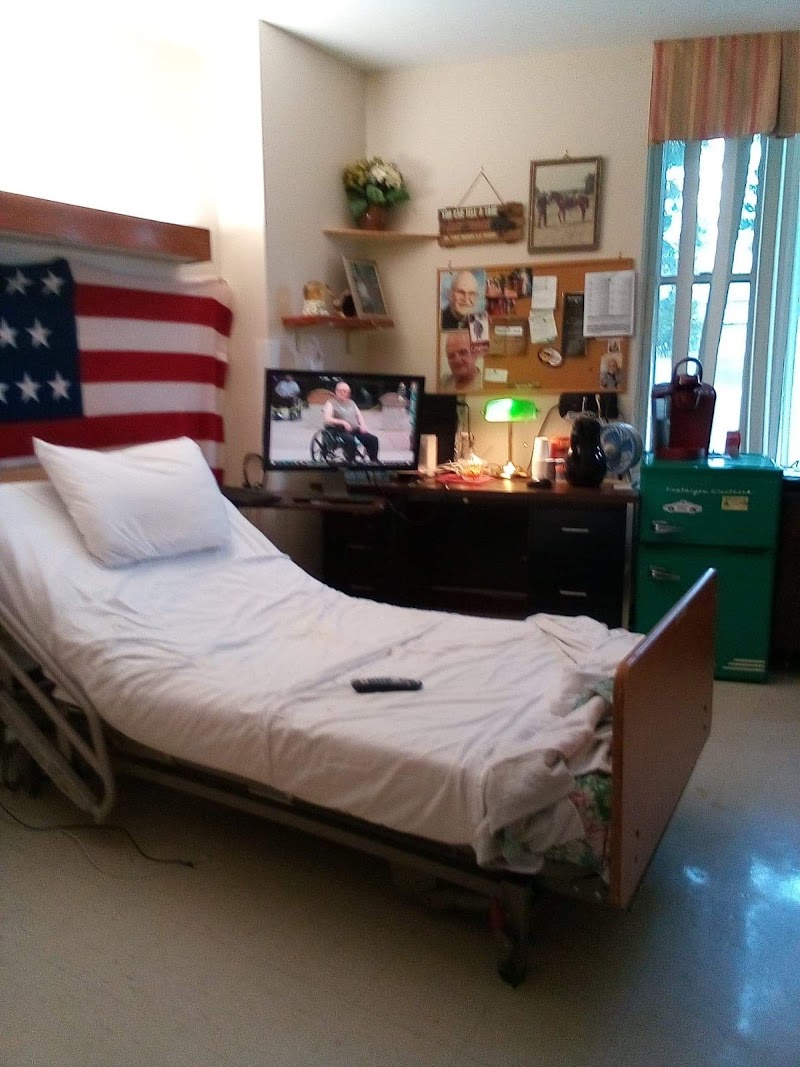
How is Tolstoy Foundation Rehabilitation And Nrsg Center Staffed?

CMS rates TOLSTOY FOUNDATION REHABILITATION AND NRSG CENTER's staffing level at 1 out of 5 stars, which is much below average compared to other nursing homes.

What Have Inspectors Found at Tolstoy Foundation Rehabilitation And Nrsg Center?

State health inspectors documented 43 deficiencies at TOLSTOY FOUNDATION REHABILITATION AND NRSG CENTER during 2021 to 2025. These included: 2 Immediate Jeopardy (the most serious level, indicating potential for serious harm or death) and 41 with potential for harm. Immediate Jeopardy findings are rare and represent the most serious regulatory concerns. They require immediate corrective action.
Who Owns and Operates Tolstoy Foundation Rehabilitation And Nrsg Center?

TOLSTOY FOUNDATION REHABILITATION AND NRSG CENTER is owned by a non-profit organization. Non-profit facilities reinvest revenue into operations rather than distributing to shareholders. The facility operates independently rather than as part of a larger chain. With 96 certified beds and approximately 63 residents (about 66% occupancy), it is a smaller facility located in VALLEY COTTAGE, New York.
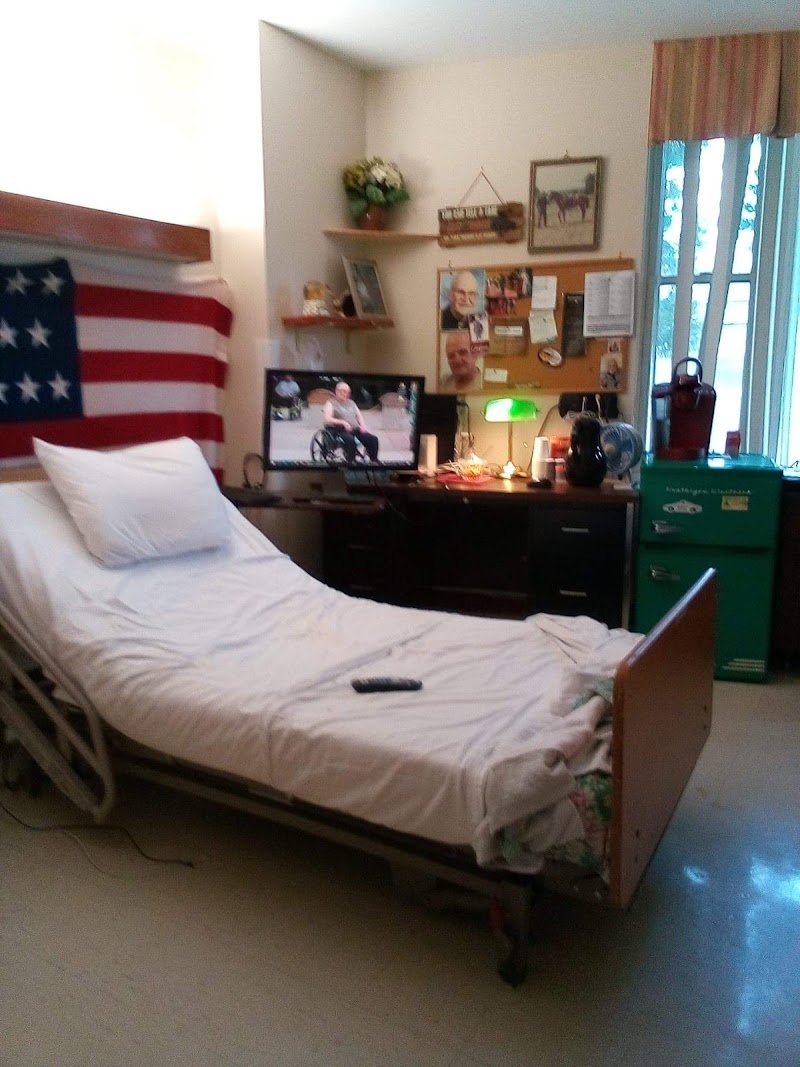
How Does Tolstoy Foundation Rehabilitation And Nrsg Center Compare to Other New York Nursing Homes?

Compared to the 100 nursing homes in New York, TOLSTOY FOUNDATION REHABILITATION AND NRSG CENTER's overall rating (1 stars) is below the state average of 3.0 and health inspection rating (1 stars) is much below the national benchmark.

What Should Families Ask When Visiting Tolstoy Foundation Rehabilitation And Nrsg Center?

Based on this facility's data, families visiting should ask: "What changes have been made since the serious inspection findings, and how are you preventing similar issues?" "Can you walk me through typical staffing levels on day, evening, and night shifts?" "Can I visit during a mealtime to observe dining assistance and food quality?" "How do you handle medical emergencies, and what is your hospital transfer rate?" These questions are particularly relevant given the facility's Immediate Jeopardy citations and the below-average staffing rating.

Is Tolstoy Foundation Rehabilitation And Nrsg Center Safe?

Based on CMS inspection data, TOLSTOY FOUNDATION REHABILITATION AND NRSG CENTER has documented safety concerns. Inspectors have issued 2 Immediate Jeopardy citations (the most serious violation level indicating risk of serious injury or death). The facility is currently on the Special Focus Facility watch list (a federal program monitoring the lowest-performing 1% of nursing homes nationwide). The facility has a 1-star overall rating and ranks #100 of 100 nursing homes in New York. Families considering this facility should ask detailed questions about what corrective actions have been taken since these incidents.

Do Nurses at Tolstoy Foundation Rehabilitation And Nrsg Center Stick Around?

TOLSTOY FOUNDATION REHABILITATION AND NRSG CENTER has not reported staff turnover data to CMS. Staff turnover matters because consistent caregivers learn residents' individual needs, medications, and preferences. When staff frequently change, this institutional knowledge is lost. Families should ask the facility directly about their staff retention rates and average employee tenure.

Was Tolstoy Foundation Rehabilitation And Nrsg Center Ever Fined?

TOLSTOY FOUNDATION REHABILITATION AND NRSG CENTER has no federal fines on record. CMS issues fines when nursing homes fail to meet care standards or don't correct problems found during inspections. The absence of fines suggests the facility has either maintained compliance or corrected any issues before penalties were assessed. This is a positive indicator, though families should still review recent inspection reports for the full picture.

Is Tolstoy Foundation Rehabilitation And Nrsg Center on Any Federal Watch List?

TOLSTOY FOUNDATION REHABILITATION AND NRSG CENTER is currently an SFF Candidate, meaning CMS has identified it as potentially qualifying for the Special Focus Facility watch list. SFF Candidates have a history of serious deficiencies but haven't yet reached the threshold for full SFF designation. The facility is being monitored more closely — if problems continue, it may be added to the official watch list. Families should ask what the facility is doing to address the issues that led to this status.