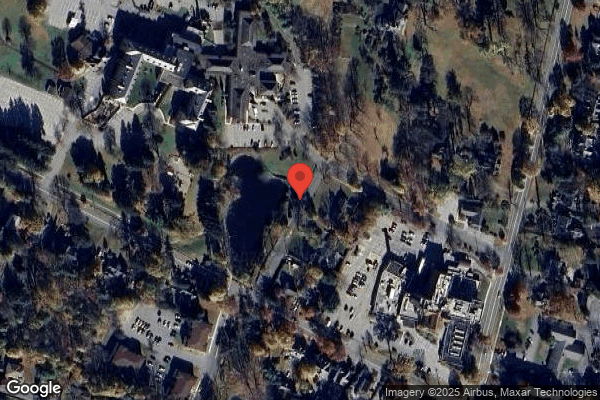

SCHERVIER PAVILION

22 VAN DUZER PLACE, WARWICK, NY 10990 (845) 987-5717
Non profit - Corporation 120 Beds Independent Data: November 2025
Trust Grade
45/100
#561 of 594 in NY
Last Inspection: October 2024

Within standard 12-15 month inspection cycle. Federal law requires annual inspections.

Overview

Schervier Pavilion in Warwick, New York, has a Trust Grade of D, indicating below-average quality and some concerns in care. It ranks #561 out of 594 facilities in New York, placing it in the bottom half of the state and #10 out of 10 in Orange County, meaning there are no better local options available. Fortunately, the facility is trending towards improvement, with issues reduced from 7 in 2024 to just 1 in 2025. Staffing is a strength, boasting a 4 out of 5-star rating with a low turnover rate of 31%, which is better than the state average. However, there have been concerning findings, such as not having an Infection Preventionist present enough to oversee infection control and residents not receiving adequate care for pressure ulcers, highlighting areas that need attention despite overall good staffing levels.

Trust Score
D
45/100
In New York
#561/594
Bottom 6%
Safety Record
Low Risk
No red flags
Inspections
Getting Better
7 → 1 violations
Staff Stability
○ Average
31% turnover. Near New York's 48% average. Typical for the industry.
Penalties
✓ Good
No fines on record. Clean compliance history, better than most New York facilities.
Skilled Nurses
✓ Good
Each resident gets 65 minutes of Registered Nurse (RN) attention daily — more than 97% of New York nursing homes. RNs are the most trained staff who catch health problems before they become serious.
Violations
⚠ Watch
17 deficiencies on record. Higher than average. Multiple issues found across inspections.
★☆☆☆☆
1.0
Overall Rating
★★★★☆
4.0
Staff Levels
★☆☆☆☆
1.0
Care Quality
★★☆☆☆
2.0
Inspection Score
Stable
2024: 7 issues
2025: 1 issues

The Good

  • 4-Star Staffing Rating · Above-average nurse staffing levels
  • Full Sprinkler Coverage · Fire safety systems throughout facility
  • No fines on record
  • Staff turnover below average (31%)

    17 points below New York average of 48%

Facility shows strength in staffing levels, fire safety.

The Bad

1-Star Overall Rating

Below New York average (3.0)

Significant quality concerns identified by CMS

Staff Turnover: 31%

15pts below New York avg (46%)

Typical for the industry

The Ugly 17 deficiencies on record

Apr 2025 1 deficiency
CONCERN (D) 📢 Someone Reported This

A family member, employee, or ombudsman was alarmed enough to file a formal complaint

Potential for Harm - no one hurt, but risky conditions existed

Deficiency F0761 (Tag F0761)

Could have caused harm · This affected 1 resident

Based on observations, record review, and interviews conducted during the Abbreviated Survey (NY00360889), the facility did not ensure that all drugs and biologicals were stored in accordance with the...

Read full inspector narrative →
Based on observations, record review, and interviews conducted during the Abbreviated Survey (NY00360889), the facility did not ensure that all drugs and biologicals were stored in accordance with the manufacturer's specifications and professional standard of practice for 1 (Residents #1) of 3 residents reviewed medication storage. Specifically, during surveyor rounds in Resident #1's room, physicians ordered medications / treatments were observed on the resident's bedside table, nightstand, and the windowsill that included deep sea nasal spray, nystatin topical powder, latanoprost eye drops, refresh tears, and Preparation Hemmorrhoidal cream. There was no documented evidence that the resident can self-administer these medications / treatments. The findings are: Resident #1 was admitted with diagnosis including but not limited to glaucoma, left eye blepharitis-upper and lower eyelids, and foot drop of right foot. The 9/12/24 admission Minimum Data Set(an assessment tool) documented that Resident #1 had intact cognition. The 4/1/25 Physicians order documented that Resident #1 was to received Nystatin External Powder under both breasts. The 3/31/25 Physicians orders documented that Resident #1 was to receive Refresh Tears in both eyes. The 1/15/25 Physicians orders documented that Resident #1 was to receive Deep Sea Nasal Spray in both nostrils twice a day. The 12/13/24 Physicians orders documented that Resident #1 was to receive Latanoprost(opthalamic solution) eye drops in both eyes. The 12/18/24-12/28/24 Physicians orders documented that Resident #1 was to receive topical Preparation H cream to the anal area for hemorrhoids. Upon review of physicians' orders there was no documented evidence that Resident #1 had a physician's orders to self-administer their medications. Upon review of Resident #1's Care Plans, there was no documented evidence that they had a Care Plan to self-administer their medications. On 4/8/25 at 10:12 am, multiple medications and wound care supplies were observed in Resident #1' room on their bedside table, night stand, and the window sill. There was deep sea nasal spray, refresh tears, latanoprost eye drops, and nystatin powder observed on Resident #1's bed table within their reach. The Preparation H hemmorhoidal cream was on theri nightstand. During an interview on 4/8/25 at 10:12 am, Resident #1 stated that they use the nasal spray by themselves without help and that it was left by the nurses a while ago so that they can instill it whenever they want to. Resident #1 stated that they only used the hemorrhoid cream once and not sure why it is in their room. Resident #1 stated that they received the refresh tears as a gift from a nurse but would not disclose what nurse it was. Resident #1 stated that they themselves put the Nystatin powder on underneath their breasts because the nurse do not know how to put it on. Resident #1 stated that they like to put their own eyedrops in because they know how to do it, and they have been doing it for years without any help. During an interview on 4/8/25 at 1:08 PM, Licensed Practical Nurse #1 stated that medications like pills or eye drops should not be in the resident 's room and they do not know how the medications got into the resident's room. Latanoprost (ophthalmic solution) is to be used at bedtime. Licensed Practical Nurse #1 stated they do not know why the eye drops are in the resident's room. Licensed Practical Nurse #1 stated that Resident #1 can take their medications by themselves, but they must do so in front of nurse and that the resident will need a physician's order for the resident to self-administer their own medication. During an interview on 4/8/25 at 1:18 PM, Registered Nurse Unit Manager #1 stated that medications are not supposed to be kept in resident rooms unless the residents are trained to self-administer medications. Registered Nurse Unit Manager #1 stated they have not yet seen a resident administering their own medication and that Resident #1 should not have wound care supplies in their room because the nurses know to only bring enough supplies into the room and any extra should be discarded, not left in the resident's room During an interview on 4/8/25 at 1:25 PM, the Medical Director stated that they never wrote an order that Resident #1 can self-administer their medications and that it should be physicians ordered. The Medical Director stated that there is an order for Resident #1 to receive refresh tears, nystatin powder, latanoprost eye drops, and deep nasal spray. The Medical Director stated that the nurse must administer the medications, not the resident. During an interview on 4/8/25 at 2:00 PM, t the interim Director of Nursing/Nurse Aide Training Program Coordinator stated that Resident #1 should not have medications in their room and that they told the nurses to immediately remove the medications from out of their room. The the interim Director of Nursing/Nurse Aide Training Program Coordinator stated there must be a physician's orders for residents to be able to administer their own medications and that nurses should not leave medications in residents' rooms, and that if a resident had an order to self-administer medications, it must be care planned and that Resident #1 had no physicians' orders or a care plan to self-administer medications. During an interview on 5/5/25 at 11:57 am, the interim Director of Nursing/Nurse Aide Training Program Coordinator stated that on 4/5/25 when they administered medications to Resident #1, they did not see any medications in their room and did not have time to assess their room because after they gave Resident #1 their oral medications, they kicked them out of their room. The Interim Director of Nursing/Nurse Aide Training Program Coordinator stated that on 4/8/25 when they observed the medications and wound care supplies in Resident #1's room ,they immediately had staff remove them from the room. 10 NYCRR 415.18(e)(1-4)
Oct 2024 7 deficiencies
CONCERN (D)

Potential for Harm - no one hurt, but risky conditions existed

Comprehensive Care Plan (Tag F0656)

Could have caused harm · This affected 1 resident

**NOTE- TERMS IN BRACKETS HAVE BEEN EDITED TO PROTECT CONFIDENTIALITY** 3) Resident #44 had diagnoses including metabolic encephalopathy, heart failure, and chronic atrial fibrillation. The Significa...

Read full inspector narrative →
**NOTE- TERMS IN BRACKETS HAVE BEEN EDITED TO PROTECT CONFIDENTIALITY** 3) Resident #44 had diagnoses including metabolic encephalopathy, heart failure, and chronic atrial fibrillation. The Significant change Minimum Data Set, dated [DATE] documented Resident #44 had intact cognition and was on intermittent oxygen therapy. The physician's order dated 09/17/24 documented oxygen 2 liters via nasal cannula as needed. The physician's order dated 10/16/24 documented palliative care - oxygen administration for comfort. A comprehensive care plan related to oxygen administration and care was not observed in Resident #44's electronic medical record. During an interview on 10/28/24 at 12:46 PM with the Director of Nursing, they stated that an oxygen care plan for Resident #44 was not in place and nursing staff were responsible for adding care plan. 10 NYCRR 415.11(c)(1) Based on observation, record review, and interview during the recertification survey conducted 10/22/24 to 10/29/24, the facility did not ensure the development and implementation of a comprehensive person-centered care plan for each resident, that includes measurable objectives and time frames to meet a resident's medical, nursing, mental and psychosocial needs for 2 of 5 residents (Residents #14 and #52) reviewed for unnecessary medication and 1 of 1 resident ( resident #44) reviewed for Respiratory therapy. Specifically, 1) Resident #14 did not have a care plan in place for anticoagulant and diuretic use. 2) Resident #52 did not have a plan of care in place for long term antibiotic use. 3) Resident #44 did not have a care plan in place for respiratory care and the use of oxygen. Findings include: The facility policy, Comprehensive Person-Centered Care Planning Process dated 1/26/2017, documented the facility would develops and maintain a person-centered comprehensive care plan for each resident. 1) Resident #14 had diagnoses including cerebral infarction, hemiplegia, and heart failure. A review of the Significant Change Minimum Data Set (an assessment tool) dated 8/16/24 documented the resident had moderately impaired cognition and was dependent with activities of daily living. The assessment documented the resident received anticoagulants and diuretics. A review of the current physician orders documented, Eliquis 2.5 milligrams 1 tab 2 times a day dated 7/16/24, and Lasix 20 milligrams 1 tab in the evening dated 7/30/24. A review of the medical record noted no care plan for the use of diuretic or anticoagulants. During an interview on 10/29/24 11:16 AM, the Quality Assurance Performance Improvement Coordinator stated the nurse managers were responsible for creating the comprehensive care plan. The resident did not have a care plan related the use of a diuretic or the use of an anticoagulant. These care plans should have been created. 2) Resident #52 had diagnoses including heart failure, psychosis, and osteoarthritis The Quarterly Minimum Data Set (an assessment tool) dated 10/3/2024 documented the resident's cognition was intact. The resident required supervision with eating, and partial to moderate assistance with all other activities of daily living. The assessment documented the use of antibiotics. Physician orders dated 1/24/24 documented Amoxicillin 500 milligrams 2 times a day for bacteremia/endocarditis indefinite. A Physician note dated 7/27/24 documented continued long-term use of amoxicillin for infective endocarditis per infectious disease doctor. A review of the resident's medical record revealed no care plan for antibiotic use. During an interview on 10/29/24 11:16 AM, the Quality Assurance Performance Improvement Coordinator, stated the nurse managers were responsible for creating comprehensive care plan. Resident #52 did not have a care plan created for antibiotic use and should have. During an interview on 10/29/24 at 10:25 AM, the Registered Nurse Manager stated they were responsible for ensuring that care plans were developed for residents receiving medication such as antibiotics, diuretics, and anticoagulants. They stated It was important to create a care plan with interventions, so everyone knew what to monitoring for.
CONCERN (D)

Potential for Harm - no one hurt, but risky conditions existed

Drug Regimen Review (Tag F0756)

Could have caused harm · This affected 1 resident

**NOTE- TERMS IN BRACKETS HAVE BEEN EDITED TO PROTECT CONFIDENTIALITY** Based on interview and record reviews conducted during the recertification survey from 10/22/2024 to 10/29/2024, the facility di...

Read full inspector narrative →
**NOTE- TERMS IN BRACKETS HAVE BEEN EDITED TO PROTECT CONFIDENTIALITY** Based on interview and record reviews conducted during the recertification survey from 10/22/2024 to 10/29/2024, the facility did not ensure the attending physician documented in the resident's medical record that the identified drug regimen review irregularity was reviewed, and any action taken to address it. This was evident for 1 (Resident #39) of 5 residents reviewed for unnecessary medication. Specifically, there was no documented evidence the Medical Director reviewed and responded to Resident #39's Drug Regimen Reviews dated 8/13/2024 and 9/3/2024. The findings are: The facility policy titled Drug Regimen Review dated 5/2022 documented the attending physician will review the consultant pharmacist findings and recommendations, accepting or rejecting the findings, then sign off the review in the medical record. Resident #39 was admitted [DATE] with diagnoses of osteomyelitis and dementia. Physician Orders as of 10/26/2028 documented Resident #39 was ordered olanzapine 5 milligrams daily for dementia with behavior on 8/13/2024, and bumex 2 milligrams daily for edema on 9/10/2024. The Pharmacist Drug Regimen Review dated 8/14/2024 documented recommendations to document the clinical benefit versus risk of using multiple antipsychotics (olanzapine and quetiapine) for Resident #39. The Pharmacist Drug Regimen Review dated 9/3/2024 documented recommendations to evaluate Resident #39's order for furosemide 40 mg twice daily due to recent lab results out of normal range. There was no documented evidence the Medical Director documented their response and rationale related to Resident #39's Drug Regimen Reviews dated 8/14/2024 and 9/3/2024. On 10/25/2024 at 06:29 PM, the Director of Nursing was interviewed and stated the Medical Director had been overwhelmed since taking over the position as Medical Director and Attending Physician for all residents in the facility in 7/2024. The Medical Director reported to Administration that they were behind on completing monthly renewals and Drug Regimen Reviews for residents. The Medical Director promised to catch up with reviewing and responding to Drug Regimen Review recommendations by the Pharmacist. The Director of Quality Assurance had a conversation with the Medical Director regarding their responsibility and requirements to respond to the Drug Regimen Reviews for all residents in a timely manner. The Director of Nursing stated they noticed issues with the Medical Director being able to keep up with the documentation requirements for the position in August 2024. On 10/29/2024 at 02:07 PM, the Director of Quality Assurance was interviewed and stated the Medical Director has been delayed in their ability to respond to Drug Regimen Review recommendations due to their adjustment to using the facility's electronic medical record. The Medical Director received training on the electronic medical record and required documentation and performance has improved. On 10/29/2024 at 12:38 PM, the Medical Director was interviewed and stated they were overwhelmed with taking on the responsibilities of Medical Director and becoming the Attending Physician for all residents in the facility in 7/2024. They recently became aware of their responsibilities and the importance of the Drug Regimen Review recommendations and response requirements. The Pharmacist did send emails containing the Drug Regimen Review recommendations and a conversation did occur between the Medical Director and Director of Nursing regarding the documentation requirements of the Medical Director. The Medical Director stated the facility had a lot of admissions and discharges that were time consuming, and the Medical Director requested assistance from Administration with the responsibilities of being the Attending Physician. 10 NYCRR 415.18(c)(2)
CONCERN (D)

Potential for Harm - no one hurt, but risky conditions existed

Food Safety (Tag F0812)

Could have caused harm · This affected 1 resident

Based on observation and interviews conducted during the recertification survey from 10/22/24 to 10/29/24, the facility did not ensure that food was stored in accordance with professional standards fo...

Read full inspector narrative →
Based on observation and interviews conducted during the recertification survey from 10/22/24 to 10/29/24, the facility did not ensure that food was stored in accordance with professional standards for food service safety. Specifically, 1. the walk-in refrigerator contained expired food products and a product that was to labeled to remain frozen, 2. the walk-in freezer contained unlabeled food products and one item with freezer burn, and 3. the dry storage pantry contained an expired and undated food product. The Facility policy Food and Supply Storage, revised 1/24, stated foods past the use-by,sell-by, best-by, enjoy-by , date should be discarded. Commercially produced foods may be held frozen util the manufacturer's expiration date, or for 3 months if no expiration date on the package. Once the packaging: around the food has been opened, food must be used within 3 months. The findings are: During an initial tour of the kitchen on 10/22/24 at 12:19 PM accompanied by Food Service Supervisor, observations included: 1) The walk-in refrigerator had two boxes of Eggo pancakes labeled keep frozen were no longer frozen and being stored in refrigerator. One bottle of Grey Poupon mustard had an expiration date of 10/19/24. One 5-pound container of Galbani ricotta had an expiration date of 10/20/24. Three 4-pound cans Tuna Fish had an expiration date of 4/24/24. One 66.6 ounce can Empress tuna did not have an expiration date on can. 2) The walk-in freezer had one 3-pound bag of chicken pieces did not have a date opened or expiration date. One bag of biscuits had a 10/9/24 expiration date. A 20-pound bag of ground beef patties did not have a date opened or expiration date. One bag of breakfast sausage did not have a date opened or expiration date. Freezer burn was observed on breakfast sausage product. Five bags of chicken breast were not labeled, did not have a date opened or expiration date. Three bags of chicken legs were not labeled, did not have a date opened or expiration date. One bag of chicken patties were not labeled, did not have a date opened or expiration date. 3) The dry storage area had a container with approximately 25 individual packets of Citavo Brand decaffeinated coffee with an expiration date of 9/13/24. During follow up tour of kitchen and interview with Director of Food Services on 10/28/24 at 11:56 AM, they stated they were made aware by Food Service Supervisor of expired and unlabeled products observed during initial tour of kitchen on 10/22/24. They stated that staff were trying not to have as many boxes in the freezer and staff unloaded the frozen product and discarded boxes which contained expiration dates. They stated that the individual bags of frozen items should have been labeled with opening dates and expiration dates and expired food products should have been discarded. 10NYCRR 415.14(h)
CONCERN (D)

Potential for Harm - no one hurt, but risky conditions existed

Deficiency F0841 (Tag F0841)

Could have caused harm · This affected 1 resident

Based on interview and record reviews conducted during the recertification survey from 10/22/2024 to 10/29/2024, the facility did not ensure medical director was responsible for the coordination of me...

Read full inspector narrative →
Based on interview and record reviews conducted during the recertification survey from 10/22/2024 to 10/29/2024, the facility did not ensure medical director was responsible for the coordination of medical care in the facility. This was evident during review of Pressure Ulcer Care and Unnecessary Medication. Specifically, the Medical Director stated they were overwhelmed and not provided with requested assistance to address the responsibilities and requirements of their position in the facility. The findings are: Please refer to F686 and F796. On 10/25/2024 at 06:29 PM, the Director of Nursing was interviewed and stated the Medical Director has been overwhelmed since taking over the position as Medical Director and Attending Physician for all residents in the facility in 7/2024. The Medical Director reported to Administration that they were behind on completing monthly renewals and Drug Regimen Reviews for residents. The Medical Director promised to catch up with reviewing and responding to Drug Regimen Review recommendations by the Pharmacist. The Director of Quality Assurance had a conversation with the Medical Director regarding their responsibility and requirements to respond to the Drug Regimen Reviews for all residents in a timely manner. The Director of Nursing stated they noticed issues with the Medical Director being able to keep up with the documentation requirements for the position in August 2024. On 10/29/2024 at 02:07 PM, the Director of Quality Assurance was interviewed and stated the Medical Director has been delayed in their ability to respond to Drug Regimen Review recommendations due to their adjustment to using the facility's electronic medical record. The Medical Director received training on the electronic medical record and required documentation and performance has improved. On 10/29/2024 at 12:38 PM, the Medical Director was interviewed and stated they were overwhelmed with taking on the responsibilities of Medical Director and becoming the Attending Physician for all residents in the facility in 7/2024. The Medical Director stated the facility had a lot of admissions and discharges that were time consuming, and the Medical Director requested assistance from Administration with the responsibilities of being the Attending Physician. On 10/29/2024 at 02:08 PM, the Administrator was interviewed and stated the facility was aware the Medical Director was overwhelmed with the responsibilities and requirements of their position. The Administrator stated the previous Medical Director had a Nurse practitioner that assisted in covering the resident care in the facility. The current Medical Director did not have any other Attending Physician or Nurse Practitioner to assist them with overseeing resident care. The Administrator stated the facility was in talks with other physicians to obtain assistance for the Medical Director. 10 NYCRR 415.15(a)
CONCERN (E)

Potential for Harm - no one hurt, but risky conditions existed

Pressure Ulcer Prevention (Tag F0686)

Could have caused harm · This affected multiple residents

**NOTE- TERMS IN BRACKETS HAVE BEEN EDITED TO PROTECT CONFIDENTIALITY** Based on observations, record review and interviews conducted during the Recertification survey from 10/22/2024 through 10/29/20...

Read full inspector narrative →
**NOTE- TERMS IN BRACKETS HAVE BEEN EDITED TO PROTECT CONFIDENTIALITY** Based on observations, record review and interviews conducted during the Recertification survey from 10/22/2024 through 10/29/2024, the facility did not ensure 2 of 4 residents (Residents #3 and #39) reviewed for pressure ulcers, received care and services to promote healing. Specifically, 1) Resident #3 had a facility acquired Stage 2 pressure ulcer, and 2) Resident #39's pressure ulcer was not consistently and adequately assessed with clear description of size, location, and characteristics. Findings include: Policy and Procedure titled Prevention of Pressure Ulcer dated 9/2017 documented the purpose to provide information regarding identification of pressure ulcer/injury risk factors and interventions for specific risk factors. 1) Resident #3 had diagnoses including Muscular Dystrophy, Type 2 Diabetes, and Chronic Obstructive Pulmonary Disease. A review of the Quarterly Minimum Data Set (an assessment tool) dated 8/26/24 documented the resident's cognition was intact. The resident required supervision for eating and was dependent on staff for all other activities of daily living; and had a Stage 2 pressure ulcer that was not present on admission. A review of the facility Matrix, received on 10/22/24, documented Resident #3 had a new Pressure Ulcer that was not present on admission. A review of the Care Plan dated 6/6/20 titled risk for developing pressure ulcer and was updated 10/24/24 (during survey) documented a history of healed and open areas. A review of the physician orders dated 08/22/24 documented Calcium Alginate right gluteal fold every evening. A review of the medical note dated 9/22/24 documented Right Gluteal wound 0.2 x 0.3 centimeters. Weekly skin assessments dated 8/24/24, 8/31/24, 9/7/24, 9/21/24, 9/27/24, 10/5/24, 10/15/24 and 10/15/24 documented the resident had no new skin condition, prior area treated per physician order. Documentation did not include location and staging, size measurements, exudate, pain and wound bed completed at least weekly. A review of the facility wound tracking record dated 9/10/24 documented Resident #3 with a wound on the right gluteus with onset of 8/23/24 , a recurring pressure ulcer measurement of 0.3 x 0.4 centimeter, no exudate. Treatment: calcium alginate-silver external pad. Interventions documented as Air Mattress, offload buttocks, Vitamin C 500 mg daily, Zinc daily, Vitamin B 12 Intramuscularly monthly, vitamin D3 daily. A review of the facility wound tracking record dated 10/4/24 documented Resident #3 with a wound on the right gluteal with onset of 8/23/24, a recurring 0.2 x 0.3 centimeter. Treatment: calcium alginate-silver external pad. Interventions documented as Air Mattress, off load buttock, vitamin supplements. A facility wound tracking record dated 10/8/24 did not include Resident #3. No wound tracking records were provided for the weeks of 9/17/24, 9/24/24 or 10/1/24, 10/11/24, 10/18/24, or 10/25/24. During an interview and observation on 10/23/24 at 09:41 AM, Resident #3 was in bed on an air mattress and positioned on their back. They stated they had a wound on their buttock. During an interview with Registered Nurse Staff #3 on 10/25/24 at 09:22 AM stated, the resident has a small Stage 2 ulcer on the buttock and required dressing changes. During an interview on 10/25/24 at 09:45 AM, Certified Nurse Aide #2 stated the resident had a Stage 2 pressure ulcer on their bottom. During an observation on 10/25/24 at 10:39 AM the resident was positioned on their left side, the dressing of Calcium alginate-silver external pad was changed to the right ischium and a Stage 2 pressure ulcer was observed. During an interview on 10/28/24 12:25 PM Registered Nurse Manager #11 stated the resident's pressure ulcer had opened and closed multiple times and was tracked on weekly. Upon reviewing the resident's medical record, they stated they did not have documentation of the resident's pressure ulcer. During an interview on 10/28/24 at 2:30 PM, the Director of Nursing stated the Nurse Educator was responsible for the weekly wound rounds and documenting on the wound tracking sheet. The Director of Nursing stated they were aware they were behind on the documentation and was planning on speaking to the Nurse Educator, but they were on vacation. During an interview on 10/29/24 at 12:21 PM, the Medical Director stated they were unaware wound rounds were not being done or documented weekly. 2) Resident #39 had diagnoses of osteomyelitis and dementia. The Minimum Data Set 3.0 assessment dated [DATE] documented Resident #39 was moderately cognitively impaired with a Stage 4 pressure ulcer that was present upon admission to the facility. The Comprehensive Care Plan related to Stage 4 sacral/right buttock ulcer dated 8/13/2024 documented notify Medical Director if the wound did not show improvement within 14 days. The Physician's Orders as of 10/28/2024 documented Resident #39 was ordered Fibracol External Pad wound dressing to the sacrum every night with Allevyn cover. Nursing Notes reviewed from 10/1/2024 through 10/22/2024 documented on 10/9/2024, Resident #39 had wound change to left buttock 1 cm .5 cm by 1 cm depth with slough. On 10/10/2024 an area was 2 centimeters by 1 centimeter wide. Nursing Note dated 10/18/2024 documented Resident #39 had 3 cm deep left buttock wound with brown drainage. On 10/19/2024, Resident #39 had brown foul-smelling drainage and the Medical Director was called. Weekly Skin Assessments from 10/1/2024 through 10/22/2024 did not document Resident #39's wound characteristics, size, and shape. On 10/29/2024 at 12:22 PM, Registered Nurse #7 was interviewed and stated Resident #39 was admitted to the facility with a diagnosis of osteomyelitis and a gaping sacral wound from extensive exposure to a heating pad in the community. Resident #39 completed a round of antibiotic therapy for the osteomyelitis and the wound began improving; however, treatment orders recently changed and Resident #39's wound began presenting with brown drainage. Resident #39 complained of pain after the new treatment orders were implemented, the Medical Director was informed, and the treatment order was changed again. Resident #39's wound began responding to the current treatment and a wound vacuum will be placed at the site to promote healing. Registered Nurse #7 stated that, as the Nurse Manager for the unit, they were responsible for assessing the size, shape, and other characteristics of resident wounds and could verbally provide that information. Registered Nurse #7 stated that they began working for the facility approximately 5 months ago and was adjusting to the electronic medical record of the facility and wound care documentation procedures. Registered Nurse #7 stated they ensured any change, whether healing or worsening, was communicated to the Medical Director. On 10/29/2024 at 02:07 PM, the Quality Assurance Committee Leader was interviewed and stated the Staff Educator was also the facility's Wound Care Coordinator and was responsible for using wound care assessments to track the progression of resident wounds. The issues with wound care assessment completion made it difficult for the Wound Care Coordinator to gather the information necessary to track wound progression. On 10/25/2024 at 6:29 PM and 10/29/2024 at 1:30 PM, the Director of Nursing was interviewed and stated the Wound Care Coordinator was currently on vacation. The Director of Nursing stated they identified that wound care assessment documentation and tracking was inadequate, incomplete, and inconsistent. The Nursing Department plans to present this as a performance improvement project at the next quality assurance performance improvement meeting. Nurse Managers were responsible for completing a comprehensive weekly skin assessment of any resident with a pressure ulcer, skin impairment, and/or wound care. 10 NYCRR 415.12(e)(1)
CONCERN (E)

Potential for Harm - no one hurt, but risky conditions existed

Infection Control (Tag F0880)

Could have caused harm · This affected multiple residents

**NOTE- TERMS IN BRACKETS HAVE BEEN EDITED TO PROTECT CONFIDENTIALITY** Based on observations, record review, and interviews conducted during the Recertification survey between 10/22/2024 and 10/29/24...

Read full inspector narrative →
**NOTE- TERMS IN BRACKETS HAVE BEEN EDITED TO PROTECT CONFIDENTIALITY** Based on observations, record review, and interviews conducted during the Recertification survey between 10/22/2024 and 10/29/24, the facility did not ensure infection control practices and procedures were maintained. This was evident 2 of 2 units during review of enhanced barrier precautions and 2 of 19 residents total sampled residents. Specifically, 1) Resident #44's oxygen tubing was observed soiled and not dated or changed in accordance with professional standards of practice, 2) Resident #58 was observed with their Foley catheter (tube to drain urine from the bladder) tubing and wound vacuum (treatment that uses suction to heal wounds) tubing touching the floor, and 3) 2 of the 5 residents observed for pressure ulcer/injury (Residents #3 and Resident #58) had a Stage 2 pressure ulcers and enhanced barrier precautions were not in place. The findings are: 1) The facility's policy and procedure titled Oxygen Administration revised 03/2014, documented: All oxygen tubing must be changed and dated once per week. After completion of the oxygen set-up or adjustment, the following information should be recorded in the resident's medical record: the date and time the procedure was performed, the name and title of the individual who performed the procedure. Resident #44 diagnoses included metabolic encephalopathy, heart failure, and chronic atrial fibrillation. The Significant change Minimum Data Set, dated [DATE] documented Resident #44 had intact cognition and was on intermittent oxygen therapy. A comprehensive care plan updated 9/11/24 did not document oxygen administration and equipment care for oxygen usage. The Physician's order dated 09/17/24 documented oxygen 2 liters via nasal cannula as needed. A review of the progress notes and treatment administration record for Resident #44 did not include documentation of nasal cannula tubing change since 9/17/24. During observations on 10/22/24 at 1:50 PM, 10/23/24 at 10:50 AM, and 10/25/24 at 09:13 AM, Resident # 44 was receiving oxygen at 2 liters/minute via nasal cannula. There was no date observed on oxygen tubing and the tubing was soiled with a brownish substance mid-length. During an interview on 10/25/24 at 9:27 AM, Resident #44 stated they were not sure if tubing was changed and could not recall if they saw the tubing being changed in the past week. During an interview on 10/25/24 at 11:23 AM, Registered Nurse Unit Manager #11 stated that Resident #44 had a physician order for oxygen 2 liters via nasal cannula as needed as of 9/17/24. They stated they were not sure of facility policy for frequency of changing the nasal cannula for residents on oxygen therapy. They stated it could be daily or every 3 days and that they would look into it. They stated that nursing staff were responsible for changing nasal cannula tubing and should document the completion of the task in electronic medical record. They were not sure if the documentation should be placed in the treatment administration record or in progress notes. The Unit Manager Maple Unit was not aware when the nasal cannula was last changed for Resident #44 or if the task was completed by day shift or night shift. They stated they thought it was the responsibility of the night shift. They stated they were responsible for supervising nursing staff, including the completion of tasks. During an interview on 10/25/24 at 11:31 AM, Licensed Practical Nurse #6 stated they were not aware of schedule for changing nasal cannula tubing on oxygen concentrators. They stated they had recently received in-service training on oxygen administration therapy. They believe night shift was responsible for the task. They stated they had not changed tubing or humidification water bottles for Resident #44 recently. During an interview on 10/28/24 at 12:46 PM, the Director of Nursing stated weekly changing of oxygen nasal cannula tubing was the policy of facility. They stated when the order was placed for oxygen, the order should include the liter amount, administration route (nasal cannula, etc.) and tubing and filter to be changed weekly and as needed. They stated the night shift was responsible for weekly cannula tubing change and the nurse changing the tubing or filter was responsible for documenting completion of the task on the treatment administration section of the electronic medical record. They stated that the order and oxygen care plan for Resident #44 was not in place. 3) Resident # 3 had diagnoses including Muscular Dystrophy, Diabetes, and Chronic Obstructive Pulmonary Disease. The Quarterly Minimum Data Set (an assessment tool) dated 8/26/24 documented the resident's cognition was intact. The resident required supervision for eating and was dependent on staff with all other activities of daily living. The resident had a Stage 2 pressure ulcer that was not present on admission. A review of the Resident Certified Nurse Aide care card had no documentation of enhanced barrier precautions. A review of the medical record had no Care Plan for enhanced barrier precautions. A review of the Physician orders had no documentation for enhanced barrier precautions. During an observation on 10/24/24 at 8:20 AM, the resident was in bed having morning care performed by 2 Certified Nurse Aides; neither aide was wearing an isolation gown during care. During an interview on 10/25/24 at 09:22 AM, Registered Nurse #3 stated the Resident #3 had a small Stage 2 pressure ulcer on their buttock and the resident was supposed to be on enhanced barrier precautions. During an interview on 10/25/24 at 9:30, Certified Nurse Aide #1 stated the resident was on precautions because they had a wound. There should have been a sign and a holder on the door for the Personal Protective Equipment. They stated they did not know why it was not there. During an interview on 10/25/24 at 9:45 AM, Certified Nurse Aide #2 stated the resident had a Stage 2 pressure ulcer on her right ischium and the resident was on enhanced barrier precautions. They stated they did know why there was no signage above the bed. They stated they were aware that if a resident had an indwelling catheter, they needed to wear a gown but did not know until yesterday that they needed to wear a gown for residents with wounds. During an interview on 10/28/24 at 10:09 AM, the Registered Nurse Quality Assurance Performance and Improvement Coordinator stated the staff were educated on enhanced barrier precautions multiple times. They stated it was the responsibly of the Unit Manager to ensure the signs were up, and the Personal Protective Equipment was available in the resident room. During an interview on 10/28/24 at 12:25 PM, the Registered Nurse Unit Manager #11 stated the resident had a pressure ulcer. They stated Enhanced Barrier Precautions were initiated for residents with indwelling catheters or open wounds. The staff should have been wearing isolation gown and gloves when giving care. The supply of Personal Protective Equipment should be available at the bedside. There should be a physician order and a care plan for enhanced barrier precautions. The Nurse Manager was responsible for putting up the sign and putting the resident on precautions. 10 NYCRR 415.19 2) Resident #58 had diagnoses of stage 4 left hip pressure ulcer, benign prostatic hyperplasia, history of sepsis, and history of urinary tract infection. Physician Orders as of 10/25/2024 documented Resident #58 had a Foley catheter and wound vacuum placed on their left hip. On 10/25/2024 at 11:10 AM, Resident #58 was observed in the 2nd Floor Lounge with a bag containing their wound vacuum machine hanging from the left handlebar on the back of their wheelchair. Tubing was observed running from the wound vacuum into the top of Resident #58's pants on their left side. Certified Nurse Aide #8 wheeled Resident #58 out of the lounge and down the hall towards the nursing station. Resident #58's wound vacuum tubing fell to the ground while the resident was being wheeled in the hallway and dragged on the ground underneath the resident's wheelchair for several feet. Certified Nurse Aide #8 noticed the wound vacuum tubing was dragging on the ground and picked up the tubing with their bare hands, coiled the tubing, and placed the tubing in the wound vacuum bag on the back of Resident #58's wheelchair. Certified Nurse Aide #8 did not perform hand hygiene and did not sanitize the wound vacuum tubing. On 10/25/2024 at 3:20 PM, Certified Nurse Aide #8 was interviewed and stated they received infection control training and education. Certified Nurse Aide #8 stated they picked up Resident #58's wound vacuum tubing from the floor with their bare hands when wheeling the resident down the hallway. Certified Nurse Aide #8 stated they knew this was not the proper procedure in accordance with infection control practices and should have sanitized their hands prior to handling the tubing and sanitized the tubing after picking it up from the floor. On 10/29/2024 at 10:31 AM, Resident #58 was observed sitting in their wheelchair across from the Briar Hall Nursing Station. Resident #58 had a Foley catheter dignity bag hanging from the crossbar of their wheelchair under their seat. The Foley catheter tubing leading from the drainage bag to the bottom of Resident #58's right pant leg was observed touching the floor. On 10/29/2024 at 11:33 AM, Certified Nurse Aide #9 was interviewed and stated they were assigned to Resident #58. Certified Nurse Aide #9 observed Resident #58 during the interview and stated Resident #58 had a Foley catheter and the tubing should not be touching the floor. Certified Nurse Aide #9 then picked up Resident #58's Foley catheter tubing with their bare hands and attached it to a plastic clip under their wheelchair near the drainage bag. Certified Nurse Aide #9 stated Resident #58's wheelchair was lower to the ground and the plastic clip to keep tubing from dragging on the floor was not very strong which put Resident #58's Foley catheter tubing at greater risk of falling onto the floor. Resident #58's catheter tubing should not be in the floor in accordance with infection control and to prevent risk of infections such as urinary tract infections. Leg bags were available for residents with Foley catheters but were only used to promote resident dignity if they planned to go out on pass with family. On 10/29/2024 at 11:58 AM, Registered Nurse Manager #7 was interviewed and stated Foley catheter leg bags were not used unless a resident was going out on pass with family because handling the tubing to transfer between a regular drainage bag and leg bag created a greater risk of infection. Resident #58 had a wheelchair lower to the ground and Foley catheter drainage bag and tubing were lower to the ground than they were for other residents. Wound vacuum tubing and Foley catheter tubing should not be on the floor to promote infection control.
CONCERN (F)

Potential for Harm - no one hurt, but risky conditions existed

Deficiency F0882 (Tag F0882)

Could have caused harm · This affected most or all residents

Based on record review and interviews during a recertification survey from 10/22/24 to 10/29/24, the facility did not ensure they had an Infection Preventionist (IP) who was responsible for the facili...

Read full inspector narrative →
Based on record review and interviews during a recertification survey from 10/22/24 to 10/29/24, the facility did not ensure they had an Infection Preventionist (IP) who was responsible for the facility's Infection Control Program. Specifically, the facility failed to ensure that the Infection Preventionist worked at least part-time in the facility. Findings include: The Facility Infection Prevention and Control Program Policy Reviewed 8/2024, documented the authority for the Infection Prevention and Control Program has been delegated by the Administrator to the System Director of Infection Prevention and Control. The daily infection prevention and control duties will be fulfilled by an Infection Preventionist. During an interview with the facility Administrator on 10/24/24 at 10:57 AM, they stated the Systems Director for Infection Prevention did not spend 50 percent of their time working in the facility. The Administrator stated that the Infection Preventionist spent very little time in the facility. The Administrator stated that another staff member, the Quality Assurance Registered Nurse, provided day-to-day infection surveillance for the facility and was in the process of obtaining Infection Preventionist certification. During an interview with the Quality Assurance Coordinator Registered Nurse on 10/25/24 at 4:00 PM, they stated they were currently taking the Infection Preventionist Certification Training and had not completed it. They stated they provided day-to-day infection prevention/surveillance for the facility and the Systems Director for Infection Prevention provided oversight, mostly remotely, including the monthly Quality Assurance meetings. During an interview with Systems Director for Infection Prevention on 10/28/24 at 3:11 PM, they stated they did not spend 50 percent of their time working at the facility. They stated they provided oversight of facility infection control program including 24 hour, 7 days a week availability by telephone or video conference. They stated that the facility Quality Assurance Registered Nurse was in the process of obtaining Infection Preventionist Certification and presently provided the day-to-day infection prevention/surveillance for the facility. They stated they attended monthly Quality Assurance meetings, mostly remotely, and concerns related to Infection Control were reviewed via email or telephone discussion. 10NYCRR 415.19
Oct 2022 4 deficiencies
CONCERN (D)

Potential for Harm - no one hurt, but risky conditions existed

Resident Rights (Tag F0550)

Could have caused harm · This affected 1 resident

**NOTE- TERMS IN BRACKETS HAVE BEEN EDITED TO PROTECT CONFIDENTIALITY** Based on observation, interview and record review conducted during the Recertification Survey and Abbreviated Survey (#NY0029993...

Read full inspector narrative →
**NOTE- TERMS IN BRACKETS HAVE BEEN EDITED TO PROTECT CONFIDENTIALITY** Based on observation, interview and record review conducted during the Recertification Survey and Abbreviated Survey (#NY00299932) completed 10/25/22 to 10/31/22, the facility did not ensure that residents were treated with respect, dignity, and care in a manner that promotes maintenance or enhancement of their quality of life and recognizes a residents individuality. This was evident for 1 of 1 (#27) residents reviewed for abuse. Specifically, a Certified Nursing Assistant (CNA) did not honor resident #27 preference to wear pants to bed as opposed to a hospital gown. The Findings Are: The facility Policy and Procedure titled Quality of Life-Dignity dated 10/2018 documented residents shall be treated with dignity and respect at all times. Treated with dignity means the resident will be assisted in maintaining and enhancing his or her self-esteem and self-worth. The policy further documented residents shall be encouraged and assisted to dress in their own clothes rather than in hospital gowns. Resident #27 was admitted into the facility on 7/23/20 and had diagnoses which included Unspecified Dementia, Age Related Osteoporosis without Current Pathological Fracture, and Adjustment Disorder with Depressed Mood. Review of the Minimum Data Set (MDS - a resident assessment tool) dated 6/15/22 documented the resident had a Brief Interview of Mental Status (BIMS) score of 15, indicating no cognitive impairment. Resident required one-person extensive physical assist for bed mobility, dressing, toileting, and personal hygiene. Review of the Dementia Comprehensive Care Plan (CCP) with a revision date of 10/4/21 documented resident #27 had impaired cognitive function/dementia or impaired thought processes related to disease process. The goal was for resident to communicate basic needs daily. Interventions included keep the resident's routine consistent and try to provide consistent care givers as much possible to decrease confusion. Review of A&I Investigation Report dated 7/29/22 written by the Director of Nursing (DON) documented in the evening of 7/28/22 staff were reported to be running behind. CNA #6 from another unit came to help catch up as staff noticed resident #27 becoming upset around 8:30 PM and was irritated about not being in bed yet. Resident #27 self-reported they became frustrated in process of getting ready for bed as the CNA #6 was insistent about the resident not wearing pants to bed as the resident is incontinent at night. Resident remained adamant I'm [AGE] years old and I don't wet myself. Staff interviews revealed resident #27 was upset with bedtime process and struck out at CNA #6. During an interview on 10/27/22 at 11:32 AM, Resident #27 stated they would much rather wear pajama bottoms with legs but is told no by staff. Resident #27 stated they don't like wearing the robe (hospital gown) because it is uncomfortable. Resident #27 stated the gown gets caught. It wraps around their leg and they can't move. During an interview on 10/27/22 at 1:02 PM, Social Worker (SW) stated they met with resident #27 after the incident. Resident #27 stated they wanted to wear pants to bed. The CNA #6 told Resident #27 they shouldn't wear pants to bed. The SW described resident #27 as having a short fuse, and likes to maintain a specific routine at night when preparing for bedtime. During an interview on 10/27/22 at 2:13 PM, the DON stated resident #27 was agitated because they wanted to be put to bed and staff were running behind because there was an incident on the unit. Resident #27 was adamant about wearing pants to bed. DON stated Resident #27 is a heavy wetter at night and becomes agitated when woken up in the middle of the night and that is the reason CNA #6 wanted the resident to wear a gown instead of pants. DON stated when staff noticed the resident getting increasingly upset they should have allowed the resident to wear pants to bed. The DON stated Resident #27 expressed to them that they have the right to wear pants. The DON stated staff should never force a resident to do something they do not wish to do. 415.5 (a)
CONCERN (D)

Potential for Harm - no one hurt, but risky conditions existed

Comprehensive Care Plan (Tag F0656)

Could have caused harm · This affected 1 resident

**NOTE- TERMS IN BRACKETS HAVE BEEN EDITED TO PROTECT CONFIDENTIALITY** Based on interviews and record review during a recertification and abbreviated survey (Complaints # NY00300634 and NY00300356) f...

Read full inspector narrative →
**NOTE- TERMS IN BRACKETS HAVE BEEN EDITED TO PROTECT CONFIDENTIALITY** Based on interviews and record review during a recertification and abbreviated survey (Complaints # NY00300634 and NY00300356) from 10/25/2022-10/31/2022, the facility did not implement a comprehensive person-centered care plan for 2 of 3 residents (Residents #23 and #41) reviewed for Neglect. Specifically, Resident #23 required 2 staff present for all cares however the Certified Nursing Assistant (C.N.A.) provided care without another staff member present, and Resident #41 required two-person assistance for transfers, however the resident was transferred with one person assistance. The findings are: A review of the Facility Policy and Procedure titled, Comprehensive Person Centered Care Planning Process dated 1/26/2017 documented they develop and maintain a person-centered comprehensive care plan for each resident that identifies the highest level of functioning the resident may be expected to attain that meets professional standards of quality care. A review of the facility Policy and Procedure titled, Activities of Daily Living (ADL) dated 4/2018 documented the facility shall ensure that care and services will be provided consistent with the resident needs and choices for mobility, transfer, and ambulation, including walking. 1.Resident #23 was admitted to the facility on [DATE] with diagnoses including but not limited to Multiple Sclerosis, Paranoid Personality Disorder, Depression, and Anxiety. A review of the Minimum Data Set 3.0 (MDS- an assessment tool) Quarterly assessment dated [DATE] documented moderately impaired cognition, no indicators of psychosis, no physical or verbal behavioral symptoms. A review of the Care Plan dated 10/27/2020 titled Psychotropic medications related to behavior management, hallucinating, behaviors effecting staff, behaviors have been stable revised date 7/29/22 Verbalizing Accusatory Statements, intervention 2 staff for all cares secondary to accusatory statements of staff. A review of the [NAME] dated 8/22 documented 2 staff for all cares secondary to accusatory statements of staff. On 10/27/22 at 10:30 AM, a telephone interview was conducted with the Certified Nursing Assistant (C.N.A. #1) who stated when they noticed the resident sitting up in bed, leaning against the right side rail of the bed they wanted to assist the resident to be more comfortable, so they lowered the head of the bed and used the chuck to roll the resident to the middle of the bed and realized that the resident's brief was soaked and wanted to change it, so without another staff member present, they used the chuck to roll the resident onto their right side. C.N.A. #1 stated they were aware the resident required 2 staff assist for all cares secondary to accusatory behaviors but, stated the resident wasn't always accusatory and that on the evening of 8/5/22 the resident wasn't behaving accusatorily, the resident was being sweet and cooperative. On 10/27/22 at 1:28 PM, an interview was conducted with the Licensed Practical Nurse (LPN#1) who stated C.N.A #1 was aware the resident required 2 staff to assist for all cares due to accusatory behaviors. LPN #1 stated that the C.N.A.s are educated to check the resident's [NAME] for level of assistance required,and any resident behaviors. LPN #1 stated there were 3 C.N.A.'s and 2 nurses on the evening shift on 8/5/22, and that C.N.A. #1 should have asked for assistance and waited for assistance. LPN #1 stated they didn't realize C.N.A #1 was providing cares to the resident without asistance. On 10/28/22 at 11:45AM, an interview was conducted with RN Unit Manager (RNUM#1) who stated that assignments and report are completed by the medication nurses at change of shift. The RNUM #1 stated if there was a new care or any changes to a resident's care, it would be explained in a verbal report and would be documented on the [NAME]. RNUM #1 stated the resident required 2 staff assist for all cares secondary to accusatory behaviors. 2. Resident #41 was admitted to the facility on [DATE] with a diagnosis of Type 2 Diabetes Mellitus with Diabetic Neuropathy, Charcot's Joint Right Ankle and Foot and Chronic Kidney Disease. The Minimum Data Set (MDS an assessment tool) dated 7/21/2022 documented the resident is cognitively intact and required extensive assist and two-person physical assist for bed Mobility and transfers A review of the Care Plan dated 5/19/2022 ADL self-care deficit related to Activity intolerance Musculoskeletal impairment. Transfer extensive assist x 2 staff. A review of the C.N.A care guide dated 5/19/2022 documented extensive assist of 2 for transfers with a rolling walker using the right Crow boot and left surgical shoe. A review of the Certified Nursing Assistant Accountability Record dated 8/5/2022 at 19:15 (7:15PM) was signed to indicate that one person transferred the resident during toileting. An interview was conducted on 10/25/2022 At 10AM with Resident #41, who stated, they asked for help with the bathroom and one CNA took them. Resident #41 stated when they went to get up using the bar their knee twisted and they heard a snap, they sat back down in the wheelchair. Reident #41 stated the staff transferred them back to bed with the Hoyer, and they were given Tylenol, which was effective. An interview was conducted on 10/25/2022 at 2:00pm with C.N.A #5 who stated, on 8/5/2022 the resident called for help, staff was busy so they toileted the resident by themself. CNA #5 stated while standing at the bar the resident stated oh my leg, so they sat the resident back in the wheelchair and called the nurse. CNA #5 stated the resident care guide indicated two assist for transfers. An interview was conducted on 10/28/2022 at 10AM with the Nurse Manager #1, who stated, the resident's Care Plan and the Resident Care Guide matches, the resident required two assist with transfers. 415.11 (c) (1)
CONCERN (D)

Potential for Harm - no one hurt, but risky conditions existed

Quality of Care (Tag F0684)

Could have caused harm · This affected 1 resident

**NOTE- TERMS IN BRACKETS HAVE BEEN EDITED TO PROTECT CONFIDENTIALITY** Based on record review and staff interview during a Recertification Survey and Abbreviated Survey (# 00298673 and #00300356) ond...

Read full inspector narrative →
**NOTE- TERMS IN BRACKETS HAVE BEEN EDITED TO PROTECT CONFIDENTIALITY** Based on record review and staff interview during a Recertification Survey and Abbreviated Survey (# 00298673 and #00300356) onducted from 10/25/2022- 10/31/2022, the facility did not ensure that all residents received the necessary care and services to attain and maintain the resident's highest practicable well-being in accordance with professional standards of practice and the comprehensive person-centered care plan for two of three residents (R#24 and #41 ) reviewed for Neglect. Specifically, 1.Resident #24 did not receive Risperdal 0.5mg at bedtime (medication to treat psychosis) as per physician order on (6/23/22, 6/24/22, 6/25/22, 6/26/22, 6/27/22 and 6/28/22). 2. Resident #41 required two-person assistance for transfers, however the Certified Nursing Assistant provided one person assistance for Transfers, additionally there was a delay in physician notification/timely xray for Resident #41 with newly reported leg pain. Findings include: 1.The facility's policy Administering Medications last revised 7/2022 documented If a medication is unavailable at the time of administration, the supervisor and the physician must be notified. New orders must be obtained as needed and all follow up documented in the electronic medical record (EMR). Resident #24, a [AGE] year-old admitted to facility 12/2/21 with diagnosis including but not limited to Unspecified Dementia, Unspecified Severity, Alzheimer's Disease, Major Depressive Disorder and Anxiety Disorder. The resident was on an antipsychotic and an antidepressant medication. The physician's order dated 5/3/22 documented start Risperdal (Risperidone Tablet) 0.5 (mg) every day at bedtime for psychosis, Review of June 2022 Medication Administration Record (MAR) documented start 5/3/22 Risperdal Tablet 0.5 MG (risperidone) Give 1 tablet by mouth at bedtime for psychosis. Review of the June 2022 Medication Administration Record (MAR) revealed the following medications were not administered on 6/23/22, 6/24/22, 6/25/22, 6/26/22, 6/27/22 and 6/28/22: doses were documented as not administered medication not available, on order from pharmacy. Review of the Medication Administration Note dated 6/23/22 documented Risperdal Tablet 0.5 MG- Give 1 tablet by mouth at bedtime for psychosis- On order. Pharmacy is currently closed, message left to send Medication as soon as possible (ASAP). The 24-hour report from 6/23/22-6/28/22 did not contain documentation regarding the resident's Risperdal not being available/unable to be administered. During an interview with the Staff Educator (SE) on 10/27/22 at 02:26 PM, SE stated that nurses are given Relias training upon hire that encompasses how to order and reorder medication. SE stated that there is an emergency box of medications but does not have every medication. Staff are trained to call the supervisor and Medical Doctor (MD) when a medication runs out and the MD will make the decision on how to proceed. During an interview with Licensed Practical Nurse (LPN #3) on 10/28/22 at 11:43 AM, LPN #3 stated they were doing a double the night of 6/23/22. LPN #3 stated they discovered at 9PM the medication (Risperdal 0.5 mg) was not in the medication cart. LPN #3 charted in the computer that the medication was needed and that they called the pharmacy in an attempt to reorder. LPN #3 stated they informed the oncoming nurse in person about the need for a renewal of the Risperdal. LPN #3 stated it was also put in the 24-hour report. LPN #3 stated it was too late at night (after 10PM) to call the MD and stated they did not call the MD to notify them of the missing medication. LPN 3 stated they were trained on medication administration procedures and how to reorder medication prior to being hired at facility. During interview with Director of Nursing (DON) on 10/28/22 at 12:50 PM, DON stated the original order for Risperdal in June 2022 was 0.5 mg at bedtime on 6/22/22, the medication was re-ordered but never came. DON stated LPN #3 called the pharmacy on the evening shift and since the pharmacy was closed, left a message. DON stated since the medication was not available, subsequent LPNs documented, awaiting pharmacy and did not communicate to the nursing supervisor or MD of the medication not being available. The DON stated on 6/28/22 when Resident #24 started exhibiting behaviors that triggered nursing to do a new order for Risperal. During an interview with Pharmacy Technician (PT#1) on 10/28/22 at 02:48 PM, PT#1 stated that the Risperdal 0.5 mg HS (bedtime) was last filled on April 23, 2022, for 30 tablets. On 5/3/22 received another reorder but was too soon to refill, medication/script was charted. PT #1 stated after that nobody requested a medication reorder. During interview with Licensed Practical Nurse (LPN 4) on 10/31/22 at 12:56 PM, LPN 4 stated on a regular basis when a medication is not available in medication cart, they inform the supervisor and MD, but they could not recall if they did that. LPN 4 stated usually if the blister pack has 5 days of medication left, they will print the medication and fax it to the pharmacy. LPN 4 stated if medication runs out it would be reported to next shift nurse and provide a copy to follow up. During an interview with Licensed Practical Nurse (LPN 5) on 10/31/22 at 01:17 PM, LPN # 5 stated they received a report that the pharmacy was called but the Risperdal never came. LPN # 5 stated they should have called the supervisor to help assist with calling the MD i f the nurses were busy with medication pass. LPN #5 stated they should have informed the MD and obtained a new order. During an interview with covering Medical Doctor (MD #2) on 10/31/22 at 1:52 PM, MD #2 stated they were covering for MD #1 and were made aware of the missed doses 7/7/22, but did not want to change anything until MD#1 returned. MD#2 stated if the resident missed 5 doses of medication of Risperdal there would be an effect on the resident. MD # 2 stated the resident is using the medication for behavioral disturbances and those types of disturbances might be exacerbated if they were not receiving the medication. During an interview with Psychiatrist on 10/31/22 01:58 PM, Psychiatrist stated they provided oversight, but MD is the day-to-day physician. Psychiatrist stated if the resident is not getting the medication to treat psychosis the symptoms will be more prevalent since the medication is used to suppress the symptoms. During an interview with Licensed Practical Nurse (LPN 6) on 10/31/22 at 02:12 PM, LPN #6 stated the day they worked on the unit they put a note in the MAR indicating the Risperdal was not available. LPN #6 stated they did not remember if they called the supervisor. LPN #6 stated if a medication was unavailable they put a 9 in the MAR with a note saying medication is not available and will inform the supervisor. LPN #6 stated if it were early they would call the pharmacy, if it was late they would notify the supervisor. LPN #6 stated they received training on medication administration prior to being hired. During an interview with the Medical Director on 10/31/22 at 02:45 PM, MD #1 stated on 6/ 27/22 the resident was seen for a normal visit and there were no behavioral changes as of yet and on 7/1/22 they wrote a note the resident was increasingly confused. MD #1 stated they were under the impression the confusion was a result of a recent 5/22 gradual dose reduction. MD #1 stated at that time they were not made aware the resident missed doses of Risperdal. MD #1 stated if the medication order was being rejected by the pharmacy the nurses should have informed them. During an interview with Registered Nurse Supervisor (RNS #1) on 10/31/22 at 3:35 PM, RNS#1 stated they were unaware that the resident's medication was unavailable. RNS #1 stated the nurses should have called the Physician and notified them. RNS #1 stated if the nurses had informed them and asked them for assistance, they would have called the Physician and the pharmacy. During an interview with Registered Nurse Supervisor (RNS#3) on 10/31/2022 at 3:42PM they stated they did not remember any nurse telling them the Risperdal was unavailable/not administered. RNS #3 stated had they been notified they would have called the pharmacy and the MD. 2. The Facility Policy and Procedure titled Comprehensive Person-Centered Care Planning Process dated 1/26/2017 documented develops and maintains a person-centered comprehensive care plan for each resident that identifies the highest level of functioning the resident may be expected to attain that meets professional standards of quality care. The facility Policy and Procedure titled Activities of Daily Living (ADL) dated 4/2018 documented the facility shall ensure that care and services will be provided consistent with the resident needs and choices for Mobility, transfer, and ambulation, including walking. Review of the facility incident report dated 8/8/2022 documented Resident #41 required two assists with transfer and toileting. Only one CNA had gone into the bathroom to toilet the resident The Resident stated that when they stood up to a standing position, they felt a snap and twist of the knee. The CNA sat the resident back down in the wheelchair, the Nurse was called, the resident was assisted back to bed via Hoyer and medicated for pain. On 8/6/2022 the resident continued to complain of pain to the right knee, swelling was noted . On 8/7/2022 pain and edema was not resolving and an x-ray was ordered and completed which showed a nondisplaced mildly impacted facture of right femur at the Supra Condylar region. Resident #41, an [AGE] year-old who was admitted to the facility on [DATE] with a diagnosis including but not limited to Type 2 Diabetes Mellitus with Diabetic Neuropathy, Charcot's Joint Right Ankle and Foot and Unspecified Chronic Kidney Disease. The Minimum Data Set (MDS an assessment tool) dated 7/21/2022 documented the resident had intact cognition. The resident required extensive assistance of two persons with bed mobility and transfers. Toilet use extensive assist and two-person physical assist. The Care Plan dated 5/19/2022 titled ADL Self-Care Performance Deficit related to activity intolerance Musculoskeletal impairment documented interventions including transfer extensive assist x2 staff participation. Review of the Physician Progress note dated 8/9/2022 Right knee area had swelling with bruising to the posterior aspect mild diffuse tenderness impacted supracondylar femur facture consult with the Orthopedic surgeon recommends conservative management with non-weight bearing status knee immobilizer and pain control. Review of the education file for C.N.A#5 revealed in service topics dated 10/19/2020 titled Abuse Mistreatment, Neglect, and Exploitation of the Elderly Prevention and an in-service dated 8/18/2021 titled Caring for Resident Safety following plan of care in bed mobility, toileting, and transfers An interview was conducted on 10/25/2022 At 10AM with Resident #41, who stated when they asked for help going to the bathroom the Certified Nursing Assistant (CNA) took them. Resident #41 stated when they went to pull themself up using the bar their knee twisted and they heard a snap. They had to sit back down in the wheelchair. The CNA called the nurse, and the resident was transferred back to bed with the Hoyer. The nurse administered Tylenol. An interview was conducted on 10/25/2022 at 2:00PM with C.N.A #5 on 8/5/2022 and stated the resident called for help, staff was busy so they toileted the resident without assistance. While standing at the bar the resident stated oh my leg. CNA #5 stated they sat the resident back in the wheelchair, called the nurse, and was instructed to transfer the resident back to bed with a second aide and using a Hoyer. C.N.A # 5 stated the care guide indicated transfers with two assist. An interview was conducted on 10/28/2022 at 12:00pm with Licensed Practical Nurse (LPN #3) who stated they were scheduled on the unit Friday 8/5/2022 when C.N. A#5 called them to the resident room and the resident was noted to be sitting in their wheelchair with complaint of 4/10 of the knee.complaining of pain of the knee. LPN #3 stated they instructed to CNA staff to put the resident back to bed using a Hoyer and than gave the resident Tylenol for pain, which was effective. LPN #3 stated the incident was reported to the Registered Nurse Manager (RNM#1). An interview was conducted on 10/28/2022 with the Registered Nurse Manager (RNM) #1 who stated on 8/5/2022 at 5PM the LPN #3 told them the resident had complaint of knee pain and was given Tylenol which was effective. RNM #1 stated after assessment the resident continued to complain of pain to the knee,so the Medical Doctor (MD) was notified, and an x-ray was ordered which showed a fracture of the femur, and an investigation was initiated. An interview was conducted on 10/28/2022 at 5:30PM with the Director of Nursing (DON) who stated when they were told of the results of the X-ray an investigation was initiated and the C.N.A was relieved of her duty, pending investigation. ON 8/6/2022 pain and the edema were not resolving, so the Medical Doctor (MD) was notified and an X-ray was ordered. During an interview on 10/28/2022 at 11:00AM with the MD they stated the resident had a history of Charcot's joint, but they did not believe the C.N.A toileting the resident without another staff member would have caused the fracture The MD further stated the resident was at the facility for short term rehabilitation and the goal was for the resident to participate as much as possible in their cares. The MD stated when they were notified of the resident knee pain an X-ray was ordered. 415-12 .
CONCERN (D)

Potential for Harm - no one hurt, but risky conditions existed

Deficiency F0744 (Tag F0744)

Could have caused harm · This affected 1 resident

Based on observation, interview and record review conducted during the Recertification and Abbreviated Survey (#NY00299932) completed 10/25/22 to 10/31/22, the facility did not ensure a resident diagn...

Read full inspector narrative →
Based on observation, interview and record review conducted during the Recertification and Abbreviated Survey (#NY00299932) completed 10/25/22 to 10/31/22, the facility did not ensure a resident diagnosed with dementia received the appropriate treatment and services to attain or maintain his or her highest practicable physical, mental, and psychosocial well-being for 1 of 1 (resident #27) reviewed for Abuse. Specifically, the facility did not ensure that resident care reflected the resident's goals and maximized the resident's dignity and autonomy. The facility did not thoroughly develop care plan interventions to ensure resident #27 dementia care needs were met. The findings are: The facility Policy and Procedure titled Dementia Care dated 10/2022 documented the purpose of the policy is to reinforce that individualized, person centered approaches may help reduce potentially distressing or harmful behaviors and promote improved functional abilities and quality of life for residents. The policy further documented staff training, competencies and supervision, include how to approach a resident who may be agitated, combative, verbally or physically aggressive, or anxious, and how and when to obtain assistance in managing a resident with behavior symptoms. The facility Policy and Procedure titled Comprehensive Person-Centered Care Planning Process dated 1/26/17 documented person-centered care means to focus on the resident as the locus of control and support the resident in making their own choices and having control over daily lives. Resident #27 was admitted into the facility on 7/23/20 and had diagnoses which includes Unspecified Dementia, Age Related Osteoporosis without Current Pathological Fracture, and Adjustment Disorder with Depressed Mood. Review of the Minimum Data Set (MDS - a resident assessment tool) dated 6/15/22 documented resident had a BIMS score of 15, indicating no cognitive impairment. Resident required one-person extensive physical assist for bed mobility, transfers locomotion on/off unit, dressing toileting, and personal hygiene, and supervision set up only for eating. Review of nursing progress note dated 3/26/22 written by Licensed Practical Nurse (LPN #1) documented while changing the resident oxygen tank resident became combative with staff yelling and screaming stating they don't know why they are here. Further review of nursing progress notes in the Electronic Medical Record (EMR) documented incidents of resident #27 expressing that they were feeling upset and confused about being at the facility. Review of Accident & Incident (I&A) Investigation Report dated 7/29/22 written by the Director of Nursing (DON) documented in the evening of 7/28/22 staff were reported to be running behind. Certified Nursing Assistant (CNA) #6 from another unit came to help catch up as staff noticed resident #27 becoming upset around 8:30 PM and was irritated about not being in bed yet. Resident #27 self-reported they became frustrated in process of getting ready for bed as the CNA #6 was insistent about resident not wearing pants to bed as resident is incontinent at night. Staff interviews revealed resident #27 was upset with bedtime process and struck out at CNA #6. Review of A&I Investigation Report statement dated 7/28/22 documented resident #27 wanted to wear their pants to bed and was told they had to wear a gown due to incontinent issues. Resident #27 reported becoming frustrated when told by CNA #6 that it was in their best interest to wear a gown. Resident#27 verbalized they lost their temper and hit the CNAs shoulder. Review of dementia Comprehensive Care Plan (CCP) with a revision date of 10/4/21 documented resident #27 has impaired cognitive function/dementia or impaired thought processes related to disease process. The goal was for resident to communicate basic needs daily. Interventions included keep the resident's routine consistent and try to provide consistent care givers as much possible to decrease confusion and monitor for changes in behavior. The interventions are generalized and do not address the resident's inability to effectively cope with stressors or routine changes. Review of depression CCP dated 10/29/20 with a revision date of 7/29/22 documented resident has depression related admission. The goal was for resident to remain free of symptoms of distress, depression, anxiety, or sad mood. Resident will also express frustration and anger without hitting. Interventions included encourage resident to use effective coping skills for expressing frustration, anxiety, and anger, resident not physically strike out at staff, and will take time out from frustrating communication. The CCP only reflects resident aggressive behaviors towards staff but does not address resident potential for being a victim of abuse. In addition, there are no interventions on how staff should interact with resident during episodes of agitation or aggression. During an interview on 10/27/22 at 11:32 AM, Resident #27 stated they tend to get easily upset and frustrated. Resident #27 stated they felt frustrated about not being able to wear their pants to bed, and believed the situation escalated because CNA #6 refused to leave the room after being asked to. Resident #27 stated the CNA was getting more upset which resulted in resident getting louder and more agitated. During an interview on 10/28/22 at 1:02 PM, Social Worker (SW) stated the facility dementia training includes techniques that can be used when working with residents who become physically aggressive. Some techniques include speaking calmly, if you know something positive about the resident try use this information for distraction, return later after making sure resident is safe. During an interview on 10/27/22 at 1:14 PM, Staff educator (SE) stated agency staff who are hired must complete state and federally mandated programs with the staffing agency prior to start date. Agency staff will complete facility mandated trainings as well. SE was unable to confirm if CNA #6 completed dementia training. As per SE, dementia training includes de-escalation techniques such as music, talking about resident family for distraction, offering stuffed animal for comfort. The SE stated staff should never engage in tit for tat behaviors with the resident. Staff should re-approach once the situation is calm. During an interview on 10/28/22 at 9:19 AM, the Director of Nursing (DON) stated at the time of the incident, the best course of action was to give Eesident #27 space and ask a supervisor to assist, when a resident has an identified temper, staff should find a different way to work with the resident to minimize negative behaviors. The DON stated nursing staff did not report incidents of residents who are verbally or physically aggressive during cares at the time of the incident. Most staff believed this type of behavior was normal. This is problematic as supervisors and administration cannot intervene appropriately and revisit interventions for residents with behavioral concerns. Several conversations were had with staff regarding the importance of reporting these types of behaviors so that it is addressed accordingly, and staff and residents are safe. Re-education were provided to staff on alerts and documentation. During an interview on 10/28/22 at 2:48 PM, CNA #7 they stated Resident #27 has episodes of yelling; happens a few times a week. Most times resident is easy to redirect. CNA #7 stated the main thing with working with dementia residents is to approach the resident calmly and if it is not helping, walk away and report the behavior to the nurse. CNA #7 stated the nurse will meet with the resident in an attempt to re-encourage. 415.12
May 2019 5 deficiencies
CONCERN (D)

Potential for Harm - no one hurt, but risky conditions existed

Comprehensive Care Plan (Tag F0656)

Could have caused harm · This affected 1 resident

**NOTE- TERMS IN BRACKETS HAVE BEEN EDITED TO PROTECT CONFIDENTIALITY** 2. Resident #99 was admitted to the facility with diagnoses including Renal Insufficiency, Diabetes and Seizure Disorder. The 4/...

Read full inspector narrative →
**NOTE- TERMS IN BRACKETS HAVE BEEN EDITED TO PROTECT CONFIDENTIALITY** 2. Resident #99 was admitted to the facility with diagnoses including Renal Insufficiency, Diabetes and Seizure Disorder. The 4/19/19 MDS assessment revealed that the resident was cognitively intact, required extensive assistance of two persons for toileting and hygiene, and had an indwelling catheter. The resident had no pressure ulcers/injuries and no other wounds or skin problems. The 5/2/19 MDS included a diagnosis of Retention of Urine. Review of the current physician's orders revealed the following: - 4/25/19 urology consult; - 4/26/19 ultrasound of kidney and bladder, provide catheter care every shift, change Foley catheter every month size 16 french, change Foley bag/tubing every week on Thursday; - 4/27/19 post void bladder scan every shift due to voiding trial- contact MD if results are above 200 cc and Foley catheter care every shift. Review of the resident's comprehensive person-centered care plan revealed no documented evidence that a care plan was initiated to address the use of a Foley catheter in order to monitor, evaluate and revise treatments and other interventions if needed. Observations on 5/15/19 at 10:30 AM, 5/16/19 at 12:30 PM and 5/16/19 at 2:00 PM revealed that the resident had an indwelling Foley catheter with a privacy bag in place to conceal the drainage bag. During an interview on 5/20/19 at 2:00 PM, the Unit Manager/RN (RN #1) was asked if a care plan was initiated for the use of the Foley catheter. She stated a care plan to address the catheter had not been initiated and that she would put one in at that time. 415.11(c)(1) Based on observation, interview and record review conducted during the recertification survey, the facility did not ensure that the comprehensive care plans developed for 1 of 3 residents (Resident #99) reviewed for urinary catheter and for 1 of 2 residents (Resident #7) reviewed for urinary incontinence included goals and interventions to address medical and nursing needs. Specifically, there was no person-centered care plan with measurable objectives, time frames and interventions to address the use of a Foley catheter for Resident #99 and to address urinary incontinence for Resident #7. The findings are: 1. Resident #7 was admitted to the facility on [DATE] with the diagnosis of Diabetes Mellitus. The resident has an above the right knee amputation. The initial Minimum Data Set (MDS, an assessment tool) dated 2/16/18 revealed that the resident's urinary continence level was not assessed due to the use of an indwelling Foley catheter. The quarterly MDS dated [DATE] revealed that the resident was occasionally incontinent of bladder and the quarterly MDS dated [DATE] revealed that the resident was frequently incontinent of bladder and required extensive assistance with toileting. The annual MDS dated [DATE] showed that the resident continued to be frequently incontinent of bladder, had no cognitive impairment and required limited assistance with toileting. The Care Area Assessment Summary worksheet for incontinence noted that the resident was able to make her needs known to the staff and that the staff would keep the resident's call bell within her reach. Additionally, the care plan goals would be continued to address incontinence and maintain skin integrity. The overall objective was to avoid complications and minimize risks. Documentation by the certified nurse aides (CNAs) for a 30 day period (portion of April 2019 and May 2019) revealed 14 episodes of urinary incontinence. Eight of these 14 episodes occurred between 10:00 PM and approximately 12:30 AM. A review of the resident's comprehensive care plan revealed no person-centered goals and interventions to address bladder incontinence. The resident was interviewed on 5/15/19 at 3:19 PM. She stated that she used a commode and that she knew when she needed to use the toilet. CNA #2 assigned to the resident was interviewed on 5/17/19 at 1:43 PM. She stated that CNAs are assigned to residents on a weekly rotational basis. She was not aware that the resident was incontinent and that the resident toileted herself independently or would ask for assistance. The Unit Nurse Manager/Registered Nurse (RN #3) was interviewed on 5/17/19 at 3:00 PM. She noted that the resident used to have an indwelling catheter to promote healing of a wound. She was not aware that the resident was now incontinent at times and that she would put a plan in place to address this problem.
CONCERN (D)

Potential for Harm - no one hurt, but risky conditions existed

Deficiency F0657 (Tag F0657)

Could have caused harm · This affected 1 resident

**NOTE- TERMS IN BRACKETS HAVE BEEN EDITED TO PROTECT CONFIDENTIALITY** Based on interview and record review conducted during the recertification survey, the facility did not ensure that the plan of c...

Read full inspector narrative →
**NOTE- TERMS IN BRACKETS HAVE BEEN EDITED TO PROTECT CONFIDENTIALITY** Based on interview and record review conducted during the recertification survey, the facility did not ensure that the plan of care for 1 of 2 residents (Resident #4) reviewed for bladder incontinence was revised to address the change in the level of continence. Specifically, after the resident's assessments showed that the resident had developed urinary incontinence, the resident's plan of care was not revised to address this problem. The findings are: Resident #4 was admitted to the facility on [DATE] with diagnoses of Hypertension and Cancer. The initial minimum data set (MDS- a resident assessment tool) dated 8/10/18 noted that the resident had no cognitive impairment, was feeling down/depressed, was continent of bladder and required limited assistance with toileting. The quarterly MDS dated [DATE] showed that the resident continued to be cognitively intact and was occasionally incontinent of bladder. A review of the resident's comprehensive care plan in place since the quarterly MDS dated [DATE] showed that there was no revision to this plan to address the change in the resident's level of urinary continence. According to documentation by the certified nurse aides (CNAs) assigned to the resident's care, the resident continued to be incontinent after the completion of the 2/10/19 MDS. This was evident by the recording of 14 episodes of urinary incontinence at various times for the recent 30 day period as follows (in military time): 4/18 - 23:24 4/19 - 00:38 4/23 - 23:16 4/24 - 23:29 4/27 - 02:05 4/28 - 03:53 4/29 - 22:59 4/30 - 00:40 5/05 - 06:52 5/07 - 06:58 5/11 - 06:59 5/14 - 11:11 5/15 - 13:33 and 14:46 CNA #1 assigned to the resident was interviewed on 5/17/19 at 10:48 AM. She stated that she was assigned to care for the resident on a weekly rotational basis and that the resident was not incontinent while she was assigned to her. The Unit Manger/Registered Nurse (RN #2) was interviewed on 5/21/19 at 10:15 AM. This interview revealed that RN #2 was not aware that the resident had become incontinent and that she was the one responsible for the development of the resident's care plan. RN #2 was then asked how the information from the MDS assessment was communicated to her. RN #2 stated that the MDS nurse should communicate changes to her. RN #2 provided no evidence to indicate if this was done. 415.11(c)(2)(i-iii)
CONCERN (D)

Potential for Harm - no one hurt, but risky conditions existed

Quality of Care (Tag F0684)

Could have caused harm · This affected 1 resident

**NOTE- TERMS IN BRACKETS HAVE BEEN EDITED TO PROTECT CONFIDENTIALITY** 2. Resident # 99 was admitted to the facility on [DATE] with diagnoses of Renal Insufficiency, Diabetes and Seizure Disorder. ...

Read full inspector narrative →
**NOTE- TERMS IN BRACKETS HAVE BEEN EDITED TO PROTECT CONFIDENTIALITY** 2. Resident # 99 was admitted to the facility on [DATE] with diagnoses of Renal Insufficiency, Diabetes and Seizure Disorder. The 4/19/19 MDS revealed that the resident was cognitively intact and had a Foley catheter (an indwelling catheter). The Physician's Order dated 4/25/19 included a urology consult, post void bladder scan every shift and reinsert Foley catheter for urinary retention. On 4/26/19 the Physician's orders included an order for an ultrasound of kidney and bladder. The 4/29/19 Ultrasound of the kidneys and bladder report indicated a Foley catheter in the urinary bladder with the following impression: echogenic kidneys which may be seen in medical renal disease. Review of the 4/26/19 nursing progress notes indicated that a nurse spoke with the physician regarding the resident's complaint of low back pain and gave an order for a Urology appointment. Observations on 5/15/19 at 10:30 AM and 5/21/19 at 10:30 AM revealed Resident#99 sitting in the hall near the nursing station with the Foley catheter in place. During an interview on 5/15/19 at 10:30 AM, Resident #99 stated she had not gone out for a urology consult and was unaware of any plans to remove the catheter. During follow up interview on 5/21/19 at 10:30 AM, RN#1 was asked if Resident #99 had gone to a urology consult as per physician order. After calling the urologist office she stated she had been informed that an appointment had never been made. During an interview on 5/21/19 at 10:40 AM, the Unit Secretary stated she was responsible for appointment scheduling and was unable to find information to indicate the resident had ever been scheduled for a urology consult. After surveyor intervention and during follow up interview on 5/21/19 at 12:44 PM, RN#1 stated a Urology appointment was now scheduled for Thursday, 5/23/19, at 10:15 AM. 415.12 (d)(2) Based on interview and record review conducted during the most recent recertification survey, the facility did not ensure that 1 of 4 residents (Resident #10) reviewed for hospitalization and 1 of 3 residents (Resident #99) reviewed for urinary catheter or urinary tract infection was provided the necessary care to maintain the highest practicable physical well-being. Specifically, 1. Resident #10, who was on palliative care, experienced significant ongoing decline in food and fluid intake that was not promptly recognized and addressed to prevent dehydration/hypernatremia and possible fecal impaction. This necessitated the need for the resident to be hospitalized on [DATE], and 2. Resident #99 who had an indwelling catheter did not receive a timely urology consult as per physician orders. The findings are: 1. Resident #10 is an [AGE] year-old female with the diagnoses of Dementia and Diabetes Mellitus and a history of fecal impaction in April 2018. The annual Minimum Data Set (MDS, an assessment instrument) dated 9/21/18 showed that the resident had severe cognitive impairment, was physically and verbally abusive to others, needed assistance with eating and not experiencing constipation at the time of the assessment. The quarterly MDS dated [DATE] showed that the resident had severe cognitive impairment, problems with appetite, required supervision with eating, and had no problems with constipation and behavior. On 1/10/19 a plan of care note stated that the resident's appetite was variable and that the resident was more lethargic and does not want to get out of bed. On 1/16/19 the quarterly dietary assessment noted that the resident's intake was 26-50% for fluids and 51-75% for supplements (Glucerna twice daily). This assessment also showed that the resident was at risk for dehydration due to suboptimal intake. (Previous dietary notes showed the resident's intake of fluid progressively declining as follows: 5/15/18 fluid intake of 76-100% and 10/22/18 fluid intake of 51-75%.) There was no documented evidence that on 1/10/19 the resident's hydration status was assessed and that the dietary evaluation of 1/16/19 included any recommendations to address the resident's fluid intake such as monitoring total daily fluid intake, obtaining pertinent laboratory values and offering additional fluids between meals. Additionally, the resident's plans of care addressing nutrition/hydration and constipation were not revised at the time of the dietary assessment of 1/16/19 to address the ongoing decline in the resident's fluid intake. The nutritional care plan in effect at that time noted that the resident had nutritional problems related to poor intake and was at risk for dehydration related to poor fluid intake. The goal for the resident was to receive oral nutrition consistent with palliative care goals to maximize intake, comfort and quality of life while minimizing complications. (Tube feedings and weights were not allowed but intravenous fluids were allowed.) Interventions to achieve the nutrition goal included: obtain and monitor diagnostic work as ordered and report results to MD; provide Glucerna at 10:00 AM and 4:00 PM; and Registered Dietitian to evaluate and recommend dietary changes. The constipation care plan noted that this problem was related to decreased mobility and poor fluid intake. The goal was to have normal bowel movements (BM) at least every 3 days. Interventions to achieve this goal included: administer medications, glycerin suppository (as needed), Miralax daily and Colace twice daily; and monitor for signs and symptoms of constipation. A review of the Bowel Movement record for January 2019 showed BMs at least every 3 days except once, (from 1/8/19 to 1/10/19). The Medication Administration Record (MAR)revealed that Milk of Magnesia was given with positive result on 1/11/19. The BMs were noted to be mostly putty-like and 6 times to be loose, possible indicative of an underlying medical problem. An analysis of the resident's fluid intake at meal times revealed that the resident's fluid intake averaged approximately 443 cc daily from 1/1/19 to 1/14/19 and 300 cc from 1/15/19 to 1/28/19, which was usually less than 75% of total fluids offered at meal times (at least 1500 cc). The resident's specific daily intakes in cc from 1/19/19 to 1/28/19 were as follows: 1/19 - 360 1/20 - 360 1/21 - 310 1/22 - 360 1/23 - 240 1/24 - 370 1/25 - 600 1/26 - 120 1/27 - 0 1/28 - 0 The corresponding food intake record for January 2019 was reviewed and showed the following amounts consumed: - first week (1/30/18 - 1/5/19): Zero to 75 -100 % - last 3 weeks (1/6/19 - 1/29/19) : in the range of zero to 25 - 50 % (one exception of 51 - 75%) - last 7 days prior to hospitalization on 1/30/19: mostly 0-25 percent. According to the facility's hydration policy, meal intake on the monthly Flow Sheets would be monitored weekly by nursing/dietary. There was no documented evidence that this policy was promptly implemented after the 1/16/19 dietary assessment mentioned above in order to avoid dehydration and complications associated with dehydration. The nurse's notes for January 2019 made no reference to the resident's intake from 1/10/19 until 1/29/19 when the resident's fluid intake was zero at all meals and 2 days previously. On 1/29/19 a note by the Nurse Practitioner (NP) revealed that staff reported that the resident was not eating well lately and had been more lethargic. The NP gave orders for electrolytes and BUN levels and for an x-ray of the abdomen. On 1/30/19 an order was given for fleets enema for impaction. The laboratory (lab)results obtained on 1/30/19 showed sodium level greater than 160 (normal:136 - 145 ) and BUN of 59 (normal: 7 - 18). (The dietary assessment of 1/16/19 noted above indicated that the sodium and BUN levels were within normal limits on 12/22/18.) The NP was made aware of the abnormally high lab results and gave an order for the resident to be sent to the hospital for evaluation. The History and Physical done in the hospital showed that the resident was treated for dehydration/hypernatremia (elevated sodium level) and that an abdominal x-ray showed fecal impaction. (Fecal impaction is associated with insufficient fluid intake and is defined as the retention of hardened or putty-like stool in the rectum, which interferes with normal passage of feces and may cause partial or complete bowel obstruction.) The resident returned to the facility on 2/5/19 and the physician subsequently prescribed additional fluids between meals which were usually consumed by the resident as noted on the Medication Administration Record for May 2019. Interview with an LPN on 5/21/19 at 12:53 PM revealed that the resident was lethargic on the morning of 1/29/19 and at that time she contacted the NP via telephone. The Dietetic Technician (DT) and the Unit Manager/Registered Nurse (RN #1) were interviewed on 5/21/19 in the morning regarding the monitoring of the resident's food and fluid intake records. The DT stated that the documentation was to be reviewed by nursing. RN #1 provided no evidence that she or any licensed nurses were monitoring the intake records weekly after the dietary evaluation of 1/16/19 in accordance with the facility's policy. Interview with Director of Nursing on 5/21/19 in the afternoon revealed that the resident's electronic medical record is designed to alert staff of 4 consecutive 0-25% recorded intakes. RN #2 was present at the time of this interview and could not recall if this had occurred. Interview with the Administrator on 5/21/19 in the afternoon revealed that the Quality Assurance Committee did review the circumstances of the resident's hospitalization. The surveyor informed the Administrator of the lack of ongoing monitoring of the resident's intake during the latter part of January 2019. The surveyor then asked the Administrator if the Quality Assurance Committee had identified any concerns with the quality of care that the resident was provided prior to being hospitalized . She offered no evidence that any was identified. The resident returned to the facility on 2/5/19 and the physician subsequently prescribed additional fluids on 2/11/19 between meals which were usually consumed by the resident per the MAR of May 2019.
CONCERN (D)

Potential for Harm - no one hurt, but risky conditions existed

Incontinence Care (Tag F0690)

Could have caused harm · This affected 1 resident

**NOTE- TERMS IN BRACKETS HAVE BEEN EDITED TO PROTECT CONFIDENTIALITY** Based on interview and record review conducted during the most recent recertification survey, the facility did not ensure that 2...

Read full inspector narrative →
**NOTE- TERMS IN BRACKETS HAVE BEEN EDITED TO PROTECT CONFIDENTIALITY** Based on interview and record review conducted during the most recent recertification survey, the facility did not ensure that 2 of 2 residents (Residents #4 and #70) reviewed for bladder incontinence was provided the necessary care to restore continence to the extent possible. Specifically, Residents #4 and #70 experienced a decline in their level of urinary continence after admission to the facility and the nursing staff did not ensure that attempts were made to decrease the frequency of the episodes of incontinence and if possible restore normal bladder function. The findings are: 1. Resident #7 is a [AGE] year-old female who was admitted to the facility on [DATE] with the diagnosis of Diabetes Mellitus and has an above the right knee amputation. The initial Minimum Data Set (MDS, an assessment tool) dated 2/16/18 revealed that the resident urinary continence level was not assessed due to the use of an indwelling catheter. The quarterly MDS dated [DATE] revealed that the resident was occasionally incontinent of bladder and the quarterly MDS dated [DATE] revealed that the resident was frequently incontinent of bladder and required extensive assistance with toileting. The annual MDS dated [DATE] showed that the resident continued to be frequently incontinent of bladder, had no cognitive impairment and required limited assistance with toileting. The Care Area Assessment Summary worksheet for incontinence noted that the resident was able to make her needs known to the staff and that the staff would keep the resident's call bell within her reach. Additionally, the care plan goals would be continued to address incontinence and maintain skin integrity and that the overall objective was to avoid complications and minimize risks. Documentation by multiple nurse aides for 30 days prior to 5/17/19 revealed that 14 episodes of urinary incontinence were recorded. Eight of these 14 episodes occurred between 10:00 PM and about one half hour after midnight. There episodes occurred on the day shift. A review of the resident's comprehensive care plan revealed no person-centered goals and interventions to address bladder incontinence related to the type of incontinence and the resident's voiding patterns. The resident was interviewed on 5/15/19 at 3:19 PM. At that time she stated that she used a commode and that she knew when she wanted to use the toilet. The certified nurse aide (CNA #2) assigned to the resident was interviewed on 5/17/19 at 1:43 PM. She stated that she was not aware that the resident was incontinent and that the resident toileted herself independently or would ask for assistance. The Unit Nurse Manager/Registered Nurse (RN #3) was interviewed on 5/17/19. She noted that the resident used to have an indwelling catheter to promote healing of a wound. She was not aware that the resident was now incontinent and that she would put a plan in place to address this problem. 2. Resident #4 is an [AGE] year-old female who was admitted to the facility on [DATE] with the diagnoses of Hypertension and Cancer. The initial MDS dated [DATE] noted that the resident had no cognitive impairment, was feeling down/depressed, continent of bladder and required limited assistance with toileting. The quarterly MDS dated [DATE] showed that the resident continue to be cognitively intact and was occasionally incontinent of bladder. According to documentation by the nurse aides assigned to the resident's care, the resident continued to be incontinent after the completion of the 2/10/19 MDS. This was evident by the recording of 14 episodes of urinary incontinence at various times for the recent 30 day period as follows in military time: 4/18 - 23:24 4/19 - 00:38 4/23 - 23:16 4/24 - 23:29 4/27 - 2:05 4/28 - 3:53 4/29 - 22:59 4/30 - 00:40 5/05 - 06:52 5/07 - 06:58 5/11 - 06:59 5/14 - 11:11 5/15 - 13:33 and 14:46 A review of the resident's comprehensive care plan in place since the quarterly MDS dated [DATE] showed that no person centered interventions were put in place to determine what kind of incontinence the resident exhibited and what appropriate treatment and services the nursing staff should provide restore continence to the extent possible. The certified nurse aide (CNA #1) assigned to the resident was interviewed on 5/17/19 at 10:48 AM. She stated that she was assigned to care for the resident on a weekly rotational basis and the resident was not incontinent while she was assigned to her. The Unit Manger/Registered Nurse (RN #2) was interviewed on 5/21/19 at 10:15 AM. This interview revealed that RN #:2 was not aware that the resident had become incontinent and that she was the one responsible for the development of the resident's care plan. RN #2 was then asked how the information from the MDS was communicated to her. RN #2 stated that the MDS nurse should communicate changes to her. RN #2 provided no evidence to indicate if this was done. (The resident refused to be interviewed.) 415.12(d)(1)
MINOR (B)

Minor Issue - procedural, no safety impact

Transfer Notice (Tag F0623)

Minor procedural issue · This affected multiple residents

**NOTE- TERMS IN BRACKETS HAVE BEEN EDITED TO PROTECT CONFIDENTIALITY** Based on record review and interview conducted during the recertification survey, the facility did not ensure that written notif...

Read full inspector narrative →
**NOTE- TERMS IN BRACKETS HAVE BEEN EDITED TO PROTECT CONFIDENTIALITY** Based on record review and interview conducted during the recertification survey, the facility did not ensure that written notification of hospital transfers was provided to the families/resident representatives and the ombudsman when residents were transferred to the hospital. This was evident for four of four residents reviewed for hospitalization (Residents #10, #27, #78 and #106). The findings include: Resident #27 was admitted on [DATE] with diagnoses including; ESRD (end stage renal disease) requiring hemodialysis three times per week. A nursing progress note indicated the resident was transferred to the hospital on 1/25/19 to have his permacath (a catheter placed in the chest and used for dialysis treatments) replaced. He was readmitted to the facility on [DATE]. Resident #78 was admitted to the facility on [DATE] with diagnoses including; Parkinson's Disease, Asthma and Respiratory Failure. A nursing progress dated 3/25/19 indicated the resident experienced a change in mental status. The resident was transferred to the hospital and admitted . Resident #106 was admitted to the facility on [DATE] with diagnoses including; ESRD requiring hemodialysis three times per week, Obstructive Uropathy and Diabetes Mellitus. A nursing progress note dated 4/27/19 indicated that during dialysis the resident experienced a hypotensive event. He was sent to the hospital and admitted . The Director of Social Work was interviewed on 5/20/19 at 12:34 PM. When asked about written notification to the ombudsman of transfers, she stated there is no system in place to notify the ombudsman. She stated that she was under the impression that the ombudsman would be notified if the resident or family were not in agreement with the discharge. She further stated that nursing sends written notification to the families when a resident is transferred. In an interview with the Registered Nurse/Unit Manager (RN #2) of Maple Unit on 05/20/19 at 1:30PM she stated the facility sends a packet with the resident that includes the bed hold policy. The physician and the family are notified. She further stated there is nothing in place for staff to send written notification to the families or the resident's representative. The Registered Nurse/Unit Manager (RN #1) on [NAME] Unit was interviewed on 5/21/19 at 2:00 PM. She stated that nurses do not send written notification to the families when a resident is transferred to the hospital. 415.3(h)(1)(iii)(a-c)
Understanding Severity Codes (click to expand)
Life-Threatening (Immediate Jeopardy)
J - Isolated K - Pattern L - Widespread
Actual Harm
G - Isolated H - Pattern I - Widespread
Potential for Harm
D - Isolated E - Pattern F - Widespread
No Harm (Minor)
A - Isolated B - Pattern C - Widespread

Questions to Ask on Your Visit

  • "Can I speak with families of current residents?"
  • "What's your RN coverage like on weekends and overnight?"

Our Honest Assessment

Strengths
  • • No major safety red flags. No abuse findings, life-threatening violations, or SFF status.
  • • No fines on record. Clean compliance history, better than most New York facilities.
  • • 31% turnover. Below New York's 48% average. Good staff retention means consistent care.
Concerns
  • • 17 deficiencies on record. Higher than average. Multiple issues found across inspections.
  • • Grade D (45/100). Below average facility with significant concerns.
Bottom line: Trust Score of 45/100 indicates significant concerns. Thoroughly evaluate alternatives.

About This Facility

What is Schervier Pavilion's CMS Rating?

CMS assigns SCHERVIER PAVILION an overall rating of 1 out of 5 stars, which is considered much below average nationally. Within New York, this rating places the facility higher than 0% of the state's 100 nursing homes. A rating at this level reflects concerns identified through health inspections, staffing assessments, or quality measures that families should carefully consider.

How is Schervier Pavilion Staffed?

CMS rates SCHERVIER PAVILION's staffing level at 4 out of 5 stars, which is above average compared to other nursing homes. Staff turnover is 31%, compared to the New York average of 46%. This relatively stable workforce can support continuity of care.

What Have Inspectors Found at Schervier Pavilion?

State health inspectors documented 17 deficiencies at SCHERVIER PAVILION during 2019 to 2025. These included: 16 with potential for harm and 1 minor or isolated issues.

Who Owns and Operates Schervier Pavilion?

SCHERVIER PAVILION is owned by a non-profit organization. Non-profit facilities reinvest revenue into operations rather than distributing to shareholders. The facility operates independently rather than as part of a larger chain. With 120 certified beds and approximately 61 residents (about 51% occupancy), it is a mid-sized facility located in WARWICK, New York.

How Does Schervier Pavilion Compare to Other New York Nursing Homes?

Compared to the 100 nursing homes in New York, SCHERVIER PAVILION's overall rating (1 stars) is below the state average of 3.0, staff turnover (31%) is significantly lower than the state average of 46%, and health inspection rating (2 stars) is below the national benchmark.

What Should Families Ask When Visiting Schervier Pavilion?

Based on this facility's data, families visiting should ask: "Can I visit during a mealtime to observe dining assistance and food quality?" "How do you handle medical emergencies, and what is your hospital transfer rate?" "Can I speak with family members of current residents about their experience?"

Is Schervier Pavilion Safe?

Based on CMS inspection data, SCHERVIER PAVILION has a clean safety record: no substantiated abuse findings (meaning no confirmed cases of resident harm), no Immediate Jeopardy citations (the most serious violation level indicating risk of serious injury or death), and is not on the Special Focus Facility watch list (a federal program monitoring the lowest-performing 1% of nursing homes). The facility has a 1-star overall rating and ranks #100 of 100 nursing homes in New York. While no facility is perfect, families should still ask about staff-to-resident ratios and recent inspection results during their visit.

Do Nurses at Schervier Pavilion Stick Around?

SCHERVIER PAVILION has a staff turnover rate of 31%, which is about average for New York nursing homes (state average: 46%). Moderate turnover is common in nursing homes, but families should still ask about staff tenure and how the facility maintains care continuity when employees leave.

Was Schervier Pavilion Ever Fined?

SCHERVIER PAVILION has no federal fines on record. CMS issues fines when nursing homes fail to meet care standards or don't correct problems found during inspections. The absence of fines suggests the facility has either maintained compliance or corrected any issues before penalties were assessed. This is a positive indicator, though families should still review recent inspection reports for the full picture.

Is Schervier Pavilion on Any Federal Watch List?

SCHERVIER PAVILION is not on any federal watch list. The most significant is the Special Focus Facility (SFF) program, which identifies the bottom 1% of nursing homes nationally based on persistent, serious quality problems. Not being on this list means the facility has avoided the pattern of deficiencies that triggers enhanced federal oversight. This is a positive indicator, though families should still review the facility's inspection history directly.