SAMARITAN KEEP NURSING HOME INC
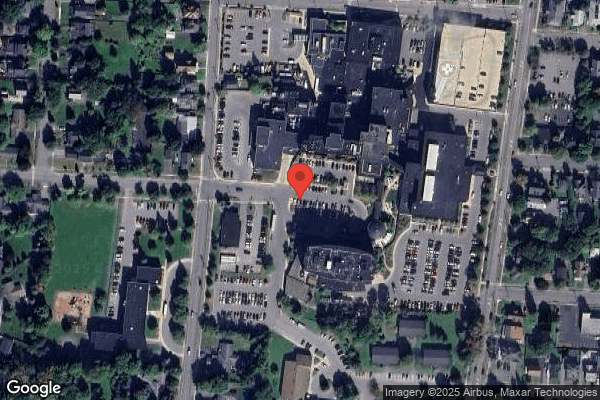
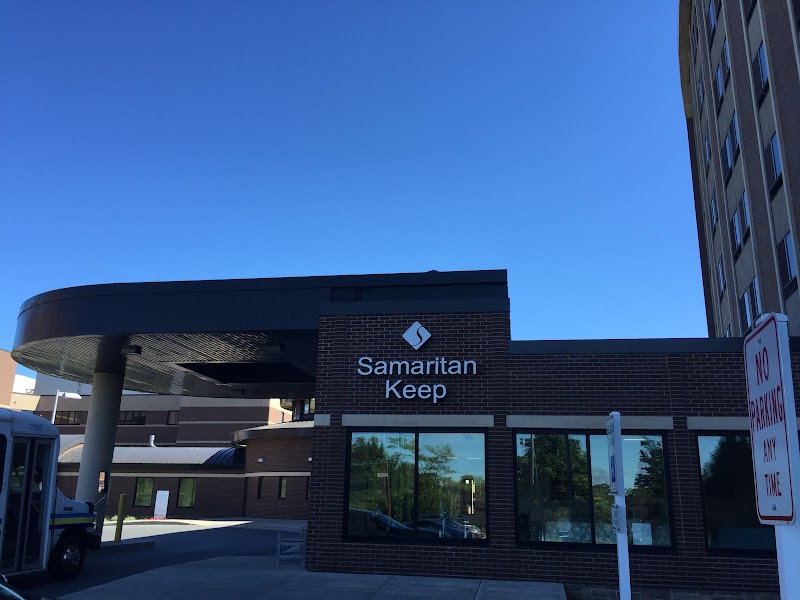
133 PRATT ST, WATERTOWN, NY 13601 (315) 785-4400
Non profit - Corporation 272 Beds Independent Data: November 2025
Trust Grade
45/100
#443 of 594 in NY
Last Inspection: March 2024

Within standard 12-15 month inspection cycle. Federal law requires annual inspections.

Overview

Samaritan Keep Nursing Home Inc has a Trust Grade of D, which means it is below average and has some significant concerns. It ranks #443 out of 594 facilities in New York, placing it in the bottom half, but it is the best option among the three facilities in Jefferson County. The facility's situation is worsening, with issues increasing from 6 in 2021 to 8 in 2024. Staffing is a major concern, receiving a 1 out of 5 stars, with a high turnover rate of 51%, which is above the state average of 40%. Additionally, the home has incurred $62,117 in fines, which is higher than 85% of New York facilities, indicating ongoing compliance problems. There are also several specific incidents that raise red flags. For example, the facility failed to provide necessary treatment for pressure ulcers, which affected all seven residents reviewed, with some not receiving the appropriate pressure relief despite their care plans. Furthermore, there were serious lapses in investigating allegations of abuse for multiple residents, leading to potential neglect and safety risks. While the nursing home does have some average inspection ratings, the concerning staffing levels and the critical incidents noted should be carefully weighed by families considering this facility.

Trust Score
D
45/100
In New York
#443/594
Bottom 26%
Safety Record
Moderate
Needs review
Inspections
Getting Worse
6 → 8 violations
Staff Stability
⚠ Watch
51% turnover. Above average. Higher turnover means staff may not know residents' routines.
Penalties
✓ Good
$62,117 in fines. Lower than most New York facilities. Relatively clean record.
Skilled Nurses
⚠ Watch
Each resident gets only 18 minutes of Registered Nurse (RN) attention daily — below average for New York. Fewer RN minutes means fewer trained eyes watching for problems.
Violations
⚠ Watch
17 deficiencies on record. Higher than average. Multiple issues found across inspections.
★★☆☆☆
2.0
Overall Rating
★☆☆☆☆
1.0
Staff Levels
★★☆☆☆
2.0
Care Quality
★★★☆☆
3.0
Inspection Score
Stable
2021: 6 issues
2024: 8 issues

The Good

  • Full Sprinkler Coverage · Fire safety systems throughout facility
  • No fines on record

Facility shows strength in fire safety.

The Bad

2-Star Overall Rating

Below New York average (3.1)

Below average - review inspection findings carefully

Staff Turnover: 51%

Near New York avg (46%)

Higher turnover may affect care consistency

Federal Fines: $62,117

Above median ($33,413)

Moderate penalties - review what triggered them

The Ugly 17 deficiencies on record

Apr 2024 1 deficiency
CONCERN (D) 📢 Someone Reported This

A family member, employee, or ombudsman was alarmed enough to file a formal complaint

Potential for Harm - no one hurt, but risky conditions existed

Report Alleged Abuse (Tag F0609)

Could have caused harm · This affected 1 resident

Based on record review and interviews during the abbreviated surveys (NY00308228 and NY00322916) the facility did not ensure that all alleged violations involving abuse, neglect, exploitation, or mist...

Read full inspector narrative →
Based on record review and interviews during the abbreviated surveys (NY00308228 and NY00322916) the facility did not ensure that all alleged violations involving abuse, neglect, exploitation, or mistreatment, including injuries of unknown source were reported to the New York State Department of Health as required. Specifically, Resident #2 sustained a fracture from a transfer with a mechanical lift and Resident #3 eloped (exited, undetected by staff) to a non-resident area and the incidents were not reported as required. Findings include: The Accident and Incident Investigating and Reporting policy revised 10/18/2022 documented: - any alleged violation of abuse, mistreatment, neglect, injuries of unknown origin, or misappropriation of resident's property will be reported to the New York State Department of Health if and when the reasonable cause threshold has been achieved. - The policy references included the 2016 New York State Department of Health Nursing Home Incident Reporting Manual. The New York State Department of Health Nursing Home Incident Reporting Manual dated 8/2016 documented the following incidents are reportable: a resident in a non-resident area, if the resident was found in a potentially hazardous non-resident area and an incident or accident related to entrapment or use of equipment. 1) Resident #2 had diagnoses including anemia, anxiety disorder, and difficulty walking. The 8/1/2023 Minimum Data Set assessment documented the resident had intact cognitive function and no falls since the last assessment. The 8/22/2023 physical therapist #15's note documented the resident had shown improvement with mobility. Care plan recommendations included transfer with the sit-to-stand mechanical lift with assistance of 2 staff. The 8/28/2023 facility investigation summary signed by the former Administrator and former Director of Nursing documented: - on 8/27/2023 at approximately 6:45 PM, certified nurse aides #3 and 6 were transferring Resident #2 utilizing the sit-to-stand lift per their care plan. According to staff interviews, the legs to the sit-to-stand became jammed under the wheelchair they were transferring Resident #2 from. While certified nurse aides #3 and 6 were getting the sit-to-stand machine released from under the wheelchair chair, the resident became anxious and removed their hands from the machine causing them to slide down with the sling still in place. This caused the resident to be in a standing position pushing their shoulders upward. Certified nurse aides #3 and 6 lowered the resident to the floor and notified registered nurse Supervisor #2. - Registered nurse Supervisor #2 completed an assessment on Resident #2 and Resident #2 had complaints of left shoulder pain which resolved approximately 30 minutes later with no apparent injuries. - Resident #2 had complaints of pain again to the left shoulder later in the shift. The physician was notified and an order for an x-ray was obtained. A left clavicle fracture was identified. - It was concluded there was no evidence of abuse, neglect or mistreatment. The facility determined the facts did not meet reasonable cause threshold for reporting as defined by the New York State Department of Health regulations. Resident #2 was lowered to the floor by the certified nurse aides with no care plan violations identified. The radiology report dated 8/28/2023 documented the indication for radiography of the left shoulder was a recent fall and the impression was oblique fracture of the left clavicle. There was no documented evidence the facility reported the resident sustained a fracture related to use of equipment to the New York State Department of Health. During an interview with licensed practical nurse #1 on 3/20/2024 at 11:30 AM, they stated on 8/27/2023, Resident #2 was calling out. The nurse arrived and saw the resident up in the sling on the sit-to-stand lift and the machine was stuck and could not be moved. The only option was to lower the resident to the floor onto their stomach, as there was no room to turn them. The resident complained of pain in their arm while they were on the floor. During an interview with certified nurse aide #3 on 3/20/2024 at 1:05 PM, they stated when they went to transfer the resident from their wheelchair to bed, the sit-to-stand lift got stuck under the resident's wheelchair when they went to pull it back, the resident began yelling and let go of the machine, causing their feet to be misplaced and unable to be corrected. The resident was lowered to the floor by certified nurse aides #3 and 6 while licensed practical nurse #1 pulled the machine back. The resident had to be lowered face down to the floor, as there was no room to turn the resident or move the sit-to-stand and wheelchair. The resident's wheelchair was positioned next to the head of the bed, with the lift in front of the resident, so that when lifted, the resident would pivot to the bed. The closet and cabinets were on other side of the wheelchair and machine, and there was no room to swing the lift or the resident's wheelchair around. During a telephone interview with certified nurse aide #6 on 3/25/2024 at 1:33 PM, they stated when transferring the resident, the sit-to-stand got stuck under their electric wheelchair, which had a large footrest. The resident moved during the transfer and their feet were not positioned correctly, then they let go of the lift and were hanging in the lift. The aides had to lower the resident to the floor, and the resident was hollering about pain in their shoulder. During a telephone interview with the Director of Nursing on 4/1/2024 at 2:44 PM, they stated they were not in the role of Director of Nursing when Resident #2 sustained the fracture following the incident on 8/27/2023. They stated the facility utilized the New York State Department of Health Nursing Home Incident Reporting Manual to determine if an incident was reportable. The Director of Nursing was not certain if the incident was reportable as they did not complete an investigation. They were unable to state the reason the former Director of Nursing did not report the incident since it involved an injury with equipment use. 2) Resident #3 had diagnoses including dementia with other behavioral disturbance, anxiety disorder, and repeated falls. The 11/10/2022 Minimum Data Set assessment documented the resident had severe cognitive impairment and did not exhibit behaviors of wandering. The 11/8/2022 Elopement Evaluation documented the resident had a history of or attempted to leave the facility without informing staff. The resident did not wander, did not express a verbal desire to go home, or did not stay near an exit. The 11/8/2022 at 4:06 PM AM, nursing progress note entered by registered nurse #10 documented the resident had no recent attempts to leave the unit, was attending off unit activities with monitoring, scored 1 (low) on the elopement risk evaluation, and will be trialed off the wander alert device at this time. Door alarms were in place at the exits to the unit during this trial period. The 11/16/2022 at 6:37 AM, nursing progress note entered by licensed practical nurse #9 documented the resident was carrying their catheter bag, looking for a way out of the unit. They would not let staff do their finger stick (blood sugar monitoring) stating they did not have time for that, they were looking for the kids to take them home, they tried a couple of times, then walked up the hall. The comprehensive care plan, updated 11/23/2022, documented the resident was at risk to wander related to dementia with behaviors. Interventions included: identify a pattern of wandering, intervene as appropriate; distract resident from wandering by offering pleasant diversions, structured activities, food, conversation, television, or book. There were no documented interventions related to the use of the wander alert device, the trial period of cessation of the device, or any new interventions to address the resident's exit-seeking behavior. The 12/30/2022 at 10:53 PM nursing progress note entered by licensed practical nurse #11 documented the resident got on the service elevator and went to the 8th floor diet kitchen and was returned by staff (the resident resided on the 3rd floor). There was no documented incident report completed when the resident left the unit undetected by staff and accessed a a non-resident area on 12/30/2022. There was no documented evidence the facility reported the resident was found in a non-resident area to the New York State Department of Health. During a telephone interview with licensed practical nurse #14 on 3/25/2024 at 1:07 PM, they stated the resident had behaviors of wandering and trying to find snacks. On 12/30/2022, the resident got onto the service elevator and went to another floor. The service elevator was next to the other elevators on the unit. The difference was the service elevator had a rear door that opened to the kitchens on the units. The only other means to get into the kitchen was entering a code on the door from the hallway. The kitchen and service elevator were not for resident access. The licensed practical nurse could not recall if an incident report was completed as a result of the resident getting into the kitchen on another unit. During a telephone interview with the Director of Nursing on 4/1/2024 at 2:44 PM, they stated they were not in the role of Director of Nursing when Resident #3 left the unit on 12/30/2022. They were unaware of an incident report or of the reason the incident was not reported to the New York State Department of Health. They stated the service elevator and kitchen were not resident areas and based on the New York State Department of Health Nursing Home Incident Reporting Manual, the incident was reportable. 10NYCRR415.4 (b) (2)
Mar 2024 7 deficiencies
CONCERN (D) 📢 Someone Reported This

A family member, employee, or ombudsman was alarmed enough to file a formal complaint

Potential for Harm - no one hurt, but risky conditions existed

Comprehensive Care Plan (Tag F0656)

Could have caused harm · This affected 1 resident

Based on record review and interview during the recertification survey conducted 2/26/2024 -3/1/2024, the facility did not ensure a comprehensive person-centered care plan was developed and implemente...

Read full inspector narrative →
Based on record review and interview during the recertification survey conducted 2/26/2024 -3/1/2024, the facility did not ensure a comprehensive person-centered care plan was developed and implemented for each resident that included measurable objectives and timeframes to meet a resident's medical and nursing needs for 1 of 1 resident (Resident #7) reviewed. Specifically, Resident #7 had a wedge positioning pillow (a wedge-shaped pillow used to aid with positioning) tucked under their fitted bedsheet that was not included on their comprehensive person-centered care plan. Findings include: The facility's policy Comprehensive Care Plan revised 10/2023 documented the comprehensive care plan would include measurable objectives and timetables to meet the resident's medical, nursing, and psychosocial needs. The care plan would be individualized for each resident. All disciplines were responsible for reviewing the plan of care, documenting goals, interventions, monitoring notes, and updating as needed. The facility's policy Positioning and Positioning Device revised 12/2018 documented positioning devices would be utilized to assist with proper positioning of residents. The nursing department would ensure proper positioning of each resident to maintain maximum level of function and comfort. Devices that were approved included wedge cushions for chairs, side rails, lap cushion, and bed wedges. Resident #7 was admitted to the facility with diagnosis including epilepsy (seizure disorder), Parkinson's disease (a progressive neurological disorder), and repeated falls. The 12/14/2023 Minimum Data Set Assessment documented the resident had severely impaired cognition, had impairment in function to both upper extremities, was dependent with rolling left to right, moving from a seated to lying position, and with chair/ bed transfers, and did not use restraints. The 12/12/2023 Restrictive Device assessment documented the resident had impaired memory, decreased safety awareness, was cooperative, was dependent with transfers and mobility, had no history of falls in the last 90 days, no restrictive devices were attempted to date, and no restrictive devices were currently required. The revised 2/21/2023 comprehensive care plan for falls documented the resident's bed was against the wall to assist with bed boundary awareness. On 1/9/2024, the care plan documented the resident would have a low bed against the wall with a fall mat on the floor next to the bed. There was no documented evidence a wedge positioning pillow was used. During an observation on 2/26/2024 at 12:27 PM the resident was lying in their bed with a wedge positioning pillow tucked under their fitted bedsheet on the left-hand side with their bed against the wall and a fall mat on the floor. During an observation on 2/28/24 12:13 PM, certified nurse aides #34 and #35 transferred the resident from their chair to their bed using a mechanical left. At 12:19 PM, certified nurse aide #35 removed the wedge positioning pillow from beneath the fitted bedsheet and placed it in the resident's chair. The certified nurse aides continued to transfer the resident to their bed and certified nurse aide #34 provided care to the resident. At 12:33 PM, the wedge positioning pillow was observed tucked under the resident's fitted bedsheet, their bed was against the wall, and there was a fall mat on the floor on the left side of the bed. At 12:34 PM, certified nurse aide #30 entered the resident's room and asked certified nurse aide #34 if they needed assistance. Certified nurse aide #30 exited the room and stated the wedge positioning pillow was used to prevent rolling as the resident was a fall risk. At 2:21 PM and 4:49 PM, the resident was observed lying in bed with the wedge positioning pillow tucked under their fitted bedsheet with their bed against the wall and a fall mat on the floor on the left side of the bed. During an observation on 2/29/24 at 9:16 AM, the resident was observed lying in bed with a wedge positioning pillow tucked under their fitted bedsheet, their bed was against the wall, and a fall mat was on the floor on the left side of their bed. During an interview on 2/29/2024 at 9:17 AM certified nurse aide #34 stated they were assigned to resident #7 yesterday and today. They looked at the care plan everyday as things could change. The care plan listed items such as fall mats and any mobility devices. They stated the resident did have a wedge positioning pillow for their bed and thought therapy would have to approve the use of the device. When they reviewed the resident's care plan, they did not see the wedge positioning pillow listed. They stated the wedge positioning pillow could prevent a resident from getting out of bed and should only be used if they were care planned for safety reasons. During an interview on 2/29/2024 at 9:57 AM licensed practical nurse #36 stated wedge positioning pillow use was determined by a therapy assessment. Typically, the wedges were used for positioning, but they should be listed on the resident's care plan. If the resident was not assessed and it was not listed on the care plan the wedge positioning pillow should not be used. They reviewed the resident's care plan and medical orders and did not see wedge positioning pillows listed. During an interview on 2/29/2024 at 10:17 AM registered nurse Unit Manager #29 stated staff reviewed the resident's care plans daily as things could change. The care plan also listed any safety devices and level of care the resident required. Wedge positioning pillows should also be documented on the care plan and nursing staff could place the wedge positioning pillows as needed without a medical order or therapy assessment as they were used to aide with pressure prevention and positioning. Resident #7 was totally dependent on staff to provide care. Their wedge positioning pillow was used to aide with bed mobility. During an interview on 2/29/2024 at 11:45 AM the Director of Therapy stated the wedge positioning pillows were kept in the therapy department, but nursing staff could obtain them as needed. They did not think the wedge positioning device needed to be on the resident's care plan. They stated Resident #7 was recently evaluated for chair mobility due to restlessness and not for bed mobility. The wedge positioning pillow should only be used for pressure relief or for bed positioning and should not be used for fall prevention, as anything that restricted movement could be a restraint. When they reviewed the resident's care plan, they did not see a wedge positioning pillow listed. During a follow up interview on 2/29/2024 at 12:20 PM registered nurse Unit Manager #29 stated the resident did not have any pressure areas at this time, was at low risk for falls, the therapy department would complete a restraint assessment if needed, and care plans were reviewed quarterly, annually, and as needed. During an interview on 2/29/2024 at 1:52 PM the Director of Nursing stated wedge positioning pillows were used for offloading pressure areas and for comfort. Any nurse could put it on a resident's bed to prevent skin breakdown and a therapy evaluation and medical order was not needed. The wedge positioning pillow would not show up on the certified nurse aide care instructions, but it should be listed on the comprehensive care plan. 10NYCRR 415.11(c)(2)(ii)
CONCERN (D) 📢 Someone Reported This

A family member, employee, or ombudsman was alarmed enough to file a formal complaint

Potential for Harm - no one hurt, but risky conditions existed

ADL Care (Tag F0677)

Could have caused harm · This affected 1 resident

Based on observation, record review, and interview during the recertification and abbreviated (NY00302726, NY00316052, NY00322441) surveys conducted 2/26/2024- 3/1/2024, the facility did not ensure re...

Read full inspector narrative →
Based on observation, record review, and interview during the recertification and abbreviated (NY00302726, NY00316052, NY00322441) surveys conducted 2/26/2024- 3/1/2024, the facility did not ensure residents who were unable to carry out activities of daily living received the necessary services to maintain good nutrition, grooming, and personal and oral hygiene for 2 of 8 residents (Residents #638 and #109) reviewed. Specifically, Resident #638 was not assisted with meals and Resident #109 was observed with unwanted facial hair. Findings include: The facility policy Standard of Care-Activities of Daily Living reviewed 11/6/2023 documented residents maintained adequate nutrition and adequate intake of each meal by encouraging, cueing, prompting, and feeding as needed. Residents were assisted to keep clean, neat, and well-groomed including shaving. Shaving was provided on shower days and as needed. 1) Resident #638 was admitted to the facility with diagnoses including Parkinson's (a progressive neurological disorder), generalized anxiety disorder, and dementia. The admission Minimum Data Set assessment had not yet been completed. The comprehensive care plan initiated 2/23/2024 documented the resident required assistance with self-care that included eating set up assistance of 1 and adequate nutrition was encouraged. The resident had impaired cognitive function and thought process related to dementia and needed cueing, reorientation, and supervision. Progress notes documented: - On 2/23/2024 by registered dietitian #27, the resident had increased nutrient needs related to increased demand as evidenced by recent COVID/pneumonia and increased skin risk. Interventions were to monitor intakes and weekly weights. The goal was to consume adequate calories, protein, and fluids. - On 2/23/2024-2/25/2024 by licensed practical nurse #17, the resident ate all meals in their room. - On 2/26/2024 by licensed practical nurse Unit Manager # 18, the resident ate all meals in their room. - On 2/27/2024 by licensed practical nurse #9, the resident ate all their meals in their room and required assistance. - On 2/27/2024 by certified occupational therapy assistant #16, the resident was in bed with untouched breakfast and consumed breakfast items with encouragement throughout. They spoke with licensed practical nurse Unit Manager #18 regarding getting the resident out of bed for meals for increased intake. - On 2/28/2024 by licensed practical nurse #17, the resident ate lunch in their recliner in their room. - On 2/29/2024 by licensed practical nurse Unit Manager #18, the resident required verbal ques and encouragement with their meals. - On 2/29/2024 by certified occupational therapy assistant #16, the resident needed maximum encouragement during meals as they were easily distracted. The February 2024 Resident #638 meal consumption log documented: - On 2/26/2024- 25% of breakfast, refused lunch and dinner - On 2/27/2024- 25% of breakfast, 50% of lunch, and 25% of dinner - On 2/28/2024- refused breakfast, lunch, and dinner - On 2/29/2024- 25% of breakfast, 50% of lunch and no documented evidence dinner was consumed. Resident #638's weight record documented: - On 2/25/2024, 129.3 pounds - On 2/28/2024, 127 pounds (2.3 pound/ 1.78% weight loss in 3 days) During an observation on 2/26/2024 at 10:17 AM, Resident #638 was sleeping in their bed with a breakfast tray in front of them with only a few bites taken. There was no staff present for assistance or encouragement. At 1:30 PM, the resident was sleeping in bed with an untouched lunch tray in front of them and no staff was present for assistance or encouragement. At 1:43 PM, the resident was still sleeping with an untouched lunch tray in front of them. During an interview on 2/26/2024 at 12:03 PM Resident #638's home health aide visitor stated they were upset when they walked in the resident's room and saw the resident in bed asleep with a fork in their hand. They had only eaten a couple of bites. They stated the resident did better when seated at a table and ate that way at home. During an observation on 2/27/2024 at 8:55 AM, the resident was sitting up in their bed with their eyes closed with an untouched breakfast tray in front of them. There was no staff present for assistance or encouragement. During a follow up interview on 2/27/2024 at 1:33 PM the resident's home health aide visitor stated the resident had always eaten meals and did very well with encouragement. During an observation on 2/28/2024 at 9:08 AM, the resident was sitting up in bed sleeping with an untouched breakfast tray in front of them. There was no staff present for assistance or encouragement. During an observation on 2/29/2024 at 8:34 AM, Resident #638 was seated in their wheelchair in the dining room and certified nurse aide #15 fed the resident their breakfast. The resident ate most of their breakfast. At 1:28 PM, certified nurse aide #15 fed the resident lunch. During an interview on 3/1/2024 at 9:02 AM, certified nurse aide #15 stated Resident #638 was listed as set-up assistance of 1 but they fed the resident in the dining room on 2/29/2024 for breakfast and lunch. The resident was very slow with eating and sometimes needed more assistance. The resident was not eating well in their room because they were very anxious and needed encouragement. They did not know why the resident was not always in the dining room because they ate much better with encouragement or assistance. It was important the appropriate level of assistance was provided with eating to meet a resident's basic needs and if they were not provided with the appropriate level of assistance they could decline. If they noticed the resident was not eating, they assisted the resident as it was important to eat three meals a day for body nourishment. They stated the resident had lost two pounds in just a couple of days. During an interview on 3/1/2024 at 9:11 AM, licensed practical nurse Unit Manager #18 stated certified nurse aides referenced the care plan at the beginning of each shift and knew the level of assistance needed. If a resident required more assistance, they should report it to them and they would request an additional evaluation from therapy. The resident required set up with meals and a lot of encouragement for consumption. If a resident did not eat three meals a day, they could become malnourished and lose weight. They were not aware that the resident ate very little or not at all from 2/26/2024-2/28/2024. The resident was sleeping through meals, and they expected staff to report that. They would have had the resident consume all meals in the dining room for encouragement sooner if they were aware. During an interview on 3/1/2024 at 9:29 AM, the Director of Therapy stated Resident #638 was seen by occupational therapy on 2/27/2024 and 2/29/2024 for meal observation and it was noted they needed encouragement and redirection. If a resident was not eating, they should be re-evaluated. Resident #638 should only eat in their room if they had frequent monitoring, and the dining room was more appropriate for frequent encouragement. It was important residents received the appropriate assistance to ensure adequate intake. 2) Resident #109 had diagnoses including dementia. The 2/6/2024 Minimum Data Set assessment documented the resident had severely impaired cognition, had impaired range of motion in both arms, and was totally dependent for personal hygiene. The 1/25/2024 updated comprehensive care plan documented the resident had dementia and required assistance with activities of daily living. Interventions included toilet every 2-3 hours, dependent on 1 for toileting, maximum assistance of 1 with dressing upper and lower body/tub/shower bath/oral hygiene. The 2/28/2024 care instructions documented maximal assistance of 1 with bathing, dressing, and personal hygiene. The undated unit shower schedule documented the resident was to receive a tub bath/shower every Monday on the evening shift. During an observation on 2/26/2024 at 10:24 AM, Resident #109 was sitting in a wheelchair in the unit dining room. The resident had approximately 1/8 inch long facial hair on their chin. During a telephone interview on 2/26/24 at 4:44 PM, the resident's family member stated the resident was to receive a bath every Tuesday. The resident had noticeable facial hair on 2/25/2024 when they visited, and this upset the family. During observations on 2/27/2024 at 8:01 AM and 2/28/2024 at 9:28 AM, Resident #109 was sitting in a wheelchair in the unit dining room watching TV. The resident had approximately 1/8 inch long facial hair on their chin. During an observation on 2/29/2024 at 9:25 AM, Resident #109 was lying in bed wearing a hospital gown and had approximately 1/8 inch long facial hair on their chin. During an interview on 2/29/2024 at 2:41 PM, certified nurse aide #4 stated they were assigned to the resident on 2/27/2024. Residents should be shaved whenever facial hair was noticeable and on shower days. Every resident was scheduled for a shower/tub bath weekly. Staff should have noticed the resident needed to be shaved during their bath on Monday evening. The aide performed basic hygiene the morning of 2/27/2024 and did not notice the facial hair. During an interview on 3/1/2024 at 9:55 AM, licensed practical nurse #5 stated resident specific care was listed in each resident's care instructions. The unit nurses were responsible to ensure resident care was done. Residents should be shaved during showers/baths or when noticed by staff. Long facial hair should be shaved for dignity purposes. During an interview on 3/1/2024 at 10:39 AM, registered nurse Unit Manager #6 stated staff should check resident facial hair when performing care. Residents should be shaved during their showers and as needed. It was a dignity issue if they had long facial hair unless the resident refused shaving or wanted facial hair. 10NYCRR 415.12(a)(3)
CONCERN (D)

Potential for Harm - no one hurt, but risky conditions existed

Deficiency F0688 (Tag F0688)

Could have caused harm · This affected 1 resident

Based on observation, record review, and interview during the recertification survey conducted 2/26/2024-3/1/2024, the facility did not ensure residents with limited range of motion received appropria...

Read full inspector narrative →
Based on observation, record review, and interview during the recertification survey conducted 2/26/2024-3/1/2024, the facility did not ensure residents with limited range of motion received appropriate treatment and services to increase range of motion and/or prevent further decrease in range of motion and proper positioning for 2 of 4 residents (Residents #166 and #124) reviewed. Specifically, Resident #166 did not have bilateral hand splints in place as ordered and planned and Resident #124 did not have hand splints in place as planned. Findings include: The facility policy Rehab-Splints/Upper Extremities dated 1/2019 documented the occupational therapy evaluation and recommendation would be documented in the medical record. The splint would be fitted to the resident and issued on the unit. The care plan would be updated, a wearing schedule would be provided to the resident, and the nursing staff would be educated regarding application and use. Nursing would contact occupational therapy anytime the resident was no longer wearing the splint for any reason and would be re-evaluated if the splint would be necessary and appropriate recommendations were made. Static splints were used for protection of weak muscles from overstretching and prevent their antagonists from contracting. 1)Resident #166 had diagnoses including dementia with psychotic disturbance and functional quadriplegia (paralysis of all 4 limbs). The 2/8/2024 Minimum Data Set assessment documented the resident had severe cognitive impairment, was dependent for activities of daily living, non-ambulatory, and had impairment in function to upper and lower extremities on both sides. The comprehensive care plan initiated 6/2/2021 and revised 12/4/2023 documented the resident had risk for falls related to impaired mobility with interventions initiated on 12/12/2022 for a right hand splint. The care plan initiated 11/3/2023, documented the resident required assistance with self-care and mobility related tasks. Interventions included putting on bilateral palm guards (hand splints) at morning care, and taking off at evening care, and gentle range of motion stretching of both hands to prevent further contractures. The certified nurse aide care card outlined the interventions as special instructions. The 8/9/2023 physician #7 order documented to make sure certified nurse aides washed and dried the resident's hands and applied hand splints in morning care, and removed, washed, and dried resident's hands with evening care, to be done every morning and at bedtime. The 2/2024 Medication Administration Record documented make sure certified nurse aide washed and dried resident's hands and applied hand splints in the morning, and removed, washed, and dried resident's hands with evening care, to be done every morning and at bedtime and was signed as completed on 2/26/2024 and 2/27/2024 by licensed practical nurse #12, and on 2/28/2024 by licensed practical nurse #9. Resident #166 was observed with both hands contracted and folded over their stomach without hand splints: - On 2/26/2024 at 11:26 AM in the dining room - On 2/26/2024 at 2:27 PM, in their room - On 2/27/2024 at 8:55 AM and 12:23 PM, in the dining room - On 2/27/2024 at 11:25 AM, in their room - On 2/28/2024 at 8:49 AM, 10:57 AM, and 11:29 AM, in the dining room. During an interview on 2/27/2024 at 1:06 PM, Resident #166's family stated the resident's hands had been contracted for a while, and they had hand splints placed on their hands sometimes. They stated during their visit on this day there were no hand splints on the resident. They last saw them on the resident a few weeks ago. During an observation on 2/28/2024 at 10:58 AM, there was a hand splint on the windowsill in Resident #166's room. During an interview on 2/28/2024 at 11:01 AM, certified nurse aide #8 stated Resident #166 had hand splints for their hand contractures and should be wearing them all the time except for sleeping, washing, and eating. Without the hand splints the resident's contractures could worsen or their fingernails could cause an open area from pressing against the skin. Certified nurse aides were responsible for placing the hand splints, but everyone should be aware of their placement. Not wearing the hand splints could have a negative effect on the resident's quality of life, especially if they got an infection from open areas. During an interview on 2/28/24 at 11:31 AM, licensed practical nurse #9 stated that a check mark on the medication administration documented the task was completed. The check mark for hand splints for Resident #166 documented the hand splints were in place. The certified nurse aides that provided morning care for Resident #166 were washing the resident's hand when the nurse left the room that morning. The hand splints were not in place when they left the resident's room. The licensed practical nurse stated the certified nurse aides stated they would be on, so they signed the medication administration record as complete. Sometimes they would check for themselves to ensure they were on, other times they asked the certified nurse aides if they completed the task instead. During a follow up interview on 2/28/2024 at 1:54 PM, licensed practical nurse #9 stated without the splints the resident could get more contractures and skin breakdown. Certified nurse aides were responsible for the application of the splint as a task, and the licensed practical nurses were responsible for ensuring the splints were in place. During an interview on 2/28/2024 at 2:30 PM, certified nurse aide #10 stated Resident #166 had hand contractures to both hands and certified nurse aides were responsible for applying the splints. Without the splints the resident could injure themselves. Certified nurse aide #10 stated they helped place the hand splints on Resident #166 just before lunch on 2/28/2024. During an interview on 2/29/2024 at 9:41 AM, registered nurse Unit Manager #11 stated Resident #166 used hand splints on both hands after morning care. The licensed practical nurses documented placement of the splints on the electronic medication administration record. A check mark with initials on the medication administration record documented the task was completed and by whom. Without the splints the contractures could get worse, and the splints kept the resident's nails off their palms. The resident was more comfortable with the splints on due to the contact of the fingers on their palm. The lack of splints use could negatively affect the resident's quality of life. During an interview on 2/29/2024 at 2:25 PM, licensed practical nurse #12 stated that the check marks on the medication administration record documented the task was completed. The letters under the check mark documented who completed the task. On 2/26/2024 and 2/27/2024 they asked the certified nurse aides if they placed the splints and washed and dried the resident's hands after morning care and they checked and initialed the medication administration record. During an interview on 3/1/2024 at 9:28 AM, the Director of Nursing stated the expectation was the splints were used according to the therapy recommendations. The nurse managers would add the recommendations to the care plan for the residents. If the medication administration record documented the splints were in place, the expectation was that the nurse saw the splints on the resident. 2) Resident #124 was admitted with diagnosis of muscle weakness and functional quadriplegia (paralysis of all 4 limbs). The 12/28/2023 Minimum Data Set Assessment documented the resident had severely impaired cognition, did not reject care, had impairments to both sides of their upper and lower extremities, was dependent on staff for all activities of daily living, and had no pressure injuries. The 10/17/2023 comprehensive care plan documented the resident required assistance with self-care and mobility related tasks. Interventions included a left palm guard with finger separators on at all times as tolerated aside from meals and care. The 10/17/2023, occupational therapy discharge summary documented the caregivers were educated on the proper use of the palmar guard with finger separators to decrease left hand contracture (shortening of muscles) symptoms. The 11/2/2024 physician orders documented occupational therapy to evaluate and treat left hand contractures. The February 2023 Treatment Administration Record did not include the left palm guard with finger separators. The undated certified nurse aide care instructions did not include the left palm guard with finger separators. On 2/20/2024, licensed practical nurse #42 documented the resident's skin was examined. They had a left-hand brace, and the device was removed, and site was inspected. The resident was observed without their left palm guard with finger separators on: - On 2/26/24 at 2:51 PM. - On 2/27/24 at 3:10 PM. - On 2/28/2024 at 9:15 AM, 11:35 AM, 4:49 PM, and 5:11 PM. During an interview on 2/28/2024 at 5:11 PM certified nurse aide #30 stated Resident #124 had a contracted hand and had a device that was to be placed into their hand to help prevent it from closing. The resident did not have the device in their hand at this time. They had been assigned to the resident for the day shift and they thought another certified nurse aide had placed the palm guard in the resident's hands when they took their break. They stated all staff should check the care plan prior to providing care or assistance. They did not observe the device in the resident's hand on the day shift and did not tell anyone it was not applied. If staff was unable to find the device or the resident refused the device, they should let a nurse know. They stated the device was currently on the windowsill. During an interview on 2/29/2024 at 9:57 AM licensed practical nurse #36 stated certified nurse aides applied any devices such as palm guards. Palm guards were important to aide with the prevention of worsening contractures. If a resident refused or staff could not find the device a nurse should be made aware, and it should be documented the resident refused or the device was missing. They stated they were not notified on 2/28/2024 that Resident #124 did not have their palm guard applied. There was nowhere for the nurse to document the palm guard was applied. During an interview on 2/29/2024 at 10:17 AM registered nurse Unit Manager #29 stated they expected staff to review the resident's care plan prior to providing care. If a resident required a palm guard, it was listed on the care plan and staff should make sure the resident had it on to aide with contracture management. If the resident refused or the palm guard could not be found staff should alert the nurse. Resident #124 was care planned to wear a palm guard, but there was no place for certified nurse aides to document if the resident wore it or refused it and there was also no place for the nurse to document on the device. During an interview on 2/29/2024 at 11:45 AM, the Director of Therapy stated residents were assessed by therapy for contracture management. If a therapist determined the resident required a palm guard, they would add it to the care plan and expected staff to apply the device. If a resident refused the device or the device was missing staff should alert the nurse and therapy should also be notified. Therapy would evaluate the resident if they were refusing it or provide a new device. It was important for the resident to wear the device for contracture management. 10NYCRR415.12(e)(2)
CONCERN (D) 📢 Someone Reported This

A family member, employee, or ombudsman was alarmed enough to file a formal complaint

Potential for Harm - no one hurt, but risky conditions existed

Accident Prevention (Tag F0689)

Could have caused harm · This affected 1 resident

**NOTE- TERMS IN BRACKETS HAVE BEEN EDITED TO PROTECT CONFIDENTIALITY** Based on observation, record review, and interview during the recertification and abbreviated (NY00322441) surveys conducted 2/2...

Read full inspector narrative →
**NOTE- TERMS IN BRACKETS HAVE BEEN EDITED TO PROTECT CONFIDENTIALITY** Based on observation, record review, and interview during the recertification and abbreviated (NY00322441) surveys conducted 2/26/2024-3/1/2024, the facility did not ensure each resident received adequate supervision to prevent accidents for 2 of 9 residents (Residents #4 and #162) reviewed. Specifically, Resident #4 was care planned to be out of bed for meals with use of specific swallowing strategies and was left in bed unsupervised during a meal; Resident #162 had a diagnosis of dysphagia (difficulty swallowing) with aspiration precautions and was observed eating meals alone in their room. Findings include: The facility policy Assistance with Meals last reviewed 9/2023, documented residents shall receive assistance with meals in a manner that meets the individual needs of each resident. Residents who need assistance will be assisted with attention to safety, comfort, and dignity. The facility policy Aspiration Policy and Procedure last revised 6/2023 documented encourage chewing and swallowing during oral intake. Suction was to be readily available at bedside during meals. The resident's head of bed was to always be elevated to 30 degrees, except during meals to elevate the head of the bed to 90 degrees. Sitting position was to be maintained for at least 30 minutes after meal. The policy did not include meal supervision requirements for aspiration precautions. 1) Resident #162 had diagnoses of oropharyngeal phase dysphagia (difficulty initiating swallowing), acute respiratory failure with hypoxia (low oxygen levels), and severe protein calorie malnutrition. The 11/23/2023 admission Minimum Data Set assessment documented the resident had moderate cognitive impairment, eating ability was not attempted due to a medical condition or safety concern, did not have a swallowing disorder, had unplanned weight loss, and had a feeding tube. The comprehensive care plan initiated 11/27/2023 documented the resident was at risk for weight loss and inadequate oral intake related to dysphagia. Interventions included head of bed elevated at least 30 degrees during and after feeding for at least 30 minutes. Interventions initiated 2/6/2024 documented aspiration precautions, pleasure feedings: pureed solids and nectar thick cup sips. The 2/5/2024 speech language pathologist #14 progress note documented a bedside swallow evaluation to determine safest and least restrictive diet, feeding tube was the main source of nutrition, tray notes to include pleasure feedings of pureed solids and nectar thick cup sips, and aspiration precautions. Physician orders documented: - on 2/6/2024 keep head of bed elevated at all times at 30 degrees, aspiration precautions. - on 2/7/2024 may have pleasure feedings, pureed diet, nectar thick fluids every shift. The 2/15/2024 physician #7 progress note documented the resident had dysphagia, was on tube feedings with suspected chronic aspiration, and had aspiration pneumonia. A 2/16/2024 at 1:35 PM a licensed practical nurse #1 progress note documented the resident was on Augmentin (antibiotic) for mild pneumonia. Resident #162 was observed: - on 2/27/24 at 1:26 PM, in bed with their lunch tray at their bedside. The resident stated had not assisted them with eating. - on 2/28/24 from 12:53 PM to 1:14 PM, in bed with a lunch tray. The resident was feeding themselves pureed fruit with a spoon. No staff was observed checking on the resident or assisting them with lunch. During an interview on 2/28/2024 at 1:44 PM, the Director of Therapy stated a resident on aspiration precautions should have nursing responsible for monitoring them at least every shift, and meals should be in the dining room or supervised. A resident with a diagnosis of oropharyngeal dysphagia (swallowing disorder) that was on pureed pleasure feedings should be supervised or in the dining room for eating. During an interview on 2/29/2024 at 10:36 AM, speech and language pathologist #14 stated assessments were done on residents with dysphagia related concerns, to make sure they had the safest and least restrictive diet in place. Diet restrictions and interventions were done on an individualized basis. A resident with aspiration precautions should be encouraged to eat in the dining room with supervision. Residents with aspiration precautions were at risk for aspiration pneumonia It was the responsibility of staff to keep the residents safe and that was why recommendations were made. During an interview on 2/29/2024 at 11:01 AM, certified nurse aide #41 stated resident care information was on the [NAME] (care instructions) in the electronic medical record and included information regarding assistance levels for activities of daily living. A resident on choking hazards and aspiration precautions should be in the dining room for meals. Certified nurse aides walked through the unit during meals to check on residents in their rooms. If a resident required supervision during meals, they should be in sight of staff. Resident #162 had a pureed diet because of difficulty swallowing, should be checked on frequently or at least every 30 minutes during meals. During an interview on 2/29/2024 at 11:21 AM, licensed practical nurse Unit Manager #2 stated resident care information was found in the computer in the [NAME] or on the care plan. Information included mobility, level of assistance, and diet. An aspiration precaution care plan included keeping the head of bed elevated and encouraging meals to be eaten in the dining room. If a resident on aspiration precautions wanted to eat in their room, they should have supervision. Aspiration could lead to pneumonia or death. Staff should check on residents eating in their rooms during mealtimes. During an interview on 2/29/2024 at 11:35 AM, certified nurse aide #40 stated some residents were able to eat in their rooms, but staff tried to encourage them to go to the dining room. If they refused, they could eat in their room if they were not a choking risk. Some residents had to be supervised during mealtimes. Aspiration precautions meant the resident's head of bed was elevated at least 45 degrees and they required supervision while eating. Resident #162 was on aspiration precautions and should not eat in their room alone. They should be checked on every 10 to 15 minutes minimally. The risk of aspiration could be the possibility of choking. There was no specific certified nurse aide assigned to round the unit during meals. 2) Resident #4 had diagnoses including dementia, history of recurrent pneumonia, and gastroesophageal reflux disease. The 11/16/2023 comprehensive Minimum Data Set assessment documented the resident had intact cognition, required set up assistance for eating, had no weight loss, and received a mechanically altered diet. The 2/13/2023 physician orders documented a regular diet, advanced mechanical altered texture, and thin consistency liquids. The 6/29/2023 speech language pathologist #14 discharge summary for dates of service 6/26/2023-6/29/2023 documented the resident had achieved the highest practical level. They had been provided dysphagia management with compensatory strategies. Recommendations on discharge from therapy included a diet of mechanical soft textures, and thin liquids with encouragement to use chin tuck maneuver (swallowing strategy) during thin liquid intake. The 8/18/2023 comprehensive care plan documented all meals were to be supervised out of bed in the dining room due to high aspiration risk, and chin tuck with swallowing liquids was to be used. The 2/17/2024 dietary aide #26 quarterly nutrition note documented tray card notes specified to remind the resident to tuck chin while drinking. Additional interventions included meals in the dining room. The 2/29/2024 [NAME] (care instructions) documented supervision of 1 for eating, and chin tuck with swallowing liquids. During an observation on 2/27/2024 at 1:15 PM, the resident was set up with a lunch tray on the overbed table in their room. The resident was in bed with the head of the bed elevated. The resident's meal ticket stated they needed reminders to tuck chin when drinking thin liquids. There was no staff supervision, cueing, or assistance provided. During an interview on 2/29/2024 at 1:28 PM, certified nurse aide #39 stated supervision with eating meant the resident should be watched while eating to provide encouragement and physical assistance if needed. They should not be left alone in their room during meals. Resident #4 was not in the dining room on Tuesday for lunch, as the aide must not have gotten them up. They stated they did not know the exact purpose of chin tuck techniques and thought it was a safety strategy. During an interview on 2/29/2024 at 1:49 PM, licensed practical nurse #38 stated some residents could eat in their room depending on their diet order and level of assistance needed. Anyone who had altered consistencies should not eat alone in their room. A resident requiring supervision must have visual supervision during mealtime. [NAME] tuck was a swallowing strategy to prevent choking or aspiration. Resident #4 should not be alone in their room with their lunch tray. Sometimes the resident wanted to stay in bed, but they should not get their meal tray while alone in their room. During an interview on 2/29/2024 at 2:10 PM, certified nurse aide #37 stated resident specific care information was in the electronic medical record on the [NAME]. If the [NAME] stated supervision was needed for eating, this meant the resident may need encouragement, may be at risk for choking, and needed to be watched. [NAME] tuck with liquids was used to prevent choking and the resident should be watched. Resident #4 ate alone in their room. Certified nurse aide #37 was not aware Resident #4 was at risk for choking or required supervision. During an interview on 2/29/2024 at 4:56 PM, the Assistant Director of Nursing stated resident specific care was found on the [NAME] and was used as a reference to provide care for residents safely. The resident care plan could also be found in the electronic medical record. Both items contained information regarding resident's assistance needed for activities of daily living. Supervision for eating meant the resident should be in view during meals on an individualized basis. Aspiration precautions meant the resident's head of bed was to be elevated. If a resident on aspiration precautions refused to come to the dining room, safety modifications should be in place such as frequent checks. The risk of aspiration included possible pneumonia or death. 10 NYCRR 415.12(h)(2)
CONCERN (D) 📢 Someone Reported This

A family member, employee, or ombudsman was alarmed enough to file a formal complaint

Potential for Harm - no one hurt, but risky conditions existed

Deficiency F0760 (Tag F0760)

Could have caused harm · This affected 1 resident

Based on record review and interview during the recertification and abbreviated surveys (NY00316052) conducted 2/26/2024-3/1/2024 the facility did not ensure residents were free of significant medicat...

Read full inspector narrative →
Based on record review and interview during the recertification and abbreviated surveys (NY00316052) conducted 2/26/2024-3/1/2024 the facility did not ensure residents were free of significant medication errors for 1 of 3 residents (Resident #21) reviewed. Specifically, Resident #21's medications were crushed, combined, and administered all at once through their gastrostomy tube (feeding tube). Additionally, prednisone (corticosteroid) was ordered to be given orally and was given via the gastrostomy tube. Finding include: The 2009 American Society for Parenteral and Enteral Nutrition The Enteral Nutrition Practice Recommendations guide documented each drug should be administered separately through a feeding tube diluting the drugs as appropriate. The medications should be flushed before, between and after each administration. Avoid mixing two or more medications together, whether solid or liquid formulations, as this can create a new unknown entity with an unpredictable release and bioavailability. The facility policy Administration of Medication Guidelines revised 12/18/2023 documented the medication nurse would question drug orders that were unclear or appeared incorrect. The drug label was read at least 3 times. Before administering any drug, the 6 rights of medication administration were reviewed, which included the right route. Resident #21 had diagnoses including gastrostomy (feeding tube placed in the stomach), oropharyngeal dysphagia (difficulty swallowing), and malnutrition. The 12/14/2023 Minimum Data Set assessment documented the resident had intact cognition, required supervision for eating, had a gastrostomy feeding tube, had a mechanically altered diet, and received greater than 50% of calories and 500 milliliters or more of fluid intake via the gastrostomy tube. Resident #21's physician orders documented: - 5/19/2023 flush gastrostomy tube with 60 milliliters of water before and after each as needed medication pass; - 5/19/2023 Risperidone (antipsychotic) 0.5 milligrams give 1 tab twice a day via gastrostomy for bipolarism; - 5/20/2023 Folic acid (nutritional supplement) 1 milligram give 1 tab via gastrostomy tube daily for anemia; - 5/27/2023 Otezla 30 milligrams give 1 tab via gastrostomy twice a day for rheumatoid arthritis, may crush per physician; - 6/12/2023 Lamotrigine 100 milligrams give 1/2 tab via gastrostomy twice a day for bipolar; - 6/29/2023 regular diet pureed texture with honey consistency liquids; - 7/17/2023 Tylenol (pain/fever reducer)325 milligrams give 2 tabs via gastrostomy 3 times a day for neck pain; - 8/17/2023 Senna-S (laxative) 8.6 milligrams give 2 tabs via gastrostomy daily for constipation; - 8/17/2023 iron sulfate elixir (nutritional supplement) 220 milligrams/5 milliliters give 7.4 milliliters via gastrostomy twice a day for supplement; - 10/11/2023 prednisone (corticosteroid) 2.5 milligrams give 1 tab by mouth daily for rheumatoid arthritis; - 10/12/2023 famotidine (acid controller) 20 milligrams give 1 tab via gastrostomy daily for gastroesophageal reflux disease; - 10/27/2023 flush gastrostomy tube with 120 milliliters of water before and after each medication pass; and - 12/4/2023 amoxicillin (antibiotic) 875 milligrams give 1 tab twice a day for right knee infection for an additional 2 months until 3/30/2024. The 11/10/2023 updated comprehensive care plan documented the resident had swallowing difficulties and interventions included pureed solids and honey thickened liquids, please administer medications as ordered by physician, enteral nutrition and water flushes as ordered, supervise pleasure feedings, enteral feeding independent of water flushes, and monitor medications for side effects and effectiveness. During an observation on 2/27/2024 at 9:11 AM, licensed practical nurse #24 crushed, mixed with water, and administered the following medications all at once via Resident #21's gastrostomy tube: - Risperidone 0.5 milligrams 1 tab; - Folic acid 1 milligrams 1 tab; - Otezla 30 milligrams 1 tab; - Lamotrigine 100 milligrams 1/2 tab; - Tylenol 325 milligrams 2 tabs; - Senna-S 8.6 milligrams 2 tabs; - iron sulfate elixir 220 milligrams/5 milliliters gave 7.4 milliliters; - prednisone 2.5 milligrams 1 tab (order was to administer by mouth); - famotidine 20 milligrams 1 tab; and - amoxicillin 875 milligrams 1 tab. The nurse flushed the gastrostomy tube with 120 milliliters of water before and after administering the medications. During an interview on 3/1/2024 at 9:21 AM, licensed practical nurse #24 stated medications were to be given as ordered and Resident #21 received their medications via gastrostomy tube. The prednisone had the order to give orally but the nurse thought it was to be given via tube. The nurse stated that one of the 6 rights of medication administration was to give via the right route. The prednisone was not given the right route as the nurse did not catch that it was to be given by mouth and assumed that it was to be given by tube as all the other tablets were given that way. The nurse stated that per best practice, there should have been an order to give the medications all at once unless this was contraindicated. The resident did not have an order to give all the medications at once together. The nurse stated they were never told by the facility to give each medication separately. They were not aware of concerns with crushing the prednisone and administering it via gastrostomy tube. During an interview on 3/1/2024 at 9:36 AM at 10:28 AM, registered nurse Manager #6 stated the resident had an order to give the prednisone orally. The prednisone was ordered a few months ago and somehow must have had the wrong route entered and missed with each monthly check. Gastrostomy medications were to be given individually unless the physician ordered that it was ok to give them together at once. There were no negative results or contraindications for the medications to be given together or the prednisone to be crushed. Medication nurses received competencies during orientation and the Manager had not yet done any further competencies for current staff. During an interview on 3/1/2024 at 11:51 AM, nurse practitioner #25 stated there were no issues with Resident #21 being given all their medications at once and the prednisone being crushed and given via gastrostomy. Resident #21 was able to swallow pureed foods and thickened fluids but preferred their medications be given via gastrostomy. The nurse practitioner stated they originally ordered the prednisone to be given via gastrostomy and did not know how it became entered to be given orally. 10NYCRR 415.12(m)(2)
CONCERN (D)

Potential for Harm - no one hurt, but risky conditions existed

Infection Control (Tag F0880)

Could have caused harm · This affected 1 resident

Based on observation, interview, and record review during the recertification survey conducted 2/26/2024-3/1/2024, the facility did not establish and maintain an infection prevention and control progr...

Read full inspector narrative →
Based on observation, interview, and record review during the recertification survey conducted 2/26/2024-3/1/2024, the facility did not establish and maintain an infection prevention and control program designed to provide a safe, sanitary, and comfortable environment and to help prevent the development and transmission of infection for 1 of 3 residents (Residents #92) reviewed. Specifically, Resident #92's wound care was completed by licensed practical nurse #1 without performing appropriate hand hygiene and precautions to prevent contamination of the wound and clean supplies. Findings include: The facility policy Wound Care last reviewed/revised 1/2018, documented the procedure included to use a disposable cloth (paper towel is adequate) to establish a clean field on the resident's overbed table. Place all items to be used during the procedure on the clean field. Wash and dry hands thoroughly. Put on exam gloves and remove dressing. Pull glove over dressing and discard into appropriate receptacle. Wash and dry hands thoroughly. Put on gloves. Wash wound and peri wound per order. Remove gloves, wash hands, and reapply gloves. Apply treatments as indicated. Apply dressing per order. Remove disposable gloves and discard into designated container. Wash and dry hands thoroughly. Resident #92 had diagnoses of Alzheimer's dementia, peripheral vascular disease, and generalized edema. The Minimum Data Set assessment for significant change on 1/24/2024 documented severely impaired cognition, no behaviors, resident had one unstageable pressure ulcer, pressure reducing device for bed and chair, and pressure ulcer care in place. The 1/31/2024 physician order documented to cleanse both sacral (area at base of spine) superficial open area and left buttock break in skin with normal saline, gently pat dry, and apply fresh sacral foam dressing to cover both areas every other day and as needed. Apply skin prep (skin protectant) to both heels every dayshift for skin protection. Left heel skin prep to deep tissue injury (localized tissue damage from pressure), then cleanse with normal saline, gently pat dry, and cover with heel foam dressing daily and as needed. During a wound care observation on 2/28/24 at 10:38 AM with licensed practical nurse #1 the dressing supplies were on the overbed table without a barrier. The resident's protective boots were removed, and a towel was placed underneath the resident's heels. There was a left heel dressing in place dated 2/27/2024. Licensed practical nurse #1 performed hand hygiene and put on clean gloves. The old dressing was removed, and skin prep was applied to the left heel. The left heel had a posterior open area approximately dime sized with surrounding red skin. The area was cleansed with normal saline, patted dry, and a heel dressing was placed and dated 2/28/2024. Licensed practical nurse #1 applied skin prep to the intact right heel. Licensed practical nurse #1 did not perform hand hygiene or glove change in between removal of the left heel dressing and completion of treatments to both heels. Licensed practical nurse #1 then removed their gloves and performed hand hygiene. The resident was assisted with repositioning and incontinence care, and the sacral dressing dated 2/27/2024 was removed. Licensed practical nurse #1 performed hand hygiene and put on clean gloves. The placed the dressing supplies on the bed sheet without a barrier and the open areas to the sacrum and left buttock were cleansed with normal saline, patted dry, and dressings were dated and placed. During an interview on 2/28/24 at 11:03 AM, licensed practical nurse #1 stated after removal of the left heel dressing, they visualized the area, cleansed the wound, patted it dry, and applied skin prep and a new dressing. They did not remember if they performed hand hygiene and glove change after removing the old dressing. They stated when going from a dirty dressing to a clean dressing they should perform hand hygiene and change gloves to prevent spreading germs or infection. They should wash their hands and change gloves between any separate areas needing treatment to prevent spreading germs from one area to another. Dressing supplies should not be placed on bed sheets as it was not considered a clean surface. There may be germs present on bed linens that should not get on clean dressing supplies. During an interview on 2/28/24 at 11:22 AM, licensed practical nurse Unit Manager #2 stated they were a Certified Wound Care Associate. They performed wound care and assessed wounds throughout the building with a registered nurse once weekly. Any dressing change should begin with hand washing and then application of gloves. After removal of the dirty dressing, the nurse should remove gloves, perform hand hygiene, and put on new gloves before the wound was cleansed and a new dressing placed. If there was more than one wound, hand hygiene and clean gloves should be done before going to the next wound. This was important to prevent cross contamination. Dirty gloves should not be worn for placing a clean dressing. A barrier should be placed on the bedside stand to set dressing supplies. Dressing supplies should not be placed directly on the bed as there may be germs present, which could contaminate the wound. During an interview on 2/29/24 at 4:48 PM, the Assistant Director of Nursing/Infection Control Practitioner stated that setup for a dressing change included hand hygiene and setting supplies on a barrier on the bedside table. Clean gloves should be worn to remove old dressings and then removed and discarded. The nurse should then repeat hand hygiene and put on clean gloves before cleansing a wound and applying the treatment. Hand hygiene should always be performed, and clean gloves applied in between body parts. This helped prevent germs from spreading into the wound or from wound to wound. Clean supplies should not be laid directly on the bed, due to possible germs that could contaminate the wound. 10NYCRR 415.19(b)(1)
CONCERN (E)

Potential for Harm - no one hurt, but risky conditions existed

Pressure Ulcer Prevention (Tag F0686)

Could have caused harm · This affected multiple residents

**NOTE- TERMS IN BRACKETS HAVE BEEN EDITED TO PROTECT CONFIDENTIALITY** Based on observation, record review, and interview during the recertification survey conducted 2/26/2024-3/1/2024, the facility ...

Read full inspector narrative →
**NOTE- TERMS IN BRACKETS HAVE BEEN EDITED TO PROTECT CONFIDENTIALITY** Based on observation, record review, and interview during the recertification survey conducted 2/26/2024-3/1/2024, the facility did not ensure residents with pressure ulcers received necessary treatment and services, consistent with professional standards of practice, to promote wound healing, prevent infection, and prevent new ulcers from developing for 7 of 7 residents (Resident #33, #103, #212, #124, #75, #68, and #92) reviewed. Specifically, Resident #33 did not have pressure relief for their heels as planned and Residents #33, #103, #212, #124, #75, #68, and #92 had air mattresses (a specialty mattress that provides air flow to relieve pressure) in use that were not monitored for functioning. Findings include: The facility policy Skin Care Program dated 5/2023 documented the Interdisciplinary Team would evaluate the need for additional pressure relieving support surfaces and/or pressure relieving devices based on the resident's assessment. Pressure reduction included a therapeutic mattress that would be utilized on beds as indicated/needed. 1) Resident #33 had diagnoses including Alzheimer's disease, left femur (thigh bone) fracture, and reduced mobility. The 12/21/2023 Minimum Data Set assessment documented the resident had severe cognitive impairment, required substantial/maximal assistance for bed mobility, was at risk for pressure ulcers, had 1 unstageable deep tissue injury (pressure induced soft tissue damage with purple or maroon discoloration to intact skin), and had a pressure reducing device for their chair and bed. The revised 2/3/2023 comprehensive care plan documented the resident had potential for impaired skin integrity related to their diagnoses of dementia, advanced age, and multiple comorbidities. Interventions included a heel elevator cushion (elevates the lower legs to eliminate pressure to the heels) while in bed to relieve pressure from heels, use caution during transfers and bed mobility, keep skin clean and dry, and keep hands and body parts dry from excessive moisture. The revised 1/2/2024 comprehensive care plan documented the resident had a suspected deep tissue pressure injury to the left heel. Interventions included follow facility policies/protocols for prevention/treatment of skin breakdown, monitor and report loose dressings to treatment nurse, and to administer treatments as ordered and monitor for effectiveness. The care plan did not include the use of a specialty mattress. The undated care instructions ([NAME]) documented the resident needed substantial/maximal assistance with bed mobility and a heel elevator cushion while in bed to relieve pressure to the heels. The 2/22/2024 wound care flow sheet completed by wound care licensed practical nurse #2 documented the resident's left heel deep tissue injury measured 1 centimeter by 0.5 centimeters, had no drainage, and the wound bed was purple. The current treatment was to cover the wound with silicone foam adhesive heel border every 3 days and as needed. The preventative actions section was left blank. Resident #33 was observed: - on 2/26/2024 at 10:08 AM, lying in bed on their back, their heels were resting directly on the air mattress, and their heel elevator cushion was in the recliner chair. The air mattress was on, set to alternate, and set to comfort level 4. - on 2/26/2024 at 11:10 AM, lying in bed on their back their heels were resting directly on the air mattress, and their heel elevator cushion was in the recliner chair. - on 2/28/2024 at 10:50 AM, lying in bed on their back their heels were resting directly on the air mattress, and their heel elevator cushion was on the floor next to the left side of the bed. The air mattress was on, set to alternate, and set to comfort level 4. - on 2/28/2024 at 11:26 AM, lying in bed on their back the heel elevator cushion was under their knees, and their heels were resting directly on the air mattress. The 2/2024 treatment administration record did not include instructions for monitoring the air mattress to ensure it was on and functioning. During an interview on 2/29/2024 at 12:08 PM, certified nurse aide #20 stated they had Resident #33 on their assignment during the day shift on 2/26/2024. Resident #33 had a pressure ulcer on their heel that had healed and recently returned. They had a heel elevator cushion in their room that was supposed to be used while they were in bed and had an air mattress. They stated they did not touch the settings on the mattress, and it would alarm if it was not working properly. They stated they forgot to use the heel elevator cushion while caring for the resident because they used to be reminded by the big bandage on Resident #33's left foot that was not there anymore. They stated heels were a pressure point, so it was important to use the heel cushion so Resident #33's heels would not rub on the mattress and cause their pressure ulcer to get worse. During an interview on 2/29/2024 at 1:54 PM, registered nurse Unit Manager #21 stated if a resident had a pressure ulcer, the interdisciplinary team and wound nurse would discuss what pressure relieving devices were best. If a heel elevator cushion or air mattress was being implemented, it was put in the care plan for all staff to see. They stated Resident #33 had a deep tissue injury on their left heel that recently returned, and they were care planned to use a heel elevator cushion while in bed. They stated if the heel elevator cushion was not used as planned, Resident #33's deep tissue injury could worsen and eventually open. They stated Resident #33 was on an alternating air mattress and it was not in their care plan. They were unsure who determined the settings on the air mattress, unsure what comfort level 4 meant, and they would have to ask someone else for clarification. During a follow up interview on 3/1/2024 at 9:10 AM, registered nurse Unit Manager #21 stated air mattress settings were based on the resident's weight. They were unsure if an air mattress needed a physician order, but they knew it had to be put in Resident #33's care plan. They stated all staff were responsible for checking to make sure an air mattress was functioning properly. During an interview on 3/1/2024 at 8:44 AM, licensed practical nurse #22 stated if a resident had a pressure ulcer the therapy department and wound nurse would determine what pressure relieving devices would be appropriate like an air mattress, heel elevator cushion, or foot booties. All devices should be put in the care plan so all staff would know how to properly care for the resident. They stated they had seen Resident #33 kick their heel elevator cushion off the bed in the past, but they were on 30-minute checks so the certified nurse aide should have noticed the cushion was not in use or not properly positioned and fixed it. It was important to use the heel elevator cushion as planned so Resident #33 did not have more skin breakdown from their heels resting on the mattress. Resident #33 received an air mattress when they returned from the hospital a few months ago because they were not ambulatory. The settings on the bed were based on the resident's weight but they were not sure what the 1-5 comfort settings meant. The shift nurse was responsible for monitoring the mattress to make sure it was on and functioning properly. They used to work on the 7th floor and some residents had orders to check the air mattress to ensure it was on and they had to document it in the treatment administration record every shift. During an interview on 3/1/2024 at 9:25 AM, certified nurse aide #23 stated Resident #33 had a wound on their left ankle or heel and had an air mattress and a heel elevator cushion. They stated they provided care to Resident #33 on 2/28/2024 during the day shift and saw the heel elevator cushion in their care plan and thought the air mattress should have been in it too. They stated they remembered putting the heel elevator cushion under Resident #33's legs when they assisted them into bed, but they were not aware it was on the floor or not positioned properly. They stated it was important to use the heel elevator cushion and to place it properly so Resident #33 did not get further skin breakdown on their heels. During an interview on 3/1/2024 at 10:05 AM, the maintenance supervisor stated there were 5 comfort settings on the air mattresses. Comfort setting 1 being the softest and comfort setting 5 being the firmest. When new pumps came in, they were responsible for setting them up, installing them on the beds, and making sure the mattress was functioning properly. They had older mattress models that had the same settings, but they had an adjustment knob rather than buttons. They stated nursing adjusted the air mattress settings and maintenance staff did not touch or change them. During an interview on 3/1/2024 at 11:01 AM, the Assistant Director of Nursing stated the settings on the air mattress were based on the resident's comfort level, and usually started at the lowest setting (level 1), and then gradually increased. The air mattress settings would not be documented in the care plan or in a physician order because they could change frequently based on the resident's current comfort level/pain. They stated all nurses assessed pain levels so any nurse could change the mattress settings based on their findings. All staff members were responsible for ensuring air mattresses were functioning properly and turned on, and it was not a specific staff members responsibility. They expected staff to use the Resident #33's heel elevator cushion as planned. The Unit Manager was responsible for monitoring the unit to ensure pressure relieving devices were being implemented. If a heel elevator cushion was not used correctly or at all it could cause further skin breakdown for Resident #33. 2) Resident #124 had diagnoses including dementia and functional quadriplegia (inability to move due to a medical condition). The 12/28/2023 Minimum Data Set assessment documented the resident had severe cognitive impairment, upper and lower extremity functional limitations, was dependent on staff for activities of daily living, was at risk for pressure ulcers, and had a pressure reducing device for their chair and bed. The revised 11/13/2023 comprehensive care plan documented the resident had an unstageable pressure injury to the right heel, potential for further impaired skin integrity related to impaired cognition, impaired mobility, and functional quadriplegia. Interventions included changing positions every 2 hours, toileting every 2 hours, ensure treatments were done as ordered, and use of a pressure relieving cushion when using the wheelchair or recliner. The care plan did not include the use of an air mattress. Resident #124 was observed lying in bed with the air mattress on and set to comfort level 5, auto firm, and the green light was on indicating low pressure at the following times: -on 2/26/2024 at 12:18 PM. -on 2/29/2024 at 4:54 PM. -on 3/1/2024 at 8:45 AM. The 2/2024 treatment administration record did not include instructions for monitoring the air mattress to ensure it was on and functioning. During an interview on 3/1/2024 at 9:02 AM, certified nurse aide #30 stated Resident #124 was the only resident on the unit with an air mattress. They were unsure who determined the need for an air mattress or who was responsible for the settings. They did not check the mattress settings, they only made sure the air mattress was on. They stated they had never seen it listed on the care instructions ([NAME]) and did not have to document on it, but they would tell the nurse if it was not on because air mattresses were important for healing pressure areas. During an interview on 3/1/2024 at 9:06 AM, licensed practical nurse #33 stated a registered nurse would determine if a resident needed an air mattress to prevent pressure ulcers or help with pressure relief. The registered nurse would then talk to the physician to get an order, put in a work order, and maintenance would set it up. They were unsure who determined the mattress settings, but they thought it was the registered nurse or physician. The order would usually go on the treatment administration record to notify the licensed practical nurse to check the function of the air mattress. They stated Resident #124 did not have a physician order for the air mattress so they would not know to check it, if it was not turned on, or not working properly to relieve pressure. 3) Resident #212 had diagnoses including spinal stenosis (narrowing of the spaces of the spine), diabetes, and morbid obesity. The 1/25/2024 Minimum Data Set assessment documented the resident was cognitively intact, was dependent on staff for bed mobility, had upper and lower extremity functional impairment, had a pressure reducing device for their chair and bed, and had 1 unstageable pressure ulcer. The revised 2/6/2024 comprehensive care plan documented the resident had unstageable pressure injury to the peri-rectal area and potential for pressure ulcer development related to immobility and history of pressure ulcers. Interventions included follow facility policies/protocols for prevention/treatment of skin breakdown, administer treatments as ordered and monitor for effectiveness, required a pressure relieving cushion for the chair, and an alternating air mattress. The 2/2024 treatment administration record did not include instructions for monitoring the air mattress to ensure it was on and functioning. During an observation on 3/1/2024 at 9:22 AM, the residents air mattress was on, and the setting dial was on auto ¾ of the way between soft towards firm. During an interview on 3/1/2024 at 9:25 AM, licensed practical nurse/wound nurse #2 stated alternating air mattresses were mainly used for residents who had pressure ulcers, but all their mattresses had some form of pressure reduction. Air mattress settings were based on the resident's weight. They stated all staff should check the air mattresses because if they were not set correctly or not functioning properly, they would not promote healing or aide with pressure relief. 10NYCRR 415.12(c)(1)
Sept 2021 6 deficiencies
CONCERN (D)

Potential for Harm - no one hurt, but risky conditions existed

Deficiency F0577 (Tag F0577)

Could have caused harm · This affected 1 resident

Based on observation, record review and interview during the recertification survey conducted 8/30-9/3/21, the facility failed to ensure reports with respect to any surveys, certifications and complai...

Read full inspector narrative →
Based on observation, record review and interview during the recertification survey conducted 8/30-9/3/21, the facility failed to ensure reports with respect to any surveys, certifications and complaint investigations and any plan of corrections, were made available for any individual to review upon request. Specifically, the facility did not post all survey results or notice of availability of such reports including standard, extended and complaint investigation surveys from the 3 preceding years. Findings include: During a Resident Council Meeting on 8/31/21 at 10:27 AM, 3 residents stated they were not familiar with the location of the state survey results or what they entailed. On 8/31/21 at 11:15 AM, a binder labeled as Department of Health (DOH) survey results was located next to the facility's reception window. The binder contained the results from the 7/13/19 Health and Life Safety Code Recertification Surveys. There were no survey results with plans of correction following this date and no notice of the availability of survey reports. During an interview with administrative assistant #1 on 9/3/21 at 2:24 PM, they stated they were responsible for updating the binder with survey results. The administrative assistant stated the binder would be updated with any surveys that were found with deficient practices requiring plans of correction. They were not aware of any deficiencies and survey results following 7/13/19. On 9/3/21 at 2:37 PM, Administrative Assistant #1 stated they located 2 abbreviated surveys requiring plans of correction from 1/2020 and 2/2020 that were not added to the binder. 10NYCRR 415.3 (c)(v)
CONCERN (D)

Potential for Harm - no one hurt, but risky conditions existed

Safe Environment (Tag F0584)

Could have caused harm · This affected 1 resident

**NOTE- TERMS IN BRACKETS HAVE BEEN EDITED TO PROTECT CONFIDENTIALITY** Based on observation and interviews during the recertification survey conducted from 8/30/21- 9/3/21, the facility failed to mai...

Read full inspector narrative →
**NOTE- TERMS IN BRACKETS HAVE BEEN EDITED TO PROTECT CONFIDENTIALITY** Based on observation and interviews during the recertification survey conducted from 8/30/21- 9/3/21, the facility failed to maintain a safe, clean, comfortable, and home-like environment for 2 of 7 resident units (Units 6 and 8). Specifically, there were stained, non-waxed and sticky floors, plastic raceways (protective plastic covers over wires running from the plug to the computers on the walls) hanging from the walls, a stained chair and water condensation observed on the resident units. Findings include: On 8/30/21 at 11:35 AM and 8/31/21 at 9:58 AM, 11:16 AM and 1:30 PM the following observations were made on Unit 8: - The dining room floor had dark colored and rust stains in multiple areas. - A wall within the Unit 8 dining room had a plastic raceway that was hanging from the wall, and the electrical outlet the wire was plugged into was loose. - The wall outside room [ROOM NUMBER] had a plastic raceway that was hanging from the wall and the electrical outlet the wire was plugged into was loose. - The floor in the dining room by the television had a rectangular-shaped yellowed/brown area in the shape of furniture. - The hallway floors were stained in multiple areas. - A chair in the dining room, near the dresser and television, had dried yellow stains on it. On 8/31/21 at 12:49 PM the following observations were made on Unit 6: - The hall floors were stained and sticky in multiple areas. - There was air conditioner water condensation located in room [ROOM NUMBER]. During an interview on 8/31/21 at 12:53 PM the Housekeeping Supervisor stated the 6th floor hall floors were stripped and they were done every three months. They were machined and buffed each week. The Supervisor stated the 8th floor dining room had a work order for the floor tiles to be replaced due to rust stains. The Supervisor stated the Nurse Managers on floors 6 and 8 told the Supervisor the floors could not be waxed because of the dementia residents. The Supervisor had told the 6th floor Nurse Manager the floors were getting worse. During an interview on 8/31/21 at 1:24 PM the Director of Facilities stated they thought all the floors on the units were being waxed and had not heard the dementia floors should not be waxed. During an interview on 9/2/21 at 10:20 AM registered nurse (RN) #28 stated the 6th and 8th floors were not waxed because shiny floors look like puddles of water to dementia residents which resulted in them falling more. The RN stated they informed their superiors. The superiors told them to tell housekeeping not to wax the 6th and 8th floors. The RN stated how the floors would be cleaned would be up to housekeeping. During an interview 9/1/21 at 10:38 AM RN #35 stated they had worked on the 8th floor for two years and the floors have had the same discoloration during that time. The dining room floor had also looked the same since they could remember. The RN stated they had not put in any work orders for floors because the waxed floors could cause the dementia residents to fall more due to the shine. During an interview 9/1/21 at 10:52 AM the Director of Nursing (DON) stated they were aware the 6th and 8th floors were not being waxed. The DON did not know who made the decision not to wax these floors. The waxing was stopped because of an increase in falls with the residents. The DON stated shiny, blue tiles could look like water. The DON stated they were not aware the floors were stained until it was pointed out to them during survey. The DON stated they had not entered any work orders for the 6th and 8th floors. During an interview on 9/1/21 at 11:24 AM the Director of Maintenance stated there were no work orders for the flooring for the 6th floor since September 2019, and there was one work order for the 8th floor flooring entered in 2020. During an interview onn 9/2/21 at 12:43 PM the Administrator stated they did not make the call not to wax the floors on the 6th and 8th floors and it may have been the previous Administrator who decided that. The Administrator stated they were aware the shiny, blue floors caused the residents to become anxious. The Administrator stated they thought the dining room floors were waxed and would expect the condition of the floors would be picked up during environmental rounds. 10NYCRR 415.29(i)(1)
CONCERN (D)

Potential for Harm - no one hurt, but risky conditions existed

Accident Prevention (Tag F0689)

Could have caused harm · This affected 1 resident

Based on observation, interview and record review during the recertification and abbreviated surveys (NY00281073) conducted from 8/30/21- 9/3/21, the facility did not ensure the resident environment r...

Read full inspector narrative →
Based on observation, interview and record review during the recertification and abbreviated surveys (NY00281073) conducted from 8/30/21- 9/3/21, the facility did not ensure the resident environment remained as free of accident hazards as possible for 2 of 6 residents (Residents #67 and #153) reviewed. Specifically, Resident #67 was not assessed, or care planned to use side rails, and Resident #153 was not care planned for protection from potential accident hazards. Findings include: The facility's 12/2020 Bedside Assessment for Siderail Appropriateness policy documented staff should observe the resident at bedside to assess functional abilities. Observe the resident's bed movement and mobility to determine if the resident is able to assume a sitting position, able to swing legs over the side of the bed to touch the floor, able to sit at the side of the bed steady and unsupported, able to sit on the side of the bed and return to a lying position or able to come to a full standing position. Can the resident get out of bed at all or does the resident demonstrate a desire to get out of bed unassisted, but lacks the ability? Assess why the resident attempts to get out of bed and care plan on identified issues including need to use bathroom, lonely, bored, insomnia, or pain. Assess the resident's limitation in strength and range of motion (ROM). Assess safety awareness, judgement, and cognitive functions. Is the resident able to use assistive devices appropriately. 1) Resident #67 had diagnoses including Alzheimer's disease, repeated falls, and generalized muscle weakness. The 6/17/21 Minimum Data Set (MDS) assessment documented the resident was severely cognitively impaired, required extensive assistance of 2 with bed mobility and transfers, was totally dependent on 1 person to assist with walking, was not able to stabilize without human assistance when moving from a seated to standing position and during surface-to-surface transfers, and did use restraints including bed rails. The 6/13/20 comprehensive care plan (CCP) documented the resident had a history of falls and tended to put themself on the floor from their wheelchair when they were mad. Due to the resident's cognitive impairment, the resident did not understand the need to ask for assistance to transfer and staff were to provide with reminders. On 6/15/21 the CCP was updated to include the resident would slide themself out of bed. If the resident was found on the floor and was calm, this was not considered a fall. The 8/20/21 update including placing a fall mattress next to the bed when in bed to help prevent injury, and on 8/30/21 the CCP was updated to include putting the bed against the wall to decrease the likelihood of injury when the resident pulls themself out of bed and this was not a restraint, as the resident was still able to get themself out of bed. The CCP did not document the resident use of side rails. The 6/21/21 Restrictive Devices Assessment documented the resident wandered mentally and did not use any restrictive devices. The 8/18/21 resident care plan (RCP) (care instructions) documented the resident was confused, was a fall risk, placed themself on the floor, and this was not considered a fall unless situation proves otherwise. The resident was independent with bed mobility, required handheld assistance of 2, and was non-ambulatory. The RCP did not document the resident used bed side rails. On 8/30/21 at 11:33 AM, Resident #67 was observed in their room. The bed was in the low position, the resident was sliding out of bed with their head resting on the floor mat next to their bed and both legs were leaning on the bed, and their feet in the air. The two upper 1/4 bed side rails were up. The resident's right arm was under them and the resident did not respond when asked if they were ok. The surveyor asked the unit housekeeper to have a nurse come to the room. Registered nurse (RN) Unit Manger #28, licensed practical nurse (LPN) # 29, and CNA #30 entered the room to assist the resident. When CNA #30 entered the room the CNA stated, Are they on the floor again?. Staff assisted the resident back into their bed. On 8/30/21 at 1:11 PM, the resident was observed lying in their bed. The bed was placed against the wall and both the 1/4 side rails were up. The resident's family member was visiting and stated the resident had a couple of falls in the past and the resident used floor mats to help prevent injuries if they did fall. During an interview on 9/3/21 at 9:39 AM, CNA #30 stated that Resident #67 had slid out of bed twice on 8/30/21, the 1/4 bed side rails were up when they came to the unit, they left them up in place, and the resident was unable to use the 1/4 bed side rails. The CNA stated they had received training on how to use bed side rails. The CNA stated if a resident used bed side rails it would be listed on the RCP. The CNA stated they did not review Resident #67's RCP to see if they should be using the 1/4 bed side rails. The CNA stated bed side rails should not be used if they were not care planned for. The CNA stated they were unsure if there were any risks associated with using bed side rails if a resident was unable to use them properly. During an interview on 9/2/21 at 12:39 PM, physical therapist (PT) #31 stated the therapy department determined the level of assistance the residents required with bed mobility. The PT stated therapy was not always involved to determine if a resident could use bed side rails. If the therapy department recommended bed side rails, they would document the need for them in the electronic medical record and the resident's CCP. Nursing staff could also determine if a resident required bed side rails and nursing staff would be responsible for documenting the bed side rails in the CCP. During an interview on 9/2/21 at 12:41 PM, the Director of Therapy #33 stated the therapy department did not address bed placement or complete a bed side rail assessment. Therapy only looked at bed mobility for those residents who were currently being seen by therapy. The Director stated if the resident's bed side rails are to be up, they should be care planned for. The Director stated the facility did not require a medical order to use bed side rails. If the resident could not use the bed side rail properly or was sliding out of bed it posed a safety risk. During an interview with CNA #34 on 9/2/21 at 3:05 PM, they stated Resident #67, and every resident had bed side rails on their bed, but they should only be used if they are listed on the resident's RCP. If they noticed a resident was using side rails and they are not listed on their RCP they would let the nurse know. They stated the resident had been rolling out of bed more due to their decline and they have never observed the resident move the bed side rails on their own. The CNA stated the bed side rails were not listed on the resident's RCP. On 9/2/21 at 3:23 PM, LPN #29 stated bed side rails were used for bed mobility and positioning. If a resident was unable to use the bed side rails properly, they should not be used. Bed side rails should be listed on the CCP and RCP. The LPN stated Resident #67 would not be able to use the bed side rails properly and the resident was not care planned to use side rails. On 9/2/21 at 4:09 PM, RN unit manager #28 stated bed side rail usage was determined by therapy to assist with bed mobility and positioning. If a resident preferred to use bed side rails, then nursing could determine if they were appropriate. They stated the bed side rails should be listed on the CCP and RCP. Resident #67 was not care planned to use bed side rails and they were not using presently using them. If a resident was unable to use the side rails properly it could pose a safety hazard, such as entrapment or strangulation. 2) Resident #153 had diagnoses including dementia with behavioral disturbance and major depressive disorder. The 4/22/21 Minimum Data Set (MDS) assessment documented the resident was severely cognitively impaired; had disorganized thinking that fluctuated; displayed verbal behavioral symptoms; and was independent with walking in room and in corridor. The 3/19/21 comprehensive care plan (CCP) documented the resident was at risk for verbal, physical or sexual abuse related to dementia. The resident may display episodes of verbal or physical behaviors. The CCP documented the resident forgot things quickly which caused them frustration that may lead to verbal aggression and false interpretation of events. The resident wandered the halls and staff were to observe for the resident's whereabouts. The CCP was updated on 4/19/21 and documented the resident needed to have purpose for the day and staff were to offer tasks or jobs to do. The CCP did not specify what jobs or tasks worked well for the resident. There were no further updates to behavioral symptoms affecting self or others after 4/19/21. A 6/11/21 at 9:45 PM registered nurse (RN) #8 progress note documented they were called to the resident's unit at 7:30 PM after a brief interaction between 2 residents. The RN watched video surveillance at the nursing station and noticed Resident #153 was sitting at a dining table when Resident #140 was passing through the dining room. Resident #153 got up and started swinging their hands at Resident #140. Resident #140 got aggravated and approached Resident #153 and started pulling Resident #153's hair with 2 hands. Resident #153 continued to swing their arms at Resident #140. Staff intervened. Resident #153 was care planned for verbal and physical behaviors, no malintent, would follow plan of care and monitor closely. There was no documentation the 6/11/21 incident was thoroughly investigated to determine potential cause to prevent recurrence. A 6/17/21 Behavior Team note, documented by social worker #4, noted the team met and discussed the resident reportedly agitated another resident by waving their hands and arms in front of the other resident's face and the other resident grabbed Resident #153. Review of the incidents were consistent with dementia and not felt to be unusually problematic and no changes were made to the plan of care. The resident would be removed from the Behavior Team agenda. A 7/19/21 at 1:17 PM nursing progress note documented the nurse was notified of an interaction between Residents #23 and 153. Resident #23 had been in Resident #153's room alone, Resident #153 attempted to enter their room and Resident #23 grabbed Resident #153 causing them to fall. Resident #23 continued to hold Resident #153's arm until staff responded. The correlating incident report documented a stop sign was placed across Resident #153's door. The care instructions, active 8/9/21, documented the resident was confused, and very territorial over their room and personal belongings. The resident was independent with walking in their room and in the corridor. Staff were to be aware of other wandering residents. There was no further documentation what tasks were to be offered to keep resident busy as documented in the 4/2021 CCP update. An RN #3 progress note dated 8/9/21 at 4:07 PM documented staff witnessed Resident #189 and Resident #181 on the floor in a physical altercation. After review of the surveillance video, it showed Resident #153 leaning against a wall and Resident #181 walking nearby. Resident #181 then walked over to Resident #153 and Resident #181 began fighting with Resident #153 pulling Resident #181's hair. Both residents fell to the floor. Resident #153's head hit the handrail causing a bruise to the forehead. The 8/9/21 Summary of Investigation documented statements from staff working on the unit. Two staff documented Resident #153 had been seen wandering. There was no documentation of interventions for Resident #153 to occupy the resident and to deter wandering and potential incidents. An 8/12/21 Behavior Team note by social worker #4 documented the 8/9/21 incident was unprovoked, and staff felt the resident became agitated unpredictably. Staff speculated Resident #153 may become possessive of an activities staff member that had a good rapport with Resident #153. The Behavior Team would continue to follow. The note did not document how the Behavior Team came to that conclusion as the Summary of Investigation had no mention of activities staff present at the time of the altercation. An 8/26/21 Behavior Team note by social worker #4, documented the resident had been receiving care from the activities staff, and the Behavior Team had nothing further to add at that time. The resident would be removed from the Behavior Team agenda. The resident was observed: - On 8/31/21 at 9:58 AM, 9/1/21 at 11:50 AM, 12:02 PM, 3:44 PM, 3:52 PM, 4:26 PM, 4:32 PM, and 4:37 PM, walking the unit hallways at a quick pace. - On 8/31/21 at 10:17 AM, in the TV lounge area alone looking around and was unable to answer questions. - On 8/31/21 at 11:16 AM and 11:29 AM, looking at a newspaper in the unit dining room. During an interview with certified nurse aide (CNA) #5 on 9/2/21 at 4:37 PM, the CNA stated Resident #153 wandered around the unit and sometimes would open the door to another resident's room where Resident #153 previously resided. The CNA stated they did not feel other residents were bothered by Resident #153. They were not working at the time of any incidents with Resident #153 or Resident #181. The RN Supervisors would assist with guidance for any interventions if needed. During an interview with CNA #6 on 9/2/21 at 4:56 PM, they stated Resident #153 did laps on the unit on the evening shift. The resident did well with others unless another resident was in their personal space. Once the resident was irritated, they would remain upset for a while. The resident care instructions should say what things would irritate a resident, that was usually updated by activities staff or the registered nurse (RN) Unit Manager. They would also learn from other CNAs. If there was a physical altercation with a resident a supervisor would be notified and would initiate an incident report. There were several residents on Resident #153's unit that required safety checks, including this resident. During an interview with licensed practical nurse (LPN) #2 on 9/2/21 at 5:16 PM, they stated they were working at the time of the 6/9/21 incident but had not witnessed it. The LPN stated Resident #181 had been in a mood that day. Resident #153 was known for making comments towards other residents who had a dementia diagnosis. There were residents who may get angry about it and respond back to Resident #153. If safety checks were needed a supervisor would initiate them and update the staff on the unit. During an interview with registered nurse Supervisor (RNS) #8 on 9/3/21 at 11:04 AM, the RNS stated if they were contacted for a resident-to-resident incident they would report to the unit and initiate an investigation and incident report. If a resident's hair was pulled that would require an incident report. Once the incident report was completed it would be given to the Unit Manager to do their own investigation. They had not been called for any incidents with Resident #153 but had heard Resident #153 had been part of incidents with other residents. During an interview with social worker #4 on 9/3/21 at 12:03 PM, they stated the resident was not as tolerant of others with cognitive loss and would occasionally initiate verbal or physical altercations. They had changed Resident #153's plan recently to include provision of care as often as possible by another activity aide, who was a past CNA, to relieve the staff she was familiar with. The social worker was not aware of any other changes. If a resident was added for review by the Behavior Team, they would review them and if 3 weeks passed with no incidents, they would remove the resident from Behavior Team review. A resident would be added if they had an altercation with another resident. If an immediate intervention change was needed, the supervisor on the scene would initiate that, usually a RNS or Unit Manager. The Behavior Team looked at what else could be done and then the Unit Manager would be responsible for updating the CCP and care instructions. 10NYCRR 415.12(h)(1)
CONCERN (D)

Potential for Harm - no one hurt, but risky conditions existed

Deficiency F0805 (Tag F0805)

Could have caused harm · This affected 1 resident

Based on observation, record review and interview during the recertification survey conducted 8/30/21-9/3/21, the facility failed to ensure each resident received food and drink prepared in a form to ...

Read full inspector narrative →
Based on observation, record review and interview during the recertification survey conducted 8/30/21-9/3/21, the facility failed to ensure each resident received food and drink prepared in a form to meet individual needs for 1 of 3 residents (Resident #150) reviewed. Specifically, Resident #150 had a physician order to receive a mechanically altered level 2 diet (consisting of foods that are moist, soft-textured, and easily formed into a bolus) and received a regular consistency entrée. Findings include: The facility's revised 8/2019 Speech Language Pathology (SLP) - Diet and Liquid Consistency Order Changes policy documented each resident must have an initial diet consistency ordered by the Physician, Physician Assistant (PA) or Nurse Practitioner (NP). SLP will make diet consistency modifications per clinical findings and in collaboration with the resident, family, and interdisciplinary team (IDT). All diet consistency orders and changes are to be entered in the electronic medical record (EMR). The facility's revised 1/2019 Mealtime Considerations policy documented mealtime was to be pleasant and homelike as possible while ensuring the residents' comfort, safety, dignity, and adequate intakes. Certified nursing assistants (CNAs) and assisting staff call out the meal ticket to the server reading the ticket from the bottom up so that the food level (consistency), adaptive equipment, and portion sizes can be heard by the server dishing up the food. The server then gives the meal ticket a second look over before the tray is delivered to the resident. Resident #105 had diagnoses including dysphagia (difficulty swallowing) and diabetes. The 8/18/21 Minimum Data Set (MDS) assessment documented the resident had intact cognition, required supervision and set-up at meals, and received a mechanically altered diet. The comprehensive care plan (CCP) initiated 10/16/20 documented the resident was at risk for dysphagia. Interventions included providing the resident with a Level 2 solids and thin liquids diet with no straws and out of bed for meals with distant supervision. A physician order dated 5/25/21 documented the resident was to receive a mechanically altered Level 2 no concentrated sweet diet, thin liquids, and no straws. The 5/28/21 SLP progress and discharge summary progress note documented the resident started receiving SLP services on 4/27/21 due to complaining of increased difficulty swallowing. The resident had an instrumental study completed on 5/18/21 that ruled out oropharyngeal phase dysphagia, required distant supervision at meals, was to be out of bed for all meals, and was discharged on Level 2 solids with thin liquids and no straws. The August and September 2021 resident care plans (RCP) instructions documented the resident received mechanically altered Level 2 no concentrated sweet (NCS) diet, thin liquids, and no straws and was to be out of bed for meals with distant supervision. On 8/30/21 at 12:33 PM, the resident was observed in the dining room at lunch eating a whole hot dog. The resident's meal ticket documented the resident received a Level 2 diet NCS diet and no straws. The meal ticket listed 2 ounces (oz) ground skinless hot dog x 2 with no bun in a dish, 1/2 cup of pureed broccoli, 2 slices of wheat bread with no crust, 1/2 cup of diet strawberry mousse, 8 oz of Ensure Enlive (nutritional supplement), and 8 oz of water. During an interview with Resident #150 and licensed practical nurse (LPN) # 23 on 8/30/21 at 12:33 PM, Resident #150 stated they had eaten a whole hot dog in the presence of LPN #23. LPN #23 stated they were unsure who provided the resident with their meal tray and the resident should not have received a whole hot dog. The LPN stated the resident was to receive a Level 2 diet, and the hot dog should have been ground as indicated on the meal ticket. During an interview on 9/2/21 at 9:32 AM, food service worker #25 stated they had served the lunch meal on 8/30/21. Food service employee #25 reported they were informed by registered nurse (RN) Unit Manager #26 that Resident #150 had received a regular hot dog instead of their ordered ground hot dog during the lunch meal on 8/30/21. Food service worker #25 stated staff read the meal tickets from the bottom to the top. Staff read out loud the diet order and food items including consistency to be plated. The food service worker then would read back the items and the tray server checked the plate to ensure it matched the meal ticket before serving it to the resident. The food service worker stated it was important to provide the residents with their ordered diet consistency as it could lead to aspiration (choking). During an interview on 9/02/21 at 10:25 AM, LPN #23 stated meal tickets were printed by the kitchen and brought upstairs prior to the meal service. The meal tickets listed the resident's name, diet type, food consistency, and special mealtime instructions. LPN #23 stated they were unaware that Resident #150 had received a regular consistency hot dog until the surveyor made them aware. The LPN stated Resident #150 should not have received a regular hot dog and should have received a ground hot dog. The LPN stated Resident #150 had intermittent difficulty with chewing and swallowing and was at risk for aspiration or possible obstruction. The LPN stated staff were supposed to double check the resident's meal to verify it matches their meal ticket before serving the resident. The LPN stated they let the RN Unit Manager know the resident had a received a regular hot dog. During an interview with certified nursing assistant (CNA) #24 on 9/02/21 at 10:06 AM, the CNA stated the resident's diet type is listed on the resident's RCP and on their meal tickets. The CNA stated during mealtime staff stand at the counter and read out the meal ticket from the bottom to top of the ticket to the food service worker. The food service worker then reads back the meal ticket items, plates the food, and hands the tray to the server. The server should verify the items are correct once more and then serve the resident. During an interview with RN Unit Manager #26 on 9/2/21 at 10:26 AM the RN stated staff should be comparing meal tickets to the food served to the resident. The RN stated they were made aware that Resident #150 had mistakenly received a regular hot dog instead of their medically ordered ground hot dog. It was important for residents to receive their medically ordered diet to avoid any issues with aspiration or obstruction of the airway and only SLP could upgrade a resident's diet consistency. During an interview with SLP #27 on 9/2/21 at 10:50 AM, they stated the SLP determines the diet order consistency for each resident. Resident #150 was currently ordered to receive a Level 2 diet with thin liquids. The SLP stated a Level 2 diet consisted of ground meats and the vegetable and fruit could be puree or regular consistency depending on the item. Resident #150 was last seen for SLP services in May 2021 after the resident had complaints of difficulty chewing and swallowing. The SLP stated the resident had an instrumental study completed on 5/18/21 that ruled out oropharyngeal phase dysphagia, required distant supervision at meals, was to be out of bed for all meals, and was discharged on Level 2 solids with thin liquids and no straws. The SLP stated a regular hot dog was not appropriate on a Level 2 diet and the resident should have received a ground hot dog instead. During an interview with the Director of Nursing (DON) on 9/2/21 at 5:04 PM, the DON stated the facility's IDT (Interdisciplinary Team) conducted meal round observations at all 3 meals. The DON expected staff to complete the read back system. The staff member passing the tray should read the meal ticket out loud from the bottom up to the food service worker, who then should repeat back the meal ticket while plating the food. The staff member passing the tray should verify the meal against the meal ticket to ensure accuracy before serving the resident. The DON stated they were made aware that Resident #150 received a regular consistency hot dog instead of their medically ordered ground hot dog. The DON stated it was important for the residents to receive their ordered diet consistencies to prevent aspiration. 10NYCRR 415.14(d-e)
CONCERN (E)

Potential for Harm - no one hurt, but risky conditions existed

Investigate Abuse (Tag F0610)

Could have caused harm · This affected multiple residents

Based on observation, record review, and interview during the recertification and abbreviated (NY00278827 and NY00279852) surveys conducted from 8/30/21-9/3/21, the facility failed to ensure allegatio...

Read full inspector narrative →
Based on observation, record review, and interview during the recertification and abbreviated (NY00278827 and NY00279852) surveys conducted from 8/30/21-9/3/21, the facility failed to ensure allegations of abuse, exploitation, or mistreatment were thoroughly investigated for 5 of 7 residents (Residents #1, 153, 165, 189, and 239) reviewed and did not take appropriate corrective action to prevent abuse for 2 of 7 residents (Residents #46 and 199) reviewed. Specifically, Resident #165 exhibited signs of at-risk behavior and was not provided adequate supervision to prevent abuse towards Residents #46 and 199; Resident #239 made an allegation of abuse that was not investigated; and Residents #1, 153, and 189 were involved in physical altercations with another resident that were not investigated by the facility to rule out abuse, neglect, or mistreatment. Findings include: The facility policy Accident and Incident Investigating and Reporting, reviewed 11/2020 documents: - Any incident not consistent with the routine operations or the routine care of residents shall be reported, thoroughly investigated, and documented, and actions taken to prevent further potential abuse. - Accidents and incidents include and not limited to: resident to resident altercation, failure to follow the care plan, physical or sexual abuse. - The registered nurse (RN) is responsible to complete an assessment, interview staff, residents, potential witnesses; coordinate and document in the Accident and Incident Report, and complete a thorough investigation to reasonably conclude if abuse, mistreatment, or neglect occurred. - The RN is to report alleged violations of mistreatment, neglect, and abuse immediately to the Administrator of the facility and the Director of Nursing (DON). The facility policy Resident Supervision Guidelines: Behaviors, reviewed 12/2020 documents: - The Interdisciplinary Team (IDT) evaluates the resident to assure interventions are in place and the resident remains appropriate on the assigned level of observation. - The IDT meets as needed after a resident's close observation is discontinued. - The assigned sitter will document 1:1 supervision at a minimum of every hour, 15-minute checks observers will document every 15 minutes, and the forms will be turned in at the end of each shift to the next observer or licensed nurse if the shift has ended. - The licensed nurse reviews the form and documents an IDT note and on the 24-hour report. Prevention: 1) Resident #165 had diagnoses including other sexual dysfunction not related to substance or physiological condition, major depressive disorder, and anxiety disorder. The 4/30/21 Minimum Data Set (MDS) assessment documented the resident had intact cognition, exhibited no signs or symptoms of delirium, and exhibited no behavioral symptoms. The resident required extensive assistance of 2 for transfers and dressing, and supervision of one person for locomotion on the unit. Resident #199 had diagnoses including dementia without behavioral disturbance, Alzheimer's disease, and major depressive disorder. The 7/29/21 MDS assessment documented the resident had severe cognitive impairment, had no behavioral symptoms, required extensive assistance of 2 for dressing, transfers, and bed mobility, and was dependent on staff for locomotion on the unit. Resident #46 had diagnoses including dementia without behavioral disturbance, feeding difficulties, and repeated falls. The 6/10/21 MDS assessment documented the resident had severe cognitive impairment, no behavioral symptoms, required extensive assistance of one for dressing, eating, and locomotion on the unit. Incident #1: Resident #165's comprehensive care plan (CCP), initiated 3/31/21, documented the resident had the potential for involvement in resident-to-resident verbal, physical, or sexual altercations. Interventions included educating the resident and family about interactions and occurrences; educating staff on situations that may trigger behaviors; initiate safety checks if sexual comments were made toward other residents, and redirect residents in close proximity. The 4/1/21 social work progress note documented on 3/30/21, Resident #165 asked Resident #199 to get on top of Resident #165 and made comments to a staff member about the staff member's body. Resident #165 was placed on hourly checks and staff were keeping Residents #165 and 199 separated. The 4/5/21 social work progress note documented Resident #165 was being followed by the behavior team. The resident denied making inappropriate comments and was asked to refrain from making similar remarks in the future. Resident #199's CCP for the time period of 3/2021 to 4/2021, did not document interventions to prevent potential abuse or inappropriate behaviors from other residents. Nursing and social work progress notes for Resident #165 documented: - On 7/10/21 at 11:41 AM, registered nurse (RN UM) Unit Manager #10 was notified by certified nurse aide (CNA) #9 Resident #165 was in the dining room and attempted to kiss Resident #46 on the lips. The residents were separated and staff were educated to not allow these residents to be alone in the dining room. Resident #46 had advanced dementia and could not defend themselves or express unwanted behaviors. - On 7/13/21 at 3:49 PM, the facility's interdisciplinary (IDT) team was advised on 7/12/21 during morning report, Resident #165 attempted to kiss Resident #46 on the lips. The residents were separated and boundaries were set by RN UM #10. The social worker spoke to Resident #165 and advised touching or kissing other residents was not acceptable. The resident denied the incident. There was no documented evidence Resident #165's CCP was updated, or supervision was increased after 7/10/21. Nursing and social work progress notes for Resident #165 documented: - On 7/20/21 at 9:00 PM, RN Supervisor (RNS) #8 noted Resident #165 inappropriately touched Resident #199 in the dining room. The residents were immediately separated, Resident #165 acknowledged they touched Resident #199 inappropriately and was placed on 30-minute checks. - On 7/21/21, Resident #165 remained on 1:1 supervision day and evening shifts, and an alarming doorbell was to be placed. - On 7/21/21, social worker #4 noted the facility [NAME] President (VP), the Assistant Director of Nursing (ADON) met with the resident regarding the 7/21/21 incident with Resident #199. Resident #165 stated Resident #199 motioned to them, placed Resident #165's hand on Resident #199's breast under their shirt, and Resident #199 attempted to place Resident #165's hand in Resident #199's pants. Resident #165 denied they initiated any of the behavior and acknowledged they were able to move away from a resident on their own if needed. - On 7/21/21 social worker #4 contacted Resident #165's healthcare proxy (HCP, person identified to make decisions on the resident's behalf), and the HCP reported prior allegations of the resident's inappropriate sexual behaviors with a minor family member. The 7/20/21 at 7:41 PM, Investigation Summary documented the incident between Residents #165 and #199 in the dining room. Resident #199 had no memory of the incident. A 1:1 staff was placed with Resident #165 so that they were not left alone until they went to bed. Once in bed, Resident #165 was physically unable to get up, however a door alarm was placed to alert staff if they exited their room. An email (included with the investigation) from RNS #8 dated 7/21/21 at 7:43 AM, sent to the DON and ADON documented staff reported to them Resident #165 was grabbing Resident #199's breasts and nipples and pulled at Resident #199's pants, trying to reach down their pants. RNS #8 later heard from staff that evening (7/20/21) at around 5:00 PM, Resident #165 placed their hands on another resident's shoulders, moving down toward their breast. Staff redirected the residents before further incident. occurred Staff reported this may have been the fourth time Resident #165 exhibited this type of behavior toward other residents. The 7/21/21 medical provider progress note documented they were made aware of Resident $165's sexually inappropriate behavior toward another resident the evening of 7/20/21. Resident #165 reported they vaguely recalled the incident and that this did not happen. The resident denied sexual preoccupation. The resident's antidepressant was increased to help with the resident's urges. Resident #165's CCP, updated 7/21/21, documented the resident had the potential for involvement of resident-to-resident verbal, physical, or sexual altercations. Interventions included: an alarming doorbell to alert staff if the resident exited their room; 1:1 (supervision) on days and evenings until the sexual behaviors no longer occurred; behavioral health appointment on 8/6/21; and notify the primary care provider if the behaviors occurred. Resident #165's 7/2021 care instructions (Resident Care Record, RCR) did not contain any interventions under the behaviors section and there were no behavioral safety or supervision interventions. Nursing and social work progress notes for Resident #165 documented: - On 7/29/21, Resident #165 spoke to a detective from the police department, the resident stated they understood their behaviors were not acceptable and the residents had dementia, the resident assured the detective it would not happen again. - On 7/30/21, the behavior team met regarding supervision frequency and removing the day shift supervision the week of 8/2/21 and would be considered by the team on 8/2/21. - On 8/5/21, 1:1 supervision was recommended to be discontinued, the RN UM stated they had to reinforce with the resident they were not allowed to be near residents they had an altercation with. Incident #2: Nursing and social work progress notes for Resident #165 documented: - On 8/7/21 at 1:00 PM, Resident #165 was outside Resident #239's door knocking, was redirected, and later observed knocking at the door again, Resident #165 was redirected without issue. - On 8/9/21 at 11:33 PM, activities personnel reported to the nurse Resident #165 told Resident #239 they wanted to kiss Resident #239. The residents were in the dining room at the time, remarks were reported to the Supervisor around 5:00 PM, and the residents were separated. - On 8/11/21 at 11:28 AM, social worker #4 spoke to the resident about the comment they would like to kiss Resident #239 later. Resident #165 did not recall the episode and was advised seeking physical engagement with a demented resident was not appropriate. - On 8/15/21 at 10:25 AM, licensed practical nurse (LPN) #13 noted Resident #165 was trying to go into a room where 2 female residents resided. Resident #165 stated they got turned around. A certified nurse aide (CNA) reported the resident had been redirected multiple times and did not listen. - On 8/23/21, Resident #165 was observed pulling up the gown of Resident #46. Resident #165 was moved to their room, the nurse continued to pass medications and observed Resident #165 at the door of the dining room, and Resident #165 was redirected to their room. The 8/23/21 Investigation Summary documented the incident between Residents #165 and #46. Resident #165 stated they were just talking when asked what they were doing. Resident #165 remained on 30-minute checks and a sitter was placed when they left their room. A door alarm was in placed in the event the resident left their room. The facility had initiated discharge planning for Resident #165 due to not being able to meet their 1:1 needs. The 8/2021 RCR documented the resident had sexual behaviors. Interventions included 1:1 supervision on days and evenings, redirect, educate, and tell the resident they were being inappropriate. The staffing sheet for 8/28/21 and 8/29/21 did not contain any documentation of an assigned 1:1 staff for the day or evening shifts. There was no documented 1:1 Supervision record provided for Resident #165. On 8/30/21 the following observations were made: - at 10:20 AM, the dry-erase board on the unit noted unit helper #14 was assigned 1:1 for Resident #165. - From 10:20 AM to 10:35 AM, Resident #165 was in the hall in their wheelchair, the assigned 1:1 staff was not present. - At 10:36 AM, activities assistant #11 brought Resident #165 into the dining room, placed them at a table alone, 3 female residents were at the next table (including Resident #46). - At 10:38 AM, activities assistant #11 left the dining room and returned with Resident #199 and placed them next to Resident #165 (2-3 feet away). - At 10:40 AM, activities assistant # 11 left the room, no other staff were present. - At 10:43 AM, activities assistant #11 returned, Resident #199 stated they wanted to go back to their room, and the activities assistant encouraged them to stay. - At 10:45 AM, activities assistant #11 left the area, and went into the kitchen area, no other staff were in the room; they returned within 2-3 minutes. - At 10:56 AM, activities assistant #11 was in and out of the dining room, obtaining drinks for multiple residents in the dining room with no other staff in the area. On 9/1/21, the following observations were made: - from 10:47 AM to 10:57 AM, unit helper #14 was passing drinks down the hall, going in and out of rooms with Resident #165 remaining in the hall as the unit helper moved from room to room. - At 1:25 PM, Residents #165 was in the dining room, no other staff were present, and Residents #199 and 46 were in the room. - At 1:30 PM, LPN #13 entered the room and left with Resident #165. During an interview with LPN #13 on 9/1/21 at 2:07 PM, they stated Resident #165 moved about the unit in their wheelchair independently and LPN #13 pulled the resident from other residents' rooms before, and they were aware of the resident's potential for inappropriate sexual behaviors. LPN #13 stated interventions included 1:1 when possible. Staffing numbers did not always allow for 1:1 and it was more difficult in the evening. There was no specific plan when a 1:1 staff was not available, rather LPN #13 used their judgment and was unsure what other staff did when or if they were short-staffed. There was one evening LPN #13 worked recently when no 1:1 staff person was available and LPN #13 kept Resident #165 in eyesight as they passed medications. When interviewed on 9/2/21 at 10:58 AM, CNA #9 stated they reported the behavior of Resident #165 on 7/10/21, The CNA observed Resident #165 hold Resident #46 from behind their head and pull Resident #46 toward Resident #165. Resident #46 also held Resident #165's arm to pull themselves toward the resident. They both appeared to be prepared to kiss and the CNA stopped them before they made contact. The CNA was unaware of any interventions following that incident. When an incident occurred on 7/20/21 with Resident #199, Resident #165 was placed on 1:1 for a while. At that time, the supervision was inconsistent, especially on weekends when no 1:1 staff were assigned. Resident #165 was currently on 1:1 since another incident with Resident #46 (8/23/21) and there was not always enough staff to provide the 1:1 supervision. Typically, unit helper #14 was assigned during the day, and the assignments could be hit or miss meaning there was not always a 1:1 staff available. When that happened, staff knew to keep an eye on Resident #165 as best they could. The 1:1 assignments were noted on the dry-erase board and on the daily schedule. CNAs were not usually assigned for 1:1, as there were not enough to cover the floor, and a unit helper or other staff would do the 1:1 when available. During an interview on 9/2/21 at 2:47 PM, unit helper #14 stated they were assigned for 1:1 supervision for Resident #165 since 8/23 or 8/24/21. The unit helper's duties included passing drinks and snacks if the hospitality aide was not there. When that happened, the unit helper would keep Resident #165 in the hall and bring them along as they went room to room. The unit helper had to go in and out of rooms and tried to always keep the resident in eyesight. The unit helper did not complete any hourly documentation regarding 1:1 supervision and had not been asked to document anything. Sometimes, the unit helper had to accompany other residents to appointments, when that occurred, Resident #165 usually sat near the nurse's station until the unit helper returned. When interviewed on 9/2/21 at 3:00 PM, LPN #12 stated Resident #165 was currently in their room, the 1:1 staff would be coming from another floor, and the LPN was not aware of who it was for this evening. Sometimes no one was assigned as 1:1 and nursing watched the resident at the nursing station. When interviewed on 9/2/21 at 3:56 PM, CNA #16 stated they worked the evenings of 8/28/21 and 8/29/21. The CNA could not recall if anyone was assigned to Resident #165 on 8/28/21. On 8/29/21, there were 3 CNAs on the floor, CNA #16 was assigned to the resident, in addition the rest of their group of residents to provide care. The CNA thought there may have been a unit helper with the resident on 8/28/21 but could not recall. During an interview on 9/2/21 at 4:00 PM, CNA #17 stated they worked evenings full time on Resident #165's unit, and the resident did not have a 1:1 staff assigned about half the time since the resident had been on 1:1 supervision. On 9/1/21 in the evening, there was a 1:1 assigned, and no one came. The weekend of 8/28-8/29/21 the CNA worked and did not recall the resident having a 1:1 in the evening. The CNA stated they were concerned when there was no 1:1 supervision for the resident because there was no telling what the Resident would do. When there was no 1:1 assigned, the staff would try to keep an eye on the resident as best they could. When interviewed on 9/2/21 at 4:14 PM, activities assistant #11 stated Resident #165 had a 1:1 staff and when they participated in activities, the activities staff did not assume the role of the 1:1 due to being involved with other residents, going in and out of the rooms getting residents, and focusing on the activity. The activities assistant was aware of the resident's behaviors and risk to other residents. On 8/30/21, the activities assistant was not asked to cover the 1:1 and did not realize they placed Resident #199 right next to Resident #165 that morning, as they knew they should not have done that because of the prior inappropriate behavior toward the resident. During a telephone interview on 9/2/21 at 11:12 AM, RN UM #10 stated Resident #165's behaviors appeared to begin with the incident with Resident #46 on 7/10/21 when Resident #165 attempted to kiss Resident #46. Interventions were put into place to monitor the resident. When the incident occurred on 7/20/21 with Resident #199, Resident #165 was then placed on 1:1 supervision. The 1:1 was discontinued per the behavior team as the behaviors appeared to have resolved. Signs of increased risk of Resident #165's behaviors included seeking female residents, going to doors, trying to go into female resident rooms, and making sexual comments. Occurrences of these behaviors would trigger the RN UM to re-institute the 1:1 supervision to ensure protection of other residents. In review of Resident #165's behaviors from 8/7/21 to 8/15/21 as documented in progress notes, the RN UM stated the resident should have been more closely supervised to prevent another occurrence. When 1:1 supervision was started after the 8/23/21 incident with Resident #46, the RN UM expected constant supervision while the resident was out of bed. It was challenging to have a 1:1 staff assigned each day and evening shift, and it did not always happen. Staff tried to always keep their eyes on Resident #165, as the resident's behaviors could occur within minutes of being out of eyesight. Activities staff were able to provide the supervision and were expected to always maintain eyesight supervision when Resident #165 participated in an activity. Going in and out of the room was not sufficient to cover the supervision and it was not acceptable to place Resident #199 directly next to Resident #165 during the activity on 8/30/21. During a telephone interview with the DON on 9/2/21 at 12:59 PM, they stated 1:1 supervision included constant supervision and assigned staff should seek coverage if they were to leave or take a break. If supervision was not available, the DON would hope the resident would be involved in an activity or meal, or something else where someone would maintain eyesight on the resident. The 1:1 supervision documentation was utilized by the behavior team to determine if reduction in supervision was appropriate. The DON was not aware the documentation was not being completed. If the resident exhibited at-risk behaviors following reduction in supervision, the 1:1 can be re-implemented by a nursing supervisor. For Resident #165, behaviors that warranted re-implementation of 1:1 supervision included knocking on doors, seeking female resident, or making comments. If these behaviors occurred, the DON expected the 1:1 to be implemented to protect residents from further instances of abuse. Investigation: 2) Resident #239 had diagnoses including unspecified dementia, reduced mobility, and cystocele (weakening of the wall between the bladder and the vagina). The 8/5/21 Minimum Data Set (MDS) assessment documented the resident had moderate cognitive impairment, no behavioral symptoms, and walked in their room and corridor independently. The 8/10/21 at 7:12 AM licensed practical nurse (LPN) #15 progress note documented the LPN was informed about prolapse. The LPN tried to explain to the resident that the resident needed to lie down. The resident was yelling and screaming at LPN #15. Was touching it, reminded to not touch it, slammed the door and came out into the hallway and ambulated around:. The supervisor checked on the resident, the residentt went to bed after 2 hours and no further complaints were voiced. The 8/10/21 at 11:06 AM LPN #13's progress note documented the resident stated staff had been avoiding them. When asked why, the resident stated someone was in their room the prior evening and touched them inappropriately and no one wanted to talk about it. It was reported this morning that a Supervisor had been to see the Resident #239 for a prolapsed uterus (the uterus drops into the vagina). The resident said the person was a stranger and they would like to know who it was. The LPN spoke to the resident about the possibility the person to see them was the supervisor doing an assessment. The resident agreed this was possible and had since been in a pleasant mood. There was no documentation by a nursing supervisor that the resident was physically assessed for a prolapsed uterus on 8/9/21 or 8/10/21. There was no documented investigation regarding Resident #239's 8/9/21-8/10/21 allegation of inappropriate touching. During an interview with LPN #13 9/1/21 at 2:07 PM, they stated when they documented the note on 8/10/21 regarding Resident #239's allegation that someone inappropriately touched them, it was reported to them in the morning by LPN #15 at shift change. The LPN was told it had been addressed already by registered nurse supervisor (RNS) #8 and the resident became confused when the RNS checked on them for a concern with uterine prolapsed. The LPN stated they took no further action at that time. During a telephone interview with LPN #15 on 9/3/21 at 8:54 AM, they stated on 8/9/21 when Resident #239 reported someone inappropriately touched them, the LPN reported it to RNS #8, who had gone in to see the resident earlier for concerns regarding a prolapsed uterus. The LPN stated the RNS did not physically examine the resident. During a telephone interview on 9/2/21 at 11:12 AM, registered nurse Unit Manager (RN UM) #10 stated they had not heard about Resident #239's allegations. Had the RN UM been aware, an investigation would have been initiated. Abuse could not be ruled out due to lack of an investigation to address the timeframe of events around the allegation. An investigation should include staff statements, a full assessment, and DON and medical provider notification. During a telephone interview with the Director of Nursing (DON) on 9/2/21 at 12:59 PM they stated when Resident #239 alleged someone touched them inappropriately, it should have been investigated. It was not acceptable RNS # 8 made their own conclusion as there may have been other circumstances, they were not made aware of. Any allegation of abuse, despite what staff think may have happened, should be investigated to rule out abuse. Facility policy was to inform the DON and let them determine if abuse or mistreatment occurred and RNS #8 did not do so. During a telephone interview with RNS #8 on 9/3/21 at 9:50 AM, they stated Resident #239 complained of a uterine prolapsed on 8/9/21 and the RNS only viewed their genital area and did not have any physical contact. The resident later complained that someone had gone into their room and touched them inappropriately. The RNS did not think it needed to be investigated as they went to talk to the resident and reminded the resident the RNS had seen them to address their concern. The RNS thought the resident understood the interaction was an exam and that no one had touched them. The RNS stated if the resident said a male went to the room or anything else other than referring to the exam, they would have initiated an investigation. 3) Resident #189 had diagnoses including dementia with behavioral disturbance. The 5/6/21 Minimum Data Set (MDS) assessment documented Resident #189 was moderately cognitively impaired, displayed physical, verbal, and other behavioral symptoms affecting others 1 to 3 days of the assessment period, and was independent with ambulation and walking in room and corridor. The 1/7/20 comprehensive care plan (CCP) documented Resident #189 had a risk of resident-to-resident altercations, was at risk for further altercations, and increased stimulation caused behaviors to increase. Staff were to converse with the resident, bring to a quiet environment, and approach in a calm manner. A 6/5/21 at 10:26 PM licensed practical nurse (LPN) #2 progress note documented Resident #189 was in arguments with 3 different residents and hit one of those residents across the face. All residents were removed from Resident #189's presence. The note did not document the name of the resident that was hit in the face. There were no investigations for a 6/5/21 altercation involving Resident #189 to rule out abuse, neglect or mistreatment. Resident #1 had a diagnosis including dementia. The 8/12/21 Minimum Data Set (MDS) assessment documented Resident #1 was severely cognitively impaired; displayed inattention; did not display behavioral symptoms affecting self or others; and required supervision with walking in room, in corridor and with locomotion on the unit. The 6/13/21 CCP documented Resident #1 was not always understood related to their mentation. There was no documentation in the CCP pertaining to potential risk to be abused by others. An 8/23/21 at 11:17 PM, registered nurse supervisor (RNS) #7 progress note in Resident #1's record documented it was reported that Resident #1 stated they were slapped in the face. It was not witnessed, and the resident did not have injuries or redness. There was no further documentation regarding the incident following the RNS note. The incident was not documented in Resident #189's medical record. During an interview with licensed practical nurse (LPN) #2 on 9/2/21 at 5:16 PM, they stated they did not remember the specifics of the 6/5/21 incident, as Resident #189 had a lot of incidents with others as Resident #189 did not like many other people. If physical contact was made it would have been reported to a supervisor and a supervisor would initiate an incident report. For the 8/23/21 incident, Resident #1 went by Resident #189's room and stated to the other resident, do not touch me, and Resident #189 responded with, only if you touch my stuff. Resident #1 then reported to staff Resident #189 slapped their face. The LPN and other staff watched the camera and could not determine if contact was made with Resident #1's face. The LPN then reported it to the RNS, who would determine if an incident report was required. During an interview with RNS #7 on 9/3/21 at 9:58 AM, the RNS stated they did not recall/were not aware of Resident #1 being hit by another resident. The RNS stated they would normally get statements from staff on the unit for unwitnessed events to determine what occurred. They stated a report would then go to the Unit Manager and then the DON who would determine if an incident was reportable. During an interview with the Director of Nursing (DON) on 9/3/21 at 1:42 PM, they stated they did not have knowledge of a 6/5/21 incident with Resident #189. The DON read the 6/5/21 LPN note and stated it did not document the incident was reported to a RNS. If there had been contact made it should have been reported and an incident report should have been completed by a supervisor. The DON stated from the note it seemed there were multiple residents involved in an argument, that resulted in physical contact with 1 of those residents. 10NYCRR 415.4(b)(2)(3)
CONCERN (E)

Potential for Harm - no one hurt, but risky conditions existed

Infection Control (Tag F0880)

Could have caused harm · This affected multiple residents

Based on observation, interview and record review during the recertification survey conducted 8/30/21 - 9/3/21 the facility failed to maintain an infection prevention and control program designed to p...

Read full inspector narrative →
Based on observation, interview and record review during the recertification survey conducted 8/30/21 - 9/3/21 the facility failed to maintain an infection prevention and control program designed to provide a safe, sanitary, and comfortable environment and to help prevent the development and transmission of communicable diseases and infections for all 246 residents of the facility. Specifically, there was cross-contamination of dirty and clean laundry. Findings include: The facility policy Infection Prevention and Control in the Laundry Department revised on 6/16/2021, documented these guidelines were to ensure the appropriate handling and processing of clean and dirty linen to minimize the risk of infection transmission. During an observation of the facility laundry room on 9/2/21 at 10:00 AM with the Director of Facilities present, there were five washing machines and four dryers. There was with only one door to the room for entrance and exit. There were three gowns hanging in the laundry room worn by staff when handling infectious items. During an interview on 9/2/21 at 10:00 AM with laundry staff #22 they stated laundry flow should be from dirty side in one door then exiting with clean laundry from another door. About six months ago the clean side of the laundry room was converted to an office. Laundry staff #22 stated there currently was not enough space in the dirty side for two staff. They stated there was potential for cross-contamination in the laundry room with the dirty and clean items being brought through the same door. There was no way to accommodate three staff working in the laundry room. Dirty gowns worn by staff when handling infectious items should not be stored in the dirty linen room. During an observation of the facility laundry area on 9/2/21 at 11:15 AM with the Director of Facilities present, the dirty laundry was sorted in a soiled linen room, then was transported across the hall to the main laundry room (with the five washing machines and four dryers). When the laundry was done it was folded in the laundry room then transported out of the laundry room through the same door the dirty laundry was brought in through. During an interview on 9/2/21 at 11:23 AM with laundry staff #22, they stated the laundry room set-up has been the same for 15 years until the clean laundry room had been made into an office 6 months ago. They were not sure what happened to a resident's laundry if they were on isolation precautions. When they had COVID in the facility (unit 2 was COVID unit) the laundry would come down from the unit in clearly marked laundry bags. It would go through the same door as the clean laundry. The dirty laundry was sorted in the soiled linen room across the hall from the laundry room. During an interview on 9/2/21 at 11:44 AM with the Director of Laundry Services they stated infectious laundry bags brought from the units would be sent to laundry with a label attached (i. e., COVID, bed bugs, isolation). There was no laundry sent in red bags. If a laundry bag was not labeled it would be considered general laundry. If an infectious bag of laundry was not labeled it could cross-contaminate with the regular laundry. During an interview on 9/2/21 at 4:12 PM with the facility Infection Preventionist (IP) they stated they were not clear on the laundry process at this facility and would have to consult with somebody. During an interview on 9/2/21 at 4:19 PM with the Director of Nursing (DON), they stated they never had any training regarding the flow of the dirty to clean laundry. The laundry room had been in the same location for many years. The only laundry that goes to the laundry room was residents' personal laundry. The laundry was done by floor and placed in blue bags for non-contaminated laundry. The DON stated if a resident was on isolation precautions they did not know if the laundry was washed separately. The water should be a specific temperature for washing these items. During an interview on 9/2/21 at 4:25 PM and 4:38 PM with the Administrator, they stated the dirty laundry was brought into the laundry room after being sorted in separate containers from each floor. The Administrator stated the flow of the laundry should be dirty to clean, meaning you should enter in a dirty flow door and exit in a clean flow door. They stated they were not aware the clean flow room had been converted into an office. Clean gowns should not be hanging in the dirty room. Hangers should not be in the dirty room and they needed to be cleaned before they were used. When there was COVID-19 in the building, laundry bags had an orange label. The Administrator was not sure what labels were placed on other isolation laundry bags or what the process was for each unit. 10NYCRR 415.19(40(c)
Apr 2019 3 deficiencies
CONCERN (D)

Potential for Harm - no one hurt, but risky conditions existed

Deficiency F0804 (Tag F0804)

Could have caused harm · This affected 1 resident

**NOTE- TERMS IN BRACKETS HAVE BEEN EDITED TO PROTECT CONFIDENTIALITY** Based on observation, interview, and record review during the recertification survey, the facility did not ensure the provision ...

Read full inspector narrative →
**NOTE- TERMS IN BRACKETS HAVE BEEN EDITED TO PROTECT CONFIDENTIALITY** Based on observation, interview, and record review during the recertification survey, the facility did not ensure the provision of food and drink was palatable, attractive, and at a safe and appetizing temperature for 1 of 1 resident (Resident #192) reviewed for food. Specifically, Resident #192 had a personal refrigerator containing unlabeled and undated food items, and perishable food items were observed on the counter in the resident's room. Findings include: The facility's policy Labeling and Dating of Food effective 1/2013 documented all food items will be labeled and dated after use. The facility's policy Residents' Personal Refrigerator revised 10/2018 includes: - All perishable food must be covered, labeled, dated and refrigerated until used. - Monitor and record the temperature of each personal refrigerator on the temperature record per policy. - All perishable food must be disposed of after 72 hours. - Routine cleaning will be assigned to the appropriate staff member on a weekly basis. Resident #192 was admitted to the facility on [DATE] with diagnoses including morbid obesity, chronic obstructive pulmonary disease (COPD) and delusional disorders. The 3/14/19 Minimum Data Set (MDS) assessment documented the resident had intact cognition, no behavioral symptoms, and required extensive assistance of 1 person for eating and personal hygiene. The comprehensive care plan (CCP) initiated 10/9/17 contained no documented evidence the resident had a personal refrigerator in his room. The following observations were made in Resident #192's room: - On 4/22/19 at 11:24 AM, his personal refrigerator contained 2 pieces of pie, 2 containers of Chinese food, a container of chicken spiedies and 2 small containers of condiment sauces, all unlabeled and undated. A plate with 2 egg, cheese and meat sandwiches in plastic wrap was on the counter next to the refrigerator, unlabeled and undated. The resident stated he cleaned his own refrigerator. - On 4/23/19 at 9:27 AM his personal refrigerator contained 2 containers with unlabeled, undated, and unidentifiable food items. Two egg, cheese and meat sandwiches in plastic wrap were at the bottom of the refrigerator, unlabeled and undated. - On 4/24/19 at 9:02 AM two unlabeled, undated egg, cheese and meat sandwiches were on the counter next to the refrigerator with the plastic wrap partially removed and a bite taken out of one of the sandwiches. The refrigerator contained 2 pieces of pie, 2 unidentified food items, a half-eaten piece of cake, and 2 small condiment containers, all unlabeled and undated. - On 4/25/19 at 9:57 AM his personal refrigerator contained multiple food items in plastic containers, including a half-eaten cheesecake, condiment sauces and 3 beverage cups with plastic disposable lids, all unlabeled and undated. When interviewed 4/23/19 at 1:00 PM, the Food Service Manager stated there was no policy in place on the units for residents' storage of facility food. Nursing staff were responsible for resident food labels, dates, and keeping temperatures of personal refrigerators. When residents shopped for themselves and brought prepared food back to their room, nursing staff was responsible for keeping it labeled, dated, cleaned and reheated for consumption. When interviewed 4/24/19 at 10:00 AM, the Director of Facilities stated he was unaware any residents had refrigerators in their rooms. He did not know when Resident #192 got a refrigerator and he did not know how the resident reheated his food. When interviewed 4/25/19 at 10:00 AM, housekeeper #20 stated one of her tasks was checking resident refrigerators daily. Food would be thrown out after 3 days. Nursing staff provided labels for food and checked the refrigerator temperatures. She no longer checked Resident #192's refrigerator because the last time she did he became upset with her. She did not inform her supervisor she was no longer checking the refrigerator. When interviewed 4/25/19 at 1:15 PM, registered nurse (RN) Unit Manager #16 stated the medication nurse checked Resident #192's refrigerator temperature daily as it was documented on the medication administration record (MAR). She gave the resident stickers to use so he could label and date his food and educated him, but he was non-compliant. He got angry when staff threw his food out after 72 hours. She did not know why this information was not included in the resident's care plan. 10 NYCRR 415.14(d)(2)
CONCERN (D)

Potential for Harm - no one hurt, but risky conditions existed

Infection Control (Tag F0880)

Could have caused harm · This affected 1 resident

**NOTE- TERMS IN BRACKETS HAVE BEEN EDITED TO PROTECT CONFIDENTIALITY** Based on observation, record review, and interview during the recertification survey, the facility did not ensure it established...

Read full inspector narrative →
**NOTE- TERMS IN BRACKETS HAVE BEEN EDITED TO PROTECT CONFIDENTIALITY** Based on observation, record review, and interview during the recertification survey, the facility did not ensure it established and maintained an infection prevention and control program designed to provide a safe, sanitary and comfortable environment to help prevent the development and transmission of communicable diseases and infections for 1 of 1 resident (Residents #61) reviewed for urinary catheters. Specifically, Resident #61 was observed multiple times with his urinary catheter drainage bag resting directly on the floor. Findings include: The 1/2013 facility policy, Care of Indwelling Catheter, states the catheter drainage bag is not to rest on the floor. Resident #61 was admitted to the facility on [DATE] with diagnoses including diabetes and suprapubic catheter (drains urine from the bladder through a surgically inserted tube). The 1/31/19 Minimum Data Set (MDS) assessment documented the resident had intact cognition, displayed no behavioral symptoms, required extensive assistance with bed mobility, transfers, toileting and personal hygiene and had an indwelling catheter. The physician's orders for 4/2019 documented a suprapubic catheter to be changed monthly and as needed. The 1/15/19 Comprehensive Care Plan (CCP) documented the resident required assistance with the management of the suprapubic catheter. The resident was observed with his catheter bag lying on the floor without a barrier on 4/23/19 at 10:23 AM, 4/25/19 at 12:39 PM, and 4/26/19 at 10:14 AM. During an interview on 4/26/19 at 12:07 PM, certified nurse aid (CNA) #21 stated catheter bags needed to be covered when a resident was out of their room and should never be on the floor. During an interview on 4/26/19 at 1:07 PM, the Director of Nursing (DON) stated catheter bags were changed weekly, with the CNAs primarily responsible for the care. The bags were never supposed to be on the floor. During an interview on 4/26/19 at 1:11 PM, the Infection Control Nurse stated staff were educated on catheter care including collection bags were to be kept off the floor. She stated it would never be acceptable for the catheter bag to be on the floor. There is a greater risk of infection for the resident if the bag were on the floor. 10NYCRR 415.19 (a)(1)
CONCERN (E)

Potential for Harm - no one hurt, but risky conditions existed

Deficiency F0761 (Tag F0761)

Could have caused harm · This affected multiple residents

Based on observation, record review and interviews during the recertification survey, the facility did not ensure labeling of drugs and biologicals in accordance with currently accepted professional p...

Read full inspector narrative →
Based on observation, record review and interviews during the recertification survey, the facility did not ensure labeling of drugs and biologicals in accordance with currently accepted professional principles and include the expiration date when applicable for 2 of 5 (2nd and 7th floor) medication storage rooms and 3 of 7 (2nd and 3rd floor AB side, and 7th floor CD side) medication carts inspected. Specifically, the 2nd floor medication room contained expired urine test strips, the 7th floor medication room refrigerator contained an undated, open multi-dose vial of tuberculin serum (purified protein derivative, PPD), and there were expired medications in 3 medication carts. Findings include: The 1/2017 facility Urinalysis strip policy documented urine testing strips were kept in their tightly capped container. Once opened, the strips were stable until the outdate on the container. The 5/2018 pharmacy services Storage of Medications policy documented drugs dispensed in the manufacturer's original container were labeled with the manufacturer's expiration date and were good to use until that date. When the original seal of a manufacturer's multi-dose container or vial was initially broken, the container or vial was dated with the date opened sticker and the new date of expiration. The expiration date of the container or vial would be 30 days unless the manufacturer guidelines required shortened expiration dates. All expired medications were to be removed from the active supply and destroyed. Medication storage rooms: On 4/24/19 at 10:00 AM during an inspection of the 7th floor medication storage room with licensed practical nurse (LPN) #11, the medication refrigerator contained one vial of tuberculin testing serum (PPD) that had the plastic end cap removed exposing the rubber stopper. The opened vial was not labeled with the date opened or the new expiration date. LPN #11 stated the serum vial was obtained from the 2nd floor, was already open and there was no way to know when it was opened. On 04/25/19 at 11:42 AM during an inspection of the 2nd floor medication storage room with LPN #12, a drawer contained urine test strips with a manufacturer's expiration date of 3/31/19. LPN #12 stated she was unsure who was responsible for checking for outdated medications. She stated the registered nurse supervisors used the urine test strips to test residents suspected of having urinary tract infections. Medication Carts: On 4/24/19 at 9:08 AM during an inspection of the 3rd floor AB side medication cart with LPN #13, the top drawer contained a multi-dose vial of Humalog insulin, 100 units per milliliter (ml). A sticker affixed to the vial documented the vial was opened on 3/19/19 and expired on 4/17/19. A 10 ml multi-dose vial of Novolog R insulin contained a sticker that documented the vial was opened on 3/21/19 and expired on 4/21/19. On 4/24/19 at 10 AM during an inspection of the 7th floor CD side medication cart with LPN #14, the bottom drawer contained a floor stock container of ferrous sulfate (iron) 325 milligram (mg) tablets with a manufacturer expiration date of 11/2018. LPN #14 stated checking expirations was not assigned to any shift. Sometimes night shift checked but any nurse passing medications could look. She stated she tried to go through her cart at the start of her shift, but she must have missed the iron tablets. On 4/25/19 at 11:32 AM during an inspection of the 2nd floor AB side medication cart with LPN #12, the top drawer contained two outdated containers of Nitro-stat 0.4 mg tablets (nitroglycerin) with manufacturer expiration dates of 6/2018 and 11/2018. Additionally, there was a sealed box containing glucagon 1 mg injection kit (used to treat low blood sugar) with a manufacturer expiration date of 12/2018. LPN #12 stated she was unsure who was responsible for checking for expired medications. During an interview on 4/26/19 at 9:42 AM, registered nurse (RN) Unit 7 and 8 Manager #15 stated the nurse on the nightshift (11:00 PM to 7:00 AM) was assigned to check the medication carts for outdated medications. She stated the nightshift nurse was also supposed to check the refrigerator in the medication room. She stated when the tuberculin serum was opened she expected it be dated and initialed. She stated everyone should check the date of a medication before it was administered. During an interview on 4/26/19 at 11:11 AM, RN Unit 2 Manager stated RNs were supposed to check the dates on the urine strips before use. She stated there was a new process for checking each unit for expired medications. She stated the nightshift was responsible for checking insulins, floor stock medications, and medication refrigerators. There was an assignment sheet that listed what each shift was responsible for checking. She stated each nurse should have been checking their own cart, and whoever opened a vial was to date it and initial it. The RN stated the potential risk for residents who may receive opened/expired medication was loss of potency of the medication after opening. 10 NYCRR 483.45(g)(h)
Understanding Severity Codes (click to expand)
Life-Threatening (Immediate Jeopardy)
J - Isolated K - Pattern L - Widespread
Actual Harm
G - Isolated H - Pattern I - Widespread
Potential for Harm
D - Isolated E - Pattern F - Widespread
No Harm (Minor)
A - Isolated B - Pattern C - Widespread

Questions to Ask on Your Visit

  • "Can I speak with families of current residents?"
  • "What's your RN coverage like on weekends and overnight?"

Our Honest Assessment

Strengths
  • • Licensed and certified facility. Meets minimum state requirements.
Concerns
  • • 17 deficiencies on record. Higher than average. Multiple issues found across inspections.
  • • $62,117 in fines. Extremely high, among the most fined facilities in New York. Major compliance failures.
  • • Grade D (45/100). Below average facility with significant concerns.
Bottom line: Trust Score of 45/100 indicates significant concerns. Thoroughly evaluate alternatives.

About This Facility

What is Samaritan Keep Inc's CMS Rating?

CMS assigns SAMARITAN KEEP NURSING HOME INC an overall rating of 2 out of 5 stars, which is considered below average nationally. Within New York, this rating places the facility higher than 0% of the state's 100 nursing homes. A rating at this level reflects concerns identified through health inspections, staffing assessments, or quality measures that families should carefully consider.
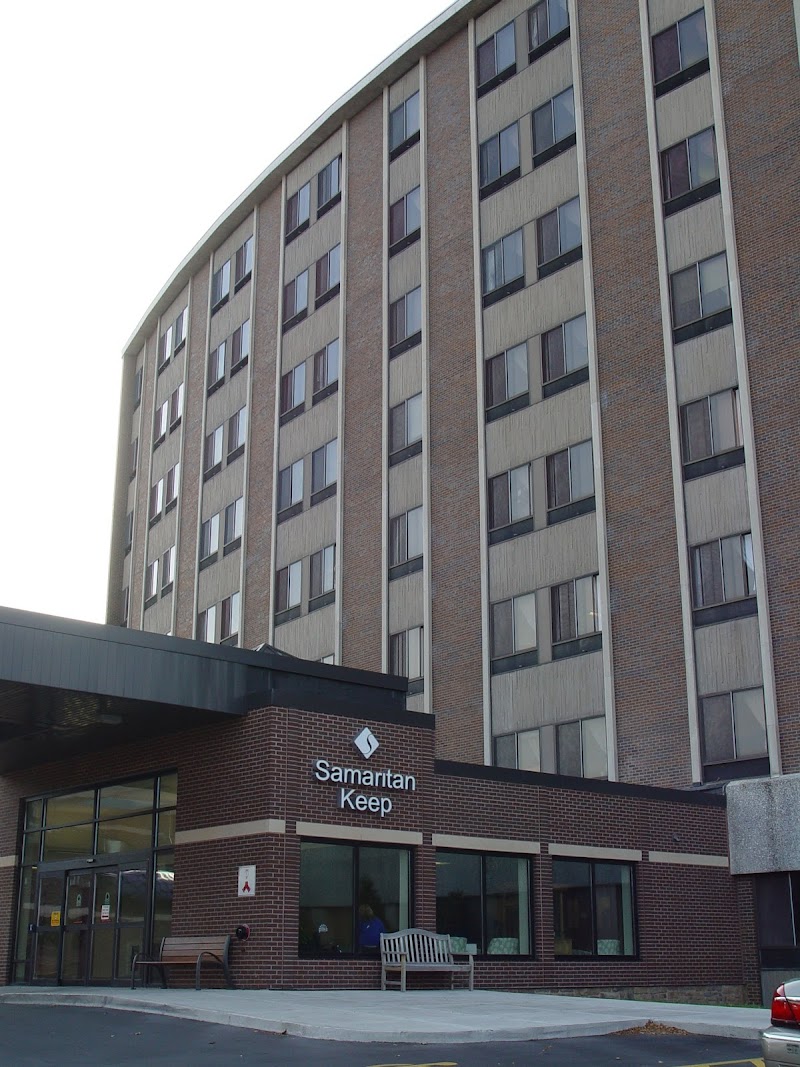
How is Samaritan Keep Inc Staffed?

CMS rates SAMARITAN KEEP NURSING HOME INC's staffing level at 1 out of 5 stars, which is much below average compared to other nursing homes. Staff turnover is 51%, compared to the New York average of 46%. RN turnover specifically is 57%, which is notably high. RNs provide skilled clinical oversight, so turnover in this role can affect medical care quality.

What Have Inspectors Found at Samaritan Keep Inc?

State health inspectors documented 17 deficiencies at SAMARITAN KEEP NURSING HOME INC during 2019 to 2024. These included: 17 with potential for harm.
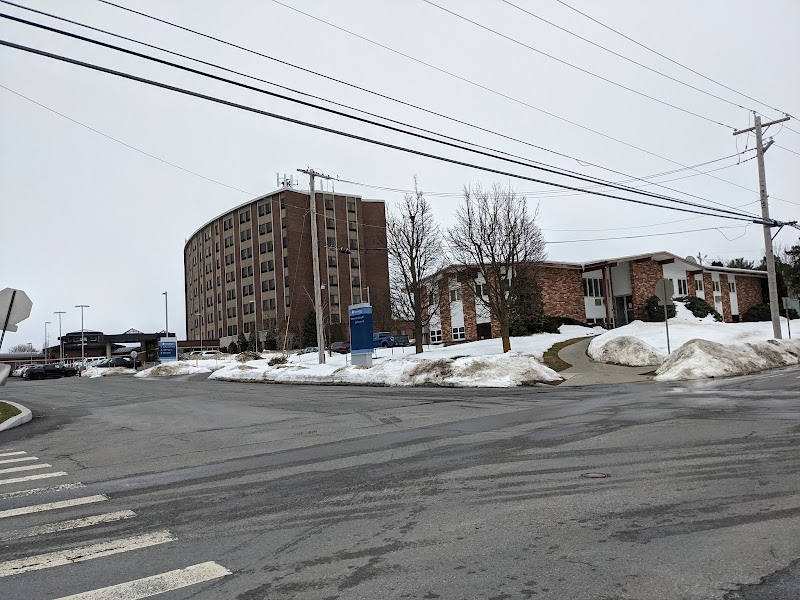
Who Owns and Operates Samaritan Keep Inc?

SAMARITAN KEEP NURSING HOME INC is owned by a non-profit organization. Non-profit facilities reinvest revenue into operations rather than distributing to shareholders. The facility operates independently rather than as part of a larger chain. With 272 certified beds and approximately 251 residents (about 92% occupancy), it is a large facility located in WATERTOWN, New York.
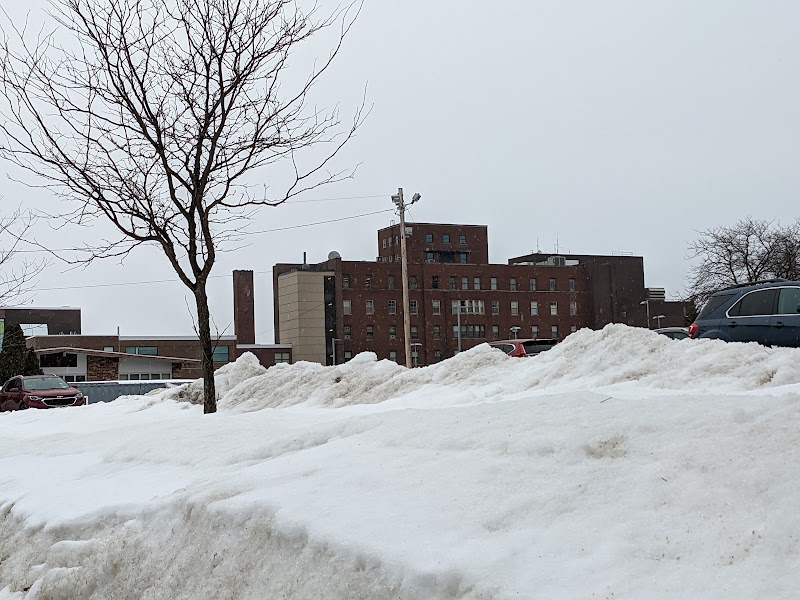
How Does Samaritan Keep Inc Compare to Other New York Nursing Homes?

Compared to the 100 nursing homes in New York, SAMARITAN KEEP NURSING HOME INC's overall rating (2 stars) is below the state average of 3.1, staff turnover (51%) is near the state average of 46%, and health inspection rating (3 stars) is at the national benchmark.

What Should Families Ask When Visiting Samaritan Keep Inc?

Based on this facility's data, families visiting should ask: "Can you walk me through typical staffing levels on day, evening, and night shifts?" "Can I visit during a mealtime to observe dining assistance and food quality?" "How do you handle medical emergencies, and what is your hospital transfer rate?" "Can I speak with family members of current residents about their experience?" These questions are particularly relevant given the below-average staffing rating.

Is Samaritan Keep Inc Safe?

Based on CMS inspection data, SAMARITAN KEEP NURSING HOME INC has a clean safety record: no substantiated abuse findings (meaning no confirmed cases of resident harm), no Immediate Jeopardy citations (the most serious violation level indicating risk of serious injury or death), and is not on the Special Focus Facility watch list (a federal program monitoring the lowest-performing 1% of nursing homes). The facility has a 2-star overall rating and ranks #100 of 100 nursing homes in New York. While no facility is perfect, families should still ask about staff-to-resident ratios and recent inspection results during their visit.

Do Nurses at Samaritan Keep Inc Stick Around?

SAMARITAN KEEP NURSING HOME INC has a staff turnover rate of 51%, which is about average for New York nursing homes (state average: 46%). Moderate turnover is common in nursing homes, but families should still ask about staff tenure and how the facility maintains care continuity when employees leave.

Was Samaritan Keep Inc Ever Fined?

SAMARITAN KEEP NURSING HOME INC has been fined $62,117 across 1 penalty action. This is above the New York average of $33,700. Fines in this range indicate compliance issues significant enough for CMS to impose meaningful financial consequences. Common causes include delayed correction of deficiencies, repeat violations, or care failures affecting resident safety. Families should ask facility leadership what changes have been made since these penalties.

Is Samaritan Keep Inc on Any Federal Watch List?

SAMARITAN KEEP NURSING HOME INC is not on any federal watch list. The most significant is the Special Focus Facility (SFF) program, which identifies the bottom 1% of nursing homes nationally based on persistent, serious quality problems. Not being on this list means the facility has avoided the pattern of deficiencies that triggers enhanced federal oversight. This is a positive indicator, though families should still review the facility's inspection history directly.