THE GRAND REHABILITATION AND NURSING AT QUEENS
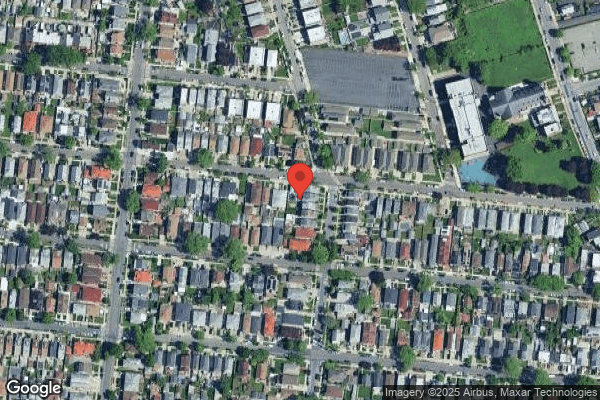

157 15 19TH AVENUE, WHITESTONE, NY 11357 (718) 746-0400
For profit - Corporation 179 Beds THE GRAND HEALTHCARE Data: November 2025
Trust Grade
95/100
#113 of 594 in NY
Last Inspection: January 2025

Within standard 12-15 month inspection cycle. Federal law requires annual inspections.

Overview

The Grand Rehabilitation and Nursing at Queens has an impressive Trust Grade of A+, indicating it is an elite facility with top-tier care. It ranks #113 out of 594 nursing homes in New York, placing it in the top half of all facilities in the state, and #12 of 57 in Queens County, meaning only 11 local options are better. The facility's trend is stable, with eight concerns identified in both 2023 and 2025, showing consistency in performance. Staffing is rated average with a 3/5 star rating and a turnover rate of 21%, which is significantly lower than the state average of 40%, suggesting that employees tend to stay long-term and know the residents well. While there have been no fines, which is a positive sign, there were specific concerns, such as failures to review the water management plan annually and incidents of misappropriation of resident property, indicating that while the facility has strengths, there are areas that need improvement.

Trust Score
A+
95/100
In New York
#113/594
Top 19%
Safety Record
Low Risk
No red flags
Inspections
Holding Steady
3 → 3 violations
Staff Stability
✓ Good
21% annual turnover. Excellent stability, 27 points below New York's 48% average. Staff who stay learn residents' needs.
Penalties
✓ Good
No fines on record. Clean compliance history, better than most New York facilities.
Skilled Nurses
✓ Good
Each resident gets 42 minutes of Registered Nurse (RN) attention daily — more than average for New York. RNs are trained to catch health problems early.
Violations
○ Average
8 deficiencies on record. Average for a facility this size. Mostly minor or procedural issues.
★★★★★
5.0
Overall Rating
★★★☆☆
3.0
Staff Levels
★★★★★
5.0
Care Quality
★★★★☆
4.0
Inspection Score
Stable
2023: 3 issues
2025: 3 issues

The Good

  • 5-Star Quality Measures · Strong clinical quality outcomes
  • Low Staff Turnover (21%) · Staff stability means consistent care
  • Full Sprinkler Coverage · Fire safety systems throughout facility
  • No fines on record
  • Staff turnover is low (21%)

    27 points below New York average of 48%

Facility shows strength in quality measures, staff retention, fire safety.

The Bad

Chain: THE GRAND HEALTHCARE

Part of a multi-facility chain

Ask about local staffing decisions and management

The Ugly 8 deficiencies on record

Jan 2025 3 deficiencies
CONCERN (D)

Potential for Harm - no one hurt, but risky conditions existed

Safe Environment (Tag F0584)

Could have caused harm · This affected 1 resident

**NOTE- TERMS IN BRACKETS HAVE BEEN EDITED TO PROTECT CONFIDENTIALITY** Based on observations, record review and interviews conducted during the Recertification Survey from 01/26/2026 to 01/31/2025, t...

Read full inspector narrative →
**NOTE- TERMS IN BRACKETS HAVE BEEN EDITED TO PROTECT CONFIDENTIALITY** Based on observations, record review and interviews conducted during the Recertification Survey from 01/26/2026 to 01/31/2025, the facility did not ensure a safe, clean, comfortable, and homelike environment, allowing the resident to use his or her personal belongings to the extent possible. Specifically, the facility failed to exercise reasonable care for the protection of the resident's property from loss or theft. This was evident for 1 resident investigated for personal property out of 38 residents sample investigated, (Resident # 30). The findings are: The facility policy and procedure for Personal Property dated 01/2023, last revised 01/2025 documented that The resident's personal belongings and clothing shall be inventoried and documented upon admission and as such items are replenished. The facility will promptly investigate any complaints of misappropriation or mistreatment of resident property. On 01/26/25 at 10:44 AM during the initial pool process, Resident #30's Spouse was interviewed and stated that resident keeps on missing blankets brought from home, it has been reported to the staff who say they sent them to a place for laundry and they never came back. Resident's spouse stated that they make sure that all the items are labeled with resident's name when they brought them. Resident's spouse also stated that the golden color blanket that is used to keep the resident warm has been missing for over 4 weeks. Resident was admitted to the facility 08/23/2023, with diagnoses that included Cancer, Anemia, Cerebrovascular Accident (CVA). The Quarterly Minimum Data Set (MDS) dated [DATE] documented the resident had severe impairment in cognition and requires Substantial/maximal assistance of staff for most activities of daily living. Minimum Data Set also documented that Resident and resident's family participated in Assessment and Goal Setting. The Comprehensive Care Plan (CCP) for Abuse dated 3/15/23 documented that Resident is at risk for potential abuse, neglect related to cognitive impairment, dependence on others for Activity of Daily Living care with the goals including Resident will not experience any form of abuse or neglect through review date, with interventions Assess resident for sign/symptoms of abuse and / or neglect (example psychosocial status) and report to appropriate resources; Investigate all allegations of abuse and neglect promptly; Provide support and ensure resident is free from abuse. Facility's Grievances/Complaint dated 01/31/25 9:30 am documented that Resident #30's spouse stated that one of the two resident's blankets was missing. Housekeeping staff interviewed claimed that the missing blanket was sent to the outside laundry company a few weeks ago but failed to notify the supervisor of the resident's missing blanket. On 01/30/25 at 09:13 AM, Certified Nursing Assistant #3 was interviewed and stated that Resident #30's dirty clothing is placed in the bin, the laundry staff comes twice a week to take down the dirty clothing for washing and return clean clothing Mondays and Wednesdays. Certified Nursing Assistant #3 stated that the family sometimes reported that resident's blanket was missing which was believed to have been sent down for laundry and they thought the blanket has been returned from laundry. Certified Nursing Assistant #3 stated that they did not know that resident is still missing the blanket and would have reported it to the charge nurse. On 01/31/25 at 08:48 AM, Laundry staff was interviewed and stated that when Resident #30 was transferred to the hospital, resident's belonging is packed and taken down to the trailer, and the belongings were returned to the resident's current room when resident was re-admitted . Laundry staff was unable to recall if the missing blanket was among the clothing returned when resident was re-admitted and is not able to explain the last time that resident's blanket was sent to the laundry. On 01/31/25 at 09:00 AM, Registered Nurse/Unit Manager, (Registered Nurse #1) was interviewed and stated that they are not aware that Resident #30 is missing a blanket but will investigate from the laundry department to find out if any of the resident's clothing sent down for laundry that have not been returned included the resident's blanket. Registered Nurse #1 was not able to explain when Resident #30 was transferred/re-admitted to the unit. On 01/31/25 at 09:10 AM, the Housekeeping Director was interviewed and stated that they are not aware that resident has been missing a blanket. Housekeeping Director stated that they will check and investigate if resident has the blanket that have not been returned after laundry. Housekeeping Director further stated that Outside laundry company was contacted when they were informed of the resident's missing blanket this morning, but they are yet to hear any response from any of the company's staff. On 01/31/25 at 10:05 AM, the Director of Nursing was interviewed and stated that they have started investigation by interviewing the Certified Nursing Assistants and Housekeeping staff to find out how resident's blankets got missing and when they were made aware of the missing blanket. On 01/31/25 at 11:49 AM, the Assistant Director of Nursing was interviewed and stated that upon investigation, it was found that when the family brought the blanket on which resident's name was written, it was placed in the resident's closet, and sent to the laundry with other resident's dirty clothing, the Laundry staff acknowledged sending out the resident's blanket to the outside company about 3 weeks ago and stated that the blanket never returned. Assistant Director of Nursing stated that they were informed that resident's family reported the missing blanket to the staff, and has been asking the laundry staff about the missing blanket anytime resident's laundry was delivered to resident's room, but laundry staff failed to report the missing blanket to the Housekeeping Director for the facility to have addressed it immediately. 10 NYCRR415.5(h)(2).
CONCERN (D) 📢 Someone Reported This

A family member, employee, or ombudsman was alarmed enough to file a formal complaint

Potential for Harm - no one hurt, but risky conditions existed

Report Alleged Abuse (Tag F0609)

Could have caused harm · This affected 1 resident

**NOTE- TERMS IN BRACKETS HAVE BEEN EDITED TO PROTECT CONFIDENTIALITY** Based on observation, record review and staff interview during the Recertification /Complaint survey (NY00347053) conducted betw...

Read full inspector narrative →
**NOTE- TERMS IN BRACKETS HAVE BEEN EDITED TO PROTECT CONFIDENTIALITY** Based on observation, record review and staff interview during the Recertification /Complaint survey (NY00347053) conducted between 01/26/2025 and 01/31/2025, the facility did not ensure that all alleged violations involving abuse and injury of unknown origin were reported immediately to the New York State Department of Health, but not later than 2 hours after the allegation of abuse was reported. Specifically, the facility did not report within 2 hours when a resident (Resident #94) alleged that another resident (Resident #83) touched their breast. This was evident in 2 out of 37 residents sampled for Abuse. The findings are: The facility's policy titled Abuse - Prohibition Protocol, Types of Abuse, Response/Reporting, last reviewed 1/25, documented that it is the policy of the Grand Rehabilitation and Nursing Center that every resident has the right to be free from abuse, mistreatment, neglect and misappropriation of property. The facility's policy titled, Accident and Incident, Investigating and Reporting-Resident last reviewed 1/25, documented that the facility will report allegations and results of the investigations of alleged violations involving mistreatment, neglect or abuse. The facility investigation report dated that at 6/30/24 at 9:15PM, documented that Resident #94 stated that Resident #83 allegedly touched their breasts. Investigation revealed that on 6/30/24 at approximately 9:15PM, Resident #94 reported to the charge nurse, who notified the Registered Nurse Supervisor, that a resident who was identified as Resident #83, was passing by the hallway. Resident #94 was standing by the sink when Resident #83 allegedly touched their breast. The investigation also documented, that Resident #94 will be seen by the Psychiatrist and Psychologist to follow up on any behavioral changes, and that Resident #94 had a prior history of unfounded accusatory allegation against a staff member, which was investigated and ruled out. The Incident reporting to the New York State Department of Health Intake #NY0047053, documented that the incident occurred on 06/30/24 at 9:15PM, and was reported by the Administrator on 07/01/24 at 2:13PM. The investigation revealed that upon review of camera video on that side of the hallway, it was noted that around 6:35 PM, Resident #83 was wheeling themselves in the hallway and passed by Resident #94's room. From the camera angle, they appeared to shake /held hands for few seconds then upon wheeling back, Resident #83 again held hands with Resident #94. 1) Resident #83 was admitted to the facility with diagnoses that include Cancer, Neurogenic Bladder and Paraplegia. The Annual Minimum Dats Set dated 06/01/24, documented that Resident #83's cognition as intact, Brief Interview of Mental Status of 14, no behaviors and impairment on both sides to lower extremities. The Comprehensive Care Plan focus titled Resident is at risk for potential abuse, neglect related to dependence on others for activities of daily living care, language barrier, created 2/15/23. Goals include Resident #83 will not experience any form of abuse or neglect through review date, 6/20/24. Interventions include Investigate all allegations of abuse and neglect promptly, assess resident for signs and symptoms of abuse and / or neglect and report to appropriate resources. A Nursing Note dated 06/30/24 documented that as per Resident #94, complained that Resident #83 allegedly touched their breast. Resident #94 stated they did not touch Resident #94's breast, but that they touched Resident #94's hand like 'Hi five', as per interpreter. A Nursing Note dated 07/01/24 documented that Resident #83 was moved to another unit to prevent further interaction, family in agreement with plan of care. A Physician's Note dated 7/1/24 documented Resident #83 was alleged by Resident #94, that they touched Resident #94's breasts while they were in their room. Resident #83 said they never touched nor went into Resident #94's room, Resident #83 was wheeling only in the hallway and was blindly accused by Resident #94. Will order Psychiatry and Psychologist evaluation. 2) Resident # 94 was admitted to the facility on [DATE] with diagnoses that include Depression, Bipolar Disorder, and Schizophrenia. The Annual Minimum Data Set, dated [DATE] documented resident's cognition as intact, Brief Interview of Mental Status of 13, no behaviors, no impairments, that Resident #94 participates in assessment and goal setting. The Comprehensive Care Plan created on 7/3/24 documented Resident #94 is at risk for abuse related to diagnosis of Major Depressive and Bipolar Disorder. Goals include Resident will not experience any form of abuse or neglect through review date, 7/16/24. Interventions include assess resident for signs and symptoms of abuse and report to appropriate resources. The Comprehensive Care Plan created 1/16/24, documented Resident #94 exhibits behavior symptoms such as accusatory behavior. Goals include Resident #94 will verbalize understanding of need to control inappropriate behavior through the review date, 7/16/24. Interventions include to provide resident an opportunity to express themselves. A Nursing Note dated 6/30/24, documented that Registered Nurse Supervisor was called to assess Resident #94 by unit nurse that resident who was in wheelchair by nursing station that Resident #94 alleged another male resident touched their breast. Resident #94 had fully dressed up with shirt and pant. A Physician's Progress Note dated 7/1/24, documented nurse reported Resident #94 alleged that they were touched by Resident #83. Upon examination, there were no signs of bruises or scratches over the body and denies any pain over the body. The note documented that Resident #94 will be seen by Psychiatrist and Psychologist. On 01/30/25 at 10:32 AM the Director of Nursing was interviewed and stated that they were not employed at the facility at the time of the incident. On 01/30/25 at 10:34 AM, the Administrator was interviewed and stated that they were made aware on 06/30/24 that the allegation occurred, and once they were able to gain access in the Health Commerce System, they submitted the incident to the New York State Department of Health, later in the afternoon on 7/1/24. The Administrator also stated that they were not able to say why the previous Director of Nursing did not submit the investigation within the 2 hours, but that they were aware that an allegation of any abuse is supposed to be submitted within 2 hours. 10 NYCRR 415.4 (b)(2)
CONCERN (E)

Potential for Harm - no one hurt, but risky conditions existed

Infection Control (Tag F0880)

Could have caused harm · This affected multiple residents

Based on observation, record review, and staff interviews during the Recertification survey, the facility did not conduct an annual review of the water management plan and did not complete an annual r...

Read full inspector narrative →
Based on observation, record review, and staff interviews during the Recertification survey, the facility did not conduct an annual review of the water management plan and did not complete an annual risk assessment form. The findings are: A record review of the Legionella Management Plan, revealed a risk assessment form, dated 6/19/2019. Item #6 of the policy is The Water Management Program will be reviewed at least once a year, or sooner. A record review of the policy and procedure on Legionella revealed that it was last reviewed in 3/2019. Meeting agendas, minutes, or documentation of Program Team meetings were not provided at the time of the survey. In an interview on January 31, 2025, at approximately 10:00 AM, the Facilities Maintenance Coordinator stated that he had not participated in an annual review in the past year. On January 31, 2025, at approximately 2:00 PM, during the exit interview, the Administrator stated the water management plan was not reviewed in the previous 12 months. When asked why it was not done, the Administrator did not respond. 415.19(a)(1-3)
Mar 2023 3 deficiencies
CONCERN (D)

Potential for Harm - no one hurt, but risky conditions existed

Assessment Accuracy (Tag F0641)

Could have caused harm · This affected 1 resident

**NOTE- TERMS IN BRACKETS HAVE BEEN EDITED TO PROTECT CONFIDENTIALITY** Based on record review, observation, and interviews conducted during the Recertification Survey from 2/27/2023 to 3/6/2023, the ...

Read full inspector narrative →
**NOTE- TERMS IN BRACKETS HAVE BEEN EDITED TO PROTECT CONFIDENTIALITY** Based on record review, observation, and interviews conducted during the Recertification Survey from 2/27/2023 to 3/6/2023, the facility did not ensure that a resident's Minimum Data Set (MDS) assessment accurately reflected the resident's status. This was evident for 1 of 2 residents (Resident #49) investigated for Respiratory Care out of a sample of 36 residents. Specifically, the MDS assessment did not document the use of oxygen by Resident #49. The findings are: The facility policy and procedure titled Oxygen Administration last reviewed 1/2023, documented that prior to administering oxygen, staff should review the physician's orders as well as the resident's care plans. The policy further documented that after administering oxygen, staff would document details of the procedure in the resident's medical record. Resident #49 was admitted to the facility with diagnoses which included dementia, depression, and hypertensive heart failure. The Annual Minimum Data Set 3.0 (MDS) assessment dated [DATE] documented Resident #49 had severe cognitive impairment and was totally dependent on staff for activities of daily living. The assessment further documented Resident #49 had not received oxygen or any special treatments or procedures within the previous 14 days. The Quarterly MDS dated [DATE] also documented that Resident #49 had not received oxygen or any special treatments or procedures within the previous 14 days. On 02/27/23 at 09:53 AM, Resident #49 was observed sleeping in their bed with a nasal cannula. The cannula was connected to an O2 concentrator which was providing oxygen at a rate of 3 LPM. On 02/28/23 at 09:45 AM, Resident #49 was observed in their room, sitting in a wheelchair. Again, the resident was receiving oxygen via nasal cannula at a rate of 2.5 LPM, through an oxygen concentrator. On 03/02/23 at 12:26 PM and at 03:42 PM, Resident #49 was observed in the dining room, sitting in a wheelchair. Resident was receiving oxygen via nasal cannula, at a rate of 2 LPM, from a portable oxygen tank hanging from the wheelchair. The Order Summary Report dated [DATE], listed active orders as of 02/01/2023. Orders included a physician order dated 10/21/22 which documented resident was to receive Oxygen at 2L/M via nasal cannula for shortness of breath as needed. The Weights and Vitals summary for February 2023 documented Resident #49 received O2 via nasal cannula daily, except on 2/4/23 and 2/26/23. On 03/02/23 at 12:58 PM, Certified Nursing Assistant (CNA) #3 was interviewed and stated Resident #49 had been using oxygen for a while. On 03/03/23 at 11:04 AM, Licensed Practical Nurse (LPN) #1 was interviewed and stated Resident #49 receives oxygen on an as-needed basis. On 03/03/23 at 12:26 PM, RN #2 was interviewed and stated Resident #49 uses oxygen as needed. On 03/06/23 at 12:50 PM, an interview was conducted with the Director of Nursing (DNS). The DNS stated that the doctors and nurses assess the resident to decide if they need to receive Oxygen (O2) treatment. Nurses monitor the O2 saturation both on oxygen and at room air. Oxygen administration is documented on the MAR/TAR or sometimes they document it on the vital signs. The DNS also stated there should be a care plan for O2 use, regardless of the order being prn or continuous and if a resident is receiving O2, it should be coded on the MDS assessment. On 03/06/23 at 01:07 PM, the MDS Coordinator (MDSC) was interviewed and stated that if they see the resident is on O2, they code it on the MDS. If residents do not have O2 on at the time of the assessment but there is an order, the vital signs, MAR/TAR, and progress notes should be checked to confirm the use of O2. The MDSC also stated that for Resident #49, oxygen should have been coded in the MDS and this MDS had been completed by another MDS assessor. 415.11(b)
CONCERN (D)

Potential for Harm - no one hurt, but risky conditions existed

Deficiency F0655 (Tag F0655)

Could have caused harm · This affected 1 resident

**NOTE- TERMS IN BRACKETS HAVE BEEN EDITED TO PROTECT CONFIDENTIALITY** 2. Resident #29 was admitted on [DATE] with diagnoses that included Cerebral Vascular Accident, non-Alzheimer's dementia, Seizur...

Read full inspector narrative →
**NOTE- TERMS IN BRACKETS HAVE BEEN EDITED TO PROTECT CONFIDENTIALITY** 2. Resident #29 was admitted on [DATE] with diagnoses that included Cerebral Vascular Accident, non-Alzheimer's dementia, Seizure Disorder, and Depression. The admission Minimum Data Set (MDS) dated [DATE] documented that resident was moderately cognitively impaired with a Brief Interview of Mental Status score of 8 out of 15. The MDS also documented that Resident #29 sometimes makes themself-understood and sometimes understands. In addition, the MDS documented that family or significant other participated in the assessment. The LN: Admission/readmission Evaluation Baseline care plan section was dated 1/19/2023. A Nursing note dated 2/1/2023 indicated that a Care Plan Meeting was held on that day, with the resident, nursing, social services, recreation, therapy, and the resident's child (on phone conference). Items reviewed included care plans, face sheet, allergies, [NAME] and tasks. There was no documented evidence that a written summary of the baseline care plan was provided to either the resident or their representative. An interview was conducted on 3/2/23 at 10:37 AM with Registered Nurse Supervisor (RNS) #2, who stated that the admitting nurse will initiate the baseline on admission. RNS #2 also stated that the baseline care plan is part of the nursing admission form and a copy of the baseline is given to the resident or family by the RNS. RNS #2 looked in the electronic medical record and could not find a note that a written summary of the baseline care plan was provided to the resident or their representative. An interview was conducted on 3/2/23 at 10:44 AM with the Director of Social Work (DSW), who stated that the baseline care plan is done upon admission and it is started by the nurse. The Social Worker updates the baseline for the social work section and then initiate other care plans, like advance directives, mood, and discharge. The DSW also stated that Nursing staff provide a copy of the baseline care plan to the resident and their family. An interview was conducted on 3/2/23 at 11:11 AM with the MDS Coordinator (MDSC), who stated that the admitting nurse initiates the baseline care plan and the Unit Manager is responsible for doing the care plans, but they will also contribute. The MDSC further stated that the unit manager is responsible for giving copy of baseline to the resident/family. An interview was conducted on 3/2/23 at 11:33 AM via telephone, with Resident #29's representative who stated that they could not recall if they received the document or not. 415.11(c) Based on record review and staff interviews conducted during a Recertification/Complaint Survey from 2/27/2023 to 3/6/2023, the facility did not ensure that the resident and their representative were provided with a written summary of the baseline care plan. This was evident for 2 of 3 residents reviewed for Care Plan out of 36 sampled residents. (Residents #140 and Resident #29) The findings are: The facility policy titled Care Plans - Baseline with effective date 8/17 and last review date of 1/2023 documented that the resident and their representative will be provided a summary of the baseline care plan that includes but is not limited to any services and treatments to be administered by the facility and personal acting on behalf of the facility. 1. Resident #140 was admitted to the facility on [DATE] with diagnoses that included Osteomyelitis, unspecified; Cellulitis, unspecified; and Other lack of coordination. On 02/27/23 at 10:42 AM, Resident #140 was interviewed and stated they had been admitted to the facility about five months ago and made decisions for themselves. Resident #140 also stated they did not recall being provided a copy of baseline care plan. Resident #140 further stated they did not have any family members but a roommate in the community. The admission Minimum Data Set (MDS) dated [DATE] documented Resident #140 was cognitively intact and Resident #140 and the representative participated in the assessment. The Admission/readmission Evaluation - V 12 documented the baseline care plan (BCP) for Resident #140 was created on 7/26/22 and completed on 7/27/22. There was no documentation that Resident #140 or the representative signature had signed the BCP or otherwise acknowledged receipt of the BCP. The Progress notes dated from 7/26/22 to 8/11/22 had no documented evidence that Resident # 140 or representative was provided a copy of the Baseline Care plan (BCP). The hard copy medical chart had no documented evidence that a copy of the BCP was provided to Resident # 140 or representative. On 03/02/23 at 11:48 AM, Registered Nurse (RN) #1 was interviewed and stated the admission nurse or the nurse supervisor on the unit created and completed the baseline care plan (BCP) within 2 days after a resident was admitted to the facility. RN #1 also stated the nurse's responsibilities included printing out a copy of the BCP and providing it to the resident or the representative and documenting it in the medical chart. RN #1 further stated they were unable to find any documented evidence that Resident #140 or the representative was provided a copy of BCP and was not able to explain why this was not done. On 03/02/23 at 02:18 PM, the Director of Nursing Services (DON) was interviewed and stated the nurse supervisor reviewed and completed the BCP on the 2nd day of admission. The DON also stated the nurse supervisor provided a copy of BCP to the resident or the representative after it was completed. The DON further stated the nurse supervisor should document in the medical record that a copy of the BCP was provided to the resident or the representative. The DON was not able to locate any documented evidence that a BCP was provided to Resident #140 or the representative and was not able to explain what has occurred.
CONCERN (D) 📢 Someone Reported This

A family member, employee, or ombudsman was alarmed enough to file a formal complaint

Potential for Harm - no one hurt, but risky conditions existed

Comprehensive Care Plan (Tag F0656)

Could have caused harm · This affected 1 resident

**NOTE- TERMS IN BRACKETS HAVE BEEN EDITED TO PROTECT CONFIDENTIALITY** Based on observation, record reviews and staff interviews conducted during the Recertification survey from 2/27/2023 to 3/6/2023...

Read full inspector narrative →
**NOTE- TERMS IN BRACKETS HAVE BEEN EDITED TO PROTECT CONFIDENTIALITY** Based on observation, record reviews and staff interviews conducted during the Recertification survey from 2/27/2023 to 3/6/2023, the facility did not ensure that a person-centered Comprehensive Care Plan (CCP) was developed and implemented to address the resident's medical, physical, mental, and psychosocial needs. Specifically, a CCP was not developed and implemented for a resident receiving Oxygen daily. This was evident for 1 of 2 residents investigated for Respiratory Care (Resident #49) out of a sample of 36 residents. The findings are: The facility policy and procedure titled Resident Participation - Assessment/Care Plans effective 8/2017 with a revision date of 1/2023, states the care planning process will include an assessment of the resident's strengths and his or her needs and incorporate the resident's personal and cultural preferences in establishing goals of care. A Comprehensive Care Plan is developed within seven days of completing the resident assessment. Resident #49 was admitted to the facility with diagnoses which included dementia, depression, and hypertensive heart failure. The Annual Minimum Data Set 3.0 (MDS) assessment dated [DATE] documented Resident #49 had severe cognitive impairment and was totally dependent on staff for activities of daily living. The assessment further documented Resident #49 had not received oxygen or any special treatments or procedures within the previous 14 days. On 02/27/23 at 09:53 AM Resident #49 was observed sleeping in their bed with a nasal cannula. The cannula was connected to an O2 concentrator at a rate of 3 LPM. On 02/28/23 at 09:45 AM, Resident #49 was observed in their room, sitting in a wheelchair. Again, the resident was receiving oxygen via nasal cannula at a rate of 2.5 LPM, through an oxygen concentrator. On 03/02/23 at 12:26 PM and at 03:42 PM, resident #49 was observed in the dining room, sitting in a wheelchair. Resident was receiving oxygen via nasal cannula, at a rate of 2 LPM, from a portable oxygen tank hanging from the wheelchair. The Order Summary Report dated [DATE], listed active orders as of 02/01/2023. Orders included a physician order dated 10/21/22 which documented resident was to receive Oxygen at 2L/M via nasal cannula for shortness of breath as needed. The Weights and Vitals summary for February 2023 documented Resident #49 received O2 via nasal cannula daily, except for 2/4/23 and 2/26/23. There was no documented evidence that a care plan addressing O2 use had been created prior to start of survey on 2/27/23. On 03/02/23 at 12:58 PM, Certified Nursing Assistant (CNA) #3 was interviewed and stated Resident #49 had been using O2 for a while. CNA #3 further stated that nurses are in charge of administering the O2. On 03/03/23 at 12:26 PM, Registered Nurse #2 was interviewed and stated Resident #49 uses O2 as needed and that should be documented in the medical record. RN #2 also stated they are responsible for developing the care plans and the care plan was re-started on 2-28-23 after they observed the resident was still receiving oxygen. On 03/06/23 at 12:50 PM, an interview was conducted with the Director of Nursing (DNS). The DNS stated that the doctors and nurses assess the resident to decide if they need to receive O2 treatment. Nurses monitor the O2 saturation both on oxygen and at room air. Oxygen administration is documented on the MAR/TAR or sometimes they document it on the vital signs. There should be a care plan for O2 use, regardless of the order being prn or continuous. The nurses create the care plans. 415.11(c)(1)
Feb 2020 2 deficiencies
CONCERN (D)

Potential for Harm - no one hurt, but risky conditions existed

Comprehensive Assessments (Tag F0636)

Could have caused harm · This affected 1 resident

**NOTE- TERMS IN BRACKETS HAVE BEEN EDITED TO PROTECT CONFIDENTIALITY** Based on record review and interviews conducted during the re-certification survey, the facility did not ensure Minimum Data Set...

Read full inspector narrative →
**NOTE- TERMS IN BRACKETS HAVE BEEN EDITED TO PROTECT CONFIDENTIALITY** Based on record review and interviews conducted during the re-certification survey, the facility did not ensure Minimum Data Set (MDS) 3.0 assessment was completed in a timely manner. Specifically, the Annual MDS assessment was not completed within 14 calendar days from the Assessment Reference (ARD) Date. This was evident for 1 of 1 resident reviewed for the Resident Assessment Facility Task (Resident #3) The findings are: The CMS RAI Version 3.0 Manual (Dated October 2018), Chapter 5 titled Submission and Correction of the MDS Assessments documented the MDS completion date must be no later than 14 days after the assessment reference date (ARD) for all non-admission, OBRA, and PPS assessments. The MDS completion date must be no later than 13 days after the entry date for admission assessments. Comprehensive assessments must be transmitted electronically within 14 days of the care plan completion date. All other MDS assessments must be submitted within 14 days of the MDS completion date. The MDS assessment for Resident #3 was reviewed. The verification page revealed that the assessment was completed late (more than 14 days after the ARD date). The verification page of the MDS revealed that the Annual MDS assessment had an ARD date of 01/05/20, the completion due date was 01/19/2020; the assessment wasn't completed until 02/05/2020. On 02/06/20 at 11:37 AM an interview was conducted with MDS coordinator (RN#1). She stated that she has been working in the facility for 14 years. She stated that she had a training this past year when they started a new book. She also stated that she's the only person who does the assessment, but has staff who assist on a per diem basis. who help out if needed. she said she s responsible for most MDS assessments in the facility, but the cooperate MDS [NAME] is responsible to submit MDS's. When asked [NAME] to explain the MDS assessment protocol as per the deadlines for completion and submission of assessment, she stated that the MDS assessment suppose to be completed within 7 days from the ARD dates. she then asked the state agency (SA) to wait to clarify the deadlines from the cooperate director. she then came right back and informed the SA that she was unable to give accounts of deadlines as per when to complete and submit the assessment. She referred the surveyor to the Corporate MDS director. During an interview with the MDS Corporate Director (RN#2) on 02/06/20 at 11:55 AM, it was stated that she comes to the facility once a week , and she monitors the completion and submission of the MDSs. She also stated that she assess the resident records remotely. The director explained that the MDS have to be completed within 7 days of ARD date .then they have 14 to 21 days to care plan and 7 days to submit the MDS. She further stated that the facility hasn't had problems in completing and submitting the MDS on time, but was unable to explain why the MDS for resident # 3 was not completed in a timely manner 415.11(a)(3)(iii)
CONCERN (E)

Potential for Harm - no one hurt, but risky conditions existed

Assessment Accuracy (Tag F0641)

Could have caused harm · This affected multiple residents

**NOTE- TERMS IN BRACKETS HAVE BEEN EDITED TO PROTECT CONFIDENTIALITY** Based on record reviews and interviews the facility did not ensure that the MDS (Minimum Data Set) acurately reflects residenst ...

Read full inspector narrative →
**NOTE- TERMS IN BRACKETS HAVE BEEN EDITED TO PROTECT CONFIDENTIALITY** Based on record reviews and interviews the facility did not ensure that the MDS (Minimum Data Set) acurately reflects residenst current medical status for the use of medications. Specifically, 1)The MDS for Resident (#15) coded that they received anticoagulant medications, when they received Plavix generic name (Clopidogrel); 2) Resident #133 received antipsychotic medication, but was coded on the MDS as receiving antipsychotic medications; 3)Resident #325 was coded as receiving insulin. This was evident for 3 out of Residents reviewed for assessments. Residents #15, #133, and #325. 1) Resident # 15 is [AGE] years old and was admitted to the facility on [DATE] with diagnoses that included Hemiplegia, Unspecified affecting nondominant side; Atherosclerotic heart disease of native coronary artery without angina pectoris; Type 2 Diabetes Mellitus without Complications. CMS RAI Version 3.0 Manual documented NO4110E, Anticoagulants as Warfarin, Heparin, or Low Molecular weight Heparin. It instructs: do not code antiplatelet medications such as aspirin/extended release, dipyridamole, or clopidogrel here. On 02/07/2020 at 12:11 PM a review of Annual MDS Section N0410 dated 10/31/19 documented resident received anticoagulant 7 out of 7 days. Review of the Medication Administration Record (MAR) dated 10/1/2019-10/31/2019 documented resident received Plavix Tablet 75 mg (Clopidogrel Bisulfate) via PEG-Tube once a day for CAD. On 2/10/2020 at 10:09 AM, an interview was conducted with RN#3 who reported that she started working as the MDS Coordinator at this facility on 2/3/2020. RN#3 checked the MDS to see who completed it, she went on to state that the individual is no longer with the facility. RN#3 reviewed the resident's chart to find the anticoagulant that the resident received during the look back period (7 days) and stated that the resident received Plavix during the lookback period. RN#3 conducted an internet search for Plavix and corroborated that the generic name is Clopidogrel which is an antiplatelet medicine, or blood thinner, not an anticoagulant. RN#3 reported that she received MDS training in 2009, completed the course, and have done MDS before. RN#3 stated that she is currently in training(MDS) since beginning working at this facility in the capacity of MDS Coordinator on 2/3/2020. At 11:45am, RN#3 followed up and reported that she reviewed coding of the anticoagulant and did a review of the MAR lookback period. She also looked up in the manual and saw that no aspirin and no Clopidogrel is to be coded in that section. She stated that Plavix should not be on the MDS as an anticoagulant and that the individual who completed the MDS is no longer with the facility. RN#3 stated that she is aware that this is an error. 3) On 02/10/20 Resident #325 was interviewed and stated that he never received Insulin, only Lovenox (anti-coagulant) in this facility. A record review of the MDS dated [DATE] in Section N (Medications) documented that the resident received an Insulin injection on one day and there was one day the Physician changed the residents Insulin orders during the last 7 days or since admission/entry or reentry. The Physician's orders dated 12/1/2019 to 12/19/2019 were reviewed and there were no documented orders for Insulin. On 02/10/20 at approximately 02:44 PM RN#2 MDS Director was interviewed. She reviewed the resident's Medication Administration Record for December, 2019. She stated he was on injections of Lovenox and was never on Insulin. She continuted to state that the MDS was coded by MDS coordinator who works the evening shift. She coded it incorrectly and she is responsible to ascertain accuracy of the data. This MDS was not further reviewed by MDS Director for accuracy. 415.11(b) 2) Resident #133 had diagnoses which Non-Alzheimer's Dementia, Anxiety, Depression, and Bipolar disorder. The CMS RAI version 3.0 manual dated 10/19 provided to the SA by the MDS director documented steps for assessment and coding instructions as review the Resident's medical record for documentation that any of these medications were received by the Resident during the 7 day look back period. coding instructions N0410A, antipsychotic: record the number of days an antipsychotic medication was received by the Resident at any time during the 7-day look-back period. The Minimun Data Set (MDS) completed with the dates of 10/22/19 and 1/9/20 were reviewed and assessed the Resident with a Bims of 3, requiring total care, and has diagnoses including Non- Alzheimers dementia, anxiety, depression Section N for the medications that the Residentreceived (section N0410A) documented 0 for antipsychotic med use/received. The Physician's orders reviewed from September 2019 through February 2020 documented orders for aripiprazole (antipsychotic) sol 2mg by mouth at night and decreased on 12/5/19 to 1mg for depression. The Psychiatrist consults reviewed from 9/19 to 1/24/20 documented that the Resident is recommended to continue the use of the medication aripiprazole due to behaviors of agitation, anxiety, irritability, and diagnosis of major depression with psychosis. The pharmacist Drug regimen review dated 12/19/19 documented that the Resident #33 receives aripiprazole (abilify) an antipsychotic, and further documented the black box warning of increased mortality in elderly pts with dementia receiving the antipsychotic. The Medication Administration Records dated september 2019 to february 2020 reviewed documented that the Resident received the medication ariprinazole (abilify). On 02/10/20 at 12:57 PM the Director of Nursing was interviewed and stated the MDS coordinator completes the N section of the MDS. She further stated that the coordinator should be reviewing the medication administration record and the physician orders prior to documenting the medications including antipsychotic medications being received by the Resident. On 02/10/20 at 1:54 PM the Registered Nurse (RN #2) MDS Corporate Director was interviewed and stated that the MDS Coordinator RN#1 has been completing the MDS for the facility since more than 5 years. The MDS coordinator is responsible to complete the N section of the MDS book. The MDS coordinators have to check the physician order and check the actual medication administration record to make sure the medication is being given to the Resident and that the nurses are signing that meds are given. Before October 2019 a review of MDS and coding was done for all MDS nurses and a list of med clasifications were given including the medication abilify. The number 0 that was coded in the MDS should have been coded as 7 for the number days in use. On 02/10/20 at 2:11 PM the RN#4 (Corporate Clinical MDS Nurse) was interviewed and stated the RN#1 completed the assessment and did not code the section for antipsychotic med received correctly. She further stated she is responsible to do spot check/audit on her assessments and have done so but have not done a comprehensive review of her assessments.
Understanding Severity Codes (click to expand)
Life-Threatening (Immediate Jeopardy)
J - Isolated K - Pattern L - Widespread
Actual Harm
G - Isolated H - Pattern I - Widespread
Potential for Harm
D - Isolated E - Pattern F - Widespread
No Harm (Minor)
A - Isolated B - Pattern C - Widespread

Questions to Ask on Your Visit

  • "Can I speak with families of current residents?"
  • "What's your RN coverage like on weekends and overnight?"

Our Honest Assessment

Strengths
  • • Grade A+ (95/100). Above average facility, better than most options in New York.
  • • No major safety red flags. No abuse findings, life-threatening violations, or SFF status.
  • • No fines on record. Clean compliance history, better than most New York facilities.
  • • 21% annual turnover. Excellent stability, 27 points below New York's 48% average. Staff who stay learn residents' needs.
Concerns
  • • No significant concerns identified. This facility shows no red flags across CMS ratings, staff turnover, or federal penalties.
Bottom line: Generally positive indicators. Standard due diligence and a personal visit recommended.

About This Facility

What is The Grand Rehabilitation And Nursing At Queens's CMS Rating?

CMS assigns THE GRAND REHABILITATION AND NURSING AT QUEENS an overall rating of 5 out of 5 stars, which is considered much above average nationally. Within New York, this rating places the facility higher than 99% of the state's 100 nursing homes. This rating reflects solid performance across the metrics CMS uses to evaluate nursing home quality.
How is The Grand Rehabilitation And Nursing At Queens Staffed?

CMS rates THE GRAND REHABILITATION AND NURSING AT QUEENS's staffing level at 3 out of 5 stars, which is average compared to other nursing homes. Staff turnover is 21%, compared to the New York average of 46%. This relatively stable workforce can support continuity of care.

What Have Inspectors Found at The Grand Rehabilitation And Nursing At Queens?

State health inspectors documented 8 deficiencies at THE GRAND REHABILITATION AND NURSING AT QUEENS during 2020 to 2025. These included: 8 with potential for harm.

Who Owns and Operates The Grand Rehabilitation And Nursing At Queens?

THE GRAND REHABILITATION AND NURSING AT QUEENS is owned by a for-profit company. For-profit facilities operate as businesses with obligations to shareholders or private owners. The facility is operated by THE GRAND HEALTHCARE, a chain that manages multiple nursing homes. With 179 certified beds and approximately 175 residents (about 98% occupancy), it is a mid-sized facility located in WHITESTONE, New York.

How Does The Grand Rehabilitation And Nursing At Queens Compare to Other New York Nursing Homes?

Compared to the 100 nursing homes in New York, THE GRAND REHABILITATION AND NURSING AT QUEENS's overall rating (5 stars) is above the state average of 3.1, staff turnover (21%) is significantly lower than the state average of 46%, and health inspection rating (4 stars) is above the national benchmark.

What Should Families Ask When Visiting The Grand Rehabilitation And Nursing At Queens?

Based on this facility's data, families visiting should ask: "Can I visit during a mealtime to observe dining assistance and food quality?" "How do you handle medical emergencies, and what is your hospital transfer rate?" "Can I speak with family members of current residents about their experience?"

Is The Grand Rehabilitation And Nursing At Queens Safe?

Based on CMS inspection data, THE GRAND REHABILITATION AND NURSING AT QUEENS has a clean safety record: no substantiated abuse findings (meaning no confirmed cases of resident harm), no Immediate Jeopardy citations (the most serious violation level indicating risk of serious injury or death), and is not on the Special Focus Facility watch list (a federal program monitoring the lowest-performing 1% of nursing homes). The facility has a 5-star overall rating and ranks #1 of 100 nursing homes in New York. While no facility is perfect, families should still ask about staff-to-resident ratios and recent inspection results during their visit.

Do Nurses at The Grand Rehabilitation And Nursing At Queens Stick Around?

Staff at THE GRAND REHABILITATION AND NURSING AT QUEENS tend to stick around. With a turnover rate of 21%, the facility is 25 percentage points below the New York average of 46%. Low turnover is a positive sign. It means caregivers have time to learn each resident's needs, medications, and personal preferences. Consistent staff also notice subtle changes in a resident's condition more quickly. Registered Nurse turnover is also low at 24%, meaning experienced RNs are available to handle complex medical needs.

Was The Grand Rehabilitation And Nursing At Queens Ever Fined?

THE GRAND REHABILITATION AND NURSING AT QUEENS has no federal fines on record. CMS issues fines when nursing homes fail to meet care standards or don't correct problems found during inspections. The absence of fines suggests the facility has either maintained compliance or corrected any issues before penalties were assessed. This is a positive indicator, though families should still review recent inspection reports for the full picture.

Is The Grand Rehabilitation And Nursing At Queens on Any Federal Watch List?

THE GRAND REHABILITATION AND NURSING AT QUEENS is not on any federal watch list. The most significant is the Special Focus Facility (SFF) program, which identifies the bottom 1% of nursing homes nationally based on persistent, serious quality problems. Not being on this list means the facility has avoided the pattern of deficiencies that triggers enhanced federal oversight. This is a positive indicator, though families should still review the facility's inspection history directly.