Bermuda Commons Nursing and Rehabilitation Center
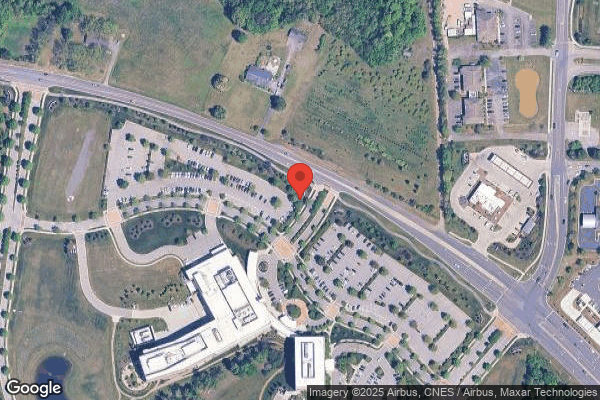
316 NC Highway 801 South, Advance, NC 27006 (336) 998-0240
For profit - Limited Liability company 117 Beds LIBERTY SENIOR LIVING Data: November 2025 1 Immediate Jeopardy citation
Trust Grade
28/100
#237 of 417 in NC
Last Inspection: March 2025

Within standard 12-15 month inspection cycle. Federal law requires annual inspections.

Overview

Bermuda Commons Nursing and Rehabilitation Center has received a Trust Grade of F, indicating significant concerns about the quality of care provided. Ranking #237 out of 417 facilities in North Carolina places them in the bottom half of the state, while their county rank of #2 out of 3 indicates that only one local option is better. The facility is currently improving, having reduced the number of issues from 11 in 2024 to 9 in 2025, but it still has serious problems, including a critical incident where a resident fell from a transportation van due to improper use of the lift gate, resulting in rib fractures. Staffing is a relative strength, with a turnover rate of 38%, which is below the state average, but there is concerning RN coverage that is less than 76% of other North Carolina facilities. Additionally, the facility has been penalized with $28,043 in fines, which is average, suggesting some compliance issues, and they have also been found to have expired nutritional supplements in their storage areas, raising further concerns about safety and care standards.

Trust Score
F
28/100
In North Carolina
#237/417
Bottom 44%
Safety Record
High Risk
Review needed
Inspections
Getting Better
11 → 9 violations
Staff Stability
○ Average
38% turnover. Near North Carolina's 48% average. Typical for the industry.
Penalties
⚠ Watch
$28,043 in fines. Higher than 91% of North Carolina facilities. Major compliance failures.
Skilled Nurses
⚠ Watch
Each resident gets only 21 minutes of Registered Nurse (RN) attention daily — below average for North Carolina. Fewer RN minutes means fewer trained eyes watching for problems.
Violations
⚠ Watch
27 deficiencies on record. Higher than average. Multiple issues found across inspections.
★★☆☆☆
2.0
Overall Rating
★★☆☆☆
2.0
Staff Levels
★★☆☆☆
2.0
Care Quality
★★☆☆☆
2.0
Inspection Score
Stable
2024: 11 issues
2025: 9 issues

The Good

  • Full Sprinkler Coverage · Fire safety systems throughout facility
  • No fines on record
  • Staff turnover below average (38%)

    10 points below North Carolina average of 48%

Facility shows strength in fire safety.

The Bad

2-Star Overall Rating

Below North Carolina average (2.8)

Below average - review inspection findings carefully

Staff Turnover: 38%

Near North Carolina avg (46%)

Typical for the industry

Federal Fines: $28,043

Below median ($33,413)

Moderate penalties - review what triggered them

Chain: LIBERTY SENIOR LIVING

Part of a multi-facility chain

Ask about local staffing decisions and management

The Ugly 27 deficiencies on record

1 life-threatening 1 actual harm
Mar 2025 9 deficiencies
CONCERN (D)

Potential for Harm - no one hurt, but risky conditions existed

Deficiency F0565 (Tag F0565)

Could have caused harm · This affected 1 resident

Based on review of Resident Council meeting minutes, and resident and staff interviews, the facility failed to resolve and communicate the facility's efforts to address repeated concerns by residents ...

Read full inspector narrative →
Based on review of Resident Council meeting minutes, and resident and staff interviews, the facility failed to resolve and communicate the facility's efforts to address repeated concerns by residents of noise at night during Resident Council meetings for 3 of 10 months reviewed (January 2024, February 2024 and October 2024). The findings included: The Resident Council meeting minutes were reviewed for January 2024. Under the heading New Business, minutes noted residents' complaints of noise in the hallway at around 4:00 AM and a plan by the Activities Director to notify the Director of Nursing (DON) about the issue. In the February 2024 meeting minutes, under the heading Old Business, there was no documented follow up for the January 2024 noise complaint. The February 2024 minutes, under the heading New Business made note that the noise at night was persisting and a plan was made to speak with the DON about the issue. Meeting minutes for March 2024 revealed no documented follow up on the noise complaints from February 2024 under the heading of Old Business. New Business showed no documentation of new noise complaints. The April 2024 meeting minutes revealed no documented follow up on noise complaints under the heading of Old Business for past noise complaints from February 2024. New Business showed no documentation of new noise complaints. Meeting minutes reviewed for May 2024 revealed no documented follow up on noise complaints under the heading of Old Business for past noise complaints from February 2024. New Business showed no documentation of new noise complaints. The June 2024 meeting minutes showed no documented follow up on noise complaints under the heading of Old Business for past noise complaints from February 2024. New Business showed no documentation of new noise complaints. There was no Resident Council meeting in July 2024 per the Activities Director. Meeting minutes reviewed for August 2024 revealed no documented follow up on noise complaints under the heading of Old Business for past noise complaints from February 2024. New Business showed no documentation of new noise complaints. There were no September 2024 meeting minutes provided following two requests. Review of October 2024 Resident Council meeting minutes revealed no documented follow up on noise complaints under the heading of Old Business for past noise complaints from February 2024. New Business showed a resident complaint of having been woken up in the middle of the night from noise and staff talking loudly. There was no plan documented for resolution of the new noise complaint in the October 2024 minutes, however the Administrator and the DON were noted as being in attendance at the meeting. The November 2024 meeting minutes revealed under Old Business that the DON had spoken with staff about the noise at night. There were no new noise complaints under New Business. The DON was noted as in attendance at the meeting. The December 2024 meeting minutes showed under Old Business a repetition of the noise complaint from October 2024. New Business noted the repetition that the DON had spoken to staff about the noise and that the issue was resolved. The DON was noted as in attendance at the meeting. In a Resident Council meeting on 03/05/25 at 11:08 AM, six members of the Resident Council who attended meetings regularly (Resident #93, Resident #50, Resident # 76, Resident #11, Resident #77 and Resident #84), reported that they knew how to complete an individual grievance form and that they knew where the forms were located. All Residents present reported that they were not aware of separate forms to be filled out regarding concerns that were brought forward at their Resident Council meetings with staff. When the surveyor inquired about whether there was any noise at night, all residents present stated that there was sometimes noise at night but that they understood that this happened sometimes and that they knew there were shift changes at night. In an interview with the Activities Director on 03/05/25 at 09:50 AM the Activities Director reported that she documented resident concerns from the meetings in the Resident Council meeting minutes. She stated follow up from Resident Council concerns were then documented in subsequent months' meeting minutes as Old Business and then noted as resolved or not resolved. The Activities Director reported that she did not document resident concerns brought forward at Resident Council meetings separately as a resident grievance or group concern. She reported that she shared all concerns with the Administrator, the DON and whatever person would be responsible for the resolution. On 03/06/25 at 2:47 PM, during a follow up interview with Activities Director, she reported resident/group concerns were documented in Resident Council meeting minutes, then she would go to the person responsible for resolution and discuss with that person how to resolve a given complaint/concern. She reported that all concerns were shared with the Administrator or DON every month. The Activities Director confirmed all resolution efforts were conducted verbally. She said once a resolution of a complaint was reached, this was documented in the next months' meeting minutes as resolved. The Activities Director confirmed residents were not given any kind of written notation of resolution of concerns. The Activities Director confirmed any follow-up with residents was conducted verbally. In an interview with the Director of Nursing (DON) on 03/06/25 at 3:32 PM, the DON confirmed that any concerns brought forward at the Resident Council meeting were followed up on at next month's Resident Council meeting. The DON confirmed that any follow up was done verbally with the person responsible for resolution. She explained that any concerns from Resident Council meetings were brought forward to facility staff at staff meetings. The DON confirmed that she had spoken to staff about the residents' complaints of noise at night. The DON also confirmed there was no written documentation of concerns brought forward apart from the meeting minutes, and no written follow-up documentation was provided to the resident council. On 03/05/25 at 10:03 AM, an interview was conducted with the Administrator, the Social Worker (SW) and the Activities Director. The Administrator stated that the facility's practice was to document any resident concerns brought forward at Resident Council meetings on the meeting minutes and that follow-up was documented on subsequent months' meeting minutes as either resolved or not resolved. The Administrator said that the Activities Director reported concerns to the Administrator, the DON and whatever person was responsible for the resolution. The Activities Director reported that facility leadership conducted these efforts verbally, there was no written documentation. She said leadership spoke with the person who they believed would best be able to resolve the issue. That person then took their own steps to do so. The Administrator confirmed that there was no other documentation of resident group concerns attached or documented with Resident Council minutes. The SW reported that she was instructed by her corporate team to keep all resident grievances separate from Resident Council meeting minutes. The Administrator confirmed he was aware of the noise complaints, and he reported that facility staff were addressed about noise at staff meetings and that noise issue was resolved. In a follow-up interview with the Administrator on 03/06/25 at 3:46 PM, he confirmed that resident concerns mentioned at Resident Council meetings were documented on the meeting minutes including any planned follow-up actions. He said facility leadership was responsible for coordinating resolution of concerns. He verbalized that follow up was then documented on the next month's meeting minutes. The Administrator confirmed any resident or group concerns were then verbally brought to the attention of the person responsible for the resolution and that documentation was in the next months' meeting minutes as resolved or not resolved. The Administrator confirmed resolution efforts were conducted verbally and that there was no written follow-up provided to residents. He voiced that if a concern was not resolved in the next month, that he would then share a new proposed plan to the Resident Council. He reported that he was made aware of issues and/or concerns brought forward at Resident Council meetings. The Administrator confirmed any new resolution plans were also conducted verbally and that there was no written process for staff to follow.
CONCERN (D)

Potential for Harm - no one hurt, but risky conditions existed

Deficiency F0578 (Tag F0578)

Could have caused harm · This affected 1 resident

**NOTE- TERMS IN BRACKETS HAVE BEEN EDITED TO PROTECT CONFIDENTIALITY** Based on record review, resident and staff interviews, the facility failed to have a signed Medical Orders for Scope of Treatmen...

Read full inspector narrative →
**NOTE- TERMS IN BRACKETS HAVE BEEN EDITED TO PROTECT CONFIDENTIALITY** Based on record review, resident and staff interviews, the facility failed to have a signed Medical Orders for Scope of Treatment (MOST) form for 1 of 7 residents reviewed for advance directives (Resident #55). The findings included: Resident #55 was admitted to the facility on [DATE] with diagnoses that included diabetes mellitus, congestive heart failure and hypertensive heart disease. A review of the quarterly Minimum Data Set (MDS) dated [DATE] revealed Resident #55 was cognitively intact. A review of the active care plan dated 12/22/2022 revealed that Resident #55 had goals and interventions for Do Not Resuscitate (DNR). A review of the medical record revealed an order from the Nurse Practitioner (NP) dated 07/11/2024 for Do Not Resuscitate (DNR): Intubation if only temporary; Hospitalization if needed; IV (intravenous) fluids if needed; Antibiotics if needed; Feeding tube if only temporary. A review of the Nurse Practitioner (NP) note dated 07/11/2024 revealed that the NP had reviewed advance directives with Resident #55 and had confirmed Resident #55's wishes to remain a DNR. The MOST form completed on 07/11/2024 was found in the advance directive's binder at the nurse's station but had not been signed by Resident #55 or her representative. An interview on 03/04/2025 at 9:33 AM with Resident # 55 revealed she had discussed her wishes regarding advanced directives with her representative and thought someone from the facility had discussed this with her as well. She did not recall ever signing a document regarding advanced directives. An interview on 03/04/2025 at 3:54 PM with Social Worker #1 revealed the nurse usually handled the completion of the MOST form and obtained the required signatures. Social Worker #1 indicated she reviewed the resident's wishes as part of the care conference but did not complete the forms if any changes were identified. She did not know why the MOST form was not signed by Resident #55. An interview on 03/04/2025 at 04:01 PM with the Physician revealed the NP had reviewed Resident #55's wishes regarding advance directives on 07/11/2024. The physician did not know why the MOST form was never signed by Resident #55 and thought this was a nursing responsibility to obtain the signature. An interview on 03/06/2025 at 10:21 AM with the Director of Nursing (DON) indicated it was the responsibility of social services to obtain the resident's or representative's signature required on the MOST form. An interview on 03/06/2025 at 4:39 PM with the Administrator revealed he was not sure why the MOST form was not signed by Resident #55. An interview on 03/06/2025 at 4:48 PM with the Medical Records Specialist indicated she assumed the responsibility for the monthly MOST form audit two months ago. The last audit was 02/15/2025. She stated the MOST form should have been signed by Resident #55 and the previous person who audited should have noted the form was missing the signature as Resident #55 had been at the facility for a long time.
CONCERN (D)

Potential for Harm - no one hurt, but risky conditions existed

Safe Environment (Tag F0584)

Could have caused harm · This affected 1 resident

**NOTE- TERMS IN BRACKETS HAVE BEEN EDITED TO PROTECT CONFIDENTIALITY** Based on observations and interviews with a resident and staff, the facility failed to provide an adequate supply of bath linens...

Read full inspector narrative →
**NOTE- TERMS IN BRACKETS HAVE BEEN EDITED TO PROTECT CONFIDENTIALITY** Based on observations and interviews with a resident and staff, the facility failed to provide an adequate supply of bath linens for 3 of 6 halls (Halls 100, 500, and 600) observed for a homelike environment. The findings included: Observations of linen carts on 3/3/25 between 11:40 AM and 11:50 AM on halls 100, 500 and 600 revealed no washcloths or towels on the linen carts. No linen carts were available for observation on halls 200, 300 or 400. An interview conducted with Resident #90 was completed on 3/3/25 at 11:29 AM. Resident #90 was cognitively intact according to Minimum Data Set (MDS) dated [DATE]. Resident #90 stated she was told she could not get a bath at this time because there were no washcloths available. An interview with Nurse Aide (NA) #1 was completed on 3/3/25 at 11:35 AM. NA #1 stated there were no washcloths available for showers and baths and baths would be on hold until washcloths were available. NA #1 also stated there were no washcloths available on Sunday 3/2/25 when she worked and there had been a shortage of washcloths since she started in January of 2025. On 3/6/25 at 9:33 AM Nurse #1 (worked on the 100 and 200 halls) stated she worked on 3/3/25 and the washcloths were out for a short period of time until the laundry was able to provide more washcloths. Nurse #1 reported she found 5 washcloths on 3/3/25 that she provided to 3 residents that wanted a shower while waiting for laundry to provide more washcloths. An interview was conducted on 3/6/2025 at 10:20 AM with NA #2. NA #2 stated on Monday 3/3/2025 at 7:15 AM there were no washcloths or towels. NA #2 reported she had to use washcloths and towels from another hall and waited for laundry to provide more. An interview was conducted on 3/6/25 at 10:25 AM with NA #3 (worked on the 400, 500, and 600 halls). NA #3 reported it had been difficult to locate a washcloth for the past month. During the tour of the laundry room with the Administrator on 3/6/25 at 9:45 AM, it was observed that shelves labeled washcloths and towels were empty. At 9:49 AM on 3/6/25 an interview with the Housekeeping Supervisor was completed. The Housekeeping Supervisor stated when she arrived at 7:00 AM on 3/3/25 there were not enough washcloths. The Housekeeping Supervisor reported she provided clean washcloths to all the halls at 8:00 AM on 3/3/25. The Housekeeping Supervisor stated she continued to supply the halls with washcloths in 15-minute increments on 3/3/25 for the rest of the day. The Housekeeping Supervisor stated if the hall linen carts did not have washcloths or towels, the staff would sometimes stash the washcloths and towels away or use them up. The Housekeeping Supervisor also stated she purchased 54 washcloths on 3/3/25, 72 washcloths on 3/6/25 and was expecting a shipment on 3/10/2025 of 300 washcloths that she ordered 2 weeks ago. The Housekeeping Supervisor confirmed the shelves labeled washcloths and towels observed in the clean linen entrance of the laundry room was the only storage area for clean washcloths and towels. An interview with the Director of Nursing (DON) was completed on 3/6/25 at 11:00 AM. The DON stated housekeeping nor staff reported a shortage of washcloths on Monday 3/3/25. The DON reported she was aware that housekeeping placed an order for 300 washcloths about a week ago because washcloths were running low and informed the staff. An interview was conducted with the Administrator on 3/6/25 at 09:42 AM. The Administrator stated he was not aware of the washcloth shortage. The Administrator reported all laundry was completed in the facility during first and second shifts and there was no staff in laundry during third shift. The Administrator stated there should be enough washcloths available each day to provide resident care.
CONCERN (D)

Potential for Harm - no one hurt, but risky conditions existed

Respiratory Care (Tag F0695)

Could have caused harm · This affected 1 resident

**NOTE- TERMS IN BRACKETS HAVE BEEN EDITED TO PROTECT CONFIDENTIALITY** Based on observation, record review, and resident, staff and Medical Director interviews, the facility failed to provide humidif...

Read full inspector narrative →
**NOTE- TERMS IN BRACKETS HAVE BEEN EDITED TO PROTECT CONFIDENTIALITY** Based on observation, record review, and resident, staff and Medical Director interviews, the facility failed to provide humidified oxygen (oxygen that has been moistened with water vapor) as ordered by the physician for 1 of 1 resident reviewed for respiratory care (Resident #20) The findings included: Resident #20 was admitted to facility on 12/20/19 with diagnoses that included chronic obstructive pulmonary disease with acute exacerbation, chronic respiratory failure and dependence on supplemental oxygen. Resident #20's physician orders dated 11/15/24 revealed oxygen at 4 liters per minute by nasal cannula continuously for chronic obstructive pulmonary disease Resident #20's care plan dated 12/30/24 noted a focus area for chronic obstructive pulmonary disease and interventions including the use of continuous oxygen and BIPAP (a bi-level positive airway pressure machine used to aid breathing) every night with oxygen bleed-in and water (which produces humidification of the inhaled oxygen). The quarterly Minimum Data Set (MDS) dated [DATE] noted Resident #20 was cognitively intact and coded for oxygen. Resident #20's physician orders dated 2/4/25 revealed BIPAP 15/5 centimeters of water with oxygen at 2 liters per minute bleed-in with a large full-face mask every night for obstructive sleep apnea. The Medication Administration Record (MAR) dated 3/2/25 revealed documentation that Resident #20 received humidified oxygen therapy for the night of 3/2/25. On 03/03/25 at 12:01 PM, Resident #20 was observed to be on 4 liters of oxygen by nasal canula via oxygen concentrator with a water canister for humidified oxygen. The canister was observed empty and attached to the oxygen concentrator. The MAR dated 3/3/25 revealed documentation that Resident #20 received humidified oxygen therapy for the night of 3/3/25. On 03/04/25 at 08:08 AM, the water canister on Resident #20's oxygen concentrator remained empty. On 03/04/25 at 03:01 PM, the water canister on Resident #20's oxygen concentrator remained empty. In an interview with Resident #20 on 03/04/25 at 3:03 PM, he stated that his nose was not dry without the use of the humidification. He stated that he had not had any nose bleeds and that his nose was not hurting at that time. During the interview, Resident #20 was wearing his oxygen cannula and the flow regulator on the oxygen concentrator was set to 4 liters per minute. Nursing Assistant (NA) #5 was interviewed on 3/4/25 at 3:11 PM. The NA reported she assisted if the nasal cannula was off or not in place and turned the concentrator on if it was off. NA #5 reported she did not do anything else related to the concentrator or oxygen. During an interview with Medication Aide (MA) #1 on 3/4/25 at 3:20 PM, she reported that she checked the concentrator if it was beeping. Med Aide #1 stated she would change out the water canister if it was empty. She also reported the machine would beep when water was getting low, but she was not allowed to assess Resident #20's oxygen level. On 03/04/25 at 04:04 PM Nurse #6 was interviewed and reported Resident #20 liked to wear his oxygen connected to his BIPAP and was currently on 4 liters by nasal cannula. Nurse #6 reported the concentrator machine would sound an alarm when the water was getting low and self-muted when water canister was full. Nurse #6 reported that staff checked for water in the canister every time the BIPAP was applied. Upon observation with Nurse #6 on 3/4/25 at 4:10 PM of Resident #20's oxygen concentrator, the water canister was still empty. Nurse #6 noticed this and proceeded to remove the empty canister and stated that the canister should have water in it and reiterated that canisters were to be monitored and replaced as needed when empty. Nurse #6 proceeded to obtain new/full canister. The Director of Nursing (DON) was interviewed on 3/4/25 at 4:35 PM and reported oxygen concentrator settings should be correct, water canisters should be full for humidification and canisters should be assessed every shift and as needed. The DON reported nurses refilled water canisters from the supply cabinet. On 03/05/25 at 03:12 PM the Medical Director was interviewed by telephone. The Medical Director stated, not good when the humidifying bottle is empty for several days. She also stated Resident #20 needed humidified oxygen during the day and while using the BIPAP machine at night. The Medical Director said she thought that the humidification mentioned in the BIPAP order was sufficient for Resident #20's daytime oxygen as well. She reported that there were no long-term effects from not having the humidification but there were short-term effects such as discomfort. On 03/06/25 at 5:00PM The Administrator reported nursing monitored all oxygen administration and concentrators.
CONCERN (D)

Potential for Harm - no one hurt, but risky conditions existed

Deficiency F0761 (Tag F0761)

Could have caused harm · This affected 1 resident

**NOTE- TERMS IN BRACKETS HAVE BEEN EDITED TO PROTECT CONFIDENTIALITY** 2. Resident #19 was admitted to the facility on [DATE] with diagnoses including late onset Alzheimer's disease and dementia. Th...

Read full inspector narrative →
**NOTE- TERMS IN BRACKETS HAVE BEEN EDITED TO PROTECT CONFIDENTIALITY** 2. Resident #19 was admitted to the facility on [DATE] with diagnoses including late onset Alzheimer's disease and dementia. The quarterly Minimum Data Set (MDS) dated [DATE] noted Resident #19 had moderate cognitive impairment. On 03/03/25 at 12:14 PM Resident #19 was observed to have a tube of antibiotic/pain reliever ointment on her bedside table. Resident #19 stated I put it on my forehead, but reported she did not remember why she was using it. When asked, she said she did not remember where she got the ointment. During an observation of Resident #19's room on 03/04/25 at 8:10 AM the tube of antibiotic/pain reliever ointment remained on her bedside table. During an interview with Nurse #1 on 3/4/25 at 2:06 PM, she reported that she was not aware of any medication on Resident #19's bedside table. On 03/04/25 at 3:08 PM the tube of antibiotic/pain reliever ointment was observed still on Resident #19's bedside table. Resident #19 again reported she put the ointment on her forehead about three times a day, it itches sometimes. Upon observation of Resident #19's bedside table with Nurse #2 on 3/4/25 at 4:27 PM, Nurse #2 observed the antibiotic/pain relieving ointment on the bedside table and removed the tube and took it to the nurse's station. Nurse #2 reported that it should not have been on the resident's bedside table. On 03/05/25 at 2:19 PM the Director of Nursing (DON) reported that a physician's order was required to have any medication at a resident's bedside. In a telephone interview with the Medical Director on 3/5/25 at 3:12 PM, she reported that Resident #19's family member probably brought the medicated ointment. The Medical Director stated she was surprised the staff had not seen the medicated ointment before it was brought to their attention. She also stated she would have expected the staff to see the medicated ointment and remove it from Resident #19's room. In an interview with the Administrator on 3/5/25 at 5:15 PM. The Administrator confirmed that residents and family were educated to not bring in medications from home and leave them at resident's bedside. Based on observations and staff interviews the facility failed to (1a.) date an open bottle of eyedrops and an open bottle of nasal spray with an open/discard by date for 1 of 4 medication carts (500 hall cart), (1b.) failed to dispose of a loose pill in 1 of 4 medication carts (100 hall cart) and (2.) and failed to secure medication left at 1 of 1 resident (Resident #19) bedside reviewed for medication storage. The findings included: 1a. An observation of the 500 hall medication cart was conducted with Nurse #3 on 03/05/25 at 4:40 PM. An open bottle of moxifloxacin (a medication used to treat eye infections) solution 0.5% was observed in a small plastic container with no open date. An open bottle of fluticasone (a medication used to treat allergies) nasal spray 50 microgram was observed in a small plastic container with no open date. Both bottles of medication were verified as open by Nurse #3. An interview with Nurse #3 on 03/05/25 at 4:42 PM revealed she didn't work often at the facility and did her best to keep up with what was on the medication cart. She indicated the open dates should have been documented when the medications were opened. b. An observation of the 100 hall medication cart was conducted with Nurse #4 on 03/05/25 at 3:50 PM. An unidentified white round pill was observed loose in the top right drawer of the medication cart. Nurse #4 revealed she didn't know how the pill got there as she checked the cart regularly and the pill shouldn't have been loose and unsecured in the medication cart. On 03/06/25 at 2:16 PM an interview with the Director of Nursing (DON) revealed the third shift (11:00 PM to 7:00 AM) nurse conducted a weekly audit of all the medication carts. She indicated nurses should date medications when they were opened and discard according to expiration dates, and that pills should not be loose and unsecured in the medication carts. An interview with the Administrator on 03/06/25 at 2:25 PM revealed he expected nurses who opened medications to label them upon opening and that pills should not be loose and unsecured in the medication carts.
CONCERN (E)

Potential for Harm - no one hurt, but risky conditions existed

Food Safety (Tag F0812)

Could have caused harm · This affected multiple residents

Based on record review, observations and staff interviews, the facility failed to discard expired nutritional supplement drinks that were past the use by date in 2 of 2 nourishment rooms (300 Hall and...

Read full inspector narrative →
Based on record review, observations and staff interviews, the facility failed to discard expired nutritional supplement drinks that were past the use by date in 2 of 2 nourishment rooms (300 Hall and 500 Hall Nourishment rooms). The findings included: An observation was made on 03/05/2025 at 2:33 PM of the nourishment room on the 300 Hall. The observation revealed that there were 17 individual nutritional supplement drink cartons with a use by date of 02/01/2025 available for use located on a lower shelf in the nourishment room. An observation was made on 03/05/2025 at 2:44 PM of the nourishment room on the 500 Hall. The observation revealed that there were 121 individual nutritional supplement drinks with a use by date of 02/01/2025 available for use located on a lower shelf in the nourishment room. An interview and tour of the nourishment room on the 300 Hall on 03/05/2025 at 3:00 PM with the Dietary Manager revealed she was responsible for stocking snacks and the fortified nutritional shakes. She stated Central Supply was responsible for stocking the nutritional supplement drinks and should have pulled the out of date items. An interview and tour of the nourishment rooms on 300 Hall and 500 Hall on 03/05/2025 at 3:05 PM with Central Supply revealed that she checked the nourishment rooms once a week for expired items. She checked both rooms last week and did not know why the out of date nutritional supplement drinks had not been removed. An interview on 03/06/2025 at 4:32 PM with the Administrator and the Dietary Manager revealed they were unsure why the expired nutritional supplement drinks had not been removed from stock. The Dietary Manager stated that Central Supply should have pulled the out of date nutritional supplement drinks. The Administrator indicated all food/drink items should have been removed from stock as soon as they expired.
CONCERN (E)

Potential for Harm - no one hurt, but risky conditions existed

Deficiency F0883 (Tag F0883)

Could have caused harm · This affected multiple residents

**NOTE- TERMS IN BRACKETS HAVE BEEN EDITED TO PROTECT CONFIDENTIALITY** Based on record review and staff interviews, the facility failed to document education was provided in the medical record regard...

Read full inspector narrative →
**NOTE- TERMS IN BRACKETS HAVE BEEN EDITED TO PROTECT CONFIDENTIALITY** Based on record review and staff interviews, the facility failed to document education was provided in the medical record regarding the benefits and potential side effects of the influenza and pneumonia vaccines prior to the administration of vaccines. This occurred for 4 of 5 residents (Resident #98, Resident #77, Resident #262, and Resident #27) reviewed for vaccines. The findings included: a. Resident #98 was admitted to the facility on [DATE]. The resident's immunization record was reviewed and revealed that staff answered no under the education provided tab for influenza vaccine administered by Nurse #7 on 10/03/24 and for pneumonia vaccine administered by Nurse #7 on 10/18/24. The immunization record review also revealed that nothing was documented under the education notes section on the immunization record for these doses. b. Resident #77 was admitted to the facility on [DATE]. The resident's immunization record was reviewed and revealed staff answered no under the education tab for influenza vaccine administered by Nurse #7 on 10/07/24, and pneumonia vaccine administered by Nurse #7 on 10/21/24. Review of the immunization record also revealed nothing was documented under the education notes section on the immunization record for these doses. c. Resident #262 was admitted to the facility on [DATE]. The resident's immunization record was reviewed and revealed staff answered no under the education tab for influenza vaccine administered by Nurse #7 on 02/12/25, and pneumonia vaccine administered by Nurse #7 on 02/15/25. Review of the immunization record also revealed nothing was documented under the education notes section on the immunization record for these doses. d. Resident #27 was admitted to the facility on [DATE]. The resident's immunization record was reviewed and revealed the education area was answered no under the education tab for influenza vaccine administered by Nurse #7 on 10/03/24. Review of the immunization record also revealed nothing was documented under the education notes section on the immunization record for these doses. An interview with the Infection Preventionist (IP) on 03/06/25 at 1:40 PM revealed that the floor nurse would administer the vaccines per the Medication Administration Record (MAR). She stated there should be education provided prior to administration of vaccines by the nurse administering the vaccine. The IP stated she and the Director of Nursing track which staff and residents received vaccines. An interview with Director of Nursing on 03/06/25 at 2:40 PM revealed she kept a record of the vaccines administered on the Vaccine Information Flowsheet. She stated the education should be provided to the resident or resident's representative prior to the vaccine being administered. The Director of Nursing stated the expectation was for the nurse that provided the education to document in the medical record that education had been provided on the immunization record. An interview with the Administrator on 03/06/25 at 5:05 PM revealed he expected the resident and/or the resident's legal representative to be provided with education regarding the benefits and potential side effects prior to offering vaccines. He stated the expectation of consistency and the procedures for providing vaccine education was not carried out.
CONCERN (E)

Potential for Harm - no one hurt, but risky conditions existed

Deficiency F0887 (Tag F0887)

Could have caused harm · This affected multiple residents

**NOTE- TERMS IN BRACKETS HAVE BEEN EDITED TO PROTECT CONFIDENTIALITY** Based on record review and staff interviews, the facility failed to document education was provided in the medical record regard...

Read full inspector narrative →
**NOTE- TERMS IN BRACKETS HAVE BEEN EDITED TO PROTECT CONFIDENTIALITY** Based on record review and staff interviews, the facility failed to document education was provided in the medical record regarding the benefits and potential side effects of the COVID-19 vaccines prior to administration of the vaccines. This occurred for 5 of 5 residents reviewed for immunizations (Resident #43, Resident #98, Resident #77, Resident #262, and Resident #27). The findings included: a. Resident #43 was admitted to the facility on [DATE]. The Resident's immunization record was reviewed and revealed that staff answered no under the education provided tab for COVID-19 vaccine administered by Nurse #7 on 11/06/24. The immunization record review also revealed that nothing was documented under the education notes section on the immunization record for this dose. b. Resident #98 was admitted to the facility on [DATE]. The resident's immunization record was reviewed and revealed that staff answered no under the education provided tab for the COVID-19 vaccine administered by Nurse #7 on 05/25/24. The immunization record review also revealed that nothing was documented under the education notes section on the immunization record for this dose. c. Resident #77 was admitted to the facility on [DATE]. The resident's immunization record was reviewed and revealed staff answered no under the education tab for the COVID-19 vaccine administered by Nurse #7 on 10/21/24. Review of the immunization record also revealed nothing was documented under the education notes section on the immunization record for this dose. d. Resident #262 was admitted to the facility on [DATE]. The resident's immunization record was reviewed and revealed staff answered no under the education tab for the COVID-19 vaccine administered by Nurse #7 on 02/12/25. Review of the immunization record also revealed nothing was documented under the education notes section on the immunization record for this dose. e. Resident #27 was admitted to the facility on [DATE]. The resident's immunization record was reviewed and revealed the education area was answered no under the education tab for the COVID-19 vaccine administered by Nurse #7 on 10/25/24. Review of the immunization record also revealed nothing was documented under the education notes section on the immunization record for this dose. An interview with the Infection Preventionist (IP) on 03/06/25 at 1:40 PM revealed that the floor nurse would administer the vaccines per the Medication Administration Record (MAR). She stated there should be education provided prior to administration of the vaccine by the nurse administering the vaccine. An interview with the Director of Nursing on 03/06/25 at 2:40 PM revealed she kept a record of the vaccine administered on the Vaccine Information Flowsheet. She stated the education should be provided to the residents or the resident's representative prior to the vaccine being administered. The Director of Nursing stated the expectation was for the nurse that provided the education to document in the medical record that education had been provided on the immunization record. An interview with the Administrator on 03/06/25 at 5:05 PM revealed he expected the resident and/or the resident's legal representative to be provided with education regarding the benefits and potential side effects prior to offering vaccines. He stated the expectation of consistency and the procedures for providing vaccine education was not carried out.
MINOR (C)

Minor Issue - procedural, no safety impact

Deficiency F0575 (Tag F0575)

Minor procedural issue · This affected most or all residents

Based on observations and staff interviews, the facility failed to post a list of names, addresses (mailing and email), and telephone numbers of all pertinent State agencies and advocacy groups, such ...

Read full inspector narrative →
Based on observations and staff interviews, the facility failed to post a list of names, addresses (mailing and email), and telephone numbers of all pertinent State agencies and advocacy groups, such as the State Survey Agency, the State licensure office, adult protective services where state law provides for jurisdiction in long-term care facilities, the Office of the State Long-Term Care Ombudsman program, the protection and advocacy network, home and community based service programs, and the Medicaid Fraud Control Unit for 4 of 4 days of the recertification survey. The findings included: On 3/3/2025 at 11:18 AM, an observation of the facility (inclusive of all hallways) revealed no postings of name or contact information for the following: the local department of social services, the State Long Term Care Ombudsman or the resident advocacy group. On 3/4/2025 at 9:50 AM, an observation of the facility (inclusive of all hallways) revealed no postings of name or contact information for the following: the local department of social services, the State Long Term Care Ombudsman or the resident advocacy group. An observation of the facility (inclusive of all hallways) on 03/05/25 at 2:56 PM, revealed there were no postings of name or contact information for the following: the local department of social services, the State Long Term Care Ombudsman or the advocacy group. During a walking tour of the facility and interview on 3/6/25 at 3:46 PM with the Administrator, there were no postings of name or contact information for the local department of social services, the State Long Term Care Ombudsman or the advocacy group. The Administrator reported it was the Administrator's responsibility to ensure that postings of name and contact information for the local department of social services, the State Long Term Care Ombudsman and advocacy group were present. The Administrator confirmed that all residents and their representatives should be informed of all available resources and that the postings be in a location easily visible and accessible if any resident or their representative should need them.
Jan 2024 11 deficiencies 1 Harm
SERIOUS (G) 📢 Someone Reported This

A family member, employee, or ombudsman was alarmed enough to file a formal complaint

Actual Harm - a resident was hurt due to facility failures

Accident Prevention (Tag F0689)

A resident was harmed · This affected 1 resident

**NOTE- TERMS IN BRACKETS HAVE BEEN EDITED TO PROTECT CONFIDENTIALITY** Based on record review, staff, and Medical Director interviews the facility failed to provide care in a safe manner to prevent a...

Read full inspector narrative →
**NOTE- TERMS IN BRACKETS HAVE BEEN EDITED TO PROTECT CONFIDENTIALITY** Based on record review, staff, and Medical Director interviews the facility failed to provide care in a safe manner to prevent a resident from rolling out of bed during incontinent care for 1 of 6 residents reviewed for accidents (Resident #344) . During incontinence care Resident #344 was rolled onto her side by staff and then rolled out of the bed onto the floor. She was admitted to the hospital for five days due to worsening atrial fibrillation with rapid ventricular response (very fast heartbeat) caused by significant sympathetic response (the body's response to stress) from pain from the fall. The findings included: Resident #344 was admitted to the facility on [DATE] and expired in the facility on [DATE]. Resident #344's diagnoses included: atrial fibrillation, age related osteoporosis, and dementia. Review of the quarterly Minimum Data Set (MDS) dated [DATE] revealed that Resident #344 was moderately cognitively impaired and required extensive assistance of one staff member for bed mobility and total assistance of two staff members for toileting. Review of a care plan that was updated on [DATE] read in part, Resident #344 has an activities of daily living self-care performance deficit related to dementia. The goals read; I will maintain current level of function in bed mobility, transfers, eating, dressing, toilet use, and personal hygiene and I will receive staff assistance with all aspects of my daily care to ensure that all of my needs are met. The interventions included staff assistance to reposition and turn in bed, staff assistance to use the toilet, and staff assistance with grooming and personal hygiene. NA #1 was interviewed via phone on [DATE] at 5:22 PM. NA #1 stated that she worked at the facility through an agency and recalled the fall that occurred in [DATE] with Resident #344. NA #1 stated that she had cared for Resident #344 prior to the fall on [DATE] and provided care to her by herself with no issues. She stated it was later in the evening and dark outside, but she could not recall the exact time, but she was providing incontinent care to Resident #344. She stated that she turned Resident #344 onto her right side toward the window in the room and away from her (NA #1) and I don't know what happened, but she fell and I tried to catch her but couldn't. NA #1 stated that there was no rail on the bed, and Resident #344 was positioned in the middle of the bed then rolled onto her right side then rolled out of the bed to the floor and there was no fall mat, so she hit the tile floor. NA #1 stated that the bed height was above her waist, and she was approximately 5 foot 3 inches tall. She confirmed that Resident #344 was total assistance with activities of daily living and that she was providing incontinent care to her alone without assistance from other staff. NA #1 stated that she immediately alerted the nurse working the hall that night, but she could not recall who that was but believed it was Nurse #1. She added that Resident #344 had a dark purple bruise on her face and was complaining of pain, but she could not recall where her pain was at. NA #1 stated that Nurse #1 came to the room and assessed her, but they did not move Resident #344 from the floor. She stated that she stayed with Resident #344 until EMS arrived and when they loaded Resident #344 to the stretcher she vomited. NA #1 recalled that Resident #344 did not return to the facility on her shift but stated she did return several days later. Review of a facility incident report dated [DATE] at 8:15 PM read; nurse was informed that the resident fell out of bed during a brief change. Upon the nurse entering the room, the nurse noted that resident was on the ground between the bed and the air conditioning unit. The resident's head was under the bed at the head of bed with her body lying on her right side with her legs spread out (in a V) towards the foot of the bed. The report was completed by Nurse #1. Review of a nurses note dated [DATE] at 10:30 PM read in part, nurse was informed that resident fell out of bed during a brief change. Upon the nurse entering the resident room, the nurse noted that the resident was on the ground between the bed and the air conditioning unit. The resident's head was under the bed at the head of the bed with her body lying on her right side with legs spread out (in a V) towards the foot of the bed. Resident stated that she was in pain. Stated that her head, right arm, and bilateral knees were hurting her. Nurse did a head-to-toe assessment and obtained a set of vital signs. Blood Pressure 132/70, Pulse 66, Temperature 98 oxygen saturation level 95% and blood sugar 185. Called on call provider and got an order to send to the emergency room (ER). Family notified of the fall and that she was being sent out via Emergency Medical Services (EMS) to be evaluated at the hospital. Once EMS arrived nurse noted that resident started to vomit. The note was electronically signed by Nurse #1. Nurse #1 was interviewed via phone on [DATE] at 12:23 PM. Nurse #1 stated that she no longer worked at the facility but had worked there for approximately seven months and recalled Resident #344's fall that occurred in [DATE]. Nurse #1 stated that she had just finished her medication pass that evening and was at the nursing station charting and Nurse Aide (NA) #1 called her to come to Resident #344's room. When Nurse #1 entered Resident #344's room she asked NA #1 what had happened and was told that she had rolled out of bed. Nurse #1 stated that Resident #344 was on the floor between the bed and the air conditioning unit. She explained that at baseline Resident #344 was bed bound and could not hold onto or move anything and added that she could move her hands but had no lower body control and she had no way to protect herself from the fall. When Nurse #1 entered Resident #344's room the bed was a couple of feet off the floor, it was not in the highest position but was not in the lowest position and could not recall if the bed had grab rails on it or not but stated 95% of the beds in the facility had them. Nurse #1 stated that she did a head-to-toe assessment of Resident #344 while she was on the floor and was able to do range of motion to her arms, legs, and hand grasp. Nurse #1 stated knowing how she fell I was concerned about the back of her head that was under the bed resting on the bottom of the bed wheel locks. Nurse #1 explained that she did not want to move Resident #344, so she felt the back of her head and noted a bump or indentation, and she was concerned about that. Nurse #1 stated that after she completed the head-to-toe assessment, she called the on-call provider and got an order to send Resident #344 out to the ER. She called EMS and they came quickly and transferred Resident #344 from the floor to the stretcher and when they started moving Resident #344 around, she began to vomit. She added that she did not see any obvious injuries, no bleeding or bruising just the bump or indentation to the back of her head and stated that Resident #344 did not return on her shift and stayed a few nights in the hospital. The Discharge Summary from the local hospital dated [DATE] read in part; patient had significant fall resulting in age indeterminate T11 (vertebrae in back) fracture with 25% height loss likely causing worsening of her Atrial Fibrillation with rapid ventricular response due to significant sympathetic response from pain. She was better rate controlled with intravenous (IV) Metoprolol (beta blocker used to lower blood pressure) 5 milligrams (mg) times 2 and was given p.o (by mouth) 12.5 mg with heart rates remaining slightly above 110. She was transitioned to Metoprolol 25 mg every 6h hours and unfortunately, she then had heart rates in the 50's. Her Metoprolol was then transitioned to 37.5 mg which still caused her to have rates in the 40's so her beta blockers was discontinued. Her Diltiazem (calcium channel blocker used to lower blood pressure) was increased to 300 mg and her heart rate remained in the 70-100's after cessation of the beta blockage. Medication Aide (MA) #1 was interviewed on [DATE] at 3:25 PM. She stated that she had worked at the facility for 2 years and was familiar with Resident #344. She stated that Resident #344 was bed bound, total care but could feed herself with setup. MA #1 stated that Resident #344 was incontinent of bowel and bladder and required two-person assistance with bed mobility and incontinent care. She explained that she was working the medication cart that night passing medications and NA #1 came out of Resident #344's room and stated that she had fallen during a brief change. MA #1 stated that they alerted Nurse #1 of the fall, and she immediately went to Resident #344's room and assessed her. MA #1 stated that when they entered the room Nurse #1 had asked NA #1 what had happened, and NA #1 explained that when she rolled Resident #344 towards the window and away from her (NA #1) and she rolled out of the bed to the floor. She stated that when she entered Resident #344's room she was lying on the floor between the bed and the air conditioning unit and had no visible injuries that she could see. MA #1 stated that EMS arrived very quickly after Nurse #1 called and they transported Resident #344 to the hospital, and she did not return on her shift. An attempt to speak to the former Director of Nursing (DON) on [DATE] at 9:19 AM was unsuccessful. The Administrator was interviewed on [DATE] at 11:48 AM who stated that Resident #344 was a bed bound patient who required one person assistance with her activities of daily living. She recalled that on [DATE] during incontinent care NA #1 had turned Resident #344 toward the window in her room and had grabbed the draw sheet to pull Resident #344 back to the middle of the bed and before she could do that Resident #344 rolled out of bed to the floor. The Administrator stated that they asked Resident #344 what happed, and she replied, it happened so quickly. She stated that they (she and the former DON) had thoroughly investigated the fall and because of the fall they made Resident #344 a two person assist for activities of daily living. She added that Resident #344 did go to the hospital because she was complaining of pain and returned, and the Administrator stated she thought she had a fracture of T11. The Medical Director (MD) was interviewed on [DATE] at 2:17 PM. The MD explained that she was not the MD at the time of Resident #344's fall but that she did care for her prior to her passing. After reading the hospital records for Resident #344 she stated that Resident #344 had an age indeterminate fracture of T11 which probably did not come from the fall and compression fractures of T2, T3, and T4 which certainly did not come from the fall. The MD explained that Resident #344 had osteopenia which is weak bones but once she had a fracture the osteopenia becomes osteoporosis which caused her compression fractures of T2-T4. The report was not clear if the fracture of T11 came from the fall or consequences of her osteoporosis. The MD explained that the majority of Resident #344's hospital stay was regulating her heart rate. She further explained that when you are in pain your heart rate goes up and will put people into Atrial Fibrillation (heart arrythmia) or switch the patient to rapid ventricular response which is when your heart beats so fast that you wear it out. The treatment for both of those conditions is to control the heart rate. The hospital doctors started with IV metoprolol and then made adjustment from there to get her heart rate controlled and at that point she was stable enough to return to the facility. The facility provided the following corrective action with a compliance date of [DATE]. Corrective action taken for resident involved: On [DATE] at approximately 8:20 PM NA was attempting to assist Resident #344 with perineal care and resident attempted to turn over on side and rolled to the floor. Resident #344 was assessed by the nurse. MD notified and order was given to send Resident #344 to the hospital for evaluation and treatment. Corrective action for potentially impacted residents: On [DATE] the Director of Nursing and Assistant Director of Nursing identified residents that were potentially impacted by this practice by completing fall review audits for all current residents to determine if any falls occurred with patient care during bed mobility or while performing incontinent care. This was completed on [DATE]. The results included: No other residents identified with falls during patient care. Systemic changes: On [DATE], the Administrator in-serviced all full time, part time, and as needed clinical staff (including agency) on falls, bed mobility/positioning, [NAME] process, and ADL care for dependent residents. This training will include all current staff including agency and has been added to the new hire orientation. As of [DATE] 10% of staff members have not attended the in-service. The Director of Nursing will ensure that any of the above-mentioned staff who does not complete the in-service training by [DATE] will not be allowed to work until the training is completed. Quality Assurance: Beginning the week of [DATE] the Director of Nursing will monitor fall/injury using the quality assurance tool for falls with injury to ensure staff are complying related to falls while providing incontinent care. This will be completed weekly for 2 weeks and monthly for 3 months or until resolved. Reports will be presented to the weekly QA committee by the Administrator or Director of Nursing to ensure corrective action initiated as appropriate. Compliance will be monitored, and ongoing auditing program reviewed by the weekly QA meeting. The weekly QA meeting is attended by the Administrator, DON, MDS coordinator, Therapy Director, Heath Information management director, and Dietary Manager Date of compliance [DATE]. The plan of correction was validated on [DATE] which included reviewing the initial audits of falls that identified residents that may have potentially been affected. The education used for training was reviewed and included incident/fall education and reporting, ADL care provided for dependent residents, bed mobility/positioning, and [NAME] process. Staff signatures sheets reviewed indicating that all staff had been educated in the above-mentioned subjects. Audits of 5 residents were observed during care to ensure two-person assistance were completed on [DATE], [DATE], [DATE], [DATE], and [DATE] and were taken to QA on [DATE], [DATE], [DATE], and [DATE]. Interviews with current staff members revealed that they recalled having education on falls, bed mobility/positioning, [NAME], and providing ADL care to dependent residents. They verbalized that the facility adapted the policy that all dependent residents would require 2-person assistance with ADLs. Observation of ADL care throughout the survey revealed the correct number of staff were present for care according to the resident's plan of care and facility policy. The facility's compliance date of [DATE] was validated.
CONCERN (D) 📢 Someone Reported This

A family member, employee, or ombudsman was alarmed enough to file a formal complaint

Potential for Harm - no one hurt, but risky conditions existed

Safe Environment (Tag F0584)

Could have caused harm · This affected 1 resident

**NOTE- TERMS IN BRACKETS HAVE BEEN EDITED TO PROTECT CONFIDENTIALITY** Based on observations, resident, and staff interviews the facility failed to provide a clean homelike environment for 1 of 6 uni...

Read full inspector narrative →
**NOTE- TERMS IN BRACKETS HAVE BEEN EDITED TO PROTECT CONFIDENTIALITY** Based on observations, resident, and staff interviews the facility failed to provide a clean homelike environment for 1 of 6 units (Unit 600). The facility failed to repair a missing lower closet door and failed to repair a upper closet door, failed to repair missing and cracked dry wall at the base of the air conditioning unit that daylight could be seen through and had the potential to allow small rodents into the facility (room [ROOM NUMBER]), failed to clean a privacy curtain that was noted to have a white outline of hand print and a brown stain that was approximately 3 centimeters by 5 centimeters, failed to repair chipped and missing dry wall near the bathroom, failed to clean the brown ring of dirt and grim around the base of the toilet (room [ROOM NUMBER]), and failed to clean and repair the floor at the bathroom room threshold (room [ROOM NUMBER]), and failed to secure baseboard to the wall (room [ROOM NUMBER]). The findings included: 1a. An observation of room [ROOM NUMBER] was conducted on 01/08/24 at 5:20 PM revealed that there was a lower closet door missing from the wardrobe and one of the upper closet doors was hanging unevenly and would not close unless the door was lifted into place. The wall next to the air conditioning unit was broken and missing and daylight could be seen through the cracks. An observation of room [ROOM NUMBER] was conducted on 01/09/24 at 5:05 PM revealed that there was a lower closet door missing from the wardrobe and one of the upper closet doors was hanging unevenly and would not close unless the door was lifted into place. The wall next to the air conditioning unit was broken and missing and daylight could be seen through the cracks. An observation of room [ROOM NUMBER] was conducted on 01/10/24 at 11:39 AM revealed that there was a lower closet door missing from the wardrobe and one of the upper closet doors was hanging unevenly and would not close unless the door was lifted into place. The wall next to the air conditioning unit was broken and missing and daylight could be seen through the cracks. The Maintenance Director was observed sitting in the upper cabinet and was working on repairing the upper closet door. An observation of room [ROOM NUMBER] was conducted on 01/11/24 at 10:40 AM revealed that there was a lower closet door missing from the wardrobe. The wall next to the air conditioning unit was broken and missing and daylight could be seen through the cracks. An interview with Resident #69 who resided in room [ROOM NUMBER] stated that the closet door had been missing since he came to that room which had been over a year ago. 1b. An observation of room [ROOM NUMBER] was conducted on 01/08/24 at 5:15 pm revealed the privacy curtain between the two beds had a white outline of a handprint along with a brown stain that measured approximately 3 centimeters (cm) by 5 cm, there was chipped and missing dry wall to the right of the sink, and the toilet was noted to have a brown ring around the base of it. An observation of room [ROOM NUMBER] was conducted on 01/09/24 at 5:00 PM revealed the privacy curtain between the two beds had a white outline of a handprint along with a brown stain that measured approximately 3 cm by 5 cm, there was chipped and missing dry wall to the right of the sink, and the toilet was noted to have a brown ring around the base of it. An observation of room [ROOM NUMBER] was conducted on 01/10/24 at 11:37 AM revealed the privacy curtain between the two beds had a white outline of a handprint along with a brown stain that measured approximately 3 cm by 5 cm, there was chipped and missing dry wall to the right of the sink, and the toilet was noted to have a brown ring around the base of it. An observation of room [ROOM NUMBER] was conducted on 01/11/24 at 10:32 AM revealed the privacy curtain between the two beds had a white outline of a handprint along with a brown stain that measured approximately 3 cm by 5 cm, there was chipped and missing dry wall to the right of the sink, and the toilet was noted to have a brown ring around the base of it. Housekeeper #1 was interviewed on 01/11/24 at 2:38 PM. Housekeeper #1 confirmed that she was responsible for cleaning the 600 unit including room [ROOM NUMBER]. She stated that she started by spraying the bathroom with disinfectant and while that sits on the surfaces, she would sweep the floors in the room and bathroom. Then she would wipe down all the surfaces in the room including frequently touched surfaces like light switches and door handles and then she would mop the floor before moving to the next room. She stated that she checked the privacy curtains in the rooms and if they were dirty or needed to be replaced, she would let the Maintenance Director know and he would change them. Housekeeper #1 stated that she had not noticed the dirty privacy curtain in room [ROOM NUMBER] when she cleaned yesterday but stated she would have it changed today when she cleaned that room. 1c. An observation of room [ROOM NUMBER] was conducted on 01/08/24 at 5:30 PM revealed the floor outside the threshold of the bathroom was bubbled and cracked and was dirty with brown dirt and grim. An observation of room [ROOM NUMBER] was conducted on 01/09/24 at 5:02 PM revealed the floor outside the threshold of the bathroom was bubbled and cracked and was dirty with brown dirt and grim. An observation of room [ROOM NUMBER] was conducted on 01/10/24 at 11:41 AM revealed the floor out side the threshold of the bathroom was bubbled and cracked and was dirty with brown dirt and grim. An observation of room [ROOM NUMBER] was conducted on 01/11/24 at 10:33 AM revealed the floor outside the threshold of the bathroom was bubbled and cracked and was dirty with brown dirt and grim. 1d. An observation of room [ROOM NUMBER] was conducted on 01/08/24 at 5:25 PM revealed the baseboard behind the bed closest to the door was held in place with white paper tape and was loose in places. An observation of room [ROOM NUMBER] was conducted on 01/09/24 at 5:04 PM revealed the baseboard behind the bed closest to the door was held in place with white paper tape and was loose in places. An observation of room [ROOM NUMBER] was conducted on 01/10/24 at 11:43 AM revealed the baseboard behind the bed closest to the door was held in place with white paper tape and was loose in places. An observation of room [ROOM NUMBER] was conducted on 01/11/24 at 10:34 AM revealed the baseboard behind the bed closest to the door was held in place with white paper tape and was loose in places. The Maintenance Director was interviewed on 01/11/24 at 1:28 PM. The Maintenance Director observed Room's #601, 603, 605, and 607 and stated that he had been working at the facility for a year and had been working diligently to get all the repairs done that needed to be done. He stated that when he came to work at the facility, he discovered a lot of projects that had been started but not finished like they would patch the dry wall but not sand or paint it. He further explained that another staff member had told him about the upper closet in room [ROOM NUMBER] on 01/10/24 but he could not recall which staff alerted him to the issue. He stated that he was able to repair the upper closet door, but the lower closet door was not attached and would either need to be repaired or replaced and he would work on that. He stated he was not aware until he went into fix the upper closet that the lower closet needed repaired as well. The Maintenance Director added that when staff see something that needed to be repaired, they need to fill out the repair slip in the electronic system and then he would repair the needed item. He added that the long-term plan in the facility was to upgrade some of the things identified but he was not sure the time frame of that plan. The Housekeeping Director was interviewed on 01/11/24 at 1:41 PM and again at 2:33 PM. He explained that the housekeepers on the hall should be checking the privacy curtains daily and if they were soiled or needed to be changed, they would let him, or the Maintenance Director know, and they would take care of it. The Housekeeping Director added that the housekeepers cleaned all resident rooms daily and had a scraper that they could use to get the dirt and grim off the floor if needed. He added t that they had done a lot of work on the resident rooms on some of the other units but not much on the rooms on the 600 unit and he had heard that the facility was going to undergo a remodel this year but could not say for sure when it would start. The Administrator was interviewed on 01/11/24 at 4:43 PM who stated that the company had planned to replace the floors on the back half of the facility including unit 600 this year sometime but it was going to be quite expensive. She added that there was things that they could do on the 600 unit in the meantime to make the rooms better in appearance.
CONCERN (D)

Potential for Harm - no one hurt, but risky conditions existed

Incontinence Care (Tag F0690)

Could have caused harm · This affected 1 resident

**NOTE- TERMS IN BRACKETS HAVE BEEN EDITED TO PROTECT CONFIDENTIALITY** Based on observations, record review and staff interviews, the facility failed to secure a urinary catheter tubing to prevent te...

Read full inspector narrative →
**NOTE- TERMS IN BRACKETS HAVE BEEN EDITED TO PROTECT CONFIDENTIALITY** Based on observations, record review and staff interviews, the facility failed to secure a urinary catheter tubing to prevent tension or trauma and failed to prevent the catheter bag and tubing from touching the floor to reduce the risk of infection for 1 of 2 residents reviewed for urinary catheters (Resident #66). The finding included: Resident #66 was admitted to the facility on [DATE] with diagnoses that included stage IV sacral pressure ulcer. A review of Resident #66's physician order dated 07/07/23 for a #14 French urinary catheter with 5 cc (cubic centimeters) of water due to stage IV pressure ulcer. Ensure leg band in place. A review of Resident #66's care plan dated 12/22/23 revealed the Resident had a urinary catheter related to stage IV pressure ulcer to sacrum. The goal that the Resident would remain free from catheter related trauma would be attained by utilizing interventions such as checking for kinks in the catheter tubing, applying a leg stabilization device to prevent pulling or trauma and positioning the catheter bag below the level of the bladder. The quarterly Minimum Data Set (MDS) assessment dated [DATE] revealed Resident #66's cognition was severely impaired and was dependent on staff for activities of daily living. The MDS indicated the Resident had an indwelling urinary catheter and four (4) stage IV pressure ulcers. On 01/08/24 at 2:41 PM an observation was made of Resident #66 lying in bed on her back sleeping. There was a stabilizing device attached to the upper catheter tubing, but the device was not anchored to the Resident's thigh to prevent pulling or trauma. The catheter drainage bag and tubing were touching the floor. An observation made on 01/08/24 at 4:08 PM revealed the catheter bag and tubing touching the floor. An observation on 01/09/24 at 9:05 AM was made of Resident #66 lying in bed sleeping. The stabilizing device was not attached to the Resident's thigh and was folded in half with the taped sides stuck to each other. The Resident's urinary catheter bag was touching the floor. During an observation made on 01/09/24 at 12:55 PM the urinary catheter bag remained on the floor. An interview was held on 01/09/24 at 2:45 PM with Nurse Aide (NA) #2 who was responsible for Resident #66 on 01/09/24 explained that Resident #66 was total care and had an indwelling urinary catheter. The NA continued to explain that the Resident had multiple pressure ulcers and she had to turn and reposition her about every two hours and provide incontinent care if needed. The NA indicated she made sure Resident #66's stabilizing tape was in place taped to her thigh to prevent pulling and the catheter bag was not on the floor. On 01/09/24 at 3:25 PM Nurse Aide #2 accompanied to room observe Resident #66 who was lying in bed sleeping. At the time, the Resident's catheter bag and tubing were touching the floor. The NA remarked the bag and tubing should not be touching the floor because it could cause infection. The NA also looked at the stabilizing device and noted the device was not attached to the Resident's thigh. The NA remarked that she knew it was not attached earlier that morning and reported it to Nurse Manager #1 because she could not get the supplies to replace it. During an interview with Nurse Manager #1 on 01/10/24 at 9:07 AM the Nurse confirmed that she was responsible for Resident #66 on 01/09/24 and did not notice the Resident's catheter bag touching the floor. The Nurse explained that the bag should never touch the floor due to possible infection and there should be a stabilizing device in place to prevent pulling or trauma. The Nurse continued to explain that Resident #66 was known to pull the taped stabilizing device from her thigh and added that they should be more vigilant to that in the future. The Nurse Manager denied being told by NA #2 that the stabilizing device on Resident #66 needed to be replaced. Nurse Aide #3 who was assigned to Resident #66 was not able to be interviewed during the survey. On 01/09/24 at 3:40 PM an interview was held with the Director of Nursing (DON) and an observation was made of Resident #66. The DON observed the Resident's stabilizing device was not attached to her thigh and the catheter bag and tubing was touching the floor. Informed the DON of the multiple observations made of the Resident's urinary catheter during the survey and the DON explained that the stabilizing device should have been replaced when it was noted to be detached and the catheter bag and tubing should never touch the floor. The DON corrected the concerns. An interview conducted with the Administrator on 01/11/24 at 4:42 PM revealed her expectation was for the residents with urinary catheters to have stabilizing devices in place and the catheter bag and tubing should not be touching the floor.
CONCERN (D)

Potential for Harm - no one hurt, but risky conditions existed

Respiratory Care (Tag F0695)

Could have caused harm · This affected 1 resident

**NOTE- TERMS IN BRACKETS HAVE BEEN EDITED TO PROTECT CONFIDENTIALITY** Based on observations, record reviews and staff and resident interviews the facility failed to administer supplemental oxygen as...

Read full inspector narrative →
**NOTE- TERMS IN BRACKETS HAVE BEEN EDITED TO PROTECT CONFIDENTIALITY** Based on observations, record reviews and staff and resident interviews the facility failed to administer supplemental oxygen as prescribed by the physician for 2 of 3 residents reviewed for respiratory care (Resident #4 and #10) and failed to ensure oxygen concentrator filters were clean for 2 of 3 residents ( Resident #10 and Resident #69) reviewed for respiratory care. The findings included: 1. Resident #4 was admitted to the facility on [DATE] with diagnoses that included chronic obstructive pulmonary disease. A review of Resident #4's quarterly Minimum Data Set assessment dated [DATE] revealed the Resident was cognitively intact and received supplemental oxygen. A review of Resident #4's physician orders revealed an order dated 01/04/24 for supplemental oxygen continuously at 2 liters per minute per nasal cannula. A review of Resident #4's care plan dated 01/04/24 revealed the Resident wore supplemental oxygen and the goal to have no signs or symptoms of poor oxygenation would be attained by interventions such as ensuring oxygen setting as prescribed by the physician. On 01/08/24 at 11:57 AM an interview and observation were made of Resident #4 who was sitting in her recliner positioned adjacent to the head of the bed and the oxygen concentrator was positioned at the foot of her bed near the wall. The Resident was receiving oxygen via nasal cannula at a flow rate of 3 liters on the oxygen concentrator. Resident #4 advised that she recently returned from the hospital for respiratory problems and had to wear the oxygen all the time. She indicated she did not know what the flow rate of the oxygen should be set on. On 01/09/24 at 8:48 AM Resident #4 was in bed with her breakfast tray in front of her on the over bed table. The Resident wore the oxygen cannula, but the oxygen concentrator was not on. The oxygen setting was on 0. The Resident displayed no visual signs or symptoms of respiratory distress. During an observation of Resident #4 on 01/09/24 at 12:56 PM the Resident was in bed with the oxygen infusing at 3 liters per minute via nasal cannula. An observation was made of Resident #4 on 01/10/24 at 9:50 AM. The Resident was sitting in her wheelchair at her bedside with the oxygen concentrator behind the wheelchair near the wall. The Resident wore the oxygen cannula, and the oxygen setting was on 3 liters per minute. On 01/10/24 at 11:53 AM during an interview with Nurse #2 the Nurse confirmed she was responsible for Resident #4 on 01/08/24. The Nurse acknowledged by reviewing the Resident's Treatment Administration Record (a record used to record the administration of oxygen prescribed to the Resident) that Resident #4's oxygen setting should be set at 2 liters per minute. Accompanied Nurse #2 to Resident #4's room where the Nurse observed the oxygen setting which was at 3 liters per minute and the Nurse adjusted the oxygen rate to the prescribed setting. Nurse #2 offered no comment on the discrepancy in the flow rate. An interview was made with Nurse Manager #1 on 01/10/24 at 12:00 PM who confirmed she was responsible for Resident #4 on 01/09/24 and 01/10/24. The Nurse explained that Resident #4 had recently returned from the hospital (01/04/24) and her oxygen setting was prescribed at 3 liters per minute. The Nurse observed the oxygen order at 2 liters per minute and the Nurse was informed that the Resident's oxygen setting had been on 3 liters since 01/08/24. The Nurse stated she thought it was supposed to be at 3 liters since her return from the hospital. On 01/11/24 at 4:42 PM during an interview with the Administrator and Director of Nursing the Administrator stated she expected the oxygen concentrators to be set at the rate prescribed by the physician. 2. Resident #10 was admitted to the facility on [DATE] with diagnoses that included heart failure. A review of Resident #10's physician orders revealed an order dated 08/03/23 for continuous supplemental oxygen at 3 liters per minute via nasal cannula and to clean oxygen filter every weeknight on Thursday for oxygen use. A review of Resident #10's care plan revised 10/24/23 revealed that the Resident received continuous oxygen with the goal that there would be no signs and symptoms of poor oxygen absorption. The interventions included ensuring the oxygen was set at the prescribed rate. A review of Resident #10's Minimum Data Set assessment dated [DATE] revealed the Resident was cognitively intact and received supplemental oxygen. During an observation of Resident #10's room on 01/08/24 at 2:13 PM, the Resident was out of the facility to dialysis. The Resident's oxygen concentrator was positioned adjacent to her bed near the wall. The oxygen filter connected to the back of the concentrator was light gray with thick dust that rippled down when touched. An interview and observation were made of Resident 10 on 01/08/24 at 4:18 PM. The Resident had recently returned from dialysis and was sitting up in her bed wearing the oxygen nasal cannula. The oxygen flow rate was set at 4 liters per minute on the oxygen concentrator. The filter remained unchanged. Resident #10 explained that her oxygen setting should be set at 4 liters. She indicated that she did not ever change the setting on the concentrator (nor could she reach it) because it was always supposed to be set at 4 liters. An observation made on 01/09/24 at 1:11 PM revealed Resident #10 in her room sitting in the wheelchair beside her bed. The Resident wore an oxygen nasal cannula that was connected to the portable oxygen tank attached to the back of her wheelchair. The oxygen flow rate was set at 3 liters per minute. The oxygen filter remained unchanged. An observation made on 01/10/24 at 9:40 AM revealed Resident #10 was out of the room to dialysis. The oxygen filter remained dusty gray. An interview was conducted with Nurse #2 on 01/10/24 at 11:35 AM who confirmed she worked with Resident #10 on 01/08/24. The Nurse explained that the oxygen filters were cleaned by the third shift nurses on assigned days. She offered that she did not routinely check the oxygen filters for cleanliness when she worked. Accompanied Nurse #2 to the Residents room who was out to dialysis. The Nurse noted the filter on the oxygen contractor being dusty gray and commented it was dirty and needed cleaning which she removed the filter and cleaned it at that time. An interview was conducted with Nurse #3 on 01/10/24 at 5:05 PM. The Nurse confirmed she worked on Thursday night 01/04/24 and initialed the Treatment Administration Record (TAR, a record of ordered treatments) for Resident #10. The Nurse explained she did not change the oxygen filter because she did not have access to the supply room to get a new filter. When it was explained that the order was not to change the filter but to clean the filter the Nurse stated she did not clean the filter either. On 01/11/24 at 1:02 PM an interview and observation were made of Resident #10 who was sitting up in bed with her dinner tray on her over bed table in front of her. The Resident was wearing the oxygen cannula with the oxygen concentrator delivering oxygen at 4 liters. The Resident stated, it was set at 4 liters. A review of Resident #10's Treatment Administration Record on 01/11/24 at 1:24 PM revealed Nurse Manager #2 initialed that Resident #10 was wearing continuous oxygen set at 3 liters per minute via nasal cannula. During an interview with Nurse Manager #2 on 01/11/24 at 1:25 PM the Nurse explained that she had a lot of work to do and was not able to verify that every resident's oxygen setting was set at the prescribed rate and Resident #10 was one of the residents she did not get to. She continued to explain that she initialed that the flow rate was correct because the Resident had been on that setting for a long time and assumed it was set on 3 liters per minute. The Nurse Manager adjusted the flow rate to 3 liters per minute as the order was prescribed. An interview was held with the Director of Nursing (DON) and Administrator on 01/11/24 at 4:42 PM. The DON explained that she did not think the nurses knew about the oxygen filters needing to be cleaned but regardless the Administrator stated that she expected the oxygen concentrators to be set at the prescribed rate and the filters to be cleaned as ordered. 3. Resident #69 was admitted to the facility on [DATE] with diagnoses that included obstructive sleep apnea and congested heart failure. Review of the annual Minimum Data Set (MDS) assessment dated [DATE] revealed that Resident #69 was cognitively intact and required limited to extensive assistance with activities of daily living. The MDS further revealed that Resident #69 had shortness of breath when lying flat and required oxygen therapy during the assessment reference period. Review of a physician order dated 11/23/22 read, clean oxygen filter weekly. Review of Resident #69's Medication Administration Record (MAR) dated January 2024 revealed that Nurse #5 had signed off on cleaning the oxygen concentrator filter weekly on 01/03/24. An observation of Resident #69 was made on 01/08/24 at 5:15 PM. Resident #69 was resting in bed with oxygen via nasal cannula set to deliver 3 liters of oxygen in place. The black oxygen concentrator was covered in a white dust powder on the top, sides, front, and back of the concentrator. The seams of the concentrator where the machine came together was noted to have white/grey dust particles coming from within the machine. No filter was observed at this time. An observation of Resident #69 was made on 01/09/24 at 5:05 PM. Resident #69 was resting in bed with oxygen via nasal cannula set to deliver 3 liters of oxygen in place. The black oxygen concentrator was covered in a white dust powder on the top, sides, front, and back of the concentrator. The seams of the concentrator where the machine came together was noted to have white/grey dust particles coming from within the machine. No filter was observed at this time. Nurse #5 was interviewed on 01/10/24 at 5:07 PM. Nurse #5 stated she had worked at the facility for 9 years. She stated that third shift staff were responsible for cleaning the oxygen filters weekly. She added that it appeared on the MAR and would alert the appropriate staff when it was due to be done. Nurse #5 stated if the filter or tubing or oxygen concentrator were dirty, they could always be cleaned more frequently than every week. Nurse #5 added that she believed all oxygen concentrators had a filter. Nurse #5 accompanied the surveyor to Resident #69's room to observe the black oxygen concentrator. Resident #69 was resting in bed with oxygen cannula set to deliver 3 liters of oxygen. The black concentrator was covered in white dust powder on the top, sides, front, and back of the concentrator. While observing the concentrator there was a release button noted that when pushed opened the back of the concentrator to reveal a black filter that was white with approximately quarter inch of dust. Nurse #5 stated that she would clean the filter and concentrator immediately and did not recall ever cleaning Resident #69's filter or concentrator before. The Director of Nursing (DON) was interviewed on 01/11/24 at 11:57 AM. The DON stated third shift staff were responsible for changing the respiratory supplies and cleaning the oxygen concentrators and filters. She added that they had a company that came to the facility every 3 months to clean the internal filter of the oxygen concentrators, but the nursing staff were responsible for cleaning the external filter and concentrator weekly. The Administrator was interviewed on 01/11/24 at 4:41 PM. The Administrator stated that oxygen filters should be cleaned as ordered.
CONCERN (D) 📢 Someone Reported This

A family member, employee, or ombudsman was alarmed enough to file a formal complaint

Potential for Harm - no one hurt, but risky conditions existed

Pharmacy Services (Tag F0755)

Could have caused harm · This affected 1 resident

**NOTE- TERMS IN BRACKETS HAVE BEEN EDITED TO PROTECT CONFIDENTIALITY** Based on record reviews and staff interviews the facility failed to have a system for disposition and an accurate reconciliation...

Read full inspector narrative →
**NOTE- TERMS IN BRACKETS HAVE BEEN EDITED TO PROTECT CONFIDENTIALITY** Based on record reviews and staff interviews the facility failed to have a system for disposition and an accurate reconciliation of controlled medications for 1 of 1 resident (Resident #24) reviewed for pharmacy services. The finding included: Resident #24 was admitted to the facility on [DATE] with diagnoses that included peripheral vascular disease and fibromyalgia. A review of Resident #24's physician orders dated: -[DATE] revealed Hydrocodone/Acetaminophen 5-325 milligrams (mg) take one tablet by mouth every 6 hours as needed for pain. -[DATE] revealed Hydrocodone/Acetaminophen 5-325 mg take one tablet by mouth every 6 hours for pain. A review of a pharmacy delivery sheet (a list of controlled medications delivered to the facility) dated [DATE] revealed 60 tablets of Hydrocodone/Acetaminophen 5-325 mgs was sent for Resident #24. The delivery sheet was signed by Nurse #6. Review of Resident #24's Medication Administration Record (MAR) dated 12/2022 revealed that staff had initialed the MAR every 6 hours beginning on [DATE] indicating the Hydrocodone had been administered. However, the facility was unable to locate the reconciliation sheet for Resident #24's Hydrocodone. An attempt to interview the former Director of Nursing was made on [DATE] at 9:19 AM without success. During an interview with the Administrator and Director of Nursing (DON) on [DATE] at 11:02 AM the Administrator explained that on [DATE] she and the former DON were notified by the pharmacy of a potential drug diversion in the facility. The Administrator stated that they immediately began an investigation of the residents in the facility at that time. They had the pharmacy send them delivery sheets of all controlled substances that were delivered to the facility for the 3 previous months. The Administrator stated that the former DON and the Assistant Director of Nursing began comparing the reconciliation record to the delivery sheets. During these audits they discovered that they could not account for Resident #24's Hydrocodone as they could not locate the reconciliation record associated with the Hydrocodone sent for Resident #24 on [DATE] that Nurse #6 signed for. The DON stated that the MAR indicated that Resident #24 received the medication, but they could not verify that because they could not locate the reconciliation record then nor has the reconciliation ever been found. She continued to explain that once they learned that Resident #24's Hydrocodone was unaccounted for they reported the missing medication to the appropriate agencies and Nurse #6 was terminated because once she signed for the narcotics, she was responsible for the putting the card of medication into the medication cart and the reconciliation record in the binder on the medication cart. The DON added that after this event the facility amended their policy that all controlled substances required 2 nurse signatures upon delivery and when a controlled substance medication supply was depleted or discontinued only a supervisor could remove the empty card or discontinued medications and reconciliation records from the binder located on each medication cart. An attempt to interview Nurse #6 was made on [DATE] at 12:25 PM but was unsuccessful. The facility provided the following corrective action plan: Corrective Action for Resident Involved: On [DATE] the Pharmacy notified the former Director of Nursing that a card of Hydrocodone/Acetaminophen (20) 5mg-325mg tablets were delivered to Bermuda Commons Nursing and Rehabilitation Center on [DATE] by mistake. The resident was not a resident of the facility. The Director of Nursing began to search for the 20 tablets of 5mg-325mg Hydrocodone/Acetaminophen with the resident's name on the card. The Director of Nursing was unable to locate the narcotic card for the resident. The Director of Nursing notified the Pharmacy that the facility was not able to locate the narcotic card for the resident and the Director of Nursing asked for the pharmacy to fax the pharmacy narcotic delivery sheet to verify the nurse who signed for the narcotics for the resident. On the pharmacy delivery sheet there were two residents that were listed to have had narcotics delivered on [DATE]. The narcotic card was found for the resident who resided in the facility and reconciled as received and administered. The nurse that signed for each narcotic card was RN #6. RN #6's signature was on the pharmacy delivery sheet signified as accepting both the resident's narcotics. On [DATE] at 3:45 pm the Administrator notified [NAME] County Sheriff's department of alleged narcotic diversion. On [DATE] the facility self-reported 24-hour/5-day to NCDHHS of alleged diversion pertaining to the resident that did not reside in the facility. The Director of Nursing called RN #6 who was scheduled to work second shift on [DATE] to ask if RN #6 was coming in to work. The nurse was late for her shift, but stated she was coming to work. The Director of Nursing and the Administrator were sitting in the Administrator's office awaiting the arrival of RN #6. When RN #6 walked in the front door the Director of Nursing asked to come into the Administrator's office and to have a seat. The Director of Nursing began to question RN #6 as to the delivery of the 2 narcotics delivered for the 2 residents on [DATE]. RN #6 stated she remembered the narcotic for the resident who resided in the facility but did not recall her receiving the narcotic for the resident who did not reside in the facility. The Administrator presented the pharmacy narcotic delivery sheet to the RN and asked if the signature on the delivery sheet was her signature? RN #6 verified the signature on the delivery sheet was hers. The Administrator asked RN #6 if she recalled where she put the narcotics for the resident that did not reside in the facility and the RN stated she did not remember receiving the resident's narcotics but took the resident's narcotics who resided in the facility and placed them in the perspective cart. The Administrator asked RN #6 to go with the Assistant Director of Nursing to obtain a serum drug test, but the RN refused to submit to the serum drug test. The Administrator explained to RN #6 that if she refused to submit to a serum drug test she would be terminated. RN #6 stated she understood. RN #6 stood up and walked out of the Administrator's office and out of the front door. RN #6 did not work on or after [DATE] and was terminated. Corrective Action for Potentially Impacted Residents: On [DATE], Education started immediately with all nurses that two nurses must sign for all narcotics that arrive in the building either sent by pharmacy or brought in from an outside pharmacy. On [DATE] audits and reconciliation began for narcotics delivered to the facility for [DATE]. December narcotics were reconciled. Findings: 18 tabs Norco 5mg-325mg missing for resident #3, 42 tabs Oxycontin 5mg tabs missing for resident #4, 15 tabs Norco 5mg-325mg missing for resident #5. On [DATE], November narcotics were reconciled. Findings: 57 tabs Norco 5mg/325mg tabs missing. October narcotic reconciliation had 4 tabs of 5/325 missing, 39 tabs of Oxycontin, and 16 tabs of Oxycontin 5mg missing. September had no missing narcotics. RN #6 worked [DATE], [DATE], [DATE] and [DATE]. Therefore, audits for those residents residing in the facility on those dates were reviewed for any change of conditions including increased complaints of pain, with no negative findings. No residents were found to be affected by deficient practice. Systemic Changes: On [DATE], the Staff Development Coordinator began in servicing all full-time, part-time, PRN and agency nurses and Medication Aides on the Drug Keeping Policy, which included narcotic delivery sheets from pharmacy must have a nurse manager and one other nurse sign the narcotics packing slip. The two nurses must be at least one nurse manager and one additional nurse signing the narcotic countdown sheet agreeing the card was added to the cart plus shift change card and count sheet verification. As of [DATE] any staff members that have not received the education will have to be educated before they can work the floor. Director of Nursing, Assistant Director of Nursing, and Support Nurses will do daily cart audits Monday through Friday, removing completed narcotics. The audits will also include removing narcotics that have expired, been discontinued, non-utilized narcotics from all carts and returned to pharmacy for destruction. The pharmacy representative is to email all narcotic delivery sheets to the Director of Nursing every 15 days to ensure reconciliation of narcotics delivered to the facility is occurring every 15 days. Quality Assurance: Beginning [DATE] the Director of Nursing, Assistant Director of Nursing, Staff Development Coordinator and Support nurses will monitor narcotic receivable process weekly indefinitely for correct drug record keeping. Audits will verify narcotic count sheets to ensure accurate narcotic record keeping and signatures are legible and to verify that all ordered narcotics have been entered appropriately onto the narcotic count sheets. Reports will be presented to the weekly QA meeting by the Administrator or Director of Nursing to ensure corrective action is maintained as appropriate. Compliance will be monitored, and ongoing auditing program reviewed at the weekly QA meeting including but not limited to the Administrator, Director of Nursing, MDS Coordinator, Therapy, Dietary Manager. Compliance date of [DATE]. The plan of correction was validated on [DATE] which included reviewing the facility's initial audits that discovered Resident #24's unaccounted for hydrocodone and the reconciliation of other residents' medications. The current residents-controlled substances were verified with no discrepancies noted during a controlled medication count and interviews with staff revealed that they were able to verbalize the new policy for receiving narcotic that now required a signature from 2 staff members (the supervisor and nurse) and when a card of controlled substance was empty or discontinued only a supervisor could remove the card along with the reconciliation sheet. Ongoing audits every 15 days continue of all controlled substances sent. The facility's compliance date of [DATE] was validated.
CONCERN (D) 📢 Someone Reported This

A family member, employee, or ombudsman was alarmed enough to file a formal complaint

Potential for Harm - no one hurt, but risky conditions existed

Unnecessary Medications (Tag F0759)

Could have caused harm · This affected 1 resident

**NOTE- TERMS IN BRACKETS HAVE BEEN EDITED TO PROTECT CONFIDENTIALITY** Based on observations, record review, staff, and Medical Director interviews the facility failed to ensure they had a medication...

Read full inspector narrative →
**NOTE- TERMS IN BRACKETS HAVE BEEN EDITED TO PROTECT CONFIDENTIALITY** Based on observations, record review, staff, and Medical Director interviews the facility failed to ensure they had a medication error rate less than 5 % by having 2 errors out of 32 opportunities resulting in a 6.25% medication error rate for 1 of 3 residents observed during medication pass (Resident #97). The findings included: Resident #97 was initially admitted to the facility on [DATE] with diagnoses that included acute/chronic respiratory failure, chronic obstructive pulmonary disease, diabetes, unspecified convulsions, and others. Review of the quarterly Minimum Data Set (MDS) dated [DATE] revealed that Resident #97 was cognitively intact and required extensive to total assistance with activities of daily living. Review of a physician order dated 01/02/24 read; Neurontin 400 milligrams (mg) by mouth at bedtime for pain. Do not Crush. Review of a physician order dated 01/02/24 read; Gabapentin (Neurontin) 100 mg by mouth twice a day for pain. Do not Crush. Review of a physician order dated 01/02/24 read; Fluticasone Propionate 50 micrograms (mcq) one spray each nostril one time a day for allergies. Shake before use. An observation of Medication Aide (MA) #2 preparing Resident #97's medication was made on 01/09/24 at 8:55 AM. The medications were prepared for administration included: Neurontin 300 mg and Fluticasone 50 mcq. After preparing Resident #97's medication, MA #2 entered Resident #97's room to administer the medications. Resident #97 was observed to take the cup of pills that included Neurontin 300 mg and put them in her mouth and swallow them. MA #2 was then observed to open the Fluticasone bottle, shake it, and sprayed one spray up in the air. MA #2 then proceeded to place two sprays in each of Resident #97's nostrils and then exited the room. MA #2 was interviewed on 01/09/24 at 10:02 AM which revealed that Resident #97 had both Neurontin 300 mg and 100 mg in the medication cart, and she just accidentally pulled the 300 mg instead of the 100 mg that was ordered to be given at 9:00 AM. MA #2 also stated that she always gave Resident #97 2 sprays of Fluticasone because one spay did not always come out and she wanted to ensure she had the full dose of medication. Nurse Manager #1 was interviewed on 01/09/24 at 10:06 AM who stated that Resident #97 had recently returned from the hospital and she thought that she had new orders upon readmission to the facility. She added she would get a clarification order on the Fluticasone spray so the staff could give 2 sprays instead of 1 to ensure she received the full dose. The Director of Nursing was interviewed on 01/10/24 at 2:25 PM who stated that MA #2 had informed her of the medication errors that occurred with Resident #97. She explained she educated MA #2 that those were both considered medication errors and they had to be written up and the Medical Director (MD) notified. The DON stated that MA #2 explained she had given 2 sprays of the Fluticasone because she wanted to be sure Resident #97 received the full dose of medication and stated she had grabbed the incorrect dose of Neurontin. The DON explained that Resident #97 had recently had a hospital stay and the facility usually kept the medication for 7 days before pulling it and returning it to the pharmacy. The DON stated the facility staff were probably aware Resident #97 was returning to the facility and that was why we kept the medication which included Neurontin 300 mg. The Neurontin had been increased to 400 mg while she was in the hospital. The DON added that she was going to call the pharmacy and see if they could send the Neurontin 400 mg and they would pull the 300 mg off the medication cart and return it to the pharmacy. The Consultant Pharmacist was interviewed via phone on 01/10/24 at 3:09 PM. She stated she was not familiar with the procedures for returning medication to the pharmacy when a resident discharged to the hospital. She stated that it would probably depend on if the resident was going to return to the facility or not. If the resident was going to return to the facility, then they would hang on to the medication for a while before returning them. The MD was interviewed on 01/10/24 at 4:47 PM. She stated the Fluticasone was not a significant error and giving an increased dose of Neurontin could potentially make Resident #97 more sleepy, but that would also not be a significant medication error.
CONCERN (D)

Potential for Harm - no one hurt, but risky conditions existed

Deficiency F0761 (Tag F0761)

Could have caused harm · This affected 1 resident

**NOTE- TERMS IN BRACKETS HAVE BEEN EDITED TO PROTECT CONFIDENTIALITY** Based on observations, record reviews and staff and resident interviews, the facility failed to secure medicated creams that wer...

Read full inspector narrative →
**NOTE- TERMS IN BRACKETS HAVE BEEN EDITED TO PROTECT CONFIDENTIALITY** Based on observations, record reviews and staff and resident interviews, the facility failed to secure medicated creams that were stored at bedside for 2 of 2 residents (Resident #8 and Resident #66) reviewed for medication storage. The findings included: 1. Resident #8 was admitted to the facility on [DATE] with diagnoses that included Alzheimer's disease. A review of Resident #8's physician order dated 07/26/23 revealed an order for Minerin cream apply to arms and legs topically every evening shift for dry skin. The quarterly Minimum Data Set assessment dated [DATE] revealed that Resident #8 had moderately impaired cognition. A review of Resident #8 care plan revised 12/13/23 indicated no care plan to self-administer medication. On 01/08/24 at 10:50 AM during an interview and observation of Resident #8 a medicine cup that contained a creamy white substance approximately ¾ full was noted to be sitting on top of the Resident's bedside table. Written on the medicine cup was minerin to upper legs. Upon inquiry, Resident #8 explained that they put that on my legs, but it's all cleared up now. Resident #8 advised she could not apply the cream on herself. An observation on 01/08/24 at 3:26 PM revealed that the medicine cup with the creamy white substance remained on the Resident's bedside table. During an observation made on 01/09/24 at 8:42 AM, the medicine cup with the creamy white substance remained on the Resident's bedside table. Observations on 01/09/24 at 12:56 PM and 01/09/24 at 3:52 PM remained unchanged. On 01/09/24 at 3:52 PM an interview conducted with the Director of Nursing (DON) revealed that for the residents to be allowed to keep medications at their bedside they had to have an order to do so, and they should be mentally and physically able to take their medications and apply their treatments. The DON was shown the medication cup with the white creamy substance that remained on Resident #8's bedside table and the DON explained that she did not know what the white substance was but that it should not have been left on the bedside table. The DON expressed that she had educated the staff to monitor medications left at bedside. An interview was conducted with Nurse Manager #1 on 01/10/24 at 9:16 AM. The Nurse Manager confirmed that she was responsible for Resident #8 on 01/09/24 on first shift. The Nurse explained that the residents had to have an order to be able to keep medications or treatments at their bedside and they had to be care planned to do so. The Nurse stated Resident #8 would not be able to self-administer medication or apply treatments. She indicated she did not notice the cream on the Resident's bedside table when she made rounds the day before. On 01/10/24 at 11:33 AM during an interview with Nurse #2, the Nurse confirmed she was responsible for Resident #8 on 01/08/24 on first shift and stated she did not notice the medicine cup with the substance in it on her bedside table. The Nurse indicated that the residents could not keep their medications at their bedside without an order to self-administer medication. She indicated Resident #8 would not be able to self-administer or physically apply creams efficiently. During an interview with the Administrator on 01/11/24 at 4:42 PM the Administrator stated her expectation was medications or treatments are not stored at bedside unless the resident had an order to do so. 2. Resident #66 was admitted to the facility on [DATE] with diagnoses that included unspecified dementia. A review of Resident #66's care plan revised 12/22/23 revealed that there was no care plan to self-administer medications. The quarterly Minimum Data Set assessment dated [DATE] revealed that Resident #66 had short and long term memory problems. A review of Resident #66's physician orders revealed no order to self-administer medications. On 01/08/24 at 2:41 PM an observation was made of Resident #66 lying in bed sleeping. At that time, a medicine cup that contained a creamy clear substance approximately ¾ full was noted to be sitting on top of the Resident's bedside table. Subsequent observations were made on 01/08/24 at 4:08 PM, 01/09/24 at 9:05 AM, 01/09/24 at 12:55 PM and 01/09/24 at 3:50 PM of the clear creamy substance in the medicine cup on the Resident's bedside table. During an interview with the Director of Nursing on 01/09/24 at 3:40 PM who was at Resident #66's bedside, the DON was informed that the medicine cup with the clear creamy substance had been on the bedside table since the morning of 01/08/24. The DON acknowledged the substance sitting on the bedside table and explained that the Resident had multiple pressure ulcers and it could be that the wound nurse left the medication/ointment on the bedside table by mistake. The DON continued to explain that Residents had to be mentally and physically capable to apply treatments and medications and Resident #66 could not do that for herself. An interview was conducted with Nurse Manager #1 on 01/10/24 at 9:07 AM. The Nurse Manager explained that the residents had to be assessed to be mentally and physically able to self-administer medications and apply treatments and Resident #66 would not be able to do so. The Nurse confirmed that she was responsible for Resident #66 on 01/09/24 on first shift and stated she did not notice the creamy substance on her bedside table, or she would have removed it. On 01/10/24 at 11:33 AM during an interview with Nurse #2, the Nurse confirmed she was responsible for Resident #66 on 01/08/24 on first shift and stated she did not notice the medicine cup with the substance in it on her bedside table. The Nurse indicated that the residents could not keep their medications at their bedside without an order to self-administer medication. She indicated Resident #66 would not be able to self-administer medication or physically apply creams efficiently. During an interview with the Administrator on 01/11/24 at 4:42 PM the Administrator stated unless a resdient had an order for self administration of medication, medications should not be stored at bedside.
CONCERN (D) 📢 Someone Reported This

A family member, employee, or ombudsman was alarmed enough to file a formal complaint

Potential for Harm - no one hurt, but risky conditions existed

Deficiency F0804 (Tag F0804)

Could have caused harm · This affected 1 resident

**NOTE- TERMS IN BRACKETS HAVE BEEN EDITED TO PROTECT CONFIDENTIALITY** Based on record review, observations, staff and resident interviews, and test tray, the facility failed to provide palatable foo...

Read full inspector narrative →
**NOTE- TERMS IN BRACKETS HAVE BEEN EDITED TO PROTECT CONFIDENTIALITY** Based on record review, observations, staff and resident interviews, and test tray, the facility failed to provide palatable food to a resident that was appetizing in temperature for 1 of 3 residents reviewed for food palatability. (Resident #29) The findings included: Resident #29 was admitted to the facility on [DATE]. A review of Resident #29's significant change Minimum Data Set assessment dated [DATE] revealed him to be cognitively intact with no psychosis or behaviors. During an initial interview with Resident #29 on 01/08/24 at 11:20 AM, he reported he did not like the food, and it was often served cold. Resident #29 reported the the food ain't fit to feed a dog. A test tray was completed for the lunch meal on 01/09/24. The test tray was plated in the kitchen at 12:35 PM. At 12:37 PM, the test tray left the kitchen and headed to a hall adjacent to the hall where Resident #29 resided. The test tray consisted of baked ham, pinto beans with onions, braised cabbage, cornbread, and a frosted, chocolate cake. Upon removal of the lid, there was no visible steam coming from the food on the tray and there did not appear to be a metal hotplate underneath the food plate. At 12:41 PM the Dietary Manager tasted the [NAME] and cabbage. The Dietary Manager reported the pinto beans were cool and could have cooked a little longer. An observation of the pinto beans revealed them to be clumped together and were crunchy when tasted. She also reported the cabbage was ok but needed more seasoning and should be hotter. The Dietary Manager reported she would relay the information to her cooks and try to figure out where they were losing heat causing the meals to be cooler than they should be. During a follow-up interview with Resident #29 on 01/09/24 at 12:56 PM, he reported the lunch meal was fair but could not have been much warmer than room temperature when he got it. He reported he did not end up eating much of the meal and sent it back to the kitchen. Resident #29 reported he did not request an alternative meal. An additional observation of Resident #29 was completed on 1/11/24 at 12:45 PM during his mealtime. Resident was observed in his room, in bed with his lunch meal tray on his overbed table. Resident #29 had not tried any of his food. An interview with Resident #29 on 1/11/24 at 12:46 PM revealed he had no intention on eating the meal served as it did not appear appetizing to him and he did not know if it was cold or not and did not plan on eating any of the meal. Resident #29 denied wanting an alternative meal at that time. A follow-up interview with the Dietary Manager completed on 1/11/24 at 1:02 PM revealed she did not know why the meals were not holding heat. She reported the facility utilized plate warmers and dome lids, but stated there were two halls that meals went out on open-air carts. She insisted that all food items temped above recommended holding temps. She also reported not hearing a lot of complaints from residents regarding the quality of the food coming out of the kitchen. She reported most of the complaints she heard were regarding the types of food served. She reported she had not heard complaints regarding the temperature of the food when it reached the residents. During an interview with the Administrator on 01/11/24 at 4:03 PM revealed she expected food to be served to residents that was hot, fresh, and palatable. The Administrator also reported she was aware there had been issues with the kitchen and the quality of food coming out of the kitchen. She reported she was trying to fix the issues but did not have an answer on how to resolve it. The Administrator reported the kitchen should be using a metal hot plate under the serving plate to try and retain as much heat to the food as possible.
CONCERN (D)

Potential for Harm - no one hurt, but risky conditions existed

QAPI Program (Tag F0867)

Could have caused harm · This affected 1 resident

**NOTE- TERMS IN BRACKETS HAVE BEEN EDITED TO PROTECT CONFIDENTIALITY** Based on observations, record reviews, resident, and staff interviews, the facility's Quality Assessment and Assurance (QAA) com...

Read full inspector narrative →
**NOTE- TERMS IN BRACKETS HAVE BEEN EDITED TO PROTECT CONFIDENTIALITY** Based on observations, record reviews, resident, and staff interviews, the facility's Quality Assessment and Assurance (QAA) committee failed to maintain implemented procedures and monitor interventions the committee put into place following the recertification and complaint survey conducted on 05/05/22 and for the complaint investigation conducted on 09/14/23. This failure was for three deficiencies that were originally cited in the areas of Resident Rights (F584), Quality of Care (F689), and Dietary Services (F804) that were subsequently recited on the current recertification and complaint investigation survey of 01/11/24. The repeat deficiencies during three federal surveys of record showed a pattern of the facility's inability to sustain an effective QA program. The findings included: This tag is cross referred to: F584: Based on observations, resident, and staff interviews the facility failed to provide a clean homelike environment for 1 of 6 units (Unit 600). The facility failed to repair a missing lower closet door and failed to repair a upper closet door, failed to repair missing and cracked dry wall at the base of the air conditioning unit that daylight could be seen and had the potential to allow small rodents into the facility (room [ROOM NUMBER]), failed to clean a privacy curtain that was noted to have a white outline of hand print and a brown stain that was approximately 3 centimeters by 5 centimeters, failed to repair chipped and missing dry wall near the bathroom, failed to clean the brown ring of dirt and grim around the base of the toilet (room [ROOM NUMBER]), and failed to clean and repair the floor at the bathroom room threshold (room [ROOM NUMBER]), and failed to secure baseboard to the wall (room [ROOM NUMBER]). During the recertification and complaint survey of 05/05/22 the facility failed to maintain resident rooms and bathrooms for 4 of 6 halls. F689: Based on record review, staff, and Medical Director interviews the facility failed to provide care in a safe manner to prevent a resident from rolling out of bed during incontinent care (Resident #344) for 1 of 6 residents reviewed for accidents. During incontinent care Resident #344 was rolled onto her side by staff and then rolled out of the bed onto the floor. She was admitted to the hospital for five days due to worsening atrial fibrillation with rapid ventricular response (very fast heartbeat) caused by significant sympathetic response (your body's response to stress) from pain from the fall. During the complaint survey of 09/14/23 the facility failed to ensure the lift gate (a mechanical platform designed to raise and lower to allow an individual with a wheelchair to enter and exit a vehicle) was in the elevated position before unloading a resident from the back of the facility van. On 08/11/23 Resident was rolled out of the back of the transportation van in her wheelchair and fell approximately 2.5 feet to the ground landing on her right side and hitting the back of her head. F804: Based on observations, staff and resident interviews, and test trays, the facility failed to provide palatable food to residents that was appetizing in temperature for 1 of 3 residents reviewed with food concerns. (Resident #29) During the recertification and compliant survey of 05/05/22 the facility failed to serve palatable food that was appetizing in taste and temperature. The Administrator was interviewed on 01/11/24 at 5:47 PM. The Administrator stated that the Quality Assurance (QA) committee met monthly and included all department heads and if had safety concerns to discuss they invited direct care to staff to join. The Administrator stated that they had revamped the QA process because they were reporting numbers but not really discussing what those numbers meant. She further explained that now they were really diving into what the numbers meant and how we could affect the numbers going forward. Additionally, they have performance improvement plans in place for antipsychotic medications, dietary issues, and falls with injury and they continue to work on those plans to improve the system in place. The Administrator stated that she generally kept performance improvement plans in place longer than she should, but she wanted to ensure long-term compliance.
CONCERN (D)

Potential for Harm - no one hurt, but risky conditions existed

Infection Control (Tag F0880)

Could have caused harm · This affected 1 resident

Based on observations, record reviews and interviews, the facility failed to implement their policy for Personal Protective Equipment (PPE) when Nurse #4 failed to don protective eyewear (goggles or f...

Read full inspector narrative →
Based on observations, record reviews and interviews, the facility failed to implement their policy for Personal Protective Equipment (PPE) when Nurse #4 failed to don protective eyewear (goggles or face shield) before entering 1 of 4 resident's room with signage for transmission-based precautions (Resident #85). The finding included: Review of the facility's Infection Control policy for COVID-19 infection revised 05/2023 indicated Healthcare Personnel who enters the room of a patient with confirmed COVID-19 should adhere to Standard Precautions and use a NIOSH-approved respirator with N95 filters or higher, gown, gloves and eye protection (goggles or a face shield that covers the front and sides of the face). This type of Transmission Based Precautions is Special Droplet Contact Precautions. An observation on 01/11/24 at 8:43 AM revealed signage posted on Resident #85's door for Special Droplet Contact Precautions which directed all healthcare personnel must: wear a gown when entering room and remove before leaving, wear N95 or higher-level respirator before entering the room and remove after exiting, protective eyewear (face shield or goggles) and wear gloves when entering room and remove before leaving. A PPE tower was hanging on the door with all the listed items available for use. During an observation made on 01/11/24 at 9:04 AM Nurse #4 stood outside of Resident #85's room looking at the Special Droplet Contact Precaution signage which was posted on the residents' door. The Nurse sanitized her hands then donned a gown, gloves and N95 face mask then proceeded to enter Resident 85's room. At 9:13 AM on 01/11/24 Nurse #4 was observed to exit Resident #85's room. During an interview at that time, Nurse #4 explained that the reason the room was posted for Special Droplet Contact Precautions was that Resident #85 tested positive for COVID-19 the day before on 01/10/24. The Nurse was asked what she did while she was in the room and the Nurse explained she changed the oxygen tubing for Resident #85. When the Nurse was asked what PPE she donned for the COVID-19 positive room, Nurse #4 stated she put on all the PPE that was checked on the sign for Special Droplet Contact Precaution except for the face shield which was not stocked in the tower on the door. At that time the Nurse was directed to the second pocket on the PPE tower where there was a face shield available for use. The Nurse stated she did not see the face shield while she was preparing to go into the room. Nurse #4 was asked what she should have done if there were no PPE available to don before entering the COVID-19 positive rooms and the Nurse stated, 'go to the supply room and get some. When asked why she did not do that the Nurse stated ignorance. An interview was held with the Infection Preventionist (IP) on 01/11/24 at 9:22 AM. The IP explained that all staff were educated on PPE procedures and the differences in the types of Transmission Based Precautions and what PPE to apply related to the specific signage. The IP stated Nurse #4 should have donned the PPE as specified on the signage before she entered the room per the policy. During an interview with the Administrator and Director of Nursing made on 01/11/24 at 4:42 PM the Administrator explained that her expectation was for the staff to follow the instructions on the specific Precautions and retrieve the PPE necessary if the supply had been depleted from the tower on the door.
MINOR (B)

Minor Issue - procedural, no safety impact

Assessment Accuracy (Tag F0641)

Minor procedural issue · This affected multiple residents

**NOTE- TERMS IN BRACKETS HAVE BEEN EDITED TO PROTECT CONFIDENTIALITY** Based on record review and staff interviews, the facility failed to accurately code Minimum Data Set assessments when they faile...

Read full inspector narrative →
**NOTE- TERMS IN BRACKETS HAVE BEEN EDITED TO PROTECT CONFIDENTIALITY** Based on record review and staff interviews, the facility failed to accurately code Minimum Data Set assessments when they failed to document a gradual dose reduction for an antipsychotic medication and documented the use of an ostomy for a resident without an ostomy, for 4 of 23 residents reviewed. (Resident's #35 and Resident #50) The findings included: Resident #35 admitted to the facility on [DATE] with diagnoses that included unspecified mood disorder. A review of Resident #35's annual Minimum Data Set assessment dated [DATE] revealed she was cognitively intact with no psychosis, behaviors, or rejection of care. Resident #35 was coded as receiving antipsychotics on a routine basis, a gradual dose reduction (GDR) had not been attempted and a GDR was not clinically contraindicated. Review of Resident #35's electronic physician orders revealed the following order: Abilify Oral Tablet 2 milligrams - Give 1 tablet by mouth, once daily for psychotic mood disorder. During an interview with the Pharmacist on 01/10/24, she revealed she was familiar with Resident #35 and was aware she was taking an antipsychotic. The Pharmacist reported Resident #35 had a gradual dose reduction in March of 2023 when the dose of her Abilify went from 4milligrams, down to 2 milligrams. A review of Resident #35's quarterly Minimum Data Set assessment dated [DATE] which would have been the first Minimum Data Set assessment completed after the GDR revealed Resident #35 was coded as receiving an antipsychotic on a routine basis, a GDR had not been attempted, nor was a GDR clinically contraindicated. During an interview with MDS Nurse #1, she verified she was the MDS nurse that completed the 05/06/23 quarterly assessment for Resident #35 and reported she just missed the GDR attempt that happened in March, 2023. She reported she would immediately modify the assessment to accurately reflect the GDR. During an interview with the Director of Nursing on 01/11/24 at 3:55 PM, she reported she expected Minimum Data Set assessments to be completed accurately and thoroughly and that MDS nurses should monitor new orders to catch and antipsychotic medication changes. 4. Resident #50 was admitted to the facility on [DATE] and most recently readmitted to the facility on [DATE]. Resident #50's diagnoses included chronic respiratory failure, diabetes, congestive heart failure and others. Review of the quarterly Minimum Data Set (MDS) dated [DATE] revealed that Resident #50 was cognitively intact and had an ostomy. The MDS further revealed that Resident #50 was coded as always incontinent of bowel. The MDS was completed by MDS Nurse #1. An observation and interview were conducted with Resident #50 on 01/08/24 at 10:57 AM. Resident #50 was resting in bed with his eyes open. Resident #50 stated that he wore briefs for his incontinent episodes of bowel. Resident #50 stated he did not have an ostomy of any kind. Review of a health status note dated 01/09/24 at 2:18 PM revealed that Resident #50 was incontinent of bowel. MDS Nurse #1 was interviewed on 01/10/24 who stated that Resident #50 did not have an ostomy and that was coding mistake on her part. MDS Nurse #1 stated that she would correct the mistake immediately. The Administrator was interviewed on 01/11/24 at 4:39 PM. The Administrator stated that she expected all MDSs to be coded as accurately as possible.
Sept 2023 1 deficiency 1 IJ
CRITICAL (J) 📢 Someone Reported This

A family member, employee, or ombudsman was alarmed enough to file a formal complaint

Immediate Jeopardy (IJ) - the most serious Medicare violation

Accident Prevention (Tag F0689)

Someone could have died · This affected 1 resident

**NOTE- TERMS IN BRACKETS HAVE BEEN EDITED TO PROTECT CONFIDENTIALITY** Based on observations, record reviews and resident, staff, and Medical Director (MD) interviews the facility Transport Driver fa...

Read full inspector narrative →
**NOTE- TERMS IN BRACKETS HAVE BEEN EDITED TO PROTECT CONFIDENTIALITY** Based on observations, record reviews and resident, staff, and Medical Director (MD) interviews the facility Transport Driver failed to ensure the lift gate (a mechanical platform designed to raise and lower to allow an individual with a wheelchair to enter and exit a vehicle) was in the elevated position before unloading a resident from the back of the facility van. On 08/11/23 Resident #1 was rolled out of the back of the transportation van in her wheelchair and fell approximately 2.5 feet to the ground landing on her right side and hitting the back of her head. The Resident complained of mid back pain and right rib pain at 9 out of 10 (10 being the worst pain imaginable) and pain in her head at a 7 out of 10. Resident #1 was sent to the emergency department for evaluation and diagnosed with right 4th and 5th nondisplaced rib fractures. This occurred for 1 of 3 residents sampled for accidents (Resident #1). The findings included: Resident #1 was admitted to the facility on [DATE] with diagnoses that included myasthenia gravis (neuromuscular disease that leads to skeletal muscle weakness) and long-term use of anticoagulant (blood thinner). Review of the quarterly Minimum Data Set (MDS) assessment dated [DATE] revealed Resident #1 was cognitively intact and required limited to extensive assistance of one staff member with activities of daily living. The MDS also revealed that Resident #1 used a wheelchair and walker for mobility and complained of pain frequently of an 8 on a pain scale. The assessment also revealed that Resident #1 received scheduled pain medications and received as needed pain medication or was offered and declined. Resident #1 received 6 days of anticoagulant therapy during the assessment reference period. Review of Resident #1's physician order sheet dated August 2023 revealed the following active orders: Eliquis (blood thinner) 5 milligram by mouth twice a day and Oxycodone 10 mg give half tab (5mg) by mouth as needed for pain every 8 hours. Review of an incident report dated 08/11/23 read, Resident #1 had returned from a medical appointment and was being unloaded from the facility van and fell to the ground. Resident #1 was immediately assessed, and Emergency Medical Services (EMS) was called. The report was electronically signed by the Assistant Director of Nursing (ADON). The Transport Driver was interviewed on 09/13/23 at 12:41 PM and confirmed that she had been driving the facility van since February/March of 2023. The Transport Driver confirmed that she transported Resident #1 to her medical appointment on 08/11/23. She stated upon picking Resident #1 up after her medical appointment on 8/11/23 Resident #1 had complaints of pain. She explained she was familiar with the resident, and this was normal for her to complain of pain. She stated she had told Resident #1 that she would get her back to the facility as quickly as possible so that she could lay down and get something for her pain and hopefully that would help her feel better. She stated when they returned to the facility, she pulled the van up to the front door under the awning and put the van in park. She indicated she engaged the parking brake, exited the driver's seat to the rear of the van, and opened the back double doors. The Transport Driver stated that she was so focused on getting Resident #1 out of the van and back into the facility so that she could get something to ease her pain that she lowered the lift gate to the ground instead of putting it in the up position for unloading. The Transport Driver stated she did not realize what she had done until she entered the van via the side door and un-secured Resident #1's wheelchair from the floor. Once the Transport Driver had removed her seat belt and began pushing her backwards out of the van, she realized the lift gate was on the ground instead of the up position. The Transport Driver stated that she and Resident #1 both fell out of the back of the van to the ground. She explained that she tried to wrap her arms around Resident #1 like a koala bear to break her fall and so the wheelchair would not land on Resident #1. The Transport Driver stated that she and Resident #1 came to rest on the ground. The staff had either heard the commotion or someone told them because the Transport Driver explained everyone came running out to help them and asked them if they were ok. The Transport Driver stated she was able to get up and went to check on Resident #1 and stayed by her side until EMS arrived and loaded her on the stretcher and then left the facility to go the emergency room (ER). The Transport Driver stated that she was suspended from work that day and was sent home and then was called to the facility on [DATE] where she gave her statement and was re-educated on the unloading/loading procedures from a staff member from the facility's corporation. Then on 08/15/23 she began driving the van again. She added that she had never had any incidents like this before or since the accident but stated she was just so distracted and focused on getting Resident #1 off the van and into the facility that she just made a mistake with the lift gate. An observation of the facility van was made on 09/13/23 at 3:53 PM along with the Maintenance Director. The Maintenance Director measured the distance from the lift gate in the elevated/unloading position to the ground to be 2.5 feet. Medication Aide (MA) #1 was interviewed via phone on 09/13/23 at 12:03 PM who confirmed that she was working on 08/11/23. She stated that she and Nurse Assistant (NA) #1 were carrying lunch trays down the hallway and NA #1 stated oh my goodness someone fell out of the van. She stated she sat her tray down and ran outside where she found Resident #1 lying on the ground on her back with her wheelchair flipped over next to her and the Transport Driver lying on her back about a foot away. MA #1 stated Resident #1 was complaining of pain on her left side. She explained that it was crowded outside at that time because there were so many employees outside. She further explained that she came back in the facility to finish collecting her meal trays while the Administrator and other staff waited on EMS to arrive. NA #1 was interviewed on 09/13/23 at 3:18 PM and confirmed that he was working on 08/11/23. He stated that he saw a commotion at the front of the facility and went to see what was going on. NA #1 stated that when he got outside, he saw Resident #1 laying on the ground on the lift gate and the Transport Driver was laying on the concrete beside her. NA #1 stated he asked Resident #1 if she was ok and if she had hit her head and she stated she was ok, but she had hit her head. NA #1 stated that the Wound Nurse was coming over to take a look at Resident #1 and NA #1 did not want to be in the way, so he came back into the facility and continued with his assignment. The Unit Manager (UM) was interviewed on 09/13/23 at 11:57 AM who confirmed she was working on 08/11/23. She stated she was at the front nursing station and heard staff yelling to call EMS. The UM stated she looked up and saw Resident #1 lying on the ground outside of the facility. She stated that there were so many staff members outside that she really could not tell what had occurred, but she did as she was told and called EMS. She explained it took them about 10 minutes to arrive at the facility, once at the facility they loaded Resident #1 on the stretcher and took her to the local ER. The Wound Nurse was interviewed on 09/13/23 at 3:29 PM who confirmed that she was working on 08/11/23. She stated she was coming up the hall and looked out the front door and saw people lying on the ground and then heard someone say that Resident #1 had fallen. The Wound Nurse stated that she closed her computer and headed outside where there were already a lot of staff gathered. The Wound Nurse asked Resident #1 if she was hurting and she replied that she was hurting but no more than she previously did before the incident. Wound Nurse indicated she completed an assessment of Resident #1's head, and extremities for any obvious signs of injury and could not find any. She added that Resident #1 was wanting to sit up and once EMS arrived at the facility, they allowed the staff to stand Resident #1 up so she could get on the stretcher and then took her to the ER. The Wound Nurse could not say where Resident #1's wheelchair was at because people started moving things around when she arrived, she proceeded straight to Resident #1 and stayed with her until EMS arrived and she was loaded on the stretcher. Review of emergency room (ER) records dated 08/11/23 read in part, Resident #1 had past medical history significant for prior deep vein thrombosis and pulmonary embolism on Eliquis (blood thinner) presented after a fall that happened earlier today. Resident #1 fell backward from the wheelchair lift and had the wheelchair on top of her. She hit her head but did not lose consciousness. She was endorsing pain in the back of her head and pain on right chest wall. The patient was prepared and sent to computerized tomography (CT) for a full trauma scan (scan of entire body). Significant findings from the CT included non-displaced fracture on right fourth and fifth ribs and osteopenia (low bone density). Resident #1 returned to the facility on [DATE]. Review of a physician order dated 08/13/23 read: Oxycodone 5 mg by mouth every 4 hours as needed for pain. An interview was conducted with Resident #1 on 09/13/23 at 10:14 AM who confirmed that she had been to a medical appointment in the facility van on 08/11/23 and when they (she and the Transport Driver) returned to the facility the Transport Driver pushed her wheelchair out of the back of the van without the lift gate elevated. She explained the lift gate was on the ground. Resident #1 stated the next thing she knew my wheelchair went airborne and flipped because I fell out of it, and it landed on my lower legs. Resident #1 stated that her body hit the concrete and she hit her head on the concrete. All of the staff including the Administrator came outside. She stated, my chest was hurting really bad on the right side but staff would not move her until EMS came to transport her to the ER. Resident #1 stated that her right rib area was hurting at a 9 on a pain scale of 1-10 (10 is the worse pain imaginable) and her head was hurting at a 7 on a pain scale. Resident #1 stated that she normally had pain in her back area that range from 6-10 on a pain scale. She stated that EMS came rather quickly and took her straight to the ER as a trauma patient and they did full CT scan of her body and her 4th and 5th ribs on the right side were fractured but not displaced. Resident #1 stated she had a history of osteopenia, but the hospital staff stated her fractured ribs were due to the trauma of her fall from the van. She stated that after they got her settled in the ER, they gave her something for pain which helped. In addition, Resident #1 stated that they increased the frequency of her pain medication for a few weeks which was helping her pain and they also instructed Resident #1 to keep moving around, to use incentive spirometer (handheld medical device to help patients improve lung function), and to work with therapy. Resident #1 stated that the Transport Driver had driven her to many appointments before and never had any issues and she has also driven her to another appointment since 08/11/23 and had no issues. The MD was interviewed on 09/13/23 at 2:57 PM and confirmed that she had been made aware of Resident #1's fall from the van. She stated if Resident #1 had a history of osteopenia that would place her at increased risk of fractures. However, if the fractures were not present prior to the accident and after they accident they were present then one would presume they came from the fall from the van. She added that they adjusted Resident #1's pain medication after the accident to ensure her pain was controlled as much as possible. The Administrator was interviewed on 09/13/23 at 5:00 PM who confirmed that she was in her office on 08/11/23 when someone told her that Resident #1 and the Transport Driver were lying on the ground outside the facility. She stated she proceeded outside and saw Resident #1 and the Transport Driver lying on the ground and she asked them how they were doing. She stated that Resident #1 stated she was hurting but not anymore than she hurt before the incident and there was no bleeding. The Wound Nurse did a head-to-toe assessment and could not identify any injuries, and someone had already called EMS and they arrived and loaded Resident #1 on the stretcher and took her to the ER. Resident #1's wheelchair was lying off to the side of the van. The Administrator stated that the Transport Driver tried to take the brunt of the fall so Resident #1 would not get hurt when she realized that the lift gate was down and not in the up position. The Administrator stated that after Resident #1 had gone to the ER and they ensured the Transport Driver was ok they suspended her and sent her home. She stated she notified the people within her corporation that she needed to notify and brought Resident #1's wheelchair into her office and the van was parked out of use pending the investigation. The Administrator confirmed that the facility had video cameras but stated that they were only good for 14 days and so the video of the accident on 08/11/23 was unavailable. The Administrator stated she interviewed residents that had been transported on the facility van and driven by the Transport Driver for the last 6 months and no other issues were identified. On 08/14/23 the Transport Driver returned to the facility and gave her account of what had occurred. The Transport Driver indicated she was so focused on Resident #1's pain and getting Resident #1 back into the facility that she did not realize the lift gate was down and not in the up position. Also, on 08/14/23 the Transport Driver went through the extensive education program on van safety and driving safety given by the insurance agent and director of transportation for the facility. The Administrator stated that she had been monitoring the Transport Driver at least weekly since the accident and had no issues. The Administrator added that they took the issue to the Quality Assurance (QA) committee on 08/15/23 as well. The Administrator was notified of immediate jeopardy on 09/13/23 at 5:21 PM. The facility provided the following corrective action plan: Corrective Action for resident involved: On August 11, 2023, around 2:10 pm, Facility Transport Driver arrived at the facility with Resident #1 and parked in front of the facility. At approximately 2:15pm, Transport Driver prepared to unload resident. Transport Driver placed the lift gate all the way to the ground and then Transport Driver unbuckled resident's seatbelt and removed seatbelt harness from wheelchair and proceeded to move resident to back lift gate. Upon reaching lift gate with Resident #1, Transport Driver realized the lift was in the down position. Resident #1's wheelchair started to disembark, and the Transport Driver attempted to prevent wheelchair from rolling out of van by grabbing hold of the wheelchair pedals which was unsuccessful therefore transport driver threw her body over resident to attempt to break fall while kicking wheelchair out of way resulting in resident and Transport Driver resting approximately two and one-half feet from the van to ground level. Administrator and Nurse #l responded to the incident immediately. Resident #1 was assessed by Nurse #l at the site of incident where she remained until Emergency Medical Service arrived. Resident #1 was assessed for increased pain and any injury on the resident's body as a result of the van incident while Unit Manager #1 notified Emergency Medical Services. The assessment revealed no obvious bruising, redness, or visible injuries noted to Resident #1. Resident #1 verbalized she was not hurting any more than she had been before the incident occurrence and denied hitting head. At approximately 2:25pm, Emergency Medical Services arrived and transported resident to hospital for evaluation and treatment. On 8/11/2023, the Administrator obtained a statement from the Transport Driver and instructed the Transport Driver to complete a reenactment of the incident and following this the Transport Driver was immediately suspended pending investigation. On 8/11/2023, the Transportation van was parked and taken out of use pending an investigation and inspection and the facility scheduled all transports with outside transportation service for the following Monday. Also, Resident #1's wheelchair was taken out of use and placed in the Administrator's office for inspection. On 8/11/2023, the Director of Nurses notified Resident #1's responsible party and the Medical Director of the van incident. On 8/12/2023 at 08:30am, resident returned to facility from the hospital with diagnosis of nondisplaced rib fractures of right fourth and fifth ribs with no new orders. On 8/14/2023, the transport van and resident wheelchair was inspected by the risk management insurance agent. The inspection revealed no malfunctioning components of van's lift or wheelchair. On 8/14/2023, Transport Driver was re-educated on safety protocols with skills checkoff and the need to make sure if she was distracted due to resident continued complaint of pain to immediately pull over facility transport van and call facility to speak with Administrator or Director of Nursing to receive instruction. Transport Driver was educated to pull over and call facility if a resident complained of pain or is having issues as well as if resident may need to go to hospital for evaluation if applicable. On 8/14/2023, Administrator concluded the van incident investigation and based on investigation findings root cause analysis of the incident was due to the Transport Driver being distracted by Resident #1's complaints of pain and lack of knowledge/skills of the Transport Driver to assess resident's pain. On 8/14/2023, a Quality Assurance and Performance Improvement meeting was held with the Interdisciplinary Team to review findings of investigation with no additional findings. Corrective Action for potentially impacted residents: Beginning 8/11/2023, the Administrator and Director of Nursing identified residents that would be potentially impacted by the alleged deficient practice by completing facility transportation audits for all current resident that had appointments in the past six months that had been transported by the facility van and asked if they had any issues or concerns when the Transport Driver transported them to or from an appointment. The results of the audit revealed no other residents identified with any issues or concerns with transports to or from appointments. On 8/11/2023, facility van was parked and taken out of use and all appointments scheduled for the following Monday were scheduled with outside transportation service. On 8/14/2023, after concluding investigation, the Quality Assurance Committee convened to discuss the alleged van incident and the status of the investigation. There were no additional findings at that time. Systemic Changes: On 8/14/2023 the Administrator in-serviced the facility's only Transport Driver on safety protocols pertaining to driving the van with skills checkoff. The training included reviewing van safety equipment, van system checklist, operations and skills which included observations of loading and unloading residents prior to and following transports. The Administrator will ensure that any newly hired facility transportation staff will receive this training during orientation. Quality Assurance: Beginning the week of 8/14/2023, The Administrator or designee will monitor the issue using the QA Tool for Transportation Van Training Skills Checkoff for Wheelchair Transport to ensure Transport Driver is operating facility van equipment correctly and loading and unloading residents according to facility policy. The monitoring will be completed weekly for 4 weeks and then monthly for 2 months or until resolved. Reports will be presented to the weekly Quality Assurance Committee by the Administrator or Director of Nursing to ensure corrective action initiated as appropriate. Compliance will be monitored, and ongoing auditing program reviewed at the weekly Quality Assurance Meeting. The weekly Quality Assurance Meeting is attended by the Administrator, Director of Nursing, MDS Coordinator, Therapy Manager, Health Information Manager, and the Dietary Manager. Date of completion: 08/15/23. The corrective action plan was validated on 09/13/23 and 09/14/23 and verified the corrective action plan was completed on 08/15/23. The Transport Driver who was the only employee that was able to drive the facility van was re-educated on the unloading/loading process, driving safety, and what to do if the driver became distracted by the residents' complaints of pain. The education also included return demonstration. The van was inspected by the insurance agent and Director of Transportation at the facility and no issues were found with the van, lift, or safety mechanisms. The facility interviewed residents in the last 6 months that had been transported by the facility van and driven by the Transport Driver and no other incidents were reported. The facility's QA committee was updated on the plan on 08/15/23 and the Administrator had been conducting weekly audits of the Transport Driver unloading/loading procedures with no other issues identified. During the validation the Transport Driver was observed to load/unload a resident on/off the van with no issues noted. The lift gate was placed in the correct position each time. The corrective action plan's completion date of 08/15/23 was verified.
May 2022 6 deficiencies
CONCERN (D)

Potential for Harm - no one hurt, but risky conditions existed

Deficiency F0688 (Tag F0688)

Could have caused harm · This affected 1 resident

**NOTE- TERMS IN BRACKETS HAVE BEEN EDITED TO PROTECT CONFIDENTIALITY** Based on observations, resident interview, staff interviews and record review, the facility failed to apply right hand splint fo...

Read full inspector narrative →
**NOTE- TERMS IN BRACKETS HAVE BEEN EDITED TO PROTECT CONFIDENTIALITY** Based on observations, resident interview, staff interviews and record review, the facility failed to apply right hand splint for 1 of 1 residents review for range of motion (Resident #3). Findings included: Resident #3 was re-admitted on [DATE]. Review of his Quarterly Minimum Data Set assessment, dated 5/1/22, indicated his intact cognition. Resident's diagnoses included right hand contracture and hemiplegia (paralysis of one side of the body). Review of Resident 3's plan of care, dated 4/25/22, revealed his limited physical mobility due to right hand contracture with appropriate goals and interventions, included splinting to right upper extremity. The resident refused splint application at times. Review of the physician's orders for Resident #3 revealed the order, dated 1/13/22, for occupational therapy (OT) evaluation and treatment as indicated for contracture management. Record review revealed the Occupational therapy (OT) discharge summary for Resident #3, dated 2/1/22, indicated that the resident received resting right hand splint application daily from 1/26/22 to 2/1/22, could tolerate it well up to six hours. The resident reached maximum potential and was discharged to the nursing floor. The occupational therapy staff trained the nursing staff to apply splint. Record review revealed the OT Functional Maintenance Program, dated 2/2/22, indicated that the staff to apply splint on Resident 3 ' s right hand every morning for six hours as tolerated to manage contracture development. Skin check at splint removal. Record review of the care tracker for February - April 2022 revealed that Resident #3 did not receive right hand splint applications. Review of the Medication Administration Records (MAR) for February - April 2022 for Resident #3 revealed no documentation of the right-hand splint application. Record review of the nurses ' notes for February - April 2022 revealed no right-hand splint application documented for Resident #3. On 5/2/22 at 11:40 AM, during the observation/interview, Resident #3 was in bed, well dressed and groomed. His right hand was contracted. The resident did not have splint on his right hand at the time of observation. The resident indicated that he did not receive splint today and could not recall when he had the splint for his right-hand last time. On 5/3/22 at 9:00 AM, during the observation/interview, Resident #3 did not have splint on his right hand. The resident indicated that he did not receive splint today. On 5/3/22 at 10:00 AM, during an interview, Nurse Aide #1 indicated that Resident #183 had right hand contracture, but she was not sure if he received the order for splint application. On 5/3/22 at 10:05 AM, during an interview, Nurse #1 indicated that she supervised medication aides on 500 and 600 halls. Nurse #1 stated that she did not know if the Resident #183 had an order for splint application. On 5/3/22 at 10:30 AM, during an interview, Nurse Aide #3 indicated that she assigned to work with Resident #3 this shift and was not aware of his splint application requirements. Nurse Aide #3 explained that usually nurses or restorative aides could apply the splints. On 5/4/22 at 2:10 PM, during an interview, Rehabilitation Director indicated that Resident #3 received OT for right hand contracture, including splinting, and was discharged to Functional Maintenance Program on 2/1/22. The therapy staff trained the floor nurse aides to perform range of motion in preparation to splint application, to apply the splint on his right hand for six hours daily and check the skin before and after the procedure. On 5/4/22 at 2:50 PM, during an interview, Assistant Director of Nursing (ADON) indicated that the therapy department discharged residents to the Functional Maintenance Program and trained the nursing staff to continue the correct splint application regiment. ADON expected the nurses to document splint application in the MAR. On 5/5/22 at 9:10 AM, during an interview, the Administrator expected the staff to follow the orders and plan of care for splint application, document it appropriately in the Medication Administration Record (MAR).
CONCERN (E)

Potential for Harm - no one hurt, but risky conditions existed

Deficiency F0565 (Tag F0565)

Could have caused harm · This affected multiple residents

Based on observations, resident and staff interviews and review of resident council minutes, the facility failed to address and resolve ongoing grievances about the quality, preference and palatabilit...

Read full inspector narrative →
Based on observations, resident and staff interviews and review of resident council minutes, the facility failed to address and resolve ongoing grievances about the quality, preference and palatability of food and the cleanliness of the environment were reported at resident council meetings by 5 of 5 residents who regularly attended the resident council meetings for 5 consecutive months (Resident #22, #24 #27, # 46 and #60 Findings included: During a continuous observation on 5/2/22 at 12:10 PM to 1:30 PM, several residents were observed not eating meals and asking staff what else was available, the only thing offered was pimento cheese sandwiches. However, staff went to the kitchen there were no sandwiches available or ready to serve. The residents had to wait even longer to get something to eat. During a continuous observation on 5 /3/22 at 7:30 AM to 9:00AM, several residents were observed for breakfast in the dining room and in resident rooms. The breakfast included pancakes, eggs, bacon/sausage, toast, and oatmeal. Several residents in the dining room did not eat the breakfast. The residents reported the pancakes were cold in the center or the edges were too hard, and they could not chew them. Additional, reports included eggs were powdery and runny, and the oatmeal was like glue. Observations of meal cards was done for several days, revealed there were no identified resident food preferences, likes/dislikes listed on several residents ' meal cards. Staff were observed running back and forth to the kitchen for missing items and requests for alternate meals. There were no menus for resident selection and there was no alternate meal listed for resident review available for the residents. Review of resident council meetings dated 12/15/21, read in part: documented concerns with temperature of food, reheating of foods at resident requests, documenting resident preferences, likes/dislikes on meal cards, accuracy of meal cards, reduction in the number of starches served, mold and cleanliness of bathrooms/shower rooms. On 1/19/22 resident concerns included food still being served cold and not good quality, too many starches were being served, food preferences not honored and missing items from tray. On 2/15/22 resident concerns included food preferences, likes/dislikes not being honored and continued to be served when reported and request for fresh fruit. On 3/15/22, resident concerns included food preferences not being honored, alternate food items not being provided upon request. On 4/15/22, resident concerns included on-going food concerns. A resident council meeting was held on 5/4/22 at 11:30 AM, there were 5 residents identified as alert and oriented who participated in the meeting. The members of the group reported they were regular attendees and had reported on-going food concerns during the resident council meetings as well as to management. The residents reported they had ongoing concerns with the meal of the day not being served and food items on the meal cards not available or served. The residents' reported staff did not check the meal card for accuracy, they would have to ask staff to get the missing items from the kitchen. In addition, the residents also reported the food preferences, likes/dislikes were not listed on the meal card and staff had no clue of what they like or not and what needs to be the substitute. The residents further stated the coffee and food was being served cold. In addition, the five members of the resident council reported administration and the previous dietary manager stated they would resolve their food concerns, but they were unaware of what action was taken to resolve the issues. The residents stated the food continued to be served cold and there were no changes in the quality of the food or the selection of food choices. The residents added there had been no individual discussions held with them by dietary or administration about the changes or resolution to their food concerns. The residents also stated that despite all the conversations held in resident council meetings discussion regarding food concerns, things have not improved. The registered dietician (RD) never came to talk to them, they were told one exist and we have never seen them or talk to them. They have no idea who the person was, and the dietary manager staff change so much, we have no idea what was happening with the food. The resident's stated they did not feel as though management was addressing their concerns with the food concerns. In addition, the residents further stated staff did not offer to reheat the food and when ask it took longer for the food to return. The meats were either half cooked, tough or not enough. Most meals you could not recognize, the oatmeal, grits and eggs were so hard it would stick to the spoon. The residents further stated they were also told by dietary staff that Styrofoam could be used due to staffing shortage. The five residents reported this had been an on-going issue for more than 5 months and nothing seems to be done. The consensus of the group was the food does not come to them hot enough and it may be soggy or dry depending on what was being served. Resident #22 and #27 reported they have asked their family members to bring them protein shakes so they had something to eat when the food was bad. Resident #46 reported the food was nasty and she was tired of receiving the same breakfast and meals in general. All resident reported they were unaware of what the meal of the day was because there were no menus posted and no alternate to choose from. The residents further reported dietary also told them they had to wait until after all meals were served before, they could get what would have been an alternate. Even then they may not be any food available. In addition, the residents reported they would receive random selection of foods thrown together that would include a lot of starch, no vegetables or meat, or a starch and small portion of whatever was available. Meals were late daily, cold food served at least 3 to four times a week. examples of poor food quality were, tough/burnt bacon, stiff/hard grits/oatmeal, mushy/soggy vegetables, too many starch foods, meats/dry tough, no fresh fruit offered/provided, eggs rubbery/overcooked, received dislikes or missing desired food items. Additional concerns the residents reported that resident rooms, bathrooms were not being cleaned on a daily. If they had spills in the rooms and bathrooms it would go a day or two without being swept/mopped and the floor would become very sticky. Resident #27, #60, #46 and #24 stated housekeeping staff were also short and they would do spot cleaning, which makes the floors and room look nasty and dingy. The residents reported they were no sure if housekeeping was changing their mop water because the floors continued to as the continue to look stained even after they have damp mopped the room. The residents reported how clean a room gets depends on who was working. The residents reported the monthly response to dietary and housekeeping concerns was we are working on it. Everything was done on a temporary basis per all residents of the group. An interview was conducted on 5/4/22 at 3:01 PM, the Activities Director (AD) stated the social worker (SW), and former dietary manager (DM) were present in some of the resident council meetings when food concerns were presented by the group. She reported that the SW assist with grievance resolutions by completing the forms and giving them to the department heads for their response. She added the dietary staff had been made aware of the individual and group concerns via the form. She stated dietary staff have not directly resolved the concerns for the past several months as there were repeated food concerns by different residents. The dietary staff have been made aware following each meeting. The AD further stated there had been a variation of concerns which have been cold coffee and cold food, food missing on trays, quality/palatability of food etc. In addition, there had been concerns about the condition of the environment since Sept-Oct. The residents continue to have on-going food concerns that were brought up in the meetings when they feel things were not resolved. The AD stated all concerns were submitted to the department head and administrator for review and resolution. An interview was conducted on 5/3/22 at 5:07 PM, the Director of Nursing (DON) stated that staff should be looking at the meal tickets to make sure they were accurate. She further stated concerns of the resident group regarding food should have been resolved by the dietary team. She added she had to go out and buy products for residents when the kitchen runs short of supplies. She stated she was unaware if the DM/RD attended the resident council meeting to resolve issues. The DM were present during the group meeting and should have been addressing the dietary concerns and housekeeping as well should be addressing any environmental concerns following each meeting. An interview was conducted on 5/4/22 at 9:30 AM, s the Administrator stated she was aware of the dietary and housekeeping concern reported by residents/families. The Administrator stated the expectation would be for the department heads to meet/discuss with resident/individuals the concern and resolve the concern to the resident satisfaction. The resident/ group grievances should be addressed within a month of receipt of the concern. The department head were responsible for ensuring follow-up with group to ensure the concerns were addressed.
CONCERN (E)

Potential for Harm - no one hurt, but risky conditions existed

Safe Environment (Tag F0584)

Could have caused harm · This affected multiple residents

**NOTE- TERMS IN BRACKETS HAVE BEEN EDITED TO PROTECT CONFIDENTIALITY** Based on observations, family and staff interviews and maintenance checklist, the facility failed to clean and maintain resident...

Read full inspector narrative →
**NOTE- TERMS IN BRACKETS HAVE BEEN EDITED TO PROTECT CONFIDENTIALITY** Based on observations, family and staff interviews and maintenance checklist, the facility failed to clean and maintain resident rooms and bathrooms for 4 of 6 halls (Room # ' s 102, 109, 110, 204, 205, 207, 400, 402, 407, 409, 501, 508, 509) observed for environment cleanliness. The findings included: Observation on 5/2/22 at 9:15 AM, the initial tour revealed several resident rooms and bathrooms were observed on 3 of 6 halls the floors were sticky when walking across the floor, there was left over food, old paper cups, wrappers, straws, dingy, dirty brown matter, and stains in the floors. The corners and base boards of the rooms were embedded with dried food products, encrusted dirt. The hallway floors and around nursing stations were sticky when walking. The bathroom floors were heavily urine stained, sticky and leftover paper products on floors. The following rooms were checked 102, 109, 110, 204, 205, 207, 400, 402, 407, 409, 501, 508 and 509. 1 a. Observation was conducted on 5/2/22 at 9:15 AM, room [ROOM NUMBER] the floor was very sticky, there was left over paper cups and trash on the floor, base board area had brown matter and old food crumbs encrusted in the corners around the bed and base board. The bathroom floor was sticky with a strong urine odor present. b. Observation was conducted on 5/2/22 at 9:20 AM, room [ROOM NUMBER] the floor had brown dried stain spots throughout the room, the floor was sticky and underneath both beds had dried fluid stain and matted food on the floor. The bathroom had a strong urine/fecal odor and dried urine around the front/back of toilet and base board area had a large volume of brown mattered encrusted in the seams. c. Observation was conducted on 5/2/22 at 9:25 AM, room [ROOM NUMBER], the floor was very sticky, heavily stained and a very strong urine odor was present. There was stained dried liquids and old food under resident beds and around dresser/closet area. The base board around resident beds and sink area was very brown and dirty with large amounts of pushed dirt in the creases of the trim. The bathroom floor was very sticky with dried urine and brown matter encrusted around the toilet base and wall splatters of some unknown substance. d. Observation was conducted on 5/2/22 at 9:30 AM, room [ROOM NUMBER], the base board and floor was severely stained with unknown substances, old paper products and food were under resident bed. Around the toilet there were dried brown matter and under the sink at the base board there was also brown matter and dirt encrusted into the floor and base board area throughout the bathroom and the floor was very sticky. e. Observation was conducted on 5/2/22 at 9:30 AM, room [ROOM NUMBER], the floor was very stained with dried brown and yellowish liquid on the floor under resident beds, around dresser and closet area. Old food products were under the sink area and there were large amounts of dirty pushed toward the base boards of the bedroom and in the bathroom. The bathroom walls had some brown matter on them at the back of the toilet area. f. Observation was conducted on 5/2/22 at 9:45 AM, room [ROOM NUMBER], the bathroom floor was very sticky and dirt and brown matter was encrusted around the toilet base, base board under sink and surrounding walls of the bathroom. There was a strong fecal/urine odor embedded in the room and bathroom. The floor around the resident ' s dresser and under bed had old paper products and previous meal on the floor. g. Observation was conducted on 5/2/22 at 9:50 AM, room [ROOM NUMBER], the bedroom floor was very sticky had paper products, food, used wipes and tissues under beds, left over trash bags of soiled briefs under sink. The room had a strong urine odor, old dirt and food products were pushed toward the base boards of the corners of the room. The bathroom floor was heavily stained with unknown substance. h. Observation was conducted on 5/2/22 at 9:55 AM, Rom 402, the entire bedroom was sticky with left over food products from previous meal and dried liquids on the floor. An interview and observation were conducted on 5/2/22 at 10:00 AM. The Housekeeper #1 (HK) was observed doing a deep cleaning of a room which included cleaning/sanitizing the resident bed, deep cleaning floor(mop/sweep), deep cleaning bathrooms, wiping down bed frames and removing dirty privacy curtains, windowsills, trash, furniture. Hk#1 reported there had been recent staff shortage due to staff resigning, therefore increasing the load and responsibilities for an 8-hour period. She reported typically there would be 4 staff per day with laundry, but with the staff resigning, 3 staff had been trying to clean all resident rooms, common areas and maintain the deep cleaning schedule. HK#1 further stated the housekeeping supervisor came through last week and pointed out several areas that housekeeping had to pay extra attention based on concerns reported by families and others. She added she received a specific cleaning list and regular daily cleaning list that was specific for deep cleaning. The room responsibilities would include assigned halls based on the assignment. When assigned to different halls it would include specific common areas. When staff called out the room number would increase. HK#1 stated they were short of staff and doing the best they could to keep rooms clean. I. Observation was conducted on 5/2/22 at 10:10 AM, room [ROOM NUMBER], the floor had unknown brown matter and dried liquids under resident beds, paper products and food were left under the heating system. The bathroom wall had dried brown matter on the walls at the back of the toilet and the base boards were dirty with brown matter encrusted in the creases of the base board. j. Observation was conducted on 5/2/22 at 10:15 AM, room [ROOM NUMBER], bathroom floor had brown matter encrusted around the toilet and the floor had dried urine stains. k. Observation was conducted on 5/2/22 at 10:20 AM, room [ROOM NUMBER] the floor near the window under the heating system had left over food and paper products. Beside the resident bed near that wall was dried unknown substance. l. Observation was conducted on 5/2/22 at 10:25 AM, room [ROOM NUMBER], the floor near the bathroom and far window was very sticky and very stained. The floor in the bathroom was very sticky and had encrusted dirt around the base board under sink and toilet area. m. Observation was conducted on 5/2/22 at 10:30 AM, room [ROOM NUMBER], bathroom floor was very sticky and heavily stain with an unknown substance. There were old food products under resident bed and dresser. A telephone interview was conducted on 5/2/22 at 11:36 AM, Resident #38 ' s family reported during visits the facility was dirty and the halls had trash all around them and the floors in resident rooms were sticky with left over foods and paper products. The facility housekeepers were not doing a very good job keeping the environment as clean as it should be. The floors were sticky throughout the halls. Observation was conducted on 5/3/22 at 7:45 AM- through 10:00 AM, continuous observations of several rooms and halls and the rooms were not clean and the floors were sticky. Follow-up of the identified rooms were checked. Food and paper products were on floors, bathroom toilets had not been clean, and trash had not been emptied. An observation and interview were conducted on 5/3/22 at 12:28 PM, HK#2 was deep cleaning rooms on the 400 hall which included sanitizing the furniture/closet area and bed frame. HK#2 presented the detailed cleaning list that was attached to the assigned cart. The HK#2 stated the housekeeping staff was responsible and expected to keep the facility clean and odor free. Sher reported she was expected to clean rooms on the assigned hall and in addition to common areas She reported she submitted to her supervisor the rooms that she was able to complete within the shift. HK#2 further stated she followed the cleaning list attached to the assigned cart and does the best she could with limited staff at times. She reported the floors would still be sticky, but she was using the products she was provided. A follow-up observation was conducted on 5/4/22 at 7:30 AM, of the previously identified rooms, there were 4 housekeepers and supervisor present cleaning resident rooms, sweeping/mopping floors. An interview was conducted on 5/4/22 at 7:45 AM, the HK#3 stated she had only worked the facility 1 month and she reported she follows the hall assignment of the designated cart she was working on using the products that was in the cart. HK#3 further stated she tried her best to get to each of the assigned resident rooms and designated areas. An interview was conducted on 5/4/22 at 8:52AM, the Housekeeping Supervisor (HKS) stated she was aware of the condition of the floors being stain and appearing dirty and toilets old and need of repair. She further stated she had no stripping/waxing experience and tried to hire a person to perform this task and have been unsuccessful. She further stated previous floor products being used had cause further problems with the stickiness of the floors and getting the floors cleaned correctly. The HKS added she was aware of the facility environment based on concerns/complaints that had been received in the past few months. The HKS stated she had several staff resigned which impacted on the quality of work that needed to be done in all areas. She further stated she had spoken with management about the needs of the housekeeping department and need for additional staff (floor tech) and training on stripping/buffing floors since she did not have the knowledge or skills to perform the task. In addition, the HKS added that management provided a cleaning machine, but it does not address the condition of the toilets, staining tiles, poor floor quality. HKS stated she was trying to run several departments to attempt to keep the building up to par and she was unable to keep up with the many responsibilities and task needed so some things have been missed. She indicated she had not had the opportunity to attend resident council and would get concern forms form the activity director or social worker and she assigns someone to clean the problem areas. An interview was conducted on 5/4/22 at 9:30 AM, the Administrator stated she had received several concerns regarding the cleanliness of the facility from families and residents. The concerns included resident floors, bathrooms, and condition of the tiles throughout the facility. The Administrator stated the floors were stained and dated and several areas in the facility needed repairs/replacements. Staffing had been an issues and contact had been made with upper management regarding the environmental conditions of the facility. The Administrator stated attempts were made to get housekeeping agency staff to assist with getting the facility up to par, however there was not a temporary company could be found at this time. There had been a high volume of turnover over the last year. The housekeeping supervisor was currently managing several roles trying to ensure the facility was clean as possible. An interview was conducted on 5/5/22 at 9:00 AM, the Director of Nursing (DON) stated she was aware of the condition of resident rooms, bathrooms and halls not being the cleanest based on resident/family concerns. Additional efforts have been made by the Administrator and housekeeping to get additional staff and housekeeping staff who know how to strip and buff floors. Maintenance has been trying to help housekeeping, but things still seem to get behind.
CONCERN (E)

Potential for Harm - no one hurt, but risky conditions existed

Menu Adequacy (Tag F0803)

Could have caused harm · This affected multiple residents

**NOTE- TERMS IN BRACKETS HAVE BEEN EDITED TO PROTECT CONFIDENTIALITY** Based on record review, observations, Resident and Staff interviews, the facility failed to follow and plan menus for 2 of 3 mea...

Read full inspector narrative →
**NOTE- TERMS IN BRACKETS HAVE BEEN EDITED TO PROTECT CONFIDENTIALITY** Based on record review, observations, Resident and Staff interviews, the facility failed to follow and plan menus for 2 of 3 meals observed for Resident # 20 and Resident #29. This has the potential to affect all residents. The Findings included: 1. A review of the quarterly minimum data set (MDS) assessment dated [DATE] indicated Resident #20 was cognitively intact, was a set-up for meals and required a therapeutic (cardiac) diet. A review of the menu for 5/2/22 through 5/6/22 revealed no planned menu for breakfast. Observations conducted of breakfast on 05/3/22 at 9:00 AM revealed Resident #20 was served grits, bacon, eggs, toast, orange juice and coffee. An interview conducted with Resident #20 on 05/3/22 at 9:15AM, stated she is served the same breakfast every day and would prefer to have more of a variety of breakfast foods to choose from. An interview conducted with Nurse Aide #1 on 05/03/22 at 9:30 AM, stated that residents are often served the same foods for breakfast. The Nurse Aide #1 further stated that this had been an ongoing issue for about two months. An interview conducted with the [NAME] on 05/02/22 at 10:30 AM, stated he does not have a planned menu to follow for breakfast. An interview conducted with the Dietary Manager on 05/05/22 at 12:52 PM, stated that menus are 4-week standard from the corporate office, but they are not being followed. The Dietary Manager stated that he has been with the facility since 04/25/22 and due to his current obligations with other facilities it has been difficult to plan menu for this facility. An interview conducted with the Administrator on 05/05/22 at 10:30 AM, stated she expected the Dietary Manager to plan and follow menus. 2. A review of Resident #29 MDS assessment dated [DATE] indicated resident #29 was cognitively intact, required set-up for meals and was on a diabetic diet. A review of the menu for 5/2/22 through 5/6/22 revealed no planned menu for breakfast. Observations conducted of breakfast on 05/3/22 at 9:05 AM, revealed Resident #29 was served grits, bacon, eggs, toast, orange juice and coffee. An interview conducted with Resident #29 on 05/03/22 at 9:45 AM, stated breakfast is always the same and that this had been an issue over the past two months. A review of the lunch menu dated 05/03/22 revealed hot roast pork sandwich, roasted potato wedges, steamed zucchini, yellow squash, and peach crisp. Observations conducted on 5/03/22 at 12:21 PM, revealed Resident #29 was served a fried chicken sandwich, potato soup and green beans. An interview conducted with Resident #29 on 05/03/22 at 12:30 PM, stated she was unable to eat the fried chicken sandwich as it was hard to cut or eat. Resident #29 further stated that she often receives food that she did not choose and when menus are changed, she is not aware until the food is served. An interview conducted with the [NAME] on 05/03/22 at 1:00 PM stated he had changed the menu because he did have enough roast pork. The [NAME] further stated that he planned to inform Residents of the menu change but did not have time to do so. An interview conducted with the Administrator on 05/05/22 at 10:30 AM, stated she expected the Dietary Manager to plan and follow menus.
CONCERN (E)

Potential for Harm - no one hurt, but risky conditions existed

Deficiency F0804 (Tag F0804)

Could have caused harm · This affected multiple residents

**NOTE- TERMS IN BRACKETS HAVE BEEN EDITED TO PROTECT CONFIDENTIALITY** 9. Resident #67 was initially admitted to the facility on [DATE]. The quarterly minimum data set (MDS) dated [DATE] revealed Res...

Read full inspector narrative →
**NOTE- TERMS IN BRACKETS HAVE BEEN EDITED TO PROTECT CONFIDENTIALITY** 9. Resident #67 was initially admitted to the facility on [DATE]. The quarterly minimum data set (MDS) dated [DATE] revealed Resident #67 was moderately cognitively impaired. During an observation of the evening meal on 5/3/22 at 5:39 PM, Resident #67 was served chopped lunch meat in an Italian dressing and broccoli stalks. Resident #67 stated, this is awful and spit the food out. The NA stated they would get Resident #67 a pimento cheese sandwich. On 5/4/22 at 10:25 AM, an interview and observation were conducted with dietary staff #1. She was asking residents for their menu selections for lunch and dinner. Dietary staff #1 indicated menu selections were not obtained daily and this was the first time she had asked the residents for their menu selections this week. 10. Resident #46 was initially admitted to the facility on [DATE]. The Quarterly Minimum Data Set (MDS) dated [DATE] revealed Resident #46 was cognitively intact. During an interview on 05/02/22 at 3:20 PM, Resident #46 stated for all three meals the food was bland and did not have a good taste. Observations on 05/03/22 at 8:15 AM revealed the resident had not eaten her breakfast tray. The breakfast meal consisted of toast that sagged in the middle to the shape of the tray compartment, grits with a shiny film that formed to the shape of the tray compartment, and bacon. Resident #46 stated the meal was not appetizing. On 5/3/22 at 5:10 PM, an observation of Resident #46 in the dining room revealed she had eaten her evening meal. The resident stated she ate all her meal after asking for a sandwich. She was initially served only french fries. Resident #46 stated she did not typically get a menu to select meal options An interview was conducted with Resident #46's family member on 5/3/22 at 11:06 AM. The family member stated they felt staff weren't trained in the dietary department. They revealed Resident #46 complained the food was nasty. The resident received meals she could not eat, and the food was served cold. Based on observations, resident and staff interviews, family interviews, and record review, the facility failed to serve palatable food that was appetizing in taste, and temperature for 10 of 10 residents reviewed for food concerns (Resident #71,# 29,#20, #15, #21, #24, #38, #52, #67 and # 46). The findings include: 1. A review of Resident #71 minimum data set (MDS) assessment dated [DATE] indicated Resident #71 was cognitively intact, required set-up for meals and received a mechanically altered diet. A review of the dinner menu dated 05/03/22 revealed broccoli salad, baked potato soup, saltine crackers, turkey sandwich on whole wheat and vanilla ice cream. Observations conducted on 05/3/22 at 5:38 PM, revealed Resident #71 was served a dinner meal that consisted of chopped deli meat ham with Italian dressing and steamed broccoli. Resident#71 was observed to open the Styrofoam container and close it stating, this does not look good, I am not eating it. Resident #71 declined interview at this time and left the room. An interview conducted with Resident #71 on 05/04/22 at 9:05 AM, stated she did not eat the dinner meal on 05/03/22 because it did not look edible and was served a peanut butter and jelly sandwich. Resident #71 further stated that inedible food is often served and that she relies on her family to bring her food. An interview conducted with the dietary manager on 05/05/22 at 12:52 PM stated that he expected the food to be palatable and the dinner served on 05/03/22 should had been palatable and presented in an appetizing manner. The Dietary manager stated that he started at the facility on 04/25/22 and he has not been able to complete his duties such as menu planning and resident food preferences. An interview conducted with the Administrator on 05/05/22 at 10:30 AM, stated she expected the food to palatable. 2. A review of Resident #29 MDS assessment dated [DATE] indicated resident #29 was cognitively intact, required set-up for meals and was on a diabetic diet. A review of the lunch menu dated 05/03/22 revealed hot roast pork sandwich, roasted potato wedges, steamed zucchini, yellow squash, and peach crisp. Observations conducted on 5/03/22 at 12:21 PM, revealed Resident #29 was served a fried chicken sandwich, potato soup and green beans. Resident #29 was observed to try and cut the fried chicken, but she was unable to. An interview conducted with Resident #29 on 05/03/22 at 12:30pm stated she was unable to eat the fried chicken sandwich as it was hard to cut or eat. Resident #29 further stated that she was going to request a pimento cheese sandwich instead. An interview conducted with the dietary manager on 05/05/22 at 12:52 PM, stated that he expected the food to be palatable and the dinner served on 05/03/22 should had been palatable presented in an appetizing manner. The Dietary Manager further stated that menus are 4-week standard from corporate office, but they are not being followed. An interview conducted with the Administrator on 05/05/22 at 10:30 AM, stated she expected the food to palatable. 3. A review of Resident #20 MDS assessment dated [DATE] indicated she was cognitively intact, was a set-up for meals and received a cardiac diet. An interview conducted with Resident #20 on 05/03/22 at 9:30 AM, stated she does not like eggs and is often served eggs with breakfast. Resident #20 stated that she was asked about meal preferences during her admission [DATE]) and cannot recall being asked about meal preferences after her admission. Resident #20 further stated that her food is often cold. An interview conducted with the Dietician on 05/05/22 at 1:53 PM, stated it is the responsibility of the Dietary Manager to assess residents for meal preferences, likes and dislikes. The Dietician stated that she was not aware of Resident concerns related to palatability and temperature of food. An interview conducted with the Administrator on 05/05/22 at 10:30 AM, stated she expected the meals to be at temperature and residents' food preferences to be honored. 4. Resident #15 was admitted to the facility on [DATE]. The diagnoses included diabetes The quarterly Minimum Data Set (MDS) dated [DATE], indicated Resident #15 cognition was intact and she only required set up assistance. The care plan dated 3/29/22 identified the problem as nutritional problems related to obese based on basic body mass index, receipt of therapeutic diet and meal refusals at times. The goal included Resident #15 would comply with the recommended diet for 90 days, would not develop complications related to obesity and maintain adequate nutritional status as evidence by maintaining weight. The interventions included Resident #15 would be observed signs/symptoms of malnutrition, significant weight l (ex:3lbs in 1 week, >5% in 1 month, >7.5% in 3 months, >10% in 6 months) record and report to physician and dietician, provide and serve diet as order and monitor and record every meal, registered dietician would evaluate and make diet changes and recommendations and weigh per physician orders. Dietary note dated 8/31/21 documented Resident #15 nutritional orders were for a regular texture, low concentrated sweet diet with thin liquids. Noted allergy to shellfish. She will receive a daily select menu. Food preference and nutrition assessment to follow. There were no new preference and nutritional assessments since admission. Review of meal card under note section documented regular diet, allergy to shellfish and send pimento cheese sandwich daily. An observation of breakfast was conducted on 5/3/22 at 8:45 AM. Resident#15 received grits, bacon, toast, orange juice and coffee. When Resident #15 stuck the spoon in the grits and turned the spoon upside down the grits were stuck to the spoon. They were hard per resident. The resident tested the eggs and reported the eggs were cold and dry. The meal was served in styrofoam tray. There was a lot of condensation of water in the tray. Resident #15 stated she was tired of being served bad food and corporate should know about the condition of the food being served. Resident #15 further stated there was no alternate for breakfast you get what ' s available. Resident #15 further stated this had been going on for more than 6 months. The staff in the kitchen had been poor, no one checks the meal carts to see if we got everything we are supposed to have. Resident #15 stated because she was a diabetic, she needs to have certain types of food and sometimes the foods she needs are not available or provided. An interview was conducted on 5/3/22 at 9:00 AM, Nurse Aide #8(NA) stated meals have been an on-going problem for residents. NA #8 stated residents complained about of eating the same thing for breakfast everyday with no other options, lunch trays often have missing food items, or the kitchen runs out of food or don ' t have anything available to offer as an alternate. There were no daily menus for the residents. NA #8 further stated aides do their best to get alternates or substitutes when things are available. NA stated the resident would have her husband bring foods of choice when there was something in the kitchen she did not like. NA #8 reported Resident #15 would report getting tired of sandwiches and would request other food items and they were not always available, so her family wound bring something different. An observation of lunch meal was conducted on 5/3/22 at 1:30 PM, Resident #15 stated she asked her family member to bring her something to eat because she could not eat what was being served. Resident #15 had a chicken sandwich; she reported the chicken was hard and dry and difficult to chew. Resident#15 reported the meals had been an on-going concern. Resident#15 reported NA#8 offered to get her something different, but she did not want to wait another hour to eat because she was a diabetic and the kitchen had told residents on more than one occasion they would have to wait until the main meal was served before an alternate could be provided. It's really upsetting that we cannot get what we order, and it continues to be of poor quality and taste. We pay for food and have to ask our family members to bring us decent food. No resident should have to wait around for bad food and only eat what is available. We don ' t ever see a daily menu or know what an alternate would be, it ' s a wait and see what ' s being served process. Resident #15 added the food preparation was poor and residents on specific diets like diabetic you can ' t eat what was being offered. She stated she would just call her family to bring her something she could eat. She kept extra ensure so she would keep her strength up for the days bad food was served. An observation of dinner meal was conducted on 5/3/22 at 5:45 PM, Resident #15 stated she was upset that she received chopped lunch with Italian dressing meat a few pieces of uncooked broccoli. this is not a meal this is some thrown together concoction. The only thing that was edible is the potato soup. Something needs to be done to correct the meal problems, residents should not have to go through this every day. An interview was conducted on 5/5/5 22 at 9:00 AM, the Director of Nursing (DON) stated she was aware of the food concerns reported by Resident #15 and other residents based on poor quality, lack of food, missing items, taste etc. She reported Resident #15 would call her family when she could not eat what was being offered. The DON further stated many residents were upset about the quality of food. Many residents and/or families may not bring the food concern up because it had been going on for such a long time. Food concerns had been a long-standing issue. 5. Resident #21 was admitted to the facility on [DATE]. The diagnoses included diabetes, chronic kidney disease, vascular dementia and gastroesophageal. The quarterly Minimum Data Set (MDS) dated [DATE], indicated Resident #21 had cognition impairments and was dependent upon staff for assistance with daily living and meals. Review of the dietary note dated 5/24/2021, documented Resident #21 diet was for a regular diet, finger food texture with thin liquids. Nutrition assessment to follow. There was no other nutritional assessment found in electronic record. Review of meal card documented under notes: send fruit. When having any kind of beans send double portions. Resident #21 needs assistance with meals. An observation meal was conducted on 5/3/22 at 8:45 AM, Resident #21 received oatmeal, eggs, toast, bacon, yogurt cup and orange juice. Meal card stated Resident #21 would receive fruit with all meals. She did not receive any fruit. The oatmeal was dried out and the bacon was burnt black. Meal card also stated resident needed assistance with meal and NA #8 just did tray set up and left the room. She did not check the meal card for accuracy. In addition, the meal card documented Resident #21 should finger foods and needs assistance. Staff did not assist resident with meals. She ate what she wanted. Resident#21 was able to feed herself some food, but the rest of the meal was all over her tray or clothes. An interview was conducted on 5/3/22 at 9:00 AM, NA#8 stated even though fruit was listed on the resident's meal card, it was never provided on the tray or available when asked by dietary where the missing food items were. NA #8 stated the resident was able to feed herself most meals and she would come back periodically and check on resident and aid with the completion of the meal. An observation was conducted on 5/3/22 at 1:45 PM, resident had steak with gravy, butter beans, apple turnover, there were no finger foods on tray. Meal card notes documented send fruit, when having any kind of beans and double portion. The tray had a spoonful of each item. The portion size of meal was not double portion. An observation was conducted on 5/3/22 at 5: 40 PM, Resident #21 was in room there was no fruit on the tray and portion size was very more like a spoonful of chopped lunch meat(ham) mixed with Italian dressing, potato soup and small amount of broccoli. The broccoli was difficult for the resident to chew, and she did not eat it. 6. Resident #24 was admitted to the facility on [DATE]. The diagnoses included diabetes. The quarterly Minimum Data (MDS) dated [DATE], indicated Resident #24 cognition was intact and only required set up assistance with meals. Review of meal card documented Resident #24 diet order was a regular texture, low concentrated sweet diet with thin liquids. NKFA. Food preference and nutritional assessment to follow. An observation of breakfast was conducted on 5/3/2 at 9:10 AM, Resident #24 ' s grits were stuck to the spoon, bacon was burned, and eggs were dried out. Nurse Aide #9 attempted to remove the spoon from the grits, the resident stated to nurse aide the bacon was burnt and asked if there were any other breakfast foods available. NA #9 stated she would ask the kitchen staff, but she did not know if there was anything else. An observation of the lunch meal was conducted on 5/3/22 at 12: 45 PM, Resident #24 was served a chicken patty on bread. Resident #24 stated the chicken was too hard to chew, she refused to eat it and asked NA #9 for something else. Resident #24 stated this happens every day where something is wrong with the meal. you don ' t get what you like, or something is missing on the tray. We talk about this every month in resident council, and nothing seems to get done. An observation of dinner was conducted on 5/3/22 at 5:30 PM, Resident #24 was served a spoon full of chopped pieces of deli lunch meat with Italian dressing, 2 broccoli stalks and potato soup. Resident refused meal and asked for alternate, 7. Resident #38 was admitted to the facility on [DATE]. The diagnoses included dysphagia, gastroesophageal reflux disease chronic kidney disease and dementia. The quarterly Minimum Data Set (MDS) dated [DATE], indicated Resident #38 was cognitively impaired and needed staff assistance with meals. Review of care plan dated 3/27/22 identified the problem as Resident #38 was at risk for a nutritional problem related to receiving mechanically altered diet. Receiving supplements for additional nutritional support, at times I may refuse meals. The goal included Resident #38 would comply with recommended diet for overall health maintenance. The interventions included explain and reinforce to the importance of maintaining the diet ordered. Explain consequences of refusal, obesity/malnutrition risk factors. Observe for/document/report to MD PRN for signs/symptoms of dysphagia: pocketing, choking, coughing, drooling, holding food in mouth, several attempts at swallowing and refusing to eat. Observe for/record/report to MD PRN signs/symptoms of malnutrition: Emaciation, significant weight loss (ex:3lbs in 1 week, >5% in 1 month, >7.5% in 3 months, >10% in 6 months). Occupational therapy to screen and provide adaptive equipment for feeding as needed. Provide and serve supplements as ordered. Monitor intake and record q meal. Registered Dietician to evaluate and make diet change recommendations PRN. Report to my nurse if I develop difficulty chewing my food. Review of meal card documented the diet order as soft bite size, regular diet with fortified foods. Notes included dislikes spicy foods, rice, bread, fish BBQ chicken, greens corn. No spinach or greens/pimento cheese sandwich with no crust. A telephone interview was conducted on 5/2/22 at 11:36 AM, Resident #38 ' s granddaughter stated another family member reported that Resident #38 had a significant weight loss last year from 138 down to 120. The granddaughter reported Resident #38 needed assistance with meals and staff was not providing the assistance Resident #38 needed resulting in weight lost. Family made the facility aware Resident #38 needed assistance with meals at the time of admission. A telephone interview was conducted on 5/2/22 at 11:45 AM, Resident #38 ' s daughter stated she and another family member began visiting every other day to provide the assistance Resident #38 needed to improve her weight. She further stated that she had spoken with the registered dietician and made several changes to the resident's diet based on a swallowing assessment which revealed that her mother did not like the texture of the puree diet, so the RD changed the diet to chopped and the resident intake started improving. An observation of the lunch meal was conducted on 5/2/22 at 1:15 PM, Resident #38 was served buttered beans, mash potato, chopped steak with gravy. Resident #38 mixed all the food into one bowl. NA #10 attempted to encourage the resident not to mix food but Resident #38 ate what she wanted and spit the rest out. An interview was conducted on 5/2/22 at 1:15 PM, NA #10 stated the resident eats what she wants and pushes the rest away. She did not think the resident knew the difference of what was on the plate. She would just mix it all together eat it or not. NA#10 further stated food consistency had been an on-going concern for many residents, some residents were not getting correct portion size, the proper foods or staff would have to ask the kitchen several times for missing items from the tray. Residents would report cold food etc. The residents were just not happy, the kitchen has also run out of food at one time. An observation of the breakfast meal was conducted on 5/3/22 at 9:00 AM, Resident #38 was served eggs, bacon, oatmeal, magic cup, mighty shake. The oatmeal was dried out and eggs were rubbery. Resident# 38 mixed everything together and did not eat it. The spoon stood straight up in the dish of the oatmeal. An observation of the dinner meal was conducted on 5/3/22 at 5:33 PM, Resident #38 was served chopped lunch meat mixed with Italian dressing, two stalks of un-chopped broccoli and potato soup. The resident could not chew the broccoli. NA #7set Resident #38 ' s meal up and resident and she continued to spit the food out and shaking her head no stating I don ' t like it. NA#7 offered the resident something different such as pimento cheese sandwich, NA#7 was unaware of any other alternate being offered. NA#7 stated the meals have been an on-going concern with many residents. NA#7 reported oftentimes the residents did not receive what's on the meal card and/or unaware of any other type of food available. The menus were not posted daily therefore staff could not inform residents of their options. When alternates from the kitchen were requested it has been reported there was not enough food, or the requested items were not available. NA#7 stated we do the best we can to get them something to eat. An interview was conducted on 5/4/22 at 9:30 AM, the Director of Nursing (DON) stated a meeting had been held with the family due to concerns with previous weight loss. During the care plan meeting a discussion was held with the RD and family regarding the weight loss. Resident #38 had a swallow study done to determine if there were any concerns with the resident's swallow pattern. The family reported the resident did not like the previous diet of puree and wanted a diet change and additional supplements to increase the resident's weight. The Registered Dietician changed the diet to regular, chopped and added the mighty shakes/magic cup to increase her oral intake and her weight had improved a great deal. The DON further stated the family wanted staff to assist the resident with feeding, even though she was able to feed herself. The resident likes to mix her food together and she eats what she desires and leaves the rest. This had been explained to the family as well. There had been no recent concerns with her meal intake since the addition of the shake and magic cup. The family continues to bring resident preferred foods and fluids. Staff have encouraged the resident to eat as much as possible and when she does not like something she will spit the food out and push the tray away. The Administrator stated she was unaware of any recent concerns with the resident's diet or meal intake. 8. Resident #52 was admitted on [DATE]. The diagnoses included diabetes and congestive heart failure. The quarterly Minimum Data Set (MDS) dated [DATE] indicated Resident #52 cognition was intact and she required set up assistance only with meals. Review of the care plan dated 4/21/22 identified the problem as Resident #52 was at risk for further decline in nutritional intake related to upper dentures. The goal included Resident #52 would receive adequate oral/dental care each day to promote good oral health and to minimize risk for oral infections, pain, or decline in nutritional intake. The interventions included consult with Registered Dietician, physician, and Dietary Dept. as needed for possible need for changes in diet consistency. Report to my nurse if I develop difficulty chewing my food. An observation of breakfast meal was conducted on 05/03/22 at 9:04 AM, Resident #52 stated the eggs were cold, bacon was too hard for her to chew, and she did not like oatmeal. Resident #52 reported she continued to receive food items of her dislike and the food was inedible and she was not offered an alternate. Staff were not providing her with adequate foods, so she had to ask her family to bring her something she liked. Resident #52 stated she could not eat certain foods because she did not have dentures. She reported the same breakfast was served daily, even if you want something different there had been no option for something else. An observation of the dinner meal was conducted on 5/3/22 at 5:20 PM, Resident #52 was served a few pieces of shredded lunch meat in Italian dressing, soggy broccoli stalks and potato soup. Resident #52 did not eat the meal and requested a replacement meal. Staff offered a pimento cheese sandwich, Resident #52 asked staff what the alternate was, and staff was unaware of what was available. The resident was very upset and agitated stating this happens every day, we pay good money for a decent meal, and I get about one to two good meals. I should not have to order out or ask my family to bring me something to eat every day. Resident #52 reported the meal issue had been going on for months and no-one seems to do anything about it. Everyone passes the buck and state they are working on it. We as residents should not have to wonder if we are going to get a decent meal. They won ' t put out menus, so we know what we are getting and when someone does find out it be something totally different. An interview was conducted on 5/5/22 at 9:00 AM, the Director of Nursing (DON) stated she was aware of the food concerns reported by Resident #52 and other residents based on poor quality, lack of food, missing items, taste etc. She reported Resident #52 would call her family when she could not eat what was being offered. The DON further stated many residents were upset about the quality of food. Many residents and/or families may not bring the food concern up because it had been going on for such a long time. Food concerns had been a long-standing issue.
CONCERN (E)

Potential for Harm - no one hurt, but risky conditions existed

Deficiency F0806 (Tag F0806)

Could have caused harm · This affected multiple residents

**NOTE- TERMS IN BRACKETS HAVE BEEN EDITED TO PROTECT CONFIDENTIALITY** 4. Resident #67 was initially admitted to the facility on [DATE] with diagnoses that included gastroesophageal reflux disease (G...

Read full inspector narrative →
**NOTE- TERMS IN BRACKETS HAVE BEEN EDITED TO PROTECT CONFIDENTIALITY** 4. Resident #67 was initially admitted to the facility on [DATE] with diagnoses that included gastroesophageal reflux disease (GERD) and diabetes mellitus. Review of a dietary notice form dated 3/2/22, indicated the resident was ordered a soft, bite sized, and low concentrated sweets (LCS) diet. There should be no gravy on chopped meats. The quarterly minimum data set (MDS) dated [DATE] revealed Resident #67 was moderately cognitively impaired. She required extensive staff assistance with eating and was on a mechanically altered therapeutic diet. An observation on 5/3/22 at 12:24 PM revealed Resident #67 was assisted to eat by NA #10. The resident was served chopped BBQ chicken, cauliflower, and an apple turnover. Staff gave Resident #67 a few bites of the BBQ chicken before reviewing the resident's meal card and noticing the resident should not have tomato-based products. Resident #67 spit out the food and informed NA #10 she did not want to eat it. The meal card indicated no gravy and no sauce on meats. NA #10 offered to get a pimento cheese sandwich for the resident and Resident #67 verbalized she was tired of the same sandwich. On 5/4/22 at 12:45 PM an interview was conducted with Resident #67's family member. The family member reported they visited the resident every other day and Resident #67 often received the wrong food items and those items had to be returned. They further indicated staff did not read meal cards and acted as though they didn't know what the resident should receive for meals. An interview was conducted with the director of nursing (DON) on 05/05/22 at 10:42 AM. The DON stated NAs were educated on reading tray cards for allergies and dislikes. Based on observation, resident interview, staff interviews and record review, the facility failed to honor resident preference, likes and dislikes for 4 of 4 reisdents who were served foods not (Resident #20, #21, #38 and #67) The findings included A review of the quarterly minimum data set (MDS) assessment dated [DATE] indicated Resident #20 was cognitively intact, was a set-up for meals and required a therapeutic (cardiac) diet. A review of Resident #20 nutritional assessment dated [DATE] through 05/03/22 revealed no assessments completed for meal preferences. Observations conducted of breakfast on 05/3/22 at 9:00 AM, revealed Resident #20 was served grits, bacon, eggs, toast, orange juice and coffee. An interview conducted with Resident #20 on 05/3/22 at 9:15 AM, stated she is served the same breakfast every day and does not like eggs. Resident #20 further stated that no one has asked her about her meal's preferences in over a year. An interview conducted with Nurse Aide #1 on 05/03/22 at 9:30 AM, stated that Residents are often served the same foods for breakfast. The Nurse Aide #1 further stated that this had been an ongoing issue for about two months. Interview conducted with the Dietary Manager on 05/05/22 12:52 PM stated it is his responsibility to assess residents for meal preferences. The Dietary manager further stated that he has not been able to complete resident preferences due to his current obligations with other facilities. An interview conducted with the Dietician on 05/05/22 at 1:53 PM, stated it is the responsibility of the Dietary Manager to assess resident's meal preferences. The Dietician further stated that she was not aware of any concern's residents had with receiving food items they do not like. Interview with the Administrator on 05/05/22 at 10:30 AM, stated she expected the Dietary Manger to obtain resident meal preferences and for the meal preferences to be honored. The Administrator further stated that when the previous Dietary Manager left, corporate Dieticians were responsible for obtaining resident preferences. 2. Resident #21 was admitted to the facility on [DATE]. The diagnoses included diabetes, chronic kidney disease, vascular dementia and gastroesophageal. The quarterly Minimum Data Set (MDS) dated [DATE], indicated Resident #21 had cognition impairments and was dependent upon staff for assistance with daily living and meals. Review of the dietary note dated 5/24/2021, documented Resident #21 diet was for a regular diet, finger food texture with thin liquids. Nutrition assessment to follow. There was no other nutritional assessment found in electronic record. Review of meal card documented under notes: send fruit. When having any kind of beans send double portions. Resident #21 needs assistance with meals. An observation meal was conducted on 5/3/22 at 8:45 AM, Resident #21 received oatmeal, eggs, toast, bacon, yogurt cup and orange juice. Meal card stated Resident #21 would receive fruit with all meals. She did not receive any fruit. The oatmeal was dried out and the bacon was burnt black. Meal card also stated resident needed assistance with meal and NA #8 just did tray set up and left the room. She did not check the meal card for accuracy. In addition, the meal card documented Resident #21 should finger foods and needs assistance. Staff did not assist resident with meals. She ate what she wanted. Resident#21 was able to feed herself some food, but the rest of the meal was all over her tray or clothes. An interview was conducted on 5/3/22 at 9:00 AM, NA#8 stated even though fruit was listed on the resident's meal card, it was never provided on the tray or available when asked by dietary where the missing food items were. NA #8 stated the resident was able to feed herself most meals and she would come back periodically and check on resident and aid with the completion of the meal. An observation was conducted on 5/3/22 at 1:45 PM, resident had steak with gravy, butter beans, apple turnover, there were no finger foods on tray. Meal card notes documented send fruit, when having any kind of beans and double portion. The tray had a spoonful of each item. The portion size of meal was not double portion. An interview was conducted on 5/4/22 at 9:30 AM, the Director of Nursing (DON) and Administrator stated staff should be checking meal cards for accuracy to ensure resident did not receive food items from their dislikes. Nurse aides, nursing or anyone setting up meal trays should be checking before the resident starts the meal and notifying the kitchen of the problem with the meal. 3. Resident #38 was admitted to the facility on [DATE]. The diagnoses included dysphagia, gastroesophageal reflux disease chronic kidney disease and dementia. The quarterly Minimum Data Set (MDS) dated [DATE], indicated Resident #38 was cognitively impaired and needed staff assistance with meals. Review of care plan dated 3/27/22 identified the problem as Resident #38 was at risk for a nutritional problem related to receiving mechanically altered diet. Receiving supplements for additional nutritional support, at times I may refuse meals. The goal included Resident #38 would comply with recommended diet for overall health maintenance. The interventions included explain and reinforce to the importance of maintaining the diet ordered. Explain consequences of refusal, obesity/malnutrition risk factors. Observe for/document/report to MD PRN for signs/symptoms of dysphagia: pocketing, choking, coughing, drooling, holding food in mouth, several attempts at swallowing and refusing to eat. Observe for/record/report to MD PRN signs/symptoms of malnutrition: Emaciation, significant weight loss (ex:3lbs in 1 week, >5% in 1 month, >7.5% in 3 months, >10% in 6 months). Occupational therapy to screen and provide adaptive equipment for feeding as needed. Provide and serve supplements as ordered. Monitor intake and record q meal. Registered Dietician to evaluate and make diet change recommendations PRN. Report to my nurse if I develop difficulty chewing my food. Review of meal card documented the diet order as soft bite size, regular diet with fortified foods. Notes included dislikes spicy foods, rice, bread, fish BBQ chicken, greens corn. No spinach or greens/pimento cheese sandwich with no crust. An observation of the lunch meal was conducted on 5/3/22 at 12:35 PM, Resident #38 was served BBQ chicken, three bean salad apple turnover. Review of the meal card diet order: soft bite sized, regular, fortified foods. Dislikes BBQ chicken. Resident #38 played around in the food and spit food out and stated I don ' t like that. NA#6 serve meal to the resident did not read or review meal card. An interview was conducted on 5/3/22 at 12:40 PM, NA#6 stated the resident was able to feed herself and often mixes all her food into several different dishes. When asked if she reviewed the meal card for accuracy, she stated she had not and once she reviewed the meal card and noticed the tray had BBQ she went to the kitchen and asked the kitchen staff what the resident ' s diet order was and if their current meal was BBQ, dietary staff stated it was BBQ pork. The NA did not pull the tray and offer the resident an alternate. Review of the meal of the day and/or alternate there was no pork on menu or available. Resident #38 did not eat any other portion of the meal. There was no response as to why she had not attempted to get the resident another form of the meal. NA#6 reported meal trays have been in accurate for a very long time and the kitchen have told aides alternates could not be provided until the main meal had been served. An interview was conducted on 5/4/22 at 9:30 AM, the Director of Nursing (DON) and Administrator stated staff should be checking meal cards for accuracy to ensure resident did not receive food items from their dislikes. Nurse aides, nursing or anyone setting up meal trays should be checking before the resident starts the meal and notifying the kitchen of the problem with the meal.
Understanding Severity Codes (click to expand)
Life-Threatening (Immediate Jeopardy)
J - Isolated K - Pattern L - Widespread
Actual Harm
G - Isolated H - Pattern I - Widespread
Potential for Harm
D - Isolated E - Pattern F - Widespread
No Harm (Minor)
A - Isolated B - Pattern C - Widespread

Questions to Ask on Your Visit

  • "What changes have you made since the serious inspection findings?"
  • "Can I speak with families of current residents?"
  • "What's your RN coverage like on weekends and overnight?"

Our Honest Assessment

Strengths
  • • 38% turnover. Below North Carolina's 48% average. Good staff retention means consistent care.
Concerns
  • • Multiple safety concerns identified: 1 life-threatening violation(s), 1 harm violation(s), $28,043 in fines. Review inspection reports carefully.
  • • 27 deficiencies on record, including 1 critical (life-threatening) violation. These warrant careful review before choosing this facility.
  • • $28,043 in fines. Higher than 94% of North Carolina facilities, suggesting repeated compliance issues.
  • • Grade F (28/100). Below average facility with significant concerns.
Bottom line: Trust Score of 28/100 indicates significant concerns. Thoroughly evaluate alternatives.

About This Facility

What is Bermuda Commons Nursing And Rehabilitation Center's CMS Rating?

CMS assigns Bermuda Commons Nursing and Rehabilitation Center an overall rating of 2 out of 5 stars, which is considered below average nationally. Within North Carolina, this rating places the facility higher than 0% of the state's 100 nursing homes. A rating at this level reflects concerns identified through health inspections, staffing assessments, or quality measures that families should carefully consider.

How is Bermuda Commons Nursing And Rehabilitation Center Staffed?

CMS rates Bermuda Commons Nursing and Rehabilitation Center's staffing level at 2 out of 5 stars, which is below average compared to other nursing homes. Staff turnover is 38%, compared to the North Carolina average of 46%. This relatively stable workforce can support continuity of care.

What Have Inspectors Found at Bermuda Commons Nursing And Rehabilitation Center?

State health inspectors documented 27 deficiencies at Bermuda Commons Nursing and Rehabilitation Center during 2022 to 2025. These included: 1 Immediate Jeopardy (the most serious level, indicating potential for serious harm or death), 1 that caused actual resident harm, 23 with potential for harm, and 2 minor or isolated issues. Immediate Jeopardy findings are rare and represent the most serious regulatory concerns. They require immediate corrective action.

Who Owns and Operates Bermuda Commons Nursing And Rehabilitation Center?

Bermuda Commons Nursing and Rehabilitation Center is owned by a for-profit company. For-profit facilities operate as businesses with obligations to shareholders or private owners. The facility is operated by LIBERTY SENIOR LIVING, a chain that manages multiple nursing homes. With 117 certified beds and approximately 107 residents (about 91% occupancy), it is a mid-sized facility located in Advance, North Carolina.

How Does Bermuda Commons Nursing And Rehabilitation Center Compare to Other North Carolina Nursing Homes?

Compared to the 100 nursing homes in North Carolina, Bermuda Commons Nursing and Rehabilitation Center's overall rating (2 stars) is below the state average of 2.8, staff turnover (38%) is near the state average of 46%, and health inspection rating (2 stars) is below the national benchmark.

What Should Families Ask When Visiting Bermuda Commons Nursing And Rehabilitation Center?

Based on this facility's data, families visiting should ask: "What changes have been made since the serious inspection findings, and how are you preventing similar issues?" "Can you walk me through typical staffing levels on day, evening, and night shifts?" "Can I visit during a mealtime to observe dining assistance and food quality?" "How do you handle medical emergencies, and what is your hospital transfer rate?" These questions are particularly relevant given the facility's Immediate Jeopardy citations and the below-average staffing rating.

Is Bermuda Commons Nursing And Rehabilitation Center Safe?

Based on CMS inspection data, Bermuda Commons Nursing and Rehabilitation Center has documented safety concerns. Inspectors have issued 1 Immediate Jeopardy citation (the most serious violation level indicating risk of serious injury or death). The facility has a 2-star overall rating and ranks #100 of 100 nursing homes in North Carolina. Families considering this facility should ask detailed questions about what corrective actions have been taken since these incidents.

Do Nurses at Bermuda Commons Nursing And Rehabilitation Center Stick Around?

Bermuda Commons Nursing and Rehabilitation Center has a staff turnover rate of 38%, which is about average for North Carolina nursing homes (state average: 46%). Moderate turnover is common in nursing homes, but families should still ask about staff tenure and how the facility maintains care continuity when employees leave.

Was Bermuda Commons Nursing And Rehabilitation Center Ever Fined?

Bermuda Commons Nursing and Rehabilitation Center has been fined $28,043 across 2 penalty actions. This is below the North Carolina average of $33,359. While any fine indicates a compliance issue, fines under $50,000 are relatively common and typically reflect isolated problems that were subsequently corrected. Families should ask what specific issues led to these fines and confirm they've been resolved.

Is Bermuda Commons Nursing And Rehabilitation Center on Any Federal Watch List?

Bermuda Commons Nursing and Rehabilitation Center is not on any federal watch list. The most significant is the Special Focus Facility (SFF) program, which identifies the bottom 1% of nursing homes nationally based on persistent, serious quality problems. Not being on this list means the facility has avoided the pattern of deficiencies that triggers enhanced federal oversight. This is a positive indicator, though families should still review the facility's inspection history directly.