Davie Nursing and Rehabilitation Center

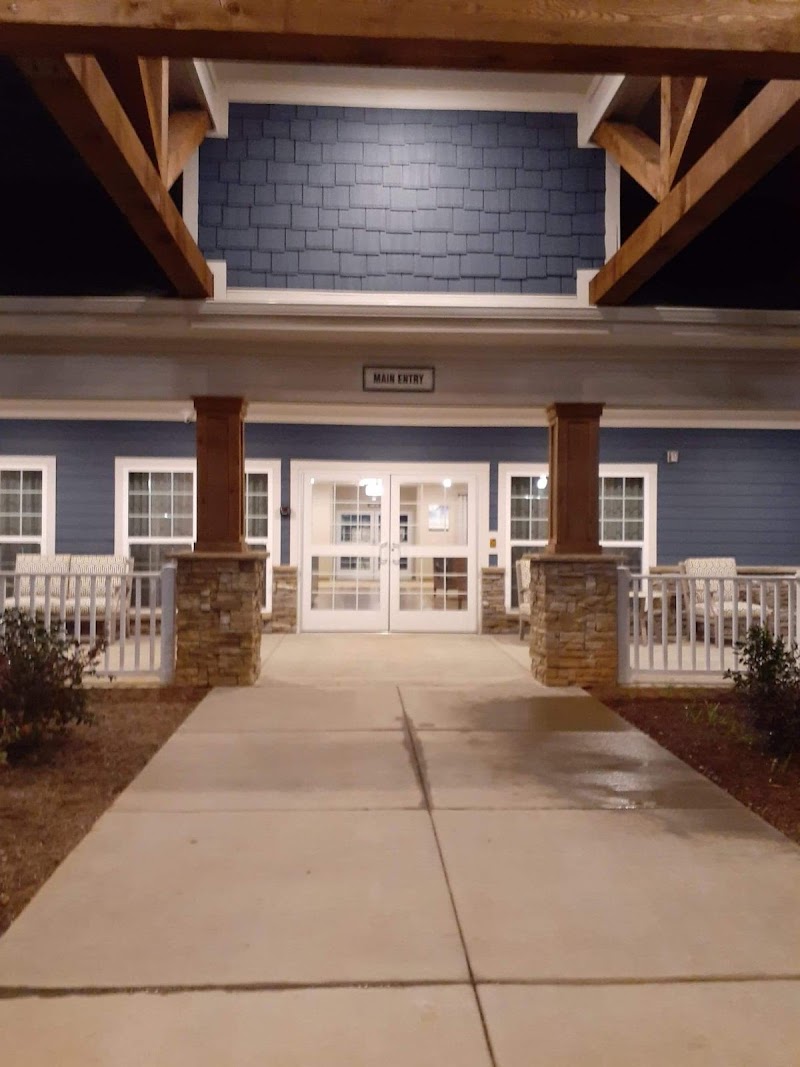
498 Madison Road, Mocksville, NC 27028 (336) 751-3535
For profit - Limited Liability company 96 Beds SABER HEALTHCARE GROUP Data: November 2025
Trust Grade
90/100
#26 of 417 in NC
Last Inspection: August 2024

Within standard 12-15 month inspection cycle. Federal law requires annual inspections.

Overview

Davie Nursing and Rehabilitation Center has received a Trust Grade of A, indicating an excellent reputation and strong overall quality of care. They rank #26 out of 417 nursing homes in North Carolina, placing them well in the top half, and are the best option among the three facilities in Davie County. The facility has shown stability in performance with the number of issues remaining consistent at 2 from 2023 to 2024. However, staffing is a concern with a low rating of 2 out of 5 stars and a turnover rate of 42%, which is below the state average but still suggests room for improvement. Notably, there were incidents where a resident with a serious pressure ulcer was not adequately assessed upon admission, and staff failed to follow infection control protocols, which raises questions about compliance with care standards. Overall, while there are strengths in some areas, families should consider these weaknesses when researching this facility.
Trust Score
A
90/100
In North Carolina
#26/417
Top 6%
Safety Record
Low Risk
No red flags
Inspections
Holding Steady
2 → 2 violations
Staff Stability
○ Average
42% turnover. Near North Carolina's 48% average. Typical for the industry.
Penalties
✓ Good
No fines on record. Clean compliance history, better than most North Carolina facilities.
Skilled Nurses
⚠ Watch
Each resident gets only 21 minutes of Registered Nurse (RN) attention daily — below average for North Carolina. Fewer RN minutes means fewer trained eyes watching for problems.
Violations
⚠ Watch
12 deficiencies on record. Higher than average. Multiple issues found across inspections.
★★★★★
5.0
Overall Rating
★★☆☆☆
2.0
Staff Levels
★★★☆☆
3.0
Care Quality
★★★★★
5.0
Inspection Score
Stable
2023: 2 issues
2024: 2 issues

The Good

  • Full Sprinkler Coverage · Fire safety systems throughout facility
  • No fines on record
  • Staff turnover below average (42%)

    6 points below North Carolina average of 48%

Facility shows strength in fire safety.

The Bad

Staff Turnover: 42%

Near North Carolina avg (46%)

Typical for the industry

Chain: SABER HEALTHCARE GROUP

Part of a multi-facility chain

Ask about local staffing decisions and management

The Ugly 12 deficiencies on record

Aug 2024 1 deficiency
CONCERN (D)

Potential for Harm - no one hurt, but risky conditions existed

Infection Control (Tag F0880)

Could have caused harm · This affected 1 resident

**NOTE- TERMS IN BRACKETS HAVE BEEN EDITED TO PROTECT CONFIDENTIALITY** Based on observations and staff interviews, the facility failed to ensure 1 of 1 Nurse Aides (NA #1) followed the Special Drople...

Read full inspector narrative →
**NOTE- TERMS IN BRACKETS HAVE BEEN EDITED TO PROTECT CONFIDENTIALITY** Based on observations and staff interviews, the facility failed to ensure 1 of 1 Nurse Aides (NA #1) followed the Special Droplet Contact Precautions signage posted on the door of a resident's room (Resident # 47) by not donning and doffing Personal Protective Equipment (PPE) while entering 1 of 1 resident rooms on transmission-based precautions (TBP). The findings included: The Special Droplet Contact Precautions (SDCP) signage, with a revised date of 02/09/22, noted staff should follow the instructions listed on the signage before entering the resident's room which included: all healthcare personnel must: 1) clean hands before entering and when leaving the room, 2) wear a gown when entering room and remove before leaving, 3) wear N95 or higher level respirator before entering the room and remove after exiting, 4) wear protective eyewear (face shield or goggles), and 5) wear gloves when entering room and remove before leaving. A review of staff training revealed NA #1 received training on the facility's Infection Control policy and completed the PPE Skills Competency review on 08/06/24. A progress note and physician order dated 08/05/24 revealed the Nurse Practitioner assessed Resident #47 for a sore throat and cough. An order was written for throat lozenges and Combined Droplet/Contact Precautions/Isolation related to pending respiratory viral panel results. Resident was tested for influenza, respiratory syncytial virus, and corona virus. An observation on 08/06/24 at 9:46 AM of the 400-hall revealed NA #1 entered room [ROOM NUMBER], which had SDCP signage posted on the room door and a PPE cart outside of it, without sanitizing her hands or donning any personal protective equipment (PPE) per the instructions on the signage. An interview was conducted with NA #1 on 08/06/24 at 9:47 AM as she exited room [ROOM NUMBER] without required PPE. When asked about the instructions on the SDCP signage on room [ROOM NUMBER] she stated the Assistant Director of Nursing (ADON) told her she could enter any room that had precaution signage without PPE on as long as she did not touch a resident to provide care. She stated she was hired through an agency, and she never wore all PPE at any other facility unless she was providing direct care. NA #1 questioned this surveyor Are you going to fine them for me not wearing PPE? That's messed up. NA #1 then donned a gown, gloves, and mask and reentered room [ROOM NUMBER]. She did not wear a face shield or googles when she reentered room [ROOM NUMBER]. An interview was conducted with Nurse #1 on 08/06/24 at 9:53 AM. Nurse #1 stated earlier, on the morning of 08/06/24, NA # 1 had requested to wear a surgical mask instead of the N95 respirator prior to entering rooms with SDCP signage posted. Nurse #1 stated she asked the Director of Nursing (DON) about NA #1's request to wear a surgical mask and the DON replied No, an N95 respirator is required for droplet precautions. Nurse #1 stated she educated NA #1 on the required PPE, including the N95 respirator, for rooms with SDCP signage posted. Nurse #1 said she informed NA #1 the required PPE was to protect both residents and staff from respiratory illnesses. She stated she told NA #1 the signage posted on the outside of the room for any resident on TBP listed the required PPE and instructions. On 08/06/24 at 10:00 AM NA #1 opened the door of room [ROOM NUMBER] and asked Nurse #1 if she could leave after she finished her assignment. She told Nurse #1 she was hired through agency, and she was not going to wear all the PPE to enter the rooms posted with SDCP the rest of the day. She stated she felt as if this surveyor had intentionally allowed her to initially enter the room without PPE. Nurse #1 sent a text to the DON and asked for her assistance. An interview was conducted with the DON on 08/06/24 at 10:02 AM outside of room [ROOM NUMBER]. She stated NA #1 was aware of the PPE required for rooms posted with SDCP signage. She stated NA #1 would be relieved of her assignment upon exit from room [ROOM NUMBER]. On 08/06/24 at 11:05 AM an interview was conducted with NA #2 and she stated full PPE is required for rooms with droplet precaution signage. She stated the SDCP signage contained instructions and outlined which PPE was required before entering a room of a resident on TBP. NA #2 stated she received infection control training when she was hired 24 years ago and was required to complete yearly competencies on infection control. An interview was conducted with the ADON on 08/06/24 at 2:28 PM. She stated she is the facility Infection Preventionist. She stated for rooms with SDCP signage an N 95 mask, face shield or appropriate googles, gown and gloves are required prior to entry for any reason. She stated she had not educated NA #1 that she could enter a room with SDCP signage without PPE if she was not going to make any contact with the resident. She stated infection control policy education was provided to all facility and agency during orientation and a yearly training competency. She stated the training included the PPE required for each type of precaution. She stated all staff are required have infection control and PPE training prior their first assignment on a hall. She stated NA #1had received the infection control and PPE training that morning, 08/06/24, before she started working on the floor. The ADON stated NA #1 was specifically educated on the two signs (droplet, enhanced barrier) that were active on her assigned hall. She stated she explained to NA #1 if she forgot the difference between the two precautions to read the signage outside [NAME] door, and it would direct her to the proper PPE required prior to entering the room. The ADON added NA #1 was directed to leave the facility when she exited room [ROOM NUMBER] that morning. On 08/06/24 at 2:45 PM a follow up interview was conducted with the DON and she stated NA #1 should have had utilized the required PPE indicated on the SDCP signage. She stated she had received a message from Nurse #1 asking if the NA #1 could wear a surgical mask in place of an N 95 respirator and she told her No, not if it is an isolation room. She said she told Nurse #1 to inform NA #1 that an N 95 respirator was required to enter a room with SDCP signage. The DON stated all staff, including agency NAs, are trained on PPE and the infection control policy and procedures policy when hired and yearly thereafter.
Jun 2024 1 deficiency
CONCERN (D) 📢 Someone Reported This

A family member, employee, or ombudsman was alarmed enough to file a formal complaint

Potential for Harm - no one hurt, but risky conditions existed

Deficiency F0777 (Tag F0777)

Could have caused harm · This affected 1 resident

**NOTE- TERMS IN BRACKETS HAVE BEEN EDITED TO PROTECT CONFIDENTIALITY** Based on record review and staff interviews the facility failed to follow up on x-ray results for 1 of 1 resident reviewed for p...

Read full inspector narrative →
**NOTE- TERMS IN BRACKETS HAVE BEEN EDITED TO PROTECT CONFIDENTIALITY** Based on record review and staff interviews the facility failed to follow up on x-ray results for 1 of 1 resident reviewed for providing care according to professional standards (Resident #1). The findings included: Review of progress note dated 06/07/24 completed by Nurse #1 revealed Resident #1 voiced left hip pain stating something popped when she was turned by Nurse Aides (NAs) providing incontinence care. The note further revealed the on-call provider was contacted and gave an order for an x-ray to be completed of Resident #1's left hip. Review of Resident #1's orders revealed on 06/07/24 the on-call provider ordered an x-ray of the residents left hip. Review of progress note date 06/08/24 completed by Nurse #1 revealed the facility received a call from the mobile x-ray company stating a repeat left hip x-ray would need to be completed as the films from last evening were unclear and rejected by the radiologist. Review of the x-ray results completed on 06/08/24 revealed Resident #1 sustained a left mildly displaced femoral neck fracture (upper part of the thigh bone). The note further revealed diffused osteopenia is present. The results were sent electronically to the facility at 7:16 PM the same day. An interview with Nurse Aide (NA) #1 on 06/17/24 at 2:05 PM revealed on 06/07/24 during 1st shift she and another NA went to change Resident #1. NA #1 indicated Resident #1 often refused care but allowed the NAs to give incontinence care. NA #1 stated when the NAs rolled the resident on her side the resident stated she felt a pop and that her hip hurt. NA #1 indicated they immediately went and got Nurse #1 to assess the resident. An interview with NA #2 on 06/17/24 at 1:45 PM revealed she cared for Resident #1 on 06/08/24 (7:00 AM- 3:00 PM) and 06/09/24 7 AM-3 PM and 11:00 PM- 7:00 AM). NA #2 further revealed Resident #1 did not complain or show any signs of pain during her shifts. NA #2 indicated Resident #1 often refused care and was often confused. An interview with NA #3 on 06/17/24 at 2:45 PM revealed she had cared for Resident #1 on 06/08/24 (11:00 PM- 7:00 AM) and the resident did not complain or show any signs of pain. NA #3 indicated Resident #1 often refused care and often seems confused. A phone interview conducted with Nurse #1 on 06/17/24 at 10:55 AM revealed she had cared for Resident #1 on 06/07/24 and 06/08/24 during day shift 7:00 AM to 7:00 PM. Nurse #1 further revealed on 06/07/24 two NAs had cared for Resident #1 and reported to the nurse that Resident #1 had complained of pain in her left hip. Nurse #1 indicated she assessed Resident #1 and found no irregularities of the left hip but contacted the on-call provider due to the resident complaining of pain and a mobile x-ray was ordered. Nurse #1 stated Resident #1's x-ray was obtained after the Nurses shift ended at 7:00 PM. Nurse #1 revealed on 06/08/24 she was notified Resident #1's x-rays completed on 06/07/24 were inconclusive, and x-ray were obtained again on 06/08/24. Nurse #1 stated she communicated to Nurse #2 at shift change that Resident #1 had received a follow up x-ray and results were pending. A phone interview conducted with Nurse #2 revealed she cared for Resident #1 on 06/08/24 from 7:00 PM to 7:00 AM. Nurse #2 further revealed Nurse #1 communicated to her at shift change that Resident #1 had an x-ray completed and results were pending. Nurse #2 stated she failed to follow up and look for the x-ray results in the system. Nurse #2 indicated she had also failed to communicate to the next Nurse #3 on shift that Resident #1 had received an x-ray and results were pending. Nurse #2 revealed she had been educated to communicate resident information and to follow up on orders but had failed to do so on 06/08/24. Review of progress note dated 06/10/24 completed by the Director of Nursing (DON) revealed upon findings Resident #1's x-ray showed a mild displaced, impacted left femoral neck fracture. The note further revealed the Medical Director (MD) was notified and Resident #1 was ordered to be sent to the hospital for evaluation and treatment. Review of orthopedic consult note from the hospital dated 06/10/24 revealed Resident #1 had a closed left hip fracture. The note further revealed the fracture was a fragility fracture with osteoporosis. Review of hospital progress notes revealed Resident #1 was admitted on [DATE] with left hip pain. The note further revealed resident #1 sustained a closed left hip fracture. On 06/11/24 Resident #1 received hip arthroplasty to the left hip. Resident #1 was discharged back to the facility on [DATE]. An interview conducted with the Nurse Practitioner (NP) on 06/17/24 at 10:35 AM revealed Resident #1 had rheumatoid arthritis, was immobile for 5 plus years, had contractures, and took several immunosuppressant drugs that caused Resident #1's bones to be brittle with low density. The NP further revealed Resident #1 was on palliative care due to her diagnoses and pain management. The NP indicated she would have expected nursing staff to receive x-ray results and contacted a provider. The NP stated even though the facility delayed sending Resident #1 the resident had no negative outcome. An interview conducted with the Director of Nursing (DON) on 06/17/24 at 11:30 AM revealed she was not in the building until 06/10/24 when she found Resident #1's x-rays had not been found in the system by nursing staff. The DON further revealed she had educated Nursing staff to always follow up with residents if they had been sent or if any results were pending. The DON indicated results are sent to the charting system that Nursing staff can obtain. The DON stated nursing staff failed to communicate and follow up on Resident #1's x-rays results. The facility received Resident #1's x-ray results on 06/08/24 but failed to review them until 06/10/24. The facility provided the following corrective action plan with a completion date of 6/11/24. Allegation background: On 6/7/24 Nurse Aide #1 certified nurse aide, and Nurse Aide #4 certified nurse aide were providing care to Resident #1. - They heard a pop during care, staff reported the change in condition to Nurse #1. - Nurse went to resident's room to assess resident and notified the on-call provider and obtained an order for an X-ray. - Nurse informed resident's family member of the change in condition and new orders for x-ray. - Resident #1 is a [AGE] year-old female who is a long-term resident in the facility. - She has a diagnosis of rheumatoid arthritis, heart failure, obesity, and long-term use of steroids related to arthritis. - She has been bed bound for several years. X-ray results resulted on 6/8/24 at 7:16 PM, results were not reported to the provider until 6/10/24. Timeline: - 6/7/24 Contracted imaging provider came to the facility and obtained x-rays on the resident - 6/8/24 at 6:15 PM contracted imaging provider notified the facility nurse that x ray results were unclear and rejected by the radiologist and they would be back to re-take the x ray. - 6/8/24 at 6:49 PM contracted imaging provider was back in the facility and obtained repeat x-ray. - 6/8/24 at 7:16 PM x-ray results were sent to the facility. - 6/10/24 at 10:00 AM resident was reviewed in clinical morning meeting with Director of Nursing and identified a positive X-ray for femur fracture. - 6/10/24 at 10:54 AM Assistant Director of nursing notified Medical Director of the positive results with new orders to send resident to hospital for further evaluation. Resident #1's family member was notified of the positive results from x-ray and new orders to send to hospital. Resident #1 was assessed by the hospital and sent for surgery to repair the fracture. Upon discovery of the occurrence, facility implemented the following quality insurance measures: - 6/10/24 Medical Director was notified of positive x-ray results and resident was transferred to the hospital for evaluation and treatment. - She was admitted to the hospital and on 6/11/24 underwent left hip hemi arthroplasty. - Orthopedic provider diagnosed resident with a fragility fracture of the femur related to osteoporosis. - She was readmitted to the facility on [DATE]. Address how the facility will identify other residents having the potential to be affected by the same deficient practice: - On 6/10/24 the Director of Nursing or designee reviewed all x ray results for the past seven days to ensure the results were called into the provider. - No other issues were identified. Address what measures will be put into place or systemic changes made to ensure that the deficient practice will not recur: All licensed nurses including agency staff were educated 6/10/24 on timely notification to the provider for positive x-ray results. The system failure was a lack of understanding of the new electronic medical records system and nurse was not aware to check portal for diagnostic results. Nurses including agency staff were re-educated by DON/Designee on proper communication between nurses and shifts and where to look for these reports. Nurses including agency staff were re-educated by DON/Designee to check for results every shift. Licensed Nurses including agency staff were also educated by DON/designee that if diagnostic results were pending, that they are to report to on coming shift and the oncoming shift was to check portal for results. The education was provided in-person and via phone with all Licensed nurses including agency with understanding of education confirmed by nurses reiterating the content of the education. All newly hired licensed nurses to receive education during orientation. To monitor and maintain ongoing compliance - Beginning 6/16/24 the Director of Nursing or designee will review 3 resident charts per week for timely notification of positive diagnostic results to the provider. - Audits will continue for 8 weeks. Results of the audit will be reported to the QAPI committee by the Director of Nursing or designee. If concerns are identified with audits, the IDT team will meet to make adjustments to the QAPI. Alleged date of completion for the corrective action plan is 6/11/24. The corrective action plan was validated on 06/27/24 as evidenced by staff interviews, review of education sign sign in sheets and audits. Staff education was initiated on (6/10/24) regarding timely notification to provider for positive Xray results. Licensed nursing staff from multiple shifts were interviewed and stated they were educated to check the portal of the electronic medical records for diagnostic results every shift and pending diagnostic results were to be reported to the oncoming shift and oncoming shift was to check the portal for results. The completion date of 6/11/24 was validated.
Apr 2023 2 deficiencies
CONCERN (D)

Potential for Harm - no one hurt, but risky conditions existed

Assessment Accuracy (Tag F0641)

Could have caused harm · This affected 1 resident

**NOTE- TERMS IN BRACKETS HAVE BEEN EDITED TO PROTECT CONFIDENTIALITY** Based on staff interviews and record reviews, the facility failed to accurately code significant weight loss, cognitive status, ...

Read full inspector narrative →
**NOTE- TERMS IN BRACKETS HAVE BEEN EDITED TO PROTECT CONFIDENTIALITY** Based on staff interviews and record reviews, the facility failed to accurately code significant weight loss, cognitive status, mood, and medications received on the Minimum Data Set (MDS) assessments for 3 of 23 residents (Residents #24, #1 and #48) reviewed for MDS accuracy. 1. Resident #24 was admitted to the facility on [DATE] with diagnoses that included Diabetes Mellitus type II and acute kidney failure. A review of the quarterly Minimum Data Set (MDS) for Resident #24, dated 2/20/2023, was conducted. Next to the question, for significant weight loss, had the Resident lost 5% or more in the last month or 10% or more in the last 6 months, the answer was no. A review of the electronic medical record revealed Resident #24 weighed 270.0 pounds (lbs.) on 1/2/2023 and 252.8 lbs. on 2/4/2023. The Resident had lost 17.2 lbs. and 15.7% of his body weight. An interview was conducted with the MDS Nurse #1 on 4/12/2023 at 11:42 a.m. The MDS nurse reviewed the electronic medical record for Resident #24 and stated the Resident had lost 17.2 lbs. from 1/2/2023 and 2/4/2023. She added the weight loss was prior to the assessment date for the quarterly MDS dated [DATE] and the response that the Resident had not experienced 5% weight loss was inaccurate. 2. Resident #1 was admitted to the facility on [DATE] with diagnoses that included, in part, dementia and anxiety disorder. The quarterly MDS assessment dated [DATE] revealed the Brief Interview for Mental Status (BIMS) and mood interview should be conducted with Resident #1; however, the interviews were coded with dashes which indicated the resident's cognitive status and mood state were not assessed. The Social Worker (SW) and MDS Nurse #1 were interviewed on 4/12/23 at 2:35 PM. The SW shared she was responsible for the completion of the cognition and mood sections of the MDS assessment and Resident #1 was able to be interviewed for the sections. The SW verified she completed the cognition and mood sections, but she had missed the assessment reference date deadline to interview Resident #1 and coded dashes (not assessed) for the resident interviews. The SW added she wasn't sure why she missed completing the interviews with Resident #1 and said there may have been a lot going on that day or she may have been overwhelmed with responsibilities and hadn't completed the resident interviews on time. MDS Nurse #1 clarified if the resident interviews were not conducted by the ARD, then staff coded the interviews as not assessed. During an interview with the Administrator on 4/13/23 at 3:30 PM, he stated MDS Nurse #1 should have reviewed the SW's coding and verified the assessment was accurate and complete. 3. Resident #48 was admitted to the facility on [DATE] with diagnoses that included, in part, dementia and generalized anxiety disorder. The physician orders were reviewed for January 2023 and February 2023 and revealed no orders for an anti-depressant medication. The quarterly MDS assessment dated [DATE] and completed by MDS Nurse #1 revealed Resident #48 received an anti-depressant medication seven of seven days during the look back period. On 4/12/23 at 2:41 PM, an interview was completed with MDS Nurse #1. She verified she completed Resident #48's MDS assessment. She said when she coded medications on the MDS, they were coded per drug classification and not how they were used. She explained she thought she might have mistakenly coded another medication (Memantine) as an anti-depressant and added the coding error was an oversight. During an interview with the Administrator on 4/13/23 at 3:27 PM, he said there might have been some confusion with how MDS Nurse #1 viewed medications on the facility's computer system which resulted in the coding error.
CONCERN (D)

Potential for Harm - no one hurt, but risky conditions existed

QAPI Program (Tag F0867)

Could have caused harm · This affected 1 resident

Based on staff interviews and record reviews, the facility's Quality Assessment and Assurance (QAA) Committee failed to maintain implemented procedures and monitor interventions the committee put into...

Read full inspector narrative →
Based on staff interviews and record reviews, the facility's Quality Assessment and Assurance (QAA) Committee failed to maintain implemented procedures and monitor interventions the committee put into place following the recertification and complaint survey conducted on 1/27/22. This was for 1 deficiency that was cited for Accuracy of Assessments (F641) cited on 1/27/22 and recited on the current recertification and complaint survey of 4/13/23. The duplicate citations during two federal surveys of record show a pattern of the facility's inability to sustain an effective QAA program. Findings Included: This tag is cross referenced to: F641- Based on staff interviews and record reviews, the facility failed to accurately code significant weight loss, cognitive status, mood, and medications received on the Minimum Data Set (MDS) assessments for 3 of 23 residents (Residents #24, #1 and #48) reviewed for MDS accuracy. During the recertification and complaint survey of 1/27/22, the facility failed to accurately code the Pre-admission Screening and Resident Review (PASRR) on the comprehensive MDS assessment for 1 of 3 residents reviewed for PASRR. An interview with the Administrator on 4/13/23 at 3:33 PM revealed the QAA committee met monthly. Some of the issues reviewed during the monthly meetings were identified through quality measures, trends with grievances, previous survey results and corporate established standards. The Administrator shared the facility had a high volume of admissions and discharges which required numerous MDS assessments and that may have contributed to the inaccurate coding on the MDS assessments.
Jan 2022 8 deficiencies
CONCERN (D)

Potential for Harm - no one hurt, but risky conditions existed

Resident Rights (Tag F0550)

Could have caused harm · This affected 1 resident

**NOTE- TERMS IN BRACKETS HAVE BEEN EDITED TO PROTECT CONFIDENTIALITY** 2. Resident #80 was admitted to the facility on [DATE] with diagnoses that included, in part, dementia. The annual Minimum Data ...

Read full inspector narrative →
**NOTE- TERMS IN BRACKETS HAVE BEEN EDITED TO PROTECT CONFIDENTIALITY** 2. Resident #80 was admitted to the facility on [DATE] with diagnoses that included, in part, dementia. The annual Minimum Data Set assessment dated [DATE] revealed Resident #80 had moderately impaired cognition. She required extensive assistance with eating. On 1/24/22 at 12:36 PM Nurse Aide (NA) #3 was observed when she delivered a meal tray to Resident #80. The door to the room was open. NA #3 entered the resident's room without knocking on the door or announcing her presence. NA #3 provided assistance with eating to Resident #80 and at 12:53 PM removed the resident's tray and exited the room. At 12:56 PM, NA #3 obtained a nutritional supplement for Resident #80, then re-entered her room and dropped off the supplement without knocking on the door or announcing her presence. NA #3 returned to the room a third time, at 12:57 PM and provided a straw to the resident. She entered Resident #80's room without knocking on the door or announcing her presence. An interview was completed with NA #3 on 1/24/22 at 1:05 PM, during which she stated prior to entering a resident's room staff were supposed to knock on the door. NA #3 shared sometimes she just walked into a resident's room if the door was open and announced her presence as she walked into the room. She acknowledged she should have knocked on Resident #80's door before she entered her room. Resident #80's representative was interviewed by phone on 1/25/22 at 9:23 AM. He thought in a traditional home environment Resident #80 would want a visitor to knock on her door before they entered her home or room. During an interview with the Director of Nursing (DON) on 1/27/22 at 9:41 AM, she explained when staff entered a resident's room they should either knock on the door or announce their presence before they entered the room. The DON said the facility routinely completed inservices with staff relating to resident rights and dignity and NA #3 should have knocked on the door or announced her presence before she entered Resident #80's room. Based on observations, resident representative interview, staff interviews and record reviews, the facility failed to treat residents in a dignified manner during dining by standing over a resident while assisting the resident with eating (Resident #60); and when a staff member entered a resident's room (Resident #80) without knocking or asking permission to enter for 2 of 8 residents reviewed for dignity. 1. Resident #60 was admitted to the facility on [DATE]. The significant change assessment dated [DATE] indicated Resident #60 was severely cognitively impaired. The care plan dated 1/24/22 revealed Resident #60 was at risk for nutritional/hydration alterations. Interventions included: provide assistance with meals as needed to encourage intake. During a dining observation on 01/24/22 at 01:49 p.m., Nursing Assistant (NA#4) was assisting Resident #60 with feeding while standing over him as he reclined in his bed which was in a lowered position. NA#4 revealed she usually sat in a chair (pointed to a chair next to the roommate's bed) when feeding Resident #60. Throughout the dining observation, NA#4 continued to stand while assisting the resident with feeding in his room. During an interview on 01/27/22 at 09:41 a.m., Supervisor Nurse #1 stated that NA#4 should not have been feeding the resident while standing over him.
CONCERN (D)

Potential for Harm - no one hurt, but risky conditions existed

Deficiency F0554 (Tag F0554)

Could have caused harm · This affected 1 resident

**NOTE- TERMS IN BRACKETS HAVE BEEN EDITED TO PROTECT CONFIDENTIALITY** Based on observation, resident interview, staff interviews and record review, the facility's interdisciplinary team failed to as...

Read full inspector narrative →
**NOTE- TERMS IN BRACKETS HAVE BEEN EDITED TO PROTECT CONFIDENTIALITY** Based on observation, resident interview, staff interviews and record review, the facility's interdisciplinary team failed to assess and document the ability of a resident to self-administer medications for 1 of 1 resident (Resident #46) who was observed to have medications at bedside. Findings included: Resident #46 was admitted to the facility on [DATE] with diagnoses that included, in part, diabetes, osteoporosis and Parkinson's disease. The annual Minimum Data Set assessment dated [DATE] revealed Resident #46 was cognitively intact. Physician (MD) orders were reviewed and included an order dated 1/4/22 for PreserVision (a multi-vitamin), one capsule by mouth, one time a day at the bedside, and an order dated 1/4/22 for Prevagen (a supplement to help with memory), one capsule by mouth, one time a day at the bedside. Further review of the medical record revealed no assessments were completed for the self-administration of medications. An observation and interview were conducted with Resident #46 on 1/24/22 at 10:48 AM. A bottle of PresserVision, and a bottle of Prevagen were observed to be placed within the resident's reach on the overbed table. During an interview with Resident #46, she stated she wanted to have the medications at her bedside, had permission to self-administer the medications and the facility had completed an evaluation of her to self-administer the medications. On 1/27/22 at 9:16 AM a phone interview was completed with Nurse #5. She entered the orders in the electronic health record for Resident #46 to self-administer medications of PreserVision and Prevagen. She explained if a resident wanted medications kept at bedside there was a self-administration of medications form that was completed by the nurse before the medications were left at the bedside. Typically, the nurse notified the MD of the resident's request to self-administer medications, obtained the order and completed the assessment. Nurse #5 said she had not completed the self-administration of medication assessment because she thought either the MD or nurse practitioner (NP) had completed the form. During interviews with the Director of Nursing (DON) on 1/26/22 at 11:25 AM and on 1/27/22 at 9:35 AM, she explained if a resident requested medications be kept at the bedside, the facility assessed the resident's competence to self-administer medications and obtained an order from the MD for medications to be kept at bedside. The DON said the NP had assessed Resident #46 and validated the resident was competent to have medications at bedside but did not properly document. Since there was no assessment documented, Nurse #5 should have completed the assessment to self-administer medications after she received the order from the NP.
CONCERN (D)

Potential for Harm - no one hurt, but risky conditions existed

Assessment Accuracy (Tag F0641)

Could have caused harm · This affected 1 resident

**NOTE- TERMS IN BRACKETS HAVE BEEN EDITED TO PROTECT CONFIDENTIALITY** Based on staff interviews and record review, the facility failed to accurately code the Pre-admission Screening and Resident Rev...

Read full inspector narrative →
**NOTE- TERMS IN BRACKETS HAVE BEEN EDITED TO PROTECT CONFIDENTIALITY** Based on staff interviews and record review, the facility failed to accurately code the Pre-admission Screening and Resident Review (PASRR) on the comprehensive Minimum Data Set (MDS) assessment for 1 of 3 residents (Resident #28) reviewed for PASRR. Findings included: Resident #28 was admitted to the facility on [DATE]. Diagnoses included, in part, bipolar disorder and schizophrenia. The North Carolina Medicaid Uniform Screening Tool (a computer program used to apply for PASRR numbers) was reviewed with the facility Social Worker (SW) on 1/26/22 at 9:25 AM and specified Resident #28 had a level two PASRR determination that was effective 3/12/20. The comprehensive MDS assessment dated [DATE] did not indicate Resident #28 had a level two PASRR determination. During an interview with the SW on 1/26/22 at 11:18 AM, she reported she coded the PASRR on the MDS assessments. She explained she routinely looked in the miscellaneous section in the resident's electronic health record (EHR) for PASRR information which was where PASRR determination notices were scanned into the chart. The SW said the PASRR determination notice was not uploaded into the EHR so she didn't see that Resident #28 had a level two PASRR determination. On 1/27/22 at 9:45 AM an interview was completed with the Administrator. He said the facility staff missed a step in the coding process and the PASRR determination notice was not scanned into the computer system. He added the corporate office assisted with training and monitoring related to MDS accuracy.
CONCERN (D)

Potential for Harm - no one hurt, but risky conditions existed

PASARR Coordination (Tag F0644)

Could have caused harm · This affected 1 resident

**NOTE- TERMS IN BRACKETS HAVE BEEN EDITED TO PROTECT CONFIDENTIALITY** Based on record review and staff interview, the facility failed to ensure a resident assessment for a Level II PASRR (Preadmissi...

Read full inspector narrative →
**NOTE- TERMS IN BRACKETS HAVE BEEN EDITED TO PROTECT CONFIDENTIALITY** Based on record review and staff interview, the facility failed to ensure a resident assessment for a Level II PASRR (Preadmission Screening and Resident Review) was completed for 1 of 3 sampled residents (Resident #65) reviewed for Level II PASRR. Findings included: Review of Resident #65's admitting Minimum Data Set (MDS) dated [DATE] revealed that Resident #65 had been admitted to the facility from the hospital with diagnoses of bipolar disorder with psychosis. Review of the PASRR Level I Determination Notification letter dated 6/9/2021 revealed that No further PASRR screening is required unless a significant change occurs with the individual's status which suggests a diagnosis of mental illness or mental retardation, or if present, suggests a change in treatment needs for those conditions. Review of Resident #65's PASRR Level 1 Screen paper application dated 6/9/2021 revealed that the previous facility indicated that he had no mental health diagnoses. In an interview on 1/25/22 at 3:00 PM, the Social Worker stated that Resident #65 was admitted to the facility from the hospital and the facility had scanned in his PASRR Determination Notification letter that stated he did not need a Level 2 upon admission. She stated that she was unaware of the possibility that the previous facility may have completed the initial PASRR application incorrectly and added that she does not routinely check the letters for accuracy. In an interview on 1/26/22 at 2:30 PM the Administrator stated he was unaware that the facility could be accountable for incorrect data being entered by another facility resulting in a Level 2 not being completed for a resident prior to him or her be admitted to the facility. He added that the facility will begin screening for this with every current resident and new admission.
CONCERN (D)

Potential for Harm - no one hurt, but risky conditions existed

Deficiency F0658 (Tag F0658)

Could have caused harm · This affected 1 resident

**NOTE- TERMS IN BRACKETS HAVE BEEN EDITED TO PROTECT CONFIDENTIALITY** Based on observations, resident interview, staff interview and record review, the facility failed to renew an order for anti-fun...

Read full inspector narrative →
**NOTE- TERMS IN BRACKETS HAVE BEEN EDITED TO PROTECT CONFIDENTIALITY** Based on observations, resident interview, staff interview and record review, the facility failed to renew an order for anti-fungal powder for 1 of 1 resident (Resident #46) who was observed to have medications at bedside. Findings included: Resident #46 was admitted to the facility on [DATE] with diagnoses that included, in part, diabetes. The annual Minimum Data Set assessment dated [DATE] revealed Resident #46 was cognitively intact. She needed supervision to extensive assistance with activities of daily living (ADLs). She was coded as having no skin issues and she received application of ointments/medications other than to feet. The care plan, updated 12/9/21, revealed focused areas of ADLs and skin. Interventions included, Resident will have the ability to perform or be assisted with hygienic measures, such as proper hand washing, and administer medications as ordered by physician. Physician (MD) orders were reviewed and included an order dated 12/9/21 for Nystatin powder (an anti-fungal medication), 100,000 unit/gram, apply to redness topically in the evening for yeast. The order for the Nystatin powder was discontinued on 12/18/21. Observations and interviews were conducted with Resident #46 on 1/24/22 at 10:48 AM and on 1/26/22 at 1:50 PM. A bottle of anti-fungal powder was observed to be placed within the resident's reach on the overbed table. During an interview with Resident #46, she stated the facility gave her the anti-fungal powder over six months ago and explained she applied the powder when she experienced moisture on her skin or if she felt raw. She said she had permission to self-administer the powder which she used on an as needed basis and the last time she used it was three weeks ago. During an interview with the Director of Nursing (DON) on 1/27/22 at 9:35 AM, she stated Resident #46 had skin impairment and yeast and the Nurse Practitioner (NP) placed her on Nystatin powder. The DON thought the skin issues resolved and the powder was discontinued. The DON explained staff should have removed the powder from Resident #46's room when the order was discontinued or if the resident felt she still needed it then staff should have obtained a new order for the resident to use the powder as needed.
CONCERN (D)

Potential for Harm - no one hurt, but risky conditions existed

Deficiency F0675 (Tag F0675)

Could have caused harm · This affected 1 resident

**NOTE- TERMS IN BRACKETS HAVE BEEN EDITED TO PROTECT CONFIDENTIALITY** Based on observation, record reviews and staff interviews the facility failed to ensure Resident #63 was positioned upright in b...

Read full inspector narrative →
**NOTE- TERMS IN BRACKETS HAVE BEEN EDITED TO PROTECT CONFIDENTIALITY** Based on observation, record reviews and staff interviews the facility failed to ensure Resident #63 was positioned upright in bed while eating during 1 of 2 dining observations. The findings included: Resident #63 was originally admitted to the facility on [DATE] and re-admitted on [DATE] with diagnoses which included: cerebral infarction, diabetes mellitus, dysphagia, aphasia and gastroesophageal reflux disease. The quarterly assessment dated [DATE] indicated Resident #63 was cognitively impaired with a communication deficit and required extensive assistance with eating due to coughing/choking during meals. The care plan dated 12/15/21 revealed Resident #63 was at risk for nutritional/hydration alterations. Interventions included: Monitor for signs and symptoms of aspiration; speech therapy screen, when necessary; and encourage adequate fluid intake. On 1/27/22 at 9:01 a.m., Resident #63 was observed reclined in her bed with the head of the bed raised at an approximate angle of 40 degrees. The resident was attempting to feed herself from her meal tray which was on the overbed table positioned across her lap but raised so that the resident had to reach up to reach the food items on the meal tray. A return visit to Resident #63's room was made on 1/27/22 at 9:05 a.m., accompanied by Supervisor Nurse #1 who observed and acknowledged Resident #63 was not positioned correctly in her bed while feeding herself. She confirmed the nursing assistant (NA) should have raised the head of the resident's bed upright and repositioned the resident so she could look down at the food items on the meal tray. Supervisor Nurse #1 removed the overbed table and explained to the resident she needed to reposition her so that she (Resident #63) could see the food on her tray, but she would need staff assistance. Supervisor Nurse #1 left the resident's room and returned with NA #5 who assisted the nurse with repositioning the resident and raising the head of the bed at an approximate 85-degree angle. Throughout this process the nurse educated NA #5 on the risk of Resident #63 aspirating on a food item when eating in a reclined position. Before exiting the room, Supervisor Nurse #1 also instructed the NA#5 to sit in the chair next to the bed and assist the Resident #63 with completing her breakfast. During an interview on 1/27/22 at 9:15 a.m., NA #5 stated once she set up Resident #63's meal tray on the overbed table in front of her, she (NA) felt the was ok to feed herself because the resident could reach the food items on her meal tray. When asked if she (NA#5) had been educated about this resident's care, the NA#5 responded, I don't remember. During an interview on 1/27/22 at 9:28 a.m., Supervisor Nurse #1 revealed Resident #63 recently returned from the hospital with the diagnosis of a stroke and was able to feed herself, but the nursing assistants were instructed to check in on her because she slows down while feeding herself and may need assistance. She stated that upon NA#5's arrival for duty that morning, she was educated about the care needed for Resident #63.
CONCERN (D)

Potential for Harm - no one hurt, but risky conditions existed

Quality of Care (Tag F0684)

Could have caused harm · This affected 1 resident

**NOTE- TERMS IN BRACKETS HAVE BEEN EDITED TO PROTECT CONFIDENTIALITY** Based on observations, record review and staff and wound physician interviews, the facility failed to follow a physician ' s ord...

Read full inspector narrative →
**NOTE- TERMS IN BRACKETS HAVE BEEN EDITED TO PROTECT CONFIDENTIALITY** Based on observations, record review and staff and wound physician interviews, the facility failed to follow a physician ' s order when providing care to a non-pressure wound for 1 of 4 residents reviewed for pressure ulcers (Resident #3). The findings included: The facility admitted Resident #3 to the facility on [DATE] with diagnoses of, in part, peripheral vascular disease, diabetes mellitus type 2, diabetic polyneuropathy and absence of right foot. A quarterly Minimum Data Set assessment dated [DATE] indicated Resident #3 required extensive assistance with bed mobility, dressing, toileting and hygiene. The resident was dependent for transfers and bathing, was non-ambulatory and incontinent of bowel and bladder. Resident #3 had 5 venous or arterial ulcers and received dressings to feet. The care plan included a focus area of actual skin impairment to left proximal foot. Interventions included treatments as ordered. Resident #3 ' s January 2022 physician ' s orders included clean left proximal foot with normal saline, apply calcium alginate and cover with dry dressing, kerlix and ace wrap daily. A wound assessment dated [DATE] by the wound care physician revealed a full thickness arterial wound to Resident #3 ' s left proximal, lateral foot. The area measured 4.8 x 2 x 0.2 and had 100 % granulation tissue. The dressing treatment plan was to continue calcium alginate and wrap with kerlix and ace wrap for 15 days. On 01/26/2022 at 10:28 AM, an observation of Resident #3 ' s wounds was conducted by the Treatment Nurse. The Treatment Nurse removed the ace wrap and kerlix to Resident #3 ' s left foot. A dry dressing was observed over the left proximal wound with moderate reddish-brown drainage. The wound bed was observed to be beefy red and there was a small, blackened area noted. The wound was cleaned then the Treatment Nurse was observed to put medi-honey (a wound gel for dry to moderately exuding wounds) on the wound and cover the wound with an abdominal pad, wrapped it with kerlix and an ace wrap. On 01/27/2022 at 8:41 AM, an interview was conducted with the Treatment Nurse. When asked about the treatment provided to Resident #3 ' s left proximal foot, she stated the wound care physician must have changed the order and she was unaware medi-honey was not the order for the left proximal foot. On 01/27/2022 at 9:48 AM, a second interview was conducted with the Treatment Nurse who stated she checked Resident #3 ' s physician ' s orders and she did apply the wrong treatment to Resident #3 ' s left proximal foot. She stated she did check orders before she provided care but must have gotten confused. She added the resident has 3 areas on his left foot and they all have different orders for treatments. On 01/27/2022 at 1:36 PM, an interview was conducted with the wound care physician. He was away from his computer and could not recall Resident #3 ' s orders but stated medi-honey was used to add moisture to wounds. He stated the Treatment Nurse should have applied the correct treatment per the orders to Resident #3 ' s wound but the application of medi-honey would not have caused any harm to the resident.
CONCERN (E)

Potential for Harm - no one hurt, but risky conditions existed

Pressure Ulcer Prevention (Tag F0686)

Could have caused harm · This affected multiple residents

**NOTE- TERMS IN BRACKETS HAVE BEEN EDITED TO PROTECT CONFIDENTIALITY** Based on observations, record review, staff and physician interviews, the facility failed to 1. Assess and initiate a treatment ...

Read full inspector narrative →
**NOTE- TERMS IN BRACKETS HAVE BEEN EDITED TO PROTECT CONFIDENTIALITY** Based on observations, record review, staff and physician interviews, the facility failed to 1. Assess and initiate a treatment for a new admission with a Stage 3 pressure ulcer for 1 of 3residents reviewed for pressure ulcers (Resident #294). The findings included: 1. A review of Resident #294 ' s hospital Discharge summary dated [DATE] revealed a stage 3 pressure ulcer to the sacrum that was present on admission and excoriation to the buttocks. Instructions for wound care were to off-load, apply a foam absorbent dressing and barrier cream. The facility admitted Resident #294 to the facility on [DATE] with diagnoses of congestive heart failure, atrial fibrillation, sepsis, acute kidney failure, open wound to lower back and pelvis, anemia, liver cirrhosis and bacterial peritonitis. The baseline care plan dated 10/22/2021 did not include a focus area of pressure ulcer presence. A nurse ' s note dated 10/22/2021 at 7:30 PM by Nurse #3 revealed Resident #294 arrived at his room. Sacral wound present. Dressings malodorous to right elbow and sacrum upon arrival, drainage present on both wounds. An admission skin assessment dated [DATE] by Nurse #3 revealed a sacral wound present and an open wound to the right elbow. No other description was recorded. The assessment did not include the appearance of Resident #294 ' s buttocks. On 01/27/2022 at 2:50 PM, Nurse #3 was interviewed. She stated she was new to the facility and was working on 10/22/2021 when Resident #294 was admitted . She stated she did a head-to-toe assessment and saw that Resident #294 had a pressure ulcer to his sacrum. She stated he did not have a pressure ulcer to his buttocks. She stated she was told by the First Shift Supervisor not to worry about staging the wound and that was why she didn ' t describe it further in her documentation. She added she did not know why she did not put the treatment orders in place. A nurse ' s note dated 10/24/2021 at 5:20 PM by the Director of Nursing revealed Resident #294 had skin impairment and the physician was notified. No orders were given. A physician ' s progress note dated 10/25/2021 at 1:30 PM indicated presence of a sacral wound. Plan was to continue wound care as ordered and wound physician to follow. Continue to offload pressure as much as resident will allow. A nurse ' s note dated 10/25/21 at 3:57 PM by the Social Worker read resident discharged home today per his own choice. Resident #294 ' s physician ' s orders for October 2021 did not include treatment orders for the sacral wound, buttocks or elbow. Resident #294 ' s Treatment Administration Record for October 2021 did not include wound care orders. On 01/27/2022 at 8:46 AM, the Treatment Nurse was interviewed. She stated if a resident came in late on Friday and she has already left, the hall nurse or supervisor does the assessment. They are to do a head-to-toe assessment and document the wounds appearance. She would do the measurements on Monday when she returned to work. The admitting nurse should also put the treatment orders in. She stated Resident #294 was agitated and refused to allow her to assess his wound on Monday, 10/25/2021 because he wanted to leave so she never saw his wound. On 01/27/2022 at 2:31 PM, the Director of Nursing was interviewed. She stated when a resident is admitted , the admitting nurse should do a head-to-toe assessment, take off all old dressings, look at all wounds, documents and replace dressings. Documentation should include what the wounds look like including size and appearance. The admitting nurse doesn ' t have to stage the wound, that can be done by the Treatment Nurse the following day. She stated admitting nurse was expected to implement orders from the discharge summary. She didn ' t know why that didn ' t get done for Resident #294. On 01/27/2022 at 3:05 PM, the First Shift Supervisor was interviewed. She stated she came on duty after Nurse #3 on 10/25/2021 and got report on Resident #294. She stated she observed the dressing to the resident ' s sacrum and did not note any foul odor. She stated she lifted the dressing to the sacrum and observed the wound and saw an open area. The wound dressing did not have a large amount of drainage. She added she did not change the dressing at that time because it had a foam dressing in place, and she didn ' t know what the orders were. She stated she did not put the treatment orders in because she thought Nurse #3 did it already. On 01/27/2022 at 4:43 PM, the Second Shift Supervisor was interviewed. She stated she worked on 10/22/2021 when Resident #294 was admitted , and she was training Nurse #3. Nurse #3 did the assessment and she put in the orders. She stated Nurse #3 came to her and asked her what to do about the resident ' s wound and she told her to use the foam dressing that was ordered. Nurse #3 went to get the supplies and she changed the dressing. She stated she observed the wound also and the wound dressing was soiled on admission. She stated the resident had an open sacral wound and no other wounds on his bottom, but he did have some excoriation to his buttocks. The Second Shift Supervisor added she was on call the following day, 10/23/2021 and she went to the facility to check on things. She stated she saw Resident #294 to check on him because she knew he was being difficult and wanting to leave the day before. She stated the wound dressing was intact, but he had a bowel movement and would not allow her to change the dressing; she stated he started yelling at her and using racial slurs. She stated he was very uncooperative and didn ' t want to stay in the facility. She did not know why the orders for the treatment did not get implemented. On 01/27/2022 at 5:21 PM, an interview was conducted with the Wound Care Physician. He stated he did not see Resident #294 because he left against medical advice. He stated the order from the hospital discharge summary for the foam dressing would have been okay to leave on a wound for several days, changing when it was soiled. He did not have a concern about the foam dressing staying in place until the wound care nurse could assess the area on Monday.
Understanding Severity Codes (click to expand)
Life-Threatening (Immediate Jeopardy)
J - Isolated K - Pattern L - Widespread
Actual Harm
G - Isolated H - Pattern I - Widespread
Potential for Harm
D - Isolated E - Pattern F - Widespread
No Harm (Minor)
A - Isolated B - Pattern C - Widespread

Questions to Ask on Your Visit

  • "Can I speak with families of current residents?"
  • "What's your RN coverage like on weekends and overnight?"

Our Honest Assessment

Strengths
  • • Grade A (90/100). Above average facility, better than most options in North Carolina.
  • • No major safety red flags. No abuse findings, life-threatening violations, or SFF status.
  • • No fines on record. Clean compliance history, better than most North Carolina facilities.
  • • 42% turnover. Below North Carolina's 48% average. Good staff retention means consistent care.
Concerns
  • • 12 deficiencies on record. Higher than average. Multiple issues found across inspections.
Bottom line: Generally positive indicators. Standard due diligence and a personal visit recommended.

About This Facility

What is Davie Nursing And Rehabilitation Center's CMS Rating?

CMS assigns Davie Nursing and Rehabilitation Center an overall rating of 5 out of 5 stars, which is considered much above average nationally. Within North Carolina, this rating places the facility higher than 99% of the state's 100 nursing homes. This rating reflects solid performance across the metrics CMS uses to evaluate nursing home quality.
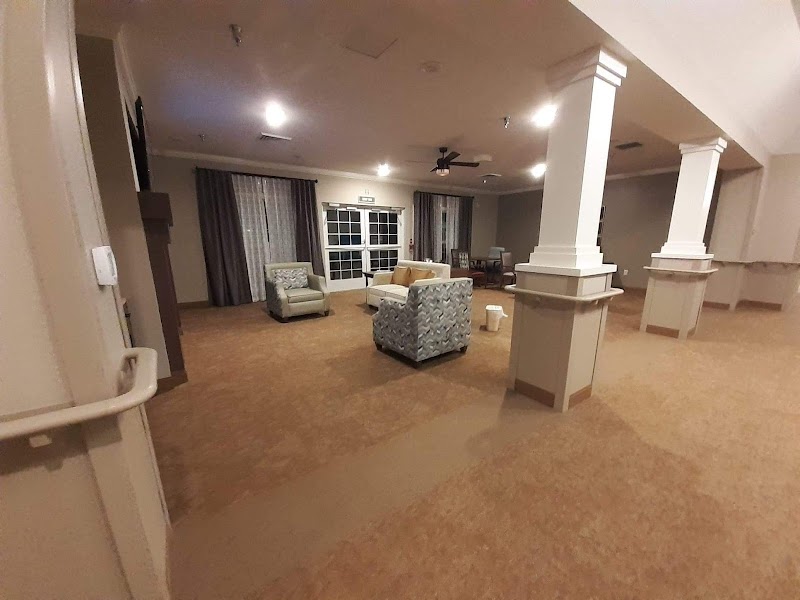
How is Davie Nursing And Rehabilitation Center Staffed?

CMS rates Davie Nursing and Rehabilitation Center's staffing level at 2 out of 5 stars, which is below average compared to other nursing homes. Staff turnover is 42%, compared to the North Carolina average of 46%. This relatively stable workforce can support continuity of care.

What Have Inspectors Found at Davie Nursing And Rehabilitation Center?

State health inspectors documented 12 deficiencies at Davie Nursing and Rehabilitation Center during 2022 to 2024. These included: 12 with potential for harm.
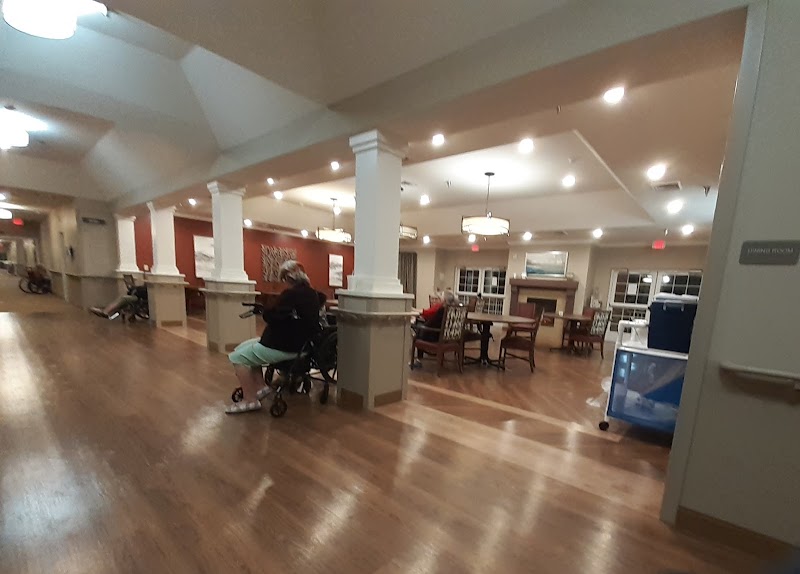
Who Owns and Operates Davie Nursing And Rehabilitation Center?

Davie Nursing and Rehabilitation Center is owned by a for-profit company. For-profit facilities operate as businesses with obligations to shareholders or private owners. The facility is operated by SABER HEALTHCARE GROUP, a chain that manages multiple nursing homes. With 96 certified beds and approximately 89 residents (about 93% occupancy), it is a smaller facility located in Mocksville, North Carolina.

How Does Davie Nursing And Rehabilitation Center Compare to Other North Carolina Nursing Homes?

Compared to the 100 nursing homes in North Carolina, Davie Nursing and Rehabilitation Center's overall rating (5 stars) is above the state average of 2.8, staff turnover (42%) is near the state average of 46%, and health inspection rating (5 stars) is much above the national benchmark.

What Should Families Ask When Visiting Davie Nursing And Rehabilitation Center?

Based on this facility's data, families visiting should ask: "Can you walk me through typical staffing levels on day, evening, and night shifts?" "Can I visit during a mealtime to observe dining assistance and food quality?" "How do you handle medical emergencies, and what is your hospital transfer rate?" "Can I speak with family members of current residents about their experience?" These questions are particularly relevant given the below-average staffing rating.

Is Davie Nursing And Rehabilitation Center Safe?

Based on CMS inspection data, Davie Nursing and Rehabilitation Center has a clean safety record: no substantiated abuse findings (meaning no confirmed cases of resident harm), no Immediate Jeopardy citations (the most serious violation level indicating risk of serious injury or death), and is not on the Special Focus Facility watch list (a federal program monitoring the lowest-performing 1% of nursing homes). The facility has a 5-star overall rating and ranks #1 of 100 nursing homes in North Carolina. While no facility is perfect, families should still ask about staff-to-resident ratios and recent inspection results during their visit.

Do Nurses at Davie Nursing And Rehabilitation Center Stick Around?

Davie Nursing and Rehabilitation Center has a staff turnover rate of 42%, which is about average for North Carolina nursing homes (state average: 46%). Moderate turnover is common in nursing homes, but families should still ask about staff tenure and how the facility maintains care continuity when employees leave.

Was Davie Nursing And Rehabilitation Center Ever Fined?

Davie Nursing and Rehabilitation Center has no federal fines on record. CMS issues fines when nursing homes fail to meet care standards or don't correct problems found during inspections. The absence of fines suggests the facility has either maintained compliance or corrected any issues before penalties were assessed. This is a positive indicator, though families should still review recent inspection reports for the full picture.

Is Davie Nursing And Rehabilitation Center on Any Federal Watch List?

Davie Nursing and Rehabilitation Center is not on any federal watch list. The most significant is the Special Focus Facility (SFF) program, which identifies the bottom 1% of nursing homes nationally based on persistent, serious quality problems. Not being on this list means the facility has avoided the pattern of deficiencies that triggers enhanced federal oversight. This is a positive indicator, though families should still review the facility's inspection history directly.