Forrest Oakes Healthcare
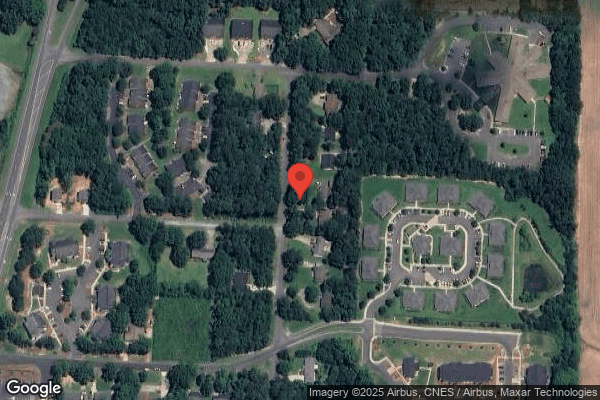
620 Heathwood Drive, Albemarle, NC 28001 (704) 983-2686
For profit - Corporation 60 Beds CONSULATE HEALTH CARE/INDEPENDENCE LIVING CENTERS/NSPIRE HEALTHCARE/RAYDIANT HEALTH CARE Data: November 2025
Trust Grade
43/100
#249 of 417 in NC
Last Inspection: February 2025

Within standard 12-15 month inspection cycle. Federal law requires annual inspections.

Overview

Forrest Oakes Healthcare has received a Trust Grade of D, indicating below-average performance with some concerns about care quality and safety. It ranks #249 out of 417 nursing homes in North Carolina, placing it in the bottom half of facilities, and #3 out of 4 in Stanly County, meaning only one other local option is better. While the facility is trending towards improvement, with a decrease in issues from 13 in 2023 to 12 in 2025, its staffing rating is below average at 2 out of 5 stars, and a high turnover rate of 62% raises concerns about staff consistency. The facility has been fined $10,205, which is average, but the presence of specific incidents, such as improper food storage that could affect residents' health and issues with unsafe electrical wiring in resident rooms, highlight significant weaknesses that families should consider alongside the facility's strengths, like decent quality measures rated at 4 out of 5 stars. Overall, while there are some positive aspects, families should weigh these against the concerning factors when evaluating care for their loved ones.
Trust Score
D
43/100
In North Carolina
#249/417
Bottom 41%
Safety Record
Low Risk
No red flags
Inspections
Getting Better
13 → 12 violations
Staff Stability
⚠ Watch
62% turnover. Above average. Higher turnover means staff may not know residents' routines.
Penalties
○ Average
$10,205 in fines. Higher than 73% of North Carolina facilities. Some compliance issues.
Skilled Nurses
⚠ Watch
Each resident gets only 25 minutes of Registered Nurse (RN) attention daily — below average for North Carolina. Fewer RN minutes means fewer trained eyes watching for problems.
Violations
⚠ Watch
41 deficiencies on record. Higher than average. Multiple issues found across inspections.
★★☆☆☆
2.0
Overall Rating
★★☆☆☆
2.0
Staff Levels
★★★★☆
4.0
Care Quality
★★☆☆☆
2.0
Inspection Score
Stable
2023: 13 issues
2025: 12 issues

The Good

  • 4-Star Quality Measures · Strong clinical quality outcomes
  • Full Sprinkler Coverage · Fire safety systems throughout facility
  • No fines on record

Facility shows strength in quality measures, fire safety.

The Bad

2-Star Overall Rating

Below North Carolina average (2.8)

Below average - review inspection findings carefully

Staff Turnover: 62%

16pts above North Carolina avg (46%)

Frequent staff changes - ask about care continuity

Federal Fines: $10,205

Below median ($33,413)

Minor penalties assessed

Chain: CONSULATE HEALTH CARE/INDEPENDENCE

Part of a multi-facility chain

Ask about local staffing decisions and management

Staff turnover is elevated (62%)

14 points above North Carolina average of 48%

The Ugly 41 deficiencies on record

Mar 2025 1 deficiency
CONCERN (D) 📢 Someone Reported This

A family member, employee, or ombudsman was alarmed enough to file a formal complaint

Potential for Harm - no one hurt, but risky conditions existed

Incontinence Care (Tag F0690)

Could have caused harm · This affected 1 resident

**NOTE- TERMS IN BRACKETS HAVE BEEN EDITED TO PROTECT CONFIDENTIALITY** Based on record review, observations, and staff and Nurse Practitioner interviews, the facility failed to keep a urinary cathete...

Read full inspector narrative →
**NOTE- TERMS IN BRACKETS HAVE BEEN EDITED TO PROTECT CONFIDENTIALITY** Based on record review, observations, and staff and Nurse Practitioner interviews, the facility failed to keep a urinary catheter bag and its tubing from touching the floor to reduce the risk of infection for 1 of 3 residents (Resident #33) reviewed. Findings included: Resident #33 was admitted to the facility on [DATE]. A Physician's Order dated 10/11/2024 indicated Resident #33 required an indwelling urinary catheter. A quarterly Minimum Data Set assessment dated [DATE] indicated he was cognitively intact and had an indwelling urinary catheter. Resident #33's Care Plan dated 3/8/2025 indicated he had an indwelling suprapubic urinary catheter. During an observation of Resident #33 on 3/12/2025 at 9:45 am he was found to be in bed and his urinary catheter drainage bag was lying on the floor beside his bed. There was no hook on the urinary catheter bag to attach it to the bed frame. Nurse Aide #1 came to the room and emptied Resident #33's urinary catheter bag and stated she would get the Unit Manager to replace the urinary catheter bag so that she could secure it to the bed and off of the floor. During an interview conducted on 3/12/2025 at 1:03 pm with the Unit Manager, who was the nurse assigned to Resident #33. She stated Resident #33 was seen by the Urologist on 3/6/2025 and his catheter, catheter tubing and urinary catheter bag were changed at the appointment. The Unit Manager stated she went to the room this morning after Nurse Aide #1 told her the bag was on the floor and changed the urinary catheter bag. The Unit Manager stated the staff should have changed his urinary catheter bag to ensure it could be hung from his bed instead of resting on the floor. An interview was conducted by phone with the Nurse Practitioner on 3/12/2025 at 5:40 pm and she stated Resident #33's urinary catheter bag should not have been on the floor. The Nurse Practitioner stated Resident #33 was verbal and was cognitively intact and could let staff know if he was having any abdominal pain or urgency. She stated since he did not have any complaints related to his catheter, she did not feel Resident #33 was harmed. The Director of Nursing was interviewed on 3/12/2025 at 4:57 pm and she stated Resident #33's urinary catheter should not have been on the floor to prevent the increased risk of infection. During an interview with the Administrator on 3/12/2025 at 5:06 pm she stated Resident #33's urinary catheter bag should not have been on the floor.
Feb 2025 11 deficiencies
CONCERN (D) 📢 Someone Reported This

A family member, employee, or ombudsman was alarmed enough to file a formal complaint

Potential for Harm - no one hurt, but risky conditions existed

Resident Rights (Tag F0550)

Could have caused harm · This affected 1 resident

**NOTE- TERMS IN BRACKETS HAVE BEEN EDITED TO PROTECT CONFIDENTIALITY** Based on record review, observations, resident, resident family, and staff interviews, the facility failed to provide incontinen...

Read full inspector narrative →
**NOTE- TERMS IN BRACKETS HAVE BEEN EDITED TO PROTECT CONFIDENTIALITY** Based on record review, observations, resident, resident family, and staff interviews, the facility failed to provide incontinence care in a manner to maintain the residents' dignity for 3 of 5 residents reviewed for dignity (Residents #1, #206 ,and #9). Findings included: 1. Resident #1 was admitted to the facility on [DATE]. Resident #1's quarterly Minimum Data Set (MDS) dated [DATE] indicated her cognition was moderately impaired. She required moderate assistance with toileting hygiene, shower/bath, and dressing. She was occasionally incontinent with bowel and bladder. An observation was conducted on 02/02/25 at 10:54 AM of Resident #1 sitting on the side of her bed with the bedside table in front of her. The surveyor observed her sheet with a very large wet area with a brown ring around it in the center. Resident #1 stated the staff did not put a pull-up on her or check on her last night and she saturated her clothes and bed. She explained that she wore pull-ups at night time and she needed assistance with incontinence care. The surveyor observed a note taped to the closet door that read, I am incontinent and need help going to bathroom!!! (Even at night). She indicated a nurse put the note on the door a while back because the NAs didn't assist her at night. Resident #1 also stated the note on the door did help some but there were still times that night shift didn't come in her room. She further explained that she did use her call bell for assistance, but the night staff would come in and turn it off without assisting her. An interview was conducted on 02/04/25 at 6:10 AM with Nursing Assistant (NA) #1. She verified she did work the night of 02/01/25 and that she was Resident #1's direct care NA. She indicated she checked on Resident #1 at 6:00 AM on the morning of 02/02/25 and she was not soaked. She explained she put a pullup on Resident #1 and checked on her at 3:00 AM and about 6:00 AM. An interview was conducted on 02/02/25 at 11:50 AM with Nursing Assistant (NA) #4. She verified she was the direct care NA for Resident #1. NA #4 stated Resident #1 and her bed were saturated this morning (02/02/25) when she entered the room. She explained she did not have a pull-up or brief on, so she provided incontinence care and removed the linens from her bed. An observation was conducted on 02/03/25 at 8:35 AM of Resident #1's room. A strong smell of urine was present, the bed was without sheets, and the mattress appeared wet. Resident #1 was not in her room. An interview was conducted on 02/03/25 at 8:50 AM with Nursing Assistant (NA) #4. She verified she worked full time on day shift and was normally the direct care NA for Resident #1. She stated Resident #1 did have a pullup on this morning (02/03/25) however, she and her bed were saturated with urine. She explained that she gave Resident #1 a shower and removed the linen from the bed. She then explained this was a reoccurring problem. A follow-up interview was conducted on 02/04/25 at 12:35 PM with Resident #1. She stated she was very embarrassed when her room smelled like urine and to have wet clothes on. She explained that it was not right for the staff on night shift not to assist her. She explained she sometimes reminds them, but they don't listen to her. She had not filed a grievance regarding the concern because she forgot to do it. An interview was conducted on 02/06/25 at 9:33 AM with the Director of Nursing. She stated she was unaware Resident #1 had not received incontinence care consistently on night shift. She also stated she expected all residents to be provided with incontinence care timely. 2. Resident #206 was admitted to the facility on [DATE]. Baseline care plan, dated 01/30/25, revealed Resident #206 required assistance with activities of daily living. Resident #206's Minimum Data Set (MDS) assessment was in progress. Admission/readmission Data Collection, dated 01/30/25, revealed Resident #206 was alert and oriented to person, place, and time. She was frequently incontinent with bowel and bladder and wore briefs. She also required assistance from one staff member with activities of daily living. An interview was conducted on 02/02/25 at 6:21 PM with Resident #206's and her family member. The family member stated on 02/01/25 at 5:10 PM when dinner trays were being served, he told the Nursing Assistant (NA) (did not know the NAs name) that the resident needed incontinence care to be provided because Resident #206 was wet. He also stated the NA told him she would be back, however, no one returned to change her. He indicated he turned the call bell on at 5:20 PM and at 5:40 PM a nurse and an NA (did not know their names) were in the hallway, he stopped them and told them Resident #206 needed incontinence care to be provided but they did not come into the room to assist. The family member stated he then put the call bell on again at 5:45 PM but no one responded. He explained that he walked up the hall, looked at the nurses' station and down all the halls but he did not see anyone at all. He stated by this time his mom and the bed were saturated with urine. At 6:30 PM a different NA came by the room, and he stopped her and asked if she could provide incontinent care to Resident #206, which she did. Resident #206 stated that what her son had stated was correct, they didn't come after being asked several times. An interview was conducted on 02/04/25 at 2:20 PM with Resident #206. She stated the Nursing Assistant (NA) was good today and had provided incontinence care like she should. She then stated on 01/31/25 she waited 1 hour and 30 minutes for the NA to come and change her and on 02/01/25 she waited 1 hour and 20 minutes to be changed. She explained that her family member timed the occurrences because no one would answer her call bell or respond to her family member's request for assistance needed. Resident #206 further stated she did not like to be left soaking wet like she was on these two occurrences, even her bed and sheets were wet. She then stated, it felt yucky, and I stunk. She also explained that she did not know the NAs name that assisted her, only that it was an African American female. Multiple unsuccessful attempts were made to contact the Nursing Assistant that worked from 4:00 PM until 7:00 PM on 01/31/25 and from 3:00 PM until 7:00 PM on 02/01/25. 3. Resident #9 was admitted to the facility on [DATE]. The quarterly Minimum Data Set assessment dated [DATE] indicated Resident #9 was cognitively intact and her vision was assessed as adequate. During an interview and observation with Resident #9 in her room on 2/3/25 at 9:07 AM she reported that she was a heavy wetter and had been wearing a wet brief. She stated that she had to wait for an extended period during the night of 2/2/25 before staff would help change her undergarment. She stated she had pressed her call light, but it was turned off and the staff did not assist her for at least an hour afterward. A clock was observed in the resident's room on the wall in front of her bed. She indicated that she felt ignored when she needed help and had to wait. Resident #9 further stated having to wait so long for help to arrive caused her to feel aggravated. She indicated she was uncomfortable having to wear wet briefs. On 2/3/25 at 6:11 AM Nurse Aide (NA) #1 was interviewed. She stated that she was the only NA who worked 7:00 PM to 7:00 AM on the night shift that day. She stated that it was difficult to get to each resident to provide toileting care throughout the shift. She stated that when she worked alone, she tried to round on everyone at least every 2 hours. She indicated that she had checked on Resident #9 around 5:00 AM, and she didn't need any assistance at that time. NA #1 stated staff calling out was often an issue, leaving the night shift shorthanded. She stated it was difficult to respond to the call lights when multiple residents needed help. The Director of Nursing (DON) was interviewed on 2/6/25 at 10:01 AM. She stated that NAs were supposed to round on residents every two hours and as needed to provide personal care and that Resident #9 should have received incontinence care. The DON stated that an NA had called out the night of 2/3/25 causing the facility to be short staffed.
CONCERN (D) 📢 Someone Reported This

A family member, employee, or ombudsman was alarmed enough to file a formal complaint

Potential for Harm - no one hurt, but risky conditions existed

Deficiency F0558 (Tag F0558)

Could have caused harm · This affected 1 resident

**NOTE- TERMS IN BRACKETS HAVE BEEN EDITED TO PROTECT CONFIDENTIALITY** Based on observations, record reviews, resident and staff interviews, the facility failed to place a resident's call light withi...

Read full inspector narrative →
**NOTE- TERMS IN BRACKETS HAVE BEEN EDITED TO PROTECT CONFIDENTIALITY** Based on observations, record reviews, resident and staff interviews, the facility failed to place a resident's call light within reach for 2 of 2 residents reviewed for accommodation of needs (Residents #6 and #14). The findings included: 1. Resident #6 was admitted to the facility on [DATE] with diagnoses that included history of stroke, chronic pain, and chronic obstructive pulmonary disease (COPD). Resident #6's active care plan, last reviewed 10/3/24, included the following focus areas: - Activities of Daily Living (ADL) self-care performance deficit related to COPD, chronic pain syndrome and left-sided weakness. One of the interventions was to encourage the resident to use the call light for assistance. - Risk for falls related to history of falls, impaired gait/balance problems related to history of a stroke with weakness, potential side effects related to use of psychoactive drug use, poor safety awareness and impulsive behaviors. One of the interventions included to encourage the resident to use the call light for assistance with transfers. A quarterly Minimum Data Set (MDS) assessment dated [DATE] indicated Resident #6 was cognitively intact, displayed no behaviors and required maximum assistance from staff to complete ADLs. On 2/2/25 at 11:30 AM, an observation and interview occurred with Resident #6 while he was lying in bed listening to his radio. The call light was lying on the floor to the left side of the bed out of reach. Resident #6 stated he didn't know how long the call light had been on the floor and couldn't recall it sliding off the bed. He went on to say that normally the call light was fastened to his bed covers so that he could use it, but there were times he would have to ask staff who passed by his room to put the call light where he could reach it. He stated he would have to yell out if he needed something as he was unable to get out of bed on his own to reach it. Another observation was made on 2/2/25 at 12:40 PM. Resident #6 was lying in bed listening to his radio. The call light remained on the floor to the left side of the bed out of reach. When asked how he would request assistance, he stated he would use the call light when he could reach it, otherwise he let staff know when they entered the room, were passing by or yelling out for assistance. Resident #6 stated the nurse had been in to give him his medications that morning but left out of his room before making sure his call light was pinned to him. He recalled asking for it and was told they would be right back. On 2/2/25 at 1:15 PM, an interview occurred with Nurse Aide (NA) #3. She was scheduled to care for Resident #6 from 7:00 AM to 7:00 PM on 2/2/25. She explained she was working with one other NA for the entire building (the census on the day of the interview was 54) and had three other hallways to care for. This was the first time she had been over to Resident #6's hall, she was unaware the call light was not within reach and would fix it immediately. On 2/2/25 at 2:45 PM, an interview was completed with Medication Aide (MA) #1 who was assigned to care for Resident #6 on the 7:00 AM to 7:00 PM shift for the day of the interview. She couldn't recall if his call light was within reach when she provided him with his morning medications. On 2/5/25 at 9:12 AM, Resident #6 was observed lying in his bed listening to the radio. The head of the bed was elevated, and the call light was noted to be hanging between the headboard and the wall behind Resident #6, out of his reach. NA #6 was interviewed on 2/5/25 at 10:00 AM. She observed Resident #6's call light hanging on the back of headboard out of reach. NA #6 explained she was assigned to care for Resident #6 from 7:00 AM to 3:00 PM and thought she had clipped it to his covers after personal care had been rendered that morning. She retrieved the call light and hooked it to Resident #6's blankets within reach. The Director of Nursing was interviewed on 2/6/25 at 9:32 AM and stated Resident #6's call light could have fallen off the bed if he reached for a snack, but staff should be ensuring the call lights are clipped within reach, so they don't fall off the bed. 2. Resident #14 was admitted to the facility on [DATE] with diagnoses that included intervertebral disc degeneration and repeated falls. Resident #14's active care plan, dated 01/16/25, indicated she was at risk for falls related to intervertebral disc degeneration and repeated falls. The interventions included ensuring her call light was within reach and encouraging Resident #14 to use it for assistance as needed. Resident #14's admission Minimum Data Set (MDS) dated [DATE] indicated her cognition was intact. Resident #14 required maximal assistance with toileting hygiene, shower/bathe self, dressing, bed mobility, transfers, and personal hygiene. She was occasionally incontinent with bladder and always incontinent with bowels. An observation was conducted on 02/02/25 at 11:00 AM of Resident #14. She was observed asleep lying on her bed. Her call light was on the floor under the left side of her bed. An observation was conducted on 02/02/25 at 12:10 PM of Resident #14. She was sitting in her wheelchair about an arm's length from the left side of the bed. Her call light remained out of reach on the floor under the left side of her bed. An observation and interview were conducted on 02/02/25 at 1:01 PM with Resident #14. She was sitting in her wheelchair on the left side of the bed. Her call light was on top and in the center of her bed. She indicated that after the Nursing Assistant (NA) got her out of bed she made the bed and put the call bell in the center of it before exiting the room. Resident #14 propelled herself to the left side of her bed and stated if she attempted to reach for the call bell, she would fall face first out of her wheelchair. She then stated she would have to yell for assistance if she needed anything and hope that someone would hear her. She explained when the NA was in a hurry, they didn't pay attention to where they put the call bell and whether it was in her reach. She then indicated it was frustrating if she couldn't reach the call bell because she could not get the staff's attention. An observation and interview were conducted with Nursing Assistant (NA) #3 on 02/02/25 at 1:15 PM. She verified she was the direct care NA for Resident #14. She verified she did put Resident #3's call bell in the center of her bed and that Resident #3 could not reach the call bell from where the wheelchair was positioned. She indicated that Resident #3 would propel herself in the wheelchair and she figured if she needed it, she would move over to get it. An interview was conducted on 02/04/23 at 10:00 AM with the Director of Nursing (DON), she stated the call light device should always be in the resident's reach.
CONCERN (D)

Potential for Harm - no one hurt, but risky conditions existed

Comprehensive Care Plan (Tag F0656)

Could have caused harm · This affected 1 resident

**NOTE- TERMS IN BRACKETS HAVE BEEN EDITED TO PROTECT CONFIDENTIALITY** 2. Resident #25 was admitted to the facility on [DATE] with diagnoses that included Parkinson's disease, muscle weakness and Alz...

Read full inspector narrative →
**NOTE- TERMS IN BRACKETS HAVE BEEN EDITED TO PROTECT CONFIDENTIALITY** 2. Resident #25 was admitted to the facility on [DATE] with diagnoses that included Parkinson's disease, muscle weakness and Alzheimer's disease. A review of Resident #25's physician orders included an order dated 8/14/23 for a fall mat to the left side of the bed when in bed. Resident #25's active care plan, last reviewed 9/26/24, included a focus area for risk for falls related to dementia, muscle weakness, lack of coordination, cognitive impairment, impaired mobility, poor safety awareness , impulsive behaviors and history of falls. One of the interventions was to place a fall mat to the left side of the bed when in bed. A quarterly Minimum Data Set (MDS) assessment dated [DATE] indicated that Resident #25 had moderately impaired cognition and required moderate assistance for bed mobility and transfers. He was not coded with any falls. On 2/2/25 at 11:00 AM, Resident #25 was observed lying in bed. There was no fall mat to either side of the bed. On 2/3/25 at 2:14 PM, Resident #25 was observed lying in bed with his eyes closed. There was no fall mat present to the left side of the bed. There was no fall mats observed in Resident #25's room or bathroom. On 2/4/25 at 6:11 AM, Resident #25 was observed lying in bed. There was no fall mat to the left side of the bed. Nurse Aide (NA) #1 was interviewed on 2/4/25 at 6:18 AM and stated she had been assigned to care for Resident #25 during the 7:00 PM to 7:00 AM shift on the day of the interview. She stated she had been employed at the facility for two months, had never seen a fall mat in Resident #25's room nor was she aware he needed to have one at bedside. NA #6 was interviewed on 2/5/25 at 10:00 AM. She was assigned to care for Resident #25 from the 7:00 AM to 3:00 PM on 2/5/25. She explained that she hadn't seen Resident #25 with a fall mat next to his bed until it was in his room on 2/4/25. She added that items such as fall mats needed would be on Resident #25's Kardex, but because they worked with a limited number of staff it was hard to review the Kardex each day. She stated she relied on report from the off going shift. The Unit Manager was interviewed on 2/5/25 at 11:33 AM and stated that she couldn't explain why there was no fall mat next to Resident #25's bed or located in his room until 2/4/25. She felt like he still needed the fall mat for safety as he did attempt to get himself up unassisted at times. The Director of Nursing (DON) was interviewed on 2/6/25 at 9:32 AM and stated she was unsure why Resident #25 did not have a fall mat next to his bed or located in his room or bathroom on 2/2/25, 2/3/25 or 2/4/25. She stated that the NAs should be reviewing resident care guides daily to ensure items such as fall mats were in place as ordered. Based on record review and staff interviews, the facility failed to develop an individualized and comprehensive care plan in the areas of pain and opioid medications (Resident #21), and the facility failed to implement a care plan area for safety (Resident #25). This was for 2 of 18 residents whose care plans were reviewed. 1. Resident #21 was admitted to the facility on [DATE] with diagnoses that included unspecified abnormalities of gait, osteoarthritis, and chronic pain syndrome. A review of the medication orders for Resident #21 for December 2024 revealed an order for oxycodone 5 milligrams, give 2 capsules by mouth every 4 hours as needed for pain that was active from 11/7/24 until 12/16/24. The order was changed to oxycodone 5 milligrams, give 1 capsule by mouth every 4 hours as needed for pain with a start date of 12/19/24 and end date of 12/31/24. The order was renewed 12/31/24 with a discontinued date of 1/2/25. A review of the December MAR revealed Resident #21 reported pain levels to nursing that ranged from 2 to 6 each day and was administered oxycodone 5 mg every 4 hours as needed for pain. The 5-day Minimum Data Set (MDS) assessment dated [DATE] indicated Resident #21 was cognitively intact with a depressed mood without behavioral concerns. She was coded as having pain occasionally and for receiving an opioid. Active orders reviewed for January 2025 revealed Resident #21 had an order for oxycodone 5 milligrams, give 2 tablets by mouth every 6 hours as needed for pain. The order was active from 1/2/25 until 1/28/25. The medication orders for February 2025 revealed Resident #21 had an order for morphine sulfate, give 20 milligrams by mouth every six hours as needed for pain. A review of the MAR for January 2025 revealed the resident reported pain levels to nursing that ranged from 3 to 10 daily and received oxycodone 5 milligrams every 6 hours as needed for pain. The care plan updated 1/9/25 did not have a focus for pain management. A review of the medication administration record (MAR) for February 1-3, 2025, revealed that Resident #21 reported pain levels to nursing that ranged from 4 to 5 each day and was administered morphine sulphate 20 milligrams every 6 hours as needed for pain. On 2/5/25 at 3:00 PM the MDS nurse was interviewed. She verified the care plan for Resident #21 did not include a focus for pain. She stated that it should have been added at the time the MDS was completed. The Director of Nursing (DON) was interviewed on 2/6/25 at 10:01 AM. She stated that a focus for pain should have been added to Resident #21's care plan.
CONCERN (D) 📢 Someone Reported This

A family member, employee, or ombudsman was alarmed enough to file a formal complaint

Potential for Harm - no one hurt, but risky conditions existed

Accident Prevention (Tag F0689)

Could have caused harm · This affected 1 resident

Based on observations, record review and staff interviews, the facility failed to maintain a safe environment as evidenced by a housekeeping staff member mopping the entire width of the F hallway (Roo...

Read full inspector narrative →
Based on observations, record review and staff interviews, the facility failed to maintain a safe environment as evidenced by a housekeeping staff member mopping the entire width of the F hallway (Rooms 135-146) which would have required residents, staff, and visitors to walk on the wet floor. This was for 1 out of 5 resident hallways. Findings included: A continuous observation was conducted on 02/03/25 from 10:30 AM until 10:35 AM of the Housekeeping Manager mopping the floor at the top of the F Hall and the hall area in front of the nurse's station. The Housekeeper Manager was actively mopping the area to the left then middle of hall. When asked if the floor was wet all the way across the hall, she stopped to let the surveyor walk through to the right side of the hall where there was a 2 foot area of dry floor. As soon as the surveyor walked through the area the Housekeeper Manager mopped the only dry area left. The total area was 4 foot (ft) x 10 ft. The floor was wet completely across the hall with the wet sign located in middle of walkway. An interview was conducted with the Housekeeping Manager on 02/03/25 at 10:40 AM. She stated she mops and assists with other housekeeping duties daily. She then stated she did mop completely across the hall/walk area but did not give a reason why. She explained that she normally mops half of the hall area at a time and will wait for that half to dry prior to mopping the other side. She further stated that waiting for the floor to completely dry before starting the other side prevents residents and staff from accidentally falling. An interview was conducted with Nurse #1 on 02/03/25 at 10:48 AM. She stated some housekeepers mop completely across the hall area and some only mop one side at a time. She verified the floor at the top of the F Hall and the hall area in front of the nurse's station were wet completely across. She explained that was why she walked around the other side of the nurse's station because she did not want to fall. An interview was conducted with the Housekeeping District Manager on 02/03/25 at 3:15 PM. He explained when housekeepers were mopping the halls they should be mopping half of the hall at a time. After one side was completely dry, they were to mop the opposite side. He stated this was to prevent anyone from falling. He then stated all housekeeping staff have been educated and trained to mop the floors in that manner.
CONCERN (D)

Potential for Harm - no one hurt, but risky conditions existed

Respiratory Care (Tag F0695)

Could have caused harm · This affected 1 resident

**NOTE- TERMS IN BRACKETS HAVE BEEN EDITED TO PROTECT CONFIDENTIALITY** Based on record review, observations and staff interviews, the facility failed to administer oxygen at the prescribed rate for 1...

Read full inspector narrative →
**NOTE- TERMS IN BRACKETS HAVE BEEN EDITED TO PROTECT CONFIDENTIALITY** Based on record review, observations and staff interviews, the facility failed to administer oxygen at the prescribed rate for 1 of 2 residents reviewed for respiratory care (Resident #33). The findings included: Resident #33 was admitted to the facility on [DATE] with diagnoses that included chronic respiratory failure, chronic obstructive pulmonary disease (COPD), and congestive heart failure. Resident #33's active care plan, last reviewed 9/6/24, included a focus area for potential for altered respiratory status/difficulty breathing related to acute on chronic respiratory failure, COPD, history of bronchopneumonia and pleural effusion. One of the interventions included oxygen continuous at 4 liters per minute via nasal cannula. Resident #33 was hospitalized from [DATE] to 10/11/24 for pneumonia. A review of the physician orders included an order dated 10/11/24 for oxygen continuously at 4 liters per minute for COPD. A quarterly Minimum Data Set (MDS) assessment dated [DATE] indicated Resident #33 was cognitively intact, displayed shortness of breath when lying flat and was coded with oxygen use. On 2/2/25 at 11:10 AM, Resident #33 was observed lying in bed with oxygen flowing via nasal cannula. The oxygen regulator on the concentrator was set at 3.5 liters flow when viewed horizontally at eye level. Resident #33 indicated he had very poor bad sight and relied on the nursing staff to ensure his oxygen was set at the correct amount. Resident #33 was observed lying in bed on 2/3/25 at 11:33 AM. The oxygen regulator on the concentrator was set at 3.5 liters flow by nasal cannula when viewed horizontally, eye level. The February 2025 Medication Administration Record (MAR) was reviewed and included Oxygen continuous at 4 liters per minutes every 12 hours to be checked at 9:00 AM and 9:00 PM. Staff had initialed Resident #33 as receiving oxygen as ordered on 2/2/25 and 2/3/25. An observation occurred of Resident #33 on 2/4/25 at 6:14 AM, which revealed the oxygen regulator on the concentrator was set at 3.5 liters flow by nasal cannula when viewed horizontally at eye level. An observation was made with Nurse #1 of Resident #33's oxygen concentrator on 2/4/25 at 12:20 PM, who stated the oxygen regulator on the concentrator was set at 3.5 liters when viewed horizontally at eye level and looked to be set on 4 liters when standing over the concentrator. Nurse #1 adjusted the flow to administer 4 liters of oxygen. On 2/5/25 at 8:45 AM, Resident #33 was observed lying in his bed. The oxygen regulator on the concentrator was set at 3.5 liters flow by nasal cannula when viewed horizontally at eye level. The oxygen concentrator was not within reach of Resident #33. An observation was made with the Unit Manager on 2/5/25 at 11:33 AM of Resident #33's oxygen concentrator. She indicated that the oxygen regulator on the concentrator was set at 3.5 liters when viewed horizontally at eye level and looked to be set on 4 liters when standing over the concentrator. The Unit Manager adjusted the flow to administer 4 liters of oxygen and stated that staff should be setting the oxygen concentrators and ensuring they were on the ordered flow rate by looking at the oxygen regulator at eye level rather than standing over the concentrator. During an interview with the Director of Nursing on 2/6/25 at 9:32 AM, she indicated it was her expectation for oxygen to be delivered at the ordered rate.
CONCERN (E) 📢 Someone Reported This

A family member, employee, or ombudsman was alarmed enough to file a formal complaint

Potential for Harm - no one hurt, but risky conditions existed

Safe Environment (Tag F0584)

Could have caused harm · This affected multiple residents

**NOTE- TERMS IN BRACKETS HAVE BEEN EDITED TO PROTECT CONFIDENTIALITY** Based on observations, record reviews, and staff interviews, the facility failed to ensure a safe environment as evidenced by ex...

Read full inspector narrative →
**NOTE- TERMS IN BRACKETS HAVE BEEN EDITED TO PROTECT CONFIDENTIALITY** Based on observations, record reviews, and staff interviews, the facility failed to ensure a safe environment as evidenced by exposed wires to the bed control cord (room [ROOM NUMBER]) and to clean the vents of the Packaged Terminal Air Conditioner (PTAC-room [ROOM NUMBER]). The facility also failed to ensure resident rooms were clean and in good repair (Rooms #112, 128, 144, 120, 122, 126, and 129). This was for 8 of 18 resident rooms reviewed for comfortable, clean and homelike environment. The findings included: 1a. On 2/3/25 at 11:33 AM, room [ROOM NUMBER]'s bed control was observed lying on the mattress to the right of the resident's pillow. The bed control cord was noted with approximately 1 inch of yellow electrical tape below the control box. Beyond the yellow electrical tape was approximately ¼ inch of exposed wires showing. On 2/5/25 at 9:00 AM, the Maintenance Director observed the bed control unit for room [ROOM NUMBER]. He explained that the outer casing protecting the wires tore very easily. He acknowledged that he had wrapped the yellow electrical tape to the bed control cord when exposed wires were first seen but was unable to state when that was. He went onto say the bed control used low voltage so wouldn't hurt a resident if wires were exposed and he would need to rewrap the bed control cord for the exposed wires. When asked if the bed controls could be replaced, he stated yes, but I try to tape them first. The Maintenance Director stated he tried to do frequent checks of the controls for any exposed wires on the cords but had lost his assistant in December 2024 and was doing the best he could. The Administrator was interviewed on 2/6/25 at 9:25 AM and stated that she expected bed control units not to have exposed wires. b. On 2/2/25 at 11:10 AM, room [ROOM NUMBER]'s PTAC vent had a large amount of grey dust particles and dried white material throughout the vent area. The room was occupied and the PTAC was running at the time of the observation. The Housekeeping Manager was interviewed on 2/4/25 at 2:53 PM and explained that the housekeepers cleaned the outside of the PTAC units but anything inside the vents would be taken care of by the Maintenance department. On 2/5/25 at 9:00 AM, an observation of room [ROOM NUMBER] was conducted with the Maintenance Director. He explained that housekeeping cleaned the outside of the PTAC and anything inside the vents would be cleaned by the Maintenance department. The Maintenance Director added that PTAC's were to be cleaned monthly and confirmed the vents to room [ROOM NUMBER]'s PTAC was dirty with various particles in it and required cleaning. The Administrator was interviewed on 2/6/25 at 9:25 AM and stated that she would expect the PTAC's to be clean. 2. On 2/2/25 at 12:38 PM, in room [ROOM NUMBER], there were multiple areas of the wall under both of the overbed lights with exposed dry wall. This room was occupied by a resident. The Maintenance Director was interviewed on 2/5/25 at 10:15 AM and observed the walls of room [ROOM NUMBER] with exposed sheetrock under both of the overbed lights. He explained that as a room became unoccupied, he was fixing walls and installing back splashes to these areas. He was unable to state if this room was scheduled to be repaired. On 2/6/25 at 9:21 AM, the Administrator was interviewed and stated it was important for the environment to be well maintained and homelike. 3a. On 02/03/25 at 8:35 AM, in room [ROOM NUMBER], there were multiple areas of the wall on the right side of the headboard and on the wall to the right when entering the room with exposed dry wall. This room was occupied by a resident. An interview was conducted on 02/05/25 at 03:07 PM with the Maintenance Director. He indicated that he observed the walls of room [ROOM NUMBER] with exposed dry wall on the right side of the headboard and on the wall to the right when entering the room. He explained that as a room became unoccupied, he would fix the walls and install back splashes into these areas. He then stated this room was not scheduled to be repaired. On 2/6/25 at 9:21 AM, the Administrator was interviewed and stated it was important for the environment to be well maintained and homelike. b. On 02/03/25 at 8:35 AM, in room [ROOM NUMBER], there were multiple areas of the wall on the right side of the PTAC with exposed dry wall. This room was occupied by a resident. An interview was conducted on 02/05/25 at 03:07 PM with the Maintenance Director. He indicated that he observed the walls of room [ROOM NUMBER] with areas of the wall on the right side of the PTAC with exposed dry wall. He explained that as a room became unoccupied, he would fix the walls and install back splashes into these areas. He then stated this room was not scheduled to be repaired. On 2/6/25 at 9:21 AM, the Administrator was interviewed and stated it was important for the environment to be well maintained and homelike. 4. On 02/03/25 at 8:35 AM, in room [ROOM NUMBER], the floor under the bed had a brown coffee cup, food crumbs, 3 pencils, and a clear plastic cup on it. The floor beside the bed had a brownish dried liquid (like water was spilled on dirty floor) spot. This room was occupied by a resident. An observation and interview were conducted on 02/03/25 at 12:15 PM with the Housekeeping Manager in room [ROOM NUMBER]. The floor appeared to have been mopped, the food crumbs, brownish dried liquid (like water was spilled on dirty floor, and water cup were removed from floor. However, the brown coffee cup and pencils were still located on the floor under the bed but were pushed up towards the headboard. The Housekeeping Manager stated that the housekeepers don't touch the residents' personal belongings due to residents accusing them of taking their items, but the coffee cup and other trash should have been removed. She expected the rooms to be neat, clean, and free of debris. She removed the coffee cup and other items from under the bed. An interview was conducted on 02/03/25 at 3:15 PM with the Housekeeping District Manager. He stated he was not aware the housekeeping staff were not touching the residents' belongings when cleaning the rooms. He stated he expected the rooms to be clean, neat, and free of trash and debris. The items should be removed and/or swept up prior to mopping. An interview was conducted on 02/05/25 at 11:52 AM Housekeeper #2. She verified she worked 02/03/25 and was assigned room [ROOM NUMBER]. She stated she did clean room [ROOM NUMBER] and that she thought she got all the stuff from under bed A. She explained that she had a bad back and she didn't bend all the way over to see under the beds, she just took the mop and tried to blindly sweep under the bed. She verified there was trash and a brown coffee cup under the bed that she did not get out because she could not reach it. 5. On 2/2/25 at 11:46 AM room [ROOM NUMBER] was observed to have multiple areas of black scuff marks on the window wall as well as the wall at the head of the bed. This room was occupied by a resident. The Maintenance Director was interviewed on 2/5/25 at 10:15 AM. He indicated that as rooms became vacant, he repaired the walls and installed backsplashes at the head of the beds. He was unable to state if room [ROOM NUMBER] was scheduled to be repaired. Housekeeping staff #1 was interviewed on 2/6/25 at 9:01 AM. She stated housekeeping was responsible for wiping down the walls from visible dirt when the rooms were cleaned. At 9:08 AM on 2/6/25 the Housekeeping Manager was interviewed. She stated that housekeeping had a list of areas to be cleaned every day. She stated staff was supposed to wipe down visibly dirty areas in the residents' rooms, but that it was the responsibility of maintenance to repair damaged walls. The District Manager for housekeeping was interviewed on 2/6/25 at 9:23 AM. He stated that housekeeping was responsible for cleaning walls if they were visibly dirty. He also indicated that maintenance was responsible for repairing damaged walls. On 2/6/25 at 9:21 AM, the Administrator was interviewed. She stated that it was important for the environment to be well maintained and homelike for the residents. 6. On 02/02/25 at11:53 AM room [ROOM NUMBER] was noted to have black scuffs and a partially painted wall by the closet where the television was placed. Paint streaks were also noted on the 3 walls that surrounded the bed. Blue paint was streaked on the white wall at the head of the resident's bed, and white paint streaks were noted on the blue wall on the door wall. The white ceiling also had blue paint streaks on it over the blue wall. The Maintenance Director was interviewed on 2/5/25 at 10:15 AM. He indicated that as rooms became vacant, he repaired the walls and installed backsplashes at the head of the beds. The Maintenance Director stated room [ROOM NUMBER] was due to be painted as the walls were partially painted from a prior repair. He presented a piece of paper with multiple rooms highlighted for repairs, but room [ROOM NUMBER] was not on the list. He was unable to state if room [ROOM NUMBER] was scheduled to be repaired. Housekeeping staff #1 was interviewed on 2/6/25 at 9:01 AM. She stated housekeeping was responsible for wiping down the walls from visible dirt when the rooms were cleaned. At 9:08 AM on 2/6/25 the Housekeeping Manager was interviewed. She stated that housekeeping has a list of areas to be cleaned every day. She stated they're supposed to wipe down visibly dirty areas in the residents' rooms, but that it was the responsibility of maintenance to repair damaged walls. The District Manager for housekeeping was interviewed on 2/6/25 at 9:23 AM. He stated that housekeeping was responsible for cleaning walls if they were visibly dirty. He also indicated that maintenance was responsible for repairing damaged walls as this was beyond the scope of housekeeping. On 2/6/25 at 9:21 AM, the Administrator was interviewed. She stated that it was important for the residents' rooms to be clean, well maintained, and homelike for the residents. 7. On 02/02/25 at 12:11 PM room [ROOM NUMBER] was noted to have black scuff marks on the walls at the right and head of the resident's bed. This room was occupied by a resident. The Maintenance Director was interviewed on 2/5/25 at 10:15 AM. He indicated that as rooms became vacant, he repaired the walls and installed backsplashes at the head of the beds. room [ROOM NUMBER] was not on the highlighted list of rooms to be repaired at the time of the interview. He was unable to state when the room would be scheduled for repair. He stated that he lost his assistant in December 2024 and was doing the best that he could. Housekeeping staff #1 was interviewed on 2/6/25 at 9:01 AM. She stated housekeeping was responsible for wiping down the walls from visible dirt when the rooms were cleaned, but that housekeeping was not responsible for fixing scuff marks or damaged walls. At 9:08 AM on 2/6/25 the Housekeeping Manager was interviewed. She stated that housekeeping had a list of areas to be cleaned every day. She stated they're supposed to wipe down visibly dirty areas in the residents' rooms, but that it was the responsibility of maintenance to repair damaged walls. The District Manager for housekeeping was interviewed on 2/6/25 at 9:23 AM. He stated that housekeeping was responsible for cleaning walls if they were visibly dirty. He stated that housekeeping is responsible for cleaning vertical and horizontal surfaces, removing trash, and dust mopping followed by wet mopping of the residents' rooms. He also indicated that maintenance was responsible for repairing damaged walls since this was beyond the scope of housekeeping. On 2/6/25 at 9:21 AM, the Administrator was interviewed. She stated that it was important for the residents' rooms to be well maintained and homelike for the residents. 8. On 02/03/25 09:07 AM room [ROOM NUMBER] was observed to have peeling paint on the wall by the window. The wall also had brown marks beside the resident's bed. The Maintenance Director was interviewed on 2/5/25 at 10:15 AM. He indicated that as rooms became vacant, he repaired the walls, painted walls as needed, and installed backsplashes at the head of the beds to reduce damage from beds and wheelchairs hitting the walls. The Maintenance Director stated that he checked the condition of the rooms as he walked the halls and kept a paper of what rooms needed repairing. He was unable to state if room [ROOM NUMBER] was on the list as scheduled to be repaired. Housekeeping staff #1 was interviewed on 2/6/25 at 9:01 AM. She stated housekeeping was responsible for wiping down the walls from visible dirt when the rooms were cleaned. She stated that housekeeping could wipe the brown marks off the wall, but the peeling paint was the responsibility of maintenance to repair. At 9:08 AM on 2/6/25 the Housekeeping Manager was interviewed. She stated that housekeeping has a list of areas to be cleaned every day. She stated they're supposed to wipe down visibly dirty areas in the residents' rooms, but that it was the responsibility of maintenance to repair damaged walls. She stated that she would have housekeeping staff #1 wash the brown marks off the wall in room [ROOM NUMBER]. The Housekeeping Manager stated once the staff turned in their completed task sheets for the day that she inspected the rooms for the areas reported to have been cleaned. The District Manager for housekeeping was interviewed on 2/6/25 at 9:23 AM. He stated that housekeeping was responsible for cleaning walls if they were visibly dirty such as the brown marks on Resident #129's wall. He stated that housekeeping is responsible for cleaning vertical and horizontal surfaces, removing trash, and dust mopping followed by wet mopping of the residents' rooms. He also indicated that maintenance was responsible for repairing damaged walls since this was beyond the scope of housekeeping. On 2/6/25 at 9:21 AM, the Administrator was interviewed. She stated that it was important for the environment to be well maintained and homelike for the residents.
CONCERN (E)

Potential for Harm - no one hurt, but risky conditions existed

Deficiency F0657 (Tag F0657)

Could have caused harm · This affected multiple residents

**NOTE- TERMS IN BRACKETS HAVE BEEN EDITED TO PROTECT CONFIDENTIALITY** Based on record reviews, observations, and staff interviews, the facility failed to review and revise a care plan following the ...

Read full inspector narrative →
**NOTE- TERMS IN BRACKETS HAVE BEEN EDITED TO PROTECT CONFIDENTIALITY** Based on record reviews, observations, and staff interviews, the facility failed to review and revise a care plan following the most recent Minimum Data Set (MDS) assessment in the area of falls (Resident #6) and failed to revise the care plan in the area of side rails (Resident #31). In addition, the facility failed to develop an individualized and comprehensive care plan in the area of Activities of Daily Living (Residents #51 and #205) This was for 4 of 18 resident records reviewed. The findings included: 1. Resident #6 was admitted to the facility on [DATE] with diagnoses that included history of a stroke and chronic obstructive pulmonary disease (COPD). The active care plan was last reviewed and revised on 10/3/24. There was a focus area for risk for falls related to history of falls, impaired gait/balance problems related to stroke with weakness, potential side effects related to use of psychoactive medications, poor safety awareness and impulsive behaviors. One of the interventions included a fall mat to the right side of the bed. A review of the physician orders included an order for a fall mat to the right side of the bed that was discontinued on 11/13/24. A quarterly MDS assessment was completed on 12/10/24 and indicated that Resident #6 was cognitively intact, displayed no behaviors and required maximum assistance from staff for activities of daily living (ADL). The active care plan did not indicate it had been reviewed or revised after the 12/10/24 MDS assessment. On 2/4/25 at 6:14 AM, Resident #6 was observed lying in bed with the bed covers over his head. There was no fall mat to the right side of the bed. The MDS Nurse was interviewed on 2/5/25 at 3:17 PM and stated she had been employed by the facility for four weeks. She reviewed Resident #6's care plan and confirmed it had been reviewed and revised on 10/3/24. The MDS Nurse explained that the care plan should have been reviewed and revised following the MDS assessment that was completed on 12/10/24, in which the fall mat to the right side of the bed would have been removed. She was unable to state why the prior MDS Nurse did complete this task. The Director of Nursing (DON) was interviewed on 2/6/25 at 9:32 AM and stated she would expect the care plan to be reviewed and revised as needed following the most recent MDS assessment. 2. Resident #31 was admitted to the facility on [DATE] with diagnoses that included dementia, muscle weakness and osteoarthritis. A review of Resident #31's physician orders included an order 8/20/23 for the use of quarter side rails. This order was noted to be discontinued on 2/26/24 by the Unit Manager. A quarterly Minimum Data Set (MDS) assessment dated [DATE] indicated that Resident #31 had severe cognitive impairment and required maximum assistance from staff for bed mobility. She was not coded for any restraint usage. Resident #31's active care plan, last reviewed 11/25/24, included a focus area for potential limited physical mobility and required use of quarter side rails. On 2/2/25 at 12:38 PM, an observation occurred of Resident #31 who was lying in bed. There were no quarter inch side rails present to the bed. The Unit Manager was interviewed on 2/5/25 at 11:49 AM and stated that the quarter inch side rails were discontinued to Resident #31's bed on 2/26/24 as she no longer used them to aide in bed mobility. She felt it was an oversight not to have discontinued the care plan for the side rail use. On 2/5/25 at 3:17 PM, the MDS Nurse was interviewed and explained that she had been employed at the facility for four weeks. She reviewed Resident #31's care plan and verified that a focus area was present for the use of quarter inch side rails. She also reviewed the discontinued physician order for quarter inch side rails on 2/26/24 and stated the focus area should have been resolved from the care plan. She was unable to state why this had not been done by the prior MDS Nurse. The Director of Nursing was interviewed on 2/6/25 at 9:32 AM and stated she would expect the care plan to be accurate reflection of Resident #31. 3. Resident #51 was admitted to the facility on [DATE] with diagnoses that included cerebral infarction (stroke), hemiplegia and hemiparesis (weakness or paralysis on one side of the body), and aphasia (loss of ability to understand or speak). Resident #51 ' s active care plan, initiated on 01/13/25, did not include a focus area for activities of daily living. Baseline care plan, dated 01/13/25, revealed Resident #51 required assistance with activities of daily living. He was dependent on staff for incontinence care, toileting hygiene, personal hygiene, shower/bath, and transfers. The admission Minimum Data Set (MDS) assessment dated [DATE] indicated Resident #51's cognition was severely impaired. He had no behavior and no rejection of care. He was dependent on staff for personal hygiene, toileting hygiene, transfers, and shower/baths. An interview was conducted on 02/05/25 at 3:16 PM with Minimum Data Set (MDS) Nurse. She verified there were no areas on Resident #51 ' s care plan for ADL care and there should have been a focus added. She explained that by the time the MDS assessment was completed the care plan should also be completed. She stated it was an oversight that this intervention was not added on Resident #51 ' s care plan. An interview was conducted on 02/06/25 at 9:33 AM with the Director of Nursing (DON). She stated a focus or intervention area for ADL care should have been part of Resident #51 ' s care plan. 4. Resident #205 was admitted to the facility on [DATE] with diagnoses that included osteomyelitis of vertebra, stage 4 pressure ulcer to the sacrum, unstageable pressure ulcer to the left heel and type 2 diabetes mellitus. Resident #205's active care plan, initiated on 01/20/25, did not include a focus area for activities of daily living. Baseline care plan, dated 01/20/25, revealed Resident #205 required assistance with activities of daily living. He was dependent on staff for toileting hygiene, shower/bath, and transfers and required moderate assistance with personal hygiene. The admission Minimum Data Set (MDS) assessment dated [DATE] indicated Resident #205's cognition was intact. He had no behavior and no rejection of care. He was dependent on staff for shower/baths, toilet hygiene, dressing, transfers, and bed mobility. He also required moderate assistance with personal hygiene. Resident #205 was always incontinent with bowel and bladder and had range of motion limitations to both sides of his upper extremities. Resident 205's care area triggered for ADL care. An interview was conducted on 02/05/25 at 3:16 PM with Minimum Data Set (MDS) Nurse. She verified there were no areas on Resident #205's care plan for ADL care and there should have been a focus added. She explained that by the time the MDS assessment was completed the care plan should also be completed. She stated it was an oversight that this intervention was not added on Resident #205's care plan. An interview was conducted on 02/06/25 at 9:33 AM with the Director of Nursing (DON). She stated a focus or intervention area for ADL care should have been part of Resident #205 ' s care plan.
CONCERN (E) 📢 Someone Reported This

A family member, employee, or ombudsman was alarmed enough to file a formal complaint

Potential for Harm - no one hurt, but risky conditions existed

ADL Care (Tag F0677)

Could have caused harm · This affected multiple residents

**NOTE- TERMS IN BRACKETS HAVE BEEN EDITED TO PROTECT CONFIDENTIALITY** 8. Resident #33 was admitted to the facility on [DATE] with diagnoses that included muscle weakness, and diabetes type 2. The a...

Read full inspector narrative →
**NOTE- TERMS IN BRACKETS HAVE BEEN EDITED TO PROTECT CONFIDENTIALITY** 8. Resident #33 was admitted to the facility on [DATE] with diagnoses that included muscle weakness, and diabetes type 2. The active care plan, last reviewed 9/6/24, included a focus area for Activities of Daily Living (ADLs) self-care performance deficit related to activity intolerance, impaired balance and is at risk for further decline. The interventions included one person assistance for bathing/showering and personal hygiene. The care plan did not include any refusals of nail care. A quarterly Minimum Data Set (MDS) assessment dated [DATE] indicated Resident #33 was cognitively intact and was dependent on staff for bathing and personal hygiene. A review of Resident #33's nursing progress notes from 2/1/24 to 2/2/25 revealed no refusals of nail care documented. A review of the Nurse Aide (NA) shower sheets for December 2024 to February 2025 revealed that nails were cleaned but not cut. A shower sheet dated 2/1/25 indicated that Resident #33's nails were cleaned. On 2/2/25 at 11:10 AM, an interview and observation were conducted with Resident #33. A dark substance was present under the nails to both hands and jagged nails were observed to the third and fourth finger on the right hand. Resident #33 explained that he was not able to see very well and relied on others to care for his fingernails. He stated that occasionally a nurse came by to cut his fingernails. An observation occurred on 2/3/25 at 11:33 AM while Resident #33 was lying in bed. A dark substance was present under the nails to both hands and jagged nails were observed on the third and fourth fingers of the right hand. A phone interview occurred on 2/4/25 at 1:02 PM with NA #7. She was assigned to care for Resident #33 on 2/1/25 and had indicated on the shower sheet that she had cleaned his fingernails. NA #7 explained that she provided Resident #33 with his scheduled shower on 2/1/25 and had used the stick to clean under his nails. She stated she observed the jagged nails and indicated she could have filed them but didn't stating, Maybe I'll try that next time I see they are jagged. She was unsure if she had let the nurse know of the jagged fingernails. A phone interview with a family member for Resident #33 was completed on 2/4/25 at 4:23 PM. She indicated that nail care was a concern when she visited, and she would often let staff know when she identified a dark substance under his fingernails or if they needed to be trimmed. On 2/5/25 at 9:49 AM, NA #2 was interviewed and indicated when she provided personal care to Resident #33, she would use a washcloth to clean his fingernails but didn't cut them. She could not recall if she had noticed the jagged nails to his right hand when she had cared for him on 2/3/25. Attempts were made to contact NA #3 on 2/4/25 and 2/5/25, who was assigned to care for Resident #33 on 2/2/25 during the 7:00 AM to 7:00 PM shift but were unsuccessful. The Director of Nursing (DON) was interviewed on 2/4/25 at 10:00 AM and explained the NAs were to complete nail care during showers/baths, personal care and as needed. For diabetic residents, the NAs were able to clean and file fingernails and if they needed to be trimmed would need to let the nurse know. On 2/4/25 at 10:33 AM, an interview occurred with the Infection Control nurse who explained that she randomly went throughout the facility checking fingernails and would clean, file and trim as needed at times. The Infection Control nurse stated that ultimately it was the responsibility of the NAs to perform nail care during personal care and baths. On 2/4/25 at 10:39 AM, an observation was conducted of Resident #33's fingernails with the Infection Control Nurse. She confirmed they had a dark substance under the nails to both hands and there were 2 fingernails that were jagged on the right hand. Resident #33 agreed to let the nurse care for his fingernails. Nurse #1 was interviewed on 2/4/25 at 12:50 PM. She worked in the facility as both the wound care nurse and a floor nurse when needed. She explained that nail care should be completed by the NAs during personal care and baths. They are to clean under the fingernails and file if uneven. If the resident was diabetic and needed their nails cut the NA would let the nurse know. She had not been made aware that Resident #33 had jagged fingernails on his right hand. Another interview was completed with the DON on 2/6/25 at 9:32 AM and stated Resident #33's jagged fingernails should have been reported to the nurse so they could have trimmed them. She added that she would expect fingernails to be observed on shower days and during personal care with nail care rendered as needed. 4. Resident #51 was admitted to the facility on [DATE] with diagnoses that included cerebral infarction (stroke), hemiplegia and hemiparesis (weakness or paralysis on one side of the body), and aphasia (loss of ability to understand or speak). Baseline care plan, dated 01/13/25, revealed Resident #51 required assistance with activities of daily living. He was dependent on staff for incontinence care, toileting hygiene, personal hygiene, shower/bath, and transfers. The admission Minimum Data Set (MDS) assessment dated [DATE] indicated Resident #51's cognition was severely impaired. He had no behavior and no rejection of care. He was dependent on staff for personal hygiene and shower/baths. A review of Resident #51's nursing progress notes from 01/13/23 to 02/04/23 did not reveal refusals for showers or nail care. An observation of Resident #51 was conducted on 02/02/25 at 11:20 AM. The observation revealed Resident #51's fingernails on his left and right hands extended approximately 1/4 to 1/2 of an inch beyond his fingertips and were jagged. Under the fingernails on the left and right hands was a brown/black substance. An observation of Resident #51 was conducted on 02/03/25 at 11:08 AM. He was observed on a shower stretcher being taken to the shower room. The observation revealed Resident #51's fingernails were still long, jagged, and dirty. An observation of Resident #51 was conducted on 02/03/25 at 12:08 PM. Resident #51 was observed sitting in his wheelchair with his family member rubbing his legs. The Resident's fingernails were still long, jagged, and dirty. An observation and interview were conducted on 02/03/25 at 12:09 PM with Resident #51's family member. She stated she tried to keep Resident #51's nails clean and cut because they were long, and he had been scratching himself. She stated the staff had not cut or cleaned them since he was admitted to the facility, and she did not realize that was their responsibility. An observation of Resident #51 was conducted on 02/04/25 at 9:14 AM. Resident #51's fingernails were still long, jagged, and dirty. A phone interview was conducted on 02/04/25 at 1:12 PM with Nursing Assistant (NA) #7 which stated she provided showers to the residents that were scheduled for 02/03/25. She verified she gave Resident #51's shower on 02/03/25. She stated she did clean Resident #51's nails on 02/03/25 after his shower, however she did not cut or file them. She indicated she did not know why she did not cut or filed his nails. An interview was conducted on 02/05/25 at 11:22 AM with Nursing Assistant (NA) #2. She verified she was the direct care NA for Resident #51 on 02/03/25. She stated she did not perform nail care to the residents on F Hall because she did not know the residents and did not know if they were diabetic. She also stated she did not think to ask the nurse. She explained that she normally performed nail care when she gave showers. An observation and interview were conducted on 02/04/25 at 10:00 AM with the Director of Nursing (DON). She stated nail care was to be done any time it was needed. The Nursing Assistants normally did nail care during showers, morning care, and as needed. She observed Resident #51's nails and stated his nails needed to be cut and cleaned. She then stated there was no reason his nails had not been tended to. An interview was conducted on 02/04/25 at 10:33 AM with the Infection Control (IC) Nurse. She stated that she randomly went through the facility checking fingernails. She also stated that Nursing Assistants were ultimately responsible for nail care, but it's been lacking lately. 5. Resident #205 was admitted to the facility on [DATE] with diagnoses that included osteomyelitis of vertebra and type 2 diabetes mellitus. Baseline care plan, dated 01/20/25, revealed Resident #205 required assistance with activities of daily living. He was dependent on staff for toileting hygiene, shower/bath, and transfers and required moderate assistance with personal hygiene. The admission Minimum Data Set (MDS) assessment dated [DATE] indicated Resident #205's cognition was intact. He had no behavior and no rejection of care. He was dependent on staff for shower/baths and required moderate assistance with personal hygiene. A review of Resident #205's nursing progress notes from 01/20/23 to 02/04/23 did not reveal refusals for showers or nail care. An observation of Resident #205 was conducted on 02/02/25 at 11:30 AM. The observation revealed Resident #205's fingernails on his left and right hands extended approximately 1/4 of an inch beyond his fingertips and were jagged. Under the fingernails on the left and right hands was a brown/black substance. An observation of Resident #205 was conducted on 02/03/25 at 2:19 PM. His fingernails were still noted to be long, jagged, and dirty. An observation and interview were conducted on 02/04/25 at 9:40 AM with Resident #205. He was observed lying in bed watching television. Resident #205's fingernails were observed to still be long, jagged, and dirty. He stated he asked a staff member to cut and clean his fingernail a week ago, the staff member said they would be back to do them but never returned. An interview was conducted on 02/05/25 at 11:22 AM with Nursing Assistant (NA) #2. She verified she was the direct care NA for Resident #205 on 02/03/25. She stated she did not perform nail care to the residents on F Hall because she did not know the residents and did not know if they were diabetic. She also stated she did not think to ask the nurse. She explained that she normally performed nail care when she gave showers. An interview was conducted on 02/05/25 at 12:48 PM Nurse #1/Wound Nurse. She verified she was Resident 205's direct care nurse on day shift for 02/02/25 and 02/03/25. She stated the Nursing Assistants should be performing nail care when they did showers and when they performed morning care. She stated she had not noticed that Resident 205's fingernails needed to be cut or cleaned, and NA #2 did not report to her that the nails were long and needed to be cut. An observation and interview were conducted on 02/04/25 at 9:55 AM with the Director of Nursing (DON). She stated nail care was to be done any time it was needed. The Nursing Assistants (NAs) normally did nail care during showers, morning care, and as needed unless they were diabetic. If the resident was diabetic the NAs could clean the nails, but the nurse would have to cut the nails. She observed Resident #205's nails and stated his nails needed to be cut and cleaned. She then stated there was no reason his nails had not been tended to. An interview was conducted on 02/04/25 at 10:33 AM with the Infection Control (IC) Nurse. She stated that she randomly went through the facility checking fingernails. She also stated that Nursing Assistants were ultimately responsible for nail care, but it's been lacking lately. 6. Resident #1 was admitted to the facility on [DATE]. Resident #1's quarterly Minimum Data Set (MDS) dated [DATE] indicated her cognition was moderately impaired. She required moderate assistance with toileting hygiene, shower/bath, and dressing. She was occasionally incontinent with bowel and bladder. An observation was conducted on 02/02/25 at 10:54 AM of Resident #1 sitting on the side of her bed with the bedside table in front of her. The surveyor observed her sheet with a very large wet area with a brown ring around it in the center. Resident #1 stated the staff did not put a pull-up on her or check on her last night and she saturated her clothes and bed. She explained that she wore pull-ups at night time and she needed assistance with incontinence care. The surveyor observed a note taped to the closet door that read, I am incontinent and need help going to bathroom!!! (Even at night). She indicated a nurse put the note on the door a while back because the NAs didn't assist her at night. Resident #1 also stated the note on the door did help some but there were still times that night shift didn't come in her room. She further explained that she did use her call bell for assistance, but the night staff would come in and turn it off without assisting her. An interview was conducted on 02/04/25 at 6:10 AM with Nursing Assistant (NA) #1. She verified she did work the night of 02/01/25 and that she was Resident #1's direct care NA. She indicated she checked on Resident #1 at 6:00 AM on the morning of 02/02/25 and she was not soaked. She explained she put a pullup on Resident #1 and checked on her at 3:00 AM and about 6:00 AM. An interview was conducted on 02/02/25 at 11:50 AM with Nursing Assistant (NA) #4. She verified she was the direct care NA for Resident #1. NA #4 stated Resident #1 and her bed were saturated this morning (02/02/25) when she entered the room. She explained she did not have a pull-up or brief on, so she provided incontinent care and removed the linens from her bed. An observation was conducted on 02/03/25 at 8:35 AM of Resident #1's room. A strong smell of urine was present, the bed was without sheets, and the mattress appeared wet. Resident #1 was not in her room. An interview was conducted on 02/03/25 at 8:50 AM with Nursing Assistant (NA) #4. She verified she worked full time on day shift and was normally the direct care NA for Resident #1. She stated Resident #1 did have a pullup on this morning (02/03/25) however, she and her bed were saturated with urine. She explained that she gave Resident #1 a shower and removed the linen from the bed. She then explained this was a reoccurring problem. A follow-up interview was conducted on 02/04/25 at 12:35 PM with Resident #1. She stated that the staff on night shift do not assist her with putting on a pullup or incontinent care throughout the night. She explained she sometimes she reminds them, but they don't listen to her. She had not filed a grievance regarding the concern because she forgot to do it. An interview was conducted on 02/06/25 at 9:33 AM with the Director of Nursing. She stated she was unaware Resident #1 had not received incontinent care consistently on night shift. She also stated she expected all residents to be provided with incontinent care timely. 7. Resident #206 was admitted to the facility on [DATE]. Baseline care plan, dated 01/30/25, revealed Resident #206 required assistance with activities of daily living. Resident #206's Minimum Data Set (MDS) assessment was in progress. Admission/readmission Data Collection, dated 01/30/25, revealed Resident #206 was alert and oriented to person, place, and time. She was frequently incontinent with bowel and bladder and wore briefs. She also required assistance from one staff member with activities of daily living. An interview was conducted on 02/02/25 at 6:21 PM with Resident #206's and her family member. The family member stated on 02/01/25 at 5:10 PM when dinner trays were being served, he told the Nursing Assistant (NA) (did not know the NAs name) that the resident needed incontinence care to be provided because Resident #206 was wet. He also stated the NA told him she would be back, however, no one returned to change her. He indicated he turned the call bell on at 5:20 PM and at 5:40 PM a nurse and an NA (did not know their names) were in the hallway, he stopped them and told them Resident #206 needed incontinence care to be provided but they did not come into the room to assist. The family member stated he then put the call bell on again at 5:45 PM but no one responded. He explained that he walked up the hall, looked at the nurses' station and down all the halls but he did not see anyone at all. He stated by this time his mom and the bed were saturated with urine. At 6:30 PM a different NA came by the room, and he stopped her and asked if she could provide incontinent care to Resident #206, which she did. Resident #206 stated that what her son had stated was correct, they didn't come after being asked several times. An interview was conducted on 02/04/25 at 2:20 PM with Resident #206. She stated the Nursing Assistant (NA) was good today and had provided incontinent care like she should. She then stated on 01/31/25 she waited 1 hour and 30 minutes for the NA to come and change her and on 02/01/25 she waited 1 hour and 20 minutes to be changed. She explained that her family member timed the occurrences because no one would answer her call bell or respond to her family member's request for assistance needed. She also explained that she did not know the NAs name that assisted her, only that it was an African American female. Multiple unsuccessful attempts were made to contact the Nursing Assistant that worked from 4:00 PM until 7:00 PM on 01/31/25 and from 3:00 PM until 7:00 PM on 02/01/25. Based on record reviews, observations, and family, resident, and staff interviews, the facility failed to provide nail care and/or incontinence care for 8 of 13 residents dependent on staff for activities of daily living (ADL) (Residents #9, #32, #35, #51, #205, #1, #206, and #33). The findings included: 1a. Resident #9 was admitted to the facility on [DATE] with diagnoses that included a history of a fractured right femur, history of a stroke, Alzheimer's disease, and diabetes. The care plan updated 7/18/24 indicated Resident #9 required one person staff assist for bathing and personal hygiene. The quarterly Minimum Data Set assessment dated [DATE] indicated Resident #9 was cognitively intact. There were no mood concerns, but it was noted that the resident was coded for rejection of care. Resident #9 was dependent on staff for toileting, bathing, and personal care and was incontinent of bowel and bladder. A review of the shower sheets for Resident #9 indicated that on 2/3/25 the resident was given a shower, but nail care was marked as not done. An observation on 2/3/25 at 9:07 AM revealed that Resident #9 had jagged fingernails on both hands that extended beyond the fingertips. The fingernails had a yellow-brown substance underneath all of them. Resident #9 stated at the time of the observation she was not offered nail cleaning during her shower that day. Subsequent observations on 2/4/25 at 11:40 AM and on 2/5/25 at 9:30 AM revealed the resident had jagged fingernails with a yellow-brown substance underneath. On 2/6/25 at 8:50 AM NA #4 was interviewed and confirmed she was the NA assigned to Resident #9 that day. NA #4 stated she was regularly assigned to the E hall where Resident #9 lived. She stated that nail care was completed during showers unless the resident refused. She indicated that Resident #9 had a nail care pouch that sat on her table, and she would try to do her own nail care. She stated Resident #9 refused nail care on her shower day on 2/3/25. She further stated that Resident #9 refused showers and nail care a lot. On 2/3/25 at 12:59 PM the Treatment Nurse was interviewed. She stated at the end of the day she brought the Nurse's Aides (NA) to her office to review if the residents received their shower and if nail care was completed at that time. She stated that she knew the residents were getting their showers because she saw the NAs taking the residents to the shower room. The Infection Control (IC) nurse was interviewed on 2/4/25 at 10:33 AM. She stated that she randomly went through the facility checking the residents' fingernails. She stated that the NAs were ultimately responsible for nail care, but that it was lacking lately. The Director of Nursing (DON) was interviewed on 2/6/25 at 10:01 and stated the Nurse Aides normally do nail care during showers and morning care. She indicated that the Infection Control nurse would assist with nail care sometimes as well. She stated that nail care should be done on shower days and residents should be checked daily for as needed care. 1b. An observation and interview with Resident #9 occurred on 2/3/25 at 9:07 AM. The room had a strong odor of urine. Resident #9 reported that she was a heavy wetter and had been wearing a wet brief for a long time last night. She stated that she had pushed her call light, but it was turned off. Resident #9 stated she had to wait an extended period before staff helped change her undergarment after the light was turned off. She stated it was about 5:00 AM when the NA helped her. There was a clock noted on the wall located at the end of the resident's bed within her line of vision. On 2/3/25 at 6:11 AM NA #1 was interviewed. She stated that she was the only NA who worked 7:00 PM to 7:00 AM on the night shift that day and that she was assigned all the halls in the facility. She stated that it was difficult to get to each resident to check on them throughout the shift. She stated the last time she changed Resident #9 was around 5:00 AM when she did rounds on the E hall. The Director of Nursing was interviewed on 2/6/25 at 10:01 AM and stated that NAs were supposed to round on residents every two hours to assist with toileting and as needed to provide personal care. 2. Resident #32 was admitted to the facility on [DATE] with diagnoses that included unspecified dementia without behavioral disturbances, diabetes type II, and major depressive disorder. A review of the care plan revised on 9/13/24 revealed Resident #32 required two person staff assistance with bathing/showering. Staff were to check nail length and trim and clean on bath day and as necessary. The care plan also indicated the resident had a history of refusing showers and should be offered a sponge bath if she refused. The quarterly Minimum Data Set, dated [DATE] indicated Resident #32 was cognitively intact without mood or behavioral concerns. She was coded as requiring substantial/maximal assistance with bathing/showering and setup assistance for personal hygiene. An observation and interview was conducted with Resident #32 on 2/2/25 at 12:54 PM. The resident was noted to have long jagged fingernails that extended beyond the fingertips on both hands. She had chipped nail polish on the nails and there was a black substance noted underneath. Resident #32 stated that she liked having her nails long and pretty. She stated that the Activities Director would paint her nails for her sometimes as part of activities. Resident #32 stated she had never refused to have her fingernails cleaned when she was given a shower because the NA never asked her if she wanted to have the care done. Subsequent observations were completed on 2/3/25 at 3:10 PM and 2/4/25 at 10:18 and continued to reveal the fingernails were long and jagged with a black substance underneath the nails. The shower sheets were reviewed and indicated on 2/3/25 Resident #32 refused a shower but received a bed bath. The shower sheet also indicated she refused nail care. On 2/5/25 at 9:49 AM NA #2 was interviewed. She stated she gave Resident #32 a shower on 2/3/25. She stated that she usually took a washcloth underneath the resident's nails to clean them, but she missed doing that for Resident #32 on her shower day due to so much going on and being pulled to do different things for other residents. NA #2 stated she could only clean Resident #32's nails since she had diabetes, and the nurses had to cut her fingernails. She further stated that Resident #32 liked having long fingernails and would refuse nail care at times. The Infection Control (IC) nurse was interviewed on 2/4/25 at 10:33 AM. She stated that she randomly went through the facility checking the residents' fingernails. She stated that she would cut the nails of the residents who had diabetes if the NAs informed her it needed to be done. She stated that the NAs were ultimately responsible for nail care, but that it was lacking lately. On 2/4/25 at 2:34 PM the Activities Director was interviewed. She stated pretty nails were offered to residents weekly. The activity included painting nails and occasionally filing them. She stated she did not clip fingernails, and she would let the nurse know if any resident needed their fingernails clipped. She could not recall the last time Resident #32 was at the pretty nails activity. The Director of Nursing was interviewed on 2/6/25 at 10:01 AM stated the Nurse Aides normally do nail care during showers and morning care. She indicated that the IC nurse would assist with nail care sometimes as well for those residents diagnosed with diabetes. She stated that nail care should be done on shower days, and the residents should be checked daily for as needed care. The DON stated that Resident #32 did receive care and seemed happy to her. 3. Resident #35 was admitted to the facility on [DATE] with diagnoses including a displaced fracture of the left femur and acute weakness. A review of the care plan updated 11/4/24 revealed Resident #35 needed assistance of 1 staff person for bathing and personal hygiene. The care plan also indicated Resident #35 had a history of refusing her showers and bed baths. The quarterly Minimum Data Set assessment dated [DATE] indicated Resident #35 was severely cognitively impaired without mood or behavioral concerns. The resident was coded as dependent on staff for bathing/showering and personal hygiene care. On 2/2/25 at 6:09 PM Family Member #1 was interviewed. She stated the family visited Resident #35 daily and they had noted the NAs rarely cleaned or cut the resident's nails. Family member #1 stated that she had to cut the resident's fingernails herself in the past and needed to cut them again that week. She stated that the facility was often short staffed, and if the NAs saw her with the resident, they would often skip her care. On 2/2/25 at 11:37 AM Resident #35 was observed with long fingernails that extended beyond the tips of her fingers. There was a black substance underneath the nails. Subsequent observations conducted on 2/3/25 at 12:38 PM and 2/4/25 at 10:18 AM revealed the resident had long fingernails with a black substance underneath them. The shower sheets were reviewed for Resident #35 on 2/3/25. She was scheduled for a shower every Monday and Thursday. The shower sheets were signed for 1/27/25, 1/30/25, and 2/3/25, but the contents indicating what type of care was provided was incomplete. On 2/6/25 at 8:50 AM, NA #4 was interviewed. She stated that nail care was completed during showers unless the resident refused. She indicated that Resident #35 refused her shower on 2/3/25 and said she did not want to be touched. NA #4 stated Resident #35 would often refuse showers and request not to be touched. She stated the family would assist her at times when they visited. On 2/3/25 at 12:59 PM the Treatment Nurse was interviewed. She stated that at the end of the day she brought the NAs to her office to review the care provided to the residents during showers. She stated that she was unsure why the shower sheets for Resident #35 were left blank, but she stated that she knew the residents were getting their showers because she saw the NAs taking the residents to the shower room. The Infection Control nurse was interviewed on 2/4/25 at 10:33 AM and stated that she randomly went through the facility checking the residents' fingernails. She also stated that she would cut the nails of the residents who had diabetes if it was reported to her that it was needed since NAs could not cut their nails. She stated that the NAs were ultimately responsible for nail care, but that it was lacking lately. The Director of Nursing was interviewed on 2/6/25 at 10:01 AM and stated the Nurse Aides normally do nail care during showers and AM care. She indicated that the IC nurse would assist with nail care sometimes as well for those residents diagnosed with diabetes. She stated that nail care should be done on shower days, and the residents should be checked daily for as needed care. She stated the NAs should report refusals of showers to the floor nurse.
CONCERN (E) 📢 Someone Reported This

A family member, employee, or ombudsman was alarmed enough to file a formal complaint

Potential for Harm - no one hurt, but risky conditions existed

Deficiency F0725 (Tag F0725)

Could have caused harm · This affected multiple residents

Based on observations, record reviews, staff interviews, resident interviews, and resident family interviews, the facility failed to provide sufficient nursing staff to provide incontinence care in a ...

Read full inspector narrative →
Based on observations, record reviews, staff interviews, resident interviews, and resident family interviews, the facility failed to provide sufficient nursing staff to provide incontinence care in a manner to maintain the residents' dignity (Resident #1, #206, and #9) and failed to provide assistance with Activities of Daily Living (ADL) to residents who required extensive to total care with nail care and incontinence care (Residents #9, #32, #35, #51, #205, #1, #206, and #33). This affected 8 of 18 sampled residents reviewed for sufficient staffing. The findings included: This tag is cross-referred to: 1. F550: Based on record review, observations, resident, resident family, and staff interviews, the facility failed to provide incontinence care in a manner to maintain the residents' dignity for 3 of 5 residents reviewed for dignity (Residents #1, #206 ,and #9). 2. F677: Based on record reviews, observations, and family, resident, and staff interviews, the facility failed to provide nail care and/or incontinence care for 8 of 13 residents dependent on staff for activities of daily living (ADL) (Residents #9, #32, #35, #51, #205, #1, #206, and #33). Review of staff posting, assignment sheets, and the time cards revealed: On 01/12/25 there was 1 Nursing Assistant (NA) providing resident care from 3:40 PM until 7:00 PM for a census of 50 residents. On 01/27/25 there was 1 NA providing resident care from 4:00 PM until 7:00 PM for a census of 52 residents. On 01/30/25 there was no NA working the floor from 4:00 PM until 7:00 PM and 1 NA providing resident care from 7:00 PM until 11:00 PM for a census of 54 residents. On 01/31/25 there was 1 NA providing resident care from 4:00 PM until 11:00 PM and from 11:00 PM until 7:00 AM for a census of 54 residents. On 02/01/25 there was 1 NA providing resident care from 3:00 PM until 7:00 PM for a census of 54 residents. On 02/02/25 there was 1 NA providing resident care from 3:00 PM until 7:00 PM for a census of 54 residents. A phone interview was conducted on 02/05/25 at 10:40am with Nurse #2. She stated she hadn't been at the facility working for about a month. She explained when she started working at the facility it was on day shift however, about a month later she went to night shift because she was overwhelmed on day shift due to not having enough Nursing Assistants (NA) working. She further explained she was no longer a full-time employee, she only worked as needed because of her concerns with staffing. She went on to say when she worked 7:00 PM-7:00 AM there were nights, and could not recall how many, she would come in and there wouldn't be an NA until 11:00 PM. She indicated she would be over a medication aide, have her own medication cart to pass out medications, do blood sugars, and there were times the residents received incontinent care and/or were assisted to bed later than they should have. She went on to say she felt like there needed to be a plan in place when an NA wasn't coming to work, but the facility didn't have a plan when an NA was not going to come to work. She then stated the nurses assisted as much as they could, but they were trying to pass out medications. A phone interview was conducted on 02/05/25 at 06:09 PM Nursing Assistant (NA) #8. She stated she normally worked 7:00 PM-7:00 AM and she had to work the whole building by herself two to three times a week. She also stated it was not possible to keep every person dry when working by herself or conduct routine rounds and provide incontinent care at least every two hours. She further explained some nurses would assist, and some wouldn't. She concluded the interview by stating, you just can't operate a building like that. An interview was conducted on 02/06/25 at 9:01 AM with Nursing Assistant (NA) #6. She stated she had worked at the facility for 9 years and she had never seen staffing as bad as it was over the past three to four months. She explained she worked all shifts but at times when she would come in at 11:00 PM there would not be any NAs in the building, and she would normally have to work by herself on the night shift. She indicated there was one nurse, a med aide and herself on night shift. She further explained there was no way to keep all of the residents dry and do all of the required tasks when there were only 2 NAs on first shift or 1 NA at any time. She went on to say the census was normally above 50 residents. An interview was conducted on 02/06/25 at 9:33 AM with the Director of Nursing (DON). She stated staffing was hard, she had requested to use an agency, and to give bonuses to the staff that did come in and work extra. However, she explained both requests had to be approved by corporate and they had not approved the facility to use agency. She explained qualified department heads would assist the NAs when they were short staffed to ensure the residents were fed and provided with incontinent care. She also stated she expected all residents to be fed and provided incontinent care timely. She explained on the day shifts when there were 2 NAs scheduled it was not possible to complete all showers and tasks. She verified the staffing numbers on 01/12/25, 01/27/25, 01/30/25, 01/31/25, 02/01/25, and 02/02/25 were correct.
CONCERN (E)

Potential for Harm - no one hurt, but risky conditions existed

Deficiency F0809 (Tag F0809)

Could have caused harm · This affected multiple residents

**NOTE- TERMS IN BRACKETS HAVE BEEN EDITED TO PROTECT CONFIDENTIALITY** Based on observation, and staff, and family interviews and record review, the facility failed to serve the lunch meal at the pos...

Read full inspector narrative →
**NOTE- TERMS IN BRACKETS HAVE BEEN EDITED TO PROTECT CONFIDENTIALITY** Based on observation, and staff, and family interviews and record review, the facility failed to serve the lunch meal at the posted time on 2/2/25 as well as failed to serve the breakfast meal at the posted time on 2/3/25 for 2 of 5 meal observations. This practice had the potential to affect other residents for meal delivery. The findings included: An observation was completed on 2/2/25 at 11:30 AM of the area outside of the main dining room. A meal schedule was posted as follows: -Breakfast 7:15 AM to 8:10 AM -Lunch 12:00 PM to 12:45 PM -Dinner 5:15 PM to 6:10 PM 1. On 2/2/25 at 12:30 PM four residents were observed waiting in the dining room for their lunch to be served. The Administrator was noted to be walking around the area assuring the residents their meals were due out soon. Lunch trays were served to the residents in the dining room beginning at 1:28 PM. On 2/2/25 at 12:45 PM the Regional Dietary Manager provided a copy of the facility's meal delivery log. The meal delivery log indicated that lunch was scheduled to be served in the dining room at 12:00 PM. a. Resident #206 was admitted to the facility on [DATE]. The quarterly Minimum Data Set was in progress. Family member #1 was interviewed on 2/2/25 at 12:50 PM, and he stated that one of Resident #206's family members was always at the facility for mealtimes. He stated supper was served 1.5 hours late on 1/31/25 and lunch was served late on 2/2/25. He stated it was hard to encourage Resident #206 to eat without knowing when meals would be delivered. On 2/2/25 at 1:00 PM Resident #206's Family Member #1 was heard in the hallway asking staff why the resident's lunch tray had not been delivered yet. He stated Resident #206 had waited a long time for her meal, and she was hungry. Staff stated that trays were due to come out soon. The first cart to leave the kitchen for lunch service on 2/2/25 was 1:28 PM. The meal cart was observed to be delivered to the F hall where Resident #206 resided at 2:00 PM. Lunch was scheduled to be delivered to the F hall by 12:45 PM. The Regional Dietary Manager was interviewed on 2/2/25 at 2:35 PM. He indicated that a staff member called out that day without letting the manager know. He further stated that one of the meals got dropped during lunch service and had to be redone causing a delay. According to Dietary Aide #1 who was interviewed on 2/2/25 at 2:43 PM, the dietary staff was not usually behind with meal delivery. She indicated that lunch trays were typically out by 11:30 AM. She stated that the State surveyors being in the kitchen delayed them that day. Dietary Aide #1 stated the kitchen was short staffed due to a call out that morning. She stated that they typically have three staff members in the mornings to help with meal service. She further stated that a tray had been dropped causing the staff to prepare a new entrée for lunch. On 2/2/25 at 2:47 PM the new Dietary Manager was interviewed. She stated that the dietary staff called her that morning to let her know she needed to buy bread. She stated that when she arrived at the facility, she then had to redo the meal tickets, and that threw the kitchen off on meal delivery. 2. An observation of the breakfast meal service on 2/3/25 beginning at 7:15 AM revealed the Dietary Manager (DM) was recording the temperature of food items. The pureed eggs and ground sausage were below the holding temperature, and the DM had to place the food back in the oven to bring to up to serving temperature. The plating of food by dietary staff did not begin until 7:40 AM. The first meal cart left the kitchen at 7:50 AM. Breakfast trays were scheduled to be delivered beginning at 7:15 AM. An interview was completed on 2/3/25 at 8:35 AM with the Dietary Manager. She stated that breakfast service was late that morning in part because of training a new cook as well as having one staff member call out. She indicated that due to some foods not being at the proper temperature for serving, the ground sausage and pureed eggs, she had to put them back in the warming oven to get the food to the correct temperature causing a further delay in serving breakfast. The Dietary Manager stated staff will say they will work then fail to show up for work. An interview was completed on 2/3/25 at 2:46 PM with the District Dietary Manager. He stated that due to the former Dietary Manager walking out on 1/31/25 and staff calling out that mealtimes were delayed on 2/2/25 and 2/3/25. He stated that the new Dietary Manager began working on 2/3/25 as well as a new dietary staff member, and he felt the service would improve with additional staff on board. The Director of Nursing was interviewed on 2/6/25 at 10:01 AM. She stated that dietary had hired new staff, and she expected mealtimes to get better.
CONCERN (E)

Potential for Harm - no one hurt, but risky conditions existed

Food Safety (Tag F0812)

Could have caused harm · This affected multiple residents

Based on observations and staff interviews, the facility failed to label, date and remove expired food items stored for use and remove food with signs of spoilage from 1 of 1 walk-in refrigerator and ...

Read full inspector narrative →
Based on observations and staff interviews, the facility failed to label, date and remove expired food items stored for use and remove food with signs of spoilage from 1 of 1 walk-in refrigerator and failed to ensure frozen food items were dated and not stored open to air with signs of freezer burn in 1 of 1 walk-in freezer. These practices had the potential to affect food served to residents. The findings included: Accompanied by Dietary Aide #1, an observation was made of the walk-in refrigerator on 2/2/25 at 10:46 AM. The following items were stored in the refrigerator: -One undated box of butter that was open and partially used -One undated bag of mozzarella cheese that was open and partially used -One undated box of mozzarella cheese that was open and partially used -One open and partially used container of sour cream dated 12/31/24 -One box of parmesan cheese opened and dated 12/31/24 -One undated metal baking pan of gelatin dessert covered with aluminum foil with a frozen white substance on top of the foil -One box of 12 cucumbers with white fuzzy spots -One plastic container of honey opened and undated -One bottle of lemon juice opened and undated An observation of the walk-in freezer revealed the following stored items: -One box of frozen carrots opened and undated -One bag of shrimp undated -One bag of toast undated -One box western style beef patties unwrapped and open to air with ice crystals on them On 2/2/25 at 10:46 AM Dietary Aide #1 was interviewed. She stated that the former Dietary Manager (DM) walked out without notice this past Friday, 1/31/25. She indicated that the DM was the one responsible for dating food and disposing of outdated food kept in storage. Dietary Aide #1 stated a new DM would begin working on 2/3/24. Cook #1 was also interviewed on 2/2/25 at 11:15 AM. He stated that the dietary department was short staffed that day due to a call out. He stated that the Dietary Manager usually made sure the food was dated and stored correctly. The District Dietary Manager was interviewed on 2/2/25 at 12:45 PM. He stated that the former Dietary Manager had walked out this past Friday, 1/31/25. He indicated that he had spoken with the dietary staff this past Friday, 1/31/25, regarding the need to date food.
Nov 2023 13 deficiencies
CONCERN (D) 📢 Someone Reported This

A family member, employee, or ombudsman was alarmed enough to file a formal complaint

Potential for Harm - no one hurt, but risky conditions existed

Resident Rights (Tag F0550)

Could have caused harm · This affected 1 resident

**NOTE- TERMS IN BRACKETS HAVE BEEN EDITED TO PROTECT CONFIDENTIALITY** Based on observations, resident and staff interviews, the facility failed to promote dignity by the resident having no control o...

Read full inspector narrative →
**NOTE- TERMS IN BRACKETS HAVE BEEN EDITED TO PROTECT CONFIDENTIALITY** Based on observations, resident and staff interviews, the facility failed to promote dignity by the resident having no control of her over the bed light resulting in being awakened and disturbed when her over the bed light was turned at the light switch by the room door to assist her roommate. This resulted in the resident feeling angry and frustrated. This was for 1 (Resident #29) of 3 residents reviewed for dignity. The findings included: Resident #29 was admitted on [DATE] with diagnoses of Osteoarthritis and Diabetes. Her quarterly Minimum Data Set, dated [DATE] indicated she was cognitively intact. An interview and observation was completed with Resident #29 in her room on 11/1/23 at 10:20 AM. She stated her over bed light would not turn off using the attached string. This surveyor pulled the string to turn off her light but the light remained on. She stated her light was controlled at the switch by the door so anytime staff entered the room to assist her roommate, her light would light up causing her to wake up at night. Resident #29 stated she had reported it to the staff but the Maintenance Director man was seldom around. An interview was completed on 11/1/23 at 11:10 AM with the Maintenance Director. He stated the process of repairs was for the staff to write down anything in need of repair in the notebook outside his office door. He stated nobody wrote down anything about Resident #29's over the bed light. An observation was completed with the Maintenance Director who noted Resident #29's over the bed light would not turn off when he pulled the string. He then turned the light off at the switch by the door stating her over the bed light was wired to the switch by the door. The Maintenance Director stated he wasn't aware of the wiring issue and that the staff had not written anything in his notebook nor had the staff or Resident #29 mentioned issues with her over the bed light. He stated anytime staff entered the room and turned on the light switch, it would turn on Resident #29's over the bed light and stated if he were awakened during the night by the over the bed light, he would be upset.
CONCERN (D)

Potential for Harm - no one hurt, but risky conditions existed

Deficiency F0554 (Tag F0554)

Could have caused harm · This affected 1 resident

**NOTE- TERMS IN BRACKETS HAVE BEEN EDITED TO PROTECT CONFIDENTIALITY** Based on observations, record review, and resident and staff interviews, the facility failed to complete a self-administration o...

Read full inspector narrative →
**NOTE- TERMS IN BRACKETS HAVE BEEN EDITED TO PROTECT CONFIDENTIALITY** Based on observations, record review, and resident and staff interviews, the facility failed to complete a self-administration of medication assessment, obtain a physician's order, and care plan self- administration of medication before leaving medication at the resident's bedside. This was for 1 of 7 residents (Resident #27) reviewed for unnecessary medication. Findings included: Resident #27 was admitted to the facility on [DATE] with diagnoses including chronic obstructive pulmonary disease (COPD). A review of Resident #27's quarterly Minimum Data Set (MDS) assessment dated [DATE] indicated the resident was cognitively intact with adequate vision. A review of Resident #27's current comprehensive care plan last revised 9/11/2023 did not contain a focus for self-administration of medication. On 11/2/2023 a review of Resident #27's medical record revealed there were no assessments indicating Resident #27 was safe to self-administer medication and there was no physician's order for Resident #27 to self-administer medication. On 10/30/2023 at 11:00 AM an observation of Resident #27 revealed an ampule of albuterol (medication to treat wheezing and shortness of breath) on her bedside table next to her nebulizer machine. An interview was conducted with Resident #27 at that time. She stated the nurse left the ampule of albuterol for her to use if she needed it. She further stated the nurses typically left the medication bedside as she was able self-administer without any difficulty. An interview was conducted with Nurse #4, who was assigned to Resident #27, on 10/31/2023 at 2:32 PM. She stated the resident does sometimes self-administer her nebulizers. Nurse #4 further stated she had only been employed at the facility for a little over a week and was not familiar with all of the facility's policies. She was not aware the resident required an assessment and physician order to self-administer medication. On 11/2/2023 at 8:45 AM an observation of Resident #27 revealed an ampule of albuterol on her bedside table with her nebulizer machine. The resident stated the nurse left the medication bedside for her to use as needed. On 11/2/2023 at 10:04 AM an interview was conducted with the Director of Nursing (DON). She stated there needed to be a self-administration of medication assessment completed to determine if a resident was appropriate to self-administer medication and a physician's order for the self-administration of medication prior to the medication being left bedside.
CONCERN (D) 📢 Someone Reported This

A family member, employee, or ombudsman was alarmed enough to file a formal complaint

Potential for Harm - no one hurt, but risky conditions existed

Deficiency F0561 (Tag F0561)

Could have caused harm · This affected 1 resident

**NOTE- TERMS IN BRACKETS HAVE BEEN EDITED TO PROTECT CONFIDENTIALITY** Based on observations, resident and staff interviews and record review, the facility failed to provide showers as scheduled or a...

Read full inspector narrative →
**NOTE- TERMS IN BRACKETS HAVE BEEN EDITED TO PROTECT CONFIDENTIALITY** Based on observations, resident and staff interviews and record review, the facility failed to provide showers as scheduled or as needed for 1 (Resident #29) 3 residents reviewed for choices. The findings included: Resident #29 was admitted on [DATE] with diagnoses of Osteoarthritis and Diabetes. A grievance dated 7/9/23 read she had not received a shower in a month. The investigation found documentation that she received a shower on 6/20/23, 6/26/23, 7/2/23 and 7/4/23. Resident #29 refused the shower bed and staff were to notify the nurse for any refused showers. Her quarterly Minimum Data Set, dated [DATE] indicated she was cognitively intact and required staff assistance with showering. Resident #29 was care planned for staff assistance with her showers. There was no care plan indicating she refused showers. An interview and observation was completed with Resident #29 in her room on 11/1/23 at 10:20 AM. She stated she did not receive her showers as scheduled. Resident #29 stated she had tried the shower chair in the past but it doesn't feel safe so she was given her showers using the shower bed. Resident #29 stated she had her shower days and time changed because the staff told her they were too busy to give it to her on first shift. She stated she now was supposed to receive her showers in the evenings but she was still not getting them. Review of Resident #29's written and electronic evidence of showers read she received a shower 9/1/23, 9/22/23, 10/3/23,10/13/23 and 10/25/23 rather than twice weekly. An interview was completed on 11/1/23 at 10:25 AM with Nursing Assistant (NA) #1. A tour was completed of the shower rooms with NA #1. Observed was a shower bed, bariatric shower chair and a mechanical lift pad with an opening at the bottom to allow for washing. NA #1 stated Resident #29 was not known to refuse her showers and she recently had showers moved to evenings because Resident #29 stated it helped her sleep better. An interview was completed on 11/1/23 at 2:47 PM with NA #4. She stated the facility was short staffed and occasionally, she was unable to complete her assignment and showers. She stated Resident #29 would refuse showers at times. An interview was completed on 11/2/23 at 9:35 AM with NA #3. He stated he worked at the facility for approximately 5 months and was familiar with Resident #29. He stated he was not aware of any shower refusals and he did not feel the facility was short staffed except to days when there is a call out. NA #3 stated on those days it was tougher to complete his assignment but he gets it done. An interview was completed on 11/2/23 at 11:00 AM with the Director of Nursing (DON). She stated Resident #29's should be provided her scheduled showers and showers as requested per her choice.
CONCERN (D)

Potential for Harm - no one hurt, but risky conditions existed

Deficiency F0658 (Tag F0658)

Could have caused harm · This affected 1 resident

**NOTE- TERMS IN BRACKETS HAVE BEEN EDITED TO PROTECT CONFIDENTIALITY** Based on record reviews and interviews with staff, the facility failed to document correct route of medication administration fo...

Read full inspector narrative →
**NOTE- TERMS IN BRACKETS HAVE BEEN EDITED TO PROTECT CONFIDENTIALITY** Based on record reviews and interviews with staff, the facility failed to document correct route of medication administration for 1 of 5 resident's (Resident #40) reviewed for unnecessary medication. The findings included: Resident #40 was admitted to the facility on [DATE] with diagnoses that included cerebral vascular accident (stroke) and anoxic brain injury. The resident's annual Minimum Data Set (MDS) dated [DATE] indicated the resident was severely cognitively impaired. She was totally dependent with activities of daily living, personal hygiene, toileting, and eating. The resident was provided enteral nutrition during the assessment period. Resident #40's care plan was last revised 10/5/2023 included a focus for therapeutic tube feeding to meet nutritional needs. The resident's medical record included physician's orders as follows: Administer Glucerna 1.5 via feeding tube at 270 milliliters (ml) every 8 hours for nutrition with a start date of 9/13/2023. Flush feeding with 200ml before and after each bolus feeding. The resident also had a physician's order for 220 milligrams (mg) of Zinc by mouth daily for wound. The order had a start date of 8/16/2023 and was entered by the Wound Nurse. On 10/31/2023 at 11:35AM an interview was conducted with Nurse #4 who was assigned to Resident #40. She stated she gave all the resident's medication via percutaneous endoscopic gastrostomy tube (PEG). Nurse #4 further stated Resident #40 did not tolerate anything by mouth. On 10/31/2023 at 11:45AM an interview was conducted with the Wound Nurse regarding the order for oral Zinc. She stated she entered the order. She further stated the order should have been via PEG tube and not oral. It was an error.
CONCERN (D)

Potential for Harm - no one hurt, but risky conditions existed

Pressure Ulcer Prevention (Tag F0686)

Could have caused harm · This affected 1 resident

**NOTE- TERMS IN BRACKETS HAVE BEEN EDITED TO PROTECT CONFIDENTIALITY** Based on record reviews, observations, and interviews with staff, the facility failed to set an alternating pressure mattress ac...

Read full inspector narrative →
**NOTE- TERMS IN BRACKETS HAVE BEEN EDITED TO PROTECT CONFIDENTIALITY** Based on record reviews, observations, and interviews with staff, the facility failed to set an alternating pressure mattress according to a resident's weight in 1 of 5 (Resident #40) residents reviewed for pressure injuries. The findings included: Resident #40 was admitted to the facility on [DATE] with diagnoses that included cerebral vascular accident (stroke) and anoxic brain injury. The resident's annual Minimum Data Set (MDS) dated [DATE] indicated the resident was severely cognitively impaired, rarely understood by others and rarely understood others. She was total dependent with activities of daily living, personal hygiene, and toileting. The MDS also indicated the resident had one stage 3 pressure injury and two stage 4 pressure injuries during the assessment period. Resident #40's care plan was last revised 10/5/2023 included a focus for risk of impaired skin integrity related to immobility and incontinence. Intervention for this focus included providing resident with alternating air mattress set to resident's weight. The intervention was dated 6/3/2022. On 10/30/2023 at 10:19AM during wound care observations, the resident's alternating air mattress was observed set on 350 pounds (lbs.). The Wound Nurse observed the alternating air mattress set on 350lbs. She stated the alternating air mattress should be set to the resident's weight, but she did not believe the resident was 350lbs. the Wound Nurse reviewed the resident's medical record and found her most recent weight was 136lbs on 10/6/2023. The Wound Nurse stated she was not sure who was responsible for maintaining the correct settings. On 11/02/2023 at 10:27 AM an interview was conducted with the Transporter. He stated he was responsible for setting up alternating air mattresses. He further stated he did set up Resident #40's alternating air mattress and set the control to align with her weight. The Transporter stated he currently had three alternating air mattresses in the facility and he tried to check them daily. He did not know how or why Resident #40's settings were changed. On 11/02/2023 at 10:29 AM an interview was conducted with Nurse #1 who was assigned to Resident #40. She stated she checked the mattress for functioning, but she did could not say she looked at the setting every day or every time she entered the room. An interview was conducted with the Director of Nursing (DON) on 1/2/2023 at 9:50AM. She stated she was fairly new to the facility and she was not familiar with the facility policy on alternating air mattresses. The facility's Administrator stated there was no policy or procedure for the use of alternating air mattress.
CONCERN (D)

Potential for Harm - no one hurt, but risky conditions existed

Deficiency F0757 (Tag F0757)

Could have caused harm · This affected 1 resident

**NOTE- TERMS IN BRACKETS HAVE BEEN EDITED TO PROTECT CONFIDENTIALITY** Based on record review, resident, staff and Physician interviews, the facility failed to obtain blood glucose checks as ordered ...

Read full inspector narrative →
**NOTE- TERMS IN BRACKETS HAVE BEEN EDITED TO PROTECT CONFIDENTIALITY** Based on record review, resident, staff and Physician interviews, the facility failed to obtain blood glucose checks as ordered for an insulin dependent resident. This was for 1 (Resident #25) of 7 residents reviewed for unnecessary medications. The findings included: Resident #25 was admitted on [DATE] with a diagnosis of Diabetes. The quarterly Minimum Data Set, dated [DATE] indicated Resident #25 was cognitively intact and coded for 7 days of taking insulin. Resident #35 was care planned for Diabetes with the intervention of obtaining fast blood sugars as ordered by the Physician. Review of Resident #25's October 2023 Physician orders included an order dated 4/27/22 read blood sugar checks before meals (ac) and at bedtime (hs). Notify the provider of blood glucose <70 or >350. Insulin orders read she was prescribed Novolog 70/30 insulin 8 units in the morning and 6 units in the evening. Review of September and October 2023 medication administration records (MARs) did not include the order for her blood sugar checks ac and hs. Review of the electronic blood sugar results from 9/1/23 indicated Resident #25's blood sugar checks were done either daily or twice daily but no evidence of blood sugar checks 4 times daily at ac and hs. An interview was completed on 11/1/23 at 11:30 AM with the Physician. He stated the facility should facility obtain Resident #25's blood sugar checks as ordered. An interview was completed on 11/2/23 at 9:40 AM with Medication Aide )MA) #1. He stated he always checked Resident #35's blood sugars before the Unit Manager (UM) or the nurse administered her insulin ordered. MA #1 stated he was not aware there was an order to check Residnet#25's blood sugars ac and hs because it did not appear on his electronic MAR. An interview was completed on 11/2/23 at 10:15 Am with Nurse #1. She stated after reviewing the electronic medical record, they were to check Resident #25's blood sugars ac and hs. An interview was completed on 11/2/23 at 11:00 AM with the Director of Nursing (DON). She stated Resident #25's blood sugar checks should have been obtained as ordered.
CONCERN (E)

Potential for Harm - no one hurt, but risky conditions existed

Deficiency F0565 (Tag F0565)

Could have caused harm · This affected multiple residents

Based on record review, resident council members and staff interviews, the facility failed to resolve repeated grievances regarding cold food for 2 of the last 4 months, not answering call bells timel...

Read full inspector narrative →
Based on record review, resident council members and staff interviews, the facility failed to resolve repeated grievances regarding cold food for 2 of the last 4 months, not answering call bells timely for 3 of the last 4 months and late medications for 4 of the last 4 resident council meetings. The findings included: Review of the resident council meeting minutes for 7/26/23 read new business was call bells not being answered, cold food and late medications. Grievances were completed regarding late medications and cold food. There were no grievances regarding the call bells. Review of the resident council meeting minutes dated 8/22/23 read old and new business reviewed was late medications, aides answering call bells timely and cold food and remained unresolved. A grievance was completed regarding late medications but not for cold food or answering call bells timely. Review of the resident council meeting minutes dated 9/20/23 read old and new business of late medications and aides not answering call bells timely. A grievance was completed regarding late medications and call bells. Review of the resident council meeting minutes dated 10/24/23 read old and new business of late medications and aides not answering call bells timely. New business included cold food. Grievances were completed regarding late medications and the call bells but not for cold food. A resident council meeting was held on 11/1/23 at 1:30 PM with 12 residents that regularly attend the meetings. Five of the 12 stated they felt like their concerns 'fell on deaf ears and voiced a lot of frustration with issues remaining unresolved. Residents voiced continued unresolved issues regarding cold food and call bells. They also voiced frustration regarding call bells, the ice machine in the dining room being broken since they mentioned it in their August resident council meeting. The only answer ever provided by the facility was that the part was on back order. Residents voiced the kitchen did not offer an alternate except for a peanut butter and jelly sandwich and did not serve what on the menu. An interview was completed on 11/1/23 at 2:53 PM with the Director of Nursing (DON). She stated she started her position late September and began working on call bell audits in October and was ongoing. She also stated the issue of late medications was partially resolved due to hiring and training more staff. An interview was completed on 11/2/23 at 10:45 AM with the Administrator. She stated the facility replaced the food serve carts in an effort to resolve the cold food issues and had been completing audits of the call bells. She stated she was unaware of the ongoing concerns regarding the ice machine in the dining room but she would follow up with the Maintenance Director. The Administrator stated resident council grievances should be resolved timely but there were concerns that required more time to fix. When that happens, the facility should follow up with the resident council to explain why an issues remained unresolved.
CONCERN (E) 📢 Someone Reported This

A family member, employee, or ombudsman was alarmed enough to file a formal complaint

Potential for Harm - no one hurt, but risky conditions existed

Safe Environment (Tag F0584)

Could have caused harm · This affected multiple residents

Based on observations, resident and staff interviews, the facility failed to ensure residents over the bed lights were in working order. This was for 2 (Resident #30 and Resident #40) of 5 residents r...

Read full inspector narrative →
Based on observations, resident and staff interviews, the facility failed to ensure residents over the bed lights were in working order. This was for 2 (Resident #30 and Resident #40) of 5 residents reviewed for pressure ulcers. The facility also failed to ensure the walls in resident rooms were in good repair. This was for 4 (room #'s 117, #118, #123 and #127) of 19 rooms reviewed for homelike environment. The findings included: a) During a wound care observation of Resident #30 on 10/31/23 at 11:00 AM, the Wound Nurse attempted to turn the over the bed light on, but it did not come on. The Wound Nurse stated it was difficult to see what she was doing because there were no ceiling lights in any of the resident rooms. Resident #30 stated the Maintenance Director came in and stated he would replace the bulb in his over the bed light. b) During an observation of wound care on 10/30/2023 at 10:19AM, the Wound Nurse could not get Resident #40's overhead light to function. The wound bed could not be visualized. After completing wound care, the Wound Nurse used her cell phone light to check the alternating air mattress settings. The Wound Nurse stated she would get the Maintenance Director to fix the over the bed light. c) Observations completed from 10/30/23 to 11/2/23, of rooms 117, 118, 123 and 127 revealed the wall behind residents' beds were in disrepair with dents and exposed sheetrock. During an observation and interview on 11/1/23 at 11:10 AM, the Maintenance Director provided a notebook outside his office where staff wrote down issues and repairs for him to address. He attempted to turn on the light over Resident #30's bed, but it did not turn on. He stated there was nothing in his notebook about Resident #30's or Resident #40's bulb needing to be changed. The Maintenance Director stated someone likely just told him about a burnt-out light bulb yesterday, but he didn't recall which room it was. He toured rooms 117, 118, 123 and 127 and noted the condition of the resident's walls. The Maintenance Director stated he knew there were a lot of walls in need of repair, but he was doing his best and could only do so much. An interview was completed on 11/2/23 at 10:45 AM with the Administrator. She stated there was no specific plan for repairing the walls in the resident rooms and the Maintenance Director had trouble prioritizing his work.
CONCERN (E) 📢 Someone Reported This

A family member, employee, or ombudsman was alarmed enough to file a formal complaint

Potential for Harm - no one hurt, but risky conditions existed

Deficiency F0809 (Tag F0809)

Could have caused harm · This affected multiple residents

**NOTE- TERMS IN BRACKETS HAVE BEEN EDITED TO PROTECT CONFIDENTIALITY** Based on observation, resident, and staff interviews the facility failed to provide the residents with meals served at regularly...

Read full inspector narrative →
**NOTE- TERMS IN BRACKETS HAVE BEEN EDITED TO PROTECT CONFIDENTIALITY** Based on observation, resident, and staff interviews the facility failed to provide the residents with meals served at regularly scheduled times for 1 of 1 meal observation of the F-Hall. This practice had the potential to affect meals served to other residents. The findings included: A meal schedule was provided on 10/30/23. Meal delivery times were recorded as follows: · Breakfast - 7:30 AM - 8:15 AM · Lunch - 12:00 AM - 12:45 PM · Dinner - 5:30 PM - 6:15 PM On 10/30/23 at 09:05 AM, staff were observed removing the last 2 breakfast trays from the tray cart and taking them into rooms at the end of F-Hall. a. The admission Minimum Data Set (MDS) dated [DATE] had Resident #262 coded as cognitively intact and was independent with eating after set-up. During an interview with Resident #262 on 10/30/23 at 9:22 AM, Resident #262 stated the breakfast trays had just got served and that meal trays were often late and cold. He further stated he has only been at the facility for 6 days. He indicated he looked at his clock when the trays are delivered. He also indicated it was important to him to eat his meals at consistant times due to him being a diabetic. b. The quarterly Minimum Data Set (MDS) dated [DATE] had Resident #43 coded as cognitively intact and was independent with eating after set-up. During an interview with Resident #43 on 11/02/23 at 9:30 AM, he stated breakfast normally comes out daily between 9:00 AM and 10:00 AM, late and cold all the time. He also stated lunch is normally no later than 1:00 PM and dinner between 5:30-6:30 PM. Resident #43 pointed at the clock and indicated he looked at it when the meals are brought to the room. During an interview with NA #2 on 10/31/23 at 1:08 PM, she stated meals come out late all the time. The latest time she had seen breakfast served was 10:00 AM, lunch at 2 PM, and dinner at 7 PM. She also stated the kitchen had recently hired more staff and that hopefully the meal trays would start coming out daily on time. During an interview with NA #5 on 10/31/23 at 1:13 PM, she stated meals come out late all the time. She further stated breakfast was normally served between 9:00 AM and 10:00 AM. She indicated that the breakfast meal was the only one that she observed coming out late. She further indicated the kitchen had hired new dietary aides so the time of the breakfast trays being brought to the halls should improve. During an interview with the Dietary Manager (DM) on 11/01/23 at 2:35 PM, he stated a new relief cook called out on 10/30/23 approximately 45 mins prior to his shift which caused breakfast to be served late. He then stated the meals have come out late at times due to staff not showing up or calling out. If it's a no call, no show he sometimes finds out right before he gets to the facility or when after he arrives. He indicated the kitchen was short staffed but he had recently hired new dietary aides that were still learning how the kitchen functions. He further indicated he still needed a relief cook. During an interview with the Dietary District Manager on 11/02/23 at 9:45 AM, she stated she was aware breakfast was late at times due to staffing issues. She then stated they had recently hired new dietary aides but the kitchen was short a relief cook at this time. During an interview with the Administrator on 11/02/23 at 10:05 AM, she stated the kitchen staff are contracted out and were not [NAME] employee's. She indicated they had been working with the Dietary Manager and trying to get staff hired, but they had not had much luck for a relief cook. She was aware the kitchen was short staffed, and that staff had called out late or didn't call out at all, which interfered with the meal being served at scheduled times. She then stated she expected meals to be served on time and expected enough kitchen staff to carry out the functions of food and nutrition services.
CONCERN (E)

Potential for Harm - no one hurt, but risky conditions existed

Food Safety (Tag F0812)

Could have caused harm · This affected multiple residents

Based on observations, and staff interviews the facility failed to discard opened food items ready for use by the labeled discard date and failed to label, and date opened foods in 1 of 1 reach-in ref...

Read full inspector narrative →
Based on observations, and staff interviews the facility failed to discard opened food items ready for use by the labeled discard date and failed to label, and date opened foods in 1 of 1 reach-in refrigerator and failed to label, and date opened foods in 1 of 1 reach-in freezer. This practice had the potential to affect food served to residents. The findings included: 1. During the initial tour of the main kitchen with the Dietary Manager (DM) on 10/30/23 at 10:30 AM, revealed the following items were observed in the reach-in refrigerator and reach-in freezer available for use. -A 4 quart plastic container with a label on top of the container that read grape jelly opened on 10/13/23. -Bag of opened cool whip wrapped in plastic wrap with an open date of 10/22/23. -1 opened ham wrapped in plastic wrap with an open date of 10/19/23. -A 4 quart plastic container of cooked white rice with a label on top of the container that read opened on 10/22/23. -1 quart carton of nectar thickened cranberry cocktail flavored liquid on top of the container that read opened on 10/10/23. -A 4 quart plastic container with 1 quart of fruit cocktail with no open date labeled. -1 opened quart carton of honey thickened lemon flavored water with no open date labeled on container. -2 opened boxes of blueberry muffins with no open dates labeled on boxes or plastic wrap. Total of 25 muffins. On 10/30/23 at 10:40 AM the Dietary Manager (DM) discarded the above items. He indicated that it was everyone ' s responsibility for labeling food and beverages after opening. He stated he did daily checks and that it was an oversite that he missed the above items. He further stated, opened foods were to be thrown away 7 days after opening. An interview was conducted on 11/02/23 at 9:45 AM with the Dietary District Manager. She stated she expected all coolers and freezers to be checked for expired food and beverages. She also stated she expected all food and beverages to be properly labeled when opened. An interview was conducted on 11/02/23 at 10:05 AM with the Administrator. She stated she expected all coolers and freezers to be checked for expired food and beverages. She also stated she expected all food and beverages to be properly labeled when opened.
CONCERN (E)

Potential for Harm - no one hurt, but risky conditions existed

Medical Records (Tag F0842)

Could have caused harm · This affected multiple residents

**NOTE- TERMS IN BRACKETS HAVE BEEN EDITED TO PROTECT CONFIDENTIALITY** Based on record review and staff interviews, the facility failed to maintain accurate medical records in the areas of medication...

Read full inspector narrative →
**NOTE- TERMS IN BRACKETS HAVE BEEN EDITED TO PROTECT CONFIDENTIALITY** Based on record review and staff interviews, the facility failed to maintain accurate medical records in the areas of medication and PICC (a peripherally inserted central catheter inserted into the vein of the arm) line dressing change (Resident #62) for 1 of 7 residents whose medications were reviewed. The findings included: Resident #62 was admitted to the facility on [DATE] with diagnoses that included a spinal abscess requiring intravenous (IV) antibiotics. a) Review of Resident #62's physician orders included an order dated 9/22/23 for Cefazolin (an antibiotic) 2 grams given by IV every eight hours until 10/23/23. The admission Minimum Data Set (MDS) assessment dated [DATE] indicated Resident #62 was alert and oriented, and received IV medications. The September 2023 Medication Administration Record (MAR) was reviewed and revealed there was no documentation that the Cefazolin was administered as ordered or refused by Resident #62 on the following days: -9/24/23 at 10:00 PM - 9/25/23 at 6:00 AM - 9/25/23 at 10:00 PM - 9/26/23 at 6:00 AM - 9/27/23 at 2:00 PM - 9/27/23 at 10:00 PM - 9/28/23 at 2:00 PM - 9/30/23 at 6:00 AM An interview occurred with Nurse #1 who was assigned to care for Resident #62 on 9/28/23. After reviewing the September MAR, she stated she couldn't think of a reason she wouldn't have provided the IV medication and felt it was an oversight that she didn't document on the MAR that it was given. On 11/1/23 at 11:37 AM, an interview was conducted with the Unit Manager who was assigned to care for Resident #62 on 9/24/23. She recalled initiating the IV medication for Resident #62 and felt it was an oversight to not have documented on the MAR that the medication was provided. A phone interview occurred with Nurse #2 on 11/1/23 at 2:45 PM. She was the nurse overseeing the care of Resident #62 on 9/25/23, 9/26/23, 9/27/23 and 9/30/23. She recalled providing the IV medication as ordered but most likely forgot to sign the MAR that it was provided. The Director of Nursing was interviewed on 11/2/23 at 10:47 AM and stated she expected the nurses to document when medications were provided. b) Review of Resident #62's physician orders included an order dated 9/25/23 to change the PICC line dressing every Thursday. The September 2023 MAR was reviewed and revealed there was no documentation that the dressing to Resident #62's PICC line was changed or refused on 9/28/23. An interview occurred with Nurse #1 who was assigned to care for Resident #62 on 9/28/23. She explained that the dressing change to the PICC line would have been completed by the wound care nurse. On 11/1/23 at 1:48 PM, an interview was completed with the wound care nurse. She recalled changing the dressing to Resident #62's PICC line site and stated she must have forgotten to document it as completed on 9/28/23. The Director of Nursing was interviewed on 11/2/23 at 10:47 AM and stated it was her expectation for resident records to be complete and accurate.
CONCERN (E)

Potential for Harm - no one hurt, but risky conditions existed

QAPI Program (Tag F0867)

Could have caused harm · This affected multiple residents

Based on record reviews, observations, Hospice, Physician, resident and staff interviews the facility's Quality Assurance and Performance Improvement (QAPI) committee failed to maintain implemented pr...

Read full inspector narrative →
Based on record reviews, observations, Hospice, Physician, resident and staff interviews the facility's Quality Assurance and Performance Improvement (QAPI) committee failed to maintain implemented procedures and monitor interventions the committee put into place following an annual recertification and complaint survey completed 5/20/21. This was for two deficiencies that were cited in the areas of Activities of Daily Living Care Provided for Dependent Residents, and Resident Records-Identifiable Information. In addition, six additional deficiencies were cited during the annual recertification and complaint survey on 11/10/22 in the areas of Resident Rights/Exercise of Rights, Resident/Family Group and Response, Safe/Clean/Comfortable/Homelike Environment, Services Provided Meet Professional Standards, Activities of Daily Living Care Provided for Dependent Residents, Food Procurement, Store/Prepare/Serve Sanitary. The duplicate citations during three federal surveys of record show a pattern of the facility's inability to sustain an effective QAPI program. The findings included: The citations are cross referenced to: 1) F842- Based on record review and staff interviews, the facility failed to maintain accurate medical records in the areas of medication and PICC (a peripherally inserted central catheter inserted into the vein of the arm) line dressing change (Resident #62) for 1 of 7 residents whose medications were reviewed. During the facility's annual recertification and complaint survey dated 5/20/21, the facility failed to discontinue a physician ' s order for hospice services when a resident was discharged from hospice care for 1 of 1 sampled resident. In an interview with the Administrator and Director of Nursing on 11/2/23 at 10:47 AM, they felt the nursing staff needed to be held more accountable for documentation to ensure it was complete and accurate. 2) F550- Based on observations, resident and staff interviews, the facility failed to promote dignity by the resident having no control of her over the bed light resulting in being awakened and disturbed when her over the bed light was turned at the light switch by the room door to assist her roommate. This resulted in the resident feeling angry and frustrated. This was for 1 (Resident #29) of 3 residents reviewed for dignity. During the facility's annual recertification and complaint survey dated 11/10/22, the facility failed to maintain resident dignity when meals were not provided to all residents at the same table for residents seated at the same time. This deficient practice occurred during 2 of 3 lunch meals observed. The reasonable person concept was applied to example #3 as residents have an expectation of being treated with dignity in their home environment. In an interview with the Administrator and Director of Nursing on 11/2/23 at 10:47 AM, they indicated they felt it was an oversight for the maintenance director to not have fixed the over the bed light. 3) F565- Based on record review, resident council members and staff interviews, the facility failed to resolve repeated grievances regarding cold food for 2 of the last 4 months, not answering call bells timely for 3 of the last 4 months and late medications for 4 of the last 4 resident council meetings. During the facility's annual recertification and complaint survey dated 11/10/22, the facility failed to record and resolve grievances which were reported in the Resident Council meetings for 8 out of 10 months reviewed. In an interview with the Administrator and Director of Nursing on 11/2/23 at 10:47 AM, they felt the grievances had been resolved at each occurrence. 4) F584- Based on observations, resident and staff interviews, the facility failed to ensure residents over the bed lights were in working order. This was for 2 (Resident #30 and Resident #40) of 5 residents reviewed for pressure ulcers. The facility also failed to ensure the walls in resident rooms were in good repair. This was for 4 (room #'s 117, #118, #123 and #127) of 19 rooms reviewed for homelike environment. During the facility's annual recertification and complaint survey dated 11/10/22, the facility failed to ensure bathrooms were clean and in good repair for 2 of 8 bathrooms observed for environmental concerns. During an interview with the Administrator on 11/2/23 at 10:47 AM, she stated the Maintenance Director had been working on other prioritized projects. 5) F658- Based on record review and interviews with staff, the facility failed to document correct route of medication administration for 1 of 5 residents (Resident #40) reviewed for unnecessary medication. During the facility's annual recertification and complaint survey dated 11/10/22, the facility failed to transcribe the correct medication administration route for 1 of 2 residents reviewed for gastric feeding tube. During an interview with the Administrator and Director of Nursing on 11/2/23 at 10:47 AM, they indicated they felt it was human error to not have the correct route of medication administration. 6) F812- Based on observations, and staff interviews the facility failed to discard opened food items ready for use by the labeled discard date and failed to label, and date opened foods in 1 of 1 reach-in refrigerator and failed to label, and date opened foods in 1 of 1 reach-in freezer. This practice had the potential to affect food served to residents. During the facility's annual recertification and complaint survey dated 11/10/22, the facility failed to maintain the refrigerator temperature of 41 degrees (°) Fahrenheit (F) or below, failed to store opened and cooked foods within safe temperature ranges, failed to discard expired foods stored ready for use and failed to label and date opened foods which had the potential to affect food served to residents. In an interview with the Administrator and Director of Nursing on 11/2/23 at 10:47 AM, they indicated there had been a lot of transition in the kitchen with new staff to include the dietary manager.
MINOR (B)

Minor Issue - procedural, no safety impact

Deficiency F0661 (Tag F0661)

Minor procedural issue · This affected multiple residents

**NOTE- TERMS IN BRACKETS HAVE BEEN EDITED TO PROTECT CONFIDENTIALITY** Based on record review and facility staff interviews, the facility failed to complete a comprehensive discharge summary for 1 of...

Read full inspector narrative →
**NOTE- TERMS IN BRACKETS HAVE BEEN EDITED TO PROTECT CONFIDENTIALITY** Based on record review and facility staff interviews, the facility failed to complete a comprehensive discharge summary for 1 of 1 resident reviewed for discharge. (Resident #63). The Findings included: Resident #63 was initially admitted to the facility on [DATE]. Review of Resident #63's quarterly Minimum Data Set (MDS) assessment dated [DATE] revealed Resident #63 ' s cognition was moderately impaired. A review of the discharge MDS assessment dated [DATE] revealed it was a planned discharge. Review of Resident #63's electronic medical record revealed he was discharged from the facility on 06/27/23 to another skilled facility. Further review of the record revealed no discharge summary documentation for Resident #63's stay in the facility. During an interview with the Minimum Data Set (MDS) Nurse on 11/01/23 at 9:48 AM revealed she was working on 06/27/23 assisting the Assistant Director of Nursing (ADON) with the discharge of Resident #63. She stated she completed the discharge skin assessment but not the discharge plan/summary for Resident #63. She also stated the discharge summary was completed by different departments days prior to the actual discharge but there was not one located in the electronic record for Resident #63. An attempted phone interview was conducted with the former Assistant Director of Nursing (ADON) on 11/01/23 at 3:23 PM. She was unable to be reached. During an interview with the Administrator on 11/02/23 at 10:05 AM, she indicated it was expected that discharge summaries be initiated by the Social Worker and all departments are to complete their sections. The discharge summaries were to be provided to the resident or resident representative at the time of discharge. She was not aware the discharge summary was not completed for Resident #63. During an interview with the Director of Nursing on 11/02/23 at 10:30 AM, she reported per progress notes the discharge was a family requested discharge. She stated she was not working in the facility at the time of this discharge, but she expected each department to complete proper documentation (the discharge summary) prior to the discharge of a resident. She reported she was unsure why the discharge summary was not completed. During an interview with the Social Worker (SW) on 11/02/23 at 11:26 AM she reported at the time Resident #63 was discharged she was unaware she was supposed to initiate the discharge summary in the electronic medical record (EMR). She indicated she had been in the position for approximately 3 weeks prior to his discharge and indicated it was an oversight that the discharge summary had not been initiated. She stated the process for discharging a resident was she initiates the discharge summary in the EMR, emails all department heads of the upcoming discharge, printed copies of paperwork and creates a discharge packet for the Family Nurse Practitioner (FNP).
Nov 2022 16 deficiencies
CONCERN (D)

Potential for Harm - no one hurt, but risky conditions existed

Resident Rights (Tag F0550)

Could have caused harm · This affected 1 resident

**NOTE- TERMS IN BRACKETS HAVE BEEN EDITED TO PROTECT CONFIDENTIALITY** Based on observations, record review and resident and staff interviews, the facility failed to maintain residents ' dignity when...

Read full inspector narrative →
**NOTE- TERMS IN BRACKETS HAVE BEEN EDITED TO PROTECT CONFIDENTIALITY** Based on observations, record review and resident and staff interviews, the facility failed to maintain residents ' dignity when meals were not provided to all residents at the same table for residents seated at the same time. This deficient practice affected Residents #20 and #13 and occurred during 2 of 3 lunch meals observed. The reasonable person concept was applied to example #3 as residents have an expectation of being treated with dignity in their home environment. The findings include: 1) Resident #20 was admitted to the facility on [DATE]. Resident #20's quarterly Minimum Data Set (MDS) dated [DATE] indicated his cognition was moderately impaired. A continuous observation of lunch being served in the facility dining room was conducted on 11/07/22 at 12:38PM through 01:34PM. Observed Resident #26 being served their lunch tray at 12:25PM and another resident (Resident #20) at the same table was served at 12:40PM. Resident #20 was watching Resident #26 being fed by staff as he awaited his tray to be served. Resident #26 was approximately halfway through his meal when Resident #20 ' s tray was delivered to the table. An interview was conducted with Resident #20 on 11/09/22 at 09:25 AM. Resident #20 stated he wanted to be served his meal at the same time as other residents at the table. He further stated it's not fair to him when residents at the table were eating in front of him. An interview with Nursing Assistants (NAs) #1 and #3 was conducted on 11/08/22 at 12:25PM. NA # 3 stated when a resident ' s meal tray was not on the dining room meal cart, the NAs were supposed to go to the kitchen door and ask the kitchen staff for the tray. NA #3 also stated that the dietary staff would tell them they must wait for the hall carts to come out to get trays for residents that were in the dining room. NA #1 stated the dietary staff were very rude and hateful, so the NAs were scared to ask them anything. NAs #1 and #3 indicated when residents were sitting at a table together the meal trays should be served to that table in a successive manner and that one person should not have to wait a period of time before getting their tray. Interview with the Dietary Manager (DM) was conducted on 11/08/22 at 01:04PM. She stated if the staff in the dining room needed a resident ' s tray or anything else that they just needed to ask for it. Interview with the Director of Nursing (DON) was conducted on 11/10/22 at 09:30 AM. She stated she was unaware the staff was not serving residents simultaneously when they were sitting at one table during meals. She stated NAs have reported that they do not go to the kitchen door to ask for anything because the staff were rude and mean. She further stated she had observed the dietary staff being very rude to staff. She also stated their behavior had gotten better since the new Administrator had started working at the facility. Interview with Administrator was conducted on 11/10/22 at 09:45AM. She stated staff should serve residents simultaneously when they were sitting at one table, and she was unaware this issue was occurring. She also stated she received complaints on the attitudes of the kitchen staff. She further stated the District Dietary Manager had in-serviced the staff regarding attitudes and that the issue had been reported 3 times to the facility corporate office. She stated that the staff behaviors had gotten better over the last couple of months. 2) Resident #13 was admitted to the facility on [DATE]. Resident #13's quarterly Minimum Data Set (MDS) dated [DATE] indicated her cognition was severely impaired. A continuous observation of lunch being served in the facility dining room was conducted on 11/07/22 at 12:38PM through 01:34PM, two residents were served at approximately 12:30PM and the third resident (Resident #13) was served at the same table at 12:50PM. Resident #13 was watching the two other Residents as they ate. The two other Residents were halfway through their meal when Resident #13 received her tray. A continuous observation of lunch being served in the facility dining room was conducted on 11/08/22 at 12:17PM through 12:45PM. Observed one resident being served their lunch tray at 12:19PM and another resident (Resident # 13) at the same table was served at 12:32PM. Resident #13 was watching the other Resident eat her meal which she was a quarter of the way through, when Resident #13 received her tray. An interview with Nursing Assistants (NAs) #1 and #3 was conducted on 11/08/22 at 12:25PM. NA # 3 stated when a resident ' s meal tray was not on the dining room meal cart, the NAs were supposed to go to the kitchen door and ask the kitchen staff for the tray. NA #3 also stated that the dietary staff would tell them they must wait for the hall carts to come out to get trays for residents that were in the dining room. NA #1 stated the dietary staff were very rude and hateful, so the NAs were scared to ask them anything. NAs #1 and #3 indicated when residents were sitting at a table together the meal trays should be served to that table in a successive manner and that one person should not have to wait a period of time before getting their tray. Interview with the Dietary Manager (DM) was conducted on 11/08/22 at 01:04PM. She stated if the staff in the dining room needed a resident ' s tray or anything else that they just needed to ask for it. Interview with the Director of Nursing (DON) was conducted on 11/10/22 at 09:30 AM. She stated she was unaware the staff was not serving residents simultaneously when they were sitting at one table during meals. She stated NAs have reported that they do not go to the kitchen door to ask for anything because the staff were rude and mean. She further stated she had observed the dietary staff being very rude to staff. She also stated their behavior had gotten better since the new Administrator had started working at the facility. Interview with Administrator was conducted on 11/10/22 at 09:45AM. She stated staff should serve residents simultaneously when they were sitting at one table, and she was unaware this issue was occurring. She also stated she received complaints on the attitudes of the kitchen staff. She further stated the District Dietary Manager had in-serviced the staff regarding attitudes and that the issue had been reported 3 times to the facility corporate office. She stated that the staff behaviors had gotten better over the last couple of months.
CONCERN (D)

Potential for Harm - no one hurt, but risky conditions existed

Deficiency F0583 (Tag F0583)

Could have caused harm · This affected 1 resident

**NOTE- TERMS IN BRACKETS HAVE BEEN EDITED TO PROTECT CONFIDENTIALITY** Based on record review, observation, and staff interviews, the facility failed to provide privacy to a resident by not closing t...

Read full inspector narrative →
**NOTE- TERMS IN BRACKETS HAVE BEEN EDITED TO PROTECT CONFIDENTIALITY** Based on record review, observation, and staff interviews, the facility failed to provide privacy to a resident by not closing the door causing the resident to be exposed from the waist down for 1 of 1 sampled resident observed (Resident #10). The findings included: Resident #10 was initially admitted to the facility on [DATE]. Review of Resident #10's quarterly Minimum Data Set (MDS) dated [DATE] revealed the resident was cognitively intact. An observation was conducted of Resident #10 from the hallway on 11/07/22 at 12:52 PM. The resident was observed to have been lying in bed, awake, and speaking with a staff member with the door opened approximately 10 inches. The resident's legs and private area were exposed; the resident was not wearing a brief or pants; and the resident did not have a cover, sheet, or other linen covering her. Resident #10 was in a private room. There was not a privacy curtain pulled and Resident #10 had been seen from the hallway. An interview with Resident #10 on 11/07/22 at 2:15 PM revealed she was speaking with the facility's dietitian. She stated she had removed her covers and brief during the conversation. She stated it bothered her knowing she was exposed to anyone who walked by her room. She further stated she felt embarrassed about the incident and did not want anyone to see her unclothed. An interview was conducted with the Dietitian on 11/07/22 at 12:54 PM. The Dietitian stated the Resident #10 was unclothed from the waist down, and the door was opened while she was speaking with Resident #10. She stated the Resident #10 requested assistance from a Nurse Aide (NA) and was going to get a NA to help Resident #10. She did not indicate why she left the door open while Resident #10 was not clothed from the waist down. An interview with NA #1 on 11/09/22 at 2:27 PM revealed Resident #10, at times, does not like to wear clothes from the waist down. She stated if a resident does disrobe, she encourages privacy by closing the door. An interview with Nurse #1 on 11/09/22 at 2:24 PM revealed she was familiar with Resident #10. She indicated she was not aware of Resident #10 having episodes of disrobing with her door open. She stated she would encourage privacy by assisting the resident and closing the door. The Director of Nursing (DON) was interviewed on 11/09/22 at 3:39 PM. She stated she has observed Resident #10 remove clothing while speaking to her in the room. She indicated the Dietitian should had closed the door when she noticed Resident #10 was removing her clothing. During an interview conducted with the Administrator on 11/10/22 at 10:45 AM she stated the Dietitian should had closed the door when she saw Resident #10 disrobing. She stated staff should preserve and protect residents' privacy at all times.
CONCERN (D)

Potential for Harm - no one hurt, but risky conditions existed

Safe Environment (Tag F0584)

Could have caused harm · This affected 1 resident

**NOTE- TERMS IN BRACKETS HAVE BEEN EDITED TO PROTECT CONFIDENTIALITY** Based on observations, resident and staff interviews, the facility failed to ensure bathrooms were clean and in good repair for ...

Read full inspector narrative →
**NOTE- TERMS IN BRACKETS HAVE BEEN EDITED TO PROTECT CONFIDENTIALITY** Based on observations, resident and staff interviews, the facility failed to ensure bathrooms were clean and in good repair for 2 of 8 bathrooms observed for environmental concerns (room [ROOM NUMBER] and room [ROOM NUMBER]'s bathroom and room [ROOM NUMBER] and room [ROOM NUMBER]'s bathroom). The findings included: 1) On 11/7/22 at 9:50 AM, the resident in room [ROOM NUMBER] stated the floor around her toilet was dirty and had strong smell of urine. An observation of the toilet for rooms [ROOM NUMBERS], revealed an amber colored ring around the base of the toilet and a smell of urine was noticeable. Resident stated this had been an ongoing issue since her admission in October 2022. An observation and interview was made with the Housekeeping Director on 11/9/22 at 11:20 AM. She acknowledged there was an amber yellow color ring around the base of the toilet and would have someone in housekeeping clean it immediately. The Housekeeping Director stated housekeeping staff wipe down the fixtures in the bathroom and mop around the toilet but was sometime difficult to get stains up around the base of the toilet. The Administrator was interviewed on 11/10/22 at 11:21 AM and stated she was expected the facility to be clean. 2) On 11/7/22 at 10:35 AM, an observation of the shared bathroom for rooms [ROOM NUMBERS] revealed a dark black and yellow substance on the floor around the toilet and the silicone seal coming out from the left side of the toilet base. An observation and interview was made with the Housekeeping Director on 11/9/22 at 11:15 AM. She stated the seal wound be a maintenance issue and the yellow/dark substance was due to the silicone ring coming away from the base of the toilet. She stated, We could clean it, but it would just get that way again. She stated normally either the housekeeping staff or nursing staff would report the maintenance concern but was unable to state if any of the housekeeping staff had done so. On 11/9/22 at 11:26 AM, an interview and observation was made with the Maintenance Director. He observed the silicone ring coming out of the left side of the toilet base and stated he was unaware of this. The Maintenance Director stated the nursing or housekeeping staff should have reported this when it was noticed. He further stated that neither he nor his assistant made routine observations of the rooms for maintenance concerns. He denied receiving any work orders for this issue. The Administrator was interviewed on 11/10/22 at 11:21 AM and stated she was unaware of the condition of the bathroom for rooms [ROOM NUMBERS], but expected the facility to be clean and in good repair.
CONCERN (D)

Potential for Harm - no one hurt, but risky conditions existed

Assessment Accuracy (Tag F0641)

Could have caused harm · This affected 1 resident

**NOTE- TERMS IN BRACKETS HAVE BEEN EDITED TO PROTECT CONFIDENTIALITY** 2. Resident #53 was admitted to the facility on [DATE] with diagnoses that included chronic obstructive pulmonary disease (COPD)...

Read full inspector narrative →
**NOTE- TERMS IN BRACKETS HAVE BEEN EDITED TO PROTECT CONFIDENTIALITY** 2. Resident #53 was admitted to the facility on [DATE] with diagnoses that included chronic obstructive pulmonary disease (COPD). Resident #53's active orders included an order for 2 liters per minute continuously. The order was dated 7/27/2022. Resident #53 had a significant change Minimum Data Set (MDS) completed 9/21/2022. The MDS indicated the resident did not receive oxygen therapy. On 11/08/22 at 11:32 AM Resident #53 was observed wearing oxygen at 2 liters per minute via nasal cannula. An interview was conducted with the resident at that time and she stated she wore oxygen continuously. 11/9/22 at 10:00 AM Resident #53 was observe in bed wearing oxygen via nasal cannula at 2 liter per minute. On 11/10/22 at 10:48 AM Resident #53 was observed in bed wearing oxygen via nasal cannula at 2 liter per minute. Resident #53 had a significant change Minimum Data Set (MDS) completed 9/21/2022. The MDS indicated the resident did not receive oxygen therapy. On 11/10/22 atv10:25 AM an interview was conducted with MDS nurse. She reviewed the 9/21/2022 significant change MDS and stated it should have been coded to reflect the resident had received oxygen therapy during the assessment period. The MDS was coded in error. An interview was conducted with the Administrator on 11/10/2022 at 11:28 AM. She stated it was her expectation that all MDS be coded correctly. Based on record review and staff interviews, the facility failed to code the Minimum Data Set assessment accurately in the areas of Activities of Daily Living (ADLs), pressure ulcer and oxygen for 2 of 19 resident records reviewed (Residents #19 and #53). The findings included: 1. Resident #19 was admitted to the facility on [DATE] with diagnoses that included Alzheimer's disease, lack of coordination, non-pressure chronic ulcer of buttock and non-pressure chronic ulcer of the back. A) A Significant Change in Status Minimum Data Set (MDS) assessment dated [DATE] indicated Resident #19 had severely impaired decision-making skills and required extensive assistance with eating, dressing, toileting, and personal hygiene. She was dependent on staff for bathing. Review of the facility shower records for 8/24/22 through 8/30/22 revealed Resident #19 had a bed bath provided on 8/26/22 A quarterly MDS assessment dated [DATE] revealed Resident #19 had long and short-term memory problems and severely impaired decision-making skills. She was coded as activity did not occur for bathing during the seven day look back period. An interview was completed with Nurse Aide (NA) #4 on 11/8/22 at 1:10 PM. She stated Resident #19 received a sponge bath every morning with personal care and complete bed baths twice a week in August 2022. The MDS Nurse was interviewed on 11/10/22 at 10:22 AM. After reviewing the MDS data for 8/30/22, she confirmed the assessment was coded incorrectly for bathing. She stated it was an oversight. During an interview on 11/10/22 at 11:21 AM, the Administrator indicated it was her expectation for the MDS to be coded accurately. B) Review of Resident #19's medical record indicated she had the following wounds/skin impairments from 8/24/22 through 8/30/22: * An autoimmune skin condition to the left lateral hip * An autoimmune skin condition to the back * An autoimmune skin condition to the right hip * An abrasion to the abdomen * An abrasion to the left lower leg * A skin tear to the left calf * A deep tissue injury to the right foot * A deep tissue injury to the right heel * A deep tissue injury to the left heel A quarterly MDS assessment dated [DATE] revealed Resident #19 had long and short-term memory problems and severely impaired decision-making skills. The number of pressure ulcers present was not coded for nor was she coded for having a skin tear. The MDS Nurse was interviewed on 11/10/22 at 10:22 AM. After reviewing the MDS data for 8/30/22, she confirmed the assessment was coded incorrectly for pressure ulcers and other skin impairments. She stated it was an oversight not to have included the deep tissue pressure injuries, skin tears/abrasions and other open lesions. During an interview on 11/10/22 at 11:21 AM, the Administrator indicated it was her expectation for the MDS to be coded accurately.
CONCERN (D)

Potential for Harm - no one hurt, but risky conditions existed

Deficiency F0658 (Tag F0658)

Could have caused harm · This affected 1 resident

**NOTE- TERMS IN BRACKETS HAVE BEEN EDITED TO PROTECT CONFIDENTIALITY** Based on record review and staff interviews, the facility failed to transcribe the correct medication administration route for 1...

Read full inspector narrative →
**NOTE- TERMS IN BRACKETS HAVE BEEN EDITED TO PROTECT CONFIDENTIALITY** Based on record review and staff interviews, the facility failed to transcribe the correct medication administration route for 1 of 2 residents reviewed for gastric feeding tube (Residents #44). The findings included: Resident #44 was admitted to the facility on [DATE] with diagnoses that included cerebral infarction (a stroke) and presence of a gastrostomy tube. A Significant Change in Status Minimum Data Set (MDS) assessment dated [DATE] indicated Resident #44 had severely impaired decision-making skills. She required total assistance with eating and received all nutrition and fluids via a feeding tube. Review of the active care plan, last reviewed 10/28/22, revealed Resident #44 required tube feeding for all nutrition and fluids. The active November 2022 physician orders included the following orders: - An order dated 6/9/22 for Multivitamin 1 tablet by mouth once a day for wound healing. - An order dated 7/16/22 for Norvasc 10 milligrams (mg) 1 tablet by mouth one time a day for hypertension. All other medications were written to be provided through the gastric feeding tube. The physician orders indicated Resident #44 was to have nothing by mouth (NPO). On 11/9/22 at 8:45 AM, an interview occurred with Nurse #1 who was working the medication cart for Resident #44's hall and had administered her medications earlier. The nurse confirmed Resident #44 did not receive any medications by mouth and she had not provided the morning doses of Multivitamin or Norvasc by mouth. Nurse #1 acknowledged the Medication Administration Record (MAR) read for those particular medications to be provided by mouth, which was inaccurate as all medications were provided via the gastric feeding tube. A phone interview was conducted with Nurse #2 on 11/9/22 at 3:36 PM. She was the nurse that transcribed both orders for Resident #44. Nurse #2 explained she entered the medication, dose and frequency into the Electronic Medical System but failed to change the medication route to gastrostomy tube (G-tube). Stated the default route was by mouth. The Director of Nursing (DON) was interviewed on 11/9/22 at 3:10 PM. She reviewed Resident #44's physician orders and confirmed the route for the Multivitamin and Norvasc was entered as oral instead of via G-tube. She further explained when entering the medication into the electronic medical system the default route was oral and she felt it was an oversight that the nurse failed to change the route to G-tube. The DON stated it was her expectation for all medication administration routes to be entered correctly when the order was received.
CONCERN (D) 📢 Someone Reported This

A family member, employee, or ombudsman was alarmed enough to file a formal complaint

Potential for Harm - no one hurt, but risky conditions existed

ADL Care (Tag F0677)

Could have caused harm · This affected 1 resident

**NOTE- TERMS IN BRACKETS HAVE BEEN EDITED TO PROTECT CONFIDENTIALITY** Based on record reviews, observations and staff interviews, the facility failed to trim and clean a dependent resident's nails (...

Read full inspector narrative →
**NOTE- TERMS IN BRACKETS HAVE BEEN EDITED TO PROTECT CONFIDENTIALITY** Based on record reviews, observations and staff interviews, the facility failed to trim and clean a dependent resident's nails (Resident #19) for 1 of 4 residents reviewed for Activities of Daily Living (ADL's). The findings included: Resident #19 was admitted to the facility on [DATE] with diagnoses that included Alzheimer's disease, cerebral infarction (a stroke) and muscle weakness. A review of Resident #19's active care plan, last reviewed on 8/22/22, included a focus area for ADL self-care performance deficit related to advanced aging and dementia, history of a stroke with lower extremity weakness. One of the interventions included to check nail length and trim and clean on bath day and as necessary. Report any changes to the nurse. A quarterly Minimum Data Set (MDS) assessment dated [DATE] indicated Resident #19 had severely impaired decision-making skills and had no behaviors or refusal of care. She was dependent on staff for personal hygiene tasks. A review of Resident #19's nursing progress notes from 1/1/22 to 11/9/22 revealed no refusals of nail care documented. On 11/7/22 at 11:50 AM, Resident #19 was observed while lying in bed. She was noted to have long fingernails to the right and left hand as well as a dark substance under them. An observation occurred of Resident #19 on 11/8/22 at 3:27 PM while she was lying in bed. She was observed with long fingernails to both hands with a dark substance under them. She was also observed to use her right hand to scratch at her leg and hip. Resident #19 was observed on 11/9/22 at 9:00 AM while lying in bed. Her nails to both hands remained unchanged from previous observations. On 11/9/22 at 11:30 AM, an interview occurred with Nurse Aide (NA) #6 who was familiar with Resident #19. He stated he was not assigned to care for her, but nail care should be rendered on shower days and during personal care if the need was present. He was unable to state why her nail care had not been completed. On 11/9/22 at 11:33 AM, NA #7 was interviewed. She was familiar with Resident #19 and was assigned to care for her. During an observation of Resident #19's fingernails, the NA confirmed they were long and had a dark substance underneath them. She added she had not noticed the need during Resident #19's morning care. NA #7 stated nail care should be completed during showers and personal care if the need was present. NA #5 was interviewed on 11/9/22 at 3:20 PM and stated nail care was to be done with showers and during personal care if the need was present. The NA stated she hadn't been assigned to care for Resident #19. The Director of Nursing (DON) was interviewed on 11/9/22 at 3:10 PM and stated she was not aware of any refusals for nail care from Resident #19 or that nail care had was needed. She added that she would expect fingernails to be observed on shower days and during personal care with nail care rendered as needed.
CONCERN (D)

Potential for Harm - no one hurt, but risky conditions existed

Deficiency F0688 (Tag F0688)

Could have caused harm · This affected 1 resident

**NOTE- TERMS IN BRACKETS HAVE BEEN EDITED TO PROTECT CONFIDENTIALITY** Based on record review, observations and staff interviews, the facility failed to provide application of bilateral hand roll spl...

Read full inspector narrative →
**NOTE- TERMS IN BRACKETS HAVE BEEN EDITED TO PROTECT CONFIDENTIALITY** Based on record review, observations and staff interviews, the facility failed to provide application of bilateral hand roll splints according to therapy recommendations for 1 of 3 residents reviewed for limited range of motion (Resident #44). The findings included: Resident #44 was admitted to the facility on [DATE] with diagnoses that included cerebral infarction (a stroke) and muscle weakness. An Occupational Therapy (OT) initial evaluation dated 1/26/22 indicated Resident #44 would receive therapy for bilateral upper extremity flexion contractures. Review of an Education In-Service Attendance Record dated 3/9/22 indicated nursing staff were educated on hand splints for Resident #44. The in-service record read, in part, Hand carrots six to eight hours each shift, check skin before and after for red areas. An OT Discharge summary dated [DATE] and authored by OT #1, indicated Resident #44 received OT therapy for flexion contractures of the bilateral upper extremities. Upon discharge, the OT recommendation was for the resident to wear bilateral hand splints six to eight hours a day. Education and training were provided to staff in splinting/orthotic schedule, safety precautions and self-care/skin checks in order to wear the splints. A Significant Change in Status Minimum Data Set (MDS) assessment dated [DATE] indicated Resident #44 had impaired memory and severely impaired decision-making skills. She had limited range of motion to both upper extremities. The care plan, updated 10/28/22, revealed a focus area for limited physical mobility related to disease process. The intervention read, Provide supportive care, assistance with mobility as needed. An observation of Resident #44 was completed on 11/7/22 at 10:35 AM. The resident was in bed and her hands were on top of the bed covers. The right and left hands/wrists were observed to flexed inwards, with her fingers folded towards the palm of the hands. Resident #44 was non-verbal and unable to follow commands when asked to straighten her fingers. There was no hand splinting device located in Resident #44's room. On 11/8/22 at 9:30 AM, Resident #44 was observed while lying in bed. Her hands were on top of the bed covers and were without hand splinting device or rolled washcloth. There was no hand splinting device located in Resident #44's room. The Rehab Director was interviewed on 11/8/22 at 1:56 PM and stated Resident #44 was treated OT for bilateral upper extremity contractures from 1/26/22 until 3/18/22. She shared Resident #44 should either have hand carrots (devices that are shaped like a carrot and fit into the palm of the hand) or rolled washcloths in her hands. Upon discharge from therapy, nursing staff were educated and trained on the application of the hand carrots to Resident #44's hands. The Rehab Director added the therapy department typically did not enter orders into the resident's chart regarding splinting devices but would have provided a referral form to nursing when the resident was discharged . An interview occurred with the Wound Nurse/Unit Manager and Nurse #1 on 11/9/22 at 10:10 AM and stated they have seen hand carrots and rolled washcloths in Resident #44's hands but not consistently. They both were unable to state if the device should be worn daily or for how long. Nurse Aide (NA) #9 was interviewed on 11/9/22 at 11:23 AM. She indicated it was her first day back from the weekend and that Resident #44 had carrots that were placed in her hands daily. An observation was made with NA #9 that revealed Resident #44 had carrot devices to both of her hands. She was unable to state why they were not present before today either in the room or in Resident #44's hands but stated she had gone to laundry to retrieve them. NA #9 added that if the carrots were not available in the room she would roll a washcloth to place in both of Resident #44's hands. The Director of Nursing (DON) was interviewed on 11/9/22 at 3:09 PM and explained if a resident wore a splinting device there would be an order in the chair. She was reviewed Resident #44's medical record and stated there was not an order for the splint application to the resident's hands. The DON stated she was unaware if the staff had been using the hand carrots or rolled washcloth for Resident #44's hands. The DON also stated it was possible the staff who were educated by therapy in March 2022 may no longer be employed at the facility and there might be new staff. She was unable to recall if a referral form was provided by the therapy department at the time Resident #44 was discharged from OT services. On 11/9/22 at 3:33 PM, evening shift NA's #5 and #10 were interviewed. They stated that Resident #44's carrots had been missing, but they would roll up washcloths and place in her hands. OT #1 was not available for interview during the course of the survey.
CONCERN (D)

Potential for Harm - no one hurt, but risky conditions existed

Deficiency F0849 (Tag F0849)

Could have caused harm · This affected 1 resident

**NOTE- TERMS IN BRACKETS HAVE BEEN EDITED TO PROTECT CONFIDENTIALITY** 2. Resident #50 was admitted on [DATE] with diagnoses that included dementia. Resident #50 had a change in condition Minimum Da...

Read full inspector narrative →
**NOTE- TERMS IN BRACKETS HAVE BEEN EDITED TO PROTECT CONFIDENTIALITY** 2. Resident #50 was admitted on [DATE] with diagnoses that included dementia. Resident #50 had a change in condition Minimum Data Set (MDS) completed 10/11/2022. The MDS indicated the resident was severely cognitively impaired and dependent on staff for all activities of daily living, toileting, and personal hygiene. The resident was coded for hospice services during the assessment period. The resident's comprehensive care plan, last revised 10/25/2022, had a focus for hospice services and end of life services related to senile degenerative disorder of the brain. A review of Resident #50's active physician orders included an order dated 10/25/22 to admit to Hospice services. Interventions included facility would work cooperatively with Hospice team to ensure the resident's spiritual, emotional, intellectual, physical, and social needs were met. A review of Resident #50's medical record, both the hard chart and Electronic Medical Record-EMR) did not reveal progress notes from Hospice staff or a plan of care. On 11/08/22 at 3:35 PM and interview was conducted with Nurse Assistant (NA) #4, who was assigned to Resident #50. She stated she did not know where to find notes from Hospice NA. She stated they are not in the resident's EMR and she did not find them in the resident's hard chart. She further stated if she needed to know, she would have to call hospice and have the notes sent over. An interview was conducted with Nurse #1, who was assigned to Resident #50. She stated the Hospice nurse and NA do not have access to the facilities EMR and the facility staff do not have access to Hospice's documentation either. She stated if she needed information from Hospice nurse or NA she would call hospice and have the notes faxed over. An interview occurred with the Hospice Nurse on 11/9/22 at 10:35 AM, who explained that when she came to the facility weekly. She further stated she spoke with the nurse and NAs regarding the care of the resident. She hand delivered the plan of care in an envelope to the Social Worker (SW). The Hospice Nurse further stated the Hospice Business Office Manager faxed over the progress notes to the facility. A phone interview was completed with the Hospice Business Office Manager (BOM) on 11/9/22 at 10:41 AM. She explained that she emailed a batch of information to the facility every one to two weeks which included nursing and social work progress notes as well as Hospice orders and were sent to the Medical Records staff member. She stated progress notes were last sent on 10/19/22 for Resident #50. On 11/9/22 at 10:50 AM, an interview was conducted with the Medical Records staff member, who stated she had started in the position at the end of September 2022. She stated she received emails from Hospice with orders but she stated she did not recall seeing progress notes in the emails. An interview was held with the Admissions Director on 11/9/22 at 11:10 AM. She stated that she had been at the facility for two years and had never received Hospice records for the medical records, until today. She added, she was asked by the SW to have the records sent over from Hospice. A phone interview took place with the SW on 11/9/22 at 2:07 PM. She explained she had been in the role of the SW since March 2022. She acknowledged the Hospice nurse delivered the plan of care to her weekly and then it was provided to the Medical Records. She was unsure what happened to them after that. The Director of Nursing (DON) was interviewed on 11/9/22 at 3:09 PM, who stated the Hospice nurse hand delivered the plan of cares weekly to the SW. She expect them to be uploaded into the resident's medical record. She would expect the progress notes and orders to be placed in the medical records as well. The DON stated she was unaware Resident #50's Hospice records were not in her medical records. Based on record reviews and interviews with a Hospice Nurse, the Hospice Business Office Manager and staff, the facility failed to have all hospice information including progress notes and care plan available in the medical record to assure that the services provided were coordinated for 2 of 2 residents reviewed for Hospice (Residents #44 and #50). The findings included: 1. Resident #44 was admitted to the facility on [DATE] with diagnoses that included a cerebral infarction (a stroke), presence of a feeding tube, and anoxic brain damage. A review of Resident #44's November 2022 physician orders included an order dated 10/4/22 to admit to Hospice services. A Significant Change in Status Minimum Data Set (MDS) assessment dated [DATE] indicated Resident #44 had impaired memory and severely impaired decision-making skills. She was coded as receiving Hospice services and a condition or chronic disease resulting in six months or less life expectancy. A review of Resident #44's active care plan, last reviewed 10/28/22, included a focus area for having a terminal prognosis related to anoxic brain injury and is receiving Hospice services for end-of-life care. One of the interventions was to work cooperatively with Hospice team to ensure the resident's spiritual, emotional, intellectual, physical, and social needs were met. A review of Resident #44's medical record, both the hard chart and Electronic Medical Record-EMR) did not reveal any progress notes from Hospice staff nor a plan of care. On 11/8/22 at 3:44 PM, an interview occurred with Nurse #1, who was aware Resident #44 was under Hospice care. She stated the Hospice nurse and Nurse Aide (NA) did not have access to the facility EMR system nor did the facility staff have access to the Hospice documentation. She was unable to locate any Hospice staff notes or Hospice care plan in Resident #44's medical record. Nurse #1 stated if she needed any Hospice information she would have to call the Hospice agency and have the notes faxed over. She added the Hospice nurse came to the facility weekly and would verbally touch base with the facility nurse staff. An interview occurred with the Hospice Nurse on 11/9/22 at 10:35 AM, who explained that when she came to the facility weekly she spoke with the nursing staff regarding the care of the resident. She hand delivered the plan of care in an envelope to the Social Worker (SW) but wasn't sure where they were kept in the facility. The Hospice Nurse further stated the Hospice Business Office Manager faxed over the progress notes to the facility. A phone interview was completed with the Hospice Business Office Manager (BOM) on 11/9/22 at 10:41 AM. She explained that she emailed a batch of information to the facility every one to two weeks which included nursing and social work progress notes as well as Hospice orders and were sent to the Medical Records staff member. She stated progress notes were last sent on 10/19/22 for Resident #44. On 11/9/22 at 10:50 AM, an interview was conducted with the Medical Records staff member, who stated she had started in the position at the end of September 2022. She stated she received emails from Hospice asking for the orders to be signed and returned to them. She stated she didn't copy these or place them in the charts as she wasn't aware this was needed. She stated she couldn't recall seeing any progress notes in the emails. The Human Resources staff member was interviewed on 11/9/22 at 10:50 AM and explained she had been the former Medical Records from April 2022 to August 2022. She stated she would copy off the orders and progress notes emailed to her from the Hospice agency and place in the resident's medical records. She was unsure what happened to these records now. A second interview occurred with the Medical Records on 11/9/22 at 11:01 AM. She stated she had not received training regarding Hospice records but maybe the Admissions Director or SW had been receiving them. An interview was held with the Admissions Director on 11/9/22 at 11:10 AM. She stated that she had been at the facility for two years and had never received Hospice records for the medical records, until today. She added, she was asked by the SW to have the records sent over from Hospice. A phone interview took place with the SW on 11/9/22 at 2:07 PM. She explained she had been in the role of the SW since March 2022. She acknowledged the Hospice nurse delivered the plan of care to her weekly and then it was provided to the Medical Records. She was unsure what happened to them after that. The Director of Nursing (DON) was interviewed on 11/9/22 at 3:09 PM, who stated the Hospice nurse hand delivered the plan of cares weekly to the SW. She was unsure what happened to them after that but would expect them to be part of the medical record. She would expect the progress notes and orders to be placed in the medical records as well. The DON stated she was unaware Resident #44's Hospice records were not in her facility medical records.
CONCERN (E)

Potential for Harm - no one hurt, but risky conditions existed

Respiratory Care (Tag F0695)

Could have caused harm · This affected multiple residents

**NOTE- TERMS IN BRACKETS HAVE BEEN EDITED TO PROTECT CONFIDENTIALITY** Based on record reviews, observations and staff interviews, the facility failed to administer oxygen at the prescribed rate for ...

Read full inspector narrative →
**NOTE- TERMS IN BRACKETS HAVE BEEN EDITED TO PROTECT CONFIDENTIALITY** Based on record reviews, observations and staff interviews, the facility failed to administer oxygen at the prescribed rate for 3 of 4 residents reviewed for respiratory care (Residents #19, #35 and #306). The findings included: 1. Resident #19 was admitted to the facility on [DATE] with diagnoses that included Alzheimer's disease and history of a stroke. A quarterly Minimum Data Set (MDS) assessment dated [DATE] indicated Resident #19 had impaired memory and severely impaired decision-making skills. She was not coded with the use of oxygen. A review of Resident #19's medical record revealed she had recently been diagnosed with COVID-19 on 9/19/22. A review of the November 2022 physician orders for Resident #19 included an order dated 9/19/22 for continuous oxygen at 3 liters via nasal cannula related to positive COVID-19. On 11/7/22 at 11:50 AM, Resident #19 was observed while lying in bed. The oxygen regulator on the concentrator was set at 2.5 liters flow when viewed horizontally, eye level. Resident #19 was observed sitting up in bed being assisted with lunch by Nurse Aide (NA) #4 on 11/8/22 at 1:10 PM. NA #4 stated Resident #19 was dependent on oxygen. The oxygen regulator on the concentrator was set at 2.5 liters flow when viewed horizontally at eye level. On 11/9/22 at 9:00 AM, Resident #19 was observed lying in bed with her eyes closed. The oxygen regulator on the concentrator was set at 2 liters flow when viewed horizontally at eye level. An observation was made with Nurse #1 of Resident #19's oxygen concentrator on 11/9/22 at 12:00 PM, who stated the oxygen regulator on the concentrator was set at 2 liters when viewed horizontally at eye level. Nurse #1 adjusted the flow to administer 3 liters of oxygen as ordered. Nurse #1 stated that oxygen rates were checked when she provided medications through out the day. During an interview with the Director of Nursing on 11/9/22 at 3:10 PM, she indicated it was her expectation for oxygen to be delivered at the ordered rate. 2. Resident #35 was admitted to the facility on [DATE] with diagnoses that included pneumonia and chronic obstructive pulmonary disease (COPD). A review of the November 2022 active physician orders revealed an order for oxygen continuously at 2 liters via nasal cannula. The admission Minimum Data Set (MDS) assessment dated [DATE] indicated Resident #35 had moderately impaired cognition and was coded with receiving oxygen. Resident #35's active care plan, last reviewed 11/7/22, included a focus area for potential for altered respiratory status/difficulty breathing related to COPD and respiratory failure. The interventions included to administer oxygen as ordered. On 11/8/22 at 1:06 PM, Resident #35 was observed while sitting up in bed eating lunch and indicated she was dependent on oxygen. The oxygen regulator on the concentrator was set at 1.5 liters flow when viewed horizontally, eye level. Resident #35 was observed lying in bed watching TV on 11/9/22 at 9:00 AM. The oxygen regulator on the concentrator was set at 1.5 liters flow when viewed horizontally at eye level. An observation was made with Nurse #1 of Resident #35's oxygen concentrator on 11/9/22 at 12:05 PM, who stated the oxygen regulator on the concentrator was set at 1.5 liters when viewed horizontally at eye level. Nurse #1 adjusted the flow to administer 2 liters of oxygen as ordered. Nurse #1 stated that oxygen rates were checked when she provided medications throughout the day. During an interview with the Director of Nursing on 11/9/22 at 3:10 PM, she indicated it was her expectation for oxygen to be delivered at the ordered rate. 3. Resident #306 was admitted to the facility on [DATE] with diagnoses that included pneumonia, heart failure and chronic obstructive pulmonary disease (COPD). Resident #306's baseline care plan included a focus area, dated 10/26/22, for potential for altered respiratory status/difficulty breathing related to pneumonia and COPD. The interventions included to administer oxygen as ordered. A review of the November 2022 active physician orders revealed an order dated 10/28/22 for oxygen continuously at 2 liters via nasal cannula. On 11/7/22 at 9:50 AM, Resident #306 was observed while sitting up in a wheelchair and indicated she was dependent on oxygen. The oxygen regulator on the concentrator was set at 1.5 liters flow when viewed horizontally, eye level. Resident #306 was observed lying in bed watching TV on 11/8/22 at 9:40 AM. The oxygen regulator on the concentrator was set at 1.5 liters flow when viewed horizontally at eye level. On 11/9/22 at 8:30 AM, Resident #306 was observed lying in bed watching TV. The oxygen regulator on the concentrator was set at 1.5 liters flow when viewed at eye level, horizontally. An observation was made with Nurse #1 of Resident #306's oxygen concentrator on 11/9/22 at 12:10 PM, who stated the oxygen regulator on the concentrator was set at 1.5 liters when viewed horizontally at eye level. Nurse #1 adjusted the flow to administer 2 liters of oxygen as ordered. Nurse #1 stated that oxygen rates were checked when she provided medications throughout the day. During an interview with the Director of Nursing on 11/9/22 at 3:10 PM, she indicated it was her expectation for oxygen to be delivered at the ordered rate.
CONCERN (E)

Potential for Harm - no one hurt, but risky conditions existed

Deficiency F0727 (Tag F0727)

Could have caused harm · This affected multiple residents

Based on record reviews and staff interviews, the facility failed to provide Registered Nurse (RN) coverage at least 8 consecutive hours a day, 7 days a week for 8 out of 30 days reviewed for staffing...

Read full inspector narrative →
Based on record reviews and staff interviews, the facility failed to provide Registered Nurse (RN) coverage at least 8 consecutive hours a day, 7 days a week for 8 out of 30 days reviewed for staffing. The findings included: The nurse postings and staffing sheets for 10/6/2022 through 11/6/2022 revealed there was no RN coverage on the following days: 11/6/2022 the census was 56 11/5/2022 the census was 56 10/30/2022 the census was 56 10/29/2022 the census was 56 10/15/2022 the census was 54 10/10/2022 the census was 58 10/9/2022 the census was 58 10/8/2022 census was 59 On 11/09/2022 at 3:35 PM an interview was conducted with the Director of Nursing (DON). She stated she was aware they did not have RN coverage on some weekends. She further stated they tried agency RNs, but they did not work out. She hired an Assistant Director of Nursing (ADON) but she was unreliable and did not show up for her scheduled weekends. The DON stated the facility was continuing to hire and employee reliable RNs to provide RN coverage on the weekends. An interview was conducted with the Administrator on 11/10/2022 at 11:28 AM. She stated she was aware there were weekends the facility did not have RN coverage. The last day the facility employed contracted nursing staff was end of September. They are currently trying to hire. They are offering sign on bonuses and other incentives.
CONCERN (E)

Potential for Harm - no one hurt, but risky conditions existed

QAPI Program (Tag F0867)

Could have caused harm · This affected multiple residents

Based on record reviews, observations, and staff interviews, the facility ' s Quality Assurance and Performance Improvement (QAPI) committee failed to maintain implemented procedures and monitor inter...

Read full inspector narrative →
Based on record reviews, observations, and staff interviews, the facility ' s Quality Assurance and Performance Improvement (QAPI) committee failed to maintain implemented procedures and monitor interventions the committee put into place following the annual recertification and complaint survey conducted on 10/2019. This was for 2 deficiencies that were cited in the areas of Grievances and Accuracy of Assessments, previously cited on 10/2019 and recited on the current recertification and complaint survey of 11/10/2022. The QAA committee additionally failed to maintain implemented procedures and monitor interventions the committee put in place following the recertification and complaint survey conducted on 05/20/2021. This was evident for 1 deficiency in the area of Activities of Daily Living (ADL) Care Provided for Dependent Residents, previously cited on 05/20/2021 and recited on the current recertification and complaint survey of 11/10/2022. The duplicate citations during three federal surveys of record shows a pattern of the facility ' s inability to sustain an effective QAPI program. The findings included: This citation is cross referenced to: 1. F585- Based on record review and family and staff interviews, the facility failed to provide a written grievance response summary for 2 of 2 residents reviewed for grievances (Residents #4 and #34). During the facility ' s recertification survey of 10/31/2021 the facility failed to provide evidence that a written grievance investigation summary with resolution was provided to 2 of 2 residents reviewed for grievances. An interview with the Administrator on 11/10/2022 at 11:16 AM revealed the facility had experienced some challenges due to staff and administrative turnover, which she thought contributed to the repeat citation. 2. F641- Based on record review and staff interviews, the facility failed to code the Minimum Data Set assessment accurately in the areas of Activities of Daily Living (ADLs), pressure ulcer and oxygen for 2 of 19 resident records reviewed (Residents #19 and #53). During the facility ' s recertification survey of 10/31/2021 the facility failed to code the Minimum Data Set (MDS) assessment accurately in the areas of Activities of Daily Living (ADL's) and medication for 1 of 23 sampled residents. An interview with the Administrator on 11/10/2022 at 11:16 AM revealed the facility had experienced some challenges due to staff and administrative turnover, which she thought contributed to the repeat citation. 3. F677- Based on record reviews, observations and staff interviews, the facility failed to trim and clean a dependent resident ' s nails (Resident #19) for 1 of 4 residents reviewed for Activities of Daily Living (ADL ' s). During the facility ' s recertification survey of 05/20/2021 the facility failed to ensure a resident who was dependent on staff assistance for incontinence care received assistance when needed for 1 of 3 residents reviewed for Activities of Daily Living (ADLs). An interview with the Administrator on 11/10/2022 at 11:16 AM revealed the facility had experienced some challenges due to staff and administrative turnover, which she thought contributed to the repeat citation.
CONCERN (F)

Potential for Harm - no one hurt, but risky conditions existed

Food Safety (Tag F0812)

Could have caused harm · This affected most or all residents

Based on observation and staff interviews the facility failed to maintain the refrigerator temperature of 41 degrees (°) Fahrenheit (F) or below, failed to store opened and cooked foods within saf...

Read full inspector narrative →
Based on observation and staff interviews the facility failed to maintain the refrigerator temperature of 41 degrees (°) Fahrenheit (F) or below, failed to store opened and cooked foods within safe temperature ranges, failed to discard expired foods stored ready for use and failed to label and date opened foods in 1 of 1 reach-in refrigerators which had the potential to affect food served to residents. The findings included: 1. An initial tour of the kitchen was conducted with the Dietary Manager (DM) on 11/07/22 at 10:16 AM, the thermometer in the reach-in refrigerator read 58° F. Recheck of reach-in refrigerator temperature on 11/07/22 at 10:45 AM, thermometer read 52° F. Follow-up visit to recheck temperature of reach in refrigerator on 11/08/22 at 11:58 AM, thermometer read 52°F. The temperature flow sheet was located on the outside of the refrigerator door which listed the date and temperature. All temperatures documented were 41°F or below. The following concerns were identified with the temperature of the reach-in refrigerator: · One dozen bagged hard boiled eggs, not opened. · (2) 5-pound (lb) containers of parmesan cheese, one which was opened and dated 08/02/22 and the other was opened and dated 10/18/22. Another 5-lb container of parmesan cheese opened and dated 8-2-22. DM threw item in trash. · A quarter of an opened bag of shredded cheddar cheese with the opened date not legible. · A box of approximately 20 pieces of bacon with the opened and dated 11/2/22. Interview on 11/07/22 at 10:22 AM was conducted with the DM. She stated she checks the temperatures of the reach-in refrigerator every morning upon arrival. The DM stated she had checked the temperature of the refrigerator on the morning of 11/07/22 and documented the temperature on the flow sheet located on the outside of the refrigerator door which was within normal range. She then stated the thermometer that is visible from the outside of the reach-in refrigerator currently reads 40°F. On 11/08/22 at 11:58 AM an observation of the reach-in refrigerator ' s internal thermometer read 52 degrees Fahrenheit. The DM was interviewed during the observation and stated she would request maintenance to service the unit. On 11/08/22 at 12:02 PM an observation of the reach-in refrigerator revealed a posted sign that read, Do not use and there was no food stored inside the refrigerator. DM notified surveyor on 11/08/22 at 01:58 PM that all the food in the reach-in refrigerator was discarded into the trash and they will have it repaired. Interview with DM on 11/09/22 at 10:24 PM was conducted. She stated the thermometers on the outside and inside of all refrigerators and freezers should match. Temperatures listed on flow sheets posted on doors of refrigerators and freezers indicate the temperatures obtained from the thermometers located on the inside of the refrigerators and freezers. 2. The following items were observed on 11/07/22 at 10:16AM in the reach-in refrigerator available for use. The DM threw 1-gallon bottle of syrup with no open date and a 5-lb container of parmesan cheese dated 08/02/22 in the trash. · No opened date on a 1-gallon bottle of pancake syrup. · Out of date items included 2 containers of parmesan cheese one with open date of 10-18-22, and another container of parmesan cheese with open date of 08-02-22. Interview on 11/07/22 at 10:22 AM was conducted with the DM. She stated the dates labeled on the opened items refer to the dates that the item was opened. No discard label was present on any of the items. She further stated items should be discarded 3 days after the opened date, but cheese should be discarded 1 month after the opened date. She stated she had checked the dated items the morning of 11/07/22 but overlooked the out-of-date items and she discarded them. The DM also stated she checks the refrigerators every morning for items that need to be discarded. 3. On 11/07/22 at 01:04 PM through 01:24PM a continuous observation revealed a Pimento cheese sandwich, no date labeled on item, laying on metal shelf above hot food items on serving line. Requested temperature to be taken of center of sandwich which revealed an internal temperature of 58°F. DM stated the sandwich should not have been on the shelf above the hot items. Pimento cheese sandwich was discarded into the trash can by staff. Interview with Administrator on 11/10/22 at 09:45 AM was conducted. She stated her expectation was for all food to be stored and served at temperatures per regulation guidelines. She further stated dietary staff were to maintain the refrigerators and freezers at the appropriate temperatures per guidelines and to notify administration if appliances were not working properly. She also stated staff were to discard expired foods, and they are to label, and date opened items.
MINOR (B)

Minor Issue - procedural, no safety impact

Deficiency F0565 (Tag F0565)

Minor procedural issue · This affected multiple residents

Based on record review and staff and resident interviews, the facility failed to record and resolve grievances which were reported in the Resident Council meetings for 8 out of 10 months reviewed (Jan...

Read full inspector narrative →
Based on record review and staff and resident interviews, the facility failed to record and resolve grievances which were reported in the Resident Council meetings for 8 out of 10 months reviewed (January 2022, February 2022, March 2022, April 2022, June 2022, July 2022, September 2022, October 2022). The findings included: Review of the grievance policy provided by the facility and dated last revised 10/24/22 read as follows: The Center will support each resident's right to voice a complaint/grievance without fear of discrimination or reprisal. The center will make prompt efforts to resolve the complaint/grievance and inform the resident of progress towards resolution . The resident should have reasonable expectations of care and services and the center should address those expectations in a timely, reasonable, and consistent manner. Observation of a Resident Council meeting was conducted on 11/08/22 at 2:00 PM and revealed an issue with recording and resolution of grievances. All in the meeting were cognitively intact. The residents reported having expressed concerns about the food including temperature, variety, and overall quality of the food. The residents stated they had discussed their concerns of the food in Resident Council meetings as well as with the Dietary Manager (DM). Multiple members of the resident council explained for several months they had expressed a variety of concerns, many repeatedly, and had not received a response to their expressed concerns. Review of the Resident Council minutes dated 01/25/22 indicated dietary concerns regarding lack of food options and cold coffee. Review of the Resident Council minutes dated 02/22/22 indicated dietary concerns regarding food being served cold as well as lack of variety of food. Review of the Resident Council minutes dated 03/29/22 indicated dietary concerns regarding food being served cold as well as no condiments and missing utensils on the tray. Review of the Resident Council minutes dated 04/24/22 indicated dietary concerns regarding food being served cold. Review of the Resident Council minutes dated 06/28/22 indicated dietary concerns regarding residents receiving food that was not in their diet order. Review of the Resident Council minutes dated 07/26/22 indicated dietary concerns regarding food being served cold as well as lack of variety of food and vegetables sitting in water. Review of the Resident Council minutes dated 09/27/22 indicated dietary concerns regarding food being served cold as well as lack of taste, few choices, and not getting proper diet ordered. Review of the Resident Council minutes dated 10/25/22 indicated dietary concerns regarding having a few good meals then the meals go back to previous experiences. Review of a facility Grievance Report from 01/01/22 through 11/07/22 revealed no grievances from the Resident Council meeting. An interview was conducted with the Activities Director on 11/08/22 at 2:35 PM. She indicated she assists the residents with the monthly Resident Council meetings. She stated residents in the Resident Council meetings have told her they feel like the Dietary Manager (DM) was not open to suggestions or concern since the food concerns had been ongoing for several months. She further indicated she was familiar with how to write up grievances because she was recently trained. She acknowledged she had not been filing out grievances on behalf of the Resident Council. She stated she was not aware she needed to write a grievance on behalf of Resident Council. An interview with the Social Worker on 11/09/22 at 2:12 PM revealed she did not receive any grievances from the Resident Council. A joint interview was conducted with the DM and the District Dietary Manager on 11/08/22 at 1:03 PM. The DM stated she met with the Resident Council after their meeting each month. The DM further stated she had not taken any notes or minutes from meetings she had attended. She indicated residents had stated the food has gotten better and did not recall any complaints about food being cold, taste, or lack of variety. She indicated to keep food warm, they put the food in the oven, check the temperature, utilize plate warmers, plate covers, and insulated bowls. She stated she felt like the residents' complaints were being resolved even though there were repeated concerns regarding the food. The District Dietary Manager indicated the corporate office made the menus. She stated she was instructed to go through one 4-week cycle before making changes to the menu. She indicated there had been supply chain issues which were causing some items to be unavailable, including condiments. An interview was conducted with the Administrator on 11/10/22 at 10:45 PM. The Administrator stated she was aware of the ongoing food issues; however, she had seen improvement as evidenced by completing routine test trays. She stated she had done test trays and had provided feedback to the Dietary Manager. She indicated all staff members can complete grievance forms. She further stated she expected the facility to complete a grievance form on behalf of the Resident Council and to resolve the food concerns which had been ongoing for several months.
MINOR (B)

Minor Issue - procedural, no safety impact

Deficiency F0582 (Tag F0582)

Minor procedural issue · This affected multiple residents

**NOTE- TERMS IN BRACKETS HAVE BEEN EDITED TO PROTECT CONFIDENTIALITY** Based on record review and staff interviews, the facility failed to provide the Skilled Nursing Facility Advanced Beneficiary No...

Read full inspector narrative →
**NOTE- TERMS IN BRACKETS HAVE BEEN EDITED TO PROTECT CONFIDENTIALITY** Based on record review and staff interviews, the facility failed to provide the Skilled Nursing Facility Advanced Beneficiary Notice of Non-Coverage (SNF-ABN) Form Centers for Medicare Services (CMS) 10055 prior to discharge from Medicare Part A Services for 2 of 3 sampled residents reviewed for beneficiary protection notification review (Resident #48 and Resident #16). Findings included: 1. Resident #48 was admitted to the facility on [DATE] with diagnoses which included Chronic Obstructive Pulmonary Disease (COPD). A review of the medical record revealed a CMS-10123 Notice of Medicare Non-Coverage letter (NOMNC) was issued on 06/13/22 to Resident #48 which explained Medicare Part A coverage for skilled services would end on 06/15/22. Resident #16 had Medicare Part A days remaining. Resident #48 remained in the facility at the time the survey was being performed from 11/07/22 through 11/10/22. A review of the medical record revealed a CMS-10055 SNF-ABN (Skilled Nursing Facility Advanced Beneficiary Notice) was not provided to Resident #48 or their Responsible Party. On 11/09/22 at 2:12 PM the Social Services Director confirmed they issued the CMS-10123 NOMNC once notified a resident's Medicare Part A coverage for skilled services. She stated she was unaware the CMS-10055 SNF-ABN was also required to be given to a resident prior to Medicare Part A services ending. An interview with the Minimum Data Set (MDS) Nurse on 11/10/22 at 10:38 AM revealed the Social Worker typically provided the SNF-ABN form. She stated she is the backup person to provide the form but has never provided a SNF-ABN form since she had started working at the facility in June 2022. She stated it was an oversite for Resident #48 to not receive a SNF-ABN form. On 11/09/22 at 09:53 AM an interview with the Administrator revealed she did not know where the CMS SNF-ABN forms were located and believed the facility did not have them. An additional interview with the Administrator on 11/10/22 at 10:45 AM revealed the facility should provide SNF-ABN forms if the resident had Medicare A days remaining and remained at the facility. 2. Resident #16 was admitted to the facility on [DATE] with diagnoses which included Chronic Obstructive Pulmonary Disease (COPD). A review of the medical record revealed a CMS-10123 Notice of Medicare Non-Coverage letter (NOMNC) was issued on 07/25/22 to Resident #16 which explained Medicare Part A coverage for skilled services would end on 07/28/22. Resident #16 had Medicare Part A days remaining. Resident #16 remained in the facility at the time the survey was being performed from 11/07/22 through 11/10/22. A review of the medical record revealed a CMS-10055 SNF-ABN (Skilled Nursing Facility Advanced Beneficiary Notice) was not provided to Resident #16 or their Responsible Party. On 11/09/22 at 2:12 PM the Social Services Director confirmed they issued the CMS-10123 NOMNC once notified a resident's Medicare Part A coverage for skilled services. She stated she was unaware the CMS-10055 SNF-ABN was also required to be given to a resident prior to Medicare Part A services ending. An interview with the Minimum Data Set (MDS) Nurse on 11/10/22 at 10:38 AM revealed the Social Worker typically provided the SNF-ABN form. She stated she is the backup person to provide the form but has never provided a SNF-ABN form since she had started working at the facility in June 2022. She stated it was an oversite for Resident #48 to not receive a SNF-ABN form. On 11/09/22 at 09:53 AM an interview with the Administrator revealed she did not know where the CMS SNF-ABN forms were located and believed the facility did not have them. An additional interview with the Administrator on 11/10/22 at 10:45 AM revealed the facility should provide SNF-ABN forms if the resident had Medicare A days remaining and remained at the facility.
MINOR (B)

Minor Issue - procedural, no safety impact

Deficiency F0657 (Tag F0657)

Minor procedural issue · This affected multiple residents

**NOTE- TERMS IN BRACKETS HAVE BEEN EDITED TO PROTECT CONFIDENTIALITY** Based on record review, observations, and staff interviews, the facility failed to review and revise care plans in the areas of ...

Read full inspector narrative →
**NOTE- TERMS IN BRACKETS HAVE BEEN EDITED TO PROTECT CONFIDENTIALITY** Based on record review, observations, and staff interviews, the facility failed to review and revise care plans in the areas of falls (Resident #17), hydration, (Resident #30), and nutrition (Resident #30). This was for 2 of 19 residents reviewed. The findings included: 1) Resident #17 was originally admitted to the facility on [DATE]. His diagnoses included acute respiratory failure with hypoxia, abnormalities of gait and mobility, muscle weakness, lack of coordination, and right-sided weakness. Review of the physician's order dated 07/16/22 indicated a fall mat was to be placed to left side of bed when in bed every day and night shift for fall intervention. A quarterly Minimum Data Set (MDS) assessment dated [DATE] indicated Resident #31 was moderately cognitively impaired and required supervision with 1-person physical assistance with transfers and locomotion on and off unit. He was coded as not having any falls since the last assessment. A review of Resident #17's care plan last reviewed on 09/20/22 revealed a focus area for falls with interventions which included bed in low position and anticipate and meet the resident's needs. The care plan did not indicate utilizing a fall mat for fall intervention as ordered in the 7/16/22 physician's order. Observations were made of Resident #17 on 11/08/22 at 8:26 AM, 11/08/22 at 9:46 AM, and 11/08/22 at 12:01 PM. Resident #31 was in bed, sleeping, and the bed was not in a low position nor was there a fall mat in place at the left side of the bed. The fall mat was located propped up against a wall and a dresser. An interview occurred with Nurse Aide (NA) #2 on 11/08/22 at 1:25PM revealed she was not familiar with Resident #17's care needs as she just started working at the facility on 11/07/22. She stated there was a fall mat in Resident #17's room, but it was not in use. She further stated she did not know why the fall mat was not in use or why the bed was not in the lowest position when Resident #17 was in it. She stated she would ask the nurse if she needed to know his care needs. An interview on 11/09/22 at 11:25 AM with Nurse Aide #3 revealed she was familiar with Resident #17's care needs. She indicated the reason why the fall mat was not in use was because he was able to get in and out of the bed by himself. She indicated the fall mat prevented him from becoming active and independent with transfers. She indicated she can review a resident's [NAME] (a computer system that gives a brief overview of each resident's care needs) to determine which type of fall interventions are in place. On 11/09/22 at 11:34 AM an interview with Nurse #1 revealed she was familiar with Resident #17's care needs. She indicated he was at risk for falling due to right sided weakness. She stated the MDS Nurse would update the care plan if there was a new order for a fall mat. She did not indicate why the fall mat was not in place or why the bed was not in the lowest position when Resident #17 was in it. She stated she was not familiar with Resident #17's care plan but can review it in his electronic medical chart. The MDS Nurse was interviewed on 11/10/22 at 10:35 AM. She indicated she assisted with making care plans. She indicated if the fall mat was ordered it should had been on the care plan as a fall intervention. She stated not putting the fall mat intervention on the care plan was an oversight. She did not indicate when the care plan was last reviewed. An interview occurred with the Director of Nursing (DON) on 11/10/22 AM. She stated the fall mat was not on the care plan because it should not had been ordered. She indicated Resident #17 was active and able to transfer himself from bed to wheelchair independently; therefore, the fall mat would be a fall risk for him. She stated the order should had been discontinued; however, if it was ordered it should had been on the care plan if the fall mat was an intervention to reduce falls. The Administrator was interviewed on 11/10/22 at 10:45 AM. She stated the fall mat order should had been transferred to the care plan and care plans should be updated to provide and accurate picture of residents' care needs. 2. Resident #30 was readmitted to the facility on [DATE] with diagnoses that included cerebral infarction (a stroke) and presence of a gastrostomy tube, frequent falls, and Arterial fibrillation. The most recent Annual Minimum Data Set (MDS) dated [DATE] revealed Resident #30 was noted as severely cognitively impaired. He received nutrition and hydration via Gastrostomy Tube (G-tube) and totally dependent on staff for hydration and nutrition via G-tube. He received anticoagulants for 7 days during the look back period. a. Record review revealed tube feeding orders were discontinued 09/20/22. Resident #30 ' s active care plan revised on 09/27/22. A focus was initiated on 06/16/22 that read Resident #30 required tube feeding for all nutrition and fluids. A focus was added on 09/27/22 that read Resident #30 was ordered PO (by mouth) diet. The goal noted that Resident #30 will remain free of side effects or complications related to tube feedings. Approaches included: administer feedings and flushes as ordered, elevate head of bed at least 45 degrees during and thirty minutes after tube feed, and elevate head of bed at least 45 degrees during and thirty minutes after tube feed. Resident #30 ' s active care plan revised on 09/27/22. A focus was initiated on 06/16/22 that read Resident #30 was on anticoagulant therapy related to atrial fibrillation. Use of medication increases resident risk for abnormal bruising/bleeding. The goal read Resident #30 will be free from discomfort or adverse reactions related to anticoagulant use. Approaches included: administer anticoagulant medication as ordered by physician, monitor for side effects and effectiveness, labs as ordered, and report abnormal lab results to the MD, and monitor/document/report as needed adverse reactions. b. Apixaban anticoagulant was discontinued on 09/28/22. An interview on 11/10/22 at 10:45AM, with MDS Nurse #2 revealed she amended the care plan when there was a change in the residents ' status. She stated the focus related to tube feedings and anticoagulated medication should have been removed when the orders were changed. An interview with the Director of Nursing (DON) on 11/10/22 at 09:55AM indicated the care plan should be an accurate representation of the resident.
MINOR (C)

Minor Issue - procedural, no safety impact

Grievances (Tag F0585)

Minor procedural issue · This affected most or all residents

**NOTE- TERMS IN BRACKETS HAVE BEEN EDITED TO PROTECT CONFIDENTIALITY** Based on record review and family and staff interviews, the facility failed to provide a written grievance response summary for ...

Read full inspector narrative →
**NOTE- TERMS IN BRACKETS HAVE BEEN EDITED TO PROTECT CONFIDENTIALITY** Based on record review and family and staff interviews, the facility failed to provide a written grievance response summary for 2 of 2 residents reviewed for grievances (Residents #4 and #34). The findings included: A review of the facility grievance policy, dated 11/30/14, included, in part, The individual voicing the grievance will receive follow up communication with the resolution, a copy of the grievance resolution will be provided to the resident upon request. Note: North Carolina will provide a copy of the resolution. 1. Resident #4 was admitted to the facility 11/13/20. A quarterly Minimum Data Set (MDS) assessment dated [DATE] indicated she was cognitively intact. A grievance form was dated 5/18/22 for Resident #4 filed by a family member indicated a grievance regarding her meal tray being delivered to her roommate. The form was signed by the Social Worker (SW) on 5/18/22. There was no indication a written response was offered, requested, or provided. On 11/8/22 at 1:15 PM, an interview occurred with Resident #4, who stated she could not recall receiving verbal resolution of the grievance and had not been offered or provided a summary in writing. A phone interview occurred on 11/9/22 at 12:37 PM, with the Responsible Party (RP) for Resident #4. She stated she had initiated the grievance from 5/18/22 on behalf of Resident #4 and had not received a written summary. However, she indicated receiving a phone call that the grievance was resolved. The SW was interviewed via the phone on 11/9/22 at 2:07 PM. She stated she maintained the facility grievance log and had been in the position since March 2022. She stated when a grievance resolution was received she only provided it verbally and was unaware a written notice was required to be provided. On 11/10/22 at 9:05 AM, the Administrator was interviewed and stated she was unaware the SW was not providing written grievance resolution summaries but would expect for the facility to adhere to the regulatory guidelines. 2. Resident #34 was admitted to the facility on [DATE]. An annual Minimum Data Set (MDS) assessment dated [DATE] indicated he was cognitively intact. A grievance form was dated 9/29/22 for Resident #34 filed by their family member indicated a grievance regarding housekeeping concerns. The form was signed by the SW on 10/1/22 indicating a verbal resolution was provided. There was no indication a written response was offered, requested, or provided. On 11/8/22 at 1:30 PM, an interview occurred with Resident #34, who stated he could not recall receiving verbal resolution of the grievance and had not been offered or provided a summary in writing. He stated the grievance had been resolved. A phone interview occurred on 11/9/22 at 9:07 AM, with the Responsible Party (RP) for Resident #34. She stated she had initiated the grievance from 9/29/22 on behalf of Resident #34 and had not received a written summary. The SW was interviewed via the phone on 11/9/22 at 2:07 PM. She stated she maintained the facility grievance log and had been in the position since March 2022. She stated when a grievance resolution was received she only provided it verbally and was unaware a written notice was required to be provided. On 11/10/22 at 9:05 AM, the Administrator was interviewed and stated she was unaware the SW was not providing written grievance resolution summaries but would expect for the facility to adhere to the regulatory guidelines.
Understanding Severity Codes (click to expand)
Life-Threatening (Immediate Jeopardy)
J - Isolated K - Pattern L - Widespread
Actual Harm
G - Isolated H - Pattern I - Widespread
Potential for Harm
D - Isolated E - Pattern F - Widespread
No Harm (Minor)
A - Isolated B - Pattern C - Widespread

Questions to Ask on Your Visit

  • "Why is there high staff turnover? How do you retain staff?"
  • "Can I speak with families of current residents?"
  • "What's your RN coverage like on weekends and overnight?"

Our Honest Assessment

Strengths
  • • No major safety red flags. No abuse findings, life-threatening violations, or SFF status.
Concerns
  • • 41 deficiencies on record. Higher than average. Multiple issues found across inspections.
  • • $10,205 in fines. Above average for North Carolina. Some compliance problems on record.
  • • Grade D (43/100). Below average facility with significant concerns.
  • • 62% turnover. Above average. Higher turnover means staff may not know residents' routines.
Bottom line: Trust Score of 43/100 indicates significant concerns. Thoroughly evaluate alternatives.

About This Facility

What is Forrest Oakes Healthcare's CMS Rating?

CMS assigns Forrest Oakes Healthcare an overall rating of 2 out of 5 stars, which is considered below average nationally. Within North Carolina, this rating places the facility higher than 0% of the state's 100 nursing homes. A rating at this level reflects concerns identified through health inspections, staffing assessments, or quality measures that families should carefully consider.
How is Forrest Oakes Healthcare Staffed?
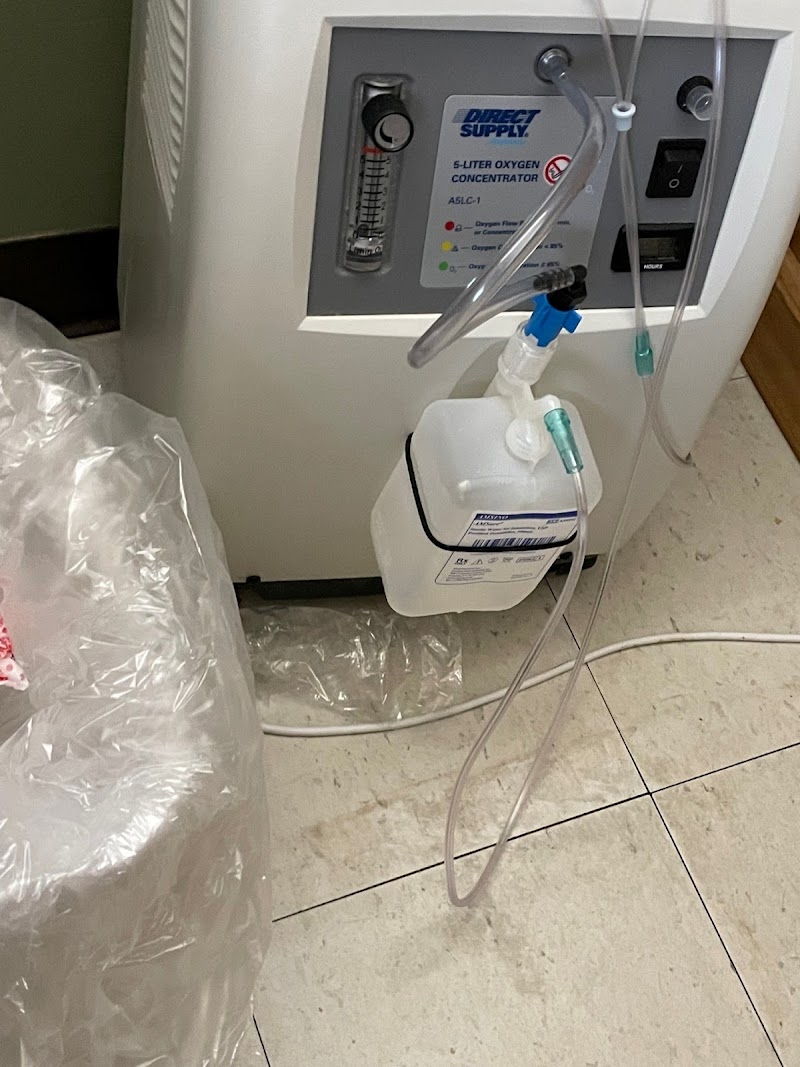
CMS rates Forrest Oakes Healthcare's staffing level at 2 out of 5 stars, which is below average compared to other nursing homes. Staff turnover is 62%, which is 16 percentage points above the North Carolina average of 46%. High turnover can affect care consistency as new staff learn residents' individual needs.

What Have Inspectors Found at Forrest Oakes Healthcare?

State health inspectors documented 41 deficiencies at Forrest Oakes Healthcare during 2022 to 2025. These included: 36 with potential for harm and 5 minor or isolated issues.

Who Owns and Operates Forrest Oakes Healthcare?

Forrest Oakes Healthcare is owned by a for-profit company. For-profit facilities operate as businesses with obligations to shareholders or private owners. The facility is operated by CONSULATE HEALTH CARE/INDEPENDENCE LIVING CENTERS/NSPIRE HEALTHCARE/RAYDIANT HEALTH CARE, a chain that manages multiple nursing homes. With 60 certified beds and approximately 49 residents (about 82% occupancy), it is a smaller facility located in Albemarle, North Carolina.

How Does Forrest Oakes Healthcare Compare to Other North Carolina Nursing Homes?

Compared to the 100 nursing homes in North Carolina, Forrest Oakes Healthcare's overall rating (2 stars) is below the state average of 2.8, staff turnover (62%) is significantly higher than the state average of 46%, and health inspection rating (2 stars) is below the national benchmark.

What Should Families Ask When Visiting Forrest Oakes Healthcare?

Based on this facility's data, families visiting should ask: "How do you ensure continuity of care given staff turnover, and what is your staff retention strategy?" "Can you walk me through typical staffing levels on day, evening, and night shifts?" "Can I visit during a mealtime to observe dining assistance and food quality?" "How do you handle medical emergencies, and what is your hospital transfer rate?" These questions are particularly relevant given the facility's high staff turnover rate and the below-average staffing rating.

Is Forrest Oakes Healthcare Safe?

Based on CMS inspection data, Forrest Oakes Healthcare has a clean safety record: no substantiated abuse findings (meaning no confirmed cases of resident harm), no Immediate Jeopardy citations (the most serious violation level indicating risk of serious injury or death), and is not on the Special Focus Facility watch list (a federal program monitoring the lowest-performing 1% of nursing homes). The facility has a 2-star overall rating and ranks #100 of 100 nursing homes in North Carolina. While no facility is perfect, families should still ask about staff-to-resident ratios and recent inspection results during their visit.

Do Nurses at Forrest Oakes Healthcare Stick Around?

Staff turnover at Forrest Oakes Healthcare is high. At 62%, the facility is 16 percentage points above the North Carolina average of 46%. High turnover means new staff may not know residents' individual needs, medications, or preferences. It can also be disorienting for residents, especially those with dementia who rely on familiar faces. Families should ask: What is causing the turnover? What retention programs are in place? How do you ensure care continuity during staff transitions?

Was Forrest Oakes Healthcare Ever Fined?

Forrest Oakes Healthcare has been fined $10,205 across 2 penalty actions. This is below the North Carolina average of $33,181. While any fine indicates a compliance issue, fines under $50,000 are relatively common and typically reflect isolated problems that were subsequently corrected. Families should ask what specific issues led to these fines and confirm they've been resolved.

Is Forrest Oakes Healthcare on Any Federal Watch List?

Forrest Oakes Healthcare is not on any federal watch list. The most significant is the Special Focus Facility (SFF) program, which identifies the bottom 1% of nursing homes nationally based on persistent, serious quality problems. Not being on this list means the facility has avoided the pattern of deficiencies that triggers enhanced federal oversight. This is a positive indicator, though families should still review the facility's inspection history directly.