Pruitthealth-Crystal Coast
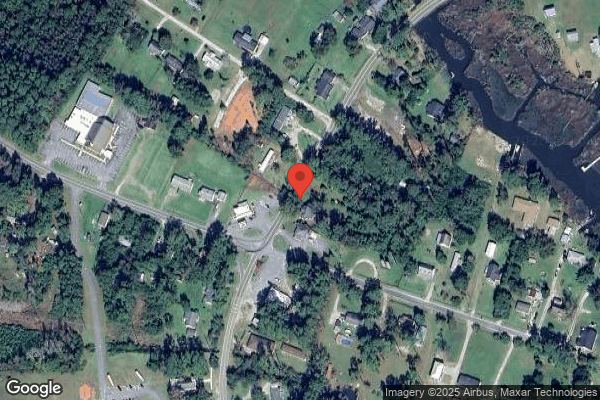
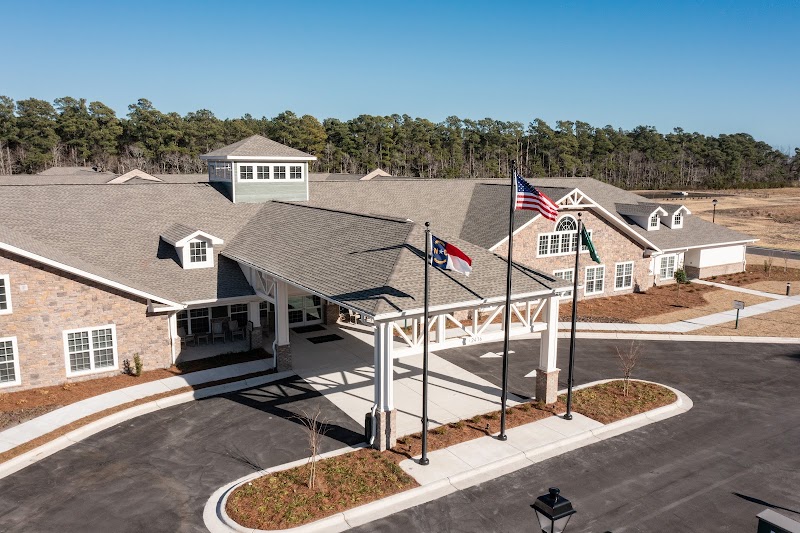
2416 US Highway 70 East, Beaufort, NC 28516 (252) 225-0112
For profit - Corporation 104 Beds PRUITTHEALTH Data: November 2025
Trust Grade
68/100
#188 of 417 in NC
Last Inspection: October 2024

Within standard 12-15 month inspection cycle. Federal law requires annual inspections.

Overview

Pruitthealth-Crystal Coast has a Trust Grade of C+, indicating it is decent and slightly above average among nursing homes. It ranks #188 out of 417 facilities in North Carolina, placing it in the top half, but is #3 out of 3 in Carteret County, meaning only one local facility is better. Unfortunately, the trend is worsening, with issues increasing from 2 in 2022 to 8 in 2024. Staffing is rated average with a 3/5 star rating and a turnover of 48%, which is slightly below the state average, but they have good RN coverage, exceeding 98% of state facilities. However, there are concerning incidents, such as residents not being allowed to personalize their rooms, potentially affecting their comfort, and food items in the kitchen not being properly labeled, which poses a risk to residents' health.
Trust Score
C+
68/100
In North Carolina
#188/417
Top 45%
Safety Record
Low Risk
No red flags
Inspections
Getting Worse
2 → 8 violations
Staff Stability
⚠ Watch
48% turnover. Above average. Higher turnover means staff may not know residents' routines.
Penalties
✓ Good
$3,728 in fines. Lower than most North Carolina facilities. Relatively clean record.
Skilled Nurses
✓ Good
Each resident gets 55 minutes of Registered Nurse (RN) attention daily — more than average for North Carolina. RNs are trained to catch health problems early.
Violations
○ Average
10 deficiencies on record. Average for a facility this size. Mostly minor or procedural issues.
★★★☆☆
3.0
Overall Rating
★★★☆☆
3.0
Staff Levels
★★☆☆☆
2.0
Care Quality
★★★☆☆
3.0
Inspection Score
Stable
2022: 2 issues
2024: 8 issues

The Good

  • Full Sprinkler Coverage · Fire safety systems throughout facility
  • No fines on record

Facility shows strength in fire safety.

The Bad

3-Star Overall Rating

Near North Carolina average (2.8)

Meets federal standards, typical of most facilities

Staff Turnover: 48%

Near North Carolina avg (46%)

Higher turnover may affect care consistency

Federal Fines: $3,728

Below median ($33,413)

Minor penalties assessed

Chain: PRUITTHEALTH

Part of a multi-facility chain

Ask about local staffing decisions and management

The Ugly 10 deficiencies on record

Nov 2024 1 deficiency
CONCERN (D) 📢 Someone Reported This

A family member, employee, or ombudsman was alarmed enough to file a formal complaint

Potential for Harm - no one hurt, but risky conditions existed

Accident Prevention (Tag F0689)

Could have caused harm · This affected 1 resident

**NOTE- TERMS IN BRACKETS HAVE BEEN EDITED TO PROTECT CONFIDENTIALITY** Based on record review, staff and physician interviews, the facility failed to provide close supervision to a severely cognitive...

Read full inspector narrative →
**NOTE- TERMS IN BRACKETS HAVE BEEN EDITED TO PROTECT CONFIDENTIALITY** Based on record review, staff and physician interviews, the facility failed to provide close supervision to a severely cognitively impaired resident and to implement effective interventions to prevent further falls when a resident was readmitted from the hospital after a fall. Resident #3 was at high risk for falls due to generalized weakness, lack of coordination, and impaired judgment. This deficient practice affected 1 of 3 residents reviewed for accidents. The findings included: Resident #3 was initially admitted to the facility on [DATE] with diagnoses which included orthopedic aftercare for fracture of left hip joint, presence of an artificial hip joint, Alzheimer's disease, vascular dementia severe with mood disturbance, peripheral vascular disease, osteoarthritis, chronic kidney disease stage 4, and long-term use of aspirin. A review of Resident #3's admission Minimum Data Set (MDS), dated [DATE], revealed the resident was severely cognitively impaired and had behavioral symptoms not directed towards others 1 to 3 days which put her at significant risk for physical illness or injury. The MDS indicated the resident had impairment on one side of her lower extremities and used a wheelchair as a mobility device. The MDS assessment indicated Resident #3's functional abilities as follows: 1) totally dependent on staff for sit to stand, chair/bed-to-chair transfer, and toilet transfers; 2) required the substantial/maximal assistance of staff for sit to lying and lying to sitting on side of bed; 3) walking 10 feet or her ability to bed/stoop from a standing position to pick up a small object was not assessed due to medical conditions or safety concerns. The MDS indicated Resident #3 had a fall in the last month prior to admission and had a fracture related to a fall in the 6 months prior to admission and had two or more falls since admission and had an injury (not major) on one fall. Resident #1's hospital Discharge summary dated [DATE] indicated she was admitted on [DATE] following a fall and was found to have areas of small volume subarachnoid hemorrhage (occurs when a blood vessel bursts and bleeds into the space between the brain and the membrane that covers it) at her right cerebral (brain) hemisphere. Neurosurgery recommended nonoperative management. She was noted to reply to questions, did not open her eyes, and was not oriented. Her discharge condition was listed as fair. The resident was discharged back to the facility on [DATE]. A review of Resident #3's Care Plan, active as of 10/04/24, included a problem/focus area for being at risk for falls and fall-related injury due to generalized weakness, lack of coordination, psychotropic drug use, personal history of falls and impaired judgement secondary to dementia (initiated 9/18/24). The goal of this problem was that the resident would have a reduced risk for falls and fall-related injury. Approaches to this problem included assisting for toileting and transfers as needed; cueing for safety awareness as often as necessary; frequent rounds to monitor for attempts to ambulate without assistance; if head injury is suspected, nursing to initiate neurological checks per facility protocol; and keep environment safe; and place call light within reach; fall from bed times two without injury on 09/23/24; moved closer to a nurses' station to facilitate more frequent observation; and fall mats to bedside to reduce risk for injury related to falls were discussed during morning meeting and declined at this time due to increased risk for falls due to weakness, lack of coordination, and impaired cognition limiting ability to navigate mats. A review of Resident #3's 10/05/24 fall incident report, completed by Nurse #1 on 10/05/24, indicated the resident had an unwitnessed fall and had been found lying on the floor of her room, with her face up, at 6:45 A.M. Nurse #1 indicated Resident #3 had an injury to her left lower extremity and that the resident complained of pain, rating it 6 out of 10 (10 being excruciating pain). The nurse noted the resident told her she had hit her head but had no obvious injuries. Nurse #1 indicated Resident #3's speech was clear, she responded to her name, she was agitated and complained of a headache. The nurse documented the resident's neurological exam as being normal, and documented first aid was rendered to the left lower extremity skin tear versus laceration by applying a dressing. The report indicated Resident #3 was not moved from the floor and a nursing assistant (NA) stayed with her until an Emergency Medical Technician (EMT) arrived. A review of the Facility Event Investigation form, dated 10/05/24, revealed Resident #3 had been found on the floor, face up, next to her bed. Prior to the fall, the author of the form indicated the resident had been in her bed, which had been in a low position, and that her call bell was in place. The author indicated that Resident #3 was very confused and unaware of her limitations and noted that dementia and prior falls had been contributing factors. A review of Resident #3's change in condition communication form, completed by Nurse #1 on 10/05/24, revealed that Resident #3 was sent to the emergency room (ER). It indicated history of falls and dementia as other relevant information. Vital signs were documented as within normal limits and the nurse documented that Resident #3 has been more agitated and vocal tonight and that she had been yelling a lot this shift and had a 4 inch laceration versus skin tear to her left lower extremity. Nurse #1 documented the resident was having pain and wrote that it was hard to tell if pain is new, has been yelling all night. The nurse documented notifications were made to the facility's medical director and the resident's Responsible Party and 911 had been called. A telephone interview was conducted with Nurse #1 on 11/14/24 at 9:24 A.M. Nurse #1 confirmed she worked on 10/04/24 from 7PM until 7AM on 10/05/24 and had been assigned to care for Resident #3. Nurse #1 explained that she rounded on all of her residents after getting report from the off-going nurse. Nurse #1 stated that Resident #3 was always extremely confused and frequently tried to climb out of her bed. She stated that she was not sure of the falls prevention interventions that may have been in place for Resident #3, but she always made sure that all of her residents' beds were in the low position, that they had non-skid socks on, placed their call bells within their reach, and educated the residents to call for assistance when needed. Nurse #1 stated Resident #3's cognition was poor and stated she tried to educate her on calling for assistance but before she would walk away, the resident had already forgotten what she told her. When asked about Resident #3's 10/05/24 fall, Nurse #1 stated she did not recall that fall. A telephone interview was conducted with Nurse #2 on 11/14/24 at 4:49 P.M. Nurse #2 confirmed she had been the one who found Resident #3 on the floor in her room on 10/05/24; she could not recall the time she found the resident, only that it was around the time of her medication pass. She explained she had been walking down the 600 hall and when she passed by Resident #3's room, she noticed her lying on the floor. She stated she went into the resident's room, quickly assessed her, and then called out for help. Nurse #2 stated there was a lot of blood and determined it had come from an injury one of her lower legs but was unable to recall which leg. She was able to recall that Resident #3 did not have socks on, her bed had been in the lowest position, and confirmed there were no fall mats beside the bed. Nurse #2 further explained that once Nurse #1 arrived at the resident's room, she stayed and dressed the resident's leg wound and then left the room. Nurse #2 stated she had been unaware that Resident #3 was considered a high fall risk and was unsure as to what fall prevention interventions had been in place for the resident. Nurse #2 stated she had been informed by Nurse #1 that the resident had other falls recently and that one of them had resulted in a brain bleed, and because of that, Nurse #1 told her that she was sending the resident out the ER for evaluation. A telephone interview was conducted with Nursing Assistant (NA) #2 on 11/14/24 at 10:53 A.M. NA #2 confirmed she had worked 10/04/24 from 7PM until 7AM on 10/05/24 and had been assigned to care for Resident #3. NA #2 stated she had never been assigned to care for the resident before that shift but had been aware the resident had a lot of falls and had been considered a high fall risk. NA #2 explained that Resident #3 had been very confused throughout the night and had been yelling out almost all night. NA #2 stated that another NA (who she had been unable to recall), informed her the resident was always trying to get out of her bed. She indicated because of this, she made sure to keep the resident's bed in a low position and used pillows around her body and under her legs to help keep her positioned in the center of the bed. NA #2 stated that because another resident (who resided in a room near Resident #3's room) was actively dying and had family present through the night, she had tried to check on Resident #3 frequently because she wanted to keep her clean and dry and attempt to calm and quiet her. NA #2 stated that despite using the pillows, Resident #3 would push them away or kick away the one under her legs. She said that one time during the night, she found the resident with her legs hanging off one side of the bed and she had to pick them up and position her body in the center of the bed. NA #2 stated she recalled that Resident #3 settled down and slept for approximately one hour that night but that the rest of the night had been a challenge. A telephone interview was conducted with NA #3 on 11/14/24 at 11:16 A.M. NA #3 confirmed she worked 10/04/24 from 7PM until 7AM on 10/05/24 and had not been assigned to care for Resident #3. NA #3 was unsure who found the resident on the floor the morning of 10/05/24 and thought it might have been a nurse. NA #3 stated she might have been assigned to care for the resident once or twice in the past but could not recall any specific fall prevention interventions that had been put into place for the resident. NA #3 stated she had been in the resident's room several times throughout the night because the resident had been hollering all night. After it was made known to her that the resident had fallen, she went to the room to assist. She stated she recalled noticing Resident #3's bed had been in the low position. NA #3 stated she thought the resident had gotten a cut on one of her legs but was unsure which leg and where the cut was. She remembered the resident did not complain about having any pain but said the resident kept telling the staff to get her up off the floor. NA #3 explained that she sat with the resident on the floor until EMS arrived. A telephone interview was conducted with Nurse #3 on 11/14/24 at 11:49 P.M. Nurse #3 confirmed he worked 10/05/24 from 7AM until 7PM on 10/05/24 and had been assigned to care for Resident #3. Nurse #3 stated he vaguely remembered caring for the resident that morning. He stated he knew that she had a fall that morning which required him to check her vital signs and do neurological checks and thought he may have had time to do one set of the neurological checks prior to the resident leaving with EMS. Nurse #3 stated he had been aware that Resident #3 was considered a high fall risk and that she had dementia and had been very confused. He was unsure of any injuries the resident may have sustained from the fall on 10/05/24 and stated the resident did not return to the facility that day. A review of the Emergency Medical Services (EMS) 10/05/24 transport record for Resident #3 revealed they had been called by the facility to transport Resident #3, who had fallen, to the local hospital. EMS assessments were documented and included normal vital signs and normal Glasgow Coma Scale (a clinical scale used to measure a person's level of consciousness after a brain injury) scores. Their documentation indicated Resident #3 had fallen 2 feet from her bed to the floor on 10/05/24 at 6:25 A.M. which resulted in a 1.5-inch abrasion to her inner right ankle. Computed Tomography (CT) scan of the head completed on 10/5/24 with a comparison to a previous CT scan from 10/02/24 indicated evolving right greater than left predominantly frontal convexity (surface of the brain) subarachnoid hemorrhages. An interview was conducted with the facility's Medical Director (MD) on 11/14/24 at 3:13 p.m. The MD stated that Resident #3 was very confused and also very fragile and weak. He stated that she was strong enough to stand up but not strong enough to stay up, so when she would stand up, she would go right down. The MD recalled she fell on the day of her admission to the facility (09/11/24) and had several more falls throughout the course of her stay. The MD thought that he remembered reading in her hospital records after the fall on 09/11/24 and that she might have had a mild heart attack which could have contributed to that fall. He explained she had been placed on Plavix (blood thinner) and aspirin for its anticoagulant properties as Resident #3 was not a candidate for a heart catheterization secondary to her multiple medical comorbidities including kidney disease. (Plavix and aspirin were held on readmission [DATE].) The MD stated he had been made aware of Resident #3's fall at the facility on 10/05/24 and could not recall the exact reason he sent her to the hospital but that he relied on the nurse's assessment and request to send her out for evaluation and treatment at the hospital as he had not been in the facility at the time of that fall. He also recalled her fall on 10/02/24 where her fall had caused a subarachnoid hemorrhage and stated the CT scan taken on 10/05/24 resulted in evolving right greater than left subarachnoid hemorrhages which he explained as the hemorrhages were worsening. In other words, he said the hemorrhages she had suffered from the 10/02/24 fall were not resolving. He further explained that Resident #3 was a very sick individual, and she had been sent back to the facility after the 10/02/24 fall because nothing could be done medically for her. The MD said he would expect the facility to have the same generic fall prevention interventions with all their residents who were considered a high fall risk. He did not elaborate on what these generic fall prevention interventions were. He also stated that the facility could not provide one on one supervision to residents who were considered a high fall risk. When asked, the MD stated that he would expect the facility to provide the same generic fall prevention interventions to a resident with a subarachnoid hemorrhage as they would to any resident that was deemed a high fall risk. The MD indicated Resident #3's prognosis was very grim as any resident's mortality rate increased after a fractured hip. He concluded and said that Resident #3 had significant mental status changes after the fall that resulted in her broken hip prior to admission to the facility. A telephone interview was conducted with the Director of Nursing (DON) on 11/15/24 at 2:53 P.M. The DON confirmed that he was responsible for reviewing residents' falls in the facility as he was the Falls Coordinator. He stated that he was not fully aware of the facility's policy related to falls and putting fall prevention interventions in place after a resident's fall. He explained that he had yet to be trained by anyone regarding this. The DON further explained that he had wanted to discuss the falls policy with a corporate consultant and had been told they would come to the facility for this, however, they never came. He stated that he did have conversations with Resident #3's family regarding them hiring someone to sit with her for a one-to-one supervision to help prevent falls but stated he was not sure of the facility's policy for allowing this. The Administrator provided a statement via email on 11/15/24 at 3:55 P.M. A root-cause-analysis of Resident #3's falls and/or corrective action plan was not completed before this date. The Administrator wrote, It is the expectation of our facility that all nursing staff follow our policies regarding falls.
Oct 2024 5 deficiencies
CONCERN (D)

Potential for Harm - no one hurt, but risky conditions existed

Assessment Accuracy (Tag F0641)

Could have caused harm · This affected 1 resident

**NOTE- TERMS IN BRACKETS HAVE BEEN EDITED TO PROTECT CONFIDENTIALITY** Based on record review and staff interviews, the facility failed to code the Minimum Data Set (MDS) accurately for hospice for 1...

Read full inspector narrative →
**NOTE- TERMS IN BRACKETS HAVE BEEN EDITED TO PROTECT CONFIDENTIALITY** Based on record review and staff interviews, the facility failed to code the Minimum Data Set (MDS) accurately for hospice for 1 of 1 resident reviewed for hospice (Resident #6). The findings included: Resident #6 was admitted into the facility on 8/29/24 with diagnoses that included dementia, and chronic obstructive pulmonary disease. A review of Resident #6 Physician orders dated 8/31/24 revealed an order to admit to hospice services. A review of Resident #6's primary payer on her face sheet revealed it was hospice. A review of Resident #6's care plan dated 9/5/24 revealed a care plan problem of Resident #6 is receiving hospice services. A review of Resident #6's admission Minimum Data Set, dated [DATE] indicated that the resident was not on hospice care but did have a a condition or chronic disease that may result in a life expectancy of less than 6 months A review of Resident #6's Care Area Assessment for MDS dated [DATE] revealed under cognitive loss/dementia section detailed under supporting documentation was noted to see the Brief Interview for Mental Status Assessment, Progress Notes, Hospice Notes, the International Classification of Diseases 10, and Mood Assessment. An interview conducted with the MDS Coordinator on 10/1/24 at 1:24 PM indicated that Resident #6 was admitted to hospice care on 8/31/24 and that hospice services are ongoing. A review of the admission MDS dated [DATE] indicated Resident #6 was not on hospice care was reviewed with the MDS Coordinator. The MDS Coordinator revealed the admission MDS assessment was incorrectly coded for hospice. She stated that it was simply an oversight on her part. An interview conducted with the Administrator on 10/2/24 at 9:00 AM stated the admission MDS assessment for resident # 6 should have been marked to indicate hospice and a modification would be completed.
CONCERN (D)

Potential for Harm - no one hurt, but risky conditions existed

Deficiency F0805 (Tag F0805)

Could have caused harm · This affected 1 resident

**NOTE- TERMS IN BRACKETS HAVE BEEN EDITED TO PROTECT CONFIDENTIALITY** Based on observation, record review, resident interview and staff interviews the facility failed to provide food in a form to me...

Read full inspector narrative →
**NOTE- TERMS IN BRACKETS HAVE BEEN EDITED TO PROTECT CONFIDENTIALITY** Based on observation, record review, resident interview and staff interviews the facility failed to provide food in a form to meet the individual needs of a resident with a physician's order to upgrade diet to mechanical soft/finger foods with thin liquids for 1 of 5 Residents sampled for nutrition (Resident #4). Findings included: Resident#4 was admitted to the facility on [DATE] with diagnoses including dysphagia. Review of a progress note by the Dietary Manager (DM) dated 08/05/2024 revealed Resident receiving a puree diet. Resident stated no chewing or swallowing problems. Resident wants to be upgraded in his diet and informed resident he must be evaluated by Speech Therapy (ST) before that can happen and he understood. Resident # 4 was independent with meals after tray set up. Continue to monitor weight and meal intake. The quarterly Minimum Data Set (MDS) dated [DATE] had Resident #4 coded as cognitively intact, required supervision with eating and he was on a mechanically altered diet with no oral issues. Review of a speech therapy note dated 09/17/2024 revealed Resident #4 was currently on puree diet. The Resident has had eating trials of mechanically soft diet with no overt signs and symptoms of aspiration. Review of physician's order dated 09/20/2024 revealed an order to upgrade diet to mechanical soft/finger foods with thin liquids. Review of speech therapy note dated 09/26/2024 revealed Resident #4 seen in room for dysphagia therapy. Trial meal mechanical soft with thin liquids. There were no overt signs or symptoms of aspiration with solids or liquids. Resident #4 does need assist to cut finger foods into manageable pieces. Recommend diet upgrade to mechanical soft/ finger foods with thin liquids. Review of Resident #4's meal ticket dated 09/30/2024 revealed regular pureed diet. Observation of Resident #4 on 09/30/2024 at 12:26 PM Resident #4 was served a pureed regular diet. Review of dietary communication form dated 10/03/2024 revealed Resident #4 diet change to mechanical soft with finger foods and regular liquids. An interview with Resident #4 was conducted on 09/30/2024 at 12:26 PM. Resident #4 stated he spoke with the DM and told her he wanted to stop the pureed diet because he did not like the texture. He had speech therapy for about a month and had completed it. Resident #4 indicated he could eat a more textured diet with finger foods. An interview with the DM was conducted on 09/30/2024 at 12:47 PM. The DM stated he was referred to speech therapy and she did not know if he passed his swallow test and did not follow up on it. The DM also stated that is the reason he still was on a pureed diet. An interview with Speech Therapy (ST) was conducted on 10/03/2024 at 11:55 AM. The ST stated Resident #4 had been on a pureed diet off and on over the years due to dysphagia. He was referred to speech therapy due to weight loss and he did not have any swallowing issues, and his diet was upgraded to mechanical/soft with finger foods and thin liquids. The ST also stated she put in the order for the upgraded diet and was waiting for the physician to sign the order and did not follow up on it. Another interview with the DM was conducted on 10/03/2024 at 12:36 PM. The DM stated when there was an upgraded diet from the ST, the ST gives her a dietary communication form and she changes the diet. The DM also stated she did not receive a communication form for Resident #4 until today (10/03/2024). An interview with the Director of Nursing (DON) was conducted on 10/03/2024 at 1:04 PM. The DON stated when there was a diet change then it was expected to be changed at the time of the change without delay so the residents can receive the most therapeutic diet. An interview with the Administrator was conducted on 10/03/2024 at 1:14 PM. The Administrator stated Resident #4 did have a diet upgrade from the ST and it should have been communicated to the DM at the time of the diet change.
CONCERN (E)

Potential for Harm - no one hurt, but risky conditions existed

Notification of Changes (Tag F0580)

Could have caused harm · This affected multiple residents

**NOTE- TERMS IN BRACKETS HAVE BEEN EDITED TO PROTECT CONFIDENTIALITY** 3. Resident #45 was admitted into the facility on 8/29/24 with the diagnoses of adult failure to thrive, type 2 diabetes mellitu...

Read full inspector narrative →
**NOTE- TERMS IN BRACKETS HAVE BEEN EDITED TO PROTECT CONFIDENTIALITY** 3. Resident #45 was admitted into the facility on 8/29/24 with the diagnoses of adult failure to thrive, type 2 diabetes mellitus, severe protein calorie malnutrition and dementia, muscle weakness, chronic kidney disease stage 3, cachexia (loss of muscle, fat mass and weakness), hypertension, multiple myeloma (in remission), gastroesophageal reflux disease, congestive heart failure, diastolic congestive heart failure and metabolic encephalopathy. A review of Resident #45's admission Minimum Data Set, dated [DATE] revealed he was cognitively intact; his vision was highly impaired; he required his meal tray set up by staff and had no skin issues. A review of Resident #45's wound assessments revealed on 9/18/24 an area on his sacrum measuring 2 cm x 1cm was noted, on 10/1/24 a pressure area on his right heel measuring 2 centimeters (cm) x 2 cm was noted, also on 10/1/24 a stage I (intact blister) was noted on his left ankle. A review of Resident #45's weight record indicated on 8/29/24 he weighed 168.70 pounds and on 9/5/24 he weighed 149.70 a loss of 11.26% in one week, 9/29/24 he weighed 116 pounds indicating a 31.24 % weight loss in one month. A review of Resident #45's physician orders included an order for a liquid supplement twice a day with a start date of 9/11/24, on 10/2/24 an appetite stimulant was ordered, a liquid shake supplement ordered with meals three times a day, and another liquid supplement ordered four times a day with medications. An interview conducted with the resident's Responsible Party on 10/2/24 at 11:13 AM revealed that she was not notified by the facility of either the weight loss or the development of pressure areas. She stated that when she arrived at the facility, she was shocked when she pulled down the covers and saw how much weight he had lost. She further stated that because she does help with turning and repositioning that she had seen the area on his sacrum. She stated no one from the facility had notified her yesterday (10/1/24) regarding the newly developed areas on his right heel and left ankle. An interview conducted with the Dietary Manager on 10/2/24 at11:18 AM indicated that the facility does have a weekly weight meeting which consisted of the two Social Workers, the MDS Coordinator, Activity Director and herself. She stated that the Physician should have been notified after the first significant weight loss and interventions should have been put into place and it was an oversight on her part. She further stated that she had not called Resident #45's Responsible Party or the Physician regarding his weight loss and realized she should have. An interview conducted with the Physician on 10/02/24 11:46 AM indicated that he had not been informed of any weight loss of the residents. He stated that he liked checks and balances and should have been informed of the weight loss so that interventions could be implemented. An interview with the Wound Care Nurse on 10/2/24 at 1:00 PM revealed that she did not call the responsible party regarding new skin issues, but she does call them if the treatment was changed. She stated that she does not document when she talks to the resident's responsible parties and documents the bare minimum on areas that she is treating due to the amount of wound care that she does. She further revealed that she had not talked to or called Resident #45's Responsible Party regarding his areas on his sacrum, right heel or left ankle. An interview was conducted with the Administrator on 10/2/24 at 2:00 PM indicated that resident's responsible party should be notified of any changes in a resident's condition which included new orders, test results, and any areas that impacted the residents care and/or treatment. 4. Resident #81 was admitted into the facility on 7/25/24 with the diagnoses of pneumonia, hip fracture, cerebrovascular accident, dementia and anxiety disorder. A review of Resident #81's Minimum Data Set, dated [DATE] included she had moderately difficulty in hearing and used hearing aids, had no problems communicating, moderately cognitively impaired, had no behaviors or rejection of care and no indicators of psychosis. A telephone interview conducted with a family member on 10/2/24 at 6:00 PM revealed that Resident #81 was unable to speak and was in the dying process and she was the point of contact for her mother. She revealed that the family was not made aware of new orders, test results and the overall decline of their mother. She stated the family had seen a pressure ulcer above the crack of her mother's buttocks that they were never informed of during their mother's care. On Saturday September 28th, 2024, the family walked in, and Resident #81 was kind of communicating with them but not at all what she normally did and on Sunday September 29, 2024, Resident #81 would not wake up at first and later woke up a little and there was no notification from the facility on either day regarding their mother's condition. The family member further stated that Resident #81's anxiety medication that she had taken for 20 plus years was discontinued without their knowledge. During this time Resident #81 was confused, hallucinating, and paranoid. The family found out Resident #8's antianxiety medication had been discontinued on 8/29/24 once it was restarted on 9/9/24 all her mothers' symptoms of confusion, paranoia, and hallucinations were resolved. An interview was conducted with the Administrator on 10/2/24 at 2:00 PM indicated that families should be notified of any changes in a resident's condition which included new orders, test results, and any areas that impacted the residents care and/or treatment. Based on record review, staff interviews and physician interview the facility failed to inform the physician of a change in the residents' nutritional status and failed to notify the responsible party of changes in a resident's condition including skin integrity impairment and/or weight loss for 4 of 5 residents sampled for nutrition. (Resident #4, Resident #41, Resident #45, and Resident #81) The findings included: 1. Resident #4 was admitted to the facility on [DATE] with diagnoses including dysphagia. Review of Resident #4's weights revealed: 08/06/2024 112.1 pounds (lbs.) 09/03/2024 103.9 lbs. 09/16/2024 105.7 lbs. 09/23/2024 106 lbs. 10/01/2024 104.6 lbs. There was a decrease of 7.31% from 8/06/2024 (112.1lbs) to 9/03/2024 (103.9lbs). Review of Resident #4's medical record for September revealed there was no documentation that the physician was notified of the significant weight loss. An interview with the Physician was conducted on 10/02/24 at 11:46 AM. The physician stated he had not been informed of any weight loss for Resident #4. He also stated that he liked checks and balances and should have been informed of the weight loss. An interview with the DM was conducted on 10/02/24 at 11:42 AM. The DM stated Resident #4 had significant weight loss and when there was a significant weight change of 5% or more the physician should be called. The DM also stated she was responsible for calling the physician and she did not call due to an oversite. An interview with the Director of Nursing (DON) was conducted on 10/03/2024 at 1:04 PM. The DON stated when there was a significant weight loss of 5% or greater, the physician was supposed to be made aware and could not say why he was not made aware by the DM. An interview with the Administrator was conducted on 10/03/2024 at 1:14 PM. The Administrator stated when there was a decrease in weight of 5% or more then the physician was supposed to be made aware. 2. Resident #41 was admitted to the facility on [DATE] with diagnoses including coronary artery disease. Review of Resident #41 weights revealed: 08/06/2024 148.0 pounds (lbs.) 08/12/2024 141.3 lbs. 08/19/2024 143.7 lbs. 08/26/2024 139.4 lbs. 09/03/2024 144.5 lbs. 09/09/2024 140.2 lbs. There was a significant weight loss of 5.27% from 8/06/2024 (148) to 9/09/2024 (140.2). Review of Resident #4's medical record for September revealed there was no documentation the physician was notified of the significant weight loss. An interview with the Physician was conducted on 10/02/24 at 11:46 AM. The physician stated he had not been informed of any weight loss for the residents. He also stated that he liked checks and balances and should have been informed of the weight loss so that interventions could be implemented. An interview with the DM was conducted on 10/02/24 at 11:42 AM. The DM stated Resident #41 had a significant weight loss and when there was a significant weight change of 5% or more the physician should be called. The DM also stated she was responsible for calling the physician and she did not call due to an oversite. An interview with the Director of Nursing (DON) was conducted on 10/03/2024 at 1:04 PM. The DON stated when there was a significant weight loss of 5% or greater, the physician was supposed to be made aware and could not say why he was not made aware by the DM. An interview with the Administrator was conducted on 10/03/2024 at 1:14 PM. The Administrator stated when there was a decrease in weight of 5% or more then the physician was supposed to be made aware.
CONCERN (E)

Potential for Harm - no one hurt, but risky conditions existed

Safe Environment (Tag F0584)

Could have caused harm · This affected multiple residents

Based on record review, and resident, ombudsman, and staff interviews, the facility failed to allow the residents to personalize their space by restricting their ability to hang any items on the walls...

Read full inspector narrative →
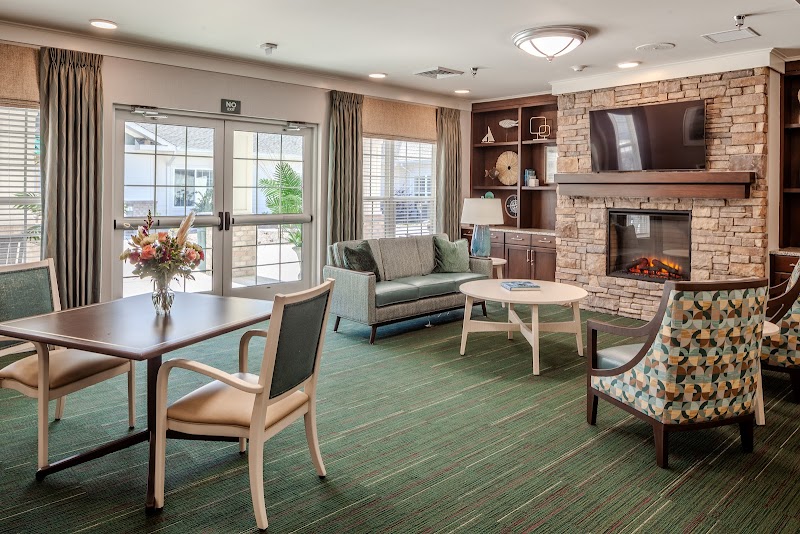
Based on record review, and resident, ombudsman, and staff interviews, the facility failed to allow the residents to personalize their space by restricting their ability to hang any items on the walls or doors to their rooms to include pictures and decorations and not permitting the residents to bring in their own furniture. The residents expressed feeling as though it was impossible to make their rooms homelike with these restrictions. This deficient practice affected 5 out of 5 residents (Resident #19, # 54, #50, #16 and #25) reviewed for homelike environment and had the potential to affect other facility residents. The findings included: A review of the Residents Council minutes revealed that on 1/16/24 a Resident Council meeting was attended by Residents #22, #27, #46, #24, #16, #37, #65, #3, #70, #57, #55, and #35. The meeting was conducted to explain and prepare the residents for the move to a new building. In that meeting it was discussed that certain things would not be allowed these included: - No items on the walls - No tape on the walls - No nails in the walls - Nothing on the floor - Nothing in the blinds - Nothing on the doors - No refrigerators The 5 residents (#19, #54, #50, #16, and #25) in the Resident Council Meeting conducted on 10/1/24 at 2:45 PM all stated that they were unable to make their own rooms to their liking which included hanging pictures on the walls and/or wreaths on the doors. The Resident Council President (Resident #50) stated they felt that not being able to decorate at all but put a few pictures on the furniture in the room was stopping them from making their rooms feel like their home. They further stated they wanted pictures of their families or just beautiful pictures on the wall and they only had a cloth-covered bulletin board to hang anything on. The residents also stated they were not able to keep any food from families in the facility refrigerators or have a refrigerator of their own. The residents in the Resident Council meeting stated it was impossible to make their rooms homelike with such restrictions. An interview was conducted with the Resident #50 10/1/24 at 3:30 PM who stated she wanted to be able to put pictures of her family on the walls, that right now her room was just like every other room in the building, so it did not feel like her home. An interview was conducted with Resident #54 on 10/1/24 at 3:40 PM who stated with the holidays coming up she wanted to hang different wreaths on her door to celebrate them but was not allowed to. She further stated that the only thing they had in their room was a cloth-covered bulletin board to put pictures on, which was not enough room for what she wanted to put up. She further stated that she wanted to be able to decorate her room how she wanted to make it feel like hers. An observation of a resident's room on 10/2/24 at 4:05 PM noted there was an area on the wall that had a wardrobe with shelves the residents could use to put pictures or whatever they wanted to on, a bedside table, and a cloth-covered bulletin board. An interview with the Ombudsmen on 10/2/24 at 2:50 PM revealed that the residents had also brought concerns of not being able to decorate the room or hang pictures on the walls to her attention when she met with them. She stated she was glad the residents brought their concern regarding not being able to put pictures on the walls or decorate their doors as she felt they should be able to but felt like her hands were tied. She stated she had discussed this with the Administration after the meeting and it was a directive from the corporate office that was being followed. The Ombudsmen further stated she had told the residents to continue to be patient, work with the facility and remember it was a new building. An interview with the Administrator on 10/3/24 at 9:00 AM indicated the directive she received from the corporate office said nothing on the walls, or doors, and residents may not bring their own furniture into the building. She stated prior to moving into the new building the residents that were coming over from the old building were made aware of the rules and it was part of the admission packet for all residents. She stated she was following the direction of her corporate office. She further stated that in the other building the residents covered their walls with pictures so that you could hardly see the color of the walls which was the reason for no pictures on the walls. She further stated that there was a wardrobe in the room with areas the residents could put pictures on along with a bedside table, so the residents were able to have pictures in their rooms.
CONCERN (E)

Potential for Harm - no one hurt, but risky conditions existed

Food Safety (Tag F0812)

Could have caused harm · This affected multiple residents

Based on observation and staff interviews, the facility failed to label opened food items, stored in their walk-in refrigerator in the kitchen, with the date opened and a use-by or expiration date. Th...

Read full inspector narrative →
Based on observation and staff interviews, the facility failed to label opened food items, stored in their walk-in refrigerator in the kitchen, with the date opened and a use-by or expiration date. This practice had the potential to affect foods served to the residents. The findings included: On 09/29/24 at 11:45 a.m., an observation of the of the walk-in refrigerator in the kitchen was conducted with the Assistant Dietary Manager (ADM). The observation revealed the following: --bag of thawed crab cakes - no label, no date opened, no use-by or expiration date --bag of shredded cheddar cheese - with a handwritten date of 09/23/24, no use-by or expiration date --bag of cheese slices - with a handwritten date of 09/16/24, no use-by or expiration date --bag of sliced ham - with a handwritten date of 09/25/24, no use-by or expiration date --bag of sliced ham - with a handwritten date of 09/23/24, no use-by or expiration date --bag of 1 thawed croissant - with a handwritten date of 09/21/24, no use-by or expiration date --bag of thawed croissants - with a handwritten date of 09/24/24, no use-by or expiration date An interview was conducted with the Assistant Dietary Manager (ADM) on 09/29/24 at 12:05 p.m. The ADM stated opened food items should be labeled with the date opened and a use-by and/or an expiration date. She stated opened food items should be discarded after three days. An interview was conducted with the Dietary Manager (DM) on 10/02/24 at 11:00 a.m. The DM explained the staff of the Dietary Department had been trained many times to label and date opened food items. She further explained that the number of staff working in the kitchen was based on the facility's census and she thought that their failure to label and date opened food items may have been because the staff felt hurried to complete their kitchen tasks timely while still trying to accommodate the residents many requests for certain foods at mealtimes. The DM stated that it was her expectation that staff label and date opened food items and to discard items after three days. An interview was conducted with the Administrator on 10/02/24 at 1:30 p.m. The Administrator stated it was her expectation that any time the kitchen staff open a new food item that it is labeled and dated and then discarded according to their policy.
Aug 2024 2 deficiencies
CONCERN (D) 📢 Someone Reported This

A family member, employee, or ombudsman was alarmed enough to file a formal complaint

Potential for Harm - no one hurt, but risky conditions existed

Deficiency F0761 (Tag F0761)

Could have caused harm · This affected 1 resident

**NOTE- TERMS IN BRACKETS HAVE BEEN EDITED TO PROTECT CONFIDENTIALITY** Based on observations and staff interviews the facility failed to secure resident medications stored in an unattended medication...

Read full inspector narrative →
**NOTE- TERMS IN BRACKETS HAVE BEEN EDITED TO PROTECT CONFIDENTIALITY** Based on observations and staff interviews the facility failed to secure resident medications stored in an unattended medication cart and left medications on top of the cart in a unit with residents with dementia (800 hall medication cart), for 1 of 4 medication carts. The findings included: A continuous observation was conducted of the 800 hall medication cart, on a unit with residents with dementia, on 8/15/24 from 11:40 to 11:45 AM, followed immediately by an interview with Nurse #1. The cart was parked midway down the hall near room [ROOM NUMBER], facing out. The cart was not visible from the nurse's station. The medication cart was observed to have the red dot on the push lock visible, which meant the push lock was not engaged. There was no staff member with the medication cart. Nurse #1 came out of resident room [ROOM NUMBER] which was approximately 2 doors down the hall on the opposite side. She returned to the medication cart at 11:45 AM. Nurse #1 opened the top drawer without having to unlock the cart. During an interview with Nurse #1 when she returned to the cart, she stated she left the medication cart unlocked. She further stated the cart should be locked any time she was not using it. During the interview, and upon closer observation, it was observed there was an unattended medication cup of pills on top of the unattended medication cart. Nurse #1 stated she should have locked the pills in cart before she walked away. An interview with the Administrator was conducted on 8/15/24 at 3:00 PM and she revealed medication carts should not be unlocked unless the nurse was using it. The Administrator stated the nurse assigned to that medication cart was responsible for it for their entire shift. She further stated medication should not be left unattended and the nurse should lock them in the cart if not administering them immediately.
CONCERN (E) 📢 Someone Reported This

A family member, employee, or ombudsman was alarmed enough to file a formal complaint

Potential for Harm - no one hurt, but risky conditions existed

Safe Environment (Tag F0584)

Could have caused harm · This affected multiple residents

**NOTE- TERMS IN BRACKETS HAVE BEEN EDITED TO PROTECT CONFIDENTIALITY** Based on observations, staff and resident interviews, the facility failed to keep 3 of 8 resident rooms (Rooms #204, #206 and #7...

Read full inspector narrative →
**NOTE- TERMS IN BRACKETS HAVE BEEN EDITED TO PROTECT CONFIDENTIALITY** Based on observations, staff and resident interviews, the facility failed to keep 3 of 8 resident rooms (Rooms #204, #206 and #706) and 4 of 4 day rooms at a temperature of 71 degrees to 81 degrees Fahrenheit (F). Findings included: An observation of the thermostat in the 700 hall day room on 8/14/24 at 8:40 AM revealed the temperature to be 61 degrees F. The thermostat was set for the room to be 72 degrees F. The room felt cold. A resident in a wheelchair was in the room and she stated her hands were cold. An observation of the thermostat in the 400 hall day room on 8/14/24 at 12:54 PM revealed the temperature to be 65 degrees F and the room felt cold. The thermostat was set for the room to be 72 degrees F. An observation of the thermostat in the 200 hall day room on 8/14/24 at 1:05 PM revealed the temperature to be 64 degrees F and the room felt cold. The thermostat was set for the room to be 71 degrees F. An observation of the thermostat in the 100 hall day room on 8/14/24 at 1:15 PM revealed the temperature to be 66 degrees F and the room felt cold. The thermostat was set to 71 degrees F. An interview with 1 of the 3 residents who resided in room [ROOM NUMBER] on 8/15/24 at 11:30 AM, revealed his room was cold so he was wearing a sweater. He stated the hallway was cold as well. Resident #1 revealed he did not know how to operate the thermostat in his room. He further revealed he had not asked staff to adjust the thermostat. An observation of the thermostat in the room revealed the temperature to be 69 degrees F. During an interview with 1 of the 3 residents who resided in room [ROOM NUMBER] on 8/15/24 at 11:35 AM, he stated his room was too cold. He further stated he was wearing a quilted jacket to keep warm. The resident revealed the hallway was colder than his room and he did not know how to operate the thermostat in his room. Resident #2 had not asked staff to adjust the thermostat. An observation of the thermostat in the room revealed the temperature to be 68 degrees. During an interview with 1 of the 3 residents who resided in room [ROOM NUMBER] on 8/15/24 at 11:45 AM, he stated his room was too cold, but he did not know how to work the thermostat in his room. He further stated he wore extra layers to keep warm. He had not asked staff to adjust the thermostat. An observation of the thermostat in the room revealed the temperature to be 68 degrees. An interview with Nurse #1 on 8/14/24 at 8:30 AM revealed the 700 hallway and day room were very cold today and she had called the Maintenance Director to tell him the rooms were cold. She stated the building had problems with being too cold since it opened in March. Nurse #1 further stated she did not know how to operate thermostats in resident rooms and the day room thermostat was locked so it could only be accessed by Maintenance. Follow up observations conducted on 8/15/24 from 2:00 PM until 2:12 PM revealed the temperature to be 72 degrees F in room [ROOM NUMBER], 72 degrees F in room [ROOM NUMBER], and 72 degrees F in room [ROOM NUMBER]. Follow-up observations were conducted with the Maintenance Director on 8/15/24 from 2:34 PM to 2:44 PM of the temperatures in the day rooms on the 100 hall, 200 hall, 400 hall, and 700 hall. The observation of the 700 hall dayroom revealed the air temperature to be 68 degrees F, tested by temperature gun in the center of the room pointed straight ahead. The observation of the 400 hall dayroom revealed the air temperature to be 67 degrees F, tested by temperature gun in the center of the room pointed straight ahead. The observation of the 200 hall dayroom revealed the air temperature to be 66 degrees F, tested by temperature gun in the center of the room pointed straight ahead. The observation of the 100 hall dayroom revealed the air temperature to be 65 degrees F, tested by temperature gun in the center of the room pointed straight ahead. In an interview with the Maintenance Director on 8/14/24 at 8:45 AM in the 700 hall day room, he revealed the facility had been having issues with the heating, ventilation and air conditioning (HVAC) since the building opened in March of 2024. He stated he called the company that installed the system about 3 times a month with temperature control issues that resulted in parts of the system having to be replaced or repaired. He had just contacted them regarding the 700 hall day room at 8:40 AM, on the date of the interview. During a follow-up interview with the Maintenance Director on 8/15/24 at 11:55 AM he was made aware Resident's #1, #2 and #3 had concerns they were cold and their room temperatures were below 71 degrees F. He stated he would go to see them. The Maintenance Director stated on 8/15/24 at 1:54 PM he had adjusted the thermostats for Resident's #1, #2 and #3. In an interview with the Administrator on 8/15/24 at 3:00 PM she stated she was aware the building was having trouble with the HVAC system and that the Maintenance Director had the company that installed it come in at least twice a month.
May 2022 2 deficiencies
CONCERN (D)

Potential for Harm - no one hurt, but risky conditions existed

PASARR Coordination (Tag F0644)

Could have caused harm · This affected 1 resident

**NOTE- TERMS IN BRACKETS HAVE BEEN EDITED TO PROTECT CONFIDENTIALITY** Based on record review and staff interviews, the facility failed to ensure a resident assessment for Level II Preadmission Scree...

Read full inspector narrative →
**NOTE- TERMS IN BRACKETS HAVE BEEN EDITED TO PROTECT CONFIDENTIALITY** Based on record review and staff interviews, the facility failed to ensure a resident assessment for Level II Preadmission Screening and Resident Review (PASRR) was completed for 1 of 1 resident (Residents #50) reviewed for Level II PASARR. Findings included: Review of Resident #50's PASRR Level I Determination Notification dated 6/3/18 indicated that No further PASARR screening is required unless a significant change occurs within the individual's status which suggests a diagnosis of mental illness or mental retardation or, if present, suggests a change in treatment needs for these conditions. Resident #50 was admitted to the facility on [DATE] with diagnoses that included stroke with right sided paralysis. Review of Resident #50's medical record indicated a new diagnosis of bipolar disorder dated 4/7/21. Resident #50's comprehensive Minimum Data Set (MDS) dated [DATE] indicated diagnoses of bipolar disorder and depression. He received an antidepressant for the past 7 days. During an interview on 5/11/22 at 11:00 AM, the Social Worker indicated that she had not submitted the PASRR Level II Determination for Resident #50. She indicated that the evaluation should be completed with a new mental illness diagnosis. She revealed the MDS nurse usually alerted her of new mental health diagnoses, and she submitted the Level II PASRR evaluation. During an interview on 5/12/22 at 10:45 AM, the Administrator revealed any new mental illness diagnosis required a PASRR Level II screening.
CONCERN (E)

Potential for Harm - no one hurt, but risky conditions existed

Deficiency F0925 (Tag F0925)

Could have caused harm · This affected multiple residents

Based on resident and family interviews, staff interviews, and record review, the facility failed to have an effective rodent control program. Findings included: Record review of invoices from the p...

Read full inspector narrative →
Based on resident and family interviews, staff interviews, and record review, the facility failed to have an effective rodent control program. Findings included: Record review of invoices from the pest service company indicated exterior and interior rodent service was completed on 3/2/22, 4/8/22, and 5/5/22. Services included checking and replacing exterior bait stations and checking and resetting traps throughout the facility. During an interview on 5/10/22 10:10 AM, Resident #52's family member reported that upon admission to the facility, she was told to buy plastic containers for food and belongings due to a mouse infestation. She had not seen a mouse since admission. During an interview on 5/10/22 at 10:45 AM, Resident #17 reported the facility had an ongoing problem with mice. She had seen a mouse in her room within the past 2-3 days. During an interview on 5/11/22 at 2:20 PM, Nurse #1 indicated that the facility had a problem with mice. A pest company comes quarterly but she had seen a mouse within the past week on a trap in a resident's room. During an interview on 5/11/22 at 2:25 PM, the Maintenance Director revealed a pest control company came to the facility to place mouse traps. He believed the mice were getting in through gaps near the radiators and this was blocked with expanding foam. He indicated the infestation had gotten better but they were still trapping 2-3 mice per week. He further revealed the pest service did not have further recommendations for controlling the mice in the building. During an interview on 5/12/22 at 9:44 AM, the Administrator revealed that due to location of the facility, mice were an issue. She indicated that the pest service place traps and maintenance had sealed the entry points. The facility encouraged residents to put food in plastic containers and minimize clutter to help control the issue. She was aware the issue was ongoing.
Understanding Severity Codes (click to expand)
Life-Threatening (Immediate Jeopardy)
J - Isolated K - Pattern L - Widespread
Actual Harm
G - Isolated H - Pattern I - Widespread
Potential for Harm
D - Isolated E - Pattern F - Widespread
No Harm (Minor)
A - Isolated B - Pattern C - Widespread

Questions to Ask on Your Visit

  • "Can I speak with families of current residents?"
  • "What's your RN coverage like on weekends and overnight?"

Our Honest Assessment

Strengths
  • • $3,728 in fines. Lower than most North Carolina facilities. Relatively clean record.
Concerns
  • • No major red flags. Standard due diligence and a personal visit recommended.
Bottom line: Mixed indicators with Trust Score of 68/100. Visit in person and ask pointed questions.

About This Facility

What is Pruitthealth-Crystal Coast's CMS Rating?

CMS assigns Pruitthealth-Crystal Coast an overall rating of 3 out of 5 stars, which is considered average nationally. Within North Carolina, this rating places the facility higher than 99% of the state's 100 nursing homes. This mid-range rating indicates the facility meets federal standards but may have areas for improvement.
How is Pruitthealth-Crystal Coast Staffed?
CMS rates Pruitthealth-Crystal Coast's staffing level at 3 out of 5 stars, which is average compared to other nursing homes. Staff turnover is 48%, compared to the North Carolina average of 46%.

What Have Inspectors Found at Pruitthealth-Crystal Coast?

State health inspectors documented 10 deficiencies at Pruitthealth-Crystal Coast during 2022 to 2024. These included: 10 with potential for harm.

Who Owns and Operates Pruitthealth-Crystal Coast?

Pruitthealth-Crystal Coast is owned by a for-profit company. For-profit facilities operate as businesses with obligations to shareholders or private owners. The facility is operated by PRUITTHEALTH, a chain that manages multiple nursing homes. With 104 certified beds and approximately 85 residents (about 82% occupancy), it is a mid-sized facility located in Beaufort, North Carolina.

How Does Pruitthealth-Crystal Coast Compare to Other North Carolina Nursing Homes?

Compared to the 100 nursing homes in North Carolina, Pruitthealth-Crystal Coast's overall rating (3 stars) is above the state average of 2.8, staff turnover (48%) is near the state average of 46%, and health inspection rating (3 stars) is at the national benchmark.

What Should Families Ask When Visiting Pruitthealth-Crystal Coast?

Based on this facility's data, families visiting should ask: "Can I visit during a mealtime to observe dining assistance and food quality?" "How do you handle medical emergencies, and what is your hospital transfer rate?" "Can I speak with family members of current residents about their experience?"

Is Pruitthealth-Crystal Coast Safe?

Based on CMS inspection data, Pruitthealth-Crystal Coast has a clean safety record: no substantiated abuse findings (meaning no confirmed cases of resident harm), no Immediate Jeopardy citations (the most serious violation level indicating risk of serious injury or death), and is not on the Special Focus Facility watch list (a federal program monitoring the lowest-performing 1% of nursing homes). The facility has a 3-star overall rating and ranks #1 of 100 nursing homes in North Carolina. While no facility is perfect, families should still ask about staff-to-resident ratios and recent inspection results during their visit.

Do Nurses at Pruitthealth-Crystal Coast Stick Around?

Pruitthealth-Crystal Coast has a staff turnover rate of 48%, which is about average for North Carolina nursing homes (state average: 46%). Moderate turnover is common in nursing homes, but families should still ask about staff tenure and how the facility maintains care continuity when employees leave.

Was Pruitthealth-Crystal Coast Ever Fined?

Pruitthealth-Crystal Coast has been fined $3,728 across 1 penalty action. This is below the North Carolina average of $33,116. While any fine indicates a compliance issue, fines under $50,000 are relatively common and typically reflect isolated problems that were subsequently corrected. Families should ask what specific issues led to these fines and confirm they've been resolved.

Is Pruitthealth-Crystal Coast on Any Federal Watch List?

Pruitthealth-Crystal Coast is not on any federal watch list. The most significant is the Special Focus Facility (SFF) program, which identifies the bottom 1% of nursing homes nationally based on persistent, serious quality problems. Not being on this list means the facility has avoided the pattern of deficiencies that triggers enhanced federal oversight. This is a positive indicator, though families should still review the facility's inspection history directly.