Liberty Commons Nsg & Rehab Ctr of Johnston Cty
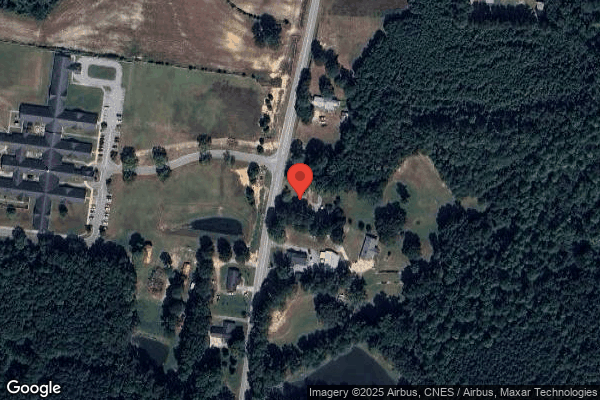

2315 Highway 242 North, Benson, NC 27504 (919) 207-1717
For profit - Corporation 100 Beds LIBERTY SENIOR LIVING Data: November 2025 5 Immediate Jeopardy citations
Trust Grade
0/100
#258 of 417 in NC
Last Inspection: July 2024

Within standard 12-15 month inspection cycle. Federal law requires annual inspections.

Overview

Liberty Commons Nursing & Rehab Center of Johnston County has received a Trust Grade of F, indicating significant concerns and poor overall quality of care. They rank #258 out of 417 facilities in North Carolina, placing them in the bottom half, although they are #2 out of 5 in Johnston County, meaning only one local option is worse. The facility appears to be improving, with issues decreasing from 22 in 2023 to 9 in 2024, but they still have serious staffing challenges, evidenced by a turnover rate of 55%, which is average for the state. While the nursing home has average RN coverage, there were alarming incidents reported, including a critical failure to notify a physician about a resident's significant change in condition, resulting in the resident becoming unresponsive and needing emergency medical assistance. Additionally, there was a troubling case of physical abuse between residents, raising concerns about safety. Although there are strengths in some areas, these weaknesses highlight serious issues that families should consider when evaluating the facility for their loved ones.

Trust Score
F
0/100
In North Carolina
#258/417
Bottom 39%
Safety Record
High Risk
Review needed
Inspections
Getting Better
22 → 9 violations
Staff Stability
⚠ Watch
55% turnover. Above average. Higher turnover means staff may not know residents' routines.
Penalties
⚠ Watch
$43,231 in fines. Higher than 87% of North Carolina facilities, suggesting repeated compliance issues.
Skilled Nurses
⚠ Watch
Each resident gets only 29 minutes of Registered Nurse (RN) attention daily — below average for North Carolina. Fewer RN minutes means fewer trained eyes watching for problems.
Violations
⚠ Watch
56 deficiencies on record. Higher than average. Multiple issues found across inspections.
★★☆☆☆
2.0
Overall Rating
★★☆☆☆
2.0
Staff Levels
★★★☆☆
3.0
Care Quality
★★☆☆☆
2.0
Inspection Score
Stable
2023: 22 issues
2024: 9 issues

The Good

  • Full Sprinkler Coverage · Fire safety systems throughout facility
  • No fines on record

Facility shows strength in fire safety.

The Bad

2-Star Overall Rating

Below North Carolina average (2.8)

Below average - review inspection findings carefully

Staff Turnover: 55%

Near North Carolina avg (46%)

Higher turnover may affect care consistency

Federal Fines: $43,231

Above median ($33,413)

Moderate penalties - review what triggered them

Chain: LIBERTY SENIOR LIVING

Part of a multi-facility chain

Ask about local staffing decisions and management

The Ugly 56 deficiencies on record

5 life-threatening 1 actual harm
Jul 2024 6 deficiencies
CONCERN (D)

Potential for Harm - no one hurt, but risky conditions existed

Deficiency F0645 (Tag F0645)

Could have caused harm · This affected 1 resident

**NOTE- TERMS IN BRACKETS HAVE BEEN EDITED TO PROTECT CONFIDENTIALITY** Based on interviews with staff and record review, the facility failed to ensure 1 of 1 resident (Residents #58) who had diagnose...

Read full inspector narrative →
**NOTE- TERMS IN BRACKETS HAVE BEEN EDITED TO PROTECT CONFIDENTIALITY** Based on interviews with staff and record review, the facility failed to ensure 1 of 1 resident (Residents #58) who had diagnoses of schizophrenia and anxiety had a Preadmission Screening and Resident Review (PASRR) prior to admission. The findings were: The North Carolina Medicaid Uniform Screening Tool (NC MUST) record for Resident #58 revealed the resident had a Level II PASRR for serious mental illness in place from 4/02/15 through 3/29/22. On 3/30/22 Resident #58 was changed to a Level I PASRR. There was no evidence a PASRR screening was conducted since 3/30/22. Resident #58 was admitted to the facility on [DATE] with diagnoses including schizophrenia and anxiety disorder. Review of Resident #58's quarterly Minimum Data Set (MDS) dated [DATE] revealed he had severe cognitive impairment, no behaviors, had diagnoses of schizophrenia and anxiety disorder, and had not received psychotropic medication in the past 7 days. Review of Resident #58's progress notes revealed a note by the Social Worker dated 6/18/24 indicating Resident #58 was going to be moved to a long-term care hall for continued facility care. In an interview on 7/09/24 at 3:17 PM, the Administrator revealed Resident #58's PASRR dated 3/30/22 was the Level I PASRR received from the hospital prior to the resident's 4/18/24 admission. She explained, when a resident was admitted for short-term rehabilitation, the facility did not submit a new Level I PASRR to the state until they knew if a resident was going to transition to long-term care. The Administrator further explained, a new Level I PASRR was not submitted because the facility did not know if he was going to stay long term. Once that decision was made, a new PASRR request would be submitted. The Administrator said the Social Worker was going to submit a PASRR request on 7/09/24 because a decision had recently been made that he would be staying for long-term care. The Administrator was not aware residents diagnosed with a serious mental illnees required a PASRR evaluation prior to admission. In an interview on 7/10/24 at 9:05 AM, the Marketing Director said the facility accepted the PASRR that was submitted by the hospital when a resident was admitted . The policy in the facility was to accept a PASRR that was open and active, regardless of how old it was. The facility would not submit a new Level I PASRR at admission and would use the information in the state PASRR system.
CONCERN (D) 📢 Someone Reported This

A family member, employee, or ombudsman was alarmed enough to file a formal complaint

Potential for Harm - no one hurt, but risky conditions existed

Incontinence Care (Tag F0690)

Could have caused harm · This affected 1 resident

**NOTE- TERMS IN BRACKETS HAVE BEEN EDITED TO PROTECT CONFIDENTIALITY** Based on record review, staff interviews, and a physician interview, the facility failed to ensure a collected urine specimen wa...

Read full inspector narrative →
**NOTE- TERMS IN BRACKETS HAVE BEEN EDITED TO PROTECT CONFIDENTIALITY** Based on record review, staff interviews, and a physician interview, the facility failed to ensure a collected urine specimen was delivered to the laboratory for an analysis for 1 of 1 resident reviewed for urinary tract infections and urinary catheters. This resulted in another urine specimen having to be collected for analysis and delayed the start of treatment for a urinary tract infection (Resident #73). The findings included: Resident #73 was admitted to the facility on [DATE] with diagnoses including pneumonia. Nursing documentation dated 5/18/2024 at 6:40 pm by Nurse #1 reported Resident #73 complained of burning on urination and a urine specimen was collected. Nurse #1 further recorded the physician, and Resident #73's Representative was aware of Resident #73's complaint of burning with urination and a urine specimen was collected for analysis. A review of the laboratory patient log sheet dated 5/18/2024 recorded a urine for Resident #73 in a refrigerator near the rehabilitation nursing station for a urinalysis and culture and sensitivity test. There was no date or signature on the laboratory patient log sheet dated 5/18/2024 that laboratory personnel had picked up the urine specimen on 5/18/2024. There were no urinalysis results for the urine specimen collected on 5/18/2024 for Resident #73. The admission Minimum Data Set (MDS) assessment dated [DATE] indicated Resident #73 was moderately cognitively impaired, frequently was incontinent of urine and required assistance with toileting. Nursing documentation dated 5/21/2024 at 2:33 am by Nurse #3 reported a urine specimen was collected for a urinalysis and culture and sensitivity test and picked up by the laboratory staff on 5/21/2024 at 2:30 am. A review of the laboratory patient log sheet dated 5/21/2024 recorded a urine for Resident #73 in a refrigerator near the rehabilitation nursing station for a urinalysis and culture and sensitivity test. The laboratory patient log sheet dated 5/21/2024 showed laboratory personnel had signed picking up the urine specimen collected on 5/21/2024. The urine specimen dated 5/21/2024 recorded the results of the urinalysis was reported at 5/21/2024 at 9:19 pm. The urinalysis report did not specify who received the urinalysis report or how resident #73's urinalysis was reported to the facility. A review of the urinalysis dated 5/21/2024 for the urine specimen collected on 5/21/2024 reported the following elements present in the urine: white blood cells, bacteria, squamous epithelial cells and moderate amount of mucous. A physician progress note dated 5/22/2024 recorded Resident #73's Representative stated Resident #73 complained of dysuria (painful or difficulty urinating) a few days ago but not on 5/22/2024, and Resident #73's urine looked like it could be infected. The culture and sensitivity test on the urine specimen dated 5/21/2024 indicated the urine specimen was obtained by conducting straight catheterization (insertion of a tube into the urinary bladder to collect urine).The culture and sensitivity test reported on 5/23/2024 at 9:14 am the microorganism, extended spectrum beta-lactamase (ESBL), was present in Resident #73's urine and had the greatest sensitivity to Sulfamethoxazole-Trimethoprim (an combination of two antibiotics used to treat urinary tract infections). On 5/23/2024, a physician order was written for Resident #73 to receive Sulfamethoxazole-Trimethoprim 800-160 milligrams (mg) tablet two times a day for a urinary tract infection for ten days. A review of the May and June 2024 Medication Administration Record (MAR) for Resident #73 recorded Sulfamethoxazole-Trimethoprim 800-160 mg tablet was administered from 5/23/2024 at 5:00 pm to 6/2/2024 at 9:00 am twice a day for ten days. Resident #73's care plan last reviewed on 6/22/2024 did not include a focus for urinary tract infection. On 7/11/2024 at 4:02 pm in an interview with Nurse #1, she stated on 5/18/2024 a urine specimen was collected from Resident #73 and was placed in the refrigerator for the laboratory personnel to pick up during the night hours. She stated due to the laboratory personnel was not reporting to the facility on weekends and the nursing staff not aware the laboratory personnel would not be picking up Resident #73's urine specimen from 5/18/2024, another urine specimen had to be recollected. She explained a urine specimen had to be discarded if in the refrigerator for more than forty-eight hours. Nurse #1 stated due to the laboratory personnel not picking up the urine specimen collected on 5/18/2024, there was a delay in obtaining results from a urine specimen to start antibiotics for resident #73's urinary tract infection. On 7/11/2024 at 4:52 pm in an interview with the Administrator, she stated she had a contract with a laboratory company that came to the facility nightly to pick up urine specimens for analyzing and was unable to recall a time receiving notification that the laboratory company would not be reporting to the facility to collect urine or blood specimens. On 7/12/2024 at 2:06 pm in an interview with the Director of Nursing, she stated a urine specimen was collected on 5/18/2024 for Resident #73 and was not aware why the laboratory personnel did not pick up the urine specimen. She explained Resident #73's urine specimen was listed on a laboratory patient log dated 5/18/2024. She further stated Nurse #1 and nursing staff need to follow up and check to ensure urine specimens have been picked up by the laboratory personnel. She stated treatment for Resident #73's urinary tract infection was delayed due to laboratory personnel not picking up the 5/18/2024 urine specimen and staff having to recollect a urine specimen for analysis for Resident #73. On 7/12/2024 at 8:39 am in an interview with the Administrator, she stated based on the review of other laboratory patient logs dated 5/18/2024, laboratory personnel were in the facility to pick up urine or blood specimens that had been collected on other residents. She explained laboratory personnel should have picked up the collected urine specimen of Resident #73 on 5/18/2024 and Nurse #1 should had checked the refrigerator the next day to ensure the urine specimen was picked up by the laboratory personnel. She said, due to having to recollect Resident #73' s urine specimen, there was a delay in diagnosing Resident #73 with a urinary tract infection and beginning antibiotic treatment. On 7/12/2024 at 12:50 pm in a phone interview with Physician #1, he explained with the antibiotic stewardship program, antibiotics were not ordered when Resident #73 complained of burning with urination on 5/18/2024. He stated he was waiting for the urinalysis to confirm Resident #73 had a urinary tract infection and the culture and sensitivity report to ensure Resident #73 would receive the correct antibiotic for the urinary tract infection. He stated he reviewed the results of the urinalysis from the specimen sent on 5/21/2024 on 5/22/2024 and did not order antibiotics until 5/23/2024 when the culture and sensitivity results were available also. He stated Resident#73 received one course of antibiotics and did not require further treatment for the urinary tract infection.
CONCERN (D)

Potential for Harm - no one hurt, but risky conditions existed

Respiratory Care (Tag F0695)

Could have caused harm · This affected 1 resident

**NOTE- TERMS IN BRACKETS HAVE BEEN EDITED TO PROTECT CONFIDENTIALITY** Based on record review, observations and staff interviews, the facility failed to ensure there was a physician order for the use...

Read full inspector narrative →
**NOTE- TERMS IN BRACKETS HAVE BEEN EDITED TO PROTECT CONFIDENTIALITY** Based on record review, observations and staff interviews, the facility failed to ensure there was a physician order for the use of supplemental oxygen (Resident #197) and failed to post signage indicating the use of oxygen outside residents' rooms (Resident #197 and Resident #196) for 2 of 3 residents reviewed for oxygen use. Findings included: 1. Resident #197 was admitted to the facility on [DATE] with diagnoses including pneumonia and congestive heart failure. Resident #197's baseline care plan indicated oxygen therapy was required and a goal to not have signs or symptoms of poor oxygen absorption that was dated 7/4/2024. Interventions included observing for and reporting sign and symptoms of respiratory distress to the physician and providing extension tubing or portable oxygen equipment for ambulation as needed. The physician progress note dated 7/4/2024 recorded Resident #197 was receiving 2 liters per minute of oxygen. On 7/8/2024, there was no physician order for the use of oxygen located in Resident #197's medical record. On 7/8/2024 at 10:11 am, Resident #197 was observed lying in bed receiving oxygen at 2 ½ liters per minute via nasal cannula. There was no oxygen signage observed outside Resident #197's door indicating oxygen was in use. On 7/9/2024 at 1:07 pm in an interview with Nurse Aide (NA) #1, she stated there was not a red (oxygen in use) sign on Resident #197's door indicating oxygen was in use. She stated it was the nurse's responsibility when Resident #197 was admitted to gather and post an oxygen in use sign outside Resident #197's door when gathering the oxygen regulator. She stated she did not know why the oxygen in use sign was not outside on Resident #197's door and said extra oxygen in use signs were stored in the nurse aide supply room. On 7/9/2024 at 1:20 pm in an interview with Nurse #2, she stated Resident #197 was receiving oxygen therapy and should have an oxygen in use sign outside the door, and she could not recall whether Resident #197 had the oxygen in use sign outside the door, She said nurses and nurse aides both had access to the oxygen in use signage and were responsible for ensuring an oxygen in use signage was posted outside Resident #197's door. On 7/9/2024 at 1:56 pm in an interview with Central Supply, she stated Nurse #1 was responsible for placing oxygen signage that communicated no smoking oxygen in use, outside residents' doors when conducting the admission and did not realize Resident #197 did not have an oxygen in use sign outside on the door. On 7/9/2024 at 1:14 pm in an interview with Nurse #1, she explained it was the assigned nurse, central supply or herself (Nurse #1) responsibility to place the oxygen in use sign outside Resident #197's door prior or on admission. She stated ensuring oxygen in use signage was outside Resident #197's door was one of her duties, and she had been too busy with other tasks to check that an oxygen in use sign was outside Resident #197's door. On 7/9/2024 at 1:27 pm in an interview with the Administrator, she explained there had not been a constant Lead Nurse, the person who was responsible on admission for placing the oxygen in use signage outside Resident #197's door. She stated Nurse #1 was acting as Lead Nurse and she had not decided who would assume the responsibility for ensuring oxygen signage was outside residents' doors at this time. The admission Minimum Data Set (MDS) assessment with an admission reference date (ARD) of 7/10/2024 was recorded as in progress and was incomplete. In a follow up interview with Nurse #1on 7/11/2024 at 3:45 pm, she stated there should have been an order entered for oxygen in Resident #197's medical record when admitted to the facility. She explained all nurses could enter physician's orders. She said the facility had standing orders for oxygen, and nurses could call the physician for an order for oxygen as needed. She explained the admitting nurse, who was usually her (Nurse #1), was responsible for ensuring Resident #197 had an order for the use of oxygen. She stated she could not recall completing Resident #197's admission assessment, and there was no order for oxygen on Resident # 196's medical record until 7/9/2024 when it was brought to her attention. On 7/12/2024 at 9:07 am in an interview with the Director of Nursing, she stated there should have been an order for the use of oxygen in Resident #197's medical record and an oxygen in use sign outside Resident#197's door. She said Nurse #1 and/or the nurses assigned to Resident #197 should have ensured there was an order on Resident #197's medical record, and a sign for oxygen in use was outside Resident #197's door to communicate no smoking oxygen was in use. 2. Resident #196 was admitted to the facility on [DATE] with diagnoses including pneumonia and chronic obstructive pulmonary disease (COPD). Resident #196's baseline care plan dated 7/2/2024 included a focus for COPD, and interventions included administering oxygen therapy as ordered by the physician. There was a physician order dated 7/5/2024 for Resident #196 to received oxygen at 3 liters per minute continuously via nasal cannula every shift for oxygen supplement. A review of Resident #196's July 2024 Medication Administration Record (MAR) recorded Resident #196 receiving oxygen at 3 liters per minute daily every shift since admission. On 7/8/2024 at 9:58 am, Resident #196 was observed wearing oxygen 3 liters per minute via nasal cannula. There was no signage communicating oxygen was in use no smoking observed outside Resident #196's door. The admission Minimum Data Set (MDS) assessment with an admission reference date (ARD) 7/9/2024 was recorded as in progress and was incomplete. On 7/9/2024 at 1:02 pm in an interview with Nurse Aide (NA) #2, she explained nurses assigned to Resident #196 were responsible for placing oxygen in use no smoking signs outside Resident #196's door. She stated the oxygen in use signs were stored in the medication room with the oxygen tanks. She said she didn't know why there was no signage for oxygen in use outside Resident #196's door. On 7/9/2024 at 1:20 pm in an interview with Nurse #2, she stated there should have been an oxygen in use no smoking sign outside Resident #196's door because she was receiving oxygen continuously. She explained she realized that morning Resident #196 did not have an oxygen in use sign outside on the door but Resident #196 was not in her room and she (Nurse#2) forgot to return to Resident #196's room with a no smoking, oxygen in use sign to place outside Resident #196's door. On 7/9/2024 at 1:56 pm in an interview with Central Supply, she stated Nurse #1 was responsible for placing the signage that communicated no smoking oxygen in use, outside residents' doors when conducting the admission and did not realize Resident #196 did not have an oxygen in use sign outside on the door. On 7/9/2024 at 1:14 pm in an interview with Nurse #1, she explained it was the assigned nurse, central supply or herself (Nurse #1) responsibility to place the oxygen in use sign outside Resident #196's door prior or on admission. She stated ensuring oxygen in use signage was outside Resident #196's door was one of her duties, and she had been too busy with other tasks to check that the oxygen in use sign was outside Resident #196's door. On 7/9/2024 at 1:31 pm in an interview with the Director of Nursing, she stated there should have been a no smoking, oxygen in use sign posted outside Resident #196's door. On 7/9/2024 at 1:27 pm in an interview with the Administrator, she explained there had not been a constant Lead Nurse, the person who was responsible on admission for placing the oxygen in use signage outside Resident #196's door. She stated Nurse #1 was acting as Lead Nurse and she had not decided who would assume the responsibility for ensuring oxygen signage was outside residents' doors at this time.
CONCERN (D)

Potential for Harm - no one hurt, but risky conditions existed

Deficiency F0698 (Tag F0698)

Could have caused harm · This affected 1 resident

**NOTE- TERMS IN BRACKETS HAVE BEEN EDITED TO PROTECT CONFIDENTIALITY** Based on record review, staff interviews, and interview with Dialysis Center Nurse, the facility failed to maintain ongoing comm...

Read full inspector narrative →
**NOTE- TERMS IN BRACKETS HAVE BEEN EDITED TO PROTECT CONFIDENTIALITY** Based on record review, staff interviews, and interview with Dialysis Center Nurse, the facility failed to maintain ongoing communication with the dialysis treatment center for 1 of 1 resident reviewed for dialysis (Resident #69). The findings included: Resident #69 was admitted to the facility on [DATE] with diagnoses including end stage renal disease. An active physician order dated 6/11/2024 stated Resident #69 received dialysis on Tuesday, Thursday and Saturday at the local dialysis center. The care plan dated 6/12/2024 indicated Resident #69 was scheduled to receive hemodialysis three times per week due to renal disease with risk for complications: infection, fluid imbalances and hemorrhage from dialysis vascular access port and renal failure. Interventions included checking Resident #69 frequently after any bleeding episodes to ensure no further bleeding, observing, documenting and reporting any signs of infection to the access site and assisting Resident #69 with transfers, walking after returning from dialysis treatments. The admission Minimum Data Set (MDS) assessment dated [DATE] indicated Resident #69 was cognitively intact and was receiving dialysis. A review of Resident #69's dialysis communication notebook on 6/9/2024 at 3:30 pm revealed 8 out of the 13 dialysis communication forms in the notebook were not completed by the facility staff prior to dialysis treatment for Resident #69 since admission to the facility (6/13/2024, 6/18/2024, 6/27/2024, 6/29/2024, 7/2/2024, 7/4/2024, 7/6/2024 and 7/9/2024.) The 8 dialysis communication forms did not have the following information recorded from the facility: pre-dialysis vital signs, weight, vascular access or information shared with dialysis center. There were blank dialysis communication forms in Resident #69's dialysis communication notebook. On 7/6/2024, the post dialysis information on the communication form from the dialysis center requested a current list of Resident #69's medications to be sent on the next dialysis day (7/9/2024). On 7/9/2024 post Resident #69's dialysis treatment, the dialysis center communicated with the facility to send a list of Resident #69's current medications on a yellow post-it note observed on the outside of Resident #69's dialysis communication notebook. On 7/9/2024 at 3:55 pm in an interview with Nurse Aide (NA) #2, she stated she was responsible for ensuing Resident #69 was dressed, received breakfast and obtain vital signs before leaving for dialysis, and she couldn't recall obtaining pre-dialysis vital signs on Resident #69 on 7/9/2024. NA #2 could not state a reason why Resident #69's vital signs were not obtained. On 7/9/2024 at 3:43 pm in an interview with Nurse #2, she stated when she went to give Resident #69's morning medications on 7/9/2024, a local transportation company had arrived and already taken Resident #69 to the dialysis center. She said she had not completed the dialysis communication form, sent a current list of medications for Resident #69's or administered Resident #69's morning medications on 7/9/2024 prior to Resident #69 going to the dialysis center. She stated she thought Resident #69's scheduled dialysis days had changed to Monday, Wednesday and Friday. When Nurse #2 checked the physician order, she stated Resident #69 was scheduled to receive dialysis on Tuesday, Thursday and Saturday. On 7/11/2024 at 11:54 pm in a phone interview with the Dialysis Center Nurse, she stated the nursing staff at the facility were not completing the dialysis communication forms that communicated vital signs and changes in Resident #69 to the dialysis center prior to Resident #69 receiving dialysis treatments. She said the dialysis center had requested twice on 7/6/2024 and 7/9/2024 for the facility to send a list of Resident #69's current medications, and the facility had not sent the medication list to the dialysis center. She stated the dialysis center had not spoken to anyone specifically at the facility about the nursing staff not completing the communication form or the medication list. On 7/9/2024 at 5:40 pm in an interview with the Director of Nursing, she stated the nurse assigned to Resident #69's was responsible for completing the dialysis communication form that included vital signs and any pertinent information prior to Resident #69's leaving the facility for a dialysis treatment, and Resident #69's dialysis pre-dialysis communication form should had been completed on 7/9/2024 and a current list of Resident #69's medications sent as requested.
CONCERN (D) 📢 Someone Reported This

A family member, employee, or ombudsman was alarmed enough to file a formal complaint

Potential for Harm - no one hurt, but risky conditions existed

Pharmacy Services (Tag F0755)

Could have caused harm · This affected 1 resident

**NOTE- TERMS IN BRACKETS HAVE BEEN EDITED TO PROTECT CONFIDENTIALITY** Based on record review, staff interviews and a pharmacist interview, the facility failed to document the return of a discontinue...

Read full inspector narrative →
**NOTE- TERMS IN BRACKETS HAVE BEEN EDITED TO PROTECT CONFIDENTIALITY** Based on record review, staff interviews and a pharmacist interview, the facility failed to document the return of a discontinued medication, Hydroxyzine HCl (an antihistamine used to help control anxiety or symptoms of itching) to the pharmacy for 1 of 1 resident (Resident #73) reviewed for the provision of pharmacy services. The findings included: Resident #73 was admitted to the facility on [DATE]. A physician order for Hydroxyzine HCl 25 milligrams (mg) every six hours as needed for anxiety or itching for 14 days was written on 5/29/2024. A review of the pharmacy 's medication packing slips for proof of delivery to the facility indicated ten tablets of Hydroxyzine HCl 25mg were delivered to the facility for Resident #73 on 5/29/2024 and on 6/5/2024 for total of 20 tablets dispensed from the pharmacy. A review of the May and June 2024 Medication Administration Record (MAR) recorded Hydroxyzine HCl 25mg was administered to Resident #73 for a total of seven doses on the following dates: - 5/31/2024 at 9:36 pm. - 6/3/2024 at 10:06 pm. - 6/4/2024 at 10:59 pm. - 6/5/2024 at 9:34 pm. - 6/7/2024 at 8:54 pm. - 6/9/2024 at 9:38 pm. - 6/11/2024 at 9:14 pm. There was no documentation on a medication return to pharmacy form that accounted for the remaining 13 tablets of Hydroxyzine 25 mg when the physician order was automatically discontinued after 6/11/2024. In an interview with Nurse #4 on 7/12/2024 at 11:14 am, she stated Resident #73's Hydroxyzine HCl 25 mg tablet was discontinued after the fourteen days per physician order and stated she did not know when Resident #73's discontinued Hydroxyzine HCl medication was returned to the pharmacy. She explained discontinued medications still in bubble packs were placed in an open box labeled return to pharmacy in the locked medication room and were picked up by the pharmacy at night. She stated the night nurse, assistant Director of Nursing or the Director of Nursing completed the return to pharmacy form listing all the medications in the return to pharmacy box that were picked up by pharmacy nightly. In an interview with the Assistant Director of Nursing on 7/12/2024 at 1:06 pm, she stated the facility did not have a return to pharmacy form indicating Resident #73's Hydroxyzine HCl was returned to the pharmacy after the medication was discontinued after 6/11/2024. She explained due to unavailability of carbon copy return to pharmacy forms in the pharmacy, the facility had not been able to obtain carbon copy return to pharmacy forms and copying the original return to pharmacy form was necessary for the facility's records. She explained sometimes the original return to pharmacy form was not copied and the original copy was sent to the pharmacy. In an interview with the Director of Nursing (DON) on 7/12/2024 at 11:26 am, she stated the nursing staff were to complete the return to pharmacy form when returning discontinued medications to the pharmacy. She explained nursing staff should have removed Resident #73's discontinued medication, Hydroxyzine HCl, from the medication cart, placed the medication in the return to pharmacy box in the locked medication room and completed the return to pharmacy form for pharmacy to pick up. She stated the pharmacy and the facility did not have documentation on a return to pharmacy form that Resident #73's discontinued Hydroxyzine HCL medication had been returned to the facility. The DON was not able to explain what happened to the unaccounted 13 tablets of Resident #73's Hydroxyzine HCl tablets after the physician order was discontinued on 6/11/2024. In a phone interview with Pharmacist #1 on 7/12/2024 at 1:34 pm, he stated Hydroxyzine HCl 25 mg for Resident #73 was discontinued after the 14th day (6/11/2024) based on the physician's order, and the pharmacy had no documentation on a return to pharmacy form that Resident #73's discontinued medication, Hydroxyzine HCl 25 mg tablet, was returned to the pharmacy. He explained there was no time frame in returning discontinued medications to the pharmacy, and the facility usually kept discontinued medications until the physician made a decision not to reorder the medication. He stated discontinued medications returned to the pharmacy were listed on a return to pharmacy form and discontinued medications were picked up six days a week Monday through Saturday. He explained the return to pharmacy form was a carbon copy: one copy was sent with the medications returned to the pharmacy and one copy was maintained at the facility for documentation of the returned medications to the pharmacy. He stated it was the facility's responsibility to request the return to pharmacy forms from the pharmacy and he could not recall a period of time not having the return to pharmacy forms available for the facility. Pharmacist #1 further stated the pharmacy did not track the number of medications dispensed, administered and returned except for controlled medication, and Hydroxyzine HCl was not a controlled medication.
CONCERN (D)

Potential for Harm - no one hurt, but risky conditions existed

Medication Errors (Tag F0758)

Could have caused harm · This affected 1 resident

**NOTE- TERMS IN BRACKETS HAVE BEEN EDITED TO PROTECT CONFIDENTIALITY** Based on record review and staff interviews, the facility failed to implement monitoring for the side effects for a resident rec...

Read full inspector narrative →
**NOTE- TERMS IN BRACKETS HAVE BEEN EDITED TO PROTECT CONFIDENTIALITY** Based on record review and staff interviews, the facility failed to implement monitoring for the side effects for a resident receiving antipsychotics (medications used to treat mental disorders) for 1 of 5 residents reviewed for unnecessary medications (Resident #197) The findings included: Resident #197 was admitted to the facility on [DATE] with diagnoses including dementia, depression and anxiety. Resident #197's baseline care plan dated reviewed on 7/4/2024 included the use of antipsychotic medications. Interventions included performing an Abnormal Involuntary Movement Scale (AIMS), a scale that measures the severity of involuntary movements caused by neuroleptic medications (medications known form their ability to attenuate hallucinations and delusions) assessment and monitoring for side effects of antipsychotics. A review of the active physician orders recorded Resident #197 was ordered the following medications: - Lorazepam (an type of antipsychotic used to treat anxiety and sleeping problems) 0.5 milligrams (mg) every four hours as needed for agitation for 14 days on 7/4/2024. - Haloperidol (an antipsychotic medication used to treat mental disorders) 0.5mg every four hours as needed for agitation until 7/16/2024 on 7/4/2024. - Risperidone (a type of antipsychotic medication that [NAME] mental health conditions) 0.5mg once a day for agitation on 7/3/2024. - Quetiapine Fumarate (antipsychotic medication that treats several kinds of mental health conditions) 25 mg 1/5 tablet every evening for agitation on 7/3/2024. A physician progress note dated 7/4/2024 recorded Resident #197's psychological history included anxiety, depression, dementia, agitation, delusions and hallucinations. A pharmacy review of Resident #197's medications was conducted on 7/4/2024. The pharmacy recommendation requested a diagnose for the medications Risperdal, Seroquel and Haldol which had not completed the recommendation process at the facility at this time. A psychoactive medication interventions consent dated 7/6/2024 listed Quetiapine Fumarate, Risperidone and Haloperidol as medications used to treat Resident #197's agitation. There was no AIMS assessment located in Resident #197's medial record. A review of the July 2024 Medication Administration Record (MAR) reported Resident #197 had received Risperidone 0.5mg daily since 7/4/2024 and Quetiapine Fumarate 25 mg 1/5 tablet every evening since 7/3/2024. There was no documentation that Resident #197 had received a dose of Lorazepam or Haloperidol. Resident #197's July 2024 MAR further reported the monitoring to indicate the number of antipsychotic side effects every shift was discontinued on 7/3/2024. There was no nursing documentation indicating Resident #197 exhibited any psychological behaviors since admission. The admission Minimum Data Set (MDS) assessment dated with an admission reference date (ARD) of 7/10/2024 was recorded in process and was incomplete. In an interview with Nurse #1 on 7/11/2024 at 3:55 pm, she explained when Resident #197 was admitted on [DATE], the order to monitor for antipsychotic medication side effects from a previous admission in May 2024 was still listed on the electronic MAR. She stated she had to discontinue the order to monitor of antipsychotic side effects from the previous admission in May 2024 before she could activate a new batch order that included the monitoring of antipsychotic side effects. She stated she did not reactivate a new batch order for Resident #197 who was receiving antipsychotic medications and could not give an explanation why she did not activate the batch order for antipsychotics for Resident #197 on the electronic MAR. Nurse #1 further stated an AIMS assessment that was usually conducted by the nursing staff had not been completed at this time for Resident #197. She explained usually in morning clinical meetings will catch when AIMS assessment had not been completed but due to Resident #197 admission prior to a holiday and the weekend, the facility had not held a morning clinical meeting to discuss Resident #197's need for an AIMS assessment. In an interview with the Director of Nursing on 7/12/2024 at 9:11 am, she stated due to Resident #197 receiving the antipsychotics, Risperidone and Quetiapine Fumarate daily, the nursing staff should complete an AIMS assessment and monitor for and document on the MAR side effects of the antipsychotics. She explained when antipsychotics were ordered by the physician, there was a batch of orders for nurses to activate that included the monitoring and documentation for antipsychotic medications that was not activated for Resident #197. She stated morning clinical meeting had not been held due to a holiday prior to the weekend to ensure AIMs assessment had been completed since Resident #197's admission on [DATE].
Apr 2024 3 deficiencies
CONCERN (D) 📢 Someone Reported This

A family member, employee, or ombudsman was alarmed enough to file a formal complaint

Potential for Harm - no one hurt, but risky conditions existed

Deficiency F0776 (Tag F0776)

Could have caused harm · This affected 1 resident

**NOTE- TERMS IN BRACKETS HAVE BEEN EDITED TO PROTECT CONFIDENTIALITY** Based on record review, and interviews with staff, family, and physician the facility failed to obtain an x-ray as ordered when ...

Read full inspector narrative →
**NOTE- TERMS IN BRACKETS HAVE BEEN EDITED TO PROTECT CONFIDENTIALITY** Based on record review, and interviews with staff, family, and physician the facility failed to obtain an x-ray as ordered when a resident fell. This was for one (Resident # 1) of three residents reviewed for completion of diagnostic tests. The findings included: Resident # 1 was admitted to the facility on [DATE] with diagnoses of stroke, muscle weakness, dysphagia, hypertension, chronic kidney disease, chronic obstructive pulmonary disease, hyperlipidemia, and hearing loss. Resident # 1's admission Minimum Data Set assessment, dated 2/28/24, coded the resident as severely cognitively impaired. On 3/11/24 at 12:33 AM Nurse # 1 documented the following information in a nursing entry. Resident # 1 had an unwitnessed fall. The physician and the responsible party had been notified. Nurse # 1 was interviewed on 4/24/24 at 8:45 AM and reported the following. The NA (Nurse Aide) had alerted her that Resident # 1 was on the floor on 3/11/24. She had assessed the resident from head to toe. She did not appear to be in pain and had no obvious physical injuries. They checked on her frequently throughout the rest of the night, and the resident appeared to be fine. NA # 1 was interviewed on 4/24/24 at 2:14 PM and reported the following. She had been assigned to care for Resident # 1 during the night of the fall. She had been checking on Resident # 1 prior to the fall. The resident had been in bed, The resident's room had been very close to the nursing station. She (NA #1) was at the nursing station when she heard a noise. She entered the room and found Resident # 1 on the floor. She (NA # 1) alerted the nurse who checked the resident. The resident appeared to be okay when the nurse checked her. After the fall, she (NA # 1) checked on Resident # 1 frequently throughout the night and she appeared to be fine. On 3/11/24 the NP (Nurse Practitioner) noted the following. She was seeing Resident # 1 who had experienced a fall. Initially the resident had not complained of pain after the fall, but at the time of the NP's assessment, she was complaining of neck pain and limited range of motion. The resident had no further concerns. The NP noted she would order scheduled Acetaminophen and an x-ray. On 3/11/24 an order was entered into the record for a cervical and lumbar spine x-ray. According to the record, Resident # 1 was discharged from the skilled nursing facility on the following day (3/12/24) and admitted to the assisted living section of the facility. There was no record of the spine x-ray being completed prior to the resident's transfer to assisted living. A review of medical records revealed on 3/12/24, Resident # 1 had a new record which was not part of her previous skilled nursing record. Therefore, the 3/11/24 x-ray order did not show up in the assisted living record. Interview with Resident # 1's responsible party on 4/23/24 at 12:13 PM revealed that she had visited on 3/14/24. Resident # 1 was uncomfortable in her neck, and she learned the x-ray had not been completed on 3/11/24. This was mentioned to the NP, who ordered the x-ray again. On 3/14/24 the NP noted the following information in Resident # 1's assisted living record. She saw Resident # 1 again. The resident was complaining of neck pain and was unable to rotate her neck without grimacing. The NP noted she would reorder the x-ray. On 3/14/24 an order was entered into Resident # 1's assisted living record for an x-ray of the neck and lumbar spine. Review of X-ray results revealed the x-ray was completed on 3/14/24 and showed the following. The resident had subluxation (incomplete of partial dislocation) of the Cervical 3 (C3) and C4. There was also narrowing of the C4 to C5. There was moderate degenerative changes of cervical spine. There was a reversal of the cervical lordosis consistent with the presence of pain and/or muscle spasm. Clinical correlation was recommended. On 3/14/24 Resident # 1 was transferred to the hospital ED (Emergency Department) for further evaluation. Review of 3/14/24 ED records revealed the following. Under the physician's assessment of the neck, the physician noted, no cervical vertebral body tenderness. No step-off injury. No warmth erythema. A CT (computerized tomography) was completed. It revealed a Type II dens fracture without displacement, osteopenia, and degenerative changes of the spine. (The dens, which is also referred to as a the odontoid, refers to a bony element from the second cervical vertebrae). A discussion was held with the family, and they did not wish for the resident to have any type of surgery. After consulting with neurosurgery, the resident was placed in a cervical collar and transferred back to the facility's assisted living for care. On 3/18/24 the NP noted the following in the resident's assisted living record. She had seen the resident who denied neck pain at the time. Resident # 1's physician was interviewed on 4/24/24 at 9:00 AM and reported the resident had not experienced any serious issues from the delay in the x-ray being performed. The Director of Nursing (DON) was interviewed on 4/23/24 at 3:00 PM and reported the following. The facility had identified the x-ray had not been done as completed and investigated the cause. They found that the NP had entered the order into the computer on 3/11/24. Nurse # 2 had then gone into the computer and confirmed (acknowledged) the order. Nurse # 2 thought that the NP had called the mobile x-ray company and had not been aware it was his responsibility to do so when he confirmed the order. Then on 3/12/24 the resident was transferred to a different section of the facility, and the uncompleted order no longer appeared on the resident's new record. On 4/23/24 the DON presented the facility had completed a corrective action plan. The corrective action plan included the following: Corrective action for resident involved It was noted on 3/11/2024, Resident #1 experienced an unwitnessed fall. NP was notified and ordered a lumbar and spine x-ray. Nurse confirmed order in [electronic medical record], but did not contact x-ray vendor to come to facility to complete x-ray. On 3/12/2024, Resident # 1 transferred from skilled to ALF (assisted living facility). There was a delay in orders for obtaining an x-ray for Resident # 1. On 3/14/2024, it was noted by NP that initial x-ray had not been completed and 2nd x-ray was ordered and completed. Resident # 1 was sent to ER for further evaluation on 3/14/2024 following results of facility x-ray. X-ray results at the hospital indicated a cervical type ll dens fracture without displacement. Family decided against surgical intervention and resident returned to facility on 3/15/2024. Resident # 1 returned to facility with [cervical] collar for conservative treatment. Corrective action for potentially impacted residents On 3/ 15 /24 the Director of Nurses reviewed all x-ray orders received for the last 7 days to identify if x-ray orders had been obtained timely and the results reported to the physician/RP. Results: No other residents affected Systemic Changes On 3/15/2024 the DON/ADON/SDC (Director of Nursing/ Assistant Director of Nursing/ Staff Development Coordinator) met and decided to make it a part of our quality assurance program and developed a plan of correction. On 3/15/2024 SDC began in-service of all licensed nursing staff (including agency) on the x-ray order process. This training included: The x-ray order process to include contacting the x-ray company and follow through to assure the ordered x-ray is completed. Post fall review and post fall care and documentation. Notification of Dr/RP if an ordered test is not completed. The Director of Nursing will ensure that any of the above identified staff who does not complete the in-service training by 3/19/2024 will not be allowed to work until the training is completed. Quality Assurance The DON/ADON will monitor compliance with the x-ray or [NAME] process weekly for 2 weeks beginning 3/22/2024 and monthly for 3 months or until resolved for timely follow through in completing physician orders. Reports will be presented to the weekly QA committee by the Administrator or Director of Nursing to ensure corrective action initiated as appropriate. Compliance will be monitored and ongoing auditing program reviewed at the weekly QA Meeting. The weekly QA Meeting is attended by the Administrator, DON, MDS Coordinator, Therapy, HIM (Health Information Manager), and the Dietary Manager. Completion date: 3/19/24 The following was done to validate the facility's corrective action plan. On 4/23/24 beginning at 9:20 AM a tour of the facility was completed. Residents were interviewed and there were no reports of any facility failure to obtain diagnostic studies. Additionally sampled residents, who had x-rays ordered, were reviewed. The x-rays had been completed as ordered for these additionally sampled residents. The facility presented documentation of inservices and audits completed per their corrective action plan. Nurses were interviewed during the survey and reported they had attended the inservice training. On 4/25/24 the facility's plan of correction date of 3/19/24 was validated.
CONCERN (E) 📢 Someone Reported This

A family member, employee, or ombudsman was alarmed enough to file a formal complaint

Potential for Harm - no one hurt, but risky conditions existed

Medical Records (Tag F0842)

Could have caused harm · This affected multiple residents

**NOTE- TERMS IN BRACKETS HAVE BEEN EDITED TO PROTECT CONFIDENTIALITY** Based on record review and staff interviews for two of ten sampled residents (Residents # 2 and # 6) the facility failed to ensu...

Read full inspector narrative →
**NOTE- TERMS IN BRACKETS HAVE BEEN EDITED TO PROTECT CONFIDENTIALITY** Based on record review and staff interviews for two of ten sampled residents (Residents # 2 and # 6) the facility failed to ensure medical records were complete and accurate regarding medication administration (Resident # 2) and pressure sore assessment and care (Resident # 6). The findings included: 1. A review of Resident # 2's MARs (Medication Administration Records) from February through April 2024 revealed the following information. The MAR included a chart code. A check mark meant a medication was administered. By each dose of Resident # 2's Carvedilol there was a space for the nurse to enter Resident # 2's pulse and BP. The directions to hold the medication for a systolic BP less than 100 and a pulse less than 60 appeared on the MARs. During an interview with the DON (Director of Nursing) on 4/24/24 at 3:00 PM the DON reported that each nurse, who administers medications is assigned electronic initials which are then entered on the electronic MAR when they administer medications. (The initials at times include numbers along with a nurse's initials). On 2/16/24 at 9:00 AM, Nurse # 3's assigned electronic initials appeared with a check mark. The resident's blood pressure was 110/66 and her pulse was 56. Nurse # 3 was interviewed on 4/24/24 at 1:45 PM and reported the following. She would not have administered the medication if the resident's pulse was in the 50's. At times the NAs (Nurse Aides) will tell them of a pulse, and she does not think the pulse is accurate. She will go back and check it. Therefore, she would have gone back to check the pulse on 2/16/24, found it to be above 60, administered the medication, but not noted what the repeat pulse was in the record. On 2/16/24 at 9 PM Nurse # 4's assigned electronic initials appeared with a check mark. The resident's BP was 131/65 and her pulse was 58. On 4/24/24 at 3:52 PM Nurse # 4 was interviewed and reported the following information. She would not have administered the Carvedilol if the resident's pulse had been 58. That was the whole reason she took vitals. She did not know why the check mark indicated the medication was administered. On 2/21/24 at 9:00 AM Nurse # 4's assigned electronic initials appeared by a check mark by Carvedilol. The resident's BP was 142/71 and her pulse was 57. Nurse # 4 was interviewed on 4/24/24 at 3:26 PM and reported she was familiar with Resident # 2 and routinely cared for the resident. She (Nurse # 4) was well aware of the parameters and had held the medication on other occasions. It did not make sense to her why the check mark appeared on 2/21/24 because she would not have given it. She felt there had been some error in the computer check but did not know why. On 2/29/24 at 9:00 PM Nurse # 6's assigned electronic initials appeared by a check mark by Carvedilol. The resident's BP was 148/59 and her pulse was 59. Nurse # 6 could not be reached for interview during the survey. On 3/1/24 at 9:00 PM Nurse # 7's assigned electronic initials appeared by a check mark by Carvedilol. The resident's BP was 148/58 and pulse 53. Nurse # 7 could not be reached during the survey. On 3/7/24 at 5 PM Nurse # 8's assigned electronic initials appeared by a check mark by Carvedilol. The resident's BP was 146/74 and her pulse was 58. Nurse # 8 was interviewed on 4/24/24 at 3:50 PM and reported the following. She would not have given the Carvedilol if the resident's pulse was 58. She was aware of the parameters and it would have been held. She did not know why the check mark was on the MAR. She was aware that at times the computer with the electronic MAR would glitch at times. At times it would also lock her out and she would have to call IT (information technology) to gain access back into the system. On 3/24/24 at 5 PM Nurse #9's assigned electronic initials appeared by a check mark by Carvedilol. The resident's BP was 126/70 and the pulse was 56. Nurse # 9 was interviewed on 4/24/24 at 3:45 PM and reported the following. She would not have given the medication with a pulse of 56. She did not know why the check mark was by the initials. The nurse further reported that at times the computer with the electronic MAR would at times glitch and freeze up. She would have to wait for about five minutes before it would allow her back in, and she speculated that might have contributed to the check mark being entered inaccurately. On 3/26/24 and 3/30/24 the evening doses were blank on the MAR. According to the MAR, nurses were to code if a resident had refused the mediation or was away from the facility. Neither of these were denoted. During an interview with the Director of Nursing (DON) on 4/25/24 at 11:22 AM, the DON reported nurses should be documenting at each administration according to the chart code/legend. There should not be blanks. On 4/3/24 at 5 PM the DON's assigned electronic initials appeared by a check mark by the Carvedilol. The resident's BP was 96/60 and her pulse was 57. During an interview with the DON on 4/24/24 at 3:00 PM, the DON stated she had not even realized she had even been assigned a set of electronic initials for the MAR until the surveyor requested that she try to identify which nurses' initials corresponded to which nurse. She had called the IT department and they told her that the assigned electronic initials on 4/3/24 were hers. She reported she had not been at the facility very long and had never administered medications since being employed at the facility. It did not make sense that her initials were on the MAR and it was an error of some sort in the electronic record, but she did not know how it had occurred. On 4/14/24 at 9 AM Nurse # 3's assigned electronic initials appeared by a check mark by the Carvedilol. The resident's blood pressure was 134/69 and her pulse was 54. Nurse # 3 was interviewed on 4/24/24 at 1:45 PM and reported she would not have administered the medication with a pulse of 54. Nurses were observed as they administered medications on 4/25/24 beginning at 8:10 AM. The electronic MAR was not observed to glitch during the time of the medication pass. 2a. Resident # 6 was admitted to the facility on [DATE]. On the resident's admission date of 3/26/24, Nurse # 10 documented Resident # 6 had a pressure sore to her sacrum and the wound nurse was notified. Nure # 10 was interviewed on 4/25/24 at 11:09 AM revealing the notation that the resident had a pressure sore on 3/26/24 was not accurate. Nurse # 10 reported the following information. The hospital had reported the resident had a sacral pressure sore when they called report to the facility on 3/26/24. On 3/26/24 when she looked at the area, it was scar tissue and no longer open and in need of treatment. On the skin assessment sheet of 3/26/24, there were different areas to check if they were applicable to the resident. One of the areas was a pressure sore. She wanted to denote there had been a pressure sore at one point, and therefore she checked pressure sore. She (Nurse # 10) did not feel the other areas on the skin assessment would apply and there was no area to check scar tissue. 2b. On 4/1/24 Resident # 6 had a physician's order for wound care. There was no site specified in the order for which wound care was needed. The area was to be cleansed with wound cleanser and covered with a dry dressing every three days and PRN (as needed). On 4/10/24 this order was revised to denote the area in need of wound care was the resident's right heel. It was also revised on 4/10/24 to reflect the area should be cleaned with skin prep before the dressing was applied, and the frequency of the dressing change was to be every five days and PRN. This order stayed in effect until 4/24/24. A review of Resident # 6's April 2024 TAR (Treatment Administration Record) revealed the right heel dressing change was checked as completed on the following days: 4/2/24, 4/6/24, 4/15/24, 4/20/24. This reflected more days passed before the dressing was changed as ordered. The facility Wound Nurse was interviewed on 4/25/24 at 10:30 AM and Resident # 6's record reviewed. The facility Wound Nurse reported the following information. The electronic medical record system was new to her. She came from a different clinical background which did not utilize the system. She was continuing to learn the system. There were standing orders that could be put in place for pressure sores. On 4/1/24 Resident # 6 was first identified to have a right heel pressure blister. Standing orders included to cleanse the area with skin prep and cover the area for protection. The first order had not been entered into the computer as a complete order to reflect that it was the right heel that needed treatment or the use of the skin prep. Also, when the order was placed in the computer, the days on which the dressing should have been changed should have had an open area on the TAR so that a treatment could be recorded. The system had xed out days when the treatment was due. There was no place to chart the dressing changes on the TAR on some of the days it was due, but the dressings had been completed. The resident had another pressure sore that required more frequent checks, and every time she was in the room, she checked and applied skin prep to the heel on the correct schedule or as needed. The treatment nurse validated that the resident's record was incomplete in regards to dressing changes. The Director of Nursing was interviewed on 4/25/24 at 11:22 AM and reported that the electronic system should automatically populate the days on the TAR on which the dressings needed to be completed. She did not know why the system had not done so and reported there could be more training on the facility's electronic medical system. 2c. Review of Resident # 6's pressure sore assessments revealed the following information: 4/2/24-Sacral pressure sore 3.3 cm X 1.0 cm X 0.2 cm Stage II 4-9-24- Sacral pressure sore 2.1 cm X 1 cm X 0.1 cm Stage II 4/17/24-Sacral pressure sore 1 cm X 0.9 cm X 0.1 cm suspected deep tissue injury 4/23/24 Sacral pressure sore 1.4 cm X 1 cm X 0.1 cm Stage II pressure sore The facility wound nurse was interviewed on 4/25/24 at 10:30 AM and reported the following information. The pressure sore assessment of 4/17/24 was incorrect in the record, and the assessments were also incomplete in the electronic record. Resident # 6 had both a pressure sore to her sacral area and to her right heel. On 4/17/24 she had inadvertently entered the right heel pressure sore measurements as the sacral pressure sore measurements. She had also been measuring the right heel pressure sore every time she measured the sacrum, but she had not been entering all of the assessments in the resident's record. According to the Wound Care Nurse, the actual care of the wounds was her priority. She (the Wound Care Nurse) had the right heel measurements in her personal notes but had not yet had time to complete all the documentation in Resident # 6's record. Therefore, the record was not complete.
CONCERN (E) 📢 Someone Reported This

A family member, employee, or ombudsman was alarmed enough to file a formal complaint

Potential for Harm - no one hurt, but risky conditions existed

QAPI Program (Tag F0867)

Could have caused harm · This affected multiple residents

Based on record review and staff interview the facilities Quality Assurance/Performance Improvement (QAPI) Committee failed to maintain implemented procedures and monitor the interventions that the co...

Read full inspector narrative →
Based on record review and staff interview the facilities Quality Assurance/Performance Improvement (QAPI) Committee failed to maintain implemented procedures and monitor the interventions that the committee put into place following the recertification survey of 2/25/22. This was for one repeat deficiency. The area of deficiency dealt with failure to maintain accurate and complete medical records. The continued failure of the facility during two federal surveys over the course of two years showed a pattern of the facility's inability to sustain an effective Quality Assurance/Performance Improvement program. The findings included: This citation is cross referred to: F 842 During the complaint investigation of 4/25/23, for two of ten sampled residents (Residents # 2 and # 6) the facility failed to ensure medical records were complete and accurate regarding medication administration (Resident # 2) and pressure sore assessment and care (Resident # 6). During the recertification survey of 2/25/22 the facility failed to maintain an accurate Medication Administration Record (MAR) for 1 of 5 residents reviewed for activities of daily living. On 4/25/24 at 11:10 AM the Administrator was interviewed revealing the following information. The Administrator was not employed at the facility when the facility was previously cited for medical records. Since her employment, they had a quality assurance program and met monthly to address identified issues and problems. The nursing staff had not brought up any issues with problems documenting accurately and completely in residents' electronic medical records so that any problems with medical records could be addressed within their quality assurance program.
Dec 2023 6 deficiencies 2 IJ
CRITICAL (J) 📢 Someone Reported This

A family member, employee, or ombudsman was alarmed enough to file a formal complaint

Immediate Jeopardy (IJ) - the most serious Medicare violation

Notification of Changes (Tag F0580)

Someone could have died · This affected 1 resident

**NOTE- TERMS IN BRACKETS HAVE BEEN EDITED TO PROTECT CONFIDENTIALITY** Based on observation, record review, resident, staff, paramedic, and physician interview the facility failed to notify the physi...

Read full inspector narrative →
**NOTE- TERMS IN BRACKETS HAVE BEEN EDITED TO PROTECT CONFIDENTIALITY** Based on observation, record review, resident, staff, paramedic, and physician interview the facility failed to notify the physician regarding a significant change in condition for one (Resident # 3) of two sampled residents. On the morning of 9/27/23 Nurse Aide #1 and Nurse #3 observed signs Resident # 3 was experiencing a significant change in condition including a low blood pressure, slurred speech, sluggishness, inability to carry on a conversation per his norm, inability to help in his care per his norm, and bloody urine in his catheter. The physician was not notified when staff noted the change in condition. Resident # 3 was found in the afternoon on 9/27/23 unresponsive, with a temperature reading of 102 Fahrenheit, and using accessory respiratory muscles to breathe (muscles other than the diaphragm and muscles within the rib cage which are used in labored breathing.) Resident #3's condition had declined to the point where Emergency Medical Services (EMS) was called, and Resident # 3 was transferred to the hospital where he was admitted to the hospital Intensive Care Unit (ICU) with severe sepsis with septic shock (when a person is not getting enough blood flow through their body). Immediate Jeopardy began on 9/27/23 when staff members observed but failed to notify the physician that Resident # 3 was experiencing a change in condition which resulted in the resident's admission to the hospital ICU with sepsis and septic shock. Immediate Jeopardy was removed on 12/7/23 when the facility provided an acceptable credible allegation for immediate jeopardy removal. The facility will remain out of compliance at a scope and severity level of D (not actual harm with the potential for more than minimal harm that is not immediate jeopardy) for the facility to complete staff training and to ensure monitoring systems put in place are effective. The findings included: Resident # 3 was admitted to the facility on [DATE] with diagnoses which in part included spinal stenosis and functional mobility problems, and neurogenic bladder with a chronic indwelling catheter. A review of hospital records revealed Resident # 3 was hospitalized from [DATE] to 7/18/23 with sepsis due to a urinary tract infection caused by obstructive nephrolithiasis (kidney stones). A stent was placed at that time. Resident # 3's quarterly MDS (Minimum Data Set) assessment, dated 7/21/23 coded Resident # 3 as cognitively intact and as having an indwelling catheter. According to hospital records, Resident # 3 was hospitalized again from 7/29/23 until 8/2/23 with a urinary tract infection and sepsis. On 9/27/23 at 7:10 AM Resident # 3's vital signs were documented as the following by Nurse # 2. Temperature 98; pulse 76; respirations 18; blood pressure 128/62. NA (Nurse Aide) # 1 was the NA who had cared for Resident # 3 on 9/27/23. NA # 1 was interviewed on 11/29/23 at 9:05 AM and reported the following. She had taken his vital signs that morning and they were low. His systolic blood pressure was below 100 and his diastolic was also low. She took them twice to make sure they were registering. She did not enter them into the record. She told Nurse # 2, Resident #3's assigned nurse, about them. Usually, Resident # 3 did not eat breakfast, but he always asked for coffee and would drink it. That morning he did not ask for or drink coffee. He seemed off. Around 10 AM, she bathed him. Normally he was very alert and would carry on a full conversation during his care. He normally would also assist to turn in the bed and hold onto the rail. That morning, he was not doing nothing. His eyes would open a little bit and then close. He would mumble but not carry on a full conversation. He also had blood in his catheter bag. She told Nurse # 2 how he was acting and that he had blood in his catheter bag. That morning the treatment nurse also went into Resident # 3's room to do wound treatments for him. She told the treatment nurse also that Resident # 3 was not acting right. This was before lunch. Nurse # 3 said she would tell Nurse # 1. At lunch time Resident # 3 did not eat anything and she was still concerned. She was hoping they would send him to the hospital. Nurse # 1 did come to check him in the afternoon, and he was sent out. Nurse # 1 asked her (NA # 1) why she had not let her know sooner about his condition, and she informed her that she had been alerting Nurse # 2 throughout the day. Nurse # 3 was interviewed on 11/29/23 at 10:15 AM and reported the following. She went to provide wound treatments to Resident # 3 sometime between 10 AM and lunch on 9/27/23. Usually, Resident # 3 would initiate conversation on his own when you entered his room. That morning he did not do so. She could not engage him in conversation. If she would say, Hey (Resident # 3), he would just say, ah . in a slurred way. His speech was slurred, and he was sluggish. Normally he would help them turn, but he did not help that AM turn for treatments. She knew something was not right with him. NA # 1 also told her he had not been acting right. After she left the room, she went to Nurse # 2 and told her, You better check on (Resident # 3). He's not acting right. Nurse # 2 told her that it had taken her awhile to get him to take his morning medications, but he took them, and he was on an antibiotic. She had also said she would check on him. According to Nurse # 3, if Resident # 3 had been assigned to her then she would have called the provider at that point in the morning given the change she had seen in Resident # 3 and alerted the provider about the change. The treatment nurse stated she would have asked the physician if he wanted to do labs or send the resident out for evaluation. She thought that was what Nurse # 2 was going to do after she spoke to Nurse # 2 in the morning. Therefore, she went on to do her treatments. Later after lunch she returned, and NA # 1 again told her Resident # 3 still was not right and Nurse # 2 had not done anything. At that point, Nurse # 3 stated she went to Nurse # 1 and Nurse # 1 immediately went to check on Resident # 3. Nurse # 1 was interviewed on 11/29/23 at 4:30 PM and reported the following. Nurse # 1 stated she was the rehabilitation nurse manager, but also served as the point of contact for the unit where Resident # 3 resided. On 9/27/23 she had been in her office when Nurse # 3 alerted her Resident # 3 was not acting right. She went right away to check on him. It was around 3:00 or 4:00 PM when she was alerted. When she assessed him, she found he could not talk and would not follow commands, but he did respond to a sternal rub a little. She immediately had him sent to the hospital. Nurse # 2 was interviewed on 11/28/23 at 3:00 PM and again on 11/29/23 at 5:30 PM and reported the following. It was not unusual for Resident # 3 to be groggy or sleepy in the AM. She did not recall all the specific details of 9/27/23. She just recalled Resident # 3 took his medications that morning, throughout the day she was in and out to check on him, and he was eventually sent out because he was not responding. She did not recall if she took his vital signs as she was in and out checking on him. There was no documentation the physician was notified of Resident # 3's change in condition which Nurse # 3 and NA # 1 had observed before lunch on 9/27/23. On 9/27/23 at 5:03 PM, Nurse # 1 entered the following entry into the record. Resident was found in his bed in the supine position [on his back] with mouth agape [open] and using his accessory muscles to breathe. He had blood tinge urine as well. Resident would not respond to his name or sternum rub. Writer [Nurse #1] immediately called 911 and went to grab the AED [automated external defibrillator]. Writer [Nurse #1] held pt [patient] airway opened until EMS [Emergency Medical Services] arrived. Resident BP [blood pressure] was very low and he was clammy and hot. He had a fever of 102 and BP was 82/46. NP [Nurse Practitioner] [Name of Nurse Practitioner] was notified of the emergency transfer out to the ER [Emergency Room]. Resident # 3's 9/27/23 EMS records revealed EMS received the facility's call at 2:53 PM and arrived on the scene at 3:02 PM. They noted the following in their EMS assessment. At 3:05 PM Resident #3's vital signs were BP 84/53; pulse 94; respirations 19 and oxygen level 93%. The resident's temperature was 102.1 degrees Fahrenheit. There was visible blood in Resident # 3's catheter. Upon initial EMS arrival, Resident # 3 was unresponsive, and his skin was hot. He was moved to the stretcher, and once on the stretcher, he opened his eyes briefly. Several IV (intravenous attempts) were made, and a successful IV was established. The resident began to respond to voice, but only with one- word answers. The Lead Paramedic that had responded on 9/27/23 was interviewed on 12/4/23 at 4:30 PM and reported the following. She had been concerned he might not live given his condition. Review of Resident # 3's emergency room notes revealed the physician documented EMS reported, they [EMS] state staff at facility was unable to answer most of her [the paramedic's] questions about what baseline is. Resident # 3's hospital admission history and physical revealed the physician noted the following information on 9/27/23. In the emergency room Resident # 3's blood pressure was 64/36; heart rate 118, respirations 23 and temperature 39.6 degrees Celsius. (103.28 Fahrenheit). His WBC (white blood count) was high at 28 (normal range 4.2 to 10.9). The physician noted Resident # 3 was obtunded and met the criteria for septic shock. The physician also noted his hypotension did not respond to fluid resuscitation and he was given Levophed (a medication that can raise the blood pressure in septic shock). A central line (a catheter line placed in the large vein above the heart for fluids and medications) was placed and the resident was given antibiotics. Resident # 3 was hospitalized for treatment in the Intensive Care Unit. He remained In ICU until 10/1/23. He remained hospitalized until 10/4/23. Resident # 3's 10/4/23 hospital discharge summary listed Resident # 3's first two discharge diagnoses as septic shock and urinary catheter associated urinary tract infection. The discharge summary also noted, His AMS [altered mental status] was resolved after receiving antimicrobials, etiology due to sepsis. (The reason for the altered mental status was due to sepsis.) On 10/4/23, Resident # 3 was transferred back to the facility for care. Resident # 3's physician was interviewed on 12/4/23 at 11:11 AM. NA # 1 and Nurse # 3's 9/27/23 observations were shared with the physician. The physician reported the following. Based on the observations of NA # 1 and Nurse # 3, it did appear Resident # 3 experienced a change in condition on the AM of 9/27/23 and he should have been notified in the morning of 9/27/23. Resident # 3's physician was interviewed regarding possible danger if the facility staff delayed in notifying the provider about changes in condition in residents. According to the physician the outcome of a delay in physician notification could be different on a case-by-case scenario. On 12/5/23 at 2:56 PM the Administrator was informed of Immediate Jeopardy and subsequently provided the following Immediate Jeopardy removal plan. Removal Plan F580 Identify those recipients who have suffered, or are likely to suffer, a serious adverse outcome as a result of the noncompliance. Resident #3 was found nonresponsive by the lead nurse on the afternoon of 9/27/23. Resident was discharged to the hospital via Emergency Medical Services at 2:53 p.m. Resident #3 is currently a resident of the facility and had no noted change of condition when assessed by the Director of Nurses when readmitted to the facility on [DATE] or on 12/05/2023. Current residents are at risk of experiencing a change in condition that requires assessment and notification of the physician. On 12/5/2023, the Director of Nurses met with all floor nurses and initiated assessment of all current residents to identify any resident with any change in condition to include: Any symptom, sign or apparent discomfort that is: acute or sudden in onset, and is a marked change (i.e., more severe) in relation to usual symptoms and signs, or unrelieved by measures already prescribed and where physician notification of the resident change in condition was delayed. 4 of 86 current residents were assessed by the assigned nurse or Director of Nurses and identified as having a new change in condition and the physician was notified on 12/5/23 by the assigned nurse or Director of Nurses. On 12/06/2023 the Regional Nurse Consultant audited all residents transferred to the hospital in the last 30 days (11/01/2023- 12/06/2023) for timely notification of the physician. The physician of all 13 residents who were transferred to the hospital was notified when the change in condition was observed by the attending nurse. Specify the action the entity will take to alter the process or system failure to prevent a serious adverse outcome from occurring or recurring, and when the action will be complete. On 12/05/2023 the Director of Nurses/Nurse Consultant and Staff Development Coordinator began in servicing all licensed nurses, Registered Nurses (RN) and Licensed Practical Nurses (LPN), certified nursing assistants and medication aides (full time, part time, and as needed, including agency) on any change in condition to include: Any symptom, sign or apparent discomfort that is: acute or sudden in onset, and is a marked change (i.e., more severe) in relation to usual symptoms and signs, or unrelieved by measures already prescribed. Additional education included, if resident's condition worsened and nurse's assessment warrants, the nurse is to activate emergency medical services. At the time the change is observed, the Physician and family/responsible party are to be notified to ensure the resident receives the care needed to address the change. The Director of Nurses will ensure that all licensed nurses, RN's, LPN's, and CNA's, Med Aides (full time, part time, and as needed including agency) who do not complete the in-service training by 12/06/2023 will not be allowed to work until the training is completed. This in-service was incorporated into the new employee facility and agency orientation for all licensed nurses and certified nursing assistants (full time, part time, and as needed including agency.) Alleged date of IJ removal 12/07/2023 Onsite validation of the immediate jeopardy removal plan was completed on 12/8/23. Documentation of all the residents' assessments for change in condition on 12/5/23 were reviewed and verified the physician was notified for the four residents identified with changes in condition and verbal orders were received and implemented as determined necessary by the physician. Nursing staff (licensed practical nurses, registered nurses, nurse aides, medication aides) who worked different shifts were interviewed and verified they had received training on what constituted a change in condition, the steps to take when a change in condition is first identified, and steps to take if a change in condition worsened to include activation of emergency medical services. Inservice sign-in logs verified the education was provided as indicated. This education was confirmed to be added to the new employee facility and agency orientation for licensed and unlicensed nursing staff. The facility's immediate jeopardy removal date of 12/7/23 was validated.
CRITICAL (J) 📢 Someone Reported This

A family member, employee, or ombudsman was alarmed enough to file a formal complaint

Immediate Jeopardy (IJ) - the most serious Medicare violation

Quality of Care (Tag F0684)

Someone could have died · This affected 1 resident

**NOTE- TERMS IN BRACKETS HAVE BEEN EDITED TO PROTECT CONFIDENTIALITY** Based on observation, record review, resident, staff, paramedic, and physician interview the facility failed to effectively asse...

Read full inspector narrative →
**NOTE- TERMS IN BRACKETS HAVE BEEN EDITED TO PROTECT CONFIDENTIALITY** Based on observation, record review, resident, staff, paramedic, and physician interview the facility failed to effectively assess and address a significant change in condition for one (Resident # 3) of two sampled residents whose condition necessitated Emergency Medical Services (EMS) to be called. Resident # 3 had a history of sepsis (when an infection triggers widespread inflammation in a person's body which can lead to organ damage) and on the morning of 9/27/23 Nurse Aide #1 and Nurse #3 observed Resident # 3 was experiencing a change in condition prior to the lunch meal that included: a low blood pressure, slurred speech, sluggishness, inability to carry on a conversation per his norm, inability to help in his care per his norm, and bloody urine in his catheter. Resident # 3 was found in the afternoon on 9/27/23 unresponsive, with a temperature reading of 102 degrees Fahrenheit, and using accessory respiratory muscles to breathe (muscles other than the diaphragm and muscles within the rib cage which are used in labored breathing). EMS was called at 2:53 PM. Upon their arrival, EMS also found Resident # 3 to be unresponsive and with what appeared as an undissolved pill in the resident's mouth. Resident # 3 was transferred by EMS to the hospital where he was admitted to the hospital Intensive Care Unit (ICU) with severe sepsis with septic shock (when a person is not getting enough blood flow through their body). Immediate Jeopardy began on 9/27/23 when staff failed to comprehensively assess Resident # 3 after a significant change in condition was noted to determine if medical interventions were necessary. Immediate Jeopardy was removed on 12/7/23 when the facility provided an acceptable credible allegation for immediate jeopardy removal. The facility will remain out of compliance at a scope and severity level of D (not actual harm with the potential for more than minimal harm that is not immediate jeopardy) for the facility to complete staff training and to ensure monitoring systems put in place are effective. The findings included: Resident # 3 was admitted to the facility on [DATE] with diagnoses which in part included spinal stenosis and functional mobility problems. Additionally, the resident had a diagnosis of neurogenic bladder with a chronic indwelling catheter. A review of hospital records revealed Resident # 3 was hospitalized from [DATE] to 7/18/23 with sepsis due to a urinary tract infection caused by obstructive nephrolithiasis (kidney stones). A stent (a tube used to hold open a bodily passage) was placed at that time. Resident # 3's quarterly MDS (Minimum Data Set) assessment, dated 7/21/23 coded Resident # 3 as cognitively intact and as having an indwelling catheter. Resident # 3 was also coded as having clear speech, able to feed himself after set up, able to perform his oral care with supervision, and required substantial/maximum assistance with bathing and bed mobility. According to hospital records, Resident # 3 was hospitalized again from 7/29/23 until 8/2/23 with a urinary tract infection and sepsis. On 8/2/23 Resident # 3 was ordered to receive Methenamine Hippurate 1 gram two times per day. (A medication used to prevent returning urinary tract infections). This remained as an active order through 9/27/23. Resident # 3's care plan, updated on 8/10/23, revealed staff had noted Resident # 3 had recurrent urinary tract infections and included this on the care plan update of 8/10/23. One of the interventions was to monitor the resident for symptoms of altered mental status, behavioral changes, and hematuria (bloody urine). On 9/27/23 at 7:10 AM Resident # 3's vital signs were documented as the following by Nurse # 2. Temperature 98; pulse 76; respirations 18; blood pressure 128/62. NA (Nurse Aide) # 1 was the NA who had cared for Resident # 3 on 9/27/23. NA # 1 was interviewed on 11/29/23 at 9:05 AM and reported the following. She had taken his vital signs that morning and they were low. His systolic blood pressure was below 100 and his diastolic was also low. She took them twice to make sure they were registering. She did not enter them into the record and instead reported them to Nurse # 2 as this was the normal protocol. Usually, Resident # 3 did not eat breakfast, but he always asked for coffee and would drink it. That morning he did not ask for or drink coffee. He seemed off. Around 10 AM, she bathed him. Normally he was very alert and would carry on a full conversation during his care. He normally would also assist to turn in the bed and hold onto the rail. That morning, he was not doing nothing. His eyes would open a little bit and then close. He would mumble but not carry on a full conversation. He also had blood in his catheter bag. She told Nurse # 2, Resident # 3's assigned nurse, how he was acting and that he had blood in his catheter bag. That morning the treatment nurse, Nurse #3, also went into Resident # 3's room to do wound treatments for him. She also told Nurse # 3 that Resident # 3 was not acting right. This was before lunch. Nurse # 3 said she would tell Nurse # 1. At lunch time Resident # 3 did not eat anything and she was still concerned. She was hoping they would send him to the hospital. Nurse # 1 did come check him in the afternoon and he was sent out. Nurse # 1, a nurse manager, asked her (NA # 1) why she had not let her know sooner about his condition, and she informed her that she had been alerting Nurse # 2 throughout the day. Nurse # 3 was interviewed on 11/29/23 at 10:15 AM and reported the following. She went to provide wound treatments to Resident # 3 sometime between 10 AM and lunch on 9/27/23. Usually, Resident # 3 would initiate conversation on his own when you entered his room. That morning he did not do so. She could not engage him in conversation. If she would say, Hey [Resident # 3], he would just say, ah . in a slurred way. His speech was slurred, and he was sluggish. Normally he would help them turn, but he did not help that morning with turning for treatments. She knew something was not right with him. NA # 1 also told her he had not been acting right. After she left the room, she went to Nurse # 2 (Resident # 3's assigned nurse) and told her, You better check on [Resident # 3]. He's not acting right. Nurse # 2 told her that it had taken her awhile to get him to take his morning medications, but he took them and he was on an antibiotic. She (Nurse # 2) had also said she would check on him. According to Nurse # 3, if Resident # 3 had been assigned to her then she would have called the provider at that point in the morning given the change she had seen in Resident # 3 and alerted the provider about the change. She thought that was what Nurse # 2 was going to do after she spoke to Nurse # 2 in the morning. Therefore, she went on to do her treatments. Later after lunch she returned to Resident #3's unit and NA # 1 again told her Resident # 3 still was not right and Nurse # 2 had not done anything. At that point, Nurse # 3 stated she went to Nurse # 1 and Nurse # 1 immediately went to check on Resident # 3. Nurse # 1 was interviewed on 11/29/23 at 4:30 PM and reported the following. Nurse # 1 stated she was the rehabilitation nurse manager, but also served as point of contact for the unit where Resident # 3 resided. On 9/27/23 she had been in her office when Nurse # 3 alerted her Resident # 3 was not acting right. She went right away to check on him. It was around 3:00 or 4:00 PM when she was alerted. When she assessed him, she found he could not talk and would not follow commands but he did respond to a sternal rub a little. She immediately had him sent out to the emergency room (ER). Nurse # 2 was interviewed on 11/28/23 at 3:00 PM and again on 11/29/23 at 5:30 PM and reported the following about 9/27/23. It was not unusual for Resident # 3 to be groggy or sleepy in the morning. She just recalled Resident # 3 took his medications that morning, throughout the day she was in and out to check on him, and he was eventually sent out because he was not responding. She did not recall if she took his vital signs as she was in and out checking on him and did not recall the actions she took while checking in on him. There was no further nursing assessment, progress note, or vital signs noted in Resident # 3's record after 7:10 AM on 9/27/23 until the following note was documented at 5:03 PM by Nurse # 1. On 9/27/23 at 5:03 PM, Nurse # 1 entered the following entry into Resident #3's record. Resident was found in his bed in the supine [on his back] position with mouth agape [open] and using his accessory muscles to breathe. He had blood tinge urine as well. Resident would not respond to his name or sternum rub. Writer immediately called 911 and went to grab the AED (automated external defibrillator). Writer held pt [patient] airway opened until EMS (emergency medical services) arrived. Resident BP (blood pressure) was very low and he was clammy and hot. He had a fever of 102 and bp (blood pressure) was 82/46. NP [Name of Nurse Practitioner] was notified of the emergency transfer out to the ER. Resident # 3's 9/27/23 EMS records revealed EMS received the facility's call at 2:53 PM and arrived on the scene at 3:02 PM. They noted the following in their EMS assessment. At 3:05 PM Resident #3's vital signs were BP 84/53; pulse 94; respirations 19 and oxygen level 93%. The resident's temperature was 102.1. There was visible blood in Resident # 3's catheter. Upon initial EMS arrival, Resident # 3 was unresponsive and his skin was hot. He was moved to the stretcher, and once on the stretcher, he opened his eyes briefly. Several IV (intravenous attempts) were made, and a successful IV was established. The resident began to respond to voice, but only with one- word answers. The Paramedic further noted, while assessing the resident, EMS noticed, what looked like an undissolved pill in the patient's mouth. The hospital was made aware of this when transferring patient care. The Lead Paramedic that had responded on 9/27/23 was interviewed on 12/4/23 at 4:30 PM and reported the following. From her assessment at arrival to the facility, she had thought Resident # 3 could be septic. In route to the hospital, they had noticed what appeared to be a pill in his mouth that had not completely dissolved. She had been concerned he might not live given his condition. Review of Resident # 3's hospital record revealed on 9/27/23 the physician documented EMS reported, they [EMS] state staff at facility was unable to answer most of her [the paramedic's] questions about what baseline is. Resident # 3's hospital admission history and physical revealed the physician noted the following information on 9/27/23. In the emergency room Resident # 3's blood pressure was 64/36; heart rate 118, respirations 23 and temperature 39.6 degrees Celsius (103.28 Fahrenheit). His WBC (white blood count) was 28 (normal range 4.2 to 10.9) . The physician noted Resident # 3 was obtunded (decreased level of consciousness) and met the criteria for septic shock. The physician also noted his hypotension did not respond to fluid resuscitation and he was given Levophed (a medication that can raise the blood pressure in septic shock). A central line (a catheter line placed in the large vein above the heart for fluids and medications) was placed, and Resident # 3 was given antibiotics. Resident # 3 was hospitalized for treatment in the Intensive Care Unit. He remained In ICU until 10/1/23. He remained hospitalized until 10/4/23. Resident # 3's 10/4/23 hospital discharge summary listed Resident # 3's first two discharge diagnoses as septic shock and indwelling catheter associated urinary tract infection. The discharge summary also noted His AMS [altered mental status] was resolved after receiving antimicrobials, etiology due to sepsis. He was directed to follow up with a urologist following discharge and placed on a medication to help with hypotension (Midodrine). On 10/4/23, Resident # 3 was transferred back to the facility for care. Resident # 3 was interviewed on 11/28/23 at 2:10 PM. During the interview, Resident # 3 was observed to be very alert, articulate in his conversation, and capable of using his hands and arms to use his cell phone and access information during the interview. Resident # 4 reported the following. He had been concerned that the facility staff did not send him to the hospital earlier on 9/27/23. He had already had other urinary tract infections that had made him very sick. Nurse # 2 had given him his morning medications that day and he did not recall anything after that. After he recovered, NA # 1 had later told him that she could not get him to wake up during the morning on 9/27/23 and had alerted Nurse # 2 about this. He was concerned that when NA # 1 could not arouse him that nothing had been done at that point. The DON (Director of Nursing) was interviewed on 11/29/23 at 11:00 AM and reported the following. She had reviewed Resident # 3's record and found no evidence of an assessment or vital signs being taken after the vital signs at 7:10 AM on 9/27/23. It would be her expectation that the resident would have been assessed when a change was observed, and she wished he had been sent out sooner. Resident # 3's physician was interviewed on 12/4/23 at 11:11 AM. NA # 1 and Nurse # 3's 9/27/23 observations were shared with the physician. The physician reported it was the expectation that an assessment needed to be done when a change in condition was noted, and from NA #1's and Nurse # 3's observations it appeared Resident # 3 had experienced a change prior to lunch on 9/27/23. On 12/5/23 at 2:56 PM the Administrator was informed of Immediate Jeopardy. The facility provided the following Immediate Jeopardy (IJ) removal plan. Removal Plan F684 Identify those recipients who have suffered, or are likely to suffer, a serious adverse outcome as a result of the noncompliance. Resident #3 was found nonresponsive by the lead nurse on the afternoon of 9/27/23. Resident was discharged to the hospital via Emergency Medical Services at 2:53 p.m. Resident #3 is currently a resident of the facility and had no noted change of condition when assessed by the Director of Nurses when readmitted to the facility on [DATE] and on 12/05/2023. Current residents are at risk of experiencing a change in condition that requires assessment and notification of the physician. On 12/5/2023, the Director of Nurses met with all floor nurses and initiated assessment of all current residents to identify any resident with any acute change in condition to include: Any symptom, sign or apparent discomfort that is: acute or sudden in onset, and is a marked change (i.e., more severe) in relation to usual symptoms and signs, or unrelieved by measures already prescribed. 4 of 86 current residents were identified by the assigned nurse or Director of Nurses as having a new change in condition. Notification of the Physician was conducted at the time the change was observed. The attending Physician gave verbal orders related the individual resident's change as he determined necessary on 12/5/23. The responsible party/family was notified of this change and new orders prescribed after speaking with the Physician. The orders were carried out as prescribed on 12/5/23. Specify the action the entity will take to alter the process or system failure to prevent a serious adverse outcome from occurring or recurring, and when the action will be complete. On 12/05/2023 the Director of Nurses/Nurse Consultant and Staff Development Coordinator began in servicing all licensed nurses, Registered Nurses (RN) and Licensed Practical Nurses (LPN), certified nursing assistants and medication aides (full time, part time, and prn including agency) on any change in condition to include: Any symptom, sign or apparent discomfort that is: acute or sudden in onset, and is a marked change (i.e., more severe) in relation to usual symptoms and signs, or unrelieved by measures already prescribed. Additional education included, if resident's condition worsened and nurse's assessment warrants, the nurse is to activate emergency medical services. At the time the change is observed, the Physician and family/responsible party are to be notified to ensure the resident receives the care needed to address the change. The Director of Nurses will ensure that all licensed nurses, RN's, LPN's, and CNA's, Med Aides (full time, part time, and prn including agency) who do not complete the in-service training by 12/06/2023 will not be allowed to work until the training is completed. This in-service was incorporated into the new employee facility and agency orientation for all licensed nurses and certified nursing assistants (full time, part time, and prn including agency.) Alleged date of IJ removal 12/07/2023 Onsite validation of the immediate jeopardy removal plan was completed on 12/8/23. Documentation of all the residents' assessments for change in condition on 12/5/23 were reviewed and verified the physician was notified for the four residents identified with changes in condition and verbal orders were received and implemented as determined necessary by the physician. Nursing staff (licensed practical nurses, registered nurses, nurse aides, medication aides) who worked different shifts were interviewed and verified they had received training on what constituted a change in condition, the steps to take when a change in condition is first identified, and steps to take if a change in condition worsened to include activation of emergency medical services. Inservice sign-in logs verified the education was provided as indicated. This education was confirmed to be added to the new employee facility and agency orientation for licensed and unlicensed nursing staff. The facility's immediate jeopardy removal date of 12/7/23 was validated.
CONCERN (D) 📢 Someone Reported This

A family member, employee, or ombudsman was alarmed enough to file a formal complaint

Potential for Harm - no one hurt, but risky conditions existed

Deficiency F0557 (Tag F0557)

Could have caused harm · This affected 1 resident

**NOTE- TERMS IN BRACKETS HAVE BEEN EDITED TO PROTECT CONFIDENTIALITY** Based on record review, resident interview, and staff interview the facility failed to ensure a resident's personal possessions ...

Read full inspector narrative →
**NOTE- TERMS IN BRACKETS HAVE BEEN EDITED TO PROTECT CONFIDENTIALITY** Based on record review, resident interview, and staff interview the facility failed to ensure a resident's personal possessions were retained when her belongings were packed by staff when she was moved to a different room. This was for one (Resident # 4) of one sampled resident who had personal items packed away without the resident being present. The findings included: Resident # 4 was admitted to the facility on [DATE]. Review of the record revealed Resident # 4 was moved to another room within the facility on 7/19/23 from a room in which she had resided since her admission date of 8/4/22. Review of a grievance form, dated 7/25/23, revealed a grievance was filed by a family member on Resident # 4's behalf. The form included information that multiple personal items had not been returned to Resident # 4 following her move. These included her phone, television, clothing, refrigerator, and hygiene items. There were documented facility efforts to return items and resolve issues on the form. On 8/16/23 another grievance was filed by Resident # 4 when she reported that her phone chargers and remote were missing. The grievance form included facility documentation the items were returned. On 11/2/23 another grievance form was completed for Resident # 4 during a care plan meeting. The grievance form noted Resident # 4 reported she was still missing bras, clothing, and a clock. The grievance form noted Resident # 4 was stating the items had been missing since her room change. The grievance form included facility documentation the facility had made efforts to replace items and resolve the issue. Resident # 4's Minimum Data Set assessment, dated 11/3/23, coded Resident # 4 as cognitively intact. On 11/5/23 another grievance form included the information that Resident # 4 voiced during a resident council meeting that her photo albums had been missing since the room change. Resident # 4 was interviewed on 11/28/23 at 4:10 PM and reported the following. She had been moved on a date in July to a temporary room. She had not been present when her things were packed. She had been told by staff they needed to clear her initial room of everything, and her things would be returned to her after the temporary move was complete. After the temporary move was over, some of her things had been returned to her and others had not been returned to her. According to Resident # 4 she was still missing the bras and photo albums which had been mentioned in the grievances. A Maintenance Employee was interviewed on 11/18/23 at 1:40 PM and reported the following. In July, 2023, he had packed Resident # 4's belongings in a box and put them away in storage. He did not know anything about missing items for Resident # 4. The Administrator and the facility Social Worker were interviewed on 11/29/23 at 12:00 PM. The Social Worker reported the following. There had been an environmental issue identified in Resident # 4's room on 7/19/23. It had been explained to Resident # 4 the nature of the issue, her things would need to be packed and stored for an interim, and she would need to be moved temporarily while the issue was addressed. Because of the nature of the issue, it had been best that Resident # 4 not go back in the room after the issue was identified. Resident # 4 understood this and was in the hallway as her things were packed. The Administrator reported the following. Resident # 4's personal items had been placed in an empty storage room after being packed by the maintenance employee for her. There had never been any accounting system of Resident # 4's personal belongings and exactly what was packed away into the box prior to the move. The Administrator had just begun her position at the facility on 7/7/23, which was a few days prior to Resident # 4's issue needing to be addressed. At the time, it was a priority issue to get the environmental issue addressed. After the move, Resident # 4 and her family member repeatedly came to her to voice that personal items were missing. They stated the items had been missing since the temporary move in July, 2023. She filled out grievance forms each time and tried to address all the items. She replaced what she could by going upon what the resident reportedly said she had before the move. On 11/2/23 when yet another grievance was filed regarding missing items by Resident #4 going back to July, 2023, the Administrator recognized that there was a problem in that the facility did not have an inventory sheet to account for personal items packed away if the need arose. Therefore, she initiated a plan of correction with her management team. The Administrator presented the following plan of correction she had completed. 1. Resident # 4 had a necessary room change on 7/19/23. Post room change resident stated she was missing several items. The items that were in storage were returned to her and/or purchased by the facility. On 11/2/23 the Administrator identified the facility was not keeping an inventory list of resident's personal belongings if a resident was transferred in the facility or if for any reason the facility was storing personal belongings. This was discovered due to resident # 4 stating she had photo albums that were not returned to her during a room change in July 2023. A grievance form was written and staff checked the facility and photo albums were not found at this time. This will be an on-going investigation. 2. Other residents who change rooms in the facility or who need personal belongings put into storage are determined to be at risk for lost personal belongings. Residents or responsible parties of residents who were relocated within the facility in July, when the facility had an environmental challenge, were interviewed by the Social Worker to ensure all property was returned. There were no negative findings. 3. Systemic Measures: Residents who are being discharged from the facility will have the family pack their belongings. Those residents whose belongings cannot be removed by the family or those who are transferred within the facility will have an inventory of the items packed up to be relocated to storage and/or the new room. This inventory will be documented along with the exact location of where belongings will be stored by the person packing the belongings. A copy of the inventory will be placed with the items and/or given to the resident as well as a copy being maintained in the housekeeping office if needed for future reference to ensure all of the personal property is returned per the inventory sheet. If there is a discrepancy when the items are returned, the discrepancy will be reported to the Administrator and the grievance policy related to lost items will be followed. 4. The implementation of this plan was discussed and agreed upon on 11/3/23 by the interdisciplinary team which includes the Administrator, Director of Nursing, Social Workers, Maintenance/Housekeeping Director, Rehabilitation Director, admission and Marketing Team, Dietary Supervisor and Activity Director. The maintenance/housekeeping supervisor, as of 11/3/23 is monitoring this process for effectiveness for residents whose personal belongings are to be transferred to a different room or stored within the facility. The results of the monitoring of personal belongings will be presented to the quality assurance performance improvement committee for 3 months to determine effectiveness. Additional interventions will be developed and implemented by the committee as determined necessary. The facility alleged this plan of correction was completed on 11/3/23. The facility's corrective action plan was validated on 12/1/23 by the following. Multiple residents were interviewed during an initial tour of the facility which took place on 11/27/23. The residents who were interviewed had no complaints regarding the safe- guarding of their items. The Administrator presented documentation of efforts to resolve Resident # 4's grievances, which led her to recognize the need for and develop a plan of correction to safeguard personal items. The Administrator presented a signed in-service sheet noting the interdisciplinary team members had attended the in-service meeting on 11/3/23 as noted in their plan of correction. The Administrator also provided an inventory sheet the facility had adopted to use to ensure the tracking and safe- guarding of personal items when they were packed. Per the Administrator, the facility was monitoring their system and as of the date of the survey, no other residents' belongings had been packed away for storage since their new plan was initiated. The facility's plan of correction with a completion date of 11/3/23 was validated.
CONCERN (D) 📢 Someone Reported This

A family member, employee, or ombudsman was alarmed enough to file a formal complaint

Potential for Harm - no one hurt, but risky conditions existed

Pharmacy Services (Tag F0755)

Could have caused harm · This affected 1 resident

**NOTE- TERMS IN BRACKETS HAVE BEEN EDITED TO PROTECT CONFIDENTIALITY** Based on record review, resident interview, staff interview, and pharmacy employee interview the facility failed to assure contr...

Read full inspector narrative →
**NOTE- TERMS IN BRACKETS HAVE BEEN EDITED TO PROTECT CONFIDENTIALITY** Based on record review, resident interview, staff interview, and pharmacy employee interview the facility failed to assure controlled substance records coincided with administration records for a controlled substance which a resident reported he did not receive as ordered. This was for one (Resident # 3) of two sampled residents reviewed for medications. The findings included: Resident # 3 was admitted to the facility on [DATE] with diagnoses which in part included spinal stenosis and functional mobility problems. Additionally, he had a diagnosis of neuropathy. Resident # 3's Minimum Data Set assessment, dated 10/6/23, coded Resident # 3 as cognitively intact. Review of physician orders revealed an order dated 8/2/23 for Lyrica 150 mg (milligrams) every eight hours for pain. Review of Resident # 3's September 2023 MAR (medication administration record) revealed the Lyrica was scheduled to be given at 12:00 AM, 8:00 AM and 4:00 PM each day. The September 2023 MAR also included documentation on 9/13/23 at 8:00 AM and 4:00 PM that the Lyrica doses were administered by Nurse # 2. Review of Resident # 3's September 2023 controlled substance count sheets (the sheets on which a nurse must sign out a controlled substance from a supply) revealed no Lyrica was signed out on 9/13/23 at 8:00 AM and 4:00 PM when Nurse # 2 documented on the MAR it was administered. According to the controlled substance count sheets, the last dose of Resident # 3's Lyrica had been removed from the supply at 10:00 PM on 9/12/23 for administration, which left the available supply at zero. According to controlled substance count sheets, the next supply of Lyrica was dispensed on 9/13/23. The first Lyrica dose removed from the 9/13/23 supply was documented to be on 9/14/23 at 12:00 AM; indicating Nurse # 2 had not administered any 9/13/23 doses from the 9/13/23 supply. A review of pain assessments for Resident # 3 revealed he was not documented to be experiencing pain during all three nursing shifts of 9/13/23. A pharmacy employee was interviewed on 11/29/23 at 2:50 PM and reported a request for Resident # 3's Lyrica refill was not received by them until 9/13/23 at 10:42 AM, and they sent it later that afternoon to the facility. Interview with the Director of Nursing on 11/29/23 at 1:50 PM revealed there was no Lyrica in their medication back up supply, and she could find no other Lyrica control substance sheets showing there was an available supply for Nurse # 2 to have administered the 8:00 AM and 4:00 PM doses on 9/13/23. According to the DON, the staff were to order the Lyrica when the supply got low in order that they not run out of the medication. The medication supply was marked so that the nurses knew when to let the pharmacy know to refill medications. Nurse # 2 was interviewed on 11/29/23 at 5:30 PM. Nurse # 2 stated if she had checked that she administered the Lyrica on 9/13/23 then she would have given it. She did not have an explanation of where she had gotten the Lyrica. Resident # 3 was interviewed on 11/27/23 at 3:30 PM and reported the following. There was a time in September, 2023 that his Lyrica was not administered. The staff told him it was not available, and they had run out of this medication. He did not understand how they would run out of a medication he needed. Interview with the Administrator and Director of Nursing on 12/5/23 at 2:33 PM revealed it was their expectation that medication administration records coincide with the controlled substance count sheets.
CONCERN (D) 📢 Someone Reported This

A family member, employee, or ombudsman was alarmed enough to file a formal complaint

Potential for Harm - no one hurt, but risky conditions existed

QAPI Program (Tag F0867)

Could have caused harm · This affected 1 resident

Based on record review, observation, resident, staff, pharmacy, paramedic, physician and the facility's Quality Assessment and Assurance (QAA) Committee interview, the facility's QAA failed to maintai...

Read full inspector narrative →
Based on record review, observation, resident, staff, pharmacy, paramedic, physician and the facility's Quality Assessment and Assurance (QAA) Committee interview, the facility's QAA failed to maintain implemented procedures and monitor interventions that the committee had previously put in place following the recertification and complaint investigation survey of 2/25/2022. This was for three recited deficiencies on the current complaint investigation survey of 12/8/2023. The deficiencies included: Notify of Changes (F580), Quality of Care/Professional Standards (F684), Pharmacy Services, Procedures, Pharmacist and Records (F755). The continued failure during two federal surveys of record showed a pattern of the facility's inability to sustain an effective Quality Assurance Program. Findings included: This tag is cross-referenced to: F580 Based on observation, record review, resident, staff, paramedic, and physician interview the facility failed to notify the physician regarding a significant change in condition for one (Resident # 3) of two sampled residents. On the morning of 9/27/23 Nurse Aide #1 and Nurse #3 observed multiple signs Resident # 3 was experiencing a significant change in condition including a low blood pressure, slurred speech, sluggishness, inability to carry on a conversation per his norm, inability to help in his care per his norm, and bloody urine in his catheter. The physician was not notified when staff noted the change in condition. Resident # 3 was found in the afternoon on 9/27/23 unresponsive, with a temperature reading of 102 Fahrenheit, and using accessory respiratory muscles to breathe (muscles other than the diaphragm and muscles within the rib cage which are used in labored breathing.) Resident #3's condition had declined to the point where Emergency Medical Services (EMS) was called, and Resident # 3 was transferred to the hospital where he was admitted to the hospital Intensive Care Unit (ICU) with severe sepsis with septic shock (when a person is not getting enough blood flow through their body). During the recertification and complaint survey of 2/25/2022, the facility was cited for failure to notify the physician of the presence of an infection and when a medication was not administered to a resident. In an interview with the Director of Nursing (DON) and Administrator on 12/8/2023 at 11:14 a.m., the DON explained a 24-hour report was reviewed and clinical rounds were conducted daily to identify changes in residents. She further explained she received notification when nurses used a secure chat to notify physicians of changes in residents. The Administrator stated she had not reviewed deficiencies cited for the recertification survey on 2/25/2022. She stated when reviewing the facility's last recertification survey completed on 4/21/2023, notification of the physician was not cited as a deficiency. The DON and the Administrator both stated notification of the physician had not been identified as a concern with the QAA committee, and the QAA was not monitoring notification of physician for changes in residents' condition currently. F684 Based on observation, record review, resident, staff, paramedic, and physician interview the facility failed to effectively assess and address a significant change in condition for one (Resident # 3) of two sampled residents whose condition necessitated Emergency Medical Services (EMS) to be called. Resident # 3 had a history of sepsis (when an infection triggers widespread inflammation in a person's body which can lead to organ damage) and on the morning of 9/27/23 Nurse Aide #1 and Nurse #3 observed Resident # 3 was experiencing a change in condition prior to the lunch meal that included: a low blood pressure, slurred speech, sluggishness, inability to carry on a conversation per his norm, inability to help in his care per his norm, and bloody urine in his catheter. Resident # 3 was found in the afternoon on 9/27/23 unresponsive, with a temperature reading of 102 degrees Fahrenheit, and using accessory respiratory muscles to breathe (muscles other than the diaphragm and muscles within the rib cage which are used in labored breathing). EMS was called at 2:53 PM. Upon their arrival, EMS also found Resident # 3 to be unresponsive and with what appeared as an undissolved pill in the resident's mouth. Resident # 3 was transferred by EMS to the hospital where he was admitted to the hospital Intensive Care Unit (ICU) with severe sepsis with septic shock (when a person is not getting enough blood flow through their body). During the recertification and complaint survey of 2/25/2022, the facility was cited for failure to follow a physician's order to get a resident out of bed and obtain a chest x-ray as ordered by the physician. In an interview with the Director of Nursing and Administrator on 12/8/2023 at 11:14 a.m., the DON explained documentation of a change in the resident in the electric medical record generated onto a 24-hour report that she reviewed daily and changes in residents were discussed in daily clinical rounds. The DON further explained she checked the clinical dashboard daily for physician orders that had not been activated. The Administrator stated she had not reviewed deficiencies cited for the recertification survey on 2/25/2022. She stated when reviewing the facility's last recertification survey completed on 4/21/2023, a deficiency for quality of care/professional standards was not cited. The DON and the Administrator both stated providing resident care when changes where identified had not been identified as a concern with the QAA committee, and the QAA was not currently monitoring the care provided when changes in a resident's condition occurred. 755 Based on record review, resident interview, staff interview, and pharmacy employee interview the facility failed to assure controlled substance records coincided with administration records for a controlled substance which a resident reported he did not receive as ordered. This was for one (Resident # 3) of two sampled residents reviewed for medications. During the recertification and complaint survey of 2/25/2022, the facility was cited for failure to obtain medications by the backup pharmacy for a resident. In an interview with the Director of Nursing and Administrator on 12/8/2023 at 11:14 a.m., the DON stated pharmacy medication requisitions were collected daily, and narcotic medications were verified received with narcotic sheets on the medication carts. The DON stated she conducted random monitoring of residents' narcotic sign out sheets and availability for narcotic medications for the residents. The Administrator stated she had not reviewed deficiencies cited for the recertification survey on 2/25/2022. She stated when reviewing the facility's last recertification survey completed on 4/21/2023, a deficiency for pharmacy services, procedures, pharmacist, and records was not cited. The DON and the Administrator both stated pharmacy services, procedures, pharmacist, and records had not been identified as a concern with the QAA committee, and the QAA was not monitoring pharmacy services currently.
CONCERN (E) 📢 Someone Reported This

A family member, employee, or ombudsman was alarmed enough to file a formal complaint

Potential for Harm - no one hurt, but risky conditions existed

Deficiency F0944 (Tag F0944)

Could have caused harm · This affected multiple residents

Based on record review and staff interview the facility failed to assure they had provided training for all their staff on the facility's QAPI (Quality Assurance Performance Improvement) program. The ...

Read full inspector narrative →
Based on record review and staff interview the facility failed to assure they had provided training for all their staff on the facility's QAPI (Quality Assurance Performance Improvement) program. The findings included: During a review of facility records on 12/8/23, there was no documentation that the facility had incorporated training for all their staff on the facility's QAPI. The Administrator was interviewed on 12/8/23 at 5:30 PM and reported the following. She began her employment as facility Administrator in June 2023. She had been working on the facility's quality improvement program since she began as the Administrator and tried to include her line staff in the quality improvement program, but she had not educated or included 100% of her staff. She had also looked through previous records from the prior Administrator's files and had found no evidence that the facility had included training and involvement from 100% of their staff regarding QAPI.
Jun 2023 1 deficiency 1 IJ
CRITICAL (J) 📢 Someone Reported This

A family member, employee, or ombudsman was alarmed enough to file a formal complaint

Immediate Jeopardy (IJ) - the most serious Medicare violation

Free from Abuse/Neglect (Tag F0600)

Someone could have died · This affected 1 resident

**NOTE- TERMS IN BRACKETS HAVE BEEN EDITED TO PROTECT CONFIDENTIALITY** Based on observation, record review, resident interviews, and staff interviews the facility failed to protect the rights of two ...

Read full inspector narrative →
**NOTE- TERMS IN BRACKETS HAVE BEEN EDITED TO PROTECT CONFIDENTIALITY** Based on observation, record review, resident interviews, and staff interviews the facility failed to protect the rights of two residents (Resident # 5 and Resident # 6) to be free of abuse. Following a verbal altercation, Resident # 6, who was cognitively intact, reported feeling threatened by Resident # 5, who was cognitively impaired. Resident # 6 and Resident # 5 then became involved in a physical fight during which Resident # 6 held Resident # 5 down on his bed by Resident # 5's neck and hit him multiple times in the face. Resident # 5 sustained scratches to his neck and finger. This was for two of three sampled residents reviewed for abuse. The findings included: Record review revealed Resident # 5 was admitted to the facility on [DATE]. Resident # 5's diagnoses in part included dementia, depression, diabetes, and history of right lower leg amputation and history of left foot amputation for which he used prosthetic devices. Resident # 5's annual Minimum Data Set assessment, dated 3/8/23, revealed Resident # 5 was severely cognitively impaired. He was coded as being independent in his locomotion around the unit on which he resided. Resident # 5 was not coded as having behavioral problems. Record review revealed Resident # 6 was admitted to the facility on [DATE]. Resident # 6's diagnoses in part included cancer, chronic obstructive pulmonary disease, and a history of heart attack. Resident # 6's quarterly Minimum Data Set assessment, dated 5/17/23, coded Resident # 6 as cognitively intact. He was assessed to need oversight supervision for locomotion around the unit on which he resided. He was not assessed to have behavioral problems. Review of Resident # 6 and Resident # 5's records revealed they shared a room together up until the date of 5/18/23. On 5/18/23 at 10:19 PM Nurse # 1 made the following entry into Resident # 5's record. Writer was attempting to give insulin. Resident stated 'No, I'm not taking that I just received that, get the (expletive) on.' Writer attempted to explain the type of insulin being given. Resident stated 'dumb (expletive) I'm not taking it.' Writer exited. Writer heard roommate state 'Stop talking to the nurses like that.' (Resident # 5) stated 'well if you don't like it come on over and do something about it.' (Resident # 5) then stated 'I'm sick of your mouth and theirs.' After that statement residents connected physically. Review of the facility's investigative file regarding the 5/18/23 incident revealed the following written statement by Nurse # 1. At around 8 PM writer was passing medication. Once I got to (Resident # 5's room) he allowed me to take his blood sugar. Insulin offered. Resident stated 'What the (expletive) are you giving me?' Writer explained what insulin it was, he then proceeded to say 'No I'm not taking that get the (expletive) on.' He again stated 'dumb (expletive) nurses I'm not taking that.' I then exited the room. I then started giving medication to (Resident #6). Once his medication was given, they proceeded to talk. Writer overheard (Resident # 6) state 'Stop talking to the nurses like that.' (Resident # 5) stated 'well if you don't like it come over and do something about it.' A few minutes later I could hear what sounded like hits landed. I walked in and noticed (Resident # 6) on top of (Resident # 5) with his left hand around his neck and the right hand punching him. (Resident # 5) did hit back. After a few minutes I was able to separate the two. (Resident # 5) was placed in TV room until police came into the facility. According to Resident # 5's record and the facility's investigative file, Resident # 5 was moved to a private room and did not reside with Resident # 6 following the altercation. On 5/18/23 at 10:16 AM Nurse # 3, who worked as the facility social worker, noted the following. On 5/18/23, she had talked to Resident # 5, who stated he did not recall anything about the altercation and did not know who Resident # 6 was. Resident # 5 also reported he did not recall talking to the police. He further reported to Nurse # 3 that if everyone just leaves me alone everything will be fine. Nurse # 3 noted a referral was sent to for psychological services. Nurse # 3 noted she visited to check on Resident # 5 again on 5/22/23, 5/24/23, and 5/25/23. In Nurse # 3's 5/25/23 notation, she documented that Resident # 5 was sick of being asked questions about the incident. He continued to deny he knew Resident # 6. On 5/25/23 Resident # 5 was seen for a comprehensive psychotherapy assessment. Review of the therapist's report revealed Resident # 5 reported he did not recall any memory of an altercation. The psychotherapist further noted the following. He was alert to person and place, but not fully oriented to time or situation. He had cognitive decline. During the conversation with the therapist he would at times rock back and forth while sitting on his bed and crying. He answered some of the therapist's questions and then concluded with her by saying, 'I am through talking with you.' The therapist noted that his loss of independence and his environment were contributing to depression. On 5/18/23 at 10:22 AM Nurse # 3 noted she also visited with Resident # 6 and spoke to him about the incident. Nurse # 3 documented that Resident # 6 reported the following to her. Resident # 5 was cursing at the staff, and he asked Resident # 5 to stop being ugly to the staff. Resident # 5 then told Resident # 6 to come over and make him stop. Words were exchanged between the two of them. Then Resident # 5 walked towards his (Resident #6's) bed and he (Resident # 6) felt endangered and stood up himself. Resident # 6 did not recall much following that. Nurse # 3 further noted that Resident # 6 was very soft spoken and appeared upset about the incident while stating, 'I don't want to get in trouble. He's (Resident # 5) mean to the staff.' Nurse # 3 concluded her notation by documenting that an emergency psychiatric referral was made for Resident # 6. According to the facility's investigative file, Resident # 5 had sustained the following injuries: a small scratch to his neck, redness to both lateral sides of his neck , 3 small scratches to his left ring finger with some swelling. Resident # 6 had not sustained injuries. Review of a police report noting the incident revealed the following information. The police officer had responded on 5/18/23 at 8:10 PM. The police officer noted he had spoken to Resident # 5 who stated he had gotten into a fight with Resident # 6 because he was tired of hearing his mouth. The police officer also spoke to Resident # 6 and noted Resident # 6 reported Resident # 5 was being disrespectful to the nurses and he had told him to relax and let the nurses help him. Then Resident # 6 stated he had enough of Resident # 5's mouth and got into a fight with him. The officer noted Resident # 5 was bleeding from his neck and left pinky finger due to a scratch. Nurse # 1 was interviewed on 5/31/23 at 4:25 PM and reported the following about the incident. Resident # 5 and Resident # 6 had no history of prior altercations of which she was aware. Resident # 5 could at times curse at staff, but not at residents. Resident # 6 had no history of aggressive behavior. Both the residents had been sitting on their own beds when she left the room on the night of the incident. After she left the room, she did hear them continue to talk from the hallway, but Resident # 6 used a rollator walker to move around and at times needed oxygen. Resident # 5 used prosthetic devices. She thought it was just talk between them. Then she heard a noise as if someone was hitting someone. She went immediately into the room. When she entered Resident # 6 was not physically on top of Resident # 5. Rather, Resident # 6 was standing over the top of Resident # 5 while Resident # 5 was in his bed. Resident # 6 was holding Resident # 5 down with his left hand. Resident # 6 had done this by cupping his left hand around Resident # 5's neck. It was clear to Nurse # 1 that Resident # 6 was not trying to strangle Resident # 5 but had positioned his left hand to hold him down. She (Nurse # 1) witnessed Resident # 6 use his right hand to punch Resident # 5 on the left side of Resident # 5's face. Resident # 6 did this about four times. Resident # 5 was also hitting back. She (Nurse # 1) witnessed Resident # 5 hitting Resident # 6 in the torso about two times. She yelled at them to stop, and it took about one minute and she was able to get them to stop. They were separated and the police were called. The police tried to ascertain who had hit who first, but could not determine that. At the time of the police arrival, Resident # 5 wanted to continue fighting. Following the altercation, Resident # 5 had some scratches to his finger and neck, with a little blood from his finger scratch. Resident # 6 had no injuries. According to the nurse, there was nothing that signified to her that the incident would have occurred before it actually did. Nurse # 2 was interviewed on 5/31/23 at 12:30 PM. Nurse # 2 had routinely cared for both Resident # 5 and Resident # 6 prior to the incident and was familiar with them. She reported the two residents had no history of altercations prior to the incident of 5/18/23. Resident # 6 was interviewed on 5/31/23 at 1:00 PM and again at 4:15 PM. Resident # 6 reported the following. On the night of the incident, Resident # 5 was cursing the nurses and he (Resident # 6) asked him to stop. Then Resident # 5 came over to his (Resident # 6's) side of the room and threatened him. Resident # 5 hit him first. He (Resident # 6) then went to Resident # 5's side of the room and held him on the bed and hit him. They had never had an altercation before that date. Nurse # 3 was interviewed on 5/31/23 at 1:15 PM and reported the following. She was employed as the facility social worker. There had been no altercations between Resident # 5 and Resident # 6 prior to the incident. They were immediately separated, and psychological referrals were placed for both residents. Resident # 5 reported he had had no recall of the incident. On 5/31/23 at 3:45 PM the Administrator, Director of Nursing (DON) and facility corporate Nurse Consultant were interviewed. They reported the following. They had investigated the incident and found no evidence the altercation could have been anticipated by their staff. Immediately following the incident, the police and Director of Nursing were called. The DON came to the facility the night of the incident to assure safety for Residents # 5, Resident # 6, and other residents. Resident # 5 was placed in a private room where he currently remained. The facility completed a review of incident reports to assure there were no other residents at risk for altercations that could lead to abuse. They talked to residents to assure compatibility between roommates. They also completed education training for their staff regarding abuse and dealing with challenging behaviors in residents. They had a system in place to monitor for future occurrences by discussing clinical needs in daily meetings, reviewing grievance reports, and monitoring clinical records for behavioral issues. They had reviewed the care plans and updated as needed. On 5/31/23 at 5:55 PM the Administrator was notified of immediate jeopardy. The Administrator presented the following corrective action plan. Date of Incident was 5/18/2023. Residents involved were Resident #5 in A Bed and Resident #6 in B Bed. Resident #5 has a Brief Interview for Mental Status (BIMS) of 7 and Resident #6 has a BIMs of 15. There were no staff involved. Initial Report Why Investigation Was Needed: Resident on Resident Altercation reported by staff. Resident 5 obtained scratches from altercation with roommate Resident #6. A 24 hour report was submitted. The police were notified on 5/18/2023 and came out to interview Residents #5 and #6. There were no employees involved. Notifications to family and physician were made for both Residents #5 and #6. Skin assessments by assigned nurse were completed for Residents #5 and #6 on 5/18/2023. First aide was rendered as follows: assigned nurse cleansed scratches for Resident #5 with normal saline, applied with an antibiotic ointment and left opened to air. Head to toe assessments were completed for Residents #5 and #6. Both residents were assessed for pain and signs/symptoms of injuries with no other signs or symptoms of injuries noted. Final Investigation The following documents were completed: Witness statements, audits education, quality assurance. The timeline of events is as follows: At 8:50pm Residents #5 and #6 were separated immediately and Resident #5 was moved to another hall. Body audits were completed on Residents #5 and #6 and both residents were assessed for injuries. Police were called and interviewed Residents #5 and #6. Physician and Responsible Parties were notified for both Residents #5 and #6. Adult Protective Services was notified of incident. The root cause of the event was: Resident to resident altercation due to both residents having poor impulse control. The root cause analysis statement is as follows: Resident to resident altercation is related to unanticipated poor impulse control. Plan for Correcting specific area of concern identified, including the process that led to the concern: Corrective action for resident involved: On 5/18/2023 the assigned nurses assessed the residents for any noted change in condition or signs/symptoms of injuries. Residents were immediately separated and Resident #5 was moved to another room on another hallway. Both residents were monitored by floor nurses and nurse aides assigned to respective halls (200 and 500) for any further behaviors or signs/symptoms of injuries. Resident #5 sustained some scratches on his left hand. Root cause of injury was resident to resident altercation related to poor impulse control. Resident #5 does not currently have a roommate. Resident #6 does have a roommate. Interventions to address root cause of poor impulse control and to prevent further incidents are as follows: Both Resident #5 and Resident #6 were referred for psychological evaluations. Evaluation has been completed on Resident #5 on 5/ 25 /2023. Resident #6 has been referred for psych services but was out of the building at the time psych services visited on 5/25/23 and will be seen on their next visit. Corrective action for potentially impacted residents: On 5/19/2023 the Director of Nursing audited incident reports for the last 14 days for any incidents of resident altercations with none found. On 5/19/2023 the social worker interviewed alert and oriented residents on the 200 Hall with no room compatibility issues identified. Systemic changes: On 5/18/2023 the Director of Nursing and Assistant Director of Nursing began an in-service of all staff (including agency) on Resident to Resident Abuse and Handling Challenging Behaviors. As of 5/26/2023, 100% of staff have attended the in-service. The Director of Nursing will ensure that any of the above mentioned staff who do not complete the in-service by 5/26/2023 will not be allowed to work until the training is completed. Quality Assurance: Quality assurance monitoring will be completed by the Administrator/Director of Nursing on an ongoing basis utilizing facility processes related to the Daily Clinical Review Process for change in condition, the Daily Standup Meeting with the interdisciplinary team, which includes a review of incident reports and applicable interventions; an ongoing review of grievances and a monthly review of Resident Council Minutes. The Daily Clinical Review is separate and distinct from the Daily Standup Meeting. Daily Clinical Review process for a change in condition is: Review of the Real Time Report, the 24 hour report from the electronic health record system, search of key words by clinical staff, and review of staff 24 hour reports collected from clinical floor staff. (Key word search is the process of looking for words anywhere in the record utilizing the search engine). The interdisciplinary team members include: Administrator, Director of Nursing, Minimum Data Set Coordinator, Activities Director, Assistant Director of Nursing, Social Worker, Dietary Manager, and Rehab Director. The Social worker will complete ongoing monitoring through interviews of 25 alert and oriented residents on various halls weekly x 2 for any concerns with roommate compatibility. Reports will be presented to the weekly QA Committee by the Administrator or Director of Nursing to ensure corrective action is initiated as appropriate. The Administrator and Director of Nursing are responsible for this plan of correction. Compliance will be monitored and ongoing auditing reviewed at the weekly QA meeting. The weekly QA meeting is attended by the Administrator, Director of Nursing, MDS Coordinator, Rehab Director, Health Information Manager, and Dietary Manager. Corrective Action Completion Date: 5/26/2023 On 5/31/23 the facility's plan of correction was validated by the following. Resident # 5 was observed residing in a private room on 5/30/23 at 11:05 AM. The resident appeared without any signs of injury and was able to report he had no complaints about care and treatment. Resident # 6's care plan was updated on 5/19/23 to reflect he had the potential for physical behaviors related to poor impulse control. Multiple interventions were listed on Resident # 6's care plan which included but were not limited to monitoring his behavior and if he became agitated then staff were to intervene before things escalated. The facility presented documented evidence of education for their staff regarding abuse and dealing with residents who displayed challenging behavior. Staff interviews were conducted on 5/31/23 on multiple units which validated education had been provided for staff. Staff also reported in the interviews that they were no residents they felt displayed behaviors that might endanger other residents or place other residents at risk for abuse. On 5/31/23 the facility presented evidence they had audited their incident reports to assure other residents were not in altercations that could lead to abuse. This had been done on 5/19/23. On 5/31/23, the facility's correction date of 5/26/23 was validated.
Apr 2023 15 deficiencies 1 Harm
SERIOUS (G) 📢 Someone Reported This

A family member, employee, or ombudsman was alarmed enough to file a formal complaint

Actual Harm - a resident was hurt due to facility failures

Accident Prevention (Tag F0689)

A resident was harmed · This affected 1 resident

**NOTE- TERMS IN BRACKETS HAVE BEEN EDITED TO PROTECT CONFIDENTIALITY** Based on record review, physician, and staff interviews, the facility failed to prevent an accident when Nurse Aide #2 performed...

Read full inspector narrative →
**NOTE- TERMS IN BRACKETS HAVE BEEN EDITED TO PROTECT CONFIDENTIALITY** Based on record review, physician, and staff interviews, the facility failed to prevent an accident when Nurse Aide #2 performed a standing pivot transfer with Resident #11 instead of the care planned slide board transfer which caused her left leg to twist and resulted in a nondisplaced (not out of place) medial malleolus fracture (fracture of the inner bone of the ankle) and transversely oriented (bone broken perpendicular to its length). This was for 1 of 6 residents reviewed for accidents (Resident #11). The findings included: Resident #11 was admitted to the facility on [DATE] with diagnoses including diabetes mellitus, coronary artery disease, and heart failure. Review of the care plan dated 11/18/21 for Resident #11 revealed she had an activities of daily living (ADL) self-care performance deficit related to activity intolerance and fatigue. Interventions included: staff assistance with slide board for transfers and use slide board assistive device to transfer. The quarterly Minimum Data Set (MDS) completed on 8/19/22 indicated Resident #11 had moderately impaired cognition and required extensive assistance of one person for bed mobility. The MDS noted transfers and walking did not occur. Review of physician orders for Resident #11 revealed 1000mg (milligrams) of Tylenol was ordered on 8/22/22 three times daily osteoarthritis. Review of the Investigation Report dated 10/4/22 revealed the incident involving Resident #11 occurred on 9/25/22, and the facility became aware of the incident on 9/27/22 at 7:18 PM. It stated Resident #11 reported that her foot got caught under the bed when nurse aide (NA #2) transferred her. The investigation summary included NA #2's statement that on 9/25/22 after lunch meal she transferred Resident #11 from the wheelchair to the bed, and she placed Resident #11's feet in between her legs to perform a standing pivot. NA #2 stated that during the transfer, Resident #11's leg got caught on her leg, and once she was in bed, Resident #11 told her that her leg hurt. Review of a health status note dated 9/25/22 at 2:08 AM written by Medication Aide (MA) #1 revealed she was told by Resident #11 during medication pass that she had pain in her ankle area. Resident #11 told her that NA #2 was helping her get back to bed when her foot twisted during the pivot movement. MA #1 assessed Resident #11's ankle and no swelling/restriction of movement. She provided her with 750 milligrams (mg) of Tylenol and elevated her leg. Interview with MA #1 on 4/20/23 at 11:46 AM revealed she had worked from 7:00 PM on 9/25/22 through 9/26/22 at 7:00 AM. MA #1 stated she could not recall if Resident #11 complained of pain during the shift or not. She further stated Resident #11 kept trying to get out of bed and the NA on duty was assigned to make frequent checks on her throughout the night. MA #1 did not indicate if she had reported this to Nurse #2 or the oncoming day shift staff. NA #3, who worked the evening shift on 9/25/22, was interviewed on 4/20/23 at 12:13 PM. She revealed that around 4:30 PM on 9/25/22, Resident #11 did not complain of pain. NA #3 indicated Resident #11 screamed of pain in the left shin/ankle area when she was changing her after supper meal. She stated she told MA #1 immediately of the change and new onset of pain. MA #1 assessed Resident #11 and told NA #3 that she would address the issue. NA #3 indicated she was more careful with Resident #11 for the rest of her shift. When she asked Resident #11 what happened, Resident #11 told her that NA #2 was transferring her back to bed on first shift, and her foot got caught under the bed or chair. Resident #11 did not complain of pain for the remainder of the night. An interview was attempted with NA #2, but she was not available during the investigation. Review of the September 2022 medication administration record (MAR) for Resident #11 revealed MA #1 administered scheduled Tylenol on 9/25/22 at 9:00 PM with a 1/10 pain scale assessment. Nurse #2 was interviewed on 4/20/23 at 10:44 AM. She revealed she discovered new onset of pain in Resident #11's left leg during her morning shift. She then verbally notified NP #1, who happened to be in the facility, of Resident #11's pain on the morning of 9/26/22. The following orders were created on 9/26/22: oxycodone 5mg every 4 hours as needed (PRN) for pain for 14 days and a portable left hip x-ray for pain and decreased range of motion (ROM). Nurse #2 noted a pain scale of 3/10 at 9:00 AM and 2:00 PM when the scheduled Tylenol was administered on 9/26/22. Review of Nurse Practitioner (NP) #1's assessment of Resident #11 on 9/26/22 revealed she complained of severe left hip pain. Resident #11 told her the hip area hurt constantly but was worse with any movement. Resident #11 reported it started to hurt when she was assisted back to bed from the wheelchair by a staff member. NP #1 ordered an x-ray of the left hip and prescribed oxycodone 5 mg every 4 hours PRN (as needed) for pain. An interview with NP #1 was conducted on 4/18/23 at 2:36 PM, and she revealed she had assessed Resident #11 on 9/26/22 in the morning when she was first notified by Resident #11 of the incident. NP #1 stated she told Nurse #2 on 9/26/22 before noon to order the x-ray, and the x-ray order was placed at 10:09 AM, and it was not uncommon for a 24-hour turnaround for the mobile x-ray company. NP #1 indicated if she had suspected a femur fracture, she would have sent Resident #11 to the emergency room (ER). During the 9/26/22 assessment, Resident did not express exacerbating pain for an urgent response. She stated she had never seen Resident #11 in what appeared to be excruciating pain, and she was treated with Tylenol as ordered for osteoarthritis and pain medication before she was sent to hospital on 9/27/22. Resident #11 was normally bed bound. Continued review of Resident #11's MAR revealed the pain scale was also noted as a 4/10 for both Tylenol administrations at 9:00 AM and 2:00 PM on 9/27/22. Oxycodone was not administered to Resident #11 on 9/26/22. Review of the 9/27/22 mobile x-ray results performed at the facility prior to Resident #11's discharge to the hospital revealed an osteochondral (damage to cartilage and underlying bone) fracture of the medial femoral condyle (the inner rounded prominence at the end of the leg bone) of unknown age. Review of a provider note dated 9/27/22 revealed they had received a call from Nurse #2 with x-ray results of an osteochondral fracture of the medial femoral condyle of indeterminate age. There was significant swelling to Resident #11's left lower leg, and an order was created to send her to hospital. Resident #11 received a dose oxycodone 5 mg on 9/27/22 at 3:44 PM due to a 4/10 pain scale assessment. Resident #11 was sent to hospital emergency room (ER) on 9/27/22 at 7:18 PM. Review of the ER notes from 9/27/23 revealed Resident #11's x-ray results showed a medial malleolus fracture transversely oriented, nondisplaced. Orthopedics was consulted and recommended Resident #11's left leg be placed in a posterior splint with a stirrup, remain non-weight bearing, and follow up with orthopedics. Pain medication was prescribed as needed, and Resident #11 was discharged back to the facility on 9/28/22. During an interview with the Director of Nursing (DON) on 4/20/23 at 12:28 PM, she revealed she was not the DON at the time of the incident on 9/25/22. The DON stated NA #2 should have followed the care plan for Resident #11 and used the slide board during all transfers. The interim Administrator was interviewed on 4/20/23 at 1:37 PM, and he revealed NA #2 should have used the slide board for all transfers as it was stated in Resident #11's care plan. The facility provided the corrective action plan with a compliance date of 10/24/22. On 9/27/2022 the resident was sent to emergency room for eval and treatment. Follow up appointments in place for 10/05/2022. Referred to therapy for eval of transfer safety on 9/29/22. On 9/30/22 the Nurse Consultant audited change in condition and the 24-hour report for the past 7 days, reviewing residents that flagged for high to moderate risk for changes in condition and notification. This was completed on 10/1/22. The results included: 0 of 32 residents noted with change in condition that had not been identified and reported per policy. On 9/29/22 the Nurse Consultant identified all residents that were potentially impacted by this practice. On 9/29/2022 the therapy director began an audit of the most recent Functional Mobility Program on all current residents. The information was provided to the Minimum Data Set Coordinator and the Director of Nursing for review of all care plans to ensure they contain the current recommendations. This was completed on 10/14/2022. The results included: 18 of 111 were not in compliance. As of 10/24/2022 all identified residents were in compliance for care plan and [NAME] accuracy with transfer status. On 9/30/22, the Staff Development Coordinator and Director of Nursing began inservice of all nursing staff (including agency) on Transfer Safety and [NAME] Utilization policy. This training will include all current staff including agency. The training included: accessing the [NAME] prior to the initiation of care and following the [NAME] plan of care. As of 10/5/2022, 23 staff members have not attended the in-service. The Director of Nursing will ensure that any of the above-identified staff who did not complete the in-service training by 10/ 5/ 2022 will not be allowed to work until the training is completed. All new employees, including agency, will be educated on accessing the [NAME] prior to the initiation of care and following the [NAME] plan of care. The Director of Nursing will monitor residents transfer status and [NAME] utilization weekly for 2 weeks and monthly for 3 months or until resolved for compliance with the process. Reports will be presented to the weekly QA committee by the Administrator or Director of Nursing to ensure corrective action is initiated as appropriate. Compliance will be monitored, and the ongoing auditing program reviewed at the weekly QA Meeting. The weekly QA Meeting is attended by the Administrator, Director of Nurses, Minimum Data Set Coordinator, Therapy Manager, Health Information Manager, and the Dietary Manager.
CONCERN (D) 📢 Someone Reported This

A family member, employee, or ombudsman was alarmed enough to file a formal complaint

Potential for Harm - no one hurt, but risky conditions existed

Deficiency F0638 (Tag F0638)

Could have caused harm · This affected 1 resident

**NOTE- TERMS IN BRACKETS HAVE BEEN EDITED TO PROTECT CONFIDENTIALITY** Based on record review and staff interviews the facility failed to complete a quarterly Minimum Data Set (MDS) assessment within...

Read full inspector narrative →
**NOTE- TERMS IN BRACKETS HAVE BEEN EDITED TO PROTECT CONFIDENTIALITY** Based on record review and staff interviews the facility failed to complete a quarterly Minimum Data Set (MDS) assessment within the required time frame for 1 of 25 residents reviewed for resident assessments (Resident #16). Findings included: Resident #16 was admitted to the facility on [DATE]. Record review revealed Resident #63's most recently completed Minimum Data Set (MDS) assessment was dated 12/29/22. There were no further completed MDS assessments. During an interview on 4/19/23 at 1:39 PM the Corporate MDS Consultant stated Resident #16's quarterly minimum data set assessments was not completed by the required time frame. She reported the facility did not have a full-time MDS Coordinator but does have someone filling in on a part-time basis. During an interview on 4/20/23 at 9:35 AM the Administrator stated Minimum Data Set assessments should be completed timely. He reported the facility is currently working to secure a full-time MDS Coordinator.
CONCERN (D) 📢 Someone Reported This

A family member, employee, or ombudsman was alarmed enough to file a formal complaint

Potential for Harm - no one hurt, but risky conditions existed

Deficiency F0655 (Tag F0655)

Could have caused harm · This affected 1 resident

**NOTE- TERMS IN BRACKETS HAVE BEEN EDITED TO PROTECT CONFIDENTIALITY** Based on staff interviews and record review the facility failed to develop a baseline care plan including nutrition recommendati...

Read full inspector narrative →
**NOTE- TERMS IN BRACKETS HAVE BEEN EDITED TO PROTECT CONFIDENTIALITY** Based on staff interviews and record review the facility failed to develop a baseline care plan including nutrition recommendations and provide a summary of the baseline care plan to residents or their representatives for 1 of 1 resident reviewed for baseline care plans (Resident #85). The findings included: Resident #85 was admitted to the facility on [DATE] with diagnoses that included dementia. Review of Resident #85's baseline care plan with a review date of 3/22/23 revealed no nutrition or dietary goals. During an interview with the facility social worker on 4/19/23 at 9:19 AM she stated she had been in the role since January 2023, and she was responsible for baseline care plans. She reported the dietary/nutrition goal not being included on the baseline care plan must have been an oversight. The social worker stated she was not aware of the requirement for the resident or resident representative to receive a written summary of the baseline care plan. She revealed she had been reviewing them either in person or over the telephone and had not been providing written summaries. During an interview on 4/20/23 at 9:35 AM the Administrator stated the facility Social Worker was new in her role and was learning her responsibilities. He stated baseline care plans should be completed as required in the federal regulations.
CONCERN (D) 📢 Someone Reported This

A family member, employee, or ombudsman was alarmed enough to file a formal complaint

Potential for Harm - no one hurt, but risky conditions existed

Deficiency F0657 (Tag F0657)

Could have caused harm · This affected 1 resident

**NOTE- TERMS IN BRACKETS HAVE BEEN EDITED TO PROTECT CONFIDENTIALITY** Based on record review, resident representative interview and staff interviews, the facility failed to revise a care plan to inc...

Read full inspector narrative →
**NOTE- TERMS IN BRACKETS HAVE BEEN EDITED TO PROTECT CONFIDENTIALITY** Based on record review, resident representative interview and staff interviews, the facility failed to revise a care plan to include a physician's ordered intervention for 1 of 4 residents reviewed for dialysis (Resident #14) and to conduct a quarterly care plan meeting with the resident representative for 1 of 1 resident reviewed for care plan meetings (Resident #20). Findings included: 1. Resident #14 was admitted to the facility on [DATE], and diagnoses included end stage renal disease. A physician order dated 12/26/2022 for Resident #14 indicated the resident was to receive breakfast before leaving for dialysis due to sugars dropping during treatments. The annual Minimum Data Set, dated [DATE] indicated Resident #14 was cognitively intact, required limited assistance of one person with eating and received dialysis. The care plan for Resident #14 included a focus area for dialysis initiated on 11/25/2020 and last revised on 3/21/2023. Resident #14 receiving a breakfast meal tray before leaving for dialysis was not included as an intervention for dialysis. A focus area for nutrition initiated on 11/20/2020 and last revised on 2/12/2023 on Resident #14's care plan included a revised intervention dated 3/29/2023 to provide, set up and serve diet as ordered. Resident #14 receiving a breakfast meal tray before leaving for dialysis was not included as an intervention for nutrition. In an interview with Resident #14 on 4/17/2023 at 12:39 p.m., he stated he was not ever served a breakfast meal prior to departing the facility for dialysis. In an interview with the Dietary Manager on 4/20/2023 at 3:00 p.m., he stated the Registered Dietician was responsible for completing and updating the dietary care plan for Resident #14. On 4/20/2023 at 3:12 p.m. in a phone interview with the Registered Dietician, she stated the Dietary Manager and the MDS nurse were responsible for completing and updating Resident #14's dietary care plan that included receiving a breakfast meal tray prior to leaving for dialysis. In a phone interview with MDS Consultant on 4/20/2023 at 5:47 p.m., she stated the dietary staff was responsible for completing and updating the dietary care plan for Resident #14 on the comprehensive care plan. 2. Resident #20 was admitted to the facility on [DATE], and diagnoses included dementia, amputation of toe, diabetes mellitus, The quarterly Minimum Data Set (MDS) assessment dated [DATE] indicated Resident #20 was moderately impaired cognitively. A review of Resident #20's medical record revealed the last care plan meeting was held on 11/16/2022. In an interview with Resident #20's Resident Representative on 4/17/2023 at 3:03 p.m., she stated the facility had not scheduled a care plan meeting to discuss Resident #20's care since 2022. In an interview with the Nurse Case Manager (Social Worker) on 4/20/2023 at 1:03 p.m., she stated care plan meetings were scheduled quarterly. She explained she was responsible for scheduling care plan meetings for the residents in rehabilitation, and the MDS Nurse scheduled the care plan meetings for the residents in the skilled nursing facility. She stated there was currently only one part-time MDS nurse in the facility. On 4/20/2023 at 1:45 p.m. in a phone interview with MDS Nurse #1, she stated she only worked part-time, and the full-time MDS Nurse position, which was currently vacant, was responsible for scheduling care plan meetings. She explained that in the absence of the full-time MDS Nurse, the Director of Nursing had been helping to schedule care plan meetings. In an interview with the MDS Consultant on 4/20/2023 at 2:10 p.m., she stated care plan meetings were held quarterly and as needed to discuss resident's care. She explained the MDS nurse provided a list of residents for the Social Worker to schedule the care plan meetings. She stated Resident #20's last care plan meeting was 11/16/2022, and he was overdue for a care plan meeting. She explained it was an accidental oversight due to the transition of having a vacant full-time MDS position. In an interview with the Director of Nursing on 4/20/2023 at 2:40 p.m. she stated she had not helped set up a care plan meeting for Resident #20, and the Social Worker was responsible for setting up care plan meetings.
CONCERN (D) 📢 Someone Reported This

A family member, employee, or ombudsman was alarmed enough to file a formal complaint

Potential for Harm - no one hurt, but risky conditions existed

Incontinence Care (Tag F0690)

Could have caused harm · This affected 1 resident

**NOTE- TERMS IN BRACKETS HAVE BEEN EDITED TO PROTECT CONFIDENTIALITY** Based on record review, staff interview, Nurse Practitioner interview, and physician interview, the facility failed to discontin...

Read full inspector narrative →
**NOTE- TERMS IN BRACKETS HAVE BEEN EDITED TO PROTECT CONFIDENTIALITY** Based on record review, staff interview, Nurse Practitioner interview, and physician interview, the facility failed to discontinue an antibiotic medication administered to treat a urinary tract infection (UTI) after the organism was identified as resistant to the medication on the laboratory report dated 02/24/23 for 1 of 3 residents reviewed for UTIs, Resident #32. Findings included: Resident #32 was admitted to the facility on [DATE]. She was diagnosed with a UTI on 02/24/23. Review of a significant change Minimum Data Set assessment dated [DATE] revealed she had severely impaired cognition. She required extensive assistance with activities of daily living. She had an indwelling urinary catheter. She was frequently incontinent of bowel. She received an antibiotic medication on 7 of the days during the assessment look back period. She had a life expectancy of less than six months and received Hospice care. Review of the care plan for Resident #32 dated 03/01/23 included a focal areas: (1) Increased risk for UTI due to a history of recurrent UTIs and a chronic indwelling catheter. The goal was for her risk for development of a UTI to be minimized through the current interventions for 90 days. Intervention included to encourage and assist the resident with drinking fluids throughout the day; observe for signs of a UTI and report to the physician if noted; report to the nurse if any of the following are noted: fever, pain or burning upon voiding, foul odor to urine or a change in mental status; and a urology referral as needed. (2) Antibiotic therapy with risk for adverse side effects and infection. The goal was for the resident to be free of any discomfort or adverse side effects of antibiotic therapy through the review date. Interventions were to administer medication as ordered, observe for possible side effects and to report pertinent laboratory results to the physician. Review of the February 2023 Medication Administration Record for Resident #32 revealed she had been administered the antibiotic Levofloxacin 750 MG (Milligrams) intravenous one time a day for a UTI for 5 days on 02/24/23, 02/25/23, 02/26/23, 02/27/23, and 02/28/23. She had also been administered the antibiotic Doxycycline 100 MG by mouth two times a day for UTI for 7 days on 03/02/23, 03/03/23, 03/04/23, 03/05/23, 03/06/23, 03/07/23 and 03/08/23. Review of the laboratory report for a urine culture and sensitivity report dated 02/24/23 revealed the growth of >100,000 Gram Positive Cocci Enterococcus faecalis (Isolate 1). The sensitivity analysis documented the organism was resistant to Levofloxicin. The report was reviewed by the Director of Nursing on 02/24/23 at 1:45 PM. In an interview with Physician #1 on 04/19/23 at 9:00 AM he stated he was well acquainted with Resident #32 but that her primary provider was Nurse Practitioner #2. He noted although they collaborated, Nurse Practitioner #2 would be more familiar with her antibiotic orders. He stated the number one risk of her receiving the medication Levofloxacin was Achilles tendonitis but the resident had not developed it. He concluded the resident had not suffered any harm by receiving the Levofloxacin although it had not been effective in treating her UTI. In an interview with Nurse Practitioner #2 on 04/19/23 at 3:30 PM she stated when she reviewed the urine culture for Resident #23 several days after the results had come back, she switched the treatment for the UTI to Doxycycline. She explained when she had originally ordered the Levofloxacin, she had assessed the resident and thought she looked like she was going septic with a UTI so she started the intravenous antibiotic. She stated when the urine culture came back showing the organism was resistant to the medication, the medication should have been changed by the provider who reviewed the report. She further explained the laboratory results were in the computer on the dashboard to alert provders of the results but once a provider reviewed the results, they disappeared from the dashboard and may not be reviewed again for several days until the prescribing provider returned to the facility and asked about the outcome of the report, which is what happened in this case. She stated this had happened several times. She noted when she had returned several days later the next week, she had asked about the report and she switched the antibiotic to Doxycycline. She concluded that by receiving the Levofloxacin which the organism was resistant to could have allowed further growth of the bacteria and the outcome would be that the UTI would not clear as fast. In an interview with the Director of Nursing on 04/19/23 at 4:10 PM she stated she was not aware that when a laboratory report was reviewed on the computer it disappeared from the dashboard and providers were no longer alerted to the results. She thought the providers would still see the results and she had not reported the results to the Nurse Practitioner or the physician when she reviewed the results for the urine culture on 02/24/23.
CONCERN (D)

Potential for Harm - no one hurt, but risky conditions existed

Deficiency F0692 (Tag F0692)

Could have caused harm · This affected 1 resident

**NOTE- TERMS IN BRACKETS HAVE BEEN EDITED TO PROTECT CONFIDENTIALITY** Based on record review, observation, resident interview, staff interviews and a dialysis center staff interview, the facility fa...

Read full inspector narrative →
**NOTE- TERMS IN BRACKETS HAVE BEEN EDITED TO PROTECT CONFIDENTIALITY** Based on record review, observation, resident interview, staff interviews and a dialysis center staff interview, the facility failed to provide 1 of 7 residents (Resident #14) reviewed for nutrition a breakfast meal and a snack before departure from the facility for a dialysis appointment. Findings included: Resident #14 was admitted to the facility on [DATE], and diagnoses included Diabetes Mellitus and end stage renal disease. The annual Minimum Data Set (MDS) assessment dated [DATE] indicated Resident #14 was cognitively intact, required limited assistance of one person with eating and total assistance of one person moving on and off the unit. The MDS also stated Resident #14 received dialysis. Resident #14's care plan included a focus area for hemodialysis (dated revised 3/21/2023) for three times a week and nutrition (dated revised 2/12/2023). Interventions for nutrition included providing, setting up and serving diet as ordered. Resident #14's care plan for activities of daily living revealed Resident #14 was able to feed himself independently and needed assistance in setting up meal trays. A review of the Long Term Care (LTC)/Dialysis Communication form dated 12/24/2022 revealed the following new orders: please feed breakfast before patient comes to dialysis his blood sugars have been dropping during treatments. Physician orders included an order dated 6/28/2023 for dialysis on Tuesday, Thursday and Saturday at the dialysis center and an order for a regular textured liberalized renal and low concentrated sweet (LCS) diet with 1200 milliliters fluid restriction daily. There was also an order dated 12/26/2023 for Resident #14 to receive breakfast before leaving for dialysis due to blood sugar dropping during treatment. There was no order on the Medication Administration Record (MAR) from December 2022 to April 2023 for Resident #14 to receive a breakfast meal prior to leaving for dialysis. The April 2023 MAR showed Resident #14 received a diabetic snack at bedtime, finger stick blood sugars were checked twice a day (at 6:00 a.m. and 9:00 p.m.), and he received no diabetic medications to control his Diabetes Mellitus. Resident #14's blood sugar scheduled at 6:00 a.m. ranged from 74 to 129 in April 2023. A review of Resident #14's meal ticket included the following information: fluid restriction 1200 milliliters, LCS DM (Diabetes Mellitus) liberalized renal diet, dialysis on Monday, Wednesday and Friday, set up and observe, dislikes: oatmeal and standing orders for 4 ounces of fruit juice and 6 ounces of coffee. There was no reference to Resident #14 receiving a breakfast tray before leaving for dialysis in the dietary notes. In an interview with Resident #14 on 4/17/2023 at 12:39 p.m., he stated he was scheduled for dialysis at 8:00a.m. on Tuesday, Thursday, and Saturday and received no breakfast meal or a snack to take to dialysis prior to departing the facility for dialysis. On 4/18/2023 at 06:20 a.m., Resident #14 was observed lying in bed awake with no breakfast tray in the room. There were no food items on the bedside table. On 4/18/2023 at 06:59 a.m., Resident #14 was observed on a stretcher leaving the facility with a transport team. Resident #14 stated he had not received a breakfast meal or a snack that morning, and there were no food items transported with Resident #14. In an interview with Nurse #7 on 4/18/2023, she stated the transport team usually came between 6:00 a.m. to 6:30 p.m. to pick up Resident #14 for his dialysis appointments. She stated the nursing staff usually woke him up around 5:00 a.m. to assist with his bath and dress, she prepared his medications and packet to go with the resident. When asked if Resident #14 received a meal before leaving for dialysis, she stated he was given a snack if he wanted one and she didn't know if Resident #14 received a snack that morning. In a phone interview with Nurse Aide #4 on 4/19/2023 at 11:53 a.m., she stated on 4/17/2023 she worked the 11:00 p.m. to 7:00 a.m. shift and was assigned to Resident #14. She said the dietary staff were not at the facility before Resident #14 left for dialysis and Resident #14 had never received a breakfast tray before leaving for dialysis. She explained she did not offer Resident #14 a breakfast meal or snack for dialysis the morning of 4/18/2023 because the facility did not have snacks prepared for Resident #14 before leaving for dialysis or to take to his dialysis appointment, and there were no breakfast items in the facility's nourishment room for residents. On 4/18/2023 at 1:11 p.m. in an interview with the Dietary Manager, he stated there was no dietary staff in the facility before 6:00 a.m. and delivery of breakfast meals started at 7:20 a.m. He said there were snacks in the nourishment refrigerator for Resident #14 if he was leaving before 6:00 a.m. He shared dietary dialysis list dated October 12, 2022. Resident #14 was listed with instructions noted beside his name to arrange transportation for dialysis on my scheduled days. There was no information on the dietary dialysis list for Resident #14 to receive a breakfast tray before leaving for dialysis. Handwritten at the bottom of the dietary dialysis list was Tuesday, Thursday and Saturday which the Dietary manager explained were the days when Resident #14 went to dialysis. He explained meal tickets were printed in the dietary department and he could only enter diet orders and stated the nursing staff entered the days for dialysis. He further explained how the dietary staff had stopped preparing dietary snacks a couple months ago for Resident #14 because he could not eat during transportation to the dialysis center and at the dialysis center. In a follow up interview with Dietary Manager on 4/20/2023 at 3:00 p.m., he stated dietary orders were communicated from the nursing staff on dietary slips, and the dietary manager entered the information into the dietary system. He said he did not have a dietary slip for Resident #14 to receive a breakfast tray before leaving for dialysis because he did not keep dietary slips from December 2022. On 4/18/2023 at 1:31 p.m. in an interview with the Director of Nursing, she stated had a separate system for entering dietary information, and dietary was responsible for entering information for Resident #14's dietary meal ticket. She stated she didn't know why Resident #14 didn't receive a meal tray or a snack for dialysis, and Resident #14 should have received something to eat before leaving for dialysis. On 4/18/2023 at 3:00 p.m. in an interview with Resident #14, he stated he could not eat the lunch meal tray that was in his room when he returned from dialysis because he didn't like the contents on the tray and was feeling tired. He stated the nursing staff had not offered Resident #14 an alternative meal, and he had not asked for anything to eat. Resident #14 stated he had not eaten anything while at the dialysis center. On 4/19/2023 at 10:29 a.m. in an interview with dialysis center nurse, she stated Resident #14 was not allowed to eat while in the dialysis chair from 8:00 a.m. to 12:00 p.m. She said Resident #14 had informed the dialysis team previously that he was not receiving breakfast before leaving the facility and had requested Resident #14 receive a breakfast meal prior to dialysis. She explained Resident #14 could eat a snack, if provided, while waiting for the transport team after receiving dialysis. On 4/19/2023 at 10:37 a.m. in a phone interview with Nurse #8, she stated the dialysis center had requested Resident #14 to receive a breakfast tray before leaving for dialysis because his blood sugar was dropping during dialysis treatments. She stated she didn't know why Resident #14 was not getting his breakfast. In a follow up phone interview on 4/19/2023 at 11:45 a.m., Nurse #8 explained the order for a breakfast tray before leaving for dialysis would have been written on a dietary slip and given to the dietary department. She stated the order would not have been placed on the MAR for nursing and could not recall if she completed the dietary skip for the dietary department. On 4/20/2023 at 3:12 p.m. in a phone interview with the Registered Dietician, she stated Resident #14 not receiving a breakfast tray before leaving for dialysis was a concern because Resident #14 not eating could lead to his blood sugar dropping and effect the management of his diabetes mellitus. She stated Resident #14 should have received a prepared snack to take to dialysis to eat while waiting for the transport team.
CONCERN (D)

Potential for Harm - no one hurt, but risky conditions existed

Deficiency F0757 (Tag F0757)

Could have caused harm · This affected 1 resident

**NOTE- TERMS IN BRACKETS HAVE BEEN EDITED TO PROTECT CONFIDENTIALITY** Based on record review, staff interviews and physician interviews, the facility failed to discontinue an antibiotic medication a...

Read full inspector narrative →
**NOTE- TERMS IN BRACKETS HAVE BEEN EDITED TO PROTECT CONFIDENTIALITY** Based on record review, staff interviews and physician interviews, the facility failed to discontinue an antibiotic medication as directed by the hospital emergency department because the identified organism in the urine culture was resistant to it for 1 of 5 residents reviewed for unnecessary medication administration, Resident #141. Findings included: Resident #141 was admitted to the facility on [DATE] with diagnosis of a urinary tract infection (UTI). An admission Minimum Data Set (MDS) assessment was in progress and incomplete. The assessment documented Resident #141 had severely impaired cognition. The care plan for Resident #141 revised on [DATE] documented the following focal area: Antibiotic therapy with a risk for adverse side effects related to a UTI. The goal was for Resident #141 to be free of any discomfort or adverse side effects of antibiotic therapy through the next review date. Interventions were to administer medication as ordered and to observe for possible side effects every shift. Review of the Emergency Department Instructions for Resident #141 dated [DATE] documented the resident had been evaluated at the hospital for abdominal pain. Diagnoses included lower abdominal pain, vesicular rash and UTI. Laboratory tests in progress included a Urine Reflex Culture, clean catch. Changes to her medication list included to start Cefdinir 300 MG (Milligrams) Capsule, take (1) capsule (300 MG total) by mouth two times a day for 7 days. Review of [DATE] physician orders for Resident #141 revealed the following orders: (1) Levaquin 250 MG give one tablet by mouth one time a day for UTI for 7 days, dated [DATE], ordered and created by Physician #1; and (2) Cefdinir Capsule 300 MG give one capsule by mouth two times a day for UTI for 7 days, dated [DATE], ordered by Physician #1 and created by Nurse #1. The [DATE] Medication Administration Record for Resident #141 documented she had received Cefdinir 300 MG on [DATE], [DATE], [DATE] and [DATE] and Levaquin 250 MG on [DATE], [DATE] and [DATE]. In an interview with Nurse #3 on [DATE] at 1:30 PM she stated she had received a call from the hospital on [DATE] requesting to speak to the physician regarding the medication orders for Resident #141. She noted she gave the caller the on-call number for the physician. She recalled later that day Physician #1 called her and stated he had put orders in place that needed to be confirmed. She stated she confirmed two medication orders-one for an antifungal medication and one for the antibiotic Levaquin. In an interview with Physician #1 on [DATE] at 2:40 PM he stated the hospital had called him on Sunday, [DATE], with an urgent message to discontinue the previous order for Cefdinir for Resident #141 because the urine culture had come back indicating the organism was resistant to Cefdinir. They instructed him to order Levaquin instead. He noted he went into the computer to order the Levaquin and to discontinue the Cefdinir, but he could not discontinue the Cefdinir because it wasn ' t there, so he entered the order for the Levaquin. He confirmed he had never ordered the medication Cefdinir, only Levaquin, for Resident #141. He stated he was on call that day and was not the attending physician for Resident #141. In an interview with Nurse #1 on [DATE] at 4:13 PM by telephone she stated she did not remember ordering Cefdinir 300 MG for Resident #141 on Monday, [DATE], because that day was hectic with two residents who had coded and required CPR (Cardiopulmonary Resuscitation). She reported her normal routine when she received orders from an emergency department was to enter the orders into the computer system and the physician would be alerted electronically somehow and approve the orders. She noted she was not quite sure how that happened, but she did not routinely call a physician to obtain a verbal order before ordering medications listed on a discharge summary. She would then put the printed copy of the discharge summary in the physician communication box and the Medical Records box who in turn faxed the orders to the physician ' s office. In an interview with the Medical Director on [DATE] at 4:30 PM he stated he was the attending physician for Resident #141. He stated he had been at the facility earlier looking over records and noticed Cefdinir had been ordered in error on [DATE] for Resident #141 so he discontinued it. He commented he had spent a half hour reviewing her record trying to figure out why the resident was on two antibiotics for the same UTI. He concluded the nurse on Monday had seen the order for Cefdinir on the discharge paperwork from the emergency department but didn ' t have the benefit of the knowledge from the emergency department phone call to Physician #1 and ordered the medication on Monday. He concluded that because the resident was also receiving the antibiotic Levaquin (that the organism was susceptible to) the UTI was being treated. He also stated receiving both medications at the same time would not hurt the resident. In an interview with the Director of Nursing on [DATE] at 3:55 PM she stated whenever orders were received from an emergency department the physician was to be notified so he or she could either approve the order or decline it. She noted after receiving a verbal order, the nurse would put the order into the computer system, a second nurse would check the order, and a third check would be done in the morning meeting. She confirmed all orders had to be approved by a physician before putting the order into the system.
CONCERN (D)

Potential for Harm - no one hurt, but risky conditions existed

Medication Errors (Tag F0758)

Could have caused harm · This affected 1 resident

**NOTE- TERMS IN BRACKETS HAVE BEEN EDITED TO PROTECT CONFIDENTIALITY** Based on record review, staff interview and a Pharmacy Consultant #1 interview, the facility failed to ensure physician orders f...

Read full inspector narrative →
**NOTE- TERMS IN BRACKETS HAVE BEEN EDITED TO PROTECT CONFIDENTIALITY** Based on record review, staff interview and a Pharmacy Consultant #1 interview, the facility failed to ensure physician orders for an as needed (prn) psychotropic medication (a medication that affects the brain and mental processes) was time limited to a maximum duration of 14 days for 1 of 6 residents reviewed for unnecessary medications (Resident #77). Findings included: Resident #77 was admitted to the facility on [DATE], and diagnosis included dementia with delusions. Resident #77's care plan dated 12/4/2022 included a focus for receiving antipsychotic medications related to dementia with delusions. Interventions included consulting the pharmacist to review psychotropic medications quarterly and as needed for possible changes and reductions in medications. The quarterly Minimum Data Set (MDS) assessment dated [DATE] indicated Resident #77 was severely cognitively impaired and had received antianxiety medications for seven days in the 7-day look back period. The MDS also indicated Resident #77 was receiving antipsychotics on a routine basis. Physician orders dated 3/20/2023 included an order for Risperdal (antipsychotic medication that works by changing the effects of chemicals in the brain) 0.5 milligrams(mg) as needed at bedtime for agitation and anxiety related to Dementia for 30 days. Pharmacy recommendations dated 4/6/2023 made by the Pharmacy Consultant #1 revealed there was no recommendation to change the order for Risperdal 0.5mg prn for 30 days. A review of Resident #77's April 2023 Medication Administration Record revealed she only received one prn dose of Risperdal 0.5mg at bedtime on 4/13/2023. In a phone interview with the Pharmacy Consultant #1 on 4/20/2023 at 10:35 a.m., she stated orders for prn antipsychotics could not extend beyond 14 days. After reviewing Resident #77 orders for Risperdal 0.5mg prn for 30 days and Resident #77's report from the monthly medication review conducted on 4/6/2023, she stated she recorded the Risperdal was ordered for 14 days and did not notice it was ordered instead for 30 days. She said antipsychotics ordered for 30 days prn needed to be addressed, and she would ask the physician to change the order to 14 days prn. In an interview with the Director of Nursing on 4/20/2023 at 2:26 p.m., she stated the clinical team (the DON and a support person) checked antipsychotic orders daily Monday through Friday for prn antipsychotic orders. She explained prn antipsychotic orders should only be for 14 days, and Resident #77's Risperdal 0.5mg prn for 30 days written on 3/20/2023 was missed by the clinical team on daily checks.
CONCERN (D) 📢 Someone Reported This

A family member, employee, or ombudsman was alarmed enough to file a formal complaint

Potential for Harm - no one hurt, but risky conditions existed

Deficiency F0806 (Tag F0806)

Could have caused harm · This affected 1 resident

**NOTE- TERMS IN BRACKETS HAVE BEEN EDITED TO PROTECT CONFIDENTIALITY** Based on observations, record review, resident and staff interviews, the facility failed to honor food preferences for 1 of 4 re...

Read full inspector narrative →
**NOTE- TERMS IN BRACKETS HAVE BEEN EDITED TO PROTECT CONFIDENTIALITY** Based on observations, record review, resident and staff interviews, the facility failed to honor food preferences for 1 of 4 residents reviewed for food preferences (Resident #48). The findings included: Resident #48 was readmitted to the facility on [DATE]. Review of the admission Minimum Data Set (MDS) assessment dated [DATE] revealed Resident #48 was cognitively intact, had no weight changes, and required supervision with eating. The physician orders for Resident #48 were reviewed, and a cardiac diet with regular texture was ordered on 3/2/23. During an interview with Resident #48 on 4/17/23 at 11:37 AM, she revealed she often received foods she disliked at all meals on a regular basis. During an observation on 4/18/23 at 6:12 PM, Resident #48 received a bowl of squash on her dinner meal tray. Review of Resident #48's food preferences from the dinner meal ticket on 4/18/22 revealed had classified squash/zucchini as a dislike. On 4/18/23 at 6:31 PM, [NAME] #1 was interviewed. She stated Resident #48 received squash on her dinner tray because she did not hear dietary aide #1 say no squash when calling out the meal tickets in the kitchen during tray service. [NAME] #1 indicated she tried to make sure meal trays were correct. [NAME] #1 could not recall hearing dietary aide #1 call squash as a dislike for Resident #48's dinner meal tray. DA #1 was interviewed on 4/18/23 at 6:33 PM, and he revealed he called out the diet and dislikes during tray line for dinner trays. He stated he had called out a dislike for squash but could not recall for which resident. During an interview with the Dietary Manager (DM) on 4/20/23 at 9:25 AM, he revealed Resident #48 should not have received squash on her 4/18/23 dinner meal tray. He was not aware of this ongoing issue. The interim Administrator was interviewed on 4/20/23 at 10:01 AM. He revealed Resident #48 should not have received squash on her dinner meal tray. The DM was providing education daily to kitchen staff regarding accuracy of all items on meal trays. The Administrator indicated dietary staff should follow the instructions on the meal tray cards at each meal.
CONCERN (E)

Potential for Harm - no one hurt, but risky conditions existed

Drug Regimen Review (Tag F0756)

Could have caused harm · This affected multiple residents

**NOTE- TERMS IN BRACKETS HAVE BEEN EDITED TO PROTECT CONFIDENTIALITY** Based on record review, staff interview and a Pharmacy Consultant interview, the facility failed to act on a pharmacy recommenda...

Read full inspector narrative →
**NOTE- TERMS IN BRACKETS HAVE BEEN EDITED TO PROTECT CONFIDENTIALITY** Based on record review, staff interview and a Pharmacy Consultant interview, the facility failed to act on a pharmacy recommendation to draw a laboratory test on a monthly medication review written by the Consultant Pharmacist #1 for 1 of 6 residents reviewed for unnecessary medications (Resident #77). Findings included: Resident #77 was admitted to the facility on [DATE], and diagnoses included hypothyroidism (occurs when the thyroid gland doesn't make enough thyroid hormones to meet your body's needs). Resident #77's care plan dated 12/4/2022 included a focus for hypothyroidism and indicated Resident #77 was receiving Levothyroxine Sodium (a hormone that is used to treat a condition called hypothyroidism) daily and was at risk for adverse side effects. Interventions included administering Levothyroxine Sodium per physician's order and reporting critical labs to the physician as soon as possible. A Thyroid-Stimulating Hormone (TSH) laboratory test dated 1/18/2023 reported Resident #77's TSH level was high at 10.8. (Normal TSH values are 0.27milli-international units per liter (mIU/L) to 4.20mIU/L and a TSH level of 10mIU/L or higher is typically indicative of hypothyroidism). Physician orders dated 1/20/2023 included an order to increase Levothyroxine Sodium from 112 micrograms (mcg) to 125 mcg once a day for hypothyroidism. Consultant Pharmacist #1 wrote the following pharmacy recommendations for Resident #77: * On 2/7/2023, there was a request to please consider ordering the following labs to follow current medication therapy: TSH around 3/6/2023 to follow up with the 1/20/2023 dose change of Levothyroxine Sodium. The physician note dated 3/2/23 stated there had been adjustments in the dose of the thyroid medication, and TSH levels would be repeated to assess for further dosing changes of the thyroid medication. There was no documentation on the pharmacy recommendation indicating staff had acted on the recommendation. * On 3/8/2023, there was no recommendation on the pharmacy recommendations for a TSH laboratory test. * On 4/6/2023, there was a recommendation for a TSH laboratory test to be conducted. There was no documentation on the pharmacy recommendation indicating staff had acted on the recommendation. A review of Resident #77 medical record revealed no order for a TSH laboratory test after 1/18/2023 and any further TSH laboratory results for Resident #77. The quarterly Minimum Dat Set (MDS) assessment dated [DATE] indicated Resident #77 was cognitively impaired severely and had a diagnosis of hypothyroidism. A review of Resident #77's March 2023 and April 2023 Medication Administration Records revealed she was receiving Levothyroxine Sodium 125mcg daily. On 4/20/2023 at 10:35 a.m. in a phone interview with Pharmacy Consultant #1, she stated pharmacy recommendations were emailed to the Administrator and the Director of Nursing to communicate recommendations to the physician and nursing staff. She stated the pharmacy preferred recommendations to be resolved by the next monthly medication review, and if not address, the Pharmacy Consultant would submit the recommendations again. On 4/20/2023 at 4:20 p.m. in an interview with the Director of Nursing (DON), she stated pharmacy recommendations were emailed to the DON from the pharmacy. She explained the clinical team (the DON and a support person who was not one specific nurse) tried to review and respond to the pharmacy recommendations as soon as they were received. She stated pharmacy recommendations were initialed at the bottom to indicate the recommendations had been addressed. She stated she did not know why the pharmacy recommendations dated 2/7/2023 and 4/6/2023 had not been done, and she would check with the physician about ordering the TSH laboratory test.
CONCERN (E)

Potential for Harm - no one hurt, but risky conditions existed

Deficiency F0761 (Tag F0761)

Could have caused harm · This affected multiple residents

**NOTE- TERMS IN BRACKETS HAVE BEEN EDITED TO PROTECT CONFIDENTIALITY** 2. During a continuous observation on [DATE] from 12:30 PM until 12:50 PM a white pill with 210 inscribed was on the floor outsi...

Read full inspector narrative →
**NOTE- TERMS IN BRACKETS HAVE BEEN EDITED TO PROTECT CONFIDENTIALITY** 2. During a continuous observation on [DATE] from 12:30 PM until 12:50 PM a white pill with 210 inscribed was on the floor outside of room [ROOM NUMBER]. An interview was conducted with Medication Aide #2 on [DATE] at 12:48 PM who stated she was unsure how a pill got onto the floor. She stated she was working as a nurse aide and had not administered any medications on [DATE] and stated someone should tell the nurse. During an interview with Nurse #4 on [DATE] at 12:54 PM she stated she was unsure why there was a pill on the floor or who may have missed their medication. She reported she was unsure of the next steps but would ask the Director of Nursing. An interview was conducted with the Director of Nursing (DON)on [DATE] at 1:01 PM who stated the facility physician had been contacted. She reported the facility was working to determine who may have missed a dose of their medication. The DON further stated the medication has been destroyed. 3. Resident #33 was admitted to the facility on [DATE] with diagnoses that included heart disease and anxiety. Her most recent Minimum Data Set assessment dated [DATE], a quarterly assessment revealed Resident #33 was assessed as cognitively intact. Review of Resident #33's care plan last reviewed revealed she was not care planned for self-medication administration. During an interview and observation with Resident #33 on [DATE] at 10:26 PM she reported she had received her evening medications with no issue. A small cup was observed with two pink pills each had a 19 scored on one side and a Y scored on the other. Resident #33 stated the nurse had given her medications and she chose to save those two pills for closer to her bedtime. She stated some nurses will let her self-administer her bedtime medications and some will not. Resident #33 stated the medications were her bedtime dose of alprazolam. An interview was conducted with Nurse #5 on [DATE] at 10:30 PM who stated she gave Resident #33 her medications and thought she had taken them. During an interview and observation with Nurse #5 and Resident #33 on [DATE] at 10:31 PM Nurse #5 stated the medications in the cup were the ones she gave Resident #33. Resident #33 apologized to Nurse #5 and stated she should have hidden the medications when the surveyor entered the room. Review of Resident #33's Medication Administration Record revealed the medications in the cup were alprazolam 1 mg each. Record review did not reveal an assessment for self-administration of medications for Resident #33. On [DATE] at 9:05 AM an interview was conducted with the Interim Administrator who stated Nurse #5 should have ensured Resident #63 had taken her medications. He stated she had not been assessed to administer to self-administer her own medications. 4. Resident #63 was admitted to the facility on [DATE] with diagnoses that included diabetes mellitus. Her most recent Minimum Data Set assessment dated [DATE], a quarterly assessment revealed she was cognitively intact. Review of Resident #63's care plan last reviewed [DATE] revealed she was not care planned for self- medication administration. During an interview with Resident #63 on [DATE] at 10:28 PM she stated she had her bedtime medications in a cup on the dresser to her room. She reported she placed them on her dresser so her roommate could not get them. Resident #63's roommate (Resident #41) was admitted to the facility on [DATE] with diagnoses that included dementia. Resident #41's most recent Minimum Data Set assessment dated [DATE], a quarterly assessment revealed she had severe cognitive impairment. An observation was conducted in Resident #63's room and there was a medication cup on her dresser with 1 yellow tablet with a V scored into one side and a white pill with a 50/8 scored into one side. An interview was conducted with Nurse #5 on [DATE] at 10:30 PM who stated she gave Resident #63 her medications at the medication cart and thought she had taken them. Nurse #5 stated she did not observe Resident #63 take the medications. Review of Resident #63's Medication Administration Record revealed the medications in the cup were clonazepam.5 milligrams and trazadone 50 milligrams. Record review did not reveal an assessment for self-administration of medications for Resident #63. On [DATE] at 9:05 AM an interview was conducted with the Interim Administrator who stated Nurse #5 should have ensured Resident #63 had taken her medications. He stated she had not been assessed to administer to self-administer their medications. Based on observation and staff interviews the facility failed to record an opened date on 3 of 4 insulin pens and failed to discard 1 of 1 expired insulin pens on 1 of 2 medication carts (700 Hall) observed for medication storage, failed to discard a tablet laying in the 100 hallway and left medications at the bedside for 2 of 2 residents who had not been assessed for safety of self-medication (Resident #33 and Resident #63). Findings included: 1. The manufacturer's recommendations for Lantus insulin storage was for Lantus insulin to be discarded 28 days after opening even if there was insulin left. An observation of the 700 Hall medication cart was made on [DATE] at 11:45 AM with Nurse #3 present. The following open insulin pens were in the top drawer of the cart: (1) Lantus insulin pen with no opened date, (1) Lispro insulin Kwikpen with no opened date, (1) Novolog insulin pen with no opened date, and (1) Lantus insulin pen with an opened date of [DATE], which according to the manufacturer recommendations had expired on [DATE]. In an interview with Nurse #3 at the time of the observation on [DATE] at 11:45 AM, she confirmed the (3) insulin pens with no open date and the expired Lantus insulin pen were opened and in use. She stated all insulin pens were to be dated when opened to enable staff to determine the expiration date. She noted the Lantus insulin pen dated [DATE] had expired 28 days after opening and should have been discarded. She removed all 4 of the insulins pens from the cart and discarded them. In an interview with the Director of Nursing on [DATE] at 12:15 PM she stated all insulin pens were to be dated when opened and discarded on the expiration date.
CONCERN (E)

Potential for Harm - no one hurt, but risky conditions existed

Garbage Disposal (Tag F0814)

Could have caused harm · This affected multiple residents

Based on observation and staff interviews, the facility failed to maintain the area surrounding the dumpsters free of debris for 2 of 4 dumpsters observed. The findings included: During an observatio...

Read full inspector narrative →
Based on observation and staff interviews, the facility failed to maintain the area surrounding the dumpsters free of debris for 2 of 4 dumpsters observed. The findings included: During an observation of the dumpster area with the dietary manager (DM) on 4/17/23 at 10:31 AM, debris was found next to and behind the back right and left dumpsters. Debris items included: pieces of paper, paper containers, soda cans, and plastic gloves. The DM stated the maintenance department maintained the dumpster area. An observation of the dumpster area was conducted on 4/18/23 at 9:24 AM revealed the dumpster area to be in the same condition. During an interview with the Environmental Services Manager on 4/20/23 at 2:31 PM, she revealed that her staff maintained the dumpster area. She stated that the dumpsters were emptied once weekly, and maintenance staff did not clean up after the garbage pickup. The Environmental Services Manager indicated that staff were expected to check the dumpster area for debris every time they take out the trash, which is 3 times daily. The interim Administrator was interviewed on 4/18/23 at 3:43 PM. He stated maintenance was responsible for the outside of the building and should have picked up the debris on a daily basis.
CONCERN (F)

Potential for Harm - no one hurt, but risky conditions existed

Food Safety (Tag F0812)

Could have caused harm · This affected most or all residents

**NOTE- TERMS IN BRACKETS HAVE BEEN EDITED TO PROTECT CONFIDENTIALITY** Based on observation and staff interviews, the facility failed to 1) label and date leftover food/drink items and clean the refr...

Read full inspector narrative →
**NOTE- TERMS IN BRACKETS HAVE BEEN EDITED TO PROTECT CONFIDENTIALITY** Based on observation and staff interviews, the facility failed to 1) label and date leftover food/drink items and clean the refrigerators/freezers in three of three nourishment rooms (nourishment room [ROOM NUMBER], #2 and #3) 2) allow meal trays to air dry prior to assemblage and stacking for two of two observations 3) clean the convection oven. These practices had the potential to affect all residents. The findings included: 1. a. An observation of the nourishment room in between the 500/600 halls (nourishment room [ROOM NUMBER]) was conducted on 4/18/23 at 9:32 AM, and the refrigerator/freezer were inspected. The following items were found inside the refrigerator without a date or label: 1 opened jar of spinach dip, 1 opened gallon container of tea, 1 half-eaten piece of bread wrapped in a saturated paper towel, 1 black plastic bag containing a to go container with half eaten food, 1a white plastic bag containing a to go container with half eaten food, 1 opened nonfat milk carton dated 3/19, 4 unopened reduced fat milk cartons dated 4/16, 1 opened container of strawberry shortcake cupcakes with 2 out of 4 remaining, 1 peppermint cocoa cookie dough package unopened, and 1 opened milk drink. In the freezer, the following items were not labeled or dated: 1 large BBQ frozen drink cup that contained a brown substance overflowing and all over the cup, 1 frozen opened bacon/egg/cheese sandwich package, 1 unopened meal of chicken nuggets and macaroni/cheese. Also, 1 opened reduced fat milk carton dated 4/20 was found in the sink and was warm to the touch. Lastly, a brown substance was spilled in the freezer and throughout the refrigerator on all shelves. An observation of nourishment room [ROOM NUMBER] halls and interview were conducted with Nurse #1 on 4/18/23 at 9:40 AM. She confirmed that inside the refrigerator/freezer was absolutely disgusting. Nurse #1 stated housekeeping performed the cleaning with the help of nursing staff, and dietary stocked the refrigerators with snacks/supplements. b. An observation of the nourishment room in between the 100/200 halls (nourishment room [ROOM NUMBER]) was conducted on 4/18/23 at 9:48 AM, and the refrigerator/freezer were inspected. The following items were found inside the refrigerator without a date or label: 1 opened salad dressing bottle, 1 opened honey mustard bottle. There were also items in the freezer without a date or label: 1 frozen chicken pot pie unopened in brown plastic bag. Also, the top 2 shelves of the refrigerator were covered with a brown liquid substance. c. An observation of the nourishment room in between the 300/400 halls (nourishment room [ROOM NUMBER]) was conducted on 4/18/23 at 9:51 AM, and the refrigerator/freezer were inspected. The following items were found inside the refrigerator without a date or label: 1 bottle of pineapple mango juice unopened, 1 bottle of sports drink unopened, 2 pieces of chocolate, 1 brown cake in plastic wrap unopened, 1 coffee mug and lid with white caked substance at sipping area. In the freezer, a brown sticky substance was found on the shelf. During an interview with the Dietary Manager (DM) on 4/18/23 at 10:12 AM, he revealed dietary stocked the nourishment rooms daily with perishable/nonperishable items. Housekeeping/maintenance maintained the cleanliness and monitored temperatures of the refrigerators/freezers. The DM indicated nursing staff were supposed to label/date resident's food/drink items. During an interview with the Environmental Services Manager (ESM) on 4/18/23 at 10:24 AM, she revealed the nourishment rooms are a group effort between nursing and housekeeping. Nursing was supposed to be cleaning after themselves and label/date food items for residents. Housekeeping was assigned to clean the room and was supposed to discard not labeled/dated/dirty items and clean the refrigerator. Nursing should have reported the cleanliness issue; however, the housekeeper should have checked the condition of the nourishment rooms daily. The interim Administrator was interviewed on 4/18/23 at 3:35 PM. He revealed that none of the items found in the refrigerators/freezers should have been there because nourishment rooms are for residents only. All items should have been labeled/dated, and the entire nourishment area, especially the refrigerators/freezers, should have been cleaned as well. The Administrator indicated all food/drink items should have been within the printed expiration date, and if any items were expired, they should have been discarded. Housekeeping should have been monitoring and cleaning the nourishment rooms daily. 2. An observation of the kitchen and interview with the DM were conducted on 4/17/23 at 10:19 AM. Seven meal trays were observed to be stacked wet and ready for use on a cart at the start of the tray line. The DM stated staff should air dry trays before meal service. An observation of the kitchen was conducted on 4/18/23 at 9:12 AM. Ten meal trays with water condensation were observed on a cart at the start of the tray line. During a follow-up interview with the DM on 4/18/23 at 10:12 AM, he revealed the meal trays were washed last night and should have been air dried before usage. During an interview with the interim Administrator on 4/18/23 at 3:42 PM, he revealed the meal trays should have been dry prior to use. 3. An observation of the kitchen and interview with the DM were conducted on 4/17/23 at 10:25 AM. The convection oven had a thick, black layer on the bottom and brown grease covered both glass doors. The DM stated he received the chemicals to clean the oven last week, and it was last cleaned 2 months ago. He further stated staff were expected to clean the oven at least monthly. An observation of the kitchen was conducted on 4/18/23 at 9:13 AM. The convection oven was in the same condition as the day prior. The interim Administrator was interviewed on 4/18/23 at 3:42 PM, he revealed the oven should have been cleaned routinely, and staff should follow the cleaning schedule for all dietary equipment.
CONCERN (F)

Potential for Harm - no one hurt, but risky conditions existed

QAPI Program (Tag F0867)

Could have caused harm · This affected most or all residents

**NOTE- TERMS IN BRACKETS HAVE BEEN EDITED TO PROTECT CONFIDENTIALITY** Based on record review and staff interview the facility ' s Quality Assessment and Assurance Committee failed to maintain implem...

Read full inspector narrative →
**NOTE- TERMS IN BRACKETS HAVE BEEN EDITED TO PROTECT CONFIDENTIALITY** Based on record review and staff interview the facility ' s Quality Assessment and Assurance Committee failed to maintain implemented procedures and monitor interventions that the committee had previously put in place following the recertification and complaint survey of 02/25/22, revisit survey of 4/14/22, and complaint survey of 10/27/22. This was for 9 recited deficiencies in the areas of Quarterly Assessment At Least Every 3 Months (638), Accuracy of Assessments (641), Baseline Care Plan (655), Care Plan Timing and Revision (657), Bowel/Bladder Incontinence, Catheter, UTI (690), Label/Store Drugs & Biologicals (761), Resident Allergies, Preferences and Substitutes (806), Food Procurement, Store/Prepare/Serve - Sanitary (812), and Infection Prevention and Control (880). The continued failure during two or more federal surveys of record showed a pattern of the facility ' s inability to sustain an effective Quality Assurance Program. Findings included: This tag is cross referenced to: F638: Based on record review and staff interviews the facility failed to complete a quarterly Minimum Data Set (MDS) assessment within the required time frame for 1 of 25 residents reviewed for resident assessments (Resident #16). During the recertification and complaint survey of 02/25/22, the facility was cited for failing to complete a quarterly Minimum Data Set (MDS) assessment within the required time frame for 9 of 9 residents reviewed for quarterly MDS assessments timing. (Resident #10, Resident #13, Resident #6, Resident #11, Resident #29, Resident #14, Resident #4, Resident #9, and Resident #28). F641: Based on record review and staff interview the facility failed to accurately code a diagnosis on the Minimum Data Set assessment for 1 of 1 sampled resident reviewed for Pre-admission Screening and Resident Review (Resident #16). During the recertification and complaint survey of 02/25/22, the facility was cited for failing to accurately code the ostomy status of a resident on an admission Minimum Data Set (MDS) assessment for 1 of 5 residents (Resident #10) reviewed for activities of daily living care. F655: Based on staff interviews and record review the facility failed to develop a baseline care plan including nutrition recommendations and provide a summary of the baseline care plan to residents or their representatives for 1 of 1 resident reviewed for baseline care plans (Resident #85). During the recertification and complaint survey of 02/25/22, the facility was cited for failing to develop a baseline care plan within 48 hours of admission to address the needs of the resident for 3 (Resident ' s #135, #136 & #5) of 3 residents reviewed and failed to provide a summary of the baseline care plan to the resident or responsible party for 2 (Resident ' s #135 & #136) of 3 resident ' s reviewed for baseline care plans. F657: Based on record review, resident representative interview and staff interviews, the facility failed to revise a care plan to include a physician's ordered intervention for 1 of 4 residents reviewed for dialysis (Resident #14) and to conduct a quarterly care plan meeting with the resident representative for 1 of 1 resident reviewed for care plan meetings (Resident #20). During the recertification and complaint survey of 02/25/22, the facility was cited for failing to review and revise the care plan for 2 of 4 residents reviewed for care plans (Residents #33 & #29). F690: Based on record review, staff interview, Nurse Practitioner interview, and physician interview, the facility failed to discontinue an antibiotic medication administered to treat a urinary tract infection (UTI) after the organism was identified as resistant to the medication on the laboratory report dated 02/24/23 for 1 of 3 residents reviewed for UTIs, Resident #32. During the recertification and complaint survey of 02/25/22, the facility was cited for failing to prevent a urinary catheter bag from encountering the floor to reduce the risk of infection or injury. This occurred for 1 of 1 resident (Resident #77) reviewed for urinary catheter. F761: Based on observation and staff interviews the facility failed to record an opened date on 3 of 4 insulin pens and failed to discard 1 of 1 expired insulin pens on 1 of 2 medication carts (700 Hall) observed for medication storage, failed to discard a tablet laying in the 100 hallway and left medications at the bedside for 2 of 2 residents who had not been assessed for safety of self-medication (Resident #33 and Resident #63). During the complaint survey of 10/27/22, the facility was cited for failing to keep unattended medications stored in a locked medication cart for 1 of 2 medications carts observed (400-Hall medication cart). F806: Based on observations, record review, resident and staff interviews, the facility failed to honor food preferences for 1 of 4 residents reviewed for food preferences (Resident #48). During the recertification and complaint survey of 02/25/22, the facility was cited for failing to obtain food preferences for residents including newly admitted residents and failed to provide preferred food selections for residents when selected menus were not incorporated into the meal tray slip system. This was for 4 of 4 residents reviewed for complaints about food preferences (Residents #65, #136, #47, #17). F812: Based on observation and staff interviews, the facility failed to 1) label and date leftover food/drink items and clean the refrigerators/freezers in three of three nourishment rooms (nourishment room [ROOM NUMBER], #2 and #3) 2) allow meal trays to air dry prior to assemblage and stacking for two of two observations 3) clean the convection oven. These practices had the potential to affect all residents. During the recertification and complaint survey of 02/25/22, the facility was cited for failing to label opened food items stored in refrigerators with an open date or a sue by date for 1 of 1 walk in cooler and 1 of 2 nourishment room refrigerators. The facility also failed to maintain the refrigerator in the 400 hall nourishment room free from dried food buildup and dried spills for 1 of 2 nourishment room refrigerators. This practice had the potential to affect food served to residents. During the revisit survey of 04/14/22, the facility failed to discard food and beverage items stored ready for use past the expiration and/or use by dates in 2 of 2 refrigerators observed in the kitchen. This practice had the potential to affect food served to residents. F880: Based on record review and staff interviews, the facility failed to implement an infection surveillance plan for monitoring and tracking infections in the facility. This practice had the potential to affect 97 of 97 residents in the facility. During the recertification and complaint survey of 02/25/22, the facility was cited for failing to 1) follow facility policy when collecting COVID-19 nasopharyngeal specimens while within six feet of residents when Phlebotomist #1 performed nasopharyngeal COVID-19 testing for 2 of 2 residents (Residents #335 and #535) and 2) failed to use a N95 mask when NA #3 entered a COVID-19 positive resident ' s room (Resident #336) to obtain a blood pressure reading for 1 of 1 resident. In an interview with the facility Interim Administrator on 04/20/23 at 5:06 PM, he stated he had only been at the facility for 4 days and had no idea why the Quality Assurance program did not work. He noted the Quality Assurance book that was in the office when he arrived had no plans for improvement in it and left him with no information.
CONCERN (F) 📢 Someone Reported This

A family member, employee, or ombudsman was alarmed enough to file a formal complaint

Potential for Harm - no one hurt, but risky conditions existed

Infection Control (Tag F0880)

Could have caused harm · This affected most or all residents

Based on record review and staff interviews, the facility failed to implement an infection surveillance plan for monitoring and tracking infections in the facility. This practice had the potential to ...

Read full inspector narrative →
Based on record review and staff interviews, the facility failed to implement an infection surveillance plan for monitoring and tracking infections in the facility. This practice had the potential to affect 97 of 97 residents in the facility. Findings Included: The facility's Infection Prevention and Control Program policy dated 1/2023 stated the Infection Preventionist (IP) was responsible for completing surveillance of healthcare associated infections, tracking outbreaks and monitoring standard and transmission precautions. During a meeting with the Infection Preventionist (IP) on 4/20/2023 at 3:45 p.m. the IP was unable to provide any documentation of tracking or surveillance of infections, infection risks or communicable disease outbreaks. A handwritten Facility's Long-Term Care (LTC) Respiratory Surveillance Line list dated 2/5/2023 was provided by the facility on 4/20/2023 at 5:30 p.m. listed six residents and three staff members that had tested positive for COVID-19. The Surveillance COVID listing did not list the onset of symptoms for 6 of 9 residents, COVID testing information for 3 of 9 listed, COVID testing results for 6 of 9 listed and the date of resolution of symptoms for 9 of 9 listed on the form. On 4/20/2023 at 3:45 p.m. in an interview with the Infection Preventionist, she stated the last positive case of COVID-19 was in March 2023. She explained she only notified the Director of Nursing and the Administrator when residents and staff tested positive for COVID, and she was not collecting surveillance data for COVID infections in the facility. When asked about the collection of data to surveillance infections like urinary tract infections, pneumonia, residents on transmission-based precautions, the IP stated in daily morning meetings residents' laboratory tests were reviewed to ensure residents were on antibiotics as needed but she was not collecting surveillance data for those infections. When asked how she was collecting data on infections in the facility to provide an infection control report to the Quality Assurance and Performance Improvement (QAPI) meetings, she stated she had not been tracking infections in the facility and collecting surveillance data, therefore, she was not able to report surveillance data to QAPI. In a follow up phone interview on 4/21/2023 at 1:51 p.m., she stated she was hired as a as needed (prn) status Staff Development Coordinator (SDC) and only learned the first of April 2023 she was also the acting Infection Preventionist. She stated she had received no training in the role of Infection Preventionist, and she didn't know the collection of surveillance data for infections was expected of her in the role as the Infection Preventionist. On 4/20/2023 at 4:37 p.m. in an interview with the Director of Nursing (DON), she explained a previous Administrator hired the IP to work as needed as the SDC and IP. She stated the Infection Preventionist had been working Monday through Friday, and the IP was responsible for the infection control program that included the collection of surveillance data of any infections in the facility. The DON stated since she had received the Statewide Program for Infection Control and Epidemiology (SPICE) training, she served as resource person for infection control issues in the absence of the IP. On 4/20/2023 at 5:30 p.m. in an interview with the Administrator, he explained how the facility had experienced a mass turnover the last couple of months in the Administration team, and he had only been at the facility for one week. He stated the IP, who started in January 2023, was working as needed in the SDC and IP role until the facility could hire a full time SDC/IP person. He stated there were no infection control reports when reviewing past QAPI meeting notes and stated the collection of surveillance data for infections in the facility had not been conducted accurately, if performed at all. He shared he thought facilities didn't have to complete the COVID Surveillance Line listing anymore.
Feb 2022 25 deficiencies 2 IJ
CRITICAL (J)

Immediate Jeopardy (IJ) - the most serious Medicare violation

Free from Abuse/Neglect (Tag F0600)

Someone could have died · This affected 1 resident

**NOTE- TERMS IN BRACKETS HAVE BEEN EDITED TO PROTECT CONFIDENTIALITY** Based on record review, resident, and staff interview, the facility failed to protect 1 of 1 resident (Resident #65) from employ...

Read full inspector narrative →
**NOTE- TERMS IN BRACKETS HAVE BEEN EDITED TO PROTECT CONFIDENTIALITY** Based on record review, resident, and staff interview, the facility failed to protect 1 of 1 resident (Resident #65) from employee to resident physical abuse. On 12-24-21 while providing care to Resident #65 Nursing Assistant (NA) #1 grabbed onto his right arm, jerked his arm and slapped his face resulting in the bridge of Resident #65's nose bleeding and bruising to his right upper and lower arm. Immediate Jeopardy began on 12-24-21 when the facility failed to protect Resident #65 from employee to resident physical abuse. Immediate Jeopardy was removed on 2-25-22 when the facility implemented an acceptable credible allegation on Immediate Jeopardy removal. The facility remains out of compliance at a lower scope and severity of D no actual harm with potential for more than minimal harm that is not Immediate Jeopardy to ensure education is completed and monitoring systems put in place are effective. Findings included: Resident #65 was admitted to the facility on [DATE]. The quarterly Minimum Data Set (MDS) dated [DATE] revealed Resident #65 was cognitively intact. Resident #65 was not coded for any behaviors or refusal of care and had not received any anticoagulant (blood thinner) medications during the look back period. Resident #65's care plan was reviewed and revealed no care plans related to behaviors or refusals of care. A nursing note completed by Nurse #1 dated 12-24-21 at 5:35am documented Resident #65 was combative with NA #1 during incontinence care and when the NA attempted to reposition the resident in bed, Resident #65 hit himself in the face. A nursing note completed by Nurse #1 dated 12-24-21 at 6:20am documented an assessment of Resident #65's face showing a scratch to the bridge of Resident #65's nose. Another note completed by Nurse #1 on 12-24-21 at 7:10am revealed an assessment of Resident #65 was completed showing bruising to the resident's right upper arm and right forearm with Resident #65 informing Nurse #1 that NA #1 grabbed him and yanked him. Resident #65 was interviewed on 2-21-22 at 2:15pm. The resident stated on Christmas Eve (12-24-21) a NA came into his room, held his arms down and hit him on his forehead leaving a bruise and broke his skin on his thumb with her fingernail. He explained he had informed the Administrator, nurse and that the police were notified. Resident #65 stated he was concerned that the NA still worked at the facility. During a telephone interview with NA #1 on 2-23-22 at 3:58pm. NA #1 explained she was unfamiliar with Resident #65 because it was her first day (12-24-21) working at the facility and when she had entered Resident #65's room around 5:30am on 12-24-21, the resident had requested to be repositioned in the bed. She reported when she grabbed Resident #65's draw sheet, the resident swung at her, so she grabbed his arm, but the resident continued to try and hit her. NA #1 stated she then left the room and reported the incident to Nurse #1. She said she had not hit Resident #65. She explained she had education on abuse over the years and would not hurt a resident. NA #1 stated Resident #65 had hurt himself to get her into trouble. The NA said she had not encountered an aggressive resident before but now thought she should have just left the room instead of grabbing his arm. She also explained she had not been back to the facility since 12-24-21. Nurse #1 was interviewed by telephone on 2-23-22 at 4:45pm. Nurse #1 confirmed she was the nurse on duty caring for Resident #65 on 12-24-21 from 11:00pm to 7:00am. She stated she entered Resident #65's room for medication pass around 5:45am and found Resident #65 upset and crying. Nurse #1 reported Resident #65 informed her NA #1 had held his arms down and hit him in his face. She stated she assessed Resident #65 briefly and saw his right arm was red and then went and discussed the allegation with NA #1. The nurse said NA #1 told her Resident #65 had hit her and she held his arms down but had not hit him in his face. NA #1 informed her that the resident hit himself in his face while she (NA #1) was trying to reposition him in the bed. She stated she informed the Director of Nursing and the Nursing Supervisor of the allegation of employee abuse and instructed NA #1 to not enter Resident #65's room for the rest of the shift. Nurse #1 stated she continued her medication pass entering another resident room and the resident had informed her NA #1 had been rough with her while providing incontinence care. The nurse stated she did not ask the resident any questions or examine the resident. She further stated, I just did not think about it. I was concerned with Resident #65. She also said she could not remember who the other resident was. Nurse #1 spoke about Resident #65 and explained that he sometimes had agitation expressed through verbal behaviors, but he had never been combative or stated anything to indicate that a staff member had physically abused him before. A nursing note by Nurse #2 dated 12-24-21 at 10:15am documented she saw bruises on Resident #65's right forearm and a small laceration on his nose with dried blood. The nurse documented that Resident #65 told her he was beat up and that he had his arms held down and hit in the nose. Nurse #2's note indicated she had worked the day before (12-23-21) and Resident #65 did not have any bruises or laceration to his nose. Nurse #2 was interviewed by telephone on 2-23-22 at 1:55pm. Nurse #2 confirmed she worked 7:00am to 3:00pm on 12-24-21 and was assigned to care for Resident #65. She explained Nurse #1 had informed her of the incident with Resident #65 and NA #1 that occurred during the 11:00pm to 7:00am shift. Nurse #2 stated when she saw Resident #65 around 8:00am on 12-24-21, the resident told her he had been beat up with his arms held down and hit in the nose. She observed bruising to his right arm and a laceration to his nose that had dried blood. Nurse #2 also explained when she worked on 12-23-21 during the 7:00am to 3:00pm shift, Resident #65 did not have any bruising on his arms or laceration to his nose. Nurse #2 stated Resident #65 had always been pleasant with her and had never been combative. She also said Resident #65 had not made allegations of physical abuse before and that she trusted that what he told her was the truth. Review of the initial allegation report completed by the former Director of Nursing (DON) dated 12-24-21 revealed the following: Resident #65 reported NA #1 came into his room at approximately at 5:30am on 12-24-21 and snatched the covers off of me. He stated the NA told him I have been a NA for 30 years and I am going to show you to pull [yourself] up. The resident stated in the report the next thing he knew the NA was grabbing onto his right arm and jerking him. He reported he began shaking his arm trying to get the NA to let him go and the next thing he knew NA #1 slapped him in the face causing the bridge of his nose to bleed. The report indicated on assessment of Resident #65 he had fresh reddish-purple bruising on his entire right forearm down to the top of his wrist and a bruise to the base of his right thumb. Resident #65 also had a fresh abrasion to the bridge of his nose that was no longer bleeding. Report documentation revealed the police were notified on 12-24-21 at 2:10pm. Review of the police report dated 12-24-21 at 4:00pm revealed documentation of minor injuries to Resident #65 to include bruising to his right arm and a cut to the bridge of his nose. The Administrator was interviewed on 2-25-22 at 11:30am. The Administrator stated Resident #65 never displayed any type of aggressive behaviors towards the staff or refused care prior to the incident on 12-24-21. He also stated Resident #65 had not made previous allegations of physical abuse. He revealed that due to the resident's injuries and recollection of the events the allegation was substantiated. The Administrator was notified of immediate Jeopardy on 2-23-22 at 1:38pm. Identify those recipients who have suffered, or are likely to suffer, a serious adverse outcome as a result of the noncompliance; and On 12/24/2021, Resident #65 reported to his nurse that his assigned nursing assistant had hit him. At approximately 5:30am on 12-24-21 a Nursing Assistant (NA #1) came into Resident #65's room and snatched the covers off and when the resident asked the NA not to snatch his covers off the NA told him that she was going to show him how to reposition himself and grabbed his right arm. Resident #65 stated that he tried to get loose from the NA's grasp and that was when the NA slapped Resident #65 on his face causing the bridge of his nose to bleed. The Director of Nursing was notified by the staff nurse on 12/24/2021. Resident #65 was assessed immediately on 12/24/2021 by the staff nurse. The nurse noted that the resident had a fresh reddish-purple bruise on his right forearm down to his wrist, top of right thumb. Also has a fresh abrasion/scab with no bleeding on bridge of nose. No other injuries noted The Physician and resident responsible party were notified on 12/24/2021 by staff nurse. No new orders were received. The involved agency staff member was suspended, and the agency was notified that the staff member would not be allowed to return. On 12/24/2021 the police were notified, and they obtained a statement from the resident. A 24-hour report was also submitted on 12/24/2021 by the facility and an investigation report was submitted on 12/29/2021. The facilities investigation concluded that it is likely that the resident was hit by the nursing assistant. After interviews and chart reviews the Director of Nursing identified that the root cause was that the aide did not follow policies and did not ensure resident safety by exiting the room to de-escalate the situation related to an agitated or aggressive resident. All residents have the potential to be affected by this deficient practice. Specify the action the entity will take to alter the process or system failure to prevent a serious adverse outcome from occurring or recurring, and when the action will be complete. On 02/23/2022, current residents that were able to be interviewed, were asked if they had been abused or mistreated by staff. This was completed by the activity director and the health information director. No new allegations of abuse were identified. Also, on 02/23/2022, skin assessments were completed on current residents that were not interviewed. This was completed by the staff nurses. These residents were assessed to identify if there were any sign of abuse such as bruises or scratches of unknown origin. No additional residents were identified. On 12/24/2021, the staff development coordinator in-serviced all nursing staff on the abuse and prohibition policy. This training was completed for all staff and has been ongoing since 12/24/2021 for new hires. Additional training began on 02/23/2022. This training will include all current staff including agency. This training included how to manage behaviorally difficult residents. Training was completed by the Nurse Clinical Consultant and Staff RN. Areas discussed include: attempting to identify the cause of the resident behavior and eliminate it if possible, respect the resident's need for personal space, taking threats seriously and keeping distance, remaining calm, speaking in soft, low, calm voice, not making the resident feel trapped or cornered, not turning your back on the resident, avoid touching the resident, show interest in what they are saying, empathize with the resident, reassure the resident, praise self-control, do not argue with the resident and make sure that your body language is not threatening. The Director of Nursing and Nurse Clinical Consultant as well as Facility Administrator will ensure that any staff who does not complete the in-service training by 2/24/2022 will not be allowed to work until the training is completed. Alleged IJ Removal Date: 2/25/22 The facility's credible allegation of Immediate Jeopardy was validated on 2-25-22 with interviews with facility staff including nursing staff, dietary and housekeeping. The staff verbalized receipt of education on types of abuse, reporting abuse and how to interact with behaviorally challenged residents. A sample of residents were interviewed and stated they were questioned about abuse and educated on reporting abuse. Staff education documentation, audits and monitoring were reviewed. The facility's date of Immediate Jeopardy removal of 2-25-22 was validated.
CRITICAL (J)

Immediate Jeopardy (IJ) - the most serious Medicare violation

Abuse Prevention Policies (Tag F0607)

Someone could have died · This affected 1 resident

**NOTE- TERMS IN BRACKETS HAVE BEEN EDITED TO PROTECT CONFIDENTIALITY** Based on record review, staff and Physician interview, the facility failed to follow their abuse policy to implement interventio...

Read full inspector narrative →
**NOTE- TERMS IN BRACKETS HAVE BEEN EDITED TO PROTECT CONFIDENTIALITY** Based on record review, staff and Physician interview, the facility failed to follow their abuse policy to implement interventions to protect residents from physical abuse. On 12-24-21 at approximately 5:30am Nursing Assistant (NA) #1 grabbed Resident #65's right arm, jerked his arm and slapped his face resulting in the bridge of Resident #65's nose bleeding and bruising to his right upper and lower arm. NA #1 was allowed to complete her shift and continue to provide care to other residents following the incident. The facility also failed to implement their abuse policy in the areas of reporting and investigating abuse. This was for 1 of 1 resident (Resident #65) reviewed for abuse. Immediate Jeopardy began on 12-24-21 when NA #1 physically abused Resident #65 and the facility failed to implement interventions to protect other facility residents from NA #1. Immediate Jeopardy was removed on 2-25-22 when the facility implemented an acceptable credible allegation of Immediate Jeopardy removal. The facility remains out of compliance at a lower scope and severity of D no actual harm with potential for more than minimal harm that is not Immediate Jeopardy to ensure education is completed and monitoring systems put in place are effective. Example 1b was cited at scope and severity level of D. Findings included: Review of the facility's Abuse Prohibition policy and procedure dated January 2021 revealed in part, the individual conducting the investigation will interview/review resident abuse report, interview person reporting the incident, resident, witnesses, resident's physician, roommate, other residents the employee had contact with, staff members and review events leading up to the incident. All potentials for harm must be removed during the investigation, this may constitute suspending an employee of suspected activity. The report must be submitted to the state agency immediately but not later than 2 hours following the allegation of abuse. 1. Resident #65 was admitted to the facility on [DATE]. Review of the census report for hall 200 on 12-24-21 revealed 20 residents resided on the hall. A nursing note completed by Nurse #1 dated 12-24-21 at 5:35am documented Resident #65 was combative with NA #1 during incontinence care and when the NA attempted to reposition the resident in bed, Resident #65 hit himself in the face. Nurse #1 documented on 12-24-21 at 5:58am that the facility's Director of Nursing was notified of the allegation of employee to resident physical abuse. A nursing note completed by Nurse #1 dated 12-24-21 at 6:20am documented an assessment of Resident #65's face showing a scratch to the bridge of Resident #65's nose. Another note completed by Nurse #1 on 12-24-21 at 7:10am revealed an assessment of Resident #65 was completed showing bruising to the resident's right upper arm and right forearm with Resident #65 informing Nurse #1 that NA #1 grabbed him and yanked him. Review of the initial allegation report completed by the former Director of Nursing dated 12-24-21 revealed the following: Resident #65 reported NA #1 came into his room at approximately 5:30am on 12-24-21 and snatched the covers off of me. He stated the NA told him I have been a NA for 30 years and I am going to show you to pull [yourself] up. The resident stated in the report the next thing he knew the NA was grabbing onto his right arm and jerking him. He reported he began shaking his arm trying to get the NA to let him go and the next thing he knew NA #1 slapped him in the face causing the bridge of his nose to bleed. The report indicated on assessment of Resident #65 he had fresh reddish-purple bruising on his right forearm down to the top of his wrist and a bruise to the base of his right thumb. Resident #65 also had a fresh abrasion to the bridge of his nose that was no longer bleeding. Report documentation revealed the police were notified on 12-24-21 at 2:10pm. 1a. NA #1 was interviewed by telephone on 2-23-22 at 3:58pm. NA #1 confirmed she was the NA for all of 200 hall including Resident #65 on 12-24-21 during the 11:00pm to 7:00am shift. The NA discussed Resident #65 being agitated most of her shift and around 5:30am she entered Resident #65's room to reposition him in the bed. She explained when she grabbed his draw sheet to reposition him, the resident swung at her, so she grabbed his arms, but the resident continued to swing hitting himself in the face. NA #1 stated she reported the incident to Nurse #1 and Nurse #1 instructed her to stay out of Resident #65's room. She said after she reported the incident, she still had 17 other residents to care for, so she continued her care of the other residents. Review of NA #1's time sheet for 12-24-21 confirmed NA #1's interview revealing she clocked out of work at 7:00am. A telephone interview occurred with Nurse #1 on 2-23-22 at 4:45pm. Nurse #1 confirmed she was the nurse for Resident #65 on 12-24-21 during the 11:00pm to 7:00am shift. She explained she entered Resident #65's room at approximately 5:45am (12-24-21), she found Resident #65 upset and crying. She stated the resident informed her that NA #1 had slapped him in his face and held his arms down. Nurse #1 said she spoke with NA #1 of the physical abuse allegation then reported the allegation to the DON. She discussed not remembering what the DON told her to do with NA #1 but stated NA #1 continued with her resident assignment and rounds until the end of the shift at 7:00am. Nurse #1 stated she did not think about removing the NA from the floor and said she thought NA #1 only had 1-2 more residents to provide care to. Nurse #1 stated she continued her medication pass entering another resident room and the resident had informed her NA #1 had been rough with her while providing incontinence care. The nurse stated she did not ask the resident any questions, examine the resident or report the information to management and she stated, I just did not think about it. I was concerned with Resident #65. She also said she could not remember who the other resident was. The former Director of Nursing (DON) was interviewed by telephone on 2-23-22 at 3:37pm. The DON confirmed she was the DON for the facility on 12-24-21. She discussed receiving a call from Nurse #1 who told her Resident #65 had made an allegation of physical abuse by NA #1. She further discussed the allegation involved NA #1 slapping Resident #65 in the face causing an abrasion to the bridge of his nose and holding Resident #65's arms down causing bruising to his right arm. The DON stated she instructed Nurse #1 to remove NA #1 from the hall but not to let the NA leave the building before she arrived. She explained that she had not wanted the NA to have any further resident contact after the allegation was made because it could put other residents at risk for harm. She stated she arrived at the facility around 7:45am and observed NA #1 sitting at the nurse's station writing out her recall of events leading to the allegation of physical abuse. The DON stated she allowed the NA to stay at the nursing station while she went to assess and interview Resident #65. She revealed she had not known that NA #1 continued to provide resident care after the allegation was reported. The Administrator was interviewed on 2-24-22 at 11:48am. The Administrator stated he was not aware NA #1 continued with her assignment after the allegation of physical abuse was made and did not know why Nurse #1 did not remove her immediately. He stated Nurse #1 knew the abuse policy which indicated an employee was to be removed immediately from the floor and placed in a non-resident area if an allegation of abuse was made. The facility's Medical Director was interviewed by telephone on 2-24-22 at 2:48pm. The Medical Director stated he would have expected NA #1 to be suspended immediately and escorted out the door. The Administrator was notified of Immediate Jeopardy on 2-24-22 at 1:46pm. Identify those recipients who have suffered, or are likely to suffer, a serious adverse outcome as a result of the noncompliance; and On 12/24/2021, Resident #65 reported to his nurse that his assigned nursing assistant had hit him. At approximately 5:30am on 12-24-21 a Nursing Assistant (NA #1) came into Resident #65's room and snatched the covers off and when the resident asked the NA not to snatch his covers off the NA told him that she was going to show him how to reposition himself and grabbed his right arm. Resident #65 stated that he tried to get loose from the NA's grasp and that was when the NA slapped Resident #65 on his face causing the bridge of his nose to bleed. The Director of Nursing was notified by the staff nurse on 12/24/2021. Resident #65 was assessed immediately on 12/24/2021 by the staff nurse. The nurse noted that the resident had a fresh reddish-purple bruise on his right forearm down to his wrist, top of right thumb. Also has a fresh abrasion/scab with no bleeding on bridge of nose. No other injuries noted The Physician and resident responsible party were notified on 12/24/2021 by staff nurse. No new orders were received. The DON instructed Nurse #1 to remove the NA from the floor and have her wait until she arrived at the facility to leave. Nurse #1 stated she could not remember what the DON instructed her to do with the accused NA. Nurse #1 allowed the NA to finish her rounds. The NA clocked out at 7AM on 12/24/2021. The accused NA was suspended, and the agency was notified on 12/24/2021 that the staff member would not be allowed to return. All residents have the potential to be affected by this deficient practice. Specify the action the entity will take to alter the process or system failure to prevent a serious adverse outcome from occurring or recurring, and when the action will be complete. On 02/23/2022, all current residents that were able to be interviewed, were asked if they had been abused or mistreated by staff. This was completed by the activity director and the health information director. No new allegations of abuse were identified. Also, on 02/23/2022, skin assessments were completed on current residents that were not interviewed. This was completed by the staff nurses. These residents were assessed to identify if there were any sign of abuse such as bruises or scratches of unknown origin. No additional residents were identified. On 12/24/2021, the staff development coordinator in-serviced all nursing staff on the abuse and prohibition policy. This training was completed for all staff and has been ongoing since 12/24/2021 for new hires. Additional training began on 02/24/2022 by the Nurse Consultant and Nurse Administration Team. This training will include all contracted, full time, part time, prn - all staff. This training included: When abuse is suspected or reported, staff must immediately report the suspicion or allegation to the nurse, Administrator, or Director of Nursing. Facility investigation beginning steps (Take whatever steps are necessary to protect the residents and to prevent further acts of abuse, neglect, misappropriation of property, drug diversion, or fraud while the investigation is in progress. This includes immediate suspension of the accused employee or employees.) It is imperative that all staff understand that when an allegation of staff to resident abuse is made that the accused staff member must immediately be removed from the floor with no resident contact until the investigation is completed to protect the facility residents. The Director of Nursing and Nurse Clinical Consultant as well as Facility Administrator will ensure that any staff who does not complete the in-service training by 2/24/2022 will not be allowed to work until the training is completed. Alleged IJ Removal Date: 2/25/2022 The facility's credible allegation of Immediate Jeopardy was validated on 2-25-22 with interviews with facility staff including nursing staff, dietary and housekeeping. The staff verbalized receipt of education on types of abuse, reporting abuse and removing the accused staff member from any further resident interactions. A sample of residents were interviewed and stated they were questioned about abuse and educated on reporting abuse. Staff education documentation, audits and monitoring were reviewed. The facility's date of Immediate Jeopardy removal of 2-25-22 was validated. 1b. The facility's initial allegation report for the staff (NA #1) to resident (Resident #65) physical abuse allegation that occurred on 12-24-21 at approximately 5:30 AM revealed it was reported to the state by the Director of Nursing on 12-24-21 at 4:50pm. Review of the facility's investigation report dated 12-29-21 revealed no documentation that other residents, who had contact with Nursing Assistant (NA) #1 after the alleged physical abuse of Resident #65 were interviewed or assessed for injuries. During a telephone interview with the former DON on 2-23-22 at 3:37pm, the DON indicated she arrived at the facility around 7:45am on 12-24-21 and began completing the initial allegation and investigation of employee to resident physical abuse by NA #1 to Resident #65. She stated she was aware allegations of physical abuse needed to be reported to the state agency within 2 hours. The DON said she believed the Administrator was going to send the initial allegation to the state and did not realize it was not sent until 4:30pm on 12-24-21. She verified there were no interviews conducted with other residents because she believed NA #1 did not have any further contact with the residents after she was made aware of the allegation of physical abuse. The Administrator was interviewed on 2-23-22 at 9:15am. The Administrator stated he was unaware the initial report of employee to resident physical abuse on 12-24-21 was not faxed to the state agency within the 2 hour requirement. He stated the facility policy was for abuse allegations to be reported to the state agency within 1 hour. The Administrator verified there were no interviews or assessments of the other residents who had contact with NA #1 after the allegation of physical abuse was reported. The facility's Medical Director was interviewed by telephone on 2-24-22 at 2:48pm. The Medical Director stated he would have expected the DON to assess and conduct interviews with the other residents that NA #1 had contact with to ensure no other residents were physically abused.
CONCERN (D)

Potential for Harm - no one hurt, but risky conditions existed

Resident Rights (Tag F0550)

Could have caused harm · This affected 1 resident

**NOTE- TERMS IN BRACKETS HAVE BEEN EDITED TO PROTECT CONFIDENTIALITY** Based on record review, interviews, and observations, the facility failed to provide a dignified dining experience by standing w...

Read full inspector narrative →
**NOTE- TERMS IN BRACKETS HAVE BEEN EDITED TO PROTECT CONFIDENTIALITY** Based on record review, interviews, and observations, the facility failed to provide a dignified dining experience by standing while assisting a resident with eating for 1 of 5 residents reviewed for dignity (Resident #23). Findings included: Resident #23 was admitted to the facility on [DATE] with diagnoses that included dementia. The quarterly Minimum Data Set (MDS) dated [DATE] revealed Resident #23 had severe cognitive impairment. He required limited assistance with eating with 1-person physical assistance. Resident #32 was care planned for potential nutritional problem related to therapeutic diet and activity of daily living self-care performance related to dementia. On 2/21/22 at 12:16 PM Resident #23 was observed sitting at a table in the dining area on the 300 hall. Nursing Assistant #2 was observed standing next to Resident #23 assisting him with eating his meal. An interview was conducted with NA #2 on 2/21/22 at 12:17 PM and she stated she sat down to assist residents with eating but Resident #23 could feed himself. She stated he just needed to know the food was there. On 2/21/22 at 12:18 PM Resident #23 was observed trying to place a piece of bread in his mouth but was unable to get the bread up to his mouth. Resident #23 stopped trying to eat his meal. On 2/21/22 at 12:20 PM NA #2 was observed seated next to Resident #23 assisting him with his meal. On 2/25/22 at 10:30 AM the Administrator stated feeding assistance should be provided while seated next to the resident.
CONCERN (D)

Potential for Harm - no one hurt, but risky conditions existed

Notification of Changes (Tag F0580)

Could have caused harm · This affected 1 resident

**NOTE- TERMS IN BRACKETS HAVE BEEN EDITED TO PROTECT CONFIDENTIALITY** 2. Resident #9 was admitted to the facility on [DATE] with diagnoses including diabetes and dementia. A review of the weekly ski...

Read full inspector narrative →
**NOTE- TERMS IN BRACKETS HAVE BEEN EDITED TO PROTECT CONFIDENTIALITY** 2. Resident #9 was admitted to the facility on [DATE] with diagnoses including diabetes and dementia. A review of the weekly skin assessment for Resident #9 dated 10/07/2021 revealed he had no new areas of skin impairment. On 02/22/2022 at 7:16 PM a telephone interview with Nurse #15 indicated she performed Resident #9's weekly full body skin assessment on 10/07/2021. She stated Resident #9 had no areas of redness or other concerns observed during that assessment. A review of an incident report for Resident #9 dated 10/09/2021 at 4:39 PM completed by Nurse #2 revealed the nurse aide (NA) reported Resident #9 had a stage 1 (reddened) area to Resident #9's right buttock and an area on Resident #9's left posterior (rear) shoulder that appeared red, warm and was painful to touch. It further indicated Resident #9's family member, physician, and the facility treatment nurse were notified. On 02/22/2022 at 3:56 PM an interview with Nurse #2 indicated she was caring for Resident #9 on 10/09/2021 on the 3PM-11PM shift. She stated the NA reported to her that Resident #9 had some abnormal skin areas. She went on to say when she assessed Resident #9, she observed a reddened area to his right buttock, and a large area on his left shoulder that was red, swollen, warm to the touch and painful to Resident #9. Nurse #2 stated the area on Resident #9's left shoulder appeared infected and had two white pustules (bulging patch of skin). She stated the areas were not open. She further indicated she completed and submitted an incident report which she thought automatically notified Resident #9's physician and the treatment nurse. Nurse #2 stated she did not call Resident #9's physician to notify him on 10/09/2021 and did not recall notifying the treatment nurse by telephone. A review of a physician's order dated 10/10/2021 at 9:32 PM revealed Keflex (an antibiotic) 500 milligrams by mouth twice daily for 7 days. A review of the October 2021 Medication Administration Record (MAR) for Resident #9 revealed he received his first dose of Keflex on 10/10/2021 at 9:00 PM. It further revealed Resident #9's body temperature was documented as the following: 10/9/2021 7AM-3PM shift-98.6 degrees Fahrenheit (F), 3PM-11PM shift- 98.6 degrees F, 11PM-7AM shift-97.1 degrees F, 10/10/2021 7AM-3PM shift-98.7 degrees F, 3PM-11PM shift 98.1degrees F, 11PM-7AM shift-98.1 degrees F (the average body temperature of adults is 97 degrees F to 99 degrees F). On 02/22/2022 at 4:21 PM an interview with Unit Manager (UM) #1 indicated the completion of the incident report by Nurse #2 would not notify Resident #9's physician. He went on to say both he and the treatment nurse had access to the facility incident reports off site and would at times check these, however this did not provide automatic or immediate notification. He stated because Resident #9 had a change in condition on 10/09/2021 with signs and symptoms of infection, Nurse #2 should have notified Resident #9's physician by telephone immediately on 10/09/2021. On 02/23/2022 at 8:56 AM an interview with the Nurse #13 indicated she was the facility's treatment nurse. She stated Nurse #2 notified her on 10/10/2022 of Resident #9's skin concerns by telephone. Nurse #13 stated she called Resident #9's physician on 10/10/2021 after speaking with Nurse #2 and received the physician's order for Keflex. On 02/23/2022 at 10:12 AM an interview with the Administrator indicated Nurse #2 should have notified Resident #9's physician immediately on 10/09/2021 when Resident #9 was first observed to have signs and symptoms of infection. On 02/23/2022 at 1:20 PM a telephone interview with Physician #2 indicated he was notified of Resident #9's left shoulder area on 10/10/2021. He stated it sounded to him like Resident #9's left shoulder area was inflamed with a possible skin infection so he ordered an antibiotic to treat the infection. He stated he would have expected to be notified immediately when Nurse #2 discovered the area. He went on to say the sooner antibiotic treatment was initiated when there was infection the better the outcome would be. Physician #2 further indicated unfortunately, in this case, the infectious organism turned out to be Methicillin-resistant Staphylococcus aureus (MRSA) which was resistant to Keflex. He stated beginning antibiotic treatment on 10/09/2021 instead of 10/10/2021 would not have changed Resident #9's outcome or prevented his hospitalization. Based on record review, resident, staff, and physician interviews the facility failed to notify the physician a medication was not administered to a resident and did not notify the physician of the presence of an infection for 2 of 4 residents reviewed for notification of change. (Resident #46 and Resident #9) Findings included: 1. Resident #46 was admitted to the facility on [DATE]. Her active diagnoses included other psychotic disorder not due to a substance or known physiological condition, and major depressive disorder with psychotic symptoms. Resident #46 was ordered on 10/23/19 to have Seroquel 250 milligrams by mouth at bedtime for psychosis. Resident #46's Medication Administration Record (MAR) for September 2021 revealed on 9/24/21 Nurse #11 documented Seroquel 250 milligrams by mouth was not given and to see nursing notes. On 9/25/21 and 9/26/21 Nurse #12 documented Seroquel 250 milligrams by mouth was not given and to see nursing notes. A review of Resident #46's medical records for 09/24/21, 09/25/21 and 09/26/21 revealed there were no nursing notes in reference to Seroquel not being administered. There was no documentation of notifying the physician of the medication not being given. Nurse #11 and Nurse #12 were unavailable for interview. During an interview on 2/21/22 at 11:09 AM Resident #46 stated at some point in September of 2021 she did not receive her Seroquel as ordered and did not understand why. During an interview on 2/22/22 at 11:11 AM the Administrator stated he was unaware of any concerns with Resident #46 ' s Seroquel in September 2021. He concluded when medications were not administered, the physician was to be notified and he had no documentation this notification was done. During an interview on 2/23/22 at 8:16 AM Physician #1 stated he could not remember if he was notified in September 2021 of Resident #46 not receiving her Seroquel. He concluded there were no negative outcomes from Resident #46 not receiving Seroquel those three days. During an interview on 2/23/22 at 10:32 AM the Corporate Nurse Consultant stated they did not have any further documentation of what happened with Resident #46's Seroquel on 9/24/21 through 9/26/21. She concluded the nurses should have notified the physician of the medication not being provided and there was no documentation that such notification had occurred.
CONCERN (D)

Potential for Harm - no one hurt, but risky conditions existed

Transfer Notice (Tag F0623)

Could have caused harm · This affected 1 resident

**NOTE- TERMS IN BRACKETS HAVE BEEN EDITED TO PROTECT CONFIDENTIALITY** Based on record review and staff interviews the facility failed to provide in writing of the reason for the discharge to the hos...

Read full inspector narrative →
**NOTE- TERMS IN BRACKETS HAVE BEEN EDITED TO PROTECT CONFIDENTIALITY** Based on record review and staff interviews the facility failed to provide in writing of the reason for the discharge to the hospital for 1 of 1 resident reviewed for hospitalizations (Resident #31). Findings included: Resident #31 was admitted to the facility on [DATE]. He had readmissions from the hospital on 1/14/22 and 2/4/22. The unit manger was interviewed on 2/25/22 at 9:00 AM and he stated when a resident was sent to the hospital, the Responsible Party (RP) was notified by phone. He stated a written notice of transfer was not sent by mail or sent with the resident to the hospital. On 2/25/22 at 9:33 AM the Administrator was interviewed, and he stated he does not notify the resident's RP of discharges in writing. He stated the business office may do it. On 2/25/22 an interview was conducted with Nurse #2 at 10:15, and she stated when she sent residents to the hospital, she called the RP to let them know about the transfer and why. She stated a written notice of transfer was not sent with the resident. Nurse #10 was interviewed on 2/25/22 at 10:18 and she stated a notice of transfer was not sent with the resident to the hospital. She stated she had called the RP to make them aware of the transfer and tell them why they are going. A business office staff member was interviewed on 2/25/22 at 11:10 AM and she stated she was not responsible for sending transfer notices to the resident's RP. On 2/25/22 at 11:48 AM an interview with the Corporate Nurse Consultant was completed. She stated written notice of transfers were not sent with the resident to the hospital or mailed to the resident's RP. She stated a packet was being put together to send with the resident to the hospital to include a written notice of transfer.
CONCERN (D)

Potential for Harm - no one hurt, but risky conditions existed

Assessment Accuracy (Tag F0641)

Could have caused harm · This affected 1 resident

**NOTE- TERMS IN BRACKETS HAVE BEEN EDITED TO PROTECT CONFIDENTIALITY** Based on observations, record review, and staff interviews the facility failed to accurately code the ostomy status of a residen...

Read full inspector narrative →
**NOTE- TERMS IN BRACKETS HAVE BEEN EDITED TO PROTECT CONFIDENTIALITY** Based on observations, record review, and staff interviews the facility failed to accurately code the ostomy status of a resident on an admission Minimum Data Set (MDS) assessment for 1 of 5 residents (Resident #10) reviewed for activities of daily living care. Findings included: Review of Resident #10's hospital Discharge summary dated [DATE] revealed Resident #10 did not have an ostomy. Resident #10 was admitted to the facility on [DATE]. Her active diagnoses included vascular dementia, hypertension, and hyperlipidemia. Resident #10's admission MDS dated [DATE] revealed she was assessed to have an ostomy (including urostomy, ileostomy, and colostomy). During observation on 2/21/22 at 10:46 AM Resident #10 was observed to not have an ostomy. During an interview on 2/21/22 at 11:35 AM Nurse #10 stated Resident #10 did not have an ostomy and was not aware of the resident ever having an ostomy. During an interview on 2/22/22 at 1:59 PM MDS Nurse #1 stated to her knowledge Resident #10 did not have an ostomy and the MDS dated [DATE] was incorrect regarding ostomy status. During an interview on 2/22/22 at 2:21 PM the Administrator stated Resident #10 did not have an ostomy and the MDS dated [DATE] was incorrect.
CONCERN (D)

Potential for Harm - no one hurt, but risky conditions existed

Deficiency F0655 (Tag F0655)

Could have caused harm · This affected 1 resident

**NOTE- TERMS IN BRACKETS HAVE BEEN EDITED TO PROTECT CONFIDENTIALITY** 3. Resident #5 was admitted to the facility on [DATE] and discharged on 1/20/22. Review of Resident #5's electronic medical reco...

Read full inspector narrative →
**NOTE- TERMS IN BRACKETS HAVE BEEN EDITED TO PROTECT CONFIDENTIALITY** 3. Resident #5 was admitted to the facility on [DATE] and discharged on 1/20/22. Review of Resident #5's electronic medical record revealed he had diagnoses which included: blindness, Diabetes Mellitus, dependence on renal dialysis, long term current use of anticoagulants, congestive heart failure, and anxiety. Review of Resident #5's care plan initiated on 1/17/22 revealed one focus area for nutrition. The care plan did not include focus, goals, or interventions for the resident's other medical conditions. An interview with MDS Nurse #1 on 2/23/22 at 10:21 AM revealed she was new to the facility and did not know why Resident #5's care plan had not been initiated with focus areas relevant to the resident. An interview with the Administrator on 2/24/22 at 10:30 AM revealed he expected care plans to be initiated for resident centered care areas. He stated due to new staffing and staffing changes, Resident #5's care plan had not been created as it should have been. Based on observations, interviews with residents and facility staff and record review the facility failed to develop a base line care plan within 48 hours of admission to address the needs of the residents for 3 (Residents #135, #136, & #5) of 3 residents reviewed and failed to provide a summary of the baseline care plan to the resident or responsible party for 2 (Residents #135 & #136) of 3 residents reviewed for baseline care plans. The findings included: 1) Resident #135 was admitted to the facility on [DATE] with diagnoses which included splenectomy, diabetes, and chronic obstructive lung disease. The care plan for Resident #135 dated 1/25/22 revealed only 2 care areas. The care areas were potential nutritional problems related to receiving a therapeutic diet and had an actual fall with risks for further (falls). On 2/22/22 at 12:48 PM Resident #135 stated she did not know what the plan for discharge was. She said she had not received any written information about her plan of care. She stated she had a folder which contained all the information she had received from the facility. She opened the folder which revealed no care plan information was provided. The Administrator was interviewed on 2/25/22 at 9:40 AM. He stated there should be a baseline care plan to address all the resident's needs and not just 1 or 2 care areas. 2) Resident #136 was admitted to the facility on [DATE] with diagnoses which included multiple fractures of the pelvis, rheumatoid arthritis, stage 4 chronic kidney disease, irritable bowel syndrome and gastro-esophageal reflux disease. A review of the care plan dated 2/22/22 revealed one focus area. This focus area was diagnosis of hypothyroidism and receiving Synthroid daily with risk for adverse side effects. On 2/22/22 at 12:30 PM Resident #136 stated she had not received any written information about a care plan. She stated the physical therapist had discussed a plan for therapy but no one else had discussed her plan of care or what she needed for discharge. The Administrator was interviewed on 2/25/22 at 9:40 AM. He stated there should be a baseline care plan to address all the resident's needs and not just 1 or 2 care areas. He added the baseline care plan should be completed within 48 hours of admission.
CONCERN (D)

Potential for Harm - no one hurt, but risky conditions existed

Comprehensive Care Plan (Tag F0656)

Could have caused harm · This affected 1 resident

**NOTE- TERMS IN BRACKETS HAVE BEEN EDITED TO PROTECT CONFIDENTIALITY** Based on record review and staff interviews the facility failed to develop a comprehensive individualized care plan for 1 of 1 r...

Read full inspector narrative →
**NOTE- TERMS IN BRACKETS HAVE BEEN EDITED TO PROTECT CONFIDENTIALITY** Based on record review and staff interviews the facility failed to develop a comprehensive individualized care plan for 1 of 1 resident (Resident #65) reviewed for hospice services. Findings included: Resident #65 was admitted to the facility on [DATE] with multiple diagnoses that included stage 3 chronic kidney disease, congestive heart failure and peripheral vascular disease. The significant change Minimum Data Set (MDS) dated [DATE] revealed Resident #65 was cognitively intact and was coded for hospice services. Resident #65's care plan dated 1-31-22 revealed no goals or interventions for hospice services. During an interview with the Corporate Nurse Consultant on 2-24-22 at 1:30pm, The Nurse Consultant confirmed Resident #65 was not care planned for hospice services and she stated the resident's care plan should have reflected that he was receiving hospice services. The MDS Nurse was interviewed on 2-24-22 at 2:00pm. The MDS Nurse confirmed Resident #65 was not care planned for hospice services but was an active hospice resident. The nurse discussed if a resident was on hospice services, then their care plan should reflect goals and interventions for hospice services. On 2-25-22 at 11:30am an interview occurred with the Administrator. The Administrator explained department managers meet within 48 hours of a resident admission to ensure care plans are current and areas are addressed. He stated Resident #65's care plan for hospice services was overlooked but expected the care plans reflect the most current information.
CONCERN (D)

Potential for Harm - no one hurt, but risky conditions existed

Quality of Care (Tag F0684)

Could have caused harm · This affected 1 resident

**NOTE- TERMS IN BRACKETS HAVE BEEN EDITED TO PROTECT CONFIDENTIALITY** Based on observations, record review and staff and physician interviews the facility failed to follow a physician's order to get...

Read full inspector narrative →
**NOTE- TERMS IN BRACKETS HAVE BEEN EDITED TO PROTECT CONFIDENTIALITY** Based on observations, record review and staff and physician interviews the facility failed to follow a physician's order to get a resident out of bed (Resident #10) and failed to obtain a chest x-ray (CXR) as ordered by the physician (Resident #9) for 2 of 5 residents reviewed for professional standards. Findings included: 1. Resident #9 was admitted to the facility on [DATE] with diagnoses including diabetes and dementia. A review of his quarterly Minimum Data Set (MDS) assessment dated [DATE] revealed he was severely cognitively impaired. He required the extensive assistance of one person for bed mobility. He was dependent on one person for bathing. A review of a physician's order for Resident #9 dated 10/07/2021 revealed complete blood count (CBC). A review Resident #9's CBC results dated 10/08/2021 revealed his white blood cell count (WBC) result was 20.6 thousand per cubic milliliter (normal range is 4.9-11.1-an elevated WBC count can be an indicator of infection). A review of a nursing progress note for Resident #9 dated 10/08/2021 at 7:12 PM revealed his physician was notified of his elevated WBC count. A review of a physician's order dated 10/08/2021 revealed CXR for elevated WBC. A review of Resident #9's medical record did not reveal evidence this CXR was completed. On 02/23/2022 at 8:14 AM an interview with Unit Manager (UM) #1 indicated he notified Resident #9's physician of his elevated WBC count by telephone on 10/08/2021. He stated Physician #1 gave him a telephone order for a CXR to be completed. UM #1 went on to say he entered this order into the computer but did not call the mobile x-ray provider to notify them of the order. He stated the normal process was for the nurse receiving a physician's order for an x-ray to call the mobile x-ray provider to notify them of the order. He further indicated he could not find evidence in Resident #9's medical record to indicate his CXR had been completed. On 02/23/2022 1:20 PM a telephone interview with Physician #1 indicated although Resident #9 was not having any respiratory issues, he ordered the CXR for Resident #9 to determine the source of his elevated WBC count. He stated Resident #9 subsequently developed a skin infection on 10/09/2021 which likely was the cause of the elevated WBC count. He stated although this would not have been seen on a CXR and would not have changed Resident #9's treatment or outcome, if he ordered a CXR for a resident he expected it to be done. On 02/24/2022 at 2:19 PM an interview with the Corporate Nurse Consultant indicated if Resident #9 had a physician's order for a CXR, the nurse receiving the order from the physician should have called the mobile x-ray provider to schedule it. 2. Resident #10 was admitted to the facility on [DATE]. Her active diagnoses included vascular dementia, hypertension, and hyperlipidemia. Resident #10's minimum data set assessment dated [DATE] revealed she was assessed as severely cognitively impaired. Transferring activity only occurred once or twice during the lookback period. Resident #10 was ordered on 1/11/22 to get out of bed every other day for a few hours and be placed in the TV room. Resident #10's MAR for February 2022 revealed she was documented to have gotten out of bed by Nurse #10 on the 2nd, 8th, 12th, 16th, and 22nd. During observation on 2/22/22 at 9:05 AM, 11:27 AM, 1:05 PM, 2:31 PM, and 3:30 PM Resident #10 was observed to be in bed. During an interview on 2/22/22 at 3:38 PM Nurse #10 stated Resident #10 did not get out of bed those days she had checked the MAR as the order being complete. She stated needed to review that order as it had not been followed those days because she must have not paid attention to that order and just checked it as complete. She further stated she did not believe Resident #10 was appropriate for getting up in a chair as the way she would position herself in a geri chair would cause her to lean over the side of the chair and put her at risk for skin tears and falls. She concluded the order would need to be clarified and she had not noticed that order until it was brought to her attention now. During an interview on 2/22/22 at 3:52 PM the Corporate Nurse Consultant stated physician orders where to be followed or clarified if there were any concerns with the order. She concluded this should have been done for Resident #10.
CONCERN (D)

Potential for Harm - no one hurt, but risky conditions existed

Incontinence Care (Tag F0690)

Could have caused harm · This affected 1 resident

**NOTE- TERMS IN BRACKETS HAVE BEEN EDITED TO PROTECT CONFIDENTIALITY** Based on record review, observations and staff interviews the facility failed to prevent a urinary catheter bag from encounterin...

Read full inspector narrative →
**NOTE- TERMS IN BRACKETS HAVE BEEN EDITED TO PROTECT CONFIDENTIALITY** Based on record review, observations and staff interviews the facility failed to prevent a urinary catheter bag from encountering the floor to reduce the risk of infection or injury. This occurred for 1 of 1 resident (Resident #77) reviewed for urinary catheter. Findings included: Resident #77 was admitted to the facility on [DATE] with multiple diagnoses that included encounter for fitting and adjustment of urinary device. Resident #77's care plan dated 12-29-21 revealed a goal that he would remain free from catheter related trauma. The interventions for the goal were in part, check tubing for kinks, leg band to secure catheter, position catheter bag and tubing below the level of the bladder, provide catheter care every shift. The quarterly Minimum Data Set (MDS) dated [DATE] revealed Resident #77 was cognitively intact and was coded for an indwelling catheter. On 2-22-22 at 8:55am an observation was made of Resident #77's catheter bag under the bed on the floor with one of the wheels of the bed on top of the catheter bag. An observation occurred on 2-22-22 at 12:00pm of Resident #77's catheter bag. The observation revealed the catheter bag was on the floor under the bed. Nursing Assistant (NA) #4 was interviewed on 2-22-22 at 12:05pm. NA #4 confirmed she was the NA caring for Resident #77. She discussed checking the resident's catheter twice during an 8-hour shift and that she checks the catheter when she begins her shift and at the end of the shift. NA #4 stated she had not looked at Resident #77's catheter bag that morning but had planned on looking at during care. She confirmed Resident #77's catheter bag was on the floor under the bed, and she stated, I think it falls off when I reposition his over the bed table. NA #4 said she usually did not check the catheter bag placement after repositioning the over bed table. During an interview with Nurse #2 on 2-22-22 at 12:15pm, the nurse confirmed she was the nurse for Resident #77. She discussed checking on his catheter once a shift, usually during medication pass. She confirmed Resident #77's catheter bag was on the floor during her morning medication pass and that she placed it back on the bed frame. Nurse #1 discussed not understanding how the catheter bag continued to be on the floor since Resident #77 did not move enough to knock it off the bed frame. She also explained she would speak with NA #4 since it was the NA's responsibility to ensure the resident's catheter bag remained off the floor. An observation of Resident #77's catheter bag occurred on 2-23-22 at 9:10am. The observation revealed the catheter bag was laying on the floor next to the resident's bed. A telephone interview with the facility's Medical Director occurred on 2-24-22 at 2:48pm. The Medical Director stated the catheter bag should have remained off the floor. He explained the chance for infection was low due to the catheter bag having a closed system, but he stated he would be concerned about the resident being uncomfortable and the catheter pulling and possibly causing injury. The Administrator was interviewed on 2-25-22 at 11:30am. The Administrator stated staff should be checking catheter bag placement each time they enter Resident #77's room and that he would look for a device to keep the catheter bag off the floor when the bed was in a low position.
CONCERN (D)

Potential for Harm - no one hurt, but risky conditions existed

Pharmacy Services (Tag F0755)

Could have caused harm · This affected 1 resident

**NOTE- TERMS IN BRACKETS HAVE BEEN EDITED TO PROTECT CONFIDENTIALITY** Based on record review, and staff interviews the facility failed to obtain medications via their backup pharmacy for 1 of 5 resi...

Read full inspector narrative →
**NOTE- TERMS IN BRACKETS HAVE BEEN EDITED TO PROTECT CONFIDENTIALITY** Based on record review, and staff interviews the facility failed to obtain medications via their backup pharmacy for 1 of 5 residents reviewed for medications. (Resident #46) Findings included: Resident #46 was admitted to the facility on [DATE]. Her active diagnoses included atherosclerotic heart disease of native coronary artery, atrial fibrillation, other psychotic disorder not due to a substance or known physiological condition, and major depressive disorder with psychotic symptoms. Resident #46's care plan dated 12/29/21 revealed she was care planned to receive antipsychotic medication related to a diagnosis of psychosis with visual hallucinations and risk for adverse side effects. The interventions included to administer medications as ordered by the physician. Resident #46 was ordered on 10/23/19 to have Seroquel 250 milligrams by mouth at bedtime for psychosis. Resident #46's Medication Administration Record (MAR) for September 2021 revealed on 9/24/21 Nurse #11 documented Seroquel 250 milligrams by mouth was not given and to see nursing notes. On 9/25/21 and 9/26/21 Nurse #12 documented Seroquel 250 milligrams by mouth was not given and to see nursing notes. A review of Resident #46's medical records for September 24th through September 25th of 2021 revealed there were no nursing notes in reference to Seroquel not being administered. There was no documentation of attempting to contact the backup pharmacy. Nurse #11 and Nurse #12 were unavailable for interview. During an interview on 2/21/22 at 11:09 AM Resident #46 stated at some point in September of 2021 she did not receive her Seroquel as ordered and did not understand why. During an interview on 2/21/22 at 11:35 AM Nurse #10 stated she thought in September sometime Resident #46 did not have Seroquel on the cart and it took a day or two to get it, but she was not involved in that issue, she just heard about it later. She did not know why it took so long for a nurse to get Resident #46's medications because the facility had a backup pharmacy they could contact 24/7 to get any missing medications as soon as possible. During an interview on 2/22/22 at 11:11 AM the Administrator stated he was unaware of any concerns with Resident #46's Seroquel in September 2021. He further stated the facility had a backup pharmacy for nurses to contact to obtain medications not available to them. He concluded the nurses should have followed the procedure for their backup pharmacy to obtain the Seroquel for Resident #46 and he had no documentation this was done. During an interview on 2/23/22 at 8:16 AM Physician #1 stated he could not remember if he was notified in September 2021 of Resident #46 not receiving her Seroquel and that the facility had systems to get medications for residents that were unavailable and could not speak to if the nurses followed these procedures or did not. He concluded there were no negative outcomes from Resident #46 not receiving Seroquel those three days. During an interview on 2/23/22 at 10:32 AM the Corporate Nurse Consultant stated they did not have any further documentation of what happened with Resident #46's Seroquel on 9/24/21 through 9/26/21. She stated the nurses should have notified the backup pharmacy which was available 24/7 per their policy and gotten the Seroquel as soon as possible. She concluded the nurses were agency and did not follow the policy for their backup pharmacy.
CONCERN (D)

Potential for Harm - no one hurt, but risky conditions existed

Unnecessary Medications (Tag F0759)

Could have caused harm · This affected 1 resident

Based on observations, record review, and staff interviews the facility failed to ensure it was free of a medication error rate greater than 5% as evidenced by 2 medication errors out of 26 opportunit...

Read full inspector narrative →
Based on observations, record review, and staff interviews the facility failed to ensure it was free of a medication error rate greater than 5% as evidenced by 2 medication errors out of 26 opportunities resulting in a medication error rate of 7.69% for 2 of 4 residents observed for medication administration (Resident #31 and Resident #589). Findings included: 1 a. An observation was completed on 2/24/22 at 9:40 AM of Nurse #3 who administered Aspirin Enteric Coated 81 milligrams (mg) to Resident #589. A review of the physician orders for Resident #589 revealed an order dated 12/29/21 for Aspirin 325 mg Enteric Coated to be administered once a day. On 2/24/22 at 10:10 AM interview was completed with Nurse #3, and she stated she gave Aspirin 81 mgs to Resident #589. After reviewing the physician orders for Resident #589, she stated the order was for Aspirin 325 mgs and that is what should have been given to Resident #589. b. On 2/24/22 at 2:00 PM Nurse #4 was observed as she prepared and administered the medication Hydralazine 10 mg tablet (a blood pressure medication) and Prostat (a liquid protein supplement) 30 milliliters (mls) to Resident #31 via his gastrointestinal tube (G-tube). Nurse #4 crushed the Hydralazine tablet and placed it in a cup and diluted it with 15 mls of water. Nurse #4 measured out 30 mls of Prostat and added 15mls of water. Nurse #4 administered the Hydralazine first followed by the Prostat. Nurse #4 then flushed the G-tube with 30 mls of water. Nurse #4 did not administer a 30 ml flush of water before the medications were given and did not administer a 5 ml flush of water between the 2 medications. A review of physician orders revealed the following order: Every shift first flush with 30 mls of water then administer each medication separately. Dissolve each medication in 10-15 mls of water and flush with 5 mls of water after each medication. Flush with 30 mls of water as a final flush. An interview was conducted with Nurse #4 at 2/24/22 at 2:10 and she stated she knew she was to flush with 30 mls of water first and give a water flush between medications but she just forgot to do it. An interview was conducted with the Administrator on 2/25/22 at 10:30 AM. He was provided the medication error rate and stated medications should have been given to the residents per physician orders.
CONCERN (D)

Potential for Harm - no one hurt, but risky conditions existed

Medical Records (Tag F0842)

Could have caused harm · This affected 1 resident

**NOTE- TERMS IN BRACKETS HAVE BEEN EDITED TO PROTECT CONFIDENTIALITY** Based on observation, record review, and staff interviews the facility failed to maintain an accurate Medication Administration ...

Read full inspector narrative →
**NOTE- TERMS IN BRACKETS HAVE BEEN EDITED TO PROTECT CONFIDENTIALITY** Based on observation, record review, and staff interviews the facility failed to maintain an accurate Medication Administration Record (MAR) for 1 of 5 residents (Resident #10) reviewed for activities of daily living. Findings included: Resident #10 was admitted to the facility on [DATE]. Resident #10's minimum data set assessment dated [DATE] revealed she was assessed as severely cognitively impaired. Transferring activity only occurred once or twice during the lookback period. She was totally dependent on staff for dressing, eating, toilet use, and personal hygiene. Resident #10 was ordered on 1/11/22 to get out of bed every other day for a few hours and be placed in the TV room. Resident #10's MAR for February 2022 revealed she was documented to have gotten out of bed by Nurse #10 on the 2/2/22, 2/8/22, 2/12/22, 2/16/22, and 2/22/22. During observation on 2/22/22 at 9:05 AM, 11:27 AM, 1:05 PM, 2:31 PM, and 3:30 PM Resident #10 was observed to be in bed. During an interview on 2/22/22 at 3:38 PM Nurse #10 stated Resident #10 did not get out of bed those days she had checked the MAR as the order being complete. She stated she needed to review that order as it had not been followed those days. She reported this was because she had not paid attention to that order and just checked it as complete. She concluded the order would need to be clarified and she had not noticed that order until it was brought to her attention now. During an interview on 2/22/22 at 3:52 PM the Corporate Nurse Consultant stated Nurse #10 should not have signed off something as completed when it was not done as it was an inaccurate medical record. She further stated physician orders where to be followed or clarified if there were any concerns and this should have been done.
CONCERN (D)

Potential for Harm - no one hurt, but risky conditions existed

Deficiency F0849 (Tag F0849)

Could have caused harm · This affected 1 resident

**NOTE- TERMS IN BRACKETS HAVE BEEN EDITED TO PROTECT CONFIDENTIALITY** Based on record review, and interviews the facility failed to provide an order for hospice care for 2 of 2 residents reviewed fo...

Read full inspector narrative →
**NOTE- TERMS IN BRACKETS HAVE BEEN EDITED TO PROTECT CONFIDENTIALITY** Based on record review, and interviews the facility failed to provide an order for hospice care for 2 of 2 residents reviewed for hospice (Resident #585 and Resident #65). Findings included: 1. Resident #585 was admitted to the facility on [DATE] with a re-admission on [DATE] with diagnoses that included Alzheimer's Disease. The admission Minimum Data Set (MDS) dated [DATE] revealed Resident #585 had severe cognitive impairment and required assistance with all activities of daily living. An order was reviewed by Resident #585's physician (Physician #1) dated 2/7/22 and it stated to admit resident to skilled level of care for COVID-19 with pneumonia, dementia, hypoxia, acute renal failure, and dysphagia. There was no order by the physician to admit the resident to hospice care. A hospice progress note dated 2/7/22 was reviewed and indicated Resident #585 was admitted to the facility under hospice care. On 2/22/22 at 5:00 PM an interview was conducted with Nurse #2 who admitted Resident #585 on 2/7/22. Nurse #2 stated the hospice nurse was with Resident #585 when he arrived at the facility and she asked if he was on hospice care and the hospice nurse responded yes. An interview was conducted with Physician #1 on 2/23/22 at 4:00 PM, and he stated he was unaware an order for hospice care was not placed. He stated he expected an order to be placed for hospice care if the resident was admitted to the facility with hospice care. On 2/24/22 at 1:30 PM an interview was conducted with the corporate nurse consultant, and she stated if a resident is on hospice the resident should have had an order for hospice. 2. Resident #65 was admitted to the facility on [DATE] with multiple diagnoses that included stage 3 chronic kidney disease, congestive heart failure and peripheral vascular disease. The significant change Minimum Data Set (MDS) dated [DATE] revealed Resident #65 was cognitively intact and coded for hospice services. Review of Resident #65's Physicians orders from 9-22-21 to 2-23-22 revealed no order for hospice services. On 2-24-22 at 1:30pm the Corporate Nurse Consultant was interviewed. The Nurse Consultant confirmed Resident #65 was on hospice services and there was no order in the Physician's orders for hospice services. She stated any time a resident is placed on hospice there should be an order in the Physician's orders for hospice services. The facility's Medical Director was interviewed by telephone on 2-24-22 at 2:48pm. The Medical Director stated orders for hospice should be placed in the Physician orders. The Administrator was interviewed on 2-25-22 at 11:30am. The Administrator discussed not having a clear process on entering hospice orders. He explained many times the order was given verbally and not placed in the electronic record as an order. The Administrator stated the facility needed a tighter process from verbal to written orders in the electronic record.
CONCERN (D)

Potential for Harm - no one hurt, but risky conditions existed

Infection Control (Tag F0880)

Could have caused harm · This affected 1 resident

Based on observations and staff interviews, the facility failed 1) to follow facility policy when collecting COVID-19 nasopharyngeal specimens while within six feet of residents when Phlebotomist #1 p...

Read full inspector narrative →
Based on observations and staff interviews, the facility failed 1) to follow facility policy when collecting COVID-19 nasopharyngeal specimens while within six feet of residents when Phlebotomist #1 performed nasopharyngeal COVID-19 testing for 2 of 2 residents (Resident #335 and #535) and 2) failed to use a N95 mask when NA #3 entered a COVID-19 positive resident's room (Resident #336 ) to obtain a blood pressure reading for 1 of 1 resident. The findings included: 1. A review of the facility's COVID-19 testing policy, ID# 10994697, under the section, Conducting testing last revised 01/2022, revealed staff must wear full Personal Protcetion Equipment (PPE ((gloves, gowns, eye protection and N95 mask)) when collecting or processing specimens. A review of Phlebotomist #1's training record revealed she was educated by the facility's staff development Nurse on Employee COVID Specimen Collector Competency on 01/31/2022. A review of the above stated competency revealed education topics included the required PPE for COVID testing were to wear a mask, goggles and/or face shield, a gown and gloves. An observation of COVID-19 testing on 02/21/2022 at 2:03 pm revealed Phlebotomist #1 did not wear an isolation gown (PPE) when performing nasopharyngeal swab testing for Residents #535 and #335. Phlebotomist #1 wore gloves, goggles and a KN95 covered with a surgical mask. An interview with Phlebotomist #1 on 02/21/2022 at 2:10 pm revealed she didn't wear gowns when testing residents because it would require her to use so many gowns (PPE). An interview with the Nurse Consultant and acting Infection Preventionist on 02/21/2022 at 2:34 pm revealed Phlebotomist #1 should have worn appropriate PPE when testing, which included an isolation gown, gloves, goggles and/or face shield and mask while testing. She also stated Phlebotomist #1 had been educated and trained by the facility to conduct nasopharyngeal specimen collection. 2. Record review revealed Resident #336 tested positive for COVID-19 on 02/21/2022. An observation on 02/22/2022 at 4:06 pm revealed NA #3 entered the room of Resident #336 without wearing a N95 mask to obtain a blood pressure reading. This observation also revealed the PPE storage hanging on the outside of door did not have N95 masks and the posted signage on Resident #336's door read in part Special Droplet Contact Precautions, wear a N95 respirator or higher while providing care. NA # 3 had on gloves, KN95 mask and googles. An observation on 02/24/2022 at 10:15 am of the Central Supply stock room, revealed the following masks were available: HDX N95 Respirator Mask--small 12 boxes of 30 count. 3M--Aura1870 NIOSH N95--15 boxes of 20 count. An interview with NA #3 on 02/22/22 04:15 pm revealed her assignment included Resident #336 who had tested positive for COVID-19 on 02/21/2022. NA #3 added she did not change her mask before providing care to Resident #336 because she didn't have any N95 masks and she just uses one KN95 mask throughout her shift. An interview on 02/24/2022 at 10:15 am with the Central Supply Manager revealed she had not experienced a shortage of PPE supplies or backordered items. An interview with the Nurse Consultant and acting Infection Preventionist on 02/22/2022 at 4:24 pm revealed the facility was not short in PPE supplies and NA #3 should have worn a N95 mask when entering Resident #336's room. An additional interview with the Nurse Consultant and acting Infection Preventionist on 02/24/2022 at 2:09 PM revealed the N95 masks all required fit testing and that was the reason the facility didn't have them available for staff to use when providing care to a COVID positive resident.
CONCERN (E)

Potential for Harm - no one hurt, but risky conditions existed

Comprehensive Assessments (Tag F0636)

Could have caused harm · This affected multiple residents

**NOTE- TERMS IN BRACKETS HAVE BEEN EDITED TO PROTECT CONFIDENTIALITY** Based on record reviews and staff interviews, the facility failed to conduct an annual comprehensive assessment for 10 of 63 res...

Read full inspector narrative →
**NOTE- TERMS IN BRACKETS HAVE BEEN EDITED TO PROTECT CONFIDENTIALITY** Based on record reviews and staff interviews, the facility failed to conduct an annual comprehensive assessment for 10 of 63 residents reviewed for Resident Comprehensive Assessments (Residents #487, #488, #335, #136, #490, #336, #587, #491, #135, and #7). Findings included: 1. Resident # 487 was admitted to the facility 1/31/22 with diagnoses including hypertension and hyperlipidemia. On 2/22/22 Resident #487s admission comprehensive assessment with an Assessment Reference Date (ARD, the last day of the 7-day lookback period) of 2/7/22 was observed in the electronic medical record as open and not completed. 2. Resident #488 was admitted to the facility on [DATE] with diagnoses that included diabetes mellitus and heart failure. On 2/22/22 Resident #488's admission comprehensive assessment with an ARD of 2/18/22 was observed in the electronic medical record as open and not completed. 3. Resident #335 was admitted to the facility on [DATE] with diagnoses that included hyperthyroidism and hypotension. On 2/22/22 Resident #335's admission comprehensive assessment with an ARD of 2/11/22 was observed in the electronic medical record as open and not completed. 4. Resident #136 was admitted to the facility on [DATE] with diagnoses that included chronic kid chronic kidney disease and hyperlipidemia. On 2/22/22 Resident #136's admission comprehensive assessment with an ARD of 2/13/22 was observed in the electronic medical record as open and not completed. 5. Resident #490 was admitted to the facility on [DATE] with diagnoses that included hypertension and depression. On 2/22/22 Resident #490's admission comprehensive assessment with an ARD of 2/8/22 was observed in the electronic medical record as open and not completed. 6. Resident #336 was admitted to the facility on [DATE] with diagnoses that included diabetes mellitus and chronic kidney disease. On 2/22/22 Resident #336's admission comprehensive assessment with an ARD of 2/10/22 was observed in the electronic medical record as open and not completed 7. Resident #587 was admitted to the facility on [DATE] with diagnoses that included metabolic encephalopathy (a problem in the brain due to a chemical imbalance in the blood) and anemia. On 2/22/22 Resident #587's admission comprehensive assessment with an ARD of 2/5/22 was observed in the electronic medical record as open and not completed. 8. Resident #491 was admitted to the facility on [DATE] with diagnoses that included dementia and diabetes mellitus. On 2/22/22 Resident #491's admission comprehensive assessment with an ARD of 2/17/22 was observed in the electronic medical record as open and not completed. 9. Resident #135 was admitted to the facility on [DATE] with diagnoses that included diabetes mellitus and hyperlipidemia. On 2/22/22 Resident #135's admission comprehensive assessment with an ARD of 1/28/22 was observed in the electronic medical record as open and not completed. 10. Resident #7 was admitted to the facility on [DATE] with diagnoses that included diabetes mellitus and chronic kidney disease. On 2/22/22 Resident #7's annual comprehensive assessment with an ARD of 1/13/22 was observed in the electronic medical record as open and not completed. An interview was conducted with the MDS (Minimum Data Set) Nurse on 02/22/22 11:44 AM revealed she started working at the facility about 4 weeks ago and noticed the facility's MDS assessments were behind dating back to the beginning of January 2022. The MDS nurse stated the facility's position of MDS Nurse had been vacant prior to her being hired which contributed to the late MDS assessments. During an interview 2/22/22 at 2:21 PM the Administrator stated he had been made aware from his corporate compliance officer last night that they need to complete a plan of correction for late minimum data set assessments. He stated they were in the middle of trying to identify the scope of the issues and had not completed their audit yet. He concluded MDS assessments should be completed timely in accordance with the regulations.
CONCERN (E)

Potential for Harm - no one hurt, but risky conditions existed

Deficiency F0638 (Tag F0638)

Could have caused harm · This affected multiple residents

**NOTE- TERMS IN BRACKETS HAVE BEEN EDITED TO PROTECT CONFIDENTIALITY** 8. Resident #9 was admitted to the facility on [DATE]. Record review revealed Resident #9 had an incomplete quarterly MDS with a...

Read full inspector narrative →
**NOTE- TERMS IN BRACKETS HAVE BEEN EDITED TO PROTECT CONFIDENTIALITY** 8. Resident #9 was admitted to the facility on [DATE]. Record review revealed Resident #9 had an incomplete quarterly MDS with an assessment reference date (ARD, the last day of the look-back period) of 1/26/2022. During an interview on 2/22/22 at 1:59 PM MDS Nurse #1 stated she was new and had been doing MDS assessments for the past 7 days. She further stated she was working on catching up minimum data set assessments that had not been completed on time and left by the previous MDS nurse. She concluded the MDS for Resident #9 was not completed within the 14 day time from the ARD. During an interview 2/22/22 at 2:21 PM the Administrator stated he had been made aware from his corporate compliance officer last night that they need to complete a plan of correction for late minimum data set assessments. He stated they were in the middle of trying to identify the scope of the issues and had not completed their audit yet. He concluded MDS assessments should be completed timely in accordance with the regulations. 9. Resident #28 was admitted to the facility on [DATE]. Record review revealed Resident #28 had an incomplete quarterly MDS with an assessment reference date (ARD, the last day of the look-back period) of 01/24/2022. During an interview on 2/22/22 at 1:59 PM MDS Nurse #1 stated she was new and had been doing MDS assessments for the past 7 days. She further stated she was working on catching up minimum data set assessments that had not been completed on time and left by the previous MDS nurse. She concluded the MDS for Resident #28 was not completed within the 14 day time from the ARD. During an interview 2/22/22 at 2:21 PM the Administrator stated he had been made aware from his corporate compliance officer last night that they need to complete a plan of correction for late minimum data set assessments. He stated they were in the middle of trying to identify the scope of the issues and had not completed their audit yet. He concluded MDS assessments should be completed timely in accordance with the regulations. Based on record review and staff interviews the facility failed to complete a quarterly Minimum Data Set (MDS) assessment within the required time frame for 9 of 9 residents reviewed for quarterly MDS assessments timing. (Resident #10, Resident #13, Resident #6, Resident #11, Resident #29, Resident #14, Resident #4, Resident #9, and Resident #28) Findings included: 1. Resident #10 was admitted to the facility on [DATE]. Record review revealed Resident #10 had an incomplete quarterly MDS with an assessment reference date (ARD, the last day of the look-back period) of 1/28/22. During an interview on 2/22/22 at 1:59 PM MDS Nurse #1 stated she was new and been doing MDS assessments for the past 7 days. She further stated she was working on catching up minimum data set assessments that had not been completed on time and left by the previous MDS nurse. She concluded the MDS for Resident #10 was not completed within the 14 day time period from the ARD. During an interview 2/22/22 at 2:21 PM the Administrator stated he had been made aware from his corporate compliance officer last night that they need to complete a plan of correction for late minimum data set assessments. He stated they were in the middle of trying to identify the scope of the issues and had not completed their audit yet. He concluded MDS assessments should be completed timely in accordance with the regulations. 2. Resident #13 was admitted to the facility on [DATE]. Record review revealed Resident #13 had an incomplete quarterly MDS with an assessment reference date (ARD, the last day of the look-back period) of 1/14/22. During an interview on 2/22/22 at 1:59 PM MDS Nurse #1 stated she was new and been doing MDS assessments for the past 7 days. She further stated she was working on catching up minimum data set assessments that had not been completed on time and left by the previous MDS nurse. She concluded the MDS for Resident #13 was not completed within the 14-day time period from the ARD. During an interview 2/22/22 at 2:21 PM the Administrator stated he had been made aware from his corporate compliance officer last night that they need to complete a plan of correction for late minimum data set assessments. He stated they were in the middle of trying to identify the scope of the issues and had not completed their audit yet. He concluded MDS assessments should be completed timely in accordance with the regulations. 3. Resident #6 was admitted to the facility on [DATE]. Record review revealed Resident #6 had an incomplete quarterly MDS with an assessment reference date (ARD, the last day of the look-back period) of 1/9/22. During an interview on 2/22/22 at 1:59 PM MDS Nurse #1 stated she was new and been doing MDS assessments for the past 7 days. She further stated she was working on catching up minimum data set assessments that had not been completed on time and left by the previous MDS nurse. She concluded the MDS for Resident #6 was not completed within the 14-day time period from the ARD. During an interview 2/22/22 at 2:21 PM the Administrator stated he had been made aware from his corporate compliance officer last night that they need to complete a plan of correction for late minimum data set assessments. He stated they were in the middle of trying to identify the scope of the issues and had not completed their audit yet. He concluded MDS assessments should be completed timely in accordance with the regulations. 4. Resident #11 was admitted to the facility on [DATE]. Record review revealed Resident #11 had an incomplete quarterly MDS with an assessment reference date (ARD, the last day of the look-back period) of 1/15/22. During an interview on 2/22/22 at 1:59 PM MDS Nurse #1 stated she was new and been doing MDS assessments for the past 7 days. She further stated she was working on catching up minimum data set assessments that had not been completed on time and left by the previous MDS nurse. She concluded the MDS for Resident #11 was not completed within the 14-day time period from the ARD. During an interview 2/22/22 at 2:21 PM the Administrator stated he had been made aware from his corporate compliance officer last night that they need to complete a plan of correction for late minimum data set assessments. He stated they were in the middle of trying to identify the scope of the issues and had not completed their audit yet. He concluded MDS assessments should be completed timely in accordance with the regulations. 5. Resident #29 was admitted to the facility on [DATE]. Record review revealed Resident #29 had an incomplete quarterly MDS with an assessment reference date (ARD, the last day of the look-back period) of 1/14/22. During an interview on 2/22/22 at 1:59 PM MDS Nurse #1 stated she was new and been doing MDS assessments for the past 7 days. She further stated she was working on catching up minimum data set assessments that had not been completed on time and left by the previous MDS nurse. She concluded the MDS for Resident #29 was not completed within the 14-day time period from the ARD. During an interview 2/22/22 at 2:21 PM the Administrator stated he had been made aware from his corporate compliance officer last night that they need to complete a plan of correction for late minimum data set assessments. He stated they were in the middle of trying to identify the scope of the issues and had not completed their audit yet. He concluded MDS assessments should be completed timely in accordance with the regulations. 6. Resident #14 was admitted to the facility on [DATE]. Record review revealed Resident #14 had an incomplete quarterly MDS with an assessment reference date (ARD, the last day of the look-back period) of 1/17/22. During an interview on 2/22/22 at 1:59 PM MDS Nurse #1 stated she was new and been doing MDS assessments for the past 7 days. She further stated she was working on catching up minimum data set assessments that had not been completed on time and left by the previous MDS nurse. She concluded the MDS for Resident #14 was not completed within the 14-day time period from the ARD. During an interview 2/22/22 at 2:21 PM the Administrator stated he had been made aware from his corporate compliance officer last night that they need to complete a plan of correction for late minimum data set assessments. He stated they were in the middle of trying to identify the scope of the issues and had not completed their audit yet. He concluded MDS assessments should be completed timely in accordance with the regulations. 7. Resident #4 was admitted to the facility on [DATE]. Record review revealed Resident #4 had an incomplete quarterly MDS with an assessment reference date (ARD, the last day of the look-back period) of 1/8/22. During an interview on 2/22/22 at 1:59 PM MDS Nurse #1 stated she was new and been doing MDS assessments for the past 7 days. She further stated she was working on catching up minimum data set assessments that had not been completed on time and left by the previous MDS nurse. She concluded the MDS for Resident #4 was not completed within the 14-day time period from the ARD. During an interview 2/22/22 at 2:21 PM the Administrator stated he had been made aware from his corporate compliance officer last night that they need to complete a plan of correction for late minimum data set assessments. He stated they were in the middle of trying to identify the scope of the issues and had not completed their audit yet. He concluded MDS assessments should be completed timely in accordance with the regulations.
CONCERN (E)

Potential for Harm - no one hurt, but risky conditions existed

Pressure Ulcer Prevention (Tag F0686)

Could have caused harm · This affected multiple residents

**NOTE- TERMS IN BRACKETS HAVE BEEN EDITED TO PROTECT CONFIDENTIALITY** Based on record review, observation, staff and Physician interview, the facility failed to provide wound care treatment as order...

Read full inspector narrative →
**NOTE- TERMS IN BRACKETS HAVE BEEN EDITED TO PROTECT CONFIDENTIALITY** Based on record review, observation, staff and Physician interview, the facility failed to provide wound care treatment as ordered for 1 of 4 residents (Resident #39) reviewed for pressure ulcers. Findings included: 1.Resident #39 was admitted to the facility on [DATE] with multiple diagnoses that included a stage 4 pressure ulcer to the sacrum. The significant change Minimum Data Set (MDS) dated [DATE] revealed Resident #39 was severely cognitively impaired and was coded as having one stage 4 pressure ulcer. Resident #39's care plan dated 2-9-22 revealed a goal that her pressure ulcer would show signs of healing and remain free from infection. The interventions for the goal were in part, administer treatments as ordered and monitor for effectiveness. Physician order dated 10-26-21 revealed an order for Resident #39's stage 4 sacrum pressure ulcer to be cleaned with wound cleanser, apply calcium alginate with silver then apply a foam dressing daily on day shift. Review of Resident #39's Treatment Administration Record (TAR) for January 2022 revealed there was no documentation of wound care being completed for 11 of the 31 days (January 1, 2, 3, 8, 11, 15, 16, 18, 22, 29, and 30). Resident #39's TAR was reviewed from 2-1-22 to 2-22-22 and revealed no documentation that wound care had been completed for 4 of the 22 days (February 6, 12, 13, and 21). Observation of wound care occurred on 2-22-22 at 4:55pm with Nurse #13 (Wound Care Nurse) and the Wound Care Physician. Resident #39's wound was clean with a scant amount of bloody drainage. No signs of infection were observed. Nurse #13 was observed to clean and dress the wound per the Physician orders. The Wound Care physician was interviewed on 2-22-22 at 5:00pm. The Physician stated he expected staff to document when the wound care was completed, and a progress note written if the wound care was unable to be completed. During an interview with Nurse #13 on 2-24-22 at 10:20am, the nurse confirmed she worked 1-15-22, 1-16-22, 1-30-22, and 2-21-22 but explained on those days she was not assigned to perform wound care and had been assigned to another part of the building to pass medications. Nurse #13 stated the nurses working the unit would have been responsible for completing Resident #39's wound care. Nurse #14 was interviewed on 2-24-22 at 10:50am. The nurse confirmed she was responsible for completing Resident #39's wound care on 1-8-22, 1-18-22, and 2-6-22. She stated she did not know why she had not documented that the wound care had been completed on the TAR but then stated she could not remember if she had completed the wound care. Nurse #14 also confirmed there was no documentation in the nursing notes if the wound care had been completed. An interview with Nurse #2 occurred by telephone on 2-24-22 at 1:47pm. The nurse confirmed she was responsible for completing the wound care on Resident #39 on 1-1-22, 1-2-22, 1-11-22, 1-15-22, 1-16-22, 1-29-22, 1-30-22, 2-12-22, 2-13-22, and 2-21-22. The nurse explained she had completed wound care on some of those days but did not document on the TAR because she was busy and on the other days, she did not complete the wound care because she thought the Wound Care Nurse (Nurse #13) would be completing Resident #39's wound care. She stated she can not remember what days she completed the wound care and confirmed there was not documentation in the nursing note. The Administrator was interviewed on 2-25-22 at 11:30am. The Administrator confirmed the hall nurses were responsible for the wound care of residents when there was not a Wound Care Nurse available and expected staff to complete wound care as ordered. He explained he thought there was a lack of investment to the residents care due to the facility needing to use agency nurses.
CONCERN (E)

Potential for Harm - no one hurt, but risky conditions existed

Deficiency F0727 (Tag F0727)

Could have caused harm · This affected multiple residents

Based on record review and staff interviews the facility failed to schedule a Registered Nurse (RN) for at least 8 consecutive hours a day for 8 of 61 days reviewed (11/20/2021, 11/21/2021, 11/27/2021...

Read full inspector narrative →
Based on record review and staff interviews the facility failed to schedule a Registered Nurse (RN) for at least 8 consecutive hours a day for 8 of 61 days reviewed (11/20/2021, 11/21/2021, 11/27/2021, 11/28/2021, 12/04/2021, 12/05/2021, 12/19/2021, and 12/25/2021). Findings included: A review of the facility's Daily Schedules for 11/1/2021 through 12/31/2021 was conducted on 02/25/2022. The Daily Schedules indicated an RN was not scheduled for at least 8 consecutive hours a day on the following dates: 11/20/2021, 11/21/2021, 11/27/2021, 11/28/2021, 12/04/2021, 12/05/2021, 12/19/2021, and 12/25/2021. On 02/25/2022 at 9:30 AM in an interview, the facility Corporate Nurse Consultant confirmed the facility had not scheduled an RN for at least 8 consecutive hours a day on 11/20/2021, 11/21/2021, 11/27/2021, 11/28/2021, 12/04/2021, 12/05/2021, 12/19/2021, and 12/25/2021. On 02/25/2022 at 10:59 AM an interview with the Administrator indicated he was aware there were days when the facility had not scheduled an RN at least 8 consecutive hours a day. He stated he had been attempting to get a waiver for this but the process had been confusing and he stopped. He stated the facility had been attempting to supplement with people from the management team and had been recruiting for RN's but there were days when the RN coverage was just not available. He went on to say there was an RN and medical provider on call 24 hours a day 7 days per week by telephone.
CONCERN (E)

Potential for Harm - no one hurt, but risky conditions existed

Deficiency F0802 (Tag F0802)

Could have caused harm · This affected multiple residents

Based on observations, interviews with facility staff and record review the facility failed to have sufficient staff to complete the duties assigned to the dietary department. This had the potential t...

Read full inspector narrative →
Based on observations, interviews with facility staff and record review the facility failed to have sufficient staff to complete the duties assigned to the dietary department. This had the potential to affect residents receiving food from the kitchen. The findings included: This tag is cross-referenced to F 806. Based on observation, record review and interviews with residents and facility staff the facility failed to obtain food preferences for residents including newly admitted residents and failed to provide preferred food selections for residents when select menus were not incorporated into the meal tray slip system. The facility also for 4 of 4 residents reviewed for complaints about food preferences (Residents #65, #136, #47, #17). During an observation of the kitchen on 2/21/22 at 1035 AM the Interim Dietary Manager was observed in the cooking area. He sated he was the corporate consultant for the contracted food service company and was working as the Interim Dietary Manager since 2/13/22. During an observation on 2/22/22 at 11:50 AM the Interim Dietary Manager stated he was the cook today because the scheduled cook had to leave. He added he was running behind schedule for the lunch meal. On 2/23/22 at 11:11 AM the Interim Dietary Manger was observed cooking lunch. During an interview he stated the person scheduled for the cook that day did not show up for the shift. He also said he had some agency staff working in the kitchen, but they had never worked in the facility previously, so he assigned them to work in the dish washing area. On 2/25/22 at 10:20 AM the Administrator stated he was aware the kitchen was without staff because he had received invoices from a different staffing agency than the ones used by the corporation for the facility.
CONCERN (E)

Potential for Harm - no one hurt, but risky conditions existed

Deficiency F0806 (Tag F0806)

Could have caused harm · This affected multiple residents

**NOTE- TERMS IN BRACKETS HAVE BEEN EDITED TO PROTECT CONFIDENTIALITY** Based on observation, record review and interviews with residents and facility staff the facility failed to obtain food preferen...

Read full inspector narrative →
**NOTE- TERMS IN BRACKETS HAVE BEEN EDITED TO PROTECT CONFIDENTIALITY** Based on observation, record review and interviews with residents and facility staff the facility failed to obtain food preferences for residents including newly admitted residents and failed to provide preferred food selections for residents when select menus were not incorporated into the meal tray slip system. This was for 4 of 4 residents reviewed for complaints about food preferences (Residents #65, #136, #47, #17). The findings included: A. Resident #17 was admitted to the facility on [DATE] with diagnoses which included chronic obstructive lung disease and diabetes. A review of the quarterly Minimum Data Set, dated [DATE] revealed Resident #17 was cognitively intact. On 2/22/22 at 8:48 AM Resident #17 stated she could not eat the turkey sausage because she did not like it. She added she had asked the dietary department for the last month to give her bacon instead of sausage, but it had not changed. B. Resident #65 was admitted to the facility on [DATE] with diagnoses which included chronic kidney disease, heart failure and peripheral vascular disease. A review of the significant change Minimum Data Set, dated [DATE] revealed Resident #65 was cognitively intact. A review of the diet orders revealed he was ordered a cardiac regular diet. During an interview with Resident #65 on 2/25/22 at 10:14 AM he stated he frequently received foods he did not want to eat including Mexican style foods. Resident #65 said no one from dietary had visited to discuss his preferences. He said he did not know anything about a select menu. C. Resident #136 was admitted to the facility on [DATE] with diagnoses which included multiple fractures of the pelvis, rheumatoid arthritis, chronic kidney disease, and gastro-esophageal reflux disease. A review of the admission MDS dated [DATE] revealed Resident #136 was cognitively intact. On 2/22/21 at 8:27 AM she was observed with a piece of paper in her hand. She stated the paper was the select menu for the following day. She said she was not going to select any foods for tomorrow because You never get what you want. D. Resident #47 was admitted to the facility on [DATE] with diagnoses which included hip fracture and arthritis. The admission Minimum Data Set, dated [DATE] revealed Resident #47 was cognitively intact. On 2/22/22 at 5:11 PM Resident #47 stated she completed her select menu as well as she could since she did not have a pen or pencil to write with. She stated she would just leave the select menu on her tray, but she had not previously received the selections she chose. During an interview with the Interim Dietary Manager on 2/22/22 at 12:25 PM he stated the select menu options were sent on the breakfast tray to all residents who were getting regular consistency foods. He said only 10-12 of the residents' select menus were returned to be processed by the dietary department although they usually served 72 regular consistency diets. The Interim Dietary Manager stated he was assigned to complete the food preferences for all newly admitted residents. He reported food preferences were to be completed within 72 hours of admission, but he had not visited residents because he was working as the cook most days, so he was not able to fulfill all the Dietary Manager duties. On 2/22/22 at 3:45 PM the Interim Dietary Manager said he realized the select menu process was not very successful. He said he was not aware of Resident #17's preference for bacon instead of sausage. On 2/23/22 at 3:47 PM the Interim Dietary Manager stated the Dietary Manager usually obtained food preferences on admission and then periodically afterwards. He added when the preferences are obtained, they would be put into the computerized menu tray slip system so the preferences would print out on the tray slip. The tray slip was used by the dietary aides during meal service to put correct selections onto the plate. On 2/23/22 at 12:28 PM the Registered Dietitian stated the Dietary Manager was responsible to visit residents to obtain food preferences. She stated there was a daily alternate menu and a choice menu was used for some residents. She said the Dietary Manager obtained food preferences after each minimum data set assessment or more frequently if needed for residents with food complaints or if the resident requested a visit. The Registered Dietitian then said food preferences should be obtained within 48 hours of admission or 72 hours if admitted late on a Friday. 02/25/22 10:20 AM the Administrator stated they tried to correct the select menu process this week by putting baskets out for the staff to place the select menus in.
CONCERN (E)

Potential for Harm - no one hurt, but risky conditions existed

Food Safety (Tag F0812)

Could have caused harm · This affected multiple residents

Based on observations, record review and interviews with facility staff the facility failed to label opened food items stored in refrigerators with an open date or a use by date for 1 of 1 walk-in coo...

Read full inspector narrative →
Based on observations, record review and interviews with facility staff the facility failed to label opened food items stored in refrigerators with an open date or a use by date for 1 of 1 walk-in cooler and 1 of 2 nourishment room refrigerators. The facility also failed to maintain the refrigerator in the 400 hall nourishment room free from dried food buildup and dried spills for 1 of 2 nourishment room refrigerators. This practice had the potential to affect foods served to residents. The findings included: 1. On 2/21/22 at 10:40 AM an observation of the walk-in refrigerator was conducted with the Interim Dietary Manager. The observation revealed a package of left over wild rice and a package of taco sauce. No label was present on those items. During an interview with the Interim Dietary Manager on 2/21/22 at 10:45 AM he stated the food items did not contain a label so he would discard them. 2. On 2/22/22 at 3:30 PM an observation of the 400 Hall nourishment room refrigerator revealed there was dried applesauce in the compartment on the door. There were spots of various colors of dried liquid on the bottom interior of the nourishment refrigerator. There was a single serve container of applesauce in the door compartment, which was partially open with no covering, so the applesauce was exposed. Observed on the top shelf was a single serve container of vanilla pudding which was opened. It was not dated or covered to seal the contents. On the second shelf In the back of the refrigerator was a black disposable bowl with a clear lid which contained spaghetti. The container had no label on it. On 2/22/22 at 3:30 PM the Interim Dietary Manager stated the single serve applesauce and pudding should have been discarded and not placed in the refrigerator. He added the bowel of spaghetti should have a label on it and because there was no label it should be thrown away. The Interim Dietary Manager stated the dietary staff stock the nourishment refrigerator but were not responsible for cleaning the refrigerator. He said the housekeeping staff were responsible for cleaning the nourishment refrigerator. During an interview with the Administrator on 2/25/22 at 10:20 AM he stated opened food items stored in any of the facility refrigerators should be labeled and dated correctly. He said foods should be stored to prevent possible contamination. He added the nourishment refrigerators should be kept clean.
MINOR (B)

Minor Issue - procedural, no safety impact

Deficiency F0582 (Tag F0582)

Minor procedural issue · This affected multiple residents

**NOTE- TERMS IN BRACKETS HAVE BEEN EDITED TO PROTECT CONFIDENTIALITY** Based on record review and staff interviews the facility failed to provide the Centers for Medicaid Services (CMS) Skilled Nursi...

Read full inspector narrative →
**NOTE- TERMS IN BRACKETS HAVE BEEN EDITED TO PROTECT CONFIDENTIALITY** Based on record review and staff interviews the facility failed to provide the Centers for Medicaid Services (CMS) Skilled Nursing Facility Advanced Beneficiary Notice (SNF ABN) (form 10055) for 2 of 3 residents reviewed for beneficiary notification review (Resident #15 and Resident #590). Findings Included: 1. Resident #15 was admitted to the facility on [DATE] with diagnoses including cerebral infarction. She was admitted to Medicare Part A skilled services on 10/12/21. Resident #15 ' s Medicare Part A skilled services ended on 12/12/21. She remained in the facility. A review of the medical record revealed Resident #15 was not issued a CMS Notice of Medicare Non-Coverage (NOMNC) letter which explained the Medicare Part A coverage for skilled services would end on 12/12/21. 2. Resident #590 was admitted to the facility on [DATE] and discharged on 9/28/21. Her diagnoses included left femur neck fracture. She was admitted to Medicare Part A skilled services on 9/3/21. Resident #590 ' s Medicare Part A skilled services ended on 9/27/21. A review of the medical record revealed Resident #590 was not issued a CMS Notice of Medicare Non-Coverage (NOMNC) letter which explained the Medicare Part A coverage for skilled services would end on 9/27/21. An interview was conducted with the Administrator on 2/25/22 at 1:00 PM. He stated the Social Worker was out and he was completing the NOMNC forms in her absence. He stated he was unable to locate the NOMNC forms for Resident #15 and Resident #590.
MINOR (B)

Minor Issue - procedural, no safety impact

Safe Environment (Tag F0584)

Minor procedural issue · This affected multiple residents

**NOTE- TERMS IN BRACKETS HAVE BEEN EDITED TO PROTECT CONFIDENTIALITY** Based on observations, resident and staff interviews, the facility failed to maintain a clean, homelike environment for 8 of 8 r...

Read full inspector narrative →
**NOTE- TERMS IN BRACKETS HAVE BEEN EDITED TO PROTECT CONFIDENTIALITY** Based on observations, resident and staff interviews, the facility failed to maintain a clean, homelike environment for 8 of 8 resident rooms (Rooms 204, 406, 708, 805, 202, 203, 206 & 803) observed for environment. Findings included: 1a. An observation of room [ROOM NUMBER] on 2/21/22 1:41 PM revealed a black substance on the floor along the wall by the closet behind the room door. Further observation revealed a black substance on the floor around the toilet in the bathroom. Additional observations of room [ROOM NUMBER] conducted on 2/22/22 at 4:20 PM, 2/23/22 at 8:44 AM and 1:20 PM revealed the conditions remained unchanged. An observation of room [ROOM NUMBER] and interview with the Maintenance Director on 2/23/22 at 1:20 PM revealed he was also the Housekeeping Director. He stated he was aware of the black substance on the floor. He further stated it was due to a wax buildup and he was working with a contract company to determine the correct chemical to use on the floor. The Maintenance Director also stated he had tried a floor chemical, but it hadn't worked. He also stated he was looking into different equipment and working with the floor cleaning technicians to figure out a technique to get rid of the black substances on the floor. The Maintenance Director stated he did not have any documentation related to the contract company and the different chemicals or equipment. b. An observation of room [ROOM NUMBER] on 2/21/22 at 11:30 AM revealed 5 nickel to quarter size areas of dried food on the right side of the bed by the bathroom. Additional observations of room [ROOM NUMBER] conducted on 2/22/22 at 12:00 PM, 3:35 PM and 4:55 PM and 2/23/22 at 12:54 PM and 1:10 PM revealed the conditions remained unchanged. An observation conducted on 2/24/22 at 8:30 AM revealed the floor had been cleaned. An observation of room [ROOM NUMBER] and interview with the Maintenance Director on 2/23/22 at 1:10 PM revealed he was also the Housekeeping Director. He stated he was surprised to know that the dried food had been on the floor for 3 days. He stated that the resident room floors get moped every day. He also stated housekeeping was short staffed. c. An observation of room [ROOM NUMBER] on 2/24/22 at 8:40 PM between the bed and the door there was a nickel size dark brown area with a 4 long smear. Another observation included 3 large areas of a pink streaked substance on the side of the bed toward the door. The bathroom in room [ROOM NUMBER] revealed a 1 wide black/brown area around the base of the toilet with a 3 x 3 brown area on the wall side of the toilet and a torn and dirty shower curtain. Additional observations refrigerator in the room revealed 2 yellow/orange marble size hard objects in the back of the bottom drawer. An observation of room [ROOM NUMBER] and interview with the Maintenance Director on 2/24/22 at 9:04 AM confirmed that the room had a black/brown area between the bed and the door. He stated the large pink areas were spilled nail polish and he had tried to get them up but was unable to due to him being prohibited to bring nail polish remover into the building. He confirmed the black/brown areas around the toilet base were present. He stated the torn and dirty shower curtain should have been replaced but he did not have any available. He stated the yellow/orange objects in the refrigerator were dried food. He stated the room was not as well cleaned as it could have been and stated it was due to lack of staffing. An interview on 2/23/22 at 12:57 PM with Housekeeper #1 revealed she cleaned her assigned rooms daily. She stated she typically has 22 rooms as well as common areas such as nurses' stations, dining rooms, sitting areas, and soiled linen closets. She stated sometimes she was assigned to the 700 and 800 hall and sometimes she was unable to complete her assignment and had to leave things to be done the next day. An interview on 2/23/22 at 1:29 PM with Housekeeper #3 revealed he was assigned as a floor technician and it was his job to strip and wax the floors. He stated sometimes he was assigned to help out with cleaning the rooms. He stated he decided which floors to clean by looking at them and he does not have a set schedule of floors to clean. He also stated he does not go into a resident's room unless he has a specific reason or was assigned to clean the room. He also stated sometimes he sees a resident's room is empty and he takes it on himself to strip and wax that room. He stated he had not been given information about cleaning the black areas along the walls and toilets. An interview on 2/24/22 at 10:30 AM with the Administrator revealed he was aware of the cleaning concerns and expected the resident rooms to be cleaned better. d. An observation of room [ROOM NUMBER] on 2/24/22 at 8:48 AM revealed the television cable box and wiring were hanging down behind the television about 8 and 14. Further observation of the bathroom revealed a black patchy area approximately 3 wide around the base of the toilet, a green patchy area on the shower seat approximately 10 x 12, and the shower curtain was grey/black at the bottom. An observation of room [ROOM NUMBER] and interview with the Maintenance Director on 2/24/22 at 9:10 AM revealed the television cable box and wiring sometimes hung down behind the television and were within reach of a resident. He stated they tried to put them behind the television but sometimes they fell. He confirmed the area around the toilet base was dirty and the shower curtain was dirty and needed to be changed. He stated the areas in the shower and shower seat were discolored due to the age of the shower and seat and he did not know how to get them clean. e. On 02/21/22 at 12:37 PM an observation of room [ROOM NUMBER]-B revealed a 3 inch wide by 1 foot long hole in the wall behind the bed exposing the space in the wall between rooms. f. On 02/21/22 at 3:33 PM an observation of room [ROOM NUMBER] revealed a hole in the wall behind the door. The hole is the shape of the door handle. During the observation Resident #34 stated the hole had been there as long as she could remember. g. On 02/21/22 12:42 PM an observation of room [ROOM NUMBER] A revealed a hole in the wall behind the bed exposing the plaster and sheet rock. h. On 02/21/22 11:38 AM an observation of room [ROOM NUMBER] revealed a 2 foot by 2 foot square of unpainted plaster behind the recliner. On 2/24/22 at 10:07 AM an interview with the Maintenance Director revealed the maintenance logbooks for each nursing station were monitored by the maintenance staff member and repairs may be done immediately if it is something that needs immediate attention. The Maintenance Director stated the maintenance staff member would request help if it was needed. He stated he had a list of maintenance items which needed to be completed. He said he had identified these things by monitoring rooms. He added the facility was having difficulty matching paint using the current local hardware store and planned to reach out to a paint supply store based on a conversation he had with the maintenance staff member. The Maintenance Director stated they were going to use a fiberglass type of material behind the beds. During the interview he demonstrated the fiberglass type of material was a 3 foot by 5 foot piece of hard material which was screwed onto the wall behind the bed. A review of the list of maintenance items revealed one page of a 3 page handwritten note titled Bathrooms. The note indicated room [ROOM NUMBER] was listed as patching/touchup and room [ROOM NUMBER] was listed as and patching/touchup & caulking. None of the other rooms were on this list. During an interview with the Administrator on 2/25/22 at 10:15 AM he stated the facility was trying to make the correct repairs, but it was an ongoing project. He said since this is the residents ' home it should be in better repair.
MINOR (C)

Minor Issue - procedural, no safety impact

Staffing Information (Tag F0732)

Minor procedural issue · This affected most or all residents

Based on observations, record review and staff interviews the facility failed to include the resident census on the facility posted nurse staffing for 36 of 36 days reviewed. Findings included: Observ...

Read full inspector narrative →
Based on observations, record review and staff interviews the facility failed to include the resident census on the facility posted nurse staffing for 36 of 36 days reviewed. Findings included: Observations of the facility daily nurse staff postings from 02/21/2022 through 02/25/2022 revealed the posted nurse staffing information did not include the resident census. A review of the facility nurse staffing postings from 01/21/2022 through 02/20/2022 revealed the posted nurse staffing information did not include the resident census. On 02/25/2022 at 8:04 AM an interview with the Scheduler indicated she was responsible for completing and posting the facility nurse staffing. She stated when she received orientation to her position which she began in May of 2021 no one instructed her she needed to include the resident census information on the documents. On 02/25/2022 at 8:08 AM an interview with the Corporate Nurse Consultant indicated the facility policy was to include the resident census on the posted nurse staffing. She stated this information was important so anyone viewing the information could determine how many nursing staff were available to care for residents.
Understanding Severity Codes (click to expand)
Life-Threatening (Immediate Jeopardy)
J - Isolated K - Pattern L - Widespread
Actual Harm
G - Isolated H - Pattern I - Widespread
Potential for Harm
D - Isolated E - Pattern F - Widespread
No Harm (Minor)
A - Isolated B - Pattern C - Widespread

Questions to Ask on Your Visit

  • "What changes have you made since the serious inspection findings?"
  • "Can I speak with families of current residents?"
  • "What's your RN coverage like on weekends and overnight?"

Our Honest Assessment

Strengths
  • • Licensed and certified facility. Meets minimum state requirements.
Concerns
  • • Multiple safety concerns identified: 5 life-threatening violation(s), 1 harm violation(s), $43,231 in fines, Payment denial on record. Review inspection reports carefully.
  • • 56 deficiencies on record, including 5 critical (life-threatening) violations. These warrant careful review before choosing this facility.
  • • $43,231 in fines. Higher than 94% of North Carolina facilities, suggesting repeated compliance issues.
  • • Grade F (0/100). Below average facility with significant concerns.
Bottom line: This facility has 5 Immediate Jeopardy findings. Serious concerns require careful evaluation.

About This Facility

What is Liberty Commons Nsg & Rehab Ctr Of Johnston Cty's CMS Rating?

CMS assigns Liberty Commons Nsg & Rehab Ctr of Johnston Cty an overall rating of 2 out of 5 stars, which is considered below average nationally. Within North Carolina, this rating places the facility higher than 0% of the state's 100 nursing homes. A rating at this level reflects concerns identified through health inspections, staffing assessments, or quality measures that families should carefully consider.

How is Liberty Commons Nsg & Rehab Ctr Of Johnston Cty Staffed?

CMS rates Liberty Commons Nsg & Rehab Ctr of Johnston Cty's staffing level at 2 out of 5 stars, which is below average compared to other nursing homes. Staff turnover is 55%, compared to the North Carolina average of 46%.

What Have Inspectors Found at Liberty Commons Nsg & Rehab Ctr Of Johnston Cty?

State health inspectors documented 56 deficiencies at Liberty Commons Nsg & Rehab Ctr of Johnston Cty during 2022 to 2024. These included: 5 Immediate Jeopardy (the most serious level, indicating potential for serious harm or death), 1 that caused actual resident harm, 47 with potential for harm, and 3 minor or isolated issues. Immediate Jeopardy findings are rare and represent the most serious regulatory concerns. They require immediate corrective action.

Who Owns and Operates Liberty Commons Nsg & Rehab Ctr Of Johnston Cty?

Liberty Commons Nsg & Rehab Ctr of Johnston Cty is owned by a for-profit company. For-profit facilities operate as businesses with obligations to shareholders or private owners. The facility is operated by LIBERTY SENIOR LIVING, a chain that manages multiple nursing homes. With 100 certified beds and approximately 96 residents (about 96% occupancy), it is a mid-sized facility located in Benson, North Carolina.

How Does Liberty Commons Nsg & Rehab Ctr Of Johnston Cty Compare to Other North Carolina Nursing Homes?

Compared to the 100 nursing homes in North Carolina, Liberty Commons Nsg & Rehab Ctr of Johnston Cty's overall rating (2 stars) is below the state average of 2.8, staff turnover (55%) is near the state average of 46%, and health inspection rating (2 stars) is below the national benchmark.

What Should Families Ask When Visiting Liberty Commons Nsg & Rehab Ctr Of Johnston Cty?

Based on this facility's data, families visiting should ask: "What changes have been made since the serious inspection findings, and how are you preventing similar issues?" "Can you walk me through typical staffing levels on day, evening, and night shifts?" "Can I visit during a mealtime to observe dining assistance and food quality?" "How do you handle medical emergencies, and what is your hospital transfer rate?" These questions are particularly relevant given the facility's Immediate Jeopardy citations and the below-average staffing rating.

Is Liberty Commons Nsg & Rehab Ctr Of Johnston Cty Safe?

Based on CMS inspection data, Liberty Commons Nsg & Rehab Ctr of Johnston Cty has documented safety concerns. Inspectors have issued 5 Immediate Jeopardy citations (the most serious violation level indicating risk of serious injury or death). The facility has a 2-star overall rating and ranks #100 of 100 nursing homes in North Carolina. Families considering this facility should ask detailed questions about what corrective actions have been taken since these incidents.

Do Nurses at Liberty Commons Nsg & Rehab Ctr Of Johnston Cty Stick Around?

Liberty Commons Nsg & Rehab Ctr of Johnston Cty has a staff turnover rate of 55%, which is 9 percentage points above the North Carolina average of 46%. Moderate turnover is common in nursing homes, but families should still ask about staff tenure and how the facility maintains care continuity when employees leave.

Was Liberty Commons Nsg & Rehab Ctr Of Johnston Cty Ever Fined?

Liberty Commons Nsg & Rehab Ctr of Johnston Cty has been fined $43,231 across 4 penalty actions. The North Carolina average is $33,511. While any fine indicates a compliance issue, fines under $50,000 are relatively common and typically reflect isolated problems that were subsequently corrected. Families should ask what specific issues led to these fines and confirm they've been resolved.

Is Liberty Commons Nsg & Rehab Ctr Of Johnston Cty on Any Federal Watch List?

Liberty Commons Nsg & Rehab Ctr of Johnston Cty is not on any federal watch list. The most significant is the Special Focus Facility (SFF) program, which identifies the bottom 1% of nursing homes nationally based on persistent, serious quality problems. Not being on this list means the facility has avoided the pattern of deficiencies that triggers enhanced federal oversight. This is a positive indicator, though families should still review the facility's inspection history directly.