Brunswick Rehabilitation and Healthcare Center
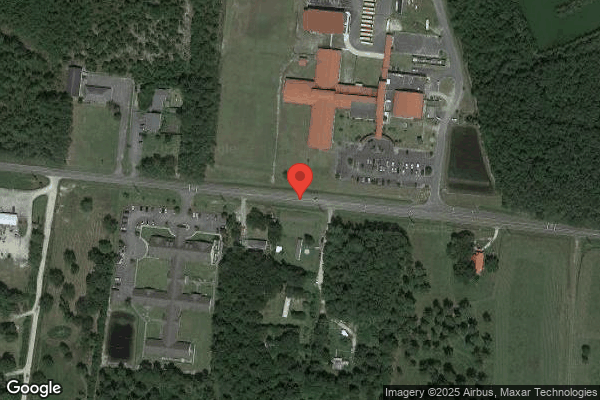
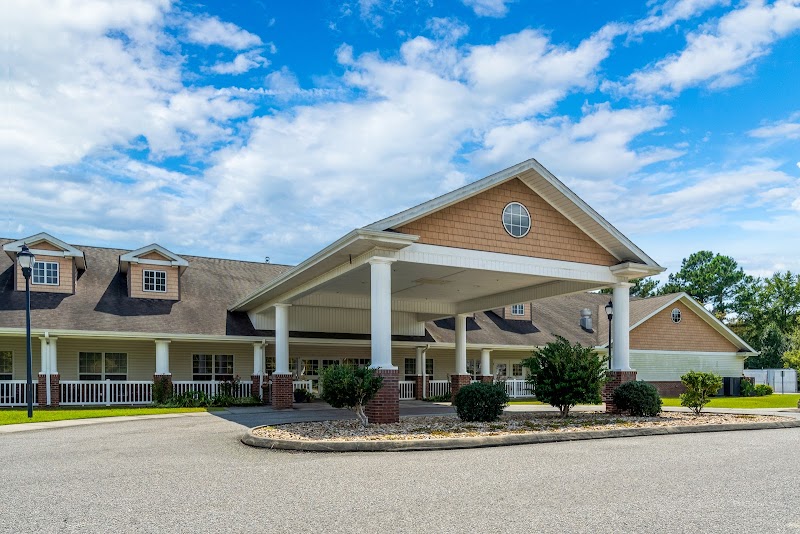
1070 Old Ocean Highway, Bolivia, NC 28422 (910) 755-5955
For profit - Limited Liability company 90 Beds YAD HEALTHCARE Data: November 2025 3 Immediate Jeopardy citations
Trust Grade
0/100
#317 of 417 in NC
Last Inspection: March 2025

Within standard 12-15 month inspection cycle. Federal law requires annual inspections.

Overview

Brunswick Rehabilitation and Healthcare Center has received a Trust Grade of F, indicating significant concerns about the facility's care quality. Ranking #317 out of 417 nursing homes in North Carolina places it in the bottom half of the state's facilities, and it is the lowest-ranked facility in Brunswick County. The trend is worsening, with reported issues increasing from 9 in 2024 to 17 in 2025. Staffing is rated poorly with only 1 out of 5 stars, and while turnover is at 0%, which is better than the state average, the overall staffing situation raises concerns. The facility has incurred $113,461 in fines, which is higher than 89% of North Carolina facilities, suggesting ongoing compliance problems. Significantly, there have been critical incidents, including failure to protect residents from sexual abuse, as one resident was allowed to enter another's room uninvited, resulting in distress and inappropriate touching. Additionally, an incident occurred where a resident fell out of bed due to improper care during a procedure, leading to severe injuries that required emergency treatment. While the facility has some strengths in staffing stability, the serious deficiencies highlight major risks and concerns for potential residents and their families.
Trust Score
F
0/100
In North Carolina
#317/417
Bottom 24%
Safety Record
High Risk
Review needed
Inspections
Getting Worse
9 → 17 violations
Staff Stability
○ Average
Turnover data not reported for this facility.
Penalties
⚠ Watch
$113,461 in fines. Higher than 92% of North Carolina facilities. Major compliance failures.
Skilled Nurses
⚠ Watch
Each resident gets only 23 minutes of Registered Nurse (RN) attention daily — below average for North Carolina. Fewer RN minutes means fewer trained eyes watching for problems.
Violations
⚠ Watch
38 deficiencies on record. Higher than average. Multiple issues found across inspections.
★☆☆☆☆
1.0
Overall Rating
★☆☆☆☆
1.0
Staff Levels
★★★☆☆
3.0
Care Quality
★☆☆☆☆
1.0
Inspection Score
Stable
2024: 9 issues
2025: 17 issues

The Good

  • Full Sprinkler Coverage · Fire safety systems throughout facility
  • No fines on record

Facility shows strength in fire safety.

The Bad

1-Star Overall Rating

Below North Carolina average (2.8)

Significant quality concerns identified by CMS

Federal Fines: $113,461

Well above median ($33,413)

Significant penalties indicating serious issues

Chain: YAD HEALTHCARE

Part of a multi-facility chain

Ask about local staffing decisions and management

The Ugly 38 deficiencies on record

3 life-threatening
Mar 2025 17 deficiencies
CONCERN (D)

Potential for Harm - no one hurt, but risky conditions existed

Deficiency F0561 (Tag F0561)

Could have caused harm · This affected 1 resident

**NOTE- TERMS IN BRACKETS HAVE BEEN EDITED TO PROTECT CONFIDENTIALITY** Based on observation, record review, and resident and staff interviews, the facility failed to provide a resident with their pre...

Read full inspector narrative →
**NOTE- TERMS IN BRACKETS HAVE BEEN EDITED TO PROTECT CONFIDENTIALITY** Based on observation, record review, and resident and staff interviews, the facility failed to provide a resident with their preferred number of showers a week for 1 of 1 residents reviewed for choices (Resident #38). The findings included: Resident # 38 was admitted to the facility on [DATE] with diagnoses that included spondylosis, muscle weakness, venous thrombosis, and anxiety. Resident #38's most recent Minimum Data Set (MDS) dated [DATE] revealed the resident had no cognitive impairments. Resident #38 needed extensive to total assistance with activities for daily living: bed mobility, transfers, eating, toilet use, dressing, personal hygiene, and bathing. Resident #38's care plan dated 02/03/25 revealed Resident #38 was unable to participate in the usual daily routine and needed modified activities or some assistance when using her hands. Resident #38 had an Activities for Daily Living (ADL) self-care performance deficit related to diabetes, spondylosis with myelopathy, osteoarthritis, and muscle weakness. Resident #38 had limited physical mobility and required two-person total assistance utilizing a mechancial lift for transfers and showers. Review of the ADL record for January 2025 and February 2025 documented Resident #38 received one bath on 02/11/24 and no showers and was not noted to have refused a shower during those months. A review of Resident #38's electronic activities for daily living (ADL) bath/shower sheets from 01/21/24 through 02/18/25 revealed one bath on 02/11/25 and no showers during the 30-day look back period. Review of the shower schedule revealed Resident #38's was scheduled for a shower on Tuesdays. An interview and observation was conducted on 02/16/25 at 12:00 PM with Resident #38. She stated she had only received one shower since her admission on [DATE]. She stated she would like to have 2 showers a week, but staff told her it took too much of their time to take her to the shower room and back, and they could not accommodate her request. Resident #38 was observed sitting up in bed, had a gown on, and her face and hair appeared oily. A follow-up interview was conducted on 02/17/25 at 12:00 PM with Resident #38. She stated since her admission she had only received one shower. Resident #38 stated she did not refuse showers and wanted 2 showers a week, but the NAs refused to give her one, with only a partial bed bath now and then. She said she let the nurses know, but still received no showers. An interview was conducted on 02/17/25 at 9:15 AM with Nurse #1. Nurse #1 stated she did not know when Resident #38 last had a shower and that Resident #38 should be getting two showers a week or more if she wants them. Nurse #1 stated all residents should be scheduled for 2 showers per week and on the other days they should receive a bed bath. A review of Resident #38's shower calendar with Nurse #1 revealed Resident #38's shower day was Tuesday. Nurse #1 stated Resident #38 should have had 2 shower days posted per week on the calendar (Tuesday and Saturday), not Just Tuesday. When Nurse #1 checked the electronic shower/bath 30-day look back tracking log from 01/21/25 through 02/18/25, it revealed Resident #38 received no showers and one bath on 02/11/25 at 1:00 PM. An interview was conducted on 02/17/25 at 9:20 AM with NA #1. NA #1 stated Resident #38 told her that she had only had one shower since her admission. NA #1 stated she never gave the resident a shower, and that Resident #38 needed 2 NAs with a mechanical lift to take her to and from the shower room, and that it was easier for the NAs to just to give the resident a bed bath. An interview was conducted on 02/18/25 at 12:15 PM with the Director of Nursing (DON). The DON stated Resident #38 should be getting daily bed baths and 2 showers per week per her preference. But it was currently scheduled for one shower weekly on Tuesday, and she was not getting that and should have been. The DON revealed all residents should have a shower twice a week and whenever they request a shower. An interview was conducted on 02/17/25 at 10:35 AM with the Administrator. He stated he had not heard any complaints about residents not receiving showers.
CONCERN (D) 📢 Someone Reported This

A family member, employee, or ombudsman was alarmed enough to file a formal complaint

Potential for Harm - no one hurt, but risky conditions existed

Free from Abuse/Neglect (Tag F0600)

Could have caused harm · This affected 1 resident

Based on observations, record review, and staff interviews, the facility failed to protect a residents' right to be free from neglect when a nurse (Nurse#5) failed to perform the daily wound care to a...

Read full inspector narrative →
Based on observations, record review, and staff interviews, the facility failed to protect a residents' right to be free from neglect when a nurse (Nurse#5) failed to perform the daily wound care to an infected Stage IV left heel pressure wound and an unstageable right heel pressure wound both of which were facility acquired. This failure occurred for 1 of 3 residents reviewed for neglect. Findings included. This tag is cross referenced to: F686: Based on observations, record review, staff, the Medical Director and the Wound Physician interviews, the facility failed to provide wound care according to the physician's order for a Stage IV pressure ulcer on the left heel and an unstageable deep tissue injury on the right heel. This occurred for 1 of 3 residents (Resident #60) reviewed for wound care.
CONCERN (D)

Potential for Harm - no one hurt, but risky conditions existed

Pressure Ulcer Prevention (Tag F0686)

Could have caused harm · This affected 1 resident

**NOTE- TERMS IN BRACKETS HAVE BEEN EDITED TO PROTECT CONFIDENTIALITY** Based on observations, record review, and staff, the Medical Director and the Wound Physician interviews, the facility failed to...

Read full inspector narrative →
**NOTE- TERMS IN BRACKETS HAVE BEEN EDITED TO PROTECT CONFIDENTIALITY** Based on observations, record review, and staff, the Medical Director and the Wound Physician interviews, the facility failed to provide wound care according to the physician's order for a Stage IV pressure ulcer on the left heel and an unstageable deep tissue injury on the right heel. This occurred for 1 of 3 residents (Resident #60) reviewed for wound care. Findings included: Resident #60 was admitted to the facility on [DATE] with diagnoses including peripheral arterial disease, diabetes, hypertension, and dysphagia. A care plan dated 11/18/24 revealed Resident #60 had deep tissue injuries to her left and right heel and was at risk for further decline and infection. Interventions included in part to administer wound care treatments as ordered and monitor for effectiveness. The Minimum Data Set (MDS) quarterly assessment dated [DATE] revealed Resident #60 had moderately impaired cognition. She had two deep tissue injuries. She had no rejection of care. The wound physician's note dated 2/12/25 revealed Resident #60 was evaluated for Stage IV pressure wound to the left heel. The wound measured 4.2 centimeters (cm) x 8 cm x 0.2 cm. The wound had 60% thick adherent devitalized necrotic tissue. The wound progress was not at goal. The treatment plan was Santyl (debriding ointment) daily for 16 days and alginate (absorbent protective dressing) daily for 23 days. The wound physician note dated 2/12/25 revealed Resident #60 was evaluated for an unstageable full thickness wound to the right heel. The wound measured 2.6 centimeters (cm) x 5.2 cm x 0.1 cm. The wound had 40% thick adherent black necrotic tissue (eschar). The wound progress was not at goal. The treatment plan was Santyl (debriding ointment) daily for 23 days and alginate (absorbent protective dressing) daily for 23 days. A physician's order dated 2/13/25 for Resident #60 revealed Santyl ointment 250 units per gram. Apply to left heel daily. Cleanse with normal saline, pat dry. Apply Santyl to wound bed, apply oil emulsion to wound bed, and apply calcium alginate and cover with gauze daily. A physician's order dated 2/13/25 for Resident #60 revealed Santyl ointment 250 units per gram. Apply to right heel daily. Cleanse with normal saline, pat dry. Apply Santyl to wound bed, then apply calcium alginate to wound bed and cover with gauze daily. A physician's order dated 2/13/25 for Resident #60 revealed Doxycycline (antibiotic) oral tablets 100 milligrams (mg). Give 1 tablet by mouth two times a day for wound infection for 10 days. A care plan dated 2/14/25 revealed Resident #60 had a Stage 4 pressure ulcer on her left heel and was at risk for further decline in skin integrity and infection. Interventions included in part to administer wound care treatments as ordered and monitor for effectiveness. Review of the Treatment Administration Record (TAR) dated February 2025 for Resident #60 revealed the daily wound treatment of Santyl to bilateral heels was not signed off as administered on 2/15/25. During an observation on 02/16/25 at 4:50 PM Resident #60 was sitting up in her wheelchair in the common area of the locked dementia unit. She was not oriented to person, place, or time. Heel protector boots were in place on both feet. Nurse #5 removed the heel protector boots which revealed bilateral soiled dressings on the heels that were falling off. The dressings on both heels were dated 2/14/25. During an interview on 2/16/25 at 4:50 PM Nurse #5 stated she worked Saturday 2/15/25 from 7:00 AM until 7:00 PM and today Sunday 2/16/25 from 7:00 AM until 7:00 PM. She stated Resident #60 had a Stage IV left heel wound and an unstageable wound to her right heel and had orders to receive daily dressing changes. When asked if the wound care had been completed over the weekend, Nurse #5 stated no she did not complete the wound treatment on Saturday because she was going to have the night shift nurse (Nurse #7) change the dressing during Resident #60's shower which was scheduled to be given Saturday night. She stated when she returned to work Sunday morning at 7:00 AM she discovered Resident #60's wound care had not been completed during the night. Nurse #5 stated the wound care to Resident #60's heels had not been done since day shift Friday 2/14/25 when the wound nurse did the treatment. When Nurse #5 was asked why the dressings had not been changed today and it was near the end of her shift and had been over 48 hours since the last dressing change, she stated she had been busy and just had not done them yet. Review of the Treatment Administration Record (TAR) on 2/17/25 for Resident #60 revealed the wound treatment of Santyl to bilateral heels was signed off as administered after 6:00 PM on 2/16/25. A phone interview was conducted on 2/17/25 at 3:00 PM with Nurse #7 the night shift nurse who worked 7:00 PM on 2/15/25 until 7:00 AM on 2/16/25. She stated she was an agency nurse and 2/15/25 was the first night she had ever worked in the facility. She stated it was not reported to her that Resident #60's wound care had not been completed on day shift on 2/15/25. She stated it did not populate in the electronic medical record for her to complete a dressing change for Resident #60 during her shift. During an interview on 2/17/25 at 10:00 AM the Wound Nurse stated she completed Resident #60's wound care to her bilateral heels early on Friday 2/14/25. She indicated it was before 12:00 PM. She stated the assigned nurse was responsible for wound care over the weekends when she was off. She was not aware that the heel dressings were not changed on 2/15/25 and not until late in the day on 2/16/25. She stated Resident #60 was followed by the wound care physician and had orders for daily dressing changes. She stated Resident #60's wound care was scheduled to be completed on day shift. She stated she was also currently receiving antibiotics beginning 2/13/25 due to a wound infection. During an interview on 2/18/25 at 2:00 PM the Medical Director stated Resident #60 had chronic wounds and was followed weekly by the wound care physician. She stated wound care should be completed according to the physician orders. During an interview on 02/19/25 at 03:13 PM the Wound Care Physician stated Resident #60's wounds were evaluated by her weekly. She stated Resident #60 had bilateral heel wounds and orders to complete daily dressing changes using Santyl to both heels. She stated Resident #60 had poor vasculature which impacted her wound healing and potentially causing the wounds to take longer to heal. She stated she was currently receiving the antibiotic Doxycycline for wound infection of the Stage IV on the left heel. She stated she was made aware that Resident #60 missed the wound care treatment over the weekend. She stated the wound had not deteriorated due to not getting the treatment done on 2/15/25. She indicated that it was important for daily wound care to be completed to promote healing and reduce the risk for further infection. During an interview on 2/20/25 at 3:00 PM the Director of Nursing (DON) stated she was made aware that Resident #60's wound care was not completed by Nurse #5 on Saturday 2/15/25. She stated the wound care populated in the electronic medical record to be completed during day shift and she expected the day shift nurse to complete the treatment. She stated when Nurse #5 returned to work Sunday 2/16/25 and realized the dressing change had not been completed since Friday 2/14/25 the nurse should have completed the dressing change sooner than later. She indicted going over 48 hours between daily dressing changes was not acceptable especially since the wound was being treated for infection. She stated education would be provided to staff. During a phone interview on 3/4/25 at 2:00 PM the Medical Director stated Resident #60 was admitted to the facility in March 2024. When she came in, she was frail and in need of a higher level of care. Over the course of a few months, she had weight loss. Labs were done during that time which showed no acute findings. She was also diabetic, and they tried to adjust some of her diabetic medications. She stated overall during the course of several months Resident #60 started to decline due to advanced dementia, and weight loss. When she developed the deep tissue injuries (DTIs) on her heels they ordered a doppler ultrasound (imaging studies to determine blood flow). The doppler study showed severe peripheral arterial disease (narrowed arteries causing reduced blood flow to the arms or legs). She stated Resident #60's multiple comorbidities contributed to her wound development. She stated her overall decline could not have been avoided. She indicated that due to her overall decline in health along with severe peripheral arterial disease these wounds were not avoidable.
CONCERN (D) 📢 Someone Reported This

A family member, employee, or ombudsman was alarmed enough to file a formal complaint

Potential for Harm - no one hurt, but risky conditions existed

Deficiency F0725 (Tag F0725)

Could have caused harm · This affected 1 resident

**NOTE- TERMS IN BRACKETS HAVE BEEN EDITED TO PROTECT CONFIDENTIALITY** Based on observations, record review, staff, and resident interviews the facility failed to provide sufficient nursing staff to ...

Read full inspector narrative →
**NOTE- TERMS IN BRACKETS HAVE BEEN EDITED TO PROTECT CONFIDENTIALITY** Based on observations, record review, staff, and resident interviews the facility failed to provide sufficient nursing staff to provide incontinence care to a dependent resident (Resident #7). Nurse Aide #2 reported she changed Resident #7's brief at approximately at 7:30 AM and had not checked the resident for incontinence needs again until 1:15 PM. This occurred for 1 of 24 residents reviewed for sufficient staffing. Findings included: Resident #7 was admitted to the facility on [DATE]. Diagnoses included history of urinary tract infections, muscle wasting and atrophy, and need for assistance with personal care. The Minimum Data Set (MDS) quarterly assessment dated [DATE] revealed Resident #7 was cognitively intact and was coded for impairments to both sides of upper and lower extremities and dependent with one staff physical assistance for ADL care. Resident #7 was always incontinent of bowel and bladder. A review of the staffing assignment sheet on 02/16/25 revealed there was one nurse aide assigned to each of the 100 hall, 200 hall, 300, and 400 hall from 7:00 AM to 7:00 PM, one nurse aide on the 500 hall (locked unit) due to a call out, and 2 nurse aides from 10:00 AM until 7:00 PM. The facility census (number of residents residing in the facility) posting on 02/16/25 was 81 residents. The staffing assignment sheets on 02/16/25 revealed the following: Nurse Aide #2 assigned to the 100 Hall with 16 residents Nurse Aide #3 assigned to the 200 Hall with 15 residents Nurse Aide #4 assigned to the 300 Hall with 17 residents Nurse Aide #1 assigned to the 400 Hall with 17 residents Nurse Aide #5 and Nurse Aide #6 assigned to the 500 hall with 16 residents The total number of nurse aides working on 02/16/25 during the 7:00 AM to 7:00 PM was 6. There was a medication aide who was not working as a nurse aide who was administering medications on the 200 hall. An observation and interview with Resident #7 on 02/16/25 at 10:30 AM revealed an alert and oriented resident lying in bed on her back. Resident #7 reported that her brief had not been changed since early this morning and stated it was well before breakfast. Resident #7 stated she was wet with urine at this time and wanted to be changed. Resident #7 stated she would ring her call bell to get assistance. A follow up observation and interview was conducted with Resident #7 on 02/16/25 at 1:15 PM. Resident #7 stated she rang her call bell and told Nurse Aide (NA) #2 that she needed her brief to be changed. The call light was not sounding upon entry to Resident #7's room. Resident #7 reported NA #2 stated she would be right back but she did not come back. Resident #7 stated she believed it was about 10:30 AM or so when she pressed her call bell, but she could not remember the actual time. Resident #7 stated she wanted her brief to be changed, but she did not want to keep bothering the nurse aide. An observation of NA #2 was conducted on 02/16/25 at 1:15 PM. NA #2 was noted to have checked Resident #7's brief and it was noted to be saturated with a significant amount urine. NA #2 was observed changing Resident #7's brief at this time. An interview was conducted with NA #2 on 02/16/25 at 1:15 PM. NA #2 was asked when she last checked and changed Resident #7's brief. NA #2 responded I don't know, I don't keep track of that. I am so busy with the 18 residents on my hall. NA #2 stated she did not recall Resident #7 ringing her call bell to ask for assistance or telling Resident #7 she would be back. NA #2 stated she had 18 residents and it was very difficult to meet all the needs of the residents, and she was not always able to meet their needs during her shift. NA #2 stated she was working from 7:00 AM to 7:00 PM on this hall. She stated she could not always find a staff member to assist her because the other aides were busy too. She stated 18 residents on the 100 hall were a lot of residents to care for during the day and evening shift and it was difficult to do it alone and provide the care needed. A follow up interview was conducted with NA #2 on 02/16/25 at 1:45 PM. NA #2 stated she was doing the best she could with keeping up with changing her residents. NA #2 stated she tried to check her residents every 2 - 3 hours per the facility protocol to see if the residents needed to be changed, but that Resident #7 had gone over 4 hours before she was changed again. NA #2 stated she did not remember when she first changed Resident #7 but she thought it was at the start of her shift around 7:30 AM. NA #2 stated she should have checked her for incontinence again after 2-3 hours since she was one of her residents known to urinate a lot. At this time, the actual number of residents she was assigned was confirmed by Nurse Aide to be 16 residents on 02/16/25. NA #2 stated 16 residents on day shift was a lot of care to provide with one nurse aide. An interview with the Scheduler on 02/18/25 at 1:30 PM revealed on day shift (7:00 AM until 7:00 PM) she was allocated to have 7 nurse aides. The scheduler stated if a staff member called off, they had to try and replace the call out. She stated normal scheduling was based on the facility census and with the census being 81, she would schedule 7 nurse aides but someone almost always called out. During an interview on 02/18/25 at 11:55 AM Nurse Aide #1 stated it was difficult for her to get all of her care done for the residents when she worked the 400 hall by herself. Nurse Aide #1 stated she usually had at least 17 residents on day shift on her assignment. Nurse Aide #1 stated a lot of her residents on the 400 hall required two person assistance or the need for a mechanical lift and it was not easy to find the second person to help. Nurse Aide #1 stated she would ask the upper management staff to assist, but they were not always available to assist. Nurse Aide #1 stated she would then not be able to get the residents out of bed until she found help. During a phone interview on 03/04/25 at 8:00 PM Nurse Aide #14 stated they needed more Nurse Aides assigned to all the halls. NA #14 stated care to the residents was not always getting done such as incontinence care when there was not enough staff. NA #14 stated he had worked each hall and it was always staffed with the bare minimum (1 nurse aide per hall) and it was hard to get care done for the residents. A phone interview was conducted with the Administrator on 02/21/25 at 1:35 PM. The Administrator stated the census on 02/16/25 was 81 and he had scheduled 7 Nurse Aides. He stated they were allocated 7 Nurse Aides on day shift, and they scheduled seven but that included a Medication Aide as well. He stated the 7th person was a Nurse Aide/Medication Aide and was assigned to a medication cart on the 02/16/25 which left only 6 Nurse Aides for 81 residents. The Administrator stated he did not feel it was a concern and that one Nurse Aide to 16 - 17 residents was a manageable assignment. The Administrator stated the assignment was tough but doable.
CONCERN (D)

Potential for Harm - no one hurt, but risky conditions existed

Unnecessary Medications (Tag F0759)

Could have caused harm · This affected 1 resident

Based on observations, record review and staff interviews the facility failed to maintain a medication error rate of less than 5%. There were 3 medication errors observed out of 25 opportunities which...

Read full inspector narrative →
Based on observations, record review and staff interviews the facility failed to maintain a medication error rate of less than 5%. There were 3 medication errors observed out of 25 opportunities which resulted in a medication error rate of 12%. This occurred for 2 of 4 residents reviewed during a medication pass observation (Resident #79 and #66). Findings included: 1). A medication pass observation on 02/19/25 a 8:30 AM with Nurse #6 revealed Resident #79 was administered Metoprolol (medication to treat high blood pressure) 25 milligrams (mg). Nurse #6 was not observed obtaining Resident #79's blood pressure prior to administering the Metoprolol 25 mg tablet. Nurse #6 stated she completed her medication pass for Resident #79 at 8:45 AM on 02/19/25. The medication reconciliation on 02/19/25 of Resident #79's medications revealed Resident #79 had an order for Metoprolol 25 mg with an order to hold the blood pressure medication if the systolic blood pressure (SBP) was less than 110 mm/Hg (millimeters of mercury). An interview was conducted with Nurse #6 on 02/19/25 at 10:35 AM. Nurse #6 stated she had not obtained a blood pressure from Resident #79. Nurse #6 reviewed the medication administration record and confirmed the order indicated to hold the Metoprolol 25 mg if the SBP was less than 110 mm/Hg. Nurse #6 stated she overlooked that portion of the order and did not obtain a blood pressure as ordered. Nurse #6 took Resident 79's blood pressure at this time and it was noted to be 126/72 mm/Hg. 2). A medication pass observation on 02/19/25 at 9:25 AM with Medication Aide (MA) #1 revealed MA #1 dispensed the following medications for Resident #66 into a medication cup: Vitamin D12 (supplement) 25 micrograms (mcg) 1000 international units (IU) 2 tablets, Folic Acid (supplement) 1 milligram (mg) one tablet, Isosorbide (medication to treat high blood pressure) 30 mg one tablet, Flomax (medication to treat enlarged prostate) 0.4 mg one tablet, Thiamin BI (supplement) 100 mg one and ½ tablet. MA #1 removed the Losartan (medication to high blood pressure) 25 mg medication card from the medication cart and then returned it back to the cart without dispensing the medication into the medication cup and she also removed the Multivitamin bottle from the medication cart and returned it back to the cart without dispensing any of the medication into the medication cup. An interview with MA #1 on 02/19/25 at 9:28 AM revealed MA #1 stated she was completed with putting all of the ordered medications in the medication dispensing cup and entered Resident #66's room. MA #1 proceeded to administer Resident #66's medications. MA #1 was asked if she had all of Resident #66's medications to be administered and she replied Yes. MA #1 went back to her medication cart and realized she omitted two medications: Losartan 25 mg one tablet and Multivitamin 1 tablet. MA #1 added the two medications she had omitted to the medication cup and stated she missed the two pills because she was nervous. MA #1 administered all the ordered medications to Resident #66. The medication reconciliation on 02/19/25 of Resident #66's medications revealed Resident #66 had an order for Vitamin D12 50 mcg 2000 IUs daily, Folic Acid 1 mg one tablet daily, Isosorbide 30 mg one tablet daily, Flomax 0.4 mg one tablet daily, Thiamin BI (supplement) 150 mg one and ½ tablet daily, Losartan 25 mg one tablet daily and Multivitamin 1 tablet daily. An interview was conducted with the Administrator via phone on 02/21/25 at 1:30 PM. The Administrator stated he expected his nursing staff to administer the medications as ordered and to read the orders carefully for any further direction. The Administrator stated the parameters for the blood pressure were in place to monitor the resident's blood pressure to ensure the resident was not receiving the medication when the blood pressure was below the parameters.
CONCERN (D)

Potential for Harm - no one hurt, but risky conditions existed

Deficiency F0825 (Tag F0825)

Could have caused harm · This affected 1 resident

**NOTE- TERMS IN BRACKETS HAVE BEEN EDITED TO PROTECT CONFIDENTIALITY** Based on observations, record review, and staff, Nurse Practitioner, Rehabilitation Director, and Registered Dietician interview...

Read full inspector narrative →
**NOTE- TERMS IN BRACKETS HAVE BEEN EDITED TO PROTECT CONFIDENTIALITY** Based on observations, record review, and staff, Nurse Practitioner, Rehabilitation Director, and Registered Dietician interviews, the facility failed to implement a written order for occupational therapy evaluation for 1 of 10 residents (Resident #7) reviewed for nutrition. Findings included: Resident #7 was admitted to the facility on [DATE]. Diagnoses included history of diabetes, protein calorie malnutrition, gastrostomy (the insertion of a feeding tube via the stomach) and need for assistance with personal care. The Minimum Data Set quarterly assessment dated [DATE] revealed Resident #7 was cognitively intact and had impairments to both sides to upper and lower extremities. She was required to be set up with clean up assistance with meals. Resident #7 had a feeding tube and was on a mechanically altered diet and therapeutic diet. Resident #7 was receiving 51% or more through the feeding tube and 501 milliliters (ml) per day of fluid through the feeding tube. A care plan review updated on 01/07/25 revealed a plan of care was in place for at risk for nutrition due to dysphagia (difficulty with swallowing) and diabetes. Resident #7 was on a modified diet in order to facilitate oral intake, adult failure to thrive, history of weight loss and risk for malnutrition with a goal that Resident's intake would meet her nutritional needs. Interventions included, in part, observe for signs or symptoms of dysphagia, pocketing food, choking, coughing, drooling, holding food in mouth, or refusing to eat, and provide and serve diet with adaptive feeding equipment as ordered and monitor weight per protocol. Review of Resident #7's weight record revealed her weight was stable for the last 6 months (August 5, 2024, thru February 06, 2025) fluctuating between 192 pounds and 199 pounds. A physician's order written by the Nurse Practitioner (NP) on 01/30/25 revealed an order for Occupational Therapy (OT) to evaluate and treat and an order for Enteral (provide nutrition via a tube) feeding three times a day via a bolus (a single portion of feeding given all at once) of Jevity 1.5 calorie/250 milliliters (ml) with 60 milliliters of water flushes before and after bolus and with meals for diet. Hold bolus feed if resident consumes over 50% of meal. A review of the resident's electronic medical record revealed there were no occupational therapy notes to indicate Resident #7 had been evaluated on 01/30/25. An observation and interview with Resident #7 on 02/16/25 at 1:20 PM revealed resident was attempting to eat her meal with a regular fork that was provided from the kitchen and had bilaterally contracted hands where her fingers were fixed in an extended position pointing upwards. Resident was unable to bend her fingers. Resident #7 stated she was able to eat independently and did not like to use the adaptive equipment because it was too heavy. An interview with Nurse Aide #2 on 02/16/24 at 1:30 AM revealed Resident #7 was able to eat independently with her meals once she was set up to include opening any containers, placing the meal tray in front of her and making sure she had her eating utensils. NA #2 stated she did not use her adaptive equipment which included a fork and spoon because she did not like them. NA #2 stated Resident #7 would usually eat about 25 - 50% of her meal. An observation of Resident #7 on 02/18/25 at 12:30 PM revealed resident had her mechanical soft meal tray in front of her which included a fruit bowl, and on the plate included ground protein, string beans and mashed potato with a covered gravy bowl on the side. Resident #7 was observed using a regular spoon (not adaptive) while eating her fruit with some difficulty noted. Resident #7 attempted to eat the mashed potatoes which was placed a little further than the fruit cup but was unable to get the food on the spoon. Resident #7 was unable to open the gravy bowl provided. During the observation on 02/18/25 at 12:45 PM, Nurse Aide (NA) #1 entered the room and was observing Resident #7. NA #1 was asked if Resident #7 needed assistance with eating. NA #1 replied she seemed to need assistance with her meals. NA #1 stated that she was a new nurse aide at the facility and she was told by other nurse aides that Resident #7 could eat with set up assistance only. NA #1 assisted Resident #7 at this time with her meal tray. An interview with NA #1 on 02/18/25 at 1:10 PM revealed Resident #7 ate all of her fruit cup and bites of the mashed potatoes only while she was assisting her and she stated she did not want anymore. Nurse Aide #1 stated she would let the nurse know that Resident #7 needed assistance with her meals. An interview with the Occupational Therapist on 02/18/25 at 3:30 PM revealed she was not aware of an order for occupational therapy evaluation for Resident #7 and that Resident #7 was not currently being followed by occupational therapy. An interview was conducted with the Rehabilitation Director on 02/18/25 at 4:00 PM. The Rehabilitation Director stated if there was a decline in a resident, it was up to nursing to notify the doctor and get a therapy order. The Rehabilitation Director revealed he was responsible for the therapy orders but that he was not aware of the order. He stated he would usually get a Hey Therapy form or a verbal order to let him know that there was an order for therapy. The Rehabilitation Director stated the Hey Therapy form was a two part form that consisted of a white page and a yellow page titled Hey Therapy. He stated the nursing staff would complete the 2 part form and send the white page to the Therapy Department and maintain the yellow page for their records. An interview with Nurse #4 on 02/18/25 at 4:17 PM revealed she was not aware that Resident #7 needing assistance with eating until she was told today by the Nurse Aide. Nurse #4 stated Resident #7 usually would eat on her own once her food tray was set up. Nurse #4 stated Resident #7 had an order if she ate more than 50% of her meal to hold her bolus tube feeding and the resident received her bolus tube feeding today because she was told by the Nurse Aide the resident ate less than 50%. Nurse #4 stated if a resident had a change that required therapy she would just tell the therapy department verbally and let the physician know and then an order would be put in the electronic record. Nurse #4 stated she did not say anything to the facility therapy department regarding Resident #7 at this time. Nurse #4 stated she was not aware of what a Hey Therapy form was and never heard of it. A follow up interview with the Rehabilitation Director on 02/19/25 at 11:15 AM revealed he did not review the physician orders to see if any orders were written for therapy. He stated he would have go patient by patient to check orders. He stated the process that was in place for a therapy order was that nursing would write an order and communicate the order to the facility via a Hey Therapy form. He stated if the nursing staff do not relay this order to him verbally or via a Hey Therapy, the order would get missed. An interview with the Registered Dietician (RD) on 02/19/25 at 2:54 PM revealed Resident #7's weight had been stable for last 6 months. The RD stated staff should be encouraging the resident to eat first and if she consumes less than 50% to administer the tube feeding bolus. The RD stated she had only been at the facility for 2 months and was not aware of Resident's history but stated due to her contractures she needed supervision and cueing after setting up the tray, and to monitor to make sure she got started and continued to eat. The RD stated she was not aware of the occupational order to evaluate and treat on 01/30/25 and she was not aware resident was requiring more assistance to eat. An interview with the Nurse Practitioner (NP) on 02/20/25 at 12:26 PM. The NP stated she put the order in the electronic record on 01/30/25 because she observed Resident #7 needing assistance with eating and felt she needed to be evaluated. The NP stated that usually after putting in the order, nursing would ensure that the therapy department was aware of the order, but added, that also the therapy department had access to the physician orders and should have seen the order for the occupational therapy evaluation. An interview with Unit Manager #1 on 02/20/25 at 12:35 PM revealed if there was an order for therapy written by the provider, the nurses were to complete a Hey Therapy form and bring the form to the Therapy Department. She stated most of the time therapy would already know the order because it was in the electronic record. Unit Manger #1 stated she was the nurse who noted the order and she believed she completed the Hey Therapy form which was a two part form. Unit Manager #1 stated nursing would keep the yellow copy and bring the white copy to therapy. The Unit Manager #1 was unable to provide the yellow copy of the Hey Therapy form for 01/30/25. A follow up interview was conducted with the Occupational Therapist on 02/19/25 at 11:42 AM. The OT stated she evaluated Resident #7 during her breakfast on 02/19/25 and brought in several different adaptive utensils such as a built up spoon and a smaller spoon than what was provided ordinarily from the kitchen. The OT stated the built up spoon was too heavy, and that Resident #7 did well with the smaller spoon. The OT stated Resident #7 took 3 bites at the beginning of her meal by herself but required assistance after that as she fatigued easily and required the OT's assistance. The OT stated Resident #7 was able to take 3 bites by herself at the end of the meal after being assisted with feeding. The OT stated after she completed the evaluation, she determined Resident #7 would be added to the therapy case load for strengthening her upper extremities and working with gross and fine motor coordination with a goal to improve her ability to feed herself at least 50% to 75% of her meal and to give her increased independence. The OT stated Resident #7 would be getting therapy 3 to 5 times per week as she required assistance from OT in order to have sufficient intake due to the fatigue. The OT stated she would let the nursing staff know that Resident #7 would be dependent with feeding at this point because Resident #7 was fatiguing too quickly and oral intake would not be adequate. An interview with the Administrator on 02/21/25 via phone at 1:30 PM revealed if there was an order in place to evaluate and treat for occupational therapy he would have expected the order to be followed through on. The Administrator stated he would have expected the order to be addressed to avoid any further decline for the resident that may have affected her nutrition.
CONCERN (E)

Potential for Harm - no one hurt, but risky conditions existed

Notification of Changes (Tag F0580)

Could have caused harm · This affected multiple residents

Based on record review, and staff, Nurse Practitioner, and Physician interviews, the facility failed to notify the Physician, or the Nurse Practitioner of a resident's blood pressure medication Carved...

Read full inspector narrative →
Based on record review, and staff, Nurse Practitioner, and Physician interviews, the facility failed to notify the Physician, or the Nurse Practitioner of a resident's blood pressure medication Carvedilol 3.125 milligrams prescribed for hypertension and scheduled for administration twice a day was held 34 times during a period of 77 days or that Midodrine (prescribed to increase blood pressure) was being administered outside of the prescribed parameters. This occurred for 2 of 5 residents (Resident #54) reviewed for medication administration and notification to the physician. Findings included. This tag is cross referenced to: F760: Based on record review, and staff, Physician, Nurse Practitioner, and the Consultant Pharmacist interviews the facility failed to 1.)administer the antihypertensive medication Carvedilol 3.125 milligrams prescribed twice a day for hypertension. Resident #54 experienced no significant outcome by not receiving the medication. 2.) hold the blood pressure medication Midodrine (prescribed to increase blood pressure) when the systolic blood pressure was greater than 130 millimeters of mercury (mmHg). Resident #43 experienced no significant outcome from receiving the additional doses. This occurred for 2 of 5 residents (Resident #54 and Resident #43) reviewed for medication administration.
CONCERN (E) 📢 Someone Reported This

A family member, employee, or ombudsman was alarmed enough to file a formal complaint

Potential for Harm - no one hurt, but risky conditions existed

Safe Environment (Tag F0584)

Could have caused harm · This affected multiple residents

Based on record review, observations, Administrator, and Maintenance Director interviews, the facility failed to remove the black greenish substance from the commode base caulking in resident rooms (2...

Read full inspector narrative →
Based on record review, observations, Administrator, and Maintenance Director interviews, the facility failed to remove the black greenish substance from the commode base caulking in resident rooms (200, 201, 205, 207, 208, 209, 305, and 411), failed to repair resident's overhead lights that were non-functioning in resident rooms (202 and 411). These failures occurred on 3 of 5 hallways (200, 300, and 400 Halls) observed for a safe, clean, homelike environment and failed to maintain hot water temperatures in 2 of the 2 shower rooms on the 300-hall (Spa #1 and Spa #2) reviewed for hot water. Findings included: 1. An observation of the two 300-hall shower rooms was completed during a round on 02/17/25 which started at 9:45 AM with the Maintenance Director. The shower hot water temperature in Spa #1 fluctuated from 85 degrees Fahrenheit (F) to 89 degrees F, and the shower in Spa #2 hot water temperature fluctuated from 83 degrees F to 101 degrees F. Both shower water temperatures were obtained using the calibrated thermometer provided by the Maintenance Director and the temperatures were obtained after 5-minutes of continuous hot water monitoring in both shower rooms. The Maintenance Director stated during the observation the water was too cold for showers, which should have been around 114 degrees F. The Maintenance Director said he would try to adjust the faucets and mixing valve to bring the hot water temperature up to around 114 degrees F. An interview was conducted on 02/21/25 at 12:00 PM with the Administrator and he stated as of September 2024, their paper water temperature logs were no longer being used, since they updated to the electronic Maintenance TELS (The Equipment Lifecycle System) (an online system used to help manage maintenance in a facility). The Administrator explained he had their new electronic TELS water testing log did not include testing water temperatures in the shower rooms. The Administrator further explained he hired a new Maintenance Director and because the 3 shower rooms were inadvertently not added in the TELS water testing log, the Maintenance Director did not track the shower water temperatures which resulted in the 3 shower rooms water temperatures not being monitored. The Maintenance Director said another reason the water in the shower rooms might be cold was due to the hot water having to travel all the way from the boiler to the shower rooms and staff were not waiting 3-5 minutes for the water to heat up. 2. An observation on 02/18/25 at 12:00 PM revealed resident commode base caulking in resident rooms (200, 201, 205, 207, 208, 209, 305, and 411), were noted to have black greenish substance located around the base of the commodes. An interview and observation were conducted on 02/18/25 at 1:30 PM with the Maintenance Director. He stated there were areas on the 200, 300, and 400 halls that needed to be addressed, repaired, or replaced. He stated he was new to the building and had no assistant but was slowly keeping up with facility repairs. He said he did not know what the black greenish substance was around some of the commodes commode base caulking in resident rooms (200, 201, 205, 207, 208, 209, 305, and 411). He said maintenance was responsible for repairing or replacing items in the facility, and that some of the commodes caulking needed to be replaced. 3. An observation on 02/18/25 starting at 12:15 PM revealed overhead lights that were non-functioning, in rooms (202 and 411). All four alert and oriented residents in the two rooms said they told their nurses about the non-functioning lights, but nothing had been done. They said they primarily use the lighting from the outside window and keep the hallway door open. An interview was conducted on 02/18/25 at 1:30 PM with the Maintenance Director. He stated there were still areas on the 200, 300, and 400 halls that still needed to be addressed, repaired, or replaced. He said maintenance was responsible for repairing or replacing items in the facility, and that some of the overhead lights were not working and needed new ballasts. An interview was conducted with the Administrator on 02/18/25 at 1:50 PM. He revealed they were making progress and were improving residents' living environment to make it more home-like, and that it would take time. He said there were still areas in the facility that still needed to be addressed, and they were actively putting plans in place to address areas concern observed during the survey. The Administrator stated it was his expectation for all the residents to have a safe and homelike environment that was clean and in good repair.
CONCERN (E) 📢 Someone Reported This

A family member, employee, or ombudsman was alarmed enough to file a formal complaint

Potential for Harm - no one hurt, but risky conditions existed

ADL Care (Tag F0677)

Could have caused harm · This affected multiple residents

**NOTE- TERMS IN BRACKETS HAVE BEEN EDITED TO PROTECT CONFIDENTIALITY** 2) Resident #7 was admitted to the facility on [DATE]. Diagnoses included history of urinary tract infections, muscle wasting an...

Read full inspector narrative →
**NOTE- TERMS IN BRACKETS HAVE BEEN EDITED TO PROTECT CONFIDENTIALITY** 2) Resident #7 was admitted to the facility on [DATE]. Diagnoses included history of urinary tract infections, muscle wasting and atrophy, and need for assistance with personal care. The Minimum Data Set (MDS) quarterly assessment dated [DATE] revealed Resident #7 was cognitively intact and was coded for impairments to both sides of upper and lower extremities and dependent with one staff physical assistance for ADL care. Resident #7 was always incontinent of bowel and bladder. A care plan updated on 02/11/25 for Resident #7 revealed a plan of care was in place for incontinent care and required staff assistance with toileting and bowel and bladder incontinence. The goal of care was to receive the appropriate level of staff assistance for toileting and incontinence care. Interventions included providing one person assistance with toileting and incontinence care. A plan of care was in place for limited physical mobility related to weakness, impaired mobility and incontinence with a goal that resident would be free of complications related to immobility to include skin breakdown. Interventions included observing for any signs or symptoms of skin breakdown. A plan of care updated on 02/13/25 revealed the resident had a Stage IV pressure ulcer to her coccyx (a small bone at the base of the spinal column above the buttocks) related to immobility and incontinence with a goal that the pressure ulcer would show signs of healing and remain free from infection. Interventions included observing any changes in skin status. An observation and interview with Resident #7 on 02/16/25 at 10:30 AM revealed an alert and oriented resident lying in bed on her back. Resident #7 reported that her brief had not been changed since early this morning and stated it was well before breakfast. Resident #7 stated she was wet with urine at this time and wanted to be changed. Resident #7 stated she would ring her call bell to get assistance. A follow up observation and interview was conducted with Resident #7 on 02/16/25 at 1:15 PM. Resident #7 stated she rang her call bell and told the Nurse Aide (NA) #2 that she needed her brief to be changed. The call light was not sounding upon entry to Resident #7's room. Resident #7 reported NA #2 stated she would be right back but she did not come back. Resident #7 stated she believed it was about 10:30 AM or so when she pressed her call bell, but she could not remember the actual time. Resident #7 stated she wanted her brief to be changed, but she did not want to keep bothering the nurse aide. An interview was conducted with Nurse Aide (NA) #2 on 02/16/25 at 1:15 PM. NA #2 was asked when the last time was that she checked on and changed Resident #7's brief. NA #2 responded I don't know, I don't keep track of that. I am so busy with the 18 residents on my hall. NA #2 stated she did not recall Resident #7 ringing her call bell to ask for assistance or telling Resident #7 she would be back. NA #2 stated she would check Resident #7 at this time. An observation of NA #2 was conducted on 02/16/25 at 1:15 PM. NA #2 was noted to have checked Resident #7's brief and it was noted to be saturated with a significant amount urine. NA #2 was observed changing Resident #7's brief at this time. Resident #7's dressing to her coccyx was noted to be intact. A follow up interview was conducted with NA #2 on 02/16/25 at 1:45 PM. NA #2 stated she was doing the best the could with keeping up with changing her residents. NA #2 stated she tried to check her residents every 2 - 3 hours per the facility protocol to see if the residents needed to be changed, but that Resident #7 had gone over 4 hours before she was changed again. NA #2 stated she did not remember when she first changed Resident #7 but she thought it was at the start of her shift around 7:30 AM. NA #2 stated she should have checked her for incontinence again after 2-3 hours since she was one of her residents known to urinate a lot. An interview was conducted with the Administrator on 02/21/25 via phone at 1:35 PM. The Administrator stated he would have expected the nurse aides to check and change all residents on their assignment every 2 - 3 hours to ensure they were kept dry and clean to maintain the resident's skin integrity. Based on observations, record review, and staff interviews, the facility failed to provide bathing and showers (Resident #39, Resident #53, and Resident #60) and incontinence care (Resident #7) to residents who were dependent on staff assistance with activities of daily living (ADL). This occurred for 4 of 5 residents reviewed for ADL care. Findings included. 1a.) Resident #39 was admitted to the facility on [DATE] with diagnosis including Alzheimer's disease. The Minimum Data Set (MDS) admission assessment dated [DATE] revealed Resident #39 was severely cognitively impaired. She had no rejection of care. She had impaired range of motion in her bilateral upper and lower extremities and was dependent on staff for activities of daily living (ADL). A care plan dated 1/16/25 revealed Resident #39 had ADL self-care performance deficit related to her diagnosis of Alzheimer's disease, primary osteoarthritis, diabetes, and hypertension. Interventions included to encourage participation in tasks. During an interview on 2/16/25 at 5:00 PM Nurse #5 stated Resident #39 did not receive her scheduled shower last night on Saturday 2/15/25. She stated it was reported to her this morning when she came on duty by the night nurse and Resident #39 still had not had a shower as of now. She indicated she did not know why the showers weren't done by the Nurse Aides. She stated Resident #39 was scheduled for showers to be given on night shift on Wednesday and Saturday nights. During a phone interview on 3/4/25 at 8:30 PM Nurse Aide #9 stated he was the assigned Nurse Aide on 2/15/25 from 7:00 AM until 7:00 PM. He stated baths were not given to any residents during his shift on 2/15/25 because he was the only Nurse Aide assigned on the locked unit that day and there was no time to give baths. During an interview on 2/18/24 at 3:00 PM Nurse Aide #7 stated he worked Saturday night 2/15/25 on the locked unit from 7:00 PM until 7:00 AM. He stated he was an agency nurse aide, and he was made aware of who needed showers when he came on shift. He stated three residents were supposed to get showered that night but stated he was busy during the shift and just didn't get the showers done on any of the three residents which included Resident #39. He stated there were two nurse aides on duty and assigned to the locked unit along with the nurse on Saturday night from 7:00 PM until 7:00 AM which was the usual number of staff on the locked unit. During an interview on 2/16/25 at 2:51 PM Nurse Aide #5 stated she was the assigned Nurse Aide on the locked unit today and was scheduled to work from 7:00 AM until 7:00 PM. She stated the second Nurse Aide who was scheduled this shift called out this morning, so it was just her and the nurse until approximately 10:00 AM. She stated Resident #39 had not been given a bath today at this point because there was no time this morning to give baths. b.) Resident #53 was admitted to the facility on [DATE] with diagnoses including dementia. A care plan dated 11/25/24 revealed Resident #53 had an ADL self-care deficit related to dementia. Interventions included assistance by staff with bathing and showering. The Minimum Data Set (MDS) quarterly assessment dated [DATE] revealed Resident #53 had severely impaired cognition. She required extensive assistance by staff with activities of daily living. During an interview on 02/16/25 at 5:00 PM Nurse #5 stated Resident #53 did not receive her scheduled shower last night (Saturday 2/15/25). She stated that was reported to her this morning when she came on duty by the night nurse. She stated Resident #53 still had not had a shower as of now. She stated she did not know why the showers weren't done by the Nurse Aides. She stated Resident #53 was scheduled for showers to be given on night shift on Wednesday and Saturday nights. During a phone interview on 3/4/25 at 8:30 PM Nurse Aide #9 stated he was the assigned Nurse Aide on 2/15/25 from 7:00 AM until 7:00 PM. He stated baths were not given to any residents during his shift on 2/15/25 because he was the only Nurse Aide assigned on the locked unit that day and there was no time to give baths. During an interview on 2/18/24 at 3:00 PM Nurse Aide #7 stated he worked Saturday night 2/15/25 on the locked unit from 7:00 PM until 7:00 AM. He stated he was an agency nurse aide and stated he was made aware of who needed showers when he came on shift. He stated he was busy during the shift and just didn't get the showers done on any of the three residents who were scheduled which included Resident #53. During an interview on 2/16/25 at 2:51 PM Nurse Aide #5 stated she was the assigned Nurse Aide on the locked unit today and was scheduled to work from 7:00 AM until 7:00 PM. She stated Resident #53 had not been given a bath today at this point because there was no time this morning to give baths. c.) Resident #60 was admitted to the facility on [DATE] with diagnoses including dementia. A care plan revised 11/25/24 revealed Resident #60 had an ADL self-care deficit related to dementia with agitation. Interventions included to encourage resident to participate to the fullest extent. The Minimum Data Set (MDS) quarterly assessment dated [DATE] revealed Resident #60 had moderately impaired cognition. She required extensive assistance by staff with activities of daily living. She had no rejection of care. During an interview on 02/16/25 at 5:00 PM Nurse #5 stated Resident #60 did not receive her scheduled shower last night (Saturday 2/15/25). She stated Resident #60 still had not had a shower as of now. She stated she did not know why the showers weren't done by the Nurse Aides. She stated Resident #60 was scheduled for showers to be given on night shift on Wednesday and Saturday nights. During a phone interview on 3/4/25 at 8:30 PM Nurse Aide #9 stated he was the assigned Nurse Aide on 2/15/25 from 7:00 AM until 7:00 PM. He stated baths were not given to any residents during his shift on 2/15/25 because he was the only Nurse Aide assigned on the locked unit that day and there was no time to give baths. During an interview on 2/18/24 at 3:00 PM Nurse Aide #7 stated he worked Saturday night 2/15/25 on the locked unit from 7:00 PM until 7:00 AM. He stated he was an agency nurse aide and stated he was made aware of who needed showers when he came on shift. He stated he was busy during the shift and just didn't get the showers done on either of the three residents who were scheduled which included Resident #60. During an interview on 2/16/25 at 2:51 PM Nurse Aide #5 stated she was the assigned Nurse Aide on the locked unit today and was scheduled to work from 7:00 AM until 7:00 PM. She stated Resident #60 had not been given a bath today at this point because there was no time this morning to give baths. During a phone interview on 2/18/24 at 4:00 PM Nurse #7 stated she was the assigned nurse on the locked unit on Saturday night 2/15/25. She stated she was an agency nurse, and it was her very first night working in the facility. She indicated she was aware showers were scheduled on night shift but did not know why the nurse aides on duty Saturday night didn't do them. She indicated she reported this to the oncoming nurse the next morning. During the survey three attempts were made to contact Nurse Aide #8 who was on duty in the locked unit from 7:00 PM until 7:00 AM on Saturday night 2/15/25. There was no response. During an interview on 02/19/25 at 11:24 AM the Director of Nursing (DON) stated she was made aware of the three residents who did not get showered on their scheduled shower day on Saturday night 2/15/25. She stated she did confirm after talking with Nurse Aide #7 and Nurse Aide #8 who were the nurse aides on duty that showers weren't given. She stated they chose not to do the showers, and they received disciplinary action and were pulled from the locked unit. She stated they typically had two nurse aides assigned to each shift on the locked unit and there were two nurse aides on duty from 7:00 AM until 7:00 PM. She stated the showers should have been given.
CONCERN (E) 📢 Someone Reported This

A family member, employee, or ombudsman was alarmed enough to file a formal complaint

Potential for Harm - no one hurt, but risky conditions existed

Deficiency F0692 (Tag F0692)

Could have caused harm · This affected multiple residents

**NOTE- TERMS IN BRACKETS HAVE BEEN EDITED TO PROTECT CONFIDENTIALITY** Based on record review, and staff, Registered Dietician and Physician interviews, the facility failed to provide a nutritional s...

Read full inspector narrative →
**NOTE- TERMS IN BRACKETS HAVE BEEN EDITED TO PROTECT CONFIDENTIALITY** Based on record review, and staff, Registered Dietician and Physician interviews, the facility failed to provide a nutritional supplement ordered twice a day for 30 days for wound healing to a resident who was at risk for malnutrition and had a facility acquired unstageable deep tissue injury of the right heel and a deep tissue injury to the left heel that developed into a Stage IV pressure wound. This occurred to 1 of 10 residents (Resident #60) reviewed for nutrition. Findings included. Resident #60 was admitted to the facility on [DATE] with diagnoses including muscle wasting with atrophy, dysphagia, and dementia. A wound physician's report dated 11/20/24 revealed Resident #60 had bilateral deep tissue injuries to her left and right heels. A care plan revised 11/25/24 revealed Resident #60 was at nutritional risk due to cognitive decline associated with dementia, dysphagia with a modified diet order, age-related physiological decline and debility, skin breakdown, diabetes, and aphasia. She was at risk for malnutrition, and for hydration alterations and weight fluctuations secondary to diuretic use. Interventions included in part: to observe for signs of malnutrition and provide and serve supplements as ordered. The Registered Dietician will evaluate and make diet change recommendations as needed. The Registered Dietician review note dated 12/17/24 revealed that she evaluated Resident #60. The head-to-toe skin review indicated that Resident #60 had a suspected deep tissue injury on the right and left heel. The current weight on 12/4/24 was 111 pounds, which was up over the past month. The Registered Dietician recommended for wound healing Arginaid twice a day for 30 days. (Arginaid is a nutritional supplement in a powder or drink mix that contains arginine. Arginine is an amino acid that's essential for wound healing. It stimulates the release of growth hormone and insulin-like growth factor, which can improve wound healing.) Review of the Medication Administration Record (MAR) and the Treatment Administration Record (TAR) dated December 2024 revealed no documentation that Arginaid nutritional supplement was administered to Resident #60. Review of Resident #60's progress notes from 12/17/24 through 12/31/24 revealed no documentation as to why Arginaid was not administered. Review of the Medication Administration Record (MAR) and the Treatment Administration Record (TAR) dated January 2025 revealed no documentation that Arginaid nutritional supplement was administered to Resident #60. Review of Resident #60's progress notes from 1/1/25 through 1/17/25 revealed no documentation as to why Arginaid was not administered. The Minimum Data Set (MDS) quarterly assessment dated [DATE] revealed Resident #60 had moderately impaired cognition. She had two deep tissue injuries. She had no rejection of care. A wound physician's report dated 2/12/25 for Resident #60 revealed the deep tissue injury to the left heel had now revealed itself to be a Stage IV pressure injury. The right heel wound remained unstageable due to necrosis. The Registered Dietician review note dated 2/13/25 revealed that she evaluated Resident #60 for pressure areas and weight loss. The wound report indicated Resident #60 had wounds to the left and right heel. The Registered Dietician recommended for wound healing and weight stability Arginaid twice a day for 90 days. Review of the Medication Administration Record (MAR) and the Treatment Administration Record (TAR) dated February 2025 revealed no documentation that Arginaid was administered to Resident #60. Review of Resident #60's progress notes from 2/1/25 through 2/28/25 revealed no documentation as to why Arginaid was not administered. Review of the Medication Administration Record (MAR) and the Treatment Administration Record (TAR) dated March 2025 revealed no documentation that Arginaid was administered to Resident #60 as of 3/5/25. During an interview on 2/17/25 at 2:30 PM Nurse #8 stated she was consistently assigned to care for Resident #60. She stated Resident #60 had pressure wounds, but she did not recall Resident #60 receiving Arginaid at any time since December 2024. She stated she did not see the order on the MAR or the TAR for Arginaid for Resident #60 in December 2024, or January 2025 or through today 2/17/25. During an interview on 02/18/25 at 2:44 PM the Registered Dietician stated she last evaluated Resident #60 on 2/13/25. The progress notes indicated Resident #60 continued with deep tissue injuries and Stage III and Stage IV pressure wounds. She stated she was not aware that the Arginaid recommendation for wound healing was not implemented in December 2024, but a new recommendation was made for Arginaid on 2/13/25. She stated she did not enter her recommendations as orders. She stated when she wrote the recommendations, she emailed them to the Director of Nursing, then the physician would sign off on the order then the nursing staff would enter it into the resident's electronic medical record to be implemented. During an interview on 02/20/25 at 1:04 PM the Director of Nursing (DON) stated that when the Registered Dietician made recommendations following her evaluations, she emailed the recommendations to her. She stated she would then forward the email to the Unit Manager to complete the order process. She indicated that she gave the recommendations made by the Registered Dietician to Unit Manager #1 following the December 2024 evaluation of Resident #60. During a phone interview on 02/21/25 at 2:05 PM Unit Manager #1 stated she gets the Registered Dietician recommendations from the DON. She stated once she gets the recommendation, she sends it to the Nurse Practitioner or the Physician to be signed off, then she would enter the order into the electronic medical record, and it would flow to the Medication Administration Record. She stated she looked back for the recommendation for Resident #60 from December 2024 for Arginaid and she could not find where the recommendation was sent to her. She indicated it was missed and was never implemented. During a phone interview on 3/4/25 at 2:00 PM the Physician stated Resident #60 had an unstageable deep tissue injury on her right heel and a Stage IV pressure wound on her left heel. She stated Resident #60 had multiple comorbidities that contributed to her wound development and the wounds were unavoidable. She stated she was made aware of the Arginaid order not getting entered for Resident #60 following the onsite survey period. She stated Arginaid had not been used in the facility for several years, however if it was recommended by the Registered Dietician then she would have signed off on the recommendation and expected the order to be entered and administered to the resident. A phone interview was conducted on 3/5/25 at 2:00 PM with the Registered Dietician, along with the Administrator and the Corporate Nurse. The Registered Dietician stated her recommendations had to have approval by the Physician before they were entered as an order. She stated she made another recommendation for Arginaid for Resident #60 during her last evaluation on 2/13/25 to aid in wound healing. The Corporate Nurse stated there had been an issue with the Registered Dieticians emails getting transmitted to the DON. The Administrator stated they just ordered the Arginaid for Resident #60, and it arrived at the facility on Monday 3/3/25. He stated Resident #60 would get the Argnaid by tomorrow 3/6/25.
CONCERN (E)

Potential for Harm - no one hurt, but risky conditions existed

Deficiency F0727 (Tag F0727)

Could have caused harm · This affected multiple residents

Based on record review and staff interviews, the facility failed to provide 8 hours of Registered Nurse (RN) coverage for 13 of 275 days reviewed for staffing (04/6/24, 04/20/24, 04/21/24, 07/13/24, 0...

Read full inspector narrative →
Based on record review and staff interviews, the facility failed to provide 8 hours of Registered Nurse (RN) coverage for 13 of 275 days reviewed for staffing (04/6/24, 04/20/24, 04/21/24, 07/13/24, 07/27/24, 08/17/24, 09/07/24, 09/08/24, 09/28/24, 09/29/24, 10/05/24, 10/28/24, and 12/03/24). Findings included: The PBJ (Payroll Based Journal) Staffing Data Report Fiscal Year - Quarter 1, 2024 (October 1 - December 31) documented the facility had no RN Coverage on 10/08/24, 11/19/24, 12/03/24, and 12/31/24. In addition, the PBJ Staffing Data Report Fiscal Year - Quarter 3, 2024 (April 1 - June 30) documented the facility had no RN Coverage on 04/06/24, 04/07/24, 04/20/24, and 04/21/24. In an interview with the Human Resources Director on 02/18/25 at 1:50 PM she stated she verified by reviewing the daily employee timecard punches that an Agency RN had worked 8 hours on the following dates: 04/07/24,10/08/24, 11/19/24, 12/31/24. She could not explain why the PBJ report did not recognize the hours worked by the Agency RN because she did punch the time clock. The Human Resources Director verified by reviewing the timecard punches that the facility did not have 8 hours of RN coverage on the following dates: 04/06/24, 04/20/24, 04/21/24, 07/13/24, 07/27/24, 08/17/24, 09/07/24, 09/08/24, 09/28/24, 09/29/24, 10/05/24, 10/28/24, and 12/03/24. She explained the facility advertised through the internet and social media, participated in local college skills fairs, and placed a sign in facility yard in an effort to hire RN's. In an interview with the Administrator on 02/20/25 at 9:56 AM he explained the facility had a hard time hiring RNs and the Agency also had trouble supplying licensed RNs for the facility. He felt the facility offered a competitive wage. He noted a new scheduler had been hired on 12/06/24 and the scheduling had improved.
CONCERN (E)

Potential for Harm - no one hurt, but risky conditions existed

Drug Regimen Review (Tag F0756)

Could have caused harm · This affected multiple residents

**NOTE- TERMS IN BRACKETS HAVE BEEN EDITED TO PROTECT CONFIDENTIALITY** Based on record review, and Physician and Consultant Pharmacist's interviews, the Pharmacist failed to identify and address duri...

Read full inspector narrative →
**NOTE- TERMS IN BRACKETS HAVE BEEN EDITED TO PROTECT CONFIDENTIALITY** Based on record review, and Physician and Consultant Pharmacist's interviews, the Pharmacist failed to identify and address during the monthly medication regimen review that a residents Carvedilol 3.125 milligrams prescribed for hypertension was held 17 out of 31 days during December 2024. This occurred for 1 of 5 residents (Resident #54) reviewed for medication administration. Findings included. Resident #54 was admitted to the facility on [DATE] with diagnoses to include hypertension. A physician's order dated 6/10/24 for Resident #54 revealed Carvedilol (antihypertensive) 3.125 milligram tablets. Give one tablet orally two times a day for hypertension. There were no parameters on the order to hold the medication. Review of the Medication Administration Record (MAR) dated December 2024 for Resident #54 revealed Carvedilol 3.125 milligram tablets. Give one tablet orally two times a day for hypertension to be administered at 8:00 AM and 8:00 PM. There were no parameters on the MAR to hold the medication. The medication was signed off on the following dates and times with either a chart code of 4 meaning vital signs were outside of the parameters or a chart code of 5 meaning the medication was held: 12/3/24 at 8:00 AM the blood pressure was 120/51 millimeters of mercury (mmHg) and signed off with chart code of 5 by Nurse #5. 12/6/24 at 8:00 AM the blood pressure was 103/57 millimeters of mercury (mmHg) and signed off with chart code of 5 by Nurse #5. 12/7/24 at 8:00 AM the blood pressure was 108/63 millimeters of mercury (mmHg) and signed off with chart code of 4 by Nurse #5. 12/8/24 at 8:00 AM the blood pressure was 108/63 millimeters of mercury (mmHg) and signed off with chart code of 4 by Nurse #5. 12/8/24 at 8:00 PM the blood pressure was 105/50 millimeters of mercury (mmHg) and signed off with chart code of 5 by Nurse #11. 12/11/24 at 8:00 AM the blood pressure was 110/51 millimeters of mercury (mmHg) and signed off with chart code of 5 by Nurse #5. 12/11/24 at 8:00 PM the blood pressure was 105/57 millimeters of mercury (mmHg) and signed off with chart code of 5 by Nurse #11. 12/12/24 at 8:00 AM the blood pressure was 100/55 millimeters of mercury (mmHg) and signed off with chart code of 4 by Nurse #5. 12/14/24 at 8:00 PM the blood pressure was 110/70 millimeters of mercury (mmHg) and signed off with chart code of 4 by Nurse #8. 12/16/24 at 8:00 AM the blood pressure was 108/78 millimeters of mercury (mmHg) and signed off with chart code of 4 by Nurse #5. 12/19/24 at 8:00 PM the blood pressure was 118/60 millimeters of mercury (mmHg) and signed off with chart code of 4 by Nurse #8. 12/23/24 at 8:00 AM the blood pressure was 128/60 millimeters of mercury (mmHg) and signed off with chart code of 4 by Nurse #8. 12/23/24 at 8:00 PM the blood pressure was 104/64 millimeters of mercury (mmHg) and signed off with chart code of 4 by Nurse #8. 12/24/24 at 8:00 AM the blood pressure was 110/56 millimeters of mercury (mmHg) and signed off with chart code of 4 by Nurse #8. 12/25/24 at 8:00 AM the blood pressure was 105/93 millimeters of mercury (mmHg) and signed off with chart code of 5 by Nurse #5. 12/26/24 at 8:00 AM the blood pressure was 116/54 millimeters of mercury (mmHg) and signed off with chart code of 4 by Nurse #5. 12/30/24 at 8:00 PM the blood pressure was 106/90 millimeters of mercury (mmHg) and signed off with chart code of 5 by Nurse #11. Review of the monthly Pharmacy medication regimen review for January 2025 revealed no recommendations to address Resident #54's Carvedilol 3.125 milligrams being held 17 times during the previous month of December 2024. During a phone interview on 2/21/25 at 10:00 AM the Physician stated she was not aware that Resident #54's Carvedilol was being held so many times. She stated she did not usually put hold parameters on blood pressure medications. She stated Resident #54 has had no significant outcome from not receiving the medication. During a phone interview on 02/21/25 at 11:54 AM the Consultant Pharmacist stated the facility made her aware of the medication error today regarding the Carvedilol. She indicated the medication should not have been held unless the resident was symptomatic. She stated the physician should have been notified after the first held dose since there were no parameters and there was enough concern to hold the medication. She indicated she did not realize the number of times the Carvedilol was held during the month of December 2024 and didn't make recommendations to address Resident #54's Carvedilol being held frequently during the January 2025 monthly medication review.
CONCERN (E)

Potential for Harm - no one hurt, but risky conditions existed

Deficiency F0760 (Tag F0760)

Could have caused harm · This affected multiple residents

**NOTE- TERMS IN BRACKETS HAVE BEEN EDITED TO PROTECT CONFIDENTIALITY** Based on record review, and staff, Physician, Nurse Practitioner, and the Consultant Pharmacist interviews the facility failed t...

Read full inspector narrative →
**NOTE- TERMS IN BRACKETS HAVE BEEN EDITED TO PROTECT CONFIDENTIALITY** Based on record review, and staff, Physician, Nurse Practitioner, and the Consultant Pharmacist interviews the facility failed to 1.)administer the antihypertensive medication Carvedilol 3.125 milligrams prescribed twice a day for hypertension. Resident #54 experienced no significant outcome by not receiving the medication. 2.) hold the blood pressure medication Midodrine (prescribed to increase blood pressure) when the systolic blood pressure was greater than 130 millimeters of mercury (mmHg). Resident #43 experienced no significant outcome from receiving the additional doses. This occurred for 2 of 5 residents (Resident #54 and Resident #43) reviewed for medication administration. Findings included. 1.) Resident #54 was admitted to the facility on [DATE] with diagnoses to include hypertension. A physician's order dated 6/10/24 for Resident #54 revealed Carvedilol (antihypertensive) 3.125 milligram tablets. Give one tablet orally two times a day for hypertension. There were no parameters on the order to hold the medication. Review of the Medication Administration Record (MAR) dated December 2024 for Resident #54 revealed Carvedilol 3.125 milligram tablets. Give one tablet orally two times a day for hypertension to be administered at 8:00 AM and 8:00 PM. There were no parameters on the MAR to hold the medication. The medication was signed off on the following dates and times with either a chart code of 4 meaning vital signs were outside of the parameters or a chart code of 5 meaning the medication was held: 12/3/24 at 8:00 AM the blood pressure was 120/51 millimeters of mercury (mmHg) and signed off with chart code of 5 by Nurse #5. 12/6/24 at 8:00 AM the blood pressure was 103/57 millimeters of mercury (mmHg) and signed off with chart code of 5 by Nurse #5. 12/7/24 at 8:00 AM the blood pressure was 108/63 millimeters of mercury (mmHg) and signed off with chart code of 4 by Nurse #5. 12/8/24 at 8:00 AM the blood pressure was 108/63 millimeters of mercury (mmHg) and signed off with chart code of 4 by Nurse #5. 12/8/24 at 8:00 PM the blood pressure was 105/50 millimeters of mercury (mmHg) and signed off with chart code of 5 by Nurse #11. 12/11/24 at 8:00 AM the blood pressure was 110/51 millimeters of mercury (mmHg) and signed off with chart code of 5 by Nurse #5. 12/11/24 at 8:00 PM the blood pressure was 105/57 millimeters of mercury (mmHg) and signed off with chart code of 5 by Nurse #11. 12/12/24 at 8:00 AM the blood pressure was 100/55 millimeters of mercury (mmHg) and signed off with chart code of 4 by Nurse #5. 12/14/24 at 8:00 PM the blood pressure was 110/70 millimeters of mercury (mmHg) and signed off with chart code of 4 by Nurse #8. 12/16/24 at 8:00 AM the blood pressure was 108/78 millimeters of mercury (mmHg) and signed off with chart code of 4 by Nurse #5. 12/19/24 at 8:00 PM the blood pressure was 118/60 millimeters of mercury (mmHg) and signed off with chart code of 4 by Nurse #8. 12/23/24 at 8:00 AM the blood pressure was 128/60 millimeters of mercury (mmHg) and signed off with chart code of 4 by Nurse #8. 12/23/24 at 8:00 PM the blood pressure was 104/64 millimeters of mercury (mmHg) and signed off with chart code of 4 by Nurse #8. 12/24/24 at 8:00 AM the blood pressure was 110/56 millimeters of mercury (mmHg) and signed off with chart code of 4 by Nurse #8. 12/25/24 at 8:00 AM the blood pressure was 105/93 millimeters of mercury (mmHg) and signed off with chart code of 5 by Nurse #5. 12/26/24 at 8:00 AM the blood pressure was 116/54 millimeters of mercury (mmHg) and signed off with chart code of 4 by Nurse #5. 12/30/24 at 8:00 PM the blood pressure was 106/90 millimeters of mercury (mmHg) and signed off with chart code of 5 by Nurse #11. Review of the progress notes for Resident #54 from 12/1/24 through 12/31/24 revealed no documentation as to why the Carvedilol was held or that the physician was notified that the medication was held. Review of the Medication Administration Record (MAR) dated January 2025 for Resident #54 revealed Carvedilol 3.125 milligram tablets. Give one tablet orally two times a day for hypertension to be administered at 8:00 AM and 8:00 PM. The medication was signed off on the following dates and times with either a chart code of 4 meaning vital signs were outside of the parameters or a chart code of 5 meaning the medication was held: 1/3/25 at 8:00 PM the blood pressure was 100/60 millimeters of mercury (mmHg) and signed off with chart code of 4 by Nurse #5. 1/12/25 at 8:00 AM the blood pressure was 128/58 millimeters of mercury (mmHg) and signed off with chart code of 4 by Nurse #8. 1/14/25 at 8:00 AM the blood pressure was 108/54 millimeters of mercury (mmHg) and signed off with chart code of 5 by Nurse #5. 1/18/25 at 8:00 AM the blood pressure was 112/58 millimeters of mercury (mmHg) and signed off with chart code of 4 by Nurse #5. 1/19/25 at 8:00 AM the blood pressure was 108/59 millimeters of mercury (mmHg) and signed off with chart code of 5 by Nurse #5. 1/21/25 at 8:00 AM the blood pressure was 112/58 millimeters of mercury (mmHg) and signed off with chart code of 4 by Nurse #5. 1/22/25 at 8:00 AM the blood pressure was 108/54 millimeters of mercury (mmHg) and signed off with chart code of 4 by Nurse #5. Review of the progress notes for Resident #54 from 1/1/25 through 1/31/25 revealed no documentation as to why the Carvedilol was held or that the physician was notified with the exception of 1/5/25. A progress note dated 1/5/25 during the day shift, Nurse #5 documented Carvedilol 3.125 milligrams was held, and the Nurse Practitioner was notified. There was no documentation that Resident #54 was symptomatic. Review of the Medication Administration Record (MAR) dated February 2025 for Resident #54 revealed Carvedilol 3.125 milligram tablets. Give one tablet orally two times a day for hypertension to be administered at 8:00 AM and 8:00 PM. The medication was signed off on the following dates and times with either a chart code of 4 meaning vital signs were outside of the parameters or a chart code of 5 meaning the medication was held: 2/5/25 at 8:00 AM the blood pressure was 94/54 millimeters of mercury (mmHg) and signed off with chart code of 4 by Nurse #5. 2/7/25 at 8:00 AM the blood pressure was 112/56 millimeters of mercury (mmHg) and signed off with chart code of 4 by Nurse #5. 2/9/25 at 8:00 AM the blood pressure was 104/62 millimeters of mercury (mmHg) and signed off with chart code of 4 by Nurse #5. 2/10/25 at 8:00 PM the blood pressure was 107/56 millimeters of mercury (mmHg) and signed off with chart code of 4 by Nurse #5. 2/11/25 at 8:00 AM the blood pressure was 90/52 millimeters of mercury (mmHg) and signed off with chart code of 4 by Nurse #5. 2/12/25 at 8:00 AM the blood pressure was 120/52 millimeters of mercury (mmHg) and signed off with chart code of 4 by Nurse #5. 2/14/25 at 8:00 AM the blood pressure was 104/66 millimeters of mercury (mmHg) and signed off with chart code of 4 by Nurse #5. 2/15/25 at 8:00 AM the blood pressure was 92/58 millimeters of mercury (mmHg) and signed off with chart code of 4 by Nurse #5. 2/17/25 at 8:00 AM the blood pressure was 108/64 millimeters of mercury (mmHg) and signed off with chart code of 4 by Nurse #5. 2/18/25 at 8:00 AM the blood pressure was 114/58 millimeters of mercury (mmHg) and signed off with chart code of 4 by Nurse #5. Review of the progress notes for Resident #54 from 2/1/25 through 2/18/25 revealed no documentation as to why the Carvedilol was held or that the physician was notified of the medication being held. During an interview on 2/20/25 at 2:00 PM Nurse #5 stated Resident #54 had an order for Carvedilol twice a day. She stated she did hold the medication if his blood pressure was low. She stated there were no parameters on the MAR to hold the medication if the blood pressure was low but thought it was the right thing to do. She stated she thought she did notify the Nurse Practitioner once or twice that she had held Resident #54's Carvedilol but that was over a month ago. She indicated she should not have held the Carvedilol without parameters to hold it without notifying the Nurse Practitioner or the Physician for instructions on whether to hold it or administer the medication. During an interview on 2/20/25 at 12:27 PM the Nurse Practitioner indicated there were no hold parameters on the Carvedilol for Resident #54. She stated she was not aware the medication had been held so frequently. She stated Resident #54 had no outcome due to the medication not being administered and had not been symptomatic for low blood pressure. She stated she would have expected to be notified after one or two doses of the medication being held. During a phone interview on 2/21/25 at 10:30 AM Nurse #8 stated she would hold Resident #54's Carvedilol if his blood pressure was low. She stated she was not sure if there were hold parameters on the order or not. She stated she didn't recall Resident #54 being symptomatic, such as weakness or lethargy. She stated she did not notify the physician when the residents' blood pressure was low to get orders on whether or not to give the medication or hold it. During a phone interview on 2/21/25 at 1:40 PM Nurse #11 stated she has held Resident #54's Carvedilol if his blood pressure was low. She stated she did not call the physician to get further instructions to hold it or give the medication. During an interview on 2/20/25 at 3:00 PM the Director of Nursing (DON) stated she was not aware the Carvedilol was held so frequently by the nurses. She stated if there were no hold parameters on the order then the physician should have been notified that the medication was held so that further instruction or orders could have been given. She stated there was no protocol as to when to call the physician if medications were being held. She stated education would be provided. During a phone interview on 2/21/25 at 10:00 AM the Physician stated she was not aware that Resident #54's Carvedilol was being held so many times. She stated she did not usually put hold parameters on blood pressure medications. She stated Resident #54 has had no significant outcome from not receiving the medication. The Physician stated she should have been notified that the medication was being held so frequently. During a phone interview on 02/21/25 at 11:54 AM the Consultant Pharmacist stated the facility made her aware of the medication error today regarding the Carvedilol. She indicated the medication should not have been held unless the resident was symptomatic. She indicated the physician should have been notified after the first held dose since there were no parameters and there was enough concern to hold the medication. She indicated typically there were no parameters on Carvedilol unless the resident was symptomatic. 2.) Resident #43 was admitted to the facility on [DATE] with diagnosis including hypotension and end stage renal disease. A physician's order dated 1/3/25 for Resident #43 revealed Midodrine Hydrochloride oral tablet 5 milligrams (mg). Give 1 tablet by mouth two times a day for hypotension. Hold for systolic blood pressure greater than 130 mmHg. Review of the Medication Administration Record (MAR) dated January 2025 for Resident #43 revealed Midodrine 5 mgs with instructions to hold for systolic blood pressure greater than 130 mm/Hg was administered on the following dates and times when the systolic blood pressure was greater than 130 mmHg. 1/06/25 at 8:00 AM blood pressure 146/82 (systolic/diastolic) administered by Nurse #8 1/09/25 at 8:00 PM blood pressure 140/70 administered by Nurse #11 1/10/25 at 8:00 AM blood pressure 146/88 administered by Nurse #8 1/11/25 at 8:00 PM blood pressure 132/76 administered by Nurse #10 1/15/25 at 8:00 AM blood pressure 140/86 administered by Nurse #8 1/16/25 at 8:00 AM blood pressure 146/82 administered by Nurse #8 1/16/25 at 8:00 PM blood pressure 140/80 administered by Nurse #10 1/19/25 at 8:00 AM blood pressure 142/89 administered by Nurse#5 1/19/25 at 8:00 PM blood pressure 142/89 administered by Nurse#11 1/20/25 at 8:00 AM blood pressure 138/92 administered by Nurse#8 1/20/25 at 8:00 PM blood pressure 142/78 administered by Nurse#10 1/21/25 at 8:00 AM blood pressure 142/88 administered by Nurse#8 1/21/25 at 8:00 PM blood pressure 140/80 administered by Nurse#10 1/22/25 at 8:00 AM blood pressure 142/86 administered by Nurse#5 1/23/25 at 8:00 AM blood pressure 150/88 administered by Nurse#5 1/24/25 at 8:00 AM blood pressure 144/88 administered by Nurse#8 1/24/25 at 8:00 PM blood pressure 136/80 administered by Nurse#10 1/25/25 at 8:00 AM blood pressure 138/84 administered by Nurse#8 1/26/25 at 8:00 AM blood pressure 144/84 administered by Nurse#8 1/26/25 at 8:00 PM blood pressure 132/82 administered by Nurse#10 1/27/25 at 8:00 AM blood pressure 135/85 administered by Nurse#5 1/29/25 at 8:00 AM blood pressure 162/86 administered by Nurse#8 1/30/25 at 8:00 AM blood pressure 144/84 administered by Nurse#8 1/30/25 at 8:00 PM blood pressure 138/78 administered by Nurse#10 Review of the Medication Administration Record (MAR) dated February 2025 for Resident #43 revealed Midodrine was administered on the following dates and times when the systolic blood pressure was greater than 130 mmHg. 2/2/25 at 8:00 PM blood pressure 140/72 administered by Nurse #11 2/9/25 at 8:00 PM blood pressure 140/78 administered by Nurse#10 A physician's order dated 2/13/25 for Resident #43 revealed to discontinue Midodrine Hydrochloride oral tablet 5 milligrams (mg). Give 1 tablet by mouth two times a day for hypotension. Hold for systolic blood pressure greater than 130 mmHg. Review of the progress notes from 1/6/25 through 2/9/25 for Resident #43 revealed no documentation as to why the Midodrine was administered outside of the prescribed parameters or that the Physician was notified. During an interview on 2/18/25 at 11:28 AM Nurse #8 stated Resident #43 received dialysis three times a week. He was prescribed Midodrine for low blood pressure. She stated if she signed off on the MAR that the medication was administered then she did give it. She reported it was done in error. During an interview on 2/19/25 at 11:00 AM Nurse #5 stated she was aware that there were hold parameters on the Midodrine. She stated if she signed off that the Midodrine was administered to Resident #43 then it was given in error. During a phone interview on 2/19/25 at 12:50 PM Nurse #10 stated she was aware there were hold parameters on the Midodrine. She stated if she signed off that Midodrine was administered to Resident #43 outside of the parameters then it was administered in error. During a phone interview on 2/19/25 at 4:00 PM Nurse #11 stated if she signed off on the MAR that she administered Midodrine to Resident #43 outside of the parameters then it was given in error. During an interview on 2/18/25 at 3:36 PM the Physician stated she was not aware that the Midodrine was not being held according to the prescribed parameters. She stated Resident #43 received dialysis three times a week and has had no significant outcome from receiving the medication. The Physician stated staff should follow the physician orders. She indicated that she had not been notified when the Midodrine was given outside of the parameters. During an interview on 2/20/25 at 12:27 PM the Nurse Practitioner stated Resident #43 has had no effects of receiving the Midodrine outside of the parameters. She stated she was made aware of the medication error on 2/13/25 and the Midodrine was discontinued. She indicated staff should follow the hold parameters according to the order. During an interview on 2/20/25 at 3:00 PM the Director of Nursing (DON) stated she was made aware of the medication error regarding Resident #43 and medication parameters should be followed. She stated education would be provided. During a phone interview on 02/21/25 at 11:54 AM the Consultant Pharmacist stated the facility made her aware today of the medication error regarding the Midodrine for Resident #43. She stated the medication was discontinued on 2/13/25 by the time she completed the monthly medication regimen review so therefore no recommendations were made. She stated that receiving an antihypotensive medication when it was not needed would increase the blood pressure unnecessarily. She stated they had planned for in-service education with nursing staff in March 2025 and would review medication administration.
CONCERN (E)

Potential for Harm - no one hurt, but risky conditions existed

Food Safety (Tag F0812)

Could have caused harm · This affected multiple residents

Based on observations and staff interviews the facility failed to ensure that food items that were stored for use in 1 of 1 walk-in refrigerator, 1 of 1 reach-in refrigerator and the dry goods storage...

Read full inspector narrative →
Based on observations and staff interviews the facility failed to ensure that food items that were stored for use in 1 of 1 walk-in refrigerator, 1 of 1 reach-in refrigerator and the dry goods storage pantry were labeled, dated, or discarded when expired. This deficient practice had the potential to affect food served to residents. Findings included: An observation on 02/16/25 at 10:20 AM of the kitchen's walk-in refrigerator with the Dietary Manager in training revealed: a. (2) small glasses of nectar orange juice with no opened date b. (1) partially used plastic bucket of pears with no opened date c. (4) hot dogs in a zip lock bag with an expiration date of 02/11/25 d. (1) partially used container of apple juice with an open date of 01/29/25 (expired on 02/04/25) e. (1) tub of chocolate pudding partially used with no opened date f. (1) pitcher of partially used fruit punch with an expiration date of 02/07/25 g. (1) partially used container of thickened sweet tea with lemon with no opened date h. (1) partially used small bowel of apple sauce with no opened date i. (1) partially used bowl of pudding with no opened date j. (1) white tubular package of thawed ground meat with no label and no opened date. k. (3) bowls of mixed fruit with no opened date l. (1) bowl of green Jello with no opened date Additionally, an observation of the reach in refrigerator revealed (1) partially used tub of pimento spread with an expiration date of 01/21/25. An observation of the dry storage pantry on 02/16/25 at 11:00 AM revealed: a. (1) partially used container labeled yellow cake mix with no expiration date b. (1) partially used zip lock bag labeled breadcrumbs with no expiration date In an interview with the Dietary Manager in training on 02/16/25 at 11:10 AM she stated it was her first day as the Dietary Manager. She could not explain why foods had not been labeled and expired foods had not been discarded. She stated the kitchen staff were supposed to inventory all food storage areas daily to ensure food was properly labeled and expired foods were discarded. In an interview with the Certified District Manager on 02/16/25 at 12:10 PM he stated that all stored foods were to be labeled, dated, and discarded when expired. He explained the current CDM had resigned (effective 02/18/25) and that he would be working full time at the facility until the Dietary Manager in training completed the food safety course and became certified. In an interview with the Administrator on 02/20/25 at 9:56 AM he stated he did not know why foods were stored with no labels and expired foods had not been discarded. He expected all foods to be properly labeled and expired foods to be discarded daily.
CONCERN (E)

Potential for Harm - no one hurt, but risky conditions existed

QAPI Program (Tag F0867)

Could have caused harm · This affected multiple residents

Based on record review and staff interviews, the facility failed to ensure the Quality Assurance and Performance Improvement (QAPI) program established and implemented effective systems to monitor and...

Read full inspector narrative →
Based on record review and staff interviews, the facility failed to ensure the Quality Assurance and Performance Improvement (QAPI) program established and implemented effective systems to monitor and evaluate action plans previously developed to correct identified deficiencies. This failure resulted in the facility being unable to sustain compliance at F584, F677, F727, F732, and F812. During a complaint investigation and follow up survey of 02/04/23, the facility failed to maintain hot water temperatures in a shower room used by residents (F584). During a complaint investigation survey of 01/25/24, the facility failed to provide incontinent care to dependent residents (F677). During a recertification and complaint investigation survey of 03/27/24, failed to provide 8 hours of a Registered Nurse (RN) coverage (F727), accurately document the Daily Nursing Hours staff postings (F732), and ensure that food items that were stored for use were labeled (F812). On the current recertification and complaint investigation survey these identical deficient practices were repeated. The continued failure during three federal surveys of record showed a pattern of the facility's inability to sustain an effective QAPI program. Findings included: a. On the current recertification and complaint investigation survey the facility failed to maintain hot water temperatures in two shower rooms used by residents. During the complaint investigation and follow up survey of 02/24/23 the facility failed to maintain hot water temperatures in a shower room used by residents. An interview was conducted on 02/21/25 at 12:00 PM with the Administrator. The Administrator confirmed he was responsible for providing a safe and homelike environment for all residents, and for making sure the plan of correction (POC) that was in place for the cold shower citation of F584 was effective for sustaining compliance. The Administrator stated both he and the Maintenance Director were responsible for reassessing the POC for F584 to see if the plan that was implemented was working. The Administrator stated he believed the POC was not working because as of September 2024, their paper water temperature logs were no longer being used since they updated to the electronic maintenance system and hired a new Maintenance Director who was not tracking the shower water temperatures. The Administrator added that their new electronic maintenance water testing log did not include testing water temperatures in the shower rooms which resulted in the shower room water temperatures not being monitored and, because of this, they inadvertently forgot to add the 3 shower rooms to the electronic maintenance weekly water temperature testing form. He stated once they realized the water temperatures in the showers were not monitored during this recertification survey, they added shower rooms #1, #2, and #3 onto the electronic water temperature tracking form on 02/18/25 to document shower room water temperatures. The Administrator stated they were not aware of the cold-water concerns in the showers. b. On the current recertification and complaint investigation survey the facility failed to provide incontinence care to a resident who required assistance with activities of daily living (ADLs). During the complaint investigation survey of 01/25/24 the facility failed to provide incontinence care to 4 residents who were unable to carry out activities of daily living without staff assistance that were reviewed for needing assistance with ADLs. An interview with the Administrator conducted via phone on 02/21/25 at 1:30 PM revealed the Director of Nursing was responsible for making sure rounds were being completed to ensure residents were being changed if they were incontinent as part of the plan of correction (POC) that was written for F677. The Administrator stated he was responsible for reviewing the results of the audits to ensure the care was being provided and that the audits may have needed to be in place for a longer period of time. The Administrator stated after the initial audits were completed for the previous citation, there was no further assessing done to see if the plan of correction for providing incontinence care was working. He indicated there should have been further assessing. The Administrator stated he was not aware that incontinence care was delayed for a resident. The Director of Nursing was not available for an interview on 02/21/25. c. On the current recertification and complaint investigation survey the facility failed to provide 8 hours of Registered Nurse (RN) coverage for 13 of 275 days reviewed. During the recertification and complaint investigation survey of 03/27/24 the facility failed to provide 8 hours of Registered Nurse (RN) coverage for 28 of 45 days reviewed. An interview with the Administrator on 02/20/25 at 9:56 AM revealed that the facility had a hard time hiring full and part time RN's and the Agency they used also had trouble providing licensed RNs for the facility. Additionally, the Administrator stated that the facility had several as needed (PRN) RNs but those nurses were not scheduling any days to work. The Administrator stated he was not sure why there were days in April 2024 that had no RN coverage because the new POC was in effect and the schedule was being reviewed every morning in the daily staff meeting. The Administrator stated when it was discovered that there was no RN on the schedule, himself and the DON should have been notified immediately, but they were not. The Administrator added, he and the DON even reviewed the weekend schedules every Friday in the morning meeting to ensure there was an RN on the schedule and discussed that in the event of a last minute call out, himself and the DON should have been notified immediately. The Administrator stated he could not understand how this continued to happen because the schedule was also scrutinized daily to ensure they were within the budget and stated that a RN weekend supervisor was hired on 10/23/24 and this had helped. d. On the current recertification and complaint investigation survey the facility failed to accurately document the Daily Nursing Hours postings on 4 of 324 days reviewed. During the recertification and complaint investigation survey of 03/27/24 the facility failed to accurately document the Daily Nursing Hours staff postings for 2 days. An interview with the Administrator on 02/20/25 at 9:56 AM revealed that he stated there was no excuse for the two postings that were blank. The Administrator explained he had assigned himself to review the daily postings to ensure accuracy but had quit checking them 3 or 4 months after their last recertification survey. The Administrator stated he had not done his due diligence as the reviewer and needed to do better to fix the problem. The Administrator added he spent 2 weeks training a new scheduler that was hired on 12/06/24 and there had been no errors on the Daily Nursing Hours Report since then. e. On the current recertification and complaint investigation survey the facility failed to ensure that food items that were stored for use in a walk-in refrigerator, a reach-in refrigerator and the dry goods storage pantry were labeled, dated, or discarded when expired. During the recertification and complaint investigation survey completed on 03/27/24 the facility failed to ensure refrigerated food items that were stored for use in the walk-in refrigerator were dated and sealed. An interview with the Administrator on 02/20/25 at 9:56 AM revealed that the Dietary Manager was responsible for visually inspecting the kitchen freezer and cooler for open, undated items twice daily, 5 days per week Monday through Friday. He stated the Dietary Manager had quit abruptly giving him less than a week's notice. The Administrator stated the previous plan of correction was not working and he believed it was due to poor leadership in the kitchen.
CONCERN (E)

Potential for Harm - no one hurt, but risky conditions existed

Infection Control (Tag F0880)

Could have caused harm · This affected multiple residents

Basedonobservations recordreview andstaffinterviews thefacilityfailedtoimplementthefacilitysinfectioncontrolpolicyandproceduresforEnhancedBarrierPrecautions(EBP when1.) Nurse#5 provideddirect careforR...

Read full inspector narrative →
Basedonobservations recordreview andstaffinterviews thefacilityfailedtoimplementthefacilitysinfectioncontrolpolicyandproceduresforEnhancedBarrierPrecautions(EBP when1.) Nurse#5 provideddirect careforResident#60'sStageIVandunstageablechronicfootwoundswithoutapplyingthenecessary personalprotectiveequipment(PPE and 2.) whentwonurseaides(NurseAide#1 andNurseAide#2) providedcare to Resident #7 withoutapplyingthenecessary PPE whohadastageIVpressureulcerandtubefeedingport Thisoccurredfor3 of3 staff(Nurse#5, Nurse Aide #1 andNurse Aide #2) observedforinfectioncontrolpractices Findingsincluded ReviewofthefacilityspolicyforEnhancedBarrierPrecautionsupdatedOctober2024 revealedEnhancedBarrierPrecautions(EBP requirestheuseofgownandglovesonlyforhighcontactresidentcareactivities Highcontactresidentcareactivitiesintheresidents roomsincludeddressing bathingshowering transferring providinghygiene changinglinens changingbriefsorassistingwithtoileting devicecareorusesuchascentrallines urinarycatheters feedingtubes tracheostomyventilatoruse andwoundcare 1.) During an observation on 02/16/25 at 4:50 PM Resident #60 was observed sitting up in her wheelchair in the common area of the locked dementia unit. Resident #60 was not oriented to person, place, or time. Heel protector boots were in place on both feet. Nurse #5 sat down on the floor in the common area and removed the bilateral heel boots from Resident #60's feet. The gauze dressing on both feet were observed not intact and hanging from the wounds. The wounds to her bilateral heels were not completely covered and revealed a Stage IV wound on the left heel and unstageable wound on the right heel. Nurse #5 lifted the left heel and removed part of the soiled dressing with her bare hand. She lifted the right heel and removed part of the soiled dressing with her bare hand. The surveyor stopped Nurse #5 at that point and told her that she needed to wear gloves while handling soiled dressings, and that gowns were also to be worn when providing direct care to a wound. Nurse #5 stopped and stated she would apply gloves and gown before removing more of the soiled dressing and proceeding with her wound care. During an interview on 2/16/25 at 4:50 PM Nurse #5 stated she was aware that Resident #60 had a chronic Stage IV wound, and an unstageable heel wound to her feet. She stated that she thought that she was only going to look at the wounds and not complete the dressing change and that was why she did not apply gloves or a gown prior to handling the wounds. She stated once she removed the heel protectors and saw that the dressing was soiled and falling off, she should have applied gloves and gown prior to removing part of the dressing on Resident #60's feet. She stated she had received infection control training and was aware of the requirement for Enhanced Barrier Precautions. During an interview on 2/20/25 at 1:00 PM the Infection Control Preventionist Nurse stated staff had been trained on Enhanced Barrier Precautions and were aware that gloves and gown were to be applied prior to providing direct care to residents with chronic wounds. During an interview on 2/20/25 at 2:00 PM the Director of Nursing (DON) stated Resident #60 had chronic heel wounds. She stated staff were aware that gloves and gown were to be worn when providing direct care to a resident with chronic wounds. She stated education would be provided to all nursing staff including Nurse #5. 2a) An observation of Resident #7's room door revealed a sign posted on the front of the door Enhanced Barrier Precautions. Additionally, a storage cart was located outside the resident's room beside her door containing PPE to include gloves and gowns. An observation of Nurse Aide (NA) #2 was conducted on 02/16/25 at 1:15 PM. NA #2 was noted to apply gloves and no gown upon entering the resident's room. NA #2 proceeded to remove Resident #7's brief and began to provide incontinence care. The brief was noted to be saturated with a significant amount urine. NA #2 was observed changing Resident #7's brief at this time with the use of gloves only. An interview with NA #2 on 02/16/25 at 1:25 PM revealed she thought she was only suppose to wear gloves. She stated she did not think she had to wear a gown. NA #2 read the sign on the door and stated she knew Resident #7 had a wound and had a g-tube (gastrectomy tube inserted in the abdomen to provide nutrition). NA #2 stated she would wear the appropriate PPE to include gown and gloves whenever she entered the room from now on. 2b) An observation of NA #1 was conducted on 02/18/25 at 11:30 AM. NA #1 was observed completing incontinence care for Resident #7 while she secured the resident's brief and disposed of the soiled brief and was noted to have on gloves only. An interview was conducted with NA #1 on 02/18/25 at 11:30 AM. NA #1 was asked if she wore a gown while she provided incontinence care to Resident #7 and she stated No, I thought I was only suppose to wear gloves. NA #1 stated she was aware that Resident #7 had a pressure ulcer and a g-tube (gastrectomy tube inserted in the abdomen to provide nutrition). An interview was conducted with the Administrator via phone on 02/21/25 at 1:30 PM. The Administrator stated all staff needed to follow the policy and the signage on the door for residents with Enhanced Barrier Precautions in order to protect themselves and other residents from the potential of getting an infection. He stated education was given to every staff member regarding EBP upon hire and when the EPB was first initiated, but that more education was needed to be provided regarding enhanced barrier precautions.
MINOR (B)

Minor Issue - procedural, no safety impact

Staffing Information (Tag F0732)

Minor procedural issue · This affected multiple residents

Based on record review and staff interviews, the facility failed to accurately document the Daily Nursing Hours' postings on 4 of 324 days reviewed (6/8/24, 6/9/24, 8/17/24 and 12/3/24). Findings incl...

Read full inspector narrative →
Based on record review and staff interviews, the facility failed to accurately document the Daily Nursing Hours' postings on 4 of 324 days reviewed (6/8/24, 6/9/24, 8/17/24 and 12/3/24). Findings included: Review of the Daily Nursing Hours Report from 4/1/24 through 2/18/25 revealed the following: a. On 6/8/24 the report was blank. b. On 6/9/24 the report was blank. c. On 08/17/24 the report had no data recorded for third shift (11:00 pm-7:00 am). d. On 12/03/24 the posting documented 8 hours of RN (Registered Nurse) coverage when there was none for that 24 hour period. In an interview with the Human Resources Director on 02/18/25 at 1:50 PM she verified by reviewing the employee timecard punches that there had been no RN coverage in the building on 12/03/24 and that the Daily Nursing Hours posting was incorrect. In an interview with the Administrator on 02/20/25 at 9:56 AM he stated there was no excuse for the two postings that were blank. He explained he had assigned himself to review the daily postings to ensure accuracy but had quit checking them 3 or 4 months after their last recertification survey. He noted he spent 2 weeks training a new scheduler that had been hired on 12/06/24 and there had been no errors on the Daily Nursing Hours Report since then.
Mar 2024 6 deficiencies
CONCERN (D)

Potential for Harm - no one hurt, but risky conditions existed

Medical Records (Tag F0842)

Could have caused harm · This affected 1 resident

Based on record review and staff interviews, the facility failed to accurately document the time and date in the electronic Medication Administration Record (eMAR) 5 out of 28 times when prescribed as...

Read full inspector narrative →
Based on record review and staff interviews, the facility failed to accurately document the time and date in the electronic Medication Administration Record (eMAR) 5 out of 28 times when prescribed as needed narcotic pain medications were removed from the narcotic dispensing cards for 2 of 2 residents reviewed (Residents #46 and #177). Findings included: A. Review of the physician orders for Resident #46 included the following order: Percocet 10 mg-325 mg tablet: Administer 1 tablet by mouth every 24 hours as needed for pain (Oxycodone HCL/Acetaminophen). Start date 02/07/24. Review of the Controlled Drug Receipt/Record/Disposition Form for Resident #46 revealed Nurse #1 had removed one dose of Percocet 10-325 mg from the locked narcotic drawer on 03/19/24 at 6:49 PM. Review of the electronic Medication Administration Record (eMAR) for Resident #46 did not document that Oxycodone-APAP 10-325 had been administered to the resident on 03/19/24 at 6:49 PM. In an interview with Nurse #1 on 03/21/24 at 2:18 PM via phone she stated she had given Resident #46 Percocet 10-325 mg on 03/19/24 but had forgotten to sign it off in the eMAR because she had been on another hall passing medications and when she returned to this hall, she was immediately asked to medicate two residents for pain. She explained because the residents were in rooms near each other she pulled the medications for both residents at the same time and forgot to sign them out in the eMARs. B. Review of the physician orders for Resident #177 included the following order: Hydrocodone 10 mg-acetaminophen 325 mg tablet: administer 1 tablet orally every 8 hours as needed. Record the residents pain level (0-10), for pain level 1-6. Start date 03/15/24. Review of the Controlled Drug Receipt/Record/Disposition Form for Resident #177 documented Nurse #5 had removed one dose of Hydrocodone 10 mg-Acetaminophen 325 mg from the locked narcotic drawer on 03/19/24 at 9:00 AM and Nurse #1 had removed 3 doses from the drawer at on 03/19/24 at 6:49 PM and 10:00 PM and again on 03/20/24 at 6:30 AM. Review of the electronic Medication Administration Record (eMAR) for Resident #177 did not document that Hydrocodone 10 mg-Acetaminophen 325 mg had been administered to the resident on 03/19/24 at 9:00 AM, 6:49 PM or 10:00 PM or on 03/20/24 at 6:30 AM. An interview was conducted with Nurse #1 on 03/21/24 at 2:18 PM via phone. She stated that she had administered the pain medications to Resident #177 on 03/19/24 at 6:49 PM, 10:00 PM and again on 03/20/24 at 6:30 AM. She explained she signed the medication out of the locked narcotic drawer each time she gave the medication to him but was unable to sign off the medication in the eMAR as administered because the medication on the eMAR was locked. She stated she did not know how to unlock a medication in the eMAR and since the Director of Nursing had changed, she did not know who had the authority to unlock it. An interview was conducted with Nurse #5 on 03/27/24 at 5:39 PM via phone. She stated she recalled Resident #177 and was positive she had administered Hydrocodone to him on 03/19/24 at 9:00 AM because it was the only time she had given him any pain medication. She explained she signed the medication out of the locked narcotic drawer but had forgotten to document it on the eMAR. In an interview with Unit Manager #1 on 3/21/24 at 2:50 PM she stated she expected all medications to be documented accurately on the narcotic reconciliation sheet and in the eMAR. She stated if a nurse marked a medication in the eMAR as prepared but did not return to mark it as administered, the medication would lock, and no further documentation could be added until the nurse who originally marked it as prepared returned and documented that dose as administered. She was not sure which staff member could unlock a medication in an eMar since the last DON had left but noted that she could not. In an interview with the Administrator on 3/21/24 @ 4:19 PM he stated he expected the nurses to document in the narcotic record and the eMAR each time a medication was administered.
CONCERN (E) 📢 Someone Reported This

A family member, employee, or ombudsman was alarmed enough to file a formal complaint

Potential for Harm - no one hurt, but risky conditions existed

Deficiency F0760 (Tag F0760)

Could have caused harm · This affected multiple residents

**NOTE- TERMS IN BRACKETS HAVE BEEN EDITED TO PROTECT CONFIDENTIALITY** Based on record review, staff and Nurse Practitioner interviews, the facility failed to follow the physician order and provide s...

Read full inspector narrative →
**NOTE- TERMS IN BRACKETS HAVE BEEN EDITED TO PROTECT CONFIDENTIALITY** Based on record review, staff and Nurse Practitioner interviews, the facility failed to follow the physician order and provide sliding scale insulin to 2 residents (Resident #60 and Resident #2) when the blood glucose reading was greater than 200 mg/dl (milligrams per deciliter). This resulted in Resident #60 not receiving a total of 21 doses of sliding scale insulin from 03/08/24 through 03/17/24 and Resident #2 not receiving a total of 6 doses of sliding scale insulin from 03/01/24-03/17/24. This was for 2 of 2 residents reviewed for insulin administration. There was no significant outcome to either resident. Findings included: 1. Resident #60 was readmitted to the facility on [DATE] with diagnosis including diabetes with diabetic polyneuropathy. Review of Resident #60's care plan revealed a 2/28/24 focus of at risk for hypo or hyperglycemia due to diabetes. The goal indicated Resident #60 would not exhibit signs of hypo or hyperglycemia. Interventions indicated to administer medications as ordered and observe for signs and symptoms of hypo or hyperglycemia (sweating, tremor pallor, nervousness, headache, double vision, confusion, lack of coordination, and refer to MD. A physician order dated 02/28/24 revealed Resident #60 received Januvia, an oral medication used to lower blood sugar levels, 100 milligrams (mg.) once daily for hyperglycemia, elevated blood sugar levels. A 02/28/24 physician order also indicated Resident #60 received glyburide 5mg. twice daily for diabetes. The 3/2/24 quarterly Minimum Data Set (MDS) assessment revealed Resident #60 was cognitively intact with no behaviors and received insulin. A progress note dated 3/4/24 documented by the Nurse Practitioner (NP) revealed Resident #60 was examined due to a chief complaint of diabetes. The NP noted Resident #60's blood glucose readings were elevated, likely due to a steroid taper. The plan indicated the NP would order more aggressive sliding scale insulin coverage and continue glyburide and Januvia as ordered. A physician order dated 3/8/24 indicated Novolog Flex pen 100 units per milliliter subcutaneous PRN (as needed) using facility sliding scale protocol for blood glucose 0-60=0 units insulin and call the physician, 61-350=0 units, 351-400=4 units, greater than 400 =8 units and recheck in 4 hours and if remains greater than 400 notify the physician. The order further indicated Accu-Chek blood sugar test with sliding scale. Use Novolog insulin for blood sugar greater than 200. 201-250=2 units, 251-300 =4 units, 301-350=6 units, 351-400=8 units, greater than 400=10 units for diabetes. The March 2024 Medication Administration Record (MAR) for Resident #60 indicated blood glucose readings were recorded at 6:00 AM, 11:30 AM, 4:30 PM and 9:00 PM. Review of the March 2024 MAR for Resident #60 revealed the sliding scale insulin was not administered as needed for blood glucose greater than 200 mg/dl for the following: 03/0924 at 11:30 AM blood glucose reading was 248 no insulin administered 03/09/24 at 4:30 PM blood glucose reading was 265 no insulin administered 03/09/24 at 9:00 PM blood glucose reading was 327 no insulin administered 03/10/24 at 6:00 AM blood glucose reading was 209 no insulin administered 03/10/24 at 11:30 AM blood glucose reading was 247 no insulin administered 03/10/24 at 4:30 PM blood glucose reading was 247 no insulin administered 03/10/24 at 9:00 PM blood glucose reading was 301 no insulin administered 03/11/24 at 11:30 AM blood glucose reading was 238 no insulin administered 03/11/24 at 4:30 PM blood glucose reading was 210 no insulin administered 03/11/24 at 9:00 PM blood glucose reading was 231 no insulin administered 03/12/24 at 6:00 Am blood glucose reading was 202 no insulin administered 03/12/24 at 11:30 AM blood glucose reading was 268 no insulin administered 03/12/24 at 4:30 PM blood glucose reading was 287 no insulin administered 03/12/24 at 9:00 PM blood glucose reading was 313 no insulin administered 03/13/24 at 4:30 PM blood glucose reading was 305 no insulin administered 03/13/24 at 9:00 PM blood glucose reading was 215 no insulin administered 03/14/24 at 4:30 PM blood glucose reading was 258 no insulin administered 03/14/24 at 9:00 PM blood glucose reading was 228 no insulin administered 03/15/24 at 11:30 AM blood glucose reading was 205 no insulin administered 03/15/24 at 4:30 PM blood glucose reading was 255 no insulin administered 03/15/24 at 9:00 PM blood glucose reading was 309 no insulin administered An interview was conducted on 3/21/24 at 9:15 AM with Unit Manager #1. Unit Manager #1 stated she had routinely provided care for Resident #60 and checked her blood sugar as scheduled. She stated she was not aware of the more specific sliding scale order that was added but if she had she would have administered it as ordered. Unit Manager #1 stated the order entered in Resident #60's electronic medical record on 3/8/24 was confusing and required clarification. Unit Manager #1 reviewed the MAR and stated Resident #60 had not received the sliding scale insulin according to the physician order. The Unit Manager stated the order for Novolog Flexpen as needed for blood sugar greater than 350 is the standard protocol and should have been discontinued when the other order for sliding scale insulin was received on 3/8/24. She indicated this was likely the cause of the new more specific sliding scale order not being followed. An interview was conducted on 3/21/24 at 9:25 AM with the Nurse Practitioner (NP). The NP stated on 3/4/24 she reviewed Resident #60's blood glucose readings and observed elevations in the readings likely caused by a steroid taper. The NP revealed on 3/8/24 she changed the sliding scale to provide increased coverage. The NP stated Resident #60 should have received the more aggressive sliding scale insulin coverage. The NP reviewed the MAR and indicated the facility failed to discontinue the standard protocol when the new sliding scale was entered. The NP stated the transcription error resulted in the omission of doses of sliding scale insulin according to the new order. The NP stated she expected the standard protocol for sliding scale to be discontinued when the new order was written. The NP stated Resident #60 did not experience serious outcome from the omission however it was a significant error with the potential for adverse effects. An interview was conducted with the Director of Nursing (DON) on 3/21/24 at 9:35 AM. The DON stated Resident #60's sliding scale insulin coverage order was confusing and was entered incorrectly. The DON stated the new sliding scale order that was received on 3/8/24 should have superseded the previous order. The DON stated her expectation was for staff to follow the physician orders and indicated the sliding scale insulin was an order that should have been transcribed correctly and followed. The DON stated it was an error that the insulin was not administered per the current sliding scale order and the standard protocol should have been discontinued. An interview was conducted with Unit Manager #2 on 3/21/24 at 10:06 AM. Unit Manager #2 stated she frequently entered physician orders in the electronic medical record, and she routinely provided care for Resident #60. Unit Manager #2 indicated the orders for sliding scale for Resident # 60 were confusing. When the NP gave the order for the more specific sliding scale, the prior standard as needed sliding scale protocol should have been discontinued but that was not how it was entered. 2.Resident #2 was admitted to the facility on [DATE] with diagnoses including diabetes mellitus. A physician order dated 1/15/24 indicated blood sugar checks for diabetes use facility protocol sliding scale as needed. Resident #2's 1/16/24 quarterly MDS assessment indicated resident was cognitively intact, received an injection once in the look back period and did not receive insulin or have changes to insulin orders. A care plan dated 1/31/24 indicated a focus of diabetes with a goal of blood sugars will stabilize. Interventions included: Observe for signs of hypo and hyperglycemia and obtain blood sugars as ordered. A physician order dated 2/21/24 indicated Novolog Flex pen injection solution 100 unit per milliliter. Inject subcutaneously every 4 hours as needed. Accu-Chek with sliding scale. Use Novolog Insulin. Inject per sliding scale for diabetes for blood glucose readings as follows 201-250=2U, 251-300=4U, 301-350=6U, 351-400=8U, BS>400 OR <70 CALL MD Review of the March 2024 MAR for Resident #2 revealed blood glucose readings were recorded at 06:00 AM and 4:30 PM. The sliding scale insulin was not administered as needed for blood glucose readings greater than 200 mg/dl on the following dates: 03/04/24 at 6:00 AM blood glucose reading was 237 no insulin administered 03/05/24 at 6:00 AM blood glucose reading was 239 no insulin administered 03/08/24 at 6:00 AM blood glucose reading was 233 no insulin administered 03/09/24 at 6:00 AM blood glucose reading was 225 no insulin administered 03/11/24 at 4:30 PM blood glucose reading was 202 no insulin administered 03/16/24 at 6:00 AM blood glucose reading was 203 no insulin administered. An interview was conducted with Unit Manager #1 on 3/21/24 at 1:15 PM. Unit Manager #1 revealed she routinely provided care to Resident #2 and entered physician orders. Unit Manager #1 indicated Resident #2 had a sliding scale insulin order as needed every four hours to be administered according to the blood glucose reading. The blood glucose readings were obtained twice per day and the order indicated to use the facility protocol which required insulin administration for a blood glucose reading of 351 or greater however the other sliding scale order indicated to administer insulin starting with a reading above 201. Unit Manager #1 stated the MAR was confusing and it was human error that doses of insulin were omitted. An interview was conducted with the Director of Nursing on 3/21/24 at 1:20 PM. The DON revealed the omission of the insulin according to the sliding scale was a medication error. The DON stated the order was confusing and required clarification in the electronic medical record. The DON stated she expected orders to be transcribed correctly and medication to be administered per physician order. An interview was conducted with Unit Manager #2 on 3/21/24 at 1:45 PM. Unit Manager #2 indicated she frequently entered physician orders in the computer and routinely provided care for Resident #2. Unit Manager #2 stated Resident #2's MAR was confusing, and it was human error that the order was not entered correctly. She indicated what should have occurred when the order for the Novolog sliding scale was entered it should have been entered with the order for the blood glucose checks and that was not how it was entered. She indicated this was likely the cause of the sliding scale insulin order not being followed. An interview was conducted with the Nurse Practitioner (NP) on 3/21/24 at 3:20 PM. The NP indicated she expected the orders to be followed as ordered and expected the orders to be entered in the computer accurately and correctly. The NP stated it was imperative for the medications to be administered as ordered, especially insulin, for the evaluation of the resident and their medical condition. The NP stated Resident #2 did not experience a negative outcome due to the omission of the sliding scale insulin doses. An interview was conducted with the Administrator on 3/21/24 at 3:45 PM. The Administrator stated he expected that physician orders would be transcribed and followed accurately and correctly.
CONCERN (E)

Potential for Harm - no one hurt, but risky conditions existed

Food Safety (Tag F0812)

Could have caused harm · This affected multiple residents

Based on observations and staff interviews the facility failed to ensure refrigerated meat items stored for use in the walk-in refrigerator for resident sandwiches were dated and sealed. This practice...

Read full inspector narrative →
Based on observations and staff interviews the facility failed to ensure refrigerated meat items stored for use in the walk-in refrigerator for resident sandwiches were dated and sealed. This practice had the potential to affect food quality. The findings include: An observation on 03/18/24 at 12:00 PM of the kitchen's walk-in refrigerator, with the Dietary Manager (DM) revealed; two clear plastic bags of sliced sandwich ham (16 & 8 once), not sealed or dated and were open to air. The DM was unable to explain why food stored in the kitchen's walk-in refrigerator was not dated and open to air. During an interview with the DM on 03/18/24 at 12:30 PM she said she monitored the items in the refrigerators and freezers weekly when conducting inventory. She stated the two bags of sliced ham should have been dated and sealed and not opened to air. During an interview with the Administrator on 03/21/24 at 2:45 PM, he reported it was his expectation the facility's kitchen staff follow all regulatory guidelines for food and kitchen sanitation safety.
CONCERN (E)

Potential for Harm - no one hurt, but risky conditions existed

QAPI Program (Tag F0867)

Could have caused harm · This affected multiple residents

Based on record review, Nurse Practitioner interview and staff interviews, the facility's Quality Assessment and Assurance (QAA) program failed to maintain implemented procedures and monitor intervent...

Read full inspector narrative →
Based on record review, Nurse Practitioner interview and staff interviews, the facility's Quality Assessment and Assurance (QAA) program failed to maintain implemented procedures and monitor interventions the committee put in place following the recertification survey completed on 10/26/21 and an on-site revisit survey and complaint investigation survey completed on 02/04/23. This was for three repeat deficiencies originally cited in the areas of Posted Nurse Staffing Information (F732), Residents Are Free of Significant Med Errors (F760) and Resident Records - Identifiable Information (F842). The continued failure during two or more federal surveys of record shows a pattern of the facility's inability to sustain an effective QAA program. Findings included: This tag is cross-referenced to: F732: Based on record review and staff interviews, the facility failed to accurately document the Daily Nursing Hours postings for 2 of 45 Daily Nursing Hours reports reviewed. During the recertification survey of 10/26/21 the facility failed to post accurate nurse staffing information. F760: Based on record review, staff and Nurse Practitioner interviews, the facility failed to follow the physician order and provide sliding scale insulin to 2 residents (Resident #60 and Resident #2) when the blood glucose reading was greater than 200 mg/dl (milligrams per deciliter). This resulted in Resident #60 not receiving a total of 21 doses of sliding scale insulin from 03/08/24 through 03/17/24 and Resident #2 not receiving a total of 6 doses of sliding scale insulin from 03/01/24-03/17/24. This was for 2 of 2 residents reviewed for insulin administration. There was no significant outcome to either resident. During the recertification survey of 10/26/21 the facility failed to prevent significant medication errors by 1) not following the physicians order to increase Zoloft (used in treatment of major depressive disorder) from 50 mgs (milligrams) to 75 mgs daily resulting in failure to administer 41 doses of Zoloft 75mgs and 2) not following the physicians order to hold 10 units of Novolog insulin 100 units/ml (milliliter) for blood glucose less than 300 mg/dl (deciliters) resulting in 4 doses of Novolog insulin 10 units administered when blood glucose was less than 300 mg/dl for 3 of 24 residents whose Medication Administration Record (MAR) was reviewed. F842: Based on record review and staff interviews, the facility failed to accurately document the time and date in the electronic Medication Administration Record (eMAR) 5 out of 28 times when prescribed scheduled and as needed narcotic pain medications were removed from the narcotic dispensing cards for 2 of 2 residents reviewed (Residents #46 and #177). During the recertification survey of 10/26/21 the facility failed to accurately document the administration of a medication, Clonazepam 0.25 milligrams (mg), on the Medication Administration Record (MAR). During the on-site revisit and complaint investigation survey of 02/04/23 the facility failed to maintain an accurate medical record that included an unwitnessed fall. In an interview with the facility Administrator on 03/21/24 at 4:19 PM he stated he was not sure why deficiencies had repeated. He felt staff turnover had contributed. He did note he had failed to monitor the daily staff posting to ensure accuracy and planned to review the posting daily going forward.
CONCERN (F)

Potential for Harm - no one hurt, but risky conditions existed

Deficiency F0727 (Tag F0727)

Could have caused harm · This affected most or all residents

Based on record review and staff interviews, the facility failed to provide 8 hours of Registered Nurse (RN) coverage on 28 of 45 days reviewed. Findings included: Review of the PBJ (Payroll Based Jou...

Read full inspector narrative →
Based on record review and staff interviews, the facility failed to provide 8 hours of Registered Nurse (RN) coverage on 28 of 45 days reviewed. Findings included: Review of the PBJ (Payroll Based Journal) Staffing Data Report Fiscal Year - Quarter 1, 2024 (October 1-December 31, 2023) revealed the facility had no Registered Nurse (RN) coverage on 10/08/23, 11/19/23, 12/03/23 and 12/31/23. Review of the daily assignment schedules from October 1, 2023 through March 19, 2024 revealed the facility failed to provide 8 hours of RN coverage on the following dates: 10/08/23, 11/13/23, 11/14/23, 11/18/23, 11/29/23, 11/23/23, 12/03/23, 12/16/23, 12/20/23, 12/21/23, 12/22/23, 12/26/23, 12/30/23, 12/31/23, 01/13/24, 01/14/24, 01/27/24, 01/28/24, 02/10/24, 02/11/24, 02/14/24, 02/16/24, 02/15/24, 02/28/24, 03/04/24, 03/07/24, 03/29/24, and 03/10/24. In an interview with the facility Scheduler on 03/19/24 at 4:30 PM she reported the facility had been short RN coverage every other weekend for several months but could not remember how long it had been since the last RN Weekend Supervisor had resigned. She noted the facility did not use Agency staffing. She stated the facility had recently hired 2 RN's, one had started, and one was waiting to start work. In a meeting on 03/20/23 at 1:00 PM with the Payroll and Human Resources Coordinator she verified by reviewing the daily assignment sheets and payroll punches that there was no RN coverage on the 28 dates reviewed. In an interview with the Administrator on 03/20/24 at 3:30 PM he stated that the facility did not have adequate RN coverage because of staff resigning. He reported that 2 RNs had changed to PRN (as needed) and a few RNs had quit. He noted that a new RN had started the previous day and was orienting. He stated a weekend RN supervisor was supposed to start the previous weekend but did not show up for work and was not returning the facility phone calls. He noted the facility was advertising on social media, had flyers in the community, was using a State based recruiting site, and was attending job fairs in the community in an effort to recruit Registered Nurses.
MINOR (C)

Minor Issue - procedural, no safety impact

Staffing Information (Tag F0732)

Minor procedural issue · This affected most or all residents

Based on record review and staff interviews the facility failed to accurately document the Daily Nursing Hours postings for 2 of 45 Daily Nursing Hours reports reviewed. Findings included: Review of t...

Read full inspector narrative →
Based on record review and staff interviews the facility failed to accurately document the Daily Nursing Hours postings for 2 of 45 Daily Nursing Hours reports reviewed. Findings included: Review of the PBJ (Payroll Based Journal) Staffing Data Report Fiscal Year - Quarter 1, 2024 (October 1-December 31, 2023) revealed the facility had no Registered Nurse (RN) coverage on 10/08/23, 11/19/23, 12/03/23 and 12/31/23. Review of the facility Daily Nursing Hours postings revealed on 10/08/23 and on 12/03/23 the facility counted 8 RN hours for both dates. Review of the daily assignment sheets revealed there was no RN coverage in the building on 10/08/23 and 12/03/23 as posted. In an interview with the Payroll/Human Resources Coordinator on 3/20/24 at 1:00 PM she stated that no RN was scheduled or paid on 10/08/23 or 12/03/23 showing there had been no RN in the building on those dates. In an interview with the Administrator on 03/20/24 at 3:30 PM he stated he did not know why the staff postings were wrong. He noted on one of the days an RN had been scheduled but did not show up for work. He stated he verified with the Payroll Coordinator that no RN worked on10/08/23 and 12/03/23 but hours were documented on the staff postings.
Jan 2024 3 deficiencies
CONCERN (D) 📢 Someone Reported This

A family member, employee, or ombudsman was alarmed enough to file a formal complaint

Potential for Harm - no one hurt, but risky conditions existed

Deficiency F0692 (Tag F0692)

Could have caused harm · This affected 1 resident

**NOTE- TERMS IN BRACKETS HAVE BEEN EDITED TO PROTECT CONFIDENTIALITY** Based on observations, record review and staff, Registered Dietician and Physician interviews, the facility failed to: a) follow...

Read full inspector narrative →
**NOTE- TERMS IN BRACKETS HAVE BEEN EDITED TO PROTECT CONFIDENTIALITY** Based on observations, record review and staff, Registered Dietician and Physician interviews, the facility failed to: a) follow the physician orders to administer a nutritional supplement twice daily with lunch and dinner for weight loss; and b) obtain weekly weights as ordered for a resident (Resident #2) who had a weight loss. This was for 1 of 1 residents reviewed for weight loss. Findings included: Resident #2 was admitted to the facility on [DATE]. Diagnoses included Alzheimer's disease, dementia, and dysphagia (difficulty with swallowing). A review of Resident #2's care plan dated 07/12/23 revealed a plan of care for weight loss with interventions to include: provide verbal encouragement/cueing, quiet dining environment, snacks in between meals, to monitor assistance needed with nutritional intake and notify physician of changes, maintain list of food likes and dislikes, allow sufficient time to feed/eat, and serve diet as ordered. The Minimum Data Set quarterly assessment dated [DATE] revealed Resident #2's cognition was severely impaired and he exhibited behavioral symptoms not directed toward others and rejection of care. This occurred 4 to 6 days during this look back period. He had no functional impairments with range of motion and required supervision or touching assistance with eating. Weight was recorded as 127 pounds (lbs.) and he received a mechanically altered diet. a) A review of the physician orders revealed an order was written on 10/10/23 for a nutritional supplement (an ice cream textured nutritional supplement to increase weight) two times a day with lunch and dinner to meet needs for weight maintenance; document the percent consumed. An observation of Resident #2 in the dining room on 01/23/24 from 12:05 - 1:25 PM revealed Resident #2 received his meal tray at 12:05 PM. Resident #2 was noted sitting at a table with other residents that were dependent on staff for assistance with eating. A staff member was observed offering resident bites which he consumed and Resident #2 ate 3 bites of food independently with encouragement. Resident #2 was noted to have eaten about 25% of his meal. The food tray was removed at 1:25 PM. There was no nutritional supplement on Resident #2's lunch tray and he was not offered any nutritional supplement throughout the observation. An observation of Resident #2 on 01/23/24 at 4:50 PM until 5:30 PM revealed Resident #2 was seated at a table where residents were eating independently. Resident #2 received his tray at 5:05 PM. He was observed taking sips of his tea and taking the food off his tray with a spoon and dumping it on the table. No staff were watching or encouraging Resident #2 to eat at this time. At 5:10 PM one staff member walked by the table and stated [Resident #2] you are not eating. The staff member did not encourage the resident to eat or assist him with eating. Resident #2 continued to take food from his plate with a spoon and dump it to the side of his plate. At 5:20 PM, Resident #2 was noted to have taken a total of 5 bites of his food independently and then proceeded to place the food on the side of his tray again. There was no nutritional supplement on his dinner tray. Review of his dietary ticket did not indicate a nutritional supplement was to be served with dinner. During the observation, no staff assisted or verbally encouraged Resident #2 to eat or offered him his ordered nutritional supplement. An interview was conducted with the Nurse #1 at 1:30 PM on 01/24/24. Nurse #1 stated she did not realize Resident #2 was not eating on 01/23/24 and just because he was at the table with other residents who were independent eaters did not mean the staff should not assist or encourage him to eat. Nurse #1 stated she had been assisting two other residents in the dining room and did not realize he needed assistance. She added, she did not give a nutritional supplement from the freezer on the evening of 01/23/24 to give to Resident #2. She stated, I just forgot too. A continuous observation of Resident #2 conducted in the dining room on 01/24/24 from 12:05 PM until 1:30 PM revealed the following: - 12:05 PM through 12:45 PM: Resident #2 was eating at the dining room table where residents required assistance with eating. Review of his dietary ticket did not indicate a nutritional supplement was to be served with lunch. During this lunch observation, Resident #2 did not take any initiative to eat his meal independently. A staff member was observed encouraging him and assisting with offering bites. When assisted, Resident #2 would take some bites of his meal and would refuse some bites. During this observation Resident #2 was not offered any nutritional supplements. - 12:45 PM: During this continuous observation in the dining room Nurse #1 was interviewed. When asked about the nutritional supplement, Nurse #1 stated usually the nutritional supplement would come on the meal trays, but she had some in the refrigerator and she would offer Resident #2 one now. Nurse #1 removed the nutritional supplement from the freezer and placed it on his meal tray. Nurse #1 stated it was frozen and as soon as it thawed out, she would give it to him. - 12:45 PM through 1:30 PM: The dining room observation continued and staff were observed to clear Resident #2's lunch tray at 12:45 PM of which only bites were taken from his plate and sips of tea. At no time during this observation did any staff offer Resident #2 his nutritional supplement. A follow up interview was conducted with the Nurse #1 in the dining room at 1:30 PM on 01/24/24 at the conclusion of the observation of Resident #2. Nurse #1 was asked when Resident #2 would receive his nutritional supplement and she stated Oh, yes it is thawing out. I will give it to him now. The nutritional supplement was removed from the cabinet and given to Resident #2. Resident #2 was noted to have taken 5 bites of the nutritional supplement by himself. Nurse #1 stated she thought the nutritional supplements came from the kitchen and did not know why it was not on his tray last night or today. Nurse #1 added, Resident #2 liked the ice cream supplement but he needed encouragement with eating it and she asked a nurse aide to sit with him. The nurse aide offered encouragement but Resident #2 refused to have any more of the supplement. An interview was conducted with the Dietary Manager (DM) on 01/25/24 at 2:00 PM. The DM revealed the process to include nutritional supplements from the kitchen. The nurses filled out a 3 part form which included a yellow copy for the Dietary Department. She stated once the Dietary Department received the yellow form, the order was entered into the system under the Resident's name to show up on their dietary ticket. She stated she would not enter anything into the computer if she did not have the yellow form and the supplements would not be on the tray if it was not entered in the computer. The Dietary Manager reviewed Resident #2's dietary ticket and confirmed there was no nutritional supplement listed to be delivered with lunch and dinner. A phone interview was conducted with Nurse #7 on 01/25/24 at 4:20 PM. Nurse #7 reported she recalled assisting Resident #2 with his dinner meal on 01/24/24. She stated he fed himself with encouragement last night and ate about 25% of his meal. She stated he did like the nutritional supplements and ate about 50% of the supplement last night. She added Resident #2 would eat better if he was encouraged to do so. She stated if she saw that he was not eating she would provide assistance to help him. An interview was conducted with Nurse #6 at 3:13 PM on 01/25/24. Nurse #6 stated she did not offer Resident #2 his ice cream nutritional supplement at lunch time on 01/25/24 and it did not come on his lunch tray. Nurse #6 confirmed that there are nutritional supplements in the freezer, but she just forgot to give him his supplement. Nurse #6 reported if the supplement came on the tray, as it should, from the kitchen, she would be more likely to remember to offer it to him. A phone interview was conducted with the facility's Physician on 01/25/24 at 4:30 PM. The Physician stated the nurses should be following the physician order but if he was refusing to eat the nutritional supplements, the order should be discontinued. The physician stated she believed that Resident #2 was having a progressive decline with his dementia and that the nutritional supplements were not going to help. A phone interview with the interim Registered Dietician (RD) on 01/25/24 at 4:35 PM revealed unless Resident #2 was refusing his nutritional supplements, the nursing staff should be following the physician orders to give the nutritional supplements. An interview with the Director of Nursing (DON) on 01/25/24 at 4:40 PM, revealed the DON stated the nutritional supplement showed up on the MAR to be administered and she would have expected the nursing staff to administer the nutritional supplement two times a day as ordered. She further added, if the supplement was not showing up on the lunch and dinner trays she would have expected the nursing staff to notify the kitchen. The DON stated if the resident had been refusing the supplements she would have expected the nursing staff to document that and let the physician know. b) Review of a progress note written by the Nurse Practitioner (NP) on 10/23/23 revealed, in part, Resident #2 was seen today for follow up to weight loss. Resident has been taking Remeron (an appetite stimulant) daily with no increase in appetite. Family was requesting Dronabinol (used to treat loss of appetite and weight loss). Will start Dronabinol at 2.5 milligrams (mg) twice a day and continue with weekly weights. Will reevaluate in 3- 5 weeks to see if medication was beneficial. On 10/23/23 a physician order was written for Dronabinol 2.5 mg one tablet twice daily for appetite, and an order written on 10/25/23 for weekly weights and to document under the vital sign tab. Review of the weights recorded under the vital sign tab since 10/25/23 included the following weights were completed and recorded. 11/01/23 at 8:26 PM 127 lbs. 11/09/23 at 3:06 PM 124 lbs. There was no weight recorded for 11/16/23 or 11/23/23 11/29/23 at 11:00 AM 130 lbs. There were no weights recorded for the month of December 2023 01/03/24 at 4:33 PM 109 lbs. A progress note written by the Nurse Practitioner on 11/29/23 revealed, in part, Resident #2 was seen today as a follow up to weight loss. In review of his weight, he had gained 6 pounds in the last two weeks and has tolerated the Dronabinol without side effects and to continue the Dronabinol 2.5 mg twice daily. An interview was conducted with Nurse #6 on 01/25/24 at 3:15 PM. Nurse #6 stated the process for obtaining weights was if a weight was ordered, it was entered in the system by the nurse. The order would then carry over to the MAR. Nurse #6 stated she did not put the order in to obtain weights for Resident #2 but reviewed the MAR and saw that weights were not obtained. She stated when an order carries over to the MAR it would show up under the orders for the nurses to carry out and required a signature. Nurse #6 explained for an example that on Wednesday, December 6, the order to obtain Resident #2's weight would trigger on the daily orders for that day. She added, this was how the nurses would know there was a weight due that day. Review of the Medication Administration Record (MAR) for the month of November on 11/16/23, Nurse #5 indicated the weight was obtained by a checkmark, but the weight was not recorded under the vital sign tab and on 11/23/23 the letter N was recorded by Nurse #1. Review of the Medication Administration Record for the month of December revealed on 12/6, 12/13, 12/20 and 12/27 revealed the letter N under weekly weight and was signed by Nurse #1.
CONCERN (E) 📢 Someone Reported This

A family member, employee, or ombudsman was alarmed enough to file a formal complaint

Potential for Harm - no one hurt, but risky conditions existed

ADL Care (Tag F0677)

Could have caused harm · This affected multiple residents

**NOTE- TERMS IN BRACKETS HAVE BEEN EDITED TO PROTECT CONFIDENTIALITY** Based on observations, record review, and staff interviews the facility failed to provide incontinence care to 4 of 4 residents ...

Read full inspector narrative →
**NOTE- TERMS IN BRACKETS HAVE BEEN EDITED TO PROTECT CONFIDENTIALITY** Based on observations, record review, and staff interviews the facility failed to provide incontinence care to 4 of 4 residents (Resident #5, #10, #11, and #12) who were unable to carry out activities of daily living (ADL's) without staff assistance and were reviewed for needing assistance with ADLs. Findings included. 1.) Resident #5 was admitted to the facility on [DATE] with diagnoses including muscle weakness, chronic pain, neuropathy (dysfunction of the peripheral nerves causing numbness or weakness in the hands or feet), and the need for personal assistance. A care plan dated 12/12/23 revealed Resident #5 required staff assistance with toileting and bowel and bladder incontinence. The goal of care was to receive the appropriate level of staff assistance for toileting and incontinence care. Interventions included to provide one person assistance with toileting and incontinence care. The Minimum Data Set (MDS) quarterly assessment dated [DATE] revealed Resident #5 was cognitively intact. She was incontinent of bowel and bladder and required substantial maximum assistance by staff with toileting. She had no rejection of care. During an interview on 01/23/24 at 1:30 PM Resident #5 was observed in her room lying in bed. She was oriented to person and place. She stated staff assisted her with her brief change, but she could not recall when her brief was last changed but indicated it had been a while. She stated she had not been up to the bathroom either and she relied on help from staff for her toileting needs. She stated she knew the nurse aide was busy and she was waiting for her to come in and change her incontinence brief. An observation of incontinence care for Resident #5 was conducted on 01/23/24 at 1:40 PM with Nurse Aide #1. The incontinence brief was saturated with a moderate amount of urine. Her skin was intact. During an interview on 01/23/24 at 1:45 PM Nurse Aide #1 stated Resident #5 required one-person assistance with care and required incontinence care. She stated she had not changed Resident #5's brief at all during her shift which started at 7:00 AM this morning. She reported that she was new to the facility, and it was her first day working on the 200 hallway. She had 14 residents on her assignment and was scheduled to work 7:00 AM to 3:00 PM. She stated after arriving for her shift she managed to get one resident showered and changed before breakfast trays came out. Once the meal trays arrived, she passed meal trays and fed the one resident that required feeding assistance. She stated after breakfast she showered and changed two other residents then it was lunch time for the residents. She indicated after lunch was completed, she was able to start incontinence care rounds which was after 1:00 PM. She stated not all of the 14 residents on her assignment required incontinence care. She missed the morning rounds of incontinence care because she was providing showers during that time. She stated she had received orientation on resident care upon hire and received training by Nurse Aide #6 for a week before being given her own assignment. She indicated that she did not ask for help from other staff, but she should have. During an interview on 01/23/24 at 2:45 PM Nurse #5 stated she was the assigned nurse for the 200 hall. She stated Nurse Aide #1 had not notified her that she needed help with her assignment or asked for assistant with incontinence care. Nurse #5 stated she was unaware that incontinence care had not been provided to Resident #5 during her shift. During an interview on 01/23/24 at 3:00 PM the Director of Nursing (DON) stated that Nurse Aide #1 was new to the facility and received training on resident care upon hire. She stated she would have wanted Nurse Aide #1 to reach out to another staff member for assistance if she was behind or needed help with providing resident care including incontinence care. She indicated Nurse Aide #1 did not ask for help from other staff. She stated residents should be checked for incontinence needs every 2 hours and changed if wet or soiled. She indicated Nurse Aide #1 should have provided incontinence care to Resident #5 sooner and should have asked for help with her assignment. She stated there was enough staff on duty to assist her with her assignment. 2.) Resident #10 was admitted to the facility on [DATE] with diagnoses including Rheumatoid Arthritis and Chronic Kidney Disease. The Minimum Data Set (MDS) quarterly assessment dated [DATE] revealed Resident #10 was cognitively intact. She had impaired range of motion on one side of her lower extremities. She required supervision or touching/steadying assistance with toileting. She had no rejection of care. A care plan dated 07/11/23 revealed Resident #10 required staff assistance with toileting. The goal of care was to be clean, and dry. Interventions included providing assistance with activities of daily living. During an interview on 01/23/24 at 1:35 PM Resident #10 was observed lying in her bed. She was alert and oriented to person and place. She stated she relied on staff to come in and change her incontinence brief. She was told not to attempt to take herself to the bathroom due to the risk of falling and they put a fall mat by her bed. She reported she was scared to get up unassisted for that reason. She stated her brief had not been changed all morning and she notified the Nurse Aide, but she never came back to change her. An observation of incontinence care for Resident #10 was conducted on 01/23/24 at 2:00 PM with Nurse Aide #1. The incontinence brief was saturated with a moderate amount of urine and stool. Her skin was intact. During an interview on 01/23/24 at 2:05 PM Nurse Aide #1 stated Resident #10 required one-person assistance with incontinence care and stated she had not changed her brief during her shift. During an interview on 01/23/24 at 2:45 PM Nurse #5 stated she was the assigned nurse for the 200 hall. She stated Nurse Aide #1 had not notified her that she needed help with her assignment or asked for assistant with incontinence care. Nurse #5 stated she was unaware that incontinence care had not been provided to Resident #10 during her shift. During an interview on 01/23/24 at 3:00 PM the Director of Nursing (DON) stated Nurse Aide #1 should have reach out to another staff member for assistance if she was behind or needed help with her assignment. She stated Resident #10 should have been checked for incontinence every 2 hours and provided incontinence care. 3.) Resident #11 was admitted to the facility on [DATE] with diagnoses including cerebral vascular accident (CVA) and aphasia (loss of the ability to understand or express speech). A care plan dated 12/29/23 revealed Resident #11 required staff assistance for toileting related to generalized weakness, and CVA. The goal of care was to receive the appropriate level of staff assistance with toileting. Interventions included to provide assistance with activities of daily living. The Minimum Data Set (MDS) quarterly assessment dated [DATE] revealed Resident #11 had severely impaired cognition. She was dependent on staff with toileting. She required substantial maximum assistance with activities of daily living. She had no rejection of care. During an interview on 01/23/24 at 2:15 PM Resident #11 appeared confused and could not recall the last time her incontinence brief was changed. An observation of incontinence care for Resident #11 was conducted on 01/23/24 at 2:15 PM with Nurse Aide #1. The incontinence brief was saturated with a moderate amount of stool. Dried stool was noted on Resident #11's bottom and upper leg. Her skin was intact. During an interview on 01/23/24 at 2:20 PM Nurse Aide #1 stated that Resident #11 required one-person assistance with incontinence care . She stated she had not changed her brief during her shift. During an interview on 01/23/24 at 3:30 PM Nurse #5 stated she was the assigned nurse for the 200 hall. She stated Nurse Aide #1 had not notified her that she need help with her assignment or asked for assistant with incontinence care. Nurse #5 stated she changed Resident #11's brief herself around 9:45 AM when she was in Resident #11's room with the physician. She stated she was unaware that incontinence care had not been provided to Resident #11 since that time. During an interview on 01/23/24 at 3:00 PM the Director of Nursing (DON) stated Nurse Aide #1 should have reach out to another staff member for assistance if she was behind or needed help with her assignment. She stated Resident #11 should have been checked for incontinence every 2 hours and provided incontinence care. 4.) Resident #12 was admitted to the facility on [DATE] with diagnoses including Multiple Sclerosis and heart failure. A care plan date 11/28/22 revealed Resident #12 required assistance with activities of daily living which included toileting. The goal of care was to be clean, and dry. Interventions included providing assistance with activities of daily living. The Minimum Data Set (MDS) quarterly assessment dated [DATE] revealed Resident #12 had moderately impaired cognition. She required total dependence with one-person physical assistance for toileting. She had an indwelling urinary catheter and was incontinent of bowel. During an interview on 01/23/24 at 2:30 PM Resident #12 stated she could not recall the last time her incontinence brief was changed but indicated it had been a while. During an interview on 01/23/23 at 2:30 PM Nurse Aide #1 stated Resident #12 required one person assistance with incontinence care. She stated she had not changed her brief during her shift until now. An observation of incontinence care for Resident #12 was conducted on 01/23/24 at 2:30 PM with Nurse Aide #1. The incontinence brief was saturated with a moderate amount of stool. Her skin was intact. During an interview on 01/23/24 at 2:45 PM Nurse #5 stated she was the assigned nurse for the 200 hall. She stated Nurse Aide #1 had not notified her that she needed help with her assignment or asked for assistant with incontinence care. Nurse #5 stated she was unaware that incontinence care had not been provided to Resident #12 during her shift. During an interview on 01/23/24 at 3:00 PM the Director of Nursing (DON) stated Nurse Aide #1 should have reach out to another staff member for assistance if she was behind or needed help with her assignment. She stated Resident #12 should have been checked for incontinence every 2 hours and provided incontinence care.
CONCERN (E) 📢 Someone Reported This

A family member, employee, or ombudsman was alarmed enough to file a formal complaint

Potential for Harm - no one hurt, but risky conditions existed

QAPI Program (Tag F0867)

Could have caused harm · This affected multiple residents

Based on observations, record review and staff interviews, the facility's Quality Assurance and Performance Improvement (QAPI) program failed to maintain implemented procedures and monitor interventio...

Read full inspector narrative →
Based on observations, record review and staff interviews, the facility's Quality Assurance and Performance Improvement (QAPI) program failed to maintain implemented procedures and monitor interventions the committee put in place following the complaint investigation survey of 3/8/21, the recertification survey of 10/26/21, and the recertification and complaint investigation survey of 12/16/22. This was for two deficiencies in the areas of Activities of Daily Living (ADL) Care Provided to Dependent Residents (F677) and Nutrition and Hydration Status Maintenance (F692). These areas were subsequently recited during the current revisit and complaint investigation survey of 01/25/24. The continued failure during three federal surveys of record shows a pattern of the facility's inability to sustain an effective QAPI program. Findings included. This tag is cross-referenced to: F677: Based on observations, record review, and staff interviews the facility failed to provide incontinence care to 4 of 4 residents (Resident #5, #10, #11, and #12) who were unable to carry out activities of daily living (ADL's) without staff assistance and were reviewed for needing assistance with ADLs. During the recertification and complaint investigation survey completed on 12/16/22 the facility was cited for failure to provide ADL care to a dependent resident by not cleaning and trimming fingernails that were long and dirty. F692: Based on observations, record review and staff, Registered Dietician and Physician interviews, the facility failed to: a) follow the physician orders to administer a nutritional supplement twice daily with lunch and dinner for weight loss; and b) obtain weekly weights as ordered for a resident (Resident #2) who had a weight loss. This was for 1 of 1 residents reviewed for weight loss. During the complaint investigation on 03/08/21 the facility failed to implement dietary recommendations for ice cream to be served with lunch and dinner meals. During the recertification survey completed on 10/26/21 the facility was cited for failure to obtain a physician ordered weight for a resident with weight loss. During the recertification and complaint investigation survey completed on 12/16/22 the facility was cited for failure to obtain physician ordered weekly weights, obtain, and record accurate weights, and identify and verify the accuracy of weights. During an interview on 01/25/24 at 6:00 PM the Administrator stated the key factor involving the repeat deficiencies was due to having a large turnover in clinical staff over the last several months. He stated they had staffing changes within the dietary department including the Registered Dietician and the Dietary Manager. Also, repeat deficiencies were due to nursing staff turnover and they recently hired a new Director of Nursing. He stated ad hoc meetings were held along with the monthly QAPI meetings. The next QA ad hoc would be held the following day on 01/26/24 or early the following week. He indicated education would be provided and these areas would be reviewed in QAPI until improvements occurred.
Dec 2023 3 deficiencies 2 IJ
CRITICAL (J) 📢 Someone Reported This

A family member, employee, or ombudsman was alarmed enough to file a formal complaint

Immediate Jeopardy (IJ) - the most serious Medicare violation

Free from Abuse/Neglect (Tag F0600)

Someone could have died · This affected 1 resident

**NOTE- TERMS IN BRACKETS HAVE BEEN EDITED TO PROTECT CONFIDENTIALITY** Based on observations, record review, staff and Nurse Practitioner interviews, the facility failed to protect residents' right t...

Read full inspector narrative →
**NOTE- TERMS IN BRACKETS HAVE BEEN EDITED TO PROTECT CONFIDENTIALITY** Based on observations, record review, staff and Nurse Practitioner interviews, the facility failed to protect residents' right to be free from sexual abuse (Resident #2) and intentional inappropriate touching (Resident #6) perpetrated by Resident #1. In the evening of 11/26/23 the facility was made aware Resident #1 entered another resident's room (Resident #6) uninvited and Resident #6 reported to Nurse #1 that a strange man (identified as Resident #1) woke her up and was holding her hand, telling her he was going to care for her and kissed her on the cheek. Resident #6 was upset and scared and was not sure what Resident #1 was doing in the room and told him he did not belong in her room. Resident #6 required Ativan (a medication to treat anxiety) 4 days later because she was still upset. On 11/27/23, the day following the incident with Resident #1 and Resident #6, Resident #1 was found by Nurse Aide #1 in Resident #2's room sitting at his bedside while Resident #2 lay in bed. Resident #1 had his hand down Resident #2's brief and was manually stimulating (moving hand in an up and down motion) Resident #2's penis. Due to the inappropriate act initiated by Resident #1 toward Resident #2, a reasonable person would have experienced intimidation and fear. This was for 2 of 3 residents reviewed for abuse. Immediate Jeopardy began on 11/27/23 at 4:15 PM when Resident #1 was found by Nurse Aide #1 in Resident #2's room sitting at his bedside while Resident #2 was lying in bed. Resident #1 had his hand down Resident #2's brief and was manually stimulating (moving hand in an up and down motion) Resident #2's penis. Immediate Jeopardy was removed on 12/08/23 when the facility provided and implemented an acceptable credible allegation of Immediate Jeopardy removal. The facility will remain out of compliance at a lower scope and severity level D isolated with potential for more than minimal harm to correct the deficient practice and to ensure that the education and monitoring systems put in place to remove the Immediate Jeopardy were effective. Findings included: 1a. Resident #1 was admitted to the facility on [DATE]. Diagnoses included pervasive developmental disorder (delay in development of multiple basic functions including socialization and communication), dysarthria (speech disorder), and cognitive communication deficit. The Minimum Data Set (MDS) quarterly assessment dated [DATE] revealed Resident #1 was severely cognitively impaired and demonstrated no behaviors. He was independent with bed mobility, transfers, walking in his room and corridor and with all activities of daily living ADLs. He had no impairments and did not use a mobility device. There was no care plan for behaviors for Resident #1 and there was no documentation to support Resident #1 had any prior behaviors. Resident #6 was admitted to the facility on [DATE]. Diagnoses included, in part, anxiety, age related physical debility, tremors, difficulty in walking, and depression. The MDS admission assessment dated [DATE] revealed Resident #6 was cognitively intact and required extensive assistance with two person physical assistance with bed mobility and transfers. She had impairment to both sides of lower extremities and used a wheelchair. A nursing progress note written on 11/26/23 at 10:47 PM by Nurse #1 revealed Nurse #1 answered the phone around 7:00 PM and the caller identified herself as the responsible party for Resident #6, stating that the resident had called her and reported a strange man in her room. Went to resident's room and a male resident was sitting in a chair beside her bed. Informed male resident that he was in the wrong room and assisted him back to his room. Reported incident to the nurse and the nurse aide on the 400 hall about the male resident being in the room of Resident #6 and that the nurse should inform the Director of Nursing immediately of incident and to notify the responsible party that the male resident had been removed from room. A nursing progress note written on 11/26/23 at 11:26 PM by Nurse #3 revealed at 7:00 PM was told by a Nurse #1 that Resident #1 was sitting in Resident #6's room. Was also told that Resident #6 was upset and the responsible party called to report the incident. This nurse went to speak with Resident #6. Upon entering the room, the resident was tearful and speaking with her responsible party on a cell phone. Resident #6 stated, A man sat on the side of my bed and told me he loved me and said he will take care of me. He kissed me on the cheek. Resident #6 stated she was scared and made it clear that his advances were unwelcome so she pushed the call button and called her responsible party and the responsible party contacted the facility. A nursing progress note written by Nurse #3 on 11/27/23 at 3:04 AM revealed at 8:00 PM, Resident #6's responsible party came to the facility. Discussed incident with Resident #6 and her responsible party. Resident #6 was aware that she could move to another room. This nurse would be included in all care for this shift and provided Resident #6 with nurse's personal cell phone number. A Social Service Note written by the Social Worker on 11/27/23 at 1:21 PM revealed he met with Resident #6 in her room and discussed a room change. Resident #6 stated she did not wish to move rooms at this time. A physician's progress note written by the Nurse Practitioner on 11/27/23 at 6:00 PM revealed Resident #6 was requesting Ativan (a medication to relieve anxiety) to help with her anxiety caused by the man coming into her room. A nursing progress note written on 11/27/23 at 6:22 PM revealed Nurse #2 notified responsible party and left message on voicemail to make her aware Resident #6 had a new order for Ativan 0.5 milligrams every 8 hours as needed for anxiety for the next 14 days. Review of Resident #6's physician orders revealed there were no orders for any antianxiety medications prior to 11/27/23. A review of the medication administration record revealed Resident #6 received the ordered Ativan one time on 11/30/23. An interview was conducted with Nurse #1 on 12/07/23 at 11:15 AM via phone. Nurse #1 stated she responded to a phone call that the responsible party of Resident #6 put into the facility. She stated the responsible party reported to her that some strange man was in Resident #6's room. Nurse #1 stated after she spoke with the responsible party, she went to Resident #6's room and she saw Resident #1 sitting in a chair at the bedside talking with Resident #6. Nurse #1 reported she asked Resident #1 what he was doing in the room and he had replied that Resident #6 told him to get out and that was not his room. Nurse #1 stated she then took Resident #1 to his room. Nurse #1 stated Resident #6 appeared to be upset, but she was not crying. Nurse #1 stated Resident #1 was normally confused. She stated she reported to the Medication Aide and Nurse #3 on the hall what had happened to make sure Nurse #3 followed up with the responsible party and the Director of Nursing. An interview was conducted with Medication Aide (MA) #1 via phone on 12/06/23 at 4:22 PM. MA #1 reported she was assigned to the hall Resident #1 and Resident #6 resided on the night of 11/26/23 and she arrived on her hall at 7:00 PM. When she first arrived on the hall she noticed Resident #1 sitting across the hall from Resident #6 in Resident #'2's room. She stated she did not think much about him visiting with Resident #2 and when she observed them they were just talking. MA #1 stated after about 5 minutes or so, she noticed Resident #6's call light go off and saw Nurse #1 go into Resident #6's room and saw her bring Resident #1 out of Resident #6's room. MA #1 stated she went into the room to see Resident #6 and the resident shared with her that a strange man had come into her room and was holding her hand and telling her he loved her and he was going to take care of her and he kissed her on the cheek. MA #1 stated Resident #6 stated she was scared. MA #1 stated Resident #1 remained in his bed in his room for the remainder of the night. MA #1 stated she had never seen Resident #1 go into Resident #2's room or any other room until 11/26/23. An interview was conducted with Nurse #3 via phone on 12/06/23 at 2:38 PM. Nurse #3 reported Nurse #1 told him she received a call from the responsible party of Resident #6 with concerns that a strange man was in her room. Nurse #3 stated Nurse #1 went into Resident #6's room at the time of the phone call to investigate and had Resident #1 leave the room. Nurse #3 went and spoke with Resident #6 and she stated she was sleeping and she woke up to see this strange man who she did not know and she was upset and scared. Nurse #3 stated she said her responsible party was on the way to the facility. Nurse #3 stated he had asked Resident #6 if she wanted to move to a different hall but she said she was okay and she declined to move. Nurse #3 stated he had explained to Resident #6 that Resident #1 was confused and once he had explained that to her, she did not believe he was trying to hurt her or anything. Nurse #3 stated Resident #6 expressed she did not want him to come into her room again and he made sure to follow up with her through the remainder of the shift to be sure she felt safe. Nurse #3 stated he called the DON and reported what happened between Resident #1 and Resident #6. The DON instructed him to speak with both families regarding the incident and he (DON) would move the resident in the morning. Nurse #3 reported Resident #6 stated she was fine knowing that Resident #1 was not going to be moved until the next morning. Nurse #3 reported he checked on Resident #1 through the night and he seemed to have his normal baseline confusion and he was not presenting with any signs and symptoms of a urinary tract infection (UTI). Nurse #3 reported he spoke with Resident #1 after the incident and Resident #1 had no recollection at all of what happened. Nurse #3 stated he told him to say in his room and stay out of residents' rooms. He was very agreeable and he seemed very innocent. He added, shortly after the incident, Resident #1 went to bed and remained in his bed through the remainder of the night. Nurse #3 stated he had never known Resident #1 to wander into other resident's rooms. Nurse #3 reported he reviewed the nursing notes a few days later and saw that he had been sent to the hospital for a psychiatric evaluation and it was discovered in the emergency room he had UTI. Nurse #3 reported it made a little more sense that he would have this very out of character behavior if he had a UTI. An interview was conducted with Resident #6 on 12/06/23 at 2:45 PM. Resident #6 reported a strange man came into her room while she was sleeping on 11/26/23. She stated she had never seen him before and he woke her up when he sat on the bed and was holding her hand. He began to tell her he loved her and he was going to take care of her and she told him he did not belong in this room and needed to leave. She stated he remained in the room and continued to say he would take care of her and he kissed her on the cheek. Resident #6 stated she was scared and did not know what this man was going to do to her. She continued to tell him he had to leave. She stated he moved to the other side of the bed and sat on a chair beside the bed. Shortly after he moved, a nurse came in and she took him out of the room. She stated she called her responsible party because she as scared. She added, the staff asked her if she wanted to move to another room, but she declined. She stated she just did not want him to come back in her room again. She stated Nurse #3 checked on her frequently throughout the night and she felt safe. A follow up interview was conducted with Resident #6 on 12/07/23 at 10:35 AM. Resident #6 revealed she was told Resident #1 would be moved in the morning on 11/27/23 and she was glad to hear that he would be getting moved and that that made her feel safer. An interview with the Director of Nursing on 12/06/23 at 3:43 PM revealed he was made aware of Resident #1 entering Resident #6's room on 11/26/23. He stated during morning meeting on 11/27/23 it was decided since this was a new behavior for Resident #1 we would monitor him to be sure he did not enter Resident #6's room. He stated we did not feel the need to change his room at this time because Resident #6 said she felt safe. He stated we completed an incident report but we did not initiate an abuse investigation. He stated he should have implemented a measure to protect all the residents from Resident #1 after that incident occurred with Resident #6. An interview was conducted with the Nurse Practitioner (NP) on 12/07/2023 at 10:00 AM. The NP stated she was notified on 11/27/23 when she reviewed the physician's book which was located at the nurse's station. She stated she went to speak to Resident #6 and she reported Resident #1 was on her bed and he kissed her cheek. The NP stated Resident #6 told her it really scared her and she asked for something for anxiety because it was making her very anxious. The NP added, Resident #6 was not on any antianxiety medications in the past but had asked for something to see if it would help her. The NP could not definitively say his behavior was as a result of the urinary tract infection, but that it could have possibly caused the increased confusion. An interview with the Administrator on 12/06/23 at 4:00 PM revealed he was made aware of Resident #1 entering Resident #6's room on 11/26/23 and was told that Resident #1 kissed Resident #6 on the cheek and she told him not to do that and he left the room. The Administrator stated he was not aware Resident #6 was scared. He stated on Monday he interviewed her and since she stated she felt safe and did not want her room changed he did not investigate further. 1b. Resident #2 was admitted to the facility on [DATE]. Diagnoses included, in part, Alzheimer's Disease, cognitive communication deficit, and anxiety. The MDS quarterly assessment dated [DATE] revealed Resident #2 was severely cognitively impaired and demonstrated no behaviors. He required extensive assistance with 2 staff physical assistance with bed mobility and dressing and was totally dependent with 2 staff physical assistance with toileting and transfers. A review of Resident #2's care plan dated 09/06/23 revealed a plan of care for decision making related to difficulty making his own decisions. Interventions included, in part, validate thoughts/feelings when confused or anxious and provide an environment that respects privacy. A nursing progress note written by Nurse #2 on 11/27/23 at 7:09 PM revealed at approximately 4:15 PM, Resident #2 was noted by a staff member that Resident #1's hand was down the front of Resident #2's brief. Nurse #2 was notified by the staff member and observed Resident #1 was sitting in a chair beside Resident #2's bed and Resident #1 had his arms crossed and his hands tucked under his arms. Nurse #2 asked Resident #1 to, please go to assigned room. The Assistant Director of Nursing and Administrator were made aware. A skin assessment was performed on Resident #2 and there were no noted injuries or impairments. Every 15 minutes safety checks were ordered. Review of the initial allegation report submitted to the Health Care Personnel Registry on 11/27/23 at 5:38 PM per fax transaction report indicated Resident #1 was observed in another resident's room with his hands down another resident's brief. There was no apparent physical or mental harm. Review of a hand written statement dated 11/27/23 by Nurse Aide (NA) #1 revealed About 4:15 PM on 11/27/23, as I was walking to get ice, passing resident's [Resident #2] room, another resident [Resident #1] had his hand in resident's [Resident #2] brief manually stimulating him. When the other resident [Resident #1] saw me he quickly removed his hand. Notified nurse. Review of a hand written statement dated 11/27/23 by NA #2 revealed I am the aide on the 400 hall. I did not see anything out of the norm with the residents [Resident #1 or Resident #2]. [Resident #1] had been in his own room today until they had movie day on the 100 hall. Around 2:00 PM he was walking around. Review of a hand written statement dated 11/27/23 by Nurse #2 revealed At approximately 4:15 PM, [NA #1] notified of [Resident #1] with his hand down [Resident #2's] brief in the front of his brief. This nurse walked down and [Resident #1] was sitting in a chair at bedside of [Resident #2] with both hands crossed tightly under his arms. When this nurse went in the room and asked Hey, [Resident #1] what are you doing? Resident said nothing and [Resident #2] stated He's just talking junk [Resident #1] said No I'm not. This nurse asked [Resident #1] to please go to his assigned room until this nurse could come and speak with resident. [Resident #1] got up, closed his right hand to a fist, and went to his room. This nurse notified the Assistant Director of Nursing and Administrator and the Administrator implemented every 15 minute safety checks until further advisement. A nursing progress note written by ADON on 11/27/23 at 7:54 PM revealed at 5:00 PM notified Psychiatric provider on call regarding sexually inappropriate incident with resident this evening who stated they have 24 hours to do an evaluation and will notify the supervisor on call and contact our Nurse Practitioner to discuss plan of care for resident and will call facility back. A nursing progress note written by the Assistant Director of Nursing (ADON) written on 11/27/23 at 7:32 PM revealed she notified Resident #2's responsible person regarding a situation earlier this evening where a resident from another room was observed by the Nurse Aide inappropriately touching Resident #2 by reaching under his brief. The ADON informed the responsible party no injuries were noted and the other resident was moved to another hall. The ADON explained to the responsible party she had attempted to process this incident with Resident #2 but was unable due to his confusion. A nursing progress note written by the ADON on 11/27/23 at 7:48 PM revealed at 6:20 PM notified Resident #1's responsible party regarding an incident that happened this evening where resident was observed by a nurse aide in another resident's room with his hand under the other resident's brief. Explained that this resident will be moved to another room closer to the nurse's station with no roommate and be placed on every 15 minute safety checks as well as be evaluated by Psych Services on call in the next 24 hrs. A nursing note written by Nurse #4 on 11/28/23 at 1:49 AM revealed Resident #1 continued on 15 minute safety checks; resident moved to room on the 200 hall per management without any issue. Oriented resident to new room location, bathroom, call light, and remote. Resident had been in room all shift with no behaviors noted. A nursing note written by Nurse #5 on 11/28/23 at 5:18 PM revealed a physician order was received to send resident to hospital for psychiatric evaluation. Emergency Medical Services (EMS) called at 3:30 PM. EMS arrived at 3:41 and exited facility with resident via stretcher at 3:49 PM. The emergency room (ER) progress note dated 11/29/23 revealed Resident #1 was seen and evaluated by psychiatry. He was cleared for disposition (dismissed) back to the facility at this time. Resident was started on antibiotics due to moderate leukocytes (elevate white blood cells indicative of infection) on urinalysis. Will continue with antibiotics at facility. A nursing progress note written by Nurse #4 on 11/29/23 at 7:51 PM revealed Resident #1 returned from hospital at 3:30 PM on 11/29/23 with orders for an antibiotic to treat a urinary tract infection. A physician's order written on 11/29/23 revealed an order for Cephalexin (antibiotic to treat urinary tract infections) 500 milligrams 3 times daily for 7 days. A review of the medication administration record revealed Resident #1 received the ordered antibiotic three times daily starting on 11/29/23 and finished on 12/06/23. Review of the 5 Day investigation report submitted on 12/01/23 at 2:27 PM per fax transaction report to Health Care Personnel Registry indicated Resident #1 was observed in another resident's (Resident #2) room with his hands down his brief. Resident #1 was cognitively impaired and had a diagnosis of pervasive developmental disorder. Resident #1 was observed inappropriately touching Resident #2. Resident #1 was sent for psychiatric evaluation. Findings negative. Medical evaluation revealed presence of urinary tract infection (UTI). Resident #2 who was recipient of touching showed no physical harm or mental anguish related to incident. Resident #1's room moved to different unit and resident was placed on every 15 minute safety checks. No further inappropriate behaviors have been observed at this time. Resident #1 placed on antibiotics for UTI. An interview was conducted with Nurse Aide (NA) #1 via phone on 12/06/23 at 1:02 PM. NA #1 reported as she was walking by to get ice on the 400 hall she noticed Resident #1 sitting in a chair beside Resident #2's bed and noticed Resident #1 had his hand under the brief of Resident #2 and was manually stimulating (moving hand in an up and down motion) on Resident #2's penis. NA #1 stated Resident #1 noticed that she saw him and he quickly pulled his hand out of the brief. NA #1 stated she went into the room and asked what Resident #1 what he was doing in the room and replied nothing. She added, she went straight to Nurse #2. NA #1 stated Resident #2 had a surprised look on his face when she entered the room and was calm. She stated Resident #2 was not observed being upset or showing signs of refusing to have Resident #1 touch him. She added he was just laying back in his bed. NA #1 stated she had never seen this behavior before from Resident #1 and that their rooms have always been near each other. NA #1 reported when he was asked to leave the room he kept his hand balled up and tucked in. An interview was conducted with Nurse #2 on 12/06/23 at 1:33 PM. Nurse #2 reported NA #1 quickly had approached her and told her Resident #1 was in Resident #2's room and Resident #1 had his hand down Resident #'2s brief and was stimulating him. Nurse #2 stated she went straight to Resident #2's room and Resident #2 was lying down on his back in his bed and Resident #1 was sitting in a chair right beside Resident #2's bed with his arms tucked under him. Nurse #2 stated she asked what he was doing and Resident #1 replied nothing, and Resident #2 replied He's just talking junk and Resident #1 said No I'm not. Nurse #2 stated she asked Resident #1 to go to his room and she would be in to speak with him. Nurse #2 stated she did a complete head to toe assessment on Resident #2. She added, Resident #2 did not speak about Resident #1 having his hand down his brief and acted as though it did not happen. Nurse #2 stated she did not see any erection or semen or any signs of stimulation at the time of the assessment. Nurse #2 stated once the residents were separated, she initiated every 15 minute safety checks until Resident #1 could be further evaluated and every 15 minutes safety checks continued after Resident #1's return from the hospital until he finished his antibiotic treatment. She stated his room was moved to the 200 hall as well. Nurse #2 added Resident #2 remained in his room as he usually would not come out of his room and he was monitored as well with every 15 minute safety checks. An interview was conducted with the ADON on 12/06/23 1:41 PM. The ADON reported that after she was made aware of the incident between Resident #1 and Resident #2 by Nurse #2 she went into Resident #2's room to assess his mental state. The ADON reported that his confusion was at his baseline and it was difficult to process the incident with him because he did not seem to understand what was going on. The ADON reported Resident #2 was not upset or recalling any of the incident. The ADON reported she then went to see Resident #1 who was in his bathroom at the time. She stated it seemed he knew he had done something wrong but that he did not understand; he seemed embarrassed. The ADON spoke to him and told him that that behavior was not acceptable and he needed to stay out of residents' rooms and to keep his hands to himself. An interview was conducted with Nurse Practitioner (NP) on 12/07/2023 at 10:00 AM. The NP reported she had seen Resident #1 on the morning of the 11/27/23 in his room. She stated he had no signs or symptoms of a urinary tract infection and his confusion seemed at baseline. The NP stated she received a call later on 11/27/23 as to what had happened with Resident #1 and Resident #2 and that the facility was waiting for a psychiatric evaluation. The NP stated a psychiatric provider was unable to come to the facility and it was decided to send Resident #1 to the ER for a psychiatric evaluation. The NP stated he was cleared after the psych evaluation but it was determined he had a urinary tract infection and was started on antibiotics and discharged back to the facility and continued with every 15 minutes safety checks until the antibiotic was completed. The NP stated she assessed Resident #2 and his assessment was benign and he did not share any information of the incident with her nor did he seem to have any recollection. An interview with the Director of Nursing on 12/06/23 at 3:45 PM revealed he was made aware of Resident #1 entering Resident #6's room on 11/26/23 by Nurse #3. He stated during morning meeting on 11/27/23 it was decided since this was a new behavior for Resident #1, the facility would monitor him to be sure he did not enter Resident #6's room. He stated he did not feel the need to change his room at this time because Resident #6 said she felt safe. He stated he completed an incident report, but that he should have implemented a measure to protect all the residents from Resident #1 after the first incident occurred with Resident #6 because if he had followed the abuse policy and procedure the sexual abuse with Resident #2 could have been prevented. An interview with the Administrator on 12/06/23 at 4:00 PM revealed he was made aware of Resident #1 entering Resident #6's room on 11/26/23 and was told that Resident #1 kissed Resident #6 on the cheek and she told him not to do that and he left the room. The Administrator stated he was not aware Resident #6 was scared. He stated on Monday he interviewed her and since she stated she felt safe and did not want her room changed he did not investigate further. The Administrator stated if he had further investigated the incident with Resident #6, the incident that occurred with Resident #1 and Resident #2 could have been avoided. An observation of Resident #1 on 12/06/23 at 12:42 PM revealed Resident #1 was an alert resident who was sitting in his room on the 200 hall. He was pleasant and cheerful but confused. An observation of Resident #2 on 12/06/23 at 12:53 PM revealed Resident #2 was an alert resident lying on his bed in his room on the 400 hall. He was pleasant and cheerful but confused. The Administrator was notified of Immediate Jeopardy on 12/06/23 at 6:30 PM. F600 Identify those residents who suffered, or are likely to suffer a serious adverse outcome because of the non-compliance: The facility failed to protect Resident #6 from inappropriate touching on 11/26/23 and Resident #2 from sexual abuse on 11/27/23 perpetrated by Resident #1. Resident #1 was evaluated 11/29/23 at the hospital emergency room and was diagnosed with a urinary tract infection and was treated with antibiotics. The hospital completed a psychiatric evaluation and was cleared to return to the facility. He was relocated to be closer to the nurse's station to ensure closer observation on 11/29/23. No further complaints from other residents have been received to date. Resident #1 has been a resident at this facility since 03/31/21 and this was a newly identified behavior for this resident. The facility has scheduled a neurology consult for 12/07/23, to evaluate any current changes to the plan of care. A review of the updated care plan for Resident #1 revealed on 11/28/23 revealed a plan of care for wandering into other's residents' room with a goal that wandering would not contribute to injury through the next review with interventions to include move resident close to nurse's station, follow up with psychiatry, and implement every 15 minute safety checks. Resident #2 has a diagnosis of Alzheimer's Disease and a Brief Interview Mental Status (BIMS) score of 6. Upon interview by the Regional Clinical Consultant on 12/06/23, he had no recollection of the event and had demonstrated no new behaviors. Resident #6 was alert and oriented with a BIMS of 15. Upon interview by the Regional Nurse Consultant on 12/06/23, she recalled the event and was fearful at the time of the incident because she was asleep and was awakened by a man kissing her cheek. On 12/06/23, during the interview with the Regional Nurse, she affirmed that she felt safe in the facility and has had no further incidents of this type. A review of Resident #6's care plan dated 12/07/23 revealed Resident #6 had experienced a trauma in this facility related to another resident entering her room uninvited with a goal that Resident would feel safe through next review and interventions included, in part, resident to be assessed by Physician or Practitioner, offer to change room for resident, provide assurance that she was safe at this facility and monitor resident. On 12/06/23, the Regional Nurse Consultant completed a review of progress notes for the last 30 days to identify any incidents that could be interpreted as abuse. As a result of this review, two additional initial reports were filed to the state agency on 12/07/23 and investigations initiated at that time. One report was for the incident of inappropriate sexual touching with Resident #6 and Resident #1 on 11/26/23. The other report was filed as a precautionary measure for a resident-to-resident verbal yelling incident on the memory care unit. The facility Social Worker and the Admissions Coordinator completed trauma care assessments on current residents on 12/07/23 to identify any existing trauma affecting the psychosocial well-being of the resident. The facility Social Worker and the Admissions Coordinator interviewed current alert and oriented residents on 12/07/23 to determine if they felt safe in the facility. There were no other residents who were identified as feeling unsafe. For those residents who were unable to be interviewed, their responsible party would be contacted on 12/07/23 by the Social Worker and Admissions Coordinator to ensure they felt their resident was safe in the facility. Specify the action the entity will take to alter the process or system failure to prevent a serious adverse outcome from occurring or recurring, and when the action will be complete: The facility Administrator and Director of Nursing received re-training from the Director of Operations and Regional Clinical Nurse on Abuse/Neglect policy and procedure, including identification of abuse, investigation, protection, reporting/respond, prevention, screening, and the possible psychosocial effects of sexually inappropriate behavior on a resident. This training was completed on 12/07/23. The DON and Regional Clinical Nurse began education with current facility staff, including contract Housekeeping/Laundry and Rehabilitation, on Abuse/Neglect policy and procedure, including identification of abuse, investigation, protection, reporting/respond, prevention and screening abuse, the reporting of abuse, types of abuse and the possible psychosocial effects of sexually inappropriate behavior on a resident. This training was completed as of 12/07/23. Any current employee who had not received this education as of 12/07/23 would not be allowed to
CRITICAL (J) 📢 Someone Reported This

A family member, employee, or ombudsman was alarmed enough to file a formal complaint

Immediate Jeopardy (IJ) - the most serious Medicare violation

Abuse Prevention Policies (Tag F0607)

Someone could have died · This affected 1 resident

**NOTE- TERMS IN BRACKETS HAVE BEEN EDITED TO PROTECT CONFIDENTIALITY** Based on record review, and staff interviews, the facility failed to protect Resident #2 from sexual abuse when the Administrato...

Read full inspector narrative →
**NOTE- TERMS IN BRACKETS HAVE BEEN EDITED TO PROTECT CONFIDENTIALITY** Based on record review, and staff interviews, the facility failed to protect Resident #2 from sexual abuse when the Administrator was made aware of Resident #1 entering Resident #6's room uninvited on 11/26/23. Resident #6 reported to Nurse #1 that Resident #1 woke her up and was holding her hand, telling her he was going to care for her and kissed her on the cheek. Resident #6 was upset and scared and was not sure what he was doing in the room and told him he did not belong in her room. The following day 11/27/23, Resident #1 was found by Nurse Aide #1 in Resident #2's room sitting at his bedside while Resident #2 lay in bed. Resident #1 had his hand down Resident #2's brief and was manually stimulating (moving hand in an up and down motion) his penis. Additionally, the facility failed to identify abuse, to report the allegation of abuse to the state agency and to conduct a thorough investigation for Resident #6. This was for 2 of 3 residents observed for abuse. Immediate Jeopardy began on 11/26/23 when the facility failed to implement measures to protect other residents from sexual abuse after Resident #1 entered Resident #6's room uninvited on the evening of 11/26/23 where it was reported to Nurse #1 by Resident #6 that Resident #1 woke her up and was holding her hand, telling her he was going to care for her and kissed her on the cheek. Immediate Jeopardy was removed on 12/08/23 when the facility provided and implemented an acceptable credible allegation of Immediate Jeopardy removal. The facility will remain out of compliance at a lower scope and severity level D isolated with potential for more than minimal harm to correct the deficient practice and to ensure that the education and monitoring systems put in place to remove the Immediate Jeopardy were effective. Findings included: The facility's abuse policy dated February 2021 titled Abuse Prevention, intervention, reporting and investigation read, in part, as follows: #5 Identification: (a) It is our policy that all staff monitor residents and will know how to identify potential signs and symptoms of abuse and (d) identifying possible indicators of abuse in residents (injuries, fearfulness, behavioral or social changes). #6 Investigation: (a) It is our policy that reports of abuse are promptly and thoroughly investigated. #8 Protection: (a) It is our policy that the residents will be protected from the alleged offender. #9 Reporting: (a) It is our policy that abuse allegations are reported per Federal and State Law and all alleged violations involving abuse are reported immediately, but not later than 2 hours after the allegation is made if the events that cause the allegation involve abuse to the Executive Director of the facility and other officials including the State Survey Agency and Adult Protective Services where state law provides for jurisdiction in long term care facilities. 1. Resident #1 was admitted to the facility on [DATE]. Diagnoses included pervasive developmental disorder (delay in development of multiple basic functions including socialization and communication), dysarthria (speech disorder), and cognitive communication deficit. The Minimum Data Set (MDS) quarterly assessment dated [DATE] revealed Resident #1 was severely cognitively impaired and demonstrated no behaviors. a. Resident #6 was admitted to the facility on [DATE]. The MDS 5 day assessment dated [DATE] revealed Resident #6 was cognitively intact. A nursing progress note written on 11/26/23 at 11:26 PM by Nurse #3 revealed at 7:00 PM was told by a Nurse #1 that Resident #1 was sitting in Resident #6's room. Was also told that Resident #6 was upset and the responsible party called to report the incident. This nurse went to speak with Resident #6. Upon entering the room, the resident was tearful and speaking with her responsible party on a cell phone. Resident #6 stated, A man sat on the side of my bed and told me he loved me and said he will take care of me. He kissed me on the cheek. Resident #6 stated she was scared and made it clear that his advances were unwelcome so she pushed the call button and called her responsible party and the responsible party contacted the facility. An interview was conducted with Nurse #1 on 12/07/23 at 11:15 AM via phone. Nurse #1 stated she was assigned to another hall and she responded to a phone call that the responsible party of Resident #6 put into the facility. She stated the responsible party reported to her that some strange man was in Resident #6's room. Nurse #1 stated after she spoke with the responsible party, she went to Resident #6's room and she saw Resident #1 sitting in a chair at the bedside talking with Resident #6. Nurse #1 reported she asked Resident #1 what he was doing in the room and he had replied that Resident #6 told him to get out and that that was not his room. Nurse #1 stated she then took Resident #1 to his room. Nurse #1 stated Resident #6 appeared to be upset, but she was not crying. Nurse #1 stated Resident #1 was normally confused. She stated she reported to the Medication Aide and Nurse #3 on the hall what had happened to make sure Nurse #3 followed up with the responsible party and the Director of Nursing. Nurse #1 reported she recognized Resident #1's action as being abuse and that was why she told Nurse #3 to be sure to call the Director of Nursing immediately. Nurse #1 stated she has been in serviced on abuse annually through the facility's computer program. An interview was conducted with Nurse #3 via phone on 12/06/23 at 2:38 PM. Nurse #3 went and spoke with Resident #6 and she stated she was sleeping and she woke up to see this strange man who she did not know and she was upset and scared. Nurse #3 stated he had asked Resident #6 if she wanted to move to a different hall but she said she was okay and she declined to move. Nurse #3 stated Resident #6 expressed she did not want him to come into her room again and he made sure to follow up with her through the remainder of the shift to be sure she felt safe. Nurse #3 stated he called the DON right after Nurse #1 had informed him and he had spoken with Resident #6 on 11/26/23 and informed the DON of the abuse. Nurse #3 stated the DON instructed him to speak with both families regarding the incident and he (DON) would move the resident in the morning. Nurse #3 reported Resident #6 stated she was fine knowing that Resident #1 was not going to be moved until the next morning. Nurse #3 reported Resident #1 was brought to his room and remained in his room the remainder of the night and he and Medication Aide did frequent checks on both residents throughout the shift. Nurse #3 stated he also gave Resident #6 his personal cell phone number to call him if she needed him through the rest of the shift. Nurse #3 reported he called the DON because he felt what Resident #1 did to Resident #6 was abuse and it needed to be reported. Nurse #3 stated he got training annually regarding abuse. An interview with the Director of Nursing on 12/06/23 at 3:43 PM revealed he was made aware of Resident #1 entering Resident #6's room on 11/26/23. He stated during morning meeting on 11/27/23 it was decided since this was a new behavior for Resident #1 we would monitor him to be sure he did not enter Resident #6's room. He stated we did not feel the need to change his room at this time because Resident #6 said she felt safe. He stated we completed an incident report but we did not initiate an abuse investigation because it was a new behavior for Resident #1 and Resident #6 stated she felt safe. He stated he should have implemented a measure to protect all the residents from Resident #1 after that incident occurred with Resident #6. b. Resident #2 was admitted to the facility on [DATE]. The MDS quarterly assessment dated [DATE] revealed Resident #2 was severely cognitively impaired and demonstrated no behaviors. A nursing progress note written by Nurse #2 on 11/27/23 at 7:09 PM revealed at approximately 4:15 PM, Resident #2 was noted by a staff member that Resident #1's hand was down the front of Resident #2's brief. Nurse #2 was notified by the staff member and observed Resident #1 was sitting in a chair beside Resident #2's bed and Resident #1 had his arms crossed and his hands tucked under his arms. Nurse #2 asked Resident #1 to, please go to assigned room. The Assistant Director of Nursing and Administrator were made aware. A skin assessment was performed on Resident #2 and there were no noted injuries or impairments. Safety checks every 15 minutes were ordered. An interview was conducted with Nurse Aide (NA) #1 via phone on 12/06/23 at 1:02 PM. NA #1 reported as she was walking by to get ice on the 400 hall she noticed Resident #1 sitting in a chair beside Resident #2's bed and noticed Resident #1 had his hand under the brief of Resident #2 and was manually stimulating (moving hand in an up and down motion) his penis. NA #1 stated Resident #1 noticed that she saw him and he quickly pulled his hand out of the brief. NA #1 stated she went into the room and asked what Resident #1 was doing in the room and replied nothing. She added, she went straight to Nurse #2. NA #1 stated she received annual training on abuse and knew she needed to report this immediately to a supervisor. An interview was conducted with Nurse #2 on 12/06/23 at 1:33 PM. Nurse #2 reported NA #1 quickly had approached her and told her Resident #1 was in Resident #2's room and Resident #1 had his hand down Resident #'2s brief and was stimulating him. Nurse #2 stated she went straight to Resident #2's room and Resident #2 was lying down on his back in his bed and Nurse #2 stated she asked Resident #1 to go to his room and she would be in to speak with him. Nurse #2 stated she did a complete head to toe assessment on Resident #2. She added, Resident #2 did not speak about Resident #1 having his hand down his brief and acted as though it did not happen. Nurse #2 stated once the residents were separated, she initiated 15 minute safety checks until Resident #1 could be further evaluated and the safety checks continued after Resident #1's return from the hospital. She stated his room was moved to the 200 hall on 11/28/23. Nurse #2 added Resident #2 remained in his room as he usually would not come out of his room and he was monitored as well with every 15 minute safety checks. Nurse #2 stated she reported the sexual abuse to the Assistant Director of Nursing and the Administrator. Nurse #2 stated she received annual training regarding abuse. An interview was conducted with the ADON on 12/06/23 1:41 PM. The ADON reported that after she was made aware of the incident between Resident #1 and Resident #2 by Nurse #2 on 11/27/23 at about 4:15 PM she went into Resident #2's room to assess his mental state. The ADON reported that his confusion was at his baseline and it was difficult to process the incident with him because he did not seem to understand what was going on. The ADON reported Resident #2 was not upset or recalling any of the incident. The ADON reported she then went to see Resident #1 who was in his bathroom at the time. She stated it seemed he knew he had done something wrong but that he did not understand; he seemed embarrassed. The ADON spoke to him and told him that that behavior was not acceptable and he needed to stay out of residents' rooms and to keep his hands to himself. The ADON reported she received annual training regarding abuse through the facility's computer program. An interview with the Director of Nursing on 12/06/23 at 3:45 PM revealed he should have implemented a measure to protect all the residents from Resident #1 after the first incident (11/26/23) occurred with Resident #6 because if he had followed the abuse policy and procedure the sexual abuse with Resident #2 could have been prevented. An interview with the Administrator on 12/06/23 at 4:00 PM revealed he was made aware of Resident #1 entering Resident #6's room on 11/26/23 and was told that Resident #1 kissed Resident #6 on the cheek and she told him not to do that and he left the room. The Administrator stated he was not aware Resident #6 was scared. He stated on Monday he interviewed her and since she stated she felt safe and did not want her room changed he did not investigate further. The Administrator stated if he had further investigated the incident with Resident #6, the incident that occurred with Resident #1 and Resident #2 could have been avoided. The Administrator was notified of the Immediate Jeopardy on 12/06/23 at 6:30 PM. F607 FAILURE TO IMPLEMENT THE ABUSE POLICY Identify those residents who suffered, or are likely to suffer a serious adverse outcome because of the non-compliance: The facility failed to follow their abuse policy and procedure to investigate allegations of abuse and to protect other residents from abuse following an incident of inappropriate touching, kissing, and unwanted advancements by Resident #1 into the personal space of Resident #6 on 11/26/23. The Regional Clinical Nurse completed an interview 12/07/23 with Resident #6. Resident #6 stated Resident #1 did enter her room on 11/26/23 and gave her a kiss. She told him to go sit in the chair across the room until someone came for him. He did comply. She added that she felt safe in the facility and has had no further incidents. An initial report was completed and filed with the state agency on 12/07/23. Adult Protective Services (APS) and police were called on 12/07/23 by the Administrator. This investigation was opened and completed on 12/07/23 by Regional Clinical Nurse. Resident #1 was moved closer to the nurse's station on 11/27/23. He was transferred to the emergency department on 11/28/23 for medical and psychiatric evaluation where he was diagnosed with a urinary tract infection. Antibiotics were prescribed for 7 days. Resident #1 completed his course of antibiotics on 12/07/23. The Regional Clinical Nurse completed a review of current resident electronic medical records, including progress notes and incident reports for the last 30 days to determine if there were any other incidents that would require further investigation and reporting of abuse on 12/06/23. The results of the audit identified one incident that had occurred on 11/29/23. This investigation was opened and completed on 12/07/23 by the Regional Clinical Nurse. The facility Administrator completed an initial report on 12/07/23, including notification of law enforcement, APS, and report to the State Agency on 12/07/23. This was related to a yelling incident between two residents. The facility Social Worker and the Admissions Coordinator interviewed current alert and oriented residents on 12/07/23 to determine if they felt safe in the facility. There were no other residents who were identified as feeling unsafe. For those residents who are unable to be interviewed the responsible party will be contacted on 12/07/23 by the Social Worker and Admissions Coordinator to ensure they felt their resident was safe in the facility. Specify action the facility will take to alter the process or system failure to prevent a serious outcome from occurring or recurring and when the action will be completed: The facility Administrator and Director of Nursing received re-training from the Director of Operations and Regional Clinical Nurse on Abuse/Neglect policy and procedure, including identification of abuse, types of abuse, investigation, protection, reporting/respond, prevention, screening, and the possible psychosocial effects of sexually inappropriate behavior on a resident. The Administrator and DON were trained in the steps to follow in a facility investigation. This training was completed on 12/07/23. The 24-hour report will be reviewed by the oncoming nurse and shared with the nursing assistants at the beginning of the shift. The nursing assistants will sign the 24-hour report indicating that they have been informed of the previous day's events. The 24-hour report was a review of the last 24 hours any resident change in condition, behaviors, or other acuities. This will be a new process for the nursing assistants. The DON and /or Administrative Nurse will be completing education with current licensed nurses and nursing assistants on the use of the 24-hour report sheet. Any current licensed nurse and nursing assistant who does not receive this training by 12/07/23 will not be able to work without the training from the DON and/or Administrative Nurse. Newly hired licensed nurses and nursing assistants will receive this training at orientation by DON or ADON. The DON and Regional Clinical Nurse began education with current facility staff, including contract Housekeeping/Laundry and Rehabilitation on Abuse/Neglect policy and procedure, including identification of abuse, investigation, protection, reporting/respond, prevention and screening. abuse, the reporting of abuse and the possible psychosocial effects of sexually inappropriate behavior on a resident. Staff were also educated that the cognitive status of the resident does not rule out abuse. This training was completed as of 12/07/23. Any current employee who has not received this education as of 12/07/23 will not be allowed to work until education was completed by the facility DON. All newly hired employees will receive this education during orientation and prior to assignment. The DON will be responsible for the education. The DON is responsible for the tracking of the education to ensure completion. The facility does not utilize agency staff. The facility alleges the removal date of the Immediate Jeopardy was 12/08/23. The removal plan of the Immediate Jeopardy was validated on 12/08/23. A sample of staff including the Administrator, Director of Nursing, nurses, nurse aids, therapists, housekeeping staff, and dietary aides were interviewed regarding in services they received related to the deficient practice. All staff interviewed stated they had been in serviced regarding identifying, reporting, and investigating abuse. Additionally, nurses and nurse aides were interviewed regarding the in-services they received for the new process of the 24 hour report sheet which was a tool used to communicate daily events when reporting off or on shift. The removal date of 12/08/23 was validated.
CONCERN (E) 📢 Someone Reported This

A family member, employee, or ombudsman was alarmed enough to file a formal complaint

Potential for Harm - no one hurt, but risky conditions existed

QAPI Program (Tag F0867)

Could have caused harm · This affected multiple residents

Based on observations, record review and staff interviews, the facility's Quality Assurance and Performance Improvement Program (QAPI) failed to maintain implemented procedures and monitor interventio...

Read full inspector narrative →
Based on observations, record review and staff interviews, the facility's Quality Assurance and Performance Improvement Program (QAPI) failed to maintain implemented procedures and monitor interventions that the committee put into place following the complaint survey of 05/10/21 for one deficiency that was originally cited in area of abuse (F600), and during a recertification survey of 10/26/21 for two deficiencies that were originally cited in the areas of abuse (F600) and not following abuse policy (F607). These deficiencies were subsequently recited on the current complaint survey on 12/11/23. The continued failure during 2 or more surveys of record shows a pattern of the facility's inability to sustain an effective Quality Assurance Program. Findings included: This tag is cross referenced to: F600: Based on observations, record review, staff and Nurse Practitioner interviews, the facility failed to protect residents' right to be free from sexual abuse (Resident #2) and intentional inappropriate touching (Resident #6) perpetrated by Resident #1. In the evening of 11/26/23 the facility was made aware Resident #1 entered another resident's room (Resident #6) uninvited and Resident #6 reported to Nurse #1 that a strange man (identified as Resident #1) woke her up and was holding her hand, telling her he was going to care for her and kissed her on the cheek. Resident #6 was upset and scared and was not sure what Resident #1 was doing in the room and told him he did not belong in her room. Resident #6 required Ativan (a medication to treat anxiety) 4 days later because she was still upset. On 11/27/23, the day following the incident with Resident #1 and Resident #6, Resident #1 was found by Nurse Aide #1 in Resident #2's room sitting at his bedside while Resident #2 lay in bed. Resident #1 had his hand down Resident #2's brief and was manually stimulating (moving hand in an up and down motion) Resident #2's penis. Due to the inappropriate act initiated by Resident #1 toward Resident #2, a reasonable person would have experienced intimidation and fear. This was for 2 of 3 residents reviewed for abuse. During the complaint survey of 05/10/21, the facility failed to protect a resident's right to be free from abuse. During the recertification survey of 10/26/21, the facility failed to protect a resident's right to be free from sexual abuse when a cognitively impaired resident was observed in a resident's room who was also cognitively impaired, masturbating to the point of ejaculation. F607: Based on record review, and staff interviews, the facility failed to protect Resident #2 from sexual abuse when the Administrator was made aware of Resident #1 entering Resident #6's room uninvited on 11/26/23. Resident #6 reported to Nurse #1 that Resident #1 woke her up and was holding her hand, telling her he was going to care for her and kissed her on the cheek. Resident #6 was upset and scared and was not sure what he was doing in the room and told him he did not belong in her room. The following day 11/27/23, Resident #1 was found by Nurse Aide #1 in Resident #2's room sitting at his bedside while Resident #2 lay in bed. Resident #1 had his hand down Resident #2's brief and was manually stimulating (moving hand in an up and down motion) his penis. Additionally, the facility failed to identify abuse, to report the allegation of abuse to the state agency and to conduct a thorough investigation for Resident #6. This was for 2 of 3 residents observed for abuse. During the recertification survey of 10/26/21, the facility failed to implement their abuse policy by not reporting allegation of sexual abuse to the state agency within 2 hours, to conduct a thorough investigation for an allegation of sexual abuse, submit an investigation report to the state agency within 5 days, and to report an allegation of resident to resident physical abuse within 24 hours and submit an investigation report within 5 days. An interview was conducted with the Administrator on 12/18/23 at 2:00 PM. The Administrator stated he believed the Quality Assurance (QA) process needed to be lengthened when monitoring abuse and the facility would continue to receive education to follow the abuse policy and procedure to include identifying, investigating, protecting and reporting abuse.
Jun 2023 1 deficiency 1 IJ
CRITICAL (J) 📢 Someone Reported This

A family member, employee, or ombudsman was alarmed enough to file a formal complaint

Immediate Jeopardy (IJ) - the most serious Medicare violation

Accident Prevention (Tag F0689)

Someone could have died · This affected 1 resident

**NOTE- TERMS IN BRACKETS HAVE BEEN EDITED TO PROTECT CONFIDENTIALITY** Based on observation, record review and staff, Resident, Medical Director interviews, the facility failed to provide care in a s...

Read full inspector narrative →
**NOTE- TERMS IN BRACKETS HAVE BEEN EDITED TO PROTECT CONFIDENTIALITY** Based on observation, record review and staff, Resident, Medical Director interviews, the facility failed to provide care in a safe manner for 1 of 3 residents (Resident #1) reviewed for accidents. On 5/8/23 the Nurse Aide raised the level of the bed to provide incontinence care and change bed linens for Resident #1. Resident #1 was positioned on her right side while the bed linens were being changed and fell out of bed landing face down on the floor. The resident was sent to the Emergency Department (ED) for evaluation and diagnosed with a subdural hematoma (blood collection between the skull and surface of the brain), scattered skin tears, skin lacerations to the left forearm and right knee that required sutures, forehead abrasion, closed fracture of the right orbit (eye) with right periorbital hematoma (black eye) and premaxillary hemorrhage (bleeding) and a minimally displaced right nasal bone fracture. Resident #1 was admitted to the trauma service step down unit for wound care, antibiotics, and post operative pain control. Findings included: Resident #1 was admitted on [DATE] with diagnoses that included vascular dementia without behaviors, atrial fibrillation, chronic obstructive pulmonary disease (COPD), debility, bowel and bladder incontinence and bed bound. Review of physician orders revealed Resident #1 was prescribed Xarelto 2.5 milligrams (mg) daily for atrial fibrillation on 4/21/22 and scheduled oxycodone IR (immediate release) 5 mg 1 tablet every 8 hours for generalized osteoarthritis pain and was also prescribed oxycodone IR 5 mg 1 tablet every 4 hours as needed for generalized osteoarthritis pain on 3/29/23. Resident #1 was admitted into hospice on 10/14/22 with diagnoses that included moderate vascular dementia without behaviors, atrial fibrillation, chronic obstructive pulmonary disease (COPD), debility, bowel and bladder incontinence, and bedbound. Review of the quarterly Minimum Data Set (MDS) dated [DATE] revealed moderately impaired cognition and required 2-person assistance with bed mobility and transfers. Resident #1 was always incontinent of bowel and bladder. Resident #1 had bilateral lower extremity impairment in range of motion and was receiving opioid pain medication daily. The MDS indicated no falls since admission/reentry/prior assessment. Review of Care Plan dated 4/26/23 identified a focus of at risk for falls related to history of falls with impaired mobility contributing of vascular dementia, insomnia, and muscle spasm. The goal was for the resident to not sustain falls that will create injury over the next review period and the interventions were to refer to physical therapy for evaluation, monitor for changes in condition that may warrant increased supervision/assistance and notify the physician, and floor mat next to bed when resident was in bed. The Nurse Aide care guide ([NAME]) updated 10/06/22 revealed Resident #1 required extensive assistance of 2 with positioning and mobility. The care guide revealed that the resident required 1 assist with dressing, 2 assist with positioning, and 2 assist with mechanical lift. Interview with NA #1 on 5/24/23 at 8:30 am revealed incontinence care was being provided to Resident #1 on 5/8/23 when Resident #1 fell out of the bed. NA #1 stated he typically provided incontinence care and bed linen changes for this resident without assistance and the fall was not expected. NA #1 explained Resident #1 was heavily soiled requiring a full bed change and after incontinence care had been provided Resident #1 was rolled onto her right side while the dirty sheets were being removed. Resident #1 changed the position of her top leg by sticking it out and rolled off the side of the bed onto the floor. The interview further revealed NA #1 had raised the level of the bed to provide care and the fall mat was in place at the time of the fall, but the resident fell off the opposite side of the bed. NA #1 observed Resident #1 lying on the floor face down with her right arm underneath her body after the fall. NA #1 notified Nurse # 3 who came and assessed Resident #1. Phone interview with NA#1 on 6/2/23 at 9:42 am revealed when Resident #1 fell out of bed she yelled out Oh, oh and initially did not express pain but when she was being assessed by Nurse #3, she would say oh, that hurts when being moved. Skin tears were noted to both arms and legs, and she had bleeding on her face, but NA#1 did not know where the bleeding was coming from but stated there was a considerable amount of blood. Resident #1 was alert and oriented the entire time and seemed fully aware that she had fallen out of bed. Resident Incident Report dated 5/8/23 at 3:15 pm revealed that Resident #1 went over the side of the bed toward the window during incontinence care with a bed change. The fall resulted in injuries including right lip small laceration, bump to the left side of forehead, nose fracture with black right eye, large skin tear to left forearm, large skin tear to right lower leg, skin tear to left knee and right forearm. Resident #1 was transported to the Hospital by Emergency Medical Services (EMS). It further revealed that at the time of the incident the resident had received analgesics/narcotics in the past 8 hours. This report was documented by Nurse #3. A nurse's notes written by Nurse #3 dated 5/8/23 at 6:46 pm revealed that the Resident #1 fell from the bed during a full bed linen change and was face down next to the bed after the fall. Bleeding was noted from the head, leg, and nose. It further revealed that the resident reported pain everywhere. Resident was alert. Emergency Medical Services (EMS) was notified and due to resident injuries and being on blood thinners. Resident #1 was transported to hospital emergency department (ED) where she was admitted for subdural hematoma. A telephone interview with Nurse #3 on 5/23/23 at 2:50 pm revealed she was on duty on 5/08/23 when Resident #1 fell and was called to the room by Nurse Aide (NA) #1. Resident #1 was found on the floor next to her bed in the prone position. She indicated that NA #1 had been changing Resident #1 to include a full bed change and Resident #1 was a fairly big person for one aide to do but, only one aide would typically be assigned. Nurse #3 revealed that the resident was sent out with Emergency Medical Services. Nurse #3 stated that the resident could stabilize herself a little, but you had to always keep a hand on her. The interview further revealed the fall mat was in place at the time of the fall but was on the other side of the bed. A follow up phone interview with Nurse #3 on 6/2/23 at 9:55 am revealed she was on duty on 5/8/23 when Resident #1 had a fall from the bed and was called to the room by NA #1. She observed Resident #1 on the side of the bed closest to the window face down on the floor, she described seeing a large amount of blood in her mouth, and bleeding noted from the nose. She added that she had injuries to her head, face and that her nose looked broken, and she could observe that blood was going to the back her throat, so she kept her on her side while awaiting Emergency Medical Services (EMS) to arrive. Nurse #3 revealed there was a lot of blood mostly from the face and Resident #1 had 2 deep skin tears, one on the left forearm and one on the right knee, and an abrasion to the forehead. Nurse #3 added that Resident #1's left arm may have come into contact with hardware from the a nearby chest of drawers when she fell causing the deep skin tear. When asked about pain Resident #1 indicated she had pain everywhere. Nurse #3 revealed that she worked with the resident after she was readmitted from the hospital after the fall. On return to the facility Nurse #3 described Resident #1 as bruised on her face and was in more pain than before the fall and when staff moved her to change her, she was vocal about the discomfort and pain and would grimace. Resident #1 would tell them it hurt. Nurse #1 stated that Resident #1 returned to the facility with a PRN (as needed) pain medication ordered but the pain medicine was changed to scheduled after the first few days after admission because of the pain. She described Resident #1's pain prior to the fall as more general discomfort and after the fall as being more related to the injuries from the fall. She added Resident #1 would not give you a number on a pain scale but would just say real bad so that is how they knew she was in a lot of pain. On return Resident #1 was described as having more real bad pain, especially in the first few days after return, and more lethargic and tired and it took about 10 days to get back to her baseline. Nurse #3 indicated that Resident #1 had anxiety and after the fall had to be reassured when she was changed because she was afraid she would fall again, but that was getting better now. Resident Incident Report dated 5/8/23 at 3:45 pm revealed that Resident #1 fell out of bed while incontinence care was provided. The fall resulted in injuries including upper right lip laceration, raised bump to left forehead, possible nose fracture, bruise to right eye, multiple skin tears - left upper arm, left forearm, right upper arm, right forearm, and bilateral knees. Resident #1 was transported to the Hospital by Emergency Medical Services (EMS). It further revealed that at the time of the incident the resident had received analgesics/narcotics in the past 8 hours. This report was documented by Nurse # 2. Phone interview with Nurse #2 on 6/1/23 at 3:55 pm revealed that she was the wound nurse and had assessed Resident #1's skin tears, bruises, and lacerations that she received from the fall on 5/8/23 and provided wound care to the Resident #1 after her readmission from the hospital after the fall. She added that Resident #1 was like her normal self even though she was all cut up, happy and talking to staff and no different from before the fall, other than her injuries. Nurse # 2 reported that Resident #1 denied pain and did not have non-verbal expressions during wound care. The interview further revealed that Nurse #2 would at times assist the NAs with brief changes and Resident #1 would say ow, that hurts or don't touch me there when they were rolling her over and added that Resident #1 had bruises on the backs of her arms and if touched there would say ouch and that Resident #1 did not do that prior to the fall and didn't complain of pain prior to the fall during care. Nurse #2 described Resident #1's skin condition after the fall and stated that she had multiple skin tears on both upper and lower extremities on both sides and bruising on the face, arms and legs with sutures in her right knee. Review of hospital records dated 5/8/23 revealed Resident #1 presented to the emergency department (ED) after a fall from bed during a transfer that impacted her face. No report of loss of consciousness. The ED Provider's review of systems noted numerous skin avulsions, right periorbital ecchymosis and the resident reported a headache. The CT scan of the face noted closed fracture of the right orbit (eye) with right periorbital hematoma and premaxillary hemorrhage, a minimally displaced right nasal bone fracture. The CAT scan of the head noted a right frontal subdural hematoma. The history and physical completed by a Trauma Surgeon on 5/8/23 revealed the resident reported pain in her left shoulder, extremities and skin tears and rated the pain level as a 4 out of 10. History and physical further noted right periorbital ecchymosis and the lacerations to the left forearm and right knee were repaired with dissolvable sutures. The x-ray of the left shoulder was negative for fracture. Resident #1 was admitted to the trauma service step down unit for wound care, antibiotics and post operative pain control. It was determined that the subdural hematoma did not require surgical intervention. Resident #1 was discharged from the hospital back to the facility on 5/10/23 with orders that included Oxycodone 5 mg every six hours as needed for pain and to stop Xarelto 2.5 mg. Review of a progress note dated 5/11/23 written by the Family Nurse Practitioner revealed Resident #1 was readmitted to the facility with a diagnosis of fall resulting in nasal bone fracture, fracture of right orbital floor, subdural hematoma and multiple skin tears. The progress note review revealed Resident #1 was readmitted with orders for Oxycodone 5 mg every four hours as needed for pain and an order for alprazolam 0.5 mg 1 tablet every eight hours and 1 tablet every 4 hours as needed for anxiety for 4 months. The physical exam revealed Resident #1 had bruising to the forehead, nasal and orbital area, and neck and bruising and multiple skin tears to upper and lower extremities. Resident #1 was oriented to person, not place and time. The review further revealed that anticoagulants were being held. Review of nurses note dated 5/10/23 7:15 pm Nurse # 1 revealed that Resident #1 returned from the hospital to the facility alert and oriented and noted to have numerous facial bruises (eye area) color observed to be reddish purplish. Resident #1 was noted to have dressings to bilateral arms and bilateral lower extremities and returned with a prescription for a narcotic pain pill that was faxed to a pharmacy. On 6/1/23 at 4:06 pm phone interview with Nurse #1 revealed that she was the nurse on duty when the resident was readmitted from hospital on 5/10/23. Nurse #1 indicated that she worked with Resident #1 on a routine basis and was familiar with her. She did not recall complaints or signs of pain on readmission. Nurse #1 described her condition as being bruised, to include on her face with dressings on the injuries from the fall. She was described as happy to be back home and was laughing and smiling. Review of a progress note dated 5/11/23 written by the Family Nurse Practitioner revealed Resident #1 was readmitted to the facility with a diagnosis of fall resulting in nasal bone fracture, fracture of right orbital floor, subdural hematoma and multiple skin tears. The progress note review revealed Resident #1 was readmitted with orders for Oxycodone 5 mg every four hours as needed for pain and an order for alprazolam 0.5 mg 1 tablet every eight hours and 1 tablet every 4 hours as needed for anxiety for 4 months. The physical exam revealed Resident #1 had bruising to the forehead, nasal and orbital area, and neck and bruising and multiple skin tears to upper and lower extremities. Resident #1 was oriented to person, not place and time. The review further revealed that anticoagulants were being held. After the fall Resident #1 was initially prescribed oxycodone 5 mg 1 tablet every 6 hours as needed for pain. This regime was ordered on 5/10/23 and discontinued on 5/11/23. Review of nurse's notes dated 5/11/23 12:24 pm Nurse #5, unit manager, revealed that she received a new physician order for Resident #1 to discontinue oxycodone 5 mg as needed (PRN) every 6 hours and to start Oxycodone 5 mg every 4 hours as needed for pain. Review of the Medication Administration Record (MAR) on 5/11/23 oxycodone 5 mg 1 tablet every 4 hours as needed for pain was started. This order was discontinued on 5/12/23 after receiving 3 doses with a pain scale of 8 reported on a scale of 1 to 10 with 10 being the worst pain. Review of a progress note dated 5/12/23 written by Adult-Gerontology Nurse Practitioner revealed nursing staff reported Resident #1 moaned when repositioned and the family requested oxycodone 5 mg be scheduled. An order for oxycodone 5 mg every 4 hours written and an order for oxycodone 5 mg every 6 hours as needed for pain written. Review of nurses note dated 5/12/23 at 6:40 pm revealed that Nurse #4 received new pain medication orders for Resident #1. The new order was to discontinue Oxycodone 5 mg every 6 hours and to start Oxycodone 5 mg every 4 hours. A phone interview with Nurse #4 on 6/1/23 at 5:15 pm revealed that after Resident #1 was readmitted to the facility from the hospital that she was very bruised with skin tears on each extremity, bruising to her face and in a lot of pain. Nurse #4 further revealed that she did a pain assessment on Resident #1 the day after she returned (5/11/23) and she couldn't give a number on a pain scale but was moaning and grimacing. Resident #1's pain medication was prescribed as PRN (as needed) at that time and her son wanted it scheduled and the order was changed to scheduled every 4 hours since she was in pain but would not ask for anything. Nurse #4 further revealed that you could tell that she was hurting, and Resident #1 told her that her left arm was hurting but would not ask for pain medication. The interview further revealed that Resident #1's pain was worse after the fall, and she had non-verbal signs of pain. Nurse #4 described Resident #1 as more confused after the fall and that she could not insert a urinary catheter because Resident #1 was in too much pain and if you tried to open her legs it was too painful for her because of her injuries to her legs. On 5/12/23 a physician order for oxycodone 5 mg 1 tablet every 6 hours as needed for pain was started in addition to the scheduled every 4-hour dose. She received this as needed dose 3 times between 5/19/23 and 5/26/23. Review of the May MAR further revealed that Resident #1 reported pain (on a pain scale of 0-10) consistently as a 1-7 prior to the fall. After the fall Resident #1 reported pain (on a pain scale of 0-10) consistently as a 3-8. On 5/11/23 and 5/12/23 Resident #1 reported pain as an 8 (on a pain scale of 0-10). Review of Resident #1's MAR from 5/10/23 through 5/31/23 revealed that Resident #1 continued to receive scheduled oxycodone 5 mg every four hours and oxycodone 5 mg every 6 hours as needed for pain. MAR review further revealed that between the dates of 5/11/23 and 5/31/23 the resident had a total of 5 days where pain was documented as a 0 (on a pain scale of 0-10) all other dates had pain scale ratings ranging from a 3 to 8 (on a pain scale of 0-10). Interview with NA #2 on 5/23/23 at 12:30 pm revealed Resident #1 could communicate needs and was a 2 person assist. NA #2 stated she would always get help when providing incontinence care and linen changes for Resident #1. NA #2 indicated that she followed a care guide that was in a book on the unit and the care guide listed the resident as a 2 assist with positioning and mobility with a mechanical lift, and a 1 assist with dressing. Interview and observation of Resident #1 on 5/23/23 at 10:45 am revealed the resident did not report concerns of pain. Resident #1 was noted to have bandages to her left lower forearm and right upper arm and an abrasion to the left side of the forehead. Yellowing bruising was noted below the left eye and to the left side of the forehead. When asked Resident #1 describes her injuries and bruising as occurring from being in a wreck and did not respond when asked if she had pain. Review of Medical Director progress notes dates 5/16/23 revealed Resident #1 was diagnosed with a nasal bone fracture, fracture of the right orbital floor, subdural hematoma, multiple skin tears, laceration of the left forearm and laceration of the knee. She was evaluated by neurosurgery and after a follow-up CT it was determined that she did not require surgical intervention for the subdural hematoma. Once stable Resident #1 was discharged back to the facility to continue long-term care with the help of hospice. The review revealed that upon physical examination by the facility Medical Director that Resident #1 had decreased range of motion in both lower extremities, a decrease of range of motion of both hands, but she was able to feed herself, and Resident #1 had hematomas all over her face. The review indicated that Resident #1 was back to her baseline and required total care. The Medical Director noted a concern that since the subdural hematoma Resident #1 would most probably have more cognitive impairment and would not be able to do the inhaler prescribed for her chronic obstructive pulmonary disease. Additionally, the report revealed that after several skin tears and nasal-orbital floor fracture that Resident #1 would continue on Tylenol (acetaminophen) 650mg three times a day and oxycodone every 6 hours as needed for pain. The review further revealed that Resident #1 was at significant risk of worsening medical and neurobehavioral status. An interview on 5/24/23 at 9:55 am the Medical Director indicated she was aware of Resident #1's fall from the bed on 5/08/23 and participated in the post incident care plan review. She was aware of the injuries sustained by the resident from the fall. She indicated that the resident was large, and the amount of assistance required during care would be determined by the facility. The interview revealed that Resident #1 would easily bruise and always had skin issues related to blood thinners. The Medical Director stated that the resident had returned to her baseline. Interview with the Director of Nursing (DON) on 5/23/23 at 5:30 pm revealed that the DON was aware of the injuries of Resident #1 from the fall. He stated that on the [NAME] she was a 2 person assist with positioning, but based on her condition it was appropriate for a 1 person assist at the time of the fall. He further indicated that the fall was caused by the resident unexpectedly changing position. He stated the fall was unexpected for her. Interview with Administrator on 5/24/23 at 11:00 am revealed that a Plan of Correction (POC) had been done for the incident that involved Resident #1. 5/24/23 at 11:30 am interview with the DON and Administrator revealed both indicated that they would not expect a resident to fall from the bed during an occupied full bed linen change. The DON stated the fall and injuries obtained by Resident #1 were determined as caused by the resident changing position unexpectedly and the Administrator agreed. The Administrator was notified of Immediate Jeopardy on 5/31/23 at 5:27 pm. The Administrator provided the following corrective action plan with a compliance date of 5/11/23. Address how corrective action will be accomplished for resident(s) found to have been affected: Resident #1 is a [AGE] year-old female, who has been a resident at the facility since 7/25/2016 and admitted to Hospice services 10/14/2022. She was admitted to the facility with the following diagnosis: GERD, Dysphasia, COPD, Candidiasis (skin, nail, vulva, and vagina), Allergic Rhinitis, Insomnia, Hypertension, Heart Failure, A. Fibrillation, Anxiety D/O, Hypothyroidism, Diabetes Mellitus, Vascular Dementia w/o behaviors, Depression D/O, Obstructive Sleep Apnea, Dyspnea and Obesity. Resident #1 is currently on Eliquis twice a day for the diagnosis of Arial Fibrillation. Nurse Aide #1 was providing ADL/Incontinent care to the resident. While positioned on her side Resident #1 kicked out her leg from the bed causing her to roll off the bed onto the floor between the bed and the window. Nurse Aide #1 immediately notified the residents' assigned nurse. Licensed Nurse #3 came to the room and completed a head-to-toe evaluation of the resident. Licensed Nurse #3 identified injuries to the residents' upper lip, left side of her forehead, nose, bilateral arms/legs and her right eye. First aid was initiated immediately, the Director of Nursing was informed, who immediately came to assist, and 911 emergency services were contacted. Licensed Nurse #3 and the Director of Nursing provided first aid while awaiting 911 emergency services. Resident #1 was transported to New [NAME] Regional Medical Center where she was admitted with a diagnosed of subdural hematoma. Nurse Aide #1 received retraining on bed mobility to include appropriate positioning of resident during care and safe bed mobility practices with return demonstrations on 5/11/23 by the Asst. Director of Nursing. Resident #1 returned to the facility on 5/10/23 and has been changed to requiring 2 persons to assist her with bed mobility and positioning. A care plan meeting was held with resident #1 representatives, resident #1, Administrator, Director of Nursing, and hospice services on 5/12/23. Address how corrective action will be accomplished for resident(s) having potential to be affected by the same issue needing to be addressed: All residents in the facility have the potential to be affected. An audit was completed of all current resident's positioning/bed mobility status by the Director of Nursing, Asst. Director of Nursing and Director of Rehabilitation Services to determine their current functional status and care needs. Current residents care plans have been reviewed and updated with any changes in functional mobility status by the MDS coordinator. Completed 5/11/23. Address what measures will be put in place and systemic changes made to ensure that the identified issue does not occur in the future. Current licenses nurses and CNA's including agency nurses received retraining on appropriate positioning/bed mobility status with a return demonstration. This included reviewing the 24-hour report daily in the morning clinical meeting to identify changes in condition. All newly hired licensed nursing staff and CNA's will be educated on the functional mobility evaluation by the Director of Nursing or designee during orientation. Any nurse or CNA including agency personnel not in-serviced by 5/11/23 will not be able to work until completion of education. Resident #1 has been changed to requiring 2 persons to assist her with bed mobility and positioning. Indicate how the facility plan to monitor its performance to make sure that solutions are sustained. The facility must develop a plan for ensuring that correction is achieved and sustained. The plan must be implemented, and the corrective action evaluated for its effectiveness. The Director of Nursing and Assistant Director of Nursing conduct a random observation audit of 5 residents per week for 12 weeks to ensure appropriate positioning/bed mobility status. Also, the Director of Nursing and Asst. Director of Nursing will review the 24-hour report daily in the morning clinical meeting to identify changes in condition, 5 days a week for 12 weeks. The results of all observations and audits will be reported to the Quality Assurance Performance Improvement Committee by the Director of Nursing for 3 months to determine the effectiveness of this plan. Negative findings will be addressed by the committee. Additional interventions will be developed, implemented, and monitored by the Committee to ensure sustained compliance. Date of Compliance 5/11/2023 *This QAPI Action Plan must be discussed at your next QAPI meeting and Medical Director should review and sign. The QAPI Action Plan was signed and dated 5/12/23 by the Administrator and Department Managers On 5/24/23 at 12 pm, the corrective action plan with a compliance date of 5/11/23 was validated. The survey team confirmed the facility addressed the resident involved and acted to mitigate the risk of the other residents. The facility re-educated all staff on safety transfers and repositioning. The facility implemented an audit to update all care guides. The facility initiated a process to review resident's transfer capabilities and updated the care guides of all residents including new admissions. The facility also implemented the monitoring process, and it was to be included in the Quality Assurance and Performance Improvement Committee meeting. The facility's compliance date of 5/11/23 was validated.
Feb 2023 3 deficiencies
CONCERN (D) 📢 Someone Reported This

A family member, employee, or ombudsman was alarmed enough to file a formal complaint

Potential for Harm - no one hurt, but risky conditions existed

Medical Records (Tag F0842)

Could have caused harm · This affected 1 resident

**NOTE- TERMS IN BRACKETS HAVE BEEN EDITED TO PROTECT CONFIDENTIALITY** Based on record review and Responsible Party, and staff interviews the facility failed to maintain an accurate medical record th...

Read full inspector narrative →
**NOTE- TERMS IN BRACKETS HAVE BEEN EDITED TO PROTECT CONFIDENTIALITY** Based on record review and Responsible Party, and staff interviews the facility failed to maintain an accurate medical record that included an unwitnessed fall for 1 of 1 resident (Resident #3) reviewed for resident records, identifiable information. The findings included: Resident #3 was admitted to the facility on [DATE]. Review of Resident #3's electronic medical record (EMR) did not reveal any notes or nursing assessment from Resident #3's fall on 01/03/23. An interview was conducted with the Director of Nursing (DON) on 02/03/23 at 12:30 P.M. The DON stated that he was made aware on 01/04/23 during morning rounds with the nurses, that Resident #3 was found on the floor the night before. The DON further stated that he had asked Nurse #1 on the phone on 01/04/23 to document a note in the chart about the fall and to fill out an incident report when she returned to work. The DON indicated that when he was reviewing Resident #3's chart on 01/09/23 that he noted that Nurse #1 had not documented in the nurses' notes or completed an incident report regarding Resident #3 being found on the floor on 01/03/23. The DON stated that he had again asked Nurse #1 to document in the nurses' notes and to fill out an incident report regarding Resident #3 being found on the floor on 01/03/23. He stated that he should have followed up with Nurse #1 to ensure that a note was documented in the chart and an incident report had been completed. A telephone interview was conducted with Nurse #1 on 02/03/23 at 3:37 P.M. Nurse #1 stated that Resident #3 was found on the floor on 01/03/23 at 09:10 PM by a nurse aid (NA). She further stated that Resident #3 was found with her upper body on the floor mat and did not appear to have any injuries or mental status changes. Nurse #1 indicated that she had obtained a set of vital signs for Resident #3, and they were within normal limits. Nurse #1 stated that Resident #3 was assisted back to bed by the NA's. She further stated that it had been a very busy night and she forgot to document the assessment in the nurses' notes, and she had not filled out an incident report. Nurse #1 further stated that the DON had told her on 01/04/23 to fill out an incident report and to document a note regarding the fall in the chart when she came back to work. Nurse #1 indicated that she had forgotten to document in the chart and to fill out an incident report regarding Resident #3 being found on the floor on 01/03/23.
CONCERN (D) 📢 Someone Reported This

A family member, employee, or ombudsman was alarmed enough to file a formal complaint

Potential for Harm - no one hurt, but risky conditions existed

Deficiency F0885 (Tag F0885)

Could have caused harm · This affected 1 resident

**NOTE- TERMS IN BRACKETS HAVE BEEN EDITED TO PROTECT CONFIDENTIALITY** Based on record review, and staff and family interviews, the facility failed to notify residents representatives and family memb...

Read full inspector narrative →
**NOTE- TERMS IN BRACKETS HAVE BEEN EDITED TO PROTECT CONFIDENTIALITY** Based on record review, and staff and family interviews, the facility failed to notify residents representatives and family members by 5:00 P.M. the next calendar day when a confirmed case of Covid-19 was identified for 1 of 3 residents (Resident #3) reviewed for reporting. Findings included: Resident #3 was admitted to the facility on [DATE]. Review of the nurses' progress notes for Resident #3 from 01/01/23 through 01/03/23 did not reveal any entries by nursing staff regarding Resident #3's positive Covid-19 test. Review of the EMR for Resident #3 revealed a progress note written by the Nurse Practitioner dated 01/02/23. The progress note read in part, Patient seen today for positive COVID test. Review of the EMR for Resident #3 revealed a progress note written by the Physician dated 01/03/23, which read in part, Resident #3 was diagnosed with Covid-19 on 01/01/23. She is at very high risk of complications from Covid. An interview was completed with the Infection Preventionist on 02/02/23 at 1:05 P.M. The Infection Preventionist stated that Resident #3 tested positive for Covid-19 on 01/01/23. She further stated that it did not appear that the positive test result was documented in the nurses' progress notes. The Infection Preventionist indicated that Resident #3's Responsible Party (RP) was not notified of the positive Covid-19 results. An interview was conducted with the Director of Nursing (DON) on 02/02/23 at 2:17 P.M. The DON stated that Resident #3's RP was not notified of positive Covid-19 test results.
CONCERN (E) 📢 Someone Reported This

A family member, employee, or ombudsman was alarmed enough to file a formal complaint

Potential for Harm - no one hurt, but risky conditions existed

Safe Environment (Tag F0584)

Could have caused harm · This affected multiple residents

**NOTE- TERMS IN BRACKETS HAVE BEEN EDITED TO PROTECT CONFIDENTIALITY** Based on record review, observations, staff, and Plumber interviews the facility failed to maintain hot water temperatures in 1 ...

Read full inspector narrative →
**NOTE- TERMS IN BRACKETS HAVE BEEN EDITED TO PROTECT CONFIDENTIALITY** Based on record review, observations, staff, and Plumber interviews the facility failed to maintain hot water temperatures in 1 of 2 shower rooms (300-hall shower room [ROOM NUMBER]) reviewed for safe, clean, comfortable, homelike environment. The findings included: An observation of the 500-hall shower room was completed on 02/01/23 at 1:30 P.M. with the Maintenance Director. The shower water temperature was 105 degrees Fahrenheit when he began to monitor the water and dropped to 100 degrees F after 3 minutes of continuous hot water monitoring. An interview with the Maintenance Director occurred on 02/01/23 at 1:35 P.M. The Maintenance Director stated that the hot water temperature in the facility should be between 100 degrees F and 116 degrees F to prevent burning the residents. He further stated that the Nurse Assistants were not able to give back-to-back showers all day because the water temperatures would drop. He indicated that when a nurse assistant or resident complained of the water being cold in the showers that he or the Assistant Director of Maintenance would adjust the temperature at the boiler. The Maintenance Director stated that the facility had been monitoring the hot water temperatures since December when a resident's family member had filed complaints with the Health Department, Social Services, and the State. He further stated that the Health Department had followed up on the complaint on 12/30/22 and the temperature on the 100 hallway registered 105 degrees F. The Maintenance Director indicated that the Health Department had not tested the hot water temperatures in the shower rooms. An interview occurred with the Administrator, Maintenance Director, and the Director of Nursing (DON) on 02/01/23 at 1:45 P.M. The Administrator stated that the facility was going to call a plumber to come check the hot water temperature. A telephone interview was conducted with the Plumber on 02/03/23 at 08:48 A.M. The Plumber stated that he had checked the hot water temperatures outside at the boiler on 02/02/23. He further stated the hot water temperature was recorded at 130 degrees F leaving the boiler and the water was 105 degrees F on the return. He further stated that he was not aware the water temperatures were dropping in the showers. The Plumber indicated that there could be several different reasons inside the building that could be causing the water temperatures to drop in the shower. He stated that he would need to come back to the facility and check the hot water temperatures in the shower rooms and run more tests to determine the cause of the problem. An observation of the 300-hall shower room was completed on 02/03/23 at 12:25 P.M. with the Maintenance Director. The shower hot water temperature was 106 degrees F when he began to monitor the water and dropped to 96.6 degrees after 9 minutes of continuous hot water monitoring. An interview with the Maintenance Director was completed on 02/03/23 at 12:35 P.M. The Maintenance Director stated that the water temperature should not be below 100 degrees for showers. He further stated that prior to December 2022 the facility had never had an issue with hot water temperatures. An interview was conducted with the Administrator and the Director of Nursing and the Regional Clinical Consultant on 02/03/23 at 2:15 P.M. The Administrator stated that he expected the shower hot water temperatures to be between 100 degrees F and 116 degrees F. He further stated that a plumber was going to come and fix the hot water in the shower rooms on 02/06/23.
Dec 2022 5 deficiencies
CONCERN (D) 📢 Someone Reported This

A family member, employee, or ombudsman was alarmed enough to file a formal complaint

Potential for Harm - no one hurt, but risky conditions existed

ADL Care (Tag F0677)

Could have caused harm · This affected 1 resident

**NOTE- TERMS IN BRACKETS HAVE BEEN EDITED TO PROTECT CONFIDENTIALITY** Based on observation, staff interviews, and record review, the facility failed to provide activity of daily living (ADL) care to...

Read full inspector narrative →
**NOTE- TERMS IN BRACKETS HAVE BEEN EDITED TO PROTECT CONFIDENTIALITY** Based on observation, staff interviews, and record review, the facility failed to provide activity of daily living (ADL) care to a dependent resident by not cleaning or trimming her fingernails that were dirty and long for 1 of 5 residents reviewed for ADL care, Resident #39. The findings included: Resident #39 was admitted to the facility on [DATE] with diagnoses that included: Adult failure to thrive, Alzheimer's disease, and contractures of the left hand. Review of an annual Minimum Data Set (MDS) assessment revealed Resident #39 had severely impaired cognition. She required extensive to dependent assistance with all ADL's. Review of the care plan for Resident #39 revealed a focus area of: Skin alteration related to moisture associate, incontinent of bowel and bladder, decreased mobility, and history of fragile skin. The goal was for her skin to remain intact through the next review. One intervention was to trim her fingernails weekly on shower days. An observation of Resident #39's fingernails was made on 12/12/22 at 12:30 PM. The fingernails on both hands were long, chipped, and black underneath with dirt. A second observation was made on 12/13/22 at 2:00 PM with the Director of Nursing (DON) present. Her fingernails on both hands remained long, chipped and black underneath with dirt. The DON stated he would have staff clean and trim her fingernails. He commented her nails should be clean and trimmed otherwise she could scratch herself because she did sleep with her hand under her head and had scratched herself in the eye in the past with her fingernails. In an interview with Nurse Aide (NA) #4 on 12/13/22 at 1:32 PM she stated she did not trim fingernails. She concluded this task was completed by the Activities Department or the nurses. She noted she was assigned to care for Resident #39. In an interview with Patient Care Assistant (PCA) #1 on 12/15/22 at 12:00 PM she stated she did all the same work as a NA except she was not allowed to insert catheters. She provided personal hygiene, peri care, nail care, and oral care to residents. She stated she had cleaned Resident #39's nails yesterday and trimmed them. She reported Resident #39 had not resisted care. She stated she was able to trim all the nails on the contracted hand because the hand had a wash cloth roll in it and the nails were accessible. She reported before she had provided the nail care for Resident #39 yesterday her nails were long and dirty. She noted all nail care was usually done on shower days. In an interview with the Activities Director on 12/16/22 at 11:40 AM she stated the Activities Department provided manicures to the residents twice a month and the activity was scheduled on the activity calendar. She commented they had a nail cart and they took it from room to room offering nail care service. She noted they did not clean under nails but if this was needed a NA would be asked to clean under the nails and they would clean on top. They also asked nursing to trim nails if needed, they only filed nails. They removed and replaced nail polish. She stated she had provided a manicure to Resident #39 a couple of times in the past when she would allow it. She stated usually Resident #39 balled her hands into a fist and refused but every once in a while she would allow activities to file her nails. In an interview with PCA #2 on 12/16/22 at 11:48 AM she stated she had worked at facility for 3 months. She reported she was not allowed to do showers or transfer residents alone but could work as a team to provide that care. She was allowed to to nail care that included cleaning and trimming or filing nails if a resident was not diabetic. She noted nails were cleaned and trimmed every scheduled shower day unless the resident refused care. She was familiar with Resident #39. She reported she had never trimmed her nails because she had refused every time she had attempted to trim her nails. In an interview with PCA #3 on 12/16/22 at 12:13 PM he stated he had worked for the facility since September 2022. He stated he was not allowed to do transfers, bathing or operate a lift machine by himself. He was allowed to do nail care. He commented he only cleaned nails and did not trim them. He noted if trimming was needed, he told the nurse. He did check resident nails every day when he provided care. Although he worked on the 100 hall, he usually let the NA on the hall provide care to Resident #39 because she required a lift for transfers. He had never provided nail care to Resident #39. In an interview with NA #3 on 12/16/22 at 12:28 PM she stated in general she did provide nail care to her residents whenever they got a shower and any time she provided ADL care. She noted she only cleaned and filed nails. If the nails needed to be cut she asked the nurse to do it in case the resident was diabetic or on a blood thinner.
CONCERN (D) 📢 Someone Reported This

A family member, employee, or ombudsman was alarmed enough to file a formal complaint

Potential for Harm - no one hurt, but risky conditions existed

QAPI Program (Tag F0867)

Could have caused harm · This affected 1 resident

Based on observations, record review and staff interviews the facility's Quality Assurance and Performance Improvement (QAPI) committee failed to maintain implemented procedures and monitor the interv...

Read full inspector narrative →
Based on observations, record review and staff interviews the facility's Quality Assurance and Performance Improvement (QAPI) committee failed to maintain implemented procedures and monitor the interventions that the committee put into place following the recertification and complaint investigation survey on 10/26/21 and the complaint investigation on 03/08/21. This was for a deficiency that was originally cited on 03/08/21 and on 10/26/21 in the area of nutrition and hydration maintenance and was subsequently recited on the current recertification survey of 12/16/22. The continued failure during three federal surveys of record shows a pattern of the facility's inability to sustain an effective Quality Assurance Program. Findings included. This tag is cross referenced to: F692: Based on record review, staff, Registered Dietician, and Nurse Practitioner interviews the facility failed to obtain physician ordered weekly weights for 2 of 6 residents (Resident #26, #75) and failed to obtain and record accurate weights and to identify and verify the accuracy of weights for 3 of 6 residents (Resident #26, #75, #6) reviewed for significant weight change. During the recertification survey and complaint investigation completed on 10/26/21 the facility failed to obtain a physician ordered weight for a resident who was having weight loss for 1 of 3 residents (Resident #63) observed for nutrition. During the complaint investigation survey completed on 03/08/21 the facility failed to implement a dietary recommendation for ice cream to be served with lunch and dinner meals for 1 of 1 resident (Resident #1) observed for nutrition. An interview was conducted with the Administrator on 12/16/22 at 2:00 PM. He stated QAPI meetings were held monthly, and the committee focused on problems related to processes and services that were provided to residents. He stated performance data was reviewed, including adverse events and the potential impacts. He indicated he was not aware of the issues regarding staff failing to obtain weekly weights and documenting accurate weights for residents. He stated education would be provided and improvements would continue in this area and would be reviewed in QAPI until improvements occurred.
CONCERN (E) 📢 Someone Reported This

A family member, employee, or ombudsman was alarmed enough to file a formal complaint

Potential for Harm - no one hurt, but risky conditions existed

Deficiency F0692 (Tag F0692)

Could have caused harm · This affected multiple residents

**NOTE- TERMS IN BRACKETS HAVE BEEN EDITED TO PROTECT CONFIDENTIALITY** Based on record review, staff, Registered Dietician, and Nurse Practitioner interviews the facility failed to obtain physician o...

Read full inspector narrative →
**NOTE- TERMS IN BRACKETS HAVE BEEN EDITED TO PROTECT CONFIDENTIALITY** Based on record review, staff, Registered Dietician, and Nurse Practitioner interviews the facility failed to obtain physician ordered weekly weights for 2 of 2 residents (Resident #26, #75) and failed to obtain and record accurate weights and to identify and verify the accuracy of weights for 3 of 6 residents (Resident #26, #75, #6) reviewed for significant weight change. Findings included. 1). Resident #26 was admitted to the facility on [DATE] with diagnoses including congestive heart failure (CHF), chronic obstructive pulmonary disease (COPD), diabetes, hypertension, and edema. Review of the care plan dated 10/01/20 for Resident #26 revealed a nutritional risk for aspiration related to the diagnosis of diabetes, CHF, and COPD with contributing factors of shortness of breath, receiving oxygen via nasal cannula, and weight gain. The goal of care included in part; Resident #26 would not experience significant weight changes through the next review period. Interventions included to refer to the Registered Dietician for evaluation of current nutritional status, provide a mechanical soft diet, and weekly weights as ordered. A physician's order dated 09/29/21 for Resident #26 revealed to obtain weekly weights. A review of Resident #26's weights were recorded in the medical record as follows: 12/13/2022 165.2 lbs. 12/07/2022 141.2 lbs. 11/16/2022 139.8 lbs. 11/13/2022 172.4 lbs. 09/28/2022 178.6 lbs. 09/09/2022 181.7 lbs. 09/07/2022 182.4 lbs. 08/17/2022 189.9 lbs. 08/10/2022 190.3 lbs. 07/13/2022 186.0 lbs. 07/06/2022 189.0 lbs. Review of the Minimum Data Set (MDS) quarterly assessment dated [DATE] revealed Resident #26 had moderately impaired cognition with no rejection of care and required extensive assistance with activities of daily living (ADLs). Review of Resident #26's progress notes from 11/16/22 through 12/13/22 revealed no documentation of weekly weights, or documentation indicating a significant weight change and no documentation that a re-weigh was obtained on 11/16/22. An interview as conducted on 12/14/22 at 11:51 AM with Nurse #6. She stated Resident #26 had CHF, and COPD. She stated the medications aides, or the nurse aides obtained the weights and at one time there was a designated staff member who obtained the weights, but they no longer had a designated person. She stated the typical process included either the nurse or the medication aide would notify the nurse aides each day and let them know which residents needed to be weighed. She stated if there were orders for daily weights it would also be documented in the nurse aide care plan book which was kept in a drawer in the common areas and nurse aides referred to it routinely. She stated the medication aide, or the nurse aide would report the weight back to the nurse and the nurse would document the weight in the resident's electronic medical record. She stated the unit manager printed out a monthly report, that showed weights and would notify the physician and the registered dietician if there were any concerns. She stated if there was a significant increase or decrease in weight a re-weigh should be obtained and the physician notified if needed. She indicated the weight fluctuations recorded for Resident #26 on 11/16/22 and 12/07/22 were most likely not accurate and a re-weigh should have been done. An interview was conducted on 12/14/22 at 12:50 PM with Nurse Aide #5. She stated Resident #26 was compliant with care. She stated at times they would have a designated staff member to obtain weights, and if not, the nurse would notify the nurse aide to get a weight. She stated the wheelchair or the mechanical lift was used for weights and the weight was subtracted from the total weight, then given to the nurse. She stated the nurse aides did not record weights in the medical record. She indicated she relied on the nurse to inform her of who needed to be weighed each day. An interview was conducted on 12/14/22 at 2:57 PM with the Registered Dietician. She stated each week she evaluated new admissions, and residents with significant weight changes, residents receiving tube feedings, residents with wounds, and any other concerns from the last 30 days. She stated recommendations were sent to the Director of Nursing (DON) at the end of the day. She stated she saw Resident #26 on 11/16/22 and asked for a reweigh due to a significant decrease in weight from 172.4 down to 139.8 over 3 days. She stated the DON at the time who was no longer employed at the facility stated she would get the reweigh and a reweigh was never done. She stated the Nurse Practitioner also noted weight fluctuations for Resident #26. She stated Resident #26's appetite had decreased, and the recommendation was made to start nutritional supplements. She stated she thought the weight recorded on 11/16/22 was inaccurate because of the significant decrease and indicated a re-weigh should have been done and stated weekly weights should be obtained per the physician's order. An interview was conducted on 12/15/22 at 9:23 PM with Nurse #3. She stated the nurse aides get the weights by the 10th of the month. She stated at one time they had consistent staff that obtained the weights then staffing decreased and the nurse aide assigned to the floor would have to do the weights. The nurse aides would then inform the nurse of the weight and the nurse on the floor recorded the weight on the Medication Administration Record (MAR). She indicated the weight fluctuations for Resident #26 on 11/13/22 and 12/07/22 were most likely not accurate and a re-weigh should have been done. A phone interview was conducted on 12/16/22 at 11:46 AM with Nurse Practitioner #2. She stated Resident #26 was sent out to the hospital a while ago, her appetite had decreased, and some weight loss would be expected. She stated she spoke with the Registered Dietician recently and recommendations were made. She stated residents with significant weight change should be re-weighed for accuracy. She stated weight orders should be followed and weights recorded accurately. 2). Resident #75 was admitted to the facility on [DATE] with diagnoses including kidney failure, dysphagia, and dementia. Review of the care plan dated 11/29/21 revealed Resident #75 had difficulty swallowing. Interventions included in part; refer to the Dietician for evaluation of current nutritional status and provide pureed diet with thin liquids. A physician's order dated 09/14/22 for Resident #75 revealed to start weekly weights for four weeks. A review of Resident #75's weights were recorded in the medical record as follows: 11/24/2022 159.4 lbs. 10/12/2022 161.0 lbs. 09/28/2022 163.0 lbs. 09/07/2022 173.4 lbs. 08/17/2022 173.1 lbs. 08/14/2022 173.1 lbs. 07/13/2022 174.0 lbs. Review of Resident #75's progress notes from 09/14//22 through 12/13/22 revealed no documentation of weekly weights, or documentation indicating a significant weight change on 09/28/22, and no documentation that a reweigh was obtained. Review of the Minimum Data Set (MDS) quarterly assessment dated [DATE] revealed Resident #75 had severely impaired cognition and required extensive assistance with activities of daily living. Weight loss was noted, and the resident received a therapeutic diet. An interview was conducted on 12/14/22 at 11:51 AM with Nurse #6. She stated Resident #75 had an order in place dated 09/14/22 for weekly weights. She stated Resident #75 received a pureed diet and ate all of her meals in the dining room so that supervision was provided. She acknowledged that weekly weights had not been obtained for Resident #75 per the physician's order. She indicated it was the nurse's responsibility to identify which residents needed to be weighed each day and then inform the nurse aide to get the weights. An interview was conducted on 12/14/22 at 2:57 PM with the Registered Dietician. She stated Resident #75 had a weight loss of 6.2% over one month in September 2022 and weekly weights were ordered. She indicated the resident should have been re-weighed for accuracy and weekly weights obtained. She indicated she notified the previous DON of concerns regarding weight discrepancies. An interview was conducted on 12/16/22 at 12:25 PM with personal care aide #3. He stated he was not aware of which residents had weekly weight orders. He stated the nurse would let him know at the beginning of the shift which residents needed to be weighed and stated he gets the weight and gives it to the nurse. A phone interview was conducted on 12/16/22 at 11:46 AM with Nurse Practitioner #2. She stated weekly weights should be obtained as ordered and weights checked for accuracy. 3). Resident #6 was admitted to the facility on [DATE] with diagnoses including in part; heart failure, respiratory failure, obstructive sleep apnea, and chronic obstructive pulmonary disease (COPD). A review of Resident #6's weights were recorded in the medical record as follows: 12/14/2022 140.2 lbs. 12/07/2022 140.2 lbs. 11/23/2022 140.6 lbs. 09/28/2022 164.0 lbs. 09/28/2022 164.0 lbs. 09/07/2022 164.3 lbs. 08/17/2022 163.0 lbs. 08/03/2022 166.5 lbs. 07/22/2022 170.4 lbs. Review of the Minimum Data Set (MDS) quarterly assessment dated [DATE] revealed Resident #6 had severely impaired cognition. She had no rejection of care and required extensive assistance with activities of daily living. Weight loss was noted, and the resident received a therapeutic diet. Review of Resident #6's progress note dated 11/30/22 revealed a note from the Registered Dietician that read in part; comfort measures ordered. Significant weight loss over 1-2 months, will obtain further weights to verify; however, resident endorsed decreased appetite, intake now 50% meals, and not meeting needs for weight maintenance. Recommendations were made. Review of the care plan dated 12/12/22 for Resident #6 revealed a nutritional risk and to refer to the Dietician for evaluation of current nutritional status. An interview was conducted on 12/14/22 at 2:57 PM with the Registered Dietician. She stated Resident #6 was now on comfort measures and did show weight loss. She stated although comfort measures were in place and weight loss was expected a re-weigh should have occurred for accuracy on 11/23/22 when significant weight loss was noted. A phone interview was conducted on 12/16/22 at 11:46 AM with Nurse Practitioner #2. She stated Resident #6 was also sent out to the hospital and her appetite had decreased, with some weight loss expected. She stated she spoke with the Registered Dietician recently and recommendations were made. She indicated although Resident #6 was on comfort measures weights should be recorded accurately and a re-weigh obtained if significant weight loss or gain. An interview was conducted on 12/16/22 at 12:30 PM with the Director of Nursing. He stated he started working in the facility in November 2022. He stated he was not aware that weights were not being obtained per the physician's order and stated he was not aware of the inaccuracies of the recorded weights. He stated his expectation was that weights were checked for accuracy and weights were obtained according to the physician's order.
CONCERN (E) 📢 Someone Reported This

A family member, employee, or ombudsman was alarmed enough to file a formal complaint

Potential for Harm - no one hurt, but risky conditions existed

Deficiency F0914 (Tag F0914)

Could have caused harm · This affected multiple residents

Based on observations and staff interviews the facility failed to provide privacy curtains in resident rooms to provide full visual privacy for 4 of 11 rooms on the 400 hall (Room # 400, 401, 409, 411...

Read full inspector narrative →
Based on observations and staff interviews the facility failed to provide privacy curtains in resident rooms to provide full visual privacy for 4 of 11 rooms on the 400 hall (Room # 400, 401, 409, 411). Findings included. During an observation on 12/13/22 at 1:00 PM there were no privacy curtains that would provide privacy for the residents in bed A and bed B, in rooms 400, 401, 409, and 411 each of which were semiprivate rooms with two residents in each room. During an observation on 12/13/22 at 4:00 PM there continued to be no privacy curtains observed in rooms 400, 401, 409, and 411 that would provide privacy for the residents in bed A and bed B. An interview was conducted on 12/13/22 at 4:30 PM with the Director of Nursing (DON). He stated he was not aware there were no privacy curtains in some of the rooms on the 400 hall but stated he would check with the Housekeeping Supervisor to determine why there were no curtains and would have them hang the curtains immediately. During an observation on 12/14/22 at 10:00 AM there were no privacy curtains observed in rooms 400, 401, 409, and 411 that would provide privacy for the residents in bed A and bed B. During an observation on 12/14/22 at 4:00 PM there continued to be no privacy curtains observed in rooms 400, 401, 409, and 411 each of which were semiprivate rooms that would provide privacy for the residents in bed A and bed B. An interview was conducted on 12/14/22 at 4:15 PM with the Director of Nursing (DON). He stated he didn't get a chance to talk with the Housekeeping Supervisor but would have him address the issue immediately. During an observation on 12/15/22 at 12:00 PM privacy curtains were observed in rooms 400, 401, 409, and 411 the curtains provided full visual privacy for the residents in bed A and bed B. An interview was conducted on 12/16/22 at 10:00 AM with the Housekeeping Supervisor. He stated the privacy curtains were taken down in rooms 400, 401, 409, and 411 on the morning of 12/13/22 to be cleaned. He stated they typically tried to get the curtains hung back up the same day but that didn't occur. He stated he received a new shipment of privacy curtains today that would be used to replace the privacy curtains at the time they were taken down to be cleaned so that residents would not be without a privacy curtain at any time. An interview was conducted on 12/16/22 at 2:00 PM with the Administrator. He indicated resident privacy should be maintained at all times with privacy curtains in place. He stated Housekeeping should not have removed the privacy curtains for that length of time and the curtains should have been cleaned and replaced the same day.
CONCERN (F) 📢 Someone Reported This

A family member, employee, or ombudsman was alarmed enough to file a formal complaint

Potential for Harm - no one hurt, but risky conditions existed

Garbage Disposal (Tag F0814)

Could have caused harm · This affected most or all residents

Based on observation and staff interviews the facility failed to maintain the area surrounding the dumpsters free of debris and ensure waste was contained for 2 of 2 dumpsters observed. Findings incl...

Read full inspector narrative →
Based on observation and staff interviews the facility failed to maintain the area surrounding the dumpsters free of debris and ensure waste was contained for 2 of 2 dumpsters observed. Findings included: During an observation of the dumpster area on 12/12/22 at 11:45 AM revealed: 1. Eleven large gray plastic 55-gallon garbage cans were randomly lying on the ground around the two dumpsters, inside the enclosed area. 2. One large yellow plastic 55-gallon garbage can, standing up-right next to the first dumpster was half full of brownish colored water. On 12/13/22 at 5:15 PM, 12/14/22 at 5:15 PM, and 12/15/22 at 5:45 PM the dumpster area was observed in the same condition. In an interview on 12/16/22 at 9:17 AM the DM and Maintenance Director indicated the dumpster area should be kept clean by maintenance staff and dietary staff and was not. In an interview on 12/16/22 at 9:35 AM the Administrator and Corporate Clinical Consultant indicated facility staff should have kept the dumpster area clean and free of clutter and debris and was not.
Understanding Severity Codes (click to expand)
Life-Threatening (Immediate Jeopardy)
J - Isolated K - Pattern L - Widespread
Actual Harm
G - Isolated H - Pattern I - Widespread
Potential for Harm
D - Isolated E - Pattern F - Widespread
No Harm (Minor)
A - Isolated B - Pattern C - Widespread

Questions to Ask on Your Visit

  • "What changes have you made since the serious inspection findings?"
  • "What safeguards are in place to prevent abuse and neglect?"
  • "Can I speak with families of current residents?"
  • "What's your RN coverage like on weekends and overnight?"

Our Honest Assessment

Strengths
  • • Licensed and certified facility. Meets minimum state requirements.
Concerns
  • • Multiple safety concerns identified: Federal abuse finding, 3 life-threatening violation(s), $113,461 in fines, Payment denial on record. Review inspection reports carefully.
  • • 38 deficiencies on record, including 3 critical (life-threatening) violations. These warrant careful review before choosing this facility.
  • • $113,461 in fines. Extremely high, among the most fined facilities in North Carolina. Major compliance failures.
  • • Grade F (0/100). Below average facility with significant concerns.
Bottom line: This facility has a substantiated abuse finding. Extreme caution advised. Explore alternatives.

About This Facility

What is Brunswick Rehabilitation And Healthcare Center's CMS Rating?

CMS assigns Brunswick Rehabilitation and Healthcare Center an overall rating of 1 out of 5 stars, which is considered much below average nationally. Within North Carolina, this rating places the facility higher than 0% of the state's 100 nursing homes. A rating at this level reflects concerns identified through health inspections, staffing assessments, or quality measures that families should carefully consider.
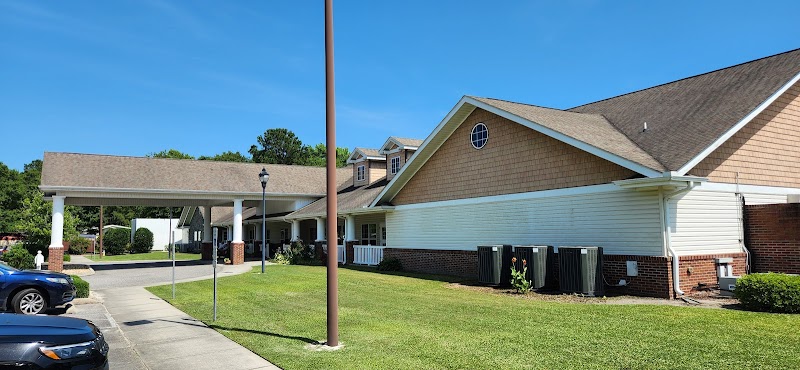
How is Brunswick Rehabilitation And Healthcare Center Staffed?

CMS rates Brunswick Rehabilitation and Healthcare Center's staffing level at 1 out of 5 stars, which is much below average compared to other nursing homes.

What Have Inspectors Found at Brunswick Rehabilitation And Healthcare Center?

State health inspectors documented 38 deficiencies at Brunswick Rehabilitation and Healthcare Center during 2022 to 2025. These included: 3 Immediate Jeopardy (the most serious level, indicating potential for serious harm or death), 33 with potential for harm, and 2 minor or isolated issues. Immediate Jeopardy findings are rare and represent the most serious regulatory concerns. They require immediate corrective action.
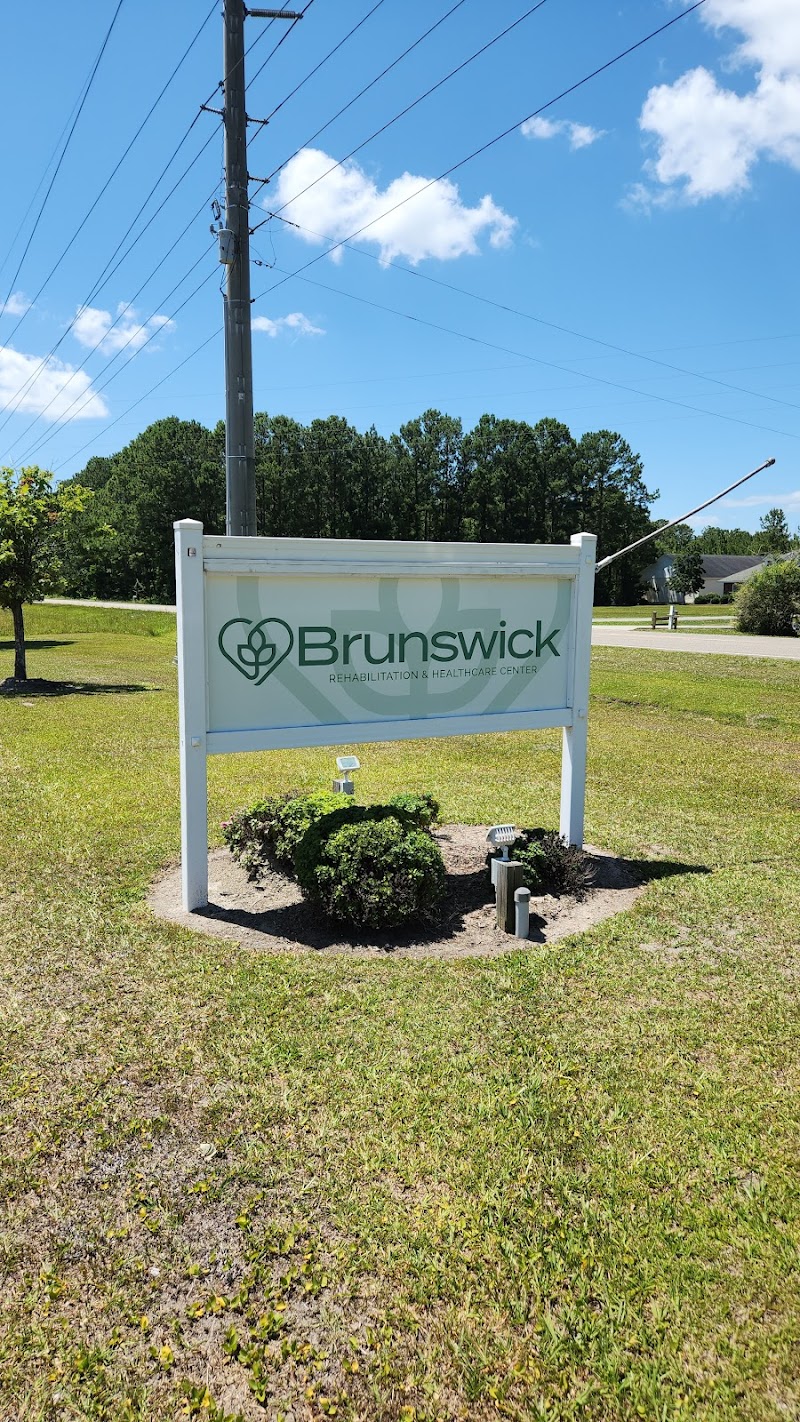
Who Owns and Operates Brunswick Rehabilitation And Healthcare Center?

Brunswick Rehabilitation and Healthcare Center is owned by a for-profit company. For-profit facilities operate as businesses with obligations to shareholders or private owners. The facility is operated by YAD HEALTHCARE, a chain that manages multiple nursing homes. With 90 certified beds and approximately 79 residents (about 88% occupancy), it is a smaller facility located in Bolivia, North Carolina.

How Does Brunswick Rehabilitation And Healthcare Center Compare to Other North Carolina Nursing Homes?

Compared to the 100 nursing homes in North Carolina, Brunswick Rehabilitation and Healthcare Center's overall rating (1 stars) is below the state average of 2.8 and health inspection rating (1 stars) is much below the national benchmark.

What Should Families Ask When Visiting Brunswick Rehabilitation And Healthcare Center?

Based on this facility's data, families visiting should ask: "What changes have been made since the serious inspection findings, and how are you preventing similar issues?" "What safeguards and monitoring systems are in place to protect residents from abuse or neglect?" "Can you walk me through typical staffing levels on day, evening, and night shifts?" "Can I visit during a mealtime to observe dining assistance and food quality?" These questions are particularly relevant given the facility's Immediate Jeopardy citations, the substantiated abuse finding on record, and the below-average staffing rating.

Is Brunswick Rehabilitation And Healthcare Center Safe?

Based on CMS inspection data, Brunswick Rehabilitation and Healthcare Center has documented safety concerns. The facility has 1 substantiated abuse finding (meaning confirmed case of resident harm by staff or other residents). Inspectors have issued 3 Immediate Jeopardy citations (the most serious violation level indicating risk of serious injury or death). The facility has a 1-star overall rating and ranks #100 of 100 nursing homes in North Carolina. Families considering this facility should ask detailed questions about what corrective actions have been taken since these incidents.

Do Nurses at Brunswick Rehabilitation And Healthcare Center Stick Around?

Brunswick Rehabilitation and Healthcare Center has not reported staff turnover data to CMS. Staff turnover matters because consistent caregivers learn residents' individual needs, medications, and preferences. When staff frequently change, this institutional knowledge is lost. Families should ask the facility directly about their staff retention rates and average employee tenure.

Was Brunswick Rehabilitation And Healthcare Center Ever Fined?

Brunswick Rehabilitation and Healthcare Center has been fined $113,461 across 3 penalty actions. This is 3.3x the North Carolina average of $34,213. Fines at this level are uncommon and typically indicate a pattern of serious deficiencies, repeated violations, or failure to correct problems promptly. CMS reserves penalties of this magnitude for facilities that pose significant, documented risk to resident health or safety. Families should request specific documentation of what issues led to these fines and what systemic changes have been implemented.

Is Brunswick Rehabilitation And Healthcare Center on Any Federal Watch List?

Brunswick Rehabilitation and Healthcare Center is not on any federal watch list. The most significant is the Special Focus Facility (SFF) program, which identifies the bottom 1% of nursing homes nationally based on persistent, serious quality problems. Not being on this list means the facility has avoided the pattern of deficiencies that triggers enhanced federal oversight. This is a positive indicator, though families should still review the facility's inspection history directly.