Sapphire Ridge Health and Rehabilitation
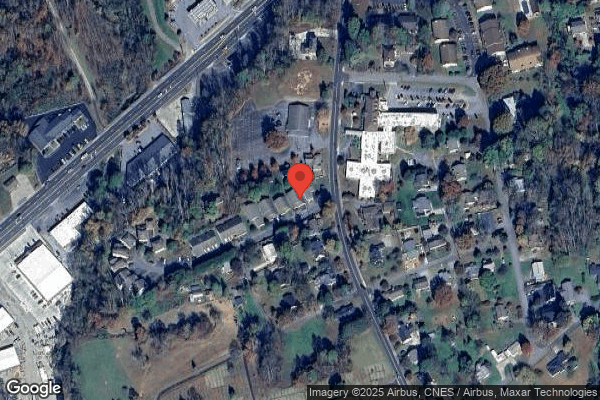
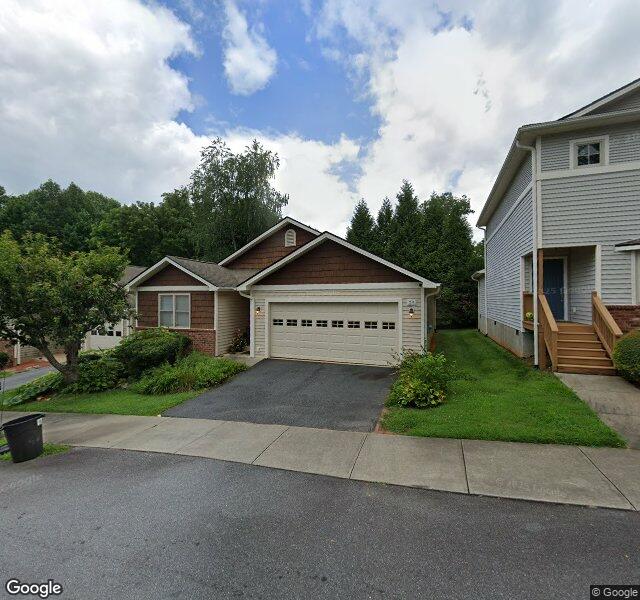
115 N Country Club Road, Brevard, NC 28712 (828) 884-2031
For profit - Limited Liability company 147 Beds ASCENT HEALTHCARE MANAGEMENT Data: November 2025
Trust Grade
33/100
#386 of 417 in NC
Last Inspection: March 2025

Within standard 12-15 month inspection cycle. Federal law requires annual inspections.

Overview

Sapphire Ridge Health and Rehabilitation has a Trust Grade of F, indicating significant concerns about the quality of care provided. Ranking #386 out of 417 facilities in North Carolina, they are in the bottom half of nursing homes in the state and the last among the three facilities in Transylvania County. Although the facility is showing an improving trend in its compliance issues, with the number of concerns decreasing from 13 in 2023 to 12 in 2025, there are still serious weaknesses. Staffing ratings are only 2 out of 5 stars, and turnover is above average at 59%, which may impact the continuity of care. Specific incidents include failing to serve meals on time, improperly portioning food for residents on specialized diets, and storing expired or spoiled food items, which raises concerns about overall food safety and care quality.

Trust Score
F
33/100
In North Carolina
#386/417
Bottom 8%
Safety Record
Low Risk
No red flags
Inspections
Getting Better
13 → 12 violations
Staff Stability
⚠ Watch
59% turnover. Above average. Higher turnover means staff may not know residents' routines.
Penalties
✓ Good
$22,568 in fines. Lower than most North Carolina facilities. Relatively clean record.
Skilled Nurses
⚠ Watch
Each resident gets only 26 minutes of Registered Nurse (RN) attention daily — below average for North Carolina. Fewer RN minutes means fewer trained eyes watching for problems.
Violations
⚠ Watch
30 deficiencies on record. Higher than average. Multiple issues found across inspections.
★☆☆☆☆
1.0
Overall Rating
★★☆☆☆
2.0
Staff Levels
★☆☆☆☆
1.0
Care Quality
★★☆☆☆
2.0
Inspection Score
Stable
2023: 13 issues
2025: 12 issues

The Good

  • Full Sprinkler Coverage · Fire safety systems throughout facility
  • No fines on record

Facility shows strength in fire safety.

The Bad

1-Star Overall Rating

Below North Carolina average (2.8)

Significant quality concerns identified by CMS

Staff Turnover: 59%

13pts above North Carolina avg (46%)

Frequent staff changes - ask about care continuity

Federal Fines: $22,568

Below median ($33,413)

Minor penalties assessed

Chain: ASCENT HEALTHCARE MANAGEMENT

Part of a multi-facility chain

Ask about local staffing decisions and management

Staff turnover is elevated (59%)

11 points above North Carolina average of 48%

The Ugly 30 deficiencies on record

Mar 2025 12 deficiencies
CONCERN (D) 📢 Someone Reported This

A family member, employee, or ombudsman was alarmed enough to file a formal complaint

Potential for Harm - no one hurt, but risky conditions existed

Resident Rights (Tag F0550)

Could have caused harm · This affected 1 resident

**NOTE- TERMS IN BRACKETS HAVE BEEN EDITED TO PROTECT CONFIDENTIALITY** Based on observations, record review and staff interviews, the facility failed to provide a dignified dining experience for a de...

Read full inspector narrative →
**NOTE- TERMS IN BRACKETS HAVE BEEN EDITED TO PROTECT CONFIDENTIALITY** Based on observations, record review and staff interviews, the facility failed to provide a dignified dining experience for a dependent resident seated at a table in the main dining room waiting to be served and assisted with his lunch while watching other residents in the main dining room receive and eat their lunch for 1 of 2 residents reviewed for dignity (Resident #49). The reasonable person concept was applied to this deficiency as an individual might feel forgotten or experience frustration at not being able to eat while watching others receive and eat their meals. Findings included: Resident #49 was admitted to the facility on [DATE] with diagnoses that included hemiplegia (paralysis on one side of the body) and hemiparesis (weakness on one side of the body) affecting the left non-dominant side and vascular dementia. The admission Minimum Data Set (MDS) assessment dated [DATE] revealed Resident #49 had severe cognitive impairment. He had impairment on one side of both the upper and lower extremities and required substantial/maximal staff assistance with eating. Review of the scheduled meal time posted at the facility revealed lunch was to be served in the main dining room at 12:30 PM. A continuous observation of the lunch meal was conducted on 03/06/25 from 12:00 PM to 1:30 PM. At 12:00 PM, Resident #49 was observed sitting in his wheelchair at a table in the back of the main dining room. Resident #49 was alert and looking around, watching the activity in the dining room. When asked if he was hungry, Resident #49 replied, yeah lawd (term often used as an expression to heighten an emotion). At 12:30 PM, meal carts had not arrived to the main dining room. At 12:40 PM, the meal cart arrived in the main dining room and there were five staff present who immediately started passing out meal trays to residents seated at the tables in the front of the main dining room. At 12:55 PM, the residents who were able to eat independently had all received their meal tray and were eating their lunch while the residents in the back of the main dining room, who needed staff assistance including Resident #49, had not been served their meal. At 1:00 PM, another meal cart arrived in the main dining room and staff started sitting down at other tables assisting dependent residents with their meal. Resident #49 looked over at the staff assisting residents with their meals with a look of confusion on his face and made a groaning sound. When asked if he was ok, Resident #49 stated no and when asked if he was hungry, he replied yeah lawd. At 1:25 PM, staff brought Resident #49's meal tray to the table and began assisting Resident #49 with his meal. Resident #49 eagerly accepted sips of fluid and bites of food when offered by staff. Resident #49 waited approximately one hour from the scheduled mealtime to be served and assisted with his lunch. During an interview on 03/07/25 at 4:34 PM, the Administrator expressed it was a dignity issue when residents sat in the main dining room an hour or longer waiting to be served their meal or receive assistance with a meal. She explained staff assisted residents to the dining room a little earlier than the scheduled meal time because once the meal trays arrived on the hall, staff couldn't stop passing meal trays out to the residents eating in their rooms in order to bring other residents to the main dining room. The Administrator revealed she was aware of the issue with meals being served late and stated while she was not sure where or how the breakdown occurred she felt it could be more of a process issue rather than a staffing issue.
CONCERN (D)

Potential for Harm - no one hurt, but risky conditions existed

Deficiency F0561 (Tag F0561)

Could have caused harm · This affected 1 resident

**NOTE- TERMS IN BRACKETS HAVE BEEN EDITED TO PROTECT CONFIDENTIALITY** Based on observations, record review, resident and staff interviews the facility failed to honor a resident's preference for twi...

Read full inspector narrative →
**NOTE- TERMS IN BRACKETS HAVE BEEN EDITED TO PROTECT CONFIDENTIALITY** Based on observations, record review, resident and staff interviews the facility failed to honor a resident's preference for twice weekly showers for 1 of 3 residents reviewed for choices (Resident #104). Findings included: Resident #104 was admitted to the facility on [DATE] with diagnoses including metabolic encephalopathy and heart failure. The admission Minimum Data Set (MDS) assessment dated [DATE] indicated Resident #104's cognition was moderately impaired, she had limited range of motion affecting one side of the upper extremity, and bathe/shower was not applicable and not attempted. A review of the shower assignment revealed Resident #104's showers were scheduled on Tuesday and Friday. There was no documented shower sheets to indicate a bed bath or shower was provided on 02/25/25 (Tuesday) or 02/28/25 (Friday). A shower sheet dated 03/04/25 revealed Resident #104 had received one shower since admission on [DATE]. During an interview and observation on 03/03/25 at 2:36 PM Resident #104 revealed she had not received a shower since being admitted to the facility. Resident #104's hair and face appeared clean, and she had no body odors. The care plan initiated on 03/04/25 revealed Resident #104 required assistance from staff for activities of daily living related to weakness with the goal to be clean and well-groomed daily through the next review. Interventions included provide assistance with activities of daily living. During an interview on 03/07/25 at 8:37 AM the Unit Manager (UM) revealed bathing was documented by Nurse Aide (NA) staff included using a paper shower sheet that was kept in a binder at the nurse station. The UM revealed the shower sheets were kept in the binder for one month then placed in medical record storage. The UM confirmed Resident #104 showers were scheduled on Tuesday and Friday and the first one should have been given on 02/25/25. The UM was unable to provide a shower sheet for 02/25/25 and 02/28/25. The UM revealed she filled out the shower assignment using room numbers to identify which residents NA staff were to provide a shower/bathe. After reviewing the assignment, the UM revealed Resident #104's room number was not added, and the assigned NA would not have known to provide the shower and was an oversight on her part. During an interview on 03/07/25 at 9:24 AM in presence of the UM, Resident #104 stated she had received only one shower (3/4/25) since her admission and wanted two showers a week and it was her preference not to receive a bed bath in place of a shower. The UM reassured Resident #104 her bathing preference for a shower twice a week would be honored. An interview was conducted with the Administrator on 03/07/25 at 6:10 PM. The Administrator revealed she expected resident bathing preferences for two showers a week were honored.
CONCERN (D)

Potential for Harm - no one hurt, but risky conditions existed

Deficiency F0565 (Tag F0565)

Could have caused harm · This affected 1 resident

Based on record review, resident and staff interviews, the facility failed to communicate resolution to concerns voiced for 1 of 2 Resident Council meetings reviewed (January 2025). Findings included:...

Read full inspector narrative →
Based on record review, resident and staff interviews, the facility failed to communicate resolution to concerns voiced for 1 of 2 Resident Council meetings reviewed (January 2025). Findings included: A review of the Resident Council Meeting policy revised 01/01/25 stated the facility would act upon concerns and recommendations of the Resident Council, make attempts to accommodate recommendations to the extent practicable and communicate its decisions to the Resident Council. The Resident Council meeting minutes dated 01/31/25 noted under new business that residents communicated to the Dietary Manager, who was in attendance at the meeting, their preferences for specific beverages with an outcome noted as resolved-still monitoring. It was also noted under new business that residents voiced laundry concerns regarding clothing being placed in the wrong closets. The action to the concern indicated a grievance form regarding missing items would be completed and the outcome was noted as resolved-still monitoring. A grievance form dated 01/31/25 noted attendees of the Resident Council meeting voiced concerns about laundry staff putting clothing in the wrong resident closets. There was no staff member assigned to investigate the concern and no summary of the investigation. The plan to resolve the grievance indicated the concern would be reviewed with the Environmental Services Director and noted the concerns was ongoing. It was further noted the investigation results and resolution was provided to the Resident Council. There were no other details listed on the grievance form. The Resident Council meeting minutes dated 02/26/25 revealed the last meeting's minutes was read and approved. There was no notation under old or new business that the facility's efforts (response, action and/or rationale) to address the concerns voiced during the 01/31/25 meeting was communicated to the Resident Council. A Resident Council group interview was conducted on 03/05/25 at 3:32 PM with Resident #4, Resident #11, Resident #35, Resident #42, Resident #51, Resident #62, and Resident #74 in attendance. The residents stated when they voiced concerns during meetings, they rarely received communication from facility staff regarding what was done to address the concerns. The residents stated they did not feel the ongoing concerns they voiced related to clothing not being returned from laundry and dietary, specifically meals being served late, had been resolved. They stated if facility administration did attempt to address their concerns, it took a long time and the situation might get better for a little while but improvement didn't last long. The residents all stated they felt when they voiced concerns either in the Resident Council meetings or directly to the Administrator, Director of Nursing or Social Worker (SW), it didn't do any good. During an interview on 03/07/25 at 12:15 PM, the Activities Director (AD) revealed she just started conducting Resident Council meetings in January 2025 and most of the groups concerns revolved around dietary or laundry. She verified that residents had voiced concerns with late meals. She explained she followed up with residents regarding resolution to individual concerns but did not follow-up with the Resident Council regarding resolution to group concerns. She stated she was still learning the process and would do much better about that in the future. During an interview on 03/07/25 at 3:44 PM, the SW revealed the staff member who facilitated the Resident Council meeting was the one responsible for communicating the resolution of group concern(s) to the members of the Resident Council. During an interview on 03/07/25 at 4:34 PM, the Administrator revealed she was aware of the issue with meals being served late and confirmed residents had brought their concerns regarding late meals to her attention. She stated she was not sure what the root cause was regarding late meals but felt it could be more of a process issue rather than a staffing issue. The Administrator expressed she was not aware that residents felt they did not receive communication regarding resolution to their concerns or that they felt voicing their concerns would not do any good. The Administrator stated resolution to concerns voiced during the Resident Council meetings should be discussed with and communicated to the Resident Council attendees at the next meeting.
CONCERN (D)

Potential for Harm - no one hurt, but risky conditions existed

Grievances (Tag F0585)

Could have caused harm · This affected 1 resident

**NOTE- TERMS IN BRACKETS HAVE BEEN EDITED TO PROTECT CONFIDENTIALITY** Based on record review and staff and resident interviews the facility failed to implement their grievance policy for 1 of 1 resi...

Read full inspector narrative →
**NOTE- TERMS IN BRACKETS HAVE BEEN EDITED TO PROTECT CONFIDENTIALITY** Based on record review and staff and resident interviews the facility failed to implement their grievance policy for 1 of 1 resident (Resident #8) reviewed for grievances. Findings included: Review of the facility's grievance policy revised 01/01/25 read in part as follows: It is the policy of this facility to support each resident's and family member's right to voice grievances without discrimination, reprisal or fear of discrimination or reprisal. [Prompt Efforts to Resolve] include facility acknowledgement of a complaint grievance and actively working toward resolution of that complaint/grievance. The Grievance Official is responsible for overseeing the grievance process; receiving and tracking grievances through to their conclusion; leading any necessary investigations by the facility; and issuing written grievance decisions to the resident. The staff member receiving the grievance will record the nature and specifics of the grievance on the designated grievance form or assist the resident or family member to complete the form. The Grievance Official will take steps to resolve the grievance and record information about the grievance and those actions on the grievance form. In accordance with the resident's right to obtain a written decision regarding his or her grievance, the Grievance Official will issue a written decision on the grievance to the resident or representative at the conclusion of the investigation. If the resident or complainant do not wish to have a written copy of the decision, verbal discussion is acceptable. The written decision will include at a minimum: (a). The date the grievance was received (b). The steps taken to investigate the grievance (c). A summary of the pertinent findings or conclusions regarding the resident's concern (f). A statement as to whether the grievance was confirmed or not confirmed (g). Any corrective action taken or to be taken by the facility as a result of the grievance (h). The date the written decision was issued. Resident #8 was admitted to the facility 11/24/23 with diagnoses including non-Alzheimer's dementia. Review of the quarterly Minimum Data Set assessment dated [DATE] revealed Resident #8 was cognitively intact and was always incontinent of bowel and bladder. Review of the facility's grievance logs from December 2023 through March 2025 revealed Resident #8 had filed 2 grievances. A grievance filed by Resident #8 on 01/08/24 regarding various care concerns. The nursing department investigated the grievance and findings of the investigation were blank. The form indicated the plan to resolve the grievance included staff counseling and medication review. An in-service dated 01/08/24 revealed nursing staff were educated on Respectful Talk to Residents and the grievance was considered resolved. The results of the investigation were verbally communicated to Resident #8 on 01/09/24. The grievance form did not contain any additional information regarding the care concerns and was not signed by Resident #8. A grievance was filed by Resident #8 on 02/10/25 regarding timely response to incontinence care. The Director of Nursing (DON) investigated and determined Resident #8 received incontinence care, but had to wait until care staff were done with another resident. The plan to resolve the grievance was to encourage staff to notify Resident #8 they will be right there or as soon as possible when she is waiting. Resident #8 verbalized understanding that staff were to notify and respond to call lights in timely manner. The result of the investigation was verbally communicated to Resident #8 and the grievance was considered resolved 02/10/25. The grievance did not contain any additional information regarding Resident #8's concern and was not signed by Resident #8. In an interview with the Social Worker (SW) on 03/05/25 at 9:31 AM he confirmed he was the Grievance Officer. When he was asked what various care concerns meant on the grievance filed by Resident #8 on 01/08/24 he stated her concerns were usually the same and were concerns regarding not receiving water, call light response time, or the length of time it took to receive incontinence care. The SW stated when Resident #8 filed a grievance he verbally discussed the resolution with her, and she seemed to be satisfied. He confirmed he did not provide written resolutions to grievances. An interview with Resident #8 on 03/05/25 at 4:22 PM revealed she had never been provided with a resolution to any grievance she filed. She stated she would like to receive a resolution to her grievances in writing so she would know what had been done to address the grievances, but she didn't know that was an option. An interview with the Administrator on 03/07/25 at 5:16 PM revealed grievance forms could probably contain a little more information about what the grievance was regarding and what had been done to resolve the grievance.
CONCERN (D)

Potential for Harm - no one hurt, but risky conditions existed

Investigate Abuse (Tag F0610)

Could have caused harm · This affected 1 resident

**NOTE- TERMS IN BRACKETS HAVE BEEN EDITED TO PROTECT CONFIDENTIALITY** Based on record review and staff interviews the facility failed to complete a thorough investigation of an allegation of staff-t...

Read full inspector narrative →
**NOTE- TERMS IN BRACKETS HAVE BEEN EDITED TO PROTECT CONFIDENTIALITY** Based on record review and staff interviews the facility failed to complete a thorough investigation of an allegation of staff-to-resident abuse for 1 of 9 residents reviewed for abuse (Resident #8). Findings included: The facility's Abuse, Neglect, and Exploitation policy revised 03/02/23 read in part as follows: It is the policy of this facility to provide protections for the health, welfare and rights of each resident by developing and implementing written policies and procedures that prohibit and prevent abuse, neglect, exploitation, and misappropriation of resident property. An immediate investigation is warranted when suspicion of abuse, neglect or exploitation, or reports of abuse, neglect, or exploitation, or reports of abuse, neglect or exploitation occur. Written procedures for investigations include: 1. Identifying staff responsible for the investigation 2. Investigating different types of alleged violations 3. Identifying and interviewing all involved persons, including the alleged victim, alleged perpetrator, witnesses, and others who might have knowledge of the allegations 4. Focusing the investigation on determining if abuse, neglect, exploitation, and/or mistreatment has occurred, the extent and cause 5. Providing complete and thorough documentation of the investigation. Review of the medical record revealed Resident #8 was admitted to the facility 11/24/23. Review of the quarterly Minimum Data Set (MDS) assessment dated [DATE] revealed Resident #8 was cognitively intact and had a diagnosis of non-Alzheimer's dementia. A summary of the initial investigation report completed by the Director of Nursing (DON) indicated the incident date was 05/14/24 and the facility became aware of the incident on 05/15/24 10:15 AM. The fax date and time revealed the report was submitted at 12:18 PM on 05/15/24. A summary of the investigation was as follows: Resident #8 reported on the night of 05/14/24 as she was being put to bed, Nurse Aide (NA) #1 pushed her head onto the bed. A facility investigation was initiated, NA #1 was suspended pending the investigation, and the Physician, Responsible Party (RP), Adult Protective Services (APS), and Transylvania Police were notified of the incident. Resident abuse questionnaires were initiated with alert and oriented residents and body audits for residents with impaired cognition were initiated. Staff abuse education was being completed. The investigation was ongoing. A summary of NA #1's written statement dated 05/15/24 is as follows: First shift reported they assisted Resident #8 to bed the evening of 05/14/24 but she had since gotten up in her wheelchair. The statement indicated Medication Aide (MA) #1 informed her Resident #8 was asking about her mother, so NA #1 went to the resident's room to check on her. The statement further stated as NA #1 walked into Resident #8's room she was trying to get in bed, but she was going down to the floor, so she grabbed the back of Resident #8's pants and pulled her up and onto the bed. An undated document titled Root Cause is as follows: The Interdisciplinary Team (IDT) determined the incident occurred because the resident did not wait for assistance to transfer. The resident did get moved quickly onto the bed, but her face was not pushed into/onto the bed. The resident was re-assured and reminded to use her call bell for assistance. An unnamed typed document dated 05/20/25 revealed the Director of Nursing (DON) had NA #1 do a re-enactment of how she transferred Resident #8 to bed the night of 05/14/25 and determined NA #1 prevented Resident #8 from falling. A summary of the facility 5-day report completed by the Administrator and faxed on 05/20/24 at 5:01 PM is as follows: Resident #8 reported as she was being assisted to bed on the night of 05/14/24, NA#1 pushed her head down onto the bed. Resident abuse questionnaires and body audits revealed no concerns of abuse. A written statement was obtained from NA #1 on 05/15/24 and did not address whether Resident #8's head was pushed into the bed or not. The facility determined Resident #8 was trying to self-transfer from the wheelchair to the bed and was falling. The investigation further determined NA #1 grabbed Resident #8 and pulled her up and onto the bed. The allegation of abuse was not substantiated. The investigation did not include a statement from Resident #8. An interview with the Director of Nursing (DON) on 03/06/25 at 2:52 PM revealed he could not recall how he became aware of the allegation of abuse from Resident #8 and was unable to provide an answer for why the investigation did not contain a statement from Resident #8. He confirmed there were no other interviews included in the investigation. An interview with the Administrator on 03/07/25 at 5:15 PM revealed she could not recall how she became aware of the allegation of abuse from Resident #8 and was unable to provide an answer for why the investigation did not contain a statement from Resident #8. She stated she did not have concerns with the way the abuse investigation was conducted. The Administrator confirmed she was not aware of any other interviews obtained during the course of the investigation.
CONCERN (D)

Potential for Harm - no one hurt, but risky conditions existed

Assessment Accuracy (Tag F0641)

Could have caused harm · This affected 1 resident

**NOTE- TERMS IN BRACKETS HAVE BEEN EDITED TO PROTECT CONFIDENTIALITY** 3. Resident #4 was admitted to the facility on [DATE] with diagnoses including poly-osteoarthritis (arthritis that involves at l...

Read full inspector narrative →
**NOTE- TERMS IN BRACKETS HAVE BEEN EDITED TO PROTECT CONFIDENTIALITY** 3. Resident #4 was admitted to the facility on [DATE] with diagnoses including poly-osteoarthritis (arthritis that involves at least five joints). A review of the nurse's progress note dated 1/17/25 at 3:54 PM revealed when assisted to the bathroom Resident #4 was unable to complete the transfer and was lowered to the floor using a gait belt and two person assistance. A review of the discharge MDS assessment dated [DATE] indicated Resident #4 had not had any falls since the prior assessment. During an interview on 3/6/25 at 2:16 PM the MDS Coordinator confirmed he completed the discharge MDS assessment on 1/17/25 for Resident #4 and did not code the fall. He revealed the discharge MDS assessment dated [DATE] should reflect Resident #4 had a fall with no injury. During an interview on 03/07/25 at 4:12 PM the Director of Nursing (DON) revealed the discharge MDS assessment dated [DATE] should reflect Resident #4 had fall. An interview was conducted on 03/07/25 at 5:17 PM with the Administrator. The Administrator revealed she expected MDS coding to be accurate and reflect Resident #4 had a fall. Based on record review, observations and staff interviews, the facility failed to accurately code the Minimum Data Set (MDS) assessment in the areas of restraints (Resident #71), dental (Resident #20), and falls (Resident #4) for 3 of 26 resident assessments reviewed for accuracy. Findings included: 1. Resident #71 was admitted to the facility 06/12/24. Review of Resident #71's quarterly Minimum Data Assessment (MDS) dated [DATE] indicated Resident #71 had bed rails that were used daily as a restraint. Observations of Resident #71's bed on 03/05/25 at 8:49 AM and 03/07/25 at 9:17 AM revealed no bed rails were observed on his bed. An interview with the MDS Coordinator on 03/07/25 at 3:52 PM revealed Resident #71's quarterly MDS assessment was coded by an employee that did not work in the building. He stated it was difficult to accurately code MDS assessments if you were not present in the building. The MDS Coordinator stated that the MDS should not have reflected that bed rails were used as a restraint, and it was a coding error. An interview with the Director of Nursing (DON) on 03/07/25 at 4:11 PM revealed he expected MDS assessments to be coded correctly and no residents in the facility used a restraint. An interview with the Administrator on 03/07/25 at 5:16 PM revealed she expected MDS assessments to be coded correctly and be an accurate reflection of the resident. 2. Resident #20 was admitted to the facility 04/06/23. Review of a dentist's note dated 01/08/25 revealed Resident #20 had multiple teeth that were broken to the gum line and had hopeless dentition (teeth that are severely compromised due to gum disease or other problems). Review of the significant change Minimum Data Set (MDS) assessment dated [DATE] indicated she did not have any dental problems. Review of Resident #20's dental care plan last updated 03/05/25 revealed she had poor dentition/broken and carious teeth (teeth with cavities). Interventions included providing her diet as ordered and monitoring and reporting any signs or symptoms of oral problems. An observation of Resident #20's teeth on 03/05/25 at 8:29 AM revealed multiple broken teeth. An interview with the MDS Coordinator on 03/07/25 at 3:47 PM revealed Resident #20's teeth were not in good shape, and they had been that way for a while. He stated the significant change MDS assessment should have reflected Resident #20 had obvious or likely cavities. The MDS Coordinator stated another staff member coded the section for Oral/Dental Status, but he was responsible for ensuring it was correct, and it was an oversight. An interview with the Director of Nursing (DON) on 03/07/25 at 4:11 PM revealed he expected MDS assessments to be coded correctly. An interview with the Administrator on 03/07/25 at 5:16 PM revealed she expected MDS assessments to be coded correctly and be an accurate reflection of the resident.
CONCERN (D) 📢 Someone Reported This

A family member, employee, or ombudsman was alarmed enough to file a formal complaint

Potential for Harm - no one hurt, but risky conditions existed

ADL Care (Tag F0677)

Could have caused harm · This affected 1 resident

**NOTE- TERMS IN BRACKETS HAVE BEEN EDITED TO PROTECT CONFIDENTIALITY** Based on observations, record review, resident, and staff interviews the facility failed to provide assistance with nail care an...

Read full inspector narrative →
**NOTE- TERMS IN BRACKETS HAVE BEEN EDITED TO PROTECT CONFIDENTIALITY** Based on observations, record review, resident, and staff interviews the facility failed to provide assistance with nail care and shaving for 1 of 5 dependent residents reviewed for activities of daily living (Resident #99). Findings included: 1. Resident #99 was admitted to the facility on [DATE] with diagnoses including a right femur (upper leg bone) fracture, presence of artificial hip joint, and epilepsy (a brain condition causing recurring seizures with varying symptoms). The admission Minimum Data Set (MDS) assessment dated [DATE] indicated Resident #99's cognition was moderately impaired with no rejection of care behaviors during the lookback period. Resident #99 had impaired range of motion affecting one side of the lower extremity and required setup/clean up assistance for personal hygiene and substantial to maximal assistance for shower/bathing. The care plan revised on 2/12/25 revealed Resident #99 had a deficit in the ability to perform activities of daily living related to a fracture of the right femur, epilepsy, and pain. Interventions included provide extensive assistance using one person assist for shower/bathing and personal hygiene. A review of the shower assignment revealed Resident #99 was scheduled to receive a shower every Tuesday and Friday. The Shower sheets documented Resident #99 had received two showers since admission on 2/17, and 2/24 and a bed bath on 2/7, 2/11, 2/20, and 3/4. There was no shower sheet completed for 2/14 and 2/28 to indicate bathing was provided. During an observation and interview on 03/03/25 at 2:32 PM Resident #99 fingernails were approximately one-half inch past the tip of the finger, and she had multiple patchy areas of overgrown gray chin hairs. When asked Resident #99 revealed her fingernails were long and she wanted them cut and she was not aware of the chin hair but if she had a pair of tweezers would pull them out. Resident #99 revealed she had not requested her fingernails be trimmed or to shave her chin hair and was not offered assistance by staff. During an interview on 03/07/25 at 8:58 AM Nurse Aide (NA) #2 revealed fingernails were trimmed and chin hairs shaved during bath days. An interview and observation was conducted on 03/07/25 at 9:21 AM with Resident #99 in the presence of the Unit Manager (UM). The UM observed Resident #99's long fingernails and multiple patchy areas of overgrown gray chin hairs and revealed if chin hairs needed to be shaved, and fingernails trimmed it was done during a bed bath or shower and as needed. Resident #99 shared with the UM a staff member recently gave her a pair of nail clippers, but she was unable to cut her own fingernails because they were too hard. Resident #99 shared she did not like long chin hairs and normally plucked them. The UM reassured Resident #99 her fingernails would be trimmed and chin hair shaved. An interview was conducted with the Administrator on 03/07/25 at 6:10 PM. The Administrator stated she would expect Resident #99 to be offered assistance to shave long chin hairs and clip long fingernails and was typically done by the NA during a bed bath or shower.
CONCERN (E)

Potential for Harm - no one hurt, but risky conditions existed

Menu Adequacy (Tag F0803)

Could have caused harm · This affected multiple residents

Based on an observation of the lunch meal tray preparation, record review, and interviews with the Dietary Manager and staff, the facility failed to provide the correct portion size of beef hamburger ...

Read full inspector narrative →
Based on an observation of the lunch meal tray preparation, record review, and interviews with the Dietary Manager and staff, the facility failed to provide the correct portion size of beef hamburger steak for residents receiving a mechanically altered diet. This failure had the potential to affect 18 of 97 residents who received a lunch meal tray with a mechanically altered diet. Findings included: The facility's diet consistency census report dated 03/03/25 revealed 18 of 97 residents received a mechanically altered diet. The facility's planned menu for Wednesday (03/05/25) listed beef hamburger steak as the protein being served for lunch. The portion size listed on the menu indicated each plate received one beef hamburger steak. The beef hamburger steak packaging revealed each steak was a 4-ounce portion. A continuous observation of lunch trays being prepared for residents was conducted on 03/05/25 at 11:54 AM through 1:38 PM. The Dietary Manager served one (4 ounce) beef hamburger steak for residents that received a regular diet. The Dietary Manager and [NAME] used a ladle with a red colored handle (2 ounce) to portion each plate of beef hamburger steak for residents that received a mechanically altered diet. During an interview on 03/05/25 at 12:50 PM the [NAME] confirmed the red handle ladle was used to portion the beef hamburger steak for residents receiving a mechanically altered diet and confirmed the ladle was for plating a 2-ounce portion. The [NAME] revealed for portion sizes he used a guide to select the correct one based on the color of the handle and pointed to a guide posted on wall behind the steam table. The guide was a picture of kitchen scoop sizes in ounces and milliliters but did not include ladles or other utensils. During an interview on 03/05/25 at 1:30 PM the Dietary Manager confirmed the correct portion size for the beef hamburger steak being served to residents was 4 ounces. The Dietary Manager stated residents receiving a mechanically altered diet received half a portion because the incorrect ladle was used to portion the beef hamburger steak onto the plate. The Dietary Manager confirmed the incorrect ladle had a red handle and was a 2-ounce portion used by him and the [NAME] by mistake and was an oversight. During an interview on 03/07/25 at 6:14 PM the Administrator revealed she expected the residents who received a mechanically altered diet to be served the correct portion size. The Administrator revealed she expected the correct utensil to be used by dietary staff when plating food to ensure portion sizes were accurate.
CONCERN (E) 📢 Someone Reported This

A family member, employee, or ombudsman was alarmed enough to file a formal complaint

Potential for Harm - no one hurt, but risky conditions existed

Deficiency F0809 (Tag F0809)

Could have caused harm · This affected multiple residents

**NOTE- TERMS IN BRACKETS HAVE BEEN EDITED TO PROTECT CONFIDENTIALITY** Based on observations, record review and resident, family and staff interviews, the facility failed to serve the lunch meal at t...

Read full inspector narrative →
**NOTE- TERMS IN BRACKETS HAVE BEEN EDITED TO PROTECT CONFIDENTIALITY** Based on observations, record review and resident, family and staff interviews, the facility failed to serve the lunch meal at the posted times on 03/05/25 and 03/06/25 in the main dining room during 2 of 3 meal observations. The findings included: Review of the facility's meal times schedule revealed lunch was to be served in the main dining room at 12:30 PM. a. Resident #54 was admitted to the facility on [DATE]. The quarterly Minimum Data Set (MDS) assessment dated [DATE] indicated Resident #54 had severe cognitive impairment, required partial/moderate assistance with eating and received a mechanically altered diet. Resident #101 was admitted to the facility on [DATE]. The admission MDS assessment dated [DATE] indicated Resident #101 had severe cognitive impairment, required setup or cleanup assistance with eating and received a mechanically altered diet. An observation of the lunch meal service in the main dining room on 03/05/25 at 1:10 PM revealed residents were seated at various tables eating their lunch. Resident #54 was seated at a table in the back of the dining room by herself and had not received her meal tray. Resident #101 was seated at a table in the middle of the dining room and had not received her meal tray. There were three other residents sitting at the table with Resident #101 who all had received their meal tray and were eating their lunch. At 1:20 PM, both Resident #54 and Resident #101 received their lunch meal tray. During the lunch meal observation, an interview was conducted with the Responsible Party (RP) for another resident on 03/05/25 at 1:11 PM. The RP stated they came to the facility every day to sit with their family member during lunch. The RP expressed it was a regular occurrence that meals were often served late, which was why they made sure they were at the facility daily for at least one meal. During the lunch meal observation, an interview was conducted with the Speech Therapist on 03/05/25 at 1:13 PM. The Speech Therapist stated she was working with Resident #101 for therapy and was not sure why Resident #101 had not received her lunch meal tray. The Speech Therapist stated the Administrator was aware that both Resident #54 and Resident #101 had not received their meal trays. During an interview on 03/05/25 at 1:20 PM, the Administrator confirmed that meal trays were delivered late to the main dining but could not provide an explanation for the delay. The Administrator stated both Resident #54 and Resident #101 did not normally eat in the main dining room and their meal trays were delivered to the hall. She acknowledged that it was too late for both residents to just now receive their meals. A Resident Council group interview was conducted on 03/05/25 at 3:32 PM with Resident #4, Resident #11, Resident #35, Resident #42, Resident #51, Resident #62, and Resident #74 in attendance. The residents all voiced meals were served late on a daily basis regardless if they ate in their rooms or the main dining room. b. A continuous observation of the lunch meal service in the main dining room was conducted on 03/06/25 from 12:00 PM to 1:30 PM. At 12:00 PM, there were several residents already seated at various tables while staff continued to bring other residents into the dining room for lunch. Staff were observed assisting residents with donning clothing protectors and providing drinks to residents at the tables while they waited on lunch to be served. At 12:30 PM, meal carts had not arrived to the main dining room. At 12:40 PM, the meal cart arrived in the main dining room and there were five staff present who immediately started passing out meal trays to residents seated at the tables in the front of the main dining room. At 12:55 PM, the residents who were able to eat independently had all received their meal tray and were eating their lunch while the residents in the back of the main dining room, who needed staff assistance, had not been served their meal. At 1:00 PM, another meal cart arrived in the main dining room and staff started sitting down at the tables assisting dependent residents with their meal. At 1:25 PM the last two residents were provided their meal tray and staff proceeded to assist the residents with eating lunch. During the lunch meal observation on 03/06/25 at 1:21 PM, the Responsible Party (RP) for another resident, who was seated at the table with her family member, expressed now you understand why I make sure I am present for at least one meal. During an interview on 03/07/25 at 2:50 PM, the Dietary Manager (DM) revealed he was aware of the issue with meals being served late and there were several contributing factors. He explained one contributing factor was dietary had a limited amount of dinnerware to serve resident meals such as plates, plate covers and base, and silverware. He had ordered more dinnerware but the vendor had trouble getting certain items. The DM stated he requested facility staff collect and return meal trays by a certain time after each meal so that dietary staff could get the dinnerware clean and ready for the next meal service but that did not always happen. As a result, he stated there had been times they had to stop meal service just to wash dishes in order to finish serving meals. The DM stated he was provided a list of residents who ate in the main dining room and if a resident was not on that list, their meal tray was sent in the meal cart to the hall. He stated when a resident's meal tray was not delivered on the meal cart for the main dining room staff called the kitchen requesting they bring a meal tray to the dining room which took one of the three dietary staff off the meal line slowing production. He explained if a resident who normally ate in their room decided they wanted to eat in the main dining room, he relied on staff to let him know prior to the start of meal service so the resident's meal tray would be delivered to the correct location. During an interview on 03/07/25 at 4:34 PM, the Administrator revealed she was aware of the issue with meals being served late and confirmed residents had also brought their concerns regarding late meals to her attention. The Administrator stated when meal trays were not on the meal cart, facility staff would go down to the kitchen to get a resident's meal tray to help out but dietary staff were usually in the middle of tray line production and if they stopped to look for a certain meal ticket it would disrupt the process causing further delay. The Administrator acknowledged she knew there was a shortage of dinnerware for residents' meals and explained when meals were served late, she was not going to have staff rush residents to finish the meal so that dietary staff could get the dinnerware washed at a certain time. She stated when the lunch meal was served late, she expected dietary staff to push back the time dinner was served so that residents were not going throughout the night hungry. The Administrator stated she was not sure what the root cause was regarding late meals but felt it could be more of a process issue rather than a staffing issue.
CONCERN (E)

Potential for Harm - no one hurt, but risky conditions existed

Food Safety (Tag F0812)

Could have caused harm · This affected multiple residents

Based on record review, observations, and staff interviews the facility failed to remove food items stored and available for use that had signs of spoilage or were past the expiration date from the wa...

Read full inspector narrative →
Based on record review, observations, and staff interviews the facility failed to remove food items stored and available for use that had signs of spoilage or were past the expiration date from the walk-in refrigerator and dry goods storage area located in the kitchen. The facility also failed to date an opened container of nectar thick milk stored in the nutrition refrigerator used for residents on the memory care unit for 1 of 2 nutrition refrigerators. This deficient practice had the potential to affect food and beverages served to residents. Findings included: The initial tour of the kitchen with the Dietary Manager on 3/3/25 at 7:55 AM revealed the following: 1a. A container of enchilada sauce with an expiration date 01/2024 stored in the walk-in refrigerator and available for use. b. A container of sliced lemons with a white, slimy discoloration with a use by date 2/28/25 stored in the walk-in refrigerator and available for use. c. A container of sliced bananas mixed with pineapple tidbits with the slices of banana that had turned brown to black in color. The use by date written on the container was 3/13/25 and stored in the walk-in refrigerator available for use. d. A 32-ounce container of vanilla flavored nutritional drink supplement with a use by date 12/30/24 stored in the dry goods storage area of the kitchen and available for use. e. Forty-eight 4 ounce containers of thickened lemon flavor water of honey thick consistency with a use by date 2/4/25 stored in the dry goods storage area of the kitchen and available for use. f. Nine 32 fluid ounce containers of vanilla protein drink supplement with an expiration date 3/1/24 stored in the dry goods storage area of the kitchen and available for use. During an interview on 3/3/25 at the Dietary Manager revealed for open food containers dietary staff were expected to the label with an open and use by date and the item was kept available for use in the walk-in refrigerator for seven days then discarded. The Dietary Manager stated he checked food items stored in the walk-in refrigerator daily to ensure foods were labeled and discarded if there were signs of spoilage or it was out of date. He revealed today (3/3/25) he was busy and had not had time to check the walk-in refrigerator for out of date or spoiled food. The Dietary Manager revealed he checked the dates on food items in dry goods storage area when putting away newly delivered items. He revealed the expired items in the dry goods storage area were stored on the shelf designated for emergency food and he had not checked the expiration dates on those. An interview was conducted with the Administrator on 03/07/25 at 6:14 PM. The Administrator revealed she expected food items were appropriately discarded. The Administrator revealed she expected food items were discarded based on expiration or use by dates and not left available for use. 2. An observation of the nutrition refrigerator designated for residents located on the memory care unit was conducted on 3/5/25 at 12:41 PM in the presence of Nurse #1. Stored and available for use was an open 32-ounce container of nectar-thick milk with an expiration date of 8/10/25. The label on the container read discard 4 days after opening. There was no date on the container to identify when it was opened. During an interview on 3/5/25 at 12:41 PM Nurse #1 revealed nutritional supplements were provided to residents by the nursing staff and she did not know when the container of nectar-thick milk was first opened or how long it was in use. Nurse #1 revealed she was unsure how long a container of nectar-thick milk could be kept in use after opened but thought it was good for seven days. Nurse #1 revealed it was the responsibility of the person who opened the container to write the date it was opened and confirmed the label read to discard 4 days after opened. Nurse #1 discarded the container of milk. An interview was conducted with the Administrator on 03/07/25 at 6:14 PM. The Administrator revealed she expected food items were appropriately discarded. The Administrator revealed she expected food items served to residents were discarded based on expiration or use by dates and not left available for use.
CONCERN (E)

Potential for Harm - no one hurt, but risky conditions existed

Deficiency F0883 (Tag F0883)

Could have caused harm · This affected multiple residents

**NOTE- TERMS IN BRACKETS HAVE BEEN EDITED TO PROTECT CONFIDENTIALITY** Based on record review and staff interviews the facility failed to include documentation in the medical record of refusal or acc...

Read full inspector narrative →
**NOTE- TERMS IN BRACKETS HAVE BEEN EDITED TO PROTECT CONFIDENTIALITY** Based on record review and staff interviews the facility failed to include documentation in the medical record of refusal or acceptance of influenza and pneumonia vaccinations for 5 of 5 residents (Resident #20, Resident #44, Resident #37, Resident #80, and Resident #62) reviewed for immunizations and failed to assess the eligibility to receive the influenza and pneumonia vaccines for 2 of 5 (Resident #44 and Resident #37). Findings included: 1. (a). Resident #20 was admitted to the facility 04/06/23. Review of an unsigned Vaccine Declination Form dated 08/01/24 for influenza and pneumonia vaccines revealed multiple attempts to contact Resident #20's Power of Attorney (POA) were unsuccessful. The significant change Minimum Data Set (MDS) assessment dated [DATE] reflected Resident #20 was severely cognitively impaired. The MDS reflected Resident #20 had not received the influenza or pneumonia vaccine. Review of Resident #20's electronic medical record revealed the Vaccine Declination Form dated 08/01/24 was not included in her medical record. (b). Resident #44 was admitted to the facility 05/05/23. Review of a Vaccine Consent Form dated 07/18/24 revealed Resident #44's Guardian had provided a verbal consent for Resident #44 to receive the pneumonia vaccine, and he received the pneumonia vaccine on 07/18/24. Review of a Vaccine Consent Form dated 10/04/24 revealed Resident #44's [NAME] had provided email consent dated 07/09/24 to receive the influenza vaccine, and he received the influenza vaccine on 10/04/24. The quarterly Minimum Data Set (MDS) assessment dated [DATE] revealed Resident #44 was severely cognitively impaired. The MDS reflected Resident #44 received the influenza vaccine 10/04/24 and was up to date with the pneumonia vaccine. Review of Resident #44's electronic medical record revealed the Vaccine Consent Form dated 07/18/24 and 10/04/24 were not included in his medical record. (c). Resident #37 was admitted to the facility 10/11/23. Review of the Vaccine Declination Form dated 07/09/24 revealed Resident #37 declined the influenza and pneumonia vaccines. Review of a Vaccine Consent Form dated 10/04/24 revealed Resident #37 consented to receive the influenza vaccine, and the vaccine was administered 10/04/24. The quarterly Minimum Data Set (MDS) dated [DATE] revealed he was cognitively intact. The MDS reflected he received the influenza vaccine 10/04/24, was not up to date on the pneumonia vaccine, and had been offered and declined the pneumonia vaccine. Review of Resident #37's electronic medical record revealed the Vaccine Declination Form dated 07/09/24 and Vaccine Consent Form dated 10/04/24 were not included in his medical record. (d). Resident #80 was admitted to the facility 05/12/24. Review of a Vaccine Declination Form dated 07/10/24 revealed Resident #80's family member verbally declined the influenza vaccine. The quarterly Minimum Data Set (MDS) assessment dated [DATE] revealed Resident #80 was severely cognitively impaired. The MDS reflected resident #80 received the influenza vaccine on 09/08/24 and was not up to date on the pneumonia vaccine. Review of Resident #80's electronic medical record revealed the Vaccine Declination Form dated 07/10/24 was not included in her medical record. No consent or declination form for the pneumonia vaccine was present in Resident #80's medical record. (e). Resident #62 was admitted to the facility 04/05/23. The quarterly Minimum Data Set (MDS) assessment dated [DATE] revealed Resident #62 was cognitively intact. The MDS reflected Resident #62 was offered and declined the influenza and pneumonia vaccines. Review of Resident #62's electronic medical record revealed no documentation of acceptance or declination of the influenza and pneumonia vaccines. An interview with the Director of Nursing (DON) on 03/06/25 at 11:23 AM revealed he tried to keep all resident consents or declinations for vaccines in a binder in his office and he was not aware that they needed to be included in the resident's medical record. An interview with the Administrator on 03/07/25 at 5:16 PM revealed she expected vaccination consents or declinations to be a part of the medical record. 2. (a). Resident #44 was admitted to the facility 05/05/23. Review of a document titled Vaccine Consent Form dated 07/18/24 for Resident #44 read in part as follows: Please answer the following questions so we can assess the safety and the appropriateness of vaccination. Each of the fourteen questions had a box for yes or no and all of the questions were blank. The Vaccine Consent Form dated 07/18/24 revealed Resident #44 received the pneumonia vaccine on 07/18/24. Review of a document titled Vaccine Consent Form dated 10/08/24 for Resident #44 read in part as follows: Please answer the following questions so we can assess the safety and the appropriateness of vaccination. Each of the fourteen questions had a box for yes or no and all of the questions were blank. The Vaccine Consent Form dated 10/04/24 revealed Resident #44 received the influenza vaccine on 10/04/24. The quarterly Minimum Data Set (MDS) assessment dated [DATE] revealed Resident #44 was severely cognitively impaired. The MDS reflected Resident #44 received the influenza vaccine 10/04/24 and was up to date with the pneumonia vaccine. (b). Resident #37 was admitted to the facility 10/11/23. Review of a document titled Vaccine Consent Form dated 10/08/24 for Resident #37 read in part as follows: Please answer the following questions so we can assess the safety and the appropriateness of vaccination. Each of the fourteen questions had a box for yes or no and all of the questions were blank. The Vaccine Consent Form dated 10/04/24 revealed Resident #37 received the influenza vaccine on 10/04/24. The quarterly Minimum Data Set (MDS) dated [DATE] revealed he was cognitively intact. The MDS reflected he received the influenza vaccine 10/04/24, was not up to date on the pneumonia vaccine, and had been offered and declined the pneumonia vaccine. An interview with the Director of Nursing (DON) on 03/06/25 at 11:23 AM revealed influenza and pneumonia vaccines were administered through an outside vaccination company that came to the facility at least every six months but his staff were responsible for obtaining consent. He stated the staff member obtaining consent for the influenza or pneumonia vaccine was responsible for determining if it was appropriate to offer the resident the vaccine or not and the questions for vaccine appropriateness should have been answered. An interview with the Administrator on 03/07/25 at 5:16 PM revealed she expected vaccine consents to contain all the required information and questions should not be left blank.
CONCERN (E)

Potential for Harm - no one hurt, but risky conditions existed

Deficiency F0887 (Tag F0887)

Could have caused harm · This affected multiple residents

**NOTE- TERMS IN BRACKETS HAVE BEEN EDITED TO PROTECT CONFIDENTIALITY** Based on record review and staff interviews the facility failed to include documentation in the medical record of refusal or acc...

Read full inspector narrative →
**NOTE- TERMS IN BRACKETS HAVE BEEN EDITED TO PROTECT CONFIDENTIALITY** Based on record review and staff interviews the facility failed to include documentation in the medical record of refusal or acceptance of the COVID-19 vaccination for 5 of 5 residents (Resident #20, Resident #44, Resident #37, Resident #80, and Resident #62) reviewed for immunizations and failed to assess the eligibility to receive the COVID-19 vaccine for 1 of 5 (Resident #44) residents reviewed for immunizations. Findings included: 1. (a). Resident #20 was admitted to the facility on [DATE]. Review of an unsigned Vaccine Declination Form dated 08/01/24 for COVID-19 revealed multiple attempts to contact Resident #20's Power of Attorney (POA) were unsuccessful. The significant change Minimum Data Set (MDS) assessment dated [DATE] reflected Resident #20 was severely cognitively impaired. Review of Resident #20's electronic medical record revealed the Vaccine Declination Form dated 08/01/24 was not included in her medical record. (b). Resident #44 was admitted to the facility on [DATE]. Review of a Vaccine Consent Form dated 07/18/24 revealed Resident #44's Guardian had provided a verbal consent for Resident #44 to receive the COVID-19 vaccine, and he received the COVID-19 vaccine on 07/18/24. The quarterly Minimum Data Set (MDS) assessment dated [DATE] revealed Resident #44 was severely cognitively impaired. Review of Resident #44's electronic medical record revealed the Vaccine Consent Form dated 07/18/24 was not included in his medical record. (c). Resident #37 was admitted to the facility on [DATE]. Review of the Vaccine Declination Form dated 07/09/24 revealed Resident #37 declined the COVID-19 vaccine. The quarterly Minimum Data Set (MDS) dated [DATE] revealed he was cognitively intact. Review of Resident #37's electronic medical record revealed the Vaccine Declination Form dated 07/09/24 was not included in his medical record. (d). Resident #80 was admitted to the facility on [DATE]. Review of a Vaccine Declination Form dated 07/10/24 revealed Resident #80's family member verbally declined the COVID-19 vaccine. The quarterly Minimum Data Set (MDS) assessment dated [DATE] revealed Resident #80 was severely cognitively impaired. Review of Resident #80's electronic medical record revealed the Vaccine Declination Form dated 07/10/24 was not included in her medical record. (e). Resident #62 was admitted to the facility on [DATE]. The quarterly Minimum Data Set (MDS) assessment dated [DATE] revealed Resident #62 was cognitively intact. Review of Resident #62's electronic medical record revealed no documentation of acceptance or declination of the COVID-19 vaccine. An interview with the Director of Nursing (DON) on 03/06/25 at 11:23 AM revealed he tried to keep all resident consents or declination forms for vaccines in a binder in his office and he was not aware that they needed to be included in the resident's medical record. An interview with the Administrator on 03/07/25 at 5:16 PM revealed she expected vaccination consents or declination forms to be a part of the medical record. 2. Resident #44 was admitted to the facility on [DATE]. Review of a document titled Vaccine Consent Form dated 07/18/24 for Resident #44 read in part as follows: Please answer the following questions so we can assess the safety and the appropriateness of vaccination. Each of the fourteen questions had a box for yes or no and all of the questions were blank. The quarterly Minimum Data Set (MDS) assessment dated [DATE] revealed Resident #44 was severely cognitively impaired. The Vaccine Consent Form dated 07/18/24 revealed Resident #44 received a COVID-19 vaccine on 07/18/24. An interview with the Director of Nursing (DON) on 03/06/25 at 11:23 AM revealed the COVID-19 vaccine was administered through an outside vaccination company that came to the facility at least every six months but his staff were responsible for obtaining consent. He stated the staff member obtaining consent for the COVID-19 vaccine was responsible for determining if it was appropriate to offer the resident the vaccine or not and the questions for vaccine appropriateness should have been answered. An interview with the Administrator on 03/07/25 at 5:16 PM revealed she expected vaccine consents to contain all the required information and questions should not be left blank.
Nov 2023 13 deficiencies
CONCERN (D) 📢 Someone Reported This

A family member, employee, or ombudsman was alarmed enough to file a formal complaint

Potential for Harm - no one hurt, but risky conditions existed

Deficiency F0578 (Tag F0578)

Could have caused harm · This affected 1 resident

**NOTE- TERMS IN BRACKETS HAVE BEEN EDITED TO PROTECT CONFIDENTIALITY** 3. Resident #71 was admitted to the facility on [DATE]. The quarterly Minimum Data Set (MDS) dated [DATE] assessed Resident #71 ...

Read full inspector narrative →
**NOTE- TERMS IN BRACKETS HAVE BEEN EDITED TO PROTECT CONFIDENTIALITY** 3. Resident #71 was admitted to the facility on [DATE]. The quarterly Minimum Data Set (MDS) dated [DATE] assessed Resident #71 with intact cognition. Review of Resident #71's Electronic Health Record (EHR) revealed a physician's order dated [DATE] for a code status of Do Not Resuscitate (DNR). The profile section of Resident #71's EHR also indicated a code status of DNR. Review of the Code Status book for residents kept at the nurses' station revealed Resident #71 had a DNR form signed by the physician with an effective date of [DATE] and no expiration. Review of Resident #71's comprehensive care plans, last revised on [DATE], revealed an advanced directive care plan indicating Resident #71 was a Full Code. Interventions included to review advanced directives with Resident #71 quarterly and as needed. During an interview on [DATE] at 4:41 PM, the Unit Manager explained when a resident's advanced directive was changed, the provider was expected to notify the floor nurse and the floor nurse would notify the Social Worker (SW) or MDS Nurse to update the care plan. During an interview on [DATE] at 3:00 PM, the SW explained he reviewed advanced directives with the resident and/or their Responsible Party quarterly and as needed. He stated either he or the MDS Nurse were responsible for updating the advanced directive care plan when a resident's code status had changed. The SW stated it was an oversight that Resident #71's care plan was not updated to accurately reflect her code status. During an interview on [DATE] at 4:05 PM, the Director of Nursing (DON) stated he expected the care plan for Resident #71 to be updated and remain consistent with the code status of the hard copy advanced directive. He explained the consistency was important to avoid any possible confusion among nursing staff or delay when a code was called. During an interview on [DATE] at 12:40 PM, the Administrator stated it was her expectation for a resident's care plan to be updated and remain consistent with the code status of the hard copy advanced directive. Based on record reviews and staff interviews, the facility failed to maintain accurate advanced directives throughout the medical record for 3 of 19 sampled residents reviewed for advanced directives (Residents #60, #63 and #71). Findings included: 1. Resident #60 was admitted to the facility on [DATE]. Review of Resident #60's Electronic Health Record (EHR) revealed a physician's order dated [DATE] for a Full Code status. The profile section of Resident #60's EHR also indicated a Full Code status. Review of the advanced directive care plan initiated on [DATE] revealed Resident #60 was a full code. The goal was to have his advanced directives followed by the staff. Interventions included performing cardiopulmonary resuscitation (CPR) in the event of cardiopulmonary arrest. The care plan had never been revised since its initiation. The quarterly Minimum Data (MDS) assessment dated [DATE] coded Resident #60 with severely impaired cognition. Resident #60's hard copy advanced directive located at the nurse's station was reviewed on [DATE] at 4:05 PM. The front page of the advanced directive contained a doctor's order for a Do not resuscitate (DNR) status on a yellow form and was signed by the attending physician on [DATE]. During interviews conducted on [DATE] at 4:37 PM and [DATE] at 4:41 PM, the Unit Manager (UM) explained when the Hospice provider updated the advanced directive for Resident #60, they must have placed the yellow form in the folder without notifying the nursing staff or the MDS nurse to update the EHR. The UM also explained when an advanced directive was changed, the provider was expected to notify the floor nurse and the floor nurse would notify the Social Worker (SW) or MDS Nurse to update the care plan. During an interview conducted on [DATE] at 3:00 PM, the SW stated that he was responsible for updating changes in advanced directives on the yellow hard copy form and putting it in the communication book for the attending physician to sign. Once it was signed, he placed the signed advanced directive hard copy in the folder located at the nurse's station. As he was not a nurse, he did not have the access in EHR to change the code status and required a nurse to change it for him every time; however, he was not notified by nursing staff or the Hospice provider when Resident #60's code status changed. The SW also explained he was responsible for updating the care plan when a resident's code status had changed. The SW acknowledged he was made aware of the change in Resident #60's advanced directive yesterday ([DATE]) but was overwhelmed with his workload over the past 2 days and did not have the time to update Resident #60's care plan. During interviews on [DATE] at 10:26 AM and [DATE] at 4:05 PM, the Director of Nursing (DON) stated he expected the code status in Resident #60's EHR to be consistent with the hard copy advanced directive. He further stated he expected the care plan for Resident #60 to be updated on a real time basis and also be consistent with the code status of the hard copy advanced directive. He explained the consistency was important to avoid any possible confusion among nursing staff or delay when a code was called. An interview was conducted with the Administrator on [DATE] at 2:36 PM. She stated it was her expectation for the code status in the resident's EHR to be consistent with the hard copy advanced directive located at the nurse station. The Administrator explained the SW had multiple admissions and discharges the last couple of days and the MDS Nurse was on vacation this week. She stated it was her expectation for the care plan to be updated on a real time basis and remain consistent with the code status of the advanced directive. 2. Resident #63 was admitted to the facility on [DATE]. Review of Resident #63's Electronic Health Record (EHR) revealed a physician's order dated [DATE] for a Full Code status. The profile section of Resident #63's EHR also indicated a code status of Full Code. The significant change in status MDS assessment dated [DATE] coded Resident #63 with moderately impaired cognition. Resident #63's hard copy advanced directive located at the nurse's station was reviewed on [DATE] at 4:08 PM. The front page of the advanced directive contained a doctor's order for a Do not resuscitate status on a yellow form and was signed by the attending physician on [DATE]. During interviews conducted on [DATE] at 4:37 PM and [DATE] at 4:41 PM, the Unit Manager (UM) stated she did not know what had happened that resulted in inconsistency between the code status in Resident #63's EHR and the hard copy advanced directive. The UM also explained when an advanced directive was changed, the provider was expected to notify the floor nurse and the floor nurse would notify the Social Worker (SW) or MDS Nurse to update the care plan. During an interview conducted on [DATE] at 3:00 PM, the SW stated that he was responsible for updating changes in advanced directives on the yellow hard copy form and putting it in the communication book for the attending physician to sign. Once it was signed, he would place the signed advanced directive hard copy in the folder located at the nurse's station. As he was not a nurse, he did not have the access in EHR to change the code status and required a nurse to change it for him every time. The SW confirmed that he was the one who drafted the hard copy advanced directive for Resident #63. He acknowledged that it was an oversight for failure to update the code status in the EHR in a timely manner. The SW also explained he was responsible for updating the care plan when a resident's code status had changed. The SW acknowledged he was made aware of the change in Resident #63's advanced directive yesterday ([DATE]) but was overwhelmed with his workload over the past 2 days and did not have the time to update Resident #63's care plan. During interviews on [DATE] at 10:26 AM and [DATE] at 4:05 PM, the Director of Nursing (DON) stated he expected the code status in Resident #63's EHR to be consistent with the hard copy advanced directive. He further stated he expected the care plan for Resident #63 to be updated on a real time basis and also be consistent with the code status of the hard copy advanced directive. He explained the consistency was important to avoid any possible confusion among nursing staff or delay when a code was called. An interview was conducted with the Administrator on [DATE] at 2:36 PM. She stated it was her expectation for the code status in the resident's EHR to be consistent with the hard copy advanced directive located at the nurse station. The Administrator explained the SW had multiple admissions and discharges the last couple of days and the MDS Nurse was on vacation this week. She stated it was her expectation for the care plan to be updated on a real time basis and remain consistent with the code status of the advanced directive.
CONCERN (D) 📢 Someone Reported This

A family member, employee, or ombudsman was alarmed enough to file a formal complaint

Potential for Harm - no one hurt, but risky conditions existed

Assessment Accuracy (Tag F0641)

Could have caused harm · This affected 1 resident

**NOTE- TERMS IN BRACKETS HAVE BEEN EDITED TO PROTECT CONFIDENTIALITY** 3. Resident #2 was admitted to the facility on [DATE] and the active diagnoses included dementia, anxiety, and depression. Revi...

Read full inspector narrative →
**NOTE- TERMS IN BRACKETS HAVE BEEN EDITED TO PROTECT CONFIDENTIALITY** 3. Resident #2 was admitted to the facility on [DATE] and the active diagnoses included dementia, anxiety, and depression. Review of the quarterly Minimum Data Set (MDS) assessment dated [DATE] revealed Resident #2 had one unstageable pressure ulcer that was not present on admission. Review of the significant change MDS assessment dated [DATE] revealed Resident #2 had one unstageable pressure that was present on admission. Review of Resident #2's medical records revealed the resident had not left facility from 10/13/23 through 10/20/23. During an interview on 11/17/23 at 11:04 AM the Regional MDS Consultant stated Resident #2 had an unstageable pressure ulcer on the sacrum she acquired while at the facility. He stated the significant change MDS dated [DATE] was an error in coding the pressure was present on admission. An interview was conducted with the Administrator on 11/17/23 at 4:12 PM. The Administrator stated she expected the MDS to be accurate. Based on record review and staff interviews, the facility failed to accurately code Minimum Data Set (MDS) assessments in the areas of Preadmission Screening and Resident Review (PASRR), injections, hospice, oxygen use, and pressure ulcers for 3 of 29 sampled residents reviewed (Residents #71, #46, and #2). Findings included: 1. Resident #71 was admitted to the facility on [DATE] with multiple diagnoses that included diabetes, bipolar disorder and anxiety. a. A PASRR Level II Determination Notification Letter dated 02/24/23 revealed Resident #71 had a time-limited Level II PASRR with an expiration date of 03/26/23. The admission Minimum Data Set (MDS) assessment dated [DATE] indicated Resident #71 was not currently considered by the state Level II PASRR process to have a serious mental illness and/or intellectual disability or other related conditions. b. A physician's order dated 08/11/23 for Resident #71 read, Dulaglutide (injectable medication used to treat type 2 diabetes) solution pen-injector 1.5 milligram (mg)/milliliter (ml) - inject 1.5 mg subcutaneously (under the skin) one time a day every Friday for diabetes. Review of the September 2023 medication administration record for Resident #71 revealed Dulaglutide was initialed as administered on 09/01/23. The quarterly MDS assessment dated [DATE] revealed Resident #71 received no injections during the 7-day MDS assessment period. During an interview on 11/17/23 at 10:59 AM, the Regional MDS Consultant revealed he was filling in for the MDS Nurse who was on vacation. The Regional MDS Consultant confirmed Resident #71 had a Level II PASRR that should have been reflected on the MDS assessment dated [DATE] and was an oversight. He also reviewed Resident #71's September 2023 MAR and confirmed she received an injection of Dulaglutide that should have been reflected on the MDS assessment dated [DATE] and was an oversight. During an interview on 11/17/23 at 12:40 PM, the Administrator stated it was her expectation for MDS assessments to be completed accurately. 2. Resident #46 was admitted to the facility on [DATE] with multiple diagnoses that included chronic obstructive pulmonary disease (difficulty breathing) and chronic respiratory failure with hypoxia (low levels of oxygen in body tissues). A physician's order dated 05/26/23 for Resident #46 read in part, oxygen via nasal cannula at 5 liters per minute. A physician's order dated 05/27/23 for Resident #46 read in part, admit with hospice, do not call 911. The Care Area Assessment (CAA) summary associated with the admission MDS assessment dated [DATE] revealed Resident #46 had a terminal prognosis and was admitted to the facility on hospice services and was oxygen dependent. The quarterly Minimum Data Set (MDS) assessment dated [DATE] revealed Resident #46 had a condition or chronic disease that may result in a life expectancy of less than six months. The MDS did not indicate that she was receiving hospice care or used oxygen. During an interview 11/17/23 at 10:59 AM, the Regional MDS Consultant revealed he was filling in for the MDS Nurse who was on vacation. The Regional MDS Consultant confirmed Resident #71 was receiving hospice care and supplemental oxygen during the MDS assessment period. He stated both should have been reflected on the MDS assessment dated [DATE] and was an oversight. During an interview on 11/17/23 at 12:40 PM, the Administrator stated it was her expectation for MDS assessments to be completed accurately.
CONCERN (D) 📢 Someone Reported This

A family member, employee, or ombudsman was alarmed enough to file a formal complaint

Potential for Harm - no one hurt, but risky conditions existed

PASARR Coordination (Tag F0644)

Could have caused harm · This affected 1 resident

**NOTE- TERMS IN BRACKETS HAVE BEEN EDITED TO PROTECT CONFIDENTIALITY** Based on record review and staff interviews, the facility failed to develop a care plan that incorporated the Preadmission Scree...

Read full inspector narrative →
**NOTE- TERMS IN BRACKETS HAVE BEEN EDITED TO PROTECT CONFIDENTIALITY** Based on record review and staff interviews, the facility failed to develop a care plan that incorporated the Preadmission Screening and Resident Review (PASRR) Level II determination recommendations for a resident with an active diagnosis of a serious mental illness for 1 of 1 resident reviewed for PASRR (Resident #71). Findings included: Resident #71 was admitted to the facility on [DATE] with multiple diagnoses that included bipolar disorder and anxiety. A PASRR Level II Determination Notification Letter for Resident #71 dated 02/24/23 had an expiration date of 03/26/23 and noted nursing placement was appropriate for a limited nursing facility stay, lasting no more than 30 calendar days. A PASRR Level II Determination Notification Letter for Resident #71 dated 03/30/23 had an expiration date of 05/29/23 and noted nursing placement was appropriate for a 60-day period. A PASRR Level II Determination Notification Letter for Resident #71 dated 07/31/23 had an expiration date of 09/29/23 and noted nursing placement was appropriate for a 60-day period with specialized services that consisted of psychiatric services provided by a Psychiatrist and rehabilitative services to include mental health follow-up and rehab. A PASRR Level II Determination Notification Letter for Resident #71 dated 09/29/23 had an expiration date of 12/28/23 and noted nursing placement was appropriate for a 90-day period with specialized services that consisted of psychiatric services provided by a Psychiatrist and rehabilitative services to include mental health follow-up and rehab. Review of Resident #71's active care plans, last reviewed/revised 10/25/23, revealed no care plan that addressed the Level II PASRR determination. During an interview on 11/17/23 at 11:08 AM, the Social Worker (SW) explained he kept up with residents' Level II PASRRs to submit requests for review/re-evaluation when needed but the MDS Nurse was the one who would develop a resident's care plan. During an interview on 11/17/23 at 10:59 AM, the Regional MDS Consultant revealed he was filling in for the MDS Nurse who was on vacation. The Regional MDS Consultant confirmed Resident #71 had a Level II PASRR and no care plan was developed that addressed her PASRR needs. He stated it was an oversight. During an interview on 11/17/23 at 12:40 PM, the Administrator revealed it was her expectation that residents with a Level II PASRR determination would have care plans developed that reflected their PASRR needs.
CONCERN (D) 📢 Someone Reported This

A family member, employee, or ombudsman was alarmed enough to file a formal complaint

Potential for Harm - no one hurt, but risky conditions existed

Tube Feeding (Tag F0693)

Could have caused harm · This affected 1 resident

**NOTE- TERMS IN BRACKETS HAVE BEEN EDITED TO PROTECT CONFIDENTIALITY** Based on observation, record review, and interviews with staff the facility failed to administer a water flush via gastrostomy t...

Read full inspector narrative →
**NOTE- TERMS IN BRACKETS HAVE BEEN EDITED TO PROTECT CONFIDENTIALITY** Based on observation, record review, and interviews with staff the facility failed to administer a water flush via gastrostomy tube (a feeding tube inserted into the stomach to provide nutrition and hydration) as ordered by the physician for 1 of 1 resident reviewed for tube feeding (Resident #67). Findings included: Resident #67 was admitted to the facility on [DATE] with diagnoses including dysphagia (difficulty with swallowing) and aphasia (difficulty with speech) following a cerebral infarction. Review of the annual Minimum Data Set (MDS) assessment dated [DATE] indicated Resident #67 received fluids via tube feeding. The care plan revised on 11/13/23 indicated Resident #67 required tube feeding via gastrostomy tube related to the diagnosis of dysphagia and included interventions to provide water flushes as ordered by the physician and evaluations by the Registered Dietitian (RD) quarterly and as needed. Review of the RD evaluation dated 11/14/23 revealed Resident #67 was receiving 100 milliliters (ml) water flush before and after each bolus feeding. The RD recommended increasing the water flush to 125 ml before and after each bolus feeding to provide a total of 1000 ml of water. Review of the physician order for Resident #67's tube feeding was for 125 ml water flush before and after each bolus feeding four times a day providing 1000 ml of water with an active date 11/15/23. During a continuous observation and interview on 11/15/23 at 12:56 PM from 1:17 PM Nurse #10 measured 125 ml of water and entered the room of Resident #67 to provide bolus feeding and water flush via gastrostomy tube. Nurse #10 flushed approximately 60 ml of the 125 ml of water prior to the bolus feeding. After the bolus feeding was completed Nurse #10 flushed the remaining 65 ml of water providing a total of 125 ml of water before and after. Nurse #10 was asked to review the physician's order and confirmed the order read provide 125 ml before and after the bolus feeding equaled a total 250 ml water flush. Nurse #10 stated she needed to administer an additional 125 ml water flush and had misread the physician's order. During an interview on 11/15/23 at 4:43 PM the Director of Nursing (DON) stated he was made aware Nurse #10 misread and did not follow the current physician's order for the water flush. The DON revealed Nurse #10 misunderstood the physician's order to administer 125 ml of water before and after and training would be provided. An interview was conducted on 11/17/23 at 4:13 PM with the Administrator. The Administrator stated she expected nurses to follow physician orders and administer the correct amount of water flush.
CONCERN (D) 📢 Someone Reported This

A family member, employee, or ombudsman was alarmed enough to file a formal complaint

Potential for Harm - no one hurt, but risky conditions existed

Respiratory Care (Tag F0695)

Could have caused harm · This affected 1 resident

**NOTE- TERMS IN BRACKETS HAVE BEEN EDITED TO PROTECT CONFIDENTIALITY** Based on observation, record review and staff interview the facility failed to clean the water chamber of a continuous positive ...

Read full inspector narrative →
**NOTE- TERMS IN BRACKETS HAVE BEEN EDITED TO PROTECT CONFIDENTIALITY** Based on observation, record review and staff interview the facility failed to clean the water chamber of a continuous positive airway pressure (CPAP) machine for 1 of 2 sampled residents reviewed for respiratory care (Resident #22). Findings included: Resident #22 was admitted to the facility on [DATE] with multiple diagnoses including dementia, Alzheimer's disease, and obstructive sleep apnea. Review of the care plan that was initiated on 03/21/21 revealed Resident #22 was at risk for altered respiratory status due to diagnosis of obstructive sleep apnea. Interventions included monitoring for signs and symptoms of respiratory distress and reporting to the physician as needed. The physician's order dated 08/04/21 revealed the nursing staff was instructed to wash the CPAP mask, tubing, and hoses with soap and warm water once daily, then air dry for evening CPAP use. The order did not include anything about cleaning the water chamber. The quarterly Minimum Date Set (MDS) dated [DATE] coded Resident #22 with severely impaired cognition. He required extensive to total staff assistance for most of his activities of daily living except for eating. Review of the medication administration records (MAR) for the past 2 months revealed the CPAP was last used by Resident #22 on 11/11/23. He refused to use it on 11/12/23 and 11/13/23. The MAR was charted by nursing staff daily for washing the CPAP mask, tubing, and hoses with soap and warm water. An observation of the CPAP was conducted with the presence of Nurse #1 on 11/13/23 at 4:18 PM. The plastic water chamber to humidify the air for the CPAP was noted with a thin layer of slimy brownish buildup at the bottom of the chamber. The brownish build up came off the bottom of the chamber when rubbed with a cotton swab. The CPAP was in working order when the surveyor tested the machine. Attempt to interview Resident #22 on 11/13/23 at 4:32 PM was unsuccessful. He was unable to engage in the conversation. During an interview conducted on 11/13/23 at 4:21 PM, Nurse #1 stated staff had changed the water for the CPAP daily, but she was not sure how long it had been since the water chamber had been cleaned. She added she noticed the water chamber with a thin brownish deposit at the bottom and thought it was the nature of the plastic chamber due to chemical reactions between the distilled water and the plastic. She acknowledged that the water chamber had to be cleaned immediately and added Resident #22 had a history of refusing his CPAP at times. An interview was conducted on 11/14/23 at 9:31 AM with the Unit Manager (UM). The UM attributed the incident to some nursing staff who perceived the cleaning of the water chamber for the CPAP as a low priority task and was overlooked. It was her expectation for staff to perform the job as ordered to keep the water chamber clean all the time. During an interview conducted on 11/14/23 at 10:14 AM, the Director of Nursing (DON) explained the order to clean the CPAP should be more specific to include the cleaning of the water chamber. It was his expectation for the water chamber and the CPAP to remain clean all the time. An interview was conducted with the Administrator on 11/16/23 at 2:36 PM. It was her expectation for all of the CPAP machine, especially the water chamber, to remain clean at all times.
CONCERN (E) 📢 Someone Reported This

A family member, employee, or ombudsman was alarmed enough to file a formal complaint

Potential for Harm - no one hurt, but risky conditions existed

Transfer Requirements (Tag F0622)

Could have caused harm · This affected multiple residents

**NOTE- TERMS IN BRACKETS HAVE BEEN EDITED TO PROTECT CONFIDENTIALITY** Based on record review, Medical Director and staff interviews, the facility failed to provide written documentation which stated...

Read full inspector narrative →
**NOTE- TERMS IN BRACKETS HAVE BEEN EDITED TO PROTECT CONFIDENTIALITY** Based on record review, Medical Director and staff interviews, the facility failed to provide written documentation which stated the reason the facility could not meet the residents' needs for 2 of 4 residents reviewed for transfer and discharge (Residents #87 and #184). The findings included: 1. Resident #87 was admitted to the facility on [DATE] with multiple diagnoses that included dementia without behavioral disturbance and adjustment disorder with anxiety. The admission Minimum Data Set (MDS) dated [DATE] revealed Resident #87 had severe impairment in cognition. He wandered 4 to 6 days and displayed no behaviors such as physical or verbal aggression and no hallucinations or delusions during the MDS assessment period. A physician's order dated 07/31/23 read, transfer to ER (Emergency Room) for evaluation. A Social Worker (SW) progress note dated 07/31/23 at 10:03 AM read in part, SW was informed that Resident #87 hit another resident. SW completed immediate discharge notice due to being a danger to other residents in the facility. SW proceeded to file Involuntary Commitment (IVC) with the Magistrate and returned to the facility. Review of Resident #87's medical record revealed no documentation of a physician's statement describing the specific needs and behaviors that could not be managed or met at the facility, facility efforts to meet those needs and specific services the receiving facility would provide to meet the needs of Resident #87. During interviews on 11/15/23 at 3:28 PM and 11/17/23 at 12:40 PM, the Administrator confirmed Resident #87 was discharged to the hospital on [DATE] and explained the facility was not equipped to handle residents with psych-related behaviors. The Administrator revealed she was not that familiar with the regulation and was not aware of a written physician statement in Resident #87's medical record summarizing the specific needs that could not be met, facility efforts to meet those needs or specific services provided by the receiving facility that would meet his needs. During a telephone interview on 11/17/23 at 3:24 PM, the Medical Director confirmed Resident #87 was discharged to the hospital on [DATE] due to increased behaviors. The Medical Director explained Resident #87 displayed unpredictable, aggressive behaviors that would have likely continued despite psychiatric medication adjustments. The Medical Director stated Resident #87 resided on the Memory Support Unit at the facility and would become upset when others wandered into his room/space which was what usually happened on a dementia unit. The Medical Director stated he felt Resident #87 needed a less stimulating environment. The Medical Director revealed he was unaware of the regulation that required documentation by the resident's physician which indicated the specific needs of Resident #87 the facility could not meet, facility efforts to meet those needs or specific services the receiving facility would provide to meet his needs and confirmed he had not documented a statement in Resident #87's medical record. 2. Resident #184 was admitted to the facility on [DATE] with multiple diagnoses that included dementia with behavioral disturbance and bipolar disorder. The admission Minimum Data Set (MDS) dated [DATE] revealed Resident #184 had moderate impairment in cognition. She wandered and displayed verbal behavioral symptoms directed toward others and other behavioral symptoms not directed toward others 1 to 3 days during the MDS assessment period. The quarterly MDS assessment dated [DATE] revealed Resident #184 had moderate impairment in cognition. She wandered and displayed other behavioral symptoms not directed toward others 1 to 3 days during the MDS assessment period. A physician's order dated 06/13/23 read, send to ER (Emergency Room) for psychiatric behavior management. A Social Worker (SW) progress note dated 06/13/23 at 11:07 AM read in part, SW was informed that Resident #184 was hitting other residents and staff unprovoked today. It was recommended by administration to initiate Involuntary Commitment (IVC) to send her to the ER due to these behaviors. SW went to the Magistrate and initiated IVC. Review of Resident #184's medical record revealed she was not readmitted to the facility upon her discharge from the hospital. Further review revealed no documentation of a physician's statement describing the specific needs and behaviors that could not be managed or met at the facility, facility efforts to meet those needs and specific services the receiving facility would provide to meet the needs of Resident #184. During interviews on 11/15/23 at 3:28 PM and 11/17/23 at 12:40 PM, the Administrator confirmed Resident #184 was discharged to the hospital on [DATE]. The Administrator revealed she had not yet started at the facility when Resident #184 was discharged to the hospital but was told there was a lot of discussion about what kind of facility/treatment would be best for Resident #184 upon her discharge from the hospital. She explained the hospital felt her behaviors were more psych-related rather than due to dementia and the facility was not equipped to handle residents with psych-related behaviors. The Administrator revealed she was not that familiar with the regulation and was not aware of a written physician statement in Resident #184's medical record summarizing the specific needs that could not be met, facility efforts to meet those needs or specific services provided by the receiving facility that would meet her needs. During a telephone interview on 11/17/23 at 3:24 PM, the Medical Director confirmed Resident #184 was discharged to the hospital on [DATE] due to increased behaviors. The Medical Director explained Resident #184's cognition was not that bad and her behaviors were primarily psych-related. He recalled she would just hit someone and remember doing it but was not able to explain why. The Medical Director revealed he was unaware of the regulation that required documentation by the resident's physician which indicated the specific needs of Resident #184 the facility could not meet, facility efforts to meet those needs or specific services the receiving facility would provide to meet her needs and confirmed he had not documented a statement in Resident #184's medical record.
CONCERN (E) 📢 Someone Reported This

A family member, employee, or ombudsman was alarmed enough to file a formal complaint

Potential for Harm - no one hurt, but risky conditions existed

Safe Transfer (Tag F0626)

Could have caused harm · This affected multiple residents

**NOTE- TERMS IN BRACKETS HAVE BEEN EDITED TO PROTECT CONFIDENTIALITY** Based on record review, Responsible Party, Hospital Case Manager, Medical Director and staff interviews, the facility failed to ...

Read full inspector narrative →
**NOTE- TERMS IN BRACKETS HAVE BEEN EDITED TO PROTECT CONFIDENTIALITY** Based on record review, Responsible Party, Hospital Case Manager, Medical Director and staff interviews, the facility failed to allow residents to return to the facility after being sent to the hospital for a psychiatric evaluation using the residents' behaviors prior to discharge as a basis for their decision for 2 of 4 residents reviewed for transfer and discharge (Residents #87 and #184). The findings included: 1. Resident #87 was admitted to the facility on [DATE] with multiple diagnoses that included dementia without behavioral disturbance, psychotic disturbance and adjustment disorder with anxiety. The admission Minimum Data Set (MDS) dated [DATE] revealed Resident #87 had severe impairment in cognition. He wandered 4 to 6 days and displayed no behaviors such as physical or verbal aggression and no hallucinations or delusions during the MDS assessment period. A behavioral care plan initiated on 07/26/23 revealed Resident #87 had the potential to be physically aggressive related to dementia. Interventions included one-to-one monitoring by staff and document/report as needed any signs or symptoms of him posing a danger to self and others. A Social Worker (SW) progress note dated 07/31/23 at 10:03 AM read in part, SW was informed that Resident #87 hit another resident. SW completed immediate discharge notice due to being a danger to other residents in the facility. SW proceeded to file Involuntary Commitment (IVC) paperwork with the Magistrate. Review of a Nursing Home Notice of Transfer/Discharge document revealed on page 1 the date of the notice was listed as 08/31/23; however, on page 2 the date of the notice was listed as 07/31/23. The reason for discharge was marked as the safety of individuals in this facility is endangered due to the clinical or behavioral status of the resident and the location of transfer/discharge was noted as the hospital emergency room (ER). A physician's order dated 07/31/23 read, transfer to ER for evaluation. The discharge MDS assessment dated [DATE] was coded as return not anticipated. Review of the hospital records for Resident #87 revealed the following: • A case management note dated 07/31/23 read in part, received call from the Director of Nursing (DON) at the skilled nursing facility who reports he spoke with their SW and all the appropriate paperwork has been completed and gone through the Ombudsman, including the right to appeal notice, and Resident #87 was unable to return to the facility as he has been discharged . • An ER report note dated 08/01/23 read in part, Resident #87 presents from nursing home for aggressive behavior. They are not taking him back. • A case management note dated 08/02/23 read in part, ER Medical Doctor agrees to release IVC and refer Resident #87 to care management for placement assistance. Resident #87 is psychiatrically cleared. Several referrals sent out to secure memory care units. • An ER report dated 08/02/23 read in part, Resident #87 is waiting a safe discharge plan. Medically clear prior to this evaluation. • An ER report dated 08/04/23 read in part, Resident #87 continues to board in our emergency department pending community placement in a nursing facility. His IVC has been lifted and he is hemodynamically (referring to stable blood pressure and heart rate) stable. • An ER report dated 08/05/23 revealed in part, Resident #87 has been with us for approximately one week awaiting community placement after being sent from the skilled nursing facility under IVC. During a telephone interview on 11/15/23 at 12:42 PM, Resident #87's Responsible Party (RP) revealed she was notified by the facility SW on 07/31/23 that Resident #87 was being sent to the hospital due to behaviors and he would not be allowed to return to the facility. She stated she was shocked to hear Resident #87 had displayed behaviors while at the facility as she had not been informed previously. The RP could not recall the exact date but stated when Resident #87 was ready for discharge, the hospital found him placement at another skilled nursing facility. The RP stated the whole ordeal was not a good experience and even if the facility had agreed to accept Resident #87 back, she would not have wanted him to return to the facility. During interviews on 11/15/23 at 2:16 PM and 11/17/23 at 10:50 AM, the SW revealed Resident #87 was issued an immediate discharge on [DATE] when he was sent back to the hospital via IVC due to his aggressive behaviors. The SW stated it was his understanding the facility did not have to accept a resident back when a discharge notice was issued to the resident upon their discharge to the hospital as the hospital would find appropriate placement for the resident. The SW confirmed he notified Resident #87's RP on 07/31/23 of his discharge and that he would not be allowed to return to the facility due to his behaviors. He stated he felt he would have told the RP about Resident #87's behaviors during his stay at the facility but did not document anything in Resident #87's medical record. During a telephone interview on 11/16/23 at 12:15 PM, the former Admissions Director revealed when Resident #87 was initially admitted to the facility, they were made aware of his previous behaviors but since he had been stable while hospitalized , they felt they could manage him and he was admitted to the facility. The former Admissions Director recalled when Resident #87 was sent out to the hospital in July 2023, she was told by administration that he would not be allowed to return to the facility upon his discharge from the hospital. During an interview on 11/17/23 at 12:07 PM, the DON revealed when a resident was ready to be discharged from the hospital back to the facility, the Interdisciplinary Team (IDT) met to review the hospital records to determine if readmission was appropriate. The DON explained when a resident was sent to the hospital under IVC and they had behaviors that was or could be a danger to others down the road, which he explained was the case with Resident #87, the IDT and administration made the decision not to allow the resident to return to the facility and the hospital was good to find the resident alternate placement. During interviews on 11/15/23 at 3:28 PM and 11/17/23 at 12:40 PM, the Administrator confirmed Resident #87 was discharged to the hospital on [DATE] and stated the facility was not equipped to handle residents with psych-related behaviors. The Administrator explained Resident #87 was ambulatory and exit-seeking and unfortunately, all the activity on the Memory Support Unit (MSU) seemed to agitate and irritate him. She stated one minute Resident #87 would be ok and the next minute he wanted to be left alone in his room. If someone happened to wander into his room, which happened a lot on MSU, he would get upset. The Administrator recalled the IDT talking about Resident #87 and if this facility was really the best place for him and they felt like he would do much better in a smaller facility with less stimulation. The Administrator confirmed a Notice of Transfer/Discharge was issued to Resident #87 when he was sent out to the hospital on [DATE] and stated it was her understanding from the SW that Resident #87's RP planned on taking him home when he was discharged from the hospital. During a follow-up telephone interview on 11/17/23 at 3:37 PM, Resident #87's RP stated she never told the SW that she would take Resident #87 home when he discharged from the hospital. The RP explained she worked full-time and it would not be safe for Resident #87 to remain home alone while she was at work. During a telephone interview on 11/17/23 at 3:24 PM, the Medical Director confirmed Resident #87 was discharged to the hospital on [DATE] due to increased behaviors. The Medical Director explained Resident #87 displayed unpredictable, aggressive behaviors that would have likely continued despite psychiatric medication adjustments. He stated Resident #87 resided on the MSU at the facility and would become upset when others wandered into his room/space which was what usually happened on a dementia unit. The Medical Director stated he felt Resident #87 needed a less stimulating environment than what could be provided at the facility. 2. Resident #184 was admitted to the facility on [DATE] with multiple diagnoses that included dementia with behavioral disturbance and bipolar disorder. The admission Minimum Data Set (MDS) dated [DATE] revealed Resident #184 had moderate impairment in cognition. She wandered and displayed verbal behavioral symptoms directed toward others and other behavioral symptoms not directed toward others 1 to 3 days during the MDS assessment period. The behavioral care plan initiated on 06/01/23 and last revised 06/05/23 revealed Resident #184 had a history of violent behaviors, sitting on the floor and feigning unresponsiveness. Interventions included to intervene as necessary to protect the rights and safety of others, divert attention and remain in line of sight of sitter 24/7. The quarterly MDS assessment dated [DATE] revealed Resident #184 had moderate impairment in cognition. She wandered and displayed other behavioral symptoms not directed toward others 1 to 3 days during the MDS assessment period. A physician's order dated 06/13/23 read, send to ER (Emergency Room) for psychiatric behavior management. A Social Worker (SW) progress note dated 06/13/23 at 11:07 AM read in part, SW was informed that Resident #184 was hitting other residents and staff unprovoked today. It was recommended by administration to initiate Involuntary Commitment (IVC) to send her to the ER due to these behaviors. SW went to the Magistrate and initiated IVC. The discharge MDS dated [DATE] for Resident #184 was coded as return anticipated and noted the discharge location was acute hospital. Review of email correspondence provided by the SW revealed the following: • On 07/20/23 at 3:12 PM the SW sent an email to the former Administrator, former Admissions Director and Director of Nursing that was subsequently forwarded by the former Administrator to the Regional Nurse Consultant and Regional Director of Clinical Operations on 07/20/23 at 3:14 PM. The email correspondence read in part, Case Manager #1 is asking if we are considering Resident #184 to return to our facility or not. He said he would understand if it is a hard no and they would seek placement elsewhere. However, if we are considering her return, he would send a medication administration record and other notes. I don't believe they have done much to change her medications. I need to let Case Manager #1 know something before the end of the day. • On 07/20/23 at 4:01 PM the SW sent an email to the former Administrator, former Admissions Director and Regional Nurse Consultant regarding Resident #184. The email correspondence read in part, SW just spoken with Case Manager #1 who stated they had to call a code due to Resident #184 being a flight risk. He is saying she really needs a behavioral health unit versus dementia unit. The ER doctor is now hesitant to release the IVC and referring back to psych at the moment. During a telephone interview on 11/13/23 at 2:31 PM, Resident #184's Guardian revealed when Resident #184 was sent out to the hospital on [DATE], she had wanted Resident #184 to return to the facility. The Guardian recalled the facility went back and forth with the hospital on whether or not Resident #184 would be allowed to return; however, when she was ready for discharge, the facility refused to accept her back and the hospital found placement for her at another skilled nursing facility. The Guardian was unable to recall the date Resident #184 was discharged from the hospital. During a telephone interview on 11/13/23 at 10:43 AM, Case Manager #2 stated it had been a while since Resident #184 was at the hospital and she could not recall the exact date of her discharge. Case Manager #2 revealed when she contacted the facility to inquire about Resident #184's return, she was informed by facility staff they would not accept her back and as a result, the hospital had to locate alternate placement. During an interview on 11/15/23 at 2:16 PM, the SW revealed Resident #184 was sent out to the hospital 06/13/23 via IVC due to her aggressive behaviors and was not sure what happened or why she didn't return to the facility. The SW explained there had been multiple conversations with other administrative staff as well as Case Manager #1 about Resident #184 and whether or not she would be appropriate to return to the facility upon her discharge from the hospital but he never told the hospital that the facility would not accept her back. The SW indicated the former Admissions Director would have been the one the hospital contacted when Resident #184 was ready for discharge. A joint interview was conducted with the SW, Regional Nurse Consultant, and Regional Director of Clinical Operations (RDCO) on 11/15/23 at 2:59 PM. The RDCO stated they had followed Resident #184 while she was at the hospital and there had been a lot of conversations with hospital Case Manger #1. She recalled Case Manager #1 stating he felt Resident #184 needed permanent placement in a behavioral treatment/psych unit when she discharged . She explained the facility had a dementia unit that was geared more toward elopement specific behaviors, not geri-psych, and they felt they wouldn't be able to give Resident #184 the behavioral care treatment she needed. The RDCO stated the Interdisciplinary Team (IDT) had multiple conversations about what to do but they never made a definite decision not to accept Resident #184 back. During a telephone interview on 11/16/23 at 12:15 PM, the former Admissions Director revealed when Resident #184 was initially admitted to the facility, they were made aware of her previous behaviors but since she had gone several days without any incidents while at the hospital, they felt they could manage her and she was admitted to the facility. The former Admissions Director recalled when Resident #184 was sent out to the hospital in July 2023 via IVC, other members of administration felt the facility wasn't equipped to handle her behaviors and it was pretty much implied she would not be allowed to return. She couldn't recall the exact dates but stated the hospital Case Managers had reached out to her on more than one occasion to see if the facility would accept Resident #184 back. She recalled having discussions with Case Manager #1 who was on the fence as to whether Resident #184 would be suitable to return to the facility and him stating as long as Resident #184 remained on the medications she was discharged with, she would be fine at the facility but if the medications were discontinued then she would be more appropriate for a behavioral health unit. She stated her last discussion was with Case Manager #2 who indicated Resident #184 was stable, her medications had been tweaked and she was ready for discharge. She told Case Manager #2 the facility would not accept Resident #184 back and explained it was out of her hands as it was a Corporate decision. She recalled Case Manager #2 stating she understood the position the facility was in and they would find placement elsewhere for Resident #184. Telephone attempts for interview with Case Manager #1 on 11/16/23 at 2:54 PM and 5:34 PM were unsuccessful. During an interview on 11/17/23 at 12:07 PM, the DON revealed when a resident was ready to be discharged from the hospital back to the facility, the IDT met to review the hospital records to determine if readmission was appropriate. The DON explained when a resident was sent to the hospital under IVC and they had behaviors that was or could be a danger to others down the road, the IDT and administration made the decision not to allow the resident to return to the facility and the hospital was good to find the resident alternate placement. The DON stated Resident #184's behaviors were more psych-related than dementia-related and when she displayed behaviors, such as hitting others, she never had any remorse. During interviews on 11/15/23 at 3:28 PM and 11/17/23 at 12:40 PM, the Administrator revealed she had not yet started at the facility when Resident #184 was discharged to the hospital on [DATE] but was told there was a lot of discussion about what kind of facility/treatment would be best for Resident #184 upon her discharge from the hospital. She explained the hospital felt her behaviors were more psych-related rather than due to dementia and the facility was not equipped to handle residents with psych-related behaviors. During a telephone interview on 11/17/23 at 3:24 PM, the Medical Director confirmed Resident #184 was discharged to the hospital on [DATE] due to increased behaviors. He recalled she would just hit someone and remember doing it but was not able to explain why. The Medical Director stated he did not feel Resident #184 was appropriate to remain at the facility as her cognition was not that bad and her behaviors were primarily psych-related.
CONCERN (E) 📢 Someone Reported This

A family member, employee, or ombudsman was alarmed enough to file a formal complaint

Potential for Harm - no one hurt, but risky conditions existed

Quality of Care (Tag F0684)

Could have caused harm · This affected multiple residents

**NOTE- TERMS IN BRACKETS HAVE BEEN EDITED TO PROTECT CONFIDENTIALITY** Based on record review and interviews with staff and the Medical Director (MD), the facility failed to check capillary blood glu...

Read full inspector narrative →
**NOTE- TERMS IN BRACKETS HAVE BEEN EDITED TO PROTECT CONFIDENTIALITY** Based on record review and interviews with staff and the Medical Director (MD), the facility failed to check capillary blood glucose prior to administering insulin lispro (a rapid acting medication used to treat high blood sugar) for 1 of 2 resident reviewed for insulin administration (Resident #88). Findings included: Resident #88 was admitted to the facility on [DATE] with diagnoses including peripheral vascular disease, type 2 diabetes mellitus, and vascular dementia. Resident #88 was discharged back to the community on 02/18/23. Review of the admission Minimum Data Set assessment dated [DATE] indicated Resident #88's cognition was moderately impaired and insulin injections were received during the lookback period. The care plan focus area for diabetes initiated on 01/30/23 included interventions to administer medication as ordered and monitor and document for side effects and effectiveness; obtain fasting serum blood sugar (capillary blood glucose levels) as ordered by the doctor; monitor and document and report as needed any signs or symptoms of hypoglycemia or hyperglycemia. Review of the physician orders for insulin lispro were to inject 6 units subcutaneously with meals and inject 4 units subcutaneously in the evening for diabetes. Insulin lispro per sliding scale before meals for a capillary blood glucose reading of 201-250 inject 2 units; 251-300 inject 3 units; 301-350 inject 5 units; 351-400 inject 7 units and if greater than 400 notify the MD for orders. Insulin lispro per sliding scale at bedtime for a capillary blood glucose reading of 201-250 inject 1 unit; 251-300 inject 2 units; 301-350 inject 3 units; 351-400 inject 5 units and if greater than 400 notify the MD for new orders. The orders were started on 01/30/23. Review of the Medication Administration Records (MAR) for Resident #88 revealed on 01/30/23 the physician's orders for insulin lispro were transcribed and included the documented capillary blood glucose checks with sliding scale at mealtimes and bedtime. The documented blood glucose results done on 01/30/23 at 4:20 PM was 161 and 01/30/23 at 9:00 PM was 292 and 01/31/23 at 6:17 AM was 230 and at 1:30 PM was 335. Review of the physician's progress note revealed on 01/31/23 the MD saw Resident #88 and planned to discontinue both the mealtime and bedtime sliding scales for insulin lispro that included capillary blood glucose checks and increase the mealtime dose to 8 units. Review of the physician order dated 01/31/23 for insulin lispro inject 8 units subcutaneously before meals for diabetes. The physician orders for sliding scale insulin at mealtimes and bedtime were discontinued on 01/31/23. Review of MAR revealed the new physician order dated 01/31/23 was transcribed to inject 8 units of lispro insulin subcutaneously before meals scheduled to be administered at 6:30 AM, 11:30 AM, and 4:30 PM. There were no documented blood glucose checks on the MAR prior to the administration insulin lispro from 02/01/23 through 02/18/23 and Resident #88 received 53 injections. Review of nurse progress notes written on 02/01/23, 02/07/23, and 02/18/23 indicated Resident #88 was not in distress. During a phone interview on 11/17/23 at 2:00 PM Nurse #9 confirmed her initials on the MAR for Resident #88 for 02/08/23, 02/09/23, 02/13/23, 02/14,23, 02/15/23, and 02/16/23. She revealed if the physician order included checking capillary blood glucose, she would have done it otherwise she used her nursing judgement of when to check a resident's capillary blood glucose. During a phone interview on 11/17/23 at 3:14 PM the MD revealed he assumed the capillary blood glucose checks were automatically added to insulin orders. The MD stated he discontinued the mealtime and bedtime sliding scales on 01/31/23 but wanted the capillary blood glucose checks to remain in place prior to the administration of insulin lispro. He explained when capillary blood glucose checks were not done, and insulin administered there was a risk of hypoglycemia if Resident #88's blood sugar was low prior to administering insulin lispro. An interview was conducted on 11/17/23 at 3:46 PM with the Director of Nursing (DON). The DON revealed he was not the acting DON when Resident #88 resided at the facility and had not reviewed the physician orders for insulin lispro. The DON explained the process for new orders was the MD puts the orders in the system and the nurse or himself confirms the order before it becomes active. The DON stated the MD would have to provide an order to check Resident #88's capillary blood glucose when administering insulin lispro and should be clarified by the nurse if not included. The DON revealed if the blood sugar was low prior to administering insulin it put Resident #88 at risk for hypoglycemia. During an interview on 11/17/23 at 4:08 PM the Administrator revealed she would expect MD orders were followed and if there was not an order to check the capillary blood glucose prior to the administration of insulin the nurse would clarify with the MD to ensure the checks were included.
CONCERN (E) 📢 Someone Reported This

A family member, employee, or ombudsman was alarmed enough to file a formal complaint

Potential for Harm - no one hurt, but risky conditions existed

Deficiency F0761 (Tag F0761)

Could have caused harm · This affected multiple residents

Based on observations, staff interviews and record reviews, the facility failed to remove expired medications in accordance with manufacturer's expiration dates for 1 of 3 medication storage rooms and...

Read full inspector narrative →
Based on observations, staff interviews and record reviews, the facility failed to remove expired medications in accordance with manufacturer's expiration dates for 1 of 3 medication storage rooms and 1 of 6 medications carts observed during medication storage checks (South Wing medication storage room and Memory care unit medication cart). The findings included: 1. A medication storage audit was conducted on 11/15/23 at 11:08 AM for the South Wing medication storage room in the presence of Nurse #2. One bottle containing approximately 130 milliliters (ml) of used Omeprazole (medication used to treat heartburn) 2 milligrams (mg)/ml suspension that expired on 11/03/23 was found in the locked refrigerator within the locked metal box and was ready to be used. At the same time, 4 unopened bottles of Lorazepam (medication used to treat anxiety) 2 mg/ml injection liquid that expired on 05/31/23 were found in the same metal box and were ready to be used as well. During an interview conducted on 11/15/23 at 11:11 AM, Nurse #2 stated that she was instructed to check each medication for expiration before administration. One of the nurses working on Sunday evening was designated to audit the medication storage room and all the medication carts in South Wing once weekly. She added that the refrigerator was checked last Sunday evening and stated that the incident could be an oversight. An interview was conducted with the Unit Manager on 11/15/23 at 11:26 AM. She stated that she had just audited this medication storage room with Nurse #2 last Saturday and acknowledged that it was an oversight. It was her expectation for all the medication storage rooms and medication carts to remain free of expired medications. 2. A medication storage check of the only medication cart in the Memory care unit was conducted on 11/16/23 at 11:15 AM in the presence of Nurse #3. There was one used blister card containing 16 tablets of Metoprolol (medication used to treat high blood pressure) 25 mg that expired on 10/31/23 was found in the medication cart and ready to be used. An interview was conducted with Nurse #3 on 11/16/23 at 11:53 AM. She stated this was her first time working in this hall in the past 3 months. She did not know when this medication cart was last audited by the nursing staff. She acknowledged that the expired Metoprolol needed to be returned to the pharmacy. During an interview conducted on 11/16/23 at 2:11 PM, the Director of Nursing stated that all expired medications, including controlled medications that required refrigeration, should be pulled and labelled as Return to Pharmacy and stored in the locked refrigerator. It was his expectation for the facility to remain free of expired medication all the time. An interview was conducted with the Administrator on 11/16/23 at 2:36 PM. She stated that the facility had a system in place to check for expired medications on a regular basis and she attributed the above incidents as the oversight of the nursing staff. It was her expectation for the facility to remain free of expired medications all the time.
CONCERN (E) 📢 Someone Reported This

A family member, employee, or ombudsman was alarmed enough to file a formal complaint

Potential for Harm - no one hurt, but risky conditions existed

Menu Adequacy (Tag F0803)

Could have caused harm · This affected multiple residents

Based on a breakfast meal tray line observation, record review, and staff interviews the facility failed to serve fortified oatmeal in a six-ounce portion per the menu. This failure had the potential ...

Read full inspector narrative →
Based on a breakfast meal tray line observation, record review, and staff interviews the facility failed to serve fortified oatmeal in a six-ounce portion per the menu. This failure had the potential to affect 15 residents receiving fortified foods. Findings included: The recipe for the breakfast meal on 11/15/23 revealed residents receiving fortified food were to receive a six-ounce portion of fortified oatmeal. In an interview with [NAME] #1 on 11/15/23 at 7:35 AM he stated the recipe contained information on portion size and indicated which size scoop or utensil should be used to plate the food. A continuous observation of the breakfast meal tray line on 11/15/23 from 7:37 AM through 8:10 AM revealed [NAME] #1 began plating food and used a number eight scoop (which contained four ounces) to serve fortified oatmeal to residents receiving fortified food. An interview with the Regional Director of (Culinary) Operations on 11/17/23 at 12:44 PM revealed each individual tray ticket contained the portion size of each item the resident was to receive, and she expected portions to be served according to the menu. She stated the reason residents with orders to receive fortified food received four-ounce portions instead of six-ounce portions was due to [NAME] #1 being nervous and the kitchen environment being discombobulated. An interview with the Administrator on 11/17/23 at 2:46 PM revealed she expected residents to receive the correct portions of food as directed by the menu.
CONCERN (E) 📢 Someone Reported This

A family member, employee, or ombudsman was alarmed enough to file a formal complaint

Potential for Harm - no one hurt, but risky conditions existed

Food Safety (Tag F0812)

Could have caused harm · This affected multiple residents

**NOTE- TERMS IN BRACKETS HAVE BEEN EDITED TO PROTECT CONFIDENTIALITY** Based on observations and facility staff interview the facility failed to maintain a clean walk-in cooler for 1 of 1 walk-in coo...

Read full inspector narrative →
**NOTE- TERMS IN BRACKETS HAVE BEEN EDITED TO PROTECT CONFIDENTIALITY** Based on observations and facility staff interview the facility failed to maintain a clean walk-in cooler for 1 of 1 walk-in coolers and maintain the tiled floor where the steam table was located in good repair. Findings included: 1. An initial observation of the walk-in cooler on 11/13/23 at 9:16 AM revealed a black/brown substance that was easily removable with a wet paper towel on all 4 walls of the cooler and scattered stains to the floor. An interview with the Interim Dietary Manager on 11/13/23 at 9:17 AM revealed she became the Interim Dietary Manager on 11/10/23 but she expected the cooler walls and floor to be clean. An interview with the Administrator on 11/17/23 at 2:46 PM revealed she expected the walk-in cooler to be clean and free of debris. 2. An observation of the floor in the room where the steam table was located on 11/13/23 at 9:20 AM revealed multiple broken tiles with exposed concrete flooring throughout the room. An interview with the Maintenance Director on 11/16/23 at 1:57 PM revealed the floor in the room where the steam table was located had cracked tiles with exposed concrete flooring since he began employment 10 years ago. He stated he did not perform rounds in the kitchen and relied on dietary staff to notify him of any items that needed to be repaired and no one had mentioned concerns with the floor in the room where the steam table was located. In an interview with the Regional Director of (Culinary) Operations on 11/17/23 at 12:44 PM she confirmed the floor in the room where the steam table was located had cracked tiles with exposed concrete flooring and that was a tripping hazard for staff and made steering meal carts difficult. She explained the dietary department were not facility employees and the facility was responsible for maintaining the kitchen floor in good condition. An interview with the Administrator on 11/17/23 at 2:46 PM revealed the kitchen was [AGE] years old but she expected the floor of the room where the steam table was located to be maintained in an appropriate condition.
CONCERN (E) 📢 Someone Reported This

A family member, employee, or ombudsman was alarmed enough to file a formal complaint

Potential for Harm - no one hurt, but risky conditions existed

QAPI Program (Tag F0867)

Could have caused harm · This affected multiple residents

Based on observations, record review, and staff interviews, the facility's Quality Assessment and Assurance (QAA) Committee failed to maintain implemented procedures and monitor the interventions that...

Read full inspector narrative →
Based on observations, record review, and staff interviews, the facility's Quality Assessment and Assurance (QAA) Committee failed to maintain implemented procedures and monitor the interventions that the committee put into place following the complaint investigation survey completed on 09/20/21 and the recertification survey completed on 06/03/22. This was for two repeat deficiencies, one in the area quality of care originally cited on 09/20/21 during a complaint investigation survey and one in the area of food procurement, store/prepare/serve originally cited on 06/03/22 during a recertification survey. Both deficiencies were subsequently recited on 11/17/23 during the recertification and complaint investigation survey. The continued failure of the facility during three federal surveys of record shows a pattern of the facility's inability to sustain an effective Quality Assessment and Assurance Program. The findings included: This tag is cross referenced to: F684: Based on record review and interviews with staff and the Medical Director (MD), the facility failed to check capillary blood glucose prior to administering insulin lispro (a rapid acting medication used to treat high blood sugar) for 1 of 2 resident reviewed for insulin administration (Resident #88). During the complaint investigation survey of 09/20/21, the facility failed to have a dependent resident assessed by a licensed medical professional when the resident complained of pain and swelling was noted to her leg that was subsequently determined to be a fracture which caused a delay of treatment. F812: Based on observations and facility staff interviews the facility failed to maintain a clean walk-in cooler for 1 of 1 walk-in coolers and maintain the tiled floor where the steam table was located in good repair. During the recertification survey of 06/03/22, the facility failed to discard expired food items from the kitchen and nourishment room refrigerators and discard thickened liquids and a nutritional supplement stored for use in the kitchen dry storage area. During an interview on 11/17/23 at 4:33 PM, the Administrator revealed the management team met daily to discuss various issues to determine what needed to be looked into further and if needed, determine a root cause analysis and develop a Performance Improvement Plan (PIP). The Administrator explained there had been a lot of turnover with the kitchen Department Manager position which she felt contributed to the repeat concerns. The Administrator revealed the QA committee would be reviewing the areas of concern identified during the current survey and discussing what needed to be done to ensure compliance going forward.
MINOR (B) 📢 Someone Reported This

A family member, employee, or ombudsman was alarmed enough to file a formal complaint

Minor Issue - procedural, no safety impact

Deficiency F0625 (Tag F0625)

Minor procedural issue · This affected multiple residents

**NOTE- TERMS IN BRACKETS HAVE BEEN EDITED TO PROTECT CONFIDENTIALITY** 3. Resident #80 was admitted to the facility 05/03/22. The quarterly Minimum Data Set (MDS) assessment dated [DATE] revealed Re...

Read full inspector narrative →
**NOTE- TERMS IN BRACKETS HAVE BEEN EDITED TO PROTECT CONFIDENTIALITY** 3. Resident #80 was admitted to the facility 05/03/22. The quarterly Minimum Data Set (MDS) assessment dated [DATE] revealed Resident #80 was cognitively intact. A nurse's note dated 10/16/23 and written by Nurse #7 revealed Resident #80 was discharged with police due to aggressive behavior. Review of Resident #80's medical record revealed he was discharged to the hospital 10/16/23 for evaluation of behavioral symptoms. Further review of the medical record revealed no staff progress notes or scanned documents indicating Resident #80's Responsible Party (RP) was provided written notification of the facility's bed hold policy upon his transfer to the hospital. During a telephone interview on 11/17/23 at 10:10 AM Resident #80's RP revealed he did not receive any information regarding a bed hold when Resident #80 was transferred to the hospital. During an interview on 11/17/23 at 12:07 PM the Director of Nursing (DON) stated the facility's bed hold policy was not included in the packet of the paperwork nursing staff sent with the resident when they were transferred to the hospital; however, the resident's bed was held for their return. Nurse #7 was unavailable for interview during the survey. During interviews on 11/15/23 at 3:28 PM and 11/17/23 at 12:40 PM, the Administrator explained the facility's bed hold policy was reviewed with the resident and/or their RP upon admission and one was usually sent with the resident when they were sent to the hospital but they didn't always receive it back. She stated the facility did not require a resident to sign the bed hold policy upon their transfer to the hospital nor had they ever charged a resident for a bed hold because they automatically held the bed for them to return. The Administrator stated she couldn't speak to the process before she started at the facility but indicated there were a stack of bed hold notices located at the nurses' station that should be included as part of the hospital transfer packet. Based on record reviews, Responsible Party and staff interviews, the facility failed to provide written notification to the Responsible Party regarding bed hold upon a resident's transfer to the hospital for 3 of 4 residents reviewed for hospitalization (Residents #87, #184, and #80). Findings included: 1. Resident #87 was admitted to the facility on [DATE]. The admission Minimum Data Set (MDS) assessment dated [DATE] revealed Resident #87 had severe impairment in cognition. A physician's order for Resident #87 dated 07/24/23 read, recommend involuntary commitment (IVC) due to physical altercations and increased behaviors. Review of Resident #87's medical record revealed he was discharged to the hospital on [DATE] for evaluation and was readmitted to the facility on [DATE]. Further review of the medical record revealed no staff progress notes or scanned documents indicating Resident #87's Responsible Party (RP) was provided written notification of the facility's bed hold policy upon his transfer to the hospital. During a telephone interview on 11/15/23 at 12:42 PM, Resident #87's RP stated she was notified by the Social Worker (SW) when Resident #87 was sent out to the hospital on [DATE] but did not receive any information regarding a bed hold. During an interview on 11/15/23 at 2:16 PM, the SW revealed he did not provide resident's or their RPs with written notification of the facility's bed hold policy when a resident was transferred to the hospital. He only obtained the IVC paperwork if needed. The SW stated nursing staff provided the bed hold policy to the resident when they were transferred to the hospital. During an interview on 11/17/23 at 12:07 PM, the Director of Nursing stated the facility's bed hold policy was not included in the packet of the paperwork nursing staff sent with the resident when they were transferred to the hospital; however, the resident's bed was held for their return. A telephone interview was conducted on 11/17/23 at 1:42 PM with Nurse #4 who was Resident #87's assigned nurse on 07/24/23 when he was discharged to the hospital. Nurse #4 explained when a resident was sent out to the hospital, nursing staff prepared a packet of information to send with the resident which included a SBAR (Situation Background Assessment and Recommendation) form, medication administration record and pertinent lab results if available. Nurse #4 stated nurses did not provide a resident with the facility's bed hold policy or include it in with the paperwork. She indicated administration handled any paperwork relating to a bed hold. During interviews on 11/15/23 at 3:28 PM and 11/17/23 at 12:40 PM, the Administrator explained the facility's bed hold policy was reviewed with the resident and/or their RP upon admission and one was usually sent with the resident when they were sent to the hospital but they didn't always receive it back. She stated the facility did not require a resident to sign the bed hold policy upon their transfer to the hospital nor had they ever charged a resident for a bed hold because they automatically held the bed for them to return. The Administrator stated she couldn't speak to the process before she started at the facility but indicated there were a stack of bed hold notices located at the nurses' station that should be included as part of the hospital transfer packet. 2. Resident #184 was admitted to the facility on [DATE]. The admission Minimum Data Set (MDS) assessment dated [DATE] revealed Resident #184 had moderate impairment in cognition. A physician's order for Resident #184 dated 06/13/23 read, send to ER (Emergency Room) for psychiatric behavior management. Review of Resident #184's medical record revealed she was discharged to the hospital on [DATE] for evaluation of behavioral symptoms. Further review of the medical record revealed no staff progress notes or scanned documents indicating Resident #184's Responsible Party (RP) was provided written notification of the facility's bed hold policy upon her transfer to the hospital. During a telephone interview on 11/15/23 at 12:42 PM, Resident #184's RP revealed she did not receive any information regarding a bed hold when Resident #184 was transferred to the hospital. During an interview on 11/15/23 at 2:16 PM, the SW revealed he did not provide resident's or their RPs with written notification of the facility's bed hold policy when a resident was transferred to the hospital. He only obtained the IVC paperwork if needed. The SW stated nursing staff provided the bed hold policy to the resident when they were transferred to the hospital. During an interview on 11/17/23 at 12:07 PM, the Director of Nursing stated the facility's bed hold policy was not included in the packet of the paperwork nursing staff sent with the resident when they were transferred to the hospital; however, the resident's bed was held for their return. A telephone interview was conducted with Nurse #4 on 11/17/23 at 1:42 PM who was Resident #184's assigned nurse on 06/13/23 when she was discharged to the hospital. Nurse #4 explained when a resident was sent out to the hospital, nursing staff prepared a packet of information to send with the resident which included a SBAR (Situation Background Assessment and Recommendation) form, medication administration record and pertinent lab results if available. Nurse #4 stated nurses did not provide a resident with the facility's bed hold policy or include it in with the paperwork. She indicated administration handled any paperwork relating to a bed hold. During interviews on 11/15/23 at 3:28 PM and 11/17/23 at 12:40 PM, the Administrator explained the facility's bed hold policy was reviewed with the resident and/or their RP upon admission and one was usually sent with the resident when they were sent to the hospital but they didn't always receive it back. She stated the facility did not require a resident to sign the bed hold policy upon their transfer to the hospital nor had they ever charged a resident for a bed hold because they automatically held the bed for them to return. The Administrator stated she couldn't speak to the process before she started at the facility but indicated there were a stack of bed hold notices located at the nurses' station that should be included as part of the hospital transfer packet.
Jun 2022 5 deficiencies
CONCERN (D)

Potential for Harm - no one hurt, but risky conditions existed

Safe Environment (Tag F0584)

Could have caused harm · This affected 1 resident

**NOTE- TERMS IN BRACKETS HAVE BEEN EDITED TO PROTECT CONFIDENTIALITY** Based on record review, observations, staff and resident interviews, the facility failed to maintain residents' window blinds in...

Read full inspector narrative →
**NOTE- TERMS IN BRACKETS HAVE BEEN EDITED TO PROTECT CONFIDENTIALITY** Based on record review, observations, staff and resident interviews, the facility failed to maintain residents' window blinds in good repair for 1 of 5 sampled residents reviewed for a safe, clean, comfortable, homelike environment (Residents #49). The findings included: Resident #49 was admitted to the facility on [DATE]. The admission Minimum Data Set (MDS) dated [DATE] coded Resident #49 with intact cognition, clear speech, and adequate hearing and vision. In an observation conducted on 05/31/22 at 12:19 PM, the window blinds for Resident #49 were broken on the right side with at least 10 blinds either missing or bent in the random directions, resulted with an opening approximately 7 inches by 20 inches that people from outside of the window could see through. During an interview conducted with Resident #49 at the time of the observation, he could not recall how long the window blinds had been broken. He felt like people could see him from outside of the window when he was in the room and he wanted the maintenance staff to fix it as soon as possible. Subsequent observations conducted on 06/01/22 at 3:56 PM and 06/02/22 at 10:16 AM revealed Resident #49's window blinds remained in disrepair. During an interview conducted with Nurse #1 on 06/02/22 at 10:26 AM, she stated she did not notice Resident #49's window blinds had been broken. She explained she had been working in another hall on 05/30/22 and had a day off on 06/01/22. She added she would have notified the Maintenance Manager if she had noticed the window blinds were broken. Interview with NA #1 on 06/02/22 at 10:34 AM revealed he worked on the South hall 05/30/22 and had failed to notice the window blinds for Resident #49 had been broken. He stated the window blinds needed to be fixed as soon as possible and he would notify the Maintenance Manager immediately. During a joint observation conducted with the Maintenance Manager and the Director of Nursing (DON) on 06/02/22 10:42 AM, the Maintenance Manager and the DON agreed that the window blinds for the Resident #49 needed to be fixed immediately. The Maintenance Manager explained he was the only staff in the maintenance department and had routinely walked through the facility at least once weekly to identify maintenance or repair needs. He did not notice Resident #49's window blinds had been broken. He added he depended on the nursing staff to alert him via the work orders or verbal notification for most of the maintenance needs. An interview was conducted with the DON on 06/02/22 at 10:49 AM. She stated it was her expectation for all the window blinds to be in good repair all the time. During an interview conducted on 06/03/22 at 02:06 PM, the Administrator expected the staff to fully utilize the work order system to ensure all the repair or maintenance needs be met in a timely manner. It was his expectation for all the window blinds to be in good repair all the time. +
CONCERN (D)

Potential for Harm - no one hurt, but risky conditions existed

Comprehensive Assessments (Tag F0636)

Could have caused harm · This affected 1 resident

**NOTE- TERMS IN BRACKETS HAVE BEEN EDITED TO PROTECT CONFIDENTIALITY** Based on record review and staff interviews, the facility failed to complete the Care Area Assessments (CAAs) comprehensively by...

Read full inspector narrative →
**NOTE- TERMS IN BRACKETS HAVE BEEN EDITED TO PROTECT CONFIDENTIALITY** Based on record review and staff interviews, the facility failed to complete the Care Area Assessments (CAAs) comprehensively by not having the underlying causes and contributing factors in place for the analysis of findings for all the triggered areas for 1 of 9 sampled residents (Residents #52). The findings included: 1. Resident #52 was admitted to the facility on [DATE] with diagnoses included heart failure, hemiplegia, thrombocytosis, polyneuropathy, and muscle weakness. The admission Minimum Data Set (MDS) dated [DATE] coded Resident #52 with intact cognition, clear speech, and adequate hearing and vision. Resident #52 required limited staff assistance for most activities of daily living (ADL) and was independent with eating. Review of the CAAs for the admission MDS dated [DATE] revealed 11 areas were triggered for care plan consideration. It consisted of ADL functional/rehabilitation potential, urinary incontinence and indwelling catheter, psychosocial well-being, mood state, activities, falls, dehydration/fluid maintenance, dental care, pressure ulcer/injury, psychotropic drug use, and pain. Further review of the CAA worksheets revealed no documentations were in place under the analysis of findings for each triggered area. There were no explanations for the issues checked and the CAAs did not contain an analysis addressing the nature of Resident #52's condition, the presence of causes and contributing factors, risk factors related to the care area, and the reasons for a decision to proceed with care planning for each care area triggered. On 06/01/22 at 2:48 PM an interview was conducted with the MDS Coordinator. He acknowledged that he was responsible for the completion of Resident #52's CAAs for the admission MDS dated [DATE]. He explained when Resident #52 was admitted in April 2022, the facility did not have a social worker and he had to cover the tasks performed by the social worker. He was distracted and had forgotten to complete all the analysis of findings for Resident #52. He admitted that the CAAs were incomplete without the description of the nature of the problem, causes and contributing factors, risk factors, and reasons to proceed with care planning in the analysis of findings. An interview was conducted with the Director of Nursing (DON) on 06/02/22 at 10:14 AM. She stated all CAA assessments must be individualized. It was her expectation for the MDS Coordinator to complete all the CAA assessments comprehensively before submission. On 06/03/22 at 2:06 PM an interview was conducted with the Administrator. It was his expectation for all the CAAs to be completed individually and comprehensively.
CONCERN (D)

Potential for Harm - no one hurt, but risky conditions existed

Deficiency F0657 (Tag F0657)

Could have caused harm · This affected 1 resident

**NOTE- TERMS IN BRACKETS HAVE BEEN EDITED TO PROTECT CONFIDENTIALITY** Based on resident and staff interviews the facility failed to notify or invite 1 of 3 sampled residents to care plan meetings (R...

Read full inspector narrative →
**NOTE- TERMS IN BRACKETS HAVE BEEN EDITED TO PROTECT CONFIDENTIALITY** Based on resident and staff interviews the facility failed to notify or invite 1 of 3 sampled residents to care plan meetings (Resident #33). Findings Included: Record review revealed Resident #33 was admitted on [DATE] and was her own responsible party. There were a total of three Minimum Data Set (MDS) assessments completed for Resident #33 after her admission MDS. The last had an Assessment Reference Date (ARD) of 4/21/22. The quarterly Minimum Data Set (MDS) completed on 5/4/22 revealed the Resident to be cognitively intact. On 5/31/22 at 11:58 AM an interview with Resident # 33 revealed the Resident had not been invited to attend care plan conference meetings with the Interdisciplinary Team (IDT) to discuss her care and goals. Resident #33 indicated she would attend the care plan meetings if invited. Resident #33 recalled meeting with the IDT after her initial admission to the facility. The Interdisciplinary Care Plan Assessment indicated a care plan conference was completed with the resident on 9/27/21. Record review revealed no other care plan conference with Resident #33's notification/attendance. During an interview with the MDS Coordinator on 6/1/22 at 1:26PM, it was revealed that care plan meetings were completed upon admission with the IDT and resident or Responsible Party. The IDT then had them on a quarterly basis following the ARD or when there was a significant change assessment completed. The MDS Coordinator explained that the IDT would go and talk to the resident in the room if they were able to participate. The MDS Coordinator said the facility was currently without a Social Worker (SW) and the SW was the one responsible for communicating to the resident about Care Plan Meetings. The SW would also document any resident refusals or if the Responsible Party did not respond. The former SW was interviewed on 6/1/22 at 3:32. The SW said he would call families and invite them to care plan meetings and that he kept a logbook of it. He was not sure of where the book was. The SW recalled doing phone calls with Resident #33 and her brother for care plan updates but could not recall when these phone calls occurred. He indicated he may have overlooked documenting the meetings. The Director of Nursing (DON) reported in an interview on 6/2/22 at 3:57 PM that normally the SW would contact the resident and the Responsible Party to coordinate the care plan meeting. The SW last worked on 3/9/22, and the task has been divided up among the IDT. An interview with the Administrator on 6/03/22 at 01:40 PM revealed that residents and family members should be invited to attend care plan meetings and it should be documented per facility policy.
CONCERN (D)

Potential for Harm - no one hurt, but risky conditions existed

ADL Care (Tag F0677)

Could have caused harm · This affected 1 resident

**NOTE- TERMS IN BRACKETS HAVE BEEN EDITED TO PROTECT CONFIDENTIALITY** Based on observations, resident, resident representative, staff interviews and record review, the facility failed to provide toe...

Read full inspector narrative →
**NOTE- TERMS IN BRACKETS HAVE BEEN EDITED TO PROTECT CONFIDENTIALITY** Based on observations, resident, resident representative, staff interviews and record review, the facility failed to provide toenail care to 1 of 7 residents reviewed for toenail care (Resident #18). The findings included: Resident #18 was readmitted to the facility on [DATE] with diagnoses which included unspecified dementia without behavioral disturbance and need for assistance with personal care. An annual Minimum Data Set (MDS) assessment dated [DATE] revealed Resident #18 was moderately cognitively impaired and required limited assistance with personal hygiene. The MDS assessment did not indicate any rejection of care. A care plan dated 4/8/2022 revealed a focus area for activities of daily living (ADL) self-care deficit related to dementia with interventions which included to provide assistance to Resident #18 with bathing/showering. Review of progress notes from February 2022 through 6/2/2022 did not reveal any notes related to toenail care or refusal of care. During an interview with Resident #18's representative on 5/31/2022 at 3:55 PM, she reported Resident #18's toenails were very long, and she had requested they be trimmed about 2 weeks ago. Resident #18's representative was not able to recall who she spoke with at the facility, however when she rechecked Resident #18's toenails on Friday 5/27/2022 they had still not been trimmed. An interview with Resident #18 and an observation of Resident #18's toenails on 5/31/2022 at 4:20 PM revealed the 2nd, 3rd, and 4th toenails on the right foot and the 2nd, 3rd, and 5th toenails on the left foot were thick and were all approximately 5 millimeters long. The 2nd toenail on the right foot was curved towards the great toe. Resident #18 reported she did not like for her toenails to be that long and wanted them to be cut but was not able to cut them herself. Follow up observations of Resident #18's toenails on 6/1/2022 at 4:15 PM and 6/2/2022 at 10:00 AM revealed Resident #18's toenails had not been trimmed. An interview with Nurse #3 on 6/2/2022 at 1:03 PM revealed Nurse #3 was assigned to Resident #18 on 5/21/2022 and had given her a shower that day. Nurse #3 further revealed she had attempted to trim Resident #18's toenails on 5/21/2022 because they were long, however was not able to because of the length and thickness of the toenails. Nurse #3 stated she did not report this issue to any other staff member or the DON. Nurse #3 further stated she should have reported it to the DON and did not know why she had not reported it. An interview with Nurse #4 on 6/3/2022 at 9:54 AM revealed Nurse #4 was assigned to Resident #18 on Monday 5/30/2022 and was supposed to have given Resident #18 a shower that day but had switched with another staff member, NA #2. Nurse #4 further revealed she was not made aware that Resident #18's toenails were long. Nurse #4 stated she had special nail clippers that typically worked on long, thick nails and would have attempted to trim Resident #18's nails if she was aware of the issue. Nurse #4 further stated if she was not able to trim the toenails, she would have notified the NP so the issue could have been addressed. A follow up interview with NA #2 on 6/3/2022 at 10:01 AM revealed NA #2 had given Resident #18 a shower on Monday 5/30/2022 and did recall observing Resident #18's toenails to be long. NA #2 further revealed she did not report the long toenails to the nurse. NA #2 indicated she should have reported the long toenails to the nurse and was not sure why she did not report it. An interview and observation of Resident #18's toenails with Nurse Aide (NA) #2 6/2/22 at 10:09 AM ,who was assigned to Resident #18, revealed toenails were typically trimmed on shower days, and she had seen Resident #18's left toenails that morning however she had not seen her right toenails because Resident #18 had already put her right shoe on her foot prior to NA #2 coming to the room to assist Resident #18. NA #2 further revealed Resident #18's toenails were very long and did need to be trimmed. An interview and observation of Resident #18's toenails with Nurse #2 on 6/2/22 at 10:27 AM, who was assigned to Resident #18, revealed toenails were typically trimmed on shower days and as needed. Nurse #2 reported she had not seen Resident #18's toenails and typically the nurse aides would let the nurses know if a residents' toenails were long, however Nurse #2 stated she had not been notified Resident #18's toenails were long. After observation of Resident #18's toenails, Nurse #2 revealed Resident #18's toenails were long and did need to be trimmed. An interview and observation of Resident #18's toenails with the Director of Nursing (DON) on 6/2/2022 at 10:34 AM revealed toenails were typically trimmed on shower days and if the resident was not diabetic, nurse aides were able to trim toenails. The DON further revealed she had not received any reports of Resident #18 having long, thick toenails. The DON reported Resident #18 would refuse care at times but was not sure if Resident #18 had refused toenail care. After observation of Resident #18's toenails, the DON stated Resident #18's toenails did need to be trimmed. A follow up interview with the DON on 6/3/2022 at 2:03 PM revealed staff should have reported Resident #18's long toenails to the nurse on the hall or to the DON so the issue could have been addressed.
CONCERN (E)

Potential for Harm - no one hurt, but risky conditions existed

Food Safety (Tag F0812)

Could have caused harm · This affected multiple residents

Based on observations and staff interviews the facility failed to discard expired food items stored for use in 2 of 4 refrigerators (walk-in refrigerator, north nourishment room), expired ready to use...

Read full inspector narrative →
Based on observations and staff interviews the facility failed to discard expired food items stored for use in 2 of 4 refrigerators (walk-in refrigerator, north nourishment room), expired ready to use thickened liquids and an expired ready to use nutritional supplement in 1 of 1 dry storage areas. This practice had the potential to affect food served to residents. The Findings Included: 1a. An observation completed with the Dietary Manage (DM) in the walk-in refrigerator on 05/31/22 at 9:55 AM revealed an open box of individually wrapped cucumbers totaling 4 whole and 1 half. The box was dated as received on 5/2/22. All cucumbers had black spots on them and were soft and mushy when touched. Juice was observed dripping from the bottom of the cucumber box onto a closed plastic container of meat when the cucumber box was moved. b. An opened box of fresh sliced mushrooms was observed on the top shelf in the walk-in refrigerator. The box was observed to be nearly empty and contained several slimy mushrooms. A received date of 5/16 was written on the box. c. An opened box containing 11 of 12 bags of individually wrapped deli turkey bags located on the top shelf with a use or freeze by date of 5/17/22 on the box. No other date was on the box. An interview with the DM on 5/31/22 at 9:55AM during the observation found that the facility had only recently started ordering cucumbers and mushrooms to make daily salads for a resident's request. The DM said the last time a salad was made occurred on 5/26/22. The DM also said the deli turkey had been frozen until 5/27/22 when it was taken out to thaw. 2. An observation with the DM on 05/31/22 at 10:14 AM in the dry storage area revealed multiple expired ready to use thickened liquid cartons. The expired containers included 24-32 once nectar thick consistency milk containers with various expiration dates, 2 honey thick consistency tea cartons with expiration date 2/24/22, 8 cartons of honey thick apple juice with expiration date 4/12/22, 1 honey thick dairy drink with expiration 2/16/22, and 19-8 once mildly thick dairy drink with expiration 3/16/22. Also observed was one -32 once container of Med Plus NSA 1.7 (high calorie-high protein nutrition drink) with expiration of 11/22/21. Some thickened milk containers where found mixed in with the expired containers that where still within expiration date. During the observation, the DM reported that the expired containers were placed on the left side of the shelf to inventory them for reimbursement. The DM was unsure of how the containers were mixed up and said that she was responsible for checking the stock for expiration 3. On 6/2/22 at 12:30 PM, an observation of the north nourishment room refrigerator revealed a clear plastic bottle half-full that contained a brown/cream colored substance in the door shelf. The container was not dated and did not have a label indicating the contents. The refrigerator also contained several outdated Styrofoam cups with lids labeled applesauce dated 5/24-6/1. An interview with the DM on 6/02/22 at 1:52 PM revealed that a paper was on the side of the refrigerator that says all food must be dated and labeled before putting it in the refrigerator. The DM indicated that the nourishment rooms were checked daily, and they disposed of any items not labeled and dated. The applesauce was made every 3 days and then replaced. The Administrator was interviewed on 6/03/22 at 1:40 PM. He reported that anything outdated should be discarded, and food storage should be rotated and checked for expired items. Anything outdated should be discarded as per facility policy.
Understanding Severity Codes (click to expand)
Life-Threatening (Immediate Jeopardy)
J - Isolated K - Pattern L - Widespread
Actual Harm
G - Isolated H - Pattern I - Widespread
Potential for Harm
D - Isolated E - Pattern F - Widespread
No Harm (Minor)
A - Isolated B - Pattern C - Widespread

Questions to Ask on Your Visit

  • "Why is there high staff turnover? How do you retain staff?"
  • "Can I speak with families of current residents?"
  • "What's your RN coverage like on weekends and overnight?"

Our Honest Assessment

Strengths
  • • No major safety red flags. No abuse findings, life-threatening violations, or SFF status.
Concerns
  • • 30 deficiencies on record. Higher than average. Multiple issues found across inspections.
  • • $22,568 in fines. Higher than 94% of North Carolina facilities, suggesting repeated compliance issues.
  • • Grade F (33/100). Below average facility with significant concerns.
  • • 59% turnover. Above average. Higher turnover means staff may not know residents' routines.
Bottom line: Trust Score of 33/100 indicates significant concerns. Thoroughly evaluate alternatives.

About This Facility

What is Sapphire Ridge Health And Rehabilitation's CMS Rating?

CMS assigns Sapphire Ridge Health and Rehabilitation an overall rating of 1 out of 5 stars, which is considered much below average nationally. Within North Carolina, this rating places the facility higher than 0% of the state's 100 nursing homes. A rating at this level reflects concerns identified through health inspections, staffing assessments, or quality measures that families should carefully consider.

How is Sapphire Ridge Health And Rehabilitation Staffed?

CMS rates Sapphire Ridge Health and Rehabilitation's staffing level at 2 out of 5 stars, which is below average compared to other nursing homes. Staff turnover is 59%, which is 13 percentage points above the North Carolina average of 46%. High turnover can affect care consistency as new staff learn residents' individual needs. RN turnover specifically is 80%, which is notably high. RNs provide skilled clinical oversight, so turnover in this role can affect medical care quality.

What Have Inspectors Found at Sapphire Ridge Health And Rehabilitation?

State health inspectors documented 30 deficiencies at Sapphire Ridge Health and Rehabilitation during 2022 to 2025. These included: 29 with potential for harm and 1 minor or isolated issues.

Who Owns and Operates Sapphire Ridge Health And Rehabilitation?

Sapphire Ridge Health and Rehabilitation is owned by a for-profit company. For-profit facilities operate as businesses with obligations to shareholders or private owners. The facility is operated by ASCENT HEALTHCARE MANAGEMENT, a chain that manages multiple nursing homes. With 147 certified beds and approximately 104 residents (about 71% occupancy), it is a mid-sized facility located in Brevard, North Carolina.

How Does Sapphire Ridge Health And Rehabilitation Compare to Other North Carolina Nursing Homes?

Compared to the 100 nursing homes in North Carolina, Sapphire Ridge Health and Rehabilitation's overall rating (1 stars) is below the state average of 2.8, staff turnover (59%) is significantly higher than the state average of 46%, and health inspection rating (2 stars) is below the national benchmark.

What Should Families Ask When Visiting Sapphire Ridge Health And Rehabilitation?

Based on this facility's data, families visiting should ask: "How do you ensure continuity of care given staff turnover, and what is your staff retention strategy?" "Can you walk me through typical staffing levels on day, evening, and night shifts?" "Can I visit during a mealtime to observe dining assistance and food quality?" "How do you handle medical emergencies, and what is your hospital transfer rate?" These questions are particularly relevant given the facility's high staff turnover rate and the below-average staffing rating.

Is Sapphire Ridge Health And Rehabilitation Safe?

Based on CMS inspection data, Sapphire Ridge Health and Rehabilitation has a clean safety record: no substantiated abuse findings (meaning no confirmed cases of resident harm), no Immediate Jeopardy citations (the most serious violation level indicating risk of serious injury or death), and is not on the Special Focus Facility watch list (a federal program monitoring the lowest-performing 1% of nursing homes). The facility has a 1-star overall rating and ranks #100 of 100 nursing homes in North Carolina. While no facility is perfect, families should still ask about staff-to-resident ratios and recent inspection results during their visit.

Do Nurses at Sapphire Ridge Health And Rehabilitation Stick Around?

Staff turnover at Sapphire Ridge Health and Rehabilitation is high. At 59%, the facility is 13 percentage points above the North Carolina average of 46%. Registered Nurse turnover is particularly concerning at 80%. RNs handle complex medical decisions and coordinate care — frequent RN changes can directly impact care quality. High turnover means new staff may not know residents' individual needs, medications, or preferences. It can also be disorienting for residents, especially those with dementia who rely on familiar faces. Families should ask: What is causing the turnover? What retention programs are in place? How do you ensure care continuity during staff transitions?

Was Sapphire Ridge Health And Rehabilitation Ever Fined?

Sapphire Ridge Health and Rehabilitation has been fined $22,568 across 1 penalty action. This is below the North Carolina average of $33,305. While any fine indicates a compliance issue, fines under $50,000 are relatively common and typically reflect isolated problems that were subsequently corrected. Families should ask what specific issues led to these fines and confirm they've been resolved.

Is Sapphire Ridge Health And Rehabilitation on Any Federal Watch List?

Sapphire Ridge Health and Rehabilitation is not on any federal watch list. The most significant is the Special Focus Facility (SFF) program, which identifies the bottom 1% of nursing homes nationally based on persistent, serious quality problems. Not being on this list means the facility has avoided the pattern of deficiencies that triggers enhanced federal oversight. This is a positive indicator, though families should still review the facility's inspection history directly.