Signature Healthcare of Chapel Hill
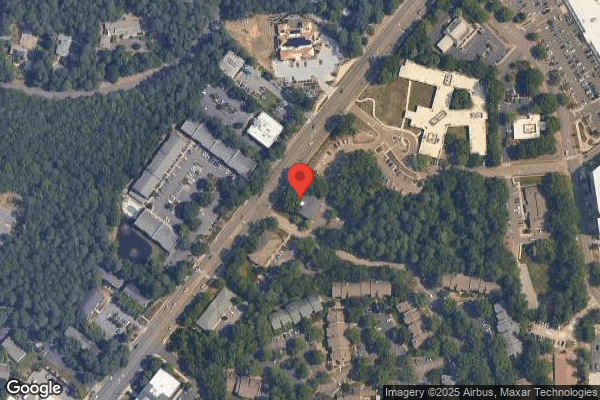
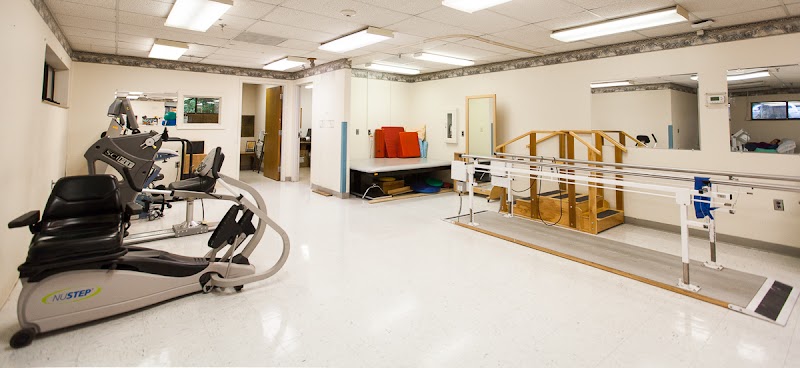
1602 E Franklin Street, Chapel Hill, NC 27514 (919) 967-1418
For profit - Corporation 108 Beds SIGNATURE HEALTHCARE Data: November 2025
Trust Grade
60/100
#195 of 417 in NC
Last Inspection: June 2025

Inspected within the last 6 months. Data reflects current conditions.

Overview

Signature Healthcare of Chapel Hill has a Trust Grade of C+, indicating it is slightly above average but not exceptional. It ranks #195 out of 417 facilities in North Carolina, placing it in the top half, but it is ranked #3 out of 3 in Orange County, meaning there are no better local options. The facility shows signs of improvement, with the number of issues decreasing from 7 in 2024 to 4 in 2025. Staffing is a strong point, with a 4/5 star rating and better RN coverage than 92% of state facilities, though the 61% staff turnover rate is concerning compared to the state average. Notably, there have been recent concerns about medication management and food quality, including instances where medications were not properly dated and residents reported receiving cold, unappetizing meals despite complaints. Overall, while there are strengths in staffing and a lack of fines, families should be aware of the facility's weaknesses in certain operational areas.
Trust Score
C+
60/100
In North Carolina
#195/417
Top 46%
Safety Record
Low Risk
No red flags
Inspections
Getting Better
7 → 4 violations
Staff Stability
⚠ Watch
61% turnover. Above average. Higher turnover means staff may not know residents' routines.
Penalties
✓ Good
No fines on record. Clean compliance history, better than most North Carolina facilities.
Skilled Nurses
✓ Good
Each resident gets 54 minutes of Registered Nurse (RN) attention daily — more than average for North Carolina. RNs are trained to catch health problems early.
Violations
⚠ Watch
20 deficiencies on record. Higher than average. Multiple issues found across inspections.
★★★☆☆
3.0
Overall Rating
★★★★☆
4.0
Staff Levels
★★★☆☆
3.0
Care Quality
★★★☆☆
3.0
Inspection Score
Stable
2024: 7 issues
2025: 4 issues

The Good

  • 4-Star Staffing Rating · Above-average nurse staffing levels
  • Full Sprinkler Coverage · Fire safety systems throughout facility
  • No fines on record

Facility shows strength in staffing levels, fire safety.

The Bad

3-Star Overall Rating

Near North Carolina average (2.8)

Meets federal standards, typical of most facilities

Staff Turnover: 61%

14pts above North Carolina avg (46%)

Frequent staff changes - ask about care continuity

Chain: SIGNATURE HEALTHCARE

Part of a multi-facility chain

Ask about local staffing decisions and management

Staff turnover is elevated (61%)

13 points above North Carolina average of 48%

The Ugly 20 deficiencies on record

Jun 2025 4 deficiencies
CONCERN (D) 📢 Someone Reported This

A family member, employee, or ombudsman was alarmed enough to file a formal complaint

Potential for Harm - no one hurt, but risky conditions existed

Safe Environment (Tag F0584)

Could have caused harm · This affected 1 resident

Based on observations and staff interviews, the facility failed to ensure the furniture and floors were maintained in a clean state, free from drainage from an enteral feeding (Resident #76) and the i...

Read full inspector narrative →
Based on observations and staff interviews, the facility failed to ensure the furniture and floors were maintained in a clean state, free from drainage from an enteral feeding (Resident #76) and the insulated outer covering of the bed control wires was intact (Resident #31) for 2 of 6 rooms on 1 of 2 halls observed for a safe, clean and homelike environment. Findings included: 1. An initial observation completed on 6/16/25 at 11:28 AM revealed a large brown semi-solid puddle of dried fluid trailing towards the windows on the left side of Resident #76's bed. The floor was sticky underfoot as well. In addition, there was a brown dried substance on the casing of the bedside television monitor that spanned the width of the lower lip with drip marks dried on the controls. Additional observations of Resident #76's room on 6/18/25 at 8:30 AM and on 6/19/25 at 1:06 PM continued to reveal the brown substance remained on the bedside television monitor and the equipment as it had from the initial observation on 6/16/25. An interview was conducted with Housekeeper #1 on 6/19/25 at 1:40 PM who was responsible for cleaning the hall where Resident #76. She stated the process of cleaning a resident's room included emptying trash, sweeping the floor and mopping the floor. She stated she wiped down the dresser, nightstand, and overbed table as well. She indicated housekeeping was not allowed to clean up bodily fluids but was able to clean up spills such as water, juices, or food items. She stated the last time she cleaned Resident #76's room was on 6/18/25. The Director of Housekeeping was interviewed on 6/19/25 at 1:46 PM, and he stated this past Monday 6/16/25 he had to do an extra scrub of Resident #76's floor because a puddle of tube feed was left to dry over the weekend. He stated the puddle was underneath the wheel of the pole the tube feeding hung from and ran out towards the window. He stated he had to soak and really scrape to get the spill up. After being shown the brown substance on Resident #76's television monitor, he stated he wasn't aware tube feeding had leaked onto the television as well, but he would have it cleaned up. The Director of Housekeeping indicated housekeeping worked seven days on weekdays from 7:00 AM to 4:00 PM, but on the weekends housekeeping left at 2:00 PM. The Director stated tube feeding spills were difficult to clean up once they were dried, and it would be helpful if staff wiped up the spill while it was still wet once they noted one happened. On 6/19/25 at 1:55 PM the Administrator toured the resident rooms with this writer in the hall where Resident #76 resided and stated housekeeping would clean the room that day. 2. On 6/18/25 at 1:02 PM an observation was made of the bed control that operated Resident #31's bed wrapped around the left upper bar of the resident's bed and resting on the pillow. The outer insulation casing over the wiring was stripped away leaving three individual wires exposed, a red wire, a white wire, and a black wire. Resident #31 was lying in bed at the time of the observation. An interview was conducted with the Maintenance Director in conjunction with the Administrator on 6/19/25 at 11:02 AM. The Maintenance Director stated bed controls were checked monthly to make sure they were working. The Maintenance Director further stated if the staff noted a problem with bed controls they would notify maintenance for repairs. The Administrator provided documentation from the maintenance logbook that indicated the bed controls were inspected by maintenance on 5/2/25 and to make sure the bed control operated the bed correctly, checked for any cracked or frayed wires, and ensured bed control wires were not wrapped around rails. The Administrator further indicated Resident #31's bed was a rental and would be replaced. The Administrator provided a copy of quality improvement projects for the rooms of the facility that included plans for repairs, painting, and maintenance.
CONCERN (D)

Potential for Harm - no one hurt, but risky conditions existed

Food Safety (Tag F0812)

Could have caused harm · This affected 1 resident

**NOTE- TERMS IN BRACKETS HAVE BEEN EDITED TO PROTECT CONFIDENTIALITY** Based on observation and staff interviews, the facility failed to remove expired fortified nutritional supplements stored for us...

Read full inspector narrative →
**NOTE- TERMS IN BRACKETS HAVE BEEN EDITED TO PROTECT CONFIDENTIALITY** Based on observation and staff interviews, the facility failed to remove expired fortified nutritional supplements stored for use in 1 of 2 nourishment rooms (Nourishment Kitchenette at Blue side). These practices had the potential to affect 2 of 2 residents who received tube feeding. The findings included: On [DATE] at 10:35 AM, during an observation with the Dietary Manager of the nourishment kitchenette on the Blue side hallway, in the cabinet, there were 18 packs of fortified nutritional supplement that expired on [DATE], and 6 packs of fortified nutritional supplements that expired on [DATE]. On [DATE] at 9:45 AM, during an interview, the Dietary Manager indicated that the Central Supply staff was responsible for restocking the nutritional supplements in the Nourishment Kitchenettes and checking the expiration date. On [DATE] at 2:45 PM, during an interview, the Central Supply staff indicated that she was responsible for ordering nutritional supplements for the facility. She checked the nutritional supplements for expiration date weekly. The Central Supply staff indicated the last time she checked the Nourishment Kitchenette rooms on Red and Blue side hallways on [DATE]. The Central Supply staff mentioned that she was very busy on [DATE] and probably overlooked a few expired items. On [DATE] at 9:05 AM, during an interview, the Director of Nursing indicated that the Central Supply staff member was responsible for ordering nutritional supplements for the residents. The Central Supply staff member made rounds weekly and as needed and communicated the nutritional supplement needs with the units' coordinators. Currently, none of the residents with tube feeding received the order for fortified nutritional supplements. The Central Supply staff member had a responsibility to restock the Nourishment Kitchenettes and remove the expired items. On [DATE] at 10:25 AM, during an interview, the Administrator expected the staff to restock the nourishment rooms and remove the expired items in a timely manner.
CONCERN (E)

Potential for Harm - no one hurt, but risky conditions existed

Deficiency F0761 (Tag F0761)

Could have caused harm · This affected multiple residents

Based on observations and staff interviews the facility failed to (1) remove expired medication and date open medication for 1 of 2 medication storage refrigerators reviewed (Blue Hall), and (2) faile...

Read full inspector narrative →
Based on observations and staff interviews the facility failed to (1) remove expired medication and date open medication for 1 of 2 medication storage refrigerators reviewed (Blue Hall), and (2) failed to date open medications for 1 of 2 medication carts reviewed (Red Hall). The findings included: 1. During an observation of the Blue Hall medication storage refrigerator with Unit Manager #1 on 6/17/25 at 11:23 am the following was observed. Unit Manager #1 confirmed all findings before the removal of the identified items. - One glargine (long-acting) insulin injector pen was observed to be open with approximately 180 units of the 300 units of insulin remaining. There was no open date noted on the insulin pen. The manufacturer's recommendation for the storage of insulin glargine was to discard unused insulin 28 days after first use. - One vial of tuberculin purified protein derivative (used in the diagnosis of tuberculosis) was observed to be open with approximately one third of the medication remaining. The vial had an open date of 5/05/25. The medication box noted to discard open product after thirty (30) days. An interview was conducted with Unit Manager #1 on 6/17/25 at 11:30 am who revealed all medications were to be dated when opened by the nurse that opened the medication. Unit Manager #1 further reported that all nurses were responsible for checking medications for expiration dates when they were used and the medication should have been removed from the medication storage refrigerator when expired. During an interview on 6/18/25 at 12:44 pm with the Director of Nursing (DON) she revealed that all nurses were responsible for dating medications when they were opened. The DON stated Unit Manager #1 was responsible for ensuring the medication storage refrigerator was monitored for expired medications. 2. During an observation of the Red Hall medication cart with Medication Aide (MA) #2 on 6/17/25 at 1:35 pm the following was observed. MA #2 and Unit Manager #2 confirmed all findings before the removal of the identified items. -One glargine (long-acting) insulin injector pen was observed open with approximately 140 units of the 300 units insulin remaining. There was no open date noted on the insulin injector pen. The manufacturer's recommendations for glargine insulin injector pen was to discard the unused insulin 28 days after first use. - One insulin lispro (rapid-acting) injector pen was observed open with approximately 220 units of the 300 units of insulin remaining. There was no open date noted on the insulin injector pen. The manufacturer's recommendations for insulin lispro injector pen was to discard the unused insulin after 28 days of opening. - One fluticasone furoate, umeclidinium and vilanterol 100 micrograms (mcg)/62.5 mcg/25 mcg inhalation powder (medication used to treat chronic obstructive pulmonary disease (COPD) and asthma) was observed open with no open date noted. The manufacturer's recommendations for the fluticasone furoate, umeclidinium and vilanterol inhalation powder was to discard after 6 weeks of opening. - One fluticasone propionate and salmeterol 500 mcg/50 mcg inhalation powder (medication used to treat COPD and asthma) was observed open with no open date noted. The manufacturer's recommendation for the fluticasone propionate and salmeterol inhalation powder was to discard 1 month after the foil pouch was opened. - One plastic squeeze bottle of timolol maleate ophthalmic solution 0.25% (medication used to treat eye conditions like glaucoma) was observed open with no open date noted. The manufacturer's recommendation for the timolol maleate ophthalmic solution was to be used within 4 weeks of opening. - One plastic squeeze bottle of prednisolone acetate ophthalmic solution 1% (medication used to treat eye inflammatory conditions of the eye) was observed open, with no open date noted. The manufacturer's recommendation for the prednisolone acetate ophthalmic solution was to discard 28 days after opening. - One plastic squeeze bottle of moxifloxacin ophthalmic solution 0.5% (medication used to treat bacterial eye infections) was observed open with no open date noted. The manufacturer's recommendation for the moxifloxacin ophthalmic solution was to discard any unused drops 4 weeks after the first opening. - One plastic squeeze bottle of eye drops ultra (used to treat dry eyes) was observed open with no open date noted. The manufacturer's recommendation for the eye drops ultra was to discard any remaining drops 3 months after opening. An interview was conducted with MA #2 on 6/17/25 at 2:00 pm. MA #2 revealed all medications were to be dated when they were opened. She stated when she opened a medication she wrote the date on the medication. MA #2 stated she was not permanently assigned to the Red Hall medication cart and she did know why the medications did not have an open date noted. An interview was conducted on 6/17/25 at 2:02 pm with Unit Manager #2 who stated medications should be dated by the nurse when they were opened. Unit Manager #2 stated there was no one specifically assigned to check the medication cart to ensure medications had an open date noted. During an interview on 6/18/25 at 12:44 pm with the Director of Nursing (DON) she revealed that all nurses were responsible to date medications when they were opened. The DON stated all nurses were responsible to check the medication carts to make sure medications were dated and removed if expired.
MINOR (B) 📢 Someone Reported This

A family member, employee, or ombudsman was alarmed enough to file a formal complaint

Minor Issue - procedural, no safety impact

Medical Records (Tag F0842)

Minor procedural issue · This affected multiple residents

**NOTE- TERMS IN BRACKETS HAVE BEEN EDITED TO PROTECT CONFIDENTIALITY** Based on record review and interviews with residents and staff, the facility failed to maintain an accurate Medication Administr...

Read full inspector narrative →
**NOTE- TERMS IN BRACKETS HAVE BEEN EDITED TO PROTECT CONFIDENTIALITY** Based on record review and interviews with residents and staff, the facility failed to maintain an accurate Medication Administration Record (MAR) when insulin that was administered by licensed nursing staff was signed off on the MAR as administered by Medication Aide (MA) #2. This deficient practice affected 3 of 27 sampled residents whose medical records were reviewed (Resident #11, Resident #43, and Resident #80). The findings included: a. Resident #11 was admitted to the facility on [DATE] with diagnoses which included diabetes. A physician order dated 4/09/24 for insulin lispro (fast acting) administer 10 units subcutaneous before meals every day for diabetes. A physician order dated 4/09/24 for insulin lispro administer subcutaneous before meals every day for diabetes; per sliding scale: If Blood Sugar is 150 to 199, give 2 Units. If Blood Sugar is 200 to 249, give 4 Units. If Blood Sugar is 250 to 299, give 6 Units. If Blood Sugar is 300 to 349, give 8 Units. If Blood Sugar is 350 to 399, give 10 Units. If Blood Sugar is 400 to 449, give 12 Units. If Blood Sugar is greater than 449, call MD. Review of Resident #11's MAR for June 2025 revealed the following: - 6/04/25 at 7:00 am Resident #11 was administered insulin lispro 10 units as ordered by the physician. The insulin lispro was signed out by MA #2. - 6/04/25 at 7:00 am Resident #11 was administered insulin lispro sliding scale coverage of 2 units for a blood sugar of 174 milligram per deciliter (mg/dl) as ordered by the physician. The insulin lispro sliding scale coverage was signed out by MA #2. - 6/04/25 at 11:15 am Resident #11 was administered insulin lispro 10 units as ordered by the physician. The insulin lispro was signed out by MA #2. - 6/08/25 at 7:00 am Resident #11 was administered insulin lispro 10 units as ordered by the physician. The insulin lispro was signed out by MA #2. - 6/08/25 at 7:00 am Resident #11 was administered insulin lispro sliding scale coverage of 2 units for a blood sugar of 188 mg/dl as ordered by the physician. The insulin lispro sliding scale coverage was signed out by MA #2. - 6/08/25 at 11:15 am Resident #11 was administered insulin lispro 10 units as ordered by the physician. The insulin lispro was signed out by MA #2. - 6/08/25 at 11:15 am Resident #11 was administered insulin lispro sliding scale coverage of 2 units for a blood sugar of 183 mg/dl as ordered by the physician. The insulin lispro sliding scale coverage was signed out by MA #2. The Minimum Data Set (MDS) quarterly assessment dated [DATE] revealed Resident #11 had moderate cognitive impairment and was coded for use of insulin. An interview was conducted with Resident #11 on 6/19/25 at 11:35 am who revealed at times a different person would give her insulin than the person that gave her the pills. An interview was conducted with MA #2 on 6/18/25 at 11:11 am who revealed she was not able to administer insulin to residents because it was outside her scope of practice as a Medication Aide. MA #2 stated that when she was assigned a resident that required insulin she was only able to check blood sugar but a nurse would have to administer the insulin when needed. MA #2 stated she would normally sign out the insulin administration by the Nurse supervising her because she was giving the other medications and signed everything out at the time the medications were administered. MA #2 stated that the Nurse that was assigned to supervise her would come and give the insulin while she was present and when she saw it was administered she would sign it out on the MAR. A telephone interview was conducted with Nurse #1 on 6/19/25 at 10:22 am who was assigned to supervise MA #2 on 6/04/25. Nurse #1 revealed when she had a MA assigned to work with her she administered all insulin to residents. Nurse #1 stated the MA was not able to administer insulin but they were able to check blood sugar levels and then she, as the nurse, would administer the insulin. Nurse #1 stated the MA would sign out the insulin after she (Nurse #1) administered it and she would just confirm all medications were signed out and completed. Nurse #1 stated it would be ideal for her to sign out the insulin, but she stated at times the MA would sign out the insulin. A telephone interview was conducted on 6/18/25 at 3:22 pm with Nurse #2 who was assigned to supervise MA #2 on 6/08/25. Nurse #2 revealed that he administered insulin to the residents for the Medication Aides because they were not allowed to administer insulin. Nurse #2 stated he would normally sign out the insulin after he administered it but he stated it could have been an error that he did not sign out Resident #11's insulin on 6/08/25. b. Resident #43 was admitted to the facility on [DATE] with diagnoses which included diabetes. The Minimum Data Set (MDS) quarterly assessment dated [DATE] revealed Resident #43 was cognitively intact and was coded for use of insulin. Resident #43 had a physician order dated 6/04/25 for insulin lispro (rapid-acting) insulin pen every shift before meals; amount to administer per sliding scale: If Blood Sugar is less than 60, call MD. If Blood Sugar is 100 to 150, give 0 Units. If Blood Sugar is 151 to 199, give 2 Units. If Blood Sugar is 200 to 249, give 4 Units. If Blood Sugar is 250 to 299, give 6 Units. If Blood Sugar is 300 to 349, give 8 Units. If Blood Sugar is 350 to 399, give 10 Units. If Blood Sugar is 400 to 449, give 12 Units. If Blood Sugar is greater than 450, call MD. Review of Resident #43's June 2025 MAR revealed the following: - 6/07/25 at 7:00 am Resident #43 was administered the insulin lispro sliding scale coverage of 2 units for a blood sugar of 180 mg/dl (milligrams per deciliter) as ordered as ordered by the physician. The insulin lispro sliding scale coverage was signed out by MA #2. - 6/07/25 at 5:00 pm Resident #43 was administered the insulin lispro sliding scale coverage of 8 units for a blood sugar of 331 mg/dl as ordered as ordered by the physician. The insulin lispro sliding scale coverage was signed out by MA #2. During an interview on 6/18/25 at 12:23 pm with Resident #43 he confirmed that MA #2 had never administered insulin to him at the facility. Resident #43 stated he knew she was not allowed to give him insulin and he would not allow it even if she tried. An interview was conducted with MA #2 on 6/18/25 at 11:11 am who revealed she was not able to administer insulin to residents because it was outside her scope of practice as a Medication Aide. MA #2 stated that when she was assigned a resident that required insulin she was only able to check blood sugar but a nurse would have to administer the insulin when needed. MA #2 stated she would normally sign out the insulin administration by the Nurse supervising her because she was giving the other medications and signed everything out at the time the medications were administered. MA #2 stated that the Nurse that was assigned to supervise her would come and give the insulin while she was present and when she saw it was administered she would sign it out on the MAR. An attempt to conduct a telephone interview on 6/18/25 at 3:28 pm and 6/19/25 at 10:33 am with Nurse #4 who was assigned to supervise MA #2 on 6/07/25 was unsuccessful. c. Resident # 80 was admitted to the facility on [DATE] with diagnoses which included diabetes. Resident #80 had a physician order dated 3/12/25 for insulin glargine (long-acting insulin) insulin pen; administer 15 units subcutaneous once day. The insulin glargine was to be administered between 7:00 am and 11:00 am. Review of the Medication Administration Record (MAR) revealed Resident #80's blood glucose was noted by Medication Aide (MA) #2 as 150 mg/dl (milligrams per deciliter) and he was administered insulin glargine 15 units as ordered by the physician on 6/09/25. The insulin glargine was signed out by MA #2. The Minimum Data Set (MDS) quarterly assessment dated [DATE] revealed Resident #80 was cognitively intact and was coded for use of insulin. An interview was conducted with Resident #80 on 6/18/25 at 11:41 am who revealed he got his pills and insulin from a nurse but he did get them from different people on some days. He stated he was not sure why that happened, but he stated it happened at times that a different nurse would give him insulin. An interview was conducted with MA #2 on 6/18/25 at 11:11 am who revealed she was not able to administer insulin to residents because it was outside her scope of practice as a Medication Aide. MA #2 stated that when she was assigned a resident that required insulin she was only able to check blood sugar but a nurse would have to administer the insulin when needed. MA #2 stated she would normally sign out the insulin administration by the Nurse supervising her because she was giving the other medications and signed everything out at the time the medications were administered. MA #2 stated that the Nurse that was assigned to supervise her would come and give the insulin while she was present and when she saw it was administered she would sign it out on the MAR. A telephone interview was conducted with Nurse #3 on 6/19/25 at 10:52 am who was assigned to supervise MA #2 on 6/09/25. Nurse #3 stated she administered insulin to the residents when MA #2 worked with her. Nurse #3 stated that when the MA would enter the blood sugar number in the MAR it would prompt the MA to complete all sections of the order before they could move on to sign out the next medication. Nurse #3 stated that it would put the MA initials for completion of the order. Nurse #3 stated that although she (Nurse #3) administered the insulin it would show that MA #2 administered the insulin because she was entering the blood sugar. Nurse #3 stated MA #2 did not administer insulin to any residents when she was assigned to supervise her on 6/09/25. During an interview on 6/18/25 at 12:25 pm Unit Manager #2 revealed a Medication Aide was not able to administer insulin and would get the nurse assigned to supervise their shift to administer all insulin. Unit Manager #2 stated the nurse that administered the insulin should sign out the medication not the Medication Aide. An interview was conducted with the Director of Nursing (DON) on 6/18/25 at 12:53 pm who revealed all Medication Aides at the facility know they were not able to administer insulin and she had never witnessed any Medication Aide administer any insulin. The DON stated each Medication Aide had a supervisory nurse assigned to them for their entire shift and that nurse was responsible to administer the insulin to the residents and document the administration.
Apr 2024 7 deficiencies
CONCERN (D)

Potential for Harm - no one hurt, but risky conditions existed

Deficiency F0553 (Tag F0553)

Could have caused harm · This affected 1 resident

**NOTE- TERMS IN BRACKETS HAVE BEEN EDITED TO PROTECT CONFIDENTIALITY** Based on record review, and interviews with the resident, Responsible Party (RP), and staff, the facility failed to facilitate t...

Read full inspector narrative →
**NOTE- TERMS IN BRACKETS HAVE BEEN EDITED TO PROTECT CONFIDENTIALITY** Based on record review, and interviews with the resident, Responsible Party (RP), and staff, the facility failed to facilitate the inclusion of a cognitively intact resident and her RP in the care planning process for 1 of 1 resident reviewed for the care planning process (Resident #71). The findings included: Resident #71 was admitted to the facility on [DATE]. The medical record indicated Resident #71's family member was her RP. A review of Resident #71's care plan dated 6/9/23 revealed it was last revised on 3/20/24 at 5:21 pm. Review of the care conference note dated 12/14/23 indicated a care plan meeting was held regarding Resident #71. The attendees listed were the Minimum Data Set (MDS) Nurse and the Social Services Director (SSD). The care conference note dated 3/7/24 indicated a care plan meeting was held regarding Resident #71. The attendees listed were the MDS Nurse, SSD, and Unit Manager #1. The record did not reveal evidence that Resident #71 or her RP had been invited to or involved in the care planning and review process. Review of the quarterly MDS dated [DATE] revealed Resident #71 was cognitively intact. During an interview on 4/8/24 at 10:33 am, Resident #71 revealed nobody had talked with her about her care plan. During a follow-up interview on 4/10/24 at 7:19 pm, Resident #71 stated her RP may know more about the care plan meeting. Resident #71 explained she could not get out of bed and wondered how the facility could include her during the care plan meetings. She stated nobody offered other ways for her to attend the meetings. During a telephone interview on 4/10/24 at 4:49 pm, Resident #71's RP revealed she had not received any invitation to a care plan meeting this year. She stated could not remember the exact date, but last year she had been called and invited to a care plan meeting after Resident #71 was admitted to the facility. She explained she had not received any further invitations. During an interview on 4/09/24 at 2:36 pm, the SSD revealed Resident #71, or the RP did not attend the care plan meetings on 12/14/23 and 3/7/24. She stated she usually talked to the residents and invited them to care plan meetings and called to invite the representatives. The SSD could not recall the reason Resident #71, or the RP were unable to attend. She could not recall if any reasonable adjustments were made to accommodate Resident #71's or her RP's schedule. She stated it was either they did not want to attend, or she did not get an answer in time. She stated they could conduct the care plan meeting in the resident's room or in her office depending on the resident's preference. The SSD stated the invitation, the reason for the resident's or RP's absence and any attempts to work with them to facilitate their attendance were not documented in the medical records. During an interview on 4/10/24 at 1:57 PM, the MDS Nurse stated she created the list of residents that were due for care plan meetings and gave them to the SSD. The SSD sent letters to the representatives or verbally invited the residents to their care plan meetings. The MDS Nurse stated all refusals were documented in their care plan. She checked Resident #71's care plan and revealed there were no refusals documented in the resident's care plan. She stated she was not aware of the reason for Resident #71's or the RP's absence during the care plan meetings on 12/14/23 and 3/7/24. During an interview on 4/10/24 at 9:40 am, the Director of Nursing stated the care plan meetings were held quarterly, annually, and as needed. She stated the residents, and their RP should be encouraged to always attend and participate in their care plan. During an interview on 1/24/24 at 1:42 PM, the Administrator stated he expected all the residents to be involved in their care. Any contact with the resident or RP regarding their care should be documented.
CONCERN (D)

Potential for Harm - no one hurt, but risky conditions existed

Deficiency F0554 (Tag F0554)

Could have caused harm · This affected 1 resident

**NOTE- TERMS IN BRACKETS HAVE BEEN EDITED TO PROTECT CONFIDENTIALITY** Based on observations, record review, interviews with resident and staff, the facility failed to assess if a cognitively impaire...

Read full inspector narrative →
**NOTE- TERMS IN BRACKETS HAVE BEEN EDITED TO PROTECT CONFIDENTIALITY** Based on observations, record review, interviews with resident and staff, the facility failed to assess if a cognitively impaired resident could self-administer eye drops kept at the bedside for 1 of 1 resident reviewed for self-administration (Resident #6). The findings included: Resident #6 was admitted to the facility on [DATE]. Her diagnoses included glaucoma (increased pressure within the eyeball causing gradual loss of vision), and dry eyes syndrome. Review of the physician order dated 7/15/20 revealed Resident #6 was to receive one drop of latanoprost 0.005%, a prescription eye drop, in each eye each night between the hours of 7:00 pm to 11:00 pm to treat glaucoma. Another order on 3/14/24 revealed Resident #6 was to receive two drops of artificial tears, an over-the-counter eye drop, for dry eyes four times a day at 8:00 am, 12:00 noon, 4:00 pm and 8:00 pm. There was no physician order for Resident #6 to self-administer medications. Review of Resident #6's annual Minimum Data Set, dated [DATE] revealed she had impaired vision and was cognitively intact. Review of Resident #6's medical records revealed no assessment was completed to determine if the resident could administer medications independently to herself. Resident #6's care plan revised on 3/15/24 revealed potential for impaired vision related to glaucoma. Interventions included assessing the effect of vision loss on resident's functional status, assuring floor was free of glare, liquids, or foreign objects, and always keeping the call light within reach. The resident's care plan did not include medication self-administration. Review of the April 2024 Medication Administration Record for the period of 4/1/24 through 4/9/24 revealed the latanoprost eyedrops were initialed by Nurse #1 to indicate it was administered on 4/7/24 between 7:00 pm to 11:00 pm. The artificial tears were initialed by Nurse #1 on 4/7/24 at 8:00 pm and Medication Aide #1 on 4/8/24 at 8:00 am and 12:00 noon to indicate it was administered at those dates and times. During the initial observation on 4/8/24 at 11:33 am, Resident #6 had a vial of artificial tears eye drop and a vial of latanoprost 0.0005% eye drop on her bedside table. Resident #6 stated she administered both eye drops to herself. She stated she used the eye drops for her dry eyes two times a day in the morning and at night. She stated she used her glaucoma eyedrops at night only. During a follow up interview by Medication Aide #1 and the surveyor on 4/8/24 at 3:32 pm, Resident # 6 stated the evening nurse (Nurse #1) left both eye drops with her on 4/7/24 and gave her instructions. She stated she used both eye drops the night of 4/7/24 and used only the artificial tears the morning of 4/8/24. During an interview and observation on 4/8/24 at 3:33 pm, Medication Aide #1 stated Resident #6 was not supposed to have eye drops at bedside. She stated the resident did not have an order to self-administer medications. Medication Aide #1 was observed to take both eye drops and proceeded to lock them in her medication cart. The evening nurse was not in the facility during the survey and was unavailable for telephone interview. During an interview on 4/9/24 1:09 pm, the interim Unit Manager for the Blue Hall explained the facility's medication self-administration process. She stated the if a resident was requesting to self-administer medications, the nurses completed the Self-Administration Assessment form. This was filed under the Clinical Observation tab in the resident's medical record. The interim Unit Manager stated the doctor or the physician's assistant was notified if the resident was assessed they were capable of medication self-administration. The provider had to order that a resident could self- administer medications. The medications had to be in a locked box so only the resident could access the medications. The resident's new order for self-administration was discussed during the clinical morning meeting. The Minimum Data Set Nurse or the nurse who received the order updated the resident's care plan to address self-administration of medications. During an interview on 4/10/24 at 9:34 am, the Director of Nursing stated the evening nurse was an agency nurse. She stated the agency nurses got checked off with medication administration before they were assigned a cart. She stated Resident #6 was not assessed for medication self-administration. The agency nurse must have left those eye drops on the resident's bedside by accident.
CONCERN (D)

Potential for Harm - no one hurt, but risky conditions existed

Deficiency F0567 (Tag F0567)

Could have caused harm · This affected 1 resident

**NOTE- TERMS IN BRACKETS HAVE BEEN EDITED TO PROTECT CONFIDENTIALITY** Based on record review, resident interview and staff interviews, the facility failed to allow a resident the right to manage per...

Read full inspector narrative →
**NOTE- TERMS IN BRACKETS HAVE BEEN EDITED TO PROTECT CONFIDENTIALITY** Based on record review, resident interview and staff interviews, the facility failed to allow a resident the right to manage personal funds for 1 of 3 sampled residents reviewed for personal funds. (Resident #40) The findings included: Resident # 40 was admitted to the facility on [DATE] with diagnoses that included contracture to the right knee and type 2 diabetes. A review of the admission Minimum Data Set assessment dated [DATE] revealed Resident #40 was cognitively intact. An interview was conducted with Resident #40 on 4/6/24 at 9:50 am and she revealed the Business Office Manager had changed the banking location of where her social security check was to be deposited from her private banking account to the facility's account. Resident #40 added the Business Office Manger did this without her permission. An interview was conducted with the Business Office Manager on 4/9/24 at 2:30 pm and she confirmed that she applied for the facility to become Resident #40's representative payee so that her money would come directly to the facility and did not get Resident #40's written permission. She further revealed that she did not offer Resident #40 the opportunity to manage her own funds because she thought the money needed to come to the facility directly because it was owed to the facility. The Business Office Manager also revealed that she did not keep a copy of the representative payee application and did not recall the physician deeming Resident #40 as cognitively impaired or unable to manage her personal funds. An interview was conducted with the facility Administrator on 4/11/23 at 12:20 pm and he indicated that alert and oriented residents should be given the opportunity to manage their personal funds. An interview was conducted with the facility Administrator on 4/11/23 at 12:20 pm and he indicated that alert and oriented residents should be given the opportunity to manage their personal funds
CONCERN (D) 📢 Someone Reported This

A family member, employee, or ombudsman was alarmed enough to file a formal complaint

Potential for Harm - no one hurt, but risky conditions existed

Abuse Prevention Policies (Tag F0607)

Could have caused harm · This affected 1 resident

**NOTE- TERMS IN BRACKETS HAVE BEEN EDITED TO PROTECT CONFIDENTIALITY** Based on record review, law enforcement interview and staff interviews, the facility failed to report an allegation of abuse to ...

Read full inspector narrative →
**NOTE- TERMS IN BRACKETS HAVE BEEN EDITED TO PROTECT CONFIDENTIALITY** Based on record review, law enforcement interview and staff interviews, the facility failed to report an allegation of abuse to law enforcement and adult protective services (Resident #242) and failed to report an allegation of misappropriation of resident property to adult protective services (Resident #66). In addition, the facility policy failed to include procedures for reporting allegations of abuse/misappropriation of resident property to adult protective services. This was for 2 of 3 residents reviewed abuse/misappropriation of resident property. The findings included: A review of the facility's policy titled, Abuse, Neglect, and Misappropriation of Property dated and revised 9/15/23 indicated every stakeholder shall immediately report any allegation of abuse, injury of unknown origin, or suspicion of a crime to the facility Administrator or designee as assigned by the facility administrator in his/her absence. The policy also indicated that any abuse allegation must be reported to the State within 2 hours from the time the allegation was received and any reasonable suspicion of a crime with serious bodily injury must be reported to the State and Police. Additionally, the policy stated any allegation of neglect, exploitation, mistreatment, or misappropriation resulting in serious bodily injury must be reported to the State Regulatory Agency and Police within 2 hours. 1. Resident #242 was admitted to the facility on [DATE]. A review of the facility's 24-Hour Initial Report dated 11/13/23 indicated there was an allegation of staff to resident abuse made by Resident #242. The report indicated that Resident #242 said she was pushed down into her bed but did not name a perpetrator at that time. The incident occurred on 11/12/23 but was not reported to the facility staff until 11/13/23 and did not result in serious bodily injury. The facility reported the allegation to the state agency within 2 hours. The initial report indicated law enforcement was not notified. A review of the Investigation Report dated 11/20/23 indicated law enforcement and adult protective services (APS) was not notified. An interview was conducted with the Administrator on 4/11/24 at 2:45 pm and he indicated that he thought he had reported this incident to law enforcement, but he did not report the incident to APS. The Administrator did not explain why he did not report the allegation of abuse to APS. A telephone interview was conducted on 4/11/24 at 9:26 am with the local law enforcement's community safety specialist. He indicated there was no record that the facility or facility administrator had reported this incident to law enforcement. 2. Resident #66 was admitted to the facility on [DATE]. A review of the facility's 24-Hour Initial Report dated 11/13/23 revealed there was an allegation of misappropriation of resident funds made by Resident #66. The report further revealed that Resident #66 reported that his bank card was stolen but no perpetrator was noted. The report indicated that law enforcement had been notified but APS was not notified. A review of the Investigation Report dated 11/17/23 indicated law enforcement and adult protective services (APS) was not notified. An interview was conducted with the Administrator on 4/11/24 at 2:45pm and he indicated that he did report this incident to law enforcement and the ombudsman but did not report it to APS. The Administrator did not explain why he did not report the allegation of misappropriation of resident funds to APS.
CONCERN (D)

Potential for Harm - no one hurt, but risky conditions existed

Deficiency F0687 (Tag F0687)

Could have caused harm · This affected 1 resident

**NOTE- TERMS IN BRACKETS HAVE BEEN EDITED TO PROTECT CONFIDENTIALITY** Based on observations, record review, and staff interviews, the facility failed to arrange podiatry services and/or provide toen...

Read full inspector narrative →
**NOTE- TERMS IN BRACKETS HAVE BEEN EDITED TO PROTECT CONFIDENTIALITY** Based on observations, record review, and staff interviews, the facility failed to arrange podiatry services and/or provide toenail care for 1of 1 resident reviewed for foot care (Resident #70). Findings Included: Resident #70 was admitted to the facility on [DATE]. His diagnoses included left hemiplegia (weakness on one side) and hemiparesis (paralysis on one side) following a stroke. Review of the facility's skin alert form indicated Mr. Downey's nails were trimmed on 12/5/23, 12/19/23 and 12/29/23. A review of Resident #70's quarterly Minimum Data Set, dated [DATE] revealed he was cognitively intact and had an impairment on one side of his body. He was assessed as requiring supervision or touch assistance for showers. He was independent in performing personal hygiene and in putting on and taking off his footwear. Resident #70's care plan dated 3/11/24 revealed a risk for self-care deficit or decline due to his medical conditions. Interventions included encouraging him to participate in activities of daily living, allowing him to do as much as possible and assisting him as needed. During the initial assessment on 4/8/24 at 10:53 am, Resident #70 stated nobody cut his toenails and he was needing an ingrown nail pulled out. He had reported this two months ago to Unit Manager #1, but nothing was done. The resident's toenails were observed to be long and extending over the tip of his toes. They were thick and grayish in color. His toenails on both of his big toes were curling downwards. No redness or inflammation were observed. He denied any pain in his toes during the survey. Unit Manager #1 no longer worked at the facility and attempts to interview her were unsuccessful. During an interview on 4/9/24 at 12:52 pm, Nurse Aide (NA) #2 stated she had been assisting Resident #70 with his showers and personal hygiene. She stated she cut residents' nails after their shower or as needed. She stated she tried cutting the resident's toenails before, but they were too thick. NA #2 stated she did not have the tools to do it. She stated there was a list for the podiatrist in the nurses' station and she would add the resident's name on the list. During an interview on 4/9/24 at 2:24 pm, the Social Services Director (SSD) stated she scheduled the residents' podiatry appointments. The podiatrist came to the facility every three months. She stated she referred residents to the podiatrist if they were diabetic or if the provider informed her of a resident's need for the service. The nursing staff also provided her with the names of residents that needed their nails cut by the podiatrist. The SSD was unable to provide a date when the resident was last seen by podiatry. She offered to check and schedule Resident #70 for podiatry service. During an interview on 4/10/24 at 8:54 am, the Director of Nursing (DON) stated Resident #70 did not verbalize any complaints to her. The staff usually cut the residents' nails after shower. She stated Resident #70 was getting showers so they should have been trimming his nails. She provided the resident's shower logs and added three skin care alert forms that were filled out by the nurse aides. The forms indicated the resident's nails were trimmed on 12/5/23, 12/19/23 and 12/29/23. The DON stated that was all the forms she found. During an interview on 4/11/24 at 11:22 am, the Administrator stated it was his expectation that the residents' nails well groomed. If staff were unable to cut a resident's nails or if the resident was diabetic, the resident should be referred to the podiatrist or sent to a specialist as needed.
CONCERN (D) 📢 Someone Reported This

A family member, employee, or ombudsman was alarmed enough to file a formal complaint

Potential for Harm - no one hurt, but risky conditions existed

QAPI Program (Tag F0867)

Could have caused harm · This affected 1 resident

Based on staff interview, and record review, the facility's Quality Assurance and Performance Improvement (QAPI) committee failed to maintain implemented effective procedures and monitor the intervent...

Read full inspector narrative →
Based on staff interview, and record review, the facility's Quality Assurance and Performance Improvement (QAPI) committee failed to maintain implemented effective procedures and monitor the interventions that the committee put into place following a recertification and complaint investigation survey on 04/11/24, the complaint investigation survey on 11/3/23 and the complaint investigation survey on 6/23/22. This was for one deficiency in the area of Resident Self-Administer Medication (554) recited on the current recertification and complaint investigation survey on 4/11/24. The continued failure of the facility during three federal surveys of record showed a pattern of the facility's inability to sustain an effective QAPI program. Findings included. This citation is cross referenced to: F 554: Based on observations, record review, interviews with resident and staff, the facility failed to assess if a cognitively impaired resident could self-administer eye drops kept at the bedside for 1 of 1 resident reviewed for self-administration (Resident #6). During a the complaint investigation survey of 11/03/23, the facility failed to assess the ability of residents to self-administer medication. During a the complaint investigation survey of 06/23/22, the facility failed to assess the ability of a resident to self-administer medications left at bedside. An interview was conducted with the Administrator on 04/11/24 at 4:30pm, during which he indicated that his expectations for Quality Assurance were for the facility to conduct an on-going Quality Assurance/Performance Improvement program to systematically monitor, evaluate and improve quality and appropriateness of resident care. Areas of concern were identified through meetings, grievances, observations during rounding, care plan meetings, etc. The QAPI committee was composed of but not limited to the Administrator, Director of Nursing, Medical Director, Consultant Pharmacist, Registered Dietician, Medical Records Director, and Infection Control Preventionist. The Administrator explained the committee met quarterly and/or as needed. Any identified areas of non-compliance were corrected and monitored until compliance was maintained.
CONCERN (E)

Potential for Harm - no one hurt, but risky conditions existed

Deficiency F0887 (Tag F0887)

Could have caused harm · This affected multiple residents

**NOTE- TERMS IN BRACKETS HAVE BEEN EDITED TO PROTECT CONFIDENTIALITY** Based on record review, residents and staff interviews, the facility failed to follow the current Centers for Disease Control (C...

Read full inspector narrative →
**NOTE- TERMS IN BRACKETS HAVE BEEN EDITED TO PROTECT CONFIDENTIALITY** Based on record review, residents and staff interviews, the facility failed to follow the current Centers for Disease Control (CDC) recommendations for coronavirus disease 2019 (COVID-19) vaccination for 5 of 5 residents reviewed for COVID-19 vaccination (Resident #53, Resident #4, Resident #43, Resident #6, and Resident #46). The findings included: The facility's infection control vaccination program revised on 9/17/23 stated The company intends to and will follow all governing regulations and strives to follow all official COVID-19 recommendations for the health and welfare of our residents and stakeholders. The CDC COVID-19 vaccine recommendations for long term care residents updated on 2/7/24 stated Everyone aged 5 years and older, including people who live and work in Long-term Care (LTC) settings, get 1 updated COVID-19 vaccine .People aged 65 years and older who received 1 dose of any updated 2023-2024 COVID-19 vaccine (Pfizer-BioNTech, Moderna or Novavax) should receive 1 additional dose of an updated COVID-19 vaccine at least 4 months after the previous updated dose . People who are moderately or severely immunocompromised can get additional updated COVID-19 vaccine doses . People who live in LTC settings must give consent or agree to getting a COVID-19 vaccine. Review of the facility's vaccine information sheet (VIS) from the CDC dated 10/19/23 revealed the current recommendations for 2023-2024 COVID-19 vaccines. The recommendations on the VIS were consistent with the CDC recommendations. a. Resident #53 was admitted to the facility on [DATE]. Review of the annual Minimum Data Set (MDS) dated [DATE] revealed Resident #53 was cognitively intact. Review of Resident #53's medical record revealed no information about the resident being offered the 2023-2024 COVID-19 vaccine or receiving education related to the vaccine. During the interview on 4/10/24 at 2:39 pm, Resident #53 stated she did not recall anybody coming to discuss the 2023-2024 COVID-19 Vaccine and get consent. b. Resident #4 was admitted to the facility on [DATE]. Review of the quarterly Minimum Data Set (MDS) dated [DATE] revealed Resident #4 was cognitively intact. Review of Resident #4's medical record revealed no information about the resident being offered the 2023-2024 COVID-19 vaccine or receiving education related to the vaccine. During the interview on 4/10/24 at 2:33 pm, Resident #4 stated nobody told her about a new vaccine. She stated, I want one. c. Resident #43 was admitted to the facility on [DATE]. Review of the quarterly Minimum Data Set (MDS) dated [DATE] revealed Resident #43 was cognitively intact. Review of Resident #43's medical record revealed no information about the resident being offered the 2023-2024 COVID-19 vaccine or receiving education related to the vaccine. During an interview on 4/10/23 at 2:13 pm, Resident #43 stated nobody came since fall to talk to him about the new COVID-19 vaccine and would like to have it. d. Resident #6 was admitted to the facility on [DATE]. Review of the annual Minimum Data Set (MDS) dated [DATE] revealed Resident #6 was cognitively intact. Review of Resident #6's medical record revealed no information about the resident being offered the 2023-2024 COVID-19 vaccine or receiving education related to the vaccine. During an interview on 4/10/24 at 2:42 pm, Resident #6 stated she heard about the new vaccine that came out last year, but nobody ever came to talk to her about it. She stated she would like to have it. e. Resident #46 was admitted to the facility on [DATE]. Review of the annual Minimum Data Set (MDS) dated [DATE] revealed Resident #46 was cognitively intact. Review of Resident #46's medical record revealed no information about the resident being offered the 2023-2024 COVID-19 vaccine or receiving education related to the vaccine. During an interview on 4/10/24 at 7:18 pm, Resident #46 shook his head when asked if any staff updated him on the new 2023-2024 COVID-19 vaccine that was released last fall. During an interview on 4/10/24 at 9:15 am, the Director of Nursing revealed she was the Infection Preventionist for the facility and she was responsible for the vaccination process. She stated she was aware of the new 2023-2024 COVID vaccine and had been vaccinating residents who wanted it. She stated the facility's COVID-19 vaccination consent was in the residents' admission packets. During a follow up interview on 4/11/24 at 10:00 am, the DON stated she believed the residents were offered the new vaccine but after she checked, there were no documents in the residents' medical records related to the new 2023-2024 COVID-19 vaccine. All five residents were not offered or educated on the new vaccine. During the interview on 4/11/24 at 11:17 am, the Administrator stated the residents were offered immunizations on admission. He stated he was not aware of the new vaccination and that corporate office did not send the CDC updates.
Nov 2023 5 deficiencies
CONCERN (D) 📢 Someone Reported This

A family member, employee, or ombudsman was alarmed enough to file a formal complaint

Potential for Harm - no one hurt, but risky conditions existed

Deficiency F0554 (Tag F0554)

Could have caused harm · This affected 1 resident

**NOTE- TERMS IN BRACKETS HAVE BEEN EDITED TO PROTECT CONFIDENTIALITY** Based on record review, observation, resident and staff interviews, the facility failed to assess the ability of residents to se...

Read full inspector narrative →
**NOTE- TERMS IN BRACKETS HAVE BEEN EDITED TO PROTECT CONFIDENTIALITY** Based on record review, observation, resident and staff interviews, the facility failed to assess the ability of residents to self-administer medication for 2 of 2 sampled residents observed with medications at the bedside (Resident #11 and Resident #17). Findings included: 1. Resident #11 was admitted to the facility on [DATE] with diagnosis that included diabetes, chronic pancreatitis, chronic kidney disease, and adrenocortical insufficiency. An admission minimum data set assessment dated [DATE] revealed Resident #11 was cognitively intact with no behaviors or rejection of care. Review of Resident #11's medical record revealed no documentation that Resident #11 was assessed for self-administration of medication. Review of Resident #11's care plan dated 10/4/23 revealed no documentation that Resident #11 was care planned for self-administration of medications. Review of physician's orders for Resident #11 revealed no order for self-administration of medications. Review of physician orders for Resident #11 revealed he received, Hydrocortisone give 5mg tablet by mouth for adrenocortical insufficiency, Creon DR 36,000units capsule by mouth for pancreatitis, and Sodium Bicarbonate 1 tablet by mouth daily for pancreatitis. An interview with Resident #11 and observation of his room were conducted on 11/1/23 at 1:28pm. Resident #11 was sitting in bed with his overbed table on his left side of the bed. On his overbed table, a medicine cup was observed to have one blue/gray capsule, one small round white pill and a white caplet. Resident #11 stated that Nurse #2 left the medication on the overbed table because when Nurse #2 came into the room. Resident #11 told Nurse #2 to give him a minute and Nurse #2 left the medication on the overbed table so Resident #11 could take the medication when he was ready. On 11/1/23 at 1:52pm, an interview and observation were conducted with Nurse #2. Nurse #2 indicated that she did go to Resident #11's room to give him his morning medication. Nurse #2 further indicated that she left the medication in a medicine cup, on his overbed table, as Resident #11 requested. Nurse #2 indicated that the one small round white pill was hydrocortisone 5mg, the one blue/gray capsule was Creon Dr 36,000 unit and the one white caplet was Sodium Bicarbonate. Nurse #2 stated Resident #11 did not have a self-administration order and she did not know it was wrong to leave the medication at bedside. An interview with the Director of Nursing (DON) was conducted on 11/3/23 at 1:23pm. DON indicated that residents should not have any medication at the bedside. Residents must be assessed for self -administration of medication and they should also have a physician order for self-administration of medication. If a resident did not have an assessment for self-administration of medications along with a physician's order, they should not have any medications at bedside. 2.Resident #17 was admitted to the facility on [DATE] with diagnosis that included, chronic obstructive pulmonary disease, allergic rhinitis, and schizophrenia. A quarterly minimum data set assessment dated [DATE] revealed Resident #17 was cognitively intact with no behaviors or rejection of care. Review of Resident #17's medical record revealed no documentation that Resident #17 was assessed for self-administration of medication. Review of Resident #17's care plan dated 8/9/23 revealed no documentation that Resident #17 was care planned for self-administration of medications. Review of physician's orders for Resident #17 revealed no order for self-administration of medications. Review of physician orders for Resident #17 revealed Deep Sea Nasal (sodium chloride) aerosol spray 0.65% 1 spray each Nare twice a day for allergic rhinitis, Fluticasone propionate 50mcg/actuation 1 spray each Nare twice a day for allergic rhinitis. A medication observation was conducted on 11/2/23 at 10:36am with Medication Aide (MA) #2. Resident #17 was in her room, sitting in her wheelchair, beside her bed with the overbed table in front of her. MA #2 was observed taking Deep Sea Nasal aerosol spray and Fluticasone propionate nasal spray from the medication cart and placing them on Resident #17's overbed table. MA#2 was observed leaving Resident #17's room without administering the two nasal spray medications. Resident #17 was observed taking the nasal sprays and spraying them into her nose without the presence of MA #2. An interview with MA #2 was conducted on 11/2/23 at 10:50am. MA #2 indicated that she left Deep-Sea Nasal (sodium chloride) aerosol spray and Fluticasone propionate 50mcg/actuation spray in Resident #17 room because Resident #17 was able to self-administer the medication. An interview with the Director of Nursing (DON) was conducted on 11/3/23 at 1:23pm. DON indicated that residents should not have any medication at the bedside. Residents must be assessed for self -administration of medication and they should also have a physician order for self-administration of medication. If a resident did not have an assessment for self-administration of medications along with a physician's order, they should not have any medications at bedside.
CONCERN (D) 📢 Someone Reported This

A family member, employee, or ombudsman was alarmed enough to file a formal complaint

Potential for Harm - no one hurt, but risky conditions existed

Deficiency F0561 (Tag F0561)

Could have caused harm · This affected 1 resident

**NOTE- TERMS IN BRACKETS HAVE BEEN EDITED TO PROTECT CONFIDENTIALITY** Based on record review, resident and staff interviews, the facility failed to honor resident requests for two showers per week f...

Read full inspector narrative →
**NOTE- TERMS IN BRACKETS HAVE BEEN EDITED TO PROTECT CONFIDENTIALITY** Based on record review, resident and staff interviews, the facility failed to honor resident requests for two showers per week for 2 of 2 sampled residents reviewed for self-determination (Resident #11 and Resident #8) Findings included: 1. Resident #11 was admitted to the facility on [DATE]. An admission Minimum Data Set (MDS) assessment dated [DATE] revealed Resident #11 was cognitively intact, with no behaviors or rejection of care and required moderate assistance with showers. The facility's shower schedule revealed Resident #11 was scheduled for a shower on Monday and Thursday on day shift. Resident #11 medical record did not reveal any refusal of shower documented in the progress notes. The facility shower documentation from 9/27/23 through 11/1/23 revealed that Resident #11 had one shower documented on 10/30/23. The documentation revealed that Resident #11 was provided a partial bed bath instead of shower on the scheduled show dates of: 9/28/23,10/5/23,10/23/23/, and 10/26/23. The documentation revealed that Resident #11 was provided a complete bed bath instead of shower on the scheduled show dates of :10/2/23, 10/9/23,10/12/23, and 11/2/23. There was no documentation for the type of bath or shower provided to Resident #11 for the dates of 10/16/23, 10/19/23 and 11/2/23. An interview with Resident #11 was conducted on 11/1/23 at 1:28pm. Resident #11 indicated that he had only received one shower since being admitted to the facility. Resident #11 indicated that he would ask for a shower on his scheduled days and staff would tell Resident #11 that they would be back, and they never come back to assist him with a shower. An interview was conducted on 11/1/23 at 1:37pm with Nurse Aide (NA) #1 who revealed Resident #11 had only received one shower since admission on [DATE]. NA #1 stated that she did not know why resident #11 did not receive his showers on the scheduled days. She indicated that staff might not assist with showers if there was not enough time for staff to complete showers for residents, and thus they would complete a partial or complete bath. On 11/1/23 at 1:52pm, an interview was conducted with Nurse #2. Nurse #2 indicated that the nurse aides should give showers per the schedule, fill out a shower sheet that is signed by both the nurse aide and nurse, and also document the shower in the electronic record. Nurse #2 indicated that she had not received any shower sheets for Resident #11. Nurse #2 indicated that she could not confirm that Resident #11 had received a shower. An interview with the Director of Nursing (DON) was conducted on 11/3/23 at 1:23pm. The DON indicated residents should receive showers on their scheduled days. She further indicated that all nurse aides must follow the shower schedule, and if a resident refuses to take a shower, the nurse aide should notify the nurse. 2. Resident #8 was admitted to the facility on [DATE]. An admission MDS assessment dated [DATE] revealed Resident #8 was cognitively intact, with no behaviors or rejection of care and required moderate assistance with showers. The facility's shower schedule revealed Resident #8 was scheduled for a shower on Tuesday and Friday on evening shift. Resident #8 medical record did not reveal any refusal of shower documented in the progress notes. The facility shower documentation from 4/14/23 through 11/1/23 revealed that Resident #8 had one shower documented on 7/11/23. The documentation revealed that Resident #8 was provided a partial or completed or other type of bath instead of shower on the scheduled shower dates from 4/14/23 through 11/1/23 on Tuesdays and Friday except for 7/11/23. An interview with Resident #8 was conducted on 11/1/23 at 1:39pm. Resident #8 indicated that she had one shower in the year she had been at the facility. Resident indicated that the nurse aide who provided her with a shower no longer worked at the facility. Resident #8 indicated she asks for a shower on her schedule shower days and staff do not assist her and some staff inform her they will come back to assist her, but they don't come back to resident's room. An interview was conducted on 11/1/23 at 1:37pm with Nurse Aide (NA) #1 who revealed Resident #8 had only received one shower since admission on [DATE]. NA #1 stated that she did not know why resident #8 did not receive his showers on the scheduled days. She indicated that staff might not assist with showers if there was not enough time for staff to complete showers for residents, and thus they would complete a partial or complete bath. On 11/1/23 at 1:52pm, an interview was conducted with Nurse #2. Nurse #2 indicated that the nurse aide should give showers per the schedule, fill out a shower sheet that is signed by both the nurse aide and nurse, and document the shower in the electronic record. Nurse #2 indicated that she had not received any shower sheets for Resident #8. Nurse #2 indicated that she could not confirm that Resident #8 had received a shower. An interview with the DON was conducted on 11/3/23 at 1:23pm. The DON indicated residents should receive showers on their scheduled days. She further indicated that all nurse aides must follow the shower schedule, and if a resident refuses to take a shower, the nurse aide should notify the nurse.
CONCERN (D) 📢 Someone Reported This

A family member, employee, or ombudsman was alarmed enough to file a formal complaint

Potential for Harm - no one hurt, but risky conditions existed

Notification of Changes (Tag F0580)

Could have caused harm · This affected 1 resident

**NOTE- TERMS IN BRACKETS HAVE BEEN EDITED TO PROTECT CONFIDENTIALITY** Based on record review, staff, and Behavioral Health Nurse Practitioner's interview, the facility failed to inform the resident'...

Read full inspector narrative →
**NOTE- TERMS IN BRACKETS HAVE BEEN EDITED TO PROTECT CONFIDENTIALITY** Based on record review, staff, and Behavioral Health Nurse Practitioner's interview, the facility failed to inform the resident's Responsible Party when there were changes in the resident's medications for 1 of 3 sampled residents reviewed for notification of changes (Resident #1). Findings included: Resident #1 was originally admitted to the facility on [DATE] with diagnosis of vascular dementia. The Behavioral Health Nurse Practitioner's progress note dated 8/2/23 was reviewed. Under recommendations, the note indicated that 25 mg Trazodone every 8 hours for 14 days was initiated for restlessness, and agitation. Resident #1 had doctor's order dated 8/2/23 for Trazodone 50 milligrams .5 tablet as needed every 8 hours for 14 days. This order was received by Nurse # 1. On 11/3/23 9:35 AM a telephone interview was conducted with the Behavioral Health Nurse Practitioner. He verified that he did not notify the RP of the medication change. Attempts to interview the RP were unsuccessful. On 11/3/23 at 3:01 PM, Nurse # 1 was interviewed. She did not recall working with Resident #1 on 8/2/23 and could not recall if she notified the responsible party of the medication change. Review of the Physician's progress notes, and nurse's notes revealed no documentation that the resident's Responsible Party (RP) was informed of the changes in resident's medications. On 11/3/23 at 11:58 AM, the Director of Nursing (DON) was interviewed. She indicated that the nurse receiving the new order was responsible for notifying the RP when there was a change in resident's treatment/medication.
CONCERN (D) 📢 Someone Reported This

A family member, employee, or ombudsman was alarmed enough to file a formal complaint

Potential for Harm - no one hurt, but risky conditions existed

Accident Prevention (Tag F0689)

Could have caused harm · This affected 1 resident

**NOTE- TERMS IN BRACKETS HAVE BEEN EDITED TO PROTECT CONFIDENTIALITY** Based on record review, observation, resident and staff interviews, the facility failed to ensure that residents did not possess...

Read full inspector narrative →
**NOTE- TERMS IN BRACKETS HAVE BEEN EDITED TO PROTECT CONFIDENTIALITY** Based on record review, observation, resident and staff interviews, the facility failed to ensure that residents did not possess smoking material for 2 of 2 sampled residents observed for accidents (Residents #11 and Resident #10). Findings included: The facility's smoking policy dated 2023 stated staff would keep smoking materials for residents until designated smoking times. Smoking times may be designated per facility protocol. All residents who were evaluated as safe smokers would be allowed to smoke at the time of their choosing without supervision. The residents evaluated as unsafe smokers would be supervised by designated facility staff at designated smoking times. On admission, residents who desired to smoke would have a smoking assessment completed. The care plan would be reviewed by the interdisciplinary team quarterly and as needed with any change in condition that would impact the resident's ability to safely smoke. 1. Resident #11 was admitted to the facility on [DATE]. An admission Minimum Data Set (MDS) assessment dated [DATE] revealed Resident #11 was cognitively intact with no behaviors or rejection of care. Resident #11's care plan dated 10/4/23 indicated that Resident #11 was care planned as a smoker with goal that resident would safely smoke. The Interventions included complete safe smoking evaluation on admission, quarterly and as needed, explain facility's smoking policy to resident and remind as needed. Resident #11's smoking assessment dated [DATE] indicated that resident was a smoker and was assessed to safely smoke in designated area. An interview with Resident #11 and observation of his room were conducted on 11/1/23 at 1:28pm. On top of his bedside table, one unlit cigarette was observed. Resident #11 indicated that he got the cigarette from the nurse and indicated he was about to go and smoke in the designated area. Resident #11 stated that he turns in his smoking material to the nurse after visiting the designated smoking area. On 11/1/23 at 1:52pm, an interview and observation were conducted with Nurse #2. Nurse #2 indicated that she did not give any resident cigarettes since the start of her shift at 7am. Nurse #2 also indicated that she did not have any cigarettes for any smoking resident kept on her medication cart. Nurse #2 indicated that sometimes cigarettes for residents who smoke were kept in the medication room. Nurse #2 indicated she had not given Resident #11 cigarettes. An interview and observation were conducted on 11/1/23 at 1:55pm with Unit Manager #1. Unit Manager #1 indicated that if cigarettes for residents were not in the medication cart, that they would be in the medication room. Unit Manager #1 then proceeded to the Medication Room to show the cigarettes, but no resident cigarettes were in the medication room. Unit Manager #1 indicated that she did not give Resident #11 cigarettes since starting her shift that morning. At 11:02pm on 11/2/23, an observation was made in the designated smoking area. Resident #11 was observed entering the designated smoking area with a cigarette in his hand. An interview and observation was conducted at 11:12pm on 11/2/23 with Resident #11 in the designated smoking area. Resident #11 was observed to have an unlit cigarette. Resident #11 indicated that he had received the cigarette from Nurse #3. Resident #11 was observed lighting his cigarette while in the designated smoking area. Resident #11 stated that he turns in his smoking material to the nurse after visiting the designated smoking area. While at the nursing station from 11:58am to 12:08pm, a continuous observation was made on 11/2/23 of Resident #11 leaving his room and heading towards designated smoking area with an unlit cigarette in his hand. Resident #11 was then followed into the designated smoking area at 12:09pm. An observation and interview was conducted with Resident #11 at 12:10pm on 11/2/23 while in the designated smoking area. Resident #11 indicated that he had just received a cigarette from Nurse #3 prior to getting into the designated smoking area. Resident #11 was observed lighting the cigarette while in the designated smoking area. Resident #11 stated that he turns in his smoking material to the nurse after visiting the designated smoking area. Observation and interview was conducted with Nurse #3 at 12:26pm on 11/2/23. Nurse #3 indicated that Resident #11 was assigned to her. Nurse #3 indicated that she kept the cigarettes and lighters for residents who smoke in the medication cart drawer. Nurse #3 indicated that she did not have any cigarettes or lighter for Resident #11 in the medication cart and she did not give Resident #11 any cigarettes since the start of her shift that morning at 7am. An interview was conducted at 12:29pm on 11/2/23 with the Director of Nursing (DON) and she was unaware that Resident #11 had any cigarettes on his person, and she would immediately follow up. An interview was conducted at 1:22pm on 11/2/23 with the DON, and she indicated that Resident #11 did have cigarettes in his room, inside his bedside table, that were not turned in to the facility to be stored. An interview with DON was conducted on 11/3/23 at 1:23pm. The DON indicated residents smoking materials should be locked up and kept by nursing staff. She further indicated Resident #11 was to obtain smoking materials from the nurse and return the smoking materials after going to the facility's designated smoking area. 2.Resident #10 was admitted to the facility on [DATE]. An admission MDS assessment dated [DATE] revealed Resident #10 was cognitively intact with no behaviors or rejection of care. Resident #10's care plan dated 10/4/23 indicated that Resident #10 was care planned as a smoker with goal that resident wound safely smoke. The Interventions included complete safe smoking evaluation on admission, quarterly and as needed, explain facility's smoking policy to resident and remind as needed. Resident #10's smoking assessment dated [DATE] indicated she was a smoker and was assessed to safely smoke in designated area. At 11:02pm on 11/2/23, an observation was made in the designated smoking area. Resident #10 was observed entering the designated smoking area with an unlit cigarette in her hand. An interview and observation was conducted at 11:10pm on 11/2/23 with Resident #10. Resident #10 was observed to have an unlit cigarette. Resident #10 indicated that she had received the cigarette from Nurse #3. Resident #10 stated that she turns in her smoking material to the nurse after visiting the designated smoking area. Observation and interview was conducted with Nurse #3 at 12:26pm on 11/2/23. Nurse #3 indicated Resident #10 was assigned to her and she kept the cigarettes and lighters for residents who smoke in the medication cart drawer. She did not have any cigarettes or lighter for Resident #10 in the medication cart and did not give Resident #10 any cigarettes since the start of her shift that morning at 7am. An interview was conducted at 12:29pm on 11/2/23 with the DON and she was unaware that Resident #10 had any cigarettes on his person, and she would immediately follow up. An interview was conducted at 1:22pm on 11/2/23 with the DON, and she indicated that Resident #10 did have cigarettes in her room, inside her bedside table, that were not turned in to the facility to be stored. An interview with DON was conducted on 11/3/23 at 1:23pm. The DON indicated residents smoking materials should be locked up and kept by nursing staff. She further indicated Resident #10 was to obtain smoking materials from the nurse and return the smoking materials after going to the facility's designated smoking area.
CONCERN (E) 📢 Someone Reported This

A family member, employee, or ombudsman was alarmed enough to file a formal complaint

Potential for Harm - no one hurt, but risky conditions existed

Deficiency F0804 (Tag F0804)

Could have caused harm · This affected multiple residents

**NOTE- TERMS IN BRACKETS HAVE BEEN EDITED TO PROTECT CONFIDENTIALITY** Based on test tray observation, record reviews and interviews with residents and staff the facility failed to serve food that wa...

Read full inspector narrative →
**NOTE- TERMS IN BRACKETS HAVE BEEN EDITED TO PROTECT CONFIDENTIALITY** Based on test tray observation, record reviews and interviews with residents and staff the facility failed to serve food that was palatable and at temperatures acceptable to 2 of 2 residents review for food palatability. (Resident #2 and #18) This practice had the potential to affect other residents. Findings included: a. Resident #2 was admitted to the facility on [DATE] and re-admitted on [DATE]. A review of the Minimum Data Set (MDS) dated [DATE] revealed Resident #42 was cognitively intact and independent with eating after assistance with meal set up. During an interview with Resident #2 on 11/01/23 at 12:30 pm she indicated she had concerns with all her meals being cold, Resident #2 alleged the food was unappealing because the food was often under or over cooked. She talked about the grits not being hot and clumpy and not seasoned. She indicated she had reported this information to the Administrator in September and the food was still not good. Resident #2 also indicated she had called her family many times for food and ordered takeout. During this interview Resident #2 was observed eating her lunch consisting of ham and mashed sweet potatoes and she reported the food was cold. A second interview was conducted with Resident #2 on 11/02/23 at 3:05 pm, Resident #2 indicated that lunch was late. Resident #2 indicated that the meatballs were cold, mashed potatoes were runny and cold too, green beans were cold and lacked seasoning. This observation was observed during this interview. b. Resident #18 was admitted to the facility on [DATE]. A review of the Minimum Data Set (MDS) dated [DATE] revealed Resident #18 was cognitively intact and independent with eating after assistance with meal set up. During an interview with Resident #18 on 11/01/23 at 12:45 pm she indicated she had concerns with her meals being cold. Resident #2 indicated that her daughter had got lunch for her today and she did not eat the food during lunch. Resident #18 indicated that sometimes she ate the food cold, because no one would heat the food up. Resident #18 indicated that she has complained before, and no one did anything about the meals being cold. A second interview conducted with Resident #18, on 11/02/23 at 3:15 pm she indicated that the food was cold. She indicated also that her meatballs were cold and dry. Mashed potatoes were runny and green beans were cold too. During this interview Resident #18 meal tray was observed. An observation of the meal tray line service in the kitchen was conducted on 11/02/23 at 2:00pm. The food items were placed on heated plates from a plate warmer. The plated meals were covered with insulated, dome shaped lids with bottoms. A test meal tray of the regular textured foods was included in the meal delivery cart. On 11/02/23 at 2:18pm, after the residents of the 100 halls were served, the Dietary Manager and the Surveyor observed the test meal tray for palatability. The meatballs, mashed potatoes and green beans were warm, not hot. The DM participated in the testing of the meal tray and acknowledged these findings. During an interview on 11/03/23 at 1:30pm., the Dietary Manager revealed she been working at the facility for two years and did not frequently receive complaints from residents concerning the quality of the food. During an interview with the Dietary Manager and District Manager on 11/03/23 at 1:35pm indicated that their expectation was that all residents would receive good hot food and food on time daily. During an interview with the Director of Nursing at 11/03/23 at 2:30pm she indicated that her expectations was the dietary staff to provide palatable food and temperature according to the regulations for all residents.
Mar 2023 4 deficiencies
CONCERN (D) 📢 Someone Reported This

A family member, employee, or ombudsman was alarmed enough to file a formal complaint

Potential for Harm - no one hurt, but risky conditions existed

Deficiency F0624 (Tag F0624)

Could have caused harm · This affected 1 resident

**NOTE- TERMS IN BRACKETS HAVE BEEN EDITED TO PROTECT CONFIDENTIALITY** Based on record review, staff interviews and home healthcare agencies interview the facility failed to follow through with the r...

Read full inspector narrative →
**NOTE- TERMS IN BRACKETS HAVE BEEN EDITED TO PROTECT CONFIDENTIALITY** Based on record review, staff interviews and home healthcare agencies interview the facility failed to follow through with the referrals to the home healthcare agency as ordered by the physician, failed to verify their services when discharged from the facility. This was for 2 of 3 sampled residents (Resident #133 and Resident #79) reviewed for discharge. The findings included: A review of the medical record revealed Resident #133 was admitted to the facility 11/22/22 with type 1 diabetes mellitus, hyperlipidemia, and hypertension. Resident #133's admission Minimum Data Set, dated [DATE] revealed Resident was cognitively intact Resident #133 received therapy during her stay at the facility. Resident #133's care plan indicated that Resident #133 needed a range from supervision with set up help to extensive assistance one-person physical assist with activities of daily living. A physician's order for Resident #133 dated 12/09/22 indicated an order for a referral for home healthcare and physical therapy. Review of the Discharge summary dated [DATE] indicated that Resident #133 discharged from the facility on 12/11/22. An interview was conducted with the home health agency staff on 03/21/23 at 10:00 am and they indicated a referral was received from the facility on 12/09/22. The home health staff indicated they responded to the facility on [DATE] and informed them due staff shortages at the agency they would not be able to go out to see Resident #133 until around 12/21/22. During an interview on 03/23/23 at 11:00 am, Resident #133's family member confirmed Resident #133 was discharged to home on [DATE]. The family member indicated she was very upset with the discharge because the paper worked received from the facility had misinformation on it. The family member stated Resident #133 did not receive any home health services until 12/21/22. The family member indicated that during discharge they were informed that they would receive services within 48 hours of the discharge. The family member also indicated that they had reached out to the facility on [DATE] because they had not heard from the home health agency. Resident #133's family member stated she was able to get some help from family and friends and was thankful for that. Family member was glad once the home health agency was involved. An interview with the Social Worker (SW) was conducted on 03/23/23 at 8:00 am, she indicated she had sent an email to the home health agency on 12/9/23 at 10:57 am regarding the referral for Resident #133. She stated she received an email response on 12/14/22 at 11:42 am that the home health agency would be processing the referral. The SW stated she was unable to find an email confirmation which indicated the Resident #133 was accepted by home health services prior to her discharge. The SW was unable to confirm home health service had accepting the resident prior to her discharge. An interview with Nurse#11 was made on 03/23/23 at 11:15am. Nurse #11 stated Resident #133 was discharged home on [DATE]. The discharge process was completed with the Resident #133 and her family member. Nurse #11 indicated that family member was not pleased with the discharged information. On 03/23/23 at 11:30 am an interview was conducted with Physician Assistant (PA). PA indicated Resident #133 was to be discharged home on [DATE] with home health and physical therapy service. The order for home health and physical therapy services for Resident #133 was handled by the SW. A second Interview was conducted with SW, on 03/23/23 at 2:25 pm and she indicated she had not received any information from the home health agency on the day of discharge for Resident #133. SW confirmed that the referral for home health services had been sent on 12/09/22. The home health agency had not confirmed the date of services before Resident #133 was discharged on 12/11/23. SW indicated she reached out to Resident #133 on 12/14/22 at 11:42am for the purpose of scheduling the initial home visit and the family refused the home health services at that time and stated they was going to get another home health agency. During an interview with the Director of Nursing (DON) and the Administrator on 03/23/23 at 2:45 pm, the DON stated the discharge process was for the SW to contact the home health agency and to complete the referral process. The home health services should have been in place before Resident #133 was discharged home. The Administrator stated his expectation was the home health services should have been in place before Resident #133 was discharged to home. 2. A review of the medical record revealed Resident #79 was admitted to the facility on -01/25/23 with chronic respiratory failure, asthma, chronic diastolic congestive heart failure, anemia, hypertension, and diabetes. Resident #79's admission Minimum Data Set, dated [DATE] revealed Resident #79 was cognitively intact. Resident needed limited assistance with bed mobility, transfers, eating, toilet use, dressing, personal hygiene, and bathing. She utilized a rollator and had no impairment with range of motion. Resident #79 was receiving occupational therapy (OT) and physical therapy (PT). Resident #79's care plan dated 02/03/23 included the focus area of her desire to be discharged home upon completion of rehabilitation and skilled nursing services, and would need assistance with bed mobility, transfer, walking from place to place, with dressing, eating with toileting and personal hygiene. A review of a physician's order for Resident #79 dated 02/03/23 read in part an order to discharge home with home health, physical therapy (PT), occupational therapy (OT), 3 in 1 bed side commode and shower chair. Review of the Discharge summary dated [DATE] revealed Resident #79 was discharged from the facility on 02/03/23. A review of a social service progress note dated 02/03/23 completed by the SW read in part, Writer approached by Resident #79 stating that she wants to discharge home today. Writer advised about the discharge protocol, and she states she is aware, but states therapy told her that they are discharging her from therapy and there is no reason for her to stay here. Writer provided supportive listening and discussed the possibility of a discharge plan meeting, and she states her mom was on her way to pick her up but her vehicle which has a trailer hooked up to it is stuck and as soon as it is repaired, she will be here to pick her up. Writer talked with therapy and PT states that she has been discharged from PT because she has reached her maximum potential, but that OT continues to work with her. Resident states that she wants to go home. OT recommends 3-N-1 Bedside commode and shower chair and PT states they do not recommend any durable medical equipment (DME) as she has weight bearing precautions and has a battery powered wheelchair. She states she has no preference for home health services. Referral sent to home health agency for home health. Writer unable to schedule follow-up appointment with her primary care physician (PCP) as the office is closed. Resident is made aware and states she will schedule an appointment on Monday morning. A review of a note from the Nurse Practitioner (NP) and it was indicated on 02/03/23 Resident #79 was seen and the following read in part for Resident #79. Resident is seen today in close follow up to her pulmonology clinic visit. records were reviewed but not written. Asked to acutely discharge this patient ASAP at her request. In discovery and discussion about plan and medications the patient insists that she does not require any medications at discharge. She states she has all the meds she is getting in this skilled nursing facility plus more than she gets here and reiterates she will not require scripts and will leave the facility as soon as her mother arrives. Unsure if ortho had discontinued Lovenox injections or not. I note this on discharge packet and inform SW as well. She was informed this is very irregular, but she is adamant. A phone interview was conducted with the home healthcare agency's staff on 03/22/23 at 8:35 am and she revealed they received Resident #79's home healthcare referral from the facility's SW on 02/06/23. The home healthcare staff said as soon as the agency received resident's referral on 02/06/23 they immediately sent out a nurse to visit Resident #79 on 02/08/23. Interview was conducted with Social Worker (SW) on 03/22/23 at 8:20am she indicated that Resident #79 approached her about going home. SW stated she told Resident #79 that it would be better if the resident stayed at the facility and discharged later. SW indicated that Resident #79 wanted to go home and was discharged on 02/03/23. SW stated she was unable to reach out to home health agency prior to the resident's discharge. Second interview with the SW was conducted on 03/23/23 at 2:30pm, who indicated that she did not get a response from the home health agency until 02/06/23 Resident #79 had been discharged home on [DATE]. During an interview with the Director of Nursing (DON) and the Administrator on 03/23/23 at 2:45, the discharged documents were reviewed by both the DON and the Administrator. Both agreed that the SW should have contacted the home health agency and ensured the home health agency was in place before the resident was discharged home.
CONCERN (D)

Potential for Harm - no one hurt, but risky conditions existed

Comprehensive Care Plan (Tag F0656)

Could have caused harm · This affected 1 resident

**NOTE- TERMS IN BRACKETS HAVE BEEN EDITED TO PROTECT CONFIDENTIALITY** Based on record review and staff interviews, the facility failed to develop a person-centered care plan with measurable goals an...

Read full inspector narrative →
**NOTE- TERMS IN BRACKETS HAVE BEEN EDITED TO PROTECT CONFIDENTIALITY** Based on record review and staff interviews, the facility failed to develop a person-centered care plan with measurable goals and objectives for one of three residents reviewed for activities. (Resident #9) The findings included: Resident #9 was admitted on [DATE], with diagnosis that included transient cerebral ischemic attack, hemiplegia affecting the right side, and depressive disorder. Review of Resident #9's admission Minimum Data Set (MDS) assessment dated [DATE] revealed, the resident's preference for customary routine and activities were indicated as family involvement in care discussions, listening to music, being around animals, keeping up with news and going outside to get fresh air. Review of the quarterly activity assessment dated [DATE] revealed the resident participated in in-room activities, and typically chooses to spend his free time in his room. This assessment was completed by the Activities Director. Resident #9's quarterly MDS assessment dated [DATE], revealed the resident was readmitted on [DATE]. Resident #9 was assessed as having moderate hearing difficulty and impaired vision. The resident was assessed as severely cognitively impaired and needed extensive to total dependence with 1-2 people assistance for activities of daily living (ADL). Resident #9's care plan dated 3/21/23 indicated the resident was at risk for social isolation related to depression, impaired vision, and cognitive loss. The goal included the resident would attend activity groups of interest three times weekly or as desired. Interventions included life enrichment would continue to provide monthly calendar of activities and reminders of activities as needed. Life enrichment would continue to invite to daily programs and provide independent materials upon request such as large print activities and cognitive activities such as puzzles and memory games. During an interview on 3/21/23 at 4:58 PM, the Activity Director stated per activity assessment dated [DATE] Resident #9 was self-initiating and not currently at risk for social isolation. The Activity Director further stated Resident #9 activity preferences were to do independent in room activities, holidays, parties and socials, animals, and meditation. She added when any resident was assessed as independent or self-initiating, the resident would initiate or could choose the type of activity they liked or wanted to do. Resident #9 could ask for the activity of his choice from the activity cart. On 3/23/23 at 12:37 PM, the Activity Director stated she was responsible for developing resident's activity care plans. She indicated she developed the care plan based on the resident's activity assessment. The Activity Director confirmed Resident #9 did not have an activity care plan and, she felt an activity care plan should be developed. On 3/23/23 at 1:11 PM, the Director of Nursing (DON) indicated the Activity Director was responsible for developing the activity care plan for the residents based on the activity assessment. During an interview on 3/23/23 at 1:11 PM, the Administrator indicated the care plan should be person-centered and should reflect the same. The Administrator stated the resident was a good candidate for one-on-one activities and the care plan should be a reflection of the residents needs and preferences.
CONCERN (D)

Potential for Harm - no one hurt, but risky conditions existed

Deficiency F0679 (Tag F0679)

Could have caused harm · This affected 1 resident

**NOTE- TERMS IN BRACKETS HAVE BEEN EDITED TO PROTECT CONFIDENTIALITY** Based on observations, staff interviews and record review, the facility failed to provide an ongoing activity program that met t...

Read full inspector narrative →
**NOTE- TERMS IN BRACKETS HAVE BEEN EDITED TO PROTECT CONFIDENTIALITY** Based on observations, staff interviews and record review, the facility failed to provide an ongoing activity program that met the individual interests and needs to enhance the quality of life for 1 of 2 sampled cognitively impaired residents reviewed for activities. (Resident #9). The findings included: Resident #9 was admitted on [DATE], with diagnosis that included transient cerebral ischemic attack, hemiplegia affecting the right side, depressive disorder, protein-calorie malnutrition, and dysphagia. Review of Resident #9's admission Minimum Data Set (MDS) assessment dated [DATE] revealed, the resident's preference for customary routine and activities were indicated as family involvement in care discussions, listening to music, being around with animals, keeping up with news and going outside to get fresh air. Resident #9's most recent quarterly MDS assessment dated [DATE], revealed the resident was readmitted on [DATE]. Resident #9 was assessed as having moderate difficulty in hearing, could make self-understood and had impaired vision. The resident was assessed as cognitively impaired and needed extensive to total dependence with 1-2 people assistance for activities of daily living (ADL). Resident was always incontinent of bowel and bladder. Resident #9's revised care plan redated 3/21/23 indicated the resident was care planned for activities due to risk for social isolation due to depression, impaired vision, and cognitive loss. Resident continues to participate in independent activity. The goal included the resident would attend activity groups of interest three times weekly or as desired. Interventions included life enrichment would continue to provide monthly calendar of activities and reminders of activities as needed. Life enrichment would continue to invite to daily programs and provide independent materials upon request such as large print activities and cognitive activities such as puzzles and memory games. During an observation 3/20/23 11:09 AM, Resident #9 was observed lying in bed. The resident did not have a radio or music player in his room. During an observation on 3/20/23 at 3:39 AM, Resident #9 was observed lying in bed with his eyes opened. There was no music playing in his room. There was a television playing in his room and wasn't in his line of view. The TV was shared between the resident and his roommate. During an observations on 3/22/23 at 1:18 PM, Resident #9 was observed lying in bed. There was no music playing in his room. There was a television playing in his room that was not clearly visible to him. The TV was shared between the resident and his roommate. Observation on 3/23/23 at 10:44 AM revealed Resident #9 was observed lying in his bed. No music was playing from the music player. Resident's roommate TV was playing; however, the resident could not watch it as the roommate's privacy curtain was drawn between the resident and his roommate. When the surveyor asked the resident if he liked music, the resident stated Ya, I like that, when asked if he liked books, he stared at the surveyor and did not respond. During an interview on 3/21/23 at 2:47 PM, Nurse aide (NA) #1 stated the resident does not like to get out of bed and does not go to group activities. NA #1indicated she had not observed activity staff conducting any one-on-one activities for the resident. NA #1 stated Resident #9 was totally dependent on staff for ADL care. NA stated they only bring activities from the activity room if the resident request anything. The resident has not requested any activities. During an interview on 3/21/23 at 3:45 PM, Nurse #1 stated she was not sure if Resident # 9 was provided any activities by the staff. Nurse #1 stated Resident #9 could communicate and respond to simple questions. The resident was totally dependent on staff for ADL's. Nurse indicated she had not seen the resident go out for any group activities. The resident was usually by himself in his room. During an interview on 3/22/23 at 11:00 AM, Unit Manager for the hallway, stated the resident does not go to group activities. Unit Manager further stated Resident #9 was quiet and likes to be by himself. Unit Manager indicated the resident could answer simple questions and was totally dependent on staff for ADL care. Resident's needs were anticipated by staff and frequently checked for care. Unit Manager stated the nurses and NA did not provide any 1:1 activities for the residents however they would bring puzzles, books etc. from activity room only if any resident requested them. She added the nursing staff did not take the activity cart around to resident's rooms. During an interview on 3/22/23 at 4:30 PM, NA #2 stated the resident did not like to get out of bed and was not taken to group activities. She indicated Resident #9 preferred to stay in his room. She stated she had not seen anyone conduct any 1:1 activities with the resident. She indicated she did not offer any activities and she does not take the activity cart around. She stated the resident was usually in his room. During an interview on 3/21/23 at 4:58 PM the Activity Director stated per activity assessment Resident #9 was self-initiating and not currently at risk for social isolation. The Activity Director further stated Resident #9 activity preferences were to do independent in room activities, holidays, parties and socials, animals, and meditation. She added when any resident was assessed as independent or self-initiating, the resident would initiate or could choose the type of activity they liked or want to do. The resident could ask for the activity of his choice from the activity cart. The Activity Director stated if the resident did not ask for any activities or did not attend group activities that was resident right to refuse activities. She indicated a monthly activity calendar was placed in resident's rooms each month. The Activity Director stated she was recently hired in December 2022 and did not have an assistant till last month (February 2023). She indicated that for the past 2 months the nurses and nurse aides would take activities to residents, and she was unsure who has been getting activities from the activity cart. The Activity Director stated she had no activity participation records for residents and was in the process of making participating records to identify residents not coming out of their rooms and not participating in group activities. During an interview on 3/23/23 at 10:02 AM the Activity assistant indicated she was hired in February 2023. She further indicated Resident #9 did not participate in group activity and she had not conducted any 1:1 activity with the resident. The Activity assistant indicated the nursing staff would take the activity cart to resident's rooms during the week and on Sunday she does take the cart around. She indicated she does not recollect resident requesting any activities. During an interview on 3/23/23 at 8:55 AM the Director of Nursing (DON) stated the resident was very quiet, and required total to extensive assistance from staff with ADL's. The DON stated Resident #9 does not like to get out of bed and occasionally had family visits. The DON indicated the activity staff was hired in December 2022 and an activity assistance was hired in February 2023. The activity director took resident's activity preferences, and the activity staff took the activity cart to resident's rooms. The DON stated Nursing or NA staff did not do activities with the resident. However, nursing staff may just bring activity material (crafts, books etc.) from activity room if any resident requested them. During an interview on 3/23/23 at 1:11 PM, the Administrator indicated that the activities should be tailored to individual needs. Th activity staff include resident's preferences in the activity assessment. The Administrator stated the activity participation records should be utilized to accurately reflect the resident participation and activity needs. The resident would be good for 1:1 activity. The Administrator stated the facility hired a new Activity Director in December 2022 and the activity assistance was hired last month. He added the activity staff would be receiving training from the regional director from quality of life next week to improve activity services provided to the residents.
CONCERN (D)

Potential for Harm - no one hurt, but risky conditions existed

Deficiency F0883 (Tag F0883)

Could have caused harm · This affected 1 resident

**NOTE- TERMS IN BRACKETS HAVE BEEN EDITED TO PROTECT CONFIDENTIALITY** Based on record review and staff interview, the facility failed to administer a pneumococcal (pneumonia) vaccine as consented fo...

Read full inspector narrative →
**NOTE- TERMS IN BRACKETS HAVE BEEN EDITED TO PROTECT CONFIDENTIALITY** Based on record review and staff interview, the facility failed to administer a pneumococcal (pneumonia) vaccine as consented for 2 of 5 residents (Resident #12 and Resident #59) and failed to obtain a consent for 1 of 5 residents (Resident #11) reviewed for immunizations. Findings included: Review of the policy titled Pneumococcal Vaccine, which had a revision date of March 2022, read in part; all residents are offered pneumococcal vaccines to aid in preventing pneumonia/pneumococcal infections. Pneumococcal vaccines are administered to residents (unless medically contraindicated, already given, or refused) per our facility's physician-approved pneumococcal vaccination protocol. a. Resident #12 admitted to the facility on [DATE]. Review of the Quarterly Minimum Data Set (MDS) dated [DATE] revealed Resident #12 had cognitive impairment. Further review revealed the MDS coded the pneumonia vaccine as not up to date and the pneumonia vaccine was not offered. A review of Resident #12's medical record revealed there was no documentation to indicate whether the resident received the pneumococcal vaccine in the community or while in the facility. Consent signed by family on 03/17/23 was noted in Resident #12's electronic medical record. No refusal form or nursing note revealing refusal was on file. b. Resident #59 admitted to the facility on [DATE]. Review of the Quarterly Minimum Data Set (MDS) dated [DATE] revealed Resident #59 was cognitively intact. Further review revealed the MDS coded the pneumonia vaccine as not up to date and the pneumonia vaccine was not offered. A review of Resident #59's medical record revealed there was no documentation to indicate whether the resident received the pneumococcal vaccine in the community or while in the facility. Consent signed by family on 03/23/23 was noted in Resident #59's electronic medical record. No refusal form or nursing note revealing refusal was on file. c. Resident #11 admitted to the facility on [DATE]. Review of the Quarterly Minimum Data Set (MDS) dated [DATE] revealed Resident #11 was cognitively intact. Further review revealed the MDS coded the pneumonia vaccine as not up to date and the pneumonia vaccine was not offered. A review of Resident #11's medical record revealed there was no documentation to indicate whether the resident received the pneumococcal vaccine in the community or while in the facility. There was no consent signed by the resident's representative noted in Resident #11's electronic medical record. No refusal form or nursing note revealing refusal was on file. An interview was conducted on 03/23/23 at 1:00 pm with the Director of Nursing (DON) and she indicated she was responsible for the vaccination process in the facility. She indicated around the second week of March 2023, they were reviewing the resident's vaccines and noticed that the pneumococcal vaccination rate was low, and they started looking into to getting consents from residents and their resident representatives so that they could offer the vaccines. The DON indicated they had already called half of the families as of last week. She indicated due to a loss of the staff development coordinator; it threw them off course as she was designated to complete the task. She indicated they were in the process of starting the vaccination process on 03/27/23 for all those that have consented. The DON indicated her expectation was for the pneumococcal vaccinations to be offered on admission and given as consented.
Understanding Severity Codes (click to expand)
Life-Threatening (Immediate Jeopardy)
J - Isolated K - Pattern L - Widespread
Actual Harm
G - Isolated H - Pattern I - Widespread
Potential for Harm
D - Isolated E - Pattern F - Widespread
No Harm (Minor)
A - Isolated B - Pattern C - Widespread

Questions to Ask on Your Visit

  • "Why is there high staff turnover? How do you retain staff?"
  • "Can I speak with families of current residents?"
  • "What's your RN coverage like on weekends and overnight?"

Our Honest Assessment

Strengths
  • • No major safety red flags. No abuse findings, life-threatening violations, or SFF status.
  • • No fines on record. Clean compliance history, better than most North Carolina facilities.
Concerns
  • • 20 deficiencies on record. Higher than average. Multiple issues found across inspections.
  • • 61% turnover. Above average. Higher turnover means staff may not know residents' routines.
Bottom line: Mixed indicators with Trust Score of 60/100. Visit in person and ask pointed questions.

About This Facility

What is Signature Healthcare Of Chapel Hill's CMS Rating?

CMS assigns Signature Healthcare of Chapel Hill an overall rating of 3 out of 5 stars, which is considered average nationally. Within North Carolina, this rating places the facility higher than 99% of the state's 100 nursing homes. This mid-range rating indicates the facility meets federal standards but may have areas for improvement.
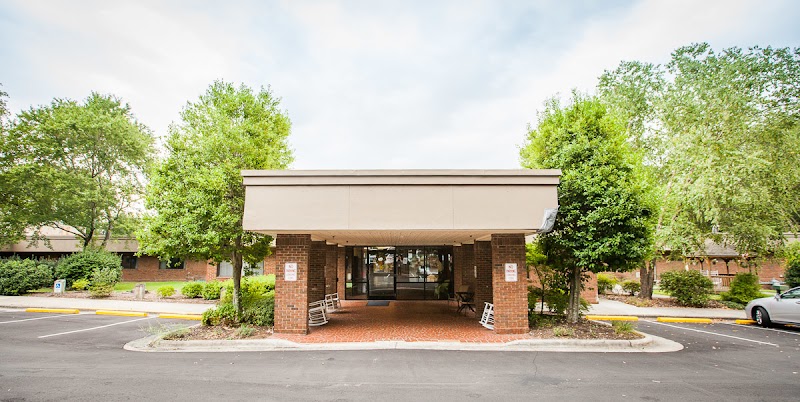
How is Signature Healthcare Of Chapel Hill Staffed?

CMS rates Signature Healthcare of Chapel Hill's staffing level at 4 out of 5 stars, which is above average compared to other nursing homes. Staff turnover is 61%, which is 14 percentage points above the North Carolina average of 46%. High turnover can affect care consistency as new staff learn residents' individual needs.

What Have Inspectors Found at Signature Healthcare Of Chapel Hill?

State health inspectors documented 20 deficiencies at Signature Healthcare of Chapel Hill during 2023 to 2025. These included: 19 with potential for harm and 1 minor or isolated issues.
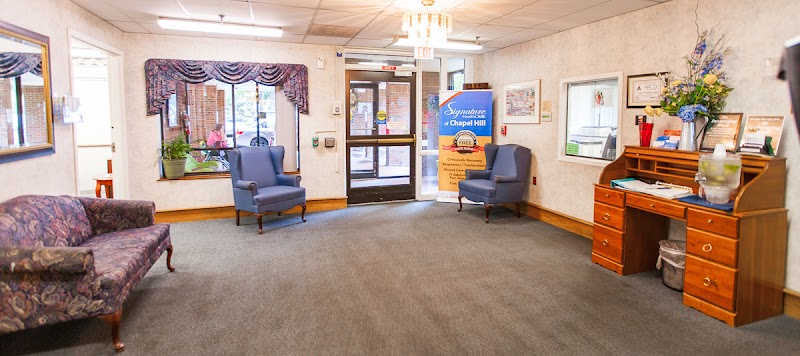
Who Owns and Operates Signature Healthcare Of Chapel Hill?

Signature Healthcare of Chapel Hill is owned by a for-profit company. For-profit facilities operate as businesses with obligations to shareholders or private owners. The facility is operated by SIGNATURE HEALTHCARE, a chain that manages multiple nursing homes. With 108 certified beds and approximately 96 residents (about 89% occupancy), it is a mid-sized facility located in Chapel Hill, North Carolina.

How Does Signature Healthcare Of Chapel Hill Compare to Other North Carolina Nursing Homes?

Compared to the 100 nursing homes in North Carolina, Signature Healthcare of Chapel Hill's overall rating (3 stars) is above the state average of 2.8, staff turnover (61%) is significantly higher than the state average of 46%, and health inspection rating (3 stars) is at the national benchmark.

What Should Families Ask When Visiting Signature Healthcare Of Chapel Hill?

Based on this facility's data, families visiting should ask: "How do you ensure continuity of care given staff turnover, and what is your staff retention strategy?" "Can I visit during a mealtime to observe dining assistance and food quality?" "How do you handle medical emergencies, and what is your hospital transfer rate?" "Can I speak with family members of current residents about their experience?" These questions are particularly relevant given the facility's high staff turnover rate.

Is Signature Healthcare Of Chapel Hill Safe?

Based on CMS inspection data, Signature Healthcare of Chapel Hill has a clean safety record: no substantiated abuse findings (meaning no confirmed cases of resident harm), no Immediate Jeopardy citations (the most serious violation level indicating risk of serious injury or death), and is not on the Special Focus Facility watch list (a federal program monitoring the lowest-performing 1% of nursing homes). The facility has a 3-star overall rating and ranks #1 of 100 nursing homes in North Carolina. While no facility is perfect, families should still ask about staff-to-resident ratios and recent inspection results during their visit.

Do Nurses at Signature Healthcare Of Chapel Hill Stick Around?

Staff turnover at Signature Healthcare of Chapel Hill is high. At 61%, the facility is 14 percentage points above the North Carolina average of 46%. High turnover means new staff may not know residents' individual needs, medications, or preferences. It can also be disorienting for residents, especially those with dementia who rely on familiar faces. Families should ask: What is causing the turnover? What retention programs are in place? How do you ensure care continuity during staff transitions?

Was Signature Healthcare Of Chapel Hill Ever Fined?

Signature Healthcare of Chapel Hill has no federal fines on record. CMS issues fines when nursing homes fail to meet care standards or don't correct problems found during inspections. The absence of fines suggests the facility has either maintained compliance or corrected any issues before penalties were assessed. This is a positive indicator, though families should still review recent inspection reports for the full picture.

Is Signature Healthcare Of Chapel Hill on Any Federal Watch List?

Signature Healthcare of Chapel Hill is not on any federal watch list. The most significant is the Special Focus Facility (SFF) program, which identifies the bottom 1% of nursing homes nationally based on persistent, serious quality problems. Not being on this list means the facility has avoided the pattern of deficiencies that triggers enhanced federal oversight. This is a positive indicator, though families should still review the facility's inspection history directly.