The Cedars of Chapel Hill
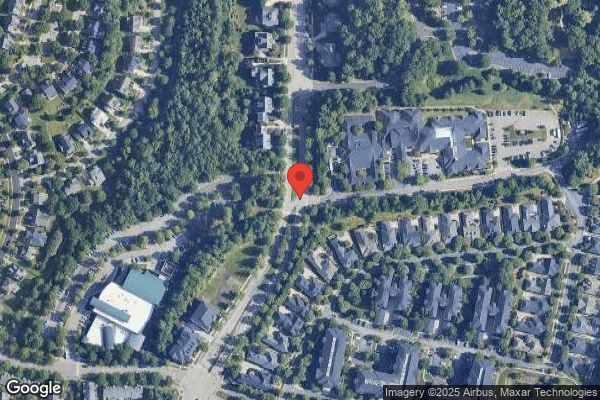
101 Green Cedar Lane, Chapel Hill, NC 27517 (919) 259-7903
Non profit - Other 12 Beds Independent Data: November 2025
Trust Grade
90/100
#58 of 417 in NC
Last Inspection: April 2025

Within standard 12-15 month inspection cycle. Federal law requires annual inspections.

Overview

The Cedars of Chapel Hill has received an excellent Trust Grade of A, indicating it is highly recommended and performing well. It ranks #58 out of 417 facilities in North Carolina, placing it in the top half, and is #4 out of 13 in Durham County, meaning only three local options are better. The facility is improving, having reduced its issues from three in 2024 to none in 2025. Staffing is a concern here, as it has a low rating of 0/5 stars, but with a turnover rate of 0%, staff stability is a positive aspect. While there are no fines on record, which is commendable, there were two significant concerns noted during inspections, including failures to document advance directives for a resident and delays in completing required assessments.

Trust Score
A
90/100
In North Carolina
#58/417
Top 13%
Safety Record
Low Risk
No red flags
Inspections
Getting Better
3 → 0 violations
Staff Stability
○ Average
Turnover data not reported for this facility.
Penalties
✓ Good
No fines on record. Clean compliance history, better than most North Carolina facilities.
Skilled Nurses
○ Average
RN staffing data not reported for this facility.
Violations
✓ Good
Only 3 deficiencies on record. Cleaner than most facilities. Minor issues only.
★★★★★
5.0
Overall Rating
☆☆☆☆☆
0.0
Staff Levels
☆☆☆☆☆
0.0
Care Quality
★★★★★
5.0
Inspection Score
Stable
2024: 3 issues
2025: 0 issues

The Good

  • Full Sprinkler Coverage · Fire safety systems throughout facility
  • No fines on record

Facility shows strength in fire safety.

The Bad

No Significant Concerns Identified

This facility shows no red flags. Among North Carolina's 100 nursing homes, only 0% achieve this.

The Ugly 3 deficiencies on record

Jun 2024 3 deficiencies
CONCERN (D)

Potential for Harm - no one hurt, but risky conditions existed

Deficiency F0578 (Tag F0578)

Could have caused harm · This affected 1 resident

**NOTE- TERMS IN BRACKETS HAVE BEEN EDITED TO PROTECT CONFIDENTIALITY** Based on records review, and staff interviews, the facility failed to include code status in the resident's record for 1 of 1 re...

Read full inspector narrative →
**NOTE- TERMS IN BRACKETS HAVE BEEN EDITED TO PROTECT CONFIDENTIALITY** Based on records review, and staff interviews, the facility failed to include code status in the resident's record for 1 of 1 resident reviewed for Advance Directives (Resident #15). Findings included: Resident #15 was admitted to the facility on [DATE]. The admission Minimum Data Set (MDS) assessment dated [DATE] revealed the resident was assessed as moderately cognitively impaired. Care Plan dated 4/8/24 indicated the resident had no care plan for Advanced Directives. The quarterly MDS dated [DATE] revealed the assessment was still in progress. Assessment indicated Resident #15 was severely cognitively impaired. Review of physician's orders on 6/2/24, revealed there was no active order for code status in Resident #15's Electronic Health Record (EHR). Review of the paper chart used in the facility on 6/3/24, the chart did not have physician orders related to the code status. The chart review revealed the orange-colored sheet for Do not Resuscitate (DNR) was from the discharging hospital. Review of the hospital discharge paperwork in the chart dated 1/30/24 revealed in discharge orders that the resident was a DNR and Do not intubate (DNI). An interview was conducted with Nurse #1 on 6/3/24 at 2:15 PM. Nurse #1 stated the code status was displayed on the paper chart of the resident. A red round sticker was placed on the outside of the charts for residents who had DNR as their code status and there was no sticker placed on the outside of the charts for residents on were on Full Code status. She indicated based on the resident's chart the resident was a DNR. She further indicated that the resident had an orange sheet (golden rod) in the chart which indicated the resident was a DNR. Nurse #1 stated the admission nurse reviewed the medication and the code status with the physician and new orders received were entered in the chart by the admission nurse. During an interview on 6/3/24 at 2:30 PM, Nurse #2 stated she was the admitting nurse for Resident #15, and she typically only reviewed the discharge medication with the physician over the telephone. The code status was not discussed with the physician. She indicated the advance directive paper for DNR in the chart was from the hospital. During an interview on 6/4/24 at 10:32 AM, the Social Worker stated the advance directives were discussed with the resident and / or resident's representative during admission. The Social Worker indicated that she placed the Advance Directive Form in the resident's chart that indicated the resident's code status preference. The form contained the resident's preference and the signature of the resident or resident representative. The admitting nurse was responsible for conveying this information to the resident's physician. The Social Worker did not recall any specifics about Resident #15 code status but recollects talking to the resident. During a telephone interview on 6/4/24 at 1:37 PM, the Physician stated that the admitting nurse would reviewed with the physician the discharge medication and code status at the time of the admission / readmission from the discharge summary for any resident admitted to the facility. Sometimes the physician reviewed discharge papers. The Physician stated during the initial physician assessment the code status was discussed with the resident or representative to confirm their preferences. The Physician stated the code status order was signed, and/or verbal approval given. The admission staff would then enter the information in the resident's medical chart. During an interview on 6/4/24 at 2:00 PM, the Director of Nursing (DON) stated the admitting nurse was responsible to discuss the discharged medication and the code status of the resident with the physician. If the physician agreed and the verbal order was given, then this order was verified by 2 nurses and entered in the residents' medical records (electronic and paper chart). The physician during the initial assessment discussed the code status and confirmed with the resident. If the resident elected to be a DNR then the form was completed by the nurse and signed by the physician. This form was then placed in the resident's paper chart. The DON indicated the resident was care planned based on his code status. The DON stated the order was not verified by the admitting nurse and new orders were not entered. The DON further stated the physician had mentioned in her admission assessment that the resident was a DNR, however no order was given.
CONCERN (D)

Potential for Harm - no one hurt, but risky conditions existed

Deficiency F0638 (Tag F0638)

Could have caused harm · This affected 1 resident

**NOTE- TERMS IN BRACKETS HAVE BEEN EDITED TO PROTECT CONFIDENTIALITY** Based on record review and staff interviews, the facility failed to complete quarterly Minimum Data Set (MDS) assessments within...

Read full inspector narrative →
**NOTE- TERMS IN BRACKETS HAVE BEEN EDITED TO PROTECT CONFIDENTIALITY** Based on record review and staff interviews, the facility failed to complete quarterly Minimum Data Set (MDS) assessments within the regulatory timeframe (14 days of the Assessment Reference Date (ARD), the last day of the look-back period) as specified in the Resident Assessment Instrument (RAI) manual for 1 of 1 residents reviewed for resident assessment (Resident #2) and 1 of 1 resident reviewed for completion of quarterly assessment (Resident # 15). Finding included. 1. Resident #2 was admitted to the facility on [DATE] Review of Resident #2's quarterly MDS assessments revealed the assessment had an Assessment Reference Date (ARD, the last day of the look-back period) of 4/3/24. The quarterly MDS dated [DATE] was in process and was incomplete. It was not signed by the Registered Nurse (RN) Assessment Coordinator, 60 days after the ARD date. During an interview on 6/03/24 at 11:46 AM, the MDS Nurse indicated she was hired on 4/1/24 and the facility had a remote MDS staff prior to her employment. She indicated some of the assessments were missed or incomplete. She stated the resident's quarterly assessment was partially completed and not yet signed by the RN. She indicated that assessments should be completed within 7 to 14 days from the ARD. 2. Resident # 15 was admitted to the facility on [DATE]. Review of the resident's #15's quarterly MDS assessments revealed the assessment had an Assessment Reference Date (ARD, the last day of the look-back period) of 5/7/24. The quarterly MDS dated [DATE] was in process and was incomplete. It was not signed by the Registered Nurse (RN) Assessment Coordinator, 27 days after the assessment reference date. During an interview on 6/3/24 at 11:46 AM, the MDS Nurse stated indicated that assessments should be completed within 7 to 14 days from the ARD. She further stated that she ran weekly report to ensure all the assessments were completed within the required time frame. She indicated she must have overlooked and was an oversite of her. During an interview on 6/04/24 at 8:11 AM, the Director of Nursing (DON) stated that the previous MDS staff was let go in January 2024 as the MDS assessments were not completed in a timely manner. Until the facility could hire a new MDS staff, the MDS assessments were completed by a consulting company remotely. The consultant staff member was not completing the assessments in a timely manner. The DON indicated after multiple efforts to hire a MDS staff, the facility was able to hire a new staff on April 1st, 2024. The DON indicated that the facility had identified the issue with MDS assessments in January 2024 and had a plan of correction drafted. This plan of corrections has only been able to be implemented after the new staff member was hired in April 2024. The plan of correction was discussed in the Quality Assurance (QA) meeting in May and the MDS Nurse was given 90 days from the date of hire to complete the assessments. The MDS staff was trying to complete all incomplete MDS assessments from oldest to the newest. The DON indicated she reviewed the MDS at risk for noncompliance tool on the Electronic Medical Record (EMR) system weekly to ensure the assessments were completed. This was her monitoring tool. She indicated the completion date was June 30th. The quarterly assessments were also monitored in the same way. The plan of correction included all types of MDS assessments. Once the MDS staff completed the assessment the DON was made aware, and she would sign off on them as RN. The new staff had to be educated on how to transmit these completed MDS and it was still a work in progress. During an interview on 6/4/24 at 9:06 AM, the Administrator stated the plan of correction was discussed in the QA meeting held on 5/16/24. This was a review of the April 2024 QA meeting. This was the first QA meeting after the MDS Nurse was hired. The completion date was discussed as 6/30/24 in the meeting. The facility was aware of the backlogs in MDS assessment and working to complete it in a timely manner.
MINOR (B)

Minor Issue - procedural, no safety impact

MDS Data Transmission (Tag F0640)

Minor procedural issue · This affected multiple residents

**NOTE- TERMS IN BRACKETS HAVE BEEN EDITED TO PROTECT CONFIDENTIALITY** Based on record reviews and staff interviews, the facility failed to complete and transmit Discharge Minimum Data Set (MDS) asse...

Read full inspector narrative →
**NOTE- TERMS IN BRACKETS HAVE BEEN EDITED TO PROTECT CONFIDENTIALITY** Based on record reviews and staff interviews, the facility failed to complete and transmit Discharge Minimum Data Set (MDS) assessments within the required time frame for 4 of 4 residents (Resident #14, Resident #1, Resident #5, and Resident #13) selected for Resident Assessments. Findings included: 1. Resident #14 was admitted on [DATE] The last MDS assessment completed and transmitted was an admission MDS assessment dated [DATE]. Review of the progress note by the Social Worker dated 5/19/24 revealed Resident #14 was moved to a non-certified bed in the facility on 5/15/24. Review of the discharge return not anticipated MDS assessment revealed an Assessment Reference Date (ARD) of 5/15/24 indicated the resident had a planned discharge and was moved to a non-certified bed in the nursing home. The assessment indicated it was incomplete and the assessment was still in process. During an interview on 6/3/24 at 11:46 AM, the MDS Nurse indicated the resident was discharged to a non-certified bed in the facility on 5/15/24 and the discharge MDS assessment was not completed. The MDS Nurse stated the assessment was incomplete and must have been overlooked. 2. Resident #1 was admitted on [DATE]. The last MDS assessment completed and transmitted was an admission MDS assessment dated [DATE]. Review of the progress note by the Social Worker dated 4/30/24 revealed Resident #1 was discharged home with her family. Review of the discharge return not anticipated MDS assessment revealed an Assessment Reference Date (ARD) of 4/30/24 indicated the resident had a planned discharge and was discharged to the community. The assessment indicated it was incomplete and the assessment was still in process. During an interview on 06/03/24 11:46 AM, the MDS Nurse indicated the resident's assessment must have been missed as the resident was initially discharged home and later was admitted to a non-certified bed in the facility. The assessment must have been missed and was still incomplete. 3. Resident #5 was admitted on [DATE]. The last MDS assessment completed and transmitted was an admission MDS assessment dated [DATE]. Review of the discharge return not anticipated MDS assessment revealed an Assessment Reference Date (ARD) of 1/31/24 indicated the resident had a planned discharge and was discharged to the community. The assessment indicated it was completed and signed by the RN nurse on 2/20/24. The assessment was not transmitted. During an interview on 6/3/24 at 11:46 AM, the MDS Nurse indicated this assessment was completed by the previous remote MDS staff. She further indicated she was unsure why the assessment was not transmitted. MDS Nurse stated a completed and signed MDS assessment should be transmitted within 7- 14 days of completion. 4. Resident #13 was admitted on [DATE]. The last MDS assessment completed and transmitted was an admission comprehensive MDS assessment dated [DATE]. Review of the progress note by the Social Worker dated 12/29/23 revealed the resident was discharged to a non-certified bed at the facility. Review of the discharge return not anticipated MDS assessment revealed an Assessment Reference Date (ARD) of 12/29/23 indicated the resident had a planned discharge and the resident was discharged to a non-certified bed. The assessment indicated it was completed and signed by the RN nurse on 2/20/24. The assessment was not transmitted. During an interview on 6/3/24 at 11:46 AM, the MDS Nurse indicated the assessment was completed by the previous remote MDS staff and unsure why this was not transmitted. A completed and signed MDS assessment should be transmitted within 7- 14 days from completion. The MDS Nurse indicated she was hired in April 2024 and was in the process of identifying assessments that were incomplete and/ or not transmitted. During an interview on 6/04/24 at 8:11 AM, the Director of Nursing (DON) stated that the previous MDS staff was let go in January 2024 as the MDS assessments were not completed in a timely manner. Until the facility could hire a new MDS staff, the MDS assessments were completed by a consulting company remotely. The consultant staff member was not completing the assessments in a timely manner. The DON indicated after multiple efforts to hire a MDS staff, the facility was able to hire a new staff on April 1st, 2024. The DON indicated that the facility had identified the issue with MDS assessments in January 2024 and had a plan of correction drafted. This plan of corrections has only been able to be implemented after the new staff member was hired in April 2024. The plan of correction was discussed in the Quality Assurance (QA) meeting in May and the MDS Nurse was given 90 days from the date of hire to complete the assessments. The MDS staff was trying to complete all incomplete MDS assessments from oldest to the newest. The DON indicated she reviews the MDS at risk for noncompliance tool on the Electronic Medical Record (EMR) system weekly to ensure the assessments were completed. This was her monitoring tool. She indicated the completion date was June 30th. The quarterly assessments were also monitored in the same way. The plan of correction included all types of MDS assessments. Once the MDS staff completed the assessment the DON was made aware, and she would sign off on them as RN. The new staff had to be educated on how to transmit these completed MDS and it was still a work in progress. During an interview on 6/4/24 at 9:06 AM, the Administrator stated the plan of correction was discussed in the QA meeting held on 5/16/24. This was a review of the April 2024 QA meeting. This was the first QA meeting after the MDS Nurse was hired. The completion date was discussed as 6/30/24 in the meeting. The facility was aware of the backlogs in MDS assessment and working to complete it in a timely manner.
Understanding Severity Codes (click to expand)
Life-Threatening (Immediate Jeopardy)
J - Isolated K - Pattern L - Widespread
Actual Harm
G - Isolated H - Pattern I - Widespread
Potential for Harm
D - Isolated E - Pattern F - Widespread
No Harm (Minor)
A - Isolated B - Pattern C - Widespread

Questions to Ask on Your Visit

  • "Can I speak with families of current residents?"
  • "What's your RN coverage like on weekends and overnight?"

Our Honest Assessment

Strengths
  • • Grade A (90/100). Above average facility, better than most options in North Carolina.
  • • No major safety red flags. No abuse findings, life-threatening violations, or SFF status.
  • • No fines on record. Clean compliance history, better than most North Carolina facilities.
  • • Only 3 deficiencies on record. Cleaner than most facilities. Minor issues only.
Concerns
  • • No significant concerns identified. This facility shows no red flags across CMS ratings, staff turnover, or federal penalties.
Bottom line: Generally positive indicators. Standard due diligence and a personal visit recommended.

About This Facility

What is The Cedars Of Chapel Hill's CMS Rating?

CMS assigns The Cedars of Chapel Hill an overall rating of 5 out of 5 stars, which is considered much above average nationally. Within North Carolina, this rating places the facility higher than 99% of the state's 100 nursing homes. This rating reflects solid performance across the metrics CMS uses to evaluate nursing home quality.

How is The Cedars Of Chapel Hill Staffed?

Detailed staffing data for The Cedars of Chapel Hill is not available in the current CMS dataset.

What Have Inspectors Found at The Cedars Of Chapel Hill?

State health inspectors documented 3 deficiencies at The Cedars of Chapel Hill during 2024. These included: 2 with potential for harm and 1 minor or isolated issues.

Who Owns and Operates The Cedars Of Chapel Hill?

The Cedars of Chapel Hill is owned by a non-profit organization. Non-profit facilities reinvest revenue into operations rather than distributing to shareholders. The facility operates independently rather than as part of a larger chain. With 12 certified beds and approximately 10 residents (about 83% occupancy), it is a smaller facility located in Chapel Hill, North Carolina.

How Does The Cedars Of Chapel Hill Compare to Other North Carolina Nursing Homes?

Compared to the 100 nursing homes in North Carolina, The Cedars of Chapel Hill's overall rating (5 stars) is above the state average of 2.8 and health inspection rating (5 stars) is much above the national benchmark.

What Should Families Ask When Visiting The Cedars Of Chapel Hill?

Based on this facility's data, families visiting should ask: "Can I visit during a mealtime to observe dining assistance and food quality?" "How do you handle medical emergencies, and what is your hospital transfer rate?" "Can I speak with family members of current residents about their experience?"

Is The Cedars Of Chapel Hill Safe?

Based on CMS inspection data, The Cedars of Chapel Hill has a clean safety record: no substantiated abuse findings (meaning no confirmed cases of resident harm), no Immediate Jeopardy citations (the most serious violation level indicating risk of serious injury or death), and is not on the Special Focus Facility watch list (a federal program monitoring the lowest-performing 1% of nursing homes). The facility has a 5-star overall rating and ranks #1 of 100 nursing homes in North Carolina. While no facility is perfect, families should still ask about staff-to-resident ratios and recent inspection results during their visit.

Do Nurses at The Cedars Of Chapel Hill Stick Around?

The Cedars of Chapel Hill has not reported staff turnover data to CMS. Staff turnover matters because consistent caregivers learn residents' individual needs, medications, and preferences. When staff frequently change, this institutional knowledge is lost. Families should ask the facility directly about their staff retention rates and average employee tenure.

Was The Cedars Of Chapel Hill Ever Fined?

The Cedars of Chapel Hill has no federal fines on record. CMS issues fines when nursing homes fail to meet care standards or don't correct problems found during inspections. The absence of fines suggests the facility has either maintained compliance or corrected any issues before penalties were assessed. This is a positive indicator, though families should still review recent inspection reports for the full picture.

Is The Cedars Of Chapel Hill on Any Federal Watch List?

The Cedars of Chapel Hill is not on any federal watch list. The most significant is the Special Focus Facility (SFF) program, which identifies the bottom 1% of nursing homes nationally based on persistent, serious quality problems. Not being on this list means the facility has avoided the pattern of deficiencies that triggers enhanced federal oversight. This is a positive indicator, though families should still review the facility's inspection history directly.