Accordius Health at Charlotte
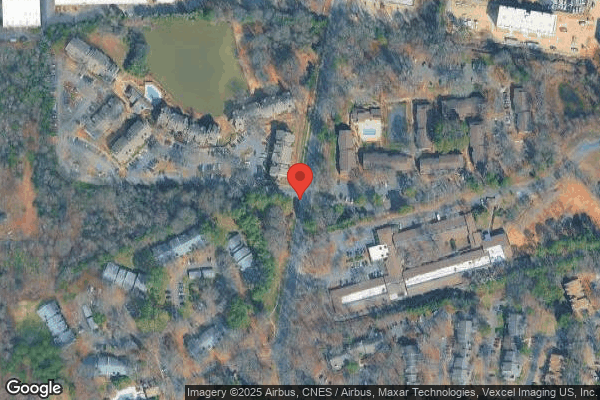
5939 Reddman Road, Charlotte, NC 28212 (704) 703-6060
For profit - Corporation 116 Beds SIMCHA HYMAN & NAFTALI ZANZIPER Data: November 2025
Trust Grade
53/100
#223 of 417 in NC
Last Inspection: April 2025

Within standard 12-15 month inspection cycle. Federal law requires annual inspections.

Overview

Accordius Health at Charlotte has a Trust Grade of C, which means it is average and falls in the middle of the pack among nursing homes. It ranks #223 out of 417 facilities in North Carolina, placing it in the bottom half, and #15 out of 29 in Mecklenburg County, indicating only a few local options are better. Unfortunately, the facility's trend is worsening, with the number of issues doubling from 4 in 2024 to 8 in 2025. Staffing is relatively stable, rated 3 out of 5 stars with a turnover rate of 43%, which is lower than the state average of 49%. However, there have been concerning incidents, such as failing to secure an opened bottle of medication for a resident and not properly storing medications at correct temperatures. Additionally, the facility's leadership did not effectively follow their emergency operations plan when a resident went missing for 12 days. Overall, while there are strengths in staffing, the increasing number of issues and specific incidents raise some red flags.

Trust Score
C
53/100
In North Carolina
#223/417
Bottom 47%
Safety Record
Low Risk
No red flags
Inspections
Getting Worse
4 → 8 violations
Staff Stability
○ Average
43% turnover. Near North Carolina's 48% average. Typical for the industry.
Penalties
✓ Good
$7,742 in fines. Lower than most North Carolina facilities. Relatively clean record.
Skilled Nurses
○ Average
Each resident gets 30 minutes of Registered Nurse (RN) attention daily — about average for North Carolina. RNs are the most trained staff who monitor for health changes.
Violations
⚠ Watch
13 deficiencies on record. Higher than average. Multiple issues found across inspections.
★★☆☆☆
2.0
Overall Rating
★★★☆☆
3.0
Staff Levels
★☆☆☆☆
1.0
Care Quality
★★★☆☆
3.0
Inspection Score
Stable
2024: 4 issues
2025: 8 issues

The Good

  • Full Sprinkler Coverage · Fire safety systems throughout facility
  • No fines on record
  • Staff turnover below average (43%)

    5 points below North Carolina average of 48%

Facility shows strength in fire safety.

The Bad

2-Star Overall Rating

Below North Carolina average (2.8)

Below average - review inspection findings carefully

Staff Turnover: 43%

Near North Carolina avg (46%)

Typical for the industry

Federal Fines: $7,742

Below median ($33,413)

Minor penalties assessed

Chain: SIMCHA HYMAN & NAFTALI ZANZIPER

Part of a multi-facility chain

Ask about local staffing decisions and management

The Ugly 13 deficiencies on record

Apr 2025 8 deficiencies
CONCERN (D)

Potential for Harm - no one hurt, but risky conditions existed

Deficiency F0558 (Tag F0558)

Could have caused harm · This affected 1 resident

**NOTE- TERMS IN BRACKETS HAVE BEEN EDITED TO PROTECT CONFIDENTIALITY** Based on observation, record review, and interviews with resident and staff, the facility failed to ensure dependent residents c...

Read full inspector narrative →
**NOTE- TERMS IN BRACKETS HAVE BEEN EDITED TO PROTECT CONFIDENTIALITY** Based on observation, record review, and interviews with resident and staff, the facility failed to ensure dependent residents could access the light switch located behind the bed for 1 of 1 residents reviewed for accommodation of needs (Resident #157). The findings included: Resident #157 was admitted to the facility on [DATE]. Review of Resident #157's medical records revealed she had resided in the current room since 04/09/25. The admission Minimum Data Set (MDS) assessment dated [DATE] coded Resident #157 with severely impaired cognition. The MDS indicated walking between locations inside the room for more than 10 feet was not attempted by Resident #157 during the assessment period due to medical condition or safety concerns. During an observation conducted on 04/21/25 at 11:19 AM, the switch for the light fixture that was located behind Resident #157's bed on the wall approximately 5 feet from the floor and 6 feet from the bed and was attached with a broken cord approximately 3 inches in length. Resident #157 was unable to reach the switch cord from the bed if needed. An interview was conducted with Resident #157 on 04/21/25 at 11:20 AM. She stated she had a stroke recently and was bedbound. She could not recall when the switch cord was broken. She stated she did not have any control of the light fixture behind her bed as she could not stand up to reach the broken switch cord on the wall. She had to rely on nursing staff to control the light fixture and she was tired of asking for help repeatedly. She wanted the maintenance staff to fix the switch cord to accommodate her needs as soon as possible. During a joint observation conducted with the Maintenance Director and Nurse #1 on 04/21/25 at 12:50 PM, the switch cord for the light fixture behind Resident #157's bed remained inaccessible from her bed. Nurse #1 and the Maintenance Director acknowledged that the switch cord needed to be fixed immediately. An interview was conducted with the Maintenance Director on 04/21/25 at 12:54 PM. He stated he walked through the entire facility at least once per week to check for repair needs. He did not notice the switch cord for Resident #157's light fixture behind her bed was broken during his recent weekly walk through. In most cases, he depended on the staff to report repair needs via work orders electronically or verbal notifications. He checked the work order at least twice daily to ensure all repair needs were addressed in a timely manner. He could not explain why he missed the switch cord for Resident #157 and acknowledged that it had to be fixed immediately. During an interview conducted with Nurse #1 on 04/21/25 at 1:00 PM, she stated she provided care for Resident #157 in the morning, but she did not notice that her switch cord for the light fixture behind the bed was broken and inaccessible. She acknowledged that the broken switch cord needed to be fixed immediately to ensure Resident #157 had full control and accessibility to the light fixture behind the bed all the times. An interview was conducted with the Director of Nursing on 04/22/25 at 1:29 PM. She stated she expected the staff to be more attentive to residents' living environment, and to report repair needs to the maintenance department in a timely manner to accommodate residents' needs. It was her expectation for all the dependent residents to have full accessibility and control of the light fixture behind the bed all the times. During an interview conducted on 04/2325 at 5:10 PM with the Administrator, he expected nursing staff to pay attention to residents' homes and reported repair needs to the maintenance department in a timely manner. .
CONCERN (D)

Potential for Harm - no one hurt, but risky conditions existed

Deficiency F0578 (Tag F0578)

Could have caused harm · This affected 1 resident

**NOTE- TERMS IN BRACKETS HAVE BEEN EDITED TO PROTECT CONFIDENTIALITY** Based on record review and staff interviews, the facility failed to maintain accuracy and consistency of advance directive throu...

Read full inspector narrative →
**NOTE- TERMS IN BRACKETS HAVE BEEN EDITED TO PROTECT CONFIDENTIALITY** Based on record review and staff interviews, the facility failed to maintain accuracy and consistency of advance directive throughout the medical record for 1 of 1 resident (Resident #62) reviewed for advance directives. The findings included: Resident #62 was admitted to the facility on [DATE]. A review of Resident #62's care plan initiated on [DATE] indicated his advance directive was a full code. Interventions included receiving cardiopulmonary resuscitation (CPR) through the next review period. A review of Resident #62's electronic health records (EHR) indicated a physician's order dated [DATE] for Do Not Resuscitate (DNR). A review of the advance directive binder at the nurses' station dated [DATE] indicated Resident #62 was coded as DNR. During an interview conducted on [DATE] at 1:00 PM, Nurse #3, who was assigned to Resident #62, stated when a code was called, she would check the advanced directive in the EHR or the hard chart in the nurses' station to confirm whether the resident was a full code or a DNR. After reviewing Resident #62's care plan, Nurse #3 stated it could cause confusion as the care plan was inconsistent with the current code status. She acknowledged that the care plan for Resident #62 should be updated in a timely manner. An interview was conducted with MDS Coordinator #1 on [DATE] at 1:15 PM. She stated she was responsible for updating the code status for the care plan whenever it was changed. She explained she audited all residents' advanced directives routinely to ensure consistency with the care plan and did not know why Resident #62's care plan was missed. She attributed the error as an oversight and acknowledged Resident #62's care plan needed to be updated in a timely manner to avoid confusion. During an interview conducted on [DATE] at 1:29 PM, the Director of Nursing stated nursing staff would mainly check the code status in EHR instead of the care plan when a code was called. It was her expectation for the MDS Coordinator to update the care plan for advance directives in a timely manner whenever a change had been made. An interview was conducted with the Administrator on [DATE] at 5:10 PM. He expected the MDS coordinator to update the care plan in a timely manner when the code status had been changed to avoid confusion.
CONCERN (D) 📢 Someone Reported This

A family member, employee, or ombudsman was alarmed enough to file a formal complaint

Potential for Harm - no one hurt, but risky conditions existed

Safe Environment (Tag F0584)

Could have caused harm · This affected 1 resident

**NOTE- TERMS IN BRACKETS HAVE BEEN EDITED TO PROTECT CONFIDENTIALITY** Based on record review, resident and staff interviews, the facility failed to exercise reasonable care for the protection of the...

Read full inspector narrative →
**NOTE- TERMS IN BRACKETS HAVE BEEN EDITED TO PROTECT CONFIDENTIALITY** Based on record review, resident and staff interviews, the facility failed to exercise reasonable care for the protection of the resident's property from loss or theft for 1 of 1 resident reviewed for safe, clean, comfortable, homelike environment (Resident #71). The findings included: Resident #71 was admitted to the facility on [DATE] with diagnoses which included history of a right above the knee amputation (R AKA) and neoplasm of the brain. The significant change Minimum Data Set (MDS) dated [DATE] revealed Resident #71 was cognitively intact. An interview with Resident #71 on 4/22/2025 at 10:43 AM revealed he was sent to the hospital from the facility on 1/21/2025. When he returned to the facility on 2/6/2025, he found out his belongings had been packed up and removed from his room during his hospital stay. Resident #71 recalled the housekeeping manager brought 2 boxes to his room on 2/6/2025. The boxes were sealed with tape. After unpacking the boxes that evening, Resident #71 stated his Apple iPad Pro, a new bag of white sleeveless t-shirts, a few pairs of pants and his right leg prosthesis were not in either of the 2 boxes. Resident #71 stated it was concerning that his property was gone. Resident #71 indicated he was mostly upset about the loss of the iPad Pro. He stated he no longer used the right leg prothesis and the clothes were already replaced. Resident #71 stated that if the belongings had been packed up by the facility, then the facility should have returned the same items to him. Resident #71 reported the missing items to nursing staff on 2/6/2025 as soon as he realized the items were not in the boxes. He stated he spoke directly to the previous Administrator on 2/11/2025 to follow up on the missing items. Resident #71 filed a grievance with the facility on 3/26/2025 regarding the missing iPad Pro. Resident #71 stated the facility had recently placed a lock on his closet door. A review of the facility grievance report dated 3/26/2025 revealed that Social Worker #1 had met with Resident #71 to discuss the grievance regarding his lost property. Social Worker #1 documented that Resident #71 was unaware of the location of the iPad Pro and unsure when it was exactly misplaced. Social Worker #1 reminded Resident #71 that the matter regarding the iPad Pro had been previously discussed. Social Worker #1 re-educated Resident #71 regarding having pricey items in the facility. Social Worker #1 documented the grievance resolved on 3/28/2025. An interview on 4/22/2025 at 3:35 PM with NA #2 revealed she cared for Resident #71 routinely. She stated she had never seen Resident #71 with an iPad Pro and had signed statement regarding this for the previous Administrator. She stated she could obtain an empty iPad Pro box like the one Resident #71 had in his room. She reported she had never seen a right leg prothesis. NA #2 stated she was working the day Resident #71 was transferred to the hospital and she requested his family take his personal items with them. NA #2 stated housekeeping is responsible for packing up resident belongings. An interview on 4/22/2025 at 3:40 PM with Unit Manager B/Assistant Director of Nursing (ADON) revealed he knew Resident #71 very well. Resident #71 told him about the items missing from the 2 boxes. He did not know what had happened to Resident #71's property. An interview on 4/22/2025 at 3:51 PM with the Housekeeping Manager revealed he had packed up Resident #71's belongings on 2/6/2025 at approximately 2:00 PM. He stated he remembered this clearly because he had just taken the 2 boxes to his office when he received a text that Resident #71 was returning later that afternoon. The 2 boxes were never taken to the main storage area. The Housekeeping manager stated he packed Resident #71's clothes, a tablet, and a prosthetic leg. He stated he used very strong biohazard tape to seal the boxes and there is no way anyone could have tampered with the boxes. He stated he took the 2 boxes back to the room around 5:00 PM and asked Resident #71 if he would like him to unpack for him. He stated Resident #71 had family/visitors in the room and stated he would unpack himself. He stated he spoke with Resident #71 later regarding the missing items but did not know what had happened as the 2 boxes were sealed when he returned them. An interview on 4/22/2025 at 4:05 PM with Social Worker #1 revealed she assisted Resident #71 in filing a grievance with the facility regarding the missing property. She stated the matter had been handled by the previous Administrator. An interview on 4/23/2025 at 10:37 AM with the Administrator revealed that when residents go to the hospital, they should either take their valuables with them or leave them with the social worker. The Administrator stated he had been working at the facility 3 weeks and spoke with Resident #71 on his second working day regarding the missing items. The Administrator stated Resident #71 told him he may have lost the iPad between the hospital and the facility. The Administrator stated he felt the situation is resolved as Resident #71 lost the item and there was nothing the facility could do about it.
CONCERN (D)

Potential for Harm - no one hurt, but risky conditions existed

Deficiency F0687 (Tag F0687)

Could have caused harm · This affected 1 resident

**NOTE- TERMS IN BRACKETS HAVE BEEN EDITED TO PROTECT CONFIDENTIALITY** Based on observations, record reviews, resident and staff interviews, the facility failed to provide podiatry care for 1 of 7 re...

Read full inspector narrative →
**NOTE- TERMS IN BRACKETS HAVE BEEN EDITED TO PROTECT CONFIDENTIALITY** Based on observations, record reviews, resident and staff interviews, the facility failed to provide podiatry care for 1 of 7 residents (Resident #57) reviewed for activities of daily living. The findings included: Resident #57 was admitted to the facility on [DATE] with diagnoses which included type II diabetes mellitus, lymphedema, and peripheral vascular disease. Resident #57's care plan had a focus area for diabetes mellitus, type II dated last revised on 9/19/24 and revealed an intervention for a referral to podiatrist and/or foot care nurse to monitor and document foot care needs and to cut long nails. Resident #57's annual Minimum Data Set (MDS) assessment dated [DATE] revealed she was cognitively intact and required substantial to maximal assistance with personal hygiene. There were no behaviors, and no rejection of care noted on the MDS. An observation of Resident #57 on 4/21/25 at 10:45 AM revealed Resident #57 was in her bed without a sheet or cover over her feet. Her toenails were jagged and pointed and the length varied with some nails around .5 to one inch in length on both feet. An interview with Resident #57 on 4/21/25 at 10:45 AM was conducted. She explained she was required to see the podiatrist due to her diabetes diagnosis and she was supposed to be seen by the podiatrist as her toenails were very long and painful. She indicated she had to keep her feet uncovered in bed as the pressure from the bed sheet made her toenails painful. Resident #57 explained she asked the nursing staff about seeing the podiatrist due to her long toenails and was told that she missed the podiatry clinic in March 2025 because she was in the hospital. Resident #57 indicated she was on the list for the next podiatry clinic, but did not know when that was supposed to occur. She could not recall which nursing staff member she discussed her toenails with. A review of the podiatry schedule was conducted. It revealed Resident #57 was seen on 5/15/24 and 11/13/24. The next podiatry clinic was to be held on 6/9/25 and 6/10/25. Resident #57 was on the list for the 6/9/25 podiatry clinic. Resident #57 was not seen by the podiatry clinic on 3/17/25 or 3/18/25 due to hospitalization. An interview on 4/23/25 at 1:49 PM with Nurse Aide #1 revealed she worked with Resident #57 earlier that morning. She stated Resident #57 reported to her that her toenails were very long and had been painful. Nurse Aide #1 stated she did not typically work with Resident #57 but reported her concerns regarding her painful toenails to Nurse #2. An interview with Nurse #2 was conducted on 4/23/25 at 1:55 PM. She stated she had been at the facility for about a year and a half. She explained Resident #57 was very alert and would communicate her needs to staff. Nurse #2 stated Resident #57 asked her on 4/22/25 when the podiatrist was coming to the facility, and she told her the schedule. She stated she was not made aware her toenails were painful and had not seen how long her toenails were. An interview with the Director of Nursing (DON) on 4/24/25 at 10:43 AM revealed Resident #57 was on the list for the podiatry clinic in June 2025. She stated she was not aware Resident #57 had indicated her nails were painful after she missed the March 2025 podiatry clinic due to hospitalization. The DON explained Resident #57 could be seen by an outside provider before the next onsite podiatry clinic and she would speak to her about that option. An interview with the Administrator on 4/24/25 at 12:34 PM was conducted. He expected Resident #57 to receive the podiatry care she needed whether onsite or at another provider.
CONCERN (D)

Potential for Harm - no one hurt, but risky conditions existed

Food Safety (Tag F0812)

Could have caused harm · This affected 1 resident

Based on observation and staff interviews, the facility failed to cover facial hair during food service for 1 of 4 dietary staff observed (Dietary Manager #1). This deficient practice had the potentia...

Read full inspector narrative →
Based on observation and staff interviews, the facility failed to cover facial hair during food service for 1 of 4 dietary staff observed (Dietary Manager #1). This deficient practice had the potential to affect food served to residents. The findings included: During a follow up tour of the kitchen on 4/22/2025 at 7:30 AM, Dietary Manager #1 was observed in the kitchen area with a short, neatly trimmed beard with no facial hair covering. As the tray line for breakfast began, Dietary Manager #1 was observed at the steam table and began to assist with plating food. This surveyor called Dietary Manager #1 away from the steam table and asked if he used facial hair covering. He immediately obtained one and put it on. He stated he usually wore a facial hair covering. Dietary Manager #1 stated he was from a different facility, had come to pick up chemicals from the kitchen and had not planned to stay at the facility. He reported he had spoken to the Culinary Director by telephone, and she had requested he stay until she arrived at work. An interview on 4/24/2025 at 10:45 AM with the Culinary Director revealed that facial hair coverings were always required in the kitchen for staff with facial hair. She did not know why Dietary Manager #1 was not wearing a facial hair covering. An interview on 4/24/2025 at 11:45 AM with the Administrator indicated Dietary Manager #1 should have used a facial hair covering while in the kitchen.
CONCERN (D)

Potential for Harm - no one hurt, but risky conditions existed

Medical Records (Tag F0842)

Could have caused harm · This affected 1 resident

**NOTE- TERMS IN BRACKETS HAVE BEEN EDITED TO PROTECT CONFIDENTIALITY** Based on record reviews and staff interviews, the facility failed to maintain an accurate and consistent electronic medication a...

Read full inspector narrative →
**NOTE- TERMS IN BRACKETS HAVE BEEN EDITED TO PROTECT CONFIDENTIALITY** Based on record reviews and staff interviews, the facility failed to maintain an accurate and consistent electronic medication administration record (eMAR) for 1 of 1 resident review for documentation accuracy (Resident #152). The findings included: Resident #152 was admitted to the facility on [DATE] with diagnoses including opioid dependence. A review of physician order dated 04/17/25 revealed Resident #152 had an order to receive 1 tablet of oxycodone-acetaminophen (Percocet) 5/325 milligrams (mg) by mouth once every 4 hours as needed (PRN) for pain at his right hip. Review of the eMAR dated 04/21/25 revealed Resident #152 had received 1 tablet of Percocet 5/325 mg at 8:15 AM and 4:24 PM. On 04/22/25, the eMAR indicated Resident #152 had received 1 tablet of Percocet 5/325 mg at 7:45 AM and 2:25 PM. Review of the nurse's progress notes dated 04/21/25 and 04/22/25 revealed none of the nursing staff had documented any notes related to Resident #152's need for PRN Percocet. Review of the controlled substance declining sheet indicated Resident #152 had received 1 tablet of Percocet 5/325 mg 3 times respectively on 04/21/25 at 8:00 AM, 4:15 PM, and 10:00 PM. On 04/22/25, the controlled substance declining sheet revealed Resident #152 had received 1 tablet of Percocet 5/325 mg 3 times respectively at 7:45 AM, 2:25 PM, and 10:00 PM. The Percocet signed out for Resident #152 on 04/21/25 at 10:00 PM and 04/22/25 at 10:00 PM by Nurse #4 were not charted in the eMAR. An interview was conducted with Resident #152 on 04/23/25 at 12:59 PM. He confirmed he had received his PRN Percocet on 04/21/25 and 04/22/25 around 10 PM and stated the medication was administered by Nurse #4. During a phone interview conducted on 04/24/25 at 9:50 AM, Nurse #4 stated he worked second shift on 04/21/25 and 4/22/25. He recalled Resident #152 had asked for his PRN Percocet and confirmed he had administered the pain medication to Resident #152 around 10 PM both night. Typically, he would sign out narcotic in the controlled substance declining sheet first. After it was administered, he would chart it in the eMAR. He was surprised to learn that he did not chart both entries in the eMAR and attributed it to distractions. He acknowledged that all medication administration that involved controlled substance should be documented in the controlled substance declining sheet and eMAR. During an interview conducted with the Director of Nursing on 04/23/25 at 1:28 AM, she acknowledged that Resident #152's Percocet that were administered by Nurse #4 should be charted in the controlled substance declining sheet and eMAR as well. It was her expectation for all the controlled substances to be accounted for and documented accurately in a timely manner. An interview was conducted with the Administrator on 04/23/25 at 5:10 PM. He expected nursing staff to document all the controlled substances accurately and consistently in the controlled substances declining sheet and eMAR.
CONCERN (D)

Potential for Harm - no one hurt, but risky conditions existed

Infection Control (Tag F0880)

Could have caused harm · This affected 1 resident

Based on observation, record review and staff interview, the facility failed to implement Transmission-Based Precautions (TBP) when two Nurse Aides provided incontinence care for Resident #55 and did ...

Read full inspector narrative →
Based on observation, record review and staff interview, the facility failed to implement Transmission-Based Precautions (TBP) when two Nurse Aides provided incontinence care for Resident #55 and did not wear a gown for 2 of 5 staff members observed for infection control practices (Nurse Aide #3, Nurse Aide #4). The findings included: Review of the facility's policy for Transmission- Based Precautions (TBP) dated 10/27/20 revealed the TBP will be implemented for the prevention of transmission of multidrug-resistant organisms. Three categories of precautions were listed on the policy including Contact Precautions, Droplet Precautions and Airborne Precautions. Contact precautions included the following: 1. Personal Protective Equipment (PPE) a. Staff and visitors will wear gloves when entering the room for all interactions that may involve contact with the resident and/or the residents' environment. b. Staff and visitors will remove gloves and perform hand hygiene prior to leaving the resident's room. c. Staff and visitors will avoid touching potentially contaminated environmental surfaces or items in the resident's room after gloves were removed. d. Staff and visitors will wear a gown when entering the room for all interactions that may involve contact with the resident and/or the residents' environment. e. Staff and visitors will remove the gown and perform hand hygiene prior to leaving the resident's room. f. Staff and visitors will avoid touching potentially contaminated surfaces with clothing after the gown is removed. A physician order dated 04/22/25 for Resident #55 revealed an order for contact precautions due to Enterobacter cloacae complex (a group of closely related bacterial species known for causing various infections) in her urine. An observation was conducted on 04/23/25 at 3:00 PM of Resident #55's room. The observation revealed signage posted on Resident #55's door for Enhanced Barrier Precautions (EBP). A three-compartment container was observed on the outside of the resident's door with gown, gloves and mask in the compartments. An observation of incontinence care conducted on 04/23/25 at 3:36 PM revealed Enhanced Barrier Precaution (EBP) signage on Resident #55's door. Nurse Aide (NA) #3 and NA #4 entered Resident #55's room and provided incontinence care wearing only gloves for the duration of the task. NA #3 and NA #4 were observed changing Resident #55's bed sheet, incontinence brief and bottom sheet. The staff members had a wash basin and were observed washing Resident #55's peri area. An interview was conducted with NA #3 on 04/23/25 at 3:45 PM. During the interview she stated she was unaware Resident #55 was on Transmission Based Precautions (TBP). An interview was conducted with NA #4 on 04/24/25 at 9:16 AM. During the interview she stated she did not wear a gown while providing care for Resident #55 because she didn't know the resident was on TBP. On 04/23/25 at 4:04 PM an interview was conducted with the Director of Nursing (DON). During the interview she stated she was also in charge of Infection Prevention in the facility. She stated there should have been signage on Resident #55's door indicating for staff to wear a gown and gloves while performing incontinence care. The interview revealed the physician order was placed into the electronic system by the Assistant Director of Nursing (ADON), and he should have placed a sign on the door at the time the order was put in. The DON stated the staff should have worn gown and gloves while providing care for Resident #55. On 04/24/25 at 12:00 PM an interview was conducted with the ADON. He stated there was already an Enhanced Barrier Precaution sign on Resident #55's door for her roommate so he thought he did not have to put another sign on the door. He stated he did not realize that staff wouldn't know Resident #55 was on contact precaution isolation. After realizing the issue, the ADON stated he should have put a contact precaution sign on Resident #55's door. On 04/24/25 at 12:32 PM an interview was conducted with the Administrator. During the interview she stated a contact precaution sign should have been on Resident #55's door if she had a physician order stating those precautions were required.
CONCERN (E)

Potential for Harm - no one hurt, but risky conditions existed

Deficiency F0761 (Tag F0761)

Could have caused harm · This affected multiple residents

**NOTE- TERMS IN BRACKETS HAVE BEEN EDITED TO PROTECT CONFIDENTIALITY** Based on observation, record review, and staff interviews, the facility failed to secure an opened bottle of antacid for 1 of 1 ...

Read full inspector narrative →
**NOTE- TERMS IN BRACKETS HAVE BEEN EDITED TO PROTECT CONFIDENTIALITY** Based on observation, record review, and staff interviews, the facility failed to secure an opened bottle of antacid for 1 of 1 Resident (Resident #90) and failed to store 3 unopened eye drops at the proper temperature per manufacturer's instructions for 1 of 4 medication cart (100 halls medication cart) review for medication storage. The findings included: a. Resident #90 was admitted to the facility on [DATE]. A review of Resident #90's medication records revealed he had never been assessed nor approved for self-administration of medication since admission. A review of the physician's orders revealed Resident #90 did not have an order to receive liquid Pepto Bismol (an over-the-counter medication primarily used to relieve upset stomach symptoms such as nausea, heartburn, indigestion, and diarrhea). The significant change in status Minimum Data Set (MDS) dated [DATE] coded Resident #90 with moderately impaired cognition During a medication storage observation conducted on 04/21/25 at 11:33 AM, an opened bottle of liquid Pepto Bismol containing approximately 7 fluid ounces was seen left unattended on top of Resident #90's bedside table and ready to be used. An interview was conducted with Resident #90 on 04/21/25 at 11:35 AM. He stated his wife brought the Pepto Bismol for him about 3 days ago and left it in his room. He denied he had used this medication so far. He was unsure whether any staff were aware of this medication when providing care but so far none of them had said anything. During an interview conducted on 04/21/25 at 11:42 AM, Nurse #1 stated when she did medication pass for Resident #90 in the morning of 04/21/25, she did not notice the bottle of liquid Pepto Bismol left unattended in his room. She acknowledged that none of the medications should be left unattended in the resident's room. An interview was conducted with Nurse Aide #1 (NA) on 04/21/25 at 12:14 PM. She stated that she provided care for Resident #90 in the morning of 04/21/25, but she did not notice he had an opened bottle of Pepto Bismol left unattended in his room. Otherwise, she would report the incident to the nurse. b. Review of the manufacturer's package insert for Latanoprost eye drops revealed an unopened bottle should be stored under refrigeration between 36° to 46° Fahrenheit (F) and protected from light. Once opened, Latanoprost may be stored at room temperature up to 77° F for up to six weeks. During a medication storage audit conducted on 04/22/25 at 2:21 PM for the 100 hall medication cart in the presence of Nurse #2, three unopened bottles of Latanoprost 0.005% eye drop (medication used to treat glaucoma) were found in the medication cart at room temperature and ready to be used. Each bottle had a hand-written opening date of 04/20/25 but the plastic seal for all three bottles remained intact. An interview was conducted with Nurse #2 on 04/22/25 at 2:25 PM. She confirmed all three bottles of Latanoprost eye drops in 100 hall medication cart were unopened. She explained she had been off for the last 2 days and did not know who had placed the Latanoprost eye drops in the medication cart. She acknowledged that unopened Latanoprost eye drops should be stored in the refrigerator until they were ready to be used. During an interview conducted on 04/22/25 at 2:48 PM, the Director of Nursing (DON) expected all the nursing staff to be more attentive to resident's living environment to ensure the facility free of unattended medications. It was her expectation for all the nursing staff to store the medications according to the manufacturer's guidelines. An interview was conducted with the Administrator on 04/23/25 at 5:10 PM. He expected all the nursing staff to follow manufacturer's guidelines in medication storage and keep the facility free of unattended medications.
Jan 2024 4 deficiencies
CONCERN (E)

Potential for Harm - no one hurt, but risky conditions existed

Administration (Tag F0835)

Could have caused harm · This affected multiple residents

Based on interviews with staff and record review, the facility administration failed to provide effective leadership and oversight when the facility failed to enact their emergency operations plan to ...

Read full inspector narrative →
Based on interviews with staff and record review, the facility administration failed to provide effective leadership and oversight when the facility failed to enact their emergency operations plan to notify law enforcement of a missing resident. Resident #86 left the facility for a planned leave of absence but did not return to the facility as planned and did not communicate to the facility the Resident's whereabouts for 12 days. This failure occurred for 1 of 1 sampled residents reviewed. The findings included: This tag is crossed referred to: E OOO6: Plan based on all hazards risk assessment - Based on interviews with staff and record review, the facility failed to notify law enforcement per their emergency operations plan when Resident #86 left the facility for a planned leave of absence (LOA) but failed to communicate or return to the facility as planned. This failure occurred for 1 of 1 sampled resident reviewed for a LOA. An interview with the Administrator and Director of Nursing (DON) occurred on 1/10/24 at 03:03 PM. The DON stated that Resident #86 went on a planned LOA to attend a family funeral but did not return on 10/17/23 when expected. The DON stated two days after Resident #86 was supposed to have returned, the managers discussed Resident #86 during a meeting on 10/19/23. The facility reached out to her on 10/19/23, 10/20/23 and 10/22/23, but did not get an answer. The DON stated that the social services director spoke to the family on 10/24/23, but they did not know where she was. The Administrator stated that when Resident #86 called back on 10/30/23, he spoke to her, and Resident #86 said she was not going to return. The Administrator stated that the facility did not call 911 or consider her missing because the family said they thought she might be with some of her friends. The Medical Director was interviewed by phone on 1/11/24 at 9:56 AM. He stated that the facility made attempts to contact the Resident and her family while Resident #86 was on a LOA. However, in this case Resident #86 she was her own responsible party with intact cognition, so he was not sure that calling law enforcement would have made a difference. He further stated that the facility should have notified law enforcement per their emergency operations plan, but that he would need to review this plan for possible revision on how to handle such situations in the future.
CONCERN (F)

Potential for Harm - no one hurt, but risky conditions existed

Staffing Data (Tag F0851)

Could have caused harm · This affected most or all residents

Based on staff interview and record review, the facility failed to electronically submit direct care staffing information based on payroll data to the Centers for Medicare and Medicaid (CMS) as requir...

Read full inspector narrative →
Based on staff interview and record review, the facility failed to electronically submit direct care staffing information based on payroll data to the Centers for Medicare and Medicaid (CMS) as required for quarter 1 of fiscal year (FY) 2023 (October - December 2023). The failure occurred for 1 of 5 quarters reviewed. The findings included: A review of the Payroll Based Journal (PBJ) Staffing Data report from the Certification and Survey Provider Enhanced Reports (CASPER) database revealed the facility failed to submit the required PBJ Staffing Data for the first quarter of FY 2023. The Director of Nursing stated in an interview on 1/11/24 at 1:34 PM, that she was aware of the PBJ staffing reporting error due to lack of reporting to CMS but deferred to the Administrator as to why this error occurred. The Administrator stated in an interview on 1/11/24 at 1:51 PM that he was aware that the facility failed to electronically submit PBJ staffing data to CMS in the first quarter of FY 2023. The Administrator stated that the corporate office was responsible for submitting the PBJ staffing data for all the facilities in the corporation. He stated that during the first quarter of FY 2023, the corporation did not have a human resources department, so payroll tasks were outsourced to a 3rd party vendor at the time. The Administrator stated that the 3rd party vendor did not identify the facility as a focus for staffing data concerns, because the facility did not utilize agency staff and had more than sufficient staffing, and so he stated, somehow we fell off the map which he said caused the PBJ reporting error.
MINOR (B)

Minor Issue - procedural, no safety impact

Medical Records (Tag F0842)

Minor procedural issue · This affected multiple residents

**NOTE- TERMS IN BRACKETS HAVE BEEN EDITED TO PROTECT CONFIDENTIALITY** Based on record review and staff interviews, the facility failed to ensure that the medical records contained dental visit notes...

Read full inspector narrative →
**NOTE- TERMS IN BRACKETS HAVE BEEN EDITED TO PROTECT CONFIDENTIALITY** Based on record review and staff interviews, the facility failed to ensure that the medical records contained dental visit notes for 1 of 4 residents reviewed for dental care (Resident #1). The findings included: 1. Resident #1 was admitted to the facility on [DATE]. The quarterly Minimum Data Set assessment dated [DATE] assessed Resident #1 to be cognitively intact. Electronic medical records were reviewed. No dental visit notes were scanned into the system. The facility did not have hard copy records. The Social Worker (SW) was interviewed on 1/10/2024 at 12:23 PM. The SW reported she made appointments for routine and emergency dental services for the residents. When asked to provide dental visit notes for Resident #1, the SW reported she had to call the dentist office and they would email the visit notes to her. The SW provided a dental visit note dated 10/3/2022 for Resident #1 on 1/10/2024 and explained that she was not aware dental visit notes should be part of the electronic medical record. The Administrator was interviewed 1/11/2024 at 3:45 PM. The Administrator reported the dental records should have been sent to the facility after the visit to be manually uploaded into the system. The Administrator explained he was not certain why the dental records were not in the electronic medical record.
MINOR (C)

Minor Issue - procedural, no safety impact

Staffing Information (Tag F0732)

Minor procedural issue · This affected most or all residents

Based on observations, staff interviews and record review, the facility failed to post a Daily Staffing Record with the current facility name for 4 days of the survey (1/8/24 - 1/11/24) and failed to ...

Read full inspector narrative →
Based on observations, staff interviews and record review, the facility failed to post a Daily Staffing Record with the current facility name for 4 days of the survey (1/8/24 - 1/11/24) and failed to document the current facility name and accurate staffing data for 14 of 14 days of nurse staffing data reviewed. The findings included: 1a. An observation at 10:15 AM on 1/8/24 and at 8:45 AM on 1/9/24 through 1/11/24 of the posted Daily Staffing Record, revealed the name of the facility prior to the change in ownership was recorded. 1b. A review of 14 Daily Staffing Records (10/6/23, 10/14/23, 10/17/23, 10/23/23, 11/8/23, 11/14/23, 11/24/23, 11/27/23, 12/1/23, 12/7/23, 12/13/23, 12/22/23, 1/2/24 and 1/5/24) revealed the name of the facility prior to the change in ownership was recorded. 1c. A review of the Daily Staffing Records revealed licensed and unlicensed nursing staff was not recorded accurately for 14 days: - 10/6/23, the Daily Staffing Record documented 5 registered nurses (RN) provided 36 hours of nursing care, 7 licensed practical nurses (LPN) provided 60 hours of nursing care, and 23 nurse aides (NA) provided 172 hours of nursing care. The staff assignment sheet recorded 4 RN, 5 LPN and 21 NA. - 10/14/23, the Daily Staffing Record documented 5 RN provided 36 hours of nursing care, 7 LPN provided 48 hours of nursing care, and 31 NA provided 172.5 hours of nursing care. The staff assignment sheet recorded 3 RN, 4 LPN and 24 NA. - 10/17/23, the Daily Staffing Record documented 6 RN provided 48 hours of nursing care, 11 LPN provided 68 hours of nursing care, and 22 NA provided 165 hours of nursing care. The staff assignment sheet recorded 5 RN, 6 LPN and 24 NA. - 10/23/23, the Daily Staffing Record documented 4 RN provided 36 hours of nursing care, 9 LPN provided 64 hours of nursing care, and 23 NA provided 172.5 hours of nursing care. The staff assignment sheet recorded 3 RN, 5 LPN and 24 NA. - 11/8/23, the Daily Staffing Record documented 3 RN provided 24 hours of nursing care, 10 LPN provided 76 hours of nursing care, and 23 NA provided 172.5 hours of nursing care. The staff assignment sheet recorded 4 RN, 5 LPN and 24 NA. - 11/14/23, the Daily Staffing Record documented 6 RN provided 48 hours of nursing care, 11 LPN provided 76 hours of nursing care, and 21 NA provided 157.5 hours of nursing care. The staff assignment sheet recorded 4 RN, 6 LPN and 22 NA. - 11/24/23, the Daily Staffing Record documented 10 RN provided 72 hours of nursing care, 4 LPN provided 48 hours of nursing care, and 21 NA provided 157.5 hours of nursing care. The staff assignment sheet recorded 6 RN, 3 LPN and 22 NA. - 11/27/23, the Daily Staffing Record documented 10 LPN provided 72 hours of nursing care, and 22 NA provided 165 hours of nursing care. The staff assignment sheet recorded 6 LPN and 23 NA. - 12/1/23, the Daily Staffing Record documented 10 LPN provided 72 hours of nursing care, and 21 NA provided 157.5 hours of nursing care. The staff assignment sheet recorded 5 LPN, and 24 NA. - 12/13/23, the Daily Staffing Record documented 3 RN provided 24 hours of nursing care, 10 LPN provided 72 hours of nursing care, and 19 NA provided 157.5 hours of nursing care. The staff assignment sheet recorded 2 RN, 6 LPN and 20 NA. - 12/22/23, the Daily Staffing Record documented 7 RN provided 48 hours of nursing care, 7 LPN provided 60 hours of nursing care, and 20 NA provided 153 hours of nursing care. The staff assignment sheet recorded 4 RN, 5 LPN and 21 NA. - 1/2/24, the Daily Staffing Record documented 3 RN provided 24 hours of nursing care, 15 LPN provided 88 hours of nursing care, and 19 NA provided 142.5 hours of nursing care. The staff assignment sheet recorded 2 RN, 7 LPN and 21 NA. - 1/5/24, the Daily Staffing Record documented 2 RN provided 12 hours of nursing care, 12 LPN provided 96 hours of nursing care, and 21 NA provided 157.5 hours of nursing care. The staff assignment sheet recorded 1 RN, 8 LPN, 20 NA, and 3 Med Techs. The Staffing Coordinator was interviewed on 1/11/24 at 1:09 PM. She stated that she was responsible for completing the staff assignment sheets and completing updates to these records when the staffing pattern changed. The Staffing Coordinator stated that there were some staff that she did not include on the staff assignment sheets like the Assistant Director of Nursing (ADON), a RN, unless he was assigned a medication cart or herself because she was also the facility's Wound Nurse. She stated that the Director of Nursing (DON) was responsible for completing and posting the Daily Staffing Record. The DON stated in an interview on 1/11/24 at 1:34 PM that the facility changed ownership in March of 2023. She stated that since the change the facility has transitioned to a new staffing data system and that she was in the process of changing the report system used for the Daily Staffing Record. The DON stated that the Daily Staffing Record did not always include the ADON or the Wound Nurse since their responsibilities also included tasks which were not direct patient care. The DON stated that most of the time there were more staff in the facility than the posted Daily Staffing Record documented. She stated that she recorded on the Daily Staffing Record the staff she was expecting at the beginning of each shift, but at times staff showed up for work who were not scheduled and when she was aware this occurred, she updated the Daily Staffing Record to reflect the additional staff.
May 2022 1 deficiency
CONCERN (E)

Potential for Harm - no one hurt, but risky conditions existed

Food Safety (Tag F0812)

Could have caused harm · This affected multiple residents

Based on observations and staff interviews, the facility failed to discard expired milk and food items (2% milk, boiled eggs, relish, and mustard), produce with signs of spoilage (small to medium toma...

Read full inspector narrative →
Based on observations and staff interviews, the facility failed to discard expired milk and food items (2% milk, boiled eggs, relish, and mustard), produce with signs of spoilage (small to medium tomatoes, lettuce, and onions) and unlabeled and undated food items (peanut butter and jelly sandwiches and turkey and cheese sandwiches) in 1 of 1 walk in refrigerators. Additionally, the facility failed to label and date drink items in 2 of 2 nourishment room refrigerators (A unit and B unit). This practice had the potential to affect the food served to the residents. The findings included: An initial tour of the kitchen was made on 5/16/2022 at 10:30 AM with the Dietary Manager (DM). The following problems were observed with food stored in one of the kitchen's walk-in refrigerators: • 31 individual cartons of 2% milk in a blue crate with an expiration date of 5/14/2022 • 5 ½ water sealed packs of 12 count boiled eggs with an expiration date of 3/17/2022 • 1 used container of relish with an expiration date of 12/23/2021 • 1 used container of mustard with an expiration date of 4/12/2022 • ½ case of small to medium red tomatoes with white, fuzzy matter • 3 of 5 heads of lettuce with white, fuzzy matter • 6 of 11 mushy, white onions in a bag with white, fuzzy matter • 8 peanut butter and jelly sandwiches in a clear plastic wrap with no label or date • 5 turkey and cheese sandwiches in a clear plastic wrap with no label or date The DM was observed to remove these items from the walk-in refrigerator. An interview with the DM on 5/18/2022 at 10:24 AM revealed that she was responsible for checking expiration dates, checking for spoilage, and labeling and dating items in the walk-in refrigerator. She explained she last checked the walk-in refrigerator on Friday (5/13/2022). She stated that she completed these tasks daily and was running behind because of a call out. The DM was not certain why there were items that were expired, not labeled, and dated properly, and produce that showed signs of spoilage remained in the walk-in refrigerator. An interview with the Administrator on 5/18/2022 at 10:50 AM explained that staff should use their knowledge and skill set to do the best job. He stated that the DM and dietary aides knew to check for expirations and to label and date items stored in the walk-in refrigerator daily. An observation of the Unit A (100 and 200 hall) nourishment room was completed on 5/18/2022 at 3:03 PM revealed the following: • 1 unlabeled and undated plastic bottle with clear liquid observed in the freezer • 1 unlabeled and undated plastic bottle with brown liquid observed in the freezer An interview with the Nurse Aide #1 (NA) on 5/18/2022 at 3:05 PM revealed that items should have a label, date, and resident's name. NA #1 was observed to remove items from the nourishment room. An interview with the Director of Nursing (DON) on 5/18/2022 at 3:18 PM revealed that the DM and staff monitored the nourishment room. She stated that staff should not have items in the nourishment room and the nourishment room was for resident use only. An observation of the Unit B (300 and 400 hall) nourishment room was completed on 5/18/2022 at 3:12 PM revealed the following: • 3 unlabeled and undated energy drink cans in a black plastic bag observed in the freezer An interview with the DON on 5/18/2022 at 3:25 PM revealed that the DM checked the nourishment room daily and resident food should have a name, label, and a date on items. She stated that staff should not have items in the nourishment room.
Understanding Severity Codes (click to expand)
Life-Threatening (Immediate Jeopardy)
J - Isolated K - Pattern L - Widespread
Actual Harm
G - Isolated H - Pattern I - Widespread
Potential for Harm
D - Isolated E - Pattern F - Widespread
No Harm (Minor)
A - Isolated B - Pattern C - Widespread

Questions to Ask on Your Visit

  • "Can I speak with families of current residents?"
  • "What's your RN coverage like on weekends and overnight?"

Our Honest Assessment

Strengths
  • • No major safety red flags. No abuse findings, life-threatening violations, or SFF status.
  • • 43% turnover. Below North Carolina's 48% average. Good staff retention means consistent care.
Concerns
  • • 13 deficiencies on record. Higher than average. Multiple issues found across inspections.
  • • Grade C (53/100). Below average facility with significant concerns.
Bottom line: Mixed indicators with Trust Score of 53/100. Visit in person and ask pointed questions.

About This Facility

What is Accordius Health At Charlotte's CMS Rating?

CMS assigns Accordius Health at Charlotte an overall rating of 2 out of 5 stars, which is considered below average nationally. Within North Carolina, this rating places the facility higher than 0% of the state's 100 nursing homes. A rating at this level reflects concerns identified through health inspections, staffing assessments, or quality measures that families should carefully consider.

How is Accordius Health At Charlotte Staffed?

CMS rates Accordius Health at Charlotte's staffing level at 3 out of 5 stars, which is average compared to other nursing homes. Staff turnover is 43%, compared to the North Carolina average of 46%. This relatively stable workforce can support continuity of care.

What Have Inspectors Found at Accordius Health At Charlotte?

State health inspectors documented 13 deficiencies at Accordius Health at Charlotte during 2022 to 2025. These included: 11 with potential for harm and 2 minor or isolated issues.

Who Owns and Operates Accordius Health At Charlotte?

Accordius Health at Charlotte is owned by a for-profit company. For-profit facilities operate as businesses with obligations to shareholders or private owners. The facility is operated by SIMCHA HYMAN & NAFTALI ZANZIPER, a chain that manages multiple nursing homes. With 116 certified beds and approximately 96 residents (about 83% occupancy), it is a mid-sized facility located in Charlotte, North Carolina.

How Does Accordius Health At Charlotte Compare to Other North Carolina Nursing Homes?

Compared to the 100 nursing homes in North Carolina, Accordius Health at Charlotte's overall rating (2 stars) is below the state average of 2.8, staff turnover (43%) is near the state average of 46%, and health inspection rating (3 stars) is at the national benchmark.

What Should Families Ask When Visiting Accordius Health At Charlotte?

Based on this facility's data, families visiting should ask: "Can I visit during a mealtime to observe dining assistance and food quality?" "How do you handle medical emergencies, and what is your hospital transfer rate?" "Can I speak with family members of current residents about their experience?"

Is Accordius Health At Charlotte Safe?

Based on CMS inspection data, Accordius Health at Charlotte has a clean safety record: no substantiated abuse findings (meaning no confirmed cases of resident harm), no Immediate Jeopardy citations (the most serious violation level indicating risk of serious injury or death), and is not on the Special Focus Facility watch list (a federal program monitoring the lowest-performing 1% of nursing homes). The facility has a 2-star overall rating and ranks #100 of 100 nursing homes in North Carolina. While no facility is perfect, families should still ask about staff-to-resident ratios and recent inspection results during their visit.

Do Nurses at Accordius Health At Charlotte Stick Around?

Accordius Health at Charlotte has a staff turnover rate of 43%, which is about average for North Carolina nursing homes (state average: 46%). Moderate turnover is common in nursing homes, but families should still ask about staff tenure and how the facility maintains care continuity when employees leave.

Was Accordius Health At Charlotte Ever Fined?

Accordius Health at Charlotte has been fined $7,742 across 2 penalty actions. This is below the North Carolina average of $33,156. While any fine indicates a compliance issue, fines under $50,000 are relatively common and typically reflect isolated problems that were subsequently corrected. Families should ask what specific issues led to these fines and confirm they've been resolved.

Is Accordius Health At Charlotte on Any Federal Watch List?

Accordius Health at Charlotte is not on any federal watch list. The most significant is the Special Focus Facility (SFF) program, which identifies the bottom 1% of nursing homes nationally based on persistent, serious quality problems. Not being on this list means the facility has avoided the pattern of deficiencies that triggers enhanced federal oversight. This is a positive indicator, though families should still review the facility's inspection history directly.