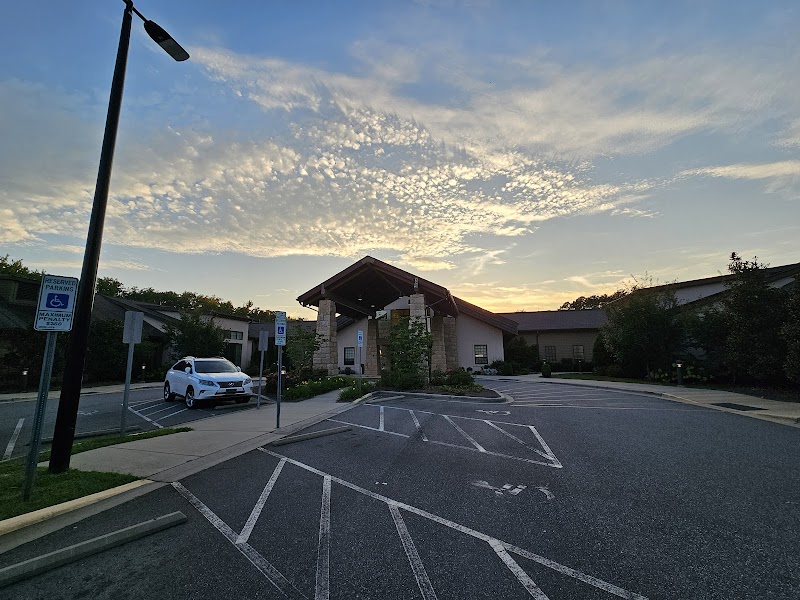
Asbury Health and Rehabilitation Center
3211 Bishops Way Lane, Charlotte, NC 28215 (704) 532-7000
Non profit - Other 120 Beds Independent Data: November 2025 2 Immediate Jeopardy citations
Trust Grade
16/100
#311 of 417 in NC
Last Inspection: September 2025

Inspected within the last 6 months. Data reflects current conditions.

Overview

Asbury Health and Rehabilitation Center has received a Trust Grade of F, which indicates significant concerns about the quality of care provided. This facility ranks #311 out of 417 in North Carolina, placing it in the bottom half of all state nursing homes, and #21 out of 29 in Mecklenburg County, meaning only a few local options are better. While the facility is showing some improvement, having reduced issues from 7 in 2024 to 5 in 2025, it still faces serious staffing challenges, with only 1 out of 5 stars for staffing and concerningly low RN coverage, being worse than 99% of other facilities in North Carolina. Despite having a very low staff turnover rate, the facility has encountered critical issues, such as failing to properly clean and disinfect shared blood glucose meters, which poses a risk of infection, and not discarding expired food in kitchens, potentially affecting residents' meals. Overall, while there are some positive aspects, such as the low staff turnover, the serious deficiencies and low trust grade raise significant red flags for families considering this nursing home.
Trust Score
F
16/100
In North Carolina
#311/417
Bottom 26%
Safety Record
High Risk
Review needed
Inspections
Getting Better
7 → 5 violations
Staff Stability
○ Average
Turnover data not reported for this facility.
Penalties
⚠ Watch
$38,376 in fines. Higher than 91% of North Carolina facilities. Major compliance failures.
Skilled Nurses
○ Average
RN staffing data not reported for this facility.
Violations
⚠ Watch
14 deficiencies on record. Higher than average. Multiple issues found across inspections.
★☆☆☆☆
1.0
Overall Rating
★☆☆☆☆
1.0
Staff Levels
★★★★☆
4.0
Care Quality
★★☆☆☆
2.0
Inspection Score
Stable
2024: 7 issues
2025: 5 issues

The Good

  • 4-Star Quality Measures · Strong clinical quality outcomes
  • Full Sprinkler Coverage · Fire safety systems throughout facility
  • No fines on record

Facility shows strength in quality measures, fire safety.

The Bad

1-Star Overall Rating

Below North Carolina average (2.8)

Significant quality concerns identified by CMS

Federal Fines: $38,376

Above median ($33,413)

Moderate penalties - review what triggered them

The Ugly 14 deficiencies on record

2 life-threatening
Oct 2024 7 deficiencies 2 IJ
CRITICAL (J)

Immediate Jeopardy (IJ) - the most serious Medicare violation

Deficiency F0726 (Tag F0726)

Someone could have died · This affected 1 resident

Based on observations, record review, and staff interviews, the facility failed to have systems in place to ensure Nurse #1 received the most recent training provided by the facility for blood glucose...

Read full inspector narrative →
Based on observations, record review, and staff interviews, the facility failed to have systems in place to ensure Nurse #1 received the most recent training provided by the facility for blood glucose monitors. In addition, Nurse #1 failed to demonstrate competency in following the manufacturer's instructions for the cleaning and disinfection of a shared blood glucose meter between two residents. Nurse #1 stated she knew she was supposed to use the disinfectant wipes to disinfect the blood glucose meters between residents but had just gotten nervous and forgotten. The interview with Nurse #1 further revealed she did not know the wet time, or dry time for cleaning/disinfecting the glucometer using the disinfectant wipe. The deficient practice occurred for 1 of 3 nursing staff reviewed for competent nursing staff (Nurse #1). Immediate Jeopardy began on 10/10/24 when Nurse #1 failed to demonstrate competency through her failure to disinfect a shared glucometer per manufacturer's instructions. Immediate jeopardy was removed on 10/15/24 when the facility implemented an acceptable credible allegation of immediate jeopardy removal. The facility will remain out of compliance at a D (no actual harm with potential for more than minimal harm that is not immediate jeopardy) to ensure the completion of education and monitoring systems are in place. The findings included: This tag is cross referred to: F880 Based on observation, record review and staff interviews, the facility staff failed to follow the manufacturer's instructions for cleaning and disinfection of a shared blood glucose meter between resident usage for 2 of 4 residents whose blood sugar levels were checked (Resident #95, Resident #207). Shared glucometers can be contaminated with blood and must be cleaned and disinfected after each use with an approved product and procedure. Failure to use an Environmental Protection Agency (EPA)-approved disinfectant in accordance with the manufacturer's instructions for disinfection of the glucometer potentially exposes residents to the spread of blood borne infections. There were no residents with a bloodborne pathogen in the facility at the time of the investigation. On 10/10/24 at 9:17 AM an interview was conducted with Nurse #1. She stated the facility had a skills day in 2023 and she remembered receiving training then about glucometers but since then she had not received any training on glucometers, or disinfecting glucometers. She stated she worked at the facility on a as needed (PRN) basis working one or two days during the week or month and may have just missed training if the facility had conducted one. A glucometer skills check dated October 2023 revealed Nurse #1 received education on glucometer care and disinfecting. Review of facility documents revealed Nurse #1 attended the annual skills fair in December 2023 and received education on bloodborne pathogens including the modes of transmission and recognizing potential sources of exposure. The training also included decontamination and disinfection of glucometers using disinfectant wipes. A review of Blood Glucose Monitors and Control Test training attendance log, from a training conducted on 05/05/24, revealed Nurse #1 did not receive the education. An interview was conducted on 10/10/24 at 10:24 AM with the Director of Nursing (DON). The DON stated the Infection Preventionist was constantly providing training and education for staff however Nurse #1 worked on a PRN basis in the facility, and he felt that was why she hadn't received the most recent education regarding glucometers. The interview revealed the IP and SDC always attempted to ensure the PRN staff were receiving education however sometimes staff got overlooked. An interview was conducted on 10/10/24 at 9:22 AM with the Infection Preventionist. During the interview, the Infection Preventionist stated she had completed a glucometer training course on 05/05/24 for all staff. She stated after reviewing the in-service sheets she had realized Nurse #1 did not receive the training that was conducted. She stated Nurse #1 was, just missed because she was an as needed (PRN) staff member. The Staff Development Coordinator (SDC) was not available for an interview. An interview on 10/10/24 at 2:26 PM with the Administrator revealed the in-service conducted in May 2024 was supposed to be for all staff and Nurse #1 should have received the education. She stated looking back at the education log for Nurse #1 the facility should have ensured she received an updated in-service because Infection Control was a priority for the facility. The Administrator was notified of immediate jeopardy on 10/10/24 at 3:10 PM. The facility provided the following credible allegation of Immediate Jeopardy removal: Identify those recipients who have suffered, or are likely to suffer, a serious adverse outcome as a result of the noncompliance. A nurse in one of the households, during observation, was found to be non-compliant in following the facility's protocol (and the manufacturer's guidelines) on disinfecting glucometers between resident use. The nurse failed to follow the processes she had been educated on in past trainings, indicating a need to routinely monitor the staff's compliance with the glucometer disinfection policy so that either additional training can be provided, or the deficient practice can be addressed from a performance standpoint. Attendance compliance with important in-service education also needs to be routinely audited, as this nurse missed the last training that was provided on glucometer disinfection. All nursing staff that could do a blood glucose monitoring were identified by pulling a log from Human Resources of all applicable nursing staff. This was completed on October 10th, 2024, by the Director of Nursing and the Director of Human Resources. All residents residing in household two that could have been affected by the deficient practice were seen by the medical provider, with orders received as necessary by the practitioner's assessment. This was completed on October 11th, 2024, by the medical provider on duty. Specify the action the entity will take to alter the process or system failure to prevent a serious adverse outcome from occurring or recurring, and when the action will be complete. The nurse found to be non-compliant with the glucometer disinfection process was re-educated with return demonstration immediately, as were all nurses in the building at the time of the observation of non-compliance. This was completed on October 10th, 2024, by the Infection Preventionist, Director of Nursing, and Nursing Supervisor. All nursing staff that do (or could) perform glucose monitoring will be in-serviced on the glucometer disinfection process before being allowed to work. All education will be completed on or before October 14th, 2024, by the Director of Nursing, Assistant Director of Nursing, Infection Preventionist, or Nursing Supervisor. All staff members will also have a skills validation performed to ensure that they can perform the disinfection appropriately. Any staff that do not receive the education and skills validation by the October 14th, 2024, date will not be allowed to work until they are compliant with the educational training. This compliance will be monitored by the Assistant Director of Nursing/Staff Development Coordinator and/or the Infection Preventionist nurse. All new hires for the nursing team that do (or could) perform glucose monitoring will be educated at hire (with a skills competency performed) on the glucose monitor disinfection process. This will be completed by the Assistant Director of Nursing/Staff Development Coordinator, or designee, before the new hire is allowed to take an assignment. All staff will be educated with a skills competency performed on the glucose disinfection process on an annual basis. This will occur annually at the December annual skills fair (or at an annual time determined by nursing leadership). Staff members found to be non-compliant with the annual training will not be allowed to return to work until compliance with education is reached. This will be completed annually by the Director of Nursing, Assistant Director of Nursing/Staff Development Coordinator, or designee. Alleged immediate jeopardy removal date: October 15th, 2024 A validation of IJ removal plan was conducted on 10/16/24. The facility had compiled a list of nursing staff that were responsible for blood glucose monitoring. All staff were educated on the glucometer disinfection process before being allowed to work. The facility provided an immediate in-service for Nurse #1 with a return demonstration provided. All staff members responsible for blood glucose monitoring also completed a skills validation with return demonstration to the Director of Nursing. Audits of any newly hired staff were reviewed to ensure they had received education on glucose monitor disinfection. An observation was conducted of glucose disinfection while onsite, the staff member cleaned the glucometer according to manufacturer instructions. Nursing staff interviews revealed they had received education on the disinfection of glucometers. The IJ removal date of 10/15/2024 was validated.
CRITICAL (J)

Immediate Jeopardy (IJ) - the most serious Medicare violation

Infection Control (Tag F0880)

Someone could have died · This affected 1 resident

**NOTE- TERMS IN BRACKETS HAVE BEEN EDITED TO PROTECT CONFIDENTIALITY** Based on observations, record review and staff interviews, the facility staff failed to follow the manufacturer's instructions f...

Read full inspector narrative →
**NOTE- TERMS IN BRACKETS HAVE BEEN EDITED TO PROTECT CONFIDENTIALITY** Based on observations, record review and staff interviews, the facility staff failed to follow the manufacturer's instructions for cleaning and disinfection of a shared blood glucose meter between resident usage for 2 of 4 residents whose blood sugar levels were checked (Resident #95, Resident #207). Shared glucometers can be contaminated with blood and must be cleaned and disinfected after each use with an approved product and procedure. Failure to use an Environmental Protection Agency (EPA)-approved disinfectant in accordance with the manufacturer's instructions for disinfection of the glucometer potentially exposes residents to the spread of blood borne infections. There were no residents with a bloodborne pathogen in the facility at the time of the investigation. Immediate Jeopardy began on 10/10/24 when Nurse #1 was observed performing blood glucose checks on residents using a shared glucometer without disinfecting per manufacturer's instructions. Immediate jeopardy was removed on 10/15/24 when the facility implemented an acceptable credible allegation of immediate jeopardy removal. The facility will remain out of compliance at a D (no actual harm with potential for more than minimal harm that is not immediate jeopardy) to ensure the completion of education and monitoring systems are in place. Findings included: The blood glucose meter manufacturer's instructions for cleaning and disinfecting dated 04/2023 indicated the blood glucose monitoring system may only be used for testing multiple patients when standard precautions and the manufacturer's disinfecting procedures are followed. The meter should be cleaned and disinfected after use on each patient. A list of Environmental Protection Agency (EPA) wipes were recommended on the cleaning instructions. Additional instructions were to read the manufacturer's instructions for the use of the wipes. Review of the facility policy Glucometer Disinfection revised in May 2024 read, in part, to clean and disinfect reusable equipment between uses according to the manufacturer's instructions and current infection control standards of practice. The procedure for disinfecting glucometers included: a. Obtain needed equipment and supplies: Gloves, glucometer, alcohol pads, gauze pads, single use lancet, blood glucose testing strips, disinfecting wipes. b. Wash hands c. Explain the procedure to the resident. d. Provide privacy. e. Put on gloves. f. Obtain capillary blood glucose sampling according to the facility policy. g. Remove and discard gloves, perform hand hygiene prior to exiting room. h. Reapply gloves if there is visible contamination of the device or if the resident is HIV or Hepatitis B or C positive. i. Retrieve (2) disinfectant wipes from container. j. Using the first wipe, clean first to remove heavy soil, blood and/or other contaminants left on the surface of the glucometer. k. After cleaning, use a second wipe to disinfect the glucometer thoroughly with the disinfectant wipe, following the manufacturers' instructions. Allow the glucometer to dry air. l. Discards disinfect wipes in waste receptacles. m. Perform hand hygiene. The wipes container which was located at the nurses station read in part to disinfect nonfood contact surfaces to thoroughly wet surface, allow treated surface to remain wet for two minutes and let air dry. These wipes were an EPA-registered germicidal wipe and approved for bloodborne pathogen use. A continuous observation of Nurse #1 was conducted from 10/10/24 at 8:54 AM through 9:17 AM and revealed the following: On 10/10/24 at 8:54 AM Nurse #1 gathered necessary supplies, removed the glucometer from the top of the cart and went into Resident #95's room and obtained his blood sugar. She exited the room at 9:04 AM and returned to the cart in the hall. Nurse #1 was observed placing the glucometer immediately back into the unlabeled black bag on the cart and move to the next room. No disinfecting wipes were observed on the medication cart. Nurse #1 did not disinfect the glucometer during the observation. At 9:06 AM Nurse 1 gathered necessary supplies, removed the same glucometer from the top of the cart and went into Resident #207's room and obtained her blood sugar. She exited the room at 9:10 AM and returned to the cart in the hall. Nurse #1 was observed placing the glucometer immediately back into the unlabeled black bag on the cart and move to the next resident room. Nurse #1 did not disinfect the glucometer during the observation. At 9:13 AM of Nurse #1 necessary supplies, removed the same glucometer from the top of the cart and went into Resident #49's room. The surveyor stopped Nurse #1 and asked her to return to the hallway. An interview and observation occurred with Nurse #1 on 10/10/24 at 9:17 AM. Nurse #1 revealed she had worked in the facility for 9 years as an as needed (PRN) nurse and she knew she was supposed to disinfect the glucometer after each use. Nurse #1 was observed cleaning the glucometer with an alcohol swab. At 9:17 AM Nurse #1 re-entered Resident #49s room to obtain his blood sugar. The surveyor stopped Nurse #1 for the second time. Nurse #1 exited Resident #49's room and entered the hallway. Nurse #1 stated she knew she was supposed to use the disinfectant wipes but had just gotten nervous and forgotten. She stated she did not know the wet time, or dry time for cleaning the glucometer using the disinfectant wipe. The interview revealed she typically cleaned the glucometer in between residents and had been instructed to do so in the past. An interview on 10/10/24 at 9:22 AM with the Infection Preventionist (IP) revealed each resident household had 2 glucometers to use because not all residents admitted into the facility had their own glucometer. She stated the facility was very strict on disinfecting glucometers in between use of each resident and had just provided education on glucometer cleaning and disinfecting in May 2024. The IP stated the nurses should be using the disinfectant wipes after each use of the glucometer with a wet contact time of 2 minutes using two wipes and wiping the entire surface of the glucometer. After that, the nurses are to lay the glucometer on a towel and let it dry for a duration of 2 minutes. The IP stated she had contacted the Center for Disease Control and Prevention (CDC) to ensure it was okay to use the glucometer on multiple residents. She was told the practice was acceptable if the glucometer was disinfected per the manufacturer's instructions in between each resident use. The IP indicated Nurse #1 had not received the recent training on disinfecting glucometers in May 2024. She stated Nurse #1 should have known the policy on cleaning the glucometers and followed it. The interview further revealed the use of an alcohol swab to disinfect the glucometer was not an acceptable practice. The IP stated the negative outcome that could occur from not disinfecting the glucometer between resident use included the spread of bloodborne pathogens. She stated there were no current residents in the facility with a bloodborne pathogen. The IP stated the facility did not have dedicated glucometers to each individual resident because the staff had been provided with education and training on how to disinfect the glucometers per manufacturer's instructions. She stated Nurse #1 had not been included in the recent education. The interview revealed the household observed had a total of two glucometers and Nurse #1 should have been utilizing both. An interview was conducted on 10/10/24 at 10:24 AM with the Director of Nursing (DON). The DON stated that the disinfecting contact time for the blood glucose meter should be two minutes. He stated the staff had been trained and he did not know why Nurse #1 didn't follow policy. The DON stated he had worked in the facility since August 2024 and the process of using a glucometer for multiple residents had not been an issue because the facility had provided education to the staff. An interview on 10/10/24 at 2:26 PM with the Administrator revealed that blood glucose meters should be disinfected according to the manufacturer's instructions. The Administrator was notified of immediate jeopardy on 10/10/24 at 3:10 PM. The facility provided the following credible allegation of immediate jeopardy removal: Identify those recipients who have suffered, or are likely to suffer, a serious adverse outcome as a result of the noncompliance. A nurse (Nurse #1) in one of the households, during observation, was found to be non-compliant in following the facility's protocol (and the manufacturer's guidelines) on disinfecting glucometers between resident use. All residents residing in the building that receive blood glucose monitoring at the time of the observation of non-compliance were identified, especially those that resided in the same household where the non-compliance occurred. These residents were identified immediately after notification of the deficient practice observation, on October 10, 2024, by the Infection Preventionist and MDS nurse. All residents residing in household two that could have been affected by the deficient practice were seen by the medical provider, with orders received as necessary by the practitioner's assessment. This was completed on October 11, 2024, by the medical provider on duty. All glucometers (12 in total) that are presently in the clinical spaces in the building were disinfected immediately, per policy and manufacturer's recommendations. The brand of wipes used are [NAME] Disposable Germicidal Surface wipes. This disinfection is completed by using one wipe to wipe away any visibly soiled areas of the glucometer. Using a second wipe, the glucometer is wiped down again to disinfect, followed by two minutes of air-dry time. This was completed on October 10, 2024, by the nursing supervisor and nurses on duty All diagnoses of residents in the building were reviewed to ensure that no one currently has an active diagnosis of a bloodborne pathogen. This was completed on October 10, 2024, by the Infection Preventionist and Administrator. Specify the action the entity will take to alter the process or system failure to prevent a serious adverse outcome from occurring or recurring, and when the action will be complete. The policy and procedure for glucometer disinfection was reviewed and compared to manufacturer recommendations. This was completed on October 10, 2024, by the Infection Preventionist and Administrator. The nurse found to be non-compliant with the glucometer disinfection process was re-educated with return demonstration immediately, as were all nurses in the building at the time of the observation of non-compliance. This was completed on October 10, 2024, by the Infection Preventionist, Director of Nursing, and Nursing Supervisor. All nursing staff that do (or could) perform glucose monitoring will be in-serviced on the glucometer disinfection process before being allowed to work. All education will be completed on or before October 14, 2024, by the Director of Nursing, Assistant Director of Nursing, Infection Preventionist, or Nursing Supervisor. All staff members will also have a skills validation performed to ensure that they can perform the disinfection appropriately. Any staff that do not receive the education and skills validation by October 14, 2024, date will not be allowed to work until they are compliant with the educational training. This compliance will be monitored by the Assistant Director of Nursing/Staff Development Coordinator and/or the Infection Preventionist nurse. The [NAME] County Communicable Disease branch was notified of the infection control breach. An update was also provided to the division on the plan in place for correction. Communication was also provided to the residents affected by the deficient practice and/or their responsible parties. Communication to the local health department and the residents/responsible parties completed on October 11, 2024, by the Executive Director (health department communication) and the Assistant Director of Nursing/Staff Development Coordinator (resident and responsible party notifications). Immediate jeopardy removal date of October 15, 2024. A validation of IJ removal plan was conducted on 10/16/24. The facility had compiled a list of nursing staff that were responsible for blood glucose monitoring. All staff were educated on the glucometer disinfection process before being allowed to work. The facility provided an immediate in-service for Nurse #1 with a return demonstration provided. All staff members responsible for blood glucose monitoring also completed a skills validation with return demonstration to the Director of Nursing. Audits of any newly hired staff were reviewed to ensure they had received education on glucose monitor disinfection. An observation was conducted of glucose disinfection while onsite, the staff member cleaned the glucometer according to manufacturer instructions. Nursing staff interviews revealed they had received education on the disinfection of glucometers. The IJ removal date of 10/15/2024 was validated.
CONCERN (D)

Potential for Harm - no one hurt, but risky conditions existed

Deficiency F0553 (Tag F0553)

Could have caused harm · This affected 1 resident

**NOTE- TERMS IN BRACKETS HAVE BEEN EDITED TO PROTECT CONFIDENTIALITY** Based on record review and staff and resident interviews the facility failed to invite a resident to participate in the planning...

Read full inspector narrative →
**NOTE- TERMS IN BRACKETS HAVE BEEN EDITED TO PROTECT CONFIDENTIALITY** Based on record review and staff and resident interviews the facility failed to invite a resident to participate in the planning of the resident's care for 1 of 4 residents reviewed for participation in care plan meetings (Resident # 9). The findings included: Resident #9 was re-admitted to the facility on [DATE]. Review of the electronic medical record for Resident #9 revealed a form dated 7/13/2024, addressed to the family member of Resident #9, notifying them that a care plan meeting needed to be scheduled. Resident #9's most recent minimum data set (MDS) assessment dated [DATE] revealed Resident #9 was cognitively intact with daily decision making and had adequate hearing. Review of the most recent care plan revealed it had been updated in the electronic medical record on 8/27/2024, however there was no indication that there had been any involvement from Resident #9 or family members. Review of the medical record included no evidence that Resident #9 was invited to participate in care plan meetings or evidence of refusing to participate. An interview with Resident #9 completed on 10/8/2024 at 9:54 AM revealed he had not been involved in a care plan meeting and was not aware of what a care plan meeting was. On 10/9/2024 at 2:25 PM an interview with MDS Coordinator #1 revealed care plan meetings were set up by the Social Worker (SW) using the MDS assessment calendar to make sure the care plan meeting dates were aligned with the most recent MDS assessment. The SW would give a list of residents to the receptionist that needed a care plan meeting. The receptionist would then mail out the care plan meeting invitation to the resident's family. Upon receiving the care plan letter the family would call the SW to set up a time to meet. MDS Coordinator #1 stated all residents, especially ones that were cognitively intact, must be invited to the care plan meetings. On 10/9/2024 at 3:17 PM an interview was completed with SW. The SW explained when Resident #9's care plan meeting was scheduled the family member would be called and care discussed because the resident usually did not want to attend due to difficulty hearing. An additional interview was conducted on 10/10/2024 at 8:44 AM with the facility SW. During the interview the SW reported she usually scheduled care plan meetings on days when Resident #9 could attend. The SW further explained that all residents needed to be invited to the care plan meetings and there should be documentation in the resident electronic medical records if he or she refused to participate. An interview was conducted on 10/10/2024 at 10:54 AM with the Director of Nursing (DON). During the interview the DON reported all residents should be involved in care plan meetings and if the residents chose not to be involved then that should have been documented. The DON went on to say, regardless of cognition the resident needs to be invited. On 10/10/2024 at 2:23 PM and interview was completed with the Administrator where she revealed she expected residents, regardless of cognition, have to be invited to the care plan meetings and if the resident did not want to attend then it needed to be documented in the resident's electronic medical record.
CONCERN (D)

Potential for Harm - no one hurt, but risky conditions existed

Deficiency F0582 (Tag F0582)

Could have caused harm · This affected 1 resident

Based on staff interviews and record review, the facility failed to have a Centers for Medicare and Medicaid Services (CMS)-10123 Notice of Medicare Non-Coverage letter (NOMNC) signed prior to dischar...

Read full inspector narrative →
Based on staff interviews and record review, the facility failed to have a Centers for Medicare and Medicaid Services (CMS)-10123 Notice of Medicare Non-Coverage letter (NOMNC) signed prior to discharge from Medicare part A services with benefit days remaining to 1 of 3 residents reviewed for SNF (Skilled Nursing Facility) Beneficiary Protection Notification Review (Resident #307). Findings included: Resident #307 was admitted to the facility under part A Medicare services on 6/19/24. A review of the medical record revealed a NOMNC letter was not signed either physically or verbally by Resident #307 or their responsible party, but was signed by Social Worker #1, with the following statement Notice waived. Last covered date is 7/2/24 and discharge from the facility on 7/3/24. An interview was conducted with Social Worker #1 on 10/10/24 at 11:25 AM revealed she tried to have all the NOMNC forms signed either verbally or in writing but didn't have Resident #307's form signed. She stated Resident #307 wanted to speak to her husband about leaving early as her discharge was near a holiday. Resident #307 discharged a day early due to the holiday. She stated because Resident #307 left early, she signed the notice as waived and did not acquire a signature from Resident #307. An interview was conducted with the Administrator on 10/10/24 at 2:26 PM revealed she had the expectation that if a resident could physically sign the NOMNC form, it should be signed but if not a verbal signature from a resident or someone to sign or their behalf was appropriate.
CONCERN (D)

Potential for Harm - no one hurt, but risky conditions existed

Comprehensive Assessments (Tag F0636)

Could have caused harm · This affected 1 resident

**NOTE- TERMS IN BRACKETS HAVE BEEN EDITED TO PROTECT CONFIDENTIALITY** Based on record review and staff interviews the facility failed to complete a comprehensive Minimum Data Set (MDS) assessment wi...

Read full inspector narrative →
**NOTE- TERMS IN BRACKETS HAVE BEEN EDITED TO PROTECT CONFIDENTIALITY** Based on record review and staff interviews the facility failed to complete a comprehensive Minimum Data Set (MDS) assessment within 14 days of the Assessment Reference Date (ARD), which was the last day of the assessment period for 1 of 4 residents reviewed for resident assessment (Resident #8). Findings included: Resident #8 was admitted to the facility on [DATE]. A review of Resident #8's electronic medical record revealed an annual MDS assessment with an ARD of 9/11/2024 that was open and not signed completed as of 10/09/2024. An interview with MDS Coordinator #1 on 10/09/2024 at 2:59 PM revealed the annual MDS assessment had not been completed and signed within 14 days of the ARD. MDS Coordinator #1 went on to say the assessment had been missed and was being worked on. The MDS Coordinator #1 further explained she and MDS Coordinator #2 had been looking over the assessment schedule to ensure nothing else had been overlooked. On 10/10/2024 at 10:48 AM an interview was completed with the Director of Nursing (DON). During the interview the DON stated the annual MDS assessment for Resident #8 should have been completed within 14 days of the ARD date. The DON went on to say his expectation was that all MDS assessments needed to be completed in the appropriate timeframe. During an interview with the Administrator on 10/10/2024 at 2:23 PM she stated she expected all MDS assessments to be completed in a timely manner.
CONCERN (D)

Potential for Harm - no one hurt, but risky conditions existed

Deficiency F0761 (Tag F0761)

Could have caused harm · This affected 1 resident

Based on observations and staff interviews, the facility failed to remove expired medications available for use from the refrigerator of a medication storage room in 1 of 3 medication rooms reviewed f...

Read full inspector narrative →
Based on observations and staff interviews, the facility failed to remove expired medications available for use from the refrigerator of a medication storage room in 1 of 3 medication rooms reviewed for medication storage (Windsor medication room). Findings included: On 10/10/24 at 11:25AM during an observation of the Windsor medication room with Nurse #2 the observation yielded 81 unopened acetaminophen suppositories 650 milligram (mg) with an expiration date of 04/24 (April/2024). On 10/10/24 at 11:28 AM an interview was conducted with Nurse #2. During the interview she stated the refrigerator was checked daily by the nursing staff. She stated she was responsible for checking the medication room refrigerator for the household and had just missed the expiration date by mistake. Nurse #2 stated the mediation had not been used in some time and that was probably why it was missed. The interview revealed the medication was available for nurses to obtain from the room and should have been discarded if it was past the date listed on the packaging. An interview was conducted with the Director of Nursing (DON) on 10/10/24 at 12:35 PM. The DON was informed of the findings in the medication storage room and the DON stated the facility staff had looked in both rooms a couple of days prior and had not found the expired medication. He stated the facility went by the expiration date listed on the packaging of the medication and the expired medications should have been discarded. An interview was conducted with the Administrator on 10/10/24 at 2:26 PM she stated the medication should have been discarded. She stated she expected nursing staff to check the expiration dates daily.
CONCERN (E)

Potential for Harm - no one hurt, but risky conditions existed

Food Safety (Tag F0812)

Could have caused harm · This affected multiple residents

Based on record review, observations and staff interviews, the facility failed to label and date leftover food items stored for use in the dry goods storage area and walk-in cooler and failed to ensur...

Read full inspector narrative →
Based on record review, observations and staff interviews, the facility failed to label and date leftover food items stored for use in the dry goods storage area and walk-in cooler and failed to ensure residents' leftover food items stored in nourishment room refrigerators were labeled and dated for 2 of 6 common area refrigerators (400 and 300 Hall nourishment rooms). These practices had the potential to affect food served to residents. The findings included: 1. An initial tour of the dry good storage area and walk-in cooler occurred on 10/7/24 at 11:30 AM with the Executive Chef. The dry goods storage and walk in refrigerator were in the basement and served all neighborhoods in the facility. The following concerns were identified: -a bag of bowtie pasta opened 4/4/24 with a use by date of 7/4/24 stored in the dry good storage area -a metal pan of pork butt prepared 9/29/24 with a use by date of 10/3/24 stored in the walk-in cooler An interview with the Executive Chef on 10/7/24 at 11:35 AM revealed staff went through the walk-in cooler, walk-in freezer, and dry goods storage on Mondays to clean out any food items past the use by date and they had not been to the storage area yet that day. 2. A tour of the resident common area refrigerators occurred on 10/9/24 at 12:35 PM. The following concerns were identified: a. Items in the 400-hall resident refrigerator opened and not labeled with a date or room number were a 46fl oz. bottle of vegetable juice and a half of an ice cream sheet cake in freezer. b. Items in the 300-hall resident refrigerator labeled 305 but with no date or name included two cartons of pre-hardboiled eggs which had a strong, foul odor, eight pears in carboard cartons, six apples in bags, six frozen meals, and a 16fl oz. container of coffee ice cream. A 16oz. carton of heavy whipping cream was stored past the expiration date. An interview with the Dietary Manager (DM) on 10/9/24 at 3:29 PM revealed the items in the resident common area refrigerators needed to be labeled with the name of the resident and their room number. She explained there was no timeline for the use by date and the facility went by the expiration date on the item. The DM stated dietary supervisors checked the refrigerators each morning to ensure there were no items in the refrigerators out of date. An interview with the Administrator on 10/10/24 at 2:36 PM revealed she had the expectation that stored food should be properly labeled and dated in the facility's refrigerators and storage rooms. The Administrator stated that food left in the resident refrigerators should be thrown out if they were past the expiration date.
Jun 2023 7 deficiencies
CONCERN (D)

Potential for Harm - no one hurt, but risky conditions existed

Deficiency F0552 (Tag F0552)

Could have caused harm · This affected 1 resident

**NOTE- TERMS IN BRACKETS HAVE BEEN EDITED TO PROTECT CONFIDENTIALITY** Based on record review, observations, resident, family and staff interviews the facility failed to provide communication to a re...

Read full inspector narrative →
**NOTE- TERMS IN BRACKETS HAVE BEEN EDITED TO PROTECT CONFIDENTIALITY** Based on record review, observations, resident, family and staff interviews the facility failed to provide communication to a resident in a language that she could understand for 1 of 1 non-English speaking residents (Resident #4) reviewed for resident rights. Findings included: A review of the language line service agreement revealed services were set up on 2/21/2012. The language line was a telephone service that provided language translation for staff to communicate with residents who were not fluent in English. Resident #4 was admitted to the facility on [DATE] with diagnoses inclusive of congestive heart failure, anemia, hypertension, atrial fibrillation, chronic obstructive pulmonary disease, and dysphagia. A review of an admission progress notes dated 3/10/23 indicated Resident #4 was alert and unable to speak English. A review of a nursing progress note dated 3/13/23 revealed Resident #4's English was poor, and she was not able to communicate her needs. A Minimum Data Set (MDS) assessment dated [DATE] indicated Resident #4 had moderate cognitive impairment. The MDS question regarding the resident's need or want for an interpreter to communicate with a doctor or health care provider was answered no. A revised care plan dated 5/5/23 did not address a communication plan for Resident #4 who did not speak English. During an interview on 6/6/23 at 12:31 PM Resident #4's family member indicated the resident spoke Greek and did not speak English. During an interview on 6/6/23 at 4:33 PM Social Worker #2 revealed she used a communication booklet to complete the Brief Interview Mental Status (BIMS) assessment but did not notify nursing staff or document in the medical record (Care Plan or MDS) that Resident #4 had a language barrier. She further revealed she had not used the language line telephone service to communicate with the Resident. She stated she should have care planned the language barrier when she completed her initial care plan on 3/16/23. During an interview on 6/6/23 at 4:57 PM Nurse Aide (NA) #1 indicated she was assigned to Resident #4 at times and that the Resident communicated her needs by pointing to the bathroom or stating choice English words such as food, chair, or pain. Otherwise, she was unable to communicate her needs or understand what the NA was saying. She further indicated she was not instructed to use a communication board or language line to communicate with the Resident. An observation and interview on 6/7/23 at 2:28 PM with Resident #4 who was in her room and spoke limited English and there were no alternate forms of communication (communication board, directions, or instructions/ interpreter phone line) to assist with translating her native Greek language. Resident #4 attempted to participate in the interview by verbalizing a series of random English words to understand the Surveyor's conversation and was unsuccessful. During an interview on 6/7/23 at 12:16 PM the Life Enrichment Director (Activities Director) indicated she handled all resident activities to include resident participation and refusals. She also indicated she was never instructed to use a communication board or language line when communicating with Resident #4. During an interview on 6/7/23 at 3:22 PM the Administrator indicated she expected the need for interpreter services to be added to resident charts upon admission and that she was unaware the information was not captured on the MDS and Care Plan for Resident #4. She further indicated she sent out a reminder to staff regarding how to access the language line after the issue was identified during survey and that the information was located in the Director of Nursing Office.
CONCERN (D)

Potential for Harm - no one hurt, but risky conditions existed

Assessment Accuracy (Tag F0641)

Could have caused harm · This affected 1 resident

**NOTE- TERMS IN BRACKETS HAVE BEEN EDITED TO PROTECT CONFIDENTIALITY** Based on record review, observation and staff interviews, the facility failed to accurately code the admission Minimum Data Set ...

Read full inspector narrative →
**NOTE- TERMS IN BRACKETS HAVE BEEN EDITED TO PROTECT CONFIDENTIALITY** Based on record review, observation and staff interviews, the facility failed to accurately code the admission Minimum Data Set (MDS) assessment in communicatio for 1 of 1 resident reviewed for MDS accuracy (Resident #4). The findings included: Resident #4 was admitted to the facility on [DATE]. A review of an admission progress notes dated 3/10/23 indicated Resident #4 was alert and unable to speak English. A review of a nursing progress note dated 3/13/23 revealed Resident #4's English was poor, and she was not able to communicate her needs. An admission Minimum Data Set (MDS) assessment dated [DATE] indicated Resident #4 had moderate cognitive impairment. Section B was coded as clear speech, makes self-understood verbally and had the ability to understand others verbally. The MDS question regarding the resident's need or want for an interpreter to communicate with a doctor or health care provider was answered no. During an interview on 6/6/23 at 12:31 PM Resident #4's family member indicated the resident spoke Greek and did not speak English. During an interview on 6/6/23 at 4:33 PM Social Worker #2 revealed she used a communication booklet to complete the Brief Interview Mental Status (BIMS) assessment but did not notify nursing staff or document in the medical record (MDS section B) that Resident #4 had a language barrier. She further revealed she had not used the language line telephone service to communicate with the Resident. She stated she was responsible for coding section B of the MDS for Resident #4 and did not code it accurately. During an interview on 6/7/23 at 3:22 PM the Administrator indicated she expected the MDS to be coded accurately and timely for Resident #4 and all residents.
CONCERN (D)

Potential for Harm - no one hurt, but risky conditions existed

Deficiency F0806 (Tag F0806)

Could have caused harm · This affected 1 resident

**NOTE- TERMS IN BRACKETS HAVE BEEN EDITED TO PROTECT CONFIDENTIALITY** Based on record review, observations, family interview and staff interviews, the facility failed to obtain and honor a resident'...

Read full inspector narrative →
**NOTE- TERMS IN BRACKETS HAVE BEEN EDITED TO PROTECT CONFIDENTIALITY** Based on record review, observations, family interview and staff interviews, the facility failed to obtain and honor a resident's dietary preferences for 1 of 1 resident (Resident #4) reviewed for accommodation of needs. Findings included: Resident #4 was admitted to the facility on [DATE]. A Minimum Data Set (MDS) assessment dated [DATE] indicated Resident #4 had moderate cognitive impairment. A review of an admission progress notes dated 3/10/23 indicated Resident #4 was alert and unable to speak English. A review of admission orders dated 3/10/23 indicated Resident #4 was to receive a pureed diet. A review of nutrition assessment dated [DATE] and completed by the dietitian, indicated Resident #4 was on a pureed diet with dietary supplement, and food preferences for breakfast, lunch and dinner indicated select menu prior to service. During an observation on 6/6/23 at 12:31 PM Resident #4 was sitting in the dining room with her family and eating lunch. Her meal ticket indicated she was on a pureed diet and should have received pureed chicken and pinto beans. Instead, she received pureed beef, rice, and sweet potatoes. During the observation, Resident #4's family reported she preferred chicken, not beef. No dessert was checked off on the menu and according to her family, she usually got dessert and they were surprised it was not selected or received. Resident #4 did not eat the pureed beef. On 6/6/23 at 12:31 PM Resident #4's family member explained Resident #4 did not speak English and staff filled out meal menus without input from the responsible party/ family. The family further indicated they were not contacted about Resident food preferences and that the Resident enjoyed pureed cookies and spaghetti. During an interview on 6/7/23 at 2:38 PM the Kitchen Ambassador revealed she was responsible for assisting residents (400, 500 and 600 halls) with completing their menus and serving meals from the unit kitchen/ dining room. She further revealed she completed pureed menus for Resident #4 and did not seek assistance or input from the Resident because she did not speak English and was not instructed to contact the family for input. During an interview on 6/6/23 at 3:30 PM the Dietician revealed she usually contacted the family about food preferences if a resident was unable to communicate and added the preferences to the care plan. If no preferences were identified, pureed meals were prepared and chosen by the cook. Although pureed menu tickets were completed and menu items selected by the resident or family members, residents on a pureed diet may not receive what they ordered. She further revealed she did not have a conversation with Resident #4's family about dietary preferences and she was aware the Resident did not speak much English. During an interview on 6/7/23 at 3:22 PM the Administrator indicated she expected food preferences to be discussed with residents/ family members during the dietary admission assessments. She further indicated she was unaware the Resident #4's preferences were not offered or discussed with the family.
CONCERN (E)

Potential for Harm - no one hurt, but risky conditions existed

Deficiency F0565 (Tag F0565)

Could have caused harm · This affected multiple residents

Based on record review, resident interviews and staff interviews the facility failed to resolve group grievances that were brought to resident council meetings for 4 consecutive months (February, Marc...

Read full inspector narrative →
Based on record review, resident interviews and staff interviews the facility failed to resolve group grievances that were brought to resident council meetings for 4 consecutive months (February, March, April, and May 2023). The findings included: A review of Resident Council meeting minutes from February 2023 through May 2023 was completed. Each month's meeting minutes had a culinary/dietary section that identified the concerns related to residents frequently missing food items from meal trays, such as ordering dessert and not receiving it or ordering soup with cheese and not receiving the cheese. On 3/30/23 meeting minutes identified the previous month's concern of missing food items as improved. 4/25/23 meeting minutes identified the concern of missing food menu items as on-going. May 2023 (no date) meeting minutes identified the concern of missing food menu items as improved but on-going. During interviews with residents #28 and #20 who attended the Resident Council meeting on 6/6/23 at 1:30 PM revealed the occurrence of missing food items continued weekly and the transition from the use of paper ticket menus to computer tablet menus was not a good idea due to the computer tablets not recording menu selections at times. They further revealed the concern had been voiced during resident council meetings and nothing seemed to change. Resident #28 added that her shake was missing from her tray on 6/5/23 and it was order on her menu. During an interview on 6/7/23 at 12:16 PM the Life Enrichment Director indicated her standard practice for submitting grievances voiced in Resident Council meetings was to document the grievances on the meeting minutes form and provide the administrator with the form. She further indicated she also encouraged residents to reinforce their concerns by talking directly to dietary staff. She stated Resident Council attendees complained they're selected menu items did not arrive on their food trays during moths (Feb, March, April & May 2023). She provided the Director of Nursing (DON) with the meeting minutes for her to review the grievances/ concerns. She further stated she was not provided with a resolution or update from the DON to provide to residents regarding why the items were missing or what was being done to resolve their concerns. During an interview on 6/7/23 at 11:25 AM the Culinary Director revealed they implemented use of computer tablets for the servers to take resident menu orders about two months ago to enhance the dining process. They were also experiencing dietary staff turnover and there may have been a breakdown in communication in the team process between servers and nurse aides who build resident trays. Therefore, some food items may get missed. During an interview on 6/7/23 at 10:30 AM the Director of Nursing (DON) revealed they began using computer tablets to take resident meal orders in May 2023 and heard feedback from residents that the paper menus were preferred due to staff making errors when adding menu items to the tablet. She further revealed the reasons for missing food items may have been the combination of nursing staff and server error as well as high turnover in dietary. She also stated tray audits were being performed on a regular basis and she was not aware missing food items continued to be a concern. During an interview on 6/7/23 at 3:10 PM the Administrator indicated she was unaware of the concerns expressed in Resident Council meetings and planned to discuss the trend.
CONCERN (E)

Potential for Harm - no one hurt, but risky conditions existed

Comprehensive Care Plan (Tag F0656)

Could have caused harm · This affected multiple residents

**NOTE- TERMS IN BRACKETS HAVE BEEN EDITED TO PROTECT CONFIDENTIALITY** Based on record review and resident and staff interviews the facility failed to develop comprehensive care plans in the areas of...

Read full inspector narrative →
**NOTE- TERMS IN BRACKETS HAVE BEEN EDITED TO PROTECT CONFIDENTIALITY** Based on record review and resident and staff interviews the facility failed to develop comprehensive care plans in the areas of anticoagulant (blood thinning) medication (Resident #63 and Resident #79) and communication (Resident #4). This deficient practice was for 3 of 5 residents whose comprehensive care plans were reviewed. Findings included: 1. Resident #63 was admitted to the facility on [DATE] with a diagnosis of atrial fibrillation. A review of Resident #63's medical record revealed a physician's order dated 04/17/2023 for Apixaban (an anticoagulant medication) 2.5 milligrams (mg) twice daily for atrial fibrillation. A review of the admission Minimum Data Set (MDS) assessment for Resident #63 dated 04/23/2023 revealed she was cognitively intact. She received anticoagulant medication on 7 of 7 look-back days of the assessment. A review of Resident #63's May and June 2023 Medication Administration Record revealed she received Apixaban twice daily as prescribed. A review of Resident #63's comprehensive care plan last revised on 5/2/23 did not reveal any care plan focus area or interventions related to receiving an anticoagulant medication. On 06/06/2023 at 2:16 PM an interview with Resident #63 indicated she could not remember the names of her medication. She did not know if she was taking a blood thinner. On 06/08/2023 at 10:13 AM an interview with MDS Nurse #1 and MDS Nurse #2 indicated Resident 63#'s care plan should address anticoagulant medication so staff caring for her would be aware she was receiving it. On 06/08/2023 at 10:54 AM an interview with the Director of Nursing (DON) indicated anticoagulant medication was a high-risk medication. She stated it should be addressed in Resident #63's comprehensive care plan so all staff caring for her would be aware she was at risk for side effects like bleeding or bruising. 2. Resident #79 was admitted to the facility on [DATE] with Covid 19 and pneumonia. Additional diagnoses included deep vein thrombosis (blood clot in lower leg) and pulmonary emboli (blood clot in the lungs). A review of Resident #79's medical record revealed a physician's order dated 2/17/2023 for Apixaban (an anticoagulant medication) 5 milligrams (mg) twice daily for deep vein thrombosis and pulmonary emboli. A review of the quarterly MDS assessment dated [DATE] for Resident #79 revealed he was cognitively intact. He received anticoagulant medication on 7 of 7 look back days of the assessment. A review of Resident #79's medical record revealed a physician's order dated 2/17/2023 for Apixaban (an anticoagulant medication) 5 milligrams (mg) twice daily for deep vein thrombosis and pulmonary emboli. A review of Resident #79's May and June 2023 Medication Administration record revealed he received Apixaban twice daily as prescribed. A review of Resident #79's comprehensive care plan dated 04/24/2023 did not reveal any care plan focus area or interventions related to receiving an anticoagulant medication. On 06/06/2023 at 2:40 PM an interview with Resident #79 indicated he was currently receiving anticoagulant medication. He stated he had not experienced any usual bleeding or bruising. On 06/08/2012 at 10:19 AM an interview with MDS Nurse #1 and MDS Nurse #2 indicated Resident #79's care plan should address anticoagulant medication. MDS Nurse #2 stated receiving anticoagulant medication put Resident #79 at risk for side effects like bleeding and bruising. On 06/08/2023 at 10:54 AM an interview with the Director of Nursing (DON) indicated anticoagulant medication was a high-risk medication. She stated it should be addressed in Resident #79's comprehensive care plan so all staff caring for her would be aware she was at risk for side effects like bleeding or bruising. 3. Resident #4 was admitted to the facility on [DATE] with diagnosis inclusive of congestive heart failure, anemia, hypertension, atrial fibrillation, chronic obstructive pulmonary disease, and dysphagia. A review of the admission Minimum Data Set assessment for Resident #4 dated 3/16/23 revealed she had moderate cognitive impairment. Section B was coded as clear speech, makes self-understood verbally and had the ability to understand others verbally. The MDS question regarding the resident's need or want for an interpreter to communicate with a doctor or health care provider was answered no. A review of an admission progress notes dated 3/10/23 indicated Resident #4 was alert and unable to speak English. A revised care plan dated 5/5/23 did not address a communication plan for Resident #4 who did not speak English. A review of a nursing progress note dated 3/13/23 revealed Resident #4's English was poor, and she was not able to communicate her needs. During an interview on 6/6/23 at 4:33 PM Social Worker #2 revealed she was responsible for assessing for and adding the language barrier/ communication to the Care Plan for Resident #4. She further revealed she did realize that she did not add the problem to the Care Plan. During an interview on 6/7/23 at 3:22 PM the Administrator indicated she expected the Care Plan to include the problem area, goal and intervention related to the communication deficit for Resident #4 and all residents.
CONCERN (E)

Potential for Harm - no one hurt, but risky conditions existed

QAPI Program (Tag F0867)

Could have caused harm · This affected multiple residents

Based on observations, staff interviews, and record reviews the facility's Quality Assessment and Assurance Committee (QAA) failed to maintain implemented procedures and monitor the interventions the ...

Read full inspector narrative →
Based on observations, staff interviews, and record reviews the facility's Quality Assessment and Assurance Committee (QAA) failed to maintain implemented procedures and monitor the interventions the committee put in place following the Focused Infection Control Survey conducted on 02/25/2021. The deficiency was in the area of Food Procurement, Store/Prepare/Serve. This deficiency was cited again on the annual recertification survey on 06/08/2023. The continued failure of the facility during two consecutive recertification surveys showed a pattern of the facility's inability to sustain an effective QAA program. The findings included: This tag is cross referenced to: F812 - Based on observations, record review, and staff interviews, the facility failed to discard expired food items in the 2 of 2 freezers, 1 of 4 refrigerators, 1 of 1 dry storage room of satellite kitchen #1 and satellite kitchen #2 used to prepare resident meals. This practice had the potential to affect food served to residents. During the Focused Infection Control Survey conducted on 02/25/2021 the facility failed to perform hand hygiene before contacting clean dishes and failed to sanitize a soiled dish towel before reuse. An interview with the Administrator on 6/9/23 at 4:18 PM indicated she was not aware of the expired foods and that her expectation was for foods to be checked for expiration dates on a regular basis and discarded if expired.
CONCERN (F)

Potential for Harm - no one hurt, but risky conditions existed

Food Safety (Tag F0812)

Could have caused harm · This affected most or all residents

Based on observations, record review, and staff interviews, the facility failed to discard expired food items in the 2 of 2 freezers, 1 of 4 refrigerators, 1 of 1 dry storage room of satellite kitchen...

Read full inspector narrative →
Based on observations, record review, and staff interviews, the facility failed to discard expired food items in the 2 of 2 freezers, 1 of 4 refrigerators, 1 of 1 dry storage room of satellite kitchen #1 and satellite kitchen #2 used to prepare resident meals. This practice had the potential to affect food served to residents. The findings included: An observation on 2/7/23 during a tour of freezers and refrigerators of satellite kitchen #1 and #2 and the dry storage room with the Culinary Chef and Assistant Culinary Chef, the following concerns were identified: a) One bin of 10-14 grayish fuzz on turnip vegetables in the freezer of satellite kitchen #2 b) One container of cottage cheese with expiration date of 6/2/23 in freezer of satellite kitchen #2 c) Two packages of dessert mix gelatin with no expiration date or made date in dry storage room d) One large package of marshmallows with expiration date of 3/23/23 in dry storage room e) Six loaves of unfrozen bread and 4 hot dog rolls with no label or expiration date in dry storage room f) No expiration date or label on 18 raw eggs in satellite kitchen #1 refrigerator g) One opened carton liter of liquid eggs was unlabeled in kitchen #1 refrigerator h) One unlabeled opened package of grated cheese in satellite kitchen #1 refrigerator i) Unlabeled and opened sliced Swiss cheese in satellite kitchen #1 refrigerator j) Unlabeled repackaged plastic bags of 6 frozen raw burgers in satellite kitchen #1 freezer k) 2 Unlabeled repackaged plastic bags of 6 count frozen salmon servings in satellite kitchen #1 freezer. During an interview on 6/7/23 at 10:38 AM [NAME] #1 indicated she transfers frozen foods to a smaller bag and placed in the smaller freezers in kitchen #1 in preparation for daily use and sometimes forgets to place labels on food that have been opened such as grated cheese, Swiss cheese, repackaged frozen raw burgers and repackaged frozen salmon found in satellite kitchen #1 freezer and refrigerator. She further indicated she was not the only dietary staff who worked in the kitchen and placed food in the freezer or refrigerator. An interview with the Culinary Chef on 6/7/23 at 11:14 AM revealed all dietary staff were responsible for labeling foods and discarding expired foods on a daily and weekly basis. He further revealed although there was a posted guidance sheet on shelf life of perishable and non-perishable foods served to residents, the food categories were vague, and he was unable to determine true expiration dates of certain foods that were opened. He was also unable to determine the expiration dates of foods removed from original box or packaging whose expiration dates were located on original boxes that may have already been discarded. An interview on 6/7/23 at 11:25 AM the Culinary Director indicated she expected dietary staff to identify and discard expired food items on a regular basis. She further indicated she will research and obtain a user-friendly shelf life/ expiration sheet from manufacturers to educate dietary staff on when to discard foods served to residents. An interview with the Administrator on 2/9/23 at 4:18 PM indicated she was not aware of the expired foods and that his expectation was for foods to be checked for expiration dates on a regular basis and discarded if expired.
Understanding Severity Codes (click to expand)
Life-Threatening (Immediate Jeopardy)
J - Isolated K - Pattern L - Widespread
Actual Harm
G - Isolated H - Pattern I - Widespread
Potential for Harm
D - Isolated E - Pattern F - Widespread
No Harm (Minor)
A - Isolated B - Pattern C - Widespread

Questions to Ask on Your Visit

  • "What changes have you made since the serious inspection findings?"
  • "Can I speak with families of current residents?"
  • "What's your RN coverage like on weekends and overnight?"

Our Honest Assessment

Strengths
  • • Licensed and certified facility. Meets minimum state requirements.
Concerns
  • • Multiple safety concerns identified: 2 life-threatening violation(s), $38,376 in fines. Review inspection reports carefully.
  • • 14 deficiencies on record, including 2 critical (life-threatening) violations. These warrant careful review before choosing this facility.
  • • $38,376 in fines. Higher than 94% of North Carolina facilities, suggesting repeated compliance issues.
  • • Grade F (16/100). Below average facility with significant concerns.
Bottom line: Trust Score of 16/100 indicates significant concerns. Thoroughly evaluate alternatives.

About This Facility

What is Asbury Health And Rehabilitation Center's CMS Rating?

CMS assigns Asbury Health and Rehabilitation Center an overall rating of 1 out of 5 stars, which is considered much below average nationally. Within North Carolina, this rating places the facility higher than 0% of the state's 100 nursing homes. A rating at this level reflects concerns identified through health inspections, staffing assessments, or quality measures that families should carefully consider.
How is Asbury Health And Rehabilitation Center Staffed?

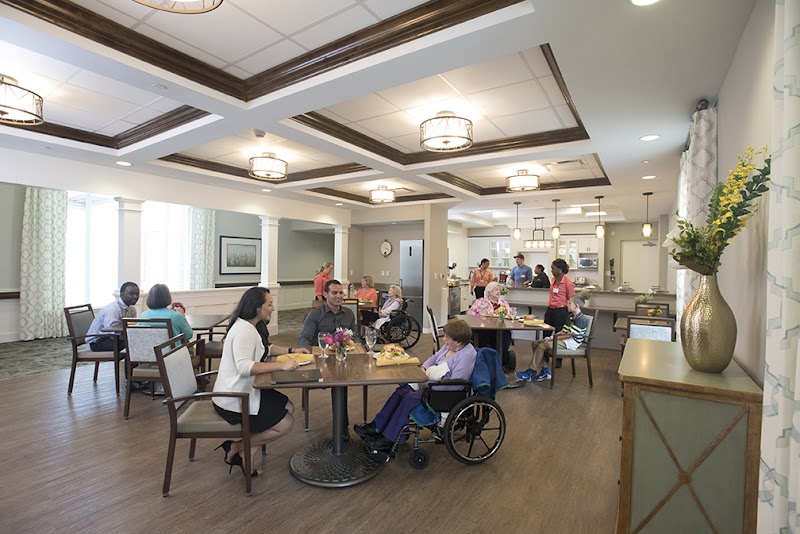
CMS rates Asbury Health and Rehabilitation Center's staffing level at 1 out of 5 stars, which is much below average compared to other nursing homes.

What Have Inspectors Found at Asbury Health And Rehabilitation Center?

State health inspectors documented 14 deficiencies at Asbury Health and Rehabilitation Center during 2023 to 2024. These included: 2 Immediate Jeopardy (the most serious level, indicating potential for serious harm or death) and 12 with potential for harm. Immediate Jeopardy findings are rare and represent the most serious regulatory concerns. They require immediate corrective action.
Who Owns and Operates Asbury Health And Rehabilitation Center?

Asbury Health and Rehabilitation Center is owned by a non-profit organization. Non-profit facilities reinvest revenue into operations rather than distributing to shareholders. The facility operates independently rather than as part of a larger chain. With 120 certified beds and approximately 93 residents (about 78% occupancy), it is a mid-sized facility located in Charlotte, North Carolina.

How Does Asbury Health And Rehabilitation Center Compare to Other North Carolina Nursing Homes?

Compared to the 100 nursing homes in North Carolina, Asbury Health and Rehabilitation Center's overall rating (1 stars) is below the state average of 2.8 and health inspection rating (2 stars) is below the national benchmark.

What Should Families Ask When Visiting Asbury Health And Rehabilitation Center?

Based on this facility's data, families visiting should ask: "What changes have been made since the serious inspection findings, and how are you preventing similar issues?" "Can you walk me through typical staffing levels on day, evening, and night shifts?" "Can I visit during a mealtime to observe dining assistance and food quality?" "How do you handle medical emergencies, and what is your hospital transfer rate?" These questions are particularly relevant given the facility's Immediate Jeopardy citations and the below-average staffing rating.

Is Asbury Health And Rehabilitation Center Safe?

Based on CMS inspection data, Asbury Health and Rehabilitation Center has documented safety concerns. Inspectors have issued 2 Immediate Jeopardy citations (the most serious violation level indicating risk of serious injury or death). The facility has a 1-star overall rating and ranks #100 of 100 nursing homes in North Carolina. Families considering this facility should ask detailed questions about what corrective actions have been taken since these incidents.

Do Nurses at Asbury Health And Rehabilitation Center Stick Around?

Asbury Health and Rehabilitation Center has not reported staff turnover data to CMS. Staff turnover matters because consistent caregivers learn residents' individual needs, medications, and preferences. When staff frequently change, this institutional knowledge is lost. Families should ask the facility directly about their staff retention rates and average employee tenure.

Was Asbury Health And Rehabilitation Center Ever Fined?

Asbury Health and Rehabilitation Center has been fined $38,376 across 1 penalty action. The North Carolina average is $33,463. While any fine indicates a compliance issue, fines under $50,000 are relatively common and typically reflect isolated problems that were subsequently corrected. Families should ask what specific issues led to these fines and confirm they've been resolved.

Is Asbury Health And Rehabilitation Center on Any Federal Watch List?

Asbury Health and Rehabilitation Center is not on any federal watch list. The most significant is the Special Focus Facility (SFF) program, which identifies the bottom 1% of nursing homes nationally based on persistent, serious quality problems. Not being on this list means the facility has avoided the pattern of deficiencies that triggers enhanced federal oversight. This is a positive indicator, though families should still review the facility's inspection history directly.