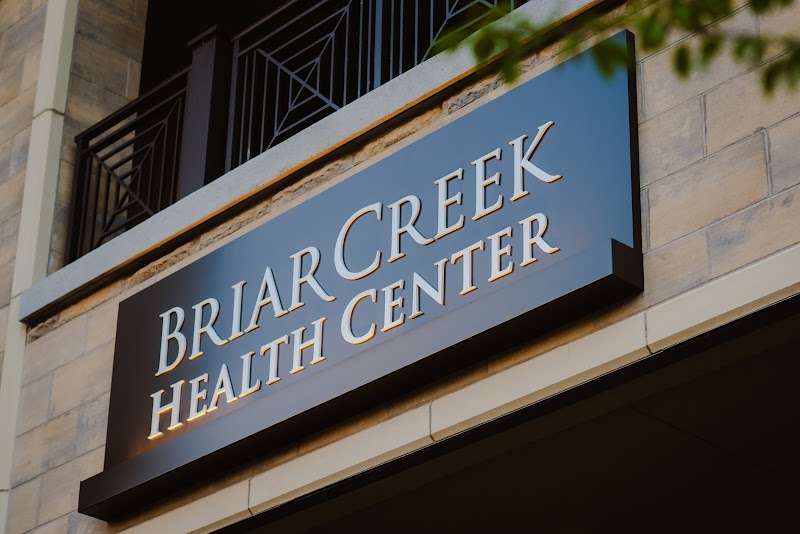
Briar Creek Health Center

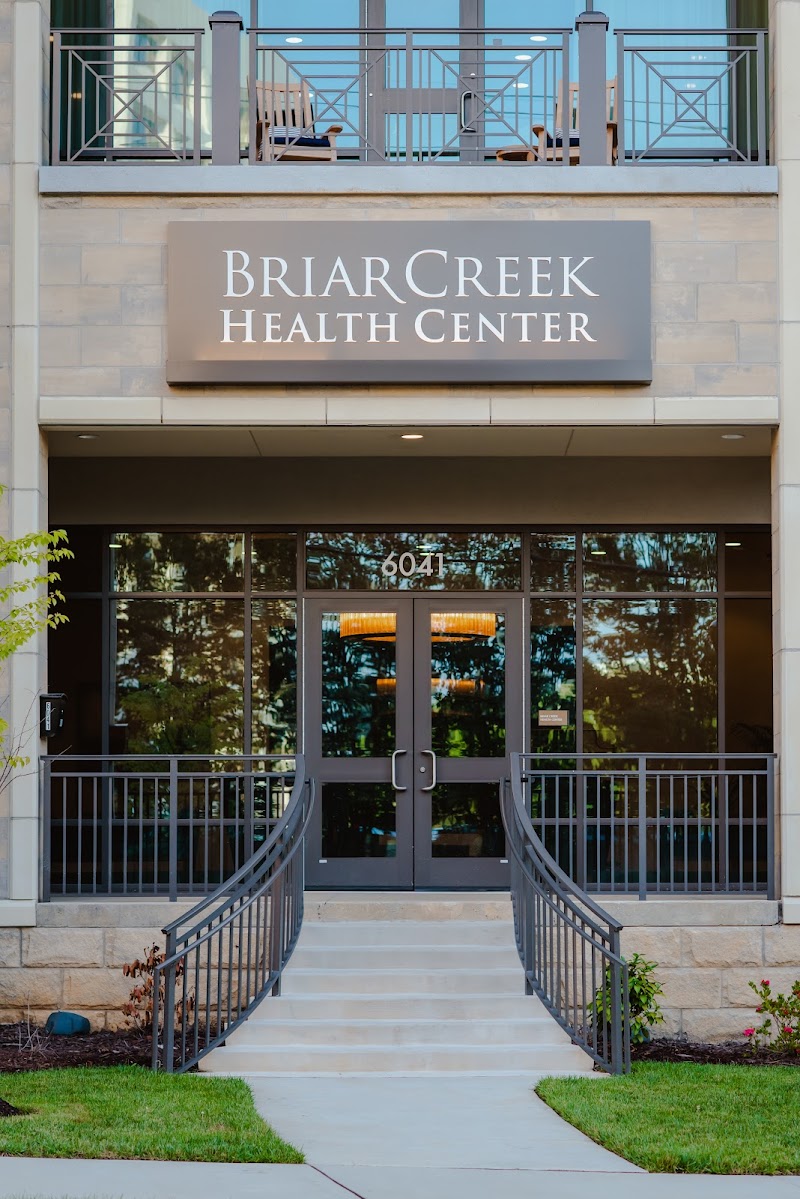
6041 Piedmont Row Drive, Charlotte, NC 28210 (980) 224-8540
For profit - Limited Liability company 6 Beds Independent Data: November 2025
Trust Grade
68/100
#84 of 417 in NC
Last Inspection: May 2025

Inspected within the last 6 months. Data reflects current conditions.

Overview

Briar Creek Health Center in Charlotte, North Carolina, has a Trust Grade of C+, indicating it's slightly above average but not exceptional. It ranks #84 out of 417 facilities in the state, placing it in the top half, and #3 out of 29 facilities in Mecklenburg County, showing it has only two local competitors that are better. The facility is improving, with the number of issues reported decreasing from five in 2024 to three in 2025. Staffing is a weakness, rated at 0 stars with a concerning turnover of 0%, which is well below the state average. However, the facility faced $8,606 in fines, higher than 91% of North Carolina facilities, suggesting compliance issues. Serious incidents included a failure to manage a resident’s pain properly after surgery, resulting in them experiencing severe discomfort for twelve hours, and issues with submitting required staffing data. Overall, while there are strengths in quality measures, the facility has significant areas needing improvement.

Trust Score
C+
68/100
In North Carolina
#84/417
Top 20%
Safety Record
Moderate
Needs review
Inspections
Getting Better
5 → 3 violations
Staff Stability
○ Average
Turnover data not reported for this facility.
Penalties
⚠ Watch
$8,606 in fines. Higher than 99% of North Carolina facilities. Major compliance failures.
Skilled Nurses
○ Average
RN staffing data not reported for this facility.
Violations
○ Average
8 deficiencies on record. Average for a facility this size. Mostly minor or procedural issues.
★★★★☆
4.0
Overall Rating
☆☆☆☆☆
0.0
Staff Levels
★★★★★
5.0
Care Quality
★★★☆☆
3.0
Inspection Score
Stable
2024: 5 issues
2025: 3 issues

The Good

  • 5-Star Quality Measures · Strong clinical quality outcomes
  • Full Sprinkler Coverage · Fire safety systems throughout facility
  • No fines on record

Facility shows strength in quality measures, fire safety.

The Bad

Federal Fines: $8,606

Below median ($33,413)

Minor penalties assessed

The Ugly 8 deficiencies on record

2 actual harm
May 2025 2 deficiencies
CONCERN (D)

Potential for Harm - no one hurt, but risky conditions existed

Deficiency F0655 (Tag F0655)

Could have caused harm · This affected 1 resident

**NOTE- TERMS IN BRACKETS HAVE BEEN EDITED TO PROTECT CONFIDENTIALITY** Based on record reviews and staff interviews, the facility failed to develop a baseline care plan with goals that addressed a re...

Read full inspector narrative →
**NOTE- TERMS IN BRACKETS HAVE BEEN EDITED TO PROTECT CONFIDENTIALITY** Based on record reviews and staff interviews, the facility failed to develop a baseline care plan with goals that addressed a resident's pain and opioid pain medication for 1 of 1 resident reviewed for baseline care plan (Resident #156). Findings Included: Resident #156 was admitted to the facility on [DATE] with a diagnosis that included multiple fractures post fall. A review of Resident #156's Physician order summary dated 5/1/2025 included: - Oxycodone 5mg every 6 hours as needed for pain. - Acetaminophen oral tablet 500 mg, 2 tablets by mouth three times a day for manage of pain for 10 days. - Assess pain every shift using numeric 1 to 10 scale. Document findings and interventions in nursing notes. A review of the medication administration record revealed documentation of pain medication administration and pain assessment. Acetaminophen oral tablet 500 mg, 2 tabs given three times per day on 5/1, 5/2, 5/3 and 5/4/2025. Oxycodone 5 mg given once on 5/2/25, given twice on 5/3/25, and given once on 5/4/25. The baseline care plan dated 5/4/2025 addressed activities of daily living care and fall risk. Pain and pain management were not included in the baseline care plan. An interview with the MDS Coordinator on 05/05/25 at 02:09 revealed 48-hour baseline care plan should include visual/hearing impairments, pain, surgeries, incontinent status, fall risk, advance directives, and discharge information. MDS Coordinator stated the order summary was reviewed with the resident and used to develop the baseline care plan. MDS Coordinator stated if a resident were admitted during the evening, the weekend, or while the MDS Nurse was on leave, a regional back up for MDS would complete entry MDS and start care plan. The MDS Coordinator stated pain medication and assessment was not addressed on the 48-hour baseline care plan due to a busy schedule. An interview with the Director of Nursing (DON) on 05/06/25 at 10:13 AM revealed the order summary was used as the baseline care plan per facility policy. The DON reported the order summary consisted of resident goals, adjustment to skill nursing facility, pain management as needed, behavioral and physical therapy as ordered by physician. The DON stated the admitting nurse or MDS Coordinator would review the order summary with resident/representative and have resident/representative sign. The order summary was then uploaded to documents and labeled as an initial care plan. The DON stated pain was not addressed on the care plan in progress because pain was addressed on the order summary. An interview with the facility Administrator on 5/5/2025 at 02:45 PM stated the 48 hour care plan should have pain addressed. Administrator reported she would have to check with DON on who would complete it if it were the weekend or the MDS Coordinator was not available.
CONCERN (F)

Potential for Harm - no one hurt, but risky conditions existed

Staffing Data (Tag F0851)

Could have caused harm · This affected most or all residents

Based on record review and staff interviews the facility failed to electronically submit direct care staffing information based on payroll data to the Centers for Medicare and Medicaid Services (CMS) ...

Read full inspector narrative →
Based on record review and staff interviews the facility failed to electronically submit direct care staffing information based on payroll data to the Centers for Medicare and Medicaid Services (CMS) as required for quarter 3 (April 1 through June 30, 2024), quarter 4 (July 1 through September 30, 2024) of federal fiscal year (FY) 2024 and quarter 1 of FY 2025 (October 1 through December 31, 2024). This failure occurred for 3 of 3 quarters reviewed. The findings included: Review of the Payroll Based Journal (PBJ) staffing data reports from the Certification and Survey Provider Enhanced Reports (CASPER) database revealed the facility failed to submit the required PBJ staffing data for the third and fourth quarters of federal FY 2024 and the first quarter of federal FY 2025. An interview on 05/05/25 at 11:38 AM with the Administrator revealed the payroll department at their corporate office was responsible for submitting the PBJ staffing data. The Administrator indicated payroll information from the facility payroll system would roll up to the corporate office. A follow-up interview with the Administrator on 05/05/25 at 1:37 PM revealed the corporate office stopped submitting PBJ data because their facility census numbers were so small that the facility would not receive a staffing star rating (a CMS nursing home quality rating system). She confirmed the PBJ data for third and fourth quarters of federal FY 2024 and the first quarter of federal FY 2025 had not been submitted by the corporate office. A telephone interview on 05/05/25 at 1:54 PM with the corporate Director of Workforce Management revealed she became responsible for submitting the PBJ data during the first three months of 2025. She indicated when she became aware the PBJ data was not being submitted she contacted CMS to see if the first quarter of federal FY 2025 PBJ data could be submitted but was told it was too late, and revealed the second quarter of federal FY 2025 PBJ data had been submitted earlier in the day. She provided the CMS Submission Report PBJ Final File Validation Report dated 5/05/25 showing the data had been accepted.
Jan 2025 1 deficiency
CONCERN (D) 📢 Someone Reported This

A family member, employee, or ombudsman was alarmed enough to file a formal complaint

Potential for Harm - no one hurt, but risky conditions existed

Infection Control (Tag F0880)

Could have caused harm · This affected 1 resident

Based on observations, record review, and staff interviews, the facility failed to follow their infection control policies and procedures for Enhanced Barrier Precautions during high-contact care for ...

Read full inspector narrative →
Based on observations, record review, and staff interviews, the facility failed to follow their infection control policies and procedures for Enhanced Barrier Precautions during high-contact care for a resident with a full-thickness wound and a suprapubic catheter (Resident #5) when Nurse #1 performed wound care without wearing a gown. Nurse #1 also failed to perform hand hygiene after removing a soiled dressing, cleaning a wound, and before applying a new wound dressing for a resident (Resident #5). The deficient practice occurred for 1 of 1 staff member (Nurse #1) observed during wound care. The findings included: The facility's Enhanced Barriers policy approved August of 2024 revealed it is the policy of this facility to use enhanced barrier precautions (EBP) based on guidance from the Center for Disease Control (CDC). Enhanced barrier precautions expands use of personal protective equipment (PPE) beyond situations in which exposure to blood and body fluids is anticipated (standard precautions). Enhanced barrier precautions refers to the use of gown and gloves during high-contact resident care activities that provide opportunities for transfer of multi-resistant organisms (MDROs) to staff hands and clothing. The policy applies to all residents with any of the following; infection or colonization with a MDRO when contract precautions do not apply and wounds and/or indwelling medical devices regardless of MDRO colonization. The Hand Hygiene policy last revised October of 2022 revealed staff were to perform hand hygiene before performing dressing care or touching wounds of any kind, after handling dressings, urinals, catheters, bedpans, contaminated tissues, linen, etc. The policy also stated hand hygiene should be performed after removing gloves. The Clean Dressing Change policy effective December 2024 revealed staff were to put on first pair of disposable gloves, remove soiled dressing and discard in plastic bag, dispose of gloves in plastic bag , put on second pair of disposable gloves, pour prescribed solution onto gauze to be used for cleaning, if required, cleanse wound with prescribed solution, apply prescribed medication if ordered, apply dressings and secure with tape, remove gloves and discard with all unused supplies in plastic bag. An observation was conducted on 1/21/2025 at 1:03 pm while Resident #5 received wound care. Nurse #1 was observed entering Resident #5's room, laying wound supplies on the nightstand, going to the bathroom to wash his hands, and put on clean gloves. Nurse #1 removed a soiled dressing from Resident #5's right lateral thigh, cleaned the wound on Resident #5's right lateral thigh, and place a clean dressing on the wound. Nurse #5 then removed his gloves and used hand sanitizer prior to exiting Resident #5's room. Resident #5 was observed to have a suprapubic catheter. An interview was conducted on 1/21/2025 at 1:08 pm with Nurse #1. Nurse #1 stated Resident #5 was not on Enhanced Barrier Precautions. Nurse #1 stated EBP were used when a resident had an indwelling medical device and was unsure if it was needed for wounds. Nurse #1 stated he did not change gloves or sanitize his hands between removing the old dressing, cleaning the wound, and placing the new dressing on Resident #5's wound because he used continuous motions and did not get his gloves dirty. An interview was conducted on 1/21/2025 at 2:06 pm with the Director of Nursing (DON). The DON stated she had served as the Infection Control Nurse for the facility since June of 2024. The DON stated staff received education about infection control during orientation and annually. The DON stated when staff performed wound care, they should wash their hands and change gloves before removing the old dressing and then perform hand hygiene and glove changes in between steps. The DON stated Nurse #1 should have changed gloves and performed hand hygiene after he removed the dirty dressing, after cleaning, and before applying a new dressing. The DON stated residents with an indwelling medical device such as a catheter or a wound with a multi-drug-resistant organism, required EBP. The DON stated she was not sure why Resident #5 was not on EBP and stated that he should have been. The DON stated the process for EBP was still new. The DON stated that she was responsible for placing residents on EBP and was not sure why he was not placed on EBP.
Mar 2024 5 deficiencies 2 Harm
SERIOUS (G)

Actual Harm - a resident was hurt due to facility failures

Deficiency F0697 (Tag F0697)

A resident was harmed · This affected 1 resident

**NOTE- TERMS IN BRACKETS HAVE BEEN EDITED TO PROTECT CONFIDENTIALITY** Based on record review, resident interview, and staff interviews the facility failed to assess a resident's pain and administer ...

Read full inspector narrative →
**NOTE- TERMS IN BRACKETS HAVE BEEN EDITED TO PROTECT CONFIDENTIALITY** Based on record review, resident interview, and staff interviews the facility failed to assess a resident's pain and administer pain medication ordered by the physician for 1 of 2 residents (Resident #70) when the resident complained of left ankle pain. Resident #70 experienced pain of 8 on a scale of 0-10 (10 being the worst pain) from 1:00 am on 1/12/2024 until her medication arrived twelve hours after she was readmitted to the facility from the hospital for a fractured left fibula. Findings included: Resident #70 was admitted to the facility on [DATE] and she was readmitted from the hospital on 2/26/2024 with diagnoses of left fibula fracture with surgical repair and osteoarthritis. An admission Nursing assessment dated [DATE] at 9:18 pm stated Resident #70 had a left ankle fracture with surgical repair, and she received pain medication, Hydrocodone-Acetaminophen, at the hospital at 7:00 pm and denied pain. Resident #70's medication orders stated she had Hydrocodone-Acetaminophen 5-325 milligrams one tablet by mouth every 6 hours as needed for pain ordered by the physician on 1/11/2024. Resident #70's Medication Administration Record (MAR) for 1/2024 was reviewed and the documentation indicated her pain was assessed each shift and was rated at 0 on scale of 0 to 10 on 1/11/2024 on the night shift; 0 on a scale of 0 to 10 on 1/12/2024 on the day shift; and 7 on a scale of 0 to 10 on the evening shift on 1/12/2024. The MAR further indicated Resident #70 did not receive Acetaminophen, Hydrocodone-Acetaminophen or any pain medications until she received Hydrocodone-Acetaminophen 5-325 milligrams on 1/12/2024 at 1:06 pm and she rated her pain at an 8 on a scale of 0 to 10. An admission Minimum Data Set (MDS) assessment dated [DATE] indicated Resident #70 was cognitively intact, rated her pain a 7 on a scale of 0 to 10, and indicated her pain was frequent and affected her ability to sleep. The MDS assessment also indicated she received narcotic pain medications for the reported pain. During an interview with Resident #70 on 3/7/2024 at 12:45 pm she stated when she was admitted to the facility on [DATE] at 9:30 pm, with fractures to her left ankle that required surgical repair, the facility did not have the pain medication that was ordered, Hydrocodone-Acetaminophen, and she was told by Nurse #1 that the medication was not available and Nurse #1 did not know when it would be available. Resident #70 stated she waited 12 hours for the pain medication that was ordered. Resident #70 stated she had a dose of Hydrocodone-Acetaminophen at 7:00 pm before leaving the hospital and Nurse #1 gave her Acetaminophen for pain at 1:00 am on 1/12/2024 when she reported her pain was an 8 on a scale of 1 to 10. Resident #70 stated the Acetaminophen did not relieve her pain and she asked Nurse #1 for her ordered pain medication again during the night. She stated she was in pain throughout the night and the next day until she received Hydrocodone-Acetaminophen at 1:00 pm on 1/12/2024. Resident #70 stated she made it through the night on 1/12/2024 but she did not want a resident that could not speak for themselves to be in pain for a long time like she was on the night of 1/12/2024. Resident #70 stated she had three fractures in her left ankle, and she continued to elevate her left leg while in bed and wear an orthopedic boot when she is out of the bed. Nurse #1 was interviewed on 3/7/2024 at 2:06 pm and she stated Resident #70 arrived at the facility at 9:30 pm on 1/11/2024 and she admitted her to the facility. Nurse # 1 stated Resident #70 had Hydrocodone-Acetaminophen (a narcotic pain medication) ordered for pain when she was admitted , and she explained to Resident #70 she did not know when she would be able to get her pain medications. Nurse #1 further stated she gave Resident #70 Acetaminophen from the facility's standing orders at 1:00 am, and Resident #70 was upset because she was given the Acetaminophen for pain instead of the Hydrocodone-Acetaminophen. Nurse #1 stated she would have given Resident #70 the Hydrocodone-Acetaminophen if it had arrived from the pharmacy during the night. She stated Resident #70 did not ask for pain medication again throughout the night and she stated she checked on her one time and she was sleeping. She stated since she was sleeping, she must not have been in much pain. Nurse #1 stated she documented Resident #70's pain when she did the admission assessment in the computer charting but she did not have Resident #70 rate her pain again during the shift. An interview was conducted with the Director of Nursing on 3/7/2024 at 2:14 pm and he stated Nurse #1 should have called the back up pharmacy when Resident #70's ordered pain medication was not available in the facility's automated medication dispensing system. He further stated if a medication is not available in the facility's automated medication system and the facility's pharmacy cannot deliver the medication then the nurse should have called the 24-hour pharmacy the facility has a contract with to obtain the medication and have a courier deliver the medication. The Director of Nursing stated he did not know why Nurse #1 failed to administer Resident #70's medication or why Nurse #1 did not call the physician and see if another medication was available in the automated medication system would have been an appropriate replacement. On 3/7/2024 at 3:26 pm the Administrator was interviewed and stated Nurse #1 should have called the back up pharmacy or the physician for an order that was available in the facility's automated medication system to give to Resident #70. The Administrator stated she expected the nursing staff to ensure all residents are comfortable.
SERIOUS (G) 📢 Someone Reported This

A family member, employee, or ombudsman was alarmed enough to file a formal complaint

Actual Harm - a resident was hurt due to facility failures

Pharmacy Services (Tag F0755)

A resident was harmed · This affected 1 resident

**NOTE- TERMS IN BRACKETS HAVE BEEN EDITED TO PROTECT CONFIDENTIALITY** Based on record review, resident interview, and staff interviews the facility failed to obtain pain medication ordered by the ph...

Read full inspector narrative →
**NOTE- TERMS IN BRACKETS HAVE BEEN EDITED TO PROTECT CONFIDENTIALITY** Based on record review, resident interview, and staff interviews the facility failed to obtain pain medication ordered by the physician for 1 of 2 residents (Resident #70) when the resident was admitted to the facility after surgical repair of a left fibula fracture. Resident #70 experienced pain of 8 on a scale of 0-10 (1- being the worst pain) from 1:00 am on 1/12/2024 until her medication was administered on 1/12/2024 at 1:06 pm on 1/12/2024. Findings included: Resident #70 was admitted to the facility on [DATE] and she was readmitted from the hospital on 2//2024 with diagnoses of left fibula fracture with surgical repair and osteoarthritis. An admission Nursing assessment dated [DATE] at 9:18 pm stated Resident #70 had a left ankle fracture with surgical repair, and she received pain medication, Hydrocodone-Acetaminophen, at the hospital at 7:00 pm and denied pain. Resident #70's medication orders stated she had Hydrocodone-Acetaminophen 5-325 milligrams one tablet by mouth every 6 hours as needed for pain ordered by the physician on 1/11/2024. Resident #70's Medication Administration Record (MAR) for 1/2024 was reviewed and the documentation indicated her pain was assessed each shift and was rated at 0 on scale of 0 to 10 on 1/11/2024 on the night shift; 0 on a scale of 0 to 10 on 1/12/2024 on the day shift; and 7 on a scale of 0 to 10 on the evening shift on 1/12/2024. The MAR further indicated Resident #70 did not receive medication for pain relief until she received Hydrocodone-Acetaminophen 5-325 milligrams on 1/12/2024 at 1:06 pm and she rated her pain at an 8 on a scale of 0 to 10. An admission Minimum Data Set (MDS) assessment dated [DATE] indicated Resident #70 was cognitively intact, rated her pain a 7 on a scale of 0 to 10, and indicated her pain was frequent and affected her ability to sleep. The MDS assessment also indicated she received narcotic pain medications for the reported pain. During an interview with Resident #70 on 3/7/2024 at 12:45 pm she stated when she was admitted to the facility on [DATE] at 9:30 pm, with fractures to her left ankle that required surgical repair, the facility did not have the pain medication that was ordered, Hydrocodone-Acetaminophen, and she was told by Nurse #1 that the medication was not available and Nurse #1 did not know when it would be available. Resident #70 stated she waited 12 hours for the pain medication that was ordered. Resident #70 stated she had a dose of Hydrocodone-Acetaminophen at 7:00 pm before leaving the hospital and Nurse #1 gave her Acetaminophen for pain at 1:00 am on 1/12/2024 because the Hydrocodone-Acetaminophen ordered for her was not available, when she reported her pain was an 8 on a scale of 1 to 10. Resident #70 stated she was in pain throughout the night and the next day until she received Hydrocodone-Acetaminophen at 1:00 pm on 1/12/2024. Resident #70 stated she had three fractures in her left ankle. Nurse #1 was interviewed on 3/7/2024 at 2:06 pm and she stated Resident #70 arrived at the facility at 9:30 pm on 1/11/2024 and she admitted her to the facility. Nurse # 1 stated Resident #70 had Hydrocodone-Acetaminophen (a narcotic pain medication) ordered for pain when she was admitted , and she explained to Resident #70 she did not know when she would be able to get her pain medications. Nurse #1 further stated she gave Resident #70 Acetaminophen from the facility's standing orders at 1:00 am, and Resident #70 was upset because she was given the Acetaminophen for pain instead of the Hydrocodone-Acetaminophen. Nurse #1 stated she would have given Resident #70 Hydrocodone-Acetaminophen if it had arrived from the pharmacy during the night. An interview was conducted with the Director of Nursing on 3/7/2024 at 2:14 pm and he stated Nurse #1 should have called the backup pharmacy when Resident #70's ordered pain medication was not available in the facility's automated medication dispensing system. He further stated if a medication is not available in the facility's automated medication system and the facility's pharmacy cannot deliver the medication then the nurse should have called the 24-hour pharmacy the facility has a contract with to obtain the medication and have a courier deliver the medication. The Director of Nursing stated he did not know why Nurse #1 failed to administer Resident #70's medication or why Nurse #1 did not call the physician and see if another medication was available in the automated medication system would have been an appropriate replacement. On 3/7/2024 at 3:26 pm the Administrator was interviewed and stated Nurse #1 should have called the backup pharmacy or the physician for an order that was available in the facility's automated medication system to give to Resident #70. The Administrator stated she expected the nursing staff to ensure all residents are comfortable.
CONCERN (E)

Potential for Harm - no one hurt, but risky conditions existed

Food Safety (Tag F0812)

Could have caused harm · This affected multiple residents

Based on observations and staff interviews, the facility failed to label and cover cooked food, discard expired food in the walk-in refrigerator, and ensure resident meal trays, baking sheets, and pan...

Read full inspector narrative →
Based on observations and staff interviews, the facility failed to label and cover cooked food, discard expired food in the walk-in refrigerator, and ensure resident meal trays, baking sheets, and pans were not stacked wet for 1 of 2 kitchen observations. These practices had the potential to affect food served to residents. The findings included: The facility kitchen was toured on 3/5/2024 at 7:47 AM. An observation was conducted of the walk-in refrigerator and the following were observed: a. A free-standing rack was labeled cooling rack had 2 deep steamer pans on the top shelf of the rack. There was cooked white colored meat in the pans that were floating in pink colored liquid. The sheet on the cooling rack noted turkey 3/2/2024 12:42 PM. The interim Dietary Manager (DM) was interviewed at the time of the observation, and she reported that the cooling rack was used to rapidly cool food for storage. The DM explained the turkey should have been covered and labeled after cooling and she would discard the pans of turkey. b. A container labeled tuna salad expires 3/4/2024 was noted. The DM explained the tuna salad should have been discarded on 3/4/2024 and she was not certain why it was not thrown out. The DM removed the tuna salad from the refrigerator. c. A coleslaw dressing container had an open date of 2/3/2024. The DM reported open containers of salad dressing expired after 30 days and the coleslaw dressing should have been discarded on 3/4/2024. d. The storage racks in the main kitchen were observed at 8:10 AM on 3/5/2024. A stack of trays used for resident meals were noted to have dripping water between each tray. e. Baking sheets were noted to be on a storage rack, and they were stacked wet together, as well as steamer pans. The DM was interviewed during the observation, and she reported that the dishwasher was a low temperature dishwasher that used a chemical agent to sanitize the dishes and because the temperature was low, the pans took longer to air dry. The DM was interviewed on 3/6/2024 at 4:04 PM and she explained the facility had conducted a mock survey late in February and multiple issues were identified in the kitchen and a plan of correction had been developed. The DM reported issues identified were late meal trays, cold food, missing menu items, and sanitation. The DM reported that training was expected to be completed on 3/7/2024. The DM reported that a booster heater was going to be added to the dish machine to help with drying pans. The DM explained that there had been a turnover in the kitchen staff and education was needed. The Administrator was interviewed on 3/7/2024 at 1:49 PM. The Administrator explained there had been a recent turnover in the kitchen and issues were identified during the mock survey that the interim DM and corporate consultants were working together to provide training to improve the process in the kitchen. The Administrator reported that expired foods should be discarded, and all open foods should be labeled and dated. The Administrator explained that the booster heater would improve drying times for the pans and prevent wet stacking.
MINOR (B)

Minor Issue - procedural, no safety impact

Transfer Notice (Tag F0623)

Minor procedural issue · This affected multiple residents

**NOTE- TERMS IN BRACKETS HAVE BEEN EDITED TO PROTECT CONFIDENTIALITY** Based on record reviews, resident, and staff interviews, the facility failed to notify the resident in writing of the reason for...

Read full inspector narrative →
**NOTE- TERMS IN BRACKETS HAVE BEEN EDITED TO PROTECT CONFIDENTIALITY** Based on record reviews, resident, and staff interviews, the facility failed to notify the resident in writing of the reason for transfer to the hospital for 1 of 1 resident reviewed for hospitalization (Resident #4). The findings included: Resident #4 was admitted to the facility on [DATE] with diagnoses including kidney disease and hypertension. The medical record documented Resident #4 was her own responsible party. The admission Minimum Data Set (MDS) assessment dated [DATE] assessed Resident #4 to be cognitively intact. A nursing progress note dated 2/5/2024 documented Resident #4 had a change in condition with a decreased level of consciousness and low blood pressure. Resident #4 was transferred to the hospital for evaluation. The entry tracking record MDS dated [DATE] documented Resident #4 was readmitted to the facility after a stay at a short-term hospital. A review of the electronic medical record for Resident #4 revealed no written notice of transfer was scanned into the medical record. Resident #4 was interviewed on 3/5/2024 at 8:43 AM. Resident #4 explained she had been in the hospital many times over the past year, but she had not received a notice of transfer from the facility for any hospitalization. An interview was conducted with the Admissions Director on 3/6/2024 at 2:41 PM. The Admissions Director reported that she was unable to locate a notice of discharge for Resident #4 in the electronic record. The Admissions Director explained she did not think the facility sent the resident or representative a notice of discharge for hospitalizations. The Administrator was interviewed on 3/7/2024 at 1:49 PM. The Administrator reported the notification of discharge should have been completed for Resident #4 and all residents who are transferred to the hospital. The Administrator reported the lack of notification of discharge was due to staff education. The Administrator reported the Social Worker was responsible for the notification of change. The Social Worker was not available for interview.
MINOR (B)

Minor Issue - procedural, no safety impact

Deficiency F0625 (Tag F0625)

Minor procedural issue · This affected multiple residents

**NOTE- TERMS IN BRACKETS HAVE BEEN EDITED TO PROTECT CONFIDENTIALITY** Based on record reviews, resident, and staff interviews, the facility failed to provide a bed hold notice to resident transferre...

Read full inspector narrative →
**NOTE- TERMS IN BRACKETS HAVE BEEN EDITED TO PROTECT CONFIDENTIALITY** Based on record reviews, resident, and staff interviews, the facility failed to provide a bed hold notice to resident transferred to the hospital for 1 of 1 resident reviewed for hospitalization (Resident #4). The findings included: Resident #4 was admitted to the facility on [DATE] with diagnoses including kidney disease and hypertension. The medical record documented Resident #4 was her own representative. The admission Minimum Data Set assessment dated [DATE] assessed Resident #4 to be cognitively intact. A nursing progress note dated 2/5/2024 documented Resident #4 had a change in condition with a decreased level of consciousness and low blood pressure. Resident #4 was transferred to the hospital for evaluation. The entry tracking record MDS dated [DATE] documented Resident #4 was readmitted to the facility after a stay at a short-term hospital. A review of the electronic medical record for Resident #4 revealed no bed hold notice was scanned into the medical record. Resident #4 was interviewed on 3/5/2024 at 8:43 AM. Resident #4 explained she had been in the hospital many times over the past year, but she had not received a bed hold notice from the facility for any hospitalization. Nurse #1 was interviewed on 3/6/2024 at 2:02 PM. Nurse #1 reported she did not send a bed hold notice with a resident when they were transferred to the hospital because she thought the Admissions Director was responsible for the bed hold notice. An interview was conducted with the Admissions Director on 3/6/2024 at 2:41 PM. The Admissions Director reported that she was unable to locate a bed hold notice for Resident #4 in the electronic record. The Admissions Director explained she had completed a bed hold notice for a recent resident transfer to the hospital and she did not know why Resident #4 had not be given a bed hold notice. During an interview with Nurse #2 on 3/7/2024 at 11:35 AM, Nurse #2 reported she had not sent a bed hold notice with any resident who was transferred to the hospital. The Administrator was interviewed on 2/7/2024 at 1:49 PM. The Administrator reported the bed hold notice should have been provided to Resident #4 and all residents who are transferred to the hospital. The Administrator reported the bed hold notice was in a file on the nursing station desk and she did not know why the nurses were not sending a copy with residents when they were transferred to the hospital.
Understanding Severity Codes (click to expand)
Life-Threatening (Immediate Jeopardy)
J - Isolated K - Pattern L - Widespread
Actual Harm
G - Isolated H - Pattern I - Widespread
Potential for Harm
D - Isolated E - Pattern F - Widespread
No Harm (Minor)
A - Isolated B - Pattern C - Widespread

Questions to Ask on Your Visit

  • "Can I speak with families of current residents?"
  • "What's your RN coverage like on weekends and overnight?"

Our Honest Assessment

Strengths
  • • Licensed and certified facility. Meets minimum state requirements.
Concerns
  • • 8 deficiencies on record, including 2 serious (caused harm) violations. Ask about corrective actions taken.
Bottom line: Mixed indicators with Trust Score of 68/100. Visit in person and ask pointed questions.

About This Facility

What is Briar Creek Health Center's CMS Rating?

CMS assigns Briar Creek Health Center an overall rating of 4 out of 5 stars, which is considered above average nationally. Within North Carolina, this rating places the facility higher than 99% of the state's 100 nursing homes. This rating reflects solid performance across the metrics CMS uses to evaluate nursing home quality.
How is Briar Creek Health Center Staffed?

Detailed staffing data for Briar Creek Health Center is not available in the current CMS dataset.

What Have Inspectors Found at Briar Creek Health Center?

State health inspectors documented 8 deficiencies at Briar Creek Health Center during 2024 to 2025. These included: 2 that caused actual resident harm, 4 with potential for harm, and 2 minor or isolated issues. Deficiencies causing actual harm indicate documented cases where residents experienced negative health consequences.

Who Owns and Operates Briar Creek Health Center?

Briar Creek Health Center is owned by a for-profit company. For-profit facilities operate as businesses with obligations to shareholders or private owners. The facility operates independently rather than as part of a larger chain. With 6 certified beds and approximately 2 residents (about 33% occupancy), it is a smaller facility located in Charlotte, North Carolina.

How Does Briar Creek Health Center Compare to Other North Carolina Nursing Homes?

Compared to the 100 nursing homes in North Carolina, Briar Creek Health Center's overall rating (4 stars) is above the state average of 2.8 and health inspection rating (3 stars) is at the national benchmark.

What Should Families Ask When Visiting Briar Creek Health Center?

Based on this facility's data, families visiting should ask: "Can I visit during a mealtime to observe dining assistance and food quality?" "How do you handle medical emergencies, and what is your hospital transfer rate?" "Can I speak with family members of current residents about their experience?"

Is Briar Creek Health Center Safe?

Based on CMS inspection data, Briar Creek Health Center has a clean safety record: no substantiated abuse findings (meaning no confirmed cases of resident harm), no Immediate Jeopardy citations (the most serious violation level indicating risk of serious injury or death), and is not on the Special Focus Facility watch list (a federal program monitoring the lowest-performing 1% of nursing homes). The facility has a 4-star overall rating and ranks #1 of 100 nursing homes in North Carolina. While no facility is perfect, families should still ask about staff-to-resident ratios and recent inspection results during their visit.

Do Nurses at Briar Creek Health Center Stick Around?

Briar Creek Health Center has not reported staff turnover data to CMS. Staff turnover matters because consistent caregivers learn residents' individual needs, medications, and preferences. When staff frequently change, this institutional knowledge is lost. Families should ask the facility directly about their staff retention rates and average employee tenure.

Was Briar Creek Health Center Ever Fined?

Briar Creek Health Center has been fined $8,606 across 1 penalty action. This is below the North Carolina average of $33,165. While any fine indicates a compliance issue, fines under $50,000 are relatively common and typically reflect isolated problems that were subsequently corrected. Families should ask what specific issues led to these fines and confirm they've been resolved.

Is Briar Creek Health Center on Any Federal Watch List?

Briar Creek Health Center is not on any federal watch list. The most significant is the Special Focus Facility (SFF) program, which identifies the bottom 1% of nursing homes nationally based on persistent, serious quality problems. Not being on this list means the facility has avoided the pattern of deficiencies that triggers enhanced federal oversight. This is a positive indicator, though families should still review the facility's inspection history directly.