Brookdale Carriage Club Providence
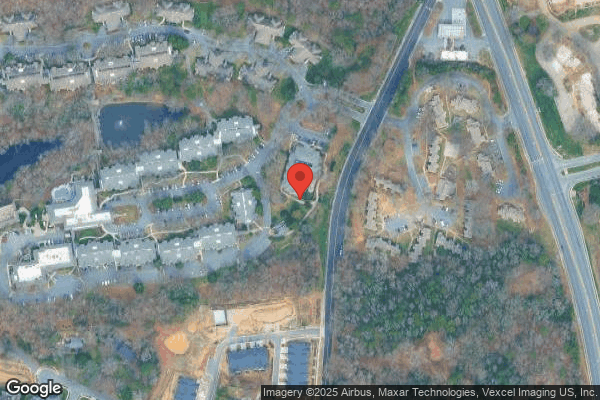
5804 Old Providence Road, Charlotte, NC 28226 (704) 365-8551
For profit - Corporation 14 Beds BROOKDALE SENIOR LIVING Data: November 2025
Trust Grade
80/100
#85 of 417 in NC
Last Inspection: April 2025

Within standard 12-15 month inspection cycle. Federal law requires annual inspections.

Overview

Brookdale Carriage Club Providence has a Trust Grade of B+, indicating it is above average and recommended for families seeking care. It ranks #85 out of 417 facilities in North Carolina, placing it in the top half, and #4 out of 29 in Mecklenburg County, suggesting there are only three better local options. The facility is improving, having reduced its issues from 7 in 2024 to 3 in 2025. Staffing is a strong point, with a 4/5 star rating and a turnover rate of 0%, significantly lower than the state average. However, there have been some concerning incidents, including failure to maintain proper food safety practices, such as not labeling food items and not performing hand hygiene when handling dishes, which could pose risks to residents. Overall, while there are notable strengths, families should be aware of these weaknesses.

Trust Score
B+
80/100
In North Carolina
#85/417
Top 20%
Safety Record
Low Risk
No red flags
Inspections
Getting Better
7 → 3 violations
Staff Stability
○ Average
Turnover data not reported for this facility.
Penalties
✓ Good
No fines on record. Clean compliance history, better than most North Carolina facilities.
Skilled Nurses
✓ Good
Each resident gets 135 minutes of Registered Nurse (RN) attention daily — more than 97% of North Carolina nursing homes. RNs are the most trained staff who catch health problems before they become serious.
Violations
⚠ Watch
11 deficiencies on record. Higher than average. Multiple issues found across inspections.
★★★★☆
4.0
Overall Rating
★★★★☆
4.0
Staff Levels
★★★★★
5.0
Care Quality
★★★☆☆
3.0
Inspection Score
Stable
2024: 7 issues
2025: 3 issues

The Good

  • 4-Star Staffing Rating · Above-average nurse staffing levels
  • 5-Star Quality Measures · Strong clinical quality outcomes
  • Full Sprinkler Coverage · Fire safety systems throughout facility
  • No fines on record

Facility shows strength in staffing levels, quality measures, fire safety.

The Bad

Chain: BROOKDALE SENIOR LIVING

Part of a multi-facility chain

Ask about local staffing decisions and management

The Ugly 11 deficiencies on record

Apr 2025 3 deficiencies
CONCERN (D) 📢 Someone Reported This

A family member, employee, or ombudsman was alarmed enough to file a formal complaint

Potential for Harm - no one hurt, but risky conditions existed

Resident Rights (Tag F0550)

Could have caused harm · This affected 1 resident

**NOTE- TERMS IN BRACKETS HAVE BEEN EDITED TO PROTECT CONFIDENTIALITY** Based on record review and staff interviews, the facility failed to treat 1 of 3 sampled residents with dignity by performing ca...

Read full inspector narrative →
**NOTE- TERMS IN BRACKETS HAVE BEEN EDITED TO PROTECT CONFIDENTIALITY** Based on record review and staff interviews, the facility failed to treat 1 of 3 sampled residents with dignity by performing care in a manner that the resident felt was rude and hurried (Resident #117). The findings included: Resident #117 admitted to the facility on [DATE] with diagnoses which included a compression fracture of the second lumbar vertebra. A review of Resident #117's comprehensive care plan dated [DATE] revealed a focus area for alteration in musculoskeletal status related to the compression fracture of the second lumbar vertebra. The interventions included that she required the mechanical lift for transfers. The admission Minimum Data Set (MDS) dated [DATE] revealed Resident #117 was cognitively intact. An initial allegation report dated [DATE] revealed an allegation of abuse. The allegation indicated on [DATE] Resident #117 called the Administrator to her room to express concerns about NA #1 when she was providing her care the evening of [DATE]. Resident #117 told the Administrator that NA #1 was getting her into bed for the night and turned her on her side and her legs hit one another and she yelled out oh, that hurts. NA #1 stated I need to get these off referring to her shoes and socks. Resident #117 stated she proceeded in a rude and hurried fashion. Resident #117 requested NA #1 not come back to her room in the future. The initial allegation report was signed by the Administrator. A telephone interview on [DATE] at 12:58 PM with NA #1 revealed that she (NA #1) did not recall Resident #117. She further revealed she had never had any issues with any residents during a mechanical lift transfer. A telephone interview on [DATE] at 11:19 AM with NA #2 revealed on [DATE] she was assisting with Resident #117's transfer back to bed when NA #1 moved the mechanical lift in a jerky, rushed manner which caused the mechanical lift to swing and resulted in Resident #117 yelling out in pain. NA #2 stated she intervened and told NA #1 to slow down and be more careful. NA #2 indicated she moved to the other side of the bed to guide Resident #117 in the mechanical lift and ease her down onto the bed. Resident #117 asked for pain medication. Once secure in bed, she (NA #2) left the room to find Nurse #1 to advise that Resident #117 was asking for pain medication and to also report NA #1 as NA #2 thought her behavior was unsafe and not caring toward Resident #117. NA #2 also reported the incident to the Administrator the morning of [DATE]. NA #2 stated she cared for Resident #117 after the incident and never saw any new bruising or visible injuries. NA #2 stated Resident #117 was alert and oriented, could direct her own care and never displayed any behavior issues. NA #2 stated she had left the room to locate Nurse #1 and did not witness NA #1 taking off Resident #117's pants without removing her shoes first. A telephone interview on [DATE] at 11:49 AM with Nurse #1 revealed that she was giving report on [DATE] to the next shift nurse when NA #2 advised her Resident #117 requested pain medication and reported NA #1 had been rude to Resident #117, used the mechanical lift in a hurried fashion and had not shown concern when Resident #117 had expressed pain. Nurse #1 stated NA #2 told her NA #1 had not treated Resident #117 properly or in a caring manner. Nurse #1 stated she reported the incident to the Administrator on [DATE]. A social services progress note dated [DATE] indicated Resident #117 was in a pleasant mood, reported progress in her physical therapy and expressed no concerns. The investigation report dated [DATE] revealed additional details that included NA #1 was very rushed in her care of Resident #117 on [DATE] and attempted to remove Resident #117's pants without removing her shoes first. NA #1 had been using the mechanical lift to transfer Resident #117 into bed and NA #2 witnessed NA #1 rushing through the transfer process causing the mechanical lift to swing. NA #1 was suspended on [DATE] and employment subsequently terminated for lack of customer service and care. The investigation report was signed by the Administrator. A nursing progress note dated [DATE] at 4:28 PM stated Resident #117 was pronounced deceased by Hospice at 4:06 PM. An interview on [DATE] at 2:37 PM with the Administrator revealed she was called to Resident #117's room the morning of [DATE]. Resident #117 reported that NA #1 had been rude and hurried when getting her back into bed using the mechanical lift and when taking off her pants without removing her shoes first. The Administrator stated after the facility's investigation, the resident's abuse allegation was not substantiated. NA #1 was terminated due to poor customer service and care.
CONCERN (D)

Potential for Harm - no one hurt, but risky conditions existed

Deficiency F0578 (Tag F0578)

Could have caused harm · This affected 1 resident

**NOTE- TERMS IN BRACKETS HAVE BEEN EDITED TO PROTECT CONFIDENTIALITY** Based on record review, and staff and nurse practitioner interviews, the facility failed to maintain accurate advance directive ...

Read full inspector narrative →
**NOTE- TERMS IN BRACKETS HAVE BEEN EDITED TO PROTECT CONFIDENTIALITY** Based on record review, and staff and nurse practitioner interviews, the facility failed to maintain accurate advance directive information throughout the electronic and paper medical records for 1 of 3 residents reviewed for advance directive (Resident #119). The findings included: Resident #119 was admitted to the facility on [DATE]. A review of the nursing admission note dated [DATE] at 2:42 PM indicated that Resident #119 was alert and verbal. A review of Resident #119's electronic medical record revealed an order written by the nurse practitioner dated [DATE] for full code status. This order was created by the Director of Clinical Services. A review of Resident #119's comprehensive care plan revealed a focus area for advance directives initiated on [DATE] indicating Resident #119's code status was a full code. The goal was for Resident #119's wishes and directives to be carried out in accordance with her advanced directives through the next review date. An intervention was to honor resident choice for code status. A review of the paper medical record revealed on [DATE] Resident #119 signed a Medical Orders for Scope of Treatment (MOST) form for do not attempt resuscitation (DNR/no cardiopulmonary resuscitation (CPR). Further review of the paper medical record revealed a Golden Rod DNR form signed on [DATE] by the Nurse Practitioner. Resident #119's admission Minimum Data Set (MDS) dated [DATE] revealed that it was in progress. An interview on [DATE] at 10:19 AM with the Nurse Practitioner (NP) revealed she met with Resident #119 on [DATE] and confirmed Resident #119's advance directive choice which was a DNR status. The NP stated the order for a full code was not correct and should have been updated when the MOST form and Golden Rod form were completed. An interview on [DATE] at 11:30 AM with the Director of Clinical Services revealed she recalled there was confusion regarding what Resident #119's advance directive wishes were on admission. She stated she discussed advance directive choice with Resident #119 on admission. She was not clear what Resident #119 wanted after the discussion. As a result of this confusion, the Nurse Practitioner and the Director of Clinical Services made Resident #119 a full code status until the Nurse Practitioner could discuss advance directives further with Resident #119. The Director of Clinical Services reported if Resident #119 had experienced an emergency, the nurse would have followed the information in the electronic medical record which showed full code status. The Director of Clinical Services stated that both the electronic medical record and paper medical record should always reflect the same information regarding advance directives. She stated the Nurse Practitioner order should have been updated after Resident #119 signed the MOST form dated [DATE]. She indicated she was responsible for the care plan and should have updated it to reflect Resident #119's DNR status as of [DATE]. An interview on [DATE] at 2:19 PM with the Administrator indicated Resident #119's advance directive information was not correct across the electronic medical record and the paper medical record. She stated that advance directive information was very important and should always be accurate and up to date to reflect the resident's choice.
CONCERN (E)

Potential for Harm - no one hurt, but risky conditions existed

Food Safety (Tag F0812)

Could have caused harm · This affected multiple residents

Based on observation and staff interviews, the facility failed to perform hand hygiene between handling soiled and then clean dishes to prevent cross-contamination of the clean dishes. These practices...

Read full inspector narrative →
Based on observation and staff interviews, the facility failed to perform hand hygiene between handling soiled and then clean dishes to prevent cross-contamination of the clean dishes. These practices had the potential to affect food served and distributed to 9 of 9 residents who received an oral diet. Findings included: A continuous observation of the skilled nursing satellite kitchen was conducted on 04/02/25 from 1:09 PM through 1:16 PM. Dietary Aide #1 was observed operating the dish machine and washing dishes. Dietary Aide #1 had gloves on both hands with left hand glove observed with large ripped in area over the palm. While waiting for the dish cycle to complete, she removed food debris from soiled plates in the sink area located to the right of the dish machine in the dish room and then moved to the drying area side of the dish machine wearing the same gloves. Dietary Aide #1 then opened the dish machine after the washing cycle was completed. She removed all the clean dishes which consisted of 8 bowls, 2 plates, 1 soup bowl, 4 ice cream scoops, 5 pieces of silverware, and 3 metal food storage bins out of the dish machine without removing her gloves or washing her hands and placed these items on a drying rack in the drying area. During the observation, the Kitchen Supervisor stepped into the dishwashing area and asked Dietary Aide #1 for a pair of tongs. Dietary Aide #1 was observed reaching for the tongs on the wall holder with the same torn gloved hand. Dietary Aide #1 touched the tooth area of the tongs but could not get the tongs off the wall holder. The Corporate Kitchen Supervisor then entered the dishwashing area and grabbed the tongs down from the drying area and exited the dishwashing area with the tongs. An interview with Dietary Aide #1 was conducted 04/02/25 at 1:16 PM who stated she was behind in food service today and that was why she had not changed her gloves or washed her hands between touching soiled plates and then clean dishware. She indicated that she usually wears 3 pairs of gloves to remove a pair when contaminated between the dirty and clean dishes. Dietary Aide #1 had been trained on the dish machine when she was hired. She verbalized she was aware that she should have washed her hands and changed her gloves before going from dirty to clean dishes, and if gloves were soiled or torn. She explained what occurred today had been due to being behind on service. An interview with the Dietitian and Corporate Kitchen Supervisor on 04/02/25 at 1:24 PM revealed staff performing dishwashing would not handle dirty dishes and then touch clean dishes without removing gloves and washing their hands in between. The Dietitian stated that multiple gloves should not be used and if a glove was torn, it should be changed immediately. An interview with the Administrator on 04/02/25 at 03:43 PM revealed that she was not familiar with the specific dishwashing procedure the facility follows.
Feb 2024 7 deficiencies
CONCERN (D)

Potential for Harm - no one hurt, but risky conditions existed

Safe Environment (Tag F0584)

Could have caused harm · This affected 1 resident

**NOTE- TERMS IN BRACKETS HAVE BEEN EDITED TO PROTECT CONFIDENTIALITY** Based on observations, residents and staff interviews, the facility failed to maintain lighting, cabinets, and walls in good rep...

Read full inspector narrative →
**NOTE- TERMS IN BRACKETS HAVE BEEN EDITED TO PROTECT CONFIDENTIALITY** Based on observations, residents and staff interviews, the facility failed to maintain lighting, cabinets, and walls in good repair for 1 of 1 hall (resident rooms 214, 222) and 1 of 1 activity room nutrition area reviewed for clean, comfortable and homelike environment. The findings included: a. An observation on 2/19/24 at 11:18am revealed a brown, dried splatter on the wall across from the resident bed in room [ROOM NUMBER]. A second observation was conducted on 2/21/24 at 9:30am with the Administrator, Maintenance Director #1, and the Housekeeping Supervisor. The observation revealed a brown, dried splatter on the wall across from the resident bed. An interview with the Housekeeping Supervisor on 2/21/24 at 9:46am revealed that housekeeping staff were responsible for cleaning rooms, bathrooms, dispensers, toilets, sinks, sweeping and mopping, wiping down televisions, beds, remotes, and bedside tables. The bathroom vent covers were to be cleaned during a deep cleaning session, not on a regular basis. The walls would be cleaned if dirt was present. She completed weekly environmental rounds in the building. The Housekeeping Supervisor was not aware of the issues brought up to the team. She stated housekeepers would be alerted by other staff if something needed to be cleaned. If the concern was a bigger issue, a request would be entered into the online maintenance tracking system. She was not aware of any requests logged into the system. b. An observation on 2/19/24 at 2:22pm in room [ROOM NUMBER] revealed a dusty exhaust fan cover, a burned-out lightbulb out in vanity light above sink, and a burned-out heat lamp bulb in ceiling. A second observation was conducted on 2/21/24 at 9:30am in room [ROOM NUMBER] with the Administrator, Maintenance Director #1, and the Housekeeping Supervisor. The observation revealed a revealed a dusty exhaust fan cover, a burned-out lightbulb out in vanity light above sink, and a burned-out heat lamp bulb in ceiling. An interview with Maintenance Director #1 on 2/21/24 at 9:44am revealed the facility utilized an online maintenance request system. All staff who had access were able to put in a request and it would stay in the system until it was completed. Maintenance Director #1 confirmed that he could go back and to see if the work was completed, and all maintenance staff had access to the system. He stated that Maintenance staff perform weekly, monthly, and quarterly building tasks for each building and there is a lead technician in each building. Maintenance Director #1 revealed that he was not made aware of the concerns. c. An observation on 2/20/24 at 4:40pm revealed the overhead light was not working in the nutrition kitchen area. The bottom two cabinet drawers in the nutritional area were dirty with dried, brown staining and brown, dust-like debris. A second observation was conducted on 2/21/24 at 9:36am in the nutrition area with the Administrator, Maintenance Director #1, and the Housekeeping Supervisor. The observation revealed the bottom two drawers in the cabinets in the nutrition kitchen area were dirty with dried straining and brown, dust-like debris. The overhead light was not working. The Administrator, Maintenance Director #1 and the Housekeeping Supervisor were not aware of these concerns. An interview with the Director of Nursing (DON) on 2/21/24 at 11:32am revealed staff called her when there was a maintenance concern, and she would enter it into the online system and then call Maintenance Director #2 who was assigned to the building. She stated that if the matter was very urgent, the DON would call Maintenance Director #1 immediately. She stated that she always has her cell phone with her. An interview with the Administrator on 2/21/24 at 9:45am indicated that she was not aware of the concerns and expected staff to alert housekeeping and maintenance when there was a concern. She was able to place concerns in the online maintenance tracking system as well.
CONCERN (D)

Potential for Harm - no one hurt, but risky conditions existed

Quality of Care (Tag F0684)

Could have caused harm · This affected 1 resident

**NOTE- TERMS IN BRACKETS HAVE BEEN EDITED TO PROTECT CONFIDENTIALITY** Based on observations, record review, and Physician and staff interview the facility failed to provide a treatment as ordered by...

Read full inspector narrative →
**NOTE- TERMS IN BRACKETS HAVE BEEN EDITED TO PROTECT CONFIDENTIALITY** Based on observations, record review, and Physician and staff interview the facility failed to provide a treatment as ordered by the physician to a non-pressure wound for 1 of 1 resident (Resident # 214) reviewed for wound care. The findings included: Resident # 214 was admitted to the facility on [DATE]. The Care Plan dated 02/01/2024, revealed Resident # 214 had a potential/actual impairment to skin integrity. The Care Plan documented goal for Resident # 214 was to be free from skin breakdown. Resident # 214 interventions included, to evaluate skin condition on a daily and weekly basis, keep skin clean and dry, use lotion on dry skin and not apply to area of skin breakdown, wound, or between toes. The Minimum Data Set (MDS) dated [DATE], revealed Resident #214's cognition was moderately impaired and she had no behaviors. The MDS documented Resident #214 had no refusal of care and she had no documentation of her skin tear noted. The physician's order dated February 2024, revealed Resident # 214 was to receive daily wound care treatment on the right lower wrist. During the initial observation on 02/19/2024 at 11:18am, Resident # 214 was observed sleeping in bed. Resident # 214's family was also present in the room sitting by the resident's bed. Resident # 214 was observed to have a padded bandage placed on her lower right wrist dated 2/17/24. The padded bandage was wrinkled and the skin around the padded bandage was dry. Review of Resident # 214's Treatment Administration Record (TAR) for February 2024, revealed the resident had received wound care treatment to her lower right wrist on 02/18/2024 by Nurse #1. On 02/21/2024 at 9:23am, during an interview with Nurse #1, she reported providing care for Resident # 214 on 02/18/2024. Nurse #1 also mentioned, an agency Nurse #2 (she could not remember who) was working on the floor with her from 7:00am to 7:00pm. She stated it was getting close to the end of the shift, she was doing blood sugar checks on a few residents, and Nurse #2 had offered to complete the wound care dressing for Resident #214 since she was near the resident's room. Nurse #1 verbalized that she agreed to let the other nurse complete Resident # 214's wound care dressing and went ahead with documenting the task as being completed for 02/18/2024. Nurse #1 confirmed she had not verified that the wound care had been completed. An attempt was made to contact agency Nurse #2, but the facility did not have her contact information. On 02/20/2024 at 3:19pm, during an interview with the Wound Care Physician, he reported Resident # 214 has an order to change the bandage on her right lower wrist daily. The Wound Care Physician stated Resident # 214's wound on her right lower wrist was a skin tear measuring approximately 0.5 millimeters (mm) in size, with no drainage or slough, and was healing well with a scab starting to grow. He further indicated, if Resident # 214's wound care was not done daily, there would be no significant damage that would occur. The Wound Care Physician did expect the nurses to follow his wound care orders. On 02/21/2024 at 3:30pm, an interview was conducted with the Director of Nursing (DON) and Administrator. The DON stated all wound care orders were in the resident's TAR and during shift change each nurse reported resident concerns and needs to the nurse for the oncoming shift. The DON verbalized on the days she works; she usually audited the resident's TAR to make sure wound care was done. She further stated that no nurse should ever sign the TAR as a treatment being completed if the nurse had not completed the treatment herself.
CONCERN (D)

Potential for Harm - no one hurt, but risky conditions existed

Garbage Disposal (Tag F0814)

Could have caused harm · This affected 1 resident

Based on observations and staff interviews the facility failed to remove loose garbage, food, and debris from around 1 of 1 trash receptacle located outdoors behind the kitchen. This practice had the ...

Read full inspector narrative →
Based on observations and staff interviews the facility failed to remove loose garbage, food, and debris from around 1 of 1 trash receptacle located outdoors behind the kitchen. This practice had the potential to impact sanitary conditions and attract pests/rodents. The findings included: An observation of the outdoor trash receptacle area on 2/19/24 at 2:20pm revealed a clear bag of trash on the ground outside of the receptacle and boxes of used COVID tests on the ground underneath the bag. The ground around the enclosure was littered with food scraps to include an apple, vegetable peeling, and labels from boxes and a dark brown sludge. During the observation the receptacle door was noted to be open and there was a broken dining tray cart on the left side of the dumpster and a discarded beverage serving cart on the ground outside of the receptacle enclosure. An interview with Dietary Manager (DM) on 02/21/24 at 10:46am revealed the kitchen staff was responsible for the outdoor trash area. An interview with the Administrator on 2/21/24 11:43am indicated she was not aware there was an issue with garbage/ refuse cleanup and expected all garbage and refuse to be maintained by housekeeping and kitchen staff.
CONCERN (E)

Potential for Harm - no one hurt, but risky conditions existed

Deficiency F0806 (Tag F0806)

Could have caused harm · This affected multiple residents

**NOTE- TERMS IN BRACKETS HAVE BEEN EDITED TO PROTECT CONFIDENTIALITY** Based on observations, resident and staff interviews, and record reviews the facility failed to honor food choices for 3 of 3 sa...

Read full inspector narrative →
**NOTE- TERMS IN BRACKETS HAVE BEEN EDITED TO PROTECT CONFIDENTIALITY** Based on observations, resident and staff interviews, and record reviews the facility failed to honor food choices for 3 of 3 sampled residents (Residents #8, #10, #4) reviewed for preferences. The deficient practice had the potential to affect 9 residents who received food from the kitchen. The findings included: a. Resident #8 was admitted to the facility on [DATE]. The admission Minimum Data Set (MDS) dated [DATE] revealed that Resident #8 was cognitively intact. The MDS also indicated Resident #8 needed partial or moderate assistance when eating. A review of Resident #8's care plan dated 1/29/24 revealed Resident #8 was at increased nutrition/hydration risk related to variable food intakes related to frequent nausea and was at risk for weight loss and malnutrition. The goal identified no significant weight change. Interventions included monitoring meal intake with each meal, offering supplements as ordered, and monitoring weights as ordered. An interview with Resident #8 on 2/19/24 at 11:37 a.m. indicated she was not aware of any food choices for meals. The interview further revealed she was not aware of any food choices when she did not like what she had to eat. She was not aware of any other options for food. b. Resident #10 was admitted to the facility on [DATE]. The admission MDS 1/28/24 revealed that Resident #10 was cognitively intact. The MDS also indicated Resident #10 required supervision and touching assistance when eating. A review of Resident #10's care plan dated 1/28/24 revealed Resident #10 had an Activities of Daily Living (ADL) self-care performance deficit. The goal identified maintenance of current level of function. Interventions included Resident #10 had upper and lower dentures. An interview with Resident #10 on 2/19/24 at 3:23 p.m. revealed the staff placed a dish in front of her at mealtime but she was not aware of any menu choices as explained by a staff member or on a paper menu. c. Resident #4 was admitted to the facility on [DATE]. The admission MDS dated [DATE] revealed Resident #4 was moderately cognitively impaired. The MDS also indicated Resident # 4 required eating setup or clean up assistance. A review of Resident #4's care plan dated 1/19/24 revealed Resident #4 was at nutritional risk related to diagnosis of dementia. The goal identified no significant weight change through the next review date. Interventions included Resident #4's weights, meal intake, and labs and Accuchecks would be monitored. An interview with Resident #4 on 2/19/24 at 2:30 p.m. revealed the facility staff tells her what she has to eat, and she was not aware of any food choices regarding her meals. An observation of the dining room on 02/19/24 at 12:18 p.m. revealed residents received a plate of food in front of them. No conversations about food choices were discussed by staff. An interview with Dietary Aide #1 on 2/20/24 at 9:41 a.m. revealed the residents who were able to choose their meals were given a paper menu. She explained the residents would circle the menu when care staff gave it to them. If the meal was delivered to them and they didn't like it, they could send it back and have the other choice. Dietary Aide #1 indicated their were options like sandwiches, burgers and hot dogs that could be ordered from the main kitchen if a resident wanted another choice. She stated that all food choices were posted outside in the hallway on the menu, which included the always available foods. An observation on 2/20/24 at 9:50 a.m. of the posted menu in the hall revealed the breakfast, lunch, and dinner choices, with a snack option, but there was no notice of an always available menu. An interview on 2/20/24 at 4:21p.m. with the Activity Director revealed new menus were posted every Friday. She explained that the nurse would deliver the menus to the residents, and she would often times help out when needed. The menus were marked with selections by the residents and sent back to dietary for the following week. She explained there were substitutions on the list. The Activity Director further explained that when residents were new the CDM would assist them with writing down their preferences. When residents were new, they would write down all their preferences. There was an Always Available menu for residents who didn't like the meal choices. They could choose between cottage cheese and fruit, peanut butter and jelly or another sandwich, toast, etc. She explained the dietary department had a process for alerting new residents to the Always Available food choices. An observation of dinner on 2/20/24 at 4:25 p.m. revealed three dinner menus on the bulletin board next to the tray line service area. The menus were filled out by residents not residing in the skilled nursing unit. An interview with Nurse Aide #1 on 2/21/24 at 9:56 a.m. indicated that staff went to each room with a menu for the week. One copy of the menu was left in the resident rooms for them to reference and the other completed copy was taken to the dining room for staff to reference. The staff based the residents' food choices on the completed copy. If the resident did not want the selection, she explained she would get them another option. Nurse Aide #1 explained if a resident wanted a grilled cheese, peanut butter and jelly sandwich, etc., the staff would alert them to the Always Available menu. An interview with the Dietary Manager (DM) on 2/21/24 at 10:46 a.m. revealed the Certified Dietary Manager (CDM) received the menus from the main kitchen and took them to the satellite kitchen and delivered them. The menus were formatted as a week at a glance from Sunday to Saturday. An interview with the CDM on 2/21/24 at 11:22 a.m. revealed residents would mark their choices on paper menus on Friday. The Activity Director would ask the residents to make their choices and then the paper menus would go on the board next to the tray line service area. She showed the stack of filled out menus in her hand and explained that the process for the Activity Director helping residents with menus started on 2/20/24. The CDM explained before this new process was adopted, the nurse aides were supposed to alert the kitchen of the residents' choices for meals. She also revealed that the Always Available menu was not posted anywhere in the building. An interview with the Director of Nursing (DON) on 2/21/24 at 11:32 a.m. revealed nurse aides would tell the kitchen what each resident wanted, but management was in the process of implementing a new process for the Activity Director to pass out paper menus to the residents to make their food selections. She was not aware the residents were not getting a choice in their menu prior to 2/20/24.
CONCERN (F)

Potential for Harm - no one hurt, but risky conditions existed

Food Safety (Tag F0812)

Could have caused harm · This affected most or all residents

Based on observations and staff interviews, the facility failed to label and date leftover food items stored for use, discard dented canned goods stored for use, maintain a utility cart in clean condi...

Read full inspector narrative →
Based on observations and staff interviews, the facility failed to label and date leftover food items stored for use, discard dented canned goods stored for use, maintain a utility cart in clean condition that was used to transport clean dishware, keep a food storage area clean and orderly, failed to ensure a scoop was stored without the potential for cross-contamination, failed to dry metal prep pans and plastic plate covers prior to stacking, failed to ensure metal plate warmers were clean prior to use, and failed to maintain a hand washing sink in good repair. These practices occurred in the walk-in refrigerator, walk-in freezer, dry goods storage area, and had the potential to affect food served to residents. The findings included: 1. An initial tour of the main kitchen occurred on 2/19/24 at 9:45am with the Dietary Manager (DM). The main kitchen served all buildings on campus. The following concerns were identified: a. Items in the walk-in refrigerator that were not sealed included: -cut pineapple in a metal serving pan not completely covered with plastic wrap with a prep date of 2/16/24 -cut watermelon in a metal serving pan not completely covered with plastic wrap with a prep date of 2/16/24. -cut carrots, celery, and onions in metal prep pan not completely covered with plastic wrap with a prep date of 2/19/24. -large plastic container of chicken soup without the lid secured with a prep date of 2/18/24. -acorn squash placed on trays in a tray cart labeled but with no covering with a prep date of 2/19/24. -premade frozen pizzas placed on trays in a tray cart labeled with no covering with prep date of 2/19/24. b. Items in the walk-in refrigerator were opened and not dated included: -a five-pound bag of bacon bites. -a bag of opened fresh spinach. -mashed potatoes in a metal prep pan. c. Items in the reach in freezer that were opened and not dated included: -a bag of two fish filets. -a bag of French fries. d. Items in the reach in refrigerator that were opened and not dated included: -a bag of parmesan cheese crumbles. -a bag of parmesan cheese flakes. -a bag of mild cheddar cheese cubes. -a squeeze bag of whipped topping. e. Two 108-ounce corned beef hash cans were observed with dents approximately two inches in length along the seal and were found next in rotation in the dry food storage area. f. A plastic utility cart was observed with food particles and a dried brown sticky liquid. The utility cart had clean serving dishes to include plates, cups and plastic fruit bowls placed on the utility cart. These dishes had the potential to be used in multiple dining areas including the skilled nursing unit. g. The walk-in refrigerator floor was sticky and littered with paper, lettuce pieces, an onion bag, and a large carrot next to a bag of carrots that was open on the bottom shelf. h. A scoop was left in the bin of rice with the handle touching the rice in the dry food storage area. i. Ten small rectangular metal prep pans stacked on a utility cart were stacked wet (wet-nested) and seven larger rectangular prep pans stacked on a shelf near the dishwasher were wet-nested. An interview with the DM on 2/19/24 at 10:05am revealed he educated his staff on proper storage, labeling and dating of opened food items in the refrigerators. A tour of the satellite kitchen area on 2/20/24 at 4:25pm revealed 10 prepared food lids were wet-nested and 10 warming trays to be placed under prepared plates were dirty with a dried, brown substance. An interview with the DM on 2/21/24 at 10:46am revealed the Executive Chef was tasked with a kitchen inspection to include a walk around to make sure everything was correct. The Executive Chef worked a regular shift the previous weekend, so she was not able to manage her task. The DM stated that the kitchen was short on staff. He revealed he did not work on the weekends but served as Manager on Duty once a quarter. The DM explained the kitchen utilized a cleaning log binder that indicated the kitchen was scheduled for a deep clean on 2/18/24 and it indicated the task was completed. He stated that staff were trained in the correct process for labeling and dating opened food and the correct procedure for stacking pans to prevent wet nesting. An interview with the Administrator on 2/21/24 at 11:43am revealed that the DM was responsible for the management of the kitchen and kitchen staff and was unaware of the food storage concerns in the kitchen. 2. An observation made on 2/19/24 at 9:45am revealed a leaking wash station sink to the right of a food preparation area. Water was observed under the sink and the floor area to the right of the sink had visible standing water. Multiple water line hoses were visible behind the pedestal of the sink. When the sink was in use, water was observed leaking from behind the sink pedestal. The food preparation table to the left had cut up pieces of fruit in a metal container. An interview with Dietary Manager (DM) on 2/19/24 at 10:15am revealed he was not previously aware of the leak, and he attempted to tighten the valve behind the sink but was unsuccessful. He was observed notifying the Maintenance Department of the leak and sent a picture on his phone. An interview with Maintenance Director #1 on 2/21/24 at 9:44am revealed the facility utilized an online maintenance request system. All staff who had access were able to put in a request and it would stay in the system until it was completed. Maintenance Director #1 confirmed that he can go back and see if the work was completed, and all maintenance staff had access to the system. He was not aware of the leak. An interview with the DM on 02/21/24 at 10:46am revealed the sink had not been repaired and that he had reminded the maintenance department of the concern earlier that morning. An interview with Maintenance Director #2 on 2/21/24 at 3:58pm revealed the sink was repaired before 12:00pm on 2/21/24. He stated the valve on the water connection in the wash station sink did not work when the foot pedal was pressed, and water leaked out. An interview with the Administrator on 2/21/24 at 11:43am indicated she was not aware there was an issue with the wash station sink and expected the kitchen staff to report their concerns to the Maintenance Department.
CONCERN (F)

Potential for Harm - no one hurt, but risky conditions existed

QAPI Program (Tag F0867)

Could have caused harm · This affected most or all residents

Based on observations and staff interviews, the facility's Quality Assessment and Assurance Committee failed to maintain implemented procedures and to monitor interventions that the committee had prev...

Read full inspector narrative →
Based on observations and staff interviews, the facility's Quality Assessment and Assurance Committee failed to maintain implemented procedures and to monitor interventions that the committee had previously put in place following the recertification survey on 09/14/2022. This was for a deficiency in the area of food safety requirements (F812). The continued failure since the previous survey of record showed a pattern of the facility's inability to sustain an effective Quality Assurance Program. The findings included: This tag was cross referenced to: F812: Based on observations and staff interviews, the facility failed to label and date leftover food items stored for use, discard dented canned goods stored for use, maintain a utility cart in clean condition that was used to transport clean dishware, keep a food storage area clean and orderly, ensure a scoop was stored without the potential for cross-contamination, dry metal prep pans and plastic plate covers prior to stacking, failed to ensure metal plate warmers were clean prior to use, and maintain a hand washing sink in good repair. These practices occurred in the walk-in refrigerator, walk-in freezer, dry goods storage area, and had the potential to affect food served to residents. During the recertification survey conducted on 09/14/2022, the facility was cited for failure to store milk products at a temperature of 41 degrees Fahrenheit or below; to discard expired foods; to discard potentially hazardous thawed food; to label and date; to ensure frozen items were not open to air and dated; to repair a malfunctioning freezer unit; and to maintain a clean walk-in refrigerator for 1 of 1 reach-in refrigerators in the satellite kitchen, 1 of 1 walk-in refrigerators in the main kitchen, 1 of 1 reach-in freezers in the main kitchen, and 1 of 1 walk-in freezers which had the potential to affect food served to residents. The Administrator was interviewed on 02/21/2024 at 5:37 pm. She reported that she was aware of the previous food safety citation, that the processes put in place by Quality Assurance were not sustained due to changes in leadership, and that the new processes were not carried over to the new Dietary team.
MINOR (C)

Minor Issue - procedural, no safety impact

Staffing Information (Tag F0732)

Minor procedural issue · This affected most or all residents

Based on observations, record review and staff interview the facility failed to post a Registered Nurse (RN) on the daily staff posting sheet, accurately post licensed staff, and post daily resident c...

Read full inspector narrative →
Based on observations, record review and staff interview the facility failed to post a Registered Nurse (RN) on the daily staff posting sheet, accurately post licensed staff, and post daily resident census from December 2023 through February 2024 for 16 of 83 days reviewed for daily posted staffing (12/06/2023, 12/17/2023, 12/27/2023,12/31/2023, 01/04/2024, 01/08/2024, 01/18/2024, 01/19/2024, 01/20/2024, 01/21/2024, 01/24/2024, 01/27/2024, 01/28/2024, 01/29/2024, 02/02/2024, 02/06/2024). Findings included: Upon entering the facility on 02/19/2024 at 9:30am, an observation was made of the facility's daily posted staffing sheet. The daily posted staffing sheet was located on the ledge of the nursing station at the front entrance and revealed there was no RN coverage documented for the 7:00am to 7:00pm shift or the 7:00pm to 7:00am shift, for 02/19/2024. On 02/21/2024 a review of the daily posted staffing sheets from December 2023 through February 2024 revealed, there was no RN documented, inaccurate number of licensed staff and/or no resident census data listed on the following dates: No resident census data listed for the following dates: 12/06/2023, 12/27/2023,12/31/2023, 01/04/2024, 01/08/2024, 01/18/2024, 01/19/2024, 01/21/2024, 01/24/2024, 01/27/2024, 01/28/2024, 01/29/2024, 02/02/2024. Daily posted staffing sheets were in accurate on the following dates: 12/17/2023 - the daily posted staffing sheet had 1 Registered Nurse (RN) RN listed for 7:00am to 7:00pm while the daily schedule had 2 RNs listed. 01/20/2024 - no RN was listed for both shifts (7:00am to 7:00pm and 7:00pm to 7:00am) on the daily posted staffing sheet while the daily scheduled had 1 RN listed. 02/06/2024 - no RNs were listed on the daily posted staffing sheet, but the daily schedule had 1 RN listed. An interview with the Director of Nursing (DON) and the Administrator occurred on 02/21/2024 at 3:30pm. The DON confirmed she oversaw the staff schedules and would review the daily posted staffing for accuracy each morning. She reported the resident census data on the daily posted staffing sheets reflected the number of residents for the skilled nursing unit and the long-term care unit. The DON and Administrator both acknowledged there had been some staffing challenges at the facility.
Sept 2022 1 deficiency
CONCERN (E)

Potential for Harm - no one hurt, but risky conditions existed

Food Safety (Tag F0812)

Could have caused harm · This affected multiple residents

Based on observations and staff interviews , the facility failed to store milk products at a temperature of 41 degrees (°) Fahrenheit (F) or below, discard expired foods, discard potentially hazar...

Read full inspector narrative →
Based on observations and staff interviews , the facility failed to store milk products at a temperature of 41 degrees (°) Fahrenheit (F) or below, discard expired foods, discard potentially hazardous thawed food, label and date, failed to ensure frozen items were not open to air and dated, repair a malfunctioning freezer unit and maintain a clean walk-in refrigerator for 1 of 1 reach-in refrigerators in the satellite kitchen, 1 of 1 walk-in refrigerators in the main kitchen, 1 of 1 reach-in freezers in the main kitchen and 1 of 1 walk-in freezer which had the potential to affect food served to residents. The findings included: 1. An initial tour of the satellite kitchen in the health center was conducted with the Certified Dietary manager (CDM) on 09/12/22 at 10:52 AM, the thermometer in the refrigerator read 48° F. The following concerns were identified with the temperature of the reach in refrigerator: * (2) 32-ounce (oz) containers of thickened milk, one of which was opened and unlabeled or dated. * (2) 1-gallon containers of milk, one of which was opened and dated 9/12/22. An observation was made on 9/12/22 at 12:00PM of the reach in refrigerator in the satellite kitchen in the health care, there were two thermometers in the refrigerator that both read 48°F. The following items were stored in the reach-in refrigerator: * (2) 32-ounce (oz) containers of thickened milk, one of which was opened and unlabeled or dated. * (2) 1-gallon containers of milk, one of which was opened and dated 9/12/22. A follow up observation was conducted with the CDM on 9/12/22 at 12:15PM of the satellite kitchen in the health center. The following concerns were identified. * A plastic container with coffee grounds dated prepped 7/27/22 and use by 8/29/22. There were two scoops lying in the coffee. An interview with Certified Dietary Manager (CDM) on 9/12/22 at 12:15PM revealed she would be contacting a repair person to fix the refrigerator and would be discarding the (2) 1- gallon milk containers and moving all the other items to the main kitchen. On 9/12/22 at 12:17PM the CDM was observed to remove the scoops from the coffee container and discarded the coffee. An interview with the CDM on 9/12/22 at 1:53 PM revealed the scoops should not have been left in the coffee container. She explained the staff probably were refilling the coffee but never changed the label on the container and should have changed the label with each new refill. A follow up observation of the reach in refrigerator in satellite kitchen in healthcare was made on 9/13/22 at 11:34AM and the thermometer in the refrigerator read 40°F. Follow-up interview with the CDM on 9/13/22 at 4:18PM revealed the reach in refrigerator was thought to have been cycling down and they did not feel it needed repair. She added the thickened liquid that was open should have been discarded due to the high temperature in the reach in refrigerator. Interview with the Administrator on 9/13/22 at 4:30 PM revealed all the kitchens regardless of their location on campus to have followed all regulations at all times. 2. An initial tour of the main kitchen's walk-in refrigerator was conducted with the DSM on 9/12/22 at 11:25AM. The following concerns were identified: * large plastic container of 24-26 chicken quarter legs with a label that read prep date 9/5/22 and used by date of 9/8/22. * a quarter of a cooked ham prep date of 9/5/22 and used by date of 9/8/22. * a plastic container of cucumber dip (Tzatziki) which was watery once opened with an expiration date of 5/2/22. * a 13-quart container with sliced sweet potatoes in a clear liquid with a prep date of 9/7/22 and use by date of 9/10/22. * a 2-quart container of lemon slices with a prepped date of 9/2/22 and no used by date. * The floor of the walk-in refrigerator had debris on it which included empty water bottles, green leafy vegetables, raw pasta, tomatoes and pieces of plastic. An observation was made on 09/12/22 at 11:35AM of the Associate Director of Dining Services (ADDS) removing the labels from the chicken quarter legs and cooked ham and relabeling the items with a prep date of 9/5/22 and use by date of 9/12/22. An interview was conducted with the Chef on 9/12/22 at 11:37AM. The chef revealed the chicken and ham were good for use for 7 days and should have had a used by date of 9/12/22. The Chef added the sweet potatoes should have been used by 9/10/22 and therefore should have been tossed. The Chef also added the sliced lemons should have been discarded within 3 days of prep. He explained the dishwasher should sweep the floors daily and he would have swept it but he was too busy. An interview was conducted with the DSM on 9/12/22 at 11:38AM revealed the chicken and ham should have been tossed within 3 days and the cucumber dip (Tzatziki) by expiration date. An interview was conducted with the ADDS on 9/12/22 at 11:40AM stated he relabeled the chicken, ham and sweet potatoes because they were good for 7 days and that the person who labeled them made a mistake by making the used by date 3 days. A follow up interview was conducted with the ADDS on 9/13/22 at 11:25AM revealed the walk-in floors should be kept clean and free of debris. Interview with the ADDS on 9/13/22 at 3:07 PM revealed the DSM informed him and the Chef that the ham and marinated chicken should have been discarded after 3-4 days and the ham was discarded by the chef on 9/12/22. Interview with the Administrator on 9/13/22 at 4:30 PM revealed all the kitchens regardless of their location on campus to have followed all regulations at all times. 3. An initial tour of the main kitchen's reach in freezer was conducted with the DSM on 9/12/22 at 11:44AM. The following concerns were identified: * 2 (2lb) bags of shrimp that were soft to touch and defrosted. The DSM was observed to stop the ADDS from discarding the bags of shrimp and instruct him to leave them in the freezer. Interview with the DSM on 9/12/22 at 11:45AM revealed the bags shrimp were taken out of the freezer 9/11/22 for an event and were not used. He added the staff left them in the refrigerator and placed them back in the freezer the morning of 9/12/22. Interview with the ADDS on 9/13/22 at 3:03PM revealed the shrimp should not have been placed back in the reach in freezer after thawing but should have been discarded. The ADDS added the shrimp were discarded 9/12/22. Interview with the Administrator on 9/13/22 at 4:30 PM revealed all the kitchens regardless of their location on campus to have followed all regulations at all times. 4. An initial tour of the walk-in freezer was conducted with the DSM on 9/12/22 at 11:45AM. The following concerns were identified: *1 (2lb) bag of Brussel sprouts open to air undated and unlabeled. *1 (20lb) box of corn kernels open to air with ice crystal observed on the corn undated and unlabeled. *right side of the freezer wall, with icicles formed on the pipes approximately 3-9 inches in length and dripping water. The ice was observed on 26 boxes stacked under the pipes. Interview with the DSM was conducted on 9/12/22 at 11:48AM revealed the freezer unit was repaired 3-4 weeks ago. An interview with the ADDS on 9/13/22 at 3:23PM revealed the items in the freezer should have been bagged once opened, labeled and dated. The ADDS added the freezer unit created ice crystals and it caused the fan to stop or malfunction. He explained the facility had called the repair company and frequently had to call them to repair the freezer unit. Interview with the Administrator on 9/13/22 at 4:30 PM revealed all the kitchens regardless of their location on campus to have followed all regulations at all times.
Understanding Severity Codes (click to expand)
Life-Threatening (Immediate Jeopardy)
J - Isolated K - Pattern L - Widespread
Actual Harm
G - Isolated H - Pattern I - Widespread
Potential for Harm
D - Isolated E - Pattern F - Widespread
No Harm (Minor)
A - Isolated B - Pattern C - Widespread

Questions to Ask on Your Visit

  • "Can I speak with families of current residents?"
  • "What's your RN coverage like on weekends and overnight?"

Our Honest Assessment

Strengths
  • • Grade B+ (80/100). Above average facility, better than most options in North Carolina.
  • • No major safety red flags. No abuse findings, life-threatening violations, or SFF status.
  • • No fines on record. Clean compliance history, better than most North Carolina facilities.
Concerns
  • • 11 deficiencies on record. Higher than average. Multiple issues found across inspections.
Bottom line: Generally positive indicators. Standard due diligence and a personal visit recommended.

About This Facility

What is Brookdale Carriage Club Providence's CMS Rating?

CMS assigns Brookdale Carriage Club Providence an overall rating of 4 out of 5 stars, which is considered above average nationally. Within North Carolina, this rating places the facility higher than 99% of the state's 100 nursing homes. This rating reflects solid performance across the metrics CMS uses to evaluate nursing home quality.

How is Brookdale Carriage Club Providence Staffed?

CMS rates Brookdale Carriage Club Providence's staffing level at 4 out of 5 stars, which is above average compared to other nursing homes.

What Have Inspectors Found at Brookdale Carriage Club Providence?

State health inspectors documented 11 deficiencies at Brookdale Carriage Club Providence during 2022 to 2025. These included: 10 with potential for harm and 1 minor or isolated issues.

Who Owns and Operates Brookdale Carriage Club Providence?

Brookdale Carriage Club Providence is owned by a for-profit company. For-profit facilities operate as businesses with obligations to shareholders or private owners. The facility is operated by BROOKDALE SENIOR LIVING, a chain that manages multiple nursing homes. With 14 certified beds and approximately 7 residents (about 50% occupancy), it is a smaller facility located in Charlotte, North Carolina.

How Does Brookdale Carriage Club Providence Compare to Other North Carolina Nursing Homes?

Compared to the 100 nursing homes in North Carolina, Brookdale Carriage Club Providence's overall rating (4 stars) is above the state average of 2.8 and health inspection rating (3 stars) is at the national benchmark.

What Should Families Ask When Visiting Brookdale Carriage Club Providence?

Based on this facility's data, families visiting should ask: "Can I visit during a mealtime to observe dining assistance and food quality?" "How do you handle medical emergencies, and what is your hospital transfer rate?" "Can I speak with family members of current residents about their experience?"

Is Brookdale Carriage Club Providence Safe?

Based on CMS inspection data, Brookdale Carriage Club Providence has a clean safety record: no substantiated abuse findings (meaning no confirmed cases of resident harm), no Immediate Jeopardy citations (the most serious violation level indicating risk of serious injury or death), and is not on the Special Focus Facility watch list (a federal program monitoring the lowest-performing 1% of nursing homes). The facility has a 4-star overall rating and ranks #1 of 100 nursing homes in North Carolina. While no facility is perfect, families should still ask about staff-to-resident ratios and recent inspection results during their visit.

Do Nurses at Brookdale Carriage Club Providence Stick Around?

Brookdale Carriage Club Providence has not reported staff turnover data to CMS. Staff turnover matters because consistent caregivers learn residents' individual needs, medications, and preferences. When staff frequently change, this institutional knowledge is lost. Families should ask the facility directly about their staff retention rates and average employee tenure.

Was Brookdale Carriage Club Providence Ever Fined?

Brookdale Carriage Club Providence has no federal fines on record. CMS issues fines when nursing homes fail to meet care standards or don't correct problems found during inspections. The absence of fines suggests the facility has either maintained compliance or corrected any issues before penalties were assessed. This is a positive indicator, though families should still review recent inspection reports for the full picture.

Is Brookdale Carriage Club Providence on Any Federal Watch List?

Brookdale Carriage Club Providence is not on any federal watch list. The most significant is the Special Focus Facility (SFF) program, which identifies the bottom 1% of nursing homes nationally based on persistent, serious quality problems. Not being on this list means the facility has avoided the pattern of deficiencies that triggers enhanced federal oversight. This is a positive indicator, though families should still review the facility's inspection history directly.