Crown Haven Health and Rehabilitation
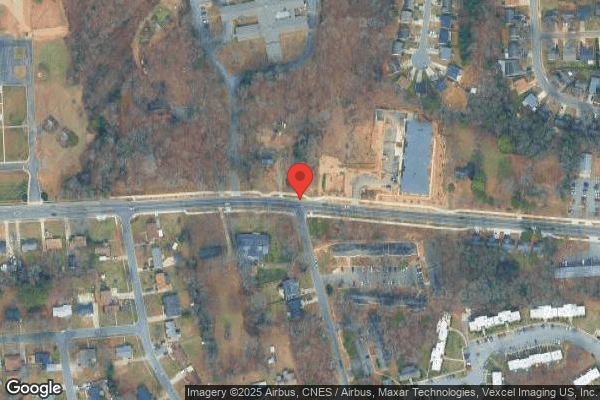
620 Tom Hunter Road, Charlotte, NC 28213 (704) 598-5136
For profit - Limited Liability company 120 Beds CONSULATE HEALTH CARE/INDEPENDENCE LIVING CENTERS/NSPIRE HEALTHCARE/RAYDIANT HEALTH CARE Data: November 2025 5 Immediate Jeopardy citations
Trust Grade
0/100
#329 of 417 in NC
Last Inspection: July 2025

Inspected within the last 6 months. Data reflects current conditions.

Overview

Crown Haven Health and Rehabilitation has received an F grade, indicating a poor level of care with significant concerns. Ranking #329 out of 417 nursing homes in North Carolina places it in the bottom half of facilities statewide, and even lower at #24 out of 29 in Mecklenburg County, meaning very few local options are worse. Although the facility shows an improving trend, reducing issues from 26 in 2024 to 6 in 2025, it still faces serious challenges, including a concerning 65% staff turnover rate and $98,762 in fines, which is higher than 82% of state facilities. Staffing and RN coverage are notable weaknesses, with only 1 out of 5 stars in both categories, which can impact the quality of care residents receive. Specific incidents include a failure to safely discharge a resident requiring monitoring for alcohol withdrawal and medication errors involving insulin administration that led to dangerous situations for residents. While there are some average quality measures, these serious deficiencies suggest families should approach with caution.

Trust Score
F
0/100
In North Carolina
#329/417
Bottom 22%
Safety Record
High Risk
Review needed
Inspections
Getting Better
26 → 6 violations
Staff Stability
⚠ Watch
65% turnover. Above average. Higher turnover means staff may not know residents' routines.
Penalties
○ Average
$98,762 in fines. Higher than 63% of North Carolina facilities. Some compliance issues.
Skilled Nurses
⚠ Watch
Each resident gets only 20 minutes of Registered Nurse (RN) attention daily — below average for North Carolina. Fewer RN minutes means fewer trained eyes watching for problems.
Violations
⚠ Watch
50 deficiencies on record. Higher than average. Multiple issues found across inspections.
★☆☆☆☆
1.0
Overall Rating
★☆☆☆☆
1.0
Staff Levels
★★★☆☆
3.0
Care Quality
★☆☆☆☆
1.0
Inspection Score
Stable
2024: 26 issues
2025: 6 issues

The Good

  • Full Sprinkler Coverage · Fire safety systems throughout facility
  • No fines on record

Facility shows strength in fire safety.

The Bad

1-Star Overall Rating

Below North Carolina average (2.8)

Significant quality concerns identified by CMS

Staff Turnover: 65%

19pts above North Carolina avg (46%)

Frequent staff changes - ask about care continuity

Federal Fines: $98,762

Well above median ($33,413)

Moderate penalties - review what triggered them

Chain: CONSULATE HEALTH CARE/INDEPENDENCE

Part of a multi-facility chain

Ask about local staffing decisions and management

Staff turnover is elevated (65%)

17 points above North Carolina average of 48%

The Ugly 50 deficiencies on record

5 life-threatening 1 actual harm
Jul 2025 6 deficiencies 1 IJ
CRITICAL (J)

Immediate Jeopardy (IJ) - the most serious Medicare violation

Deficiency F0627 (Tag F0627)

Someone could have died · This affected 1 resident

**NOTE- TERMS IN BRACKETS HAVE BEEN EDITED TO PROTECT CONFIDENTIALITY** Based on record review, and staff, resident, family member, Medical Director and Adult Protective Services (APS) Social Worker (...

Read full inspector narrative →
**NOTE- TERMS IN BRACKETS HAVE BEEN EDITED TO PROTECT CONFIDENTIALITY** Based on record review, and staff, resident, family member, Medical Director and Adult Protective Services (APS) Social Worker (SW) interviews, the facility failed to provide a safe and orderly discharge for 1 of 3 residents reviewed for discharge (Resident #88). Resident #88 was being treated in the facility with Chlordiazepoxide HCl (a medication used to treat the symptoms of alcohol withdrawal also known as Librium) for a known history of alcohol abuse and received a dose a short time before exiting the facility on 5/18/25 at approximately 10:51 AM. The Medical Director wrote orders for Resident #88 to be monitored every shift for symptoms of alcohol withdrawal syndrome, such as tremors, shaking, anxiety, nausea, vomiting, headaches, elevated heart rate, sweating, irritability, confusion, insomnia, nightmares and high blood pressure the same day the Chlordiazepoxide HCl was initiated. Consuming alcohol while taking Chlordiazepoxide HCL could cause nausea and/or vomiting. When Resident #88 returned to the facility on 5/18/25 he begged staff to let him back in but, he was not allowed to re-enter the facility. There were no documented assessments of Resident #88 when he returned to the facility. Unit Manager #1 offered Resident #88 his belongings and medications to include the remaining Chlordiazepoxide HCL and Metoprolol (a medication used to lower blood pressure), which he refused except for his cigarettes. Resident #88 also refused to sign the Against Medical Advice (AMA) document. Unit Manager #1 failed to notify Emergency Medical Services (EMS) or have Resident #88 transferred to a higher level of care for ongoing monitoring when notified he had exited the facility or when he returned. Unit Manager #1 called law enforcement at 12:08 PM because staff wanted Resident #88 banned from the facility. Resident #88 did not have a planned discharge location, and no ongoing monitoring arranged. He was seen at the local convenience store, homeless, by staff members on 5/19/25 and 5/20/25 and no staff members offered assistance to Resident #88. In addition, Resident #88 was an amputee, mobile in a wheelchair, had no other source of money or resources, and did not have supplies for urinary incontinence. Resident #88 was found intoxicated by the APS SW at the convenience store on 5/20/25 and was taken to the hospital for chest pain and palpitations as well as left lower extremity pain due to a fall from his wheelchair. Resident #88 remailed homeless and a second hospitalization occurred on 5/29/25 and Resident #88 received intravenous antibiotics in the emergency department (ED) for left leg cellulitis (a bacterial infection involving the inner layers of the skin) and was discharged on 5/30/25 with a prescription for oral antibiotics. The third hospitalization was on 6/4/25 and Resident #88 presented with complaints of worsening left lower leg pain with erythema (redness) and edema (swelling) times one week. He was admitted to the hospital and treated with intravenous antibiotics for cellulitis for a wound on his left leg and monitored for alcohol withdrawal. Resident #88 declined placement in a skilled nursing facility and discharged AMA on 6/16/25 stating he was going to the street. Immediate jeopardy began on 5/18/25 when Resident #88 was not permitted to return to the facility after a brief leave of absence. Immediate jeopardy was removed on 6/27/25 when the facility implemented an acceptable credible allegation of immediate jeopardy removal. The facility remains out of compliance at a lower scope and severity of D (no actual harm with potential for more than minimal harm that is not immediate jeopardy) to ensure completion of education.Findings included: Resident #88 was admitted to the facility on [DATE] with diagnoses which included hypokalemia, protein-calorie malnutrition, anxiety, depression, alcohol dependence with unspecified alcohol-induced disorder, and absence of right leg below the knee. Resident #88 and discharged on 5/18/25. Review of quarterly Minimum Data Set (MDS) assessment dated [DATE] revealed Resident #88 was cognitively intact and was independent with Activities of Daily Living (ADLs) but needed supervision assistance with shower transfers. Resident #88 was not coded for any behaviors. The MDS further revealed he utilized a prosthetic limb for a below the knee amputation of his right leg and had occasional urinary incontinence. The MDS indicated he was not coded for any discharge planning to the community.A review of Resident #88's care plan last reviewed on 2/27/25 revealed he was non-compliant with the facility's rules on alcohol and management routinely confiscated alcohol from him. Interventions included not allowing Resident #88 to bring alcoholic beverages into the facility, encouraging peer bonds, and monitoring for symptoms of alcohol use. In addition, Resident #88's care plan indicated he had a history of alcohol and substance abuse, and staff reported the presence of alcohol intoxication and illegal substances at the facility. Interventions included educating Resident #88 on facility policies on consumption of alcohol, explaining the facility's responsibility for all resident's safety, and reporting any occurrences or suspicions to facility administration. Resident #88's care plan also indicated he wished to remain a long-term resident at the facility. Interventions included evaluating his motivation to return to the community, encouraging him to discuss feelings and concerns with impending discharge, and monitoring for and address episodes of anxiety, fear, distress. The care plan further revealed Resident #88 had occasional bladder incontinence due to impaired mobility. Interventions included cleaning peri-area with each incontinence episode, using disposable briefs per manufacturer's recommendation and have staff check and change during care rounds and as needed, and monitoring and documenting for signs and symptoms of a urinary tract infection.A review of Resident #88's Electronic Medical Record (EMR) was conducted. It revealed Resident #88 was given a 30-day discharge notice signed by the Administrator on 3/25/25. The reason for discharge was selected as your health has improved sufficiently so that you no longer need the services provided by the facility. The discharge location was to a lower level of care in an adult care home.An interview with the Social Worker (SW) on 6/19/25 at 2:45 PM revealed she originally gave Resident #88 a 30-day discharge notice to an adult care home on 3/25/25, but he did not qualify due to his payor source and so the discharge could not take place. The SW stated the Administrator spoke to Resident #88 and his family member regarding not coming back to the facility if he went out to drink alcohol. A review of a Social Work Progress note written by the SW on 4/10/25 indicated she had a conversation with Resident #88 about three programs for alcohol detoxification. Resident #88 refused to participate, and SW informed him that if he didn't go to a detoxification program, then he would be discharged to a homeless shelter.No further formal discharge planning was noted in Resident #88's EMR after 4/10/25. An interview with the SW occurred on 6/20/25 at 1:40 PM. She stated the facility did not pursue any discharge planning to a homeless shelter after the discharge notice to an adult care home failed. She stated Resident #88 did not want to go to a homeless shelter and he wanted to stay at the facility. The SW stated she told him that he could not stay at the facility and continue drinking alcohol. A review of a Psychiatric-Mental Health Nurse Practitioner (NP) progress note dated 4/8/25 revealed, in part, reports of Resident #88's alcohol confiscation in the past were noted. Despite this, Resident #88 denies any sleep disturbances and was on melatonin. During the visit, the Psychiatric-Mental Health NP expressed concern about the risk of withdrawal, but no tremors, diaphoresis, or agitation were observed during the visit. Recommended nursing staff to use the Clinical Institute Withdrawal Assessment for Alcohol (instrument used by medical professionals to assess and diagnose the severity of alcohol withdrawal) to assess for withdrawal symptoms every four to six hours and continue to monitor closely for any signs of alcohol withdrawal. Staff was educated on the risks of withdrawal and the importance of monitoring symptoms. Consider referral to supportive therapy if Resident #88 declined formal rehab.A review of a nursing progress note written by Nurse #3 on 4/26/25 revealed, in part, Resident #88 was observed seated in the smoking courtyard and drinking a beer. Resident #88 was approached and made aware of the facility alcohol policy and that his room and backpack needed to be searched and he began to get agitated, and said, leave me alone. Resident #88 wheeled himself to his room and upon searching, nine cans of beer were taken from his backpack, and five empty cans from his bedside drawer. Resident #88 also had a strong smell of alcohol on his breath.A review of a Licensed Clinical Social Worker's (LCSW) note dated 5/1/25 revealed Resident #88 was being seen for the first time to assess possible psychotherapeutic need due to disturbances of potential alcohol abuse and mental health concerns by staff. The LCSW's note read in part that Resident #88 was not a danger to himself or others and that he was self-medicating with alcohol. Resident #88 agreed to psychotherapy sessions and will focus most sessions on rapport building until Resident #88 felt more comfortable to communicate his needs in an effective manner. A review of a nursing progress note written by Nurse #3 on 5/5/2025 revealed Resident #88 returned from leave of absence (LOA) and a smell of alcohol was noticed. Resident #88 was made aware of the facility alcohol policy. His backpack was searched, and several cans of beer were taken away.A review of a nursing progress note written by Nurse #12 on 5/8/2025 revealed, in part, Resident #88 was able to make needs known to staff. Resident #88 was noted with a can of beer and the smell of alcohol on his breath. Resident #88 was educated on facility protocol on having alcohol in his personal possession and was educated on the need to confiscate his beverage. He became upset stating, I can have that. You can't tell me what to do. Resident #88 was encouraged to speak with management on protocol and showed signs of intoxication. The Director of Nursing (DON) was made aware.A review of a Medical Director progress note dated 5/14/25 revealed Resident #88 was seen for alcohol use. The note indicated he left the facility to consume alcohol, which was against the protocol of the facility and Resident #88 agreed on 5/14/25 to be treated within the facility for his alcohol withdrawal symptoms. An additional review of Resident #88's physician's orders included an order written on 5/14/25 revoking Resident #88's leave of absence (LOA) privileges due to poor safety awareness and risk of injury associated with ongoing behaviors due to alcohol dependency. A review of a social work progress note written on 5/14/25 by the SW revealed, in part, she spoke with Resident #88 and his family member regarding his alcohol use in the facility and when he left the facility. Resident #88 and his family member were made aware that this behavior would no longer be tolerated at the facility. He was informed that an order was written by the Medical Director that Resident #88 was no longer allowed to leave the facility due to excessive drinking and coming back intoxicated. The note further revealed that if Resident #88 left the facility it would be considered Against Medical Advice (AMA), and he would be discharged . Resident #88 and his family member understood. A review of Resident #88's physician's orders dated 5/14/25 revealed an order for chlordiazepoxide HCl to be given in a tapered dose over the course of five days. Day one (5/15/25) dose was two 25 milligram (mg) capsules to be given every six hours, day two dose (5/16/25) was two 25mg capsules every eight hours, day three dose (5/17/25) was two 25mg capsules every 12 hours, and day four and five dose on 5/18/25 and 5/19/25 was for two 25mg capsules one time a day for two days. A review of Resident #88's May Medication Administration Record (MAR) from 5/1/25 until 5/18/25 revealed Resident #88 received Chlordiazepoxide HCl on 5/15/25 two 25 milligram (mg) capsules every six hours, on 5/16/25 two 25mg capsules every eight hours, on 5/17/25 two 25mg capsules every 12 hours, and on 5/18/25 two 25mg capsules at 9:00 AM. A physician's order dated 5/14/25 to monitor resident every shift for signs and symptoms of alcohol withdrawal syndrome .tremors, shaking, anxiety, nausea, vomiting, headaches, elevated heart rate, sweating, irritability, confusion, insomnia, nightmares and high blood pressure. Notify MD if/when observed every shift for AWS (alcohol withdrawal symptoms). If aggression or violent behavior observed call 911.A review of Resident #88's May MAR from 5/15/25 to 5/17/25 revealed Resident #88's vital signs were documented every shift and were all within normal limits. A nursing progress note written by Unit Manager #1 on 5/18/25 revealed, in part, she was notified by the facility Receptionist that Resident #88 left the facility AMA, and he was observed leaving facility grounds and headed towards a main road. The note further revealed Resident #88 and his emergency contact (Family Member #1) were previously notified that his LOA was revoked due to unsafe health practices and poor safety awareness. Should resident leave facility grounds it would be against medical advice. It was a discharge from the facility against medical advice. Resident #88 repeatedly violated facility policies related to consuming alcohol on facility property and sneaking alcohol into his room and management repeatedly confiscated the alcohol. An interview with Unit Manager #1 on 6/19/25 at 1:48 PM revealed she was working on 5/18/25 when Resident #88 left the facility. She stated he and Family Member #1 understood after a meeting with administration 5/14/25 that he was not allowed to leave the facility due to his alcohol use. She stated she was alerted by the Receptionist on 5/18/25 that Resident #88 left the facility and she reminded him when he came back that he would be leaving AMA and not allowed to come back into the facility. Unit Manager #1 stated she called Resident #88's family member (Family Member #1) after she was notified Resident #88 left by the Receptionist to let her know he had left the facility, and he was not allowed back in. She asked Family Member #1 to come get his belongings. Unit Manager #1 stated she called APS and law enforcement when he returned but did not call an ambulance for evaluation. The Unit Manager #1 did not state if Resident #88 was assessed when he returned to the facility.A second interview with Unit Manager #1 on 6/20/25 at 12:35 PM revealed Resident #88 did not immediately come back after leaving the facility on 5/18/25. She stated she called his family member (Family Member #1) and asked if she could come gather his belongings. Unit Manager #1 stated Family Member #1 called Resident #88 and he returned to the facility. She stated Resident #88 had already violated the agreement, and she would not let Resident #88 back into the facility. She stated Resident #88 begged to come back and stated he did not have anything to drink while he was gone. Unit Manger #1 stated she called law enforcement when he returned to the facility, and they arrived and found Resident #88 sitting on the porch at the facility. She stated law enforcement let him know he was not allowed back on the property as it would be considered trespassing. Unit Manager #1 stated she was instructed on what to do if Resident #88 left on a weekend by the Administrator and the DON. Unit Manager #1 indicated she saw Resident #88 on 5/19/25 and 5/20/25 at the convenience store but did not stop and check on him and added multiple staff members also reported seeing him in the convenience store parking lot. Unit Manager #1 stated she did not call an ambulance when Resident #88 returned to the facility because he would have refused to get in an ambulance. A review of the facility's sign-in and out logbook at the receptionist desk revealed Resident #88 was signed out by the receptionist on 5/18/25 at 10:51 AM.An interview with the Receptionist on 7/3/25 at 11:17 AM revealed she was informed by Unit Manager #1 on 5/16/25 about the agreement the facility made with Resident #88 about not leaving the facility. The Receptionist stated Resident #88 was in the front lobby of the facility on 5/18/25 as another resident's family member was moving items out of the facility. She stated she reminded Resident #88 of the agreement he had with the facility, and he stated he wanted to go out to the store and not to put a hand on him. The Receptionist stated she told Resident #88 she would never do that to him and when the other resident's family member went out the front door, Resident #88 followed him out. She stated she immediately called Unit Manager #1 and signed Resident #88 out on the facility sign in and out logbook at 10:51 AM. The Receptionist stated she got in her car and followed him to the main road, and he was at the bus stop. The Receptionist indicated that while she was in her car she asked Resident #88 to come back to the facility. She stated Resident #88's phone rang a few minutes later and he started back to the facility. The Receptionist stated when she returned to the building, Unit Manager #1 asked where she found Resident #88. She stated Resident #88 made it to the bus stop across the street on the main road, not too far from the facility. The Receptionist stated she was unsure of the time she got back to the facility, but by the time she returned and used the restroom, Resident #88 was outside on the porch and Unit Manager #1 was speaking to him. She stated residents could sign out in a logbook at the nurse's desk, but she did not always know if they did sign out, so she signed the book at the receptionist desk to keep track of all the residents coming and going. She stated that is why she signed Resident #88 out on 5/18/25 and put removed in the return time slot as he did not come back inside the facility.An additional review of Resident #88's EMR revealed no documented vital signs or any assessment of Resident #88 by nursing staff before he exited the facility on 5/18/25 or after he returned to the facility on 5/18/25.A review of Resident #88's AMA form in the EMR dated 5/18/25 revealed no signature. The signature line where Resident #88 would have signed was filled in by Unit Manger #1 with the statement Resident refused to sign. The AMA form included the signatures of Unit Manager #1 and another nurse.A review of a police report dated 5/18/25 was reviewed and revealed law enforcement arrived at the facility at 12:36 PM for a disturbance with a suspect on scene and indicated Resident #88 was at the front door of the facility. In addition, the report revealed facility staff wanted Resident #88 banned from the property. An interview with the SW on 6/19/25 at 11:34 AM revealed Resident #88 would often go off campus and buy 12 to 24 cans of beer and drink them. She stated the facility staff started finding empty beer cans in his room as he drank alcohol on facility grounds and off campus. The SW stated she investigated detoxification programs for Resident #88 and initially he was willing to participate. She stated when a detoxification program came to evaluate him at the facility, he refused to participate in the program. She further explained the Administrator eventually told Resident #88 he was not allowed to leave the facility and if he did, he could not return. The SW explained on 5/18/25, Resident #88 followed a visitor out the front door and when he came back later, the weekend staff would not allow him to come back into the facility. The SW stated an APS SW was working with Resident #88 after his discharge from the facility for placement and resources. An interview with Resident #88's Family Member #1 occurred on 6/19/25 at 9:29 AM. She stated Resident #88 left the faciity on 5/18/25 and when he came back, the staff would not let Resident #88 back in the facility. The Family Member stated Resident #88 did not have access to his belongings, medicine, or anything. She explained that after Resident #88 was not allowed back into the facility, he became homeless and had been in and out of the hospital for several weeks. The Family Member explained that an APS Social Worker found Resident #88 on the streets and was working with him to locate a new facility. Additional interviews with Family Member #1 were attempted on 6/23/25 at 3:10 PM and 6/24/25 at 11:12 AM but were unsuccessful. A telephone interview with Resident #88 on 6/24/25 at 11:17 AM revealed he tried to get back into the building after leaving on 5/18/25. He stated the facility staff called law enforcement on him for trespassing while he was sitting on the porch in front of the facility. Resident #88 stated he did not sign anything agreeing to the medication they put him on or not leaving the facility and didn't recall agreeing to the treatment. He stated he hung out at the convenience store until the APS SW found him a few days later and did not recall going anywhere else after the discharge from the facility. Resident #88 stated, When they told me I couldn't leave it made me feel like I was in jail. Them not letting me back in made me mad. It was a f---ing G-- D--- joke that they left me out on the porch. I was only gone 30 minutes-not enough time to do anything. Resident #88 also stated Family Member #1 paid for him to have a phone, but he had no other source of money or resources. An interview with the Medical Director on 6/19/25 at 12:46 PM revealed that Resident #88 posed a threat to other residents and staff and was combative towards employees and other residents in the building. He stated Resident #88 was using alcohol in and out of the facility and it was decided he was no longer allowed to leave the facility on 5/14/25 during a meeting with Resident #88, Family Member #1 (over the phone), and the DON. The Medical Director stated he worked closely with a pharmacist to initiate a course of chlordiazepoxide HCl as it was not a medication used often in long term care. He stated this medication acted as a central nervous system depressant and helped with the symptoms of alcohol withdrawal. The Medical Director stated the medication required constant monitoring during the five-day course of medication. He stated Resident #88 was ultimately a threat to himself and would have had the expectation for the facility staff to call Emergency Management Services (EMS) and have him sent to the hospital for evaluation if he came back to the facility in an unsafe manner such as being intoxicated. The Medical Director stated the facility did not dump him out of the facility; they attempted to treat his alcohol detoxification as it was their medical responsibility. A second telephone interview with the Medical Director occurred on 6/24/25 at 11:43 AM. He explained that Chlordiazepoxide HCl blocked side effects of alcohol detoxification. He explained if someone undergoing Chlordiazepoxide HCl treatment started drinking, it would make them physically sick-throwing up and nauseated. The Medical Director explained the combination of drinking alcohol on Chlordiazepoxide HCl would not make a person confused, the alcohol itself could cause confusion. He stressed the importance of vital sign monitoring during Chlordiazepoxide HCl treatment and looking for any symptoms such as sweating, nervousness, or shaking. The Medical Director stated when Resident #88 was not allowed back into the facility, there would be no way monitoring could occur without hospitalization. A third telephone interview with the Medical Director occurred on 7/3/25 at 3:02 PM. He stated he educated Resident #88 in person with Family Member #1 over the phone on all side effects of Chlordiazepoxide HCl on 5/14/25. He discussed the possible side effects of Chlordiazepoxide HCl and the possible side effects of taking Chlordiazepoxide HCl and drinking alcohol. The Medical Director stated Resident #88 agreed to the treatment plan because of the severity of the situation and the consequences of bringing alcohol in the facility and endangering himself and others. An interview with the APS SW on 6/20/25 at 9:27 AM revealed she was assisting Resident #88 with ongoing services since his discharge from the facility on 5/18/25. She stated Resident #88 was currently homeless and had been hospitalized three times on 5/20/25, 5/29/25, and 6/4/25. The APS SW stated the facility called on 5/18/25 and filed a report. She stated she called the facility on 5/19/25 and 5/20/25 multiple times to ask staff additional questions about Resident #88's discharge from the facility with no response. She stated she drove to the facility on 5/20/25 to get clarification on Resident #88's appearance as the person she saw at the convenience store had a darker skin tone and it was reported to her that Resident #88 was Caucasian. The APS SW stated she met with the DON and the Administrator when she arrived at the facility, and they explained multiple staff members and the Administrator had seen Resident #88 at the convenience store when they were driving to work on 5/20/25. The APS SW stated Resident #88 was hanging out at the convenience store since his discharge on [DATE] until 5/20/25 when she found him intoxicated and dirty in the convenience store parking lot without any medications, supplies, or his belongings. She stated he was hospitalized for an abrasion on his leg and discharged the following day on 5/21/25. The APS SW explained that after his discharge from the second hospitalization on 5/30/25, she found him at another convenience store further up the road, still homeless and without resources. The APS SW stated Resident #88 did not have the money to pay for the antibiotic he was prescribed for cellulitis in his leg. The APS SW stated he was admitted to another hospital on 6/4/25 and was admitted for a significant wound infection in his leg. A review of the hospital records dated 5/20/25 revealed Resident #88 arrived at the emergency department (ED) via emergency medical services (EMS) complaining of chest pain and palpitations as well as left lower extremity pain. EMS stated he fell out of his wheelchair and sustained an abrasion to his left lower extremity. A fresh abrasion was noted to the anterior left shin. Resident #88 did undergo an extensive workup for his complaint of his leg pain and chest pain and no abnormalities warranting a hospital admission were noted. The record indicated Resident #88 was homeless with a history of alcohol dependence and chronic alcohol use disorder. Resident #88 had a below the knee amputation with a history of hypertension and chronic osteomyelitis. Additionally, the note revealed Resident #88 stated he was not in a shelter. The Physician documented Resident #88 was found to be mildly hyponatremic (low sodium) and hypokalemic (low potassium). It was noted the hyponatremia was likely secondary to beer ingestion and Resident #88 was given oral potassium as well as a multivitamin. The note further indicated Resident #88 reported he had been living in a nursing home for about one year and they kicked me out on Sunday. Patient was obviously intoxicated and slurring his words and was a very poor historian. In addition, Resident #88's hospital records revealed his blood ethanol level was 128mg/dl (an ethanol level of 50mg/dl or above was considered intoxicated). The Physician further documented because Resident #88 was homeless and intoxicated, he was not discharged on 5/20/25 but kept in the ED and allowed him to metabolize the alcohol and see clinical case management in the morning to get resources to a homeless shelter and a bus pass to facilitate transportation to the shelter. Resident #88 was discharged the following day on 5/21/25 with no prescriptions. A review of the hospital records dated 5/29/25 indicated Resident #88 presented to the ED with a chief complaint of left lower extremity swelling and reported redness and swelling to his left lower extremity for several days. Resident #88 denied a fever, chills, dyspnea, abdominal pain, nausea or vomiting. The ED Physician documented Resident #88 had a previous right lower extremity amputation and prosthesis. The ED Physician noted Resident #88 had a few abrasions to his left knee and lateral leg from where he fell from his wheelchair several days ago. Pitting edema of the left lower leg was observed as well as poor hygiene. Resident #88 stated he had been drinking beer today. Resident #88's blood ethanol level was not obtained. Resident #88 received intravenous antibiotics for left leg cellulitis and was discharged on 5/30/25 with an order for 500mg of Cephalexin (antibiotic), one capsule to be taken four times a day for seven days for cellulitis of left lower extremity. Review of ED provider notes dated 6/4/25 indicated Resident #88 presented complaining of worsening left lower leg pain with erythema (redness) and edema (swelling) times one week. Pulses were intact and range of motion was normal. Resident #88's blood ethanol level was 93mg/dl. Resident #88 was admitted to the hospital and treated with intravenous antibiotics for cellulitis for a wound on his left leg and monitored for alcohol withdrawal. The history and physical documented on 6/5/25 noted Resident #88 had a past medical history significant for essential hypertension, history of chronic alcohol dependence, ongoing alcohol and tobacco use, status post right BKA, homelessness, and mild protein calorie malnutrition. Resident #88 had been doing quite very well until about a week ago when he started noticing increasing redness and pain in the left leg area. The Physician documented Resident #88 denied having any injury, but he had some scabs which he tried to remove at which time he started having the redness. Resident #88 denied having any chest pain or shortness of breath or nausea or vomiting or abdominal pain. He has been having throbbing kind of pain in the left leg which he ranks as a 7-8/10 intensity. The doppler ultrasound of the legs did not show any evidence of deep vein thrombosis but significant erythema was observed. He was recently seen in the emergency room on 5/29/2025 at which time he was prescribed Keflex, but he has not been taking the medications. On 6/16/25 Resident #88 met with the hospital Case Manager and stated he no longer wanted to go to a long-term care facility and requested to be discharged . Resident #88 confirmed he planned to return to the street. The Case Manager was able to provide a medication voucher for a one-month supply and noted the APS SW was made aware of Resident #88's decision. Resident #88 discharged AMA from the hospital on 6/16/25 and was known to be homeless. An interview with the DON occurred on 6/20/25 at 10:35 AM and revealed Resident #88 had a history of drinking alcohol outside of the facility for quite some time but he started to bring the alcohol on campus. She stated staff found beer in the courtyard and in his room. The DON explained the facility tried to discharge him to an adult care home and tried to get him into an alcohol detoxification program, but he refused. She stated the Medical Director started him on medication to curb his withdrawal symptoms and his leave of absence privileges from the facility were revoked on 5/14/25. The DON stated she was not at the facility on 5/18/25 when Resident #88 left but stated Unit Manager #1 called and explained on 5/18/25 he signed out of the facility and left the campus even though he had physician's orders to stay at the facility. She stated he knew that if he left, it would be AMA. She stated Unit Manager #1 tried to give Resident #88 his belongings, but he only took his cigarettes and refused to sign the AMA form. The DON stated she could not recall if Resident #88 signed any document agreeing to the plan but knew he had been educated because she was part of the meeting. The DON stated she did not have the expectation that Unit Manager #1 should have called an ambulance on 5/18/25 because she knew Resident #88 would refuse treatment and he was not in any acute distress to her knowle
CONCERN (D)

Potential for Harm - no one hurt, but risky conditions existed

Deficiency F0552 (Tag F0552)

Could have caused harm · This affected 1 resident

**NOTE- TERMS IN BRACKETS HAVE BEEN EDITED TO PROTECT CONFIDENTIALITY** Based on record review, and resident, Medical Director and staff interviews, the facility failed to have documentation that the ...

Read full inspector narrative →
**NOTE- TERMS IN BRACKETS HAVE BEEN EDITED TO PROTECT CONFIDENTIALITY** Based on record review, and resident, Medical Director and staff interviews, the facility failed to have documentation that the resident was informed in advance of the risks and benefits for the use of Chlordiazepoxide HCl (a psychotropic medication used to treat the symptoms of alcohol withdrawal) for 1 of 6 residents (Resident #88) reviewed for psychotropic medications. Findings included: Resident #88 was admitted to the facility on [DATE] and discharged on 5/18/25 with diagnoses which included anxiety, depression, and alcohol dependence with unspecified alcohol-induced disorder. A review of the quarterly Minimum Data Set (MDS) assessment dated [DATE] revealed Resident #88 was cognitively intact. A review of a Medical Director progress note dated 5/14/25 revealed Resident #88 was seen for alcohol use. The note indicated he left the facility to consume alcohol, which was against the protocol of the facility and Resident #88 agreed on 5/14/25 to be treated within the facility for his alcohol withdrawal symptoms. A review of Resident #88's physician's orders dated 5/14/25 revealed an order for Chlordiazepoxide HCl (Librium) to be given in a tapered dose over the course of five days. Day one (5/15/25) dose was two 25 milligram (mg) capsules to be given every six hours, day two dose (5/16/25) was two 25mg capsules every eight hours, day three dose (5/17/25) was two 25mg capsules every 12 hours, and day four and five dose on 5/18/25 and 5/19/25 was for two 25mg capsules one time a day for two days. A physician's order dated 5/14/25 to monitor resident every shift for signs and symptoms of alcohol withdrawal syndrome .tremors, shaking, anxiety, nausea, vomiting, headaches, elevated heart rate, sweating, irritability, confusion, insomnia, nightmares and high blood pressure. Notify MD if/when observed every shift for AWS (alcohol withdrawal symptoms). If aggression or violent behavior observed call 911. A review of Resident #88's EMR revealed consent forms for Buspirone (a medication used to treat anxiety) and Escitalopram (a medication used to treat major depressive disorder and generalized anxiety disorder) both dated 11/8/24 and signed by Resident #88. The EMR revealed no written consent form for Chlordiazepoxide HCl. A telephone interview with Resident #88 on 6/24/25 at 11:17 AM revealed Resident #88 stated he did not sign anything agreeing to the Chlordiazepoxide HCl and didn't recall agreeing to the treatment. A telephone interview with the Medical Director occurred on 7/3/25 at 3:02 PM. He stated he educated Resident #88 in person with Family Member #1 over the phone on all side effects of Chlordiazepoxide HCl. He discussed the possible side effects of Chlordiazepoxide HCl and the possible side effects of taking Chlordiazepoxide HCl and drinking alcohol. The Medical Director stated Resident #88 agreed to the treatment plan because of the severity of the situation and the consequences of bringing alcohol in the facility and endangering himself and others. An interview with the DON on 6/20/25 at 10:35 AM revealed she was a part of the conversation when Resident #88 was told about the medication plan. The DON stated she did not recall Resident #88 signing anything regarding the treatment plan. An interview with the Administrator on 6/20/25 at 11:22 AM revealed he set up a meeting with Resident #88, Family Member #1, and the Medical Director to discuss a treatment plan. The Administrator did not recall Resident #88 signing for the treatment. The Administrator stated the Medical Director put Resident #88 on Librium and it would help with his alcohol withdrawal symptoms. The Administrator stated the Medical Director suggested taking his privileges away to leave the building
CONCERN (D)

Potential for Harm - no one hurt, but risky conditions existed

Deficiency F0561 (Tag F0561)

Could have caused harm · This affected 1 resident

**NOTE- TERMS IN BRACKETS HAVE BEEN EDITED TO PROTECT CONFIDENTIALITY** Based on record review and staff, resident, family member, and Medical Director interviews, the facility failed to allow a resid...

Read full inspector narrative →
**NOTE- TERMS IN BRACKETS HAVE BEEN EDITED TO PROTECT CONFIDENTIALITY** Based on record review and staff, resident, family member, and Medical Director interviews, the facility failed to allow a resident's choice regarding leave of absence (LOA) for 1 of 1 resident (Resident #88) reviewed for self-determination.Findings included:Resident #88 was admitted to the facility on [DATE] and discharged on 5/18/25 with diagnoses which included anxiety, depression, and alcohol dependence with unspecified alcohol-induced disorder. A review of the quarterly Minimum Data Set (MDS) assessment dated [DATE] revealed Resident #88 was cognitively intact and was not coded for any behaviors. Additionally, Resident #88's annual MDS assessment dated [DATE] revealed participating in his favorite activities and participating in outdoor activities were very important to him. A review of Resident #88's care plan last reviewed on 2/27/25, revealed he was non-compliant with the facility's rules on alcohol and management routinely confiscated alcohol from him. Interventions included not allowing Resident #88 to bring alcoholic beverages into the facility, encouraging peer bonds, and monitoring for symptoms of alcohol use. In addition, Resident #88's care plan indicated he had a history of alcohol and substance abuse, and staff reported the presence of alcohol intoxication and illegal substances at the facility. Interventions included educating Resident #88 on facility policies on consumption of alcohol, explaining the facility's responsibility for all resident's safety, and reporting any occurrences or suspicions to facility administration.A review of a nursing progress note written by Nurse #3 on 4/26/25 revealed, in part, Resident #88 was observed seated in the smoking courtyard and drinking a beer. Resident #88 was approached and made aware of the facility alcohol policy and that his room and backpack needed to be searched and he began to get agitated, and said, leave me alone. Resident #88 wheeled himself to his room and upon searching, nine cans of beer were taken from his backpack, and five empty cans from his bedside drawer. Resident #88 also had a strong smell of alcohol on his breath.A review of a nursing progress note written by Nurse #3 on 5/5/2025 revealed Resident #88 returned from LOA and a smell of alcohol was noticed. Resident #88 was made aware of the facility alcohol policy. His backpack was searched, and several cans of beer were taken away.A review of a Medical Director progress note dated 5/14/25 revealed Resident #88 was seen for alcohol use. The note indicated he left the facility to consume alcohol, which was against the protocol of the facility and Resident #88 agreed on 5/14/25 to be treated within the facility for his alcohol withdrawal symptoms. A review of Resident #88's physician's orders dated 5/14/25 revealed an order for chlordiazepoxide HCl to be given in a tapered dose over the course of five days. Day one (5/15/25) dose was two 25 milligram (mg) capsules to be given every six hours, day two dose (5/16/25) was two 25mg capsules every eight hours, day three dose (5/17/25) was two 25mg capsules every 12 hours, and day four and five dose on 5/18/25 and 5/19/25 was for two 25mg capsules one time a day for two days. A physician's order dated 5/14/25 to monitor resident every shift for signs and symptoms of alcohol withdrawal syndrome .tremors, shaking, anxiety, nausea, vomiting, headaches, elevated heart rate, sweating, irritability, confusion, insomnia, nightmares and high blood pressure. Notify MD if/when observed every shift for AWS (alcohol withdrawal symptoms). If aggression or violent behavior observed call 911.An additional review of Resident #88's physician's orders included an order written on 5/14/25 revoking Resident #88's LOA privileges due to poor safety awareness and risk of injury associated with ongoing behaviors due to alcohol dependency.A review of a social work progress note written on 5/14/25 by the SW revealed, in part, she spoke with Resident #88 and his family member regarding his alcohol use in the facility and when he left the facility. Resident #88 and his family member were made aware that this behavior would no longer be tolerated at the facility. He was informed that an order was written by the Medical Director that Resident #88 was no longer allowed to leave the facility due to excessive drinking and coming back intoxicated. The note further revealed that if Resident #88 left the facility it would be considered Against Medical Advice (AMA), and he would be discharged . Resident #88 and his family member understood.An interview with the Medical Director on 6/19/25 at 12:46 PM revealed that Resident #88 posed a threat to other residents and staff and was combative towards employees and other residents in the building. He stated Resident #88 was using alcohol in and out of the facility and it was decided he was no longer allowed to leave the facility on 5/14/25 during a meeting with Resident #88, Family Member #1 (over the phone), and the Director of Nursing (DON). A second telephone interview with the Medical Director occurred on 7/3/25 at 3:02 PM. He stated he educated Resident #88 in person with Family Member #1 over the phone on all side effects of Chlordiazepoxide HCl. He discussed the possible side effects of Chlordiazepoxide HCl and the possible side effects of taking Chlordiazepoxide HCl and drinking alcohol. The Medical Director stated Resident #88 agreed to the treatment plan because of the severity of the situation and the consequences of bringing alcohol in the facility and endangering himself and others. A nursing progress note written by Unit Manager #1 on 5/18/25 revealed, in part, she was notified by the facility receptionist that Resident #88 left the facility against medical advice and he was observed leaving facility grounds and headed towards a main road. The note further revealed Resident #88 and his emergency contact (Family Member #1) were previously notified that his LOA was revoked due to unsafe health practices and poor safety awareness and if he left facility grounds it was against medical advice and would result in a discharge from the facility. It was a discharge from the facility against medical advice. Resident #88 repeatedly violated facility policies related to consuming alcohol on facility property and sneaking alcohol into his room and management repeatedly confiscated the alcohol.A review of Resident #88's electronic medical record (EMR) revealed no signed agreement or consent by Resident #88 or Family Member #1 agreeing to the revocation of LOA.An interview with the Receptionist on 7/3/25 at 11:17 AM revealed she was informed by Unit Manager #1 on 5/16/25 about the agreement the facility made with Resident #88 about not leaving the facility. The Receptionist stated Resident #88 was in the front lobby of the facility on 5/18/25 as another resident's family member was moving items out of the facility. She stated she reminded Resident #88 of the agreement he had with the facility, and he stated he wanted to go out to the store and not to put a hand on him. The Receptionist stated she told Resident #88 she would never do that to him and when the other resident's family member went out the front door, Resident #88 followed him out. An interview with Unit Manager #1 on 6/19/25 at 1:48 PM revealed she was working on 5/18/25 when Resident #88 left the building. She stated he and Family Member #1 understood after a meeting with the administration that he was not allowed to leave the facility due to his alcohol use. A telephone interview with Resident #88 on 6/24/25 at 11:17 AM revealed he did not sign anything agreeing to the medication they put him on or not leaving the facility and didn't recall agreeing to the treatment. Resident #88 stated When they told me I couldn't leave it made me feel like I was in jail.An interview with the DON occurred on 6/20/25 at 10:35 AM and revealed Resident #88 had a history of drinking alcohol outside of the facility for quite some time but he started to bring the alcohol on campus. The DON stated staff found beer in the courtyard and in his room. The DON explained the facility tried to discharge him to an adult care home and tried to get him into an alcohol detox program, but he refused. The DON stated the Medical Director started him on medication to curb his withdrawal symptoms and his leave of absence privileges from the facility were revoked on 5/14/25.An interview with the Administrator occurred on 6/20/25 at 11:22 AM and revealed Resident #88 signed himself out of the facility daily to drink and panhandle on the street which he had witnessed in the past. He explained Resident #88 started to drink alcohol in his room and other places on campus and staff had to come in and remove the alcohol in the weeks leading up to 5/18/25. The Administrator stated he contacted law enforcement to assist in searching Resident #88's room for alcohol. He stated the Medical Director decided it was too risky for Resident #88 to leave the facility campus and prescribed some medication that would help with alcohol withdrawal symptoms. He additionally stated Resident #88's privileges to leave the building were taken away on 5/14/25. The Administrator stated Resident #88 received education from himself and the Medical Director on 5/14/25 that if he left the facility, they would not take him back and it would be considered an AMA discharge.
CONCERN (D)

Potential for Harm - no one hurt, but risky conditions existed

Deficiency F0657 (Tag F0657)

Could have caused harm · This affected 1 resident

**NOTE- TERMS IN BRACKETS HAVE BEEN EDITED TO PROTECT CONFIDENTIALITY** Based on record review and staff interviews, the facility failed to develop an individualized person-centered comprehensive care...

Read full inspector narrative →
**NOTE- TERMS IN BRACKETS HAVE BEEN EDITED TO PROTECT CONFIDENTIALITY** Based on record review and staff interviews, the facility failed to develop an individualized person-centered comprehensive care plan in the areas of dialysis, Activity of Daily Living (ADL), insulin use, (Resident #23) for 1 of 20 residents reviewed for comprehensive care plans.The findings included:Resident #23 was admitted to the facility on [DATE] with diagnoses of end stage renal disease, encephalopathy, and diabetes.A review of the admission Minimum Data Set (MDS) dated [DATE] indicated Resident #23 needed supervision to total assistance with ADL's. Resident #23 was also coded for insulin use, and dialysis. The MDS did not indicate Resident #23 exhibited any behaviors or rejection of care. The Care Area Assessment (CAA) on 4/14/25 indicated Resident #23 had a care area of ADL functional/rehab potential triggered. The CAA also indicated that Resident #23's ADL functional/rehab potential care area was addressed in the care plan.A review of Resident #23's electronic medical record (EMR) revealed a physician's order for dialysis three times a week. The EMR further revealed physician orders for Humalog injection solution (an insulin medication used to manage blood sugar levels), 100 unit/mg to be given subcutaneously before meals and at bedtime. A review of Resident #23's care plan as of 5/26/25 revealed there was no care area in place for insulin use, behaviors, dialysis, or ADL functioning.An interview with MDS Nurse #1 on 6/19/25 at 11:18 AM revealed staff nurses completed the initial, baseline care plan and then the MDS Nurses were responsible for completing the comprehensive care plan. MDS Nurse #1 stated former MDS Nurse #2 left the facility in May 2025 and Resident #23's comprehensive care plan was overlooked. MDS Nurse #1 stated she should have reviewed all new admissions to make sure all residents had a comprehensive care plan. An interview with the Director of Nursing (DON) on 6/20/25 at 10:28 AM revealed the comprehensive care plan was developed from the MDS and interdisciplinary team meetings, which occur weekly. She had the expectation Resident #23 would have a comprehensive care plan that addressed all his needs completed in the appropriate time frame.An interview with the Administrator on 6/20/25 at 11:19 AM revealed he had the expectation that Resident #23 would have a more thorough care plan.
CONCERN (D)

Potential for Harm - no one hurt, but risky conditions existed

Deficiency F0658 (Tag F0658)

Could have caused harm · This affected 1 resident

**NOTE- TERMS IN BRACKETS HAVE BEEN EDITED TO PROTECT CONFIDENTIALITY** Based on observations, record review, and staff and physician interviews, the facility failed to transcribe an order of lorazepa...

Read full inspector narrative →
**NOTE- TERMS IN BRACKETS HAVE BEEN EDITED TO PROTECT CONFIDENTIALITY** Based on observations, record review, and staff and physician interviews, the facility failed to transcribe an order of lorazepam gel (a medication used to treat anxiety) from the hospital discharge record to the electronic medical record (EMR) for Resident #23. Additionally, the failed to report a low heart rate of 46 (normal heart rate is 60 to 100 beats per min) to the medical provider prior to surveyor stopping Nurse #9 from administering Metoprolol (medication that lowers heart rate and blood pressure) to Resident #41. The facility also failed to follow an order to remove a lidocaine (topical pain medication) patch at bedtime for Resident #79. This was for 3 of 5 residents reviewed for professional standards of practice.The findings included: 1. A review of Resident #23’s hospital Discharge summary dated [DATE] listed lorazepam gel .5mg/ml to be applied to the neck or wrist topically every 24 hours as needed. Resident #23 was admitted to the facility on [DATE] with diagnoses of end stage renal disease, depression, and diabetes. A review of the admission Minimum Data Set (MDS) dated [DATE] indicated Resident #23 was cognitively intact. A review of a nursing progress note dated 4/30/25 read, in part, that Resident #23 was soiled and refused to allow staff to provide care. Three attempts at hygiene were made and Resident #23 started to swing his fists on both nurse and nurse aide, striking both staff members on the arm and hand while repeating No, no I'm going to wear this. I'm not taking this off. A review of a Psychiatric-Mental Health Nurse Practitioner (PMHNP) progress note dated 5/20/25 revealed, in part, Resident #23 was currently managed with lorazepam gel as needed for anxiety, which was well-tolerated without reported side effects. Plan to continue current lorazepam gel as needed regimen. Staff to maintain safety and provide supportive measures. Psychotherapy was recommended as an adjunct treatment. Staff to closely monitor mood and behaviors, given Resident #23’s history of non-compliance with medication. A review of an additional nursing progress note dated 6/16/25 revealed Resident #23 swung at Nurse Aide #1 with his fist and towel attempting to hit her. He was upset about her throwing away his blue bag. Writer attempted to calm Resident #23 and he refused his medications. A review of Resident #23’s Medication admission Record (MAR) from April, May, and June 2025 was completed. Lorazepam gel was not listed as a medication from 4/7/25 until 6/16/25. A review of an additional Psychiatric-Mental Health Nurse Practitioner (PMHNP) progress note dated 6/17/25 revealed a new order for fluoxetine (a medication used to treat depression) and a new order for lorazepam gel 0.5 milligram (mg)-1mg every 6 hours as needed for agitation/aggression was added. A review of Resident #88's electronic medical record (EMR) revealed a PMHNP order written on 6/17/25 for lorazepam gel 0.5mg-1mg every 6 hours as needed for agitation/aggression with a maximum dose of 3 milliliters (mL)/3 doses in 24 hours and to hold for sedation. An interview with the PMHNP on 6/19/25 at 10:28 AM revealed Resident #23 became agitated and physically aggressive when staff tried to clean or adjust anything in his room. The PMHNP indicated that in her note on 5/20/25, the reference to the lorazepam gel was from a previous order at Resident #23’s old facility. She stated the previous facility staff stated the lorazepam gel was effective for his anxiety. The PMHNP stated she was not aware Resident #23 ever had an order for the lorazepam gel at his current facility. An interview with the Medical Director on 6/19/25 at 12:41 PM revealed he was not aware of the lorazepam gel order when Resident #23 was admitted . He stated he would have wanted a discussion with the facility about the lorazepam gel. The Medical Director stated he would have probably referred to the PMHNP to see if the medication was appropriate for Resident #23. An interview with Nurse #4 on 6/19/25 at 3:37 PM revealed she did not recall admitting Resident #23 on 4/7/25 but stated when a new admission arrived at the facility, nursing had 24 hours to process the admission. She stated sometimes the task of adding the medications to EMR was delegated to the nurse by the unit manager. She did not recall an order for lorazepam gel for Resident #23. An interview with the Director of Nursing (DON) on 6/20/25 at 10:23 AM revealed Resident #23 had a history of combative behaviors but since he was admitted he was not combative but refused care. She stated the medications were put in the EMR by the admitting nurse and the discharge summary would be given to the provider and the provider could then decide to add or take away any medications or treatments. The DON had the expectation that the lorazepam gel would have been added to the MAR because it was a continued medication on the hospital discharge summary. She stated if there was a question about a medication listed, she had the expectation the admitting nurse would contact the provider for clarification. An interview with the Administrator on 6/20/25 at 11:13 AM revealed Resident #23 became agitated when he returned to the facility from his dialysis treatments and became upset when people were near his belongings. He stated the provider would have clarified any order when they completed their initial visit. The Administrator had the expectation that the admitting nurse should have processed the lorazepam gel and called the provider for clarification. 2.Resident #41 was admitted to the facility on [DATE] with diagnosis that included hypertension (high blood pressure) and cerebral infarction (brain tissue dies due to lack of oxygen supply to the brain). A review of the quarterly Minimum Data Set (MDS) dated [DATE] revealed Resident #41 was alert, disoriented to place, time, person, and event, speech was clear, and had a severe cognitive deficit. A review of the physician orders as of 6/18/25 revealed medication orders for: -Metoprolol Succinate ER Oral Tablet Extended Release 24 Hour 25 milligrams (MG) to give 1 tablet by mouth one time a day for hypertension dated 1/16/25. -Amlodipine Besylate Oral Tablet 10 MG, give 1 tablet by mouth one time a day for hypertension. Hold if systolic blood pressure is less than 110 dated 1/16/25 An observation and interview on 6/18/2025 at 8:43 AM revealed that Nurse #9 prepared morning medication that included Metoprolol 25 milligrams (mg) and Amlodipine 10 mg in two separate medication cups. She then stopped the Nurse Practitioner to ask if she should give the Amlodipine 10 mg if Resident #41’s heart rate was 46 beats per minute (bpm). The Nurse Practitioner stated, Amlodipine would be okay to administer. Nurse #9 placed the Amlodipine tablet in the medicine cup with the Metoprolol 25 mg and proceeded to give the medications to Resident #41. Surveyor stopped Nurse #9 and asked if she should give the Metoprolol with a heart rate of 46 beats per minute. Nurse #9 stated, she did not have parameters to hold Metoprolol. The Nurse Practitioner stated, “You do not have to have parameters to know to hold Metoprolol for heart rate less than 60 beats per min (bpm).” Nurse #9 stated she did not know you had to check for heart rate if there were no parameters written. The Nurse Practitioner manually checked Resident #41’s pulse by listening to his heart with her stethoscope. The Nurse Practitioner instructed Nurse #9 to hold the Metoprolol for the day and wrote an order to not give Resident #41 Metoprolol 25 mg if his heart rated was less than 60 bpm. An interview with the Medical Director was completed on 6/19/25 at 1:00 PM. The Medical Director stated that Resident #41 should have had parameters for the Metoprolol. The Medical Director stated that Nurse #9 should not give Metoprolol with a heart rate of 46 beats per minute until she had notified the provider. An interview with the Director of Nursing (DON) was completed on 6/20/25 at 10:49 AM. The DON stated she would have contacted the provider to hold the medication. The DON reported that if a nurse was unsure of medication, Nurse #9 could have checked in Point Click Care to check information regarding medication information. 3.Resident #79 was admitted to the facility on [DATE] with a diagnosis of left knee pain and left knee contracture. A review of Resident #79's admission Minimum Data Set (MDS) assessment dated [DATE] revealed she was severely cognitively intact. She had pain almost constantly. Her pain affected her sleep and interfered with her daily activities almost constantly. Resident #79 rated her pain as a 10 on a zero to 10 scale with zero being no pain and 10 being the greatest pain. Resident #79’s active physician's orders as of 6/19/25 revealed a physician's order dated 12/27/23 for a lidocaine (topical pain medication) 5 percent (%) patch to be applied topically to Resident #79's left knee in the morning for pain and remove at bedtime. An observation on 6/18/25 at 9:30 AM revealed Nurse #11 removed the lidocaine patch from Resident #79’s left knee prior to administering the lidocaine patch to Resident #79’s left knee as ordered. Nurse #11 stated that “someone must have forgot to take the patch off last night.” Resident #79's June 2025 Medication Administration Record (MAR) revealed documentation indicating Nurse #10 signed she had removed the lidocaine 5% patch from Resident #79’s left knee on 6/18/25 at 9:00 PM. The phone interview with Nurse #10 on 6/20/25 at 1:40 PM revealed that Nurse #10 could not remember if she had taken the lidocaine patch of Resident 79’s left knee. Nurse#10 stated she must have signed off the medication record and forgot to take the lidocaine medication patch off Resident #79’s left knee. An interview with the Medical Director was completed on 6/19/25 at 1:00 PM. The Medical Director stated that the lidocaine patch should not be on a resident longer than 12 hours because the absorption site would not be effective. Nurse #10 should have removed the patch at bedtime as ordered. An interview with the Director of Nursing (DON) was completed on 6/20/25 at 10:49 AM. The DON stated Nurse #10 should have followed the medication orders and removed the lidocaine patch form Resident #79’s left knee as ordered.
CONCERN (D) 📢 Someone Reported This

A family member, employee, or ombudsman was alarmed enough to file a formal complaint

Potential for Harm - no one hurt, but risky conditions existed

Accident Prevention (Tag F0689)

Could have caused harm · This affected 1 resident

**NOTE- TERMS IN BRACKETS HAVE BEEN EDITED TO PROTECT CONFIDENTIALITY** Based on observation, record review, and resident and staff interview, the facility failed to implement the smoking policy for s...

Read full inspector narrative →
**NOTE- TERMS IN BRACKETS HAVE BEEN EDITED TO PROTECT CONFIDENTIALITY** Based on observation, record review, and resident and staff interview, the facility failed to implement the smoking policy for storage of smoking supplies (cigarettes/lighter) for 2 of 3 residents sampled for supervision to prevent accidents (Resident #85 and Resident #13). The findings included: A review of the facility's undated Smoking Agreement, undated Smoke Break Rules and undated Designated Smoking Times documents, indicated that smoking materials and incendiary devices (something that is capable of causing a fire or designed to start a fire) would at no time be stored in the residents' rooms. Smoking materials would be secured by the facility including lighters, cigarettes and e-cigarettes. The policy indicated that all residents who smoked would be evaluated for smoking safety upon admission, quarterly, at the time of a change in condition or if staff had a concern that re-evaluation was necessary. 1. Resident #85 was admitted to the facility on [DATE] with diagnoses which included nicotine dependence. A safe smoking assessment dated [DATE] revealed Resident #85 was a safe smoker, and the facility stored his smoking materials. A review of Resident #85's admission Minimum Data Set (MDS) dated [DATE] revealed the resident was cognitively intact and independent for most activities of daily living (ADLs). The MDS indicated Resident #85 ambulated independently in the facility. A review of Resident #85's care plan, revised on 04/10/25, revealed he was an unsupervised smoker. The goal was for Resident #85 to smoke independently through the next review date. Interventions included instructing the resident about smoking risk and hazards, instruct the resident about the facility policy on smoking. An observation was conducted of Resident #85 on 06/17/25 at 11:03 AM. Resident #85 was observed ambulating out of the facility door into the smoking area. He sat down in a chair, pulled out a lighter and one pack of cigarettes from his left side shirt pocket. Resident #85 was observed to smoke one cigarette and when he was finished he placed the smoking materials back into his left side shirt pocket and reentered the facility. An observation and interview was conducted of Resident #85 on 06/18/25 at 2:57 PM. Resident #85 was observed lying in bed with Nurse Aide (NA) #4 at bedside. NA #4 proceeded to pull out two packs of cigarettes and one lighter from the resident's bedside top dresser drawer to show the surveyor Resident #85 kept his smoking supplies at his bedside. Resident #85 stated he had always kept his smoking supplies in his room since admission and was aware of the smoking agreement/policy. He stated nobody had ever mentioned to him that he could not keep supplies in his room. An interview was conducted on 06/18/25 at 3:05 PM with NA #4. She stated she thought all residents in the facility were supposed to keep their smoking supplies in their assigned lockers located outside in the smoking area, however, when she asked Resident #85 about his smoking materials he stated to her he had the materials in his bedside dresser. NA #4 stated she was going to notify the nurse. On 06/17/25 at 12:10 PM an interview was conducted with the facility Smoking Monitor #1. He stated he had been hired solely for monitoring the residents in the facility who smoked. The interview revealed his job was to ensure the safety of the residents while smoking and ensure he (Smoking Monitor #1) was outside during the smoking times. He stated the facility had a locker to keep residents' smoking materials in, each resident was assigned a locker, however, some of the residents were not keeping their materials in the assigned locker such as Resident #85. The interview revealed he (Smoking Monitor #1) had a difficult time with some of the residents keeping their smoking supplies when they went back in the building. He indicated the residents called him a snitch if he told them to put the supplies in their assigned locker so he had gotten to the point that he didn't want to say anything to them. He stated he had told the Administrator the residents were keeping their smoking supplies several weeks prior but to his knowledge it was ok that the residents were keeping their smoking supplies because the residents were independent smokers. On 06/19/25 at 2:38 PM an interview was conducted with Unit Manager #1. During the interview she stated residents smoking supplies were supposed to be kept in the residents' lockers. The facility tried to keep the smoking supplies locked up however families would bring in materials without their knowledge. She stated Resident #85 was an independent smoker and she wasn't aware of him having his smoking materials in the room. The interview revealed the facility had Smoking Monitor #1 that was supposed to watch the residents place their smoking supplies into their lockers and to let staff know if a resident was non-compliant. She stated she had not been notified that Resident #85 was non-compliant. On 06/19/25 at 9:07 AM an interview was conducted with the Director of Nursing (DON). During the interview she stated Resident #85 was non-compliant with keeping his cigarettes in the assigned locker and family members would bring in smoking materials without the facilities knowledge. The DON stated she felt like the Smoking Monitor #1 was helping with smoking compliance in the facility, but he needed to remind the residents to keep their smoking materials in their lockers. On 06/17/25 at 11:38 AM an interview was conducted with the Administrator. During the interview he stated he had multiple meetings with the residents about turning their smoking materials back in prior to re-entering the facility. He stated he had placed lockers in the smoking area and each resident had their own assigned key. The interview revealed he had attempted to confiscate materials, but the residents became upset. The facility had hired Smoking Monitor #1 to solely watch the residents during smoking times. He stated Resident #85 was non-compliant with the smoking policy, however it was a difficult situation because it would be hard to find him placement at another facility if they issued him a discharge notice for not following the smoking policy. Brown, Lynda2. Resident #13 was admitted to the facility on [DATE] with diagnoses which included incomplete paraplegia (partial paralysis of the lower body), chronic pain, orthostatic hypotension and generalized muscle weakness. Resident #13 was his own responsible party. He was in a private room and did not use oxygen. A smoking assessment dated [DATE] revealed Resident #13 was a safe smoker. A review of Resident #13's care plan revised on 5/7/2025 revealed he was a safe smoker. The goal was that Resident #13 would not suffer any injury from unsafe smoking practices through the review date. Interventions included observing Resident #13's clothing and skin for signs of cigarette burns. A review of Resident #13's quarterly Minimum Data Set (MDS) assessment dated [DATE] indicated the resident was cognitively intact and required maximum assistance with most Activities of Daily Living (ADL) and transfers from bed to wheelchair. The MDS indicated Resident #13 utilized a power wheelchair for mobility. On 6/17/2025 at 9:29 AM an interview with Resident #13 revealed he was a smoker. When asked what process he followed if he wished to smoke, he stated he asked staff to get him into his power wheelchair and he went to smoke. When asked if he stored his smoking materials and lighter with staff, he stated he handled that himself. When asked if he kept his smoking materials and lighter in his room, he stated he would not answer that question. An interview on 6/17/2025 at 10:02 AM with Nurse #3 indicated that Resident #13 generally kept his own smoking supplies (cigars and lighter) in his room. Nurse #3 stated Resident #13 was a safe smoker but did not comply with storing his smoking supplies in the lockers provided in the smoking area. An observation of Resident #13 on 6/17/2025 at 11:05 AM revealed approximately 12 cigars openly in view in a side pocket of the resident's backpack hanging on the back of his power wheelchair. Resident #13 was outside in the designated smoking area sitting in his power wheelchair next to a small table smoking a cigar in a safe manner. His lighter was on the table. An observation of Resident #13 on 6/18/2025 at 1:15 PM revealed the resident outside sitting in his power wheelchair near the front entrance while he waited on transportation. The cigars remained in open view in the side pocket of his backpack. He was not smoking at the time. On 6/17/2025 at 11:26 AM an interview with the Administrator revealed there were compliance issues with the smoking policy and the Administrator was working on these issues. He stated that the residents' family members brought in smoking materials, and it was difficult to monitor. The facility provided lockers for smoking materials, but most of the residents would not use the lockers. The facility hired Smoking Monitor #1 who had been working about 3 weeks. The Administrator stated he had called the Ombudsman for advice about the smoking issue and also held a Town Hall meeting that the Ombudsman attended to discuss the smoking policy with the residents. On 6/17/2025 at 12:14 PM an interview with Smoking Monitor #1 revealed that he worked 8:00 AM to 2:00 PM. He stated his job was to sit outside during the smoking times to monitor the residents. He stated the smoking times were 9:00 AM, 11:00 AM, 2:00 PM, 4:00 PM and 7:00 PM as unsupervised smoking was not permitted by the facility. He indicated he had tried get the residents to put their smoking materials and lighters in their lockers. He stated the residents were given a key to their individual locker and every day he asked the residents to use the lockers, but most became angry and just keep moving through the door back into the facility at the end of their smoke break. Smoking Monitor #1 estimated about 4 residents used the lockers. He stated he had been instructed not to confront Resident #13 about using his locker or relinquishing his smoking materials and lighter as Resident #13 would curse at staff. He stated Resident #13 kept his own cigars and lighter. On 6/17/2025 at 2:10 PM a telephone interview with the Ombudsman revealed that she had been in the building for another matter and had been invited to attend the Town Hall meeting. The Administration wanted to accommodate the residents who smoked as had recently received several new admissions from another facility and most were smokers. During the Town Hall meeting, not all of the residents who smoked were present. None of the residents had questions. The Administrator spoke with the Ombudsman twice over the phone requesting assistance with a new smoking plan as the old plan did not suit the new admissions. The Ombudsman stated she reviewed the residents' rights regarding smoking with the Administrator. She stated the facility's smoking policy would determine how the residents' smoking materials were managed. On 6/17/2025 at 2:15 PM an interview with Unit Manager #2 revealed Resident #13 kept his own smoking materials and lighter. She stated the facility tried to take his smoking materials in the past and store them with staff but was not successful as Resident #13 ordered more through delivery. She stated he was a safe smoker. On 6/18/2025 at 8:20 AM an interview with Nursing Aide #3 indicated Resident #13 basically did what he wanted to regarding smoking and kept his own smoking materials and lighter in his room. She stated he was a safe smoker. On 6/18/2025 at 9:20 AM an interview with Nurse #1 indicated Resident #13 kept his smoking materials and lighter in his room and did not comply with staff keeping his smoking materials in his locker in the smoking area. On 6/19/2025 at 3:15 PM an interview with the Social Worker indicated Resident #13 had a smoking assessment completed on admission and was found to be a safe smoker. He declined to sign a smoking agreement, and she stated there was not much she could have done about that. She indicated it was his right not to sign. The Social Worker stated she was aware he had his smoking supplies and lighter in his room. She stated Resident #13 ordered his smoking supplies and lighters through the mail and the facility could not search his packages. She indicated law enforcement had to be involved for the facility to search his room. She stated he stayed outside most of the day and had no incidents of smoking inside the facility. On 6/20/2025 at 10:57 AM an interview with the Director of Nursing (DON) indicated she was aware Resident #13 had his smoking materials and lighter in his room. She stated he ordered his own smoking materials and lighters and did not feel there was much the facility could do. He was non-compliant with almost everything and usually would not sign any documents including those related to smoking. On 6/20/2025 at 11:58 AM with the Administrator revealed he continued to work on the issues that existed around the residents smoking. Resident #13 was a challenging resident and had not complied with the smoking policy regarding turning his smoking materials and lighter over to staff.
Sept 2024 2 deficiencies
CONCERN (D) 📢 Someone Reported This

A family member, employee, or ombudsman was alarmed enough to file a formal complaint

Potential for Harm - no one hurt, but risky conditions existed

Abuse Prevention Policies (Tag F0607)

Could have caused harm · This affected 1 resident

**NOTE- TERMS IN BRACKETS HAVE BEEN EDITED TO PROTECT CONFIDENTIALITY** Based on record review and resident and staff interviews, the facility failed to implement their abuse policy in the areas of in...

Read full inspector narrative →
**NOTE- TERMS IN BRACKETS HAVE BEEN EDITED TO PROTECT CONFIDENTIALITY** Based on record review and resident and staff interviews, the facility failed to implement their abuse policy in the areas of investigating, and protection following an allegation of sexual assault. A thorough investigation was not conducted, and protection was not implemented to prevent further potential abuse. This deficient practice was for 1 of 5 residents (Resident #4) reviewed for abuse. Findings included: A review of the facility's abuse policy entitled Abuse, Neglect, Exploitation, and Misappropriation, last revised 11/16/22 revealed the Abuse Coordinator (Executive Director) or his/her designee would investigate all reports of allegations of abuse, neglect, misappropriation and exploitation. The Abuse Coordinator and/or Director of Nursing would take statements from the victim and suspects and all possible witnesses including all other employees in the vicinity of the alleged abuse. He/she would secure all physical evidence. Upon completion of the investigation, a detailed report would be prepared. For protection, the resident will be evaluated for any signs of injury, including a physical exam, and/or psychosocial assessment, increased supervision of the alleged victim and residents, room or staffing changes if needed to protect the resident(s) from the alleged perpetrator, provide the resident with emotional support and counseling during and after the investigation period, and protection from retaliation. The policy also indicated that for protection, any suspect(s), who was an employee or contract service provider, once he/she has/had been identified, would be suspended pending the investigation. Resident #4 was admitted to the facility on [DATE]. The quarterly Minimum Data Set (MDS) dated [DATE] revealed Resident #4 was cognitively intact. A review of a progress note written by the Unit Manager dated 4/14/24 at 7:28 PM read in part, Resident #4's guardian informed the facility that she was transported to the emergency room from her outpatient appointment due to alleged inappropriate sexual contact that may have occurred at the facility. Facility was unable to assess resident, due to hospitalization. A review of the law enforcement report dated 4/17/24 at 12:57 PM revealed Resident #4 was brought to the hospital for a scheduled cataract surgery when she mentioned to the nursing staff she was sexually assaulted at her facility. Resident # 4 explained Monday morning, 4/15/24 at an unknown time, she woke up and felt pain in her lower abdomen and upper thigh area. She believed someone had sex with her while she was sleeping. Resident #4 stated she did not know who the suspect was. A telephone interview with Resident #4 on 9/18/24 at 10:45 AM revealed the surgical center staff on 4/17/24 asked if she felt safe at her facility and she explained she woke up feeling like she had been in a fight or had rough sex but did not remember anything that happened while she slept on the night of 4/15/24. Resident #4 explained she was sent to the emergency room for a sexual assault exam and did not return to the facility. A review of the nursing staffing schedule for 4/14/24 through 4/17/24 was conducted. A male Nurse Aide, Nurse Aide #2, was scheduled for the 11 PM-7AM shift at the facility on 4/15/24, 4/16/24, and 4/17/24. The investigation report made to the state agency on 4/22/24 revealed Resident #4 was at a pre-operation appointment and during the screening process she reported an alleged inappropriate sexual assault. All employees working within the estimated time frame of the reported incident were interviewed with no findings or witnesses were identified. It also revealed skin assessments were completed on all residents and there were no findings. The Social Worker (SW) interviewed residents with a Brief Interview for Mental Status (BIMS) score of nine or more were interviewed and revealed no witnesses or findings. There were no signed statements from staff, resident interviews, or skin assessments included with the investigation. A telephone interview with Nurse Aide #2 on 9/18/24 at 9:47 AM revealed he had been employed at the facility for 13 years and worked mostly night shifts. Nurse #2 stated he heard about the incident with Resident #4 after she reported it to the hospital, but he was not aware of it before then. Nurse Aide #2 revealed he was not suspended during the investigation and no other staff member took his statement. He described hearing about the incident as hearsay and had not heard anything else about it since then. The facility investigation folder at the time of survey did not include any signed statements from staff, resident interview notes, or skin assessments. An interview with the Unit Manager occurred on 9/18/24 at 10:27 AM. It revealed Resident #4 was at an outpatient surgical center for cataract surgery when she reported the possible assault. The Unit Manager stated she was close to Resident #4, but she did not report the incident to her, and she and the facility heard about it from the hospital emergency room staff. The Unit Manager stated the facility started investigating the allegation when they were told about it. She stated no written statements from staff were completed and a questionnaire for staff was used. She could not recall the questions asked to the staff regarding the incident. She added no male staff members were suspended. An interview with the SW on 9/18/24 at 11:05 AM revealed she became aware of the incident when the outpatient surgical office called the facility. She stated she was aware there was a male who worked on night shift but was not familiar with the nursing side of the investigation. The SW stated the Director of Nursing (DON) was familiar with that investigation. She stated she completed her side of the investigation with a questionnaire for all residents with a BIMS score of 10 or greater. An interview with the DON on 9/18/24 at 11:52 AM revealed she served as the DON for the facility since April 2024. She explained the former Administrator turned in the initial and five-day investigation paperwork to the state agency after they became aware of the allegation from Resident #4. She stated the investigation paperwork included skin assessments on other residents. Staff from that night shift assignment were interviewed and there were no findings. There were no obscure visitors, and the staff and residents did not see anything. She stated she did not recall who completed the interviews and explained it was part of their investigative process to do skin assessments, but did not recall any detail. The DON further stated she did not recall if the investigation had any statements from staff working on the hall or if any staff members were suspended during the investigation. The DON stated the full facility investigation was in the investigation folder received during the survey. A phone interview with the former Administrator was conducted on 9/18/24 at 1:46 PM. He stated all paperwork, and assessments were submitted to the state agency after the investigation was completed for the alleged sexual assault. He recalled the SW completed the interviews with the residents. He stated he did not recall the specifics, but the DON and SW would have all the necessary paperwork from the investigation.
CONCERN (D) 📢 Someone Reported This

A family member, employee, or ombudsman was alarmed enough to file a formal complaint

Potential for Harm - no one hurt, but risky conditions existed

Infection Control (Tag F0880)

Could have caused harm · This affected 1 resident

Based on observations, record reviews, resident, and staff interviews, the facility failed to don appropriate Personal Protective Equipment (PPE) before entering residents' room under transmission-bas...

Read full inspector narrative →
Based on observations, record reviews, resident, and staff interviews, the facility failed to don appropriate Personal Protective Equipment (PPE) before entering residents' room under transmission-based precautions for 1 of 3 residents reviewed for infection control (Resident #1). The findings included: Review of the facility's policy for Enhanced Barrier Precautions (EBP) dated 09/01/2022 revealed the EBP will be implemented for the prevention of transmission of multidrug-resistant organisms. EBP employs gown and glove use during high resident care activities such as: Dressing Bathing/Showering, Transferring, Changing Linens, Providing Hygiene, Changing briefs or assisting with toileting, Device Care or use: central line, urinary catheter, feeding tube and tracheostomy, Wound Care: any skin opening requiring a dressing. On 09/17/24 at 10:32 AM an observation was made of Nurse Aide #1 entering Resident #1's room to provide a bed bath, dress and assist Resident #1 into her wheelchair for the day. Resident #1 was under EBP for a feeding tube and carbapenem-resistant enterobacterales (CRE). The signage for EBP was posted on the door along with PPE. NA #1 was observed entering the room and testing the sink water to see if it was warm enough while washing her hands. NA #1 was observed applying gloves and began washing Resident #1 from head to toe. NA #1 was observed with gloves on and changed them according to their handwashing policy and procedure but did not wear a gown while bathing, transferring, providing hygiene, changing Resident #1's brief or dressing the resident. An interview was conducted on 09/17/24 at 1:24 PM with NA #1. NA #1 was asked if Resident #1 was under any kind of precautions and replied yes, Enhanced Barrier Precaution's which meant she needed to wear a gown and gloves before entering the resident's room. NA#1 stated she had not put on a gown prior to giving the bed bath, changing the residents brief, assisting with dressing and transferring the resident because a lot was going on that morning, and she had just forgotten to do so. NA #1 stated she always wore gloves and a gown when working with Resident #1 and knew to follow enhanced barrier precautions but today had forgotten the procedure. On 09/17/24 at 1:50 PM during an interview with the Director of Nursing (DON) the DON explained that her former Assistant Director of Nursing oversaw infection control infection control education, but she left employment several weeks prior. The DON stated regardless all the staff knew to abide by the different types of precautions posted on the residents' door and to follow the assigned PPE.
Aug 2024 2 deficiencies
CONCERN (D) 📢 Someone Reported This

A family member, employee, or ombudsman was alarmed enough to file a formal complaint

Potential for Harm - no one hurt, but risky conditions existed

Free from Abuse/Neglect (Tag F0600)

Could have caused harm · This affected 1 resident

**NOTE- TERMS IN BRACKETS HAVE BEEN EDITED TO PROTECT CONFIDENTIALITY** Based on record reviews, staff and Resident interviews the facility failed to protect a resident's right to be free from abuse f...

Read full inspector narrative →
**NOTE- TERMS IN BRACKETS HAVE BEEN EDITED TO PROTECT CONFIDENTIALITY** Based on record reviews, staff and Resident interviews the facility failed to protect a resident's right to be free from abuse for 1 of 3 residents reviewed for abuse (Resident #8). Resident #8 reported Resident #7 slapped Resident #8's face with his open hand, continued slapping at her face multiple times and hit her like a girl while yelling at her when Resident #7 exited the smoking courtyard and Resident #8 entered. The findings included: Resident #8 was admitted to the facility on [DATE] with essential primary hypertension, and fracture of unspecified part of neck of neck femur. Review of Resident #8's quarterly Minimum Data Set (MDS) assessment dated [DATE] revealed Resident #8 was cognitively intact and required set up to extensive assistance from staff for her activities of daily living and utilized a wheelchair for mobility. Resident #7 was admitted to the facility on [DATE] with diagnoses that included diabetes mellitus, acute kidney failure, and schizophrenia. Review of Resident #7's Discharge, Return Anticipated Minimum Data Set (MDS) assessment dated [DATE] revealed he was cognitively intact, exhibited verbal behavioral symptoms directed towards others 1-3 days a week. The MDS also indicated Resident #7 required set up to dependent assistance from staff for his activities of daily living and utilized a wheelchair for mobility. The care plan revised 6/3/24 revealed Resident #7 had an ADL self-care deficit performance related to the disease process of schizophrenia and impaired balance and neuropathy related to diabetes mellitus. The care plan also revealed Resident #7 had behaviors related to the disease process of schizophrenia often refused care, yelled and cursed at staff, and was verbally aggressive toward staff. A review of a Psychiatric Mental Health (PMH) Nurse Practitioner follow up note dated 6/10/24 revealed Resident #7 recently was prescribed new medications at bedtime. The note indicated Resident #7 did not exhibit any combativeness or aggression and it was suggested to continue current prescribed medications. An interview with Resident #8 on 7/30/24 at 1:20 PM revealed she entered the smoking courtyard on 6/27/24 as Resident #7 exited. When their wheelchairs were next to each other as they passed through the entrance to the courtyard, Resident #7 slapped Resident #8's face with his open hand, continued slapping at her face multiple times and hit her like a girl while yelling. She could not recall what Resident #7 said. She further explained that other residents intervened, and she moved her chair away from Resident #7 and came back inside the facility and told Nurse #1 about the incident. Resident #8 confirmed she was not injured just upset. She believed another resident alerted the Unit Manager about the incident, but she was unsure who it was. Resident #8 explained the Unit Manager called law enforcement, but she declined to press charges when law enforcement arrived at the facility and spoke to her. Resident #8 stated Resident #7 typically yelled at staff and annoyed other residents on the smoking courtyard and in the halls, but she had not had an altercation with him before or after the incident on 6/27/24. Review of a nurse progress note written by Nurse #1 dated 6/27/24 at 1:20 PM revealed Resident #8 was physically assaulted by Resident #7. Resident #8 was in stable condition, sustained no injuries and was in no distress. Nurse #1 indicated Resident #8's pain score was zero and an unsuccessful attempt was made to contact the provider, and a message was left. A phone interview was conducted with Nurse #1 on 7/31/24 at 3:18 PM and revealed she was unsure of what initiated the incident on 6/27/24 as the incident was not witnessed by staff. Nurse #1 stated after lunch on 6/27/24 Resident #8 was crying and reported to her that Resident #7 yelled at Resident #8 and hit her face with an opened hand, like a slap and pulled her hair. She noted Resident #8 sustained no injuries and there was no redness or swelling present. Nurse #1 recalled that she alerted her Unit Manager. Resident #7 was sent to the hospital for evaluation that afternoon and returned that night. She stated law enforcement came to the facility, but she was not able to recall who called them. Nurse #1 further stated Resident #8 was mad that Resident #7 was allowed to return to the facility after his hospital evaluation. Nurse # 1 was not able to recall if any other residents were involved. A nursing progress note written by the Unit Manager on 6/27/24 at 1:30 PM revealed Resident #7 smacked and grabbed Resident #8's hair, verbally assaulted her and became more aggressive. The note explained both residents were separated. An additional nursing progress note written by the Unit Manager on 6/27/24 at 12:41 PM revealed a psychological evaluation was ordered for Resident #7 due to physical contact incident. A review of the police report dated 6/27/24 at 1:41 PM revealed the Unit Manager filed the report of simple assault on 6/27/24 at 1:30 PM between Resident #7 and Resident #8 and Resident #8 declined to press charges. Multiple attempts were made to interview the Unit Manager over the phone and were unsuccessful. A review of a Social Work progress note on 6/27/24 at 4:52 PM revealed the Social Worker (SW) and Activity Director were informed by Resident #8 that she was hit by Resident #7 in the facility. The note further revealed law enforcement was called, and an ambulance took Resident #7 to the hospital for evaluation. Resident #8 stated she was ok and did not want to press charges. The Director of Nursing (DON) and Administrator were informed. A review of a Psychiatric Mental Health (PMH) Nurse Practitioner note dated 6/27/24 was reviewed. It revealed Resident #7 was visited in the facility per staff request due to an incident of Resident #7 physical aggression by grabbing the hair of a female resident and was verbal aggressive to staff and other residents in the facility. The note included an order to send Resident #7 to the hospital for psychiatric evaluation for aggression towards others. A progress note written by Nurse #1 dated 6/27/24 at 10:17 PM indicated Resident #7 returned from the hospital after being cleared from a psychological evaluation. An interview with the SW on 7/30/24 at 3:00 PM revealed Resident #8 reported to her after lunch on 6/27/24 that Resident #7 took his open hand and hit her in the head and yelled at her. She explained Resident #8 reported she was fine, and she did not want to press charges. The SW explained she did not call law enforcement as Resident #8 stated she did not want them called but another staff member did, but she could not remember who. She explained Resident #8 first reported the incident to the Unit Manager and then she and the Activity Director spoke to her about the incident. An interview with the Activity Director on 7/30/24 at 2:22 PM revealed she did not witness the incident in the smoking courtyard between Resident #7 and Resident #8 on 6/27/24. She stated Resident #7 was often agitated and exhibited verbal behaviors in the common areas of the facility. She stated that other residents were annoyed by his behaviors but could not speak to the incident on 6/27/24. She stated Resident #8 was upset after the incident but did not want to press charges. Multiple attempts were made to interview Resident #7 on 7/30/24 and were unsuccessful as he was not able to be interviewed. Multiple attempts were made to interview the DON over phone and were unsuccessful as she was not in the facility during the survey and did not return any calls. A phone interview with the former Administrator was conducted on 7/30/24 at 3:27 PM. He confirmed he was the Administrator at the time of the incident on 627/24 between Resident #7 and Resident #8. He explained on 6/27/24, he was contacted by the Unit Manager and told that Resident #7 moved his wheelchair by Resident #8 and hit her on the shoulder. He stated nursing staff evaluated Resident #8, but there was no harm done. He could not recall if Resident #7 was sent for evaluation. The Administrator met with Resident #8, and she wanted to make sure Resident #7 was not around her going forward. The former Administrator stated that neither resident was harmed, so he did not think it qualified as a reportable incident or something which required a protection plan per the facility's policy. The former Administrator stated he did not know of any other time that Resident #7 was physically abusive to others, but he was often verbally abusive to staff.
CONCERN (D) 📢 Someone Reported This

A family member, employee, or ombudsman was alarmed enough to file a formal complaint

Potential for Harm - no one hurt, but risky conditions existed

Abuse Prevention Policies (Tag F0607)

Could have caused harm · This affected 1 resident

**NOTE- TERMS IN BRACKETS HAVE BEEN EDITED TO PROTECT CONFIDENTIALITY** Based on record review and resident and staff interviews, the facility failed to implement their abuse policy in the areas of re...

Read full inspector narrative →
**NOTE- TERMS IN BRACKETS HAVE BEEN EDITED TO PROTECT CONFIDENTIALITY** Based on record review and resident and staff interviews, the facility failed to implement their abuse policy in the areas of reporting, investigating, and protection following an allegation of resident to resident abuse. The allegation was not reported to the state or Adult Protective Services (APS), an investigation was not conducted, and protection was not implemented to prevent further potential abuse. This deficient practice was for 1 of 3 residents (Resident #8) reviewed for abuse. Findings included: A review of the facility's abuse policy entitled Abuse, Neglect, Exploitation, and Misappropriation, last revised 11/16/22 revealed the Abuse Coordinator (Executive Director) or his/her designee would investigate all reports of allegations of abuse, neglect, misappropriation and exploitation. The Abuse Coordinator and/or Director of Nursing would take statements from the victim and suspects and all possible witnesses including all other employees in the vicinity of the alleged abuse. He/she would secure all physical evidence. Upon completion of the investigation, a detailed report would be prepared. For protection, the resident will be evaluated for any signs of injury, including a physical exam, and/or psychosocial assessment, increased supervision of the alleged victim and residents, room or staffing changes if needed to protect the resident(s) from the alleged perpetrator, provide the resident with emotional support and counseling during and after the investigation period. Resident #8 was admitted to the facility on [DATE]. The quarterly Minimum Data Set (MDS) dated [DATE] revealed Resident #8 was cognitively intact. A phone interview was conducted with Nurse #1 on 7/31/24 at 3:18 PM and revealed she was unsure of what initiated the incident on 6/27/24 as the incident was not witnessed by staff. Nurse #1 stated after lunch on 6/27/24 Resident #8 was crying and reported to her that Resident #7 yelled at Resident #8 and hit her face with an opened hand, like a slap and pulled her hair. She noted Resident #8 sustained no injuries and there was no redness or swelling present. Nurse # 1 was not able to recall if any other residents were involved. Nurse #1 recalled that she alerted her Unit Manager. She stated law enforcement came to the facility, but she was not able to recall who called them. Nurse #1 further stated Resident #8 was mad that Resident #7 was allowed to return to the facility after his hospital evaluation. The interview further revealed Resident #7 was readmitted to the facility later that evening on 6/27/24, and she could not recall any measures put into place to supervise Resident #7 or protect Resident #8 and she received no instructions from management moving forward. A review of a progress note written by the Unit Manager dated 6/27/24 at 1:30 PM read in part, Resident #7 grabbed and smacked Resident #8's hair and verbally assaulted her and became more aggressive. Residents were separated. A review of the law enforcement report dated 6/27/24 at 1:41 PM revealed Resident #8 declined to press charges for simple assault by Resident #7. The Unit Manager was listed as the reporting person. Multiple attempts to contact the Unit Manager by phone were unsuccessful during the survey. A progress note written by the Social Worker (SW) on 6/27/24 at 4:52 PM revealed Resident #8 reported to her and the Activity Director that she was hit by Resident #7 in the facility. She stated law enforcement was called and Resident #7 was taken to the hospital for evaluation. The note further revealed Resident #8 stated she was ok and did not want to press charges. Administrator and Director of Nursing (DON) were made aware of the incident. A progress note written by Nurse #1 dated 6/27/24 at 10:17 PM indicated Resident #7 returned from the hospital after being cleared from a psychological evaluation. There was no evidence that this resident to resident abuse incident was reported to the state agency and Adult Protective Services (APS). An interview with Resident #8 on 7/20/24 at 1:20 PM revealed she has not had any more incidents with Resident #7 but stated he moved around the facility and was often in the same common areas she was. An interview with the SW on 7/30/24 at 3:00 PM revealed she was aware of the incident that occurred on 6/27/24. She revealed she was not aware of any investigation or protection plan put into place by management after the incident on 6/27/24. She stated she was not aware of any other incidents regarding Resident #7 and another resident. Multiple attempts were made to contact the DON during the survey and were unsuccessful. A phone interview with the former Administrator was conducted on 7/30/24 at 3:27 PM. He stated he was aware of the 6/27/24 incident but could not remember who informed him. He revealed he did not report the incident because Resident #8 was not harmed. He stated the nursing staff evaluated Resident #8 and found no injuries. The perpetrator, Resident #7, was not physically abusive to others before, just verbally abusive to staff. The former Administrator further stated that neither resident was harmed, so he did not think it qualified as a reportable incident or something which required a protection plan per the facility's policy. A phone interview with the current Administrator was conducted on 7/31/24 at 1:15 PM. He stated he started working at the facility recently and was not aware of an investigation or any protection plan put into place because of the alleged abuse incident on 6/27/24. He was not aware of any incidents involving Resident #7 with another resident. He stated the incident should have been reported and investigated per their policy.
Jul 2024 7 deficiencies
CONCERN (D) 📢 Someone Reported This

A family member, employee, or ombudsman was alarmed enough to file a formal complaint

Potential for Harm - no one hurt, but risky conditions existed

Resident Rights (Tag F0550)

Could have caused harm · This affected 1 resident

**NOTE- TERMS IN BRACKETS HAVE BEEN EDITED TO PROTECT CONFIDENTIALITY** Based on observations, record review, resident interview, and staff interviews, the facility failed to provide incontinence care...

Read full inspector narrative →
**NOTE- TERMS IN BRACKETS HAVE BEEN EDITED TO PROTECT CONFIDENTIALITY** Based on observations, record review, resident interview, and staff interviews, the facility failed to provide incontinence care when Resident #2 requested incontinence care before attending an activity. This failure caused Resident #2 to miss the activity when she remained in her room in a soiled and wet brief. This made the Resident feel very upset, angry and cry. This occurred for 1 of 2 sampled residents reviewed for dignity and respect. The findings included: The admission date for Resident #2 to the facility was 11/6/15. The 8/2/23 annual Minimum Data Set (MDS) assessment recorded it was very important to Resident #2 to attend her favorite activities. Resident #2's care plan, revised November 2023 indicated bowel and bladder incontinence and depressive episodes. The care plan recorded that Resident #2 may exaggerate events, make false claims and allegations at times. Interventions included encouraging effective communication, checking for incontinence, providing peri-care after each incontinent episode, modifying daily schedule to accommodate community life participation as requested by the resident and encouraging participation in activities of choice. Resident #2's most recent MDS assessment dated [DATE] recorded adequate hearing, adequate vision, with corrective lenses, clear speech, understood, understands, intact cognition, required substantial to maximum toileting hygiene assistance, frequent bladder incontinence, and always incontinent of bowel. A 6/7/24 grievance recorded by the Activity Director indicated that on 6/7/24, Resident #2 turned on her call light at 1:47 PM and requested Nurse Aide (NA) #1 assist her with incontinence care but had to wait. The investigation findings recorded that NA #1 was educated to ensure patient care was given to the Resident. Post investigation follow up recorded by the Social Services Director recorded Resident #2 was not satisfied with the grievance follow up and declined to sign the grievance. During an observation of Resident #2 on 7/2/24 at 10:30 AM, Resident #2 was in the activity room seated in her wheelchair and well-groomed. Resident #2 said that after she finished the activity, she wanted to talk about a grievance she filed. During an interview on 7/2/24 at 11:00 AM, Resident #2 stated that on 6/7/24 she put on her call light after lunch. Resident #2 further stated, It must have been before 2 pm, because the Activity Director stopped by my room to see if I was coming to bingo, and bingo started at 2 (PM). I told her I was coming as soon as I got changed. Resident #2 said she told the Activity Director, I had BM (bowel movement) on me, and I was wet. Resident #2 reported that the Activity Director said she would find NA #1 to let her know Resident #2 needed incontinence care, but NA #1 never came back. Resident #2 said she sat there in her room in a soiled/wet brief until the MDS Nurse came much later and provided incontinence care. Resident #2 said It made me very upset and angry, and I told (the MDS Nurse) I was upset that I had to wait for about an hour and a half to get changed, no one should have to wait that long. It just upset me that I can't care for myself, and I have to wait on staff to help me. Resident #2 stated that after the MDS Nurse provided incontinence care, I felt better. Resident #2 stated that NA #1 came and apologized the next day, and explained why she had to leave and stated, I told her I understood, but that it upset me to miss bingo and to have to wait that long to be changed. On 7/1/24 at 12:30 PM the Activity Director stated during an interview, with Resident #2 present that on 6/7/24 the Activity Director observed Resident #2 in her room, seated in her wheelchair, and her call light was on. The Activity Director looked at her watch and said it's 1:47 PM it's almost time for bingo and asked Resident #2 if she was coming to bingo. The Activity Director stated that Resident #2 said yes that she just turned on her call light a few moments ago to receive incontinence care before going to bingo. The Activity Director said she asked Resident #2 to identify her NA and Resident #2 stated it was NA #1. The Activity Director said she told Resident #2 that she would find NA #1 to let her know that Resident #2 needed incontinence care. The Activity Director said she went to find NA #1 but could not locate her so when the Activity Director saw the Director of Nursing (DON), the Activity Director reported to the DON that Resident #2 was in her room with her light on and needed incontinence care. The Activity Director stated that after bingo, which extended until 3:30 PM that day, she went to the MDS Nurse office, who was the Assistant Director of Nursing's (ADON) at the time, and told the MDS Nurse and the DON, who were both in the office, that Resident #2 did not attend bingo. The Activity Director said the MDS Nurse said she would go to Resident #2 to find out what happened. During the interview with the Activity Director, Resident #2 stated that she had to wait for over an hour and a half to receive incontinence care which made her very upset, so she filed a grievance. Resident #2 stated that she preferred to get up, get dressed and come out of her room for meals and activities, she stated Me in my room, no, I like to be out. A phone interview on 7/1/24 at 7:55 PM, NA #1 stated that she no longer worked at the facility but when she did, she worked on the 7 AM to 3 PM shift. NA #1 stated that on 6/7/24 on the 7 AM to 3 PM shift, she provided morning care to Resident #2 around 9:00 or 10:00 AM. NA #1 described that Resident #2 liked to be up/dressed and spent most of her time out of her room. NA #1 said that around 2:40 PM on 6/7/24, Resident #2's call light was on, and the Activity Director came and told NA #1 that Resident #2 needed to be changed. NA #1 said after she saw Resident #2's light on, she went to Resident #2's room and Resident #2 said she needed to be changed. NA #1 said I told her I had to find the lift and I would be back. NA #1 said she looked for the mechanical lift but could not find it, asked another NA to help her find it, but did not find it. NA #1 said there were 3 call lights on at the time on the hall which included Resident #2's light, so NA #1 responded to the lights that were on in 2 other resident rooms and when she finished caring for other residents it was 3:07 PM. NA #1 said she looked again for the mechanical lift, but still could not find it, so she had to go. NA #1 said she saw the 3 PM to 11 PM staff at the nurse's station discussing the assignment, so she knew Resident #2 would receive incontinence care. NA#1 said the next day, she went right away to apologize to Resident #2 for not providing incontinence care on 6/7/24 when she told Resident #2 that she would be back. NA #1 said I know (Resident #2), and I know that she would be upset that I did not come back to give her care, so I went to apologize. When NA #1 apologized, she said Resident #2 responded that she was okay, but that she was upset that she was left wet/soiled so long. Resident #2 said she appreciated the apology, but NA #1 stated, I knew she would be upset. An interview on 7/1/24 at 4:35 PM with Nurse #1 revealed she was the assigned Nurse for Resident #2 on 6/7/24 for the 7 AM to 3 PM shift. Nurse #1 stated she recalled the incident with Resident #2. Nurse #1 said in the past Resident #2 expressed that her call light was on for hours, but her light was on for a few minutes, so Nurse #1 stated she could not be certain if Resident #2's call light was on for over an hour, because she was off the unit for 30 - 35 minutes assisting another nurse, so she did not see it. Nurse #1 said she did not see Resident #2's light on so she did not know that the Resident needed assistance. Nurse #1 stated when she returned to the unit, she overheard the MDS Nurse talking to Med Aide (MA) #1 about how long Resident #2 waited to have her brief changed. The MDS Nurse was interviewed on 7/1/24 at 3:00 PM. The MDS Nurse said that at the time of the incident with Resident #2, she was the ADON. She further stated that the Activity Director came to her office on 6/7/24 a little before 3:30 PM while the ADON and DON were there together and reported that Resident #2's call light was on since 1:47 PM and she needed incontinence care. The MDS Nurse said on the way to see Resident #2, she asked MA #1, the NA assigned for Resident #2 on the 3 PM to 11 PM shift, if she had provided incontinence care to Resident #2 since change of shift. The MA #1 said no because she did not know she was assigned to care for Resident #2 on that shift. The MDS Nurse said when she went to see Resident #2, she found Resident #2 in her room, her call light was on, she was seated in her wheelchair, upset and crying. The MDS Nurse said Resident #2 reported she had been in her room waiting for NA #1 to come change her brief so she could go to bingo. The MDS Nurse said, Resident #2 was so upset and crying, so I just changed her myself. The MDS Nurse said Resident #2's brief was soiled with feces and moderately wet with urine. The MDS Nurse said, when she completed the incontinence care for Resident #2, the Resident was still upset and stated she was crying because it was hard waiting on other people to care for her. During an interview on 7/1/24 at 5:20 PM with MA #1, she stated she was the assigned NA for Resident #2 for the 3 PM - 11 PM shift, but that she did not know that she was the assigned NA for Resident #2 on 6/7/24 for the 3 PM to 11 PM shift until the MDS Nurse asked her sometime after change of shift (3 PM) if she had checked on Resident #2 and provided incontinence care. MA #1 said she told the MDS Nurse she was not aware that she was the assigned NA for Resident #2 for the 3 PM to 11 PM shift so she had not checked on Resident #2 yet. MA #1 stated that the MDS Nurse said she would go start the incontinence care to Resident #2 and asked MA #1 to come assist. MA #1 stated she was assisting another resident with care at the time, so when she finished, she went to assist the MDS Nurse with Resident #2's care. MA #1 stated when she arrived to assist with Resident #2's care, it was after 3 PM, her call light was off, and the MDS Nurse had already changed her brief. MA #1 said Resident #2 was upset, and crying and stated that she was crying because she missed bingo and had to wait to be changed. The Social Services Director stated in an interview on 7/1/24 at 5:41 PM that she received an electronic communication (email) on 6/8/24 from the Activity Director stating that Resident #2 waited on 6/7/24 for incontinence care for over an hour and that a grievance was filed. The Social Services Director said she went to Resident #2 on 6/8/24 and advised her that her concern would be taken care of. Resident #2 expressed that just educating staff was not enough. Resident #2 further said that she wanted to make sure staff provided her care and stated she did not want to wait that long for someone to come answer her light. The Social Services Director said Resident #2 declined to sign the grievance. The Social Services Director said she went back to see Resident #2 a couple days later. Resident #2 said so far so good and had no other reports of the same incident occurring. The Social Services Director provided a copy of the email for review. The DON, MDS Nurse and Activity Director were interviewed together on 7/2/24 at 8:59 AM. The DON stated Resident #2 had a history of reporting incidents and when the incident was investigated staff found that the incident did not occur as Resident #2 described. The DON stated that she did recall the Activity Director made her aware on 6/7/24 that she saw the light on for Resident #2 before 2 PM and when she asked Resident #2 what she needed, Resident #2 said she needed incontinence care. The DON said she could not recall the exact time she was made aware of this, but when she was made aware, she delegated to the MDS Nurse to check on Resident #2 which was around 3:30 PM. The DON stated that staff witnessed Resident #2's call light was on before 2 PM because she needed incontinence care and that it upset Resident #2 to wait for over an hour and a half to receive care. The DON stated that NA #1 should have been on the unit and observed if call lights were on, found out what the resident needed and rendered the care. The MDS Nurse said when she went to Resident #2, her call light was on, and the MDS Nurse provided incontinence care to Resident #2. The DON, the MDS Nurse and the Activity Director all confirmed that it was not dignified for a resident to wait in a wet/soiled brief for over an hour and a half for incontinence care.
CONCERN (D) 📢 Someone Reported This

A family member, employee, or ombudsman was alarmed enough to file a formal complaint

Potential for Harm - no one hurt, but risky conditions existed

Safe Environment (Tag F0584)

Could have caused harm · This affected 1 resident

**NOTE- TERMS IN BRACKETS HAVE BEEN EDITED TO PROTECT CONFIDENTIALITY** Based on observations and staff interviews the facility failed to provide a clean homelike environment when they failed to clean...

Read full inspector narrative →
**NOTE- TERMS IN BRACKETS HAVE BEEN EDITED TO PROTECT CONFIDENTIALITY** Based on observations and staff interviews the facility failed to provide a clean homelike environment when they failed to clean tube feeding formula off the feeding tube pole and floor in 1 of 3 resident rooms that had tube feeding formula (room [ROOM NUMBER]). The findings included: An observation was made of room [ROOM NUMBER] on 07/01/24 at 11:06 AM. There was a feeding tube pump hanging from a pole beside the bed. The pole and floor were observed to have dried light brown substances that appeared to be tube feeding formula. The dried formula covered the pole, the bottle of the pole, and the floor under the pole. An observation was made of room [ROOM NUMBER] on 07/01/24 at 12:35 PM. There was a feeding tube pump hanging from a pole beside the bed. The pole and floor were observed to have dried light brown substances that appeared to be tube feeding formula. The dried formula covered the pole, the bottle of the pole, and the floor under the pole. An observation was made of room [ROOM NUMBER] on 07/01/24 at 3:10 PM. There was a feeding tube pump hanging from a pole beside the bed. The pole and floor were observed to have dried light brown substances that appeared to be tube feeding formula. The dried formula covered the pole, the bottle of the pole, and the floor under the pole. An observation was made of room [ROOM NUMBER] on 07/01/24 at 4:20 PM. There was a feeding tube pump hanging from a pole beside the bed. The pole and floor were observed to have dried light brown substances that appeared to be tube feeding formula. The dried formula covered the pole, the bottle of the pole, and the floor under the pole. The Housekeeping Director was interviewed on 07/02/24 at 9:25 AM. The Housekeeping Director was asked to observe room [ROOM NUMBER]. He stated that the dried light brown substances was dried tube feeding formula. He explained that the housekeepers were to report any dried tube feeding formula to him. He explained that the pole and floor needed to be sprayed with a cleaner and left to soak and then a scraper was required to remove the dried substances. The Housekeeper Director explained that the housekeeping staff did not keep scrapers on their carts that were needed to remove the dried substances so they had been educated to just report the issues to the Director and he would take care of it. The Housekeeping Director confirmed that no one had reported the issue to him and if they had he would have immediately cleaned the pole and floor in room [ROOM NUMBER]. Housekeeper #1 was interviewed on 07/02/24 at 9:39 AM who confirmed that she was assigned to clean room [ROOM NUMBER] on 07/01/24. She explained that she cleaned room [ROOM NUMBER] on 07/01/24 between 8:30 AM and 9:00 AM and the feeding tube pump pole and floor were not dirty. She stated if she had noted it to be dirty, she would have told the Housekeeping Director so he could have sprayed the surface with a cleaner and then used a scraper to get the dried feeding off the pole and floor. Housekeeper #1 stated that dried tube feeding formula does not come off with a rag and has to be soaked and then scraped and she had been educated to report any issues to the Housekeeping Director but stated on 07/01/24 when she cleaned room [ROOM NUMBER] it was not dirty. She also added that after she cleaned room [ROOM NUMBER] on 07/01/24 between 8:30 AM and 9:00 AM she did not return to that room for the remainder of her shift but was supposed to be monitoring the rooms and hallways for spills, trash, or other debris that would need her attention. The Director of Nursing was interviewed on 07/02/24 at 11:46 AM. The Director of Nursing stated that if any member of the staff noted the dried tube feeding formula on the pole and floor then she expected the staff to clean it up or report it to someone who could clean it up. The Administrator was interviewed on 07/02/24 at 4:10 PM who indicated that room [ROOM NUMBER] should have been cleaned by a member of the staff at the facility.
CONCERN (D) 📢 Someone Reported This

A family member, employee, or ombudsman was alarmed enough to file a formal complaint

Potential for Harm - no one hurt, but risky conditions existed

ADL Care (Tag F0677)

Could have caused harm · This affected 1 resident

Based on observations, record review, resident interview, and staff interviews, the facility failed to provide incontinence care when requested to 1 of 2 dependent residents (Resident #2) reviewed for...

Read full inspector narrative →
Based on observations, record review, resident interview, and staff interviews, the facility failed to provide incontinence care when requested to 1 of 2 dependent residents (Resident #2) reviewed for activities of daily living. The findings included: The admission date for Resident #2 to the facility was 11/6/15 with diagnoses that included major depressive disorder, anxiety disorder, overactive bladder, urgency of urination, and urgency incontinence. The 8/2/23 annual Minimum Data Set (MDS) assessment recorded it was very important to Resident #2 to attend her favorite activities. The care plan, revised November 2023 indicated Resident #2 had bowel and bladder incontinence and depressive episodes related to immobility, and a neurogenic disorder. The care plan recorded that she may exaggerate events, make false claims and allegations at times. Interventions included encouraging effective communication, checking for incontinence, providing peri-care after each incontinent episode, modifying daily schedule to accommodate community life participation as requested by the resident and encourage participation in activities of choice. Resident #2's 5/1/24 quarterly MDS assessment recorded adequate hearing, adequate vision, with corrective lenses, clear speech, understood, understands, intact cognition, required substantial to maximum toileting hygiene assistance, frequent bladder incontinence, and always incontinent of bowel. A 6/7/24 grievance recorded by the Activity Director indicated that Resident #2 turned on her call light on 6/7/24 at 1:47 PM and requested Nurse Aide (NA) #1 assist her with incontinence care but had to wait. During an observation of Resident #2 on 7/2/24 at 10:30 AM, Resident #2 was observed in the activity room seated in her wheelchair and well-groomed. Resident #2 said that after she finished the activity, she wanted to talk about a grievance she filed. During an interview on 7/2/24 at 11:00 AM, Resident #2 stated that on 6/7/24 she put on her call light after lunch. Resident #2 further stated, It must have been before 2 pm, because the Activity Director stopped by my room to see if I was coming to bingo, and bingo started at 2 (PM). I told her I was coming as soon as I got changed. Resident #2 said she told the Activity Director, I had BM (bowel movement) on me, and I was wet. Resident #2 reported that the Activity Director said she would go and find NA #1 to let her know Resident #2 needed incontinence care, but NA #1 never came back. Resident #2 said she sat there in her room in a soiled/wet brief until the MDS Nurse came much later and provided incontinence care. Resident #2 said that the MDS Nurse had provided incontinence care to her before, but stated That's not her job, so if she has to come and give me care, that's a problem because somebody is not doing their job. Resident #2 said I told (the MDS Nurse) that I had to wait for about an hour and a half to get changed, no one should have to wait that long. Resident #2 stated that after the MDS Nurse provided incontinence care, I felt better. Resident #2 stated that NA #1 came and apologized the next day, and explained why she had to leave and stated, I told her I understood. On 7/1/24 at 12:30 PM the Activity Director stated during an interview with Resident #2 present that on 6/7/24 the Activity Director rounded before the bingo activity at 2:30 PM to take residents to bingo who wanted to attend. The Activity Director stated that when she arrived at Resident #2's room, the Resident was seated in her wheelchair, her call light was on, the Activity Director looked at her watch, spoke to Resident #2 and said it's 1:47 PM it's almost time for bingo and asked Resident #2 if she was coming to bingo. The Activity Director stated that Resident #2 said yes that she just turned on her call light a few moments ago to receive incontinence care before going to bingo. The Activity Director said she asked Resident #2 to identify her NA and Resident #2 stated it was NA #1. The Activity Director said she told Resident #2 that she would find NA #1 to let her know that Resident #2 needed incontinence care and wanted to go to bingo. The Activity Director said she went to find NA #1 but could not locate her so when the Activity Director saw the Director of Nursing (DON), the Activity Director reported to the DON that Resident #2 wanted to go to bingo, but she was in her room with her light on and needed incontinence care. The Activity Director stated that she went to start the bingo activity because even though the activity was scheduled for 2:30 PM, residents came as early as 2:00 PM for bingo. The Activity Director stated bingo continued longer that day, until 3:30 PM but that Resident #2 did not attend. After bingo was over the Activity Director said she went to the MDS Nurse office, who was the Assistant Director of Nursing's (ADON) at the time, and told the MDS Nurse and the DON, who were in the office together, that Resident #2 did not attend bingo. The Activity Director said the MDS Nurse said she would go to Resident #2 to find out what happened. During the interview with the Activity Director, Resident #2 stated that she did not attend the bingo activity that day because she had to wait for incontinence care. Resident #2 stated that she preferred to get up, get dressed and come out of her room for meals and activities, she stated Me in my room, no, I like to be out. A phone interview on 7/1/24 at 7:55 PM, NA #1 stated that she no longer worked at the facility but used to work at the facility on the 7 AM to 3 PM shift. NA #1 stated that on 6/7/24 7 AM to 3 PM shift, she was the assigned NA for 500 hall and gave care to all her assigned residents. She stated that Resident #2 was on her assignment that day and NA #2 provided morning care to Resident #2 around 9:00 or 10:00 AM. NA #1 described that Resident #2 liked to be up/dressed and spent most of her time out of her room. NA #1 said that around 2:40 PM on 6/7/24, Resident #2's call light was on, and the Activity Director came and told NA #1 that Resident #2 needed to be changed. NA #1 said she told the Activity Director that she would go help Resident #2 but that she had to find the mechanical lift (device used for transfer assistance) first. NA #1 said she did not see Resident #2's call light on before 2:40 PM which may have been because she was in/out of resident rooms providing care on her last round of the shift. NA #1 said after she saw Resident #2's light on, she went to Resident #2's room and Resident #2 said she needed to be changed. NA #1 said I told her I had to find the lift and I would be back. NA #1 said she looked for the mechanical lift but could not find it, asked another NA to help her find it, but did not find it. NA #1 said there were 3 call lights on at the time on the 500 hall which included Resident #2's light, so NA #1 responded to the lights that were on in 2 other resident rooms and when she finished caring for other residents it was 3:07 PM. NA #1 said she looked again for the mechanical lift, but still could not find it, so she had to go. NA #1 said she saw the 3 PM to 11 PM staff at the nurse's station discussing the assignment so she knew Resident #2 would receive incontinence care. NA#1 said the next day, she went right away to apologize to Resident #2 for not providing incontinence care on 6/7/24 when she told Resident #2 that she would be back. When NA #1 apologized, she said Resident #2 responded that she was ok. Resident #2 said she appreciated the apology. An interview on 7/1/24 at 4:35 PM with Nurse #1 revealed she was the assigned Nurse for Resident #2 on 6/7/24 for the 7 AM to 3 PM shift. Nurse #1 stated she recalled the incident with Resident #2 because she had to assist a nurse with a resident on another hall. Nurse #1 said she did not see Resident #2's call light on before leaving the unit sometime between 2:00 PM and 2:15 PM and in the past Resident #2 expressed that her call light was on for hours, but her light was on for a few minutes, so Nurse #1 stated she could not be certain if or how long Resident #2's call light was on, because she did not see it. Nurse #1 said she was off the unit in total for about 30 to 35 minutes. Nurse #1 said she left the unit for 15 or 20 minutes, returned to the unit to get supplies and was off the unit for another 15 to 20 minutes, but that she did not see Resident #2's light on so she did not know that the Resident needed assistance. Nurse #1 stated when she returned to the unit after 30 - 35 minutes, she overheard the MDS Nurse talking to Med Aide (MA) #1 about how long Resident #2 waited to have her brief changed. The MDS Nurse was interviewed on 7/1/24 at 3:00 PM. The MDS Nurse said that at the time of the incident with Resident #2, she was the ADON. She further stated that the Activity Director came to her office on 6/7/24 a little before 3:30 PM while the ADON and DON were there together and reported that Resident #2's call light was on since 1:47 PM. The MDS Nurse stated the Activity Director reported that Resident #2 needed to receive incontinence care before bingo and that Resident #2 did not come to bingo. The MDS Nurse said she went to see Resident #2 and found her in her room, her call light was on, she was seated in her wheelchair. The MDS Nurse said Resident #2 reported she had been in her room waiting for NA #1 to come change her brief so she could go to bingo. The MDS Nurse said I just changed her myself. The MDS Nurse said Resident #2's brief she was soiled with feces and moderately wet with urine, but her clothes and the bed linens were not soiled or wet and her skin was not red or excoriated. The MDS Nurse said she looked for NA #1 on 6/7/24 after she provided incontinence care to Resident #2, but NA #1 had already left the facility, so the MDS Nurse said she spoke to NA #1 the next morning after 7 AM when she arrived at the facility. The MDS Nurse said NA #1 said that she had to leave on 6/7/24 because it was the end of her shift, so she had to go and had already stayed a little over her shift. The MDS Nurse said she re-educated NA #1 that she had to wait for her relief and if a resident needed incontinence care, the NA had to go and provide the care. During an interview on 7/1/24 at 5:20 PM with MA #1, she stated she worked the 7 AM to 3 PM shift on 6/7/24 in a different hall, but then worked as the NA for Resident #2 for the 3 PM - 11 PM shift. MA #1 stated she did not know that she was the assigned NA for Resident #2 on 6/7/24 for the 3 PM to 11 PM shift until the MDS Nurse asked her sometime after change of shift (3 PM) if she had checked on Resident #2 and provided incontinence care. MA #1 said she told the MDS Nurse she was not aware that she was the assigned NA for Resident #2 for the 3 PM to 11 PM shift so she had not checked on Resident #2 yet. MA #1 stated that the MDS Nurse said she would go start the incontinence care to Resident #2 and asked MA #1 to come assist. MA #1 stated she was assisting another resident with care at the time, so when she finished, she went to assist the MDS Nurse with Resident #2's care. MA #1 stated when she arrived to assist with Resident #2's care, it was after 3 PM, her call light was off, and the MDS Nurse had already changed her brief. The DON, MDS Nurse and Activity Director were interviewed on 7/2/24 at 8:59 AM. The DON stated Resident #2 had a history of reporting incidents and when the incident was investigated staff found that the incident did not occur as Resident #2 described. The DON stated that she did recall the Activity Director made her aware on 6/7/24 that she saw the light on for Resident #2 before 2 PM and when she asked Resident #2 what she needed, Resident #2 said she wanted to attend bingo but needed incontinence care first. The DON said she could not recall if she was made aware of this before or after bingo, but when she was made aware, she delegated to the MDS Nurse to check on Resident #2 which was around 3:30 PM. The DON said the MDS Nurse went to Resident #2, her call light was on, and the MDS Nurse provided incontinence care. The DON stated that staff witnessed Resident #2's call light on because she needed incontinence care. The DON, the MDS Nurse and the Activity Director all stated that it was not a reasonable expectation for a resident to wait for over an hour and a half for incontinence care. The DON stated that the NA should have been on the unit and observed if call lights were on, found out what the resident needed and rendered the care.
CONCERN (D) 📢 Someone Reported This

A family member, employee, or ombudsman was alarmed enough to file a formal complaint

Potential for Harm - no one hurt, but risky conditions existed

Tube Feeding (Tag F0693)

Could have caused harm · This affected 1 resident

**NOTE- TERMS IN BRACKETS HAVE BEEN EDITED TO PROTECT CONFIDENTIALITY** Based on observations, record review, staff, and Medical Director interviews the facility failed to administer tube feedings via...

Read full inspector narrative →
**NOTE- TERMS IN BRACKETS HAVE BEEN EDITED TO PROTECT CONFIDENTIALITY** Based on observations, record review, staff, and Medical Director interviews the facility failed to administer tube feedings via a gastrostomy tube as ordered by the physician for 1 of 3 residents reviewed with tube feeding orders (Resident #3). The findings included: Resident #3 was initially admitted to the facility on [DATE] and most recently readmitted to the facility on [DATE] with diagnoses that included gastrostomy status and sequelae of cerebral infarction. A physician order dated 05/05/24 read, tube feeding formula continuous at 65 milliliters (ml) per hour via gastrostomy tube. Flush gastrostomy tube with 100 ml of water every four hours. An observation was made of Resident #3 on 07/01/24 at 11:06 AM. Resident #3 was resting in bed with his head of bed elevated. There was a feeding tube pump hanging from a pole beside Resident #3's bed. There was no tube feeding formula hanging from the pole at the time. There was a bottle of tube feeding formula unopened sitting on Resident #3's counter in his room at the end of his bed. An observation was made of Resident #3 on 07/01/24 at 12:35 PM. Resident #3 remained in bed with his head of bed elevated. The feeding tube pump continued to hang from a pole sitting next to Resident #3's bed. There was no feeding tube formula hanging from the pole at the time. The unopened bottle of tube feeding formula remained sitting on Resident #3's counter at the end of his bed. An observation was made of Resident #3 on 07/01/24 at 3:10 PM. Resident #3 remained in bed with his head of bed elevated. The feeding tube pump continued to hang from a pole sitting next to Resident #3's bed. There was no feeding tube formula hanging from the pole at the time. The unopened bottle of tube feeding formula remained sitting on Resident #3's counter at the end of his bed. Nurse #1 was in Resident #3's room at the time and was questioned about Resident #3's tube feeding and replied that Resident #3's tube feeding formula was due to be rehung later in the shift. Nurse #1 was interviewed on 07/01/24 at 4:07 PM who stated Resident #3's tube feeding was due to be rehung at around 9:00 PM. She stated that she had removed the tube feeding at around 10:00 AM because the bottle that was hanging was empty. When Nurse #1 was questioned again about Resident #3's tube feeding she replied she had three other residents on the unit that required tube feedings and stated, I could have easily misread it. Nurse #1 obtained her laptop to review Resident #3's orders and stated, oh he is on continuous, and I will go hang it back up. An observation of Resident #3 on 07/01/24 at 4:20 PM revealed Resident #3 resting in bed with his head of bed elevated. He was observed to have tube feeding formula infusing via pump at 65 ml per hour. A follow up interview was conducted with Nurse #1 on 07/01/24 at 5:31 PM, she stated she remembered that Resident #3's gastrostomy tube was leaking earlier in the shift, and she had to replace the tube and she just forgot to restart the feeding. The Medical Director was interviewed on 07/02/24 at 10:06 AM who stated he had been the Medical Director since June 2024 but had only physically been in the facility for one or two weeks. He stated he was not too familiar with Resident #3 but did have some baseline knowledge of his conditions. He stated that he typically preferred to have residents on intermittent tube feeding but he definitely deferred that ultimate decision to the Registered Dietitian. The Medical Director stated that the tube feeding should have immediately been restarted when the tube was replaced, and Resident #3 should not have gone the majority of the day without his ordered tube feeding. The Director of Nursing was interviewed on 07/02/24 at 11:46 AM who stated she was aware Resident #3's gastrostomy tube was leaking on 07/01/24 and had to be replaced. She stated she was not aware that the nursing staff had not immediately restarted his feeding and he had gone the majority of the day without his ordered feeding. The Director of Nursing stated that Resident #3's tube feeding should have been immediately restarted when his tube was back in place and in working order. The Registered Dietitian was interviewed via phone on 07/02/24 at 1:16 PM who stated that she was familiar with Resident #3 and had been following him often due to frequent readmissions to the facility. She stated Resident #3 had an order to have nothing by mouth and was on ordered tube feeding through his gastrostomy tube. She stated that he had been on intermittent feedings in the past and continuous feedings in the past. The Dietitian explained that currently Resident #3 was ordered tube feeding formula at 65 ml per hour continuously. Resident #3's weight had been stable over the last few months and for Resident #3 specifically she preferred continuous tube feeding because of tracheostomy status and was less volume at one time and it just made it easier on his body respiratory wise. The Registered Dietitian stated that Resident #3 was 100% feeding tube dependent to meet his nutritional needs and his tube feeding should have been immediately restarted when his tube was reinserted and was functioning properly.
CONCERN (D) 📢 Someone Reported This

A family member, employee, or ombudsman was alarmed enough to file a formal complaint

Potential for Harm - no one hurt, but risky conditions existed

Deficiency F0694 (Tag F0694)

Could have caused harm · This affected 1 resident

**NOTE- TERMS IN BRACKETS HAVE BEEN EDITED TO PROTECT CONFIDENTIALITY** Based on observations, record review, staff, and Medical Director interviews the facility failed to change the dressing to a per...

Read full inspector narrative →
**NOTE- TERMS IN BRACKETS HAVE BEEN EDITED TO PROTECT CONFIDENTIALITY** Based on observations, record review, staff, and Medical Director interviews the facility failed to change the dressing to a peripherally inserted central catheter (PICC line or an intravenous line) as ordered by the physician for 1 of 1 residents receiving intravenous medication (Resident #3). The finding included: Resident #3 was initially admitted to the facility on [DATE] and most recently readmitted to the facility on [DATE] with diagnoses that included osteomyelitis of pressure ulcer and an abscess. Review of a hospital Discharge summary dated [DATE] indicated that Resident #3 had a peripherally inserted central catheter (PICC) line inserted at the hospital on [DATE] at 3:46 PM. A physician order dated 06/20/24 read, intravenous (IV) catheter care instructions, inspect and clean right upper extremity and apply a clear dressing every Thursday on day shift. Review of the Medication Administration Record (MAR) dated June 2023 revealed that on June 20, 2024, and June 27, 2024, Nurse #2 initialed the MAR indicating that she had cleaned and inspected Resident #3's right upper extremity and applied a clean clear dressing to the PICC line. An observation was made of Resident #3 on 07/01/24 at 11:06 AM. Resident #3 was resting in bed with his head of bed elevated. He was noted to have a PICC line in his right upper extremity that was covered with a clear dressing. The dressing was noted to have rolled up at the edges and had small dirt particles on the sticky side of the dressing that had rolled up. The clear dressing was dated 06/13/24 at 3:59 PM. An observation was made of Resident #3 on 07/01/24 at 12:35 PM. Resident #3 remained in bed with his head of bed elevated. He was noted to have a PICC line in his right upper extremity that was covered with a clear dressing. The dressing was noted to have rolled up at the edges and had small dirt particles on the sticky side of the dressing that had rolled up. The clear dressing was dated 06/13/24 at 3:59 PM. An observation was made of Resident #3 on 07/01/24 at 3:10 PM. Resident #3 remained in bed with his head of bed elevated. He was noted to have a PICC line in his right upper extremity that was covered with a clear dressing. The dressing was noted to have rolled up at the edges and had small dirt particles on the sticky side of the dressing that had rolled up. The clear dressing was dated 06/13/24 at 3:59 PM. An observation was made of Resident #3 along with the Director of Nursing on 07/01/24 at 5:12 PM. The Director of Nursing confirmed that the date on Resident #3's PICC line dressing in his right upper extremity was 06/13/24 at 3:59 PM. She stated it obviously had not been changed as documented on the MAR. Nurse #2 was interviewed via phone on 07/01/24 at 5:21 PM, Nurse #2 stated she worked at the facility at least once a week on Thursdays. She stated she had not changed Resident #3's PICC line dressing in the last month and could not explain why it was documented on the MAR that she had completed the dressing change. Nurse #2 stated that she had checked the dressing, and it was dated for that same day, and she assumed it had already been changed. Nurse #2 added that maybe it was an oversight on her part. The Medical Director was interviewed on 07/02/24 at 10:06 AM who stated PICC line dressings were scheduled to be changed weekly to cut down on the risk of infection and it had been two weeks and needed to be changed. The Medial Director stated he did not want Resident #3 to get septic (severe infection) from a line that has been in place and not been cared for in two weeks. It is not good practice. The Director of Nursing was interviewed on 07/02/24 at 11:46 AM who stated that Resident #3's PICC line dressing should have changed per the physician order. She added that the facility did not get a lot PICC lines, and this may have been the first or second one that she had seen in the building. However, the Director of Nursing stated the physician order stated the dressing was to be completed weekly and it should have been completed as ordered.
CONCERN (D) 📢 Someone Reported This

A family member, employee, or ombudsman was alarmed enough to file a formal complaint

Potential for Harm - no one hurt, but risky conditions existed

Respiratory Care (Tag F0695)

Could have caused harm · This affected 1 resident

**NOTE- TERMS IN BRACKETS HAVE BEEN EDITED TO PROTECT CONFIDENTIALITY** Based on observations, record review, and staff interviews the facility failed to ensure that a tracheostomy (surgical airway in...

Read full inspector narrative →
**NOTE- TERMS IN BRACKETS HAVE BEEN EDITED TO PROTECT CONFIDENTIALITY** Based on observations, record review, and staff interviews the facility failed to ensure that a tracheostomy (surgical airway in the front of the neck) dependent residents' oxygen was delivered at the prescribed rate, failed to clean the oxygen concentrator and oxygen concentrator filter for 1 of 3 residents reviewed for respiratory services (Resident #3). The findings included: Resident #3 was initially admitted to the facility on [DATE] and most recently readmitted to the facility on [DATE] with diagnoses that included chronic respiratory failure status post tracheostomy. A quarterly Minimum Data Set, dated [DATE] indicated Resident #3 was severely cognitively impaired for daily decision making, had no shortness of breath, received oxygen therapy, and tracheostomy care during the assessment reference period. A physician order dated 06/28/24 read 4 liters of oxygen via tracheostomy collar continuous. Further review of physician orders revealed no order for cleaning of oxygen filters or oxygen concentrator. An observation was made of Resident #3 on 07/01/24 at 11:06 AM. Resident #3 was resting in bed with his head of bed elevated. Resident #3 was noted to have an oxygen concentrator sitting next to his bed that was connected to his tracheostomy collar, the concentrator was set to deliver 3.5 liters of oxygen. The oxygen concentrator was dirty with dried brown substances that resembled tube feeding formula, other white stains and debris, and the filter on the right side of the concentrator was white with dust particles. Resident #3 was noted to be in a room by himself and appeared in no acute distress. An observation was made of Resident #3 on 07/01/24 at 12:35 PM. Resident #3 was resting in bed with his head of bed elevated. Resident #3 was noted to have an oxygen concentrator sitting next to his bed that was connected to his tracheostomy collar, the concentrator was set to deliver 3.5 liters of oxygen. The oxygen concentrator was dirty with dried brown substances that resembled tube feeding formula, other white stains and debris, and the filter on the right side of the concentrator was white with dust particles. Resident #3 was noted to be in a room by himself and appeared in no acute distress. An observation was made of Resident #3 on 07/01/24 at 3:10 PM. Resident #3 remained in bed with his head of bed elevated. Resident #3 was noted to have an oxygen concentrator sitting next to his bed that was connected to his tracheostomy collar, the concentrator was set to deliver 3.5 liters of oxygen. The oxygen concentrator was dirty with dried brown substances that resembled tube feeding formula, other white stains and debris, and the filter on the right side of the concentrator was white with dust particles. Resident #3 was noted to be in a room by himself and appeared to be in no acute distress. Nurse #1 was interviewed on 07/01/24 at 4:07 PM who confirmed that she was caring for Resident #3. She stated that the night shift staff were to change out the oxygen tubing and ensure the concentrator was working properly. She stated that she did check the oxygen concentrator setting at least once or twice a shift. Nurse #1 stated Resident #3 was on 4 liters of oxygen via his tracheostomy collar. Nurse #1 added that she did not know who cleaned the oxygen concentrators or filters, she only knew that as the nurse on the hallway that task was not assigned to her. Nurse #1 was asked to observe the oxygen concentrator and confirmed that the setting was on 3.5 liters. She stated she had checked it earlier on the shift and it was correct. Nurse #1 was observed to place the oxygen concentrator back on 4 liters and proceeded to check Resident #3's oxygen saturation level which was 99%. She added that Resident #3 was not able to change the oxygen concentrator and he had no roommate, so she was not sure what happened. Nurse #1 acknowledged the oxygen concentrator filter and stated that it was very dusty and needed to be cleaned as did the concentrator. The Housekeeping Director was interviewed on 07/02/24 at 9:25 AM. He stated that both the nursing department and the housekeeping department were responsible for cleaning the oxygen concentrator and filters in the rooms. The Housekeeping Director observed the oxygen concentrator at Resident #3's bedside and stated that the dirt and debris on the oxygen concentrator could be sprayed with cleaner and removed by wiping them down. He stated the housekeeping staff should be looking at them daily and if they saw tube feeding formula on the equipment, they were to let the Housekeeping Director know so he could properly clean the concentrator. He stated that no one had reported issues to him regarding Resident #3's concentrator. The Housekeeping Director was observed to spray the oxygen concentrator with a cleaning product and then wipe it down with a rag. The dirt and debris were easily removed. Housekeeper #1 was interviewed on 07/02/24 at 9:39 AM who confirmed that she was assigned to clean Resident #3's room on 07/01/24. She explained that she cleaned Resident #3's room on 07/01/24 between 8:30 AM and 9:00 AM and his oxygen concentrator was not dirty and had not returned to his room for the remainder of her shift. She stated if she had noted it to be dirty, she would have told the Housekeeping Director or the Nursing staffing because she was not supposed to bother the oxygen concentrator. Housekeeper #1 stated she was able to do a quick wipe down of the concentrator if it needed it but if it needed to be scrubbed or deep cleaned that would be up to the nursing department. Houskeeper #1 again stated that the oxygen concentrator was not dirty when she cleaned Resident #3's room on 07/01/24. The Director of Nursing was interviewed on 07/02/24 at 11:46 AM who stated that the night shift staff were tasked with changing the tubing and other needed equipment. The Director of Nursing stated she did not know who was responsible for cleaning the oxygen concentrator and/or filters. She added that there was no schedule of cleaning the filters that she was aware of. However, the Director of Nursing stated if the staff went into a room, and something needed to be cleaned then they should clean it or tell someone that could clean it. She added Nurse #1 was responsible for checking at least once a shift that Resident #3 was on the correct dose of oxygen via his tracheostomy collar. The DON completed the interview by stating Resident #3 can absolutely not change his oxygen settings and he is the only resident in that room.
CONCERN (D) 📢 Someone Reported This

A family member, employee, or ombudsman was alarmed enough to file a formal complaint

Potential for Harm - no one hurt, but risky conditions existed

Medical Records (Tag F0842)

Could have caused harm · This affected 1 resident

Based on record review and staff interviews the facility failed to maintain a complete an accurate medical record when Nurse #2 documented that she changed a peripherally inserted central catheter lin...

Read full inspector narrative →
Based on record review and staff interviews the facility failed to maintain a complete an accurate medical record when Nurse #2 documented that she changed a peripherally inserted central catheter line (intravenous line) dressing on two occasions when the dressing was not changed as ordered for 1 of 1 residents reviewed who required intravenous medications (Resident #3). The findings included: A physician order dated 06/20/24 read, intravenous (IV) catheter care instructions, inspect and clean right upper extremity and apply a clear dressing every Thursday on day shift. Review of the Medication Administration Record (MAR) dated June 2023 revealed that on June 20, 2024, and June 27, 2024, Nurse #2 initialed the MAR indicating that she had cleaned and inspected Resident #3's right upper extremity and applied a clean clear dressing to the PICC line. An observation was made of Resident #3 on 07/01/24 at 11:06 AM. Resident #3 was resting in bed with his head of bed elevated. He was noted to have a PICC line in his right upper extremity that was covered with a clear dressing. The dressing was noted to have rolled up at the edges and had small dirt particles on the sticky side of the dressing that had rolled up. The clear dressing was dated 06/13/24 at 3:59 PM. An observation was made of Resident #3 on 07/01/24 at 3:10 PM. Resident #3 remained in bed with his head of bed elevated. He was noted to have a PICC line in his right upper extremity that was covered with a clear dressing. The dressing was noted to have rolled up at the edges and had small dirt particles on the sticky side of the dressing that had rolled up. The clear dressing was dated 06/13/24 at 3:59 PM. An observation was made of Resident #3 along with the Director of Nursing on 07/01/24 at 5:12 PM. The Director of Nursing confirmed that the date on Resident #3's PICC line dressing in his right upper extremity was 06/13/24 at 3:59 PM. She stated it obviously had not been changed as documented on the MAR. Nurse #2 was interviewed via phone on 07/01/24 at 5:21 PM, Nurse #2 stated she worked at the facility at least once a week on Thursdays. She stated she had not changed Resident #3's PICC line dressing in the last month and could not explain why it was documented on the MAR that she had completed the dressing change. Nurse #2 stated that she had checked the dressing, and it was dated for that same day, and she assumed it had already been changed. Nurse #2 added that maybe it was an oversight on her part. The Director of Nursing was interviewed on 07/02/24 at 11:46 AM who stated that Resident #3's PICC line dressing should have changed per the physician order and if Nurse #2 did not complete the dressing she should not have documented that she did. She added she was disappointed that Nurse #2 documented that she did something when clearly, she did not.
Feb 2024 15 deficiencies
CONCERN (D)

Potential for Harm - no one hurt, but risky conditions existed

Assessment Accuracy (Tag F0641)

Could have caused harm · This affected 1 resident

**NOTE- TERMS IN BRACKETS HAVE BEEN EDITED TO PROTECT CONFIDENTIALITY** Based on record reviews and staff interviews, the facility failed to accurately code the Minimum Data Set (MDS) assessment for G...

Read full inspector narrative →
**NOTE- TERMS IN BRACKETS HAVE BEEN EDITED TO PROTECT CONFIDENTIALITY** Based on record reviews and staff interviews, the facility failed to accurately code the Minimum Data Set (MDS) assessment for Gradual Dose Reduction for 2 of 5 residents (Resident #15 and Resident #20) reviewed for unnecessary medications. The findings include: 1. Resident #15 was admitted to the facility on [DATE] with diagnoses that included anxiety, depression, dementia and psychotic disorder. A review of Resident #15's physician orders dated 09/23/21 for Seroquel 100 milligrams (mg) (an antipsychotic medication used to treat symptoms of psychosis) by mouth twice a day and 06/12/22 for Seroquel XR Extended Release 50 mg by mouth once a day in the afternoon. A review of Resident #15's Psychiatry progress note dated 09/13/23 indicated to continue the current medications as prescribed at the current doses as any reduction attempted may cause decompensation of the resident. A review of Resident #15's quarterly Minimum Data Set (MDS) assessment dated [DATE] indicated the resident received an antipsychotic medication on a routine basis and no Gradual Dose Reduction (GDR) had been noted as attempted and no physician documentation of GDR as clinically contraindicated was noted. A review of Resident #15's Medication Administration Record for 12/2023 indicated that the resident received Seroquel XR Extended Release 50 mg by mouth one time a day in the afternoon and Seroquel 100 mg by mouth twice a day. During an interview with MDS Nurse #1 on 02/08/24 at 12:59 PM the Nurse acknowledged the MDS was not coded correctly and explained that she was really sick on and off for about a month around the time the resident's MDS was due and still tried to do her job. An interview was conducted with the Administrator on 02/08/24 at 4:15 PM who stated he expected the MDSs to be coded correctly. 2. Resident #20 was admitted to the facility on [DATE] with diagnoses that included progressive neurological conditions such as Parkinson's disease, dementia and schizophrenia. A review of Resident #20's physician orders dated revealed 08/04/23 for Risperdal (an antipsychotic medication used to treat symptoms of schizophrenia) 0.5 mg by mouth one time a day and 09/25/23 for Risperdal 3 mg by mouth at bedtime. A review of Resident #20's Psychiatry progress note dated 10/11/23 indicated to continue the current medications as prescribed at the current doses as any reduction attempted may cause decompensation of the Resident. A review of Resident #20's Medication Administration Record dated 12/2023 revealed the Resident received Risperdal 0.5 mg by mouth one time a day and Risperdal 3 mg by mouth at bedtime. A review of Resident #20's quarterly Minimum Data Set (MDS) assessment dated [DATE] indicated the Resident received an antipsychotic medication on a routine basis and no Gradual Dose Reduction (GDR) had been noted as attempted and no physician documentation of GDR as clinically contraindicated was noted. During an interview with MDS Nurse #1 on 02/08/24 at 12:59 PM the Nurse acknowledged the MDS was not coded correctly and explained that she was really sick on and off for about a month around the time the Resident's MDS was due and still tried to do her job. An interview was conducted with the Administrator on 02/08/24 at 4:15 PM who stated he expected the MDSs to be coded correctly.
CONCERN (D)

Potential for Harm - no one hurt, but risky conditions existed

Comprehensive Care Plan (Tag F0656)

Could have caused harm · This affected 1 resident

**NOTE- TERMS IN BRACKETS HAVE BEEN EDITED TO PROTECT CONFIDENTIALITY** Based on observations, record review and staff interviews, the facility failed to implement nutrition care plan interventions to...

Read full inspector narrative →
**NOTE- TERMS IN BRACKETS HAVE BEEN EDITED TO PROTECT CONFIDENTIALITY** Based on observations, record review and staff interviews, the facility failed to implement nutrition care plan interventions to monitor and document food/fluid intake at each meal for 2 of 2 sampled residents reviewed for nutrition care plans (Resident #142 and Resident #80). The findings included: 1a. Resident #80 was admitted to the facility 8/22/23. Diagnoses included type 2 diabetes mellitus, protein calorie malnutrition, hyperkalemia, end stage renal disease with hemodialysis, and anemia, among others. A nutrition care plan initiated 9/1/23 identified Resident #80 had potential for nutritional problems due to a therapeutic diet and 32-ounce fluid restriction. Interventions included for nursing staff to monitor food/fluid intake and record intake at each meal. A quarterly Minimum Data Set, dated [DATE] assessed Resident #80 with intact cognition, required set up/clean up assistance with meals and no weight loss or weight gain. A review of the electronic medical record revealed food intake was not recorded for Resident #80 the following meals: -Breakfast - 13 days; 10/2/23, 10/17/23, 10/24/23, 12/15/23, 12/18/23, 12/19/23, 12/31/23, 1/14/24, 1/27/24, 1/31/24, 2/1/24, 2/2/24 and 2/6/24. -Lunch - 15 days; 9/3/23, 9/5/23, 10/1/23, 10/17/23, 12/7/23, 12/15/23, 12/18/23, 12/19/23, 12/31/23, 1/14/24, 1/27/24, 1/31/24, 2/1/24, 2/2/24, and 2/6/24. -Dinner - 14 days; 9/2/23, 9/5/23, 9/8/23, 9/10/23, 9/13/23, 9/22/23, 10/1/23, 10/9/23, 10/24/23, 10/28/23, 12/7/23, 12/10/23, 12/12/23 and 12/15/23. A review of the electronic medical record revealed fluid intake with meals was not recorded for the following: -All meals - 68 days; 9/1/23 - 9/8/23, 9/10/23 - 9/12/23, 9/14/23, 9/15/23, 9/20/23, 9/23/23 - 9/25/23, 9/27/23 - 9/29/23, 10/2/23, 10/4/23, 10/6/23 - 10/8/23, 10/10/23 - 10/15/23, 10/18/23, 10/20/23 - 10/24/23, 10/26/23, 10/28/23 - 10/31/23, 1/3/24 - 1/5/24, 1/7/24, 1/10/24 - 1/12/24, 1/15/24 - 1/31/24, 2/1/24, 2/2/24, and 2/4/24. Resident #80 Medication Administration Record, September 2023 - February 2024, recorded fluid intake with medications per the physician order for a 32-ounce fluid restriction. Resident #80 was observed in his room eating lunch on 2/5/24 at 12:53 PM and 2/7/24 at 12:30 PM. During each observation he received a renal diet with fluid restrictions as per his diet order. During the observations, he drank his fluids and ate small portions of each lunch meal. Nurse Aide (NA) #1 was interviewed on 2/7/24 at 12:42 PM. NA #1 stated that she was familiar with Resident #80 and often took him meals for breakfast and lunch. NA #1 stated she was aware to record food intake for all residents, but she was not aware that fluid intake should also be recorded, so she did not record fluid intake for residents. An interview with NA #3 occurred on 2/8/24 at 3:25 PM. NA #3 stated she worked all shifts at the facility since September 2023. NA #3 stated that at times she ran out of time or may have forgotten to document food/fluid intake for her assigned residents, but that she received constant reminders with in-services regarding documentation in the medical record. A phone interview with Nurse #1 occurred on 2/9/24 at 12:52 PM. Nurse #1 stated she was a Nurse at the facility on the 7A - 3P shift for about 2 years until January 2024. Nurse #1 stated that she could not speak to the how much food/fluids residents consumed with meals as it was the responsibility of the NA to record the food/fluids consumed by the resident with each meal and nurses were responsible to monitor/document fluids consumed with medication administration for residents with fluid restrictions. Nurse #3 was interviewed by phone on 2/12/24 at 8:46 AM and stated that she worked at the facility PRN from June 2023 until February 2024 on the 7A - 3P shift and sometimes worked until 7P. Nurse #3 stated fluid restrictions with medication administration was monitored and documented by the nurse, but that she could not recall food/fluid intake during meals as the NA charted food/fluid intake for meals for the residents. During a phone interview with Nurse #2 on 2/9/24 at 4:04 PM, Nurse #2 stated she worked on the 11P - 7A shift. Nurse #2 stated that meals were consumed on the 7A - 3P and 3P - 11P shifts, so she was not aware of how well residents ate/drank with meals, but the NA was supposed to record the intake from meals. An interview with Unit Manager (UM) #1 on 2/08/24 at 2:45 PM revealed that NA were responsible to monitor how much food/fluid residents ate and record the amount in the resident's medical record. UM #1 stated that if a resident did not eat at all, the NA would report to UM #1 and she would go and talk to the resident to see if the resident wanted an alternate. UM #1 stated that during clinical meetings a report regarding medical record documentation was discussed and if documentation was missing, she contacted the staff to ask them why the documentation was missing and educate them on the importance of documentation. UM #1 stated the lack of documentation in the medical record was an ongoing discussion during clinical meetings. A phone interview with the Registered Dietitian (RD) occurred on 2/8/24 at 1:07 PM. The RD stated that she expected nursing staff to monitor the food/fluid intake per the care plan for residents because she used this data to complete her clinical assessments. The RD stated that she reviewed documentation of food/fluid intake in the medical record for the seven days prior to her assessment and that nursing should monitor for documentation for all other days. The Director of Nursing (DON) was interviewed on 2/8/24 at 2:33 PM and stated that nursing staff should follow the care plan and should document the amount of food/fluid consumed at each meal in the medical record. The DON stated that the facility reviewed a report during clinical meetings regarding documentation in the medical record and if the report showed less than 80% documentation rate, managers would look more closely to identify trends to determine what corrections were needed and discuss the issue further during clinical meetings. The DON stated that managers did not look at specific residents without documentation in the medical record until the documentation error rate was less than 80% documentation. The Administrator stated in an interview on 2/9/24 at 4:31 PM that he expected nursing staff to document in the medical record per the care plan and as needed. 1b. Resident #142 was admitted to the facility 11/15/23. Diagnoses included type 2 diabetes mellitus, elevated BMI (basal metabolic index), hyperlipidemia, hypokalemia, chronic kidney disease stage 3, and anemia, among others. An admission Minimum Data Set, dated [DATE] assessed Resident #142 with intact cognition, required set up/clean up assistance with meals and no weight loss or weight gain. A care plan initiated 11/29/23 identified Resident #142 had potential for nutritional problems due to a mechanically altered, therapeutic diet with diet restrictions. Interventions included nursing staff to encourage good nutrition/hydration, monitor food/fluid intake and record intake in the medical record at each meal. A review of the electronic medical record revealed food intake was not recorded for Resident #142 the following meals: - Breakfast - 6 days; 12/2/23, 12/5/23, 12/10/23, 12/13/23, 12/14/23, and 12/15/23 - Lunch - 2 days; 12/14/23, and 12/15/23 - Dinner - 2 days; 12/14/23, and 12/15/23 A review of the electronic medical record revealed fluid intake was not recorded for the following meals: - Breakfast - 18 days; 11/29/23, 11/30/23, 12/1/23, 12/2/23, 12/3/23, 12/4/23, 12/5/23, 12/6/23, 12/7/23, 12/8/23, 12/9/23, 12/10/23, 12/11/23, 12/12/23, 12/13/23, 12/14/23, and 12/15/23. - Lunch - 17 days; 11/29/23, 11/30/23, 12/1/23, 12/3/23, 12/4/23, 12/5/23, 12/6/23, 12/7/23, 12/8/23, 12/9/23, 12/10/23, 12/11/23, 12/12/23, 12/13/23, 12/14/23, and 12/15/23. - Dinner - 16 days; 11/29/23, 11/30/23, 12/1/23, 12/3/23, 12/4/23, 12/5/23, 12/6/23, 12/7/23, 12/8/23, 12/9/23, 12/10/23, 12/11/23, 12/12/23, 12/23/23, 12/14/23, and 12/15/23. Resident #142 was observed in her room eating breakfast on 2/6/24 at 10:15 AM. She received a carbohydrate controlled, no added salt, mechanical soft diet as per her diet order. She drank eight ounces of milk, four ounces of juice, ate a small portion of her food and she was complimentary of the meal. Nurse Aide (NA) #1 was interviewed on 2/7/24 at 12:42 PM. NA #1 stated that she was the assigned NA for Resident #142 often and that the Resident fed herself after her meals were set up. NA #1 stated she was aware to record food intake for all residents, but she was not aware that fluid intake should be recorded at meals for Resident #142, so she had not recorded that in her medical record. A phone interview with NA #2 occurred on 2/8/24 at 11:49 AM. NA #2 stated that she worked in the facility on 12/17/23 but that she did not recall caring for Resident #142, and she could not explain why she did not record food/fluid intake with meals. An interview with Nurse Aide (NA) #3 occurred on 2/8/24 at 3:25 PM. NA #3 stated she worked all shifts at the facility since September 2023. NA #3 stated that at times she ran out of time or may have forgotten to document food/fluid intake for her assigned residents, but that she received constant reminders with in-services regarding documentation in the medical record. A phone interview with Nurse #1 occurred on 2/9/24 at 12:52 PM. Nurse #1 stated she was a Nurse at the facility on the 7A - 3P shift for about 2 years until January 2024. Nurse #1 stated that she was the assigned nurse for the first time for Resident #142 on the 7A - 3 P shift on 12/16/23. Nurse #1 stated she monitored her and offered her fluids throughout the shift, but that she did not know how much she ate/drank with meals during the shift. Nurse #1 stated it was the responsibility of the NA to record the food/fluids consumed by the resident with each meal. Nurse #3 was interviewed by phone on 2/12/24 at 8:46 AM and stated that she worked at the facility PRN from June 2023 until February 2024 on the 7A - 3P shift and sometimes worked until 7P. Nurse #3 stated that she was the assigned Nurse for Resident #142 on occasion. Nurse #3 stated that she knew Resident #142 fed herself, but that the Nurse was not familiar with how well Resident #142 ate or drank at meals, she did not recall how she took her medications or how much she drank. Nurse #3 stated the NA charted food/fluid intake at meals for the residents. During a phone interview with Nurse #2 on 2/9/24 at 4:04 PM, Nurse #2 stated she was the assigned Nurse for Resident #142 on the 11P - 7A shift. Nurse #2 stated that meals were consumed on the 7A - 3P and 3P - 11P shifts, so she was not aware of how well Resident #142 ate/drank, but the NA were supposed to record the intake at meals. An interview with Unit Manager (UM) #1 on 2/08/24 at 2:45 PM revealed that NA were responsible to monitor how much food/fluid residents eat at meals and record the amount in the resident's medical record. UM #1 stated that if a resident did not eat at all, the NA would report to UM #1 and she would go and talk to the resident to see if the resident wanted an alternate. UM #1 stated that during clinical meetings a report regarding medical record documentation was discussed and if documentation was missing, she contacted the staff to ask them why the documentation was missing and educate them on the importance of documentation. UM #1 stated the lack of documentation in the medical record was an ongoing discussion during clinical meetings. A phone interview with the Registered Dietitian (RD) occurred on 2/8/24 at 1:07 PM. The RD stated that she expected nursing staff to monitor the food/fluid intake at meals per the care plan for residents because she used this data to complete her clinical assessments. The RD stated that she reviewed documentation of food/fluid intake in the medical record for the seven days prior to her assessment and that nursing should monitor for documentation for all other days. The Director of Nursing (DON) was interviewed on 2/8/24 at 2:33 PM and stated that nursing staff should follow the care plan and should document the amount of food/fluid consumed at meals in the medical record. The DON stated that the facility reviewed a report during clinical meetings regarding documentation in the medical record and if the report showed less than 80% documentation rate, managers would look more closely to identify trends to determine what corrections were needed and discuss the issue further during clinical meetings. The DON stated that managers did not look at specific residents without documentation in the medical record until the documentation error rate was less than 80% documentation rate. The Administrator stated in an interview on 2/9/24 at 4:31 PM that he expected nursing staff to document in the medical record per the care plan and as needed.
CONCERN (D) 📢 Someone Reported This

A family member, employee, or ombudsman was alarmed enough to file a formal complaint

Potential for Harm - no one hurt, but risky conditions existed

Quality of Care (Tag F0684)

Could have caused harm · This affected 1 resident

**NOTE- TERMS IN BRACKETS HAVE BEEN EDITED TO PROTECT CONFIDENTIALITY** Based on observations, record review, a family interview, interviews with the Physician, Nurse Practitioners and staff, the faci...

Read full inspector narrative →
**NOTE- TERMS IN BRACKETS HAVE BEEN EDITED TO PROTECT CONFIDENTIALITY** Based on observations, record review, a family interview, interviews with the Physician, Nurse Practitioners and staff, the facility failed to obtain a STAT (immediately) chest X-Ray, transcribe an as needed order for Tylenol in response to a fever, follow a recommendation to monitor vital signs, and provide STAT lab results to the Nurse Practitioner for 1 of 3 sampled residents reviewed for hospitalization (Resident #142). The findings included: Resident #142 was admitted to the facility 11/15/23 and transferred to the hospital on [DATE] at the request of the family. Diagnoses included osteoarthritis knee pain, anxiety disorder, chronic obstructive pulmonary disease, essential hypertension, and atrial tachycardia (increased heart rate), among others. A care plan initiated 11/17/23 identified Resident #142 used medications that required monitoring. Interventions included nursing to report important lab results to the MD. An admission Minimum Data Set (MDS) dated [DATE] assessed Resident #142 with adequate hearing, adequate vision with corrective lenses, clear speech, able to understand, be understood and intact cognition. The MDS indicated Resident #142 received scheduled and as needed (PRN) pain medication for moderate, occasional pain that did not interfere with daily activities. The December 2023 Medication Administration Record (MAR) for Resident #142 recorded the following: - Acetaminophen (Tylenol) 325 mg, give 2 tablets for osteoarthritis pain, time recorded was 9:00 AM, pain rate recorded was 8/10 (12/14/23), 0/10 (12/15/23) and 6/10 (12/16/23). - Acetaminophen 325 mg, give 2 tablets for osteoarthritis pain, time recorded was 5:00 PM, pain rate recorded was 6/10 (12/14/23), 0/10 (12/15/23), not administered on 12/16/23 (hospital). - Acetaminophen 325 mg, give 2 tablets every 6 hours as needed for osteoarthritis pain, not to exceed 3.0 grams in 24 hours, no record of administration. - STAT 2 view chest X-Ray, one time on 12/15/23; discontinued 12/16/23 (hospital). The electronic medical record recorded the vital signs (VS) for Resident #142, obtained on 12/15/23 on the 7A - 3P shift as the following: - 9:27 AM, Blood Pressure (BP) 133/83, Temperature (T) 98.2, Pulse (P) 87 (elevated) - 1:55 PM, BP 179/80 (elevated), P 108 (elevated); T 102.6 (elevated) Nurse Practitioner (NP) #1's progress note electronically signed on 12/18/23 at 11:20 PM, recorded NP #1 assessed Resident #142 on 12/15/23 (no time indicated) due to reports from nursing of a fever (102.6), tachycardia, and elevated BP (179/80). The progress note recorded that on exam, Resident #142 was assessed with cognitive impairment, tachycardia, elevated BP, and she denied any acute symptoms. The progress note documented Resident #142 was in no acute distress, respiratory efforts normal, no wheeze, crackles, rales, bronchi heard upon auscultation. NP #1 ordered STAT labs for CBC (complete blood count), CMP (comprehensive metabolic panel) and chest X-Ray 2 view. NP #1 also ordered a urinalysis with culture and sensitivity, Tylenol 650 mg every 4 hours PRN as a plan for the fever, continue hypertensive medications and recommended nursing check VS each shift as a plan for the elevated BP. A phone interview with NP #1 on 2/8/24 at 7:08 PM revealed she assessed Resident #142 during the 7A - 3P shift and wrote a telephone order that she gave to a nurse to process for STAT labs, a STAT chest X-Ray, a urinalysis, Tylenol PRN and to monitor VS each shift. NP #1 stated that she did not recall which nurse she gave the written orders to. NP #1 stated she expected the nurse to process all the orders the same day. NP #1 was aware Resident #142 had current orders for Tylenol scheduled but wanted the PRN order for Tylenol changed to every 4 hours in response to the fever. NP #1 stated that she did not recall the exact time of her assessment, but that it was sometime after lunch, and at the time of her assessment, there were no acute clinical changes for Resident #142 that required a hospital transfer. The December 2023 MAR for Resident #142 did not record the 12/15/23 order for Tylenol 650 mg every 4 hours PRN or to check VS each shift. There were no VS for Resident #142 documented in the medical record for the 3P - 11P shift or the 11P - 7A shift. A review of the electronic medical record for Resident #142 revealed the lab results ordered by NP #1 on 12/15/23 for CBC, CMP, chest X-Ray and urinalysis were not recorded as of 2/7/23. During a phone interview with Nurse #2 on 2/9/24 at 4:04 PM, Nurse #2 stated she was the assigned Nurse for Resident #142 on Friday, 12/15/23 for the 11P - 7A shift. Nurse #2 stated that when she arrived on shift, the order for Tylenol 650 mg every 4 hours prn and the recommendation to check VS was not on the MAR, so she did not check the VS for Resident #142 on the 11P - 7A shift. Nurse #2 stated there were no acute changes with Resident #142 that she could recall, Resident #142 slept most of the shift and she monitored her throughout the shift. Resident #142 was in no acute distress, and denied pain, but that she would not have known to administer Tylenol 650 mg every 4 hours PRN since it was not recorded on the MAR. NP #2 progress note electronically signed on 12/17/23 at 8:05 PM recorded Resident #142 was assessed on 12/16/23 (no time indicated) for a follow up to a fever and elevated BP. The progress note recorded that at the time of the assessment, Resident #142's BP was 179/80, T was 98, and Respirations were 18; the note recorded that she was afebrile. NP #2 indicated to continue the current antihypertensive medication for the elevated BP. A change in condition nurse progress note by Nurse #1 dated 12/16/23 recorded the change in condition was a request by the family for a hospital transfer. The progress note indicated Nurse #1 assessed Resident #142 with no acute changes (neurological, gastrointestinal, urine, cardiovascular, respiratory, behavior, functional), no pain voiced, no signs/symptoms of pain observed and at baseline. The symptoms, condition and signs requiring the transfer were documented as unknown. MD on-call was notified at 1:00 PM of a family request to transfer Resident #142 to the emergency department (ED). The change in condition progress note recorded the Resident was transferred to the ED with non-emergency transport at the family request. The VS recorded were dated 12/15/23 at 1:55 PM. A review of hospital records dated 12/16/23 revealed Resident #142 presented with a fever and altered mental status. Her temperature was 102.7 (elevated), pulse was 103 (elevated) and her BP was 121/74. She was treated with antibiotics for a urinary tract infection and pneumonia. Resident #142 was discharged back to the facility. A family member for Resident #142 was interviewed by phone on 2/5/24 at 4:53 PM. During the interview, the family member stated that the family visited Resident #142 in the facility on the afternoon of 12/16/23 and she did not appear herself, but the Resident said she was fine. The family member stated that the family had to encourage Resident #142 to go to the hospital. She was transferred to the hospital the afternoon of 12/16/23 and was treated for pneumonia and a urinary tract infection. The family stated Resident #142 returned to the facility and when the family spoke to her by phone, after her return, she reported things were going well. A phone interview with Nurse #1 occurred on 2/9/24 at 12:52 PM. Nurse #1 stated she was a Nurse at the facility on the 7A - 3P shift for about 2 years until January 2024. Nurse #1 stated she was not the assigned Nurse for Resident #142 on Friday, 12/15/23, but that she may have assisted a nurse, whom she could not recall, process orders for Resident #142, but she was not certain. Nurse #1 stated she could not recall anything further regarding MD orders for Resident #142. Nurse #1 stated that she was the assigned nurse for the first time for Resident #142 on the 7A - 3 P shift on 12/16/23. Nurse #1 stated she monitored her and offered her fluids throughout the shift because she was aware of her elevated VS from 12/15/23. Nurse #1 stated she checked her VS during the shift, and they were normal, but she forgot to document them and could not recall the results. Nurse #1 stated the Resident was afebrile, and without complaints during the shift. Nurse #1 stated that her family visited sometime that afternoon, said the Resident did not look herself and requested a hospital transfer, but Resident #142 declined to go. Nurse #1 stated she checked her VS, but they were normal, there was no clinical change noted by Nurse #1 during the shift, but the family continued to talk to the Resident about going to the hospital, and so she agreed to go. Nurse #1 stated she contacted the MD on-call and received an order to transfer Resident #142 to the ED at the request of the family. Nurse #1 stated that when she completed the change in condition progress note, she recorded the VS from 12/15/23 at 1:55 PM because she forgot the results of the VS she obtained. Nurse #3 was interviewed by phone on 2/12/24 at 8:46 AM and stated that she worked at the facility PRN from June 2023 until February 2024 on the 7A - 3P shift and sometimes worked until 7P. Nurse #3 stated that she was the assigned Nurse for Resident #142 on occasion. Nurse #3 stated that she worked at the facility on Friday, 12/15/23 from 7A - 7P, but that Nurse #1 was the Nurse for Resident #142 that shift. Nurse #3 stated that Nurse #1 was on break when the NP wrote orders for Resident #142, so Nurse #3 processed an order for a chest Xray, but that she did not process the remaining orders. Nurse #3 stated when Nurse #1 returned from her break, she informed Nurse #1 of the remaining orders that still needed to be processed and Nurse #1 stated that she would complete the task. Nurse #3 stated she saw Resident #142 on Friday (12/15/23) and Saturday (12/16/23). Resident #142 was not in distress and appeared at baseline. Nurse #3 stated she was aware that Resident #142's VS were elevated during her shift on 12/15/23, and so she checked on the Resident to see how she was feeling and encouraged fluids. Resident #142 stated to Nurse #3 that she was fine and had received Tylenol for the fever. Nurse #3 stated she did not recall an order for Tylenol 650 mg every 4 hours PRN or a recommendation to check VS each shift. Nurse #3 stated that she took the VS for Resident #142 on the 7A - 3P shift on either Friday (12/15/23) or Saturday (12/16/23), but she could not recall which day, the results were normal, but she forgot to document them and did not recall the results. Attempts to interview additional nursing staff were unsuccessful. A phone interview with NP #2 on 2/09/24 at 12:17 PM revealed NP #2 typically rounded between 7A - 5P on Saturdays. She stated that on Saturday, 12/16/23, she did not recall the exact time, but she completed a follow up for a fever and elevated BP for Resident #142, early that morning. NP #2 stated she asked the Nurse for the STAT lab results, but the results were unavailable. NP #2 stated that in a nursing home setting, she expected STAT lab results within 24 hours, so she completed her assessment without the lab results. NP #2 stated Resident #142 did not have a fever at the time of the assessment, her temperature was 98 and her BP was 179/80. NP #2 stated that for her elevated BP she wanted to continue the current treatment. NP #2 stated she completed her assessment based on Resident #142's clinical presentation and at the time there were no acute changes. NP #2 stated Resident #142's family visited later in the day, expressed to the Nurse that the Resident did not look herself and requested a hospital transfer. Initially Resident #142 declined, but later changed her mind so the Nurse called the MD on-call, and the Resident was transferred out to the hospital. NP #2 stated she was later informed that the STAT lab results were available at the time of her assessment, but under a different account. NP #2 stated that after reviewing the lab results since her assessment, the results would not have changed her clinical opinion, as she does not make decisions on numbers, but rather on clinical presentation. NP #2 stated that would have possibly ordered more tests to identify the source of the infection, since her white blood cell count was only slightly elevated, but a hospital transfer was not clinically indicated at the time of her assessment. The Director of Nursing (DON) was interviewed on 02/08/24 at 7:10 PM and stated that typically, the practitioners processed their own orders and at times gave a verbal or written order to a nurse to process. The DON stated she reviewed the electronic medical record for Resident #142, and she did not see an order for Tylenol 650 mg every 4 hours PRN or the recommendation to check VS each shift. The DON stated that the order for Tylenol 650 mg every 4 hours PRN was not recorded on the MAR, but that it should have been and that she expected nursing would check VS each shift as recommended by NP #1. During a follow up phone interview with the DON on 2/9/24 at 2:49 PM, the DON stated that the facility had 2 accounts with the laboratory service provider and that the lab results ordered for Resident #142 on 12/15/23 were in the second account, the account not frequently used by the facility, so the nurses did not check that account for the lab results. The DON provided a copy of the lab results for review. The DON stated that since the lab results were not in the medical record for Resident #142, and practitioners did not have access to the electronic laboratory system, NP #2 did not have the lab results for Resident #142 to reference when she rounded on 12/16/23. The DON stated the urinalysis was completed, but the results could not be located. She stated that when the technician arrived in the facility on 12/16/23 for the chest X-Ray, Resident #142 was in the hospital and that she could not explain why the chest X-Ray was not obtained on 12/15/23 in response to a STAT order, so the order was discontinued. The lab results recorded a blood specimen was collected on 12/15/23 at 5:39 PM and results available on 12/15/23 at 8:22 PM. The results for the white blood cell count, was 12.1 (high). The Physician (MD)was interviewed on 2/08/24 at 1:59 PM and stated that in review of NP #1's progress note dated 12/15/23, the MD agreed with the course of treatment. The MD stated the STAT orders should be followed and processed by the nurse the same day and results available within 24 hours. The MD stated that she did not expect STAT orders in a nursing home setting to be processed and picked by the lab immediately as would occur in an acute setting. The MD stated the results would provide a source of data for clinical management to identify the source of a problem, but in this case, the lack of documentation did not contribute negatively to Resident #142 since she was being followed clinically. The Administrator stated in an interview on 2/9/24 at 4:31 PM that he expected nursing staff to process orders and update the medical record with any new orders or changes as needed.
CONCERN (D)

Potential for Harm - no one hurt, but risky conditions existed

Deficiency F0685 (Tag F0685)

Could have caused harm · This affected 1 resident

**NOTE- TERMS IN BRACKETS HAVE BEEN EDITED TO PROTECT CONFIDENTIALITY** Based on record review, resident interviews and staff interviews, the facility failed to reschedule and transport a resident to ...

Read full inspector narrative →
**NOTE- TERMS IN BRACKETS HAVE BEEN EDITED TO PROTECT CONFIDENTIALITY** Based on record review, resident interviews and staff interviews, the facility failed to reschedule and transport a resident to a consultation with an eye doctor for 1 of 1 resident reviewed for vision services (Resident #28). The findings included: Resident #28 was readmitted to the facility on [DATE] with diagnoses inclusive of acute respiratory failure and peripheral vascular disease. A quarterly Minimum Data Set assessment (MDS) dated [DATE] indicated Resident #28 was cognitively intact, had impaired vision, was dependent on staff for toileting hygiene, dressing, chair to bed transfers and toilet; and required maximum assistance with personal hygiene, transfers to shower, and bed mobility. A physician's order dated 1/2/23 indicated Resident #28 had an active order for cataract surgery consult per patient request. A progress note dated 10/27/23 and written by Unit Manager #2 indicated the facility was unable to transfer Resident to eye appointment and that the appointment would be rescheduled once a method of transportation was arranged. During an interview on 2/6/24 at 5:24 PM Resident #28 indicated his glaucoma was getting worse, and no one was doing anything about it. He further indicated he felt the facility was stalling due to his physical ability to be transported. He stated the last time the facility attempted to transport him was last October 2023, but the wheelchair was too small for him. He stated he had not heard anything about being transported to the eye appointment since then. During an interview on 2/6/24 at 2:47 PM the Social Worker (SW) revealed she scheduled in-house appointments for residents and the scheduler resident makes appointments to offsite providers. She further revealed Resident #28 had an eye appointment in October 2023 but could not fit in the wheelchair provided. The SW stated the Resident needed to be transported in a bariatric chair. During an interview on 2/8/24 at 11:30 AM, Unit Manager #2 revealed when the facility could not accommodate Resident #28 being transported until they ordered and received a bariatric chair in November 2023. However, another appointment was not rescheduled and should have once the appropriate chair was received. She further revealed there was most likely a breakdown in communication from the time the physician's order was placed on 1/2/2023. She also stated nursing should have followed-up and communicated to the Scheduler to reschedule the eye consultation, but this was not done. During an interview on 2/8/24 at 3:15 PM the Scheduler revealed she began working at the facility in July 2023 and only scheduled the October eye appointment for Resident #28. She further revealed the Resident did not go to the appointment because the wheelchair was too small, and it would have been a risky transport. The Scheduler further revealed she usually received a physician's order from the nursing department and faxed it over to the offsite provider before scheduling the appointment. She received no further information or directive after the Resident missed the October 2023 eye appointment and after the bariatric chair was received. She stated she was instructed on 2/6/24 to reschedule the missed appointment. During an interview on 2/8/24 at 3:30 PM the Director of Nursing (DON) indicated there were concerns about a safe transport and a need for an appropriate wheelchair to transport the Resident. Her expectation was for Resident #28 to be scheduled for a cataract consult per the physician's order and be transported once the larger chair was ordered and received. She further indicated nursing was responsible for providing the Scheduler with physician orders and updates on rescheduling appointments.
CONCERN (D)

Potential for Harm - no one hurt, but risky conditions existed

Deficiency F0688 (Tag F0688)

Could have caused harm · This affected 1 resident

**NOTE- TERMS IN BRACKETS HAVE BEEN EDITED TO PROTECT CONFIDENTIALITY** Based on observations, record review, and staff and Medical Director interviews, the facility failed to identify and develop a t...

Read full inspector narrative →
**NOTE- TERMS IN BRACKETS HAVE BEEN EDITED TO PROTECT CONFIDENTIALITY** Based on observations, record review, and staff and Medical Director interviews, the facility failed to identify and develop a treatment plan for a resident with a right-hand contracture. This was evident for 1 of 3 residents (Resident #63) reviewed for range of motion. The finding included: Resident #63 was admitted to the facility on [DATE] with diagnoses that included cerebral vascular accident (CVA), spastic hemiplegia affecting the right dominate side and aphasia. Review of Resident #63's care plan dated 07/23/23 revealed the Resident had a self-care deficit in his activities of daily living (ADL) related to a history of a CVA with right sided hemiplegia, limited mobility and range of motion. The goal that Resident #63 would receive the assistance he needed for his ADL, and he would maintain his current level of functioning would be attained by anticipating his needs and providing assistance for ADL. The Resident was not care planned for a specific intervention for his right hand. The quarterly Minimum Data Set (MDS) assessment dated [DATE] revealed Resident #63's cognition was severely impaired and had functional limitations in the range of motion of one side of his upper extremity. On 02/05/24 at 11:21 AM an observation was made of Resident #63 lying in his bed on his back and appeared to be sleeping. The Resident's hands were resting on his abdomen with his right hand balled in a fist. A second observation was made of Resident #63 on 02/06/24 at 2:48 PM. The Resident was lying in his bed awake and when asked if he could open his right hand (with demonstration) the Resident extended his index finger and thumb while the last 3 fingers remained tightly closed. On 02/07/24 at 3:36 PM and 02/07/24 at 3:56 PM an interview and observation of Resident #63 were conducted with Nurse #7 who informed that she recently transferred from third shift to second shift, and she often cared for Resident #63. The Nurse explained that she did not know anything about Resident #63's right hand except that he kept it in a fist and did not know if he had a splinting device for his right hand. The Nurse expressed that it was possible that he was on the restorative nursing case load. Nurse #7 was accompanied to Resident #63's room where he was lying in bed with his right hand balled in a fist. The Nurse asked the Resident to extend his fingers on his right hand and with assistance from the Nurse the Resident extended his index finger and thumb. The Nurse attempted to extend the Resident's last three fingers especially the middle finger but met resistance before the Resident flinched. The Resident's fingernails were approximately ¼ inch long, clean and trimmed. The surface of the palm of his skin was red and there were small particles of peeling skin. During an interview with Medication Aide (MA) #1 on 02/06/24 at 2:35 PM the MA explained that she had been employed by the facility for almost 3 years and usually worked four days a week. She stated she routinely medicated Resident #63 and provided his care when necessary. The MA continued to explain that Resident #63 did not speak but he could follow simple directions when given if he was able. She stated Resident #63 fed himself with his left hand and he kept his right hand balled in a fist. An interview was conducted with Nurse Aide (NA) #4 on 02/07/24 at 8:22 AM who stated he had only been working at the facility for a few weeks but had worked with Resident #63 a few times. The NA explained that he bathed the Resident during the last week of January 2023 and noticed the skin in the palm of his right hand was peeling and it was difficult to clean his hand because the Resident kept his right hand balled in a fist. An interview was conducted with Nurse Aide (NA) #3 and NA #7 on 02/08/24 at 8:58 AM. The NAs indicated they were assigned to the shower team and showered Resident #63 on Mondays and Wednesdays. The NAs explained that Resident #63 allowed them to clean his right hand, but it was difficult because the Resident kept his right hand in a fist. They stated the Resident did not have any skin breakdown in his right hand. When asked if they had reported the condition of his right hand to someone, they stated they thought the Administration was already aware of his right-hand contracture. During an interview with Nurse Aide (NA) #7 on 02/08/24 at 9:59 AM the NA stated she started at the facility in January of 2024 and was still getting to know the residents. She explained that she had worked with Resident #63 a few times and the last time was on 02/07/24 day shift. The NA continued to explain that the Resident kept his right hand balled up in a fist and it was hard to clean but she attempted. The NA stated one day when she worked with Resident #63, she told the nurse on the hall (she could not remember which one) that he needed something to be kept in his right hand to keep it from becoming more contracted and the nurse said they already knew about it. An interview was conducted with the Restorative Aide (RA) on 02/08/24 at 10:50 AM who explained that she performed restorative nursing functions such as splints, ambulation, and range of motion on residents that have been released from skilled therapy services. The RA stated that she did not have, nor did she ever have Resident #63 on restorative nursing caseload. An interview was conducted with the Rehab Manager on 02/07/24 at 4:40 PM who explained that all residents were screened for skilled therapy services every three months and as needed when an issue was identified. The Rehab Manager continued to explain that Resident #63 was last screened by the Physical Therapy Assistant (PTA) in January 2024, but she did not identify any concerns that would warrant the Resident being picked up on caseload. She stated the Resident was last seen by skilled therapy in May 2023 for right wrist pain. The Rehab Manager was informed of Resident #63's right hand staying in a balled-up fist position and how Nurse #7 could not extend his fingers and was asked how the PTA missed seeing his hand. The Rehab Manager explained that when they screened the residents, they were not allowed to touch the resident and just observed to see if they could benefit from a skilled therapy and that it was possible that the PTA did not see the Resident's right hand. During an interview with the Physical Therapist Assistant (PTA) on 02/08/24 at 9:38 AM she explained that when they screened the residents, they were not allowed to touch the residents and could only observe for potential issues and concerns that might benefit from skilled therapy services. The PTA confirmed she screened Resident #63 in January 2024 and when she screened the Resident, she was assessing him for occupational therapy issues as well as physical therapy issues. The PTA stated that she did not identify any concerns with Resident #63 and when asked if she noticed the Resident's right hand in a balled fist, the PTA stated she did not notice it and that his hand must have been under the covers. She explained that the residents were screened every 3 months and as needed and stated if the staff knew the resident might have an issue with his hand, they could have notified the therapy department to determine if an evaluation was appropriate. During an interview with the Medical Director (MD) on 02/08/24 at 2:11 PM the MD stated that she had only been the Medical Director since the summer of 2023 and she had not noticed that Resident #63 kept his right hand in a fist and stated that she would have expected the staff to have identified Resident #63's right hand contracture and had developed a treatment plan for the contracture before now especially since the Resident had been in the facility for several years. An interview was conducted with the Director of Nursing (DON) on 02/08/24 at 4:25 PM with the Administrator present. The DON explained the residents were screened by skilled therapy every 3 months and as needed. The DON continued to explain that staff should notify management if they observed any issues or concerns so that the residents could get the attention they needed from the skilled therapists. She indicated that they had a lot of new staff, and the staff might have thought someone had already reported the Resident's right hand contracture and it was being followed up on with therapy but regardless the DON indicated the Resident should receive services to treat his right-hand contracture. An interview was conducted with the Occupational Therapist (OT) on 02/08/24 at 9:49 AM and 10:30 AM. The OT explained that she had only been employed by the facility since mid-October 2023 and did not perform his screening in January 2024. If the nursing staff noticed a decline in their condition, it could be reported to the therapy department so they could complete an evaluation on the resident. She stated that she conducted a quick evaluation on Resident #63's right hand that morning and she had ordered him a slim grip splint and palm protector for his right hand. She indicated she was not sure which device would work best, they would have to try both and see which one he tolerated. The OT continued to explain that the Resident needed range of motion to keep his right hand from being contracted if he could tolerate the stretching. She stated that he could not use a resting hand splint because his middle finger was too contracted, and he needed a palm protector to prevent skin breakdown. The OT stated she could not determine how long it took for his hand to contract the way it was because each person was different.
CONCERN (D) 📢 Someone Reported This

A family member, employee, or ombudsman was alarmed enough to file a formal complaint

Potential for Harm - no one hurt, but risky conditions existed

Accident Prevention (Tag F0689)

Could have caused harm · This affected 1 resident

**NOTE- TERMS IN BRACKETS HAVE BEEN EDITED TO PROTECT CONFIDENTIALITY** Based on observations, resident and staff interviews, and record reviews, the facility failed to ensure that a smoking materials...

Read full inspector narrative →
**NOTE- TERMS IN BRACKETS HAVE BEEN EDITED TO PROTECT CONFIDENTIALITY** Based on observations, resident and staff interviews, and record reviews, the facility failed to ensure that a smoking materials were secured by staff in accordance with their smoking policy for 1 of 3 residents observed for supervision to prevent accidents (Resident #18). Findings included: The facility's smoking policy dated 2/7/20 stated the center will retain and store matches, lighters, etc. for all residents. Resident #18 was admitted to the facility on [DATE] with diagnoses of cardiovascular accident and dementia. Resident #18's Quarterly Minimum Data Set on 1/5/24 revealed the resident was cognitively intact, had clear speech and easily understood others. She had a functional limitation in range of motion on one side of her upper and lower extremity and used a wheelchair for mobility. Resident #18's smoking evaluation dated 1/12/24 indicated the resident was a safe smoker and may smoke in designated areas without supervision. On 2/5/24 10:39 am, Resident #18 was observed self-propelling herself via wheelchair out to the smoking area with 3 other residents that were already smoking. She took out a cigarette from her left breast pocket and lit it with a lighter she took out of her right breast pocket. There were no staff observing the residents smoking. During the interview on 2/5/23 at 10:40 am, Resident #18 stated the staff let them keep their lighters and cigarettes and they could come out to smoke anytime they wanted to. A review of Resident #18's smoking evaluation completed on 2/5/24 at 4:02 pm determined resident was unsafe due to having a lighter. The resident was informed of the risk of having a lighter. She will require constant supervision while smoking. During an interview on 2/5/24 at 4:07 pm, Nurse Aide #7 stated the residents used to turn in their lighters and staff kept them locked up but that stopped. He was not sure how long ago that was. During an interview on 2/6/24 at 1:14 pm, Medication Aide #1 revealed Resident #18 was an unsupervised smoker. She stated the Resident could understand and follow instructions and should have turned in her lighter. During an interview on 2/7/24 at 10:18 am, Medication Aide #2 stated a staff member was supposed to be present in the smoking area to light the residents' cigarettes and supervise some of them. The residents were not supposed to have lighters with them. The unsupervised residents were supposed to turn them in to staff after smoking. The nursing supervisors used to assign staff to monitor them. During an interview on 2/5/24 at 11:33 am, Nurse #9 stated he was not sure what the smoking policy stated. Nurse #9 thought the residents had to be assessed for safety before they could keep their own cigarettes and lighters. Independent residents could smoke anytime. The others would have to have staff to monitor them and provide aprons for their safety. During an interview on 2/7/24 at 10:28 am, Unit Manager #1 stated they completed a smoking assessment for each resident requesting to smoke. The smoking assessment was completed every 3 months. She stated Resident #18 was deemed a safe smoker during her January smoking assessment, but she still had to turn in her lighter according to the contract she signed. Resident #18 did not have burns on skin and clothes when assessed. All residents were required to give their lighters back. During an interview on 2/6/24 at 9:43 am, the Director of Nursing (DON) stated the residents who were supervised smokers followed the supervised smoking schedule and all unsupervised residents read/sign a contract that stated they would return their lighter to the nurse after use. The staff did not round/follow the residents to make sure they turned in their lighters. The residents were responsible for following the contract they signed. If staff found them in violation of the policy, the lighters were retrieved, and they became supervised smokers. During an interview on 02/07/24 at 12:25 pm, the Regional Director of Clinical Services revealed Resident #18 was an unsupervised smoker, but she saw her with a cigarette lighter in her bedroom the afternoon of 2/5/24. Typically, the residents turned in their lighters after smoking. She went with Unit Manager #1 to talk to her but Resident #18 cursed and would not turn in her lighter. She put the resident on 1:1 supervision for a little bit until they could obtain her lighter. She had the Director of Nursing (DON) talk to Resident #18 and got her lighter. The DON explained to the Resident that she could still smoke but would have to be supervised and at designated times. Resident #18 was also reminded about the smoking policy agreement she signed. During the follow up interview on 02/08/24 at 3:50 pm, the Director of Nursing (DON) stated the residents should have been turning in cigarette lighters to any nursing staff. They were labeled with the residents' name and were kept in a smoking box in the nurses station.
CONCERN (D)

Potential for Harm - no one hurt, but risky conditions existed

Incontinence Care (Tag F0690)

Could have caused harm · This affected 1 resident

**NOTE- TERMS IN BRACKETS HAVE BEEN EDITED TO PROTECT CONFIDENTIALITY** Based on observations, record reviews, staff and Resident interviews, the facility failed to secure a urinary catheter tubing to...

Read full inspector narrative →
**NOTE- TERMS IN BRACKETS HAVE BEEN EDITED TO PROTECT CONFIDENTIALITY** Based on observations, record reviews, staff and Resident interviews, the facility failed to secure a urinary catheter tubing to prevent tension or trauma for 1 of 2 residents (Resident #28) reviewed for urinary catheter. The finding included: Resident #28 was admitted to the facility on [DATE] with diagnoses that included neurogenic bladder. Resident #28's care plan dated 04/07/22 indicated the Resident had an indwelling urinary catheter and the goal to remain free from catheter related trauma would be attainted by interventions including keeping the catheter below the bladder and monitoring for signs of discomfort, pain and urinary tract infections. The quarterly Minimum Data Set (MDS) assessment dated [DATE] indicated Resident #28 was cognitively intact and had an indwelling urinary catheter. A review of Resident #28's physician orders revealed: *01/15/24 Urinary Catheter #20 French with a 30 milliliters (ml) balloon. A review of Resident #28's Medication Administration Record (MAR) for 02/2024 indicated the Resident's Catheter Secure Device was initialed by Nurse #5 for 02/07/24 day shift which meant the task was completed. On 02/07/24 at 1:40 PM during an observation of care that was being provided to Resident #28 by Nurse Aide (NA) #6, the NA turned the Resident onto his left side. In mid turn the Resident hollered unhook the bag, unhook the bag, meaning move the catheter bag to the opposite side of the bed. The catheter tubing was stretched and was causing tension on the tubing. The NA released the tension from the catheter tubing by repositioning Resident #28 then resumed the care she needed to provide. During the observation it was noted that Resident #28 did not have a catheter securement device to reduce tension on his catheter tubing and reduce trauma to his anatomy. During an interview with Resident #28 on 02/07/24 at 2:33 PM the Resident explained that the only time he had a catheter securement device to prevent from pulling his catheter tubing was when he was admitted to the hospital. He stated the facility never applied a securement device on his catheter tubing. An interview was conducted with Nurse #9 on 02/07/24 at 2:49 PM. The Nurse confirmed that he was Resident #28's Nurse on 02/07/24 for the day shift and explained that he had not ensured that Resident #28 had a securement device in place to prevent the catheter tubing from being pulled or trauma. The Nurse stated that he was in a hurry and did not check it before he checked it off the MAR. On 02/08/24 at 4:16 PM an interview was conducted with the Administrator and Director of Nursing (DON). The DON explained that her expectation was that Nurse #9 should have ensured that Resident #28's securement device was in place before he checked the task off.
CONCERN (D)

Potential for Harm - no one hurt, but risky conditions existed

Deficiency F0808 (Tag F0808)

Could have caused harm · This affected 1 resident

**NOTE- TERMS IN BRACKETS HAVE BEEN EDITED TO PROTECT CONFIDENTIALITY** Based on observations, interviews and record review, the facility failed to serve a prescribed double portion protein therapeuti...

Read full inspector narrative →
**NOTE- TERMS IN BRACKETS HAVE BEEN EDITED TO PROTECT CONFIDENTIALITY** Based on observations, interviews and record review, the facility failed to serve a prescribed double portion protein therapeutic diet to Resident #80, a Resident at risk for nutritional decline, for 1 of 2 sampled residents reviewed for physician ordered therapeutic diets. The findings included: Resident #80 was admitted to the facility on [DATE]. Diagnoses included end stage renal disease, stage IV (ESRD), anemia in chronic kidney disease, dependence on renal dialysis, elevation of levels of liver transaminase levels, and protein calorie malnutrition, among others. A Care Area assessment dated [DATE] recorded Resident #80 was at potential nutritional risk regarding the requirement of a therapeutic diet for ESRD management. A diet order for Resident #80 dated 8/25/23 recorded a (brand name) high protein shake twice daily (BID) for additional calories and ESRD, 8 ounces BID. A diet order for Resident #80 dated 9/6/23 recorded a renal diet, regular texture regular/thin liquids consistency, fluid restriction per dialysis, 32 ounces, per day, double portion protein with each meal, additional sandwich with dinner meal, and dialysis lunch bag. The care plan for Resident #80, revised 9/6/23, identified a potential nutritional problem, regarding therapeutic diet restrictions for ESRD. Interventions included, to provide and serve the therapeutic diet as ordered. A quarterly Minimum Data Set assessment dated [DATE] assessed Resident #80 with adequate hearing, impaired vision with corrective lenses, understood, understands, clear speech, intact cognition, no swallowing problems, no dental problems, no changes in weight status, at risk for malnutrition and the diagnoses of ESRD. A Complete Blood Count (CBC) with Differential and Comprehensive Metabolic Panel (CMP) test result (lab tests regarding blood cells) dated 1/31/24, for Resident #80, recorded the test results for albumin (a protein made in the liver) was 3.53 grams/deciliter (g/dl), with a normal range of 3.50 - 5.70 g/dl. A Nutritional Review dated 2/7/24, completed by the Registered Dietitian (RD), recorded Resident #80 received a renal diet, regular texture, 32-ounce fluid restriction, double portion protein with each meal, additional sandwich with dinner meal, and (brand name) high protein shake BID. The RD recorded that Resident #80 tolerated the current diet. The RD recorded that the current lab results from 1/31/24 were reviewed and that there were no new concerns voiced from a conversation with the dialysis center RD. Resident #80 was interviewed and observed on 02/05/24 at 12:53 PM in his room having lunch. The tray card on his lunch meal tray recorded Renal, Double Protein Portions. Resident #80 received 1 portion of chicken pot pie. Resident #80 stated that he often received one serving of meat for his meals, but his tray card recorded that he should get two servings. He further stated, I have my shake which gives me extra protein. Three bottles of a (brand name) high protein shake were observed on his over bed table. Resident #80 was interviewed and observed on 02/07/24 at 12:30 PM in his room having lunch. The tray card on his lunch meal tray recorded Renal, Double Protein Portions, 2 Sandwich, Open Faced Roast Pork Sandwich. Resident #80 received one slice of bread and one slice of roast pork. Resident #80 stated that he did not receive double portions of the protein for lunch and that he usually did not receive double portions of protein with his meals. Resident #80 stated that he had not complained and stated, staff just drop off my tray and leave. He further stated that he thought the high protein shake was the additional protein he was supposed to get. One bottle of a (brand name) high protein shake was observed on his over bed table. Nurse Aide (NA) #1 was interviewed on 02/07/24 at 12:42 PM. NA #1 stated that she often took breakfast and lunch meals to Resident #80. NA #1 stated that Resident #80 was alert and oriented and fed himself independently, so she just took his meal tray in his room and placed the tray on his over bed table. NA #1 further stated that she did not set up his meal tray or remove the lid from his meal to see what he received because he was independent with his meals and did not require staff assistance to set up his meals. An interview with [NAME] #1 occurred on 02/08/24 at 12:37 PM. [NAME] #1 stated that she used the menu to know the portion of foods to serve, but that sometimes the correct serving utensil was not available. She also stated that she was aware of the correct serving size for a large/double portion, but that sometimes the large/double portion would not fit. An observation of the lunch meal for Resident #80 with the Dietary Manager (DM) occurred on 02/07/24 at 12:35 PM. The DM observed the lunch meal Resident #80 received and reviewed his lunch meal tray card. The DM stated Resident #80 had a diet order for double protein portions with meals and that he should have received 2 open faced roast pork sandwiches with his lunch meal. The DM stated that the District Dietary Manager monitored the lunch meal tray line that day (02/07/24) for accuracy. The DM stated, It was an error we missed. The DM further stated that when meal trays were delivered by the nursing staff, they should compare the meal delivered to the tray card to identify any discrepancy and notify dietary staff if an error was found. The DM stated that it was the responsibility of dietary staff to follow the diet order when plating foods. The District Dietary Manager was interviewed on 02/07/24 at 12:44 PM. She stated that she was in the manager's office talking to a family member at the start of the lunch tray line that day (02/07/24) and did not see the tray for Resident #80 plated. She stated that the tray line was usually monitored by the DM for accuracy to ensure residents receive the correct diet per order. The District Dietary Manager stated that nursing should compare the meal received to the tray card for accuracy and let the kitchen know if there was an error and that dietary staff should follow the diet order when plating foods. A phone interview with the Registered Dietitian (RD) occurred on 02/08/24 at 01:07 PM. The RD stated that she conducted monthly kitchen audits which included observing the portions of foods served. The RD stated that she had re-educated dietary staff on the correct portion to serve residents with diet orders for large and double portions. The RD stated that she recommended double protein portions in September 2023 for Resident #80 for extra protein because the goal was to keep his albumin level 3.0 g/dl or higher. The RD stated that his albumin was currently within the goal as his last albumin lab result was 3.53 g/dl on 1/31/24. The RD stated that she wanted Resident #80 to continue receiving double protein portions with each meal to maintain that goal. The Director of Nursing (DON) was interviewed on 02/08/24 at 2:33 PM. The DON stated that dietary staff should provide residents with food per diet order. The DON stated that nursing staff should remove the lid from the meal, even for residents who ate independently to compare foods received with the diet order to make sure the resident received the correct foods. The DON stated that she would not expect a nurse aide to be able to identify correct portion sizes but that the nurse aide should recognize if the wrong food items were received or if a food item was missing and let dietary staff know. The Administrator stated in an interview on 02/08/24 at 05:31 PM that residents should receive portions of food per the menu and per their diet order.
CONCERN (E)

Potential for Harm - no one hurt, but risky conditions existed

Deficiency F0565 (Tag F0565)

Could have caused harm · This affected multiple residents

Based on record review, resident interviews and staff interviews the facility failed to provide updates or resolutions to group grievances (evening snacks, better meal choices, transportation to outin...

Read full inspector narrative →
Based on record review, resident interviews and staff interviews the facility failed to provide updates or resolutions to group grievances (evening snacks, better meal choices, transportation to outings, and cold food) that were brought to Resident Council meetings for 4 of 4 months reviewed (October, November, December of 2023 and January 2024). The findings included: A review of Resident Council meeting minutes from October 2023 through January 2024 was completed. Each month's meeting minutes had an Old Business and a New Business section. Residents brought the following concerns to Resident Council: Review of the October 2023 minutes revealed under Old Business1. Residents would like a bigger bus for outings 2. Residents would like better meal choices such as soup, salads, and fresh fruit. The November 2023 Resident Council minutes noted, New Business 1. Residents would like a bigger bus for outings 2. Residents would like better meal choices such as soup, salads, desserts, and fresh fruit. Under Old Business 1. Residents would like a bigger bus for outings so that more residents can attend 2. Residents would like better meal choices such as soup, salads, desserts, and fresh fruit. Review of the December 2023 Resident Council Minutes revealed under New Business 1.Residents were still not receiving snacks at night 2.Breakfast was served cold 3.Better meal choices were requested. Under Old Business 1.Residents would like to have snacks at night. 2.Better meal choices were requested 3.Residents would like a bus to go on outings. The January 2024 Resident Council meeting minutes noted, New Business 1.Residents were still not receiving snacks at night 2.Breakfast was served cold 3.Better meal choices. Old Business- 1.Residents would like to have snacks at night 2.Food was cold 3.Better meal choices (soup, salads, fresh fruits) not honored. Interviews conducted on 2/7/24 (2:00 PM to 3:18 PM) during the Resident Council meeting with Resident #78, #6, #69, #84, #60, #81, #34, #7, #25, #27, #21, #70 revealed they were still not getting evening snacks and discussed the issue with the food committee. However, if snacks were brought to the nurse's station, there was never enough to distribute to all residents. Attendees further revealed they had been complaining about no snacks for several resident council meetings. Resident council attendees indicated they had not been on an outing since August 2023 because the facility van could not accommodate more than 6 residents and the van was being used for resident appointments or facility business. Resident attendees further indicated their cold food complaints and alternative food choices have not been addressed despite having brought their concerns to resident council meetings for at least 3 or more months. One resident council meeting attendee stated she received soup only one time after the food committee was held and would have liked to have soup offered during the winter months. During an interview on 2/6/24 at 2:21 PM the Activities Director indicated she forwarded resident council grievances to the social worker and grievances were discussed during morning staff meetings. If she did not receive an update from a department head and if resident council attendees indicated the concern/ issue continued, she would add the concern to the resident council minutes for the next month and re-submit a grievance. She further indicated she was instructed by the Activities Coordinator Consultant to copy old business from the previous month's minutes to the next month's new business until the concern was resolved or addressed. She stated resident council attendees voiced concerns from October 2023 through January 2024, related to receiving no evening snacks, receiving cold food, and not going on outings due to lack of appropriate transportation to accommodate residents. During an interview on 2/7/24 at 11:26 AM the Social Worker (SW) revealed it was her understanding that the resident council minutes listed old business as new business the following month, if it had not been addressed, improved, or resolved. She further revealed she submitted grievances to appropriate departments, such as the Dietary Manager, the Director of Nursing (DON) and the Administrator during the morning meetings as needed. During an interview on 2/8/24 at 3:33 PM the Dietary Manager indicated she met with residents during the food committee meeting in November 2023 and believed the issue was resolved when she sent more snacks to each unit. However, she was unaware residents were still not receiving their snacks and could only report on snacks that were delivered nightly to both nurse's stations. She further indicated she believed alternate meal choices were adequate and believed residents were receiving a variety of meals (soup, salads, and fresh fruit) as discussed in food committee meetings. However, she was unaware it was still a concern. The Dietary Manager stated resident meals left the kitchen soon after they were plated from the hot steam tables and was not aware of the time the food sat on the hall before nursing staff served trays to residents. During an interview on 2/8/24 at 3:55 PM the DON revealed she was aware of resident concerns related to not receiving snacks and she believed the concern was resolved since nursing staff signed off on dietary staff delivering snacks to the nurse's station. She was not aware that residents were still not receiving evening snacks. Her expectation was for all residents to receive evening snacks, hot/ warm meals and to attend outings. During an interview on 2/8/24 at 1:18 PM the Administrator revealed he expected all residents to be offered nightly snacks, receive warm/ hot meals, and attend outings with transportation soon, since the van had been repaired.
CONCERN (E)

Potential for Harm - no one hurt, but risky conditions existed

Deficiency F0761 (Tag F0761)

Could have caused harm · This affected multiple residents

Based on observations, staff interviews and record reviews, the facility failed to record opening date for 1 opened vial in 1 of 5 medication cart (100 Hall medication cart), failed to remove expired ...

Read full inspector narrative →
Based on observations, staff interviews and record reviews, the facility failed to record opening date for 1 opened vial in 1 of 5 medication cart (100 Hall medication cart), failed to remove expired medication in accordance with the manufacturer's expiration date for 1 of 5 medication cart (100 Hall medication cart), and failed to store drugs in clean and sanitary environment for 1 of 2 medication room refrigerators (north side medication room refrigerator) during medication storage checks. Findings included: a. A medication storage audit was conducted on 2/6/24 at 1:42 pm in the presence of Nurse #6. The following medications were found in 100 Hall medication cart: 1. An opened vial of Lidocaine Hydrochloride 1% 10 milligrams per milliliters (an anesthetic agent that induced insensitivity to pain) without an opening date. 2. An opened bottle of multivitamin containing 174 tablets expired on 10/2023. During an interview on 2/6/24 at 1:42 pm, Nurse #6 confirmed that the multivitamin bottle was the only bottle of its kind in her medication cart. She revealed that she administered mostly multivitamins with minerals on first shift that day. She described the multivitamin as red tablets and the multivitamin with minerals were orange gelcaps. Nurse #6 stated she only started with the facility three weeks ago and did not know why the anesthetic agent did not have a date on it. She denied using the vial those days she worked. She stated she would send the anesthetic agent back to the pharmacy since it was used on a resident that received antibiotic injections in January of 2024. Nurse #6 stated all nurses were responsible for cleaning and checking the medication cart and the medication room. She stated she checked her cart once a month. During a follow up check on 100 Hall medication cart on 2/07/24 at 2:66 pm, the opened vial of Lidocaine was still in the medication cart. Nurse #10 rechecked the vial and stated the resident did not have order for it anymore so the vial should have been sent back to the pharmacy by the nurse or the unit manager when the order ended in January. b. The medication room audit on the north side of the facility was completed with Unit Manager #2 on 2/6/24 at 2:15 pm. The medication room refrigerator was found to be in an unsanitary condition. Unit Manager #2 confirmed the refrigerator had dried yellowish to brownish sticky liquid at the bottom shelf and bin. There was a resistance felt when opening the bottom bin due to the lip sticking to the upper shelf. The refrigerator grills on the shelf were brownish in color. The door shelves had crumbs and dust. The freezer had a crumpled water bottle with some frozen water inside and a cracked Styrofoam cup with ice covered with brown paper towels. The refrigerator contained insulin vials, insulin injections, eye drops, suppositories, and a liquid anti-seizure medication. During an interview on 02/06/24 2:16 pm, Unit Manager #2 stated the night nurses completed a checklist nightly stating they checked for expired medications in the medication rooms and medication carts. Nobody was currently assigned to clean the med room refrigerator. The Unit Manager was not sure what was the dried sticky yellowish/brownish liquid in the refrigerator but stated she told the staff not to store their food and drink in there. She took the cracked Styrofoam cup of ice covered by paper towels and the crumpled bottled water with some ice inside the freezer and threw them in the trash can. During a follow up check on 2/7/24 at 10:48 am of the medication room refrigerator with Unit Manager #2, the refrigerator was observed in the same unsanitary condition. Unit Manager #2 acknowledged it had not been cleaned since we saw it on 2/6/24. She stated nobody was assigned to clean the refrigerator but would have it cleaned that day. During an interview on 2/6/24 at 2:45 pm, Nurse #9 stated he checked his cart and the medication room when he can. All the nurses should be checking for expiration dates, cleaning the medication carts, and keeping the medication room, including the refrigerator, clean. He stated there was not a definite shift that was assigned to clean the medication cart, the medication room and the refrigerator but knew their unit manager on the south side checked them when she could. During an interview on 2/7/24 at 4:38 pm, Nurse #7 revealed she worked night shift and recently moved to evening shift. She stated the medication carts were checked by all nurses and the unit managers checked the medication rooms. The nurses should check the carts all the time, especially when they receive new supplies or discontinued medications. Nurse #7 thought the unit managers also checked the carts and the medication room twice a week. She stated no shift was mainly responsible for checking the medication carts for expired medications. Nurse #7 stated the vial of Lidocaine should have been labelled with the date it was opened by the nurse who used it the first time. The vial should have been returned to the pharmacy by the nurse who was working when the order ended. She stated there was a return bin in the medication room where the nurses put all medications that needed to go back to the pharmacy. During an interview on 2/8/24 at 3:50 pm, the Director of Nursing (DON) stated the night shift nurses had a checklist that included checking for expired medications and supplies. The expired medications and supplies were supposed to be returned to the pharmacy. She stated she would assign staff to clean the medication room refrigerators weekly. She would also include checking on the refrigerators during management rounds in the mornings.
CONCERN (E)

Potential for Harm - no one hurt, but risky conditions existed

Menu Adequacy (Tag F0803)

Could have caused harm · This affected multiple residents

Based on an observation of the lunch meal tray line, staff interviews and record review, the facility failed to provide the correct portion size of pureed food and large portions according to the plan...

Read full inspector narrative →
Based on an observation of the lunch meal tray line, staff interviews and record review, the facility failed to provide the correct portion size of pureed food and large portions according to the planned menu for 1 of 1 meal observations. This practice had the potential to affect 2 residents on pureed diets and 12 residents who received large portions. The findings included: During a continuous observation of the lunch meal tray line on 02/08/24 from 12:11 PM until 12:35 PM, cook #1 plated pureed black-eyed peas and pureed chicken with a 2-ounce serving utensil. Additionally, [NAME] #1 plated a four-ounce serving of stewed tomatoes for a large portion. Review of the menu revealed the following portions were to be served on 02/08/24 for the lunch meal: - Pureed black-eyed peas - 4-ounce serving. - Pureed chicken - 4-ounce serving. - Large portion - one and one third serving. An interview with [NAME] #1 occurred on 02/08/24 at 12:37 PM. [NAME] #1 stated that she used the menu to know the portion of foods to serve, but sometimes the correct serving utensil was not available. [NAME] #1 stated that she did not locate a 4-ounce serving utensil for the pureed black-eyed peas or pureed chicken when she set up the lunch tray line. She also stated that she was aware of the correct serving size for a large portion, but that a large portion of stewed tomatoes would not fit in the bowl she used to serve the stewed tomatoes. An interview with the Dietary Manager on 02/08/24 at 12:40 PM revealed she and the District Dietary Manager were responsible for monitoring the tray line for correct portions and the cooks were responsible for using the correct size utensil to serve foods according to the menu. The District Dietary Manager stated in an interview on 02/08/24 at 12:43 PM that the facility provided large portions equivalent to one and one third serving and that residents should receive correct portions of foods per the menu. A phone interview with the Registered Dietitian (RD) occurred on 02/08/24 at 01:07 PM. The RD stated that she conducted monthly kitchen audits which included observing the portions of foods served. The RD stated that she had not identified concerns with portions of pureed foods served per the menu during her monthly audits, but that she had re-educated dietary staff on the correct portion to serve to residents who received large or double portions. The Administrator stated in an interview on 02/08/24 at 05:31 PM that residents should receive the correct portion of food per the menu.
CONCERN (E)

Potential for Harm - no one hurt, but risky conditions existed

Deficiency F0809 (Tag F0809)

Could have caused harm · This affected multiple residents

Based on resident interviews and staff interviews, the facility failed to offer and deliver evening snacks to 10 of 12 residents (#78, #6, #69, #84, #60, #81, #34, #7, #25, #27) reviewed for evening s...

Read full inspector narrative →
Based on resident interviews and staff interviews, the facility failed to offer and deliver evening snacks to 10 of 12 residents (#78, #6, #69, #84, #60, #81, #34, #7, #25, #27) reviewed for evening snacks. The findings included: During an interview on 2/8/24 at 3:33 PM the Dietary Manager revealed she responded to resident council grievance in September 2023 by adding more evening snacks each night and nursing staff would sign off on receiving the snacks. A review of the December 2023 Resident Council Minutes revealed under New Business, Residents were still not receiving snacks at night and under Old Business, Residents would like to have snacks at night. A review of the January 2024 Resident Council Minutes revealed under, New Business, Residents were still not receiving snacks at night and under Old Business, Residents would like to have snacks at night. During an interview on 2/6/24 at 2:21 PM the Activities Director indicated she completed resident council grievances and passed them onto the Social Worker who assigned the grievances to department heads. If she did not receive an update from a department head and if resident council attendees indicated the concern/ issue continued, she would add the concern to the resident council minutes for the next month and re-submit a grievance. During interviews on 2/7/24 at 2:15 PM during a Resident Council Meeting, Residents #78, #6, #69, #84, #60, #81, #34, #7, #25, #27 who were identified as alert and oriented revealed staff did not offer or provide evening snacks. They further revealed they met with the Dietary Manager during the food committee meeting about the concern and they were reassured they would receive snacks. During an interview on 2/7/24 at 2:15 PM during a Resident Council Meeting, Resident #84, further revealed if snacks were delivered to the nurse's station, there were never enough for all residents who may have wanted a snack. During an interview on 2/7/24 at 2:15 PM during a Resident Council Meeting, Resident #81, further revealed Resident Council Members' concerns had been reported in almost every resident council meeting and their concerns were not resolved. During an interview on 2/7/24 at 2:15 PM during a Resident Council Meeting, Resident #34, who was identified as alert and oriented, revealed staff did not offer or provide evening snacks. Resident #34 further revealed she observed an unnamed nurse aide eating snacks intended for residents. During an interview on 2/7/24 at 3:35 PM Nurse #5 indicated she worked the evening shift at times and observed Nurse Aides passing out evening snacks to residents. During an interview on 2/7/24 at 3:34 PM Nurse Aide (NA) #4 revealed when he worked the evening shift, he passed out snacks to residents when they requested them and that there were never enough snacks to pass out to all of his residents. During an interview on 2/8/24 at 2:56 PM NA #3 indicated she worked on the 100 hall once or twice weekly and that sometimes dietary staff bring snacks to the nurse's station and sometimes they do not bring snacks. NA #3 further indicated she had never been able to distribute snacks to all of her residents because there were never enough delivered from dietary. NA #3 stated residents not receiving snacks was an on-going issue and that some residents had to go to the snacks machine and spend their own money on snacks and juice. During an interview on 2/8/24 at 3:40 PM the Dietary Manager stated she was made aware of three incidents during food committee meetings in December 2023 and November 2023 when snacks were not delivered to the units. During an interview on 2/8/24 at 3:55 PM the Director of Nursing indicated the concerns with snacks had been brought to her attention and she believed the process that was put in place (nursing staff signing off on the delivered snacks) had resolved the concern. She further indicated she was not aware of any recent complaints that residents were not receiving snacks. Her expectation was that all residents should be offered evening snacks. During an interview on 2/8/24 at 1:18 PM the Administrator revealed his expectation was for staff to offer evening snacks to all residents.
CONCERN (E)

Potential for Harm - no one hurt, but risky conditions existed

Deficiency F0883 (Tag F0883)

Could have caused harm · This affected multiple residents

**NOTE- TERMS IN BRACKETS HAVE BEEN EDITED TO PROTECT CONFIDENTIALITY** Based on record reviews and staff interviews the facility failed to administer the Influenza vaccination ( Resident #63) and fai...

Read full inspector narrative →
**NOTE- TERMS IN BRACKETS HAVE BEEN EDITED TO PROTECT CONFIDENTIALITY** Based on record reviews and staff interviews the facility failed to administer the Influenza vaccination ( Resident #63) and failed to offer and administer the Pneumococcal vaccination (Resident #15, Resident #59 and Resident #68) to 4 of 5 residents reviewed for immunizations. The findings included: 1. Resident #63 was admitted to the facility on [DATE]. Resident #63's quarterly Minimum Data Set (MDS) assessment dated [DATE] revealed the Resident did not receive the Influenza vaccine in the facility for the year's Influenza season and the Influenza vaccine was not offered. A review of Resident #63's electronic medical record revealed the consent to administer the Influenza vaccination was given by the responsible party on 11/28/23 but there was no record that the Influenza vaccine was given to Resident #63. An interview was conducted with the Infection Preventionist (IP) on 02/07/24 at 10:29 AM who reviewed the Resident #63's medical record and stated that she was not sure why the Resident did not receive the Influenza vaccination especially since the consent to administer the vaccination was given. The IP continued to review the medical record and stated it looked like the Resident's last Influenza vaccination was given in 2022. An interview was conducted with the Director of Nursing (DON) on 02/08/24 at 2:46 PM. The DON explained that they had an issue getting in touch with Resident #63's responsible party to give the consent for the Influenza vaccination and by the time they received the consent to administer the vaccination, it just fell through the cracks. During an interview with the Administrator, Director of Nursing and the Regional Clinical Director on 02/08/24 at 3:56 PM. The Administrator stated they should be providing Influenza and Pneumococcal vaccinations according to the state regulations. 2. a. Resident #15 was admitted to the facility on [DATE]. Resident #15's quarterly Minimum Data Set (MDS) assessment dated [DATE] revealed the Resident's Pneumococcal vaccination was not up to date and the vaccine was not offered. A review of Resident #15's electronic medical record revealed there was no record of the Resident's Pneumococcal vaccination history in the medical record. An interview was conducted with the Infection Preventionist (IP) on 02/07/24 at 10/34 AM. The IP stated she did not know why Resident #15's Pneumococcal vaccination status not addressed. b. Resident #59 was admitted to the facility on [DATE]. A review of Resident #59's quarterly Minimum Data Set (MDS) assessment dated [DATE] revealed the Resident's Pneumococcal vaccination status was not up to date and the vaccination was not offered. A review of Resident #59's electronic medical record revealed there was no record that the Pneumococcal vaccination had been offered to the Resident. An interview was conducted with the Infection Preventionist (IP) on 02/07/24 at 10:01 AM who explained that she did not know how the Infection Control program was managed before she recently took over the position so she could not offer why the Pneumococcal vaccination was not offered to Resident #59. c. Resident #68 was admitted to the facility on [DATE]. A review of Resident #68's admission Minimum Data Set (MDS) assessment dated [DATE] revealed the Resident's Pneumococcal vaccination status was not up to date and the vaccine was not offered. A review of Resident #68's electronic medical record revealed there was no record that the Pneumococcal vaccination had been offered to the Resident. An interview with the Infection Preventionist (IP) on 02/07/24 at 10:58 AM revealed that the IP explained that she did not know why the facility was not currently addressing the Pneumococcal vaccinations. An interview was conducted with the Director of Nursing on 02/08/24 at 2:56 PM. The DON explained that the Pneumococcal vaccinations were not given to anyone because they were trying to audit to determine the Pneumococcal vaccination status on all the residents and then administer the vaccinations to the residents. During an interview with the Administrator, Director of Nursing and the Regional Clinical Director on 02/08/24 at 3:56 PM. The Administrator stated they should be providing Influenza and Pneumococcal vaccinations according to the state regulations.
CONCERN (F)

Potential for Harm - no one hurt, but risky conditions existed

Food Safety (Tag F0812)

Could have caused harm · This affected most or all residents

Based on an observation, staff interviews and record review, the facility failed to wash dishes in hot water and sanitize dishes per manufacturer recommendations in a quaternary sanitizing solution of...

Read full inspector narrative →
Based on an observation, staff interviews and record review, the facility failed to wash dishes in hot water and sanitize dishes per manufacturer recommendations in a quaternary sanitizing solution of at least 100 parts per million (ppm). This had the potential to affect 89 of 89 residents. The findings included: An observation of the Dietary Manager (DM) washing dishes (pots, sheet pans, whisks) in a three-compartment sink occurred on 02/08/24 at 12:15 PM. The water in the wash sink was cold to touch. The concentration of the quaternary sanitizing solution was less than 50 parts per million (ppm). The water in the sanitizing sink was above the WATER FILL LINE. Per manufacturer recommendations the concentration of quaternary sanitizing solution should be at least 100 ppm. The DM stated on 02/08/24 during the observation that she set up the three-compartment sink earlier that morning to wash the dishes from the breakfast meal, and that she checked the quaternary sanitizing solution which registered above 100 ppm at the time. The DM stated that she did not recall what time she completed this task. The DM stated that she used the same water to wash the lunch dishes that she used earlier that morning to wash, rinse and sanitize the dishes from the breakfast meal. She also stated that she did not check the concentration of the quaternary solution in the sanitizing sink before she washed dishes from the lunch meal. The DM stated that the concentration of the quaternary sanitizing solution should be at least 100 ppm, and that the water in the sanitizing sink should not be above the water fill line. The DM stated that she should have reset the sinks to wash the dishes from the lunch meal. The Administrator stated in an interview on 02/08/24 at 5:31 PM the dietary staff should wash and sanitize dishes per the manufacturer instructions.
CONCERN (F)

Potential for Harm - no one hurt, but risky conditions existed

QAPI Program (Tag F0867)

Could have caused harm · This affected most or all residents

**NOTE- TERMS IN BRACKETS HAVE BEEN EDITED TO PROTECT CONFIDENTIALITY** Based on observations, record review, and staff interviews, the facility's Quality Assessment and Assurance (QAA) Committee fail...

Read full inspector narrative →
**NOTE- TERMS IN BRACKETS HAVE BEEN EDITED TO PROTECT CONFIDENTIALITY** Based on observations, record review, and staff interviews, the facility's Quality Assessment and Assurance (QAA) Committee failed to maintain implemented procedures and monitor the interventions that the committee put into place following the recertification and complaint investigation survey of 8/31/21, the complaint investigation survey completed on 1/19/22, the recertification and complaint investigation survey completed on 7/15/22, and the complaint investigation survey completed on 5/25/23. This failure occurred for four repeat deficiencies cited for resident, family, group and response, accuracy of assessments, food procurement, and increase, prevent decrease in range of motion and mobility that was subsequently recited on the current recertification and complaint investigation survey of 2/12/24. The continued failure of the facility during five federal surveys of record shows a pattern of the facility's inability to sustain an effective QAA Program. The findings included: This tag is cross referenced to: F565: Based on record review, resident interviews and staff interviews the facility failed to provide updates or resolutions to group grievances (evening snacks, better meal choices, transportation to outings, and cold food) that were brought to Resident Council meetings for 4 of 4 months reviewed (October, November, December of 2023, and January 2024). During the complaint investigation survey completed on 05/25/23 the facility failed to resolve dietary concerns voiced by residents during 6 of 7 Resident Council meetings reviewed related to providing foods per resident preference, snacks, and palatable foods (September 2022, October 2022, November 2022, February 2023, March 2023, and April 2023). F641: Based on record reviews and staff interviews, the facility failed to accurately code the Minimum Data Set (MDS) assessment for Gradual Dose Reduction for 2 of 5 residents (Resident #15 and Resident #20) reviewed for unnecessary medications. During the recertification and complaint investigation survey completed 7/15/22 the facility failed to accurately record the weight on a Minimum Data Set (MDS) assessment for 1 of 4 sampled residents reviewed for MDS accuracy. During the complaint investigation survey completed on 01/19/22 the facility failed to accurately code an admission Minimum Data Set (MDS) assessment related to scheduled pain medication regimen for 1 of 6 sampled residents reviewed for MDS accuracy. During the recertification and complaint investigation survey completed 08/31/22 the facility failed to correctly code Minimum Data Sets (MDSs) for 4 of 9 residents reviewed for MDS accuracy. A Resident was incorrectly coded for altered behaviors on an admission MDS dated [DATE]. A Resident was not accurately coded for rejection of care on a quarterly MDS dated [DATE]. A Resident had a quarterly MDS dated [DATE] that was coded incorrectly for rejection of care. A Resident was coded incorrectly for vision on both an annual MDS dated [DATE] and a quarterly MDS dated [DATE]. F688: Based on observations, record review, and staff and Medical Director interviews, the facility failed to identify and develop a treatment plan for a resident with a right-hand contracture. This was evident for 1 of 3 residents (Resident #63) reviewed for range of motion. During the recertification and complaint investigation survey completed 7/15/22 the facility failed to apply bilateral lower leg splints for 1 of 1 resident reviewed for contractures/limited range of motion. F812: Based on an observation, staff interviews and record review, the facility failed to wash dishes in hot water and sanitize dishes per manufacturer recommendations in a quaternary sanitizing solution of at least 100 parts per million (ppm). This had the potential to affect 89 of 89 residents. During the complaint investigation survey completed on 01/19/22 the facility failed to maintain clean kitchen tile throughout the kitchen. This practice resulted in unsanitary conditions in the kitchen. The Administrator stated in an interview on 02/08/24 at 05:16 PM that the QAA committee meets monthly with all department managers to review standing agenda items, current facility trends and any systemic issues identified. He stated that if the QAA committee identified any gaps in the QAA process or identified new concerns, the QAA committee would conduct audits and discuss revisions to the process. The Administrator further stated that he attributed repeat deficiencies regarding resident, family, group, and response, to the need for improvement in relaying information to Resident Council about how the facility addressed their concerns; accuracy of assessments, to a recent change in staff in the MDS department and increase, food procurement to staff education and turnover and prevent decrease in range of motion and mobility related to education and staff turnover.
Dec 2023 5 deficiencies 3 IJ
CRITICAL (J) 📢 Someone Reported This

A family member, employee, or ombudsman was alarmed enough to file a formal complaint

Immediate Jeopardy (IJ) - the most serious Medicare violation

Notification of Changes (Tag F0580)

Someone could have died · This affected 1 resident

**NOTE- TERMS IN BRACKETS HAVE BEEN EDITED TO PROTECT CONFIDENTIALITY** Based on record reviews and responsible party, staff, and Medical Director interviews, the facility failed to notify Resident #1...

Read full inspector narrative →
**NOTE- TERMS IN BRACKETS HAVE BEEN EDITED TO PROTECT CONFIDENTIALITY** Based on record reviews and responsible party, staff, and Medical Director interviews, the facility failed to notify Resident #1's responsible party (RP) that Resident #1 had low blood sugar levels from insulin administration and the insulin was discontinued on 07/21/23. The insulin was prescribed for Person #2 (potential new admission from the same skilled nursing facility with same first and last name as Resident #1). Resident #1's RP stated if he had been notified in July about the administration of the insulin he would have asked to speak to the Administrator and the Medical Director and informed them Resident #1 did not have a diagnosis of diabetes. Had Resident's #1's RP been notified there was the high likelihood further significant medication errors would not have occurred until September. This deficient practice occurred for 1 of 2 residents reviewed for notification of change. The findings included: Resident #1 was admitted to the facility on [DATE]. Resident #1's diagnoses according to his correct FL-2 form (state form that describes a patient's medical condition and the amount of care needed when placed in a facility) signed by the medical doctor at the discharging skilled nursing facility and dated 07/05/23 included progressive neurological condition, dementia with behavioral disturbance, non-Alzheimer's dementia, malnutrition, stage IV pressure ulcer and long-term drug therapy. Person #2's medication orders which were entered for Resident #1 on 07/17/23 included in part: 1. Aspirin oral tablet chewable 81 milligram (mg) tablet - give 1 tablet by mouth daily for hypertension. 2. Eliquis oral tablet 5 mg - give 1 tablet by mouth two times a day for aphasia. 3. Furosemide oral tablet 40 mg - give 1 tablet by mouth one time a day for hypertension. 4. Lantus (long-acting insulin) Subcutaneous Solution 100 units/millimeter (insulin Glargine) inject 55 units subcutaneously two times a day for diabetes mellitus. 5. Synthroid oral tablet 50 micrograms (mcg) (Levothyroxine Sodium) - give 1 tablet by mouth in the morning for thyroid. Resident #1's medication orders effective 09/16/23 included in part: 1. Brimonidine Tartrate Ophthalmic Solution 0.2% - instill 1 drop in both eyes three times a day. 2. Dorzolamide HCl Ophthalmic Solution 2% - instill 1 drop in left eye two times a day. 3. Flomax Oral Capsule 0.4 mg - give 1 capsule by mouth at bedtime for BPH. 4. Folic Acid Oral Tablet - give 1 tablet by mouth one time a day for malnutrition/weight loss. 5. Melatonin Oral Tablet - give 1 tablet by mouth at bedtime for insomnia. 6. Vitamin B-1 Tablet 100 mg - give 1 tablet by mouth one time a day for risk for malnutrition/weight loss. 7. Vitamin B-12 ER Oral Tablet Extended Release 1000 mcg - give 1 tablet by mouth one time a day for risk for malnutrition/weight loss. Resident #1's admission nursing assessment dated [DATE] revealed he was alert and oriented to person only and unable to verbalize needs but was listed as his own responsible party. Review of Resident #1's progress notes and Medication Administration Record revealed the following: On 07/19/23 an order was written by the Medical Director (MD) to check blood sugar levels before meals and at bedtime for hypoglycemia to begin at 6:00 PM on 07/19/23. On 07/19/23 at 11:02 AM Resident #1 had a blood sugar level of 65 and his insulin was held. The Nurse Practitioner was made aware. Resident was alert and had no signs or symptoms of distress noted. Resident #1 was given orange juice and a snack. At 11:30 AM Resident #1's blood sugar level went up to 104 documented by Nurse #2. On 07/20/23 at 5:55 AM Resident #1 had a blood sugar level of 64. He was given a 120 ml health shake to drink. There was no documentation that anyone was notified of the blood sugar level of 64 by Nurse #4 in the progress notes. Review of a lab report revealed on 07/20/23 at 6:53 AM a lab drawn blood glucose level revealed a blood sugar level of less than 40. There was no indication on the lab that the results had been reviewed by staff. There was no documentation in the nursing progress notes by Nurse #4 who was assigned to the resident that anyone was notified of the lab. Several attempts were made to contact Nurse #4 who frequently cared for Resident #1 on the 7:00 PM to 7:00 AM shift without success. On 07/20/23 at 9:00 AM according to the MAR Resident #1 had Lantus insulin held by Nurse #2 due to low blood sugar level at 5:55 AM of 64. His blood sugar level on 07/20/23 at 10:24 AM was 91. A telephone interview on 12/07/23 at 12:57 PM with Nurse #2 revealed he remembered Resident #1 and taking care of him and said he was usually the nurse on that hall on the 7:00 AM to 7:00 PM shift. He confirmed he had taken care of the resident on 07/20/23 based on his initials being documented on the MAR for that shift. He stated Resident #1 would not have been able to tell you he was not diabetic and should not have been on insulin. Nurse #2 stated he couldn't remember if Resident #1 had low blood sugar levels or not but said the parameters for notifying the physician were usually on the orders for low and high blood sugar levels. He further stated for a blood sugar level of less than 40 he would have called the provider for further orders but did not recall knowing Resident #1 had a blood sugar level of less than 40. Nurse #2 indicated he could not remember if he called Resident #1's responsible party (RP) to notify him of the low blood sugar levels on any of the days it was low but said if he had he would have documented it in the nursing progress notes and if there was not a note, he must not have contacted the RP. On 07/21/23 at 6:03 AM Nurse #4 documented Resident #1 had a blood sugar level of 71. There was no documentation in the nursing progress notes that the MD or NP was notified but a note was placed in the MD communication book and a voicemail was left for the responsible party (RP) for Resident #1. Several attempts were made to contact Nurse #4 who frequently cared for Resident #1 on the 7:00 PM to 7:00 AM shift without success. On 07/21/23 at 1:29 PM the Lantus insulin order was discontinued for Resident #1 by the Medical Director (MD) but the before meals and at bedtime blood sugars continued until 09/15/23. Review of Resident #1's nursing progress notes revealed no indication his responsible party (RP) had been notified of his low and critically low blood sugar levels on 07/20/23 at 5:44 AM which was 64, on 07/20/23 at 6:53 lab drawn blood sugar level which was less than 40 (critically low) or his low blood sugar level on 07/21/23 at 6:03 AM which was 71. Resident #1's admission Minimum Data Set (MDS) assessment dated [DATE] revealed he was severely cognitively impaired, non-verbal, and required extensive assistance of 1-2 staff members with all activities of daily living. An interview on 12/06/23 at 11:47 AM with the Social Worker revealed she and the Unit Manager had attempted to interview the resident for his care plan meeting on 07/19/23 and it became apparent to them during the meeting the resident was alert and oriented to person only and was unable to talk with them. She stated after the meeting she had called the SW at the discharging skilled nursing facility and obtained the responsible party name and telephone number and had updated the resident's medical record with the information obtained. The SW stated she notified the Admissions Coordinator #1 and the Business Office Manager of the updated information on Resident #1's responsible party that had been entered in the resident's electronic medical record. She further stated Admissions Coordinator #1 called the responsible party (RP) until she finally reached him on 07/24/23 and he came into the facility on [DATE] to sign Resident #1's admission paperwork. The SW explained sometime in September it was brought to her attention the facility had the wrong date of birth , diagnoses, and medication orders for Resident #1, so she called the discharging skilled nursing facility and obtained the correct information from the Social Worker at that facility and said the Marketing Director obtained hard copies of the correct information from the discharging skilled nursing facility. An interview on 12/06/23 at 3:14 PM with the Medical Director (MD) revealed she was familiar with Resident #1 and remembered that somewhere along the course of his stay they had discovered they had the incorrect demographic information on him which resulted in him not being on the correct medications or having the right diagnoses documented at the facility. She stated he was administered insulin, but it was discontinued on 7/21/23 when she realized his blood sugar levels were not consistent with needing insulin. The facility obtained Resident #1's correct demographics, diagnoses, and orders from the discharging skilled nursing facility on 09/15/23. The MD further stated she began calling Resident #1's responsible party on 09/16/23 but was unable to leave a message due to his mailbox being full but said she finally reached him by telephone on 09/19/23 to inform him of the mix-up with his diagnoses, orders, and medications initially received from the discharging skilled nursing facility. A telephone interview on 12/07/23 at 12:09 PM with Resident #1's RP revealed he had not been notified by anyone at the facility that Resident #1 had received the wrong medications for 2 months of his stay at the facility. He stated no one from the facility had called him on 07/21/23 and told him they had stopped giving Resident #1 insulin and said if they had he would have told them, he needed to meet with the facility director and the medical director because Resident #1 had never been a diabetic a day in his life. The RP further stated they had not notified him of the insulin or the low blood sugar levels when he had visited Resident #1 on 07/24/23 and signed his admission paperwork. The RP also stated he was not told about other medications Resident #1 had received and had not had diagnoses for receiving the medications. The RP was not aware the facility had the wrong date of birth for Resident #1 until Hospice had asked about his date of birth on 09/15/23 during a telephone conversation. He said he was not aware Resident #1 had received the wrong medications for 2 months and had only been told by the Medical Director that they were adjusting his medications. The RP indicated he assumed it was because Resident #1 had been placed on Hospice, they were adjusting medications. An interview on 12/07/23 at 11:34 AM with the Assistant Director of Nursing (ADON) revealed she had served as the Unit Manager for North for about 6 weeks from 06/20/23 through 07/31/23. The ADON indicated she did not remember Resident #1's low and critically low blood sugar levels but said their normal process would have been to notify the Medical Director (MD) or Nurse Practitioner (NP) about the low blood sugar levels, document the notification and contact the resident's guardian, responsible party or family and notify them of the low blood sugar levels and the holding of his insulin and document the notification. The ADON said if it was not documented in the nursing progress notes she would have to assume Resident #1's RP had not been notified of the low blood sugar levels and could not explain why he had not been notified. An interview on 12/06/23 at 5:00 PM with the Director of Nursing (DON) and the Nurse Consultant revealed the nurses would not have had the correct contact information for Resident #1's RP to notify him of the insulin being discontinued or that he had low blood sugar levels. They both explained Person #2's information listed him as his own responsible party with no telephone number. The DON nor the Nurse Consultant could answer why Resident #1's RP had not been notified of the insulin and low blood sugar levels after the facility had obtained the RP's name and telephone number from the discharging skilled nursing facility on 07/19/23 or why he was not informed when he had visited Resident #1 on 07/24/23 and signed his admission paperwork. A follow up interview on 12/07/23 at 4:45 PM with the Director of Nursing (DON), and Nurse Consultant with the Administrator present revealed the DON, Administrator nor Nurse Consultant knew why Resident #1's RP had not been notified of the low blood sugar levels or the insulin being discontinued on 07/21/23 when he had visited Resident #1 on 07/24/23 and signed his admission paperwork. The DON and Nurse Consultant stated the nurse assigned to the resident or the Unit Manager should have told the RP about the insulin and low blood sugar levels on 07/24/23 and it should have been documented. The DON stated the expectation with notification was for the resident (if they are their own responsible party), family, guardian, or Power of Attorney to be notified within 24 hours of any changes with a resident. The DON and Nurse Consultant further stated the RP had been notified on 09/19/23 by the Medical Director of the mix-up with his medications and said the MD stated the RP had no concerns regarding the information. They said there was a delay in notifying Resident #1's RP because the MD had tried to contact the son for several days and finally got to speak with him on 09/19/23. The Administrator was notified of immediate jeopardy on 12/07/23 at 5:15 PM. The facility provided the following corrective action plan with a completion date of 09/29/23: As a result of the deficient practice of not securing accurate patient information, Resident #1 received medications prescribed to Resident #2. Medications included 3 doses of Lantus (Long Acting) insulin. Resident #1 was not a diabetic and had not been prescribed insulin. Resident #1's responsible party was not notified that Resident #1 had three critical low blood sugar readings as a result of receiving insulin and the insulin being discontinued on 7/21/23. At the time of the occurrence Resident #1 was listed as his own responsible party based on information received from the discharging facility that belonged to Resident #2. At the time, the facility had not yet discovered Resident #1 had been receiving medications prescribed to Resident #2. After realizing Resident #1's cognitive impairment, and several attempts were made to the contact number listed on Resident #2's admission Record, the Director of Admissions reached back out to the discharging facility's Social Worker on 7/19/23. The discharging facility's Social Worker provided new contact information for Resident #1. The Director of Admissions made several attempts using the new number with no success. Contact was not made until the morning of 7/24/23 by the Admissions Director. The admission agreement was completed by the Director of Admissions in the afternoon on 7/24/23 with Resident #1's responsible party. Resident #1's responsible party was not informed of the low blood sugars or insulin being discontinued on 7/24/23. All residents residing in the facility have the potential to be affected by the deficient practice. On 9/28/23, the Admissions Director and Admissions Coordinator completed a review of current resident records to verify dates of birth and responsible party/emergency contact information was accurate. Any discrepancies identified were corrected. On 9/21/23, a Root Cause Analysis was completed by the Director of Nursing and Executive Director related to notification. It was determined Resident #1's responsible party was not notified of critical low blood sugars and insulin being discontinued as result of not having the correct information for Resident #1's responsible party. On 9/21/23, the Executive Director educated the Admissions Director and Admissions Coordinator on ensuring responsible party/emergency contact information for newly admitted residents is entered into the electronic medical record and is accurate. Prior to admission The Director of Admissions or Admissions Coordinator will validate contact information for residents, responsible parties and/or emergency contact through verbal authentication. The newly hired Admissions Director or Admissions Coordinator will be educated during the Orientation process by the Executive Director, going forward. The Executive Director has been notified of this responsibility. On 9/21/23, the Director of Nursing initiated education to licensed nurses related to change in condition/notification to include: Family/Responsible Party Notification Physician Notification Physician order (if indicated) Appropriate documentation If more than 3 attempts are made to notify the responsible party the nurses must notify the Director of Nursing/and or Unit Manager. Reviewed situations that would require notification to include: o an accident involving the resident which results in injury and has the potential for requiring physician intervention. o a significant change in the resident's physical, mental, or psychosocial status (that is, a deterioration in health, mental, or psychosocial status in either life-threatening conditions or clinical complications. o A need to alter treatment significantly (that is, a need to discontinue an existing form of treatment due to adverse consequences, or to commence a new form of treatment. After 9/21/23 nurses not educated will receive this education prior to working their next scheduled shift), regarding change in condition/notification to include notifying responsible party and notification to Director of Nursing when the contact information is not present/no longer accurate or responsible party is not able to be reached after 3 attempts. The Director of Nursing will be responsible for tracking nurses not educated on 9/21/23. In the event the facility must use contract nursing, the contracted nurse will be educated by the Director of Nursing prior to the start of their assignment. On 9/21/23, the Director of Nursing assigned a designee from the Nursing Administrative Team to ensure evening and weekend Licensed Nurses were educated prior to the start of their shift. Newly hired Licensed Nurses and will be educated during the Orientation process by the Director of Nursing, going forward. The Director of Nursing has been notified of this responsibility. Starting on 9/28/23 the Executive Director and/or designee to complete Quality Improvement monitoring for Notification of Changes to MD/NP/Responsible Party and to ensure newly residents have emergency contact/responsible party listed with correct telephone number to be completed weekly for twelve weeks to be completed by 12/21/23 and monthly for 3 months to be completed by 3/21/24. The Director of Nursing and Executive Director introduced the plan of correction to the Quality Assurance Performance Improvement Committee on 9/28/23. The Director of Nursing is responsible for implementing this plan. Findings will be reviewed by QAPI committee monthly and Quality monitoring (audit) updated if changes are needed based on findings. The Quality Assurance Performance Improvement Committee consists of but not limited to the Executive Director, Director of Nursing, Assistant Director of Nursing, Social Services Manager, Business Office Manager, Activities Director, Human Resources, Pharmacist, Medical Director, CNA, Dietary Manager, Maintenance Director, Housekeeping Supervisor, Admissions, Medical Records, and MDS Nurse. The Quality Assurance Performance Improvement Committee meets monthly and quarterly at a minimum. Compliance date: 09/29/23 The facility's corrective action plan was validated by the following: On 12/13/23 the facility's plan of correction was validated upon review of the sign-in sheets for in-service education provided to the admissions staff and business office staff on the admissions policy, verifying demographic information, and how to verify correct information by reviewing two forms of identification of residents, one including a photograph. Review of the monitoring audits revealed no concerns identified. Interviews conducted with the Business Office Manager and the Assistant Business Office Manager and Admissions staff revealed they had received education on the admissions policy and the importance of confirming each resident's correct information prior to the resident being admitted to the facility. Record review of sampled residents recently admitted revealed no concerns. In addition, the plan of correction was validated upon review of the sign-in sheets for in-service education provided to all licensed nurses on notification of change in condition policy, admissions policy, discharge policy, medication errors and change in condition notification and documentation of notification in the electronic medical record (EMR) on 09/21/23. Review of the monitoring audits revealed there were no concerns identified. Interviews conducted with the licensed nursing staff revealed they had received education on notification and documentation of the notification for any change condition or treatment for residents. Record review of sampled residents who recently had changes in condition or treatment revealed no concerns. The facility's compliance date of 9/29/23 was validated.
CRITICAL (J) 📢 Someone Reported This

A family member, employee, or ombudsman was alarmed enough to file a formal complaint

Immediate Jeopardy (IJ) - the most serious Medicare violation

Deficiency F0620 (Tag F0620)

Someone could have died · This affected 1 resident

**NOTE- TERMS IN BRACKETS HAVE BEEN EDITED TO PROTECT CONFIDENTIALITY** Based on record reviews and staff interviews, the facility failed to implement their Admissions Policy and Procedure and verify ...

Read full inspector narrative →
**NOTE- TERMS IN BRACKETS HAVE BEEN EDITED TO PROTECT CONFIDENTIALITY** Based on record reviews and staff interviews, the facility failed to implement their Admissions Policy and Procedure and verify the identity of a cognitively impaired resident when he was admitted to the facility with paperwork from the discharging skilled nursing facility for Person #2 (potential new admission with same first and last name as Resident #1). As a result, Resident #1, who did not have a diagnosis of diabetes, was administered 3 doses of long-acting insulin, and experienced 3 three low blood sugar levels before the insulin was discontinued. In addition, Resident #1 received an anticoagulant, aspirin, a diuretic, and a medication used to treat hypothyroidism from 07/17/23 until 09/15/23 prescribed for Person #2. This deficient practice occurred for 1 of 2 residents reviewed for medication errors and had a high likelihood of serious harm (Resident #1). The findings included: The Admissions Policy and Procedure for the facility dated 08/19/2018, under Procedure read in part: The Marketing Coordinator or Admissions Coordinator will: - Copy all insurance, Medicare, and Medicaid cards, and attach copies of all applicable payor verification, i.e.: Medicare eligibility verification, Medicaid eligibility, etc. When documents are obtained, copies MUST be scanned into the electronic medical record. There must be 3 attempts to obtain these copies documented on the admission checklist before this can be turned over to the Business Office Manager. - Complete all documents listed on Admissions Checklist including any State specific forms not listed. Resident #1 was admitted to the facility on [DATE]. Resident #1's diagnoses according to his correct FL-2 form (state form that describes a patient's medical condition and the amount of care needed when placed in a facility) signed by the medical doctor at the discharging skilled nursing facility and dated 07/05/23 included progressive neurological condition, dementia with behavioral disturbance, non-Alzheimer's dementia, malnutrition, stage IV pressure ulcer and long-term drug therapy. Resident #1's admission nursing assessment dated [DATE] revealed he was alert and oriented to person only and unable to verbalize needs but was listed as his own responsible party. This assessment was entered by Nurse #3. Several attempts were made to contact Nurse #3 who was the admitting nurse for Resident #1 without success. Person #2's medication orders which were entered for Resident #1 on 07/17/23 by Admissions Coordinator #1 included: 1. Aspirin oral tablet chewable 81 milligrams (mg) tablet - give 1 tablet by mouth daily for hypertension. 2. Eliquis oral tablet 5 mg - give 1 tablet by mouth two times a day for aphasia. 3. Furosemide (diuretic) oral tablet 40 mg - give 1 tablet by mouth one time a day for hypertension. 4. Lantus (long-acting insulin) subcutaneous solution 100 units/millimeter (insulin Glargine) inject 55 units subcutaneously two times a day for diabetes mellitus. There were no orders to check blood sugar included in these orders. 5. Synthroid oral tablet 50 micrograms (mcg) (Levothyroxine Sodium) - give 1 tablet by mouth in the morning for thyroid. Review of Resident #1's correct medication orders received from the discharging skilled nursing facility on 09/15/23 and verified by the Medical Director at the facility on 09/16/23 included the following: 1. Brimonidine Tartrate Ophthalmic Solution 0.2% - instill 1 drop in both eyes three times a day for glaucoma. 2. Dorzolamide HCl Ophthalmic Solution 2% - instill 1 drop in left eye two times a day for glaucoma. 3. Flomax Oral Capsule 0.4 mg - give 1 capsule by mouth at bedtime for BPH. 4. Folic Acid Oral Tablet 1 mg - give 1 tablet by mouth one time a day for malnutrition/weight loss. 5. Vitamin B-1 Tablet 100 mg - give 1 tablet by mouth one time a day for malnutrition/weight loss. 6. Vitamin B-12 ER Oral Tablet Extended Release 1000 micrograms (mcg) - give 1 tablet by mouth one time a day for risk for malnutrition/weight loss. An interview on 12/06/23 at 11:47 AM with the Social Worker revealed she and the Unit Manager had attempted to interview the resident for his care plan meeting on 07/19/23 and it became apparent to them during the meeting the resident was alert and oriented to person only and was unable to talk with them. She stated after the meeting she had called the SW at the discharging facility and obtained the responsible party name and telephone number and had updated the resident's medical record with the information obtained. The SW stated she notified the Admissions Coordinator #1 and the Business Office Manager of the updated information on Resident #1's responsible party that had been entered in the resident's medical record. She further stated the Admissions Coordinator #1 called the responsible party (RP) until she finally reached him on 07/24/23 and he came into the facility on [DATE] to sign Resident #1's admission paperwork. The SW explained sometime in September it was brought to her attention the facility had the wrong date of birth , diagnoses, and medications for Resident #1, so she called the discharging skilled nursing facility and obtained the correct information from the Social Worker at that facility and said the Marketing Director obtained hard copies of the correct information from the discharging skilled nursing facility. An interview on 12/06/23 at 11:55 AM with the Business Office Manager, revealed on 09/15/23 she received a telephone call from the Hospice Nurse who informed her the facility had the wrong date of birth for Resident #1 according to the responsible party (RP) who was a family member. The Hospice Nurse reported to the Business Office Manager the correct date of birth for Resident #1 and the Business Office Manager notified the facility Social Worker of the error with Resident #1's date of birth . The facility Social Worker reached out by telephone to the SW at the discharging skilled nursing facility and obtained the correct information and Resident #1's correct FL-2 (state form that describes a patient's medical condition and the amount of care needed when placed in a facility) and medication orders. An interview on 12/06/23 at 5:20 PM with the Marketing Coordinator revealed she received referrals and goes to hospitals and facilities to evaluate residents for possible transfer and admission to the facility. She stated she had received a telephone call from the discharging skilled nursing facility and went to the facility to evaluate Resident #1 (could not remember the exact date) for possible admission to the facility. She further stated she could not remember if she had interviewed Resident #1 but said she had seen him and looked over his paperwork provided and agreed to take him. The Marketing Coordinator said the Social Worker at the discharging skilled nursing facility had printed out information and given to her in an envelope on that day (could not remember what day) and she had no reason to believe it wasn't the correct information for Resident #1 that they were admitting to the facility. She indicated they had received the right resident that she had evaluated for admission but had received the wrong information packet with the wrong medication orders. According to the Marketing Coordinator, because the wrong information was received from the discharging skilled nursing facility when she had evaluated Resident #1, the wrong information had been uploaded by Admissions Coordinator #1 to his computer profile at the facility. The Marketing Coordinator said at the time she evaluated Resident #1 she was not aware there were two residents with the same first and last names at the discharging skilled nursing facility but later learned there were, and she had been given the wrong information for the resident. She said the typical packet consisted of an FL-2 form, face sheet, discharge summary and order summary, none of which had pictures of the resident on them. The Marketing Coordinator stated she couldn't remember if she reviewed the information prior to it being entered into the system but had no reason to believe it was not the correct information for Resident #1. The Marketing Coordinator indicated Admissions Coordinator #1 would have been responsible for verifying Resident #1's information through various computer portals. Once the documents were received by Admissions Coordinator #1, she entered the information into the resident's electronic medical profile. According to the Marketing Coordinator, since the issue with Resident #1 being admitted from another facility with the information, orders, and medication orders for Person #2 (who had the same first and last name as Resident #1), the facility had changed their process. The Marketing Coordinator stated they now make copies of insurance card, photo identification, Medicare card, and social security card and scan them into the electronic medical record. If the admitting resident was unable to complete the admission packet with the Admissions Coordinator, then the responsible party was contacted to complete the process. She stated when she was initially trained for her position, she was not trained to obtain copies of cards and relied on portals for the information but said now they obtain copies of the cards prior to the resident being admitted and prior to admission now resident's or their responsible party, guardian, or power of attorney must provide two forms of identification of which one must include a photograph of the resident. Admissions Coordinator #1 was not available for interview. Admissions Coordinator #2 was not employed by the facility at the time of the error. An interview on 12/07/23 at 4:45 PM with the Director of Nursing (DON), Administrator, and Nurse Consultant revealed they were aware Resident #1 had been administered medications for which he didn't have diagnoses but said they were following the orders provided by the discharging skilled nursing facility. They all said they were not aware of any issues with Resident #1 and his orders until they were notified by Hospice on 09/15/23 that the date of birth they had for the resident was not correct. The Nurse Consultant stated once they learned the date of birth was incorrect, they called the discharging skilled nursing facility and obtained the correct information and the correct medication orders and had the Medical Director review the information, and evaluate Resident #1. Labs were ordered and they initiated new orders for medications and treatments for the resident. The Nurse Consultant and DON stated the original resident profile (face sheet) created on admission for Resident #1 could not be reviewed because instead of creating a new profile for Resident #1 they had corrected the current profile for the resident and the old information had been erased as a result. The Nurse Consultant further stated they should have created a new profile for the resident instead of correcting the old profile so that both profiles would be visible but said that was not what the Admissions Coordinator #1 had done with Resident #1's information. An interview on 12/11/23 at 10:46 AM was conducted with Social Worker (SW) #2 from the discharging skilled nursing facility. The interview revealed the Marketing Coordinator from the admitting facility came and assessed both Resident #1 and Person #2 (who had the same first and last name) on 07/12/23 and was handed both residents discharge packets in two different envelopes with the face sheet, discharge summary, MAR, and FL-2 for each resident in the envelope. SW #2 further stated after the Marketing Coordinator left the facility Person #2 decided he didn't want to discharge so she let the Marketing Coordinator know on 07/14/23 that Resident #1 would be coming; however, Person #2 had decided to remain at their facility and not discharge. The interview further revealed at discharge on [DATE] Resident #1 was sent to the receiving facility with a second discharge packet which included his medications, face sheet, nursing progress notes, history and physical, order summary and dietary considerations. SW #2 stated after the discharge she was contacted by the Marketing Coordinator from the admitting facility stating they had mixed up the residents and needed Resident #1's records again. SW #2 stated the Marketing Coordinator came to the discharging skilled nursing facility and was handed the information in person. She stated the Marketing Coordinator acknowledged she had been given both Resident #1's and Person #2's packets when she completed the assessments at the discharging skilled nursing facility. The Administrator was notified of immediate jeopardy on 12/07/23 at 5:15 PM. The facility provided the following corrective action plan with a completion date of 09/29/23: The facility failed to ensure Resident #1 was free from a significant medication error when Resident #1 was administered medications prescribed for Person #2. Resident #1 received the following medications: Lantus Eliquis Synthroid Lasix Aspirin Prior to Resident #1's admission to our facility, the Director of Admissions conducted a bedside assessment. When leaving the discharging skilled nursing facility, the discharging facility's Social Worker provided physical copies of the Person #2's North Carolina Long Term Care Form (FL-2) with a date of birth of [DATE] and medication list for Resident #2. Resident #1 was also admitted to the facility with Person #2's date of birth (DOB: [DATE]), medical information, and medication orders on 7/17/23. Upon arrival on 7/17/23, Resident #1 was alert to person with confusion and memory impairment. The FL2 received provided no relative or contact information. Person #2's admission record from the discharging facility listed the resident as his own responsible party. On 7/19/23 a care conference meeting was held with Resident #1 led by the Social Services Director. During the care conference, Resident #1 was observed to have notable cognitive impairment, congruent with the signs and symptoms of possible dementia. Resident #1 was listed as his own responsible party. Resident #1 was unable to actively participate. After realizing Resident #1's cognitive impairment, and several attempts were made to the contact number listed on Resident #2's admission Record, the Director of Admissions reached back out to the discharging facility's Social Worker on 7/19/23. The discharging facility's Social Worker provided new contact information for Resident #1. The Director of Admissions made several attempts using the new number with no success. Contact was not made until the morning of 7/24/23 by the Admissions Director. The admission agreement was completed by the Director of Admissions in the afternoon on 7/24/23 with Resident #1's responsible party. On 9/15/23, during a phone conversation between the Resident #1 responsible party and our hospice partner, and while verifying information via telephone, it was discovered that the date of birth we were provided by the discharging facility did not match Resident #1. Upon further investigation, it was also discovered that the initial information received from the discharging facility was that of Person #2 who was also a resident of the discharging facility with the same name as Resident #1. On 9/15/23 the correct information, including medication orders for Resident #1 was obtained. Resident #1 was evaluated by the facility Medical Director. Upon review of Resident #1 medications and orders, all unnecessary medications were discontinued. On 9/15/23 the Director of Nursing completed a medication error report for Resident #1. The medication error report was completed for the medications received in error by Resident #1. Critical medications received in error were Insulin, Eliquis and Synthroid, Lasix and Aspirin. The insulin had previously been discontinued on 7/21/23, prior to this discovery due to low blood sugar levels. The Eliquis, Synthroid, Aspirin, and Lasix were discontinued on Friday, 9/15/23. Labs ordered were Thyroid Stimulating Hormone (TSH), Complete Metabolic Panel (CBP), Complete Blood Count (CBC) with differential. On 9/22/23 and 9/25/23 lab results (TSH, CBC with diff, and CMP) were reviewed by the Medical Director and determined there were no adverse reactions suffered, and Resident #1 was not at risk for any other adverse reactions because of this incident. Resident #1 was also seen and monitored throughout the weekend by the facility Nurse Practitioner. The facility's Medical Director made multiple attempts to reach Resident #1's responsible party by phone starting on 9/15/23 but was unable to leave a message due to full voice mailbox. The Medical Director spoke with the Resident #1's responsible party on 9/21/23 and advised him of the incident. Resident #1's responsible party understood and had no adverse response to the incident. To help ensure the deficient practice does not reoccur, a chart audit of all residents admitted since 5/17/2023 was conducted by Business Office Manager and Admissions Coordinator on 9/28/23 to ensure information filed in the residents' medical record was accurate and belonged to the residing resident. This audit included verifying the resident information on the demographic sheet, the resident's photograph, and financial information was accurate. Any discrepancies were corrected. On 9/21/23, a Root Cause Analysis was completed by the Director of Nursing and Executive Director. In conclusion, the facility failed to validate Resident #1 medical information upon admission on [DATE]. The Executive Director completed education on 9/21/23 with the facility's admissions team, which includes the Director of Admissions, admission Coordinator, Business Office Manager and Assistant Business Office Manager to ensure accurate documentation for admitting residents had been obtained prior to entering the facility. Accurate information would include demographic information, financial information, and a photograph. The admissions team was also reeducated to ensure required information, including but not limited to, clinical documentation, medication list, and FL-2s received from a discharging facility were accurate and belonged to the admitting resident. Authentication will be verified by the discharging facility's appointed representative. The facility Business Office Manager and Assistant Business Office Manager were also educated by the Executive Director on ensuring required information, which includes the residents' Social Security Number, date of birth , insurance card information and policy information belong to the admitting resident. The Director of Admissions and Admissions and/or Coordinator will validate the newly admitted residents' identity by verbal authentication. Authentication will require the newly admitted resident to verbally provide information, including, but not limited to their name, date of birth , and social security number. If the resident is unable to provide this information, the Director of Admissions and/or Admissions Coordinator will have the resident's guardian, power of attorney or appointed person verbally authenticate the newly admitted resident's identity. Authentication will require the newly admitted resident's guardian, power of attorney or appointed person to verbally provide information, including, but not limited to the resident's name, date of birth , and social security number. Prior to admission, newly admitted residents or their responsible party will be required to provide two forms of identification, of which one must include a photograph. Copy all insurance cards to include Medicare and Medicaid if available. When documents are obtained, copies must be scanned into the resident's electronic medical record. There must be 3 attempts to obtain these copies documented on the admission checklist before turning them over to the Business Office Manager. Newly hired Admissions or Business Office personnel will be educated on this process during new hire orientation. Starting on 9/28/23 the Executive Director and/or designee to complete Quality Improvement monitoring for admission Process to include two forms of identification, of which one must include a photograph, copy of insurance cards, and review admission packet to be completed weekly for twelve weeks and monthly for 3 months. Weekly monitoring will be completed by 12/21/23. Monthly monitoring will be completed by 3/21/24. The Director of Nursing and Executive Director introduced the plan of correction to the Quality Assurance Performance Improvement Committee on 9/28/23. The Executive Director is responsible for implementing this plan. Findings will be reviewed by QAPI committee monthly and Quality monitoring (audit) updated if changes are needed based on findings. The Quality Assurance Performance Improvement Committee consists of but not limited to the Executive Director, Director of Nursing, Assistant Director of Nursing, Social Services Manager, Business Office Manager, Activities Director, Human Resources, Pharmacist, Medical Director, CNA, Dietary Manager, Maintenance Director, Housekeeping Supervisor, Admissions, Medical Records, and MDS Nurse. The Quality Assurance Performance Improvement Committee meets monthly and quarterly at a minimum. Completion date: 09/29/2023. The facility's corrective action plan was validated by the following: On 12/13/23 the facility's plan of correction was validated upon review of the sign-in sheets for in-service education provided to the admissions staff and business office staff on the admissions policy, verifying demographic information, and how to verify correct information by reviewing two forms of identification of residents, one including a photograph. Review of the monitoring audits revealed no concerns identified. Interviews conducted with the Business Office Manager and the Assistant Business Office Manager and Admissions staff revealed they had received education on the admissions policy and the importance of confirming each resident's correct information prior to the resident being admitted to the facility. Record review of sampled residents recently admitted revealed no concerns. The facility's completion date of 9/29/23 was validated.
CRITICAL (J) 📢 Someone Reported This

A family member, employee, or ombudsman was alarmed enough to file a formal complaint

Immediate Jeopardy (IJ) - the most serious Medicare violation

Deficiency F0760 (Tag F0760)

Someone could have died · This affected 1 resident

**NOTE- TERMS IN BRACKETS HAVE BEEN EDITED TO PROTECT CONFIDENTIALITY** Based on record reviews and family member, staff, Nurse Practitioner and Medical Director interviews, the facility failed to pre...

Read full inspector narrative →
**NOTE- TERMS IN BRACKETS HAVE BEEN EDITED TO PROTECT CONFIDENTIALITY** Based on record reviews and family member, staff, Nurse Practitioner and Medical Director interviews, the facility failed to prevent significant medication errors when a. Resident #1 was administered medications prescribed for Person #2 (potential new admission with same first and last name as Resident #1). Person #2's information and medication orders were entered for Resident #1 in error on 7/17/23 and this was not discovered until 9/15/23. Resident #1 did not have a diagnosis of diabetes and was administered 3 doses of long-acting insulin and had three low blood sugar levels before the insulin was discontinued on 07/21/23. In addition, Resident #1 was administered an anticoagulant, aspirin, diuretic, and a medication used to treat hypothyroidism for which he had no diagnoses to treat. b. In addition, Resident #1 did not receive two eye drops prescribed for his diagnosis of glaucoma from 07/17/23 through 09/15/23. This deficient practice occurred for 1 of 2 residents reviewed for medication errors and had a high likelihood for serious harm. Example b. was cited at a lower scope and severity of D. The findings included: 1. a. Resident #1 was admitted to the facility on [DATE]. Resident #1's diagnoses according to his correct FL-2 form (state form that describes a patient's medical condition and the amount of care needed when placed in a facility) signed by the medical doctor at the discharging skilled nursing facility and dated 07/05/23 included progressive neurological condition, dementia with behavioral disturbance, non-Alzheimer's dementia, malnutrition, stage IV pressure ulcer and long-term drug therapy. Resident #1's admission nursing assessment dated [DATE] revealed he was alert and oriented to person only and unable to verbalize needs but was listed as his own responsible party. The resident's vital signs on admission were stable and there were no abnormalities noted by Nurse #3 for the resident. Several attempts were made to contact Nurse #3 who was the admitting nurse for Resident #1 without success. Person #2's medication orders which were entered for Resident #1 on 07/17/23 by the Admissions Coordinator #1 and included: 1. Aspirin oral tablet chewable 81 milligrams (mg) tablet - give 1 tablet by mouth daily for hypertension. 2. Eliquis oral tablet 5 mg - give 1 tablet by mouth two times a day for aphasia. 3. Furosemide (diuretic) oral tablet 40 mg - give 1 tablet by mouth one time a day for hypertension. 4. Lantus (long-acting insulin) subcutaneous solution 100 units/millimeter (insulin Glargine) inject 55 units subcutaneously two times a day for diabetes mellitus. There were no orders to check blood sugar included in these orders. 5. Synthroid oral tablet 50 micrograms (mcg) (Levothyroxine Sodium) - give 1 tablet by mouth in the morning for thyroid. Review of the Medication Administration Records (MAR) for Resident #1 revealed he received the following medications prescribed for Person #2 from 07/17/23 to 09/15/23. There was a picture of Resident #1 on the MAR: 1. Aspirin 58 doses 2. Eliquis 117 doses 3. Furosemide 58 doses 4. Lantus insulin 3 doses (discontinued on 07/21/23) 5. Synthroid 60 doses Review of Resident #1's corrected medication orders received from the discharging facility on 09/15/23 and verified by the Medical Director at the facility on 09/16/23 included the following: 1. Brimonodine Tartrate Ophthalmic Solution 0.2% - instill 1 drop in both eyes three times a day for glaucoma. 2. Dorzolamide HCl Ophthalmic Solution 2% - instill 1 drop in left eye two times a day for glaucoma. 3. Flomax Oral Capsule 0.4 mg - give 1 capsule by mouth at bedtime for BPH. 4. Folic Acid Oral Tablet 1 mg - give 1 tablet by mouth one time a day for malnutrition/weight loss. 5. Vitamin B-1 Tablet 100 mg - give 1 tablet by mouth one time a day for malnutrition/weight loss. 6. Vitamin B-12 ER Oral Tablet Extended Release 1000 micrograms (mcg) - give 1 tablet by mouth one time a day for risk for malnutrition/weight loss. Review of Resident #1's progress notes and Medication Administration Record revealed the following: On 07/18/23 at 9:00 AM Resident #1 received Lantus insulin 55 units subcutaneously administered by Nurse #1 as prescribed on the MAR. On 07/18/23 at 9:00 PM Resident #1 did not receive Lantus insulin as prescribed and it was documented as refused on the MAR. On 07/19/23 an order was written to check blood sugars before meals and at bedtime for hypoglycemia to begin at 6:00 PM according to the MAR On 07/19/23 at 9:00 PM Resident #1 received Lantus insulin 55 units subcutaneously administered by Nurse #2 on the MAR. On 07/20/23 at 5:55 AM Resident #1 had a blood sugar reading of 64. He was given orange juice and a snack documented by Nurse #4 in the nursing progress notes. On 07/20/23 at 6:53 AM a lab drawn blood glucose reading revealed a blood sugar reading of less than 40 according to the lab. On 07/20/23 at 9:00 AM Resident #1 had Lantus insulin held due to low blood sugar level at 5:55 AM of 64. The blood sugar was rechecked at 10:24 AM and it was 91 documented by Nurse #2. On 07/21/23 at 6:03 AM Resident #1 had a blood sugar reading of 71. He was given orange juice and a snack documented by Nurse #4. On 07/21/23 at 9:00 AM Resident #1 received Lantus insulin 55 units subcutaneously administered by Nurse #2 according to the MAR. On 07/21/23 at 1:29 PM the Lantus insulin order was discontinued for Resident #1 but the before meals and at bedtime blood sugars continued until they were discontinued on 09/15/23 according to the MAR. Several attempts were made to contact Nurse #4 by telephone without success. Review of Resident #1's admission Minimum Data Set (MDS) assessment dated [DATE] revealed he was severely cognitively impaired, non-verbal, and required extensive assistance of 1-2 staff for all activities of daily living (ADL). A telephone interview on 12/07/23 at 11:39 AM with Nurse #1 revealed she remembered Resident #1 and vaguely remembered taking care of him but not any details. She stated he was non-verbal and would not have been able to verbalize to them he was not diabetic and not on insulin. She further stated he was only able to let them know if he was hungry, thirsty or in pain. She said if her initials were in the block on the Medication Administration Record with a check mark, she would have given the resident his insulin as prescribed and said she would have had no way of knowing the resident should not receive insulin or any of the medications he was ordered if it was in his physician orders, transcribed on the MAR and he matched the picture of the resident on the MAR. Nurse #1 stated she cared for the resident a few times but couldn't remember exactly what days before being reassigned to the other unit at the facility. She stated if the picture of the resident on the MAR matched the resident in the bed, they gave the medications as ordered by the physician. A telephone interview on 12/07/23 at 12:57 PM with Nurse #2 revealed he remembered Resident #1 and taking care of him and said he was usually the nurse on that hall. He stated Resident #1 would not have been able to tell you he was not diabetic and should not have been getting insulin. Nurse #2 stated he couldn't remember if Resident #1 had low blood sugar levels or not but said the parameters for notifying the physician were usually on the orders for low and high blood sugar levels. He further stated he had taken care of the resident a lot until he was moved to another room on another hall and said he always checked to be sure the resident matched the picture of the resident on the MAR before giving medications. A physician order was written on 09/13/23 to consult Hospice due to a decline in Resident #1's condition (advancement of dementia and intermittent refusal to eat and drink). An interview on 12/06/23 at 11:55 AM with the Business Office Manager, revealed on 09/15/23 she received a telephone call from the Hospice Nurse who informed her the facility had the wrong date of birth for Resident #1 according to the responsible party (RP) who was a family member. The Hospice Nurse reported to the Business Office Manager the correct date of birth for Resident #1 and the Business Office Manager notified the facility Social Worker of the error with Resident #1's date of birth . The facility Social Worker reached out by telephone to the SW at the discharging facility and obtained the correct information and Resident #1's correct FL-2 (state form that describes a patient's medical condition and the amount of care needed when placed in a facility) and medication orders. A review of Resident #1's progress notes revealed a note written on 09/15/23 at 9:28 PM by the Director of Nursing (DON) that read: Resident #1 admitted to the facility from another facility on 07/17/23. It was discovered today that the orders received at the time of admission were for another resident - Person #2 with the same name residing at the transferring facility. The Medical Director was made aware of the situation, order received and carried out to discontinue all medications until correct orders are received. Once correct orders were received, they were reviewed with and verified by the Medical Director. An interview on 12/06/23 at 3:14 PM with the Medical Director (MD) revealed she was familiar with Resident #1 and remembered that somewhere along the course of his stay they had discovered they had the incorrect demographic information on him which resulted in him not being on the correct medications or having the right diagnoses documented at the facility. She stated he was administered insulin, but it was stopped on 07/21/23 when she realized his blood sugars were not consistent with needing insulin, so it was discontinued but the resident had continued with blood sugars before meals and at bedtime. The MD further stated she couldn't recall all the medications he had been administered in error but said they were all discontinued on 09/15/23 when the facility had obtained his correct demographics, diagnoses, and orders from the discharging facility. She indicated Resident #1 was very frail and his underlying comorbidities had not been revealed on admission and they didn't have a true picture of his medical history until they had received updated and correct information on him on 09/15/23. The MD further indicated that while it was not beneficial that Resident #1 received the wrong medications for 2 months, they had not seen any adverse effects of the resident from the wrong medications being administered. She said she had ordered labs including a complete blood count (CBC), complete metabolic panel (CMP), and thyroid stimulating hormone (TSH) level and the labs were all within normal limits for the resident. An interview on 12/06/23 at 5:00 PM with the Director of Nursing (DON) and the Nurse Consultant revealed Resident #1 was discharged from another skilled nursing facility on 7/17/23 and they had received the demographic information, orders, and medication orders for Person #2. The DON stated it was not until Hospice notified them on 09/15/23 that they were aware there was a problem with Resident #1's date of birth . She further stated it wasn't until they reached the discharging facility on 09/15/23 that they discovered they also had incorrect diagnoses and medications for Resident #1. She explained their normal admitting procedure was for the admission Coordinator and the Business Office Manager or Assistant to verify insurance through the various computer portals. Once the information was verified the orders and medications were passed to the admitting nurse or Unit Manager and they verified the information for medications and orders was entered correctly once they received the orders. The DON further explained the nurses would have no way of knowing the information they received regarding diagnoses, orders, and medications was not correct for Resident #1 since he could not verify any information himself. She continued to explain that once his blood sugar levels appeared to remain low, the Medical Director (MD) discontinued the insulin so he only received 3 doses but said they had continued with blood sugar readings before meals and at bedtime since they thought he was diabetic. The DON stated once they discovered the error on 09/15/23 all orders for Resident #1 were discontinued and the Marketing Coordinator obtained the correct information for Resident #1. He was seen by the MD and new orders were written for the right medications to be given. She further stated Resident #1 was evaluated by the MD once the new information was obtained and said the MD indicated there were no adverse effects from him receiving the wrong medications. The DON explained the nurses verified the picture of the resident on the MAR with the resident in the bed to be sure they are giving the right medications to the right resident. An interview on 12/07/23 at 11:26 AM with the Unit Manager for North which included 100, 200 and 300 halls revealed she had only been employed as the Unit Manager for 90 days. She stated she recalled hearing about Resident #1 and the mix-up with his medications but didn't know any of the details about the situation. She stated typically the Nurses verified the resident's name prior to giving medications but was not aware of them asking residents their date of birth before giving medications. The Unit Manager further stated there was really no way the Nurses would have known they were giving the wrong medications to Resident #1 because he was unable to verbalize and tell them he was not on those medications. She indicated to her knowledge he had not come in with a picture identification and so the Nurses were carrying out the orders prescribed by the Medical Director (MD) and had no way of knowing the medications were incorrect. The Unit Manager further indicated with residents with the same name there should be 2 identifiers such as name and date of birth with a picture to ensure the right resident was receiving the right medications. According to the Unit Manager all residents' pictures are taken upon admission to use as an identifier for the Nurses and staff at the facility. An interview on 12/07/23 at 11:34 AM with the Assistant Director of Nursing (ADON) revealed she had served as the Unit Manager for North for about 6 weeks from 06/20/23 through 07/31/23. She stated she remembered Resident #1 and the mix-up with his medications. The ADON further stated she remembered Resident #1 was alert but not oriented and was non-verbal. She said his dementia was advanced and he would not have been able to tell the Nurses he was not supposed to receive insulin, or any of the medications he was prescribed that should not have been prescribed for him. The ADON indicated he would not have been capable of validating his date of birth and could only respond to his name being called but was not reliable to answer questions about diagnoses or medications. A follow up telephone interview on 12/07/23 at 3:00 PM with the Marketing Coordinator revealed she had gone to the transferring facility on 09/15/23 and obtained information for Resident #1 which included his medications, face sheet, nursing progress notes, history and physical, order summary and dietary considerations as well as his FL-2. The Marketing Coordinator stated she handed the information to the Admissions Coordinator #1 who entered the information in the electronic medical record for Resident #1 because that was their process at the time. b. Resident #1 did not receive 2 eye drops to treat his glaucoma from 7/17/23 through 9/15/23. The eye drops were prescribed as follows: 1. Brimonidine Tartrate Ophthalmic Solution 0.2% - instill 1 drop in both eyes three times a day for glaucoma. 2. Dorzolamide HCl Ophthalmic Solution 2% - instill 1 drop in left eye two times a day for glaucoma. An interview on 12/06/23 at 3:14 PM with the Medical Director (MD) revealed she was familiar with Resident #1 and remembered that somewhere along the course of his stay they had discovered they had the incorrect demographic information on him which resulted in him not being on the correct medications or having the right diagnoses documented at the facility. She stated that while he should have received other medications for which he had diagnoses; she had not seen any adverse effects from his not receiving those medications particularly the eye drops for his glaucoma. The Administrator, DON, Nurse Consultant and Regional [NAME] President of Operations were notified of immediate jeopardy on 12/07/23 at 5:15 PM. The facility provided the following corrective action plan with a completion date of 09/29/23. The facility failed to ensure Resident #1 was free from a significant medication error when Resident #1 was administered medications prescribed for Person #2. Resident #1 received the following medications: Lantus Eliquis Synthroid Lasix Aspirin Prior to Resident #1's admission to our facility, the Director of Admissions conducted a bedside assessment. When leaving the discharging skilled nursing facility, the discharging facility's Social Worker provided physical copies of the Person #2's North Carolina Long Term Care Form (FL-2) with a date of birth of [DATE] and medication list for Person #2. Resident #1 was also admitted to the facility with Person #2's date of birth (DOB: [DATE]), medical information, and medication orders on 7/17/23. Upon arrival on 7/17/23, Resident #1 was alert to person with confusion and memory impairment. The FL2 received provided no relative or contact information. Person #2's admission record from the discharging facility listed the resident as his own responsible party. On 7/19/23 a care conference meeting was held with Resident #1 led by the Social Services Director. During the care conference, Resident #1 was observed to have notable cognitive impairment, congruent with the signs and symptoms of possible dementia. Resident #1 was listed as his own responsible party. Resident #1 was unable to actively participate. After realizing Resident #1's cognitive impairment, and several attempts were made to the contact number listed on Person #2's admission Record, the Director of Admissions reached back out to the discharging facility's Social Worker on 7/19/23. The discharging facility's Social Worker provided new contact information for Resident #1. The Director of Admissions made several attempts using the new number with no success. Contact was not made until the morning of 7/24/23 by the Admissions Director. The admission agreement was completed by the Director of Admissions in the afternoon on 7/24/23 with Resident #1's responsible party. On 9/15/23, during a phone conversation between the Resident #1 responsible party and our hospice partner, and while verifying information via telephone, it was discovered that the date of birth we were provided by the discharging facility did not match Resident #1. Upon further investigation, it was also discovered that the initial information received from the discharging facility was that of Person #2 who was also a resident of the discharging facility with the same name as Resident #1. On 9/15/23 the correct information, including medication orders for Resident #1 was obtained. Resident #1 was evaluated by the facility Medical Director. Upon review of Resident #1 medications and orders, all unnecessary medications were discontinued. On 9/15/23 the Director of Nursing completed a medication error report for Resident #1. The medication error report was completed for the medications received in error by Resident #1. Critical medications received in error were Insulin, Eliquis and Synthroid, Lasix and Aspirin. The insulin had previously been discontinued on 7/21/23, prior to this discovery due to low blood sugar levels. The Eliquis, Synthroid, Aspirin, and Lasix were discontinued on Friday, 9/15/23. Labs ordered were Thyroid Stimulating Hormone (TSH), Complete Metabolic Panel (CBP), Complete Blood Count (CBC) with differential. On 9/22/23 and 9/25/23 lab results (TSH, CBC with diff, and CMP) were reviewed by the Medical Director and determined there were no adverse reactions suffered, and Resident #1 was not at risk for any other adverse reactions because of this incident. Resident #1 was also seen and monitored throughout the weekend by the facility Nurse Practitioner. The facility's Medical Director made multiple attempts to reach Resident #1's responsible party by phone starting on 9/15/23 but was unable to leave a message due to full voice mailbox. The Medical Director spoke with the Resident #1's responsible party on 9/21/23 and advised him of the incident. Resident #1's responsible party understood and had no adverse response to the incident. To help ensure the deficient practice does not reoccur, a chart audit of all residents admitted since 5/17/2023 was conducted by Business Office Manager and Admissions Coordinator on 9/28/23 to ensure information filed in the residents' medical record was accurate and belonged to the residing resident. This audit included verifying the resident information on the demographic sheet, the resident's photograph, and financial information was accurate. Any discrepancies were corrected. On 9/21/23, a Root Cause Analysis was completed by the Director of Nursing and Executive Director. In conclusion, the facility failed to validate Resident #1 medical information upon admission on [DATE]. The Executive Director completed education on 9/21/23 with the facility's admissions team, which includes the Director of Admissions, admission Coordinator, Business Office Manager and Assistant Business Office Manager to ensure accurate documentation for admitting residents had been obtained prior to entering the facility. Accurate information would include demographic information, financial information, and a photograph. The admissions team was also reeducated to ensure required information, including but not limited to, clinical documentation, medication list, and FL-2s received from a discharging facility were accurate and belonged to the admitting resident. Authentication will be verified by the discharging facility's appointed representative. The facility Business Office Manager and Assistant Business Office Manager were also educated by the Executive Director on ensuring required information, which includes the residents' Social Security Number, date of birth , insurance card information and policy information belong to the admitting resident. The Director of Admissions and Admissions and/or Coordinator will validate the newly admitted residents' identity by verbal authentication. Authentication will require the newly admitted resident to verbally provide information, including, but not limited to their name, date of birth , and social security number. If the resident is unable to provide this information, the Director of Admissions and/or Admissions Coordinator will have the resident's guardian, power of attorney or appointed person verbally authenticate the newly admitted resident's identity. Authentication will require the newly admitted resident's guardian, power of attorney or appointed person to verbally provide information, including, but not limited to the resident's name, date of birth , and social security number. Prior to admission, newly admitted residents or their responsible party will be required to provide two forms of identification, of which one must include a photograph. Copy all insurance cards to include Medicare and Medicaid if available. When documents are obtained, copies must be scanned into the resident's electronic medical record. There must be 3 attempts to obtain these copies documented on the admission checklist before turning them over to the Business Office Manager. Newly hired Admissions or Business Office personnel will be educated on this process during new hire orientation. Starting on 9/28/23 the Executive Director and/or designee to complete Quality Improvement monitoring for admission Process to include two forms of identification, of which one must include a photograph, copy of insurance cards, and review admission packet to be completed weekly for twelve weeks and monthly for 3 months. Weekly monitoring will be completed by 12/21/23. Monthly monitoring will be completed by 3/21/24. The Director of Nursing and Executive Director introduced the plan of correction to the Quality Assurance Performance Improvement Committee on 9/28/23. The Executive Director is responsible for implementing this plan. Findings will be reviewed by QAPI committee monthly and Quality monitoring (audit) updated if changes are needed based on findings. The Quality Assurance Performance Improvement Committee consists of but not limited to the Executive Director, Director of Nursing, Assistant Director of Nursing, Social Services Manager, Business Office Manager, Activities Director, Human Resources, Pharmacist, Medical Director, CNA, Dietary Manager, Maintenance Director, Housekeeping Supervisor, Admissions, Medical Records, and MDS Nurse. The Quality Assurance Performance Improvement Committee meets monthly and quarterly at a minimum. Completion date: 09/29/2023 The facility's corrective action plan was validated by the following: On 12/13/23 the facility's plan of correction was validated upon review of the sign-in sheets for in-service education provided to the admissions staff and business office staff on the admissions policy, verifying demographic information, and how to verify correct information by reviewing two forms of identification of residents, one including a photograph. Review of the monitoring audits revealed no concerns identified. Interviews conducted with the Business Office Manager and the Assistant Business Office Manager and Admissions staff revealed they had received education on the admissions policy and the importance of confirming each resident's correct information prior to the resident being admitted to the facility. Record review of sampled residents recently admitted revealed no concerns. The facility's completion date of 9/29/23 was validated.
CONCERN (D) 📢 Someone Reported This

A family member, employee, or ombudsman was alarmed enough to file a formal complaint

Potential for Harm - no one hurt, but risky conditions existed

QAPI Program (Tag F0867)

Could have caused harm · This affected 1 resident

Based on observations, record review, and staff interviews, the facility's Quality Assessment and Assurance (QAA) Committee failed to maintain implemented procedures and monitor interventions the comm...

Read full inspector narrative →
Based on observations, record review, and staff interviews, the facility's Quality Assessment and Assurance (QAA) Committee failed to maintain implemented procedures and monitor interventions the committee put in place following a recertification and complaint survey dated 08/31/21. The area of infection control and prevention was originally cited during a recertification and complaint survey dated 08/31/21. The area was subsequently recited during the onsite revisit and complaint survey dated 12/13/23. The continued failure of the facility during two federal surveys of record shows a pattern of the facility's inability to sustain an effective QAA program. The findings included: The tag is cross referenced to: F880- Based on observation, record review and staff interviews, the facility failed to implement their hand hygiene policy as part of their infection control policy when the Treatment Nurse did not perform hand hygiene prior to beginning treatments, or prior to donning gloves to remove soiled coverings with drainage from several wounds on a resident's (Resident #9) left leg and foot wound, and right inner thigh wound. The Treatment Nurse doffed her gloves after removing the coverings and donned new gloves without sanitizing her hands and proceeded to apply the treatment to the wounds and covered them with border gauze dressings. This occurred for 1 of 2 residents reviewed for wound care. During the recertification and complaint survey dated 08/31/21, the facility failed to implement their policy on Transmission Based Precautions on a new admission hallway when 1 of 1 staff member failed to remove gown before exiting resident rooms, failed to wear gloves to deliver meal trays and dispose of them in the room and perform hand hygiene for 2 of 5 residents observed for infection control. An interview with the Director of Nursing (DON), Administrator and Nurse Consultant on 12/13/23 at 12:32 PM revealed monthly Quality Assurance (QA) meetings were held to review measures put in place and discussed with the Medical Director and other departments for their response and feedback to issues identified. When issues were identified a review and corrective action plan was implemented and if there was no improvement, the QA committee revisited it. The DON and Administrator felt interventions put into place were beginning to aid in preventing repeat deficiencies but need to be revisited by the QA committee to ensure ongoing compliance in all areas. The Nurse Consultant stated the previous QA for infection control was effective however the new citation was under a different issue under a broad heading. The interview revealed the facility would be providing staff education to ensure proper procedures and hand hygiene were followed.
CONCERN (D) 📢 Someone Reported This

A family member, employee, or ombudsman was alarmed enough to file a formal complaint

Potential for Harm - no one hurt, but risky conditions existed

Infection Control (Tag F0880)

Could have caused harm · This affected 1 resident

Based on observation, record review and staff interviews, the facility failed to implement their hand hygiene policy as part of their infection control policy when the Treatment Nurse did not perform ...

Read full inspector narrative →
Based on observation, record review and staff interviews, the facility failed to implement their hand hygiene policy as part of their infection control policy when the Treatment Nurse did not perform hand hygiene prior to beginning treatments, or prior to donning gloves to remove soiled coverings with drainage from several wounds on a resident's (Resident #9) left leg and foot wound, and right inner thigh wound. The Treatment Nurse doffed her gloves after removing the coverings and donned new gloves without sanitizing her hands and proceeded to apply the treatment to the wounds and covered them with border gauze dressings. This occurred for 1 of 2 residents reviewed for wound care. The findings included: The facility's policy entitled Hand Hygiene which is part of their Infection Control Policies and Procedures last revised on 02/05/21 under Process read in part: Hand hygiene should be performed: Before initiating a clean procedure Before and after patient care After contact with blood, body fluids, or excretions, mucous membranes, non-intact skin, or wound dressings After glove removal A wound observation was made on 12/06/23 at 11:00 AM on Resident #9 with the Treatment Nurse. The Treatment Nurse gathered her supplies and placed them on a clean surface on the overbed table. The Treatment Nurse donned a clean pair of gloves without sanitizing or washing her hands and removed the drainage-soaked towel from the resident's left lower leg and foot (placed after her shower). She doffed her gloves after removing the towel and without sanitizing her hands, donned new gloves and applied the Medi-honey treatment to the wound bed that had been cleaned by her assistant. The Treatment Nurse then applied the border gauze dressing to the lower leg wound, doffed her gloves, and washed her hands. Resident #9 complained of knee pain, so the Treatment Nurse stopped her treatment of wounds to get the resident pain medication. On 12/06/23 at 12:10 PM the wound observation continued with the Treatment Nurse on Resident #9. Resident #9 had been medicated for her knee pain and said the medication was effective. The Treatment Nurse placed a drape on the floor underneath Resident #9's feet. She donned clean gloves without first washing or sanitizing her hands and removed the gauze squares from the resident's right inner thigh wound. The Treatment Nurse then doffed her gloves and without sanitizing her hands donned clean gloves to clean the wound with wound cleanser. After cleaning the wound and with the same gloves on, the Treatment Nurse applied calcium alginate to the wound bed and applied a clean dressing to the thigh wound. She then doffed her gloves and without sanitizing her hands, donned new gloves and cleaned the left foot wound, doffed her gloves again and without sanitizing her hands donned new gloves and cleaned the toe wound. The Treatment Nurse after cleaning the wounds, and with the same gloves on she had cleaned the wounds, applied hydrogel with gauze to the left foot, calcium alginate on the left heel and left ankle and Medi-honey on the left lateral foot. She then with the same gloves on gathered her supplies, using her scissors and touching the calcium alginate tube with the same gloves used to clean and dress the 3 wounds on the resident's left foot. After putting her supplies away, the Treatment Nurse doffed her gloves and washed her hands with soap and water. An interview on 12/06/23 at 2:00 PM with the Treatment Nurse revealed she was aware that she didn't sanitize her hands before she donned her gloves to begin treatments on Resident #9 and that she had not sanitized her hands after every time she had doffed her gloves. She stated she was new in her role and was nervous about being watched while she provided care to Resident #9. She stated she had realized her mistake after the treatment had been completed. An interview on 12/06/23 at 5:00 PM with the Director of Nursing and Nurse Consultant revealed the Treatment Nurse was new to her role at the facility and had been re-educated about proper hand washing while providing treatments. She stated she felt like the Treatment Nurse was nervous about being watched and was nervous because this was her first experience with someone from an agency watching her provide treatments.
Sept 2023 1 deficiency 1 Harm
SERIOUS (G) 📢 Someone Reported This

A family member, employee, or ombudsman was alarmed enough to file a formal complaint

Actual Harm - a resident was hurt due to facility failures

Pressure Ulcer Prevention (Tag F0686)

A resident was harmed · This affected 1 resident

**NOTE- TERMS IN BRACKETS HAVE BEEN EDITED TO PROTECT CONFIDENTIALITY** Based on record reviews and staff, family member and Wound Physician interviews, the facility failed to identify a skin impairme...

Read full inspector narrative →
**NOTE- TERMS IN BRACKETS HAVE BEEN EDITED TO PROTECT CONFIDENTIALITY** Based on record reviews and staff, family member and Wound Physician interviews, the facility failed to identify a skin impairment on a resident during weekly skin assessments for 1 of 1 resident reviewed for pressure ulcers (Resident #21). This failure resulted in Resident #21 being admitted to the hospital and requiring care in the Intensive Care Unit for severe sepsis due to a necrotic (dead tissue) heel wound and osteomyelitis (bone infection). The findings included: Resident #21 was admitted to the facility on [DATE] with diagnoses that included dementia, muscle weakness, diabetes, and contractures. Review of Physician orders for Resident #21 revealed an order dated 4/4/22 for weekly skin assessments on Thursdays. Review of a Wound Physician's note dated 2/6/23 revealed that a non-pressure related wound on the residents left heel had resolved. The annual MDS for Resident #21 dated 2/8/23 revealed Resident #21 was at risk for pressure ulcers but had no pressure ulcers. The care plan for Resident #21 revised on 4/10/23 revealed she had an activity of daily living self-care performance deficit related to dementia, musculoskeletal impairment, and debility. The interventions included Resident #21 required extensive two-person assistance for repositioning in the bed after care was provided and as necessary. The resident had diabetes. The interventions included checking all of the body for breaks in the skin and treat promptly. On 4/10/23 a care plan for skin impairment was added. The interventions included float heels while in bed, follow facility protocol for treatment of injury, and weekly skin sweeps. Review of Resident #21's weekly skin assessments for March and April of 2023 revealed the following: On 3/2/23, 3/16/23, 3/23/23, 3/30/23, and 4/6/23, no skin issues were documented on the assessments. On 4/10/23 a skin assessment was completed and noted an open area to Resident #21's left heel. No other skin issues were noted. The assessments were completed by Nurse #3. During an interview on 9/7/23 at 4:07 PM Nurse #3 revealed she always cared for Resident #21 on her shifts. She stated nurses were responsible for weekly skin assessments, and she completed skin assessments for Resident #21 during the months of March and April 2023. She further stated that when doing those skin assessments, she did not address any existing skin issues. It was her understanding that she only needed to address new skin problems during the weekly skin assessments. Nurse #3 revealed that during multiple skin assessments in March and April 2023 she noticed a dressing on Resident #21's left foot but she did not remove the dressing. She explained she had seen the dressing in place on multiple occasions but did not address it because she thought the Wound Nurse was treating the resident's foot. When she completed the skin assessment, she documented no skin issues or no new skin issues because the wrapped foot was not a new finding. She knew the resident had an old, healed wound on her foot in the past but was unsure what was being treated on Resident #21's heel at that time. Nurse #3 stated she did not recall seeing any active orders for wound treatment and she did not question who placed the dressing or why it was in place. She further stated she had never removed or changed the dressing until 4/10/23. On 4/10/23 Nurse #3 noticed drainage on the resident's dressing, and she then notified the Wound Nurse. Nurse #3 described Resident #21's wound as an open red area on the heel with yellow peeling skin surrounding the wound, the wound was small in size. She revealed the Wound Nurse obtained an order for the treatment and the wound was dressed. When asked how the wound looked on 4/12/23 and 4/15/23 when she changed the dressing, Nurse #3 stated she documented the dressing changes but did not complete them. She stated the dressings were changed by the Wound Nurse, but she did view the wound during those dressing changes and the wound appeared the same. Nurse #3 stated during the skin assessments Resident #21 did not have any other wounds. Review of a nurses note dated 4/10/23, by Nurse #3 read open area to left heel, necrotic tissue, Wound Nurse notified, treatment applied. Review of a change in condition for Resident #21 on 4/10/23 documented by Nurse #3 revealed an open area was observed to the residents left heel. The Nurse Practitioner notified on 4/10/23. A nurse comment read: left heel open, no signs or symptoms of pain when touching heel. Wound nurse notified; treatment applied. Review of a facility's weekly wound report completed by the Wound Nurse for the week of 4/3/23 revealed on 4/10/23 Resident #21 had a new left heel wound that measured 1.3 x 1.5 x 0.2. Review of Physician orders for Resident #21 revealed an order dated 4/10/23 for Left heel- wound cleanser, pat dry, calcium alginate, cover with border dressing daily. During an interview on 9/8/23 at 10:53 AM Medication Aide (MA) #1 revealed she was the MA for Resident #21 on the day she went to the hospital on 4/15/23. She reported she noticed Resident #21 was not acting like herself and she was not as responsive. She notified the nurse and Resident #21 was sent out to the hospital. MA #1 stated she did not recall if Resident #21 ever had dressings or a wound. She stated she only completed medication pass for Resident #21 and the nurse completed all other care. She never placed any dressings on Resident #21. Review of hospital records dated 4/15/23 through 4/28/23 revealed Resident #21 presented on 4/15/23 with altered mental status and hypotension. The History and Physical dated 4/15/23 noted a left foot necrotic wound with discharge, a stage one pressure wound over the right heel and a stage two sacral decubitus. An x-ray of the left foot obtained and resulted on 4/15/23 was concerning for osteomyelitis (infection of the bone). Code sepsis activated when initial labs suggested an infectious source of hypotension with white blood cell count of 25. Resident #21 was treated with fluid resuscitation; vasopressors (medications used to treat low blood pressure) and IV antibiotics. The principle problems were identified as severe sepsis due to necrotic left heel wound and osteomyelitis, acute renal failure and metabolic encephalopathy. Two sets of blood cultures were collected on 4/15/23 and were both negative. Infectious Disease was consulted on 4/18/23 to manage antibiotics which continued until the time of her discharge to a skilled nursing facility in stable condition on 4/28/23. An interview was conducted on 9/7/23 at 3:51 PM with the Wound Nurse. He revealed he relied on the nurses to report new wounds or skin issues to him. When a new wound was reported he would assess and report his assessment to the provider. He would then follow the wound treatment orders he received. The Wound Nurse stated on 4/10/23, Nurse #3 reported to him that Resident #21 had a wound to her left heel. He could not recall what the wound looked like but thought it was the size of a nickel. He notified the Nurse Practitioner and obtained a treatment order. He also faxed Resident #21's information to the Wound Doctor for the resident to be seen on the next visit. The Wound Nurse explained Resident #21 was scheduled to be seen by the Wound Doctor on 4/18/12 but the resident was discharged to the hospital before the visit. The Wound Nurse revealed Nurse #3 told him Resident #21's heel wound had a dressing covering it on 4/10/23, but Nurse #3 had not applied dressing. The Wound Nurse stated he had not provided any wound treatment to Resident #21 since early February 2023 before her old wound healed. The Wound Nurse stated he did not recall the resident having a sacral ulcer or issue on her right heel. An interview on 9/11/23 at 9:30 AM with Resident #21's family member revealed Resident #21 was admitted to the hospital on [DATE]. He was told by the facility that the resident was not as responsive as she usually was. When he arrived at the hospital, he was told by the hospital Physician that Resident #21 had an infected wound on her left heel. She also had a wound on her bottom. He did not know if the facility had been treating these wounds because he had no knowledge of them before the hospital Physician told him about them. During an interview on 8/8/23 at 11:38 AM Nurse Aide (NA) # 4 revealed she frequently cared for Resident #21. She stated she remembered Resident #21 had a small open area on the bottom of her foot and she reported it to Nurse #3, she was unsure of when she reported this. She believed Nurse # 3 applied a dressing to the wound after she was notified. NA #4 did not recall which foot had the open area. She further revealed she did not recall assisting the nurse when she completed skin assessments, and she did not recall the resident having any other skin issues. During an interview on 9/8/23 at 12:36 PM Nurse Aide (NA) #5 revealed she occasionally cared for Resident #21. She stated the last time she cared for Resident #21, she was not sure of the date, she had redness to her sacral area. NA #5 further stated the skin was red but not open, she reported this to the nurse but did not recall the nurse's name. NA #5 did not recall any wounds on Resident #21's heel and she never placed dressings on any residents. During an interview on 9/11/23 at 3:28 PM the Director of Nursing (DON) revealed skin assessments were completed weekly by the assigned nurse and the skin assessments should be head to toe. The DON described head to toe as all the resident's skin should be observed from head to toe, if there was an existing dressing it should be removed and observed. All new or worsened areas were reported to the Wound Nurse. The DON stated she did not know Resident #21 had a dressing or wound to her left heel prior to 4/10/23. She was not aware that Nurse #3 had not been removing a dressing during the weekly skin assessment. She further stated she was not aware of any other wounds on Resident #21. An interview was conducted on 9/11/23 at 2:22 PM with the Wound Physician. She revealed was familiar with Resident #21, and she had treated a heel wound for the resident. The Wound Physician stated Resident #21's heal wound was resolved in February 2023, and she had not provided any wound treatments for Resident #21 since. She could not be sure of the cause of Resident #21's most recent wound because she did not get to see it. She indicated wounds can progress and change quickly and if the wound opened the resident would be at higher risk for infection.
May 2023 6 deficiencies 1 IJ
CRITICAL (J) 📢 Someone Reported This

A family member, employee, or ombudsman was alarmed enough to file a formal complaint

Immediate Jeopardy (IJ) - the most serious Medicare violation

Deficiency F0757 (Tag F0757)

Someone could have died · This affected 1 resident

**NOTE- TERMS IN BRACKETS HAVE BEEN EDITED TO PROTECT CONFIDENTIALITY** Based on record review, staff, Consultant Pharmacist, Nurse Practitioner, and Medical Director interviews the facility failed to...

Read full inspector narrative →
**NOTE- TERMS IN BRACKETS HAVE BEEN EDITED TO PROTECT CONFIDENTIALITY** Based on record review, staff, Consultant Pharmacist, Nurse Practitioner, and Medical Director interviews the facility failed to monitor the use of Levemir with finger stick blood glucose levels as ordered by the physician for 1 of 3 residents reviewed for unnecessary medications (Resident #7). Levemir is a long-acting insulin injected under the skin. On 05/14/23 Resident #7's family identified a change in the Resident's condition and requested Nurse #2 check the resident's finger stick blood glucose level. Resident #7's finger stick blood glucose level reading was HI. The HI blood glucose reading indicated severe hyperglycemia (much higher than normal blood glucose levels). Resident #7 was transferred to the Emergency Department (ED) and admitted into the intensive care unit (ICU) diagnosed with diabetic ketoacidosis (DKA) a serious complication of diabetes that can be life threatening requiring an insulin intravenous (IV) drip. Immediate jeopardy began on 05/10/23 when Resident #7 was admitted to the facility and her discharge instructions were not implemented and her finger stick glucose checks were not obtained as ordered. Immediate jeopardy was removed on 05/25/23 when the facility provided an acceptable credible allegation of immediate jeopardy removal. The facility will remain out of compliance at a lower scope and severity of D (no actual harm with more than minimal harm that is not immediate jeopardy) to ensure monitoring systems are in place and the completion of staff education. The findings included: Review of the Manufacturer's instructions (revised 04/2021) for the Blood Glucose monitoring system used to check Resident #7's blood glucose on 05/14/23 read in part: the meter displays results between 20-600 milligrams/deciliter (mg/dl). HI appears when the blood glucose level is greater than 600 mg/dl and indicates severe hyperglycemia (much higher than normal glucose levels). Review of a discharge summary from the local ED dated 05/10/23 read in part, active problems: type one diabetes mellitus with hyperglycemia (high glucose level). Sugars are very labile (up/down), decrease Levemir to 10 units twice daily. Further review of the discharge summary revealed new medication (orders to be implemented upon discharge) read in part, Levemir 10 units under the skin two times a day. Test blood glucose level six times daily. Resident #7 was admitted to the facility on [DATE] with diagnoses that included diabetes mellitus, end stage renal disease with hemodialysis, and adult failure to thrive. Review of Resident #7's physician orders dated 05/10/23 revealed the following: Levemir 10 units subcutaneously (under the skin) two times a day for diabetes. Further review of the physician orders revealed no order for blood glucose monitoring six times a day as stated in the discharge summary. The physician orders were entered by Nurse #1. Review of the Medication Administration Record (MAR) dated May 2023 revealed Resident #7 received Levemir insulin twice daily on 05/11/23 and 05/13/23. She received the Levemir insulin one time a day on 05/12/23 and 05/14/23 (day of discharge). Review of the MAR further revealed no glucose checks were scheduled to be completed. Further review of Resident 7's medical record revealed a blood glucose level obtained on 05/12/23 by Medication Aide #2 and the result was 102. Review of a history and physical dated 05/13/23 by Medical Director (MD) #2 read in part, past medical history included type one diabetes and end stage renal disease. The history and physical stated that MD #2 had reviewed the discharge summary. The plan was to monitor glucose checks and continue Levemir. Review of a Nurse's note dated 05/14/23 at 3:16 PM read in part, family at Resident's bedside all shift. Writer checked Resident's blood sugar per family request. Blood sugar elevated. Writer let family know that she would notify on-call Medical Doctor and family stated she would just have Resident sent to the ED for evaluation. Writer notified the Director of Nursing (DON). The note was electronically signed by Nurse #2. Resident #7 was transferred to the local ER on [DATE]. Review of Resident #7's hospital admission history and physical dated 05/14/23 read in part; assessment and plan: Diabetic Ketoacidosis initial glucose greater than 800 mg/dl. Received small fluid bolus however limited by congestive heart failure and end stage renal disease. Started on insulin drip. Awaiting available bed in the intensive care unit. Resident #7's insulin drip continued through 05/18/23. The history and physical further stated that Resident #7 would require a hospital stay with anticipated date of discharge of 05/18/23. Resident #7 remained hospitalized at time that the survey began on 05/23/23. Nurse #2 was interviewed via phone on 05/23/23 at 1:30 PM. Nurse #2 confirmed that she was caring for Resident #7 on 05/14/23. She stated she recalled the day; she stated that Resident #7's family had been at bedside all shift as it was Mother's Day. The family stated that Resident #7 was not acting like herself and questioned what her blood glucose level was. Nurse #2 stated that she checked Resident #7's physician orders and realized that there was no order to check blood glucose levels but stated she went ahead and checked the blood sugar as requested by the family and it was HI. Nurse #2 stated she told the family she was going to go and call the on-call provider and make them aware. She reported that Resident #7 had only been at the facility for a few days and she had not noted any change in her presentation verses her previous encounter with her. She added that she remained at her baseline condition throughout the shift and was alert and verbal. Nurse #2 stated before she could call the physician, Resident #7's family stated they would call Emergency Medical Services (EMS). Nurse #2 stated she called the DON and made her aware of what had occurred and was instructed to copy the appropriate paperwork and document in the medical record which she had done. She stated that EMS arrived at the facility and transported Resident #7 to the ED. Nurse #2 stated that it never dawned on her to question her blood glucose level when giving her insulin earlier in the shift. She assumed that Resident's #7's blood glucose level had been checked on third shift because they never gave insulin without checking a resident's finger stick blood glucose level. Nurse #1 was interviewed via phone on 05/24/23 at 10:40 AM. Nurse #1 confirmed that she was working on 05/10/23. She stated typically admissions were completed by the nurse on the hall but depending on staffing and what was going on in the facility she assisted with admissions as needed. Nurse #1 stated the discharge summary would be obtained from the hospital and then reviewed either in person or via phone with the Nurse Practitioner (NP) or MD. Once the orders had been approved by the medical provider the orders would be entered into the electronic health record. Nurse #1 stated that she vaguely recalled admitting Resident #7. She stated that if Resident #7's discharge summary indicated that her blood glucose levels were to be checked six times a day then she would have entered that order into the electronic health record. She stated that if she did not enter the order it had to be an honest mistake because I always check glucose level with residents who receive insulin An attempt to speak to MA #2 was made on 05/24/23 at 10:43 AM and was unsuccessful. The Wound Nurse was interviewed on 05/24/23 at 12:30 PM. He stated he could not recall If he gave Resident #7's insulin or not but if he did, he would have documented it in the medical record. The Wound Nurse stated he would not give insulin without knowing what the blood sugar was. He added that if the Medication Aide (MA) had reported that the Resident had no glucose checks ordered he would have questioned that and called the provider to get clarification. The Consultant Pharmacist was interviewed via phone on 05/24/23 at 12:53 PM and confirmed that she remotely reviewed Resident #7's Discharge summary dated [DATE] and she had no recommendations based off of her review. She stated that she did not catch that Resident #7 had no ordered glucose checks on her review. She added that when she read the discharge summary, she mistook the glucose checks as a supply order and not as an actual order to check Resident #7's glucose six times a day. The Consultant Pharmacist stated she would have definitely requested glucose checks for Resident #7 on her next review, but stated she wished there would have been some glucose checks obtained on Resident #7 during her stay in the facility. She added that there was a one glucose check completed on 05/12/23 that was 102 mg/dl. The Nurse Practitioner (NP) was interviewed via phone on 05/23/23 at 3:43 PM. The NP stated she reviewed new admissions before she left for the day and then in the morning if the admission came after she had left for the day. She stated that she approved the discharge summary orders and made any changes that were required. The NP stated she recalled verbally approving Resident #7's discharge summary from Nurse #1 and stated that she had not made any changes. She stated that if the discharge summary stated to check glucose levels six times a day that is what should have been entered and completed because she had not made any changes. MD #2 was interviewed via phone on 05/23/23 at 5:09 PM. MD #2 confirmed that he had evaluated Resident #7 on 05/13/23. He stated that he reviewed the discharge summary and assumed the staff were following the instructions that were entailed in the discharge summary. MD #2 stated that it was a problem that the staff were administering Levemir twice a day and not checking her sugars. He stated that glucose checks six times a day was a bit much and he would have possibly at some point reduced the glucose checks to four times a day. MD #2 stated I assume that if we had checked her sugars, we could have prevented her diabetic ketoacidosis and hospitalization. The DON was interviewed on 05/23/23 at 4:12 PM who stated that when a new admission arrived at the facility or even before sometimes, the facility would obtain the discharge summary and have the orders approved by the NP or MD. Then those orders would be entered into the electronic medical record for completion by the staff. She stated the day following the admission, during the clinical meeting they would review the new admission and ensure that the orders were entered correctly as stated on the discharge summary. She could not recall specifically if they had reviewed Resident #7's admission or not. The DON stated that if Resident #7's discharge summary indicated that her glucose levels should be checked six times a day then she would expect to see that in her medical record. The DON confirmed that there was no physician order entered for glucose levels to be obtained for Resident #7. A follow up interview was conducted with the DON on 05/24/23 at 11:07 AM. The DON stated after reviewing her notes from 05/11/23 (day after Resident #7 admission on [DATE]) she recalled that Resident #7's admission was not reviewed in the clinical morning meeting because the administrative staff were busy with other duties. MD #1 was interviewed via phone on 05/23/23 at 3:00 PM who stated that he had been visiting the facility for a couple of months. He explained that MD #2 was covering for him during the week that Resident #7 was admitted , and he had completed the admission history and physical as required. MD #1 stated that the facility took their initial orders from the discharge summary and those orders would be approved by one of the providers at the facility and any necessary changes made accordingly. He stated that if Resident #7's discharge summary indicated that she required glucose checks six times a day the facility should have implemented that upon admission. MD #1 stated that six times a day was a lot, and he would have eventually tried to decrease that to four times a day. For complex residents like Resident #7, MD #1 stated he would have continued glucose checks four times a day and added some sliding scale insulin to help control her glucose level. MD #1 explained that residents that received hemodialysis that were also diabetics had glucose levels that were very labile, meaning they go up and go down and they required a very sensitive scale of insulin and glucose checks to ensure their glucose levels were stable thus preventing diabetic ketoacidosis and/or hospitalization. The Administrator was notified of the immediate jeopardy (IJ) on 05/24/23 at 11:50 AM. The facility provided the following IJ removal plan: Identify those recipients who have suffered, or are likely to suffer, a serious adverse outcome as a result of the noncompliance; and The facility failed to monitor Resident #7's glucose level as ordered upon admission to the facility while administering Levemir insulin twice a day as ordered. On 05/14/23 a family member asked the staff to check Resident #7's sugar and it measured HI (unable to record number). The family member called Emergency Medical Services and had Resident #7 transferred to the local Emergency Room. Resident #7 was started on intravenous insulin drip and admitted to the intensive care unit where she currently remains (05/23/23). On 5/23/23, current diabetic residents' physician orders were reviewed by the Director of Nursing and Unit Manager to ensure blood glucose monitoring orders were in place. A total of 29 residents were reviewed, physician orders were obtained for residents identified without a routine order for blood glucose monitoring. On 5/24/23 the Regional Director of Clinical Services reviewed admissions and readmissions since 5/10/23 to ensure physician orders were transcribed accurately from Discharge Summary into Electronic Medical Record. No corrections needed. Specify the action the entity will take to alter the process or system failure to prevent a serious adverse outcome from occurring or recurring, and when the action will be complete. On 5/23/23, the Director of Nursing and Regional Director of Clinical Services initiated education to the Licensed Nurses, Medication Aides, and Unit Managers regarding blood glucose monitoring for diabetics, admission process, notification of a change of condition, and admission Checklist. Admissions Checklist (Admissions/Readmissions orders must be verified by a second nurse at the time of admission.) The admission Checklist assists/guides the nurses through the admission process. The nurses will utilize the admission checklist to ensure they complete all the necessary assessments and steps to include reviewing discharge summary and comparing it to orders in electronic medical record. Admission/readmission orders must first be verified by MD/NP. After entering orders into the Electronic Medical Record, all orders must be verified by a second nurse. Both nurses must sign the admission Checklist indicating that the orders have been verified. Each shift will be responsible for carrying out the tasks that have not been completed by previous shift until all tasks are completed. Blood Glucose Monitoring for diabetics- Diabetic residents must have routine blood sugar checks ordered. If controlled by oral hypoglycemic medication, checks should be performed at least weekly per physician order. If receiving insulin, checks should be performed as ordered or at least daily. Notification in change of condition- Monitor residents for changes in condition. Complete change in condition assessment (SBAR) and notify the MD/NP and RP. On 5/23/23 the Regional Director of Clinical Services reeducated the Interdisciplinary Team regarding Clinical Morning Meeting to include the Director of Nursing, Unit Manager, Wound Nurse, MDS, and Executive Director. Daily Clinical Morning Worksheet (Admissions/Readmissions will be reviewed during clinical morning meeting.) The Interdisciplinary Team will review New Admissions/Readmissions during clinical morning meeting to ensure completion and accuracy of orders. The team will compare discharge summary to orders in the electronic medical record. The Director of Nursing and/or Unit Manager will review on the weekends. After 5/23/23, Licensed Nurses and Medication Aides not educated will receive this education prior to working their next scheduled shift by the Director of Nursing or Unit Manager. Education is being provided in person and via telephone by the Director of Nursing or Unit Manager. The Director of Nursing is tracking who has received education. Newly Hired Licensed Nurses and Medication Aides will be educated during the Orientation process by the Director of Nursing, going forward. The Director of Nursing has been notified of this responsibility as of 5/24/23. On 5/24/2023 Ad hoc QAPI with Root cause analysis was conducted and Nurse suspended pending investigation. Date of IJ Removal: 05/25/23 The credible allegation of IJ removal for glucose monitoring was conducted on 05/24/23 and 05/25/23. The admission checklist was verified for the addition of the second nurse verification of orders. Staff interviews were conducted and revealed that they received education regarding glucose monitoring of residents, the signs, and symptoms of change in condition in relation to blood sugar changes and reporting those changes to the medical provider. Administration staff were able to verbalize the procedure for verifying physician orders and the need to have two nurses verify the orders. They were also able to verbalize the procedure for daily clinical meetings and the need for an afternoon clinical meeting if the administration staff were unable to attend the morning clinical meeting to ensure all new and readmissions were reviewed for accuracy and completeness. Staff interviews revealed they were aware that all residents who received insulin or oral diabetic agents for the treatment of diabetes mellitus required some frequency of glucose checks. They should implement orders dictated in the discharge summary or reach out to the provider for orders if there was any questions or concerns. The IJ removal date of 05/25/23 was validated.
CONCERN (D) 📢 Someone Reported This

A family member, employee, or ombudsman was alarmed enough to file a formal complaint

Potential for Harm - no one hurt, but risky conditions existed

Resident Rights (Tag F0550)

Could have caused harm · This affected 1 resident

**NOTE- TERMS IN BRACKETS HAVE BEEN EDITED TO PROTECT CONFIDENTIALITY** Based on observation, record review and responsible party, resident and staff interviews, the facility failed to assist Resident...

Read full inspector narrative →
**NOTE- TERMS IN BRACKETS HAVE BEEN EDITED TO PROTECT CONFIDENTIALITY** Based on observation, record review and responsible party, resident and staff interviews, the facility failed to assist Resident #13, to her room in a dignified manner when Nurse Aide #3 pulled Resident #13 backwards in her Geri chair from the nurse's station to her room. This occurred for 1 of 4 sampled residents reviewed for dignity (Resident #13). The findings included: Resident #13 was admitted to the facility on [DATE]. Her diagnoses included personal history of transient ischemic attack (heart attack), cerebral infarction (stroke) without residual deficits, recurrent severe major depressive disorder, dependence on wheelchair, generalized muscle weakness, unsteadiness on feet, and lack of coordination, among others. The medical record of Resident #13 recorded a family member as her responsible party (RP). An admission Minimum Data Set assessment dated [DATE] assessed Resident #13 with adequate hearing/vision, understood by others, usually understands others, clear speech, severely impaired cognition, and required the physical assistance of one staff person for locomotion on the unit. A care plan, dated 5/17/23 identified Resident #3 had self-care performance deficits related to confusion, disease process and impaired balance. Interventions included placing Resident #13 in highly visible areas during waking hours as tolerated, anticipate/meet resident needs, and utilize Geri chair when fatigued, as tolerated. On 5/23/23 a continuous observation of Resident #13 occurred from 12:40 PM until 12:50 PM. Resident #13 was observed at the nurse's station seated in her Geri chair, facing the nurse's station with her arms in her lap and her legs resting on the Geri chair. On 5/23/23 at 12:42 PM Nurse Aide (NA) #3 was observed to approach the back of the Geri chair where Resident #13 was seated and without communication, pulled Resident #13 backwards to her room. Resident #13 immediately grabbed the arms of the Geri chair with both hands, she raised her left leg straight out in front of her, raised her right leg in the air, and both eyes wide open. Resident #13 maintained this position while she was assisted backwards by NA #3 from the nurse's station into her room. NA #3 was interviewed on 5/23/23 at 12:50 PM and stated she was the assigned NA for Resident #13. NA #3 described Resident #13 as able to make some of her needs known. NA #3 stated she assisted Resident #13 to her room to eat her lunch meal and realized after she started pulling her backwards that she should not have done that. NA #3 stated that she realized what she was doing, but because she had already started pulling Resident #13 backwards towards her room, she just kept going. NA #3 stated I know not to do that. During an interview with Resident #13 on 5/24/23 at 1:00 PM, she responded sometimes to the question if staff ever pulled her backwards in her Geri chair. She did not provide a verbal response when asked how that made her feel. On 5/23/23 at 12:55 PM, Physical Therapist #1 measured the distance from the nurse's station to Resident #13's room at the surveyor's request and stated the distance was 67 feet. During a phone interview with the RP for Resident #13 on 5/24/23 at 2:02 PM, the RP stated that she visited Resident #13 often during the week but had not observed staff pulling her backwards in her Geri chair. The RP stated she was aware staff provided Resident #13 with the Geri chair if she was fatigued, but that pulling her backwards while in the Geri chair was alarming to her. The Director of Nursing (DON) stated in an interview on 5/25/23 at 11:00 AM staff were educated on providing care in a dignified manner and she expected staff to correct their behavior if they realized they were not providing care with dignity. The DON stated that staff should tell the resident what care is being provided before staff provide care and that residents should not be pulled backwards in a wheelchair. The Administrator stated in an interview on 5/23/23 at 11:05 AM that all residents should receive nursing care with dignity.
CONCERN (D) 📢 Someone Reported This

A family member, employee, or ombudsman was alarmed enough to file a formal complaint

Potential for Harm - no one hurt, but risky conditions existed

Deficiency F0655 (Tag F0655)

Could have caused harm · This affected 1 resident

**NOTE- TERMS IN BRACKETS HAVE BEEN EDITED TO PROTECT CONFIDENTIALITY** Based on record review and staff interviews the facility failed to develop a baseline care plan that addressed a resident's bloo...

Read full inspector narrative →
**NOTE- TERMS IN BRACKETS HAVE BEEN EDITED TO PROTECT CONFIDENTIALITY** Based on record review and staff interviews the facility failed to develop a baseline care plan that addressed a resident's blood glucose checks and her need for dialysis for 1 of 1 resident reviewed for baseline care plan (Resident #7). The findings included: Resident #7 was admitted to the facility on [DATE] and discharged on 05/14/23. Resident #7's diagnoses included diabetes mellitus and end stage renal disease. The discharge summary from the local Emergency Department dated 05/10/23 read in part, active problems: type one diabetes mellitus with hyperglycemia (high glucose level). Test blood glucose level six times daily. Further review of the discharge summary indicated that Resident #7 had end stage renal disease and was on hemodialysis every Tuesday, Thursday, and Saturday. The discharge Minimum Data Set (MDS) assessment 05/14/23 revealed that Resident #7 was modified independent with daily decision making and required extensive to total assistance with activities of daily living. Review of Resident #7's electronic health record revealed no care plan that addressed her glucose checks or her hemodialysis every Tuesday, Thursday, and Saturday. The baseline care plan notebook located at both nursing stations in the facility revealed no baseline care plan for Resident #7. The MDS Nurse was interviewed on 05/24/23 at 2:04 PM who stated that she did not complete baseline care plans in the facility. She stated that the admitting nurse was responsible for initiating and completing the baseline care plan form and placing it in the baseline care plan binder at the nursing station. Nurse #1 was interviewed via phone on 05/24/23 at 2:16 PM and confirmed that she admitted Resident #7 to the facility on [DATE]. She stated she did not complete a baseline care plan for Resident #7 because I was expecting the MDS nurse to complete them. Nurse #1 stated that the baseline care plan was a handwritten form that was kept at the nursing station, and she believed that the MDS nurse completed them and put them in the appropriate place. The Director of Nursing (DON) was interviewed on 05/24/23 at 3:52 PM. She stated that baseline care plans were done upon admission and were initiated and completed by the admitting nurse. Once completed the handwritten form was to be placed in the binder at the nursing station.
CONCERN (D) 📢 Someone Reported This

A family member, employee, or ombudsman was alarmed enough to file a formal complaint

Potential for Harm - no one hurt, but risky conditions existed

ADL Care (Tag F0677)

Could have caused harm · This affected 1 resident

**NOTE- TERMS IN BRACKETS HAVE BEEN EDITED TO PROTECT CONFIDENTIALITY** Based on observations, record review, resident, and staff interviews the facility failed to provide incontinent care that would ...

Read full inspector narrative →
**NOTE- TERMS IN BRACKETS HAVE BEEN EDITED TO PROTECT CONFIDENTIALITY** Based on observations, record review, resident, and staff interviews the facility failed to provide incontinent care that would prevent a resident from soaking through her brief, draw sheet, and fitted sheet and required a total bed linen change for 1 of 7 residents reviewed for activities of daily living (Resident #8). The findings included: Resident #8 was admitted to the facility on [DATE] with diagnoses that included diabetes mellitus, dementia, and others. Review of the admission Minimum Data Set (MDS) assessment dated [DATE] revealed Resident #8 was moderately cognitively impaired, required extensive assistance with toileting and was always incontinent of bowel and bladder. No behaviors or rejection of care was noted during the assessment reference period. A continuous observation and interviews were made on 05/23/23 at 10:20 AM to 10:51 AM. Resident #8 was resting in bed and stated she needed to be changed but had not turned her call light on because she did not know where it was. The call bell was observed lying on the floor behind her bed out of Resident #8's reach. There was a member of the maintenance staff in her room working on repairing Resident #8's over bed light. Resident #8 was handed her call light and was noted to turn the call light on. At 10:22 AM the Central Supply Clerk was observed to enter Resident #8's room, turn the call light off and exit the room. She was observed delivering supplies to other rooms on the unit but did not return to Resident #8's room. No verbal exchange between Resident #8 and the Central Supply Clerk was observed. At 10:42 AM Resident #8 again turned her call light on. A member of the maintenance staff remained in the room working to repair the overbed light. At 10:42 AM the Activity Director came to the door of Resident #8's room and asked the member of the maintenance staff if he turned the light on. He replied yes, he was still working on the light. The Activity Director stated ok and walked away from the room without asking Resident #8 if she needed anything or turning the call light off. The Maintenance Staff member stated he was working on the overhead light and not the call light and the resident was still able to call for assistance. At 10:47 AM the surveyor requested the Activity Director to come to Resident #8's room and the surveyor let the Activity Director know Resident #8 actually needed to be changed and the Maintenance Staff was referring to the overhead light not the call light. She stated that she would go and provide care to Resident #8. At 10:51 AM the Activity Director returned to Resident #8's room with Nurse Aide (NA) #1 to provide incontinent care. Resident #8 stated that her bed was wet as the Activity Director and NA #1 unfastened Resident #8's brief and rolled her to one side. The brief observed heavily saturated with urine and feces and when Resident #8 rolled onto her side there was a heavy ammonia odor noted. The draw sheet under Resident #8 was heavily soiled with urine with a brown ring noted. The flat sheet under the draw sheet was also heavily saturated with urine and was noted to have a brown ring on it. When the flat sheet and draw sheet were removed from the bed the blue mattress was shiny and appeared wet with urine. The Activity Director and NA #1 were observed to provide incontinent care and remove the soiled linen and brief from Resident #8's bed, her coccyx and buttock area were observed to be intact and without redness. NA #1 stated these sheets are very wet and indicated they were also heavy. NA #1 confirmed he had been caring for Resident #8 since 7:00 AM. This was his first time he was able to provide care to Resident #8 because he was the only NA caring for most of the residents on the unit. He had been performing other required duties and had not had the opportunity to provide care to Resident #8 prior to the observed care. An interview was conducted with Resident #8 on 05/23/23 at 12:22 PM. Resident #8 stated that the last time she was provided incontinent care was last night, but she could not recall what time or the name of the staff member who provided the care. She stated she knew it was dark outside because her bed was next to the window, and she was always looking outside. Resident #8 stated she did not think she could go to the bathroom because she was afraid of falling. Resident #8 confirmed that she could not call for assistance because her call light was on the floor and not in her reach. She confirmed that when the Central Supply Clerk entered her room, she did not ask her if she needed anything, she turned the call light off and walked out and I did not get the chance to tell her what I needed. An interview was conducted with the Central Supply Clerk on 05/23/23 at 2:55 PM who confirmed that she answered Resident #8's call bell earlier on the shift and Resident #8 did not say she needed anything, and I thought she might have turned it on by mistake because they were working on her light over the bed. The Central Supply Clerk stated she asked her what she needed but she did not say anything. An interview with NA #2 was attempted on 05/24/23 at 10:27 AM and was unsuccessful. NA #2 worked on Resident #8's unit on third shift on 05/22/23. The Director of Nursing (DON) was interviewed on 05/24/23 at 3:52 PM who stated they had not identified any issues or medications that would cause increase urination for Resident #8, nor had they had identified any issues that would require a more frequent rounding for Resident #8. The DON stated that the staff should be rounding routinely and when requested by the resident.
CONCERN (E) 📢 Someone Reported This

A family member, employee, or ombudsman was alarmed enough to file a formal complaint

Potential for Harm - no one hurt, but risky conditions existed

Deficiency F0565 (Tag F0565)

Could have caused harm · This affected multiple residents

Based on interviews with residents and staff and review of Resident Council minutes, the facility failed to resolve dietary concerns voiced by residents (Resident #3, #4, #9, #12, #14, and #15) during...

Read full inspector narrative →
Based on interviews with residents and staff and review of Resident Council minutes, the facility failed to resolve dietary concerns voiced by residents (Resident #3, #4, #9, #12, #14, and #15) during 6 of 7 Resident Council meetings reviewed related to providing foods per resident preference, snacks, and palatable foods (September 2022, October 2022, November 2022, February 2023, March 2023, and April 2023). The findings included: a. Review of Resident Council meeting minutes revealed the following repeated concerns were voiced by Residents #3, #4, #9, #12, #14 and #15 who attended the meetings: - September 2022, snacks not provided, personal food preferences not provided, and residents requested to speak to the corporate dietary manager about their food concerns. - October 2022, likes/dislikes not provided; residents requested to update likes/dislikes for those who have changed their preferences. - November 2022, likes/dislikes not provided. - February 2023, vegetables are served cold. - March 2023, vegetables are served cold, snacks not provided. - April 2023, snacks not provided. b. Resident #15 stated on 5/23/23 at 11:08 AM that the food was awful. She stated, if not for my son and delivery, I would starve. During a follow up interview on 5/23/23 at 12:30 PM, Resident #15 stated she did not eat the vegetables she received for lunch because they did not look good, she often did not eat breakfast because the eggs were fake, and the smell made her nauseous. She described meat as so tough you never stop chewing it and stated the meats were difficult to cut. c. During an interview on 5/23/2023 at 12:32 PM, Resident #4 stated The food is usually cold, and I don't like it. It always looks like dog food. I order out a lot. d. Resident #14 stated on 5/24/23 at 11:00 AM I am not a fan of the vegetables; they are often either not cooked enough or too mushy. e. During an interview on 5/24/23 at 12:30 PM, Resident #3 described the food as the food is nothing, it don't look like, nothing, and it don't taste like nothing. He stated the vegetables he received for lunch on 5/23/23 were mushy and had a bunch of strings in it. He stated the chicken was dry, with no taste and all his food was cold. He further stated we tell them about the food all the time and it does no good. By the time you realize the food is cold, they are gone, good luck getting them to come back and heat something up for you. f. Resident #9 stated in an interview on 5/24/23 at 12:33 PM that the food was terrible. He stated the chicken he received for lunch on 5/23/23 was so dry and the vegetables were terrible. He stated, we tell them during Resident Council, but it is still terrible. g. On 5/24/23 at 12:35 PM, Resident #12 stated that residents expressed their dietary concerns during Resident Council meetings, but it does no good, they don't do anything about it, the food here is really not good, the lunch yesterday was cold, and the green beans were overcooked. During an interview on 5/23/23 at 12:53 PM, the DM stated she was aware of the dietary concerns expressed by residents during Resident Council meetings regarding cold foods, resident preferences, and snacks. She stated the dietary staff conducted test tray audits twice per week and identified that the breakfast meal could be warmer, like the grits. She stated that if the meal trays sat too long on the hall before service, the grits got hard, and the milk got too warm. The DM stated she spoke to 4 residents per week regarding the food and the feedback received was that residents did not always like the food served and that they wanted their food warmer. The DM stated dietary staff were now monitoring food temperatures before the food left the kitchen and nursing staff documented the time meal trays arrived on the halls. The DM stated that nursing staff did not always pass out meal trays as soon as the meal trays were delivered to the halls, but that dietary staff kept the food in the kitchen hot to send hot food to the residents. The DM stated that if residents expressed, they did not receive their food preferences, nursing staff were asked to come to the kitchen and request the resident's preference. During an interview on 5/24/23 at 11:45 AM, the Director of Nursing stated she was aware of the dietary concerns expressed during Resident Council meetings and that she spoke to nursing staff to encourage them to pass out trays in a timely manner in order to get hot food to the residents, to offer to reheat resident food if the residents expressed the food was not hot enough and to deliver snacks to residents. The Administrator stated in an interview on 5/24/23 at 11:46 AM that he reviewed the Resident Council minutes and noted the repeated concerns voiced about food taste and temperature. The Administrator stated that the facility may not be able to resolve the residents' concerns related to food taste because each resident may have a different opinion about how the food tastes, but his primary concern when he reviewed the minutes was the resident's concerns about food temperature. He stated that in the facility's investigation, the facility determined that the food was hot enough from the kitchen, so residents were encouraged to let staff know if they received food that was not hot enough for them and staff were advised to reheat the food in the microwave. The Administrator further stated that the facility may not be able to resolve the resident concerns related to food taste, but that the facility should be able to provide them with food that was hot enough for them.
CONCERN (E) 📢 Someone Reported This

A family member, employee, or ombudsman was alarmed enough to file a formal complaint

Potential for Harm - no one hurt, but risky conditions existed

Deficiency F0804 (Tag F0804)

Could have caused harm · This affected multiple residents

**NOTE- TERMS IN BRACKETS HAVE BEEN EDITED TO PROTECT CONFIDENTIALITY** Based on observation of a lunch meal test tray, interviews with residents and staff, review of Resident Council minutes, and rec...

Read full inspector narrative →
**NOTE- TERMS IN BRACKETS HAVE BEEN EDITED TO PROTECT CONFIDENTIALITY** Based on observation of a lunch meal test tray, interviews with residents and staff, review of Resident Council minutes, and record review, the facility failed to serve foods to 6 of 6 sampled residents based on preferences for taste and temperature (Residents #3, #4, #9, #12, #14, and #15). The findings included: 1 a. Resident #15 was admitted to the facility on [DATE], diagnoses include protein calorie malnutrition and hypertension, among others. A significant change Minimum Data Set (MDS) assessment dated [DATE] assessed Resident #15 with clear speech, able to understand/be understood, adequate hearing/vision, intact cognition and independent with meals after tray set up. Resident #15 stated on 5/23/23 at 11:08 AM that the food was awful. She stated, if not for my son and delivery, I would starve. During a follow up interview on 5/23/23 at 12:30 PM, Resident #15 stated she did not eat the vegetables she received for lunch because they did not look good, she often did not eat breakfast because the eggs were fake, and the smell made her nauseous. She described meat as so tough you never stop chewing it and stated the meats were difficult to cut. 1 b. Resident #4 was admitted to the facility on [DATE], diagnoses included diabetes mellitus type 2, hypoglycemia, congestive heart failure, anemia, and hypertension, among others. A quarterly MDS dated [DATE] assessed Resident #4 with clear speech, able to understand/be understood, adequate hearing/vision, intact cognition and independent with meals after tray set up. During an interview on 5/23/2023 at 12:32 PM, Resident #4 stated The food is usually cold, and I don't like it. It always looks like dog food. I order out a lot. 1 c. Resident #14 was admitted to the facility on [DATE], diagnoses included hypertension, gastroesophageal reflux, hyperlipidemia, cerebral infarction due to embolism, of right middle cerebral artery, dysphagia, and contracture of left hand, among others. A quarterly MDS dated [DATE] assessed Resident #14 with clear speech, able to understand/be understood, adequate hearing/vision, moderately impaired cognition and required extensive staff assistance with eating. Resident #14 stated on 5/24/23 at 11:00 AM I am not a fan of the vegetables; they are often either not cooked enough or too mushy. 1 d. Resident #3 was admitted to the facility on [DATE], diagnoses included hemiplegia affecting left nondominant side, hyperlipidemia, gastroesophageal reflux, hypertension, dental caries, and cerebral infarction, among others. A quarterly MDS dated [DATE] assessed Resident #3 with adequate hearing/vision, clear speech, able to understand and be understood, intact cognition, and independent with meals. During an interview on 5/24/23 at 12:30 PM, Resident #3 described the food as the food is nothing, it don't look like, nothing, and it don't taste like nothing. He stated the vegetables he received for lunch on 5/23/23 were mushy and had a bunch of strings in it. He stated the chicken was dry, with no taste and all his food was cold. He further stated we tell them about the food all the time and it does no good. By the time you realize the food is cold, they are gone, good luck getting them to come back and heat something up for you. 1 e. Resident #9 was admitted to the facility on [DATE], diagnoses included hyperlipidemia, dysphagia, oropharyngeal phase, anemia, and hypertension, among others. A quarterly MDS dated [DATE] assessed Resident #9 with adequate vision/hearing, clear speech, able to understand and be understood, intact cognition, and independent with meals after tray set up. Resident #9 stated in an interview on 5/24/23 at 12:33 PM that the food was terrible. He stated the chicken he received for lunch on 5/23/23 was so dry and the vegetables were terrible. He stated, we tell them during Resident Council, but it is still terrible. 1 f. Resident #12 was admitted to the facility on [DATE], diagnoses included diabetes mellitus type 2, hyperlipidemia, transient ischemic attack, and cerebral infarction without residual deficits, among others. A quarterly MDS dated [DATE] assessed Resident #12 with clear speech, able to understand and be understood, adequate hearing/vision, intact cognition, and independent with meals after tray set up. On 5/24/23 at 12:35 PM, Resident #12 stated that residents expressed their dietary concerns during Resident Council meetings, but it does no good, they don't do anything about it, the food here is really not good, the lunch yesterday was cold, and the green beans were overcooked. 2 a. Review of Resident Council meeting minutes revealed Residents voiced concerns related to cold vegetables in February 2023 and March 2023. Sampled Residents #4, #9, #12, and #14 attended the March 2023 Resident Council meeting. 2 b. A continuous lunch meal tray line observation occurred on 5/23/23 from 12:22 PM to 12:38 PM. The lunch menu included marinated chicken thighs, sugar snap peas and tater tots. The tray line was observed with tater tots stored in a long 6-inch stainless steel pan for service. The sugar snap peas were observed in a pool of liquid, with a mushy texture. A continuous lunch meal test tray observation occurred on 5/23/23 from 12:25 PM to 12:53 PM. The test tray was requested at 12:35 PM and was delivered to the 600-hall on an open metal meal cart at 12:40 PM. The last resident on the 600 hall was served at 12:52 PM and the Dietary Manager (DM) sampled the test tray at 12:53 PM. The DM stated she did not see any steam coming from the foods, the vegetables were overcooked, the chicken needed more seasoning, and the tater tots could be hotter. The surveyor agreed with the DM comments. Review of the menu/recipes revealed the following instructions: Sugar snap peas, steam, or boil peas until tender, drain off excess liquid. Marinated chicken thighs, season with salad dressing golden Italian fat free bulk 1 5/8 quart, pour Italian dressing over the chicken, and bake. During an interview on 5/24/23 at 10:30 AM, Dietary staff #1 (AM Cook), stated she used recipes when cooking. When she prepared the marinated chicken, she did not measure the seasonings, but used a little paprika, salt, pepper, thyme, and rosemary, and only a little Italian dressing. She stated she did not use the amount of Italian dressing per the recipe because it caused the chicken to burn. Dietary staff #1 stated the vegetables were a little mushy, but that was because the residents have said in the past that the vegetables were not done enough, so she boiled them and then placed the vegetables in the steamer to continue cooking. She stated she would have to adjust the time she started preparing the vegetables to keep them from becoming too mushy, since the vegetables continued to cook in the steamer. Dietary staff #1 stated the tater tots were cooked all at once and placed on the tray line because she had not previously been instructed to cook tater tots in smaller batches to keep them hotter. During an interview on 5/23/23 at 12:53 PM, the DM stated she was aware of the dietary concerns expressed by residents during Resident Council meetings regarding cold foods. She stated the dietary staff conducted test tray audits twice per week and identified that the breakfast meal could be warmer, like the grits. She stated that if the meal trays sat too long on the hall before service, the grits got hard, and the milk got too warm. The DM stated she spoke to 4 residents per week regarding the food and the feedback received was that residents did not always like the food served and that they wanted their food warmer. The DM stated dietary staff were now monitoring food temperatures before the food left the kitchen and nursing staff documented the time meal trays arrived on the halls. The DM stated that nursing staff did not always pass out meal trays as soon as the meal trays were delivered to the halls, but that dietary staff kept the food in the kitchen hot to send hot food to the residents. During an interview on 5/24/23 at 11:45 AM, the Director of Nursing stated she was aware of the dietary concerns expressed during Resident Council meetings and that she spoke to nursing staff to encourage them to pass out trays in a timely manner in order to get hot food to the residents, and to offer to reheat resident food if the residents expressed the food was not hot enough. The Administrator stated in an interview on 5/24/23 at 11:46 AM that he reviewed the Resident Council minutes and noted the repeated concerns voiced about food taste and temperature. The Administrator stated that the facility may not be able to resolve the residents' concerns related to food taste because each resident may have a different opinion about how the food tastes, but his primary concern when he reviewed the minutes was the resident's concerns about food temperature. He stated that in the facility's investigation, the facility determined that the food was hot enough from the kitchen, so residents were encouraged to let staff know if they received food that was not hot enough for them and staff were advised to reheat the food in the microwave. The Administrator further stated that the facility may not be able to resolve the resident concerns related to food taste, but that the facility should be able to provide them with food that was hot enough for them.
Jul 2022 6 deficiencies
CONCERN (D)

Potential for Harm - no one hurt, but risky conditions existed

Deficiency F0657 (Tag F0657)

Could have caused harm · This affected 1 resident

**NOTE- TERMS IN BRACKETS HAVE BEEN EDITED TO PROTECT CONFIDENTIALITY** Based on record review and staff interviews the facility failed to provide the resident with a care planning conference to parti...

Read full inspector narrative →
**NOTE- TERMS IN BRACKETS HAVE BEEN EDITED TO PROTECT CONFIDENTIALITY** Based on record review and staff interviews the facility failed to provide the resident with a care planning conference to participate with the interdisciplinary team in the development of a comprehensive care plan for 1 of 1 resident (Resident #42) reviewed for care plans. The findings included: Resident #42 was admitted to the facility on [DATE] with medical diagnoses which included: diabetes, hypertension, and neurogenic bladder. Review of Resident #42's 5/23/22 Annual Minimum Data Set (MDS) assessment revealed resident was cognitively intact and required limited assist with Activities of Daily living (ADL). Review of Resident #42's care plan revealed it had been updated on 5/23/22. Interview with Resident #42 on 7/11/22 at 12:31 PM revealed that she had not been invited to participate in a care plan meeting. Resident #42 further stated it had been a long time since she had attended a care plan meeting. There was no evidence in the medical record that Resident #42 was invited to a care plan meeting in the past 6 months. Review of the May 2022 through July 2022 care plan invitation calendars revealed there was no documentation Resident #42 had been invited to a care plan conference. Interview with the MDS Coordinator on 7/13/22 at 11:24 AM revealed that the Social Worker was responsible for inviting residents and /or resident representatives to the care plan meetings. MDS Coordinator stated that if a resident was cognitively intact, they should be invited to the care plan meeting quarterly. She further revealed Resident #42 should have been invited to a care plan conference in May 2022 and the Social Worker should have the invitation and sign-in sheets. Interview with the Social Worker on 7/13/22 at 11:47AM revealed he had been in his position for the past 6 months. He was unable to locate any care plan conferences for Resident #42. He further revealed the facility had a traveling MDS Coordinator and he was accustomed to coordinating the calendars with them. He stated the system of coordinating with the MDS Coordinator was not in place and this was how it fell through the cracks. He further stated he did not invite Resident #42 to a care plan meeting in May 2022, and she should have been invited. Interview with the Administrator on 7/13/22 at 12:12PM revealed that he expected that residents and/or their representatives would be invited to the care plan meetings. He further stated it was the Social Worker and the MDS Coordinator responsibility for coordinating the care plan meetings and the invitations.
CONCERN (D)

Potential for Harm - no one hurt, but risky conditions existed

Tube Feeding (Tag F0693)

Could have caused harm · This affected 1 resident

**NOTE- TERMS IN BRACKETS HAVE BEEN EDITED TO PROTECT CONFIDENTIALITY** Based on record review, observation, and staff interviews, the facility failed to check residual prior to administering gastrost...

Read full inspector narrative →
**NOTE- TERMS IN BRACKETS HAVE BEEN EDITED TO PROTECT CONFIDENTIALITY** Based on record review, observation, and staff interviews, the facility failed to check residual prior to administering gastrostomy tube (G-tube) medication and failed to flush the G-tube before medication administration for 1 of 1 resident reviewed for G-tube medication administration (Resident #66). Findings included: Resident #66 was admitted to the facility 6/10/2022 with diagnoses to include dysphagia, gastrostomy, and epilepsy. The admission Minimum Data Set (MDS) assessment dated [DATE] assessed Resident #66 to be rarely or never understood and severely cognitively impaired. The MDS documented Resident #66 received more than 51% of her calories per day by G-tube. A physician order for Resident #66 dated 7/13/2022 ordered enteral feed by bolus 4 times per day with 100 milliliters (ml) flush of sterile water before and after the bolus feeding. An observation of medication administration was conducted on 7/14/2022 at 9:12 AM. Nurse #1 mixed approximately 50 ml of sterile water with the crushed medications in the cup. Nurse #1 proceeded to uncap Resident #66's G-tube and connect the syringe to the G-tube and poured the medication directly into the syringe to drain into the G-tube without flushing or checking for residual stomach contents. Nurse #1 did not flush the G-tube with sterile water after the administration of medications. When asked about the medication administration procedure on 7/14/2022 at 9:12 AM, Nurse #1 reported Resident #66 did not usually have residual and she did not check for residual stomach contents. Nurse #1 explained that Resident #66 required sterile water flush of 100 ml before the G-tube feeding and 100 ml after the feeding, and she used the 100 ml to dilute the medications and to dilute the tube feeding. Nurse #1 reported she did not flush the G-tube prior to medication administrator or between the medications and the enteral feeding bolus. Nurse #1 reported there was no order to check for residual prior to administration of medication or G-tube bolus feeding for Resident #66. Nurse #1 was interviewed again at 7/14/2022 at 2:55 PM. Nurse #1 again reported she was not aware she should have checked for residual stomach contents. The Director of Nursing (DON) was interviewed on 7/14/2022 at 3:10 PM. The DON reported she thought Nurse #1 was nervous during the medication administration. The DON stated she expected G-tube medication administration to include checking for residual stomach contents and flushing before and after the medications.
CONCERN (D)

Potential for Harm - no one hurt, but risky conditions existed

Deficiency F0919 (Tag F0919)

Could have caused harm · This affected 1 resident

**NOTE- TERMS IN BRACKETS HAVE BEEN EDITED TO PROTECT CONFIDENTIALITY** Based on observations and staff interviews, the facility failed to ensure a call light was functioning for 1 of 6 resident rooms...

Read full inspector narrative →
**NOTE- TERMS IN BRACKETS HAVE BEEN EDITED TO PROTECT CONFIDENTIALITY** Based on observations and staff interviews, the facility failed to ensure a call light was functioning for 1 of 6 resident rooms (room [ROOM NUMBER]) on 1 of 4 halls. The findings included: An observation on 07/11/22 at 11:39 AM revealed call light was activated and the light inside of the room [ROOM NUMBER] was on. Observation further revealed the light outside of room [ROOM NUMBER] was not illuminated. Further observation revealed room [ROOM NUMBER] was not illuminated at the nurse's station call light panel and was occupied by Resident #44. Resident #44 was interviewed at the time of the observation and he indicated there were no concerns with his call light functioning properly. In an interview on 07/11/22 at 11:42 AM Nurse #1 stated when the resident pressed the call light in the room it would light up outside of the door and at the nurses' station call light panel. She further revealed there were no call lights activated at the doors on the 500 hall at this time. She stated there were also no lights showing up on the nurse call light panel. An interview and observation on 07/11/22 at 11:50 AM with the Maintenance Director revealed the nurses station call panel for room [ROOM NUMBER] was not illuminated. The Maintenance Director stated when the resident pushed the call light it would alert the staff by lighting up outside of the door and at the nurses' station call light panel. He further revealed there was no lights currently activated on 500 hall. In an interview and observation on 7/11/22 at 11:55 AM with the Maintenance Director in room [ROOM NUMBER] revealed light activated in the room. The Maintenance Director removed the cover of the light outside of room [ROOM NUMBER] and noted the bulb was blown out. He further revealed the call light system was wired that if something was going on with one room it might affect other rooms. He stated he was responsible for checking the call lights monthly and was unaware room [ROOM NUMBER] bulb was out. He further revealed the bulb was also blown out at the nurses' station call panel. He stated there was a maintenance log at each nurse's station and they usually report any issues they become aware of. He further revealed the administrative staff made room rounds everyday and this would have been identified during the rounds this morning. He further revealed the rounds were not made this morning due to surveyors arrival. He stated he was responsible for random audits monthly. An interview with Med Aide #2 on 7/13/22 at 2:32 PM revealed she assisted Resident #44 last week and his call light was functioning. An interview with the Administrator on 7/12/22 at 10:05AM revealed he was made aware the call light bulb outside of room [ROOM NUMBER] was not functioning properly yesterday. He stated the administrative staff made daily rounds. He further revealed this should have been identified during the rounding and reported it to the Maintenance Director. He further revealed it was the Maintenance Director responsibility to do monthly audits to ensure call lights were functioning properly. He stated the call lights should be functioning properly.
CONCERN (E)

Potential for Harm - no one hurt, but risky conditions existed

Deficiency F0688 (Tag F0688)

Could have caused harm · This affected multiple residents

**NOTE- TERMS IN BRACKETS HAVE BEEN EDITED TO PROTECT CONFIDENTIALITY** Based on record review, observation, resident, and staff interviews, the facility failed to apply bilateral lower leg splints fo...

Read full inspector narrative →
**NOTE- TERMS IN BRACKETS HAVE BEEN EDITED TO PROTECT CONFIDENTIALITY** Based on record review, observation, resident, and staff interviews, the facility failed to apply bilateral lower leg splints for 1 of 1 resident reviewed for contractures/limited range of motion (Resident #5). Findings included: Resident #5 was admitted to the facility 7/15/2019 with diagnoses to include a progressive neurological disorder. A physical therapy discharge note dated 3/30/2022 documented that physical therapy had provided services to reduce pain and joint stiffness and to increase range of motion of Resident #5's bilateral knees. The discharge note documented that Resident #5 showed improvement of the range of motion of both knees and Resident #5 was able to tolerate wearing splints for 6 hours at a time. The note documented a nursing assistant had been instructed how to apply the splints with instructions for Resident #5 to wear the splints for up to 6 hours or as tolerated. The most recent quarterly Minimum Data Set (MDS) assessment dated [DATE] assessed Resident #5 to be cognitively intact and Resident #5 did not refuse care. The MDS documented Resident #5 had limited range of motion of both lower legs. A review of the medical records for Resident #5 revealed no order for splints. The medical record did not have a care plan in place that addressed the use of splints for Resident #5. Resident #5 was observed on 7/12/2022 at 10:30 AM. Resident #5 was sitting in a geri-chair. It was noted Resident #5 had contractures of his lower legs and his knees were bent and pulled toward his chest. Resident #5 was interviewed at the time of the observation, and he reported he had splints, but it had been a long time since staff had applied the splints to his lower legs. Resident #5 reported the splints were on his nightstand. Two lower body splints were noted to sit on top of the nightstand on Resident #5's side of the room. Resident #5 was observed again on 7/13/2022 at 8:35 AM. Resident #5 was in bed covered with a blanket. It was noted both his legs were bent at the knee and his knees were pulled towards his chest. Two lower leg splints were noted to be on top of the nightstand on Resident #5 ' s side of the room. Resident #5 reported the splints had not been applied to him since the last observation on 7/12/2022. Nurse #3 was interviewed 7/13/2022 at 8:15 AM. Nurse #3 reported she worked night shift (11:00 PM to 7:00 AM) and she did not think that Resident #5 had splints. Nursing assistant (NA) #1 was interviewed on 7/13/2022 at 2:40 PM. NA #1 reported she provided care to Resident #5 frequently and she did not think he had splints for his legs. An interview was conducted with NA #2 on 7/13/2022 at 2:49 PM. NA #2 reported she had provided care to Resident #5 frequently. NA #2 said Resident #5 did not have splints to his lower legs. Nurse #2 was interviewed on 7/14/2022 at 8:44 AM. Nurse #2 reported Resident #5 did not have splints to his lower legs. The Director of Rehabilitation (DOR) was interviewed on 7/15/2022 at 1:20 PM. The DOR reported that Resident #5 did not wear splints. An interview was conducted with NA #3 on 7/15/2022 at 9:40 AM. NA #3 reported she was on the shower team, and she provided showers to Resident #5. NA #3 reported she did not think Resident #5 had splints for his lower legs. The physical therapist (PT) was interviewed on 7/15/2022 at 10:10 AM. The PT reported she had provided physical therapy to Resident #5 in March 2022. The PT explained that she worked with Resident #5 to improve the range of motion of his knees and when she discharged him from physical therapy services, Resident #5 was able to tolerate wearing lower leg splints for 6 hours at a time. The PT reported she trained a NA to apply the splints, but she had not written an order for nursing staff to apply the splints. The PT stated she was not aware an order should have been written for splints. The PT and the DOR were present during an observation of Resident #5 on 7/15/2022 at 10:15 AM. Two lower body splints were on the nightstand on Resident #5's side of the room and the PT confirmed they were the splints she had used for Resident #5. The DOR was interviewed again on 7/15/2022 at 10:18 AM. The DOR reported that all therapists were expected to write orders for ongoing use of equipment such as splints, and Resident #5 would need to have another evaluation and treatment to restart the splints. The Administrator was interviewed on 7/15/2022 at 12:32 PM. The Administrator reported it was his expectation that all therapy services wrote orders for equipment such as splints so that the resident could receive appropriate treatment.
CONCERN (E)

Potential for Harm - no one hurt, but risky conditions existed

Unnecessary Medications (Tag F0759)

Could have caused harm · This affected multiple residents

Based on record review, observation, and staff interviews, the facility failed to maintain a medication administration error rate of less than 5% as evidenced by a medication error rate of 22.22% (7 o...

Read full inspector narrative →
Based on record review, observation, and staff interviews, the facility failed to maintain a medication administration error rate of less than 5% as evidenced by a medication error rate of 22.22% (7 out of 27 opportunities) (Resident #66). Findings included: 1. Review of the facility policy Medication administration via enteral tube dated 11/30/2014 and revised on 3/6/2019 specified finely crush each medication with a pill crusher, or open capsule and pour powder into a medication cup with 5-15 milliliters (ml) of water and dissolve . there should be one medication per cup. Do not mix medications unless there is a specific physician order to do so . pour at least 15 ml of water into the syringe and allow to drain into the tube prior to medication administration. Pour one liquefied mediation in the syringe and allow gravity to drain each medication, follow each medication with at least 15 ml of water to flush the tube. A. An observation of medication administration was conducted on 7/14/2022 at 9:12 AM. Nurse #1 removed Resident #66's medications from the medication cart and placed each medication in a cup: . Aspirin 81 milligrams (mg) 1 tablet · Fluoxetine 20 mg 1 capsule · Thiamine 100 mg 1 tablet · Vitamin B12 500 micrograms (mcg) 2 tablets · Vitamin D 10 mcg 1 tablet · Lacosamide 100 mg 1 tablet Nurse #1 proceeded to crush all the medications together in a plastic pouch and placed all of the crushed medications back into a cup. Nurse #1 reported Resident #66 had sterile water in her room for medication administration. Nurse #1 mixed approximately 50 milliliters (ml) with the crushed medications in the cup. Nurse #1 proceeded to administer the mixed medications into the G-tube. When asked about the medication administration procedure, Nurse #1 explained that Resident #66 required sterile water flush of 100 ml before the G-tube feeding and 100 ml after the feeding, and she used the 100 ml to dilute the medications and to dilute the tube feeding. Nurse #1 reported she was not aware the medications for Resident #66 should be crushed and administered individually. Orders for Resident #66 were reviewed and for the 9:00 AM medication doses included: · Aspirin 81 mg 1 tablet by G-tube daily ordered 6/11/2022 · Fluoxetine 20 mg 1 capsule by G-tube daily ordered 6/11/2022 · Thiamine 100 mg 1 tablet by G-tube daily ordered 6/11/2022 · Vitamin B12 500 mcg 2 tablets by G-tube daily ordered 6/11/2022 · Vitamin D3 25 mcg 1 tablet by G-tube daily ordered 6/11/2022 · Lacosamide 100 mg 1 tablet by G-tube twice daily ordered 6/10/2022 There were no orders to administer crushed medications together for Resident #66. B. A medication administration for Resident #66 was conducted on 7/14/2022 at 9:12 AM. Nurse #1 was observed preparing Vitamin D 10 mcg 1 tablet for administration to Resident #66. Nurse #1 administered Vitamin D 10 mcg to Resident #66. The physician orders for Resident #66 were reviewed and an order dated 6/11/2022 ordered Vitamin D3 25 mcg to be administered daily. Nurse #1 was interviewed on 7/14/2022 at 2:55 PM. Nurse #1 reported she was not aware of she had not administered the correct dosage of Vitamin D to Resident #66. Nurse #1 reported she would contact the physician and report the error. The Director of Nursing (DON) was interviewed on 7/14/2022 at 3:10 PM. The DON reported Nurse #1 had been very nervous during the medication administration observation. The DON stated she expected for each medication to be administered separately for G-tube medication administration unless there was a physician order to administer the medications together. The DON reported she expected nurses to administer medications according to standards and to self-report any errors they made. The Nurse Practitioner (NP) was interviewed on 7/15/2022 at 12:51 PM. The NP stated she was aware G-tube medications should be administered individually, but the administration of medications for Resident #66 that were mixed would not impede the absorption or change the efficacy of the medications.
MINOR (B)

Minor Issue - procedural, no safety impact

Assessment Accuracy (Tag F0641)

Minor procedural issue · This affected multiple residents

**NOTE- TERMS IN BRACKETS HAVE BEEN EDITED TO PROTECT CONFIDENTIALITY** Based on record review and staff interviews, the facility failed to accurately record the weight on a Minimum Data Set (MDS) ass...

Read full inspector narrative →
**NOTE- TERMS IN BRACKETS HAVE BEEN EDITED TO PROTECT CONFIDENTIALITY** Based on record review and staff interviews, the facility failed to accurately record the weight on a Minimum Data Set (MDS) assessment for 1 of 4 sampled residents reviewed for MDS accuracy (Resident #31). Findings included: Resident #31 was admitted to the facility on [DATE]. Review of Resident #31's Quarterly Minimum Data Set (MDS) assessment dated [DATE] noted a weight of 297 pounds. On 5/7/22 Resident 31's weight was documented as 284.3 pounds in the medical record. During an interview with the MDS Coordinator on 7/13/22 at 11:33AM she explained the Registered Dietician (RD) completed the weight section of the MDS. She revealed Resident #31's weight documented on 5/7/22 was correct, and the MDS was inaccurate. An interview on 7/14/22 at 11:58 AM with the RD was conducted. She explained Resident 31's weight had been prepopulated on the assessment and should have been noted as 284 pounds, not 297 pounds. During an interview with the Administrator on 7/13/22 at 12:12 PM, he stated that the MDS assessments should be completed accurately.
Understanding Severity Codes (click to expand)
Life-Threatening (Immediate Jeopardy)
J - Isolated K - Pattern L - Widespread
Actual Harm
G - Isolated H - Pattern I - Widespread
Potential for Harm
D - Isolated E - Pattern F - Widespread
No Harm (Minor)
A - Isolated B - Pattern C - Widespread

Questions to Ask on Your Visit

  • "What changes have you made since the serious inspection findings?"
  • "Why is there high staff turnover? How do you retain staff?"
  • "Can I speak with families of current residents?"
  • "What's your RN coverage like on weekends and overnight?"

Our Honest Assessment

Strengths
  • • Licensed and certified facility. Meets minimum state requirements.
Concerns
  • • Multiple safety concerns identified: 5 life-threatening violation(s), 1 harm violation(s), $98,762 in fines, Payment denial on record. Review inspection reports carefully.
  • • 50 deficiencies on record, including 5 critical (life-threatening) violations. These warrant careful review before choosing this facility.
  • • $98,762 in fines. Extremely high, among the most fined facilities in North Carolina. Major compliance failures.
  • • Grade F (0/100). Below average facility with significant concerns.
Bottom line: This facility has 5 Immediate Jeopardy findings. Serious concerns require careful evaluation.

About This Facility

What is Crown Haven Health And Rehabilitation's CMS Rating?

CMS assigns Crown Haven Health and Rehabilitation an overall rating of 1 out of 5 stars, which is considered much below average nationally. Within North Carolina, this rating places the facility higher than 0% of the state's 100 nursing homes. A rating at this level reflects concerns identified through health inspections, staffing assessments, or quality measures that families should carefully consider.

How is Crown Haven Health And Rehabilitation Staffed?

CMS rates Crown Haven Health and Rehabilitation's staffing level at 1 out of 5 stars, which is much below average compared to other nursing homes. Staff turnover is 65%, which is 19 percentage points above the North Carolina average of 46%. High turnover can affect care consistency as new staff learn residents' individual needs.

What Have Inspectors Found at Crown Haven Health And Rehabilitation?

State health inspectors documented 50 deficiencies at Crown Haven Health and Rehabilitation during 2022 to 2025. These included: 5 Immediate Jeopardy (the most serious level, indicating potential for serious harm or death), 1 that caused actual resident harm, 43 with potential for harm, and 1 minor or isolated issues. Immediate Jeopardy findings are rare and represent the most serious regulatory concerns. They require immediate corrective action.

Who Owns and Operates Crown Haven Health And Rehabilitation?

Crown Haven Health and Rehabilitation is owned by a for-profit company. For-profit facilities operate as businesses with obligations to shareholders or private owners. The facility is operated by CONSULATE HEALTH CARE/INDEPENDENCE LIVING CENTERS/NSPIRE HEALTHCARE/RAYDIANT HEALTH CARE, a chain that manages multiple nursing homes. With 120 certified beds and approximately 87 residents (about 72% occupancy), it is a mid-sized facility located in Charlotte, North Carolina.

How Does Crown Haven Health And Rehabilitation Compare to Other North Carolina Nursing Homes?

Compared to the 100 nursing homes in North Carolina, Crown Haven Health and Rehabilitation's overall rating (1 stars) is below the state average of 2.8, staff turnover (65%) is significantly higher than the state average of 46%, and health inspection rating (1 stars) is much below the national benchmark.

What Should Families Ask When Visiting Crown Haven Health And Rehabilitation?

Based on this facility's data, families visiting should ask: "What changes have been made since the serious inspection findings, and how are you preventing similar issues?" "How do you ensure continuity of care given staff turnover, and what is your staff retention strategy?" "Can you walk me through typical staffing levels on day, evening, and night shifts?" "Can I visit during a mealtime to observe dining assistance and food quality?" These questions are particularly relevant given the facility's Immediate Jeopardy citations, the facility's high staff turnover rate, and the below-average staffing rating.

Is Crown Haven Health And Rehabilitation Safe?

Based on CMS inspection data, Crown Haven Health and Rehabilitation has documented safety concerns. Inspectors have issued 5 Immediate Jeopardy citations (the most serious violation level indicating risk of serious injury or death). The facility has a 1-star overall rating and ranks #100 of 100 nursing homes in North Carolina. Families considering this facility should ask detailed questions about what corrective actions have been taken since these incidents.

Do Nurses at Crown Haven Health And Rehabilitation Stick Around?

Staff turnover at Crown Haven Health and Rehabilitation is high. At 65%, the facility is 19 percentage points above the North Carolina average of 46%. High turnover means new staff may not know residents' individual needs, medications, or preferences. It can also be disorienting for residents, especially those with dementia who rely on familiar faces. Families should ask: What is causing the turnover? What retention programs are in place? How do you ensure care continuity during staff transitions?

Was Crown Haven Health And Rehabilitation Ever Fined?

Crown Haven Health and Rehabilitation has been fined $98,762 across 7 penalty actions. This is above the North Carolina average of $34,066. Fines in this range indicate compliance issues significant enough for CMS to impose meaningful financial consequences. Common causes include delayed correction of deficiencies, repeat violations, or care failures affecting resident safety. Families should ask facility leadership what changes have been made since these penalties.

Is Crown Haven Health And Rehabilitation on Any Federal Watch List?

Crown Haven Health and Rehabilitation is not on any federal watch list. The most significant is the Special Focus Facility (SFF) program, which identifies the bottom 1% of nursing homes nationally based on persistent, serious quality problems. Not being on this list means the facility has avoided the pattern of deficiencies that triggers enhanced federal oversight. This is a positive indicator, though families should still review the facility's inspection history directly.