Mecklenburg Heath and Rehabilitation
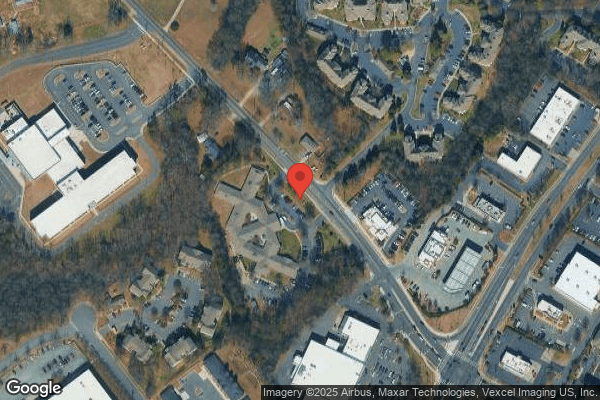
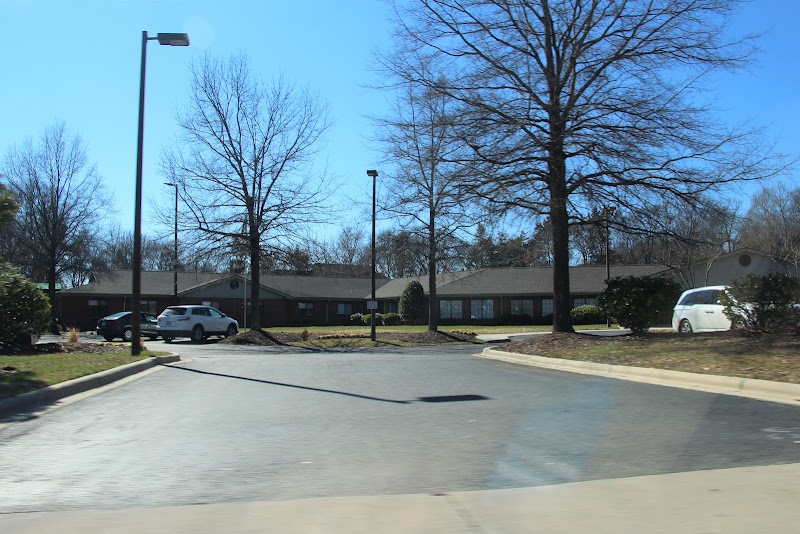
2415 Sandy Porter Road, Charlotte, NC 28273 (704) 583-0430
For profit - Limited Liability company 100 Beds SANSTONE HEALTH & REHABILITATION Data: November 2025
Trust Grade
73/100
#109 of 417 in NC
Last Inspection: August 2025

Inspected within the last 6 months. Data reflects current conditions.

Overview

Mecklenburg Health and Rehabilitation has a Trust Grade of B, indicating it is a good choice, though not without some concerns. It ranks #109 out of 417 facilities in North Carolina, placing it in the top half, and #6 out of 29 in Mecklenburg County, meaning only five local options are better. However, the facility's performance appears to be worsening, with reported issues increasing from 2 in 2023 to 6 in 2025. Staffing is rated at 2 out of 5 stars, which is below average, with a turnover rate of 46%, slightly better than the state average. Additionally, the facility has faced $8,203 in fines, which is average for the area but still raises some concern. While there is more RN coverage than 84% of North Carolina facilities, this is still seen as concerning. Specific incidents noted in inspections include failing to properly report and investigate a resident's unexplained injury, as well as not providing safe transfers for a resident who required two-person assistance. Overall, while there are strengths in certain areas, families should weigh these alongside the weaknesses as they consider this facility.

Trust Score
B
73/100
In North Carolina
#109/417
Top 26%
Safety Record
Low Risk
No red flags
Inspections
Getting Worse
2 → 6 violations
Staff Stability
⚠ Watch
46% turnover. Above average. Higher turnover means staff may not know residents' routines.
Penalties
⚠ Watch
$8,203 in fines. Higher than 78% of North Carolina facilities, suggesting repeated compliance issues.
Skilled Nurses
⚠ Watch
Each resident gets only 21 minutes of Registered Nurse (RN) attention daily — below average for North Carolina. Fewer RN minutes means fewer trained eyes watching for problems.
Violations
⚠ Watch
14 deficiencies on record. Higher than average. Multiple issues found across inspections.
★★★★☆
4.0
Overall Rating
★★☆☆☆
2.0
Staff Levels
★★★★★
5.0
Care Quality
★★★☆☆
3.0
Inspection Score
Stable
2023: 2 issues
2025: 6 issues

The Good

  • 5-Star Quality Measures · Strong clinical quality outcomes
  • Full Sprinkler Coverage · Fire safety systems throughout facility
  • No fines on record

Facility shows strength in quality measures, fire safety.

The Bad

Staff Turnover: 46%

Near North Carolina avg (46%)

Higher turnover may affect care consistency

Federal Fines: $8,203

Below median ($33,413)

Minor penalties assessed

Chain: SANSTONE HEALTH & REHABILITATION

Part of a multi-facility chain

Ask about local staffing decisions and management

The Ugly 14 deficiencies on record

Sept 2025 2 deficiencies
CONCERN (D) 📢 Someone Reported This

A family member, employee, or ombudsman was alarmed enough to file a formal complaint

Potential for Harm - no one hurt, but risky conditions existed

Abuse Prevention Policies (Tag F0607)

Could have caused harm · This affected 1 resident

**NOTE- TERMS IN BRACKETS HAVE BEEN EDITED TO PROTECT CONFIDENTIALITY** Based on record review, and staff and Medical Director interviews, the facility failed to implement their abuse policy and proce...

Read full inspector narrative →
**NOTE- TERMS IN BRACKETS HAVE BEEN EDITED TO PROTECT CONFIDENTIALITY** Based on record review, and staff and Medical Director interviews, the facility failed to implement their abuse policy and procedure in the areas of reporting to the state survey agency and investigating an injury of unknown source for a dependent resident who sustained an acute non-displaced proximal (upper) tibia (larger inner shinbone) and fibula (small outer shinbone) fracture and an acute right tibia fracture for 1 of 3 residents reviewed for accidents (Resident #1).The findings included:A review of the facility's abuse, neglect, and exploitation policy and compliance with reporting alleged violations policy and procedure dated January 2025 indicated the following: - It is the policy of this facility to report all allegations of abuse/neglect/exploitation or mistreatment, including injuries of unknown sources to appropriate agencies in accordance with current state and federal regulations within prescribed timeframes. - Injuries of unknown source include circumstances when both the following conditions are met: 1. The source of the injury was not observed by any person or could not be explained by the resident. 2. The injury is suspicious because of the extent of the injury, location of the injury, the number of injuries observed at one particular point in time, or the incidence of injuries over time. - The Administrator or designee will notify the appropriate agencies, in the case of serious bodily injury, no later than 2 hours after discovery or forming the suspicion.-Immediate investigation is warranted when suspicion of abuse neglect or exploitation or reports of abuse neglect or exploitation occur. -Written procedures for investigations include:1. Identifying and interviewing all involved persons including the alleged victim, alleged perpetrator, witnesses, and others who might have knowledge of the allegations. 2. Focusing the investigation on determining if abuse, neglect or exploitation and/or mistreatment has occurred, the extent and cause, and providing complete and thorough documentation of the investigation. Resident #1 was admitted to the facility on [DATE]. The significant change Minimum Data Set, dated [DATE] revealed Resident #1 was severely cognitively impaired and dependent on staff for assistance with activities of daily living (ADL). The radiology report dated 8/28/25 at 1:14 PM indicated an x-ray obtained of Resident #1's left knee revealed an acute non-displaced proximal (upper) tibia (larger inner shinbone) and fibula (small outer shinbone) fracture. The emergency department (ED) report dated 8/28/25 revealed x-rays obtained in the ED indicated Resident #1 had an acute comminuted (broken in multiple pieces) mildly displaced (bone fragments are only slightly out of position) left tibia and fibula fracture and an acute right tibia fracture. The ED report noted Resident #1 was non-ambulatory, wheelchair bound, required the use of a mechanical lift for all transfers and that the source of the injury was unknown and that the facility denied any recent falls. A review of the facility reported incidents from 8/22/25 through 9/17/25 indicated no initial allegation report or 5-day investigation report was completed or submitted to the state agency regarding Resident #1's injury of unknown source. During a phone interview with the interim DON on 9/18/25 at 4:57 PM she stated she was notified immediately on 8/28/25 when Resident #1's x-ray results were received and indicated a left tibia and fibula fracture. She stated the ADON assisted her with interviewing staff and there were no reports of Resident #1 having an accident or incident that would have caused a fracture. The interim DON stated Resident #1 had a history of fractures and osteoporosis and due to no reports of a fall or trauma to her leg they determined the fracture was pathological. A phone interview with the Medical Director indicated she was notified on 8/28/25 that Resident #1 obtained a left tibia and fibula fracture and was transferred to the ED for further evaluation. She stated on 8/29/25 she reviewed Resident #1's medical record and due to her history of fractures, diagnoses of osteoporosis and osteopenia and no reports of a fall or trauma to her leg she determined the fracture was pathological in nature. The Medical Director indicated she did not review Resident #1's ED or hospital records nor was she aware of the right tibia fracture however Resident #1 having bilateral leg fractures made it more evident that the fractures were pathological. An interview conducted with the Administrator on 9/17/25 at 2:30 PM revealed she was notified immediately on 4/28/25 of Resident #1's x-ray results and that she had a leg fracture. She indicated interviews were conducted with nursing staff to determine if there was an incident or accident that occurred to cause the fracture, and no incidents or accidents were reported. She stated on 4/29/25 the Medical Director reviewed Resident #1's medical record and determined the fracture was pathological. She stated they determined the source of the injury was pathological, so an initial allegation report was not submitted to the state agency nor was a 5-day investigation report completed.
CONCERN (D) 📢 Someone Reported This

A family member, employee, or ombudsman was alarmed enough to file a formal complaint

Potential for Harm - no one hurt, but risky conditions existed

Accident Prevention (Tag F0689)

Could have caused harm · This affected 1 resident

**NOTE- TERMS IN BRACKETS HAVE BEEN EDITED TO PROTECT CONFIDENTIALITY** Based on record review and staff interviews, the facility failed to provide a safe transfer for 1 of 3 residents reviewed for ac...

Read full inspector narrative →
**NOTE- TERMS IN BRACKETS HAVE BEEN EDITED TO PROTECT CONFIDENTIALITY** Based on record review and staff interviews, the facility failed to provide a safe transfer for 1 of 3 residents reviewed for accidents (Resident #1). The findings included: Resident #1 was admitted to the facility on [DATE] with diagnoses that included end stage renal disease, dependence on renal dialysis, and dementia. The resident care guide dated 8/27/24 indicated Resident #1 required 2-person assistance and the use of a mechanical lift for transfers. The significant change Minimum Data Set (MDS) assessment dated [DATE] revealed Resident #1 was severely cognitively impaired and dependent on staff for assistance with activities of daily living (ADL) including transfers. A phone interview conducted with Nurse Aide (NA) #1 on 9/16/25 at 8:41 AM revealed she was Resident #1's Responsible Party (RP) and worked at the facility on night shift (7:00 PM to 7:00 AM). She stated she was not assigned to Resident #1 when she worked but would check on her and provide care as needed. She revealed on 8/26/25 at approximately 8:00 PM Resident #1 was complaining of leg pain during incontinence care. She stated Nurse Practitioner (NP) #1 was making rounds the next morning and assessed Resident #1 due to her complaints of leg pain. NA #1 revealed after NP #1 assessed Resident #1, NA #2 assisted her with transferring Resident #1 with the mechanical lift from the bed to the wheelchair. A phone interview was conducted with NA #2 on 9/17/25 at 7:45 AM. NA #2 revealed she was assigned to Resident #1 on 8/26/25 from 7:00 PM to 7:00 AM on 8/27/25. She stated NA #1 provided incontinence care for Resident #1 at approximately 8:00 PM and told her she would be back at the end of her shift to assist Resident #1 with morning care. NA #2 stated on the morning of 8/27/25 she did not assist NA #1 with transferring Resident #1 using the mechanical lift. A follow-up phone interview was conducted with NA #1 on 9/17/25 at 9:34 AM. She stated on 8/27/25 she transferred Resident #1 from the bed to the wheelchair with the mechanical lift without a second person. She stated she wanted to ensure Resident #1 was transferred gently due to her leg pain and felt she would accomplish this by transferring her alone. NA #1 revealed the transfer was successful and without incident. She indicated the facility's policy was to have a second person when transferring a resident with the mechanical lift and she should have requested for another staff member to assist her with the transfer. An interview with the Assistant Director of Nurse (ADON) on 9/16/25 at 4:26 PM revealed she was aware that NA #1 reported on the morning of 8/27/25 NA #2 assisted her with transferring Resident #1 using the mechanical lift, however, NA #2 denied that she assisted with the transfer. The ADON indicated two staff members should assist with mechanical lift transfers to ensure resident safety An interview conducted with the Administrator on 9/17/25 at 2:30 PM revealed two staff members should assist with all mechanical lift transfers to ensure the resident was safe.
Aug 2025 4 deficiencies
CONCERN (D)

Potential for Harm - no one hurt, but risky conditions existed

Assessment Accuracy (Tag F0641)

Could have caused harm · This affected 1 resident

**NOTE- TERMS IN BRACKETS HAVE BEEN EDITED TO PROTECT CONFIDENTIALITY** Based on record review and staff interviews, the facility failed to accurately code the Minimum Data Set (MDS) in the area of Sp...

Read full inspector narrative →
**NOTE- TERMS IN BRACKETS HAVE BEEN EDITED TO PROTECT CONFIDENTIALITY** Based on record review and staff interviews, the facility failed to accurately code the Minimum Data Set (MDS) in the area of Special Treatments, Procedures, and Programs regarding Chemotherapy for 1 of 19 residents reviewed for accuracy of assessment (Resident #9). The findings included:Resident #9 was admitted to the facility on [DATE] with diagnoses which included colorectal cancer and heart failure.A nursing note dated 6/24/2025 at 5:18 PM indicated Resident #9 began chemotherapy every 2 weeks, starting on 6/24/2025.An Oncologist note dated 8/5/2025 indicated Resident #9 had a chemotherapy infusion pump placed for a 2-day continuous infusion with pump removal in 2 days.A nursing progress note dated 8/5/2025 at 3:50 PM stated Resident #9 returned to the facility after her oncology appointment with a chemotherapy infusion pump currently in use, secured and taped to her chest.The quarterly Minimum Data Set (MDS) assessment dated [DATE] indicated Resident #9 was cognitively intact. Under section O-Special Treatments, Procedures, and Programs the resident was not coded as receiving chemotherapy while a resident and within the last 14 days.On 8/20/2025 at 11:22 AM an interview with the Regional Minimum Data Set (MDS) Coordinator, MDS Coordinator #1 and MDS Coordinator #2 revealed they obtained Resident #9's assessment information from the daily clinical meetings, medical record progress notes and physician consult notes. The Regional MDS Coordinator stated the MDS was coded incorrectly. She stated the information was missed when the assessment was completed.On 8/21/2025 at 2:21 PM an interview with the Interim Director of Nursing revealed she was not involved with the MDS process but knew the MDS Coordinators attended the clinical meetings each morning when the residents were discussed. She stated the MDS should be coded accurately.On 8/21/2025 at 2:38 PM an interview with the Administrator indicated that the MDS should be coded accurately. The Administrator stated nursing should be consulted if the MDS Coordinators had questions regarding a resident's condition or treatments received.
CONCERN (D)

Potential for Harm - no one hurt, but risky conditions existed

Deficiency F0658 (Tag F0658)

Could have caused harm · This affected 1 resident

**NOTE- TERMS IN BRACKETS HAVE BEEN EDITED TO PROTECT CONFIDENTIALITY** Based on observation, record review and staff interviews, the facility failed to administer insulin pen injection according to d...

Read full inspector narrative →
**NOTE- TERMS IN BRACKETS HAVE BEEN EDITED TO PROTECT CONFIDENTIALITY** Based on observation, record review and staff interviews, the facility failed to administer insulin pen injection according to directions when the Unit Coordinator failed to wait at least 6 seconds prior to removing insulin pen from Resident #4's skin. This deficient practice occurred for 1 of 5 residents observed for medication administration (Resident #4). The findings included:The Insulin Pen policy implementation date 1/7/25 revealed when injecting insulin pen the nurse should:- Cleanse the skin with alcohol pad.- Inject the needle straight at a 90-degree angle to the skin.- Fully depress plunger until the dosing number count back to zero.- While still pressing the plunger, keep the needle in the skin for up to 6-10 seconds and then remove the needle from the skin. - May use bandage if needed.- Remove the needle from the pen by turning counterclockwise and dispose of the needle in the sharps container. Resident #4 was admitted to the facility on [DATE] with diagnoses that included diabetes type 2. A review of Resident #4's July 2025 physician orders included an order for Novolog FlexPen, give 4 units with meals, hold for blood sugar level less than 100. An observation was conducted on 8/21/25 at 12:50 PM with Resident #4. The Unit Coordinator donned a clean pair of gloves and dialed the Novolog insulin pen to 6 Units and discarded 2 Units, leaving 4 Units on the insulin pen dial. The Unit Coordinator cleaned Resident #4's upper posterior right arm with alcohol wipe. Next, she pressed the pen on Resident #4's arm 3 times in 3 different locations on the right upper arm of Resident #4 with the insulin pen. When the Unit Coordinator pressed insulin pen for the third time at a 90-degree angle to Resident #4's skin, pressed the top button on the pen to inject the insulin until the dial registered 0 units. Next the Unit Coordinator immediately removed the pen less than one count. The surveyor observed a clear fluid draining from Resident #4's arm. The Unit Coordinator wiped Resident #4's arm with a dry gauze and disposed of the insulin needle in the sharps container, removed gloves, and applied antiseptic gel to her hands. An interview was conducted on 8/21/25 at 1:07 PM with the Unit Coordinator. The Unit Coordinator stated that she was nervous and was not aware of how long she held the insulin pen to Resident #4's skin after insulin pen registered 0 units. An interview was conducted on 8/21/25 at 2:04 PM with the Director of Nursing (DON). The DON stated that she asked the Unit Coordinator if she held the pen for a few seconds when the insulin pen reached 0. The DON reported that the Unit Coordinator stated she did not count to know how long she held the insulin pen to Resident #4's skin. The DON stated after she reviewed the policy, the Unit Coordinator should not have removed the insulin pen immediately and should have held the insulin pen to Resident #4's skin with the pen at 0 units for at least 6 seconds.
CONCERN (D)

Potential for Harm - no one hurt, but risky conditions existed

Deficiency F0761 (Tag F0761)

Could have caused harm · This affected 1 resident

Based on observations and staff interviews the facility failed to remove expired medications stored in 1 of 3 medication storage rooms (Central Supply).The findings included: An observation of the Cen...

Read full inspector narrative →
Based on observations and staff interviews the facility failed to remove expired medications stored in 1 of 3 medication storage rooms (Central Supply).The findings included: An observation of the Central Supply medication storage room was conducted on 8/19/25 at 11:19 AM in the presence of the Unit Coordinator. The following medication was found in the Central Supply room: one box of hemorrhoidal suppositories. The expiration date on the box was July 2025 and contained 12 suppositories. The Unit Coordinator confirmed the expiration date by reading aloud the date printed on the box. An interview with the Unit Coordinator was completed on 8/19/25 at 11:32 AM. The Unit Coordinator stated that all staff who administer medications were responsible for checking medication expiration dates prior to leaving the Central Supply room and before administration of all medications. She also reported that expired medications were disposed of to prevent circulation to residents.An interview with the Central Supply Coordinator on 8/19/25 at 11:34 AM revealed that she expected all staff to check the expiration dates on medications prior to leaving the Central Supply room and dispose of the item if it was expired. The Central Supply Coordinator indicated she checked the Central Supply room monthly to reorder supplies as needed but did not check for expired medication. The interview with the Director of Nursing (DON) on 8/21/25 at 2:04 PM revealed that when a nurse retrieved a medication from the Central Supply room the expiration date was reviewed and if a nurse identified an expired medication, the medication was disposed of immediately. The interview with the Administrator was completed on 8/21/25 at 2:37 PM. The Administrator stated that she expected staff to check the expiration date prior to the medication leaving the Central Supply storage room and discard any expired medication prior to leaving the Central Supply room.
CONCERN (D) 📢 Someone Reported This

A family member, employee, or ombudsman was alarmed enough to file a formal complaint

Potential for Harm - no one hurt, but risky conditions existed

Infection Control (Tag F0880)

Could have caused harm · This affected 1 resident

Based on observations, record review, and staff interviews, the facility failed to follow their Handwashing/Hand Hygiene policy when the Unit Coordinator did not perform hand hygiene prior to donning ...

Read full inspector narrative →
Based on observations, record review, and staff interviews, the facility failed to follow their Handwashing/Hand Hygiene policy when the Unit Coordinator did not perform hand hygiene prior to donning clean gloves to perform blood glucose fingerstick and insulin injections for Resident #4 and Resident #105. This deficient practice occurred for 1 of 6 staff members observed for infection control practices (Unit Coordinator).The findings included: The Hand Hygiene policy implementation date 1/2/25 revealed all staff would perform proper hand hygiene procedures to prevent the spread of infection to other personnel, residents and visitors. Hand hygiene was defined as cleaning hands by handwashing with soap and water or the use of an antiseptic hand rub, also known as alcohol-based rub. The policy also revealed staff should perform hand hygiene for the following:- Before and after direct resident contact- Upon and after coming in contact with a resident's intact skin- After contact with a resident's mucous membranes and body fluids- After removing gloves or aprons Observation #1 was conducted on 8/21/25 at 12:19 PM while Resident #105 received an insulin injection. The Unit Coordinator was observed entering Resident #105's room wearing a gown, gloves and carrying a plastic box that contained alcohol wipes, insulin vial and glucometer supplies. The Unit Coordinator stated she had to exit the room to obtain an insulin syringe. The Unit Coordinator removed her gown, gloves, and disposed of them in the trash before exiting the room. The Unit Coordinator retrieved 4 insulin syringes from the medication cart and placed them in the clear plastic supply box. The Unit Coordinator returned to Resident #105's room and donned gown and gloves without performing hand hygiene. Then the Unit Coordinator wiped the insulin vial with an alcohol wipe and used a syringe to draw up 15 Units of Humalog insulin. The Unit Coordinator cleaned the posterior upper right arm of Resident #105 with alcohol wipe and administered the insulin injection. The Unit Coordinator removed her gown, gloves and returned to medication cart and applied antiseptic gel to hands. A second observation was conducted on 8/21/25 at 12:50 PM with Resident #4. The Unit Coordinator obtained the glucometer supply box for Resident #4, applied antiseptic gel to both hands and applied clean gloves. The Unit Coordinator wiped Resident #4's right ring finger with alcohol wipe, pricked the finger with a lancet to obtain blood sample. The Unit Coordinator applied a sample of Resident #4's blood to the glucometer test strip. The glucometer reading resulted in an error reading. The Unit Coordinator removed her gloves and returned to the medication cart to retrieve another test strip for the glucometer. She then donned clean gloves without performing hand hygiene and cleaned Resident #4's right ring finger with alcohol wipe, pricked the finger with the lancet, wiped the finger with a dry gauze, and collected the blood sample with the glucometer. The Unit Coordinator disposed of the lancet, test strip and gloves. She then donned a clean pair of gloves without doing hand hygiene and before administering the insulin. An interview was conducted on 8/21/25 at 1:07 PM with the Unit Coordinator. The Unit Coordinator stated that she was nervous and forgot to perform hand hygiene prior to putting on clean gloves prior to insulin injection for Resident #105 and prior to glucometer test and insulin injection for Resident #4.An interview with the Infection Preventionist on 8/21/25 at 1:06 PM revealed that the Unit Coordinator should have performed hand hygiene after removing gloves while insulin injection for Resident #105 and prior to glucometer test and insulin injection for Resident #4. The Infection preventionist stated that staff were educated on hand hygiene and glucometer testing July 2025 and the Unit Coordinator attended the training. An interview was conducted on 8/21/25 at 2:04 PM with the Director of Nursing (DON). The DON stated the Unit Coordinator was nervous and should have performed hand hygiene after removing gloves when performing insulin injection for Resident #105 and prior to glucometer test and insulin injection for Resident #4.
Dec 2023 2 deficiencies
CONCERN (D) 📢 Someone Reported This

A family member, employee, or ombudsman was alarmed enough to file a formal complaint

Potential for Harm - no one hurt, but risky conditions existed

Transfer Requirements (Tag F0622)

Could have caused harm · This affected 1 resident

**NOTE- TERMS IN BRACKETS HAVE BEEN EDITED TO PROTECT CONFIDENTIALITY** Based on record review, hospital case manager, physician, and staff interviews, the facility discharged a resident when the resi...

Read full inspector narrative →
**NOTE- TERMS IN BRACKETS HAVE BEEN EDITED TO PROTECT CONFIDENTIALITY** Based on record review, hospital case manager, physician, and staff interviews, the facility discharged a resident when the resident was sent out to the local hospital for a physician ordered geriatric psychiatric consult. There was also no documentation by the physician stating the reason for the discharge or details about how the facility could not meet the resident's needs or how the resident endangered other residents for 1 of 2 sampled residents reviewed for transfer and discharge (Resident #1) . The findings included: Resident #1 was admitted to the facility on [DATE] to an unlocked unit with diagnoses that included unilateral primary osteoarthritis-right hip, history of other toxic encephalopathy, unspecified atrial fibrillation, major depressive disorder, anxiety disorder, insomnia, and delirium due to known physiological condition. The quarterly Minimum Data Set (MDS) assessment dated [DATE] revealed Resident #1 was cognitively intact. The MDS further coded Resident #1 for delusions and no physical or verbal behavioral symptoms directed towards others. Resident #1's psychiatric service note dated 11/4/23 revealed Resident #1 was seen for a psychiatric evaluation for management of medication for psychiatric issues as the facility was utilizing a new psychiatric provider. The facility's Psychiatric Mental Health Nurse Practitioner (PMHNP) reported history of major depressive disorder, anxiety, insomnia, and anorexia and behaviors to include yelling, throwing things, and combativeness. PMHNP agreed with diagnosis and was unclear if Resident #1 had psychosis. No medication changes were suggested. Resident #1's psychiatric service note dated 11/21/23 revealed Resident #1 was seen for a recent episode where she, per staff, attempted to throw silverware at another resident and continued to have behaviors that were not redirectable. The facility's PMHNP reported that per the SW, consideration was given to a 30-day discharge notice. The PMHNP agreed Resident #1 could be sent to ER for further psychiatric evaluation and possible hospitalization to stabilize underling psychiatric issues. No medication changes were suggested. Review of a Nursing Home notice of transfer/discharge revealed the date of notice was 11/21/23 and the discharge date was 12/21/23. The reasons for discharge were marked as it is necessary for your welfare and your needs cannot be met in this facility, the safety of individuals in this facility is endangered due to the clinical or behavioral status of the resident, and the health of the individuals in this facility would otherwise be endangered. The discharge location was listed as Hospital Inpatient Gero Psych. Review of the Social Worker's (SW) progress note dated 11/21/23 revealed a care conference with Resident #1's family member was held regarding the facility issuing a 30-day discharge notice from the facility effective 12/21/23. Resident #1 would be discharged because the facility was not able to meet Resident #1's needs as resident needed geriatric psychiatric services as requested by the facility provider, the safety of the individuals in the facility were endangered due to clinical or behavioral status of the Resident #1, and the health of individuals in this facility would otherwise be endangered. Resident #1's daughter stated she understood as she was made aware by the nursing staff of Resident #1's combativeness towards residents and staff members. The facility Physician's Assistant (PA) requested a geriatric psychiatric consult as Resident #1 was to be discharged to inpatient geriatric psychiatric unit. A copy of the 30-day discharge letter was mailed to Resident #1's daughter and a copy was given to Resident #1. A review of Resident #1 physician order dated 11/21/23 read geriatric psychiatric consult. There were no physician progress notes stating the reason for the discharge or details about how the facility could not meet Resident #1's needs or how Resident #1 endangered the other residents located in the medical record. The discharge MDS dated [DATE] indicated that Resident #1 was discharged to inpatient psychiatric facility. Nursing progress note dated 11/22/23 at 8:39am indicated Resident #1 was discharged from the facility at 7:30am and the ambulance arrived and provided her transportation to geriatric psychiatric hospital. Resident #1 was discharged with her belongings including glasses, dentures, and phone. Review of the hospital records revealed Resident #1 was medically evaluated in the emergency room (ER) on 11/22/23 for a psychiatric evaluation and Resident was documented as medically stable, and appropriate for behavioral health evaluation. In addition, medical provider note dated 11/29/23 revealed that Resident #1 initially presented to the ER on [DATE] from local rehab unit after reportedly exhibiting combative and aggressive behaviors towards staff and other residents, progressively worsening over the past several weeks. Resident #1 was evaluated by the ER provider and psychiatry and was cleared for discharge, however unfortunately the local rehab unit would not accept her back. Resident #1 remained in the ER while awaiting other nursing facility placement. The medicine team was asked to admit the patient to the medical unit after 8 days. Resident #1 was diagnosed with acute urinary cystitis and received treatment. Hospital note dated 11/30/23 continued that Resident #1 was discharged to another skilled nursing facility. An interview with the SW on 12/12/23 at 12:43pm revealed Resident #1 needed a geriatric-psychiatric facility-a higher level of care. The SW stated that she called the hospital behavioral psychiatric hotline on 11/20/23 and spoke to an intake hospital representative. The intake hospital representative advised the SW to send Resident #1 to the ER and she would be evaluated for the geriatric-psychiatric unit. She sent Resident #1's belongings to the ER because the responsible party did not elect for a bed hold. The SW indicated she emailed the 30-day discharge notice to the Ombudsman and the responsible party. An interview with the Hospital Case Manager on 12/12/23 at 1:38pm revealed Resident #1 was sent to the ER on [DATE] with all her belongings. After evaluation, Resident #1 did not meet the criteria for geriatric psychiatric unit and needed to return to the facility. She revealed that she had spoken to the social worker at the facility regarding Resident #1's discharge on [DATE]. An interview with the Medical Director (MD) on 12/13/23 10:10am revealed Resident #1 had a history of challenging behaviors. It was the understanding of the MD that Resident #1 would be sent to the ER and would be evaluated and admitted to the geriatric psychiatric unit. The MD spoke to the ER physician on 11/27/23 and understood that the resident received multiple IM injections and Resident #1 was not appropriate for the facility at that time. An interview with the Administrator on 12/13/23 11:10am revealed Resident #1's care was outside of the facility's scope. She stated the DON would be better suited to answer questions about what care the facility could not provide for Resident #1. The Administrator explained that the facility had to give a 30-day discharge notice to any resident who needed to go out for treatment. An interview with the Director of Nursing (DON) on 12/12/23 at 12:59pm revealed that he was not directly involved with this discharge. He stated that he spoke to Resident #1's daughter about the discharge notice and noted Resident #1 was exhibiting acute psychosis. A continued interview with the DON on 12/13/23 at 11:43am revealed the facility would always send a 30-day discharge notice to all residents who went to the hospital and was not aware of any resident who appealed the notice.
CONCERN (D) 📢 Someone Reported This

A family member, employee, or ombudsman was alarmed enough to file a formal complaint

Potential for Harm - no one hurt, but risky conditions existed

QAPI Program (Tag F0867)

Could have caused harm · This affected 1 resident

Based on staff interviews and record review, the facility's Quality Assessment and Assurance (QAA) Committee failed to maintain implemented procedures and monitor interventions the committee put into ...

Read full inspector narrative →
Based on staff interviews and record review, the facility's Quality Assessment and Assurance (QAA) Committee failed to maintain implemented procedures and monitor interventions the committee put into place following the Focused Infection Control and Complaint Investigation survey conducted on 1/19/21 and the Complaint Investigation survey conducted on 12/14/23. This was for a repeat deficiency in the area of Transfer and Discharge Requirements that was originally cited on 1/19/21 during the Focused Infection Control and Complaint Investigation survey, and subsequently recited during the Complaint Investigation survey completed on 12/14/23. The continued failure of the facility during two federal surveys of record shows a pattern of the facility's inability to sustain an effective QAA program. The findings included: This tag is cross referenced to: F622- Transfer and Discharge Requirements: Based on record review, hospital case manager, physician, and staff interviews, the facility discharged a resident when the resident was sent out to the local hospital for a physician ordered geriatric psychiatric consult. There was also no documentation by the physician stating the reason for the discharge or details about how the facility could not meet the resident's needs or how the resident endangered other residents for 1 of 2 sampled residents (Resident #1) reviewed for transfers and discharges. During the Focused Infection Control and Complaint Investigation survey conducted on 1/19/21 the facility failed to communicate a Resident's guardianship status to the hospital and failed to arrange for a supervised transfer and handoff of the Resident who was deemed incompetent and had a legal guardian. The nursing home provided confidential guardianship information to a contracted van driver in a sealed envelope. The van driver reportedly provided the sealed envelope to hospital staff and left the resident alone at the hospital. Hospital staff denied receiving any resident documentation in written, scanned, or telephonic format. This was evident for 1 of 3 residents reviewed for hospital discharges and transfers.
Dec 2022 6 deficiencies
CONCERN (D) 📢 Someone Reported This

A family member, employee, or ombudsman was alarmed enough to file a formal complaint

Potential for Harm - no one hurt, but risky conditions existed

Resident Rights (Tag F0550)

Could have caused harm · This affected 1 resident

**NOTE- TERMS IN BRACKETS HAVE BEEN EDITED TO PROTECT CONFIDENTIALITY** Based on record review and staff and resident interviews, the facility failed to ensure staff spoke to residents in a respectful...

Read full inspector narrative →
**NOTE- TERMS IN BRACKETS HAVE BEEN EDITED TO PROTECT CONFIDENTIALITY** Based on record review and staff and resident interviews, the facility failed to ensure staff spoke to residents in a respectful and dignified manner for 1 of 3 residents reviewed for dignity (Resident #51). The findings included Resident #51 was admitted to the facility on [DATE] with diagnoses that included chronic pain syndrome, dislocation of left and right shoulder joint, altered mental status, and depression. A review of Resident #51's quarterly Minimum Data Set Assessment revealed Resident #51 to be cognitively intact. During an interview with Resident #51 on 12/14/22 at 10:05 AM, she reported she recently had an interaction with a nurse aide (NA #3) who was being mean to her while assisting her to bed. Resident #51 reported she began to cry and Resident #51 stated NA #3 then told her we don't care for babies around here. Resident #51 stated she became more upset, and that NA #3 made her feel like her feelings were unimportant. During an interview with NA #3 on 12/14/22 at 3:48 PM, she reported she remembered the interaction and stated she felt Resident #51 misunderstood what she said. She reported that night, she was assisting Resident #51 to bed and noticed that she was crying and upset. NA #3 stated she asked her multiple times what was wrong with no answer from Resident #51. She then told Resident #51 that we were all adults here and we don't cry. Babies cry and that Resident #51 needed to tell her what was wrong. NA #3 stated she was eventually able to get her comfortable and her calmed down. She stated although she believed that Resident #51 misunderstood what she was saying, she agreed that the verbiage was not appropriate, and she should not have compared Resident #51's behavior that evening to the behavior of babies. During an interview with the Director of Nursing on 12/15/22 at 11:58 AM, she reported she was aware of the interaction between NA #3 and Resident #51. She reported staff should not be comparing actions of residents to the actions of children or babies. She stated she expected her staff to resolve issues, not add to them. During an interview with the Administrator on 12/15/22 at 12:36 PM, she reported she was aware of the interaction between Resident #51 and NA #3. She reported she investigated it when she was made aware of the incident and educated NA #3 on customer service. She stated she expected her staff to speak to residents in a dignified and respectful manner.
CONCERN (D) 📢 Someone Reported This

A family member, employee, or ombudsman was alarmed enough to file a formal complaint

Potential for Harm - no one hurt, but risky conditions existed

Deficiency F0558 (Tag F0558)

Could have caused harm · This affected 1 resident

**NOTE- TERMS IN BRACKETS HAVE BEEN EDITED TO PROTECT CONFIDENTIALITY** Based on record review and staff and resident interviews, the facility failed to ensure a resident's need was accommodated resul...

Read full inspector narrative →
**NOTE- TERMS IN BRACKETS HAVE BEEN EDITED TO PROTECT CONFIDENTIALITY** Based on record review and staff and resident interviews, the facility failed to ensure a resident's need was accommodated resulting in a resident who was mobile in a standard wheelchair being placed in a large reclining chair on wheels which inhibited the resident's ability to propel around the facility independently for 1 of 2 residents reviewed for accommodation of needs (Resident #4). The findings included Resident #4 admitted to the facility on [DATE] with diagnoses that included end stage renal disease, hypotension, chronic pain, major depressive disorder, anxiety disorder, and type II diabetes mellitus. A review of Resident #4's quarterly Minimum Data Set assessment dated [DATE] revealed her to be cognitively intact with no behaviors, rejection of care, or instances of wandering. Resident #4 was coded as activity did not occur for locomotion on and off the unit and was coded with no use of physical restraints or alarms. Resident #4 was coded as receiving dialysis while a resident. During an interview with Resident #4 on 12/12/22 at 12:04 PM, she reported the facility had misplaced her wheelchair a couple weeks ago and she was not getting out of bed. She reported while her wheelchair was lost, the facility had gotten her up on a few occasions and placed her in a large reclining chair on wheels but that she could not move the chair so she would have to call for assistance when she wanted to move to another place in the facility. Resident #4 reported when she was in her regular wheelchair, she had the ability to mobilize around the facility on her own. She reported it became such a nuisance that after 3 or 4 times of getting up in the large reclining chair; she stopped asking to get out of bed at all. Resident #4 reported she had informed the Housekeeping Director of her missing wheelchair and he had attempted to locate it. During an interview with Nurse Aide (NA) #8 on 12/14/22 at 11:41 AM, she reported Resident #4 did not get out of bed a lot. She reported when Resident #4 did get out of bed, she had to be placed in the large reclining chair on wheels that was kept in her room because her wheelchair had been misplaced. NA #4 verified that Resident #4 could not propel freely when in the large reclining chair on wheels like she could when she was in her own wheelchair. During an interview with NA #7 on 12/14/22 at 12:18 PM, she reported Resident #4 did not get out of bed a lot. She stated with Resident #4's wheelchair missing, when she was gotten out of bed, she was placed in a large reclining chair on wheels. NA #7 reported when Resident #4 was in her regular wheelchair, she had the ability to propel herself around the facility and stated she did not believe Resident #4 would have the same ability when she was in the large reclining chair on wheels. During an interview with the Housekeeping Director on 12/14/22 at 2:04 PM he reported he knew that Resident #4's wheelchair was missing. He also stated he had replaced her wheelchair with a replacement wheelchair but that one had went missing as well. He stated he could not remember how long Resident #4 had gone without a wheelchair while the other wheelchairs were missing. He reported while the missing wheelchairs were being located, Resident #4 was being placed in a large reclining chair on wheels when Resident #4 wanted to get up and out of bed. During an interview with the Director of Nursing on 12/15/22 at 11:58 PM, she reported she did not know about Resident #4's missing wheelchair. She reported she would have wanted her staff to locate another wheelchair and provide it to Resident #4 as she was aware Resident #4 would be unable to propel herself in the large reclining chair on wheels that facility staff had reported they placed her in. She stated she felt the facility had plenty of extra wheelchairs and did not understand why staff began placing Resident #4 in the large reclining chair on wheels. During an interview with the Administrator on 12/15/22 at 12:36 PM, she reported she was aware Resident #4's wheelchair had been misplaced. She also reported she would have preferred her staff find another wheelchair for Resident #4 to use while hers was misplaced instead of using the large reclining chair on wheels to put Resident #4 in since she would not be able to propel in it.
CONCERN (D) 📢 Someone Reported This

A family member, employee, or ombudsman was alarmed enough to file a formal complaint

Potential for Harm - no one hurt, but risky conditions existed

ADL Care (Tag F0677)

Could have caused harm · This affected 1 resident

**NOTE- TERMS IN BRACKETS HAVE BEEN EDITED TO PROTECT CONFIDENTIALITY** Based on observations, record review, and staff and resident interviews, the facility failed to ensure a dependent resident rece...

Read full inspector narrative →
**NOTE- TERMS IN BRACKETS HAVE BEEN EDITED TO PROTECT CONFIDENTIALITY** Based on observations, record review, and staff and resident interviews, the facility failed to ensure a dependent resident received the assistance they required to complete activities of daily living resulting in long, dirty fingernails for 1 of 5 residents reviewed for Activities of Daily Living (ADL)(Resident #38). The findings included: 1. Resident #38 was admitted to the facility on [DATE] with diagnoses that include hemiplegia and hemiparesis follow a stroke, contracture to left hand, muscle weakness, and major depressive disorder. A review of Resident #38's quarterly Minimum Data Set assessment dated [DATE] revealed Resident #38 to be cognitively intact with no psychosis, behaviors, or rejection of care. Resident #38 was coded as requiring extensive assistance with personal hygiene and was totally dependent with bathing. A review of Resident #38's care plan last revised on 10/19/22 revealed a care plan for Resident requires assistance from staff for ADLs . Interventions included provide assistance with all ADLs including mobility and transfers as needed, being careful not to overwhelm resident. During an observation and interview with Resident #38 on 12/12/22 at 11:50 AM, she reported she had to pitch a fit to get her nails trimmed. Resident #38's fingernails were observed to be long, extending ½ to 1 inch past the tips of her fingers, with black matter caked underneath the nails. An additional observation made of Resident #38 on 12/13/22 at 1:03 PM, revealed resident to be eating her lunch meal that consisted of a hotdog on a bun with chili and French fries. Resident #38 was feeding herself with her right hand. Resident #38's nails continued to be ½ - 1 inch beyond the end of her fingers with black matter under all 5 nails on her right hand. During an interview with NA #7 on 12/14/22 at 12:12 PM, she reported nail care should be completed on shower days and as needed, unless the resident was diabetic; then a nurse would be responsible for trimming a resident's nails. NA #7 also reported nails should be monitored on shower days, when passing trays, or when general care was being provided. She reported she had not seen Resident #38's nails and could not speak to their current condition. During an interview with NA #8 on 12/14/22 at 1:42 PM, she reported she was familiar with Resident #38 and that she needed assistance with her ADLs. NA #8 reported she checked nails on shower and bathing days. She reported she last worked with Resident #38 on 12/11/22 and could not recall the condition of Resident #38's fingernails at that time. During an interview with Nurse #3 on 12/14/22 at 2:48 PM she reported nail care was typically provided by the NAs on the hall unless the resident was diabetic, then the NAs would inform the nurse and the nurse would trim the nails. She reported that NAs were responsible for ensuring that nails were kept clean. Nurse #3 was shown the condition of Resident #38's fingernails at this time and she reported they needed to be cleaned and that they should not have been that dirty. During an interview was completed with the Director of Nursing on 12/14/22 at 2:48 PM after she observed the condition of Resident #38's fingernails. She reported the condition of Resident #38's fingernails was unacceptable and since Resident #38 was not diabetic, it would be the responsibility of the NAs to ensure they were neatly trimmed and cleaned. She stated she was unaware of the condition of Resident #38's fingernails and reported she would ensure they were cleaned. During an interview with the Administrator on 12/15/22 at 12:36 PM, she reported she expected ADLs to be completed as required for each resident in the facility.
CONCERN (D)

Potential for Harm - no one hurt, but risky conditions existed

Incontinence Care (Tag F0690)

Could have caused harm · This affected 1 resident

**NOTE- TERMS IN BRACKETS HAVE BEEN EDITED TO PROTECT CONFIDENTIALITY** Based on observations, record reviews and interviews the facility failed to prevent a urinary catheter bag and tubing from touch...

Read full inspector narrative →
**NOTE- TERMS IN BRACKETS HAVE BEEN EDITED TO PROTECT CONFIDENTIALITY** Based on observations, record reviews and interviews the facility failed to prevent a urinary catheter bag and tubing from touching the floor and failed to anchor the catheter tubing to prevent pulling and trauma for 1 of 2 residents (Resident #61) reviewed for urinary catheters. The findings included: Resident #61 was admitted to the facility on [DATE] with diagnoses that included neurogenic bladder. Review of Resident #61's care plan dated 11/01/22 indicated the Resident required a catheter due to neurogenic bladder. The goal to not experience no signs and symptoms of complications related to the use of the catheter would be attained by keeping the catheter free of kinks and keeping the catheter below the bladder. Review of Resident #61's physician orders dated 11/26/22 revealed, Secure (catheter) tubing with leg strap. The quarterly Minimum Data Set assessment dated [DATE] revealed Resident #61's cognition was severely impaired, and he had an indwelling urinary catheter. On 12/12/22 11:02 AM an observation was made of Resident #61 lying in bed with his urinary catheter bad tied to the left side of the bed frame by a string and the catheter tubing looped below the catheter bag and touching the floor. (Unable to determine if a catheter anchor was being used). During a second observation of Resident #61 on 12/12/22 2:51 PM the Resident's urinary catheter bag and the catheter tubing was touching the floor. On 12/12/22 2:52 PM Unit Manager (UM) #2 who also functioned at the Infection Preventionist walked into Resident #61's room and looked around the room then proceeded to converse with the roommate then walked back out of the room. At 2:54 PM on 12/12/22 the UM walked back into Resident #61's room and gave the Resident's roommate a snack then looked around the room again before she exited the room. During an interview with Nurse Aide (NA) #1 on 12/12/22 2:58 PM she confirmed that she was responsible for Resident #61 that shift. The NA acknowledged the catheter bag and tubing touching the floor and stated that the bag and tubing should be below the bladder but not touching the floor because it was a sanitary issue, and the Resident could develop a urinary tract infection. The NA was asked to determine if the Resident wore a stabilizing device for the catheter tubing and the NA looked for the device but there was no stabilizing device in use for the catheter tubing. The NA explained the Resident should be wearing a stabilizing device to prevent from pulling and causing trauma. The NA observed the catheter bag was tied to the bed frame with a string and stated the bag should have a hook to hang the bag and attempted to untie the string from the bed frame but could not untie the string and stated she needed to inform the UM #2 and laid the catheter bag back on the floor. An interview was conducted with Unit Manager #2 at 3:20 PM 12/12/22. The UM acknowledged the Resident's catheter bag and tubing were resting on the floor and there was no stabilizing device in place. The UM explained that all residents should wear an anchoring device to stabilize the catheter tubing to prevent trauma and the catheter bag and tubing should not be touching the floor for infection control purposes. She stated the Resident had a tendency to pick at things and could have removed the anchoring device himself. The UM replaced the catheter bag with a new one and taped an anchoring device to the Resident's thigh to prevent pulling and trauma. On 12/15/22 9:32 AM during an interview with the Interim Director of Nursing she explained that the catheter bag and tubing should never touch the floor for infection control purposes and the catheter tubing should be anchored to the residents' thighs as to not cause pulling and trauma. An interview was conducted with the Administrator on 12/15/22 10:48 AM. The Administrator indicated the residents who had urinary catheters should be monitored frequently to prevent the catheter bag and tubing from touching the floor and ensure the stabilizing device was utilized.
CONCERN (D) 📢 Someone Reported This

A family member, employee, or ombudsman was alarmed enough to file a formal complaint

Potential for Harm - no one hurt, but risky conditions existed

Respiratory Care (Tag F0695)

Could have caused harm · This affected 1 resident

**NOTE- TERMS IN BRACKETS HAVE BEEN EDITED TO PROTECT CONFIDENTIALITY** Based on observations, record reviews and interviews the facility failed to obtain a physician order for supplemental oxygen for...

Read full inspector narrative →
**NOTE- TERMS IN BRACKETS HAVE BEEN EDITED TO PROTECT CONFIDENTIALITY** Based on observations, record reviews and interviews the facility failed to obtain a physician order for supplemental oxygen for 1 of 2 residents (Resident #37) reviewed for respiratory care. The finding included: A review of an undated standing order policy related to supplemental oxygen revealed O2 @1-5 liters per minute (LPM) via nasal cannula (NC) as needed (PRN) to keep oxygen saturation >92%. If the patient needs oxygen longer than 24 hours physician (MD) order needed to continue. Resident #37 was admitted to the facility on [DATE] with diagnoses that included cerebral vascular accident. The quarterly Minimum Data Set (MDS) assessment dated [DATE] revealed Resident #37's cognition was severely impaired and was not coded for oxygen use. Review of Resident #37's care plan updated 09/28/22 revealed there was no care plan for supplemental oxygen. Review of Resident #37's physician orders revealed there was no order for supplemental oxygen. A review of Resident #37's Medication Administration Record (MAR) for 12/01/22 through 12/12/22 revealed there was no order for supplemental oxygen administration. A review of Resident #37's medical record on 12/12/22 7:48 AM revealed the oxygen saturation was 97%. On 12/12/22 12:39 PM during an observation of Resident #37 the Resident wore supplemental oxygen via nasal cannula at 4 liters per minute (l/min) via the oxygen concentrator. An observation of Resident #37 on 12/13/22 9:06 AM revealed the Resident received 3 l/min of supplemental oxygen via the nasal cannula by the oxygen concentrator. During an observation of Resident #37 on 12/14/22 3:45 PM the Resident received supplemental oxygen via nasal cannula at 3 l/min by the oxygen concentrator. An interview was conducted with Nurse #5 on 12/14/22 3:45 PM who explained that Resident #37 was sent to the hospital last week and came back from the hospital with continuous oxygen via nasal cannula at 3 l/min. The Nurse searched through the Resident's Medication Administrator Record and could not find the order for oxygen. The Nurse stated she knew the Resident was supposed to be on oxygen because she was the Nurse who readmitted her to the facility when she returned from the hospital and since she was new to the facility, she forgot to obtain an order for the oxygen from the physician. An interview with Nurse #6 conducted on 12/15/22 1:47 PM revealed the Nurse confirmed she worked with Resident #37 on 12/12/22 and 12/13/22. The Nurse explained that the Resident wore oxygen on the days she provided care vial nasal cannula at 2 l/min. The Nurse stated she should have noticed the oxygen order was not on the Resident's MAR and obtained the order for the oxygen. An interview was conduced with Unit Manager (UM) #2 on 12/14/22 3:50 PM who explained that Resident #37 was sent to the hospital on [DATE] and returned to the facility on [DATE] with diagnosis of acute congestive heart failure and required supplemental oxygen via nasal cannula. The UM reviewed the Resident's readmission orders from the hospital and noted there was no order for supplemental oxygen included in the orders. The UM stated the admitting nurse should have noticed that there was no order for supplemental oxygen and obtained an order from the physician. The UM continued to explain that there were standing orders to administer oxygen for acute episodes but if the oxygen was needed to continue then they should obtain a physician's order for the oxygen. On 12/15/22 at 9:20 AM an interview was conducted with the interim Director of Nursing (DON) who explained that the clinical managers made rounds every day and should have noticed that Resident #37 was on oxygen and followed through with obtaining the order for the oxygen. During an interview with the Administrator on 12/15/22 10:42 AM she explained that the admitting nurse should have recognized that Resident #37 was on oxygen when she returned from the hospital and obtained a physician's order for the oxygen.
CONCERN (D)

Potential for Harm - no one hurt, but risky conditions existed

Deficiency F0761 (Tag F0761)

Could have caused harm · This affected 1 resident

Based on observations and staff interviews the facility failed to remove expired medications and failed to date open insulin pens for 1 of 3 medication carts reviewed for medication storage (200 hall ...

Read full inspector narrative →
Based on observations and staff interviews the facility failed to remove expired medications and failed to date open insulin pens for 1 of 3 medication carts reviewed for medication storage (200 hall Medication Cart #2). The findings included: An observation of the 200 hall Medication Cart #2 was made on 12/12/22 at 3:30 PM along with Nurse #4. The observation revealed the following: - Advair Diskus (inhaled medication) 100 micrograms (mcg)/50 mcg that expired on November 30, 2022 and was opened on 12/10/22 and had 24 doses remaining. - Hyoscyamine (used to treat spasms) 0.125 milligrams (mg) 15 tablets that expired 11/22. - 2 Novolog insulin vials that were opened with no date of when they were opened and no pharmacy label to indicate when they had been sent to the facility. - Levemir Flex touch insulin pen that was opened with no date of when it was opened and no pharmacy label to indicate when it had been sent to the facility. Nurse #4 was interviewed on 12/12/22 at 3:35 PM and revealed that she only worked at the facility as needed and had not worked in the last two weeks until today (12/12/22). Nurse #4 stated she had not gone through her medication cart to determine if there were any expired medications and was not sure who was responsible for doing so. She also stated she could not tell when the insulin expired because there was no date when they were opened. Nurse #4 could not recall if they had been opened and on the medication cart two weeks ago when she worked. Nurse #4 stated she knew who her chain of command was and that Unit Manager (UM) #1 was her direct supervisor. UM #1 was interviewed on 12/13/22 at 1:42 PM. UM #1 stated that she tried to go through the medication carts routinely, but night shift staff was also expected to go through the medication carts on a weekly basis and all expired or outdated medications should be removed and returned to the pharmacy. UM #1 stated that whoever opened the insulin vial or pen was responsible for dating it and then each medication cart had a sheet in the front of the book on their medication carts that told them how many days each type of insulin was good for. When the nurses were using the insulin, they should be checking the dates on the vial or pen to ensure that the insulin was still in date and if not, it should be discarded, and a new vial or pen obtained. The interim Director of Nursing (DON) was interviewed on 12/14/22 at 11:42 AM and confirmed that the night shift staff along with the UMs were expected to go through the medication carts and rooms at least weekly and discard any expired medication and any undated or outdated insulins pens/vials. These medications were to be discarded and new obtained.
Understanding Severity Codes (click to expand)
Life-Threatening (Immediate Jeopardy)
J - Isolated K - Pattern L - Widespread
Actual Harm
G - Isolated H - Pattern I - Widespread
Potential for Harm
D - Isolated E - Pattern F - Widespread
No Harm (Minor)
A - Isolated B - Pattern C - Widespread

Questions to Ask on Your Visit

  • "Can I speak with families of current residents?"
  • "What's your RN coverage like on weekends and overnight?"

Our Honest Assessment

Strengths
  • • No major safety red flags. No abuse findings, life-threatening violations, or SFF status.
Concerns
  • • 14 deficiencies on record. Higher than average. Multiple issues found across inspections.
Bottom line: Mixed indicators with Trust Score of 73/100. Visit in person and ask pointed questions.

About This Facility

What is Mecklenburg Heath And Rehabilitation's CMS Rating?

CMS assigns Mecklenburg Heath and Rehabilitation an overall rating of 4 out of 5 stars, which is considered above average nationally. Within North Carolina, this rating places the facility higher than 99% of the state's 100 nursing homes. This rating reflects solid performance across the metrics CMS uses to evaluate nursing home quality.

How is Mecklenburg Heath And Rehabilitation Staffed?

CMS rates Mecklenburg Heath and Rehabilitation's staffing level at 2 out of 5 stars, which is below average compared to other nursing homes. Staff turnover is 46%, compared to the North Carolina average of 46%. This relatively stable workforce can support continuity of care.

What Have Inspectors Found at Mecklenburg Heath And Rehabilitation?

State health inspectors documented 14 deficiencies at Mecklenburg Heath and Rehabilitation during 2022 to 2025. These included: 14 with potential for harm.
Who Owns and Operates Mecklenburg Heath And Rehabilitation?

Mecklenburg Heath and Rehabilitation is owned by a for-profit company. For-profit facilities operate as businesses with obligations to shareholders or private owners. The facility is operated by SANSTONE HEALTH & REHABILITATION, a chain that manages multiple nursing homes. With 100 certified beds and approximately 91 residents (about 91% occupancy), it is a mid-sized facility located in Charlotte, North Carolina.

How Does Mecklenburg Heath And Rehabilitation Compare to Other North Carolina Nursing Homes?

Compared to the 100 nursing homes in North Carolina, Mecklenburg Heath and Rehabilitation's overall rating (4 stars) is above the state average of 2.8, staff turnover (46%) is near the state average of 46%, and health inspection rating (3 stars) is at the national benchmark.

What Should Families Ask When Visiting Mecklenburg Heath And Rehabilitation?

Based on this facility's data, families visiting should ask: "Can you walk me through typical staffing levels on day, evening, and night shifts?" "Can I visit during a mealtime to observe dining assistance and food quality?" "How do you handle medical emergencies, and what is your hospital transfer rate?" "Can I speak with family members of current residents about their experience?" These questions are particularly relevant given the below-average staffing rating.

Is Mecklenburg Heath And Rehabilitation Safe?

Based on CMS inspection data, Mecklenburg Heath and Rehabilitation has a clean safety record: no substantiated abuse findings (meaning no confirmed cases of resident harm), no Immediate Jeopardy citations (the most serious violation level indicating risk of serious injury or death), and is not on the Special Focus Facility watch list (a federal program monitoring the lowest-performing 1% of nursing homes). The facility has a 4-star overall rating and ranks #1 of 100 nursing homes in North Carolina. While no facility is perfect, families should still ask about staff-to-resident ratios and recent inspection results during their visit.

Do Nurses at Mecklenburg Heath And Rehabilitation Stick Around?

Mecklenburg Heath and Rehabilitation has a staff turnover rate of 46%, which is about average for North Carolina nursing homes (state average: 46%). Moderate turnover is common in nursing homes, but families should still ask about staff tenure and how the facility maintains care continuity when employees leave.

Was Mecklenburg Heath And Rehabilitation Ever Fined?

Mecklenburg Heath and Rehabilitation has been fined $8,203 across 2 penalty actions. This is below the North Carolina average of $33,161. While any fine indicates a compliance issue, fines under $50,000 are relatively common and typically reflect isolated problems that were subsequently corrected. Families should ask what specific issues led to these fines and confirm they've been resolved.

Is Mecklenburg Heath And Rehabilitation on Any Federal Watch List?

Mecklenburg Heath and Rehabilitation is not on any federal watch list. The most significant is the Special Focus Facility (SFF) program, which identifies the bottom 1% of nursing homes nationally based on persistent, serious quality problems. Not being on this list means the facility has avoided the pattern of deficiencies that triggers enhanced federal oversight. This is a positive indicator, though families should still review the facility's inspection history directly.