Peak Resources - Charlotte
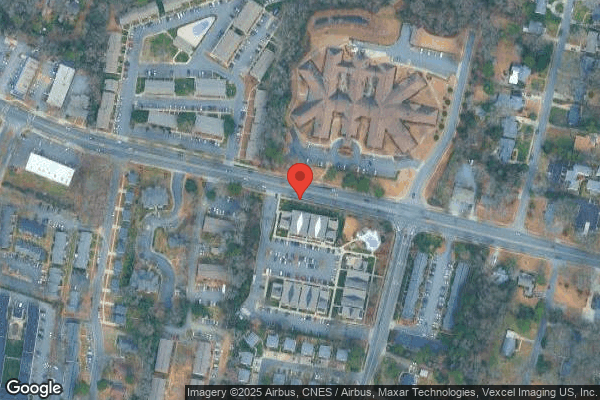
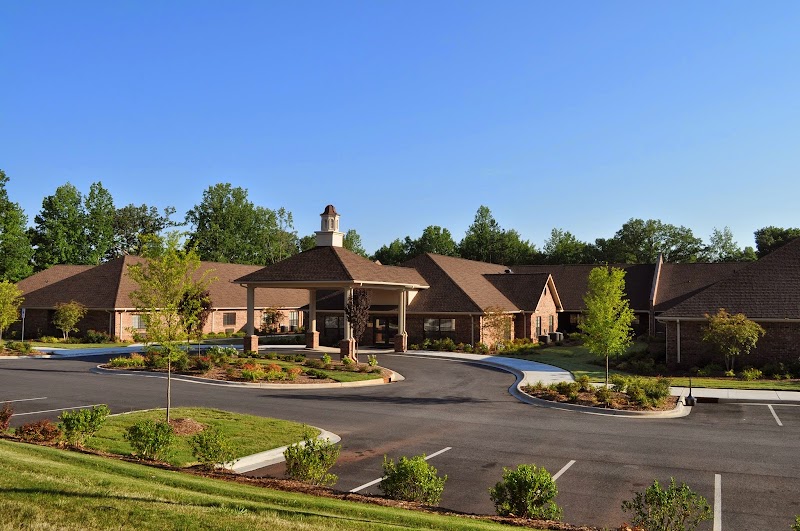
3223 Central Avenue, Charlotte, NC 28205 (704) 749-1100
For profit - Corporation 142 Beds PEAK RESOURCES, INC. Data: November 2025 1 Immediate Jeopardy citation
Trust Grade
6/100
#368 of 417 in NC
Last Inspection: June 2025

Inspected within the last 6 months. Data reflects current conditions.

Overview

Peak Resources in Charlotte, North Carolina, has received a Trust Grade of F, indicating significant concerns about the quality of care provided. Ranking #368 out of 417 facilities in the state places it in the bottom half, and #26 out of 29 in Mecklenburg County suggests only a few local options are better. While the facility has shown improvement in reported issues, decreasing from 9 to 2 over the last year, it still faces serious staffing challenges with a poor 1-star rating and a concerning turnover rate of 53%. There were notable incidents, including a resident with severe cognitive impairment wandering outside unsupervised due to a propped-open exit door and another resident experiencing mistreatment during care despite expressing discomfort. While the facility has good quality measures, the serious deficiencies and lack of sufficient registered nurse coverage (less than 97% of facilities) highlight critical areas that need attention.

Trust Score
F
6/100
In North Carolina
#368/417
Bottom 12%
Safety Record
High Risk
Review needed
Inspections
Getting Better
9 → 2 violations
Staff Stability
⚠ Watch
53% turnover. Above average. Higher turnover means staff may not know residents' routines.
Penalties
✓ Good
$14,069 in fines. Lower than most North Carolina facilities. Relatively clean record.
Skilled Nurses
⚠ Watch
Each resident gets only 10 minutes of Registered Nurse (RN) attention daily — below average for North Carolina. Fewer RN minutes means fewer trained eyes watching for problems.
Violations
⚠ Watch
24 deficiencies on record. Higher than average. Multiple issues found across inspections.
★☆☆☆☆
1.0
Overall Rating
★☆☆☆☆
1.0
Staff Levels
★★★★☆
4.0
Care Quality
★★☆☆☆
2.0
Inspection Score
Stable
2024: 9 issues
2025: 2 issues

The Good

  • 4-Star Quality Measures · Strong clinical quality outcomes
  • Full Sprinkler Coverage · Fire safety systems throughout facility
  • No fines on record

Facility shows strength in quality measures, fire safety.

The Bad

1-Star Overall Rating

Below North Carolina average (2.8)

Significant quality concerns identified by CMS

Staff Turnover: 53%

Near North Carolina avg (46%)

Higher turnover may affect care consistency

Federal Fines: $14,069

Below median ($33,413)

Minor penalties assessed

Chain: PEAK RESOURCES, INC.

Part of a multi-facility chain

Ask about local staffing decisions and management

The Ugly 24 deficiencies on record

1 life-threatening 4 actual harm
Jun 2025 2 deficiencies
CONCERN (D) 📢 Someone Reported This

A family member, employee, or ombudsman was alarmed enough to file a formal complaint

Potential for Harm - no one hurt, but risky conditions existed

Unnecessary Medications (Tag F0759)

Could have caused harm · This affected 1 resident

**NOTE- TERMS IN BRACKETS HAVE BEEN EDITED TO PROTECT CONFIDENTIALITY** Based on record review, observations and staff interviews, the facility failed to maintain a medication error rate of less than ...

Read full inspector narrative →
**NOTE- TERMS IN BRACKETS HAVE BEEN EDITED TO PROTECT CONFIDENTIALITY** Based on record review, observations and staff interviews, the facility failed to maintain a medication error rate of less than 5% as evidenced by the administration of wrong dosage (2 medication errors out of 30 opportunities), resulting in a medication error rate of 6.67% for 2 of 3 residents (Resident #105 and Resident #36) observed during medication pass. The findings included: 1. Resident #105 was admitted to the facility on [DATE] with diagnoses that included vitamin deficiency. The Physician's Orders in Resident #105's electronic medical record indicated an active order dated 3/24/25 for Cholecalciferol (Vitamin D3) 50 micrograms (mcg) (2000 units) once a day. On 6/25/25 at 8:16 AM, Nurse #1 was observed as she prepared and administered Resident #105's medications. Nurse #1 administered one tablet of Vitamin D3 25 mcg to Resident #105. An interview with Nurse #1 on 6/25/25 at 9:38 AM revealed she should have given two tablets of Vitamin D3 to Resident #105 when she gave her medications. An interview with the Director of Nursing (DON) on 6/25 /25 at 2:40 PM revealed she would need to check to see why Nurse #1 made the medication error, but it was probably because she didn't read the label on the bottle carefully. The DON stated that the nurses were supposed to follow the five rights of medication administration. 2. Resident #36 was admitted to the facility on [DATE] with diagnoses that included vitamin D deficiency. The Physician's Orders in Resident #36's electronic medical record indicated an active order dated 2/12/23 for Cholecalciferol (Vitamin D3) 50 mcg (2000 units) once a day. On 6/25/25 at 8:40 AM, Nurse #2 was observed as she administered Resident #36's medications. Nurse #1 administered two tablets of Vitamin D3 10 mcg (400 units) to Resident #36. An interview with Nurse #2 on 6/25/25 at 9:11 AM revealed she was aware that the facility had two different formulations of Vitamin D3 available, and that she should have pulled from the other bottle of Vitamin D3 that had 50 mcg to give the correct dose to Resident #36. An interview with the Director of Nursing (DON) on 6/25 /25 at 2:40 PM revealed she would need to check to see why Nurse #2 made the medication error, but it was probably because she didn't read the label on the bottle carefully. The DON stated that the nurses were supposed to follow the five rights of medication administration.
CONCERN (E)

Potential for Harm - no one hurt, but risky conditions existed

Food Safety (Tag F0812)

Could have caused harm · This affected multiple residents

Based on observations and staff interviews, the facility failed to remove expired milk from the kitchen's walk-in refrigerator for 1 of 1 walk-in refrigerator. Findings included On 6/23/225 at 10:48 ...

Read full inspector narrative →
Based on observations and staff interviews, the facility failed to remove expired milk from the kitchen's walk-in refrigerator for 1 of 1 walk-in refrigerator. Findings included On 6/23/225 at 10:48 AM an observation of the walk-in refrigerator with the Dietary Manager (DM) found a crate located on the second shelf containing approximately 12-pint size milk cartons stamped with a expiration date of 6/17/25. On 6/25/25 at 11:19 AM the DM stated the expired milk should have been removed by the expiration date. The DM stated it was her responsibility to ensure the walk-in refrigerator food items were not stored past their expiration date. Furthermore, the DM stated she had overlooked the milk and she checked the walk-in refrigerator daily. The Administrator was interviewed on 6/26/25 at 3:22 PM and stated the expired milk should have been removed from the refrigerator by the expiration date.
Mar 2024 9 deficiencies 1 IJ
CRITICAL (J) 📢 Someone Reported This

A family member, employee, or ombudsman was alarmed enough to file a formal complaint

Immediate Jeopardy (IJ) - the most serious Medicare violation

Accident Prevention (Tag F0689)

Someone could have died · This affected 1 resident

**NOTE- TERMS IN BRACKETS HAVE BEEN EDITED TO PROTECT CONFIDENTIALITY** Based on observations, record review and staff interviews, the facility failed to prevent a resident with severe cognitive impai...

Read full inspector narrative →
**NOTE- TERMS IN BRACKETS HAVE BEEN EDITED TO PROTECT CONFIDENTIALITY** Based on observations, record review and staff interviews, the facility failed to prevent a resident with severe cognitive impairment, who wore an elopement alarm device due to known wandering and exit-seeking behaviors, from exiting the facility unsupervised and without staff knowledge by leaving an unalarmed exit door propped open for 1 of 4 residents reviewed for accidents (Resident #212). On 06/09/23, Resident #212 was noticed by staff at approximately 5:30 PM wandering the halls with her purse and was last seen in the facility at 6:35 PM sitting in the activity room by herself. At approximately 7:30 PM, Resident #212 was observed outside the building in the back parking area by a visitor and staff. While outside for approximately an hour, Resident #212 walked from the back parking lot around the side of the building toward the front entrance of the facility which was approximately 50 to 75 feet from the main road before turning around and walking back to the parking area located in back of the facility. Findings included: Resident #212 was admitted to the facility on [DATE] with diagnoses that included non-Alzheimer's dementia. A physician's order for Resident #212 dated 12/21/22 read, Apply elopement alarm device related to dementia, risk for elopement. A quarterly Minimum Data Set (MDS) assessment dated [DATE] revealed Resident #212 had severe impairment in cognition. She was independent with walking and wandered daily during the MDS assessment period. A wandering/elopement care plan, initiated on 10/04/21 and last revised on 06/09/23, revealed Resident #212 was at risk for wandering and elopement due to ambulatory status and dementia. Interventions included for staff to check Resident #212's elopement alarm device for function and placement every shift. Review of Resident #212's June 2023 Medication Administration Record (MAR) revealed the following physician orders: • Check function of elopement alarm device to the right leg daily, 11:00 PM to 7:00 AM. • Check placement of elopement alarm device to right leg daily. On 06/09/23, Resident #212's wanderguard alarm was noted intact on the right lower extremity, each shift. Both orders were initialed daily as completed per physician orders. A staff progress note dated 06/09/23 at 8:00 PM written by the former Director of Nursing (DON) read in part, Resident #212 was observed outside of the building by staff. Resident #212 was collected by staff and brought back into the facility. No signs or symptoms of distress noted. Skin assessment performed and no injuries noted. Resident #212 in no distress. Resident #212 stated she didn't know why she went outside. The facility's investigation revealed an unsigned and undated investigation summary that read in part, at approximately 7:30 PM a visitor notified the front desk that there may be a resident outside the facility. Nurse #1 immediately responded; however, Nurse Aide (NA) #2 had seen Resident #212 outside in the back parking lot and was escorting her back into the facility. At 7:35 PM, Nurse #1 initiated a comprehensive head count to ensure all residents were accounted for with no discrepancies noted. Resident #212 was assessed with no injuries identified. Resident #212 was previously identified as a wanderer and had an elopement alarm device in place on her right leg that was checked for functionality and was working properly. At 8:30 PM, the DON and Maintenance Director arrived at the facility and reviewed the camera footage which revealed Resident #212 exited through the service door located at the back of the building that was left propped open by Dietary Staff who were taking out trash at the end of their shift. Resident #212 was observed on the video footage with her purse over her arm, trying to get into parked cars and walked around the exterior of the building but never left the facility property. Interviews with staff working on 06/09/23 at the time of Resident #212's elopement revealed Resident #212 had been pacing the halls since approximately 5:30 PM after supper and was last observed sitting alone in the activity room at approximately 6:35 PM. A witness statement dated 06/09/23 that was obtained from NA #2 read, I was changing a resident on the 600 Hall when I looked up and saw Resident #212 outside. I immediately kept the resident I was working with safe and proceeded out the service hall door, retrieved Resident #212 and brought her back inside to her room. There was nothing documented that noted the time this had occurred. A telephone attempt for an interview with NA #2 on 03/20/24 at 2:54 PM was unsuccessful. The only phone number the facility had on file for NA #2 was incorrect. A witness statement dated 06/09/23 that was obtained from Med Aide #2 read, I saw Resident #212 pacing the halls at 5:30 PM. That was while I was finishing my medication pass. There was nothing else documented. A telephone attempt for an interview with Med Aide #2 on 03/21/24 at 2:30 PM was unsuccessful. A witness statement dated 06/09/23 with Nurse #5 on 06/09/23, read, I last saw Resident #212 at 6:35 PM in the activity room sitting by herself. There was nothing else documented. A telephone attempt for an interview with Nurse #5 on 03/21/24 at 2:35 PM was unsuccessful. During an interview on 03/21/24 at 2:46 PM, Nurse #1 confirmed she was at the facility the evening of 06/09/23 when Resident #212 exited the facility unsupervised. Nurse #1 stated from what she could recall, prior to the visitor informing the front desk, she seemed to think it was NA #2 who had told her that Resident #212 was observed outside the building and as he was informing her of the incident, another staff member (she could not recall who) had gone outside to escort Resident #212 back inside the building. She was unable to recall the exact time but stated it was not that dark outside yet when NA #2 told her he was in another resident's room providing care, looked out the window and saw Resident #212 in the back parking lot. Nurse #1 explained Resident #1 was ambulatory and always walked around the facility carrying her purse. She could not remember how Resident #212 was able to exit the building or where exactly she was located outside but thought Resident #212 was found standing out back by the dumpster area. Nurse #1 stated immediately after Resident #212 was brought back into the facility, she completed a head-to-toe assessment of Resident #212 with no injuries identified. She added Resident #212 was at her baseline and displayed no signs or symptoms of distress. During an interview on 03/21/24 at 10:05 AM, the Social Worker (SW) Assistant revealed she was not present at the facility on 06/09/23 when Resident #212 exited the building unsupervised. The SW Assistant recalled being informed that the service hall exit door was accidentally left propped open and that was how Resident #212 was able to exit the building. She explained Resident #212 had dementia, was known to wander and always carried her purse as she walked up and down the hallways. The SW Assistant stated she had not known Resident #212 to go up to exit doors and try to open them, she just looked out the windows. During interviews on 03/20/24 4:35 PM and 03/21/24 at 2:15 PM, the Maintenance Director recalled he was already at home the evening of 06/09/23 when he was notified that Resident #212 was observed outside the facility and he immediately came back to the facility. When he reviewed the video footage, Resident #212 was observed exiting through the back service hall exit door that dietary staff had left propped open while taking trash out to the dumpster. He stated Resident #212 exited through the door, walked down the sidewalk toward the dumpsters and then turned toward the right of the building and continued walking on the sidewalk past the dumpsters all the way around to the front of the building almost to the front entrance which he estimated to be approximately 100 yards. Once Resident #212 reached the front of the building, she stopped and then turned around and walked back the same way until she reached the dumpsters where she remained until staff came to escort her back into the facility. He added she never left the facility property. The Maintenance Director stated he also saw on the video footage 2 Dietary Staff, one male and one female (he could not recall their names but stated they were no longer employed), who were standing by the dumpsters as Resident #212 walked past them. He was not sure how they did not notice Resident #212 and stated they may have been looking in the dumpster at that time or thought she was a staff member since she was carrying her purse but he could not recall for sure. The Maintenance Director explained the video footage was only kept for a period of 10 days before it automatically started recording over previous footage and stated he did not write down the times from the video footage when Resident #212 exited the building or when staff had gone out to the dumpster area to escort her back into the facility. When asked about the time frame mentioned in the facility's investigation summary which noted Resident #212 was last observed in the facility at approximately 6:30 PM and a visitor reported a resident was outside the facility at approximately 7:30 PM, the Maintenance Director stated it was getting dark around the time he arrived back at the facility on 06/09/23 and Resident #212 being outside unsupervised for an hour sounded pretty accurate the best he could recall. The Maintenance Director explained at the time, the back service hall door was not wanderguard protected and after reviewing the video footage, he immediately put an alarm on the top of the exit door that automatically alarmed anytime the door was opened. He also ordered a wanderguard alarm system that was installed on the back service door following the incident on 06/09/23. An observation of the back service hall door and parking area behind the back of the building was conducted on 03/20/24 at 4:30 PM. Inside the facility at the end of a resident hallway were double fire doors that opened to the service hall. Posted on the double fire doors were signs that read, keep doors closed and do not prop open door for any reason. When entering the service hall through the double fire doors, to the left was the exit door where Resident #212 had exited the facility on 06/09/23 that was locked and had an elopement alarm system. Just outside the exit door was a sidewalk that led out to the parking lot and dumpsters where Resident #212 was found. The dumpsters were located at the end of the sidewalk a short distance from the exit door. The sidewalk continued around the right side of the building exterior to the front of the building. Along the left side and back perimeter of the parking lot were trees that separated the facility from wooded areas. Along the right side of the parking lot was a side road with trees and wooded areas along the outer perimeter of the side road. In the front of the building was another parking area that led to the main road that was approximately 50 to 75 feet from the front entrance of the facility. Telephone attempts on 03/20/24 at 2:15 PM and 03/21/24 at 12:45 PM for an interview with the former DON were unsuccessful. During an interview on 03/21/24 at 2:53 PM, the Regional Director of Operations for Dietary Services revealed they were unable to determine who propped the exit door open on 06/09/23 when Resident #212 exited the building unsupervised. She stated education was reinforced with all dietary staff not to prop exit doors open and doing so would be grounds for termination. Telephone attempts on 03/20/24 at 2:19 PM and 03/21/24 at 1:22 PM for an interview with the former Administrator were unsuccessful. An online website named Weather Underground was used to obtain the outside weather in the [NAME] area on 06/09/23 which noted at 5:52 PM the temperature was 79 degrees Fahrenheit (F), at 6:52 PM the temperature was 78 degrees F, and at 7:52 PM the temperature was 76 degrees F. The Administrator was notified of Immediate Jeopardy on 03/21/24 at 1:13 PM. The facility provided the following Corrective Action Plan with a completion date of 06/16/23: Address how corrective action will be accomplished for the residents found to have been affected by the deficient practice: On 06/09/23 Resident #212 exited through the service hall door located at the back of the building and walked approximately 100 yards around the exterior of the building to the front entrance. Staff had not realized Resident #212 was missing until approximately 7:30 PM when a visitor alerted the receptionist at the front desk that a resident was outside. Staff immediately located Resident #212 near the dumpster area at the back of the building and assisted her back inside. Skin assessment with no injuries noted on 06/09/23. Resident #212 placed on q (every) 15 minute checks with a one-on-one Certified Nursing Assistant (CNA) for 24 hours. Resident #212 had no further attempts to leave the facility through 06/23/23. A planned discharge to a locked memory care unit occurred on 06/23/23. On 6/9/23 the Director of Nursing arrived at the facility with the Maintenance Director and completed a root cause analysis. This analysis included a review of the exterior camera footage. Resident #212 was noted to exit the facility via the service hall door at the rear of the facility. Resident was visible via the camera footage the entire period in which she was outside of the facility and never left the property. It was determined that dietary staff propped the exit door open to take the trash out. Address how the facility will identify other residents having the potential to be affected by the same deficient practice: The Director of Nursing and MDS Nurses completed a 100% audit for residents to ensure that an elopement assessment has been completed in order to determine their elopement risk on 6/12/23. All residents identified with elopement risk will have Wander Guard placed, updated elopement risk assessment and care plan updated. No further residents were identified. Address what measures will be put in place or systemic changes made to ensure that the deficient practice will not reoccur: On 06/09/23 the rear exit door, which the resident exited from, was closed immediately by facility staff. On 06/09/23 all staff present in the facility, including contract agency staff, were educated by the Staff Development Coordinator that all doors that lead outside of the facility may not be propped open, keeping service hall doors closed. The Maintenance Director checked the system to assure functionality on 6/9/23. A screecher alarm (high pitched) was added to the rear exit door (back service hall) on 6/9/23. The Wanderguard system was functioning properly. This education of all exit doors leading out of facility not to be propped open has been included in orientation to be completed with the facility tour. On 06/12/23 A QAPI meeting was held to discuss and develop a plan of correction, audits and inclusion in QAPI process and meetings. The Maintenance Director ordered signage on 6/12/23 to be placed as a reminder to keep doors closed for resident safety. The Maintenance Director conducted elopement drills for team education. This was completed on 6/12/23 and 6/13/23. The Maintenance Director also educated all staff, including contract agency staff, on which doors are allowed to be used when exiting the facility. This was completed on 6/12/23-6/13/23. Any staff out on leave or PRN (as needed) status were educated by the Maintenance Director or designee prior to returning to duty. This education is part of the orientation process for newly hired employees and is conducted during orientation by the Maintenance Director. The Maintenance Director updated the anti-wandering door bar system which alarms and locks the door when a resident approaches with a wander guard transmitter and the updated anti-wandering door bar system required replacement of all resident transmitters (bracelets) for the Wander Guard system on 6/16/23. This included adding an additional anti-wandering door bar system to the rear exit door (back service hall) through which Resident #212 exited the facility on 06/09/23. Indicate how the facility plans to monitor its performance to make sure that solutions are sustained: A Quality Assurrance Performance Improvement (QAPI) Audit Tool was initiated on 6/12/23 to monitor exit doors to ensure that no doors have been propped open. The Maintenance Director will complete random audits designee 5x per week for 4 weeks, then 3x per week for 4 weeks, then weekly for 4 weeks using the Quality Assurrance Performance Improvement (QAPI) Audit Tool of exit doors to ensure that no doors have been propped open. The monitoring tool was initiated on 6/12/23. This Quality Assurrance Performance Improvement (QAPI) tool will be monitored by the Administrator or designee 5x per week for 4 weeks, then 3x per week for 4 weeks, then weekly for 4 weeks. 100% of exit doors will be monitored. On 6/12/23 the decision was made that the results will be reported to the Quality Assurrance Performance Improvement (QAPI) team by the Administrator. The need for further monitoring will be determined by the QAPI team. IJ removal date: 6/14/23. Date of completion: 06/17/23. The monitoring audits of the facility exit doors for June 2023, July 2023 and August 2023 were reviewed with no concerns identified. Observations of the facility exit doors revealed they were kept closed and locked and the fire doors leading to the service hall had signage posted not to prop the doors open. The alarm on the back service hall exit door was confirmed during an observation. Elopement books were observed at each nurses' station and reception desk. The elopement books contained information and pictures for each resident identified as high risk. Interviews conducted with staff on various shifts and departments revealed they received re-education related to elopement and residents with exit-seeking behaviors, not leaving exit doors propped open, and they had participated in facility elopement drills. The completion date of 6/17/23 was validated.
CONCERN (D) 📢 Someone Reported This

A family member, employee, or ombudsman was alarmed enough to file a formal complaint

Potential for Harm - no one hurt, but risky conditions existed

Resident Rights (Tag F0550)

Could have caused harm · This affected 1 resident

**NOTE- TERMS IN BRACKETS HAVE BEEN EDITED TO PROTECT CONFIDENTIALITY** Based on observations, record review and staff interviews, the facility failed to provide a dignified dining experience when Nur...

Read full inspector narrative →
**NOTE- TERMS IN BRACKETS HAVE BEEN EDITED TO PROTECT CONFIDENTIALITY** Based on observations, record review and staff interviews, the facility failed to provide a dignified dining experience when Nurse Aide (NA) #1 stood at the beside while assisting a dependent resident during a meal for 1 of 7 resident reviewed for dignity (Resident #59). The reasonable person concept was applied to this deficiency as individuals might feel a lack of dignity when staff stood over them and didn't attempt conversation while assisting them with a meal. Findings included: Resident #59 was admitted to the facility on [DATE] with diagnoses that included hemiplegia (paralysis on one side of the body) affecting the left non-dominant side. The ,inimum Data Set (MDS) assessment dated [DATE] revealed Resident #59 had severe cognitive impairment and required partial/moderate staff assistance with eating. A continuous observation of the breakfast meal was conducted on 03/19/24 from 8:45 AM to 8:56 AM. Resident #59 was lying in bed on her left side, with the bed low, head of the bed slightly elevated and the light above her bed turned off. Resident #59's breakfast tray was on the overbed table that was positioned next to the head of the bed in between the right side of the bed and wall. An empty chair was observed by the wall and closet at the foot of Resident #59's bed. NA #1 was observed on the right side of the bed standing in front of the overbed table with the height of Resident #59's bed positioned at NA #1's hip level and assisting Resident #59 with her meal. NA #1 remained standing over Resident #59 and did not bend down to Resident #59's eye level when giving her bites of food. NA #1 did not turn the light on or try to engage Resident #59 in conversation during the meal. When Resident #59 finished eating, NA #1 removed the meal tray from the overbed table without talking to Resident #59, walked past the chair at the foot of the bed and out of the room to place Resident #59's meal tray into the meal cart. An observation and interview was conducted with NA #1 on 03/19/24 at 8:57 AM. NA #1 verified she was supposed to sit down next to residents when assisting them with a meal. NA #1 explained she stood up while assisting Resident #59 with her breakfast because there wasn't a chair in the room for her to sit. When NA #1 was shown the chair at the foot of Resident #59's bed, she stated she had not noticed the chair when she went into the room. During an interview on 03/19/24 at 10:03 AM, the Director of Nursing stated staff were expected to sit down next to residents when assisting them with their meal and she would be having a conversation with NA #1. During an interview on 03/20/24 at 8:30 AM, the Administrator stated staff were expected to sit down next to residents when assisting them a meal to ensure the resident's dignity was maintained.
CONCERN (D) 📢 Someone Reported This

A family member, employee, or ombudsman was alarmed enough to file a formal complaint

Potential for Harm - no one hurt, but risky conditions existed

Deficiency F0554 (Tag F0554)

Could have caused harm · This affected 1 resident

**NOTE- TERMS IN BRACKETS HAVE BEEN EDITED TO PROTECT CONFIDENTIALITY** Based on observations, record review, interviews with the resident and staff the facility failed to assess if a cognitively impa...

Read full inspector narrative →
**NOTE- TERMS IN BRACKETS HAVE BEEN EDITED TO PROTECT CONFIDENTIALITY** Based on observations, record review, interviews with the resident and staff the facility failed to assess if a cognitively impaired resident could self-administer inhalers kept at the beside for 1 of 1 resident reviewed for self-administration (Resident #43). The findings included: Resident #43 was admitted to the facility on [DATE] with diagnoses including chronic obstructive pulmonary disease, dementia, and Parkinson's disease. Review of the physician order dated 03/14/23 for mometasone-formoterol aerosol inhaler 200-5 micrograms (mcg) revealed Resident #43 was to inhale 2 puffs twice a day with special instructions the mouth should be rinsed out after use. There was no physician order Resident #43 could self-administer medications. Review of the medical records of Resident #43 revealed no assessment was completed to determine if the resident could self-administer medications. The care plan for Resident #43 last revised on 12/26/23 included the problem focus area for long term memory problems with fluctuating impaired daily decision making related to the diagnoses of dementia. Interventions included administer medications as ordered. The care plan did not include a focus area for Resident #43 to self-administer medications. Review of the quarterly Minimum Data Set, dated [DATE] assessed Resident #43's cognition as severely impaired and indicated no shortness of breath occurred during the lookback period. Review of the March 2024 Medication Administration Record revealed mometasone-formoterol aerosol inhaler 200-5 mcg inhale 2 puffs twice a day and rinse mouth after use for chronic obstructive pulmonary disease was initialed by the nurses to indicate it was administered from 03/01/24 through 03/18/24 at 8:00 AM and 8:00 PM per physician orders. During an observation and interview on 03/17/24 at 1:20 PM Resident #43 revealed two medicated aerosol inhalers were placed in clear view and easy access. One placed on overbed table labeled mometasone-formoterol aerosol 200-5 mcg with the expiration date 11/29/24 and the second inhaler on the nightstand labeled mometasone-formoterol 200-5 mcg with the expiration date 07/08/24. Resident #43 stated she had used the inhalers prior to being admitted to the facility and kept using them twice a day because she had trouble breathing. Resident #43 did not recall when she last used one of the inhalers she kept in her room. An interview was conducted on 03/17/24 at 2:18 PM with Nurse #1 assigned to administer medications to Resident #43. Nurse #1 revealed she administered mometasone-formoterol 200-5 mcg to Resident #43 for the 8:00 AM scheduled dose and used the inhaler stored on the medication cart. Nurse #1 stated she was unsure if Resident #43 was cognitively intact to administer mometasone-formoterol and she would check the physician orders and the medical records for a self-administer assessment to see if those were in place. Nurse #1 revealed she did not know Resident #43 had two inhalers of mometasone-formoterol in the room and removed them both. During an interview on 03/18/24 at 2:06 PM the Director of Nursing (DON) stated the ability of Resident #43 to self-administer would need to be assessed before medications could be kept in the room. She stated due to the cognitive status of Resident #43 she did not consider the resident was able to self-administer mometasone-formoterol. She explained for a resident to be able to self-administer they would need to be assessed for their ability to safely administer the medication and must store it in a locked box and have the ability to lock the box, remove the medication, and return the medication to the box and relock it. The DON revealed she would expect the nurse staff to remove the inhalers from the room of Resident #43 and out of reach of anyone.
CONCERN (D) 📢 Someone Reported This

A family member, employee, or ombudsman was alarmed enough to file a formal complaint

Potential for Harm - no one hurt, but risky conditions existed

ADL Care (Tag F0677)

Could have caused harm · This affected 1 resident

**NOTE- TERMS IN BRACKETS HAVE BEEN EDITED TO PROTECT CONFIDENTIALITY** Based on observations, record review, and interviews with residents and staff the facility failed to assist dependent residents ...

Read full inspector narrative →
**NOTE- TERMS IN BRACKETS HAVE BEEN EDITED TO PROTECT CONFIDENTIALITY** Based on observations, record review, and interviews with residents and staff the facility failed to assist dependent residents with removing unwanted chin hairs (Resident #29) and cleaning and trimming dirty fingernails (Resident #60) for 2 of 3 residents reviewed for activities of daily living. The findings included: 1. Resident #29 was admitted to the facility on [DATE] with diagnoses including dementia and cerebral ischemic attack (insufficient blood flow to an area of the brain). Review of the quarterly Minimum Data Set (MDS) dated [DATE] assessed Resident #29 was cognitively intact and required substantial/maximal assistance with personal hygiene including shaving. The MDS indicated Resident #29 did not exhibit rejection of care behaviors during the lookback period. During an observation and interview on 3/17/24 at 12:45 PM Resident #29 had several areas on her chin with patches of white and gray colored hairs. Resident #29 revealed nursing staff had not offered to trim or shave her chin hairs and she would like them shaven off. During an observation and interview on 03/18/24 at 2:04 PM there was no change and Resident #29 continued to have several patches of white and gray hairs on her chin. Resident #29 revealed when she asked for the chin hairs to be shaven off, she was told there were no razors. An interview was conducted on 03/19/24 at 3:05 PM with Med Aide #1 assigned to provide care for Resident #29. Med Aide #1 revealed on 3/18/24 (Monday) and was assigned to provide care for Resident #29. Med Aide #1 stated she assisted residents with activities of daily living care as needed including shaving chin hairs. She explained Resident #29's acceptance of care fluctuated and sometimes she allowed nurse staff to assist her with activities of daily living and personal hygiene and other times she might not feel like it and refuse care. She stated chin hairs should be shaven as needed and on bath days and did not recall if she noticed the chin hairs and had not offered to shave them during her shifts. During an observation and interview on 03/18/24 at 2:04 PM the Director of Nursing (DON) observed Resident #29's chin hairs. The DON revealed the expectation was for nursing staff to offer to shave chin hairs when visible as needed. 2. Resident #60 was admitted to the facility on [DATE] with diagnoses including type 2 diabetes mellitus and vascular dementia. Review of the quarterly MDS dated [DATE] assessed Resident #60 was cognitively intact and dependent on staff for activities of daily living. The MDS indicated Resident #60 did not exhibit rejection of care behaviors during the lookback period. Review of the physician order dated 2/20/24 revealed Resident #60 shower days were scheduled during the evening shift (3:00 PM - 11:00 PM) on Monday and Thursday. During an observation and interview on 3/17/24 at 11:16 AM Resident #60 revealed her fingernails on both hands extended approximately 1 centimeter pass the tip of the finger and appeared dirty with a build-up of a brown colored debris underneath several of the fingernails. Resident #60 revealed nail care was provided by staff, when necessary, but she was unable to recall how often. Resident #60 stated it was time her nail care was done. An interview was conducted on 03/19/24 at 3:04 PM with Med Aide #1 assigned to provide care for Resident #60. Med Aide #1 revealed she worked 12 hours shifts from 7:00 AM to 7:00 PM and worked on 3/14/24 (Thursday) and 3/18/24 (Monday) and assigned to provide care for Resident #60. Med Aide #1 stated she assisted residents with activities of daily living care including nail care, but she could not cut a diabetic resident's fingernails the nurse would have to do it. Med Aide #1 revealed she did not notice Resident #43's fingernails were dirty underneath the nail or appeared long and she did not offer to clean the nails and had not informed a nurse the resident's fingernails needed to be trimmed. Med Aide #1 revealed fingernails should be trimmed and cleaned as needed and on bath days. An interview and observation on 03/18/24 at 1:54 PM with the DON revealed Resident #60 had not refused nail care and wanted her fingernails trimmed and cleaned. The DON observed Resident #60 fingernails extended approximately 1 cm past the tip of finger with a build-up of brown colored debris underneath several of the nails. The DON revealed Resident #60 was diabetic and it was the nurse's responsibility to cut a diabetic resident's fingernails as needed. The DON revealed dirty fingernails should be cleaned by nursing staff when visibly dirty. The DON revealed assessments were done by the nurses and they were expected to check the resident's fingernails and if nails need to be cleaned or trimmed and ensure it was done.
CONCERN (D) 📢 Someone Reported This

A family member, employee, or ombudsman was alarmed enough to file a formal complaint

Potential for Harm - no one hurt, but risky conditions existed

Deficiency F0761 (Tag F0761)

Could have caused harm · This affected 1 resident

2. An observation of the floor around Resident #51's bed on 03/17/24 at 3:16 PM revealed one round white pill at the foot of the bed and one round white pill and one orange pill to the left of the bed...

Read full inspector narrative →
2. An observation of the floor around Resident #51's bed on 03/17/24 at 3:16 PM revealed one round white pill at the foot of the bed and one round white pill and one orange pill to the left of the bed. The pills were out of Resident #51's reach. An interview with Nurse #2 on 03/17/24 at 3:24 PM revealed she was caring for Resident #51 on 03/17/24 on the 7:00 AM to 7:00 PM shift and gave all his pills crushed in applesauce. She stated she watched Resident #51 swallow his pills each time he received medication on 03/17/24 and she had no idea what the 2 white pills and 1 orange pill were or how long they had been there. Nurse #2 stated she had not noticed the pills in Resident #51's floor and she had been in his room several times throughout her shift. An observation of the floor around Resident #51's bed on 03/18/24 at 2:21 PM revealed a partially crushed orange pill under his bed. The pill was out of Resident #51's reach. An interview with Nurse #4 on 03/18/24 at 2:24 PM revealed she was caring for Resident #51 on 03/18/24 on the 7:00 AM to 3:00 PM shift and gave all his pills whole one at a time. She stated she watched him swallow each pill when she gave him medication on 03/18/24 and she did not notice the orange pill on the floor. Nurse #4 stated she had given Resident #51 hydralazine (a diuretic) the morning of 03/18/24 and that was the only orange pill he received. She stated she had not noticed the orange pill on the floor, and she had been in and out of Resident #51's room several times throughout the day. An interview with the Director of Nursing (DON) on 03/18/24 at 2:50 PM revealed she would not expect to find medications on the floor. She stated she expected nurses to remain with residents while they took each medication at the time they were administered. Based on record review, observations, and interviews with the Director of Clinical Services Pharmacist and staff the facility failed to store an unopened bottle of medicated eye drops and a multi-use insulin pen per manufacturer's recommendations and failed to discard a multi-use insulin pen by the date on the label and failed to ensure medications left in a resident's room were under direct observation by the administering nurse for 1 of 1 resident (Resident #51) and 2 of 8 medication carts reviewed for medication storage (200-hall med cart and 500-hall med cart #1). The findings included: 1. Review of manufacturer's package insert for Latanoprost eye drops (medicated drops used to treat glaucoma) read in part, store unopened bottle(s) under refrigeration at 36°F to 46°F. Once a bottle was opened for use, it may be stored at room temperature up to 77°F for 6 weeks. An observation of the 200-hall medication cart with Nurse #3 on 03/19/24 at 11:46 AM revealed an unopened bottle of latanoprost eye drops with no open date to indicate how long it had been stored at room temperature. Nurse #3 revealed the latanoprost eye drops were administered at bedtime and should be stored in the refrigerator designated for medications until ready for use. Nurse #3 revealed when latanoprost eye drops arrived from pharmacy the bottle and the plastic bag they were put in were labeled with instructions to refrigerate. During an interview on 03/19/24 at 11:57 AM the Unit Manager stated the process for storing latanoprost eye drops was to place them in the refrigerator designated for medications until needed for use. She stated when latanoprost eye drops were removed from the refrigerator the open date was written on the bottle then the eye drops could be placed on the medication cart. An interview was conducted on 03/19/24 at 12:24 PM with the Director of Clinical Services Pharmacist. The Pharmacist stated latanoprost eye drops should be kept in the refrigerator until needed for use and the bottle dated when it was placed on medication cart. Review of the manufacturer's package insert for lispro insulin (fast-acting medication used to lower blood glucose) pen read in part, Storage and Handling: not in-use (unopened) refrigerate at 36° to 46°F and in-use (opened) store for 28 days at room temperature only (Do not refrigerate). When stored at room temperature, insulin lispro can only be used for a total of 28 days, including both not in-use (unopened) and in-use (opened) storage time. Review of the manufacturer's package insert for lantus insulin (long-acting medication used to lower blood glucose) pen storage read in part, in use (opened) discard after 28 days. An observation of the 500-hall medication cart #1 with Med Aide #1 and the Director of Nursing (DON) on 03/19/24 at 12:07 PM revealed a multi-use lispro insulin pen with no in use (opened) or discard date to indicate when it was initially stored at room temperature and when to discard per manufacturer's recommendations. A multi-use lantus insulin pen with the open date 01/21/24 and discard date 02/17/24. During an interview on 03/19/24 at 12:07 PM Medication Aide #1 stated she was responsible for checking the medication cart for expired meds, but she did not administer insulin and did not check to ensure the pens were labeled with an open or discard date. During an interview on 03/19/24 at 12:15 PM the DON revealed night shift nurses and Med Aides checked the carts for expired medications and the labels for open and discard dates. She stated nurses and Med Aides were also expected to check their carts for expired meds and for in use (opened) insulin pens with no dates during medication administration. An interview was conducted on 03/19/24 at 12:24 PM with the Director of Clinical Services Pharmacist. The Pharmacist revealed multi-use insulin pens should be stored in the refrigerator and when removed for in use (opened) labeled with the date then placed on the med cart. He stated lispro and lantus insulins should be discarded when stored at room temperature for 28 days and if not, it lost its efficacy to lower the body's blood glucose levels.
CONCERN (E) 📢 Someone Reported This

A family member, employee, or ombudsman was alarmed enough to file a formal complaint

Potential for Harm - no one hurt, but risky conditions existed

Respiratory Care (Tag F0695)

Could have caused harm · This affected multiple residents

**NOTE- TERMS IN BRACKETS HAVE BEEN EDITED TO PROTECT CONFIDENTIALITY** c. Resident #17 was admitted to the facility on [DATE] with diagnoses that included acute respiratory failure with hypoxia (abse...

Read full inspector narrative →
**NOTE- TERMS IN BRACKETS HAVE BEEN EDITED TO PROTECT CONFIDENTIALITY** c. Resident #17 was admitted to the facility on [DATE] with diagnoses that included acute respiratory failure with hypoxia (absence of enough oxygen in the tissues to sustain bodily functions) and chronic obstructive pulmonary disease (long-term lung disease that makes it hard to breathe). A physician's order for Resident #17 dated 11/27/23 read, oxygen at 2 liters per minute (LPM) continuously. The quarterly Minimum Data Set (MDS) assessment dated [DATE] revealed Resident #17 had moderate impairment in cognition and received oxygen therapy during the MDS assessment period. An observation conducted on 03/18/24 at 10:30 AM revealed Resident #17 was receiving supplemental oxygen at 2 LPM. There was no sign posted on the door or doorframe of Resident #17's room to indicate oxygen was in use. Subsequent observations conducted on 03/19/24 at 8:40 AM and 03/20/24 at 10:00 AM revealed Resident #17 was receiving supplemental oxygen at 2 LPM. There was no sign posted on the door or doorframe of Resident #17's room to indicate oxygen was in use. d. Resident #58 was admitted to the facility on [DATE] with diagnoses that included shortness of breath and dependence on supplemental oxygen. A physician's order for Resident #58 dated 03/04/24 read, oxygen at 3 liters per minute (LPM) continuously. The quarterly Minimum Data Set (MDS) assessment dated [DATE] revealed Resident #58 had severe cognitive impairment and received oxygen therapy during the MDS assessment period. An observation conducted on 03/19/24 at 8:43 AM revealed Resident #58 was receiving supplemental oxygen at 3 LPM. There was no sign posted on the door or doorframe of Resident #58's room to indicate oxygen was in use. A second observation conducted on 03/20/24 at 10:02 AM revealed Resident #58 was receiving supplemental oxygen at 3 LPM. There was no sign posted on the door or doorframe of Resident #58's room to indicate oxygen was in use. e. Resident #311 was admitted to the facility on [DATE] with diagnoses that included acute and chronic respiratory failure with hypoxia. A physician's order for Resident #311 dated 03/12/24 read, oxygen at 4 liters per minute (LPM) via nasal cannula continuously. The admission Minimum Data Set (MDS) assessment dated [DATE] revealed Resident #311 had intact cognition and received oxygen therapy during the MDS assessment period. An observation conducted on 03/19/24 at 8:44 AM revealed Resident #311 was receiving supplemental oxygen at 4 LPM. There was no sign posted on the door or doorframe of Resident #311's room to indicate oxygen was in use. A second observation on 03/20/24 at 4:47 PM and 03/20/24 at 10:03 AM revealed Resident #311 was receiving supplemental oxygen at 4 LPM. There was no sign posted on the door or doorframe of Resident #311's room to indicate oxygen was in use. During interviews on 03/20/24 at 11:58 AM and 1:34 PM, the Unit Manager revealed either she or the Family Nurse Practitioner entered oxygen orders into the resident's Electronic Health Record (EHR). The Unit Manager stated she did not know anything about oxygen cautionary signage that should be posted outside the rooms of residents receiving supplemental oxygen. She explained there was a sign posted as you entered the front entrance of the facility that read 'no smoking, oxygen in use' and staff could determine who was on oxygen by the physician order in their EHR. During an interview on 03/20/24 at 4:23 PM, the Director of Nursing revealed she was unaware that oxygen cautionary signage should be posted outside the rooms of residents receiving supplemental oxygen. During an interview on 03/20/24 at 5:15 PM, the Administrator explained the facility was a non-smoking facility and their protocol was to post a cautionary sign on the front entrance of the facility informing visitors oxygen was in use instead of posting signage outside or in resident rooms. An observation and interview was conducted with the Administrator on 03/20/24 at 5:30 PM. At the front entrance of the facility, there were various informational signage posted on the door or to the left and right sides of the facility entrance but none that indicated oxygen was in use. The Administrator stated she was not sure why there was no sign posted outside the front of the facility indicating oxygen was in use and there should have been. Based on observations, record review and staff interviews, the facility failed to post cautionary and safety signs that indicated the use of oxygen for 5 of 5 residents reviewed for respiratory care (Residents #17, #34, #58, #60, and #311). Findings included: a. Resident #34 was admitted to the facility on [DATE] with diagnoses that included respiratory failure with hypoxia (absence of enough oxygen in the tissues to sustain bodily functions) and dependence on supplemental oxygen. A physician's order for Resident #34 dated 01/25/24 read, oxygen at 3 liters per minute (LPM) every shift. The annual Minimum Data Set (MDS) assessment dated [DATE] revealed Resident #34 was nonverbal and received oxygen therapy during the MDS assessment period. An observation conducted on 03/18/24 at 2:28 PM revealed Resident #34 lying in bed receiving supplemental oxygen at 3 LPM. There was no sign posted on the door or doorframe of Resident #34's room to indicate oxygen was in use. Subsequent observations conducted on 03/19/24 at 11:00 AM and 4:46 PM and 03/20/24 at 9:40 AM revealed Resident #34 lying in bed receiving supplemental oxygen at 3 LPM. There was no sign posted on the door or doorframe of Resident #34's room to indicate oxygen was in use. b. Resident #60 was admitted to the facility on [DATE] with diagnoses that included congestive heart failure and respiratory failure. A physician's order for Resident #60 dated 08/04/23 read, oxygen at 2 liters per minute (LPM) continuously. The quarterly Minimum Data Set (MDS) assessment dated [DATE] revealed Resident #60 had intact cognition and received oxygen therapy during the MDS assessment period. An observation conducted on 03/19/24 at 8:43 AM revealed Resident #60 lying in bed receiving supplemental oxygen at 2 LPM. There was no sign posted on the door or doorframe of Resident #60's room to indicate oxygen was in use. Subsequent observations conducted on 03/19/24 at 4:47 PM and 03/20/24 at 9:45 AM revealed Resident #60 lying in bed receiving supplemental oxygen at 2 LPM. There was no sign posted on the door or doorframe of Resident #60's room to indicate oxygen was in use. During interviews on 03/20/24 at 11:58 AM and 1:34 PM, the Unit Manager revealed either she or the Family Nurse Practitioner entered oxygen orders into the resident's Electronic Health Record (EHR). The Unit Manager stated she did not know anything about oxygen cautionary signage that should be posted outside the rooms of residents receiving supplemental oxygen. She explained there was a sign posted as you entered the front entrance of the facility that read 'no smoking, oxygen in use' and staff could determine who was on oxygen by the physician order in their EHR. During an interview on 03/20/24 at 4:23 PM, the Director of Nursing revealed she was unaware that oxygen cautionary signage should be posted outside the rooms of residents receiving supplemental oxygen. During an interview on 03/20/24 at 5:15 PM, the Administrator explained the facility was a non-smoking facility and their protocol was to post a cautionary sign on the front entrance of the facility informing visitors oxygen was in use instead of posting signage outside or in resident rooms. An observation and interview was conducted with the Administrator on 03/20/24 at 5:30 PM. At the front entrance of the facility, there were various informational signage posted on the door or to the left and right sides of the facility entrance but none that indicated oxygen was in use. The Administrator stated she was not sure why there was no sign posted outside the front of the facility indicating oxygen was in use and there should have been.
CONCERN (E) 📢 Someone Reported This

A family member, employee, or ombudsman was alarmed enough to file a formal complaint

Potential for Harm - no one hurt, but risky conditions existed

Food Safety (Tag F0812)

Could have caused harm · This affected multiple residents

Based on observations and staff interviews the facility failed to maintain a clean floor in 1 of 1 walk-in cooler and 1 of 1 walk-in freezer; label and date open food items and discard expired food in...

Read full inspector narrative →
Based on observations and staff interviews the facility failed to maintain a clean floor in 1 of 1 walk-in cooler and 1 of 1 walk-in freezer; label and date open food items and discard expired food in 1 of 1 walk-in cooler; store food off the floor for 1 of 1 walk-in freezer; and store food off the floor in 1 of 1 dry storage room. These practices had the potential to affect food served to residents. Findings included: 1. An initial observation of the walk-in cooler on 03/17/24 at 10:42 AM revealed the following: (a). multiple dried brown stains on the floor and surveyor's shoes stuck to the floor. (b). a gallon of balsamic vinaigrette dressing with an open date of 04/13/23 (c). half of a deli-style turkey breast with an open date of 02/14/24 (d). an opened and undated gallon of barbecue sauce An interview with the Dietary Manager on 03/17/24 at 10:46 AM revealed the floor of the walk-in cooler had been cleaned approximately two weeks ago and she was working with housekeeping to try to find a product to remove the stains and not leave the floor sticky. She stated she was not sure how long the balsamic dressing was good for after being opened and she could not locate an expiration date on the dressing. The Dietary Manager stated the deli-style turkey breast was good for one month after being opened and the barbecue sauce should have been dated when it was opened by the staff member who opened the sauce. A follow-up interview with the Dietary Manager on 03/19/24 at 2:46 PM revealed she was responsible for ensuring all opened food items were dated and used or discarded by their expiration date. She stated the dressing and deli-style turkey should have been discarded and were not due to her oversight. An interview with the Administrator on 03/20/24 at 5:02 PM revealed she expected all food items to be labeled and dated and used or discarded on or before the expiration date. She confirmed dietary staff had been working to find a solution to remove stains from the floor. 2. An initial observation of the walk-in freezer on 03/17/24 at 10:48 AM revealed the following: (a). scattered food debris to freezer floor (b). two boxes of hamburger buns sitting directly on the freezer floor An interview with the Dietary Manager on 03/17/24 at 10:50 AM revealed the floor of the freezer should be clean and free of debris and it was deep cleaned two weeks ago. In an interview with the Dietary Manager on 03/19/24 at 2:46 PM she confirmed stock should not be stored on the floor of the walk-in freezer. She stated she was working as a cook on 03/14/24 and trying to rearrange stock in the freezer and that was why the boxes of hamburger buns were sitting on the floor of the walk-in freezer. An interview with the Administrator on 03/20/24 at 5:02 PM revealed stock should not be stored on the floor and the freezer floor should be clean. 3. An observation of the dry storage room on 03/17/24 at 10:55 AM revealed a box of soybean oil sitting directly on the floor. In an interview with the Dietary Manager on 03/19/24 at 2:46 PM she confirmed stock should not be stored on the floor of the dry storage room. She stated she was working as a cook on 03/14/24 and trying to rearrange stock in the dry storage room and that was why the box of oil was sitting on the floor. An interview with the Administrator on 03/20/24 at 5:02 PM revealed stock should not be stored on the floor.
CONCERN (E) 📢 Someone Reported This

A family member, employee, or ombudsman was alarmed enough to file a formal complaint

Potential for Harm - no one hurt, but risky conditions existed

Garbage Disposal (Tag F0814)

Could have caused harm · This affected multiple residents

Based on observations and staff interviews the facility failed to ensure the area surrounding dumpsters remained free of garbage and debris and failed to close the doors to the dumpsters that containe...

Read full inspector narrative →
Based on observations and staff interviews the facility failed to ensure the area surrounding dumpsters remained free of garbage and debris and failed to close the doors to the dumpsters that contained waste for 2 of 2 dumpsters reviewed. These failures had the potential to attract pests and rodents. Findings included: An observation of the dumpster area with the Dietary Manager on 03/17/24 at 10:56 AM revealed scattered gloves on the ground around the dumpsters, six wooden pallets lying on the ground around the dumpsters, and both dumpster doors were open. An interview with the Dietary Manager on 03/17/24 at 10:56 AM revealed it was the responsibility of the housekeeping and maintenance departments to keep the dumpster area clean and the trash can lids closed. An interview with the Director of Housekeeping on 03/20/24 at 4:27 PM revealed the housekeeping, dietary, and maintenance departments were all responsible for ensuring the dumpster area was clean and the dumpster lids were closed. An interview with the Maintenance Director on 03/20/24 at 4:48 PM revealed it was the responsibility of the maintenance and housekeeping departments to ensure the area around the dumpsters were clean and free of debris. He stated he had been employed at the facility for a year and a half and the wooden pallets had been in the dumpster area since he began working at the facility. An interview with the Administrator on 03/20/24 at 5:02 PM revealed she expected the dumpster area to be clean and free of debris and the lids of the dumpsters should be closed.
CONCERN (E) 📢 Someone Reported This

A family member, employee, or ombudsman was alarmed enough to file a formal complaint

Potential for Harm - no one hurt, but risky conditions existed

QAPI Program (Tag F0867)

Could have caused harm · This affected multiple residents

Based on observations, record review, and staff interviews, the facility's Quality Assessment and Assurance (QAA) Committee failed to maintain implemented procedures and monitor the interventions that...

Read full inspector narrative →
Based on observations, record review, and staff interviews, the facility's Quality Assessment and Assurance (QAA) Committee failed to maintain implemented procedures and monitor the interventions that the committee put into place following the focused infection control and complaint investigation survey on 08/27/21, the complaint investigation survey on 12/09/21, the recertification and complaint investigation survey on 09/29/22, complaint investigation survey on 11/03/22, and the complaint investigation survey on 01/11/23. This was for six repeat deficiencies: one in the area of free of accident hazards/supervision/devices originally cited on 08/27/21 during the focused infection control and complaint investigation survey and again on 12/09/21 during the complaint investigation survey, one in the area of food procurement: store/prepare/serve and one in the area of dispose garbage and refuse properly originally cited on 09/29/22 during a recertification and complaint investigation survey, one in the area of residents right to self-administer medications originally cited on 11/03/22 during a complaint investigation survey, and one in the area of resident rights/exercise of rights and activities of daily living provided for dependent residents originally cited on 01/11/23 during a complaint investigation survey. All six deficiencies were subsequently recited on 03/21/24 during the recertification and complaint investigation survey. The continued failure of the facility during six federal surveys of record shows a pattern of the facility's inability to sustain an effective Quality Assessment and Assurance Program. The findings included: This tag is cross referenced to: F550: Based on observations, record review and staff interviews, the facility failed to provide a dignified dining experience when Nurse Aide (NA) #1 stood at the beside while assisting a dependent resident during a meal for 1 of 7 resident reviewed for dignity (Resident #59). The reasonable person concept was applied to this deficiency as individuals might feel a lack of dignity when staff toward over them and didn't attempt conversation while assisting them with a meal. During the complaint investigation survey of 01/11/23, the facility to provide care in a manner that maintained a resident's dignity who was dependent with incontinence care. This made the Resident feel sad and as if she had done something wrong to be treated that way. F554: Based on observations, record review, interviews with the resident and staff the facility failed to assess if a cognitively impaired resident could self-administer inhalers kept at the beside for 1 of 1 resident reviewed for self-administration (Resident #43). During the complaint investigation survey of 11/03/22, the facility failed to assess a resident for self-administrating medications. F677: Based on observations, record review, and interviews with residents and staff the facility failed to assist dependent residents with removing unwanted chin hairs (Resident #29) and cleaning and trimming dirty fingernails (Resident #60) for 2 of 3 residents reviewed for activities of daily living. During the complaint investigation survey of 01/11/23, the facility failed to provide incontinence care to a dependent resident. F689: Based on observations, record review and staff interviews, the facility failed to prevent a resident with severe cognitive impairment, who wore an elopement alarm device due to known wandering and exit-seeking behaviors, from exiting the facility unsupervised and without staff knowledge by leaving an unalarmed exit door propped open for 1 of 4 residents reviewed for accidents (Resident #212). On 06/09/23, Resident #212 was noticed by staff at approximately 5:30 PM wandering the halls with her purse and was last seen in the facility at 6:35 PM sitting in the activity room by herself. At approximately 7:30 PM, Resident #212 was observed outside the building in the back parking area by a visitor and staff. While outside for approximately an hour, Resident #212 walked from the back parking lot around the side of the building toward the front entrance of the facility which was approximately 50 to 75 feet from the main road before turning around and walking back to the parking area located in back of the facility. During the focused infection control and complaint investigation survey of 08/27/21, the facility failed to ensure the safety of a resident who was at high risk for falls and was observed by staff to be drowsy when the resident was left unsupervised in her wheelchair in her room resulting in a fall. During the complaint investigation survey of 12/09/21, the facility failed to transfer a resident to bed without injury. The Resident was transferred to bed and after complaints of pain, the Resident was assessed with an acute fracture of the distal fibula (ankle). F812: Based on observations and staff interviews the facility failed to maintain a clean floor in 1 of 1 walk-in cooler and 1 of 1 walk-in freezer; label and date open food items and discard expired food in 1 of 1 walk-in cooler; store food off the floor for 1 of 1 walk-in freezer; and store food off the floor in 1 of 1 dry storage room. These practices had the potential to affect food served to residents. During the recertification and complaint investigation survey of 09/29/22, the facility failed to label and date refrigerated items and to maintain a temperature of 41 degrees or below in a nourishment refrigerator. F814: Based on observations and staff interviews the facility failed to ensure the area surrounding dumpsters remained free of garbage and debris and failed to close the doors to the dumpsters that contained waste for 2 of 2 dumpsters reviewed. These failures had the potential to attract pests and rodents. During the recertification and complaint investigation survey of 09/29/22, the facility failed to ensure garbage was contained in a closed dumpster and maintain a clean grease trap free of buildup. During an interview on 03/21/24 at 4:40 PM, the Administrator revealed when she started employment in December 2023, she reviewed the previous Quality Assurance (QA) minutes and the facility's 2567's for the past three years. The Administrator stated the breakdown regarding the repeat deficiencies was likely due to difficulty with past leadership. The Administrator explained the QA committee met monthly to discuss various topics/peer audits and if needed, established goals and action plans for improvement. The Administrator stated her goal going forward was to ensure consistency with monitoring so that compliance was achieved and maintained.
Mar 2023 1 deficiency 1 Harm
SERIOUS (G) 📢 Someone Reported This

A family member, employee, or ombudsman was alarmed enough to file a formal complaint

Actual Harm - a resident was hurt due to facility failures

Free from Abuse/Neglect (Tag F0600)

A resident was harmed · This affected 1 resident

**NOTE- TERMS IN BRACKETS HAVE BEEN EDITED TO PROTECT CONFIDENTIALITY** Based on observations, record reviews, resident and staff interviews, the facility failed to protect a resident's right to be fr...

Read full inspector narrative →
**NOTE- TERMS IN BRACKETS HAVE BEEN EDITED TO PROTECT CONFIDENTIALITY** Based on observations, record reviews, resident and staff interviews, the facility failed to protect a resident's right to be free from mistreatment when 1 of 1 Nurse Aide (NA) #1 and 1 of 1 Treatment Nurse continued to hold a resident on her side, clean her from a bowel movement and continue providing pressure ulcer care after the resident yelled at them to stop and told them to let her turn over onto her back because her left leg was hurting and dangling off the bed. This was for 1 of 3 residents reviewed for abuse (Resident #2). The findings included: Resident #2 was admitted to the facility on [DATE] with diagnoses which included hypertension, quadriplegia, and anxiety disorder. Review of the quarterly Minimum Data Set (MDS) assessment dated [DATE] revealed she was cognitively intact and was extensive to total care of 1 to 2 staff members with all activities of daily living except eating which varied. Resident #2 was documented as having clear speech, and understood and was able to make all needs known to staff. The assessment also revealed she was incontinent of bowels and had a stage 4 pressure ulcer which required pressure ulcer care and dressing. Review of a progress note dated 03/12/23 written by the Treatment Nurse at 2:13 PM revealed at or around 8am to 8:30am I proceeded to Resident #2's room to do her wound care as I entered the room she was already upset because the sheet wasn't completely under her and she was on the edge of the bed. She stated, no you can't do my wound because I might fall. I left the room and got the aide that was assigned to the room. Resident #2 stated, push the draw sheet under me first. I said okay but you had a bowel movement and I need to clean you up. As we was turning her I removed the dressing so the wound was open and she had bowel movement on her, she stated the NA (NA #1) was pulling her and she need to let her go I was explaining to Resident #2 the dressing is off wait a minute the wound is open and I wouldn't want it to get infected she was screaming at the aide so I replied you didn't do anything wrong I'll be your witness because her morning started out rough. Resident #2 then stated she don't trust me. I explained to her she couldn't hear me say wait you had a bowel movement because by that time she was upset I offered to help the NA #1 clean her up she refused but I was able to change her dressing. Review of a statement written on 03/12/23 by the Treatment Nurse revealed the following: At or around 8:00 am to 8:30 am I proceeded to Resident #2's room to do her wound care as I enter the room she was already upset because her draw sheet wasn't completely under her and she was on the edge of the bed. She stated, no you can't do my wound because I might fall. I went and got the NA (NA#1) to help me. Resident #2 stated push the draw sheet under me first. I said okay but you had a bowel movement so I need to clean you up. As me and the NA were turning her, she stated that the NA was pulling her and she need to let her go. I was explaining to Resident #2 to hold on because she had bowel movement on her and her wound is open, and I didn't want it to get infected. She was screaming at the NA so I replied we are in here together and you didn't do anything wrong, I'll be your witness because she had a bad start. Resident #2 then stated she didn't trust me. I explained to her that she couldn't hear me say wait you had a bowel movement because by that time she was upset. I offered to help the NA clean her up she refused, but her dressings were changed. On 03/21/23 at 11:43 AM a phone interview was conducted with the Treatment Nurse. The Treatment Nurse stated she went to Resident #2's room on 03/12/23 at around 8:00 AM to 8:30 AM that morning to do her wound care. The Treatment Nurse stated when she entered the room, Resident #2 was upset because the previous shift had not put her draw sheet under her and she had been positioned too close to the edge of her bed. The Treatment Nurse said let me get someone to help me and she left the room to find her NA who was NA #1. She stated they came into her room and NA #1 pulled her over and I pushed her a little further to get her dressing off and she had had a bowel movement so wanted to get her cleaned up. The resident began yelling no, no, no, stop, let me turn back on my back. The Treatment Nurse stated she told her but wasn't sure she heard her that she couldn't let her turn on her back because she had a bowel movement and she needed to get her cleaned up and do her wound care. She stated the resident again began yelling and screaming let me lie back, let me back. The Treatment Nurse indicated she told her she couldn't let her back because her dressing was off and she didn't want her wound to get infected with bowel movement so she quickly put a dressing on her wound and cleaned her bowel movement. She said once they were done, they repositioned her and moved her to the middle of the bed. The Treatment Nurse further indicated it would probably have been a better idea to have moved her to the middle of the bed before turning her on her side and maybe she would not have been so upset and thinking she was going to fall. She also said she probably should not have taken her dressing off before they cleaned her up from her bowel movement but she was trying to be quick so they could get her positioned. She said she did not recall the resident's leg dangling or falling off the bed but said it could have happened and she just didn't remember. Review of a statement written on 03/12/23 by Nurse Aide (NA) #1 revealed the following: Today I was assigned to Resident #2. The wound nurse asked me to come help her with Resident #2. When I walked in the room I could tell she was already annoyed because she was fussing about the draw sheet that was under her. We proceeded with cleaning her bottom and she started saying she was in pain and to let her go. The nurse told her that she had bowel movement on her and that it had to be cleaned off her so her wound won't get infected. She still was yelling and screaming for me her aide to let her go while the wound nurse was cleaning the bowel movement off of her. She then started to yell at me to get out her room and that she didn't want me in her room. She was yelling so loud another resident came out of her room. She kept yelling and screaming that I needed to leave her room. On 03/13/23 at 2:08 PM a phone interview was conducted with NA #1 who was assigned to care for Resident #2 on 03/12/23 from 7:00 AM to 3:00 PM. The interview revealed on 03/12/23 at around 8:00 AM to 8:30 AM, the Treatment Nurse asked her to assist her with wound care on Resident #2. She stated when they entered the room the resident was complaining about her draw sheet not being under her and was not happy about it not being under her like she wanted it. She stated when she pulled her over on her side the resident started yelling and screaming at her to let her go, let her go and the nurse told her to hold her so she could get her cleaned up and get her wound care done and dressing on. She stated the resident again yelled and screamed at her to let her go, let her go and the Treatment Nurse told her she was cleaning her and doing her wound care and she couldn't let her go because her dressing was off and if she let her go she would get bowel movement on her wound. She further stated the Treatment Nurse told her that she was not doing anything wrong and she was in the room with her and could be her witness that she had not done anything wrong. She stated once the Treatment Nurse was done, they left the room. NA #1 stated when she and the Treatment Nurse reported it to Nurse #1 and the Scheduler, they were asked to write statements and Nurse #1 after talking with the resident told NA #1 not to return to Resident #2's room and another NA was assigned to care for her the rest of the day. NA #1 stated she worked the rest of her shift but did not go back into Resident #2's room. Review of a Grievance Reporting Form dated 03/12/23 and completed by Nurse #1 revealed Resident #2 was filing a grievance. Description of Grievance: Resident #2 complained about two staff members (Nurse Aide #1 and the Treatment Nurse) not honoring her request to not turn her over due to her leg hurting. Also wanted to complain about the Treatment Nurse making statement that she was the NAs witness that she didn't do anything wrong. The grievance was referred to the Director of Nursing (DON). Steps Taken: The DON spoke with Resident #2 and she stated her leg was swollen and hurting. Also stated that no one told her that she had bowel movement on her. They didn't stop when told. The DON spoke with the Treatment Nurse who stated resident was already upset with something when they got into the room. Stated they were trying to clean her up to complete treatment, there was no pushing and pulling. Stated Resident #2 was yelling and screaming and really became upset when she stated she would be witness for NA because she didn't do anything wrong. Stated they tried not to lay her back onto her bowel movement - able to complete clean up and treatment as best resident would allow. Conclusion of investigation: Staff should have stopped care when requested by resident. Confirmed: yes. Corrective Action Taken: Staff members will be terminated. Investigation findings and actin reported to Resident #2 on 03/17/23 and she was satisfied with report/findings. Education was given to all staff - no date provided. Reported to outside agency on 03/14/23. The DON completed the investigation on 03/17/23. On 03/22/23 at 10:38 AM an interview with Nurse #1 revealed she had been requested to come into Resident #2's room after the incident with she and the Treatment Nurse and NA #1. Nurse #1 stated Resident #2 always asked for her when she was working if she had a problem. She said she and the Scheduler went into the resident's room and Resident #2 explained to her that the Treatment Nurse and NA #1 did not listen to her when she had asked them to stop and turn her back on her back. Nurse #2 stated Resident #2 told her the Treatment Nurse and NA #1 had turned her on her right side and she was on the edge of the bed and afraid of falling so she had told them no, no, no, turn me back over, and told Nurse #1 instead of listening to her they continued holding her over and providing care despite her screaming and yelling for them to turn her back over. Nurse #1 indicated the resident was also upset when the Treatment Nurse told NA #1 that she had not done anything wrong and she was in the room and would be her witness. Nurse #1 further indicated Resident #2 had told her that her left leg was hurting as well and it had fallen off the bed during the incident and the Treatment Nurse had come around and picked it up and pushed it back on the bed. According to Nurse #1 the resident did not allege abuse during their conversation. On 03/21/23 at 4:19 PM an interview with the Scheduler revealed Resident #2 had asked to speak with Nurse #1 and she had accompanied her to Resident #2's room. She said Resident #2 had explained to Nurse #1 that the Treatment Nurse and NA #1 held her on her side when she wanted to be let go and return to her back and they had not listened to her as she had requested for them to turn her back on her back. The Scheduler stated Resident #2 further explained the Treatment Nurse had told NA #1 that she would be her witness to she had not done anything wrong in Resident #2's room. She said Nurse #1 asked Resident #2 if she wanted her to file a grievance for her and she said yes so Nurse #1 completed a grievance regarding the incident. The Scheduler stated Resident #2 never used the term abuse. On 03/21/23 at 10:50 AM an interview was conducted with Resident #2. She stated on 03/12/23 at around 8:30 AM the Treatment Nurse came into her room to do wound care on her pressure ulcer on her left sacral area. Resident #2 stated the Treatment Nurse left the room to get a NA to assist her with holding the resident over on her side. The Treatment Nurse returned to her room with NA #1, whom Resident #2 had previously asked not to care for her. The Treatment Nurse told Resident #2 there was no one else available to assist with her care so the Treatment Nurse and NA #1 proceeded to place her left leg over her right leg and turn her onto her right side. As they were turning her, Resident #2 said the Treatment Nurse was pushing her and NA #1 was pulling her and she felt like she was going to fall off the side of the bed and she yelled and screamed at them to stop, no, no, turn me back on my back. The Treatment Nurse told her no that she had removed her dressing and she had had a bowel movement and she needed to clean her and do her wound care before she could turn her on her back. Resident #2 further stated she yelled and screamed again at them to stop, no, turn me back on my back, and she said at that point the Treatment Nurse pushed harder and NA #1 pulled harder and her left leg dangled off the bed and said she screamed at them to stop they were hurting her. Resident #2 stated NA #1 seemed nervous and the Treatment Nurse told her not to worry, that she had not done anything wrong and she would be her witness to her not doing anything wrong. The Treatment Nurse then came around the bed and lifted her legs and tossed them onto the bed and went back around and finished her dressing. Resident #2 stated once they were finished they both left the room. Resident #2 indicated sometime later in the afternoon (couldn't remember what time), maybe even on 2nd shift (3:00 PM to 11:00 PM) another NA or nurse (couldn't remember who) came in and helped her get comfortable in the bed and that Resident #2 was upset about the way she had been treated and the resident was crying. Resident #2 stated she told the nurse and NA that she didn't want the Treatment Nurse or NA #1 back in her room to take care of her because of the way they had treated her earlier in the day. Resident #2 further indicated after she had talked with the nurse and NA about the incident the Treatment Nurse came in and apologized to her but said it was not a true apology and she had said, I'm sorry if you felt like I did something wrong. Resident #2 further indicated she had gotten a copy of the investigation report but was not happy with the investigation because she was not upset before the Treatment Nurse and NA #1 came into her room like was indicated in the report and stated she was not upset about her draw sheet but was upset about the Treatment Nurse and NA #1 not stopping pushing and pulling her when she told them to stop and let her turn onto her back. Resident #2 explained she had had a fall at another facility and since that time had a fear of falling out of the bed. On 03/21/23 at 3:56 PM a phone interview was conducted with Medication Aide (MA) #1. He stated he was assigned to pass medications to Resident #2 on 03/12/23 on the 7:00 AM to 3:00 PM shift. MA #1 stated the resident had complained to him about the way NA #1 and the Treatment Nurse (TREATMENT NURSE) had treated her while in her room providing wound care. He stated Resident #2 had told him NA #1 and the TREATMENT NURSE had not stopped care and let her turn back onto her back as requested when they were in her room that morning. On 03/21/23 at 4:33 PM an interview with the Administrator revealed he was corporate and had stepped into the role of Administrator effective 03/13/23. He stated he had received a grievance from the DON on Resident #2 and had gone into her room that afternoon to talk with her about the grievance. He stated during the conversation with Resident #2 she had used the word abuse to describe what had happened to her on 03/12/23. He stated the grievance originally had not reported the incident as abuse but once the resident said it they began an abuse investigation. The Administrator said they had substantiated the allegation of abuse. He explained after the incident all staff were educated on abuse. On 03/22/23 at 12:13 PM a phone interview with Resident #2's private Medical Doctor (MD) revealed Resident #2 had called the office on 03/13/23 and spoken with one of the Medical Assistants in their office and told her that she had chronic wounds and during wound care at the facility on 03/12/23 where she resided, she had been physically abused and the staff had pulled and tugged at her during care. The MD stated she had an obligation to act on any allegation of abuse and had instructed her staff to call the abuse in to the proper authorities to be investigated. On 03/22/23 at 12:49 PM a phone interview with the Medical Assistant at Resident #2's private MD's office revealed she had spoken with Resident #2 on 03/13/23 via phone and again on 03/15/23 by phone and she had complained about being abused during her wound care on 03/13/23. She stated Resident #2 told her that during her wound care she had complained about her left leg hurting and despite her request for them to turn her off her side and back on her back, they ignored her request and continued to provide care. She stated the resident said during the care NA #1 was pulling her and the Treatment Nurse was pushing her despite her yelling at them to stop and said when she had yelled at them to stop, they pulled and pushed harder until her leg fell off the bed and was dangling. The Medical Assistant said she told her when her leg fell off the bed the Treatment Nurse came around the bed and threw her leg back on the bed. The Medical Assistant stated their office had reported the abuse because the resident had called and made them aware of what had happened to her and they had an obligation to their patient to report it. The facility provided the following Corrective Action Plan: Affected Resident: Resident #2 currently resides in the facility. She is being monitored by facility staff to prevent any additional injuries to her. Resident #2 did not suffer any persistent adverse effects from the alleged deficient practice. Residents with the Potential to be Affected: All residents have the potential to be affected by the alleged deficient practice. The Director of Nursing or designee interviewed all alert and oriented residents regarding any incidents of injuries of unknown origin, resident to resident or staff to resident abuse. This was completed by 3/18/2023. No resident reported any incidents. A skin assessment was completed on any resident that was unable to be interviewed to determine if there were any injuries of unknown origin or any signs of physical abuse. There were no identified suspicious injuries or other signs of abuse. A 24 hour/5-day report was sent to the state agency for the incident that occurred on 3/12/23 with Resident #2. The Treatment Nurse and NA #1 were terminated from the facility on 3/13/2023. Systemic changes: The Corporate Compliance Manager educated the Administrator, Director of Nursing and Assistant Director of Nursing/Infection Preventionist on 3/10/2023 and 3/17/2023 on the following. The Director of Nursing and Corporate Nurse Manager educated all facility staff on the following. This will be completed by 3/19/2023. Education included: o A review of the Abuse Policy: o Prevention of Abuse, Neglect, Misappropriation of resident property, and exploitation; injuries of unknown origin. o Signs and symptoms of abuse, neglect, misappropriation of resident property and exploitation; This education was provided to ensure residents are kept free from abuse and neglect. Any staff out on leave or PRN status will be educated by the ADON/IP, Corporate Nurse Manager, or Director of Nursing prior to returning to duty. Any newly hired staff will be educated by the ADON/IP or Human Resources Coordinator during orientation. All staff will continue to be educated on the above annually. Monitoring: An audit tool was developed which included the following: o Progress notes reviewed o Point of Care Documentation - Behaviors QAPI All audits will be brought to Quality Assurance and Performance Improvement (QAPI) Committee meeting monthly x 3 months by the Administrator for review and further recommendations to ensure compliance with the plan of correction. Compliance date 3/20/23 Validation of Compliance: On 3/21/23, the facility's corrective action plan was validated by the following: Staff interviews revealed they had received education on the abuse policy and how to recognize abuse. Additionally, they provided monitoring tools in the form of questionnaire to all alert and oriented residents regarding abuse, feeling safe, and retaliation for reporting abuse and mistreatment to staff, skin assessments completed on residents that were not alert and oriented, and education provided regarding forms of abuse and the abuse policy. There was plan in place to discuss auditing tools in QAPI for 3 months and review and revise as recommended; however, a meeting had not yet occurred.
Mar 2023 2 deficiencies 2 Harm
SERIOUS (G) 📢 Someone Reported This

A family member, employee, or ombudsman was alarmed enough to file a formal complaint

Actual Harm - a resident was hurt due to facility failures

Free from Abuse/Neglect (Tag F0600)

A resident was harmed · This affected 1 resident

**NOTE- TERMS IN BRACKETS HAVE BEEN EDITED TO PROTECT CONFIDENTIALITY** Based on observations, record reviews, and staff, Nurse Practitioner and Physician interviews the facility failed to protect the...

Read full inspector narrative →
**NOTE- TERMS IN BRACKETS HAVE BEEN EDITED TO PROTECT CONFIDENTIALITY** Based on observations, record reviews, and staff, Nurse Practitioner and Physician interviews the facility failed to protect the resident's right to be free of a suspicious injury for 1 of 3 residents reviewed for abuse, Resident #3. Resident #3 was discovered to have a red area below her right eye with facial swelling on 1/22/2023 at 6:46 am which progressed to bruising under both eyes and bruising in left ear on 1/23/2023. Findings included: Resident #3, a Spanish speaking resident, was admitted to the facility on [DATE] and her diagnoses included chronic pain, arthritis, heart disease and dementia. A review of Resident #3 medical record revealed a Physician's Order for Aspirin 81 milligrams delayed release daily but no other anticoagulant medications were ordered. Resident #3's Medication Administration Record was reviewed, and a pain scale completed each shift indicated she did not have pain from 1/1/2023 through 1/23/2023 when she discharged to the hospital. Resident #3's Care Plan dated 3/10/2022 indicated she had a behavior of wandering without exit seeking due to dementia. The Care Plan included an intervention to observe frequently and place in supervised area when out of bed. The Care Plan further included Resident #3's primary language was Spanish with impaired cognitions and requires assistance with participating in activities which started on 12/5/2022 with an intervention of encourage resident to interact with Spanish speaking residents, volunteers, family and staff and encourage participation in activities that rely less on verbal communication such as exercise and musical activities. An annual Minimum Data Set (MDS) assessment dated [DATE] indicated Resident #3 was moderately cognitively impaired. The assessment further indicated Resident #3 did not have physically or verbally abusive behaviors towards others or reject care but did wander daily. On 3/8/2023 at 9:38 am an interview was conducted by phone with Nurse #5 and she stated she worked on 1/21/2023 on the 7:00 am to 3:00 pm and 3:00 pm to 11:00 pm shifts and cared for Resident #3. Nurse #5 stated Resident #3 did not have any discoloration or swelling to her face on 1/21/2023. She stated Resident #3 was a wanderer and she would go into other resident's rooms, but she does not remember if she went into another resident's room on 1/21/2023. Nurse #5 stated when Resident #3 wandered and you attempted to stop her, she became combative. Nurse #5 indicated Resident #3 was unsteady when she walks, and she did not have 1 on 1 observation on 1/21/2023 as it did not start until after she returned from the hospital on 1/27/2023. Nurse Aide #3 was interviewed by phone on 3/8/2023 at 11:24 am and she stated she took care of Resident #3 on 1/21/2023 and worked from 3:00 pm to 7:00 pm. Nurse Aide #3 stated she takes care of Resident #3 frequently and the resident constantly wanders on the unit and walks without any problems. Nurse Aide #3 stated Resident #3 will go into another resident's room and when you try to redirect her, she becomes combative. She stated she did not remember Resident #3 going into another resident's room on 1/21/2023 but she was in other rooms caring for residents so she may have. Nurse Aide #1 stated she did not observe any bruising or swelling to Resident #3's face on 1/21/2023. A progress note written by Nurse #1 dated 1/22/2023 at 6:46 am stated Resident #3 was observed to have a red area below her right eye with facial swelling. The note further stated the Nurse Practitioner was notified and the oncoming shift would notify the emergency contact. On 3/6/2023 at 1:30 pm Nurse #1 was interviewed by phone and stated she worked the 11:00 pm to 7:00 am shift on 1/21/2023 and stated Nurse Aide #1 made her aware Resident #3 had an area under her right eye that looked like an insect bite. She stated she went to check on Resident #3 and she had a red area under her right eye and it was slightly swollen. Nurse #1 stated she did not call the Director of Nursing (DON) but documented what she observed and put the information in an incident report the DON would see when she came to work. A signed statement by Nurse #2, which was included in the facility's investigation file, stated she worked 1/22/2023 on the 7:00 am to 3:00 pm shift. The signed statement indicated Nurse Aide #1 reported to Nurse #2 it looked like Resident #3 had bug bites under her eyes. Nurse #2 indicated she noticed discoloration under both eyes and the discoloration could have come from Resident #3 lying on her face because she had just woken up. During an interview by phone with Nurse #2 she stated she worked the 7:00 am to 3:00 pm shift on 1/22/2023 and Nurse Aide #1 told her during the beginning of the shift that Resident #3 had discoloration under her eyes, and she went to check on her. Nurse #2 stated Resident #3 had a little redness under both eyes but they were not swollen. Nurse #2 also stated Resident #3 had been lying on the side of her face and she thought that caused the redness. Nurse #2 stated she did know a few words in Spanish but did not ask Resident #3 if someone had hurt her. Nurse #2 also stated Resident #3 had wandered on 1/22/2023 during her shift but she was not on 1 to 1 observation until after she came back from the hospital on 1/27/2023. Nurse #2 stated she did not see Resident #3 go into any other resident rooms that day but she was not with her constantly. On 3/7/2023 at 9:42 am an interview was conducted by phone with Nurse Aide #1 and she stated she worked on 1/22/2023 on the 7:00 am to 3:00 pm shift and Resident #3 was assigned to her. Nurse Aide #1 stated she reported to Nurse #3 that Resident #3 was red and slightly swollen under her eye, but it did not look like a bruise. Nurse Aide #1 stated she kept Resident #3 with her when she was not in another resident's room providing care but Resident #3 could have wandered into a room when she was assisting another resident. An interview was conducted with Nurse #3 on 3/8/2023 at 1:53 pm and she stated she worked from 7:00 am until 11:00 pm on 1/21/2023 and 1/22/2023. Nurse #3 stated Resident #3's right eye was swollen and red on Sunday, but it was not bruised. She stated she did not remember what time it was when she found the redness under Resident #3's eye. Nurse #3 stated it looked like Resident #3 had rubbed her eye and caused the swelling and redness. Nurse #3 stated Resident #3 wanders and goes into other resident's rooms and will pick up other resident's belongings. Nurse #3 stated none of the other residents had been aggressive with Resident #3 when she wandered into their rooms before, and they would put their light on for staff to redirect her. Nurse #3 stated Resident #3 does speak a little English but she will not use English, and Nurse #3 stated she thinks some of her aggressiveness comes from Resident #3 not understanding the staff. Nurse Aide #2 was interviewed on 3/6/2023 at 12:13 pm, while an observation was made of Resident #3, and stated she was assigned to Resident #3 on 1/23/2023 on the 7:00 am to 3:00 pm shift. Nurse Aide #2 stated she reported to Nurse #4 that Resident #3 had black and blue bruises to both her eyes and her left ear when I checked on her at the beginning of the shift on 1/23/2023. She stated she had not worked the weekend before and had not seen Resident #3 since the Friday before which was 1/20/2023. During the interview and observation Resident #3 sat in her wheelchair in her room and did not attempt to get up and did not have any behaviors. Nurse Aide #2 stated Resident #3 does not speak English except to say hello and the person that speaks Spanish is not working today. Resident #3 smiles when spoken to but speaks only Spanish. Nurse Aide #2 stated Resident #3 was on 1 on 1 observations since she returned from the hospital on 1/27/2023 but had not been on 1 on 1 observation before she went to the hospital on 1/23/2023. During an interview with Nurse #4 by phone on 3/7/2023 at 9:04 am he stated he worked 1/23/2023 and when his shift began at 7:00 am Nurse Aide #2 reported that Resident #3 had bruising to her eyes and left ear. He stated he went to look at Resident #3's face and found that she had bruising on her eyes that were dark black and blue and a darker black bruise on her left ear. He stated it looked like someone had slapped her with an open hand. Nurse #4 also stated the bruising did not look new but looked like it had been there a few days. Nurse #4 indicated he had notified the Director of Nursing of the bruising around 9:00 am when she arrived at work, and the Director of Nursing had done the incident report and called the Family Member. He stated he had also called the Family Member to notify her of the bruising to Resident #3's face and ear. On 3/7/2023 at 2:07 pm an interview was conducted by phone with the Family Member, and she stated she saw Resident #3 on Saturday, 1/21/2023, and she did not have any injuries. She stated on Monday, 1/23/2023, she received a call from Nurse #4 and he stated Resident #3 had marks under her eyes and he thought someone had hit her face. She stated she came to the facility and when she got to Resident #3's doorway she could see that her eyes were blackened. The Family Member stated she asked Resident #3 what happened to her face and Resident #3 stated the girl threw something at me, but Resident #3 could not tell her who it was or what they had thrown. The Family Member stated she told the Director of Nursing what Resident #3 had told her. On 3/7/2023 at 11:42 am a telephone interview was held with the previous Assistant Administrator, who no longer worked at the facility, and she stated it was reported to the DON by nursing that Resident #3 had bruising under her eyes and in her ear on 1/23/2023. She stated Resident #3 had redness under her eyes the day before and they thought the redness was from something else and did not suspect abuse. The Assistant Administrator stated the next day another resident reported to the DON that her roommate had thrown something at Resident #3. An interview was conducted with the Director of Nursing (DON) on 3/6/2023 at 3:31 pm and she stated when she came to work on Monday, 1/23/2023, she reviewed the 24 hour activity report from the weekend and saw the note that Nurse #1 wrote on 1/22/2023 and immediately went to look at Resident #3 and she had Nurse #4 with her. The DON stated there was a little redness and swelling under Resident #3's eyes and she thought Resident #3 may have been against the bed rail and caused the redness. The DON stated she spoke to Nurse #2 who was working in the facility and was assigned to Resident #3 on Sunday, 1/22/2023, and Nurse #2 indicated that Nurse Aide #1 had reported redness under Resident #3's eyes but the she thought the redness and swelling was from the way she sleeps on her face. The DON stated she checked on Resident #3 again between 1:00 pm and 3:00 pm and stated the areas under her eyes had changed to a blue color and she also had a blue area in her left ear. The DON stated Resident #3 went to the hospital that evening. The DON indicated on Tuesday, 1/24/2023, she was asked to go to Resident #7's room and the Resident #7 stated that Resident #3 had wandered into her room and Resident #7's roommate, Resident #8, had thrown something and hit Resident #3. The DON stated she reported the injury of unknown origin on 1/23/2023 when Resident #3's discoloration began to be blue and reported the incident as resident to resident abuse on 1/24/2023 when Resident #7 reported that Resident #8 had thrown something at Resident #3. The DON stated Resident #3 had a history of wandering and had gone into other residents rooms before but she did not do it routinely. The DON indicated Resident #8 was admitted to the hospital on [DATE] before Resident #7 had reported the incident and she had not been able to interview her. The DON stated when she found the swelling and red areas on Resident #3's face on 1/23/2023 she tried to use the translator application on her phone but Resident #3 was not able to communicate with it, the DON stated the two staff members who could translate were not working. On 3/8/2023 at 3:14 pm the Director of Nursing stated the Restorative Aide who spoke Spanish went to Resident #3's room with her on Monday, 1/23/2023, and asked her if she was in pain and what happened to her face. On 3/8/2023 at 3:20 pm the Restorative Aide was interviewed and stated the Director of Nursing had asked her to speak with Resident #3 on 1/23/2023 since she spoke Spanish and she asked her if she was in pain and what happened to her face. The Restorative Aide stated Resident #3 stated she was not in pain and was incoherent when she asked what happened to her face, her words were jumbled and did not make sense. The Nurse Practitioner (NP) was interviewed by phone on 3/7/2023 at 1:27 pm and she saw Resident #3 on 1/23/2023 between 9:00 am and 12:00 pm after nursing had reported she had bruising under her eyes, she did not remember the specific time. The NP stated there was a very small vertical abrasion to Resident #3's middle, upper lip, a peanut sized bruised area below each eye and a pea sized black area to her left inner ear and Resident #3 was swollen under her eyes but not in her ear. The NP stated she questioned nursing and they did not know of any injuries. She stated it looked like Resident #3 had run into a door and hit her lip and eyes, and the injuries did not worry her that the resident had been abused. The NP stated that it would be out of character for Resident #8, the resident accused of throwing something at Resident #3, to throw anything at another resident and Resident #8 had never had behaviors before. During an interview with the Physician by phone on 3/7/2023 at 3:18 pm she stated she saw Resident #3 on Monday, 1/23/2023, around 12:00 pm. She stated she had dark black, blue bruising under her left eye and in her left ear. She stated the bruising did not look old and it looked like it had happened recently and she was concerned that it was abuse. The Physician stated she had questioned staff to see if she had a fall or if she had been hit and they did not know at that time. An interview was conducted with the Administrator on 3/8/2023 at 2:20 pm and he stated he was partially involved with the investigation of Resident #3's facial bruising. He stated Resident #3 ambulates and they felt she had walked into something, or she could have gotten fatigued and fallen, and they really didn't know what had happened to her on 1/23/2023 when the redness under her eyes changed to bruising. The Administrator stated Resident #3 went to the hospital at the Family Members request and the next morning another resident reported to him that her roommate had hit that woman. The Administrator stated the resident did not name Resident #3 as the person that was hit, she just stated that woman. The Administrator stated after we found the bruises we did not go back and interview the staff because we seemed to have an eyewitness. On 3/7/2023 at 2:07 pm an interview with the Family Member revealed she asked the facility to send her mother to the hospital when she came to see Resident #3 after Nurse #4 notified her of Resident #3's injuries. A hospital History and Physical dated 1/24/2023 stated the circumstances surrounding the bruising to Resident #3's eyes was not apparent, and the facility had stated she may have walked into something as she is able to walk on her own. The hospital History and Physical further stated the hospital Physician could not rule out elder abuse however the Physician felt it was less likely given Resident #3's ability to walk unassisted. Resident #3's hospital Discharge summary dated [DATE] indicated she was sent to the hospital on 1/23/2023 when her daughter visited her and noticed she had two black eyes and was complaining of generalized pain. The Discharge Summary further indicated Resident #3's Computed Tomography (CT) scan was negative for facial fractures, cervical thoracic and lumbar fractures, no abdominal thoracic fractures, and no pelvic fractures. Resident #3 also had X-rays of her knees and femur bilaterally with no acute fractures. Resident #7's annual Minimum Data Set assessment date 1/23/2023 indicated she was mildly cognitively impaired. Resident #8's quarterly Minimum Data Set assessment date 1/9/2023 indicated she was cognitively intact.
SERIOUS (G) 📢 Someone Reported This

A family member, employee, or ombudsman was alarmed enough to file a formal complaint

Actual Harm - a resident was hurt due to facility failures

Investigate Abuse (Tag F0610)

A resident was harmed · This affected 1 resident

**NOTE- TERMS IN BRACKETS HAVE BEEN EDITED TO PROTECT CONFIDENTIALITY** Based on observations, record review, and staff, Nurse Practitioner, and Physician interview the facility failed to complete a t...

Read full inspector narrative →
**NOTE- TERMS IN BRACKETS HAVE BEEN EDITED TO PROTECT CONFIDENTIALITY** Based on observations, record review, and staff, Nurse Practitioner, and Physician interview the facility failed to complete a thorough investigation to determine the possible cause of a suspicious injury for 1 of 3 residents reviewed for abuse (Resident #3). A red area below Resident #3's right eye and facial swelling was identified on 1/22/2023 at 6:46 am which progressed to black and blue bruising under both eyes and left ear on 1/23/2023. Findings included: The facility's Abuse, Neglect, Misappropriation of Resident Property, and Exploitation Policy revised on 1/19/2023 stated the Administrator is responsible to ensure complaints of abuse, including injuries of unknown origin are investigated. The policy further stated during the investigation staff members on all shifts who have had contact with the resident during the period of the alleged incident are interviewed. Resident #3 was admitted to the facility on [DATE] and her diagnoses included chronic pain, arthritis, heart disease and dementia. On 3/8/2023 at 9:38 am an interview was conducted by phone with Nurse #5, and she stated she worked on 1/21/2023 on the 7:00 am to 3:00 pm and 3:00 pm to 11:00 pm shifts and cared for Resident #3. Nurse #5 stated Resident #3 did not have any discoloration or swelling to her face on 1/21/2023. She stated Resident #3 was a wanderer and she would go into other resident's rooms, but she did not remember if she went into another resident's room on 1/21/2023. Nurse #5 stated when Resident #3 wandered and you attempted to stop her, she became combative. Nurse #5 indicated Resident #3 was unsteady when she walked. Nurse #5 stated no one had interviewed her or asked her for a statement regarding Resident #3's demeanor or if she had bruises when she cared for her on 1/21/2023 from 7:00 am to 11:00 pm. Nurse Aide #3 was interviewed by phone on 3/8/2023 at 11:24 am and she stated she took care of Resident #3 on 1/21/2023 and worked from 3:00 pm to 7:00 pm. Nurse Aide #3 stated she took care of Resident #3 frequently and she constantly wandered on the unit and walked without any problems. Nurse Aide #3 stated Resident #3 would go into another resident's room and when you tried to redirect her, she became combative. She stated she did not remember Resident #3 going into another resident's room on 1/21/2023 but she was in other rooms caring for residents so she may have. Nurse Aide #3 stated she did not observe any bruising or swelling on Resident #3's face on 1/21/2023 and no one had asked her if Resident #3 had any bruises or injuries before she went out to the hospital on 1/23/2023. A progress note written by Nurse #1 dated 1/22/2023 at 6:46 am stated Resident #3 was observed to have a red area below her right eye with facial swelling. The note further stated the Nurse Practitioner was notified and the oncoming shift would notify the emergency contact. On 3/6/2023 at 1:30 pm Nurse #1 was interviewed and stated she worked the 11:00 pm to 7:00 am shift on 1/21/2023 and stated Nurse Aide #1 made her aware Resident #3 had an area under her right eye that looked like an insect bite. She stated she went to check on Resident #3 and she had a red area under her right eye, and it was slightly swollen. Nurse #1 stated she did not call the Director of Nursing (DON) but documented what she observed and put the information in an incident report the DON would see when she came to work. Nurse #1 stated the Director of Nursing (DON) did talk to her about Resident #3 on 1/23/2023 when the bruising was identified to Resident #3's face. Nurse #1 stated the DON asked her what her face looked like and what she thought caused it but did not ask her specific questions about how she acted that night or if she was out of bed or wandering that night. A signed statement by Nurse #2, which was included in the facility's investigation file, stated she worked 1/22/2023 on the 7:00 am to 3:00 pm shift. The signed statement indicated Nurse Aide #1 reported to Nurse #2 it looked like Resident #3 had bug bites under her eyes. Nurse #2 indicated she noticed discoloration under both eyes and the discoloration could have come from Resident #3 lying on her face because she had just woken up. During an interview with Nurse #2 she stated she worked the 7:00 am to 3:00 pm shift on 1/22/2023 and Nurse Aide #1 told her during the beginning of the shift that Resident #3 had discoloration under her eyes, and she went to check on her. Nurse #2 stated Resident #3 had a little redness under both eyes, but they were not swollen. Nurse #2 also stated Resident #3 had been lying on the side of her face and she thought that caused the redness and did not suspect she was abused. On 3/7/2023 at 9:42 am an interview was conducted with Nurse Aide #1, and she stated she worked on 1/22/2023 on the 7:00 am to 3:00 pm shift and Resident #3 was assigned to her. Nurse Aide #1 stated she reported to Nurse #3 that Resident #3 was red and slightly swollen under her right eye, but it did not look like a bruise. Nurse Aide #1 stated she did not care for Resident #3 on Monday, 1/23/2023, but was surprised when she worked Monday evening and Resident #3 had two black eyes. An interview was conducted with Nurse #3 on 3/8/2023 at 1:53 pm and she stated she worked from 7:00 am until 11:00 pm on 1/21/2023 and 1/22/2023. Nurse #3 stated Resident #3's right eye was swollen and red on Sunday, but it was not bruised. She stated she did not remember what time it was when she found the redness under Resident #3's eye. Nurse #3 stated it looked like Resident #3 had rubbed her eye and caused the swelling and redness. Nurse #3 stated Resident #3 wandered and went into other resident's rooms and would pick up other resident's belongings. Nurse #3 stated none of the other residents had been aggressive with Resident #3 when she wandered into their rooms before, and they would put their light on for staff to redirect Resident #3. Nurse #3 stated she did not report to the Director of Nursing (DON) about Resident #3's eye being red and swollen and the DON did not interview her regarding Resident #3's demeanor or if she saw any injury after the bruising was identified on 1/23/2023. Nurse #3 stated she did not know the redness and swelling to Resident #3's left eye had progressed to bruising until she returned to the facility on the following weekend, when she was scheduled to work. Nurse Aide #2 was interviewed on 3/6/2023 at 12:13 pm, while an observation was made of Resident #3, and stated she was assigned to Resident #3 on 1/23/2024 on the 7:00 am to 3:00 pm shift. Nurse Aide #2 stated she reported to Nurse #4 that Resident #3 had black and blue bruises under both her eyes and her right ear when she checked on her at the beginning of the shift on 1/23/2023. She stated she had not worked the weekend before and had not seen Resident #3 since Friday, 1/20/2023. During the interview and observation Resident #3 sat in her wheelchair in her room and did not attempt to get up and did not have any behaviors. Nurse Aide #2 stated Resident #3 did not speak English except to say hello. Resident #3 smiles when spoken to but speaks only Spanish. During an interview with Nurse #4 on 3/7/2023 at 9:04 am he stated he worked 1/23/2023 and when his shift began at 7:00 am Nurse Aide #2 reported that Resident #3 had bruising under her eyes and ear. He stated he went to look at Resident #3's face and found that she had bruising on her eyes that were dark black and blue and a darker black bruise on her right ear. He stated it looked like someone had slapped her with an open hand. Nurse #4 also stated the bruising did not look new but looked like it had been there a few days. Nurse #4 indicated he had notified the Director of Nursing of the bruising around 9:00 am when she arrived at work. He stated he had called the Family Member to notify her of the bruising to Resident #3's face and ear. On 3/7/2023 at 2:07 pm an interview was conducted with the Family Member, and she stated she saw Resident #3 on Saturday, 1/21/2023, and she did not have any injuries. She stated on Monday, 1/23/2023, she received a call from Nurse #4, and he stated Resident #3 had marks under her eyes and he thought someone had hit her face. She stated she came to the facility and when she got to Resident #3's doorway she could see that her eyes were blackened. The Family Member stated she asked Resident #3 what happened to her face and Resident #3 stated the girl threw something at me, but Resident #3 could not tell her who it was or what they had thrown. The Family Member stated she told the Director of Nursing what Resident #3 had told her. On 3/7/2023 at 11:42 pm an interview was held with the previous Assistant Administrator, who no longer worked at the facility, and she stated it was reported to the DON by nursing that Resident #3 had bruising under her eyes and in her ear on 1/23/2023. She stated Resident #3 had redness under her eyes the day before and they thought the redness was from something else and did not suspect abuse. The Assistant Administrator stated the next day another resident reported to DON that her roommate had thrown something at Resident #3. An interview was conducted with the Director of Nursing (DON) on 3/6/2023 at 3:31 pm and she stated when she came to work on Monday, 1/23/2023, she reviewed the 24-hour activity report from the weekend and saw the note that Nurse #1 wrote on 1/22/2023 and immediately went to look at Resident #3 and she had Nurse #4 with her. The DON stated there was a little redness and swelling under Resident #3's eyes and she thought Resident #3 may have been against the bed rail and caused the redness. The DON stated she spoke to Nurse #2 who was working in the facility and was assigned to Resident #3 on Sunday, 1/22/2023, and Nurse #2 indicated that Nurse Aide #1 had reported redness under Resident #3's eyes but she thought the redness and swelling was from the way she sleeps on her face. The DON stated she checked on Resident #3 again between 1:00 pm and 3:00 pm and stated the areas under her eyes had changed to a blue color and she also had a blue area in her left ear. The DON stated Resident #3 went to the hospital that evening. The DON indicated on Tuesday, 1/24/2023, she was asked to go to Resident #7's room and the Resident #7 stated that Resident #3 had wandered into her room and Resident #7's roommate, Resident #8, had thrown something and hit Resident #3. The DON stated she reported the injury of unknown origin on 1/23/2023 when Resident #3's discoloration began to be blue and reported the incident as a resident- to- resident abuse on 1/24/2023 when Resident #7 reported that Resident #8 had thrown something at Resident #3. The DON stated Resident #3 had a history of wandering and had gone into other residents' rooms before, but she did not do it routinely. The DON indicated Resident #8 was admitted to the hospital on [DATE] before Resident #7 had reported the incident and she had not been able to interview her. The DON also indicated the facility had done skin assessments on all residents in the facility and had spoken with all cognitively intact residents on 1/23/2023. The Director of Nursing stated on 3/8/2023 at 3:14 pm that the Restorative Aide, who spoke Spanish, went to Resident #3's room with her on Monday, 1/23/2023, and asked her if she was in pain and what happened to her face. The Restorative Aide was interviewed on 3/8/2023 at 3:20 pm and stated the Director of Nursing asked her on Monday, 1/23/2023, to ask Resident #3 if she was in pain and what happened to her face. The Restorative Aide stated Resident #3 nodded her head no when asked if she was in pain and spoke words that did not make sense when asked what happened to her face. On 3/8/2023 at 6:29 pm the Administrator sent a written statement from the Director of Nursing that stated on 1/24/2023 at approximately 11:30 am she was notified by Nurse Aide #2 and Nurse Aide #4 that Resident #7 wanted to speak to her and when she spoke with Resident #7 she stated she (pointing at her roommates bed) did it, she did that to that lady and threw something at Resident #3. Resident #7 also stated that Resident #8 had hit her and hit her and hit her. The Nurse Practitioner (NP) was interviewed on 3/7/2023 at 1:27 pm and she saw Resident #3 on 1/23/2023 between 9:00 am and 12:00 pm after nursing had reported she had bruising under her eyes; she did not remember the specific time. The NP stated there was a very small vertical abrasion to Resident #3's middle, upper lip, a peanut sized bruised area below each eye and a pea sized black area to her left inner ear and Resident #3 was swollen under her eyes but not in her ear. The NP stated she questioned nursing, and they did not know of any injuries. She stated it looked like Resident #3 had run into a door and hit her lip and eyes, and the injuries did not worry her that the resident had been abused. The NP stated that it would be out of character for Resident #8, the resident accused of throwing something at Resident #3, to throw anything at another resident and she had never had behaviors before. During an interview with the Physician on 3/7/2023 at 3:18 pm she stated she saw Resident #3 on Monday, 1/23/2023, around 12:00 pm. She stated she had dark black, blue bruising under her left eye and in her left ear. She stated the bruising did not look old and it looked like it had happened recently, and she was concerned that it was abuse. The Physician stated she had questioned to see if she had a fall or if she had been hit and they did not know at that time. A hospital History and Physical dated 1/24/2023 stated the circumstances surrounding the bruising to Resident #3's eyes was not apparent, and the facility had stated she may have walked into something as she is able to walk on her own. The hospital History and Physical further stated the hospital Physician could not rule out elder abuse however the Physician felt it was less likely given Resident #3's ability to walk unassisted. The Hospital Discharge summary dated [DATE] indicated the hospital Physician's suspicion was Resident #3 fell at the skilled nursing facility. The Discharge Summary further stated the hospital's Physician could not rule out elder abuse but felt that it was less likely due to Resident #3's propensity to get up and her diagnoses of dementia. An interview was conducted with the Administrator on 3/8/2023 at 2:20 pm and he stated he was partially involved with the investigation of Resident #3's facial bruising. He stated Resident #3 ambulates and they felt she had walked into something, or she could have gotten fatigued and fallen, and they really didn't know what had happened to her on 1/23/2023 when the redness under her eyes changed to bruising. The Administrator stated Resident #3 went to the hospital at the Family Members request and the next morning anther resident reported to me that her roommate had hit that woman. The Administrator stated the resident did not name Resident #3 as the person that was hit, she just stated that woman. The Administrator stated they had not asked staff who worked prior to 1/23/2023 if they found anything in the floor that was thrown or broken or if Resident #3 was more agitated. The Administrator stated after they found the bruises they did not go back and interview the staff because they seemed to have an eyewitness.
Jan 2023 4 deficiencies 1 Harm
SERIOUS (G) 📢 Someone Reported This

A family member, employee, or ombudsman was alarmed enough to file a formal complaint

Actual Harm - a resident was hurt due to facility failures

Resident Rights (Tag F0550)

A resident was harmed · This affected 1 resident

**NOTE- TERMS IN BRACKETS HAVE BEEN EDITED TO PROTECT CONFIDENTIALITY** Based on record review, observations, resident and staff interviews, the facility failed to provide care in a manner that mainta...

Read full inspector narrative →
**NOTE- TERMS IN BRACKETS HAVE BEEN EDITED TO PROTECT CONFIDENTIALITY** Based on record review, observations, resident and staff interviews, the facility failed to provide care in a manner that maintained a resident's dignity who was dependent with incontinence care for 1 of 3 residents (Resident #3) reviewed for dignity. Resident #3 reported waiting for assistance with incontinence care made her feel sad and she felt as if she had done something wrong to be treated that way. The findings included: Resident #3 was admitted to the facility on [DATE]. Resident #3 had diagnoses that included difficulty walking, generalized muscle weakness and hypotension. A review of the quarterly Minimum Data Set (MDS) assessment dated [DATE] revealed that Resident #3 was cognitively intact and able to verbalize her needs as well as communicate effectively with others. Resident #3 required extensive assistance with mobility and transfer. Resident #3 also required extensive assistance with activities of daily living. The MDS further indicated that Resident #3 was always incontinent of urine and frequently incontinent of bowel. On 1/10/23 at 12:58 PM an observation was done on the hall where Resident #3 resided. Upon entering Resident #3's room a distinct smell consistent with a bowel movement was noted. Resident #3 was observed to be turned on her left side facing the door with her bottom raised off the bed all while gripping the side rail. Resident #3 stated that she needed assistance with being cleaned up as she had soiled herself. The resident stated that she had previously used her call light to ask for assistance and that a staff member came to her room and turned off the call light and stated that they would have someone come to help her. Resident #3 further stated that she had been watching the clock across from her bed and noticed that an hour had passed after the staff member left and never returned. Resident #3 was encouraged to activate her call light again at 1:00 PM. During a continuous observation on the hall on 1/10/23 from 1:00 PM to 1:40 PM, Housekeeper #1 was observed in the hallway, but no other staff member was present, and no one answered Resident #3's call light. A call bell was heard ringing and the light outside the room that indicated the call light had been activated was on. Housekeeper #1 stated that she noticed that Resident #3's call light had been alarming for some time. Housekeeper #1 went from room to room to seek staff to help Resident #3 but was unsuccessful. She noted that there were staff members sitting at the nurses' station. The surveyor approached the nurses' station and observed Nurse Aide (NA) #1 sitting beside the call light system monitor. NA #1 was observed walking down the hall to ask Resident #3 what she needed on 1/10/23 at 1:50 PM. NA #1 stated that she had not been assigned to Resident #3 and her nurse aide was providing care to another resident on another hall. As NA #1 entered the room, Resident #3 told NA #1 that she needed assistance with being changed because she had a bowel movement. On 1/10/23 at 1:55 PM, an interview was conducted with NA #1. She stated she didn't hear Resident #3's call light going off while she was sitting at the nurses' station and that the call light system monitor wasn't working properly. The call light monitor at the nurses' station normally displayed which room number had an activated call light and Resident #3's room number did not show up on the monitor. On 1/10/23 at 2:06 PM, an interview was conducted with NA #2 who was assigned to care for Resident #3. NA #2 stated that she had been on another hall assisting another resident and was unaware that Resident #3 needed assistance. She further stated that she had last checked on Resident #3 at around 12:45PM when she picked up her meal tray and Resident #3 had voiced no concerns to her. She also stated that if a nurse aide was in another room or busy, another team member sometimes answered call lights but that was not always the case. On 1/10/23 at 2:15 PM, an interview was conducted with Nurse #1 who was assigned to Resident #3. Nurse #1 stated that she was unaware that Resident #3 had her call light on and had been waiting for assistance with incontinence care as she had been busy assisting another resident on another hall. She also stated resident needs should be addressed promptly. Nurse #1 stated she last checked on Resident #3 prior to 1:00 PM because the resident activated her call light for assistance, and she had voiced no complaints or concerns to her when she turned off the call light. Nurse #1 stated that Resident #3 told her that she didn't need anything, so she left. On 1/11/23 from 9:15 AM until 9:20 AM an observation and interview were conducted with Resident #3. Upon entering the room there was a noticeable odor of feces. Resident #3 was observed laying on her left side and stated she needed to be cleaned up. The resident stated that someone came into the room at 9:00 AM and turned off her call light and stated they would return but never did and that she had been waiting since. Resident #3 was encouraged to activate her call light for assistance. Resident #3 stated that it made her sad when she wasn't provided incontinence care and whenever she waited for an extended period of time to be changed. Resident #3 further stated that it made her feel as if she had done something wrong when she was treated that way. The resident stated that sometimes she waited a very long time before she was assisted with incontinence care. On 1/11/23 at 11:59 AM, an interview with the Director of Nursing (DON) revealed that all staff should answer call lights promptly and assess resident needs between 15-20 minutes. The DON stated all staff were responsible for answering call lights in a timely manner regardless of if it was their assigned resident or not. The DON stated that even if the call light system had not been working call lights were still audible and visible from the nurses' station.
CONCERN (D) 📢 Someone Reported This

A family member, employee, or ombudsman was alarmed enough to file a formal complaint

Potential for Harm - no one hurt, but risky conditions existed

ADL Care (Tag F0677)

Could have caused harm · This affected 1 resident

**NOTE- TERMS IN BRACKETS HAVE BEEN EDITED TO PROTECT CONFIDENTIALITY** Based on record review, observations, resident, staff, and family member interviews, the facility failed to provide incontinence...

Read full inspector narrative →
**NOTE- TERMS IN BRACKETS HAVE BEEN EDITED TO PROTECT CONFIDENTIALITY** Based on record review, observations, resident, staff, and family member interviews, the facility failed to provide incontinence care to 1 of 3 dependent residents (Resident #3) reviewed for activities of daily living (ADL). The findings included: Resident #3 was admitted on [DATE]. Resident #3 had diagnoses that included difficulty walking, generalized muscle weakness and hypotension. A review of the quarterly Minimum Data Set (MDS) assessment dated [DATE] revealed that Resident #3 was cognitively intact and able to verbalize her needs as well as communicate effectively with others. Resident #3 required extensive assistance with mobility and transfer. Resident #3 also required extensive assistance with activities of daily living. The MDS further indicated that Resident #3 was always incontinent of urine and frequently incontinent of bowel. Resident #3's care plan last updated on 11/11/22 showed the following: Resident #3 required various levels of activities of daily living assistance and remained at risk for functional decline. Interventions included: provide ADL assistance, monitor for incontinent episodes and change promptly. On 1/10/23 at 12:58 PM an observation was done on the hall where Resident #3 resided. Upon entering Resident #3's room a distinct smell consistent with a bowel movement was noted. Resident #3 was observed to be turned on her left side facing the door with her bottom raised off the bed all while gripping the side rail. Resident #3 stated that she needed assistance with being cleaned up as she had soiled herself. The resident stated that she had previously used her call light to ask for assistance and that a staff member came to her room and turned off the call light and stated that they would have someone come to help her. Resident #3 further stated that she had been watching the clock across from her bed and noticed that an hour had passed after the staff member left and never returned. Resident #3 was encouraged to activate her call light again at 1:00 PM. During a continuous observation on the hall on 1/10/23 from 1:00 PM to 1:40 PM, Housekeeper #1 was observed in the hallway, but no other staff member was present, and no one answered Resident #3's call light. A call bell was heard ringing and the light outside the room that indicated the call light had been activated was on. Housekeeper #1 stated that she noticed that Resident #3's call light had been alarming for some time. Housekeeper #1 went from room to room to seek staff to help Resident #3 but was unsuccessful. She noted that there were staff members sitting at the nurses' station. The surveyor approached the nurses' station and observed Nurse Aide (NA) #1 sitting beside the call light system monitor. NA #1 was observed walking down the hall to ask Resident #3 what she needed on 1/10/23 at 1:50 PM. NA #1 stated that she had not been assigned to Resident #3 and her nurse aide was providing care to another resident on another hall. As NA #1 entered the room, Resident #3 told NA #1 that she needed assistance with being changed because she had a bowel movement. On 1/10/23 at 1:55 PM, an interview was conducted with NA #1. She stated she didn't hear Resident #3's call light going off while she was sitting at the nurses' station and that the call light system monitor wasn't working properly. The call light monitor at the nurses' station normally displayed which room number had an activated call light and Resident #3's room number did not show up on the monitor. NA #1 further stated that when she changed Resident #3, she had a medium-sized bowel movement and she only had to change her brief. Her drawsheet and bedsheet were both dry. On 1/10/23 at 2:06 PM, an interview was conducted with NA #2 who was assigned to care for Resident #3. NA #2 stated that she had been on another hall assisting another resident and was unaware that Resident #3 needed assistance. She further stated that she had last checked on Resident #3 at around 12:45PM when she picked up her meal tray and Resident #3 had voiced no concerns to her. She also stated that if a nurse aide was in another room or busy, another team member sometimes answered call lights but that was not always the case. On 1/10/23 at 2:15 PM, an interview was conducted with Nurse #1 who was assigned to Resident #3. Nurse #1 stated that she was unaware that Resident #3 had her call light on and had been waiting for assistance with incontinence care as she had been busy assisting another resident on another hall. She further stated a medication aide was assigned to administer medications to Resident #3's hall and she was assigned to oversee the medication aide. She also stated resident needs should be addressed promptly. Nurse #1 stated she last checked on Resident #3 prior to 1:00 PM because the resident activated her call light for assistance, and she had voiced no complaints or concerns to her when she turned off the call light. Nurse #1 stated that Resident #3 told her that she didn't need anything, so she left. On 1/10/23 at 2:55PM, an interview was conducted with Medication Aide (MA) #2 who was assigned to care for Resident #3. He stated he could not recall what time he had been on the hall but remembered that he had assisted another resident on the hall and did not notice Resident #3's call light being on. MA #2 also stated that Resident #3 didn't voice any concerns the last time he was on the hall. On 1/11/23 from 9:15 AM until 9:20 AM an observation and interview were conducted with Resident #3. Upon entering the room there was a noticeable odor of feces. Resident #3 was observed laying on her left side and stated she needed to be cleaned up. The resident stated that someone came into the room at 9:00 AM and turned off her call light and stated they would return but never did and that she had been waiting since. Resident #3 was encouraged to activate her call light for assistance. The resident stated that sometimes she waited a very long time before she was assisted with incontinence care. On 1/11/23 at 9:18 AM, MA#1 came into Resident #3's room to assist the resident with incontinence care. Resident #3's brief was noted to be soiled with both urine and stool. Resident #3 had a medium-sized bowel movement but her draw sheet was also wet with urine. No skin issues were noted. On 1/11/23 at 9:20 AM, an interview was conducted with Resident #3's family member who voiced concerns regarding ADL for his mother. The family member stated that Resident #3 sometimes waited hours before she was provided incontinence care. The family member also stated that he had observed MA #1 on several occasions walk by the resident's room and disregarded the call light which was alarming. On 1/11/23 at 9:25 AM an interview was conducted with MA #1. MA #1 stated she did her best to answer all call lights promptly even if she wasn't assigned to the resident. She stated that Resident #3 was able to voice her needs and would use her call light when she needed assistance. MA #1 stated she was unaware that Resident #3's call light had been alarming previously and that at 9:20 AM was the first time she had noticed the call light was going off. On 1/11/23 at 9:36 AM an interview was conducted with NA #3 who stated that she had been assigned to care for Resident #3 for the day. NA #3 revealed that at around 9:00 AM she had been on another hall providing care for another resident. NA #3 stated that before going to the other hall she had gone into Resident #3's room to answer her call light but she did not recall what time it was. NA#3 revealed that she was aware that Resident #3 needed assistance with incontinence care and informed the resident that she would return and turned off the resident's call light. NA#3 stated that she had to get another resident up out of the bed because the resident was going to an activity. On 1/11/23 at 11:59 AM, an interview with the Director of Nursing (DON) revealed that all staff should answer call lights promptly and assess resident needs between 15-20 minutes. The DON stated all staff were responsible for answering call lights in a timely manner regardless of if it was their assigned resident or not.
CONCERN (D) 📢 Someone Reported This

A family member, employee, or ombudsman was alarmed enough to file a formal complaint

Potential for Harm - no one hurt, but risky conditions existed

Deficiency F0697 (Tag F0697)

Could have caused harm · This affected 1 resident

**NOTE- TERMS IN BRACKETS HAVE BEEN EDITED TO PROTECT CONFIDENTIALITY** Based on record review, observation, and interviews with resident, staff and the Medical Director, the facility failed to respon...

Read full inspector narrative →
**NOTE- TERMS IN BRACKETS HAVE BEEN EDITED TO PROTECT CONFIDENTIALITY** Based on record review, observation, and interviews with resident, staff and the Medical Director, the facility failed to respond to a resident's complaint of pain for 1 of 1 resident reviewed for pain management (Resident #2). Resident #2 was observed sweating, grimacing, and stated her pain level was at a 10. The findings included: Resident #2 was admitted to the facility on [DATE] with diagnoses of unspecified pain, stage four pressure ulcer of left hip, muscle spasms, unspecified muscle contractures, and anxiety disorder. Resident #2's care plan last updated on 12/26/22 showed a problem area for pain. The care plan showed Resident #2 was at risk for alterations in comfort related to chronic pain and that the resident was able to verbalize needs with staff. Interventions included to administer medication for pain, encourage Resident #2 to request pain medication before pain became unbearable, and to monitor and record complaints of pain, as well as positioning for comfort with physical support as necessary. A review of the quarterly Minimum Data Set (MDS) assessment dated [DATE] revealed Resident #2 was cognitively intact and was able to verbalize her needs and communicate effectively with others. Resident #2 was totally dependent on staff assistance with all activities of daily living including bed mobility and transfer. She had impaired range of motion to both the upper and lower extremities. The MDS also showed that the resident received as needed pain medication for pain but her pain frequency and pain level were not assessed during this assessment period. A review of Resident #2's physician orders showed the following orders for pain: a start date of 4/29/22 for Acetaminophen tablet 500 milligrams (mg) administer 1,000 mg orally once a day as needed for pain, Acetaminophen tablet 1,000 mg orally at bedtime for pain. A review of Resident #2's Medication Administration Record (MAR) for January 2023 revealed that the resident had not received any as needed Acetaminophen for 1/10/23 on day shift. The last doses of Acetaminophen had been administered at 10:00 PM on 1/09/23 and at 2:50 AM on 1/10/23. The MAR also showed her pain level was assessed by Nurse #1 on the day shift on 1/10/23 at level 0. On 1/10/23 at 12:58 PM, an observation was made on the hall where Resident #2 resided and heard Resident #2 scream out for assistance. Upon entering Resident #2's room the resident stated that she was in pain and needed assistance. Resident 2 rated her pain at that time to be a 10 out of 10 (based on a numerical pain scale with 0 meaning no pain, 1-3 meaning mild pain, 4-7 meaning moderate pain, and 8 and above meaning severe pain) and stated that the pain had felt higher but 10 was the highest number on the pain scale. Resident #2 had been observed to be sweaty/diaphoretic (sweating heavily) and had facial grimacing. The resident stated that her pain was near her bottom. Resident #2 was encouraged to activate her call light at 1:00 PM. During a continuous observation on the hall on 1/10/23 from 1:00 PM to 1:40 PM, Housekeeper #1 was observed in the hallway, but no other staff member was present and no one answered Resident #2's call light. A call bell was heard ringing and the light outside the room that indicated the call light had been activated was on. Housekeeper #1 stated that she noticed that Resident #2's call light had been alarming for some time. Housekeeper #1 went from room to room to seek staff to help Resident #2 but was unsuccessful. She noted that there were staff members sitting at the nurses' station. The surveyor approached the nurses' station and observed Nurse Aide (NA) #1 sitting beside the call light system monitor. NA #1 stated that the call light system had not been functioning properly for some time and that she was unsure if anyone had been made aware. NA #1 stated that incorrect room numbers were showing up on the call light system monitor and the rooms that had activated call lights did not show up on the monitor. NA #1 was observed walking down the hall to ask Resident #2 what she needed on 1/10/23 at 1:45 PM. Resident #2 replied to NA #1 that she was in pain. NA #1 stated to Resident #2 that she would need to inform the nurse and to keep her call light on. NA #1 then proceeded to answer another call light on the hall. After answering the other call light, NA #1 went back to Resident #2's room and turned off her call light. NA #1 stated that she had not been assigned to Resident #2 and her nurse aide was providing care to another resident on another hall. On 1/10/23 at 1:50 PM, a follow up interview with Resident #2 revealed her pain level was currently 4 out of 10 and that she did not usually ask for a pain medication and wanted to do non-pharmacological interventions first. Resident #2 stated all she needed was to be turned and repositioned by a staff member to relieve her bottom pain. Resident #2 had been repositioned off her bottom with the use of a pillow. On 1/10/23 at 1:55 PM, an interview was conducted with NA #1. She stated she didn't hear Resident #2's call light going off while she was sitting at the nurses' station and that the call light system monitor wasn't working properly. The call light monitor at the nurses' station normally displayed which room number had an activated call light and Resident #2's room number did not show up on the monitor. NA #1 stated when she went back to check on Resident #2 and turned off her call light, Resident #2 requested her to reposition her off her bottom so she did what Resident #2 had asked her to do. Resident #2 did not request for any pain medication. On 1/10/23 at 2:06 PM, an interview was conducted with NA #2 who was assigned to care for Resident #2. NA #2 stated that she had been in another hall assisting another resident and was unaware of Resident #2 needing assistance. She further stated that she had last checked on Resident #2 at around 12:45PM when she picked up her meal tray and Resident #2 had voiced no concerns to her. She also stated that if a nurse aide was in another room or busy, another team member sometimes answered call lights but that was not always the case. On 1/10/23 at 2:15 PM, an interview was conducted with Nurse #1 who was assigned to Resident #2. Nurse #1 stated that she was unaware that Resident #2 had her call light on and had been waiting for assistance for pain relief because she had been busy assisting another resident on another hall. Nurse #1 stated that no one had informed her that Resident #2 had complained of pain. She further stated a medication aide was assigned to administer medications to Resident #2's hall and she was assigned to oversee the medication aide. She also stated resident needs should be addressed promptly. Nurse #1 stated she last checked on Resident #2 prior to 1:00 PM and she had voiced no complaints or concerns to her. On 1/10/23 at 2:55PM, an interview was conducted with Medication Aide (MA) #2 who was assigned to care for Resident #2. He stated he could not recall what time he had been on the hall but remembered that he had assisted another resident on the hall and did not notice Resident #2's call light being on. MA #2 also stated that Resident #2 did not complain to him about being in pain and did not request any pain medication on 1/10/23. On 1/11/2023 at 11:59 AM, an interview with the Director of Nursing (DON) revealed that all staff should answer call lights promptly and assess resident needs between 15-20 minutes. The DON stated all staff was responsible for answering call lights in a timely manner regardless of if it was their assigned resident or not. The DON stated that even if the call light system had not been working call lights were still audible and visible from the nurses' station. On 1/11/2023 at 12:10 PM, an interview with the Medical Director (MD) revealed Resident #2 did have complaints of pain and had an as needed pain medication that was available to her if she needed it. The MD stated that staff should respond promptly to resident needs as well as complaints of pain.
CONCERN (D) 📢 Someone Reported This

A family member, employee, or ombudsman was alarmed enough to file a formal complaint

Potential for Harm - no one hurt, but risky conditions existed

Deficiency F0919 (Tag F0919)

Could have caused harm · This affected 1 resident

**NOTE- TERMS IN BRACKETS HAVE BEEN EDITED TO PROTECT CONFIDENTIALITY** Based on record review, observations and staff interviews, the facility failed to maintain a fully functioning call system when ...

Read full inspector narrative →
**NOTE- TERMS IN BRACKETS HAVE BEEN EDITED TO PROTECT CONFIDENTIALITY** Based on record review, observations and staff interviews, the facility failed to maintain a fully functioning call system when the call light monitor did not work at 1 of 2 nurses' stations (Long-term side) to alert staff of a call light being activated for 2 of 4 residents reviewed for call light functioning (Resident #2 and Resident #3). The findings included: Resident #2 was admitted to the facility on [DATE]. Resident #3 was admitted to the facility on [DATE]. On 1/10/23 at 12:58 PM, an interview with Resident #3 in her room revealed she had been waiting for incontinence care. A staff member went into the room to turn off her call light and said to her that she would send another staff member to assist her. Resident #3 was encouraged to turn her call light back on. At 1:00 PM, while waiting in Resident #3's room, Resident #2 was heard screaming across the hallway. Resident #2 stated that she was in pain and needed assistance. Resident #2 was also encouraged to activate her call light. During a continuous observation on the hall on 1/10/23 from 1:00 PM to 1:40 PM, Housekeeper #1 was observed in the hallway, but no other staff member was present and no one answered Resident #2 and Resident #3's call lights. A call bell was heard ringing both inside the rooms and in the hallway and the light outside the rooms that indicated the call lights had been activated were on. Housekeeper #1 stated that she noticed that Resident #2 and Resident #3's call lights had been alarming for some time. Housekeeper #1 noted that there were staff members sitting at the nurses' station. The surveyor approached the nurses' station and observed Nurse Aide (NA) #1 sitting beside the call light system monitor. NA #1 stated that the call light system had not been functioning properly for some time that day and that she was unsure if anyone had been made aware. NA #1 stated that incorrect room numbers were showing up on the call light system monitor and the rooms that had activated call lights did not show up on the monitor. NA #1 stated the room number that showed up on the monitor was neither Resident #2 or Resident #3's and she had checked on that room number but the call light had not been activated in that room. NA #1 stated she had assumed the call bell was for the room number that showed up on the monitor and she did not notice that Resident #2 and Resident #3's call lights had been on outside their rooms. An interview with the Director of Nursing (DON) on 1/11/23 at 12:10 PM revealed she was aware that the call light system monitor at one of the nurses' station was not working so staff who were sitting at the nurses' station did not know which rooms had activated their call lights. The DON stated they should have notified the Maintenance Director when they noticed issues with the call light system. An interview with the Maintenance Director on 1/10/23 at 2:30 PM revealed that the call light system monitor at the nurses' station was not working properly. He explained that the call light system, once activated in the resident rooms, would activate the light above the door frame outside the resident room and make an audible sound to alert staff. The call light system should also display on the monitor at the nurses' station which resident room had activated their call light. He communicated that at times the system had to be reset to register the resident room numbers to show on the display monitor at the nurses' station and he was in the process of completing the reset. He stated that he had completed halls 900, 800, and was working on 700. He stated that there were still glitches with the resident room numbers showing on the display monitor at the nurses' station and he was working through those glitches. An interview with the Administrator on 1/11/23 at 3:20 PM revealed that call lights were audible and visible even if the call light system monitor wasn't working, and that staff should respond promptly.
Nov 2022 1 deficiency
CONCERN (D) 📢 Someone Reported This

A family member, employee, or ombudsman was alarmed enough to file a formal complaint

Potential for Harm - no one hurt, but risky conditions existed

Deficiency F0554 (Tag F0554)

Could have caused harm · This affected 1 resident

**NOTE- TERMS IN BRACKETS HAVE BEEN EDITED TO PROTECT CONFIDENTIALITY** Based on record reviews, observations, resident, and staff interviews, the facility failed to assess a resident for self-adminis...

Read full inspector narrative →
**NOTE- TERMS IN BRACKETS HAVE BEEN EDITED TO PROTECT CONFIDENTIALITY** Based on record reviews, observations, resident, and staff interviews, the facility failed to assess a resident for self-administrating medications for 1 of 1 residents reviewed for medication self-administration (Resident #3). Findings included: Resident #3 was admitted to the facility 1/26/2017 and readmitted [DATE]. Diagnoses for Resident #3 included aphasia (difficulty speaking), weakness, depression, and low blood pressure. The significant change Minimum Data Set (MDS) assessment dated [DATE] assessed Resident #3 to be cognitively intact without behaviors. The MDS assessed Resident #3 to have adequate hearing, speech, and vision. Resident #3's medical record was reviewed. No physician order was in the medical record that indicated Resident #3 could self-administer her medications. The medical record did not have an assessment for Resident #3 for self-administration of medications. Physician orders for Resident #3 were reviewed. Medications ordered for administration included: Cholecalciferol (Vitamin D3) 25 micrograms at bedtime Sennosides-docusate sodium (stool softener) 8.6-50 milligrams (mg) 2 tablets at bedtime Trazodone (antidepressant) 100 mg at bedtime Resident #3 was observed on 11/2/2022 at 5:17 PM. A medicine cup with 4 pills was noted on her over the bed table. Resident #3 was interviewed at the time of the observation. Resident #3 was asked what was in the cup and she replied the medicine cup had her bedtime medications in it and the nurse had left it at the bedside for her to take later. Nurse #1 was interviewed on 11/2/2022 at 5:21 PM. Nurse #1 reported she was the nurse assigned to Resident #3 and she had administered her nighttime medications, Vitamin D, sennosides-docusate sodium, and Trazodone, and left the medications in a cup at the bedside. Nurse #1 explained that Resident #3 liked to take her medications at 5:30 PM and Nurse #1 knew she would be busy at that time, so she thought it was okay to leave the medications at the bedside. Nurse #1 said that she was not certain if Resident #3 had an assessment completed to self-administer medications. Nurse #1 was interviewed again on 11/2/2022 at 6:39 PM. Nurse #1 reported that Resident #3 liked to receive her bedtime medications at 5:30 PM and then she would go to sleep for the night. Nurse #1 reported she knew she would be busy with another resident at 5:30 PM and so she left the medications at Resident #3's bedside so that Resident #3 would not be upset. Nurse #1 reported she was aware she should not have left the medications at Resident #3's bedside. The Nurse Practitioner (NP) was interviewed on 11/3/2022 at 12:34 PM. The NP reported Resident #3 had not been assessed to self-administer her medications. The NP reported that if Resident #3 forgot to take the medications at 5:30 PM she would not have been harmed. The Director of Nursing (DON) was interviewed on 11/3/2022 at 1:04 PM. The DON reported Nurse #1 was attempting to prevent Resident #3 from getting upset because her medications were not available to be administered right at 5:30 PM. The DON reported the nursing staff had been in-serviced on the 6 Rights of Medication administration as well as resident self-administration of medications on 11/2/2022. The DON reported Resident #3 had not been assessed to self-administer her medications. The DON reported she expected nursing staff to administer resident medications and stay in the room until all medications were taken by the resident. The Administrator was interviewed on 11/3/2022 at 2:08 PM. The Administrator reported Resident #3 was always ready to go to bed at 5:30 PM and wanted to take her medications immediately before she went to sleep. The Administrator reported that it was his expectation alert and oriented residents who expressed an interest in self-administering medications were assessed for their ability to self-administer medications. The Administer reported it was his expectation if a resident was not assessed for self-administer medications, the nurse stayed in the room until the resident took all medications.
Sept 2022 5 deficiencies
CONCERN (D)

Potential for Harm - no one hurt, but risky conditions existed

Comprehensive Care Plan (Tag F0656)

Could have caused harm · This affected 1 resident

**NOTE- TERMS IN BRACKETS HAVE BEEN EDITED TO PROTECT CONFIDENTIALITY** Based on record review and staff interviews the facility failed to develop care plans for the use of an anticoagulant, use of an...

Read full inspector narrative →
**NOTE- TERMS IN BRACKETS HAVE BEEN EDITED TO PROTECT CONFIDENTIALITY** Based on record review and staff interviews the facility failed to develop care plans for the use of an anticoagulant, use of an antianxiety, use of an antidepressant, use of an antipsychotic and the use of an opioid medications for 2 of 5 residents reviewed for unnecessary meds (Resident #14 and #33). The findings included: 1. Resident #14 was admitted on [DATE] with diagnoses that included atrial fibrillation. A review of Resident #14's physician orders revealed an order dated 06/16/22 for Eliquis (an anticoagulant) 2.5 milligrams (mg) by mouth twice a day for atrial fibrillation. Resident #14's care plan developed on 06/27/22 revealed there was no care plan developed for the use of the anticoagulant. An interview was conducted with the Minimum Data Set (MDS) Nurse on 09/28/22 at 12:10 PM. The Nurse explained that she developed care plan for high risk medications, and it was her normal routine to update the high-risk medication care plan when she completed the Resident's last MDS (06/27/22). The Nurse was asked to locate Resident #14's care plan for the Eliquis and the Nurse acknowledged that there was not a care plan developed for the medication. The Nurse explained that she must have overlooked the medication during her review and that a care plan should have been developed for the medication. On 09/29/22 at 2:11 PM an interview was conducted with the Director of Nursing (DON) who stated that it was her expectation that the high-risk medications were care planned. 2. Resident #33 was admitted on [DATE] with diagnoses that included anxiety, major depressive disorder, delusional disorder and insomnia. A review of Resident #33's physician orders revealed orders for Buspirone (an antianxiety) 15 mg by mouth three times a day dated 12/22/21, Hydrocodone-Acetaminophen (an analgesic, opioid) 5-325 mg by mouth one time a day as needed for pain dated 07/14/22, Risperidone (an antipsychotic) 0.5 mg by mouth once in the morning and 0.25 mg by mouth once at bedtime dated 02/11/22, and Trazadone (an antidepressant) 50 mg by mouth at bedtime dated 01/07/22. Resident #33's care plan developed on 07/11/22 revealed there was no care plan developed for the use of the high-risk medications Buspirone, Hydrocodone-Acetaminophen, Risperidone and Trazadone. An interview was conducted with the Minimum Data Set (MDS) Nurse on 09/28/22 at 12:10 PM who explained that it was her normal routine to update the Resident's care plan when she completed their last MDS (07/11/22). The Nurse was asked to locate Resident #33's care plan for the Buspirone, Hydrocodone-Acetaminophen, Risperidone and Trazadone and acknowledged there was no care plan developed for the high-risk medications. The Nurse explained that she must have overlooked the care plan during her review and that she should have developed a care plan for the use of the high-risk medications. On 09/29/22 at 2:11 PM an interview was conducted with the Director of Nursing (DON) who stated that it was her expectation that the high-risk medications be care planned.
CONCERN (D)

Potential for Harm - no one hurt, but risky conditions existed

Food Safety (Tag F0812)

Could have caused harm · This affected 1 resident

Based on observations, and staff interviews, the facility failed to label and date refrigerated items. The facility also failed to maintain a temperature of 41 degrees or below in a nourishment refrig...

Read full inspector narrative →
Based on observations, and staff interviews, the facility failed to label and date refrigerated items. The facility also failed to maintain a temperature of 41 degrees or below in a nourishment refrigerator. The findings included: 1a. An observation during the kitchen tour with Dietary Managers (DM #1 & #2) of the walk-in refrigerator occurred on 9/26/22 at 11:20 AM. Three food items in local grocery store bags and to-go containers of food were unlabeled in the walk-in Resident refrigerator in the kitchen. DM #1 confirmed the items belonged to dietary staff. An interview on 9/26/22 at 11:25 AM with DM #1 revealed food belonging to staff that was also unlabeled and dated, did not belong in the Resident refrigerator. DM #1 subsequently discarded the food belonging to staff. DM #1 further revealed there were staff lounges within the facility that had refrigerators for storing their lunch. 1b. An observation of a Resident Nourishment Refrigerator located on 9/28/22 at 5:23 PM indicated an unlabeled/ undated blue food bag that contained a plate of food and other items. After an unnamed Med Tech walked throughout the unit and asked other staff about the unlabeled/ undated food bag in the Nourishment refrigerator, it was revealed the bag belonged to a staff member. The staff member removed her food from the Resident Nourishment Refrigerator. An interview on 9/28/22 at 5:35 PM with the Director of Nursing (DON) revealed food items belonging to staff, should be stored in staff refrigerators in staff lounges located throughout the facility, not in Resident Nourishment Refrigerators. 2. An observation on 9/28/22 at 5:17 PM of the Resident Nourishment Refrigerator on Hall 100 indicated the refrigerator door was open and contained several juice containers/food items while the thermometer read 49 degrees (greater than 41 degrees). An interview with Nurse #1 revealed she was unaware the Nourishment Refrigerator had been left open and the temperature was 49 degrees. An interview with the Administrator on 9/29/22 at 2:00 PM indicated staff food should only be stored in staff breakroom refrigerators. The Administrator further indicated there was no policy about storing staff foods in Resident refrigerators. The Administrator stated he was unaware the Nourishment Refrigerator temperature on Hall 100 was left open and was 49 degrees.
CONCERN (D)

Potential for Harm - no one hurt, but risky conditions existed

Medical Records (Tag F0842)

Could have caused harm · This affected 1 resident

**NOTE- TERMS IN BRACKETS HAVE BEEN EDITED TO PROTECT CONFIDENTIALITY** Based on resident interview, staff interviews and record review, the facility failed to maintain an accurate medication administ...

Read full inspector narrative →
**NOTE- TERMS IN BRACKETS HAVE BEEN EDITED TO PROTECT CONFIDENTIALITY** Based on resident interview, staff interviews and record review, the facility failed to maintain an accurate medication administration record (MAR) for 1 of 1 sampled resident (Resident #16). Findings included: Resident #16 was readmitted to the facility on [DATE] after a hospitalization. Her diagnosis included chronic pain. There was a standing order for Tylenol. A review of the Resident's physician orders revealed there was no order for Tylenol. An admission Minimum Data Set (MDS) assessment dated [DATE] indicated Resident #16 was cognitively intact. During a follow-up interview on 9/26/22 at 11:50 AM with Resident #16, she revealed the Unit Manager administered Tylenol around 11:30 AM on 9/26/22. A review of the Electronic Medical Record (EMR) revealed no entries that Tylenol, hydrocodone, or any pain medication was administered to Resident #16 on 9/26/22. An interview with the Director of Nursing (DON) on 9/28/22 at 5:40 PM revealed when a medication is administered, it should be documented on the MAR. The DON reviewed the MAR and further revealed there was no entry on the MAR that Resident #16 received pain medication on 9/26/22. An interview with the Unit Manager on 9/29/22 at 10:50 AM indicated she administered 650 mg of Tylenol (standing order) to Resident #16 on 9/26/22. She further indicated she became busy with other tasks during her shift and intended to submit a onetime order, then document she administered Tylenol to the Resident. She documented a one-time order on 9/28/22, after she was notified by the DON that she did not document administration of Tylenol to Resident #16 on 9/26/22. A follow-up interview with the DON on 9/29/22 at 2:43 PM revealed in her opinion if the Resident received Tylenol that was not documented on the MAR that it was given, she could have inadvertently received an additional dose that could cause adverse effects such as damage to her kidneys. Nurses are trained to document as they administer. An interview with the Administrator on 9/29/22 at 2:10 PM indicated medications that are administered to residents are expected to be documented in a timely manner. Therefore, medications administered on 9/26/22 should have been documented on the MAR on 9/26/22, not on 9/28/22.
CONCERN (E)

Potential for Harm - no one hurt, but risky conditions existed

Deficiency F0565 (Tag F0565)

Could have caused harm · This affected multiple residents

**NOTE- TERMS IN BRACKETS HAVE BEEN EDITED TO PROTECT CONFIDENTIALITY** Based on resident interviews with residents who attended Resident council, and staff interviews, Resident Council minutes, and a...

Read full inspector narrative →
**NOTE- TERMS IN BRACKETS HAVE BEEN EDITED TO PROTECT CONFIDENTIALITY** Based on resident interviews with residents who attended Resident council, and staff interviews, Resident Council minutes, and a Resident Council meeting, the facility failed to resolve a repeat grievance related to call bell response that was discussed during Resident Council meetings for 5 consecutive months, May through September 2022. The findings included: A review of Resident Council (RC) meeting minutes revealed residents voiced a grievance related to poor call bell response in the May through September RC meetings. The following comments were made: ·May 25, 2022, 6 residents agreed that staff response to call lights took 20 minutes to an hour. ·June 15, 2022, 2 residents stated that staff's response to call lights was still an issue. ·July 20, 2022, 2 residents stated that there was no change in staff's response to their call lights. ·August 17, 2022, 2 residents stated that they waited a long time for staff to respond to their call lights on the 11:00 PM - 7:00 AM shift. ·[DATE], 2 residents stated they waited over 30 minutes to get their call light answered by staff. A RC meeting was held on 9/27/22 at 3:00 PM with 9 residents who were able to be interviewed. All 9 residents agreed that staff's response to their call lights had not improved, but had worsened, especially on the 3:00 PM to 11:00 PM, 11:00 PM to 7:00 AM shifts and weekends. The residents expressed this was an ongoing issue. During an interview on 9/26/22 at 1:51 PM with Resident #68, a RC member, she stated that it took a long time for staff to answer her call light. During an interview on 9/27/22 at 3:30 PM with Resident #92, a RC member, he stated, I put on my light, if I fall asleep waiting for them, someone comes in and turns off my light, when I wake up, I have to put it on again. During an interview on 9/27/22 at 3:32 PM with Resident #66, a RC member, she stated staff took so long to answer the call light, staff would come turn off the light without giving you care and say they will come back but they don't. During an interview on 9/27/22 at 3:34 PM with Resident #17, a RC member, he stated staff took so long to answer the call light, they came in, turned off the light without giving you care and said they would be back, but they don't come back. During an interview and observation on 9/28/22 at 2:25 PM with Resident #40, a RC member, he stated staff come into his room, turn off his call light and don't come back to him. He further stated that his call light was on for 2 hours on Sunday, 9/25/22 before staff came in his room to answer it. A clock was observed on the wall in Resident #40's room. During an interview on 9/27/22 at 4:48 PM, the Activity Director (AD) stated she facilitated RC Meetings and during the last few meetings, residents expressed staff responded poorly to their call lights as a repeated concern. The AD stated she wrote down the residents' comments about call light response on a grievance form and gave it to the Social Worker (SW) to distribute to the appropriate department manager for follow up. The AD stated that because of this repeated concern, call light response was discussed during morning staff meetings, Quality Assurance & Performance Improvement meetings and staff received in-services which reminded all staff to answer call lights, but that residents continued to express that call light response was still an issue. The AD stated that in the September 2022 RC Meeting, residents said call bell response had not gotten better and stated their concerns were related to all shifts. During an interview on 9/27/22 at 5:19 PM, the Staff Development Coordinator (SDC) stated that she rounded periodically on all shifts to monitor staff's response to call lights, but that some residents had expressed to her that it was an ongoing concern that had not been resolved. The SDC stated that when residents voiced this concern to her, she notified the Director of Nursing (DON). During an interview on 9/28/22 at 11:08 AM, the SW #1 stated that it was the responsibility of the SW to receive and coordinate a response to RC grievances by providing the grievances from RC Meetings to the appropriate department manager for follow up. SW #1 stated that until Thursday, 9/22/22 the facility had two SW and that her co-worker, SW #2 left employment on Thursday, 9/22/22. SW #1 stated that SW #2 was responsible for follow-up to RC grievances. SW #1 stated that during her rounds, residents made her aware that their call lights were not being answered. She stated that Resident #17 told her often that he did not feel his call light was answered timely. SW #1 stated that Resident #17 told her that he had to wait for staff to answer his call light and when they did answer it, staff turned his call light off without taking care of what he needed. SW #1 stated she shared the concern with call lights with the DON and during staff meetings. SW #2 was unavailable for interview. During an interview on 9/28/22 at 12:00 PM, the DON stated that she was aware that residents voiced concerns from the most recent RC Meetings regarding call bell response on 3:00 PM to 11:00 PM, 11:00 PM to 7:00 AM shifts. The DON stated that some residents had also voiced their concern with call light response directly to her. The DON stated that because of poor call light response voiced as a repeated resident concern, staff were re-educated in August 2022 and September 2022, the facility monitored for call bell response on the shifts residents expressed were concerns and planned to start a shift supervisor on 9/26/22 on the 3:00 PM to 11:00 PM shift, to assist with monitoring for call light response. The DON also stated that discussion occurred to re-implement a Manager on Duty (MOD) for weekends to provide monitoring during rounds. The DON stated that the MOD for weekends had not been implemented yet. The DON provided documentation of staff re-education dated 8/11/22, 8/25/22, 9/11/22, and 9/22/22 for review. During an interview with the Administrator on 9/28/22 at 1:49 PM, he stated that he was aware that residents expressed that staff's response to their call lights was an ongoing issue and had not been resolved. He stated that staff were re-educated in August 2022 and September 2022 and advised to respond to all call lights, how to respond, find out what the resident needed, set a timeline of when you can return to the resident if you can't address their concern right away and that he reiterated to the team that anybody can respond to the call lights. The Administrator stated that his team was aware that residents expressed improvement in call light response on day shift, but that the facility's greatest challenge was on the 2nd/3rd shifts and weekends where residents expressed call light response had not improved. He stated that Resident #17 and Resident #63 expressed concerns to staff regarding poor call light response on the weekends and that he planned to re-implement the MOD on weekends.
CONCERN (F)

Potential for Harm - no one hurt, but risky conditions existed

Garbage Disposal (Tag F0814)

Could have caused harm · This affected most or all residents

Based on observations, record review, and staff interviews, the facility failed to ensure garbage was contained in a closed dumpster and maintain a clean grease trap free of buildup. This included 1of...

Read full inspector narrative →
Based on observations, record review, and staff interviews, the facility failed to ensure garbage was contained in a closed dumpster and maintain a clean grease trap free of buildup. This included 1of 2 dumpsters. The findings included: An observation on 9/26/22 at 11:48 AM of the outdoor grease trap while on kitchen tour revealed the entire lid, front, sides, and ground were soiled with thick black layers of grease build-up. Also, discarded food (lettuce and jalapenos) was observed between the outdoor trash dumpster and recycle dumpster. The Dietary Manager (DM #1) 11:53 AM indicated an outside company was responsible for maintaining the grease trap but dietary or the maintenance department would clean the outside if needed in between service visits. She further indicated the housekeeping department was responsible for cleaning up garbage around the dumpsters. An interview with the Maintenance Manager on 9/26/22 at 11:58 AM revealed an outside company makes quarterly visits to empty the grease trap. The Maintenance Manager further revealed they last serviced the grease trap on 7/18/22. A review of a receipt from the outside company that serviced the grease trap on 7/18/22 did not reveal the outside contents of the grease trap was cleaned/ serviced. Two attempts for phone interviews were made to the outside grease trap company on 9/26/22 and 9/28/22. Voice mail messages were left. A review of the Grease Trap Service Agreement renewal dated 9/26/22 indicated a one-year agreement expiring 9/26/22 for grease removal and grease trap service. An observation of the grease trap during a follow-up kitchen tour on 9/28/22 at 9:20 AM revealed the entire lid, front, sides, and ground remained soiled with thick black layers of grease build-up. A follow-up interview with the Maintenance Manager on 9/29/22 at 1:10 PM revealed the grease trap had not been replaced in 7 years and probably should have been replaced. An interview with the Administrator on 9/29/22 at 2:00 PM indicated the grease trap was last serviced in July 2022 and the service agreement expired on 7/1/2022. He further indicated he signed a new grease trap service agreement on 9/26/22. He expected the housekeeping department, dietary or maintenance department to collectively maintain the cleanliness around the outdoor trash dumpsters.
Understanding Severity Codes (click to expand)
Life-Threatening (Immediate Jeopardy)
J - Isolated K - Pattern L - Widespread
Actual Harm
G - Isolated H - Pattern I - Widespread
Potential for Harm
D - Isolated E - Pattern F - Widespread
No Harm (Minor)
A - Isolated B - Pattern C - Widespread

Questions to Ask on Your Visit

  • "What changes have you made since the serious inspection findings?"
  • "Can I speak with families of current residents?"
  • "What's your RN coverage like on weekends and overnight?"

Our Honest Assessment

Strengths
  • • Licensed and certified facility. Meets minimum state requirements.
Concerns
  • • Multiple safety concerns identified: 1 life-threatening violation(s), 4 harm violation(s). Review inspection reports carefully.
  • • 24 deficiencies on record, including 1 critical (life-threatening) violation. These warrant careful review before choosing this facility.
  • • $14,069 in fines. Above average for North Carolina. Some compliance problems on record.
  • • Grade F (6/100). Below average facility with significant concerns.
Bottom line: Trust Score of 6/100 indicates significant concerns. Thoroughly evaluate alternatives.

About This Facility

What is Peak Resources - Charlotte's CMS Rating?

CMS assigns Peak Resources - Charlotte an overall rating of 1 out of 5 stars, which is considered much below average nationally. Within North Carolina, this rating places the facility higher than 0% of the state's 100 nursing homes. A rating at this level reflects concerns identified through health inspections, staffing assessments, or quality measures that families should carefully consider.
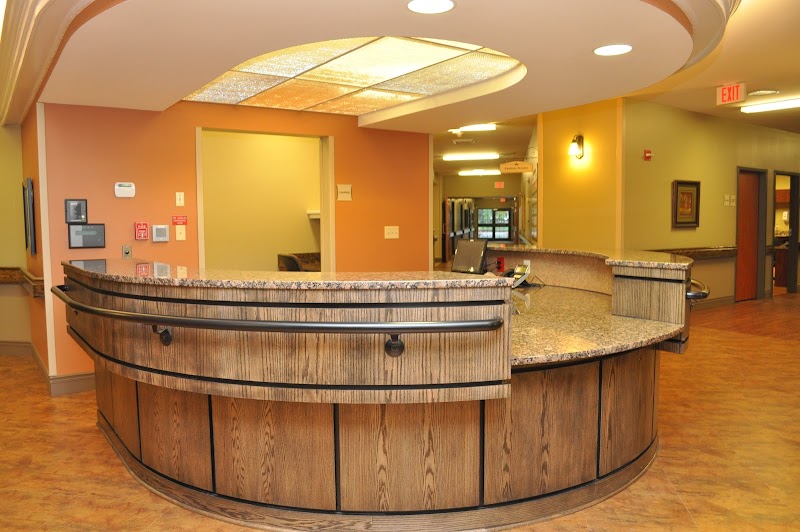
How is Peak Resources - Charlotte Staffed?
CMS rates Peak Resources - Charlotte's staffing level at 1 out of 5 stars, which is much below average compared to other nursing homes. Staff turnover is 53%, compared to the North Carolina average of 46%.

What Have Inspectors Found at Peak Resources - Charlotte?

State health inspectors documented 24 deficiencies at Peak Resources - Charlotte during 2022 to 2025. These included: 1 Immediate Jeopardy (the most serious level, indicating potential for serious harm or death), 4 that caused actual resident harm, and 19 with potential for harm. Immediate Jeopardy findings are rare and represent the most serious regulatory concerns. They require immediate corrective action.
Who Owns and Operates Peak Resources - Charlotte?

Peak Resources - Charlotte is owned by a for-profit company. For-profit facilities operate as businesses with obligations to shareholders or private owners. The facility is operated by PEAK RESOURCES, INC., a chain that manages multiple nursing homes. With 142 certified beds and approximately 119 residents (about 84% occupancy), it is a mid-sized facility located in Charlotte, North Carolina.

How Does Peak Resources - Charlotte Compare to Other North Carolina Nursing Homes?

Compared to the 100 nursing homes in North Carolina, Peak Resources - Charlotte's overall rating (1 stars) is below the state average of 2.8, staff turnover (53%) is near the state average of 46%, and health inspection rating (2 stars) is below the national benchmark.

What Should Families Ask When Visiting Peak Resources - Charlotte?

Based on this facility's data, families visiting should ask: "What changes have been made since the serious inspection findings, and how are you preventing similar issues?" "Can you walk me through typical staffing levels on day, evening, and night shifts?" "Can I visit during a mealtime to observe dining assistance and food quality?" "How do you handle medical emergencies, and what is your hospital transfer rate?" These questions are particularly relevant given the facility's Immediate Jeopardy citations and the below-average staffing rating.

Is Peak Resources - Charlotte Safe?

Based on CMS inspection data, Peak Resources - Charlotte has documented safety concerns. Inspectors have issued 1 Immediate Jeopardy citation (the most serious violation level indicating risk of serious injury or death). The facility has a 1-star overall rating and ranks #100 of 100 nursing homes in North Carolina. Families considering this facility should ask detailed questions about what corrective actions have been taken since these incidents.

Do Nurses at Peak Resources - Charlotte Stick Around?

Peak Resources - Charlotte has a staff turnover rate of 53%, which is 7 percentage points above the North Carolina average of 46%. Moderate turnover is common in nursing homes, but families should still ask about staff tenure and how the facility maintains care continuity when employees leave.

Was Peak Resources - Charlotte Ever Fined?

Peak Resources - Charlotte has been fined $14,069 across 1 penalty action. This is below the North Carolina average of $33,220. While any fine indicates a compliance issue, fines under $50,000 are relatively common and typically reflect isolated problems that were subsequently corrected. Families should ask what specific issues led to these fines and confirm they've been resolved.

Is Peak Resources - Charlotte on Any Federal Watch List?

Peak Resources - Charlotte is not on any federal watch list. The most significant is the Special Focus Facility (SFF) program, which identifies the bottom 1% of nursing homes nationally based on persistent, serious quality problems. Not being on this list means the facility has avoided the pattern of deficiencies that triggers enhanced federal oversight. This is a positive indicator, though families should still review the facility's inspection history directly.