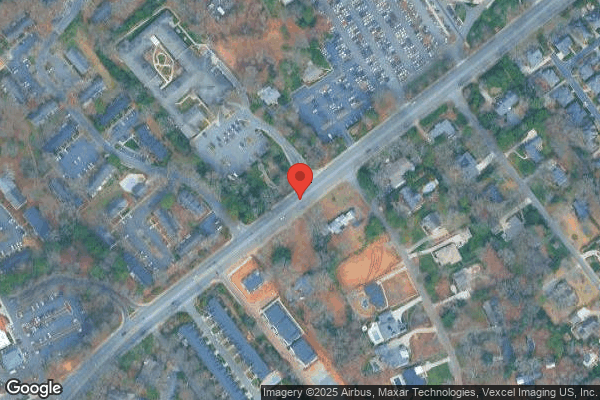

Sardis Oaks

5151 Sardis Road, Charlotte, NC 28270 (704) 365-4202
Non profit - Other 124 Beds ATRIUM HEALTH Data: November 2025
Trust Grade
65/100
#193 of 417 in NC
Last Inspection: September 2024

Within standard 12-15 month inspection cycle. Federal law requires annual inspections.

Overview

Sardis Oaks in Charlotte, North Carolina, has a Trust Grade of C+, indicating it is slightly above average among nursing homes. In the state ranking, it sits at #193 out of 417 facilities, placing it in the top half, but at #11 of 29 in Mecklenburg County, only better than a few local options. The facility's trend is worsening, with the number of issues increasing from 6 in 2023 to 7 in 2024. Staffing is a strength, rated 4 out of 5 stars, with a turnover rate of 35%, which is lower than the state average, and the facility has good RN coverage, exceeding 92% of similar facilities. However, there have been concerning incidents such as failing to sanitize dishware properly, which could affect food safety, and not posting safety signage for residents using oxygen, potentially putting them at risk. Overall, while there are strengths in staffing and no fines, the facility has notable weaknesses that families should consider.

Trust Score
C+
65/100
In North Carolina
#193/417
Top 46%
Safety Record
Low Risk
No red flags
Inspections
Getting Worse
6 → 7 violations
Staff Stability
○ Average
35% turnover. Near North Carolina's 48% average. Typical for the industry.
Penalties
✓ Good
No fines on record. Clean compliance history, better than most North Carolina facilities.
Skilled Nurses
✓ Good
Each resident gets 51 minutes of Registered Nurse (RN) attention daily — more than average for North Carolina. RNs are trained to catch health problems early.
Violations
⚠ Watch
14 deficiencies on record. Higher than average. Multiple issues found across inspections.
★★★☆☆
3.0
Overall Rating
★★★★☆
4.0
Staff Levels
★★★★☆
4.0
Care Quality
★★★☆☆
3.0
Inspection Score
Stable
2023: 6 issues
2024: 7 issues

The Good

  • 4-Star Staffing Rating · Above-average nurse staffing levels
  • 4-Star Quality Measures · Strong clinical quality outcomes
  • Full Sprinkler Coverage · Fire safety systems throughout facility
  • No fines on record
  • Staff turnover below average (35%)

    13 points below North Carolina average of 48%

Facility shows strength in staffing levels, quality measures, fire safety.

The Bad

3-Star Overall Rating

Near North Carolina average (2.8)

Meets federal standards, typical of most facilities

Staff Turnover: 35%

10pts below North Carolina avg (46%)

Typical for the industry

Chain: ATRIUM HEALTH

Part of a multi-facility chain

Ask about local staffing decisions and management

The Ugly 14 deficiencies on record

Sept 2024 7 deficiencies
CONCERN (D) 📢 Someone Reported This

A family member, employee, or ombudsman was alarmed enough to file a formal complaint

Potential for Harm - no one hurt, but risky conditions existed

Safe Environment (Tag F0584)

Could have caused harm · This affected 1 resident

**NOTE- TERMS IN BRACKETS HAVE BEEN EDITED TO PROTECT CONFIDENTIALITY** Based on observation, record review and interviews with a resident and staff, the facility failed to replace a nonfunctioning ai...

Read full inspector narrative →
**NOTE- TERMS IN BRACKETS HAVE BEEN EDITED TO PROTECT CONFIDENTIALITY** Based on observation, record review and interviews with a resident and staff, the facility failed to replace a nonfunctioning air conditioner unit in room [ROOM NUMBER]. This failure occurred for on 1 of 4 halls reviewed for a safe, clean, comfortable and home like environment (200 hall). The findings included: An observation and interview with the Resident in room [ROOM NUMBER] occurred on 9/23/24 at 1:45 PM. During the interview, the Resident stated that her air conditioner in her room had not worked for the past three weeks. She said she was currently hot in her room, and she reported this concern to her nurse aide (NA) three weeks ago. The Resident stated that when she reported the concern, the NA checked her air conditioner and said it was not blowing cool air and that she would report it to the maintenance department. The Resident said her air conditioner worked off/on since her admission to the facility in July 2024, but that three weeks ago it stopped blowing cool air completely. The Resident stated no one came to fix it and over the last three weeks, if her room got too hot, she knew she could move to the commons area where it was cooler. An observation of the air conditioner in room [ROOM NUMBER] during the interview revealed it did not blow any air, hot or cold. NA #1 stated in an interview on 9/24/24 at 1:49 PM that the Resident in room [ROOM NUMBER] informed her a week ago, or maybe longer, that she was hot in her room because the air conditioner was not working. NA #1 stated she checked the air conditioner unit in room [ROOM NUMBER] at the same time when the Resident told her it was not working and found that when the unit was turned on, it did not blow any cool air. NA #1 stated she reported to the Maintenance Director, the next day when she saw him in the hallway, that she turned the air conditioner on in room [ROOM NUMBER], but that it did not come on and that the Resident said her room was hot. An interview with the Maintenance Director on 9/24/24 at 1:26 PM, he stated that he was notified on Friday, 9/20/24 around 3:00 PM that the air conditioner unit in room [ROOM NUMBER] was not cooling properly, but that he did not recall which staff member told him. He stated that he checked the air conditioner unit on Friday, 9/20/24 around 3:30 PM, just before he left for the day, and determined the air conditioner would need to be replaced, because it was not cooling properly. The Maintenance Director stated he had a supply of air conditioners stored offsite and on Monday, 9/23/24 he drove to the offsite location to get an air conditioner to replace the broken unit in room [ROOM NUMBER]. He stated that he planned to replace the broken air conditioner on Monday, 9/23/24, but that he had not replaced it yet. The Maintenance Director stated that he was not aware that the air conditioner in that room was broken for three weeks, and had he known, he would have replaced it earlier because it only took him 20 minutes to replace an air conditioner. The Maintenance Director further stated that when he determined that the air conditioner would need to be replaced on Friday, 9/20/24, he did not offer the Resident a fan or a room change until he could replace the air conditioner, nor did he check the temperature in the room. A review of outside temperatures according to weather.com from 9/20/24 to 9/24/24 revealed an outside temperature range of 77 to 91 degrees Fahrenheit (F) for the facility's zip code. - 9/20/24 - 85 degrees F - 9/21/24 - 87 degrees F - 9/22/24 - 91 degrees F - 9/23/24 - 77 degrees F - 9/24/24 - 84 degrees F The Maintenance Director reported on 9/24/24 at 1:30 PM that the room temperature in room [ROOM NUMBER] was currently 76 to 78 degrees Fahrenheit. He provided a maintenance repair log for July through September 2024 for review which did not record notification of the broken air conditioner or its repair. The Director of Nursing (DON) was interviewed on 9/25/24 at 11:53 AM and stated the facility had access to an on-call repair service that could assist with the repair or replacement of air conditioners. The DON stated the facility should have provided the Resident with a fan or offered the Resident a room change until the broken air conditioner could be repaired/replaced. The DON stated if a staff member was aware that the air conditioner was broken, this should have been reported to administrative staff or a nursing supervisor immediately. The Administrator stated in an interview on 9/26/24 at 1:52 PM that he expected the broken air conditioner to be addressed timely with either a repair, a replacement of the air conditioner, or the Resident should have been offered a room change until the repair/replacement could be made. The Administrator stated that the facility kept the commons areas of the facility at a comfortable temperature but the air conditioner in each resident's room served the purpose of allowing the resident to maintain a comfortable temperature in their room per the resident's preference.
CONCERN (D) 📢 Someone Reported This

A family member, employee, or ombudsman was alarmed enough to file a formal complaint

Potential for Harm - no one hurt, but risky conditions existed

ADL Care (Tag F0677)

Could have caused harm · This affected 1 resident

**NOTE- TERMS IN BRACKETS HAVE BEEN EDITED TO PROTECT CONFIDENTIALITY** Based on observations, record review, and staff interviews the facility failed to provide nail care for a dependent resident for...

Read full inspector narrative →
**NOTE- TERMS IN BRACKETS HAVE BEEN EDITED TO PROTECT CONFIDENTIALITY** Based on observations, record review, and staff interviews the facility failed to provide nail care for a dependent resident for 1 of 6 residents reviewed for activities of daily living (ADL) (Resident #12). The findings included: Resident #12 was admitted to the facility on [DATE] with diagnosis' which included hemiplegia (inability to move one side of the body). A review of a care plan dated 03/18/24 revealed Resident #12 had impaired mobility related to left-sided hemiplegia and blindness with interventions which included for staff to encourage Resident #12 to participate in activities of daily living (ADL) care as able and to assist her as needed. A review of a quarterly Minimum Data Set (MDS) dated [DATE] revealed Resident #12 was cognitively intact and was not coded for rejection of care. Resident #12 was coded for impairment on one side of her upper extremities and required moderate assistance with personal hygiene. An observation was conducted on 09/23/2024 at 3:46 PM. Resident #12 was observed to have approximately one-inch-long fingernails over the tip of the finger with a brown substance noted under all ten nails on both hands. On 09/23/24 at 3:50 PM an interview was conducted with Resident #12. She stated she was legally blind and needed her nails trimmed badly. Resident #12 stated her nails needed to be trimmed and filed. Resident #12 indicated she had told staff members, however she felt like they never had time to trim her nails. The interview revealed Resident #12 felt like she could not even scratch her arm due to her nail length. A review of the Electronic Health Record shower documentation dated 09/24/2024 revealed Resident #12 received a shower from Nurse Aide (NA) #2. On 09/24/24 at 9:18 AM an interview was conducted with Resident #12. She stated she had received a shower from Nurse Aide #2 the day prior. She stated Nurse Aide #2 did not ask her if she wanted her nails trimmed or cut during the shower. The interview revealed she felt she could not ask Nurse Aide #2 to cut her nails because she stated, if you ask for anything extra the staff get mad. Resident #12 stated she thought if she asked, Nurse Aide #2 would just say no again. An interview was conducted on 09/25/2024 at 2:18 PM with NA #2. NA #2 stated she was assigned Resident #12 on 09/24/24 and had given the resident a shower. She stated nail care was part of the shower, and she had cleaned the resident's nails however did not trim them. She stated she had asked Resident #12 in the past if she wanted them trimmed and she had said no. The interview revealed NA #2 did not ask Resident #12 if she wanted her nails trimmed on 09/24/24. An observation was conducted on 09/25/2024 at 9:18 AM. Resident #12 was observed to have one-inch-long fingernails over the tip of the finger for all ten fingers. The nails were no longer observed with a brown substance. An interview was conducted on 09/25/2024 at 1:55 PM with NA #3. NA #3 stated she was responsible for Resident #12 on 09/25/24 and had observed her nails being very long. She stated she thought it was how Resident #12 liked her nails to be and had not asked the resident if she wanted them trimmed. She stated she would go and ask the resident if she wanted them cut. The interview revealed nail care was typically provided on the resident's shower day. A follow up interview was conducted on 09/25/24 at 3:27 PM with Resident #12. She stated NA #3 had come in and cut her nails. She stated, I am so happy I can actually scratch my arm now. Resident #12 stated again, nobody had asked me if I wanted my nails cut. An interview was conducted on 09/26/2024 at 10:59 AM with the Director of Nursing (DON). The DON stated nail care was performed by the Nurse Aide assigned on the resident's shower days. The DON stated NAs and Nurses on the hall could perform nail care, but nail care was primarily completed by the Nurse Aide. The DON stated she was not aware Resident #12 had long, dirty nails. An interview was conducted on 09/26/2024 at 11:38 AM with the Administrator. The Administrator stated he was not aware Resident #12 had long, dirty fingernails but knew that she did not always like to have her fingernails cut.
CONCERN (D) 📢 Someone Reported This

A family member, employee, or ombudsman was alarmed enough to file a formal complaint

Potential for Harm - no one hurt, but risky conditions existed

Accident Prevention (Tag F0689)

Could have caused harm · This affected 1 resident

**NOTE- TERMS IN BRACKETS HAVE BEEN EDITED TO PROTECT CONFIDENTIALITY** Based on observations, record review and staff interviews, the facility failed to provide an environment free from a potential h...

Read full inspector narrative →
**NOTE- TERMS IN BRACKETS HAVE BEEN EDITED TO PROTECT CONFIDENTIALITY** Based on observations, record review and staff interviews, the facility failed to provide an environment free from a potential hazard when an insulin syringe was observed lying on Resident #74's beside table with the safety cap off and the needle exposed. This deficient practice occurred for 1 of 4 residents reviewed for accidents (Resident #74). The findings included: Resident #74 was admitted to the facility on [DATE] with diagnoses that included type 2 diabetes. The quarterly Minimum Data Set (MDS) dated [DATE] indicated Resident #74 was severely cognitively impaired and received insulin 7 days during the assessment period. A review of Resident #74's physician orders revealed an order dated 9/12/24 for Insulin NPH (intermediate-acting insulin used to control blood sugar) 10 units injected subcutaneously (under the skin) twice a day. A review of Resident #74's medication administration record indicated 10 units of insulin NPH was administered by Unit Coordinator #1 on 9/23/24 at 8:57 AM. An observation conducted on 9/23/24 at 10:17 AM revealed Resident #74 was lying in bed with his eyes closed. Resident #74's bedside table was positioned at the foot of his bed, not within his reach, and a syringe (used to inject medication) was lying on top of the bedside table with the safety cap off and the needle exposed. An interview conducted with Unit Coordinator #1 on 9/23/24 at 10:30 AM revealed she was the nurse assigned to Resident #74 due to a call out. She indicated she administered Resident #74's insulin around 9:00 AM but was unaware she left the used syringe on his bedside table with the needle exposed. Unit Coordinator #1 stated when she left Resident #74's room she should have taken the used syringe and placed it into a sharps (puncture resistant) container, but she forgot. An interview conducted with the Director of Nursing (DON) on 9/25/24 at 9:02 AM indicated sharps containers were located on each of the medication carts for the safe disposal of syringes and needles. The DON stated that after a syringe or needle was used it should be placed into a sharps container and it should not be left at the resident's bedside. An interview conducted with the Administrator on 9/26/24 at 11:38 AM revealed used syringes and needles should be disposed of immediately into a sharps container and should not be left at a resident's bedside.
CONCERN (D)

Potential for Harm - no one hurt, but risky conditions existed

Tube Feeding (Tag F0693)

Could have caused harm · This affected 1 resident

**NOTE- TERMS IN BRACKETS HAVE BEEN EDITED TO PROTECT CONFIDENTIALITY** Based on observations, record review and staff interviews, the facility failed to ensure an opened bottle of tube feeding formul...

Read full inspector narrative →
**NOTE- TERMS IN BRACKETS HAVE BEEN EDITED TO PROTECT CONFIDENTIALITY** Based on observations, record review and staff interviews, the facility failed to ensure an opened bottle of tube feeding formula was labeled with the date and time the formula was hung for 1 of 2 residents reviewed for tube feeding (Resident #74). The findings included: Resident #74 was admitted to the facility 6/07/24 with diagnoses that included dysphasia (difficulty swallowing) and gastrostomy (surgical procedure to insert a tube into the stomach to provide nutritional support). A review of the physician orders revealed an order dated 6/07/24 for Resident #74 to receive Glucerna 1.5 (nutritional formula used for tube feeding) at 55 milliliters per hour (ml/hour) and water at 50 ml/hour continuously. A review of the care plan dated 6/17/24 indicated Resident #74 required a permanent feeding tube due to a diagnosis of dysphagia and an inability to take any nutrition by mouth. The interventions included administering tube feedings and water flushes as ordered by the physician. The quarterly Minimum Data Set (MDS) dated [DATE] revealed Resident #74 was severely cognitively impaired and required extensive assistance with activities of daily living. The MDS further revealed Resident #74 received tube feedings during the assessment period. An observation conducted on 9/23/24 at 10:40 AM revealed Resident #74 was receiving tube feeding at 55 ml/hour and water at 50 ml/hour through a pump. The bottle of tube feeding formula was not labeled with the date or time the formula was hung. An interview conducted with Unit Coordinator #1 on 9/23/24 at 10:45 AM indicated she was the current nurse assigned to Resident #74 due to a call out. She stated she was not aware the bottle of tube feeding had not been labeled with the date and time it was changed. She stated Resident #74's tube feeding was changed by the 3rd shift (11:00 PM to 7:00 AM) Nurse (Nurse #1) and she should have labeled the tube feeding bottle with the time and date. A phone interview was conducted with Nurse #1 on 9/27/24 at 5:57 PM. Nurse #1 confirmed she was the assigned nurse for Resident #74 on 9/23/24 and changed his tube feeding at 6:00 AM. She stated she should have labeled the tube feeding bottle with the date and time, but she forgot. An interview conducted with the Director of Nursing (DON) on 9/25/24 at 9:02 AM revealed that when a resident's tube feeding was changed the bottle of tube feeding should be labeled with the time and date.
CONCERN (D)

Potential for Harm - no one hurt, but risky conditions existed

Infection Control (Tag F0880)

Could have caused harm · This affected 1 resident

Based on observations, record reviews, and staff interviews, the facility failed to don required Personal Protective Equipment (PPE) before entering residents' room under transmission-based precaution...

Read full inspector narrative →
Based on observations, record reviews, and staff interviews, the facility failed to don required Personal Protective Equipment (PPE) before entering residents' room under transmission-based precautions for 1 of 3 residents reviewed for infection control (Resident #19). The findings included: 1. Review of the facility's policy for Enhanced Barrier Precautions (EBP) dated 09/01/2024 revealed the EBP will be implemented for the prevention of transmission of multidrug-resistant organisms. EBP employs gown and glove use during high resident care activities such as: Dressing Bathing/Showering, Transferring, Changing Linens, Providing Hygiene, Changing briefs or assisting with toileting, Device Care or use: central line, urinary catheter, feeding tube and tracheostomy, Wound Care: any skin opening requiring a dressing. On 09/25/24 at 9:42 AM an observation was made of Nurse Aide #3 entering Resident #19's room to provide a bed bath, change the residents brief and dress Resident #19 for the day. Resident #19 was under EBP for a feeding tube. The signage for EBP was posted on the door along with PPE. NA #1 was observed entering the room with towels, wash clothes, linens and a wash basin. Nurse Aide #3 was observed applying gloves and began washing Resident #19 from head to toe. NA #3 was observed with gloves on and changed them according to their handwashing policy and procedure but did not wear a gown while bathing, providing hygiene, changing Resident #19's brief or dressing the resident. An interview was conducted on 09/25/24 at 1:55 PM with NA #3. NA #3 was asked if Resident #19 was under any kind of precautions and replied yes, Enhanced Barrier Precaution's which meant she needed to wear a gown and gloves before entering the resident's room. NA#3 stated she had not put on a gown prior to giving the bed bath, changing the residents brief and assisting with dressing resident because a lot was going on that morning, and she had just forgotten to do so. NA #3 stated she always wore gloves and a gown when working with Resident #19 and knew to follow enhanced barrier precautions but today had forgotten the procedure. On 09/26/24 at 10:44 AM an interview was conducted with the Infection Preventionist. During the interview she stated for residents on EBP staff should be wearing a gown and gloves when performing any high contact resident activities such as dressing, bathing and changing the residents' brief. She stated NA #3 should have worn a gown while providing care and would need further education. On 09/25/24 at 10:59 AM during an interview with the Director of Nursing (DON) the DON explained that the Assistant Director of Nursing oversaw infection control and infection control education. The DON stated regardless all the staff knew to abide by the different types of precautions posted on the residents' door and to follow the assigned PPE. The DON stated all staff should be wearing a gown and gloves in the EBP rooms if they are providing direct hands on care such as bathing, dressing and changing the residents brief.
CONCERN (E)

Potential for Harm - no one hurt, but risky conditions existed

Respiratory Care (Tag F0695)

Could have caused harm · This affected multiple residents

**NOTE- TERMS IN BRACKETS HAVE BEEN EDITED TO PROTECT CONFIDENTIALITY** Based on observations, record review, and staff interviews the facility failed to post cautionary and safety signage outside of ...

Read full inspector narrative →
**NOTE- TERMS IN BRACKETS HAVE BEEN EDITED TO PROTECT CONFIDENTIALITY** Based on observations, record review, and staff interviews the facility failed to post cautionary and safety signage outside of resident rooms that indicated the use of oxygen for 4 of 4 residents (Residents #73, #52, #15, and #37) reviewed for respiratory care. The findings included: 1. Resident #73 was admitted to the facility on [DATE] with acute chronic respiratory failure with hypoxia. A review of the quarterly Minimum Data Set (MDS) dated [DATE] indicated Resident #73 was coded for receiving oxygen. A review of Resident #73's physician orders revealed an order dated 6/20/24 for oxygen to be administered continuously via nasal cannula at 5 liters per minute (l/min). An observation on 9/23/24 at 1:00 PM revealed Resident #73 was lying in bed wearing a nasal cannula with oxygen being administered at 5 l/min. There was no cautionary or safety signage posted at the entrance to Resident #73's room to indicate oxygen was in use. An observation of Resident #73 conducted on 9/25/24 at 9:56 AM revealed she was lying in bed with oxygen being administered via nasal cannula at 5 l/min. There was no safety signage posted at the entrance to Resident #73's room to indicate oxygen was in use. An interview with the Director of Nursing (DON) was conducted on 9/26/24 at 11:21 AM. She stated the facility was a non-smoking campus and oxygen use would be documented for each resident in their medical record and a visitor would know if a resident used oxygen by the supplies found in the resident's room. The DON explained the facility has never had oxygen in use signs posted in the facility. An interview was conducted with the Administrator on 9/26/24 at 1:48 PM. He stated the facility had oxygen signage at each storage room to indicate oxygen storage and a sign at the front entrance, the only entrance visitors used, which indicated the facility was a smoke free campus. The Administrator explained the facility did not have signs related to oxygen in use at each resident's door. 4. Resident #37 was admitted to the facility on [DATE] with diagnoses that included chronic obstructive pulmonary disease. A review of the quarterly Minimum Data Set (MDS) dated [DATE] indicated Resident #37 was coded for receiving oxygen therapy during the assessment period. A review of Resident #37's physician orders revealed an order dated 7/17/24 for oxygen to be administered continuously via nasal cannula at 3 liters per minute (l/min). An observation on 9/26/24 at 10:55 AM revealed Resident #37 was lying in bed wearing a nasal cannula with oxygen being administered at 3 l/min. There was no cautionary or safety signage posted at the entrance to Resident #37's room to indicate oxygen was in use. An interview conducted with the Director of Nursing (DON) on 9/26/24 at 11:21 AM indicated they did not post cautionary or safety signage to indicate the use of oxygen at the main entrance or outside of resident rooms. The DON stated because they were a non-smoking facility she was not aware the safety signage for oxygen use was required. An interview conducted with the Administrator on 9/26/24 at 1:48 PM revealed they were a non-smoking facility and there were no-smoking signs posted at the main entrance. He stated they did not post cautionary or safety signage to indicate oxygen was in use at the main entrance or outside of resident rooms. The Administrator further stated because they were a non-smoking facility, he was not aware that safety signage for oxygen use was required. 2. Resident #52 admitted to the facility on [DATE]. Diagnoses included hypoxia, obstructive sleep apnea, and congestive heart failure. A physician order for Resident #52 dated 8/20/24 recorded O2 (oxygen) at 2 L/M (liters per minute) prn (as needed) for SOB (shortness of breath)/hypoxia. Continuous at bedtime due to hypoxia with laying down. Use with Bipap (bilevel positive airway pressure noninvasive machine). Flow rate 2 L/M. May increase flow rate to 4 L/M. Keep SpO2 (oxygen saturation in the blood) greater than 92%. Wean as tolerated to maintain SpO2 greater than 92%. A significant change Minimum Data Set (MDS) assessment dated [DATE] indicated Resident #52's cognition was intact, and she received supplemental oxygen therapy. During an observation and interview on 9/23/24 at 12:40 PM, Resident #52 stated that she received supplemental oxygen via a nasal cannula as needed, but primarily at night due to difficulty breathing when she laid down. An oxygen concentrator was observed in her room at the time of the interview but was not in use. There was no cautionary signage at or in the room of Resident #52 or on the unit to indicate the use of oxygen. The Director of Nursing stated in an interview on 9/26/24 at 11:23 AM that each resident who received supplemental oxygen would have a physician order in their medical record, but the facility did not post cautionary signage at the resident's door or in their room regarding the use of oxygen because the facility was a tobacco free campus and this signage was posted at the front entrance/exit where visitors would see it. On 9/26/24 at 1:39 PM, the Administrator stated in an interview that the facility was a tobacco free campus and therefore did not post oxygen in use signage at each resident's room where oxygen was in use because according to the life safety regulation additional signage was not required. He stated the facility posted signage at the entrance/exit that it was a tobacco free campus and to his knowledge this signage met the regulatory requirements. During a follow-up interview with the Administrator on 9/26/24 at 1:48 PM, he stated that that facility had oxygen signage at each storage room to indicate the rooms used to store oxygen and the facility had a sign at the front entrance related to being a tobacco free campus which was the only entrance visitors used, but that the facility did not have signs related to oxygen in use at each resident's door. 3. Resident #15 admitted to the facility on [DATE]. Diagnoses included chronic respiratory failure with hypoxia, chronic obstructive pulmonary disease (COPD) and chronic bronchitis. A physician order for Resident #15 dated 8/29/24 recorded O2 at 2 L/M prn for hypoxia due to COPD. Flow rate 2 L/M. May increase flow rate to 4 L/M. Keep SpO2 greater than 92%. Wean as tolerated to maintain SpO2 greater than 92%. An admission MDS assessment dated [DATE] indicated that Resident #15's cognition was intact, and he received supplemental oxygen therapy. During an observation and interview on 9/24/24 at 10:09 AM, Resident #15 was observed in his room and received supplemental oxygen from an oxygen concentrator at 2 L/M via a nasal cannula. He stated that he received supplemental oxygen via a nasal cannula continuously due to his diagnosis of COPD. A second observation occurred on 9/26/24 at 11:22 AM of Resident #15 in his room and he received supplemental oxygen from an oxygen concentrator at 2 L/M via a nasal cannula. There was no cautionary signage at or in the room of Resident #15 or on the unit at the time of these observations to indicate that oxygen was in use. The Director of Nursing stated in an interview on 9/26/24 at 11:23 AM that each resident who received supplemental oxygen would have a physician order in their medical record, but the facility did not post cautionary signage at the resident's door or in their room regarding the use of oxygen because the facility was a tobacco free campus and this signage was posted at the front entrance/exit where visitors would see it. On 9/26/24 at 1:39 PM, the Administrator stated in an interview that the facility was a tobacco free campus and therefore did not post oxygen in use signage at each resident's room where oxygen was in use because according to the life safety regulation additional signage was not required. He stated the facility posted signage at the entrance/exit that it was a tobacco free campus and to his knowledge this signage met the regulatory requirements. During a follow-up interview with the Administrator on 9/26/24 at 1:48 PM, he stated that that facility had oxygen signage at each storage room to indicate the rooms used to store oxygen and the facility had a sign at the front entrance related to being a tobacco free campus which was the only entrance visitors used, but that the facility did not have signs related to oxygen in use at each resident's door.
CONCERN (E)

Potential for Harm - no one hurt, but risky conditions existed

Food Safety (Tag F0812)

Could have caused harm · This affected multiple residents

Based on observations, record review and interviews with the Corporate Support Dietary Manager, and staff, the facility failed to perform hand hygiene prior to plating food, wear a hair and beard rest...

Read full inspector narrative →
Based on observations, record review and interviews with the Corporate Support Dietary Manager, and staff, the facility failed to perform hand hygiene prior to plating food, wear a hair and beard restraint, maintain a working thermometer in the reach-in refrigerator, remove expired foods from frozen storage, and store potentially hazardous foods in sealed containers with a label that recorded the date of storage and the use by date in four of six cold storage units. This failure had the potential to affect food served to 85 of 92 residents. The findings included: 1. A continuous observation of the lunch meal tray line occurred on 9/26/24 from 12:00 PM until 12:10 PM. During the continuous observation, Dietary Aide (DA) #2 was observed to wear the same pair of gloves to place insulated dome lids on meal trays, place condiments and crackers on resident's meal trays, open/close the reach-in refrigerator to remove cold items, and placed meal trays on a metal cart. On 9/26/24 at 12:10 PM, DA #2 used the same gloves, without performing hand hygiene, to plate French Fries with her right gloved hand. The state surveyor intervened. When the Kitchen Supervisor asked DA #2 why she still had on the same gloves, DA #2 stated that she did not remember to wash her hands before she plated the French fries. The Kitchen Supervisor stated in an interview on 9/26/24 at 12:31 PM that dietary staff were provided an in-service in July 2024 about hand hygiene and that DA #2 should have allowed the cook to plate the French fries with tongs. The Kitchen Supervisor provided the Employee Health Foodservice Notification dated 7/12/24 which was signed by DA #2 and recorded I have read or had explained to me and understand the requirements concerning my responsibilities under the (named) Employee Health Policy and Employee Health Foodservice Notification to comply with good hygienic practices. The Administrator stated in an interview on 9/26/24 at 1:32 PM that the dietary concerns identified were not the practice he expected for the dietary department. He stated that the dietary department should perform hand hygiene. 2. A continuous observation of the walk-in refrigerator, the reach-in refrigerator, the reach-in freezer and the walk-in freezer occurred on 9/23/24 from 9:58 AM until 10:14 AM with the Corporate Support Dietary Manager. The following food storage concerns were observed during this continuous observation: - A ten-pound box of sausage patties was observed stored in the walk-in refrigerator in a cardboard box that was open to air and no label to record the date opened. - A plastic bag of meatballs was observed stored in the walk-in freezer. The bag was open to air with no label to record the date opened or the use by date. - A plastic bag of cookie dough was observed stored in the walk-in freezer on the shelf, not in the original packaging, with no label to record the date of storage or a use by date. The bag was open to air. - A plastic bag of carrots that was wrapped in plastic wrap was observed on the shelf in the walk-in freezer and had a label that recorded a use by date of 9/11/24. - A twenty-pound cardboard box of hamburger patties was observed stored in the walk-in freezer. The box was open to air. There was no label to record the date opened or the use by date. - The reach-in refrigerator was observed without a thermometer inside. The digital reading on the exterior thermometer was broken, and the temperature could not be read. - The reach-in freezer was observed with a cardboard box of cookie dough. The box was open to air. There was no label to record the date opened or the use by date. An interview occurred on 9/26/24 at 12:31 PM with the Kitchen Supervisor. She stated that she conducted daily rounds in the kitchen to monitor for thermometers and food properly stored in cold storage. The Kitchen Supervisor stated that she conducted her daily rounds on the morning of 9/23/24, but these storage concerns were missed. An interview with the Corporate Support Dietary Manager occurred on 9/26/24 at 12:33 PM. She stated that she rounded the dietary department two to three time per week to spot check dates, labels and to make sure items were stored correctly in cold/dry storage. She stated she expected the Kitchen Supervisor to conduct the initial daily rounds and address any storage concerns she found. She stated staff were educated on proper storage practices but may have been rushing and did not keep in mind the regulations. The Administrator stated in an interview on 9/26/24 at 1:32 PM that the dietary concerns identified were not the practice he expected for the dietary department. He stated that the dietary department should maintain working thermometers, and all opened foods should be properly sealed, labeled and dated. 3. A continuous observation of [NAME] #1 occurred on 9/23/24 from 9:46 AM until 10:26 AM. During this continuous observation, [NAME] #1 was observed without a hair or beard cover in place. [NAME] #1 was observed to wrap food for cold storage, sanitized the cook's prep table, washed dishes and placed foods in the warmer on the lunch tray line. [NAME] #1 stated during the observation I typically only wear a hair restraint and beard guard when I am cooking. A follow-up continuous observation occurred on 9/26/24 from 11:31 AM until 12:00 PM. The following concerns were observed regarding the use of a beard cover: - During this continuous observation, [NAME] #1 was observed conducting temperature monitoring of cold foods for the lunch meal tray line. He was observed with a beard cover that was positioned below his mustache and he stated, I have on a beard guard. - Dietary Aide (DA) #1 was observed mopping the floor while he wore a bead cover that was positioned below his mustache and he stated, I did not realize it fell down. An interview occurred on 9/26/24 at 12:31 PM with the Kitchen Supervisor. The Kitchen Supervisor stated it was her responsibility to monitor dietary staff for the use of hair and beard covers and that she told staff to raise their beard cover or to put on a hair restraint when she saw a concern. The Administrator stated in an interview on 9/26/24 at 1:32 PM that the dietary concerns identified were not the practice he expected for the dietary department. He stated that the dietary department should wear hair and beard restraints properly.
Apr 2023 6 deficiencies
CONCERN (D) 📢 Someone Reported This

A family member, employee, or ombudsman was alarmed enough to file a formal complaint

Potential for Harm - no one hurt, but risky conditions existed

Resident Rights (Tag F0550)

Could have caused harm · This affected 1 resident

Deficiency Text Not Available

Read full inspector narrative →
Deficiency Text Not Available
CONCERN (D) 📢 Someone Reported This

A family member, employee, or ombudsman was alarmed enough to file a formal complaint

Potential for Harm - no one hurt, but risky conditions existed

ADL Care (Tag F0677)

Could have caused harm · This affected 1 resident

**NOTE- TERMS IN BRACKETS HAVE BEEN EDITED TO PROTECT CONFIDENTIALITY** Based on observations, resident and staff interviews, and record review, the facility failed to provide hand hygiene for a resid...

Read full inspector narrative →
**NOTE- TERMS IN BRACKETS HAVE BEEN EDITED TO PROTECT CONFIDENTIALITY** Based on observations, resident and staff interviews, and record review, the facility failed to provide hand hygiene for a resident who required extensive to total assistance for 1 of 1 resident reviewed for activities of daily living care (Resident #2). The findings included: Resident #2 was originally admitted to the facility 4/10/15, with diagnoses that included stroke, vascular dementia, hemiplegia, and left-hand contracture. Resident #2's care plan revised on 11/22/22 for Activities of Daily Living (ADL) self-care performance deficit due to multiple cerebral vascular accidents (CVAs) with left spastic hemiplegia. Interventions included: assist Resident with the level of support needed. Resident #2's annual Minimum Data Set (MDS) dated [DATE] revealed she was cognitively intact with no rejection/refusal of care documented. Resident #2 required total assistance with eating, toilet use, personal hygiene, and bathing. Resident #2 had range of motion (ROM) limitations of upper extremities. An observation made on 4/12/23 at 8:52 AM, Resident #2 revealed she had a dark substance on and underneath the fingernails of the right hand. Resident #2's left hand was contracted; she was unable to fully open her hand to show her fingernails. Observation and interview on 4/13/23 at 9:03 AM, Resident #2 was sitting in reclining chair in hallway. The fingernails on Resident #2's right hand was observed with a dark brown substance on them. Resident #2 reported her hands were not washed that morning and they were sticky. An observation on 4/13/23 at 5:05 PM, of incontinent and ADL care with Nursing Assistant (NA) #4, no hand hygiene was provided. NA #4 said hand hygiene wasn't provided after incontinent care because Resident #2 did not use her left hand to play in feces. The hand was contracted. Resident #2 used the right hand to smear feces. NA #4 then washed Resident #2's right hand with a wet washcloth removing the brown substance that was visible on her hand. An interview on 4/14/23 at 9:53 AM, the Occupational Therapist (OT) stated Resident #2 was discharged from therapy in January of 2023. OT indicated the importance of hand hygiene was stressed to the nursing staff. OT said Resident #2 required frequent checks for skin patency and cleanliness due to having a left-hand contracture. Washing then thoroughly drying the contracture hand was important to prevent skin breakdown. The Occupational Therapist further explained, Resident #2 had behavior and reached into her brief, this required that nursing check her hands often and especially before meals and during incontinent care. During an interview on 4/14/23 at 10:56 AM, the Unit Supervisor stated hand hygiene and cleanliness was a very important part of resident care. She stated that nursing staff needed to wash hands with soap and water often, especially since Resident #2 had a contracture and reached in her incontinent garment regularly. An interview on 4/14/23 at 1:40 PM, the Director of Nursing (DON) revealed that hand hygiene was performed on all residents prior to meals and when soiled. The DON said the staff used soap and warm water or sanitizing wipes to clean a resident's hands. Nursing staff needed to ensure both of Resident #2 hands were clean and dry, especially since she had a hand contracture.
CONCERN (D) 📢 Someone Reported This

A family member, employee, or ombudsman was alarmed enough to file a formal complaint

Potential for Harm - no one hurt, but risky conditions existed

Incontinence Care (Tag F0690)

Could have caused harm · This affected 1 resident

**NOTE- TERMS IN BRACKETS HAVE BEEN EDITED TO PROTECT CONFIDENTIALITY** Based on observations, record review and resident, staff, Nurse Practitioner and Hospice Nurse interviews, the facility failed t...

Read full inspector narrative →
**NOTE- TERMS IN BRACKETS HAVE BEEN EDITED TO PROTECT CONFIDENTIALITY** Based on observations, record review and resident, staff, Nurse Practitioner and Hospice Nurse interviews, the facility failed to obtain orders for suprapubic catheter care for 1 of 1 resident reviewed for catheter use. (Resident #39) The findings included: Resident #39 was admitted to the facility on [DATE] and readmitted on [DATE] with diagnoses that included traumatic spinal cord dysfunction and neurogenic bladder. Resident #39's care plan updated and reviewed on 11/14/22, revealed alteration of elimination related to spinal cord dysfunction that required suprapubic catheter. The interventions included provide routine care, change suprapubic catheter as ordered, and empty the catheter bag every shift and as needed. Resident #39's quarterly Minimum Data Set (MDS) dated [DATE] revealed Resident #39 was cognitively intact and had a catheter for urination. Review of Resident #39's electronic medical record dated 01/1/23 through 04/14/23 revealed no physician orders for suprapubic catheter or suprapubic catheter care. An observation and interview on 04/12/23 at 09:14 AM, revealed Resident #39 had a suprapubic catheter in place. During the interview Resident #39 reported she had the suprapubic catheter in place before her admission to the facility. During an interview on 04/14/23 at 08:38 AM Nurse #1 explained she was aware Resident #39 had a catheter in place. She stated she would read and follow the physician orders to know what care needed to be provided to Resident #39. Nurse #1 was observed reviewing the physician orders in the electronic record for Resident #39 and verbalized Resident #39 had no catheter orders in place. An interview on 04/14/23 at 08:39 AM with the Director of Nursing (DON) was completed. She reported she could not locate the orders for suprapubic catheter care in the electronic record for Resident #39. A follow up interview was conducted with the DON on 04/14/23 at 10:35 AM. She stated the suprapubic catheter, and its care required a physician order. An interview was conducted on 04/14/23 at 10:29 AM with the Unit Coordinator who stated she was unable to locate the physician orders for catheter care for Resident #39. She communicated there was a task in the computer for catheter care, but no physician order for catheter care for Resident #39. She further explained when a resident had a suprapubic catheter in place, they were seen by Urologist initially and if there were no issues the facility Physician took over the care. She was unbale to recall the last time Resident #39 had been seen by urology. The Unit Manager verbalized she would contact the physician to obtain an order for suprapubic catheter care for Resident #39. A follow up interview was conducted with the DON on 04/14/23 at 10:35 AM. She stated the suprapubic catheter, and its care required a physician order. DON did say the order was probably there previously, but after the system change in December the order must have fallen off. She was unable to find any information related to the order.
CONCERN (D) 📢 Someone Reported This

A family member, employee, or ombudsman was alarmed enough to file a formal complaint

Potential for Harm - no one hurt, but risky conditions existed

Respiratory Care (Tag F0695)

Could have caused harm · This affected 1 resident

**NOTE- TERMS IN BRACKETS HAVE BEEN EDITED TO PROTECT CONFIDENTIALITY** Based on observations, record review and resident and staff, interviews, the facility failed to obtain a physician order for the...

Read full inspector narrative →
**NOTE- TERMS IN BRACKETS HAVE BEEN EDITED TO PROTECT CONFIDENTIALITY** Based on observations, record review and resident and staff, interviews, the facility failed to obtain a physician order for the use of supplemental oxygen for 1 of 1 resident reviewed for oxygen use (Resident #39). The findings included: Resident #39 was admitted to the facility on [DATE] and readmitted on [DATE] with diagnoses that included respiratory failure, pulmonary fibrosis, and dependence on supplemental O2. Resident #39's care plan updated on 11/14/22 revealed Resident #39 was at risk for respiratory distress related to diagnoses of pulmonary fibrosis, pulmonary hypertension, and congestive pulmonary obstructive disease. The interventions included: administer oxygen as ordered, evaluate the effectiveness of oxygen, and vital signs as ordered. Resident #39's quarterly Minimum Data Set (MDS) dated [DATE] revealed Resident #39 was cognitively intact. A review of Resident #39's electronic medical record (eMAR) revealed no active/current physician orders for supplemental oxygen use or monitoring of oxygen saturation (amount of oxygen in the blood). Observation of Resident #39 on 04/11/23 at 11:36 AM revealed Resident #39 was lying in bed with her eyes shut. Resident #39 had O2 oxygen tubing in her nose. Her oxygen concentrator was observed running and set at 4.5 liters (L). Observation and interview with Resident #39 on 04/12/23 at 09:14 AM showed Resident #39 was sitting up in bed and she had oxygen tubing in her nose. The oxygen concentrator was running on 4.5 L. Resident #39 reported oxygen should be set to 2- 3 L. She stated she had lung disease and her oxygen saturations would drop quickly without oxygen. Resident #39 expressed she has been on oxygen continuously for about 3 years. Observation of Resident #39 on 04/13/23 at 08:54 AM revealed Resident #39 lying in bed with her eyes closed and her oxygen concentrator running at 4 L. Resident #39 had oxygen tubing in her nose. During an interview on 04/14/23 at 08:38 AM with Nurse #2 it was revealed that Nurse #2 would refer to physician orders to see how much oxygen Resident #39 should receive. After checking the eMAR Nurse # 2 reported there were no orders for oxygen. Nurse #2 continued with her medication pass. An interview with Unit Coordinator on 04/14/23 at 10:29 AM revealed there needed to be a physician's order for O2 and O2 saturation monitoring in the electronic record. After looking in Resident #39's electronic record the Unit Coordinator said that there were no active/current orders in place for oxygen. Unit Coordinator stated she knew Resident #39 had been receiving oxygen. Unit Coordinator further explained orders for oxygen were received by the Physician, but she believed the order fell off the eMAR during the system conversion in December. An interview with DON on 04/14/23 at 10:35 AM revealed after looking for more information, she was unable to find the orders. She did say there should have been a physician order in place for how much oxygen to administer.
CONCERN (F) 📢 Someone Reported This

A family member, employee, or ombudsman was alarmed enough to file a formal complaint

Potential for Harm - no one hurt, but risky conditions existed

Food Safety (Tag F0812)

Could have caused harm · This affected most or all residents

Based on observations, record review and vendor and staff interviews, the facility failed to sanitize dishware for meal service by failing to ensure the wash and final rinse cycles of the low temperat...

Read full inspector narrative →
Based on observations, record review and vendor and staff interviews, the facility failed to sanitize dishware for meal service by failing to ensure the wash and final rinse cycles of the low temperature dish machine operated at accurate temperatures for 2 of 2 observations. This practice had the potential to affect food served to all residents. The findings included: Review of service reports from the external vendor for the dish machine revealed the following: • 01/13/23 revealed documented wash temperature of 113 degrees Fahrenheit • 02/06/23 revealed documented wash temperature of 115 degrees Fahrenheit • 04/07/23 revealed documented wash temperature of 116 degrees Fahrenheit These documented temperatures fell under the minimum requirement of 120 degrees Fahrenheit for the low temperature dish machine. The service reports contained no recommendations but had been signed by the Dietary Manager. A continuous observation of the dish machine area was conducted on 04/12/23 at 2:00 PM revealed the low temperature dish machine in use. During the observation, Dietary Aide #1 loaded trays of soiled dishes into the dish machine. Observations of the dish machine's wash and rinse cycles revealed the following: • A total of 10 trays had been washed and rinsed at a temperature of 115 degrees Fahrenheit, 15 small dessert bowels had been washed and rinsed at a temperature of 100 degrees Fahrenheit, and 16 trays were washed and rinsed at a temperature of 114 degrees Fahrenheit. All temperatures were observed by the surveyor on the dish washer's temperature gauge. On 04/12/23 at 2:05 PM an observation and interview with Dietary Aide #1 was conducted in the dish machine area revealed that an initial temperature check was done by observing the wash and rinse gauge located at the bottom of the dish machine. Dietary Aide #1 stated that once a temperature of 120 degrees Fahrenheit had been reached on the wash and rinse gauge then the dish washing process would be started. She verbalized it took 2 to 3 wash and rinse cycles for the dish machine to reach the minimum temperature of 120 degrees Fahrenheit on the wash and rinse gauge. Dietary Aide #1 was not certain if this temperature was maintained throughout the duration of the dish washing and rinsing process. Dietary Aide #1 was unaware the dish machine was not reaching the minimum temperature of 120 degrees Fahrenheit throughout the dish washing process as indicated by observing the wash and rinse gauge. An observation of the dish machine on 04/12/23 at 2:15 PM with the Dietary Manager was completed. He entered the kitchen and proceeded to check the dish machine. An internal test temperature was done on the dish machine by the Dietary Manager. The wash cycle temperature revealed 108 degrees Fahrenheit. The rinse temperature revealed 119 degrees Fahrenheit. The Dietary Manager used test strips to check the sanitation which revealed the dish machine was sanitizing properly. The Dietary Manager verbalized the dish machine was working properly after several wash and rinse cycles had been completed to reach the minimum temperature of 120 degrees Fahrenheit. On 04/14/23 at 9:23 AM an observation and interview were completed in the dish washing area with Dietary Aide #2. The observation revealed that a rack of utensils and approximately 10 trays were washed at 106 degrees Fahrenheit and rinsed at 112 degrees Fahrenheit. Dietary Aide #2 stated that washing and rinse temperatures should be at least 120 degrees Fahrenheit. He explained once he loaded the dish machine that he did not recheck the temperature of the dish machine throughout the dish washing process. Dietary Aide #2 was unaware the dish machine was not reaching the minimum temperature of 120 degrees Fahrenheit throughout the dish washing process as indicated by observing the wash and rinse gauge. On 04/14/23 at 9:50 AM an interview was completed with the vendor representative, and he explained the facility had a low-temperature dish machine and that the wash and rinse temperatures should be at minimum 120 degrees Fahrenheit. He also stated that when he'd serviced the facility's dish machine the temperatures could fluctuate due to the piping and residual cold water in the machine. The vendor representative stated that when continuous cycles had been ran the dish machine had reached the appropriate temperature with no concerns. The vendor representative expressed that he'd completed the services in January 2023, February 2023, and April 2023 with documented wash temperatures of 113, 115, and 116 respectively. His recommendation to the facility had been to run several wash and rinse cycles prior to completing any dishes to ensure the temperatures were reaching the minimum 120 F. He stated he would assess the dish machine and possibly change out the gauge. At 04/14/23 at 10:15 AM the surveyor observed the vendor representative onsite changing the dish machine gauge. A brief interview was conducted with the vendor representative, and he stated that the gauge was minus 5 to minus 6 degrees off. The vendor representative had been unaware how long the dish machine had been minus 5 to minus 6 degrees off from the minimum temperature of 120 degrees Fahrenheit. Several wash and rinse cycle temperatures were then completed once the gauge had been replaced. On 04/14/23 at 10:19 AM an interview with the Dietary Manager was completed. He stated the loader (staff person responsible for rinsing the dishes and loading the dish machine) would obtain the temperature of the dish machine prior to starting a wash cycle with facility dinnerware and utensils. He continued to explain once the minimum temperature of 120 degrees Fahrenheit had been reached staff would not stop to spot check or observe the wash and rinse gauge to ensure the wash and rinse temperatures were being maintained throughout the process. The Dietary Manager explained at the end of the dish washing process staff would obtain a final temperature. MOn 04/14/23 at 10:41 AM an interview was conducted with the maintenance director who stated he had not been aware of any concerns related to the dish machine not reaching temperature. He further stated that those issues would be reported to the manufacturer for any repair issues. On 04/14/23 at 11:30 AM a follow up interview was completed with the Maintenance Director related to the dish machine. He explained that he had no prior work orders related to the dish machine nor had he received the service reports. He stated that in this facility he would receive a work order for the repairs to the dish machine and that he had not received any work orders. At 2:05 PM on 04/14/23 an interview was conducted with the Director of Nursing (DON). She stated that she was unaware of the issues with the dish machine. The DON communicated the dish machine temperature should at minimum be 120 degrees Fahrenheit before dishes were ran and if the temperature was not 120 degrees Fahrenheit, then the dish machine should be ran until a temperature of 120 degrees Fahrenheit was reached. If there were any issues with the dish machine the DON stated that the Dietary Manager would notify the Administrator and a ticket would be placed for repair. The DON explained she was unaware of the service reports due to the reports being received by the Administrator. An interview with the Administrator could not be conducted at the time during the survey as the Administrator was unavailable for the week.
CONCERN (F) 📢 Someone Reported This

A family member, employee, or ombudsman was alarmed enough to file a formal complaint

Potential for Harm - no one hurt, but risky conditions existed

QAPI Program (Tag F0867)

Could have caused harm · This affected most or all residents

Based on observations, staff interviews and record review, the facility's Quality Assessment and Assurance Committee (QAA) failed to maintain implemented procedures and monitor interventions the commi...

Read full inspector narrative →
Based on observations, staff interviews and record review, the facility's Quality Assessment and Assurance Committee (QAA) failed to maintain implemented procedures and monitor interventions the committee put into place following the annual recertification survey completed on 7/09/2021 and the complaint survey conducted on 4/22/22. The failure was for two deficiencies that were originally cited in the areas of Dietary Services (F812) and Resident Rights/Exercise of Rights (F550) and were subsequently cited again during the current annual recertification survey on 4/14/2023. The continued failure of the facility during three federal surveys of record showed a pattern of the facility's inability to sustain an effective QAPI program. The findings included: This tag is cross referenced to F812 - Based on observations, vendor interview, staff interviews, and record review, the facility failed to sanitize dishware for meal service by failing to ensure the wash and final rinse cycles of the low temperature dish machine operated at accurate temperatures for 2 of 2 observations. This practice had the potential to affect food served to all residents. During the recertification survey conducted on 7/9/21 the facility failed to serve potentially hazardous foods (sliced strawberries, sliced melon, and cottage cheese) at 41 degrees Fahrenheit (F) or below to 4 of 4 residents and failed to label and date foods in the freezer in 1 of 2 nourishment rooms. F550 -Based on observations, record review and staff interviews, the facility failed to maintain dignity for 1 of 3 residents with an uncovered urine collection bag for public view. (Resident # 44) The reasonable person concept was applied to this deficiency as individuals have the expectation of being treated with dignity and would not want their urine visible to visitors, staff and other residents. During the complaint investigation conducted on 4/22/22 the facility failed to maintain a resident's dignity by delaying incontinence care for 1 of 3 residents reviewed for dignity. During an interview on 04/14/23 at 04:23 PM with the Director of Nursing (DON) she believed the breakdown in the system related to F812 was an isolated incident. DON explained the breakdown in the system related to F550 was due to oversight. DON stated during QAA meetings, when there is an issue a plan will be put into place for auditing. DON verbalized QAA would meet monthly and discuss any issues and/or audits that were in place.
Jul 2021 1 deficiency
CONCERN (E)

Potential for Harm - no one hurt, but risky conditions existed

Food Safety (Tag F0812)

Could have caused harm · This affected multiple residents

Based on observations and interviews, the facility failed to serve potentially hazardous foods (sliced strawberries, sliced melon and cottage cheese) at 41 degrees Fahrenheit (F) or below to 4 of 4 re...

Read full inspector narrative →
Based on observations and interviews, the facility failed to serve potentially hazardous foods (sliced strawberries, sliced melon and cottage cheese) at 41 degrees Fahrenheit (F) or below to 4 of 4 residents (Resident #37, #44, #58 and #122) and failed to label and date foods in the freezer in 1 of 2 nourishment rooms. The findings included: 1. An observation of the lunch meal tray line occurred on 07/09/21 at 11:53 AM and revealed a tray stored outside of refrigeration which contained the following: - A plate of fresh sliced melon - A cup of fresh sliced strawberries - Three individual cups of cottage cheese These items were placed on meal trays for delivery to Resident #37 (sliced melon), Resident #58 (sliced strawberries) and Residents #122 and #44 (cottage cheese). Temperature monitoring, requested by the surveyor, occurred by the Food Service Director (FSD) on 07/09/21 at 12:13 PM and revealed the following temperatures: - Sliced melon - 44.6 degrees F - Sliced strawberries - 50 degrees F - Cottage cheese - 45 degrees F An interview was conducted on 07/09/21 at 12:15 PM with the FSD. He stated that potentially hazardous cold foods should be served 41 degrees F or less. He further stated that cold items should be left in refrigeration until served. An interview with the Administrator occurred on 07/09/21 at 1:41 PM. He stated that he expected dietary staff to serve cold foods 41 degrees F or below and if the temperature of cold foods was noted to exceed 41 degrees F, the cold item should be discarded. 2. An observation of the freezer in the 100-hall nourishment room occurred on 07/06/21 at 12:03 PM. A follow up observation occurred on 07/09/21 at 1:00 PM with the Food Service Director (FSD). Both observations revealed the following: a. An unlabeled, undated, opened box of ice cream crunch bars b. An unlabeled, undated, opened box of assorted popsicles (cherry, grape, orange) c. An unlabeled, undated, opened box of 100% beef corn dogs An interview was conducted on 07/09/21 at 1:00 PM with the FSD. He stated that dietary staff were responsible for labeling/dating foods stored in refrigeration in the nourishment rooms and that monitoring occurred daily. The FSD further stated these items were missed. An interview with the Administrator occurred on 07/09/21 at 1:41 PM. He stated that he expected all foods stored in refrigeration units in the nourishment rooms to be labeled and dated.
Understanding Severity Codes (click to expand)
Life-Threatening (Immediate Jeopardy)
J - Isolated K - Pattern L - Widespread
Actual Harm
G - Isolated H - Pattern I - Widespread
Potential for Harm
D - Isolated E - Pattern F - Widespread
No Harm (Minor)
A - Isolated B - Pattern C - Widespread

Questions to Ask on Your Visit

  • "Can I speak with families of current residents?"
  • "What's your RN coverage like on weekends and overnight?"

Our Honest Assessment

Strengths
  • • No major safety red flags. No abuse findings, life-threatening violations, or SFF status.
  • • No fines on record. Clean compliance history, better than most North Carolina facilities.
  • • 35% turnover. Below North Carolina's 48% average. Good staff retention means consistent care.
Concerns
  • • 14 deficiencies on record. Higher than average. Multiple issues found across inspections.
Bottom line: Mixed indicators with Trust Score of 65/100. Visit in person and ask pointed questions.

About This Facility

What is Sardis Oaks's CMS Rating?

CMS assigns Sardis Oaks an overall rating of 3 out of 5 stars, which is considered average nationally. Within North Carolina, this rating places the facility higher than 99% of the state's 100 nursing homes. This mid-range rating indicates the facility meets federal standards but may have areas for improvement.

How is Sardis Oaks Staffed?

CMS rates Sardis Oaks's staffing level at 4 out of 5 stars, which is above average compared to other nursing homes. Staff turnover is 35%, compared to the North Carolina average of 46%. This relatively stable workforce can support continuity of care.

What Have Inspectors Found at Sardis Oaks?

State health inspectors documented 14 deficiencies at Sardis Oaks during 2021 to 2024. These included: 14 with potential for harm.

Who Owns and Operates Sardis Oaks?

Sardis Oaks is owned by a non-profit organization. Non-profit facilities reinvest revenue into operations rather than distributing to shareholders. The facility is operated by ATRIUM HEALTH, a chain that manages multiple nursing homes. With 124 certified beds and approximately 86 residents (about 69% occupancy), it is a mid-sized facility located in Charlotte, North Carolina.

How Does Sardis Oaks Compare to Other North Carolina Nursing Homes?

Compared to the 100 nursing homes in North Carolina, Sardis Oaks's overall rating (3 stars) is above the state average of 2.8, staff turnover (35%) is significantly lower than the state average of 46%, and health inspection rating (3 stars) is at the national benchmark.

What Should Families Ask When Visiting Sardis Oaks?

Based on this facility's data, families visiting should ask: "Can I visit during a mealtime to observe dining assistance and food quality?" "How do you handle medical emergencies, and what is your hospital transfer rate?" "Can I speak with family members of current residents about their experience?"

Is Sardis Oaks Safe?

Based on CMS inspection data, Sardis Oaks has a clean safety record: no substantiated abuse findings (meaning no confirmed cases of resident harm), no Immediate Jeopardy citations (the most serious violation level indicating risk of serious injury or death), and is not on the Special Focus Facility watch list (a federal program monitoring the lowest-performing 1% of nursing homes). The facility has a 3-star overall rating and ranks #1 of 100 nursing homes in North Carolina. While no facility is perfect, families should still ask about staff-to-resident ratios and recent inspection results during their visit.

Do Nurses at Sardis Oaks Stick Around?

Sardis Oaks has a staff turnover rate of 35%, which is about average for North Carolina nursing homes (state average: 46%). Moderate turnover is common in nursing homes, but families should still ask about staff tenure and how the facility maintains care continuity when employees leave.

Was Sardis Oaks Ever Fined?

Sardis Oaks has no federal fines on record. CMS issues fines when nursing homes fail to meet care standards or don't correct problems found during inspections. The absence of fines suggests the facility has either maintained compliance or corrected any issues before penalties were assessed. This is a positive indicator, though families should still review recent inspection reports for the full picture.

Is Sardis Oaks on Any Federal Watch List?

Sardis Oaks is not on any federal watch list. The most significant is the Special Focus Facility (SFF) program, which identifies the bottom 1% of nursing homes nationally based on persistent, serious quality problems. Not being on this list means the facility has avoided the pattern of deficiencies that triggers enhanced federal oversight. This is a positive indicator, though families should still review the facility's inspection history directly.