The Citadel at Myers Park, LLC
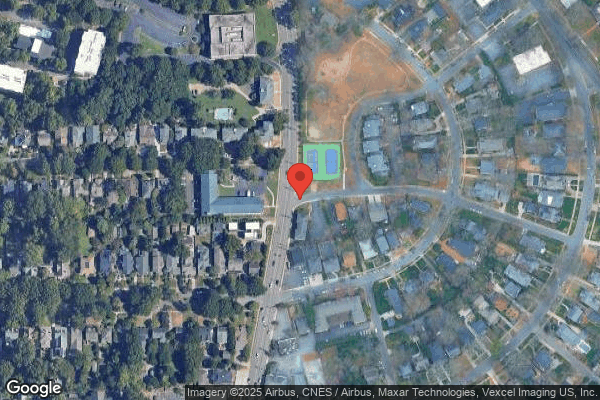
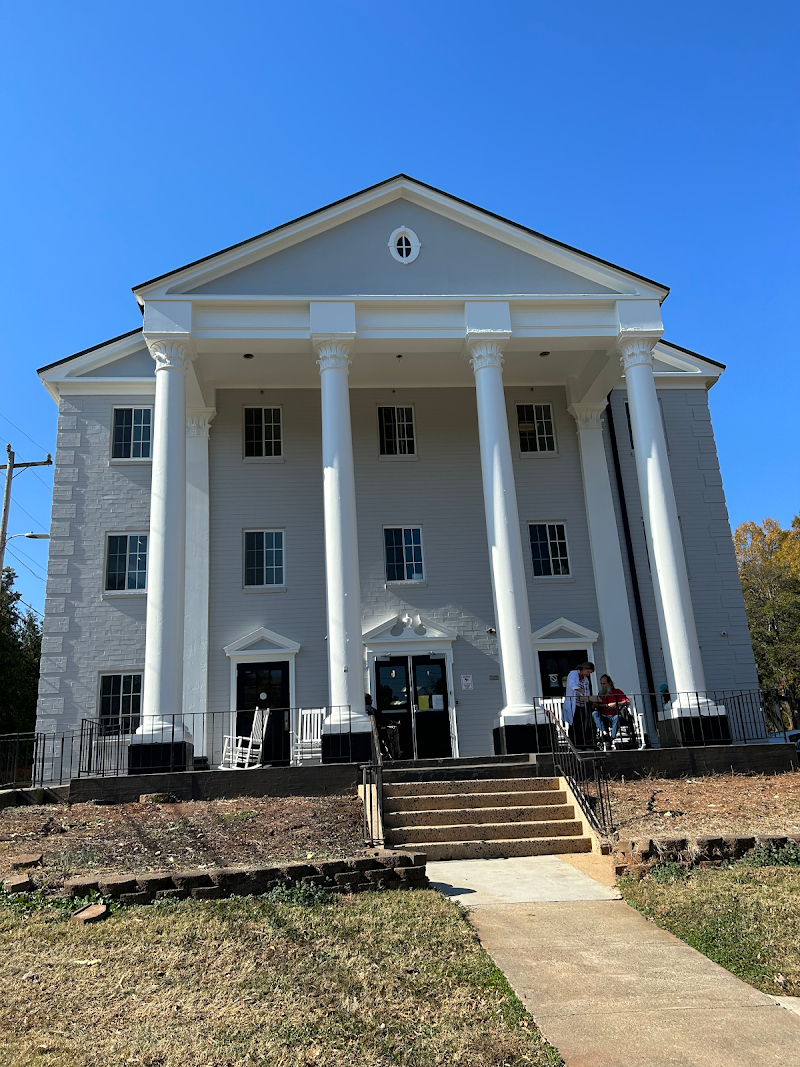
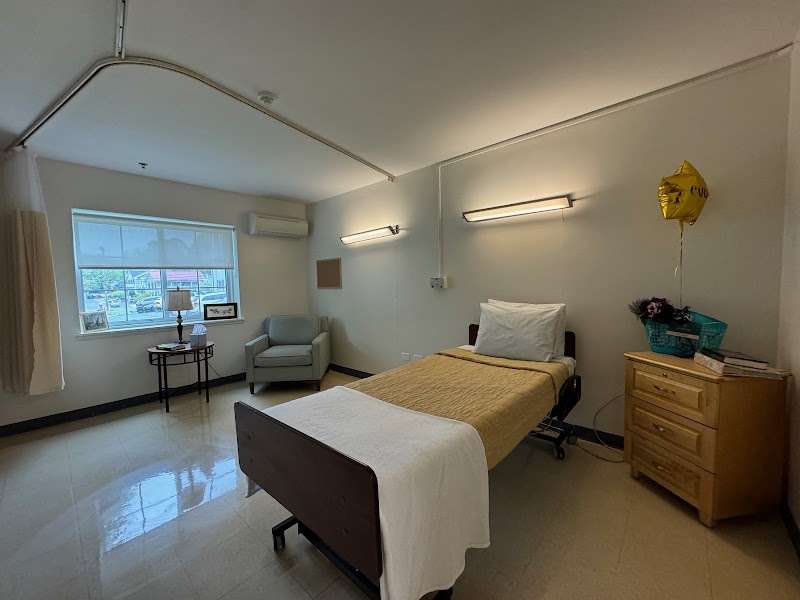
300 Providence Road, Charlotte, NC 28207 (704) 334-1671
For profit - Limited Liability company 133 Beds SIMCHA HYMAN & NAFTALI ZANZIPER Data: November 2025 13 Immediate Jeopardy citations
Trust Grade
0/100
#396 of 417 in NC
Last Inspection: February 2025

Within standard 12-15 month inspection cycle. Federal law requires annual inspections.

Overview

The Citadel at Myers Park, LLC has received a Trust Grade of F, indicating poor performance with significant concerns about care and safety. It ranks #396 out of 417 facilities in North Carolina, placing it in the bottom half of the state. However, the facility is showing signs of improvement, reducing issues from 24 in 2024 to 12 in 2025. Staffing is a strong point, with a rating of 4 out of 5 stars and a turnover rate of 0%, much lower than the state average, which suggests that staff are familiar with residents. However, the facility has faced concerning fines totaling $432,570, indicating repeated compliance problems, and critical incidents, such as failures to protect residents from harm, have been noted, including instances of resident-to-resident abuse and inadequate safety measures for cognitively impaired individuals.
Trust Score
F
0/100
In North Carolina
#396/417
Bottom 6%
Safety Record
High Risk
Review needed
Inspections
Getting Better
24 → 12 violations
Staff Stability
○ Average
Turnover data not reported for this facility.
Penalties
✓ Good
$432,570 in fines. Lower than most North Carolina facilities. Relatively clean record.
Skilled Nurses
✓ Good
Each resident gets 172 minutes of Registered Nurse (RN) attention daily — more than 97% of North Carolina nursing homes. RNs are the most trained staff who catch health problems before they become serious.
Violations
⚠ Watch
55 deficiencies on record. Higher than average. Multiple issues found across inspections.
★☆☆☆☆
1.0
Overall Rating
★★★★☆
4.0
Staff Levels
★★★★☆
4.0
Care Quality
★☆☆☆☆
1.0
Inspection Score
Stable
2024: 24 issues
2025: 12 issues

The Good

  • 4-Star Staffing Rating · Above-average nurse staffing levels
  • 4-Star Quality Measures · Strong clinical quality outcomes
  • Full Sprinkler Coverage · Fire safety systems throughout facility
  • No fines on record

Facility shows strength in staffing levels, quality measures, fire safety.

The Bad

1-Star Overall Rating

Below North Carolina average (2.8)

Significant quality concerns identified by CMS

Federal Fines: $432,570

Well above median ($33,413)

Significant penalties indicating serious issues

Chain: SIMCHA HYMAN & NAFTALI ZANZIPER

Part of a multi-facility chain

Ask about local staffing decisions and management

The Ugly 55 deficiencies on record

13 life-threatening 1 actual harm
Feb 2025 12 deficiencies 3 IJ (1 affecting multiple)
CRITICAL (J) 📢 Someone Reported This

A family member, employee, or ombudsman was alarmed enough to file a formal complaint

Immediate Jeopardy (IJ) - the most serious Medicare violation

Free from Abuse/Neglect (Tag F0600)

Someone could have died · This affected 1 resident

**NOTE- TERMS IN BRACKETS HAVE BEEN EDITED TO PROTECT CONFIDENTIALITY** Based on record review, observation, and interviews with the Nurse Practitioners, resident, and staff the facility failed to pro...

Read full inspector narrative →
**NOTE- TERMS IN BRACKETS HAVE BEEN EDITED TO PROTECT CONFIDENTIALITY** Based on record review, observation, and interviews with the Nurse Practitioners, resident, and staff the facility failed to protect Resident #84's right to be free of physical abuse perpetrated by Resident #64. On 1/27/25 Resident #84, who was cognitively impaired and had wandering behaviors, entered the room of Resident #64 who was also cognitively impaired. Nurse #6 heard Resident #64 yell at Resident #84 to get out of his room followed by Resident #64 taking both of his hands to lift Resident #84 off of the ground and throw him out of his room. Resident #84 fell to the floor hitting his head and Nurse #6 stated she heard a noise that sounded like a crack. Resident #84 reported pain to his left arm and head and was evaluated at the hospital with no acute injuries. There was a high likelihood of Resident #84 suffering serious physical harm as a result of the physical abuse. A reasonable person would have experienced feelings such as fear, intimidation, anxiety, and/or withdrawal as a result of being abused in their home environment. Additionally, the facility also failed to prevent resident to resident abuse when Resident #64 shoved Resident #18. The deficient practice occurred for 2 of 3 (Resident #84 and Resident #18) reviewed for abuse. Immediate jeopardy began on 1/27/25 when the facility failed to protect a cognitively impaired resident right to be free of abuse when Resident #84 wandered into the room of cognitively impaired Resident #64 who used physical force to throw Resident #84 to the floor. Immediate jeopardy remains present and on-going. Example 2 is being cited at a scope and severity of D. The findings included: 1) Resident #64 was admitted to the facility on [DATE] with diagnoses including cerebral infarction (stroke) and cognitive communication deficit. The care plan last reviewed on 11/20/24 revealed Resident #64 had the potential to be physically aggressive related to poor impulse control and had attempted to throw a chair in the dining room. Interventions included analyzing times of day, places, circumstances, triggers, and what de-escalated behavior and document. The quarterly Minimum Data Set (MDS) dated [DATE] assessed Resident #64's cognition was moderately impaired. He had no upper or lower extremity range of motion impairment, did not use a device for mobility, and was able to transfer and walk independently without assistance from staff. Resident #64's height and weight was 68 inches and 184 pounds. There were no physical or verbal behaviors directed towards others during the lookback period. A review of Resident #64's Medication Administration Record (MAR) revealed behaviors were monitored each day, evening, and night shift. Behaviors being monitored included agitation/pacing/yelling, and danger to self or others. From 1/1/25 through 1/26/25 the nurses documented 0 to indicate no behaviors were present. On 1/27/25 day shift Nurse #7 documented 0 to indicate no behaviors were present. Resident #84 was admitted to the facility on [DATE] with diagnoses including Alzheimer's disease and dementia. The admission MDS dated [DATE] revealed Resident #84's cognition was severely impaired, and he had demonstrated physical and verbal behaviors directed towards others, rejection of care, and wandering behaviors for 1 to 3 days during the lookback period. Resident #84's height and weight was 69 inches and 148 pounds. There was no mobility device identified on the MDS and Resident #84 was dependent on staff for walking. The MDS indicated Resident #84 was not taking anticoagulant or antiplatelet medications. The care plan last reviewed on 1/16/25 identified Resident #84 wandered related to being disoriented to place. Interventions included to intervene as needed to protect the rights and safety of others and to remove from situations to another location as needed. A review of Resident #84's MAR revealed behaviors were being monitored each day, evening, and night shift. Behaviors being monitored included agitation/ pacing/yelling, uncooperative, and wandering. On 1/10/25 and 1/13/25 the nurse documented during day shift agitation/pacing/yelling, uncooperative, and wandering behaviors were present. On 1/27/25 during day shift Nurse #6 documented behaviors of agitation/pacing/yelling, uncooperative, and wandering were present. A review Resident #84's current physician orders revealed he was not taking anticoagulant or antiplatelet medications. A review of an incident report dated 1/27/25 at 10:50 AM revealed Nurse #6 observed Resident #84 being tossed out of the room by another resident into the hallway floor landing on his left side and she unable to obtain assessment due to Resident #84 was guarding his body. Nurse #6 noted there were no injuries observed at the time of the incident and Resident #84 was alert, confused, oriented to person, ambulatory without assistance, and the predisposing factor was he wandered. A review of the progress note created on 1/27/25 at 5:29 PM by Nurse #6 revealed she was the assigned nurse for Resident #84 and at 10:50 AM was at the medication cart and observed the door to Resident #64's room was open, and Resident #84 was tossed out of the room. Nurse #6 documented she observed Resident #84 fall to the floor and land on the left side of his body and the left side facial area. Resident #84 landed in front of Nurse #6, and she heard Resident #84's body make an audible sound. The note indicated Nurse #6 told what happened in detail to the Director of Nursing (DON) and Unit Manager #5. Nurse #6 observed Unit Manager #5 contact Nurse Practitioner (NP) #1 by phone and Nurse #6 answered their questions. Neuro checks were implemented and DON assisted Resident #84 with a bed bath and the Unit Manager and DON assumed plan of care. At 4:45 PM Nurse #6 updated NP #2 and a verbal order was provided to transfer Resident #84 to the emergency room for evaluation and rule out possible head trauma. Review of the neuro check documentation for Resident #84 revealed the following: the first check was started on 1/27/25 at 10:55 AM and indicated vital signs were refused, Resident #84 was alert and Nurse #6 was unable to assess his upper and lower extremity motor function. Headache was checked yes, and no was checked for signs of seizure, ear/nose drainage, or vomiting. Neuro checks continued from 12:16 PM until 5:45 PM and indicated Resident #84 was at the hospital. During a phone interview on 1/30/25 at 11:22 AM Nurse #6 revealed on 1/27/25 she was working on the secured unit on the third floor and witnessed the altercation between Resident #64 and Resident #84. Nurse #6 revealed she heard Resident #64 yell out, Get out my room, I told you to get out. Nurse #6 revealed she saw Resident #64 take both hands and lift Resident #84 off the ground and throw him out of his room and he fell to the floor, and she heard a noise that sounded like a crack and saw Resident #84's head hit the floor. Both residents were separated, and Resident #64 stayed in his room. After the fall she did not see any obvious injuries but Resident #84 told her his left arm and head hurt but would not let her touch or assess him and was guarding his left arm. She revealed Nurse #7 stayed with Resident #84 while she went to find the Administrator or DON. The DON and Unit Manager #5 came to the secured unit on the third floor. Nurse #6 revealed she attempted to administer acetaminophen for pain but Resident #84 spit it out and the DON administered olanzapine (an antipsychotic medication) and took Resident #84 to a room and gave him a bed bath. She revealed Unit Manager #5 notified NP #1 and she (Nurse #6) was asked to tell what happened and stated she reported Resident #84 was thrown to floor. Nurse #6 revealed she heard Unit Manager #5 tell NP #1, the nurse thought the resident was hurt and was thrown on the floor. Nurse #6 revealed when NP #2 came to the facility she updated her on what happened, and an order was provided to send Resident #84 to emergency room for further evaluation. During an interview on 1/29/25 at 11:29 AM Nurse #7 revealed she was working on the secured unit on the third floor where the altercation between Resident #64 and Resident #84 occurred on 1/27/25 but she did not witness the incident. Nurse #7 revealed she was at the opposite end of hallway from Resident #64's room when she heard Nurse #6 scream he threw him on the floor. Nurse #7 revealed when she looked up, she saw Resident #84 on the floor in the hallway by Resident #64's room door. Nurse #7 revealed Resident #84 was scooting himself on the floor and around the corner of the nurse station away from Resident #64's room. Nurse #7 revealed she heard Resident #84 say he broke my arm and would not let anyone touch him. Nurse #7 revealed when she asked Resident #64 what happened he did not say anything about the incident but did say he was okay. During an interview on 1/29/25 at 3:59 PM Nurse Aide (NA) #10 revealed she worked on the secured unit on the third floor where the altercation between Resident #64 and Resident #84 occurred on 1/27/25 but she did not witness the incident. NA #10 revealed she did observe Resident #84 on the floor by the nurse station near the room of Resident #64 and was told by a nurse, she could not recall by name, that Resident #64 picked up and threw Resident #84 to the floor. NA #10 revealed she stood by Resident #84 to ensure there was no contact until the DON, Unit Manager #5, and Nurse #6 assessed the resident. NA #10 described Resident #84 had wandering behaviors prior to the altercation and would wander into other resident rooms and she would redirect him. During an interview and observation on 1/29/25 at 10:54 AM and 3:53 PM the entry door to Resident #64's room was kept closed. Resident #64 was observed sitting on the edge of the bed and was able to self-transfer and walk in and out of his room without assistance from staff. Resident #64 revealed a resident had entered his room and would not leave after he told him, you got to go. Resident #64 revealed the resident did not say anything but would not leave and he used physical force to get him out of his room. Resident #64 demonstrated he used both hands to lift up and throw the resident out of the room onto the floor. Resident #64 revealed the resident he threw was not doing anything to make him feel threatened or afraid and repeated, it was time for him to go. Resident #64 confirmed he did not ask a staff member for help and stated he did not need help from anyone. Resident #64 revealed that if someone came into his room and would not leave when asked, he would use physical force to get them out and did not need help getting someone out of his room. A review of the nurse progress note created on 1/29/25 at 1:43 PM by Unit Manager #5 was a late entry for 1/27/25 at 11:30 AM. The note revealed the Unit Manager #5 was called to the secured unit on the third floor to assess Resident #84. Unit Manager #5 and the DON noted Resident #84 was sitting on the floor near the nurse station and the assigned nurse (Nurse #6) stated Resident #84 had an unwitnessed fall. Unit Manager #5 noted Resident #84 refused assistance from staff and was assessed by the DON. Unit Manager #5 contacted NP #1 and was instructed to notify the assigned nurse (Nurse #6) to send Resident #84 out to the hospital if needed. Unit Manger #5 noted she was instructed to provide additional 30-minute checks for the NA staff and hourly checks for the nurses for Resident #84. An interview was conducted on 1/29/25 at 4:26 PM with Unit Manager #5. Unit Manager #5 revealed she was asked by Nurse #6 to come to the secured unit and when she arrived saw Resident #84 sitting on the floor and he did not want anyone to touch or help him. Unit Manager #5 revealed Resident #84 got up off the floor without help and walked to his room with the DON who provided incontinence care. Unit Manager #5 revealed she was told by Nurse #6, she heard a noise that sounded like a boom but did not see anything. Unit Manager #5 revealed 1/28/25 was the first time she heard Resident #64 threw Resident #84 to the floor. She revealed Resident #84 was not capable of describing what happened and she did assess Resident #64, and he told her he did not want anyone in his room but did not tell what happened. A review of a nurse's progress note created on 1/28/25 at 8:01 PM by the DON was a late entry for 1/27/25 at 11:30 AM. The note revealed the DON was called to the secured unit on the third floor to assess Resident #84. The DON and Unit Manager #5 saw Resident #84 on the floor near nursing station. The DON asked Nurse #6 what happened and was told Resident #84 had an unwitnessed fall to the floor. Resident #84 refused vital signs and assistance from staff. The DON noted Resident #84 eyes were reactive to light, grips were equal, and cognitive status was at baseline with no signs of distress or complaints. Resident #84 got up off the floor without assistance and walked with the DON. The DON noted there were no visible injuries, and no change in physical, emotional, or social state at the time of assessment. During an interview on 1/29/25 at 5:35 PM the DON revealed on 1/27/25 she received a text to come to the third-floor unit immediately during her morning meeting. The DON revealed when she arrived on the unit she saw Resident #84 sitting on his buttocks with his back against the wall and around the corner of the nurse station located near the room of Resident #64. Nurse #6 told her Resident #84 had an unwitnessed fall and she did not know what happened. The DON revealed Resident #84 would not let her touch him but was able to get up from the floor without assistance and walk and appeared at his baseline. The DON revealed when she asked what happened, Resident #84 stated I fell. The DON revealed Resident #84 had a history of wandering behaviors and when she checked on Resident #64, he was sitting on the edge of the bed in his room and she asked Resident #64 if someone had been in his room, and he denied that. The DON revealed she asked Nurse #6 to fill out a statement on 1/27/25 but did not get it before leaving that day. The DON revealed she was not made aware of a physical altercation involving Resident #64 and Resident #84 until 1/28/25 after reviewing Nurse 6's note and incident report during their morning meeting. An interview was conducted on 1/29/25 at 5:18 PM with NP #1. NP #1 revealed on 1/27/25 around 11:00 AM he was called and informed there was altercation between residents and named Nurse #6 was who he spoke with. NP #1 revealed he was told an aggressive altercation occurred and Resident #84 was administered olanzapine and was being monitored and was calm. NP #1 revealed his guidance was if the nurse thought Resident #84 needed to be evaluated, she could send him to the emergency room. NP #1 revealed no specifics were provided about the altercation and he could not confirm Resident #64 threw Resident #84 to the floor. NP #1 revealed he was not notified that a fall occurred during the altercation or that Resident #84's head hit the floor and if told that information he would have requested to send the resident to the emergency room for evaluation. A review Resident #84's medical record revealed NP #2 documented a follow-up note dated 1/27/25 that revealed Resident #84 was being reviewed for head injury and arm pain. NP #2 noted nursing reported around 10:50 AM Resident #84 wandered into another resident's room and was forcefully lifted into the air and thrown from out of the room. Resident #84 landed on his left side and a cracking sound was heard and he hit his head on the floor. NP #2 noted neuro checks were started and during the evening Resident #84 was arousable but would not open his eyes and minimally responded to questions. NP #2 assessed Resident #84 had no deformities or visible signs of malalignment or dislocation and appeared at baseline for the diagnosis of dementia. NP #2 recommended Resident #84 be transferred to the emergency department for evaluation to rule out head trauma, intracranial hemorrhage, or other pathology. A physician's order dated 1/27/25 at 5:00 PM provided directions to send Resident #84 to the emergency room for evaluation to rule out head trauma. A review of the emergency department summary revealed on 1/27/25 Resident #84 was evaluated due to a previous fall. A CT (computed tomography) scan (a three-dimensional imaging of the body) of the head and neck and chest x-ray showed no abnormalities or injuries, and Resident #84 was discharged back to the facility in stable condition. A review Resident #64's medical record revealed NP #2 documented a follow-up note dated 1/27/25 that revealed nursing reported Resident #64 was the aggressor in an incident after Resident #84 wandered into his room. The NP noted Resident #64 forcefully removed Resident #84 from the room. NP #2 noted the incident was isolated and Resident #64 was calm and stable and being monitored by staff with no further incidents with other residents. NP# 2 recommended to continue 1:1 monitoring for 12 hours. During an interview on 1/29/25 at 4:48 PM NP #2 revealed she was at the facility around 4:30 PM on 1/27/25 when she was told the details of an altercation between Resident #64 and Resident #84. NP #2 revealed Nurse #6 told her Resident #84 had wandered into Resident #64's room and Resident #64 threw him out. NP #2 revealed Nurse #6 stated she saw Resident #84 flying out room and was lifted off the floor and she heard a crack and saw Resident #84 hit his head. NP #2 revealed she spoke with Resident #64, and he confirmed he picked Resident #84 up and threw him to the floor. NP #2 stated when she assessed Resident #84 on 1/27/25 he was groggy but had no deformities or any obvious physical injury, but she was concerned about him being thrown onto the floor and sent him out for evaluation of injury. A phone interview was conducted on 1/31/25 at 2:23 PM with the Administrator. The Administrator revealed she became aware of the physical abuse altercation between Resident #64 and Resident #84 the next morning on 1/28/25 during their clinical morning meeting after reading Nurse #6's notes. The Administrator revealed staff had just received training and were expected to inform her or the DON of any situation between residents and she would start the investigation and determine if abuse occurred. The Administrator revealed based on the information in the medical records it appeared Resident #64 actions were willful. The Administrator was notified of IJ on 02/06/25 at 8:30 PM. The facility provided the following credible allegation of immediate jeopardy removal: Identify those recipients who have suffered, or are likely to suffer, a serious adverse outcome as a result of the noncompliance. -The facility failed to have an effective system in place to prevent resident to resident abuse and ensure the safety of all residents. -On 1/27/2025 Resident #84 entered the room of resident #64. Per witness documentation from Nurse #6, Resident #64 could be heard saying, I told you to get out of here. Per Nurse #6 documentation, Resident #64 was visualized to take both hands and pick Resident #84 up off the ground and 'throw' Resident #84 to the floor resulting in Resident #84 hitting his head on the floor. Resident #84 was assessed and assisted from the floor to his feet and proceeded to his own room receiving toileting and incontinence care provided by the Director of Nursing (DON). Fall assessments and neuro checks were initiated to be completed by licensed nurse as directed by the Director of Nursing on 1/27/25. Later in the shift Resident #84 was sent to emergency room (ER) for full evaluation per Nurse Practitioner (NP) orders to ensure no physical injury. Resident #84 returned to the facility with no negative findings. It was noted that the nurse's notes stated resident #84 had left arm pain and the hospital had not completed an x-ray of the arm, and an order was obtained for an x-ray. On 1/28/25, the order was changed to stat (now or as soon as possible) as the x-ray company had not yet come. Resident #84 demonstrated unrelated behaviors becoming combative with care resulting in discharge on [DATE] to the hospital for psych evaluation. On 1/29/25 Resident #84 returned to facility and continued to demonstrate escalating behaviors with emergency medical staff and facility staff. Resident #84 again was discharged from the facility for psych evaluation. Resident #84 remains out of the facility at this time. -Police were notified of this resident-to-resident abuse and reported to facility for statements on 01/28/25. No actions were taken by the police. Resident #64 was assessed by police and determined to not be at risk to self or others. -Residents on the dementia unit were assessed for injuries and/or physical indicators of abuse by the DON, Unit Manager, and licensed nursing staff on 1/28/25. Interviewable residents were interviewed by the DON, Unit Manager, and licensed nursing staff on 1/28/25 regarding any witnessed physical altercations, witnessed abuse, and feelings of safety while residing in the facility. No additional findings were identified. Documentation is maintained by the Administrator in the physical copy of the investigation file. Specify the action the entity will take to alter the process or system failure to prevent a serious adverse outcome from occurring or recurring, and when the action will be complete. -Resident #64 was placed on increased monitoring of every 30 minutes via nurse aides and hourly via licensed nurse. This directive was received by the Administrator and Director of Nursing on 1/28/25. Resident #64's orders and care plans were reviewed and updated by the DON and Unit Manager on 1/28/25 to reflect 30-minute checks by nurse aides and hourly checks by licensed nurses. Staff providing care were made aware of aforementioned care plan modification on 1/28/25 by the DON and Unit Manager. Resident #64 remains in need of skilled care related to assistance required with activity of daily living (ADL), inability to self-manage medications, and cognitive impairments that result in behaviors such as wandering completed by the Director of Nursing on 2/8/25. As a result of a secondary resident to resident involving Resident #18, Resident #64 was escalated to a 1 on 1 supervision during wake hours via nurse aide or designee effective 2/1/25. This was directed by the Director of Nursing and Administrator on 2/1/25. This will continue until deemed safe to reduce or eliminate by a psych provider or until discharge. -Education was initiated by Licensed Nursing Home Administrator (LNHA)/designee related to types of abuse including resident to resident altercations, abuse identification, abuse prevention, and maintaining resident safety, with all nursing home staff on 1/28/25. Education included scenarios and quizzes for demonstration of staff competency. Education further included redirecting residents, monitoring for and identifying precipitating behaviors that could lead to possible resident to resident altercations. This education includes agency staff and newly hired employees via the facility orientation process. No staff will work after 2/7/2025 without having had this education. Licensed Nursing Home Administrator (LNHA) or designee will maintain compliance with tracking education requirements. -Additional ongoing whole nursing home staff education is being coordinated by the Regional Director of Operations on 2/8/25 with Telos psych providers or designee related to dealing with difficult behaviors and monitoring interventions, to be completed monthly with all staff. First education in this series will be conducted on 2/17/25. The facility Administrator assumes responsibility for the immediate jeopardy removal plan. The date of the immediate jeopardy removal is 2/9/25. The survey team attempted to conduct a validation of the immediate jeopardy removal on plans on 2/10/25. The facility had failed to update Resident #64's care plan to reflect 30-minute Nurse Aide checks and hourly Nurse checks. The facility failed to collaborate with the psychaitric provider for montly on-going education that was supposed to start on 02/17/25. The facility failed to have Resident #64 assessed by a psychiatric provider before reducing his one-on-one supervision. The immediate jeopardy removal date of 2/9/25 was not able to be validated. 2. Resident #64 was admitted to the facility on [DATE] with diagnoses which included depression and alcohol related dementia (brain damage from alcohol abuse) and adjustment disorder with depressed mood (mental health disorder that can occur as a response to stressful life events). Review of the Electronic Medical Record (EMR) revealed Resident #64 was last seen for psychiatric services (psychotherapy) on 10/29/2024. A quarterly Minimum Data Set (MDS) dated [DATE] revealed Resident #64 was moderately cognitively impaired with no behaviors, rejections of care, or wandering. A care plan dated 1/7/2025 revealed Resident #64 had the potential to be physically aggressive related to poor impulse control. Resident #64 was to have psychiatric/psychogeriatric (mental health services) consulted as needed. Resident #18 was admitted to the facility on [DATE] with diagnoses which included vascular dementia. A quarterly Minimum Data Set (MDS) dated [DATE] revealed Resident #18 was severely cognitively impaired. Resident #18 was coded as behavior of this type occurred daily for wandering. Resident #18 had no impairment of her upper and lower extremities and did not utilize assistive devices. Resident #18 was coded as independent for walking. A care plan dated 1/13/2025 revealed Resident #18 was an elopement risk, wanderer, with interventions which included staff were to address wandering behavior by walking with Resident #18 and redirecting Resident #18 from inappropriate areas. A nurse's note dated 2/1/2025 at 12:21 pm, authored by the Unit Manager #4, revealed she was sitting at the nurse's station when she heard Resident #64 saying get out of here, get out of here. As Unit Manager #4 got up to redirect the residents, Resident #64 was observed shoving Resident #18 as she was proximal to Resident #64's door. Unit Manager #4 immediately intervened and stepped between the two residents. Resident #64 went into his room and slammed the door. Unit Manager #4 redirected Resident #18. Resident #18 walked over to the common area then proceeded to walk back towards Resident 64's room. Resident #64 came out of his room as Resident #18 started walking and antagonized Resident #18 by saying walk over here, walk over here with a grin on his face and his fist balled up. Unit Manager #4 continued to redirect Resident #18 and attempted to reeducate Resident #64 on peer-to-peer interactions with no effect. Resident #64 told Unit Manager #4 to yeah go call the police, yeah I will do it again. Unit Manager #4 made the supervisor aware at 12:14 pm, called the Administrator at 12:15 pm, and contacted the Nurse Practitioner (NP) at 12:34 pm. Unit Manager #4 reported the event to Nurse #3 at 1:10 pm. An interview was conducted on 2/10/2025 at 11:19 am with Unit Manager #4. Unit Manager #4 stated she was charting at the nurse's station on 2/1/2025 when she heard Resident #64 say get out of here, get out of here. Unit Manager #4 stated when she went to get up, she witnessed Resident #64 shove Resident #18. Unit Manager #4 was unable to recall if Resident #64 shoved Resident #18 using one hand or two hands. Unit Manager #4 stated the shove did not cause Resident #18 to lose balance or fall. Unit Manager #4 stated the shove seemed as though it was to have Resident #18 go the other way. Unit Manager #4 stated she educated Resident #64 and told him not to place his hands on anyone else. Unit Manager #4 stated Resident #64 was placed on one-on-one supervision immediately. Unit Manager #4 stated she contacted the supervisor, Guardian, and NP as well. A nurse's note dated 2/1/2025 at 2:14 pm, authored by Nurse #3, revealed she had been notified by another nurse Resident #64 had pushed another resident. Resident #64 was separated and one-on-one care during wake hours was initiated until further notice. One-hour checks were to be completed by the nurse and 30-minute checks were to be completed by Nurse Aides (NAs) while Resident #64 was sleeping. Nurse #3 documented per supervisor, a new order for lorazepam 1 milligram (mg) was to be administered every 6 hours as needed and would be placed in the system by a physician. An initial allegation report dated 2/1/2025, completed by the Administrator, revealed the facility reported an allegation due to resident-to-resident physical altercation involving Resident #64. The facility became aware of the incident on 2/1/2025 at 12:14 pm and notified law enforcement at 12:54 pm. Resident #64 was placed on one-on-one supervision while awake and hourly nursing checks with every 30-minute NA checks while Resident #64 was asleep. A five-day investigation report dated 2/7/2025 revealed the Administrator had completed an investigation and determined Resident #64 pushed Resident #18. Resident #18 was not injured, did not fall, and there were no bruises. An interview was conducted on 2/10/2025 at 11:38 am with NA #10. NA #10 stated she worked on the memory care unit on 2/1/2025 and was on the unit, sitting as a post near the elevators (to watch residents and ensure they did not go down the elevator). NA #10 stated she did not witness the incident between Resident #64 and Resident #18. NA #10 stated she was told by a nurse, name unknown, to sit with Resident #64 one-on-one. NA #10 stated Resident #64 was calm the remainder of the time she was assigned to him and stated she had taken him out to smoke after the incident to help calm his nerves. NA #10 stated she was not aware of any other instances where Resident #64 had been aggressive with other residents. NA #10 stated Resident #64 was able to ambulate independently and made his needs known. NA #10 stated Resident #18 frequently wandered and would attempt to go in other resident's rooms. NA #10 stated Resident #64 would get agitated when other residents would try to wander into his room but stated she had never witnessed him shoving anyone before. An interview was conducted on 2/10/2025 at 11:46 am with Nurse #3. Nurse #3 stated she was not on the memory care unit when the event between Resident #64 and Resident #18 occurred. Nurse #3 stated when she arrived back on the memory care unit, Resident #64 and Resident #18 were already separated. Nurse #3 stated she assessed Resident #18 for pain and injuries following the incident and stated Resident #18 was okay. An interview was conducted on 2/10/2025 at 12:17 pm with NP #2. NP #2 stated she had been called over the weekend by a facility staff member regarding the incident with Resident #64 and Resident #18. NP #2 stated she had made the recommendation to place Resident #18 on one-on-one supervision. An observation was conducted on 2/10/2025 at 3:43 pm of Resident #64. Resident #64 was observed awake, sitting on the side of his bed, and no longer had a one-on-one sitter. Resident #64 appeared calm. An observation was conducted on 2/10/2025 at 11:03 am of Resident #18. Resident #18 was observed lying in bed. Resident #18 did not answer questions. An interview was conducted on 2/10/2025 at 4:19 pm with the Director of Nursing (DON). The DON stated she had made aware of the incident involving Resident #64 and Resident #18 on 2/1/2025. The DON stated Resident #64 was immediately placed on one-on-one supervision. Follow-up interviews have been requested with the Director of Nursing (DON) and have not been successful. An interview was conducted on 2/11/2025 at 1:20 pm with the Administrator. The Administrator stated she was made aware of the incid[TRUNCATED]
CRITICAL (J) 📢 Someone Reported This

A family member, employee, or ombudsman was alarmed enough to file a formal complaint

Immediate Jeopardy (IJ) - the most serious Medicare violation

Accident Prevention (Tag F0689)

Someone could have died · This affected 1 resident

**NOTE- TERMS IN BRACKETS HAVE BEEN EDITED TO PROTECT CONFIDENTIALITY** 4. Resident #63 was admitted to the facility on [DATE] with diagnoses that included Alzheimer's disease, heart failure and seizu...

Read full inspector narrative →
**NOTE- TERMS IN BRACKETS HAVE BEEN EDITED TO PROTECT CONFIDENTIALITY** 4. Resident #63 was admitted to the facility on [DATE] with diagnoses that included Alzheimer's disease, heart failure and seizure disorder. Resident #63 resided in the Memory Care Unit which is a secured unit on the third floor of the facility. The care plan revised on 06/06/24 revealed Resident #63 was a wanderer due to being disoriented to place. The goal that he will be safe would be attained by utilizing interventions such as distracting the Resident by offering distraction with activities, ensuring the areas that the Resident is wandering in is safe and monitoring for fatigue and weight loss. There was no wander guard monitoring device on the care plan. The quarterly Minimum Data Set (MDS) assessment dated [DATE] revealed Resident #63 had severe cognitive impairment and wandering behaviors were not indicated on the MDS. The MDS also indicated the Resident ambulated independently and wander/elopement alarm was used daily. A review of Resident #63's physician orders dated 01/29/25 revealed an order to check electronic monitoring device via testing machine every shift and to visually check electronic monitoring device every shift. A review of Resident #63's Medication Administration Record (MAR) for 01/2025 indicated an order dated 01/29/25 to visually check the electronic monitoring device right ankle every shift and check electronic monitoring device via testing machine every shift. The MAR indicated the electronic monitoring device was checked as present every day and every shift. A review of Resident #63's MAR for 02/2025 indicated an order dated 01/29/25 to check the electronic monitoring device right ankle every shift and check electronic monitoring device via testing machine every shift. The MAR indicated the electronic monitoring device was checked as present every day and every shift except day shift on 02/06/25. An interview and observation were made of Resident #63 on 02/07/25 at 1:08 PM. The Resident was standing in the middle of the floor in his room. Resident #63 answered to his name being called but could not follow verbal command. Observation of both ankles and wrists revealed there was no wander guard alarm on the Resident. An observation was made on 02/10/25 at 1:15 PM of a sign posted on the back wall in the Providence Road elevator (one of two elevators that leads up to the Memory Care Unit) that stated STOP in a red stop sign and verbiage underneath the sign that stated PLEASE SEE THE NURSE BEFORE ALLOWING OUR SECURED RESIDENTS ON THE ELEVATOR in black capital letters. There was no sign posted on the front door of the elevator about the precaution. An observation was made of the outside door and inside back wall of the Dartmouth Road elevator which leads up to the Memory Care Unit on 02/10/25 at 2:12 PM. There were signs posted that stated STOP in a red stop sign and verbiage underneath the sign that stated PLEASE SEE THE NURSE BEFORE ALLOWING OUR SECURED RESIDENTS ON THE ELEVATOR in black capital letters. On 02/10/25 at 12:45 PM during an interview with Nurse #7 the Nurse reported that she was working on the second floor on 02/10/25 when around 7:39 AM she observed Resident #63 wandering around on the second floor near the nurses' station alone with no one attending him. The Nurse explained she sent a text message to the Director of Nursing (DON) to report her observation then called Nurse #5 who was working the Memory Care Unit at that time and reported her observation to the Nurse in which she responded that she would send a staff member down to get Resident #63. Nurse #7 continued to explain that approximately 5 minutes later Nurse Aide (NA) #11 who was scheduled to work on the Memory Care Unit came to the second floor nurses' station and assisted Resident #63 back upstairs to the Memory Care Unit. The Nurse reported that a few minutes after the NA left with Resident #63, the DON came to the second floor to collect statements from staff about Resident #63 being downstairs unattended. The Nurse stated she informed the DON that Resident #63 was observed to be walking up the long hall from the area of the Providence Road elevator. When asked how the Nurse thought Resident #63 got unattended to the second floor she indicated if his wander guard alarm did not sound on the Memory Care Unit then he could have ridden the elevator down with someone who did not know that the Resident should not be left unattended. The Nurse reported that there were a lot of new people at the facility and there were signs posted outside the elevator doors about patient safety. On 02/10/25 at 1:16 PM during an interview with Nurse Aide #12, the NA was working on the Memory Care Unit on first shift on 02/10/25 who explained that he was off the Unit when Resident #63 was found downstairs on the second floor. The NA continued to explain that a Hospice staff was on the Unit earlier that morning and the Resident could have rode the elevator down with that person. NA #12 stated Resident #63 had since had the wander guard placed on his ankle and was on a 1:1 monitoring with NA #11. An observation of Resident #63 was made on 02/10/25 at 1:19 PM. The Resident was alert and walking up the hallway while being monitored by Nurse Aide #11. The NA asked Resident #63 to lift his pant leg up and the Resident could not follow through with the request. The NA had to lift the Resident's left pant leg to expose the wander guard was present on his ankle. An interview and observation were conducted with Nurse Aide #11 on 02/10/25 at 1:20 PM. The NA was monitoring Resident #63 for the 1:1 protocol and explained that she went downstairs earlier that morning and as soon as she stepped off the elevator on the second floor the Resident was walking toward her and had already passed the nurses' station. The NA continued to explain that she asked Nurse #7 how Resident #63 got down to the second floor but neither of them knew how the Resident got downstairs by himself. NA #11 reported when she returned to the Memory Care Unit with Resident #63, she was told that she was changing assignments to monitor the Resident 1:1 for the rest of the shift. Soon afterwards the NA had to take Resident #63 to the podiatry clinic downstairs and one of the Unit Managers placed a wander guard on the Resident's left ankle. During an interview with Nurse #5 on 02/10/25 at 1:35 PM the Nurse explained that earlier that morning she received a phone call from Nurse #7 who was working on the second floor, she found Resident #63 wandering around by himself and Nurse #5 needed to send someone down to get the Resident. The Nurse stated she notified Nurse Aide #8 who was the Resident's assigned care giver that day, that Resident #63 was found on the second floor, and she needed to go downstairs and get the Resident. NA #8 informed the Nurse that she had just sat Resident #63 down in the dining room and he was watching TV when she went to the supply closet to obtain some supplies to continue her morning care of the residents. The Nurse stated as the NA went to the Dartmouth Road elevator to obtain the Resident, she observed Nurse Aide #11 and Resident #63 getting off the elevator. Nurse #5 explained that she notified the Director of Nursing that Resident #63 was found downstairs on the second floor and the DON came to the Memory Care Unit when it was discovered that Resident #63 did not have his wander guard on either ankle. The Nurse reported that the staff searched the Resident's room and could not find the wander guard. Nurse #5 stated a new wander guard was placed on Resident #63 by one of the Unit Managers and he was placed on 1:1 monitoring with Nurse Aide #11. Nurse #5 continued to explain that she worked on the Memory Care Unit on Saturday 02/08/25 first shift and Resident #63 had his wander guard on during that shift. When Nurse #5 was asked how she thought Resident #63 got to the second floor she explained that since the wander guard alarm did not sound for the Resident, he must have ridden the elevator down with someone who did not know that the Resident could not be without attendance of staff. The Nurse reported only one person was on the unit that day which was a Hospice Aide, and she thought the DON had already obtained a statement from her about the incident. On 02/10/25 at 1:45 PM an interview was conducted with Nurse Aide #8 who confirmed she was assigned to Resident #63 and explained that she had just sat Resident #63 down in the dining room to watch TV and went to the supply closet to obtain supplies to continue her care of the residents. She stated that approximately 5-7 minutes later when she opened the door to come out of the supply room Nurse #5 informed her that Resident #63 was found on the second floor by himself unattended and asked the NA to go downstairs and bring him back up but as she approached the Dartmouth Road elevator she saw that NA #11 had already brought Resident #63 back to the Unit. NA #8 reported that the Resident was supposed to have a wander guard on, but he did not have a wander guard on when he was brought back to the Unit. She stated if Resident #63 had a wander guard on then he would not have been able to get on the elevator because of the alarm sounding as he approached the elevator. The NA stated the Resident was put on 1:1 monitoring with NA #11 and the wander guard was replaced later that morning. NA #8 reported that she did not know how Resident #63 got downstairs unattended, but he should have had a wander guard on because of his wandering behavior. An interview was conducted with Unit Manager #4 on 02/10/25 at 3:30 PM. The Unit Manager explained that the Director of Nursing notified her earlier that day to put a wander guard on Resident #63 when he was at the podiatry clinic which she did. She stated the DON did not tell her why to put the wander guard on the Resident. The Unit Manager stated that she did not know that Resident #63 was found on the second floor earlier that morning unattended. An interview was conducted with the Director of Nursing on 02/10/25 at 5:25 PM. The DON was asked what she knew of Resident #63 being found downstairs on the second floor earlier that day and the DON explained that she was notified that Resident #63 was wandering around and he had to have his wander guard replaced that day. The staff informed her that they were looking for his wander guard because he was wandering in and out of the rooms and near the doors and when they noticed it off, they replaced it. The DON stated she told someone through a text message circle to replace it and left one at the Reception Desk and told the receptionist to give it to whoever comes to get it, and Unit Manager #4 ended up replacing it. The DON reported Resident #63 was not found on the second floor because that would indicate he was lost. She stated the facility had a procedure when a resident was (missing) and it was to call a color code and there was not a code called that day to indicate a missing resident. When the DON was asked what the color code was for missing residents, she indicated she did not know and would have to get back with that information. The DON continued to explain that she was informed that Resident #63 was with an agency aide, but the DON found out later that it was a Hospice Aide because the Hospice Aide was the only non-staff member up on the Memory Care Unit earlier that day. She reported she had already called the Hospice Aide because the Hospice Aide was on the Memory Care Unit to get briefs to give care and she was the last person out of any doors from the Unit. The DON continued to explain that when she called the Hospice Aide the Aide informed her that there was no one on the elevator with her when she left the Memory Care Unit, that she was by herself. The DON was asked how was it possible that Resident #63 got to the second floor by himself without the wander guard alarm sounding to alert the staff and the DON explained that since Resident #63 did not have a wander guard on he must have went down the elevator but that he had to have been with someone who knew the code to the elevator because he was not cognitively intact to manage the code of the elevator, know the code of the elevator or push button #2 on the elevator to go to the second floor. She stated, he just don't have it. At 4:25 PM on 02/10/25 during an interview with the Hospice Aide she explained that she was up on the Memory Care Unit earlier that morning but when she went back down in the elevator there was no one with her on the elevator. An interview was conducted with Nurse #8 on 02/11/25 at 1:04 PM. The Nurse confirmed she worked on the Memory Care Unit on third shift (11:00 PM - 7:00 AM) on 02/07/25 and 02/08/25. Nurse #8 explained that she checked both nights for the wander guard on Resident #63's ankle (could not remember which ankle) and the wander guard was on his ankle. The Nurse continued to explain that Resident #63 was usually awake and up all night walking the halls and often removed the wander guard. The Nurse reported it was not uncommon for her to have to replace the wander guard because Resident #63 often removed it from his ankle. The Nurse explained that she had reported it to the previous Unit Manager (who no longer worked at the facility), and she was trying to come up with a different plan for the Resident. Nurse #8 reported everybody was aware that Resident #63 removed the wander guard, even the Director of Nursing (DON), but she had not personally spoken to the DON about it. The Nurse explained that the only explanation she would have about how Resident #63 was found on the second floor unattended was that the Resident was not wearing the wander guard when he approached the elevator to sound the alarm or if he did not have the wander guard on, he must have road the elevator down to the second floor with someone who knew the code. The Nurse indicated Resident #63 was not cognitively intact enough to know the elevator code or to input the code by himself. During an interview with Nurse # 3 on 02/11/25 at 4:45 PM the Nurse reported that she recently worked on the Memory Care Unit on 02/06/25 first shift (7:00 AM - 7:00 PM) and worked with Resident #63. She stated Resident #63 wandered around the unit independently and was easily redirected. Nurse #3 explained that when she checked the Resident's wander guard (monitoring device) during the shift, the wander guard was not on the Resident. She stated she did not report it, nor did she replace it because everybody knew, even the administrative staff. The Nurse stated she had mentioned it in the past to the Director of Nursing (DON) about not having the wander guards and the reply she got was I will take care of it. The Nurse continued to explain that it was her understanding that there were not enough straps for the wander guards for everyone who needed them to have one. Nurse #3 stated she was not aware of whether Resident #63 was able to remove his wander guard. On 02/10/25 at 6:10 PM and 02/11/25 at 1:20 PM interviews were conducted with the Administrator who explained that she was not aware that Resident #63 had been found on the second floor wandering around unattended until this interview. The Administrator continued to explain that someone asked her for a wander guard, and she contacted the Maintenance Director to obtain a strap for the wander guard from a sister facility that was approximately 2 miles away and he was able to get one and they put it on him. She stated she found out who it was for, and she told the staff to put him on 1:1 monitoring until the wander guard got to the facility. The Administrator stated she did not know how Resident #63 got downstairs on the second floor. The Administrator indicated in the follow-up interview that she was still investigating how Resident #63 was able to get downstairs to the second floor because he can not press the buttons by himself. She stated as far as she knew the Resident was not unattended. Based on observations, record review, review of the transportation van training tutorial, and resident, Transportation Driver #1, Transportation Administrator, staff, and Nurse Practitioner interviews, the facility failed to ensure that Resident #336 who was cognitively intact, received dialysis services and was prescribed an anticoagulant, was safely transported back to the facility following dialysis on 01/21/25. Transportation Driver #1 who drove through a contract transportation company failed he failed to secure the lap and shoulder belt around Resident #336. During the transport, Transportation Driver #1 hit bumps in the road and Resident #336 was thrown from his wheelchair to the floor of the van. In addition, Transportation Driver #1 did not contact Emergency Medical Services for Resident #336 to be evaluated and when he was unable to assist Resident #336 back into his wheelchair, Transportation Driver #1 made the decision to leave Resident #336 on the floor of the van and transport him back to the facility. Resident #336 stated he was not injured. When Transportation Driver #1 returned to the facility Nurse #24 assessed Resident #336 for injuries and none were noted. Failing to secure the lap and shoulder belt around Resident #336 during transport and transporting Resident #336 back to the facility while he was on the floor of the van had the high likelihood of causing serious harm, or serious impairment. The facility also failed to complete an accurate safe smoking assessment for Resident #39 and have electronic monitoring devices in place for Resident #29 and Resident #76. In addition, the facility failed to provide supervision to Resident #63 who resided on the locked unit on the third floor of the facility and had a history of wandering from getting on the elevator unattended and going to the second floor of the facility where staff found him and returned him to the secured unit on the third floor. The deficient practices affected 5 of 5 residents reviewed for supervision to prevent accidents (Resident #336, Resident #39, Resident #29, Resident #76, and Resident #63). Immediate jeopardy began on 01/21/25 when Resident #336's lap and shoulder belt was not secured around him prior to transportation and he was thrown to the floor after Transportation Driver #1 hit bumps in the road. Immediate jeopardy is present and ongoing. Examples #2, 3a, 3b, and 4 are being cited a lower scope and severity of E. The findings included: 1. Per the restraint system used on the transportation van training tutorial, in order to properly secure a resident in a wheelchair with the restraint system, Transportation Driver #1 needed to lock the resident's wheelchair after loading Resident #336 followed by utilizing the retractable securing hooks to Resident #336's wheelchair and ensuring that they are locked and prevented Resident #336's wheelchair from moving. Transportation Driver #1 should have then placed the lap and shoulder belt over Resident #336, ensuring the lap belt was snug across Resident #336's lap and the shoulder belt was across the front of Resident #336. Resident #336 was admitted to the facility on [DATE] with diagnoses that included end stage renal disease. Resident #336's admission Minimum Data Set assessment dated [DATE] revealed him to be cognitively intact with no delusions, behaviors or rejection of care. Resident #336 was coded as dependent on others for transfers and had impairments on both sides of his lower extremities. Resident #336 was also coded as taking an anticoagulant medication and receiving dialysis services. Resident #336's physician orders revealed Eliquis Oral Tablet - 5 milligrams - Give one tablet by mouth two times a day for history of stroke. This physician order was dated 01/20/25. Resident #336's care plan dated 01/20/25 revealed a care plan for receiving hemodialysis related to end stage renal disease. Resident was scheduled for dialysis on Tuesdays, Thursdays, and Saturdays. The facility's fall incident report dated 01/21/25 at 6:00 PM revealed the following: Transport Driver arrived stating resident had fell out of wheelchair and asking for assistance. Un-witnessed fall. Resident lying on right side in the floor of the transport van. Resident was laying beside his wheelchair in back. No signs of visual injury. Resident had complaints of right knee discomfort. Resident stated he did not hit his head. Aided resident back into his chair with the help of driver. This nurse asked driver to come in and write a statement and driver left without doing so. Resident stated upon returning to facility from dialysis, driver went over a speed bump when he got dispositioned in his wheelchair. Resident stated before he could get himself straightened back up in wheelchair, the driver then [stomped] on the brakes and resident fell forward out of wheelchair on transport van floor. Resident stated his right leg was slightly bent when he landed on the floor. Resident stated his seat belt was anchored around his wheelchair and not him. Resident stated van driver made an attempt away from premises to pick him up off the floor but was unsuccessful. An additional review of the incident report revealed Resident #336's vital signs were taken and were within normal limits. Per the incident report a complete body check was completed on Resident #336 and there were no signs of injury. Nurse #24 offered Resident #336 an ice pack, but he declined. The incident report was written by Nurse #24. An interview with Resident #336 on 02/07/25 at 12:16 PM revealed he remembered the incident. He reported he had gone to dialysis and was supposed to be picked up around 4:00 PM on 01/21/25. He stated Transportation Driver #1 first loaded another resident (Resident #337) and then loaded him onto the transportation van. He stated when Transportation Driver #1 loaded him on the transportation van, he locked the wheels of his wheelchair, but instead of placing the lap belt around his body, he placed it around his wheelchair. Resident #336 stated he did not question Transportation Driver at that time because, I thought he knew what he was doing. Resident #336 continued, stating as Transportation Driver #1 proceeded on to the facility, it felt as though Transportation Driver #1 hit a bump which jarred him from his wheelchair. Resident #336 stated before he could get resituated in his wheelchair. Transportation Driver #1 hit another bump which resulted in throwing him from the wheelchair onto the floor of the van. Resident #336 reported he called out for help and Transportation Driver #1 pulled over and unsuccessfully attempted to get him back into his wheelchair. Resident #336 stated Transportation Driver #1 then proceeded to tell him that they were only about 10 minutes from the facility and that he would get him off of the floor of the van when they returned to the facility. Resident #336 stated he remained on the floor of the van for the remainder of the drive and when they arrived back at the facility, a staff member came out and helped him get back into his wheelchair. Resident #336 reported that he was not injured in the event but reported he really did not like being left on the floor of the van while it was returning to the facility and that it was not a good first-time experience being transported by the transportation company. Resident #337's admission Minimum Data Set assessment dated [DATE] revealed he was cognitively intact. An interview with Resident #337 on 02/07/25 at 3:43 PM revealed he was on the transportation van the day Resident #336 fell. Resident #337 reported that Transportation Driver #1 loaded him [Resident #337] into the transportation van first and secured his wheelchair with four straps to his wheelchair and then placed a lap and shoulder belt over his midsection. He stated since he was loaded first, he could not see how Transportation Driver #1 loaded and secured Resident #336 in the transportation van. He stated at some point during transport, he heard Resident #336 state, Help, I need help. Resident #337 reported when he heard Resident #336 call out for help, he asked Resident #336 if he was okay, and Resident #336 replied that he needed help. Resident #337 reported he could not see Resident #336 due to their placement in the van, so he relayed that message to Transportation Driver #1. Resident #337 stated Transportation Driver #1 pulled the van into a bank parking lot and checked on Resident #336 but was unable to either get Resident #336 resituated into his wheelchair or get him off of the floor, so Transportation Driver #1 got back into the driver's seat of the van and continued on to their destination. Resident #337 indicated he did not realize Resident #336 was in the floor of the van until Transportation Driver #1 got to the facility and retrieved a staff member to come out and assist him in getting Resident #336 back into his wheelchair. Resident #337 reported he did not feel any significant bumps in the road but that there were a few times where Transportation Driver #1 applied the brakes a little hard. An interview with Transportation Driver #1 on 02/10/25 at 11:09 AM via telephone revealed he was the transportation driver for Resident #336 and Resident #337 on 01/21/25. Transportation Driver #1 reported he loaded Resident #337 onto the van first, secured his wheelchair with four straps and then placed the lap belt around Resident #337's midsection and then loaded Resident #336 onto the van and repeated the same process. He reported he was driving both residents back to the facility and when he pulled into the facility's parking lot, he was notified by Resident #337 that Resident #336 needed assistance. Transportation Driver #1 stated he stopped and went to check on Resident #336 and noted that he had started to slide out of his seat. Transportation Driver #1 reported he attempted to resituate Resident #336 back into his wheelchair but was unsuccessful. He stated he unlatched the lap belt and when he did, Resident #336 slid out of his wheelchair to the ground. Transportation Driver #1 stated Resident #336 landed on his bottom but could not recall if he was leaning to one side or the other. Transportation Driver #1 insisted that he was not aware of the issue until he was pulling into the facility's parking lot and denied pulling into any other parking lots or that Resident #336 was transported while he was on the floor. He continued, stating once he realized he could not get Resident #336 back into his wheelchair, he went and retrieved assistance from a staff member in the facility. Transportation Driver #1 reported he received in-service trainings and was tested on competencies a couple times a year and had been reminded daily to ensure that when he was transporting clients, that their wheelchairs and the clients were secured before transporting them to their destinations. Transportation Driver #1 indicated if a client were to fall during transportation, he was supposed to immediately pull over and contact his supervisor. He also stated once he retrieved assistance from a facility staff member, they were able to get Resident #336 back into his wheelchair and off of the transportation van. He reported once Resident #336 was safely back into the facility, he knew he had to contact his supervisor but noticed that his phone was dead, so he immediately left the facility so he could charge his phone and contact his supervisor. He indicated he was unaware that the facility requested him to stay and complete a written statement of the incident. Review of Transportation Driver #1's training revealed he was trained on defensive driving, along with how to secure resident's for transportation and the processes and policies in the event of an emergency. Transportation Driver #1's written statement that was received by the facility on 01/22/25 at 12:00 PM, via email, to the attention of the Administrator read, in part: I am writing to provide an account of an incident that occurred at [facility]. I arrived at the facility between 5:15 PM and 5:30 PM. As I was pulling into the driveway, [Resident #337] informed me that [Resident #336] had slid out of his wheelchair. I did not hear about or observe the incident myself but immediately inquired about [Resident #336's] condition. I then entered the facility to request assistance. The nursing staff promptly responded and assisted in helping [Resident #336] back into his wheelchair. Once [Resident #336] was safely secured in his wheelchair, the nurse wheeled him back inside. I took [Resident #337] out of the van and subsequently left to notify my manager about the situation. Unfortunately, the office was closed, and my phone battery was dead. I made haste to get home so I could inform my manager, [Transportation Administrator], of the incident as quickly as possible. An interview with the Transportation Administrator via telephone on 02/10/25 at 11:27 AM revealed she was made aware of the incident on 01/21/25 later that evening when Transportation Driver #1 contacted her. She said he reported to her that Resident #336 had slid out of his chair during transportation. She said she could not recall if Transportation Driver #1 reported he had slid completely out of the wheelchair or if he was only partially out of the wheelchair. She stated they provide training to all of their transportation drivers including proper securement of the clients and what to do in the event a client had a fall during transport. She stated her staff were trained to secure clients by hooking up four locking straps to the client's wheelchair and then placing the lap and shoulder belt over the client. Once that was complete, she expected her employees to wiggle the wheelchair to ensure it was fully secure. She continued, stating that if a client were to fall or have an emergency during transportation, she expected them to immediately pull over somewhere safe, check on the client, contact emergency services, and then notify her of the incident. She indicated she did not know if Transportation Driver #1 contacted emergency services at the time he was made aware that Resident #336 had slid out of his wheelchair. An interview with Nurse #24 on 02/10/25 at 2:26 PM, revealed she was working on 01/21/25 and was near the lobby of the facility when Transportation Driver #1 entered the facility and stated Help, help, a resident just fell in the van. She stated she ran outside and found Resident #336 who was lying flat on his side on the floor in the back of the transportation van. She questioned Transportation Driver #1 on how Resident #336 ended up in the floor and he reported to her that when he was trying to get Resident #336 out of the van, he slid out of his wheelchair and onto the floor. She stated his left leg was slightly bent and was between the wheels of his wheelchair underneath the seat. She stated she assessed and questioned Resident #336 who stated he had fallen during transport but was not injured and that he had not hit his head. She stated he did complain of some slight discomfort in his left foot or leg when she removed the wheelchair in order to get him off of the floor. She stated once she got Resident #336 off of the floor of the van and into his wheelchair, she questioned him as she took him into the facility, and he stated he had fallen during transport and was left on the floor of the van until they arrived at the facility. She stated he also informed her that Transportation Driver #1 had placed his lap belt around his chair and not his person, which resulted in him falling. Once she spoke with Resident #336 and ensured he was comfortable in his room, she immediately reported the fall to the Administrator. She reported she went back out to get a statement from Transportation Driver #1, but he refused and got into the transportation van and left the facility. An interview with Nurse Practitioner #1 on 02/10/25 at 5:08 PM via telephone call revealed Resident #336 was taking anticoagulant medication and there was a higher risk for internal bleeding following a fall. An interview with the Director of Nursing on 02/10/25 at 3:21 PM revealed all she could remember of the incident was she was completing h[TRUNCATED]
CRITICAL (K) 📢 Someone Reported This

A family member, employee, or ombudsman was alarmed enough to file a formal complaint

Immediate Jeopardy (IJ) - the most serious Medicare violation

Abuse Prevention Policies (Tag F0607)

Someone could have died · This affected multiple residents

**NOTE- TERMS IN BRACKETS HAVE BEEN EDITED TO PROTECT CONFIDENTIALITY** Based on record reviews, and staff and Resident interviews, the facility failed to implement their abuse policy in the area of p...

Read full inspector narrative →
**NOTE- TERMS IN BRACKETS HAVE BEEN EDITED TO PROTECT CONFIDENTIALITY** Based on record reviews, and staff and Resident interviews, the facility failed to implement their abuse policy in the area of protection following an incident of resident-to-resident physical abuse placing 33 of 33 other residents residing on the secured unit at risk of suffering abuse perpetrated by Resident #64. On 01/27/25 Nurse #6 witnessed Resident #64 lift Resident #84 off the floor and throw him out of Resident #64's room. Resident #84 fell to the floor, hit his head, and Nurse #6 heard a noise that sounded like a crack. The facility implemented 30-minute monitoring checks for Resident #64 on 01/28/25. The 30-minute monitoring checks were not effective in preventing further abuse. On 02/01/25 as Resident #18 was ambulating past Resident #64's room, Resident #64 pushed Resident #18. Following the incident, Resident #64 balled up his fist and stated to Resident #18, walk over here and I will do it again. Immediate Jeopardy began on 01/27/25 when protective measures were not immediately implemented to protect other residents from further abuse after Nurse #6 witnessed Resident #64 physically abuse Resident #84. Immediate Jeopardy was unable to be removed and is present and ongoing. The findings included: Review of the facility's Abuse, Neglect and Exploitation policy dated 11/01/2020 indicated the facility will make efforts to ensure all residents are protected from physical and psychosocial harm during and after the investigation. The policy listed examples of protection that included: increased supervision of the alleged victim and residents; and room or staffing changes, if necessary, to protect the resident(s) from the alleged perpetrator. The policy specified that protection was not limited to those examples. Resident #64 was admitted to the facility on [DATE]. A review of Resident #64's quarterly Minimum Data Set (MDS) assessment dated [DATE] revealed the Resident's cognition was moderately impaired and did not use a device for mobility and was able to transfer and walk independently without assistance from staff. A review of an Incident Report dated 01/27/25 at 10:50 AM revealed Nurse #6 observed Resident #84 being tossed out of the room by another resident (Resident #64) into the hallway floor landing on his left side. Nurse #6 noted there were no injuries observed at the time of the incident and Resident #84 was alert, confused, oriented to person, and ambulatory without assistance. During a telephone interview on 01/30/25 at 11:22 AM Nurse #6 revealed on 01/27/25 she was working on the secured unit on the third floor and heard Resident #64 yell out, Get out my room, I told you to get out. Nurse #6 revealed she saw Resident #64 take both hands and lift Resident #84 off the ground and throw him out of his room. Resident #84 fell to the floor, and she (Nurse #6) heard a noise that sounded like a crack and saw Resident #84's head hit the floor. Both residents were separated, and Resident #64 stayed in his room. She revealed Nurse #7 stayed with Resident #84 while she went to find the Administrator or the Director of Nursing (DON). DON and Unit Manager #5 came to the secured unit on the third floor. During an interview on 01/29/25 at 11:29 AM and 02/10/25 at 12:45 PM Nurse #7 revealed she was working on the memory care unit where the incident between Resident #64 and Resident #84 occurred on 01/27/25. The Nurse reported after the incident she stayed with Resident #84 who was still in the floor outside of Resident #64's room while Nurse #6 went downstairs to get the DON and Administrator. Nurse #7 stated while she was with Resident #84, Resident #64 did not come out of his room. The Nurse explained that she did not know what system was put in place immediately following the incident to monitor Resident #64 but stated around 3:00 PM that same day the DON came up to the unit and asked where the papers were (meaning the hourly monitoring sheets) for Resident #64. Nurse #7 informed her (the DON) that she did not know anything about Resident #64 being on hourly monitoring and initiated the hourly monitoring sheets herself at that time. An interview was conducted with Nurse Aide (NA) #10 on 02/07/25 at 1:11 PM who reported after the incident with Resident #84 on 01/27/25, Resident #64 was on every 30-minute checks. During an interview on 01/29/25 at 5:35 PM and 02/06/25 at 3:40 PM the DON revealed on 01/27/25 Nurse #6 told her Resident #84 had an unwitnessed fall and she did not know what happened. The DON revealed she was not made aware of a physical abuse incident involving Resident #64 and Resident #84 until 01/28/25 after reviewing Nurse #6's note and incident report during their morning meeting. The DON indicated that after administration found out about the incident on 01/28/25, they decided to include Resident #64 in on every 30-minute observation checks done by the nurse aides and hourly checks done by the nurses to protect the other residents from Resident #64. During an interview on 01/29/25 at 10:54 AM and 3:53 PM Resident #64 demonstrated how he used both hands to lift and throw Resident #84 out of the room onto the floor. Resident #64 revealed that if someone came into his room and would not leave when asked he would use physical force to get them out and did not need help getting someone out of his room. A nurse's note dated 2/1/2025 at 12:21 pm, authored by the Unit Manager #4, revealed she was sitting at the nurse's station when she heard Resident #64 saying get out of here, get out of here. As Unit Manager #4 got up to redirect the residents, Resident #64 was observed shoving Resident #18 near to Resident #64's door. Unit Manager #4 immediately intervened and stepped between the two residents. Resident #64 went into his room and slammed the door. Unit Manager #4 redirected Resident #18. Resident #18 walked over to the common area then proceeded to walk back towards Resident 64's room. Resident #64 came out of his room as Resident #18 started walking and antagonized Resident #18 by saying walk over here, walk over here with a grin on his face and his fist balled up. Unit Manager #4 continued to redirect Resident #18 and attempted to reeducate Resident #64 on peer-to-peer interactions with no effect. Resident #64 told Unit Manager #4 to yeah go call the police, yeah I will do it again. During an interview with Unit Manager #4 on 02/06/25 at 11:13 AM she confirmed she witnessed the incident between Resident #64 and Resident #18 on 02/01/25. The Unit Manager explained that as she was charting at the nursing desk, she heard Resident #64 say get out of here twice. When she looked up, she saw Resident #64 standing in the doorway to his room facing the hallway and saw Resident #18 walk past the doorway in front of Resident #64. She continued to explain that Resident #64 put his hand(s) (she could not remember if he used one or two hands) out as if to redirect Resident #18 from going into his room. The Unit Manager reported that Resident #18 did not lose her balance or fall she was just redirected. When the Unit Manager was asked why she wrote shoving in her nurses' notes the Unit Manager stated, I guess I should not have used that word. The Unit Manager stated after the incident she made sure Resident #18 was redirected and she instructed Resident #64 not to put his hands on the other residents. She stated she reported the incident to the administration and Resident #64 was put on one to one (1:1) supervision and he was still on the 1:1 monitoring. During an interview with NA #10 on 02/07/25 at 1:11 PM she reported that she was assigned to stay with Resident #64 for a 1:1 monitoring for that current shift. She explained that the 1:1 monitoring started on 02/01/25 after the incident with Resident #18. The NA also reported Resident #64's roommates were moved to other rooms after the incident on 02/02/25 with Resident #18. Multiple observations were made of ambulatory residents on the secured Memory Care Unit on 02/06/25 at 12:45 PM, 02/07/25 at 1:08 PM, 02/10/25 PM at 1:20 PM and 02/10/25 at 2:15 PM. Ambulatory residents were walking about the unit in the hallways and in and out of resident rooms. There were residents around Resident #64's room but they were being monitored by the nursing staff. On every observation, Resident #64 was either lying on his bed and or he was being monitored with a 1:1 observation from a nurse aide. An interview was conducted with the Administrator and Director of Nursing on 02/06/25 at 3:40 PM. The DON explained that after the incident on 01/27/25 between Resident #64 and Resident #84 they included Resident #64 in the already established routine monitoring checks for the wandering residents for every 30-minute checks by the nurse aides and hourly checks by the nurses. When asked how the incident happened if all the wandering residents (that would include Resident #84) were being monitored that frequently, and the DON stated the aides must have been busy giving patient care and the Nurse must not have been watching. The DON continued to explain that Resident #64 was currently under 1:1 supervision since the 02/01/25 incident with Resident #18 and both of Resident #64's roommates were moved to other rooms. Both the DON and the Administrator were asked how the second incident between Resident #64 and Resident #18 happen if Resident #64 was being monitored every 30 minutes and every hour by the staff and the Administrator stated during the first incident on 01/27/25 she felt the intervention was appropriate to include Resident #64 in the every 30 minute and hourly checks but, in retrospect, she indicated she should have put Resident #64 on 1:1 monitoring on 01/28/25 after she was more informed of the incident between Resident #64 and Resident #84 on 01/27/25. The Administrator was notified of Immediate Jeopardy on 02/07/25 at 11:51 AM. The facility provided the following Credible Allegation of immediate jeopardy removal. o Identify those recipients who have suffered, or are likely to suffer, a serious adverse outcome as a result of the noncompliance. - The facility failed to follow their policy about protecting residents and ensuring safety from Resident #64 from 1/27/25 through 2/1/25. - Resident #64 was placed on every 30-minute checks on the morning of 1/28/25 due to physical abuse with resident #84 in which it was reported that that he picked up and threw resident #84 resulting in a fall. The abuse altercation occurred when resident #84 who has wandering behaviors entered Resident #64's room and Resident #64 yelled at him to get out. The hourly checks were initiated by the Director of Nursing (DON) and nursing assistants were assigned on 1/28/25 mid-morning. - On 2/1/25, the Licensed Nursing Home Administrator (LNHA) and DON were notified at 12:15 pm by the Unit manager (UM) of the resident-to-resident abuse in which resident #64 pushed resident #18. - The Nurse Practitioners (NP's) for Residents #64 and #18 were each notified at 12:34 pm by the UM of physical altercation between resident #64 and resident #18. The on-call NP for resident #64 was further updated by his assigned nurse at approximately 1:10 pm. A new order was received for Resident #64 from the NP for as needed (PRN) Ativan to be used for any additional/further signs of agitation. - Resident #18 was assessed by her assigned nurse for any skin or pain concerns and no concerns were identified. Both assessments were completed by Resident #18's assigned nurse on 2/1/25 and documented into the EMR at approx. 2:40 pm by her assigned nurse who completed the assessments. - Residents on the dementia unit were assessed for injuries and/or physical indicators of abuse by the DON, Unit Manager, and licensed nursing staff on 2/1/25. Interviewable residents were interviewed by the DON, Unit Manager, and licensed nursing staff and/or designees on 2/1/25 regarding any witnessed physical altercations, witnessed abuse, and feeling of safety while residing in the facility. No additional findings were identified. Documentation is maintained by the Administrator in the physical copy of the investigation file. o Specify the action the entity will take to alter the process or system failure to prevent a serious adverse outcome from occurring or recurring, and when the action will be complete - At approximately 12:15 pm on 2/1/25, Resident #64 was placed on 1:1 supervision via nurse aides or designee during wake hours until further notice and 1-hour checks by nurse and 30-minute checks by nursing assistant or designee to be completed while resident is sleeping. - On 2/5/25, a follow up call to the NP for resident #64 was placed by the DON and new orders were received for labs and psych consult due to escalated behaviors over the past week. On 2/5/25, the NP for resident #64 also started the resident on Seroquel (antipsychotic medication) 25 mg daily for behavior management and diagnosis of adjustment disorder with depressed mood. The psych consult remains pending due to the physician being out with illness, however, his following Nurse Practitioner has seen and assessed Resident #64 on 2/3/25, 2/4/25, 2/5/25 and again 2/8/25. A follow-up call will be made regarding the psych consult to determine the date they will be in to further evaluate. A Root Cause Analysis was completed on 2/3/25 by the LNHA and the DON with input from Interdisciplinary Team (IDT) and consultants in an effort to determine the cause for resident #64's behaviors that escalated beginning 1/27/25. With the initial incident, it was felt that the resident was angry that resident #84 wandered into his room and did not leave when he told him to. With the second incident on 2/1/25, resident #18 was walking past resident #64's doorway when he yelled at her to stay out of his room and pushed her. A request was made to the NP for acute work-up i.e. labs, psych consultation for resident #64 to determine if any acute illness may be process and to determine if any type of psychosis may be occurring that needed to be further addressed as well. It was discussed with resident #64 regarding placing a stop sign banner across his doorway that could possibly hinder other residents from entering his room, but he refused for this intervention. It was determined that resident #64 became agitated with other residents he did not know and/or whom he felt were entering his room. Failure of staff to redirect wandering residents resulted in abuse situation. Resident #64 was placed on 1:1 supervision on 2/1/25 at 12:15 pm by his nurse. This supervision was assigned to nursing assistant or designee with oversight by the resident's assigned nurse daily and the DON monitoring that 1:1 supervision is assigned and in place daily until such a time that Medical Doctor (MD) deems that resident #64 is no longer a risk for physical altercation. The facility's policy titled Abuse, Neglect, and Mistreatment was reviewed by the administrator on 1/28/25 with no changes indicated at that time. The abuse policy was reviewed again by the LNHA and the regional clinical consultant on 2/7/25 and no changes were made at that time. The clinical consultant reviewed the abuse policy again on 2/8/25 and corrected verbiage in section VI, section C to alleged perpetrator. The abuse policy is specific to protection as noted: VI. Protection of Resident The facility will make efforts to ensure all residents are protected from physical and psychosocial harm during and after the investigation. Examples include but are not limited to: A. Responding immediately to protect the alleged victim and integrity of the investigation. B. Examining the alleged victim for any sign of injury, including a physical examination or psychosocial assessment if needed. C. Increased supervision of the alleged perpetrator and residents. D. Room or staffing changes, if necessary, to protect the resident(s) from the alleged perpetrator. E. Protection from retaliation. F. Providing emotional support and counseling to the residents during and after the investigation, as needed. Verbal education was provided by the Regional Director of Operations and Regional Clinical Consultant on 1/28/25 to LNHA and DON regarding procedures of thoroughly completing an investigation of alleged abuse, unusual events, monitoring for and identifying precipitating behaviors that could lead to possible resident to resident altercations and ensuring protection for all residents. This education also included the importance of thorough communication with the team, adequately obtaining of timely statements, and appropriate use of IDT meetings to review any incidents and/or concerns that may have occurred during the day. Nurse aides and licensed nurses received education from the Licensed Nursing Home Administrator/Designee on 02/08/25 that included direction to stay with the aggressive resident to promote and maintain safety for other residents within the facility. No nurse aide or licensed nurse will work after 2/8/25 without having had this education. The Licensed Nursing Home Administrator will be responsible to track the completion of this education. - On a phone call on 2/3/25, The regional director of operations and the regional clinical consultant reiterated to the LNHA and the Director of Nursing the responsibility that is expected for monitoring and ensuring safety and protection to the facility residents. Understanding was verbalized by the LNHA and Director of Nursing. - Immediate verbal education was initiated by LNHA/designee related to types of abuse including resident to resident altercations, abuse identification, abuse prevention, abuse reporting, and maintaining resident safety, with all nursing facility staff on 1/28/25. Education included scenarios and quizzes for demonstration of staff competency. Education further included redirecting of residents, monitoring for and identifying precipitating behaviors that could lead to possible resident to resident altercations. Education further reiterated the responsibility of the staff to promote and protect each resident. This education is for all nursing facility staff and includes agency staff and newly hired employees via the facility orientation process. No staff will work after 2/7/2025 without having had this education. The LNHA will be responsible to track the completion of this education. - Additional ongoing whole nursing home staff education is being coordinated by the Regional Director of Operations on 2/8/25 with psych providers or designee related to dealing with difficult behaviors and monitoring interventions, to be completed monthly with all staff. First education in this series will be conducted on 2/17/25. The facility administrator assumes responsibility for the immediate jeopardy removal plan. The alleged date of the immediate jeopardy removal is 2/9/25. The facility's credible allegation of Immediate Jeopardy was unable to be validated on 02/10/25. The facility was unable to explain why the Ativan order that was ordered after the resident-to-resident abuse on 02/01/25 was never entered into Resident #64's electronic health record. The Ativan was never entered as an order or received by Resident #64 at the facility. The facility failed to provide evidence that the Regional Director of Operations collaborated with the psych provider or designee to coordinate training on 02/08/25. The Administrator stated that the collaboration had not occurred and would not occur until at least 02/13/25. Resident #64 was not seen by a psychiatry provider due to illness and the following medical visits on 02/03/25, 02/04/25, 02/04/25 and 02/06/25 were not done by a psych provider. They were done by a medical nurse practitioner. The facility did not have sufficient evidence to remove the immediate jeopardy, and it remains present and ongoing.
CONCERN (D)

Potential for Harm - no one hurt, but risky conditions existed

Deficiency F0578 (Tag F0578)

Could have caused harm · This affected 1 resident

**NOTE- TERMS IN BRACKETS HAVE BEEN EDITED TO PROTECT CONFIDENTIALITY** Based on staff interviews and record review, the facility failed to have effective systems in place for communicating changes in...

Read full inspector narrative →
**NOTE- TERMS IN BRACKETS HAVE BEEN EDITED TO PROTECT CONFIDENTIALITY** Based on staff interviews and record review, the facility failed to have effective systems in place for communicating changes in resident code status for 1 of 22 residents reviewed for advanced directives (Resident #25). The findings included: Resident #25 was admitted to the facility on [DATE]. His diagnoses included cerebral infarction due to unspecified occlusion or stenosis of bilateral carotid arteries, diabetes mellitus due to an underlying condition with hypoglycemia, and chronic obstructive pulmonary disease. Resident #25 resided on the second floor of the facility and a review of his physical advance directive, a Medical Orders for Scope of Treatment (MOST) form stored in a folder in a filing cabinet at the second-floor nurse's station, dated [DATE] indicated cardiopulmonary resuscitation (CPR/Full Code) status. A review of Resident #25's physical Do Not Resuscitate (DNR) form, signed on [DATE] was completed. The DNR form was stored with the MOST form, signed on [DATE], in a folder in a filing cabinet at the second-floor nurse's station. The electronic medical record (EMR) resident profile indicated Resident #25's code status as DNR. A review of Resident #25's EMR nursing progress notes revealed he transitioned to Hospice/end of life care on [DATE] and his code status was changed from a CPR/Full Code to DNR on the same date. An interview was conducted on [DATE] at 3:39 PM with the Medical Records Coordinator. He stated when a code status changed for a current resident, he would receive the information after a care plan meeting occurred and the care plan was updated. He stated he did not update the EMR for Resident #25's code status change and he was unaware of the change in status and was unaware a care plan meeting occurred. An interview on [DATE] at 9:55 AM with the Social Worker (SW) revealed she was responsible for updating the care plan when a code status changed for a current resident in the facility. She stated Resident #25's MOST form on file indicated a CPR/Full Code status and there had been discussion about transitioning his care to Hospice. The SW was unaware Resident #25 had transitioned to Hospice on [DATE] and was unaware of the code change status to DNR and did not have a care plan meeting. She stated she did not have the ability to change any code status alerts in the EMR and nursing was responsible for updating that information. An interview was conducted on [DATE] at 11:31 AM with the Director of Nursing (DON). She stated the DNR order took effect on [DATE] for Resident #25 and the MOST form was not rewritten to reflect the code status change. She stated the Medical Records Coordinator, and the SW were responsible for updating the documents in the chart and the care plan, respectively and she was unsure why they were not informed of Resident #25's code status change. The DON explained Unit Manager #1 updated Resident #25's resident profile code status to DNR in the EMR. She stated nurses typically looked at the alert banner profile in the EMR for code status. An interview with Unit Manager #1 on [DATE] 12:11 PM revealed she updated the alert banner profile in the EMR to reflect the DNR code status for Resident #25, but the Medical Records Coordinator was responsible for uploading the copies of any new MOST or DNR form to the EMR and was unsure if that had been completed. An interview with the Administrator on [DATE] at 2:07 PM revealed she expected the physical DNR and MOST forms to reflect the same code status and was not sure how the physical MOST and DNR forms did not reflect the same status.
CONCERN (D) 📢 Someone Reported This

A family member, employee, or ombudsman was alarmed enough to file a formal complaint

Potential for Harm - no one hurt, but risky conditions existed

Notification of Changes (Tag F0580)

Could have caused harm · This affected 1 resident

**NOTE- TERMS IN BRACKETS HAVE BEEN EDITED TO PROTECT CONFIDENTIALITY** Based on record review, Nurse Practitioners (NP) and staff interviews, the facility failed to notify the physician details of a ...

Read full inspector narrative →
**NOTE- TERMS IN BRACKETS HAVE BEEN EDITED TO PROTECT CONFIDENTIALITY** Based on record review, Nurse Practitioners (NP) and staff interviews, the facility failed to notify the physician details of a resident abuse incident that caused a resident to fall to the floor and hit his head. After NP #2's assessment a physician's order was provided for transfer to the hospital for evaluation to rule out head trauma, intracranial hemorrhage (bleeding), or other pathology. This occurred for 1 of 1 resident reviewed for notification (Resident #84). The findings included: Resident #84 was admitted to the facility on [DATE] with diagnoses including Alzheimer's disease and dementia. The admission Minimum Data Set (MDS) dated [DATE] revealed Resident #84's cognition was severely impaired, and he was not taking anticoagulant or antiplatelet medications and had no history of falls. An incident report dated 1/27/25 at 10:50 AM revealed Nurse #6 observed Resident #84 being tossed out of the room by another resident into the hallway floor landing on his left side and left facial area. Nurse #6 noted there were no injuries observed at the time of the incident and Resident #84 was alert, confused, oriented to person, and ambulatory without assistance. Review of neuro check documentation revealed the first check was started on 1/27/25 at 10:55 AM and indicated Resident #84 refused vital signs, was alert, had a headache, and there were no signs of seizure, ear/nose drainage, or vomiting. Neuro checks continued from 12:16 PM until 5:45 PM and indicated Resident #84 was at the hospital. During a phone interview on 1/30/25 at 11:22 AM Nurse #6 revealed on 1/27/25 she witnessed Resident #64 take both hands and lift Resident #84 off the ground and throw him out of his room and he fell onto the floor. Nurse #6 revealed she heard a noise that sounded like a crack and saw Resident #84's head hit the floor. After the fall she did not see any obvious injuries but Resident #84 told her his left arm and head hurt and would not let her touch or assess him and was guarding his left arm. NP #1 was notified, and she (Nurse #6) was asked to tell what happened and stated she reported Resident #84 was thrown to floor. An interview was conducted on 1/29/25 at 5:18 PM with NP #1. NP #1 revealed on 1/27/25 around 11:00 AM he was called and told an aggressive altercation occurred and Resident #84 and was being monitored. NP #1 revealed his guidance was if the nurse thought Resident #84 needed to be evaluated she could send him to the emergency room. NP #1 revealed no specific details were provided about abuse and he was not notified Resident #84 fell and hit his head on the floor. NP #1 revealed if he was notified Resident #84 hit his head on the floor he would have requested the resident be sent to the emergency room for evaluation. During a phone interview on 1/30/25 at 4:12 PM the Administrator revealed she spoke with NP #1 who revealed on 1/27/25 at approximately 11:00 AM or 11:30 AM he was informed of an altercation, but it was not expressed if it was physical or verbal. He spoke with Nurse #6 and was told nothing about a fall or Resident #84 hit his head. NP #1 instructed the nurse if she felt something was wrong to send Resident #84 out for evaluation and use her nursing judgement and let him know if that was what she chose to do. Review of NP #2's follow-up note dated 1/27/25 revealed Resident #84 was reviewed for head injury and arm pain after nursing reported he fell around 10:50 AM. NP #2 noted Resident #84 fell as a result of resident abuse when Resident #64 forcefully lifted him into the air and threw him out of his room. Resident #84 landed on his left side and a cracking sound was heard and he hit his head on the floor. NP #2 noted neuro checks were started and during the evening Resident #84 was arousable but would not open his eyes and minimally responded to questions. NP #2's assessment revealed Resident #84 had no deformities or visible signs of mal-alignment or dislocation and appeared at baseline for the diagnosis of dementia. NP #2 recommended sending him to the emergency department for evaluation to rule out head trauma, intracranial hemorrhage, or other pathology. During an interview on 1/29/25 at 4:48 PM NP #2 revealed she was at the facility around 4:30 PM on 1/27/25 when Nurse #6 told her she saw Resident #84 fall and hit his head on the floor. NP #2 revealed when she assessed Resident #84 on 1/27/25 he was groggy but had no deformities or obvious physical injury, but she was concerned about him being thrown onto the floor and sent him to the emergency department for an evaluation of injury. A review of the emergency department summary revealed on 1/27/25 Resident #84 was evaluated due to a previous fall. A CT (computed tomography) scan (a three dimensional imaging of the body) of the head and neck and a chest x-ray showed no abnormalities or injuries, and Resident #84 was discharged back to the facility in stable condition. A follow-up phone interview was conducted on 1/31/25 at 2:21 PM with the Administrator. The Administrator revealed she expected the same information was shared with NP #1 when he was notified about the resident abuse incident and include Resident #84 fell and hit his head.
CONCERN (D) 📢 Someone Reported This

A family member, employee, or ombudsman was alarmed enough to file a formal complaint

Potential for Harm - no one hurt, but risky conditions existed

Safe Environment (Tag F0584)

Could have caused harm · This affected 1 resident

**NOTE- TERMS IN BRACKETS HAVE BEEN EDITED TO PROTECT CONFIDENTIALITY** Based on observations, record review, and interviews with residents and staff, the facility failed to maintain wheelchairs for 2...

Read full inspector narrative →
**NOTE- TERMS IN BRACKETS HAVE BEEN EDITED TO PROTECT CONFIDENTIALITY** Based on observations, record review, and interviews with residents and staff, the facility failed to maintain wheelchairs for 2 of the 2 residents reviewed for mobility device (Resident #38 and Resident #87) and window blinds in good repair in 1 of 8 rooms (room [ROOM NUMBER]) on 1 of 6 halls. The findings included: 1.a. Resident #38 was admitted to the facility on [DATE]. The admission Minimum Data Set (MDS) assessment dated [DATE] revealed Resident #38 was coded with moderately impaired cognition and impairment on one side of lower extremity. During an observation conducted on 01/14/25 at 11:12 AM, Resident #38 was seen sitting in a wheelchair in his room wearing a short sleeve shirt. The padded left armrest of the wheelchair had an area of approximately 2 inches by 5 inches of the covering that was torn, cracked, and ripped with sharp edges. Resident #38's left arm was seen contacting the area of disrepair on the armrest during the observation. An interview was conducted with Resident #38 on 01/14/25 at 11:16 AM. He stated he could not recall how long the left armrest of his wheelchair had been in disrepair. He stated it would be nice if someone in the facility could fix it as soon as possible. During a joint observation of Resident #38's wheelchair in conjunction with an interview conducted on 01/15/25 at 1:01 PM with Nurse Aide (NA) #8 and Nurse #5, the left armrest for Resident #38's wheelchair remained in disrepair. Nurse #5 assessed Resident #38's left arm immediately and confirmed the areas of skin exposed to the armrest in disrepair were intact. An interview conducted with NA #8 and Nurse #5 revealed they had provided care for Resident #38 frequently in the past few weeks and did not notice the left armrest of Resident #38's wheelchair was in disrepair. They acknowledged that the left armrest needed to be replaced immediately as it could cause skin irritation. b. The census records indicated Resident #38 had been staying in room [ROOM NUMBER] since he was admitted to the facility on [DATE]. The admission MDS assessment dated [DATE] revealed Resident #38 was coded with moderately impaired cognition and adequate vision. During an observation conducted on 01/14/25 at 11:14 AM, the window blinds in room [ROOM NUMBER] could not be rolled up or down nor flip open or closed as needed as the rod and the cord controlling the blinds were missing. The blinds remained open all the time. An interview was conducted with Resident #38 on 01/14/25 at 11:16 AM. Resident #38 stated the blinds had been in disrepair since he moved into this room last November. He could not control the blinds as it would not roll up and down, or open and close as needed. He felt like someone was watching him when he was in his room. During a joint observation of the window blinds in room [ROOM NUMBER] in conjunction with an interview conducted on 01/15/25 at 1:01 PM with NA #8 and Nurse #5, the window blinds in room [ROOM NUMBER] remained in disrepair. An interview conducted with NA #8 revealed she did not notice the window blinds in room [ROOM NUMBER] were broken until the morning of the interview. However, she did not notify any maintenance staff or initiate a work order for the maintenance department. She acknowledged that the window blinds in room [ROOM NUMBER] needed to be replaced immediately. Nurse #5 stated she did not notice the window blinds in room [ROOM NUMBER] were broken and added they needed to be fixed immediately. 2. Resident #87 was admitted to the facility on [DATE]. The admission MDS assessment dated [DATE] revealed Resident #87 was coded with moderately impaired cognition. During an observation conducted on 01/14/25 at 11:49 AM, Resident #87 was seen sitting in the wheelchair in her room. The left side of the wheelchair did not have an armrest in place. Resident #87 was observed resting her left arm on top of the metal frame of the wheelchair while sitting in the wheelchair. An interview was conducted with Resident #87 on 01/14/25 at 11:51 AM. She stated she could not recall how long the left armrest of her wheelchair had been missing. She added it was very uncomfortable for her as she had to rest her left arm on the metal frame of the wheelchair when sitting in it. She wanted the wheelchair to be fixed as soon as possible. During a subsequent observation conducted on 01/15/25 at 9:05 AM, the left armrest of Resident #87's wheelchair remained missing. During a joint observation of Resident #87's wheelchair in conjunction with an interview conducted on 01/15/25 at 1:01 PM with NA #8 and Nurse #5, the left armrest on Resident #38's wheelchair remained missing. An interview conducted with NA #8 and Nurse #5 revealed they had provided care for Resident #87 frequently in the past few weeks, but did not notice the left armrest on Resident #87's wheelchair was missing. They acknowledged that the left armrest needed to be fixed immediately as it could cause skin irritation. An interview was conducted with the Maintenance Director on 01/15/25 at 3:25 PM. He stated he had just assumed his position in the facility about 10 days ago. He walked through the entire building at least once daily on a regular basis to identify repair needs. The Maintenance Director indicated he also depended on the nursing staff to report repair needs either verbally or with work order. He acknowledged that the armrests for Resident #38's and Resident #87's wheelchair and the window blinds for room [ROOM NUMBER] were in disrepair and needed to be replaced immediately. During an interview conducted with the Director of Nursing (DON) on 01/16/25 at 1:57 PM. She expected all the wheelchairs and window blinds to be in good repair all the time to prevent skin irritation and protect residents' privacy. An interview was conducted on 01/17/25 at 10:12 AM with the Administrator. The Administrator expected all the staff to be more attentive to the residents' living environment and mobility devices when providing care to ensure all the repair needs would be communicated to the maintenance department in a timely manner. It was her expectation for all the window blinds and wheelchairs to be in good repair all the time.
CONCERN (D) 📢 Someone Reported This

A family member, employee, or ombudsman was alarmed enough to file a formal complaint

Potential for Harm - no one hurt, but risky conditions existed

Report Alleged Abuse (Tag F0609)

Could have caused harm · This affected 1 resident

**NOTE- TERMS IN BRACKETS HAVE BEEN EDITED TO PROTECT CONFIDENTIALITY** Based on record review and interviews with staff and the resident the facility failed to implement their abuse policies and proc...

Read full inspector narrative →
**NOTE- TERMS IN BRACKETS HAVE BEEN EDITED TO PROTECT CONFIDENTIALITY** Based on record review and interviews with staff and the resident the facility failed to implement their abuse policies and procedures in the area of reporting immediately to the Administrator an allegation of resident abuse, after Nurse #6 witnessed a resident (Resident #64) use physical force to remove another resident (Resident #84) from his room resulting in fall; and failed to include an accurate date of when the facility became aware of the incident on the initial 24-hour report; and failed to identify resident abuse occurred and provide details of the incident that caused Resident #84 to fall in the initial 24-hour report. The facility also failed to follow their abuse policy and procedure by not immediately reporting an allegation of resident-to-resident sexual abuse to the Administrator (Resident #82 and Resident #88). The deficient practice affected 2 of 3 residents reviewed for abuse. The findings included: 1. Review of the facility's Abuse, Neglect, and Exploitation policy dated 11/01/20 included reporting all alleged violations to the Administrator within specified timeframes immediately but no later than two hours after the allegation was made, if the events that caused the allegation involve abuse. The policy and procedures did not include to provide sufficient information and details describing the allegation when preparing the initial 24-hour report. Resident #64 was admitted to the facility on [DATE] with diagnoses including cerebral infarction (stroke) and cognitive communication deficit. The quarterly Minimum Data Set (MDS) assessment dated [DATE] revealed Resident #64's cognition was moderately impaired. Resident #84 was admitted to the facility on [DATE] with diagnoses including Alzheimer's disease and dementia. The admission MDS assessment dated [DATE] revealed Resident #84's cognition was severely impaired. a. During an interview on 1/29/25 at 10:54 AM Resident #64 revealed he used both hands and physically picked up a resident (Resident #84) and threw him out of his room and onto the floor. A progress note created on 1/27/25 at 5:29 PM by Nurse #6 revealed at 10:50 AM she observed Resident #64's room door was open and saw Resident #84 being tossed out of the room. Resident #84 fell to the floor and land on the left side of his body and the left side of his face. The note indicated Nurse #6 told the Director of Nursing (DON) what happened. During a phone interview on 1/30/25 at 11:22 AM Nurse #6 revealed on 1/27/25 she witnessed Resident #64 use physical force and throw Resident #84 onto the floor causing him to fall and hit his head. Nurse #6 revealed she reported to the DON Resident #84 was thrown to the floor by Resident #64. Nurse #6 stated she received abuse training and was told to report immediately and that's what she did. During an interview on 1/29/25 at 5:35 PM the DON revealed on 1/27/25 while in her morning meeting she received a text from Nurse #6 to immediately come to the secured memory care unit. The DON revealed when she arrived on the unit she saw Resident #84 sitting on the floor and was told by Nurse #6 he had an unwitnessed fall, and she did not know what happened. The DON revealed she was not aware of the details about an abuse incident that Resident #64 used physical force to remove Resident #84 from his room had caused the fall until 1/28/25, after reviewing Nurse #6's documentation of the incident. She revealed Nurse #6's statement was put under the Administrator's door after hours and the incident report signed after hours on 1/27/25 at 6:08 PM and she saw those notes on 1/28/25 during the morning meeting. The DON revealed Nurse #6 should have reported resident abuse at the time she was asked about the fall on 1/27/25. During a phone interview on 1/30/25 at 4:12 PM the Administrator revealed she asked Nurse #6 why she did not report the allegation of resident abuse immediately to her. She revealed staff recently received education to immediately report abuse and aware they need to contact the Administrator first and if she cannot be reached notify the DON. The Administrator revealed Nurse #6 told her she followed the chain of command. b. A review of the initial 24-hour allegation fax cover sheet revealed the report was sent to the State Agency on 1/28/25 at 11:15 AM. The allegation report revealed the date the facility became aware of the incident was 1/27/2025 at 11:12 AM. A phone interview was conducted on 1/30/25 at 4:12 PM and 5:41 PM with the Administrator. The Administrator confirmed the date she became aware of the details of the abuse incident involving Resident #64 and Resident #84 was on 1/28/25 during the morning meeting. The Administrator revealed the date on the initial 24-hour allegation report indicating the facility became aware on 1/27/25 was incorrect and an error on her part and should have been 1/28/25. c. A review of the initial 24-hour allegation report revealed it did not identify resident abuse occurred. The report was completed by the Administrator and indicated a resident to resident physical altercation occurred without details describing Resident #84 was physically thrown by Resident #64 causing Resident #84 to fall and hit his head on the floor. During an interview on 2/7/25 at 12:38 PM the Administrator revealed after reading nurses' progress notes she should have identified resident abuse on the initial 24-hour report. The Administrator revealed the initial 24-hour report did not contain sufficient details describing the incident of resident abuse because she did not want to be late in reporting to the State Agency. 2. An undated facility policy titled, Abuse, Neglect and Exploitation, read in part: all alleged violations will be reported to the Administrator within specified timeframes: a) Immediately, but not later than 2 hours after the allegation is made, if the events that cause the allegation involve abuse or result in serious bodily injury. Resident #82 was admitted to the facility on [DATE]. The admission Minimum Data Set (MDS) dated [DATE] assessed Resident #82 as severely cognitively impaired. Resident #88 was admitted to the facility on [DATE]. The quarterly Minimum Data Set (MDS) dated [DATE] assessed Resident #88 as severely cognitively impaired. A nursing progress note dated 10/16/24 at 10:54 PM written by Nurse #1 in Resident #88's electronic medical record (EMR) revealed Resident #82 was discovered in Resident #88's room. Resident #88's pants were all of the way down to his ankles; Resident #82 was leaned over onto Resident #88's lap. The note revealed the Nurse Aide (NA #1) was not aware of what took place because the lights were off when she entered the room. NA #1 separated both residents and redirected Resident #82 back to her room. A nursing progress note dated 10/16/24 at 10:54 PM written by Nurse #1 in Resident #82's (EMR) revealed Resident #82 was discovered in another resident's room during rounds sitting on the bed fully clothed with no signs of distress. She was redirected and taken to her designated sleeping area. Review of Resident #82 and Resident #88's EMR revealed there was no indication that the Director of Nursing (DON) and/or Administrator were notified. On 01/17/25 at 8:45 AM a telephone interview was conducted with Nurse #1. Nurse #1 stated it was difficult to remember the situation due to the length of time that had passed since the incident on 10/16/24. She stated she did recall a Nurse Aide (NA #1) coming to her and stating Resident #82 was found in Resident #88's room and Resident #88's (male resident) pants were down but the female resident (Resident #82) was fully clothed. Nurse #1 stated she told NA #1 to leave a statement, but NA #1 left the next morning without writing a statement for the facility. Nurse #1 thought she had called the former Director of Nursing to let her know about the incident but didn't think she was supposed to let the Administrator know. Nurse #1 stated she did not recall any more details about the incident and stated, I wrote a note about what happened. The interview revealed she had since taken care of both Resident #82 and Resident #88 following the incident and had not witnessed any sexual behaviors from either resident. On 01/17/25 at 9:55 AM a telephone interview was attempted with Nurse Aide (NA) #1. The surveyor did not receive a return phone call. NA #1 was an agency employee and no longer worked in the facility. On 01/16/25 at 2:12 PM an interview was conducted with the Social Worker. She stated she was unaware of any incident on 10/16/24 involving Resident #82 and Resident #88. On 01/17/25 at 9:37 AM a telephone interview was attempted with the former Director of Nursing. The surveyor did not receive a return phone call. On 01/17/25 at 10:04 AM an interview was conducted with the Administrator. During the interview she stated she was unaware of any incident involving Resident #82 and Resident #88. After reviewing the nursing progress note's written by Nurse #1 on 10/16/24 the Administrator stated Nurse #1 should have immediately notified her of the incident and an investigation should have been initiated into what had occurred. The Administrator stated the facilities abuse prevention policy was not followed because she was unaware of the situation. She stated the nursing progress note had been missed during nursing audits and not discussed in interdisciplinary team meetings.
CONCERN (D) 📢 Someone Reported This

A family member, employee, or ombudsman was alarmed enough to file a formal complaint

Potential for Harm - no one hurt, but risky conditions existed

Deficiency F0657 (Tag F0657)

Could have caused harm · This affected 1 resident

**NOTE- TERMS IN BRACKETS HAVE BEEN EDITED TO PROTECT CONFIDENTIALITY** Based on observations, record reviews and staff interviews, the facility failed to update a care plan to indicate do not resusci...

Read full inspector narrative →
**NOTE- TERMS IN BRACKETS HAVE BEEN EDITED TO PROTECT CONFIDENTIALITY** Based on observations, record reviews and staff interviews, the facility failed to update a care plan to indicate do not resuscitate (DNR) status (Resident #25) and failed to update a care plan to reflect the use of an electronic wander guard alarm (a device that residents wear to trigger an alarm in unsafe areas) (Resident #63) for 2 of 3 residents reviewed for care plans. The findings included: 1. Resident #63 was admitted to the facility on [DATE] with diagnoses that included Alzheimer's disease, heart failure and seizure disorder. The quarterly Minimum Data Set (MDS) assessment dated [DATE] revealed Resident #63 had severe cognitive impairment and wandering behaviors were not indicated on the MDS. The MDS indicated a wander/elopement alarm was used daily. A review of Resident #63's physician orders dated [DATE] revealed an order to check electronic monitoring device via testing machine every shift and to visually check electronic monitoring device every shift. Resident #63's wandering care plan last revised on [DATE] did not include the use of the electronic monitoring device as an intervention. During an interview with the MDS Coordinator on [DATE] at 3:05 PM the Coordinator explained that she was responsible for adding the new interventions to the care plans which would go over onto the Kardex (a care guide) for the nurse aides to see and follow. She indicated the wander guards were normally care planned. The MDS Coordinator reviewed Resident #63's care plan and acknowledged the wander guard was not on the care plan and stated he did have a wandering care plan. The Coordinator stated she did not remember discussing a wander guard for Resident #63. On 3:43 PM on [DATE] interviews were conducted with Nurse Aide #3 and Nurse Aide #13 simultaneously. The Nurse Aides were asked how they knew when a new intervention was started for the residents, and they explained that when an intervention was added to the care plan it automatically comes over to the Point of Care (Kardex) charting system for the Nurse Aides to see and sign off on. An interview was conducted with the Director of Nursing (DON) on [DATE] at 5:25 PM. The DON indicated that Resident #63 had severe cognitive impairment and was a wanderer on the Memory Care Unit. She explained that he needed a wander guard alarm to keep him safe. When the DON was informed that the wander guard was not on Resident #63's care plan she stated she did not know that it was not on there and it needed to be added to the care plan. During an interview with the Administrator on [DATE] at 6:10 PM she stated Resident #63 was a wanderer and needed a wander guard alarm which should be care planned. Based on record review and staff interviews, the facility failed to update a care plan to indicate do not resuscitate (DNR) status for 1 of 3 residents reviewed for care plans (Resident #25). The findings included: 2. Resident #25 was admitted to the facility on [DATE]. His diagnoses included cerebral infarction due to unspecified occlusion or stenosis of bilateral carotid arteries, diabetes mellitus due to an underlying condition with hypoglycemia, and chronic obstructive pulmonary disease. A review of Resident #25's electronic medical record (EMR) nursing progress note revealed he transitioned to Hospice/end of life care on [DATE] and his code status was changed from a CPR/Full Code to DNR on the same date. A review of Resident #25's physical Do Not Resuscitate (DNR) revealed the form was signed on [DATE]. A review of the most recent quarterly Minimum Data Set (MDS) dated [DATE] revealed Resident #25 was severely cognitively impaired. There was no current care plan indicating do not resuscitate. An interview was completed with the MDS Nurse on [DATE] at 10:32 AM revealed she did not update the care plan when a resident code status changed. She explained that the Social Worker (SW) was tasked with updating the care plan. An interview with the SW occurred on [DATE] at 9:55 AM. She explained she was tasked with updating care plans quarterly or whenever they needed to be updated. The SW indicated the care plans used to be updated by the MDS Nurse and the process had changed many months ago. She stated she attempted to schedule a care plan meeting for Resident #25 last quarter but was unable to explain why she was unsuccessful. The SW stated she was aware a change in code status and transition to Hospice care was discussed for Resident #25, but she was not informed by nursing that the change had been made, and the care plan was not revised or updated. An interview with the DON on [DATE] at 11:32 AM revealed Resident #25's care plan should have been updated when his code status changed from CPR/Full Code to DNR by the SW. An interview with the Administrator on [DATE] at 2:07 PM revealed she expected Resident #25's care plan to be updated timely.
CONCERN (D) 📢 Someone Reported This

A family member, employee, or ombudsman was alarmed enough to file a formal complaint

Potential for Harm - no one hurt, but risky conditions existed

ADL Care (Tag F0677)

Could have caused harm · This affected 1 resident

**NOTE- TERMS IN BRACKETS HAVE BEEN EDITED TO PROTECT CONFIDENTIALITY** Based on observations, record reviews, resident and staff interviews, the facility failed to provide nail care for 1 of 3 reside...

Read full inspector narrative →
**NOTE- TERMS IN BRACKETS HAVE BEEN EDITED TO PROTECT CONFIDENTIALITY** Based on observations, record reviews, resident and staff interviews, the facility failed to provide nail care for 1 of 3 residents (Resident #65) reviewed for activities of daily living. The findings included: Resident #65 was admitted to the facility on [DATE] with diagnoses which included cerebrovascular accident (stroke), diabetes mellitus, dementia, and Alzheimer's disease. Resident #65's Care Area Assessment for activities of daily living (ADL) dated 07/16/24 revealed she needed assistance from staff with all activities of daily living due to her diagnoses of dementia and Alzheimer's disease. Staff were to anticipate the needs of the resident. Resident #65's quarterly Minimum Data Set (MDS) assessment dated [DATE] revealed she was severely cognitively impaired and required substantial to maximal assistance with all activities of daily living (ADL) except eating in which she required set up. There were no behaviors, and no rejection of care noted on her assessment. Resident #65's care plan last revised on 10/22/24 revealed she had a focus area for an ADL self-care performance deficit related to recent hospitalization, decline in functional transfers, ADL and mobility. The goal was for Resident #65 to improve ability to safely and efficiently perform eating tasks with supervision or touching assistance to ensure adequate nutrition, hydration, perform upper and lower body dressing with supervision or touching assistance by the next review date of 04/14/25. The interventions included in part: - Encourage resident to participate to the fullest extent possible with each interaction. - Encourage the resident to use the call bell to call for assistance. - Monitor/document/report prn any changes, any potential for improvement, reasons for self-care deficit, expected course, declines in function. - Praise all efforts at self-care. - Therapy evaluation and treatment as per Medical Doctor orders. An observation on 01/14/25 at 3:07 PM of Resident #65 revealed her sitting in the dining area in her wheelchair coloring and watching TV. The resident was oriented to person only and her nails on both hands were noted to have brown colored debris under all nails on both hands. The resident was unable to answer when the last time she washed her hands or had her hands washed by staff. An observation on 01/15/25 at 1:37 PM of Resident #65 revealed her sitting in the dining area in her wheelchair at a table with another resident watching TV. The resident's nails on both hands were noted to have brown colored debris under all nails on both hands. An interview on 01/16/25 at 2:31 PM with Nurse Aide (NA) #4 revealed she had assisted with care for Resident #65 on 01/15/25. She stated she had not noticed the resident having brown debris under the resident's nails. NA #4 did not offer to clean Resident #65's fingernails. An observation on 01/16/25 at 2:39 PM of Resident #65 revealed her sitting in the dining area in her wheelchair working on a puzzle. The resident's nails on both hands were noted to have brown colored debris under all nails on both hands. An interview on 01/16/25 at 2:45 PM with NA #2 revealed she was assisting with care for Resident #65 during the 7:00 AM to 3:00 PM shift on 01/16/25 and had assisted with her care on 01/14/25 during the 7:00 AM to 3:00 PM shift. NA #2 stated she had not noticed Resident #65 having brown colored debris underneath her fingernails. She further stated Resident #65 received her showers on the 3:00 PM to 11:00 PM shift on Mondays and Thursdays and she was not responsible for her shower today. NA #2 did not offer to clean Resident #65's fingernails. An observation and interview was conducted with Unit Manager #1 on 01/16/25 at 3:15 PM. UM #1 confirmed she was assigned to care for Resident #65 during the 7:00 AM to 3:00 PM shift on 01/16/25 and when shown the resident's dirty fingernails she stated that she had already seen them and discussed with NA #3 they needed to give her a good shower on the 3:00 PM to 11:00 PM shift today (01/16/25). UM #1 stated Resident #65's fingernails were dirty and needed to be cleaned and stated she had already discussed with NA #3 that they would give her a good shower on the 3:00 PM to 11:00 PM shift. UM #1 stated when she noticed things like dirty fingernails or long fingernails or any issue with the residents she tried to get them taken care of right away. UM #1 did not offer to clean the resident's fingernails prior to her scheduled shower on 2nd shift. An interview on 01/17/25 at 9:40 AM with NA #3 revealed she had taken care of Resident #65 during the 3:00 PM to 11:00 PM shift on 01/16/25. She stated she and Unit Manager (UM) #1 had given Resident #65 a shower and had trimmed and cleaned her fingernails on both hands. NA #3 said UM #1 had noticed her fingernails being dirty while she was caring for her on 01/16/25 and had asked if NA #3 would assist her in giving Resident #65 a good shower on 01/16/25 during the 3:00 PM to 11:00 PM shift. NA #3 further stated she had not noticed Resident #65's dirty fingernails until UM #1 had brought it to her attention and stated she had not offered to clean her fingernails when it had been brought to her attention because she knew she and UM #1 were going to be giving Resident #65 a shower on 2nd shift. An interview on 01/17/25 at 12:53 PM with the Director of Nursing (DON) revealed she promoted daily grooming of residents when possible. The DON stated sometimes residents on the 300-hall were not able to be redirected for care and that was why they were utilizing an extra NA on the hall to help with redirecting residents that wandered and refused care. She further stated she expected all refusals to be documented and communicated to UM #1 so she can reapproach the residents. The DON indicated she expected all staff to make sure the residents were groomed daily. An interview on 01/17/25 at 2:30 PM with the Administrator revealed she could not understand why the residents were not being groomed immediately when issues of grooming were identified by staff. She stated they had provided education to all staff, and she expected the staff to be diligent with daily care of the residents especially on the 300-hall given their dementia and inability of most of them to care for themselves.
CONCERN (E)

Potential for Harm - no one hurt, but risky conditions existed

Food Safety (Tag F0812)

Could have caused harm · This affected multiple residents

Based on record review, observations and staff interviews, the facility failed to remove expired food, remove food with signs of spoilage and label and date food items stored for use in 1 of 2 reach-i...

Read full inspector narrative →
Based on record review, observations and staff interviews, the facility failed to remove expired food, remove food with signs of spoilage and label and date food items stored for use in 1 of 2 reach-in coolers. In addition, the facility failed to keep 2 of 3 nourishment rooms clean and free of food debris and ensure food items were labeled and dated, and leftover meal trays were not stored on the counters in the first and second floor nourishment rooms. These practices had the potential to affect food served to residents. The findings included: An initial tour of the main kitchen occurred 1/14/2025 at 10:10 AM with the Cook. a. Observation of the reach-in cooler revealed the following concerns: - one large opened plastic container of mayonnaise with an expiration date of 12/20/2024 - one large unopened container of coleslaw dressing with best by date of 8/23/2024 - two large, opened containers of barbeque sauce with expiration date of 12/28/2024 - three disposable bowls of yogurt on a tray not labeled or dated - one large cardboard box of dark, discolored mushrooms - one large cardboard box of tomatoes with white fuzzy matter on the tomatoes - one opened box of turkey lunchmeat that was not labeled or dated An interview with the [NAME] that had been at the facility for less than a month, was completed on 1/14/2025 at 10:20 AM. The [NAME] said he knew the expired items in the walk-in cooler should have been thrown out and that they were leftover from the previous kitchen staff. The [NAME] also said the food needed to be dated with an opened date and use by date. b. On 1/16/25 at 10:39 AM the first-floor nourishment room was observed. Observations of the nourishment room revealed a resident's meal tray with a plate of half-eaten food dated 1/15/25 left on the counter. Food particles were observed in the sink. The refrigerator contained a Styrofoam box with meat patties inside with the date 1/2/2025 written on the outside. There was also a sausage, egg, and cheese prepackaged burrito in the refrigerator with a use by date of 12/24/2024 on the label. The inside of the refrigerator had food particles in it and spilled liquid. An observation was completed on 1/16/2025 at 10:49 AM of the second-floor nourishment room and refrigerator. There were 2 meal trays with food on them from the night before. Both trays had meal tickets dated 1/15/2025 and were on the counter. The were food particles in the sink. An interview was completed on 1/16/2025 at 10:52 AM with Nurse Aide (NA) #7. The NA stated the meal trays from the previous day should not be in the nourishment room. NA #7 explained sometimes after meals a meal tray would be placed in the nourishment room just until someone had the chance to take it downstairs to the kitchen or someone from dietary came upstairs to retrieve them. NA #7 said she was unsure of who was responsible for cleaning the nourishment rooms and refrigerators. An interview was completed on 1/16/2025 at 11:50 AM with the Dietary Manager (DM). The DM explained that he was made aware of expired items in the walk-in cooler and had reminded his staff that the walk-ins needed to be checked daily and make sure all foods were labeled with an open date and use by date. The DM further explained anything that was not labeled needed to be thrown out. The DM said that he had recently been made aware that the nourishment rooms were part of his responsibilities to include monitoring the refrigerators for expired food, temperature, and cleanliness. An interview was completed on 1/16/2025 at 12:14 PM with the Director of Nursing (DON). During the interview the DON said the responsibility of keeping the nourishment rooms clean and the refrigerators clean fell to dietary staff and nursing. The DON said third shift nursing should be checking the room for any trays and outdated food and throw it away and housekeeping should be cleaning the rooms and refrigerators daily. The DON also said it was also dietary's responsibility to check the refrigerators in the nourishment rooms for expired food and cleanliness. The DON said dietary was also responsible for checking the nourishment rooms for meal trays. An additional interview with the DON on 1/17/2025 at 12:50 PM revealed she had the expectation that her nursing staff, housekeeping, and dietary kept the nourishment rooms clean and free of expired food. An interview with the Administrator on 1/17/2025 at 1:55 PM revealed she had the expectation that the kitchen staff and managers followed their policies and procedures.
CONCERN (E)

Potential for Harm - no one hurt, but risky conditions existed

Garbage Disposal (Tag F0814)

Could have caused harm · This affected multiple residents

Based on observations and staff interviews, the facility failed to remove loose garbage, food, and debris from around 2 of 2 trash receptacles located outdoors, next to the kitchen exit. This practice...

Read full inspector narrative →
Based on observations and staff interviews, the facility failed to remove loose garbage, food, and debris from around 2 of 2 trash receptacles located outdoors, next to the kitchen exit. This practice had the potential to impact sanitary conditions and attract pests/rodents. The findings included: An observation of the outdoor trash receptacle area on 1/14/2025 at 9:45AM showed there were two dumpsters outside of the building and the second dumpster's top lid was open, and a clothing closet, bedside table, nightstand, eight wooden pallets were observed leaning up against the building and the dumpsters. Trash debris was also observed lying on the ground around the dumpsters. A second observation of the dumpster area was made on 1/15/2025 at 12:34 PM. Furniture was observed in the same locations as the previous day. The side door on the dumpster was open and there was still food and garbage debris lying around the dumpsters. An interview was completed with the Director of Nursing (DON) on 1/17/2025 at 12:50 PM, she explained Maintenance, Housekeeping, and Nursing were all responsible for making sure the area around the dumpster was clean. The DON further explained the facility was in the process of refurbishing some of the rooms and the old furniture had been placed outside next to the dumpsters. The DON said she expected the dumpster doors to be always closed and the area clean. An interview with the Administrator on 1/17/2025 at 1:55 PM revealed she expected the trash receptacle area to be maintained according to the facility's policies and procedures, by keeping the doors to the dumpsters closed and debris picked up in the area. The Administrator explained the facility was in the process of ordering a larger dumpster for the furniture that was being thrown away.
CONCERN (F)

Potential for Harm - no one hurt, but risky conditions existed

Staffing Data (Tag F0851)

Could have caused harm · This affected most or all residents

Based on staff interview and record review, the facility failed to electronically submit direct care staffing information based on payroll data to the Centers for Medicare and Medicaid (CMS) as requir...

Read full inspector narrative →
Based on staff interview and record review, the facility failed to electronically submit direct care staffing information based on payroll data to the Centers for Medicare and Medicaid (CMS) as required for quarter 4 of fiscal year (FY) 2024 (July 1 through September 30, 2024). The failure occurred for 1 of 4 quarters reviewed. The findings included: A review of the Payroll Based Journal (PBJ) Staffing Data report from the Certification and Survey Provider Enhanced Reports (CASPER) database revealed the facility failed to submit the required PBJ Staffing Data for the fourth quarter of FY 2024. The Administrator stated in an interview on 01/16/25 at 10:11 AM, that she was not aware of the PBJ staffing reporting error because the direct care staffing information was submitted to CMS by the Corporate team on a quarterly basis. The Administrator stated she would look into the issue further as to why the error had occurred. An interview conducted on 01/16/25 at 11:27 AM with the [NAME] President of Operations revealed he was aware that the facility failed to electronically submit PBJ staffing data to CMS in the fourth quarter of FY 2024 after following up from the Administrator's interview. He stated the corporate office was responsible for submitting the PBJ staffing data for all the facilities in the corporation on a quarterly basis. The interview revealed the data sheet was created however just not submitted by the corporate office in error.
Dec 2024 2 deficiencies 2 IJ
CRITICAL (J) 📢 Someone Reported This

A family member, employee, or ombudsman was alarmed enough to file a formal complaint

Immediate Jeopardy (IJ) - the most serious Medicare violation

Deficiency F0578 (Tag F0578)

Someone could have died · This affected 1 resident

**NOTE- TERMS IN BRACKETS HAVE BEEN EDITED TO PROTECT CONFIDENTIALITY** Based on record reviews, and staff and Responsible Party (RP) interviews, the facility failed to update an advanced directive to...

Read full inspector narrative →
**NOTE- TERMS IN BRACKETS HAVE BEEN EDITED TO PROTECT CONFIDENTIALITY** Based on record reviews, and staff and Responsible Party (RP) interviews, the facility failed to update an advanced directive to reflect the wishes of the resident and his RP for the resident not to be intubated (insertion of a tube into the airway to support breathing) for mechanical ventilation (helps move air in and out of the lungs) for 1 of 3 residents reviewed for advanced directives (Resident #1). This failure resulted in Resident #1 who had a history of Alzheimer's disease and had a change in condition of unresponsiveness on [DATE] being intubated during an Emergency Department evaluation on [DATE]. This intubation was against Resident #1's and the RP's documented wishes due to being transferred with an outdated Medical Orders for Scope of Treatment (MOST) form. Resident #1 remained intubated for 6 days until the RP was asked to make the decision to extubate (removal of the tube in the airway used for mechanical ventilation) the resident on [DATE]. Immediate Jeopardy began on [DATE] when the facility sent an outdated MOST form with Resident #1 to the emergency department which resulted in intubation for mechanical ventilation. The immediate jeopardy was removed for Resident #1 on [DATE] when the facility implemented an acceptable credible allegation of immediate jeopardy removal. The facility remains out of compliance at a lower scope and severity of a D (isolated with no actual harm with potential for more than minimal harm that is not immediate jeopardy) to complete education and ensure monitoring systems put into place are effective. The findings included: Review of the facility's Advance Directive policy and procedure last updated 12/2016 under Policy Interpretation and Implementation read in part: 3. If the resident is incapacitated and unable to receive information about his or her right to formulate an advanced directive, the information may be provided to the resident's legal representative. 12. Depending on State requirements, the legal representative may also have the right to refuse or forego treatment. 18. The Interdisciplinary Team will review annually with the resident his or her advanced directives to ensure that such directives are still the wishes of the resident. Such reviews will be made during the annual assessment process and recorded on the resident assessment instrument (MDS). 21. The Nurse Supervisor will be required to inform emergency medical personnel of a resident's advanced directive regarding treatment options and provide such personnel with a copy of such directive when transfer from the facility via ambulance or other means is made. Resident #1 was admitted to the facility on [DATE] with diagnoses including Alzheimer's disease. Resident #1 was readmitted on [DATE] and [DATE] and transferred out to an acute care hospital on [DATE]. A review of Resident #1's electronic medical record revealed a physician's order written on [DATE] for Do Not Resuscitate. A review of Resident #1's Medical Orders for Scope of Treatment (MOST) form initiated on [DATE] and last updated on [DATE] revealed the resident was DNR (do not attempt resuscitation) with full scope of treatment which included: use intubation, advanced airway interventions, mechanical ventilation, cardioversion as indicated, medical treatment, Intravenous (IV) fluids, etc.; also provide comfort measures. In addition, the following were checked on the MOST form: Transfer to hospital if indicated. Antibiotics if indicated. IV fluids if indicated. No feeding tube. A review of Resident #1's electronic medical record (EMR) revealed a Discharge summary dated [DATE] from an acute hospitalization which read in part, spoke to patient's family member and he (Resident #1) was made Do Not Resuscitate (DNR)/Do Not Intubate (DNI) as per the family member's wishes. A review of Resident #1's EMR revealed on [DATE] at 1:14 PM a progress note written by the former Unit Manager for 3rd floor that Resident #1 was readmitted to the facility via wheelchair by hospital transportation. There was no documentation noting the change in Resident #1's MOST form to reflect Resident #1 and the RP's wishes for him to be Do Not Intubate (DNI). An attempt was made to contact Unit Manager #3 without success due to a discontinued phone number. A review of Resident #1's hard chart in medical records revealed a golden rod dated [DATE] checked for no expiration with an order for Do Not Resuscitate. Review of the record also revealed a physician order written on [DATE] for Do Not Resuscitate. Several attempts were made to contact Nurse #4 who was assigned to Resident #1 during the 7:00 AM to 3:00 PM shift on [DATE] with voicemails left for return call with no response. A review of Resident #1's quarterly Minimum Data Set assessment dated [DATE] revealed he was severely cognitively impaired. A review of a Care Conference Progress Note written by the facility Social Worker (SW) dated [DATE] at 12:32 PM revealed a quarterly care plan meeting had been held with the interdisciplinary team (IDT) and the resident's Responsible Party (RP) (via phone). The purpose of the quarterly care plan meeting was to update the RP on the resident's care at the facility and address any questions or concerns. The SW reviewed the resident's face sheet and code status with the RP and the RP confirmed the resident remained Do Not Resuscitate (DNR). According to the RP the resident was to continue to be at the facility for long term. The RP didn't have any concerns about the resident's care but had a question for Unit Manager #2 which was answered. The resident's plan of care remained the same with no changes made. The documentation did not indicate Resident #1's MOST form was discussed during the meeting with the RP, just the Do Not Resuscitate (DNR) status. An interview on [DATE] at 2:09 PM with the facility Social Worker revealed she had attended the care conference meeting with Resident #1's RP via phone and the IDT. She stated they had discussed that Resident #1 would remain a DNR but said the RP had not mentioned that the resident was to be a Do Not Intubate (DNI) or that he wanted any changes made to the MOST form. The SW further stated she had not asked the RP specifically if he wanted any changes made to the MOST form and said they had not discussed any specifics about the MOST form the facility had on file just that the resident was to remain a DNR. The SW indicated she was not aware of the RP's request that Resident #1 be made a DNI and said she was not aware of the Discharge summary dated [DATE] that indicated the RP's wishes for Resident #1 to be DNI. She further indicated she was not aware she was supposed to discuss the specifics of the MOST form with the RP and thought this was done by the providers. A nursing progress note written by Nurse #3 revealed on [DATE] around 8:30 PM the resident had an unwitnessed fall in the dining room. The resident was found lying on his right side in the dining room with no outward signs of injury. Resident #1 was assessed by Nurse #1 and Nurse #2 and vital signs were taken and his assessment and vital signs were documented as being within normal limits for the resident. The resident was assisted back in his wheelchair and taken to his room and assisted into bed. On [DATE] sometime between 5:00 AM and 5:30 AM, NA #4 went into Resident #1's room to do her last round and found him unresponsive. NA #4 immediately notified Nurse #3 who assessed the resident and found him unresponsive to verbal and tactile stimulation. She contacted the on-call provider at 5:31 AM and sent the resident out to the hospital Emergency Department (ED) for evaluation and treatment. The resident was sent to the hospital with a Skilled Nursing Facility (SNF)/Nursing Facility (NF) to Hospital Transfer Form and a copy of his MOST form on file at the facility. A telephone interview with Nurse #3 on [DATE] at 10:45 AM revealed she had been alerted by NA #4 on [DATE] around 5:20 AM that Resident #1 was not responding to his name and did not rouse when NA #4 touched his arm. Nurse #3 stated she went in and assessed the resident, and he was not responding to verbal or tactile stimulation, so she contacted the on-call provider who ordered Resident #1 to be sent out to the Emergency Department for evaluation and treatment. Nurse #3 further stated she sent the resident out with the Skilled Nursing Facility (SNF)/Nursing Facility (NF) Transfer to Hospital Form and Resident #1's MOST form on file. Nurse #3 indicated there was only one MOST form on file for Resident #1and she was not aware the resident was supposed to have a MOST form that indicated Resident #1 and the RP did not want the resident to be intubated. She further indicated the MOST form that went with Resident #1 via Emergency Medical Services (EMS) was the one on file at the facility that was last updated on [DATE]. A telephone interview on [DATE] at 9:38 AM with the Responsible Party (RP) for Resident #1 revealed the resident was still hospitalized and had been intubated upon arrival to the Emergency Department (ED) because the facility had sent the MOST form on file at the facility with the resident to the hospital. The RP stated he had been asked by the hospital to make the decision to discontinue the resident from life support on [DATE] even though the resident was not supposed to have been intubated, and that had been a difficult decision for him. He stated Resident #1 had been extubated and moved out of the intensive care unit and would be transferred to Hospice for comfort care. A review of Resident #1's medical records from the hospital Emergency Department (ED) dated [DATE] revealed a note written by the emergency department physician that read as follows: On review of the patient's true chart, his last reported code status was DNR, with limited scope including all interventions, did not wish for endotracheal intubation; however, on the patient's arrival he had a MOST from with him which indicated full scope of treatment including intubation and this was used to proceed with decision for intubation. Further review of the medical record from the hospital revealed on the Discharge summary dated [DATE], the resident had been evaluated by neurosurgery who felt the resident was a poor candidate for craniotomy (removing part of the bone from the skull to expose the brain). The critical care team discussed goals of care with the resident's RP who made the decision to transition resident to comfort care measures so palliative extubation was done on [DATE]. The resident was transferred out of intensive care unit (ICU) on [DATE] and the Hospitalist team assumed primary care. The Hospice team was consulted, and the resident was discharged to the inpatient Hospice House on [DATE]. A telephone interview was attempted several times with the ED physician with voicemail left for return call with no response. A telephone interview was attempted with the Hospitalist with no response. A telephone interview with the Administrator and Director of Nursing (DON) on [DATE] at 12:29 PM revealed they were both unaware of the code status change requested by Resident #1's RP on his Discharge summary dated [DATE]. The Administrator nor the DON were aware of the information in the discharge summary or that the providers were not aware of the information in the resident's discharge summary. The DON stated she was a part of the interdisciplinary team that had attended Resident #1's care conference meeting on [DATE] and said she did not recall discussing the specifics of his MOST form just that the RP wanted the resident to remain DNR. She further stated it was the responsibility of the Unit Manager and receiving nurse to review the discharge summary and orders to ensure all orders were completed when the resident returned to the facility. The DON indicated Unit Manager #3 and Nurse #4 who were assigned to the resident on his return from the hospital on [DATE] were no longer working at the facility and she could not answer why the requested change to the MOST form had been missed. She further indicated she could not answer why the medical providers had not seen the documentation in the discharge summary but said they should have reviewed it and signed it as being reviewed. Several attempts were made to contact the Medical Director and voicemails left with no response. The Administrator was aware of the need to interview the Medical Director and had provided his contact information. The Administrator was notified of the Immediate Jeopardy via telephone on [DATE] at 6:10 PM. The facility provided the following Credible Allegation of immediate jeopardy removal. Identify those recipients who have suffered, or are likely to suffer, a serious adverse outcome as a result of the noncompliance. The facility failed to update the Medical Order for Scope of Treatment (MOST) with the hospital information from Resident #1's readmission on [DATE] that indicated Resident #1's family requested DNR/Do Not Intubate (DNI) and failed to review and update MOST form during the quarterly care plan meeting in [DATE] to discuss any changes to the scope of treatment for Resident #1. Resident #1 sustained an unwitnessed fall on [DATE]. Ongoing neurological assessment following the unwitnessed fall, was not completed per policy. The resident was found to be unresponsive with trace amounts of vomit in bed on [DATE]. Resident #1 was sent to the hospital. The resident was intubated upon admission to the hospital requiring the resident's family to make a decision to remove the resident from the ventilator. Resident was transferred to Hospice House from the hospital on [DATE] and expired on [DATE]. Resident #1 MOST form was not updated and reviewed after a readmission. A full review of all resident MOST forms was conducted by the Administrator or designee on [DATE] with the responsible party, for compliance with the MOST form accurately reflecting the resident's wishes. There are two residents identified as at risk for serious adverse outcomes requiring the MOST form to be updated with the responsible party on [DATE] by the Administrator. Specify the action the entity will take to alter the process or system failure to prevent a serious adverse outcome from occurring or recurring, and when the action will be complete. A review of Advance Directives policy procedure will be completed by the Administrator or designee, and changes, as needed, will be made by the QAA committee by [DATE]. The administrator or designee will educate the interdisciplinary care plan team and all licensed professional nurses on the requirements of completing and maintaining an accurate MOST form at least annually and following hospitalizations, quarterly, or annually, as indicated or discussed with the responsible party before the staff's next worked shift. If staff have not received education, they will be removed from the schedule on [DATE], until education is received. In the event that the information on the MOST form is updated, the previous MOST form will be placed into archived documents within the medical record by the Medical Records staff or designee. This verbal education was completed by the Administrator or designee with the Medical Records staff on [DATE]. If staff have not received education, they will be removed from the schedule on [DATE], until education is received. Current and accurate MOST forms will be provided to EMS staff and sent with the transferring resident, by the licensed nurse or designee, at the time of transfer from the facility. This verbal education was completed by the DON or designee on [DATE] to all licensed nursing staff. If staff have not received education, they will be removed from the schedule on [DATE], until education is received. The Administrator or designee will track the completion of all education provided to ensure the staff completes it before they work. The facility administrator assumes responsibility for the immediate jeopardy removal plan. The date of the immediate jeopardy removal is [DATE]. Alleged date of IJ removal: [DATE]. On [DATE], the credible allegation of Immediate Jeopardy removal date of [DATE] was validated by onsite verification through staff interviews and record reviews. The staff interviewed included members of administration, Social Services, Medical Records, and Licensed Nurses. The staff interviews related to Advanced Directives policy and procedure revealed they had received in-services and education regarding the requirements for completion of the Medical Orders for Scope of Treatment (MOST) form, what to do when a MOST form is updated, and sending the MOST form with the resident when they are sent out of the facility via Emergency Medical Services (EMS). The IJ removal date of [DATE] was validated.
CRITICAL (J) 📢 Someone Reported This

A family member, employee, or ombudsman was alarmed enough to file a formal complaint

Immediate Jeopardy (IJ) - the most serious Medicare violation

Quality of Care (Tag F0684)

Someone could have died · This affected 1 resident

**NOTE- TERMS IN BRACKETS HAVE BEEN EDITED TO PROTECT CONFIDENTIALITY** Based on record review, and responsible party, facility staff, and on-call Nurse Practitioner (NP) interviews, the facility staf...

Read full inspector narrative →
**NOTE- TERMS IN BRACKETS HAVE BEEN EDITED TO PROTECT CONFIDENTIALITY** Based on record review, and responsible party, facility staff, and on-call Nurse Practitioner (NP) interviews, the facility staff failed to complete ongoing neurological assessments after an unwitnessed fall for a resident with severely impaired cognition. On [DATE] at 8:30 PM Nurse Aide (NA) #1 heard a loud boom in the dining room, she and NA #3 discovered Resident #1 on the floor in the dining room with his hands behind his head, and his wheelchair beside him. Resident #1 was assessed by Nurse #1 who noted the resident was within his normal limits for range of motion, he denied any pain, and told her he had not hit his head. Nurse #1 Resident #1 was assisted back into his wheelchair and then assisted to bed. A head-to-toe assessment completed by the weekend Nursing Supervisor conducted at 8:45 PM revealed no abnormal results. There were no other documented neurological checks located in the medical record after the initial note following the incident. During the night of [DATE] into the morning of [DATE], the resident was checked for incontinence every 2 to 3 hours by NA #4 and she stated he was snoring but roused easily until her last round at between 5:00 AM and 5:30 AM. Resident #1 was assessed by Nurse #3 and was noted to be unresponsive to tactile and verbal stimuli. Emergency Medical Services (EMS) was dispatched and Resident #1 was taken to the hospital for evaluation. Resident #1 was intubated (insertion of a tube into the airway to support breathing) for mechanical ventilation (helps move air in and out of the lungs) in the Emergency Department and a Computed Tomography (CT) (a noninvasive medical imaging procedure that uses x-rays to create detailed images of the inside of the body) scan was completed which revealed a life threatening subdural hematoma (collection of blood that forms between the brains surface and the tough outer layer of the brain caused by head injury) of the right frontotemporal (front and sides of the brain) and parietal lobes (large uppermost portion of the brain) measuring 1.7 centimeters (cm) thickness and approximately 15 cm diameter with a 1.5 cm right to left shift (brain shifted off center). Resident #1's Responsible Party (RP) made the decision to extubate (removal of tube from the airway used for mechanical ventilation) the resident on [DATE]. The resident was moved out of intensive care unit on [DATE], discharged to Hospice on [DATE], and died on [DATE]. This deficient practice occurred for 1 of 3 sampled residents reviewed for quality of care (Resident #1). Immediate Jeopardy began on [DATE] when Resident #1 had an unwitnessed fall and the facility staff failed to complete ongoing comprehensive neurological assessments, routine monitoring, and recognize symptoms indicating the need for urgent medical attention for a resident following an unwitnessed fall to determine if a higher level of care was needed. The immediate jeopardy was removed for Resident #1 on [DATE] when the facility implemented an acceptable credible allegation of immediate jeopardy removal. The facility remains out of compliance at a lower scope and severity of D (isolated with no actual harm with potential for more than minimal harm that is not immediate jeopardy) to complete education and ensure monitoring systems put into place are effective. The findings included: Resident #1 was admitted to the facility on [DATE]. Resident #1's diagnoses included Alzheimer's disease, repeat falls, and unspecified head injury related to fall. A review of Resident #1's quarterly Minimum Data Set assessment dated [DATE] revealed he was severely cognitively impaired. Resident #1 was coded as requiring substantial to maximal assistance with most activities of daily living except eating. He was coded as using a wheelchair for mobility and was documented as having two or more falls since admission. A review of Resident #1's care plan last updated on [DATE] revealed a focus area for the resident being at risk for falls related to confusion and a history of falls. The goal was for the resident not to sustain serious injury through the review date. The listed interventions included to follow the facility fall protocol. A review of Resident #1's Medication Administration Record (MAR) and medical orders dated [DATE] revealed an order for aspirin Low Dose Tablet 81 milligrams (mg) 1 tablet by mouth one time a day related to cerebral infarction. Review for the MAR for the period of [DATE] through [DATE] revealed the resident received the aspirin daily as ordered. On [DATE] at 12:11 PM an interview was conducted with NA #1 who worked 3:00 to 11:00 PM on [DATE]. NA #1 stated she was in the hallway charting on her residents when she heard a boom in the dining room. She stated NA #3 was coming down the hallway and she followed her, and they found Resident #1 lying on his right side on the floor beside his wheelchair. She further stated he had his hands behind his head and said, I'm not hurt, just get me up. NA #1 said Nurse #1 assessed him and there were no outward signs of injury, so they assisted him back into his wheelchair and NA #3 took him to his room and put him in the bed. On [DATE] at 4:33 PM a telephone interview was conducted with NA #3 who was assigned to care for Resident #1 during the 3:00 to 11:00 PM shift on [DATE]. NA #3 stated dinner was over, and she asked Resident #1 if he was ready to go to bed and he told her no that he wanted to watch TV for a little while before going to bed. She said she assisted two other residents to bed, going back and forth from the dining room to resident rooms. NA #3 stated she was coming up the hallway and saw Resident #1 lying on the floor in the dining room and she and NA #1 got to him and called for the nurse who was in the nurses' station. Both Nurse #2 and Nurse #1 responded and assessed the resident for injuries, completed vital signs, an initial neurological check, they assisted him up off the floor, and back into his wheelchair. NA #3 explained she then took the resident to his room and put him to bed for the night. NA #3 stated after she had put the resident to bed, she had checked the resident one time during her incontinence rounds for any injuries and the resident was sleepy but roused when she was in the room. She indicated she did not witness the fall and did not see any outward signs of injury on the resident during her shift which ended at 11:00 PM. A nursing progress note written by Nurse #1 dated [DATE] at 8:55 PM revealed Resident #1 was found on the floor in the dining room at 8:30 PM. He stated he was trying to self-transfer, stood and fell. After an initial assessment for injuries, he was assisted up in his wheelchair and put to bed. Neurological check was completed and within his normal range, pupils were equal, round and reactive to light, his range of motion was within his normal limits, denied pain, no change in his normal cognition of alert with confusion/dementia as his baseline. Resident #1's vital signs were documented as temperature of 97.7, pulse 62, respirations 19, blood pressure 174/89 and oxygen saturation of 93% on room air. The weekend Nursing Supervisor, Director of Nursing, and resident's Responsible Party were all made aware of the fall. On [DATE] at 11:58 AM a telephone interview was conducted with Nurse #1. Nurse #1 stated she worked 3:00 PM to 11:00 PM on [DATE] and was assigned to care for Resident #1. She further stated she was in the nurse's station charting when she heard Nurse Aide (NA) #3 and NA #1 call for the nurse. She said she and Nurse #2 were both in the nurse's station and both got up and went to the dining room. Nurse #1 indicated they found Resident #1 lying on the floor on his right side and he had attempted to get up and ambulate and fell. She said they examined the resident and saw no signs of injury, completed vital signs, assessment, and an initial neurological check on the resident and all results were within the resident's normal range. Nurse #1 further indicated they assisted the resident up off the floor and into his wheelchair and NA #3 took him and put him to bed. She stated she notified the weekend Nursing Supervisor of the fall, and she came up and the weekend Nursing Supervisor assessed the resident from head to toe and determined there were no outward signs of injury, and since he was not on a blood thinner, they would monitor him closely through the night during incontinent rounds. According to Nurse #1 the Nursing Supervisor contacted the on-call provider and the decision was made by the on-call provider not to send Resident #1 out since there were no changes, no outward signs of injury, and he was not on an anticoagulant. Nurse #1 indicated she had not witnessed Resident #1's fall and said she had been charting in the nurse's station and had her back turned towards the dining room. She further indicated she had not done an assessment or neuro check on the resident after the initial one she had done right after the resident fell. Nurse #1 said neuro checks had to be initiated in the electronic medical record to alert staff to do the neuro checks and that had not been done by the weekend Nursing Supervisor. Nurse #1 indicated she knew as a nurse that residents who had an unwitnessed fall should be monitored and assessed with neuro checks and said she assumed once she reported the fall to the weekend Nursing Supervisor that she had taken over with assessments of the resident. On [DATE] at 1:12 PM a telephone interview was conducted with Nurse #2. Nurse #2 worked on [DATE] on the 3:00 to 11:00 PM shift. She stated she had been in the nurses' station charting on [DATE] when she heard NA #3 and NA #1 call for a nurse. She stated she immediately got up and went into the dining room and saw Resident #1 had fallen onto his right side beside his wheelchair. Nurse #2 further stated she made sure the resident was ok, and Nurse #1 took over and she left the dining room and went back into the nurses' station to finish her charting. She further stated she had been sitting down in the nurses' station charting on her computer and had not witnessed Resident #1's fall. A late entry nursing progress note written by the weekend Nursing Supervisor on [DATE] at 1:13 PM for [DATE] at 8:40 PM revealed Resident #1 had a fall in the dining room and upon arrival to the floor was notified by NA #3 that the resident was now in his room lying in the bed, so the Nursing Supervisor went to Resident #1's room to assess the resident. Resident #1 was lying in bed on his left side, awake, and alert with bilateral pupils equal and reactive to light, denied headache, dizziness, blurred vision, nausea and had no vomiting, no increased confusion noted, equal hand grips bilaterally, no shortness of breath or dyspnea noted, denied pain or aches to body when assessed, no edema noted to upper or lower extremities, positive pedal pulses, head to toe assessment completed. Resident #1 was able to converse with nurse regarding fall, stated he was trying to stand up from his wheelchair, denied hitting his head, no acute changed noted neurologically. No acute distress noted, vital signs taken by nurse were within normal limits, on-call provider notified of fall and no injury noted and no new orders received. Director of Nursing (DON) notified, Resident #1's Responsible Party (RP) made aware of resident fall and no injury noted. On [DATE] at 12:54 PM a telephone interview was conducted with the weekend Nursing Supervisor. She stated she worked 8:00 AM to 12:00 midnight on [DATE]. The Nursing Supervisor stated she was notified of Resident #1's fall and asked to come and assess the resident who was now in his room in the bed. She further stated she did a head-to-toe assessment of the resident, and he denied dizziness, headache, blurred vision, nausea, and had not had any vomiting. Resident #1 told the Nursing Supervisor he had not hit his head when he fell, and she examined his head and did not feel any bumps or lumps and said he was able to move all his limbs as per his usual and his initial neurological check was normal. The Nursing Supervisor indicated after her assessment she had contacted the on-call provider, and the decision was made to monitor the resident closely and not send him out to the hospital since he was not taking an anticoagulant. She further indicated she did not see any outward signs of injury on the resident. The Nursing Supervisor stated she had done a neurological check on the resident during her head-to-toe assessment but had not continued doing them because the resident had no outward signs of injury and said she had not instructed NA #3 or Nurse #1 to continue with neurological checks on the resident but to monitor him during medication and incontinence rounds. A review of Resident #1's medical record revealed the only documented vital signs and neurological check were included in Nurse #1's progress note written on [DATE] at 8:55 PM. Resident #1's vital signs were documented as temperature of 97.7 (normal range 97.8 to 99.1 degrees Fahrenheit), pulse 62 (normal range 60 to 100 beats per minute), respirations 19 (normal range 12 to 18 breaths per minute), blood pressure 174/89 (normal range 90/60 to 120/80) and oxygen saturation of 93% (normal range 95% to 100%) on room air. The neurological checks work sheet had been initiated in the electronic medical record, but it was blank. On [DATE] at 4:48 PM a telephone interview was conducted with NA #4 who had cared for Resident #1 during the 11:00 PM to 7:00 AM shift on [DATE] leading into [DATE]. NA #4 stated she had checked Resident #1 about every 2 to 3 hours during the night and said he was snoring but was rousable until her last round on him at 5:00 AM or 5:30 AM. She further stated during this round she was unable to elicit a response from him and noticed he had something coming from his mouth and there was a small amount of vomit on his sheet. NA #4 indicated she immediately notified Nurse #3 who assessed him, notified the on-call provider and sent the resident out to the hospital. NA #4 further indicated she had not noticed any signs of injury to his head or any swelling on his head or any marks on him from his fall and was aware he had a fall on [DATE] around 8:30 PM. NA #4 indicated the resident sometimes slept through the night and sometimes was up during the night and said he sometimes snored, so she had not paid much attention when he was snoring that night. A late entry nursing progress note written by Nurse #3 on [DATE] at 12:08 PM for [DATE] at 6:00 AM revealed Resident #1's skin was warm and dry, and the patient was unresponsive to tactile and verbal stimuli. Patient was breathing and noted to have a small amount of vomit in his bed. The on-call provider was made aware and gave orders to send the resident out to the emergency room (ER). On [DATE] at 1:58 PM a telephone interview was conducted with Nurse #3 who was assigned to care for Resident #1 on the 11:00 PM to 7:00 AM shift on [DATE] leading into [DATE]. Nurse #3 stated Resident #1 had not complained of headache, dizziness, or blurred vision throughout the night. Nurse #3 further stated NA #4 had checked on him about every 2 to 3 hours throughout the night and when NA #3 checked him during the night for incontinence care stated he had roused until NA #3 checked him between 5:00 and 5:30 AM at which time he did not rouse. NA #4 notified Nurse #3 immediately and when Nurse #3 went into Resident #1's room to assess him he did not rouse to verbal or tactile stimulation. It was also noted that he had vomited a small amount in his bed, so Nurse #3 called the on-call provider and received orders to send him out to the hospital for evaluation and treatment. Nurse #3 further stated she never noticed any outward signs of injury, any marks or any swelling on the resident and stated she had not completed neuro checks on the resident during her shift. Nurse #3 indicated Resident #1 sometimes slept through the night and sometimes he would wake during the night but said they had not noticed anything out of the ordinary for him until they were unable to rouse him at 5:30 AM. A review of the facility's Situation, Background, Appearance, and Review and Notify (SBAR) form dated [DATE] completed by Nurse #3 revealed under Situation - Resident #1 was found unresponsive at 5:00 to 5:30 AM on [DATE]. Under Background it was documented he was long-term care and was on a platelet inhibitor of Aspirin 81 mg by mouth daily. Vital signs were documented as blood pressure of 120/68, pulse of 60, respiration of 18, temperature of 97.0, weight of 148 pounds, mental status was documented as unresponsive, functional status was documented as general weakness, respirations were documented as other respiratory changes - snoring respirations, neurological evaluation was documented as altered level of consciousness - unresponsive and code status was documented as Do Not Resuscitate. Appearance was documented as patient unresponsive to verbal and tactile stimuli, pupils dilated and non-reactive to light. Review and notify was documented as on call provider notified at 6:00 AM on [DATE] and orders received to send to emergency room. A review of the facility's Hospital Transfer Form dated [DATE] completed by Nurse #3 revealed the resident's vital signs were 102/68, pulse 60, respiration 18, temperature 97 and oxygen saturation 99% on room air. Resident #1's pain level was scored at 0 on scale of 0-10. Code status was documented as Do Not Resuscitate (DNR). The resident's functional status was coded as independent for eating and needs assistance with toileting and transfers and the resident was incontinent. The resident was coded as not alert, unresponsive and it was documented the Responsible Party (RP) and provider were notified of the transfer. Risk factors for Resident #1 were listed as anticoagulation (Aspirin), aspiration, needs medications crushed and swallowing precautions. The resident's face sheet and Medical Orders for Scope of Treatment (MOST) form were attached with the transfer form. On [DATE] at 11:35 AM an interview was conducted with the on-call Nurse Practitioner (NP). The on-call NP stated he had been notified at on [DATE] at 8:39 PM that Resident #1 had an unwitnessed fall in the dining room but had no injury and vitals and assessment were within normal limits for the resident. The NP stated the Nursing Supervisor had reported to him the resident had no outward signs of injury and no change in his mentation. The NP stated he advised they monitor the resident closely through the night and call with any change in condition for further orders. He further stated at 5:31 AM on [DATE] he was contacted again by the facility, and it was reported the resident was now unresponsive and he gave orders for the resident to be transferred to the hospital for evaluation and treatment. The NP indicated he was the on-call provider and had never seen the resident and was not familiar with the resident's normal state except as reported by the facility staff. Review of the Emergency Medical Services dispatch revealed they were dispatched on [DATE] at 5:34 AM and arrived on scene at 5:47 AM to find Resident #1 lying in bed unresponsive with vital signs of blood pressure 205/110 (out of normal range), blood glucose level of 103 (normal range), oxygen saturation of 98% on room air (normal range), snoring respirations with heavy accessory muscle use, weak radial pulses, strong rapid carotid pulses, pupils 5 millimeters (mm) equal round and non-reactive to light. Skin color was mottled pale with capillary refill less than 2 seconds, poor skin turgor and lungs equal with increased respiratory effort bilaterally. In route to the hospital Resident #1 had a blood pressure of 220/125 (out of normal range), pulse of 120 (out of normal range), respirations of 10 (out of normal range) and oxygen saturation of 99%. A nasopharyngeal tube (tube inserted through the nasal passage down into the throat) was inserted to provide an airway, and a bag valve mask (BVM) was used to provide positive pressure ventilation (delivery of pressurized oxygen into the lungs) to the resident because he was not breathing adequately on his own. An intravenous (IV) access was attempted but not successful. The resident was transported with lights and siren to the acute care hospital within 3 minutes and care transferred to the Emergency Department physician and nurse. Hospital records dated [DATE] through [DATE] revealed Resident #1 arrived via EMS from the facility unresponsive after a fall the night before. Resident was being ventilated by the paramedic on arrival to the emergency department and the decision was made based on the MOST form to intubate the resident. A computed tomography (CT) scan of the head was performed which revealed a life-threatening subdural hematoma of the right frontotemporal and parietal lobes measuring 1.7 centimeters (cm) thickness and approximately 15 cm diameter with 1.5 cm right to left shift. The resident was admitted to the Intensive Care Unit and neurosurgery consulted and felt the patient would be a poor candidate for craniotomy (removing part of the bone from the skull to expose the brain) and critical care team discussed goals with the resident's Responsible Party (RP) and the decision was made to transition to comfort care measures and palliative extubation was done on [DATE]. The resident was moved from the intensive care unit on [DATE] and later that evening was transferred to inpatient Hospice on [DATE] and the resident expired at Hospice on [DATE]. Several attempts were made to contact the emergency department physician and voicemail left with no return calls. An attempt was made on [DATE] at 10:34 AM to contact the hospitalist but the hospitalist was unable to interviewed. On [DATE] at 3:50 PM an interview was conducted with the Director of Nursing (DON). The DON stated the process when they have a resident with a fall was the nurse assesses the resident before they were moved and that assessment included vital signs, and assessment for any injuries to ensure they were safe to be moved. After it was determined it was safe to move the resident and their assessment was completed with any injuries noted, calls were made to the DON, family or representative of the resident, and if needed the provider. If it was determined the resident needed medical attention the nurse would stay with the resident and others would make the calls. The Medical Director or Nurse Practitioner, family, DON and Administrator would all be notified of the fall. Based on the findings of the nursing assessment and medications the resident was prescribed the responsible nurse, Nursing Supervisor or Unit Manager or their designee would consult with providers and potentially send the resident out if the provider ordered to do so. Documentation would be completed in the progress notes, SBAR would be completed and if the resident was sent out a transfer form was completed. For unwitnessed falls the responsible nurse, Nursing Supervisor or Unit Manager or their designee would do neurological checks in addition to vital signs and assessments and if the findings were out of the normal range for the resident, the provider would be called to obtain orders to send the resident out to the hospital for evaluation and treatment. For witnessed falls the responsible nurse, Nursing Supervisor, or Unit Manager or their designee would do an assessment and monitor the resident more frequently for signs of injury and pain. The DON stated she was initially notified that Resident #1's fall had been witnessed and he had not hit his head and that was probably why he had not been sent out to the hospital after the fall and why his vital signs, neuro checks, and assessments had not continued. She further stated she learned later that the fall had not been witnessed but the resident had not had any change in his mental status and there were no outward signs of injury. The DON indicated Resident #1's vital signs, neuro checks, and assessments should have been continued since his fall was unwitnessed. The DON explained there must have been miscommunication between Nurse #1, who was assigned to care for the resident, and the weekend Nursing Supervisor as to who was going to continue with assessing the resident. The Medical Director was unavailable for interview The Administrator was notified of the Immediate Jeopardy on [DATE] at 9:33 AM. The facility implemented the following Credible Allegation of immediate jeopardy removal. - Identify those recipients who have suffered, or are likely to suffer, a serious adverse outcome as a result of the noncompliance; o The facility's noncompliance of not providing ongoing neurological assessment after an unwitnessed fall had a high likelihood of a significant decline in physical function and/or life-threatening condition. o The facility failed to have and implement effective systems to ensure that the staff are continuously assessing residents who sustain unwitnessed falls. o Resident #1 sustained an unwitnessed fall on [DATE]. Ongoing neurological assessment following the unwitnessed fall, was not completed per policy. The resident was found to be unresponsive with trace amounts of vomit in bed on [DATE]. Resident #1 was sent to the hospital. Resident was transferred to Hospice House from the hospital on [DATE] and expired on [DATE]. o A full review by the DON or designee of all unwitnessed falls incident reports, documented neurological assessments and progress notes in the last 30 days, [DATE] through [DATE], will be completed. The facility has identified 4 residents who are at risk for an adverse outcome because the facility has not provided ongoing neurological assessment after an unwitnessed fall, with a high likelihood of a significant decline in physical function and/or life-threatening conditions. The director of nursing will complete this review by [DATE]. On [DATE], the DON or designee instructed all licensed nurses with verbal education to complete a head-to-toe assessment on any identified resident who is at risk for an adverse outcome. Following the assessment, the licensed nurse is required to notify the resident's physician of the findings. - Specify the action the entity will take to alter the process or system failure to prevent a serious adverse outcome from occurring or recurring, and when the action will be complete. o A review of the Fall policy and procedure and the Neurological Assessment policy and procedure will be completed and communicated to the QAA committee by the Administrator or designee, and changes, if needed, will be made as identified by the QAA committee by [DATE]. o All licensed professional nurses will receive education from the Administrator or designee on the policy and procedure regarding neurological assessment completion after an unwitnessed fall before their next shift via verbal education. Any licensed professional nurses not having had this education by [DATE] will be removed from the schedule until education is received. o On [DATE], the DON or designee instructed all licensed nurses with verbal education to complete a head-to-toe assessment on any identified resident who is at risk for an adverse outcome. Following the assessment, the licensed nurse is required to notify the resident's physician of the findings. Any licensed professional nurses not having had this education by [DATE] will be removed from the schedule until education is received. o All certified nursing assistants will receive education from Administrator or designee on symptoms to look for after an unwitnessed fall and the reporting process if any of the symptoms are identified. Certified Nursing Assistants will be notified by the licensed nurse or designee, that an unwitnessed fall with ongoing neurological assessment is actively being completed on a specified resident. All certified nursing assistants not having had this education by [DATE] will be removed from the schedule until education is received. o For all education provided, the administrator or designee will track completion to ensure the education is completed before the staff working. Staff will complete a written quiz to validate competency of all licensed nursing staff and certified nursing assistants. The quiz will be administered and reviewed by the administrator or designee. The facility administrator assumes responsibility for the immediate jeopardy removal plan. Alleged date of immediate jeopardy removal: [DATE]. On [DATE], the credible allegation of immediate jeopardy removal with a removal date of [DATE] was validated by onsite verification through staff interviews, record review, and education review. The interviewed staff included members of administration, licensed nurses, and nursing assistants. Staff interviews were conducted with administration, licensed nurses and nurse aides related to the facility's policy and procedures for falls and neurological checks. The interviewed staff revealed they had received in-service training regarding what steps to take when a witnessed and unwitnessed fall occurred. The interviewed staff provided further answers and detailed when to initiate neurological checks, and the initiation of the worksheet in the electronic medical record which identifies the timeline. Additional interviews with nursing assistants indicated they had received education related to reporting any changes post fall. In-service records of education and quizzes provided to staff were reviewed and were ongoing. Head-to-toe assessments were reviewed for high-risk residents identified. The immediate jeopardy removal date of [DATE] was validated.
Oct 2024 1 deficiency
CONCERN (D) 📢 Someone Reported This

A family member, employee, or ombudsman was alarmed enough to file a formal complaint

Potential for Harm - no one hurt, but risky conditions existed

Abuse Prevention Policies (Tag F0607)

Could have caused harm · This affected 1 resident

Based on staff interviews and record review, the facility failed to identify, and immediately report to administration an injury of unknown origin and failed to notify Adult Protective Services (APS) ...

Read full inspector narrative →
Based on staff interviews and record review, the facility failed to identify, and immediately report to administration an injury of unknown origin and failed to notify Adult Protective Services (APS) when Resident #3 sustained discoloration underneath both eyes, bleeding from the nose, and left wrist swelling with bruising; injuries that were unwitnessed by staff. Resident #3 was evaluated in the emergency department and diagnosed with bilateral traumatic periorbital ecchymosis (black eyes) and a nasal fracture. This failure occurred for 1 of 4 sampled residents reviewed for abuse (Resident #3). The findings included: The facility policy, Abuse, Neglect and Exploitation, revised 10/22/20, recorded in part, that the facility would have and follow written procedures to assist staff in identifying the different types of abuse. Possible indicators of abuse include physical injury of a resident of an unknown source. The facility will have and follow written procedures that include reporting all alleged violations to the administrator, adult protective services and to all other required agencies within the specified time frames. Reporting would occur immediately, but not later than 2 hours after the allegation is made, if the events that cause the allegation involve abuse or result in serious bodily injury, or not later than 24 hours if the events that cause the allegation do not involve abuse and do not result in serious bodily injury. Resident #3 re-admitted to the facility 7/24/23 with hospice care. Diagnoses included end stage Alzheimer's dementia, vascular dementia, cerebral atrophy, schizoaffective disorder, cognitive communication deficit, intermittent mood disorder, hard of hearing and macular degeneration. A July 2024 Wander Risk Assessment and Care Plan identified Resident #3 at risk for wandering. A 7/12/24 physician (MD) order recorded wander guard for wandering behavior to left ankle, check for functioning and placement every shift. A 9/29/24 10:38 PM Incident Report completed by Nurse #1 recorded Nurse Aide (NA) #1 brought Resident #3 to the nursing station after assisting him out of Resident #2's room. Nurse #1 noted a scant amount of bleeding coming from Resident #3's nose with both eyes purple in color. Resident #3 was unable to give a description of the incident which was unwitnessed by staff. The Report documented Resident #3 wandered into Resident #2's room, began touching the foot of her bed, the room was dark, and Resident #3 was kicked on the hand and in the face. The Report documented Resident #3 sustained ecchymosis (bleeding underneath the skin causing bruising) to his face, a nosebleed and soft tissue injury to the back of his left hand. The Report documented Resident #3's pain was 0, with no verbal/non-verbal signs of pain, alert, disoriented to place, time and situation. Predisposing factors were recorded as poor lighting, impaired memory, incontinent, impulsive behavior, impaired safety awareness, dementia, ambulating without assistance, and wandering. A 9/29/24 10:57 PM nurse progress note written by Nurse #1 recorded NA #1 brought Resident #3 to the nursing station after finding him in Resident #2's room. Nurse #1 noted scant amount of bleeding from Resident #3's nose and discoloration to both eyes. Pressure was applied to bleeding with effective results. Resident #3 remained alert and responsive; neuro checks (a neurological exam of the nervous system) were within normal limits. Staff continued to monitor; but Resident #3 was non-compliant and continued to ambulate with staff assistance and redirection. The on-call provider was notified and gave orders to continue to monitor. A 9/29/24 11:08 PM Change in Condition progress note written by Nurse #1 recorded Resident #3 was found by NA #1 in Resident #2's room with injuries to the face and nose. Resident #3 was not observed on the floor. No mental status changes were observed, bruising was noted to his face, a bloody nose was noted, no behavioral changes were observed, no respiratory changes were observed, skin assessment with discoloration was noted. A 9/30/24 2:10 AM nurse progress note written by Nurse #2 recorded Resident #3 did not appear to be in any distress, continued wandering around dining area with staff close behind, bruises were noted to his face particularly around his eyes bilaterally. A 9/30/24 facility Initial Allegation Report completed by the Director of Nursing (DON) was faxed to the State agency on 9/30/24 at 1:50 PM, per fax confirmation. The Report indicated an allegation of resident-to-resident abuse. A 9/29/24 written statement by NA #1 recorded that during rounds, NA #1 heard Resident #2 screaming, NA #1 found Resident #3 at the foot of Resident #2's bed and saw Resident #2's leg go back. NA #1 removed Resident #3 from the room, took him to his room to provide incontinence care and during the care NA #1 observed Resident #3 was bleeding from his nose. NA #1 immediately took Resident #3 to Nurse #1 to report the nosebleed. The facility documented the details that Resident #3 was struck in the face by Resident #2 on 9/29/24 which caused redness and bruising to his face and that the facility became aware on 9/30/24 at 11:00 AM. The Report documented that law enforcement was notified on 9/30/24 at 11:00 AM. Both Residents were assessed, separated and placed on every 15-minute checks. A 10/1/24 9:36 AM nurse progress note written by Nurse #3 recorded Resident #3 denied pain or discomfort, was noted walking around the dining room, hospice nurse was notified of resident facial bruises, with a request for an order for an Xray. MD order was received from the Nurse Practitioner (NP) to get Xray. A 10/2/24 progress note electronically signed at 8:27 PM by the NP recorded nursing reported Resident #3 was involved in an altercation with another resident. Nursing reported Resident #3 wandered in another Residents' room overnight, sat on the end of the bed and touched the Resident's foot causing the Resident to be startled. The Resident reactively kicked their foot inadvertently hitting Resident #3 in the face. Resident #3 was escorted from the room safely and no further interactions occurred amongst residents. Neuro-checks were initiated. X-ray was pending. Resident #3 had no loss of consciousness or change in visual status. Resident #3 remained ambulatory without difficulty, no conjunctival (swelling of blood vessels in the eye) injection, no visual deformities of facial trauma beyond bruising. Resident #3 was observed to eat/drink well. No recent falls, mood, or behavioral concerns. Bilateral periorbital (tissues around the eye) bruising noted and bluish discoloration of eye sockets and lower conjunctival sacs. Conjunctivae (a thin, protective, clear membrane that covers the inside of the eyelids) appear normal, pupils equal, round, and normally reactive to light. Bruising and swelling at nasal bridge. There was no epistaxis (nosebleed) or overt nasal deformity noted. The left wrist was noted with swelling and bruising. The NP recorded a diagnosis and assessment of a black eye of left side, a black eye of right side, swelling of the left wrist, traumatic periorbital ecchymosis (bleeding underneath the skin) of left eye, and traumatic periorbital ecchymosis of right eye. The NP wrote an order to transfer Resident #3 to emergency department for further evaluation and imaging to rule out a subdural hematoma and other sequelae (injury) from the altercation. A 10/2/24 7:45 AM nurse progress note written by Nurse #4 recorded EMS (emergency medical services) arrived at 8:10 AM and took Resident #3 to the hospital, hospice nurse and family notified. A 10/2/24 Emergency Department (ED) Report documented Resident #3 presented for further evaluation after facial bruising from a fall at the facility continued to get worse. Resident #3 was diagnosed with a nondisplaced right nasal bone fracture and raccoon eyes, bilateral (black eyes). A 10/4/24 facility Investigation Report completed by the DON was faxed to the state agency on 10/4/24 at 2:02 PM, per fax confirmation. The Report indicated the allegation of resident-to-resident abuse resulted in physical injury due to bruising sustained by Resident #3 to both eyes. The Report documented that APS was not notified and that the facility's investigation did not substantiate the allegation of abuse because there was no witness to any physical contact. Multiple attempts to interview NA #1 were unsuccessful. A 10/16/24 12:25 PM phone interview with Nurse #1 revealed she was the 3 - 11 PM shift Agency Nurse on 9/29/24 for Resident #2 and Resident #3. Nurse #1 stated Resident #3 was wandering on the unit during the shift and required frequent redirection. Nurse #1 stated NA #1 placed Resident #3 to bed before change of shift, and Nurse #1 saw him in bed during rounds. Nurse #1 stated a short time later NA #1 brought Resident #3 to the nurse's station and Nurse #1 observed him with a scant amount of blood in his nose that was not running out and there was discoloration to both eyes. Nurse #1 asked NA #1 what happened, and NA #1 told Nurse #1 that she found Resident #3 in the room of Resident #2 and that NA #1 did not know what happened. Nurse #1 said his injuries looked like he fell, because he walked on the unit a lot, so she thought he fell and got himself up and that's how the injuries happened, but she did not know for sure because she did not know what happened. Nurse #1 said she did not consider that the incident was an injury from an unknown origin or may have resulted from abuse, so she wrote on the incident report that Resident #3 wandered into Resident #2's room and was observed at the foot of Resident #2's bed because that's where NA #1 found him. Nurse #1 said staff did not know, but thought Resident #2 may have kicked Resident #3 if he startled her. Nurse #1 stated that the Supervisor (Nurse #5) was also at the nurse's station when the NA #1 brought Resident #3, so Nurse #5 was made aware of the incident at the same time. Nurse #1 stated she completed a nurse progress note, an incident report, reported the incident in shift report to Nurse #3, and Nurse #5 took it from there. Nurse #1 said that was the last time she worked at the facility. During a 10/16/24 10:23 AM phone interview, Nurse #5 reported she was the weekend supervisor, on Sunday 9/29/24 when close to the end of the shift, Nurse #1 called her to the unit and asked her to assess Resident #3 because he wandered into Resident #2's room. Nurse #5 said it was reported to her that Resident #3 was found in the room by NA #1 and when she brought him out of the room, he had discoloration, described by Nurse #5 as redness, underneath his eyes and his nose was bleeding slightly. Nurse #5 stated she assessed Resident #3 with slight discoloration to his eyes, no nosebleed, and no pain even when she touched his face. Nurse #5 stated Resident #3 could not report what happened. Nurse #5 stated she asked Resident #2 if she kicked or touched Resident #3 and Resident #2 said No, I did not touch that man. Nurse #5 stated that was the logistics of what she knew, Nurse #1 completed the documentation of the incident and notified everybody. Nurse #5 described Resident #2 as mildly confused at baseline and Resident #3 was confused at baseline but stated that neither Resident had a history of aggressive behavior. Nurse #5 stated she was not exactly sure, but she did not think Resident #2 had the ability to kick that high to strike Resident #3 in the face. Nurse #5 described Resident #3 was at risk for falls due to a history of falls, he was able to get in/out of bed independently and stated she thought it was possible that Resident #3 fell from bed and got himself off the floor. Nurse #5 stated that when she was informed of the incident, she interviewed NA #1 who reported that she did not see any interaction between the Residents but found Resident #3 in another Resident's room. Nurse #5 stated that when she was notified of the incident, most of the staff had already left shift at 11:00 PM, so she did not get to interview them. Nurse #5 stated she thought about the abuse protocol, but also wondered if Resident #3 could have fallen and hit the corner of the nightstand in his room. Nurse #5 stated she was not able to determine how the injuries occurred, but she did not consider the incident as an injury of unknown origin, but she did consider that the injuries could have resulted from abuse. Nurse #5 stated that she did not know what happened, but believed Resident #3 could get himself off the floor without staff assistance if he fell, so she was not sure what happened. Nurse said she notified the DON of the incident via email but that she did not investigate the incident as an injury of unknown origin or as abuse. Nurse #5 stated she should have reported this to Administration immediately for an abuse investigation. A 10/15/24 1:18 PM interview with Nurse #3 (Unit Manager) revealed she was the charge nurse on the 7AM to 3PM shift on 9/30/24 for Resident #2 and Resident #3. Nurse #3 said she received a shift report from Nurse#1 on 9/30/24 and was notified of the incident for Resident #3. Nurse #3 said she saw bruises under the eyes of Resident #3 and his nose was red/black, but she was not notified, nor did she observe swelling/bruises to his left wrist. Nurse #3 stated Resident #3 did not verbalize or show signs/symptoms of pain even when she touched his face. Nurse #3 stated staff reported that Resident #3 wandered into Resident #2's room and that Resident #2 kicked him. Nurse #3 said she monitored Resident #3 and his vital signs during the shift on 9/30/24 and reported that he remained at baseline throughout the shift with no acute changes or distress noted. Nurse #3 stated when she returned to work on 10/1/24, she processed the MD orders to obtain X rays for Resident #3 and when the NP rounded early the morning of 10/2/24, the X Ray order had not been completed yet, so the NP wrote an order to transfer Resident #3 to the ED for further evaluation. Nurse #3 said Resident #3 was transferred out. A 10/15/24 1:47 PM interview with Nurse #6 revealed she was the Unit Manager on Monday 9/30/24 from 8:00 AM until 4:30 PM or 5:00 PM. Nurse #6 stated that during the morning clinical meeting on 9/30/24 she read the incident report completed by Nurse #1 and that was how she found out about the incident. Nurse #6 stated when the incident was discussed during the clinical meeting, the team determined that since the incident was not witnessed, it should have been reported to Administration immediately and investigated as abuse. Nurse #6 stated she interviewed staff on Monday, 9/30/24 after the clinical meeting and staff reported to her that no one saw it occur. Nurse #6 state when she spoke to NA #1, she said she heard Resident #2 screaming get out of here get out of my room so she went to the room and said she saw Resident #3 standing and touching the bottom of Resident #2's bed so we thought Resident #3 may have startled her and she kicked him in the face. Nurse #6 said she also spoke to Resident #2 who reported that a man came in my room, and I had to get him out of here, but that Resident #2 denied having any physical contact with Resident #3. Nurse #6 stated she notified the NP on Monday, 9/30/24. A 10/15/24 2:40 PM phone interview with the NP revealed the incident with Resident #3 was reported to on call on 9/29/24 and that she was notified on Monday, 9/30/24 by Nurse #6. The NP stated that Nurse #6 reported Resident #3 sustained bruising around his eyes from an incident and the NP advised to continue to monitor him. The NP stated that the next day, 10/1/24 she received a call from Nurse #3 stating the bruising had gotten worse and requested an order for X Rays, so she provided the order. The NP stated she arrived early on Wednesday morning, 10/2/24, to round, and Resident #3 was in bed lying on his left side and left arm. The NP stated she awakened Resident #3 and described that his cognitive status did not allow staff to know what was going on with him from his perspective. The NP stated that when she assessed him, she noted bruising/swelling to his left wrist, his eyes were black and puffy and there was a little bruising to his nose. The NP stated Resident #3 did not grimace or verbalize any pain, even when she touched his face. The NP stated there were no signs or symptoms of a nasal fracture, but his nose and face was bruised, and the X Ray was pending, so she wrote an order to send him out for further evaluation since staff reported the bruising became more pronounced. The Administrator and DON were both interviewed on 10/15/24 at 2:36 PM. During the interview, the DON stated she received an email regarding the incident that occurred for Resident #3 during the 3PM to 11PM shift on 9/29/24 which was reviewed along with the incident report and nurse progress note on 9/30/24 during the morning clinical meeting. The DON stated that based on review of the incident report, email and progress note, the clinical team recognized this incident should have been investigated as abuse, but did not consider the incident an injury of unknown origin. The DON stated staff should have reported this to Administration immediately. The DON stated it was not reported to APS because the investigation for abuse was not substantiated. The Administrator stated that initially, staff did not think the incident was abuse and did not notify Administration immediately. The Administrator stated that she expected staff to notify Administration immediately for determination of abuse, and an email did not meet the criteria for immediate notification.
Sept 2024 1 deficiency
CONCERN (D) 📢 Someone Reported This

A family member, employee, or ombudsman was alarmed enough to file a formal complaint

Potential for Harm - no one hurt, but risky conditions existed

Accident Prevention (Tag F0689)

Could have caused harm · This affected 1 resident

**NOTE- TERMS IN BRACKETS HAVE BEEN EDITED TO PROTECT CONFIDENTIALITY** Based on observation, record review, and staff, resident, Medical Director interviews, the facility failed to monitor the wherea...

Read full inspector narrative →
**NOTE- TERMS IN BRACKETS HAVE BEEN EDITED TO PROTECT CONFIDENTIALITY** Based on observation, record review, and staff, resident, Medical Director interviews, the facility failed to monitor the whereabouts of a cognitively intact resident who had a diagnosis of dementia when he left the facility unannounced, and walked, by himself, to a convenience store located 0.8 of a mile from the facility to buy a pack of cigarettes. Resident #1 stated he got turned around upon his attempted return and called for a ride service. He was dropped off at a behavioral health emergency clinic not far from the facility and was returned to the facility by the police. This affected 1 of 3 residents reviewed for supervision to prevent accidents (Resident #1). The findings included: Resident #1 was admitted to the facility on [DATE] with diagnoses that included epilepsy, muscle weakness, difficulty walking, cognitive communication deficit, dementia with behaviors, and bipolar disorder. A review of Resident #1's annual Minimum Data Set assessment dated [DATE] revealed he was cognitively intact with no delusions, behaviors, rejection of care, or instances of wandering. Resident #1 was independent with bed mobility, transfers, and was coded as independent with walking 10 feet, walking 50 feet, and walking 150 feet. A review of Resident #1's most recent smoking assessment dated [DATE] revealed he had a history of smoking related incidents that included burning himself and his clothing and smoking in a non-smoking area. The assessment indicated that Resident #1 smoked 10 or more times a day and determined that he required supervision while smoking to remain safe. An interview with Nurse Aide #1 on 09/10/24 at 2:24 PM revealed she was assigned to Resident #1's hall on 09/07/24, the day he left the facility. She reported she had seen Resident #1 throughout her shift and stated Resident #1 was alert and oriented and was his typical self. She reported she took a short break around 8:30 PM and when she left, Resident #1 was still on the hall. Nurse Aide #1 reported she returned to the hall around 8:40 PM, she noted that Resident #1 was on the hall by the vending machine, and it appeared to her as though he was planning on buying himself a drink because he had some cash out in his hand, and it looked as though he was counting it. Nurse Aide stated around 9:00 PM Unit Manager #1 came to her and stated that Resident #1 was missing and that his wheelchair was found empty by the elevator. She stated she and the other staff looked for Resident #1 in and around the facility with no luck and that several staff, including herself walked around the exterior of the facility and even went a block down the street but was unable to locate him. She continued, stating sometime later, before the end of her shift, she received word that Resident #1 had been found at a behavioral health center not far from the facility and had returned. Nurse Aide #1 stated she spoke with Resident #1 before she left, and he stated he was mad that the facility would not take him to go smoke and that he decided he would take himself to the store and buy his own cigarettes. She reported Resident #1 was a supervised smoker due to past safety concerns. Nurse Aide #1 stated she did not believe Resident #1 was injured and was wearing a plaid long sleeve shirt, blue jeans, tennis shoes, and a blue hat when he left the facility. An interview with Nurse #1 on 09/11/24 at 11:52 AM revealed she felt Resident #1 was alert and oriented, but she did not think he was safe to ambulate by himself to the convenience store, located almost a mile from the facility due to his unsteady gait and history of seizures. Nurse #1 reported on the evening of 09/07/24, he was calm and collected with no concerning behaviors. She stated around 8:15 PM, Resident #1 came to her and stated that he wanted to go back outside to smoke. She continued reporting that she called Nurse Aide #2, who was assigned to take supervised smokers to outside to smoke, and was informed that she would take him but that she needed to wait until her coworker returned from her break. Nurse #2 relayed that information to Resident #1 and stated he responded ok, ok and did not appear frustrated or angry. She reported around 8:45 she saw Resident #1 in the hallway coming from the vending machine room. Approximately 10 minutes later, his empty wheelchair was found by the elevator, and she initiated the missing resident protocol. She began looking for resident in all the facility rooms and common areas with no luck. She reported she ended up leaving early that evening and passed Resident #1 being escorted back into the facility as she was leaving around 10:00 PM. She reported he did not appear injured. Nurse #2 reported she spoke with Resident #1 the following day and he reported to her that he left the facility to buy his own cigarettes since he felt no one would take him to smoke and that he did not understand why he could not have control over his own smoking materials. An interview with Nurse Aide #2 on 09/10/24 at 4:34 PM revealed she was working on the 300- hall on 09/07/24 and was the nurse aide assigned to take supervised smokers out to smoke. She reported around 8:15 PM, she received a telephone call from the nurse on the 200 hall (Nurse #1) who asked if she would take Resident #1 back out to smoke (the final supervised smoking time was 8:00 PM). Nurse Aide #2 reported to Nurse #1 that she had already taken the supervised smokers out to smoke, but she would take Resident #1 back out to smoke when her coworker returned from being on break. Nurse Aide #2 stated she fully intended to take Resident #1 out to smoke once her coworker returned. Nurse Aide #2 reported a little before 9:00 PM, a staff member whom she could not recall, came up to the 3rd floor and informed her that Resident #1 was missing. She reported it was her understanding that Resident #1 was found and returned to the facility between 10:00 PM and 10:30 PM. She also stated she was unfamiliar with Resident #1's care needs but was aware that he would become belligerent when he was told he could not go smoke when he wanted to. An interview with Unit Manager #1 on 09/10/24 at 1:52 PM revealed on 09/07/24, she was made aware around 8:45 PM that Resident #1's empty wheelchair was found by the elevator. She reported she immediately began a quick search to try and find Resident #1 by looking on each floor and could not locate him. She stated at that time, she called a code silver (missing resident) and notified the Director of Nursing. She reported a code silver, were steps the facility took when a resident was unable to be found. Theses steps included recording the time the resident was discovered missing and when they were last seen, ensure the resident had not discharged or signed out, perform a resident roll call, search the facility grounds, call 911 and report the missing resident, notify next of kin, and coordinate with public safety agencies to locate the resident. She stated she gathered more staff, and they completed a more extensive search of the facility grounds including outside the facility. She stated the Administrator along with the police department, Resident #1's family, and the medical director were notified. The police department came to the facility and helped the staff search for Resident #1 in the surrounding residential area. Around 10:00 PM, the facility received a telephone call from a local behavioral health facility stating that Resident #1 had been dropped off there. Unit Manager #1 stated she immediately contacted the Director of Nursing for guidance and was instructed to see if Resident #1 wanted to be assessed while he was there to which Resident #1 declined. The police department ended up transporting Resident #1 back to the facility at which time she completed a complete head to toe assessment which revealed no injuries to Resident #1. Unit Manager #1 reported she questioned Resident #1 why he left the facility without notifying them or signing out and he reported he was mad that no one would take him outside to smoke and he decided he would just take himself to get his own cigarettes. She reported Resident #1 was a supervised smoker but was able to exit the facility on his own as he liked to sit on the front porch of the facility. She stated he had never left the faciity on his own before without notifying them or signing out and stated this behavior was unusual for him. An interview with Resident #1 on 09/10/24 at 10:32 AM found him in his room packing his belongings. Resident #1 reported several days ago, he left the facility and went to a convenience store to get cigarettes after requesting them at the facility. Resident #1 stated No one would give them to me, so I left and went to buy some, I had the money and the ability to go. He reported that he walked down a sidewalk to get to the convenience store. When asked if he used crosswalks and initiated the traffic signal to cross the roads safely, he reported he was going to but there was no traffic, so he didn't. Resident #1 also stated once he walked to the convenience store, he was turned around, so he called a driving service which came and picked him up and took him to a mental health place. When asked why he had them drive him to a mental health place Resident #1 stated that's where I live, a mental health place. Resident #1 reported he did not feel like he was gone long before the police department transported him back home. Resident #1 could not recall what driving service he used or how he contacted them. Resident #1 also reported he knew he was supposed to notify the facility staff of his intentions to leave so they know where he was going and how long to expect him to be gone. Resident #1 stated he would make sure he signed out in the future. An observation made of the alleged path of travel Resident #1 used to get to the convenience store included walking down a sidewalk for 0.8 of a mile in which he had to cross 6 side streets and two intersections that were 4 lanes of travel. The posted speed limits for the roads Resident #1 traveled were 35 mph and had moderate traffic. A review of the archived weather report for [NAME] on 09/07/24 at 9:00 PM revealed it was 74 degrees Fahrenheit with mostly cloudy skies. A review of Resident #1's progress notes revealed a note dated 09/08/24 at 2:11 PM that read, in part: During tour patient stated he was going out to smoke. Writer notified patient that because of past elopement he is currently on a 1:1 watch, and the [nurse] aide will be with him in a minute to take him outside. An interview with the Director of Nursing on 09/11/24 at 1:01 PM revealed she was notified around 9:00 PM on 09/07/24 that Resident #1's wheelchair was found empty near the elevator and that the staff were unable to locate him. She reported she told the staff to initiate the elopement protocol by having Unit Manager #1 contact the local police department and begin calling the local hospitals. She stated she also notified the Administrator who reported to the facility to assist in locating Resident #1. She reported she stayed in contact with the facility and was informed around 10:00 PM that Resident #1 was found and had been returned to the facility unharmed. The Director of Nursing stated she spoke with Resident #1 who stated he was unhappy being a supervised smoker, so he left the facility and walked to a convenience store to buy cigarettes. He reported to her that once he got to the convenience store, he became disoriented and had someone help call him a driving service who he told he lived at a mental health facility and that the driving service probably google searched area mental health facilities and took him to the behavioral health center located not far from the facility. She stated Resident #1 had been educated on the sign out procedure and he reported to her that he did not sign out because he felt he would not be gone too long and that he wouldn't be missed. The Director of Nursing reported she re-educated Resident #1 along with the staff on the sign out policy and procedures and placed Resident #1 on 1:1 supervision. She also reported she felt Resident #1 became disoriented because it was dark outside and that they determined he walked in a straight line, on a sidewalk to the convenience store. She reported he was fully assessed upon his return and found to be without injury. The Director of Nursing reported Resident #1 was his own responsible party and did not have a guardian or power of attorney. The Director of Nursing also reported the facility had also implemented the use of laminated cards with the facility's name, address, and telephone number on them and they were given to residents when they sign out by themselves or with family should the resident become disoriented or lost so the resident, police, or citizens can call the facility to come get them. The Director of Nursing reported she felt Resident #1 was alert and oriented and would have been a resident that the facility would have let sign himself out if they knew where he was going, how long to expect him to be gone, and the reason he wanted to leave. An interview with the Administrator on 09/11/24 at 1:31 PM revealed she felt Resident #1 was alert and oriented and would have been a resident that the facility would have let sign himself out as long as they knew where he was going, how long to expect him to be gone, and the reason he wanted to leave. She stated she was alerted around 9:00 PM on 09/07/24 that Resident #1 was missing. She stated the facility's elopement protocol and code silver were initiated. She stated the facility staff and police department looked for Resident #1 for approximately an hour before they were contacted by a behavioral health facility letting them know that Resident #1 had been dropped off. She reported the police department brought Resident #1 back to the facility and he was assessed and found without injury. She stated Resident #1 was placed on 1:1 supervision and when she spoke to him, he informed her that he was mad that he was a supervised smoker, and he decided he would walk to the convenience store and buy his own cigarettes. She reported Resident #1 had been educated on the sign out policy and she expected her alert and oriented residents to sign out and notify their nurse where they were going and how long they would be gone. An interview with the Medical Director on 09/11/24 at 12:45 PM revealed he was aware of Resident #1 leaving the facility without signing out. He stated he believed Resident #1 was alert and oriented and had the ability to make appropriate and safe decisions regarding his wellbeing. The Medical Director stated he last saw Resident #1 on 07/12/24 and that he was ambulatory and felt Resident #1 had the ability to ambulate safely without assistance. He indicated he would prefer all residents to notify the facility if they planned on leaving the grounds so the facility would be aware of their whereabouts.
Jul 2024 8 deficiencies 2 IJ
CRITICAL (J) 📢 Someone Reported This

A family member, employee, or ombudsman was alarmed enough to file a formal complaint

Immediate Jeopardy (IJ) - the most serious Medicare violation

Quality of Care (Tag F0684)

Someone could have died · This affected 1 resident

Based on record review and interviews with the Medical Director (MD), Nurse Practitioner (NP), Driver #1 and staff, the facility failed to leave Resident #12 in place for a clinical assessment of inju...

Read full inspector narrative →
Based on record review and interviews with the Medical Director (MD), Nurse Practitioner (NP), Driver #1 and staff, the facility failed to leave Resident #12 in place for a clinical assessment of injury. Resident #12 was in a parked transportation van, unsupervised, with the engine on and the air conditioning on, when she unbuckled her seat belt and fell from her wheelchair. Driver #1 witnessed Resident #12 face down on the floor of the van, and Resident #12 complained to Driver #1 that her head hurt. Driver #1 called the Administrator to notify of the fall. The Administrator instructed Driver #1 to look for any visible signs of injury, and to make Resident #12 comfortable. Driver #1 notified the Administrator she saw a knot forming on the Resident's forehead and received instructions to call 911 (Emergency Medical Services - EMS) for paramedics to further evaluate. While on the phone with the Administrator, Driver #1 transferred Resident #12 back into her wheelchair, before paramedics arrived and secured the Resident with her seatbelt. Driver #1 then called 911. When paramedics arrived, Resident #12 was transported to the hospital where she was diagnosed with a tiny acute hemorrhage of the left lateral ventricle posteriorly (bleeding in and around the brain's ventricles), subcutaneous hematoma (collection of blood underneath the skin) of the right forehead and a painful, swollen right eye. This deficient practice occurred for 1 of 2 sampled residents reviewed for quality of care (Resident #12). Immediate jeopardy began on 5/22/24 when Driver #1 failed to leave Resident #12 in place for a clinical assessment of injury and transferred Resident #12 back into her wheelchair before EMS arrived. Immediate jeopardy was removed on 7/19/24 when the facility implemented a credible allegation of immediate jeopardy removal. The facility remains out of compliance at a lower scope and severity level of D (no actual harm with potential for more than minimal harm that is not immediate jeopardy) to ensure education and monitoring systems put into place are effective. The findings included: Resident #12 admitted to the facility 3/12/24 with diagnoses that included non-Alzheimer's dementia, mild neurocognitive disorder with behavioral disturbance, end stage renal disease (ESRD), dependence on hemodialysis, glaucoma of the left eye, and bilateral amputation of the lower extremities. A 3/12/24 Transfer, Mobility Evaluation, assessed Resident #1 required the caregiver to perform 100% of the transfer task with the use of a mechanical lift because she was alert/oriented with intermittent confusion, non-ambulatory due to bilateral amputee status, unable to stand, non-weight bearing and required partial support of a rail or a person to sit at the bedside. A 3/19/24 admission Minimum Data Set (MDS) assessment indicated Resident #12 expressed herself with clear speech, made herself understood, understood others, moderately impaired cognition with no acute changes in mental status, bilateral lower extremity impairment and used a wheelchair for mobility. The MDS recorded Resident #12 required partial to moderate assistance to move from a sitting to lying position, reported she did not have pain in the last five days of the assessment and received dialysis services. A 3/25/24 Care Plan indicated Resident #12 required staff assistance with activities of daily living due to poor impulse control, ESRD, with dependence on hemodialysis, glaucoma of the left eye, cognitive communication deficits and bilateral partial traumatic amputation of the lower extremities. Interventions included assessing and anticipating resident needs and assessing resident's understanding of the situation. An observation and interview of Resident #12 occurred in her room on 7/16/24 at 8:54 AM. Resident #12 did recall having a recent fall or being transported to the hospital. Resident #12 did not recall the date of the fall or any details surrounding the fall of 5/22/24. During the interview, Resident #12 stated, I am fine. A 5/22/24 6:30 PM incident report, documented by the Administrator, recorded that on 5/22/24 it was reported by staff that Resident #12 fell and hit her head. The incident report recorded 911 was called and Resident #12 was taken to the hospital for evaluation and treatment. The incident report recorded injuries at the time of the incident as a hematoma to the top of scalp. The incident report described Resident #12 as disoriented to place, situation, time, and oriented to person. The incident report documented predisposing factors were chair position, impulsive behavior, impaired awareness, weakness, confusion, lost balance, and a history of confusion after dialysis treatments. A witness to the fall was recorded as Resident #55. A 7/18/24 9:25 AM interview with Resident #55, a Resident identified by the facility as alert/oriented to person, place, situation, and time, revealed she was on the facility transportation van when Resident #12 fell. Resident #55 stated Resident #12 was on the transportation van on Wednesday, 5/22/24 at 4:30 PM, parked in front of the dialysis center, when Resident #55 walked onto the facility van after dialysis. Resident #55 stated that Resident #12 was in her wheelchair on the van with her seatbelt fastened and that Resident #12 asked Driver #1 to call a family member. Resident #55 stated that after she got on the van, Driver #1 got off the van to assist Resident #79 from the lobby of the dialysis center onto the van. Resident #55 stated that while the Driver was off the van, Resident #12 also asked Resident #55 for assistance to call a family member. Resident #55 explained that when Resident #55 responded to Resident #12 that she could not assist her because Resident #55 did not know the number, Resident #12 unfastened her seatbelt, reached towards a mobile phone that was nearby, and fell face down on the floor of the van. Resident #55 stated after Resident #12 fell, Resident #55 blew the horn on the van, one long blow and one short blow to alert the Driver of an emergency and the Driver immediately returned to the van, without Resident #79. Resident #55 further stated that when Driver #1 returned to the van, Resident #12 was face down on the floor of the van, Driver #1 moved Resident #12 to her wheelchair and called 911. A 5/22/24 EMS Run Report documented paramedics arrived at the facility transportation van at 4:56 PM in response to Resident #12's fall from a wheelchair. The report documented that on arrival Resident #12 was found sitting in her wheelchair in the facility transportation van. Per the report, Driver #1 reported to paramedics that Resident #12 did not lose consciousness. Paramedics recorded that at 5:00 PM Resident #12 was assessed with a hematoma to the right side of her forehead, with no crepitus (grading, popping, or clicking of a joint) felt. Per the report, Resident #12 complained of right upper arm pain to paramedics, and her pupils were reactive to light. Per the report, Resident #12 was transported by paramedics to the hospital in stable condition for further evaluation. A 5/23/24 hospital discharge summary recorded Resident #12 admitted to the hospital for evaluation after a fall and discharged back to the facility on 5/23/24 in stable condition. The hospital course described Resident #12 as oriented to self, but unable to determine baseline due to a diagnosis of dementia. The hospital course documented that a CT scan of the head (a computed tomography which is a diagnostic procedure that uses X rays and computers to create detailed cross-sectional images of the inside of the body) showed a tiny acute hemorrhage of the left lateral ventricle posteriorly and a subcutaneous hematoma of the right forehead. Resident #12 was referred for a neurosurgery consult, a second CT scan was completed with stable results. A tertiary exam (a final means of identifying injury), although limited due to Resident #12's dementia, showed negative results. Her right eye was swollen and painful upon palpation (touch). A 7/18/24 9:44 AM interview with Driver #1 revealed she was the transportation driver for about a year and a nurse aide for the facility. Driver #1 stated that on Wednesday, 5/22/24 she was the only staff member on the van and around 3:50 PM she picked up Resident #12 from dialysis, placed her on the transportation van and secured her in the wheelchair with restraints and a seatbelt. Driver #1 stated that after she secured Resident #12 on the transportation van, she then drove to a second dialysis center and arrived around 4:30 PM to pick up three additional residents from dialysis. Driver #1 stated that when she pulled up to the dialysis center, she parked in front of the dialysis center, left the transportation van running and the air conditioning on while Resident #55 got on the transportation van, sat down and fastened her seatbelt. Driver #1 stated she advised the residents to remain in their seats secured with their seatbelts while she went inside the dialysis center to get Resident #79. Driver #1 said she left the van to go get Resident #79 and as soon as she walked inside of the dialysis center, Driver #1 heard the horn blow one long blow and one short blow, so she left Resident #79 in the lobby of the dialysis center and immediately returned to the transportation van because she knew it was an emergency. Driver #1 stated when she returned to the transportation van, she saw Resident #12 lying face down on the floor of the van. Resident #55 told Driver #1 that Resident #12 unfastened her seat belt to get up to call her sister and fell. Driver #1 stated she got Resident #12 up off the floor and put Resident #12 back in her wheelchair. When asked why Driver #1 put Resident #12 back into her wheelchair, Driver #1 stated because the floor of the van was hot, and I did not want to leave her there. Driver #1 said Resident #12 said her head was hurting and when Driver #1 got Resident #12 up she could see a knot forming over her right eye. Driver #1 stated that when she saw Resident #12 on the floor of the van, she called the Administrator and while Driver #1 was on the phone with the Administrator, Driver #1 picked Resident #12 up at the same time, told the Administrator that she was putting Resident #12 back in her wheelchair and about the knot on her forehead. Driver #1 said the Administrator told her to call 911. Driver #1 said she called 911 and when the paramedics arrived, Resident #12 was seated in her wheelchair with her seatbelt fastened and Resident #12 told the paramedics I am fine. Driver #1 stated the paramedics assessed Resident #12 seated in her wheelchair. Driver #1 stated that she was trained as a NA that if an accident occurred during transportation, to call 911 immediately and not to move the resident but that in the case of Resident #12 she did not want to leave the Resident on the hot floor of the transportation van. A 7/18/24 9:33 AM interview with Unit Manager (UM) #1 revealed she was notified during the morning clinical meeting on 5/23/24 that Resident #12 was in the hospital for evaluation of a hematoma. UM #1 further stated that she did not know what transportation drivers were trained to do, but that NAs were trained not to move the resident after a fall until the nurse could assess the resident. The Director of Nursing (DON) was interviewed on 7/18/24 at 11:57 AM. The DON stated that nursing staff were trained that if a resident sustained an injury from a fall the nurse should assess the resident in the position observed from the fall before the resident was moved. The DON stated, That's what we train and expect. The DON further stated that if there was major injury from a fall on the transportation van, the resident should remain in place until EMS arrived, but in the case of Resident #12, the DON supported the Driver's decision to get Resident #12 off the floor to prevent any further injury. The Administrator was interviewed on 7/18/24 at 11:34 AM and stated that she completed the incident report regarding a 5/22/24 fall Resident #12 had on the transportation van. The Administrator stated that on 5/22/24 at approximately 4:40 PM, she received a call from Driver #1 who notified the Administrator that the Driver was inside the dialysis center when the Driver heard the horn on the van and came back out to the transportation van. The Administrator said that when the Driver got back on the van, she saw Resident #12 on the floor of the van. The Administrator stated that the Driver said Resident #55 told the Driver that Resident #12 unbuckled her seatbelt, moved around, and landed on the floor of the transportation van. The Administrator stated she asked Driver #1 if Resident #12 was alert, breathing, and to look for signs of injury. The Administrator said Driver #1 told the Administrator that Resident #12 had a knot on her forehead, but that the Driver did not see any further injuries. The Administrator stated she told the Driver not to move the van, make Resident #12 comfortable, call 911, tell them where the van was parked so they could locate the van and evaluate Resident #12. The Administrator stated that she could not say that she was made aware that Driver #1 moved Resident #12 off the floor of the van back to her wheelchair before EMS arrived. The Administrator stated if she had known that Driver #1 needed to move Resident #12 off the floor of the van, the Administrator would have asked more questions to determine if it was necessary to move the Resident. A 7/18/24 12:16 PM phone interview with the NP revealed she was notified of the fall that occurred on the transportation van for Resident #12. The NP stated that typically a resident should remain in place for EMS to evaluate, but that the NP could understand why Driver #1 moved Resident #12 off the floor of the van since Driver #1 thought the floor of the van was hot. The NP stated she thought that it was okay to move Resident #12 if the transfer was safe to prevent a worse injury described by the NP as possibly a burn. A phone interview with the MD occurred on 7/18/24 at 8:31 PM. The MD stated he was notified on the day of the fall when Resident #12 fell on the transportation van, but that he could not recall the specific date. The MD said he was certain staff told him that she sustained a hematoma and was sent to the hospital but that he did not recall the details of the incident. The MD also stated that if a resident sustained a neck injury or some other significant injury, he would agree to leave the resident in place until paramedics arrived, but given the circumstances that Driver #1 felt like the floor of the van was hot, he could agree with moving her off the floor of the van and he had no concern with moving Resident #12 under those circumstances. The Administrator was notified of immediate jeopardy on 7/18/24 at 3:55 PM. The facility provided the following credible allegation of immediate jeopardy removal. Identify those recipients who have suffered, or are likely to suffer, a serious adverse outcome as a result of the noncompliance. On 5/22/2024, Resident #12, a resident with a diagnosis of dementia, unbuckled her seat belt, leaned forward and fell from her wheelchair while on the facility's transportation van. Driver #1, who is a certified nursing assistant, witnessed Resident #12 face down on the floor of the van. Resident #12 complained to Driver #1 that her head hurt. Driver #1 observed Resident #12 with a knot forming on her forehead above her left eye. Driver #1 stated she called the administrator, who is also a registered nurse and notified the administrator of the fall and knot forming to the Resident's forehead. It was reported to the Administrator that no other obvious injuries were identified by Driver #1. The administrator instructed Driver #1 to assist with making resident #12 comfortable. Driver #1 then assisted Resident #12 from the hot floor of the van back to her wheelchair while on the phone with the administrator and received instructions to call 911. Driver #1 called 911 and remained with the resident until emergency services arrived. Resident #12 was transported to the hospital and diagnosed with a tiny acute hemorrhage of the left lateral ventricle posteriorly. Resident #12's responsible party and physician were notified of fall with subsequent transfer to the hospital. All residents who are transported by the facility van have the potential to be affected. Specify the action the entity will take to alter the process or system failure to prevent a serious adverse outcome from occurring or recurring, and when the action will be complete. On 5/22/2024, the Administrator re-educated Driver #1 on facility van transportation policies and completed a Transportation Skills Assessment of the Transportation Aide/ CNA with no concerns noted. On 5/23/2024, an Ad Hoc meeting was held with the following in attendance: the Administrator, the Director of Nursing, the Nurse Managers, the Rehab director, the MDS nurse, the Activity Director, and the Wound Care Nurse. The Medical Director, who was notified of the incident on 5/22/2024, was not in attendance, but was updated by the Administrator of the meeting's agenda and findings. Other resident incidents were reviewed during this meeting. There were no incidents identified in which a resident was moved before being assessed by licensed professionals. On 7/18/2024, the [NAME] President of Clinical Services provided education to Director of Nursing (DON) and Nursing Home Administrator (NHA) regarding facility policy of the following: In the event of a transportation related incident, resident is not to be moved until a licensed professional can assess for injuries. No changes to policy were necessary at this time. On 7/18/2024, DON provided in person one on one education to facility Driver #1 regarding facility policy of the following: In the event of a transportation related incident, resident is not to be moved until a licensed professional can assess for injuries in person. Driver #1 is an employee of the facility; no other drivers are employed at this time. Driver #1 is directly supervised by the facility Administrator, who received in person education regarding facility policy by [NAME] President of Clinical Services. On 7/18/2024, individual interviews were conducted with all residents with a BIMS 13 or above who were transported by the facility transporter by the DON and Assistant Director of Nursing (ADON) to ensure no unreported incidents occurred during facility transportation requiring assessment by a licensed professional. No other residents were affected by this deficient practice. On 7/18/2024 education was started with all staff, including agency staff by the ADON/Nurse Managers on the following: If the transport driver notifies the facility regarding a transportation related incident, inform them to contact emergency services and not move resident until a licensed professional can assess them. The facility Administrator and Director of Nursing's contact information is posted at all three nurse's stations. No staff will be allowed to work, including any new hires and agency staff, without receiving this education. This information will also be added to the new hire orientation. The Administrator will notify the Assistant Director of Nursing and/or Nurse Manager of this responsibility. Any newly hired facility van drivers will be educated during orientation by the DON/Administrator regarding facility policy: In the event of a transportation related incident, resident is not to be moved until a licensed professional can assess for injuries. On 7/18/2024 an in person Ad hoc Quality Assurance Performance Improvement (QAPI) meeting was held. The Administrator, the Director of Nursing, the Nurse Manages, the Rehab director, the MDS nurse, and the Wound Care Nurse attended this meeting to review the incident and credible allegation for the removal of the immediate jeopardy. Effective 7/18/2024, the Administrator will be responsible for ensuring implementation of this immediate jeopardy removal for this alleged non-compliance. IJ removal date 7/19/2024. The Credible Allegation of IJ removal plan was validated onsite on 7/26/24 with an effective date of 7/19/24. The facility provided documentation of re-education, verification of facility approved contract and facility-employed transportation drivers, documentation of transportation driver's safety skills assessment, and QAA plan. Interviews with alert and oriented residents who used facility transportation resulted in no concerns expressed related to emergency response during transportation. Staff hired or contracted for transportation were interviewed and communicated knowledge of emergency response protocols and safety re-education during transportation incidents per the facility policy. Nursing staff were interviewed and communicated knowledge of how to advise a driver who calls the facility to communicate a transportation related incident, per facility policy and re-education. An observation of staff boarding residents for transportation demonstrated contract staff and facility employed staff following safety protocols for residents with health issues per facility policy. The IJ removal date of 7/19/24 was validated.
CRITICAL (J) 📢 Someone Reported This

A family member, employee, or ombudsman was alarmed enough to file a formal complaint

Immediate Jeopardy (IJ) - the most serious Medicare violation

Accident Prevention (Tag F0689)

Someone could have died · This affected 1 resident

**NOTE- TERMS IN BRACKETS HAVE BEEN EDITED TO PROTECT CONFIDENTIALITY** 2. Review of the facility smoking policy revised 01/22/24 titled, Resident Smoking revealed under Policy Explanation and Complia...

Read full inspector narrative →
**NOTE- TERMS IN BRACKETS HAVE BEEN EDITED TO PROTECT CONFIDENTIALITY** 2. Review of the facility smoking policy revised 01/22/24 titled, Resident Smoking revealed under Policy Explanation and Compliance Guidelines that smoking materials of residents requiring supervision with smoking will be maintained by nursing staff. Resident #38 was originally admitted to the facility on [DATE] with diagnoses which included nicotine dependence, traumatic subarachnoid hemorrhage without loss of consciousness, fracture of occiput (skull fracture), psychosis, altered mental status, acute cystitis without hematuria, hyperlipidemia, and hypertension. Review of Resident #38's quarterly Minimum Data Set (MDS) dated [DATE] revealed the resident was cognitively intact and required extensive assistance for most activities of daily living (ADL). The MDS further revealed resident #38 was not coded for oxygen. Review of progress note dated 05/22/24 revealed Resident #38 stated that she sat down on side porch steps to gather cigarette butts to smoke. The note further revealed Resident #38 was educated on safety practices of smoking cigarette butts and transferring while outside. Resident #38 was assisted back to her wheelchair back into the facility. The note indicated no injuries were noted, no pain or discomfort noted, and the Nurse Practitioner (NP) and Resident representative (RR) was notified. Review of Resident #38's quarterly smoking assessments dated 06/29/24 revealed the resident was an unsafe smoker and required supervision. During an interview with the Director of Nursing (DON) on 07/18/24 at 11:15 AM it was revealed Resident #38 was deemed unsafe due to an incident on 5/22/24 when she got out of her wheelchair and was picking up used cigarettes off the ground. Review of Resident #38's most recently signed smoking agreement was dated 03/13/24. The agreement revealed the resident was verbally educated on the smoking policy and how to store smoking materials. (This was just sent to me by the DON) Review of progress note dated 07/13/24 revealed Nurse #3 smelled cigarette smoke in Resident #38's room during second shift. The note further revealed Resident #38 confirmed that she smoked in the room and the cigarette and lighter was taken and locked away by Nurse #3. The note indicated Resident #38 was reeducated on the facility smoking policy. An interview conducted with Nurse #3 on 07/17/24 at 11:20 AM revealed it was during second shift on 07/13/24 and she passed Resident #38's room there was a strong odor of cigarettes. Nurse #3 further revealed she entered the room and a half-smoked cigarette and lighter were sitting on the bedside table put out. Nurse #3 indicated Resident #38 admitted to smoking in the room but did not observe any ashes in the room. Nurse #3 stated she reported to Nurse Supervisor #2 who was the supervisor on duty and the residents' smoking materials were confiscated and locked up. An interview conducted with Resident #38 in the residents' room on 07/17/24 at 10:35 AM revealed she used to be an independent smoker but was recently switched to a supervised smoker due to getting into trouble. Observation revealed Resident #38 had a roommate with no oxygen found in the room. Resident #38 further revealed on 07/13/24 she went out to smoke during the supervised smoke break and staff had given her smoking materials and left the residents unsupervised. Resident #38 admitted she took her smoking materials back to her room because she does not like to be supervised and lit a cigarette in her room. Resident #38 indicated she knew she shouldn ' t smoke in the facility and would not do it again because nursing staff was not happy with her. Resident #38 stated staff often leave residents unsupervised during smoking times in the evenings. An observation and interview with smoking residents (Resident #37, Resident #44, and Resident #50) who were cognitively intact on 07/17/24 at 11:00 AM revealed they were independent smokers but often smoked during supervised smoking times. It was further revealed staff often would hand out smoking materials and would leave during supervised smoking times. A phone interview conducted with Nurse Supervisor #2 on 07/17/24 at 12:10 PM revealed on 07/13/24 around 7:30 PM Nurse #3 reported that Resident #38 had smoking materials in her room. Nurse Supervisor #2 indicated she observed a half-smoked cigarette and lighter on the Resident ' s nightstand. Nurse Supervisor #2 further revealed she took materials away from Resident #38 but did not report this incident to any upper management because she got busy on shift and forgot to report. An interview conducted with Nurse Aide #3 on 07/17/24 at 1:05 PM revealed he was assigned on 07/13/24 to assist supervised smokers during smoking times during second shift. NA #3 further revealed he could not recall if Resident #38 was a supervised smoker. NA #3 stated he was not sure how Resident #38 had gotten back to her room with smoking materials because he had stayed with Resident #38 and supervised smokers and observed them smoking. NA #3 indicated he assumed Resident #38 had put smoking material in her pockets and does not recall if he took Resident #38 ' s smoking materials after the supervised smoking time during second shift An interview conducted with the Director of Nursing (DON) on 07/18/24 at 11:15 AM revealed Resident #38 was a supervised smoker due to previous behaviors of hiding cigarettes and picking up cigarettes off the ground. The DON further revealed a resident that was assessed to be supervised has their smoking materials locked up and was to be observed while smoking. The DON stated she expected supervised smokers to not be able to retrieve smoking materials without staff present. An additional interview conducted with the DON on 07/25/24 at 10:25 AM revealed she was made aware of the incident on 07/13/24 by Nurse Supervisor #2. The DON stated there was one resident on the first floor (100 Hall) and two residents on the third floor (300 Hall) who were ordered for oxygen. No residents had orders for oxygen on Resident #38 ' s floor. The DON explained all smokers have a locked box at the entrance of the smoking patio. It was indicated independent smokers have a key to their own box, but supervised smokers had to be opened by nursing staff. The DON revealed Resident #38 was able to light her own cigarette, but smoking materials were to be confiscated after her smoking time to be locked up. Nurse Supervisor #2 on 07/13/24 indicated to the DON Resident #38 had smoking materials in her room but found no evidence of ashes and that she had smoked in her room. The DON the incident was reviewed on 7/15/24 during the morning clerical meeting. The DON further revealed she interviewed Resident #38 on 07/16/24 and the resident denied smoking in the room but admitted she had smoking materials on her bedside table. The DON stated it was undetermined how the cigarette and lighter got back to the resident's room. The DON indicated on 07/16/24 she educated Resident #38 and all smokers on the smoking policy, conducted a sweep of looking for smoking materials in facility, and reviewed smoking assessments and did not identify any issues. The DON indicated interventions for Resident #38 was to continue to be a supervised smoker. The DON stated in-service was completed with all nursing staff by the ADON on 07/16/24 which reviewed the smoking policy, smoking times, extinguishing cigarettes in the proper area, and supervisions for supervised smokers. The DON stated nobody had notified her that residents had been left unsupervised during smoking times. An interview conducted with the Administrator on 07/18/24 at 3:05 PM revealed she was made aware of Resident #38 having smoking materials in her room on 07/15/24 during clerical morning meeting. It was further revealed verbal education was given to nursing staff to always keep constant visual on supervised smokers and Resident #38 was educated on the smoking policy. The Administrator stated she is not sure how Resident #38 was able to get back to her room with any smoking materials because the smoking materials are collected and locked up at the entrance of the smoking area. The Administrator further revealed Resident #38, or any supervised smoker should have not been able to go back to their room with any smoking materials. Based on observation, record review and interviews with residents, Medical Director (MD), Nurse Practitioner (NP), Driver #1 and staff, the facility failed to supervise Resident #12, a Resident diagnosed with dementia and bilateral amputations, to prevent a fall. Driver #1 left Resident #12, unsupervised while secured in her wheelchair on the facility's parked transportation van with the engine and air conditioning left on and other residents on the van. While unsupervised by Driver #1, Resident #12 unbuckled the seatbelt to her wheelchair, leaned forward and fell face down to the floor of the van. Driver #1 immediately returned to the transportation van when she heard the horn sound and found Resident #12 face down on the floor of the van. Resident #12 complained to Driver #1 that her head hurt. Driver #1 called the Administrator and received instructions to look for signs of injury. Driver #1 told the Administrator she saw a knot on the Resident's head and received instructions to call 911. Driver #1 called 911 and when paramedics arrived, Resident #12 was transported to the hospital where she was diagnosed with a tiny acute hemorrhage of the left lateral ventricle posteriorly (bleeding in and around the brain's ventricles), subcutaneous hematoma (collection of blood underneath the skin) of the right forehead and a painful, swollen right eye. Additionally, the facility failed to supervise Resident #38, assessed as a resident who required supervision when smoking cigarettes, when Resident #38 maintained smoking materials and smoked a cigarette in her room while unsupervised. This deficient practice occurred for 2 of 13 residents reviewed for supervision to prevent accidents at a scope and severity level of D (no actual harm with potential for more than minimal harm that is not immediate jeopardy) (Residents #12 and #38). Immediate jeopardy began on 5/22/24 when Resident #12 was left unsupervised in the facility's transportation van, fell and sustained injuries. Immediate jeopardy was removed on 7/19/24 when the facility implemented a credible allegation of immediate jeopardy removal. The facility remains out of compliance at a lower scope and severity level of D (no actual harm with potential for more than minimal harm that is not immediate jeopardy) to ensure education and monitoring systems put into place are effective. The findings included: 1. Resident #12 admitted to the facility 3/12/24 with diagnoses that included non-Alzheimer's dementia, mild neurocognitive disorder with behavioral disturbance, end stage renal disease (ESRD), dependence on hemodialysis, glaucoma of the left eye, and bilateral amputation of the lower extremities. A 3/12/24 Transfer, Mobility Evaluation, assessed Resident #1 required the caregiver to perform 100% of the transfer task because she was alert/oriented with intermittent confusion, non-ambulatory due to bilateral amputee status, unable to stand, non-weight bearing and required partial support of a rail or a person to sit at the bedside. A 3/12/24 Fall Risk evaluated Resident #12 at high risk for falls due to a history of falls, impaired gait and impaired mental status. A 3/19/24 admission Minimum Data Set (MDS) assessment indicated Resident #12 expressed herself with clear speech, made herself understood, understood others, moderately impaired cognition with no acute changes in mental status, bilateral lower extremity impairment and used a wheelchair for mobility. The MDS recorded Resident #12 required partial to moderate assistance to move from a sitting to lying position, had no falls since admission to the facility and received dialysis services. A 3/25/24 Care Plan indicated Resident #12 had impaired cognitive function regarding her diagnosis of dementia and poor impulse control which placed her at risk for falls. The Care Plan identified Resident #12 required staff assistance with activities of daily living due to ESRD, with dependence on hemodialysis, glaucoma of the left eye, cognitive communication deficits and bilateral amputation of the lower extremities. Interventions included to cue, reorient, supervise as needed, to assess, anticipate resident needs, assess resident's understanding of the situation and follow facility fall protocol. A 4/12/24 physician order for Resident #12 recorded (named kidney center) every Monday, Wednesday, and Friday at 12:15 PM for hemodialysis. A 5/15/24 11:00 AM incident report documented Resident #12 fell from her wheelchair in the dining room and the fall was witnessed by another resident. The incident report documented Resident #12 was assessed without visible signs of injury. The NP was notified, and an order was obtained to send Resident #12 to dialysis as ordered with instructions for continued monitoring. A 5/15/24 NP progress note recorded Resident #12 was assessed after a fall from her wheelchair. The NP progress note recorded there was no change in mental status, vital signs were assessed at baseline and Resident #12 was transferred to dialysis. The NP ordered neuro checks prior to dialysis, monitor vital signs and notify dialysis to monitor closely during treatment. A 5/22/24 (Wednesday) 12:45 PM nurse progress note recorded Resident #12 left the facility for dialysis. A 5/22/24 6:30 PM incident report, documented by the Administrator, recorded that on 5/22/24 it was reported by staff that Resident #12 fell and hit her head. The incident report recorded 911 was called and Resident #12 was taken to the hospital for evaluation and treatment. The incident report recorded injuries at the time of the incident as a hematoma to the top of her scalp. The incident report described Resident #12 as disoriented to place, situation, time, and oriented to person. The incident report documented predisposing factors were chair position, impulsive behavior, impaired awareness, weakness, confusion, lost balance, and a history of confusion after dialysis treatments. A witness to the fall was recorded as Resident #55. A 5/22/24 witness statement documented by Driver #1 recorded the following On Wednesday, 5/22/24, at (named dialysis center) parking lot, while going in to get Resident #79 out of the building, around 4:30 PM, Resident #12 took off her seatbelt and fell on the floor. Resident #55 stated that Resident #12 was trying to get up and call her sister. I immediately called my Administrator and helped Resident #12 back in her chair. I was told to call 911 and that's what I did. 911 came soon and checked out Resident #12 and took her to (named) hospital. A 5/22/24 EMS Run Report documented paramedics arrived at the facility transportation van at 4:56 PM in response to Resident #12's fall from a wheelchair. Per the report, Driver #1 reported to paramedics that Resident #12 took her seatbelt off and fell face first onto the floor of the van. Paramedics recorded that at 5:00 PM Resident #12 was assessed with a hematoma to the right side of her forehead, with no crepitus (grading, popping, or clicking of a joint) felt. Per the report, Resident #12 complained of right upper arm pain to paramedics, her pupils were reactive to light and her lungs were clear and equal. Per the report, the injuries and complaint of pain were sustained when Resident #12 fell 3 feet from a seated position onto the floor of the van. Per the report, Resident #12 was transported by paramedics to the hospital in stable condition for further evaluation. A 5/23/24 hospital discharge summary recorded Resident #12 admitted to the hospital on [DATE] for evaluation after a fall and discharged back to the facility on 5/23/24 in stable condition. The hospital course described Resident #12 as oriented to self, but unable to determine baseline due to a diagnosis of dementia. The hospital course documented that a CT scan of the head (a computed tomography which is a diagnostic procedure that uses X rays and computers to create detailed cross-sectional images of the inside of the body) showed a tiny acute hemorrhage of the left lateral ventricle posteriorly and a subcutaneous hematoma of the right forehead. Resident #12 was referred for a neurosurgery consult, a second CT scan was completed with stable results. A tertiary exam (a final means of identifying injury), although limited due to Resident #12's dementia, showed negative results. Her right eye was swollen and painful upon palpation (touch). An observation of and interview with Resident #12 occurred in her room on 7/16/24 at 8:54 AM. Resident #12 was observed in her bed and stated she did recall having a recent fall and transported to the hospital. Resident #12 did not recall the date of the fall or any details surrounding the fall of 5/22/24. During the interview, Resident #12 stated, I am fine. A 7/18/24 at 9:25 AM interview with Resident #55, a Resident identified by the facility as alert/oriented to person, place, situation, and time, revealed on Wednesday, 5/15/24 around 11:00 AM Resident #55 and Resident #12 were in the 1st floor dining room, Resident #12 was in her wheelchair, released the brakes on her wheelchair and slid out of her wheelchair onto the floor. Resident #55 said nurses came right away, checked her out, determined she was not injured and that she was fine. Resident #55 said she and Resident #12 went to dialysis that day and Resident #12 appeared fine on the ride to/from dialysis. Resident #55 further stated that she was also on the facility transportation van the next Wednesday, 5/22/24, when Resident #12 fell. Resident #55 stated Resident #12 was on the transportation van on Wednesday, 5/22/24 at 4:30 PM, parked in front of the dialysis center, when Resident #55 walked onto the facility van after dialysis. Resident #55 stated that Resident #12 was in her wheelchair on the van with her seatbelt fastened and that Resident #12 asked Driver #1 to call a family member. Resident #55 stated that after she got on the van, and fastened her seat belt, and Driver #1 got off the van to assist Resident #79 from the lobby of the dialysis center onto the van. Resident #55 stated that while the Driver was off the van, Resident #12 also asked Resident #55 for assistance to call a family member. Resident #55 explained that when Resident #55 responded to Resident #12 that she could not assist Resident #12 because she did not know the number, Resident #12 unfastened her seatbelt, reached towards a mobile phone that was nearby, and fell face down on the floor of the van. Resident #55 stated after Resident #12 fell, Resident #55 blew the horn on the van, one long blow and one short blow to alert the Driver of an emergency and the Driver immediately returned to the van, without Resident #79. Resident #55 further stated that when Driver #1 returned to the van, Resident #12 was face down on the floor of the van. Resident #55 stated that the Driver always left the other Residents for a minute or two on the van while she left to get Resident #79 from the lobby of the dialysis center and help him onto the van. A 7/18/24 9:44 AM interview with Driver #1, with the Unit Manager (UM) #1 present, revealed she was the transportation driver for about a year and a nurse aide for the facility. Driver #1 stated she received driver safety training when she became the Driver for the facility and received re-education in May 2024 after the fall incident with Resident #12 occurred on the transportation van. Driver #1 stated that on Wednesday, 5/22/24 at around 3:50 PM she picked up Resident #12, a Resident described with dementia and intermittent confusion, from dialysis, placed her on the transportation van and secured her in the wheelchair with restraints and a seatbelt. Driver #1 stated that after she secured Resident #12 on the transportation van, she then drove to a second dialysis center and arrived around 4:30 PM to pick up additional Residents (Residents described as alert, oriented, and without confusion) from the dialysis center. Driver #1 stated that when she pulled up to the dialysis center, she parked in front of the dialysis center, left the transportation van running and the air conditioning on while Resident #55 got on the transportation van, sat down and fastened her seatbelt. Driver #1 stated she advised the Residents to remain in their seats secured with their seatbelts while she went inside the dialysis center to get Resident #79. Driver #1 said it typically took about one to two minutes to get Resident #79 from the lobby of the dialysis center and bring him to the transportation van as he waited for the Driver in the lobby of the dialysis center. Driver #1 said that it was her routine to park in front of the dialysis center, secure the other Residents on the transportation van and have them wait on the van while she left the van, and went to the lobby of the dialysis center to get Resident #79. The Driver further stated, but this time as soon as she walked inside of the dialysis center, Driver #1 heard the horn blow one long blow and one short blow, so she left Resident #79 in the lobby of the dialysis center and immediately returned to the transportation van because she knew it was an emergency. Driver #1 stated when she returned to the transportation van, she saw Resident #12 lying face down on the floor of the van. Resident #55 told Driver #1 that Resident #12 unfastened her seat belt to get up to call a family member and fell. Driver #1 said Resident #12 said her head was hurting and Driver #1 could see a knot forming over the Resident's right eye. Driver #1 stated that when she saw Resident #12 on the floor of the van, she called the Administrator and told the Administrator about the fall and the knot on the Resident's forehead. Driver #1 said the Administrator told her to call 911. Driver #1 said she called 911 and when the paramedics arrived, Resident #12 told the paramedics I am fine. Driver #1 stated the paramedics assessed Resident #12 and transported the Resident to the hospital. Driver #1 stated that she always transported Residents to/from dialysis alone because it was a quick drop off and pick up. Driver #1 stated Resident #12 had periods of confusion, but she had never taken her seatbelt off before on the transportation van when the Driver instructed her to stay buckled in her seat. Driver #1 also stated that she probably heard about her fall on 5/15/24 in the dining room, but that was months ago, and she did not recall. A 7/18/24 9:33 AM interview with UM #1 revealed she was notified during the morning clinical meeting on 5/23/24 that Resident #12 was in the hospital for evaluation of a hematoma. The UM #1 said she was notified that Resident #12 sustained a hematoma over her right eye after a fall when she unbuckled her seatbelt on the transportation van, leaned forward and fell onto the floor of the transportation van. The UM #1 described that it was not unusual for Resident #12 to have intermittent confusion and lean forward in her wheelchair, especially when she was tired and that she was often more tired and confused on the days she went to dialysis. The Director of Nursing (DON) was interviewed on 7/18/24 at 11:57 AM. The DON stated she expected Residents with confusion to be supervised during transport. The Administrator was interviewed on 7/18/24 at 11:34 AM and stated that she completed the incident report regarding a 5/22/24 fall Resident #12 had on the transportation van. The Administrator stated that on 5/22/24 at approximately 4:40 PM, she received a call from Driver #1 who notified the Administrator that the Driver was inside the dialysis center when the Driver heard the horn on the van and came back out to the transportation van. The Administrator said that when the Driver got back on the van, she saw Resident #12 on the floor of the van. The Administrator stated that the Driver said Resident #55 told the Driver that Resident #12 unbuckled her seatbelt, moved around, and landed on the floor of the transportation van. The Administrator stated she asked Driver #1 if Resident #12 was alert, breathing, and to look for signs of injury. The Administrator said Driver #1 told the Administrator that Resident #12 had a knot on her forehead, but that the Driver did not see any further injuries. The Administrator stated she told the Driver not to move the van, make Resident #12 comfortable, and to call 911. The Administrator stated that it was not the facility's practice to send an additional staff member to supervise residents when there was more than one resident on the facility transportation van to drop off or pick up residents from dialysis because the drop off and pick up was so quick. The Administrator also stated that per the facility policy, a resident with a diagnosis of dementia who displayed confusion, would satisfy the facility policy for a resident with other health issues who required supervision. The Administrator further stated that Driver #1 received driver safety training when she became the Driver for the facility and received re-education in May 2024 after a fall incident occurred on the transportation van. The Administrator provided documentation of driver safety re-education for Driver #1, but stated she could not locate documentation of initial driver safety training when Driver #1 began in this role about a year ago. A 7/18/24 12:16 PM phone interview with the NP revealed she was notified of the fall that occurred on the transportation van for Resident #12. The NP described Resident #12 as a confused Resident with a diagnosis of dementia and a history of falls and for these reasons she would expect Resident #12 to always be supervised during transportation on the facility transportation van. A phone interview with the MD occurred on 7/18/24 at 8:31 PM. The MD stated he was notified on the day of the fall when Resident #12 fell on the transportation van. The MD stated that he did not agree with, nor was it a good idea to leave Resident #12 unsupervised on the transportation van due to her intermittent confusion and dementia. The Administrator was notified of immediate jeopardy on 7/18/24 at 3:55 PM. The facility provided the following credible allegation of immediate jeopardy removal. Identify those recipients who have suffered, or are likely to suffer, a serious adverse outcome as a result of the noncompliance. On 5/22/24, the facility transportation aide, who is also a certified nursing assistant (CNA), transported four residents from dialysis to the facility. During transport, a resident with a diagnosis of dementia, was left unsupervised while secured in her wheelchair on the facility's transportation van. The van was parked, left running while the AC unit was on. While unsupervised by the transportation aide/CNA, the resident unbuckled the seatbelt to her wheelchair, leaned forward and fell. All residents who are transported by the facility van have the potential to be harmed by this alleged deficiency. The resident who had the fall was sent to the emergency room for evaluation and treatment. The remaining residents on the van returned to the facility. The Administrator who was on site at the time of the incident and who is also a registered nurse, assessed the remaining 3 residents. No injuries and no distress were noted, and those residents continued with their established routines for the evening. The facility van was not used for the remainder of the day. The transportation aide/CNA gave her statement to the facility administrator concerning the incident. It was determined that she was the only staff member on the van with multiple residents being transported from their appointments that day. This staff member was unable to both supervise the residents on the van and board the remaining residents, causing the incident. This driver has only transported a maximum number of 4 residents to dialysis alone and on days that nurse manager has determined that an escort is needed for outside appointments, staff have accompanied the van driver, or the family of the resident meets the driver at the appointment. For resident outing activities that use the facility van, the activity assistant accompanies the driver for supervision of the residents. The transportation schedule was reviewed with the Nurse Managers, and it was determined that one resident who had an appointment the next day did not require supervision. No other residents required transportation. The resident's cognitive ability, history of behaviors, and their most recent functional ability assessment which identifies such tasks as the resident's mobility status, transfer from car, bed, chair status, bending and picking up an object and ambulation capabilities, was used to make that determination. On 5/22/2024, the Administrator re-educated Driver #1 on facility van transportation policies and completed a Transportation Skills Assessment of the Transportation Aide/ CNA with no concerns noted. On 5/23/2024, an Ad Hoc meeting was held with the following in attendance: the Administrator, the Director of Nursing, the Nurse Managers, the Rehab director, the MDS nurse, the Activity Director, and the Wound Care Nurse. The Medical Director, who was notified of the incident on 5/22/2024, was not in attendance, but was updated by the Administrator of the meeting's agenda and findings. It was also determined that the van driver could not supervise all four residents to dialysis. The number of residents the transportation aide/CNA would now transport for appointments will be two residents, allowing the driver to keep the residents in eyesight during boarding and offloading. Additionally, any resident with a predetermined need for additional supervision due to cognitive impairment, history of behaviors, or functional limitations will be escorted by facility staff/designated individuals during transportation. On 5/23/2024, the Administrator initiated audits of the boarding and off-loading residents onto the van to ensure that the residents were secured appropriately in their chairs. This audit was weekly for a total of four weeks with no concerns noted. Specify the action the entity will take to alter the process or system failure to prevent a serious adverse outcome from occurring or recurring, and when the action will be complete. On 7/18/24, the Director of Nursing provided one on one education to the transportation aide/CNA regarding the need for supervision for residents who are identified as requiring supervision during transportation. The transportation aide/CNA will be accompanied by an additional staff member, a CNA or a personal care assistant (PCA) for the supervision of more than 1 resident who require supervision as determined by a review to the resident's cognitive status, past or current behaviors and their latest functional ability assessment. This staff member will remain on the van with the residents while the driver is boarding, during the drive and while off-loading the residents. There is one transportation aide/CNA who is supervised by the Administrator of the facility. On 7/18/24, the Director of Nursing assessed all residents with a BIMS of 9 or below, past or active behaviors, and the resident's most recent functional ability assessment to determine the need for supervision during transportation. All residents identified as needing supervision will be supervised by facility staff/designated individuals during transportation. A CNA or a personal care assistant (PCA) will be scheduled to serve as an additional staff member for the supervision of the residents. This information will be posted on the transportation schedule that is posted at each nursing station daily. Also on this posting, the Administrator and Director of Nursing information will be available. On 7/18/2024, care plans were updated as appropriate by the Director of Nursing/Assistant Director of Nursing and the Administrator, for any resident requiring this s[TRUNCATED]
CONCERN (D)

Potential for Harm - no one hurt, but risky conditions existed

Deficiency F0657 (Tag F0657)

Could have caused harm · This affected 1 resident

**NOTE- TERMS IN BRACKETS HAVE BEEN EDITED TO PROTECT CONFIDENTIALITY** Based on record review and staff interviews the facility failed to revise care plans for 1 of 3 residents (Resident #38) for smo...

Read full inspector narrative →
**NOTE- TERMS IN BRACKETS HAVE BEEN EDITED TO PROTECT CONFIDENTIALITY** Based on record review and staff interviews the facility failed to revise care plans for 1 of 3 residents (Resident #38) for smoking. The findings included: Resident #38 was originally admitted to the facility on [DATE] with diagnoses which included nicotine dependence and hypertension. Review of Resident #38's quarterly Minimum Data Set (MDS) dated [DATE] revealed the resident was cognitively intact and required extensive assistance for most activities of daily living (ADL). Review of Resident #38's quarterly smoking assessments dated 06/29/24 revealed the resident was an unsafe smoker and required supervision. Review of Resident #38's care plan revised on 03/07/24 revealed the resident was an unsupervised smoker with a goal he would not suffer injury from unsafe smoking practices through the review date. An interview with the MDS coordinator on 07/18/24 at 1:30 PM revealed when smoking assessments were completed, the results should be communicated to her directly or in the morning meetings that are held daily. The MDS coordinator further revealed Residents #38's care plan should have reflected the resident being a supervised smoker and edited when the smoking assessment was completed on 06/29/24. A joint interview conducted with the Director of Nursing (DON) and Assistant Director of Nursing (ADON) on 07/18/24 at 11:15 AM revealed Resident #38 was a supervised smoker, and the resident's care plan should have reflected that. An interview conducted with the Administrator on 07/18/24 at 3:00 PM revealed Resident #38's care plan should have been revised to reflect the resident was a supervised smoker. The Administrator further revealed resident care plans reflect the residents care and concerns and were expected to be updated.
CONCERN (D)

Potential for Harm - no one hurt, but risky conditions existed

Tube Feeding (Tag F0693)

Could have caused harm · This affected 1 resident

**NOTE- TERMS IN BRACKETS HAVE BEEN EDITED TO PROTECT CONFIDENTIALITY** Based on observations, record review, and staff interviews the facility failed to follow a physician order of daily water flushe...

Read full inspector narrative →
**NOTE- TERMS IN BRACKETS HAVE BEEN EDITED TO PROTECT CONFIDENTIALITY** Based on observations, record review, and staff interviews the facility failed to follow a physician order of daily water flushes for a resident that was tube fed for 1 of 1 sampled resident (Resident #13). The findings included: Resident #13 was admitted to the facility on [DATE] with diagnoses which included cerebral infarction, hypertension, and hypotension. Review of Resident #13's quarterly Minimum Data Set (MDS) dated [DATE] revealed the residents were dependent of most activities of daily living (ADL). The MDS further revealed Resident #13 was coded for tube feeding. Review of Resident #13's baseline care plan revised on 03/18/24 revealed the resident is at risk for dehydration due to requiring tube feeding. The goal was for resident #13 to be free of symptoms of dehydration and maintain moist mucous membranes, good skin turgor daily through the next review date. Interventions included administering Resident #13's medications as ordered. Review of a physician order dated 01/09/24 revealed an order for Resident #13 to receive 150 milliliters (ml) water flush every four hours. An observation conducted on 07/15/24 at 10:50 AM revealed Resident #13's pump showed water flushes running at 75 ml every four hours. An observation conducted on 07/16/24 at 9:35 AM revealed Resident #13's pump showed water flushes running at 75 ml every four hours. An observation and interview conducted with Nurse #1 on 7/16/24at 10:35 AM revealed Resident #13's pump showed water flushes running at 75 ml every four hours. Nurse #1 reviewed Resident #13's physician orders and revealed the water flushes were set inaccurately on the pump. Nurse #1 indicated 3rd shift changed the tube feeding a hydration bag, but she should have double checked when she started her shift. Nurse #1 stated she would change the pump setting and notify the provider. A phone interview conducted with Nurse #2 on 07/18/24 at 11:55 AM revealed she worked third shift on 7/15/24 with Resident #13. Nurse 35 further revealed she recalled hanging Resident #13's tube feeding and hydration bag before around 6:00 AM on 07/16/24. Nurse #2 indicated she does not recall what Resident #13's pump was set at but must have accidentally not set pump to match the resident's order. An interview with the facility Registered Dietician (RD) on 07/17/24 at 3:30 PM revealed Resident #13's order revealed to be 150 ml of flushes every four hours. The RD further revealed Resident #13 received flushes with medicine, so the resident had not had any significant hydration concerns. The RD indicated even though there were no hydration concerns she expected Resident #13's orders to be followed. An interview conducted with the Director of Nursing (DON) on 07/18/24 at 11:05 AM revealed she expected nursing staff to check Resident #13's tube feeding pump every shift to ensure the pump is running as ordered. The DON further revealed the Nurse Practitioner (NP) and the RD were notified and labs were ordered. An interview conducted with the Administrator on 07/18/24 at 3:15 PM revealed Resident #13 water flushes should have been running at 150 ml every four hours instead of 75 ml per four hours as ordered. The Administrator further revealed she expected staff to follow resident orders.
CONCERN (D) 📢 Someone Reported This

A family member, employee, or ombudsman was alarmed enough to file a formal complaint

Potential for Harm - no one hurt, but risky conditions existed

Deficiency F0757 (Tag F0757)

Could have caused harm · This affected 1 resident

**NOTE- TERMS IN BRACKETS HAVE BEEN EDITED TO PROTECT CONFIDENTIALITY** Based on record review and interviews with the Medical Director (MD), Nurse Practitioner (NP), and staff, the facility failed to...

Read full inspector narrative →
**NOTE- TERMS IN BRACKETS HAVE BEEN EDITED TO PROTECT CONFIDENTIALITY** Based on record review and interviews with the Medical Director (MD), Nurse Practitioner (NP), and staff, the facility failed to discontinue aspirin (a non-steroidal anti-inflammatory medication used to treat pain and reduce the risk of a heart attack by thinning the blood) as recommended by the hospital for 1 of 6 sampled residents reviewed for the use of unnecessary medications (Resident #12). The findings included: Resident #12 was admitted to the facility 3/12/24 with diagnoses that included end stage renal disease, dependence on hemodialysis, chronic diastolic heart failure, and essential hypertension. A 3/13/24 physician order recorded Aspirin, low dose oral tablet, chewable 81 milligrams (mg), give one tablet by mouth one time a day for prophylaxis (a medication given to prevent disease). The order was discontinued on 5/29/24. A 3/19/24 admission Minimum Data Set assessment indicated Resident #12's cognition was moderately impaired, no falls since admission to the facility and she received dialysis services. A 3/25/24 Care Plan indicated Resident #12 had impaired cognitive function regarding her diagnosis of dementia, and cognitive communication deficits which placed her at risk for falls. Interventions included administering medications as ordered, monitoring, documenting and reporting any signs of bleeding or hemorrhaging. A 5/22/24 6:30 PM incident report documented that on 5/22/24 staff reported that Resident #12 fell and hit her head. The incident report recorded 911 (emergency medical services) was called and Resident #12 was taken to the hospital for evaluation. The incident report recorded injuries at the time of the incident as a hematoma to the top of her scalp. A 5/23/24 11:51 AM hospital discharge summary recorded Resident #12 admitted to the hospital on [DATE] for evaluation after a fall. The hospital course documented that a CT scan of the head (a computed tomography which is a diagnostic procedure that uses X rays and computers to create detailed cross-sectional images of the inside of the body) showed a tiny acute hemorrhage of the left lateral ventricle posteriorly (bleeding in and around the brain's ventricles), subcutaneous hematoma (collection of blood underneath the skin) of the right forehead, and her right eye was swollen and painful upon palpation (touch). The hospital discharge summary recorded a recommendation to discontinue Aspirin 81 mg due to her fall risk. The discharge medication list on the hospital discharge summary recorded discontinued medications, Aspirin 81 mg chewable tablet. Resident #12 discharged back to the facility on 5/23/24 in stable condition. A 5/23/24 9:13 PM nurse progress note, written by Nurse #1 recorded Resident #12 returned to the facility at 4:45pm, denied pain, and was noted with a swollen right eye from a fall. There was no documentation in the progress note regarding review of the hospital discharge summary nor any change in orders. A 5/23/24 9:01 PM nurse progress note, written by the Nurse Supervisor #1 recorded Resident #12 returned to the facility from the hospital, with no signs of acute distress. The Nurse Supervisor #1 documented that Resident #12 was noted with swelling to the right eye, no complaints of pain, pupils were reactive to light, and there were no new areas of concern. Nurse Supervisor #1 recorded staff would continue to monitor for changes related to mental and physical condition from a fall and that neuro checks were started. There was no documentation in the progress note regarding review of the hospital discharge summary nor any change in orders. Review of Resident #12's May 2024 Medication Administration Record revealed Aspirin 81 mg was administered to Resident #12 at 9:00 AM on 5/24/24, 5/25/24, 5/26/24, 5/28/24 and 5/29/24. Nurse #1 was interviewed on 7/18/24 at 12:31 PM with the Administrator, Director of Nursing (DON) and the Assistant Director of Nursing (ADON) present. Nurse #1 stated that when a resident returned to the facility from the hospital, the assigned nurse was responsible to assess the resident and document a progress note. Nurse #1 further stated that if a nurse supervisor was in the facility, the nurse supervisor would review the hospital discharge summary for any new orders and implement the new orders. Nurse #1 stated she was the assigned 3 PM - 11 PM nurse for Resident #12 on 5/23/24 when the Resident returned from the hospital, Nurse #1 assessed Resident #12 and wrote a progress note, but Nurse #1 did not review the hospital discharge summary or process any physician orders. Nurse #1 stated that the Nurse Supervisor #1 was also in the facility that day and she would have reviewed the hospital discharge summary and processed any new physician orders. A 7/18/24 1:10 PM phone interview with Nurse Supervisor #1 revealed she was the 3 PM - 11 PM shift Supervisor on 5/23/24 when Resident #12 returned to the facility from the hospital after evaluation from a fall, but that she no longer worked at the facility. Nurse Supervisor #1 stated that she assessed Resident #12 when the Resident returned to the facility, she did not think Resident #12 returned with any orders, but that she did not remember. Nurse Supervisor #1 stated that if Resident #12 did return to the facility with new orders, the Nurse Supervisor would have reviewed the hospital discharge summary and processed any physician orders. Nurse Supervisor #1 further stated that she did not recall processing an order to discontinue Aspirin 81 mg for Resident #12 because the Resident may have returned to the facility without an after-visit summary. Nurse Supervisor #1 stated that on more than one occasion residents returned from the hospital without an after-visit summary and Nurse Supervisor #1 had to call the hospital to get the after visit summary faxed, but that the Nurse Supervisor also knew the DON could pull the hospital discharge summary to see if there were any medication changes. Nurse Supervisor #1 stated she did not process an order to discontinue Aspirin 81 mg for Resident #12 because she did not think Resident #12 returned with an after-visit summary. Nurse Supervisor #1 stated that if Resident #12 did return with medication changes, Nurse Supervisor #1 would process the orders for any medication changes because she usually would read the hospital discharge summary for any new orders. The Nurse Supervisor #1 stated that it was her typical practice to review the hospital discharge summary when a resident returned to the facility from the hospital and process any new physician orders and if there were any new orders to process, Nurse Supervisor #1 stated I would do that. A 7/18/24 9:33 AM interview with Unit Manager (UM) #1 revealed she was notified during the morning clinical meeting on 5/23/24 that Resident #12 was in the hospital for evaluation of a hematoma from a fall. UM #1 stated that when a resident returned to the facility from the hospital, the nurse or nurse manager should review the discharge summary for any new physician orders, discuss any new orders with the MD and implement the orders per the MD review. UM #1 stated that it was the responsibility of the UM to also complete a review of the hospital discharge summary to ensure all physician orders were implemented, but that Aspirin 81 mg that was recorded on the hospital discharge summary to be discontinued for Resident #12 was not discontinued until 5/29/24 when someone caught the error and discontinued the medication. The DON was interviewed on 7/18/24 at 11:57 AM with the Administrator and the ADON present. The DON stated when a resident returned to the facility from the hospital, the nurse or nurse manager should review the hospital discharge summary for any medication changes, discuss these changes with the MD or NP and review the order with the MD or NP for approval. The DON stated that she was not sure why the Aspirin 81 mg was not discontinued for Resident #12, per the hospital discharge summary, but that the DON saw the error when she reviewed the 5/23/24 hospital discharge summary and saw that the Aspirin 81 mg had not been discontinued. The DON stated she discontinued the order for the Aspirin 81 mg on 5/29/24 when she saw the error. The DON stated that the physician order for the Aspirin 81 mg should have been discontinued per the hospital discharge summary when Resident #12 returned to the facility because Resident #12 was still at risk of a continued intracranial bleed even though Aspirin 81 mg was a low dose. The DON stated she could not recall re-educating the nurse or nurse manager about the error. A 7/18/24 12:16 PM phone interview with the NP with the Administrator, DON, and ADON present. The NP stated that she reviewed the 5/23/24 hospital discharge summary and agreed to discontinue the Aspirin 81 mg but she did not recall the date. The NP stated that continued use of the Aspirin 81 mg, even though it was a low dose and presented a low risk for a continued intracranial bleed, there was still a risk, nevertheless. The NP stated that she would expect the Aspirin 81 mg to be discontinued when Resident #12 returned from the hospital and would need to be re-evaluated by the provider to determine if the medication wound need to be restarted. The NP stated that the Aspirin 81 should not have continued for administration when Resident #12 returned from the hospital because the order to discontinue was on the 5/23/24 hospital discharge summary. A phone interview with the MD occurred on 7/18/24 at 8:31 PM. The MD stated he was notified on the day of the fall when Resident #12 fell on the transportation van. The MD said he was certain staff told him that she sustained a hematoma and was sent to the hospital. The MD also stated that he did agree to discontinue Aspirin 81 mg, though it's administration would not pose a great risk, nonetheless the continued administration of Aspirin for someone diagnosed with an intracranial bleed still posed a small risk for continued bleeding and due to the Resident's history of falls, Aspirin 81 mg should have been discontinued when Resident #12 returned from the hospital on 5/23/24 with no further administration.
CONCERN (E)

Potential for Harm - no one hurt, but risky conditions existed

Deficiency F0685 (Tag F0685)

Could have caused harm · This affected multiple residents

**NOTE- TERMS IN BRACKETS HAVE BEEN EDITED TO PROTECT CONFIDENTIALITY** Based on observation, record review and interviews with the Nurse Practitioner (NP), and staff, the facility failed to follow up...

Read full inspector narrative →
**NOTE- TERMS IN BRACKETS HAVE BEEN EDITED TO PROTECT CONFIDENTIALITY** Based on observation, record review and interviews with the Nurse Practitioner (NP), and staff, the facility failed to follow up on a hospital recommendation for an ophthalmology (eye) consultation for 1 of 1 sampled resident reviewed for services to maintain vision (Resident #12). The findings included: Resident #12 was admitted to the facility 3/12/24 with diagnoses that included neurovascular glaucoma of the left eye, and ocular hypertension of the left eye. A 3/19/24 admission Minimum Data Set assessment indicated Resident #12's cognition was moderately impaired, and her vision was adequate. A 5/22/24 6:30 PM incident report documented that on 5/22/24 staff reported that Resident #12 fell and hit her head. The incident report recorded 911 (emergency medical services) was called and Resident #12 was taken to the hospital for evaluation. The incident report recorded injuries at the time of the incident as a hematoma to the top of her scalp. A 5/23/24 11:51 AM hospital discharge summary recorded Resident #12 admitted to the hospital on [DATE] for evaluation after a fall. The hospital course documented her right eye was swollen and painful upon palpation (touch). The hospital discharge summary recorded a recommendation for an outpatient ophthalmology consultation. Resident #12 discharged back to the facility on 5/23/24 in stable condition. A 5/23/24 9:13 PM nurse progress note, written by Nurse #1 recorded Resident #12 returned to the facility at 4:45pm, denied pain, and was noted with a swollen right eye from a fall. A 5/23/24 9:01 PM nurse progress note, written by the Nurse Supervisor #1 recorded Resident #12 returned to the facility from the hospital, with no signs of acute distress. The Nurse Supervisor #1 documented that Resident #12 was noted with swelling to the right eye, no complaints of pain, pupils were reactive to light, and there were no new areas of concern. A 6/11/24 NP progress note recorded Resident #12 had a recent unwitnessed fall with an evaluation in the hospital and that Resident #12 was in need an ophthalmology evaluation for right eye pain. A Care Plan revised 6/13/24 indicated Resident #12 required assistance with activities of daily living due to glaucoma of her left eye. Interventions included referral for ophthalmology consultation for right eye edema and pain. An observation and interview of Resident #12 occurred in her room on 7/16/24 at 8:54 AM. Resident #12 was observed in her bed and noted with mild swelling/puffiness around her eyes and cheeks. Resident #12 denied pain or discomfort to her face and stated, I am fine. A review on 7/18/24 of the medical record for Resident #12 and the appointment schedule revealed no appointment for an eye consultation was recorded. Nurse #1 was interviewed on 7/18/24 at 12:31 PM with the Administrator, Director of Nursing (DON) and the Assistant Director of Nursing (ADON) present. Nurse #1 stated that when a resident returned to the facility from the hospital, the assigned nurse was responsible to assess the resident and document a progress note. Nurse #1 stated she was the assigned 3 PM - 11 PM nurse for Resident #12 on 5/23/24 when the Resident returned from the hospital, Nurse #1 assessed Resident #12 and wrote a progress note, but Nurse #1 did not review the hospital discharge summary, process any physician orders or make any referrals. Nurse #1 stated that the Nurse Supervisor #1 was also in the facility that day and she would have reviewed the hospital discharge summary and processed any new physician orders. Nurse #1 stated that Resident #12 was currently at baseline with no complaints of eye pain. A 7/18/24 1:10 PM phone interview with Nurse Supervisor #1 revealed she was the 3 PM - 11 PM shift Supervisor on 5/23/24 when Resident #12 returned to the facility from the hospital after evaluation from a fall, but that she no longer worked at the facility. Nurse Supervisor #1 stated that she assessed Resident #12 when the Resident returned to the facility, she did not think Resident #12 returned with any physician orders, but that she did not remember. Nurse Supervisor #1 stated that if Resident #12 did return to the facility with new orders, the Nurse Supervisor would have reviewed the hospital discharge summary and processed any physician orders. Nurse Supervisor #1 stated that she also knew the DON could pull the hospital discharge summary to see if there were any physician orders. The Nurse Supervisor #1 stated that she did not make any referrals for Resident #12 because she did not think the Resident returned with any new orders, but that it was her typical practice to review the hospital discharge summary when a resident returned to the facility from the hospital and process any new physician orders. She stated if there were any new orders to process, I would do that. A 7/18/24 9:33 AM interview with Unit Manager (UM) #1 revealed that when a resident returned to the facility from the hospital, the nurse or nurse manager should review the discharge summary for any new physician orders, discuss any new orders with the MD and implement the orders per the MD review. UM #1 stated that it was the responsibility of the UM to also complete a review of the hospital discharge summary to ensure all physician orders or recommendations were implemented. During a follow up phone interview on 7/25/24 at 10:18 AM, UM #1 stated that she faxed documents to an eye doctor to request an eye consultation for Resident #12 towards the end of May 2024, but could not recall the specific date. UM #1 stated that she did not keep the fax confirmation from this referral, but that the fax confirmation was a document that was usually kept. UM #1 stated that when a request for a consultation was made, the doctor's office typically called the facility to make an appointment. The UM #1 stated that the facility did not receive a return call to make an eye doctor appointment for Resident #12 and that she did not follow up on the request for the referral. UM #1 stated that if the doctor's office did not call back, the facility should follow up to make sure the request for a referral was received and to see if an appointment could be made. The UM #1 stated Resident #12 did not have any current complaints of eye pain. The DON was interviewed on 7/18/24 at 11:57 AM with the Administrator and the ADON present. The DON stated when a resident returned to the facility from the hospital, the nurse or nurse manager should review the hospital discharge summary for any medication changes, discuss these changes with the MD or NP and review the order with the MD or NP for approval. A follow up phone interview on 7/25/24 at 10:14 AM the DON stated that UM #1 faxed a referral request to an eye doctor the end of May 2024 but that the facility did not receive a return call, so the DON called the eye doctor on 7/19/24 to make an appointment for Resident #12. The DON stated that the facility did not follow up on the eye doctor appointment until 7/19/24, but that there should have been follow up sooner to get an eye doctor appointment for Resident #12. The DON stated that the mild swelling/puffiness for Resident #12 was her baseline, and she did not have any current complaints of pain. The Administrator was interviewed on 7/18/24 at 11:24. The Administrator stated she expected the eye doctor referral to be made for Resident #12 and for staff to follow up if the eye doctor did not call to make an appointment. During a 7/18/24 12:16 PM phone interview with the NP and the Administrator, DON, and ADON present, the NP stated that she reviewed the 5/23/24 hospital discharge summary when she assessed Resident #12 on 6/11/24 after a fall. The NP stated that she noted in her progress note that Resident #12 needed an ophthalmology evaluation per hospital recommendations due to right eye pain from the fall. The NP stated that she expected the facility to make the referral with an eye doctor and follow up to ensure the appointment was made. The MD was interviewed on 7/26/24 at 11:52 AM. He reviewed the hospital discharge summary during the interview and stated that he agreed that Resident #12 should have an ophthalmology consult due to her complaints of eye pain after the fall on 5/22/24. He stated that an ophthalmology consult appointment could take several months to get, unfortunately, but that he would expect better follow up by the facility to ensure the appointment was obtained.
CONCERN (E)

Potential for Harm - no one hurt, but risky conditions existed

Deficiency F0805 (Tag F0805)

Could have caused harm · This affected multiple residents

**NOTE- TERMS IN BRACKETS HAVE BEEN EDITED TO PROTECT CONFIDENTIALITY** 2a. Resident #41 was admitted to the facility on [DATE] with diagnoses including dementia and dysphagia. The quarterly Minimum D...

Read full inspector narrative →
**NOTE- TERMS IN BRACKETS HAVE BEEN EDITED TO PROTECT CONFIDENTIALITY** 2a. Resident #41 was admitted to the facility on [DATE] with diagnoses including dementia and dysphagia. The quarterly Minimum Data Set (MDS) dated [DATE] revealed Resident #41 had severe cognitive impairment and received a mechanically altered diet. A review of the physician orders indicated Resident #41 had an active order dated 2/13/24 for a mechanical soft diet with ground meats. An observation in the dining room on 7/15/24 at 12:56 PM revealed Resident #41 was served large cubes of stewed beef on her lunch tray. Resident #41's meal ticket read, mechanically altered diet with ground meats. Resident #41 was observed chewing a piece of stewed beef, removing it from her mouth, and placing it back on her plate. At 1:50 PM the kitchen sent up meatballs in gravy that were cut into small pieces. Resident #41 was offered the meatballs but stated she had enough to eat and did not want them. 2b. Resident #27 was admitted to the facility 5/10/24 with diagnoses including Alzheimer's disease and dysphagia. The admission MDS dated [DATE] indicated Resident #27 had severe cognitive impairment and received a mechanically altered diet. A review of Resident #27's physician orders revealed an active order dated 5/13/24 for a diet with mechanical soft textures. An observation in the dining room on 7/15/24 at 12:30 PM revealed Resident #27 received large cubes of stewed beef on her meal tray. Resident #27's meal ticket read, mechanical soft diet. Staff assisted Resident #27 with setting up her tray but were unable to cut the stewed beef into smaller pieces. Resident #27 proceeded to eat the other items on her tray. At 1:50 PM the kitchen sent up meatballs in gravy that were cut into small pieces. Staff offered Resident #27 a bowl of meatballs which she accepted and was observed eating with no difficulty. 2c. Resident #57 was admitted to the facility 6/13/21 with diagnoses including Alzheimer's disease and dysphagia. The annual MDS dated [DATE] revealed Resident #57 had severe cognitive impairment and required a mechanically altered diet. A review of the physician orders indicated Resident #57 had an active order dated 4/19/23 for a mechanical soft diet with chopped meats. An observation in the dining room on 7/15/24 at 1:30 PM revealed Resident #57 received large cubes of stewed beef on his meal tray. Resident #57's meal ticket read, mechanically altered chopped meats. Resident #57's Resident Representative (RR) was observed cutting the stewed beef into smaller pieces which he ate with no difficulty. An interview was with Resident #57's RR on 7/15/24 at 1:30 PM revealed Resident #57 had dementia and would not comply with wearing his dentures. The RR stated Resident #57 had no difficulty with swallowing, but the chopped meats were easier for him to chew. The RR indicated she was able to cut the pieces of stewed beef which he ate with no difficulty. 2d. Resident #7 was admitted to the facility 4/1/23 with diagnoses including Alzheimer's disease and dysphagia. The quarterly MDS dated [DATE] revealed Resident #7 had severe cognitive impairment and received a mechanically altered diet. A review of the physician orders indicated Resident #7 had an active order dated 10/11/23 for a mechanical soft diet with ground meats. An observation in the dining room on 7/15/24 at 1:14 PM revealed Resident #7 was served large cubes of stewed beef on her meal tray. Resident #7's meal ticket read, mechanically altered diet with ground meats. Staff were observed setting up her meal tray and had difficulty cutting the stewed beef. Staff set the stewed beef to the side and Resident #27 proceeded to eat the other items on her tray. At 1:50 PM the kitchen sent up meatballs in gravy that were cut into small pieces. Staff placed a bowl of meatballs in front of Resident #7, but she pushed them aside and did not eat them. An interview was conducted with the Certified Dietary Manager (CDM) on 7/16/24 at 12:55 PM. She stated on 7/15/24 the stewed beef was the only meat prepared for lunch. She revealed the stewed beef was usually soft, tender and fell apart with a fork and met the criteria for mechanical soft. The CDM indicated there were no previous issues with the stewed beef being tough, so it was not ground or chopped. She stated the kitchen was notified by a staff member from the 300-hall that the stewed beef was difficult to cut, so they prepared meatballs with gravy that were sent as a substitute. An interview conducted on 7/16/24 at 2:55 PM with the Speech Therapist (ST) revealed she began working at the facility in April 2024. She indicated there were 3 food forms ordered for residents regular, mechanical soft or pureed. She stated mechanically altered meats (both chopped and ground) should be in ¼ inch pieces and soft enough to mush with a fork. The ST revealed a resident that was ordered a mechanical soft diet may not have swallowing issues but could have difficulty chewing related to missing teeth or dental issues. She stated the ST evaluations for Residents #41, #27, #57 and #7 were completed by the former Speech Therapist and she could not say why those residents were ordered a mechanical soft diet. The ST indicated large pieces of meat that were tough and difficult to cut would not be an appropriate texture for residents on a mechanical soft diet. An interview was conducted on 7/17/24 at 5:00 PM with the Regional [NAME] President of Operation for the contracted dietary service. She stated the stewed beef that was prepared on 7/15/24 was not as tender as it should have been due to the quality of meat received from the food vendor. She further stated the dietary staff were notified the stewed beef could not be shredded with a fork and a substitute was prepared and sent to the residents that were ordered a mechanically soft diet. An interview was conducted with the Administrator on 7/18/24 at 2:53 PM. She stated residents should receive their food in the texture and consistency ordered by the physician. The Administrator revealed chopped and ground meats should be prepared and available at every meal. Based on observations, record review and staff interviews, the facility failed to provide food in a form to meet the individual needs of residents with a physician order for mechanically chopped or ground meats. The deficient practice occurred for 6 of 6 residents (Resident #338, #337, #41, #27, #7, and #57) reviewed for mechanically altered diets. The findings included: Review of the menus and recipes revealed the facility followed the National Dysphagia Diet (NDD) for residents with diet orders for a mechanical soft/ground diet texture. The NDD recorded a mechanical soft/ground diet required foods that were moist, soft-textured and easily formed into a bolus (a small ball-like mixture of food formed when swallowed). Meats are ground or minced no larger than one-quarter-inch pieces, no hard lumps and easily mashed with fork pressure. Moist ground meat must be served with gravy or sauce. 1a. Resident #338 admitted to the facility 7/3/24. Diagnoses included dementia, oropharyngeal dysphagia, cognitive communication deficits, and mixed receptive-expressive language disorder. A 7/1/24 hospital Speech Therapy Treatment note recorded a diet recommendation after discharge from the hospital for thin liquids, minced and moist solids. A 7/5/24 diet order, written by the Speech Therapist recorded regular diet, mechanical soft texture, thin liquid consistency. A 7/9/24 Registered Dietitian (RD) #2 progress note recorded Resident #338's diet order as mechanical soft, with thin liquids to ease chewing/swallowing. The progress note indicated that Resident #338's diet was recently upgraded from a puree diet to a mechanical soft diet and that since the upgrade, Resident #338's intake had improved. The RD assessed his intake as 76 -100% on average. A 7/10/24 admission Minimum Data Set assessment recorded Resident #338 with severely impaired cognition, adequate hearing, adequate vision, usually understood, usually understands, clear speech, rejected care, required partial to moderate assistance with meals, and received a mechanically altered diet. A 7/11/24 Care Plan and Care Area Assessment recorded Resident #338 was at risk for nutritional problems regarding a diet order for a mechanically altered diet related to difficulty swallowing. Interventions included providing/serving diet as ordered and monitoring for refusing foods. Resident #338 was observed on 7/15/24 at 12:25 PM while feeding himself lunch in the 1st floor dining room. His tray card recorded a diet order for a regular mechanically altered ground diet. Resident #338 received green peas, boiled potatoes and large pieces of stew beef that were larger than one-quarter inch pieces and difficult to cut with a fork. Resident #338 attempted to cut the stew beef with a fork but was unsuccessful and had difficulty chewing the large pieces of stew beef. Resident #338 ate less than 25% of his stew beef. Resident #338 ate the green peas and boiled potatoes without difficulty. At the end of his meal, staff offered to cut up the stew beef, but Resident #338 stated, Not now, you should have already done that. I'm finished. A 7/17/24 phone interview at 10:15 AM with family revealed that when the family visited for meals, Resident #338 received foods that were no longer mashed up but solid foods that was not always cut up. The family stated that he ate better since his foods were no longer mashed up, but that he still required his food to be cut up. 1b. Resident #337 was admitted to the facility 7/3/24. Diagnoses included dysphagia, oropharyngeal phase, and cognitive communication deficit. A 7/3/24 hospital Speech Therapy Discharge note recorded a diet recommendation for a dysphagia diet, with honey thickened liquids due to difficulty swallowing, and cognitive deficits. A 7/4/24 diet order, written by the Speech Therapist recorded regular diet, mechanical soft texture, honey thickened fluids consistency. A 7/9/24 nurse progress note recorded Resident #337 was noted non-compliant with his diet order when he ate food received from his family that was not per his diet order. Resident #337 and his family were educated on the importance of diet compliance. A 7/10/24 admission Minimum Data Set assessment recorded Resident #337 with intact cognition, adequate hearing, adequate vision, understood, understands, clear speech, swallowing problems evidenced by holding food in his mouth, required set up assistance with meals, and received a mechanically altered diet. A 7/10/24 Care Plan and Care Area Assessment recorded Resident #337 was at risk for nutritional problems, swallowing problems and choking regarding a diet order for a mechanically altered diet with thickened liquids related to difficulty swallowing, holding foods in his mouth, and diet non-compliance. Interventions included providing/serving diet as ordered and monitoring for refusing foods. A 7/10/24 Registered Dietitian (RD) #2 progress note recorded Resident #337's diet order as mechanical soft, with honey thickened liquids due to swallowing problems per Speech Therapy recommendations. The progress note indicated Resident #337 was at risk for malnutrition due to decreased food intake from a mechanically altered diet with honey thickened liquids. Resident #337 was observed and interviewed on 7/15/24 at 12:30 PM in his wheelchair feeding himself lunch in his room with a family member present. Nurse Aide (NA) #2 was observed setting up his meal tray and then left the room. His tray card recorded a diet order for a regular mechanically altered ground diet and honey thickened fluids. Resident #337 received honey thickened fluids, green peas, boiled potatoes and large pieces of stew beef that were larger than one-quarter inch pieces. Resident #337 attempted to cut the stew beef with a fork but was unsuccessful and had difficulty chewing the large pieces of stew beef. Resident #337 ate less than 25% of his stew beef. At the end of the meal, when asked by the surveyor with a staff member present if he needed assistance with his meal, Resident #337 stated yes and stated that his meat was tough, and the pieces of meat were too large to chew. NA #2 assisted Resident #337 with the remainder of his meal. Resident #337 was observed and interviewed on 7/16/24 at 8:35 AM in his room in bed feeding himself breakfast and ate his breakfast meal without any difficulty. He stated during the observation that at times he received meat, like yesterday that was not cut up enough and that he was unable to eat it. A 7/17/24 12:45 PM interview with Nurse Aide (NA) #2 revealed Resident #337 received large pieces of beef for lunch on Monday, 7/15/24 that was difficult for him to chew, so she tried to cut it up for him when he said he needed help. NA #2 stated that after she cut up the beef, it was still too tough for him to chew. A 7/17/24 12:33 PM interview with Nurse #1 revealed Resident #338 and Resident #337 received a mechanical soft diet and required their food to be cut up, especially the meat. Nurse #1 stated that food did not always come from the kitchen cut up or chopped for residents on a mechanical soft diet. Nurse #1 stated that at times Resident #338 refused to allow staff to cut up his food if the food did not initially come already cut up. The Speech Therapist stated in an interview on 7/18/24 at 10:09 AM that she rounded in the facility Tuesdays - Thursdays. The Speech Therapist stated that she was not in the facility on Monday, 7/15/24 so she did not see the meat served for the lunch meal, but that it was described to her by the dietary staff. The Speech Therapist stated that the facility followed the NND for residents with diet orders for mechanical soft/ground diet which required moist pieces of meat served that were no larger than one-quarter inch pieces and could be mashed with a fork. The Speech Therapist further stated that Resident #338 received a pureed diet in the hospital that was upgraded to mechanical soft/ground diet before admission to the facility. The Speech Therapist stated that due to his difficulty chewing and a history of swallowing problems, it was important that he received a mechanical soft/ground textured diet. The Speech Therapist also stated that Resident #337 had a history of pocketing foods which she had observed during speech therapy sessions. The Speech Therapist stated that Resident #337 should receive meats that were moist and soft to reduce pocketing and his risk for choking. The Speech Therapist stated that based on the description of the stew beef served for lunch on Monday, the stew beef did not meet the requirements for a mechanical soft/ground textured diet. An interview was conducted with the Certified Dietary Manager on 7/16/24 at 12:55 PM. She stated on 7/15/24 the large cubes of stewed beef were the only meat prepared for lunch and were not chopped or ground. She indicated the stewed beef was usually tender and soft and considered appropriate for a mechanical soft diet. She revealed that when staff notified the kitchen the cubes of stewed beef were tough and difficult to cut, meatballs and gravy were prepared and made available for residents who required a substitution. She stated in a follow up interview on 7/17/24 at 1:56 PM that dietary staff prepared foods based on the corporate recipe and followed this guidance on how to prepare meats for different textures. The Regional [NAME] President (VP) of Operations for the dietary contract stated in an interview on 7/17/24 at 5:00 PM that the dietary staff prepared the stew beef per the recipe but that the recipe did not turn out as tender as it should which she attributed to the quality of meat received from the food vendor. The VP of Operations stated that once dietary staff identified the stew beef could not be shredded with a fork as it should be, the dietary staff provided a substitute to residents that the dietary staff were made aware of who needed a substitution in the type of meat received. Registered Dietitian (RD) #1 stated in an interview on 7/17/24 at 2:25 PM that a resident with a diet order for a mechanical soft diet should receive food cut up, chopped or ground, but based on the NDD followed in the facility, food should be ground. The RD #1 stated that she was not the Speech Therapist, so diet texture was not her subject matter, but that she expected residents to receive food that was mechanically altered, that could be mashed with a fork. RD #1 further stated that when the dietary staff were notified of the texture of the stew beef for lunch on Monday, 7/15/24, residents received a substitution. The RD #2 stated in a phone interview on 7/17/24 at 10:28 AM that for a diet order of a mechanical soft texture, the meat, by definition, should be a ground consistency. RD #2 stated that dietary staff should review the menu/recipe to know how to prepare the meat for a mechanical soft/ground textured diet. The Administrator stated in an interview on 7/17/24 at 4:20 PM, that she expected dietary staff to provide residents with the texture of food consistent with the facility policy for a mechanical soft diet. She stated in a follow up interview on 7/18/24 at 2:53 PM that residents should receive their food in the texture and consistency ordered by the physician. The Administrator revealed chopped and ground meats should be prepared and available at every meal.
CONCERN (E)

Potential for Harm - no one hurt, but risky conditions existed

Garbage Disposal (Tag F0814)

Could have caused harm · This affected multiple residents

Based on observations and staff interviews the facility failed to close the doors to dumpsters containing waste and to ensure the area surrounding the dumpsters was free of trash for 2 of 2 dumpsters ...

Read full inspector narrative →
Based on observations and staff interviews the facility failed to close the doors to dumpsters containing waste and to ensure the area surrounding the dumpsters was free of trash for 2 of 2 dumpsters reviewed. These failures had the potential to impact sanitary conditions and to attract pests and rodents. The findings included: An initial observation of the dumpster area with the Certified Dietary Manager (CDM) on 7/15/24 at 10:08 AM revealed 2 commercial dumpsters both with the side doors open and there was an incontinent brief lying on the ground in front of the dumpsters. An interview conducted with the CDM on 7/15/24 at 10:08 AM indicated maintenance was responsible for cleaning the area around the dumpsters and making sure the dumpster doors were closed. An observation of the dumpster area on 7/16/24 at 8:45 AM revealed the lids and side doors on both dumpsters were open, both contained waste, there were blue latex gloves scattered on the ground and the area was odorous. An observation of the dumpster area on 7/17/24 at 11:15 AM with the Director of Maintenance revealed the lids and side doors on both dumpsters were open, both dumpsters contained waste, the area was odorous and there were blue latex gloves scattered on the ground. An interview was conducted with the Director of Maintenance on 7/17/24 at 11:15 AM. The Director of Maintenance stated the Maintenance Assistant was responsible for monitoring and cleaning the dumpster area. He further stated he was not aware the area had not been cleaned and that the dumpster doors were left open. A follow up interview was conducted with the Director of Maintenance on 7/18/24 at 8:41 AM. He stated the Maintenance Assistant worked from 10:00 AM to 6:00 PM and checked the dumpster area 3-4 times during his shift. He further stated the facility was undergoing renovation and the Maintenance Assistant was busy overseeing construction on 7/16/24 and did not have a chance to make his normal rounds. He indicated the Maintenance Assistant arrived to work on 7/17/24 at 12:00 PM and cleaned the dumpster area and closed the dumpster doors. He revealed the Maintenance Assistant was on vacation the rest of this week and the Floor Technician was responsible for monitoring and cleaning the dumpster area in his absence. The Maintenance Director further stated that all staff should be monitoring the area to ensure there was no garbage on the ground and the dumpster doors were closed. An interview was conducted with the Floor Technician on 7/18/24 at 9:35 AM. He stated he worked from 7:00 AM to 3:00 PM and was responsible for taking out the trash at the beginning of his shift, midday and at the end of his shift. He indicated when he took out the trash, he made sure the area was clean and the dumpster doors were closed. The Floor Technician revealed he did not clean the dumpster area on 7/16/24 because he was not working that day. He stated in his absence all staff should be monitoring the dumpster area to ensure there was no trash on the ground and the dumpster doors were closed. An interview conducted with the Administrator on 7/18/24 at 2:53 PM revealed maintenance and housekeeping staff were responsible for monitoring and cleaning the dumpster area. She stated all the dumpster doors should be closed and the ground surrounding the dumpsters should remain clean and free of trash.
Feb 2024 12 deficiencies
CONCERN (D)

Potential for Harm - no one hurt, but risky conditions existed

Resident Rights (Tag F0550)

Could have caused harm · This affected 1 resident

**NOTE- TERMS IN BRACKETS HAVE BEEN EDITED TO PROTECT CONFIDENTIALITY** Based on observations, staff interviews and record review, the facility failed to provide a dignified dining experience when sta...

Read full inspector narrative →
**NOTE- TERMS IN BRACKETS HAVE BEEN EDITED TO PROTECT CONFIDENTIALITY** Based on observations, staff interviews and record review, the facility failed to provide a dignified dining experience when staff did not assist residents with meals at eye level or place the meal tray in front of the resident. This failure occurred for 2 of 8 sampled residents reviewed for dignity with dining (Resident #32 and Resident #40). The findings included: a. Resident #32 was admitted to the facility on [DATE]. Diagnoses included Alzheimer's disease and Parkinson's disease. A care plan, revised 11/8/23, recorded Resident #32 had impaired cognitive function and self-care performance deficit regarding her diagnoses of Alzheimer's disease. Interventions included facing the resident when speaking, make eye contact and provide the level of assistance with meals as required. A quarterly Minimum Data Set (MDS) assessment, dated 1/24/24, assessed Resident #32 with clear speech, adequate hearing, adequate vision, severely impaired cognition, and required extensive staff assistance with meals. A continuous observation occurred on 2/19/24 from 12:42 PM until 12:50 PM of Resident #32 in bed and fed lunch by the Wound Nurse. Resident #32 was in a bed positioned low and the head of the bed was elevated while the Wound Nurse stood to the left of Resident #32 to feed her. Resident #32 turned her head up and to her left to receive her lunch meal from the Wound Nurse. The meal tray was on the over bed table in front of the Wound Nurse. The Wound Nurse stated on 2/19/24 at 12:50 PM that she did not typically assist Resident #32 with meals. The Wound Nurse stated she assisted residents with dining that day and described Resident #32 as a feeder. The Wound Nurse stated that the NA assigned to Resident #32 has a lot of feeders, so I helped out. The Wound Nurse further stated that she received training to sit down when she assisted residents with their meals, but that she was trying to feed Resident #32 to keep her food from getting cold. The Wound Nurse stated that she should not refer to residents as feeders. An interview occurred with the Director of Nursing (DON) on 2/22/24 at 9:42 AM. The DON stated that during dining, she expected staff to place the food in front of the resident so that the resident could see their meal and the resident fed at eye level by staff for a more comfortable and dignified experience for the resident. The DON stated staff should not refer to residents as feeders. The Administrator stated in an interview on 2/22/24 at 11:01 AM that when residents ate their meals in bed, staff should set up the tray, and if the staff member helped the resident to eat, the staff should have a chair to sit in so that the staff was at the same level with the resident. The Administrator stated this allowed the resident to eat at their own pace so that so that staff did not rush the resident. The Administrator also stated that the meal tray should be in front of the resident who is eating it. She stated that staff should not use the term feeder, as that is not who the resident is, but rather the help the resident needs. She stated, that's a dignity issue and we should respond to the resident by their name and provide them with the assistance they need. b. Resident #40 was admitted to the facility 1/23/23. Diagnoses included an advanced chronic autoimmune disorder that affects movement, sensation and bodily function and dysphagia, among others. A quarterly Minimum Data Set (MDS) assessment, dated 12/25/23, assessed Resident #402 with clear speech, adequate hearing, adequate vision with corrective lenses, able to understand, and be understood, intact cognition, and required extensive staff assistance with meals. A continuous observation occurred on 2/21/24 from 8:34 AM until 8:40 AM of Resident #40 in bed and fed lunch by Nurse Aide (NA) #3. Resident #40 was in a bed with the height of the bed positioned at the hip area of NA #3 and the head of the bed elevated while NA #3 stood to the left of Resident #40 to feed her. Resident #40 turned her head up and to her left to receive her lunch meal from NA #3. The meal tray was on the over bed table in front of NA #3. NA #3 stated in an interview on 2/21/24 at 8:40 AM that she typically stood to feed residents when the resident was in a bed that was up high, but she sat down to feed residents who were in a bed positioned low. An interview occurred with the Director of Nursing (DON) on 2/22/24 at 9:42 AM. The DON stated that during dining, she expected staff to place the food in front of the resident so that the resident could see their meal and the resident fed at eye level by staff for a more comfortable and dignified experience for the resident. She stated that assisted with dining sounded more respectful, than feeder. The DON stated that she had heard staff refer to residents as feeder and she corrected staff when she heard it, but that the in-services provided to staff did not address referring to residents as feeders. The Administrator stated in an interview on 2/22/24 at 11:01 AM that when residents ate their meals in bed, staff should set up the tray, and if the staff member helped the resident to eat, the staff should have a chair to sit in so that the staff was at the same level with the resident. The Administrator stated this allowed the resident to eat at their own pace so that staff did not rush the resident. The Administrator also stated that the meal tray should be in front of the resident who was eating it.
CONCERN (D)

Potential for Harm - no one hurt, but risky conditions existed

Notification of Changes (Tag F0580)

Could have caused harm · This affected 1 resident

**NOTE- TERMS IN BRACKETS HAVE BEEN EDITED TO PROTECT CONFIDENTIALITY** Based on record review, interviews with a resident, medical director, nurse practitioner and staff, the facility failed to notif...

Read full inspector narrative →
**NOTE- TERMS IN BRACKETS HAVE BEEN EDITED TO PROTECT CONFIDENTIALITY** Based on record review, interviews with a resident, medical director, nurse practitioner and staff, the facility failed to notify the physician of a change in condition when a resident complained of a headache, not feeling well and experienced an episode of mild hypoglycemia (low blood sugar with a range of 55 - 70) for 1 of 4 sampled residents reviewed for physician notification (Resident #4). The findings included: Resident #4 re-admitted to the facility on [DATE]. Diagnoses include diabetes mellitus (DM) type 2 with diabetic neuropathy. A significant change Minimum Data Set assessment dated [DATE] assessed Resident #4 with clear speech, adequate hearing, adequate vision with the use of corrective lenses, understood, understands, intact cognition and routine use of insulin (7 of 7 days). A care plan revised 1/24/24 recorded Resident #4 was dependent on insulin due to her diagnosis of DM with goals to experience minimal signs/symptoms of hypoglycemia. Interventions included observing resident for low blood sugar symptoms and report to the physician (MD) any abnormal results per parameters. A MD order dated 2/15/24 recorded, Basaglar KwikPen Subcutaneous (under the skin) Solution Pen-injector 100 unit/ml (Insulin Glargine). Inject 56 units subcutaneously at bedtime, 8:00 PM, for DM. A review of the February 2024 Medication Administration Record (MAR) revealed 56 units of insulin were administered per MD order to Resident #4 on 2/18/24 at 8:00 PM. A late entry progress note dated 2/22/24, with an effective date of 2/19/24 recorded by Nurse #3 documented that Nurse #3 was notified by staff that Resident #4 complained of a headache and reported that she did not feel well. The progress note recorded that Nurse #3 assessed Resident #4 as alert, resting in bed and her blood glucose (BG) level was low. Nurse #3 documented that she stayed with Resident #4 while staff obtained juice and a snack for the Resident. Nurse #3 documented that she rechecked BG levels, the results were within normal limits, and Resident #4 remained in bed resting. A late entry follow up progress note dated 2/22/24, with an effective date of 2/19/24 written by Nurse #3 recorded Nurse #3 entered Resident #4's room around 6:00 AM and her BG level was 56 {gm/dl}. Nurse #3 documented that she rechecked her BG at 6:45 AM and the result was 127 {gm/dl}. Nurse #3 recorded Resident #4 was resting, at baseline by end of shift and that she reported to follow up with the oncoming nurse. The medical record did not record that Nurse #3 notified the MD that Resident #4 complained of a headache, reported that she did not feel well or of the hypoglycemic episode. A Nurse Practitioner (NP) progress note dated 2/20/24 recorded Resident #4 reported to the NP that she had a hypoglycemic episode the night prior (2/19/24) with BG level of 47 {gm/dl}. Resident #4 reported to the NP that she received her insulin prior to experiencing the hypoglycemic episode, and that her symptoms and BG level improved to the 120's with nursing intervention. The NP recorded that her overall BG range was 79 - 219 {gm/dl}, her current hemoglobin A1C was 6.6% (blood test that reflects blood glucose levels for three months) and that her diabetes was currently well controlled. The NP documented there were no additional concerns reported by Resident #4 or by nursing staff. Resident #4 reported in an interview on 2/19/24 at 11:47 AM that a Nurse gave her insulin Sunday night (2/18/24) without checking her BG level which caused her BG level to drop to 47{gm/dl} the next morning (2/19/24) around 6:00 AM. Resident #4 stated Nurse #3 gave her Boost, pie, and a soda that morning (2/19/24) to bring her BG level up and checked on her until her shift ended. Resident #4 stated that Nurse #1 also checked her BG level when he arrived at 7AM and it was 157 {gm/dl}. Resident #4 stated this was the only time her BG level dropped so low. A phone interview with Nurse #3 occurred on 2/20/24 at 3:00 PM. Nurse #3 stated she was the 11P - 7A assigned Nurse for Resident #4 on 2/18/24. Nurse #3 stated she was new to the facility and was not very familiar with Resident #4. Nurse #3 stated she was aware that Resident #4 received insulin on the 3P - 11P shift. Nurse #3 stated that on 2/19/24 between 6:00 - 6:30 AM, staff reported Resident #4 complained of a headache. Nurse #3 went to assess the Resident and noted that her speech was slower. Nurse #3 stated she checked Resident #4's BG and the result was 56 gm/dl, which was low, so she gave Resident #4 a soda, Boost and a candy snack to bring her blood sugar up. Nurse #3 reported she rechecked Resident #4's BG level again around 6:45 AM, the result was 127 gm/dl, she continued to monitor her for the rest of the shift and reported to the oncoming nurse what occurred. Nurse #3 stated this was the first time this occurred, but that she did not notify the MD of what happened because the Resident's BG level came up with the food/fluid she received. Nurse #1 stated in an interview on 2/20/24 at 2:50 PM that he was the routine Nurse on the 7A - 3P shift for Resident #4. He described her with intact cognition, and verbally made her needs known. Nurse #1 stated he received shift report from Nurse #3 when he arrived for the 7A - 3P shift on 2/19/24. Nurse #3 reported that Resident #4's blood sugars dropped during the 11P - 7A shift. Nurse #3 said she gave the Resident a bunch of sweet stuff to bring her sugars up and it came up to 127. Nurse #1 stated he rechecked her BG level during the shift, he did not recall the results, but stated it was not low. He stated he monitored her throughout the shift, she remained at baseline with no further hypoglycemic episodes. Nurse #1 further stated during his nursing rounds on 2/19/24, Resident #4 reported to him that she had a hypoglycemic episode on the night shift, the nurse gave her some sweet stuff which brought her sugar back up. Nurse #1 stated he was not aware of Resident #4 having other hypoglycemic episodes. A phone interview with the Medical Director (MD) occurred on 2/21/24 at 4:41 PM. The MD stated that he had not been made aware at the time that Resident #4 experienced a hypoglycemic event on 2/19/24. The MD stated that later, as he understood the events, the Nurse reacted appropriately to elevate the BG level, but that the Nurse should have also notified the provider. The MD stated that if there was no significant impact to the Resident, documentation in the MD communication book would have been fine, otherwise the Nurse should call the provider using the afterhours service. He stated that he did not see this hypoglycemic episode having a significant impact on Resident #4 but that the most likely contributing factor to the hypoglycemic episode was non-compliance with eating enough of her meals. The Administrator and Director of Nursing stated in an interview together on 2/22/24 at 11:11 AM that the MD should be notified of a hypoglycemic episode that occurred for a resident. Review of the MD communication book during the interview revealed there was no documentation to the MD regarding the hypoglycemic episode for Resident #4 that occurred on 2/19/24.
CONCERN (D)

Potential for Harm - no one hurt, but risky conditions existed

Assessment Accuracy (Tag F0641)

Could have caused harm · This affected 1 resident

**NOTE- TERMS IN BRACKETS HAVE BEEN EDITED TO PROTECT CONFIDENTIALITY** 2. Resident #34 was admitted to the facility on [DATE]. An admission MDS assessment dated [DATE] and a quarterly MDS dated [DAT...

Read full inspector narrative →
**NOTE- TERMS IN BRACKETS HAVE BEEN EDITED TO PROTECT CONFIDENTIALITY** 2. Resident #34 was admitted to the facility on [DATE]. An admission MDS assessment dated [DATE] and a quarterly MDS dated [DATE] indicated hospice care. A Care Plan dated 10/30/23 indicated Resident #34 was care planned for hospice (end-of-life) comfort care. A review of Resident #34's medical record's demographic section revealed the Resident's payor source was private hospice, since 10/9/23. A review of the physician's order did not indicate an order for hospice care. Further review of Resident #34's medical record revealed no hospice documentation. During an interview on 2/20/24 1:54 PM the MDS nurse revealed she was not made aware Resident #34 should not have been on hospice. She further revealed she typically received payor source information from the business office and added it to the MDS as well as the care plan. During an interview on 2/20/24 at 1:30 PM, the Regional Business Specialist indicated Resident #34's payor source should have been entered into the medical record as private SNF (skilled nursing facility) not private hospice. She stated after further review of the medical record, Resident #34 never received hospice services although his payor source indicated private hospice. During an interview on 2/21/24 at 6:15 PM the Administrator revealed she was unaware Resident #34's medical record displayed incorrect information that he was receiving hospice services. She explained that the Business Officer's role was to enter the payor source into the medical record and provide the MDS nurse with the payor source information. The Administrator stated she expected the MDS nurse to verify the hospice status before she documented on the MDS and the care plan. Based on observations, record reviews, resident and staff interviews, the facility failed to accurately code a Minimum Data Set (MDS) assessment for 1 of 2 residents reviewed for oxygen usage and 1 of 4 residents reviewed for hospice. 1. Resident #52 was admitted to the facility on [DATE] with diagnoses that included chronic obstructive pulmonary disease (COPD), asthma, and dependence on supplemental oxygen. A review of Resident #52's physician's orders revealed an order dated 1/25/24 for oxygen 3L (liters) via nasal cannula continuously for COPD. A review of Resident #52's vital signs revealed oxygen saturations documented from 1/23/24 through 1/29/24 that indicated Resident #52 was wearing oxygen via nasal cannula on 11 documented occurrences throughout the time period. A quarterly Minimum Data Set (MDS) assessment dated [DATE] revealed Resident #52 did not receive oxygen while a resident during the reference period (January 16th though January 29th 2024). An observation on 2/20/24 at 3:16 PM revealed Resident #52 was in her room. She was seated in her wheelchair with her nasal cannula intact and delivering oxygen at 3L. An interview with the MDS nurse on 2/20/24 at 3:30 PM revealed she completed Resident #52's quarterly MDS assessment. She stated she was only trained to review the Medication Administration Record (MAR) to determine if a resident received oxygen for purposes of coding the assessment and therefore, she did not review the documented oxygen saturation section listed under the vital signs tab in the medical record. An interview with the Director of Nursing and Administrator on 2/22/24 at 11:53 AM revealed they expected all MDS assessments to be completed accurately and the oxygen should have been included in the assessment since Resident #52 received oxygen.
CONCERN (D)

Potential for Harm - no one hurt, but risky conditions existed

Deficiency F0657 (Tag F0657)

Could have caused harm · This affected 1 resident

**NOTE- TERMS IN BRACKETS HAVE BEEN EDITED TO PROTECT CONFIDENTIALITY** Based on record review and staff interviews the facility failed to revise the care plan for 2 of 2 (#34 and # 40) residents revi...

Read full inspector narrative →
**NOTE- TERMS IN BRACKETS HAVE BEEN EDITED TO PROTECT CONFIDENTIALITY** Based on record review and staff interviews the facility failed to revise the care plan for 2 of 2 (#34 and # 40) residents reviewed for care plans. The finding included: 1. Resident #34 was admitted to the facility on [DATE]. His diagnoses included dementia, type 2 diabetes, and heart disease. An admission MDS assessment dated [DATE] and a quarterly MDS dated [DATE] indicated Resident #34 was receiving hospice care. A Care Plan dated 10/30/23 indicated Resident #34 was care planned for hospice (end-of-life) comfort care. A review of Resident #34's medical record's demographic section revealed the Resident's payor source was private hospice, since 10/9/23. A review of the physician's order did not indicate an order for hospice care. During an interview on 2/20/24 1:54 PM the MDS nurse revealed she was not made aware Resident #34 should not have been on hospice. She further revealed she typically received payor source information from the business office and used the information to generate the MDS and Care Plan. She could not recall if she reviewed a physician's order that indicated hospice or a hospice contract, although it was her normal practice to review them. During an interview on 2/21/24 at 6:15 PM the Administrator revealed she expected the MDS nurse to verify the hospice status and if there was a hospice contract before she documented on the MDS and the care plan. 2. Resident #40 was admitted to the facility 1/23/23. A quarterly smoking evaluation dated 10/3/23 recorded that Resident #40 did not currently smoke cigarettes, use smokeless tobacco, or electronic cigarettes, had not smoked in the last month and intended to remain non-smoking. An annual Minimum Data Set (MDS) assessment, dated 10/17/23, assessed Resident #40 with clear speech, adequate hearing, adequate vision with corrective lenses, able to understand, and be understood, and intact cognition. The MDS indicated Resident #40 did not smoke cigarettes. An October 2023 smoking care plan documented Resident #40 was a current smoker with goals to maintain safety with smoking and interventions included to assist with smoking during designated smoking times. On 2/19/24 at approximately 11:00 AM, the facility provided a smoking list, updated 2/16/24 to the survey team for review. Resident #40 was not included on this list as a current smoker. An observation of smoking lockers for residents occurred on 2/19/24 at 1:15 PM and revealed there was no smoking locker for Resident #40. Observations of residents in the smoking area occurred on 2/19/24 at 1:15 PM and on 2/20/24 at 2:20 PM. Resident #40 was not observed in the smoking area during these observations. Resident #40 was interviewed on 2/21/24 at 8:33 AM. During the interview, she stated that she no longer smoked cigarettes and had not smoked cigarettes in a long time. She did not recall exactly how long it had been since she smoked. Resident #40 stated that she did not have cigarettes, a cigarette lighter or a smoking locker. An interview on 2/21/24 at 3:26 PM with the Social Worker (SW) revealed he set up smoking lockers for residents who smoked cigarettes. He stated that Resident #40 was not a current smoker, did not have a smoking locker or smoking supplies. The SW stated Resident #40 attended the last three care plan meetings, April 2023, July 2023, and October 2023, but that she did not bring up a desire to resume smoking. The SW provided documentation of the care plan meetings for review. The MDS Coordinator stated in an interview on 2/22/24 at 1:11 PM that she was responsible for revising care plans as needed. The MDS Coordinator stated that she reviewed smoking evaluations and section J 1300, Tobacco Use on the MDS when preparing or revising care plans. The MDS Coordinator reviewed the 10/3/23 smoking evaluation and the annual MDS dated [DATE] which both documented Resident #40 did not smoke cigarettes. The MDS Coordinator further stated that she would not resolve the smoking care plan for a resident if staff reported that the resident was still a smoker. She stated that staff reported that Resident #40 still smoked at times. The MDS Coordinator could not recall which staff reported this to her, when this was reported and stated that she could not recall the last time she observed Resident #40 smoking. The MDS Coordinator stated that if Resident #40 was no longer a smoker, the smoking care plan should be resolved. The Administrator stated in an interview on 2/22/24 at 2:34 PM that Resident #40 was not a current smoker and had not smoked in over a year. The Administrator stated that her smoking care plan should be resolved.
CONCERN (D)

Potential for Harm - no one hurt, but risky conditions existed

ADL Care (Tag F0677)

Could have caused harm · This affected 1 resident

**NOTE- TERMS IN BRACKETS HAVE BEEN EDITED TO PROTECT CONFIDENTIALITY** Based on observations, resident interview and staff interviews, the facility failed to provide fingernail care for 1 of 1 reside...

Read full inspector narrative →
**NOTE- TERMS IN BRACKETS HAVE BEEN EDITED TO PROTECT CONFIDENTIALITY** Based on observations, resident interview and staff interviews, the facility failed to provide fingernail care for 1 of 1 resident (Resident #5) reviewed for activities of daily living (ADL). The findings included: Resident #5 was admitted to the facility on [DATE]. An annual minimum data set assessment (MDS) dated [DATE] indicated Resident #5 had moderate cognitive impairment, required supervision with eating, moderate assistance with oral and toileting hygiene, and maximum assistance with showering/ bathing. A revised care plan dated 12/15/23 for bathing/showering indicated Resident #5's nail length should be checked, cleaned, and trimmed on bath day and as necessary due to the potential for ADL/ self-care performance deficit. An observation conducted on 2/19/24 at 12:14 PM revealed Resident #5 fingernails on both hands were overgrown and extended beyond the nail beds about ½ inch. During a follow-up observation on 2/21/24 at 9:38 AM it was revealed Resident #5's fingernails on both hands remained overgrown and extended beyond the nail beds, as observed on 2/19/24. During an interview on 2/21/24 at 10:06 AM Nurse Aide (NA) #3 indicated she began working at the facility at the beginning of February 2024 and was assigned to Resident #5 for the second time on 2/21/24. She further indicated she did not assess nor trim the Resident's fingernails when she gave him a bed bath, combed his hair, and assisted him with getting dressed on 2/20/24 or 2/21/24. NA#3 observed the length of the Resident's fingernails and revealed Resident #3's fingernails needed to be trimmed. During an interview and observation on 2/21/24 at 10:23 AM, Nurse #1 assessed Resident #5's fingernails and revealed the nails were overgrown and needed to be cut. He further revealed nail care was part of ADL care and should be trimmed on shower days and as needed. His expectation was for the NA who provided ADL care to check, clean, and trim all residents' fingernails if needed. During an interview on 2/21/24 at 6:23 PM the Director of Nursing revealed NAs were expected to trim residents' nails if needed during ADL care on shower days or as needed, unless the resident was a diabetic and nurses were expected to trim fingernails of diabetic residents. Her expectation was for all nursing staff to assess a resident's need for nail care and provide care or communicate those needs to another nursing staff member, who may be able to fulfill the task.
CONCERN (D)

Potential for Harm - no one hurt, but risky conditions existed

Deficiency F0687 (Tag F0687)

Could have caused harm · This affected 1 resident

**NOTE- TERMS IN BRACKETS HAVE BEEN EDITED TO PROTECT CONFIDENTIALITY** 2. Resident #63 was admitted on [DATE] with diagnoses that included diabetes mellitus, dementia, and epilepsy. Review of the sig...

Read full inspector narrative →
**NOTE- TERMS IN BRACKETS HAVE BEEN EDITED TO PROTECT CONFIDENTIALITY** 2. Resident #63 was admitted on [DATE] with diagnoses that included diabetes mellitus, dementia, and epilepsy. Review of the significant change Minimum Data Set (MDS) dated [DATE] indicated Resident #63 had severe cognitive impairment and required extensive assistance with bed mobility, transfers, mobility, and personal hygiene. Resident #63's care plan dated 12/11/2023 revealed Resident #63 was care planned for activities of daily living (ADL) self-care performance deficits related to dementia and disease processes. The goals included extensive staff assistance in all aspects of daily care to ensure all needs were met. Inventions included staff assistance with grooming and personal hygiene. Review of the Resident #63's weekly skin assessments from 08/23/2023 through 2/13/2024 revealed no notation that the resident's toenails were long and thick and needed trimming or a referral for podiatry care. Review of the facility's podiatry clinic schedules for September 2023, November 2023, December 2023, and February 2024 revealed Resident #63 was not scheduled to be seen by the podiatrist. The February 2024 podiatry clinic was noted to have been canceled due to the podiatrist being ill and was re-scheduled for March 2024. There were no consultation reports or notations in Resident #63's medical record that he had been seen by a podiatrist. A wound care observation of Resident #63's left heel wound was conducted on 02/21/2024 at 1:14 PM with the Wound Care Nurse. The observation revealed Resident #63's feet had very long, thick, and jagged toenails and his feet were very dry and scaly. Resident #63 exhibited no verbal or non-verbal signs of pain or discomfort. An interview was conducted with Resident #63's responsible party on 02/19/2024 at 11:44 AM. The RP revealed no issues or concerns with Resident #63 toenails. An interview was conducted with the wound care nurse at 02/21/2024 at 2:30 PM. The Wound Care Nurse stated she saw Resident #63's toenails and they were very thick and long. She also stated his feet were scaly and very dry. She further revealed she thought she asked the Social Worker (SW) to add Resident #63 to the podiatry list, but she did not remember when. An interview was conducted with NA #1 on 02/21/2024 at 2:50 PM. NA #1 stated she was aware Resident #63 needed podiatry services because his toenails were very long and thick and he was diabetic. She further revealed that she had reported that to a nurse about 2 weeks ago but did not recall which nurse she reported to. An interview was conducted with Unit Manager #1 (UM #1) on 02/21/2024 at 3:10 PM. UM #1 stated that she had no knowledge that Resident #63 had any issues with his toenails. UM #1 further revealed that staff let her know when a resident needed podiatry services and she would ask the SW to add the resident to the podiatry list. She further revealed that any staff member or family member could request podiatry services. An interview was conducted with the SW on 02/21/2024 at 3:25 PM. The SW stated he had no knowledge that Resident #63 needed podiatry services. He further added that he had not received any concerns from any staff member regarding Resident #63 toenails. The SW also verified the podiatry schedules from August 2023 through December 2023 and confirmed that Resident #63 had not received podiatry services while in the facility. He further indicated any staff member or family member can let him know that a resident needs podiatry services and he would get the resident on the list to be seen. He also added that the podiatrist usually came to the facility every month. An interview was conducted with the Director of Nursing (DON) on 02/21/2024 at 3:45 PM. The DON revealed that she was unaware Resident #63 needed podiatry services. The DON also revealed Resident #63 was diabetic and would have needed to be seen by a podiatrist for toenail care. She indicated she expected all residents to receive podiatry services when needed. Based on observations, record reviews, and resident and staff interviews, the facility failed to ensure resident's toenails were trimmed and podiatry services were arranged for 2 of 2 diabetic residents reviewed for foot care (Resident #34 and Resident #63). Finding included: 1. Resident #34 was admitted to the facility on [DATE] with diagnoses inclusive of type 2 diabetes, dementia, and heart disease. A Care Plan dated 10/30/23 indicated Resident #34 had diabetes and his feet were to be inspected daily for open areas, sores, blisters, edema, or redness. A quarterly Minimum Data Set (MDS) dated [DATE] indicated Resident #34's cognition was moderately impaired, and he required supervision with eating, moderate assistance with oral hygiene and dressing; maximum assistance with toileting, showering and personal hygiene. A review of the physician's order dated 10/9/23 indicated Resident #34 had a standing order for the initiation of podiatry services. Attempts were made to interview Nurse #4, who worked the night shift and conducted the last weekly skin assessment for Resident #34 on 2/14/24. Nurse #4 did not return a call for an interview. An observation and interview conducted on 2/20/24 at 9:44 AM revealed Resident #34's big (great) toenails on both feet were overgrown beyond the nail beds about 1/2 inch, curved, and grown into the skin. Resident #34 stated staff had informed him months ago that the podiatrist would cut his toenails, but they never cut them. The Resident further stated his toenails were not painful but needed to be cut. A review of the in-house podiatry list for September, November and December of 2023 revealed Resident #34 was not on the list to receive podiatry services. During an interview on 2/20/24 at 3:28 PM the Social Worker (SW) revealed he was responsible for contacting the provider and adding residents to the in-house podiatry list after nursing staff informed him of residents in need of podiatry services or after the resident and/or family representative requested to be added. During an interview on 2/20/24 3:00 PM the Nurse Practitioner indicated Resident #34 had a standing order for podiatry services and she could not recall if she noticed the resident's feet needed foot care when she assessed him on 2/13/24. She further indicated if she had assessed his feet, she may not have documented it in the medical record. Her expectation was for Resident #34 to be seen by the podiatrist quarterly. During a follow up interview on 2/20/24 at 4:48 PM, the SW stated he contacted the podiatry provider and was told Resident #34 had not been on their list in the past year, to receive podiatry services. The SW further stated he was able to add Resident #34 to the 3/1/24 podiatry list. During an interview and follow-up observation on 2/21/24 at 10:54 AM the Unit Manager removed Resident #34's socks and assessed his feet to be very dry and big toenails on both feet to be overgrown. The Unit Manager indicated the Resident needed podiatry care and she expected the nurse who conducted weekly skin assessments to have identified the need and communicated the need for the Resident to be added to the podiatry list. During an interview on 2/21/24 at 6:15 PM the Administrator revealed she was unaware Resident #34 had not received podiatry services. Her expectation was for all residents to be offered podiatry services if nursing saw an issue during skin assessments or if there were other existing clinical needs.
CONCERN (D)

Potential for Harm - no one hurt, but risky conditions existed

Incontinence Care (Tag F0690)

Could have caused harm · This affected 1 resident

Based on observations, staff interviews and record review, the facility failed to keep a catheter drainage bag from touching the floor to reduce the risk of infection for 1 of 1 sampled resident revie...

Read full inspector narrative →
Based on observations, staff interviews and record review, the facility failed to keep a catheter drainage bag from touching the floor to reduce the risk of infection for 1 of 1 sampled resident reviewed for the use of a urinary catheter (Resident #40). The findings included: Resident #40 was admitted to the facility 1/23/23. Diagnoses included recurrent urinary tract infections (UTI), and neuromuscular dysfunction of bladder with chronic suprapubic catheter, among others. A care plan revised 10/12/23 indicated Resident #40 had a suprapubic catheter. The goal was to remain free from signs/symptoms of a UTI and interventions that included securing the catheter to prevent infections. A physician order dated 12/21/23 recorded Resident #40 had a suprapubic urinary catheter related to a diagnosis of neuromuscular dysfunction of bladder. A quarterly Minimum Data Set assessment, dated 12/25/23, assessed Resident #40 with intact cognition, and the use of a urinary catheter. Resident #40 was observed in her room positioned in a low bed on 2/21/24 at 10:50 AM with her catheter drainage bag with privacy cover hooked to the bed frame on the right side of the bed. The catheter drainage bag was positioned on the floor. The Wound Nurse entered the room at 11:00 AM, raised the height of the bed and provided wound care to Resident #40 from the left side of the bed until 11:30 AM. After completing the wound care, the Wound Nurse lowered the Residents bed which placed the catheter drainage bag back on the floor. The Wound Nurse exited the Resident's room. An interview occurred on 2/21/24 at 11:47 AM with Nurse Aide (NA) #2. She stated that she was the NA for Resident #40 that day (2/21/24) on the 7A - 3P shift. NA #2 stated that when she arrived on shift that day, she provided Resident #40 a bed bath, peri care, catheter care, colostomy care and returned her bed to a low position before leaving the room at about 9:30 AM. NA #2 stated Resident #40 had remained in bed so far that shift. NA #2 stated she did not realize her catheter drainage bag was on the floor and stated that the catheter drainage bag should not be on the floor because that could increase the Resident's risk of having a UTI from contamination. NA #2 stated we should watch for that, but I did not realize it. An observation and interview with the Wound Nurse on 2/21/24 at 12 PM revealed the catheter drainage bag was lying on the base of the over bed table which was positioned across the Resident's bed. The Wound Nurse removed the over bed table and the catheter drainage bag fell to the floor. The Wound Nurse stated that the catheter drainage bag should not rest on the floor, because the floor was dirty and that could increase her risk of developing a UTI. The Wound Nurse stated, I lowered her bed too low. Unit Manager (UM) #2 stated in an interview on 2/21/24 at 1:35 PM that catheter drainage bags should be positioned below the resident's bladder, and attached to the bed frame if the resident was in bed. UM #2 further stated that if the bed was in a low position, the bed height should be such that the catheter drainage bag was not on the floor to prevent the bag from becoming contaminated with bacteria and increase the risk of infection to the resident. The Director of Nursing (DON) stated in an interview on 2/22/24 at 9:42 AM that there should a barrier to keep the catheter drainage bag off the floor, to prevent infection because the floor was dirty, and we don't want to introduce any bacteria in the bladder. The DON stated that Resident #40 had a diagnosis of neurogenic bladder with a history of recurrent UTI which placed her at greater risk for developing infections. The Administrator stated in an interview on 2/22/24 at 11:06 AM that the catheter should be positioned lower than the bladder, tubing secured, the privacy cover should be in place, and there should be no contact of the catheter drainage with the floor to reduce the risk of infection.
CONCERN (D)

Potential for Harm - no one hurt, but risky conditions existed

Medical Records (Tag F0842)

Could have caused harm · This affected 1 resident

**NOTE- TERMS IN BRACKETS HAVE BEEN EDITED TO PROTECT CONFIDENTIALITY** Based on record review and staff interviews, the facility failed to maintain the accuracy of the medical record for 2 of 2 resid...

Read full inspector narrative →
**NOTE- TERMS IN BRACKETS HAVE BEEN EDITED TO PROTECT CONFIDENTIALITY** Based on record review and staff interviews, the facility failed to maintain the accuracy of the medical record for 2 of 2 residents (Resident #34 and Resident #4) reviewed for accuracy of medical records. The findings included: 1. Resident #34 was admitted to the facility on [DATE]. A review of Resident #34's medical record's demographic section revealed the Resident's payor source was private hospice, since 10/9/23. A review of the physician's order did not indicate Resident #34 had an order for hospice care. Further review of Resident #34's medical record revealed no hospice documentation. During an interview on 2/20/24 at 1:30 PM, the Regional Business Specialist indicated Resident #34's payor source should have been entered into the medical record as private SNF (skilled nursing facility), not private hospice. She stated after further review of the medical record, Resident #34 never received hospice services although his payor source indicated private hospice. During an interview on 2/21/24 at 6:15 PM the Administrator revealed she was unaware Resident #34's medical record displayed incorrect information that he was receiving hospice services. She explained that the Business Officer's role was to enter the payor source into the medical record and provide the MDS nurse with the payor source information. The Administrator stated she expected the MDS nurse to verify the hospice status before documenting the medical record. 2. Resident #4 re-admitted to the facility on [DATE]. Diagnoses include diabetes mellitus type 2 with diabetic neuropathy, gastroesophageal reflux disease (GERD), dry eyes syndrome, unintentional weight loss, glaucoma, hypertension, and hyperlipidemia. A significant change Minimum Data Set assessment dated [DATE] assessed Resident #4 with clear speech, adequate hearing, adequate vision with the use of corrective lenses, understood/understands, and intact cognition. The February 2024 Medication Administration Record (MAR) for Resident #4 recorded the following medications, with no indication that the evening dose of nine medications was administered on 2/17/24: - Physician (MD) order dated 2/15/24, Basaglar KwikPen Subcutaneous Solution Pen-injector 100 unit/ml (Insulin Glargine). Inject 56 units subcutaneously at bedtime, 8:00 PM, for diabetes. - MD order dated 1/14/24, Omeprazole Oral Capsule Delayed Release 20 mg. Give one capsule by mouth at bedtime, 8:00 PM, for GERD. - MD order dated 1/14/24 Rosuvastatin Calcium Oral Tablet 20 mg. Give one tablet by mouth at bedtime, 8:00 PM, for hyperlipidemia - MD order dated 1/14/24 Brilinta Oral Tablet 60 mg (Ticagrelor). Give one tablet by mouth two times a day, 9:00 AM, 8:00 PM, for hypertension. - MD order dated 1/14/24, Artificial Tears Ophthalmic Solution 0.2-0.2-1 % (Glycerin-Hypromellose-Polyethylene Glycol 400). Instill one drop in both eyes two times a day, 8:00 AM, 7:00 PM, for dry eyes syndrome. - MD order dated 1/14/24, Dorzolamide/Timolol 2.0/0.5% Ophalmic Solution. Instill one drop in both nostrils two times a day, 8:00 AM, 7:00 PM for glaucoma. - MD order dated 1/30/24, Emollient Lotion. Apply to arms and legs topically two times a day, 9:00 AM, 5:00 PM, for dry skin. - MD order dated 1/14/24, Lanolin Ointment. Instill one application in both nostrils two times a day, 9:00 AM, 8:00 PM, for nasal dryness. - MD order dated 2/6/24, Glucerna 1.5 three times a day, 9:00 AM, 2:00 PM, 8:00 PM, for unintentional weight loss. The medical record for Resident #4 did not record a progress note regarding administration of these medications on 2/17/24. Resident #4 stated in an interview on 2/19/24 at 11:47 AM that she received her evening medications from Nurse #1, on Saturday 2/17/24. Nurse #1 was interviewed on 2/21/24 at 9:30 AM. Nurse #1 stated he was the assigned Nurse for Resident #4 on the 3P - 11P shift on Saturday, 2/17/24. Nurse #1 stated he may have forgotten to document all the medications he gave to Resident #4 that evening because he got distracted during the medication pass and may have forgotten to come back to her MAR and record all the medications he gave. Nurse #1 reviewed the medical record and MAR for Resident #4 during the interview and said he did not record a progress note or initial the MAR for all the medications he gave the Resident on 2/17/24. The Administrator was interviewed on 2/22/24 at 11:11 AM and stated that when a prescribed medication was administered the nurse should record the administration of the medication in the medical record.
CONCERN (E)

Potential for Harm - no one hurt, but risky conditions existed

Deficiency F0565 (Tag F0565)

Could have caused harm · This affected multiple residents

Based on observations, interviews with residents and staff and record review, the facility failed to provide a private space for resident council meetings for 11 of 11 months reviewed (April 2023 thro...

Read full inspector narrative →
Based on observations, interviews with residents and staff and record review, the facility failed to provide a private space for resident council meetings for 11 of 11 months reviewed (April 2023 through February 2024). The findings included: A review of Resident Council meeting minutes from April 2023 through February 2024 revealed Resident Council meetings were held routinely. The minutes did not indicate the location of the meetings and did not record concerns voiced by residents regarding the location of their meetings. During an interview with the Activity Director on 2/20/24 at 3:30 PM she indicated she would arrange for the Resident Council meeting to be held by the Surveyor in one of the two second-floor activity areas. An observation of the area was conducted with the Activity Director. The two activity areas were observed as follows: the first included dining tables and was an open space adjacent to the nurse's station. The area was not enclosed for privacy. The second was an open space with a couch and a couple chairs at the end of the hall next to resident rooms and adjacent to the main elevator utilized by staff, visitors (to include survey team), and residents throughout the day and was not enclosed for privacy. The Activity Director confirmed that this space did not afford privacy. The Activity Director stated that Resident Council meetings were always held in one of these two locations. The Surveyor requested a private space. The Activity Director stated there was a larger private space on the secured unit on the 3rd floor; however, it was utilized as office space by the two administrative nursing personnel. She stated the Resident Council meeting had never been held in this location and she would verify that it was available for use. During a follow-up interview with the Activity Director on 2/20/24 at 3:47 PM, she stated the Resident Council meeting would be held at 11:00 AM on 2/21/24 on the secured unit on the 3rd floor. A Resident Council meeting was held on 2/21/24 at 11:00 AM on the third-floor administrative office with ten residents (Resident #1, Resident #4, Resident #18, Resident #19, Resident #27, Resident #36, Resident #42, Resident #44 Resident #52, Resident #69) identified by the Activity Director with intact cognition. The Residents stated that the Resident Council meetings were arranged by the Activity Director and were held in one of the two second floor activity areas but did not give them privacy. The Residents stated staff frequently interrupted the meetings and always had someone posted to eavesdrop. The residents all indicated they would like to have privacy and be able to report concerns without having staff know everything that was said. A follow-up interview with the Activity Director on 2/21/24 at 12:30 PM revealed she was not aware that Resident Council Meetings should be conducted in private. An interview with the Director of Nursing and Administrator on 2/22/24 at 11:45 AM revealed they were aware the Activity Director arranged the Resident Council Meetings but were unaware the meetings were not provided in a private space. They stated they expected the meetings to be arranged for privacy.
CONCERN (E)

Potential for Harm - no one hurt, but risky conditions existed

Deficiency F0804 (Tag F0804)

Could have caused harm · This affected multiple residents

**NOTE- TERMS IN BRACKETS HAVE BEEN EDITED TO PROTECT CONFIDENTIALITY** Based on an observation of the lunch meal tray line, a lunch meal test tray, 2 of 5 residents sampled for palatable foods (Resid...

Read full inspector narrative →
**NOTE- TERMS IN BRACKETS HAVE BEEN EDITED TO PROTECT CONFIDENTIALITY** Based on an observation of the lunch meal tray line, a lunch meal test tray, 2 of 5 residents sampled for palatable foods (Resident #4 and Resident #54), a Resident Council meeting, and record review, the facility failed to provide foods per resident preferences for taste and temperature. The findings included: 1a. Resident #4 re-admitted to the facility on [DATE]. A significant change Minimum Data Set (MDS) assessment dated [DATE] assessed Resident #4 with clear speech, adequate hearing, adequate vision with the use of corrective lenses, understood/understands, and intact cognition. During an interview on 2/19/24 at 11:43 AM, Resident #4 stated that her breakfast meal was often cold, and when she received soup, like chicken noodle, the soup had a lot of water in it and only a little bit of chicken and noodles. Resident #4 was observed on 2/21/24 at 8:12 AM in her room eating her breakfast meal. She received bacon, grits, sausage gravy and biscuits. Resident #4 described her breakfast as cold not hot, and stated, it could definitely be hotter. 1b. Resident #54 was admitted to the facility on [DATE]. A quarterly MDS assessment dated [DATE] assessed Resident #54 with clear speech, adequate hearing, adequate vision, understood/understands, and moderately impaired cognition. During an interview and observation of Resident #54 with his lunch meal on 2/19/24 at 12:30 PM, Resident #54 described all meals as always cold. He stated that his oatmeal for breakfast was cold that morning (2/19/24). Resident #54 was interviewed in his room on 2/21/24 at 11:33 AM and stated that he received cold oatmeal that morning, so he only ate his yogurt. 1c. During a Resident Council meeting on 2/21/24 at 11:38 AM, some of the Residents in attendance expressed that the food was terrible and requested not to have their names given when the surveyor shared their food concerns with the facility. These Residents described the meats as substandard quality. They expressed that foods were often served cold, especially the breakfast meal. They described vegetables, particularly green vegetables, were not always cooked, and often still hard, the ends of French fries were hard and macaroni noodles were not served soft. They said grits were served so hard/cold you could stick a fork or finger in them and pick up everything from the bowl. The Residents stated that when they asked staff to reheat the cold food, staff responded that they could not reheat their cold food because the staff might get burned with the microwave. 1c. A continuous observation of a lunch meal tray line occurred on 2/21/24 from 8:09 AM until 8:16 AM. Turkey sausage links were observed on a sheet pan, and stored across the steam table, and did not make direct contact with the steam from the steam table well. A test tray was requested by the surveyor on 2/21/24 at 8:14 AM. The test tray was plated at 8:15 AM on a stoneware plate that was stored in the lowerator (plate warmer) and placed in an insulated tray system (insulated lid and bottom). The tray was placed on a metal cart and left the kitchen at 8:16 AM. The metal cart was observed with a latch secured with a lock, that left a gap of approximately two inches which did not allow the door of the cart to close. The cart arrived on the 2nd floor at 8:18 AM. A second cart arrived on the 2nd floor at 8:28 AM with one meal tray identified by the Food Service Manager (FSM) as a meal tray dietary staff had missed. All residents on the 2nd floor received their meal trays by 8:53 AM, and the test tray was sampled at 8:54 AM with the FSM and the [NAME] President (VP) of Operations for the dietary contract provider. The FSM and VP of Operations agreed there was no visible steam coming from the test tray when the insulated lid was removed. The FSM added butter to each food item which remained congealed. The FSM, VP of Operations and surveyor tasted each food item. The foods were described by the FSM and VP of Operations as: - Grits were described as cool with a little warmth, but not as hot as we would like. - Biscuits with sausage gravy were described as cold, gravy congealed, biscuits were hard. - Turkey link sausage was described as cold. The FSM stated during the observation that she was aware of resident concerns regarding cold foods expressed from either the January 2024 or February 2024 Resident Council meeting. The FSM and VP of Operations stated that because of cold food expressed during Resident Council, the staffing for the dietary department was increased, and the FSM developed a meal delivery log that required nursing staff to record the time and their initials when meals were delivered to the unit. The VP of Operations stated she also identified a need to replace/repair some of the meal delivery carts and that she was in the process of discussing the purchase of a hot pellet system with the corporate office. The Director of Nursing was interviewed on 2/22/24 at 10:13 AM and stated that she expected nursing staff to deliver meal trays to residents as soon as the meal cart arrived on the unit, reheat resident meals when asked, and do all they could to give the resident a hot, palatable meal. The Administrator stated in an interview on 2/22/24 at 10:51 AM that she expected dietary to follow the meal delivery schedule, and nursing staff to serve meal trays as soon as possible when they come to the floor. The Administrator stated she was not aware that some of the meal carts needed repair. The Administrator also stated that she was aware that Residents expressed concerns with cold food during Resident Council and that this concern was addressed through the facility's grievance process. She stated that nursing staff were educated to serve meal trays as soon as the cart was delivered to the unit and that dietary would track delivery of the meal carts with a tracking log. The Administrator reviewed the meal tracking log for February 2024 and stated it would need to be revised to include a column to record the time the meal was delivered.
CONCERN (F)

Potential for Harm - no one hurt, but risky conditions existed

Food Safety (Tag F0812)

Could have caused harm · This affected most or all residents

Based on observations, interviews and record review, the facility failed to store cold foods at or below 41 degrees Fahrenheit for 1 of 1 walk in coolers, store frozen foods in a closed/sealed contain...

Read full inspector narrative →
Based on observations, interviews and record review, the facility failed to store cold foods at or below 41 degrees Fahrenheit for 1 of 1 walk in coolers, store frozen foods in a closed/sealed container to prevent freezer burn for 1 of 1 freezers and maintain 1 of 1 commercial can opener free of food debris, metal shavings and paper. This failure had the potential to affect 73 of 75 residents who received food from the kitchen. The findings included: 1a. During an observation with the Food Service Manager (FSM) of the walk-in cooler on 2/21/24 at 9:30 AM, the external thermometer and internal thermometer both registered a temperature of 50 degrees Fahrenheit (F). A second internal thermometer registered a temperature of 56 degrees F. The February 2024 temperature log posted outside the walk-in refrigerator recorded on 2/21/24 a temperature of 32 degrees F at 6:00 AM and 38 degrees F at 6:30 AM. The FSM identied five left-over foods that were stored in the walk-in cooler overnight. Temperature monitoring was conducted on 2/21/24 at 9:53 AM by the FSM at the request of the surveyor. The results revealed the following temperatures: - Buttered noodles, 51.3 degrees F - Macaroni and cheese, 49.1 degrees F - Tossed salad (lettuce, tomatoes), 48.2 degrees F - Pureed mixed vegetables, 47.5 degrees F - Fortified mashed yams, 47.9 degrees F - Vegetable soup, 48.8 degrees F The FSM stated during the observation on 2/21/24 that the temperature of the walk-in cooler should be monitored throughout the day, staff were educated to observe the external temperature gauge when they walked by and the internal temperature gauge when they went inside the walk-in cooler. Any concerns with the temperature should be reported to the FSM for followup. The FSM stated that she had been in/out of the walk-in cooler that day but did not see the temperature of the thermometers. An interview with dietary aide (DA) #1 occurred on 2/21/24 during the observation. DA #1 stated she arrived to work at 5:55 AM, and observed the walk-in cooler at 32 degrees F, at 6:00 AM. DA #1 stated she had been in/out of the walk-in cooler that morning but did not notice the temperature of the thermometer. During an interview with the VP of Operations for the dietary contract provider on 2/21/24 during the observation, she stated that she arrived that morning (2/21/24) and observed the walk-in cooler temperature 38 degrees F at 6:30 AM, but that she had not noticed any other concerns with the walk-in cooler that morning. On 2/21/24 at 10:05 AM, dietary staff were observed to monitor the temperate of sour cream which registered 49 degrees F and an 8 ounce carton of milk which registered 43 degrees. The FSM instructed dietary staff to discard the sour cream and milk and to maintain the walk-in cooler closed from 10:05 AM until 11:05 AM. The FSM placed a new thermometer inside the walk-in cooler which also registered 50 degrees F at 11:05 AM. 1b. During an observation with the FSM of the freezer, a 10 pound box of kielbasa skinless sausage was observed stored in a plastic bag that was open to air. Ice crystals were observed in the box of sausage. The thermomoter in the freezer registered -1 degrees F. The FSM stated during the observation that she monitored the freezer with each vendor delivery twice weekly and checked behind the dietary staff to ensure foods were sealed when placed back in the freezer. She stated the sausage was served over the weekend, but she missed it during her last check of the freezer. 1c. During an observation with the FSM of the cook's prep area on 2/21/24 at 9:41 AM, the blade of a commercial can opener was observed with a build up of food debris, a dark sticky substance, metal shavings and a piece of paper. The FSM stated during the observation that the can opener should be cleaned after each use and based on the degree of buildup she saw, it did not look like it was being cleaned after each use. During a follow up interview on 2/21/24 at 5:32 PM, the FSM stated that the morning chef had to leave and was unavailable for interview. The Administrator stated in an interview on 2/22/24 at 10:51 AM the walk-in cooler should be monitored to ensure that the temperature is maintained, frozen foods should be stored in sealed containers and kitchen sanitation should be monitored and maintained.
CONCERN (F)

Potential for Harm - no one hurt, but risky conditions existed

QAPI Program (Tag F0867)

Could have caused harm · This affected most or all residents

Based on observations, record reviews, resident, and staff interviews, the facility's Quality Assessment and Assurance (QAA) committee failed to maintain implemented procedures and monitor interventio...

Read full inspector narrative →
Based on observations, record reviews, resident, and staff interviews, the facility's Quality Assessment and Assurance (QAA) committee failed to maintain implemented procedures and monitor interventions the committee put into place following the recertification and complaint survey conducted on 3/16/23 and a recertification survey on 3/26/21. This failure was for four deficiencies that were originally cited in the areas of Residents Right (F550), Quality of Life (F677), and Food and Nutrition Services (F804) and (F812) that were subsequently recited on the current recertification on survey on 2/22/24. The repeat deficiencies during three federal surveys of record showed a pattern of the facility's inability to sustain an effective QA program. The findings included: This tag is cross referred to: F550: Based on observations, staff interviews and record review, the facility failed to provide a dignified dining experience when staff did not assist residents with meals at eye level or place the meal tray in front of the resident. This failure occurred for 2 of 8 sampled residents reviewed for dignity with dining (Resident #32 and Resident #40). During a recertification survey completed on 3/16/23 the facility failed to maintain a resident's dignity by not providing clean clothing for 1 of 2 residents reviewed for resident rights. A resident was not provided with clean clothing which resulted in the resident not wanting to get out of bed to participate in daily activities as he normally would and a reasonable person would expect to be dressed in their home when they wanted to be. F677: Based on observations, resident interview and staff interviews, the facility failed to provide fingernail care for 1 of 1 resident (Resident #5) reviewed for activities of daily living. During a recertification survey completed on 3/26/21 the facility failed to provide fingernail care to 1 of 3 sampled residents dependent on staff for assistance with activities of daily living (ADL). F804: Based on an observation of the lunch meal tray line, a lunch meal test tray, 2 of 5 residents sampled for palatable foods (Resident #4 and Resident #54), a Resident Council meeting, and record review, the facility failed to provide foods per resident preferences for taste and temperature. During a recertification survey completed on 3/26/21 the facility failed to provide foods that met resident preferences for taste and temperature and prepared foods to prevent the loss of nutrients. This was evidenced by resident complaints of cold foods during the January 2021 Resident Council meeting, foods prepared that did not include ingredients per the recipe (powdered garlic, Worcestershire sauce, soy sauce, heavy cream, carrots, cheddar cheese and sour cream) and hot foods held on the steam table for up to 2 hours prior to the tray line (mashed potatoes, mixed vegetables, and steamed rice). F812: Based on observations, interviews and record review, the facility failed to store cold foods at or below 41 degrees Fahrenheit for 1 of 1 walk in coolers, store frozen foods in a closed/sealed container to prevent freezer burn for 1 of 1 freezers and maintain 1 of 1 commercial can opener free of food debris, metal shavings and paper. This failure had the potential to affect 73 of 75 residents who received food from the kitchen. During a recertification survey completed on 3/16/23 the facility failed to maintain a clean and damage free kitchen for food production. During a recertification survey completed on 3/26/21 the facility failed to follow USDA guidelines to refreeze a potentially hazardous food, follow USDA guidelines to store hot foods to prevent the growth of bacteria, discard expired produce with signs of spoilage, and date opened food. A pork roast that thawed under cold running water was refrozen, tomatoes were stored for use discolored and with signs of spoilage, and one half bag of sausage patties were undated. This occurred for 1 of 1 walk-in refrigerators and 1 of 1 walk-in freezers. During an interview with the Director of Nursing and the Administrator on 2/22/24 at 11:53AM they felt they were continuing to try to implement new systems since the new ownership felt that the improvements had made a difference. They have recently added new management staff ensure systems can be effectively monitored and maintained.
Dec 2023 2 deficiencies
CONCERN (D) 📢 Someone Reported This

A family member, employee, or ombudsman was alarmed enough to file a formal complaint

Potential for Harm - no one hurt, but risky conditions existed

QAPI Program (Tag F0867)

Could have caused harm · This affected 1 resident

Based on observations, record review, and staff interviews, the facility's Quality Assessment and Assurance (QAA) Committee failed to maintain implemented procedures and monitor interventions the comm...

Read full inspector narrative →
Based on observations, record review, and staff interviews, the facility's Quality Assessment and Assurance (QAA) Committee failed to maintain implemented procedures and monitor interventions the committee put in place following a complaint survey dated 12/11/20. The area of infection control and prevention was originally cited during an onsite complaint survey dated 12/11/20. The area was subsequently recited during the onsite complaint survey dated 12/18/23. The continued failure of the facility during two federal surveys of record shows a pattern of the facility's inability to sustain an effective QAA program. The findings included: The tag is cross referenced to: F880- Based on observations, record reviews and staff interviews, the facility failed to implement their hand hygiene policy as part of their infection control policy when the Treatment Nurse did not perform hand hygiene, prior to donning gloves to clean resident's (Resident #2) sacral wound with antiseptic cleanser and failed to doff gloves, sanitize hands and don clean gloves before applying treatment of betadine-soaked gauze, collagen, and covering with foam border gauze. The Treatment Nurse also failed to doff gloves and sanitize hands after cleaning resident's (Resident #3) left upper posterior thigh wound before applying treatment of border gauze to the wound. This occurred for 2 of 3 residents reviewed for wound care. During the recertification and complaint survey dated 12/11/20, the facility failed to perform hand hygiene prior to donning of gloves to obtain a finger stick blood sugar value from a resident who required enhanced droplet precautions for 1 of 3 sampled residents who required finger stick blood sugar measurements. An interview with the Director of Nursing (DON) and Administrator on 12/18/23 at 3:32 PM revealed monthly Quality Assurance (QA) meetings were held to review measures put in place and discussed with the Medical Director and other departments for their response and feedback to issues identified. When issues were identified a review and corrective action plan was implemented and if there was no improvement, the QA committee revisited it. The DON and Administrator felt interventions put into place were beginning to aid in preventing repeat deficiencies but need to be revisited by the QA committee to ensure ongoing compliance in all areas.
CONCERN (D) 📢 Someone Reported This

A family member, employee, or ombudsman was alarmed enough to file a formal complaint

Potential for Harm - no one hurt, but risky conditions existed

Infection Control (Tag F0880)

Could have caused harm · This affected 1 resident

Based on observations, record reviews and staff interviews, the facility failed to implement their hand hygiene policy as part of their infection control policy when the Treatment Nurse did not perfor...

Read full inspector narrative →
Based on observations, record reviews and staff interviews, the facility failed to implement their hand hygiene policy as part of their infection control policy when the Treatment Nurse did not perform hand hygiene, prior to donning gloves to clean resident's (Resident #2) sacral wound with antiseptic cleanser and failed to doff gloves, sanitize hands and don clean gloves before applying treatment of betadine-soaked gauze, collagen, and covering with foam border gauze. The Treatment Nurse also failed to doff gloves and sanitize hands after cleaning resident's (Resident #3) left upper posterior thigh wound before applying treatment of border gauze to the wound. This occurred for 2 of 3 residents reviewed for wound care. The findings included: The facility's policy entitled Hand Hygiene which is part of their Infection Control Policies and Procedures last revised on 11/01/20 under Policy Explanation and Compliance Guidance read in part: 2. Hand hygiene is indicated and will be performed under the conditions listed in, but not limited to, the attached hand hygiene table. Hand Hygiene Table: Either soap and water or alcohol-based hand rub (ABHR is preferred) After handling contaminated objects Before applying and after removing personal protective equipment (PPE), including gloves Before and after handling clean or soiled dressings, linens, etc. After handling items potentially contaminated with blood, body fluids, secretions, or excretions. 1. a. A wound observation was made on 12/18/23 at 10:23 AM on Resident #2 with the Treatment Nurse. The Treatment Nurse gathered her supplies and placed them on a clean surface on the overbed table. The Treatment Nurse sanitized her hands and donned gloves to remove the resident's drainage-soaked dressing from the sacral wound. She doffed her gloves after removing the dressing and without sanitizing her hands donned a clean pair of gloves and applied the betadine-soaked gauze with collagen to the wound and covered it with a foam border gauze. She proceeded to doff her gloves, washed her hands and gathered her supplies and left the room. b. A wound observation was made on 12/18/23 at 10:48 AM on Resident #3 with the Treatment Nurse. The Treatment Nurse gathered her supplies and placed them on a clean surface on the overbed table. The Treatment Nurse sanitized her hands and donned a clean pair of gloves and removed the resident's drainage-soaked dressing from her left upper posterior thigh. She doffed her gloves after removing the dressing and without sanitizing her hands donned a clean pair of gloves and cleansed the wound with antiseptic cleanser. The Treatment Nurse then proceeded without doffing her gloves or sanitizing her hands and applying a clean pair of gloves and applied a new dressing on the wound. She proceeded to doff her gloves, washed her hands, and gathered her supplies and left the room. An interview on 12/18/23 at 2:13 PM with the Treatment Nurse revealed she was not aware she didn't sanitize her hands after doffing her gloves and donning new gloves to begin treatment on Resident #2. She also stated she was not aware she had not sanitized her hands after removing the drainage-soaked-dressing and before donning new gloves to clean the wound for Resident #2. The Treatment Nurse further stated she was not aware she had not doffed her gloves after cleansing the wound, sanitized her hands, and donned new gloves before applying the new border gauze dressing to Resident #3's left upper posterior thigh wound. The Treatment Nurse stated she knew she was supposed to sanitize her hands each time she took off her gloves and said she must have been nervous and just forgot to follow the proper procedure for hand hygiene. An interview on 12/18/23 at 3:23 PM with the Director of Nursing (DON) and Administrator revealed the Treatment Nurse had shared with them her errors during treatments for Resident #2 and Resident #3. The DON stated she thought she was nervous having someone watching her and she and the Infection Preventionist would re-educate her on proper hand hygiene procedures and would be monitoring her during some of her treatments.
Dec 2023 2 deficiencies
CONCERN (D) 📢 Someone Reported This

A family member, employee, or ombudsman was alarmed enough to file a formal complaint

Potential for Harm - no one hurt, but risky conditions existed

Accident Prevention (Tag F0689)

Could have caused harm · This affected 1 resident

**NOTE- TERMS IN BRACKETS HAVE BEEN EDITED TO PROTECT CONFIDENTIALITY** Based on observations, interviews with Resident #1, family, the Physician (MD), Nurse Practitioners (NP), staff and record revie...

Read full inspector narrative →
**NOTE- TERMS IN BRACKETS HAVE BEEN EDITED TO PROTECT CONFIDENTIALITY** Based on observations, interviews with Resident #1, family, the Physician (MD), Nurse Practitioners (NP), staff and record review, the facility failed to identify the risk for elopement for Resident #1 when Resident #1 left the facility, and the facility was unaware of his departure or his whereabouts. This failure occurred for 1 of 3 sampled residents reviewed for elopement (Resident #1). The findings included: The facility policy, Elopements and Wandering Residents, Missing Resident, implemented [DATE], documented in part, This facility ensures that residents who are at risk for elopement receive adequate supervision to prevent accidents .Elopement occurs when a resident leaves the premises without authorization. The facility policy, Leave of Absence (LOA), dated 2020, recorded in part, All residents leaving the premises, excluding transfers/discharges, must be signed out. Resident #1 admitted to the facility on [DATE] from the hospital with diagnoses that included alcoholic dementia classified mild, depression. The medical record for Resident #1 documented the Resident was his own responsible party (RP) with family as the emergency contact. A [DATE] Wandering Assessment indicated Resident #1 was at risk, due to an elopement attempt at a prior facility, date unknown. A Physician (MD) order was obtained, a wander guard (an alarming device) was placed, and Resident #1 was admitted to a room on the facility's secured unit. An admission Minimum Data Set (MDS) assessment dated [DATE] assessed Resident #1 with adequate hearing/vision, clear speech, understood, able to be understand, no corrective lenses/hearing aids, intact cognition, no mood, no wandering behavior, required supervision, of one person with activities of daily living (ADL), no impairment with range of motion (ROM), no mobility devices used for ambulation, occasional incontinence, and no falls since admission. A quarterly MDS assessment dated [DATE] assessed Resident #1 with adequate hearing/vision, clear speech, understood, able to understand, no corrective lenses/hearing aids, intact cognition, no change in mood and no wandering behavior. He required supervision of one person for ADL, ambulated without mobility devices, no impairment with ROM, occasional incontinence, no falls, and an active discharge plan to return to the community. Resident #1 was assessed by the MD on [DATE] as alert, cooperative with no change in cognition. The MD indicated his medications were reviewed and the plan was to continue the current plan of care and medications. A Transfer/Mobility Evaluation dated [DATE] assessed Resident #1 as independent with ambulation, steady gait, no difficulty standing, full weight bearing, alert and oriented, able to follow directions, and able to remain seated on the bedside without support. A Wandering assessment dated [DATE] documented Resident #1 was without wandering risk as evidenced that he followed instructions, was ambulatory, communicated verbally, and had no reported episodes of wandering or expressions to leave the facility in the past 6 months. The wander guard was removed, and Resident #1 was moved to a room off the secured unit. In a psychiatric follow up progress note dated [DATE], the Psychiatric Mental Health Nurse Practitioner (PMHNP) recorded Resident #1 was referred for a psychiatric assessment and medication management. At the time of the assessment, Resident #1 was identified as calm, cooperative, alert/oriented, no apparent distress, mood/behaviors stable and at baseline with no changes to mental status, substance abuse in remission, and no recommendations. An [DATE] comprehensive monthly follow up progress note by the Nurse Practitioner (NP) assessed Resident #1 as pleasant, alert/oriented, stable, sober, no recent substance abuse, and no changes in mood, behavior, or cognition. A Release of Responsibility for LOA document for Resident #1, recorded the Resident's name but the Sign Out and Sign In sections were blank. The document recorded Authorization must be signed by the resident and/or legal representative. A nurse progress note, dated [DATE], by Nurse #1 recorded the Nurse was notified by Nurse Aide (NA) #1 on [DATE] at 2:00 PM that Resident #1 could not be located. The progress note recorded the Nurse last saw Resident #1 during the lunch meal at 12:30 PM to 12:45 PM on [DATE]. The progress note documented that Nurse #1 and NA #1 checked the Resident's room, staff searched throughout the facility and drove a two-mile radius with no resolve. Resident #1 was not located, and the Director of Nursing (DON) was contacted to advise of the Resident's absence. The Social Services Director (SSD) recorded a progress note dated [DATE] and documented that the SSD was notified that Resident #1 left the facility without signing out of the facility. The progress note documented that the SSD contacted Resident #1 and spoke to the Resident to ask why he didn't sign out of the facility. Resident #1 stated that he forgot but that he would return to the facility later that day. The DON recorded a progress note on [DATE] at 10:29 AM which indicated Resident #1 with BIMS (Brief Interview for Mental Status) of 13 had not returned to the facility, after contact and stating that he would be back. The progress note indicated that texts and calls placed to Resident #1 were to no avail, and staff were awaiting a call back. A nurse progress note dated [DATE] by the Nurse Supervisor recorded Resident #1 returned to the facility on [DATE] at 7:15 PM. The Resident informed the Nurse that he was dropped off by non-emergency hospital transportation. The Nurse Supervisor documented that Resident #1 returned without signs of substance abuse, he had a calm demeanor, no agitation, no inappropriate behavior, or distress noted and that the DON was notified of his return. A NP routine follow up progress note dated [DATE] recorded nursing reported Resident #1 went on LOA on Friday, [DATE] and returned Sunday [DATE]. The progress note documented that Resident #1 was his own RP and had significant improvement in cognitive function since admission in [DATE]. The progress note recorded that Resident #1 reported to NP he went on LOA to clear his mind and stayed overnight at the hospital for the weekend without seeking admission. The NP recorded that per nursing, the Resident returned without incident and his cognition was 13/15 and at baseline. The NP recorded that Resident #1 was contacted by staff on [DATE] and reported he forgot to sign out but that he planned to return. The NP noted that a comprehensive physical evaluation was performed on [DATE] with no signs of self-harm, impairment or signs of psychoactive substances noted. The NP documented that Resident #1 was assessed safe to sign out of the facility unsupervised with no immediate or current concerns for his safety. In a psychiatric follow up progress note dated [DATE], the PMHNP recorded Resident #1 was referred for psychiatric assessment, medication management and provider follow-up. The progress note recorded that nursing staff reported to the PMHNP on [DATE] that Resident #1 left the facility for a few days but did not sign out. The PMHNP documented that at the time of the assessment, Resident #1 was evasive, restricted, and noncontributory when questioned about his activities during his absence. He reported to the PMHNP that he forgot to sign out before leaving, he was lonely and spent time thinking about his son. Resident #1 was observed and interviewed on [DATE] at 11:30 AM. He was noted ambulating in the hallway independently, wearing a long-sleeved shirt, pants, shoes, hat, and jacket. Resident #1 complimented his nursing care and stated he felt safe and comfortable, and all the staff treated him well at the facility. When asked if he recently left the facility he stated Yes, to be honest with you I just needed to get away, I'm struggling inside with some goals I have not reached yet and that frustrates me. When asked several times how he exited facility, he stated repeatedly, that after lunch, I just walked out. When asked if he told anyone he was leaving, Resident #1 stated, No, I just left, I should have told my Nurse, I just needed to get out to clear my head, I was coming back. I went to the hospital and just sat there. I did not get admitted or get treated, I just sat there to clear my head. Resident #1 stated that he had not spoken to or seen his family in several weeks and that he missed his family. He stated that he came back to the facility with non-emergency transportation. Resident #1 stated that the SSD called him while he was away from the facility and that he told the SSD that he was coming back. Resident #1 also stated that while he was away, the battery on his cell phone died, and something happened to his cell phone charger so he could not call back to the facility to notify that he would be returning later. Resident #1 denied substance abuse, or incident/injury while on LOA, he stated that he kept identification with his name and the facility's address and that he knew who to call if he needed help. Resident #1 further stated that he knew his way around the city, stating I am an adult, I can take care of myself, and requested to end the interview with no further questions about his activities while on LOA. A phone interview with a family member for Resident #1 occurred on [DATE] at 2:01 PM. The family member stated that the family was called and notified that Resident #1 left facility on the afternoon of Friday, [DATE] and then received another call on Sunday, [DATE] advising that Resident #1 had returned to the facility. The family member stated that the family last visited Resident #1 in the facility Thanksgiving Day, [DATE] around 9:00 PM and he was doing well. The family stated that during the visit, Resident #1 did not express a desire to leave the facility but was tearful about not being able to see his son and expressed he wanted to see his son. NA #1 was interviewed on [DATE] at 12:47 PM and stated that she was the 7A - 3P NA for Resident #1 on Friday, [DATE]. She stated that Resident #1 never made comments to her about plans to leave the facility, he often smoked unsupervised on the back porch, which was not enclosed, and she last saw him and spoke to him on Friday, [DATE] at 1:05 PM. NA #1 described that Resident #1 was wearing jeans, shoes, a blue hat, and black jacket. NA #1 stated that during her rounds on [DATE] at about 1:45 PM or 2:00 PM, Resident #1 was not in his room and that she did not see him on the unit. NA #1 stated that she noticed some of his personal items were gone (cell phone and charger) from his room, so she reported to Nurse #1 that she did not see Resident #1 on the unit, and she did not see his cell phone or charger. NA #1 stated that Nurse #1 called code silver to notify staff of an elopement, staff searched for him, but could not locate him. NA #1 stated that when she returned to work on Saturday, [DATE], Resident #1 was still not in the facility, but she was told that staff got in touch with him and that he said he was coming back. Nurse #1 was interviewed by phone on [DATE] at 4:18 PM. Nurse #1 stated that she worked on Friday, [DATE] for the first time in the facility on the 7A - 3 P shift and that she was unfamiliar with Resident #1. She stated that on [DATE], she provided morning/afternoon medications to Resident #1, she did not recall the times, but stated that he did not express a desire to leave the facility. Nurse #1 stated she saw Resident #1 again around 12:30 PM seated in the dining room eating his lunch until about 12:45 PM. Nurse #1 described him wearing a hat, long-sleeved shirt, pants, shoes, and a jacket. Nurse #1 further stated that around 2:00 PM, NA #1 told her that she could not locate Resident #1 and that his cell phone and charger were also missing. Nurse #1 stated she called the DON who advised her to search in the facility and to drive a few blocks around the facility to look for him. Nurse #1 stated staff searched but did not find him. Nurse #1 stated that when she returned to the facility after searching for Resident #1, she notified the DON that she did not find the Resident. A review of the [DATE] Medication Administration Record (MAR) during the interview with Nurse #1 on [DATE] she confirmed that she administered the following medications to Resident #1 during the morning/afternoon medication pass on [DATE]: Amlodipine Besylate 10 milligrams (mg) once daily (9:00 AM) for hypertension Aricept 5 mg once daily (9:00 AM) for dementia Chlorthalidone 25 mg once daily (9:00 AM) for hypertension Losartan Potassium 50 mg once daily (9:00 AM) for hypertension Potassium Chloride, Extended Release, 10 milliequivalents (MEQ) once daily (9:00 AM) for hypokalemia Sertraline 50 mg once daily (9:00 AM), for depression Thiamine (vitamin B12) Hydrochloride 250 mg once daily (9:00 AM) for vitamin B12 deficiency Carbamazepine 200 mg twice daily (9:00 AM and 5:00 PM) for neurocognitive disorder Carvedilol 12.5 mg twice daily (9:00 AM and 9:00 PM) for hypertension Buspirone Hydrochloride 5 mg three times daily (9:00 AM, 2:00 PM and 9:00 PM) for anxiety The SSD stated in an interview on [DATE] at 12:31 PM that he received a call from the DON on Friday, [DATE] letting him know that Resident #1 left the facility and did not sign out. The SSD stated he called Resident #1 at 2:37 PM and the Resident said he forgot to sign out but that he would be back later that day. The SSD stated he spoke to the DON again on Friday [DATE] to see if Resident #1 had returned and was told he had not come back, so the SSD said he called Resident #1 again, on Friday, [DATE] at 3:03 PM and 4:09 PM. The SSD said Resident #1 did not answer, so he left a message, but Resident #1 did not call back. The SSD said when he came to work on Monday, [DATE], he was notified that Resident #1 came back to the facility on Sunday, [DATE], so the SSD re-evaluated the Resident's cognition on [DATE] which resulted in a score of 13/15, which was his baseline. He stated that he was actively working with Resident #1 to move closer to his family per the Resident's request. An interview with the Business Office Manager occurred on [DATE] at 3:21 PM. The Business Office stated that he saw Resident #1 in the facility on Wednesday, [DATE], but that he was off on Thursday/Friday, [DATE] and [DATE]. The Business Office Manager stated that he received a phone call from the DON on Saturday [DATE], but he was not sure of the time. The DON said Resident #1 went on LOA on Friday, [DATE] but did not sign out, the SSD spoke to him on [DATE] and Resident #1 said he was coming back, but that he had not returned. The Business Office Manager stated that he had a good rapport with Resident #1, the DON provided the Resident's phone number, so the Business Office Manager called him, left a message, but never received a return call. Nurse #3 was interviewed on [DATE] at 12:25 PM and stated that he arrived at the facility for the 7AM - 3PM shift on Saturday, [DATE] and was notified in shift report that Resident #1 eloped. Nurse #3 stated that he was told that staff spoke to the Resident on Friday, [DATE], the Resident expressed a plan to return, but that he had not returned. Nurse #3 described Resident #1 as alert/oriented, cooperative, went outside to smoke independently, and returned to his room. The Nurse said, Resident #1 left the facility before with visitors and knew his way around the city but to the Nurse's knowledge Resident #1 had never left the facility alone and had never communicated a desire to leave. A phone interview with Nurse #2 occurred on [DATE] at 1:06 PM. Nurse #2 stated that she was the Nurse assigned to Resident #1 on the 3PM - 11PM shift on Sunday [DATE]. Nurse #2 stated she was notified by Nurse #3 in shift report that Resident #1 left the faciity on [DATE] but did not sign out. Nurse #3 stated that Resident #1 returned to the facility at about 7:15 PM on Sunday, [DATE]. The Nurse stated she was not familiar with Resident #1 as this was her first time working in the facility in many years. The Nurse described that the Resident did not appear in any distress, he was alert/oriented, well-groomed, dressed in pants, shirt, jacket, and shoes. The Nurse could not recall if he was wearing a hat. The Nurse stated that she saw nothing of concern for the Resident when he returned. Nurse #2 stated that the Nurse Supervisor gave her instructions to administer medications to Resident #1 as ordered, so she administered Resident #1's evening medications that were due after 7:15 PM. A review of the [DATE] MAR during the phone interview with Nurse #2 on [DATE] she confirmed that she administered the following medications to Resident #1 during the evening medication pass on [DATE]: Carvedilol 12.5 mg twice daily (9:00 AM and 9:00 PM) Buspirone Hydrochloride 5 mg three times daily (9:00 AM, 2:00 PM and 9:00 PM) A phone interview with the Nurse Supervisor on [DATE] at 12:02 PM revealed she was the Nurse Supervisor in the facility on Saturday, [DATE] and Sunday [DATE]. The Nurse Supervisor stated she was made aware that Resident #1 left the faciity on Friday, [DATE] and that he was not in the facility when she worked on Saturday, [DATE]. She stated he returned to the facility on Sunday, [DATE] around 7:15 PM. She stated that she was the Nurse Supervisor, not the assigned Nurse for Resident #1. She stated she completed a full body assessment and a safety assessment on Resident #1 on Sunday, [DATE] when he returned to ensure he was safe to return to the facility. She stated the DON and MD were notified of his return, a MD order was obtained to resume Resident #1's medications, so she advised the Nurse to administer Resident #1's evening medications per MD order that were due after his return to the facility. A review of the [DATE] MAR during the phone interview with the Nurse Supervisor on [DATE] she confirmed that Resident #1 did not receive the following medications while he was away from the facility: Friday, [DATE]: Carbamazepine 200 mg twice daily (5:00 PM) Carvedilol 12.5 mg twice daily (9:00 PM) Buspirone Hydrochloride 5 mg three times daily (9:00 PM) Saturday, [DATE]: Amlodipine Besylate 10 mg once daily (9:00 AM) Aricept 5 mg once daily (9:00 AM) Chlorthalidone 25 mg once daily (9:00 AM) Losartan Potassium 50 mg once daily (9:00 AM) Potassium Chloride, Extended Release, 10 MEQ once daily (9:00 AM) Sertraline 50 mg once daily (9:00 AM) Thiamine Hydrochloride 250 mg once daily (9:00 AM) Carbamazepine 200 mg twice daily (9:00 AM and 5:00 PM) Carvedilol 12.5 mg twice daily (9:00 AM and 9:00 PM) Buspirone Hydrochloride 5 mg three times daily (9:00 AM, 2:00 PM and 9:00 PM) Sunday, [DATE]: Amlodipine Besylate 10 mg once daily (9:00 AM) Aricept 5 mg once daily (9:00 AM) Chlorthalidone 25 mg once daily (9:00 AM) Losartan Potassium 50 mg once daily (9:00 AM) Potassium Chloride, Extended Release, 10 MEQ once daily (9:00 AM) Sertraline 50 mg once daily (9:00 AM) Thiamine Hydrochloride 250 mg once daily (9:00 AM) Carbamazepine 200 mg twice daily (9:00 AM and 5:00 PM) Carvedilol 12.5 mg twice daily (9:00 AM) Buspirone Hydrochloride 5 mg three times daily (9:00 AM, 2:00 PM) An interview with both the Administrator and DON occurred on [DATE] at 12:09 PM. The DON stated that NA #1 called her on Friday [DATE] around 2:23 PM to notify her that she last saw Resident #1 after lunch and when she did another round at about 2:00 PM, she did not see him. NA #1 stated she searched his room and the unit but did not see him. NA #1 said that it appeared he took his cell phone and charger and whatever he had on his nightstand, because his nightstand was empty. The DON stated Nurse #1 was his assigned Nurse that day and that it was her first time working in the facility. The DON stated Nurse #1 called her and reported that Resident #1 had eloped. The DON stated that the incident was not an elopement because Resident #1 was alert/oriented with intact cognition. The DON stated that the SSD contacted Resident #1 on [DATE] at 2:35 PM and Resident #1 said he forgot to sign out but would return later that day. The DON stated that when Resident #1 did not come back to the facility on Friday, [DATE], staff called him throughout the day on Friday, [DATE] and Saturday, [DATE], but he did not answer, and he did not return the calls. The DON stated Resident #1 showed up at the facility on Sunday, [DATE] around 7:15 PM uninjured. The Administrator described Resident #1 as alert/oriented, and that Resident #1 was assessed by the MD/NP as safe to leave the facility unsupervised, but that he needed to follow the LOA policy. The Administrator stated that when Resident #1 returned to the facility, he was re-educated to follow the facility's LOA policy and expressed understanding. The Administrator reviewed the facility's elopement policy during the interview and stated that the facility did not consider that Resident #1 eloped because of his cognition, independence with ADL and that he communicated a plan to return to the facility. The Administrator further stated that when Resident #1 did not return, the facility considered that was his choice not to return. The Administrator stated that she contacted the hospital and checked the electronic hospital system for triage/admissions and Resident #1 was not in triage or admitted to the hospital on [DATE] - [DATE]. The NP stated in an interview on [DATE] at 1:20 PM that she was notified by the SSD and DON when she arrived at the facility on Friday, [DATE] that Resident #1 left the facility, and that she was notified when he returned on Sunday, [DATE]. The NP stated she assessed Resident #1 on Monday, [DATE] and told him what the nurses reported and asked him what happened. The NP said she asked Resident #1 why he did not sign out before leaving the facility on [DATE] and he said he forgot, he became tearful as he talked about his son stating that he missed his son, so he left the facility to clear his mind. He stated that while he was gone the battery in his cell phone died, and he said he lost his phone charger. The NP said his cognition had already been re-evaluated, so she correlated with that assessment and asked him the basics for a mini mental health assessment. The NP stated that his cognition had improved since his admission assessment in [DATE], and that during the assessment he stated that he realized it was important to sign out and to let his Nurse know that he was leaving. The NP stated leaving without signing out was not his character and described Resident #1 as very compliant and respectful. The NP stated that when she assessed Resident #1 on [DATE] he was at baseline, there was nothing acute or different, he was sad about his son, more open than normal but otherwise he was himself. The NP stated that the diagnosis of depression was not new for him, he smoked independently usually on the back porch, which was not enclosed, came right back, and that he had never expressed a desire to leave the facility. The NP stated he was still safe to leave the facility unsupervised. The NP stated in a follow up interview on [DATE] at 9:22 AM that Resident #1 would still have therapeutic levels of the medications in his system and would not be depleted because of missing 1 or 2 doses. The NP stated that the missed doses of medications would not present a significant risk to Resident #1 because he was stable on the medications and had received the medications for a while. An interview with the PMHNP occurred on [DATE] at 1:52 PM and revealed that she was notified on [DATE] when she arrived at the facility, that Resident #1 left the facility without signing out and that she was asked to follow up with him. The PMHNP stated she assessed Resident #1 on [DATE], he confirmed that he left the facility for a LOA and returned. The PMHNP said Resident #1 was not forthcoming in answering her questions, giving vague answers, or saying, I don't know. He said, I just left, I went here and there just thinking about my son. The PMHNP said Resident #1 knew what city he was in but that he said he did not tell anyone in the facility that he was leaving. The PMHNP said she advised Resident #1 not to leave the building without staff knowledge. The PMHNP said It seems to be a trust factor here and I can't properly help him if I don't know what's really going on with him. The PMHNP said she was not sure if his responses were because of his recall or a lack of trust, and would defer to his MD. A phone interview with the Physician (MD) occurred on [DATE] at 11:09 AM. The MD stated that he was made aware that Resident #1 left the facility Friday, [DATE] and returned on Sunday, [DATE]. The MD described Resident #1 as alert/oriented and had the free will to leave the facility. The MD stated staff re-educated Resident #1 on [DATE] that a LOA required authorization by signing out/in and that if he went to the hospital the facility staff needed to be made aware since he resided in a nursing facility. The MD stated when he assessed Resident #1 on [DATE], he was alert/oriented and safe to leave the facility unsupervised and reassessed by the NP on [DATE] to be at baseline with no evidence of injury/incident after he returned. The MD stated that staff did contact him while he was on LOA and Resident #1 expressed, he planned to return. A follow up phone interview with the MD on [DATE] at 2:40 PM he stated that he reviewed the medications that Resident #1 missed while he was on LOA from the facility and did not see any missed medications that would have been detrimental to Resident #1. The MD stated he would expect the Nurse to resume the medications that were due when Resident #1 returned to the facility rather than going back to give medications missed because some medications given at 9:00 PM and then again at 9:00 AM could be too much in the system at one time. The MD stated there was no evidence that Resident #1 was unsafe while he was on LOA from the facility.
CONCERN (D) 📢 Someone Reported This

A family member, employee, or ombudsman was alarmed enough to file a formal complaint

Potential for Harm - no one hurt, but risky conditions existed

QAPI Program (Tag F0867)

Could have caused harm · This affected 1 resident

**NOTE- TERMS IN BRACKETS HAVE BEEN EDITED TO PROTECT CONFIDENTIALITY** Based on observations, record review, and staff interviews, the facility's Quality Assessment and Assurance (QAA) Committee fail...

Read full inspector narrative →
**NOTE- TERMS IN BRACKETS HAVE BEEN EDITED TO PROTECT CONFIDENTIALITY** Based on observations, record review, and staff interviews, the facility's Quality Assessment and Assurance (QAA) Committee failed to maintain implemented procedures and monitor the interventions that the committee put into place following the recertification and complaint investigation survey completed on 3/16/23, and the complaint investigation survey completed on 10/25/23. This failure occurred for one repeat deficiency cited for accident hazards, supervision and devices that was subsequently recited on the current complaint investigation survey of 12/01/23. The continued failure of the facility during three federal surveys of record shows a pattern of the facility's inability to sustain an effective QAA Program. The findings included: This tag is cross referenced to: F689: Based on observations, interviews with Resident #1, family, the Physician (MD), Nurse Practitioners (NP), staff and record review, the facility failed to identify the risk for elopement for Resident #1 when Resident #1 left the facility, and the facility was unaware of his departure or his whereabouts. This failure occurred for 1 of 3 sampled residents reviewed for elopement (Resident #1). F689: Based on observations, record review, staff, and nurse practitioner interviews the facility failed to assess a resident's ability to safely operate the motorized wheelchair in the community, failed to educate the resident about safely operating the motorized wheelchair in the community, and failed to attempt safeguards for the resident with a diagnosis of dementia, traumatic brain injury and poor decision-making skills. On the morning of 10/17/23, a Resident left the facility in his motorized wheelchair and was struck by a garbage truck traveling 35 miles per hour (mph) when attempting to cross a four-lane highway with no marked crossing. The Resident was hospitalized with multiple bilateral fractures of the ribs both displaced and non-displaced, sternal fracture, multiple facial fractures, and spinal fractures, required intubation, and admitted into intensive care unit (ICU) where he remained hospitalized during the survey. In addition, on 8/28/23 a Resident used an unlabeled bottle of a chemical solution he found in a common area to clean the seat of his wheelchair and accidentally sprayed his right pant leg. The Resident reported burning and pain of his right buttocks and the back his right leg at a level of 10 on a pain scale of 1 to 10 (10 being the worst pain) to the nurse and was sent to the hospital for evaluation and treatment. The Resident suffered partial thickness chemical burns to his right buttocks extending to the posterior surface of the mid-thigh which was assessed as approximately 7% to 8% body surface. The partial thickness chemical burn required heavy irrigation with normal saline, followed by scrub with warm soapy water. The Resident stated he could not tolerate the procedure and indicated his pain level was higher than 10. He was discharged back to the facility on [DATE]. This was for 2 of 4 residents reviewed for supervision to prevent accidents. F689: Based on observation, record review, staff, resident, Nurse Practitioner and Medical Director interview the facility failed to prevent severely cognitively impaired residents from exiting the facility through unlocked doors without supervision for 2 of 2 residents reviewed for supervision to prevent accidents. A Resident who was severely cognitively impaired, exited the building through an unlocked door on the first floor to smoke without supervision. An unidentified male intruder entered facility behind the Resident through the unlocked door of facility and vandalized the second-floor dayroom by shattering the TV, knocking a hole in the wall, and breaking out two windows. The facility failed to repair broken windows only covering windows with cardboard and wooden board that was easily removable leaving broken windows and shards of broken glass accessible to residents and failed to complete a facility investigation. A Resident was severely cognitively impaired and exited the memory care unit through an unlocked door to the staircase. The Resident went down three flights of stairs and exited the facility through a side door. The Resident was found by a Nurse Aide (NA) when he went to his car, the resident was laying in the backseat of the NA's car asleep. The NA left the Resident in the unlocked car with the windows up, unattended in 74-degree weather while he went back inside for help. The Administrator stated in a phone interview on 12/1/23 at 1:50 PM that she was the Administrator for the facility since February 2023 and that she QAA contact for the facility. She stated that the QAA Committee comprised of all the department managers, who met monthly, and the Medical Director who attended quarterly. The Administrator stated the QAA Committee discussed and monitored the ongoing concerns related to resident accident hazards and that she attributed the current concern with relying too heavily on the assessment of cognition and independence with ADL for Resident #1 which may have led staff to place more attention on his independence.
Oct 2023 2 deficiencies 1 IJ
CRITICAL (J) 📢 Someone Reported This

A family member, employee, or ombudsman was alarmed enough to file a formal complaint

Immediate Jeopardy (IJ) - the most serious Medicare violation

Accident Prevention (Tag F0689)

Someone could have died · This affected 1 resident

**NOTE- TERMS IN BRACKETS HAVE BEEN EDITED TO PROTECT CONFIDENTIALITY** 2. Resident #2 was admitted to the facility on [DATE]. His diagnoses included type 2 diabetes with peripheral angiopathy (a circ...

Read full inspector narrative →
**NOTE- TERMS IN BRACKETS HAVE BEEN EDITED TO PROTECT CONFIDENTIALITY** 2. Resident #2 was admitted to the facility on [DATE]. His diagnoses included type 2 diabetes with peripheral angiopathy (a circulatory condition in which narrowed blood vessels reduce blood flow to the limbs) without gangrene and bilateral below the knee amputations. A review of his annual Minimum Data Set (MDS) dated [DATE] revealed Resident #2 was cognitively intact and required supervision to limited assistance of one person for activities of daily living (ADL). An interview was conducted with Resident #2 on 10/19/2023 at 9:10 AM: Resident #2 stated he had been outside on the smoking porch, by himself, at nighttime, he could not recall the date of the incident, when he decided his wheelchair needed to be cleaned. He found an unlabeled spray bottle of pink liquid, that he assumed was a cleaning product, which was sitting on the smoking porch. Resident #2 picked up the spray bottle and sprayed his wheelchair seat with the pink liquid, he accidentally sprayed his right pant leg with the solution. He sat back down on the wheelchair seat with the pink liquid on the seat. He reported that at first, he felt a warm sensation on his right buttock and right thigh, the warm sensation intensified to pain by the time he got from the downstairs smoking porch to his room on the 2nd floor. He removed his clothes and put himself to bed. He stated the pain was so intense that he called the nurse to come into his room. The nurse attempted to wash the chemical off his right buttock and right thigh, but it did not help. The nurse called 911. Resident #2 reported that when the emergency medical services (EMS) arrived, they gave him some pain medication. His pain was a 10/10 on the pain scale. He stated that while he was in the hospital, his pain level was 10/10. The nurses at the hospital attempted to scrub his right buttock and right thigh, but the pain was so intense, 10/10 on the pain scale, that he could not tolerate the procedure. He stated that his pain level would have been higher than 10/10 if there was a number higher. Resident #2 reported that while in the hospital he received pain medication and that he currently was not on any pain medication as his burn had healed. He rated his current pain as 3 or 4 out of 10 on the pain scale. Resident #2 stated he knew he should have asked for help to clean his wheelchair but did not and decided to clean the wheelchair himself. Review of the Nursing note dated 8/28/2023 at 11:02 PM by Nurse #3 stated, Resident with reaction to thigh, unknown what happened but skin darkened and abrasions appearing. DON (Director of Nursing) alerted. MD (Medical Doctor) to send resident to ER (Emergency Room). 911 activated to (name of hospital). Nurse #3 was unavailable for interview. Review of the statement she provided to the facility revealed: On Monday, 8-28-2023, at approximately 10:45 PM, Resident #2 rang doorbell for entry from smoke porch. Nurse Aide (NA) let resident in, when I then witnessed resident roll by desk independently with shirt unbuttoned wearing grey sweat shorts. Resident made no contact with nurse, complained of no pain or distress. Resident independently rolled self to his room and got in bed. Approximately 10 minutes later, Resident called out loudly for NA. NA went to resident's room immediately and came back to this nurse to report that resident complained of pain to his leg and what she visualized as a blackened area to resident's leg. This nurse then went to Resident's room and noted resident laying naked, on right side in bed. Resident with cell phone in hand states, my leg is burning; I want to go to the hospital. This nurse noted Resident's right back of thigh was dark, appeared to be burnt, and noted abrasions forming to skin. When this nurse asked resident what happened, resident states, spilt cleaning stuff in wheelchair. This nurse immediately assessed surroundings, noted that grey sweat shorts were in wheelchair and the leg of the shorts were wet and smelled of chemical. Area immediately rinsed with normal saline flushes. Resident refused to go to shower room and kept repeating, I want to go to hospital. Education on importance of rinsing affected area was unsuccessful. Area continuously rinsed while 911 was activated at approximately 11:00 PM. DON made aware. First responders were fire department, who investigated cleaning stuff resident reported to be on the porch that was in a spray bottle. MSDS (Material Safety Data Sheet) book obtained, and this nurse escorted Fire Chief to basement to attempt to locate pink solution. Fire Chief found what was thought to match spray bottle and contacted poison control per bottle instructions. This nurse left resident in care of first responders, reported off to oncoming nurse who was made aware of situation and EMS (Emergency Medical Services) arrived at approximately 11:35 PM. Resident taken to hospital for further evaluation. Review of the hospital Discharge summary dated [DATE] revealed: A [AGE] year-old male with a complicated past medical history significant for HTN (hypertension), DM2 (type 2 diabetes) on insulin, PVD (peripheral vascular disease) and bilateral BKA (below the knee amputation both legs) who presents to the emergency department for evaluation of burn. Physical exam revealed partial thickness burn extending from buttocks to mid-thigh on posterior surface and superficial burn on left posterior thigh. Burn does not appear to have any peritoneal (tissue that covers most of the organs in your abdomen) involvement. Partial thickness burn is approximately 7 to 8% body surface area by patient's hand as measurement. Sensation intact over entire burn area. EMS and fire department were called to scene and patient was reported to be cleaning his wheelchair with chemical solution and somehow had accidental chemical spill onto wheelchair for which he sat on and felt pain with burning. The spray bottle with chemical solution had an unknown label so fire got facility to open storage and found an industrial chemical with similar color and consistency labeled as Clean Slate Knoxville (disinfectant, sanitizer and virucide kills SARS-C0V-2, which causes Covid-19 on hard porous surfaces and kills 99.9% of bacteria and viruses on hard, non-porous surfaces). The poison center was consulted and informed of possible chemical burn and the name of possible chemical solution. They recommended reported chemical is detergent and recommended heavy irrigation and wound care. Trauma was consulted and saw patient at bedside. They recommended consulting the Burn Center for recommendations. Burn Center consulted due to burn extending over major joint and possible chemical burn. They recommended heavy irrigation, followed by scrub with warm soapy water, and applying Silvadene to areas where skin was removed and lotion to burn area. Nursing staff heavily irrigated patient's burn with 3 liters of normal saline over 20 minutes and attempted to scrub with warm soapy water, but patient could not tolerate pain even after pain medication. Trauma was informed of poison control and burn center recommendations as well as nursing staff attempt to scrub with warm soapy water but unsuccessful due to patient not being able to tolerate procedure due to pain. Trauma said they will admit patient for wound debridement and care with possible OR (operating room) usage if pain control not able to be achieved at bedside. Patient was admitted to trauma service. Resident #2 hospitalized from [DATE] through 9/1/2023. Review of the label for the concentrated Clean Slate Knoxville reads: Disinfectant+Sanitizer+Virucide: Kills SARS-CoV2, which causes Covid-19 on hard non-porous surfaces in just 30 seconds! Kills 99.9% of bacteria and viruses on hard, non-porous surfaces. If product gets on skin: take off contaminated clothing. Rinse skin immediately with plenty of water for 15-20 minutes. Call poison control center or doctor for treatment advice. HAZARDS TO HUMANS AND DOMESTIC ANIMALS. DANGER: KEEP OUT OF REACH OF CHILDREN, CORROSIVE. Causes irreversible eye damage and skin burns. Do not get in eyes, on skin, or on clothing. Wear goggles or face shield, rubber gloves, and protective clothing. Harmful if swallowed. Remove contaminated clothing and wash before reuse. Wash thoroughly with soap and water after handling. An interview was conducted with Nurse Aide (NA) #2 on 10/18/2023 at 3:29 PM: NA #1 stated he was familiar with Resident #2 and that he was cognitively intact. He reported he had not witnessed any housekeeping supplies left out. He stated if he saw any housekeeping supplies left out, he would pick them up and return them to the Director of Nursing (DON). He revealed he had received training after the incident on making sure all housekeeping supplies are put up after use. He reported he had not seen any cleaning products in Resident #2's room. NA #1 was interviewed on 10/19/2023 at 8:46 AM: NA #1 stated she was familiar with Resident #2. She reported that he was cognitively intact. NA #1 reported she had seen 2 housekeeping bottles of cleaner left out in a resident's room, and she picked up the 2 bottles and returned them to the housekeeper, this happened last week. NA #1 reported that the cleaning bottles were not in Resident #2's room. She stated she had never found the housekeeping closet left unlocked. NA #1 stated that Resident #2 told her that he had picked up a bottle of housekeeping cleaner outside on the smoking porch. Resident #2 reported to her that his wheelchair was dirty, and he had decided to clean it himself by spraying the liquid on the seat of his wheelchair and then sat in the fluid, causing a burn. She reported she had never seen a cleaning bottle without a label. NA #1 stated she had received training after the incident on making sure cleaning supplies are put up in a locked cabinet. An interview was conducted with Nurse #2 on 10/18/2023 at 3:42 PM: Nurse #2 stated he was familiar with Resident #2, and he was cognitively intact. He stated he did work on the day the chemical burn happened, but he worked 1st shift and the incident happened on the 2nd shift. Nurse #2 stated he had not seen any housekeeping cleaning supplies left out on the unit and if he did, he would pick them up and report to the DON's office. He also clarified that he had not seen any cleaning supplies in Resident #2's room. He reported he had received training after the incident on not leaving cleaning supplies out but to make sure they are put up in a locked cabinet. An interview was conducted with Nurse #3 on 10/19/2023 at 9:32 AM: Nurse #3 stated she was familiar with Resident #2, and he was normally on her assignment when she worked. She reported that Resident #2 was cognitively intact. Nurse #3 reported she had never found any cleaning supplies in his room or any left out in the building or on the smoking porch. Nurse #3 stated Resident #2 was no longer receiving treatments to the chemical burn on his right buttock and right thigh because it had healed and was just a large scar now. She reported he had been on pain medication, oxycodone, when he had the chemical burn and now that it had healed, he only received Tylenol. Nurse #3 stated she had received training after the incident on making sure that all cleaning supplies are put up in a locked cabinet. Nurse #1 was interviewed by telephone on 10/19/2023 at 9:39 AM: Nurse #1 stated she was familiar with Resident #2 and that he was cognitively intact. She reported she had never seen housekeeping liquids left out in the facility or on the outside smoking porch. Nurse #1 stated she had not found the housekeeping closet unlocked, the only people that have the code is the housekeepers and maintenance. She reported that the cabinets in the shower room also have a combination lock on them and they are high up on the wall so that residents cannot reach them. Nurse #1 reported that Resident #2 had told her that he had gotten the housecleaning cleaner outside on the smoking porch. She stated she had not seen any cleaning supplies in Resident #2's room. She stated she had received training after the incident on making sure no housekeeping cleaners were not left out and were to be locked up. The Wound Nurse was interviewed on 10/19/2023 at 10:44 PM: The Wound Nurse stated she was familiar with Resident #2. She stated he was cognitively intact. The Wound Nurse stated she was no longer treating the chemical burn on Resident #2, that it had healed and was only a pink-white scar now. He had no drainage or treatments to the wound at the present time. She stated that Resident #2 had received pain medication (oxycodone) prior to his burn treatments. The Wound Nurse reported that Resident #2 had told her that he had gotten the bottle of chemical cleaner outside on the smoking porch. She reported that supervised smoking occurred daily from 8:00 AM- 8:00 PM and residents that are not assessed to be supervised go outside on the smoking porch and smoke at all hours. She stated she had received training after the incident to make sure all cleaning supplies are put up and locked up after use. She reported she had not seen any housekeeping supplies left unattended and had not seen any cleaning supplies in Resident #2's room. Observation of the right buttock and right posterior thigh was conducted on 10/19/2023 at 9:20 AM: Area noted to be from right buttock to right posterior thigh, past the knee to the area below the knee, approximately 3 inches. The area was pinkish-white, leathery appearance, no open areas or drainage noted. The area was approximately 4-6 inches wide. An interview was conducted with Housekeeper #1 on 10/19/2023 at 9:25 AM: Housekeeper #1 stated she normally worked on 200 hall; this is the hall that Resident #2 resided on. She reported she was not working when the incident happened with Resident #2. She stated she had not left any housekeeping chemicals out and she locked cleaning supplies in her housekeeping cart when she was finished with them. She reported that only housekeeping staff had the code to enter the housekeeping closets. Her cart was audited every morning by the housekeeping supervisor to make sure the cart was locked, and the cleaning supplies were secured. She stated if she found any housekeeping supplies left out, she would pick them up and take the cleaning supplies to her supervisor. She reported she had not seen any cleaning chemicals in Resident #2's room. Housekeeper #1 stated she had received training on making sure all housekeeping supplies are put up when not in use and locked up. The Housekeeping Supervisor was interviewed on 10/19/2023 at 3:00 PM: She reported that housekeeping staff are expected to lock up any chemicals after use. If another staff member asked them for cleaning supplies, the housekeeper was to obtain the supplies asked for, go with the employee while they used the cleaning supplies, and then the housekeeper was responsible for locking up the chemical when finished. The Housekeeping Supervisor reported that the facility was unable to determine what chemical cleaner with which he was burned. She stated that to her knowledge, no housekeeping supplies had been left out in the facility unattended or in any resident room, except for one time when she found a bottle of Clorox left out, approximately 1-2 months ago, she picked up the bottle of Clorox and locked it back up. The Housekeeping Supervisor stated she had not seen any housekeeping chemicals in Resident #2's room. She stated she had searched the facility with the fire department, looking for a pink liquid in a bottle. She stated that the only pink solution found was pink fabric softener and red concentrated, commercial cleaner, called Clean Slate Knoxville, this commercial cleaner had to be diluted with water for use, and when diluted would lighten up the red color to pink. This information was reported to the hospital. She reported she made a round before the beginning of the shift and checked the housekeeping carts to make sure they were locked and what chemicals were stored on the cart. When the employee was ready to start the shift, she would check the cart again with the employee present and then the employee would sign that the cart had been checked. She stated that after the incident, staff were reeducated on making sure cleaning supplies were not left out after use and locked up either on the housekeeper's cart, in the housekeeping closet or in the locked cabinet in the shower rooms. She stated that the bottle with pink liquid was discarded in the trash. The Medical Doctor (MD) from Poison Control was interviewed by telephone on 10/20/2023 at 11:30 AM and a second telephone interview was conducted on 10/20/2023 at 2:07 PM: The MD stated that poison control was notified on 8/29/2023 at approximately 12:00 AM, by the hospital, that a [AGE] year-old male had been cleaning his wheelchair with a commercial cleaner and sat down on the cleaner and suffered partial thickness burns to his right buttock and right posterior thigh. The facility provided information to the hospital and poison control regarding the substance that they felt had caused the chemical burn. It was a product called Clean Slate. This is a commercial detergent. He stated that in his opinion, that the burns that Resident #2 had sustained was in-line with the chemical Clean Slate and not a fabric softener. The MD stated that fabric softener was not mentioned to poison control or the hospital. He stated that poison control did not go to the hospital that they consulted with the emergency room Doctors by telephone. He reported that Clean Slate left on the skin was not good and the compound would cause an injury to the person. He stated that he had contacted several of his colleagues and no one had heard of anyone sustaining a burn like this from fabric softener and that literature did not support a burn like this coming from fabric softener. The Director of Nursing (DON) was interviewed on 10/19/2023 at 3:58 PM: The DON stated she was familiar with Resident #2, and he was cognitively intact. She was not present when Resident #2 received his chemical burn, the incident happened late on 2nd shift. The DON reported she did an investigation after the incident and was not able to determine what chemical he was burned with and corporate came into the facility and tried to figure it out but were not able to determine what the chemical was. She stated she did find a can of Lysol in his room on 8/29/2023 and removed the can from the room. No other chemicals were found. The DON reported that Resident #2 did report generalized pain after the incident, no specific area about which he was complaining. Staff were educated after the incident to make sure that all chemicals are secured after use and to report to the Administrator herself, or the Housekeeping Supervisor if any chemicals were left unattended. An interview was conducted with the Administrator on 10/19/2023 at 4:23 PM: The Administrator stated she was familiar with Resident #2 and that he was cognitively intact. She reported that an investigation was conducted after the incident, and they were not able to determine where he obtained the chemical or what the chemical was. His room was checked after the incident and a can of aerosol air freshener, and a bottle with clear liquid in it, the bottle was thrown out. The Administrator stated that audits were being conducted by housekeeping weekly to make sure housekeeping carts are locked and to make sure that no chemicals are left out unattended. She stated that no bottle of pink cleaning fluid was found in Resident #2's room. Staff were educated on making sure that all cleaning supplies are secured behind a locked cabinet, locked housekeeping closet or a locked housekeeping cart. Administrator was notified of immediate jeopardy on 10/19/23 at 1:40 PM. The facility provided the following corrective action plan. - Address how corrective action will be accomplished for those residents found to have been affected by the deficient practice. The facility failed to properly store a bottle of cleaning fluid on 8/28/2023 at approximately 10:45 PM, which resulted in Resident #2 sustaining a chemical burn on 7% of his body surface. On 8/28/23 during the second shift Resident #2 reported having pain to his sacral area while seated in his wheelchair. The resident was assessed, and Resident #2 was transported to the Emergency Dept for treatment. The event was immediately reported to the Director of Nursing on 8/28/2023 and based on the Charge Nurses investigation a strong chemical smell was identified on the wet wheelchair cushion observed in the wheelchair used by Resident #2. On 8/29/23 the Administrator and Director of Nursing initiated an investigation into the event. The Administrator identified an unlabeled spray bottle with a pink substance and when Resident #2 was interviewed by the Administrator he explained that he had obtained the cleaner from a visitor at his request. He did not report this to the nurse for review. All residents are at risk because of this deficient practice. - Address how the facility will identify other residents having the potential to be affected by the same deficient practice. On 8/29/23 the Administrator and the Housekeeping Supervisor completed an audit of all chemicals located in the facility and no similar substance was identified. The liquid was then discarded. On 8/29/23 the Administrator and the Housekeeping Supervisor completed an audit of the entire facility to ensure all chemicals are secured safely. - Address what measures will be put into place or systemic changes made to ensure that the deficient practice will not recur. On 8/30/23 the Administrator educated Resident #2 and all residents with BIMs scores 10 and above, regarding requirements to check in all items brought in from outside with the Nurse to ensure items are safe. On 8/30/23 the Administrator educated the current staff regarding safe handling of chemicals, location and use of the Material Safety Data Sheets and ensuring chemicals are stored securely. For weekends and nights, the nurse manager and/or a nurse designated by the Director of Nursing, will complete staff education. Nurse Managers on all shifts will ensure no staff will be allowed to work, including any newly hired facility staff and agency staff, without receiving this education. Education will be completed verbally with handouts for reference. The Director of Nursing will be responsible for tracking staff to ensure all staff are educated before being allowed to work. Staff were made aware of this task on 08/30/23. The education consists of: 1. All chemicals must the identified and labeled. 2. All chemicals must be secured appropriately. 3. Material Safety Data Sheets are required for chemicals in use and stored. 4. Any chemicals seen without labels must be removed immediately and given to the housekeeping supervisor, available manager, or Administrator to be appropriately discarded. 5. No sharp items are allowed. If staff identify sharp items they must be removed from the area and given to the housekeeping supervisor, available manager, or Administrator to be appropriately discarded. On 8/30/23 the Housekeeping Supervisor re-educated the cleaning staff regarding the safe use, labeling, and storage of all cleaning products. This will be added to the new hire orientation. On 8/30/23 the Housekeeping Supervisor and Maintenance Director reviewed all chemicals and ensured all were properly labeled. On 8/30/23 the Director of Nursing ensured Material Safety Data Sheets are available in the basement, in the laundry department, in the dietary department, and one at each of the three nurse's stations for all chemicals used in the facility. - Indicate how the facility plans to monitor its performance to make sure that solutions are sustained; and Include dates when corrective action will be completed. For 8 weeks, daily audits are performed by the housekeeping supervisor of the housekeeping carts to ensure that there are no unauthorized chemicals being used and that the chemicals that the facility uses are in correct bottles with appropriate labeling. This audit started on 08/31/2023. For 8 weeks, weekly audits are performed by the Director of Nursing. Five random residents are checked to see if they have chemicals or sharps in their room, dining rooms, activity areas, shower rooms, nurse's station, the exit lobby, smoking porch, and the front lobby. These audits started on 08/30/2023. On 8/30/2023, the Administrator held an Ad Hoc QAPI meeting with the Interdisciplinary team to develop a plan to correct to prevent further incidents. On 09/12/2023 and 10/10/23, the Administrator held the monthly QAPI meeting with the Interdisciplinary team. The results for the audits were discussed and the audits will continue for compliance. No concerns were identified, and no revisions were made to the Corrective action plan. The next QAPI meeting will be held on 11/14/2023. Effective 8/30/23 the Administrator will be responsible for ensuring implementation of this immediate jeopardy removal for this alleged non-compliance. On 10/25/23, the facility's corrective action plan with a completion date of 09/01/23 was verified through onsite validation. Staff interviews revealed they had received education on safe handling of chemicals, location and use of the Material Safety Data Sheets and ensuring chemicals are stored securely. Audits were completed that cleaning supplies were not left unsupervised, and residents did not have chemicals in reach. Observations revealed no chemical was left out in reach of residents. The facility's corrective action plan for this example could not be validated as past noncompliance due to example #1. Based on observations, record review, staff, and nurse practitioner interviews the facility failed to assess a resident's ability to safely operate the motorized wheelchair in the community, failed to educate the resident about safely operating the motorized wheelchair in the community, and failed to attempt safeguards for the resident with a diagnosis of dementia, traumatic brain injury and poor decision-making skills. On the morning of 10/17/23, Resident #1 left the facility in his motorized wheelchair and was struck by a garbage truck traveling 35 miles per hour (mph) when attempting to cross a four-lane highway with no marked crossing. Resident #1 was hospitalized with multiple bilateral fractures of the ribs both displaced and non-displaced, sternal fracture, multiple facial fractures, and spinal fractures, required intubation, and admitted into intensive care unit (ICU) where he remained hospitalized during the survey. In addtion, on 8/28/23 Resident #2 used an unlabeled bottle of a chemical solution he found in a common area to clean the seat of his wheelchair and accidentally sprayed his right pant leg. Resident #2 reported burning and pain of his right buttocks and the back his right leg at a level of 10 on a pain scale of 1 to 10 (10 being the worst pain) to the nurse and was sent to the hospital for evaluation and treatment. Resident #2 suffered partial thickness chemical burns to his right buttocks extending to the posterior surface of the mid-thigh which was assessed as approximately 7% to 8% body surface. The partial thickness chemical burn required heavy irrigation with normal saline, followed by scrub with warm soapy water. Resident #2 stated he could not tolerate the procedure and indicated his pain level was higher than 10. He was discharged back to the facility on [DATE]. This was for 2 of 4 residents reviewed for provide supervision to prevent accidents (Resident #1 and Resident #2). Immediate Jeopardy for Resident #2 began on 08/28/23 when he sprayed his wheelchair seat and right pant leg with a chemical solution in an unlabeled spray bottle. Immediate Jeopardy for Resident #1 began on 10/17/23 when he was struck by a garbage truck while in his motorized wheelchair and had not been assessed, educated, and had no safeguards in place. Immediate Jeopardy was removed on 10/22/23 when the facility provided an acceptable credible allegation of Immediate Jeopardy removal. The facility will remain out of compliance at a scope and severity level of D (no actual harm with the potential for more than minimal harm that is not immediate jeopardy) for the facility to complete staff training and to ensure monitoring systems put in place are effective. Findings included: 1. Resident #1 was admitted to the facility on [DATE] with diagnoses which included traumatic brain injury, anxiety, and depression. Review of Resident #1's medical record revealed the Resident was his own responsible party (RP). Review of progress note dated 03/23/23 Resident #1 got up at 5:20 AM and revealed he was going to a family member's house. Resident #1 refused to sign out, to tell nursing staff where he was going or how he was getting there and refused to wait until daylight. Resident #1's care plan revised on 05/02/23 revealed the resident had a behavior problem due to refusing care at times, yelling and cursing staff, refusing to be changed and dressing inappropriately, refusing showers, refusing medications, attempting to leave the facility without signing out and leaving the facility without taking medication. Interventions included discuss the Resident's behavior and explain/reinforce why behavior is inappropriate or unacceptable and educate the resident of the possible outcomes of not complying with treatment or care. Resident #1's quarterly Minimum Data Set (MDS) dated [DATE] revealed Resident #1 was cognitively intact and required supervision with one staff assist with transfers. The MDS further revealed Resident #1 was coded for no upper and lower impairment and was also coded for no hearing or vision impairment. Review of Resident #1's fall risk assessment dated [DATE] revealed Resident #1 was coded under Mental Status, overestimates or forgets limits, and was marked high risk for falling. Review of Resident #1's wandering assessment dated [DATE] revealed under Diagnosis Resident #1 was coded for medical diagnosis of dementia/cognitive impairment; diagnosis impacting gait/mobility or strength. Review of Resident #1's medical record revealed no safety assessment completed for Resident #1 to operate his motorized wheelchair out of the facility. The record review also revealed there was no documentation that Resident #1 had received any education on the risks of operating a motorized wheelchair in the community. The facility sign out sheet revealed on 10/17/23 Resident #1 signed out to leave the facility. The sign out sheet further revealed no time was documented when the resident had signed out. The weather report dated 10/17/23 revealed at approximately 6:45 AM it was clear with the beginning of sunrise. The report further revealed the temperature to be about 44 degrees Fahrenheit. Law Enforcement report dated 10/17/23 at 7:05 AM revealed Resident #1 was in a motorized wheelchair and was struck by a driver. The report further revealed Resident #1 crossed at an area that was not marked as a cross walk and was dimly lit during the morning rush hour traffic. The report documented a witness observed a shadow roll into the street before Resident #1 was hit. The report revealed the driver had obeyed traffic laws. The report indicated Resident #1 was transported to the hospital with non-life-threatening injuries to his face and neck. Review of the admission emergency room (ER) note revealed on 10/17/23 Resident #1 was admitted with large hematoma to right forehead, swelling to bilateral eyes with periorbital ecchymosis, multiple facial lacerations, swelling to the bridge of nose, laceration of the upper lip, facial instability, blood around bilateral nares and mouth clear fluid leaking around nares and eyes, soft tissue swelling to the neck, tenderness
SERIOUS (G) 📢 Someone Reported This

A family member, employee, or ombudsman was alarmed enough to file a formal complaint

Actual Harm - a resident was hurt due to facility failures

QAPI Program (Tag F0867)

A resident was harmed · This affected 1 resident

**NOTE- TERMS IN BRACKETS HAVE BEEN EDITED TO PROTECT CONFIDENTIALITY** Based on observations, record reviews and staff interviews, the facility's Quality Assessment and Assurance (QAA) Committee fail...

Read full inspector narrative →
**NOTE- TERMS IN BRACKETS HAVE BEEN EDITED TO PROTECT CONFIDENTIALITY** Based on observations, record reviews and staff interviews, the facility's Quality Assessment and Assurance (QAA) Committee failed to maintain implemented procedures and monitor interventions the committee previously put in place following the recertification and complaint investigation survey of 03/16/23. The repeated deficiency was in the area of free of accident hazards and supervision to prevent accidents. The facility's continued failure during two Federal surveys showed a pattern of the facility's inability to sustain an effective QAA program. The findings included: F 689: Based on observations, record review, staff, and nurse practitioner interviews the facility failed to assess a resident's ability to safely operate the motorized wheelchair in the community, failed to educate the resident about safely operating the motorized wheelchair in the community, and failed to attempt safeguards for the resident with a diagnosis of dementia, traumatic brain injury and poor decision-making skills. On the morning of 10/17/23, Resident #1 left the facility in his motorized wheelchair and was struck by a garbage truck traveling 35 miles per hour (mph) when attempting to cross a four-lane highway with no marked crossing. Resident #1 was hospitalized with multiple bilateral fractures of the ribs both displaced and non-displaced, sternal fracture, multiple facial fractures, and spinal fractures, required intubation, and admitted into intensive care unit (ICU) where he remained hospitalized during the survey. In addtion, on 8/28/23 Resident #2 used an unlabeled bottle of a chemical solution he found in a common area to clean the seat of his wheelchair and accidentally sprayed his right pant leg. Resident #2 reported burning and pain of his right buttocks and the back his right leg at a level of 10 on a pain scale of 1 to 10 (10 being the worst pain) to the nurse and was sent to the hospital for evaluation and treatment. Resident #2 suffered partial thickness chemical burns to his right buttocks extending to the posterior surface of the mid-thigh which was assessed as approximately 7% to 8% body surface. The partial thickness chemical burn required heavy irrigation with normal saline, followed by scrub with warm soapy water. Resident #2 stated he could not tolerate the procedure and indicated his pain level was higher than 10. He was discharged back to the facility on [DATE]. This was for 2 of 4 residents reviewed for provide supervision to prevent accidents (Resident #1 and Resident #2). F 689: During the recertification and complaint investigation survey of 03/16/23 the facility was cited for failure prevent severely cognitively impaired residents from exiting the facility through unlocked doors without supervision for 2 of 2 residents reviewed for supervision to prevent accidents. A resident who was severely cognitively impaired, exited the building through an unlocked door on the first floor to smoke without supervision. An unidentified male intruder entered facility behind the resident through the unlocked door of facility and vandalized the second-floor dayroom by shattering the TV, knocking a hole in the wall, and breaking out two windows. The facility failed to repair broken windows only covering windows with cardboard and wooden board that was easily removable leaving broken windows and shards of broken glass accessible to residents and failed to complete a facility investigation. A resident that was severely cognitively impaired and exited the memory care unit through an unlocked door to the staircase. The resident went down three flights of stairs and exited the facility through a side door. The resident was found by a Nurse Aide (NA) when he went to his car, the resident was laying in the backseat of the NA's car asleep. The NA left the resident in the unlocked car with the windows up, unattended in 74-degree weather while he went back inside for help. The resident exited the memory care unit through an unlocked door to the staircase. The resident went down three flights of stairs and exited the facility through a side door. The resident was found by a Nurse Aide (NA) when he went to his car, the resident was laying in the backseat of the NA's car asleep. The NA left resident in the unlocked car with the windows up, unattended in 74-degree weather while he went back inside for help. An interview conducted on 10/19/23 at 12:05 PM with the Administrator who also headed the QAA committee explained the facility had discussed possible accident concerns daily in meetings. The Administrator stated she had younger residents that were more alert and oriented and had trouble getting these residents to follow facility rules.
Apr 2023 1 deficiency 1 IJ (1 affecting multiple)
CRITICAL (K) 📢 Someone Reported This

A family member, employee, or ombudsman was alarmed enough to file a formal complaint

Immediate Jeopardy (IJ) - the most serious Medicare violation

Abuse Prevention Policies (Tag F0607)

Someone could have died · This affected multiple residents

**NOTE- TERMS IN BRACKETS HAVE BEEN EDITED TO PROTECT CONFIDENTIALITY** Based on record review, observations, staff and Psychiatric Nurse Practitioner, Nurse Practitioner interviews the facility faile...

Read full inspector narrative →
**NOTE- TERMS IN BRACKETS HAVE BEEN EDITED TO PROTECT CONFIDENTIALITY** Based on record review, observations, staff and Psychiatric Nurse Practitioner, Nurse Practitioner interviews the facility failed to follow their abuse policy and procedure in the area of protection when they failed to implement measures to ensure residents were protected from Resident #2 who had known physically aggressive behaviors that included hitting Resident #1 in the eye resulting in a traumatic subdural hematoma, a serious condition where blood collects between the skull and the surface of the brain. This failure put 55 of the 89 residents who resided on the unsecured units at high likelihood of suffering serious physical and psychosocial harm enacted by Resident #2. Immediate Jeopardy began on 03/17/23, the date after the recertification exit date (3/16/23), when the facility failed to implement measures to ensure all residents on the unsecured units were protected from Resident #2. The immediate jeopardy was removed on 04/13/22 when the facility implemented a credible allegation of jeopardy removal. The facility will remain out of compliance at a lower scope and severity E (no actual harm with potential for harm) to ensure monitoring systems put into place are effective. The findings included: A review of the facility policy and procedure titled Abuse, Neglect, and Exploitation, with a revised date of 10/22/20, read in part, it is the policy of this facility to provide protections for the health, welfare, and rights of each resident by developing and implementing written policies and procedures that prohibit and prevent abuse, neglect, exploitation, and misappropriation of resident property. The Protection of Resident: section specified, The facility will make efforts to ensure all residents are protected from physical and psychosocial harm during and after the investigation. Examples include but are not limited to increased supervision of the alleged victim and resident. Resident #2 was admitted to the facility on [DATE] with diagnoses which included dementia, and schizoaffective disorder (bipolar type). Resident #2's quarterly Minimum Data Set (MDS) dated [DATE] revealed Resident #2 was cognitively intact and was not coded for behaviors. He was assessed as requiring limited assistance with transfers and was independent with walking/locomotion. Review of Resident #2's active care plan as of 03/17/23 revealed Resident #2 was physically aggressive and hits resident's secondary to agitation with the resident/situation. The care plan further revealed Resident #2 had a history of physical altercations with his roommates. The goal was for Resident #2 to have fewer episodes of hitting other residents through the review date. Interventions included separate residents having altercations, attempt to identify the cause of agitation, attempt to redirect and calm resident, assess and anticipate resident's needs, provide physical and verbal cues to alleviate anxiety; give positive feedback, assist verbalization of source of agitation, assist to set goals for more pleasant behavior, encourage seeking out of staff member when agitated, and monitor/document/report as needed (PRN) any signs and symptoms of resident posing danger to self and others. An interview conducted with Nurse #1 on 04/12/23 at 11:30 AM revealed she heard commotion in Resident #1 and Resident #2's room on 3/10/23 and went to the room and found Resident #2 had hit Resident #1 in the right eye. Nurse #1 further revealed Resident #2 admitted to hitting Resident #1 because he was trying to watch TV and Resident #1 would not be quiet. Nurse #1 indicated both residents were separated and sent to the hospital for evaluation. Nurse #1 stated Resident #2 required one-on-one supervision when he returned from the hospital (3/12/23) for a day or two but could not recall any other safety interventions put in place on his return. Nurse #1 indicated Resident #1 was moved to another floor when he returned from the hospital. Nurse #2 revealed she was not educated on any interventions to implement to protect other residents after Resident #2 was taken off of one-on-one supervision. Nurse #2 indicated Resident #2 was able to continue to be around residents without any supervision. An interview conducted with Nurse Aide (NA) #1 on 4/12/23 at 1:30 PM revealed she had worked on the same hall as Resident #2 and Resident #1 on 03/10/23. NA #1 further revealed she heard Resident #2 being loud and had entered the room after the incident had occurred and nursing staff were already present. NA #1 indicated she rarely had worked that floor but was never educated that Resident #2 had previous aggressive behaviors. NA #1 revealed after the incident she was not aware of any safety intervention in place for Resident #2. Review of the medical record revealed Resident #1 was admitted to the facility on the secured Memory Care Unit on 9/2/22 due to wandering behaviors. The record indicated Resident #1 was moderately cognitively impaired with diagnoses of atrial fibrillation, muscle weakness, and vascular dementia. Resident #1 did receive a blood thinning medication, Eliquis. Resident #1 was moved out of the secured Memory Care Unit due to no wandering behaviors and into a room with Resident #2 on 2/26/23. On 3/2/23 it was documented that nursing staff found Resident #2 standing over Resident #1 while he was in bed, threatening to whoop him. Nursing staff deescalated the situation by sitting with the resident. No interventions were put in place and there was not an incident report completed. On 3/11/23 the record revealed Resident #2 hit Resident #1 in the right eye. Both residents were sent to the hospital for evaluation and treatment. Resident #2 returned to the facility on 3/12/23, and staff completed one on one for a brief period of time. When Resident #1 returned to the facility he was moved to another room on a different floor from Resident #2. The incident report revealed Resident #2 was moved to a private room closer to the nurse's station. Adult Protective Services and Law Enforcement were notified by the facility. Review of the hospital Discharge summary dated [DATE] revealed Resident #1 was admitted to the Neuro Intensive Care Unit service on 3/12/23 for a traumatic subdural hematoma (SDH), and was receiving Eliquis, a blood thinner. He had a past medical history of atrial fibrillation, and vascular dementia and presented to the emergency department after being hit in the face by another resident at his skilled nursing facility. A head computed tomography (CT) was completed with results of a moderate sized right SDH. The resident was discharged back to the skilled nursing facility on 3/15/23. An interview conducted with the facility Nurse Practitioner (NP) on 04/12/23 at 11:45 AM revealed Resident #2 hit Resident #1 with his fist to the right eye on 3/10/23 and Resident #1 sustained a traumatic subdural hematoma injury. It was revealed after the incident Resident #1 was unable to feed himself and engage in conversation. The NP stated Resident #1 had passed and she believed it was possible Resident #1's head injury sustained from Resident #2 could have played part to Resident #1's death. The NP further revealed Resident #2 had other altercations with residents previously and it was unsafe for Resident #2 to be placed with other residents. She indicated she was unsure what the facility had done to ensure the safety of other residents. An interview conducted with Nurse #2 on 04/12/23 at 9:45 AM revealed Resident #2 had ongoing aggressive physical and verbal behavior towards residents and staff. Nurse #2 indicated Resident #2 had physically hit two other residents during his stay at the facility. He was unable to recall the dates of these incidents. Nurse #2 further revealed Resident #2 had threatened a roommate with a butter knife, threatened to hit Resident #1, and had recently assaulted Resident #1. Nurse #2 further revealed he did not recall previous safety interventions other than to re-direct him if he got agitated. Nurse #2 stated Resident #2 had ongoing physical behaviors and was a safety concern to other residents because he was allowed to go wherever in the unsecured area of the facility and was not supervised around other residents. Review of Resident #2's medical record revealed on 2/14/23 nursing staff found Resident #2 threatening his former roommate, before Resident #1 stating he could not come in the room and if he did, he was going to stab him. Staff retrieved a butter knife from Resident #2 and the resident stated his roommate was bothering him. Staff educated the resident about violent threats and consequences. Staff removed the roommate from the room. There was no incident report completed and law enforcement was not notified. No new interventions were put into place. An interview conducted with the facility Psychiatric Nurse Practitioner (NP) on 04/12/23 at 11:55 AM revealed she visited the facility after the altercation between Resident #1 and Resident #2. The Psychiatric NP indicated she had seen Resident #2 prior to the incident that occurred on 03/10/23 but nursing staff had failed to inform her of previous physical altercations between Resident #2 and other residents. She stated due to Resident #2's previous physical and verbal altercations he should not have been placed in a room with another resident. The Psychiatric NP revealed Resident #2 should not be in the facility because he was a safety concern to all residents and had access to other residents and staff and felt the facility could not ensure the safety of all the residents. The Psychiatric NP indicated Resident #2 was alert and knew he had caused harm to Resident #1. She reported that she believed Resident #2 was triggered easily. She explained this meant Resident #2 got agitated easily. An interview conducted with Nurse Supervisor #1 on 04/12/23 at 1:15 PM revealed she was aware Resident #2 had previous physical altercations and had made verbal threats to Resident #1 and other residents. The Nurse Supervisor stated on 02/14/23 Resident #2 had a butter knife on his tray and threatened to stab his previous roommate. She reported the only interventions included the facility took the knife away and deescalated the situation. The Nurse Supervisor further revealed on 03/10/23 Resident #2 was put on one-to-one supervision for a short period of time after hitting Resident #1 and felt that Resident #2 would not be a safety concern to other residents due to being placed in a room by himself. It was revealed Resident #2 was no longer supervised and was able to be around other residents without any supervision. An interview conducted with the Director of Nursing (DON) and the Administrator on 04/12/23 at 2:45 PM revealed they were aware Resident #2 had physical altercations with other residents prior to the incident on 03/10/23. It was revealed it was known Resident #2 had made threats to Resident #1 and other residents prior. The Administrator and DON indicated on 02/14/23 Resident #2 had threatened his previous roommate with a butter knife and interventions included to de-escalate the situation and move Resident #2's roommate to another room. On 03/02/23 Resident #2 was observed by staff threatening to hit Resident #1 in his bed. Safety interventions included to de-escalate the situation. The Administrator further revealed when Resident #2 returned to the facility on 3/12/23 he was placed one-on-one for over a day, and he was moved closer to the nurses' station on 03/29/23. When asked why Resident #2 was taken off of one to one they reported the facility no longer had staff available to watch him, and they also felt like he no longer needed it. The Administrator reported before the incident with Resident #1 that the facility would de-escalate the situation by separating Resident #2 from others when Resident #2 became aggressive until he had calmed down. No other interventions were put in place. The Administrator revealed to ensure the safety of other residents Resident #2 was moved closer to the nurses' station so he could be heard. The Administrator stated Resident #2 had not shown any signs of physical aggression since he had been moved into a room by himself. The Administrator was notified of immediate jeopardy on 04/14/23 at 3:45 PM. The facility provided the following the following Immediate Jeopardy removal plan with completion date of 4/13/2023. · Identify those recipients who have suffered, or are likely to suffer, a serious adverse outcome as a result of the noncompliance The facility failed to put safety interventions in place to protect all residents from another resident known to have previously exhibited aggressive behaviors. After the incident on 3/11/23, Clonazepam was discontinued on 3/24/23 due to a fall. On 4/10/2023 a new order for Oxcarbazepine 150mg twice a day was obtained and on 4/13/2023 a new order for monthly ammonia levels was started. 03/21/2023: Nurse Practitioner completed med review and adjusted psych medications. 03/24/2023: Nurse Practitioner recommended to continue current plan of care and to continue to follow psych recommendations and adjust meds as needed. 03/28/2023: Physician assessed resident due to fall with no changes. 04/07/2023: Nurse Practitioner from psych assessed and ordered new medication. On 3/29/23 the perpetrator was moved to the room beside the Nurses station and remains in a private room. On 4/12/23 the Administrator placed the perpetrator on one-on-one supervision. On 4/12/23 the Administrator assigned a Nurse Aide to provide one on one supervision to the Resident with aggressive behaviors to ensure safety to all other residents. The Director of Nursing will be responsible for ensuring the resident has a 1:1 aide 24 hours a day. On 4/12/23 the Director of Nursing educated all Nurse Aides and Licensed Nurse regarding monitoring behaviors that include agitation, yelling, physical aggression and notifying the Director of Nursing and Nurse Manager in the event behavior escalation occurs. On 4/12/23 the Administrator, Director of Nursing and Nurse Managers completed an interview with all residents with BIMS greater than 10 to identify any allegations of abuse related to the perpetrator. On 4/12/23 the Nurse Managers and Wound Nurse conducted a skin assessment for those residents unable to be interviewed to identify any injuries that could have been caused by the perpetrator. On 4/12/23 the Director of Nursing received a Dietary order for no knives on the resident ' s meal tray and educated the Dietary Manager, Dietary staff and Nursing staff on no knives on the meal tray. On 4/12/23 the Director of Nursing and Nurse Managers assessed the resident ' s room for other dangerous objects, and none were identified. · Specify the action the entity will take to alter the process or system failure to prevent a serious adverse outcome from occurring or recurring, and when the action will be complete On 4/12/23 the Administrator, Director of Nursing and Nurse Managers re-educated all facility staff, including agency staff, on the facility policy for preventing abuse, providing safety and protection to residents from perpetrators to prevent further abuse by providing one on one supervision. On 4/12/23 the Nursing staff were educated regarding monitoring and documenting behaviors in the electronic medical record and the requirement to report new or escalating behaviors to the Director of Nursing or Nurse Managers to prevent abuse. On 4/12/23 the Director of Nursing and Nurse Managers educated all staff regarding the requirement to immediately provide safety for any resident in an abusive situation including providing one on one supervision for the perpetrator to provide safety for other residents from abuse, and then immediately report any observation or allegation of abuse to the Administrator or Director of Nursing for further investigation and interventions prior to removing the increased supervision. On 4/12/23 the staff were notified that the contact information for the Administrator and Director of Nursing is posted at each Nurses station for after hours and weekend reporting On 4/12/23 the Administrator notified the Director of Nursing of her responsibility to provide the education and maintain the tracking tool to ensure no staff are allowed to work without receiving training. The Director of Nursing will ensure any newly hired staff and agency staff receive this training during orientation. The Director of Nursing will be responsible for maintaining the one-on-one schedules. On 4/12/23 the Director of Nursing will ensure Behavior monitoring, including any residents with one-on-one supervision is reviewed during the morning Clinical meeting to identify escalating behaviors and ensure interventions are in place for prevention of abuse. On 4/12/23 the Administrator began reviewing all allegations of abuse with the Interdisciplinary team during the Morning Meeting and with the Regional Director of Operations and Regional Director of Clinical Services to include a review of safety measures put in place to prevent further abuse from perpetrators. On 4/12/23 the Regional Director of Operations and Regional Director of Clinical Services will begin a weekly review of all incidents to ensure interventions are in place to provide safety interventions to protect residents. Effective 4/12/23 the Administrator will be responsible for ensuring implementation of this immediate jeopardy removal for this alleged non-compliance. Alleged Date of IJ Removal: 4/13/2023 On 04/18/23, the facility's corrective action plan for immediate jeopardy removal effective 04/13/23 was validated by the following: Interviews with facility staff revealed in-service was completed and educated on policy for preventing abuse, providing safety and protection to residents from perpetrators to prevent further abuse by providing one on one supervision, nursing staff were educated regarding monitoring and documenting behaviors in the electronic medical record, to immediately provide safety for any resident in an abusive situation including providing one on one supervision for the perpetrator to provide safety for other residents from abuse, and then immediately report any observation or allegation of abuse to the Administrator or Director of Nursing for further investigation, and Resident #2 could not have a knife on his meal tray. It was observed Resident #2 was put on one-to-one supervision 24 hours a day to ensure the safety of the other residents. Interview with the dietary manager revealed Resident #2 was noted on his meal ticket and a sign was present on the meal line that Resident #2 could not receive a knife on his meal tray. The removal date of 04/13/23 was validated.
Mar 2023 12 deficiencies 4 IJ (1 facility-wide)
CRITICAL (J) 📢 Someone Reported This

A family member, employee, or ombudsman was alarmed enough to file a formal complaint

Immediate Jeopardy (IJ) - the most serious Medicare violation

Free from Abuse/Neglect (Tag F0600)

Someone could have died · This affected 1 resident

**NOTE- TERMS IN BRACKETS HAVE BEEN EDITED TO PROTECT CONFIDENTIALITY** Based on record review and staff interviews the facility failed to protect a cognitively impaired resident from staff to residen...

Read full inspector narrative →
**NOTE- TERMS IN BRACKETS HAVE BEEN EDITED TO PROTECT CONFIDENTIALITY** Based on record review and staff interviews the facility failed to protect a cognitively impaired resident from staff to resident physical abuse for 1 of 1 resident (Resident #396) reviewed for abuse. On 02/27/22 when nursing staff were serving breakfast, Resident #396 was standing next to the meal cart and reached for a carton of milk. Nurse Aide (NA) #9 told Resident #396 to stop twice in a loud aggressive manner and when the resident did not comply NA #9 pushed the resident on the left side of his torso above his hip onto the ground. Resident #396's cognitive impairment prevented him from expressing an adverse outcome. A reasonable person would have been traumatized by being physically abused by a caregiver in their home environment. Immediate Jeopardy began on 02/27/22 when Nurse Aide (NA) #9 pushed Resident #396 to the ground while the resident was reaching for an item from the meal cart on the memory care unit of the facility. The Immediate Jeopardy was removed on 03/11/23 when the facility provided and implemented an acceptable credible allegation for Immediate Jeopardy removal. The facility remains out of compliance at a lower scope and severity level of a D (No actual harm with potential for more than minimal harm that is not immediate jeopardy) to ensure completion of education and monitoring systems put into place are effective. The findings included: Resident #396 was admitted to the facility on [DATE] with diagnoses which included dementia, Parkinson's disease, muscle weakness, and difficulty walking. Resident #396's care plan with a revision date of 10/14/21 revealed the resident had impaired cognitive function and impaired thought processes and communication due to dementia. The care plan goals indicated Resident #396 would be able to communicate basic needs daily through the review date. Interventions included to use the resident preferred name, identify yourself at each interaction, face the resident when speaking and make eye contact, and reduce any distractions. Interventions also included the resident understands consistent, simple, directive sentences and provide the resident with necessary cues and return if the resident was agitated. The care plan for Resident #396 also revealed he had a behavior problem that included, in part, the following behaviors: refusing care, wandering, and sitting on the floor, and taking food from other residents. Review of the quarterly Minimum Data Set (MDS) dated [DATE] revealed Resident #396 was moderately cognitively impaired and required extensive assistance with ambulation and locomotion. majority of activities of daily living. The MDS further revealed Resident #396 was coded for no behaviors or rejection of care. Resident #396 was not steady but able to stabilize without staff assistance for walking. Review of the facility initial allegation report completed by Administrator #2 dated 02/27/22 (a Sunday) revealed on 02/27/22 at 4:00 PM Administrator #2 was made aware of a staff to resident abuse allegation. Nurse #6 alleged NA #9 pushed Resident #396. The report further revealed Resident #396 sustained no injuries. An interview conducted with Nurse #6 on 03/09/23 at 8:15 AM revealed on 02/27/22 she was sitting at the nurses' desk charting while other staff were giving out breakfast trays. Nurse #6 further revealed she heard NA #9 tell Resident #396 in a loud manner to stop and she looked up to observe Resident #396 standing next to the meal cart reaching for an item on the meal cart. Nurse #6 stated NA #9 walked back to the cart towards the nurses' desk and told Resident #396 to stop again but said it in a louder and aggressive tone. Nurse #6 observed NA #9 push Resident #396 on his left side in the middle of his torso above his hip and the resident fell to the floor on his right side. Nurse #6 indicated she immediately went to Resident #396 who was observed to look startled and assisted the resident off the floor and assessed for injuries. Nurse #6 revealed Resident #396 sustained no injuries but was observed to be startled. An interview conducted with NA #8 on 03/09/23 at 9:40 AM revealed on 02/27/22 she was handing out breakfast trays and heard NA #9 state to Resident #396 twice to stop it in a loud aggressive manner. NA #8 further revealed she heard a loud thump and left a resident's room and observed Nurse #6 assisting Resident #396 off of the floor. An interview conducted with NA #9 on 03/10/23 at 11:10 AM revealed on 02/27/22 she was handing out breakfast trays and Resident #396 kept trying to grab a milk carton off the meal cart. NA #9 further revealed she told Resident #396 to stop a couple times because he continued to grab for a milk carton. NA #9 indicated she never touched Resident #396 and the resident never went down to the floor. Administrator #2 was notified of immediate jeopardy on 3/9/23 at 4:20 PM. The facility provided the following immediate jeopardy removal plan on 3/16/23. On 3/10/23 the Regional Director of Operations re-educated the Administrator, Director of Nursing and Nurse Managers on the facility policy for Prevention of Abuse and Neglect, the Elder Justice Act as well as providing care for residents with Dementia, Impaired Cognition. This education includes the following: · The definition of abuse as the willful infliction of injury, intimidation, or punishment resulting in physical harm, pain, or mental and emotional distress · There will be a zero tolerance for resident abuse. · A focus on a calm approach, allowing time for residents to complete tasks without rushing and explaining what to expect before beginning to provide care, as well as giving agitated residents a break before continuing care. · The requirements to immediately intervene and provide safety for any resident in an abusive situation. · The expectation that the residents have the right to be free from abuse, neglect, misappropriation of resident property and exploitation. This includes but is not limited to freedom from punishment, involuntary seclusion, verbal, mental, sexual or physical abuse, and physical or chemical restraint not required to treat the resident ' s symptoms. · The following signs and symptoms of abuse -Welts, bruises, abrasions or lacerations of unexplained origin, especially those that appear symmetrical -Broken bones, fractures, or dislocations (unknown cause/multiple) -Broken glasses or black eyes/dentures or broken teeth -Sexual exploitation/Rape -Excessive exposure to heat or cold -Visible signs of restraint, markings on wrist -Multiple burns or human bites -Fearful demeanor when specific care giver is around · On 3/9/23 the Administrator, Director of Nursing and Nurse Managers re-educated all facility staff, including agency staff, on the facility policy for Prevention of Abuse and Neglect including and the Elder Justice Act as well as providing care for residents with Dementia and Impaired Cognition. This education includes a focus on a calm approach, allowing time for residents to complete tasks without rushing and explaining what to expect before beginning to provide care, as well as giving agitated residents a break before continuing care. · Staff were also educated to walk away if they are feeling frustrated with a resident and not to place your hands on them. Staff were provided with reassurance to express challenges and frustration with their job without retaliation. This education includes the following: · The definition of abuse as the willful infliction of injury, intimidation, or punishment resulting in physical harm, pain, or mental and emotional distress · There will be a zero tolerance for resident abuse. · A focus on a calm approach, allowing time for residents to complete tasks without rushing and explaining what to expect before beginning to provide care, as well as giving agitated residents a break before continuing care. · The requirements to immediately intervene and provide safety for any resident in an abusive situation. · The expectation that the residents have the right to be free from abuse, neglect, misappropriation of resident property and exploitation. This includes but is not limited to freedom from punishment, involuntary seclusion, verbal, mental, sexual or physical abuse, and physical or chemical restraint not required to treat the resident ' s symptoms. · The following signs and symptoms of abuse -Welts, bruises, abrasions or lacerations of unexplained origin, especially those that appear symmetrical -Broken bones, fractures, or dislocations (unknown cause/multiple) -Broken glasses or black eyes/dentures or broken teeth -Sexual exploitation/Rape -Excessive exposure to heat or cold -Visible signs of restraint, markings on wrist -Multiple burns or human bites -Fearful demeanor when specific care giver is around All staff were re-educated regarding requirements to report any observation or allegation to the Administrator or Director of Nursing. On 3/10/23 The staff were notified that the contact information for the Administrator and Director of Nursing was posted at each Nurses station for after hours and weekend reporting. The Administrator or Director of Nursing will ensure any staff member accused of abuse or neglect will immediately be removed from the resident care area and supervised until exiting the facility pending an investigation. The Administrator or Director of Nursing will ensure any staff member accused of abuse or neglect will immediately be removed from the resident care area and supervised until exiting the facility pending an investigation. The Director of Nursing will ensure any new hired staff and agency staff receive this training during orientation and their responsibility to maintain the tracking tool to ensure no staff are allowed to work without receiving training. The Director of Nursing will ensure any new hired staff and agency staff receive this training during orientation. Effective 3/10/23 the Administrator will be responsible to ensure implementation of this immediate jeopardy removal for this alleged non-compliance. Alleged Date of IJ Removal: 3/11/2023 On 3/16/23, the facility credible allegation for immediate jeopardy removal of 3/11/23 was verified through onsite validation. Staff interviews revealed they had received education and training on resident abuse. This included information on the facility's policy for prevention of abuse and neglect, the Elder Justice Act, how to provide care for residents with dementia and impaired cognition, what resident abuse and neglect looks like, and the importance of reporting immediately. Interviews confirmed nursing staff was educated on how to how to walk away from a resident if the resident that is frustrated or agitated and how to approach in a calm manner. The facility's immediate jeopardy removal plan was validated to be completed as of 3/11/23.
CRITICAL (J) 📢 Someone Reported This

A family member, employee, or ombudsman was alarmed enough to file a formal complaint

Immediate Jeopardy (IJ) - the most serious Medicare violation

Abuse Prevention Policies (Tag F0607)

Someone could have died · This affected 1 resident

**NOTE- TERMS IN BRACKETS HAVE BEEN EDITED TO PROTECT CONFIDENTIALITY** Based on record review and staff interviews the facility failed to protect residents when Nurse Aide (NA) #9 was not removed fro...

Read full inspector narrative →
**NOTE- TERMS IN BRACKETS HAVE BEEN EDITED TO PROTECT CONFIDENTIALITY** Based on record review and staff interviews the facility failed to protect residents when Nurse Aide (NA) #9 was not removed from a resident care assignment after Nurse #6 witnessed NA #9 push Resident #396 on the left side of his torso above his hip onto the ground. The facility also failed to thoroughly investigate abuse and to notify Adult Protective Services and Law Enforcement of abuse for 1 of 1 resident reviewed for abuse (Resident #396). Immediate Jeopardy began on 02/27/22 when the facility allowed NA #9 to continue working after she was observed by Nurse #6 to physically abuse Resident #396. The immediate jeopardy was removed on 3/11/23 when the facility implemented a credible allegation of jeopardy removal. The facility will remain out of compliance at a lower scope and severity D (no actual harm with potential for harm) to ensure monitoring systems are put into place are effective. The findings included: A review of the facility policy and procedure titled Abuse, Neglect, and Exploitation, with a revised date of 10/22/20, read in part it is the policy of this facility to provide protections for the health, welfare, and rights of each residents by developing and implementing written policies and procedures that prohibit and prevent abuse, neglect, exploitation and misappropriation of resident property. The Investigation of Alleged Abused, Neglect, and Exploitation: Section specified in part: 6. Providing complete and thorough documentation of the investigation. The Reporting/Response section specifies in A1, Reporting of all alleged violations to the Administrator, state agency, adult protective services and to all required agencies (e.g. law enforcement when applicable) within specified time frames. The Protection of Resident section reads in part: The facility will make efforts to ensure all residents are protected from physical and psychosocial harm during and after an investigation. Resident #396 was admitted to the facility on [DATE]. Review of the facility initial allegation report completed by Administrator #2 dated 02/27/22 (a Sunday) revealed on 02/27/22 at 4:00 PM Administrator #2 was made aware of a staff to resident abuse allegation. Nurse #6 alleged NA #9 pushed Resident #396. The report further revealed Resident #396 sustained no injuries. Review of the facility internal investigation completed on 02/27/22 by Administrator #2 related to the staff to resident physical abuse allegation involving NA #9 and Resident #396 revealed no documentation of statements from those involved, education provided to staff, or notification that law enforcement and adult protective services was completed. An interview conducted with Nurse #6, an agency nurse, on 03/09/2023 at 8:15 AM revealed on 02/27/22 she was sitting at the nurses' desk charting while other staff were giving out breakfast trays. Nurse #6 further revealed she heard NA #9 tell Resident #396 in a loud manner to stop and she looked up to observe Resident #396 standing next to the meal cart reaching for an item on the meal cart. Nurse #6 stated NA #9 walked back to the cart towards the nurses' desk and told Resident #396 to stop again but said it in a louder and aggressive tone. Nurse #6 observed NA #9 push Resident #396 on his left side in the middle of his torso above his hip and the resident fell to the floor on his right side. Nurse #6 indicated she immediately went to Resident #396 who was observed to look startled, and she assisted the resident off the floor and assessed for injuries. Nurse #6 revealed Resident #396 sustained no injuries. Following the assessment of the resident she went to Administrator #2's office to report the incident, but Administrator #2 had people in his office and she was unable to report what was observed. Nurse #6 stated she went back to the memory care unit and contacted Unit Manager (UM) #1 who was on call and reported the incident she observed. Nurse #6 revealed she was told somebody from the facility would handle the situation and speak to NA #9. Nurse #6 indicated NA #9 continued to work the rest of the shift working with residents until 3:00 PM. Nurse #6 indicated she was hired through agency but was educated to report any kind of abuse immediately to an upper management staff. Nurse #6 stated she did not think it was appropriate for NA #9 to continue to work the rest of the shift but was told by UM #1 somebody for the facility would handle it. Nurse #6 indicated she did not work at the facility again after the incident date. An interview conducted with NA #8 on 03/09/23 at 9:40 AM revealed on 02/27/22 she was handing out breakfast trays and heard NA #9 state to a Resident #396 twice to stop it in a loud aggressive manner. NA #8 further revealed she heard a loud thump and left a resident's room and observed Nurse #6 assisting Resident #396 off the floor. NA #8 stated she spoke to Administrator #2 at the end of shift and reported the same information but did not write a written statement. NA #8 indicated she believed NA #9 pushed Resident #396 down and could not understand why the NA was allowed to work the full shift. NA #8 revealed she recalled Nurse #6 had reported to staff over the phone. An interview conducted with NA #9 on 03/10/23 at 11:10 AM revealed on 02/27/22 she was handing out breakfast trays and Resident #396 kept trying to grab a milk carton off the meal cart. NA #9 further revealed she told Resident #396 to stop a couple times because he continued to grab for a milk carton. NA #9 indicated she never touched Resident #396 and the resident never went down to the floor. NA #9 revealed she had worked the full shift and spoke to Administrator #2 at the end of her shift. NA #9 stated she did not complete a written statement but was suspended for further investigation for a couple of days. NA #9 indicated she did not receive any abuse training after the incident had occurred. An interview conducted with the Unit Manager (UM) #1 on 03/09/23 at 11:12 AM revealed she was the on-call supervisor on 02/27/22 but was not involved with the incident that occurred with Resident #396. The UM #1 did not recall Nurse #6 reporting the incident to her. An interview conducted with the prior administrator, Administrator #2, on 03/09/23 at 9:50 AM revealed he was the abuse coordinator at the time of 2/27/22 incident involving the staff to resident physical abuse allegation for NA #9 and Resident #396. He revealed he could not locate any written documentation for the investigation completed on Resident #396 on 02/27/22. Administrator #2 further revealed he was not made aware of the incident until later in the day on 02/27/22 but could not recall who had reported it. Administrator #2 indicated he did not report the incident to law enforcement or adult protective services because he felt like it was not a crime. Administrator #2 could not recall Nurse #6 coming to him to report abuse and had not gathered written statements from nursing staff but had interviewed staff about the incident. Administrator #2 stated NA #9 had worked the full shift on 02/27/22 but was suspended for a few days after this date to complete an investigation. Administrator #2 revealed he had completed in-service with NA #9 and nursing staff he interviewed who worked the memory care unit during the incident on how to re-direct residents. Administrator #2 was unable to locate documentation of who he had in-serviced and what education was received. Administrator #2 could not recall if he had assessed residents who could have been affected. Administrator #2 further revealed he had suspended NA #9 during an investigation for a couple days, but NA #9 was allowed back to work because he felt like no crime was committed. Administrator #1 was notified of immediate jeopardy on 3/9/23 at 4:20 PM. The facility provided the following immediate jeopardy removal plan on 3/16/23. · Identify those recipients who have suffered, or are likely to suffer, a serious adverse outcome as a result of the noncompliance The facility failed to protect Resident #396 and maintain the right to be free from physical abuse. Resident #396 has a diagnosis of dementia and lives in the memory care unit. Resident #396 was observed being pushed by staff and sustained a fall. Resident #396 was assessed by the charge nurse following the incident and no injuries were identified. The facility failed to protect Resident #396 and other residents after physical abuse was observed at approximately 12:00 noon on 2/27/22. The accused Nurse Aide was allowed to continue to work with residents until 4:00pm on 2/27/22, when the allegation of abuse was reported to the Administrator. The Administrator initiated a 24-hour report on 2/27/22 and delivery was verified with the Health Care Personnel Registry on 3/10/23. The Administrator notified Adult Protective Services and Law enforcement on 3/10/23. A five-day report was resubmitted on 3/10/23 with documentation of completed investigation. On 3/10/23 the Administrator and Director of Nursing reviewed the grievance log for the last 30 days to ensure there were no unreported allegations of abuse or neglect. Any allegations identified as a result of this audit will be followed up, the accused staff will be suspended pending investigation, a 24-hour report will be initiated, Adult Protective Services and Law enforcement will be notified. On 3/10/23 the Administrator and Director of Nursing reviewed previously reported allegations of abuse occurring during the last 90 days and validated the investigation was completed and residents were protected. All residents have the potential to be affected by these deficient practices. · Specify the action the entity will take to alter the process or system failure to prevent a serious adverse outcome from occurring or recurring, and when the action will be complete On 3/10/23 the Regional Director of Operations re-educated the Administrator and Director of Nursing on the facility policy for completing a 24 hour and 5-day report for abuse and neglect, reporting to the survey agency within 2 hours when there is a suspicion of a crime, notification to law enforcement and notification of Adult Protective Services. This education included requirements for a complete investigation including resident and staff interviews, medical record review and incident re-enactment when appropriate. On 3/10/23 the Administrator, Director of Nursing and Nurse Managers re-educated all facility staff, including agency staff, on the facility policy for preventing abuse and neglect, providing protection to residents and immediate reporting to the Administrator and Director of Nursing including location of contact information for after hours and weekend reporting. All staff were re-educated regarding the requirement to immediately provide safety for any resident in an abusive situation and then report any observation or allegation of abuse or neglect to the Administrator or Director of Nursing. On 3/10/23 the staff were notified that the contact information for the Administrator and Director of Nursing is posted at each Nurses station for after hours and weekend reporting. The Administrator or Director of Nursing will ensure any staff member accused of abuse or neglect will immediately be removed from the resident care area and supervised until exiting the facility pending an investigation. On 3/10/23 the Administrator notified the Director of Nursing and Assistant Director of Nursing of their responsibility to provide the education and maintain the tracking tool to ensure no staff are allowed to work without receiving training. The Director of Nursing will ensure any newly hired staff and agency staff receive this training during orientation. On 3/10/23 the Administrator began reviewing all allegations of abuse or neglect with the Interdisciplinary team during the Morning Meeting. On 3/10/23 the Regional Director of Operations will begin a weekly review of all 24- hour reports to ensure staff are suspended, thorough investigations are completed with 5- day report submitted and documentation to reflect timely submissions. Effective 3/10/23 the Administrator will be responsible to ensure implementation of this immediate jeopardy removal for this alleged non-compliance. Alleged Date of IJ Removal: 3/11/2023 On 3/16/23, the facility's credible allegation for immediate jeopardy removal effective 3/11/23 was validated by the following: Administrator #1 and Director of Nursing (DON) interview revealed they were re-educated on the facility for completing a 24 hour and 5-day report for abuse and neglect, reporting to survey agency within two hours when there is a possible crime, and notification to adult protective services (APS) and law enforcement. Education included when completing a thorough investigation to conduct staff interview, medical record review, and incident re-enactment when appropriate. Through interviews with nursing staff they verified education was provided for preventing abuse and neglect, provide protection to residents, and reporting possible neglect or abuse to the Administrator or DON immediately. Staff also revealed they were notified that the contact numbers for the DON and Administrator were posted at the nurses ' desks in case of possible abuse or neglect to report if they were not in the building. Administrator #1 further reveled she had started a new investigation on the incident and had suspended NA #9 pending the investigation. The Administrator indicated reports had been re-submitted. The facility's immediate jeopardy removal plan was validated to be completed as of 3/11/23.
CRITICAL (K) 📢 Someone Reported This

A family member, employee, or ombudsman was alarmed enough to file a formal complaint

Immediate Jeopardy (IJ) - the most serious Medicare violation

Accident Prevention (Tag F0689)

Someone could have died · This affected multiple residents

**NOTE- TERMS IN BRACKETS HAVE BEEN EDITED TO PROTECT CONFIDENTIALITY** Based on observation, record review, staff, resident, Nurse Practitioner and Medical Director interview the facility failed to p...

Read full inspector narrative →
**NOTE- TERMS IN BRACKETS HAVE BEEN EDITED TO PROTECT CONFIDENTIALITY** Based on observation, record review, staff, resident, Nurse Practitioner and Medical Director interview the facility failed to prevent severely cognitively impaired residents from exiting the facility through unlocked doors without supervision for 2 of 2 residents reviewed for supervision to prevent accidents (Resident #88 and #68). Resident #88 who was severely cognitively impaired, exited the building through an unlocked door on the first floor to smoke without supervision. An unidentified male intruder entered facility behind Resident #88 through the unlocked door of facility and vandalized the second-floor dayroom by shattering the TV, knocking a hole in the wall, and breaking out two windows. The facility failed to repair broken windows only covering windows with cardboard and wooden board that was easily removable leaving broken windows and shards of broken glass accessible to residents and failed to complete a facility investigation. Resident #68 was severely cognitively impaired and exited the memory care unit through an unlocked door to the staircase. The resident went down three flights of stairs and exited the facility through a side door. Resident #68 was found by a Nurse Aide (NA) when he went to his car, the resident was laying in the backseat of the NA's car asleep. The NA left Resident #68 in the unlocked car with the windows up, unattended in 74-degree weather while he went back inside for help. Immediate Jeopardy began on 7/30/22 for Resident # 68 and 2/2/23 for Resident # 88 when the facility failed to provide supervision to cognitively impaired residents and failed to correct environmental hazards which put residents at a high likelihood for serious harm and injury. The immediate jeopardy was removed on 08/02/22 for Resident # 68 when the facility implemented an acceptable credible allegation for Immediate Jeopardy removal. The immediate jeopardy was removed on 03/11/23 for Resident # 88 when the facility provided and implemented an acceptable credible allegation for Immediate Jeopardy removal. The facility remains out of compliance at a lower scope and severity level of an E (No actual harm with potential for more than minimal harm that is not immediate jeopardy) to ensure completion of education and monitoring systems put into place are effective. Findings included: 1. Facility smoking policy dated 02/01/20 revealed smoking by residents who have been identified and assessed as unable to safely smoke independently may smoke only at the designated times and smoking will be supervised by a staff member. All smoking and fire igniting materials for residents who have been identified and assessed as unable to safely smoke independently shall be maintained by the facility and will be provided to residents by facility staff during designated smoking times. Resident #88 was a female admitted to the facility on [DATE] with diagnoses to include impaired cognitive function, impaired thought processes related to memory and major depressive disorder. Resident #88 was petite in stature, suffered from unavoidable weight loss and was being treated under Hospice care due to diagnosis of cirrhosis of liver. Review of admission smoking assessment dated [DATE] revealed Resident #88 was assessed to require supervision while smoking due to her inability to verbalize or demonstrate her understanding of the facility time and place to smoke listed under section B for cognition. Review of admission minimum data set (MDS) dated [DATE] revealed Resident #88 was severely cognitively impaired, required use of walker and occasional use of wheelchair for mobility, and was assessed as a current tobacco user. Review of admission care plan dated 12/26/22 revealed Resident #88 was identified as a smoker with a goal of not smoking without supervision through next review. Interventions included instruct Resident #88 of the facility policy on smoking: locations, times, safety concerns and Resident #88 requires supervision while smoking. Review of Police Department Incident Report dated 02/02/23 revealed vandalism incident at facility occurred between 5:20 AM and 5:41 AM and included damages to windows, television, and interior wall located on second floor. The incident report stated, On 02/02/23 at approximately 5:34 AM, officers were dispatched to facility in reference to a report of commercial breaking or entering call for service. When officers arrived on the scene, the listed suspect was on scene damaging the facility's property on the second floor. The suspect was detained by officers and transported to nearby medical facility. Warrants were issued for the listed suspect. A telephone interview was conducted with Nursing Assistant #7 (NA) on 03/07/23 at 7:04 PM revealed she worked on the second floor of the facility from 11 PM to 7 AM and was working the morning of 02/02/23 when the incident occurred. She stated residents on the second floor wake up between 4 AM and 6 AM and come down to the dining room to have their morning coffee and then would go outside to smoke unsupervised including Resident #88. She revealed at 5:20 AM she was in the shower room, which was located next to the dining room, assisting another NA and resident when she heard someone walking down the hall. NA #7 stated she looked outside the shower room door and saw an unknown male intruder wearing a jacket, scrubs and what appeared to be men's briefs on his head like a mask heading towards the dining room. She revealed she had told the other NA to stay in the shower room with the resident while she investigated who the unknown male intruder was and checked on the residents in the dining room. She stated when she came out of the shower room the unknown male intruder was standing in the dining room looking around and had taken off his jacket and kicked it in the air. NA #7 revealed the unknown male intruder then began walking down the hall towards the second-floor dayroom and that is when she told the residents in the dining room to go back to their rooms or to go downstairs to the first floor. She stated she had asked Nurse #5 who was on the floor to call 911 while she stood in the hallway and watched the unknown male intruder in the dayroom. She revealed the unknown male intruder had sat down at the desk located in the dayroom and was mumbling to himself and then picked up a three-hole punch from the desk and threw it at the TV on the wall shattering the screen. NA #7 stated the unknown male intruder picked up a chair from the dayroom and busted out two of the windows and then threw TV remotes which caused a hole in the wall. She revealed the unknown male intruder turned around and started to charge back up the hall and that is when she went into nurse's station and locked the door. She stated the unknown male intruder had gone back into the dining room when the police arrived and removed him from the floor. She also stated she provided her statement to the police but was never asked to give a verbal or written statement to the facility. NA #7 revealed she was later informed the unknown male intruder had entered the building and rode the elevator to the second floor with Resident #88 who had been outside smoking unsupervised. She stated she was not aware of Resident #88 being a supervised smoker and requiring supervision, but she and other residents would go outside during all hours of night and early mornings to smoke unsupervised. She revealed the door leading out to the smoking porch had been left unlocked after-hours to accommodate residents and staff with coming in and out of the building. NA #7 stated the facility had placed a camera and two-way speaker outside of the door but was not aware of who supposed to be monitoring the camera and the door continued to require a manual lock and wasn't aware of who's responsibility it was to manually lock door. She revealed she had worked from 11 PM- 7AM last night and door was unlocked all through the night and residents were continuing to go outside and smoke unsupervised. NA #7 stated the broken windows and glass had been there since incident happened and maintenance had placed a piece of cardboard and wood over the broken windows that were able to be removed by one hand. She revealed in her opinion this could have been dangerous to residents on the second-floor due residents being ambulatory or able to reach from wheelchair, easy removal of coverings placed on windows, and cognitive issues of residents causing them to hurt themselves or others. A telephone interview was conducted with Nurse #5 on 03/07/23 at 5:52 PM revealed she was working 11 PM to 7 AM on 02/02/23 when incident occurred. She stated apparently Resident #88 had gone outside that morning to smoke unsupervised and around 5:20 AM when entering back into the building, an unknown male intruder entered the building behind her and rode the elevator up to the second floor. Nurse #5 stated at first, she believed the unknown male intruder to be an agency staff due to him wearing scrubs but started noticing erratic behaviors such as standing in the dining room and taking off his jacket and kicking it in the air. She revealed Nursing Assistant #7 (NA) came out of the shower room and began watching the unknown male intruder while she went behind the nurse's station to call 911. She stated while NA #7 watched the unknown male intruder and told residents to go to their rooms, she went down to the first floor to escort officers up to second floor where they removed the unknown man from the dining room. Nurse #5 revealed she later learned the unknown male intruder had gone into the dayroom and broken out the windows, shattered the TV and knocked a hole in the wall. She stated the door leading to the smoking porch has always been kept unlocked at night for staff and residents to be able to go outside and smoke. She revealed a camera and two-way speaker had now been placed outside the door, but the door still had to be manually locked and to her knowledge continued to stay unlocked. Nurse #5 stated maintenance came up after incident and covered windows with just a board and cardboard which in her opinion was dangerous because the second-floor residents could easily remove coverings and hurt themselves or others. Observation of second-floor dayroom on 03/07/23 at 3:00 PM revealed two broken windows that had not been repaired. Both windows measured waist high while standing and chest high while sitting and would have been accessible to all ambulatory residents and residents who required wheelchairs and rollators. One window had been broken through first pane and had sharp edges still intact on window and broken glass inside window and on windowsill and was only covered with cardboard. The second window had been broken through both panes only leaving the window screen intact with broken glass inside window and on windowsill and was only covered by a wooden board. Both window coverings were easily removable by hand and accessible to all residents. The second-floor dayroom was still accessible to all residents but there were no residents located in dayroom during observation. An interview was conducted with Administrator #1 on 03/07/23 at 3:23 PM revealed she had started as the current Administrator of the facility on 02/27/23 and prior to that had been the Director of Nursing. She stated she was informed by Administrator #2 of the incident with the unknown male intruder entering the building and vandalizing the second-floor dayroom. Administrator #1 revealed to her understanding, Resident #88 was outside on the smoking porch of the facility during the early morning hours of 02/02/23 smoking unsupervised. She stated an unknown male intruder followed Resident #88 back into the facility and rode the elevator with her to the second floor. She revealed Resident #88 nor staff knew who the unknown male intruder was so staff called 911 and before the police could arrive to remove him from the facility, he vandalized the second-floor dayroom by shattering the television on the wall, knocked a hole in the wall, and had used a chair to break out two of the windows. Administrator #1 stated she was told no residents had witnessed the incident but was not aware if Administrator #2 had spoken with any of the residents about the incident or had completed an investigation. She revealed that she and Administrator #2 had discussed having a camera with a two-way speaker installed at the door leading to the smoking porch, but the door would still require to be locked manually. She stated the nursing staff on the first floor would be responsible for making sure door was locked afterhours. Administrator #1 revealed maintenance had placed a wooden board and a piece of cardboard to cover the broken windows until a contractor could come and repair the broken windows and to her knowledge the contractor had been contacted but no date scheduled for the repair. She stated the facility had scheduled smoking times for supervised smokers and Resident #88 had been assessed as requiring supervision while smoking and should not have been allowed outside to smoke unsupervised. An interview was conducted with Administrator #2 on 03/09/23 at 9:55 AM revealed he had been the facility Administrator from 2017 until 02/27/23 and was the acting Administrator when the incident occurred on 02/02/23. He stated he had received a text from staff about the incident and when he arrived at the facility the unknown male intruder had been removed from the facility and there were two officers there receiving statements from staff. He revealed that his understanding of the incident was that Resident #88 had gone outside earlier that morning to spoke unsupervised and she allowed an unknown male intruder to come back into the building with her and ride the elevator to the second floor with her. The Administrator #2 stated the unknown male intruder vandalized the second-floor dayroom by shattering the TV, knocking a hole in the wall, and breaking out two of the widows with a chair. He revealed he only received verbal statements from staff, but no written statements and no investigation was completed. He stated he did not speak with any of the residents on the second floor about the incident and was not aware that any of the residents had been up that morning or had witnessed the incident. The Administrator #2 revealed he did not have a formal meeting with staff about the incident, he and the Director of Nursing spoke and decided to implement the camera and two-way speaker to the outside of door leading to smoking porch. He stated the door would still have to be manually locked and first floor nursing was responsible for making sure the door was locked after-hours. The Administrator #2 revealed although the facility had implemented smoking times for supervised smokers, he knew there had still been issues with residents going out to smoke unsupervised all hours of day and night and issues with the doors staying unlocked, but they were working with residents and staff on these issues. He stated that Resident #88 was a supervised smoker and should not have been outside smoking unsupervised. He revealed he was responsible for having maintenance board up windows and was not aware that broken glass had been left in the window that was accessible to residents and that maintenance should have cleaned out windows and done a better job with boarding up the windows. The Administrator #2 stated that he had contacted a contractor about the windows, and they had come out and measured for the replacements but did not have scheduled date to come out and replace them. Observation of door leading to smoking porch on 03/07/23 at 6:20 PM being unlocked and Resident #88 sitting in wheelchair smoking unsupervised. An interview was conducted with Maintenance Director on 03/08/23 at 12:15 PM revealed on 02/02/23 he arrived at work around 7 AM and was informed by Administrator #2 of the vandalism that had occurred in the second-floor dayroom. He stated he accompanied Administrator #2 to the second-floor dayroom and observed the television on wall with shattered screen, a hole in the wall, and two broken windows. The Maintenance Director revealed he was asked by Administrator #2 to remove television from wall and to cover broken windows until a contractor could be notified to repair broken windows. He stated he removed television from wall and covered both broken windows with materials he had available at the facility. The Maintenance Director revealed one window was covered with cardboard and the other window had been covered by a piece of wood and both had been secured in place by three nails placed at the bottom of the window into the windowsill but were easily removable to give access to contractor when he came to measure for replacement windows. He stated he did not think to remove the broken glass out of the windows or from the windowsills before applying the coverings to windows or the broken glass being accessible to residents. He revealed Administrator #2 was responsible for contacting contractor for replacement windows and to his knowledge a contractor had been out to the facility to measure for the replacement windows, but no date had been scheduled for the repair. The Administrator was notified of immediate jeopardy on 03/07/23 at 5:50 PM. The facility provided the following plan for IJ removal. o Identify those recipients who have suffered, or are likely to suffer, a serious adverse outcome as a result of the noncompliance Resident #88 with a brief interview for mental status (BIMS) of 6 and assessed as a supervised smoker was outside on the smoking porch on 2/2/23 at approximately 5:20 AM smoking unsupervised. The door to the smoking porch was unlocked. An unknown individual who did not reside in the facility, was on the smoking porch with Resident #88 and came into the facility with her when she finished smoking, rode the elevator with her to the 2nd floor, walked by the nurse's desk to the end of hall and busted the windows of the day room with a chair and then busted the TV glass with a chair. Staff went into the medication room, locked the door and called 911 leaving the residents unsupervised. On 2/2/23 the Administrator came to the facility immediately following notification from the facility regarding the event at 5:20am. The Maintenance Director assisted the Administrator to cover the broken windows prior to residents getting up for the day. On 3/7/23 the windows in the dayroom on the 2nd floor revealed shards of glass exposed, one window covered with cardboard, and a second window covered with wood. The glass repair vendor visited the facility on the afternoon of 2/2/23 to obtain measurements for replacement and did not resecure the window covering. A quote was accepted for required repairs on 2/8/23 and the work is scheduled for completion. On 2/2/23 there were no other residents in the hallway outside their rooms when the event occurred. Once the stranger was removed from the facility the 3rd shift Nursing staff immediately completed a round on all residents on the 2nd floor to ensure their safety. There have been no reported injuries associated with the remaining shards of glass and this was validated with weekly skin assessments completed by the charge nurse and reviewed by the wound nurse on 2/8/23. An interview was completed with current smokers by the Director of Nursing, Assistant Director of Nursing and Nurse Managers on 3/8/23 to identify any attempts by unknown individuals to enter the facility through the smoking porch door. No new incidents were identified. . o Specify the action the entity will take to alter the process or system failure to prevent a serious adverse outcome from occurring or recurring, and when the action will be complete On 2/7/23 the Administrator secured an outside vendor who installed a doorbell and a camera at the smoking porch door that is monitored at the Nurses station. Beginning 2/7/23 the smoking porch door always remains locked. The key to this door is secured with the Administrator. Facility staff are able to open the door from the inside without the key to allow entry. When the doorbell rings, the nursing staff view the visitor on the camera prior to unlocking the door for entry. By 3/8/23 the Director of Nursing and Nurse Managers trained all facility staff including agency staff on this process. On 3/8/23 the Administrator secured an outside vendor to repair the identified broken windows. Work is scheduled to be completed by 3/15/23. On 3/7/23 the Maintenance Director securely covered the identified windows with plywood. By 3/8/23 the Director of Nursing and Nurse Managers trained all facility staff including agency staff on the facility policy for Workplace Safety, the process for managing a Non-Medical Emergency and allowing entry into the smoking porch door. This education includes, staff will immediately call 911, announce a code silver over the intercom, staff will assist residents into rooms, close doors, monitor hallways. All staff will be trained to request information from visitors entering through the smoke porch door regarding whom they are visiting or the purpose of the visit prior to allowing entry into the facility. This training will be completed by 3/8/23 by the Director of Nursing and Nurse Managers. On 3/8/23 a smoking attendant will be assigned daily by the Director of Nursing to monitor the smoking porch from 8am-8pm . All staff assigned to cover as a smoking attendant were educated by the Director of Nursing on 3/8/23 on the facility policy for smoking, managing Workplace Violence as outlined in the Emergency Preparedness Plan including the requirement to call 911 immediately in the event an unknown individual attempts to enter the facility through the smoking porch door. No one will be assigned this responsibility without receiving training. All current smokers have been educated regarding the facility smoking policy including a review of the smoking schedule for supervised smokers. All smokers have been educated to ring the doorbell and notify staff if a visitor or unknown individual approaches the smoking area. This education will be completed by 3/8/23 by the Director of Nursing and Nurse Managers. By 3/8/23 all staff will be trained by the Director of Nursing and Nurse Managers on notifying the Administrator and Director of Nursing of any building repairs that represent a safety concern for residents. After 3/8/23, the Assistant Director of Nursing and Nurse Managers will ensure no staff will be allowed to work, including any new hired staff and agency staff, without receiving this education. Effective 3/8/23 the Administrator will be responsible to ensure implementation of this immediate jeopardy removal for this alleged non-compliance. Alleged Date of IJ Removal: 3/11/2023 On 03/16/23, the facility's credible allegation for immediate jeopardy removal effective 03/11/23 was validated by the following: Staff interviews revealed they had received training on workplace violence to include making sure to secure all residents, call code silver, call 911, and notify administration. Staff interviews also revealed they had received training on security of the facility and that doors are supposed to be locked at all times and staff making sure all doors are locked so all staff and visitors are using the smoking porch entrance so they could be seen on the camera and allowed entrance into the facility and on the smoking policy and that all residents are supervised smokers and there would be a smoking attendant during designated smoking times to ensure smoker safety and no residents allowed out to smoke except during smoking times. Observed broken windows on second floor dayroom to have been repaired and receipt showing they had been repaired on Friday 03/10/22. Observation of all entry doors being locked from outside and camera with two-way speaker working at smoking porch entrance and camera feed and speaker in working order at first shift nursing station. The Administrator had possession of all manually locked doors to ensure the doors stay locked and visitors are being allowed entrance into facility by staff. Audits were in process of being completed with all smoking residents about supervised smoking policy, smoking times, smoking attendant, and doors staying locked at all times and use of camera and two-way speaker. 2. Resident #68 was admitted to the facility on [DATE] with diagnosis that included: schizophrenia and Alzheimer's disease. A wandering assessment was completed on 07/31/22 and indicated that Resident #68 was at high risk for wandering. An annual Minimum Data Set (MDS) dated [DATE] indicated that Resident #68 was severely cognitively impaired and required limited assistance with mobility on the unit. The MDS indicated that Resident #68 had shown no wandering behaviors during the assessment reference period. A care plan initiated on 06/30/21 and updated on 1/19/23 revealed a focus area related to Resident #68 being an elopement risk/wanderer. The goal was for the resident's safety will be maintained through the review date. Interventions included address wandering behavior by walking with resident; redirect residents from inappropriate areas; Administer and monitor for the effectiveness and side effects of medications. A wanderguard was applied to Resident #68's left ankle. A nursing behavior note dated 6/27/22 at 10:33 PM revealed Resident #68 was up on the unit with increased wandering into other residents' rooms. Redirection was attempted and the residents Responsible Party (RP) was notified. A nursing progress note dated 7/30/22 at 11:08 PM written by Nurse #4 revealed at 10:57 PM Resident #68 was found inside an employee's vehicle, asleep in the backseat. Resident #68 was last seen by staff at 10:00 PM and provided incontinence care. Resident #68 was last seen by Nurse #4 at 9:30 PM when administered his medication. The note revealed Resident #68 had a wanderguard on his left lower extremity that did not sound when he exited the floor. Resident #68 exited using the back stairs, no alarm was sounded. The resident was assisted back to the unit by a Nurse Aide (NA) #5. No bruising or injuries were noted. Resident #68 was in no pain or discomfort. He was placed back in the bed and put on every 15-minute monitoring. Nurse #4 documented she had notified the Director of Nursing (DON). A Medication Administration Record (MAR) note dated 7/30/22 at 11:04 PM written by Nurse #4 revealed under the order to check wander guard placement for functioning every shift that Resident #68 needed a new wander guard because the current one in place did not sound. A wandering assessment was completed on 07/31/22 and indicated that Resident #68 was at high risk for wandering. On 3/8/23 at 1:47 PM an interview was conducted with Resident #68's Responsible Party (RP). During the interview she stated the facility contacted her on 7/31/22 to explain that Resident #68 was found in a Nurse Aide's car around 11:00 PM the night before. The interview revealed Resident #68 had not exited the building prior to that incident nor had he exited after the incident. She stated he wandered constantly in the facility and that is why he was admitted on to the locked unit. On 3/8/23 at 3:09 PM an interview was conducted with the Administrator. She stated at the time of the incident she was the Director of Nursing (DON) and was notified by Nurse #4 that Resident #68 had gotten out of the building via text message. She stated she did not see the message on her phone until the following morning. The interview revealed it was reported to her when staff were doing their rounding on the unit they did not see Resident #68. The Administrator stated Nurse #4 had last seen the resident at 9:30 PM when she was administering bedtime medication and Resident #68 was wandering on the unit. She stated NA #6 assisted him with incontinence care and helped him get into bed around 10:00 PM. It was reported at 10:30 PM Resident #68 had gotten back out of bed and was wandering the halls when Nurse #4 assisted him back to bed for the second time. The Administrator stated at 10:45 PM NA #5 had gone to his car when he saw Resident #68 laying in the backseat. She stated it was reported to her he then called into the building to get a staff member to assist the resident back into the building. The interview revealed Nurse #4 completed a head-to-toe assessment, initiated every 15-minute monitoring, and notified her. On 3/8/23 at 3:40 PM an interview was conducted with Nurse Aide (NA) #1. NA #5 stated he was about to end his shift at 10:45 PM. He stated when he got into his car parked outside of the facility in the parking lot, he sat down in the driver's seat when he started to feel like someone was behind him. He stated he looked behind him and saw Resident #68 laying down in the backseat of his car. The interview revealed he immediately jumped out of the car without locking the doors and ran into the building to the third floor to get Resident #68's Nurse Aide (NA). He stated NA #6 was responsible for Resident #68 and did not know he was missing when he saw her on the third floor. The two NAs went back down to NA #5's car and assisted Resident #68 get his shoes on and ambulate back inside of the building. He stated the staff from the third floor were all in shock because they had not noticed he was missing from his room. NA #5 stated Resident #68 was hot and sweating from being in the backseat of the car. He stated Resident #68 was startled and did not say much when they were assisting him inside. NA #5 stated he did not know the door was unlocked because he did not work on the memory care unit. On 3/8/23 at 4:01 PM an interview was conducted with Nurse #4. She stated she worked as agency staffing in the building since June 2022 and was responsible for Resident #68 on the night of 7/30/22. Nurse #4 stated she believed a man that was working the 3:00 PM to 11:00 PM shift went to his car and noticed the resident in his backseat asleep. She stated she did not know the resident was missing from the third floor until NA #5 came and said he had found the resident. Nurse #4 stated she had been charting in the dining room so she could see the door to the stairway because the lock had been broken for several weeks and she knew residents could get out. The interview revealed she was providing care to other residents and did not see the resident leave the unit. Nurse #4 stated she had not specifically told anyone the door was unlocked on the third floor because she felt like everyone knew the lock was broken to the door going to the stairway. The interview revealed the door had always been open since she had orientation in the building in June and staff did not have to put in a key code to get through the door. She stated the NAs on the floor were completing their last rounds on the 3:00PM to 11:00 PM shift when she saw Resident #68 out of bed wandering on the unit. She stated she assisted him back to his bed at approximately 10:30 PM. When the NA's brought Resident #68 back to the unit she assessed him for any injuries and saw no bruising. Nurse #4 stated Resident #68 was sweaty but did not seem in distress. She stated she assisted the resident back to bed and initiated every 15-minute monitoring. Nurse #4 notified the Director of Nursing (DON) via text message and gave report to the oncoming shift. On 3/8/23 at 4:24 PM an interview was conducted with NA#2. She stated she had been working on the third floor and was Resident #68's NA on 7/30/22. The interview revealed she had gotten Resident #68 situated in bed around 10:00 PM and went onto complete other resident's care. She stated the next thing she remembered was NA #5 came running onto the unit saying Resident #68 was laying in the backseat of his car asleep. NA #6 stated she was shocked along with everyone that had been working on the third floor to learn the resident was outside of the building. She stated when she got to the car, she saw Resident #68 laying in the backseat asleep with his hat off and shoes off in the floorboard. She stated Resident #68 was sound asleep. NA #6 stated Resident #68 was sweaty because the [TRUNCATED]
CRITICAL (L) 📢 Someone Reported This

A family member, employee, or ombudsman was alarmed enough to file a formal complaint

Immediate Jeopardy (IJ) - the most serious Medicare violation

Administration (Tag F0835)

Someone could have died · This affected most or all residents

⚠️ Facility-wide issue

Based on observation, record review, staff, resident, Nurse Practitioner and Medical Director interview the facility Administration failed to provide leadership and oversight to facility staff to ensu...

Read full inspector narrative →
Based on observation, record review, staff, resident, Nurse Practitioner and Medical Director interview the facility Administration failed to provide leadership and oversight to facility staff to ensure effective systems were in place to supervise smokers assessed as unsafe when they went out to smoke through an unlocked door, keep residents safe from outside intruders by not ensuring the building was locked and secured, they failed to have the door to the third-floor locked memory care unit repaired ensure the door locked to prevent wandering residents from exiting the facility. Administration also failed to ensure broken windows with exposed shards of glass in a room accessible to residents were repaired. Immediate Jeopardy began on 07/30/22 for Resident #68 when the facility failed to have systems in place to prevent cognitively impaired residents from exiting the facility. The immediate jeopardy was removed on 08/02/22 for Resident # 68 when the facility implemented an acceptable credible allegation for Immediate Jeopardy removal. Immediate Jeopardy began for Resident #88 on 2/2/23 when the resident was outside smoking unsupervised and an outside intruder entered the building with her when she came in from smoking. The immediate jeopardy was removed on 03/11/23 for Resident # 88 when the facility provided and implemented an acceptable credible allegation for Immediate Jeopardy removal. The facility remains out of compliance at a lower scope and severity level of an F (No actual harm with potential for more than minimal harm that is not immediate jeopardy) to ensure completion of education and monitoring systems put into place are effective. Findings included: This tag is cross referred to F689 and E0001. F689: Based on observation, record review, staff, resident, Nurse Practitioner and Medical Director interview the facility failed to prevent severely cognitively impaired residents from exiting the facility through unlocked doors without supervision for 2 of 2 residents reviewed for supervision to prevent accidents (Resident #88 and #68). Resident #88 who was severely cognitively impaired, exited the building through an unlocked door on the first floor to smoke without supervision. An unidentified male intruder entered facility behind Resident #88 through the unlocked door of facility and vandalized the second-floor dayroom by shattering the TV, knocking a hole in the wall, and breaking out two windows. The facility failed to repair broken windows only covering windows with cardboard and wooden board that was easily removable leaving broken windows and shards of broken glass accessible to residents and failed to complete a facility investigation. Resident #68 was severely cognitively impaired and exited the memory care unit through an unlocked door to the staircase. The resident went down three flights of stairs and exited the facility through a side door. Resident #68 was found by a Nurse Aide (NA) when he went to his car, the resident was laying in the backseat of the NA's car asleep. The NA left Resident #68 in the unlocked car with the windows up, unattended in 74-degree weather while he went back inside for help. E0001: Based on record review and staff interviews the facility failed to follow the Emergency Preparedness policy and provide education on the emergency preparedness plan for workplace violence to the facility staff. Staff failed to follow the emergency preparedness plan by not initiating the workplace violence procedures including calling the facility code to warn staff of a threatening situation (Code Silver) out loud and over the public address system, moving residents to a safe place, and initiating a lockdown of the building when an unknown male intruder entered the facility behind a severely cognitively impaired resident (Resident #88), rode an elevator to second floor, and vandalized the second-floor dayroom by destroying a television, knocking a hole in the wall, and breaking out two windows. This deficient practice had the potential to impact all residents in the facility because of the violent nature of the intruder and once the intruder was inside the facility, he had access to all resident areas of the facility. On 03/10/23 at 6:45 PM an interview was conducted with the Regional [NAME] President of Operations. She stated after reviewing the identified concerns, additional one on one training needed to be completed with Administrator #1 and #2 to avoid additional incidents from occurring. She also stated they would be assisting Administrator #1 with reviewing and updating all current facility policies in an effort to prevent reoccurrence of the identified concerns. Facility administration was notified of immediate jeopardy for Resident #68 on 03/08/23 at 11:35 AM. The facility provided the following the following corrective action plan with completion date of 08/02/22: o Identify those recipients who have suffered, or are likely to suffer, a serious adverse outcome as a result of the noncompliance Administration failed to provide effective leadership and oversight to ensure effective systems were in place to keep residents safe from outside dangers, to ensure residents assessed as unsafe smokers were supervised and to keep residents safe from harm by not ensuring the building was secure, specifically the third-floor locked memory care unit and to prevent wandering residents from exiting the facility.The Administrator failed to ensure repair of broken windows leaving shards of glass exposed that were in a room accessible to residents and failed to ensure the door to the stairwell on the third floor was locking properly.All residents have the potential to be affected by these deficient practices. o Specify the action the entity will take to alter the process or system failure to prevent a serious adverse outcome from occurring or recurring, and when the action will be complete By 3/8/23 The Regional Director of Operations educated the Administrator and the Director of Nursing on the facility policy for Workplace Violence, the process for managing a Non-Medical Emergency and allowing entry into the facility from the smoke porch. This education includes, in case of an emergency, staff will immediately call 911, announce a code silver over the intercom, assist residents into rooms, close doors, and monitor hallways. On 8/1/22 the Regional Director of Operations educated the Administrator and the Director of Nursing on the facility policy for elopement, this included a focus on securing all doors in the facility with a focus on locking the doors on the 3rd floor memory care unit to ensure wandering residents are unable to exit the facility without supervision. On 3/9/23 The Regional Director of Operations educated the Administrator on the requirements of F835. This education included the expectations of oversight and completion of building repairs, as well as providing a safe environment for residents until repairs are completed. This education also includes the Administrator's responsibility to maintain a safe smoking program based on the facility's smoking policy and daily monitoring to ensure adherence to required supervision. By 3/9/23 the Regional Director of Operations re-educated the Administrator, Director of Nursing and Maintenance Director regarding the Daily Morning Meeting including the discussion of facility repair needs with weekly monitoring of all doors to ensure alarms and locks are functioning properly, adherence to the smoking policy with staffing of the smoking attendant, and monitoring of the elopement management plan by scheduling elopement drills and reviewing these results with the Interdisciplinary Team which includes the Director of Nursing, Social Service Director, Maintenance Director and Dietary Manager. Effective 3/8/23 the Administrator will be responsible to ensure implementation of this immediate jeopardy removal for this alleged non-compliance. Alleged Date of IJ Removal: 3/10/2023 On 3/16/23, the facility's corrective action plan for immediate jeopardy removal effective 8/2/22 was validated by the following: Administrative staff interviews revealed they had received education on the facility Emergency Preparedness plan and workplace violence and to provide training for staff on the plan, the process for managing a Non- Medical Emergency and allowing entry into the facility from the smoking area. The Director of Nursing and Administrator voiced they had received education on the elopement policy and the focus on securing all doors in the facility. The facility's action plan was validated to be completed as of 3/11/22.
CONCERN (D) 📢 Someone Reported This

A family member, employee, or ombudsman was alarmed enough to file a formal complaint

Potential for Harm - no one hurt, but risky conditions existed

Resident Rights (Tag F0550)

Could have caused harm · This affected 1 resident

**NOTE- TERMS IN BRACKETS HAVE BEEN EDITED TO PROTECT CONFIDENTIALITY** Based on observation, record review, resident and staff interview the facility failed to maintain a resident's dignity by not pr...

Read full inspector narrative →
**NOTE- TERMS IN BRACKETS HAVE BEEN EDITED TO PROTECT CONFIDENTIALITY** Based on observation, record review, resident and staff interview the facility failed to maintain a resident's dignity by not providing clean clothing for 1 of 2 residents (Resident #6) reviewed for resident rights. Resident #6 was not provided with clean clothing which resulted in the resident not wanting to get out of bed to participate in daily activities as he normally would and a reasonable person would expect to be dressed in their home when they wanted to be. Findings included: Resident #6 was admitted to the facility on [DATE]. The annual Minimum Data Set (MDS) dated [DATE] revealed Resident #6 was severely cognitively impaired and required extensive assistance of one staff member for most activities of daily living (ADL). On 3/7/23 at 11:23 AM Resident #6 was observed to be in the bed and wearing a hospital gown. An observation of Resident #6's closet revealed the resident had no clothing in his closet. A second observation was conducted at 2:00 PM of Resident #6 in the bed, wearing a hospital gown. On 3/7/23 at 2:35 PM an interview was conducted with NA #7. NA #7 stated Resident #6 was normally out of the bed every day at lunch time, but she didn't get him up because he had no clean clothes at the time, she was in the room getting him dressed for the day around 9:00 AM. She stated laundry services did not bring his clothes up until after lunch and by that time the resident did not want to get up. On 3/8/23 at 9:39 AM an interview was conducted with NA #8. NA #8 stated Resident #6 usually wanted to get out of the bed prior to lunch time. She stated on 3/7/23 she and NA #7 could not get the resident out of bed because he had no clean clothing in his closet. The interview revealed Resident #6 would not get up wearing just a hospital gown. She stated the laundry staff member was off over the weekend and the residents personal clothing piled up and nobody took them to the wash until Monday morning. On 3/8/23 at 9:17 AM an interview was conducted with Laundry Services Staff #1. She stated she worked in the building as the only staff member in laundry services Monday through Thursday with one day off. The interview revealed she rotated and worked every other weekend. She stated if she was off work over the weekend then no laundry in the facility was completed. The interview revealed the facility had ordered extra linens to ensure residents had enough towels, wash cloths and bedding but residents personal clothing was not washed if she was not in the building. She stated she was off work last weekend and was still trying to catch up on personal clothing. The interview revealed she delivered two clean shirts and a pair of pants to Resident #6 on 3/7/23 around 11:00 AM and noticed the resident did not have any clean clothing in his closet. She stated she was struggling to keep up with laundry. On 3/9/23 at 11:26 AM Resident #6 was observed to be in the bed and wearing a hospital gown. On 3/9/23 at 1:41 PM a follow up interview was conducted with NA #7. She stated no personal clothing had been delivered to the unit for the day on 3/9/23 and she did not get Resident #6 out of the bed due to no clean clothing in his closet. She stated Resident #6 had the most personal clothes on the unit and there was no reason for him not to have clean clothing. The interview revealed Resident #6 did not want to be out of the bed in just a hospital gown. NA #7 stated the resident wanted to wear pants. On 3/9/23 at 12:01 PM an interview was conducted with the Housekeeping Manager. He stated he had one staff member in laundry services that worked every day of the week but one day and rotated weekends. The interview revealed on the weekends she was off he would come in to ensure the facility had necessary linen but that his focus was not on personal clothing. He stated the goal turn around time for personal clothing would be 24 hours however the facility was not meeting that goal every day and they were trying to hire someone else for that role. The interview revealed he felt Laundry Staff Member #1 had a mindset to always complete linens first before personal clothing and that was creating an issue with residents not having clean clothing. On 3/9/23 at 5:25 PM an interview was conducted with the Director of Nursing (DON). During the interview she stated Resident #6 liked to get out of bed to his wheelchair around lunch time. She stated the resident was normally out of bed for activities so being in the bed all day wasn't normally Resident #6's routine. The DON stated she knew laundry was an issue and the facility had been trying to hire someone to fill the role of assisting the one laundry staff member they currently have. The interview revealed the job had been posted on an online staffing site for 45 days with no interest. On 3/10/23 at 9:25 AM an interview was conducted with Resident #6's Responsible Party (RP). During the interview she stated Resident #6 was usually up for meals and in his wheelchair dressed. She stated she visited the facility daily and ensured he was dressed however due to an illness she had not been in the facility that week. The interview revealed Resident #6 would not have gotten out of the bed in just a gown and if the facility did not have clothing, they could have contacted her, and she would have brought in extra. She stated she felt like Resident #6 enjoyed being up for meals and in his wheelchair.
CONCERN (D) 📢 Someone Reported This

A family member, employee, or ombudsman was alarmed enough to file a formal complaint

Potential for Harm - no one hurt, but risky conditions existed

Deficiency F0558 (Tag F0558)

Could have caused harm · This affected 1 resident

**NOTE- TERMS IN BRACKETS HAVE BEEN EDITED TO PROTECT CONFIDENTIALITY** Based on observation, record review and interviews with residents and staff, the facility failed to provide access to control th...

Read full inspector narrative →
**NOTE- TERMS IN BRACKETS HAVE BEEN EDITED TO PROTECT CONFIDENTIALITY** Based on observation, record review and interviews with residents and staff, the facility failed to provide access to control the light behind the bed; and failed to place a call light within reach to allow the resident to request staff assistance if needed for 1 of 1 resident reviewed for accommodation of needs (Resident #39). The findings included: Resident #39 was admitted to the facility on [DATE]. Review of the quarterly Minimum Data Set (MDS) dated [DATE] assessed Resident #39 with intact cognition and independent to walk inside the room. Review of Resident #39's medical records revealed he had moved to his current room on 03/03/23. During an observation conducted on 03/06/23 at 11:36 AM, the cord to control the switch of light behind Resident #39's bed was broken. It extended approximately 2.5 inches from the light fixture and was around 70 inches above the floor. Resident #39 was unable to reach the cord from the bed if needed. Observation of the cord for the call light revealed it had been rolled up, taped, and placed close to the power source by the wall. It extended about 12 inches from the wall and approximately 40 inches above the floor, making it inaccessible for Resident #39 to request staff assistance from the bed if needed. The call light functioning properly when it was tested. An interview was conducted with Resident #39 on 03/06/23 at 11:36 AM. He stated the switch cord for light had been broken and the electrical cord for the call light had been rolled up since the first day he moved into this room. He stated he had to get out from his bed each time to reach the switch cord to control the light or to trigger the call light as needed. He felt that it was very inconvenient to him, and he was frustrated why none of the staff would do something to fix the problems. Subsequent observation conducted on 03/07/23 at 3:20 PM revealed the light cord and the call light were out of reach for Resident #39. During a joint observation conducted with Nurse #3 on 03/08/23 at 11:50 AM, the light cord and the call light remained out of reach for Resident #39. During an interview conducted on 03/08/23 at 11:54 AM, Nurse #3 stated he had provided care for Resident #39 daily, but he did not notice that the call light and the light cord were out of reach in the past few days. Otherwise, he would have notified the maintenance staff to fix it. He did not know who had rolled up the cord for the call light and acknowledged that it could make Resident #39 inaccessible to the call light from the bed. He added the string attached to the light behind the bed was too short and very inconvenient for Resident #39. An interview conducted with Nurse Aide #4 on 03/08/23 at 12:43 PM revealed she had provided care for Resident #39 frequently in the past few months. She did not know who had rolled up and taped the cord for Resident #39's call light. She acknowledged that the call light and the light cord were inaccessible for Resident #39. She explained it was her oversight to miss Resident #39's repair needs. During an interview conducted with the Maintenance Manager on 03/08/23 at 12:53 PM, he stated he walked through the facility at least 1-2 times weekly to identify repair needs. He also depended on staff to report repair needs through work order or verbal notification. He had been checking the work order boxes located at each nurse station and his office door at least once daily. He did not know that the cord for the light was in disrepair and the cord for the call light was inaccessible to Resident #39. An interview was conducted with the Director of Nursing (DON) on 03/08/23 at 4:12 PM. She expected all the facility staff to be more attentive to residents' living environment and reported all the repair needs in timely manner to accommodate residents' needs. During an interview conducted on 03/09/23 at 10:39 AM, the Administrator stated it was her expectation for the staff to notify the maintenance staff for all repair needs in timely manner to accommodate residents' needs.
CONCERN (D) 📢 Someone Reported This

A family member, employee, or ombudsman was alarmed enough to file a formal complaint

Potential for Harm - no one hurt, but risky conditions existed

Deficiency F0561 (Tag F0561)

Could have caused harm · This affected 1 resident

**NOTE- TERMS IN BRACKETS HAVE BEEN EDITED TO PROTECT CONFIDENTIALITY** Based on observations, record review, and staff interviews the facility failed to allow a resident who had been assessed as a sa...

Read full inspector narrative →
**NOTE- TERMS IN BRACKETS HAVE BEEN EDITED TO PROTECT CONFIDENTIALITY** Based on observations, record review, and staff interviews the facility failed to allow a resident who had been assessed as a safe independent smoker the choice to smoke unsupervised for 1 of 1 resident reviewed for choices (Resident #31). Findings included: Resident #31 was admitted to the facility on [DATE] with diagnoses including peripheral vascular disease, cognitive communication deficit, and other chronic pain. Review of the revised smoking policy dated 02/01/20 revealed all residents were evaluated for smoking and smoking history, that evaluation would designate each resident as a non-smoker, safe-independent smoker, supervised smoker, or a dependent smoker. Safe smoking evaluation would be completed quarterly or as needed. Smoking times will be designated as per facility protocol, the exception is the independent smoker that does not require assistance of any kind and may smoke in the designated smoking area at will. The quarterly smoking assessment completed by Nurse #3 dated 11/03/21 revealed Resident #31 was able to hold the cigarette safely without a device, extinguish cigarette safely, and ambulate independently. Resident #31 was assessed as able to smoke safely independently. Review of revised care plan dated 07/02/22 revealed Resident #31 was identified as a smoker with a goal of no accidents related to smoking through next review. Interventions include complete smoking safety assessment per facility policy and reviewing smoking policy with resident and or family. An interview conducted with Nurse #3 on 03/08/23 at 3:44 PM revealed he was familiar with Resident #31 and had assessed him as an independent safe smoker on the smoking assessment dated [DATE] due to him being cognitively intact, able to smoke and extinguish cigarette safely, and his ability to ambulate independently inside and outside of facility. He stated Resident #31 had always been assessed as an independent safe smoker and allowed to smoke unsupervised since his admission and he had no knowledge of any changes medically or behaviorally with Resident #31 and no changes with his ability to continue to smoke unsupervised. The annual Minimum Data Set (MDS) dated [DATE] revealed Resident #31 was cognitively intact and assessed as a current tobacco user. Review of the smoking assessment completed by the Unit Manager dated 03/06/23 revealed Resident #31 was able to hold the cigarette safely without a device, extinguish cigarette safely, and ambulate independently. Resident #31 was assessed as requiring supervision while smoking. An interview conducted with the Unit Manager on 03/09/23 at 11:12 AM revealed she was familiar with the facility safe smoking assessment and was informed by Director of Nursing (DON) on 03/06/23 that all smokers were to be reassessed as requiring supervision while smoking to include Resident #31. She stated Resident #31 had been assessed prior as an independent smoker requiring no supervision due to his ability to smoke safely, being able to move independently inside and outside of the facility and sign himself in and out of the facility at his leisure. The Unit Manager stated there were no changes to Resident #31's ability to smoke safely unsupervised other than her being told by the DON that all smokers were to be reassessed as requiring supervision while smoking. An observation conducted on 03/06/23 at 11:20 AM revealed Resident #31 sitting on the steps to the back side of facility building where the parking lot was located smoking unsupervised. Resident #31 was observed being able to hold cigarette to smoke, ash the cigarette, and extinguish cigarette with no issues. An observation was conducted of Resident #31 on 03/07/23 at 6:20 PM revealed him outside smoking unsupervised. Resident #31 was observed being able to hold his cigarette to smoke, ash his cigarette, and distinguish his cigarette with no issues. An interview conducted with Nurse Aide (NA) #10 on 03/09/23 at 11:45 AM revealed he had been assigned as the staff smoking attendant to supervise smokers during scheduled smoking times and distribute their smoking materials. He stated he was informed this morning by the DON that all smokers were to be supervised during scheduled smoking times (8 AM, 11 AM, 1 PM, 4 PM, 6PM and 8 PM) and he was to distribute all smoking materials from the locked box. He revealed Resident #31 had previously been allowed to smoke unsupervised but this morning he had to inform him that he could only smoke during the scheduled smoking times, had to be supervised while smoking, and keeping his smoking materials in locked box so they could be distributed during scheduled smoking times. An observation on 03/09/23 at 4:00 PM of Resident #31 revealed him being accompanied by staff out to the smoking porch during a designated smoking time, receiving smoking materials from staff, and being supervised while smoking with staff. An interview conducted with Director of Nursing (DON) on 03/09/23 at 5:11 PM revealed an incident had occurred on 02/02/23 when an unknown male intruder entered the building during the early morning hours behind a resident who had been outside smoking unsupervised and rode the elevator to the second floor and vandalized the second-floor dayroom. The DON stated after that incident the facility administration discussed all smokers being assessed as requiring supervision and implementing staff supervised smoking times. She revealed the facility had a meeting with staff and some of the smokers to discuss these changes, but she was not aware if Resident #31 was in attendance for the meeting and to her knowledge there were no forms completed or signed with any resident stating they understood the smoking changes and all smokers being supervised. The DON stated Resident #31 had always been an independent smoker due to his ability to smoke safely and ambulate independently inside and outside of the facility. She revealed she was told by the Administrator that all smokers were to be assessed as requiring supervision while smoking including previous safe independent smokers, and that is why she informed the Unit Manager to complete the reassessment for Resident #31 to become a supervised smoker. An interview conducted with the Administrator on 03/09/23 at 5:59 PM revealed she had started her position as facility Administrator on 02/27/23 and prior to that had been the DON for the facility. She stated the facility smoking policy had been in effect for several years and addressed both independent smokers who were able to smoke at will with no supervision and supervised smokers who required staff supervision during scheduled smoking times. The Administrator stated after the incident that occurred on 02/02/23 where an unknown male intruder entered the building behind a resident who was outside during the early morning hours smoking unsupervised, rode elevator to second floor and vandalized the second-floor dayroom, she and the previous Administrator began discussing supervised smoking for all residents, scheduled smoking times, and staff smoking attendant assigned to supervise. She revealed as part of the changes to smoking she had discussed with the DON to have all smoking residents reassessed as requiring supervision while smoking to include Resident #31 who prior to his current assessment date of 03/06/23 had been an independent safe smoker due to his ability to smoke safely, ambulate independently inside and outside of the facility, and sign himself in and out of facility at his leisure. She revealed the facility was currently working on revising the facility smoking policy and discussing with each resident who smokes the changes.
CONCERN (D) 📢 Someone Reported This

A family member, employee, or ombudsman was alarmed enough to file a formal complaint

Potential for Harm - no one hurt, but risky conditions existed

Comprehensive Care Plan (Tag F0656)

Could have caused harm · This affected 1 resident

**NOTE- TERMS IN BRACKETS HAVE BEEN EDITED TO PROTECT CONFIDENTIALITY** Based on record review, staff interviews, and observations the facility failed to implement a care plan intervention for 1 of 4 ...

Read full inspector narrative →
**NOTE- TERMS IN BRACKETS HAVE BEEN EDITED TO PROTECT CONFIDENTIALITY** Based on record review, staff interviews, and observations the facility failed to implement a care plan intervention for 1 of 4 residents (Resident #21) reviewed for accidents. Resident #21 was admitted to the facility on [DATE] with diagnoses which included vascular dementia and hypertension. Review of Resident #21's nursing note dated 07/22/22 revealed Resident #21 was observed eating hair care products located at bedside and was also chewing a piece of plastic. The note further revealed Resident #21 was instructed to spit out the plastic and after two attempts she followed instructions and personal hair care items and hygiene items were placed at the nurse's station. Review of Resident #21's care plan revised on 08/05/22 revealed Resident #21 had a behavior problem of eating hair products. The goal was for Resident #21 to have fewer episodes of behaviors by review date. Interventions included if reasonable to discuss the resident's behavior and explain why behavior is inappropriate and/or unacceptable to the resident. Interventions also included to keep hair care products at the nurse's station. Review of Resident #21's quarterly Minimum Data Set (MDS) dated [DATE] revealed the resident was severely cognitively impaired. An observation conducted on 03/06/23 at 12:15 PM revealed lotion, hand sanitizer, antifungal powder spray, blue nursing medical exam gloves, baby powder, after shower lotion, and baby oil on Resident #21's bedside table. Observation included a large note written on Resident #21's closet door to keep items at the nurse's station. An observation conducted on 03/06/23 at 3:22 PM revealed lotion, hand sanitizer, antifungal powder spray, blue medical exam gloves, baby powder, after shower lotion, and baby oil on Resident #21's bedside table. Observation included a large note written on Resident #21's closet door to keep items at the nurse's station. An interview conducted with the Resident #21's Resident Representative (RR) on 03/06/23 at 3:25 PM revealed nursing staff had continued to leave items beside Resident #21's bedside table. The RR further revealed Resident #21 had a habit of putting items in her mouth and the RR had put up a note in the resident's room and continued to educate staff. An interview and observation conducted with Nurse #7 on 03/06/23 at 4:00 PM revealed Resident #21's bedside table had lotion, hand sanitizer, antifungal powder spray, blue medical exam gloves, baby powder, after shower lotion, and baby oil placed on it. Observation included a large note written on Resident #21's closet door to keep items at the nurse's station. Nurse #7 indicated Resident #21 consistently put items in her mouth and those items should have not been left out. Nurse #7 picked up the items and placed them back at the nurse's desk. An observation conducted on 03/07/23 at 1:45 PM revealed two boxes of blue medical exam gloves and hand sanitizer on the bedside table. An interview and observation conducted with the Director of Nursing (DON) on 03/08/23 at 9:30 AM revealed two boxes of blue medical exam gloves and hand sanitizer. The DON revealed Resident #21 had a tendency of putting items in her mouth and the items observed should not have been left out.
CONCERN (D) 📢 Someone Reported This

A family member, employee, or ombudsman was alarmed enough to file a formal complaint

Potential for Harm - no one hurt, but risky conditions existed

Deficiency F0761 (Tag F0761)

Could have caused harm · This affected 1 resident

Based on observations, staff interviews and record reviews, the facility failed to remove expired medication in accordance with manufacturer's expiration date and failed to store unopened medications ...

Read full inspector narrative →
Based on observations, staff interviews and record reviews, the facility failed to remove expired medication in accordance with manufacturer's expiration date and failed to store unopened medications in the temperatures specified by manufacturer's guidelines for 2 or 5 medications carts observed during medication storage checks (Third-floor long hall and Third-floor short hall). The findings included: 1. An observation was conducted on 03/08/23 at 10:22 AM for the third-floor long hall medication cart in the presence of Nurse #1. The observation revealed one bottle of opened liquid iron supplement (Ferrous Sulfate) with concentration of 220 milligram (mg) per 5 milliliter (ml) containing approximately 450 ml in the medication cart. It was expired on 01/31/23 and available for administration. On the bottle, a marker stated it was opened on 03/07/23. An interview was conducted with Nurse #1 on 03/08/23 at 10:26 AM. She stated she was the nurse who had dated the liquid Ferrous Sulfate after pulling it from the medication storage room on 03/07/23. She explained she did check the expiration date that indicated it expired in 2023 it . However, she had missed noting that it was expired in January 2023. 2. An observation was conducted on 03/08/23 at 10:32 AM for the third-floor short hall medication cart in the presence of Nurse #2. The observation revealed one unopened bottle of Latanoprost eye drop wrapped in the plastic seal for Resident #79. It was stored in the medication cart under room temperature and available to be used. The bag containing this eye drop had a sticker stated, After opening, may store at room temperature. Throw away any drug left after 6 weeks. Review of manufacturer's package insert for Latanoprost eye drops reveled unopened bottle should be stored under refrigeration between 36° to 46° Fahrenheit (F) and protected from light. Once opened, Latanoprost may be stored at room temperature up to 77° F for up to six weeks. Review of physician's orders and medication administration records revealed Resident #79 had a current order to receive one drop of Latanoprost solution in left eye once daily in the evening started 06/18/22. During an interview conducted on 03/08/23 at 10:36 AM, Nurse #2 stated she started to work for the facility about 10 days ago. Typically, she would check the medication cart during her shift for expired medication and improper storage. She did not know who had pulled the Latanoprost eye drop and stored it in the medication cart prior to her shift. She explained she was so busy in the morning that she had missed the unopened Latanoprost eye drop when she did the medication cart check. An interview was conducted with the Director of Nursing (DON) on 03/08/23 at 4:12 PM. She expected nursing staff to check the expiration date when pulling medication from the medication storage room to ensure each medication cart was free of expired medication, and to follow the manufacturer's recommendations for storage of medications in proper temperature. Interview with the Administrator on 03/09/23 at 10:39 AM revealed she expected nurses to check the expiration date of the medication when they pulled it from the medication storage room, or before administering the medication to the residents. It was her expectation for the staff to store all medications according to manufacturer's recommendation and free of expired medications.
CONCERN (D) 📢 Someone Reported This

A family member, employee, or ombudsman was alarmed enough to file a formal complaint

Potential for Harm - no one hurt, but risky conditions existed

QAPI Program (Tag F0867)

Could have caused harm · This affected 1 resident

Based on observations, record reviews and resident and staff interviews, the facility's Quality Assessment and Assurance (QAA) Committee failed to maintain implemented procedures and monitor intervent...

Read full inspector narrative →
Based on observations, record reviews and resident and staff interviews, the facility's Quality Assessment and Assurance (QAA) Committee failed to maintain implemented procedures and monitor interventions previously put in place following the recertification survey of 03/06/21. The repeated deficiency was in the area of kitchen sanitation and food procurement, storage, preparation, and service. The facility's continued failure during the recertification survey showed a pattern of the facility's inability to sustain an effective QAA program. The findings included: This tag was cross referenced to: F-812: Based on observations and staff interviews, the facility failed to maintain a clean and damage free kitchen for food production. These practices had the potential to affect food production and food served to residents. During the recertification survey of 03/06/21 the facility failed to the facility failed to follow USDA guidelines to refreeze a potentially hazardous food, follow USDA guidelines to store hot foods to prevent the growth of bacteria, discard expired produce with signs of spoilage, and date opened food. A pork roast that thawed under cold running water was refrozen, tomatoes were stored for use discolored and with signs of spoilage, and one half bag of sausage patties were undated. This occurred for 1 of 1 walk-in refrigerators and 1 of 1 walk-in freezers. An interview was conducted on 03/10/22 at 9:30 AM with Administrator #1 who also headed the QAA committee. The Administrator stated the facility had discussed frequently at quarterly QAA meetings the kitchen issues. The Administrator further revealed she could did not know why the kitchen had been an ongoing issue.
CONCERN (E) 📢 Someone Reported This

A family member, employee, or ombudsman was alarmed enough to file a formal complaint

Potential for Harm - no one hurt, but risky conditions existed

Safe Environment (Tag F0584)

Could have caused harm · This affected multiple residents

Based on observations and staff interviews, the facility failed to maintain a homel like environment for 3 of 3 shower rooms not having warm running water and failed to maintain cleanliness. The find...

Read full inspector narrative →
Based on observations and staff interviews, the facility failed to maintain a homel like environment for 3 of 3 shower rooms not having warm running water and failed to maintain cleanliness. The findings included: 1. An observation conducted of the shower room on the 300 Hall on 03/06/23 at 12:20 PM revealed a strong odor of urine, the shower drain cover was missing, and the toilet in the shower room was covered in yellow dried stains and brownish substance resembling stool. An interview and observation conducted with Nurse #7 on 03/06/23 at 4:00 PM revealed there had been a shortage of housekeeping staff, and nobody had cleaned the shower room in several days. Nurse #7 and asked to leave the shower room due to the strong urine odor. Nurse #7 indicated the shower room was dirty and needed to be cleaned. An observation was conducted on 03/07/23 on the 300 Hall at 9:15 AM revealed the shower room had a strong odor of urine, the shower drain cover was missing, and the toilet in the shower room was covered in yellow dried stains and brownish substance resembling stool. An interview conducted with Nurse Aide (NA) #11 on 03/09/23 at 1:45 PM revealed she had worked all three halls and there had been issues with housekeeping being short staffed. NA # 11 further revealed she had cleaned the shower rooms and residents' rooms due to being dirty and they had not been cleaned. 2. An observation conducted on the 200 Hall on 03/07/23 at 12:25 PM revealed the shower faucet ran for an estimated time of five minutes and the water temperature was barely warm. This was the only shower in this shower room. An observation conducted on the 100 Hall on 03/07/23 at 1:15 PM revealed the shower faucet ran for an estimated time of five minutes and the water temperature was barely warm. This was the only shower in this shower room. An interview conducted with NA #11 on 03/09/23 at 1:45 PM revealed there had been issues with the temperature of showers and multiple residents had complained daily. NA #11 stated she had reported the water temperatures to the Maintenance Director several times but was not aware if anybody had looked at the issue. An interview conducted with the Director of Housekeeping on 03/08/23 at 9:00 AM revealed the facility has had shortages with staff and housekeeping and residents' rooms and shower rooms had not be cleaned daily like he would like. The Director of Housekeeping further revealed he was aware of the shower water temperature being an issue and had reported this to the Maintenance Director multiple times. An interview and observation with the Maintenance Director and the Administrator #2 on 03/08/23 at 1:00 PM revealed the Maintenance Director was aware there had been issues with water temperature and had it looked at. The Maintenance Director was unable to locate any documentation that the water had been looked at by a professional. He indicated the water temperature was an ongoing issue, but did not have a plan for getting it fixed. Administrator #2 stated he was unaware of the water temperature issues but would expect for the residents to be able to have warm to hot showers.
CONCERN (E) 📢 Someone Reported This

A family member, employee, or ombudsman was alarmed enough to file a formal complaint

Potential for Harm - no one hurt, but risky conditions existed

Food Safety (Tag F0812)

Could have caused harm · This affected multiple residents

Based on observations and staff interviews, the facility failed to maintain a clean and damage free kitchen for food production. These practices had the potential to affect food production and food se...

Read full inspector narrative →
Based on observations and staff interviews, the facility failed to maintain a clean and damage free kitchen for food production. These practices had the potential to affect food production and food served to residents. Findings included: An observation of the kitchen on 03/06/23 at 10:20 AM revealed a large air vent covered in dust, dirt, and lint. Clean dishes were noted to be stored underneath the dirty vent. Observations of the kitchen's ceiling revealed paint peeling and paint flakes were observed on the floor. The paint peelings were observed on the floor around the food production area. A floor drain had a missing cover, and several floor tiles were missing near the washing station. Observations also included an estimated of 2 by 4-foot area was cut out of the ceiling. The area was uncovered and located above the dishwasher and cleaning area. An interview conducted with Dietary Aide #1 on 03/06/23 at 10:30 AM revealed he had been working in the facility for about a year and the broken floor tiles, missing drain cover, and peeling paint on the ceiling had been there since he had started working in the facility. The Dietary Aide further revealed the hole in the ceiling had been there for over three months. The Dietary Aide indicated the Maintenance Director was responsible for changing and cleaning air vents and was unsure why it had not been clean. The Dietary Aide indicated he had tripped over the drain without a cover and missing floor tiles before and Administrator #2 had been made aware. An interview conducted with the Dietary Manager (DM) on 03/06/23 at 10:45 AM revealed she had been working in the facility for almost two months as the DM and was aware that the air vent was dirty that was over the cleaning station, paint peeling from the ceiling, missing drain cover, large hole in the ceiling above the dishwasher, and broken floor tiles. The DM further revealed she had disclosed these issues multiple times to the maintenance director, but they had not been fixed yet. An interview and observation conducted with the Maintenance Director and Administrator #2 on 03/08/23 at 1:00 PM revealed the air vent over the cleaning station was dirty, paint peeling from the ceiling, missing drain cover, large hole above the dishwasher, and broken floor. The Maintenance Director further revealed he had changed the air filter but was not aware he was supposed to clean the air vent. The Maintenance Director indicated the hole in the ceiling was due to water damage and he had contacted professionals to make repairs but was unable to provide documentation that any issues were expected to be fixed. Administrator #2 further revealed he was not aware of all the issues and the condition of the kitchen was not acceptable and fixes needed to be made.
Understanding Severity Codes (click to expand)
Life-Threatening (Immediate Jeopardy)
J - Isolated K - Pattern L - Widespread
Actual Harm
G - Isolated H - Pattern I - Widespread
Potential for Harm
D - Isolated E - Pattern F - Widespread
No Harm (Minor)
A - Isolated B - Pattern C - Widespread

Questions to Ask on Your Visit

  • "What changes have you made since the serious inspection findings?"
  • "What safeguards are in place to prevent abuse and neglect?"
  • "Can I speak with families of current residents?"
  • "What's your RN coverage like on weekends and overnight?"

Our Honest Assessment

Strengths
  • • Licensed and certified facility. Meets minimum state requirements.
Concerns
  • • Multiple safety concerns identified: Federal abuse finding, 13 life-threatening violation(s), Special Focus Facility, 1 harm violation(s), $432,570 in fines, Payment denial on record. Review inspection reports carefully.
  • • 55 deficiencies on record, including 13 critical (life-threatening) violations. These warrant careful review before choosing this facility.
  • • $432,570 in fines. Extremely high, among the most fined facilities in North Carolina. Major compliance failures.
  • • Grade F (0/100). Below average facility with significant concerns.
Bottom line: This facility has a substantiated abuse finding. Extreme caution advised. Explore alternatives.

About This Facility

What is The Citadel At Myers Park, Llc's CMS Rating?

CMS assigns The Citadel at Myers Park, LLC an overall rating of 1 out of 5 stars, which is considered much below average nationally. Within North Carolina, this rating places the facility higher than 0% of the state's 100 nursing homes. A rating at this level reflects concerns identified through health inspections, staffing assessments, or quality measures that families should carefully consider.
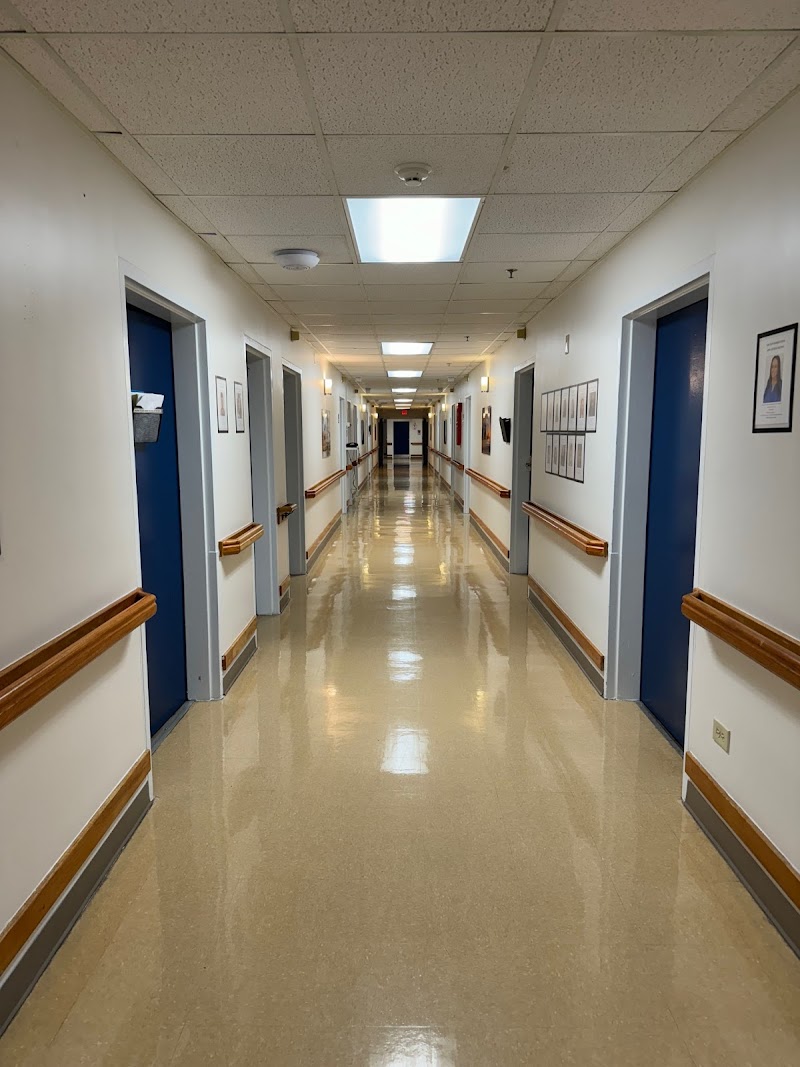
How is The Citadel At Myers Park, Llc Staffed?

CMS rates The Citadel at Myers Park, LLC's staffing level at 4 out of 5 stars, which is above average compared to other nursing homes.

What Have Inspectors Found at The Citadel At Myers Park, Llc?

State health inspectors documented 55 deficiencies at The Citadel at Myers Park, LLC during 2023 to 2025. These included: 13 Immediate Jeopardy (the most serious level, indicating potential for serious harm or death), 1 that caused actual resident harm, and 41 with potential for harm. Immediate Jeopardy findings are rare and represent the most serious regulatory concerns. They require immediate corrective action.
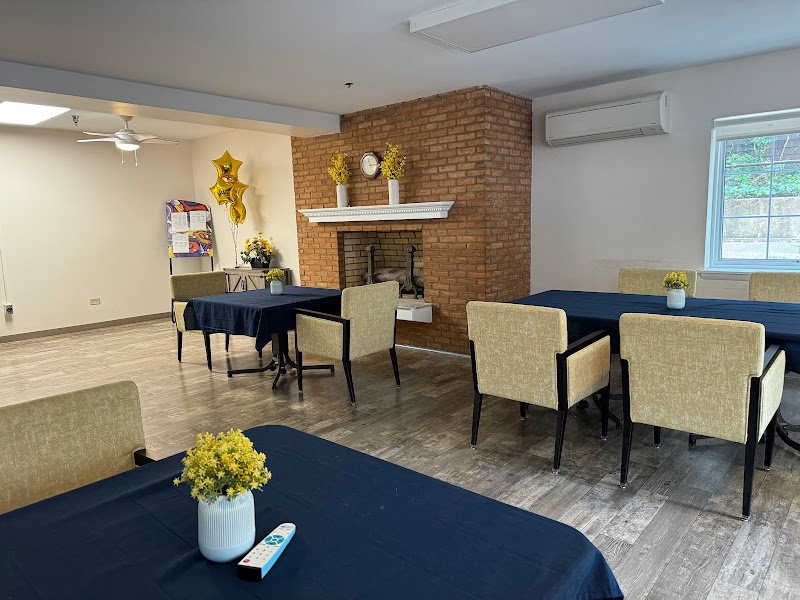
Who Owns and Operates The Citadel At Myers Park, Llc?

The Citadel at Myers Park, LLC is owned by a for-profit company. For-profit facilities operate as businesses with obligations to shareholders or private owners. The facility is operated by SIMCHA HYMAN & NAFTALI ZANZIPER, a chain that manages multiple nursing homes. With 133 certified beds and approximately 4 residents (about 3% occupancy), it is a mid-sized facility located in Charlotte, North Carolina.

How Does The Citadel At Myers Park, Llc Compare to Other North Carolina Nursing Homes?

Compared to the 100 nursing homes in North Carolina, The Citadel at Myers Park, LLC's overall rating (1 stars) is below the state average of 2.8 and health inspection rating (1 stars) is much below the national benchmark.

What Should Families Ask When Visiting The Citadel At Myers Park, Llc?

Based on this facility's data, families visiting should ask: "What changes have been made since the serious inspection findings, and how are you preventing similar issues?" "What safeguards and monitoring systems are in place to protect residents from abuse or neglect?" "Can I visit during a mealtime to observe dining assistance and food quality?" "How do you handle medical emergencies, and what is your hospital transfer rate?" These questions are particularly relevant given the facility's Immediate Jeopardy citations and the substantiated abuse finding on record.

Is The Citadel At Myers Park, Llc Safe?

Based on CMS inspection data, The Citadel at Myers Park, LLC has documented safety concerns. The facility has 1 substantiated abuse finding (meaning confirmed case of resident harm by staff or other residents). Inspectors have issued 13 Immediate Jeopardy citations (the most serious violation level indicating risk of serious injury or death). The facility is currently on the Special Focus Facility watch list (a federal program monitoring the lowest-performing 1% of nursing homes nationwide). The facility has a 1-star overall rating and ranks #100 of 100 nursing homes in North Carolina. Families considering this facility should ask detailed questions about what corrective actions have been taken since these incidents.

Do Nurses at The Citadel At Myers Park, Llc Stick Around?

The Citadel at Myers Park, LLC has not reported staff turnover data to CMS. Staff turnover matters because consistent caregivers learn residents' individual needs, medications, and preferences. When staff frequently change, this institutional knowledge is lost. Families should ask the facility directly about their staff retention rates and average employee tenure.

Was The Citadel At Myers Park, Llc Ever Fined?

The Citadel at Myers Park, LLC has been fined $432,570 across 6 penalty actions. This is 11.6x the North Carolina average of $37,405. Fines at this level are uncommon and typically indicate a pattern of serious deficiencies, repeated violations, or failure to correct problems promptly. CMS reserves penalties of this magnitude for facilities that pose significant, documented risk to resident health or safety. Families should request specific documentation of what issues led to these fines and what systemic changes have been implemented.

Is The Citadel At Myers Park, Llc on Any Federal Watch List?

The Citadel at Myers Park, LLC is currently an SFF Candidate, meaning CMS has identified it as potentially qualifying for the Special Focus Facility watch list. SFF Candidates have a history of serious deficiencies but haven't yet reached the threshold for full SFF designation. The facility is being monitored more closely — if problems continue, it may be added to the official watch list. Families should ask what the facility is doing to address the issues that led to this status.