Clayton Rehabilitation and Healthcare Center
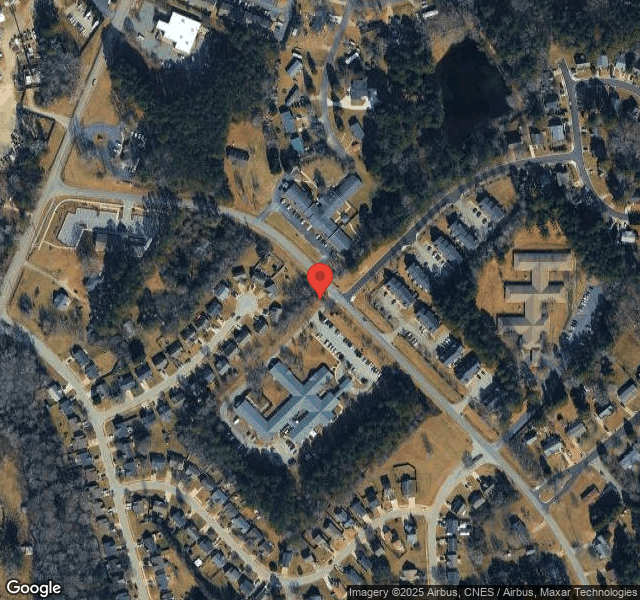
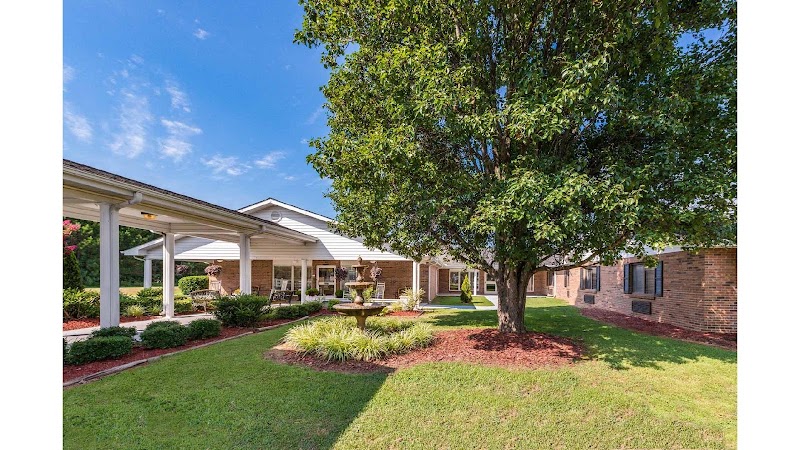
204 Dairy Road, Clayton, NC 27520 (919) 553-8232
For profit - Limited Liability company 90 Beds SIMCHA HYMAN & NAFTALI ZANZIPER Data: November 2025
Trust Grade
30/100
#326 of 417 in NC
Last Inspection: November 2024

Within standard 12-15 month inspection cycle. Federal law requires annual inspections.

Overview

Clayton Rehabilitation and Healthcare Center has received a Trust Grade of F, indicating significant concerns about the quality of care provided. It ranks #326 out of 417 nursing homes in North Carolina, placing it in the bottom half of facilities in the state, and #4 out of 5 in Johnston County, meaning only one local option is better. The facility is showing an improving trend, reducing its issues from 14 in 2024 to 5 in 2025. However, staffing is a concern, with a low rating of 1 out of 5 and a high turnover rate of 74%, which is well above the state average of 49%. While there have been no fines recorded, the facility has been cited for significant medication errors, including failing to administer necessary medications to residents and improperly managing medications brought in from home. Overall, while there are some signs of improvement, families should carefully weigh these issues when considering this facility for their loved ones.

Trust Score
F
30/100
In North Carolina
#326/417
Bottom 22%
Safety Record
Low Risk
No red flags
Inspections
Getting Better
14 → 5 violations
Staff Stability
⚠ Watch
74% turnover. Very high, 26 points above average. Constant new faces learning your loved one's needs.
Penalties
✓ Good
No fines on record. Clean compliance history, better than most North Carolina facilities.
Skilled Nurses
⚠ Watch
Each resident gets only 18 minutes of Registered Nurse (RN) attention daily — below average for North Carolina. Fewer RN minutes means fewer trained eyes watching for problems.
Violations
⚠ Watch
33 deficiencies on record. Higher than average. Multiple issues found across inspections.
★☆☆☆☆
1.0
Overall Rating
★☆☆☆☆
1.0
Staff Levels
★★☆☆☆
2.0
Care Quality
★★☆☆☆
2.0
Inspection Score
Stable
2024: 14 issues
2025: 5 issues

The Good

  • Full Sprinkler Coverage · Fire safety systems throughout facility
  • No fines on record

Facility shows strength in fire safety.

The Bad

1-Star Overall Rating

Below North Carolina average (2.8)

Significant quality concerns identified by CMS

Staff Turnover: 74%

28pts above North Carolina avg (46%)

Frequent staff changes - ask about care continuity

Chain: SIMCHA HYMAN & NAFTALI ZANZIPER

Part of a multi-facility chain

Ask about local staffing decisions and management

Staff turnover is very high (74%)

26 points above North Carolina average of 48%

The Ugly 33 deficiencies on record

Aug 2025 1 deficiency
CONCERN (D) 📢 Someone Reported This

A family member, employee, or ombudsman was alarmed enough to file a formal complaint

Potential for Harm - no one hurt, but risky conditions existed

Deficiency F0925 (Tag F0925)

Could have caused harm · This affected 1 resident

**NOTE- TERMS IN BRACKETS HAVE BEEN EDITED TO PROTECT CONFIDENTIALITY** Based on interviews with resident, staff and the facility's pest control technician, the facility failed to communicate effectiv...

Read full inspector narrative →
**NOTE- TERMS IN BRACKETS HAVE BEEN EDITED TO PROTECT CONFIDENTIALITY** Based on interviews with resident, staff and the facility's pest control technician, the facility failed to communicate effectively amongst themselves and with their pest control technician regarding locations, extent, and times of live roach sightings in order that a plan be developed to treat and control the roaches. This was for rooms on 3 of 4 of four facility residential hallways (the 200, 300, and 400 hallways) and the service hallway.The findings included:1a. Resident # 5 was admitted to the facility on [DATE]. Review of Resident # 5's 8/6/25 admission Minimum Data Set assessment revealed the resident was cognitively intact. Resident # 5's name also appeared on a list of residents who were considered credible for interview. This was supplied by the facility on 8/19/25.Resident # 5 was interviewed on 8/19/25 at 9:46 AM and again on 8/21/25 at 3:55 PM and reported the following information. On the first day of admission, he had been placed in a room on the 400 hallway. That night he was watching television when a large roach crawled across the television. There were also little roaches that were crawling around on the floor that night. He was later moved to another room and no longer saw the roaches. He knew that a staff member saw the roaches in his first room because the staff member killed the roaches for him. He did not recall who the staff member was.Interview with a Corporate Operations Employee on 8/25/25 at 1:20 PM revealed that staff should record the rooms or names of residents who were having any trouble with pests in a maintenance log. Then the administrative staff and the pest control technician would know that the room would need to be checked to determine what measures needed to be taken. It was confirmed that Resident # 5's 400 hall room had never been placed on the maintenance list so that the facility staff would know that it needed to be checked and treated.1b. Nurse Aide # 6 (NA #6) was interviewed on 8/22/25 at 9:09 AM and reported the following information. He routinely worked night shift. He knew the facility had been trying to seal up gaps in the building to keep out pests, but he still saw a roach at least every night he worked. Sometimes they were as large as his thumb or size of his palm. Certain residential rooms were more problematic. Resident # 12's room, which was located on the 300 hallway, was particularly bad. He also saw them on the service hall that led outside. He (NA # 6) had also seen them recently on the 200 hallway but did not recall which rooms. Some of them also looked small as if they were freshly hatched. He thought the facility knew about the problem.1c. Nurse # 2 was interviewed on 8/22/25 at 9:58 AM and reported the following information. She had worked at the facility for approximately three weeks and each night she saw live roaches somewhere in the facility every night she worked. She had seen them in the room which Resident # 13 and # 14 shared and which was located on the 200 hallway. She had also seen them in Resident # 12's room on the 300 hallway and down the 400 hallway in rooms. The 400 hallway seemed to be bad. The only hallway where she had not seen them was the 100 hallway. In Resident # 13 and # 14's room she turned on the light at night in order not to step on them, and she would see them scatter as she did so. She had seen up to 20 at a time in that room on the floor when she turned on the light. She had seen them in the sink and on belongings in that room also. She had mentioned the problem to dayshift staff and they were aware.Interview with the Maintenance Director on 8/25/25 at 11:00 AM revealed he was doing audits on rooms to make sure gaps were sealed to the outside and that the rooms were clean and things were stored away to prevent attraction to pests. No one had reported to him that there was a problem at nighttime in the facility with active roaches.Interview with the Administrator revealed the facility was taking quality assurance measures to make sure they were taking effective action to control pests. As part of this she routinely looked at the maintenance log and audit books where the Maintenance Director was checking random rooms for cleanliness, gaps being sealed, and problems. When she had looked at the maintenance log and audits there was no information about the night shift staff or Resident # 5's room having problems at night with active roaches.Interview with the facility's Pest Control Technician on 8/25/25 at 3:00 PM revealed the following information. He had been in that day and had seen no evidence of an infestation. If there was an infestation, he felt they would be seeing them in the daytime as well as at night. He did know the facility had taken some corrective actions by putting new door sweeps on the doors and closing up gaps recently. They had done a good job with that. It had not been reported to him prior to 8/22/25 that there was still a problem with seeing active roaches at night to the degree that was being reported by night shift. This was very important to communicate to him so that he could better investigate and form a treatment plan. Given that Nurse # 2 had seen them in the sink, it was a possibility that the roaches were coming up from the drains and sewer system. Typically, the drains had P-traps which were filled with water and kept the roaches from coming up through the drains. If a sink or shower was not used for a week or so sometimes the water level would get low enough that the roaches could still come up through the drains. American Cochroaches tended to scavenge more at night when it was cooler and therefore the night shift might be seeing them more than other shifts. Items that the night shift were using needed to be checked to see if they were being carried around from one place to another at night. He also needed to identify what type of roaches they were seeing at night because the treatment for German roaches was different than for American Cockroaches. For German Cochroaches he needed to bait and for American Cochroaches he needed to spray for contact kill. If they were coming up from the drains, then there were things he could check to determine if the drains were problematic. There were also measures he could take if the drains and the sewer system were the problem. He had not done so yet given that he did not know there was a problem at night, or they had been spotted in a resident's sink. Another measure to be taken if a room was particularly bad was for the facility to talk to residents to see if they would cooperate with helping go through belongings and see if the roaches were hiding in belongings. As a contract pest control technician, he could not access residents' personal space but at times roaches did harbor in personal storage space. According to the Pest Control Technician, communication about what kinds of roaches, when they were seen, how often they were seen, and where they were seen was very important for him to know to effectively treat them.
Jul 2025 4 deficiencies
CONCERN (D) 📢 Someone Reported This

A family member, employee, or ombudsman was alarmed enough to file a formal complaint

Potential for Harm - no one hurt, but risky conditions existed

Safe Environment (Tag F0584)

Could have caused harm · This affected 1 resident

**NOTE- TERMS IN BRACKETS HAVE BEEN EDITED TO PROTECT CONFIDENTIALITY** Based on record review, and interviews with resident and staff, the facility failed to have a system in place to ensure clean li...

Read full inspector narrative →
**NOTE- TERMS IN BRACKETS HAVE BEEN EDITED TO PROTECT CONFIDENTIALITY** Based on record review, and interviews with resident and staff, the facility failed to have a system in place to ensure clean linens were available for two (Resident 7 and Resident #8) of eight sampled residents who were interviewed and which resulted in Resident # 8 having no linens to bathe before leaving for an outside appointment. The findings included: Record review revealed Resident # 8 was admitted on [DATE] and her admission Minimum Data Set assessment, dated 4/15/25, coded Resident # 8 as cognitively intact. Record review revealed Resident # 7 was admitted on [DATE] and her admission Minimum Data Set assessment, dated 4/13/25, coded Resident # 7 as cognitively intact. During an interview on 6/30/25 at 12:22 PM with Resident #7, who was Resident # 8's roommate, Resident # 7 reported a problem with having enough linens at times. One of the problems had been that morning and her roommate (Resident # 8) had to leave for an appointment before washcloths were available for bathing. During an interview with Resident # 8 on 6/30/25 at 3:10 PM, Resident # 8 reported the following information. The facility did not have a washcloth or towel that morning for her to bathe before she left for a morning appointment. It was a common problem that the facility would run out of linens. That morning she had used a wet incontinent wipe to wash her face and her private area before her appointment because that was all there was. Nurse Aide (NA) # 1 was interviewed on 6/30/25 at 3:40 PM and reported the following information. She had been assigned to care for Resident # 8 that day (6/30/25). She (NA # 1) had not had washcloths and towels from approximately 7:30 AM to 9:30 AM that morning (6/30/25). NA # 1 confirmed that there was no washcloth and towel for Resident # 8 before the resident needed to bathe and go to an appointment. She had assisted Resident # 8 with a wet wipe because there was no other choice given the resident needed to leave and could not wait on linens to be ready. Having enough linens was a problem about once every week, and she (NA # 1) did not know what happened to the linens. During a follow up interview with NA # 1 on 7/2/25 at 12:10 PM, NA # 1 reported she had also checked in the laundry department on 6/30/25 when she was in need of washcloths and towels and they had none to give her. NA # 2 was interviewed on 6/30/25 at 2:55 PM and reported the following information. She did not have washcloths or towels that morning (6/30/25) for about an hour when she came on duty at 7:00 AM. Having enough linens had delayed her being able to start bathing residents. Having enough linens was a problem about three times per week. During a follow up interview with NA # 2 on 7/2/25 at 12:00 PM, NA # 2 reported she had also checked in the laundry department on the morning of 6/30/25 for towels and washcloths and they had none to give her when she checked. NA # 3 was interviewed on 6/30/25 at 3:05 PM and reported the following information. It took a couple hours to have sufficient linens that morning (6/30/25). She had towels but she had only four washcloths that were passed along to her from the previous shift. During a follow up interview with NA # 3 on 7/2/25 at 12:00 PM, NA # 3 reported she had checked with laundry in the laundry department and there were no washcloths there either when she was in need of washcloths on 6/30/25. The Housekeeping Director (HD), who oversees the laundry department, was interviewed on 7/1/25 at 3:30 PM regarding the process of supplying linens for resident use. The HD reported the following information. He (the HD) staffs two employees in laundry each day. One employee starts at 7:00 AM and the second employee works from 2:00 PM to 7:00 PM. Prior to the second employee leaving at 7:00 PM, the second employee washes the linens and leaves them wet in the washing machines. There is no employee in the laundry department after 7:00 PM and therefore they cannot put the linens in the dryer and leave the dryers running without someone to attend to them. When the 7:00 AM laundry employee comes in the next morning, their first task is to remove the wet linens and dry them. The Nurse Aides bring their linen carts back to the laundry department around 8:30 AM for linens to be stocked on the carts. The laundry employees do not take the linen to the Nurse Aides. There should be enough linens left over from the day before on the linen carts to last until 8:30 AM when linens are dried again and able to be restocked. At times, he knew that some employees and residents hoarded linens in their rooms, and he periodically went through and removed the hoarded linens so there would be enough linens in rotation. This had been the process for years. The HD reported Resident # 8 should have had linens to take a bath on 6/30/25 before leaving for her appointment on 6/30/25. The Administrator was interviewed on 7/3/25 at 5:00 PM and reported the following information. She had just become employed in recent months and she had not been aware that the Nurse Aides had to go get their linens after they arrived at 7:00 AM or that the laundry employees were starting to work at the same time the dayshift Nurse Aides needed linens which still needed to be dried. The problems with this process had not been brought to her attention in order to resolve the issue.
CONCERN (D) 📢 Someone Reported This

A family member, employee, or ombudsman was alarmed enough to file a formal complaint

Potential for Harm - no one hurt, but risky conditions existed

Deficiency F0925 (Tag F0925)

Could have caused harm · This affected 1 resident

**NOTE- TERMS IN BRACKETS HAVE BEEN EDITED TO PROTECT CONFIDENTIALITY** Based on observation, record review, and interviews with resident, staff, and the facility's pest control company technician, th...

Read full inspector narrative →
**NOTE- TERMS IN BRACKETS HAVE BEEN EDITED TO PROTECT CONFIDENTIALITY** Based on observation, record review, and interviews with resident, staff, and the facility's pest control company technician, the facility failed 1) to make sure holes to the exterior were repaired and sealed to prevent pests from entering in her room and 2) ensure multiple doors in common areas in the facility had weather stripping to seal gaps for one (Resident # 12) of one sampled resident who reported unresolved and repetitive pests issues in her room. The findings included: Resident # 12 was admitted to the facility on [DATE]. A review of Resident # 12's quarterly Minimum Data Set assessment, dated 5/27/25, revealed Resident # 12 was cognitively intact. Resident # 12 was interviewed on 7/2/25 at 4:15 PM and reported the following information. Her room had been treated for roaches repetitively since she had arrived and the treatment did not make any difference. She continued to see roaches crawling on her walls and ceilings. They had just treated her room again that day. During the time of the interview, the following observations were made. Resident # 12's heating and air unit was a single unit built into the exterior wall below her window. Underneath the heating and air unit, there was a gap where the surveyor could visibly see the light from outside of the facility. There was missing caulk below the heating and air unit to seal the exterior from the interior. Resident # 12's bathroom also had a hole in the dry wall. The hole was around the water pipe which provided water to flush the toilet. The metal seal was pulled away leaving an open hole which had no caulk around it. On 7/2/25 at 5:10 PM a corporate consultant was accompanied to Resident # 12's room and also viewed where the exterior light could be seen from underneath the heating and air unit in Resident # 12's room and the hole in Resident # 12's bathroom. A review of the facility's maintenance pest log since 5/9/25 revealed Resident # 12's room was listed the following times with the following pests found. 5/9/25 ants 5/15/25 ants 5/19/25 ants 5/27/25 roaches and ants 5/29/25 roaches 6/9/25 roaches in Resident # 12's bathroom 6/24/25 ants 7/1/25 roaches and ants Review of the facility's contracting pest control company's logs revealed Resident # 12's room was serviced for pest control on the following service dates in 2025: 1/7/25 1/24/25 2/4/25 4/4/25 6/9/25 6/27/25 Nurse Aide (NA) # 2 was interviewed on 7/3/25 at 9:50 AM and reported she had observed live roaches in the door jam of Resident # 12's bathroom pretty much all the time when she worked with Resident # 12. She would report the problem to the Maintenance Director or write it in his maintenance log. Nurse Aide (NA) # 1 was interviewed on 7/3/25 at 10:35 AM and reported she also saw both live and dead roaches in Resident #12's room. When interviewed how often this occurred, NA # 1 replied a lot. NA # 1 reported Resident # 12 and another one of her neighbors would snack a lot in their rooms. The Maintenance Director was interviewed on 7/3/25 at 11:40 AM with a corporate consultant present. The Maintenance Director reported the following. The Administrator had pointed out to him (the Maintenance Director) that Resident # 12's room was a priority room and he checked it multiple times per day. Resident # 12 would tend to snack and leave open bags of food which would attract pests into the room. The facility had supplied zip lock bags for her to close her opened snacks and he would still find open snacks when he checked. They also tried to deep clean her room and other rooms to keep pests out. He was very busy and had not had the time to close all the holes by which pests might be entering. He was responsible for all of the maintenance at the facility with one other staff member who worked part time. Following the interview with the Maintenance Director, the Maintenance Director and Corporate Consultant were accompanied as some of the common area doors which led to the facility's exterior were observed. The following observations were made: There was light visible from the outside beneath 1) the door which was located by the rehabilitation room and conference room [ROOM NUMBER]) the door which was located at the end of the 100 hall 3) the door located in the television room on the 400 hall 4) one of the doors located at the end of the 400 hall and 5) the door which was located in an activity room. The Maintenance Director reported that there were weather stripping seals that were worn or in need or replacing which was allowing an opening beneath these exit doors. According to the Maintenance Director these seals could be replaced and that would seal the holes beneath the exit doors. The facility's pest control company's technician, who routinely serviced the facility, was interviewed on 7/3/25 at 12:10 PM and reported the following information. He was aware that Resident # 12's room had a problem with American cockroaches. He had done seasonal treatment for the entire facility, and he had also treated Resident # 12's room on multiple occasions. He further reported effective pest control included a number of components. One was sanitation and he felt the facility did a good job with that. The second was that he do his job and treat the facility. He had been coming out regularly and when called. Effective pest control also entailed sealing up the exterior walls where pests could enter from the outside into the inside. He did feel as if the facility could do better with that. He routinely rounded with the Maintenance Director and would point out areas which needed to be sealed and he took pictures of areas and showed them to the Maintenance Director. He had let them know that it was a priority to seal gaps, which included the gaps in dry wall, below the heating and air units and underneath exit doors. An area where a water pipe led into a wall and there was a hole around the pipe was especially vulnerable to pests entering if there had been a water leak around the pipe in previous years. This was because the water made a soft chamber in the ground below making pests more susceptible to enter through the soft chamber of dirt and into the building. The Administrator was interviewed on 7/3/25 at 5:00 PM and reported the following information. She had just been employed in recent months. She did look at the pest control company's logs and the technician had not included in his reports all the areas which needed to be sealed. For the one area he had mentioned in the recent written reports since she had been employed, she had made sure it was sealed. The pest control technician did not verbally give her a report when he was finished each time for her to understand there needed to be more repair of holes and seals in the facility or she would have taken care of the problem.
CONCERN (E) 📢 Someone Reported This

A family member, employee, or ombudsman was alarmed enough to file a formal complaint

Potential for Harm - no one hurt, but risky conditions existed

Pharmacy Services (Tag F0755)

Could have caused harm · This affected multiple residents

**NOTE- TERMS IN BRACKETS HAVE BEEN EDITED TO PROTECT CONFIDENTIALITY** Based on observation, record review, and interviews with resident, staff, Physician, Nurse Practitioner, and Pharmacist, the fac...

Read full inspector narrative →
**NOTE- TERMS IN BRACKETS HAVE BEEN EDITED TO PROTECT CONFIDENTIALITY** Based on observation, record review, and interviews with resident, staff, Physician, Nurse Practitioner, and Pharmacist, the facility failed to provide services to ensure the accurate acquiring, dispensing, and administration of medications for three (Residents # 2, # 5, and #9) of five sampled residents whose medications were reviewed. For Residents # 5 and # 9 the facility failed to acquire and administer medications to newly admitted residents. For Resident # 2 the facility failed to ensure an effective system was in place for the accounting of a medication the resident supplied from home in order that unused medication be returned to the resident and that she not receive another resident's medication at discharge. The findings included: 1. Resident # 5 was admitted to the facility on [DATE]. Review of hospital records revealed that prior to Resident # 5's facility admission she had been hospitalized from [DATE] to 6/19/25 and discharged home. On 6/20/25 Resident # 5 returned to the hospital ED (emergency department) where she stayed until her admission to the facility on 6/23/25. Resident # 5's diagnoses included the following. Chronic atrial fibrillation, diabetes, hypertension, osteoarthritis, systemic lupus erythematosus, essential tremor, chronic obstructive pulmonary disease, congestive heart failure, lymphedema, chronic kidney disease, intractable pain, neuropathy, hyperlipidemia, chronic sinusitis and hypothyroidism. A review of hospital ED records revealed Resident # 5 had last received the pravastatin on 6/22/25 at 9:10 PM and she was due for her 6/23/25 dose. Review of Resident # 5's admission nursing note revealed Resident # 5's admission time was documented to be 3:45 PM on 6/23/25. Review of Resident # 5's admission orders and Resident # 5's June 2025 MAR (Medication Administration Record) revealed the following information: - Pravastatin sodium 80 mg (milligrams) daily was ordered on 6/23/25 for hyperlipidemia. This pravastatin medication was scheduled on the facility MAR to be given at 9:00 PM on 6/23/25. According to the MAR Nurse # 1 documented a 9 rather than a check mark indicating the pravastatin sodium medication was not administered on 6/23/25 at 9:00 PM. - Apixaban 5 mg was ordered every twelve hours. (Apixaban is an anticoagulant used to treat atrial fibrillation.) This apixaban medication was initially scheduled on the MAR to start on 6/23/25 at 9 PM. According to the MAR Nurse # 1 documented a 9 rather than a check mark indicating the apixaban medication was not administered on 6/23/25 at 9:00 PM. - Duloxetine delayed release sprinkle 30 mg was ordered twice per day. (Duloxetine is used to treat depression.) This Duloxetine medication was scheduled on the MAR to initially be administered on 6/23/25 at 9:00 PM. According to the MAR Nurse # 1 documented a 9 rather than a check mark indicating the duloxetine medication was not administered on 6/23/25 at 9:00 PM. - Lantus Insulin 100 units/milliliters inject 21 units at morning and bedtime was ordered for diabetes. (Lantus Insulin is a long-acting insulin.) The evening dose of Lantus Insulin was scheduled on the MAR for 9 PM on 6/23/25. According to the MAR Nurse #1 documented a 9 rather than a check mark indicating the Lantus Insulin was not administered on 6/23/25 at 9:00 PM. Resident #5's blood sugar the next morning on 6/24/25 at 6:00 AM registered 241. (Resident # 5's blood sugar range throughout the remainer of June 2025 was documented as 106 to 331 when receiving her Lantus Insulin.) - Pregabalin 200 mg was ordered to be administered twice per day for neuropathy. The first dose of pregabalin was scheduled to initially be given on 6/23/25 at 9:00 PM. According to the MAR Nurse # 1 documented a 9 rather than a checkmark indicating the pregabalin was not administered on 6/23/25 at 9:00 PM. - Topiramate 25 mg was ordered to be given two times per day. (Topiramate is a medication used to treat migraine pain.) The first dose of topiramate was scheduled to initially be given on 6/23/25 at 9:00 PM. According to the MAR Nurse # 1 documented a 9 rather than a checkmark indicating the topiramate was not administered on 6/23/25 at 9:00 PM. - Ropinirole .25 mg three times per day was ordered. (Ropinirole is used to treat restless leg syndrome.) The first dose of ropinirole was scheduled to initially be given on 6/23/25 at 5:00 PM. According to the MAR Nurse # 1 documented a 9 rather than a checkmark indicating the ropinirole was not administered on 6/23/25 at 5:00 PM. On 6/24/25 at 12:03 AM Nurse # 1 documented Resident # 5 was a new admission, and she (Nurse # 1) was waiting on the pharmacy to deliver Resident # 5's medications. Nurse # 1 was interviewed on 7/1/25 at 4:10 PM and reported the following information. The date of 6/23/25 was her second day working at the facility. There was a back up emergency supply of medications located at the facility, but she did not have access to the system in order to sign out any medications. There had to be a regular staff nurse, who had emergency medication access, to help sign out the medications. She did not think that there was a nurse, who had emergency medication access, working on the evening of 6/23/25. She had stayed late that night (after midnight) thinking the medications would come from the pharmacy and she could administer them, but they never came. She had not administered any of Resident # 5's 6/23/25 medications because she could not access them. Although Resident # 5 did not have her pregabalin, the resident reported that she had something for pain before she left the hospital and was not in need of pain medication. Nurse # 7 was interviewed on 7/2/25 at 7:05 AM and reported the following information. She had cared for Resident # 5 on the shift which began at 11:00 PM on 6/23/25 and ended at 7:00 AM on 6/24/25. When she (Nurse # 7) arrived at work on 6/23/25, she thought Resident # 5's orders were still cued in the electronic system and not activated. Resident # 5's medications did not arrive from the pharmacy at any time that night. The Unit Manager was interviewed on 7/3/25 at 1:25 PM and reported the following information. When new admissions were scheduled to arrive, their orders were placed in the computer system and cued for a time period. Then when a newly admitted resident arrives and the physician approves the orders and medications, the orders are activated in the computer system. At that point (when the orders are activated) the pharmacy should be able to automatically view the medication orders, fill, and dispense the medications to the facility. Resident # 5 was interviewed on 6/30/25 at 10:49 PM and reported the following information. When she first arrived at the facility, the facility staff did not have her medications to give her. One of the medications they did not have to give her was for her neuropathy. Her hands and feet were affected by neuropathy. One minute they would feel ice -cold and then they would be hot and burning. It took several days to get medication for her neuropathy. Continued review of Resident # 5's facility June 2025 MAR and MAR administration notes regarding the Pregabalin (ordered for neuropathy) revealed multiple missed doses following her admission date. The dates and times were as follows: 6/24/25 dose at 9:00 AM was blank 6/24/25 dose at 9:00 PM-- Nurse # 2 documented 9 indicating pregabalin was not administered. 6/25/25 dose at 9:00 AM-- Nurse # 3 documented 9 indicating pregabalin was not administered. 6/25/25 dose at 9:00 PM-- Nurse # 4 documented 9 indicating pregabalin was not administered. 6/26/25 dose at 9:00 AM-- Nurse # 5 documented 9 indicating pregabalin was not administered. (Nurse # 5 documented an administration note at 9:25 AM on 9/26/25 noting the pregabalin was not available.) 6/26/25 dose at 9:00 PM-- Nurse # 4 documented 9 indicating pregabalin was not administered. (Nurse # 4 documented an administration note indicating he was awaiting the delivery from the pharmacy of the pregabalin.) 6/27/25 dose at 9:00 AM-Nurse # 6 documented the pregabalin was ordered from the pharmacy and not administered. An attempt was made on 7/2/25 at 3:46 PM to interview Nurse # 8, who had cared for Resident # 5 during part of the 7:00 AM to 3:00 PM shift on 6/24/25. The nurse could not be reached for interview. Nurse # 2, who had cared for Resident # 5 on the 6/24/25 shift from 3:00 PM to 11:00 PM, was interviewed on 7/1/25 at 5:05 PM and reported the following information. In order to get pregabalin from the pharmacy or from the facility's back up supply a prescription was needed from the physician because it was a controlled substance. On the evening shift of 6/24/25 she (Nurse # 2) had not administered Resident # 5's pregabalin. She had called the pharmacy. The pharmacy would not give her access to remove it from the emergency back up supply, which was located in the facility, because the pharmacy needed the prescription to give her authorization to remove it from the facility back up supply. There had been no prescription sent with the resident when she was admitted on [DATE] and therefore she could not access the medication in order to administer it. She had informed the Director of Nursing. Nurse # 3, who had cared for Resident # 5 on the 6/25/25 shift from 7:00 AM to 3:00 PM, was interviewed on 7/2/25 at 3:40 PM and reported the following information. She did not recall the specific details of 6/25/25 but stated if the medication was not available, she would have called the pharmacy. Nurse # 4, who had cared for Resident # 5 on the 3:00 PM to 11:00 PM shifts on the dates of 6/25/25 and 6/26/25, was interviewed on 7/1/25 at 5:15 PM and reported the following information. He did not recall Resident # 5 complaining of pain on his shifts, but she asked about the pregabalin. He thought he had called one of the two days that he had worked with Resident # 5. As he recalled, the pharmacy said they would send it. He (Nurse # 4) was new and did not have access to the emergency supply of medications. Nurse # 6, who had cared for Resident # 5 on 6/27/25 from 7:00 AM to 3:00 PM, was not available for interview. On 6/27/25 a new order and prescription was obtained from the facility NP (Nurse Practitioner) for Resident # 5's pregabalin. The new order was for pregabalin 150 mg two times per day. The first pregabalin prescription was also written on this date by the NP. A review of Resident # 5's controlled drug records and Resident # 5's MAR revealed the first dose of pregabalin was administered on 6/27/25 at 9:00 PM following her admission date of 6/23/25. This indicated Resident # 5 had missed eight doses of pregabalin since her admission. Resident # 5's Physician and NP were interviewed together on 7/2/25 at 2:05 PM. The Physician reported the following information. Resident # 5 had been directly admitted from the ED and her discharge paperwork to the facility was not well organized. He saw Resident # 5 on 6/25/25 and Resident # 5 mentioned she at times had some pain. He had ordered her some Tramadol as needed. At the time he saw Resident # 5, she was not hurting. The NP reported she had written the first prescription for the pregabalin. She was in the facility daily during the weekdays and did not recall the staff mentioning they needed a pregabalin prescription before that time. The NP further reported if staff members call either her or the physician, then they (the NP or physician) can send the pharmacy the prescription electronically. A facility pharmacist was interviewed on 7/3/25 at 11:47 PM. During this time, the pharmacist reviewed the pharmacy records for dispensing of Resident # 5's medications and reported the following information. The pharmacy received Resident # 5's orders on 6/23/25 at 8:35 PM. The pharmacy had a cut off time of 7:30 PM every day because of less staff after that time. If new medication orders were received after 7:30 PM, then medications were sent the next day. Resident # 5's medications were sent and received by the facility the day following her admission [DATE] at 3:17 PM). If the facility needed her medications sooner than 6/24/25 then they should have called the pharmacy. Regarding the pregabalin, the pharmacist reported the following information. He did not see the admission order for 200 mg twice per day in their system. If the pharmacy had seen an order for the pregabalin on 6/23/25, then they would have called the facility and asked them to send the prescription. There was no prescription received by the pharmacy for pregabalin until 6/27/25. This would have been needed in order to have the medication sent by the pharmacy or doses removed from the emergency supply. On 7/2/25 12:15 PM Occupational Therapy Assistant # 1 was interviewed and on 7/2/25 at 12:35 PM Occupational Therapy Assistant # 2 was interviewed. Both of these Occupational Therapy Assistants reported they had worked with Resident # 5 during her first few days at the facility and she did not complain of pain that interfered with therapy. The facility Rehabilitation Director was interviewed on 7/2/25 at 12:25 PM and reported Resident # 5 had progressed in therapy since admission and neuropathy pain had not interfered with her progress. The Director of Nursing (DON) was interviewed on 7/1/25 at 4:40 PM and reported that medications are usually delivered to the facility between 10:00 PM and 2:00 AM daily. If a new admission arrives and evening medications are needed, then the nurses should call and order a stat delivery. They also maintain some medications in a back up supply. The DON was accompanied to view the facility's non-refrigerated back up supply of medications and review which nurses had access. It was observed that Nurse # 1, who had admitted Resident # 5, did not have electronic access to the non-refrigerated back up medications. It was observed that Insulin was stored in the refrigerator and signed out differently than the non-refrigerated medications which required electronic access. A slip of paper could be completed, and a new multi-dose of Lantus Insulin could be removed after the paper slip was completed. 2. Resident # 9 was initially admitted to the facility on [DATE]. According to facility records, Resident # 9 was transferred to the hospital on 5/14/25 for alteration in mental status and was hospitalized with a urinary tract infection. Resident # 9's facility record showed a readmission date of 6/10/25. Resident #9's diagnoses included hypertension. During an interview with the facility's admission Director and facility Social Worker, the following information was reported. After Resident # 9's 5/14/25 hospitalization she was discharged from the hospital to another rehabilitation facility (Facility # 2) for a short stay. On the date of 6/10/25 she was readmitted to their facility (Facility # 1) and her admission orders would have come from the rehabilitation facility where she last resided (Facility # 2) rather than the hospital. She was readmitted late on 6/10/25. The admission Director reported she left at 6:30 PM on 6/10/25 and Resident #9 still had not arrived from the other rehabilitation facility (Facility # 2). Facility # 2 sent orders on 6/10/25 with the resident and paperwork about her stay at Facility # 2. Resident # 9 did arrive sometime late on the evening of 6/10/25. During the next few days, Resident # 9's family member passed away soon following her readmission date of 6/10/25 and Resident # 9 was in and out of the facility on 6/11/25 and 6/12/25. She was in the facility on 6/13/25 with family present with her. According to Resident # 9's Medication Administration Record, Nurse # 3 signed as administering some medications to Resident # 9 on the evening of 6/10/25 when she was readmitted to the facility after being discharged from Facility # 2. Nurse # 3 initialed by orders which had originally been placed in the computer for Resident # 9 during her first residency at the facility and were still showing in the computer system as active from the order date of 5/5/25. Interview with Nurse # 3 on 7/3/25 at 4:15 PM revealed she did not recall getting new orders from Facility # 2 on the evening of 6/10/25 and had not realized Resident # 9 was a readmission with new transfer orders. She had not reconciled orders or ordered any medications that the resident might be in need of when she was readmitted . Review of the discharge orders from the rehabilitation facility who transferred Resident # 9 on 6/10/25 (Facility # 2) revealed an order for Benazepril 20 mg (milligrams) one time per day for blood pressure-Hold for systolic blood pressure less than 110 and diastolic blood pressure less than 55. Review of facility orders revealed this blood pressure medication (Benazepril) had been ordered while the resident had previously resided at the facility from 5/5/25 to 5/14/25 and still appeared on the June MAR for a 9 AM administration time on 6/11/25. The same dosage was reordered at the facility on 6/12/25. On 6/13/25 Medication Aide (MA) # 1 documented a 9 by the Benazepril indicating it was not administered. A review of Resident # 9's June MAR revealed other 9:00 AM medications were documented as administered on this date and time which indicated the resident was present in the facility and not absent at that time due to a family death. Interview with MA # 1 on 7/3/25 at 1:50 PM revealed she did not recall the details of Resident # 9's medications on 6/13/25. The Unit Manager made an entry on 6/13/25 at 12:32 PM noting that the pharmacy had provided an update on missing medications for Resident #9. One of the missing medications was Resident # 9's Benazepril. The Unit Manager documented the pharmacy reported it would be delivered that night. The first dose of Benazepril that was documented to be administered following Resident # 9's readmission date of 6/10/25 was on the date of 6/14/25. Also, a review of Resident #9's paperwork sent by the transferring rehabilitation facility (Facility # 2) on 6/10/25 revealed lab results showing a urine culture was collected on 6/5/25 at Facility # 2. The lab report showed a result of greater than 100,000 colonies of pseudomonas aeruginosa and greater than 100,000 colonies of enterococcus faecalis. Orders from the discharging facility (Facility # 2) included an order for an antibiotic. This was for Linezolid 600 mg every 12 hours for five days. Facility # 2's paperwork showed the Linezolid had begun at their facility on 6/9/25 and the course of treatment was not completed prior to her transfer from Facility # 2. According to facility orders (Facility # 1), an order was written on 6/11/25 at 9:00 PM for Resident # 5 to have Linezolid twice per day for five days. According to Resident # 9's June MAR, the Linezolid was scheduled to be administered at 8:00 AM and 8:00 PM. On 6/12/25 at 8:00 AM Nurse # 3 documented a 9 by the 8:00 AM MAR dose indicating it was not administered. Interview with Nurse # 3 on 7/3/25 at 1:35 PM revealed she did not recall the specific details of Resident # 9's medication administration. On 6/12/25 at 8:00 PM MA # 1 documented a 9 by the 8:00 PM MAR dose indicating it was not administered. MA # 1 documented a note on 6/12/25 at 8:44 PM noting the Linezolid was on order. Interview with MA # 1 on 7/3/25 at 1:50 PM revealed she did not recall the details of Resident #9's medication administration. MA # 1 reported it was her practice to report to a unit manager if a medication was missing. On 6/13/25 at 8:00 AM MA # 1 documented a 9 by the 8:00 AM MAR dose indicating it was not administered. MA # 1 documented a note on 6/13/25 at 12:18 PM noting the Linezolid was on order. On 6/13/25 at 12:29 PM the Unit Manager documented the pharmacy had provided an update about Resident # 9's missing Linezolid. Interview with the Unit Manager on 6/13/25 7/3/25 at 1:25 PM revealed the pharmacy had reported the Linezolid had been back ordered. A facility pharmacist was interviewed on 7/3/25 at 11:47 PM and reported the following information. Resident # 9's Linezolid order was received by them on 6/11/25 at 11:20 PM. It was not dispensed to the facility until 6/13/25 at 11:36 PM. Prior to that the pharmacy had called the facility twice because there was a possible interaction between the Linezolid and another one of Resident # 9's medications. They had to talk to a staff member prior to dispensing the medication. This had delayed the release of the antibiotic so that it could be administered. According to Resident # 9's June MAR (Medication Administration Record) Resident # 9 received her first dose of Linezolid on 6/13/25 for the 9:00 PM scheduled dose, which indicated she had missed three scheduled doses. The DON (Director of Nursing) was interviewed on 7/3/25 at 4:45 PM and reported the following information. When Resident #9 arrived her orders from 5/5/25 were still in the computer system. The nursing staff should have reconciled the orders from Facility # 2 with the orders that had been in the computer from Resident #9's 5/5/25 facility residency. The nurse should have then gotten readmission orders approved and needed medications ordered. She (the DON) had recognized this and did the reconciliation on 6/12/25. On 6/11/25 the NP reviewed Resident # 9's orders for antibiotics and ordered the continuation of the antibiotic Linezolid and the resident should have had it delivered from the pharmacy and administered starting on 6/12/25. Interview with Resident # 9's NP on 7/2/25 at 2:05 PM revealed Resident # 9 had no negative outcome from the delay in getting the antibiotic as ordered. The NP reported Resident # 9 had already received a number of doses prior to transferring from Facility # 2 to Facility # 1. Review of blood pressure readings revealed no negative outcome related to missed blood pressure medication. On 7/3/25 at 5:00 PM the Administrator was interviewed regarding the acquiring of medications from their pharmacy for administration by the nurses and reported the following information. She was aware that at times medications did not always come in on time, but no one had brought to her attention that it was a daily problem or the extent of any problem the nurses were having with acquiring medications. 3. Resident # 2 resided at the facility from 1/17/25 to 1/28/25. Resident # 2's diagnoses included a diagnosis of diabetes. On 1/17/25 Resident # 2 was ordered to receive Ozempic 2 mg (milligrams)/1.5 ml (milliliters) give 1 mg SQ (subcutaneous) every 7 days. (This medication is used for diabetes.) According to the January 2025 MAR, there were no doses of Ozempic administered while Resident # 2 resided at the facility. On 1/17/25 the order for Ozempic was discontinued and an order for Bydureon 2 mg/0.85 ml give 2 mg SQ every Monday was ordered. Interview with a facility Pharmacist on 7/3/25 at 11:47 AM revealed Bydureon is a medication automatically exchanged for an order for Ozempic. The exchange had been preapproved for all residents unless the pharmacy received different information for an individualized resident. There had been no information that Resident # 2 was to supply her own medication. Resident # 2's admission Minimum Data Set assessment, dated 1/23/25, included the assessment that Resident # 2 was cognitively intact. Resident # 2 was interviewed by phone on 6/30/25 at 12:45 PM and reported she had a problem with a medication while she resided at the facility. Resident # 2 reported the following information. She knew that Ozempic was an expensive medication, but she had obtained it at a lower cost for a monthly supply while at home. She had asked if the facility could use her Ozempic medication from home rather than ordering from the pharmacy when she was admitted and was told this was permissible. She was told to have the medication checked in when someone brought it to her. A friend brought a month's supply to the facility and it was given to Medication Aide # 2. She (Resident # 2) did not stay very long at the facility and she never received a dose of the Ozempic. When she was discharged from the facility she had asked for the Ozempic to be returned to her. At some point someone told her they could not find it. Then right before she left someone handed her friend, who had come to pick her up, a box of medication and reported to her that the medication was hers. She (Resident # 2) thought the facility staff had found her month's supply of Ozempic. When she arrived home, she realized that she had been handed someone else's box of medication. She had called the facility and reported the problem to a manager. She wanted to return the other resident's medication, and she wanted her Ozempic back. A facility staff member called and stated they would look into it and her Ozempic might have been thrown away. She continued to wait for follow- up and no one else called. She still had the other resident's medication at her home, and she wanted to return it. She also wanted her medication returned to her. During the interview, Resident # 2 was able to provide the surveyor with the name of the other resident (Resident # 13), whose medication she had, the name of the medication, and the prescription number. Resident # 2 stated the medication she had been given by error was for Resident # 13's headaches. A review of a patient profile report printed on 7/1/25 for Resident # 13 revealed it included the prescription numbers for Resident # 13's medications. The prescription number that was provided by Resident # 2 to the surveyor as the number on the medication she had erroneously been discharged home with was observed to coincide to Resident # 13's injectable headache medication on the report of Resident # 13's medications. This corroborated that Resident # 2 was discharged with someone else's medication. MA # 2 was interviewed on 7/2/25 at 4:07 PM and reported the following. She did recall Resident # 2's friend bringing a supply box of Ozempic from home to the facility when Resident # 2 resided at the facility. There was an agency nurse covering for her (MA # 2's) tasks that she was not licensed to do that day. She (MA # 2) did not recall which agency nurse was there. She (MA # 2) placed Resident # 2's home supply of Ozempic in the medication refrigerator and informed the agency nurse that the resident had her home Ozempic brought in for use. She was not licensed to administer Ozempic and she did not know what had happened to the box of medication. It was one Ozempic pen with multiple doses in the pen and there were multiple needles for the pen in the box. The DON (Director of Nursing) was interviewed on 7/3/25 at 10:20 AM and reported the following information. She had not been the DON when Resident # 2 resided at the facility and the nurse who had discharged Resident # 2 no longer worked at the facility. It was the facility's procedure that if a resident preferred to use some of their home medications, then in the computer system there was a place where the nurse could choose by the order for the medication that it was supplied by the family rather than the pharmacy. When the medication is brought in, there should be documentation in the record regarding what medication was brought into the facility from the family. At time of discharge, any remaining doses of a medication, which were supplied by the resident/ family should be accounted for and returned to a resident.
CONCERN (E) 📢 Someone Reported This

A family member, employee, or ombudsman was alarmed enough to file a formal complaint

Potential for Harm - no one hurt, but risky conditions existed

Deficiency F0760 (Tag F0760)

Could have caused harm · This affected multiple residents

**NOTE- TERMS IN BRACKETS HAVE BEEN EDITED TO PROTECT CONFIDENTIALITY** Based on record review and interviews with staff, Nurse Practitioner, and Pharmacist the facility failed to prevent significant ...

Read full inspector narrative →
**NOTE- TERMS IN BRACKETS HAVE BEEN EDITED TO PROTECT CONFIDENTIALITY** Based on record review and interviews with staff, Nurse Practitioner, and Pharmacist the facility failed to prevent significant medication errors for two (Residents # 5 and #9) of five sampled residents whose medications were reviewed. For Resident # 5 the facility failed to ensure her Insulin, anticoagulant, and neuropathy medications were administered on the evening of her admission. Following the missed neuropathy medication on Resident # 5's admission date, the facility failed to administer the neuropathy medication on seven more occasions during consecutive days for Resident # 5. The facility failed to obtain and administer an antibiotic to Resident # 9. The findings included: 1. Resident # 5 was admitted to the facility on [DATE]. Resident # 5's diagnoses in part included chronic atrial fibrillation, diabetes, and neuropathy. Review of Resident # 5's admission nursing note revealed Resident # 5's admission time was documented to be 3:45 PM on 6/23/25. Review of Resident # 5's admission orders and Resident # 5's June 2025 MAR (Medication Administration Record) revealed the following information: - Apixaban 5 mg was ordered every twelve hours. (Apixaban is an anticoagulant used to treat atrial fibrillation.) This apixaban medication was initially scheduled on the MAR to start on 6/23/25 at 9 PM. According to the MAR Nurse # 1 documented a 9 rather than a check mark indicating the apixaban medication was not administered on 6/23/25 at 9:00 PM. - Lantus Insulin 100 units/milliliters inject 21 units at morning and bedtime was ordered for diabetes. (Lantus Insulin is a long-acting insulin.) The evening dose of Lantus Insulin was scheduled on the MAR for 9 PM on 6/23/25. According to the MAR Nurse #1 documented a 9 rather than a check mark indicating the Lantus Insulin was not administered on 6/23/25 at 9:00 PM. Resident #5's blood sugar the next morning on 6/24/25 at 6:00 AM registered 241. (Resident # 5's blood sugar range throughout the remainer of June 2025 was documented as106 to 331 when receiving her Lantus Insulin.) - Pregabalin 200 mg was ordered to be administered twice per day for neuropathy. The first dose of pregabalin was scheduled to initially be given on 6/23/25 at 9:00 PM. According to the MAR Nurse # 1 documented a 9 rather than a checkmark indicating the pregabalin was not administered on 6/23/25 at 9:00 PM. On 6/24/25 at 12:03 AM Nurse # 1 documented Resident # 5 was a new admission, and she (Nurse # 1) was waiting on the pharmacy to deliver Resident # 5's medications. Nurse # 1 was interviewed on 7/1/25 at 4:10 PM and reported the following information. She confirmed she had not administered Resident # 5's Lantus Insulin, Apixaban, or pregabalin on the evening of 6/23/25 as ordered. She did not have access to the facility's back-up supply of medications. She had stayed late that night (after midnight) thinking the medications would come from the pharmacy and she could administer them, but they never came. Although Resident # 5 did not have her pregabalin, the resident reported that she had something for pain before she left the hospital and was not in need of pain medication. Resident # 5 was interviewed on 6/30/25 at 10:49 PM and reported the following information. When she first arrived at the facility, the facility staff did not have her medications to give her. One of the medications they did not have to give her was for her neuropathy. Her hands and feet were affected by neuropathy. One minute they would feel ice -cold and then they would be hot and burning. It took several days to get medication for her neuropathy. Continued review of Resident # 5's facility June 2025 MAR and MAR administration notes regarding the Pregabalin (ordered for neuropathy) revealed multiple missed doses following her admission date. The dates and times were as follows: 6/24/25 dose at 9:00 AM was blank 6/24/25 dose at 9:00 PM-- Nurse # 2 documented 9 indicating pregabalin was not administered. 6/25/25 dose at 9:00 AM-- Nurse # 3 documented 9 indicating pregabalin was not administered. 6/25/25 dose at 9:00 PM-- Nurse # 4 documented 9 indicating pregabalin was not administered. 6/26/25 dose at 9:00 AM-- Nurse # 5 documented 9 indicating pregabalin was not administered. (Nurse # 5 documented an administration note at 9:25 AM on 9/26/25 noting the pregabalin was not available.) 6/26/25 dose at 9:00 PM-- Nurse # 4 documented 9 indicating pregabalin was not administered. (Nurse # 4 documented an administration note indicating he was awaiting the delivery from the pharmacy of the pregabalin.) 6/27/25 dose at 9:00 AM-Nurse # 6 documented the pregabalin was ordered from the pharmacy and not administered. An attempt was made on 7/2/25 at 3:46 PM to interview Nurse # 8, who had cared for Resident # 5 during part of the 7:00 AM to 3:00 PM shift on 6/24/25. The nurse could not be reached for interview. Nurse # 2, who had cared for Resident # 5 on the 6/24/25 shift from 3:00 PM to 11:00 PM, was interviewed on 7/1/25 at 5:05 PM and reported the following information. In order to get pregabalin from the pharmacy or from the facility's back up supply a prescription was needed from the physician because it was a controlled substance. On the evening shift of 6/24/25 she (Nurse # 2) had not administered Resident # 5's pregabalin. She had called the pharmacy. The pharmacy would not give her access to remove it from the emergency back up supply, which was located in the facility, because the pharmacy needed the prescription to give her authorization to remove it from the facility back up supply. There had been no prescription sent with the resident when she was admitted on [DATE] and therefore she could not access the medication in order to administer it. She had informed the Director of Nursing. Nurse # 3, who had cared for Resident # 5 on the 6/25/25 shift from 7:00 AM to 3:00 PM, was interviewed on 7/2/25 at 3:40 PM and reported the following information. She did not recall the specific details of 6/25/25 but stated if the medication was not available, she would have called the pharmacy. Nurse # 4, who had cared for Resident # 5 on the 3:00 PM to 11:00 PM shifts on the dates of 6/25/25 and 6/26/25, was interviewed on 7/1/25 at 5:15 PM and reported the following information. He did not recall Resident # 5 complaining of pain on his shifts, but she asked about the pregabalin. He thought he had called one of the two days that he had worked with Resident # 5. As he recalled, the pharmacy said they would send it. He (Nurse # 4) was new and did not have access to the emergency supply of medications. Nurse # 6, who had cared for Resident # 5 on 6/27/25 from 7:00 AM to 3:00 PM, was not available for interview. On 6/27/25 a new order and prescription was obtained from the facility NP (Nurse Practitioner) for Resident # 5's pregabalin. The new order was for pregabalin 150 mg two times per day. The first pregabalin prescription was also written on this date by the NP. A review of Resident # 5's controlled drug records and Resident # 5's MAR revealed the first dose of pregabalin was administered on 6/27/25 at 9:00 PM following her admission date of 6/23/25. This indicated Resident # 5 had missed a total of eight doses of pregabalin since her admission. Resident # 5's physician and NP were interviewed together on 7/2/25 at 2:05 PM. The physician reported the following information. Resident # 5 had been directly admitted from the ED and her discharge paperwork to the facility was not well organized. He saw Resident # 5 on 6/25/25 and Resident # 5 mentioned she at times had some pain. He had ordered her some Tramadol as needed. At the time he saw Resident # 5, she was not hurting. The NP reported she had written the first prescription for the pregabalin. She was in the facility daily during the weekdays and did not recall the staff mentioning they needed a pregabalin prescription before that time. The NP further reported If staff members call either her or the physician, then they (the NP or physician) can send the pharmacy the prescription electronically. A facility pharmacist was interviewed on 7/3/25 at 11:47 PM. During this time, the pharmacist reviewed the pharmacy records for dispensing of Resident # 5's medications and reported the following information. The pharmacy received Resident # 5's orders on 6/23/25 at 8:35 PM. The pharmacy had a cut off time of 7:30 PM every day because of less staff after that time. If new medication orders were received after 7:30 PM, then medications were sent the next day. Resident # 5's medications were sent and received by the facility the day following her admission [DATE] at 3:17 PM). If the facility needed her medications sooner than 6/24/25 then they should have called the pharmacy. Regarding the pregabalin, the pharmacist reported the following information. He did not see the admission order for 200 mg twice per day in their system. If the pharmacy had seen an order for the pregabalin on 6/23/25, then they would have called the facility and asked them to send the prescription. There was no prescription received by the pharmacy for pregabalin until 6/27/25. This would have been needed in order to have the medication sent by the pharmacy or doses removed from the emergency supply. On 7/2/25 12:15 PM Occupational Therapy Assistant # 1 was interviewed and on 7/2/25 at 12:35 PM Occupational Therapy Assistant # 2 was interviewed. Both of these Occupational Therapy Assistants reported they had worked with Resident # 5 during her first few days at the facility and she did not complain of pain that interfered with therapy. The facility Rehabilitation Director was interviewed on 7/2/25 at 12:25 PM and reported Resident # 5 had progressed in therapy since admission and neuropathy pain had not interfered with her progress. The Director of Nursing (DON) was interviewed on 7/1/25 at 4:40 PM and reported that medications are usually delivered to the facility between 10:00 PM and 2:00 AM daily. If a new admission arrives and evening medications are needed, then the nurses should call and order a stat delivery. The facility also maintained some medications in a back-up supply. 2. Resident # 9 was initially admitted to the facility on [DATE]. According to facility records, Resident # 9 was transferred to the hospital on 5/14/25 for altered mental status and was hospitalized with a urinary tract infection. Resident # 9's facility record showed a readmission date of 6/10/25. During an interview with the facility's admission Director and facility Social Worker, the following information was reported. After Resident # 9's 5/14/25 hospitalization she was discharged from the hospital to another rehabilitation facility (Facility # 2) for a short stay. On the date of 6/10/25 she was readmitted to their facility (Facility # 1) and her admission orders would have come from the rehabilitation facility where she last resided (Facility # 2) rather than the hospital. She was readmitted late on 6/10/25. The Admission's Director reported she left at 6:30 PM on 6/10/25 and Resident #9 still had not arrived from the other rehabilitation facility (Facility # 2). Facility # 2 sent orders on 6/10/25 with the resident and paperwork about her stay at Facility # 2. Resident # 9 did arrive sometime late on the evening of 6/10/25. During the next few days, Resident # 9's family member passed away. She was in and out of the facility on 6/11/25 and 6/12/25. She was in the facility with family on 6/13/25. A review of Resident #9's paperwork sent by the transferring rehabilitation facility (Facility # 2) on 6/10/25 revealed lab results showing a urine culture was collected on 6/5/25 at Facility # 2. The lab report showed a result of greater than 100,000 colonies of pseudomonas aeruginosa and greater than 100,000 colonies of enterococcus faecalis. Orders from the discharging facility (Facility # 2) included an order for an antibiotic. This was for Linezolid 600 mg every 12 hours for five days. Facility # 2's paperwork showed the Linezolid had begun on 6/9/25 and the course of treatment was not completed prior to her transfer from Facility # 2. According to Resident # 9's Medication Administration Record, Nurse # 3 signed as administering some medications to Resident # 9 on the evening of 6/10/25 when she was readmitted to the facility after being discharged from Facility # 2. Nurse # 3 initialed by orders which had originally been placed in the computer for Resident # 9 during her first residency at the facility and were still showing in the computer system as active from the order date of 5/5/25. Interview with Nurse # 3 on 7/3/25 at 4:15 PM revealed she did not recall getting new orders from Facility # 2 on the evening of 6/10/25 and had not realized Resident # 9 was a readmission with new transfer orders. She had not reconciled orders or seen new admission paperwork noting Resident # 9 needed an antibiotic. The DON (Director of Nursing) was interviewed on 7/3/25 at 4:45 PM and reported the following information. On 6/11/25 the NP reviewed Resident # 9's orders for antibiotics being administered at Facility # 2 and ordered the continuation of the antibiotic Linezolid. At that point the Linezolid became a valid order for Facility # 1. Nurse # 3 may not have realized Resident # 9 was a readmission with new orders for antibiotics because her orders from 5/5/25 had not been removed from the computer and therefore during medication pass, orders were showing up for administration on 6/10/25 based on her previous residency. According to facility orders (Facility # 1), an order was written on 6/11/25 at 9:00 PM for Resident # 5 to have Linezolid twice per day for five days. According to Resident # 9's June MAR, the Linezolid was scheduled to be administered at 8:00 AM and 8:00 PM starting on 6/12/25. On 6/12/25 at 8:00 AM Nurse # 3 documented a 9 by the 8:00 AM MAR dose indicating it was not administered. Interview with Nurse # 3 on 7/3/25 at 1:35 PM revealed she did not recall the specific details of Resident # 9's medication administration. On 6/12/25 at 8:00 PM MA # 1 documented a 9 by the 8:00 PM MAR dose indicating it was not administered. MA # 1 documented a note on 6/12/25 at 8:44 PM noting the Linezolid was on order. Interview with MA # 1 on 7/3/25 at 1:50 PM revealed she did not recall the details of Resident #9's medication administration. MA # 1 reported it was her practice to report to a unit manager if a medication was missing. On 6/13/25 at 8:00 AM MA # 1 documented a 9 by the 8:00 AM MAR dose indicating it was not administered. MA # 1 documented a note on 6/13/25 at 12:18 PM noting the Linezolid was on order. On 6/13/25 at 12:29 PM the Unit Manager documented the pharmacy had provided an update about Resident # 9's missing Linezolid. Interview with the Unit Manager on 6/13/25 7/3/25 at 1:25 PM revealed the pharmacy had reported the Linezolid had been back ordered. According to Resident # 9's June MAR (Medication Administration Record) Resident # 9 received her first dose of Linezolid on 6/13/25 for the night time dose scheduled at 9:00 PM, which indicated she had missed three scheduled doses on the MAR since it had been ordered at Facility # 1 on the night of 6/11/25. A facility pharmacist was interviewed on 7/3/25 at 11:47 PM and reported the following information. Resident # 9's Linezolid order was received by them on 6/11/25 at 11:20 PM. It was not dispensed to the facility until 6/13/25 at 11:36 PM. Prior to that the pharmacy had called the facility twice because there was a possible interaction between the Linezolid and another one of Resident # 9's medications. They had to talk to a staff member prior to dispensing the medication. This had delayed the release of the antibiotic so that it could be administered as ordered to the resident. Interview with Resident # 9's NP on 7/2/25 at 2:05 PM revealed Resident # 9 had no negative outcome from the delay in getting the antibiotic as ordered. The NP reported Resident # 9 had already received a number of doses prior to transferring from Facility # 2 to Facility # 1.
Nov 2024 5 deficiencies
CONCERN (D)

Potential for Harm - no one hurt, but risky conditions existed

Assessment Accuracy (Tag F0641)

Could have caused harm · This affected 1 resident

**NOTE- TERMS IN BRACKETS HAVE BEEN EDITED TO PROTECT CONFIDENTIALITY** Based on record review and staff interviews the facility failed to accurately code the Minimum Data Set (MDS) assessment in the ...

Read full inspector narrative →
**NOTE- TERMS IN BRACKETS HAVE BEEN EDITED TO PROTECT CONFIDENTIALITY** Based on record review and staff interviews the facility failed to accurately code the Minimum Data Set (MDS) assessment in the area of medication for 2 of 20 residents (Resident #2 and Resident #17)whose MDS was reviewed. Findings included: 1. Resident #2 was admitted to the facility on [DATE]. A review of Resident #2's Medication Administration Record (MAR) for October 2024 revealed documentation aspirin (an antiplatelet medication) 81 milligrams (mg) was administered to Resident #2 on 10/31/24 at 8:00 AM. A review of Resident #2's November 2024 MAR revealed documentation aspirin (an antiplatelet medication) 81 milligrams (mg) was administered to Resident #2 on 11/1/24 through 11/6/24 at 8:00 AM. A review of Resident #2's quarterly Minimum Data Set (MDS) assessment dated [DATE] revealed she was not coded for use of antiplatelet medication during the 7 day look back period of the assessment. On 11/26/24 at 8:36 AM an interview with an interview with the MDS Nurse indicated she coded the medication section on Resident #2's quarterly MDS assessment dated [DATE]. She stated the look back period of the assessment would be from 10/31/24 through 11/6/24. She reported the medication section of this assessment was coded inaccurately. She went on to say there was documentation on Resident #2's MAR's for October 2024 and November 2024 that aspirin was administered to Resident #2 during the look back period of the assessment and the assessment should reflect this. The MDS Nurse stated she might have been interrupted while coding Resident #2's assessment resulting in this mistake. On 11/27/24 at 8:46 AM an interview with the Director of Nursing indicated resident's MDS assessments should be an accurate reflection of the medication they were receiving. On 11/27/24 at 8:52 AM an interview with the Administrator indicated resident's MDS assessments should be an accurate reflection of the medication they were receiving. 2. Resident #17 was admitted to the facility on [DATE]. A review of Resident #17's quarterly Minimum Data Set (MDS) assessment dated [DATE] revealed she was not coded for use of diuretic medication during the 7 day look back period of the assessment. A review of Resident #17's November 2024 revealed documentation furosemide (a diuretic medication) 80 milligrams (mg) was administered to Resident #2 on 11/2/24 through 11/8/24 at 9:00 AM. On 11/26/24 at 8:36 AM an interview with an interview with the MDS Nurse indicated she coded the medication section on Resident #17's quarterly MDS assessment dated [DATE]. She stated the look back period of the assessment would be from 11/2/24 through 11/8/24. She reported the medication section of this assessment was coded inaccurately. She went on to say there was documentation on Resident #17's MAR's for November 2024 that furosemide was administered to Resident #2 during the look back period of the assessment and the assessment should reflect this. The MDS Nurse stated she had not seen this and had made a mistake. On 11/27/24 at 8:46 AM an interview with the Director of Nursing indicated resident's MDS assessments should be an accurate reflection of the medication they were receiving. On 11/27/24 at 8:52 AM an interview with the Administrator indicated resident's MDS assessments should be an accurate reflection of the medication they were receiving.
CONCERN (D)

Potential for Harm - no one hurt, but risky conditions existed

Deficiency F0657 (Tag F0657)

Could have caused harm · This affected 1 resident

**NOTE- TERMS IN BRACKETS HAVE BEEN EDITED TO PROTECT CONFIDENTIALITY** Based on record review, staff, resident, and family interviews, the facility failed to invite residents to care plan meetings (R...

Read full inspector narrative →
**NOTE- TERMS IN BRACKETS HAVE BEEN EDITED TO PROTECT CONFIDENTIALITY** Based on record review, staff, resident, and family interviews, the facility failed to invite residents to care plan meetings (Resident #40, Resident #16, and Resident #79) for 3 of 3 residents reviewed for care planning. Findings included: 1. Resident #40 was admitted to the facility on [DATE] with diagnosis that include stroke, anemia and hypertension. The quarterly Minimum Data Set (MDS) dated [DATE] revealed Resident #40 was cognitively intact. The care plan for Resident #40 was initiated on 8/10/21 and last revised on 9/12/24. An interview with Resident #40 on 11/25/24 at 10:00 a.m. revealed he had not been invited to care planning meetings. Record review revealed no previous care plan meetings scheduled prior to 11/26/24. An interview with the Social Worker on 11/26/24 at 10:12 a.m. revealed Resident #40 had a care plan meeting scheduled for that day. The Social Worker could not locate any previous care plan meetings in her record review. The Social Worker did state her expectation would be that care planning meetings were held quarterly. 2. Resident #16 was admitted to the facility on [DATE] with diagnosis that included hypertension, and Alzheimer's disease. The care plan for Resident #16 was initiated on 10/16/23 and revised on 10/11/24. The quarterly MDS dated [DATE] revealed Resident #16 was cognitively intact. Record review revealed there was a care plan meeting held in March 2024 and on 9/24/24. No other care planning meetings were noted in the record. An interview with Resident #16 on 11/24/24 at 12:30 p.m. revealed he had not been invited to care planning meetings. An interview with the Resident Representative for Resident #16 on 11/26/24 at 4:30 p.m. revealed a care planning meeting on the 3/26/24 and sometime in the 4th quarter of 2024, she attended this meeting via telephone. She also stated there were no other care plan meetings and Resident #16 was never invited to participate. An interview with the Social Worker on 11/26/24 at 10:12a.m. revealed Resident #16 had one care plan meeting on 9/24/24 with only the MDS nurse and Social Worker in attendance. Resident #16 also had a care plan meeting on 10/29/24 with the only attendee being the MDS nurse. The Social Worker stated her expectation would be that care planning meetings were held quarterly. 3. Resident #79 was admitted to the facility on [DATE] with diagnosis that included stroke, diabetes, and hypertension. The quarterly MDS dated [DATE] revealed Resident #79 was cognitively intact. The care plan for Resident #79 was initiated on 5/15/24 and revised on 11/10/24. Review of Resident #79's medical record revealed no indication that he or his representative had been invited to a care plan meeting. An interview with Resident #79 on 11/24/24 at 10:48 a.m. revealed he did not recall being invited to a care planning meeting. An interview with the Social Worker on 11/26/24 at 10:12a.m. revealed Resident #79 had a care plan meeting on 9/24/24 with the Social Worker and MDS nurse only in attendance. Upon record review there were not any previous care plan meetings. There was no documentation that the resident or his representative had been invited to care planning meetings. The Social Worker stated her expectation would be that care planning meetings were held quarterly. An Interview with the Administrator on 11/26/24 at 11:26 a.m. revealed her expectation was for care plan meetings to be held upon admission, quarterly or if a family had concerns. She would also expect the unit manager, MDS nurse, dietary representative, activities representative, Social Worker, resident and resident responsible party to be in attendance.
CONCERN (D)

Potential for Harm - no one hurt, but risky conditions existed

Unnecessary Medications (Tag F0759)

Could have caused harm · This affected 1 resident

**NOTE- TERMS IN BRACKETS HAVE BEEN EDITED TO PROTECT CONFIDENTIALITY** Based on observation, record review, and staff interviews, the facility failed to maintain a medication administration error rat...

Read full inspector narrative →
**NOTE- TERMS IN BRACKETS HAVE BEEN EDITED TO PROTECT CONFIDENTIALITY** Based on observation, record review, and staff interviews, the facility failed to maintain a medication administration error rate of less than 5% when a nurse failed to prime an insulin pen and failed to administer Tylenol as ordered by the physician. This resulted in an error rate of 8% for 2 of 25 opportunities observed during medication pass. (Resident #95) Findings included: a. Review of the manufacturer's recommendations for the Humalog insulin pen used by the facility dated 7/21/23 revealed the insulin pen was to be primed before each injection. (Priming an insulin pen means to remove the air from the needle and cartridge and ensures the pen is working correctly). To prime the insulin pen, the user was to turn the dose knob to select 2 units, hold the pen with the needle pointing up, tap the cartridge holder gently to collect air bubbles at the top, and push the dose knob in until it stopped and read 0 on the dose window. The user should see the insulin at the tip of the needle. If insulin was not observed at the tip of the needle the steps were to be repeated no more than 4 times. If there was still no insulin observed at the top of the needle, the needle would need to be replaced. Resident #95 was admitted to the facility on [DATE]. Her active diagnoses included diabetes mellitus. Review of Resident #95's orders revealed on 11/20/24 she was ordered Humalog KwikPen subcutaneous solution pen-injector 100 unit/milliliter (mL) inject subcutaneously as per sliding scale: if blood sugar is 201 - 250 = 2 units; 251 - 300 = 4 units; 301 - 350 = 6 units; 351 - 400 = 8 units; 401 - 450 = 10 units; 451 - 500 = 12 units >500= 14 units and call the physician. During observation on 11/26/24 at 8:26 AM Nurse #1 was observed providing Resident #95 her medications. The nurse checked Resident #95's blood sugar which was 343. The nurse was then observed to return to her cart, take the insulin pen, place the needle on the Humalog insulin pen, and turn the dial to 6 units. Nurse #1 did not prime the insulin pen needle prior to setting the dose. She then entered the resident's room, held the pen against Resident #95's abdomen, and pressed the dose knob in. During an interview on 11/26/24 at 9:47 AM Nurse #1 stated it was her understanding that priming the insulin pen was to set the number of units to be injected prior to giving the injection. During an interview on 11/26/24 at 10:54 AM the Director of Nursing stated she expected her staff to follow the manufacturer's instructions for insulin pens during medication administration. b. Resident #95 was admitted to the facility on [DATE]. Her active diagnoses included other idiopathic peripheral autonomic neuropathy. Review of Resident #95's orders revealed on 11/20/24 she was ordered Acetaminophen oral tablet 500 mg (milligrams) give 1 tablet by mouth every 6 hours as needed for pain. During observation on 11/26/24 at 8:26 AM Nurse #1 was observed providing Resident #95 her medications. Resident #95 stated to Nurse #1 that she had pain in her shoulder and leg and rated it as a 6 on a scale of 1 to 10. She requested the nurse give her two tablets of Acetaminophen. The nurse was then observed to return to her cart, dispense two 500mg tablets of Acetaminophen into a medication cup. She then entered the resident's room and administered the two tablets of Acetaminophen to Resident #95. During an interview on 11/26/24 at 9:47 AM Nurse #1 stated because Resident #95 told her she gets two tablets of Tylenol, she gave two tablets which were 1000 mg in total. During an interview on 11/26/24 at 10:54 AM the Director of Nursing stated staff were to follow physician orders and the nurse should not have given 2 tablets only because the resident said she took 2 tablets. She further stated the nurse could have clarified with the physician since the resident was contradicting the order for Tylenol 500 mg take 1 tablet as needed every 6 hours.
CONCERN (D)

Potential for Harm - no one hurt, but risky conditions existed

Infection Control (Tag F0880)

Could have caused harm · This affected 1 resident

Based on observations, record review, and staff interviews the facility failed to implement their infection control policy when Nurse Aide (NA) #1 did not perform hand hygiene during meal delivery and...

Read full inspector narrative →
Based on observations, record review, and staff interviews the facility failed to implement their infection control policy when Nurse Aide (NA) #1 did not perform hand hygiene during meal delivery and set-up after knocking on the room door, handling the bed control, moving the overbed table and handling bed linens for 1 of 2 NAs observed passing meal trays on 1 of 4 halls. This had the potential to result in the cross contamination of microorganisms (germs) between residents. Findings included: A review of the facility's policy titled Handwashing/Hand Hygiene dated last revised August 2019 revealed in part the following: This facility considers hand hygiene the primary means to prevent the spread of infections. 2. All personnel shall follow the handwashing/ hand hygiene procedures to help prevent the spread of infections to other personnel, residents and visitors. 7. Use an alcohol based hand rub containing at least 62 percent alcohol, or alternately, soap (antimicrobial or non-antimicrobial) and water for the following situations: l. After contact with objects in the vicinity of the resident. On 11/24/24 from 1:10 PM until 1:14 PM a continuous observation of the lunch meal tray delivery service was conducted in the facility on the 100 Hall. Four hand sanitizing dispensers were observed in place at intervals on the wall on this hall, including one on the wall outside Resident #245's room. At 1:12 PM Nurse Aide (NA) #1 was observed to sanitize her hands and remove a lunch meal tray from the meal delivery cart, knock on the door to Resident #245's room, enter the room, place the meal tray on Resident #245's overbed table, use Resident #245's bed control to adjust the head of Resident #245's bed, adjust Resident #245's bed linen, and leave Resident #245's room without performing hand hygiene. At 1:14 PM NA #1 was then observed to remove another resident's lunch meal tray from the cart without performing hand hygiene. NA #1 was interrupted before delivering this meal tray. On 11/24/24 at 1:14 PM an interview with NA #1 indicated she should have performed hand hygiene after contact with Resident #245's environment before removing another meal tray from the cart. She stated she had been educated to do this to prevent the spread of germs. She reported there were hand sanitizing dispensers available on the hall. She stated she had just been moving too quickly and had forgotten. On 11/26/24 at 12:12 PM an interview with the facility's Regional Clinical Director indicated she was currently working as the facility's Infection Preventionist. She stated NA #1 should have performed hand hygiene after delivering Resident #245's lunch meal tray and contact with Resident #245's environment prior to removing another lunch meal tray from the cart to prevent the spread of germs. She stated NA #1 had been re-educated on this. On 11/27/24 at 8:46 AM an interview with the Director of Nursing indicated NA #1 should have performed hand hygiene after delivering Resident #245's meal tray and contact with Resident #245's environment prior to removing another lunch meal tray from the cart. She stated this should have occurred to prevent the spread of germs. On 11/27/24 at 8:54 AM an interview with the Administrator indicated NA #1 should have performed hand hygiene after delivering Resident #245's meal tray and contact with Resident #245's environment prior to removing another lunch meal tray from the cart to prevent the spread of germs.
CONCERN (E)

Potential for Harm - no one hurt, but risky conditions existed

Food Safety (Tag F0812)

Could have caused harm · This affected multiple residents

Based on observations and staff interviews the facility failed to label and date leftover food items stored in the walk-in refrigerator for one of one walk in refrigerators observed for food storage. ...

Read full inspector narrative →
Based on observations and staff interviews the facility failed to label and date leftover food items stored in the walk-in refrigerator for one of one walk in refrigerators observed for food storage. This practice had the potential to affect food served to residents. Findings included: On 11/24/24 at 10:38 AM an observation of the walk in refrigerator with the Assistant Dietary Manager revealed a 4 quart clear plastic container with a green lid which contained approximately 2 quarts of whole corn in liquid with no label to identify the contents or the date it was placed in the refrigerator, a 4 quart clear plastic container with a green lid which contained approximately 4 quarts of cooked rice, a 4 quart clear plastic container with a green lid which contained approximately 2 quarts of red colored liquid, a 4 quart clear plastic container with a green lid which contained approximately 1/2 quart of a mayonnaise based salad, approximately ½ of a small cooked ham wrapped in plastic wrap, a large silver container covered in plastic wrap containing whitish liquid, a bowl of fruit cocktail, and a plastic storage container of sliced peaches in liquid. None of the stored food items were labeled to identify them or the date the items were placed in the refrigerator. During an interview on 11/24/24 at 10:45 AM with the Assistant Dietary Manager she stated the red liquid was marinera sauce, the whitish liquid was biscuit gravy and the mayonnaise based salad was tuna salad. She went on to say she did not see any labels or dates on the leftover food items stored in the walk in refrigerator. She stated she had to come to work in the kitchen unexpectedly that morning when the scheduled cook had not shown up and she had not had a chance to check the walk in refrigerator yet. The Assistant Dietary Manager stated it was the cooks' responsibility to ensure all leftover food items that were placed in the walk-in refrigerator were labeled and dated with the date they were placed in the refrigerator. She went on to say the corn, rice and peaches were from yesterday, but she was not sure how long the other items had been stored. On 11/26/24 at 10:24 AM a telephone interview with [NAME] #1 indicated she had been the cook on 11/23/24 from 5:30 AM until 1:00 PM. She stated it was the cook's responsibility to ensure all leftover food items placed into the walk-in refrigerator were labeled and dated with the date they were placed into the refrigerator. She reported all the unlabeled food items were from her shift on 11/23/24 and she had left them for the afternoon [NAME] #2 who told her he would label and date them. On 11/25/24 at 3:41 PM a telephone interview with [NAME] #2 indicated he was the cook on 11/23/24 from 1:00 PM until 7:30 PM. He stated as a cook it was his responsibility to check the walk-in refrigerators at the start of his shift to ensure all leftover food items were labeled and dated when they were placed in the refrigerator. He reported on 11/23/24 he had not done this. He went on to say he had immediately started cooking when he arrived for his shift on 11/23/24, and after he finished cooking, he cleaned up. [NAME] #2 stated he did not recall having any conversation with [NAME] #1 regarding leftover food. He went on to say he had last worked on 11/21/24, and did not recall seeing any leftover food in the walk-in refrigerator that day. On 11/26/24 at 1:25 PM an interview with the Dietary Manager indicated all leftover food should be labeled and dated when placed in the walk in refrigerator for storage. She went on to say it was the cook's responsibility to ensure this was done, and to discard any leftover storage food that was unlabeled and undated. On 11/27/24 at 8:54 AM an interview with the Administrator indicated there should not be any leftover unlabeled and undated food stored in the walk-in refrigerator.
Oct 2024 6 deficiencies
CONCERN (D) 📢 Someone Reported This

A family member, employee, or ombudsman was alarmed enough to file a formal complaint

Potential for Harm - no one hurt, but risky conditions existed

Deficiency F0660 (Tag F0660)

Could have caused harm · This affected 1 resident

**NOTE- TERMS IN BRACKETS HAVE BEEN EDITED TO PROTECT CONFIDENTIALITY** Based on record review, and interviews with resident and staff the facility failed to provide discharge planning for a cognitive...

Read full inspector narrative →
**NOTE- TERMS IN BRACKETS HAVE BEEN EDITED TO PROTECT CONFIDENTIALITY** Based on record review, and interviews with resident and staff the facility failed to provide discharge planning for a cognitively intact resident who was admitted to the facility for short term rehabilitation with the goal to discharge home to her previous residence in the community. Soon after admission, Resident #9 decided she was unhappy at the facility and preferred to receive rehabilitation at home rather than the facility and she voiced her desire to return home to staff. Discharge planning had not been addressed with the resident resulting in the resident leaving the facility with transportation provided by her friend. This was for one of four sampled residents discharged during the week or following the week of the facility's social worker's absence due to illness. The findings included: Resident # 9 was admitted to the facility on [DATE]. Review of Resident # 9's hospital Discharge summary, dated [DATE], revealed the following information. The resident had spinal stenosis and had been identified to have a bulging disc resulting in lower extremity weakness and recurrent falls. The discharging hospital physician recommended the resident go to rehabilitation for therapy and the resident was in agreement. Additionally, the resident had diagnoses which in part included a history of stroke without any residual effects, hyperthyroidism, depression, chronic obstructive pulmonary disease, and insomnia. Review of Resident #9's admission MDS (Minimum Data Set) assessment, dated 8/27/24, revealed the resident was cognitively intact. Her discharge plan was to return to the community setting. Review of Resident # 9's care plan, dated 8/21/24, revealed no discharge plan. Review of Resident # 9's last skilled nursing progress note revealed it was dated 8/27/24 at 4:22 PM and made no mention of the resident discharging home. Review of an occupational therapy (OT) discharge summary, signed on 8/28/24, revealed the resident had received OT form 8/22/24 to 8/27/24. Her prior living arrangements before hospitalization included that she had lived in a one- story home which had a ramp entrance. A walk- in shower was in her bathroom. She had been independent in her activity of daily living activities and had a home health aide who visited her twice per week. She also had transportation if needed. On the date of 8/27/24 (the date of last facility therapy) the resident was documented as needing supervision or touching for dressing, bathing, and toileting. Review of a physical therapy discharge summary, signed as completed on 8/30/24, revealed the following information. Resident # 9 received services from 8/22/24 to 8/27/24. The resident had been discharged because she declined further treatment. On 8/27/24 she was able to walk 50 feet while making turns and while using a two wheeled walker. On 8/27/24 she needed supervision or touching for transfer assistance. Review of social service notes revealed an initial assessment was completed on 8/27/24. Within the summary portion of the assessment, there was documentation which read plans to return home. The assessment also included a notation that the resident does not adjust well to change. There were no notations about efforts that had been made between the date of 8/21/24 and 8/27/24 to assist the resident with discharge planning. There were no discharge orders for Resident # 9. Review of the record revealed a form entitled Statement of Resident Releasing Facility from Liability Upon Leaving Facility Against Medical Advice. The form included a signature that was not clearly legible and which appeared by resident signature. It was dated 8/27/24 at 8:57 PM indicating the resident had left the facility against medical advice on the evening of 8/27/24. Nurse # 2 had been assigned to care for Resident # 9 on the 3:00 to 11:00 PM shift on 8/27/24. Nurse # 2 was interviewed on 10/21/24 at 2:00 PM and reported the following information. Resident # 9 had not gone home AMA (against medical advice) on her shift nor had she signed anything that she was leaving. She (Nurse #2) had checked on the resident shortly before the end of her shift and the resident was at the facility. The next morning (on 8/27/24) she received a phone call from another facility staff member asking where the resident was. She had let the staff member know that the resident had been at the facility when she left work at 11:00 PM on 8/27/24. Nurse # 5 had been assigned to care for Resident # 9 on 8/27/24 starting at 11:00 PM and ending at 7:00 AM on 8/28/24. Nurse # 5 was interviewed on 10/21/24 at 2:39 PM and reported the following information. Based on her understanding from shift change report on 8/27/24 at 11:00 PM, Resident # 9 had been sent to the hospital. That is what she recalled was told to her. Resident # 9 was interviewed via phone on 10/21/24 at 10:26 AM and reported the following information. She was a retired nurse and was very knowledgeable about her health care needs and how to obtain health care services. At time of discharge from the hospital on 8/21/24 the hospital physician had recommended she go to a rehab facility for therapy for a short term. She had been to the facility years before and agreed once again to go for a short time period. Once at the facility, there were some things she was unhappy with and she preferred to be at home. She knew she could get therapy at home. She had asked about going home. The therapy department knew she was unhappy. There did not seem to be any communication between staff, and no one was helping her get home. The facility seemed to be in transition with some of the staff. On her last day at the facility the staff moved her to another room thinking that would make her happier, but that was not what she wanted. She did not recall ever speaking to the social worker. If the social worker had talked to her, then the social worker had not identified herself by name. On 8/27/24 she had specifically spoken to the Assistant Director of Nursing and let her know she wanted to leave that day. She was told that someone would get back to her. She waited and waited and no one came to discuss helping her go home. That evening her friend came to visit. Since no one had helped her, she then decided to just leave with her friend's assistance. She had her own rollator walker, and she had gone part way to leave. While still in the hallway, a nurse (who she did not know her name) walked up to her to try to give evening medications which were due. She let the nurse know she did not want to take them in the hallway, and the nurse replied she would leave them in her room and walked away. She did not tell the nurse she was leaving. She just went ahead and left and walked out the front door with her friend. At the time the front door was unlocked and no one stopped her. It was around 8:00 PM. She safely got home with her friend's assistance and had what she needed. She knew how to set up home health therapy services herself and did that independently. The facility had tried to call her the next day to find out where she was, but she did not want to talk to them. She felt that the facility had not been of any assistance prior to her leaving and therefore she did not need or want their help after she left. She had never signed anything signifying she had left the facility because no one had noted she left until the next day. The facility had alerted DSS (the Department of Social Services) she had left the facility. Being reported to DSS as leaving against medical advice had upset her because the reason she left was because no one would help her get home. She felt that had been uncalled for. The ADON (Assistant Director of Nursing) was interviewed on 10/22/24 at 1:22 PM and reported the following information. She had spoken to Resident # 9 sometime on 8/27/24 and the resident had mentioned wanting to go home, but she had not indicated any urgency to the matter or that she was planning to leave that day. She (the ADON) always tried to tell the social worker right away about requests for discharge so that she would not forget. She thought she had mentioned to the social worker on 8/27/24 that the resident was wanting to go home. The next morning (8/28/24) during clinical morning meeting, which is attended by administrative staff members, it came up that the resident was gone. She could not recall who had reported it. She was shocked because the resident had not indicated she was going to leave. She called and talked to the resident at home. The resident was short in her answers but let her (the ADON) know that she was okay and had home health and all her follow- up appointments handled herself. The facility social worker was interviewed on 10/21/24 at 10:00 AM and again on 10/22/24 at 3:48 PM and reported the following information. She had not been at work due to illness when Resident # 9 was admitted on [DATE]. Her first day back was on 8/26/24 and she did see the resident at one point when she was back. She knew the resident was having some adjustment problems. The resident tended to like to be by herself. She (the SW) arranged for the resident to go to a private room and thought she was happy. She did not recall the ADON or anyone else letting her know on 8/27/24 that the resident was wanting to go home. While she (the SW) had been gone during her illness, usually everyone pitched in to help perform duties she typically did. If a resident needed discharge assistance for things to be set up, then they could have contacted a social worker at the facility's sister facility also. The Director of Rehabilitation was interviewed on 10/22/24 at 10:00 AM and reported the following information. She recalled the resident expressed it was her goal to eventually go home, but did not recall the resident being unhappy. By the date of 8/27/24 the resident was safe to go home as far as mobility, and the resident's initial assessment had shown she had accommodations at home to be safe when she went home. The Administrator was interviewed on 10/22/24 at 12:54 PM and reported the following information. The date of 8/27/24 was either her first or second day as the Administrator, and she had not been made aware of any problems with the resident. The staff had called the resident after they found out she left AMA and made sure she was okay.
CONCERN (D) 📢 Someone Reported This

A family member, employee, or ombudsman was alarmed enough to file a formal complaint

Potential for Harm - no one hurt, but risky conditions existed

Quality of Care (Tag F0684)

Could have caused harm · This affected 1 resident

**NOTE- TERMS IN BRACKETS HAVE BEEN EDITED TO PROTECT CONFIDENTIALITY** Based on record review and interviews with staff, family, and physicians, and laboratory employees the facility failed to 1) ens...

Read full inspector narrative →
**NOTE- TERMS IN BRACKETS HAVE BEEN EDITED TO PROTECT CONFIDENTIALITY** Based on record review and interviews with staff, family, and physicians, and laboratory employees the facility failed to 1) ensure they identified when a resident initially developed arterial wounds to his feet to ensure the resident received treatment and services at onset of the wounds and 2) recognize a critical hemoglobin level reported to them needed follow up and the lab needed redrawn as ordered by the physician so a determination could be made if the hemoglobin was continuing to drop (Resident # 2). This was for two (Resident # 1 and # 2) of three residents reviewed for medical services being provided per professional standards of care. The findings included: 1. Resident # 1 was admitted to the facility on [DATE] after undergoing surgery for a fractured hip on 7/30/24. Additionally. the resident had diagnoses of dementia, peripheral vascular disease, pulmonary fibrosis, emphysema, chronic kidney disease, benign prostate hypertrophy, hyperlipidemia, anemia, and protein calorie malnutrition. Resident # 1's admission Minimum Data Set assessment, dated 8/6/24, coded the resident as cognitively impaired and as needing substantial to maximum assistance with his hygiene needs. The resident was not assessed to have arterial or venous wounds. Resident # 1's care plan included the information that the resident had impaired mobility. Staff were directed on the care plan to perform a full body check weekly of his skin. This was added to the resident's care plan on 8/15/24. Review of skin assessments revealed on 8/17/24 Nurse # 1 documented the resident was checked for a skin assessment and found to have no issues. On 8/22/24 at 2:53 PM the former Wound Care Nurse documented the following information in a nursing note. The resident's RP (responsible party) had called that morning and requested the wound care nurse to look at the resident's two great toes. The former Wound Care nurse had assessed the resident and found him to have deep tissue injuries to bilateral great toes and also to his heels. Treatments were initiated on that date. On 8/22/24 an order was given to apply skin prep to the resident's great toes and bilateral heels. Resident # 1's RP was interviewed on 10/15/24 at 11:17 AM and again on 10/16/24 at 12:47 PM and reported the following information. She visited Resident # 1 one evening and looked at his feet. She saw that his toes had turned black. She mentioned it to a male staff member. She did not recall the staff member's name. The staff member informed her she needed to talk to a nurse. She went to the nursing desk and spoke to a Medication Aide. She did not recall the Medication Aide's name. The Medication Aide stated she would tell the nurse. She had been concerned that the message would not get passed on to the appropriate staff. Therefore, she called the next morning and spoke to the nurse, who was the Wound Nurse at that time. The Wound Nurse had not gotten any message and had not realized there was a problem. The evening she had first reported the resident's toes to the Medication Aide had been on the evening (8/21/24) before she talked to the Wound Nurse. Review of staffing sheets revealed MA # 1 had worked on the 3:00 to 11:00 PM shift on 8/21/24 and was assigned to Resident # 1. MA # 1 was interviewed on 10/16/24 at 2:31 PM and reported the following information. She recalled Resident # 1's RP speaking to her one evening about the resident's feet. She did not recall the specific date. She recalled that the RP told her that the resident's toes were black. She (MA #1) went with the RP to look at the resident's feet and saw that the tip of one of his toes was black. She did not look at all of his feet and did not recall the RP saying anything about the resident's heels. She recalled she had told Nurse # 1. Review of staffing sheets revealed Nurse # 1 had not worked on the date of 8/21/24. According to staffing sheets, Nurse # 4 was the nurse who was covering for MA # 1 on the evening shift of 8/21/24. Nurse # 4 was interviewed on 10/17/24 at 3:58 PM and reported she had not been told about the resident's toes turning black. If she had been told this, then she would have done an assessment of the resident and taken action. According to staffing sheets, NA # 1 had been assigned to care for Resident # 1 on the day shift and evening shift of 8/21/24. NA # 1 was interviewed on 10/15/24 at 3:05 PM and reported the following information. He did not recall being assigned to Resident # 1 on 8/21/24. He recalled assisting with him when other Nurse Aides were assigned to him. He did not recall any problems with his feet. According to staffing sheets, NA # 2 had been assigned to care for Resident # 1 on the 11:00 PM to 7:00 AM shift which began on 8/21/24. An attempt was made to interview NA # 2 during the survey and he could not be reached for interview. According to staffing sheets, Nurse # 2 had cared for Resident # 1 on the 11:00 PM to 7:00 AM shift which began on 8/21/24. Nurse # 2 was interviewed on 10/15/24 at 5:15 PM and reported she had only cared for the resident one or two times. She did not recall anyone mentioning to her that the resident's toes had turned black, and this had not been passed along in report to her. The former facility Wound Care Nurse was interviewed on 10/15/24 at 2:06 PM and reported the following information. She did not learn about Resident # 1's skin problems from other staff members. She was told by the RP, who called her on the morning of 8/22/24. The RP called early, around 7:30 AM to 8:00 AM. Following the phone call with the RP, she went to do a full body assessment and found the resident had unstageable areas on his heels and also saw that the tips of both of his great toes were black. She obtained and initiated orders and ensured the resident would be seen the following day by the Wound Physician. Review of the Wound Physician's notes revealed the resident was first seen by the Wound Physician on 8/23/24. The Wound Physician documented the following information. The resident had an arterial wound to the left heel that measured 5.5 cm (centimeters) X 6.5 cm X unmeasurable depth. The left heel wound was 100 % thick adherent black necrotic tissue (dead tissue). The resident had an arterial wound on his right heel. The right heel measured 4 cm X 6 cm X an unmeasurable depth. The right heel wound was also 100 % thick adherent black necrotic tissue. The resident had a deep tissue injury to his left first distal toe which measured 1 cm X 1.1 CM by unmeasurable depth. The skin was intact with purple/maroon discoloration. The resident had a deep tissue injury wound to his right great toe that measured 1.5 cm X 1.4 cm by unmeasurable depth. The skin was intact with purple/maroon discoloration. The Wound Physician noted the resident should follow up with a vascular surgeon as soon as possible as an outpatient. On 8/23/24 at 1:24 PM Nurse # 3 documented in a nursing note that she had been in communication with the resident's vascular physician's office and they were to call back with an appointment. Nurse # 3 was interviewed on 10/17/24 at 1:06 PM and reported the following information. She had been working as the Unit Manager at the time Resident # 1 resided at the facility. When the resident was first admitted to the facility, he had a scheduled appointment with a vascular physician, but the resident's RP decided to reschedule it. This had been discussed in the resident's first care plan meeting. When the facility's Wound Physician noted that the resident needed to see a vascular physician, she called the office to facilitate getting the resident worked into the earliest appointment they had. This did not take place before the resident was discharged . Review of Resident # 1's record revealed a discharge summary which was not dated under the signature portion. It was signed by the facility social worker and Nurse # 3. Interview with the facility social worker on 10/15/24 at 2:20 PM revealed the resident was discharged on 8/26/24. During the interviews with Resident # 1's RP on 10/15/24 at 11:17 AM and again on 10/16/24 at 12:47 PM the RP reported the following information. She did not feel the facility was caring for the resident's feet and was worried about the wounds he had developed. She also felt the facility should have worked to ensure the resident was moving and his blood was circulating. Therefore, she asked for a discharge to be arranged for him. Once home on 8/26/24, she arranged to take him to his appointments. It was her hope that the resident would be able to undergo revascularization surgery so his feet wounds would heal, but he was not able to do so. She felt as if the staff had not cared for the resident's feet and observed that he was developing wounds prior to her finding them herself. She felt as if the delay and lack of care had led to him not being able to obtain timely medical care and possible revascularization. A review of Resident # 1's 8/27/24 vascular clinic notes and 9/11/24 to 9/13/24 hospital records revealed the following information. Resident # 1 was seen on 8/27/24 by the vascular physician who noted the resident had critical limb ischemia (lack of oxygenated blood flow). The plan was for the resident to have a bilateral lower extremity angiogram (a test to determine blood flow) with possible angioplasty (a procedure to open blocked arteries), atherectomy (a procedure to remove plaque), and/or stenting (placing a tube in an artery to keep the artery open) for the ischemia to his feet. The vascular physician noted the resident would need to be hospitalized over night and the plan was for this to be done the following week. On 9/11/24 the resident was admitted to the hospital. During this time an arteriogram was conducted and showed the following results. The resident's entire right external and common iliac artery were occluded to the level of the aorta (the largest blood vessel in a person's body) and could not be recanalized (the process to restore blood flow). The entire left SFA (superficial femoral artery) and popliteal arteries were occluded. There was diminutive collaterals (this is when an individual's vascular system compensates for the blocked artery by forming alternate routes to bypass the blocked artery). The right SFA was patent with severe tibial disease. The arteriogram study noted, unfortunately options severely limited. The resident's hospital discharge summary, 9/13/24, read Unfortunately, no revascularization options for patient and he would be a poor surgical candidate overall for surgical revascularization. If patient were to develop infectious gangrene and/or uncontrollable pain, he would be offered bilateral above the knee amputations. Discussed with daughter and they would not want to pursue amputation. Discussions had about transitioning to hospice care given his underlying comorbidities and dementia and she was agreeable. Arrangements made for discharge home with hospice care. The facility's Wound Physician was interviewed on 10/16/24 at 4:01 PM. During the interview, Resident # 1's angiogram results were discussed with the physician. The Wound physician reported the following. For someone to have occlusions in their arteries which extended all the way to the aorta, would indicate that the problem had developed many years prior. The resident would have probably been getting circulation to his feet from collateral blood flow. When the collateral blood flow also fails, then the resident can develop wounds. Usually when the collateral blood flow fails, wounds can develop from three to four days. Theoretically he would think someone would see the wounds as they started to show up as they were bathing him, but he did not know what else to comment regarding that. It was his medical opinion given the severity of the arterial disease that even if someone had identified the wounds on his feet on the first day that they appeared the outcome for the resident would have been the same. Resident # 1's facility physician was interviewed on 10/16/24 at 3:24 PM and reported the following information. The resident's wounds were considered unavoidable vascular wounds secondary to the resident's severe peripheral artery disease. The rehab department was very good to help with mobility and ensure residents were moving as quickly as possible after surgery. The facility's Administrator, who by profession is a nurse, was interviewed on 10/16/24 at 5:00 PM and reported the following information. She had just become employed as Administrator at the end of August, 2024. Since she had been Administrator the facility had taken action to make sure the facility was identifying and treating wounds. 2. Resident # 2 was admitted to the facility on [DATE]. The resident's diagnoses in part included stroke, vascular dementia, and anemia. Resident # 2's quarterly Minimum Data Set assessment, dated 8/27/24, coded the resident as cognitively intact and as having an active diagnosis of anemia. Review of physician orders revealed an order on 8/2/24 for a CBC (complete blood count) to be completed on 8/6/24. On 8/6/24 the resident's CBC result revealed the resident's Hgb (hemoglobin) was 6.3. The lab result noted this was a critical level. (Normal is 14 to 18). The resident's Hct (hematocrit) was 22.4. (Normal is 42.0 to 52.0). There was also documentation on the 8/6/24 lab report which noted the lab company had made multiple unsuccessful attempts by phone on 8/6/24 to notify the facility of the critical lab result and would try again in the morning. Review of physician orders revealed an order on 8/7/24 to collect a CBC on 8/8/24. On 8/8/24 Nurse # 3 documented in a nursing note that Resident # 2's labs were reviewed with the physician and orders received for a CBC on 8/8/24 and 8/13/24. Review of physician orders revealed an order on 8/8/24 to draw a CBC on 8/13/24. (This order was in addition to the order already written for the CBC to be done on 8/8/24). Following the order on 8/8/24 nine days lapsed without any documentation in the progress notes the facility was attempting to verify if the resident's lab results showed the resident's Hgb and Hct had dropped further following the already critical value reported to them. The first CBC lab result after the resident was to have the CBC drawn on 8/8/24 was nine days later on the date of 8/17/24. The result showed the resident's Hgb and Hct had dropped further. Specifically, the resident's Hgb was 5.6. His Hct dropped to 20.1. Review of orders revealed the physician ordered the resident to be sent to the hospital on 8/17/24 once the resident was identified to have a further decrease in his Hgb and Hct. A hospital Discharge summary, dated [DATE], revealed the following information. The resident had been hospitalized from [DATE] to 8/21/24. The hospital physician noted the resident was alert but a poor historian in regards to reporting his medical history. The resident's discharging main diagnosis was severe anemia. The resident underwent diagnostic tests while hospitalized which revealed no gastrointestinal bleeding. He was transfused with an improvement of his hemoglobin and discharged back to the facility. Nurse # 3 was interviewed on 10/17/24 at 1:06 PM and reported the following information. She had been working as the Unit Manager when Resident # 2's blood work was due to be drawn in August 2024. She had spoken to the physician about the low Hgb on 8/8/24. At the time, the resident was stable and not showing problems related to a low Hgb. The physician wanted it redrawn. The facility kept a book with labs that were to be drawn each day with a lab requisition. The phlebotomist routinely came in early every morning, referenced the book, and knew which blood samples to drawn. Resident # 2's name was in the book for 8/8/24 and initialed by the phlebotomist as drawn on that date. Therefore they had not questioned that it had been drawn on 8/8/24. The Unit Manager was interviewed regarding the long timeframe between when the facility knew the resident had a critically low Hgb and the time it took for the facility to repeat a critical lab and therefore know if his Hgb was continuing to drop. The Unit Manager reported the facility was waiting for the result and she did not recall hearing from the lab that there was any problem with the lab needing to be redrawn. She also reported the resident had not been reporting or showing symptoms while they were waiting. Two employees of the facility's lab company were interviewed by phone on 10/17/24 at 9:26 AM and verified that the first successful lab result following the order on 8/8/24 was on the date of 8/17/24. At that time (8/17/24) the Hgb value was critical. There had been trouble with lab specimens drawn on 8/9/24 and 8/12/24 which contributed to the specimens not being able to yield a result. The lab employees reported attempts were made to convey the critical results to the facility on the day the result was determined to be critical. According to the lab employees the facility was routinely told about problems with the specimen so the facility could take action by putting in a requisition in their facility lab book for the lab to be repeated. The book is located at the facility and is referenced daily by the phlebotomist. According to the lab employees this would have enabled the facility to get a successful result back sooner so they could determine if the resident's Hgb was continuing to drop. Otherwise the facility would have to wait until the lab's internal system generated a redraw request to the phlebotomist. Interview with Resident # 2's physician revealed the resident had not been symptomatic with the low Hgb and there had been no negative problem due to the delay in getting the redraws done. Interview with the Administrator on 10/16/24 at 3:00 PM revealed she had not been the Administrator at the time of Resident # 2's failed lab attempts and lack of follow up by the staff who were to be monitoring the resident's critical values. She was trying to call and talk to the lab company but they were not giving her a lot of information about the delay in getting the labs.
CONCERN (D) 📢 Someone Reported This

A family member, employee, or ombudsman was alarmed enough to file a formal complaint

Potential for Harm - no one hurt, but risky conditions existed

Accident Prevention (Tag F0689)

Could have caused harm · This affected 1 resident

**NOTE- TERMS IN BRACKETS HAVE BEEN EDITED TO PROTECT CONFIDENTIALITY** Based on record review and interviews with resident and staff, the facility failed to identify a resident, for whom they were ac...

Read full inspector narrative →
**NOTE- TERMS IN BRACKETS HAVE BEEN EDITED TO PROTECT CONFIDENTIALITY** Based on record review and interviews with resident and staff, the facility failed to identify a resident, for whom they were accountable, was missing from the facility. The resident left the facility and returned home without anyone realizing she was missing until the day following her departure. This was for one (Resident #9) of one resident reviewed for supervision. The findings included: Resident # 9 was admitted to the facility on [DATE]. Review of Resident # 9's hospital Discharge summary, dated [DATE], revealed the following information. The resident had spinal stenosis and had been identified to have a bulging disc resulting in lower extremity weakness and recurrent falls. The discharging hospital physician recommended the resident go to a rehabilitation facility for therapy and the resident was in agreement. Additionally, the resident had diagnoses which in part included a history of stroke without any residual effects, hyperthyroidism, depression, chronic obstructive pulmonary disease, and insomnia. Review of Resident #9's facility admission MDS (Minimum Data Set) assessment, dated 8/27/24, revealed the resident was cognitively intact. Review of Resident # 9's last skilled nursing progress note revealed it was dated 8/27/24 at 4:22 PM and made no mention of the resident discharging home. The note indicated the resident was at the facility. Review of Resident # 9's August 2024 Medication Administration Record revealed Nurse # 5 had documented Resident #9 was in the hospital beside duties or observations she was accountable for performing during the night shift which began on 8/27/24 at 11:00 PM. Review of an occupational therapy (OT) discharge summary, signed on 8/28/24, revealed the resident had received OT from 8/22/24 to 8/27/24. Her prior living arrangements before hospitalization included that she had lived in a one- story home which had a ramp entrance. A walk- in shower was in her bathroom. She had been independent in her activity of daily living activities and had a home health aide who visited her twice per week. She also had transportation if needed. On the date of 8/27/24 (the date of last facility therapy) the resident was documented as needing supervision or touching for dressing, bathing, and toileting. Review of a physical therapy discharge summary revealed as of 8/27/24 the resident was able to walk 50 feet while making turns and while using a two wheeled walker. On 8/27/24 she needed supervision or touching for transfer assistance. Resident # 9 was interviewed via phone on 10/21/24 at 10:26 AM and reported the following information. While residing at the facility, she had been requesting to go home and no one had helped her. The facility staff had moved her to a new room, thinking that would make her happy at the facility, but she wanted to go home. The new room did not help. She was a retired nurse and had decided therapy at home would be better. On 8/27/24 she had specifically spoken to the Assistant Director of Nursing and let her know she wanted to leave that day. She was told that someone would get back to her. She waited and waited, and no one came to discuss helping her go home. That evening her friend came to visit. Since no one had helped her, she then decided to just leave with her friend's assistance. She had her own rollator walker, and she had gone part way to leave. While still in the hallway, a nurse (name unknown to the resident) walked up to her to try to give evening medications which were due. She let the nurse know she did not want to take them in the hallway, and the nurse replied she would leave the medications in her room. The nurse then walked away. She did not tell the nurse she was leaving. She just went ahead and left and walked out the front door with her friend. At the time the front door was unlocked and no one stopped her or asked what she was doing. It was around 8:00 PM. She safely got home with her friend's assistance and had what she needed. She knew how to set up home health therapy services herself and did that independently. The facility called her the next day to see where she was. No one called her before that time. Nurse # 2 had been assigned to care for Resident # 9 on the 3:00 to 11:00 PM shift on 8/27/24. Nurse # 2 was interviewed on 10/21/24 at 2:00 PM and reported the following information. Resident # 9 had not gone home AMA (against medical advice) on her shift nor had she signed anything that she was leaving. She (Nurse #2) had checked on the resident shortly before the end of her evening shift and the resident was at the facility. Resident # 9 had been assigned to another room earlier on the date of 8/27/24. The resident's new room had been on a different hall than her former room and during shift report she told Nurse # 5, to whom she was reporting off, that the resident had been moved. Nurse # 5 did not want to make walking rounds with her at 11:00 PM and therefore they did not go together and look in on Resident # 9 at shift change. If Nurse # 5 had agreed to do so, then she would have made walking rounds, and it would have been clear that the resident was there and in her new room. The next day the former DON was asking about the resident being missing. Nurse # 5 had taken responsibility for the resident at 11:00 PM on 8/27/24. She (Nurse # 2) learned that Nurse # 5 had reported to the former DON that she (Nurse # 2) had said in shift change report that Resident # 9 was in the hospital. She (Nurse # 2) never told Nurse # 5 the resident was in the hospital and Nurse # 5 was not being honest. Nurse Aide (NA)# 3 had been assigned to care for Resident # 9 on the 3:00 to 11:00 PM shift on 8/27/24. NA # 3 was interviewed on 10/22/24 at 12:05 PM and reported the following information. She had made rounds during her shift and checked on Resident # 9. She had last seen the resident around 10:45 PM in her room going through papers with the light on in her room. Earlier in the evening she saw someone visiting Resident # 9, but she did not see the resident leave with the friend. At 9:00 PM the front door of the facility is locked, and staff must enter a code in order to open it and allow people to enter and leave. The following day (8/27/24) she (NA # 3) received a phone call from the former DON (Director of Nursing). The phone call from the former DON was at a time past 9:00 AM. The former DON seemed frantic and wanted to know when the resident had left. She (NA # 3) had let the former DON know she had not seen the resident leave and the resident was there on her shift. Nurse # 5 had been assigned to care for Resident # 9 on 8/27/24 starting at 11:00 PM and ending at 7:00 AM on 8/28/24. Nurse # 5 was interviewed on 10/21/24 at 2:39 PM and reported the following information. Based on her understanding from shift change report on 8/27/24 at 11:00 PM, Resident # 9 had been sent to the hospital. That is what she recalled was told to her. NA # # 4 had been assigned to care for Resident # 9 on the shift which began at 11:00 PM on 8/27/24 and ended at 7:00 AM on 8/28/24. An attempt was made to interview NA # 4 on 10/23/24 at 11:39 AM about the occurrences of her shift on the night of 8/27/24 and the NA could not be reached. The Administrator and Corporate Nurse Consultant were interviewed on 10/23/24 at 12:09 PM and reported the following information. The former DON had made notations about her investigation into the missing resident and noted that NA # 4 reported during the facility's investigation that the resident had not been seen on the 11:00 PM to 7:00 AM shift which began on 8/27/24. The ADON (Assistant Director of Nursing) was interviewed on 10/21/24 at 5:00 PM and again on 10/22/24 at 1:22 PM and reported the following information. There had been several nurses who had left the facility recently and seemed to have personal issues with other staff members. Regarding Resident #9 leaving, she (the ADON) had spoken to Resident # 9 sometime on 8/27/24 and the resident had mentioned wanting to go home, but the resident had not indicated any urgency to the matter or that she was planning to leave that day. She (the ADON) always tried to tell the social worker right away about requests for discharge so that she would not forget. She thought she had mentioned to the social worker on 8/27/24 that the resident was wanting to go home. The next morning (8/28/24) during clinical morning meeting, which is attended by administrative staff members, it came up that the resident was gone. She could not recall who had reported it. She was shocked because the resident had not indicated she was going to leave. She called and talked to the resident at home. The resident was short in her answers but let her (the ADON) know that she was okay and had home health and all her follow- up appointments handled herself. The Administrator was interviewed on 10/22/24 at 12:54 PM and reported the following information. The date of 8/27/24 was either her first or second day as the Administrator, and she had not been made aware of any problems Resident # 9 was having. The staff had called the resident on 8/28/24 after they found out she left without discharge arrangements and made sure she was okay. The facility had conducted an investigation into the matter of what had occurred that might have contributed to the resident being missing for a time period without anyone knowing she was gone. Based on staff member's interviews, the facility could not identify exactly when the resident left. The front door did lock at 9:00 PM so someone would have needed staff assistance to enter or exit after that time. The Administrator further reported it was important to be honest in what had occurred which allowed Resident # 9 to leave without anyone knowing, and she felt some of the staff were not being honest, which had in turn made it difficult to determine what had transpired.
CONCERN (D) 📢 Someone Reported This

A family member, employee, or ombudsman was alarmed enough to file a formal complaint

Potential for Harm - no one hurt, but risky conditions existed

Pharmacy Services (Tag F0755)

Could have caused harm · This affected 1 resident

**NOTE- TERMS IN BRACKETS HAVE BEEN EDITED TO PROTECT CONFIDENTIALITY** Based on record review and interviews with staff, pharmacist and physician the facility failed to ensure a resident's medication...

Read full inspector narrative →
**NOTE- TERMS IN BRACKETS HAVE BEEN EDITED TO PROTECT CONFIDENTIALITY** Based on record review and interviews with staff, pharmacist and physician the facility failed to ensure a resident's medications were available for administration for one (Resident # 9) of one sampled resident reviewed for medication administration. The findings included: Resident # 9 was admitted to the facility on [DATE]. Two of the resident's diagnoses included insomnia and hyperthyroidism. Review of nursing notes revealed Resident # 9 arrived at 5:15 PM on the date of 8/21/24. Review of Resident #9's admission MDS (Minimum Data Set) assessment, dated 8/27/24, revealed the resident was cognitively intact. Review of Resident #9's orders and August 2024 MAR (Medication Administration Record revealed the following information: On 8/21/24 Resident # 9 was ordered to receive Methimazole 10 mg (milligrams) daily for hyperthyroidism. The first dose that was documented as administered was on the date of 8/23/24. Nurse # 6 did not document a check mark on the date of 8/22/24 indicating the methimazole was given. The date of 8/22/24 was the first date the daily methimazole was due following the resident's admission date of 8/21/24. On 8/21/24 Resident # 9 was ordered to receive Temazepam 30 milligrams every night for insomnia. The MAR showed the medication was scheduled to be given every night at 9:00 PM. The MAR was blank on the first night of the resident's admission [DATE]). On 8/22/24 Nurse # 7 documented the facility was awaiting the medication to be delivered from the pharmacy. The first night the Temazepam was administered was documented on 8/23/24. Resident # 9 was interviewed on 10/21/24 at 10:26 AM and reported the following information. The facility didn't have all her medications when she was admitted . She did not recall all of the medications but knew one was her sleeping pill. She had been having problems for a long time with sleeping and had been accustomed to getting the medication. She felt the facility should have had a better system to get her medication for her. A Pharmacist, who works with the pharmacy company that supplies the facility's medications, was interviewed on 10/23/24 at 8:27 AM and reported the following information. The pharmacy did not receive Resident # 9's orders for medications until the day following her admission, on 8/22/24 at 2:30 PM. The orders were transmitted to the pharmacy at that time. The pharmacy typically did two runs (deliveries). If the pharmacy received orders by 7:30 PM then they routinely sent medications out that same day. If a facility needed medications after 7:30 PM, the facility staff could call and speak to a pharmacist and they would arrange delivery. If the pharmacy company had received the orders when the resident was admitted on [DATE] at 5:15 PM, then they would have sent Resident # 9's medications without the facility having to call. Some medications were kept at the facility for emergency purposes. He knew Temazepam would not have been in the facility's emergency supply. He did not think that methimazole was kept at the facility either, and reported he would check. He did not know there had been a problem with the delivery of Resident # 9's medications until the day before (10/22/24). On 10/22/24 he started to look into the problem and learned some details (in addition to the problem of the pharmacy receiving the orders late) that had also contributed to a delay in getting Resident # 9's medications to the facility. The pharmacy used a third- party courier to deliver medications to facilities. On 8/22/24 the pharmacy had packaged Resident # 9's medications correctly and labeled them correctly. The medications should have left the pharmacy at 9 PM and been delivered to the facility around 2 AM. The courier had tried to deliver the medications to the wrong facility although the medications had been marked correctly. That wrong facility had rejected the delivery. The courier did not alert a pharmacist that there had been a problem (rejection by the wrong facility). There was a place at the pharmacy where a rejected delivery could be dropped back off at the pharmacy by the courier, and the pharmacy would know to look for any delivery problems. If Resident # 9's medications had been left at that designated place, then a pharmacist would have noted the problem and sent the medications stat (right away) to the facility the next morning when they arrived. He was still looking into the matter and trying to find out what happened. He thought the courier might have possibly handed off the bag to another courier or kept it for another delivery without involving the pharmacy. He was not sure at that point. The pharmacy records showed the Temazepam did not get delivered till 8/24/24 at 2:00 AM. The pharmacy had sent two supplies of the methimazole to the facility. The first was a partial fill because they could not fill the entire prescription. The first partial fill also got delivered on 8/24/24 at 2:00 AM and had been part of the temporarily lost medications. Not knowing the first supply had gotten lost but realizing the pharmacy still needed to send the last supply of the methimazole, the pharmacy sent the second half of the methimazole on 8/23/24 on a first run to the facility. The pharmacist reported that he would need to talk to the third- party carrier and inform them that the couriers needed to alert the pharmacy when a delivery was rejected by a facility so they could determine what needed to be done. The Pharmacist also said they had no notes regarding whether the facility had called to question why the resident's medications had not arrived. During a follow up interview with the Pharmacist on 10/23/24 at 3:06 PM the Pharmacist reported he had verified the facility did not keep methimazole in their emergency supply and therefore the nurses would not have had any methimazole to give the resident on 8/22/24 when Nurse # 6 was scheduled to administer the medication. The former Unit Manager for Resident # 9's unit was interviewed on 10/23/24 at 10:25 AM and reported the following information. She had entered Resident #9's orders into the computer system prior to the resident arriving on 8/21/24. The orders were put on hold in the computer system until the resident arrived. Once the resident arrived at the facility, then the admitting nurse should have transmitted the orders to the pharmacy for processing. She was not present when the resident arrived. Record review revealed Nurse # 8 was the admitting nurse for Resident # 9. An attempt was made to interview Nurse # 8 on 10/23/24 at 11:34 AM, and the nurse could not be reached. Nurse # 6 was interviewed on 10/23/24 at 11:29 AM and reported the following. She could not recall the specifics related to Resident # 9's missed dose of methimazole on 8/22/24. Nurse # 6 reported it was her routine that if when a medication was not available she would tell the unit manager and call the pharmacy. An attempt was made to interview Nurse # 7 on 10/23/24 at 10:34 AM and the nurse could not be reached. (This was the nurse who charted she was awaiting the delivery of the Temazepam). Interview with Resident # 9's physician on 10/23/24 at 12:50 PM revealed missing one dose of methimazole would not be significant. The physician reported it took several weeks of daily administration to change a person's blood level.
CONCERN (D) 📢 Someone Reported This

A family member, employee, or ombudsman was alarmed enough to file a formal complaint

Potential for Harm - no one hurt, but risky conditions existed

Laboratory Services (Tag F0770)

Could have caused harm · This affected 1 resident

**NOTE- TERMS IN BRACKETS HAVE BEEN EDITED TO PROTECT CONFIDENTIALITY** Based on record review and interviews with staff and the facility's lab company employees, the facility failed to ensure there w...

Read full inspector narrative →
**NOTE- TERMS IN BRACKETS HAVE BEEN EDITED TO PROTECT CONFIDENTIALITY** Based on record review and interviews with staff and the facility's lab company employees, the facility failed to ensure there was effective communication between facility staff and the lab company to avoid a lapse of multiple days between a failed lab draws and the next attempt to obtain a successful lab result for a physician ordered lab. This was for one (Resident # 2) of three residents whose labs were reviewed. The findings included: Resident # 2 was admitted to the facility on [DATE]. The resident's diagnoses in part included stroke, vascular dementia, and anemia. Review of physician orders revealed an order on 8/2/24 for a CBC (complete blood count) to be completed on 8/6/24. On 8/6/24 the resident's CBC result revealed the resident's Hgb (hemoglobin) was a 6.3. The lab result noted this was a critical level. (Normal is 14 to 18). The resident's Hct (hematocrit) was 22.4. (Normal is 42.0 to 52.0). There was also a documentation on the 8/6/24 lab report which noted the lab company had made multiple unsuccessful attempts by phone on 8/6/24 to notify the facility of the critical lab result and would try again in the morning. Review of physician orders revealed an order on 8/7/24 to collect a CBC on 8/8/24. On 8/8/24 Nurse # 3 documented in a nursing note that Resident # 2's labs were reviewed with the physician and orders received for a CBC on 8/8/24 and 8/13/24. Review of physician orders revealed an order on 8/8/24 to draw a CBC on 8/13/24. (This order was in addition to the order already written for the CBC to be done on 8/8/24). The first CBC lab result after the resident was to have the CBC drawn on 8/8/24 was nine days later on the date o 8/17/24. The result showed the resident's Hgb and Hct had dropped further. Specifically, the resident's Hgb was 5.6. His Hct dropped to 20.1. Review of orders revealed the physician ordered the resident to be sent to the hospital on 8/17/24. A hospital Discharge summary, dated [DATE], revealed the resident's discharging main diagnosis was severe anemia. The resident underwent diagnostic tests while hospitalized which revealed no gastrointestinal bleeding. He was transfused with an improvement of his hemoglobin and discharged back to the faciity. Two employees of the facility's lab company were interviewed by phone on 10/17/24 at 9:26 AM. The first employee reported the following information. The blood sample for the ordered 8/8/24 lab did not show up in the lab's records as drawn until 8/9/24. There were notes that the resident was a hard stick, the sample was cloudy, and the sample needed to be recollected. When this occurs then the lab routinely makes a call to the facility to alert them there was a problem with the sample. The facility can then put the blood draw back in the book located at the facility and which the plebotimist references when she arrives to draw blood. That way the blood draw can occur the next day following a poor sample. They also send a message internally within their lab company that a redraw needs to be done. The redraw is processed on their end and the plebotomist gets a message internally also. Following the unsuccesful blood draw on 8/9/24, the next sample was drawn on 8/12/24. The lab's records showed this 8/12/24 blood sample was a short sample and again it could not be used. The next sample was then drawn on 8/17/24 and yielded a successful result. During the phone interivew, the lab employee then transferred the surveyor to the second employee, who was in the department which managed recollections. This second employee reported the following information. In the lab company's recollection department, their records showed they received a message on 8/10/24 that the sample had been clotted and needed to be drawn. They put in a requistion for the plebotomist to do a redraw. The next redraw was done on 8/12/24. The sample was short. The next recollection time was on 8/17/24. Therefore, it was validated that the first CBC result was on 8/17/24 after it was ordered to be done on 8/8/24. This second employee also reported when there was a problem with the lab specimen that they routinely called the faclity. The second employee did not have records of communication with the facility. They did not routinely keep records of communication with the facilities due to the high volume of labwork they do. The second employee also reported they routinely reached out to the facility if there was a problem with a blood specimen. If no one picked up the phone and the phone was directed to a generic voice mail, then the lab company was not able to leave a message on a generic voice mail. Nurse # 3 was interviewed on 10/17/24 at 1:06 PM and reported the following information. She had been working as the Unit Manager when Resident # 2's blood work was due to be drawn in August 2024. She had spoken to the physician about the low Hgb on 8/8/24. At the time, the resident was stable and not showing problems related to a low Hgb. The physician wanted it redrawn. The facility kept a book with labs that were to be drawn each day with a lab requistion. The phebotomist routinely came in early every morning, referenced the book, and knew which blood samples to drawn. Resident # 2's name was in the book for 8/8/24 and intialed by the phlebotoimst as drawn on that date. They had waited for the result and she did not recall hearing from the lab that there was any problem with the lab needing to be redrawn. The receptionist was present at the facility until 8:00 PM daily. If the lab had called and the receptionist had forwarded the call to the nursing desk without a nurse being able to pick up, then the receptionist always walked to the nursing desk to find someone to take the call. Interview with Resident # 2's physicain revealed the resident had not been symptomatic with the low Hgb and there had been no negative problem due to the delay in getting the redraws done. Interview with the Administrator on 10/16/24 at 3:00 PM revealed she had not been the Administrator at the time of Resident # 2's failed lab attempts and she was trying to call and talk to the lab company but they were not giving her a lot of information about the delay in getting the labs.
CONCERN (D) 📢 Someone Reported This

A family member, employee, or ombudsman was alarmed enough to file a formal complaint

Potential for Harm - no one hurt, but risky conditions existed

Medical Records (Tag F0842)

Could have caused harm · This affected 1 resident

**NOTE- TERMS IN BRACKETS HAVE BEEN EDITED TO PROTECT CONFIDENTIALITY** Based on record review, staff interview, and resident interview the facility failed to ensure a resident's record accurately ref...

Read full inspector narrative →
**NOTE- TERMS IN BRACKETS HAVE BEEN EDITED TO PROTECT CONFIDENTIALITY** Based on record review, staff interview, and resident interview the facility failed to ensure a resident's record accurately reflected a resident's signature on a form indicating the resident left the facility against medical advice. This was for one (Resident # 9) of one sampled resident who had documentation the resident left against medical advice. The findings included: Resident # 9 was admitted to the facility on [DATE]. Review of Resident #9's admission MDS (Minimum Data Set) assessment, dated 8/27/24, revealed the resident was cognitively intact. Review of Resident # 9's orders revealed no discharge orders. Review of the record revealed a form entitled Statement of Resident Releasing Facility from Liability Upon Leaving Facility Against Medical Advice. The form included a signature that was not clearly legible and which appeared by resident signature. It was dated 8/27/24 at 8:57 PM indicating the resident had left the facility against medical advice on the evening of 8/27/24. There were two witnesses signatures on the form. One signature was not clear and the second appeared as the former Unit Manager. Interview with Resident #9 on 10/21/24 at 10:26 AM revealed she had left the facility around 8 PM on 8/27/24 without signing any paperwork. She had asked staff to assist her to go home prior to that time and when staff had not assisted her, she left with a friend on the evening of 8/27/24. Resident # 9 further reported staff did not try to stop her and she walked out the door without anyone questioning her or asking her to sign anything. She went home and did not receive a phone call till the next day from the facility wanting to know where she was. Interview with a corporate Nurse Consultant on 10/23/24 at 12:09 PM revealed the former DON and Assistant Director of Nursing had called the resident to make sure she was okay on the date of 8/28/24. The Nurse Consultant reported the former DON (Director of Nursing) had dealt with investigating why the resident had left and how she had left without anyone knowing. The Nurse Consultant reported the form in the resident's medical record should have been filled out correctly to reflect that the discharge against medical advice was verified by a phone call to the resident on the date of 8/28/24.
Jul 2024 3 deficiencies
CONCERN (D) 📢 Someone Reported This

A family member, employee, or ombudsman was alarmed enough to file a formal complaint

Potential for Harm - no one hurt, but risky conditions existed

Quality of Care (Tag F0684)

Could have caused harm · This affected 1 resident

**NOTE- TERMS IN BRACKETS HAVE BEEN EDITED TO PROTECT CONFIDENTIALITY** Based on observation, record review, staff interview, physicians' interview, and interviews with dermatology office staff, the f...

Read full inspector narrative →
**NOTE- TERMS IN BRACKETS HAVE BEEN EDITED TO PROTECT CONFIDENTIALITY** Based on observation, record review, staff interview, physicians' interview, and interviews with dermatology office staff, the facility failed to follow through in referring a resident to a dermatologist for treatment after the resident was identified to have basal cell carcinoma. This was for one (Resident # 12) of four residents reviewed for professional standards in the provision of medical care. The findings included: Resident # 12 was admitted to the facility on [DATE] with diagnoses which in part included chronic obstructive pulmonary disease and hypertension. The resident's quarterly Minimum Data set assessment, dated 6/7/24, coded Resident # 12 as cognitively intact. Review of Resident # 12' care plan, updated on 3/20/24, revealed the resident had basal cell carcinoma. This had been added to the care plan on 3/20/24 and remained part of the resident's active care plan. The care plan goal was that the resident have no complications from the carcinoma. Staff were directed to provide treatment as ordered. Review of Wound Physician notes revealed on 3/8/24 Resident # 12 had been evaluated by the Wound Physician for an area on his back which the staff had been treating as a pressure sore and which had not healed. The physician documented, patient reports long standing mass effect with intermittent bleeding from surface. The area measured 2.5 cm (centimeters) and appeared with a raised ulcerated mass effect. The Wound Physician further noted he biopsied the area. On 3/15/24 the Wound Physician noted the skin biopsy specimen demonstrated basal cell carcinoma. The Wound Physician noted the treatment plan was for an application of 5 % 5-fluorouracil cream twice per day for the lesion for four weeks. (5-fluorouracil cream is a chemotherapy cream used to destroy skin cancer cells) On 3/29/24 the Wound Physician noted the mass effect was flattened. Under additional treatment, the Wound Physician wrote schedule evaluation by dermatology. On 4/8/24 the Wound Physician noted there had been sloughing (where the dead tissue separates from the living tissue) of the entire surface of the lesion, and the treatment would be to start triple antibiotic ointment daily to the lesion, and to continue with plan for dermatology. On 4/12/24 the Wound Physician noted the following. The lesion was approximately 2.5 cm X 1.8 cm in diameter, and there had been slough of the majority of the ulcerative/granulation core part of the lesion following the chemotherapy ointment. The treatment would be xeroform daily (xeroform is a type of nonadherent dressing) and the plan for the resident to see the dermatologist should continue. On 4/19/24 the Wound Physician noted the following information. The lesion measured 2.5 cm X 1.5 cm in diameter and there was resolution of the slough and development of early reepithelium. (the initial formation of new tissue). The Xeroform application was to be continued daily. Plans for the resident to see a dermatologist were to be continued. On 4/26/24 the Wound Physician noted the following information. The lesion measured approximately 1.8 cm X 1.2 cm with resolution of the slough and development of early reepithelium. The Xeroform application was to be continued daily. Plans for the resident to see a dermatologist were to be continued. On 5/3/24 the Wound Physician noted the following information. The lesion measured approximately 1.3 cm X .5 cm with resolution of the sough and development of early reepithelium. The Xeroform application was to be continued daily. Plans for the resident to see a dermatologist were to be continued. On 5/10/24 the Wound Physician noted the following information. The lesion measured approximately 0.4 cm X 0.8 cm X 0.1 cm with resolution of the slough and development of early reepithelium. The Xeroform application was to be continued daily. Plans for the resident to see a dermatologist were to be continued. On 5/17/24 the Wound Physician noted the following information. The lesion measured approximately 0.4 cm X 1.1 cm X 0.1 cm and directions were given to apply skin prep once daily to the lesion area. On 5/24/24 the Wound Physician noted return of raised margin in two quadrants consistent with recurrence of Ba Cell (Basal Cell Carcinoma). The Wound Physician noted the 5% 5 fluorouracil cream application (the chemotherapy cream) should be restarted twice per and dermatology should be consulted. On 6/7/24 the Wound Physician noted, mass measurements 2.6 cm X 1.7 cm with slightly raised margins. The Wound Physician recommended the chemotherapy cream be continued and to continue to seek dermatology appointment for excision tx (treatment) or alternative tx. On 6/14/24 the Wound Physician noted the lesion measured 2.4 cm X 2.5 cm with central necrosis (dead skin). The Wound Physician also noted there was a new small satellite lesion at the position of 5 o'clock from the primary lesion. The Wound Physician noted the chemotherapy cream should be continued, and staff should continue to arrange for a dermatologist to see the resident. On 6/21/24 the Wound Physician noted the primary lesion measured 2.4 cm X 2 cm X 0.1 cm and 4 cm away from the cancer lesion, the resident had a smaller satellite lesion. The Wound Physician continued the chemotherapy cream and noted staff should continue to arrange a dermatology visit. On 6/28/24 the Wound Physician noted the primary cancer lesion measured 2.4 cm X 2.2 cm X 0.1 cm and 4 cm away from the cancer lesion, the resident had the smaller satellite lesion. The Wound Physician continued the chemotherapy cream and noted staff should continue to arrange a dermatology visit. On 7/6/24 the Wound Physician noted the primary cancer lesion measured 2.4 cm X 2.2 cm X 0.1 cm. The Wound Physician continued the chemotherapy cream and noted dermatology should evaluate the resident. On 7/19/24 the Wound Physician noted the primary cancer lesion measured 2.5 cm X 2.6 cm X 0.1 cm. The Wound Physician continued the chemotherapy cream and noted dermatology should evaluate the resident. Resident # 12 was interviewed on 7/23/24 at 10:53 AM and reported the following information. He had a skin cancer on his back. A physician who came to the facility had been prescribing a chemotherapy cream, but now the cancer had spread from one spot to another spot. The Wound Care Nurse was observed on 7/24/24 at 2:45 PM as she provided care for the resident's lesion. The resident was observed to have a quarter sized area to his midback with a yellowish film over it. Below this area, there was another smaller, similar area which appeared as a small slither in the skin. The Wound Care Nurse reported at the time of treatment that the area used to be all black. She further reported she was not aware the area had already been biopsied and was cancerous. She thought that was why the resident needed to go to the dermatologist. Interview with a dermatology office staff member on 7/24/24 at 2:23 PM revealed Resident # 12 was scheduled to see a dermatologist at their location on 9/16/24. The dermatology staff member further reported this appointment had first been made on 7/16/24. Interview with another staff member at the dermatology office on 7/24/24 at 4:22 PM revealed usually they could see patients within 4 to 6 weeks when a patient called for an appointment. At the current time, they were booking appointments 6 to 8 weeks out from time of calling. The Administrator was interviewed on 7/24/24 at 4:40 PM and reported the following information. The first he knew there was a problem in getting a dermatology appointment for Resident # 12 was during the previous week (the week of 7/14/24 to 7/20/24). He had talked to Resident # 12 and the resident said they were playing around with the lesion on his back. At that time, he learned they had missed scheduling a dermatology appointment for the resident. He and the Director of Nursing got involved and made sure the appointment got scheduled. They were not sure what had gone wrong and contributed to the delay in making the appointment. He did know they had several wound care nurses that had not worked out in recent months. The message that the appointment needed to be made should have been given to the transport person from the wound nurse so the transport person could make the appointment. The transport person was the person who made appointments. According to the Administrator, the information had not been passed up the chain for this to occur. The Wound Physician was interviewed on 7/24/24 at 4:01 PM and reported the following information. He had been telling the Wound Nurses that the resident needed to see a dermatologist. If the staff had first thought the lesion was a pressure sore, he understood why they could have thought this given that it was darkened in color and appeared on the midline of his back. He was asked to see the resident in March 2024 when the resident's area was not responding to treatment. When he first looked at the lesion, it looked abnormal and suspicious enough to biopsy. He had started the chemotherapy cream when the biopsy returned as positive for the basal cell carcinoma, and the lesion did seem to respond initially. It did appear markedly improved at one point. Then the lesion started to deteriorate, and the resident developed the second site as well. Basal cell carcinoma generally does not metastasize, but it can be a local inconvenience for a resident to have. It is generally slow growing. It was his opinion that the staff member at the facility who was responsible for making appointments may have dropped the ball in getting the resident to a dermatologist. He (the Wound Physician) had been told the previous week for the first time that the staff had finally gotten a dermatology appointment for the resident. The Wound Physician felt a dermatologist had more experience in treating skin cancer and he (the Wound Physician) wanted a second opinion. It was also his opinion that the delay in getting the resident to the dermatologist did not significantly set the resident back. He (the Wound Physician) could not know if the satellite area might have developed even if the resident had gone to the dermatologist earlier. He (the Wound Physician) thought once the resident was able to see the dermatologist, that the dermatologist might order some radiation therapy to the area to eradicate the cancer. The facility's medical director was also interviewed on 7/30/24 at 12:30 PM and reported that basal cell carcinoma in 99.9 percent of cases does not metastasize.
CONCERN (D) 📢 Someone Reported This

A family member, employee, or ombudsman was alarmed enough to file a formal complaint

Potential for Harm - no one hurt, but risky conditions existed

Pharmacy Services (Tag F0755)

Could have caused harm · This affected 1 resident

**NOTE- TERMS IN BRACKETS HAVE BEEN EDITED TO PROTECT CONFIDENTIALITY** Based on record review, staff interviews, and pharmacist interview the facility failed to ensure accurate accounting for the dis...

Read full inspector narrative →
**NOTE- TERMS IN BRACKETS HAVE BEEN EDITED TO PROTECT CONFIDENTIALITY** Based on record review, staff interviews, and pharmacist interview the facility failed to ensure accurate accounting for the dispensing and receipt of 15 tablets of Oxycodone. This was for one (Resident # 5) of one sampled resident whose Oxycodone was reported by the pharmacy as delivered but reported by the facility as not definitively received. The findings included: Resident # 5 was admitted to the facility on [DATE] and resided there until her discharge on [DATE]. Review of physician orders revealed Resident # 5 was ordered Oxycodone 5 milligrams every four hours as needed for pain. This order originated on 2/13/24. Nurse # 7 was interviewed on 2/14/24 at 12:00 PM with the Director of Nursing and reported the following information. Resident # 5's supply of Oxycodone had not been delivered on the routine delivery of 2/13/24 when the resident was initially admitted . Nurse # 7 reported she called the pharmacy on 2/14/24 to order a special early delivery of Resident # 5's Oxycodone. At the time, the facility was utilizing their emergency back- up supply of Oxycodone, and Resident # 5 was not going without pain medication. She (Nurse # 7) was leaving for the day at the end of the 7:00 to 3:00 PM shift on 2/14/24 when she saw a pharmacy courier bring some medication to the nursing desk. She was leaving and did not know what medication was delivered or what happened afterwards. She only knew the courier had arrived at the end of the 7:00 to 3:00 PM shift. The next morning (2/15/24) she had to call the pharmacy again because Resident # 5 did not have any Oxycodone. Review of a packing slip proof of delivery record from the pharmacy revealed the following information. The delivery record sheet included documentation that 15 tablets of Oxycodone 5 mg tablets were delivered for Resident # 5. At the bottom of the sheet Nurse # 4's name was typed under a section on the delivery record sheet entitled, signed by. There was a signature box below the typed name. Within the signature box there was an electronic mark which was not legible as anyone's signature. It appeared as a large squiggly mark. The date and time on the delivery record sheet was 2/14/24 at 5:57 PM. Nurse # 4 was interviewed 7/25/24 at 12:35 PM along with the DON who was present. Nurse # 4 reported the following information. She had worked on the evening of 2/14/24 and she had not received any Oxycodone from the pharmacy that evening, nor had she signed for Oxycodone from the pharmacy on that date. Someone else had made the squiggly mark on the pharmacy's record on 5:57 PM on 2/14/24. The pharmacy used a courier service for delivery of medications. The couriers would routinely arrive, look at a nurse's badge to obtain a nurse's name, type the nurse's name in themselves into the courier's electronic device, put the electronic device in front of the nurse, and then rush the nurses to sign on the electronic device. Review of a facility investigation into possible diversion of Resident # 5's Oxycodone revealed the facility investigated what had happened to Resident # 5's Oxycodone that the pharmacy records showed was delivered. According to the investigation file, the Oxycodone was never found at the facility although the pharmacy record indicated it was sent. Review of the investigative file revealed a statement from Nurse # 5 who had received an early delivery from the pharmacy on 2/14/24 before Nurse # 4 received a later delivery on 2/24/24. The statement read, At 3:46 PM I signed for the package that came from pharmacy. It was a blue bag that didn't appear to look heavy. I didn't open the package but laid it on the nursing station counter by my medication cart. I was giving report to incoming Nurse and didn't' remember seeing package after I left the nurse's station. An attempt was made to contact Nurse # 5 during the complaint investigation and the nurse could not be reached. During the interview with the DON on 2/14/24 at 12:00 PM the DON further reported the following information. Nurse # 6 had been assigned to care for Resident # 5 on the evening shift of 2/14/24. She (the DON) was already at home on 2/14/24 during the evening when Nurse # 6 called her and let her know Resident # 5's Oxycodone had not been delivered from the pharmacy. She told Nurse # 6 to continue to use Oxycodone from the facility's back up supply. The facility initiated an investigation into what had happened to the Oxycodone they had ordered as a special delivery for the resident on 2/14/24. They looked multiple places in the facility, and the Oxycodone could not be found. She talked to Nurse # 5 who reported he had been at the nursing desk at the end of the 7:00 to 3:00 PM shift on 2/14/24 when the pharmacy's third party courier arrived. He had not been assigned to Resident # 5, but the nurses shared a desk for multiple halls. When the courier arrived, Nurse # 7 (who had been assigned to Resident # 5 on the dayshift) was walking out the door. Nurse # 5 therefore signed for the courier. Nurse # 5 later reported to the DON there was no hard copy delivery slip that came with the bag, and he set it aside at the nursing desk while he was giving report and forgot about it. He left after finishing his report. Later that evening Nurse # 4 also received medications from the pharmacy but was not assigned to Resident # 5. She (the DON) had talked to Nurse # 4 during the investigation and Nurse # 4 reported there had been no Oxycodone in the delivery she had received from the pharmacy on the evening of 2/14/24. She (the DON) had also talked to Nurse # 6 and she did not know anything about why the Oxycodone was missing. Nurse # 6 just knew that she could not find the Oxycodone when it was needed and alerted the DON about the situation. While investigating the incident, she (the DON) called and talked to the pharmacy's third -party courier service to request they send records of what they had sent at the end of the 7:00 to 3:00 PM shift and for which Nurse # 5 signed. The DON provided a copy of the courier service's record to the surveyor. Review of the courier service's record revealed an unnamed medication was delivered for Resident # 5 on 2/14/24 at 3:46 PM and received by Nurse # 5. The delivery slip did not specify the medication was Oxycodone. According to the DON, Nurse # 5 was suspended during their investigation and inserviced about securing any type of medication when it is received from the pharmacy, but the facility was not able to validate Nurse # 5 or anyone else took whatever medication was delivered at the end of the 7:00 to 3:00 PM shift. The pharmacy director was interviewed on 7/25/24 at 12:59 PM and reported the following information. He had not been the director on 2/14/24. On 7/25/24 he reviewed the pharmacy records and reported the pharmacy records showed the 15 doses of Oxycodone were put in a tote for delivery to the facility on 2/14/24 at 2:16 PM. Their records showed Resident # 5's Oxycodone was signed for on 2/14/24 at 5:57 PM by Nurse 4. They used a third- party contracting courier to deliver medications to the facility. The pharmacy director was interviewed regarding how they knew the Oxycodone was ever really sent to the facility given that the facility never found the medication. The pharmacy director replied that their records showed that Nurse # 4 signed for it and therefore it would not have been any fault of theirs but with the courier or the facility. The pharmacy manager was interviewed about the issue of Nurse # 4's signature not being legible and that she maintained it was not her signature. The pharmacy director replied that he was not sure what type of device the courier service was using for the nurses to sign, but it would be an expectation that the receiving nurse's signature be legible. The pharmacy director was also interviewed about what medication was delivered by the courier service to the facility at 3:46 PM on 2/14/24, and replied the pharmacy records did not show. The pharmacy director provided the third- party contracting courier's contact information and indicated the courier service could help with that question. The director of the pharmacy's third -party contracting courier was left a voice mail requesting a return call on 7/25/24 at 1:12 PM and again on 7/26/24 at 8:53 AM with no return call. Interview with the Director of Nursing on 7/25/24 at 4:30 PM revealed the facility had identified a problem with the signing for controlled substances given that the pharmacy records showed Resident # 5's Oxycodone was sent but there was no legible record showing the actual medication was received by a nurse at the facility and it was never found in the facility. On 7/25/24 the DON presented the facility had completed the following corrective action plan: Resident # 5 had fifteen missing Oxycodone 5/325mg identified on 2/14/24 by facility staff. An immediate investigation began. Self-Report initiated to the Department of Health and Human Services. We identified a problem with the facility establishing a system of records of receipt and disposition of controlled drugs in sufficient detail to enable an accurate reconciliation. Narcotic records could not be reconciled with the records the pharmacy had for the dispensing and delivery of Resident # 5's Oxycodone. Nurse #4 whom the pharmacy has as receiving Resident # 5's Oxycodone reported she did not receive it and it was not her signature on the pharmacy's paperwork. Through interviews of facility staff and pharmacy's third- party carrier, it was determined that Nurse #5 signed for a medicine bag that had no documentation of contents on 2/14/24. Pharmacy was notified of this concern. All residents that have narcotic medications ordered can be affected by this deficient practice. All Residents with narcotic medications ordered were checked/audited by the Director of Nursing on 02/15/2024. No Diversion was found. Nurse Manager/designee ensured a record of receipt and disposition were all able to be reconciled for all other narcotics during this audit. DON met with Nursing Consultant, Administrator, MDS (Minimum Data Set Nurse), Therapy and ADON (Assistant Director of Nursing) for the implementation of PIP (Performance Improvement Plan) on February 15th, 2024. This plan of correction initiated 2/15/24. Licensed staff will be in serviced on ensuring proper narcotic handling which included a new policy that two licensed nurses must sign when a narcotic is received into the facility to ensure reconciliation with pharmacy records by the Assistant Director of Nursing/Designee. Inservice started 2/15/24 and completed on 02/17/24 with all licensed staff nurses and we are continuing with new Nurses with Orientation. Bi-monthly audit will be performed by the Director of Nursing/designee to ensure all narcotics are reconciled bimonthly for 3 months. The results of these audits/concerns will be tracked and trended and then forwarded to the Quality Assurance Performance committee monthly for 3 months by the Director of Nursing/ Administrators / designee to ensure solutions are sustained and to address any concerns. Date of compliance: 02/17/24 The facility's corrective action plan was validated by the following. During the interview with Nurse # 4 on 7/25/24 at 12:35 PM, the Nurse validated that following the incident of 2/14/24 where there was no accounting for Resident # 5's Oxycodone, nurses were inserviced and trained that two nurses were to sign when the courier delivered controlled substance medications. According to the nurse, that had put a stop to the courier rushing them to sign after typing in their name. The DON provided documentation of inservice training per their plan of correction, documentation of audits, and documentation that their quality assurance committee had been involved in the implementation of the corrective action plan. Review of other residents' controlled substance records received after 2/14/24 revealed two nurses signed legibly by hand on the facility's receipt records noting that they had received controlled substances. The facility's corrective action plan date of 2/17/24 was validated.
CONCERN (E) 📢 Someone Reported This

A family member, employee, or ombudsman was alarmed enough to file a formal complaint

Potential for Harm - no one hurt, but risky conditions existed

Deficiency F0925 (Tag F0925)

Could have caused harm · This affected multiple residents

**NOTE- TERMS IN BRACKETS HAVE BEEN EDITED TO PROTECT CONFIDENTIALITY** Based on observation, record review, and interviews with residents, staff, dialysis staff, transport company staff, and the faci...

Read full inspector narrative →
**NOTE- TERMS IN BRACKETS HAVE BEEN EDITED TO PROTECT CONFIDENTIALITY** Based on observation, record review, and interviews with residents, staff, dialysis staff, transport company staff, and the facility's pest control provider's service technician, the facility failed to ensure a system was in place on three of four halls to ensure ants did not climb into residents' beds or on residents while the pest control company was baiting underground ant colonies while trying to eradicate them. The findings included: 1a. Resident # 1 was admitted to the facility on [DATE]. The resident's diagnoses in part included glaucoma, end stage renal disease for which he went to dialysis three times per week, severe peripheral artery disease, and left foot dry gangrene. Resident # 1 resided on the 400 hall. Resident # 1's quarterly Minimum Data Set assessment, dated 6/17/24, coded the resident as cognitively impaired and as needing substantial to maximum assistance with his hygiene needs. The resident was also assessed to have an arterial wound and as being highly visually impaired. Review of orders revealed staff were to provide daily dressing changes to Resident # 1's arterial wound on his left foot. Review of dialysis nursing notes revealed an entry, dated 7/11/24, noting the following information. Pt (patient) came in with ants on him today. Multiple ants were noted on pt's foot dressing. Pt states he was on the porch one time and that was all of his outdoor activity. Called nurse {Nurse # 1} over at {name of facility} and she states that facility is aware and suspects that due to pt's blindness. He is spilling food on himself and is attracting ants. Nurse # 1 was interviewed on 7/26/24 at 11:47 AM and reported the following information. She worked on 7/11/24 from 7:00 AM until 11:00 PM. Resident # 1 usually left for dialysis at 6:45 AM and therefore he was gone when she arrived at work on 7/11/24. Someone from dialysis did call her on the morning of 7/11/24 and told her they had found ants on Resident # 1. They did not say how many or where they were found on the resident. She told her supervisor (Nurse # 2). She sent the Nurse Aide to check the room. There were none in the room. The bed had already been stripped. Nurse # 7 was interviewed on 7/26/24 at 2:24 PM and reported the following information. She did not recall anyone telling her about ants on Resident # 1 on 7/11/24. She did know that on a different day (7/16/24) she was making rounds and checking on residents. Nurse # 3 stopped her and told her there were ants in Resident # 1's room. This was another day where Resident # 1 had already left for dialysis. She went to look herself. When she entered, the ants were not evident right away. There were just a few and they tended to blend in with the floor. She had to kneel down in order to see them. They were not in the bed but on the floor. She immediately went and told the Director of Nursing (DON) and the Maintenance Director. The Maintenance Director went immediately to check and to call the pest control company. NA (Nurse Aide) # 1 had cared for Resident # 1 on the shift which began on 7/10/24 at 11:00 PM through 7:00 AM on 7/11/24. NA # 1 was interviewed on 7/26/24 at 2:07 PM and reported the following information. Resident # 1 did not go outside before going to dialysis. He waited inside for the transport team. Generally, he would refuse a complete bath, but she would assist him to wash his face and private area. He generally wore a sock over his feet, but he would not wear a boot. He would generally say his sock had recently been changed or did not need to be changed. She had not seen any ants on him or in his room on the morning of 7/11/24 before he went to dialysis. The dialysis nurse, who worked with Resident # 1 on 7/11/24, was interviewed on 7/26/24 at 8:54 AM and reported the following information. When Resident # 1 arrived, he had ants on him. They were concentrated in the area of his dressing to his foot. They appeared to be going under his dressing, but they did not have wound supplies to change the dressing to see if they were under the dressing. The transport team reported to the dialysis nurse that the ants had been on Resident # 1 when he was picked up and that the staff didn't seem horribly concerned about them. The transport team picked ants off of him, and once he was at dialysis they (dialysis staff) also picked more of them off of him. He (the dialysis nurse) called and spoke to a facility staff member who reported the resident was blind and could spill food that might attract them. Resident # 1 had been brought in again with ants on him. He (the dialysis nurse) did not see them the second time, but the transport team had seen them. The director of the transport company, which transported Resident # 1 to dialysis, was interviewed on 7/29/24 at 11:30 AM and reported the following information. He had reviewed his crew's records and there was documentation that Resident # 1 had ants on him when they transported Resident # 1 also on 7/16/24. The documentation included there were about 12 to 15 ants observed near the foot area on 7/16/24. Their communication call center had called and talked to the facility on that date about the ants. Nurse Aide # 3 had cared for Resident # 1 on the night shift which began at 11:00 PM on 7/15/24 and ended at 7:00 AM on 7/16/24. NA # 3 was interviewed on 7/24/24 at 10:15 AM and reported she had assisted Resident # 1 with a bath before he left for dialysis on 7/16/24 and put his sock on. At that time, there had been no ants on the resident. Resident # 1's wound care was observed on 7/24/24 at 9:00 AM as the treatment nurse provided care. There were no ants present on the resident or in his wound. Interview with the treatment nurse at that time revealed someone from dialysis had reported ants had been on his sock, but she routinely changed his dressing and had never witnessed ants on the resident or in his room. Resident # 1 was interviewed on 7/23/24 at 4:30 PM and again on 7/25/24 at 4:20 PM and reported the following. He had been told by the dialysis workers that there were ants on him, but he was blind and could not see them. The resident did not indicate that this had bothered him. When asked about his care, the resident reported the staff took good care of him and did not appear distressed about having ants on him. 1b. Resident # 15 resided at the facility from 7/6/24 until 7/22/24 on the 300 hall. Review of Resident # 15's admission Minimum Data Set revealed the resident was cognitively impaired and his vision was severely impaired. He required partial to moderate assistance with bathing. NA # 2 was interviewed on 7/25/24 at 3:10 PM and reported the following information. There had been a time in July, 20024 when the resident resided at the facility that there were ants on him while he was in the bed. The resident was partially blind and could not see them. He kept rubbing his arm and could feel them crawling. There were a lot on the floor and only a few on the resident. She reported it right away. She took the resident to the shower and the room was cleaned and treated. She reported that the family would keep snacks for the resident in his drawer. 1c. Resident # 16, who resided on the 200 hall, was admitted to the facility on [DATE]. Review of Resident # 16's significant change Minimum Data Set assessment, dated 5/10/24, revealed the resident was cognitively intact. Resident # 16 was interviewed on 7/25/24 at 8:45 AM and reported the following. There had recently been ants in his room and the facility had been working on the problem and trying to resolve the issue. During two occasions, they had crawled up in his bed. He thought the bedspread had gotten on the floor and they had crawled up the bedspread and onto his bed. The resident did not report that the ants had bothered him. 1d. During initial tour of the facility on 7/23/24 at 10:42 AM, it was observed that a random resident (Resident # 17) rolled up to a nurse on the 400 hall and reported there were ants in his 400 hall room. Observations revealed the staff immediately went to deal with the ants and the housekeeping staff went into the room to clean. During a follow up observation of Resident # 17's room two days later (on 7/25/24) at 9 AM there were a few black, small ants crawling in the corner of the room near the resident's bedside nightstand. The Administrator and Maintenance Director were also asked to view the room and observed the few ants. In order to see the ants, one had to look closely due to their small size. The Administrator reported they had been checking the rooms, and Resident # 17's room had not been observed earlier that morning with any ants. Review of facility pests control records revealed the following information from the facility's pest control service provider: On 6/11/24 the technician had found no insect activity noted during inspection in the interior of the facility. On 7/9/24 the technician noted he had serviced seven rooms on the 300 hall and two rooms on the 400 hall. Two of the rooms were Resident # 1's room and Resident # 15's room. The technician noted he had replaced bait as needed. There was no pest control technician note for the date of 7/11/24 ( the date on which dialysis found ants on Resident # 1). The next pest control technician's note was on 7/16/24. On this date, the technician noted he serviced seven rooms on the 400 hall. One of the rooms was Resident # 1's room The next pest control technician's note was on 7/23/24. On this date, the technician noted he serviced four rooms on the 300 hall, two rooms on the 200 hall, and two rooms on the 400 hall. The technician noted he found ants in two rooms. One of the rooms was Resident # 16's room and the other room was Resident # 17's room. The Administrator and Director of Nursing were interviewed on 7/26/24 at 10:56 AM and again on 7/26/24 at 2:38 PM and reported the following information. Neither of them had been told about ants being found on Resident # 1 the first time (the date of 7/11/24). Nurse # 1 had not reported the phone call she received from dialysis. The first time they heard about ants on Resident # 1 was on 7/16/24 and the pest control company did come out that day. On 7/16/24 the business office manager had informed the Administrator that the transport company had called very early that morning to let the facility know ants had been on the resident. They had jumped on it that day and made sure they were checking the resident routinely daily for skin checks and his room was clean. The resident had never had bites and no ants had been observed in his wound. Neither the Administrator nor the DON had heard about ants on Resident # 15 or in Resident # 16's bed. The Administrator further reported the following information. The maintenance director was new within the last few weeks. Around 7/8/24 he had been checking on maintenance issues and noted ants in rooms on the 300 and 400 halls. They cleaned well and their pest control technician came out the next day to do treatments. The pests control technician was continuing to come, inspect, and treat at least on a weekly basis and as needed since the problem had been identified on 7/8/24. They were working to resolve the issue. The facility's pest control technician was interviewed on 7/24/24 at 3:10 PM and reported the following information. The facility was an older building and built on a slab. He suspected that there were ant colonies underneath the slab. Just because the ants appeared in one room did not mean that the colony was right below that room. The ants might be traveling under the building and coming up in different rooms. Therefore, one of the best ways to eradicate them was to use bait. The ants would take the bait back to the underground colonies. This took time but it did work. It was not an instantaneous quick kill. The downside of putting quick kill spray down was that the colonies would continue to persist. He had been coming for three consecutive weeks working on the problem. He had not identified any structural problems that the facility needed to fix. He also had checked for sanitation issues that might be drawing the ants and routinely pulled back dressers and looked for old food droppings, but the facility appeared to be clean. The soil outside was [NAME] and naturally conducive to ants. There had never been any fire ants, only black ants. He also routinely treated the exterior of the building but in recent weeks it had been raining a great deal, and the rain would just wash the treatment away. He felt they were in the middle of the eradication process with the bait and anticipated by mid- August or sooner they would see a difference. During a follow up interview with the pest control technician on 7/25/24 at 10:45 AM, the technician was interviewed about the ants that were in Resident # 17's room during the initial tour of the facility on 7/23/24 and observed again two days later on 7/25/24. The technician reported that the room had been baited and the staff might see ants in the room for 3 to 4 days following the bait treatment because he wanted the ants to take the bait back to the colony. The technician was interviewed about measures the facility might take to keep the ants off of beds while the ants were being baited and indicated the staff should look into the reasons that they were being drawn into the beds, and that at times covers/blankets that hit the floor allowed access from the floor to the beds.
Jul 2022 14 deficiencies
CONCERN (D)

Potential for Harm - no one hurt, but risky conditions existed

Resident Rights (Tag F0550)

Could have caused harm · This affected 1 resident

**NOTE- TERMS IN BRACKETS HAVE BEEN EDITED TO PROTECT CONFIDENTIALITY** Based on observations, record review and staff interviews, the facility failed to treat residents with dignity and respect by 1)...

Read full inspector narrative →
**NOTE- TERMS IN BRACKETS HAVE BEEN EDITED TO PROTECT CONFIDENTIALITY** Based on observations, record review and staff interviews, the facility failed to treat residents with dignity and respect by 1) not removing the resident from transmission-based precautions at the end of the required isolation period, and 2) not providing privacy while repositioning for 2 of 2 residents reviewed for dignity (Residents #38 and #12). The findings included: 1. Resident #38 was admitted to the facility on [DATE]. A review of the physician's order dated 6/9/22 revealed that the resident was on enhanced isolation precautions. Review of the admission Minimum Data Set (MDS) assessment dated [DATE] revealed that Resident #38 had severe cognitive impairment. A review of Resident #38's vaccination record revealed she had received 3 doses of COVID-19 vaccine and completed the series on 1/8/22. An observation of Resident #38's room was conducted on 7/18/22 at 10:13 AM. Resident #38 had a sign which read enhanced droplet contact precautions on the door and staff were observed to dress in eyewear, gowns and gloves when entering her room. An observation of Resident #38's room was conducted on 7/19/22 at 1:18PM. Resident #38 had a sign which read enhanced droplet contact precautions on the door and staff were observed to dress in eyewear, gowns and gloves when entering her room. An interview was conducted with Nurse #1 on 7/19/22 at 1:00PM. Nurse #1 stated he was not sure why Resident #38 was still on isolation precautions. Nurse #1 stated that Resident #38 had been on quarantine since she arrived in June. An interview was conducted with the Infection Preventionist (IP) on 7/19/22 at 1:11 PM. The IP stated that Resident #38 was not moved due to her cognitive impairment. The IP stated Resident #38 did not have any symptoms that required her to remain on isolation and she was responsible for monitoring when residents came off isolation. The IP further stated that residents were placed on quarantine for 10 days when admitted from the hospital. The IP stated the decision to move the resident from isolation to a room was discussed by the interdisciplinary team in the daily meeting. An interview was conducted with the primary physician on 7/21/22 at 1:19 PM. The physician stated that he expected the facility would follow the recommendations set forth by their policy for length of time resident was on quarantine. An interview was conducted with the Director of Nursing (DON) on 7/21/22 at 1:50 PM. The DON stated that residents were placed on quarantine upon admission from an acute care facility or when they had symptoms that required isolation. 2. Resident #12 was admitted to the facility on [DATE]. Resident #12's minimum data set assessment dated [DATE] revealed she was assessed as severely cognitively impaired. She required extensive assistance with bed mobility. During observation on 7/18/22 at 11:55 AM Resident #12 was observed being positioned in bed by Nurse Aide #1 and Nurse Aide #2. Resident #12 was in the bed by the window of the room. The door to the room was open and the privacy curtain was not drawn closed. Nurse Aide #2 pulled the covers down on Resident #12 to take hold of the positioning sheet to move the resident up in bed. Resident #12's right buttock, hip, and thigh were exposed and observable from the hallway. The nurse aides moved Resident #12 up in the bed and then pulled the covers back up over the resident. During an interview on 7/18/22 at 11:56 AM Nurse Aide #1 stated when providing care to residents, staff were to ensure privacy by closing the door and privacy curtain. She concluded she should have pulled the curtain closed for privacy but was hurrying and did not. During an interview on 7/18/22 at 11:59 PM Nurse Aide #2 stated when care was being given to residents, privacy was to be provided to the residents by closing the blinds, shutting the door, and pulling the privacy curtain closed. She concluded they should have pulled the curtain closed but were in a rush. During an interview on 7/18/22 at 2:09 PM Resident #12 indicated she would prefer staff close the door or pull the curtain before providing care for privacy reasons and when they did not, it bothered her a little. During an interview on 7/18/22 at 2:26 PM the Director of Nursing stated when staff were providing care which might expose the resident, staff were to close the blinds and draw the privacy curtain to provide privacy to the resident.
CONCERN (D)

Potential for Harm - no one hurt, but risky conditions existed

Deficiency F0558 (Tag F0558)

Could have caused harm · This affected 1 resident

**NOTE- TERMS IN BRACKETS HAVE BEEN EDITED TO PROTECT CONFIDENTIALITY** Based on observation, resident interview and staff interview the facility failed to place residents' call lights (Resident #39, ...

Read full inspector narrative →
**NOTE- TERMS IN BRACKETS HAVE BEEN EDITED TO PROTECT CONFIDENTIALITY** Based on observation, resident interview and staff interview the facility failed to place residents' call lights (Resident #39, Resident #14) within reach to allow to allow for the residents to request staff assistance if needed for 2 of 4 residents reviewed for accommodation of needs. The findings included: 1. Resident #39 was admitted to the facility on [DATE] with diagnoses that included dementia. The quarterly Minimum Data Set (MDS) assessment dated [DATE] revealed Resident #39's cognition was severely impaired. He required supervision to limited assistance of 1 staff with bed mobility, dressing, toilet use and hygiene. He was independent with transfers and locomotion on/off unit. An observation was conducted of Resident #39 on 7/18/22 at 11:08 AM. He was lying on his back in bed and the cord to the call bell was wrapped around the wall port out of Resident #39's reach. An observation and interview were conducted with Resident #39 on 7/19/22 at 8:50 AM. Resident #39 was lying on his back in bed and the cord to the call bell was wrapped around the wall port out of Resident #39's reach. Resident #39 was not interviewable. An observation was conducted of Resident #39 on 7/19/22 at 1:20 PM. He was sitting up in bed with his head against the wall and eyes closed. The cord to the call bell was wrapped around the wall port and the call bell was out of Resident #39's reach. An interview was conducted with nursing assistant #10 on 7/19/22 at 1:30 PM. Nursing assistant #10 stated that Resident #39 was able to use the call bell and that she had placed the call bell on the bed where Resident #39 could reach it. NA #10 stated that staff were responsible for making sure a resident's call bell was in reach. NA #10 further stated that she was not sure how the call bell got placed around the wall port out of Resident #39's reach. An interview was conducted with the Director of Nursing (DON) on 7/19/22 at 2:12 PM. The DON stated that she expected that staff would check to make sure the resident's call bell was in reach after administering care. 2. Resident #14 was admitted to the facility on [DATE] with diagnoses that included Parkinson's disease and dementia. The quarterly Minimum Data Set (MDS) assessment dated [DATE] revealed Resident #14's cognition was moderately impaired. He required limited assistance of 1 staff with bed mobility, transfers, dressing, toilet use and personal hygiene. An observation was conducted of Resident #14 on 7/18/22 at 11:10 AM. He was lying on his back in bed and the cord to the call bell was wrapped around the wall port and call bell was out of Resident #14's reach. An observation and interview were conducted with Resident #14 on 7/19/22 at 8:52 AM. Resident #14 was lying on his back in bed and the cord to the call bell was wrapped around the wall port out of Resident #14's reach. Resident #14 was alert and interviewable. He stated that he wanted to get up to his wheelchair but was unable to reach his call light. An observation was conducted of Resident #14 on 7/19/22 at 1:20 PM. He was up in the wheelchair and the cord to the call bell was wrapped around the wall port on the opposite side of the bed with and the call bell was out of Resident #14's reach. An interview was conducted with nursing assistant #10 on 7/19/22 at 1:30 PM. NA #10 stated that Resident #14 was able to use the call bell and that she had placed the call bell on the bed where Resident #14 could reach it. NA #10 stated that staff were responsible for making sure a resident's call bell was within reach. NA #10 further stated that she was not sure how the call bell got placed around the wall port out of Resident #14's reach. An interview was conducted with the Director of Nursing (DON) on 7/19/22 at 2:12 PM. The DON stated that she expected that staff would check to make sure the resident's call bell was in reach after administering care.
CONCERN (D)

Potential for Harm - no one hurt, but risky conditions existed

Deficiency F0561 (Tag F0561)

Could have caused harm · This affected 1 resident

**NOTE- TERMS IN BRACKETS HAVE BEEN EDITED TO PROTECT CONFIDENTIALITY** Based on observation, record review, resident and staff interview the facility failed to honor a resident's choice to get out of...

Read full inspector narrative →
**NOTE- TERMS IN BRACKETS HAVE BEEN EDITED TO PROTECT CONFIDENTIALITY** Based on observation, record review, resident and staff interview the facility failed to honor a resident's choice to get out of bed in the evenings for 1 of 1 resident (Resident #53) reviewed for choices. Findings included: Resident #53 was admitted to the facility on [DATE] with multiple diagnoses that included fusion of the lower spine and muscle weakness. The Quarterly Minimum Data Set (MDS) dated [DATE] revealed Resident #53 was cognitively intact, no refusal of care and required extensive assistance with 2 people for bed mobility and transfers, extensive assistance with one person for toileting, personal hygiene, total assistance with one person for bathing. Resident #53 was interviewed on 7-18-22 at 11:55am. The resident was observed in the bed watching TV and discussed not being able chose when he gets out of bed and when he was able to go outside. Resident #53 explained this mostly happened on the 3:00pm to 11:00pm shift. He stated after lunch he liked to lay down and get back up around 4:00pm but he said when he asked to get back up, he was told he had to stay in the bed because there were not enough staff to get him up. On 7-19-22 at 5:00pm, Resident #53 was observed to be in the bed. Resident #53 stated he had requested to get up so he could smoke but was told the staff did not have time to get him up. Nursing Assistant (NA) #4 was interviewed on 7-20-22 at 4:15pm. The NA stated he was usually the NA assigned to Resident #53 on the 3:00pm to 11:00pm shift. He explained Resident #53 would request to get out of bed shortly after his shift started and there were times when he could honor the request but stated most of the time, he was not able to get Resident #53 out of the bed as requested because he was too busy and did not have time to get the resident out of the bed and put him back into the bed. Resident #53 was observed in the bed on 7-20-22 at 4:45pm. The resident stated he had requested to get up but NA #4 had told him he did not have time. The Administrator was interviewed on 7-21-22 at 10:29am. The Administrator stated she expected staff to honor the resident wishes to get out of bed. A telephone interview occurred on 7-21-22 at 12:01pm with NA #8. The NA stated she had been assigned to Resident #53 on the 3:00pm to 11:00pm shift on 7-1-22 and 7-5-22. NA #8 said Resident #53 had requested to get out of bed on both days but said she had not assisted the resident out of the bed. She stated she could not remember why she had not assisted him out of the bed as requested.
CONCERN (D)

Potential for Harm - no one hurt, but risky conditions existed

ADL Care (Tag F0677)

Could have caused harm · This affected 1 resident

**NOTE- TERMS IN BRACKETS HAVE BEEN EDITED TO PROTECT CONFIDENTIALITY** Based on observation, record review, staff and resident interviews, the facility failed to provide a shower for 1 of 3 dependent...

Read full inspector narrative →
**NOTE- TERMS IN BRACKETS HAVE BEEN EDITED TO PROTECT CONFIDENTIALITY** Based on observation, record review, staff and resident interviews, the facility failed to provide a shower for 1 of 3 dependent resident (Resident #29) reviewed for Activities of Daily Living (ADL) care. Findings included: Resident #29 was admitted to the facility on [DATE] with multiple diagnoses that included hemiplegia and hemiparesis. The quarterly Minimum Data Set (MDS) dated [DATE] revealed Resident #29 was cognitively intact, had no refusal of care and required extensive assistance with 2 people for bed mobility, total assistance with 2 people for transfers, extensive assistance with one person for dressing and personal hygiene, total assistance with one person for toileting and bathing. Resident #29's care plan dated 6-8-22 revealed a goal that Resident #29 would maintain current level of functioning with Activities of Daily Living (ADL) care. The interventions for the goal were in part encourage active participation in tasks, resident is totally dependent on one person to provide a bath/shower. During an interview with Resident #29 on 7-18-22 at 10:55am, Resident #29 stated he felt the care he received was terrible and explained he was to receive a shower on Tuesdays and Fridays during the 3:00pm to 11:00pm shift. Resident #29 stated he had not been receiving a shower even when he had asked staff to provide him a shower. The resident's hair was observed to be greasy and unkempt. Review of the staff documentation for showers from 6-1-22 through 7-17-22 revealed no documentation of Resident #29 receiving a shower from 6-16-22 through 7-13-22. Nursing Assistant (NA) #3 was interviewed by telephone on 7-20-22 at 2:58pm. NA #3 stated she had been assigned to Resident #29 on 7-1-22 and 7-5-22. She said she could not remember if she had provided a shower to Resident #29 on 7-1-22 but stated if she had not documented a shower than she did not provide a shower to Resident #29. NA #3 stated on 7-5-22 she did not provide a shower to Resident #29 because he requested a shower at 9:00pm and she was informed by somebody 9:00pm was too late to be providing showers so she did not provide Resident #29 a shower. An interview occurred with NA #4 on 7-20-22 at 4:15pm. NA #4 stated he had been assigned to Resident #29 on 7-8-22. He explained he was too busy to provide a shower to Resident #29 that day and stated the resident had requested a shower, but I was unable to provide the shower to Resident #29. During a telephone interview with NA #5 on 7-20-22 at 6:32pm, The NA stated she had been assigned to Resident #29 on 6-28-22. She stated she could not remember providing a bath to the resident on that day and could not remember why she was not able to provide a shower to Resident #29. A telephone interview occurred with NA #6 on 7-20-22 at 7:42pm. The NA stated she had been assigned to Resident #29 on 6-24-22. She stated she remembered she had not provided Resident #29 a shower on 6-24-22 but explained she could not remember why she was unable to provide him a shower. An interview with NA #7 occurred by telephone on 7-21-22 at 9:34am. NA #7 stated she had been assigned to Resident #29 on 6-21-22. The NA explained Resident #29 was not on her schedule for a shower and that she had not checked the schedule for what residents were scheduled for a shower. She stated she could not remember if Resident #29 had requested a shower and said she had not provided a shower to Resident #29. The Administrator was interviewed on 7-21-22 at 10:29am. The Administrator stated she expected staff to provide showers when requested by the resident and on the residents scheduled shower days.
CONCERN (D)

Potential for Harm - no one hurt, but risky conditions existed

Quality of Care (Tag F0684)

Could have caused harm · This affected 1 resident

**NOTE- TERMS IN BRACKETS HAVE BEEN EDITED TO PROTECT CONFIDENTIALITY** Based on record review and staff, physician, and resident interviews the facility failed to complete a wound dressing change per...

Read full inspector narrative →
**NOTE- TERMS IN BRACKETS HAVE BEEN EDITED TO PROTECT CONFIDENTIALITY** Based on record review and staff, physician, and resident interviews the facility failed to complete a wound dressing change per physician orders for 1 of 3 residents reviewed for wound care (Resident #71). Findings included: Resident #71 was admitted to the facility 5/25/22. Her active diagnoses included displaced spiral fracture of the shaft of the left tibia. Resident #71's minimum data set assessment dated [DATE] revealed she was assessed to have a surgical wound. Resident #71's care plan dated 6/7/22 revealed she was care planned for a potential and actual impairment to skin integrity of the left lower extremity. The interventions included provide treatment as ordered. Resident #71's order dated 7/15/22 revealed she was ordered clean surgical wound to left shin with wound cleanser and apply dry dressing daily every day shift. Resident #71's treatment administration record for 7/2022 revealed on 7/17/22 the treatment was documented with a number 9 by Nurse #3. During an interview on 7/18/22 at 10:29 AM Resident #71 stated she did not get her dressing change to the wound on her surgical site yesterday 7/17/22. During an interview on 7/19/22 at 1:41 PM Nurse #3 stated she was an agency nurse and on 7/17/22 she did not know there was a physical treatment administration record available and she did not have access to the electronic records until late in her shift. She stated due to this she was not aware Resident #71 had a dressing treatment until she had access to the electronic records. Once she got access, she saw the order and documented on the treatment record a 9 instead of a check mark. She stated the 9 meant Other/See Progress Notes Effective. Nurse #3 stated she contacted the physician but did not document she contacted the physician because she was tired, and it was late. She concluded the physician informed her that it was okay she had missed that dressing change and it would be okay for it to wait till the next dressing change was due. During an interview on 7/21/22 at 9:47 AM the Director of Nursing stated she had spoken with both the on-call physician as well as the nurse practitioner for 7/17/22 and both denied being notified of the missed wound treatment by Nurse #3 for Resident #71. The Director of Nursing stated the nurse should have completed the dressing change per physician orders and had access to the physical treatment record and could have called and spoken with the Director of Nursing as well and she did not. She concluded agency staff were trained to use the physical treatment and medication administration record including Nurse #3. During an interview on 7/21/22 at 1:01 PM Physician #1 stated he expected the nursing staff to complete dressing changes per his orders.
CONCERN (D)

Potential for Harm - no one hurt, but risky conditions existed

Pressure Ulcer Prevention (Tag F0686)

Could have caused harm · This affected 1 resident

**NOTE- TERMS IN BRACKETS HAVE BEEN EDITED TO PROTECT CONFIDENTIALITY** Based on record review, staff and Physician interview, the facility failed to provide treatment to a right heel pressure ulcer a...

Read full inspector narrative →
**NOTE- TERMS IN BRACKETS HAVE BEEN EDITED TO PROTECT CONFIDENTIALITY** Based on record review, staff and Physician interview, the facility failed to provide treatment to a right heel pressure ulcer as ordered by the Physician. This occurred for 1 of 3 resident (Resident #40) reviewed for pressure ulcers. Findings included: Resident #40 was admitted to the facility on [DATE] with multiple diagnoses that included diabetes with diabetic neuropathy. Review of the Physician's order dated 4-12-22 Resident #40 had an order for betadine to be placed on his right heel daily for a pressure injury. The significant change Minimum Data Set (MDS) dated [DATE] revealed Resident #40 was severely cognitively impaired and was coded for 1 unstageable pressure ulcer. Resident #40's care plan dated 6-23-22 revealed a goal that his pressure ulcer would show signs of healing and remain free from infection. The interventions for the goal were in part administer treatments as ordered. Review of Resident #40's Treatment Administration Record (TAR) for the month of July 2022 revealed no documentation on 7-9-22, 7-10-22 and 7-16-22 that his treatment to his right heel was completed. Review of Resident #40's wound care documentation from 7-1-22 through 7-15-22 revealed no change in size to his right heel pressure ulcer. During a telephone interview with Nurse #5 on 7-20-22 at 11:07am, the nurse stated she was assigned to Resident #40 on 7-9-22. The nurse explained she was unaware that she needed to perform wound care on Resident #40 on 7-9-22 so she did not provide the care. She also stated even if she knew she had to perform wound care she did not know where the TAR was located or the wound care cart. The wound care (WC) nurse was interviewed on 7-20-22 at 11:20am. The WC nurse discussed when he was not present to complete wound care on Resident #40, the staff assigned to him were responsible for completing the treatments. An interview with Nurse #6 occurred on 7-20-22 at 2:30pm. The nurse stated she was assigned to Resident #40 on 7-10-22 and was aware he had wounds that needed treatment. She confirmed her initials were on the TAR as completing the wound care for Resident #40 on 7-10-22 but stated she did not complete the care. The nurse said she did not know why her initials were present on the TAR when she did not complete the treatment. Several attempts were made to contact the nurse scheduled on 7-16-22 with messages left for a return call. The Administrator was interviewed on 7-21-22 at 10:29am. The Administrator stated the staff assigned to the resident was responsible for completing all the treatments ordered if the WC nurse was not present. She also stated she expected staff to complete all wound care treatments as ordered. The facility's Medical Director was interviewed by telephone on 7-21-22 at 1:02pm. The Medical Director stated he expected staff to follow all wound care orders and complete the treatments as ordered. He also stated if the treatment was not able to be completed or missed, he expected to be notified.
CONCERN (D)

Potential for Harm - no one hurt, but risky conditions existed

Respiratory Care (Tag F0695)

Could have caused harm · This affected 1 resident

**NOTE- TERMS IN BRACKETS HAVE BEEN EDITED TO PROTECT CONFIDENTIALITY** Based on observation, record review, staff and Medical Director interviews, the facility failed to provide necessary care and se...

Read full inspector narrative →
**NOTE- TERMS IN BRACKETS HAVE BEEN EDITED TO PROTECT CONFIDENTIALITY** Based on observation, record review, staff and Medical Director interviews, the facility failed to provide necessary care and services to ensure a sterile technique was used to clean the inner cannula of a tracheostomy for 1 of 1 resident (Resident #17) tracheostomy care. Findings included: The facility's policy and procedure titled Tracheostomy care dated August 2013 was reviewed and revealed in part maintain a sterile field while cleaning the inner canula with a mixer of hydrogen peroxide and normal saline. Sterile gloves are required. Resident #17 was admitted to the facility on [DATE] with multiple diagnoses that included tracheostomy. The admission Minimum Data Set (MDS) dated [DATE] revealed Resident #17 was moderately cognitively impaired and was coded for a tracheostomy, oxygen and suctioning. Resident #17's active care plan dated 6-5-22 included goals and interventions for tracheostomy care. Resident #17 was observed on 7-19-22 at 9:05am squirming in his bed with his eyes wide open. The resident pointed to his tracheostomy and was observed that the inner canula had been dislodged. Nurse #7 came into Resident #17's room immediately and found the inner canula on his over the bed table. The nurse donned non-sterile gloves and rinsed the inner canula off with tap water then placed the inner canula back into the tracheostomy. Resident #17 was observed to stop squirming and his eyes relaxed. Nurse #7 was interviewed on 7-19-22 at 2:11pm. The nurse stated she was an agency nurse and she had not been trained on the proper procedure for cleaning inner cannulas but confirmed she did not have a sterile field, sterile gloves and did not wash the inner canula with hydrogen peroxide and normal saline solution. She further stated she thought it was ok to rinse the inner canula with tap water and did not think about introducing bacteria into the resident's air way. Nurse #7 discussed Resident #17 removing his inner canula himself at times and stated she thought that was what happened this morning. The Administrator was interviewed on 7-21-22 at 10:29am. The Administrator stated she expected all staff including agency staff to be educated on how to care for residents with a tracheostomy. The Medical Director was interviewed on 7-21-22 at 1:02pm by telephone. The Medical Director stated Nurse #7 should have cleaned the inner canula using a sterile technique and sterile solution to prevent any bacteria entering Resident #17's air way.
CONCERN (D)

Potential for Harm - no one hurt, but risky conditions existed

Deficiency F0726 (Tag F0726)

Could have caused harm · This affected 1 resident

Based on observation, record review and staff interviews, the facility failed to train and orient agency staff and verify competency for 2 of 2 agency staff (Nurse #7 and Nurse #4) to deliver tracheos...

Read full inspector narrative →
Based on observation, record review and staff interviews, the facility failed to train and orient agency staff and verify competency for 2 of 2 agency staff (Nurse #7 and Nurse #4) to deliver tracheostomy care to 1 of 1 resident (Resident #17) reviewed for tracheostomy care. Findings included: a. Resident #17 was observed on 7-19-22 at 9:05am squirming in his bed with his eyes wide open. The resident pointed to his tracheostomy and was observed that the inner canula had been dislodged. Nurse #7 came into Resident #17's room immediately and found the inner canula on his over the bed table. The nurse donned non-sterile gloves and rinsed the inner canula off with tap water then placed the inner canula back into the tracheostomy. Nurse #7 was interviewed on 7-19-22 at 2:11pm. The nurse stated she was an agency nurse and she had not been trained on the proper procedure for cleaning inner cannulas and thought it was ok to rinse the inner canula with tap water. b. Observation of tracheostomy suctioning for Resident #17 occurred on 7-20-22 at 8:54am. Nurse #4 was observed putting on sterile gloves but did not don eye protection. Nurse #4 was interviewed on 7-20-22 at 9:00am. The nurse discussed being an agency nurse and stated she had not had training on what PPE was required while suctioning a tracheostomy resident. The Assistant Director of Nursing (ADON) was interviewed on 7-20-22 at 9:30am. The ADON stated staff and agency nurses were trained in the care of tracheostomies to include PPE and how to clean an inner canula. She presented the education material she used to train agency staff which did not include tracheostomy care. The ADON concluded agency staff had not received training on tracheostomy care until today (7-20-22). The Administrator was interviewed on 7-21-22 at 10:29am. The Administrator stated she expected all staff including agency staff to be educated on how to care for residents with a tracheostomy.
CONCERN (D)

Potential for Harm - no one hurt, but risky conditions existed

Drug Regimen Review (Tag F0756)

Could have caused harm · This affected 1 resident

**NOTE- TERMS IN BRACKETS HAVE BEEN EDITED TO PROTECT CONFIDENTIALITY** Based on record review, staff, Medical Director and consulting Pharmacist interviews, the facility failed to act upon pharmacy r...

Read full inspector narrative →
**NOTE- TERMS IN BRACKETS HAVE BEEN EDITED TO PROTECT CONFIDENTIALITY** Based on record review, staff, Medical Director and consulting Pharmacist interviews, the facility failed to act upon pharmacy recommendations for 1 of 5 resident (Resident #17) reviewed for unnecessary medications. Findings included: Resident #17 was admitted to the facility on [DATE] with multiple diagnoses that included Parkinson's disease and dementia. A Physician order dated 5-18-22 revealed Resident #17 was to receive Diclofenac (topical pain relief gel) 1%. Apply to affected area topically four times a day for pain related to primary osteoarthritis, right shoulder. The admission Minimum Data Set (MDS) dated [DATE] revealed Resident #17 was moderately cognitively impaired. Review of the pharmacy recommendations dated 6-2-22 revealed a clarification notification for the topical Diclofenac. The pharmacy clarification requested a dose for the Diclofenac and a site for administration. The review revealed there was no written response or physician signature indicating the physician had seen the pharmacy recommendation. The Director of Nursing (DON) was interviewed on 7-21-22 at 9:49am. The DON explained when the consulting Pharmacist made a recommendation, the recommendation would be sent to her email, she would print the recommendation and place it in the Physicians folder for review. She said there was no follow up to the Pharmacist recommendation for Resident #17's Diclofenac because she had overlooked the email and never placed the recommendation in the Physicians folder to review. A telephone interview occurred with the previous consulting Pharmacist on 7-21-22 at 10:34am. The Pharmacist explained he was no longer consulting with the facility, but he confirmed he had made the recommendation for Resident #17's Diclofenac. The Pharmacist discussed Diclofenac typically having 2 doses, a 2 gram (gm) or a 4gm dose and the dose was dependent on the site of the pain. He stated he had to request the site of the pain so he could ensure the dose the Physician wrote would be accurate. During a telephone interview with the facility's Medical Director on 7-21-22 at 1:02pm, the Medical Director stated he was recently made aware of the missed pharmacy recommendation and said Diclofenac was ordered by application so Resident #17's Diclofenac order should have had a specific site and dose. The Administrator was interviewed on 7-21-22 at 10:29am. The Administrator discussed the process for pharmacy recommendations stating the recommendations were sent to the DON through email, the DON would print the recommendations and would be discussed with the Physician at his next visit. She stated she expected the DON to follow up with the Physician regarding any recommendations.
CONCERN (D)

Potential for Harm - no one hurt, but risky conditions existed

Deficiency F0761 (Tag F0761)

Could have caused harm · This affected 1 resident

Based on observation and staff interviews the facility failed to secure medications in a medication cart when left unattended for 1 of 4 medication carts observed (200 hall medication cart). Findings ...

Read full inspector narrative →
Based on observation and staff interviews the facility failed to secure medications in a medication cart when left unattended for 1 of 4 medication carts observed (200 hall medication cart). Findings included: During observation on 7/19/22 at 8:28 AM the 200 hall medication cart was observed unlocked and unattended on the 200 hall as the locking mechanism was popped out to indicate the cart was unlocked. At 8:29 AM a therapy staff member was observed to walk by the unlocked medication cart. At 8:30 AM the therapy staff member again walked by the unlocked medication cart. At 8:31 AM Nurse #3 returned to the medication cart. During an interview on 7/19/22 at 8:30 AM Nurse #3 stated medication carts were to be locked when unattended. She concluded the 200 hall medication cart was hers and she should have locked the 200 hall medication cart before leaving it unattended and did not. During an interview on 7/19/22 at 1:18 PM the Director of Nursing stated medication carts were to be locked when unattended.
CONCERN (D)

Potential for Harm - no one hurt, but risky conditions existed

Medical Records (Tag F0842)

Could have caused harm · This affected 1 resident

Based on record review and staff interviews, the facility failed to accurately document wound care treatments for 1 of 3 residents (Resident #40) reviewed for wound care. Findings included: Review o...

Read full inspector narrative →
Based on record review and staff interviews, the facility failed to accurately document wound care treatments for 1 of 3 residents (Resident #40) reviewed for wound care. Findings included: Review of the Physician's order dated 4-12-22 Resident #40 had an order for betadine to be placed on his right heel daily for a pressure injury. Review of Resident #40's paper Treatment Administration Record (TAR) for 7-5-22 through 7-11-22 revealed on 7-9-22 there were no staff initials for Resident #40's wound care and on 7-10-22 nurse #6 had initialed that she had completed Resident #40's wound care. Review of Resident #40's electronic TAR for 7-5-22 through 7-11-22 revealed the Wound Care (WC) nurse had placed his initials for completing Resident #40's wound care on 7-9-22 and 7-10-22. During an interview with the WC nurse on 7-20-22 at 11:20am, the WC nurse said he did not work on 7-9-22 and 7-10-22 and confirmed he was not in the building on 7-9-22 and 7-10-22 so he could not have completed wound care on Resident #40. He further confirmed his initials in Resident #40's electronic TAR as his initials and stated, I just made a mistake. The WC nurse explained the electronic system had not been working from 7-5-22 through 7-11-22 and when the electronic system began working again, he signed into the electronic TAR and placed his initials as completing Resident #40's wound care from 7-5-22 through 7-11-22. The Director of Nursing (DON) was interviewed on 7-20-22 at 2:14pm. The DON explained the electronic medical record system was out of order from 7-5-22 through 7-11-22 and the staff were completing paper charting during that time. She stated the WC nurse should not have documented wound care treatments that he had not completed on Resident #40. An interview with the Administrator occurred on 7-21-22 at 10:29am. The Administrator stated she expected staff to document correctly in the electronic medical record.
CONCERN (D)

Potential for Harm - no one hurt, but risky conditions existed

QAPI Program (Tag F0867)

Could have caused harm · This affected 1 resident

Based on observations and staff interviews, the facility ' s Quality Assurance (QA) program failed to maintain implemented procedures and monitor interventions put into place following the recertifica...

Read full inspector narrative →
Based on observations and staff interviews, the facility ' s Quality Assurance (QA) program failed to maintain implemented procedures and monitor interventions put into place following the recertification and complaint investigation survey of 5-9-19 to prevent the reoccurrence of deficient practice related to not securing medications in a medication cart which resulted in a repeat deficiency on the current recertification survey of 7-21-22 Label/Store Drugs and Biologicals. The continued failure of the facility during two federal surveys showed a pattern of the facility ' s inability to sustain an effective QA program. Findings included: This tag is cross referenced to: F761: Based on observation and staff interviews the facility failed to secure medications in a medication cart when left unattended for 1 of 4 medication carts observed (200 hall medication cart). Review of the facility's survey history revealed F761 was cited during the facility's annual recertification and complaint investigation survey on 5-9-19 for not securing medications in a medication cart on hall 200. The facility was re-cited during the current annual recertification and complaint investigation survey for the same issue of not securing medication in a medication cart on hall 200. The Administrator was interviewed on 7-21-22 at 10:29am. The Administrator stated she expected nursing staff to ensure their medication cart was locked and secure prior to leaving the cart unattended. She also explained she had been the Administrator at the facility since 7-1-22 and was unaware the facility had been previously cited for the same issue.
CONCERN (E)

Potential for Harm - no one hurt, but risky conditions existed

Infection Control (Tag F0880)

Could have caused harm · This affected multiple residents

**NOTE- TERMS IN BRACKETS HAVE BEEN EDITED TO PROTECT CONFIDENTIALITY** 2b. A review of the Standard Precautions policy last updated 2/18/22 indicated that hand hygiene should be completed prior to do...

Read full inspector narrative →
**NOTE- TERMS IN BRACKETS HAVE BEEN EDITED TO PROTECT CONFIDENTIALITY** 2b. A review of the Standard Precautions policy last updated 2/18/22 indicated that hand hygiene should be completed prior to donning gloves and gloves should be changed after having contact with infective material (wound drainage). Resident #272 was admitted to the facility on [DATE] with a diagnosis of Stage 3 pressure ulcer to the sacrum. On 7/20/21 at 1:20 PM, an observation was conducted of the Wound Nurse providing wound care for Resident #272. The nurse was observed to don gloves and remove the dressing from the sacral wound. The Wound Nurse removed his gloves and donned another pair of gloves without completing handwashing. The Wound Nurse cleaned the wound bed, discarded his gloves, and donned another pair of gloves without completing handwashing. The Wound Nurse then retrieved the Santyl medication tube that was laying on the barrier, placed the medication on a 4 X 4 gauze and placed the gauze into the wound. An interview was conducted with the Wound Nurse on 7/20/22 at 1:40 PM. The Wound Nurse stated that he did not realize that he had failed to complete handwashing. An interview was conducted with the Director of Nursing on 7/20/22 at 1:55 PM. The DON stated that the wound nurse should have performed hand hygiene after removing his gloves. An interview was conducted with the Medical Director on 7/21/22 at 1:11 PM. The Medical Director stated staff should be performing hand hygiene after removing a dressing. Based on observation, record review, staff and Medical Director interviews the facility failed to (1) follow the facility's policy and procedure for tracheostomy care when Nurse #4 did not don eye protection while suctioning 1 of 1 resident (Resident #17) tracheostomy. The facility also failed to (2) develop and implement procedures for when hand hygiene was required, follow infection control practices when the Wound Care (WC) nurse did not perform hand hygiene or change gloves between removing a dirty dressing and applying a clean dressing to 1 of 1 resident (Resident #272) observed for wound care, and when Nursing Assistant (NA) #9 did not perform hand hygiene between resident contact while passing lunch trays for 1 of 5 NAs observed passing trays. Findings included: The facility's policy and procedure titled Tracheostomy care dated August 2013 was reviewed and revealed in part sterile gloves, mask and eye protection must be worn if splashes, spattering or spraying of bodily fluids is likely to occur. 1. Resident #17 was interviewed on 7-20-22 at 8:35am. Resident #17 was observed to have gurgling sounds and having difficulty breathing. The resident motioned that he needed to be suctioned. Resident #17's call light was observed to be next to him. Nurse #4 was made aware on 7-20-22 at 8:35am of Resident #17's condition and his request to be suctioned. Observation of tracheostomy suctioning for Resident #17 occurred on 7-20-22 at 8:54am. Nurse #4 was observed to collect the needed supplies for the suctioning process while she explained to Resident #17 what she was doing. The nurse was observed putting on sterile gloves but did not don eye protection. Nurse #4 was interviewed on 7-20-22 at 9:00am. The nurse discussed being an agency nurse and stated she had not had training on what PPE was required while suctioning a tracheostomy resident but said she knew she should have worn eye protection from previous employment. She stated she was behind in her morning duties and was trying to hurry the process and just forgot to don eye protection. During an interview with Resident #17 on 7-20-22 at 9:15am, the resident stated he was feeling better. He said he was aware his call light was next to him, and he could have used it, but he was not thinking about using his call light. The Assistant Director of Nursing (ADON) was interviewed on 7-20-22 at 9:30am. The ADON stated staff and agency nurses were trained in the care of tracheostomies to include PPE and how to clean an inner canula. She presented the education material she used to train agency staff which did not include tracheostomy care. The ADON concluded agency staff had not received training on tracheostomy care until today (7-20-22). During an interview with the Administrator on 7-21-22 at 10:29am, the Administrator stated she expected staff to follow infection control guidelines and be trained on tracheostomy care prior to working with residents who have tracheostomies. The Medical Director was interviewed on 7-21-22 at 1:02pm by telephone. The Medical Director stated Nurse #4 should have been wearing eye protection while suctioning Resident #17 to help prevent the spread of any possibility of infection. 2. Review of the facility's Infection Prevention Manual for Long Term Care, Standard Precautions dated February 2018 revealed a statement for hand hygiene/hand washing refer to the policy on hand hygiene/hand washing. During an interview with Assistant Director of Nursing (ADON) on 7-20-22 at 1:05pm, the ADON stated the facility did not have a policy on when to perform hand hygiene and provided the education tool she used when educating new hires on hand hygiene. Review of the tool covered how to perform hand washing and had a statement to wash or sanitize hands according to the standard of care. The ADON said she did not educate on when hand hygiene needed to be completed. 2a. Observation of lunch trays being passed occurred on 7-18-22 from 12:15pm to 12:20pm. Nursing Assistant (NA) #4 was observed to use hand sanitizer, obtain a tray from the meal cart and enter room [ROOM NUMBER]. She delivered the meal tray to bed B touching the resident's tray table, opening the resident's drinks and handling the resident's silverware. NA #4 exited room [ROOM NUMBER] without performing hand hygiene, retrieved another tray from the meal cart and entered room [ROOM NUMBER]. She approached bed A touching her tray table, removing the resident's drink lids and touching the resident's straw. NA #4 exited room [ROOM NUMBER] without performing hand hygiene, retrieved another tray from the meal cart and entered room [ROOM NUMBER]. She was observed touching the resident's tray table, removing the residents drink lids and handling the resident's silverware. She exited room [ROOM NUMBER] and performed hand hygiene using the hand sanitizer on the wall. During an interview with NA #4 on 7-18-22 at 12:25pm, the NA stated she was trying to hurry and had forgotten to perform hand hygiene between contact with each resident. She stated she had education on infection control and knew she was supposed to perform hand hygiene but stated I just forgot. The Administrator was interviewed on 7-21-22 at 10:29am. The Administrator discussed the facility not having a staff development person which caused poor supervision and lack of education with staff. She further stated she expected staff to follow infection control practices and perform hand hygiene after each resident encounter. The Medical Director was interviewed on 7-21-22 at 1:02pm by telephone. The Medical Director stated staff should be performing hand hygiene after resident contact to help prevent the spread of infections.
MINOR (B)

Minor Issue - procedural, no safety impact

Transfer Notice (Tag F0623)

Minor procedural issue · This affected multiple residents

**NOTE- TERMS IN BRACKETS HAVE BEEN EDITED TO PROTECT CONFIDENTIALITY** 2. Resident #61 was admitted to the facility on [DATE]. A review of the most recent Minimum Data Set (MDS) dated [DATE] revealed...

Read full inspector narrative →
**NOTE- TERMS IN BRACKETS HAVE BEEN EDITED TO PROTECT CONFIDENTIALITY** 2. Resident #61 was admitted to the facility on [DATE]. A review of the most recent Minimum Data Set (MDS) dated [DATE] revealed Resident #61 was cognitively impaired with short- and long-term memory issues. A review of a Situation Background Assessment Recommendations (SBAR) communication form dated 4/4/22 revealed Resident #61 was transferred to the hospital. A review of a nursing progress note dated 4/8/22 revealed Resident #61 was readmitted to the facility. An attempted interview was conducted with Resident 61's representative on 7/19/22 at 6:15 PM. They were unable to be reached. An interview was conducted with the admission Coordinator on 7/20/22 at 2:23 PM. The admission Coordinator stated that she had not been sending a written notification of transfer/discharge to the resident and/or resident representative. She indicated this was not her responsibility. An interview was conducted with the Administrator on 7/20/22 at 2:28 PM. The Administrator revealed that she expected the admission Coordinator would call the resident representative within 24 hours and send out a written transfer/discharge notification that included the reason for the transfer/discharge. Based on record review and staff interviews the facility failed to provide a written notice of discharge to the responsible party (RP) or resident following a hospitalization for 2 of 2 residents reviewed for hospitalization (Resident #72 and Resident #61). Findings included: 1. Resident #72 was admitted to the facility on [DATE]. Resident #72's progress note dated 6/23/22 revealed he had a change in condition and was sent to the hospital. The resident did not return to the facility. Review of Resident #72's records revealed there was no written notice of discharge provided to the resident or the family. During an interview on 7/20/22 at 12:52 PM the Admissions Director stated written notification of transfers to the hospital were not a part of the initial training when she came to this position in 7/2021, and she was unaware it was something she was responsible for, so it had not been done during that time. She concluded Resident #72 did not get a written notice of discharge following his hospitalization on 6/23/22. During an interview on 7/20/22 at 1:04 PM the Administrator stated a written notification of hospitalization should have been completed for Resident #72. She concluded education would be completed and the area would be corrected.
Understanding Severity Codes (click to expand)
Life-Threatening (Immediate Jeopardy)
J - Isolated K - Pattern L - Widespread
Actual Harm
G - Isolated H - Pattern I - Widespread
Potential for Harm
D - Isolated E - Pattern F - Widespread
No Harm (Minor)
A - Isolated B - Pattern C - Widespread

Questions to Ask on Your Visit

  • "Why is there high staff turnover? How do you retain staff?"
  • "Can I speak with families of current residents?"
  • "What's your RN coverage like on weekends and overnight?"

Our Honest Assessment

Strengths
  • • No major safety red flags. No abuse findings, life-threatening violations, or SFF status.
  • • No fines on record. Clean compliance history, better than most North Carolina facilities.
Concerns
  • • 33 deficiencies on record. Higher than average. Multiple issues found across inspections.
  • • Grade F (30/100). Below average facility with significant concerns.
  • • 74% turnover. Very high, 26 points above average. Constant new faces learning your loved one's needs.
Bottom line: Trust Score of 30/100 indicates significant concerns. Thoroughly evaluate alternatives.

About This Facility

What is Clayton Rehabilitation And Healthcare Center's CMS Rating?

CMS assigns Clayton Rehabilitation and Healthcare Center an overall rating of 1 out of 5 stars, which is considered much below average nationally. Within North Carolina, this rating places the facility higher than 0% of the state's 100 nursing homes. A rating at this level reflects concerns identified through health inspections, staffing assessments, or quality measures that families should carefully consider.
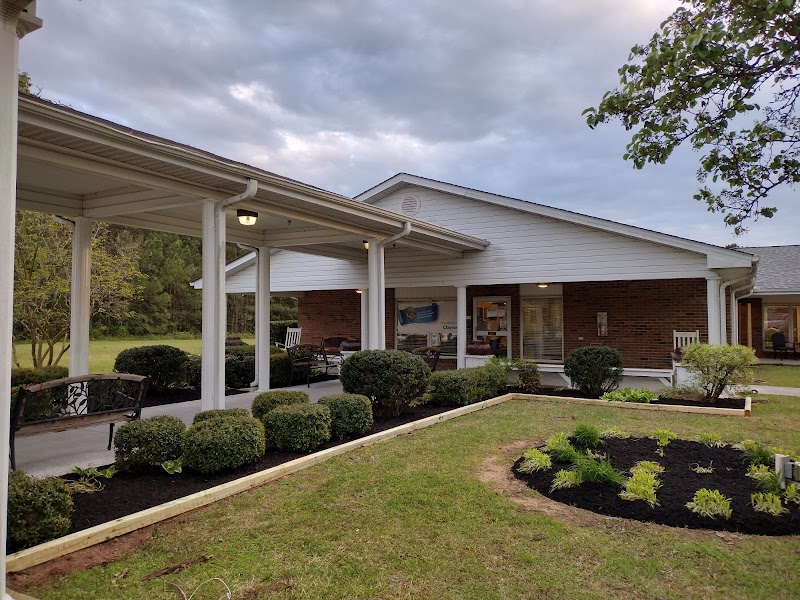
How is Clayton Rehabilitation And Healthcare Center Staffed?

CMS rates Clayton Rehabilitation and Healthcare Center's staffing level at 1 out of 5 stars, which is much below average compared to other nursing homes. Staff turnover is 74%, which is 28 percentage points above the North Carolina average of 46%. High turnover can affect care consistency as new staff learn residents' individual needs. RN turnover specifically is 83%, which is notably high. RNs provide skilled clinical oversight, so turnover in this role can affect medical care quality.

What Have Inspectors Found at Clayton Rehabilitation And Healthcare Center?

State health inspectors documented 33 deficiencies at Clayton Rehabilitation and Healthcare Center during 2022 to 2025. These included: 32 with potential for harm and 1 minor or isolated issues.
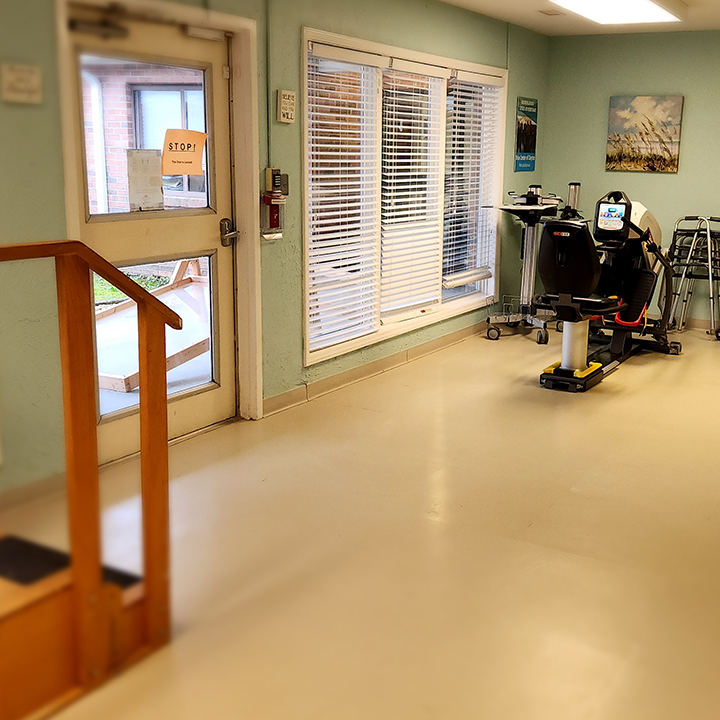
Who Owns and Operates Clayton Rehabilitation And Healthcare Center?

Clayton Rehabilitation and Healthcare Center is owned by a for-profit company. For-profit facilities operate as businesses with obligations to shareholders or private owners. The facility is operated by SIMCHA HYMAN & NAFTALI ZANZIPER, a chain that manages multiple nursing homes. With 90 certified beds and approximately 83 residents (about 92% occupancy), it is a smaller facility located in Clayton, North Carolina.

How Does Clayton Rehabilitation And Healthcare Center Compare to Other North Carolina Nursing Homes?

Compared to the 100 nursing homes in North Carolina, Clayton Rehabilitation and Healthcare Center's overall rating (1 stars) is below the state average of 2.8, staff turnover (74%) is significantly higher than the state average of 46%, and health inspection rating (2 stars) is below the national benchmark.

What Should Families Ask When Visiting Clayton Rehabilitation And Healthcare Center?

Based on this facility's data, families visiting should ask: "How do you ensure continuity of care given staff turnover, and what is your staff retention strategy?" "Can you walk me through typical staffing levels on day, evening, and night shifts?" "Can I visit during a mealtime to observe dining assistance and food quality?" "How do you handle medical emergencies, and what is your hospital transfer rate?" These questions are particularly relevant given the facility's high staff turnover rate and the below-average staffing rating.

Is Clayton Rehabilitation And Healthcare Center Safe?

Based on CMS inspection data, Clayton Rehabilitation and Healthcare Center has a clean safety record: no substantiated abuse findings (meaning no confirmed cases of resident harm), no Immediate Jeopardy citations (the most serious violation level indicating risk of serious injury or death), and is not on the Special Focus Facility watch list (a federal program monitoring the lowest-performing 1% of nursing homes). The facility has a 1-star overall rating and ranks #100 of 100 nursing homes in North Carolina. While no facility is perfect, families should still ask about staff-to-resident ratios and recent inspection results during their visit.

Do Nurses at Clayton Rehabilitation And Healthcare Center Stick Around?

Staff turnover at Clayton Rehabilitation and Healthcare Center is high. At 74%, the facility is 28 percentage points above the North Carolina average of 46%. Registered Nurse turnover is particularly concerning at 83%. RNs handle complex medical decisions and coordinate care — frequent RN changes can directly impact care quality. High turnover means new staff may not know residents' individual needs, medications, or preferences. It can also be disorienting for residents, especially those with dementia who rely on familiar faces. Families should ask: What is causing the turnover? What retention programs are in place? How do you ensure care continuity during staff transitions?

Was Clayton Rehabilitation And Healthcare Center Ever Fined?

Clayton Rehabilitation and Healthcare Center has no federal fines on record. CMS issues fines when nursing homes fail to meet care standards or don't correct problems found during inspections. The absence of fines suggests the facility has either maintained compliance or corrected any issues before penalties were assessed. This is a positive indicator, though families should still review recent inspection reports for the full picture.

Is Clayton Rehabilitation And Healthcare Center on Any Federal Watch List?

Clayton Rehabilitation and Healthcare Center is not on any federal watch list. The most significant is the Special Focus Facility (SFF) program, which identifies the bottom 1% of nursing homes nationally based on persistent, serious quality problems. Not being on this list means the facility has avoided the pattern of deficiencies that triggers enhanced federal oversight. This is a positive indicator, though families should still review the facility's inspection history directly.