Cedar Hills Center for Nursing and Rehabilitation
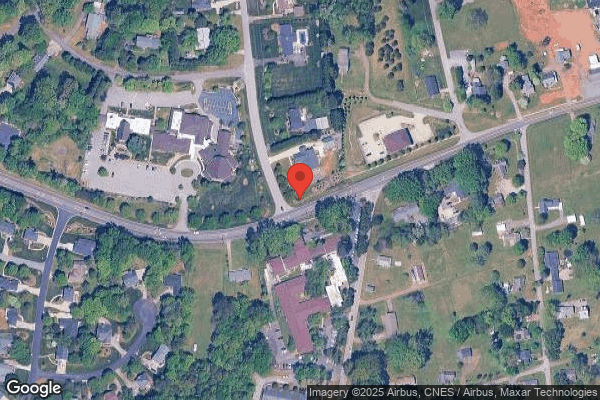
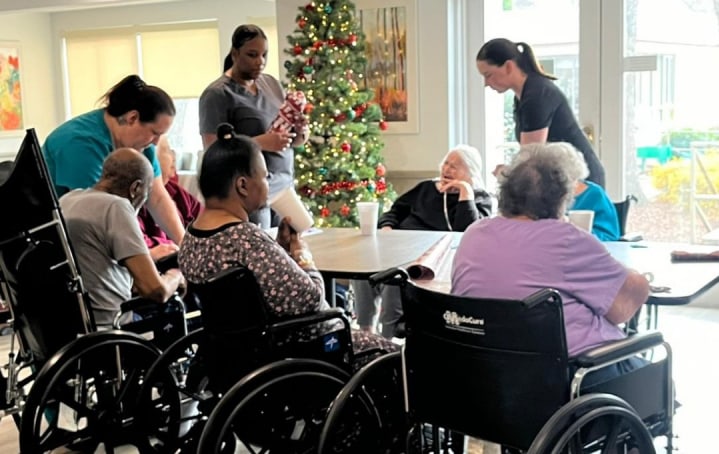
3905 Clemmons Road, Clemmons, NC 27012 (336) 766-9158
For profit - Limited Liability company 94 Beds SIMCHA HYMAN & NAFTALI ZANZIPER Data: November 2025 1 Immediate Jeopardy citation
Trust Grade
3/100
#323 of 417 in NC
Last Inspection: November 2024

Within standard 12-15 month inspection cycle. Federal law requires annual inspections.

Overview

Cedar Hills Center for Nursing and Rehabilitation has received a Trust Grade of F, indicating significant concerns and a poor reputation among nursing homes. They rank #323 out of 417 facilities in North Carolina, placing them in the bottom half of the state, and #5 out of 9 in Davidson County, suggesting only a few local options are better. The facility is worsening, as the number of issues reported increased from 15 in 2023 to 18 in 2024. Staffing is a major concern, with a low rating of 1 out of 5 stars and a troubling 70% turnover rate, which is significantly higher than the state average. The facility has incurred $70,269 in fines, which is concerning and indicates compliance problems that are higher than 80% of North Carolina facilities. Additionally, there is less RN coverage than 99% of state facilities, meaning residents may not receive adequate oversight for their care. Recent inspection findings revealed critical incidents, including a resident who suffered severe injuries after exiting through an unlatched door and rolling down a ramp, and another who sustained a head injury after falling off a bed. While there are some strengths, such as the facility's efforts to address resident grievances during council meetings, the overall picture raises serious red flags for families considering this home for their loved ones.
Trust Score
F
3/100
In North Carolina
#323/417
Bottom 23%
Safety Record
High Risk
Review needed
Inspections
Getting Worse
15 → 18 violations
Staff Stability
⚠ Watch
70% turnover. Very high, 22 points above average. Constant new faces learning your loved one's needs.
Penalties
✓ Good
$70,269 in fines. Lower than most North Carolina facilities. Relatively clean record.
Skilled Nurses
⚠ Watch
Each resident gets only 10 minutes of Registered Nurse (RN) attention daily — below average for North Carolina. Fewer RN minutes means fewer trained eyes watching for problems.
Violations
⚠ Watch
45 deficiencies on record. Higher than average. Multiple issues found across inspections.
★☆☆☆☆
1.0
Overall Rating
★☆☆☆☆
1.0
Staff Levels
★☆☆☆☆
1.0
Care Quality
★★☆☆☆
2.0
Inspection Score
Stable
2023: 15 issues
2024: 18 issues

The Good

  • Full Sprinkler Coverage · Fire safety systems throughout facility
  • No fines on record

Facility shows strength in fire safety.

The Bad

1-Star Overall Rating

Below North Carolina average (2.8)

Significant quality concerns identified by CMS

Staff Turnover: 70%

24pts above North Carolina avg (46%)

Frequent staff changes - ask about care continuity

Federal Fines: $70,269

Well above median ($33,413)

Moderate penalties - review what triggered them

Chain: SIMCHA HYMAN & NAFTALI ZANZIPER

Part of a multi-facility chain

Ask about local staffing decisions and management

Staff turnover is very high (70%)

22 points above North Carolina average of 48%

The Ugly 45 deficiencies on record

1 life-threatening 1 actual harm
Nov 2024 12 deficiencies 1 Harm
SERIOUS (G) 📢 Someone Reported This

A family member, employee, or ombudsman was alarmed enough to file a formal complaint

Actual Harm - a resident was hurt due to facility failures

Accident Prevention (Tag F0689)

A resident was harmed · This affected 1 resident

**NOTE- TERMS IN BRACKETS HAVE BEEN EDITED TO PROTECT CONFIDENTIALITY** Based on observation, record review, and interviews of staff, the facility failed to provide care in a safe manner when a reside...

Read full inspector narrative →
**NOTE- TERMS IN BRACKETS HAVE BEEN EDITED TO PROTECT CONFIDENTIALITY** Based on observation, record review, and interviews of staff, the facility failed to provide care in a safe manner when a resident rolled off a bed raised to waist height onto the floor. Resident #7 sustained a laceration to the left side of her head which required 5 staples. This deficient practice affected 1 of 4 residents reviewed for accidents. (Resident #7) Findings included: Resident #7 was admitted to the facility on [DATE] with diagnoses of Alzheimer's dementia and osteoarthritis. A review of Resident #7's record documented she had the diagnoses added on 9/23/21 of adult failure to thrive, severe protein-calorie malnutrition, cognitive communication deficit, repeated falls, and dysphagia. Resident #7's quarterly Minimum Data Set (MDS) dated [DATE] documented Resident #7 was unable to participate in a cognitive assessment. The resident had no behaviors or refusal of care and no falls. The MDS also indicted the resident was receiving hospice services, required extensive assistance with bed mobility, transfers, incontinence care, and bathing. Resident #7's care plan dated 8/9/24 documented she was at high risk for falls due to history of falls, cognitive impairment, and decreased mobility. The interventions were to report any falls to the physician and to refer to physical therapy as needed. The resident required extensive assistance with all activities of daily living. Resident #7's fall incident report dated 11/1/24 written by Nurse #1 documented during care with the Nursing Assistant (NA), the resident became combative. She fell out of bed and sustained a laceration to the left side of her head. The resident was confused and oriented to person. Resident #7's Emergency Department record dated 11/1/24 documented she was seen after a fall at the facility and sustained a laceration to the left side of her head. The laceration was no longer bleeding. The resident had fragile skin, and five staples were used to close the laceration. The resident was confused and non-verbal. The resident returned to the facility after a check of her brain for bleeding and was not admitted . The nurses' note dated 11/04/24 at 1:33 pm was a late entry written by Nurse #1 that documented Resident #7 left the facility at 1:45 pm with Emergency Medical Service (EMS) by stretcher on 11/1/24 due to a laceration to the left side of her head after rolling out of bed and hitting her head on the wall edge when the NA #1 was providing care. On 11/4/24 at 9:40 am an observation was made of Resident #7. She had 5 large staples on her left forehead that had surrounding bruise. An interview was attempted but the Resident was confused and mumbled at times. On 11/4/24 at 10:40 am an interview was conducted with NA #2. NA #2 stated she knew Resident #7 well and was nearby on 11/1/24 when NA #1 called for help after the resident's fall. NA #2 had not seen the fall but observed the resident on the left side of her bed, lying on her left side with a laceration to the left side of her head. NA #1 held pressure with a washcloth on the Resident's head and NA #2 went to find the nurse assigned (Nurse #1) to report. The resident was known to have behaviors during care when moving the resident but was unable to roll off the bed by herself. The NA reported that Resident #7 required one staff member for all care except transfer which required two staff members. On 11/5/24 at 11:20 am an interview was conducted with Nurse #1. Nurse #1 stated she was aware Resident #7 had verbal and physical behaviors when moved during care and believed it was from her dementia. Nurse #1 stated she was assigned to Resident #7 on 11/1/24 when she fell out of bed. At 3:30 pm a follow-up interview was conducted with Nurse #1. Nurse #1 stated she was aware the resident could be combative with her arms and used foul language during personal and incontinence care, and it was believed this behavior was related to her dementia. Nurse #1 stated the resident could not roll herself in the bed or out of the bed. Nurse #1 stated that she was informed by NA #2 that the resident fell out of bed on 11/1/24 during care by NA #1 when the resident was resisting care when turned. Nurse #1 stated upon entry to the resident's room she observed the resident on the floor, left side of bed near the wall, on her left side and was bleeding on the left side of her head from a laceration. NA #1 was holding pressure on the laceration to the head. NA #1 had provided incontinence care to the resident and informed Nurse #1 that the resident was resisting care when rolled. The resident rolled during the behavior while on her left side and fell off the bed. Nurse #1 stated that the staff was responsible for preventing the resident from rolling off the bed during care and the accident could have been avoided by not letting go of the resident while on her side. On 11/6/24 at 8:20 am an interview was conducted with NA #1. NA #1 stated she provided incontinent care to Resident #7 on 11/1/24 when the resident rolled out of bed. The resident frequently had not liked to be rolled during incontinence care. The resident was known to be calm when not touched. The NA had to bend the resident's knee to roll her. The resident's behavior started when rolling her for care. On 11/1/24 during care, the resident was rolled to her left side and the resident started to hit the NA and yell. The NA moved her hand off the resident so she could calm. The resident rolled onto the floor. The bed was elevated to waist height for care. The resident hit the left side of her head on the wall corner and was bleeding. The nurse (Nurse #1) was informed by NA #2 about the incident while NA #1 remained with the resident. NA #1 stated she held pressure on the resident's head to stop a moderate amount of bleeding. EMS was contacted and the resident was transferred to the Emergency Department. On 11/6/24 at 2:10 pm an interview was conducted with the Corporate Nurse. Resident #7's fall was discussed with the Consultant. She stated, it could be possible the resident's pain in her legs with behavior during care contributed to her fall out of bed. On 11/6/24 at 2:40 pm an interview was conducted with the Administrator. The Administrator stated he was aware of Resident #7's fall and the fall was discussed during morning clinical meeting. He further stated he was just made aware (11/6/24) by the Corporate Nurse that the resident's pain could have contributed to her behavior with resulting fall.
CONCERN (D)

Potential for Harm - no one hurt, but risky conditions existed

Deficiency F0583 (Tag F0583)

Could have caused harm · This affected 1 resident

**NOTE- TERMS IN BRACKETS HAVE BEEN EDITED TO PROTECT CONFIDENTIALITY** Based on observations, record reviews, resident interview, and staff interviews, the facility failed to provide privacy for a ca...

Read full inspector narrative →
**NOTE- TERMS IN BRACKETS HAVE BEEN EDITED TO PROTECT CONFIDENTIALITY** Based on observations, record reviews, resident interview, and staff interviews, the facility failed to provide privacy for a catheter bag and activities of daily living (ADL) care for 2 of 2 residents (Resident #14 and Resident #55) reviewed for personal privacy. The findings included: 1. Resident #14 was admitted to the facility on [DATE] and resided in room [ROOM NUMBER]with diagnoses which included obstructive uropathy, urinary tract infection, and muscle weakness. The admission Minimum Data Set (MDS) assessment dated [DATE] revealed Resident #14 was cognitively intact for decision making and was dependent for toilet use. The MDS further revealed Resident #14 was coded for an indwelling catheter and was incontinent for bowels. An observation and interview conducted with Resident #14 on 11/04/24 at 12:20 PM revealed Resident #14 did not have a privacy curtain near the resident's door which allowed him to be viewed from the hallway. Resident #14 indicated staff did not attempt to block the doorway entrance to provide privacy during care. Resident #14 further revealed he had not had a privacy curtain since admission. Resident #14 stated he had expressed to nursing staff that he would like a curtain, but the curtain had not been hung. Resident #14 was lying in bed with his catheter visible from the resident's door. The bag was observed to not have a privacy cover. Resident #14 further revealed since admission his catheter did not have a privacy cover and was frustrated and embarrassed for his urine to show. An observation and interview with Nurse Aide (NA) #8 on 11/05/24 at 10:15 AM revealed Resident #14 had not had a privacy curtain at his doorway since admission. NA #8 indicated she did not recall anyone entering the room during care to expose Resident #14 but had no way to block him from being seen from the hallway if someone did open the door. NA #8 further revealed she had reported to the prior housekeeping director multiple times that curtains had been missing on the 200 Hall. NA #8 stated she was unaware why Resident #14's curtain had not been hung but Resident #14 could be seen from the hallway if someone had opened the door. Another Interview and observation conducted with Nurse Aide (NA) #8 on 11/05/24 at 10:30 AM revealed Resident #14 was in his wheelchair and did not have a privacy cover on his catheter bag. NA #8 further revealed Resident #14 had been upset that he did not have a privacy cover on his catheter. NA #8 indicated she was aware Resident #14 did not have privacy cover since admission and reported it to nursing staff multiple times. An interview and observation conducted with the Administrator and the Director of House Keeping on 11/05/24 at 10:45 AM revealed Resident #14 did not have a privacy curtain and expected all residents to have one. The Administrator indicated he was unaware Resident #14 did not have a curtain and expected residents to maintain privacy during care. The Director of House Keeping indicated it was his first day in that role and the Administrator further revealed he was not aware the curtains had not been hung. Interview conducted with Nurse #4 on 11/05/24 at 11:55 AM revealed Resident #14 did not have a privacy cover on his catheter bag. Resident #14 stated to Nurse #5 that he did not like his urine showing for others to see. Nurse #4 indicated she was aware the resident did not have privacy cover but would get one. An interview conducted with the Unit Manager (UM) and Director of Nursing (DON) on 11/06/24 at 8:15 AM revealed they were not aware Resident #14 did not have a privacy cover on his catheter bag. DON further revealed she expected all catheters to be covered. An interview conducted with the Administrator on 11/07/24 at 10:00 AM revealed he was not aware Resident #14 did not have a privacy bag on his catheter. The Administrator further revealed he expected all residents to be treated in a dignified manner and have privacy. 2. Resident #55 was admitted to the facility on [DATE] and resided in room [ROOM NUMBER]. The annual Minimum Data Set (MDS) assessment dated [DATE] revealed Resident #55 was severely cognitively impaired for decision making and was dependent for toilet use. The MDS further revealed Resident #55 was always incontinent of bowel and urine. An observation conducted with Resident #55 on 11/04/24 at 12:30 PM revealed Resident #55 did not have a privacy curtain and shared a room with another resident. Resident #55's roommate was severely cognitively impaired and was unable to be interviewed. An observation and interview with Nurse Aide (NA) #8 on 11/5/24 at 10:20 AM revealed Resident #55 had not had a privacy curtain in two to three months. NA #8 further revealed she had reported to the prior housekeeping director multiple times that curtains had been missing on the 200 Hall. NA #8 indicated Resident #55 was incontinent for care and would care for the resident without a curtain between the two residents. NA #8 stated she knew it was an issue that there was no curtain but had reported it to housekeeping multiple times. An interview and observation conducted with the Administrator and the Director of House Keeping on 11/05/24 at 10:45 AM revealed Resident #55 did not have a privacy curtain and expected all residents to have one. The Director of House Keeping indicated it was his first day in that role and the Administrator further revealed he was not aware the curtains had not been hung. The Administrator stated residents were expected to receive privacy.
CONCERN (D) 📢 Someone Reported This

A family member, employee, or ombudsman was alarmed enough to file a formal complaint

Potential for Harm - no one hurt, but risky conditions existed

Transfer Requirements (Tag F0622)

Could have caused harm · This affected 1 resident

**NOTE- TERMS IN BRACKETS HAVE BEEN EDITED TO PROTECT CONFIDENTIALITY** Based on record reviews and staff interviews, the facility failed to permit Resident #336 to remain in the facility and initiate...

Read full inspector narrative →
**NOTE- TERMS IN BRACKETS HAVE BEEN EDITED TO PROTECT CONFIDENTIALITY** Based on record reviews and staff interviews, the facility failed to permit Resident #336 to remain in the facility and initiated the resident's discharge when she returned later than expected from a leave of absence. The resident returned to the facility on 2/12/24 and was informed by staff she was not allowed to remain in the facility due to her being gone from the facility over 24 hours. Additionally, the facility failed to provide written documentation which stated the reason the facility could not meet the resident's needs for 1 of 3 residents reviewed for discharge. (Resident 336). The findings included: Resident #336 was initially admitted to the facility on [DATE] with diagnoses which included chronic pain, opioid dependence, intentional self-harm by other firearm discharge and anxiety. Review of Resident #336's admission Minimum Data Set (MDS) dated [DATE] revealed the resident was cognitively intact and was independent with activities of daily living. Review of a late entry progress note completed by Social Worker #1 on 2/13/24 revealed Resident #336 had been away from the facility for over 24 hours and Social Worker #1 had attempted to contact the emergency contact but was not able to leave a voicemail. A review of hospital records revealed Resident #336 was seen in the hospital emergency department on 2/13/24 at approximately 12:15 pm and was accompanied by a family member. The hospital record revealed that Resident #336 had requested her medications to be refilled, was asymptomatic and had no physical complaints. The facility was contacted for a list of her current medications on 2/13/24. Resident #336 was placed in psychiatric observation due to her history of psychiatric behaviors and the need to provide a safe environment. Review of Resident #336's admission Minimum date set (MDS) dated [DATE] indicated Resident #336 was readmitted to the facility on [DATE] from the hospital. A review of the medical record revealed no documentation that indicated the reason the facility could not meet the resident's needs. An interview was conducted with Social Worker #1 and [NAME] Office Manager #1 on 11/6/24 at 2:12 pm. Social Worker #1 and [NAME] Office Manager #1 indicated that Resident #336 returned to the facility from her leave of absence on 2/12/24 at approximately 12:00 pm. They were instructed by the Regional [NAME] Office Manager to not allow Resident #336 to remain in the facility and to discharge her due to her being gone from the facility over 24 hours, which ended her insurance coverage. Social Worker #1 further revealed that she did not do any discharge planning and did not issue a notice of transfer discharge for Resident # 336 as she thought the discharge was considered Against Medical Advice. Social Worker #1 and [NAME] Office Manager #1 confirmed that Resident #336 explained to them that she had experienced car trouble and that was why she was not able to come back on the evening of 2/11/24 as planned and that she tried to contact the facility to let them know but staff did not answer the phone. Resident #336 also indicated that she wanted to remain in the facility but due to the Regional [NAME] Office Manager's directive Social Worker #1 told Resident #336 she had to be discharged from the facility. An attempt was made to interview Resident #336 however she was no longer a resident at the facility and there was no contact information available. Multiple attempts were made to interview Resident #336's physician at the time of her discharge, but attempts were not successful. Multiple attempts were made to interview the Regional [NAME] Office Manager, but attempts were not successful. Multiple attempts were made to interview Resident #336's emergency contact, but attempts were not successful. An interview was conducted with Interim Administrator on 11/7/24 3:28 pm. He indicated that the internal staff received misdirection regarding Resident #336's discharge and that Resident #336 should not have been discharged as the facility was able to meet the resident's needs. He further indicated Resident #336 should have been permitted to stay at the facility.
CONCERN (D) 📢 Someone Reported This

A family member, employee, or ombudsman was alarmed enough to file a formal complaint

Potential for Harm - no one hurt, but risky conditions existed

Deficiency F0624 (Tag F0624)

Could have caused harm · This affected 1 resident

**NOTE- TERMS IN BRACKETS HAVE BEEN EDITED TO PROTECT CONFIDENTIALITY** Based on record reviews, staff interviews, and physician interview, the facility failed to provide a safe and orderly discharge ...

Read full inspector narrative →
**NOTE- TERMS IN BRACKETS HAVE BEEN EDITED TO PROTECT CONFIDENTIALITY** Based on record reviews, staff interviews, and physician interview, the facility failed to provide a safe and orderly discharge for 1 of 3 residents (Resident # 336) reviewed for discharge. On 2/11/24 at 12:30 pm Resident #336 signed out of the facility on leave of absence with an expected return time of 9:30 pm. Due to transportation issues, Resident #336 was not able to return to the facility until 2/12/24 and was informed that she had been discharged and therefore could not remain in the facility. Resident #336 was not provided with discharge instructions or prescriptions, and the discharge location was not verified. This resulted in Resident #336 going to the hospital to get her medications refilled. Resident #336 remained in the hospital under observation until she was readmitted to the facility on [DATE]. The findings included: Resident #336 was initially admitted to the facility on [DATE] with diagnoses which included chronic pain, opioid dependence, intentional self-harm by other firearm discharge and anxiety. Review of Resident #336's admission Minimum Data Set (MDS) dated [DATE] revealed the resident was cognitively intact and was independent with activities of daily living. Review of a late entry progress note completed by Social Worker #1 on 2/13/24 revealed Resident #336 had been away from the facility for over 24 hours and Social Worker #1 had attempted to contact the emergency contact but was not able to leave a voicemail. A review of hospital records revealed Resident #336 was seen in the hospital emergency department on 2/13/24 at approximately 12:15 pm and was accompanied by a family member. The hospital record revealed that Resident #336 had requested her medications to be refilled, was asymptomatic and had no physical complaints. The facility was contacted for a list of her current medications on 2/13/24. Resident #336 was placed in psychiatric observation due to her history of psychiatric behaviors and the need to provide a safe environment. Review of Resident #336's admission Minimum date set (MDS) dated [DATE] indicated Resident #336 was readmitted to the facility on [DATE] from the hospital. A review of physician orders for February 2024 revealed no physician order for discharge on [DATE]. An interview was conducted with Social Worker #1 and [NAME] Office Manager #1 on 11/6/24 at 2:12 pm. Social Worker #1 and [NAME] Office Manager #1 indicated that Resident #336 returned to the facility from her leave of absence on 2/12/24 at approximately 12:00 pm. They were instructed by the Regional [NAME] Office Manager to not allow Resident #336 to remain in the facility and to discharge her due to her being gone from the facility over 24 hours, which ended her insurance coverage. Social Worker #1 further revealed that she did not do any discharge planning for Resident # 336 as she thought the discharge was considered Against Medical Advice. Social Worker #1 and [NAME] Office Manager #1 confirmed that Resident #336 explained to them that she had experienced car trouble and that was why she was not able to come back on the evening of 2/11/24 as planned and that she tried to contact the facility to let them know but staff did not answer the phone. Resident #336 also indicated that she wanted to remain in the facility but due to the Regional [NAME] Office Manager's directive Social Worker #1 told Resident #336 she had to be discharged from the facility. An attempt was made to interview Resident #336 however she was no longer a resident at the facility and there was no contact information available. Multiple attempts were made to interview Resident #336's physician at the time of her discharge but attempts were not successful. Multiple attempts were made to interview the Regional [NAME] Office Manager, but attempts were not successful. Multiple attempts were made to interview Resident #336's emergency contact but attempts were not successful. A telephone interview was conducted the [NAME] President of Business Development on 11/6/24 at 1:45 pm. She revealed she was contacted by the hospital staff during Resident #336's stay but did not recall the exact date. She further indicated that she was contacted by the hospital as they wanted to make her aware that Resident #336 had been discharged from the facility without a discharge location or medications. She further revealed that once she was made aware she contacted the facility to instruct them that the discharge was in error and the facility needed to readmit Resident #336 back to the facility and she was readmitted on [DATE]. A telephone interview was conducted with the Medical Director on 11/7/24 at 12:20 pm. He indicated that upon review of Resident #336's MDS assessments, medications and hospital records he did not feel that the discharge contributed to medical distress. He further explained that she was independent with activities of daily living and the hospital record confirmed this by stating that she was asymptomatic at the time she entered the hospital emergency department. An interview was conducted with Interim Administrator on 11/7/24 3:28 pm. He indicated that the internal staff received misdirection regarding the discharge and that Resident #336 should have been allowed to remain in the facility.
CONCERN (D) 📢 Someone Reported This

A family member, employee, or ombudsman was alarmed enough to file a formal complaint

Potential for Harm - no one hurt, but risky conditions existed

Comprehensive Assessments (Tag F0636)

Could have caused harm · This affected 1 resident

**NOTE- TERMS IN BRACKETS HAVE BEEN EDITED TO PROTECT CONFIDENTIALITY** Based on record review, staff interview and physician interview, the facility failed to comprehensively assess a resident in the...

Read full inspector narrative →
**NOTE- TERMS IN BRACKETS HAVE BEEN EDITED TO PROTECT CONFIDENTIALITY** Based on record review, staff interview and physician interview, the facility failed to comprehensively assess a resident in the area of weights for 1 of 3 residents (Resident #50) reviewed for nutrition. The findings included: Resident #50 was admitted to the facility on [DATE]. Resident #50's physician order dated 2/26/24 stated monthly weight every Monday for monitoring. The quarterly Minimum Data Set (MDS) assessment dated [DATE] revealed Resident #50 was cognitively intact. The MDS indicated Resident #50's height was 71 inches, and his weight was left blank. Weight loss 5% or more was not assessed and weight gain was identified as not assessed. Review of Resident #50 quarterly MDS assessment dated [DATE] indicated he was cognitively intact. The MDS indicated Resident #50's height was 71 inches, and his weight was left blank. Weight loss 5% or more was not assessed and weight gain was identified as not assessed. Review of Resident #50's care plan created 10/14/23 and revised on 9/25/24 stated he had nutritional problems or potential nutritional problems related to high Body Mass index (BMI) status. The goal stated Resident #50 would have gradual weight loss (1-2 lbs. per month) through the review period. The goal further indicated Resident #50 would maintain adequate nutritional status as evidenced by maintaining weight, no signs or symptoms of malnutrition. The interventions included Registered Dietician to evaluate and make diet change recommendations as needed. Resident #50 electronic weight record was reviewed. The weight record revealed one recorded weight of 246.7 pounds (lbs.) on 10/8/24. There were no recorded weights for February 2024 through September 2024. Dietary note dated 9/25/23 stated Resident #50 was reviewed for admission to the facility. The dietary note further indicated Resident #50's appetite was 76-100% of meals consumed. His height was documented as 71 inches, and his weight was 224 lbs. Resident's body mass index (BMI) was 31.3 and continue to monitor weight monthly. There were no other dietary notes or assessments located in the electronic medical record. An observation and interview was conducted with the Corporate Nurse Consultant on 11/6/24 at 10:28 AM. She stated the reason Resident #50's weights were not consistently taken was due to the facility not having a system in place. She stated October 2024 weights had been documented. Resident #50's weight was taken by mechanical lift during the observation, and he weighed 227.7lbs. Interview with the MDS Coordinator on 11/6/24 at 11:47 AM indicated the MDS assessment had a 30-day lookback period. She further indicated the facility had a MDS coordinator that worked remotely and had completed the assessment for Resident #50. If the MDS Coordinator did not have weights documented for 30 days prior to the assessment, it would have not been put on the assessment. Interview with the Dietician on 11/6/24 at 4:04 PM revealed she had not completed a dietary assessment on Resident #50 since her dietary note dated 9/25/23. She had not documented a dietary assessment because Resident #50 had not flagged for weight loss. She only completed monthly dietary note for residents who had wounds, were tube fed, had weight loss or received dialysis. During the interview the Dietician indicated she had observed the missing weights in the electronic medical record. She was unsure why Resident #50's weights were not obtained. Interview with the Director of Nursing (DON) on 11/7/24 at 3:35 PM stated she had no idea staff were not taking Resident #50's weight monthly. She stated she noticed the facility was having issues obtaining weights which was why October 2024 weights were obtained. She further indicated she was unsure why the MDS assessment did not include Resident #50's weight.
CONCERN (D) 📢 Someone Reported This

A family member, employee, or ombudsman was alarmed enough to file a formal complaint

Potential for Harm - no one hurt, but risky conditions existed

Deficiency F0688 (Tag F0688)

Could have caused harm · This affected 1 resident

**NOTE- TERMS IN BRACKETS HAVE BEEN EDITED TO PROTECT CONFIDENTIALITY** Based on observations, record reviews, resident and staff interviews, the facility failed to provide restorative range of motion...

Read full inspector narrative →
**NOTE- TERMS IN BRACKETS HAVE BEEN EDITED TO PROTECT CONFIDENTIALITY** Based on observations, record reviews, resident and staff interviews, the facility failed to provide restorative range of motion and the application of the splinting devices as recommended by the occupational therapist for 1 of 2 sampled resident (Resident #48) reviewed for limited range of motion. Findings included: Resident #48 was admitted to the facility on [DATE] with diagnoses which included: hemiplegia and hemiparesis following nontraumatic subarachnoid hemorrhage affecting the left non-dominant side and a left-hand contracture. The quarterly Minimum Data Set (MDS) assessment dated [DATE] indicated Resident #48 was cognitively intact and had range of motion impairments of one side of her upper and lower extremities. The care plan dated 9/16/24 revealed Resident #48 required assistance with her activities of daily living (ADL). Interventions included physical, occupational and speech therapies were to evaluate and treat as indicated/ordered. Review of the occupational therapy Discharge summary dated [DATE] revealed Resident #48 was referred to therapy for restorative nursing program and had reached her maximum potential. AAROM (active assisted range of motion) and HEP (home exercise program) was provided to the resident to prevent further subluxation (partial dislocation) in her left shoulder. The Occupational Therapist (OT) recommended a restorative ROM (range of motion) program and restorative splint and brace program. Resident #48 was to wear a T- splint up to 6-7 hours a day to prevent further contracture. The prognosis to maintain CLOF (current level of functioning) was good with consistent staff follow-through. During an observation and interview on 11/04/24 at 1:10 p.m., Resident #48 was in her room in her wheelchair feeding herself lunch using her right hand. The resident's left arm was bent towards her chest area and the right hand was fisted with her fingers towards her palm. The resident stated she received therapy for her contractures but had not received any follow-up with exercises, other than what she attempted, herself. A palm guard was observed hanging from a bed rail on the right side of the resident's bed. The resident revealed she also had splinting devices but was unable to apply the splints, herself. On 11/07/24 at 1:30 p.m., Resident #48 was observed in her room in her wheelchair in conversation with nursing assistant (NA#2) while propelling herself using her right arm and hand to the bathroom. The resident was observed with a clear, plastic brace to her left lower leg but no splinting devices on her left arm which was bent close to her body and the left hand was curled in a fist. During an interview on 11/07/24 at 1:45 p.m., NA#2 stated Resident #48 had left arm and left leg contractures and was able to apply her splinting devices, herself. NA#48 stated she has observed the resident wearing the hand palm guard but not the arm splint. When asked, the NA#2 showed this Surveyor the two splinting devices in the top drawer of the resident's [NAME] drawer which she described as the resident's blue arm splint and a black leg splint. During an interview on 11/07/24 at 3:39 p.m., the Regional Nurse Consultant stated she was unable to locate a physician's order for Resident #48's splinting devices and exercise program. She stated once a resident was discharged from rehabilitation therapy, the therapist would educate the staff, and a physician's order should have been completed based on the recommendations from the therapist. The Regional Nurse Consultant further revealed that the monitoring process should have involved the nursing staff (nurses or nursing assistants) documenting the date and time the splinting devices were applied and removed from the resident. A telephone interview was conducted with the occupational therapist (OT) on 11/07/24 at 3:57 p.m. She stated she worked in the facility's rehabilitation department as a prn (when needed) OT. The OT recalled that at the time of Resident #48's discharged from occupational therapy, the plan was for the resident to discharge home with her family who would assist the resident in application of her splinting devices and assist with her exercise program. The OT concluded that if the resident remained in the facility, then it was nursing's responsibility to obtain a physician's order to apply the splints and provide the exercises.
CONCERN (D) 📢 Someone Reported This

A family member, employee, or ombudsman was alarmed enough to file a formal complaint

Potential for Harm - no one hurt, but risky conditions existed

Deficiency F0698 (Tag F0698)

Could have caused harm · This affected 1 resident

**NOTE- TERMS IN BRACKETS HAVE BEEN EDITED TO PROTECT CONFIDENTIALITY** Based on record review, resident, staff, and physician interviews, the facility failed to ensure a resident receiving dialysis s...

Read full inspector narrative →
**NOTE- TERMS IN BRACKETS HAVE BEEN EDITED TO PROTECT CONFIDENTIALITY** Based on record review, resident, staff, and physician interviews, the facility failed to ensure a resident receiving dialysis services had a physician's order for dialysis services, a care plan and failed to monitor after dialysis treatments. This was for 1 of 1 resident reviewed for dialysis (Resident #64). The findings included: Record review of the hospital history and physical dated 5/27/24 as the orders for dialysis, revealed right sided permacath access (a flexible tube that's inserted into a blood vessel in the neck or upper chest to provide dialysis treatment), hemodialysis every Monday, Wednesday and Friday. Record review of the hospital Discharge summary dated [DATE] revealed Resident #64 had permacath and to return to the dialysis schedule of Monday, Wednesday and Friday. Resident #64 was admitted to the facility on [DATE] with diagnoses including end-stage renal disease and dependence on renal dialysis. Resident #64's admission assessment dated [DATE] completed by the Unit Manager revealed no documentation of Resident #64's dialysis access or status. Review of the care plan for Resident #64 for barrier precautions dated 6/25/24 and revised on 8/20/24 specified enhanced barrier precautions related to dialysis. The goal was to be free of symptoms of infection. The intervention was to follow the enhanced barrier precaution guidelines when providing close contact resident care or wound care. The review revealed no further information regarding the resident's going to dialysis, care regarding the resident due to requiring dialysis, or care when the resident returned from dialysis. A review of Resident #64's quarterly Minimum Data Set (MDS) assessment dated [DATE] revealed he was cognitively intact, and he received dialysis while a resident. Resident # 64's medical record revealed no physician's order for dialysis services. Review of Resident 64's medication administration record and the treatment record for the months of June 2024, July 2024, August 2024, September 2024, and October 2024 through November 5, 2024, revealed no documentation of the monitoring of the dialysis permacath, or record of vital signs when the resident returned from dialysis. An interview on 11/05/24 at 12:05 PM, Resident #64 indicated he went to dialysis on Mondays, Wednesdays, and Fridays. He stated the staff did not check his permacath or take his blood pressure when he returned from his dialysis treatments. He indicated the nursing staff returned him to his bed and the nurse restarted the tube feeding. An observation revealed Resident #64 had a right subclavian (at the collarbone) permacath with dry dressing. An interview on 11/05/24 at 2:34 PM, Nursing Assistant (NA) 5 indicated no vital signs were taken when Resident #64 returned from dialysis. When Resident #64 returned from dialysis he was returned to bed. An interview on 11/06/24 at 10:11 AM with NA #7 indicated Resident #64 was ready for dialysis by 4:00 AM. She revealed when Resident #64 returned he was returned to bed and no vital signs were obtained. An observation revealed on 11/06/24 at 10:18 AM, Resident #64 returned from dialysis services and was taken to his room. The staff assisted him to his bed and Nurse #4 connected Resident #64 to his tube feeding. On11/06/24 at10:23 AM Nurse #4 was observed while she reconnected Resident #64's tube feeding. She returned to the nursing station and checked the communication book from hemodialysis. She indicated there was no message from dialysis besides his dry weight and vital signs. She stated she did not check the permacath dressing for bleeding. She indicated she was not aware of any required documentation or assessment after dialysis treatments. During an interview on 11/6/24 at 11:15 AM, the MDS Nurse reviewed the current physician orders for November 2024 and stated there were no dialysis orders for Resident #64. When asked where the dialysis care plan was located for Resident #64, the MDS Nurse indicated it was under barrier precautions. She stated Resident #64 had nothing to monitor regarding dialysis, so the resident did not have a dialysis care plan. In an interview on 11/7/24 at 10:22 AM, the Unit Manager indicated the facility provided transport to and from dialysis for dialysis residents on their scheduled dialysis days. Each dialysis resident had a communication book the nurses checked for orders when the resident returned. When asked about the process of admitting a resident from the hospital she indicated the admitting nurse was responsible for transcribing orders from the discharge summary from the hospital. The physician reviewed the orders and approved or changed them. The MDS nurse was responsible for the MDS assessment and the care plan. When asked if Resident #64 should have an order and a care plan for dialysis, she indicated he should and was unaware as to why he did not. An interview on 11/7/24 at 1:06 PM, Director of Nursing indicated the facility had dialysis policies and procedures to follow for the care of residents who received dialysis. She revealed the admitting nurse was responsible for obtaining the dialysis order from the discharge summary. The MDS nurse was responsible for creating the care plan. Nurses should know to monitor the access site and vital signs and document in the progress notes and on the MAR. The Unit Manager was to review the orders for accuracy. Nursing staff were expected to know how to provide care for a dialysis resident. She reviewed the physician orders Resident #64 and indicated there was no new physician order for dialysis. A telephone interview was conducted on 11/7/24 at 1:56 PM with the Medical Director and he indicated the dialysis order was part of the hospital discharge summary. The order was part of the medical record. The nurses were to monitor a graft or fistula access for patency or a catheter for bleeding when a resident returned from dialysis treatment. The staff were to follow the facility protocol.
CONCERN (D) 📢 Someone Reported This

A family member, employee, or ombudsman was alarmed enough to file a formal complaint

Potential for Harm - no one hurt, but risky conditions existed

Administration (Tag F0835)

Could have caused harm · This affected 1 resident

**NOTE- TERMS IN BRACKETS HAVE BEEN EDITED TO PROTECT CONFIDENTIALITY** Based on record review, North Carolina (NC) Nurse Aide (NA) Registry Representative and staff interviews, the facility administr...

Read full inspector narrative →
**NOTE- TERMS IN BRACKETS HAVE BEEN EDITED TO PROTECT CONFIDENTIALITY** Based on record review, North Carolina (NC) Nurse Aide (NA) Registry Representative and staff interviews, the facility administration failed to have effective systems in place to identify when a nurse aide had an expired registry listing with the NC Nurse Aide Registry for 1 of 5 employees reviewed for sufficient nurse staffing (NA #4). The findings included: Nurse Aide (NA) #4 was hired by the facility on [DATE]. Review of NA #4's personnel file revealed NA #4's registry listing expired on [DATE]. Review of the NC Nurse Aide Registry online portal revealed NA #4's original test date was [DATE] with a listing expiration date of [DATE]. A telephone interview was completed with NC Nurse Aide Registry representative on [DATE] at 10:22 AM. The NC Nurse Aide Registry representative confirmed that NA #4's registry listing expired on [DATE]. Review of the nursing schedules from [DATE] to [DATE] revealed that NA #4 worked the following days: [DATE], [DATE] and [DATE]. NA #4 was assigned to the 300-hall from 7:00 AM to 7:00 PM. Review of NA #4's time sheet revealed she worked 3 days after her NA registry listing expired on [DATE]. On [DATE], NA #4 worked the following hours: 7:23 AM to 7:23 PM. On [DATE], NA #4 worked the following hours: 7:34 AM to 7:22 PM. On [DATE], NA #4 worked the following hours: 7:25 AM to 7:26 PM. An attempt was made to contact NA #4 but was not successful. An interview with the Scheduler was conducted on [DATE] at 9:28 AM. The Scheduler explained NA #4 was a current employee at the facility. The Scheduler continued to explain NA #4 was a nurse aide and her responsibilities included passing breakfast trays, providing resident care including bed baths, incontinence care, assisting with meals, and grooming. An interview with the Director of Nursing (DON) on [DATE] at 9:50 AM stated the previous Staff Development Coordinator (SDC) would have verified NA #4's registry listing during pre-employment screening. The DON voiced the SDC position was currently not filled. The corporate office verified registry listings during pre-employment screening until the SDC position was filled. An interview with the Administrator was completed on [DATE] at 10:09 AM who revealed there should be some type of tickler file or tracking system in place to monitor Nurse Aide registry listing expirations. He continued to explain around 30 days prior to the NA registry listing expiring, the DON should communicate with the employee about their license expiring so the employee can make necessary arrangements for their license renewal. The Administrator communicated there was no Staff Development Coordinator (SDC) in place currently, but this function will transition to that person when hired and trained. The Administrator verbalized NA #4 should not have been allowed to work with an expired registry listing.
CONCERN (D)

Potential for Harm - no one hurt, but risky conditions existed

Deficiency F0914 (Tag F0914)

Could have caused harm · This affected 1 resident

**NOTE- TERMS IN BRACKETS HAVE BEEN EDITED TO PROTECT CONFIDENTIALITY** Based on observations, resident, and staff interviews, the facility failed to provide a privacy curtain for 2 of 14 rooms on the...

Read full inspector narrative →
**NOTE- TERMS IN BRACKETS HAVE BEEN EDITED TO PROTECT CONFIDENTIALITY** Based on observations, resident, and staff interviews, the facility failed to provide a privacy curtain for 2 of 14 rooms on the 200-hall reviewed for privacy (room [ROOM NUMBER] and room [ROOM NUMBER]). The findings included: 1.Resident #14 was admitted to the facility on [DATE] and resided in room [ROOM NUMBER]. The admission Minimum Data Set (MDS) assessment dated [DATE] revealed Resident #14 was cognitively intact for decision making. An observation and interview conducted with Resident #14 on 11/04/24 at 12:20 PM revealed Resident #14 did not have a privacy curtain that blocked him from the doorway. The resident shared a room with another resident. Resident #14 further revealed he had not had a privacy curtain since admission. Resident #14 stated he had expressed to nursing staff that he would like a curtain so he could not be seen from the hallway if someone was to open the door during care. An observation and interview with Nurse Aide (NA) #8 on 11/5/24 at 10:15 AM revealed Resident #14 had not had a privacy curtain since admission. NA #8 further revealed she had reported to the prior housekeeping director multiple times that curtains had been missing on the 200 Hall. NA #8 stated she was unaware why Resident #14's curtain had not been hung. An interview conducted with the house keeping aide on 11/7/24 at 9:45 AM revealed he had consistently worked on the 200 Hall and was not aware Resident #14's privacy curtain had not been hung. It was further revealed the prior housekeeping director would handle and hang privacy curtains. An interview was attempted with the previous housekeeping director on 11/07/14 at 10:15 AM and was unsuccessful. An interview and observation conducted with the Administrator and the Director of House Keeping on 11/05/24 at 10:45 AM revealed Resident #14 did not have a privacy curtain and expected all residents to have one. The Director of House Keeping indicated it was his first day in that role and the Administrator further revealed he was not aware the curtains had not been hung. 2. Resident #55 was admitted to the facility on [DATE] and resided in room [ROOM NUMBER]. The annual Minimum Data Set (MDS) assessment dated [DATE] revealed Resident #55 was cognitively impaired for decision making. An observation conducted with Resident #55 on 11/04/24 at 12:30 PM revealed Resident #55 did not have a privacy curtain and shared a room with another resident. An observation and interview with Nurse Aide (NA) #8 on 11/5/24 at 10:20 AM revealed Resident #55 had not had a privacy curtain in two to three months. NA #8 further revealed she had reported to the prior housekeeping director multiple times that curtains had been missing on the 200 Hall. NA #8 stated she was unaware why Resident #55's curtain had not been hung. An interview conducted with the house keeping aide on 11/7/24 at 9:45 AM revealed he had consistently worked on the 200 Hall and was not aware Resident #55's privacy curtain had not been hung. It was further revealed he had normally checked curtains in residents' room but had missed that Resident #55 curtain was missing. It was further revealed the prior housekeeping director would handle and hang privacy curtains. An interview was attempted with the previous housekeeping director on 11/07/14 at 10:15 AM and was unsuccessful. An interview and observation conducted with the Administrator and the Director of House Keeping on 11/05/24 at 10:45 AM revealed Resident #55 did not have a privacy curtain and expected all residents to have one. The Director of House Keeping indicated it was his first day in that role and the Administrator further revealed he was not aware the curtains had not been hung.
CONCERN (E) 📢 Someone Reported This

A family member, employee, or ombudsman was alarmed enough to file a formal complaint

Potential for Harm - no one hurt, but risky conditions existed

Deficiency F0565 (Tag F0565)

Could have caused harm · This affected multiple residents

Based on record review, and staff and resident interviews the facility failed to provide resolution of Resident Council Meeting grievances for 5 of 6 monthly Resident Council Meetings. The Resident Co...

Read full inspector narrative →
Based on record review, and staff and resident interviews the facility failed to provide resolution of Resident Council Meeting grievances for 5 of 6 monthly Resident Council Meetings. The Resident Council had repeated concerns regarding coffee not being served before breakfast and clothes not coming back from laundry (5/28/24, 06/25/24, 07/30/24, 08/27/24, and 09/24/24). On 05/28/24 the Resident Council Meeting Minutes noted a dietary concern that coffee was not being served or made before breakfast. The Resident Council Follow-Up form attached to the 05/28/24 Resident Council Meeting Minutes did not demonstrate the facility's response to grievances voiced during the Resident Council. On 06/25/24 the Resident Council Meeting Minutes noted a dietary concern that coffee was not being served or made before breakfast. The Resident Council Follow-Up form attached to the 06/25/24 Resident Council Meeting Minutes did not demonstrate the facility's response to grievances voiced during the Resident Council. On 07/30/24 the Resident Council Meeting Minutes noted a housekeeping concern that clothes were not being returned from laundry. The Resident Council Follow-Up form attached to the 07/30/24 Resident Council Meeting Minutes did not demonstrate the facility's response to grievances voiced during the Resident Council. On 08/27/24 the Resident Council Meeting Minutes noted a housekeeping concern that clothes were not being returned from laundry. The Resident Council Follow-Up form attached to the 08/27/24 Resident Council Meeting Minutes did not demonstrate the facility's response to grievances voiced during the Resident Council. On 09/27/24 the Resident Council Meeting Minutes noted a housekeeping concern that clothes were not being returned from laundry. The Resident Council Follow-Up form attached to the 09/27/24 Resident Council Meeting Minutes did not demonstrate the facility's response to grievances voiced during the Resident Council. Interviews conducted with Resident #15, Resident #16, Resident #17, Resident #62, Resident #63, and Resident #66 during the Resident Council Meeting on 11/06/24 at 1:30 PM revealed there had been no resolution with the ongoing concerns of coffee not being prepared before breakfast and clothes not being returned from the laundry. The residents further the issues were still a concern. Interview conducted with the Activity Director (AD) on 11/06/24 at 1:45 PM revealed she became the AD in May 2024 and was not aware grievances had to be completed to address concerns voiced during Resident Council. The AD further revealed she addressed concerns during stand-up meetings and with department heads but had no documentation to show that concerns were resolved. The AD stated she was aware issues had been ongoing and had addressed department heads but was unaware of any improvement from issues addressed Interview conducted with the Administrator on 11/07/24 at 10:00 AM revealed he was not aware grievances were not being completed and resolved from Resident Council meetings. The Administrator further revealed he expected concerns to be addressed and followed up on and documentation to be included within the Resident Council minutes.
CONCERN (E) 📢 Someone Reported This

A family member, employee, or ombudsman was alarmed enough to file a formal complaint

Potential for Harm - no one hurt, but risky conditions existed

Deficiency F0658 (Tag F0658)

Could have caused harm · This affected multiple residents

**NOTE- TERMS IN BRACKETS HAVE BEEN EDITED TO PROTECT CONFIDENTIALITY** Based on record review, staff interview, Corporate Nurse Consultant and Physician interview the facility failed to follow physic...

Read full inspector narrative →
**NOTE- TERMS IN BRACKETS HAVE BEEN EDITED TO PROTECT CONFIDENTIALITY** Based on record review, staff interview, Corporate Nurse Consultant and Physician interview the facility failed to follow physician orders to obtain a monthly weight (lbs.) for 1 of 3 residents (Resident #50) reviewed for nutrition. The findings included: Resident #50 was admitted to the facility on [DATE] with a diagnosis that included hypertension, depression and fractures. Resident #50's physician order dated 2/26/24 stated monthly weight every Monday for monitoring. The quarterly Minimum Data Set (MDS) assessment dated [DATE] revealed Resident #50 was cognitively intact. Resident #50 had no upper body impairment and 1 lower extremity impairment. The MDS further indicated Resident #50's height was 71 inches, and his weight was left blank. Weight loss 5% or more and weight gain was not assessed. Review of Resident #50 quarterly MDS assessment dated [DATE] indicated he was cognitively intact. Resident #50 had no upper body impairment and 1 lower extremity impairment. The MDS further indicated Resident #50's height was 71 inches, and his weight was left blank. Weight loss 5% or more was and weight gain was not assessed. Resident #50 electronic weight record was reviewed. There were no monthly weights for February 2024 through October 2024. The weight record revealed one weight of 246.7 lbs. dated 10/8/24. An observation of Resident #50's weight taken via mechanical lift and interview was conducted with the Corporate Nurse Consultant on 11/6/24 at 10:28 AM. She stated the reason Resident #50's weights were not consistently documented was because the facility did not have a system in place. Weights had been obtained for October 2024 when it was identified weights were not being obtained. The Corporate Nurse Consultant obtained Resident #50's weight by mechanical lift, and he weighed 227.7 lbs. Interview with the Director of Nursing (DON) on 11/7/24 at 3:35 PM stated she had no idea staff were not taking Resident #50's weight monthly as ordered. She stated she noticed the facility was having issues obtaining weights which was why October 2024 weights were obtained. She further indicated she was unsure why the MDS assessment did not include Resident #50's weight. Interview with the Medical Director on 11/8/24 at 8:33 AM indicated weights should be documented monthly as ordered. He further indicated a physician order should continue until it was discontinued. The Interim Administrator was interviewed on 11/8/24 at 2:20 PM stated if weights were unable to be taken, he would expect the concern to be brought to the attention of the clinician and the physician. Staff should follow the physician order as written until discontinued.
MINOR (C) 📢 Someone Reported This

A family member, employee, or ombudsman was alarmed enough to file a formal complaint

Minor Issue - procedural, no safety impact

Deficiency F0575 (Tag F0575)

Minor procedural issue · This affected most or all residents

Based on observations and staff interviews, the facility failed to post a list of names, addresses (mailing and email), and telephone numbers of all pertinent State agencies and advocacy groups, such ...

Read full inspector narrative →
Based on observations and staff interviews, the facility failed to post a list of names, addresses (mailing and email), and telephone numbers of all pertinent State agencies and advocacy groups, such as the State Survey Agency, adult protective services where state law provides for jurisdiction in long-term care facilities, the Office of the State Long-Term Care Ombudsman program, and the protection and advocacy network. This observation occurred for 4 of the 4 days during the onsite recertification survey. The findings included: An observation of the facility's common areas, upper and lower nursing units was completed on 11/04/24 at 11:12 AM. The observation revealed no signage or posting which included name and contact information for the State Survey Agency, adult protective services where state law provides for jurisdiction in long-term care facilities, the Office of the State Long-Term Care Ombudsman program, and the protection and advocacy network. On 11/05/24 at 9:15 AM, an observation of the facility's common areas, upper and lower nursing units was completed. The observation revealed no signage or posting which included name and contact information for the State Survey Agency, adult protective services where state law provides for jurisdiction in long-term care facilities, the Office of the State Long-Term Care Ombudsman program, and the protection and advocacy network. On 11/06/24 at 2:27 PM, afternoon rounding was conducted of the facility's common areas, upper and lower nursing units. The observation revealed no signage or posting which included name and contact information for the State Survey Agency, adult protective services where state law provides for jurisdiction in long-term care facilities, the Office of the State Long-Term Care Ombudsman program, and the protection and advocacy network. A walking tour of the facility (common areas, upper and lower nursing units) was completed on 11/07/24 at 8:30 AM with the Administrator. There were no required postings observed throughout the tour except for the local Ombudsman posting. An interview with the Administrator was conducted on 11/07/24 at 8:42 AM. The Administrator stated he was not certain why the postings were not in place. The Administrator verbalized the postings were important and he would have his staff get the postings back in place.
Sept 2024 6 deficiencies
CONCERN (D) 📢 Someone Reported This

A family member, employee, or ombudsman was alarmed enough to file a formal complaint

Potential for Harm - no one hurt, but risky conditions existed

Notification of Changes (Tag F0580)

Could have caused harm · This affected 1 resident

**NOTE- TERMS IN BRACKETS HAVE BEEN EDITED TO PROTECT CONFIDENTIALITY** Based on record review, observations, Nurse Practitioner, and staff interviews the facility failed to report the results of a ur...

Read full inspector narrative →
**NOTE- TERMS IN BRACKETS HAVE BEEN EDITED TO PROTECT CONFIDENTIALITY** Based on record review, observations, Nurse Practitioner, and staff interviews the facility failed to report the results of a urinalysis received on 8/8/2024 to the Nurse Practitioner until 8/12/2024, failed to report pain and distention of the lower abdomen to the Nurse Practitioner on 8/5/2024, and failed to report being unable to flush a urinary catheter for 1 of 1 Resident (Resident #1) reviewed for urinary catheter care. Findings included: Resident #1 was admitted to the facility on [DATE] with diagnoses of end stage renal disease, neuropathic bladder, and Parkinson's disease. A quarterly Minimum Data Set (MDS) assessment dated [DATE] indicated Resident #1 was cognitively intact and had a urinary catheter in place. Resident #1's Physician's Orders indicated he had a Urinalysis with Culture if indicated ordered 8/5/2024 due to discolored urine. Review of a urinalysis laboratory result obtained 8/8/2024 indicated Resident #2 had a mixed flora and collection of a new urinary sample was suggested by the laboratory. On 8/28/2024 at 11:10 am an interview was conducted with Resident #1 and he stated on 8/5/2024 at 3:30 am Nurse #3 flushed his suprapubic urinary catheter because he was not having much urine output, his lower abdomen was distended, and he was having lower abdominal pain. Resident #1 stated when Nurse #3 flushed his suprapubic urinary catheter the flush liquid did not return. Attempts made to call Nurse #3 for an interview were unsuccessful. Nurse #2 was interviewed on 8/28/2024 at 1:19 pm and stated she worked on 8/5/2024 on the 7:00 am to 7:00 pm shift and was assigned to Resident #1. Nurse #2 stated on 8/5/2024 in morning report the 7:00 pm to 7:00 am nurse, Nurse #3, had flushed Resident #1's catheter at 3:30 am and Nurse #3 told her none of the fluid returned from the flush. She stated Nurse Practitioner (NP) #1, who was in the facility ordered a Urinalysis with Culture if indicated, and she obtained the urine sample for the Urinalysis with Culture and placed it in the refrigerator to go to the laboratory. Nurse #2 stated she did not report to NP #1 that Nurse #3 told her she had flushed Resident #1's suprapubic urinary catheter on 8/5/2024 at 3:30 am and did not get any liquid returned. Nurse #2 stated the Responsible Party called on 8/6/2024 and asked for the results of the Urinalysis with Culture and when Nurse #2 could not locate the results, she called the laboratory, and they had not picked up the urine sample that was obtained 8/5/2024. Nurse #2 stated she checked the refrigerator, and the urine sample was still in the refrigerator. Nurse #2 stated she called the laboratory back, asked them to pick up the urine sample, and they picked it up on 8/8/2024. Nurse #2 stated she did not report the Urinalysis with Culture not being sent on 8/5/2024 to NP #1 or that the Urinalysis with Culture was not sent to the laboratory until 8/8/2024. Nurse #2 stated she did not remember getting the results for the Urinalysis with Culture on 8/8/2024 and did not realize they had not been reported to NP #1 until the Responsible Party called on 8/12/2024 and said Resident #1 had called her and stated he was in pain. Nurse #2 stated she should have looked for the results of the Urinalysis with Culture on 8/8/2024 and reported the results to NP#1. Nurse #2 indicated the facility's laboratory findings are faxed to them by the laboratory, and she did not know why Resident #1's urinalysis findings were not sent. Nurse #1 stated Resident #1 had not reported any pain to her on 8/12/2024. \ On 8/30/2024 at 11:10 am a telephone interview was conducted with NP #1 and she stated she was not called regarding Resident #1 having pain and distention of his abdomen on 8/5/2024. NP #1 stated no one reported to her on 8/5/2024 that Resident #1's catheter was flushed on 8/5/2024 at 3:30 am and the fluid from the flush did not return. NP#1 stated she ordered the Urinalysis with Culture to rule out an infection on 8/5/2024. NP#1 stated she was not notified of the urinalysis with culture not being sent out on 8/5/2024 and she was not notified of the results of the urinalysis with culture on 8/8/2024 which showed Resident #1 had a urinary infection until Resident #1 was sent out to the hospital on 8/12/2024. NP#1 stated the facility should have reported the Urinalysis with Culture was not completed on 8/5/2024 when it was ordered, and they should have reported the Urinalysis with Culture results on 8/8/2024 so that Resident #1's infection would have been treated. During an interview with Director of Nursing (DON) #2 on 8/30/2024 at 1:40 pm she stated Nurse #2 should have notified her and NP #1 on 8/5/2024 of the Urinalysis with Culture not being picked up by the laboratory and Nurse #2 should have notified her and NP#1 the Urinalysis with Culture was not sent until 8/8/2024. The Administrator was interviewed on 8/30/2024 at 1:42 pm and she stated she was not aware of the NP #1 not being notified of the results of the urinalysis with culture on 8/8/2024. The Administrator stated Nurse #1 should have ensured the results were reported to NP #1 on 8/8/2024.
CONCERN (D) 📢 Someone Reported This

A family member, employee, or ombudsman was alarmed enough to file a formal complaint

Potential for Harm - no one hurt, but risky conditions existed

Report Alleged Abuse (Tag F0609)

Could have caused harm · This affected 1 resident

**NOTE- TERMS IN BRACKETS HAVE BEEN EDITED TO PROTECT CONFIDENTIALITY** Based on record review, observations, and staff interviews the facility failed to report an allegation of abuse to Adult Protect...

Read full inspector narrative →
**NOTE- TERMS IN BRACKETS HAVE BEEN EDITED TO PROTECT CONFIDENTIALITY** Based on record review, observations, and staff interviews the facility failed to report an allegation of abuse to Adult Protective Services for 1 of 3 residents (Resident #6) who alleged staff to resident abuse which occurred on 7/25/2024 and was reported to the Administrator on 7/26/2024 but was not reported to Adult Protective Services until 8/1/2024. Findings included: The facility's Abuse, Neglect and Exploitation Policy reviewed on 1/1/2024 stated the facility would report all alleged violations to the Adult Protective Services and all other required agencies with 24 hours if the event that caused the allegation did not result in abuse or serious bodily injury. Resident #6 was admitted to the facility on [DATE] with diagnoses of hemiplegia and epilepsy. A quarterly Minimum Data Set (MDS) assessment dated [DATE] indicated Resident #6 was severely cognitively impaired and required total assistance with bed mobility and transfers. According to the facility's investigation dated 7/26/2024 at 2:45 pm a Family Member reported Resident #6 told her a male nurse slapped him in the face on 7/25/2024 or 7/26/2024. The investigation indicated the accused was suspended pending an investigation, and the police were notified of the allegation. The facility unsubstantiated the allegation. During an interview with the Administrator on 8/29/2024 at 12:24 am she stated she was notified of the allegation of abuse by Resident #6's Family Member on 7/26/2024 and she notified Adult Protective Services on 8/1/2024. The Administrator stated Resident #6's Family Member reported someone had slapped Resident #6, and she realized now she should have reported the allegation within 24 hours of her being made aware of the allegation of abuse
CONCERN (D) 📢 Someone Reported This

A family member, employee, or ombudsman was alarmed enough to file a formal complaint

Potential for Harm - no one hurt, but risky conditions existed

Incontinence Care (Tag F0690)

Could have caused harm · This affected 1 resident

**NOTE- TERMS IN BRACKETS HAVE BEEN EDITED TO PROTECT CONFIDENTIALITY** Based on record review and resident, Responsible Party, and Nurse Practitioner interviews the facility failed to have a Urinalys...

Read full inspector narrative →
**NOTE- TERMS IN BRACKETS HAVE BEEN EDITED TO PROTECT CONFIDENTIALITY** Based on record review and resident, Responsible Party, and Nurse Practitioner interviews the facility failed to have a Urinalysis with Culture sample collected on 8/5/2024 tested at the laboratory that same day. The Urinalysis with Culture was not completed and reported to the facility until 8/8/24. In addition, the facility failed to follow through on 8/8/24 when the laboratory suggested a new urine sample when the results for the 8/5/24 indicated the sample was contaminated. The deficient practice occurred for 1 of 1 resident (Resident #1) reviewed for suprapubic catheter care. Findings included: Resident #1 was admitted to the facility on [DATE] with diagnoses of end stage renal disease, neurogenic bladder which required a suprapubic catheter, and Parkinson's disease. A quarterly Minimum Data Set (MDS) assessment dated [DATE] indicated Resident #1 was cognitively intact and had a urinary catheter in place. A Nurse Practitioner's Progress Note dated 8/7/2024 indicated she saw Resident #1 on 8/5/2024 in the facility and Resident #1 brought to her attention his urine was purple. The Nurse Practitioner's Progress Note further stated Resident #1 had no abdominal distention and did not complain of pain, fever or chills; and she ordered a Urinalysis with Culture to rule out infection on 8/5/2024. Resident #1's Physician's Orders indicated he had a Urinalysis with Culture ordered 8/5/2024 due to discolored urine. A Urinalysis laboratory result obtained 8/8/2024 indicated Resident #2's urine had mixed bacteria, which indicated the sample was contaminated, and collection of a new urine sample was suggested by the laboratory. On 8/28/2024 at 11:10 am an interview was conducted with Resident #1 and he stated on 8/5/2024 at 3:30 am Nurse #3 flushed his suprapubic urinary catheter because he was not having much urine output, his lower abdomen was distended, and he was having lower abdominal pain. Resident #1 stated when Nurse #3 flushed his suprapubic urinary catheter the flush liquid did not return. Resident #1 stated Nurse #2 got a sample of his urine on 8/5/2024 for a Urinalysis with Culture, but they did not get the results. Resident #1 stated he went out to the hospital on 8/12/2024 due to decreased output and lower abdominal pain. Attempts were made to call Nurse #3, who attempted to flush Resident #1's suprapubic urinary catheter at 3:30 am on 8/5/2024, on 8/28/2024 at 7:24 pm, 8/29/2024 at 9:28 am, and 8/30/2024 at 11:50 am. A message was left for Nurse #3 with each attempt, and she did not return the calls. On 8/28/2024 at 1:13 am a phone interview was conducted with the Responsible Party and she stated on 8/5/2024 another Family Member who visited Resident #1 told her Resident #1's urine was purple, which she knew indicated he had an infection. The Responsible Party stated Resident #1 told the Family Member the nurse had flushed his catheter at 3:30 am that morning and nothing came back out and he was having lower abdominal pain, and his lower abdomen was distended. The Responsible Party stated she called back to the facility on 8/7/2024 to check on the results of Resident #1's urinalysis that was ordered on 8/5/2024 and was told the urine sample was not sent to the laboratory and the staff could not tell her why it was not sent. She stated on 8/12/2024 she received a phone call from Resident #1, he stated he needed help, and the Responsible Party stated she called emergency services. Nurse #2 was interviewed on 8/28/2024 at 1:19 pm and stated she worked on 8/5/2024 on the 7:00 am to 7:00 pm shift and was assigned to Resident #1. Nurse #2 stated on 8/5/2024 in morning report the 7:00 pm to 7:00 am nurse, Nurse #3, stated she had flushed Resident #1's catheter at 3:30 am and none of the fluid returned from the flush. Nurse #1 stated she asked Resident #1 if he wanted to go to the hospital, but he said no. She stated Nurse Practitioner (NP) #1, who was in the facility on 8/5/2024, noticed Resident #1 had purple urine and ordered a urinalysis with culture if indicated. Nurse #2 stated she obtained the urine sample for the Urinalysis with Culture and placed it in the refrigerator to go to the laboratory. Nurse #2 stated the Responsible Party called on 8/6/2024 and asked for the results of the Urinalysis with Culture and when Nurse #2 could not locate the results, she called the laboratory and discovered they had not picked the urine sample that was obtained 8/5/2024. Nurse #2 stated she checked the refrigerator 8/6/24, and the urine sample was still in the refrigerator. Nurse #2 stated she called the laboratory back on 8/6/24 and asked them to pick up the urine sample. The laboratory did not pick up the Urinalysis with Culture sample until 8/8/2024. Nurse #2 stated she cared for Resident #1 on the 7:00 am to 7:00 pm shift on 8/6/2024, 8/7/2024, and 8/8/2024 and he did not complain of pain or discomfort and did not have abdominal distention. Nurse #2 stated she returned to work on 8/12/2024 received a call from the Responsible Party and the Responsible Party said Resident #1 had called her complaining of pain and told her he needed help. Nurse #2 stated she did not remember getting the results of the Urinalysis with Culture on 8/8/2024 and she did not report them to NP#1 until the Responsible Party called her on 8/12/24 to say she had called Emergency Medical Services for Resident #1. Nurse #2 stated Resident #1 had not complained of any discomfort or abdominal distention on 8/12/2024. Medication Aide #1 was interviewed on 8/28/2024 at 8:35 pm by phone and she stated she cared for Resident #1 on 8/9/2024 on the 7:00 am to 7:00 pm shift and he did not complain of any pain or discomfort, and his urine was a light orange color, which was normal for him. An interview was conducted with Nurse #13 on 8/28/2024 at 7:36 pm by phone and she stated she cared for Resident #1 on 8/11/2024 from 7:00 am to 11:30 pm and he did not have any complaints of pain or discomfort, and his urine was not discolored. A hospital admission Note dated 8/12/2024 indicated Resident #1 had a history of Parkinson's disease with neurogenic bladder which required a suprapubic catheter which was placed in 11/2023. He reported pain from his suprapubic catheter yesterday, 8/11/2024, but he stated it was draining urine. The admission Note also stated Resident #1 did not have any chills or fever. The plan of care on the admission Note for Resident #1 indicated he would be admitted and receive intravenous antibiotics, and his suprapubic catheter was changed to a larger size. A Hospital Discharge summary dated [DATE] indicated Resident #1 had a history of Parkinson's disease and neurogenic bladder. He was treated in the hospital for 7 days with an intravenous antibiotic and returned to the facility after the completion of his antibiotics for a urinary tract infection due to a clogged catheter. On 8/30/2024 at 11:10 am a telephone interview was conducted with NP #1 and she stated Resident #1 had not complained of pain or distention on 8/5/2024 when she ordered the Urinalysis with Culture if indicated, and the only symptom had been that Resident #1's urine was purple. She stated she ordered the Urinalysis with Culture to rule out a urinary infection. NP #1 stated she was not aware Nurse #1 had flushed Resident #1's catheter at 3:30 am on 8/5/2024 and the liquid not returning after the flush could have been a sign his catheter was blocked. She stated she was not aware the Urinalysis with Culture was not completed until 8/8/2024 and she was not made aware of the results of the Urinalysis with Culture until 8/12/2024 when Resident #1 was sent to the hospital. NP #1 stated the facility should have reported the Urinalysis with Culture was not completed on 8/5/2024 when it was ordered, and they should have reported the Urinalysis with Culture results on 8/8/2024 so that Resident #1's infection would have been treated. During an interview with Director of Nursing (DON) #2 on 8/30/2024 at 1:40 pm she stated she was not made aware of Resident #1's Urinalysis with Culture sample not being sent to the laboratory on 8/5/2024 or the results not being reported to NP #1 on 8/8/2024 when they were sent to the facility by the laboratory. DON #2 stated the Urinalysis with Culture sample should have been sent when it was ordered on 8/5/2024 and the results should have been reported to NP #1 on 8/8/2024. DON #2 stated Nurse #2 completed a laboratory order for the Urinalysis with Culture on 8/5/2024 so the laboratory would have been aware the Urinalysis with Culture sample should be picked up. DON #2 stated the laboratory would have faxed Resident #1's laboratory findings to the facility and the nurses were responsible for reporting them to the Nurse Practitioner or Physician. The Administrator was interviewed on 8/30/2024 at 1:42 pm and she stated she was not aware of the Urinalysis with Culture not being sent to the laboratory when it was ordered on 8/5/2024 or NP #1 not being notified of the results of the Urinalysis with Culture on 8/8/2024. The Administrator stated Nurse #1 should have ensured the Urinalysis with Culture was sent on 8/5/2024 and the results were reported to NP #1 on 8/8/2024.
CONCERN (D) 📢 Someone Reported This

A family member, employee, or ombudsman was alarmed enough to file a formal complaint

Potential for Harm - no one hurt, but risky conditions existed

Deficiency F0697 (Tag F0697)

Could have caused harm · This affected 1 resident

**NOTE- TERMS IN BRACKETS HAVE BEEN EDITED TO PROTECT CONFIDENTIALITY** Based on record review, observations and staff, Pharmacy Consultant and Nurse Practitioner interviews the facility failed to adm...

Read full inspector narrative →
**NOTE- TERMS IN BRACKETS HAVE BEEN EDITED TO PROTECT CONFIDENTIALITY** Based on record review, observations and staff, Pharmacy Consultant and Nurse Practitioner interviews the facility failed to administer pain medication as ordered for 1 of 3 residents (Resident #9) reviewed for pain management. Findings included: Resident #9 was admitted to the facility on [DATE] with diagnoses of left knee replacement. A Physician's Order dated 8/28/2024 at 6:45 pm indicated Resident #9 should receive Oxycodone/Acetaminophen 5/325 milligrams, a narcotic pain medication, for pain every 4 hours for pain rated at 4 or more on a pain scale of 1 to 10. An admission Minimum Data Set (MDS) had not been completed for Resident #9. A late entry note written on 8/29/2024 at 5:25 am by Nurse #6 indicated Resident #9 arrived at the facility 8/28/24 at 5:45 pm with an incision to his left knee which was covered with a bandage. His vital signs were normal, he was alert and oriented with some confusion, and he was resting. A progress note written by Nurse #7 on 8/28/24 at 9:34 pm indicated Resident #9 reported his pain was a 6 on a scale of 1 to 10 and he was experiencing muscle spasms to his left lower extremity. A progress note dated 8/28/2024 at 9:37 pm written by Nurse #7 indicated Resident #9's pain medications were not available. Review of Resident #9's Medication Administration Record for 8/28/2024 indicated he did not receive any pain medication when his pain rated at a 6, on a scale of 1 to 10. A Packaging and Delivery Slip from the pharmacy indicated Resident #9's Oxycodone/Acetaminophen 5/325 milligrams was delivered to the facility on 8/29/2024 at 7:12 pm. An interview was conducted by phone on 9/17/2024 at 12:52 pm with Nurse #6 and she stated she worked on 8/28/2024 at 7:00 pm until 8/29/2024 at 7:00 am and admitted Resident #9 to the facility. She stated Resident #9 arrived at the facility at 5:45 pm on 8/28/2024 and she did not get his admission orders faxed to the pharmacy until sometime between 7:00 pm and 11:00 pm. Nurse #6 stated she gave Resident #9 Acetaminophen from the standing orders on 8/28/2024 at 6:00 pm for mild pain but failed to document she had given it. Nurse #6 stated she checked on Resident #9 three or four times the night of 8/28/2024 and he did not complain of pain. She stated she filled his ice pack machine that was on his knee each time she was in his room. Nurse #7 was interviewed by phone on 9/18/2024 at 8:35 am and she stated she cared for Resident #9 on 8/28/2024 from 7:00 pm until 8/29/2024 at 7:00 am but she does not remember Resident #9. She stated the medications were delivered to the facility at 7:00 pm on 8/29/2024. She stated she could not remember if she was able to give him anything that night (8/28/2024) for pain and could not recall documenting the resident's pain was 6 on 8/28/2024. On 8/29/2024 at 5:37 pm an observation of Resident #9 revealed he was in bed with his eyes closed and he did not answer when his name was called. On 9/17/2024 at 12:42 pm the Consultant Pharmacist was interviewed by phone, and she stated the hard script for Resident #9's Oxycodone/Acetaminophen 5/325 milligrams was not faxed to the pharmacy until 8/29/2024 at 8:06 am and it was delivered to the facility on 8/29/2024 at 7:12 pm. The Consultant Pharmacist stated there were two doses of the Oxycodone/Acetaminophen 5/325 milligrams taken from the electronic emergency backup medications on 8/29/2024 at 4:11 pm by the Corporate Nurse Consultant. On 9/18/2024 at 11:05 am an interview by phone was conducted with Nurse Aide (NA) #3 and she stated on 8/28/2024 on the 3:00 pm to 11:00 pm shift she was not assigned to Resident #9, but she did help NA #9 change him at 6:30 pm and 9:00 pm but she did not go back into his room after 9:00 pm. NA #3 stated Resident #9 complained of pain when she was in his room with Nurse Aide #9 at 6:30 pm and 9:00 pm. She stated he was not crying or moaning but he did state he was having pain. Nurse Practitioner (NP) #2 was interviewed by phone on 9/18/2024 at 1:41 pm and she stated she was the on-call provider for 8/28/2024 to 8/31/2024 when Resident #9 was admitted to the facility. NP #2 stated a resident that was only two days post op like Resident #9 would definitely need a narcotic pain medication and would be having moderate to severe pain. During an interview with Director of Nursing (DON) #2 on 8/30/2024 at 1:30 pm she stated she was not made aware of any issues with pain medications not being available to Resident #9. DON #2 stated the Nurse should have checked the emergency backup for the medication and if it was not available, she should have ordered the pain medication stat (to arrive immediately) from the pharmacy and notified the Physician to inquire if a pain medication that was available could be administered. DON #2 stated Nurse #7 should have reported to her that Resident #9's pain medication was not available. DON #2 stated she did not know why Resident #9's pain medications were not delivered until 8/29/2024. The Administrator was interviewed on 8/30/2024 at 1:34 pm and she stated Resident #9's pain medication should have been given from the emergency backup supply and if it was not available from the emergency backup Nurse #7 should have been sent a stat (immediate delivery) order to the pharmacy to send the pain medication immediately and the Physician should have been notified the medication was not available.
CONCERN (D) 📢 Someone Reported This

A family member, employee, or ombudsman was alarmed enough to file a formal complaint

Potential for Harm - no one hurt, but risky conditions existed

Pharmacy Services (Tag F0755)

Could have caused harm · This affected 1 resident

**NOTE- TERMS IN BRACKETS HAVE BEEN EDITED TO PROTECT CONFIDENTIALITY** Based on record review and staff interviews the facility failed to have pain medication available as ordered by the Nurse Practi...

Read full inspector narrative →
**NOTE- TERMS IN BRACKETS HAVE BEEN EDITED TO PROTECT CONFIDENTIALITY** Based on record review and staff interviews the facility failed to have pain medication available as ordered by the Nurse Practitioner on admission to the facility and provide nursing staff access to the electronic emergency backup medication storage for 1 of 3 residents reviewed for pain management (Resident #9). Findings included: Resident #9 was admitted to the facility on [DATE] with diagnosis of left knee replacement. A Physician's Order dated 8/28/2024 at 6:45 pm indicated Resident #9's admission medication orders included Oxycodone/Acetaminophen 5/325 milligrams, a narcotic pain medication, which was ordered every 4 hours as needed for pain rated at 4 or more on a scale of 1 to 10. A Nurse's Progress Note written 8/28/2024 at 9:34 pm written by Nurse #7 stated Resident #9 reported his pain was a 6 on a scale of 1 to 10 and he was experiencing muscle spasms to his left lower leg. An interview was conducted by phone on 9/17/2024 at 12:52 pm with Nurse #6 and she stated she worked on the 3:00 pm to 11:00 pm shift on 8/28/2024 and the 11:00 pm to 7:00 am shift on 8/28/2024 and admitted Resident #9 to the facility. Nurse #6 stated she faxed the hard script for Resident #9's Oxycodone/Acetaminophen 5/325 milligrams to the pharmacy between 7:00 pm and 11:00 pm and she did not receive the medication the in the medication that night. Nurse #6 stated she gave Resident #9 Acetaminophen 350 milligrams (2 tablets) per the facility's standing orders between 5:00 pm and 6:00 pm but she did not remember anyone telling her he had pain after 6:00 pm on 8/28/2024. Nurse #6 stated she was aware the order for Resident #9's pain medication indicated he should have Oxycodone/Acetaminophen 5/325 milligrams, 1 tablet, for pain rated at 4 or more on a scale of 1 to 10. Nurse #6 stated she did not have access to the electronic emergency backup medications but she had not needed it since Resident #9 did not complain of pain after receiving the Acetaminophen at 6:00 pm. On 8/28/2024 at 9:37 pm Nurse #7 wrote another Nurse's Progress Note which stated Resident #9's pain medication was not available. The Nurse's Progress Note did not include if the Nurse Practitioner was made aware of the medication not being available. Nurse #7 was interviewed on 9/18/2024 at 8:35 am and stated she worked at the facility on 8/29/2024 on the 7:00 pm to 7:00 am shift. Nurse #7 stated she did not remember Resident #9 and she did not remember anyone complaining of pain on 8/29/2024 when she worked. Nurse #7 stated if she signed the pain medication out for Resident #9 that night then she gave it and if his pain had not been relieved she would have called Director of Nursing #2 and then the physician if she did not have the pain medication that was prescribed. Nurse #7 stated she nor the other nurses working on 8/29/2024 had access to the electronic emergency backup system. On 8/30/2024 at 1:30 pm Director of Nursing (DON) #2 was interviewed and stated she was not made aware of Resident #9's pain medication not being available on 8/28/2024. DON #2 stated Nurse #7 should have checked the emergency backup for the medication and if it was not available, she should have called the physician or nurse practitioner to see if a medication that was available could have been administered for Resident #7's pain. DON #2 stated she did not know why Resident #9's admission medications did not arrive, and the orders should have been sent to the pharmacy as soon as Resident #9 was admitted and admission medication orders were received. During an interview with the Administrator on 8/30/2024 at 1:34 pm she stated Resident #9's pain medication should have been given from the emergency backup supply and if it was not available Nurse #7 should have sent a stat order to the pharmacy to send his medications immediately. The Administrator also stated the Physician or Nurse Practitioner should have been made aware Resident #9 did not have pain medication.
CONCERN (E) 📢 Someone Reported This

A family member, employee, or ombudsman was alarmed enough to file a formal complaint

Potential for Harm - no one hurt, but risky conditions existed

Deficiency F0760 (Tag F0760)

Could have caused harm · This affected multiple residents

**NOTE- TERMS IN BRACKETS HAVE BEEN EDITED TO PROTECT CONFIDENTIALITY** Based on record review and staff, Pharmacist, Nurse Practitioner, and Resident interviews the facility failed to administer anti...

Read full inspector narrative →
**NOTE- TERMS IN BRACKETS HAVE BEEN EDITED TO PROTECT CONFIDENTIALITY** Based on record review and staff, Pharmacist, Nurse Practitioner, and Resident interviews the facility failed to administer antiseizure medication and pain medication for 2 of 3 residents (Resident #8 and Resident #9) reviewed for providing pharmaceutical services to meet residents' needs. administration. Resident #8 did not receive her antiseizure medication on 7/15/2024 and 7/16/2024, and Resident #9 was admitted with a left total knee replacement and did not receive pain medication when admitted to the facility. Findings included: 1. Resident #8 was admitted to the facility on [DATE] with diagnoses malignant neoplasm to the brain resulting in seizures and brain necrosis due to radiation therapy. Resident #8's Physician's orders included an order written 7/15/2024 for Lamotrigine 200 milligrams twice daily; Lamotrigine 25 milligrams (2 tablets) at bedtime for seizures; and Levetiracetam 1000 milligrams (2 tablets) two times a day for seizures. Resident #8's Medication Administration Record (MAR) for 7/2024 was reviewed and the following medications ordered by the Physician were not documented as administered: Lamotrigine 200 milligrams, Lamotrigine 25 milligrams, or Levetiracetam 1000 milligrams were not signed on the MAR as given at 9:00 pm on 7/15/2024. Lamotrigine 200 milligrams and Levetiracetam 2000 milligrams were not signed on the MAR as given at 9:00 am on 7/16/2024. The Packing and Delivery Slips for Resident #8's Lamotrigine 200 milligrams, Lamotrigine 25 milligrams, and Levetiracetam 1000 milligrams indicated the medication was not delivered to the facility until 7/16/2024. On 8/29/2024 at 4:26 pm a phone interview was conducted with Resident #8 and she stated she was admitted to the facility on [DATE] and did not get her antiseizure medication the day she was admitted or the next morning. During an interview with Nurse #1 on 8/30/2024 at 4:02 pm she stated she cared for Resident #8 on the 7:00 pm to 7:00 am shift on 7/15/2024. Nurse #1 stated Resident #8's antiseizure medication did not arrive from the pharmacy during her shift, and she did not administer it. Nurse #1 stated she arrived for her shift at 7:00 pm and the when the pharmacy medication delivery arrived, after 7:00 pm, Resident #8's medications were not in the delivery. Nurse #1 stated she did not call the pharmacy to request a stat order for the seizure medications or notify the Nurse Practitioner #1 of the medication not being available. An admission Minimum Data Set (MDS) assessment dated [DATE] indicated Resident #8 was cognitively intact. Resident #8's Care Plan dated 7/29/2024 indicated she had a seizure disorder, and the interventions included administer seizures medication as ordered and monitor for effectiveness. Director of Nursing (DON) #1, who no longer was employed at the facility, was interviewed by phone on 8/30/2024 at 2:49 pm and she stated Resident #8's antiseizure medications were not available from the pharmacy on the day she admitted , 7/15/2024, and they were not delivered that evening. DON #1 stated her antiseizure medications were not delivered until 7/16/2024. DON #1 stated Resident #8's medications should have been ordered from the pharmacy stat (to arrive as soon as possible) so that she would not miss doses of her antiseizure medication, and she had not been made aware the medication did not arrive from the pharmacy until the day after she was admitted to the facility. On 8/30/2024 at 2:13 pm the Pharmacist was interviewed by phone and stated Resident #8 not receiving the prescribed antiseizure medications on the evening of 7/15/2024, when she was admitted , and the missed dose on the morning of 7/16/2024 contributed to her having seizures. The Pharmacist stated when a medication is not available from the emergency back-up medications, they should be ordered stat (immediate delivery) from the pharmacy to arrive as soon as possible. During an interview with the Administrator on 8/30/2024 at 1:42 pm she stated she was not made aware of Resident #8 not getting her antiseizure medications on the night she was admitted [DATE] and the next morning 7/16/2024. The Administrator stated she was aware Resident #8 had a history of a brain tumor and seizures. She stated Resident #8's medications should have been ordered from the pharmacy as soon as she was admitted , to ensure they arrive as soon as possible if they were not available in the emergency backup medications. 2. Resident #9 was admitted to the facility on [DATE] with diagnoses of left knee replacement, kidney disease, and heart disease. An admission Minimum Data Set (MDS) had not been completed for Resident #9. A Physician's Order dated 8/28/2024 at 6:45 pm indicated Resident #9 should receive Oxycodone/Acetaminophen 5/325 milligrams, a narcotic pain medication, for pain every 4 hours for pain rated at 4 or more on a pain scale of 1 to 10. A Nurse's Progress Note written on 8/28/2024 at 5:45 pm by Nurse #6 indicated Resident #9 arrived at the facility at 5:45 pm with an incision to his left knee which was covered with a bandage. His vital signs were within normal range, and he was resting. On 8/28/2024 at 9:34 pm Nurse #7 wrote a Nurse's Progress Note that indicated Resident #9 reported his pain was a 6 on a scale of 1 to 10 and he was experiencing muscle spasms to his left lower extremity. A Nurse's Progress note dated 8/28/2024 at 9:37 pm written by Nurse #7 indicated Resident #9's pain medications were not available. A Packaging and Delivery Slip from the pharmacy indicated Resident #9's Oxycodone/Acetaminophen 5/325 milligrams was delivered to the facility on 8/29/2024. On 8/30/2024 at 1:05 pm an attempt was made to reach Nurse #7, who worked the 7:00 pm to 7:00 am shift on 8/29/2024 when Resident #9 was admitted with no return call from Nurse #7. During an interview with Director of Nursing (DON) #2 on 8/30/2024 at 1:30 pm she stated she was not made aware of any issues with medications not being available to Resident #9. DON #2 stated the Nurse should have checked the emergency backup for the medication and if it was not available, she should have ordered the medication stat (to arrive immediately) from the pharmacy and notified the Physician to inquire if a medication that was available could be ordered. DON #2 stated Nurse #7 should have reported to her that Resident #9's pain medication was not available. DON #2 stated she did not know why Resident #9's medications were not delivered until the day after he was admitted to the facility. The Administrator was interviewed on 8/30/2024 at 1:34 pm and she stated Resident #9's pain medication should have been given from the emergency back up supply and if it was not available from the emergency back up the pharmacy should have been sent a stat order to send the medication immediately and the Physician should have been notified the medication was not available.
Nov 2023 13 deficiencies
CONCERN (D)

Potential for Harm - no one hurt, but risky conditions existed

Assessment Accuracy (Tag F0641)

Could have caused harm · This affected 1 resident

**NOTE- TERMS IN BRACKETS HAVE BEEN EDITED TO PROTECT CONFIDENTIALITY** 3. Resident #54 was initially admitted to the facility on [DATE] with diagnoses that included diabetes. Review of the quarterly ...

Read full inspector narrative →
**NOTE- TERMS IN BRACKETS HAVE BEEN EDITED TO PROTECT CONFIDENTIALITY** 3. Resident #54 was initially admitted to the facility on [DATE] with diagnoses that included diabetes. Review of the quarterly Minimum Data Set (MDS) assessment dated [DATE] indicated Resident #54 received one injection of insulin during the last seven days looked at for the 9/23/23 assessment. Review of the Medications Administration Record (MAR) for September 2023 showed Resident #54 received dulaglutide (once a week injection used to improve blood sugar) an injection of 0.75 milligram (mg) subcutaneously (under the skin, between the skin and muscle) on 9/21/23. Review of the MAR for September 2023 showed Resident #54 received insulin lispro (fast acting injectable insulin) on the following days: 9/16/23, 9/17/23, 9/18/23, 9/20/23, 9/21/23, and 9/22/23. An interview was conducted on 11/16/23 at 12:45 P.M. with the MDS Nurse #2 . MDS Nurse #2 reviewed the quarterly MDS and confirmed it was inaccurate. MDS Nurse #2 stated when she looked at Resident #54's MAR she only saw the medication dulaglutide and did not scroll far enough down the MAR to see Resident #54 had received insulin lispro. The MDS nurse stated it was on oversite on her part. An interview was conducted on 11/16/23 at 2:32 P.M. with the Director of Nursing (DON). During the interview, the DON stated the MDS assessment should be accurate, and she was unable to provide a reason why the number of insulin injections was not accurate. Based on observation, staff interviews, and record review the facility failed to accurately code Minimum Data Set (MDS) assessments and failed to accurately assess a resident's cognition and participation in the assessment for goal setting, and for insulin use (Resident #185, Resident #184 and Resident #54), for 3 of 34 residents reviewed for MDS assessments. 1. Resident #185 was admitted to the facility on [DATE] with diagnoses that included end stage renal disease and dependence on dialysis, type 2 diabetes, hypertension, and chronic obstructive pulmonary disease. Review of baseline care plan dated 10/28/23 revealed Resident #185 was alert and oriented x4(person, place, time and situation). Review of an admission MDS assessment dated [DATE] documented Resident #185 cognition was not assessed, and staff assessment revealed his memory was ok. An interview with the MDS Nurse on 11/16/23 at 12:58 pm indicated she worked remotely for the facility and was not in the facility to do the cognition section. She indicated when she completed the MDS and if the cognition section was not complete, she would talk with staff in the facility and do the staff section. She stated the cognition section should have been completed with Resident #185 because he was able to do so. 2. Resident #184 was admitted to the facility on [DATE] with diagnosis that included chronic obstructive pulmonary disease, coronary artery disease, and peripheral vascular disease. Review of baseline care plan dated 10/27/23 revealed Resident #184 was able to easily communicate with staff and able to understand staff. Review of Resident #184's admission MDS assessment dated [DATE] documented Resident's cognition was not assessed, and staff assessment indicated his memory was ok. An interview with the MDS Nurse on 11/16/23 at 12:58 pm indicated she worked remotely for the facility and was not in the facility to do the cognition section. She indicated when she completed the MDS and if the cognition section was not complete, she would talk with staff in the facility and do the staff section. She stated the cognition section should have been completed with Resident #185 because he was able to do so. An interview was conducted with the Director of Nursing on 11/16/23 at 2:30 pm and she indicated she expected the MDS assessments to be completed with the residents to reflect their cognition accurately.
CONCERN (D) 📢 Someone Reported This

A family member, employee, or ombudsman was alarmed enough to file a formal complaint

Potential for Harm - no one hurt, but risky conditions existed

Comprehensive Care Plan (Tag F0656)

Could have caused harm · This affected 1 resident

**NOTE- TERMS IN BRACKETS HAVE BEEN EDITED TO PROTECT CONFIDENTIALITY** Based on record review, observations and staff interviews, the facility failed to develop an individualized and comprehensive ca...

Read full inspector narrative →
**NOTE- TERMS IN BRACKETS HAVE BEEN EDITED TO PROTECT CONFIDENTIALITY** Based on record review, observations and staff interviews, the facility failed to develop an individualized and comprehensive care plan or interventions after falls (Resident #15), for a resident at risk for pressure ulcers and urinary incontinence (Resident #78) and failed to care plan a wanderguard (Resident #14). This was for 3 of 20 residents whose care plans were reviewed. The findings included: 1. Resident #15 was admitted to the facility on [DATE] with diagnosis that included Vascular Dementia with psychotic disturbance and history of falls. The quarterly Minimum Data Set (MDS) assessment dated [DATE] indicated Resident #15's cognition was severely impaired. He had no behavior and no rejection of care. He required extensive assistance of 2 for bed mobility, dressing, and personal hygiene. He had 2 or more falls with no injuries. Resident #15 ' s active care plan, last revised on 08/21/23, included a focus for Resident #15 being at risk for falls related to impaired mobility, lower extremity amputee, and the use of psychotropic medications. (Initiated: 01/14/23). The interventions (Initiated: 01/14/23) included for staff to be sure resident's call bell was within reach and encourage the resident to use it for assistance as needed. Residents need a prompt response to all requests for assistance, follow facility fall protocol, and Physical Therapy (PT) to evaluate and treat as ordered. An intervention for staff to offer to get resident out of bed upon rising (initiated on 08/18/23). The care plan revealed no focus for Resident #15 having actual falls. Incident reports revealed Resident #15 had six falls between 06/28/23 and 09/14/23 without injuries. Incident report dated 06/13/23 revealed Resident #15 slid out of bed onto the floor. No focus or interventions were added to the care plan. An incident report dated 07/26/23 revealed he attempted to transfer himself from bed unassisted and fell. No focus or interventions were added to the care plan. An incident report dated 07/28/23 revealed he was located on the floor in his room. No focus or interventions were added to the care plan. An incident report dated 08/02/23 revealed Resident #15 rolled out of bed while sleeping. No focus or interventions were added to the care plan. An incident report dated 08/18/23 revealed Resident #15 rolled out of bed while sleeping. A focus that read in part that resident was at risk for falls with an intervention that read for staff to offer to get him out of bed upon rising (initiated on 08/18/23). Incident report dated 09/14/23 revealed Resident #15 slid out of bed onto the floor. No focus or interventions were added to the care plan. The Director of Nursing (DON) was interviewed on 11/16/23 at 11:15 AM. She indicated she was aware of Resident #15 having a couple of falls but was unaware the falls had not been care planned. She also stated falls were discussed during the morning meetings and the Minimum Data Set (MDS) nurse would update the care plan according to the root cause of the fall. MDS Nurse #1 had been out on maternity leave and had not been present for morning meetings. The DON indicated she was to update the care plans during the time Minimum Data Set (MDS) Nurse #1 was out on maternity leave. She further stated she should have care planned Resident #15 ' s falls and felt it was an oversite that the falls were not added to the care plan. She then indicated the care plans should be person centered and should have included Resident #15's falls and interventions. The Administrator was interviewed on 9/13/23 at 3:57 PM, and stated it was her expectation for the care plan to be person centered and should have included Resident #15's falls with interventions. 3. Resident #14 was admitted to the facility on [DATE] with diagnoses that included Alzheimer's disease, dementia with behavioral disturbances, and anxiety. Resident #14'a physician order dated 4/26/23 read wanderguard check placement every shift and function every night. A wanderguard check placement order was still active on 11/17/23. Review of the quarterly Minimum Data Set (MDS) dated [DATE] showed Resident #14 was severely cognitively impaired, he had no wandering behaviors, and he used a wander/ elopement alarm daily. Review of Resident #14's care plan showed a focus area the resident was an elopement risk/wander related to disoriented to place. The elopement risk/wander care area was initiated on 8/28/23. An interview was conducted on 11/16/23 at 12:45 P.M. with the MDS nurse. The MDS nurse reviewed the quarterly assessment dated [DATE] and confirmed Resident #14's care plan was required to be updated either when the physician order was created or when the MDS assessment dated [DATE] was completed and showed Resident #14 used a wanderguard. The MDS nurse was unable to provide a reason Resident #14's care plan was not updated. An interview was conducted on 11/16/23 at 2:32 P.M. with the Director of Nursing (DON). The DON stated care plans should be updated in a timely manner. The DON further explained, when Resident #14 had the wanderguard applied in April 2023, his care plan should have been updated at that time by the MDS nurse. The DON further explained when Resident #14's MDS assessment dated [DATE] was completed, Resident #14's care plan should have been updated to reflect his risk for elopement. 2. Resident #78 was admitted to the facility on [DATE] with diagnoses including chronic obstructive pulmonary disease, history of cerebral infarction, and chronic pain. Review of the admission Minimum Data Set (MDS) dated [DATE] revealed Resident #78 was cognitively intact and needed extensive assistance with 1-person physical assist with bed mobility, 1-person physical assist with transfers, supervision with setup help with eating, and supervision with 1-person physical assist with toilet use. Further review of the MDS revealed Resident #78 was at risk for pressure ulcers and was incontinent of bladder. Section V of the MDS indicated pressure ulcer risk and urinary incontinence were addressed in the care plan. A review of the comprehensive care plan for Resident #78 revealed no care plans for pressure ulcer risk or urinary incontinence was developed. An interview was conducted with MDS Nurse #2 on 11/16/23 at 1:01 pm, and she indicated the pressure ulcer risk and urinary incontinence care plan should have been developed. She indicated she worked as needed and was trying to help get care plans completed.
CONCERN (D)

Potential for Harm - no one hurt, but risky conditions existed

Quality of Care (Tag F0684)

Could have caused harm · This affected 1 resident

**NOTE- TERMS IN BRACKETS HAVE BEEN EDITED TO PROTECT CONFIDENTIALITY** Based on observations, record review, resident, and staff interview the facility failed to obtain a physician's order and perfor...

Read full inspector narrative →
**NOTE- TERMS IN BRACKETS HAVE BEEN EDITED TO PROTECT CONFIDENTIALITY** Based on observations, record review, resident, and staff interview the facility failed to obtain a physician's order and perform dressing changes for a skin tear to a Resident's left upper arm for 1 of 1 resident reviewed for skin condition (Resident #78). The findings included: Resident #78 was admitted to the facility on [DATE] with diagnoses including chronic obstructive pulmonary disease, history of cerebral infarction, and chronic pain. Review of the admission Minimum Data Set (MDS) dated [DATE] revealed Resident #78 was cognitively intact and needed extensive assistance with 1-person physical assist with bed mobility, 1-person physical assist with transfers, supervision with setup help with eating, and supervision with 1-person physical assist with toilet use. A review of progress note written on 11/08/23 at 10:28 am read in part, Resident found on floor in resident's bathroom laying in front of toilet with both knees bent. Resident wearing nonskid socks at time of incident. Resident assessed for orientation, pain, and injuries. Resident A&Ox4 (alert and oriented to person, place, time and situation) able to make needs known. The skin tear to left elbow noted, cleansed and treatment implemented by wound care nurse. No c/o pain or distress currently. Skin tear cleansed and treatment implemented, neuro checks initiated. An observation was conducted on 11/12/23 at 4:18 pm of a dirty gauze dressing to Resident #78's left upper arm with the date of 11/08/23. A review of Resident #78's current physician orders was conducted, and no order was noted for skin tear to left upper arm. There were no standing orders for skin tears. During an interview on 11/12/23 at 4:19 pm with Resident #78 he reported he had a fall the other day and hit his arm and got a cut. He stated, They put this on it. Resident #78 indicated he did not remember the exact day the fall happened, or which nurse put the gauze dressing on his left upper arm. On 11/14/23 at 12:32 pm an observation was made and the dirty gauze dressing with the date of 11/08/23 remained on Resident #78's left upper arm. An interview was conducted on 11/14/23 at 1:00 pm with the Wound Care Nurse and she indicated she was not aware that Resident #78 had sustained a skin tear to his left upper arm. She indicated Resident #78 did not have an order for a skin tear and she was not aware he had a gauze dressing to his left upper arm. She indicated the Nurse should have called the Physician and obtained an order for the skin tear. The Wound Care Nurse indicated there were no standing orders to treat skin tears. On 11/15/23 at 9:16 am an interview was conducted with Nurse #4, and she indicated she went to assist the NA get Resident #78 off the bathroom floor and observed a skin tear on Resident's left upper arm. She stated the Wound Nurse came into Resident's room and immediately treated the skin tear. Nurse #4 stated, I thought she wrote the orders because she put the dressing on it. She indicated she had not worked with Resident #78 since the 11/08/23 fall and was not aware that there was not a treatment order for the skin tear to Resident #78's skin tear. 11/15/23 at 11:13 am a follow up interview was conducted with the Wound Care Nurse, and she stated she did not remember dressing Resident #78's skin tear but was busy the day of his fall and if she did put the gauze dressing on Resident. It was Nurse #4's for notifying the Physician and putting the order in the computer. During an interview with the Director of Nursing (DON) on 11/16/23 at 12:13 pm, she indicated it was her expectation when a resident sustained a skin tear the Nurse was to notify the Physician and get an order and transcribe the order to the treatment record.
CONCERN (D) 📢 Someone Reported This

A family member, employee, or ombudsman was alarmed enough to file a formal complaint

Potential for Harm - no one hurt, but risky conditions existed

Accident Prevention (Tag F0689)

Could have caused harm · This affected 1 resident

**NOTE- TERMS IN BRACKETS HAVE BEEN EDITED TO PROTECT CONFIDENTIALITY** Based on observation, staff interviews, and record review the facility failed to identify the root cause for six falls and imple...

Read full inspector narrative →
**NOTE- TERMS IN BRACKETS HAVE BEEN EDITED TO PROTECT CONFIDENTIALITY** Based on observation, staff interviews, and record review the facility failed to identify the root cause for six falls and implement effective interventions to prevent six falls (Resident #15). This was for 1 of 7 residents reviewed for accidents. The findings included: Resident #15 was admitted to the facility on [DATE] with diagnosis that included Vascular Dementia with psychotic disturbance and history of falls. The quarterly Minimum Data Set (MDS) assessment dated [DATE] indicated Resident #15's cognition was severely impaired. He had no behavior and no rejection of care. He required extensive assistance of 2 for bed mobility, dressing, and personal hygiene. He had 2 or more falls with no injuries. Resident #15 ' s active care plan, last revised on 08/21/23, included a focus for Resident #15 being at risk for falls related to impaired mobility, lower extremity amputee, and the use of psychotropic medications. (Initiated: 01/14/23). The interventions (Initiated: 01/14/23) included for staff to be sure resident's call bell was within reach and encourage the resident to use it for assistance as needed. Residents need a prompt response to all requests for assistance, follow facility fall protocol, and Physical Therapy (PT) to evaluate and treat as ordered. An intervention for staff to offer to get resident out of bed upon rising (initiated on 08/18/23). The care plan revealed no focus for Resident #15 having an actual fall. a. A incident report dated 06/13/23 revealed Resident #15 was observed sitting on his buttocks on the floor beside his bed with no injuries. The resident ' s description was that he slid out of bed onto the floor. No focus or interventions were added to the care plan. No investigation to include root cause of fall noted. b. A incident report dated 07/26/23 revealed Resident #15 was observed sitting on floor, leaning against his bed with no injuries. The resident ' s description was that he thought he might get up but did not know that he was not strong enough. No focus or interventions were added to the care plan. No investigation to include root cause of fall noted. c. A incident report dated 07/28/23 revealed Resident #15 was observed on floor in his room lying on his left side with no injuries. No focus or interventions were added to the care plan. No investigation to include root cause of fall noted. d. A incident report dated 08/02/23 revealed Resident #15 was observed on the floor in his room adjacent to bed, lying on left side. The resident ' s description was that he rolled out of bed while sleeping. No focus or interventions were added to the care plan. No investigation to include root cause of fall noted. e. A incident report dated 08/18/23 revealed Resident #15 was observed on floor in his room lying on his side with no injuries. The resident ' s description was that he slid off his bed. A focus that read in part that resident was at risk for falls with an intervention that read for staff to offer to get him out of bed upon rising (initiated on 08/18/23). No investigation to include root cause of fall noted. f. A incident report dated 09/14/23 revealed Resident #15 was witnessed sliding out of bed onto the floor. No injuries noted. No focus or interventions were added to the care plan. No investigation to include root cause of fall noted. Nurse #1 was interviewed on 11/15/23 at 10:01 AM. She stated she was not aware that Resident #15 had several falls. She indicated she did not recall completing an incident report dated 08/03/23. She further stated when a resident had a fall she would assess for injuries, complete a incident report, write a progress note, and notify the responsible party and the physician. The Director of Nursing (DON) was interviewed on 11/16/23 at 11:15 AM. She indicated she was aware of Resident #15 having a couple of falls but was unaware the falls had not been care planned. She also stated falls were discussed during the morning meetings and the Minimum Data Set (MDS) nurse would update the care plan according to the root cause of the fall. MDS Nurse #1 had been out on maternity leave and had not been present for morning meetings. The DON indicated she was to update the care plans during the time Minimum Data Set (MDS) Nurse #1 was out on maternity leave. She further stated she should have care planned Resident #15 ' s falls and felt it was an oversite that the falls were not added to the care plan. She then indicated the care plans should be person centered and should have included Resident #15's falls and interventions. The Administrator was interviewed on 9/13/23 at 3:57 PM, and stated it was her expectation for the care plan to be person centered and should have included Resident #15's falls with interventions.
CONCERN (D) 📢 Someone Reported This

A family member, employee, or ombudsman was alarmed enough to file a formal complaint

Potential for Harm - no one hurt, but risky conditions existed

Unnecessary Medications (Tag F0759)

Could have caused harm · This affected 1 resident

**NOTE- TERMS IN BRACKETS HAVE BEEN EDITED TO PROTECT CONFIDENTIALITY** Based on observations, record reviews, interviews with staff and interview with the Pharmacist Consultant, the facility failed t...

Read full inspector narrative →
**NOTE- TERMS IN BRACKETS HAVE BEEN EDITED TO PROTECT CONFIDENTIALITY** Based on observations, record reviews, interviews with staff and interview with the Pharmacist Consultant, the facility failed to have a medication error rate of less than 5% as evidenced by 3 medication errors out of 26 opportunities, resulting in a medication error rate of 11.54% for 2 of 3 residents (Resident #45 and Resident #11) observed during the medication administration observation. The findings included: 1. a. Resident #45 was admitted to the facility on [DATE]. Her cumulative diagnosis included Chronic Obstructive Pulmonary Disease (COPD). A review of Resident #45 active Physician Orders included a current order for Advair Diskus Aerosol Powder Breath Activated 250-50 MCG/DOSE, 1 inhalation inhale orally one time a day for SOB (initiated 11/10/23). Advair Diskus Aerosol is an inhaled medication containing a combination of two medications, fluticasone (a corticosteroid) and Salmeterol (a long-acting bronchodilator). Used to treat Chronic Obstructive Pulmonary Disease (COPD). On 11/15/23 at 8:22 AM, Medication Aide (MA) #1 was observed as she prepared and administered 16 medications to Resident #45. The administered medications included one Advair Diskus Aerosol Powder Breath Activated 250-50 MCG/DOSE 1 inhalation inhale orally. The resident was observed as she inhaled one puff of the aerosol medication. The MA did not prompt the resident to rinse her mouth out with water; no water was offered to the resident so she could rinse and spit out the water after the Advair Diskus inhaler was used. A review of the full prescribing information from the manufacturer ' s website for Advair Diskus Aerosol Powder inhaler (Revised 01/19) included the following administration information, in part: Advair Diskus Aerosol should be administered; use 1 inhalation of Advair Diskus 2 times each day. Use Advair Diskus at the same time each day, about 12 hours apart. Advair Diskus can cause serious side effects, including fungal infection in your mouth or throat (thrush). Advair Diskus specified the following administration guidelines: Rinse your mouth with water and spit the water out after each dose of Advair Diskus to help reduce your chance of getting thrush. An interview was conducted on 11/15/23 at 8:34 AM with Medication Aide (MA) #1. During the interview, the MA confirmed she did not provide water or coaching/instruction to Resident #45 to rinse her mouth without swallowing after using the Advair Diskus inhaler. An interview was conducted on 11/16/23 at 11:17 AM with the facility's Director of Nursing (DON). During the interview, the DON reported education had recently been provided to nurses and Medication Aide ' s related to medication administration. She further expected all medications to be administered per the physicians ' orders. 1. b. Resident #45 was admitted to the facility on [DATE]. Her cumulative diagnosis included osteoarthritis and lumbar region intervertebral disc degeneration. A review of Resident #45 active Physician Orders included a current order for Aspercreme/Aloe External Cream 10 %, apply to right shoulder and left hip topically four times a day for pain. On 11/15/23 at 8:22 AM, Medication Aide (MA) #1 was observed as she prepared and administered 16 medications to Resident #45. The administered medications included Aspercreme/Aloe External Cream 10 %, apply to right shoulder and left hip topically. The MA did not apply the Aspercreme to Resident #45 ' s left hip. An interview was conducted on 11/15/23 at 8:34 AM with Medication Aide (MA) #1. During the interview, the MA confirmed she did not apply the Aspercreme to Resident #45 ' s left hip. An interview was conducted on 11/16/23 at 11:17 AM with the facility's Director of Nursing (DON). During the interview, the DON reported education had recently been provided to nurses and Medication Aide ' s related to medication administration. She further expected all medications to be administered per the physicians ' orders. 2. Resident #11 was admitted to the facility on [DATE]. Her cumulative diagnosis included constipation. A review of Resident #11 active Physician Orders included a current order for Lokelma Packet 10 gram (GM) (Sodium Zirconium Cyclosilicate) Give 10 gram by mouth one time a day. Which is used for the treatment of hyperkalemia (high potassium) in adults. On the packet of Lokelma medication it read to administer Lokelma orally as a suspension in water. Empty the entire contents of the packet(s) into a drinking glass containing approximately 3 tablespoons of water or more, if desired. Stir well and drink immediately if powder remains in the glass, add water, stir, and drink immediately. Repeat until no powder remains. On 11/15/23 at 8:22 AM, Medication Aide (MA) #1 was observed as she prepared and administered 4 medications to Resident #11. MA #1 mixed the 10 GM packet of Lokelma with approximately 3 tablespoons of water and took the Lokelma and other medications to Resident #11. The resident was observed to partially complete the cup of Lokelma and mixed water solution along with her other medications. The MA left the cup with approximately 2 tablespoons of Lokelma and water mixed solution on the bedside table and exited the room. An interview was conducted on 11/15/23 at 8:45 AM with Medication Aide (MA) #1. During the interview, the MA confirmed she left the remainder of the Lokelma and water mixed solution in a cup on the bedside table. She stated the medication was just a supplement and she could leave it for the Resident #11 to sip on. An interview was conducted on 11/16/23 at 11:17 AM with the facility's Director of Nursing (DON). During the interview, the DON reported education had recently been provided to nurses and Medication Aide ' s related to medication administration. She further expected all medications to be administered per the physicians ' orders. A phone interview was conducted on 11/17/23 at 10:19 AM with the facilities Pharmacist Consultant. She stated Lokelma medication should not be left at bedside where other residents may be able to have access to it. She also stated Lokelma should be mixed with water and should be consumed right away.
CONCERN (E) 📢 Someone Reported This

A family member, employee, or ombudsman was alarmed enough to file a formal complaint

Potential for Harm - no one hurt, but risky conditions existed

Deficiency F0558 (Tag F0558)

Could have caused harm · This affected multiple residents

**NOTE- TERMS IN BRACKETS HAVE BEEN EDITED TO PROTECT CONFIDENTIALITY** Based on observation, record review, resident interviews, and staff interviews, the facility failed to place residents' call lig...

Read full inspector narrative →
**NOTE- TERMS IN BRACKETS HAVE BEEN EDITED TO PROTECT CONFIDENTIALITY** Based on observation, record review, resident interviews, and staff interviews, the facility failed to place residents' call lights (Resident #12, #19, #15 and #40) within reach to allow for the residents to request staff assistance. This was for 4 of 4 residents reviewed for accommodation of needs. The findings included: 1) Resident #12 was admitted to the facility on [DATE] with diagnoses that included Vascular Dementia, anxiety disorder, orthostatic hypertension, osteoarthritis, and hearing loss. The quarterly Minimum Data Set (MDS) assessment dated [DATE] indicated Resident #12's cognition was severely impaired. She had no behavior and no rejection of care. She required extensive assistance of 1 for bed mobility, dressing, toilet use, and personal hygiene. She had functional limitation with range of motion on one side of her lower extremities. Resident #12's active care plan, last revised on 04/14/23, indicated she was at risk for falls due to a history of falls and decreased mobility. The interventions included provide a working and reachable call light. An observation was conducted on 11/13/23 at 10:15 AM. Resident #12 ' s call bell was located on the floor at the head of the bed. Resident indicated she could not locate her call bell. An interview was conducted with Nursing Assistant (NA) #3 on 11/15/23 at 11:15 AM. She verified she was the direct care NA for Resident #12. She stated she got sidetracked and forgot to put the call bells within the residents ' reach prior to leaving the room. She further stated she went to assist another resident and forgot to come back. An observation and interview with Resident #12 were conducted on 11/15/23 at 12:35 PM. Call bell was observed on the floor between bed A and B. Resident #12 stated she used her call bell when she needed something from staff. She looked down at the floor and stated, I can't use it when it's down there though, I can't reach it. She verified she used the call bell to call the Nursing Assistant (NA) or nurse for assistance. An observation was conducted on 11/16/23 at 8:46 AM. Upon entering Resident #12 ' s room Nursing Assistant (NA) #2 was exiting the room. Resident #12 ' s call bell was observed on the floor between bed A and B. An interview was conducted with Nursing Assistant (NA) #2 on 11/16/23 at 8:50 AM. She verified she was the direct care NA for Resident #12 ' s room. Na #2 verified Resident #12 ' s call bell was located on the floor between bed A and B and stated, I haven't done her yet. She indicated she checked call bell placement prior to leaving the rooms. NA #2 verified Resident #2 does utilize her call bell for assistance. She then picked the call bell up from the floor and laid it onto the resident #12 ' s top blanket and then exited the room. An interview was conducted with the Director of Nursing (DON) on 11/16/23 at 11:17 AM. The DON stated the call bell device should always be within the resident ' s reach. 2. Resident #19 was admitted to the facility on [DATE] with diagnoses that included Dementia, Schizoaffective disorder, and congestive heart failure (CHF). The quarterly Minimum Data Set (MDS) assessment dated [DATE] indicated Resident #19's cognition was severely impaired. She had no behavior and no rejection of care. She required extensive assistance of 1 for bed mobility eating. She required limited assistance of 1 with dressing and personal hygiene. Resident #19's active care plan, last revised on 08/25/23, indicated she was at risk for falls related to a history of falls, confusion (diagnosis of dementia), gait/balance problems, Incontinence, and psychoactive drug use. Resident has had falls. The interventions included for staff to be sure resident's call light was within reach and encourage the resident to use it for assistance as needed. Resident needs a prompt response to all requests for assistance. An observation and interview with Resident #19 were conducted on 11/13/23 at 10:15 AM. Her call bell was located on the floor between bed A and B. Resident #19 indicated she sometimes uses her call bell for assistance. An observation was conducted on 11/15/23 at 10:50 AM. Resident #19 ' s call bell was located clipped on to the back side of the privacy curtain against wall. Not within residents ' reach. An interview was conducted with Nursing Assistant (NA) #3 on 11/15/23 at 11:15 AM. She verified she was the direct care NA for Resident #19. She stated she got sidetracked and forgot to put the call bells within the residents ' reach prior to leaving the room. She further stated she went to assist another resident and forgot to come back. An observation was conducted on 11/16/23 at 8:46 AM. Upon entering Resident #19 ' s room Nursing Assistant (NA) #2 was exiting the room. Resident #19 ' s call bell was observed clipped to the top of pillowcase against the headboard, out of residents ' reach. An interview was conducted with Nursing Assistant (NA) #2 on 11/16/23 at 8:50 AM. She verified she was the direct care NA for Resident #19 ' s room. Na #2 verified Resident #19 ' s call bell was located on the top of pillowcase against the headboard. She indicated she checked call bell placement prior to leaving a resident ' s room. NA #2 verified Resident #19 does utilize her call bell at times for assistance. She then picked the call bell up from the floor and clipped it onto Resident #19 ' s top blanket. An interview was conducted with the Director of Nursing (DON) on 11/16/23 at 11:17 AM. The DON stated the call bell device should always be within the resident ' s reach. 3. Resident #15 was admitted to the facility on [DATE] with diagnosis that included Vascular Dementia with psychotic disturbance, history of falls, and type 2 diabetes. The quarterly Minimum Data Set (MDS) assessment dated [DATE] indicated Resident #15's cognition was severely impaired. He had no behavior and no rejection of care. He required extensive assistance of 2 for bed mobility, dressing, and personal hygiene. He had 2 or more falls with no injuries. Resident #15 ' s active care plan, last revised on 08/21/23, indicated he was at risk for falls related to impaired mobility, lower extremity amputee, and the use of psychotropic medications. The interventions included for staff to be sure resident's call bell was within reach and encourage the resident to use it for assistance as needed. Resident needs a prompt response to all requests for assistance. An observation and interview with Resident #15 were conducted on 11/13/23 at 11:16 AM. His call bell was located wrapped around the call bell box on the wall out of Resident #15 ' s reach. Resident #15 indicated the call bell was not where he could reach it and he stated at times he uses the call bell for assistance. An observation and interview were conducted with Nurse #1 on 11/15/23 at 10:01 AM. Call bell was observed at the top of the mattress not within Resident #15 ' s reach. Nurse #1 verified the call bell was not within reach for Resident #15. She stated call bells should be within the residents ' reach at all times and that she had reminded the Nursing Assistants (NA) yesterday about call bell placement. An observation and interview were conducted on 11/15/23 at 12:38 PM with Nursing Assistant (NA) #1. When entering resident #15 ' s room his call bell was on the floor on the left side of his bed. She verified the call bell was not within his reach. She verified Resident #15 does use the call bell at times for assistance. She put the call bell on the top blanket where Resident #15 could reach it. An interview was conducted with the Director of Nursing (DON) on 11/16/23 at 11:17 AM. The DON stated the call bell device should always be within the resident ' s reach. 4. Resident #40 was admitted to the facility on [DATE] with diagnosis that included Parkinson ' s Disease and [NAME] Syndrome. The admission Minimum Data Set (MDS) assessment dated [DATE] indicated Resident #40's cognition was severely impaired. He had no behavior and no rejection of care. He required total assistance for bed mobility, dressing, and personal hygiene. Resident #40 ' s active care plan, last revised on 11/12/22, indicated he was at risk for falls related to gait and balance problems and incontinence The interventions included for staff to be sure resident's call bell was within reach and encourage the resident to use it for assistance as needed. Resident needs a prompt response to all requests for assistance. An observation and interview with Resident #40 were conducted on 11/13/23 at 10:30 AM. His call bell was located on floor at head of bed out of Resident #40 ' s reach. Resident #40 answered yes and no simple questions to include nodding his head side to side for yes. He stated yes when asked if he used his call bed. An observation and interview with Resident #40 were conducted on 11/15/23 at 10:55 AM. His call bell was located on floor at head of bed out of Resident #40 ' s reach. An observation and interview were conducted on 11/15/23 at 12:38 PM with Nursing Assistant (NA) #1. When entering resident #40 ' s room his call bell was on the floor on the right side of his bed. She verified the call bell was not within his reach. She verified Resident #40 does use the call bell for assistance. She put the call bell on the top blanket where Resident #40 could reach it. An interview was conducted with the Director of Nursing (DON) on 11/16/23 at 11:17 AM. The DON stated the call bell device should always be within the resident ' s reach.
CONCERN (E) 📢 Someone Reported This

A family member, employee, or ombudsman was alarmed enough to file a formal complaint

Potential for Harm - no one hurt, but risky conditions existed

ADL Care (Tag F0677)

Could have caused harm · This affected multiple residents

**NOTE- TERMS IN BRACKETS HAVE BEEN EDITED TO PROTECT CONFIDENTIALITY** Based on observation, record review, resident interviews, and staff interviews, the facility failed to provide nail care for dep...

Read full inspector narrative →
**NOTE- TERMS IN BRACKETS HAVE BEEN EDITED TO PROTECT CONFIDENTIALITY** Based on observation, record review, resident interviews, and staff interviews, the facility failed to provide nail care for dependent residents (Resident #15, #19, and #40) and failed to wash a dependent residents (Resident #64) hair. This was for 4 of 12 residents reviewed for activities of daily living (ADL). The findings included: 1. Resident #15 was admitted to the facility on [DATE] with diagnosis that included Vascular Dementia with psychotic disturbance, history of falls, and type 2 diabetes. The quarterly Minimum Data Set (MDS) assessment dated [DATE] indicated Resident #15's cognition was severely impaired. He had no behavior and no rejection of care. He required extensive assistance of 2 for personal hygiene. Resident #15 ' s active care plan, last revised on 08/21/23, indicated he had an ADL self-care performance deficit related to cognitive impairment, weakness and debility. The interventions included for staff to check nail length, trim and clean on bath day and as necessary. Report any changes to the nurse. The resident required extensive to total care of one staff with personal hygiene and bathing/showering. A review of Resident #15's nursing progress notes from 08/22/23 to 11/17/23 revealed resident refused his shower on 10/03/23 and 09/13/23. No refusals of nail care documented. An observation and interview with Resident #15 were conducted on 11/13/23 at 11:16 AM. The observation revealed Resident #15 ' s fingernails on his left and right hands extended approximately 1/4 to 1/2 of an inch beyond his fingertips. Under the fingernails on the left and right hands was a brown/black substance. During an interview with Resident #15 he stated he wanted his nails cut, but the staff have not cut them in a long time. An observation and interview with Resident #15 were conducted on 11/15/23 at 9:12 AM. The observation revealed Resident #15 ' s fingernails were still long and dirty. Resident stated no one had offered to cut or clean his nails. An observation and interview were conducted with Nurse #1 on 11/15/23 at 10:01 AM. The observation revealed Resident #15 ' s fingernails were still long and dirty. Nurse #1 verified Resident #15 ' s fingernails were long and dirty. She stated Nursing Assistants (NAs) perform nail care when doing showers/baths and as needed. If a resident refused the NA would notify her and she would call the Responsible Party (RP) to let them know and then document the refusal in the nurse ' s notes. She also stated Resident #15 refused baths/showers at times and could be combative with staff. Observed Resident #15 tell Nurse #1 he would let her cut his nails. An observation and interview were conducted on 11/15/23 at 12:38 PM with Nursing Assistant (NA) #1. NA #1 was not the direct care NA this shift but had worked with Resident #15 often. She stated she performed nail care when performing ADL care, showers/baths and as needed. She also stated Resident #15 refused care at times and can be combative at times. She had not realized his nails needed to be cut. She could not recall when she last gave him a shower. An interview was conducted with the Director of Nursing (DON) on 11/16/23 at 11:17 AM. She stated nail care was to be looked at daily and on shower days and that nails should be cleaned and cut as needed. 2. Resident #19 was admitted to the facility on [DATE] with diagnoses that included Dementia, Schizoaffective disorder, and congestive heart failure (CHF). The quarterly Minimum Data Set (MDS) assessment dated [DATE] indicated Resident #19's cognition was severely impaired. She had no behavior and no rejection of care. She required extensive assistance of 1 with bathing and personal hygiene. Resident #19's active care plan, last revised on 08/25/23, indicated she needed assistance with ADL's related to unsteady gait and impaired safety awareness. The interventions included for staff to assist Resident #19 with personal hygiene and 2-3 showers per week and prn. A review of Resident #19's nursing progress notes from 06/20/23 to 11/15/23 revealed resident refused his shower on 10/03/23. No refusals of nail care documented. An observation and interview with Resident #19 were conducted on 11/13/23 at 10:15 AM. The observation revealed Resident #19 ' s fingernails on her left and right hands extended approximately 1/4 to 1/2 of an inch beyond her fingertips. Right hand middle finger was jagged. An observation was conducted on 11/15/23 at 10:50 AM of Resident #19. The observation revealed Resident #19 ' s fingernails were still long. An interview was conducted with Nursing Assistant (NA) #3 on 11/15/23 at 11:15 AM. She verified she was the direct care NA for Resident #19. She indicated she bathed Resident #19 this morning but did not trim or file her nails. She stated she did not realize Resident #19 ' s nail needed to be cut. She stated she performed nail care when doing showers/baths and as needed. An interview was conducted with Nursing Assistant (NA) #2 on 11/16/23 at 8:50 AM. She verified she was the direct care NA for Resident #19 ' s room. She stated she had just completed morning care with resident #19. NA #2 verified Resident #19 ' s nails were long and needed to be cut. NA #2 stated she did not realize her nails needed to be cut. She stated she performed nail care when doing showers/baths and as needed. An interview was conducted with the Director of Nursing (DON) on 11/16/23 at 11:17 AM. She stated nail care was to be looked at daily and on shower days and that nails should be cleaned and cut as needed. 3. Resident #40 was admitted to the facility on [DATE] with diagnosis that included Parkinson ' s Disease. A review of Resident #40's nursing progress notes from 05/26/23 to 11/17/23 revealed resident had no refusals for bath/showers and no refusals of nail care documented. The admission Minimum Data Set (MDS) assessment dated [DATE] indicated Resident #40's cognition was severely impaired. He had no behavior and no rejection of care. He required total assistance for baths/showers and personal hygiene. Resident #40 ' s active care plan, last revised on 11/12/22, indicated he had an ADL self-care performance deficit related to cognitive impairment, weakness and debility. The interventions included for staff to check nail length, trim and clean on bath day and as necessary. Report any changes to the nurse. Resident #40 required extensive to total care of one staff with personal hygiene and bathing/showering. An observation and interview with Resident #40 were conducted on 11/13/23 at 10:30 AM. The observation revealed Resident #40 ' s fingernails on his left and right hands extended approximately 1/4 to 1/2 of an inch beyond his fingertips. During an interview with Resident #40 he nodded yes when asked if he wanted his nails cut. An observation and interview were conducted with Nurse #1 on 11/15/23 at 10:01 AM. The observation revealed Resident #40 ' s fingernails were still long and dirty. Nurse #1 verified Resident #40 ' s fingernails were long. She stated Nursing Assistants (NAs) perform nail care when doing showers/baths and as needed. If a resident refused the NA would notify her and she would call the Responsible Party (RP) to let them know and then document the refusal in the nurse ' s notes. An observation and interview were conducted on 11/15/23 at 12:38 PM with Nursing Assistant (NA) #1. NA #1 was not the direct care NA this shift but had worked with Resident #40 often. She stated she performed nail care when performing ADL care, showers/baths and as needed. She had not realized Resident #40 ' s nails needed to be cut. She could not recall when she last gave him a shower. An interview was conducted with the Director of Nursing (DON) on 11/16/23 at 11:17 AM. She stated nail care was to be looked at daily and on shower days and that nails should be cleaned and cut as needed. 4. Resident #64 was admitted to the facility on [DATE] with diagnosis that included Hemiplegia and hemiparesis following nontraumatic subarachnoid hemorrhage affecting left non-dominant side, The quarterly Minimum Data Set (MDS) assessment dated [DATE] indicated Resident #64's was cognitively intact. Resident #64 required extensive assistance of 2 for personal hygiene. Resident #64 ' s active care plan, last revised on 09/18/23, indicated she had an ADL self-care performance and required extensive to total care of one/two staff with personal hygiene and bathing/showering, needed assistance with toileting, transfer, and nails were to be trimmed on shower days, and report any changes to the nurse. Further review of the care plan indicated that Resident #64 was resistive to care relating to anxiety. Review of Resident #64's medical record revealed no indication of Resident getting her hair washed on shower days. An observation of Resident #64 was conducted on 11/14/23 at 1:30 pm. Resident's hair observed to be matted. During an observation, an interview was conducted on 11/14/23 at 1:30 pm with Resident #64 and she indicated her hair had not been washed in several weeks. Resident #64's hair was matted. On 11/15/23 at 9:28 am an observation was conducted of NA #6, perform ADL care on Resident #64. The ADL care was completed, NA #6 asked Resident did she wanted her hair combed and the Resident stated no because it was matted and needed to be washed. An interview was conducted with NA #6 on 11/15/23 at 9:40 am and she indicated Resident #64 did not want her hair washed because the facility did not have a hair dryer to dry her hair. NA #6 stated that Resident #64 wants to do as much as she can for herself but did not like to have her hair washed because the facility did not have a hand hair dryer or a hairdresser that could do her hair. NA #6 indicated the facility did not have a hair dryer. Observation of all the shower room were observed on 11/16/23 at 9:30am, revealed no hair dryer. An interview was conducted with Resident #64 on 11/16/23 at 2:30 pm. Resident #64 indicated her hair had not been washed since 9/23/23 because the facility did not have a hand hair dryer and they did not have anyone to do ethnic hair. Resident #64 stated she would love to get her hair done. Another observation was conducted on 11/17/23 at 11:30 am of Resident #64. Resident's hair remained matted. An interview was conducted with the Administrator on 11/17/23 at 2:36 pm and she indicated her expectation for residents to receive ADL care daily, including their hair being washed and done as needed by the staff in the facility.
CONCERN (E)

Potential for Harm - no one hurt, but risky conditions existed

Deficiency F0698 (Tag F0698)

Could have caused harm · This affected multiple residents

**NOTE- TERMS IN BRACKETS HAVE BEEN EDITED TO PROTECT CONFIDENTIALITY** Based on observation, resident interview, family interview, staff interviews and record review, the facility failed to provide a...

Read full inspector narrative →
**NOTE- TERMS IN BRACKETS HAVE BEEN EDITED TO PROTECT CONFIDENTIALITY** Based on observation, resident interview, family interview, staff interviews and record review, the facility failed to provide a lunchtime meal to a dialysis resident on 11/02/23, 11/04/23, 11/07/23, 11/09/23, 11/11/23, 11/14/23 and 11/16/23 for 1 of 1residents reviewed for dialysis (Resident #185). Findings included: Resident #185 was admitted to the facility on [DATE] with diagnoses that included end stage renal disease and dependence on dialysis. Review of an admission Minimum Data Set (MDS) assessment dated [DATE] revealed Resident #185 cognition was not assessed, and staff assessment indicated his memory was ok. The MDS documented Resident #185 was able to understand others and was understood. In an interview with Resident #185 on 11/12/23 at 5:06 pm and he stated, he had not gotten a breakfast meal either at the facility or bag to go since his admission on [DATE]. He reported he went to dialysis on Tuesday, Thursday, and Saturday. He explained his chair time at dialysis was 6:15 am and he was usually transported between 5:30 am to 6:00 am each dialysis day. He indicated he was not receiving breakfast or a bag lunch on dialysis days. He stated he did not think he needed to tell the staff at the facility because they knew he did not eat breakfast because he left the facility before breakfast. An interview was conducted on 11/15/23 at 1:00 pm with the Dietary Manager and it was indicated bags of food were prepared for dialysis residents on the evening shift and put in the refrigerator for nursing staff to come get for residents before dialysis. On 11/16/23 at 2:54 pm an interview was conducted with Nurse #3, and she indicated she worked the 7p to 7 am shift and has cared for Resident #185. She reported she did not recall Resident #185 having breakfast sent with him to dialysis. An interview was conducted on 11/16/23 at 3:01 pm with NA #4 and she indicated she had worked with Resident #185 on the night shift. NA #4 indicated Resident #185 usually had a bag ready when he went to dialysis, but she did not know what was in it. She stated, I have not gone to get a bag out of the kitchen for him. An interview was conducted on 11/16/23 at 3:03 pm with NA #5 who reported she worked with Resident #185 at least 3 nights a week. She reported Resident #185 always had a little duffle bag to take with him, but she did not know what was in the bag. She indicated she never got a bag with food from the kitchen, and he did not eat breakfast before going to dialysis because he goes before breakfast came out. NA #5 stated, I did not know I was to go and get anything for him to eat before dialysis. On 11/16/23 at 3:34 pm an interview with Resident # 185 and family member was in attendance, and they both indicated the staff did not send any meals with Resident to dialysis. Resident # 185 stated, I have not asked for anything, I didn't think I needed to. The family member stated, I bring him snacks to take with him because he can get sick if he doesn't have something on his stomach before getting on the machine. An interview was conducted on 11/17/23 at 10:23 am with the Administrator and she indicated it was her expectation that staff ensure residents have their food bag from kitchen before going to dialysis.
CONCERN (E)

Potential for Harm - no one hurt, but risky conditions existed

Deficiency F0727 (Tag F0727)

Could have caused harm · This affected multiple residents

Based on record review and staff interviews the facility failed to schedule a Registered Nurse (RN) for at least 8 consecutive hours a day, for 16 of 30 days (10/13,10/18,10/19,10/20, 10/23. 10/24, 1...

Read full inspector narrative →
Based on record review and staff interviews the facility failed to schedule a Registered Nurse (RN) for at least 8 consecutive hours a day, for 16 of 30 days (10/13,10/18,10/19,10/20, 10/23. 10/24, 10/27, 10/28, 10/29, 11/01, 11/02, 11/06, 11/07, 11/10, 11/11, and 11/12)) reviewed for staffing. Findings included: Review of the daily staffing sheets from 10/12/23 through 11/12/23 revealed there was no RN scheduled for the following days, 10/13, 10/18, 10/19, 10/20, 10/23, 10/24, 10/27, 10/28, 10/29, 11/1, 11/2, 11/6, 11/7, 11/10, 11/11, and 11/12. During an interview with the Scheduler on 11/16/23 at 3:00pm who indicated she had only been doing this job for 6 weeks. She revealed that she had no knowledge of not being able to count the Director of Nursing (DON) as the RN on staff if no other RN was not present. Scheduler acknowledge many days of no RN. The Administrator was interviewed on 11/16/23 at 4:58pm. The Administrator acknowledged the days the facility did not have an RN scheduled but she stated the DON was present and she had been the RN for that day. However, the Administrator acknowledge that DON cannot serve as RN now.
CONCERN (E) 📢 Someone Reported This

A family member, employee, or ombudsman was alarmed enough to file a formal complaint

Potential for Harm - no one hurt, but risky conditions existed

Deficiency F0761 (Tag F0761)

Could have caused harm · This affected multiple residents

Based on record review, observation and staff interviews, the facility failed to remove expired medications and failed to remove loose pills from 1 of 2 medication carts reviewed and failed to remove ...

Read full inspector narrative →
Based on record review, observation and staff interviews, the facility failed to remove expired medications and failed to remove loose pills from 1 of 2 medication carts reviewed and failed to remove expired medications from 1 of 2 medication storage rooms reviewed (300B medication cart and 200 hall medication storage room). Findings included: 1a. An observation of the 300B medication cart was conducted on 11/14/2023 at 1:30pm in the presence of Nurse #1 and Medication Aide (MA) #3 revealed the following medications as expired, that were in the medication cart and available for use: - One bottle of Milk of Magnesia liquid that expired September 2023. - One bottle of Multivitamin liquid that expired July 2023. MA #3 indicated that the two medications in the 300B medication cart were expired, and he was unaware that the medications had expired. Nurse #1 indicated that the two medications on the 300B medication cart were expired and indicated that both medications must be removed from the medication cart. Nurse #1 further indicated that night shift nurses were responsible for checking and removing expired medications in the medication cart and medication storage rooms. The Director of Nursing (DON) was interviewed on 11/15/2023 at 1:41pm and indicated medication that was expired should not be in the medication cart or medication storage room available for use but should be discarded. She further indicated that the night shift nurses were responsible for ensuring the medication carts and medication storage rooms had no expired medications. 1b. An observation of the 300B medication cart was conducted on 11/14/2023 at 1:30pm in the presence of Nurse #1 and MA #3. The medication cart contained 10 loose pills of various shapes, colors and sizes laying in the bottom of cart drawers. Nurse #1 indicated night shift nurses were responsible for cleaning the medication carts and ensuring that it was organized and well stocked. An interview was conducted with the DON on 11/15/2023 at 1:41pm. The DON indicated night shift nurses should clean, organize the medications carts, and discard any loose pills. 2. An observation of the 200-hall medication storage room was conducted on 11/15/2023 at 12:47pm in the presence of Nurse #2 and MA #4, revealed the following medications as expired that were in the medication storage room and available for use: -Two bottles of One-Daily Multivitamin dietary supplement 1000 tablets with an expiration date of August 2023. MA #4 indicated the medications were expired. Nurse #2 indicated the two bottles of One-Daily Multivitamin in the 200-hall medication storage room were expired and indicated that both medications must be removed and not made available for use. Nurse #2 further indicated that night shift nurses were responsible for checking and removing expired medications in the medication cart and medication storage rooms. The Director of Nursing (DON) was interviewed on 11/15/2023 at 1:41pm and indicated medication that was expired should not be in the medication cart or medication storage room available for use but should be discarded. She further indicated that the night shift nurses were responsible for ensuring the medication carts and medication storage rooms had no expired medications.
CONCERN (E) 📢 Someone Reported This

A family member, employee, or ombudsman was alarmed enough to file a formal complaint

Potential for Harm - no one hurt, but risky conditions existed

Deficiency F0804 (Tag F0804)

Could have caused harm · This affected multiple residents

**NOTE- TERMS IN BRACKETS HAVE BEEN EDITED TO PROTECT CONFIDENTIALITY** Based on test tray observation, record reviews, and interviews with residents and staff the facility failed to serve food that w...

Read full inspector narrative →
**NOTE- TERMS IN BRACKETS HAVE BEEN EDITED TO PROTECT CONFIDENTIALITY** Based on test tray observation, record reviews, and interviews with residents and staff the facility failed to serve food that was palatable and at temperatures acceptable to 5 of 8 residents reviewed for food palatability (Resident #1, Resident #3, Resident #22, Resident #26, and Resident #38). This practice had the potential to affect other residents. Findings included: a. Resident #1 was admitted to the facility on [DATE]. Resident #1 resided on the 100 hall. A review of the Minimum Data Set (MDS) dated [DATE] revealed Resident #1 was cognitively intact and independent with eating after assistance with meal set up. During an interview with Resident #1 on 11/12/23 at 4:32pm she indicated she had concerns with all her meals being cold. Resident #1 alleged the food was unappealing because the food was often undercooked or overcooked. A second interview was conducted with Resident #1 on 11/15/23 at 1:15 pm, Resident #1 indicated that lunch was cold today. Resident #1 indicated that the pork loin, mashed potatoes and broccoli were cold, and all the food lacked seasoning. Resident #1 indicated that she had told the staff and dietary manager about her concern. b. Resident #3 was admitted to the facility on [DATE]. Resident #3 resided on the 100 hall. A review of the Minimum Data Set (MDS) dated [DATE] revealed Resident #3 was cognitively intact and independent with eating after assistance with meal set up. During an interview with Resident #3 on 11/12/23 at 4:38pm she indicated she had concerns with all her meals being cold, Resident #2 alleged the food was unappealing because the food was often undercooked or overcooked. A second interview was conducted with Resident #3 on 11/15/23 at 1:20 pm, Resident #3 indicated that lunch was cold today. Resident #3 indicated that the pork loin, mashed potatoes and broccoli were cold, and all the food lacked seasoning. Resident #3 indicated that staff were aware of her concerns with the food. c. Resident #22 was admitted to the facility on [DATE]. Resident #22 resided on the 300 hall. A review of the Minimum Data Set (MDS) dated [DATE] revealed Resident #22 was cognitively intact and independent with eating after assistance with meal set up. During an interview with Resident #22 on 11/13/23 at 12:45 pm she indicated she had concerns with her meals being cold. Resident #22 indicated that she has complained before, and no one did anything about the meals being cold. Resident #22 had reported her complaint to the dietary manager many times. A second interview conducted with Resident # 22, on 11/15/23 at 12:40 pm she indicated that the food was cold. She indicated also that her pork loin was cold and dry. Mashed potatoes and broccoli were cold too. During this interview Resident #22's meal tray was observed as she was in the main dining room. Resident #22 had only consumed about 40% of her meal during this observation. d. Resident #26 was admitted to the facility on [DATE]. Resident #26 resided on the 300 hall. A review of the Minimum Data Set (MDS) dated [DATE] revealed Resident #26 was moderately impaired and independent with eating after assistance with meal set up. During an interview with Resident #26 on 11/13/23 at 12:45 pm she indicated that sometimes her food is cold here daily. Resident #26 indicated that sometimes she ate the food cold, because no one would heat the food up. Resident #26 indicated that she and her family member had complained before, and no one did anything about the meals being cold. During an interview with Resident #26's family member on 11/14/23 indicated that family had concerns with Resident #26. A second interview conducted with Resident #26, on 11/15/23 at 12:50 pm, she indicated that the food was cold and dry. e. Resident #38 was admitted to the facility on [DATE]. Resident #38 resided on the 200 hall. A review of the Minimum Data Set (MDS) dated [DATE] revealed Resident #38 was cognitively intact and independent with eating after assistance with meal set up. During an interview with Resident #38 on 11/12/23 at 2:45 pm she indicated that sometimes her food is cold daily. Resident #38 indicated that she talked with the Dietary Manager and things would get better but this week all her meals have been cold. Resident #38 indicated that she has complained before about her meals. Resident #38 reported her concerns to the Dietary Manger and the old Administrator. A second interview conducted with Resident # 38, on 11/15/23 at 12:50 pm, she indicated that her pork loin was cold and dry, mashed potatoes and broccoli cold as well. An observation of the meal tray line service in the kitchen was conducted on 11/15/23 at 11:20am. The food items were placed on heated plates from a plate warmer. The plated meals were covered with insulated, dome-shaped lids with bottoms. A test meal tray of the regular textured foods was included in the meal delivery cart. On 11/15/23 at 12:18am, after the residents of the 300 halls were served, the Dietary Manager and the Surveyor observed the test meal tray for palatability. The pork loin, mashed potatoes, fried potatoes and broccoli were cold. The DM participated in the testing of the meal tray and acknowledged these findings. During an interview on 11/16/23 at 1:30pm., the Dietary Manager revealed he had been working at the facility for two years and did not frequently receive complaints from residents concerning the quality of the food. During an interview with the Dietary Manager on 11/16/23 at 1:35pm indicated that their expectation was that all residents would receive good hot food and food on time daily. During an interview with the Administrator on 11/03/23 at 2:30pm she indicated that her expectation was that the dietary staff provide palatable food and temperature according to the regulations for all residents.
CONCERN (E) 📢 Someone Reported This

A family member, employee, or ombudsman was alarmed enough to file a formal complaint

Potential for Harm - no one hurt, but risky conditions existed

QAPI Program (Tag F0867)

Could have caused harm · This affected multiple residents

**NOTE- TERMS IN BRACKETS HAVE BEEN EDITED TO PROTECT CONFIDENTIALITY** Based on observations, record review, resident and staff interview, the facility's Quality Assessment and Assurance (QAA) Commit...

Read full inspector narrative →
**NOTE- TERMS IN BRACKETS HAVE BEEN EDITED TO PROTECT CONFIDENTIALITY** Based on observations, record review, resident and staff interview, the facility's Quality Assessment and Assurance (QAA) Committee failed to maintain implemented procedures and monitor intervention the committee put in place following a complaint survey conducted on 12/17/20. This was evident for 1 deficiency that was cited in the area Comprehensive Resident Centered Care Plan (Develop/Implement Comprehensive Care Plan) and on the current recertification and complaint survey conducted on 11/17/23. The facility's Quality Assessment and Assurance (QAA) Committee also failed to maintain implemented procedures and monitor intervention the committee put in place following a complaint survey conducted on 1/28/21. This was evident for 1 deficiency that was cited in the area of Quality of Care and on the current recertification and complaint survey on 11/17/23. The QAA additionally failed to maintain implemented procedures and monitor interventions the committee put in place following recertification and complaint survey conducted on 02/26/21. This was evident for 2 deficiencies that were cited in the areas of Resident Comprehensive resident Centered Care Plan (develop/implement ), and Pharmacy Services Free of Medication Error Rate of 5 % or more and on the current recertification and complaint survey conducted on 11/17/23. The QAA additionally failed to maintain implemented procedures and monitor interventions the committee put in place following recertification and complaint survey conducted on 08/23/21. This was evident for 3 deficiencies that were cited in the areas of Environment (homelike), Quality of Care (Dialysis) and Pharmacy Services Free of Medication Error Rate of 5 % or more and on the current recertification and complaint survey conducted on 11/17/23. The QAA committee additionally failed to maintain implemented procedures and monitor intervention the committee put in place following recertification and complaint survey conducted on 07/29/22 and recited on the current recertification and complaint survey of 11/17/23. This was evident of 3 deficiencies in the areas Resident Assessment/Accuracy of Assessment and Comprehensive Resident Centered Care Plans/Develop/Implement Comprehensive Care Plan and Provision of activities of daily living for dependent residents, Quality of Care. The QAA committee additionally failed to maintain implemented procedures and monitor interventions the committee put in place following complaint survey conducted on 04/27/23. This was evident for 1 deficiency that was cited in the area of Quality of care (Free of Accident hazards/Supervision/Devices) and recited on the current recertification and complaint survey on 11/17/23. The duplicate citations during six federal surveys of record show a pattern of the facility's inability to sustain an effective QAA program. Findings included: F584 Based on observations and interviews with residents and staff, the facility failed to maintain floors free from dried spills and debris for two rooms (room [ROOM NUMBER] and 318) This deficient practice affected 1 of 3 resident halls (300 Hall). During the recertification and complaint survey conducted on 8/23/21 the facility failed to maintain clean floor tiles in resident rooms. The facility failed to maintain clean call bell string cords. This was evident on 2 of 3 resident care units. F641 Based on record review and staff interviews, the facility failed to accurately complete the Minimum Data Set (MDS) for insulin use for 1 of 34 who MDS assessments were reviewed. During the recertification and complaint survey conducted on 2/26/21 the facility failed to code a therapeutic diet on the Minimum Data Set (MDS) assessment for 1 of 6 residents reviewed for nutrition. During the recertification and complaint survey conducted on 7/29/22 the facility failed to accurately code the quarterly Minimum Data Set (MDS) for 1 of 25 residents reviewed for MDS. F656 Based on record review, observations and staff interviews, the facility failed to develop an individualized and comprehensive care plan or interventions after falls (Resident #15), for a resident at risk for pressure ulcers and urinary incontinence (Resident #78) and failed to care plan a wander guard (Resident #14). This was for 3 of 20 residents whose care plans were reviewed. During the complaint survey conducted on 12/17/20 the facility failed to develop an individualized and person-centered care plan that addressed a Midline intravenous (IV) catheter that was inserted per doctor's order for IV fluids for 1 of 3 residents reviewed for dehydration. During the recertification and complaint survey conducted on 02/26/21 the facility failed to develop a plan of care for an indwelling urinary catheter. This was evident for 1 of 1 resident that was reviewed for urinary catheters. During the recertification and complaint survey conducted on 7/29/22 the facility failed to develop the resident ' s comprehensive care plan for the diagnosis and care of epilepsy for 1 of 25 care plans reviewed. F677 Based on observations and interviews with residents and staff, the facility failed to maintain floors free from dried spills and debris for two rooms (room [ROOM NUMBER] and 318) This deficient practice affected 1 of 3 resident halls (300 Hall). During the recertification and complaint survey conducted on 7/29/22 the facility failed to provide a resident who was dependent on activities of daily living resident (ADL) washed hair, cut nails, cleaned glasses, and shaved facial hair for 1 of 7 residents reviewed for ADLs. F684: Based on observations, record review, resident, and staff interview the facility failed to obtain a physician's order and perform dressing changes for a skin tear to a Resident's left upper arm for 1 of 1 resident reviewed for skin condition. During the complaint survey conducted on 01/28/21 the facility failed to monitor a resident ' s blood pressure and heart rate as ordered by the physician for 1 of 1 resident reviewed who received multiple antihypertensive (blood pressure) medications. F689: Based on observation, staff interviews, and record review the facility failed to identify the root cause for six falls and implement effective interventions to prevent six falls (Resident #15). This was for 1 of 7 residents reviewed for accidents. During the complaint survey conducted on 04/27/23 the facility failed to report a problem with the door latching between the second-floor unit and the ramp leading down to the first-floor unit. A resident who was severely cognitively impaired exited through the second-floor door on her own, lost control of the wheelchair and rolled down a 150-foot ramp to the first floor. The resident collided with an interior wall on the first floor of the facility. She sustained bilateral femur fractures, a pelvic fracture, and a laceration to her head. The hospital determined she would not survive surgery to repair her fractures and she was admitted to a hospice house for palliative care measures. This deficient practice affected one of three residents reviewed for accident hazards. F698: Based on observation, resident interview, family interview, staff interviews and record review, the facility failed to provide a lunchtime meal to a dialysis resident on 11/02/23, 11/04/23, 11/07/23, 11/09/23, 11/11/23, 11/14/23 and 11/16/23 for 1 of 1residents reviewed for dialysis. During the recertification and complaint survey conducted on 08/23/21 the facility failed to follow-up and / or implement nutritional recommendations provided by the dialysis center. This was evident for 1 of 1 resident reviewed for dialysis. F759: Based on observations, record reviews, interviews with staff and interview with the Pharmacist Consultant, the facility failed to have a medication error rate of less than 5% as evidenced by 3 medication errors out of 26 opportunities, resulting in a medication error rate of 11.54% for 2 of 3 residents observed during the medication administration observation. During the recertification and complaint survey conduct on 2/26/21 the facility failed to have a medication error rate of less than 5% as evidenced by 4 medication errors out of 28 medication opportunities, resulting in a medication error rate of 14.29% for 1 of 3 residents observed during medication pass. During the recertification and complaint survey conducted on 08/23/21 the facility failed to have a medication error rate less than 5% as evidenced by 4 medication errors out of 27 opportunities, resulting in a medication error rate of 14.81% for 3 of 6 residents observed during medication pass. An interview with the Administrator was conducted on 11/17/23 at 2:30pm revealed that her expectation was to sustain an effective QAPI Committee to ensure the facility does not recite a previous deficient practice.
MINOR (B) 📢 Someone Reported This

A family member, employee, or ombudsman was alarmed enough to file a formal complaint

Minor Issue - procedural, no safety impact

Safe Environment (Tag F0584)

Minor procedural issue · This affected multiple residents

**NOTE- TERMS IN BRACKETS HAVE BEEN EDITED TO PROTECT CONFIDENTIALITY** Based on observations and interviews with residents and staff, the facility failed to maintain floors free from dried spills and...

Read full inspector narrative →
**NOTE- TERMS IN BRACKETS HAVE BEEN EDITED TO PROTECT CONFIDENTIALITY** Based on observations and interviews with residents and staff, the facility failed to maintain floors free from dried spills and debris for two rooms (room [ROOM NUMBER] and 318) This deficient practice affected 1 of 3 resident halls (300 Hall). The findings included: 1. An observation of room [ROOM NUMBER] on 11/13/23 at 10:15 AM revealed a container of dental floss on floor between bed A and B, a donut shaped tan dried hardened substance approximately 12 x 12 inch area on floor between bed A and B, and food crumbs throughout the room floor. room [ROOM NUMBER] was occupied with 2 residents at the time of survey. An observation of room [ROOM NUMBER] on 11/15/23 at 10:50 AM revealed the floor remained in the same condition with a dried substance and crumbs throughout. An observation of room [ROOM NUMBER] on 11/16/23 at 8:46 AM revealed the floor remained in the same condition with a dried substance and crumbs throughout. An interview with Housekeeper #1 on 11/16/23 at 3:26 PM was conducted. She explained daily cleaning of resident rooms involved sweeping, mopping, wiping furniture down, and cleaning the bathroom. She verified that she was the housekeeper for room [ROOM NUMBER] and that she had already cleaned room [ROOM NUMBER] today (11/16/23). An observation was conducted with Housekeeper #1 and Housekeeper #2 of the area of tan dried hardened substance on the floor. She stated she tried to clean the area up but could not get it up because she did not have anything to scrape the hardened substance off the floor. The dental floss and crumbs were no longer on the floor. An interview with the Housekeeping Manager on 11/16/23 at 3:33 PM was conducted. She stated the spill would have to be scrapped or scrubbed up off the floor. She was unaware the area was there. She further stated that most of the housekeeping staff were recently hired, and she was in the process of training them. The Housekeeping Manager stated Housekeeper #3 was the housekeeper that cleaned room [ROOM NUMBER] from 11/13/23-11/15/23. She further stated Housekeeper #3 did not report the area on the floor in room [ROOM NUMBER]. Attempted to interview Housekeeper #3 on three separate occasions were unsuccessful. An interview with the Administrator on 11/16/23 at 4:01 PM was conducted. She stated that most of the housekeeping staff were recently hired, and the Dietary Manager was in the process of training them. She indicated it was her expectation that housekeeping was to thoroughly clean each room and common areas. 2. An observation of room [ROOM NUMBER] on 11/13/23 at 10:46 AM revealed two 30ml clear medication administration cups on floor, one under the foot of A bed and one beside the packaged terminal air conditioner (PTAC) unit. Crumbs on top of PTAC unit and on the floor throughout room. An observation of room [ROOM NUMBER] on 11/15/23 at 11:22 AM revealed two 30ml clear medication administration cups on floor, one under the foot of A bed and one beside the packaged terminal air conditioner (PTAC) unit. Crumbs on top of PTAC unit and on the floor throughout room. An observation of room [ROOM NUMBER] and interview with Resident #4 was conducted on 11/16/23 at 8:40 AM. Observation revealed two 30ml clear medication administration cups on floor, one under the foot of A bed and one beside the packaged terminal air conditioner (PTAC) unit. Crumbs on top of PTAC unit and on the floor throughout room. She stated her floor was always dirty with food crumbs and trash on the floor. She also stated that housekeepers don ' t sweep and mop the whole floor when they enter the room. They barely run the broom over the floor. An observation of room [ROOM NUMBER] on 11/16/23 at 9:12 AM revealed two 30ml clear medication administration cups on floor, one under the foot of A bed and one beside the packaged terminal air conditioner (PTAC) unit. Crumbs on top of PTAC unit and on the floor throughout room. An interview with the Housekeeping Manager on 11/16/23 at 3:33 PM was conducted. She stated daily cleaning of resident rooms involved sweeping, mopping, wiping furniture down, and cleaning the bathroom. She was unaware the room had been unkept this week. She indicated the cleanliness of the room had not been brought to her attention. She further stated that most of the housekeeping staff were recently hired, and she was in the process of training them. An interview with the Administrator on 11/16/23 at 4:01 PM was conducted. She stated that most of the housekeeping staff were recently hired, and the Dietary Manager was in the process of training them. She indicated it was her expectation that housekeeping was to thoroughly clean each room and common areas.
Apr 2023 2 deficiencies 1 IJ
CRITICAL (J) 📢 Someone Reported This

A family member, employee, or ombudsman was alarmed enough to file a formal complaint

Immediate Jeopardy (IJ) - the most serious Medicare violation

Accident Prevention (Tag F0689)

Someone could have died · This affected 1 resident

**NOTE- TERMS IN BRACKETS HAVE BEEN EDITED TO PROTECT CONFIDENTIALITY** Based on record review and interviews with Guardian, staff, Nurse Practitioner and Physician, the facility failed to report a pr...

Read full inspector narrative →
**NOTE- TERMS IN BRACKETS HAVE BEEN EDITED TO PROTECT CONFIDENTIALITY** Based on record review and interviews with Guardian, staff, Nurse Practitioner and Physician, the facility failed to report a problem with the door latching between the second-floor unit and the ramp leading down to the first-floor unit. Resident #1 who was severely cognitively impaired exited through the second-floor door on her own, lost control of the wheelchair and rolled down a 150-foot ramp to the first floor. Resident #1 collided with an interior wall on the first floor of the facility. She sustained bilateral femur fractures, a pelvic fracture, and a laceration to her head. The hospital determined she would not survive surgery to repair her fractures and she was admitted to a hospice house for palliative care measures. This deficient practice affected one of three residents reviewed for accident hazards. Immediate jeopardy began on 4/19/2023 when Resident #1 exited the second floor through an unlatched door and rolled down the ramp to the first floor resulting in impact with the wall. The immediate jeopardy was removed on 4/27/2023 when the facility provided and implemented a credible allegation of immediate jeopardy removal. The facility remains out of compliance at a lower scope and severity of D (no actual harm with potential for more than minimal harm that is not immediate jeopardy) to ensure education and monitoring systems put into place are effective. Findings included: Resident #1 was admitted to the facility on [DATE] and her diagnoses included cognitive deficit and Alzheimer's Disease. A quarterly Minimum Data Set assessment dated [DATE] indicated Resident #1 was unable to complete the brief interview for mental status indicating severe cognitive impairment. The assessment further indicated Resident #1 required extensive assistance with bed mobility and required assistance of staff for locomotion in wheelchair on and off the unit. The assessment did not indicate the resident had any wandering behaviors. A Wandering assessment dated [DATE] indicated Resident #1 did not have wandering behaviors. An interview was conducted by phone with Resident #1's Guardian. She stated she had visited Resident #1 on 4/18/2023, the day before the accident, and when she was leaving the facility, the door to the ramp that leads to the first floor was ajar slightly and had not latched. The Guardian stated she had not seen the door unlatched on her previous visits and when she went through the door, she made sure it latched behind her. Nurse Aide #2 was interviewed by phone on 4/24/2023 at 3:38 pm. She stated she was not assigned to Resident #1 on 4/19/23 but she saw her in the dining room shortly before her accident. Nurse Aide #2 stated she was called to another resident's room and when she returned Resident #1 was not in the dining room. Nurse Aide #2 stated she had seen the door to the second floor that was at the top of the ramp that leads to the first floor stick on the carpet and not latch. She stated she made sure it latched when she went through the door. She had never notified the Maintenance Director of the door not latching. On 4/24/2023 at 2:45 pm Medication Aide #1 was interviewed and stated she cared for Resident #1 on 4/19/2023 when the accident happened. The Medication Aide #1 stated she saw Resident #1 right before the accident in the hallway when she was in another resident's room. Medication Aide #1 stated Resident #1 did wander around the second floor, but she had never seen her attempt to go through the door to the ramp that leads to the first floor. An interview was conducted with Nurse Aide #1 on 4/24/2023 at 3:30 pm by phone and she stated she was assigned to Resident #1 on 4/19/2023 when she went out the door to the second floor and rolled down the ramp to the first floor and hit the wall at the bottom of the ramp. Nurse Aide #1 stated she was usually assigned to Resident #1 when she worked. She confirmed Resident #1 wandered around the second floor in her wheelchair. Nurse Aide #1 stated she did not see Resident #1 leave the unit because she was in a room assisting another resident. On 4/24/2023 at 3:14 pm an interview was conducted with Nurse #1. She stated she was assigned to the first floor on 4/19/2023 when Resident #1 exited the second floor, rolled down the ramp leading to the first floor and hit the wall. Nurse #1 stated she did not see Resident #1 come down the ramp or hit the wall, but she did hear her hit the wall. Nurse #1 stated when she got to Resident #1, she had her head down and there was a small laceration to the right side of her head. She stated the laceration was bleeding and it was hard to tell how big it was, but she stated she knew the laceration would require sutures. Nurse #1 stated Resident #1's wheelchair had not turned over and she was sitting in the wheelchair, and she did not see any other injuries. Nurse #1 stated she and Nurse #2 took Resident #1 up the ramp to the second floor where Resident #1 resided to call emergency services and get copies of the medical record to send with her to the hospital. Nurse #2 was interviewed on 4/26/2023 at 1:10 pm and stated she was working on the first floor on 4/19/2023 when Resident #1 came down the ramp and hit the wall. Nurse #2 stated she did not see Resident #1 come down the ramp or her hitting the wall, but she did hear it and it was a loud crash. Nurse #2 stated Nurse #1 was already with Resident #1 by the time she got to her. She stated Nurse #1 was checking Resident #1 for injuries when she arrived, and she had a laceration to the right side of her head. Nurse #2 stated she assisted Nurse #1 with taking Resident #1 back to the second floor and assisted with calling emergency services and getting copies of the chart to send to the hospital. Nurse #2 stated she had observed the door to the second floor at the top of the ramp stick and not latch before and you had to make sure it would close all the way. She stated she did not tell the Maintenance Director about the door sticking because she made sure it shut behind her. A Nurse's Progress Note dated 4/19/2023 at 11:20 am written by the Director of Nursing which stated she was called to the unit due to Resident #1 rolling down the hallway and obtaining a laceration to the right side of her head and the injury was dressed and neurological checks were initiated. The nurse's progress note further stated Resident #1 was assessed and the Nurse Practitioner and Physician were notified, and Resident #1 was sent to the emergency room for evaluation and treatment. An interview was conducted with the Director of Nursing (DON) on 4/24/2023 at 12:57 pm and she stated Resident #1 was discovered at the bottom of the ramp that led from the second floor where she resided to the first floor of the facility. The DON stated Resident #1 hit the wall and resident room door at the bottom of the ramp but remained upright in the wheelchair. The DON stated she had gone to the facility's conference room for the facility's Morning Meeting when the accident happened and the two first floor nurses, Nurse #1 and Nurse #2, had heard Resident #1 hit the wall and resident room door at the bottom of the ramp. The DON stated Nurse #1 and Nurse #2 took Resident #1 back up the ramp to the second floor, where she resided and called emergency services. The DON stated she assessed Resident #1's injuries. She stated Resident #1 had a nickel sized laceration to the right side of her head, but she did not have bruises or skin tears anywhere else on her arms, legs or body. The DON stated Resident #1 did not appear to be in pain except when she was loaded on the stretcher by emergency services, and she did put her hand to her head. The DON stated after Resident #1 left with emergency services she went around the unit and made sure everyone else was accounted for and checked the door that Resident #1 had gone through to the ramp, and it was locked. The Nurse Practitioner was interviewed on 4/24/2023 at 12:24 pm and stated before the accident Resident #1 was able to propel herself in her wheelchair and went all over the unit when she was out of bed. During an interview with the Physician on 4/24/2023 at 12:32 pm he stated he was Resident #1's physician and he called Resident #1's Guardian when the facility notified him of her injuries. The Physician stated Resident #1 did wander in the unit on the second floor where she resided. He stated Resident #1 was on the first floor until three months ago and was moved to the second floor because she repeatedly went to the outside exit door on the first floor. The Physician stated he had not seen anyone prop the door to the second floor open, but the door did need to be pulled closed or it would not latch. During an interview and observation on 4/24/2023 at 2:00 pm the Maintenance Director measured the length of the ramp leading from the second floor to the first floor and indicated the ramp was 150-feet long. The Maintenance Director stated he had not had any complaints or issues reported about the door and he examined it when the accident happened and did not find any problems with the latch on the door. The Maintenance Director also stated he had never seen the door ajar or propped open. The Maintenance Director stated before the accident he checked the battery in the lock on the door monthly, but they had not done an audit of the door after the accident. On 4/24/2023 at 10:30 am the Administrator stated Resident #1 exited the door leading from the second floor to a ramp that led to the first floor of the facility. She stated Resident #1 was in her wheelchair and rolled down the ramp and hit the wall at the end of the ramp. The Administrator stated she had interviewed the staff that were present when the accident happened and no one saw Resident #1 come down the ramp, but staff did hear her hit the wall and resident door, which caused her injuries. The Administrator stated Resident #1's wheelchair did not turn over and she was still sitting upright when Nurse #1 and Nurse #2 got to her. The Administrator stated Resident #1 was assessed, given care to the laceration on her head, and emergency services were notified and responded. The Administrator indicated Resident #1 had gone from the hospital to a hospice house and had not returned to the facility. The Administrator stated they had investigated the accident but had not been able to identify how Resident #1 had exited the door. The Administrator stated the facility had added a temporary alarm and ordered a better alarm to the door to alert staff when the door was open, and the facility had provided a staff education regarding the importance of keeping the door shut and locked at all times. Clinical Notes dated 4/19/2023 from the hospital indicated Resident #1 had bilateral femur fractures, a pelvis fracture, and a laceration to her head, which required staples to close. The Clinical Notes further stated Resident #1 was moved to intensive care from the emergency room and then the determination was made she would not survive surgical repair of her fractures. The Administrator was notified of the Immediate Jeopardy on 4/25/2023 at 4:50 pm. On 4/26/2023 the facility provided the following plan for immediate jeopardy removal: F689: Identify those residents who have suffered, or likely to suffer, a serious adverse outcome as a result of the noncompliance: Resident #1, who had severe cognitive impairment exited the second floor of the facility through a door on 200 hall which was routinely locked to a ramp which led to the first floor of the facility and rolled down a 150-foot ramp in her wheelchair where she hit an interior wall and resident room door on the first floor of the facility. Resident #1 sustained bilateral femur fractures, a pelvic fracture, and a laceration to her head which resulted in her being hospitalized in critical condition. During her hospitalization it was determined she would not survive surgery and she was admitted to a hospice house from the hospital. Specify the action the entity will take to alter the process or system failure to prevent a serious adverse outcome from occurring or recurring, and when the action will be complete: The Regional Nurse Consultant reviewed current residents located on 100, 200, and 300 halls to identify if they wander, whether they are in a wheelchair and/or mobile. The residents' cognition was reviewed on 4/25/2023 by the Social Worker to identify current residents with severe cognitive impairment and if the resident had a BIMS (Brief Interview for Mental Status) score of 7 and below along with having the mobility of going through the door located in the hallway leading to 300 hall the resident will be moved to the 300 hall to decrease the likelihood of the residents attempting go down the ramp on 4/26/2023. On 4/26/2023 the Social Worker will call the residents representative party or guardian before the residents identified are moved, to give notification and reason as to why. On 4/25/2023, the Administrator placed a certified nursing assistant at the door located on 200 hall to protect residents that have severe cognitive impairment and mobile, whether they are in a wheelchair and/or mobile, from incidents and accidents. The Certified Nursing assistant will redirect the residents to a safe area located on the unit. The Certified Nursing assistant was provided with a list of residents that have severe cognitive impairment and mobile, whether they are in a wheelchair and/or mobile from the Social Worker. A Certified Nursing Assistant will always remain at the doors until all residents that were identified move to the 300 hall. On 4/24/2023 it was noted the door leading to the ramp was not securely shutting and the maintenance director adjusted the door with a new pin allowing the door to close and lock with ease. On 4/25/2023 the maintenance director tested all operating doors that are to be locked to ensure doors closed securely and locked. Effectively 4/26/2023 the maintenance director will check the doors weekly to ensure doors close securely and lock appropriately. This is to include 6 doors in the facility, one with a mechanical lock and five others with magnetic locks. There were not life safety egress issues noted nor created with the credible allegation. On 4/25/2023, the Maintenance Director educated the Administrator and Director of Nursing on how to keep the mechanical door locked (the mechanical lock on the other side of the keypad should be turned horizontal), that were identified to remain locked and how to identify that the doors close are secured. On 4/26/2023, signage was placed at the doors that were identified to be securely closed and locked. On 4/25/2023, the Director of Nursing and the administrator educated all current staff on how to keep the doors locked that were identified to remain locked and that doors are closed securely. Any staff member that finds a door that is not locking or closing securely, they are to stay with the door and notify the administrator and/or maintenance director immediately. The current staff will continue to ensure the doors are secured. On 4/25/2023, the Regional Nurse Consultant educated the Administrator and Director of Nursing on how to identify residents that are severely cognitively impaired and mobile, whether they are in a wheelchair and/or mobile and that the residents are to be placed on the 300 hall due to decreasing the likelihood of going down the ramp. On 4/25/2023 The Director of Nursing and administrator educated all current staff on residents that have severe cognitive impairment and mobile, whether they are in a wheelchair and/or mobile to ensure they are redirected to a safe area. The Director of Nursing will ensure no staff will work without receiving this education. Any new hires including agency will receive education prior to the beginning of their next shift. Education will be completed on 4/26/23 by the Director of Nursing and Administrator. Effective 04/25/2023, the Administrator will be responsible for ensuring implementation of this IJ removal plan for this alleged non-compliance. The alleged date of IJ removal is 4/27/2023. On 4/27/2023, the facility's credible allegation for immediate jeopardy removal was validated by the following: Review of the facility's audit of current residents to identify wandering behaviors, cognition, and ability to ambulate or move themselves about the facility in a wheelchair. The facility identified 7 residents who were at risk and after notification of their Responsible Parties and explaining to the resident the rationale they moved the residents to the first floor. ON 4/27/2023 at 11:25 am observation of the door to the 2nd floor that opened to the ramp revealed the door was functioning properly. The door closed completely, and the latch engaged. The alarm sounded as soon as the door opened, and the Nurse Aide attendant was just inside the door. The Maintenance Director was interviewed and stated he had adjusted the door to the second floor that opened to the ramp and replaced the pin allowing the door to close and lock easily. The Maintenance Director provided documentation of audits, which will be done weekly, showing he had tested all doors that were to be locked to ensure they closed securely and locked. A sample of staff were interviewed regarding their understanding of which doors in the facility were to be locked; what to do if a door that should be locked does not work properly; and who to report a lock that does not function properly. All staff stated they had the education and verbalized understanding of the education. The immediate jeopardy was removed on 4/27/2023.
MINOR (B) 📢 Someone Reported This

A family member, employee, or ombudsman was alarmed enough to file a formal complaint

Minor Issue - procedural, no safety impact

Transfer Notice (Tag F0623)

Minor procedural issue · This affected multiple residents

**NOTE- TERMS IN BRACKETS HAVE BEEN EDITED TO PROTECT CONFIDENTIALITY** Based on record review and staff interviews the facility failed to provide written notification of the reason for discharge for ...

Read full inspector narrative →
**NOTE- TERMS IN BRACKETS HAVE BEEN EDITED TO PROTECT CONFIDENTIALITY** Based on record review and staff interviews the facility failed to provide written notification of the reason for discharge for 1 of 1 resident, Resident #1, reviewed for discharge to the hospital. Findings included: Resident #1 was admitted to the facility on [DATE]. A quarterly Minimum Data Set assessment dated [DATE] indicated Resident #1 was moderately impaired cognitively. The medical record indicated Resident #1 was discharged from the facility to the hospital on 4/19/2023 after sustaining bilateral femur fracture, pelvic fracture, and a laceration to the right side of her head during an accident. There was no evidence the facility provided Resident #1's Responsible Party (RP) with written notification that included the reason for the discharge to the hospital. On 4/24/2023 at 11:02 am Resident #1's Guardian and RP stated the facility had not sent her a written notice of why Resident #1 was discharged from the facility to the hospital. The Director of Nursing (DON) was interviewed on 4/24/2023 at 12:57 pm and she stated Resident #1 was injured and sent to the emergency room after an accident on 4/19/2023. The DON stated she called Resident #1's Guardian after she was sent to the hospital and left a message on her voicemail to return her call. The DON stated she had not sent the Guardian a written notice of discharge after Resident #1 was discharged to the hospital on 4/19/23. The DON stated the facility did not send a written notice to the resident and/or RP that included the reason for transfer/discharge to the hospital. The Administrator was interviewed on 4/27/2023 at 12:16 pm and she stated the facility did not send a written notice of discharge to the Guardian when Resident #1 was discharged from the facility to the hospital on 4/19/2023. The Administrator stated the facility also met with the Guardian on 4/20/2023 to discuss her concerns about Resident #1's accident and discharge to the hospital. The Administrator stated the facility had not been sending residents or Responsible Parties written notice of why the resident was transferred/discharged for residents sent to the hospital.
Jul 2022 12 deficiencies
CONCERN (D)

Potential for Harm - no one hurt, but risky conditions existed

Resident Rights (Tag F0550)

Could have caused harm · This affected 1 resident

**NOTE- TERMS IN BRACKETS HAVE BEEN EDITED TO PROTECT CONFIDENTIALITY** Based on observation, record review, and staff and resident interview, the facility failed to maintain a resident ' s dignity an...

Read full inspector narrative →
**NOTE- TERMS IN BRACKETS HAVE BEEN EDITED TO PROTECT CONFIDENTIALITY** Based on observation, record review, and staff and resident interview, the facility failed to maintain a resident ' s dignity and respect by not providing assistance with showering resulting in the resident feeling not happy that he did not receive a shower but had to have a bed bath (Resident # 28) for 1 of 3 residents reviewed for dignity. Findings included: Resident #28 was admitted on [DATE]. Resident #28 ' s Minimum Data Set for admission dated 6/20/22 documented an intact cognition and total dependence for activities of daily living. Resident #28 ' s care plan dated 6/24/22 documented he required assistance with all his activities of daily living. The intervention was to assist with a shower or bathing. On 07/24/22 at 11:30 am an observation was done of Resident #28. He was lying in his bed and was noted to have greasy unkempt hair with white flaking, his nails were long and jagged, and he had approximately 1 inch of facial hair. The resident was interviewed. He stated he requested a shower and was informed by the nursing assistants (NA) (could not remember their name) that there was not enough time, and the shower chair was broken. He also kept asking for a shower and received a bed bath since admission [DATE]) and did not know why. Resident stated today was his shower day and he was expecting a shower. I am not happy I did not get a shower. On 7/25/22 at 3:15 pm an interview was conducted with Resident #28. The resident stated he had not received a shower yesterday as scheduled. On 7/25/22 at 3:20 pm an interview was conducted with NA #2. NA #2 stated she was assigned to Resident #28. NA #2 stated she was agency staff, and this was her first day. NA #2 stated she gave the resident a bed bath. NA #2 stated the resident asked for a shower, but she was instructed by the nurse (Nurse #1) to provide a bed bath. On 7/25/22 at 3:25 pm an interview was conducted with Nurse #1 and NA #2. Nurse #1 stated she was assigned to Resident #28 and was regularly assigned. She stated the shower chair was broken for about 2 weeks and the resident received a bed bath. On 7/25/22 at 3:15 pm an interview was conducted with the Administrator. She was not informed that the resident wanted a shower and did not receive a shower as requested. The resident was not happy that he had to have a bed bath and did not know why. On 7/26/22 at 9:15 am an interview and observation of Resident #28 was done. The resident stated he received a shower, shave, and had his nails cut last evening. Care was observed to have been provided.
CONCERN (D)

Potential for Harm - no one hurt, but risky conditions existed

Deficiency F0578 (Tag F0578)

Could have caused harm · This affected 1 resident

**NOTE- TERMS IN BRACKETS HAVE BEEN EDITED TO PROTECT CONFIDENTIALITY** Based on record review and staff interviews, the facility failed to document advanced directives (code status) throughout the me...

Read full inspector narrative →
**NOTE- TERMS IN BRACKETS HAVE BEEN EDITED TO PROTECT CONFIDENTIALITY** Based on record review and staff interviews, the facility failed to document advanced directives (code status) throughout the medical record for 1 of 21 residents (Resident #30) reviewed for advanced directives. The findings included: Resident #30 admitted to the facility on [DATE] and had diagnosis of chronic obstructive pulmonary disease, hypertension, and convulsions. The admission Minimum Data Set (MDS) dated [DATE] revealed Resident #30 was cognitively intact. A review of Resident #30 ' s comprehensive care plan was conducted on 7/24/22 and it revealed no care plan for code status or advance directives. A review was completed of Resident #30 ' s June Physician orders and no order was observed for an advance directive or code status. On 7/29/22 at 2:15 pm, during an interview with admission Coordinator (AC) it was indicated when Resident # 30 admitted to facility on 6/21/22 the Resident was a full code. AC indicated she informed the Social Worker (SW) of Resident #30 ' s full code status. 7/29/22 at 2:20 pm the SW indicated she did not recall Resident #30 being a full code on admission. On 7/27/22 at 11:49 am with the Social Worker (SW) indicted the admission Coordinator usually got the code status from Resident/ family when they were signing paperwork on admission, and then the Admissions Coordinator would notify her. She would initiate a Medical Orders for Scope of Treatment (MOST) form or DNR/CODE status form and give it to the Physician to sign. The Social Worker indicated once the signed form it is was returned to her, she would give the signed document to Nursing to put an order in. The SW indicated she or the Medical Records staff would document in the medical record the code status. Regional Consultant #1 presented an undated form, which, indicated Resident #30 did not have an advance directive identified on admission. During the 7/27/22 at 11:49 am interview, the surveyor informed the SW that Resident # 30 did not have a code status in electronic medical record when reviewed on 7/24/22. The SW indicated a what kind of form? form was generated and put in the Code Status Book at the Nurses desk. The SW left interview to retrieve the Code Status Book and returned with the Code Status Book. Review of the Code Status Book revealed Resident #30 had a DNR/Code status form and a MOST form dated 7/20/22. During an interview on 7/27/22 at 10:51 am with Nurse #7 it was noted an order was initiated for Do Not Resuscitate (DNR) code status in the electronic record dated 7/27/22. Nurse #7 indicated they just got the paperwork signed and Resident #30 would have been a full code until the paperwork was signed. No care plan was in place and Nurse #7 indicated the MDS Coordinator was responsible for initiating the code status/advance directive care plan. An attempt to interview the MDS Coordinator was unsuccessful. Interview with the Administrator on 7/29/22 at 2:22 pm indicated, Resident #30 was a full code on admission and the Physician signed the Do Not Resuscitate Code status and provided an order on 7/20/22. She indicated the staff aware if there was no order in place, then to treat the resident as a full code.
CONCERN (D)

Potential for Harm - no one hurt, but risky conditions existed

Assessment Accuracy (Tag F0641)

Could have caused harm · This affected 1 resident

**NOTE- TERMS IN BRACKETS HAVE BEEN EDITED TO PROTECT CONFIDENTIALITY** Based on record review and staff interview, the facility failed to accurately code the quarterly Minimum Data Set (MDS) for 1 of...

Read full inspector narrative →
**NOTE- TERMS IN BRACKETS HAVE BEEN EDITED TO PROTECT CONFIDENTIALITY** Based on record review and staff interview, the facility failed to accurately code the quarterly Minimum Data Set (MDS) for 1 of 25 residents reviewed for MDS (Resident #20). Findings included: Resident #20 was admitted to the facility on [DATE] with the diagnosis of stroke. Resident #20 ' s physician diet order dated 4/13/22 was for nectar thick liquids and pureed foods regular diet. Resident #20 ' s quarterly MDS dated [DATE] documented the resident was not receiving a mechanically altered diet for his therapeutic diet. On 7/27/22 at 11:20 am an interview was conducted with the Corporate MDS Nurse. She was aware that Resident #20 ' s quarterly MDS dated [DATE] did not include his therapeutic diet was a mechanically altered diet as required. On 7/29/22 at 10:15 am an interview was conducted with the Administrator. The Administrator stated she was informed of the MDS error.
CONCERN (D)

Potential for Harm - no one hurt, but risky conditions existed

Comprehensive Care Plan (Tag F0656)

Could have caused harm · This affected 1 resident

Based on record review and staff interview, the facility failed to develop the resident ' s comprehensive care plan for the diagnosis and care of epilepsy (Resident #28) for 1 of 25 care plans reviewe...

Read full inspector narrative →
Based on record review and staff interview, the facility failed to develop the resident ' s comprehensive care plan for the diagnosis and care of epilepsy (Resident #28) for 1 of 25 care plans reviewed. Findings included: Resident #28 ' s Minimum Data Set (MDS) for admission dated 6/20/22 documented an intact cognition. The diagnosis included epilepsy. Review of Resident #28 ' s care plan revealed there was no care plan for epilepsy or seizures. Review of the physician orders for June 2022 revealed Resident #28 was receiving medication for seizure. On 7/29/22 at 9:31 am an interview was conducted with the Minimum Data Set Coordinator. She stated Resident #28 did not have a care plan for epilepsy/seizure and that she would develop one. She stated the epilepsy care plan was missed. On 7/29/22 at 10:15 am an interview was conducted with the Administrator. The Administrator stated she was informed of the missed epilepsy care plan and expected staff to create one upon admission.
CONCERN (D)

Potential for Harm - no one hurt, but risky conditions existed

ADL Care (Tag F0677)

Could have caused harm · This affected 1 resident

**NOTE- TERMS IN BRACKETS HAVE BEEN EDITED TO PROTECT CONFIDENTIALITY** Based on observation, record review, and interviews with staff and resident, the facility failed to provide a resident who was d...

Read full inspector narrative →
**NOTE- TERMS IN BRACKETS HAVE BEEN EDITED TO PROTECT CONFIDENTIALITY** Based on observation, record review, and interviews with staff and resident, the facility failed to provide a resident who was dependent on activities of daily living resident (ADL) washed hair, cut nails, cleaned glasses and shaved facial hair (Resident #28) for 1 of 7 residents reviewed for ADLs. Findings included: Resident #28 was admitted to the facility on [DATE] with the diagnosis of epilepsy. Resident #28 ' s Minimum Data Set for admission dated 6/20/22 documented an intact cognition, no behaviors or refusal of care, and total dependence for ADLs. Resident #28 ' s care plan dated 6/24/22 documented the resident required assistance with all his activities of daily living. The intervention was to assist with a shower or bathing. A review of Resident #28 ' s nursing assistant care documentation revealed he received a bed bath 3 to 4 times a week from admission to 7/24/22. A review of Resident #28 ' s bathing/shower documentation revealed he had a bed bath 3 to 4 times a week. No shower was documented. On 07/24/22 at 11:30 am an observation was done of Resident #28. He was lying in his bed and was noted to have greasy unkempt hair with white flaking, his nails were long and jagged, his glasses were visibly dirty, and he had approximately 1 inch of facial hair. The resident was interviewed. He stated he requested a shower and was informed by nursing assistants (NA) (could not remember their names) that there was not enough time and was provided a bed bath. Resident #28 stated that he asked for a hair wash, shave, and nail cut and the NA would inform him they would return, and they had not returned to help him. Resident #28 thought there was not enough staff to assist to the shower. The resident stated he only had bed baths instead of his shower. On 7/25/22 at 3:15 pm an interview and observation were done with Resident #28. The resident stated and was observed that his hair was not washed, nails cut, or face shaved. His glasses remained visibly dirty. On 7/25/22 at 3:20 pm an interview was conducted with NA #2. NA #2 stated she was assigned to Resident #28. NA #2 stated she was agency staff, and this was her first day. NA #2 stated when asked she gave the resident a bed bath and did not wash the resident's hair, cut his nails, or offer a facial shave. NA #2 stated the resident asked for a shower, but she was instructed by the nurse (Nurse #1) to provide a bed bath. On 7/25/22 at 3:25 pm an interview was conducted with Nurse #1 and NA #2. Nurse #1 stated she was assigned to Resident #28 and was regularly assigned. Nurse #1 had not stated when asked why NA #2 had not cut the resident ' s long, jagged nails or shaved his face. Nurse #1 stated we do not usually wash the resident ' s hair in the bed but that could be done. NA #2 stated she does not know how to wash hair in the bed. Nurse #1 was observed to explain to NA #2 how to wash the resident ' s hair in the bed. On 7/25/22 at 3:15 pm an interview was conducted with the Administrator. The hair washing, nail cutting, and long male facial hair was discussed for Resident #28. The Administrator stated she was not aware that care was not completed. On 7/26/22 at 9:15 am an interview and observation were done of Resident #28. The resident stated he received a shower with hair wash, facial shave, and nails cut last evening (7/25/22). The resident ' s glasses remained visibly dirty. On 7/26/22 9:30 am an interview was conducted with the Administrator. She stated that there was a shower chair on the other halls that could have been used for the resident to have a shower with hair wash as desired and not wait for a replacement. She stated, the resident had a shower and care last evening, I made sure of this (Resident #28).
CONCERN (D)

Potential for Harm - no one hurt, but risky conditions existed

Deficiency F0688 (Tag F0688)

Could have caused harm · This affected 1 resident

Based on record review, observation, and staff and resident interview, the facility failed to apply the resident ' s left-hand splint as ordered (Resident #28) for 1 of 3 residents. Findings included:...

Read full inspector narrative →
Based on record review, observation, and staff and resident interview, the facility failed to apply the resident ' s left-hand splint as ordered (Resident #28) for 1 of 3 residents. Findings included: Resident #28 ' s Minimum Data Set for admission dated 6/20/22 documented an intact cognition and total dependence for ADLs. The diagnosis was epilepsy. Resident #28 had a physician order dated 7/17/22 for left-hand splint placement 4 hours on and 4 hours off as tolerated. An order for knee splint was not in the record. A review of Resident #28 ' s medication treatment record (MAR) for July 2022 had no initials documented for 7/24/22 left-hand splint placement. On 07/24/22 at 11:30 am an observation and interview were done of Resident #28. The resident had a left hand that was spastic. He was not wearing his left-hand splint. The resident stated that staff was not applying his splint for a couple of days now that therapy had provided for him, and he did not know why. The resident also stated that he had knee splints too that were not placed. The knee splint was from the prior facility to support the knee. On 07/24/22 at 1:30 and 4:15 pm an observation was done of Resident #28. He was not wearing his left-hand splint. On 7/25/22 at 3:30 pm an observation and interview were done of Resident #28. The resident was not wearing his splint. The resident stated he had not worn his splint today. A review of Resident #28 ' s July MAR documented his left-hand splint was placed on 7/25/22 signed by Nurse #1. On 7/26/22 at 9:15 am an observation and interview were done of Resident #28. The resident was not wearing his splint. The resident stated he had not had his splint (left-hand splint) in quite a while and would like to wear it. They have not been putting them on. On 7/26/22 at 9:20 am an interview was conducted with Nurse #1. Nurse #1 stated she was not familiar with the resident and would check the order and make sure the resident had his splints placed today. On 7/26/22 at 11:15 am an observation was done of Resident #28. He had splints to his bilateral knees and not his left hand. He stated the nursing assistant placed the knee splints and he did not know if the left-hand splint was missing. On 7/26/22 at 11:20 am an interview was conducted with Nurse #1. Nurse #1 stated she asked Nurse #2 to place Resident #28 ' s splints yesterday (7/25/22) and did not know about the hand splint, where it was. She stated no response to documenting her initials on the resident's MAR for physician order to place left-hand splint each day on 7/25/22. On 7/26/22 at 1:30 pm an interview was conducted with the Administrator. The Administrator stated she was not aware that Resident #28 was not receiving placement of his left-hand splint. On 7/27/22 at 8:55 am an interview and observation were done of Resident #28. He had his left-hand and bilateral knee splints in place. The resident stated the staff were placing his splints now. On 7/27/22 at 9:00 am an interview was conducted with Nurse #2. Nurse #2 stated she did not work on Monday 7/25/22 and was asked to place Resident #28's splints on today, 7/26/22, and placed them.
CONCERN (D)

Potential for Harm - no one hurt, but risky conditions existed

Deficiency F0692 (Tag F0692)

Could have caused harm · This affected 1 resident

**NOTE- TERMS IN BRACKETS HAVE BEEN EDITED TO PROTECT CONFIDENTIALITY** Based on record review and staff interviews the facility failed to provide a nutritional supplement as recommended and ordered b...

Read full inspector narrative →
**NOTE- TERMS IN BRACKETS HAVE BEEN EDITED TO PROTECT CONFIDENTIALITY** Based on record review and staff interviews the facility failed to provide a nutritional supplement as recommended and ordered by the physician to 1 of 1 resident reviewed for nutrition. (Resident #40). Findings included: Resident #40 was admitted on [DATE] from the hospital with accumulative diagnoses that included renal insufficiency, closed fracture of femur, and unspecified dementia. Review of Care Plan initiated on 6/6/2022 indicated Resident #40 had a poor appetite and impaired skin integrity. Interventions put into place included encourage good nutrition, monitor, and report changes in behavior related to appetite loss, weight loss, nausea or vomiting. The admission Minimum Data Set (MDS) dated [DATE] indicated Resident #40 was severely cognitively impaired and required set up help with meals. On admission, the MDS showed Resident #40 had a weight of 134 pounds. The MDS indicated Resident #40 had no weight loss of 5% or more in the past month. Resident #40 received a mechanical soft diet. A Registered Dietician's (RD) progress note dated 6/15/2022 read in part recommendation for a dialysis nutritional shake due to a varied appetite and wounds. A Physician's progress note dated 6/20/2022 read in part based on RD's recommendation one can of a nutritional drink for dialysis residents was ordered to be given twice a day. Physician order dated 6/20/2022 read in part nursing staff please add a supplemental dialysis nutritional shake twice a day. The supplemental nutritional shake was ordered one time only for 999 days. The Medication Administration Record for June 2022 indicated a nutritional shake was administered on 6/20/2022 at 11:59 P.M. The nutritional shake was not administered after that date. Resident #40's electronic medical record under weights read on 7/4/2022 Resident #40 weighed 131.2 pounds. The weights were collected using a mechanical lift. A telephone interview was conducted on 7/27/2022 at 9:22 A.M. with Nurse #6, who entered the order and administered the first can of the supplemental nutritional shake to Resident #40. The Nurse indicated she did not recall if Resident #40 had an order for a nutritional shake or if she had entered the order into the electronic medical record. Nurse #6 stated she had not seen a supplement ordered as a one time dose and indicated the order may have been incorrectly entered. When the order was read to Nurse #6, she stated 999 days sounded like a recurring order. A telephone interview was conducted on 7/27/2022 at 10:46 A.M. with Registered Dietician #2. During the interview, she indicated she completed a review of Resident #40's medical chart and determined Resident #40 would benefit from a nutritional shake designed for dialysis residents given twice a day to meet Resident #40's nutritional needs. RD #2 stated without the addition nutritional value, Resident #40's wounds may heal slower, and she may lose weight. An interview was conducted with the Physician on 7/28/2022 at 3:35 P.M. During the interview, the Physician indicated no harm came to Resident #40 due to not receiving the nutritional shake. The Physician further stated Resident #40 had a weight loss related to adjustments of being in a long-term care facility. An interview was conducted with the Administrator on 7/29/2022 at 11:35 A. M. During the interview, the Administrator indicated staff were responsible to enter orders and follow orders as prescribed by the physician.
CONCERN (D)

Potential for Harm - no one hurt, but risky conditions existed

Deficiency F0725 (Tag F0725)

Could have caused harm · This affected 1 resident

Based on observation, record review, and interview of staff and residents, the facility failed to provide sufficient nursing staff to meet the needs of the residents. The facility did not promote dign...

Read full inspector narrative →
Based on observation, record review, and interview of staff and residents, the facility failed to provide sufficient nursing staff to meet the needs of the residents. The facility did not promote dignity for a resident who received a bed bath in lieu of a shower, provide nail care, shave, and hair wash (Resident #28). This affected 1 of 7 sampled residents reviewed for activities of daily living. Findings included: Cross refer to: 1. F550: Based on observation, record review, and staff and resident interview, the facility failed to maintain a resident's dignity and respect by not providing assistance with showering resulting in the resident feeling not happy that he did not receive a shower but had to have a bed bath (Resident # 28) for 1 of 3 residents reviewed for dignity. 2. F677: Based on observation, record review, and staff and resident interviews, the facility failed to provide a resident who was dependent on activities of daily living resident (ADL) washed hair, cut nails, cleaned a glasses and shaved facial hair (Resident #28) for 1 of 7 residents reviewed for ADLs. On 7/24/22 at 10:30 am an interview was conducted with Resident #28. I waited for nursing staff to arrive to set up for my shower. Sometimes staff forgets because they were too busy. On 7/26/22 at 2:10 pm an interview was conducted with the Administrator. She stated she only had 23 facility employees for all areas and was using agency nursing staff to fill full-time nursing employee slots. When there were nurse staff call outs, it would take time for the replacement nurse to arrive. Frequently, the call outs were at the last minute or a scheduled person did not show up to work. She commented that even when she did have agency staff, No one wants to work.
CONCERN (D)

Potential for Harm - no one hurt, but risky conditions existed

Drug Regimen Review (Tag F0756)

Could have caused harm · This affected 1 resident

**NOTE- TERMS IN BRACKETS HAVE BEEN EDITED TO PROTECT CONFIDENTIALITY** Based on record review, staff, Medical Director, and consulting Pharmacists interviews, the facility failed to act on recommenda...

Read full inspector narrative →
**NOTE- TERMS IN BRACKETS HAVE BEEN EDITED TO PROTECT CONFIDENTIALITY** Based on record review, staff, Medical Director, and consulting Pharmacists interviews, the facility failed to act on recommendations made by the consultant pharmacist for 1 of 5 resident (Resident #34) reviewed for unnecessary medications. Findings included: Resident #34 was admitted to the facility on [DATE] with diagnoses included renal insufficiency. The comprehensive Minimum Data Set (MDS) dated [DATE] indicated Resident #34 was able to make decisions about activities of daily living. A physician order dated 4/21/2022 and discontinued on 6/14/2022 indicated Sevelamer (used to control high blood levels of phosphorus in people on dialysis) 800 milligrams (mg), give one tablet by mouth four times a day for supplement with meals and one snack. A physician order dated 6/14/2022 read in part Sevelamer tablet 800mg give one tablet by mouth two times a day and give one tablet with snacks. A physician order dated 6/16/2022 read in part Sevelamer 800mg tablet place and dissolve two tablets in cheek three times a day. A physician order dated 6/16/2022 read in part Sevelamer 800mg tablet place and dissolve one tablet in cheek two times a day with snacks. A physician order dated 7/20/2022 read in part Sevelamer 800mg give three tablets by mouth with meals for elevated phosphorus levels give one tablet with all snacks. A copy of the Pharmacist's Consultation Reports dated 7/20/2022 was provided by the facility for review on 7/27/2022 in in part Resident #34 had the following Sevelamer orders which may represent a duplication of therapy. - Ordered 6/14/2022 Sevelamer tablet 800mg give one tablet by mouth two times a day with snacks. - Ordered 6/16/2022 Sevelamer 800mg tablet place and dissolve two tablets in cheek three times a day and dissolve one tablet buccally two times a day with snacks. - Ordered 7/20/2022 Sevelamer tablet 800mg give three by mouth with meals for elevated phosphorus level give one tablet with all snacks. A telephone interview was conducted on 7/29/2022 at 9:14 A.M. with the consulting Pharmacist. During the interview, the consulting Pharmacists indicated she completed a review of Resident #34's MRR once a month. The Pharmacists indicated she had sent a review in July 2022 for Resident #34's Sevelamer to be reviewed. The Pharmacist stated she would not follow up to see if the review had been completed by the facility until the MRR was completed in August. A telephone interview was conducted on 7/29/2022 at 12:34 P.M. with the Medical Director. During the interview, the Medical Director stated the Director of Nursing (DON) printed off the monthly MRRs and gave the reports to him for review. The Medical Director stated he had not received the July 2022 pharmacy recommendations due to the DON not being at the facility. The Director of Nursing was unavailable for an interview. An interview was conducted on 7/29/2022 at 11:35 A.M. with the Administer. During the interview, the Administrator indicated the pharmacy consultant, nursing staff, and the Medical Director should review entered orders to ensure no duplicates were listed and the Medical Director should be contacted with any discrepancies.
CONCERN (D)

Potential for Harm - no one hurt, but risky conditions existed

Deficiency F0760 (Tag F0760)

Could have caused harm · This affected 1 resident

**NOTE- TERMS IN BRACKETS HAVE BEEN EDITED TO PROTECT CONFIDENTIALITY** Based on observations, record review, resident and staff interview, the facility failed to administer insulin, check the blood g...

Read full inspector narrative →
**NOTE- TERMS IN BRACKETS HAVE BEEN EDITED TO PROTECT CONFIDENTIALITY** Based on observations, record review, resident and staff interview, the facility failed to administer insulin, check the blood glucose, and administer insulin according to the blood glucose value as ordered by the physician for 1 (Resident # 15) of 2 residents reviewed for medication administration. Findings include: Resident # 15 was admitted to the facility on [DATE] with diagnosis of diabetes mellitus. Resident #15's annual MDS (Minimum Data Set) dated 5/9/22 revealed Resident was cognitively intact and required supervision with 1-person physical assist with bed mobility, eating, toilet use, supervision with setup help with transfers. A review of Resident #15's care plan dated 6/28/22 revealed Resident #15 had Diabetes Mellitus and required insulin and medications to manage their blood sugar. The goal was for Resident to be free from any signs or symptoms (s/sx) of hypoglycemia, and to be free from any s/sx of hyperglycemia. The interventions included, diabetes medication as ordered by physician, monitor/document for side effects and effectiveness. A review of Physician orders for the month of June 2022 revealed an order for Humalog mix 75/25 100 unit/ml pen-injector, inject 18 units subcutaneously two times a day for type 2 diabetes mellitus and an order for Novolin R Flex Pen, inject as per sliding scale subcutaneously before meals related to type 2 diabetes medication. A review of June 2022 medication administration record revealed it was not documented that Resident #15 received insulin as ordered on 6/7/22, 6/14/22, 6/15/22 and did not have blood glucose checks as ordered for 4:30 pm on 6/7/22, 6/15/22, 6/17/222, and 6/28/22. On 7/27/22 at 2:30 pm an interview was conducted with the Administrator. She stated if the blood glucose and insulin was not signed in June as being completed for Resident #15 it was not done. On 7/27/22 at 3:05 pm an interview was conducted with Physician, the primary for Resident #15 and facility Medical Director. He stated he knew Resident #15 well, and he indicated Resident had diabetes and sliding scale insulin to coincide with before meals blood glucose check. The Physician stated he was not aware that the resident had missed blood glucose checks and insulin according to scale on several occasions in June 2022 as documented by the medication administration record. The Physician stated a lack of administration of ordered insulin was serious. The order needed to be implemented as written and given in a timely fashion. The Physician stated he was not aware when the Resident had an elevated blood glucose of 443 on 6/16/22 after missing his blood glucose check with scale insulin the day before. On 7/27/22 at 3:42 pm an interview was conducted with Resident #15, and he stated, staff was not always checking my blood glucose before meals due to not having enough nursing staff. Last month my blood glucose went over 400 and I did not feel well, it made me sick. I was nauseated and thirsty. On 7/28/22 at 11:44 am an interview with Medication Aide/Nursing Assistant (NA)#1 and she indicated she signs off the medication that it was given and put the location of where the site the insulin was administered by the nurse and then would document in the progress note the nurse administered the medication. She also indicated she did not recall Resident #15 to not receive his insulin, on the days I administered medication to him. NA #1 indicated she may have forgot to sign off that the medication was administered, or the nurse might have forgot to sign off that she administered the medication. During an interview on 7/28/22 at 11:57 am with NA #3 and she indicated she signs off the insulin when the nurse gives it and sometimes the nurse will sign off the insulin when they give the insulin. She indicated Resident #15 always got his insulin, unless the blood glucose was low, and insulin was not needed. NA #3 also indicated she was not aware of Resident not getting ordered insulin. On 7/28/22 at 2:29 pm an interview was conducted with Nurse #5, and she indicated she was the nurse that cared for the Resident #15 on the stated dates. She stated Resident would be downstairs in activities and if was gone too long she would not administer the ordered insulin. Nurse #5 indicated she did not call the Physician when Resident did not receive the ordered insulin. During the interview Nurse #5 was presented with the blank dates on the MAR for the insulin that was ordered and at that time she then indicated she did not work all the days the insulin was not administered. On 7/28/22 at 3:14 pm a follow -up interview was conducted with the Physician, and it was indicated Resident #15 was not available and that may have been why Resident did not receive insulin as ordered. He aIso expected the staff to follow the orders that were in place and if Resident did not receive the insulin, they should have informed him. Physician indicated It was a concern that Resident did not receive the insulin and blood glucose checks were not done, however he did not believe it caused bodily harm as the Resident has been a diabetic for years, was noncompliant and had behavior that sometimes was not approachable by staff. During an interview on 7/28/22 at 4:00 pm with Administrator, it was indicated she expected the Nursing staff to follow the orders as ordered by the Physician. On 7/29/22 at 11:16 am a follow-up interview was conducted with NA #3 in reference to the missed blood glucose checks and she indicated if Resident #15 was not in the room or if the nurse did the blood glucose check she would not document it. She indicated Resident may have been on a leave of absence or at activities. She indicated she did not remember what happened on the days the blood glucose checks were missed. On 7/29/22 at 11:55 am a follow-up interview was conducted with the Administrator and Regional Consultants in attendance, and it was indicated the missing documentation for blood glucose checks was a communication problem and they believe they were getting done but was not being documented. It was indicated Nurse #5 told them she had worked the days indicated; however, they were aware that she told the Surveyor that she had not worked all the days that were identified as when Resident #15 missed the insulin that was ordered. They stated they believed, because Nurse #5 was inexperienced with dealing with Surveyors it caused the miscommunication as they had verified Nurse #5 had worked the dates that were identified for the missed insulin.
CONCERN (D)

Potential for Harm - no one hurt, but risky conditions existed

Medical Records (Tag F0842)

Could have caused harm · This affected 1 resident

**NOTE- TERMS IN BRACKETS HAVE BEEN EDITED TO PROTECT CONFIDENTIALITY** Based on records review, resident interview, and staff interviews, the facility failed to maintain accurate documentation on the...

Read full inspector narrative →
**NOTE- TERMS IN BRACKETS HAVE BEEN EDITED TO PROTECT CONFIDENTIALITY** Based on records review, resident interview, and staff interviews, the facility failed to maintain accurate documentation on the Medication Administration Record (MAR) for a medication prescribed for a resident on dialysis for 1 of 5 resident (Resident #34) reviewed for unnecessary medication. Findings Included: Resident #34 was admitted to the facility on [DATE] with cumulative diagnoses that included renal insufficiency. Resident #34's physician orders active on 7/24/2022 showed the following Sevelamer (used to control high blood levels of phosphorus in people on dialysis) medication orders. - Ordered 6/14/2022 Sevelamer tablet 800 milligrams (mg) give one tablet by mouth two times a day with snacks. - Ordered 6/16/2022 Sevelamer 800mg tablet place and dissolve two tablets in cheek three times a day - Ordered 6/16/2022 Sevelamer 800mg tablet place and dissolve one tablet in cheek two times a day with snacks. - Ordered 7/20/2022 Sevelamer tablet 800mg give three by mouth with meals for elevated phosphorus level give one tablet with all snacks. An interview was conducted with Nurse #7 on 7/27/2022 at 1:12 P.M. During the interview, Nurse #7 stated the Medication Aide (MA) #1 assigned Resident #34 on 7/24/2022 questioned Resident #34's Sevelamer order. Nurse #7 reviewed the order and advised MA #1 the order entered on 7/20/2022 was the correct order. During the interview, the July 2022 MAR was reviewed with Nurse #7. Nurse #7 indicated she reviewed the MAR on 7/24/2022 with MA #1 and had not observed the multiple orders for Sevelamer. She further indicated the previous Sevelamer orders should have been discontinued when an updated order was entered into the electronic medical record, and she was unsure why this had not been completed with Resident #34's orders. Resident #34's Medication Administration Records (MAR) reviewed dated 7/24/2022 and 7/26/2022 indicated the following Sevelamer orders that should have been discontinued were documented as administered on 7/24/2022: - 8:00 A.M., 1:00 PM, and 5:00 PM Sevelamer 800mg tablet place and dissolve two tablets in cheek - 10:00 A.M. and 2:00 P.M. Sevelamer 800mg tablet place and dissolve one tablet in cheek with snacks. An interview was conducted with Resident #34 on 7/29/2022 at 12:34 P.M. During the interview, Resident #34 indicated staff brought him three tablets of Sevelamer with each of his three meals and one tablet if he ate a snack. Resident #34 stated staff had not offered more than three pills during a meal or administered Sevelamer when he had not eaten a snack. An interview was conducted with MA #1 on 7/27/2022 at 12:54 P.M who was assigned Resident #34 during the first shift on 7/24/2022. During the interview, MA #1 stated she looked at the order and realized there were multiple orders. MA #1 asked the supervisor nurse, Nurse #7, about Resident #34's medications orders. After reviewing with Nurse #7, MA #1 administered three Sevelamer with meals and one with snacks. MA #1 stated on the MAR, she should have only documented the Sevelamer order she followed as administered. The other Sevelamer orders should have been documented as not given. An interview was conducted with Nurse #1 on 7/28/2022 at 2:27 P.M. who was assigned Resident #34 during the first shift on 7/26/2022. During the interview, Nurse #1 indicated Resident #34 was administered three tablets with meals on 7/26/2022. Nurse #1 indicated she had not observed multiple orders on the MAR for Resident #34's Sevelamer and must have checked them off during her medication pass. Nurse #1 stated each of the Sevelamer orders should not have been documented as administered because she only administered the newest order. An interview was conducted on 7/29/2022 at 11:35 A.M. with the Administer. During the interview, the Administrator indicated the pharmacy consultant, nursing staff, and the Medical Director should review entered orders to ensure no duplicates were listed and the Medical Director should be contacted with any discrepancies.
CONCERN (D)

Potential for Harm - no one hurt, but risky conditions existed

QAPI Program (Tag F0867)

Could have caused harm · This affected 1 resident

Based on observations, record review, resident and staff interview, the facility's Quality Assessment and Assurance (QAA) Committee failed to maintain implemented procedures and monitor interventions ...

Read full inspector narrative →
Based on observations, record review, resident and staff interview, the facility's Quality Assessment and Assurance (QAA) Committee failed to maintain implemented procedures and monitor interventions the committee put into place following recertification and complaint survey conducted on 09/04/20. This was for 5 deficiencies that was cited in the areas of Resident Rights/Exercise , Resident Assessment/Accuracy of Assessment Provision of activities of daily living for dependent residents, Quality of Care/Increase/Prevent Decrease in ROM/Mobility and Nutrition/Hydration Status Maintenance on 09/04/20 and cited on the current recertification and complaint survey of 07/29/22. The QAA committee additionally failed to maintain implemented procedures and monitor intervention the committee put in place following recertification and complaint survey conducted on 02/28/20. This was evident for 1 deficiency in the area of Quality of Care/Increase/Prevent Decrease in ROM/Mobility and recited on the current recertification and complaint survey of 07/29/22. The QAA additionally failed to maintain implemented procedures and monitor interventions the committee put in place following the recertification and complaint survey conducted on 02/26/21. This was evident of 2 deficiencies that were cited in the areas of Resident Assessment/Accuracy of Assessment and Comprehensive Resident Centered Care Plans/Develop/Implement Comprehensive Care Plan were cited on 02/26/21 and recited on the current recertification and complaint survey of 07/29/22. The QAA additionally failed to maintain implemented procedures and monitor interventions the committee put in place following complaint 09/27/19. This was evident of 1 deficiency in the area of Resident assessment/Accuracy of Assessment Provision of activities of daily living for dependent residents were cited on 09/27/19. The QAA committee additionally failed to maintain implemented procedures and monitor intervention the committee put in place following recertification and complaint survey conducted on 01/10/19 and recited on the current recertification and complain survey of 07/29/22. This was evident for 1 deficiency in the area of Resident Assessment/Accuracy of Assessment and Comprehensive Resident Centered Care Plans/Develop/Implement Comprehensive Care Plan were cited on 02/26/21 and recited on the current recertification and complaint survey of 07/29/22. The duplicate citations during six federal surveys of record shows a pattern of the facility's inability to sustain and effective QAA program. Findings included: This tag is cross reference to: 1.F550-Based on observation, record review, and staff and resident interview, the facility failed to maintain a resident ' s dignity and respect by not providing assistance with showering resulting in the resident feeling not happy that he did not receive a shower but had to have a bed bath (Resident # 28) for 1 of 3 residents reviewed for dignity. During the recertification and complaint survey 09/04/20 the facility failed to provide a dignified dining experience by standing over a resident while providing assistance with feeding. 2.F641-Based on record review and staff interview, the facility failed to accurately code the quarterly Minimum Data Set (MDS) for 1 of 25 resident reviewed for MDS (Resident #20). During the recertification and complaint survey conducted on 09/04/20 the facility failed to accurately code a minimum data set assessment for the use of a wander/elopement alarm and for hospice service. The facility additionally failed to code a minimum data set assessment for a fall with injury. During the recertification and complaint survey conducted on 02/26/21 the facility failed to code a therapeutic diet on the Minimum Data Set (MDS) assessment 3.F 677-Based on observation, record review, and staff and resident interviews, the facility failed to provide a dependent activity of daily living resident (ADL) resident hair wash, nail cut, glasses cleaned, and facial hair shave (Resident #28) for 1 of 7 residents reviewed for ADLs. During the recertification and complaint survey conducted on 09/04/20 the facility failed to cut and file long jagged fingernails and ensure resident fingernails were clean and free from debris 4.F688-Based on record review, observation, and staff and resident interviews, the facility failed to apply the resident's left-hand splint as ordered (Resident #28) for 1 of 3 residents. During the recertification and complaint survey conducted on 09/04/20 the facility failed apply a physician ordered resting hand splint. 5. F692-Based on record review and staff interviews the facility failed to provide a nutritional supplement as recommended and ordered by the physician to 1 of 1 resident reviewed for nutrition. (Resident #40). During the recertification and complaint survey conducted on 09/04/20 the facility failed to obtain weekly weights as recommended by the Registered Dietitian (RD) and as identified in the facility risk team meeting notes, failed to obtain weekly weights as ordered by the physician and failed to provide a nutritional supplement as ordered by the physician to address weight loss. 6.F688--Based on record review, observation, and staff and resident interviews, the facility failed to apply the resident's left-hand splint as ordered (Resident #28) for 1 of 3 residents. During the recertification and complaint survey conducted on 02/28/20 the facility failed apply a resting hand splint as ordered physician. 7.656 Based on record review and staff interview, the facility failed to develop the resident's comprehensive care plan for the diagnosis and care of epilepsy (Resident #28) for 1 of 25 care plans reviewed. During the recertification and complaint survey conducted on 02/26/21 the facility failed to develop a plan of care for an indwelling urinary catheter. During the recertification and complaint survey conducted on 01/10/19 the facility failed to develop a care plan for residents who had behavioral and psychiatric symptoms. 8. F677-Based on observation, record review, and staff and resident interviews, the facility failed to provide a dependent activity of daily living resident (ADL) resident hair wash, nail cut, glasses cleaned, and facial hair shave (Resident #28) for 1 of 7 residents reviewed for ADLs. During the complaint survey conducted on 09/27/19 the facility failed to provide incontinence care for residents reviewed for activities of daily living. An interview with the Administrator was conducted on 07/29/22 at 5:15 pm revealed that her expectation was to sustain an effective QAPI Committee to ensure the facility does not recite a previous deficient practice.
Understanding Severity Codes (click to expand)
Life-Threatening (Immediate Jeopardy)
J - Isolated K - Pattern L - Widespread
Actual Harm
G - Isolated H - Pattern I - Widespread
Potential for Harm
D - Isolated E - Pattern F - Widespread
No Harm (Minor)
A - Isolated B - Pattern C - Widespread

Questions to Ask on Your Visit

  • "What changes have you made since the serious inspection findings?"
  • "Why is there high staff turnover? How do you retain staff?"
  • "Can I speak with families of current residents?"
  • "What's your RN coverage like on weekends and overnight?"

Our Honest Assessment

Strengths
  • • Licensed and certified facility. Meets minimum state requirements.
Concerns
  • • Multiple safety concerns identified: 1 life-threatening violation(s), 1 harm violation(s), $70,269 in fines. Review inspection reports carefully.
  • • 45 deficiencies on record, including 1 critical (life-threatening) violation. These warrant careful review before choosing this facility.
  • • $70,269 in fines. Extremely high, among the most fined facilities in North Carolina. Major compliance failures.
  • • Grade F (3/100). Below average facility with significant concerns.
Bottom line: Trust Score of 3/100 indicates significant concerns. Thoroughly evaluate alternatives.

About This Facility

What is Cedar Hills Center For Nursing And Rehabilitation's CMS Rating?

CMS assigns Cedar Hills Center for Nursing and Rehabilitation an overall rating of 1 out of 5 stars, which is considered much below average nationally. Within North Carolina, this rating places the facility higher than 0% of the state's 100 nursing homes. A rating at this level reflects concerns identified through health inspections, staffing assessments, or quality measures that families should carefully consider.
How is Cedar Hills Center For Nursing And Rehabilitation Staffed?

CMS rates Cedar Hills Center for Nursing and Rehabilitation's staffing level at 1 out of 5 stars, which is much below average compared to other nursing homes. Staff turnover is 70%, which is 24 percentage points above the North Carolina average of 46%. High turnover can affect care consistency as new staff learn residents' individual needs. RN turnover specifically is 70%, which is notably high. RNs provide skilled clinical oversight, so turnover in this role can affect medical care quality.

What Have Inspectors Found at Cedar Hills Center For Nursing And Rehabilitation?

State health inspectors documented 45 deficiencies at Cedar Hills Center for Nursing and Rehabilitation during 2022 to 2024. These included: 1 Immediate Jeopardy (the most serious level, indicating potential for serious harm or death), 1 that caused actual resident harm, 40 with potential for harm, and 3 minor or isolated issues. Immediate Jeopardy findings are rare and represent the most serious regulatory concerns. They require immediate corrective action.

Who Owns and Operates Cedar Hills Center For Nursing And Rehabilitation?

Cedar Hills Center for Nursing and Rehabilitation is owned by a for-profit company. For-profit facilities operate as businesses with obligations to shareholders or private owners. The facility is operated by SIMCHA HYMAN & NAFTALI ZANZIPER, a chain that manages multiple nursing homes. With 94 certified beds and approximately 80 residents (about 85% occupancy), it is a smaller facility located in Clemmons, North Carolina.

How Does Cedar Hills Center For Nursing And Rehabilitation Compare to Other North Carolina Nursing Homes?

Compared to the 100 nursing homes in North Carolina, Cedar Hills Center for Nursing and Rehabilitation's overall rating (1 stars) is below the state average of 2.8, staff turnover (70%) is significantly higher than the state average of 46%, and health inspection rating (2 stars) is below the national benchmark.

What Should Families Ask When Visiting Cedar Hills Center For Nursing And Rehabilitation?

Based on this facility's data, families visiting should ask: "What changes have been made since the serious inspection findings, and how are you preventing similar issues?" "How do you ensure continuity of care given staff turnover, and what is your staff retention strategy?" "Can you walk me through typical staffing levels on day, evening, and night shifts?" "Can I visit during a mealtime to observe dining assistance and food quality?" These questions are particularly relevant given the facility's Immediate Jeopardy citations, the facility's high staff turnover rate, and the below-average staffing rating.

Is Cedar Hills Center For Nursing And Rehabilitation Safe?

Based on CMS inspection data, Cedar Hills Center for Nursing and Rehabilitation has documented safety concerns. Inspectors have issued 1 Immediate Jeopardy citation (the most serious violation level indicating risk of serious injury or death). The facility has a 1-star overall rating and ranks #100 of 100 nursing homes in North Carolina. Families considering this facility should ask detailed questions about what corrective actions have been taken since these incidents.

Do Nurses at Cedar Hills Center For Nursing And Rehabilitation Stick Around?

Staff turnover at Cedar Hills Center for Nursing and Rehabilitation is high. At 70%, the facility is 24 percentage points above the North Carolina average of 46%. Registered Nurse turnover is particularly concerning at 70%. RNs handle complex medical decisions and coordinate care — frequent RN changes can directly impact care quality. High turnover means new staff may not know residents' individual needs, medications, or preferences. It can also be disorienting for residents, especially those with dementia who rely on familiar faces. Families should ask: What is causing the turnover? What retention programs are in place? How do you ensure care continuity during staff transitions?

Was Cedar Hills Center For Nursing And Rehabilitation Ever Fined?

Cedar Hills Center for Nursing and Rehabilitation has been fined $70,269 across 2 penalty actions. This is above the North Carolina average of $33,782. Fines in this range indicate compliance issues significant enough for CMS to impose meaningful financial consequences. Common causes include delayed correction of deficiencies, repeat violations, or care failures affecting resident safety. Families should ask facility leadership what changes have been made since these penalties.

Is Cedar Hills Center For Nursing And Rehabilitation on Any Federal Watch List?

Cedar Hills Center for Nursing and Rehabilitation is not on any federal watch list. The most significant is the Special Focus Facility (SFF) program, which identifies the bottom 1% of nursing homes nationally based on persistent, serious quality problems. Not being on this list means the facility has avoided the pattern of deficiencies that triggers enhanced federal oversight. This is a positive indicator, though families should still review the facility's inspection history directly.