Cabarrus Health and Rehabilitation
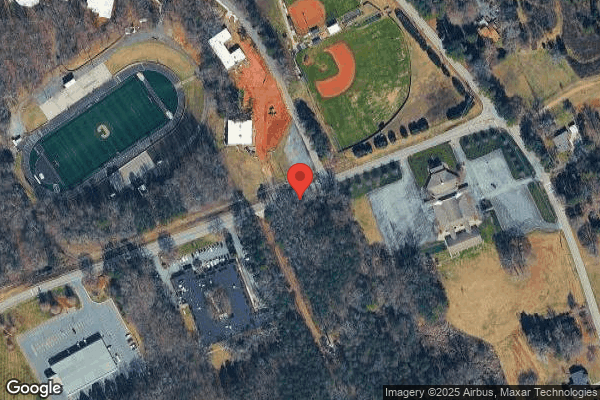

430 Brookwood Avenue NE, Concord, NC 28025 (704) 788-4115
For profit - Corporation 120 Beds LIFEWORKS REHAB Data: November 2025 3 Immediate Jeopardy citations
Trust Grade
0/100
#318 of 417 in NC
Last Inspection: June 2025

Inspected within the last 6 months. Data reflects current conditions.

Overview

Cabarrus Health and Rehabilitation has received a Trust Grade of F, indicating significant concerns about the facility's overall care and management. Ranking #318 out of 417 in North Carolina places it in the bottom half of nursing homes in the state, and #5 out of 7 in Cabarrus County means only two local options are worse. The situation is worsening, with issues increasing from 22 in 2024 to 23 in 2025. Staffing is a major weakness, with a rating of 1 out of 5 stars and a concerning turnover rate of 76%, significantly higher than the state average. Additionally, the facility has been fined $54,132, which is average but still raises red flags about compliance. There are serious concerns about care quality, highlighted by critical incidents including a resident wandering off unsupervised, resulting in hospitalization, and a case of resident-to-resident abuse that led to two residents requiring medical treatment. Furthermore, a resident was discharged with the wrong medications, posing a risk of serious harm. While there is a need for improvement in many areas, families should weigh these serious issues carefully against any potential strengths they may find in the facility.

Trust Score
F
0/100
In North Carolina
#318/417
Bottom 24%
Safety Record
High Risk
Review needed
Inspections
Getting Worse
22 → 23 violations
Staff Stability
⚠ Watch
76% turnover. Very high, 28 points above average. Constant new faces learning your loved one's needs.
Penalties
✓ Good
$54,132 in fines. Lower than most North Carolina facilities. Relatively clean record.
Skilled Nurses
⚠ Watch
Each resident gets only 22 minutes of Registered Nurse (RN) attention daily — below average for North Carolina. Fewer RN minutes means fewer trained eyes watching for problems.
Violations
⚠ Watch
54 deficiencies on record. Higher than average. Multiple issues found across inspections.
★☆☆☆☆
1.0
Overall Rating
★☆☆☆☆
1.0
Staff Levels
★★☆☆☆
2.0
Care Quality
★☆☆☆☆
1.0
Inspection Score
Stable
2024: 22 issues
2025: 23 issues

The Good

  • Full Sprinkler Coverage · Fire safety systems throughout facility
  • No fines on record

Facility shows strength in fire safety.

The Bad

1-Star Overall Rating

Below North Carolina average (2.8)

Significant quality concerns identified by CMS

Staff Turnover: 76%

29pts above North Carolina avg (46%)

Frequent staff changes - ask about care continuity

Federal Fines: $54,132

Above median ($33,413)

Moderate penalties - review what triggered them

Chain: LIFEWORKS REHAB

Part of a multi-facility chain

Ask about local staffing decisions and management

Staff turnover is very high (76%)

28 points above North Carolina average of 48%

The Ugly 54 deficiencies on record

3 life-threatening 4 actual harm
Aug 2025 2 deficiencies
CONCERN (D) 📢 Someone Reported This

A family member, employee, or ombudsman was alarmed enough to file a formal complaint

Potential for Harm - no one hurt, but risky conditions existed

Deficiency F0687 (Tag F0687)

Could have caused harm · This affected 1 resident

**NOTE- TERMS IN BRACKETS HAVE BEEN EDITED TO PROTECT CONFIDENTIALITY** Based on observation, record review, and staff interviews, the facility failed to provide foot care treatment ordered by the Pod...

Read full inspector narrative →
**NOTE- TERMS IN BRACKETS HAVE BEEN EDITED TO PROTECT CONFIDENTIALITY** Based on observation, record review, and staff interviews, the facility failed to provide foot care treatment ordered by the Podiatrist for 1 of 3 residents reviewed for foot care (Resident #1).The findings included: Resident #1 was admitted to the facility 2/24/25 with diagnoses including stroke and feeding tube. The significant change Minimum Data Set (MDS) assessment dated [DATE] documented Resident #1 was severely cognitively impaired.A podiatry note dated 7/1/25 documented foot care provided to Resident #1. The note included that Resident #1 had a chronic problem with dry skin (xerosis) and treatment included exfoliation and moisturization to prevent skin breakdown, which could increase the potential for infection. The note included the order to use a moisturizing cream daily to both feet, avoiding the area between the toes. This treatment was to continue for 3 months. Review of physician orders for Resident #1 revealed no order had been written to apply moisturizing cream to Resident #1's feet daily. Review of the treatment record for Resident #1 revealed no order had been written to apply moisturizing cream daily to Resident #1's feet. Resident #1 was observed on 8/6/25 at 11:51 AM in bed. His feet were noted to be very dry, with thick and flakey dead skin noted. Nurse #1 was interviewed on 8/6/25 at 1:13 PM. Nurse #1 reported she was assigned to Resident #1 and did not know about the podiatrist order for moisturizing cream to be applied to his feet. Unit Manager (UM) #1 was interviewed on 8/7/25 at 1:58 PM. UM #1 reported that she had not seen the podiatrist note dated 7/1/25 ordering the moisturizing cream to his feet. UM #1 explained that consultant visit notes were typically put into her box for her to review, but the podiatry note dated 7/1/25 had gone directly to medical records to be scanned into the electronic document system. UM #1 reported the order for the moisturizing cream should have been entered as a treatment order.A phone interview was conducted with nursing assistant (NA) #1 on 8/6/25 at 9:06 PM. NA #1 reported she had been assigned to Resident #1 this afternoon (8/6/25) and had not applied lotion or moisturizing cream to his feet. NA #2 was interviewed by phone on 8/6/25 at 9:20 PM and she reported she had not applied lotion or moisturizing cream to Resident #1's feet. NA #2 reported she had provided care to Resident #1 before he was hospitalized in July 2025. An interview was conducted with NA #3 on 8/7/25 at 12:43 PM. NA #3 reported she had been assigned to Resident #1 for the past several days (8/5, 8/6, and 8/7/25). NA #3 reported she had not applied moisturizing cream to his feet after his bath. The Director of Nursing (DON) was interviewed on 8/7/25 at 2:54 PM. The DON reported she was not aware the podiatrist had ordered moisturizing cream for Resident #1's feet to be applied daily. The DON reported that all consultant notes should be reviewed for orders. The Administrator reported that he expected all consultant notes to be reviewed for orders and entered into the electronic document system.
CONCERN (D) 📢 Someone Reported This

A family member, employee, or ombudsman was alarmed enough to file a formal complaint

Potential for Harm - no one hurt, but risky conditions existed

Tube Feeding (Tag F0693)

Could have caused harm · This affected 1 resident

**NOTE- TERMS IN BRACKETS HAVE BEEN EDITED TO PROTECT CONFIDENTIALITY** Based on observation, record review, staff and physician interviews, the facility failed to enter hospital discharge orders for ...

Read full inspector narrative →
**NOTE- TERMS IN BRACKETS HAVE BEEN EDITED TO PROTECT CONFIDENTIALITY** Based on observation, record review, staff and physician interviews, the facility failed to enter hospital discharge orders for tube feedings and free water administration for 1 of 3 residents reviewed for tube feedings (Resident #1). The findings included: Resident #1 was admitted to the facility 2/24/25 with diagnoses including stroke and feeding tube. The significant change Minimum Data Set (MDS) assessment dated [DATE] documented Resident #1 was severely cognitively impaired. The MDS documented Resident #1 received tube feedings. An order dated 7/11/25 indicated for tube feedings (Nutren 2.0) to be administered by pump at 60 milliliters (ml) per hour for 22 hours and turned off from 1:00 PM to 3:00 PM daily. The order directed a total of 1320 ml to be administered. An order dated 7/11/25 revealed free water flushes of 300 milliliters (ml) to be administered 5 times per day. Resident #1 was transferred to the hospital on 7/31/25 and was readmitted to the facility 8/5/25 after hospitalization. Hospital discharge orders dated 8/5/25 specified that Resident #1 should return to his previous diet. Review of the medication administration record (MAR) revealed there were no orders for tube feeding or free water flushes. Resident #1 was observed on 8/6/25 at 11:51 AM in bed. Tube feeding Nutren was infusing by pump at 60 ml per hour. An interview was conducted with Nurse #2 on 8/6/25 at 1:18 PM. Nurse #2 explained she received report from the hospital for Resident #1 before he arrived to the facility. Nurse #2 reported the hospital instructed her to continue previous tube feeding orders, and she reported this to Nurse #1. When Resident #1 returned to the facility, Nurse #2 hung the Nutren tube feeding. Nurse #2 reported she was not assigned to Resident #1 and did not notice the orders for the tube feeding or free water flushes were not added to the medication administration record. Nurse #1 was interviewed on 8/6/25 at 1:13 PM. Nurse #1 reported she was assigned to Resident #1 on 8/5/25 when he returned from the hospital and she was told by Nurse #2, who received report from the hospital, to continue the same tube feeding as before. Nurse #1 explained she hung the Nutren at 60 ml per hour as before and gave him free water flushes as before, but she did not notice that the orders for the tube feeding had not been added to the medication administration record. Nurse #1 explained she had hung a replacement container of the tube feeding at 9:30 AM because the previous container was empty and had given him flushes of water after the medication administration but had not administered free water flushes this date. Nurse #1 reported the Unit Manager was responsible for entering hospital discharge orders into the electronic documentation system. The Unit Manager (UM) #1 was interviewed on 8/6/25 at 1:25 PM and she reported she had received the hospital discharge orders for Resident #1 and had entered the orders on 8/5/25. UM #1 reviewed the medication administration record and reported that she must have forgotten to add the tube feeding formula, the rate of administration, and the free water flushes to the orders. UM #1 explained she was going to review the orders that morning on 8/6/25 but did not have the opportunity. A phone interview was conducted with the Registered Dietician (RD) on 8/6/25 at 12:36 PM. The RD explained that Resident #1 was receiving continuous feeding by feeding tube and receiving 2640 calories per day, plus 1500 ml of free water flushes. The RD reported she did not receive a phone call from the facility requesting clarification of dietary orders after Resident #1 returned to the facility after hospitalization. A phone interview was conducted with Nurse #3 on 8/6/25 at 10:21 PM. Nurse #3 reported he was assigned to Resident #1 for the night shift 7:00 PM on 8/5/25 to 7:00 AM on 8/6/25. Nurse #3 explained the tube feeding was running at 60 ml per hour and he had allowed that to run all night. Nurse #3 reported he had not noticed there were no orders for the tube feeding nutrition or for the free water flushes, but he had given water after administering medications (amount unknown) and had given him 240 ml of water at bedtime and in the morning. Nurse #3 reported he did not document the administration of these water flushes, and he used his nursing judgment for the administration of the water flushes. The physician was interviewed on 8/7/25 at 11:05 AM and he reported that nursing staff should not use their nursing judgement for tube feeding water flushes, and the facility should have called him on 8/5/25 to receive tube feeding and free water flushes orders and to clarify the hospital orders. The Director of Nursing (DON) was interviewed on 8/7/25 at 2:54 PM. The DON reported the facility reviewed orders received the day before during the morning meeting and she did not know why UM #1 did not call to clarify the tube feeding and free water flushes orders with the physician. The DON reported the hospital discharge orders for Resident #1 dated 8/5/25 were not reviewed during the morning meeting on 8/6/25. The Administrator reported that he expected all hospital discharge orders to be clarified as needed and entered into the electronic document system.
Jul 2025 1 deficiency 1 IJ
CRITICAL (J) 📢 Someone Reported This

A family member, employee, or ombudsman was alarmed enough to file a formal complaint

Immediate Jeopardy (IJ) - the most serious Medicare violation

Accident Prevention (Tag F0689)

Someone could have died · This affected 1 resident

**NOTE- TERMS IN BRACKETS HAVE BEEN EDITED TO PROTECT CONFIDENTIALITY** Based on record review, observations, and staff, resident representative, and physician interviews, the facility failed to effec...

Read full inspector narrative →
**NOTE- TERMS IN BRACKETS HAVE BEEN EDITED TO PROTECT CONFIDENTIALITY** Based on record review, observations, and staff, resident representative, and physician interviews, the facility failed to effectively supervise a resident with moderate cognitive impairment, repeated falls, and impulsive behaviors. Around 12:00 PM on 7/13/25 Resident #1 left the facility without staff's knowledge and ambulated approximately 0.6 miles from the facility in 90-degree heat with 60% humidity. Resident #1 was discovered sitting in a ditch on the side of the road approximately 0.6 miles from the facility. Two passersby stopped to help him and called Emergency Medical Services (EMS). In addition, Housekeeper #1 was on her lunch break and in a car when she happened to see him on the ground on the side of the road. Housekeeper #1 stopped to give Resident #1 assistance and stayed with Resident #1 until EMS arrived. Resident #1 was sent to the hospital for evaluation and treatment for low blood pressure, weakness, urinary tract infection, and pneumonia. There was a high likelihood for serious injury or death considering the resident's cognition, impulsivity and resulting medical conditions. This deficient practice affected 1 of 3 residents reviewed for supervision to prevent accidents.Immediate jeopardy began on Sunday, 7/13/25, when Resident #1 left the facility without staff's knowledge and walked 0.6 miles away from the facility. Immediate jeopardy was removed on 7/17/25 when the facility implemented a credible allegation of immediate jeopardy removal. The facility will remain out of compliance at a scope and severity level of D (not actual harm with potential for more than minimal harm that is not immediate jeopardy) for the facility to complete staff training and ensure monitoring systems put into place are effective.The findings included: Resident #1 was admitted to the facility on [DATE] and readmitted [DATE] with diagnoses including chronic obstructive lung disease, Parkinson's disease, repeated falls, spinal stenosis (a narrowing of the spinal vertebra causing nerve pain and weakness), extrapyramidal symptoms (side effects from taking antipsychotics; involuntary muscle movements), schizophrenia, and anxiety disorder. Physician medication orders for Resident #1 were as follows:Gabapentin (an anti-seizure medication used for nerve pain) 400 milligrams (mg) three times per day ordered on 4/18/25. Haloperidol (an antipsychotic medication used for control of severe agitation and aggression) 10 mg three times per day ordered on 4/18/25.Clozapine (an atypical antipsychotic used to treat mental illness like schizophrenia) 100 mg 3 tablets twice per day and Clozapine 50 mg twice per day (for a total of 350 mg twice per day) ordered on 4/21/25. The most recent Quarterly Minimum Data Set (MDS) assessment dated [DATE] assessed Resident #1 to be moderately cognitively impaired. The MDS documented Resident #1 did not wander and had no behaviors. The MDS assessed Resident #1 to require partial assistance to walk 10 feet, and he was dependent on walking 50 feet or more. The MDS documented Resident #1 did not use ambulation devices. The MDS documented Resident #1 was taking antipsychotic medications, antianxiety medications, and medications for seizure disorder. The active care plans in effect on 7/13/25 were as follows: Fall potential due to impulsivity. The interventions included resident education to call for staff assistance, place common items within reach, and remind Resident #1 to use call bell; Behaviors related to the use of psychotropic medications. The goal stated Resident #1's behaviors would not cause him distress, and interventions included to monitor for behaviors, including elopement, delusions, hallucinations, aggression, or refusing care;Cognitive impairment and included the goal that Resident #1 would not have any complications due to cognitive impairment. Interventions for this care plan included observing for changes in cognition and reorient Resident #1 as needed;Antipsychotics use, with interventions to monitor for behaviors, monitor for adverse medication reactions, and provide psychiatric services; andLevel II PASRR (Pre-admission Screening and Resident Review, a screening tool used for residents with a serious mental condition to ensure the resident receives appropriate services). The care plan interventions included psychological/psychiatric interventions or consultation as ordered. A Physician Assistant (PA) note dated 7/3/25 documented an examination after an unwitnessed fall on 7/2/25 where Resident #1 reported he had gotten up too quickly and his legs got weak. The note documented generalized weakness, fatigue, leg weakness, and anxiety. Resident #1 was confused, with impaired insight, and oriented to person. The note documented a recommendation for Resident #1 to use a wheelchair for mobility due to weakness, and to continue fall precautions and neurological checks. A phone interview was conducted with Resident #1's Representative on 7/17/25 at 10:42 AM. The Representative reported Resident #1 had paranoia and had delusions with auditory hallucinations episodes in the past and on Saturday 7/12/25 Resident #1 called the Representative and told them that a resident at the facility wanted to fight him. The Representative reported Resident #1 did not seem to be upset or mention wanting to leave the facility. The Representative reported Resident #1 said he did not want to fight this other resident. The Representative reported he had not reported to the facility that Resident #1 had called him regarding the other resident wanting to fight him because Resident #1 did not seem to be upset or concerned. An interview was conducted with Nursing Assistant (NA) #1 on 7/16/25 at 4:04 PM. NA #1 reported she was assigned to Resident #1 on Sunday, 7/13/25, and he had appeared to be his normal self. NA #1 explained that Resident #1 was mostly independent with washing up, dressing, and toileting and rarely called for help. NA #1 reported she had seen Resident #1 sometime between breakfast and lunch, but did not recall the exact time, and reported he had not said anything to her about being fed up and did not seem to be upset at all. NA #1 reported that Resident #1 had a routine of sitting in the front lobby from just after breakfast until after lunch, when he would return to his room to rest before dinner. NA #1 reported Resident #1 had never showed any signs of exit-seeking. Nurse #2 was interviewed by phone on 7/17/25 at 9:06 AM. Nurse #2 reported she was assigned to Resident #1 on 7/13/25 and had administered his morning medications to him. Nurse #2 reported Resident #1 was just fine, no distress, no discomfort and he had approached her after breakfast for his morning medications. Nurse #2 reported Resident #1 did not act abnormally or mention that he was fed up. Nurse #2 explained that Resident #1 had a routine, and he would sit in the front lobby most of the day until after lunch and then return to his room to rest in the afternoon. Nurse #2 reported Resident #1 had not been exit-seeking or expressed any desire to leave. An interview was conducted by phone with Receptionist #1 on 7/16/25 at 1:41 PM. Receptionist #1 reported he worked weekends and some evenings, and he was familiar with Resident #1. Receptionist #1 reported on Sunday, 7/13/25 sometime before noon, Resident #1 had approached Receptionist #1 and asked him to open the front door so Resident #1 could sit outside on the front porch. Receptionist #1 explained he checked the elopement book (a book kept at the front entrance and at the nursing stations with pictures and demographics of residents at risk for elopement) and because Resident #1 was not in the elopement book, he unlocked the front door and allowed Resident #1 to exit the building and sit on the front porch. Receptionist #1 reported he did not notify a nurse that Resident #1 was outside, and he recalled several other times Resident #1 had requested to sit outside. Receptionist #1 explained that sometime after 12:00 PM, Housekeeper #1 came into the facility through the front door and notified him that Resident #1 was found on the side of the road. Receptionist #1 reported that Resident #1 did not act upset or agitated, and Receptionist #1 did not think anything was wrong with allowing Resident #1 to sit outside on the porch. An interview was conducted with Housekeeper #1 on 7/16/25 at 12:09 PM. Housekeeper #1 explained she clocked out for lunch at 12:00 PM on 7/13/25. Housekeeper #1 turned right out of the facility and right again onto the road that ran behind the facility. Housekeeper #1 reported that about one half a mile from the facility, she saw a man sitting in the ditch on the side of the road and recognized him as Resident #1. Housekeeper #1 described Resident #1 as wearing long pants, shoes, a short sleeve T-shirt, and he was sitting on the ground, sweating, and appeared to be shaking. Housekeeper #1 reported two bystanders were with Resident #1 and they reported they had called EMS. Housekeeper #1 reported Resident #1 had said he was fed up and left the facility but did not say anything more than that. Housekeeper #1 reported she stayed with Resident #1 until EMS arrived and then she returned to the facility, where she notified Receptionist #1 and the Nursing Supervisor (Nurse #1). A nursing note written by Nurse #1 dated 7/13/25 documented Resident #1 went to Receptionist #1 and requested to be let out to sit on the front porch. The Receptionist opened the door and Resident #1 went to the chairs on the front porch and seated himself. Receptionist #1 went back to his desk to attend to his job. Housekeeper #1 was coming back from lunch and stated she saw this resident sitting by the ditch in the grass. Housekeeper #1 reported she stayed with Resident #1 until EMS arrived, which was called bystanders. The note documented Resident #1's representative was notified Resident #1 was taken to the hospital for evaluation. Nurse #1 was interviewed on 7/16/25 at 3:11 PM. Nurse #1 reported she was the weekend supervisor, and she usually worked from 11:00 AM to 11:00 PM on Saturday and Sunday. Nurse #1 explained she had forgotten something in her car, and she saw Resident #1 outside on the front porch when she went out to her car. Nurse #1 reported Resident #1 did not appear upset. Nurse #1 was not certain what time she had gone to her car but recalled at 12:20 PM on 7/13/25 Receptionist #1 had reported to her that Resident #1 was discovered sitting in a ditch on the side of the road and EMS had been called. Nurse #1 reported she called the hospital to get a report on Resident #1, and called the police, the resident representative, the Administrator, the Director of Nursing (DON), and the on-call physician. The EMS report dated 7/13/25 at 12:02 PM documented a clinical impression of generalized weakness with behavioral/psychiatric episode. Vital signs for Resident #1 were as follows: Blood pressure 102/58 at 12:16 PM, 93/52 at 12:18 PM, and 93/54 at 12:19 PM (normal 120/80), pulse 77 at 12:16 PM, 133 at 12:18 PM, and 132 at 12:19 PM (normal 60-100). Temperature at 12:16 PM was 98.3 (normal 98.6). The report documented Resident #1 had left the facility after an altercation with another resident. Resident #1 reported weakness, and he was assisted to stand and transfer to the stretcher where he was transferred to the hospital emergency department for evaluation. Emergency Department records dated 7/13/25 at 12:49 PM documented Resident #1 was walking for 45 minutes when a bystander called for EMS. Resident #1 reported he left the facility because he thought another resident was going to beat him up. Resident #1 reported weakness and buttocks pain from walking and sitting on the ground. Resident #1 was assessed to be alert and oriented with a blood pressure of 81/64. The note documented that Resident #1 was fed up with the facility and wanted to take a long walk. Resident #1 reported feeling disoriented, but he was assessed to be alert and oriented to person, place, time, and situation. At 1:05 PM his temperature was 100.3 degrees, heart rate 114, respiration rate 30 (normal 12-20), and blood pressure 94/61. Blood work revealed his blood glucose was elevated at 170 (normal 70-120) and lactic acid (a by-product produced by the body after exercise; elevated levels can be attributed to infection and poor oxygenation) was elevated to 3.6 (normal 0.5-2.2). A chest x-ray showed possible pneumonia. The note concluded that Resident #1 had no signs of trauma, no neurological signs indicating a stroke and he was admitted to the hospital with altered mental status, elevated lactic acid level, acute kidney injury, pneumonia, and lightheadedness. Hospital records were reviewed and urinalysis with culture and sensitivity was collected on 7/13/25 and the results on 7/14/25 showed greater than 100,000 e. faecalis (a bacteria that causes a urinary tract infection). A nursing note dated 7/13/25 documented Resident #1 was admitted to the hospital on [DATE] and remained hospitalized on [DATE].An observation of the route from the facility to the place where Resident #1 was discovered in a ditch on the side of the road was conducted by car with Housekeeper #1 and the Administrator on 7/16/25 at 12:25 PM. Turning right from the parking lot, the road was two lanes with a 35 miles per hour speed limit. The road did not have a sidewalk, and there was an incline from the facility to the stop sign at the intersection of the road. Turning right at the stop sign, this road was also 2-lane with a speed limit of 35 miles per hour with several curves and a slight incline. There was no sidewalk on this road and houses were located back from the road. The distance from the facility to where Resident #1 was located was approximately 0.6 miles. While the observation of the route was taking place, the Maintenance Director measured the distance from the front sitting area on the porch to the road as 223 feet. The weather on Sunday, 7/13/25, was mostly clear with partial clouds, the temperature was 90 degrees Fahrenheit and humidity was 60% and no wind according to historic weather on timeanddate.com. According to the national weather service, a heat index of 90 degrees and 60% humidity would be equivalent to 100 degrees Fahrenheit. The Physician was interviewed on 7/17/25 at 10:05 AM by phone. The Physician reported Resident #1 had not mentioned wanting to leave the facility and had not had a history of attempting to leave the facility. The Physician reported that Resident #1 spent most of his time sitting in the lobby and he had seen him sitting on the front porch a few times. The Physician reported he did not believe Resident #1 was cognitively able to leave the facility alone and reported Resident #1 had a significant chance of being injured by walking in 90-degree heat and without supervision. The DON was interviewed on 7/17/25 at 1:50 PM and she reported that new admission residents were assessed for elopement risk, and then quarterly and as needed after. The DON explained that Resident #1 had been assessed as a low risk for elopement and had no exit seeking behaviors, and for him to walk away from the facility was out of his normal behavior. The DON reported she was not aware Resident #1 had told his family that another resident wanted to fight him. The DON reported a binder was kept at the front desk and at each of the nursing stations with a picture of each resident who was at risk of eloping, and staff were expected to check the binder before allowing any residents to exit the building unsupervised. The Administrator was interviewed on 7/17/25 at 10:55 AM and he reported he started as the facility administrator on 7/14/25 and the former administrator was notified by phone on 7/13/25 when Resident #1 was found on the road one-half mile from the facility. The Administrator was notified of immediate jeopardy on 7/17/25 at 12:25 PM. The facility implemented a credible allegation of immediate jeopardy removal on 7/18/25.Identify those recipients who have suffered, or are likely to suffer, a serious adverse outcome as a result of the noncompliance. Resident #1 diagnoses included (in part); Spinal stenosis in lumber region, pulmonary fibrosis, Chronic Obstructive Pulmonary Disease (COPD), Parkinson's Disease, and anxiety disorder. Review of Resident #1's quarterly Minimum Data Set (MDS) assessment with Assessment Reference Date (ARD) of 04/25/2025 indicated that Resident #1 had a Brief Interview of Mental Status (BIMS) score of 10 (which indicated moderate cognitive impairment). Resident #1 was also assessed to be always understood and able to understand others. Further review of Resident #1's MDS assessment indicated Resident #1 had no short-term or long-term memory problems. Review of Section GG (functional status) of the MDS assessment indicated Resident #1 is independent with ambulation, functional cognition, and was coded with no use of functional devices (such as wheelchair, cane, and/or walker). Review of Resident #1's elopement risk assessment dated [DATE] indicated a low risk for elopement. On 07/13/2025, between 11:30 am - 12:00 pm, Resident #1 walked to the front receptionist desk and requested to sit on the front porch. Resident #1 was not an elopement risk per initial assessment; therefore, was not in the Elopement Book (Elopement Book is a binder that contains residents who are at risk for elopement). The receptionist opened the front door and allowed Resident #1 out to sit on the front porch. Resident #1 walked out of the facility without the use of a wheelchair to sit on the front porch. Historically, Resident #1 routinely sat on the front porch. The facility front porch is not enclosed. At the time of exit on 7/13/2025, Resident #1 had on sweatpants, a T-shirt, and enclosed shoes. The clothing was appropriate for the weather conditions at the time he exited the facility. A facility housekeeper, Housekeeper #1, observed Resident #1 sitting on the grass, about half a mile from the facility during her lunch break. Housekeeper #1 further reported there were a couple of bystanders with Resident #1 who had already called 911/Emergency Medical Services (EMS) at the time she arrived at the scene. Housekeeper #1 remained with Resident #1 until Emergency Medical Services (EMS) arrived to transport Resident #1 to the local hospital for further evaluation and treatment. Housekeeper #1 then drove back to the facility and informed the facility Registered Nurse (RN) Supervisor she observed Resident #1 sitting on the grass about half a mile away from the facility beside the road and that Resident #1 was transported to the local hospital for further evaluations. Resident #1 was admitted to the local hospital for further evaluation and treatment on 07/13/2025. Resident #1 hospital records indicate he was admitted to the hospital with primary diagnosis of hypotension. Resident #1 remained in Hospital as of 7/16/2025. Upon return Resident #1 will be reassessed as a re-admission to the center following the revised process outlined below. The weekend supervisor completed a headcount of all residents in the facility; all residents were accounted for as of 07/13/2025. The facility placed a sign on the front door on 7/14/2025 to alert family and visitors not to assist residents outside without checking with the receptionist first and in-serviced Receptionist #1 on 7/14/2025. The Governing body led by the Regional Clinical Director, facility Administrator and Director of Nursing in collaboration with the selected members of the facility Quality Assurance and Performance Improvement (QAPI) committee conducted the root cause analysis on 07/14/2025, to identify the causative factor for this alleged noncompliance and implemented appropriate measures to correct and prevent the reoccurrences. The root cause analysis (RCA) identified that the alleged noncompliance resulted from the failure to reassess Resident #1 when noted to have change in his exit seeking behaviors on 7/13/2025. The RCA concluded that Resident #1's elopement resulted from not being assessed as an elopement risk. The Director of Nursing, Assistant Director of Nursing, Unit Coordinator #1, and/or Unit Coordinator #2 completed elopement assessments on all residents in the facility on 7/14/2025 to identify any resident at risk for elopement. All identified residents at risk for elopement were added to the Elopement book at each nurse's station and the front desk for easy identification. On 07/14/2025, the Director of Nursing, Assistant Director of Nursing, Unit Coordinator #1, and/or Unit Coordinator #2 updated care plans to include elopement risk interventions to prevent any successful attempts at elopement for all residents identified to be at risk. The Director of Nursing, Assistant Director of Nursing, Unit Coordinator #1, and/or Unit Coordinator #2 reviewed and updated the Elopement books to include resident demographic information and resident pictures for easy identification. This was completed on 07/13/2025 & 07/14/2025. These binders are located at each nurses' station and at the front desk. Specify the action the entity will take to alter the process or system failure to prevent a serious adverse outcome from occurring or recurring, and when the action will be complete. Effective 07/16/2025, all new residents will have an elopement risk assessment completed on admission, readmission, quarterly, and with any changes in exit-seeking behavior, by the licensed nurse on duty. Any resident identified to be at risk for elopement will have appropriate interventions in place and an updated care plan for elopement. The nurse on duty will update residents' information in the elopement binder to include demographic information and pictures. Effective 07/16/2025, the facility clinical team including the Director of Nursing, Assistant Director of Nursing, Unit Coordinator #1, and/or Unit Coordinator #2 revised the process of reviewing all new admits/readmits in a daily clinical meeting. This includes provisions for reviewing elopement assessments to ensure they are completed and documented in electronic medical records, appropriate care plans are in place, and the elopement binders are updated. Any discrepancies identified will be corrected promptly. Findings of this systemic change are documented on the Daily Clinical Meeting Report Form located in the Daily Clinical Meeting Binder. The Regional Clinical Director in-serviced the DON/ADON on 7/13/2025 & and 7/14/2025 on how to direct the nursing staff upon any identification of exit-seeking behaviors. These steps will be implemented to include completing the Elopement Assessment, updating the Care Plan, and updating the information in the Elopement Risk Book at each nurse's station and front desk. 100% education of all current staff, including full-time, part-time, and as-needed nursing employees, will be completed by the Director of Nursing, Assistant Director of Nursing, and/or Unit Coordinators (#1 and #2). The emphasis of this education includes, but is not limited to, the importance of completing elopement assessments on admission, readmission, quarterly, and upon changes in exit-seeking behaviors. Staff education also focuses on the importance of updating care plans for each resident determined to be at risk for elopement, maintaining updated elopement binders at each nurse station and the front desk, and ensuring residents listed in the elopement binder are not allowed to exit the facility independently. This education will be completed by 07/16/2025. Any staff members not educated on or by 07/16/2025 will not be allowed to work until they are educated. This education will be provided annually and will be added to the new hire orientation for all new employees effective 07/16/2025. Immediate Jeopardy Removal date: 07/17/2025 The validation of the credible allegation of immediate jeopardy removal was conducted on 7/18/25 by interviewing nursing assistants, nurses, administration, housekeepers, receptionists regarding elopement prevention, elopement assessments, monitoring residents for exit-seeking behaviors, updating the elopement binders, and care plans. Sampled residents' medical records were reviewed for updated elopement assessments and elopement care plans. Education was reviewed. The immediate jeopardy was removed on 7/17/25.
Jun 2025 16 deficiencies 3 Harm
SERIOUS (G) 📢 Someone Reported This

A family member, employee, or ombudsman was alarmed enough to file a formal complaint

Actual Harm - a resident was hurt due to facility failures

Quality of Care (Tag F0684)

A resident was harmed · This affected 1 resident

**NOTE- TERMS IN BRACKETS HAVE BEEN EDITED TO PROTECT CONFIDENTIALITY** Based on record reviews, and staff, Physician Assistant (PA), and Medical Director interviews, the facility failed to identify a...

Read full inspector narrative →
**NOTE- TERMS IN BRACKETS HAVE BEEN EDITED TO PROTECT CONFIDENTIALITY** Based on record reviews, and staff, Physician Assistant (PA), and Medical Director interviews, the facility failed to identify a change in medical condition required medical evaluation and treatment. Resident #85 fell and complained of pain to his lower right extremity on 3/17/2025. Resident #85 was assessed by PA #1 on 3/18/25 and an x-ray of the right lower extremity was ordered. The x-ray was completed on 3/19/25 and the results of an intertrochanteric fracture of right femur (type of broken hip that occurs between the bumpy parts at the top of the thigh bone) were reported to the facility on 3/19/25 at 12:13 PM. A medical evaluation and treatment of the fracture was delayed due to the x-ray results not being reviewed by facility staff or communicated to PA #1 until 3/20/25. Resident #85 was sent to the hospital for an evaluation on 3/20/25 and on 3/21/25 Resident #85 received open reduction and internal fixation (a procedure to realign and secure broken bones with metal fasteners) to the right femur. Resident #85 was discharged back to the facility on 3/25/25. The deficient practice occurred for 1of 15 residents reviewed for accidents (Resident #85). The findings included:Resident #85 was admitted to the facility on [DATE] with diagnoses which included vascular dementia and hemiplegia (condition of complete paralysis on one side of the body) and hemiparesis (partial weakness on one side of the body) following a stroke affecting the left non dominate side. Review of the quarterly Minimum Data Set (MDS) dated [DATE] revealed Resident #85 was severely cognitively impaired and was dependent on staff for transfers. Review of Resident #85's care plan created on 7/15/24 with a revision date of 3/17/25 revealed a focus area for at risk for falls and injury related to weakness, altered mobility status and history of falls. Interventions included providing frequent reminders/cues to request assistance or wait for assistance with ambulation and transfers. A review of nursing progress note dated 3/17/25 at 10:00 PM, written by Nurse #8, revealed Resident #85 was found sitting on the floor with complaints of leg pain and had no new injury. A review of the eCare Triage (process used in healthcare settings to prioritize patients' treatment electronically to help prevent unnecessary emergency department visits) Note dated 3/17/24 at 10:11 PM indicated Nurse #8 contacted the on-call Provider #1 to report Resident #85 had an unwitnessed fall. The note further indicated Resident #85 had no injury and reported leg pain but was able to bear weight. On-call Provider #1 informed Nurse #8 that the pain may be coming from the fall but does not sound like a fracture or a dislocation concern. On-call Provider #1 gave an order for Acetaminophen 325 milligram (mg) 2 tablets by mouth every 8 hours as needed for pain up to 3 days. On-call Provider #1 also instructed Nurse #8 to monitor and report any changes to the provider and to follow up with Resident #85's primary care physician.A review of Resident #85's physician orders revealed an order on 3/17/25 for acetaminophen 325 milligrams (mg) orally two tablets every 8 hours as need for pain management status post fall for 3 days. A review of the initial incident report completed on 3/17/25 , written by Nurse #8, revealed Resident #85 had an unwitnessed fall in his room on 3/17/25 at 10:00 PM. The report indicated Nurse #7 called for Nurse #8 when Resident #85 was found sitting on the floor beside the bed. Nurse #8 completed a head-to-toe assessment with no injury noted. The report further revealed Resident #85 was wearing no skid socks but did not have any footwear in use. Resident #85 was able to move all extremities with right leg pain reported. The incident report did not state how Resident #85 was transferred post fall. Nurse #8 contacted the provider and the Responsible Party. The provider gave Nurse #8 an order for acetaminophen 325 mg 2 tablets every 8 hours as needed for pain which was administered and effective.An interview was conducted with Nurse #8 on 6/18/25 at 5:52 PM. She indicated she was the assigned nurse for Resident #85 on 3/17/25 from 7:00 PM to 7:00 AM and that Nurse #7 called for her when Nurse #7 observed Resident #85 in his room sitting on the floor beside the bed. Nurse #8 indicated she observed Resident #85's bed was in the lowest position, call light was in reach, and he was wearing nonskid socks. Nurse #8 indicated upon interviewing Resident #85 he indicated that he got up unassisted while trying to turn off the room light when he fell. Resident #85 denied hitting his head but reported right leg pain. Nurse #8 indicated there were no visible signs of injury noted at the time. Nurse #8 indicated that she completed a head-to-toe assessment which included moving Resident #85's upper and lower extremities was completed without difficulty. Nurse #8 further revealed that she pressed on the right leg to try and detect any injury, but no injury or source of pain was found. Nurse #8 indicated that although Resident #85 reported right leg pain, upon her assessment she did not discover any signs of injury, so she and Nurse #7 assisted him up to standing position and helped him back to bed. Nurse #8 further revealed that he was bearing weight at the time of the transfer and did not report additional pain or discomfort. Nurse #8 indicated that she notified the responsible party and on-call Provider #1 of the fall. She indicated that she made the on-call Provider #1 aware of the fall, the report of right leg pain and that he was weight bearing at the time of transfer without pain. The on-call Provider #1 ordered acetaminophen 325 mg 2 tablets for pain which she administered to Resident #85 after she received the physician order and put a note in the facility provider's communication book for evaluation. Nurse #8 indicated that at approximately 6:00 AM Resident #85 reported pain in right leg and requested to go to the hospital. Nurse #8 contacted the on-call Provider #2 to make a provider aware of the change, and the provider gave order for ibuprofen but when Nurse #8 returned to Resident #85's room, he had fallen back asleep, so the medication was not administered. Nurse #8 made the on-call Provider #2 aware, and she indicated that because Resident #85 had fallen back asleep and not in significant discomfort the nurse was to allow him to rest and have the facility provider see him in person that morning for further evaluation but to contact the provider again if any changes occurred. A review of eCare Triage Note dated 3/18/25 at 6:19 AM indicated Nurse #8 contacted on-call Provider #2 to report Resident #85 had a fall earlier in the shift , received acetaminophen for pain and requested to be sent to the hospital for pain. The on-call Provider #2 inquired if Resident #85 was willing to try ibuprofen but when Nurse #8 checked on Resident #85 he had fallen asleep. On-call Provider #2 and Nurse #8 agreed that he was no longer in pain as he had fallen asleep. The on-call Provider #2 asked Nurse notify the provider if Resident #85 is in pain and to follow up with primary care physician.Multiple attempts were made to interview Nurse #7 who first observed Resident #85 sitting on floor in his room post fall on 3/17/25, but attempts were not successful. Multiple attempts were made to interview on-call Provider #1 but attempts were not successful. Multiple attempts were made to interview NA #6 who was assigned to Resident #85 on 3/17/25 during the 7:00 PM to 7:00 AM shift but attempts were not successful.An interview was conducted on 6/19/25 at 11:01 AM with Nurse #12 who was assigned to Resident #85 on 3/18/25 during the 7:00 AM to 7:00 PM shift. She indicated that Resident #85 was not in pain and showed no signs of change from his normal behavior during the shift.An interview was conducted on 6/19/25 at 12:17 PM with NA #7 who was assigned to Resident #85 on 3/18/25 from 7:00 AM to 7:00 PM. She indicated Resident #85 showed no changes from normal behavior and did not report pain during this shift.An interview was conducted with on-call Provider #2 on 6/19/25 at 12:52 PM. She indicated that she was contacted by Resident #85's nurse on 3/18/25 at 6:19 AM and was updated on the fall that had occurred earlier in the shift and that Resident #85 had reported pain and requested to go to the hospital. The on-call Provider #2 further revealed that during the consultation with the nurse she discussed adding ibuprofen for pain relief if acetaminophen was not managing the pain. Nurse #8 went back to offer the medication to Resident #85, but he had fallen back to sleep. The on-call Provider #2 indicated that due to Resident #85 falling back asleep and therefore not exhibiting unmanaged pain, she felt it was in the resident's best interest to allow him to sleep and have the nurse contact the facility provider to have Resident #85 evaluated in person. She also indicated that she instructed the nurse to call the on call back if there were any changes in Resident #85 status. A review of physician order dated 3/18/25 at 11:45 am indicated an order for x-ray right lower extremity complaints of pain post fall one time for right lower extremity x-ray. A review of Physician Assistant (PA) #1's note dated 3/18/25 at 4:35 PM indicated PA #1 visited Resident #85 for acute visit due to a fall on 3/17/25. PA #1 indicated that Resident #85 reported pain in right hip and right femur during the evaluation and she ordered an x ray. A review of physician order dated 3/18/25 at 6:30 PM indicated an order to x-ray right extremity. Please x-ray tibia-fibula, femur and hip one timely only for right lower extremity x-ray for 1 Day.A review of the administration progress note dated 3/18/25 at 10:05 PM indicated Nurse #8 administered acetaminophen 325 mg 2 tablets for pain. There was no level of pain documented. A review of Resident #85's March 2025 Medication Administration Record (MAR) revealed acetaminophen 325 mg 2 tablets for pain was administered on 3/18/25 at 10:05 PM by Nurse #8. Resident #85 was documented to have pain at level 4 and the medication was effective. The MAR did not indicate if this medication was administered on 3/17/25, 3/19/25, or 3/20/25.A review of the Radiology Report for Resident #85 indicated an examination occurred on 3/19/25 at 10:02 AM and the results were reported on 3/19/25 at 12:13 PM. The finding was an acute transverse non-displaced intertrochanteric fracture and mild osteopenia was noted. The result was reviewed by PA #1 on 3/20/25 at 1:50 PM.A review of progress notes dated 3/19/25 revealed a note authored by Nurse #8 that indicated she administered acetaminophen 325 mg 2 tablets for pain management at 7:27 PM and it was effective. There was no level of pain documented.On 6/19/25 at 9:31 AM a follow up interview was conducted with Nurse #8. She indicated that she did not recall what days she administered the acetaminophen or why the MAR was blank on 3/17/25 and 3/19/25 but if she administered the medication then she should have signed off that it was given. Nurse #8 further revealed that Resident #85's pain was controlled. A review of progress note dated 3/20/25 at 7:13 AM which was authored by Unit Manager #1 indicated Nurse #9 received Resident #85's x-ray results which indicated a right femur fracture. The nurse informed Resident #85 and the Responsible Party and noted PA #1 would assess Resident #85 that morning. A review of progress note dated 3/20/25 at 9:27 AM which was authored by Unit Manager #1 indicated she notified PA #1 that the result of the x-ray for Resident#85 was an acute transverse nondisplaced fracture of the femur and that PA #1 referred Resident #85 to orthopedic as soon as possible.A review of the progress note dated 3/20/25 at 11:45 AM authorized by the Assistant Director of Nursing indicated that PA #1 had given an order to send Resident #85 to the hospital and that the Responsible Party was notified by UM #1.Review of hospital progress notes revealed Resident #85 was admitted on [DATE] for evaluation of femur fracture. The note further revealed Resident #85 sustained an intertrochanteric fracture of right femur. On 3/21/25 Resident #85 received open reduction and internal fixation (surgical procedure used to treat severe bone fractures) to the right femur. Resident #85 was discharged back to the facility on 3/25/25.Review of orthopedic consult note from the hospital dated 3/21/25 revealed Resident #85 had a Right Intertrochanteric femur fracture.An interview was conducted on 6/18/25 at 3:20 PM with Unit Manager (UM) #1. She indicated that x-ray results were reported to the facility in real time via the Electronic Medical Record (EMR) and that all nurses have access to the report. However, she or a nursing supervisor were normally the nurses that reviewed the results. She also indicated that the mobile x-ray provider may also send a fax and call the facility with any positive reports. UM #1 indicated that Resident #85's x-ray results from his fall on 3/17/25 were uploaded into the EMR on 3/19/25 at 12:14 PM and noted the finding of a right femur fracture. She indicated that she normally leaves her shift around 2:30 PM and that she did not see the x-ray result before she left on 3/19/25. UM #1 further revealed that there was not a nursing supervisor working that evening, so she reviewed the result on 3/20/25 around 7:15 AM. UM#1 indicated that she reported the x-ray results to PA #1 around 9:30 AM on 3/20/25. PA #1 initially ordered an orthopedic referral as soon as possible and was not sure why this was ordered instead of an order for hospitalization. UM #1 indicated that PA #1 later gave a telephone order to the ADON to send Resident #85 to the hospital and Resident #85 was sent out around 10:40 AM.An interview was conducted with Physician Assistant #1 on 6/19/25 at 10:38 AM. PA #1 indicated she became aware of Resident #85's fall when she came into the facility the morning of 3/18/25. PA #1 indicated she reviewed the provider's communication book and saw a note from Nurse #8 related to Resident #85's fall. The note indicated that Resident #85 had an unwitnessed fall, reported pain and requested to go the hospital. She further revealed that she reviewed the triage notes that referenced the on-call provider's interactions with Nurse #8 during the time of the fall. PA #1 indicated that she evaluated Resident #85, and he did not exhibit uncontrolled or high levels of pain but during the range of motion evaluation to the right knee and hip, Resident #85 verbalized pain. PA #1 indicated she did not feel hospitalization was needed at that time due to Resident #85 not having a visible sign of injury, limited pain and a hospitalization would have been very taxing for Resident #85 to endure. She also indicated she ordered an x-ray at that time and expected to receive the result within the next 24 hours. PA #1 indicated she had access to the facility EMR, but she did not receive an alert that the x-ray results showed a positive finding for a right femur fracture. PA #1 further revealed that the notification process was for the Unit Manger to contact her with any positive x-ray results. PA #1 also indicated if she had been made aware of Resident #85's x-ray result on 3/19/25 she would have sent him directly to the hospital that same day. On 6/20/25 at 2:53 PM an interview was conducted with the Medical Director. The Medical Director indicated he did not feel that Resident #85 had experienced any uncontrolled pain or negative outcome after his fall on 3/17/25 due to the delay of hospitalization, however he would have wanted Resident #85 sent to the hospital for evaluation on 3/19/25 once the x-ray results were received. He indicated that he felt the facility nursing staff should have received a phone call from the mobile x-ray provider when they became aware of Resident#85's positive finding for a right femur fracture. On 6/23/25 at 9:10 AM a telephone interview was conducted with the Director of Marketing for Mobile X- Ray provider who completed the X-ray for Resident #85 on 3/19/25. She indicated that the company had a change in systems and was not able to access documentation to determine if the mobile x-ray provider contacted the facility by phone with results of the x-ray. She further revealed that the process was for the results to be automatically uploaded into the Electronic Medical Record (EMR) and the staff have access to this information in real time. She further explained that a fax is also sent and if there was a positive report such as a femur fracture then the provider would contact the facility by phone. Multiple attempts were made to interview the Orthopedic surgeon, but attempts were not successful. An interview was conducted on 6/26/25 03:01 PM with the Administrator. She indicated the process for the mobile x-ray provider to report x-ray results to the facility staff was for the mobile x-ray provider to load the results in the electronic medical record, fax the results and to call if there was a positive result. The Administrator indicated the facility did have access to Resident #85's x-ray results in the electronic medical as of 3/19/25 at 12:13 pm but the facility did not receive a fax or phone call from the mobile x-ray provider to alert the staff of a positive x-ray result. She further revealed she would have expected the nursing staff to have been aware of Residents #85's x-ray result the day the results were uploaded in the electronic medical record and for the nurse to have notified the physician of the results that day.
SERIOUS (G) 📢 Someone Reported This

A family member, employee, or ombudsman was alarmed enough to file a formal complaint

Actual Harm - a resident was hurt due to facility failures

Accident Prevention (Tag F0689)

A resident was harmed · This affected 1 resident

**NOTE- TERMS IN BRACKETS HAVE BEEN EDITED TO PROTECT CONFIDENTIALITY** Based on record review, and resident, staff, and Nurse Practitioner (NP) interviews, the facility failed to provide safe transpo...

Read full inspector narrative →
**NOTE- TERMS IN BRACKETS HAVE BEEN EDITED TO PROTECT CONFIDENTIALITY** Based on record review, and resident, staff, and Nurse Practitioner (NP) interviews, the facility failed to provide safe transport for a resident (Resident #421) in a wheelchair when Nurse Aide (NA) #5 transported Resident #421 to the shower room in a wheelchair without footrests. Resident #421's feet got caught underneath the wheelchair and she fell forward out of the wheelchair and onto the floor. Resident #421 sustained an acute comminuted fracture (broken into pieces) of the right distal femur (thigh bone just above the knee) requiring hospitalization and surgery. This deficient practice occurred for 1 of 11 residents reviewed for accidents.The findings included:Resident #421 was admitted to the facility on [DATE] and discharged to the hospital on 3/24/25. Her admitting diagnoses included stage 4 chronic kidney disease, type 2 diabetes, diabetic neuropathy (nerve damage due to diabetes causing pain, numbness and/or weakness in the feet and hands), muscle weakness, abnormalities of gait and mobility, repeated falls, chronic pain syndrome, coronary artery disease (narrowing of arteries that supply blood to the heart), cerebrovascular accident (stroke), and epilepsy.The significant change Minimum Data Set (MDS) dated [DATE] revealed Resident #421 was cognitively intact, used a manual wheelchair and required supervision/touching assistance with wheeling 50 to 150 feet in the wheelchair.The care plan dated 2/12/25 indicated Resident #421 required assistance with activities of daily living due to chronic health conditions, weakness, poor balance and a history of falls. The interventions included 1-person assistance with transfers and the use of a manual wheelchair for mobility. An incident report dated 3/24/25 at 10:00 AM completed by Nurse #6 revealed NA #5 was transporting Resident #421 to the shower room in a wheelchair when her foot was caught under the wheelchair and she was thrown out of the wheelchair to the floor landing on her right side. Resident #421 was complaining of right leg pain and was assessed by Nurse #6 with no visible signs of injury. The NP was notified of the incident and ordered an x-ray. The report further noted that footrests were not being used when the incident occurred. An interview conducted on 6/17/25 at 1:38 PM with NA #5 revealed NA #9 was assigned to Resident #421 on 3/24/25. NA #5 was helping NA #9 with her assigned residents and transported Resident #421 in a wheelchair from her room to the shower room. NA #5 stated the wheelchair did not have footrests but Resident #421 was able to hold her feet up. She revealed while transporting Resident #421 in the wheelchair down the hall she suddenly dropped her feet to the floor, and they got caught underneath the wheelchair. She indicated Resident #421 fell forward out of the wheelchair to the floor landing on her right side. NA #5 stated several staff were in the hall and responded to help and stayed with Resident #421 while she went to notify Nurse #6. She stated Nurse #6 responded immediately and assessed Resident #421. NA #5 revealed Resident #421 was complaining of right leg pain but had no visible injuries or deformities in the leg. She stated Nurse #6 completed an assessment they used the mechanical lift to transfer Resident #421 into the wheelchair and then back into bed. NA #5 stated she did not see any footrests in Resident #421's room and since she was able to hold her feet up, she went ahead and transported her in the wheelchair without them. NA #5 further stated footrests should be used on a wheelchair when transporting a resident because it was a standard of safety.A phone interview conducted with Nurse #6 on 6/19/25 at 8:40 AM indicated she was Resident #421's assigned nurse on 3/24/25. Nurse #6 indicated at approximately 10:00 AM she was notified by NA #5 that Resident #421 fell out of her wheelchair in the hallway. She revealed NA #5 reported to her she was pushing Resident #421 to the shower room in a wheelchair without footrests and her feet got caught underneath the wheelchair and she fell forward out of the wheelchair onto the floor. Nurse #6 indicated when she responded Resident #421 was lying on her right side and reported right hip and leg pain. Nurse #6 revealed she assessed Resident #421 and there were no visible signs of injury. She indicated Resident #421 had no visible signs of injury and was transferred with a mechanical lift back into the wheelchair and brought back to her room. She stated Resident #421 was transferred with the lift back into bed and was resting comfortably. Nurse #6 revealed she notified NP #1 of the incident, and she gave an order for an x-ray of Resident #421's right hip and leg. Nurse #6 indicated she administered pain medication to Resident #421 that was ordered as needed and monitored her closely. She stated the x-ray was completed and the results indicated Resident #421 had a right femur fracture. She revealed NP #1 arrived at the facility, assessed Resident #421, reviewed the x-ray results, and gave the order to transfer Resident #421 to the ED for further evaluation. Nurse #6 stated she was unsure why NA #5 did not use footrests on the wheelchair, but they should have been used for safety. The radiology results report dated 3/24/25 at 1:38 PM indicated an x-ray obtained of Resident #421's right leg revealed an acute transverse (straight across) mildly comminuted fracture (broken into pieces) at the distal femur (thigh bone just above the knee). The NP note dated 3/24/25 at 5:00 PM indicated Resident #421 was seen due to a fall from the wheelchair and complaints of right hip and leg pain. Resident #421 was being transported to the shower room in a wheelchair without footrests and her feet got stuck under the wheelchair and she fell forward out of the wheelchair onto the floor. The NP noted the wheelchair footrests were observed in Resident #421's room on the floor behind the bed and education was provided to Resident #421 and nursing staff on the importance of using the footrests for safety. Resident #421 was assessed and noted with bilateral lower extremity edema (swelling), however this was her baseline due to stage 4 chronic kidney disease. Resident #421 was non-compliant with fluid restrictions, refused to proceed with outpatient dialysis treatments and discussion of hospice services were ongoing with the resident and her family. Further examination of Resident #421's right leg revealed no deformities or visible signs of injury however the x-ray results were reviewed and indicated an acute transverse (straight across) mildly comminuted fracture (broken into pieces) at the distal femur (thigh bone just above the knee). The NP ordered Resident #421 to be transported to the Emergency Department (ED) for further evaluation.A nurse's note dated 3/24/25 written by Nurse #6 indicated Resident #421's x-ray results revealed a right femur fracture and order was received from NP #1 to transfer Resident #421 to the ED. Resident #421 left the facility via emergency medical services and transported to the ED for further evaluation.A review of the hospital records dated 3/24/25 revealed Resident #421 was evaluated in the ED due to a fall from a wheelchair and initial x-rays obtained at the facility indicated a right distal femur fracture. An x-ray obtained in the ED confirmed the right distal femur fracture. Resident #421 had surgery to repair the fracture on 3/25/25 and was discharged from the hospital to a skilled nursing facility on 4/17/25.During a phone interview with NP #1 on 6/18/25 at 10:00 AM she revealed she was notified on 3/24/25 that Resident #421 had a fall from her wheelchair and was complaining of right hip and leg pain. She stated she ordered an x-ray of Resident #421's right hip and leg to be obtained at the facility. NP #1 revealed she did not recall the time, but she was notified the x-ray results were received and arrived at the facility to assess Resident #421 and review the x-ray results. NP #1 indicated Resident #421 was lying comfortably in bed and she completed an assessment. She revealed Resident #421 was noted with swelling to both of her legs but that was her baseline due to stage 4 chronic kidney disease, non-compliance with fluid restrictions and refusal to proceed with dialysis treatments. NP #1 stated Resident #421 had no visible deformities or injuries to her right leg however the x-ray results indicated a right femur fracture. NP #1 revealed she gave an order to transport Resident #421 to the ED for further evaluation. NP #1 indicated Resident #421 fell from the wheelchair due to footrests not being used and her feet were caught under the wheelchair. NP #1 indicated staff reported to her they were unable to find the footrests however she observed them on the floor in Resident #421's room behind the bed. NP #1 stated she educated Resident #421 and the nursing staff on the importance of using footrests on the wheelchair for safety. She revealed Resident #421 was transferred to the ED on 3/24/25 but did not return to the facility and she was unsure what treatment she received in the hospital or the outcome of her injury.A phone interview was conducted with Resident #421 on 6/24/25 at 10:58 AM. She stated she did not recall many details of the incident that occurred on 3/24/25 but that a staff member was transporting her in a wheelchair and she fell out of the wheelchair onto the floor. Resident #421 indicated she fractured her right leg and remained in the hospital for a while following surgery. Resident #421 revealed she was currently residing in another nursing facility receiving therapy services and continues to recover from the leg fracture.During a phone interview with the Former Administrator on 6/19/25 at 1:08 PM she stated her employment at the facility ended on 3/27/25 and her last day in building was 3/24/25. She indicated she did not recall the incident that occurred with Resident #421 however staff should have used footrests on the wheelchair for safety.
SERIOUS (G)

Actual Harm - a resident was hurt due to facility failures

Deficiency F0777 (Tag F0777)

A resident was harmed · This affected 1 resident

**NOTE- TERMS IN BRACKETS HAVE BEEN EDITED TO PROTECT CONFIDENTIALITY** Based on record review and staff, Medical Director, Physician Assistant (PA), and mobile x-ray provider interviews, the facility...

Read full inspector narrative →
**NOTE- TERMS IN BRACKETS HAVE BEEN EDITED TO PROTECT CONFIDENTIALITY** Based on record review and staff, Medical Director, Physician Assistant (PA), and mobile x-ray provider interviews, the facility failed to notify a medical provider when the results of an x-ray revealing an intertrochanteric fracture of the right femur (type of broken hip that occurs between the bumpy parts at the top of the thigh bone) were reported to the facility on 3/19/25. This resulted in the fracture not being reported to PA #1 until 3/20/25 which delayed Resident #85's transfer to the hospital for evaluation and treatment. Resident #85 was sent to the hospital for an evaluation on 3/20/25 and on 3/21/25 Resident #85 received open reduction and internal fixation (a procedure to realign and secure broken bones with metal fasteners) to the right femur. This occurred for 1 of 15 residents (Resident #85) reviewed for accidents. The findings included:Resident #85 was admitted to the facility on [DATE] with diagnoses which included vascular dementia and hemiplegia (condition of complete paralysis on one side of the body) and hemiparesis (partial weakness on one side of the body) following a stroke affecting the left non dominate side. Review of the quarterly Minimum Data Set (MDS) dated [DATE] revealed Resident #85 was severely cognitively impaired and was dependent on staff for transfers. A review of the nursing progress note dated 3/17/25 at 10:00 PM, written by Nurse #8, revealed Resident #85 was found sitting on the floor with complaints of leg pain and had no new injury. A review of Physician Assistant (PA) #1's note dated 3/18/25 at 4:35 PM indicated PA #1 visited Resident #85 for acute visit due to a fall on 3/17/25. PA #1 indicated that Resident #85 reported pain in right hip and right femur during the evaluation and she ordered an x ray. On 3/18/25, the facility's Physician Assistant (PA #1) ordered x-ray of Resident #85's right lower extremity due to complaints of pain post fall . A review of the Radiology Report for Resident #85 indicated an examination occurred on 3/19/25 at 10:02 AM and the results were reported to the facility via the electronic medical record on 3/19/25 at 12:13 PM. The finding was an acute transverse non-displaced intertrochanteric fracture and mild osteopenia was noted.A review of progress note dated 3/20/25 at 7:13 AM which was authored by Unit Manager #1 indicated Nurse #9 received Resident #85's x-ray results and which indicated a right femur fracture. The nurse informed Resident #85 and the Responsible Party and noted PA #1 would assess Resident #85 that morning. A review of progress note dated 3/20/25 at 9:27 AM which was authored by Unit Manager #1 indicated she notified PA #1 that the result of the x-ray for Resident #85 was an acute transverse nondisplaced fracture of the femur and that PA #1 referred Resident #85 to orthopedic as soon as possible.A review of the progress note dated 3/20/25 at 11:45 AM authorized by the Assistant Director of Nursing indicated that PA #1 had given an order to send Resident #85 to the hospital and that the Responsible Party was notified by UM #1.Review of hospital progress notes revealed Resident #85 was admitted on [DATE] for evaluation of femur fracture. The note further revealed resident #85 sustained an intertrochanteric fracture of right femur. On 3/21/25 Resident #85 received open reduction and internal fixation (surgical procedure used to treat severe bone fractures) to the right femur. Resident #85 was discharged back to the facility on 3/25/25.An interview was conducted with Resident #85's Responsible Party on 6/17/25 at 1:58 PM. He indicated that he would have wanted Resident #85 to have been sent to the hospital on 3/19/25 when the positive X-ray results were sent to the facility. An interview was conducted on 6/18/25 at 3:20 PM with Unit Manager (UM) #1. She indicated that x-ray results were reported to the facility in real time via the Electronic Medical Record (EMR) and that all nurses have access to the report. However, she or a nursing supervisor are normally the nurses that review the results. She also indicated that the mobile x-ray provider may also send a fax and call the facility with any positive reports. UM #1 indicated that Resident #85's x-ray results from his fall on 3/17/25 were uploaded into the EMR on 3/19/25 at 12:14 PM and noted the finding of a right femur fracture. She indicated that she normally leaves her shift around 2:30 PM and that she did not see the x-ray result before she left on 3/19/25. UM #1 further revealed that there was not a nursing supervisor working that evening, so she reviewed the result on 3/20/25 around 7:15 AM. UM#1 indicated that she reported the x-ray results to PA #1 around 9:30 AM on 3/20/25. PA #1 initially ordered an orthopedic referral as soon as possible and was not sure why this was ordered instead of an order for hospitalization. UM#1 indicated that PA #1 later gave a telephone order to the ADON to send Resident #85 to the hospital and Resident #85 was sent out around 10:40 AM.An interview was conducted with Physician Assistant #1 on 6/19/25 at 10:38 AM. PA #1 indicated she became aware of Resident #85's fall when she came into the facility the morning of 3/18/25. PA #1 indicated she reviewed the provider's communication book and saw a note from Nurse #8 related to Resident #85's fall. The note indicated that Resident #85 had an unwitnessed fall, reported pain and requested to go the hospital. She further revealed that she reviewed the triage notes that referenced the on-call provider's interactions with Nurse #8 during the time of the fall. PA #1 indicated that she evaluated Resident #85, and he did not exhibit uncontrolled or high levels of pain but during the range of motion evaluation to the right knee and hip, Resident #85 verbalized pain. PA #1 indicated she did not feel hospitalization was needed at that time due to Resident#85 not having a visible sign of injury, limited pain and a hospitalization would have been very taxing for Resident #85 to endure. She also indicated she ordered an x-ray at that time and expected to receive the result within the next 24 hours. PA #1 indicated she had access to the facility EMR, but she did not receive an alert that the x-ray result showed a positive finding for a right femur fracture. PA #1 further revealed that the notification process was for the Unit Manger to contact her with any positive x-ray results. PA #1 also indicated if she had been made aware of Resident #85's x-ray result on 3/19/25 she would have sent him directly to the hospital that same day. On 6/20/25 at 2:53 PM an interview was conducted with the Medical Director. The Medical Director indicated he did not feel that Resident #85 had experienced any uncontrolled pain or negative outcome after his fall on 3/17/25 due to the delay of hospitalization, however he would have wanted Resident #85 sent to the hospital for evaluation on 3/19/25 once the results were received. He indicated that he felt the facility nursing staff should have received a phone call from the mobile x-ray provider when they became aware of Resident #85's positive finding for a right femur fracture. On 6/23/25 at 9:10 AM a telephone interview was conducted with the Director of Marketing for Mobile X-Ray provider who completed the x-ray for Resident #85 on 3/19/25. She indicated that the company had a change in systems and was not able to access documentation to determine if the mobile x-ray provider contacted the facility by phone with results of the x-ray. She further revealed that the process was for the results to be automatically uploaded into the Electronic Medical Record (EMR) and the staff have access to this information in real time. She further explained that a fax was also sent and if there was a positive report such as a femur fracture then the provider would contact the facility by phone. An interview was conducted on 6/26/25 03:01 PM with the Administrator. She indicated the process for the mobile x-ray provider to report x-ray results to the facility staff was for the mobile X-ray provider to load the results in the electronic medical record, fax the results and to call if there was a positive result. The Administrator indicated the facility did have access to Resident #85's x-ray results in the electronic medical as of 3/19/25 at 12:13 pm but the facility did not receive a fax or phone call from the mobile x-ray provider to alert the staff of a positive x-ray result. She further revealed she would have expected the nursing staff to have been aware of Residents #85's x-ray result the day the results were uploaded in the electronic medical record and for the nurse to have notified the physician of the results that day.
CONCERN (D)

Potential for Harm - no one hurt, but risky conditions existed

Deficiency F0553 (Tag F0553)

Could have caused harm · This affected 1 resident

**NOTE- TERMS IN BRACKETS HAVE BEEN EDITED TO PROTECT CONFIDENTIALITY** Based on record review, and resident, responsible party, and staff interviews, the facility failed to afford the resident and/or...

Read full inspector narrative →
**NOTE- TERMS IN BRACKETS HAVE BEEN EDITED TO PROTECT CONFIDENTIALITY** Based on record review, and resident, responsible party, and staff interviews, the facility failed to afford the resident and/or responsible party the right to participate in the care plan process for 2 of 3 (Resident #28 and Resident #60) reviewed for quarterly care plan reviews. Finding included: a. Resident #28 was admitted to the facility on [DATE] with respiratory disease. During a review of Resident #28's medical record a care plan meeting invitation or documentation of a care plan with the resident and/or Responsible Party was not found. Resident #28's care plan was revised on 4/4/2025. A quarterly Minimum Data Set assessment dated [DATE] indicated Resident #28 was moderately cognitively impaired. On 6/17/2025 at 3:02 pm an interview was conducted with Resident #28 and the Responsible Party and the Responsible Party stated they had not had a care plan meeting for several months. b. Resident #60 was admitted to the facility on [DATE] with diagnoses of dementia and brain injury. A significant change Minimum Data Set assessment date 4/7/2025 indicated Resident #60 was severely cognitively impaired. Resident #60's care plan was revised on 12/5/2024 and 3/7/2025. During a phone interview with the Responsible Party on 6/16/2025 at 12:23 pm she stated she had not been invited to a care plan meeting for several months. Social Worker #1was interviewed on 6/25/2025 at 1:11 pm and she stated she came to the facility in 4/2025, and the care plan meetings had not been completed quarterly when she arrived. Social Worker #1 stated she started the care plan meetings two weeks ago. Social Worker #1 stated the care plan meetings were scheduled according to the Minimum Data Set schedule quarterly and the facility's electronic dashboard lets her know when the assessments are due and she sends out an invitation to the resident and responsible party, and all of the department managers are also notified of the care plan meeting. During an interview with Social Worker #2, who no longer worked at the facility, on 6/25/2025 at 1:21 pm she stated she began working at the facility in 12/2024 and the care plan meetings were already behind when she came to the facility, and she was not able to get them caught up. Social Worker #2 stated she left the faciity on 3/2025. The Administrator was interviewed on 6/19/2025 at 3:16 pm and she stated a care plan meeting has not been completed for Resident #28 and Resident #60 since before the facility's last recertification survey on 4/18/2024. The Administrator stated the care plan meetings have not taken place and she was not aware of them not being done until this survey. The Administrator stated the Social Worker should have scheduled the meeting, and the Admissions Coordinator should have notified the family and/or residents of the meetings quarterly.
CONCERN (D)

Potential for Harm - no one hurt, but risky conditions existed

Grievances (Tag F0585)

Could have caused harm · This affected 1 resident

**NOTE- TERMS IN BRACKETS HAVE BEEN EDITED TO PROTECT CONFIDENTIALITY** Based on record review, and staff and Resident Representative (RR) interviews, the facility failed to implement their grievance ...

Read full inspector narrative →
**NOTE- TERMS IN BRACKETS HAVE BEEN EDITED TO PROTECT CONFIDENTIALITY** Based on record review, and staff and Resident Representative (RR) interviews, the facility failed to implement their grievance policy and procedure by failing to promptly address grievances, notify the resident and/or RR of the action that was taken to resolve their concerns or follow up with the Resident Representatives regarding resolution. This deficient practice occurred for 2 of 3 residents (Resident #220 and Resident #518) reviewed for grievances. The findings included:The facility's concerns/grievances policy and procedure dated 3/01/25 read in part: The management staff is charged with listening and responding to questions, needs, problems or concerns brought to their attention by patients and/or families within the facility. The Administrator serves as the grievance official and is responsible for overseeing the grievance process. 1. Nursing Staff, Social Work, Discharge Planners or any other team members receiving questions or issues of concern regarding care and/or services are to immediately respond at point of service in effort to satisfactorily resolve issues of concern.2. If an issue of concern cannot be immediately and satisfactorily resolved at point of service, the patient/family member will be notified that the concern is being submitted to the appropriate department manager and that follow-up for resolution will be provided as quickly as possible. The facility grievance form is to be promptly submitted by the staff member.3. The department manager receiving the concern actively and promptly initiates appropriate action (no later than 48 hours of receiving the concern). The department manager will follow up with the patient/family to determine satisfaction, record and send their actions to the Administrator.a. Resident #220 was admitted to the facility on [DATE] and was discharged home on [DATE]. His admitting diagnoses included intracranial hemorrhage (brain bleed). The admission Minimum Data Set (MDS) assessment dated [DATE] revealed Resident #220 was severely cognitively impaired. A review of the facility's grievance log from November 2024 to June 2025 indicated Resident #220's RR had filed a grievance on 12/11/24. A grievance/concern form dated 12/11/24 completed by the Former Social Worker revealed Resident #220's RR reported various items of clothing and personal hygiene products missing, and a detailed list of the items was attached to the form. The grievance was assigned to an individual/department to investigate on 12/16/24 but no name of the individual/department. The documented action taken indicated staff were made aware of the missing items, but no items were found. There was no follow-up or resolution documented on the grievance form.A phone interview was conducted with Resident #220's RR on 6/20/25 at 2:44 PM. The RR revealed she filed a grievance with the Former Social Worker on 12/11/24 because Resident #220 was missing clothing and some other personal items from his room. The RR stated she called several times and left messages for the Former Social Worker to check on the status of the grievance, but the calls were not returned. The RR indicated that Resident #220 was discharged home on [DATE], and no one at the facility provided any type of follow up or resolution regarding the items she reported missing. b. Resident #518 was admitted to the facility on [DATE] and discharged from the facility on 2/17/25. His admitting diagnoses included anoxic (complete lack of oxygen) brain injury.The annual Minimum Data Set (MDS) assessment indicated Resident #518 was severely cognitively impaired and was dependent on staff for all activities of daily living.A review of the facility's grievance log from November 2024 to June 2025 revealed a grievance was filed by Resident #518's RR on 11/22/24.A grievance/concern form dated 11/22/24 completed by the Former Social Worker indicated Resident #518's RR reported concerns related to nail care, Resident #518 not being dressed daily and staff keeping his room too dark. The grievance was referred to the nursing department. There was no other information documented on the form.A phone interview conducted with Resident #518's RR on 6/20/25 at 11:05 AM revealed she reported to the Former Social Worker she was concerned that Resident #518 was not receiving regular nail care and requested he was seen by the Podiatrist. The RR indicated the Former Social Worker did not provide any follow up regarding the grievance and it was not resolved.During a phone interview with the Former Social Worker on 6/19/25 at 11:08 AM she indicated she was employed at the facility November 2024 through March of 2025 and was responsible for completing grievance forms. She revealed after receiving a grievance and filling out the form she delegated the grievance to the appropriate department manager to investigate and resolve. She stated after the department manager addressed and resolved the grievance, she notified the resident and/or RR and provided verbal follow-up on the action taken to resolve their concern. The Former Social Worker stated she did not recall ever receiving a grievance from Resident #518's RR related to his care, a request to see the Podiatrist, or that she filled out a grievance form that was not addressed or completed. She indicated she did recall a grievance filed on behalf of Resident #220 concerning missing clothing and personal items from his room. She stated all departments were notified of the concern and assisted with searching for the missing items, however none of the items were found. The Former Social Worker revealed she notified the Former Administrator they were unable to locate Resident #220's missing items and left the grievance with her to address further. She indicated she was unsure if the Former Administrator did anything further with the grievance, provided follow-up to Resident #220's RR or if it was resolved. The Former Social Worker stated she did not contact or follow-up with Resident #220's RR regarding the missing items because she had no additional information to share or a resolution to her grievance. A phone interview was conducted with the Former Administrator on 6/19/25 at 1:08 PM. She revealed she was employed at the facility from 10/07/24 through 3/27/25. She stated the Former Social Worker was responsible for completing the grievance/concern forms, delegating grievances to the appropriate department manager and then providing follow up to the resident and/or RR. The Former Administrator indicated that when a grievance was filed by a resident and/or RR it should have been addressed and resolved within 48 to 72 hours and follow-up should have been provided to the resident and/or RR verbally or in writing. The Former Administrator revealed she reviewed the completed grievance forms to ensure concerns were resolved in a timely manner, and that all information regarding the grievance was documented on the form. She stated she was not aware of any outstanding grievances that were not resolved prior to her leaving the facility nor did she recall observing any incomplete grievance forms. The Former Administrator revealed she was not aware of the grievances filed by Resident #220's RR or by Resident #518's RR.
CONCERN (D)

Potential for Harm - no one hurt, but risky conditions existed

Assessment Accuracy (Tag F0641)

Could have caused harm · This affected 1 resident

**NOTE- TERMS IN BRACKETS HAVE BEEN EDITED TO PROTECT CONFIDENTIALITY** Based on record review and staff interviews, the facility failed to accurately code the Minimum Data Set (MDS) assessment in the...

Read full inspector narrative →
**NOTE- TERMS IN BRACKETS HAVE BEEN EDITED TO PROTECT CONFIDENTIALITY** Based on record review and staff interviews, the facility failed to accurately code the Minimum Data Set (MDS) assessment in the area of dental status for 1 of 34 residents reviewed for accuracy of assessments (Resident #21). Findings included: Resident #21 was admitted on [DATE]. A review of a dental clinical note dated 4/17/25 indicated Resident #21 had malpositioned, decayed, and missing teeth. A review of the annual Minimum Data Set (MDS) assessment dated [DATE] indicated Resident #21 was cognitively intact and had no obvious or likely cavities or broken teeth. During an observation on 06/16/25 at 11:19 AM, Resident #21 was observed with black/brown discolored teeth and missing teeth. On 06/18/25 at 11:37 AM an interview was conducted with MDS Nurse #1. She indicated she completed the dental assessment for Resident #21's Annual MDS assessment and that she was not aware that Resident #21 had any decaying or missing teeth and it should have been coded on the MDS assessment. During an interview on 06/26/25 at 3:02 PM, the Administrator revealed MDS assessments should accurately reflect Resident #21 had decaying and missing teeth and she expected the assessment to be coded correctly for dental status.
CONCERN (D) 📢 Someone Reported This

A family member, employee, or ombudsman was alarmed enough to file a formal complaint

Potential for Harm - no one hurt, but risky conditions existed

ADL Care (Tag F0677)

Could have caused harm · This affected 1 resident

**NOTE- TERMS IN BRACKETS HAVE BEEN EDITED TO PROTECT CONFIDENTIALITY** Based on observations, record review, and resident representative and staff interviews, the facility failed to provide nail care...

Read full inspector narrative →
**NOTE- TERMS IN BRACKETS HAVE BEEN EDITED TO PROTECT CONFIDENTIALITY** Based on observations, record review, and resident representative and staff interviews, the facility failed to provide nail care and shave facial hair for 1 of 11 residents reviewed for activities of daily living (ADL) (Resident #56). The findings included: Resident #56 was admitted to the facility 2/24/25 and readmitted [DATE]. Diagnoses for Resident #56 included stroke and diabetes. A care plan developed on 2/26/25 and revised on 3/21/25 documented Resident # 56 required assistance with all ADL and included the goal that Resident #56 would maintain a clean, neat, odor-free appearance, and be free from discomfort. The significant change Minimum Data Set (MDS) assessment completed 5/7/25 documented Resident #56 as severely cognitively impaired, and he was dependent on others for all ADL care. Resident #56 was observed on 6/16/25 at 12:17 PM. Resident #56 had a full beard that appeared to be approximately 1/2 inch in length, and the hair was very dense and curly. Resident #56's fingernails extended past his fingertips by more than 1/4 inch. An observation of Resident #56 was conducted on 6/17/25 at 11:49 AM. Resident #56 had a full beard that appeared to be approximately 1/2 inch in length, and the hair was very dense and curly. Resident #56's fingernails extended past his fingertips by more than 1/4 inch. Nursing Assistant (NA) #1 was interviewed on 6/17/25 at 11:50 AM. When asked how frequently she provided nail care to residents, she reported she would check their nails every time she bathed them. NA #1 was asked to look at Resident #56's nails and she noted that the nails were long and extended past his fingertips. NA #1 reported she would clip his nails after he was bathed on 6/17/25. NA #1 reported she had been assigned to Resident #56 several times over the past week and had bathed him on 6/16/25 but had not noticed his fingernails. NA #1 was asked about Resident #56's facial hair and she reported that she could shave it. NA #1 reported she had not ever shaved Resident #56's facial hair and she had not asked his family if they wanted him shaved. NA #3 was observed assisting NA #1 with Resident #56's bath on 6/17/25 at 11:50 AM. During the bath, NA #3 was interviewed, and she reported she had provided bathing to Resident #56 several times but could not recall the dates. NA #3 reported she had never shaved Resident #56 or clipped his fingernails. NA #3 reported if a resident was unable to communicate their preferences, she asked a family member but had never asked Resident #56's family about shavingResident #56 was observed again on 6/18/25 at 9:24 AM. His fingernails were trimmed, but he had not had his face shaved and his facial hair remained more than 1/2 inch in length and remained very dense and curly.Resident #56's Representative was interviewed on 6/18/25 at 1:30 PM. The Representative reported that she offered to bring in a razor to shave Resident #56 but was told by the nursing staff that they had one and would provide that service to him. The Representative did not recall who she had talked to about shaving Resident #56. The Representative explained that she had asked several times for Resident #56 to be shaved and for his nails to be trimmed, but it had not been completed. The Representative explained that Resident #56 had been clean-shaven or had his beard closely clipped prior to his stroke and he would not like to have so much facial hair, and he would not like his nails to be so long. An interview was conducted with Nurse #11 at 6/18/25 at 9:40 AM. Nurse #11 reported that resident nails should be checked by the NA staff during each bath and clipped as needed. Nurse #11 reported she was not aware Resident #56's nails were so long and was not aware Resident #56's representative wanted his face to be shaved. The Director of Nursing (DON) was interviewed on 6/18/25 at 2:25 PM and she reported that she had told the NA staff to provide shaving to Resident #56 prior to the interview. The DON reported NAs should check fingernail length every time the resident received a bath and clip them as needed. The Administrator was interviewed by phone on 6/20/25 at 11:05 AM. The Administrator reported she did not know why Resident #56's nails had not been trimmed, and his beard had not been shaven. The Administrator reported that those should be completed as often as the residents needed. The Administrator reported she expected the staff to complete all ADL care for all residents.
CONCERN (D) 📢 Someone Reported This

A family member, employee, or ombudsman was alarmed enough to file a formal complaint

Potential for Harm - no one hurt, but risky conditions existed

Incontinence Care (Tag F0690)

Could have caused harm · This affected 1 resident

**NOTE- TERMS IN BRACKETS HAVE BEEN EDITED TO PROTECT CONFIDENTIALITY** Based on record review, physician, and staff interviews, the facility failed to change a suprapubic catheter per the Urologist's...

Read full inspector narrative →
**NOTE- TERMS IN BRACKETS HAVE BEEN EDITED TO PROTECT CONFIDENTIALITY** Based on record review, physician, and staff interviews, the facility failed to change a suprapubic catheter per the Urologist's order for 1 of 2 residents reviewed for catheter care (Resident #56). The findings included: Resident #56 was admitted to the facility on [DATE] and readmitted [DATE]. Diagnoses for Resident #56 included stroke and obstructive reflux uropathy (a blockage in the urinary tract that causes urine to flow backwards into the kidneys). A care plan dated 2/28/25 and revised on 3/25/25 addressed Resident #56's suprapubic catheter and indicated that the catheter would be changed according to physician orders. A Urologist note for Resident #56 dated 4/15/25 included an order to continue suprapubic tube changes at the facility once per month or as needed for clinical indications (blockage, leakage, signs of infection or malfunction). Review of the medical record revealed no record of the Urologists order to continue monthly suprapubic catheter changes. Hospital discharge orders dated 5/2/25 included an order to change the suprapubic catheter every 4 weeks. The discharge orders noted Resident #56's catheter had been changed on 4/23/25 upon admission to the hospital. A physician order for Resident #56 dated 5/7/25 directed for the catheter to be changed as needed (PRN) for clinical indications including signs of infection, obstruction, or when the closed system was compromised.The significant change of condition Minimum Data Set (MDS) assessment dated [DATE] assessed Resident #56 to be severely cognitively impaired. The MDS documented Resident #56 had an indwelling urinary catheter for urine elimination. Review of the Medication and Treatment Administration Records for April and May 2025 for Resident #56 revealed he had a catheter change completed on 4//16/25 in the facility. There were no documented suprapubic catheter changes for May 2025. During an interview with Nurse #4 on 6/19/25 at 9:27 AM, she revealed that when a resident has an order to change their catheter, the order showed in the treatment administration record on the due date. Nurse #4 reported she was assigned to Resident #56 this date and was frequently assigned to Resident #56. Nurse #4 reported she did not recall having an order to change Resident #56's catheter. Nurse #4 reported Resident #56 went to the Urologist to have the catheter changed. The Physician was interviewed on 6/19/25 at 8:29 AM. The Physician reviewed the Urologist order to continue suprapubic tube changes at the facility once per month or as needed for clinical indications (blockage, leakage, signs of infection or malfunction) and reported the facility should have written the order to continue monthly catheter changes as well as change the catheter as needed. The Physician explained the facility should have called the Urologist to clarify the order. The Physician reported he was not aware Resident #56 did not have a suprapubic catheter change in May 2025. An interview was conducted with Nurse #12 on 6/19/25 at 12:00 PM and she reported that she did not recall seeing an order in the medication or treatment administration record to change Resident #56's catheter every month. Nurse #5 was interviewed on 6/19/25 at 12:33 PM by phone. Nurse #5 reported she frequently provided care to Resident #56 and had not seen an order to change his suprapubic catheter. Nurse #5 reported she thought Resident #56 went to the Urologist to have the catheter changed. The Director of Nursing (DON) was interviewed by phone on 6/20/25 at 11:05 AM. The DON reported a physician order would trigger the monthly catheter change, but the order had been entered as as needed catheter change, and staff had not clarified with the Urologist if the catheter was to be changed monthly or as needed. The DON reported staff should clarify any unclear physician orders. The Administrator was interviewed with the DON on 6/20/25 at 11:05 AM. The Administrator added that Resident #56 had an order to change the catheter every 30 days and that order was discontinued when he was hospitalized and readmitted to the facility. The Administrator reported expected unclear physician orders to be clarified by the nursing staff.
CONCERN (D) 📢 Someone Reported This

A family member, employee, or ombudsman was alarmed enough to file a formal complaint

Potential for Harm - no one hurt, but risky conditions existed

Tube Feeding (Tag F0693)

Could have caused harm · This affected 1 resident

**NOTE- TERMS IN BRACKETS HAVE BEEN EDITED TO PROTECT CONFIDENTIALITY** Based on record review, observations, and staff and Responsible Party interviews the facility failed to store an enteral feeding...

Read full inspector narrative →
**NOTE- TERMS IN BRACKETS HAVE BEEN EDITED TO PROTECT CONFIDENTIALITY** Based on record review, observations, and staff and Responsible Party interviews the facility failed to store an enteral feeding syringe with the plunger separated from the syringe for 1 of 4 resident (Resident #60) reviewed for enteral feeding management. This deficient practice has the potential for bacterial growth and contamination.Findings included:A physician's order dated 3/22/2025 indicated Resident #60's enteral feeding (intake of food through the gastrointestinal tract when you can't eat regularly by mouth) tube should be flushed with 30 milliliters of water before and after each medication administration.Resident #60 was admitted to the facility on [DATE] and recently readmitted on [DATE] with diagnoses of dementia and gastrostomy (surgical procedure that involves creating an artificial opening in the abdomen to insert a tube directly into the stomach).A significant change Minimum Data Set (MDS) assessment dated [DATE] indicated Resident #60 was severely cognitively impaired and received 51% or more of his calories from enteral feedings and 501 milliliters or more of his fluid intake from enteral feedings.On 6/16/2025 at 11:32 am Resident #60 was observed in his bed with the head of the bed elevated. Resident #60's enteral feeding was infusing at 60 milliliters an hour and the enteral feeding syringe was laying on the bedside table with the plunger engaged and clear liquid with white sediment in the syringe.Nurse #4, who was standing at the medication cart, was asked on 6/16/2025 at 11:35 am to observe Resident #60's enteral feeding syringe. She stated she had just started on the assignment and would change out the syringe for a new syringe.During an observation of Resident #60 on 6/17/2025 at 3:18 pm he was lying in bed with his head elevated with an enteral feeding syringe laying with the plunger engaged and a clear liquid with sediment noted in the tip of the syringe. Nurse #4 was interviewed on 6/17/2025 at 3:19 pm and she stated she gave Resident #60 his medications with the enteral feeding syringe at 8:30 am and gave him his medications at 12:00 pm. Nurse #4 stated she had not changed the enteral feeding syringe and had used the same syringe for administering Resident #60 medications and flushes. Nurse #4 stated she usually stored the enteral feeding syringe with the plunger engaged and did not know she should leave the plunger out of the syringe until it was dry to prevent bacteria growth. Nurse #4 stated she would place a new syringe for Resident #60's medication administration and flushes.On 6/18/2025 at 8:33 am Resident #60 was observed in bed and an enteral feeding flush syringe was on his bedside table in a plastic bag. The tip of the enteral feeding tube was filled with clear liquid and there were ants in the plastic bag on the enteral feeding tube. Nurse #5 was interviewed on 6/18/2025 at 12:58 pm and she stated she had used the syringe once and placed it on the bedside table, but she would discard in a get a clean syringe. Nurse #5 stated she usually washes the enteral feeding syringe after each use and leaves the plunger separate from the syringe to allow it to dry. During an observation on 6/18/2025 at 6:02 pm Resident #60 was observed in bed with his enteral feeding tube syringe lying on a brown paper towel, with the plunger engaged and several ants were crawling around on and in the plunger.Unit Manager #1 was interviewed by phone on 6/19/2025 at 9:10 am and she stated the staff should clean the enteral feeding tubes with soap and waster and place them on a clean towel to dry with the plunger out of syringe to prevent bacteria growth.On 6/19/2025 at 10:20 am the Director of Nursing was interviewed, and she stated the nurses should know the enteral feeding syringe should be washed after each use and allowed to air dry and then placed in the storage bag. The Administrator was interviewed on 6/19/2025 at 1:59 pm and stated Nurse #4 and Nurse #5 should have followed the facility's procedure for cleaning and storing enteral feeding syringes to prevent bacteria growth.
CONCERN (D)

Potential for Harm - no one hurt, but risky conditions existed

Deficiency F0697 (Tag F0697)

Could have caused harm · This affected 1 resident

**NOTE- TERMS IN BRACKETS HAVE BEEN EDITED TO PROTECT CONFIDENTIALITY** Based on observations, record review, and resident, hospice nurse, physician, physician assistant (PA), and staff interviews, th...

Read full inspector narrative →
**NOTE- TERMS IN BRACKETS HAVE BEEN EDITED TO PROTECT CONFIDENTIALITY** Based on observations, record review, and resident, hospice nurse, physician, physician assistant (PA), and staff interviews, the facility failed to effectively manage a hospice resident's pain and administer an ordered scheduled pain medication for 1 of 2 residents reviewed for pain control (Resident #100).The findings included: Resident #100 was admitted to the facility on [DATE] with diagnoses including breast cancer with metastasis, chronic pain syndrome, and neuralgia (nerve pain). A physician order dated 1/15/25 for gabapentin (a medication used to control nerve pain) 100 milligrams (mg) three times per day with administration times of 9:00 AM, 2:00 PM, and 9:00 PM. Review of the medication administration record for June 2025 revealed Resident #100 received gabapentin three times per day as ordered. The significant change Minimum Data Set (MDS) assessment dated [DATE] assessed Resident #100 to be cognitively intact. The MDS documented Resident #100 received scheduled and as needed pain medications, she experienced pain almost constantly, and rated her pain 6 (1-10 scale, 10 most intense pain). A care plan dated 1/16/25 with a revision date of 6/12/25 addressed Resident #100's use of opioid pain medications for severe pain, and interventions included to administer the medications as ordered, observe for signs and symptoms of over-medication, and performing pain assessments as needed. Review of the physician orders for Resident #100 revealed an order written 5/19/25 for oxycodone (an opioid pain medication) 10 mg to be administered every 4 hours as needed (PRN) for pain or shortness of breath. A hospice medication order dated 6/13/25 ordered for oxycodone 10 mg to be administered every 8 hours. Review of the physician orders for Resident #100 revealed the hospice order was not entered into the electronic medical record or electronic physician orders. An interview was conducted with UM #1 on 6/18/25 at 12:46 PM. UM #1 explained that Hospice put handwritten physician orders into her inbox to be entered into the electronic system and once the orders were entered, she gave the order to medical records for filing. UM #1 reported that handwritten orders were checked against the electronic medical record during the morning meeting, but no morning meeting was conducted on 6/16/25. During the interview, UM #1 reviewed the physician orders for Resident #100 and discovered that the hospice order written on 6/13/25 had not been entered into the electronic medical record. UM #1 went to medical records and found the order and reported she had missed the order for oxycodone 10 mg every 8 hours and would enter the order. UM #1 explained that the handwritten hospice orders were checked against the electronic physician orders, but the order for Resident #100 was not reviewed. Pain assessment documentation for June 2025 was reviewed and the documented pain level for Resident #100 was 0 for dates 6/1/25 to 6/18/25. Resident #100 was observed on 6/16/25 at 2:02 PM in bed. Resident #100 reported she was experiencing pain all over with most intense pain in her feet. Resident #100 reported the pain medications did not control her pain and she had told the hospice nurse. Nurse #13 was interviewed on 6/16/25 at 2:10 PM and she reported she was on her way to medicate Resident #100 for pain. Nurse #13 reported Resident #100 requested pain medication when she needed it and she had an order for PRN oxycodone. The medication administration record was reviewed and Resident #100 received oxycodone 10 mg on 6/16/25 at 2:26 PM and rated her pain 6. Resident #100 was observed in bed on 6/17/25 at 11:37 AM. She reported she was experiencing pain in her legs and feet, and she was very uncomfortable. Review of the medication administration record reviewed that Resident #100 received oxycodone 10 mg at 8:12 PM on 6/17/25 and she rated her pain as 3. An observation of Resident #100 was conducted on 6/18/25 at 9:46 AM and she reported she was having pain in her neck and her legs. Resident #100 reported she had requested pain medication but had not received it yet. The Hospice Nurse was interviewed by phone on 6/18/25 at 10:01 AM. The Hospice Nurse reported she had completed a visit on Resident #100 on 6/13/25 and had written an order to administer her pain medication administration to every 8 hours for better pain control because Resident #100 was not requesting the PRN pain medication and was in continued severe pain. The Hospice Nurse explained the PRN order for oxycodone would continue, but the scheduled medications should help keep her comfortable. The Hospice Nurse revealed when she reviewed the electronic medication orders for the facility on 6/16/25 the orders were not in the system and Resident #100 was not receiving the scheduled pain medication. The Hospice Nurse reported she had talked to the Unit Manager (UM) #1 and UM #1 had told her that the medications had not been delivered by the pharmacy yet. The Hospice Nurse explained that she would handwrite a physician order and give it to the nurse at the facility. The Hospice Nurse explained that the nursing staff entered the orders into their electronic documentation system, and she did not know why the order had not been implemented. The Physician was interviewed on 6/19/25 at 9:31 AM. The Physician reported he was not aware hospice had changed Resident #100's pain medication administration, and he expected any hospice order to be entered into the electronic medical record and followed. An interview was conducted with PA #1 on 6/19/25 at 9:59 AM. PA #1 reported that she had seen Resident #100 on 6/3/25 and had noted she was not having good pain control, so PA #1 had instructed the nursing staff to do regular pain assessments and administer the PRN oxycodone every 4 hours if needed. PA #1 reported she was not aware Resident #100 pain medication had been ordered to be administered every 8 hours for pain control. The Administrator was interviewed by phone on 6/20/25 at 11:05 AM. The Administrator reported the handwritten hospice order should have been entered into the electronic medical record and the morning meeting on 6/16/25 should have reviewed the handwritten orders against the electronic medical record. The Administrator reported the morning meeting on 6/16/25 was not conducted and the process for hospice orders was not followed.
CONCERN (D) 📢 Someone Reported This

A family member, employee, or ombudsman was alarmed enough to file a formal complaint

Potential for Harm - no one hurt, but risky conditions existed

Deficiency F0806 (Tag F0806)

Could have caused harm · This affected 1 resident

**NOTE- TERMS IN BRACKETS HAVE BEEN EDITED TO PROTECT CONFIDENTIALITY** Based on record review, observation, and resident, Responsible Party, and staff interviews the facility failed to honor a reside...

Read full inspector narrative →
**NOTE- TERMS IN BRACKETS HAVE BEEN EDITED TO PROTECT CONFIDENTIALITY** Based on record review, observation, and resident, Responsible Party, and staff interviews the facility failed to honor a resident's preference for sandwiches for 1 of 9 residents reviewed for nutritional status (Resident #26). Findings included: Resident #28 was admitted to the facility on [DATE] with heart disease and anemia. A Food Preference List dated 3/12/2025 indicated Resident #28 requested peanut butter and mayonnaise sandwiches at lunch. The Food Preference List also had a note that stated add peanut butter and mayonnaise sandwiches to lunch and dinner tray, and the resident stated she has not been getting the sandwich as requested. On 6/17/2025 at 3:02 pm an interview with Resident #28 was conducted with her Responsible Party was present. Resident #28 was sitting on the side of the bed eating food the Responsible Party brought from home. Resident #28 stated she cannot eat the food from the facility because it was too spicy, and the meat was too hard to chew. Resident #28 stated she had asked for a peanut butter and mayonnaise sandwich several times, but it was not brought to her. The Responsible Party stated she had also told the facility Resident #28 could not tolerate the food or chew the meat and had asked that a peanut butter and mayonnaise sandwich be put on her tray. An observation of Resident #28 during the lunch meal on 6/18/2024 at 12:43 pm revealed there was not a peanut butter and mayonnaise sandwich on her meal tray Resident #28's meal ticket did not include whether she should receive a peanut butter and mayonnaise sandwich. On 6/18/2024 at 1:08 pm Nurse Aide #4 was interviewed and stated Resident #28 liked peanut butter and mayonnaise sandwiches, and she had asked the kitchen to make them for her before, but they would not send the sandwiches to her. During an interview with Nurse #2 on 6/18/2025 at 1:01 pm Nurse #2 stated she was not aware that Resident #28 was not receiving peanut butter and mayonnaise sandwiches as she requested. The Dietary Manager was interviewed on 6/19/2024 at 1:46 pm and he stated he obtained residents' food preferences on admission and updated them quarterly. The Dietary Manager stated he does not remember what Resident #28 stated she likes or disliked but he would have updated the preference sheet. During a follow up phone interview with the Dietary Manager on 6/24/2025 at 4:25 pm he stated Resident #28's meal preferences were updated on 3/12/2025 and he placed a laminated sign on the refrigerator in the kitchen for staff that she should receive a peanut butter and mayonnaise sandwich at lunch every day. He stated the dietary staff should have sent the sandwich at lunch and dinner per Resident #28's request. A quarterly Minimum Data Set assessment dated [DATE] indicated resident #28 was moderately cognitively impaired, required set up assistance for meals, and did not have any significant weight loss or gain. On 6/19/2025 at 12:22 pm Registered Dietitian #2 was interviewed and stated she was not made aware that Resident #2 could not eat the food because it was too spicy; she could not chew the meat because it was too tough; and she would eat peanut butter and mayonnaise sandwiches if they were brought to her. The RD stated the Dietary Manager should have updated Resident #28's likes and dislikes every three months and document her requests. During an interview by phone with the Director of Nursing on 06/20/25 at 09:28 am she stated Nurse Aide #4 should have reported to the nurse she was not able to get what Resident #28 requested when she could not obtain the peanut butter and mayonnaise sandwich from dietary. The Administrator was interviewed on 6/19/2025 at 3:15 pm and stated the kitchen should have sent Resident #28 peanut butter and mayonnaise sandwiches as she requested.
CONCERN (D) 📢 Someone Reported This

A family member, employee, or ombudsman was alarmed enough to file a formal complaint

Potential for Harm - no one hurt, but risky conditions existed

Medical Records (Tag F0842)

Could have caused harm · This affected 1 resident

2. A review of Resident #85's physician orders revealed an order on 3/17/25 for acetaminophen 325 milligrams (mg) orally two tablets every 8 hours as need for pain management status post fall for 3 da...

Read full inspector narrative →
2. A review of Resident #85's physician orders revealed an order on 3/17/25 for acetaminophen 325 milligrams (mg) orally two tablets every 8 hours as need for pain management status post fall for 3 days. A review of the nursing progress note dated 3/18/25 at 6:19 AM and authored by Nurse #8, indicated Resident #85 fell on 3/17/25 at 10:00 PM. The note further indicated Resident #85 had pain in his right leg and received an order for acetaminophen which was already given, (meaning the medication had been administered). A review of the administration progress note dated 3/18/25 at 10:05 PM indicated Nurse #8 administered acetaminophen 325 mg 2 tablets for pain. A review of progress notes dated 3/19/25 revealed a note authored by Nurse #8 that indicated she administered acetaminophen 325 mg 2 tablets for pain management at 7:27 PM and it was effective. A review of Resident #85's March 2025 Medication Administration Record (MAR) revealed acetaminophen 325 mg 2 tablets for pain was administered on 3/18/25 at 10:05 PM by Nurse #8. Resident #85 was documented to have pain at level 4 and the medication was effective. The MAR did not indicate if this medication was administered on 3/17/25 or 3/19/25. On 6/19/25 at 9:31 AM an interview was conducted with Nurse #8. She indicated that she did not recall what days she administered the acetaminophen or why the MAR was blank on 3/17/25 and 3/19/25 but if she administered the medication then she should have signed off that it was given. Based on record review and staff interviews, the facility failed to maintain accurate records related to documentation of medication administration for 2 of 2 residents reviewed for accurate medical records (Resident #421 and Resident #85). The findings included: 1. A review of Resident #421's physician orders revealed an order dated 2/05/25 for tramadol 50 milligrams (mg) to be administered every 12 hours as needed for pain. A nurse's note dated 3/24/25 completed by Nurse #6 indicated Resident #421 was being pushed in a wheelchair to the shower room and her foot was caught under the wheelchair and she was thrown out of wheelchair to the floor. Resident #421 was complaining of right leg and hip pain. A review of the controlled substance count sheet for tramadol revealed a pill was administered to Resident #421 on 3/24/25 at 11:00 AM. A review of Resident #421's March 2024 medication administration record (MAR) indicated tramadol was not documented as administered on 3/24/25. A phone interview with Nurse #6 on 6/19/25 at 8:40 AM revealed she was Resident #421's assigned nurse on 3/24/25. Nurse #6 indicated Resident #421 had a fall from her wheelchair and was complaining of right leg and hip pain. Nurse #6 stated she administered tramadol to Resident #421 due to her complaints of pain, but she did not recall the time. She revealed when a control substance was administered, she documented it was given on the MAR and the controlled substance count sheet. Nurse #6 indicated she was unsure why Resident #421's tramadol was not documented on the MAR as given on 3/24/25 and that she must have just forgotten. During an interview with the Administrator on 6/19/25 at 11:00 AM she stated medication administration should be accurately documented on the MAR.
CONCERN (E)

Potential for Harm - no one hurt, but risky conditions existed

Deficiency F0761 (Tag F0761)

Could have caused harm · This affected multiple residents

Based on record review, observations, and staff interviews, the facility failed to date and label insulin (Medication Cart #3 and Medication Cart #5) and failed to discard an opened out of date insuli...

Read full inspector narrative →
Based on record review, observations, and staff interviews, the facility failed to date and label insulin (Medication Cart #3 and Medication Cart #5) and failed to discard an opened out of date insulin injection pen (Medication Cart #3). The deficient practice were found in 2 of 3 medications carts reviewed for medication storage (Medication Cart #3 and Medication Cart #5). Findings included: a. An observation of Medication Cart #3 on 6/19/2025 at 4:45 pm revealed one glargine insulin injection pen that was open and dated and had not been labeled with the resident's name. Medication Aide #2 was interviewed during the medication cart observation on 6/19/2025 at 4:45 pm and stated she did not know why the glargine insulin injection pen was not dated and she was not sure how long it had been open in the cart. b. During an observation of Medication Cart #5 on 6/19/2025 at 3:38 pm a degludec insulin pen was not dated when opened. Nurse #2 was interviewed during the observation of Medication Cart #5 on 6/19/2025 at 3:38 pm and she stated she did not know why the degludec insulin pen was not dated. Nurse #2 stated when she opens a new insulin pen, she dated the label but someone else must have opened that insulin pen and she had not noticed it was not dated and had not used that insulin pen on any residents. c. The manufacturer's directions for insulin lispro pen stated it should be discarded 28 days after opening. Medication cart #3 was observed o 6/19/2025 at 4:45 pm and an insulin lispro injection pen was opened and was dated 5/15/2025. Medication Aide #2 was interviewed during the observation of Medication Cart #3 and she stated she did not know how long lispro insulin could be used after it was opened. She stated she thought the insulin lispro should be discarded after 30 days and she did not realize it was dated 5/15/2025. The Director of Nursing (DON) was interviewed by phone on 6/20/2025 at 9:28 am and she stated the insulin injection pens on medication cart #3 and medication cart #5 should have been labeled with the resident's name along with the date it was opened when placed in the medication cart. The DON also stated the lispro insulin injection pen that was opened and dated 5/15/2025 should have been discarded within 30 days of the date it was opened by the manufacturer's instructions. The DON stated the lispro insulin should have been sent back to the pharmacy after 30 days. During an interview by phone with the Administrator on 6/20/2025 at 8:35 am she stated the nurses and medication aides should have properly labeled and dated the medications when they are placed in the medication cart.
CONCERN (E) 📢 Someone Reported This

A family member, employee, or ombudsman was alarmed enough to file a formal complaint

Potential for Harm - no one hurt, but risky conditions existed

Deficiency F0925 (Tag F0925)

Could have caused harm · This affected multiple residents

**NOTE- TERMS IN BRACKETS HAVE BEEN EDITED TO PROTECT CONFIDENTIALITY** Based on record review, observations, and staff interviews, the facility failed to maintain effective pest control in 2 of 13 ro...

Read full inspector narrative →
**NOTE- TERMS IN BRACKETS HAVE BEEN EDITED TO PROTECT CONFIDENTIALITY** Based on record review, observations, and staff interviews, the facility failed to maintain effective pest control in 2 of 13 rooms (room [ROOM NUMBER] and room [ROOM NUMBER]) reviewed for environmental concerns. Ants were observed in room [ROOM NUMBER] and room [ROOM NUMBER]. Findings included:The facility's extermination invoices were reviewed for the previous 6 months:On 12/11/2024 the facility received an extermination treatment for cockroaches and rodents.On 1/28/2025 the facility received extermination treatment for cockroaches and rodents and no pest were found in the facility during the visit.a. room [ROOM NUMBER] was observed on 6/17/2025 at 3:02 pm and ants were on the resident's bedside table and on the floor around her bedside table and bed. There were 5 ants on the floor and 3 ants on the top of the resident's bedside table that were reddish, brown in color. There was no open food or debris on the bedside table or the floor. During the observations the Responsible Party was present and stated they had killed several ants in the resident's room in the past few months and notified staff of the ants, but did not know what staff they told about the ants. On 6/18/2025 at 1:01 pm Nurse #2 stated she had not seen ants in room [ROOM NUMBER] until 6/17/2025 when the observation was made of room [ROOM NUMBER] and she was asked to observe the ants. Nurse #2 stated she made the Maintenance Director aware of the ants on 6/17/2025.Nurse Aide #4 was interviewed on 6/18/2025 at 1:08 pm and she stated she had seen several small, brown ants in room [ROOM NUMBER] several times, but she does not remember who she told. b. On 6/18/2025 at 8:33 am 3 ants were observed in room [ROOM NUMBER] crawling on the enteral feeding syringe that was in an open plastic bag which was on top of the bedside table and 2 ants on the towel that was on top of the bedside table. The tip of the enteral feeding tube was filled with clear liquid. Nurse #5, who was present in the room, stated they had been having problems with ants in the resident's rooms, and she had let the Maintenance Director know about the ants before today. During an interview with Nurse #5 on 6/18/20254 at 12:58 pm she stated she had seen ants in room [ROOM NUMBER] before today and they were on the beside table and the enteral feeding syringe that was in a plastic bag located on the top of the beside table. Nurse #5 stated she notified maintenance of the ants, disposed of the ants on the feeding syringe and the bedside table, and replaced the enteral feeding tube on the bedside table.An observation of room [ROOM NUMBER] was conducted 6/18/2025 at 6:02 pm and ants were observed crawling on the bedside table and on an enteral feeding syringe on the bedside table which was inside a plastic bag. During an interview with Nurse #5 on 6/18/2025 at 6:09 pm she stated she did not know what to do about the ants, but she would replace the enteral feeding syringe with a new syringe. Nurse #5 stated she had already notified the Maintenance Director about the ants before today and this morning when the observation was made of the ants on the bedside table and on the enteral feeding syringe that was in a plastic bag on top of the bedside table. During an interview with the Housekeeping Director on 6/19/2025 at 9:20 am she stated she had seen ants in the residents' rooms and the Maintenance Director was made aware and they had an exterminator treat the facility a week ago.The Maintenance Director was interviewed on 6/19/2025 at 9:23 am and he stated the facility was exterminated a week ago for pests and he does rounds to check for pests. An interview was conducted with the Director of Nursing on 6/19/2024 at 10:20 am and she stated she was not aware of ants being in room [ROOM NUMBER] or room [ROOM NUMBER] but the nursing staff should report any pests to the Nurse or Unit Manager so a work order can be sent to the Maintenance Director.During an interview with the Administrator on 6/19/2024 at 1:59 pm she stated the facility had been exterminated for other pests besides ants in the past two weeks but had not been exterminated for ants because no one had reported the ants to her. The Administrator stated the nursing, housekeeping, and maintenance staff should have notified her about the ants in room [ROOM NUMBER] and room [ROOM NUMBER] so that the extermination would remove the ants.
CONCERN (F)

Potential for Harm - no one hurt, but risky conditions existed

Food Safety (Tag F0812)

Could have caused harm · This affected most or all residents

Based on observations, record reviews and staff interview the facility failed to maintain frozen foods at or below 0 degrees Fahrenheit and failed to sanitize a thermometer probe used to test internal...

Read full inspector narrative →
Based on observations, record reviews and staff interview the facility failed to maintain frozen foods at or below 0 degrees Fahrenheit and failed to sanitize a thermometer probe used to test internal temperatures of food. These practices had the potential to affect food served to residents. The findings included: 1. On 6/16/25 at 10:35 a.m., the walk-in freezer was observed with the Dietary Manager (DM). The observation of the walk-in freezer revealed the internal thermostat read 32 degrees Fahrenheit (F). The frozen food items stored in the walk-in freezer were soft to touch. Internal temperatures taken by the Dietary Manager revealed: - one sleeve of raw ground beef was 46 degrees F - one case of raw chicken thighs was 28 degrees F - one case of raw sausage patties was 31degrees F - one case of precooked diced turkey was 27degrees F - one case of meatballs was 29 degrees F - one case of fish squares was 27 degrees F - one case of hotdog franks was 37 degrees F The DM was interviewed and stated he first noticed the walk-in freezer was not working properly when he arrived at work this morning (6/16/25) and reported the problem to the facility's Maintenance Assistant at 7:15 a.m. The DM reported he would have to throw out all the food items. During an interview on 6/16/25 at 11:15 a.m., the Administrator revealed the DM made her aware of the walk-in freezer not functioning that morning (6/16/25) at approximately 10:45 a.m. During an interview on 6/16/25 at 11:30 a.m., the facility Maintenance Assistant revealed the DM first made him aware the walk-in freezer was not maintaining proper temperatures on the morning of 6/16/25 at 10:58 a.m. 2. On 6/18/25 at 12:25 p.m. an observation of the lunch meal tray line was made. During the tray line observation, [NAME] #1 used a soiled hand towel from a food preparation table to wipe the thermometer's probe and proceeded to insert the probe into food items to check the internal temperatures. [NAME] #1 was interviewed and stated he had not worked at the facility long and indicated he did not receive any training by the Dietary Manager. The Dietary Manager revealed Dietary [NAME] #1 was rehired and began working at the facility on 6/9/25 and he (the DM) had provided orientation training but did not document it.
MINOR (B)

Minor Issue - procedural, no safety impact

MDS Data Transmission (Tag F0640)

Minor procedural issue · This affected multiple residents

**NOTE- TERMS IN BRACKETS HAVE BEEN EDITED TO PROTECT CONFIDENTIALITY** Based on record review and staff interviews, the facility failed to transmit residents' Minimum Data Set assessments within 14 d...

Read full inspector narrative →
**NOTE- TERMS IN BRACKETS HAVE BEEN EDITED TO PROTECT CONFIDENTIALITY** Based on record review and staff interviews, the facility failed to transmit residents' Minimum Data Set assessments within 14 days of completing assessments for 4 of 5 residents reviewed for transmission of resident assessments (Resident #14, Resident #60, Resident #90, and Resident #61). Findings included: a. Resident #14 was admitted to the facility on [DATE]. Review of Resident #14's most recent quarterly Minimum Data Set (MDS) assessment dated [DATE] revealed the assessment was not transmitted until 4/9/2025. The MDS Submission Report indicated Resident #14's quarterly MDS assessment with an assessment reference date (ARD) was not transmitted until 4/9/2025. b. Resident #60 was admitted to the facility on [DATE]. A significant change MDS assessment with an Assessment Reference Date (ARD) of 4/7/2025 was transmitted on 4/22/2025. The MDS Submission Report indicated Resident #60's Significant Change MDS assessment was transmitted on 4/22/2025. c. Resident #90 was admitted to the facility on [DATE]. A review of her most recent quarterly MDS assessment with an ARD of 3/22/2025 was not transmitted until 4/14/2025. The MDS Submission Report indicated Resident #90's quarterly MDS assessment was transmitted on 4/14/2025. d. Resident #61 was admitted to the facility on [DATE]. Resident #61's most recent quarterly MDS assessment with an ARD of 3/10/2025 was transmitted on 3/26/2025. The MDS Submission Report indicated Resident #61's quarterly MDS assessment was transmitted on 3/26/2025. An interview was conducted with the Regional MDS Coordinator on 6/18/2025 at 10:16 am and she stated the MDS assessments were late because the previous MDS Coordinator was not very quick to get assessments transmitted. The Regional MDS Coordinator stated the facility had just hired a new MDS Coordinator. During an interview with the Administrator on 6/19/2025 at 1:59 pm she stated the MDS assessments should have been transmitted within the time required. The Administrator stated at the time of the late transmissions the facility had a turnover of the MDS staff and a new full-time MDS Coordinator had recently been hired. The facility submitted a corrective action plan with a compliance date of 4/26/2025 and it was not validated due to insufficient evidence of compliance.
Apr 2025 2 deficiencies
CONCERN (D) 📢 Someone Reported This

A family member, employee, or ombudsman was alarmed enough to file a formal complaint

Potential for Harm - no one hurt, but risky conditions existed

Notification of Changes (Tag F0580)

Could have caused harm · This affected 1 resident

**NOTE- TERMS IN BRACKETS HAVE BEEN EDITED TO PROTECT CONFIDENTIALITY** Based on record review and staff, Nurse Practitioner, Medical Director, and Responsible Party interviews, the facility failed to...

Read full inspector narrative →
**NOTE- TERMS IN BRACKETS HAVE BEEN EDITED TO PROTECT CONFIDENTIALITY** Based on record review and staff, Nurse Practitioner, Medical Director, and Responsible Party interviews, the facility failed to notify the Physician and the Responsible Party immediately of Resident #1's change in condition after an unwitnessed fall for 1 of 3 residents reviewed for accidents (Resident #1). The findings included: Resident #1 was admitted to the facility on [DATE] with diagnoses which included dementia and osteoarthritis. Review of incident report dated 3/27/25, written by Nurse #1 on 3/28/25, revealed Resident #1 had an unwitnessed fall in her room . A physical assessment was completed , no injury or reports of pain and Nurse #1 and Nursing Assistant (NA #1) transferred resident to her bed. An interview was conducted with Nurse #3 on 4/9/25 3:43 PM and revealed she was the assigned nurse for Resident #1 on 3/27/25 from 7:00 PM - 7:00 AM. Nurse #3 indicated she was not made aware of Resident #1's fall earlier in the day and therefore did not know to document or monitor changes related to a fall. Nurse #3 indicated that NA #2 alerted her around 12:00 AM that Resident#1 was awake and was complaining of pain and provided routine pain medication which was effective. At approximately 6:00 AM NA #2 reported to Nurse #3 that Resident #1 was awake and complaining of pain again. Nurse #3 indicated that this was not normal behavior for Resident #1 to be awake at night with repeated complaints of pain, so she and NA #2 went down to talk to Resident #1. NA #2 told her that Resident #1 had reported a fall to her, but NA #2 was new to this resident and just thought she was referencing an old fall as she had not been made aware of a recent fall. Nurse #3 indicated that she then assessed Resident #1 and observed swelling to her right leg and the color looked off. Nurse #3 indicated she medicated Resident #1 with her routine pain medication and it was effective. Nurse #3 indicated she did not contact the Physician or the Responsible Party at that time as it was during shift change and reported the change in condition to the oncoming Nurse (Nurse #4). An interview was conducted with Nurse #4 on 4/10/25 at 10:45 AM who was assigned to Resident #1 on 3/28/25 7:00 AM-7:00 PM . Nurse #4 indicated the nurse supervisor made her aware that Resident #1 had a fall on 3/27/25 and had reported pain and had right leg swelling noted. Nurse #4 stated that at approximately 9:30 AM she notified the Nurse Practitioner (NP #1) to let her know of Resident #1's fall that occurred on 3/27/25 and that Resident #1 had been complaining of right leg pain and NP #1 ordered a stat x-ray. Nurse #4 indicated that she then contacted the Responsible Party to let her know about the fall and that the x- ray had been ordered. A review of Resident #1's physician orders revealed an order on 3/28/25 for a stat x-ray for right hip, femur and knee. A review of Resident #1's x-ray results of her right hip, femur and knee dated 3/28/25 were reported on 3/28/25 at 1:40 PM. The report documented an intertrochanteric fracture of the right femur of an unknown age. A review of Resident #1's 2nd x-ray result of her right hip, femur and knee dated 3/29/25 were reported on 3/28/25 at 1:40 PM. The report documented a deformity of the neck of the right femur which is suspicious for a fracture of unknown age. Follow- up with Computed Tomography Scan (a medical imaging technique that uses x-rays to create detailed images of the inside of the body) was recommended. A review of change of condition note dated 3/29/25 at 2:10 PM indicated the results of the 2nd x-ray were received and Unit Manager #1 contacted the on-call provider who ordered Resident #1 to be sent to the emergency room for evaluation. An interview was conducted with the Responsible Party on 4/9/25 at 4:22 PM. She indicated that Resident #1 had a diagnosis of osteoarthritis had a previous fall in 2024 that resulted in a left hip fracture and has been receiving routine and as needed pain medication ever since. She indicated that she was not notified that Resident #1 had a fall on 3/27/25 or that she had started to report pain later that evening until mid-morning on 3/28/25. She further indicated that if she had been notified at the time the pain started, and the nurse observed swelling of her right leg then she would have wanted Resident #1 sent out to the hospital for an evaluation at that time. A telephone interview was conducted on 4/10/25 at 11:09 AM with NP #1. NP #1 indicated she was made aware by nursing staff on the morning of 3/28/25 of Resident #1's fall that occurred on 3/27/25 and that Resident #1 had been experiencing pain. NP #1 indicated once she was notified, she ordered a stat x-ray of the right hip, leg and knee and came in to evaluate Resident #1 later that morning. She indicated that she did not write any additional orders at that time as the x-ray results were still pending and Resident #1 already had pain medication available. NP #1 indicated she received the results of the first x-ray which indicated that it was an old break and not an acute issue, so she did not send her to the hospital at that time. She was contacted again by the nurse later that day after the nurse had spoken to the responsible party who expressed concern that Resident #1 never had a fracture in her right leg, so she ordered a 2nd x-ray for clarification. NP #1 indicated that she did not order the 2nd x-ray stat based on the first x-ray results likely being an old fracture. A follow- up interview was conducted with NP #1 on 4/11/25 at 10:28 AM and she confirmed she was first notified of Resident #1's fall and reports of pain and right leg swelling on 3/28/25 at 9:29 AM. In an interview with the Acting Director of Nursing (DON) on 4/10/25 at 12:43 PM, she indicated she did not become aware of Resident #1's fall that occurred on 3/27/25 until the morning of 3/28/25. She indicated that she was made aware that Resident #1 did not initially report pain at the time of the incident but did verbalize pain in right leg during the night shift. The DON indicated that once she was made aware NP #1 was notified around 10:00 AM on 3/28/25 and an x-ray was ordered. The DON indicated she felt there was no delay in notification to the provider or the Responsible Party since they were both notified at approximately 10:00 AM on 3/28/25. An interview was conducted with the Medical Director on 4/10/25 at 1:20 PM. He indicated that he would not have needed to have been notified of Resident #1's fall on 3/27/25 as the resident had no visible injury and was not reporting pain at that time. He further indicated that he would have wanted a provider to have been notified when Resident #1 first verbalized pain and when swelling of the right leg was observed by nursing staff.
CONCERN (D) 📢 Someone Reported This

A family member, employee, or ombudsman was alarmed enough to file a formal complaint

Potential for Harm - no one hurt, but risky conditions existed

Quality of Care (Tag F0684)

Could have caused harm · This affected 1 resident

**NOTE- TERMS IN BRACKETS HAVE BEEN EDITED TO PROTECT CONFIDENTIALITY** Based on record review, and staff, Responsible Party, and Nurse Practitioner interviews, the facility failed to provide complete...

Read full inspector narrative →
**NOTE- TERMS IN BRACKETS HAVE BEEN EDITED TO PROTECT CONFIDENTIALITY** Based on record review, and staff, Responsible Party, and Nurse Practitioner interviews, the facility failed to provide complete, thorough and ongoing assessments after a fall which caused a delay in receiving treatment for 1 of 3 sampled residents reviewed for accidents (Resident #1). The findings included: Resident #1 was admitted to the facility on [DATE] with diagnoses which included dementia, osteoarthritis and left hip fracture. Review of the quarterly Minimum Data Set (MDS) dated [DATE] revealed Resident #1 was moderately cognitively impaired and was dependent on staff for transfers. Review of Resident #1's care plan created on 8/27/24 with a revision date of 3/12/25 revealed a focus area for at risk for falls related to combativeness during care and dependency. Interventions included reminding resident to use call light for assistance. A telephone interview was conducted with Nurse Aide (NA) #1 on 04/9/25 at 6:25 PM . She revealed on 3/27/25 between 1:00 PM- 2:00 PM she observed Resident #1 in her room, on the floor in front of her bed sitting up with the wheelchair approximately 3 feet away with the lift pad in the chair. NA #1 indicated she immediately went to find a nurse for assistance, but she did not see Resident #1's assigned nurse, but she was able to locate Nurse #1 and requested her assistance. NA #1 indicated that she and Nurse #1 entered the room and asked Resident #1 what had happened, and she stated that she had fallen. Nurse #1 asked NA #1 if she had observed the fall and she explained that she did not observe the fall but assumed the resident had just slid out on the floor from her wheelchair. Nurse #1 assessed the resident; there was no reported pain and no injuries at that time. NA #1 indicated that when the nurse felt it was safe to transfer Resident #1 from floor to her bed, she then left the room to get the mechanical lift and then she and Nurse #1 assisted Resident #1 to bed. NA #1 also indicated that Resident #1 did not voice any complaints of pain or discomfort to her for the remainder of the shift. NA #1 further revealed that she did not report this incident to the assigned nurse and that she thought Nurse #1 would have reported it to Resident #1's assigned nurse. An interview was conducted with Nurse #1 on 4/9/25 at 3:00 PM. She indicated on 3/27/25 around 1:00 PM NA #1 requested her assistance with Resident #1. She and NA #1 entered Resident #1's room and observed Resident #1 sitting on the floor with her back against her bed. The wheelchair was locked and was about 3-5 feet away from Resident #1 and had the lift pad in the wheelchair. Nurse #1 asked Resident #1 what had happened, and she responded that she had fallen , denied pain but was unable to offer any additional information regarding the details of the fall. Nurse #1 indicated that she asked NA #1 if the resident fell, and NA #1 indicated that she did not fall but slid from her wheelchair. Nurse #1 indicated that she assessed the resident, performed range of motion on both upper and lower extremities and observed no signs of injury. Resident #1 denied hitting her head and denied having any pain. Nurse #1 and NA #1 assisted Resident #1 back to bed using the mechanical lift. Nurse #1 indicated that she instructed NA #1 to report the incident to Resident #1's assigned nurse and did not complete a fall incident report or notify the Responsible Party or the Physician of the fall on 3/27/25. Nurse #1 revealed she was approached by Nursing Supervisor #1 on 3/28/25 who requested that she complete the incident report regarding the fall that occurred on 3/27/25. An interview was conducted with Nurse #2 on 4/9/25 at 3:30 PM. She indicated she was the assigned nurse for Resident #1 on 3/27/25 from 7:00 AM- 7:00 PM and that NA #1 and Nurse #1 did not make her aware of Resident #1's fall that had occurred on 3/27/25 so she did not monitor or document Resident #1's response on her shift. An interview was conducted with Nurse #3 on 4/9/25 3:43 PM and revealed she was the assigned nurse for Resident #1 on 3/27/25 from 7:00 PM - 7:00 AM. Nurse #3 indicated she was not made aware of Resident #1's fall earlier in the day and therefore did not know to document or monitor changes related to a fall. Nurse #3 indicated Resident #1 had a history of pain related to a previous left hip fracture and arthritis and had orders for routine and as needed pain. She further revealed that Resident #1 normally slept well through the night and current pain management treatment was effective. Nurse #3 indicated that NA #2 alerted her around 12:00 AM that Resident#1 was awake and complaining of pain. Nurse #3 went to see Resident #1 and she did not indicate that she had a fall earlier that day or specify to her where the pain was located so she assumed the reported pain was due to an old injury and not a new concern. Nurse #2 medicated Resident #1 with her routine pain medication and it was effective. At approximately 6:00 AM NA #2 reported to her that Resident #1 was awake and complaining of pain again. Nurse #3 indicated that this was not normal behavior for Resident #1, so she and NA #2 went down to talk to Resident #1. NA #2 told her that Resident #1 had reported a fall to her, but NA #2 was new to this resident and just thought she was referencing an old injury as she had not been made aware of a recent fall. Nurse #3 indicated that she then assessed Resident #1 and observed swelling to her right left and the color looked off. Nurse #3 indicated she medicated Resident #1 with her routine pain medication and it was effective. Nurse #3 indicated she did not contact the physician or the party responsible at that time as it was during shift change and she wanted to talk with Nurse #2 who had been assigned to Resident #1 on the previous day. Nurse #3 indicated that she made Nurse #2 aware of Resident #1 reporting a fall that occurred on her shift on 3/27/25 and that Resident #1 had started to complain of pain in right leg and swelling was also observed. Nurse #2 indicated that she was not aware of a fall but would follow up with the Nursing Supervisor for direction. A review of the incident report completed on 3/28/25 , written by Nurse #1, revealed Resident #1 had an unwitnessed fall in her room on 3/27/25 with time not specified. The report indicated NA #1 verbalized that Resident #1 slid to the floor. An initial physical assessment was completed , no injury was observed, and Resident #1 indicated no pain at the time of the incident. Resident #1 was transferred back to bed via mechanical lift by Nurse #1 and NA #1. Review of the Post Fall Investigation form completed on 3/29/25 by Nursing Supervisor #1. The form indicated Resident #1 had an unwitnessed fall that occurred on 3/27/25. The fall occurred in Resident #1's room while she was transferring herself unattended and she was observed not to have nonskid socks in use. An interview was conducted with the Responsible Party on 4/9/25 at 4:22 PM. She indicated Resident #1 had a previous fall in 2024 that resulted in a left hip fracture and has been receiving routine and as needed pain medication ever since. She indicated that she was not notified that Resident #1 had a fall on 3/27/25 or that she had started to report pain later that evening until mid-morning on 3/28/25. She further indicated that if she had been notified at the time the pain started, and when the nurse observed swelling of her right leg then she would have wanted Resident #1 to have been sent out to the hospital for an evaluation at that time. During a telephone interview on 4/10/25 at 11:09 AM with the Nurse Practitioner (NP #1) and she indicated she was made aware by nursing staff on the morning of 3/28/25 of Resident #1's fall that occurred on 3/27/25 and that Resident #1 had been experiencing pain. NP #1 indicated once she was notified, she ordered a stat x-ray of the right hip, leg and knee and came in to evaluate Resident #1 later that morning. She indicated that she did not write any additional orders at that time as the x-ray results were still pending and Resident #1 already had pain medication available. NP #1 indicated she received the results of the first x-ray which indicated that it was an old break and not an acute issue, so she did not send her to the hospital at that time. She was contacted again by the nurse later that day after the nurse had spoken to the responsible party who expressed concern that Resident #1 never had a fracture in her right leg, so she ordered a 2nd x-ray for clarification. NP #1 indicated that she did not order the 2nd x-ray stat based on the first x-ray results likely being an old fracture. A follow- up interview was conducted with NP #1 on 4/11/25 at 10:28 AM and she confirmed she was first notified of Resident #1's fall and reports of pain and right leg swelling on 3/28/25 at 9:29 AM. A review of hospital Discharge summary dated [DATE] indicated Resident #1 was discharged back to the facility on 4/2/25 with a diagnosis that include a closed right hip fracture, closed fracture of femur, intertrochanteric, right and closed fracture of distal end of right femur. An interview was conducted with the Acting Director of Nursing on 04/10/25 at 12:43 PM. She revealed she was not made aware of the fall on 3/37/25 until 3/28/25, and she expected nursing staff to follow the facility policy and procedures for fall management for all resident falls.
Jan 2025 2 deficiencies 1 IJ
CRITICAL (J) 📢 Someone Reported This

A family member, employee, or ombudsman was alarmed enough to file a formal complaint

Immediate Jeopardy (IJ) - the most serious Medicare violation

Free from Abuse/Neglect (Tag F0600)

Someone could have died · This affected 1 resident

**NOTE- TERMS IN BRACKETS HAVE BEEN EDITED TO PROTECT CONFIDENTIALITY** Based on record review, and staff and physician interviews, the facility failed to protect Resident # 2's right to be free from ...

Read full inspector narrative →
**NOTE- TERMS IN BRACKETS HAVE BEEN EDITED TO PROTECT CONFIDENTIALITY** Based on record review, and staff and physician interviews, the facility failed to protect Resident # 2's right to be free from resident-to-resident abuse for 1 of 6 residents reviewed for abuse. On 12/7/2024, Resident #1 who had a history of aggression and anger outbursts; and received as needed antipsychotic medications, required a net bed (bed with mesh tent over hospital bed to prevent a person from getting out of bed) and a sitter while hospitalized , wandered into Resident #2's room and pulled Resident #2 from his bed while Resident #2 was asleep. Resident #1 struck Resident #2 in the throat and upper body with his foot and his fist. Both Resident #1 and Resident #2 were sent to the hospital for further evaluation on 12/7/2024. The resident-to-resident abuse had a high likelihood of resulting in serious physical and psychosocial harm. A reasonable person expects to be protected from physical abuse in their home and would suffer trauma such as feelings of fear, anxiety, and intimidation. The findings included: Hospital admission history and physical dated 10/2/2024 stated Resident #1 had been brought to the emergency department due to aggressive behavior displayed at a group home shortly after admission. Resident #1 became hostile towards staff and pulled a television off the wall. Telepsychiatry note dated 12/2/2024 while Resident #1 was in the hospital, revealed he was oriented only to self, displayed no behavioral concerns and was tolerating an increased dose of Seroquel without oversedation. The note further revealed Resident #1 had a nurse and/or sitter in the room and there were no psychiatric contraindications to placement. Hospital progress note dated 12/3/2024 stated Resident #1 was brought to the emergency department on 10/2/24 due to complaints of aggressive behavior and confusion. Resident #1 did have on and off anger outbursts and needed the net bed off and on. Resident #1 was receiving as needed (PRN) intramuscular (IM) Zyprexa (antipsychotic medication). The progress note further stated Resident #1 remained in the net bed which was opened with sitter present. Review of hospital progress note dated 12/4/2024 stated Resident #1 must remain out of restraints and the net bed for 48 hours prior to placement. The note indicated Resident #1 wanted to stay in the net bed despite it being discontinued. Hospital Discharge summary dated [DATE] included: - Resident #1's admission to the hospital on [DATE] was due to complaints of aggressive behavior and confusion - Psychiatry had been consulted to evaluate and assist with Resident #1's behavioral disturbance - Psychotropic medications had been adjusted by psychiatry: Seroquel 100 milligrams (mg) twice daily (BID); Zyprexa for anxiety as needed (PRN) Resident #1 was admitted to the facility on [DATE] with diagnoses that included congestive heart failure (CHF) and progressive dementia with behavioral disturbance. The admission/readmission nursing collection tool written by the interim Director of Nursing dated 12/6/2024 at 2:15 PM revealed Resident #1 was ambulatory and wandering in and out of other residents' room beginning at arrival to the facility. There was no intervention documented for Resident #1's wandering or potentially aggressive behaviors. Resident #1 was [AGE] years of age, 70 inches in height and weighed 121 pounds (lbs.). Resident #2 was admitted to the facility on [DATE] with diagnoses that included cerebrovascular accident with left hemiparesis (paralysis on one side of the body), anxiety, and major depression. The annual Minimum Data Set (MDS) assessment dated [DATE], stated Resident #2 was severely cognitively impaired. The MDS revealed Resident #2 did not display physical or verbal behaviors toward others and had no rejection of care. Resident #2 was dependent on staff for all activities of daily living (ADL) and had upper and lower extremity impairments. Resident # 2 was [AGE] years of age, was 70 inches in height and weighed 129.2 lbs. The review of nurse progress note written by Nurse #1 dated 12/7/24 stated Resident #2 had been attacked by Resident #1 and had been pulled from bed to floor by arm, bumping his head. Resident #2 had complained of head, arm, back, throat, and leg pain. Nurse #1 called the facility Administrator who advised Nurse #1 to send both Resident #2 and Resident #1 out for evaluation. Nurse #1 called the facility provider and contacted Resident #2's emergency contact to notify of incident and transfer to hospital. The police department responded, and Resident #2 was transported to the hospital by Emergency Medical Services (EMS.) Interview with Nurse #1 on 1/7/25 at 9:24 AM revealed she recalled getting to her shift around 11:00 PM on 12/6/24. She stated she observed Resident #1 walking toward the room they originally had him in upon admission. She believed the facility moved Resident #1's room due to his original roommate having a tracheostomy (a surgical hole in the windpipe that helps with breathing). She stated the facility was nervous due to Resident #1 wandering around his roommate and fear he would touch his roommate's tracheostomy equipment. Resident #1 was moved to a 4-person room. She stated Resident #1 wandered all night in several resident rooms. Nurse #1 revealed due to his wandering she had Resident #1 sit with her at the nursing station. The resident watched a little of a movie she had on an i-pad. When Resident #1 started to fall asleep, she took Resident #1 to his room to sleep. She stated he did not sleep long because she recalled being approached by nursing assistant (NA) #2 and asked where the other nurse could be located. NA #2 reported her resident (Resident #1) was dragging Nurse #1's resident (Resident #2) out of his bed. The nursing assistants she recalled notifying her were NA #1 and NA #2. Nurse #1 stated when she got to Resident #2's room he was lying on the floor like a pretzel and screaming. Resident #2 had his night gown around his upper torso and his brief was still in the bed. Resident #2 kept screaming why did Resident #1 do that to him. She stated one of the NAs went to locate the other nurse but could not locate her. While in Resident #2's room, Resident #1 was standing against the wall with his hands in his pockets, but he looked as if he was going to aggress towards Resident #2 again. She and the NAs could not get Resident #1 from Resident #2's room although staff were trying to redirect him out of the room. She further revealed Resident #1 stated it was his bedroom, and his bed and that's why he attacked Resident #2. Nurse #1 explained due to it being difficult to redirect Resident #1 she had NA #1 and NA #2 stay with Resident #1 while Nurse #1 took Resident #2 to the nursing station where the other nurse was located. She recalled the police showing up shortly after. She recalled Resident #2 having a reddened area to his neck and Resident #2 stating his head hurt, his back hurt and she believed he also mentioned his leg. Nurse #1 indicated she contacted the Administrator and the Interim Director of Nursing. She indicated after the incident she became aware that Resident #1 had tendencies to be aggressive and had an aggressive episode at his last placement. She was unaware of any interventions put into place for Resident #1's potentially aggressive behaviors. Interview with NA #1 on 1/7/25 at 7:30 PM revealed she recalled Resident #1 was in the process of a room change upon her arrival to the facility 12/6/24. She indicated her shift was from 7:00 PM to 7:00 AM. The only report she recalled being provided about Resident #1 was that he was a new admit, he walked and might have been incontinent. She was unsure of why Resident #1 was being moved but stated he was being moved to a 4-person room. NA #1 stated as the shift went on it got harder and harder to redirect Resident #1. Resident #1 would wander in and out of other resident rooms and NAs had to continuously tell Resident #1 that it was not his room. She stated other residents in the facility started to complain about Resident #1 standing in their doorways or entering their rooms, so she notified Nurse #1. She stated she was told by Nurse #1 to redirect Resident #1 to get him familiar with his room. NA #1 recalled when she would take Resident #1 to his room, he would continue to state that it was not his house. NA #1 stated after getting a resident a snack she observed Resident #1 standing over Resident #2 yelling at Resident #1 to get out of his room. She told Resident #1 that he was not in the right room. NA #1 stated before she could get all of her words out, Resident #1 grabbed Resident #2 by his contracted arm and with one hand tossed Resident #2 onto the floor from his lowered bed. NA#1 stated it happened quickly; she screamed. She stated once Resident #2 was on the floor, Resident #1 punched and stomped on his neck and chest area. NA #1 described Resident #2 as not being able to protect himself. She further revealed the incident happened so quickly; Resident #2 didn't have time to realize what was going on. Resident #2 asked out loud, why is he doing this to me. Referring to Resident #1. NA #1 revealed she had to push Resident #1 back from Resident #2 to get between them. NA #1 stated she had to stay between Resident #1 and Resident #2 because Resident #1 was continuously trying to get to Resident #2. NA #1 stated she asked if Resident #1 was ok and called out for help. Resident #2 had a red area to his throat and stated his neck hurt. She stated NA #2 came to assist and went to get the nurse. She recalled Nurse #1 stayed with NA #1 and the other Nurse was assisting with getting Resident #1 out of Resident #2's room. She stated after they got Resident #1 out of the room, he opened the door and re-entered the room. Resident #1 continued to state Resident #2 was sleeping in his bed and with his wife. NA#1 described the situation as a street fight. An interview was conducted with NA #2 on 1/7/25 at 8:20 PM. NA#2 indicated she was assigned the rehabilitation hall 12/6/24 and NA #1 was assigned to Resident #1's hall. She recalled hearing NA #1 yell out for help. When she arrived at Resident #2's room, NA #1 looked in shock. NA #2 indicated as soon as she got to the door of Resident #2's room, she observed Resident #1 grab Resident #2 by his arm and his leg and drag Resident #2 from his lowered bed to the floor. Resident #1 stomped on Resident #2's upper body with his foot while he was on the floor. She stated Resident #1 was angry and moved quickly. NA #2 described Resident #2 as a resident who could not defend himself against Resident #1's attack. Resident #1 kept saying it was his room. NA #2 stated she called for a nurse while she and NA #1 got in-between Resident #1 and Resident #2. NA #2 stated she had to grab Resident #1 by his arm to help get him away from Resident #2. Nurse #1 arrived first then Nurse #2. She recalled Nurse #1 trying to get Resident #1 from Resident #2's room. She stated after Resident #1 was removed from Resident #2's room he re-entered the room and demanded Resident #2 get out of what he believed was his bed. Interview with Nurse #2 on 1/7/24 at 9:53 AM revealed she recalled meeting Resident #1 as he was walking down the hall 12/6/24. Her assigned shift on 12/6/24 was 11:00 PM to 7:00 AM. Nurse #2 stated she had gotten in report that there was a new admission who was confused and wanted to go home. She did not recall getting the report that Resident #1 had a history of aggression. She assumed it was Resident #1 due to him looking lost. Nurse #2 recalled introducing herself and told Resident #1 she would walk him to his room. He was assigned to a room with 3 other residents. She stated on the way to Resident #1's room she recalled a couple of residents stating Resident #1 had walked into their rooms. Nurse #2 reoriented Resident #1 to his room, but she recalled being approached later by an NA (not known) and asked if Resident #2 was hers. Before she could answer the NA, Nurse #1 stated the NA revealed Resident #1 was hurting Resident #2. Nurse #2 stated 2 NAs (NA #1 and NA #2) had already separated Resident #1 and Resident #2. She further recalled Resident #2 being on the floor and Resident #1 having already been removed from the room. Nurse progress note dated 12/7/2024 at 7:54 AM written by an unknown nurse stated NA #1 notified Nurse #2 that Resident #1 pulled Resident #2 out of his bed to the floor then stomped on him. Nurse# 2 called Emergency Services, medical provider and Resident #1's representative. Review of the initial allegation report dated 12/7/24 revealed an allegation of abuse. The details of the report stated Resident #1 pulled Resident #2 from his bed while he was asleep. Resident #1 began striking Resident #2 in the throat. Resident #1 attacked Resident #2 for no reason. Resident #1 and Resident #2 were both separated. The police had to be called to the facility as staff could not get Resident #1's behavior under control. A head-to-toe assessment was completed, and no injuries were noted to Resident #2. Both residents were sent to the hospital for additional assessments. Resident #1 was removed from the facility with law enforcement assistance. The initial report was completed by the Administrator. Review of emergency department note dated 12/7/2024 stated the first provider evaluation of Resident #2 was completed at 6:34 AM. Resident #2 underwent computed tomography (CT) of his head, pelvis, chest, spine and abdomen. All CT scans were negative and showed no injuries or acute changes. Resident #2 was discharged back to the facility 12/7/2024. The emergency department note further indicated Resident #2's psychiatric status was cooperative, and he had normal judgment. Review of Resident #1's emergency department note dated 12/7/24 revealed a chief complaint of aggressive behaviors. The history of present Illness stated Resident #1 was an [AGE] year-old male, who presented to the emergency department for evaluation of aggressive behaviors. He was brought by EMS for wandering into another patients' room and pulling him out of bed. Patient states he thought that the other resident was in his bed. Resident #1 did not fall and had no injuries. An interview was conducted on 1/7/25 at 3:17 PM with the Nurse Liaison. She revealed all the nursing liaisons had access to referrals. She stated the case manager for the hospital would do a referral in which a bedside visit would be conducted. During the bedside visit the resident was assessed for medical readiness. The Nurse Liaison indicated she was assigned to the facility to assess referrals for potential admissions. She stated she discusses the referral with the Admissions Director who also had access to the potential referrals medical chart. She would verbally tell the facility what she observed while at bedside. The Nurse Liaison stated she would ask the hospital if restraints could be removed for 48-hour prior to admission. The hospital would not remove the restraints unless the resident was stable. The Nurse Liaison indicated she assessed Resident #1 as stable for admission to the facility because he did not have a restraint or a sitter for 48 hours and was not being chemically restrained. Interview with the Admissions Director on 1/6/24 at 2:47 PM revealed the admission process was once a resident's referral was uploaded, she would ask about behaviors, wounds, medical equipment needed, etc. The nurse liaison would conduct a bedside visit with the potential admission. If a resident had restraints the nurse liaison would inquire when the restraints would be discontinued because the facility did not admit residents who required restraints. Residents could be admitted to the facility if they were not displaying the behavior they were admitted to the hospital for and had to be without a sitter or restraint for 48 hours prior to admission. The Admissions Director indicated she was not clinical, so nurses did review the information provided by the hospital as well. She indicated that prior to Resident #1's admission she recalled discussing his admission with his guardian and was further aware of the resident having aggressive behaviors. She indicated she recalled the hospital documentation indicated Resident #1 was aggressive with staff and not residents. The Admissions Director could not recall who conducted Resident #1's bedside visit. Interview with the former interim Director of Nursing (no longer employed) via telephone on 1/6/25 at 3:45 PM revealed it was the responsibility of the nurse to complete admission assessment. Within the first 24 hours an interim care plan should be developed. She stated sometimes the discharge summary was not available upon a resident's admission and was unable to be used in developing the admission assessment. She could not recall if Resident #1's discharge summary was available for review upon his admission. The interim Director of Nursing stated she documented Resident #1 was wandering in other residents' rooms upon admission because she was approached by nursing and NAs. She further stated nursing staff had indicated Resident #1 was difficult to redirect. She stated she knew nothing about the resident prior to admission due to having several admissions in a couple of days. She indicated she did not recall implementing interventions due to his wandering. Nursing staff were aware they needed to redirect residents who wandered, provide them with activity, and in the instance, they became aggressive implement a one on one. She recalled being contacted by phone that Resident #1 had gone into Resident #2's room, grabbed Resident #2 by his contracted arm, pulled him out of bed and beat him. Resident #2 was sent to the hospital to be assessed for injuries. Interview with The Administrator on 1/7/25 at 2:12 PM revealed potential admissions were initially screened by nurse liaisons. The nurse liaison would look at the resident's physical condition and if the resident was being watched by a sitter. She stated if the resident had a sitter in place they would communicate that to the facilities admission Director. Prior to admission a resident would need to be without a sitter or a restraint for 24 to 48 hours. She further revealed nursing should review a resident's record prior to admission. The Admissions Director should have access to the same information and would bring the information to the facility to review for the potential admission. The baseline care plan was put into place by the admitting nurse. The Administrator stated she was not aware Resident #1 was displaying wandering behaviors upon admission until after the incident occurred. She stated she expected the nursing staff to let her know Resident #1 was wandering so she could make a determination and included the DON for interventions. She stated interventions could be put into place such as one on one. The admission/readmission form included the interim plan of care. The admission/readmission form in the electronic medical record (PCC) form did not identify a place for behaviors. It only populated interim plan of care areas of side of effects of antianxiety, antipsychotic and antidepressant medications. The Administrator stated she believed the breakdown in communication was between the Nurse Liaison to the Admissions Director. Once the information was passed by the nurse liaison they were hands off. She stated the facility depended on the nurse liaison's expertise and that they were getting good information from the hospital. Interview with the Regional Consultant on 1/7/25 at 4:00 PM revealed the in-house admission nurse should review the discharge summary for potential behaviors and review the residents' medications. She stated Resident #1 had been cleared by psychiatry in the hospital and he was admitted to the facility. She stated when a resident began wandering in the facility, staff would have been expected to redirect the resident and to reorient him to the facility. She stated Resident #1's room was moved shortly after his admission due to his wandering. Interview with the Physician on 1/8/25 at 2:26 PM revealed it was his expectation that the facility reviews a resident discharge summary when available prior to potentially admitting a resident to the facility. As far as screening a resident prior to admission he was unaware of the process. He further stated he expected he could trust the discharge summary and the hospital discharge team when they indicated a resident was stable. The Administrator was notified of Immediate Jeopardy on 1/8/25 at 12:31 PM. The facility implemented the following Corrective Action Plan with a completion date of 12/12/24. Address how corrective action will be accomplished for those residents found to have been affected by the deficient practice; Facility failed to protect resident #2 from abuse after admitting resident #1 on 12/06/2024. On 12/7/24 at 5:30AM, Resident #1 wandered into Resident #2's room, who was a severely cognitively impaired resident and had impaired movement of both upper and lower extremities, while Resident #2 was asleep, and pulled him from his bed to the floor. Resident #1 physically attacked Resident #2 after he was pulled out of bed by his left arm (contracted) to the floor. Resident #1 stomped on Resident #2's upper body close to his neck and punched Resident #2 repeatedly. The 2 Residents (Resident #1 and Resident #2) were separated by 2 Nursing Assistants. Resident #2 was observed to have redness to his neck. Resident #1 stated he fought Resident #2 because he though Resident #2 was in his bed. Resident #2, who was receiving an anti-coagulant, complained of pain in his head, arm, back, throat, and leg pain. Nurse #1 notified the administrator and medical provider immediately. Resident #2 was sent to the hospital for evaluation. A computed tomography scan (CT) scan and chest x-ray revealed no injury. He was discharged back the facility on 12/7/24 with no new orders. Resident #1 was sent out immediately to the hospital for an evaluation. Resident # 1 was admitted to the hospital for eval and remains in psychiatric care. Resident #2 received a trauma screen assessment following the incident on 12/10/24 by Social Work staff. The 12/10/24 trauma screen indicated he was not fearful, in good spirits and not affected by the trauma. The trauma screen assessment recognizes Trauma Informed Care and acknowledges that residents who are trauma survivors may experience emotional, physical, and/or psychological difficulties that should be addressed immediately upon admission and throughout their stay in the Center. Address how the facility will identify other residents having the potential to be affected by the same deficient practice; Current residents are at risk for deficient practice. The last seven days of progress notes of all residents as of 12/10/24 were reviewed for dementia behaviors including aggression, wandering, yelling, delusions, hallucinations, paranoia to ensure interventions are in place including psychiatric services as appropriate on 12/10/24 by the Administrator. All residents identified are receiving effective interventions and services from psych services as indicated. Current resident MD notes, incident accidents reports for behaviors or any resident to resident incidents were reviewed in the last 14 days for order of psychiatric consult, and referrals made if appropriate. This was completed 12/10/24 by the Director of Nursing and the Unit manager. All identified residents from review are currently being seen as indicated by psych services. Address what measures will be put into place or systemic changes made to ensure that the deficient practice will not recur; Resident #1 has not resided at the facility since the incident on 12/7/2024. Administrator, Director of Nursing, and/or the Unit Manager ensured training to all staff in all departments utilizing online learning education modules on dementia care to include wandering and managing aggressive behaviors. This education includes examples of dementia, wandering and aggressive behaviors and ways to prevent and manage these behaviors. This was completed 12/11/24. Including agency staff. All staff in all departments were educated by Administrator or designee that when a resident exhibits aggressive behavior, they will stay with them to provide one-on-one supervision and immediately notify a supervisor. This was completed 12/11/24. The Administrator or Director of Nursing will make the decision how long the resident will continue to receive one on one based on investigation. Any staff who did not receive the education by the compliance date was removed from the schedule until completed; this will be completed by the Director of Nursing. All new staff will receive education during the orientation process prior to floor training. All agency staff will be educated prior to beginning their first shift. This will be completed by the Director of Nursing or designee to ensure education is completed. Social Work staff are responsible for the initiation of psychiatric services when a consultation is placed. Administrator provided training to current social work staff to ensure psychiatric services referral are initiated following dementia behaviors including aggression. This was completed 12/11/24. The Administrator provided training to all current Social Work staff on 12/11/24 to ensure they will notify Medical Provider and Administrator when a resident or responsible party refuses psychiatric services. The Administrator provided education to all current Medical Providers on 12/11/24 that they will discuss on a case-by-case basis with the Administrator if services for psychiatry can be managed by the Medical Provider in house or if involuntary commitment is needed to provide psychiatric services. This is for resident or responsible parties who refuse psychiatry services. Director of Nursing will educate all staff on abuse and neglect related to what abuse is, the types of abuse to include resident to resident abuse and reporting. This was completed by 12/11/24. All new staff will receive education during the orientation process prior to floor training. All agency staff will be educated prior to beginning their first shift. This will be monitored by the Director of Nursing to ensure completion of education. All Nurses are responsible for notifying Medical Providers of each instance of change in condition which includes dementia behaviors and aggression. This practice is a current process as of 12/11/2024. In reviewing a resident for potential admission, the facility admission staff reviews their history and physical and current hospital documentation including diagnosis and medication management. This process is currently in place as of 12/11/2024. Any potential admissions identified prior to admission with behaviors will be reviewed prior to admission by nursing to ensure interventions needed for potential behaviors and staff in-serviced on interventions as needed. After reviewing potential admission if resident behaviors identified are outside facility capabilities to manage admissions can deny admission of potential resident. Administrator or designee educated social work staff on 12/11/24 that when admitting a resident that has behaviors such as delusions/paranoia they will interview potential resident responsible party for information regarding current triggers and history of behaviors. This information will be communicated to the Director of Nursing. The Administrator educated The Director of Nursing on 12/11/24 that nursing will initiate interventions as appropriate at time of admission based on resident history related to aggressive behaviors and residents with signs of or history of wondering. Indicate how the facility plans to monitor its performance to make sure that solutions are sustained; On 12/11/24 the Quality Assurance committee to include Director of Nursing, Assistant Director of Nursing, Director of Admissions, Unit Coordinator, Maintenance Director, Medical Records, Director of Social Work, Activities Director, Business Office Manager, Human Resources, Administrator, Assistant Administrator, Director of Rehabilitation Services, Medical Director met and initiated the following monitoring plan. Director of Nursing and/or Unit Managers will review current resident and new admissions progress notes for dementia behaviors including aggression and ensure interventions are in place on resident baseline care plan daily Monday- Friday x 4 weeks then 3x a week x 4 weeks and then weekly x 4 weeks. Monday audits will include the prior Friday, Saturday and Sunday. Director of Nursing or designee will audit physician progress notes and ensure that any psychiatric referrals have been consented and sent to psychiatric services Monday- Friday x 4 weeks then 3x a week x 4 weeks and then weekly x 4 weeks. Monday audits will include the prior Friday, Saturday and Sunday. The Activity Director or designee will monitor Resident # 2 for changes in activity participation and will notify administrator of any changes for psychiatric intervention. This will occur 5 x weekly x 4 weeks then 3x a week x 4 weeks and then weekly x 4 weeks. Social Worker or designee will complete psychosocial visits on Resident #2 for changes in current psychosocial state such as depression and/or anxiety 3x weekly x 8 weeks, then weekly x 4 weeks. Any changes will be reported to the administrator for psychiatric intervention. The Quality Assurance Performance Improvement committee will review all monitoring tools monthly for 3 months and make any necessary changes as needed immediately. Date of Compliance: 12/12/2024 The Corrective Action Plan was validated on 01/09/25 and concluded the facility had implemented an acceptable Corrective Action Plan on 12/12/24. Interviews with nursing staff revealed the facility had provided education and training on abuse, neglect and exploitation, handling combative residents/ resistant to care and how to deescalate and provide care to aggressive residents. Review of new admissions after 12/12/24 revealed the facility screened potential new admissions to include behaviors and potential interventions. The audits conducted starting on 12/11/24 revealed audits continued weekly through the validation date. The corrective action plan was reviewed with the Quality Assurance committee. The compliance date of 12/12/24 for the corrective action plan was validated. Immediate Jeopardy was removed on 12/12/24.
CONCERN (D) 📢 Someone Reported This

A family member, employee, or ombudsman was alarmed enough to file a formal complaint

Potential for Harm - no one hurt, but risky conditions existed

Report Alleged Abuse (Tag F0609)

Could have caused harm · This affected 1 resident

Based on record review and staff interview facility failed to submit a 5-day investigative report to the State Agency within the required time frame for 1 of 4 allegations of abuse (Resident #1 and Re...

Read full inspector narrative →
Based on record review and staff interview facility failed to submit a 5-day investigative report to the State Agency within the required time frame for 1 of 4 allegations of abuse (Resident #1 and Resident#2) reviewed for resident to resident abuse. The findings included: 1. Review of the facility policy dated 1/23/20 patient protection section abuse/neglect/misappropriation/crime stated there was a zero tolerance for mistreatment, abuse, neglect, misappropriation of property, or any crime against a patient of the health and rehabilitation care. The procedures included: 5. The Administrator must thoroughly investigate and file a complete written report of the investigation of the submitted facility reported incident (FRI) to the State Agency within five (5) working days of the incident. Review of the initial allegation report (24-hour report) dated 12/7/24 revealed an allegation of abuse. The details of the report stated Resident #1 pulled Resident #2 from his bed while he was asleep. Resident #1 began striking Resident #2 in the throat. Resident #2 attacked Resident #1 for no reason. Resident #1 and Resident #2 were both separated. The police had to be called to the facility as staff could not get Resident #1's behavior under control. A head-to-toe assessment was completed, and no injuries were noted to Resident #2. Both residents were sent to the hospital for additional assessments. Resident #1 was removed from the facility with law enforcements assistance. The 24-hour report was completed by the Administrator. An email from the complaint intake unit of the state agency on 12/17/24 to the Administrator indicated the investigation report related to the 12/7/24 initial report for Resident #1 and Resident #2's allegation of resident-to-resident abuse had not been received. Review of the facilities facsimile report dated 12/17/24 revealed the investigation report regarding an allegation of resident-to-resident abuse (Resident #1 and Resident #2) was submitted to the state agency on 12/17/24. Interview with the Administrator on 1/7/25 at 2:12 PM revealed she had gotten notification that she had not submitted the 5-day working report for the allegation of abuse for Resident #1 and Resident #2. She stated she had mistakenly sent the 24-hour report twice and neglected to submit the investigation report within 5 working days. The Administrator indicated the investigation report should have been submitted within 5-working days.
Oct 2024 1 deficiency
CONCERN (D) 📢 Someone Reported This

A family member, employee, or ombudsman was alarmed enough to file a formal complaint

Potential for Harm - no one hurt, but risky conditions existed

Accident Prevention (Tag F0689)

Could have caused harm · This affected 1 resident

**NOTE- TERMS IN BRACKETS HAVE BEEN EDITED TO PROTECT CONFIDENTIALITY** Based on record review, observations, resident, physician, and staff interviews, the facility failed to provide care in a safe m...

Read full inspector narrative →
**NOTE- TERMS IN BRACKETS HAVE BEEN EDITED TO PROTECT CONFIDENTIALITY** Based on record review, observations, resident, physician, and staff interviews, the facility failed to provide care in a safe manner when a resident fell out of bed during incontinence care for 1 of 3 residents reviewed for accidents (Resident #7). Nursing assistant (NA) #1 rolled Resident #7 away from her during incontinence care, and Resident #7 fell out of bed sustaining bruising to his face and skin tears to his arms. Resident #7 was prescribed an antiplatelet medication, which thins the blood. The findings included: Resident #7 was admitted to the facility 5/10/23 with diagnoses including respiratory failure, heart failure, peripheral vascular disease, right above the knee amputation, and atrial fibrillation. A physician order dated 5/10/23 ordered clopidogrel (an antiplatelet drug that prevents blood clots) 75 milligrams to be administered once daily. The Quarterly Minimum Data Set (MDS) assessment dated [DATE] assessed Resident #7 to be cognitively intact without behaviors. The MDS assessed Resident #7 to require moderate 1-person assistance with bed mobility. The MDS documented Resident #7 was taking an antiplatelet medication. The [NAME] (a brief description of the care required for a resident, including mobility and transfer needs) dated 9/9/24 documented Resident #7 required 1-person physical assistance with bed mobility. An incident report dated 9/28/24 at 8:15 AM written by Nurse #1 documented Resident #7 was receiving incontinence care from NA #1 and as NA #1 rolled Resident #7 over, he rolled out of bed and fell to the floor. The incident report documented that Resident #7 reported NA#1 had pulled a blanket under him while he was rolling and that caused him to roll out of the bed. The incident report documented Resident #7 hit his head and had red discoloration to both eyes and his forehead, as well as a reddened area to his left palm. Emergency Medical Services (EMS) were called, and Resident #7 was transferred to the hospital for evaluation. The report indicated the on-call nurse practitioner was notified of the fall. A nursing note written by Nurse #1 on 9/28/24 at 8:15 AM documented Resident #7 rolled out of bed and hit his face and right arm. The note documented Resident #7 was bleeding from a right arm skin tear and he was transported to the hospital by EMS. The note documented the on-call Nurse Practitioner was notified. Nurse #1 was interviewed by phone on 10/2/24 at 3:44 PM. Nurse #1 explained she was on duty 9/28/24 assisting the medication aides with medication administration and NA #1 came out of Resident #7's room and told her he had fallen on the floor. NA #1 had reported to her she had pulled on the blanket under Resident #7 while he was turning over onto his left side, and he had rolled out of bed. Nurse #1 noted Resident #7 took blood thinners, he was bleeding, and he had reported hitting his head on the floor, so she called EMS to transport him to the hospital for evaluation. Nurse #1 obtained vital signs on Resident #7 and determined he was bleeding from a skin tear on his arm. Nurse #1 explained she did not have time to dress the wound because EMS arrived. Nurse #1 reported Resident #7 had not reported pain until he was transferred to the gurney for transportation. Resident #7 was interviewed on 10/1/24 at 12:35 PM. Resident #7 reported on 9/28/24 in the morning before breakfast, NA #1 came to his room to help him get ready for the day and was providing incontinent care. Resident #7 described how NA #1 asked him to roll over to his left side, and then pulled the blanket underneath him and he rolled out of bed. Resident #7 explained that NA #1 was behind him and pulled the blanket to her while he was attempting to roll, and this caused him to fall out of the bed and onto the floor. Resident #7 reported he hit his head on the floor, and he had to go to the hospital for evaluation. Resident #7 reported he had completed x-rays, as well as a computed tomography scan (CT scan) that showed he had no broken bones and no brain bleed. Resident #7 was observed to have dark purple bruising from his forehead, around both eyes and down his cheeks past the tip of his nose. Resident #7 reported he had chronic pain and as needed pain medications that helped, and he wasn't certain if he had more pain from the fall or if it was his normal amount of pain. A phone interview was conducted with NA #1 on 10/1/24 at 4:26 PM. NA #1 reported she had checked the [NAME] to find out what kind of help Resident #7 needed, and she saw that he was 1 person assistance with bed mobility. NA #1 reported she was providing incontinence care to Resident #7 on 9/28/24 before breakfast. NA #1 described standing on the right side of the bed (between bed A and bed B) and she had moved him in bed closer to the right side of the bed so Resident #7 could roll over on his left side. NA #1 explained that she did not assist Resident #7 to roll, he went over onto his left side, and he rolled out of the bed. NA #1 reported she heard Resident #7's head hit the floor, and he was bleeding from somewhere. NA #1 reported she had been trained to roll people towards her during care but thought that Resident #7 was able to move himself in bed and she could roll him away from her. NA #1 reported she had not pulled the blanket under Resident #7, and he had rolled himself out of bed. NA #1 reported she went out to the hall and yelled for Nurse #1 to help because Resident #7 had fallen out of bed. The emergency room provider notes dated 9/28/24 documented Resident #7's assessment and evaluation at the hospital emergency room. The note documented Resident #7 sustained a fall from the bed and hit his forehead, but did not lose consciousness. The note documented Resident #7 denied pain to his neck, upper or lower body, or chest pain, and he reported a headache that he rated 3 on 1-10 scale (0=no pain, 10=extreme pain). The note documented Resident #7 had a 3-centimeter-wide hematoma (collection of blood under the surface of the skin) and a small skin tear to his right forearm. The chest x-ray didn't show rib fractures, and the CT scan of his head was negative, but did show the scalp hematoma to the forehead. Resident #7 was discharged back to the facility without new orders. Nurse #4 was interviewed on 10/2/24 at 4:44 PM. Nurse #4 reported she was on duty when Resident #7 returned to the facility from the hospital, and he had no new orders. Nurse #4 reported Resident #7 did not complain of any increase in pain, but his face was bruised, and he had a skin tear on his right arm that had a dressing on it. A nurse practitioner (NP) note dated 9/30/24 documented a visit with Resident #7. The NP documented Resident #7 had reported to her he fell from the bed when NA #1 used a sheet to turn him onto his side and he fell from his bed and hit his face on the nightstand. The note documented he had been evaluated at the hospital and returned to the facility without new orders. The NP was interviewed on 10/2/24 at 12:32 PM. The NP explained she was notified by the on-call provider on 9/28/24 that Resident #7 had fallen out of bed, and she came in to assess him on 9/30/24. The NP noted Resident #7 reported the NA had used the sheet to roll him on his side and he fell out of bed. The NP reported Resident #7 was not injured, other than bruising his face and arms and a skin tear. NA #4 was interviewed on 10/2/24 at 2:29 PM. NA #4 reported she was not assigned to Resident #7, but she went to his room to help after he had fallen to the floor. NA #4 explained when she arrived Resident #7 was bleeding, but she wasn't certain where the blood was coming from. NA #4 reported she had provided care to Resident #7 in the past and he was unable to roll side to side in bed without assistance and she always stood in front of him and rolled him towards her because he was not able to pull himself onto his side. An observation of bed mobility was conducted on 10/2/24 at 2:49 PM with NA #2, NA #3, and Resident #7. Resident #7 was unable to lift his hips to move over in bed and the NAs had to assist him. Resident #7 attempted to turn over to his left side, but he was unable to fully turn. NA #2 stood in front of Resident #7 and pulled his hips towards her to assist him to roll on his left side. NA #2 reported that any time she assisted a resident with bed mobility, she stood on the side of the bed the resident was turning, and always turned the resident towards her so they would not slip out of bed. The physician was interviewed by phone on 10/2/24 at 3:54 PM and when asked if he was surprised Resident #7 had not sustained more serious injuries, the MD responded he was happy Resident #7 was not hurt and that clopidogrel protected the resident from brain bleeding with injury. Additionally, he reported the staff should use safe bed mobility methods to prevent residents from rolling out of bed. Nurse #3 was interviewed on 10/2/24 at 4:04 PM. Nurse #3 reported Resident #7 had not had an increase in pain since the fall, and he had not increased his use of the pain medication. The Unit Manager (UM) was interviewed on 10/2/24 at 5:28 PM. The UM explained she was called on 9/28/24 after Resident #7 fell out of bed and on 9/30/24 an ad hoc Quality Assurance Performance Improvement (QAPI) meeting was held to discuss the fall, start audits on residents, observe staff providing care and bed mobility, and provide education to staff. The UM reported the Director of Nursing (DON) led education to the NAs and the nursing staff about bed mobility on 9/30/24 and the UM conducted an audit on residents who required 2-person bed mobility assistance and observed care. The UM reported Resident #7 was determined to require 2-person assistance for his safety. The DON was not available for interview on 10/2/24. The Administrator was interviewed on 10/2/24 at 6:52 PM. The Administrator reported she was notified of the fall on 9/28/24 and on 9/30/24 they had an ad hoc QAPI meeting and determined they would start a corrective action. The Administrator reported she expected residents to be turned towards the NA staff when in bed and receiving care, and the NA staff to review the [NAME] to know what kind of assistance the resident required. The facility submitted the following corrective action plan: Address how corrective action will be accomplished for those residents found to have been affected by the deficient practice. Resident #7 rolled from bed with nursing assistant (NA) #1 was assisting with activities of daily living. Resident #7 stated NA #1 asked him to turn over, when he did, she pulled the sheet and he fell, hitting his head on the nightstand and landing on his face and arm on the floor. Resident #7 was assessed for injury. Redness and discoloration were to both eye area and forehead. Redness and discoloration were noted to bilateral hands and arms. Neurological checks were initiated and were within normal limits. Resident #7 is his own Responsible Party. The physician was notified. Order was obtained to send Resident #7 to the emergency room for evaluation and treatment. Resident #7 returned to the facility with bruising noted to face, hands, and arms. No new orders. Physical Therapy is currently working with Resident #7 and will assess for bed mobility assistance. Address how the facility will identify other residents having the potential to be affected by the same deficient practice. An ad hoc Quality Assurance Performance Improvement plan was conducted on 9/30/24 to review the incident and to initiate education and monitoring. On 9/30/24 the Unit Manager identified all residents requiring 2-person assistance with activities of daily living and bed mobility. Resident #7 was reassessed on 9/28/24 to require 2-person assistance with bed mobility. On 9/30/24 the Unit Manager completed a random observation of 10 residents requiring 2-person assistance to ensure the staff were providing the assistance required. No concerns were identified. Audit completed on 9/30/24. Address what measures will be put into place or systemic changes made to ensure that the deficient practice will not recur. Residents are assessed on admission, change of condition, and quarterly for assistance regarding activities of daily living care. Residents are discussed during the daily clinical meeting by reviewing progress notes for changes. NAs, including agency staff, were re-educated by the Director of Nursing to check the resident [NAME] and care plan before providing care, turn the resident towards them while providing care and never away from them. Do not pull the linen, roll the linen under the resident to remove it. Education was completed on 9/30/24 by the Director of Nursing. Staff will not be permitted to work until education is completed. Education is included in new hires and new agency staff orientation. The Director of Nursing will be responsible. Indicate how the facility plans to monitor its performance to make sure that solutions are sustained. Nurse management (the DON and the Unit Managers) will review each fall incident report during the daily clinical meeting to identify concerns that may have contributed to a fall 5 times per week for 4 weeks, 3 times per week for 4 weeks, and 2 times per week for 4 weeks. Nursing management will observe staff while providing activities of daily living to verify they are following the care plan and [NAME] regarding the amount of assistance required 7 times per week for 4 weeks, 5 times per week for 4 weeks, then 3 times per week per week for 4 weeks. The Director of Nursing will report the results of the audit to the monthly QAPI committee for suggestions and/or recommendations until substantia compliance is achieved and maintained. Completion date 10/1/24. The facility corrective action plan dated 9/30/24 was validated on 10/2/24 by reviewing the audits conducted, reviewing the education provided to the nurses and NAs, observation of bed mobility with 2 NAs for Resident #7, interviewing nurses and NAs regarding bed mobility and activities of daily living assistance, checking the [NAME] for resident care needs, and the QAPI meeting notes from 9/30/24 were reviewed. The corrective action plan completion date of 10/1/24 was validated.
Aug 2024 5 deficiencies 1 Harm
SERIOUS (G) 📢 Someone Reported This

A family member, employee, or ombudsman was alarmed enough to file a formal complaint

Actual Harm - a resident was hurt due to facility failures

Accident Prevention (Tag F0689)

A resident was harmed · This affected 1 resident

**NOTE- TERMS IN BRACKETS HAVE BEEN EDITED TO PROTECT CONFIDENTIALITY** Based on record review, observations, and Nurse Practitioner and staff interviews, the facility failed to provide care in a safe...

Read full inspector narrative →
**NOTE- TERMS IN BRACKETS HAVE BEEN EDITED TO PROTECT CONFIDENTIALITY** Based on record review, observations, and Nurse Practitioner and staff interviews, the facility failed to provide care in a safe manner when a resident fell out of bed during incontinence care for 1 of 3 residents reviewed for accidents (Resident #9). Nursing Assistant (NA) #2 rolled Resident #9 away from her during incontinence care, and Resident #9 fell out of bed. Resident #9 sustained a fractured left femur (long bone of the upper leg) and required surgical repair on 8/28/24. The findings included: Resident #9 was admitted to the facility 9/29/2017 with diagnoses including diabetes and lung disease. The most recent quarterly Minimum Data Set assessment dated [DATE] assessed Resident #9 to be severely cognitively impaired and she required extensive assistance of 1 person for bed mobility and toileting. An incident report written by Nurse #3 dated 8/26/24 documented a witnessed fall of Resident #9 from her bed to the floor during the provision of incontinence care. The report documented the nurse entered Resident #9's room and noted Resident #9 was on the right side of her bed between the bed and the window and was lying on her left side holding her head up. NA #2 was in the room with Resident #9 and reported she was providing bedtime incontinence care and Resident #9 rolled out of bed. The incident report noted that no injuries were noted, Resident #9 denied hitting her head, and Resident #9 reported her leg hurt and she wanted pain medication. The incident report documented the facility physician was notified of the fall on 8/26/24 at 9:00 PM and the resident responsible party was notified at 9:15 PM. A phone interview was conducted with NA #2 on 8/28/24 at 4:28 PM. NA #2 confirmed she was assigned to Resident #9 on 8/26/24 and she provided bedtime incontinence care when Resident #9 rolled out of bed and fell to the floor. NA #2 explained she had Resident #9 turned on her right side, facing away from her as she provided incontinence care, and Resident #9 exclaimed, Oh, I'm falling! and Resident #9 grabbed the side table and rolled off the bed. NA #2 reported prior to providing care to Resident #9 she had not reviewed the [NAME] to check if Resident #9 required 1- or 2-person assistance with bed mobility. NA #2 explained Resident #9 was given pain medication after she was assisted back to bed with the mechanical lift, and she did not require any additional care before NA #2 left for the night at 10:30 PM. A nursing note written by Nurse #3 on 8/26/24 at 8:30 PM documented the incident and noted Resident #9 was returned to bed by a mechanical lift and 3-person assistance. The note documented Resident #9 was neurologically intact, and no bruising, lacerations, or injuries were visible. An order dated 8/27/24 written by Nurse #3 ordered an x-ray of the left leg related to pain. A phone interview was conducted with Nurse #3 on 8/29/24 at 1:39 PM. Nurse #3 reported she was the nurse supervisor, and she was working on 8/26/24 when Resident #9 fell out of bed. Nurse #3 explained she had been called to Resident #9's room and found her on the floor, between her bed and the window, lying on her left side. Resident #9 denied hitting her head and did not have any obvious injury, so Resident #9 was put back into bed with a mechanical lift and 3-person assistance. Nurse #3 described Resident #9 as at her baseline neurologically. Nurse #3 reported that Resident #9 had no obvious injuries: no lacerations, no bruising, no deformity of the left leg indicating a fracture, and Resident #9 reported pain between her left lower leg and ankle. Nurse #3 reported she received an order to have an x-ray completed for Resident #9, and when she called the x-ray company, they told her it would be either later 8/26/24 or early 8/27/24 before they arrived. Nurse #3 clarified the order was not STAT (immediate) because there was no obvious indication Resident #9 had a fracture, and the pain medication was effective. A nursing note dated 8/26/24 at 8:52 PM written by Nurse #4 documented Resident #9 received pain medication, hydrocodone/acetaminophen 5 milligrams (mg)/325 mg. A nursing note dated 8/27/24 at 12:04 AM written by Nurse #4 documented the pain medication was effective for Resident #9. A nursing note dated 8/27/24 at 5:47 AM written by Nurse #4 documented that NA #3 was unable to provide incontinence care to Resident #9 because Resident #9 was screaming out in pain. The note documented Resident #9 reported her leg hurt and it felt like her leg was broken. Nurse #4 documented she called the on-call provider and reported the increase in pain and received an order to transfer Resident #9 to the hospital for evaluation. The note documented the resident responsible party was notified of the transfer to the hospital. Nurse #4 was interviewed by phone on 8/29/24 at 9:51 AM. Nurse #4 reported she was working 7:00 PM to 7:00 AM on 8/26/2024 and she was notified by the nursing supervisor (Nurse #3) that Resident #9 had fallen. Nurse #4 reported that when she arrived at the resident's room, Nurse #3 was assessing Resident #9. Nurse #4 described Resident #9 was on the floor on her left side and was not yelling or screaming at that time, but reported her leg hurt and requested pain medication. Nurse #4 reported she provided Resident #9 with her pain medication and when she checked on her later, Resident #9 was asleep. Nurse #4 reported Resident #9 slept all night, but when she was awakened at 5:00 AM by NA #3 for incontinence care, she started to yell and scream in pain. Nurse #4 reported Nurse #5 helped prepare Resident #9 for transfer to the hospital. Nurse #5 was interviewed by phone on 8/29/24 at 2:27 PM and she confirmed she was working 7:00 PM to 7:00 AM on 8/26/2024, but she was not assigned to Resident #9. Nurse #5 reported Resident #9 did not yell out in pain all night, until about 5:00 AM when NA #3 went in to provide incontinence care and then she reported leg pain and then had transferred her to the hospital for evaluation. NA #3 was interviewed by phone on 8/29/24 at 9:44 AM. NA #3 reported she was assigned to Resident #9 on 11:00 PM to 7:00 AM on 8/26-27/2024 and Resident #9 had slept all night. NA #3 described waking Resident #9 for incontinence care around 5:00 AM and when she attempted to remove the covers, Resident #9 started screaming and crying. NA #3 explained she got Nurse #5 and Nurse #4 to come to Resident #9's room and she was transferred to the hospital. The emergency department notes dated 8/27/24 were reviewed. Resident #9 presented to the hospital reporting left knee and thigh pain. The physician assessment documented Resident #9 had full range of motion of her lower extremities and no warmth, deformities or swelling was noted. An x-ray of the left leg revealed an acute intertrochanteric femur fracture with varus angulation (fracture of the upper part of the long bone of the thigh where there was a tilt of the bone inward). An orthopedic surgical consultation was conducted, and Resident #9 was found to have an externally rotated deformity of the left leg (leg was turned outward due to the fracture) and was scheduled to have a surgical fixation of the fracture on 8/28/24. The Director of Nursing (DON) was interviewed on 8/29/24 at 4:51 PM. The DON explained she was notified of the fall and education of NA #2 was given by Nurse #3 on correct turning of a resident during care in bed. The DON reported on 8/27/24 a Quality Assurance Performance Improvement (QAPI) meeting was held to discuss the incident, as well as 100% audit of all resident's care needs and their [NAME]'s. The DON reported she and the Unit Manager identified 32 residents that required 2-person assistance with Activities of Daily Living (ADL) and the care plans and [NAME]'s were updated. The DON explained education was initiated for all nursing staff regarding reviewing the [NAME] for care needs, as well as safe bed mobility and transfer techniques. The DON concluded by reporting that she and the Unit Manager were observing ADL care with residents that needed 1- or 2-person assistance. The Administrator was interviewed on 8/29/24 at 5:25 PM and he reported he expected the nursing staff used the [NAME] to determine the level of assistance a resident requires, and that the care plan and [NAME] were current with resident needs.
CONCERN (D) 📢 Someone Reported This

A family member, employee, or ombudsman was alarmed enough to file a formal complaint

Potential for Harm - no one hurt, but risky conditions existed

Free from Abuse/Neglect (Tag F0600)

Could have caused harm · This affected 1 resident

**NOTE- TERMS IN BRACKETS HAVE BEEN EDITED TO PROTECT CONFIDENTIALITY** Based on record reviews, staff and resident interviews and observations, the facility failed to protect 1 of 4 residents (Reside...

Read full inspector narrative →
**NOTE- TERMS IN BRACKETS HAVE BEEN EDITED TO PROTECT CONFIDENTIALITY** Based on record reviews, staff and resident interviews and observations, the facility failed to protect 1 of 4 residents (Resident #8) the right to be free of physical abuse when Resident #7 struck Resident #8 on the left hand with a metal bar that resulted in redness, swelling and a skin tear to Resident #8's left hand and wrist. Findings included: Resident #7 was admitted to the facility 1/10/23 with diagnoses that included anxiety, depression, hallucinations, and schizoaffective disorder. A quarterly Minimum Data Set (MDS) assessment dated [DATE] indicated Resident #7 had no cognitive impairment. Resident #7 exhibited verbal behavior symptoms and rejected care 1 to 3 days of the MDS assessment review period. Resident #7 was independent for transfers and wheelchair mobility. Review of care plans for Resident #7 included he was verbally aggressive toward other residents The care plan for Resident #7 initiated 7/18/24 included Resident #7 was verbally aggressive toward other residents and staff by yelling and cursing. Interventions included to administer behavioral medications as ordered, provide 1 resident to 1 staff (1:1) supervision for aggressive behavior toward others, refer for psychiatric services as indicated, administer medications as ordered, and redirect him from causes of aggressive behaviors. The goal was that Resident #7 would exhibit 50 % less aggressive behaviors toward other residents through the next review period. Resident #8 was admitted to the facility on [DATE] with diagnoses that included traumatic brain injury, vascular dementia, anxiety ,behavioral disturbance, mood disturbance and psychotic disease. Resident #8's quarterly Minimum Data Set (MDS) assessment dated [DATE] revealed he had moderate cognitive impairment and exhibited physical and verbal abuse toward other residents and staff. He was independent for wheelchair mobility and transfers. A care plan updated 7/17/24 revealed Resident #8 became physically abusive towards others by hitting, punching and kicking them. The goal was to keep Resident #8 from distressing or harming other residents through the next review period. Interventions included providing 1 staff to supervise Resident #8 at all times as directed by the physician, administer medications as ordered, mental health consults as indicated, monitor Resident #8's environment for sharp objects that could cause injury to others. Review if the Initial Allegation Facility Report (FRI) revealed the Administrator became aware resident - to - resident abuse on 7/17/24 at 6:10 PM. The initial FRI report indicated that Resident #7 became upset when Resident #8 entered his room, and a verbal argument transpired. Resident #7 removed a small black pipe from the arm of a wheelchair and struck Resident #8 on the back of his left hand and wrist 3 times causing redness, swelling and a skin tear. Resident #8 was removed from Resident #7's room and placed on 1:1supervision. The facility filed a report with local law enforcement and the County Department of Social Services on 7/17/24 at 6:10 PM. The facility submitted an investigation report to North Carolina Department of Health and Human Services on 7/22/24 that included an interview of Resident #8 by the facility Social Worker (SW). Resident #8 revealed he entered the doorway of Resident #7's room because as he was passing the doorway, Resident #7 began cursing at him and he did not know why he was being cursed at or why Resident #7 hit his hand with the black pole. Resident #7 was interviewed by the SW, and he stated he was in his room eating dinner and Resident #8 passed by his door and threw an adult diaper onto the floor of his room then Resident #7 asked Resident #8 not to enter his room but he came in and Resident #7 hit Resident #8 on the hand with a black pole from the arm of his wheel chair. The investigation report further revealed statements obtained from nursing staff. On 8/28/24 at 11:23 AM an interview and observation of Resident #8 was conducted. Resident #8 was seated on the edge of his bed. He did not respond to many questions, however when asked about the altercation that was reported between him and Resident #7 the evening of 7/17/24 he stated he did not care because it really did not bother him, and he had not seen Resident #7 since then. An interview conducted with Resident #7 at 1:36 PM on 8/28/24 revealed he thought Resident #8 was going to hit him when they were in the hallway and when Resident #7 went to his room, Resident #8 followed him so Resident #7 pulled a small black pole from the arm of another wheelchair and struck Resident #8 about 2-3 times on the hands because he feared for his life. Resident #7 reported he was happy that his room was changed to another hallway, and he had not had any more interactions with Resident #8. The SW was interviewed on 8/28/24 at 2:03 PM and reported that Resident #7 received a mental health evaluation at the hospital on 7/18/24 he returned to the facility 7/19/24 with no changes to his plan of care and he was moved to a room on a different hall with no further altercations with Resident #8. A written statement from Nursing Assistant (NA) #1 dated 7/17/24, revealed she heard yelling from Resident #7's room and observed Resident #8 with his fist raised in the doorway of Resident #7's room when she got to the room, she observed Resident #7 strike the left hand of Resident #8 with some sort of black pole. NA #1 pulled Resident #8 from the room then closed the door to Resident #7's room. She made sure Resident #8 was safe and had another staff stay with him while she reported the incident to the nurse. An attempt to contact NA #1 by phone and text on 8/28/24 at 1:45 PM and 3:00 PM were unsuccessful. A written statement on 7/17/24 by Personal Care Aid (PCA) #1 revealed she was passing meal trays on the evening shift and heard Resident #7 yelling at someone to get out of his room. PCA #1 then turned and observed NA #1 pulling Resident #8 from the room of Resident #7 and she stepped in the room to make sure Resident #7 did not move to approach Resident #8 and when Resident #8 was in the hall I closed to door to Resident #7's room. On 8/29/24 at 12:00 PM an interview conducted with PCA #1 revealed she worked the evening of 7/17/24 and was making rounds and was picking up dinner trays. Resident #8 and the 1:1 staff assigned to him were near Resident #7's door and Resident #8 threw an adult brief at Resident #7. Resident #7 began to curse at Resident #8 and both NA #1 and I went to the room to separate them, and I closed the door of Resident #7's room. Resident #8 told us his left hand hurt when he was hit by the other resident. I stayed with him while NA #1 went to report what happened to the nurse. PCA #2's written statement on 7/17/24 revealed she was in the hall with Resident #8 because she had been assigned to provide him with 1:1 supervision that evening. She reported that Resident #8 turned his chair around quickly toward Resident #7's room because Resident #7 was yelling at him about an adult brief or something like that. PCA #2 explained that she followed Resident #8 into the doorway of Resident #7's room and saw Resident #7 with some black pole in his hand that he used to hit Resident #8's hands. NA #1 came and pulled Resident #8 out of the room and shut the door to Resident #7's room. An interview with PCA #2 on 8/29/24 at 3:36 PM revealed that sometime in July she was assigned to supervise Resident #8 for the evening shift. She explained that the interaction between Resident #7 and Resident #8 happened so fast and Resident #8 was strong, and she was not able to pull him in his wheelchair out of Resident #7's room, but she tried to verbally get him to leave. NA #1 came and was able to pull Resident #8 out of the room. On 8/29/24 at 4:45 PM Nurse #2 was interviewed and revealed she did not observe the altercation between Resident #8 and Resident #7 on the evening of 7/17/24. Nurse #2 reported that NA #1 reported to her what happened then she (Nurse#2) went to assess both residents. Resident #8 was in his wheelchair in his room with PCA #2 . Nurse #2 observed some redness and slight swelling of Resident #8's left thumb but he denied pain or discomfort. Nurse #2 revealed she notified the on-call Nurse Practitioner (NP), the Director of Nursing (DON), Administrator, Social Worker (SW) and family members of both residents. She ordered an x-ray of Resident #8's left hand and wrist per the NP Nurse #2 revealed she was not certain who called the police because they did come to the facility at some point and spoke to both residents and possibly the SW or DON. A nurse note dated 7/17/24 at 10:22 PM included the on-call Nurse Practitioner (NP) was notified of the incident between Resident #8 and Resident #7 and Resident #8 had a small skin tear, redness and swelling to his left hand and wrist. The NP ordered to obtain an x-ray of the left hand to rule out a fracture or other injury. Review of an x ray report dated 7/18/24 at 4:11 PM the x ray report revealed Resident #8 had no fracture or dislocation of the left hand or fingers. On 8/29/24 at 1:13 PM the facility physician was interviewed . He stated that mental health diagnoses and dementia have effects on residents that can cause them at times to be very defensive physically and verbally to themselves or others. The physician believed the facility moved Resident #7 to another hall to separate him from Resident #8 to minimize contact or interactions between them. He reported that was a very good proactive decision by the facility because there had been no other conflicts between those 2 residents. The physician reported that on 7/18/24 after he was more informed of the episode, he had Resident #7 sent to the hospital for a mental health evaluation and a medication review. Resident #7 returned to the facility with no medication changes and had been deemed appropriate to return as he was no danger to harm himself or others. The Director of Nursing (DON) was interviewed on 8/29/24 at 4:53 PM. She revealed in part the incident between Resident #8 and Resident #7 on 7/17/24 was well managed by nursing staff and followed facility abuse policy. She also reported that as a precaution Resident #8 had a negative x-ray of his left hand and wrist and Resident #7 was sent to the hospital on 7/18/24 for a mental health examination and when he returned, he was placed in a different room on a different hall and there had been no further interaction between Resident #8 and Resident #7.
CONCERN (D) 📢 Someone Reported This

A family member, employee, or ombudsman was alarmed enough to file a formal complaint

Potential for Harm - no one hurt, but risky conditions existed

Report Alleged Abuse (Tag F0609)

Could have caused harm · This affected 1 resident

Based on staff interviews and record review, the facility failed to submit an initial report within 2 hours to the state regulatory agency for an allegation of resident- to- resident abuse for 1 of 4 ...

Read full inspector narrative →
Based on staff interviews and record review, the facility failed to submit an initial report within 2 hours to the state regulatory agency for an allegation of resident- to- resident abuse for 1 of 4 residents reviewed for abuse (Resident #8). The findings included: Review if the Initial Allegation Facility Report (FRI) revealed the Administrator became aware resident - to - resident abuse on 7/17/24 at 6:10 PM. The initial FRI report indicated that Resident #7 became upset when Resident #8 entered his room, and a verbal argument transpired. Resident #7 removed a small black pipe from the arm of a wheelchair and struck Resident #8 on the back of his left hand and wrist 3 times causing redness, swelling and a skin tear. Resident #8 had a negative x ray for injury. The initial report was faxed to the state regulatory agency on 7/22/24 at 11:36 AM. The initial report allegation was related to resident abuse. An interview conducted with the Administrator on 8/29/24 at 5:30 PM revealed he was made aware of the allegation of abuse on 7/17/24 at 7:15 PM and as he was out of town for a conference, he explained to the staff member he spoke to that all the required entities needed to be reported to within 2 hours for an allegation of abuse including the state regulatory agency. He revealed he did not confirm that the staff member reported the allegation or not to the state regulatory agency and could only prove the initial report and investigation were sent together as recorded on the fax confirmation form dated 7/22/24 at 11:36 AM. The Director of Nursing (DON) present during the interview with the Administrator on 8/29/24 at 5:30 PM revealed that she also believed the staff member had faxed the initial report to the state regulatory agency as required and after the full investigation was completed, she attached the initial report to the investigation report and faxed them together to the state regulatory agency on 7/22/24. The DON presented the fax confirmation form for the state regulatory agency dated 7/22/24 at 11:36 AM.
CONCERN (D) 📢 Someone Reported This

A family member, employee, or ombudsman was alarmed enough to file a formal complaint

Potential for Harm - no one hurt, but risky conditions existed

Pharmacy Services (Tag F0755)

Could have caused harm · This affected 1 resident

**NOTE- TERMS IN BRACKETS HAVE BEEN EDITED TO PROTECT CONFIDENTIALITY** Based on record review, observations, and Pharmacist, Nurse Practitioner, and staff interviews, the facility failed to provide r...

Read full inspector narrative →
**NOTE- TERMS IN BRACKETS HAVE BEEN EDITED TO PROTECT CONFIDENTIALITY** Based on record review, observations, and Pharmacist, Nurse Practitioner, and staff interviews, the facility failed to provide routine medications ordered by the physician for 1 of 3 residents reviewed for medication pharmaceutical services (Resident #3). The findings included: Resident #3 was admitted to the facility 7/9/24 with diagnoses including major depression with psychotic symptoms. Orders for Resident #3 were reviewed, and an order dated 7/9/24 ordered quetiapine fumarate (an antipsychotic medication) 50 milligrams (mg) to be administered in the morning for bipolar disorder, and quetiapine fumarate 200 mg to be administered at bedtime. The admission Minimum Data Set assessment dated [DATE] documented Resident #3 was severely cognitively impaired with verbal and physical behaviors for 1-3 days with rejection of care and wandering noted. Review of the medication administration record revealed the morning doses of quetiapine fumarate were not administered on 8/12/24 and 8/13/24 by Nurse #1, and the bedtime time was not administered on 8/13/24 by Nurse #1. A nursing note dated 8/13/24 at 10:22 PM written by Nurse #1 for the 8/13/24 bedtime dose of quetiapine fumarate was not administered and read: per pharmacy, medication discontinued upon re-admission (to the facility). Need to be reentered into (order system) for delivery. Resident aware. An observation of the automated medication dispenser was conducted on 8/29/24 at 3:38 PM with Medication Aide (MA) #1 and Nurse #2. The nurses explained the process of obtaining medications that were not on the medication cart, including calling the pharmacy to reorder, requesting the medication be sent to the facility STAT (immediately), accessing the automated medication dispenser, and requesting the medication from a local pharmacy. Nurse #2 and MA #1 explained all nurses had access to the automated medication dispenser. Quetiapine fumarate was available in 100 mg tablets in the automated medication dispenser. Nurse #1 was interviewed on 8/28/24 at 3:20 PM. Nurse #1 confirmed she had been assigned to Resident #3 on 8/12/24 and 8/13/24 and the quetiapine fumarate was not in the medication cart on 8/12 or 8/13/24 when she attempted to administer the medication to Resident #3. Nurse #1 explained that she did not have a code to the automated medication dispenser, and none of the nurses working on 8/12 or 8/13/24 had access to the automatic medication dispenser. Nurse #1 reported she was an agency nurse and had not received a code for the automated medication dispenser. When asked if she had contacted the pharmacy to get the medication for Resident #3, Nurse #1 reported she had called the pharmacy and was told by a technician that the quetiapine fumarate had been discontinued on their end and she needed to reenter the order for the medication, and it would be delivered to the facility. Nurse #1 did not recall she called the physician to notify him the medication was not available. The Nurse Practitioner (NP) was interviewed on 8/28/24 at 12:55 PM and she reported that missing 3 doses of the quetiapine fumarate would not have caused an increase in behaviors for Resident #3. The NP reported she had reviewed the orders for Resident #3 and the order for quetiapine fumarate was active in the system and should have been in the medication cart. The NP further explained the medication was available in the automated medication dispenser and if it had not been, the nurse could have requested a STAT delivery from the pharmacy or used a local pharmacy to obtain the medication. A phone interview was conducted with a Pharmacist on 8/28/24 at 3:20 PM. The Pharmacist explained there was no record of Nurse #1 calling to report the quetiapine fumarate was not in the medication cart and reported had the pharmacy been contacted by Nurse #1, they could have given her access to the automated medication dispenser. The Pharmacist reported the facility had 100 mg tablets of quetiapine fumarate available in the automated medication dispenser. The Unit Manager (UM) and Director of Nursing (DON) were interviewed on 8/28/24 at 4:45 PM. The UM explained that all nurses have access to the automated medication dispenser, and they were given a code as soon as they are assigned to a cart. The UM reported if Nurse #1 did not have access to the automated medication dispenser, she could have called the UM to get the code. The DON reported Nurse #1 received education during her orientation for using the automated medication dispenser, as well as obtaining medications that where not in stock and she did not know why Nurse #1 had not followed those steps to get the quetiapine fumarate for Resident #3's morning doses on 8/12 and 8/13/24, and the evening dose 8/13/24. An interview was conducted with the Administrator on 8/28/24 at 5:25 PM. The Administrator reported he expected the nursing staff to understand how to get medications from the pharmacy and the automated medication dispenser.
CONCERN (D) 📢 Someone Reported This

A family member, employee, or ombudsman was alarmed enough to file a formal complaint

Potential for Harm - no one hurt, but risky conditions existed

Deficiency F0760 (Tag F0760)

Could have caused harm · This affected 1 resident

**NOTE- TERMS IN BRACKETS HAVE BEEN EDITED TO PROTECT CONFIDENTIALITY** Based on record review, observations, and Nurse Pracitioner and staff interviews, the facility failed to administer 3 of 4 doses...

Read full inspector narrative →
**NOTE- TERMS IN BRACKETS HAVE BEEN EDITED TO PROTECT CONFIDENTIALITY** Based on record review, observations, and Nurse Pracitioner and staff interviews, the facility failed to administer 3 of 4 doses over 2 days of quetiapine fumarate (an antipsychotic medication) as ordered by the physician for 1 of 3 residents reviewed for pharmaceutical services (Resident #3). The findings included: According to manufacturer's instructions: Do not stop taking quetiapine fumarate suddenly, your condition may get worse, or you could have symptoms such as trouble sleeping, nausea, and vomiting. Ask your doctor before stopping the medication. Resident #3 was admitted to the facility 7/9/24 with diagnoses including major depression with psychotic symptoms. Orders for Resident #3 were reviewed, and an order dated 7/9/24 ordered quetiapine fumarate 50 milligrams (mg) to be administered in the morning for bipolar disorder, and quetiapine fumarate 200 mg to be administered at bedtime. The admission Minimum Data Set assessment dated [DATE] documented Resident #3 was severely cognitively impaired with verbal and physical behaviors for 1-3 days with rejection of care and wandering noted. Review of the medication administration record revealed the morning doses of quetiapine fumarate were not administered on 8/12/24 and 8/13/24 by Nurse #1, and the bedtime time was not administered on 8/13/24 by Nurse #1. A nursing note dated 8/13/24 at 10:22 PM written by Nurse #1 for the 8/13/24 bedtime dose of quetiapine fumarate was not administered and read: per pharmacy, medication discontinued upon re-admission (to the facility). Need to be reentered into (order system) for delivery. Resident aware. Nurse #1 was interviewed on 8/28/24 at 3:20 PM. Nurse #1 confirmed she had been assigned to Resident #3 on 8/12/24 and 8/13/24 and the quetiapine fumarate was not in the medication cart on 8/12 or 8/13/24 when she attempted to administer the medication to Resident #3. Nurse #1 explained that she did not have a code to the automated medication dispenser, and none of the nurses working on 8/12 or 8/13/24 had access to the automatic medication dispenser. Nurse #1 reported she was an agency nurse and had not received a code for the automated medication dispenser. When asked if she had contacted the pharmacy to get the medication for Resident #3, Nurse #1 reported she had called the pharmacy and was told by a technician that the quetiapine fumarate had been discontinued on their end and she needed to reenter the order for the medication, and it would be delivered to the facility. Nurse #1 did not recall she called the physician to notify him the medication was not available. Nurse #1 reported she had entered the order into the electronic medical record. The Nurse Practitioner (NP) was interviewed on 8/28/24 at 12:55 PM and she reported that missing 3 doses of the quetiapine fumarate would not have caused an increase in behaviors for Resident #3. A phone interview was conducted with a Pharmacist on 8/28/24 at 3:20 PM. The Pharmacist explained there was no record of Nurse #1 calling to report the quetiapine fumarate was not in the medication cart and reported had the pharmacy been contacted by Nurse #1, they could have given her access to the automated medication dispenser. The Pharmacist reported the facility had 100 mg tablets of quetiapine fumarate available in the automated medication dispenser and Resident #3 should have received the medication. The Unit Manager (UM) and Director of Nursing (DON) were interviewed on 8/28/24 at 4:45 PM. The UM explained that all nurses have access to the automated medication dispenser, and they were given a code as soon as they are assigned to a cart. The UM reported if Nurse #1 did not have access to the automated medication dispenser, she could have called the UM to get the code. The DON reported Nurse #1 received education during her orientation for using the automated medication dispenser, as well as obtaining medications that where not in stock and she did not know why Nurse #1 had not followed those steps to get the quetiapine fumarate for Resident #3's morning doses on 8/12 and 8/13/24, and the evening dose 8/13/24. An interview was conducted with the Administrator on 8/28/24 at 5:25 PM. The Administrator reported he expected the nursing staff to understand how to get medications from the pharmacy and the automated medication dispenser.
Jul 2024 1 deficiency
CONCERN (E) 📢 Someone Reported This

A family member, employee, or ombudsman was alarmed enough to file a formal complaint

Potential for Harm - no one hurt, but risky conditions existed

Resident Rights (Tag F0550)

Could have caused harm · This affected multiple residents

**NOTE- TERMS IN BRACKETS HAVE BEEN EDITED TO PROTECT CONFIDENTIALITY** Based on record review, observations and interviews with staff and resident the facility failed to provide a fork during a lunch...

Read full inspector narrative →
**NOTE- TERMS IN BRACKETS HAVE BEEN EDITED TO PROTECT CONFIDENTIALITY** Based on record review, observations and interviews with staff and resident the facility failed to provide a fork during a lunch meal for 4 of 6 residents (Resident #3, Resident #9, Resident #10, and Resident #11) who ate independently. Resident #3, Resident #9, Resident #10, and Resident #11 were given a spoon on their lunch meal tray and indicated they would prefer a fork to eat their meal of breaded chicken covered with barbeque sauce, cabbage, dressing, and a piece of cake. Findings included: 1. Resident #3 was admitted to the facility on [DATE] with diagnoses of dysphagia. An annual Minimum Data Set assessment dated [DATE] indicated Resident #3 was cognitively intact and was able to feed himself with set up assistance with his meals. A Physician's order dated 7/1/2024 stated resident #3 required a regular texture diet with thin liquids. During an observation of Resident #3 on 7/16/2024 at 12:48 pm he was sitting up in his electric wheelchair and Nurse Aide #1 brought his lunch meal tray to him. Resident #3 was upset and stated it was a shame he must eat his meal with a spoon like a child and was not given a fork. Resident #3's meal tray had a spoon but no fork or knife. During an interview with Nurse Aide #1 on 7/16/2024 at 12:48 pm she stated she did not know why Resident #3 or the other trays on the 200-hall did not have forks for the lunch meal and the dietary staff would know why the trays did not have forks. Nurse Aide #1 did not offer to obtain a fork for Resident #3. 2. Resident #9 was admitted to the facility on [DATE] with diagnoses of diabetes and dysphagia. An annual Minimum Data Set assessment dated [DATE] indicated Resident #9 was cognitively intact, had swallowing A Physician's order dated 7/1/2024 stated Resident #8 should receive a regular texture diabetic diet with thin liquids. An interview was conducted with Resident #8 on 7/16/2024 at 12:54 pm and she stated she did not receive a fork with her lunch meal tray and there was only a spoon to eat her meal with. Resident #8 stated she would have preferred a fork, and it was difficult to eat the breaded chicken and with barbeque sauce that was on her tray. She stated she had to use her hands to eat her meal and she had the barbeque sauce all over her hands. 3. Resident #10 was admitted to the facility on [DATE] with diagnoses of diabetes and dementia. A Significant Change Minimum Data Set assessment dated [DATE] indicated Resident #10 was cognitively intact, had no issues with swallowing, and could feed herself after setting up of meal trays. A Physician's order dated 6/28/2024 indicated Resident #10 should receive a regular texture diet with thin liquids. During an interview with Resident #10 on 7/16/2024 at 12:57 pm she stated she did not have a fork on her tray and had to eat her meal with a spoon. Resident #10 stated this was not the first time they had been given only a spoon to eat their meals and the last time was during the evening meal on 7/15/2024. Resident #10 stated she would prefer to eat her meal with a fork and a knife. 4. Resident #11 was admitted to the facility on [DATE] with diagnoses of weakness and anemia. A quarterly Minimum Data Set assessment dated [DATE] indicated Resident #11 was moderately cognitively impaired, had not swallowing issues, and could feed herself with set up of her meals by staff. A Physician's order dated 6/27/2024 stated Resident #11 required a regular texture diet and thin liquids. During an interview on 7/16/2024 at 1:10 pm with Resident #11 she stated the staff had already picked up her lunch meal tray, but she did not have a fork on her tray, but she did have a spoon. Resident #11 stated it was not unusual for her meal tray to come without a fork and the facility staff had given an explanation why the facility did not have forks and knives. Resident #11 stated it made you feel like a child to eat your meal with a spoon instead of a fork and knife. She also stated she had a hard time eating the breaded chicken with barbeque sauce because she had to pick it up with her hands and it was messy. On 7/16/2024 at 12:59 pm an interview was conducted with the Dietary Manager, and she stated she recently came to the facility as the Dietary Manager two and a half weeks ago. The Dietary Manager stated they threw out some knives because they were rusted, and the stock of forks was low when she arrived. The Dietary Manager stated she ordered forks with her food order, and they should arrive at the facility today. During an interview with the Administrator on 7/16/2024 he stated he was not aware the facility did not have enough forks and knives to ensure the residents had appropriate utensils. He stated if he had known they did not have enough silverware he would have purchased enough immediately, and the residents should have the utensils they need to eat their meals.
Apr 2024 15 deficiencies
CONCERN (D)

Potential for Harm - no one hurt, but risky conditions existed

Deficiency F0578 (Tag F0578)

Could have caused harm · This affected 1 resident

**NOTE- TERMS IN BRACKETS HAVE BEEN EDITED TO PROTECT CONFIDENTIALITY** Based on staff interviews and record reviews the facility failed to maintain accurate advance directive information (code status...

Read full inspector narrative →
**NOTE- TERMS IN BRACKETS HAVE BEEN EDITED TO PROTECT CONFIDENTIALITY** Based on staff interviews and record reviews the facility failed to maintain accurate advance directive information (code status) throughout both the electronic medical record and paper medical record for 1 of 6 residents reviewed for advance directives (Resident #37). The findings included: Resident #37 was admitted to the facility on [DATE]. Resident #37's electronic medical record (EMR) revealed a physician's order dated [DATE] that read code status Do Not Resuscitate (DNR). Resident #37's Care Plan dated [DATE] revealed Resident #37 elected to be a DNR. Review of Resident #37's paper medical record located at the nurse's station revealed Resident #37 had a Medical Orders for Scope of Treatment (MOST) form that indicated to attempt Cardiopulmonary Resuscitation (CPR) with limited additional interventions dated [DATE]. Resident #37's quarterly Minimum Data Set (MDS) dated [DATE] revealed Resident #37 was moderately cognitively impaired. Resident #37's EMR showed a communication banner on the top of Resident #37's opened EMR indicated DNR. An interview was conducted with Nurse #1 on [DATE] at 10:03 AM. During the interview, Nurse #1 indicated she normally had a paper that has code status, but she didn't have a sheet on [DATE]. Nurse #1 checked the hard chart for Resident #37 and the hard chart indicated to start CPR. An interview was conducted with the Director of Nursing (DON) on [DATE] at 10:11 AM. During the interview, the DON revealed that code status is in the computer and the front of the hard chart. Code status should be checked in the computer and hard chart and in an emergency, check the hard chart. Interview further revealed that DON indicated Unit Manager #1 knew correct code status for Resident #37 as she worked on that unit. An interview was conducted on [DATE] at 10:23 AM with Unit Manager #1 and revealed Resident #37's daughter signed DNR upon admission and then Resident #37's husband signed for CPR with limited interventions a few months later. Interview further revealed that in September of 2023 and today she talked to Resident #37's husband and he still wanted his wife to have CPR with limited interventions. Unit Manager #1 believed that Resident #37's husband was the decision maker and she indicated he had the mental capabilities to do so. An interview was conducted with Business Office Manager (BOM) on [DATE] at 11:08 AM and revealed upon admission that Resident #37's husband was in the hospital, so Resident #37's daughter filled out the paperwork. A few months later, Resident #37's husband moved in the facility and changed advance directives. An interview was conducted on [DATE] at 3:45 PM with the Administrator. During the interview, the Administrator indicated that the interdisciplinary teams should have looked at the information about advance directives and made sure changes were updated and both sources of information need to match.
CONCERN (D)

Potential for Harm - no one hurt, but risky conditions existed

Grievances (Tag F0585)

Could have caused harm · This affected 1 resident

**NOTE- TERMS IN BRACKETS HAVE BEEN EDITED TO PROTECT CONFIDENTIALITY** Based on record review, observation, resident, and staff interviews the facility failed to resolve a grievance for 1 of 1 reside...

Read full inspector narrative →
**NOTE- TERMS IN BRACKETS HAVE BEEN EDITED TO PROTECT CONFIDENTIALITY** Based on record review, observation, resident, and staff interviews the facility failed to resolve a grievance for 1 of 1 resident reviewed for grievances (Resident #63). Findings included: Resident #63 was admitted to the facility on [DATE] with cumulative diagnoses of renal failure which required dialysis treatments and diabetes. A quarterly Minimum Data Set (MDS) assessment dated [DATE] indicated Resident #63 was cognitively intact. The facility's Grievance/Concern Forms were reviewed, and a Grievance/Concern Form dated 2/13/2024 indicated Resident #63 had a concern regarding his snack/meal for dialysis not being sent when he was transported to his dialysis treatments. The concern form further documented when he returned to the facility after dialysis the kitchen would be closed, and he had discussed the issue with the Dietary Manager, and nothing had changed. The Grievance/Concern Form was signed by the Dietary Manager as the individual that followed up and resolved Resident #63's grievance. The Grievance/Concern Form's resolution section indicated a list of residents who needed bagged meals for dialysis would be posted in the kitchen and Resident #63 was satisfied with the resolution. On 4/16/2024 at 9:02 am Resident #63 was observed at the facility's kitchen door and he was knocking on the door. He stated he was hungry because he goes to dialysis early and they do not always fix him breakfast to take with him and he had not eaten since the dinner the day before. He stated he complained about not getting a meal to take to dialysis before and it had not changed. On 4/18/2024 at 2:32 pm the Director of Nursing was interviewed by phone and stated she was aware of the grievance Resident #63 had on 2/13/2024 regarding not getting a meal sent to dialysis when he was there during a mealtime. She stated the Dietary Manager was responsible for ensuring the resolution of the grievance. During an interview with the Administrator on 4/18/2024 at 2:58 pm he stated Resident #63's grievance regarding meals and snacks should have gone to both the nursing and dietary and they should have worked together to ensure the resident had a sustained resolution to the issue.
CONCERN (D) 📢 Someone Reported This

A family member, employee, or ombudsman was alarmed enough to file a formal complaint

Potential for Harm - no one hurt, but risky conditions existed

Abuse Prevention Policies (Tag F0607)

Could have caused harm · This affected 1 resident

Based on record review and staff interviews, the facility failed to implement their abuse policy in the area of reporting for an allegation of misappropriation of property for 2 of 7 residents reviewe...

Read full inspector narrative →
Based on record review and staff interviews, the facility failed to implement their abuse policy in the area of reporting for an allegation of misappropriation of property for 2 of 7 residents reviewed for misappropriation of resident property (Resident #4 and Resident #86). Findings included: A review of the facility policy titled: Abuse Prevention, Intervention, Reporting, and Investigation dated February 2021 Revision read as follows: Reporting/Response It is the policy of this facility that abuse allegations (abuse, neglect, exploitation or mistreatment, including injuries of unknown source and misappropriation of resident property) are reported per Federal and State Law. The facility will ensure that all alleged violations involving abuse, neglect, exploitation or mistreatment, including injuries of unknown source and misappropriation of resident property, are reported immediately, but not later than 2 hours after the allegation is made, if the events that cause the allegation involve abuse or result in serious bodily injury, or not later than 24 hours if the events that cause the allegation do not involve abuse and do not result in serious bodily injury, to the administrator of the facility and to other officials (including to the State Survey Agency and adult protective services where state law provides for jurisdiction in long-term care facilities) in accordance with State law through established procedures. In addition, local law enforcement will be notified of any reasonable suspicion of a crime against a resident in the facility. Review of grievance logs revealed the following: a. Resident #86 filed a grievance on 2/8/24 that indicated she gave Activities Assistant #1 money to purchase items and she never received her items or money back. The grievance was signed by the Administrator. b. Resident #4 filed a grievance on 2/9/24 that indicated Resident #4 gave Activities Assistant #1 money to purchase items and she never received items or her money back. The grievance was signed by the Administrator. There was no report filed to the State Agency for Resident #4 and Resident #86. An interview was conducted with the Administrator on 4/18/24 at 3:26 PM and revealed he wasn't aware that Resident #86 had money taken. He verified no report was completed for Resident #86. He further revealed he did not fill out a report for Resident #4. He explained he previously sent in an initial report and investigative report to the State Agency for 4 other residents related to misappropriation of property and wasn't aware of Resident #4 until after the report was completed.
CONCERN (D)

Potential for Harm - no one hurt, but risky conditions existed

PASARR Coordination (Tag F0644)

Could have caused harm · This affected 1 resident

**NOTE- TERMS IN BRACKETS HAVE BEEN EDITED TO PROTECT CONFIDENTIALITY** Based on record review and staff interviews, the facility failed to refer a resident with a new mental health diagnosis for a Le...

Read full inspector narrative →
**NOTE- TERMS IN BRACKETS HAVE BEEN EDITED TO PROTECT CONFIDENTIALITY** Based on record review and staff interviews, the facility failed to refer a resident with a new mental health diagnosis for a Level II Preadmission Screening and Resident Review (PASRR) for 1 of 3 residents reviewed for PASRR (Resident #52). The findings include: Review of Resident #52's medical record revealed documentation of a Level I PASRR determination dated 4/20/23 prior to his admission on [DATE]. His admission diagnoses included end stage renal disease and stroke. A diagnosis of major depressive disorder was added on 10/31/23. Further record review did not indicate a referral for a Level II PASRR review had been made. During an interview on 4/17/24 at 10:12 am, the Social Services Director (SSD) revealed she was not trained with PASRR and was still learning the process. She stated she checked PASRR levels during the resident admission process and made referrals for residents without PASRR determinations. She stated she was not aware of Resident #52's mental health diagnosis being added on 10/31/24. She explained she would have referred the resident for Level II PASRR assessment if she had been notified. The SSD stated she was not sure why she was not notified. She explained she got information about changes with residents during morning meetings, emails, or telephone calls from the staff. During an interview on 4/17/24 at 3:39 pm with the Administrator, he explained the PASRR process was reviewed prior to resident admission and was important to determine the level of care a resident may need. The Administrator further explained the SSD kept track of PASRRs and referred residents for Level II when needed. He stated Resident #52 should have been referred for a Level II PASRR review with the new mental health diagnosis on 10/31/23.
CONCERN (D)

Potential for Harm - no one hurt, but risky conditions existed

Deficiency F0698 (Tag F0698)

Could have caused harm · This affected 1 resident

**NOTE- TERMS IN BRACKETS HAVE BEEN EDITED TO PROTECT CONFIDENTIALITY** Based on record review, observation, and staff interviews the facility failed to provide 1 of 1 resident (Resident #63) a meal f...

Read full inspector narrative →
**NOTE- TERMS IN BRACKETS HAVE BEEN EDITED TO PROTECT CONFIDENTIALITY** Based on record review, observation, and staff interviews the facility failed to provide 1 of 1 resident (Resident #63) a meal for a resident who had dialysis. Resident #63 traveled to a dialysis center three days a week, leaving before breakfast was served and returning to the facility after breakfast was served. Findings included: Resident #63 was admitted to the facility on [DATE] and his cumulative diagnoses included renal failure which required dialysis treatments and diabetes. A quarterly Minimum Data Set (MDS) assessment dated [DATE] indicated Resident #63 was cognitively intact and required set up assistance with his meals. Resident #63's Care Plan dated 8/23/2023 was reviewed and stated he was at risk of nutritional decline related to his dialysis treatment. The facility's interventions included providing snacks and therapeutic diet as ordered. Resident #63's Care Plan stated his intake varied food but there was not a care plan for refusing meals. Physician's Orders for Resident #63 dated 8/24/2023 indicated he was on a regular no salt added, renal diet with double portions with breakfast and he received dialysis treatments every Tuesday, Thursday, and Saturday of each week. A review of the facility's Grievance/Concern Forms revealed a Grievance/Concern by Resident #63 on 2/13/2024 which stated he was not provided his snack and lunch bag for his dialysis treatments. On 4/16/2024 at 9:02 am Resident #63 was observed and interviewed at the facility's kitchen door attempting to get assistance with getting his breakfast. Resident #63 stated he was hungry since he had left for dialysis at 4:30 am and no one had provided him with something to eat since the previous day at dinner. Nurse Aide #8 was interviewed on 4/17/2024 at 10:10 am and she stated the kitchen was supposed to fix Resident #63 a bagged breakfast meal since he leaves for dialysis treatment before breakfast was served in the morning. She stated sometimes it is not sent with him, but Resident #63 leaves before she arrives at 7:00 am. During an interview with Nurse #2 on 4/17/2024 at 11:34 am she stated Resident #63 leaves the facility by 6:00 am for dialysis and she does not know if he has a meal with him since she arrives at 7:00 am. On 4/17/2024 at 11:52 am the Dietician was interviewed by phone and stated Resident #63 should get a breakfast of eggs, fruit, bread, and juice to take with him to the dialysis center since he would miss the breakfast meal due to his dialysis treatments. She stated the kitchen should make the meal the night before and leave it in the refrigerator for the transportation driver to pick up before leaving the facility. The Assistant Dietary Manager was interviewed on 4/17/2024 at 4:56 pm and she stated she was not aware of Resident #63 not being provided a meal before he went to dialysis on 4/16/2024. She stated the transportation driver should have picked up Resident #63's breakfast before taking him to the dialysis center on 4/16/2024. On 4/18/2024 at 10:03 am the Transportation Driver was interviewed and stated Resident #63 does not transport to dialysis through the facility's transportation. She stated Resident #63 is taken to all his appointments though a contracted company and the contracted company must not have ensured he had his breakfast before transporting him. An interview was conducted by phone with the Director of Nursing on 4/18/2024 at 2:32 pm and she stated Resident #63 will refuse his meals when he is transported to dialysis. She stated she was aware Resident #63 had a Grievance/Concern on 2/13/2024 regarding his meals not being provided for his dialysis treatments. The Administrator was interviewed on 4/18/2024 at 2:58 pm and he stated the dietary and nursing staff should have ensured Resident #63 had a meal when he was transported to the dialysis center during a mealtime.
CONCERN (D)

Potential for Harm - no one hurt, but risky conditions existed

Deficiency F0806 (Tag F0806)

Could have caused harm · This affected 1 resident

**NOTE- TERMS IN BRACKETS HAVE BEEN EDITED TO PROTECT CONFIDENTIALITY** Based on observations, record reviews, resident, and staff interviews, the facility failed to honor a resident's preference for ...

Read full inspector narrative →
**NOTE- TERMS IN BRACKETS HAVE BEEN EDITED TO PROTECT CONFIDENTIALITY** Based on observations, record reviews, resident, and staff interviews, the facility failed to honor a resident's preference for meals when they served him a double portion of peas when he had requested not to be served peas (Resident #69). This was for 1 of 2 residents reviewed for choices. The findings included: Resident #69 was admitted to the facility on [DATE] . The most recent quarterly Minimum Data Set assessment dated [DATE] noted Resident #69 had adequate vision and hearing, was able to understand and was understood by others, was cognitively intact, and without behaviors. A review of Resident #69's updated meal preferences and diet order dated 11/4/2023 revealed he was ordered a regular textured diet with thin liquids, controlled carbohydrates, and double portions of protein. The dietary choices included that Resident #69 disliked peas. Resident #69 was interviewed on 4/15/2024 at 12:09 PM and he reported there were instances where his dietary choices were not honored and provided a picture on his phone of one meal tray with a double portion of peas on the plate and his tray card which noted no peas. Resident #69 was interviewed again on 4/18/2024 at 11:35 AM and he reported he received the double portion of peas on a lunch tray on 3/15/2024 and he told the nursing assistant staff he wanted something else, but no one came to replace his meal tray. Resident #69 reported he was frustrated that he was clear with his dietary preferences, the preferences were written down on his tray card, but he continued to receive food that he did not like. An interview was conducted with nursing assistant (NA) #13 on 4/17/2024 at 10:04 AM. NA #13 reported Resident #69 was often dissatisfied with his meals, but she did not recall getting him a new plate of food. The Registered Dietitian (RD) was interviewed on 4/17/2024 at 11:42 AM. The RD explained the Dietary Manager position at the facility had been recently vacated, but the responsibility of updating food preferences was something the Dietary Manager would do quarterly and as needed. The RD reported she was not certain why Resident #69 received a double portion of peas, a vegetable he had asked not to be served. The RD explained that all residents should have their dietary preferences respected. An interview was conducted with NA #14 on 4/17/2024 at 4:54 PM and she reported Resident #69 was often unhappy with his meals, but she could not recall getting another meal for him. An interview was conducted with Nurse #3 on 4/18/2024 at 3:35 PM. Nurse #3 reported Resident #69 was frequently dissatisfied with his meals and would complain, but she was not certain he was provided with an alternative meal. The Administrator was interviewed on 4/18/2024 at 4:02 PM. The Administrator reported Resident #69 had shown him the picture of his meal with the double portion of peas with his tray card that read no peas. The Administrator explained he was not certain why Resident #69 received a double portion of peas, but his preferences should have been honored. The Administrator reported he expected dietary preferences to be honored, and preferences to be reviewed quarterly and as needed for all residents.
CONCERN (E) 📢 Someone Reported This

A family member, employee, or ombudsman was alarmed enough to file a formal complaint

Potential for Harm - no one hurt, but risky conditions existed

Deficiency F0602 (Tag F0602)

Could have caused harm · This affected multiple residents

**NOTE- TERMS IN BRACKETS HAVE BEEN EDITED TO PROTECT CONFIDENTIALITY** Based on record review, resident and staff interviews, the facility failed to protect the resident's right to be free from misap...

Read full inspector narrative →
**NOTE- TERMS IN BRACKETS HAVE BEEN EDITED TO PROTECT CONFIDENTIALITY** Based on record review, resident and staff interviews, the facility failed to protect the resident's right to be free from misappropriation of resident property. This deficient practice was for 6 of 7 residents reviewed for misappropriation of resident property (Resident #3, Resident #63, Resident #86, Resident #89, Resident #4 and Resident #41). Findings included: A review of the initial facility report dated 2/8/24 at 10:30 AM documented that a resident (Resident #89) complained of giving money to a staff member to purchase items, no items were purchased, and no money was returned. A facility investigation report revealed that after investigation it was discovered that this was not an isolated event as there were three more residents (Resident #63, Resident #41 and Resident #3) with the same circumstance. The employee (Activities Assistant #1) who was accused by Resident #89, Resident #63, Resident #41 and Resident #3 was brought in the office and was questioned about the allegations against her and was terminated on 2/12/24. A quarterly Minimum Date Set (MDS) dated [DATE] revealed that Resident #3 was cognitively intact. An interview was conducted with Resident #3 on 4/18/24 at 10:42 AM and revealed that she had a preloaded credit card with $100.00 and was unable to get the card to work. Resident #3 asked Activities Assistant #1 for assistance and Activities Assistant #1 took her card and never returned it. Resident #3 revealed she reported the incident and the Administrator came and talked to her about it. Interview further revealed when the incident happened, she felt ticked off, but she indicated she was a Christian and the Activities Assistant #1 must have needed the money. Resident #3 is satisfied now that she received her money back. A quarterly MDS dated [DATE] revealed that Resident #63 was cognitively intact. An interview was conducted with Resident #63 on 4/18/24 at 11:08 AM and revealed that Resident #63 gave Activities Assistant #1 $50.00 for some jogging pants, and she never gave Resident #63 his pants or his money back. Interview further revealed that at the time it happened he wasn't happy about it, but now that Resident #63 received his money back, he's okay and feels bad for Activities Assistant #1. A quarterly MDS dated [DATE] revealed that Resident #86 was cognitively intact. An interview was conducted with Resident #86 on 4/18/24 at 10:55 AM and revealed that she gave Activities Assistant #1 $6.00 to purchase items for her. Activities Assistant #1 never returned with her items or returned her money. Interview further revealed that Activities Assistant #1 asked to borrow between $34.00 and $35.00 from Resident #86. Resident #86 never received her money back. Resident #86 revealed that initially she was upset because she thought they were friends. Resident #86 was okay now that she received her money back and indicated that Activities Assistant #1 must have been going through hard times to have taken the money. A quarterly MDS dated [DATE] revealed that Resident #89 was cognitively intact. An interview was conducted with Resident #89 on 4/18/24 at 11:21 AM and revealed he gave Activities Assistant #1 $30.00 for some shirts, pants and candy and Activities Assistant #1 never gave him anything or his money back. Resident #89 couldn't believe that Activities Assistant #1 did that because he thought she was a good person. Resident #89 couldn't exactly recall, but he thought he reported the incident to the former Activities Director. Interview further revealed the facility paid Resident #89 back. Resident #89 indicated he is happy and satisfied now that he received his money back and he also indicated he would have been satisfied even if he didn't get his money back. A quarterly MDS dated [DATE] revealed that Resident #4 was moderately impaired. An interview was conducted with Resident #4 on 4/18/24 at 11:02 AM and revealed that she couldn't recall any money being taken but she indicated by shaking her head that she did receive her money back. Resident #4 appeared to be happy and enjoyed her cigarette during interview. A quarterly MDS dated [DATE] revealed that Resident #41 was cognitively intact. An interview was conducted with Resident #41 on 4/17/24 at 5:00 PM and revealed that Resident #41 gave Activities Assistant #1 between $8.00 - $10.00 for cheerwine and piece of red velvet cake. Resident #41 never received her items from Activities Assistant #1 or her money back. Interview further revealed that she did receive her money back from the facility and was thankful the Administrator listened to her and she received her money back. An interview was conducted with the Administrator on 4/17/24 at 3:18 PM and revealed he investigated the incident that was reported on February 8, 2024, that involved misappropriation of property with 4 residents. The former Activities Director came to him and indicated the Activities Assistant #1 took money from a resident and didn't buy the resident the items. When the facility staff investigated the incident they found that more residents were involved. The Administrator further revealed that when he spoke to Activities Assistant #1 she would not comment on the incident. The Administrator indicated that Activities Assistant #1 was suspended and later terminated. Administrator also revealed they completed their reports and all residents were refunded their monies. The checks were delivered to the residents in batches and the last batches came to the office on April 15, 2024. He indicated it takes a while for a check request. Administrator also revealed that all staff were trained on resident abuse and misappropriation. A background check was completed for Activities Assistant #1 prior to hire and revealed no concerns. Activities Assistant #1 was terminated on 2/12/24. On 4/17/24 at 4:05 PM a phone interview was attempted with the alleged perpetrator, Activities Assistant #1, but attempt was unsuccessful. An interview was conducted on 4/18/24 at 11:44 AM with the former Activities Director and revealed she worked at the facility when the incident occurred. She indicated that Resident # 89 came to her and indicated that he gave Activities Assistant #1 money for some items, and he never received his money or the items back. Interview further revealed that another resident who she couldn't recall came to her about some jogging pants and then Resident #41 and Resident #3 came to her with similar concerns. Former Activities Director reported incident to human resources and Administrator, and she later learned after investigation that Activities Assistant #1 was terminated. On 4/18/24 at 8:44 AM a phone interview was attempted with the alleged perpetrator, Activities Assistant #1, but attempt was unsuccessful. A second interview was conducted with the Administrator on 4/18/24 at 3:26 PM and revealed that Activities Assistant #1 should not have taken money from residents without getting residents their items. Interview further revealed that Activities Assistant #1 was not following their policy and made a decision on her own to go outside of the policy.
CONCERN (E)

Potential for Harm - no one hurt, but risky conditions existed

ADL Care (Tag F0677)

Could have caused harm · This affected multiple residents

**NOTE- TERMS IN BRACKETS HAVE BEEN EDITED TO PROTECT CONFIDENTIALITY** Based on record review, observations, and staff and responsible party interviews the facility failed to ensure a resident's hair...

Read full inspector narrative →
**NOTE- TERMS IN BRACKETS HAVE BEEN EDITED TO PROTECT CONFIDENTIALITY** Based on record review, observations, and staff and responsible party interviews the facility failed to ensure a resident's hair was not greasy for 1 of 4 residents (Resident #44) who were dependent on staff for personal hygiene. Findings included: Resident #44 was admitted to the facility on [DATE]. His cumulative diagnoses included stroke, hemiplegia, and aphasia. An annual Minimum Data Set assessment dated [DATE] indicated Resident #44 was moderately cognitively impaired and he sometimes understood and responded adequately to simple, direct communication only. The annual Minimum Data Set assessment further indicated Resident #44 had no behaviors, dependent for toileting and was always incontinent of bowel and bladder. Resident #44's Care Plan dated 2/22/2024 stated all care needs would be met by staff due to decreased mobility related to a stroke. The Care Plan also stated Resident #44 had disruptive behaviors. Resident #44's Care Plan had interventions of redirecting during behaviors, do not argue with resident, monitor and document target behaviors, notify Social Worker for evaluation, and speak to resident in a calm voice. The facility's shower schedule which was undated indicated Resident #44 received his showers on Mondays and Thursdays each week. A review of Resident #44's shower documentation and shower sheets (forms that are filled out by the Nurse Aides when a shower was either refused or completed) indicated Resident #44 did not have documentation of a shower on the following dates: 2/5/2024, 2/8/2024, 2/12/2024, 2/15/2024, 2/19/2024, 4/1/2024, 4/8/2024, and 4/15/2024. An interview was conducted with the Responsible Party (RP) of Resident #44 on 4/16/2024 at 12:26 pm and she stated Resident #44's hair was not washed by staff as often as it should be washed, and it had been 3 to 4 weeks since his hair had been washed. The RP stated she unbraided Resident #44's hair every two weeks so that it could be washed when he was taken to the shower. She stated after he had his shower she braided his hair again. She stated since it had been 3 to 4 weeks since she had unbraided Resident #44's hair for it to be washed and it had been unbraided and she had waited for the staff to wash his hair and so she could braid his hair. During an observation and interview with Resident #44 on 4/16/2024 at 1:14 pm, he shook his head from side to side indicating a response of no, when asked if he had a shower or had his hair washed on his last shower days, Thursday, 4/11/2024 and Monday, 4/15/2024. Resident #44 shook his head from side to side indicating a response of no, when asked if he refused a shower on those days and nodded his head up and down and indicated a yes response when asked if he wanted a shower on 4/11/2024 and 4/15/2024. Resident #44's hair was unbraided and appeared to have an oily sheen at the time of the interview. Nurse Aide #9 was interviewed on 4/17/2024 at 10:12 am who was assigned to Resident #44 at 7:00 am and she stated she had worked at the facility since 2/8/2024 but had been on the 7:00 am to 3:00 pm shift for a couple of days she stated she did not know when Resident #44 was scheduled for showers or when he should have his hair shampooed, but the residents should have been showered two times a week at least. She stated she would ask the Unit Manager when the residents' showers were scheduled. Nurse Aide #9 stated she was not aware of Resident #44 having behaviors or refusing care. On 4/17/2024 at 11:38 am Nurse #2, who was assigned to Resident #44, was interviewed, and stated she did not know anything about when Resident #44 should be showered or have his hair washed. The Unit Manager was interviewed on 4/17/2024 at 11:39 am and she stated the facility had a Nurse Aide call out on Monday so Resident #44 did not get his shower and have his hair shampooed that was scheduled on Monday, but he was showered on Tuesday. She stated she was not aware of Resident #44 had missed his shower before Monday. A review of Resident #44's shower documentation and shower sheets (forms that were filled out by the Nurse Aides when a shower was either refused or completed) indicated Resident #44 did not have documentation of a shower on 2/5/2024. Resident #44's electronic documentation summary of Resident #44's showers or baths (the documentation did not indicate Resident #44 had a shower or had his hair shampoo indicated Resident #44 was not bathed on 2/5/2024. A phone interview was conducted with Nurse Aide #10 on 4/18/2024 and she stated she did care for Resident #44 on 2/5/2024 and she did not remember if he had a shower that day. She stated Resident #44 was totally dependent for his personal care needs and he gets a shower 2 times a week on Mondays and Thursdays. Nurse Aide #10 stated Resident #44 did not refuse his to be showered or refuse having his hair shampooed. A review of Resident #44's shower documentation and shower sheets (forms that are filled out by the Nurse Aides when a shower was either refused or completed) indicated Resident #44 did not have documentation of being showered or his hair shampooed on 2/8/2024 and 4/15/2024, his scheduled shower days. The electronic documentation summary of Resident #44's showers or baths (the documentation did not indicate Resident #44 had a shower or had his hair shampooed) indicated he was not bathed on 2/8/2024 but was bathed on 4/15/2024. During the survey attempts were made to reach Nurse Aide #11 by phone. Nurse Aide #11 cared for Resident #44 on 2/8/2024 and 4/15/2024, and there was no documentation of him receiving a shower on those dates, his scheduled shower day. Nurse Aide #12 was interviewed on 4/18/2024 by phone and stated Resident #44 was total care for his shower and washing his hair. Nurse Aide #12 stated she cared for Resident #44 on 2/15/2024 and 2/19/2024. She stated Resident #44 did not have behavior and did not refuse care when she cared for him. She stated if he did not want a shower, she would have given him a bed bath and if he wanted a shower the shower team would have done the shower. During a phone interview with the Director of Nursing on 4/18/2024 at 2:34 pm she stated they had a hard time getting showers for Resident #44 because he would refuse a shower at times. She stated Resident #44 was care-planned for disruptive behaviors, but not refusing care. The Director of Nursing stated the electronic documentation summary for Resident #44 would not indicate if the resident had a bed bath or a shower and would not indicate if his hair was washed. On 4/18/2024 at 3:04 pm the Administrator was interviewed, and he stated staff should ensure all residents were showered and had their hair shampooed when they wanted. He stated Resident #44 should have been showered and his hair shampooed at least 2 days a week and whenever requested. The Administrator stated if a resident refused a shower the staff should go back and ask them again if they were willing to take a shower.
CONCERN (E)

Potential for Harm - no one hurt, but risky conditions existed

Deficiency F0730 (Tag F0730)

Could have caused harm · This affected multiple residents

Based on record reviews and staff interviews, the facility failed to complete a performance review every 12 months for 4 of 5 nursing assistants (NAs) reviewed to ensure in-service education was desig...

Read full inspector narrative →
Based on record reviews and staff interviews, the facility failed to complete a performance review every 12 months for 4 of 5 nursing assistants (NAs) reviewed to ensure in-service education was designed to address the outcome of the performance reviews (NA #4, NA #5, NA #6, and NA #7). The findings included: a. NA #4 date of hire was 2/12/2001. A review of her employment record revealed no performance evaluation had been completed in the past 12 months. NA #4 was interviewed on 4/18/2024 at 11:28 AM and she reported she did not recall the last time she had a performance evaluation completed. b. NA #5's date of hire was 8/12/2014. A review of the employment record revealed no performance evaluation had been completed for the past 12 months. NA #5 was not available for interview. c. NA #6's date of hire was 8/21/2014. A review of the employment record revealed no performance evaluation had been completed for the past 12 months. NA #6 was not available for interview. d. NA #7's date of hire was 4/18/1995. A review of the employment record revealed no performance evaluation had been completed for the past 12 months. NA #7 was not available for interview. The Staff Development Coordinator (SDC) was interviewed on 4/17/2024 at 1:47 PM. During the interview, the SDC explained she provided the education for the NA staff and the Director of Nursing (DON) was responsible for the performance evaluations for NA staff. The DON was interviewed on 4/17/2024 at 1:47 PM and she reported a staff member reported they had not received an annual raise and during the investigation in November 2023, it was discovered performance evaluations had not been completed for any staff. The DON reported she was working to complete 5 to 10 evaluations per week. The Administrator was interviewed on 4/18/2024 at 4:02 PM. The Administrator explained staff had inquired about annual raises in November 2023 and it was discovered the performance evaluations had not been completed. The Administrator reported the DON had been working on the performance evaluations.
CONCERN (E)

Potential for Harm - no one hurt, but risky conditions existed

Drug Regimen Review (Tag F0756)

Could have caused harm · This affected multiple residents

**NOTE- TERMS IN BRACKETS HAVE BEEN EDITED TO PROTECT CONFIDENTIALITY** Based on record review, staff, Pharmacist and Medical Director interviews, the facility failed to act upon a pharmacy recommenda...

Read full inspector narrative →
**NOTE- TERMS IN BRACKETS HAVE BEEN EDITED TO PROTECT CONFIDENTIALITY** Based on record review, staff, Pharmacist and Medical Director interviews, the facility failed to act upon a pharmacy recommendation by failing to change the dose of atorvastatin (medication to decrease unhealthy fat in the body) from 40 milligram (mg) to 20 mg as ordered by the physician for 1 of 1 resident reviewed for drug regimen (Resident #88). The findings included: Resident #88 was admitted to the facility on [DATE] with a diagnosis of hyperlipidemia. Review of physician orders on 11/1/23 revealed an entry for atorvastatin 40 mg for hyperlipidemia one tablet daily at bedtime. Review of the Pharmacist's monthly medication review on 3/19/24 revealed a recommendation to decrease atorvastatin to 20 mg at bedtime if appropriate. The physician response section revealed the Medical Director checked the box indicating he agreed with the recommendation, and signed and dated the form on 4/1/24. The resident's medication administration record (MAR) revealed the nurses continued to offer atorvastatin 40 mg daily at bedtime as indicated by their initials from 4/1/24 through 4/17/24. During an interview on 4/18/24 at 9:12 am, the Unit Coordinator for A hall revealed she entered the physician orders in the electronic medical records. The pharmacy recommendations that were agreed upon and signed by the providers were considered physician orders. She stated the MAR got updated electronically once she entered the order. The Unit Coordinator for A hall revealed she did not recall receiving the pharmacy recommendation for Resident #88's atorvastatin. She stated the form may have been sent straight to medical records before it was given to nursing. The Unit Coordinator checked Resident #88's electronic medical records and reviewed the Pharmacist's recommendation to decrease the atorvastatin 40 mg to 20 mg that was signed by the Medical Director on 4/1/24. She stated it may have been put in the box for medical records to scan instead of giving it to her. During an interview on 4/18/24 at 10:02 am, the Medical Director stated hard copies of the pharmacy recommendations were printed and given to him by the Unit Coordinator. He handed the forms back to the Unit Coordinator after reviewing and signing the forms. The Medical Director stated it did not cause any harm for Resident #88 to continue receiving the atorvastatin 40 mg instead of the 20 mg. During an interview on 4/18/24 at 11:06 am, the Pharmacist stated she sent pharmacy recommendation forms to the Administrator, the Director of Nursing (DON), and the Unit Coordinators. They distributed the recommendations to the providers for them to review and sign as physician orders. The signed forms were scanned into the residents' electronic medical records and entered as physician orders. The Pharmacist stated the facility should have followed the atorvastatin order for Resident #88. During an interview on 4/18/24 at 2:40 pm, the Director of Nursing stated the nursing staff were responsible for entering the order once the pharmacy recommendation was signed by the provider.
CONCERN (E)

Potential for Harm - no one hurt, but risky conditions existed

Deficiency F0757 (Tag F0757)

Could have caused harm · This affected multiple residents

**NOTE- TERMS IN BRACKETS HAVE BEEN EDITED TO PROTECT CONFIDENTIALITY** Based on record review, staff, Pharmacist and Medical Director interviews, the facility failed to change the dose of atorvastati...

Read full inspector narrative →
**NOTE- TERMS IN BRACKETS HAVE BEEN EDITED TO PROTECT CONFIDENTIALITY** Based on record review, staff, Pharmacist and Medical Director interviews, the facility failed to change the dose of atorvastatin (medication to decrease unhealthy fat in the body) from 40 milligram (mg) to 20 mg as ordered by the physician for 1 of 6 residents reviewed for unnecessary medications (Resident #88). The findings included: Resident #88 was admitted to the facility on [DATE] with a diagnosis of hyperlipidemia. Review of physician orders on 11/1/23 revealed an entry for atorvastatin 40 mg for hyperlipidemia one tablet daily at bedtime. Review of the Pharmacist's monthly medication review on 3/19/24 indicated a recommendation to decrease atorvastatin to 20 mg at bedtime if appropriate. The Pharmacist revealed Resident #88's cholesterol was 89, triglyceride 26, high density lipoprotein 42 and low-density lipoprotein was 39 on 3/7/24. The physician response section revealed the Medical Director checked the box indicating he agreed with the recommendation, and signed and dated the form on 4/1/24. The resident's medication administration record (MAR) revealed the nurses continued to offer atorvastatin 40 mg daily at bedtime as indicated by their initials from 4/1/24 through 4/17/24. During an interview on 4/18/24 at 9:12 am, the Unit Coordinator for A hall revealed she entered the physician orders in the electronic medical records. The Unit Coordinator checked Resident #88's electronic medical records and reviewed the Pharmacist's recommendation to decrease the atorvastatin 40 mg to 20 mg that was signed by the Medical Director on 4/1/24. She stated it may have been put in the box for medical records to scan instead of giving it to her. During an interview on 4/18/24 at 11:06 am, the Pharmacist stated she sent pharmacy recommendation forms to the Administrator, the Director of Nursing (DON), and the Unit Coordinators. She recommended decreasing the atorvastatin to 20 mg because Resident #88's lipid levels were in the acceptable range as of 3/7/24. The Pharmacist stated the facility should have followed the atorvastatin order for Resident #88. During an interview on 4/18/24 at 10:02 am, the Medical Director stated it did not cause any harm for Resident #88 to continue receiving the atorvastatin 40 mg instead of the 20 mg. During an interview on 4/18/24 at 2:40 pm, the Director of Nursing stated the nursing staff were responsible for entering the order once the pharmacy recommendation was signed by the provider.
CONCERN (E)

Potential for Harm - no one hurt, but risky conditions existed

Deficiency F0761 (Tag F0761)

Could have caused harm · This affected multiple residents

Based on observations and staff interviews the facility failed to date five medications that had been opened and stored in 2 of 2 medication carts (2-hall cart and 3-hall cart) observed for medication...

Read full inspector narrative →
Based on observations and staff interviews the facility failed to date five medications that had been opened and stored in 2 of 2 medication carts (2-hall cart and 3-hall cart) observed for medication storage. Findings included: 1a. During an observation of the 2-hall medication cart on 4/17/2024 at 2:09 pm the following medications were found opened and were not dated: -Chlorhexidine gluconate oral rinse 0.12 % (an antiseptic mouthwash) was found opened and undated. -Dextromethorphan/Guaifenesin (an over-the-counter cough suppressant medication) 20 milligrams/200 milligrams in 20 milliliters liquid was found opened and undated. -Lactulose solution 10grams in 15 milliliters (a laxative) was found opened and undated. An interview was conducted with Nurse #1 on 4/18/2024 at 8:25 am and she stated there were several nurses that work on the 2-hall medication cart, and someone must have opened the bottles and forgot to put the date on the bottle. She stated she thought it was just human error because the nurses and medication aides all know they should date the bottles when they were opened. 1b. During an observation of the 3-hall cart on 4/17/2024 at 2:34 pm the following medications were found opened and were not dated: -Therapeutic multi-vitamin supplement was found opened and undated. -Docusate Sodium (an over-the-counter stool softener) 100 milligram capsules was found opened and undated. On 4/18/2024 at 9:26 am Medication Aide #1 stated sometimes the medication aides and nurses that gave medications forgot to date the bottles when they were opened. A phone interview was conducted with the Director of Nursing by phone on 4/18/2024 at 2:34 pm and she stated the nurses and medication aides have been educated on dating the medications when they open the bottles, and the bottle should have been dated. During an interview with the Administrator on 4/18/2024 at 3:25 pm he stated the nursing staff should date any medication bottles when opened.
CONCERN (F)

Potential for Harm - no one hurt, but risky conditions existed

Food Safety (Tag F0812)

Could have caused harm · This affected most or all residents

**NOTE- TERMS IN BRACKETS HAVE BEEN EDITED TO PROTECT CONFIDENTIALITY** Based on observations and staff interviews the facility failed to ensure milk and thickened juice for the lunch meal observation...

Read full inspector narrative →
**NOTE- TERMS IN BRACKETS HAVE BEEN EDITED TO PROTECT CONFIDENTIALITY** Based on observations and staff interviews the facility failed to ensure milk and thickened juice for the lunch meal observation was within safe temperature range of 41 degrees Fahrenheit (F) or below and failed to maintain the wash temperature of the high temperature dishwasher according to manufacturer's recommendations for sanitation of dishware. The facility also failed to ensure soiled cups did not come in contact with the clean ice scoop used to refill residents' water cups. The practices had the potential to affect food served to residents. The findings included: 1. On 4/16/24 at 11:32 AM the temperature check for the lunch meal was observed. After all hot food was checked, dietary staff was requested to check cold beverages. Dietary Staff #1 used a digital thermometer to check the following cold beverages: milk 49 degrees F, thickened orange juice 57 degrees F, and honey tea 60 degrees F. The Senior Culinary Manager threw out all milks and indicated fresh cold beverages would be given out. An interview was conducted on 4/17/24 at 9:26 AM with Dietary Staff #1 and revealed she didn't know the specifics on what food temperatures should be, although she felt like she had a general idea. Dietary Staff #1 also revealed that she had her safe serve certification. 2. An observation was made on 4/17/24 at 9:13 AM of two wash and rinse cycles of dishware in the facility's high temperature dish machine. The loaded dish rack washed in the dish wash machine was observed to have a wash cycle temperature that did not exceed 145 degrees F. A label was also observed on the dish machine that read wash temperature 155 degrees - 160 degrees. Dietary staff used the dish machine, and it was observed that to have a wash cycle temperature of 145 degrees F and a final rise temperature of 190 degrees F. An interview was conducted on 4/17/24 at 4:45 PM with the Senior Culinary Manager and he revealed that cold food should be at 41 degrees F or below. An interview was conducted on 4/18/24 at 2:52 PM with the Administrator and Nurse Regional Consultant and revealed that they weren't very familiar with food temperatures or dishwasher temperatures. 3. On 4/17/24 at 9:25 am, Patient Care Assistants (PCA) #1 and 2 were observed passing out ice to residents in A hall. PCA #1 was observed coming out of room [ROOM NUMBER] with a white disposable cup. PCA #1 set the white cup down beside the ice cooler. Resident # 63 self-propelled his wheelchair towards PCA #1, handed a clear cup to her and asked for ice and water. PCA #1 was observed filling the clear cup with ice over the ice cooler. The ice scoop was touching the rim of the clear cup. PCA #1 scooped water with the ice scoop from the ice cooler and added it to the clear cup. The water was flowing down the side of the cup into the ice cooler. PCA #1 gave Resident #63 his cup and proceeded to fill the white disposable cup with ice. The ice scoop was touching the rim of the white disposable cup. PCA #1 went inside room [ROOM NUMBER] to deliver the ice to Resident #40. PCA #1 did not perform hand hygiene until the Unit Coordinator approached her and reminded her to perform hand hygiene. On 4/17/24 at 9:27 am, PCA #2 was observed coming out of room [ROOM NUMBER] holding a clear plastic water tumbler half-filled with water. PCA #2 filled the water tumbler with ice over the ice cooler. The ice scoop was touching the rim of the water tumbler. PCA #2 scooped water from the ice cooler with the ice scooper and filled the water tumbler. Water was observed flowing down the side of the tumbler into the ice cooler. She placed the ice scoop back into the holder and went inside room [ROOM NUMBER] to deliver the water tumbler to Resident #53. She was observed applying hand sanitizer after she came out of Resident #53's bedroom. During an interview on 4/17/24 9:49 am, PCA #1 stated she had been working in the facility for two and a half years. Refilling ice for the residents was one of her tasks. She stated it was another PCA that trained her. PCA #1 revealed she was following the same process taught to her by the PCA who trained her with passing ice. During an interview on 4/17/24, PCA #2 stated she was trained by a patient PCA two years ago. She stated she was supposed to perform hand hygiene in between residents when refilling ice. She explained that the cups were changed every day. Some residents preferred to refill their own cups with ice and water. During an interview on 4/17/24 at 10:07 am, the Unit Coordinator stated she was not sure who trained the PCA's. She stated the PCAs should put dates on the cups and avoid touching the rim. The Unit Coordinator revealed the PCAs were allowed to refill used cups and tumblers, but the ice scooper should not be touching the cups. The PCAs were told to refill water from the nutrition room and not scoop them out from the ice cooler. During an interview on 4/17/24 at 3:08 PM, the Director of Nursing (DON) stated she supervised the PCAs. She was not aware who the PCAs trained with, but they were trained before working in the hall. The DON stated the PCAs were supposed to use new cups daily. Night shift collected the old cups and disposed of them. The PCAs should be writing the dates on the cups. They refilled the residents' cups with ice every shift. If a resident needed water, they got water from the nourishment room. Ice scoops should never touch the cups. During an interview on 4/17/24 at 3:46 pm, the Administrator stated the PCAs, or hospitality aides got trained by nursing. He stated there was not a lot they could do but they were still expected to follow sanitary and infection control practices they were taught during orientation.
CONCERN (F)

Potential for Harm - no one hurt, but risky conditions existed

QAPI Program (Tag F0867)

Could have caused harm · This affected most or all residents

Based on observations, record review, resident, and staff interviews, the facility's Quality Assurance and Performance Improvement committee (QAPI) failed to maintain implemented procedures and monito...

Read full inspector narrative →
Based on observations, record review, resident, and staff interviews, the facility's Quality Assurance and Performance Improvement committee (QAPI) failed to maintain implemented procedures and monitor the interventions that the committee put into place in following the recertification survey of recertification surveys of 7/15/2021 and 12/8/2022, and complaint investigation survey of 10/17/2023. This was for 2 deficiencies in the areas of F584 Safe/Clean/Comfortable/Homelike Environment and F812 Food Procurement, Store/Prepare/Serve Sanitary. These deficiencies were recited on the current recertification and complaint investigation survey of 4/18/2024. The continued failure of the facility during two or more federal surveys of record shows a pattern of the facility's inability to sustain an effective QAPI program. The findings included: This tag is cross referred to: F584: Based on record review, observations, and staff interviews the facility failed to ensure the wall and window valance in a resident's rooms were clean for 1 of 3 residents (Resident # 84) observed for environmental concerns. During the recertification and complaint investigation survey of 7/15/2021, the facility failed to clean and keep furniture in good repair for 2 of 2 chairs in the front lobby, 1 of 2 overbed tables in the lobby, 8 of 8 dining room chairs, 3 of 3 cabinet drawers in the dining room, 3 of 5 chairs in the game room and 1 of 1 vinyl chair in the 100-Unit nursing station. F812: Based on observations and staff interviews the facility failed to ensure milk and thickened juice for the lunch meal observation was within safe temperature range of 41 degrees Fahrenheit (F) or below and failed to maintain the wash temperature of the high temperature dishwasher according to manufacturer's recommendations for sanitation of dishware. The facility also failed to ensure soiled cups did not come in contact with the clean ice scoop used to refill residents' water cups. The practices had the potential to affect food served to residents. During the recertification and complaint investigation conducted 7/15/2021 the facility failed to clean 40 of 40 plastic ceiling light covers, 1 of 1 microwave oven, 8 of 8 oven knobs and 1 of 1 fryer and failed to label items in the dry storage room, walk-in refrigerator, and the walk-in freezer, and stored 5 of 5 frozen food boxes on the freezer floor. During the recertification and complaint investigation conducted 12/8/2022 the facility failed to 1) wash dishes in the dish machine in water that reached at least 155 degrees Fahrenheit (F), per manufacturer recommendations, 2) store frozen foods at least 0 degrees F, and 3) store canned goods and snacks off the floor. During the complaint investigation conducted on 10/17/2023 facility failed to remove expired food from 1 of 1 dry storage room and failed to date and label opened food in 1 of 1 walk in cooler. The Administrator was interviewed on 4/18/2024 at 4:02 PM and he reported the QAPI committee conducted meetings monthly, and the facility physician, pharmacist, Director of Nursing, Unit Managers, Housekeeping supervisor, Dietary Manager, and therapy. The Administrator explained the QAPI committee discussed past tags, and new areas of concern, as well as initiating performance improvement plans. The Administrator stated the repeat tags were due to department heads were unable to maintain the corrective actions put in place.
MINOR (B)

Minor Issue - procedural, no safety impact

Transfer Notice (Tag F0623)

Minor procedural issue · This affected multiple residents

**NOTE- TERMS IN BRACKETS HAVE BEEN EDITED TO PROTECT CONFIDENTIALITY** Based on record reviews and staff interviews, the facility failed to provide written notification for the ombudsman for resident...

Read full inspector narrative →
**NOTE- TERMS IN BRACKETS HAVE BEEN EDITED TO PROTECT CONFIDENTIALITY** Based on record reviews and staff interviews, the facility failed to provide written notification for the ombudsman for residents who were transferred to the hospital for 2 of 3 residents reviewed for hospitalization (Resident #29 and Resident #145). The findings included: a. Resident #29 was admitted to the facility 6/17/2021 with diagnoses including diabetes and respiratory failure. A nursing note dated 3/12/2024 documented Resident #29 was sent to the hospital for fever and a low oxygen saturation. The entry tracking record dated 3/21/2024 documented Resident #29 was readmitted to the facility from the hospital. b. Resident #145 was admitted to the facility on [DATE] with diagnoses including diabetes and hypertension. A nursing note dated 3/16/2024 documented Resident #145 was transferred to the hospital after a change in status. The discharge, return not anticipated Minimum Data Set assessment dated [DATE] documented Resident #145 was discharged to the hospital. The discharge summary for the Ombudsman for March 2024 documented Resident #29 transferred to the hospital on 3/12/2024 and Resident #145 was transferred to the hospital on 3/16/2024. The discharge summary was included with a fax coversheet dated 4/1/2024 with the Ombudsman's fax number. A review of the fax machine activity from 3/28/2024 to 4/18/2024 revealed that no fax attempts had been sent to the Ombudsman's fax number. The Ombudsman was interviewed on 4/11/2024 and she reported she had not received a discharge summary from the facility since December 2023. The Social Worker (SW) was interviewed on 4/17/2024 at 4:29 PM. The SW reported she was responsible for communicating the facility discharges to the Ombudsman. The SW explained she had attempted to fax the discharge summary to the Ombudsman every month, but she was not certain if the fax was completed. The SW reported she had not checked the fax machine for a confirmation the faxes were delivered. The SW reported she was not aware the Ombudsman had not received any of the faxes. The Administrator was interviewed on 4/18/2024 at 4:02 PM. The Administrator explained he had asked the SW if she was sending the discharge summary list to the Ombudsman and had been told by the SW that she was, but he had never asked to see the fax confirmation. The Administrator reported he expected the Ombudsman to receive a monthly summary of all facility discharges and/or transfers with a fax or email confirmation of receipt.
Oct 2023 3 deficiencies 1 IJ
CRITICAL (J) 📢 Someone Reported This

A family member, employee, or ombudsman was alarmed enough to file a formal complaint

Immediate Jeopardy (IJ) - the most serious Medicare violation

Deficiency F0661 (Tag F0661)

Someone could have died · This affected 1 resident

**NOTE- TERMS IN BRACKETS HAVE BEEN EDITED TO PROTECT CONFIDENTIALITY** Based on record review, family, staff, Medical Director, and Pharmacist interviews, the facility failed to ensure a safe and ord...

Read full inspector narrative →
**NOTE- TERMS IN BRACKETS HAVE BEEN EDITED TO PROTECT CONFIDENTIALITY** Based on record review, family, staff, Medical Director, and Pharmacist interviews, the facility failed to ensure a safe and orderly discharge for 1 of 1 sampled resident when Resident #3 was discharged to the community with medications prescribed for another resident (Resident #8) instead of his own medication on 4/9/23. On 4/18/23 Resident #3's Primary Care Physician (PCP) discovered that Resident #3 had been taking multiple medications he was not prescribed and had not taken his own prescribed medications since his discharge from the facility on 4/9/23. Discharging a resident with medications not prescribed for him and without his own prescribed medications had a high likelihood of resulting in serious harm. In addition, the facility failed to have the discharge summary signed by the resident and/or responsible party. Immediate Jeopardy began on 4/9/23 when the facility discharged Resident #3 with another resident's medications in place of his own. Immediate Jeopardy was removed on 10/14/23 when the facility implemented a credible allegation of Immediate Jeopardy removal. The facility will remain out of compliance at a lower scope and severity of D (no actual harm with a potential of minimal harm that is not Immediate Jeopardy) to ensure monitoring systems put into place are effective. Findings included: Resident #3 was admitted to the facility on [DATE]. His cumulative diagnosis included cognitive communication deficit, hypertension (high blood pressure), thrombocytopenia (low platelet levels), and gout (a form of inflammatory arthritis characterized by sudden, severe attacks of pain, swelling, redness, and tenderness in one or more joints). Review of the admission Minimum Data Set (MDS) dated [DATE] showed Resident #3 was moderately cognitively impaired. Review of Resident #3's electronic records showed the following allergies listed: lisinopril (used to treat blood high blood pressure) and hydrochlorothiazide (used to treat high blood pressure). The type of allergic reactions to the medications were not listed. Review of Resident #3's electronic medical records showed a physician progress note dated 4/7/23 that read in part Made aware resident is discharging on Sunday and needs discharge summary completed please. He will need. home health services for physical therapy, occupational therapy, and speech therapy. He is needing medications sent to the pharmacy of his choice for thirty days. Follow up with outside primary care provider. Review of a social worker note dated 4/7/23 read in part called (family member) to give confirmation of discharge plans - (family member) was not available but I left a detailed voice mail with all information she will need. I spoke with resident as well in regard to discharge plans. Discharge packet will be left with nurse. Review of Resident #3's Discharge summary dated [DATE] showed the following medication orders: - febuxostat 40 milligrams (mg) tablet give one tablet by mouth daily for gout. - metoprolol succinate give one tablet by mouth daily for hypertension - multivitamin tablet give one tablet by mouth daily for supplement. The discharge summary was not signed by Resident #3, Resident #3's responsible party, or the nurse (Nurse #2) who discharged Resident #3. Review of a nursing progress note completed by Nurse #2 dated 4/9/23 at 4:55 P.M. read in part Resident discharge to home with family. All belongings and medications sent with resident and family. Uneventful discharge. Medications reviewed with family and resident prior to departure and further discharge orders also reviewed. All expressed understanding at this time. Review of Resident #3's primary care follow-up visit notes dated 4/18/23 read in part Patient states was discharged on 4/9/23. Review of medications patient was discharged on reveals incorrect patient medications. Patient has subsequently been taking clopidogrel [antiplatelet medication that works by preventing clotting factors in the blood from sticking together], carbidopa & levodopa [combination medication used to treat Parkinson's disease symptoms. Levodopa changes into a chemical in the brain to help control muscle movements. Carbidopa prevents the breakdown of levodopa in the bloodstream so more levodopa enters the brain], pantoprazole [decreases the amount of acid in your stomach and used to treat acid reflux and heal stomach/throat ulcers], and methimazole [treats overactive thyroid by stopping the thyroid from making too much thyroid hormone], for the last 2 weeks, none of which he has need for. Uncertain what meds he was actually taking in the Skilled Nursing Facility. Patient's family member reports they did not think anything of the incorrect name because it came with the paperwork with his name on it. Reports the nurse read through each medication and how to take it with the patient and then provided it to them. Patient has taken 9-10 days of these medications. Resident's blood pressure on 4/18/23 at 12:45 P.M. was 134/78 millimeters of mercury (mmHg. (normal systolic blood pressure reading is less than 120 mmHg/ less than 80mmHg). An interview was attempted with Resident #3's Primary Care Physician and was unsuccessful. Review of the prescribing guides listed the following side effects are listed as possible: - clopidogrel: may cause bleeding which can be serious and lead to death, may cause clots to form in blood vessels in as little as two weeks, feeling tired/weak, seizures, fast heart rate or feeling short of breath, headaches, confusion, vision changes, stomach pain, nausea, vomiting, or diarrhea. - carbidopa & levodopa: fatigue, abdominal pain, heart attack, heart palpitations, high or low blood pression, blurred vision, decreased mental acuity, memory impairment, - pantoprazole: headache, diarrhea, nausea, stomach pain, vomiting, gas, dizziness, and joint pain - methimazole: joint/muscle pain, decreased white blood cells, decreased platelets, dizziness, swelling, upset stomach A telephone interview was conducted on 10/3/23 at 10:39 A.M. with Resident #3's family member. Resident #3's family member stated Resident #3 administered medications to himself. Resident #3's family member stated Resident #3 went to his primary care physician (PCP) on 4/18/23 for a follow-up appointment after his discharge from the facility. Resident #3 took the medication the facility had given him to his PCP appointment. During this appointment, the PCP identified Resident #3 had been provided another resident's medications and Resident #3 had taken the wrong medications since his discharge from the facility. Resident #3's family member confirmed Resident #3 was sent home with medications that did not have a label with Resident #3's name on the package and instead had the name of another resident. The family member did not disclose how many medications packages prescribed to another resident were sent home with Resident #3. The family member did state Resident #3 was not sent home with any of the medications prescribed to him when he was discharged from the facility. During the interview, Resident #3's family member provided Resident #8's name and date of birth from the bubble packages sent home with Resident #3. Resident #3's family member explained Resident #3 and the family had recognized there were more medications, but they thought the facility had changed Resident #3's medication while he was a resident at the facility. The family member explained Resident #3 had taken the medications as the nurse had instructed at discharge. Resident #3's family member stated the PCP had concerns about the effects of the blood thinners on Resident #3 due to him having a diagnosis of anemia and labs were drawn at his follow up visit with the PCP to check his blood levels. Resident #3's family member did not have the results from the lab work. Resident #3's family member stated Resident #3 appeared to have increase in weakness, confusion, and gout symptoms after his discharge from the facility. Resident #3's family member did not explain if the symptoms had improved. An interview was conducted on 10/4/23 at 10:21 A.M. with the Social Worker (SW). The SW explained due to the length of time since Resident #3 was discharged , she was unable to recall the specifics of his discharge. During the interview, the SW stated when a resident was scheduled to be discharged on a weekend, she called the family member the Friday prior to discharge and discussed the discharge plan with them. The plan included medical equipment ordered for the resident, any referrals made, and any supportive services in place to assist the resident with the transition back into the community. The SW indicated she placed a copy of the resident's demographic face sheet and the last physician progress note into an envelope and placed the envelope at the nursing station corresponding to the hallway the resident was residing on. The SW further stated nursing staff were responsible for printing a discharge summary, explaining medications, and gathering the medications to send home with the resident at the time of discharge. Review of Resident #8's medical record showed the following physician medication orders active on 4/9/23. - Aspirin (used as a blood thinner to reduce the risk of strokes) 81 one tablet daily - Carbidopa-Levodopa (used to treat symptoms of Parkinson's disease) - 61.25- 245 mg one table by mouth daily - Citalopram (used to treat depression) 40mg tablet give one tablet by mouth daily - Clopidogrel (blood thinner used to prevent strokes and heart attacks) 75mg tablet one tablet by mouth daily - Vitamin B12 (assists to form red blood cells) 500 micrograms (mcg) tablet give one tablet by mouth daily - Pantoprazole (used to reduce the amount of acid the stomach makes) 40mg tablet by mouth daily - Methimazole (used to treat an overactive thyroid) 5mg give one tablet by mouth every other day - Atorvastatin (used to lower bad cholesterol and triglycerides in the blood) 40mg tablet give two tablets by mouth at bedtime. Review of Resident #8's Medication Administration Record for 4/9/23 and 4/10/23, showed Resident #8 received his scheduled medications. A telephone interview was conducted on 10/3/23 at 6:05 P.M. with Nurse #2 who discharged Resident #3 on 4/9/23. Nurse #2 stated when a resident was discharged from the facility, the nurse who completed the discharge was responsible for reviewing all the discharge paperwork included in the discharge packages. These discharge instructions included how to take each medication and to review the medication packages sent home with the resident and/or the resident's family member at the time of discharge. The nurse indicated at discharge the resident and/or the resident's family member should have restated the discharge instructions to confirm they understood the instructions and signed a copy of the discharge summary; the signed copied stayed at the facility and a second copy was provided to the resident and/or the resident's family at the time of discharge. Nurse #2 explained she was asked by a coworker to complete Resident #3's discharge on [DATE] and the coworker told her (Nurse #2) Resident #3's medications had been gathered into the bag for his discharge. Nurse #2 was unable to recall who asked her to discharge Resident #3 or who gathered the medication packages into a bag for discharge. During the interview, Nurse #2 stated Resident #3 was not alert and oriented. Nurse #2 went over the discharge instructions with Resident #3's family member as Resident #3's family member was packing up Resident #3's belongings. Nurse #2 explained she did not review any of the medications packages when she gathered the documentations and medications for Resident #3's discharge or when she provided the discharge package and medications to Resident #3's family. The nurse stated she should have checked to see if Resident #3's name was on the medication bubble packages prior to giving the medication to his family. Nurse #2 did not provide a reason for not checking Resident #3's name on the bubble sheets of medication given to Resident #3's family at discharge. A telephone interview was conducted on 10/4/23 at 2:53 P.M. with the Pharmacist. During the interview, the Pharmacist reviewed Resident #8's medical chart and started the pharmacy had filled and sent Resident #8's prescriptions on 4/6/23 and on 4/10/23. The Pharmacist reviewed the notes in Resident #8's chart and stated there was not a note written about why the facility had requested all of Resident #8's medications to be refilled four days after the pharmacy had sent the facility his prescriptions. During the interview, the Pharmacist was unaware Resident #8's medication had been sent home with another resident at discharge. The Pharmacist explained the facility had a backup pharmacy on-site with most of the medications Resident #8 was prescribed available for administration. During the interview the Pharmacist explained medications were prescribed by a provider for very specific medical conditions and an individual should never take another individual's medications without first consulting their medical doctor. The Pharmacist explained medication reactions varied from person to person and the dosing of medications could affect these reactions. The Pharmacist did not provide possible outcomes for Resident #3 due to taking medications prescribed to Resident #8 after he was discharged from the facility. An interview was conducted on 10/4/23 at 12:49 A.M. with the Medical Director. The Medical Director reviewed the list of medications for both Resident #3 and Resident #8. After reviewing the list of medications, the Medical Director explained there should be no significant medical effects on Resident #3 after taking Resident #8's medications for nine days or for not taking his prescribed medications for the nine days. During the interview, the Medical Director stated Resident #3 should have been sent home with the medications prescribed to him and not another resident's medications. The Medical Director was unable to state how this error occurred, but stated he felt like it was a mistake made by the nursing staff during Resident #3's discharge. An interview was conducted on 10/4/23 at 1:23 P.M. with the Director of Nursing (DON). During the interview, the DON stated a resident being sent home with another resident's medications should not have occurred. The DON explained the nurse who discharged Resident #3 from the facility had the responsibility to review both the list of medications and the bubble packages of medication with Resident #3 and/or his responsible party prior to him being discharged from the facility. The DON stated she had no explanation to how Resident #3 was sent home with another resident's medication. An interview was conducted on 10/4/23 at 2:50 P.M. with the Administrator. During the interview the Administrator stated bubble packages of medications should never leave the facility with a resident who was not prescribed the medication. The Administrator stated it's not the facility's normal practice to send medication home with residents at discharge, unless the medications were sent home due to insurance requirements, and he is unsure how this mix-up occurred. The Administrator was notified of the Immediate Jeopardy on 10/12/23 at 2:51 P.M. On 10/13/23 the facility provided the following credible allegation of Immediate Jeopardy removal. Identify those recipients who have suffered, or are likely to suffer, a serious adverse outcome because of the non- compliance: On 4/9/2023 Universal Healthcare of Concord discharged Resident #3 home with wrong medication. Nurse #1 failed to review medication list and compare it with the actual medication with family and have it signed by family or Resident #3. Resident #3 was discharged home with family on 4/9/23. The Discharge summary dated [DATE] indicated Resident #3 was prescribed a medication for gout, hypertension, and a multivitamin. The discharge summary was not signed by the resident, family member or the nurse that discharged the resident. When Resident #3 was seen by his Primary Care Physician on 4/18/23 it was discovered Resident #3 had been taking medications prescribed to Resident #8 since his discharge from the facility on 4/9/23. On 10/3/2023 upon learning of the alleged incident the Director of Nursing began re-educating all licensed nurses on discharge process to include, all discharges home medications are to be signed and reviewed by 2 nurses prior to discharging residents with medications. All residents discharged home with medications are at risk of being affected by this alleged deficient practice. Specify action the facility will take to alter the process or system failure to prevent a serious outcome from occurring or recurring and when the action will be completed: The complete audit of all discharges home to ensure that all medications lists had been reviewed and signed by family and discharging nurse as of 4/9/2023 has been completed by Social Worker and Director of Nursing as of 10/13/2023. As of 10/13/2023 Director of Nursing re-educated all nurses on facility policy for discharge and sending medications home as of 10/13/2023. All nurses were educated to review medications with family prior to discharge and have family sign discharge medication list as of 10/13/2023. The medication list and discharge medication packets will be reconciled by two nurses and family prior to discharge as of 10/13/2023. All new hires will be educated on discharge medication process prior to starting their first shift by the Director of Nursing as of 10/13/2023. The facility does not use agency staffing. Allegation of Immediate Jeopardy removal date: 10/14/23 The credible allegation was verified on 10/17/23 through interviews conducted with nursing staff that showed they had received training about discharge procedure, all discharged medications are to be signed and reviewed by two nurses prior to discharging residents' home with medications. A review was completed of educational information provided to staff during the in-service and a review of in-service staff sign-in logs. The in-service logs were viewed, staff names were randomly selected and verified to have received training. A newly hired nurse was verified to have received discharge training by the Director of Nursing. A review of discharges from 4/9/23 through 10/13/23 identified no concerns. The facility had one discharge on [DATE]. The responsible party refused to go to the facility to sign discharge paperwork. Medications were reviewed with the responsible party via telephone with two nurses. The facility's immediate jeopardy removal date of 10/14/23 was validated.
CONCERN (E) 📢 Someone Reported This

A family member, employee, or ombudsman was alarmed enough to file a formal complaint

Potential for Harm - no one hurt, but risky conditions existed

Food Safety (Tag F0812)

Could have caused harm · This affected multiple residents

Based on observations and staff interviews the facility failed to remove expired food from 1 of 1 dry storage room and failed to date and label opened food in 1 of 1 walk in cooler. The findings incl...

Read full inspector narrative →
Based on observations and staff interviews the facility failed to remove expired food from 1 of 1 dry storage room and failed to date and label opened food in 1 of 1 walk in cooler. The findings included: a. On 10/3/2023 at 9:42 a.m. observations were made of the facility's dry storage area with Dietary Staff #1. Contents stored in the dry storage area were noted to have 14 containers of ready care thickened orange juice with an expiration date of 8/11/2023 and 2 with an expiration date of 7/27/2023. A box of opened coconut flakes was dated as opened on 10/5/2022. 7 bags of jet puffed marshmallows were on a shelf with an expiration date of 3/3/2023. During the observation of the dry storage on 10/3/2023 at 9:42 a.m. an interview was conducted with Dietary Staff #1, and she revealed all expired food was to be discarded and not stored in the kitchen area. She added all opened food, in the dry storage area, should be discarded and thrown away within a few months, but she was unsure of the exact date it should be thrown out. b. On 10/3/2023 at 9:58 a.m. observations were made of the facility's walk-in cooler with Dietary Staff #1. Upon entrance there was observed a package of chopped ham, opened, and wrapped in plastic wrap with no label or date. There was a metal container with lettuce, sliced tomato, and sliced onion, covered with plastic wrap on a cart. There were no labels or dates on the container. During the observation of the walk-in cooler on 10/3/2023 at 9:58 a.m. an interview was conducted with Dietary Staff #1, and she revealed all opened items should have a date when opened and should be discarded within 3 days of being opened. An interview was conducted with the Certified Dietary manager (CDM) on 10/4/2023 at 2:18 p.m. and she revealed any expired items should have been tossed out immediately. Any opened items in the dry food storage should not have remained in the dry food storage but should have been discarded within 7 days. She added, she began her role 8/28/2023 and then had been out of work sick the previous 10 days. She had been working to retrain staff. She added she was going through the kitchen in sections to assess the areas that required clean-up and reorganizing. She revealed in the refrigerator/walk in cooler any opened food placed inside should have been covered and labeled with a date opened and the date to discard. The Administrator was present during the interview with the CDM on 10/4/2023 at 2:18 p.m., and he stated he had nothing to add to her interview and that it was his expectation that there be no expired food stored in the facility.
CONCERN (E) 📢 Someone Reported This

A family member, employee, or ombudsman was alarmed enough to file a formal complaint

Potential for Harm - no one hurt, but risky conditions existed

QAPI Program (Tag F0867)

Could have caused harm · This affected multiple residents

Based on record review and staff interviews and observations, the facility's Quality Assurance and Performance committee (QAPI) failed to maintain implemented procedures and monitor the interventions ...

Read full inspector narrative →
Based on record review and staff interviews and observations, the facility's Quality Assurance and Performance committee (QAPI) failed to maintain implemented procedures and monitor the interventions the committee put into place for 1 re-cited deficiency F812. F812 was originally cited during the recertification and complaint investigation survey dated 07/15/21, F812 was re-cited during a revisit and complaint investigation dated 09/20/21, F812 was re-cited during a recertification and complaint investigation dated 12/08/22, and F812 was re-cited during a complaint investigation dated 10/17/23. The continued failure of the facility during four federal surveys of record showed a pattern of the facility's inability to sustain an effective Quality Assurance and Performance Improvement Program. The findings included: This tag is cross-referenced to: 1.F812: Based on observations and staff interviews the facility failed to remove expired food from 1 of 1 dry storage room and failed to date and label opened food in 1 of 1 walk in cooler. During the recertification and complaint investigation of 07/15/21, the facility failed to clean 40 of 40 plastic ceiling light covers, 1 of 1 microwave oven, 8 of 8 oven knobs and 1 of 1 fryer, and failed to label items in the dry storage room, walk-in refrigerator and the walk-in freezer, and stored 5 of 5 frozen food boxes on the freezer floor. During the revisit and complaint investigation of 09/20/21, the facility failed to clean food service equipment and failed to date and/or label, or discard, items in the walk-in cooler. The facility failed to maintain clean contact surface on five of six knobs on the six burner/flat top/two over stove and failed to date and/or label items in one of one observed cooler unit. During the recertification and complaint investigation of 12/08/22, the facility failed to 1) wash dishes in the dish machine in water that reached at least 155 degrees Fahrenheit (F), per manufacturer recommendations, 2) store frozen foods at least 0 degrees F, and 3) store canned goods and snacks off the floor. An interview was conducted with the Administrator on 10/04/23 at 4:50 PM. The Administrator explained that during the monthly QAPI meetings, the QAPI committee did not report any dietary concerns and there was no Performance Improvement Plan implemented since he became the Administrator in January of 2023. The Administrator revealed he believed that all previous survey citations had been resolved and the facility was back in compliance based on previous audits.
Dec 2022 6 deficiencies
CONCERN (D)

Potential for Harm - no one hurt, but risky conditions existed

Assessment Accuracy (Tag F0641)

Could have caused harm · This affected 1 resident

**NOTE- TERMS IN BRACKETS HAVE BEEN EDITED TO PROTECT CONFIDENTIALITY** Based on record review, resident interview and staff interviews, the facility failed to accurately include information on the Mi...

Read full inspector narrative →
**NOTE- TERMS IN BRACKETS HAVE BEEN EDITED TO PROTECT CONFIDENTIALITY** Based on record review, resident interview and staff interviews, the facility failed to accurately include information on the Minimum Data Set (MDS) assessment in the area of dialysis and antipsychotic medication review for 2 of 19 residents reviewed (Resident #32 and Resident #20). Findings included: 1. Resident #32 had been admitted on [DATE] and readmitted on [DATE]. Her diagnoses included end stage renal disease and diabetes. a. A hospital Discharge summary dated [DATE] noted Resident #32 had diagnoses including End-Stage Renal Disease requiring hemodialysis which she received every Monday, Wednesday, and Friday. Nursing documentation dated 9/23/22 at 6:23 PM noted Resident #32 had received dialysis this day. Resident #32's admission MDS assessment dated [DATE] included a diagnosis of End-Stage Renal Disease. The assessment did not indicate she received dialysis. b. Nursing documentation dated 11/16/22 at 10:49 AM noted Resident #32 was out of the facility to dialysis this day. A Nurse Practitioner note dated 11/19/22 indicated she had a diagnosis of End Stage Renal Disease requiring hemodialysis. Resident #32's most recent quarterly MDS assessment dated [DATE] included a diagnosis of End-Stage Renal Disease. The assessment did not indicate she received dialysis. An interview with Resident #32 was conducted on 12/6/22 at 9:41 AM. She stated she received dialysis three times a week, every Monday, Wednesday, and Friday. An interview with MDS Nurse #1 was conducted on 12/8/22 at 11:00 AM. After reviewing Resident #32's MDS assessment, she stated dialysis should have been indicated, and this had been missed. An interview with the Director of Nursing (DON) was conducted on 12/8/22 at 12:10 AM. She stated the MDS assessment should accurately reflect the resident's condition. 2. Resident #20 had been readmitted on [DATE]. Her diagnoses included anxiety and depression. A psychiatry progress note dated 11/17/22 recorded Resident #20 had been receiving aripiprazole (an atypical antipsychotic medication given for major depressive disorders) and had diagnoses including depression, anxiety, insomnia, and Post-Traumatic Stress Disorder. The November 2022 Medication Administration Record (MAR) was reviewed and revealed Resident #20 had received aripiprazole 10 milligrams (mg) daily for depression. The Annual Minimum Data Set (MDS) assessment dated [DATE] indicated Resident #20 had diagnoses including anxiety and depression. The Medications Received section noted antipsychotic medication had been received 7 out of 7 days of the assessment period. The Antipsychotic Medication Review section noted no antipsychotic medications had been received. An interview with MDS Nurse #1 was conducted on 12/8/22 at 11:00 AM. After reviewing Resident #20's MDS assessment, she stated antipsychotic medication use should have been indicated and this had been missed. An interview with the Director of Nursing (DON) was conducted on 12/8/22 at 12:10 AM. She stated the MDS assessment should accurately reflect the resident's condition.
CONCERN (D)

Potential for Harm - no one hurt, but risky conditions existed

Comprehensive Care Plan (Tag F0656)

Could have caused harm · This affected 1 resident

**NOTE- TERMS IN BRACKETS HAVE BEEN EDITED TO PROTECT CONFIDENTIALITY** Based on record reviews, resident and staff interviews, the facility failed to develop and implement a care plan that addressed ...

Read full inspector narrative →
**NOTE- TERMS IN BRACKETS HAVE BEEN EDITED TO PROTECT CONFIDENTIALITY** Based on record reviews, resident and staff interviews, the facility failed to develop and implement a care plan that addressed discharge plans for 1 of 1 resident reviewed for discharge (Resident #3). Findings included: Resident #3 was admitted to the facility 8/12/2021 with diagnoses to include lung disease, diabetes, and hypertension. The most recent quarterly Minimum Data Set (MDS) assessment dated [DATE] assessed Resident #1 to be cognitively intact. The MDS documented that Resident #3 did not have an active plan in place to return to the community. A review of the care plans last reviewed 11/1/2022 revealed there were no care plans in place that addressed long-term care. No care plan was in place that addressed a discharge plan for Resident #3. A social work note dated 10/25/2022 documented that Resident #3 wanted to go to Assisted Living Facility (ALF). The note documented that the Social Worker (SW) was going to start working on a discharge and determine an appropriate level of care for Resident #3. A social work note dated 11/16/2022 documented that Resident #3 hopes to go to ALF in the future. Resident #3 was interviewed on 12/6/2022 at 9:00 AM. Resident #3 reported she had been trying to make plans to discharge from the facility to live independently and she was waiting for to hear if she had an apartment available. Resident #3 reported that for a while she was going to live with her brother, then that changed, and she was going to stay at the facility for long-term care, then she decided she was ready to move out on her own. Resident #3 reported the facility was helping her to find an apartment or assisted living facility. The SW was interviewed on 12/8/2022 at 12:01 PM. The SW reported that her last day to work was 12/6/2022. The SW reported that the facility was waiting for Resident #3 to be accepted by an ALF for admission. The SW reported that when Resident #3 was admitted to the facility, a care plan should have been developed that addressed her discharge plan. The SW reported Resident #3 was one of the first residents she admitted and was not aware that a care plan was needed that addressed discharge or long-term care plans and she did not initiate a care plan. The administrator was interviewed on 12/8/2022 at 2:03 PM. The Administrator reported a care plan that addressed resident plans for discharge or staying in the facility for long-term care should be developed upon admission to the facility and adjusted as the resident plans changed.
CONCERN (D)

Potential for Harm - no one hurt, but risky conditions existed

Quality of Care (Tag F0684)

Could have caused harm · This affected 1 resident

**NOTE- TERMS IN BRACKETS HAVE BEEN EDITED TO PROTECT CONFIDENTIALITY** Based on record reviews, observations, resident and staff interviews, the facility failed to apply compression hose prescribed t...

Read full inspector narrative →
**NOTE- TERMS IN BRACKETS HAVE BEEN EDITED TO PROTECT CONFIDENTIALITY** Based on record reviews, observations, resident and staff interviews, the facility failed to apply compression hose prescribed to control lower leg swelling to 1 of 1 resident reviewed for quality of care (Resident #12). Findings included: Resident #12 was admitted to the facility on [DATE] with diagnoses to include fluid overload, cellulitis (skin infection) of lower leg, and hypertension. The admission Minimum Data Set (MDS) assessment dated [DATE] assessed Resident #12 to be cognitively intact without behaviors or refusal of care. The MDS documented Resident #12 required extensive assistance of one person to dress. A physician order dated 10/18/2022 ordered for compression hose to be applied to Resident #12's lower legs every morning at 8:00 AM. The order further specified for the compression hose to be removed at 8:00 PM. A care plan initiated 10/18/2022 addressed edema (swelling) of the lower legs and directed compression hose to be applied to lower legs on in the morning and off in the evening. A nurse practitioner note dated 11/28/2022 documented that the compression hose were used to control lower leg swelling for Resident #12. The note documented that the compression hose were keeping the lower leg swelling under control and for nursing staff to continue the use. Resident #12 was observed on 12/5/2022 at 11:42 AM. Resident #12's lower legs were swollen, and she did not have compression hose on her lower legs. Resident #12 reported she was waiting for staff to apply the compression hose and she was concerned because her lower legs were very swollen. Resident #12 was observed again on 12/5/2022 at 2:42 PM. Resident #12's lower legs were swollen, and she did not have compression hose on her lower legs. Resident #12 reported no staff had applied the compression hose and she was unable to apply them without help. Resident #12 was observed on 12/6/2022 at 9:58 AM. Resident #12's lower legs were swollen, and she did not have compression hose on her lower legs. Nurse #1 was interviewed on 12/6/2022 at 2:49 PM. Nurse #1 reported she was assigned to Resident #12, and she had checked the MAR to indicate the compression hose had been applied to Resident #12. When Nurse #1 observed Resident #12 at 2:49 PM she reported that she had thought the nursing assistant (NA) had applied the compression hose, but she had not checked. NA #1 was interviewed on 12/6/2022 at 2:54 PM. NA #1 reported she was assigned to provide care to Resident #12, and she was not aware Resident #12 required compression hose to be applied. NA #2 was interviewed on 12/8/2022 at 10:49 AM. NA #2 reported she had provided a shower to Resident #12 on 12/5/2022 and had taken to her to therapy and reported she thought that the therapist had applied the compression hose. NA#2 reported she had not checked on Resident #12 after the shower to see if the compression hose were applied. The Director of nursing (DON) was interviewed on 12/8/2022 at 1:28 PM. The DON reported that she expected the staff to communicate when tasks had been completed, and she expected the nursing staff to check behind the NA staff when compression hose needed to be applied.
CONCERN (D)

Potential for Harm - no one hurt, but risky conditions existed

Medical Records (Tag F0842)

Could have caused harm · This affected 1 resident

**NOTE- TERMS IN BRACKETS HAVE BEEN EDITED TO PROTECT CONFIDENTIALITY** Based on record reviews, observations, and staff interviews, the facility failed to accurately document the application of the c...

Read full inspector narrative →
**NOTE- TERMS IN BRACKETS HAVE BEEN EDITED TO PROTECT CONFIDENTIALITY** Based on record reviews, observations, and staff interviews, the facility failed to accurately document the application of the compression hose on the medication administration record (MAR) for 1 of 19 residents reviewed for record accuracy (Resident #12.) Findings included: Resident #12 was admitted to the facility on [DATE] with diagnoses to include fluid overload, cellulitis (skin infection) of lower leg, and hypertension. A physician order dated 10/18/2022 ordered for compression hose to be applied to Resident #12's lower legs every morning at 8:00 AM. The order further specified for the compression hose to be removed at 8:00 PM. The medication administration record (MAR) for December 2022 was reviewed. The order for compression hose to be applied on 12/5/2022 and 12/6/2022 was marked as completed by evidence of the nurse initials and a check mark. Resident #12 was observed on 12/5/2022 at 11:42 AM. Resident #12's lower legs were swollen, and she did not have compression hose on her lower legs. Resident #12 reported she was waiting for staff to apply the compression hose and she was concerned because her lower legs were very swollen. Resident #12 was interviewed on 12/5/2022 at 11:42 AM and she reported that she was waiting for staff to apply the compression hose for her. She did not have compression hose on her lower legs. Resident #12 was observed again on 12/5/2022 at 2:42 PM. Resident #12's lower legs were swollen, and she did not have compression hose on her lower legs. Resident #12 reported no staff had applied the compression hose and she was unable to apply them without help. Resident #12 was observed on 12/6/2022 at 9:58 AM. Resident #12's lower legs were swollen, and she did not have compression hose on her lower legs. Resident #12 was interviewed on 12/6/2022 at 9:58 AM. Resident #12 reported she was unable to apply her compression hose and she was waiting for the nurse or the nursing assistant to come and apply the compression hose. Resident #12 reported that she was concerned her legs were swelling without the hose. Nurse #1 was interviewed on 12/6/2022 at 2:49 PM. Nurse #1 reported she was assigned to Resident #12, and she had checked the MAR to indicate the compression hose had been applied to Resident #12. When Nurse #1 observed Resident #12 at 2:49 PM she reported that she had thought the nursing assistant (NA) had applied the compression hose, but she had not checked. Nurse #1 reported she should have checked to make sure the compression hose was applied to Resident #12 before documenting it had been completed. NA #1 was interviewed on 12/6/2022 at 2:54 PM. NA #1 reported she was assigned to provide care to Resident #12, and she was not aware Resident #12 required compression hose to be applied. NA #2 was interviewed on 12/8/2022 at 10:49 AM. NA #2 reported she had provided a shower to Resident #12 on 12/5/2022 and had taken to her to therapy and reported she thought that the therapist had applied the compression hose. NA#2 reported she had not checked on Resident #12 after the shower to see if the compression hose were applied. The Director of nursing (DON) was interviewed on 12/8/2022 at 1:28 PM. The DON reported that she expected the staff to communicate when tasks had been completed, and she expected the nursing staff to check behind the NA staff when compression hose needed to be applied before documenting the task had been completed.
CONCERN (F)

Potential for Harm - no one hurt, but risky conditions existed

Food Safety (Tag F0812)

Could have caused harm · This affected most or all residents

Based on observations, staff interviews and review of records, the facility failed to 1) wash dishes in the dish machine in water that reached at least 155 degrees Fahrenheit (F), per manufacturer rec...

Read full inspector narrative →
Based on observations, staff interviews and review of records, the facility failed to 1) wash dishes in the dish machine in water that reached at least 155 degrees Fahrenheit (F), per manufacturer recommendations, 2) store frozen foods at least 0 degrees F, and 3) store canned goods and snacks off the floor. This failure had the potential to effect 87 of 88 residents. The findings included: 1. A continuous observation of the dish machine (DM) in use occurred on 12/07/22 at 9:50 AM until and 10:30 AM. The Assistant Dietary Manager (ADM) was observed washing meal trays, small bowls, and insulated dome lids. Each item was stored ready for use. The wash cycle temperature gauge consistently remained at 128 degrees F. The ADM stated when she observed the wash cycle temperature gauge earlier that morning (12/7/22), the wash cycle reading was 158 degrees F. The ADM stated she would notify her supervisor. Manufacturer instructions for the wash cycle recorded on the DM were, Wash Cycle 155 - 165 degrees Fahrenheit. An interview with the Certified Dietary Manager (CDM) on 12/07/22 at 10:00 AM revealed he notified the Maintenance Director the prior week that the wash cycle gauge was not working, the Maintenance Director had to order a new gauge and he planned to replace the gauge that day (12/7/22) after staff finished washing dishes. He stated that until the gauge was replaced, he advised his staff to monitor the wash cycle temperature gauge when the dish machine was being used. The Maintenance Director was observed to replace the wash cycle temperature gauge from 10:30 AM until 11:15 AM. The wash cycle temperature reading was 145 degrees once the gauge was replaced. The Maintenance Director stated on 12/7/22 at 11:33 AM that the water would continue to heat up and he would come back to check the temperature. He stated that he was notified on Monday, 12/5/22 that the wash cycle gauge was not working so he ordered a new gauge and just replaced it. The DM was observed in use on 12/07/22 at 11:49 AM by Dietary Aide (DA) #1. DA #1 washed clear plastic cups, insulated cups, and a coffee pot. These items were stored ready for use. The wash cycle temperate reading was 150 degrees. DA #1 stated that the water for the wash cycle was hot enough and that the DM was working. During a follow up interview on 12/08/22 at 9:19 AM with the CDM and ADM, the CDM stated he had not reviewed the DM temperature logs to see if there were problems, but he expected staff to notify him of any temperatures out of range and he would notify the Maintenance Director. The ADM stated that any time DM temperatures were found to be less than what they should be, the Maintenance Director was notified, followed up and and made repairs as needed. The Administrator was interviewed on 12/08/22 at 12:09 PM. He stated he expected staff to report equipment concerns to their supervisor and the supervisor to report to maintenance for follow up. 2. An observation of the walk-in freezer occurred on 12/5/22 at 11:10 AM. The thermometer reading was 20 degrees F. A follow up observation of the walk-in freezer occurred on 12/7/22 at 9:55 AM and 10:45 AM. The thermometer reading was 10 degrees F with each observation. The following items were stored: waffles, broccoli, mixed vegetables, ice cream, chicken breast, zucchini, popcorn shrimp, BBQ pork, chopped, beef patties, vegetable spring rolls, and breaded flounder. On 12/7/22 at 10:00 AM and 10:50 AM, ice cream temperatures were observed at 9 degrees F. Review of temperature logs revealed the following freezer temperatures that exceeded 0 degrees F: September 2022 - 22 days; temperature range of 9 degrees F - 27 degrees F October 2022 - 8 days; temperature range of 4 degrees F - 10 degrees F November 2022 - 28 days; temperature range of 7 degrees F - 21 degrees F December 2022 - 2 days; temperature range of 4 degrees F - 10 degrees F The Assistant Dietary Manager (ADM) stated in an interview on 12/07/22 at 11:05 AM that on the dates in September 2022 and November 2022 she recorded freezer temperatures above 0 degrees F, she reported this to her supervisor, but she did not know why the freezer temperatures remained above 0 degrees F after the temperatures were reported. She stated that she did not record temperatures above 0 degrees in October 2022 and she did not know if the temperatures recorded above 0 degrees In October 2022 were reported to the Maintenance Director because that employee was no longer employed. The CDM stated in an interview on 12/07/22 at 11:10 AM that he started in this role in September 2022, but he was not aware that there was a problem with the freezer. He stated that on the dates he recorded freezer temperatures above 0 degrees F, he reported this to the Maintenance Director. He stated the Maintenance Director checked the freezer and determined that the temperature dial needed to be adjusted, but he did not know why the freezer temperatures remained above 0 degrees F after the Maintenance Director was notified. The CDM stated he observed the freezer temperature at 10 degrees F that morning (12/7/22) at 5:00 AM but had not reported it to the Maintenance Director yet, because he was not in the facility at that time. The CDM also stated that he had not reviewed the temperature logs to identify freezer temperatures above 0 degrees F. The Maintenance Director stated in an interview on 12/7/22 at 2:49 PM that he was made aware around lunch time that day (12/7/22) that the freezer temperature was not cold enough. He stated he called a contractor to check the freezer and found that the temperature dial was set at 0 degrees F and so the contractor turned the temperature dial down to -10 degrees in order to maintain the freezer at 0 degrees F or below. He stated the current temperature of the freezer was 0 degrees F. The Maintenance Director stated this also occurred in September 2022, the temperature dial was set too high and when the contractor came to check the freezer, he adjusted the temperature. He stated he had not been notified since September 2022 that the freezer temperature was above 0 degrees F. The Administrator was interviewed on 12/08/22 at 12:09 PM. He stated that expected staff to monitor freezer temperatures and report any temperatures out of range to their supervisor, and the supervisor to notify Maintenance Director for follow up. 3. An observation of the dry storage room occurred with Certified Dietary Manager (CDM) on 12/05/22 at 11:00 AM. The following items were observed stored on the floor: 1 case of animal crackers 2 cases of canned kidney beans 1 case of canned pizza sauce 1 case of canned apple sauce 1 case of canned pinto beans 1 case of canned apples 1 case of canned baked beans 1 case of canned tomato juice 1 case of canned fruit cocktail The CDM stated in an interview on 12/5/22 at 11:05 AM that the items stored on the floor were received on Friday, 12/2/22 and at the time he received the items, the storage racks for canned goods were full and there was no room on the storage racks to store these additional items. The Administrator was interviewed on 12/08/22 at 12:09 PM. He stated expected all food items to be stored per facility policy.
CONCERN (F)

Potential for Harm - no one hurt, but risky conditions existed

QAPI Program (Tag F0867)

Could have caused harm · This affected most or all residents

Based on record review and staff interviews, the facility's Quality Assurance and Performance Improvement committee (QAPI) failed to maintain implemented procedures and monitor these interventions the...

Read full inspector narrative →
Based on record review and staff interviews, the facility's Quality Assurance and Performance Improvement committee (QAPI) failed to maintain implemented procedures and monitor these interventions the committee put into place in May 2019. This was for 2 re-cited deficiencies which were originally cited on 5/23/2019 (F656 and F812), and 7/15/2021 (F812) during the recertification/complaint survey, and on the current recertification/complaint survey on 12/8/2022 (F656 and F812). The continued failure of the facility during the two federal surveys of record shows a pattern of the facility's inability to sustain an effective Quality Assurance and Performance Improvement Program. The findings included: This tag is cross referred to: 1. F656 During the recertification survey of 5/23/2019, the facility failed to develop a comprehensive person-centered plan to address discharge plans for 1 of 1 residents reviewed (Resident # 146). The Administrator was interviewed on 12/8/2022 at 2:03 PM. The Administrator reported the facility had weekly QAPI meetings that included all department managers, the physician and a quarterly QAPI meeting that included the pharmacist, as well as the physician and department managers. The Administrator reported he wanted to continue the audit process for a full year after deficient practice was identified to prevent future issues. 2. F812: During the recertification survey of 5/23/2019, the facility failed to allow dishware to air dry; ensure foods were covered, labeled, and dated when stored, maintain the hood vents, walk-in refrigerator fans and ceiling and dish room floor in a clean sanitary manner and propped open the back door, which allowed flies to enter the kitchen. The facility additionally failed to ensure temperatures for the dish machine were documented at the required temperatures. This was evident in 2 of 2 kitchen observations. During the recertification survey of 7/15/2021 the facility failed to clean 40 of 40 plastic ceiling light covers, 1 of 1 microwave oven, 8 of 8 oven knobs and 1 of 1 fryer and failed to label items in the dry storage room, walk-in refrigerator, and the walk-in freezer, and stored 5 of 5 frozen food boxes on the freezer floor. These practices had the potential to affect food served to residents. During the recertification survey of 12/8/2022 the facility failed to 1) wash dishes in the dish machine in water that reached at least 155 degrees Fahrenheit (F), per manufacturer recommendations, 2) store frozen foods at least 0 degrees F, and 3) store canned goods and snacks off the floor. This failure had the potential to effect 87 of 88 residents. The Administrator was interviewed on 12/8/2022 at 2:03 PM. The Administrator reported the facility had weekly QAPI meetings that included all department managers, the physician and a quarterly QAPI meeting that included the pharmacist, as well as the physician and department managers. The Administrator revealed the kitchen audits had not continued for the kitchen and a change in kitchen management also contributed to the re-cite of F812. The Administrator reported he wanted to continue the audit process for a full year after deficient practice was identified to prevent future issues.
Understanding Severity Codes (click to expand)
Life-Threatening (Immediate Jeopardy)
J - Isolated K - Pattern L - Widespread
Actual Harm
G - Isolated H - Pattern I - Widespread
Potential for Harm
D - Isolated E - Pattern F - Widespread
No Harm (Minor)
A - Isolated B - Pattern C - Widespread

Questions to Ask on Your Visit

  • "What changes have you made since the serious inspection findings?"
  • "What safeguards are in place to prevent abuse and neglect?"
  • "Why is there high staff turnover? How do you retain staff?"
  • "Can I speak with families of current residents?"
  • "What's your RN coverage like on weekends and overnight?"

Our Honest Assessment

Strengths
  • • Licensed and certified facility. Meets minimum state requirements.
Concerns
  • • Multiple safety concerns identified: Federal abuse finding, 3 life-threatening violation(s), Special Focus Facility, 4 harm violation(s), $54,132 in fines, Payment denial on record. Review inspection reports carefully.
  • • 54 deficiencies on record, including 3 critical (life-threatening) violations. These warrant careful review before choosing this facility.
  • • $54,132 in fines. Extremely high, among the most fined facilities in North Carolina. Major compliance failures.
  • • Grade F (0/100). Below average facility with significant concerns.
Bottom line: This facility has a substantiated abuse finding. Extreme caution advised. Explore alternatives.

About This Facility

What is Cabarrus Health And Rehabilitation's CMS Rating?

CMS assigns Cabarrus Health and Rehabilitation an overall rating of 1 out of 5 stars, which is considered much below average nationally. Within North Carolina, this rating places the facility higher than 0% of the state's 100 nursing homes. A rating at this level reflects concerns identified through health inspections, staffing assessments, or quality measures that families should carefully consider.

How is Cabarrus Health And Rehabilitation Staffed?

CMS rates Cabarrus Health and Rehabilitation's staffing level at 1 out of 5 stars, which is much below average compared to other nursing homes. Staff turnover is 76%, which is 29 percentage points above the North Carolina average of 46%. High turnover can affect care consistency as new staff learn residents' individual needs. RN turnover specifically is 77%, which is notably high. RNs provide skilled clinical oversight, so turnover in this role can affect medical care quality.

What Have Inspectors Found at Cabarrus Health And Rehabilitation?

State health inspectors documented 54 deficiencies at Cabarrus Health and Rehabilitation during 2022 to 2025. These included: 3 Immediate Jeopardy (the most serious level, indicating potential for serious harm or death), 4 that caused actual resident harm, 45 with potential for harm, and 2 minor or isolated issues. Immediate Jeopardy findings are rare and represent the most serious regulatory concerns. They require immediate corrective action.

Who Owns and Operates Cabarrus Health And Rehabilitation?

Cabarrus Health and Rehabilitation is owned by a for-profit company. For-profit facilities operate as businesses with obligations to shareholders or private owners. The facility is operated by LIFEWORKS REHAB, a chain that manages multiple nursing homes. With 120 certified beds and approximately 112 residents (about 93% occupancy), it is a mid-sized facility located in Concord, North Carolina.

How Does Cabarrus Health And Rehabilitation Compare to Other North Carolina Nursing Homes?

Compared to the 100 nursing homes in North Carolina, Cabarrus Health and Rehabilitation's overall rating (1 stars) is below the state average of 2.8, staff turnover (76%) is significantly higher than the state average of 46%, and health inspection rating (1 stars) is much below the national benchmark.

What Should Families Ask When Visiting Cabarrus Health And Rehabilitation?

Based on this facility's data, families visiting should ask: "What changes have been made since the serious inspection findings, and how are you preventing similar issues?" "What safeguards and monitoring systems are in place to protect residents from abuse or neglect?" "How do you ensure continuity of care given staff turnover, and what is your staff retention strategy?" "Can you walk me through typical staffing levels on day, evening, and night shifts?" These questions are particularly relevant given the facility's Immediate Jeopardy citations, the substantiated abuse finding on record, the facility's high staff turnover rate, and the below-average staffing rating.

Is Cabarrus Health And Rehabilitation Safe?

Based on CMS inspection data, Cabarrus Health and Rehabilitation has documented safety concerns. The facility has 1 substantiated abuse finding (meaning confirmed case of resident harm by staff or other residents). Inspectors have issued 3 Immediate Jeopardy citations (the most serious violation level indicating risk of serious injury or death). The facility is currently on the Special Focus Facility watch list (a federal program monitoring the lowest-performing 1% of nursing homes nationwide). The facility has a 1-star overall rating and ranks #100 of 100 nursing homes in North Carolina. Families considering this facility should ask detailed questions about what corrective actions have been taken since these incidents.

Do Nurses at Cabarrus Health And Rehabilitation Stick Around?

Staff turnover at Cabarrus Health and Rehabilitation is high. At 76%, the facility is 29 percentage points above the North Carolina average of 46%. Registered Nurse turnover is particularly concerning at 77%. RNs handle complex medical decisions and coordinate care — frequent RN changes can directly impact care quality. High turnover means new staff may not know residents' individual needs, medications, or preferences. It can also be disorienting for residents, especially those with dementia who rely on familiar faces. Families should ask: What is causing the turnover? What retention programs are in place? How do you ensure care continuity during staff transitions?

Was Cabarrus Health And Rehabilitation Ever Fined?

Cabarrus Health and Rehabilitation has been fined $54,132 across 6 penalty actions. This is above the North Carolina average of $33,620. Fines in this range indicate compliance issues significant enough for CMS to impose meaningful financial consequences. Common causes include delayed correction of deficiencies, repeat violations, or care failures affecting resident safety. Families should ask facility leadership what changes have been made since these penalties.

Is Cabarrus Health And Rehabilitation on Any Federal Watch List?

Cabarrus Health and Rehabilitation is currently an SFF Candidate, meaning CMS has identified it as potentially qualifying for the Special Focus Facility watch list. SFF Candidates have a history of serious deficiencies but haven't yet reached the threshold for full SFF designation. The facility is being monitored more closely — if problems continue, it may be added to the official watch list. Families should ask what the facility is doing to address the issues that led to this status.