Five Oaks Rehabilitation and Care Center
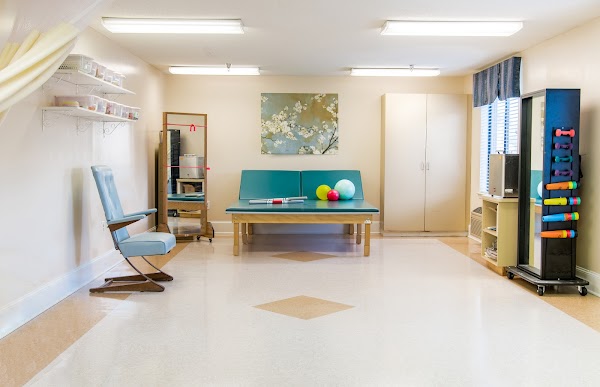
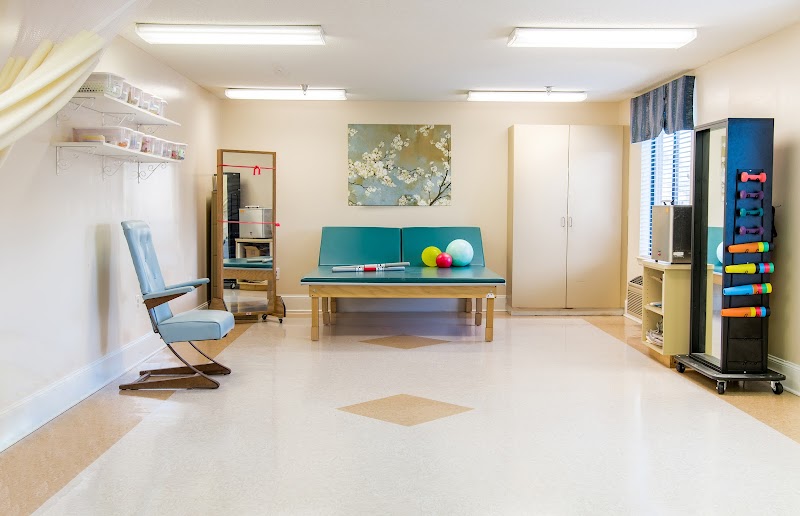
413 Winecoff School Road, Concord, NC 28027 (704) 788-2131
For profit - Limited Liability company 160 Beds VENZA CARE MANAGEMENT Data: November 2025 4 Immediate Jeopardy citations
Trust Grade
0/100
#337 of 417 in NC
Last Inspection: March 2025

Within standard 12-15 month inspection cycle. Federal law requires annual inspections.

Overview

Five Oaks Rehabilitation and Care Center in Concord, North Carolina, has received a Trust Grade of F, indicating significant concerns and a poor overall performance. It ranks #337 out of 417 facilities in North Carolina, placing it in the bottom half, and #6 out of 7 in Cabarrus County, meaning only one facility in the area is rated worse. While the facility's situation is improving slightly, with issues decreasing from 9 in 2023 to 8 in 2025, it still faces many challenges. Staffing is below average with a 2 out of 5-star rating and a high turnover rate of 63%, compared to the state average of 49%, which may affect the consistency of care. Additionally, the facility has concerning fines totaling $199,573, indicating repeated compliance issues, and it provides less RN coverage than 97% of facilities statewide, which could lead to missed health problems. Specific incidents raise serious alarms, including a critical finding where a resident was improperly transferred without a mechanical lift, resulting in a painful hematoma and hospitalization for blood loss anemia. Another critical issue involved a resident with severe cognitive impairment who was at risk of falls but did not have the necessary precautions in place for safe bed controls, which could lead to injuries. While there are strengths, such as some improvement in trends, the overall picture is troubling and families should weigh these factors carefully when considering this facility for loved ones.
Trust Score
F
0/100
In North Carolina
#337/417
Bottom 20%
Safety Record
High Risk
Review needed
Inspections
Getting Better
9 → 8 violations
Staff Stability
⚠ Watch
63% turnover. Above average. Higher turnover means staff may not know residents' routines.
Penalties
✓ Good
$199,573 in fines. Lower than most North Carolina facilities. Relatively clean record.
Skilled Nurses
⚠ Watch
Each resident gets only 14 minutes of Registered Nurse (RN) attention daily — below average for North Carolina. Fewer RN minutes means fewer trained eyes watching for problems.
Violations
⚠ Watch
28 deficiencies on record. Higher than average. Multiple issues found across inspections.
★☆☆☆☆
1.0
Overall Rating
★★☆☆☆
2.0
Staff Levels
★★☆☆☆
2.0
Care Quality
★☆☆☆☆
1.0
Inspection Score
Stable
2023: 9 issues
2025: 8 issues

The Good

  • Full Sprinkler Coverage · Fire safety systems throughout facility
  • No fines on record

Facility shows strength in fire safety.

The Bad

1-Star Overall Rating

Below North Carolina average (2.8)

Significant quality concerns identified by CMS

Staff Turnover: 63%

17pts above North Carolina avg (46%)

Frequent staff changes - ask about care continuity

Federal Fines: $199,573

Well above median ($33,413)

Significant penalties indicating serious issues

Chain: VENZA CARE MANAGEMENT

Part of a multi-facility chain

Ask about local staffing decisions and management

Staff turnover is elevated (63%)

15 points above North Carolina average of 48%

The Ugly 28 deficiencies on record

4 life-threatening 3 actual harm
Mar 2025 8 deficiencies 1 IJ
CRITICAL (J) 📢 Someone Reported This

A family member, employee, or ombudsman was alarmed enough to file a formal complaint

Immediate Jeopardy (IJ) - the most serious Medicare violation

Accident Prevention (Tag F0689)

Someone could have died · This affected 1 resident

**NOTE- TERMS IN BRACKETS HAVE BEEN EDITED TO PROTECT CONFIDENTIALITY** 2. Resident #138 was admitted to the facility on [DATE] with diagnoses which included hypertension, muscle weakness and Alzheime...

Read full inspector narrative →
**NOTE- TERMS IN BRACKETS HAVE BEEN EDITED TO PROTECT CONFIDENTIALITY** 2. Resident #138 was admitted to the facility on [DATE] with diagnoses which included hypertension, muscle weakness and Alzheimer's disease. Review of Resident #138's most recent significant change Minimum Data Set (MDS) assessment revealed the resident was severely cognitively impaired and was dependent on staff for all activities of daily living (ADL). Review of Resident #138's Care Area Assessment summary dated 01/14/25 revealed she was at risk for falls related to unsteady gait and muscle weakness. Staff will provide transfers as needed. The resident is at risk of a decline in activities of daily living (ADL) related to acute illness and muscle weakness. Nursing staff will provide assistance with ADL as needed. The resident is at risk of altered communication related to cognitive impairment. Staff will anticipate needs and provide assistance as needed. Staff will continue to monitor and anticipate needs in effort to prevent further declines and treat/manage current conditions. Review of Resident #138's care plan dated 01/14/25 revealed a focus area for ADL/mobility related to requiring assistance related to impaired mobility. The goal was for the resident to improve current level of function in ADL. The interventions included in part: Total lift for transfers with 2 staff. A continuous observation on 02/26/25 from 4:38 PM until 4:43 PM revealed Resident #138 screaming out and when walked in the room, Nurse Aide (NA) #2 was lifting Resident #138 to bed in a mechanical lift without the assistance of a second staff member. NA #2 was operating the lift mechanism and there was no one holding onto the resident in the lift pad and directing her onto the bed. Resident #138 was placed in bed with the lift pad and continued to scream until she was adjusted in the bed by NA #2 An interview on 02/26/25 at 4:44 PM with NA #2 revealed she had gotten Resident #138 up with the mechanical lift by herself because she stated the resident was sliding out of her wheelchair and she didn't want her to fall. NA #2 stated she had yelled for help but didn't feel like she could wait so she went ahead and got her up in the lift by herself. NA #2 further stated she had had education on mechanical lifts and knew she was not supposed to get a resident up in the mechanical lift without a second staff member to assist. She indicated she had been provided with education on new equipment and lifts and other equipment throughout the year. A telephone interview on 02/26/25 at 8:19 PM with NA #1 who was working with NA #2 on the hall revealed NA #1 had not asked her to assist her with getting Resident #138 up with the mechanical lift. NA #1 stated she had been available to assist with getting Resident #138 up with the mechanical lift but had not been asked by NA #2 for assistance. A telephone interview on 02/26/25 at 8:29 PM with Nurse #1 who was assigned to care for Resident #138 from 7:00 AM to 7:00 PM revealed she had not been asked to assist NA #2 in getting Resident #138 up in the mechanical lift. Nurse #1 stated she was a new nurse and had only been working for 3 weeks and was not familiar with the facility's protocols for mechanical lifts. She further stated she was not sure if mechanical lifts required 2 staff members when transferring residents. An interview on 02/27/25 at 3:57 PM with the Director of Nursing (DON) revealed mechanical lifts required 2 staff members when transferring residents. She stated NA #2 should have gotten assistance prior to getting Resident #138 up in the mechanical lift and transferring her to bed. An interview on 02/27/25 at 4:31 PM with the Administrator revealed he felt NA #2 did the best she could have given the resident was sliding from her wheelchair. He stated although NA #2 did not follow the facility's policy for mechanical lifts he thought it was admirable that she prevented Resident #138 from falling. Based on record review, observation, staff interview, Nurse Practitioner and Medical Director interview, the facility failed to ensure the necessary supervision was provided to a cognitively impaired resident to prevent an avoidable accident. On 06/25/24 Resident #79, who was known to have poor safety awareness, returned from an outing on the facility's transportation bus and was left unattended on the bus by three staff members. The front door of the bus was left open. Resident #79 unbuckled her seatbelt and ambulated to the front of the bus exiting at the front stairs. The resident was wearing slip on shoes that came off, the resident lost her footing and experienced a fall from the bus steps, hitting her head and landing on her right side on the asphalt. On initial assessment, the resident sustained multiple injuries that included a right shoulder bone dislocation, skin tears to the upper and lower extremities, abrasions to the lower extremities and forehead, a bruise to the inner right back, a right tongue hematoma (collection of blood formed under the tongue), a cracked right front tooth, and a lump/hematoma to the right side of her head. Following the incident the resident experienced dizziness and vomited multiple times. She was assessed at the hospital with a left temporal subarachnoid hemorrhage (bleeding in the space below one of the thin layers that cover and protect the brain), right clavicle (collarbone) fracture, right humeral (long bone that runs from the shoulder to elbow) fracture and bilateral rib fractures. At a lower scope and severity of D, the facility failed to ensure a safe transfer in a mechanical lift for a resident (Resident #138) when Nurse Aide (NA) #2 transferred Resident #138 in a mechanical lift in an unsafe manner. The deficient practice affected 2 of 11 residents reviewed for supervision to prevent accidents (Resident #79 and Resident #138). Immediate jeopardy began on 06/25/24 when Resident #79 was left unattended on a transportation bus. She unbuckled herself and ambulated to the front of the bus exiting the stairs resulting in a fall. Immediate jeopardy was removed on 07/03/24 when the facility implemented a credible allegation of immediate jeopardy removal. The facility remains out of compliance at a lower scope and severity level of D (no actual harm with potential for more than minimal harm that is not immediate jeopardy) to ensure education and monitoring systems put into place are effective. Example #2 is being cited a scope and severity of D. The findings included: 1. Resident #79 was admitted to the facility on [DATE] with diagnoses of cerebrovascular accident (CVA), Non-Alzheimer's dementia and hemiplegia (paralysis or weakness on one side of the body) affecting the right dominant side. A fall risk evaluation dated 11/01/23 revealed Resident #79 scored a level 8, indicating she was at moderate risk for potential falls. The resident was noted to have a balance problem while standing and required the use of assistive devices such as a wheelchair. Resident #79's annual Minimum Data Set (MDS) assessment dated [DATE] revealed she was moderately cognitively impaired and required extensive assistance of one staff member for sit to stand transfers and chair to bed transfers. Resident #79 was coded under walking 10 feet as not applicable. Resident #79 used a wheelchair as an assistive device and had no functional impairments with range of motion to the upper or lower extremities. She did not receive an anticoagulant during the assessment period. An interview conducted on 03/03/25 at 11:26 AM with the MDS Coordinator revealed under Resident #79's annual MDS assessment the wording not applicable meant the resident was unable to ambulate with assistance during the assessment period. A care plan initiated on 11/29/2022 and revised on 04/10/24 revealed a focus area related to Resident #79 being at risk for falls related to gait/balance problems and psychotropic medication use. The goal was for Resident #79's falls to be minimized with staff intervention through the next review date. Interventions included reminding the resident to use a wheelchair for mobility, ensuring the resident was wearing appropriate footwear while out of bed and to anticipate the needs of the resident. On 02/25/25 at 1:00 PM an observation was conducted of the facility transportation bus. The transportation bus had a total of 2 seating rows on the passenger side, and 3 rows of seats on the driver's side. On the passenger side of the bus at the rear tire area was a large ramp that lowered down and was used to bring residents onto the bus using their wheelchairs. There were three steps leading onto the bus from the front entrance at the drivers steering wheel. A nursing note dated 06/25/24 at 12:30 PM written by the Director of Nursing revealed Resident #79 left the facility at approximately 10:30 AM for an outing with other residents and three facility staff members via the facility transportation bus. Upon return at 12:10 PM, per staff statement, staff informed all residents not to unbuckle their seat belts or to rise until the staff went to assist the residents from their seats. Resident #79 was sitting in the second row of seats, per staff Resident #79 unbuckled her seatbelt and attempted to exit the facility bus without assistance while staff were preparing to assist residents to exit the bus. The resident was wearing fleece lined shoes. Resident #79 slid out of her shoe and tumbled down the steps landing on her right side in the parking lot. A STAT (immediate) response was called, and Resident #79 was immediately assessed by the facility Nurse Practitioner and nursing staff. A raised abrasive area was noted to the resident's right scalp, she complained of pain to her right shoulder. Resident #79 was taken to her room for a full body assessment noting multiple abrasive areas. During the time of the assessment Resident #79 complained of dizziness and nausea, vomiting four times with diarrhea noted during incontinent care. The Nurse Practitioner was notified and gave orders to send the resident to the Emergency Department for an evaluation. Resident #79's Responsible Party (RP) was notified of the resident's condition, incident and need to send to the Emergency Department. The RP stated the resident was impulsive and attempted to get up without assistance all of the time. Emergency Medical Services (EMS) arrived at the facility at approximately 12:50 PM to transport the resident to the hospital. On 02/25/25 at 12:23 PM an interview was conducted with the Activities Director. During the interview she stated on 06/25/24 she had taken Resident #79 on an outing for ice cream via the transportation bus with two other staff members and a volunteer. Four residents were on the bus and she was familiar with each of the residents prior to going on the outing. Upon arrival back to the facility after Transportation Driver #1 had parked the bus and got off to go to the rear of the bus to open the ramp. She (the Activities Director) gathered the trash and exited via the front entrance along with the Volunteer. She stated when she exited the bus all residents were still buckled in their seats. The Activities Assistant was behind her getting off of the bus and stated to the residents to stay in their seats, they would be assisting them in a minute. The interview revealed Resident #79 was confused at times but she did not think the resident would get out of her seat to ambulate without assistance. The Activities Director stated she was in the sunroom of the facility directly in front of where the bus was parked throwing away the trash with the Volunteer. She stated after throwing away the trash she exited the sunroom and that was when she heard a loud thump and Resident #79 yelled out. She ran over to see Resident #79 on the asphalt at the bottom of the steps. The Activities Director then ran back in the facility and paged for assistance to the parking lot as the Activities Assistant and Transportation Driver #1 stayed with Resident #79. The Director of Nursing and Nurse Practitioner came and assessed Resident #79 along with other staff members. Resident #79's slipper was found on the top step of the bus. She stated when the incident happened nobody had seen Resident #79 get up and out of her seat on the bus. The Activities Director stated looking back on the incident a staff member should have stayed on the bus with the residents and not left them unattended. On 02/25/25 at 12:35 PM an interview was conducted with the Activities Assistant. During the interview she stated she, the Activities Director, Transportation Driver #1 and a Volunteer had taken Resident #79 on an outing to get ice cream on 06/25/24. There were four residents in total on the outing and she was familiar with Resident #79 prior to the outing. Upon returning to the facility, Transportation Driver #1 opened the front door and got off of the bus. Next, the Activities Director and Volunteer exited the bus to throw trash away. She stated before exiting the bus herself she told the residents to remain seated, that her and Transportation Driver #1 would start unloading the residents from the back of the bus. All residents were buckled and secure when she exited the bus via the front entrance. She stated she did not think Resident #79 would unbuckle her seat belt and stand up without assistance. She stated when she walked down the steps, the front door was left open. She went to the back of the bus to lower the wheelchair lift to help Transportation Driver #1. All of the residents onboard required the use of the wheelchair ramp to exit. She stated shortly after she got to the rear of the bus Resident #79 had unbuckled herself, lost her footing and fell down the bus steps out of the front entrance. The Activities Assistant did not witness Resident #79 unbuckle her seat belt or stand up but assumed that was what happened by the sequence of events leading to the fall. The interview revealed it happened quickly after she exited the bus. The Activities Assistant stated she ran to her and immediately put her hands under the resident's head because it was a hot day and the asphalt was hot. The Activities Director ran into the building to get help. The Director of Nursing, nurses and Nurse Practitioner went to the resident to assess her injuries. The Nurse Practitioner stated to the staff she wanted to get the resident up off of the ground because of the hot pavement. The Activities Assistant stated she backed up from the situation at that time because she was not clinically trained, and she let the other staff handle the situation. The Activities Assistant stated no staff members were on the bus when Resident #79 stood up and ambulated to the front entrance and fell down the steps. She stated she could not see Resident #79 stand up from where she was positioned at the rear of the bus. The interview revealed she felt a staff member should have remained on the bus at the time of the incident with the residents. She stated she felt like she was very close to the residents being at the rear ramp but it was too far away to have seen Resident #79 unbuckle herself and get up. On 02/25/25 at 4:00 PM an interview was conducted with Transportation Driver #1. During the interview she stated on 06/25/24 she had taken Resident #79 on an outing with the Activities Director, Activities Assistant and a Volunteer. She stated when they returned to the facility, she parked the transportation bus and put the vehicle's breaks on. She left the bus running to keep the residents cool because it was a hot day. Transportation Driver #1 stated she exited through the front entrance first, and when she exited there were two staff members (the Activities Director and Activities Assistant) and the Volunteer still on the bus. The interview revealed the residents, including Resident #79, were placed onto the transportation bus via a rear wheelchair ramp. The residents were wheeled onto the ramp in their wheelchairs and placed in the row seating by the staff members. The wheelchairs were stored at the rear of the bus during transport. She stated she was at the rear of the bus opening the door when she heard Resident #79 screaming. When she looked, Resident #79 was lying on the asphalt outside the front of the bus. She stated she did not know where the other staff members were at the time of the fall but she did remember one of the Activities staff members was the first to get to Resident #79. The interview revealed she assumed Resident #79 had fallen from the three steps located at the front entrance of the bus but she did not witness the resident fall. Transportation Driver #1 stated she never left a resident unattended on the bus and the only reason she got off and left the residents was because other staff members were on board. She stated she did not know at the time that everyone had exited the bus and left the residents unattended. The interview revealed someone should have remained with the residents and all staff members should not have exited the bus. On 02/25/25 at 12:08 PM an interview was conducted with Wound Nurse #1. Wound Nurse #1 stated on 06/25/24 she was notified by a staff member (name she could not recall) that Resident #79 had fallen out of the transportation bus, and she needed to go outside to the parking lot. She stated when she got to the bus Resident #79 was lying on the pavement with her feet toward the bus at an angle on her right side. The Nurse Practitioner assessed Resident #79 and said it was okay for staff to transfer her into a wheelchair because she was concerned about the ground being hot. She stated the staff rolled Resident #79 onto a sheet then sat her up using a gait belt to get her into the wheelchair. Resident #79 was responsive and alert but never oriented. Wound Nurse #1 stated Resident #79 was confused at baseline and there seemed to be no change in her cognition at the time of the incident. Wound Nurse #1 stated Resident #79 did not say she was in pain when they transported her to her room and got her into bed. The resident began vomiting once she was in bed and she notified the DON who said to send the resident to the hospital for an evaluation. An undated/untimed evaluation written by Wound Nurse #1 following the incident on 06/25/24 revealed Resident #79 had the following injuries : right inner back bruise, two skin tears on the right elbow, three closed raised areas on the right hand, right shoulder burn open, right shoulder bone dislocated, left hand two open skin tears, complaints of right ankle pain, quarter size abrasion to the right knee, left great toe abrasion, left second toe abrasion, left top of foot skin tear, complaints of back pain, right forehead raised abrasion, left forehead raised abrasion, Resident #79 could not turn her head all of the way to the right side, right tongue hematoma, right front tooth cracked and right side of head goose egg. Resident #79 had stated during the assessment that nobody told her not to move and she did not know where she was going. She did not remember falling and did not have a headache. Resident #79's vital signs were blood pressure 143/77 (normal range 120/80), pulse 80 (normal range 60-90), respirations 16 (normal range 12-20) and oxygen saturation level 90% (normal range 90% or greater). On 02/25/25 at 11:46 AM an interview was conducted with the Director of Nursing (DON). During the interview she stated, based on her investigation on 06/25/24, three staff members (Activities Director, Activities Assistant and Transportation Driver #1) had taken Resident #79 on an outing to get ice cream along with three other residents. When they returned from the outing and parked the transportation bus, Transportation Driver #1 got off of the bus. The Activities Director and a Volunteer that was on the bus got off to throw away trash. The Activities Assistant got off of the bus to assist Transportation Driver #1 and told the residents to stay seated prior to getting off. The DON stated based on the sequence of events the facility had put together, that Resident #79 unbuckled herself and attempted to ambulate without assistance getting to the first step of the bus. When she reached the first step, she was wearing slippers that came off and she then fell down the steps out onto the pavement of the parking lot. The Activities Assistant and Transportation Driver #1 stayed with Resident #79 while the Activities Director ran inside of the building to get help. The Nurse Practitioner was in the building that day and went out to the parking lot to assess the resident and obtain vital signs. Resident #79 had multiple abrasions that were visible. Resident #79 had a knot on the back of her head, but no open areas. The DON stated the staff used a gait belt and Resident #79 was able to stand up with staff assist to get into the wheelchair. Resident #79 was then taken to her room and assisted to the bed via a gait belt and staff assistance. The Wound Nurse assessed the resident, and the DON went to obtain a vital sign machine. The Wound Nurse called the DON on the phone and stated Resident #79 was vomiting a lot, and she (the DON) stated to them to send the resident to the hospital for an evaluation. The DON stated Resident #79 seemed alert after the incident however wasn't as, feisty as she normally acted. She stated Resident #79 was unstable and unable to ambulate without assistance from staff at her baseline and had poor safety awareness. EMS arrived to the facility and transported the resident to the hospital for an evaluation. Nurse Practitioner note dated 06/25/24 revealed staff reported Resident #79 with a fall getting off of the transportation bus. On arrival to the resident she was noted laying on the ground outside. Resident #79 was noted to be alert at baseline and stated she was having right shoulder pain. The resident was examined while lying on the ground. She was noted to have a small lump/hematoma to her scalp, abrasion noted to her left shoulder with mild deformity. No spine tenderness was reported. Staff were cleared to assist the resident to her wheelchair due to elevated temperature and hot grounding to decrease the risk of a burn. A mild deformity was noted to the right shoulder with mild crepitus (crackling, popping, or grinding sound) as well, however Resident #79 was noted to have a history of an old fracture reported to the arm with chronic mild deformity. Initial plans were to obtain x-rays of left arm/shoulder/chest and initiate neurological checks but once the resident returned to her room and was repositioned, staff reported 2-3 episodes of vomiting. Therefore, orders were given to send the resident to the hospital for an evaluation. Resident #79 was noted with chronic/progressive dementia. She was documented as being alert and able to make needs known however was forgetful with a short term memory. On 02/25/25 at 12:41 PM an interview was conducted with the Nurse Practitioner (NP). During the interview she stated she received a call that Resident #79 had experienced a fall from the transportation bus in the parking lot. The NP immediately went outside to see Resident #79 lying on the ground and noticed her shoes were on the steps of the bus. She stated she did a quick assessment and observed no spine tenderness or obvious deformities. She stated Resident #79 was stable enough to move her from the ground because it was hot that day and she worried the resident would get burned from the asphalt. The staff obtained vital signs and got the resident up in a wheelchair. She stated she asked baseline questions and Resident #79 complained of a little arm pain, so she ordered a radiology exam based on her complaints and physical assessment. She told the staff to start neurological assessments and monitor Resident #79 during the first hour, however, after she was transported to her room she began vomiting and was sent to the hospital. The NP stated she did not go to the resident's room to reassess her she just gave the orders to send her out. The NP stated Resident #79 had returned to baseline since the incident. An Emergency Department (ED) report dated 06/25/24 at 2:17 PM revealed Resident #79 had experienced a fall coming off of a bus. She was noted to hit her head and right shoulder during the fall and had a hematoma to the right side of her head. Resident #79 did not remember the event and stated she was experiencing pain in her right shoulder, pointing to the back of her shoulder. Neurosurgery, trauma service and orthopedic surgery were consulted. A hospital Discharge summary dated [DATE] revealed Resident #79 was evaluated for a mechanical fall resulting in a left temporal subarachnoid hemorrhage, right clavicle fracture, right humeral fracture and bilateral rib fractures. Resident #79 was admitted into the hospital on [DATE] where she received services from the neurology team along with the trauma surgery team. Resident #79 was found to be stable with orders to remain non-weight bearing to the right upper extremity. She was treated for aspiration pneumonia with intravenous antibiotics during the hospital stay and discharged back to the facility on [DATE]. On 02/25/25 at 4:30 PM a follow up interview was conducted with the Nurse Practitioner. The NP stated while in the hospital Resident #79 was also treated for aspiration pneumonia. The NP stated the aspiration pneumonia could have possibly come from the resident vomiting however there would be no way of definitively knowing. She stated the facility staff would not have been able to tell the resident aspirated immediately, symptoms would have been seen later into her hospitalization. On 02/25/25 at 2:40 PM an interview was conducted with the Medical Director (MD). During the interview he stated the Nurse Practitioner was in the building at the time of the incident and assessed Resident #79. The resident had a diagnosis of dementia with episodes of confusion. She attempted to ambulate without assistance from staff and had a fall from the facility transportation bus. On 02/27/25 at 5:00 PM an interview was conducted with the Administrator. The Administrator stated that he felt it was an imperfect day. He stated he would not change anything about the day or how his staff reacted because it was an unavoidable fall. The Administrator stated the facility had no indication Resident #79 was going to unbuckle herself and attempt to ambulate off of the transportation bus. The Administrator was notified of the immediate jeopardy on 02/25/25 at 5:05 PM. The facility provided the following immediate jeopardy removal plan: 1. Address how corrective actions will be accomplished for those residents who have been affected by the deficient practice: On 06/25/24 the facility van returned to the facility following an outing with 4 residents, 3 staff and a volunteer. When the van returned to the facility, the Activities Director and volunteer exited the van to discard the waste. The Van Driver who is the only one trained to operate the lift exited the van to begin the unloading process in the lift area. The Activities Assistant remained in the van and instructed residents to remain seated and they would be unloaded starting at the back. The Activities Assistant then exited the van to assist the Van Driver who had opened the door. No staff were in the van, but the Van Driver and Activities Assistant were at the lift and within 60 inches of the resident. Resident #79 was seated closest to the staff, unbuckled herself, ambulated to the steps of the van and fell to the asphalt after being reminded by staff to stay seated. There were no staff members in the van at the time of the event, but staff were in speaking distance at the rear of the van. After being assessed, one of the resident's slippers were noted on the top step and the other was lower on the steps indicating she stepped on the back of her slipper which caused the fall. On 6/25/24, the affected resident, Resident # 79, was immediately assessed by the onsite nurse practitioner prior to her being moved. Upon the initial assessment, it was deemed the resident was safe to be transported into the facility where she was placed in bed and continued to be assessed. Emergency Medical Services (EMS) was notified to transport the resident to the hospital for additional tests and exams. On 7-5-2024, Resident #79 was readmitted to the facility. 2. How will the facility identify other residents having the potential to be affected by the same deficient practice: On 06/25/24 during her initial interview with the Van Driver, the Director of Nursing inquired if any other resident had fallen or had any other near miss on the van. No other residents were identified. On 6/26/24 the Interdisciplinary Team consisting of all department managers, Administrator and Director of Nursing met to review residents with outside appointments. They met to identify residents scheduled for transport through 7/6/24 using the medical record to identify residents that were unable to make their needs known, appropriately respond to direction, had a BIMS score less than 10, and those unable to comply with standard safety precautions. Identified residents will have increased supervision on their transport to and from the facility as well as proper footwear. Moving forward, the facility will conduct weekly reviews of all residents scheduled for transportation to ensure ongoing compliance with this protocol. In addition, residents must have safe and appropriate footwear on at the time of the transfer. On 7/3/24 the Administrator, Director of Nursing, Social Services Director and Activities Director, inspected 100% of the residents to ensure all residents had appropriate footwear for any potential transport, whether scheduled or not. Only one resident did not have appropriate shoes for their given shoe size. The Director of Nursing purchased him a pair of lace up shoes for outings and medical appointments. Given there was only one resident, transportation was notified by the Director of Nursing not to transport him until the new shoes arrived. They were ordered once edema was resolved and the facility could find size 20 shoes to accommodate his physical structure. No transports for this resident were impacted. 3. What measures will be put into place or systemic changes made to ensure that the deficient practice will not occur: On 6/25/2024, the Director of Nursing will ensure adequate supervision is provided by determining the need of each resident being transported. This will be conveyed to the Van Driver to ensure compliance with the level of supervision required. This measure was initiated on 6/25/24. All residents will be required to have appropriate footwear which, at the minimum, must have closed toes, a closed heel and non-skid soles. Slippers and other slide on footwear will be strictly prohibited in order to be transported by the facility van or approved vendor. Residents with confusion and poor safety awareness will require a staff person or trained volunteer to increase basic supervision during transport. Beginning on 6/26/24, the weekly transportation schedule will be reviewed in morning meeting prior to any transport and if a resident needs increased supervision, the Director of Nursing will ensure it is available at the time. Increased supervision will be assigned by the Transportation Coordinator after notification by the Director of Nursing on 7/1/2024. Those individuals assigned for increase supervision , will be trained verbally by the Administrator or Director of Nursing prior to service and will include how to encourage the resident to remain seated and fastened until the van driver can safely help them off the transport vehicle. Those selected will have proper training on keeping residents safe. If utilizing a trained volunteer, the training will include how to encourage the resident to remain seated and fastened until facility staff can assist them off the transport. This training will be provided by the Administrator during volunteer orientation before their service begins. Volunteers will be instructed on identifying unsafe situations-such as when a resident might unbuckle a seatbelt while the van is in motion, or when a resident is at risk of f[TRUNCATED]
SERIOUS (G)

Actual Harm - a resident was hurt due to facility failures

Pressure Ulcer Prevention (Tag F0686)

A resident was harmed · This affected 1 resident

**NOTE- TERMS IN BRACKETS HAVE BEEN EDITED TO PROTECT CONFIDENTIALITY** Based on observations, record review, staff, Medical Director, and Wound Care Physician interviews, the facility failed to recog...

Read full inspector narrative →
**NOTE- TERMS IN BRACKETS HAVE BEEN EDITED TO PROTECT CONFIDENTIALITY** Based on observations, record review, staff, Medical Director, and Wound Care Physician interviews, the facility failed to recognize a developing pressure ulcer, implement preventative measures, provided treatments as ordered, and consistently measure a resident's wounds on a weekly basis. The facility failed to have a Wound Care Provider evaluate residents at the facility when the Wound Care Physician was on vacation for 1 of 3 residents (Resident #59) reviewed for facility acquired pressure ulcers. On 11/20/24 Resident #59 developed discoloration to the coccyx area which developed to unstageable pressure ulcer on 12/06/24 that required a debriding agent (removal of dead tissue). The wound further required antibiotic treatment for infection, treatment using non-contact, non-thermal, low frequency ultrasound and physical debridement of the wound on 02/19/25. The findings included: Resident #59 was admitted to the facility on [DATE] with diagnoses which included diabetes and Parkinsonism. Review of a care plan initiated on 07/18/22 and last updated on 01/26/25 read in part, Resident #59 is at risk for pressure ulcer development due to bladder incontinence and decreased mobility. Resident #59 refuses to be turned and repositioned at times. The interventions included: assist with turning and repositioning, bilateral soft heel protectors worn while in bed as tolerated, follow Medical Doctors orders for skin care and treatments, keep skin clean and dry, pillow under legs while in bed, the resident needs a pressure reducing mattress on bed, the resident needs pressure relieving cushion in wheelchair, and weekly skin checks. All the interventions were added on 07/18/22. Weekly treatment documentation includes measurement of each area of skin breakdown's width, length, depth, type of tissue and exudate and any other notable changes or observations added on 03/11/23. A Braden Scale dated 8/13/2024, completed by Nurse #2, revealed Resident #59 was at risk for developing a pressure ulcer. A skin assessment dated [DATE] indicated Resident #59 had no note skin issues. A skin assessment completed by Nurse #2 dated 11/20/2024 indicated Resident #59 had discoloration to the coccyx area with treatment initiated. No further description or measurements were noted. A physician's order dated 11/20/2024 revealed Resident #59 was to have her sacrum/coccyx area cleansed, patted dry, a hydrocolloid (type of dressing) dressing applied three times a week everyday shift for wound care. A physician's order dated 11/26/2024 revealed Resident #59 was to have her sacrum cleansed, patted dry, a hydrocolloid dressing applied every Tuesday, Thursday, and Saturday for wound care. A skin assessment dated [DATE] indicated Resident #59 had discoloration to the coccyx area and softness to heels. No further description or measurements were noted. The November 2024 Treatment Record (TAR) revealed Resident #59 had a hydrocolloid dressing applied as ordered from 11/20/24 through 11/30/24. A skin assessment dated [DATE] indicated Resident #59 had discoloration to the sacrum area and softness to heels. No further description or measurements were noted. The December 2024 Treatment Administration Record (TAR) revealed the wound care to the sacrum was not initialed as provided on 12/3/2024, 12/5/2024, 12/7/2024, 12/15/2024 or 12/17/2024. The remainder of the days in December 2024 were documented as completed per the Physician order. A wound care provider note dated 12/6/2024 revealed Resident #59 was assessed and had a coccyx wound (with a duration of greater than 21 days) which measured 1.2 centimeters (cm) x 0.5 cm x 0.2 cm with a surface area of 0.60 cm. A moderate amount of serous drainage (watery pale-yellow fluid) with 100% thick adherent devitalized (dead) necrotic tissue present. Debridement (removal of dead tissue) was refused by Resident #59. The Wound Care Physician recommended offloading of the wound, group-2 (air, alternating pressure ) mattress, zinc 220 milligrams (mg) once daily for 14 days, vitamin C 500 mg twice daily, a multivitamin once daily, to upgrade offloading chair cushion, apply alginate calcium daily for 30 days, apply Santyl (ointment used for removal of dead tissue) daily for 30 days, and to cover with a gauze island border dressing for 30 days. Review of a physician order dated 12/7/2024 read, Air mattress. Zinc 220 milligrams once daily for 14 days, vitamin C 500 mg twice daily, a multivitamin once daily, to upgrade offloading chair cushion. Review of the December 2024 Medication Administration Record (MAR) revealed that the Zinc, Vitamin C, and multivitamin were administered as ordered. A wound observation assessment dated [DATE], completed by Wound Care Nurse #1, revealed Resident #59 had acquired an unstageable pressure ulcer on 12/5/2024 to her coccyx. Necrotic tissue present (percentage not documented). The wound was measured at 1.2 cm x 0.5 cm x 0.2 cm with no documented drainage. The Wound Care Physician was notified on 12/6/2025 and Resident #59 was started on Santyl, alginate (used to absorb drainage), and an island (an adhesive dressing that absorbs wound drainage) dressing. A physician's order dated 12/8/2024 revealed Resident #59 was to have her coccyx cleansed with Dakins (topical antiseptic), patted dry, Santyl applied, calcium applied, and covered with a border gauze dressing one time a day for wound healing. A wound care provider note dated 12/11/2024 revealed Resident #59's was assessed and had a coccyx wound (with a duration of greater than 26 days) which measured 1.0 cm x 0.4 cm x 0.4 cm with a surface area of 0.40 cm. A moderate amount of serous drainage with 50% thick adherent devitalized necrotic tissue present and 50% viable subcutaneous tissue present. Debridement was attempted but aborted due to pain. The wound was treated with non-contact, non-thermal, low frequency ultrasound (a painless, non-contact ultrasound wave delivered through a saline mist to aid in wound healing). There were no changes to the treatment plan. The Wound Care Physician recommended checking Resident #59's prealbumin. A wound care provider note dated 12/18/2024 revealed Resident #59's was assessed and had a coccyx wound (with a duration of greater than 33 days) which measured 2.0 cm x 0.7 cm x 0.5 cm with a surface area of 1.40 cm. A moderate amount of serous drainage with 10% thick adherent devitalized necrotic tissue present and 90% granulation tissue present. Debridement was attempted but aborted due to pain. The wound was treated with non-contact, non-thermal, low frequency ultrasound. There were no changes to the treatment plan. Review of Resident #59#'s medical record revealed no wound assessment, wound measurements, or Wound Care provider visits from 12/19/202 through 12/31/24 due to the Wound Care Provider being unavailable. A significant change Minimum Data Set (MDS) dated [DATE] revealed Resident #59 was severely cognitively impaired with no behaviors or rejection of care. Resident #59 require moderate assistance with toileting, bathing, upper and lower body dressing, and personal hygiene. The MDS indicated Resident #59 was at risk for developing pressure ulcers and was noted to have 1 unstageable pressure ulcer and received application of an ointment and dressing. The MDS indicated that Resident #59 was not receiving hospice services. A laboratory report dated 12/20/24 indicated Resident #59's prealbumin was 12. Normal range was 18-38. (Low albumin levels are associated with malnutrition and protein deficiency and can result in prolonged wound healing). The January 2025 TAR revealed the wound treatment to Resident #59's coccyx was not initialed as provided on 1/7/25, 1/8/25, 1/12/25, 1/15/25, 1/16/25, 1/21/25, 1/22/25, 1/23/25, 1/24/25, and 1/27/25 (10 of the 31 days). A wound care provider note dated 1/1/2025 revealed Resident #59's was assessed and had a coccyx wound (with a duration of greater than 47 days) which measured 3.5 cm x 1.1 cm x 0.7 cm with a surface area of 3.85 cm. A moderate amount of serous drainage with 10% slough, 80% granulation tissue, and 10% fascia present. Debridement was attempted but aborted due to pain. The wound was treated with non-contact, non-thermal, low frequency ultrasound. There were no changes to the treatment plan. A wound care provider note dated 1/8/2025 revealed Resident #59's was assessed and had a coccyx wound (with a duration of greater than 54 days) which measured 3.1 cm x 0.8 cm x 0.7 cm with a surface area of 2.48 cm. A moderate amount of serous drainage with 20% slough and 80% granulation tissue present. Debridement was attempted but aborted due to pain. The wound was treated with non-contact, non-thermal, low frequency ultrasound. There were no changes to the treatment plan. A wound care provider note dated 1/15/2025 revealed Resident #59's was assessed and had a coccyx wound (with a duration of greater than 61 days) which measured 3.1 cm x 1.0 cm x 0.5 cm with a surface area of 3.10 cm. A moderate amount of serous drainage with 10% slough and 90% granulation tissue present. Debridement was attempted but aborted due to pain. The wound was treated with non-contact, non-thermal, low frequency ultrasound. There were no changes to the treatment plan. A wound care provider note dated 1/22/2025 revealed Resident #59's was assessed and had a coccyx wound (with a duration of greater than 68 days) which measured 2.7 cm x 0.6 cm x 0.7 cm with a surface area of 1.62 cm. A moderate amount of serous drainage with 10% slough and 90% granulation tissue present. Debridement was attempted but aborted due to pain. The wound was treated with non-contact, non-thermal, low frequency ultrasound. There were no changes to the treatment plan. A wound care provider note dated 1/29/2025 revealed Resident #59's was assessed and had a coccyx wound (with a duration of greater than 75 days) which measured 2.3 cm x 0.6 cm x 0.5 cm with a surface area of 1.38 cm. A moderate amount of serous drainage with 20% slough and 80% granulation tissue present. Debridement was attempted but aborted due to pain. The wound was treated with non-contact, non-thermal, low frequency ultrasound. There were no changes to the treatment plan. The February 2025 TAR revealed there was no documented wound care for Resident #59 on 2/3/25, 2/17/25, 2/19/25, and 2/26/25 (4 of 26 days reviewed). A wound care provider note dated 2/5/2025 revealed Resident #59's was assessed and had a coccyx wound (with a duration of greater than 82 days) which measured 1.3 cm x 0.6 cm x 0.5 cm with a surface area of 0.78 cm. A moderate amount of serous drainage with 10% slough and 90% granulation tissue present. Debridement was attempted but aborted due to pain. The wound was treated with non-contact, non-thermal, low frequency ultrasound. There were no changes to the treatment plan. A wound care provider note dated 2/12/2025 revealed Resident #59's was assessed and had a coccyx wound (with a duration of greater than 82 days) which measured 2.2 cm x 0.9 cm x 1.1 cm with a surface area of 1.98 cm. A moderate amount of serous drainage with 10% slough, 80% granulation tissue and 10% subcutaneous tissue present. Debridement was attempted but aborted due to pain. The wound was treated with non-contact, non-thermal, low frequency ultrasound. The treatment plan was changed to apply wet to moist Dakins dressing once daily for 30 days, apply a sterile gauze sponge once daily, apply Santyl once daily, and cover with a gauze island border dressing. A physician's order dated 2/14/2025, and discontinued on 2/17/2025, revealed Resident #59 was to have her coccyx cleansed with Dakins, patted dry, Santyl applied, and staff were to use plain packing strips to pack the wound and cover with a border gauze dressing every day shift for wound healing. A physician's order dated 2/18/2025, and discontinued on 2/19/2025, revealed Resident #59 was to have her coccyx cleansed with Dakins, patted dry, Santyl applied, add wet to moist dressing over the Santyl, and cover with a border gauze dressing every day shift for wound healing. A wound care provider note dated 2/19/2025 revealed Resident #59's coccyx wound measured 4.0 cm x 5.7 cm x 0.8 cm with a surface area of 22.80 cm. An open ulceration area of 18.24 c. A moderate amount of serous drainage with 10% thick adherent devitalized necrotic tissue, 40% granulation tissue, 30% subcutaneous tissue/muscle/facia, and 20% intact normal color skin. A surgical excisional debridement procedure was performed to remove necrotic tissue and establish the margins of viable tissue. 2.28 cm of devitalized tissue and necrotic muscle level tissues were removed at a depth of 0.9 cm and healthy bleeding tissue was observed. The Wound Care Physician recommended Meropenem (antibiotic) 1 gram intravenously every 8 hours for 10 days. A physician's order dated 2/20/2025, and discontinued on 2/24/2025, revealed Resident #59 was to have her coccyx cleansed with Dakins, patted dry, wet to moist dressing applied, alginate applied around the wound, and covered with a border gauze dressing. A physician's order dated 2/21/2025 revealed Resident #59 was ordered linezolid (used to treat infections) 20 milliliters by mouth twice a day for seven days for a wound infection. The order was discontinued on 2/22/2025. Review of the February 2025 TAR revealed Resident #59 received one dose of the linezolid before it was discontinued. A physician's order dated 2/22/2025 revealed Resident #59 was ordered penicillin V potassium 500 mg by mouth twice a day for 10 days for a positive wound culture. Further review of the February 2025 TAR revealed Resident #59 received the penicillin V potassium as ordered. An interview was conducted on 2/25/2025 at 2:16 pm with Wound Care Nurse #1. Wound Care Nurse #1 stated wound care nurses were present at the facility 7 days per week and did treatments. Wound Care Nurse #1 stated prior to Resident #59's wound developing, she was being turned and repositioned every two hours. Wound Care Nurse #1 stated Resident #59 developed an area of discoloration on 11/20/2024, that was observed by Nurse #2. Wound Care Nurse #1 stated at that time Resident #59 was placed on a hydrocolloid dressing. Wound Care Nurse #1 stated on 12/5/2024 Resident #59 developed an unstageable pressure ulcer. Wound Care Nurse #1 verified Resident #59 was placed on a pressure mattress on 12/7/2024. Wound Care Nurse #1 stated the Wound Care Physician came to the facility every Wednesday to round on his residents. Wound Care Nurse #1 stated on 2/17/2025 Resident #59's wound looked different, and she asked the Director of Nursing (DON) to come and assess Resident #59 at which time a wound culture was obtained, which resulted as Vancomycin-resistant enterococci (VRE, an antibiotic-resistant bacteria). Wound Care Nurse #1 stated the Wound Care Physician saw Resident #59 on 2/19/2025. Wound Care Nurse #1 reported Resident #59 did not refuse wound care treatments. An interview was conducted on 2/25/2025 at 2:24 pm with the DON. The DON stated Resident #59 was incontinent of bowel and bladder, spent a lot of time in bed (per Resident #59's request) and was dependent on staff for most care. The DON verified an area of discoloration was noted by Nurse #2 on 11/20/2024, with no measurements or other description, and stated Resident #59 was started on a hydrocolloid dressing. The DON stated Resident #59 was not evaluated by the Wound Care Physician that week because he was out of town for Thanksgiving. The DON stated Resident #59 was first seen by the Wound Care Physician on 12/6/2024 at which time the wound was unstageable and was placed on Santyl, alginate, and an island dressing. The DON stated Resident #59's wound had deteriorated over time. The DON stated on 2/17/2025 she was asked by Wound Care Nurse #1 to assess Resident #59's wound on her coccyx at which time she stated it appeared to have worsened and stated it looked like it had infection to it. A wound care observation was conducted on 2/26/2025 at 11:51 am with Wound Care Nurse #1 and Wound Care Nurse #2. When Resident #59 was turned onto her right side she was observed to have facial grimacing, her body tensed up, and she began to guard. Resident #59's wound was observed to be larger than a fist, black, brown, and tan in color with excoriation noted to the surrounding skin and was covered with dressing dated 02/25/25 that was completely saturated with bloody drainage with blood noted on the brief. Wound Care Nurse #1 and #2 did not measure the wound. When the dressing was removed, it was noted to have a foul-smelling odor coming from the wound. When Wound Care Nurse #1 and Wound Care Nurse #2 attempted to clean the wound, Resident #59 was unable to tolerate her scheduled dressing change, by crying, grimacing, and saying to stop. The wound was covered with an island dressing for protection. Further attempts to interview Resident #59 on 02/26/25 and 02/27/25 were unsuccessful. An interview was conducted on 2/26/2025 at 2:49 pm with Nurse #2. Nurse #2 stated he frequently cared for Resident #59. Nurse #2 stated on 11/20/2024 he observed an area of discoloration to Resident #59's coccyx area. Nurse #2 stated it looked like she had laid on one area for a long time. Nurse #2 stated it was blanchable on 11/20/2024. Nurse #2 stated he did not measure Resident #59's area of discoloration because they do not obtain measurements unless there was an open wound. Nurse #2 was unsure if he notified the wound care nurses on 11/20/2024 of Resident #59 having discoloration to her coccyx. Nurse #2 stated she was placed on a hydrocolloid dressing and stated the wound had not gotten any better. Nurse #2 stated the wound care nurses were responsible for wound care. An interview was conducted on 2/27/2025 at 11:12 am with Wound Care Nurse #2. Wound Care Nurse #2 stated she and Wound Care Nurse #1 rounded on residents daily, and weekly with the wound care provider, performed dressing changes, and measured wounds for residents not seen by the facility's Wound Care Physician. Wound Care Nurse #2 stated on 12/6/2024 Resident #59 had a small wound that changed quickly. Wound Care Nurse #2 stated a wound culture was obtained on 2/17/2025, which resulted as many gram-positive cocci, many gram-negative rods, light growth of enterococcus faecalis, and Vancomycin resistant enterococcus and was susceptible to both Linezolid and penicillin. Wound Care Nurse #2 stated the Wound Care Physician had evaluated Resident #59 on 2/19/2025 and stated she was not sure why the Meropenem had not been ordered every 8 hours as mentioned in his note. Wound Care Nurse #2 stated the Medical Director, and the Wound Care Provider were made aware of the final results of the wound culture obtained on 02/17/25 at which time Resident #59 was started on antibiotics. Wound Care Nurse #2 stated Resident #59 was unable to tolerate wound care on 2/26/2025 due to pain, she stated she had not known of any other time that Resident #59 had refused wound care. Wound Care Nurse #2 stated she was not sure why there was nothing documented for 2/26/2025. Wound Care Nurse #2 stated it should have been documented as a refusal. Wound Care Nurse #2 stated Resident #59 had not refused wound care to her knowledge and stated she was not sure why there was no documentation that wound care was performed or refused on the TAR in December 2024, January 2025, and February 2025 for the days it was not initialed as completed. A telephone interview was conducted on 3/3/2025 at 4:03 pm with the Wound Care Physician. The Wound Care Physician stated Resident #59 had a pressure ulcer that he had treated for the past two and a half months. The Wound Care Physician stated initially the wound was progressing well until approximately two or three weeks ago at which point it changed dramatically and looked completely different. The Wound Care Physician stated he reviewed Resident #59's treatment plan at that time, ensured she was on an air mattress and had a gel cushion for her wheelchair. The Wound Care Provider stated it looked necrotic and had a foul odor. The Wound Care Physician stated he debrided the wound on 2/19/2025 and thought that Resident #59 had skin failure which indicated that it would not heal. The Wound Care Provider stated he had not seen Resident #59 for the past two weeks, since 2/19/2025, because he had been on vacation. The Wound Care provider stated the contracted wound care service would try to send someone to the building while he was on vacation or unavailable and verbalized that there was always a provider available by phone. The Wound Care Physician stated Resident #59's pain was not bad and acknowledged that when she had pain, he would stop and use ultrasound mist instead. The Wound Care Physician stated ultrasound mist was just as effective as the debridement. A telephone interview was conducted on 3/4/2025 at 11:33 am with the Medical Director. The Medical Director stated he had collaborated with the Nurse Practitioners and the Wound Care Physician regarding Resident #59's antibiotics for the positive wound culture. The Medical Director stated it typically took 3-4 days to get a final wound culture result back from the lab with culture and sensitivity. The Medical Director stated he would not have started Resident #59 on an antibiotic prior, due to not knowing which antibiotic would be most appropriate. A follow-up telephone interview was conducted on 3/5/2025 at 8:51 am with the DON. The DON stated prior to 12/7/2024, Resident #59 had not been on an air mattress. The DON stated Resident #59 had a prior wound to her coccyx previously that had healed greater than a year ago at which time she was on an air mattress, and when that wound had healed, Resident #59 had been taken off an air mattress. The DON stated they do not place residents on an air mattress unless they have a stage 3 or 4 pressure ulcer. The DON stated in the absence of the Wound Care Provider, she assessed and measured his resident's wounds. The DON was unable to explain why there was no charted assessment or measurements for Resident #59's wound from 11/20/2024 through 12/5/2024, from 12/18/2024 through 1/1/2025, or from 2/19/2025 through 2/28/2025. The DON stated the contracted wound care service had offered to send a provider the week of 12/25/2024 and the week of 2/26/2025, but the times did not work well for the residents due to their meal schedules.
SERIOUS (G)

Actual Harm - a resident was hurt due to facility failures

Deficiency F0697 (Tag F0697)

A resident was harmed · This affected 1 resident

**NOTE- TERMS IN BRACKETS HAVE BEEN EDITED TO PROTECT CONFIDENTIALITY** Based on observations, record review, and staff, Resident, Medical Director, and Wound Care Physician interviews, the facility f...

Read full inspector narrative →
**NOTE- TERMS IN BRACKETS HAVE BEEN EDITED TO PROTECT CONFIDENTIALITY** Based on observations, record review, and staff, Resident, Medical Director, and Wound Care Physician interviews, the facility failed to ensure a resident with an unstageable pressure ulcer that required wound debridement (removal of dead tissue) had her pain controlled prior to attempted weekly wound debridement for 8 weeks and the facility failed to address a resident's pain after she had experienced pain with wound dressing changes for 1 of 3 residents (Resident #59) reviewed for pain management. On 12/11/24, 12/18/24, 01/01/25, 01/08/25, 01/15/25, 01/22/25, 01/29/25, 02/05/25, and 02/12/25 the Wound Care Physician attempted manual debridement but had to stop due to pain and on 02/26/25 during wound care treatment Resident #59 was observed crying, grimacing, and had verbal reports to stop the dressing change. The dressing change had been attempted within 21 minutes of Resident #59 receiving her first dose of pain medication. The findings included: Resident #59 was admitted to the facility on [DATE] with diagnoses which included diabetes and Parkinsonism. A significant change Minimum Data Set (MDS) dated [DATE] revealed Resident #59 was severely cognitively impaired with no behaviors or rejection of care. Resident #59 require moderate assistance with toileting, bathing, upper and lower body dressing, and personal hygiene. The MDS further indicated that Resident #59 had not received scheduled pain medication, had not received any as needed pain medication, and received no nonpharmacological interventions for pain during the assessment reference period. Resident # 59 had no signs or symptoms of pain reported on the staff assessment of pain during the assessment reference period. Resident #59 was noted to have 1 unstageable pressure ulcer and was not coded as receiving hospices services. A care plan last updated on 12/26/24 read in part, Resident #59 was at risk for pain due to decreased mobility. The interventions were all add to the care plan on 03/11/23 and included: administer medications as ordered, anticipate the residents need for pain relief and respond immediately to any complaint of pain, evaluate the effectiveness of pain interventions, identify and record previous pain history and management of that pain and impact on function, monitor pain level every shift, monitor/document probably cause of each pain episode, monitor/document side effects of pain medication, and monitor/report to Nurse any signs or symptoms of nonverbal pain. The December 2024 physician's orders and Medication Administration Record (MAR) revealed Resident #59 had no medication ordered for pain. A wound care provider note dated 12/11/2024 revealed Resident #59's was assessed and had a coccyx wound. A moderate amount of serous drainage with 50% thick adherent devitalized necrotic (dead) tissue present and 50% viable subcutaneous tissue present. Debridement was attempted but aborted due to pain. A wound care provider note dated 12/18/2024 revealed Resident #59's was assessed and had a coccyx wound. A moderate amount of serous drainage with 10% thick adherent devitalized necrotic tissue present and 90% granulation tissue present. Debridement was attempted but aborted due to pain. The January 2025 MAR revealed Resident #59 had no medication ordered for pain. A wound care provider note dated 1/1/2025 revealed Resident #59's was assessed and had a coccyx wound. A moderate amount of serous drainage with 10% slough, 80% granulation tissue, and 10% fascia present. Debridement was attempted but aborted due to pain. A wound care provider note dated 1/8/2025 revealed Resident #59's was assessed and had a coccyx wound. A moderate amount of serous drainage with 20% slough and 80% granulation tissue present. Debridement was attempted but aborted due to pain. A wound care provider note dated 1/15/2025 revealed Resident #59's was assessed and had a coccyx wound. A moderate amount of serous drainage with 10% slough and 90% granulation tissue present. Debridement was attempted but aborted due to pain. A wound care provider note dated 1/22/2025 revealed Resident #59's was assessed and had a coccyx wound. A moderate amount of serous drainage with 10% slough and 90% granulation tissue present. Debridement was attempted but aborted due to pain. A wound care provider note dated 1/29/2025 revealed Resident #59's was assessed and had a coccyx wound. A moderate amount of serous drainage with 20% slough and 80% granulation tissue present. Debridement was attempted but aborted due to pain. A wound care provider note dated 2/5/2025 revealed Resident #59's was assessed and had a coccyx wound. A moderate amount of serous drainage with 10% slough and 90% granulation tissue present. Debridement was attempted but aborted due to pain. A wound care provider note dated 2/12/2025 revealed Resident #59's was assessed and had a coccyx wound. A moderate amount of serous drainage with 10% slough, 80% granulation tissue and 10% subcutaneous tissue present. Debridement was attempted but aborted due to pain. A physician's order dated 2/25/2025 revealed Resident #59 was ordered to receive tramadol (pain medication) 50 milligrams (mg) every 8 hours as needed for pain. A physician's order dated 02/26/25 revealed Resident #59 was ordered Hydrocodone-Acetaminophen (opioid pain medication) 5/325 mg by mouth daily as needed for pain for 7 days. Administer prior to wound care change. The February 2025 MAR revealed Resident #59 was documented as having a pain level of 5 out of 10 on 2/26/2025 during the day by Nurse #2 and at 11:30 AM received a dose of Tramadol 50 mg by mouth. A wound care observation was conducted on 2/26/2025 at 11:51 am with Wound Care Nurse #1 and Wound Care Nurse #2. When Resident #59 was turned onto her right side she was observed to have facial grimacing, her body tensed up, and she began to guard. Resident #59's wound was observed to be larger than a fist, black, brown, and tan in color with excoriation noted to the surrounding skin and was covered with dressing dated 02/25/25 that was completely saturated with bloody drainage with blood noted on the brief. When the dressing was removed it was noted to have a foul-smelling odor coming from the wound. When Wound Care Nurse #1 and Wound Care Nurse #2 attempted to clean the wound, Resident #59 was unable to tolerate her scheduled dressing change, by crying, grimacing, and saying to stop. During the observation Resident #59 kept saying ouch, stop, ouch. The wound was covered with an island dressing. An interview was conducted on 2/27/2025 at 11:12 am with Wound Care Nurse #2. Wound Care Nurse #2 stated she, and Wound Care Nurse #1 rounded on residents daily, performed dressing changes, and measured wounds for residents not seen by the facility's Wound Care Physician. Wound Care Nurse #2 stated on 12/6/2024 Resident #59 had a small wound that changed quickly. Wound Care Nurse #2 stated Resident #59 had experienced pain with dressing changes for approximately the last month and a half. Wound Care Nurse #2 stated she thought it was because she did not want to be touched. Wound Care Nurse #2 verified Resident #59 had not been premedicated for pain prior to wound care being provided until 2/26/2025 and could not explain why pain medication had not been ordered with wound care prior to 2/26/2025. Wound Care Nurse #2 could not explain why after Resident #59 was unable to tolerate wound care on 02/26/25 she was not provided with additional pain medication to control her pain that day. Wound Care Nurse #2 stated she and Wound Care Nurse #1 rounded with the Wound Care Physician each week and acknowledged the during the visits Resident #59 reported pain and the wound debridement would be stopped but did not speak to why the pain had not been addressed. An interview was conducted on 2/27/2025 at 12:47 pm with Nurse #2. Nurse #2 stated he frequently cared for Resident #59. Nurse #2 stated on 11/20/2024 he observed an area of discoloration to Resident #59's coccyx area. Nurse #2 stated he was approached by one of the wound care nurses on 2/26/2025 and informed they could not complete the wound dressing change for Resident #59 due to pain. Nurse #2 stated he had given Resident #59 tramadol pain medication prior to the attempted wound dressing change. Nurse #2 stated he had later seen an order for hydrocodone come through the Electronic Health Record (EHR) prior to him leaving his shift at 3:00 pm on 2/26/2025. Nurse #2 stated he did not reassess Resident #59's pain before he left to see if she needed pain medication. An interview was conducted on 2/27/2025 at 1:28 pm with Nurse Aide (NA) #3. NA #3 stated she worked Monday through Thursday and every other weekend on dayshift from 7:00 am to 3:00 pm and was always assigned Resident #59. NA #3 stated Resident #59 required total care, was incontinent of bowel and bladder, and required turning and repositioning every 2 hours. NA #3 verified Resident #59 had a wound on her coccyx. NA #3 stated Resident #59 complained of pain multiple times throughout the work week over the last one to two months. NA #3 stated she reported Resident #59's complaints of pain to Nurse #2 and was unsure if Resident #59 had received any pain medication. An interview was conducted on 2/27/2025 at 1:43 pm with Nurse Practitioner (NP) #1. NP #1 stated she had seen Resident #59 on 2/26/2025 after wound care was attempted. NP #1 stated she was told by one of the wound care nurses that Resident #59 was not able to tolerate a dressing change due to pain. NP #1 stated when she asked Resident #59 if she was in pain she said no, she was okay. NP #1 stated she was not sure why Resident #59 had not received anything for pain, if she had experienced pain with wound care, and stated the facility had a standing order for acetaminophen. An interview was conducted on 3/3/2025 at 4:03 pm with the Wound Care Physician. The Wound Care Physician stated Resident #59 had a pressure ulcer and he had seen her for approximately two and a half months. The Wound Care Physician stated he used benzocaine (topical pain/numbing agent) to numb Resident #59 prior to attempted/performed debridement. The Wound Care Physician stated her pain was not bad and acknowledged that when she had pain, he would stop and use ultrasound mist (a painless, non-contact ultrasound wave delivered through a saline mist to aid in wound healing) instead. The Wound Care Physician stated ultrasound mist was just as effective as the debridement. An interview was conducted on 3/5/2025 at 8:51 am with the Director of Nursing (DON). The DON stated she was not aware of Resident #59 having pain with wound dressing changes. The DON stated the facility had a standing order for acetaminophen that could have been given.
CONCERN (D)

Potential for Harm - no one hurt, but risky conditions existed

Deficiency F0582 (Tag F0582)

Could have caused harm · This affected 1 resident

**NOTE- TERMS IN BRACKETS HAVE BEEN EDITED TO PROTECT CONFIDENTIALITY** Based on record review and staff interviews, the facility failed to provide a Skilled Nursing Facility Advanced Beneficiary Noti...

Read full inspector narrative →
**NOTE- TERMS IN BRACKETS HAVE BEEN EDITED TO PROTECT CONFIDENTIALITY** Based on record review and staff interviews, the facility failed to provide a Skilled Nursing Facility Advanced Beneficiary Notice prior to discharge from Medicare Part A skilled services for 2 of 3 residents (Resident #113 and Resident #302) reviewed for beneficiary notification. The findings included: a. Resident #113 was admitted to the facility on [DATE]. Medicare Part A services began on 9/01/24. A review of the medical record revealed a CMS-10123 Notice of Medicare Non-Coverage letter (NOMNC) was issued on 9/27/24 to Resident #113's Responsible Party (RP) which explained Medicare Part A coverage for skilled services would end on 10/01/24. Resident #113 remained in the facility. A review of the medical record revealed a CMS-10055 Skilled Nursing Facility Advanced Beneficiary Notice (ABN) was not provided to Resident #113 or their RP. b. Resident #302 was admitted to the facility on [DATE]. Medicare Part A services began on 11/04/24. A review of the medical record revealed a CMS-10123 NOMNC was issued on 12/11/24 to Resident #302's RP which explained Medicare Part A coverage for skilled services would end on 12/13/24. Resident #302 remained in the facility. A review of the medical record revealed a CMS-10055 ABN was not provided to Resident #302 or their RP. An interview was conducted with the Business Office Manager (BOM) on 2/26/25 at 2:55 PM. The Business Office Manager confirmed Resident #113 and Resident #302 remained in the facility after their Medicare Part A benefits ended and a CMS-10123 NOMNC was issued to their RPs however a CMS-10055 ABN was not provided. The BOM indicated she had been working at the facility for approximately 1 year and was trained by the Regional Business Office Manager. She stated she was trained to issue the CMS-10123 NOMNC when a resident's Medicare Part A benefit was ending and they remained in the facility, but she was not aware the CMS-10055 ABN was also required. A phone interview was conducted with the Regional Business Office Manager on 2/27/25 at 8:08 AM. He stated when a resident's Medicare Part A benefit was ending the BOM issued the CMS-10123 NOMNC to the resident and/or the RP, but he was not aware if the resident remained in the facility that a CMS-10055 ABN was also required. An interview with the Administrator on 2/27/25 at 3:00 PM revealed when a resident's Medicare Part A benefit was ending, and they remained in the facility a CMS-10123 NOMNC and CMS-10055 ABN should be issued to the resident and/or the RP.
CONCERN (D)

Potential for Harm - no one hurt, but risky conditions existed

Deficiency F0657 (Tag F0657)

Could have caused harm · This affected 1 resident

**NOTE- TERMS IN BRACKETS HAVE BEEN EDITED TO PROTECT CONFIDENTIALITY** Based on observations, record review and staff interviews, the facility failed to update a resident's care plan after a resident...

Read full inspector narrative →
**NOTE- TERMS IN BRACKETS HAVE BEEN EDITED TO PROTECT CONFIDENTIALITY** Based on observations, record review and staff interviews, the facility failed to update a resident's care plan after a resident had an indwelling urinary catheter placed for 1 of 3 residents (Resident #26) reviewed for urinary catheters. The findings included: Resident #26 was admitted to the facility on [DATE] with diagnoses which included obstructive uropathy (condition where urine flow is blocked). A physician's order dated 2/4/2025 revealed Resident #26 was ordered to have an indwelling urinary catheter with a diagnosis of obstructive uropathy. A quarterly Minimum Data Set (MDS) dated [DATE] revealed Resident #26 was cognitively intact and had an indwelling urinary catheter. A care plan for Resident #26 dated 2/22/2025 did not contain a focus, goal, or interventions related to an indwelling urinary catheter. An observation was conducted on 2/24/2025 at 11:35 am. Resident #26 was observed in bed on his left side with catheter tubing visible. Resident #26 had a catheter with a leg bag attached to his right leg. An interview was conducted on 2/26/2025 at 3:01 pm with the MDS Nurse. The MDS Nurse stated she was responsible for completing MDS assessments and updating resident's care plans. The MDS Nurse stated indwelling urinary catheters were supposed to be care planned. The MDS Nurse acknowledged Resident #26 did not have a care plan for an indwelling urinary catheter and reported he should have been care planned for the indwelling urinary catheter. The MDS Nurse stated it must have been overlooked. An interview was conducted on 3/5/2025 at 8:51 am with the Director of Nursing (DON). The DON stated the MDS Nurse was responsible for updating the care plan. The DON stated urinary catheters were to be care planned and she stated she was unsure why Resident #26's care plan had not been updated. The DON stated Resident #26's care plan should have been updated within 14 days of the catheter being placed.
CONCERN (D)

Potential for Harm - no one hurt, but risky conditions existed

Incontinence Care (Tag F0690)

Could have caused harm · This affected 1 resident

**NOTE- TERMS IN BRACKETS HAVE BEEN EDITED TO PROTECT CONFIDENTIALITY** Based on observations, record review, resident, and staff interviews, the facility failed to secure a urinary catheter tubing to...

Read full inspector narrative →
**NOTE- TERMS IN BRACKETS HAVE BEEN EDITED TO PROTECT CONFIDENTIALITY** Based on observations, record review, resident, and staff interviews, the facility failed to secure a urinary catheter tubing to prevent tension and/or trauma for 1 of 3 residents (Resident #26) reviewed for urinary catheters. The findings included: Resident #26 was admitted to the facility on [DATE] with diagnoses which included obstructive uropathy (condition where urine flow is blocked). A physician's order dated 2/4/2025 revealed Resident #26 was ordered to have a urinary catheter with a diagnosis of obstructive uropathy. Resident #26 was ordered to have the placement of his privacy bag and leg strap checked every shift. A quarterly Minimum Data Set (MDS) dated [DATE] revealed Resident #26 was cognitively intact and had a urinary catheter. A care plan for Resident #26 dated 2/22/2025 did not contain a focus, goal, or interventions related to urinary catheters. The February 2025 Treatment Administration Record (TAR) revealed Resident #26 was documented as having the placement of his privacy bag and leg strap checked during the day on 2/24/2025 and 2/25/2025 by Nurse #1. An observation and interview were conducted on 2/24/2025 at 11:35 am. Resident #26 was observed lying in bed on his left side. Resident #26 had a catheter with a leg bag attached to his right leg with the top strap of the leg bag on top of his right knee and the bottom strap below his right knee. Resident #26 did not have a securement or stabilizing device and the catheter tubing was pulled taut. Resident #26 stated it was uncomfortable. An observation was conducted on 2/25/2025 at 3:07 pm. Resident #26 was observed lying in bed on his right side. Resident #26 had a catheter with a leg bag attached to his right leg with the top strap of the leg bag on top of his right knee and the bottom strap below his right knee. Resident #26 did not have a securement or stabilizing device and the catheter tubing was pulled taut. An interview was conducted on 2/26/2025 at 2:55 pm with Nurse #1. Nurse #1 stated Resident #26 had a urinary catheter due to urinary retention. Nurse #1 stated the nurses were responsible for checking the residents for a catheter securement device daily. Nurse #1 stated he had not noticed if Resident #26 had a securement device on 2/24/2025 or 2/25/2025. Nurse #1 stated he noticed Resident #26 did not have one on this morning (2/26/2025) and assumed it had fallen off. Nurse #1 stated he placed a securement device on Resident #26 this morning. An interview was conducted on 3/5/2025 at 8:51 am with the Director of Nursing (DON). The DON stated nurses were responsible for checking the placement of urinary catheter securement devices daily. The DON stated she was not aware Resident #26 did not have a securement device in place on 2/24/2025 or 2/25/2025. The DON stated she thought Resident #26 would remove the securement device on occasion.
CONCERN (D) 📢 Someone Reported This

A family member, employee, or ombudsman was alarmed enough to file a formal complaint

Potential for Harm - no one hurt, but risky conditions existed

Infection Control (Tag F0880)

Could have caused harm · This affected 1 resident

Based on observations, record reviews, and staff interviews, the facility failed to follow their infection control policies and procedures when Nurse Aide (NA) #1 failed to wear the required personal ...

Read full inspector narrative →
Based on observations, record reviews, and staff interviews, the facility failed to follow their infection control policies and procedures when Nurse Aide (NA) #1 failed to wear the required personal protective equipment (PPE) while toileting a resident (Resident #140) who was on enhanced barrier precautions (EPB) due to a wound and when after cleaning a wound for a resident (Resident #48) Wound Care Nurse #2 failed to doff her gloves, sanitize her hands and don clean gloves prior to applying skin prep around the wound in preparation for the wound dressing on a resident on EBP. This deficiency occurred for 2 of 3 staff members reviewed for infection control practices. 1. Review of the Enhanced Barrier Precautions (EBP) policy and procedure which is part of the Infection Control policies and procedures last updated 03/21/2024 revealed the following: Purpose: It is the policy of this facility to implement enhanced barrier precautions for the prevention of transmission of multidrug-resistant organisms (MDRO). Definition: Enhanced barrier precautions (EBP) refer to an infection control intervention designed to reduce the transmission of multidrug-resistant organisms that employ targeted gown, and gloves use during high contact resident care activities. Implementation of Enhanced Barrier Precautions: a. Make gowns and gloves available near or outside of the resident's room. Face protection may also be needed if performing activity with risk of splash. b. PPE (personal protective equipment) for enhanced barrier precautions is only necessary when performing high-contact activities and may not need to be donned prior to entering the resident's room. High-contact resident care activities include: f. Change of brief/toileting. Enhanced barrier precautions should be used for the duration of the affected residents' stay in the facility or until resolution of the wound or discontinuation of the indwelling medical device that placed them at higher risk. A continuous observation on 02/25/25 at 4:36 PM until 4:42 PM revealed a sign outside Resident #140's room indicating she was on EBP. There was a cart on wheels two doors down across the hall with PPE located in the cart. NA #1 was observed in Resident #140's room rolling her in her wheelchair into the bathroom to provide toileting for the resident. NA #1 had on a mask and gloves but no gown and proceeded into the bathroom with the resident to provide assistance with toileting. A few minutes later NA #1 came out of the bathroom with the resident and rolled the resident over to her bedside so she would be up for dinner. An interview on 02/25/25 at 4:44 PM with NA #1 revealed she had not noticed Resident #140 was on EBP and had not seen the sign on the side of the wall next to her door. She stated she was used to residents having a caddie and sign on their door indicating EBP and said she had not noticed the sign on the wall to the side of Resident #140's door. NA #1 further stated she had been educated on EBP and infection control procedures at the facility but didn't see the sign on the wall indicating the resident was on EBP. She indicated she was aware that if a resident was on EBP that she had to wear a gown and gloves while providing resident care. An interview on 02/27/25 at 3:38 PM with the Infection Preventionist revealed she would have expected NA #1 to have worn a gown while providing toileting to Resident #140. She stated the guidelines were very specific about high-contact resident care activities and NA #1 should have worn a gown while providing toileting to Resident #140. An interview on 02/27/25 at 4:01 PM with the Director of Nursing revealed she expected all staff to follow the enhanced barrier precautions when providing resident care activities. She stated she didn't understand why NA #1 had not followed the guidelines when the sign was outside on the wall next to the door for Resident #140. An interview on 02/27/25 at 4:31 PM with the Administrator revealed it was his expectation that all staff would follow the policy and procedure for EBP during resident care activities. 2. Review of the Hand Hygiene policy and procedure which is part of the Infection Control policies and procedures last updated May 2024 revealed the following: Policy: All staff will perform proper hand hygiene procedures to prevent the spread of infection to other personnel, residents, and visitors. This applies to all staff working in all locations of the facility. Policy Explanation and Compliance Guidelines: 1. Staff will perform hand hygiene when indicated, using proper technique consistent with accepted standards of practice. 2. Hand hygiene is indicated and will be performed under the conditions listed in, but not limited to, the attached hand hygiene table. 3. Alcohol-based hand rub (ABHR) with 60 to 95% alcohol is the preferred method for cleaning hands in most clinical situations. Hand Hygiene Table: Alcohol based hand rub is preferred: Before and after handling clean or soiled dressings, linens, etc. After handling items potentially contaminated with blood, body fluids, secretions or excretions. When in doubt. An observation of wound care on 02/26/25 at 9:23 AM with Wound Care Nurse #2 revealed her going into Resident #48's room and cleaning the overbed table with disinfectant wipe. Wound Care Nurse #2 prepared her dressing materials and took them into the room on wax paper to perform the wound care. She positioned the resident, and the resident had a bowel movement, and she proceeded to clean the resident, doffed her gloves, sanitized her hands and applied a clean brief under her. Wound Care Nurse #2 then doffed her gloves, washed her hands with soap and water, donned clean gloves and proceeded to take off the soiled dressing from the resident's sacral wound. She doffed her gloves, sanitized her hands and cleaned the wound with wound cleanser-soaked gauze and dried with a dry gauze. Without doffing her gloves, sanitizing her hands and donning new gloves she proceeded to skin prep the wound border. Wound Care Nurse #2 then doffed her gloves, sanitized her hands and donned new gloves and applied collagen with silver to the wound bed, covered with calcium alginate and applied a clean bordered gauze dressing. She doffed her gloves, sanitized her hands and attached the resident's brief and then cleaned up her supplies and doffed her gloves, sanitized her hands and removed the trash bag from the room. An interview on 02/26/25 at 2:27 PM with Wound Care Nurse #2 revealed she should have removed her gloves after cleaning the resident's sacral wound, sanitized her hands and applied clean gloves prior to applying skin prep to the wound border. She stated she couldn't believe she made that mistake but admitted she was nervous about being watched and just forgot that step. An interview on 02/27/25 at 3:38 PM with the Infection Preventionist revealed she would have expected Wound Care Nurse #2 to have doffed her gloves after cleansing the wound, sanitized her hands and donned clean gloves prior to applying the skin prep around the wound barrier. She stated anytime you were going from a dirty to clean procedure you would need to doff your gloves, sanitize your hands and don clean gloves before prepping the wound area for the clean dressing. An interview on 02/27/25 at 4:01 PM with the Director of Nursing revealed she expected Wound Care Nurse #2 to follow the hand hygiene policy while performing wound care to residents. She stated they were constantly providing education to all the staff on infection control procedures. An interview on 02/27/25 at 4:31 PM with the Administrator revealed it was his expectation that all staff would follow the policy and procedure for hand washing when providing resident care.
CONCERN (E)

Potential for Harm - no one hurt, but risky conditions existed

Deficiency F0761 (Tag F0761)

Could have caused harm · This affected multiple residents

**NOTE- TERMS IN BRACKETS HAVE BEEN EDITED TO PROTECT CONFIDENTIALITY** Based on observations, and staff and Consultant Pharmacist interviews, the facility failed to date and label insulin pens availa...

Read full inspector narrative →
**NOTE- TERMS IN BRACKETS HAVE BEEN EDITED TO PROTECT CONFIDENTIALITY** Based on observations, and staff and Consultant Pharmacist interviews, the facility failed to date and label insulin pens available for use in 4 of 6 medication carts (medication cart #5, #1, #2 and #6). The findings included: a. An observation of medication cart #5 on [DATE] at 10:40 AM with Unit Manager #1 revealed an undated Insulin Lispro pen available for use in the top drawer of the medication cart. A review of the manufacturer's instructions for Insulin Lispro indicated it expired 28 days after first use, and if not refrigerated, it could be stored at a controlled room temperature of up to 86 degrees Fahrenheit or less for up to 28 days. An interview with Unit Manager #1 on [DATE] at 10:42 AM revealed the Insulin Lispro should be dated when removed from the refrigerator. Unit Manager #1 stated that the night shift nurse must have taken the insulin pen out of the refrigerator and did not date it, because she had just checked the medication cart after the pharmacist checked it yesterday. b. An observation of medication cart #1 on [DATE] at 11:40 AM with Nurse #3 revealed an undated Insulin Glargine pen and two undated Insulin Lispro pens available for use in the top drawer of the medication cart. A review of the manufacturer's instructions for Insulin Glargine indicated it expired 28 days after opening, regardless of whether it was refrigerated. After first use, Insulin Glargine pens could be stored in the refrigerator or at room temperature (up to 86 degrees Fahrenheit) for up to 28 days. An interview with Nurse #3 on [DATE] at 11:45 AM revealed the insulin pens lasted 28 days after being taken out of the refrigerator and should have been dated. Nurse #3 stated that she didn't use any of the undated insulin pens on her shift, and did not notice them in the medication cart. She further stated that all nurses were responsible for making sure all insulin pens were dated. c. An observation of medication cart #6 on [DATE] at 12:01 PM with Nurse #4 revealed an undated and open Insulin Aspart pen available for use in the top drawer of the medication cart. A review of the manufacturer's instructions for Insulin Aspart indicated it expires 28 days after opening if stored at room temperature or in the refrigerator. An interview with Nurse #4 on [DATE] at 12:05 PM revealed she had no idea when the Insulin Aspart pen was taken out of the refrigerator, but it should have been dated because it expired after 28 days. Nurse #4 stated that she didn't notice the undated Insulin Aspart pen in the medication cart. d. An observation of medication cart #2 on [DATE] at 1:27 PM with Nurse #5 revealed an undated Insulin Aspart pen available for use in the top drawer of the medication cart. There was also an undated Insulin Glargine pen which was also not labeled with a resident's name. The Insulin Glargine pen was open and available for use in the top drawer of the medication cart. An interview with Nurse #5 on [DATE] at 1:30 PM revealed the insulin pens lasted for 28 days after opening, and she didn't know when the Insulin Aspart was taken out of the refrigerator and opened. Nurse #5 also stated that she noticed the unlabeled Insulin Glargine this morning, but she didn't administer it to any resident. A phone interview with the Consultant Pharmacist on [DATE] at 2:47 PM revealed Insulin Glargine, Insulin Lispro and Insulin Aspart all expired 28 days after they were first used and stored in room temperature. The Consultant Pharmacist stated that the 28-day expiration date started after the insulin pens were taken out of refrigeration. An interview with the Director of Nursing (DON) on [DATE] at 2:14 PM revealed that it was her understanding that insulin pens expired 28 days after opening, and not after being taken out of refrigeration. The DON stated that the nurse who opened the insulin pen was responsible for dating it. She also stated that the nurse who obtained the Insulin Glargine from the stock medications should have labeled it with the resident's name and dated it when it was opened. The DON shared that the nurses on the medication carts were responsible for checking the medications for opened dates and labels.
Sept 2023 4 deficiencies
CONCERN (D)

Potential for Harm - no one hurt, but risky conditions existed

Deficiency F0685 (Tag F0685)

Could have caused harm · This affected 1 resident

**NOTE- TERMS IN BRACKETS HAVE BEEN EDITED TO PROTECT CONFIDENTIALITY** Based on record review, resident, Physician and staff interviews, the facility failed to schedule an ophthalmology consult appoi...

Read full inspector narrative →
**NOTE- TERMS IN BRACKETS HAVE BEEN EDITED TO PROTECT CONFIDENTIALITY** Based on record review, resident, Physician and staff interviews, the facility failed to schedule an ophthalmology consult appointment as ordered by the Physician for 1 of 1 resident reviewed for vision (Resident #67). The findings included: Resident #67 was admitted to the facility on [DATE]. Diagnoses from the diagnoses tab and care plan of the electronic medical record for Resident #67 included glaucoma, unspecified acute bilateral conjunctivitis. A review of the admission orders on 3/9/23 by Physician #2 specified consultation for ophthalmology, and optometry as needed. The admission Care Plan dated 3/11/23 revealed a focus related to Vision: I have severely impaired vision secondary to Glaucoma, with the goal of no indications of acute eye problems through the review date of 9/14/23. Interventions included: Arrange consultation with an eye care practitioner as required. The admission Minimum Data Set (MDS) dated [DATE] revealed Resident #67 was cognitively intact, had no rejection of care. The Care Area Assessment (CAA) dated 3/20/23 triggered for vision as severely impaired, with care planning. The assessment revealed he came from the hospital related to a fall from his wheelchair as well as impaired vision related to a diagnosis of Glaucoma. The CAA further revealed that a referral to another discipline was not warranted at the time of the admission CAA. A review of the physician progress notes revealed Resident #67 had four provider assessment notes related to vision: 1. Date of service on 4/28/23 occurred by Physician #1 for a routine regulatory visit and interval concerns related to Resident #67's concern for right eye visual changes that Resident #67 stated were worsening. The physician note continued that Resident #67 had a significant history of Glaucoma, missed his follow-up appointment with ophthalmology and was in the process of changing ophthalmologists to Ophthalmology Practice #1. Physician #1's physical exam notes of the eyes revealed notable changes to the oculus [NAME] (OD, right eye) iris, pupil, chronic. The Assessment and Plan notes by Physician #1 revealed right eye visual changes with significant history of glaucoma, overdue for an ophthalmology follow-up appointment, and an order for an ophthalmology consult with Ophthalmology Practice #1. The order was not located in the EMR for this provider. 2. Date of service on 5/18/23 occurred by NP #1 for evaluation and management of chronic health problems. NP #1's physical exam of Resident #67's eyes revealed OD redness, chronic, with history of glaucoma. The Assessment and Plan note for Glaucoma documented needs to be seen by ophthalmology, order placed. The order dated 5/20/23 was written Needs appointment - Ophthalmology with Practice #1. Review of the active orders revealed the 5/20/23 order for the ophthalmology consult was not written with a stop date: needs appointment-- ophthalmology with Ophthalmology Practice #1--glaucoma. 3. Date of service on 7/7/23 occurred by Physician #1 for a regulatory visit and interval concerns. Review of the documentation revealed Resident #67 again inquired about his ophthalmology evaluation with the history of glaucoma. Physician #1 continued that he did not see an ophthalmology consultant note in the electronic medical record for Resident #67. The Assessment and Plan note for Glaucoma documented Resident #67 with considerable history of glaucoma with a previously ordered ophthalmology consult but did not believe it was obtained, with a second request order placed for ophthalmology consult. Glaucoma was listed again, and documented needs to be seen by ophthalmology, order placed. The order dated 7/7/23 was written Ophthalmology eval with Ophthalmology Practice #1, 2nd request, one time only for glaucoma for 1 Day. Review of the completed orders revealed the Friday, 7/7/23 order for the ophthalmology consult was not written with a specific stop date: ophthalmology eval with Ophthalmology Practice #1, 2nd request. One time only for glaucoma for 1 day. 4. Date of service 7/13/23 occurred by NP #4 for an evaluation and management visit of chronic health issues. The Assessment and Plan note for Glaucoma documented needs to be seen by ophthalmology, order placed. A review of the progress notes revealed no documentation of the outcome for an ophthalmology appointment call to Ophthalmology Practice #1 and no documentation that Physician #1 or NP #1 were notified about the inability to complete their respective orders for an appointment with Ophthalmology Practice #1. An interview with Nurse #6 on 9/13/23 at 9:03 am revealed that when a new order for a consult was written by the doctor, she would tell the Nurse Manager, or print out the order and slip it under the door of the Transportation office because either the Nurse Manager or Transportation would set up a new consult appointment. An interview with Nurse Manager #1 on 9/13/23 at 9:17 am revealed that ordered consult appointments to a specialist were made by either the Nurse Managers or Transportation. If a Nurse Manager was notified by nursing of a new order for a consult, the Nurse Manager would make an appointment for the resident. Transportation would make an appointment for a consult order if the nurses put the printed consult order under the door of the Transportation office. Transportation would let the Nurse Managers know that an appointment was made. Nurse Manager #1 revealed there were usually two Nurse Managers for the facility, with one Nurse Manager covering upstairs, and the other Nurse Manager covering downstairs. She continued she covered the entire facility at times. Nurse Manager #1 stated there was a former Nurse Manager #2 from February through August 2023, who no longer works as Nurse Manager. An interview with Resident #67 on 9/13/23 at 11:22 am revealed he lost his vision in his left eye around 2013 and had cataract surgery with a shunt in his right eye 4/1/2019, with normal, clear vision in his right eye at that time with great ability to see colors. He continued the last time he saw an eye doctor was either April of 2021 or 2022. A telephone interview with former Nurse Manager #2 on 9/13/23 at 1:14 pm revealed she was Nurse Manager from February 2023 through the end of August 2023. She recalled Resident #67, and recalled his care person wanted him to see a specialist but did not remember if the information was passed to the provider. She revealed the nurses would let the Nurse Managers or Transportation know if there was an order for a specialist consult and did not recall an order for an ophthalmology appointment for Resident #67. She continued that the Director of Nursing (DON) and the Nurse Managers would run a daily Order Listing Report for the morning Clinical Meeting each day to review all the orders in the last 24 hours. On Mondays, the Order Listing Report would be run for the last 72 hours to obtain any orders written over the weekends. Discussion would occur during the morning Clinical Meeting to review the orders. She revealed the DON would typically give a set of tasks to the Nurse Managers that were still outstanding, and at the end of each weekday there would be a stand-down meeting to review what had been accomplished for the day, and what items were still outstanding. A telephone call to NP #1 was made on 9/13/23 at 3:37 pm, with no return call received. An interview with the DON on 9/13/23 at 3:42 pm revealed she could not locate ophthalmology notes for Resident #67. Telephone calls to Nurse #8 and Nurse #1 were made on 9/13/23 at 7:31 pm with no return calls received. An interview with Nurse #7 on 9/14/23 at 11:54 am revealed he had administered eye drops for Resident #67. He recalled Resident #67 would ask about his Glaucoma eye drops and did not recall Resident #67 talking about an eye doctor appointment. A telephone interview with Physician #1 on 9/14/23 at 2:28 pm revealed he saw Resident #67 for a regulatory visit on 4/28/23, and that Resident #67 brought up a complaint about his eyes. Physician #1 continued he put an order at that time in the electronic medical record, but the facility could not explain what happened to that order. He continued the second time he saw Resident #67 was 7/7/23 and Resident #67 asked again about his ophthalmology appointment. There were no notes that Resident #67 had been seen, so Physician #1 revealed he put in a second request for a consult to ophthalmology. He continued that Resident #67 needed to see an ophthalmologist to determine the pressure in his eyes and could not say if Resident #67's decline in vision was related to his eye infection or delay in receiving glaucoma care because he did not have ophthalmology notes to know for sure that Resident #67 had the diagnosis of glaucoma. Physician #1 concluded that he did not write the orders for Resident #67's glaucoma eye drops. An interview with Transportation on 9/14/23 at 3:48 pm revealed there was one person for Transportation. She continued that once the doctor wrote an order for a consult, the nurse would print it and let her, or the Nurse Managers know to call and schedule an appointment for the resident. If Transportation was out driving a resident, the Nurse Manager would make the consult appointment, or the printout for the order would be placed under the Transportation office door for Transportation to make the appointment. Transportation revealed she did not recall an ophthalmology appointment was made for Resident #67. An interview with the DON on 9/14/23 at 4:15 pm revealed the 7/7/23 order for the ophthalmology consult was written on a Friday and the provider put a stop date on it so it did not show up as an active order when the Order Listing Report was run the following Monday for active orders. An in-person interview on 9/14/23 at 4:49 pm with former Nurse Manager #2 revealed she wanted to clarify what she recalled regarding Resident #67. She continued she recalled she spoke with Ophthalmology Practice #1 to make an appointment for Resident #67 but was told he was blocked from being seen at Ophthalmology Practice #1 because of non-compliance. She continued she didn't recall a specific communication to any staff that Ophthalmology Practice #1 would not see Resident #67, but she would have told a provider that a different referral order was needed. She revealed that no verbal order was provided to obtain a different consult appointment. An interview with the DON on 9/14/23 at 5:58 pm revealed Resident #67 had an order to be seen at an ophthalmology practice that would not see him, and Physician #1 did not write an order for an alternative provider because he wanted Resident #67 to be seen by Ophthalmology Practice #1. An interview with the Administrator on 9/14/23 at 6:06 pm revealed he had a concern that Resident #67 had noncompliance with the Ophthalmologist Practice #1 before coming to the facility, which led to the facility being unable to get an appointment for the resident at the Ophthalmologist Practice #1 that the doctor wanted.
CONCERN (D)

Potential for Harm - no one hurt, but risky conditions existed

Incontinence Care (Tag F0690)

Could have caused harm · This affected 1 resident

**NOTE- TERMS IN BRACKETS HAVE BEEN EDITED TO PROTECT CONFIDENTIALITY** Based on observations, staff interviews and record review, the facility failed to keep a urinary catheter bag from touching the ...

Read full inspector narrative →
**NOTE- TERMS IN BRACKETS HAVE BEEN EDITED TO PROTECT CONFIDENTIALITY** Based on observations, staff interviews and record review, the facility failed to keep a urinary catheter bag from touching the floor to reduce the risk of infection or injury for 1 of 3 residents (Resident #107) reviewed with indwelling urinary catheters. The findings included: Resident #107 was admitted to the facility on [DATE] with re-entry from a hospital on 7/3/23. His cumulative diagnoses included obstructive uropathy (a structural or functional obstruction of the urinary tract that impedes the flow of urine). A review of Resident #107's most recent Minimum Data Set (MDS) was a significant change assessment dated [DATE]. This MDS indicated the resident had severely impaired cognition. He required extensive assistance for bed mobility, locomotion on the unit, dressing, eating, toileting, and personal hygiene. He was totally dependent on staff for transfers and bathing. The resident was reported as having an indwelling urinary catheter. The resident's care plan included a Urinary area of focus noted as reviewed and revised on 8/2/23. This area of focus indicated Resident #107 was at risk for complications related to his urinary catheter placed due to obstructive uropathy. An initial observation was made on 9/11/23 at 10:14 AM as Resident #107 was lying in bed asleep. The resident's urinary catheter bag was observed to be hanging from the bed frame on his right side of the bed with approximately two inches (2) of the bag lying on the floor. On 9/11/23 at 12:45 PM, a staff member was observed to be sitting on the left side of Resident #107's bed assisting him with his noon meal. The resident's urinary catheter bag was observed to be hanging from the bed frame on his right side of the bed with 2 - 3 of the bag lying on the floor. An observation made on 9/11/23 at 3:15 PM revealed approximately 6 of Resident #107's urinary catheter bag was lying on the floor as the resident laid in his bed. Upon request and accompanied by Nurse #9, an observation was made of Resident #107's urinary catheter bag as it remained approximately 6 on the floor while the resident laid in his bed. When asked what her thoughts were about the placement of the catheter bag, the nurse stated, It shouldn't be there. The nurse reported she would tell the resident's Nurse Aide (NA) the catheter bag needed to be fixed so it would be off the floor. Observations conducted on 9/13/23 at 11:15 AM and on 9/13/23 at 11:50 AM revealed Resident #107's urinary catheter bag was hanging from the bed frame on his right side of the bed with approximately 1 of the bag lying on the floor. During an interview conducted with Nurse #10 on 9/13/23 at 11:55 AM, the nurse was asked how a urinary catheter bag needed to be positioned. In response, the nurse stated, below the belly, but off of the floor. Upon request and accompanied by NA #3, an observation was made on 9/13/23 at 12:07 PM of Resident #107's urinary catheter bag touching the floor. When asked what her thoughts were about the positioning of the bag, the NA stated it was okay for the catheter bag to touch the floor if it had a privacy cover. An interview was conducted on 9/14/23 at 8:48 AM with the facility's Director of Nursing (DON). During the interview, the observations of Resident #107's urinary catheter bag lying on the floor were discussed. The DON reported facility staff were taught that a urinary catheter bag needed to be placed below the resident's bladder and off of the floor. She stated, Anything touching the floor is considered to be dirty. When asked, the DON reported the NA was incorrect when she reported the catheter bag could lay on the floor if it had a privacy bag. The DON stated this was still an issue.
MINOR (B)

Minor Issue - procedural, no safety impact

Assessment Accuracy (Tag F0641)

Minor procedural issue · This affected multiple residents

**NOTE- TERMS IN BRACKETS HAVE BEEN EDITED TO PROTECT CONFIDENTIALITY** Based on staff interviews and record reviews, the facility failed to accurately complete a Minimum Data Set (MDS) assessment to ...

Read full inspector narrative →
**NOTE- TERMS IN BRACKETS HAVE BEEN EDITED TO PROTECT CONFIDENTIALITY** Based on staff interviews and record reviews, the facility failed to accurately complete a Minimum Data Set (MDS) assessment to reflect the use of an antibiotic and the frequency of use for an anticoagulant, antidepressant, and diuretic for 1 of 6 residents (Resident #53) reviewed for unnecessary medications. The findings included: Resident #53 was admitted to the facility on [DATE] with reentry from a hospital on 6/16/23. The resident's cumulative diagnoses included hypertension, heart failure, major depressive disorder, and a history of cerebral infarction due to an unspecified occlusion or stenosis of a cerebral artery (a stroke which occurred as a result of disrupted blood flow to the brain). The resident's medical record indicated a physician's order was received on 6/16/23 for 5 milligrams (mg) apixaban (an anticoagulant) to be given as one tablet by mouth twice daily. Physician's orders were received on 6/17/23 for 100 mg nitrofurantoin monohydrate / nitrofurantoin macrocrystals (an antibiotic) to be given as one capsule by mouth once daily, 25 mg sertraline (an antidepressant) to be given as one tablet by mouth each morning, 2.5 mg metolazone (a diuretic) to be given as one tablet by mouth each morning, and 25 mg spironolactone (also a diuretic) to be given as one tablet by mouth each morning. The resident's most recent Minimum Data Set (MDS) assessment was a quarterly MDS dated [DATE]. The Medication section of this MDS assessment reported the resident received an anticoagulant, antidepressant, and diuretic medication each on 7 out of 7 days during the 7-day look back period from 6/15/23 - 6/21/23. The MDS did not report an antibiotic was administered to Resident #53 during this look back period. Review of Resident #53's June 2023 Medication Administration Record (MAR) revealed the resident was documented as having received an anticoagulant on 6 out of 7 days (not 7 out of 7 days), an antidepressant on 5 out of 7 days (not 7 out of 7 days), and a diuretic on 5 out of 7 days (not 7 out of 7 days) from 6/15/23 to 6/21/23. Additionally, the resident did receive an antibiotic on 5 out of 7 days during this same period of time. An interview was conducted with the Regional Reimbursement Specialist and the facility's corporate [NAME] President of the Resource Utilization Group (RUG) Management on 9/14/23 at 12:27 PM. During the interview, the Regional Reimbursement Specialist reviewed both Resident #53's June MAR and her quarterly MDS assessment dated [DATE]. Upon review, she confirmed the resident was administered an anticoagulant on 6/7 days, an antidepressant on 5 out of 7 days, and a diuretic on 5 out of 7 days during the 7-day look back period. The Regional Reimbursement Specialist also reported Resident #53's MDS dated [DATE] should have reported the resident received an antibiotic on 5 out of 7 days from 6/15/23 to 6/21/23.
MINOR (B)

Minor Issue - procedural, no safety impact

QAPI Program (Tag F0867)

Minor procedural issue · This affected multiple residents

Based on record review and staff interviews and observations, the facility's Quality Assurance and Performance committee (QAPI) failed to maintain implemented procedures and monitor the interventions ...

Read full inspector narrative →
Based on record review and staff interviews and observations, the facility's Quality Assurance and Performance committee (QAPI) failed to maintain implemented procedures and monitor the interventions the committee put into place during the recertification and complaint investigation survey dated 05/16/22 and the recertification and complaint investigation survey dated 09/14/23. F 641 was originally cited during the recertification and complaint investigation survey dated 05/16/22. F 641 was re-cited during the recertification and complaint investigation survey dated 09/14/23. The continued failure of the facility during two federal surveys of record showed a pattern of the facility's inability to sustain an effective Quality Assurance and Performance Improvement Program. The findings included: This tag is cross-referenced to: 1.F 641: Based on staff interviews and record reviews, the facility failed to accurately complete a Minimum Data Set (MDS) assessment to reflect the use of an antibiotic and the frequency of use for an anticoagulant, antidepressant, and diuretic for 1 of 6 residents (Resident #53) reviewed for unnecessary medications. During the recertification and complaint investigation survey of 05/16/22, the facility failed to correctly code dialysis and range of motion on the Minimum Data Set (MDS) assessments for 2 of 21 residents reviewed for MDS accuracy. An interview was conducted with the Administrator on 09/14/23 at 6:29 PM. The Administrator explained he had only been at the facility for about two months when the facility conducted monthly QAPI meetings, and he believed the monitoring of previous survey citations had been resolved by the QAPI committee since 2022. The Administrator felt it was back in compliance based on previous audits.
May 2023 1 deficiency 1 IJ
CRITICAL (J) 📢 Someone Reported This

A family member, employee, or ombudsman was alarmed enough to file a formal complaint

Immediate Jeopardy (IJ) - the most serious Medicare violation

Accident Prevention (Tag F0689)

Someone could have died · This affected 1 resident

**NOTE- TERMS IN BRACKETS HAVE BEEN EDITED TO PROTECT CONFIDENTIALITY** Based on record reviews and family, resident, physician, physical therapist, and staff interviews, the facility failed to ensure...

Read full inspector narrative →
**NOTE- TERMS IN BRACKETS HAVE BEEN EDITED TO PROTECT CONFIDENTIALITY** Based on record reviews and family, resident, physician, physical therapist, and staff interviews, the facility failed to ensure a safe transfer for 1 of 3 residents reviewed for accidents (Resident #8). An agency nurse aide (NA #1) transferred Resident #8 without the use of a mechanical lift from the bed to the wheelchair. NA #1 lifted Resident #8 under his arms and the Resident's left lower leg made contact with the side rail during the transfer. Resident #8 reported pain which worsened as a 10 centimeter (cm) by 6 cm hematoma (a collection of blood under the surface of the skin) developed rapidly on his left lower leg between the knee and the ankle. He was prescribed two medications that can cause bleeding prior to the incident. Resident #8 was transferred to the hospital for evaluation and was diagnosed with blood loss anemia. The findings included: Resident #8 was admitted to the facility 2/10/2023. Diagnoses for Resident #8 included peripheral vascular disease, right above the knee amputation, contracture of left leg, history of strokes, anemia, and muscle wasting. The admission Minimum Data Set (MDS) assessment dated [DATE] assessed Resident #8 to be moderately cognitively impaired (a score of 9 out of 15 on the Brief Interview for Mental Status). The MDS documented Resident #8 required the extensive assistance of 2 people to transfer and he was not stable to perform surface to surface transfers without assistance. The MDS documented limited range of motion of one lower extremity. Resident #8's weight on admission was 127 pounds and he was 61 inches tall (5 feet 1 inch). Physician orders for Resident #8 were reviewed. Resident #8 was prescribed Clopidogrel (an antiplatelet medication that acts as a blood thinner) 75 milligrams (mg) daily on 2/11/2023 and aspirin 81 mg daily on 2/11/2023. A baseline physical therapy assessment performed by PT #2 dated 2/27/2023 assessed Resident #8's ability to transfer from bed to wheelchair with the use of a slide board and one person assistance and Resident #8 required maximum assistance to use the slide board. This intervention was discontinued on 3/25/2023 due to the risk of skin shearing and breakdown. A mechanical lift for transfers was recommended by physical therapy. Additionally, the baseline physical therapy assessment assessed Resident #8's ability to stand and pivot to transfer and at baseline on 2/27/2023 Resident #8 was unable to perform due to weakness and muscle tightness. This intervention was discontinued on 3/10/2023. The [NAME] (information about the care needs of a resident, used by NAs to provide resident specific care) dated 3/21/2023 was reviewed and an intervention addressed transfer needs for Resident #8, which included the use of the mechanical lift for transfers. The physical therapy discharge recommendations dated 3/25/2023 and written by PT #1 included total dependence for transfers. Physical Therapist (PT) #1 was interviewed on 5/10/2023 at 2:36 PM. PT #1 reported she provided therapy services to Resident #8 and after working with him and the slide board, he told her that the slide board was hurting him, and it was difficult for him to use. PT #1 explained on 3/22/2023 Resident #8 was reevaluated for transfers and he expressed he was most comfortable with a mechanical lift. PT #1 informed the nursing staff to initiate mechanical lift with the understanding the nursing staff would change the intervention on the [NAME]. PT #1 concluded by reporting that Resident #8 was dead weight and could not help with a transfer by bearing weight on his left leg. A nursing note written by Nurse #1 dated 3/26/2023 at 6:25 PM documented that at 3:00 PM Nurse #1 arrived at the facility to begin her shift and was getting shift change report when Resident #8's family member approached her and reported Resident #8 hit his left leg during a transfer. The note documented Resident #8 was out on the smoking patio and the family member wanted Nurse #1 to come and assess his left lower leg. Nurse #1 documented that she went to the smoking patio and assessed Resident #8's left lower leg and did not see any swelling. The note documented the family member brought Resident #8 back to his room and stated she was going to call an ambulance to transfer Resident #8 to the hospital for evaluation. Nurse #1 reassessed Resident #8's left lower leg and noted there was some swelling. Nurse #1 documented that Resident #8 reported he had pain in his left lower leg that increased by the time medics arrived to transport Resident #8 to the hospital. Nurse #1 documented Resident #8 left the facility at 3:45 PM. An interview was conducted by phone with Nurse #1 on 5/11/2023 at 10:04 AM. Nurse #1 reported she was receiving change of shift report on 3/26/2023 when Resident #8's family member came to her and asked her to look at Resident #8's leg. Nurse #1 reported she went out to the smoking patio and assessed Resident #8's leg but didn't see anything wrong with it. Nurse #1 explained she told Resident #8 and the family member she would get him some pain medication if his leg was hurting. This was the first time Nurse #1 had met Resident #8, and Nurse #1 explained she did not know his baseline (normal state). The family member brought in Resident #8 from smoking and said she was going to call EMS to take him to the hospital because of his leg. Nurse #1 reported she looked at his left leg again and she was able to see an area that was bruised and appeared swollen. Nurse #1 explained that when she looked at Resident #8's leg outside on the smoking patio, there was no area of bruising or swelling and she offered to get him pain medication. When she looked at the leg in his room, Nurse #1 said that the area on the leg appeared to be swelling up as they were watching and EMS was on their way, so there was nothing else for her to do for Resident #8. Nurse #1 said that by the time EMS arrived, Resident #8 was yelling in pain from his left leg. NA #1 was interviewed by phone on 5/10/2023 at 5:39 PM. NA #1 reported that she was assigned to Resident #8 on 3/26/2023. NA #1 explained that Resident #8 wanted to go outside to smoke, and his family was there to take him outside. NA #1 said that she transferred Resident #8 to the wheelchair by lifting him under his arms. NA #1 reported she had not used the mechanical lift because she had observed another NA transfer Resident #8 the day before by lifting him under his arms. NA #1 reported she lifted Resident #8 to the wheelchair, and he never mentioned he had hit his leg. NA #1 reported she thought everything was fine. Resident #8 was interviewed by phone on 5/11/2023 at 4:39 PM. Resident #8 reported that his family member had arrived to visit and was going to take him outside to smoke. Resident #8 said that NA #1 lifted him under his arms to transfer to the wheelchair, and when she moved him off the bed, his left lower leg hit the top side rail. Resident #8 explained that the side rail was in the lowered position so that the NA could get the wheelchair closer to the bed. Resident #8 said he had told NA #1 my leg hit the side rail and she had replied Ok, but nothing more was said about it. Resident #8 reported when his leg was hit, it was tender, but it wasn't a sharp pain. He then explained that after he went outside to smoke, his leg started to get very painful, and he could feel it swelling. Resident #8 said by the time he finished his cigarette, his leg was getting very swollen and very painful, and his family member said she would call EMS to take him to the hospital. Resident #8 reported he was unable to remember exactly when Nurse #1 looked at his leg, but he knew she looked at it when he was smoking and then later when he returned to his room. The family member for Resident #8 was interviewed by phone on 5/10/2023 at 9:33 AM. The family member reported she had arrived on 3/26/2023 to visit Resident #8 and was in the room when he was transferred to the wheelchair from the bed by NA #1. The family member reported NA #1 did not use a mechanical lift, but instead lifted Resident #8 under his arms from the bed to his wheelchair. The family member explained that during the transfer, she had observed Resident #8's left lower leg hit the side rail of the bed. The family member reported that Resident #8 had not cried out when his leg hit the side rail, and NA #1 did not seem to be aware that his leg hit the side rail. When she took Resident #8 outside to smoke, he told her that his left leg was hurting, and the family member went inside the facility to get Nurse #1 to assess the leg. The family member said that the nurse came out to the smoking patio and said that she did not see anything wrong with the left lower leg, but the family member could see an area that was swelling and appeared bruised. Resident #8 continued to report lower leg pain. The family member reported Resident #10 was outside smoking at the same time and observed Resident #8's leg and the interaction with Nurse #1. When Resident #8 finished smoking, he said the left lower leg was very painful and the family member decided to call for an ambulance to transfer him to the hospital for evaluation. An Emergency Department evaluation dated 3/26/2023 at 4:19 PM was reviewed. The note documented that Resident #8 was transferred from the facility for a rapidly expanding hematoma after hitting his leg during a transfer from the bed to the wheelchair and hit his leg on a metal object during the transfer. The note documented that the hematoma spontaneously ruptured and started leaking blood upon arrival to the emergency room and the resident reported relief from pain. The hematoma measured 10 cm by 6 cm and was located on his left lateral (outer) lower leg between the knee and the ankle. A non-adherent absorbent dressing was applied over the hematoma and the lower left leg was wrapped with an elastic bandage. The hospital history and physical examination noted Resident #8 had a contracture (a condition that causes hardening of muscle, tendon, and other tissue leading to deformity and rigidity of a joint) of the left leg. Emergency Department labs drawn on 3/26/2023 at 4:31 PM revealed Resident #8's hemoglobin (red blood cells in the blood that carry oxygen to organs) was 9.9 (normal 12.1 to 17.4) and hematocrit (the percentage of volume of red blood cells in the blood) measured 31% (normal 36-52%) which was at baseline for resident. According to the emergency department note, the plan was to repeat hemoglobin and hematocrit to evaluate if there was a significant drop. Resident #8's repeat hemoglobin and hematocrit drawn on 3/26/2023 at 8:39 PM showed significant drop from 9.9 to 8 and 31% to 25%. The labs were ordered to be obtained every 4 hours for 8 hours to monitor the hemoglobin and hematocrit, and the next lab results on 3/28/2023 at 1:25 AM resulted in a hemoglobin of 7.2 and hematocrit of 22%. Resident #8 was admitted to the hospital for hematoma to left lower extremity and a diagnosis of blood loss anemia. The facility physician (MD) was interviewed on 5/11/2023 at 10:24 AM. The MD reported he had provided care to Resident #8 since his admission and Resident #8 had a low pain tolerance due to his medical conditions. The MD explained that he was not certain what happened to the left leg of Resident #8 because if he had hit it on the bed, Resident #8 would have let the staff know by calling out in pain, or telling someone he was hurt. The MD concluded by explaining that he was unable to determine if the injury was a traumatic injury or if the hematoma had spontaneously occurred. An interview was conducted with the Administrator, the Chief Nursing Officer, and the Director of Nursing (DON) on 5/11/2023 at 9:15 AM. The Administrator reported she began her position on 4/11/2023 and this incident occurred prior to her arrival at the facility. The Administrator reported that upon her arrival, the plan of correction was in place and the staff were monitoring and performing audits as the plan of correction directed. The Chief Nursing Officer reported that she was contacted on 3/26/2023 by the DON after the incident with Resident #8 and she arrived at the facility to initiate an investigation. During the investigation, the Chief Nursing Officer reported she was able to determine the root cause of the incident had to do with NA #1 not following the activity orders on the [NAME]. The Chief Nursing Officer reported the DON obtained statements from all the involved staff members, interviewed the residents who observed Resident #8 after the incident and started working on the plan of correction. The DON reported she was called on 3/26/2023 after the incident and she called the Chief Nursing Officer to notify her of the incident. The DON reported she talked to staff and residents to determine a timeline and get statements from the staff and residents. The DON reported that once that investigation was completed, they determined that the incident did not need to be reported, nor an incident reported needed to be completed, however, there were gaps in training, and they needed to monitor to prevent further incidents of transferring a resident incorrectly. The Administrator was notified of Immediate Jeopardy on 5/12/2023 at 1:25 PM. The facility provided the following corrective action plan with a compliance date of 4/3/2023: How corrective action will be accomplished for those residents found to have been affected by the deficient practice: On 3/26/2023, the (family member) of resident #8 who had a history of Peripheral Vascular disease, right above the knee amputation, aneurysm of the iliac artery, and moderate impaired cognition reported to Nurse #2 that Resident #8's left leg had been hit during transfer and wanted someone to come look at it while they were out at the smoking area. Nurse #1 evaluation documented no swelling was present. After returning from the smoking area, the family member stated she was calling Emergency Medical Services (EMS). Nurse #1 re-examined the leg at this time and noted some swelling but did not document any discoloration. Resident #8 was sent to the hospital at that time related to pain and swelling in the left lower extremity. According to hospital records, Resident#8 was evaluated at the hospital on 3/26/2023 and found to have a 10 centimeter (cm) by 6 cm hematoma of the left lateral aspect of the left lower leg distal to the knee. Resident #8 had complaints of severe pain until the hematoma spontaneously ruptured when he arrived in the emergency department. The resident did not return to the facility. Nursing Assistant (NA) #1 who had transferred Resident#8 on 3/26/2023, denied hitting Resident #8's leg during any transfers. NA #1 transferred him twice, from the wheelchair to the bed and then from the bed to the wheelchair. NA #1 was interviewed on 3/27/2023 and was asked if the resident ever complained of pain during the transfers, she stated no. NA #1 confirmed she did not utilize the [NAME] prior to transferring the resident using a stand pivot technique. She stated she was aware that the resident was a mechanical lift transfer but did not use it because she had asked the resident prior to each transfer how he wanted to be transferred and he expressed that he was ok with the stand pivot method. NA #1 did re-enact how she transferred the resident stating that she put his arms around her neck and placed her arms under his arms and locked her hands around his back. She demonstrated moving the resident as he pivoted on his left leg from the bed to the wheelchair. NA #1 was asked if she had been educated on how to care for residents utilizing the [NAME] prior to providing care, she replied yes. After a thorough review it was found that NA #1 did not review the [NAME] prior to caring for Resident#8 but knew that the resident was transferred via a mechanical lift. Immediately following, a [NAME] training and monitoring tool was put in place to assure all nursing assistant staff were aware of the importance of reviewing the [NAME] prior to caring for residents. After interviewing NA #1 on 3/27/2023, the decision was made at that time to no longer have her work at Five Oaks due to her deliberate disregard of reviewing and implementing care according to Resident#8's [NAME] as it relates to his/her transfers. Based on record review, interviews, and re-enactment, we were unable to establish a point of contact during transfer and therefore were unable to confirm that the resident hit his leg during transfer as alleged by the family member. Address how the facility will identify other residents having the potential to be affected by the same deficient practice: All resident Activities of Daily Living (ADL) care are guided by the [NAME] and therefore all residents are at risk for the deficient practice. The [NAME] competency tools would be reviewed by the DON and or Unit Coordinators prior to the morning meeting with any identified [NAME] education discussed at the meeting Monday through Friday to include weekends. There were no identified competency issues regarding the [NAME] reported. NA#1 received [NAME] education 2/24/2023, and the competency tool was completed 3/5/2023. 3/30/2023 Education to the nursing assistants for the [NAME] was verbally reviewed and verified by the DON, Unit Coordinators, and other nursing designee using the same education provided on 2/24/2023: o rounding with off-going nursing assistants o review of the [NAME] o report from shift nurse o reporting to shift nurse if resident refuses care as indicated on the [NAME] Nursing assistants who were not educated by 3/30/2023 were not allowed to care for residents until the education had been received. This included newly hired nursing assistants and agency nursing assistants. The unit nurse coordinator that does staffing is responsible for tracking new staff and agency staff. New staff or agency staff that work Monday through Friday are educated by the Unit Coordinators and the new or agency staff that work weekends are educated by the weekend RN Supervisor. Address what measures will be put into place or systemic changes made to ensure that the deficient practice will not occur. An ADHOC Quality Assurance Process Improvement (QAPI) meeting was held on 3/30/2023 by the Medical Director, the DON, the unit coordinators, the social worker, maintenance director, housekeeping, medical records (CNA) and administrator to review the plan of correction for Resident #8 discharged 3.26.2023. Results of The Safety: Room Round Observation Tools and [NAME] competency tools completed prior to this date were discussed. There were no findings related to unsafe issues involving transfers and no findings indicating that the nursing assistants did not know that the [NAME] is used to care for the resident. The new [NAME] education monitoring tool developed by the Director of Nursing, Chief Nursing officer and Unit Coordinators and was introduced and explained to the QAPI committee at that time. The new [NAME] observation tool requires unit coordinators and RN weekend supervisor and other nursing staff (Nurse Consultant, RN Staff) as designated by the DON to select a minimum of three residents' [NAME] weekly to review and then observe the assigned nursing assistant providing care. Increased observations would be based on finding and or at the request of the QAPI committee. The unannounced observations are for the designated staff to validate that nursing assistants are providing care according to the resident's [NAME]. Observations include transfers, bathing, repositioning, ambulating, eating, etc. all care reflected on a resident's [NAME]. The new [NAME] education monitoring tool results will be reviewed daily in the morning meeting Monday through Friday. This tool is ongoing. Incident logs are reviewed daily Monday through Friday in morning meetings by the unit coordinators and or the DON. The information from the incident logs are tracked and trended and presented by the Director of Nursing in the monthly QAPI meetings and at times (if needed) in ADHOC QAPI meetings. There have not been any findings related to unsafe issues involving transfers or issues indicating [NAME]'s were not being reviewed prior to care or issues or that indicated nursing assistants did not know where or how to get report on their assigned residents. This process is ongoing. The [NAME] observation tool began 4/3/2023 and will remain in place. The audits were reviewed in the morning meeting by the unit coordinators and or the Director of Nursing. The results of the tool as of 4/20/2023 revealed no findings indicating [NAME]'s were not being reviewed prior to care or issues that indicated nursing assistants did not know where or how to get report on their assigned resident in morning meeting daily. A QAPI meeting was held on 4/20/2023 and a summary of 15 nursing assistants who were observed using the new [NAME] education observation tool revealed there were no findings indicating [NAME]'s were not being reviewed prior to care or any issues with transfers. Indicate how the facility plans to monitor its performance to make sure that solutions are sustained: The Safety Room Round observation tool information is tracked and trended monthly by the administrator and or the Director of Nursing and monitored in the QAPI committee ongoingly as determined by the QAPI Committee. Incident log information will continue to be tracked and trended monthly and reported by the Director of Nursing ongoingly in QAPI unless determined otherwise by the QAPI Committee. The [NAME] education has been added to the new hire orientation. The [NAME] competency tool remains ongoing for newly hired, prn and agency nursing assistant staff. The information is tracked and trended by the Director of Nursing and or Nurse designee in her absence and monitored monthly and ongoingly as determined by the QAPI Committee. Information from the new [NAME] education and monitoring tool will be tracked and trended by the Director of nursing for 3 months and presented ongoingly as determined by the QAPI committee. The date of compliance is 4/3/2023. The corrective action plan was reviewed on-site and validated on 5/11/2023: interviewing nursing staff, NAs and confirming they had monitoring of provision of care to residents. Education for the nursing staff and NA staff was reviewed. The audits of the incident reports and [NAME] reviews were reviewed, and they were completed three times per week. The Administrator reported there was no end date planned for this intervention and it would continue indefinitely. The ad-hoc QAPI meeting minutes were reviewed and the incident with Resident #8 was discussed, the plan for corrective action was discussed and ongoing audits were being conducted. A transfer of a resident was observed, and no issues were identified. NA staff were able to identify the transfer needs of residents in the [NAME] and perform the correct resident transfer. The compliance date of 4/3/2023 was validated.
Mar 2023 2 deficiencies 1 Harm
SERIOUS (G) 📢 Someone Reported This

A family member, employee, or ombudsman was alarmed enough to file a formal complaint

Actual Harm - a resident was hurt due to facility failures

Free from Abuse/Neglect (Tag F0600)

A resident was harmed · This affected 1 resident

**NOTE- TERMS IN BRACKETS HAVE BEEN EDITED TO PROTECT CONFIDENTIALITY** Based on record review, resident and staff interviews, the facility failed to protect a resident's right to be free from mistrea...

Read full inspector narrative →
**NOTE- TERMS IN BRACKETS HAVE BEEN EDITED TO PROTECT CONFIDENTIALITY** Based on record review, resident and staff interviews, the facility failed to protect a resident's right to be free from mistreatment while Resident #1 received personal care and indicated he had been jerked around in bed which had resulted in a sore arm. This occurred for one of three residents reviewed for staff to resident abuse. (Resident#1). The Findings included: Resident #1 was admitted to the facility on [DATE] with a diagnosis of lack of coordination, peripheral vascular disease, cellulitis, acquired absence of right leg above knee, aneurysm of iliac artery and cerebral infarction without residual deficits. The admission Minimum Data Set (MDS) dated [DATE] revealed Resident #1 had moderately impaired cognition and he required extensive assistance with activities of daily living. A review of a Health Care Personnel Registry 24-Hour Initial Report, allegation report by facility/provider dated 2/22/23 revealed the allegation/incident type was resident abuse. The allegation description indicated that Resident #1's Nursing Assistance (NA#1) was jerking him (Resident #1) around in bed when providing care. The description of physical or mental injury / harm revealed Resident (#1) stated his arm was hurting. A report from the Social Service Director (SSD) dated 2/24/23 revealed, Resident #1 called his family member on 2/21/23 and reported that NA #1 was jerking and shoving Resident #1. The SSD interviewed Resident #1 on 2/22/23 and Resident #1's roommate Resident #7 after she learned of the incident from Resident #1's family member on 2/22/23. The SSD interview read; Resident (#1) stated that on 2/21/23 NA (#1) jerked and shoved him (Resident #1) around when transferring him (Resident #1) from his wheelchair to his bed. Resident (#1) reported that during the transfer the NA (#1) told him he (Resident #1) needed to use his body and arms because she (NA #1) was not going to hurt her back trying to help him (Resident #1). Resident (#1) reported he hurt his left arm during the incident. Resident (#1) reported he did not report the incident to staff. He (Resident #1) called his family member. The report indicated the SSD interviewed Resident's (#1) roommate, Resident #7 who was present at the time of the incident. The interview with Resident #7 read; Resident #7 reported that when NA (#1) came into their room to put Resident (#1) to bed to change him, while transferring him she stated to (Resident #1) you are going to have to help me because I am not hurting my back. Resident #7 reported he heard NA (#1) yelling at Resident (#1) telling him to use his body and his arms. Resident #7 reported Resident #1 responded, I don't have a body to use, and I only have one arm. Resident #7 also stated that Resident #1 stated he felt like he was going to fall, and NA (#1) yelled you ain't going to fall, you ain't going to fall. Resident #1's roommate; Resident #7 was admitted to the facility on [DATE] with a diagnosis of lymphedema. A quarterly MDS assessment dated [DATE] coded Resident #7 as having intact cognition and adequate hearing and vision. An interview was conducted on 3/13/23 at 3:51 with Resident #1's roommate Resident #7 who stated that NA #1 treated Resident #1 pretty bad when she was changing him. Resident #7 stated that NA #1 was talking to him (Resident #1) badly and yelled at him stating you have to do some of the work and use your muscles because she (NA #1) was not going to hurt her back. Resident #7 stated that Resident #1 said he did not want to fall, and NA #1 said to Resident #1 don't worry I got you but Resident #1 started screaming. Resident #7 stated that NA #1 is nasty and demeaning and that he had told a nurse (but could not remember which nurse) he did not want NA #1 working with him either. An interview was conducted with Resident #1 who stated that NA #1 had been jerking him around, pulled him and grabbed his arm. Resident #1 stated she (NA#1) said he had to help himself. Resident #1 stated he was not afraid of falling and he was not injured but that his arm hurt and she made him feel bad. Resident #1 was asked how NA #1 made him feel bad and Resident #1 stated like he was worthless. Resident #1 was unable to recall the exact date this had happened and stated that he did not tell anyone at the facility but called and told a family member. An interview was completed with NA #1 on 3/14/23 at 12:14 PM who explained on 2/21/23 and Resident #1 had a bowel movement. NA #1 stated that she pulled the bed out from the wall (which would have been Resident #1's right side) and had pulled the bed pad towards her and rolled the pad so Resident #1 would roll onto his left side. NA #1 stated she had told Resident #1 to grab the bed rail. NA#1 stated that she cleaned him up on his left side and then had repeated to clean Resident #1 on is right side by using the pad to turn him to roll onto his right side. NA #1 stated she cleaned him up on his right side and put a brief on him and had put a cover on him. NA #1 stated that Resident #1 was fine, he did not scream or say anything to NA #1. NA #1 stated she did not say anything related to her not wanting to hurt her back and did not tell Resident #1 to use his muscles. NA #1 stated that she had not touched his arm but had Resident #1 grab the side rails when turning him. An interview was completed with the Social Service Director (SSD) on 3/14/23 at 1:37 PM who stated that Resident #1's family member came to the SSD office on 2/22/23 in the afternoon to inform her of an incident with NA #1 and Resident #1 which happened on 2/21/23. The family member reported to the SSD that Resident #1 called her on his cell phone on 2/21/23. The SSD interviewed both Resident #1 and his roommate Resident #7 and this was reported as an abuse allegation. The SSD stated that when she met with Resident #1 on 2/22/23 he stated to the SSD that his left arm was sore but not as sore as it was during the initial incident 2/21/23. The SSD stated she did look at his arm and did not see any bruising but had reported to the Director of Nursing (DON) regarding his arm. The SSD spoke with Resident #7 if he had any concerns about NA #1 and the SSD stated Resident #7 stated she is just mean and nasty. The SSD stated she could not recall if she reported Resident #7's comment about NA #1 to anyone else. An interview was conducted with the DON on 3/14/23 at 2:20 PM who stated that the SSD brought the incident to her attention on 2/22/23. The DON stated that she had spoken to Resident #1 but did not have her conversation documented as the SSD took the initial report from Resident #1. The DON recalled that Resident #1 said the same thing as what was written in the report from the SSD that NA #1 was jerking Resident #1 around while he was in the bed and the DON stated that the roommate (Resident #7) interjected and said the roommate was concerned of falling and the NA #1 told the Resident #1 he was not going to fall. The DON stated that she did ask NA #1 if she had yelled at Resident #1 and NA #1 reported to the DON that she had not yelled and was just telling Resident #1 he was not going to fall. The DON stated that a nurse came in and assessed his arm and he did not have any pain. The DON was asked if she had any of the information she had reported during the interview and she replied, the only information I would have gotten would had been a statement from NA #1 but that was not in the facility investigation file but would look for it. The DON stated that after the investigation it had been concluded that NA#1 had bad customer service with Resident #1. Resident #1's Medication Administration Record was reviewed, and a pain scale had been completed each shift indicated Resident #1 did not have pain from 2/21/23 through 2/23/2023. A review of Resident #1 skin assessment dated [DATE] with an effective date of 11:01 PM completed by Nurse #1 revealed no changes from previous skin assessments that had been completed on 2/10/23 and 2/15/23. A telephone interview was completed with Nurse #1 on 3/14/23 at 8:10 PM who stated that she worked on February 21-23rd from 3:00 PM to 11:00 PM and stated she did not recall anyone asking to look at Resident #1's arm. A written statement dated 2/22/23 from NA #1 was received from the DON on 3/15/23 at 9:00 AM. The statement from NA #1 which read in part; I got him up after breakfast, after dinner, I put him in his bed. I had to move his bed from side to side to change him. An interview was completed on 3/15/23 at 9:18 AM with the Administrator who serves as the facilities abuse coordinator. The Administrator stated that he learned of the allegation on 2/22/23 at 3:33 PM. The Administrator met with Resident #1 on 2/22/23 after he had submitted the Health Care Personnel Registry 24-Hour Initial Report but had not documented his conversation. The Administrator stated Resident #1 did not seem distraught (agitated with doubt or mental conflict or pain) and Resident #1 stated he was not afraid of NA #1 and that Resident #1 liked the girl who was providing care for him on that day 2/22/23. The Administrator stated that at the same time when meeting with Resident #1 he asked his roommate (Resident #7) about his care provision and Resident #7 replied to the Administrator that he was fine. The Administrator stated that when he spoke with NA #1 (he did not recall the date) she (NA #1) did not feel she had done anything wrong. The Administrator stated that after the investigation concluded on 2/28/23 to his knowledge it was regarding provision of ADL (activities of daily living) care. The Administrator further explained that based on his follow up with Resident #1 and him not being fearful and talking to NA #1 it was concluded that Resident #1 and NA #1 did not work well together and did not substantiate with the intent of abuse and felt that NA #1 displayed poor customer service with Resident #1. A phone interview was conducted on 3/15/23 at 10:32 AM with NA #2 who worked on 2/21/23 and 2/22/23 from 3-11 PM who stated that she takes Resident #1 out to smoke, and she did not remember Resident #1 complaining of any pain or had not mentioned anything to her (Resident #2) about any mistreatment. A follow up interview was completed on 3/15/23 at 11:00 AM with Resident #1 who was asked if NA #1 was transferring him and Resident #1 stated that he thought he was already in bed when NA #1 needed to change him. Resident #1 stated she had grabbed my forearm and it hurt, and she was jerking me around when she was changing me and said that she (NA #1) would mess her back up if he (Resident #1) didn't help her. Resident #1 stated that he was not afraid of NA #1, she had a very stern voice and made me feel worthless, I guess that is just her way. Resident #1 stated that he just wanted to be treated fairly and not yelled at, Resident #1 went on to explain that he felt like a school kid getting disciplined the way she had talked to him. A follow up interview was completed with Resident #7 on 3/15/23 at 11:32 AM who was asked if the privacy curtain was pulled during the interaction with the Resident #1 and NA #1 and Resident #7 replied the privacy curtain was pulled (this would visually block Resident #7's view of Resident #1's bed). Resident #7 was asked if he knew if Resident #1 was being transferred from his wheelchair to the bed and Resident #7 stated that he thought Resident #1 was already in his bed. Resident #7 stated NA #1 stated you roll over and use your muscles and Resident #1 stated he had no muscles. Resident #7 stated he heard Resident #1 state you are hurting me. An interview was completed with the Unit Manager on 3/15/23 at 11:45 AM and did not recall anything happening between NA #1 and Resident #1. The Unit Manager found out about the incident on 2/22/23 in the afternoon. On 3/15/23 the DON presented an undated written statement of her interview with Resident #1. The report read in part; On 2/24/23 DON interviewed Resident #1 regarding the incident that was reported on 2/22/23. DON asked Resident #1what happened. Resident #1 sated NA #1 was rude, rolling me from side to side, and my (Resident #1) arm was sore. DON asked Resident #1 if someone came to look at his arm and if he felt fearful of NA #1. Resident #1 stated I wouldn't want to work with her again and they checked DON asked Resident #1 if he feels safe and he replied yes. On 3/15/23 at 5:45 PM the DON presented an undated written statement of her interview with Resident #7 which read; DON writer interviewed Resident #7 on 2/24/23. DON asked if he heard or witnessed an incident involving his roommate (Resident #1). Resident #7 stated he heard Resident #1 say I'm going to fall, I'm going to fall and heard NA#1 state I'm not going to let you fall. DON asked if anything else was heard or witnessed, Resident #7 denied. An interview was completed with the DON on 3/15/23 at 2:25 PM who stated that it would be her expectation with any resident is to provide respect and the utmost care to residents. The DON stated she tells the staff when they enter a residents room to think of it as your mother, brother, sister or grandparents and how you would want them to be treated. The DON stated that she would not expect this to occur, and any resident should be in a safe environment. An interview was completed with the Administrator on 3/15/23 at 4:59 PM who stated that his expectation is we are to protect our residents from abuse and should feel safe and secure and that residents feel they are in a safe homelike environment. The Administrator stated that he believed he should vet our employees as well to ensure they have the values that are congruent with the philosophy as care.
CONCERN (D) 📢 Someone Reported This

A family member, employee, or ombudsman was alarmed enough to file a formal complaint

Potential for Harm - no one hurt, but risky conditions existed

Investigate Abuse (Tag F0610)

Could have caused harm · This affected 1 resident

Based on record review and staff interviews the facility failed to implement their abuse policy in the areas of completing a thorough investigation, failed to immediately assess other residents who we...

Read full inspector narrative →
Based on record review and staff interviews the facility failed to implement their abuse policy in the areas of completing a thorough investigation, failed to immediately assess other residents who were under the care of Nurse assistant (NA#1), failed to report to Adult Protective Services (APS), and failed to report to Law Enforcement. This occurred when Resident #1 was mistreated by being jerked around while receiving care in bed and complained of a sore arm. This occurred for one of three residents reviewed for staff to resident abuse (Resident #1). The Findings included: Review of an undated facility policy titled Abuse-Neglect and Exploitation, read in part: Section V. Investigation of Alleged Abuse, Neglect and Exploitation: A. An immediate investigation is warranted when suspicion of abuse, neglect or exploitation, or reports of abuse, neglect or exploitation occur. B. Written procedures for investigation include: 4. Identifying and interviewing all involved persons, including the alleged victim, alleged perpetrator, witnesses, and others who might have knowledge of the allegations.5. Focusing the investigation on determining if abuse, neglect, exploitation, and/or mistreatment has occurred, the extent, and cause; 6. Providing complete and thorough documentation of the investigation. Section VI. Protection of Resident; The facility will make efforts to ensure all residents are protected from physical and psychosocial harm during and after the investigation. Section VII. Reporting/Response: A. 1. Reporting of alleged violations to adult protective services and to all other required agencies (e.g., law enforcement when applicable) within specified timeframes: a. Immediately, but not later than 2 hours after the allegation is made, if the events that cause the allegation involve abuse or result in serious bodily injury. A review of a Health Care Personnel Registry 24-Hour Initial Report, allegation report by facility/provider dated 2/22/23 revealed the allegation/incident type was resident abuse. The allegation description indicated that Resident #1's Nursing Assistance (NA#1) was jerking him (Resident #1) around in bed when providing care. The description of physical or mental injury / harm revealed Resident (#1) stated his arm was hurting. A review of a Health Care Personnel Registry 5-day Working Day Report Investigation Report from facility/provider dated 2/28/23 revealed the investigation end date was 2/28/23 and the allegation/incident type was resident abuse. The allegation description indicated that Resident #1's Nursing Assistance (NA#1) was jerking him (Resident #1) around in bed when providing care. The report documented under description of resident's injury/harm below indicated; Resident (#1) stated at the time of the incident that his arm was hurting but nurse examination indicated no injuries. The report documented the incident report was not reported to the County Department of Social Services and under Law enforcement no was selected under a reasonable suspicion of a crime. The supporting documents to the 5-day working report read in part; An investigation conducted on 2/22/23. Abuse is not substantiated in this investigation, but an educational opportunity has been identified for NA #1 on customer service. An interview was completed with NA #1 on 3/14/23 at 12:14 PM who stated that she (NA #1) had to write a statement for the Director of Nursing (DON) and was suspended on 2/22/23 pending an investigation. NA #1 stated when she returned to work, she had received a verbal reprimand that she (NA #1) should inform residents what she is doing throughout the process (ADL-activities of daily living) so the resident would have an understanding throughout the process. A report from the Social Service Director (SSD) dated 2/24/23 revealed, Resident #1 called his family member on 2/21/23 and reported that NA #1 was jerking and shoving Resident #1. The SSD interviewed Resident #1 on 2/22/23 and Resident #1's roommate Resident #7 after she learned of the incident from Resident #1's family member on 2/22/23. The SSD interview read in part; Resident (#1) stated that on 2/21/23 NA (#1) jerked and shoved him (Resident #1) around, Resident (#1) reported he hurt his left arm during the incident. An interview was completed with the Social Service Director (SSD) on 3/14/23 at 1:37 PM who stated that she interviewed Resident #1 and his roommate, Resident #7 immediately after she became aware of the incident from Resident #1's family member on 2/22/23. The SSD stated that when she met with Resident #1 on 2/22/23 he stated to the SSD that his left arm was sore but not as sore as it was during the initial incident 2/21/23. The SSD spoke with Resident #7 if he had any concerns about NA #1 and the SSD stated Resident #7 stated she is just mean and nasty. The SSD stated she could not recall if she reported Resident #7's comment about NA #1 to anyone else. The SSD stated that she reported the incident to the Director of Nursing (DON) and to the Administrator who is also the abuse coordinator. The SSD stated she did not interview any other residents regarding concerns with NA #1 but would interview anyone that is present or identified as a witness which is why she interviewed Resident #1 and his roommate Resident #7. The SSD was asked if the police were called, and she stated the Abuse Coordinator (the Administrator) would be the person to call the police not the SSD. An interview was conducted with the DON on 3/14/23 at 2:20 PM who stated that the SSD brought the incident to her attention on 2/22/23. The DON stated that she had spoken to Resident #1 but did not have her conversation documented as the SSD took the initial report from Resident #1. The DON stated that she did not interview any other residents to see if they had concerns regarding NA #1 and did not do any skin assessments on any other resident who are not alert and oriented. The DON stated that typically she would not interview other residents, but sometimes the SSD would check with other people. The DON stated that a report was not made to the police because she (DON) had asked Resident #1 if he wanted the incident reported to the police and he had declined. The DON stated, when a resident is alert and oriented, we ask them if they want it reported to the police and if the resident is not alert and oriented the Administrator would make that decision. The DON stated, the allegation was not substantiated as the investigation concluded NA#1 had bad customer service. An interview was completed on 3/15/23 at 9:18 AM with the Administrator who serves as the facilities abuse coordinator. The Administrator stated that he wanted to clarify the dates of the incident and when the facility became aware of the incident. The Administrator confirmed the facility became aware of the incident on 2/22/23 at 3:33 PM and confirmed the day of the incident was 2/21/23. The Administrator stated he met with Resident #1 on 2/22/23 after he had submitted the Health Care Personnel Registry 24-Hour Initial Report but had not documented his conversation. The Administrator stated Resident #1 did not seem distraught (agitated with doubt or mental conflict or pain) and Resident #1 stated he was not afraid of NA #1. The Administrator stated that at the same time when meeting with Resident #1 he asked his roommate (Resident #7) about his care provision and Resident #7 replied to the Administrator that he was fine. The Administrator stated that when he spoke with NA #1 (he did not recall the date) she (NA #1) did not feel she had done anything wrong. The Administrator stated that after the investigation concluded on 2/28/23 to his knowledge it was regarding provision of ADL (activities of daily living) care. The Administrator stated if there was reason to believe a suspicion of a crime we would call the police, however, in this case he did not feel there was a suspicion of a crime nor was the resident a victim of a crime. The Administrator was asked why the Division of Social Services (DSS) was not called and the Administrator explained that DSS was not called as the circumstances did not warrant a suspicion of a crime. The Administrator was asked if other residents were interviewed regarding the care provided by NA #1, and he stated that it would be best practice to interview other residents but in this case, we interviewed just the roommate as a witness. The Administrator explained that depending on the circumstances would warrant additional interviews with alert and oriented residents and for non-alert and oriented residents, assessments such as physical assessments depending on the situation.
Feb 2023 2 deficiencies 1 IJ
CRITICAL (J) 📢 Someone Reported This

A family member, employee, or ombudsman was alarmed enough to file a formal complaint

Immediate Jeopardy (IJ) - the most serious Medicare violation

Accident Prevention (Tag F0689)

Someone could have died · This affected 1 resident

**NOTE- TERMS IN BRACKETS HAVE BEEN EDITED TO PROTECT CONFIDENTIALITY** A review of the Invacare User Manual for CS7 Series Beds revealed bed controls (pendant) were only to be placed in three ways: ...

Read full inspector narrative →
**NOTE- TERMS IN BRACKETS HAVE BEEN EDITED TO PROTECT CONFIDENTIALITY** A review of the Invacare User Manual for CS7 Series Beds revealed bed controls (pendant) were only to be placed in three ways: 1. on the pendant holster that is positioned between the top side rail bars 2. attached to the back of either side of the head end 3. attached to the bed linen via a pendant clip. The User Manual further revealed improper installation and improper use of the bed control could cause harm. Extra cable should be routed and secured to the bed to prevent tripping hazards. Otherwise, injury may occur. 2 a. Resident #5 was admitted to the facility on [DATE] with diagnoses that included dementia. The quarterly Minimum Data Set (MDS) dated [DATE] assessed Resident #5 with severe cognitive impairment. She required extensive assistance with bed mobility, and total dependence with transfers and toileting. Resident #5 was a fall risk, non-ambulatory and required a wheelchair for mobility. Resident #5's care plan dated 1/17/23 indicated she was a fall risk due to use of prescribed psychotropic medication and required fall precautions with interventions that included assistance with transfers, wheelchair cushion, concave mattress, keep call bell within reach, monitor for side effects to medication and notify the physician as needed. Resident #5 had an Activities of Daily Care (ADL) deficit related to decreased mobility and difficulty processing needs. Interventions included use of bilateral side rails to aid in turning and positioning. An observation on 1/27/23 at 4:48 PM revealed Resident #5 lying in bed. The bed control cord was wrapped around the side rail with the pendant dangling over the side rail. The pendant was not attached to the Velcro located on the side of the bed frame, or the pendant holder or head end. 2 b. Resident #6 was admitted on [DATE] with diagnoses that included receptive expressive language disorder, gout, and acid reflux. The quarterly MDS dated [DATE] indicated Resident #6 had moderate cognitive impairment, required extensive assistance with bed mobility, transfers, and required total assistance with toileting. A care plan dated 9/8/22 revealed Resident #6 was a fall risk due to weakness and need for assist with transfers for safety. Psychotropics and pain management had the potential for side effects that included the potential for a fall. The goal to minimize a fall risk through interventions that included anticipate and meet needs, two-person assist with transfers, be sure call light was within reach and call bell use was encouraged for assistance as needed. Resident #6 needed prompt response to all requests for assistance. An observation on 1/27/23 at 4:50 PM of Resident #6's bed control pendant which was attached to it cord revealed the bed control cord was wrapped around side rail several times, then tucked between the mattress and side rail, which allowed the bed control pendant to hang over the side rail. An interview with the Maintenance Director on 1/27/23 at 4:50 PM indicated Resident #6's bed control cord was tucked under her mattress and looped through the bed rail. He further indicated bed control cords were not to be wrapped around side rails according to the manufacturer's user manual because it was a hazard. An interview with the Administrator on 1/27/23 at 5:20 PM indicated he was unaware bed control cords were being wrapped around side rails. He educated staff on how to position the bed controls and how to remind residents that bed control cords could not be wrapped around side rails, according to the user manual. He further indicated he instructed staff to perform additional observations of resident rooms to assure bed control pendants were not wrapped around the side rails. Based on interviews with staff, Medical Director, Mental Health Nurse Practitioner (NP) and record review, the facility failed to provide close supervision of Resident #1 who was assessed as confused, impulsive, unsafe, with a history of falls and at risk for further falls. The facility failed to observe the condition of Resident #1 after an unwitnessed fall, report the observation to a nurse with any urgency, provide continuous monitoring after Resident #1 was found with his neck entrapped by a bed control cord and observed that his face was blue. Resident #1 was found on 1/13/23 after 7:00 PM by Nurse Aide (NA) #3 prone with his feet on the floor, but she did not enter the room to see his condition. Nurse #1 entered the room and found Resident #1 with his right side against his bed. His neck was entrapped by the bed control cord that was attached to the bed and the siderail. Resident #1 was left in this condition when Nurse #1 left the room to get help. Emergency Medical Services (EMS) was called on 1/13/23 and pronounced his death in the facility at 7:39 PM. This failure occurred for 1 of 8 sampled residents reviewed for supervision to prevent accidents (Resident #1). Additionally, the facility failed to store bed control cords per manufacturer recommendations for the prevention of tripping hazards for 2 of 8 sampled residents reviewed for supervision to prevent accidents (Residents #5 and #6). Residents #5 and #6 are cited at scope and severity level of D (no actual harm with the potential for minimum harm that is not immediate jeopardy). Immediate jeopardy began on 1/13/23 when NA #3 failed to observe the condition of Resident #1 when she saw his feet on the floor in a prone position after an unwitnessed fall. Immediate jeopardy was removed on 1/26/23 when the facility provided an acceptable credible allegation of an immediate jeopardy removal plan. The facility will remain out of compliance at a lower scope and severity of D (no actual harm with the potential for minimum harm that is not immediate jeopardy) to ensure the monitoring of systems put in place and to complete facility employee and agency staff in-services, orientation, and training. Findings included: A phone interview with the Mental Health NP on 1/26/23 at 2:29 PM revealed he provided mental health services once to Resident #1 on 12/15/22 due to a referral from the Medical Director for impulsivity and medication management while Resident #1 lived at an assisted living facility (ALF). He planned to see Resident #1 again on 1/16/23 but Resident #1 was discharged from the ALF at the time of this scheduled appointment. The NP stated that Resident #1 previously lived with family, then was admitted to the hospital and then to an ALF where he had been for about 1 week before the NP assessed him on 12/15/22. The NP stated Resident #1 had a sitter because of impulsivity, agitation and a history of frequent falls associated with his diagnoses of Parkinson's disease and dementia with Lewy Bodies characteristics. The NP stated that based on his assessment, he increased the dosage of Citalopram (antidepressant) from 20 mg daily to 30 mg daily for increased anxiety/impulsivity and auditory/visual hallucinations noted at the time of the assessment. The NP further stated that his hallucinations had the potential to increase his agitation due to fluctuations in his cognitive status. The NP stated that due to the Parkinson's disease and dementia, his response to medication was not predictable, unlike other psychiatric conditions. The NP stated that medication adjustments were made to help reduce the hallucinations, but often a side effect of this disease process is the inability to move, or freeze and the meds will only manage these symptoms, not treat the disease. He stated the response to medication was person specific, very unpredictable, and difficult to manage. A 12/31/22 hospital Health & Physical recorded that Resident #1 did not walk, was wheelchair bound and had a history of falls. A 1/12/23 hospital discharge summary recorded Resident #1 presented to the Emergency Department with altered mental status, and a reported syncope (unconscious) episode. He was diagnosed with aspiration pneumonia, and acute toxic/metabolic encephalopathy with a component of delirium (delirium and acute confusion). Resident #1 was admitted to the facility on [DATE] from the hospital. Diagnoses included Parkinson's disease, advanced dementia, psychotic disturbance, mood disturbance, anxiety disorder, metabolic encephalopathy, paroxysmal atrial fibrillation, and syncope with collapse (unconscious), among others. A 1/12/23 Fall Risk Evaluation, assessed Resident #1 at risk for falls due to intermittent confusion, history of falls, and balance problems while standing. The evaluation suggested fall risk interventions to include rubber soled shoes or non-skid slippers for ambulation. A phone interview with Nurse #3 occurred on 1/31/23 at 1:17 PM. Nurse #3 stated she worked on 1/12/23 on the 7:00 AM to 7:00 PM shift when Resident #1 admitted from the hospital to the facility sometime before 6:00 PM. Nurse #3 stated on admission, Resident #1 was weak, alert with confusion and that she was told by the hospital that he had a history of falls, atrial fibrillation, and Parkinson's disease. Nurse #3 stated on admission, Resident #1 tried to call his son by using the bed control remote because he thought it was a phone. Nurse #3 stated his family arrived and fed him his dinner meal and assisted him to use the urinal due to weakness, and he made several attempts to get up from his wheelchair unassisted. A 1/13/23 5-Day MDS assessed Resident #1 with adequate hearing, adequate vision, usually understood by others, usually understands other, clear speech, no corrective lenses or hearing aids, and moderately impaired cognition. His mood was assessed as feeling down, depressed, hopeless, fidgety, restless, and moving around a lot more than usual. He required the physical assistance of 1 staff person for bed mobility and transfers, he did not walk, his balance during transitions was not steady but he was able to stabilize without staff assistance. It also recorded a fall in the last month prior to entry to the facility. On 1/26/23 at 1:14 PM, Nurse Aide (NA) #1 stated in interview that she met Resident #1 on Friday 1/13/23 for the first time when she came to work at 6:45 AM. NA #1 stated that when she received a shift report all she was told was that Resident #1 was a new admission, he was at risk for falls and that he kept taking his clothes off. NA #1 stated she went to his room to meet him; he was in bed with his night gown and bed cover on the floor. NA #1 asked Resident #1 if she could get him dressed, he said yes and so she assisted him. NA #1 said when she came back to check on him before breakfast, he had taken his clothes off again, so she dressed him again. NA #1 stated she brought him a breakfast tray, assisted him with his breakfast meal and placed him in his wheelchair. NA #1 stated throughout the morning Resident #1 made several attempts to get out of his wheelchair unassisted. NA #1 said Resident #1 received occupational therapy (OT) and physical therapy (PT) that morning and she asked the PT if he was safe to walk. NA #1 said the PT told her that Resident #1 was not safe to walk by himself because he was unsteady on his feet and at risk for falling. NA #1 said she observed Resident #1 in his wheelchair at the nurse's station before lunch, fed him lunch in the dining room, assisted him with toileting in his room, placed him back in his wheelchair and returned him to the nurse's station around 2:20 PM. NA #1 stated she passed him several times while he was seated at the nurse's station until she left her shift at 3:00 PM. NA #1 stated she left Resident #1 at the nurse's station at 3:00 PM with Nurse #2 because NA #3 (3:00 PM - 11:00 PM NA) had not yet arrived. A 1/13/23 NP progress note documented Resident #1 was hospitalized for altered mental status on 12/31/22 and discharged to the facility on 1/12/23 for rehabilitation and chronic disease management. Resident #1 was assessed as forgetful, confused, oriented to person only, with decreased mobility, and poor strength. A 1/13/23 OT evaluation assessed Resident #1 with fall risk precautions related to combativeness, agitation, confusion, and reduced cognition. A 1/13/23 PT evaluation assessed Resident #1 with fall risk precautions related to decreased balance, impulsiveness, and Parkinson's disease. During an interview with PT #1 and OT #1 on 1/27/23 at 1:30 PM, both staff stated that they worked together with Resident #1 on 1/13/23 to evaluate and treat him sometime after 10:00 AM until about 11:30 AM. They described him as confused, able to state basic needs, like I have to go to the bathroom, I want to get into my wheelchair, I want to get dressed, and I can do it by myself. He was described with unsteady balance and gait and had difficulty staying upright. They said when he toileted he leaned while he faced the toilet, and had to be held upright, as he did not realize he was unsafe. They described his movements as frozen, fidgety and that he had trouble with reciprocal movement, retropulsion (a tendency to walk backwards) and balance because of Parkinson's disease. They stated he could not perform functional cycling because his feet acted more like brakes, and he could not make them work. During the interview, they said he had problems with motor planning, he could understand what was said to him, but that he had difficulty performing tasks. They described him as unable to get out of bed independently, he used the side rail to pull himself up, but because he leaned, he could not independently perform the task of getting himself out of bed. PT #1 and OT #1 both said they told the Unit Coordinator, Nurse #2, and NA #1 on 1/13/23 that he needed assistance out of bed and assistance to walk, but that he was still being assessed for other needs. They stated after PT/OT treatment on 1/13/23 he was left at the nurse's station with Nurse #2. On 1/27/23 at 8:30 AM NA #3 was interviewed by phone. NA #3 stated she was assigned to care for Resident #1 on 1/13/23 from 3:00 PM to 7:00 PM. NA #3 stated when she came on shift, Resident #1 was seated at the nurse's station in his wheelchair. NA #3 said she did not receive shift report from NA #1 because she got to her assignment after NA #1 had already left. NA #3 said the only thing Nurse #2 told her was that Resident #1 was a new admission and at risk for falls. NA #3 said Resident #1 kept trying to get up from his wheelchair at the nurse's station, but each time she asked him to sit back down he complied. NA #3 said she started her rounds and at about 4:30 PM she saw Resident #1 in bed in his room dressed and wearing non-slip socks. Then between 5:15 PM and 5:30 PM, NA #3 said she took him a dinner tray and fed him dinner in bed. NA #3 said after she fed him dinner, she left him in bed, bilateral helper side rails in the up position, and his call light and bed control cords lying across his stomach. NA #3 stated on her last round, at about 6:30 PM, she walked past his room and saw he was in bed with his upper body positioned to the left of the bed and his lower body was positioned to the right. NA #3 said she repositioned him straight in bed, left his bed at regular height and placed his call light and bed control cords across his stomach. NA #3 then said sometime between 7:00 PM and 7:30 PM, she was walking towards the nurse's station, passed his room and she did not see him in bed. She said she peeked in his room and saw his feet were on the floor, with his feet facing down and his toes were touching the floor. NA #3 said she did not look to see where his upper body was, but rather went to the nurse's station and told Nurse #1 and NA #2 that Resident #1 was on the floor, then she left to go to another unit in the facility to finish her shift. NA #3 said she was suspended because she did not go into the room when she saw Resident #1 on the floor and that she did not stay to help Nurse #1 get Resident #1 off the floor. A 1/14/23, late entry progress note, completed by Nurse #1 (7:00 PM - 7:00 AM Nurse) recorded that NA #3 notified Nurse #1 around 7:15 PM on 1/13/23 that Resident #1 was on the floor. The progress note recorded that Nurse #1 grabbed a neuro-assessment sheet and the vital sign (VS) machine to go assess Resident #1. Nurse #1 observed Resident #1 on the floor in a prone (faced down) position with his head and upper trunk raised up, appearing as if he was propped up on his right arm against the bed. Upon further inspection, Nurse #1 noted Resident #1's head was caught in the cord of the bed remote control, and the left side of his face was blue. Nurse #1 attempted to sit Resident #1 up to pull his head out of the cord with no success. Nurse #1 then ran to nurse's station to ask for help, get a stethoscope, and Resident #1's code status. Nurse #2 (7:00 AM -7:00 PM Nurse) said Resident #1's code status was full code. Nurse #1 told Nurse #2 to call 911 and Nurse #1 ran back to Resident #1's room with NA #2 (7:00 PM - 7:00 AM NA) following to assist. After placing Resident #1 on his back, no pulse was palpable, and Nurse #2 came into the room and said Resident #1's code status was DNR. EMS arrived and was able to find a pulse, but CPR (cardiopulmonary resuscitation) was not started due to DNR code status. Time of death was called by EMS at 7:39 PM. A phone interview with Nurse #1 occurred on 1/26/23 at 4:49 PM and a follow-up interview on 1/31/23 at 10:20 AM. Nurse #1 stated she came to work on 1/13/23 before 7:00 PM and all she was told when she received shift report from Nurse #2 was that Resident #1 was a new admission and at risk for falls. Nurse #1 stated that NA #3 came to the nurse's station after 7:00 PM, while she was counting narcotics with Nurse #2 and said Resident #1 was on the floor. NA #3 then said, it was after 7:00 PM and she had to go to another unit to finish her shift and then she left the unit. Nurse #1 said the fall was not communicated to her with any sense of urgency, and when she was told by Nurse #2 that he was at risk for falls, Nurse #1 said she did not know if falling was routine for him and since she was about midway through the narcotic count with Nurse #2, she completed the count, obtained a neuro-assessment sheet, the VS machine and then went to Resident #1's room. Nurse #1 said this took about 2 - 3 minutes. Nurse #1 said as soon as she approached the room, she could see from the doorway that his legs and feet were on the floor in a prone position. Nurse #1 said she entered the room and saw Resident #1 on the floor with the right side of his body against the bed. Nurse #1 said as she got closer, she spoke to him, but he did not respond, so she touched him and he was warm, but she could not find his pulse. Nurse #1 said as she got closer, she saw that his face was blue, and his head was held upward by the bed control cord that was wrapped several times around the left side rail which was in the up position. Nurse #1 said his body weight was on the cord that appeared to be cutting off his air supply. Nurse #1 said she tried to lift Resident #1 off the cord, but she could not lift him off the cord alone, so she stated, I gently put him back and ran to the nurse's station to get help, a stethoscope and to get his code status. Nurse #1 said she told Nurse #2 how she found Resident #1, to get his code status, call 911, asked NA #2 to come help her and then she returned to the room. Nurse #1 said she and NA #2 arrived at his room and NA #2 held Resident #1 up while Nurse #1 removed his head off the bed control cord and laid him on his back on the floor. Then Nurse #2 came to his room and said his code status was DNR. EMS arrived, found a thready pulse that faded and EMS pronounced his death at 7:39 PM. Nurse #1 said she did not use the call light in his room or bathroom to get help, but rather left his room to get help because in her experience working at the facility sometimes the response to call lights was not fast enough, as staff may be in other resident rooms helping other residents. Nurse #1 said she did not want to go to the hallway to yell out because she did not want to alert visitors of the urgency of the situation, so she made a judgement call to go get help because she did not want other residents/visitors to hear her hollering and feel unsafe about the facility. Nurse #2 stated in interview on 1/26/23 at 12:40 PM and in a follow up interview on 1/27/23 at 11:02 AM that she cared for Resident #1 on 1/13/23 from 7:00 AM - 7:00 PM. Nurse #2 stated Resident #1 was admitted to the facility on [DATE] and that during the nurse shift report all she was told was that he was at risk for falls and took his medications crushed in pudding. Nurse #2 described Resident #1 as confused, but able to follow simple commands. Nurse #2 stated Resident #1 was at the nurse's station most of the 7:00 AM - 7:00 PM shift because during the shift he required frequent verbal ques and redirection to remind him not to attempt to stand from his wheelchair unassisted and walk. Nurse #2 further stated that day (1/13/23) he was still while he was eating and that he could be easily redirected with food/drink, but when he was not eating, he was very busy reaching for, touching and pointing at things with his hands. Nurse #2 said she last saw Resident #1 between 6:00 PM and 6:30 PM when she administered his medication while he was in bed. He had completed his dinner meal which was fed to him by NA #3. Nurse #2 stated that around 7:00 PM she completed a med count with Nurse #1 and gave her the keys to the med cart. Then just after 7:00 PM, NA #3 came to the nurse's station and told Nurse #1 that Resident #1 was on the floor. NA #3 said she had to go finish her shift on another unit and then she left. Then Nurse #1 got the neuro-assessment and fall report sheets and went to the room. After a few minutes, Nurse #1 came back to the nurse's station and said she found Resident #1 face down with his neck lying on the cord and she could not find a pulse. Nurse #1 asked what his code status was, and asked NA #2 to come help her. Nurse #2 stated that Nurse #1 asked her to call 911, she gave Nurse #1 Resident #1's code status and then Nurse #1 returned to the room. Nurse #2 said she called 911, told the EMS dispatcher that Nurse #1 could not find a pulse for Resident #1 and that his code status was DNR. The EMS dispatcher asked Nurse #2 if he was still breathing, she yelled out to Nurse #1, but did not get an answer. Nurse #2 stated she then ran to Resident #1's room to find out if he was breathing. Nurse #2 stated when she got to Resident #1's room she saw him lying on his back on the floor on the right side of the bed, he was not wearing a shirt and there was a red mark on the right side of his neck from the Adam's apple to the right ear. He was not breathing, and his face was blue. Nurse #2 stated then EMS arrived, found a pulse for Resident #1, took over his care and Nurse #2 left the room. NA #2 stated in an interview on 1/26/23 at 4:16 PM that when she came to work on 1/13/23 for the 7:00 PM to 7:00 AM shift all she was told during shift report from NA #3 was that Resident #1 was a new admission and he was at risk for falls. NA #2 further stated that about 7:20 PM or 7:25 PM, NA #3 came to the nurse's station and told Nurse #1 and NA #2 that the Resident in room [ROOM NUMBER] is on the floor. NA #3 then said that it was 7:30 PM and she had to go to another unit to finish her shift. NA #2 stated Nurse #1 gathered some papers, her stethoscope and went to the room. NA #2 stated, then Nurse #1 came back to the nurse station and asked Nurse #2 to call EMS, what his code status was, and asked for some help because his neck was caught on a cord and she could not lift him off the cord, then Nurse #1 ran back to his room. NA #2 said she went to the room with Nurse #1 to help her. NA #2 said when she walked in the room, Nurse #1 was on the floor on her knees next to Resident #1 who was also on the floor with his neck caught on the call light cord. She said he was wearing clothes, yellow non-skid socks, his arms were behind him, palms facing up and he was lying directly on his face. Nurse #1 than asked NA #2 to hold him up so she could remove the cord from his neck. NA #2 said Resident #1 was lying on the floor with the cord underneath his neck, and it looked like the cord had cut off his air supply because his face was blue, and he was not talking. NA #2 said she held him up and Nurse #1 removed the cord; they laid him on his back and placed his head on a pillow. NA #2 said the call light and bed control cords were both wrapped tightly to the side rail, but that she could not recall if the side rail was raised or not. Nurse #2 then came to the room and said his code status was DNR, so Nurse #1 did not do CPR. Then EMS arrived and NA #2 said she left the room. The Unit Coordinator was interviewed on 1/26/23 at 11:37 AM and stated that she saw Resident #1 on 1/12/23 when he arrived at the facility around 5:40 PM. She stated that she did not talk to him and left her shift around 7:00 PM. The Unit Coordinator said on 1/13/23, she arrived at the facility around 12:30 PM, saw him seated in his wheelchair at the nurse's station and asked him several times to sit in his wheelchair because he kept trying to stand and walk. She described him as pleasant, verbal, easily redirected and kept saying that he needed to stand up to look right there, I want to look at the board. She said she asked PT if he was safe to walk, and she was told that he was not safe. The Unit Coordinator further stated she left shift on 1/13/23 around 7:00 PM and then received a call from the Director of Nursing (DON) after she left asking her to return to the facility because Resident #1 was found deceased when the nurse entered his room. The Unit Coordinator said when she arrived at the facility, the Administrator informed her that the police were in the room and that staff were not allowed to enter Resident #1's room. A 1/13/23 Emergency Medical Service (EMS) Patient Care Record documented that EMS responded to a 911 cardiac arrest call on 1/13/23 at 7:26 PM from the facility for Resident #1. The EMS Patient Care Record recorded that EMS arrived at the facility on 1/13/23 at 7:31 PM and found Resident #1 unresponsive, apneic (not breathing), and with a faint pulse. Staff reported to EMS that Resident #1 was found on the ground belly down with his neck held up by the coiled cord on the remote to bed control. Staff also reported to EMS that NA #3 helped scoot Resident #1 back on the bed at approximately 7:15 PM on 1/13/23. When staff returned at 7:30 PM Resident #1 was found with his neck held up by the bed control cord. Staff pulled the cord from the neck of Resident #1, laid him on the floor and called 911. When EMS personnel arrived Resident #1 had a faint carotid pulse, but was apneic (not breathing). EMS attempted to pace (controlled pulses delivered to mimic a normal heart rhythm) Resident #1, but he remained with pulseless electrical activity and apneic. Due to Resident #1's advanced directive for DNR, EMS pronounced his death at 7:39 PM. A phone interview with the Lead Paramedic on 1/28/23 at 8:45 AM, revealed she completed the EMS Patient Care Record for Resident #1. She stated EMS dispatcher received a cardiac arrest call from the facility on 1/13/23 and was advised the patient had a DNR code status which meant chest compressions could not be performed to sustain life. She stated when EMS arrived, she observed Resident #1 face up on the floor next to the bed, he had a big bruise on his neck that looked like the bed control cord which extended from his left ear lobe to the midline of his neck, but the mark was not on the right side. He had a thready pulse, so EMS put defibrillator pads on his chest to check his heart rate. His heart rate (HR) was low, he was [NAME] (slow hear rate), and he was not breathing. EMS attempted to pace him with the defibrillator pads to diffuse the HR but was unsuccessful as he was in respiratory failure with pulseless electrical activity. She stated chest compressions were not performed due to the DNR code status, so his death was pronounced by EMS at 7:39 PM. The Lead Paramedic stated she did not see the bed control cord on him because when EMS arrived, he was off the cord lying on the floor on his back. The Lead Paramedic stated EMS called the police to come and investigate, because staff said they scooted him up in bed at 7:15 PM and then about 7:26 PM or 7:27 PM staff said they found him lying on his belly on the floor on the bed control cord and called EMS due to cardiac arrest. Resident #1's death certificate recorded that Resident #1 expired on 1/13/23 at 7:39 PM after a fall from bed with his neck caught on the call light cord. His primary cause of death was arteriosclerotic cardiovascular disease due to positional asphyxiation and ligature strangulation. A 1/14/23 24-hour Initial Report signed by the Administrator recorded the reason for the report was reasonable suspicion of a crime, with serious bodily injury. The 24-hour Initial Report recorded Resident #1 was suspected to have an unwitnessed fall and loss of consciousness on 1/13/23 at approximately 7:00 PM which resulted in his death. The incident was reported to law enforcement on 1/13/23 at 7:55 PM and investigated. The facility's 5-day Investigation Report and summary of findings signed by the Administrator on 1/20/23 recorded that on 1/13/23, Resident #1 was suspected of having an unwitnessed fall and subsequent cardiac arrest resulting in his death. At approximately 7:05 PM Nurse #1 received a report from the NA #3 who had been caring for Resident #1 that he had a fall. Nurse #1 stated she grabbed the VS machine and went to the room where she observed Resident #1. She described his upper body was somewhat propped up next to the bed which was in a low position to the floor and the lower part of the body on the floor. Resident #1's head/upper body were in an upright position not touching the floor and he was laying on a cord. Nurse #1 attempted to remove Resident #1 from laying on the cord, but stated she physically was unable to do so and so she had to exit the room to get assistance. Nurse #1 returned to the room with the NA #2 and was able to remove Resident #1 from laying on the cord. EMS arrived while Resident #1 was being evaluated by Nurse #1. EMS was able to obtain a pulse for Resident #1 described as thready. During the evaluation of the event EMS determined Resident #1 was without a pulse at 7:39 PM and due to his DNR code status, EMS pronounced his death. The facility's 5-day Investigation Report and summary of findings also indicated that based on the initial reports provided to EMS by facility staff, law enforcement was contacted to assess the situation. It recorded that the investigation did not reveal criminal activity but did provide opportunity to enhance staff education on safety responding to incidents/accidents, assistive devices, admissions/UDAs (assessments), abuse and neglect, and documentation. The Assistant Director of Nursing (ADON) stated in an interview on 1/31/23 at 12:35 PM that she was in the facility on 1/13/23 getting ready to leave the facility when Nurse #1 called her and said to tell NA #3 to come back to Resident #1's room. She stated she was informed by Nurse #1 that Resident #1 had expired. The ADON stated she went to Resident #1's room and saw him on the floor on his back away from the bed with EMS in the room trying to get his pulse. The ADON said she saw a red mark on his neck from mid neck to the left side of his neck that looked to her that it came from the bed control cord. EMS said the police would have to be called for a crime scene investigation. The ADON then said she sent a text message to the DON advising her of the incident. During an interview with the DON on 1/27/23 at 11:14 AM, she stated she only saw Resident #1 once on 1/13/23 after 5:00 PM while he was in the facility and at that time he was reaching for things while seated in his wheelchair at the nurse's station. The DON stated she was notified via a text message from the ADON on 1/13/23 at 7:35 PM that Resident #1 was in cardiac arrest after a fall in the facility, EMS was in the facility and his code status was DNR. The DON stated she contacted the ADON[TRUNCATED]
CONCERN (E) 📢 Someone Reported This

A family member, employee, or ombudsman was alarmed enough to file a formal complaint

Potential for Harm - no one hurt, but risky conditions existed

QAPI Program (Tag F0867)

Could have caused harm · This affected multiple residents

Based on observations, staff interviews and record review, the facility's Quality Assurance and Performance Improvement (QAPI) committee failed to maintain implemented procedures and monitor the inter...

Read full inspector narrative →
Based on observations, staff interviews and record review, the facility's Quality Assurance and Performance Improvement (QAPI) committee failed to maintain implemented procedures and monitor the interventions for F 689, Free of Accident Hazards, Supervision, Devices which were put into place because of the recertification and complaint investigation survey of 5/16/22. F 689, Free of Accident Hazards, Supervision, Devices was recited on the current complaint investigation survey of 2/2/23. The continued failure of the facility during two federal surveys of record showed a pattern of the facility's inability to sustain an effective QAPI program. Findings included: This tag is cross referenced to: F 689: Based on interviews with staff, Medical Director, Mental Health Nurse Practitioner (NP) and record review, the facility failed to provide close supervision of Resident #1 who was assessed as confused, impulsive, unsafe, with a history of falls and at risk for further falls. The facility failed to observe the condition of Resident #1 after an unwitnessed fall, report the observation to a nurse with any urgency, provide continuous monitoring after Resident #1 was found with his neck entrapped by a bed control cord and observed that his face was blue. Resident #1 was found on 1/13/23 after 7:00 PM by Nurse Aide (NA) #3 prone with his feet on the floor, but she did not enter the room to see his condition. Nurse #1 entered the room and found Resident #1 with his right side against his bed. His neck was entrapped by the bed control cord that was attached to the bed and the siderail. Resident #1 was left in this condition when Nurse #1 left the room to get help. Emergency Medical Services (EMS) was called on 1/13/23 and pronounced his death in the facility at 7:39 PM. This failure occurred for 1 of 8 sampled residents reviewed for supervision to prevent accidents (Resident #1). Additionally, the facility failed to store bed control cords per manufacturer recommendations for the prevention of tripping hazards for 2 of 8 sampled residents reviewed for supervision to prevent accidents (Residents #5 and #6). During the complaint investigation survey of 2/2/23, the facility failed to closely monitor Resident #1 who was assessed as confused, impulsive, unsafe and with a history of falls, observe the condition of Resident #1 after an unwitnessed fall, report the observation to a nurse with any urgency, provide continuous monitoring after Resident #1 was found with his neck entrapped by a bed control cord and observed that his face was blue. Resident #1 had an unwitnessed fall resulting in his death. F 689: Based on record review, observations and interview with staff, Medical Director, and the Nurse Practitioner the facility failed to increase supervision of Resident #57, knowing he had a history of removing his wanderguard (a device that triggers alarms and can lock monitored doors to prevent a resident from leaving unattended) device and failed to monitor the placement of Resident #57's wanderguard. On 3/17/22, he exited the facility without staff's knowledge and was found at the end of the parking lot near the road. Resident #57 was lying on the ground with his wheelchair behind him. He was not injured. 1 of 2 residents were reviewed for wandering behaviors. During the recertification and complaint investigation survey of 5/16/22, the facility failed to increase supervision of Resident #57 who had a history of wandering behavior and left the facility without staff's knowledge. During an interview with the Administrator and Director of Nursing (DON) on 2/2/23 at 12:56 PM, they stated that they were not employees at the facility when the immediate jeopardy deficiency regarding elopement occurred on the 5/16/22 recertification and complaint survey. They stated the current concern related to accidents involved Nurse Aide (NA) #3 who did not check on Resident #1 after a fall and Nurse #1 left the Resident rather than calling for help from the room. The Administrator and DON stated that they were not familiar with the circumstances regarding the immediate jeopardy on the 5/16/22 survey to compare the two deficiencies. The Administrator stated that after he came on board, the 5/16/22 survey was discussed in the July 2022 QAPI meeting and then the discussion regarding the 5/16/22 survey dropped off the QAPI committee agenda. The Administrator stated the facility did not discuss incidents/accidents in the November QAPI committee meeting because there were no concerns at that time.
May 2022 11 deficiencies 1 IJ
CRITICAL (J)

Immediate Jeopardy (IJ) - the most serious Medicare violation

Accident Prevention (Tag F0689)

Someone could have died · This affected 1 resident

**NOTE- TERMS IN BRACKETS HAVE BEEN EDITED TO PROTECT CONFIDENTIALITY** Based on record review, observations and interview with staff, Medical Director and the Nurse Practitioner the facility failed t...

Read full inspector narrative →
**NOTE- TERMS IN BRACKETS HAVE BEEN EDITED TO PROTECT CONFIDENTIALITY** Based on record review, observations and interview with staff, Medical Director and the Nurse Practitioner the facility failed to increase supervision of Resident #57, knowing he had a history of removing his wanderguard (a device that triggers alarms and can lock monitored doors to prevent a resident from leaving unattended) device and failed to monitor the placement of Resident #57's wanderguard. On 3/17/22, he exited the facility without staff's knowledge and was found at the end of the parking lot near the road. Resident #57 was lying on the ground with his wheelchair behind him. He was not injured. 1 of 2 residents were reviewed for wandering behaviors (Resident #57). Immediate jeopardy began 3/17/22 when Resident #57 exited the facility unsupervised and sustained an unwitnessed fall. Immediate jeopardy was removed on 5/16/22 when the facility provided an acceptable credible allegation of Immediate Jeopardy removal plan. The facility will remain out of compliance at lower scope and security of D (no actual harm with the potential for minimum harm that is not immediate jeopardy) to ensure the monitoring of systems put in place and to complete facility employee and agency staff in-services, orientation and training. Findings included: Resident #57 was readmitted to the facility on [DATE] with diagnoses that included psychosis, insomnia, bilateral below knee amputations, fall history, depression, dementia and bipolar disorder. On 7/14/20 a care plan was initiated and last reviewed on 4/22/22 for Resident #57 revealed, in part, that Resident #57 had exit seeking behaviors and stated he was leaving to live in the community. Resident #57 had increased confusion and constantly removed his wanderguard by cutting the band with a butter knife. The goal was that Resident #57 would remain safe in the facility unless accompanied by staff or family. Interventions were to notify staff of elopement (leaving an area without permission or supervision), redirect and allow time to verbalize feelings, check wanderguard placement every shift (located on the back of his wheelchair), monitor his room for butter knives. Physician (MD) orders dated 09/27/21 included to check Resident #57's wanderguard for placement and location every shift. A progress note by the Doctor of Osteopathy (Osteopathy defined as the use of a whole person approach to help prevent illness and injury) note dated 3/4/22 included that Resident #57 was a poor historian due to cognitive and psychiatric impairment. Resident #57 had impaired insight and delusions, he was forgetful and stated I gotta get out of here. Resident #57 was independent in the wheelchair. Resident #57 was followed by mental health for poor decision making capacity and persistent delusions with suspected vascular dementia. Nursing was to continue safety measures. A Psychiatry progress note dated 3/4/22 revealed, in part, Resident #57 had major neurocognitive disorder of unknown etiology no reported disruptive behaviors or moods reported at that time. An Elopement Evaluation form dated 3/09/22 at 7:18 AM included that Resident #57 had verbally expressed the desire to go home and packed his belongings and he stayed near the exit door with his belongings. Resident #57 exhibited patterned wandering which did not affect the safety or well- being of other or to himself. Staff was educated that Resident #57 was an elopement risk, to monitor his location frequently and monitor that Resident #57 always had a personal alarm in place. This evaluation was complete by Nurse #2. On 5/10/22 at 2:35 PM a phone interview was conducted with Nurse #2. Nurse #2 explained she worked mainly weekends and she had completed the Elopement Evaluation form for Resident #57 on 3/13/22 because the electronic medical record (EMR) notified her that it was due that day. Nurse #2 revealed Resident #57 had a risk for elopement and had the risk for a few years. Resident #57 wore a wanderguard bracelet on his wrist or it was attached to his wheelchair at various times and that Resident #57 always seemed to locate his wanderguard and removed it no matter where it was located on his body or his wheelchair. Nurse #2 also revealed that Resident #57 had sometimes used a butter knife and cut the straps to get the alarm off which was the reason he was served only plastic utensils but Resident #57 still wandered into the dining room and seemed to locate a metal butter knife and cut the strap when no one was looking. Nurse #2 explained the wanderguard door alarm and personal wanderguard bracelet were checked at least once daily and recorded in the EMR. Nurse #2 explained that the nurse staff had a small battery-operated machine to test the resident alarms for function and the box flashed an indicator message when it was held near a resident with a wanderguard it flashed if the alarm was present and functioning or not. Nurse #2 revealed that Resident #57 had never eloped from the facility before or after the elopement on 3/17/22, but that he did wheel himself toward exit doors sounding the alarm and staff would direct him away from the door and coded the door alarm to go off and reset. Nurse #2 reported that Resident #57 would tell her he needed to leave to go home to get supplies to load onto his spaceship. Nurse #2 explained that if it was determined that a resident was missing that the nurse or other staff used the intercom and announced a Code Silver that alerted all facility staff to start to look for a particular resident and that the facility also maintained Code Silver books at each nurse station that included a resident photo, a copy of the resident's face sheet and any other material deemed necessary to locate and identify residents. Nurse #2 revealed she did not receive any new education or that the process had changed after Resident #57 eloped on 3/17/22. A social worker (SW) progress note dated 3/9/22 at 1:21 PM included Resident #57 continued to have delusions and told the SW he had a great escape plan to get back to his businesses and his farmland was abandoned and he needed to attend to it. Resident #57 was redirected as needed. A review of a quarterly Minimum Data Set (MDS) dated [DATE] revealed in part that Resident #57 had clear speech, was usually understood and sometimes understood. Resident #57 rejected care 1 to 3 days of the review period and required 1 staff assist with bed mobility, he did not require staff set up assist to transfers, locomotion. Resident #57 was steady with no assist to move from sit to stand and surface to surface transfers. He used a wheelchair and prosthetics for mobility. Resident #57 had one fall without injury and one fall without major injury during the review period. No active discharge plans were in place. A review of multiple MDS assessments for Resident #57 dated from 10/03/20 through 3/10/22 revealed that Resident #57 had fluctuating cognition patterns. A Nurse Practitioner (NP) note dated 03/16/22 included, in part, that Resident #57 was a poor historian due to cognitive and psychiatric impairment and received psychiatric and psychological services with minimal ability to provide his history. The NP recorded on examination Resident #57 had impaired insight, was delusional and forgetful. A review of the medication administration record dated for3/17/22 revealed that Resident #57's wanderguard was checked on the day shift and the evening shift and functioned appropriately and was located directly under the wheelchair seat as high up on the cross bars as it would fit. Nurse #3 was interviewed via phone on 5/11/22 at 3:31 PM. Nurse #3 revealed she worked from 7:00 PM on 3/17/22 until 7:00 AM on 3/18/22 and was the assigned to the rehab unit. Nurse #3 revealed she believed Resident #57 exited the facility about 8:30 PM because it was dark outside and she had just finished her medication pass when the pharmacy delivery driver from the pharmacy informed Nurse #3 that there might be a resident outside in a wheelchair going toward the street at the end of the side parking lot. Nurse #3 and the pharmacy delivery driver exited the facility to look for a resident and realized that a Code Silver (used for actual or potentially missing residents) had not been announced. Nurse #3 and the pharmacy delivery driver just ran out of the facility toward the road and observed Resident #57 lying in the dirt at the side of the road with his wheelchair right behind him. The traffic had stopped in both directions. Nurse #3 confirmed that neither Resident #57 nor his wheelchair were in the road. Resident #57 had both of his leg prosthetics on. Nurse #3 did not observe any injury to Resident #57 who also reported that he was not injured. Nurse #3 explained she and the pharmacy delivery driver tried to pick Resident #57 up off the side of the road but he was too heavy then a gentleman got out of his vehicle and came over and assisted them to place Resident #57 back into his wheelchair and it was then that Nurse #4 and Nursing Assistant (NA) #1 came running out of the facility and explained they were assigned to Resident #57 and were looking for him because they had not seen him for the last 15 to 20 minutes. Nurse #3 explained that Nurse #4 assessed and confirmed that Resident #57 had no injury and then Nurse #4 and the NA #1 wheeled Resident #57 back into the facility. Nurse #3 returned to her assigned unit. Nurse #3 explained that if a resident elopes from the facility a Code Silver was to be announced and all staff available were to begin searching the entire facility and proceed to search outside of the facility for the resident. Nurse #3 revealed that an unsupervised exit from the facility by a resident was to be reported to the Director of Nursing (DON) immediately and notification made to the MD and family of the resident even if the resident was listed as their own responsible party. Nurse #3 explained that complete vital signs, neurological checks and a full body assessment were to be completed, then an incident and/or accident report completed and a detailed progress note written and try to obtain written statements from any staff involved. Nurse #3 revealed that she had been assigned to Resident #57 a few times before 3/17/22 and she was aware he wore a wanderguard, but he had not exhibited any wandering or exit seeking behaviors when she was assigned to him. Nurse #3 reported that Resident #57 had shorts on when he eloped from the facility on 3/17/22 but she was not sure of the type of shirt he wore and that it was cool outside but not very cold or raining. Nurse #3 revealed that she completed and signed a statement that described what she observed on 3/17/22 directed by the nurse supervisor before she left the facility the morning of 3/18/22. On 5/12/22 at 7:05 AM a follow up phone interview conducted with Nurse #3. Nurse #3 clarified that neither Resident #57 nor his wheelchair were in the road on 3/17/22 when he eloped and that he was observed approximately 15 feet from the end of the parking lot driveway on the facility side of the road. Nurse #3 confirmed that it was getting very dark outside and she believed the time was near 8:30 PM and the weather was mild. On 5/10/22 at 3:35 PM a phone interview was conducted with NA #1. NA #1 revealed worked from 3:00 PM until 11:00PM on 3/17/22 and it was the first time she was assigned to Resident #57 so she did not know he wandered or had a wanderguard. NA #1 revealed that on 3/17/22 she was on her break sitting in her vehicle in the parking lot and when she exited her vehicle to return to the facility at about 8:00 PM she observed someone with their head down moving away from the 100 hall sunroom door in the back parking lot of the facility. NA #1 explained she was not sure if it was a resident or visitor or anyone else because she was in a different parking lot and it was dark outside and could just make out the top of a head. NA #1 went into the facility and Nurse #4 approached her and explained that Resident #57 was missing when the nurse was taking him his medicine. NA #1 revealed she informed Nurse #4 that she might have seen Resident #57 leaving the facility a few minutes ago when she was returning from her vehicle. NA #1 revealed both she and Nurse #4 proceeded to leave the facility at the 100 hall sunroom door where NA #1 had observed someone outside and when they got outside, they saw 2 staff and a man placing Resident #57 into his wheelchair. NA #1 revealed that Nurse #1 examined Resident #57 and asked him if he was injured and he told her he was fine. NA #1 revealed that she did not see any cuts or scratches on Resident #57. Then, NA #1 stated that she and Nurse #1 wheeled Resident #57 into the facility and to his room and placed him in his bed. Resident #57 told Nurse #4 and NA #1 that he was angry and would only leave the facility again. Resident #57 also reported to the nurse staff that he cut his alarm bracelet off so Nurse #4 went and got another wanderguard alarm and attached it under the chair cushion on his wheelchair. NA #1 revealed she had not been aware the Resident #57 cut the straps of the wanderguard off and that was likely why the alarm never sounded at the door. NA #1 revealed that she had been assigned to sit in the doorway of Resident #57's room after that and for the rest of the 3:00 PM to 11:00 PM shift. Resident #57 remained asleep in his bed reported NA #1 and she was able to recall that Resident #57 wore shorts and his prosthetic legs when he was outside. Nurse #1 was interviewed on 5/09/22 at 4:26 PM and revealed she worked from 7:00 AM until 7:00 PM the on 3/18/22 and was assigned to Resident #57 and he always wore a wanderguard. Nurse #1 revealed the current wanderguard was under the cushion of his wheelchair and the wanderguard was checked daily or more frequent if needed because Resident #57 removed the attachment strap and removed the alarm if he was able to by cutting the strap with a butter knife. Nurse #1 obtained the wheelchair from the room of Resident #57 as he slept in his bed and she wheeled the chair to the exit door at the end of the 100 hall and was approximately 10 feet from the door when the alarm sounded. Nurse #1 explained that the alarm automatically locked the door and needed a code entered the keypad to the left side of the door to silence the alarm and unlock the door after the wheelchair was moved back approximately 10 to 12 feet from the door alarm. A review of a nurse note dated 3/18/22 at 1:10 AM by Nurse #4 revealed that at approximately 8:40 PM on 3/17/22 Resident #57 was not in his room when she went to administer his bedtime medications. The nurse began looking for him and an NA told the nurse that she (the NA) thought she saw someone in the parking lot matching the description of Resident #57. Resident #57 was found outside just off the property near the road. He was assessed for injury and was not injured his skin was intact. Resident #57 reported that he just wanted to go home. Resident #57 was educated on the proper procedure to sign out of the facility correctly and about giving notice to set up transportation and escort him safely. Resident #57 stated understanding of the proper procedure. Resident #57 was his own responsible party. Multiple attempts were made to contact Nurse #4 during the survey but were unsuccessful. A review of a late entry nurse progress note completed by Nurse #4 on 3/18/22 at 7:52 AM included that the DON was notified at 8:51 PM on 3/17/22 that Resident #57 got out of the facility near the street. An observation and interview of Resident #57 conducted on 5/09/22 at 4:02 PM revealed Resident #57 seated in his wheelchair in his room, wearing bilateral lower leg prosthesis. Resident #57 was awake and alert to himself his speech was clear but nonsensible. He reported that the date was Tuesday in March of 1944. Resident #57 revealed he did not live here very long and the name of the place was 104 in Concord. Resident #57 also revealed he remembered he fell outside but was not certain exactly when, but he went outside one of the doors and his wheelchair got caught on the edge of the door and he fell, but he did not get hurt. Resident #57 added he was going outside because the lady with the menus told him to come outside quickly and that was why he fell. On 5/11/22 at 6:35 AM a weather search conducted on wunderground.com recorded the temperature during the late evening of 3/17/22 in Concord, NC as partly cloudy and 61 degrees Fahrenheit. An interview conducted with the registered dietician (RD) on 5/11/22 at 11:27 AM revealed that Resident #57 received plastic utensils with his meal trays because he sometimes used the metal butter knives to cut the strap of his wanderguard alarm. The RD was not able to recall when the plastic silverware use had been initiated but he was care planned at one time for the use of plastic silverware but the RD had no idea what happened to that care plan because it remained current. The RD explained that after meals the meal carts were brought to the dining room to be taken into the kitchen to be washed and sometimes Resident #57 had been observed coming into the dining room and attempting to remove silver butter knives from the dirty meal trays. The RD revealed when she observed this behavior, she stopped Resident #57 and retrieved the knife or knives from him and redirected him to exit the dining room. On 5/11/22 at 1:00 PM an interview and observation of the wanderguard door alarms was conducted with the Maintenance Director. The Maintenance Director revealed that the facility had 18 doors that had alarms that were activated by wanderguard bracelets. The Maintenance Director explained that he checked all door alarms every morning and he used a test stick to activate each alarm that automatically sounded the alarm and locked the doors. The Maintenance Director explained that he was not at work when Resident #57 eloped from the facility, but that nurse Unit Manager (UM #1) had been assigned to test the door alarms when he was not present. The 18 doors of the facility were observed as they were tested and no concerns were identified. The Maintenance Director then obtained the wheelchair that belonged to Resident #57 and pushed it close to the door at the end of the 100 hall and it alarmed and the door locked. The Maintenance Director explained that when the door alarmed it automatically locked as the alarm sounded and could only be disarmed and unlocked when a staff member entered the correct code into the keypad located on the wall to left of each alarmed door. The Maintenance Director stated that he had been informed that Resident #57 exited the facility at the door of the sunroom near room [ROOM NUMBER] and that from the sunroom to the roadway measured 65 feet to 70 feet. The speed limit sign on the road next to the facility revealed the speed limit was 35 miles per hour. The Maintenance Director reviewed his daily logbook that contained daily door alarm checks from 1/2020 until 5/11/21 and the log dated 3/17/22 revealed that UM #1 signed that all the door alarms functioned as required. An interview conducted with the NP on 5/11/22 at 2:40 PM revealed that she was aware that Resident #57 had an elopement on 3/17/22, but never prior to that date. The NP explained that Resident #57 had become more delusional over the past few years with more verbalizations of wanting to go home. The NP revealed that she was made aware that Resident #57 eloped on 3/17/22 because she received notification from the on-call service and then had received more details when she came to the facility on 3/23/22 at which time she examined Resident #57 , found no injury and Resident #57 acted no different and spent most of the day seated in his wheelchair in the doorway of his room. The NP revealed that in her medical opinion Resident #57 was not able to make medical care decisions for himself. An interview conducted on 5/11/22 at 4:00 PM with UM #1. UM #1 revealed that she usually worked weekdays until about 5:00 PM and she was responsible to check the 18 door alarms and locks daily when the Maintenance Director was out at the facility and she did check the door alarms on 3/17/22 and all doors functioned appropriately. UM #1 revealed that on 3/17/22 she had not observed any concerns that Resident #57 experienced any changes in his status and she was leaving the facility for the day at about 6:30 PM. She was not certain of the exact time, but she had just went out to her vehicle in the front parking lot when she received a phone call from an unknown visitor at the facility who informed her that a resident in a room on the 100 hall about half way had been observed seated in his bed and he had is wheelchair turned upside down and was fiddling with something. UM #1 then called the facility to speak to the nurse assigned to that 100 hall but the nurse was not available and UM #1 told the NA that answered the phone to tell the nurse what was reported by the visitor and that someone needed to check on Resident #57 because UM #1 believed it was Resident #57. UM #1 revealed she was about to leave the parking lot driveway when she received a phone call from Nurse #3 and was informed that Resident #57 had been found outside lying on the side of the road with his wheelchair behind him and that at one point traffic stopped on both sides of the road. Nurse #3 explained that she and another staff member went out of the facility together and that a man had gotten out of his car to assist lifting Resident #57 back into his wheelchair. Nurse #3 revealed that Resident #57 had no visible injury and stated he was not injured and 2 other staff came out of the facility ( 1 was a nurse) and the nurse assessed Resident #57 and then the nurse and NA rolled Resident #57 back into the facility. UM #1 revealed that she returned to the facility and spoke to Nurse #4 assigned to Resident #57 and Nurse #4 explained she had been taking bedtime medications to Resident #57 in his room and he was not there and the NAs helped to look for him inside the facility and then NA #1 reported to Nurse #3 that she may have observed Resident #57 outside and both Nurse #3 and NA #1 went outside and saw 2 other staff and a man lifting Resident #57 back into his wheelchair and he had no injuries and she and NA #1 wheeled him back to his room and assisted him to bed. UM #1 revealed she instructed Nurse #3 to document what happened and to notify the DON, MD and family as well. UM #1 explained that she then went to Resident #57's room and observed him in bed with his prosthetics removed. Resident #57 told UM #1 that he was angry and that he would only leave again. UM #1 revealed when she asked Resident #57 where the wanderguard bracelet that had been attached to his wheelchair earlier that day was and Resident #57 pointed to the top drawer under his closet. When she opened it, she found 2 wanderguard battery pieces and 1 rubbery bracelet used to attach the wanderguard to a resident or wheelchair along with 2 silver butter knives in the drawer which she removed from the room. UM #1 reported that the NA present in Resident #57's room at that time explained that she was going to stay with him for the rest of her shift at 11:00 PM and replaced the wanderguard. UM #1 revealed that she then left the facility after Nurse #3 confirmed that the DON had been notified. UM #1 revealed that based on the information she received, Resident #57 was outside for no more than 15 minutes to 20 minutes and he was not injured. UM #1 revealed that Resident #57 had a history of removing his wanderguards from any place the staff attached them and in the recent past he removed wanderguards attached to his wrist, from the bars on the bottom of his wheelchair and even tucked under the chair cushion on his wheelchair. UM #1 explained that he only received plastic silverware because he used the knives to cut the bracelets, but he somehow managed to get the metal knives and used them. UM #1 obtained the personal alarm test box and was observed standing at the back of Resident #57's wheelchair and the code flashed that the wanderguard alarm was present and functioning. UM #1 went on to explain that if a resident exited or eloped from the facility unsupervised then the staff was to call a Code Silver to alert all present staff that a resident was missing and that all staff was expected to search inside and outside the facility. UM #1 added that the nurse was to notify the DON, MD and family of the episode and to obtain full vital signs and neurological checks as part of the resident assessment required and the to write a detailed nurses note and complete an incident and/ or accident report. UM #1 revealed that she had not viewed an incident and/ or accident report or investigation completed for Resident #57 dated 3/17/22.UM #1 revealed that Resident #57 was confused most of the time but more confused over the past few months. UM #1 added that the facility did not implement any new interventions to the care plan of Resident #57 related to the elopement or fall on 3/17/22. A form titled wanderguard Residents dated from 3/01/22 through 3/31/22 was reviewed and the form listed each resident's name, room number and verified the placement and function of each resident and their wanderguard daily and was signed by the person responsible to check residents and their wanderguards. The form included Resident #57 had a functional wanderguard in place daily. On 5/12/22 at 10:13 AM an interview was conducted with the facility MD. The MD explained that Resident #57 had experienced a decline in his cognition over the last few years and Resident #57 had experienced more delusions and even hallucinations over the past year or more and was not capable making his own care decisions. Resident #57's cognition and behaviors change daily per the MD. On 5/10/22 at 5:28 PM a brief interview conducted with the DON revealed that she completed an investigation for the elopement and fall of Resident #57 beginning 3/18/22 through about 3/23/22. The DON confirmed that on 3/17/22 after Resident #57 was safely returned to the facility no other safety interventions were put in place to prevent future elopements because at the time of the unsupervised exit from the facility, Resident #57 was his own responsible party and based on the most recent MDS date 3/10/22 Resident #57 had no cognitive impairment. The DON confirmed that Resident #57 had fluctuations in cognitive status but as his own responsible party he could not be prevented from leaving the facility if that was the decision he made. The DON revealed that Resident #57 was not a prisoner and could not be made to stay at the facility if he did not want to. The DON did not reply when asked what the purpose of the wanderguard was in that case. On 5/12/22 at 3:56 PM the DON was interviewed and revealed that when a resident eloped, she expected the licensed nurse to contact her and the nurse did call her on 3/17/22 about Resident #57 being found lying next to the street between 8:30 PM and 9:00 PM. The DON revealed that she expected all residents always be accounted for. The DON also revealed that Resident #57 had verbalized exit seeking behaviors in the past and that he still does. The nurses revealed the DON were to also notify the MD and family of any incident and/ or accident and were to complete all documentation needed for the exact episode. The DON believed that the nurse staff and facility followed up as required and expected on 3/17/22 related to Resident #57. The DON revealed that Resident #57 was not outside for longer than 15 to 20 minutes. Administrator was notified of immediate jeopardy on 5/12/22 at 4:39 PM. The facility provided the following credible allegation of immediate jeopardy removal. Identify those recipients who have suffered or are likely to suffer a serious adverse outcome as a result of noncompliance. Resident #57 left the facility unsupervised after cutting off his wanderguard on 3/17/22. Residents wearing wanderguards were determined to have the potential to remove wanderguards and exit the facility unsupervised. Resident #57 was placed on one-to-one monitoring on 5/12/22 and will remain on one -to- one supervision until the Interdisciplinary team determines he is no longer at risk of removing his wanderguard or another plan is determined to be appropriate by the interdisciplinary team. Resident #57's care plan was updated by the DON to reflect current wandering and elopement risk and one-to -one supervision on 5/12/22. Specify the action the entity will take to alter the process or system failure to prevent a serious adverse outcome from occurring or recurring. The Elopement and Wandering residents policy was reviewed on 5/12/22 by the DON and Administrator; no changes were made. All exits and wanderguard alarms were checked and functional on 3/18/22 by maintenance. They continue to be functional as evidenced by check completed on 5/12/22 by maintenance. Functional checks will continue weekly by maintenance. Education of all facility staff on wandering and elopement with a post-test was initiated by the DON on 5/12/22 with all facility staff working at that time. Any facility staff not present at that time will receive the education with post-test on their next scheduled workday. The DON or designee will use the staff roster to verify that all staff have received the education with post-test. The DON or designee will review new admissions for potential elopement risk and ensure appropriate interventions are added to the care plan, the [NAME] reflects the care plan and is accessible to direct care staff. Residents with elopement potential will be listed y the DON or designee in the Code Silver binders at each nurses station with each resident's face sheet and picture. The binders are accessible to all facility staff. Starting 5/13/22 residents identified as having a change in condition to include elopement potential by the interdisciplinary team will be placed on one-to-one until appropriate interventions to decrease the potential of elopement are care planned, implemented and the resident has been added to the Code Silver binders. The wandering and elopement education with post-test was added to the orientation materials on 5/12/22 by the DON. Date alleged Immediate Jeopardy removal: 5/16/22. The facility's credible allegation of compliance was validated through an on-site review process which included record review, observations, interviews with staff and observations. Date of IJ removal was validated as of 5/16/22. The validation of the credible allegation conducted on 5/16/22 included that 97 staff had completed in-service education and a post test of the policy and procedure related to elopement and wandering residents. Random staff were interviewed and were able to explain the facility policy related to elopement and the use of the Code Silver binders located at each nurse station. Resident #57's care plan was updated to include one to one supervision at all times and the placement and function of his wanderguard was recorded every shift by the nurses. Resident #57 was observed with an NA providing direct one to one supervision at all times. Audits completed by the DON included an audit of each resident with a wanderguard that confirmed the placement and function of each wanderguard, a wanderguard assessment and a copy of each resident care plan updated to reflect use of the wanderguard.
CONCERN (D)

Potential for Harm - no one hurt, but risky conditions existed

Comprehensive Assessments (Tag F0636)

Could have caused harm · This affected 1 resident

**NOTE- TERMS IN BRACKETS HAVE BEEN EDITED TO PROTECT CONFIDENTIALITY** Based on record reviews and staff interview the facility failed to complete a comprehensive admission Minimum Data Set (MDS) by ...

Read full inspector narrative →
**NOTE- TERMS IN BRACKETS HAVE BEEN EDITED TO PROTECT CONFIDENTIALITY** Based on record reviews and staff interview the facility failed to complete a comprehensive admission Minimum Data Set (MDS) by the 14th calendar day of admission to the facility for 1 of 3 residents reviewed for timely completion of comprehensive MDS assessments (Resident #80). Findings included: Resident #80 was admitted to the facility on [DATE] with diagnoses that included end stage renal disease (ESRD) and hemodialysis. Review of an admission comprehensive Minimum Data Set (MDS) dated [DATE] revealed that the MDS was signed and dated as completed on 4/13/22, 22 days after Resident #80's admission. On 05/13/22 at 1:22 PM an interview conducted with MDS Nurse #1 revealed that she was aware that the comprehensive admission MDS for Resident #80 was completed late because she had been working without assistance for at least 3 months and was not able to complete her work timely.
CONCERN (D)

Potential for Harm - no one hurt, but risky conditions existed

Assessment Accuracy (Tag F0641)

Could have caused harm · This affected 1 resident

**NOTE- TERMS IN BRACKETS HAVE BEEN EDITED TO PROTECT CONFIDENTIALITY** 2. Resident #84 was admitted to the facility on [DATE] with diagnoses that included contracture of right hand, rheumatoid arthri...

Read full inspector narrative →
**NOTE- TERMS IN BRACKETS HAVE BEEN EDITED TO PROTECT CONFIDENTIALITY** 2. Resident #84 was admitted to the facility on [DATE] with diagnoses that included contracture of right hand, rheumatoid arthritis and hemiplegia affecting the right dominant side. Review of the Resident #84's care plan dated 3/29/22 revealed an ADL care plan which noted limited range of motion with contracture to right hand only with interventions to break up task into smaller steps. An observation on 5/09/22 at 3:15 PM of Resident #84 revealed both hands to have limited range of motion and contracted. Review of the quarterly Minimum Data Set (MDS) dated [DATE] revealed limited range of motion to upper extremities and was coded only to one side. On 5/12/22 at 1:33 PM an interview conducted with MDS Nurse #1 revealed that it had been a while since she assessed Resident #84. She further revealed both of Resident # 84 hands were contracted. MDS Nurse #1 stated that the MDS was only coded for one side, and it was a coding error on the MDS and an oversite on her part. An interview conducted on 5/12/22 at 1:42PM with Occupational Therapist #2 revealed Resident #84 was not currently on caseload. She further revealed Resident #84 was contracted on both sides and her right upper extremity is worse than her left upper extremity. She stated Resident # 84 had been discharged on 10/21/21 and was not on restorative as she had refused. On 5/13/22 at 3:47 PM an interview was completed with the Administrator who stated that the MDS should be accurate and portray the current resident status comprehensively. Based on record reviews, staff interviews, resident interviews, and observations the facility failed to correctly code Minimum Data Set (MDS) assessments in the areas of dialysis (Resident #80), and range of motion (Resident #84) for 2 of 21 residents reviewed for MDS accuracy. 1.Resident #80 was admitted to the facility on [DATE] with diagnoses that included end stage renal disease (ESRD) and hemodialysis. A review of the medical record for Resident #80 included a physician order dated 3/23/22 the Resident #80 was to receive hemodialysis 3 days a week, every Tuesday, every Thursday, and every Saturday. Review of an admission comprehensive Minimum Data Set (MDS) dated [DATE] revealed that the section O0100 J was not coded to include that Resident #80 received dialysis while residing in the facility. On 5/13/22 at 1:22 PM an interview conducted with MDS Nurse #1 revealed that she was aware that Resident #80 received dialysis 3 days a week since admission and that she had not coded dialysis on the MDS as an oversite on her part.
CONCERN (D)

Potential for Harm - no one hurt, but risky conditions existed

Deficiency F0657 (Tag F0657)

Could have caused harm · This affected 1 resident

**NOTE- TERMS IN BRACKETS HAVE BEEN EDITED TO PROTECT CONFIDENTIALITY** Based on record review and staff interview the facility failed to develop a comprehensive care plan within 21 days after admissi...

Read full inspector narrative →
**NOTE- TERMS IN BRACKETS HAVE BEEN EDITED TO PROTECT CONFIDENTIALITY** Based on record review and staff interview the facility failed to develop a comprehensive care plan within 21 days after admission for 1 of 6 residents reviewed for comprehensive care plan completion (Resident #80). Findings included: Resident #80 was admitted to the facility on [DATE] with diagnoses that included end stage renal disease (ESRD) and hemodialysis. Review of an admission comprehensive Minimum Data Set (MDS) dated [DATE] revealed the MDS was signed and dated as completed on 4/13/22. The comprehensive care plans for Resident #80 were signed as completed 4/13/22. On 05/13/22 at 1:22 PM an interview was conducted with MDS Nurse #1. She revealed she was aware that Resident #80's comprehensive care plans had not been completed within the regulated time frame. MDS Nurse #1 explained she had been working without assistance for at least 3 months and she was behind and not able to complete her work timely.
CONCERN (D)

Potential for Harm - no one hurt, but risky conditions existed

ADL Care (Tag F0677)

Could have caused harm · This affected 1 resident

**NOTE- TERMS IN BRACKETS HAVE BEEN EDITED TO PROTECT CONFIDENTIALITY** Based on record review, observation and staff interviews the facility failed to provide nail care for 1 of 6 residents, Resident...

Read full inspector narrative →
**NOTE- TERMS IN BRACKETS HAVE BEEN EDITED TO PROTECT CONFIDENTIALITY** Based on record review, observation and staff interviews the facility failed to provide nail care for 1 of 6 residents, Resident #42, who was dependent for personal care. Findings included: Resident #42 was admitted to the facility on [DATE] with diagnoses of dementia and stroke. An annual Minimum Data Set (MDS) assessment dated [DATE] indicated Resident #42 was severely cognitively impaired and required extensive assistance with personal care. Review of Resident #42's medical record revealed the Social Worker's progress note dated 5/3/2022 at 12:32 pm stated the Family Member had requested Resident #42's toenails be assessed, and nail care provided. The Social Worker's progress note further stated she informed Unit Manager #2 of the Family Member's request by email. During an interview and observation of Resident #42's toenails with Nurse #5 on 5/12/2022 at 2:46 pm a red area was noted to the lateral side of the second toe on her right foot. Nurse #5 stated the area was caused by Resident #42's great toe toenail rubbing the side of her second toe and the great toe toenail was approximately one half inch long and jagged. Nurse #5 stated Resident #42 is not diabetic and the Nurses or Nurse Aides can trim her toenails. She stated the resident's toenails are usually trimmed when they are showered and whenever they need it. Nurse #5 stated all residents have a skin assessment weekly and their feet are checked during the assessment and their toenails should be trimmed when needed. Nurse #5 stated she was not aware Resident #42's Family Member had asked for her toenails to be assessed and nail care provided. An interview was conducted with Unit Manager #2 on 5/13/2022 at 10:21 am and she stated she was not aware Resident #42's Family Member had requested her toenails be assessed and nail care provided. Unit Manager #2 stated the request should have been reported to the nurse or Unit Manager on duty as soon as the request was made. Unit Manager #2 was unable to explain why staff had not identified the need for nail care when Resident #42's toenails were observed during the weekly skin assessment and during her recent showers. The Director of Nursing (DON) was interviewed on 5/13/2022 at 10:26 am and stated Resident #42's toenails should be assessed during her skin assessment which is done weekly. The DON stated the nurse should trim a resident's nails and toenails when needed unless it needs to be done by the podiatrist. The DON also stated the Family Member's request for Resident #42's toenails to be assessed and nail care provided should have been reported to the nurse immediately. On 5/13/2022 at 1:58 pm an interview was conducted with the Administrator, and he stated any resident care issue should be reported to the nurse immediately and followed up on immediately.
CONCERN (D)

Potential for Harm - no one hurt, but risky conditions existed

Quality of Care (Tag F0684)

Could have caused harm · This affected 1 resident

**NOTE- TERMS IN BRACKETS HAVE BEEN EDITED TO PROTECT CONFIDENTIALITY** Based on record review, observations and staff interviews, the facility failed to apply bilateral palm protectors as ordered for...

Read full inspector narrative →
**NOTE- TERMS IN BRACKETS HAVE BEEN EDITED TO PROTECT CONFIDENTIALITY** Based on record review, observations and staff interviews, the facility failed to apply bilateral palm protectors as ordered for 1 of 3 residents reviewed for positioning (Resident #84). The findings included: Resident #84 was admitted to the facility on [DATE] with diagnoses that included contracture of right hand, rheumatoid arthritis and hemiplegia affecting the right dominant side. Review of Resident # 84's most recent quarterly Minimum Data Set (MDS) dated [DATE] revealed she was cognitively intact for daily decision making and required limited to extensive assist with activities of daily living (ADL). Review of Resident #84's care plan dated 3/29/22 revealed care plan goal for resident to remain free from pressure-related skin breakdown with intervention to apply palm protectors as ordered. Review of Resident #84's physician orders dated 9/27/21 revealed order for third shift to apply bilateral palm protectors at the beginning of every night shift for skin integrity. Further review of physician's order revealed order dated 9/27/21 first shift to remove bilateral palm protectors at the beginning of shift. Review of Resident #84's April 2022 and May 2022 Medication Administration Record (MAR) and Treatment Administration Record (TAR) revealed no order or documentation for application or removal of bilateral palm protectors. Review of Resident #84's [NAME] (Nurse Aide guide to resident care) revealed no intervention of application or removal of bilateral hand protectors. Interview with Resident #84 on 5/11/22 at 10:09AM revealed the palm protectors were in the second drawer next to her bed. She further revealed that she was the one that put-on the palm protectors. She stated she would try to put them on at bedtime whenever she would remember to do so. Interview with Nurse #7 on 5/11/22 at 1:38PM revealed he was unaware of the physician's order for bilateral palm protectors to be placed on Resident # 84 at bedtime. Interview with NA #5 at 8:52AM on 5/12/22 revealed she worked third shift and was assigned to Resident #84. She further revealed that she was not aware of any interventions to place bilateral palm protectors on at bedtime. She stated that usually if there was a change that the NA's need to be aware of it is passed on in report from the prior shift. On 5/12/22 at 10:59AM an interview with NA #11 revealed she was assigned to Resident #84 on the day shift. She further stated she had not witnessed Resident #84 with bilateral palm protectors on when she arrived on her shift and was unaware of the intervention for bilateral palm protectors. An interview on 5/12/22 at 12:26PM with NA #3 revealed she was assigned to Resident #84 two or three times a week. She further revealed she was unaware of an intervention to apply palm protectors on Resident #84 at bedtime. Interview with Nurse Aide (NA) #6 on 5/13/22 at 12:17PM revealed she was assigned to Resident #84 on the 7:00 AM to 3:00 PM shift, and she had not removed palm protectors, or was not aware of any instructions about removing palm protectors. She further stated Resident #84 would not have on palm protectors at the beginning of her shift. On 5/12/22 at 4:09PM an interview with the Director of Nurses (DON) revealed if there was an order for bilateral hand protectors for Resident #84 staff should put them on. She further revealed it was the nurse's responsibility to communicate any new changes or interventions to the NA's. The DON revealed the NA's should have been instructed by the charge nurses the specifics on applying and removing the palm protectors. She stated it was her expectation if there is an order that it be followed.
CONCERN (E)

Potential for Harm - no one hurt, but risky conditions existed

Deficiency F0558 (Tag F0558)

Could have caused harm · This affected multiple residents

**NOTE- TERMS IN BRACKETS HAVE BEEN EDITED TO PROTECT CONFIDENTIALITY** Based on resident and staff interviews, and record review, the facility failed to have briefs available for a resident (Resident...

Read full inspector narrative →
**NOTE- TERMS IN BRACKETS HAVE BEEN EDITED TO PROTECT CONFIDENTIALITY** Based on resident and staff interviews, and record review, the facility failed to have briefs available for a resident (Resident #10) and failed to provide the correct size of brief for a resident (Resident #82) for 2 of 5 sampled residents reviewed for accommodation of needs. The findings included: 1. Resident #10 was admitted to the facility on [DATE]. Review of Resident #10's quarterly Minimum Data Set (MDS) revealed resident was cognitively intact and was always incontinent of bowel and bladder. On 5/12/22 at 11:55AM an interview with Resident #10 revealed last Wednesday (5/4/22) there were no briefs available for the staff to use to get him up. Resident #10 revealed the staff left on the old brief from the night shift and placed pads underneath him. He further revealed it was around 2:30PM before he was gotten up out of bed. Resident #10 was complementary of the facility and stated they were doing the best they could. The interview further revealed 5/4/22 was the first time this had occurred for Resident #10. An interview conducted on 5/12/22 at 10: 59AM with NA #11 revealed when she came in last week on Wednesday (5/4/22) and there were only bariatric briefs available. She stated the 11:00PM-7AM shift had reported there were no briefs. She stated that the Unit Manager #1 was sent to get the briefs and she received brief around 1:40PM that day. She further revealed that Resident #10 was one of the residents that did not have briefs available, but she put pads underneath him until the briefs were available. NA # 11 revealed she received briefs around 1:40PM that day and the resident was gotten up out of bed. 2. Resident #82 was admitted to the facility on [DATE]. Review of Resident #82's quarterly Minimum Data Set (MDS) assessment dated [DATE] revealed the resident's cognition was intact and was continent of bowel and bladder. An interview with Resident #82 on 5/13/22 at 9:47AM revealed one day last week there was an issue with briefs. She stated she was not sure what day it was, but the staff informed her they were waiting on the truck to come in and there were no briefs. She further stated she had to remain in her brief until they found some and then placed her in a brief that was too large, and urine was running down her leg. Resident #82 noted that later that same day the facility obtained the correct size brief for her. She stated the facility seems to run out of briefs often. Resident #82 also made the statement that she really had no complaints, and they do what they can. An interview with NA# 12 on 5/13/22 at 1:04PM revealed the facility was out of briefs when she came in on the 7:00AM-3:00PM shift on 5/4/22. She further revealed she went to look in central supply and there were not any available. She stated she found a 2XL brief and placed it on Resident #82. She further revealed that Resident #82 needed extra-large briefs, but none was available. She stated she was not aware if the resident was voiding around her brief. NA #12 revealed that the facility was able to provide briefs for the resident later the same day. An interview conducted on 5/10/22 at 2:29PM with Central Supply Staff Member revealed she ordered supplies on Monday. She further revealed that running out of briefs had been an issue since changing companies in January 2022. She stated that she may order what was needed but after the order went through the approval process, she would receive half of what was ordered. She stated that there was a back-up pharmacy they could order from, and a local facility would lend us supplies until the truck arrives. The Central Supply Staff Member was unable to provide any additional follow up interview information as she was out the facility on leave after 5/10/22. An interview conducted on 5/10/22 at 3:45PM with Unit Manager #1 revealed back in February 2022 the facility had only medium, large, and extra-large briefs. She further revealed last week on Wednesday 5/4/22 she came to the facility at 5:30AM. She stated the 11PM-7AM shift immediately reported they could not change two to three residents on 100 hall and two residents on the 200-hall because there were no briefs available. She stated she further inquired when the last time the 11:00PM-7:00AM staff were able to make rounds with briefs and was told it was between 2AM-3AM. She further stated they searched the supply room and every closet in the building and no briefs were available. She stated she notified Central Supply and she started working on trying to get some briefs. She stated that around 11:30AM she was sent by central supply to a local facility and was given 5 boxes of briefs. She further stated that the only sizes she received was two boxes of medium, two boxes of large, and one box of extra-large. An interview conducted on 5/12/22 at 10:48AM with NA # 8 revealed last week she reported to Unit Manager #1 that one of her residents did not have any briefs. She further revealed Unit Manager #1 was sent to get some that day. She stated that at least three of her residents did not have on the correct size brief that one day because they are not available. She stated we seem to run out more lately. On 5/10/22 at 3:12PM an interview was conducted with NA #9. She revealed the facility ran out of briefs frequently. She stated since the new company took over the system was different and had caused them to run out of briefs. She further stated when we get low on briefs, they do ration the briefs out and give us just a few. An interview conducted on 5/11/22 at 1:29PM with Nurse #7 revealed the facility ran out of briefs frequently. She further revealed last Wednesday (5/4/22) and Thursday (5/5/22) there was a problem with the briefs sizes in the facility that were available not fitting the residents. Nurse #7 did not name specific residents that were provided the wrong size brief. An interview was conducted on 05/12/22 at 4:09PM with the Director of Nursing (DON) revealed she received a text message last week from the facility stating they were running low on briefs. She further revealed she was not aware that there were no briefs in the facility and that only a few sizes were available after briefs were obtained by the Central Supply Staff Member. The DON stated they should maintain a par level of briefs and she should be notified by the central supply if they got down to a few packs. The DON stated the central supply places the orders and if the staff cannot find briefs, they should go look for them. She further stated they should not wait until we have none in the building, as this is not acceptable. On 05/12/22 at 4:02PM an interview was conducted with the Administrator. He revealed he was not aware that facility was without briefs. He stated this should have been brought to his attention. He further revealed the facility should have as many supplies ordered as needed. He stated we have a way to get back-up supplies if needed.
CONCERN (E)

Potential for Harm - no one hurt, but risky conditions existed

Safe Environment (Tag F0584)

Could have caused harm · This affected multiple residents

**NOTE- TERMS IN BRACKETS HAVE BEEN EDITED TO PROTECT CONFIDENTIALITY** Based on observations and staff interviews the facility: 1) failed to ensure floors were clean in 2 of 8 resident rooms (room [R...

Read full inspector narrative →
**NOTE- TERMS IN BRACKETS HAVE BEEN EDITED TO PROTECT CONFIDENTIALITY** Based on observations and staff interviews the facility: 1) failed to ensure floors were clean in 2 of 8 resident rooms (room [ROOM NUMBER], room [ROOM NUMBER]); 2) failed to clean 2 of 8 shared bathrooms (room [ROOM NUMBER], room [ROOM NUMBER]) and (room [ROOM NUMBER], room [ROOM NUMBER]); 3) failed to maintain a homelike environment in 1 of 8 resident room (room [ROOM NUMBER]) by not cleaning fall mat observed with a large amount of dried white substance; 4) failed to ensure walls were clean in 2 of 8 resident rooms (room [ROOM NUMBER], room [ROOM NUMBER]); 5) failed to maintain a clean and safe environment by failure to maintain drywall on the walls without holes or scratches into the drywall for 2 of 2 resident rooms ( room [ROOM NUMBER]A and room [ROOM NUMBER]A); 6) failed to maintain safe conditions, when an electrical outlet did not have a cover (room [ROOM NUMBER]A) and a call light had a half-cracked cover exposing wires (room [ROOM NUMBER]) for 2 of 2 rooms reviewed for safe conditions; 7) failed to provide 2 of 3 residents (Resident #32 and Resident #57) with clean wheelchairs. Findings included: 1. An observation of room [ROOM NUMBER] was conducted on 05/09/22 at 11:05AM. Observation revealed five areas of brown circular dried substance noted to the floor. The dried substance was in the middle of the floor, and this room was occupied with residents. Subsequent observations conducted on 05/10/22 at 9:07AM, 05/10/22 at 5:05PM, and 05/11/22 at 10:15 AM revealed the conditions remained unchanged. An interview and observation of room [ROOM NUMBER] with Maintenance Director on 5/12/22 at 9:00AM revealed the areas to the floor should have been cleaned by housekeeping. The Maintenance Director scraped the floor and the brown substance observed to be removed off the floor. The Maintenance Director stated housekeeping could get a razor and remove the substance off the floor. An interview and observation of room [ROOM NUMBER] with the Housekeeping Director on 5/12/22 at 9:15AM revealed floor should be cleaned daily. She further stated the facility had tried to get the brown substance off the floor, but it would not come up. The Housekeeping Director stated that she was going to get something to try to scape it up. An interview with the Administrator on 5/12/22 at 3:55PM revealed the rooms should be cleaned daily, and the housekeeping director should be doing audits everyday to ensure rooms are cleaned. b. An observation of room [ROOM NUMBER] was conducted on 5/09/22 at 3:50PM. Observation revealed on the bathroom floor dried green substance noted to floor and crown molding. An interview and observation of room [ROOM NUMBER] with the Housekeeping Director on 5/12/22 at 9:17AM revealed green substance remained on the floor and on the crown molding. The Housekeeping Director further revealed the housekeeper should have checked the floor and cleaned daily. An interview with the Administrator on 5/12/22 at 3:55PM revealed the rooms should be cleaned daily, and the housekeeping director should be doing audits every day to ensure rooms are cleaned. 2. An observation of room [ROOM NUMBER]/ #411 shared bathroom was conducted on 05/9/22 at 11:05 AM. Observation revealed strong odor of urine and brown substance around the base of the bottom of the toilet. Subsequent observations conducted on 05/10/22 at 9:07AM, 05/10/22 at 5:05PM, and 05/11/22 at 10:15 AM revealed the conditions remained unchanged. An interview and observation of room [ROOM NUMBER] with the Housekeeping Director on 5/12/22 at 9:15AM revealed the bathroom should have been cleaned. She further stated the facility had tried to get urine odor out of the bathroom, however they had been unsuccessful due to four men sharing the bathroom. The Housekeeper Director stated she tried to get up the brown substance around the toilet rim yesterday with a broom but was unable to get it up. An interview with the Administrator on 5/12/22 at 3:55PM revealed the rooms should be cleaned daily, and the housekeeping director should be doing audits every day to ensure rooms are cleaned. b. An interview with Resident #45 in room [ROOM NUMBER] on 5/9/22 at 11:38AM revealed her shared bathroom needed cleaning. She further indicated that fecal matter was on her toilet and had been there for a few days. She further indicated that her bathroom was not cleaned yesterday at all. An observation on 5/9/22 at 12:07PM revealed large area of brown substance to the back of the removeable bedside commode container. Subsequent observations conducted on 5/10/22 at 9:13AM, and 5/10/22 at 4:52PM revealed conditions remained unchanged. An interview and observation of room [ROOM NUMBER] with the Housekeeping Director on 5/12/22 at 9:15AM revealed toilet should have been cleaned daily. She further revealed she cleaned it yesterday afternoon on 5/11/22. An interview with the Administrator on 5/12/22 at 3:55PM revealed the rooms should be cleaned daily, and the housekeeping director should be doing audits every day to ensure rooms are cleaned. 3. An observation of room [ROOM NUMBER] was conducted on 05/9/22 at 11:05 AM. Observation revealed large areas of dried white matter on floor fall mat beside of the resident's bed (Resident # 88). Subsequent observations conducted on 05/10/22 at 9:07AM, 05/10/22 at 5:05PM, and 05/11/22 at 10:15 AM revealed the conditions remained unchanged. An interview was conducted on 5/11/22 at 10:56AM with housekeeping director that revealed the housekeeping department is responsible for sweeping, mopping, cleaning the resident rooms, bathrooms, around the toilets, and cleaning fall mats at the bedside. On 5/12/22 at 9:15am an interview and observation of room [ROOM NUMBER] with the Housekeeping Director revealed that it appeared to be milk stains on the floor mat and should have been cleaned. She further revealed she cleaned it yesterday (5/11/22) after our interview. An interview with the Administrator on 5/12/22 at 3:55PM revealed the rooms should be cleaned every day, and the housekeeping director should be doing audits every day to ensure rooms are cleaned. 4. An observation of room [ROOM NUMBER] was conducted on 5/09/22 at 3:50PM. Observation revealed on the bathroom wall beside the sink a vertical area of dried green matter. A further observation in room [ROOM NUMBER]A on 5/10/22 at 4:47PM revealed splatters of brown matter against the wall by the resident's bed. Subsequent observations conducted on 5/11/22 at 10:16AM and 5/12/22 at 9:15AM revealed conditions remained unchanged. On 5/12/22 at 9:15am an interview and observation of room [ROOM NUMBER] and room [ROOM NUMBER]A with the Housekeeping Director revealed the walls should have been checked during the room cleaning, and housekeeper should have wiped the wall down. 5. An observation on 5/9/22 at 11:33AM in Room # 411A revealed wall beside the right side of the bed with large area of damaged and scratched drywall. Subsequent observations conducted on 5/10/22 at 4:57PM revealed conditions remained unchanged. On 5/12/22 at 9:05AM an observation and interview with the Maintenance Director revealed the area to Room # 411A may have come from the wheelchair. He further revealed the staff should have place the repairs needed in the book at the nurses' station. The maintenance director stated this area should have been patched and painted and it was his responsibility. An interview with the Administrator on 5/12/22 at 3:55PM revealed the staff should have placed the areas of needed repairs in the log at the nurses' station. He further revealed the Maintenance Director should be making rounds to check for needed repairs. 6. An observation on 5/9/22 at 10:43AM revealed no cover on a two-prong outlet in room [ROOM NUMBER] on the side of Resident #88 bed. Subsequent observations conducted on 5/10/22 at 9:07AM, 5/10/22 at 5:04PM and 5/11/22 at 10:15AM revealed conditions remained unchanged. On 5/12/22 at 9:05AM an observation and interview with the Maintenance Director of Room # 409 revealed the staff should have place the repairs needed in the book at the nurses' station. The maintenance director stated this was his responsibility and should have been replaced immediately. An interview with the Administrator on 5/12/22 at 3:55PM revealed the staff should have placed the areas of needed repairs in the log at the nurses' station. He further revealed the Maintenance Director should be making rounds to check for needed repairs 6). b. An observation on 5/9/22 at 11:34 AM of room [ROOM NUMBER]-A was completed. Two people occupied room [ROOM NUMBER] revealed the wall on the A side had visible damage to the drywall exposing the sheet rock which was behind the resident's bed. A tour was completed with the Maintenance Manager (MM) on 5/12/22 at 3:51 PM of room [ROOM NUMBER]-A. The MM stated that he had not seen this large hole before which was identified as being approximately five by eight inches. A review of the Maintence logs from November 2021 to May 12th, 2022, revealed no maintenance requests had been filled out for room [ROOM NUMBER] A regarding a hole in the wall. A second interview was completed with the MM on 5/13/22 at 12:26 PM who stated that he had repaired a lot of drywall holes with patches in several resident rooms, but this was the first time he had saw this hole. The MM stated that anyone can fill out a maintenance request which is kept in a book at the nurse's station. 7). An observation was completed on 5/9/22 at 12:45 PM of room [ROOM NUMBER] which revealed a call light plate approximately four by five inches mounted to the wall had half of the cover missing with exposed wires. The wire led to another modernized call light mounted directly above the older call light plate. The call light was operational and turned on when the call light button was pressed. An interview was completed with Resident #37 during the observation on 5/9/22 who was asked how long the call light plate had been broken. She stated that it had been that way since she had moved in. A tour was completed with the Maintenance Manager (MM) on 5/12/22 at 3:51 PM of room [ROOM NUMBER] to observe the call light cover that was cracked and had wires exposed. The MM stated he was not aware of the call light cover being cracked halfway off and that it did need to be replaced. A review of the Maintence logs from November 2021 to May 12th, 2022, revealed no maintenance requests had been filled out for the call light cover being cracked off. A second interview 05/13/22 12:26 PM was completed with the MM who stated that the wires that were exposed was sealed and did not have any damage to the wires. He stated that he checks the call lights for the entire building one time a month. The MM stated that he did not notice the call light to have a cracked cover. On 5/13/22 at 3:47 PM an interview was completed with the Administrator who stated we do try and repair these things immediately as they come up and we will continue to keep on things. 8. Resident #32 admitted to the facility on [DATE], he discharged to the hospital on 4/18/2022 and readmitted on [DATE]. The most recent Minimum Data Set (MDS) assessment dated [DATE] revealed Resident #32 was cognitively impaired and required extensive assistance with transfers and mobility in the facility. An observation was made of Resident #32 on 5/11/2022 at 6:08 pm and his wheelchair had dried food particles and a dark brown substance on the armrests and the metal bars under his wheelchair seat. There were also food particles in the wheelchair seat. On 5/12/2022 at 1:44 pm Resident #32 was observed up in his wheelchair. Resident #32's wheelchair continued to have food particles in the seat and the armrests and metal under the wheelchair continued to have a dark brown substance on the armrests and the metal bars under his wheelchair seat. An interview on 5/11/2022 at 6:21 pm with Resident #32's Family Member revealed he visited daily, and he stated he took Resident #32's wheelchair home with him and pressure washed it a month ago, but it usually looked like it does right now with the brown substance on the armrests and metal under the seat and food particles in the seat. The Family Member stated he would like for the wheelchair to be kept clean. During an interview with the Housekeeping Manager on 5/12/2022 at 1:52 pm she stated she washed Resident #32's chair when he came back from the hospital on 4/25/2022. She stated she does have a schedule for cleaning the resident's wheelchairs, but she had not been able to follow the schedule because she had been short staffed in housekeeping. On 5/12/2022 at 2:19 pm the Housekeeping Manager brought a list of wheelchairs she cleaned on 4/10/2022 and Resident #32 was on the list. The Administrator was interviewed on 5/13/2022 at 2:05 pm and stated all resident wheelchairs should be cleaned every 30 days and as needed to keep them clean. He stated the housekeeping staff should be documenting the wheelchairs being cleaned on an audit form. The Administrator stated he was not aware the wheelchairs were not being cleaned as scheduled and as needed. 9. Resident #57 admitted to the facility on [DATE] with diagnoses of cancer and dementia. A Minimum Data Set (MDS) assessment dated [DATE] indicated Resident #57 was cognitively intact and required supervision with transfers and mobility. The Housekeeping Manager was interviewed on 5/12/2022 at 1:54 pm and she stated she has not been able to keep the schedule of cleaning the resident's wheelchairs monthly because she is short staffed. On 5/12/2022 at 1:40 pm an observation of Resident #57 revealed he had dried food particles on the armrests and on the metal bars below the seat of his wheelchair. Resident #57 said he does not remember his wheelchair being cleaned and stated he would like for the wheelchair to be cleaned. The Administrator was interviewed on 5/13/2022 at 2:05 pm and stated all resident wheelchairs should be cleaned every 30 days and as needed to keep them clean. He stated the housekeeping staff should be documenting the wheelchairs being cleaned on an audit form. The Administrator stated he was not aware the wheelchairs were not being cleaned as scheduled and as needed.
CONCERN (E)

Potential for Harm - no one hurt, but risky conditions existed

Deficiency F0761 (Tag F0761)

Could have caused harm · This affected multiple residents

Based on observation and staff interviews the facility failed to ensure 1 of 3 medications carts, Medication Cart #5, had insulin labeled with the date when opened and expired medications were discard...

Read full inspector narrative →
Based on observation and staff interviews the facility failed to ensure 1 of 3 medications carts, Medication Cart #5, had insulin labeled with the date when opened and expired medications were discarded; and failed to dispose of expired medications in 1 of 2 medication rooms, 200 Hall Medication Room. Findings: 1. An observation of the #5 Medication Cart on 5/12/2022 at 3:04 pm revealed there was a Glargine Insulin pen that was opened 4/6/2022 and should be discarded in 28 days according to the label on the insulin pen. There was also a Novolog Insulin pen that was not dated with 100 units used from the pen. During an interview with Nurse #5 she stated she was not sure who had opened the Glargine Insulin pen and the Novolog Insulin pen. Nurse #5 also stated when an insulin pen is opened it should be dated on the label with the date it was opened. Nurse #5 stated the medication carts should be checked for expired medications daily. 2. The 200 Hall Medication Room was observed on 5/12/2022 at 3:59 pm and there were three bottles of over the counter supplements that were expired. There were two bottles of B Complex Dietary Supplement which expired 2/2022 and one bottle of Vitamin D3 which expired on 2/2022. An interview was conducted with Nurse #6 on 5/13/2022 at 10:04 am and she stated she came to work at the facility in 3/2022 and is not sure who should check for expired medications in the medication rooms. On 5/12/2022 at 4:15 pm an interview was conducted with the Director of Nursing (DON) and she stated the nurses should check the medication carts each shift and the Unit Managers should check the Medication Rooms each morning for any expired medications or unlabeled medications. During an interview with the Administrator on 5/13/2022 at 5:30 pm he stated the nursing staff should be checking the medication carts and medication rooms and ensuring there are not expired medications used.
CONCERN (E)

Potential for Harm - no one hurt, but risky conditions existed

Food Safety (Tag F0812)

Could have caused harm · This affected multiple residents

Based on observations, record review, and staff interviews, the facility failed to discard stored food products for use on or before the expiration date. The facility also failed to keep cold food ite...

Read full inspector narrative →
Based on observations, record review, and staff interviews, the facility failed to discard stored food products for use on or before the expiration date. The facility also failed to keep cold food items for the lunch meal at or below 41 degrees Fahrenheit. These practices had the potential to affect the food served to residents. The findings included: 1. An observation with the Assistant Dietary Manager (ADM) of the cooler refrigerator occurred on 5/9/22 at 10:13 AM with the following concern identified: a. One plastic storage bag of about 20 hot dogs expired 5/7/22; b. Diet jelly expired 4/26/22 (200 count box; 108 remained). c. Seedless raisins expired 11/20/21 (5 of 10 pounds (lbs). d. Chocolate chip cookies expired 3/12/22 (2 packages) An interview with the ADM on 5/9/22 at 10:13 AM revealed she began working at the facility five years ago and as an ADM for two years. She stated that she alone was responsible for checking expired dates on food and discarding them. She further stated that she was responsible for signing the refrigerator and freezer log indicating the refrigerated and dry storage items were checked. She threw out the expired foods. 2. An observation of temperatures for dinner items on the steam table began on 5/10/22 at 4:19 PM with Registered Dietitian (RD) who obtained the food temperatures via a digital thermometer. The following concerns were identified: a. Chicken salad sandwiches (120 count) had a holding temperature of 49 degrees Fahrenheit. b. Pureed chicken salad had a holding temperature of 65 degrees Fahrenheit. c. Pureed pasta salad had a holding temperature of 66 degrees Fahrenheit. An observation review of the in-service sheet dated 4/1/22 revealed dietary staff received an in-service on food quality, open containers, food temperatures, and food safety. An interview with the RD on 5/10/22 at 4:19 PM revealed she was aware cold foods were to maintain a holding temperature of at or below 41 degrees Fahrenheit while on the steam table. She further revealed she provided on-going in-services to dietary staff regarding food safety. The RD was aware that the ice machine from 100 hall became disabled and retrieved ice from the kitchen's ice machine, which caused an ice shortage in the kitchen during dinner preparation. The RD directed dietary staff to discard the chicken salad sandwiches, pureed chicken salad, and pureed pasta salad. She also directed and assisted with preparing fresh chicken salad sandwiches, pureed chicken salad and pureed pasta that was to be served for dinner. An interview with the ADM on 5/10/22 at 4:55 pm indicated she provided ice from the kitchen to 100 hall residents due to a broken ice machine on 100 hall that day. Therefore, there was not enough ice to keep the holding temperatures of the chicken salad sandwiches, pureed chicken salad and pureed pasta salad at or below 41 degrees Fahrenheit. The ADM participated in discarding the below temperature dinner items and retrieved fresh chicken salad, pureed chicken salad and pureed pasta salad from refrigerator to be served for dinner. An interview with the Maintenance Director on 5/11/22 at 1:02 PM indicated he called in a service request for the ice machine on 100 hall, when it became disabled on 5/10/22.
CONCERN (E)

Potential for Harm - no one hurt, but risky conditions existed

Administration (Tag F0835)

Could have caused harm · This affected multiple residents

Based on resident and staff interviews, and record review the facility failed to provide effective oversite to ensure 2 of 5 sampled residents (Resident #10 and Resident #82) had briefs available and ...

Read full inspector narrative →
Based on resident and staff interviews, and record review the facility failed to provide effective oversite to ensure 2 of 5 sampled residents (Resident #10 and Resident #82) had briefs available and the briefs were the correct size for residents sampled for accommodation of needs . Findings included: This tag is referenced to: F558 - Based on resident and staff interviews and record review the facility failed to have briefs available for a resident (Resident #10) and failed to provide the correct size of brief for a resident (Resident #82) for 2 of 5 sampled residents reviewed for accommodation of needs.
Understanding Severity Codes (click to expand)
Life-Threatening (Immediate Jeopardy)
J - Isolated K - Pattern L - Widespread
Actual Harm
G - Isolated H - Pattern I - Widespread
Potential for Harm
D - Isolated E - Pattern F - Widespread
No Harm (Minor)
A - Isolated B - Pattern C - Widespread

Questions to Ask on Your Visit

  • "What changes have you made since the serious inspection findings?"
  • "Why is there high staff turnover? How do you retain staff?"
  • "Can I speak with families of current residents?"
  • "What's your RN coverage like on weekends and overnight?"

Our Honest Assessment

Strengths
  • • Licensed and certified facility. Meets minimum state requirements.
Concerns
  • • Multiple safety concerns identified: 4 life-threatening violation(s), 3 harm violation(s), $199,573 in fines, Payment denial on record. Review inspection reports carefully.
  • • 28 deficiencies on record, including 4 critical (life-threatening) violations. These warrant careful review before choosing this facility.
  • • $199,573 in fines. Extremely high, among the most fined facilities in North Carolina. Major compliance failures.
  • • Grade F (0/100). Below average facility with significant concerns.
Bottom line: This facility has 4 Immediate Jeopardy findings. Serious concerns require careful evaluation.

About This Facility

What is Five Oaks Rehabilitation And Care Center's CMS Rating?

CMS assigns Five Oaks Rehabilitation and Care Center an overall rating of 1 out of 5 stars, which is considered much below average nationally. Within North Carolina, this rating places the facility higher than 0% of the state's 100 nursing homes. A rating at this level reflects concerns identified through health inspections, staffing assessments, or quality measures that families should carefully consider.
How is Five Oaks Rehabilitation And Care Center Staffed?

CMS rates Five Oaks Rehabilitation and Care Center's staffing level at 2 out of 5 stars, which is below average compared to other nursing homes. Staff turnover is 63%, which is 17 percentage points above the North Carolina average of 46%. High turnover can affect care consistency as new staff learn residents' individual needs. RN turnover specifically is 75%, which is notably high. RNs provide skilled clinical oversight, so turnover in this role can affect medical care quality.

What Have Inspectors Found at Five Oaks Rehabilitation And Care Center?

State health inspectors documented 28 deficiencies at Five Oaks Rehabilitation and Care Center during 2022 to 2025. These included: 4 Immediate Jeopardy (the most serious level, indicating potential for serious harm or death), 3 that caused actual resident harm, 19 with potential for harm, and 2 minor or isolated issues. Immediate Jeopardy findings are rare and represent the most serious regulatory concerns. They require immediate corrective action.
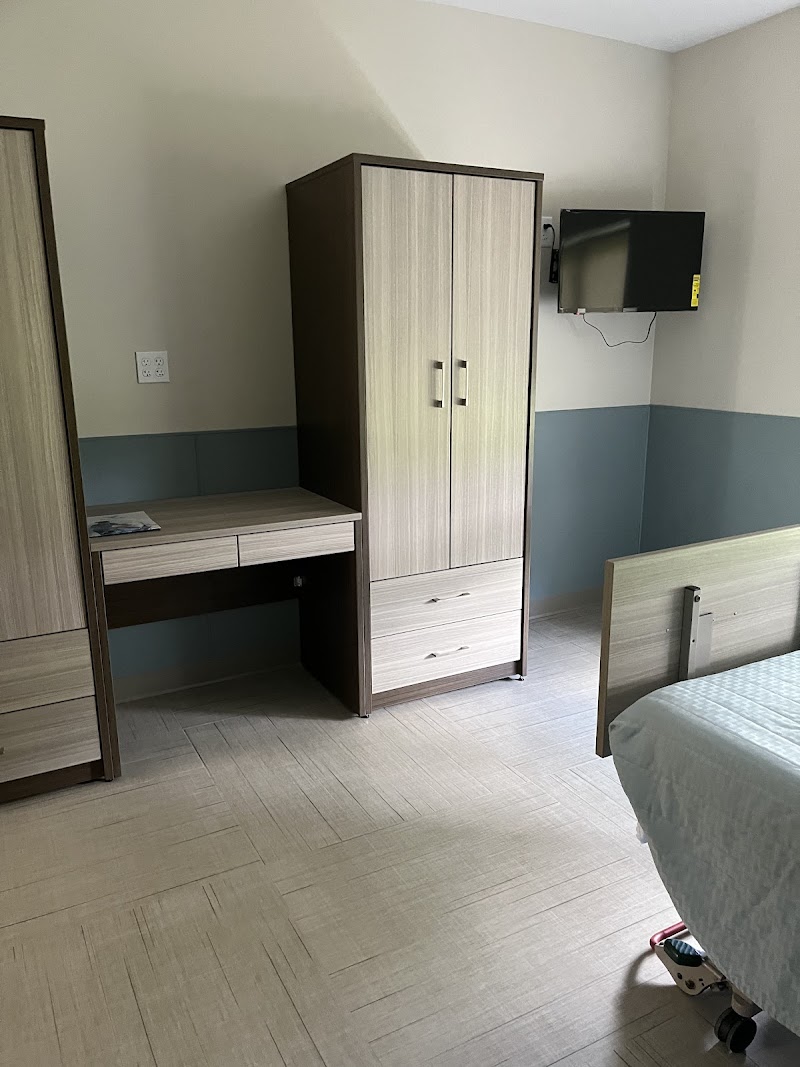
Who Owns and Operates Five Oaks Rehabilitation And Care Center?

Five Oaks Rehabilitation and Care Center is owned by a for-profit company. For-profit facilities operate as businesses with obligations to shareholders or private owners. The facility is operated by VENZA CARE MANAGEMENT, a chain that manages multiple nursing homes. With 160 certified beds and approximately 148 residents (about 92% occupancy), it is a mid-sized facility located in Concord, North Carolina.

How Does Five Oaks Rehabilitation And Care Center Compare to Other North Carolina Nursing Homes?

Compared to the 100 nursing homes in North Carolina, Five Oaks Rehabilitation and Care Center's overall rating (1 stars) is below the state average of 2.8, staff turnover (63%) is significantly higher than the state average of 46%, and health inspection rating (1 stars) is much below the national benchmark.

What Should Families Ask When Visiting Five Oaks Rehabilitation And Care Center?

Based on this facility's data, families visiting should ask: "What changes have been made since the serious inspection findings, and how are you preventing similar issues?" "How do you ensure continuity of care given staff turnover, and what is your staff retention strategy?" "Can you walk me through typical staffing levels on day, evening, and night shifts?" "Can I visit during a mealtime to observe dining assistance and food quality?" These questions are particularly relevant given the facility's Immediate Jeopardy citations, the facility's high staff turnover rate, and the below-average staffing rating.

Is Five Oaks Rehabilitation And Care Center Safe?

Based on CMS inspection data, Five Oaks Rehabilitation and Care Center has documented safety concerns. Inspectors have issued 4 Immediate Jeopardy citations (the most serious violation level indicating risk of serious injury or death). The facility has a 1-star overall rating and ranks #100 of 100 nursing homes in North Carolina. Families considering this facility should ask detailed questions about what corrective actions have been taken since these incidents.

Do Nurses at Five Oaks Rehabilitation And Care Center Stick Around?

Staff turnover at Five Oaks Rehabilitation and Care Center is high. At 63%, the facility is 17 percentage points above the North Carolina average of 46%. Registered Nurse turnover is particularly concerning at 75%. RNs handle complex medical decisions and coordinate care — frequent RN changes can directly impact care quality. High turnover means new staff may not know residents' individual needs, medications, or preferences. It can also be disorienting for residents, especially those with dementia who rely on familiar faces. Families should ask: What is causing the turnover? What retention programs are in place? How do you ensure care continuity during staff transitions?

Was Five Oaks Rehabilitation And Care Center Ever Fined?

Five Oaks Rehabilitation and Care Center has been fined $199,573 across 2 penalty actions. This is 5.7x the North Carolina average of $35,075. Fines at this level are uncommon and typically indicate a pattern of serious deficiencies, repeated violations, or failure to correct problems promptly. CMS reserves penalties of this magnitude for facilities that pose significant, documented risk to resident health or safety. Families should request specific documentation of what issues led to these fines and what systemic changes have been implemented.

Is Five Oaks Rehabilitation And Care Center on Any Federal Watch List?

Five Oaks Rehabilitation and Care Center is not on any federal watch list. The most significant is the Special Focus Facility (SFF) program, which identifies the bottom 1% of nursing homes nationally based on persistent, serious quality problems. Not being on this list means the facility has avoided the pattern of deficiencies that triggers enhanced federal oversight. This is a positive indicator, though families should still review the facility's inspection history directly.