The Gardens of Taylor Glen Retirement Community
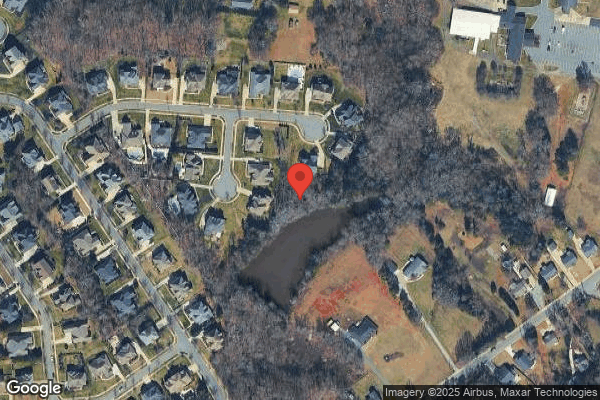
3700 Taylor Glen Lane, Concord, NC 28027 (704) 788-6510
Non profit - Corporation 24 Beds Independent Data: November 2025
Trust Grade
80/100
#129 of 417 in NC
Last Inspection: November 2024

Within standard 12-15 month inspection cycle. Federal law requires annual inspections.

Overview

The Gardens of Taylor Glen Retirement Community has a Trust Grade of B+, indicating it is above average and recommended for families seeking care options. It ranks #129 out of 417 facilities in North Carolina, placing it in the top half, and #2 out of 7 in Cabarrus County, meaning there is only one better option locally. The facility is showing improvement, with the number of issues decreasing from three in 2023 to two in 2024. Staffing is a strong point, with a 4 out of 5 star rating and a turnover rate of 0%, which is well below the state average, ensuring consistent care. While the facility has reported no fines, which is a positive sign, there have been concerning incidents such as failing to properly label and discard expired food items, which raises potential safety issues regarding food served to residents.

Trust Score
B+
80/100
In North Carolina
#129/417
Top 30%
Safety Record
Low Risk
No red flags
Inspections
Getting Better
3 → 2 violations
Staff Stability
○ Average
Turnover data not reported for this facility.
Penalties
✓ Good
No fines on record. Clean compliance history, better than most North Carolina facilities.
Skilled Nurses
✓ Good
Each resident gets 177 minutes of Registered Nurse (RN) attention daily — more than 97% of North Carolina nursing homes. RNs are the most trained staff who catch health problems before they become serious.
Violations
○ Average
6 deficiencies on record. Average for a facility this size. Mostly minor or procedural issues.
★★★★☆
4.0
Overall Rating
★★★★☆
4.0
Staff Levels
☆☆☆☆☆
0.0
Care Quality
★★★★☆
4.0
Inspection Score
Stable
2023: 3 issues
2024: 2 issues

The Good

  • 4-Star Staffing Rating · Above-average nurse staffing levels
  • Full Sprinkler Coverage · Fire safety systems throughout facility
  • No fines on record

Facility shows strength in staffing levels, fire safety.

The Bad

No Significant Concerns Identified

This facility shows no red flags. Among North Carolina's 100 nursing homes, only 0% achieve this.

The Ugly 6 deficiencies on record

Nov 2024 2 deficiencies
CONCERN (D)

Potential for Harm - no one hurt, but risky conditions existed

Infection Control (Tag F0880)

Could have caused harm · This affected 1 resident

Based on observations, record reviews, and staff interviews, the facility failed to implement infection control policies and procedures when the Nurse did not don a gown to provide wound care for a re...

Read full inspector narrative →
Based on observations, record reviews, and staff interviews, the facility failed to implement infection control policies and procedures when the Nurse did not don a gown to provide wound care for a resident on enhanced barrier precautions (EBP). In addition, Nurse #1 failed to follow the facility's policy and procedure for clean dressings which included changing gloves and performing hand hygiene after removing the old dressing. The deficient practice occurred for 1 of 3 staff observed for infection control practices. The findings included: Review of the facility's policy for Enhanced Barrier Precautions (EBP) dated 04/01/2024 revealed the EBP will be implemented for the prevention of transmission of multidrug-resistant organisms. EBP employs gown and glove use during high resident care activities such as: Dressing Bathing/Showering, Transferring, Changing Linens, Providing Hygiene, changing briefs or assisting with toileting, Device Care or use: central line, urinary catheter, feeding tube and tracheostomy, Wound Care: any skin opening requiring a dressing. Review of the facility's policy and procedure on clean dressings last revised in March 2022 revealed the following procedure: - Use disposable cloth (paper towel is adequate) to establish a clean field on residents' overbed table. Place all items to be used during the procedure on the clean field. - Wash and dry your hands thoroughly. - Position resident. Place disposable cloth next to the resident (under the wound) to serve as a barrier to protect the bed linen. - Put on gloves. Loosen tape and remove dressing. - Pull glove over dressing and discard into appropriate receptacle. Wash and dry your hands thoroughly. - Put on new gloves. - Pour liquid solutions directly onto gauze sponges on their papers. - Wear gloves while holding gauze to catch irrigation solutions that are poured directly over the wound. - Apply treatments as indicated. - Dress wound. - Discard disposable items into the designated container. Discard all soiled laundry, linen, towels and washcloths into the soiled laundry container. Remove disposable gloves and discard them into designated containers. Wash and dry your hands thoroughly. Review of the facility's policy and procedure on handwashing last revised in August 2022 revealed the following procedure: - Use an alcohol-based hand rub containing at least 62% alcohol; or alternatively, soap and water for the following situations: - Before and after coming on duty. - Before and after direct contact with the residents - Before performing any non-surgical invasive procedures - Before handling clean or soiled dressing, gauze pads, etc. - After handling used dressing, contaminated equipment, etc. On 11/06/24 at 12:04 PM an observation was made of Nurse #1 entering Resident #3's room to provide wound care. Resident #3 was under EBP for a wound located on his left heel. The EBP signage located on Resident #3's door instructed staff to wear a gown and gloves during high contact resident care activities such as wound care for chronic wounds. Gowns were available directly outside of the resident's door in the hall in a three-compartment container. She was observed entering the resident's room, performing hand hygiene and applying gloves. Nurse #1 had Resident #3's wound care supplies in a container placed on the resident's bedside dresser. Resident #3 was observed sitting in a recliner chair and he placed the footrest up so his heels were in the air. Nurse #1 removed the old dressing and discarded the dressing in the trash can. The Nurse was observed using the same gloves to cleanse the wound with normal saline, paint the wound with betadine and apply calcium alginate (used in wound care to absorb drainage and promote wound healing). Nurse #1 was then observed wrapping Resident #3's heel with gauze. Nurse #1 then removed the gloves and discarded them into the trash can. She gathered the supplies and returned to the medication cart where she sanitized her hands. An interview on 11/06/24 at 12:15 PM with Nurse #1 revealed the facility did not have a wound nurse, it was up to the nurses working on the hall to complete and provide wound care. She stated she worked 4 days a week and every other weekend, so she changed Resident #3's dressing frequently. Nurse #1 was asked if Resident #3 was under any kind of precautions and replied yes, Enhanced Barrier Precautions which meant she needed to wear a gown and gloves before entering the resident's room. Nurse #1 stated she would typically wear a gown while providing wound care however it had just slipped her mind to put it on. She stated she would normally put on a gown while providing any wound care in the building. Nurse #1 stated she had also forgotten to wash her hands and change gloves in between removing the soiled dressing and applying new treatment to the wound and, after removing her gloves in the room. She stated she had just become nervous during the encounter and had forgotten. She stated she knew the policy and knew the process of wound care. An interview on 11/06/24 at 12:43 PM with the Director of Nursing (DON), who was also the Infection Preventionist (IP), revealed it was her expectation for the Nurse to follow infection control guidelines and wound care guidelines while providing wound care. She stated they were auditing staff to ensure they were following infection control guidelines and procedures and said she would be adding the Nurse and wound care to the auditing tool. She stated Nurse #1 should have worn a gown during the wound care for Resident #3. An interview on 11/06/24 at 12:50 PM with the Administrator revealed Nurse #1 should have followed the infection control policy and guidelines regarding wound care and Enhanced Barrier Precautions.
CONCERN (E)

Potential for Harm - no one hurt, but risky conditions existed

Food Safety (Tag F0812)

Could have caused harm · This affected multiple residents

Based on observations and staff interviews, the facility failed to label and date leftover food items stored for use and failed to discard a dented can stored for use. These practices occurred in 1 of...

Read full inspector narrative →
Based on observations and staff interviews, the facility failed to label and date leftover food items stored for use and failed to discard a dented can stored for use. These practices occurred in 1 of 1 walk-in cooler and 1 of 1 dry goods storage area and had the potential to affect food served to the residents who resided in the facility. The findings included: An initial tour of the kitchen occurred on 11/5/24 at 9:54 AM. The following concerns were identified: a. Items in the walk-in cooler that were labeled with a preparation date, but no use-by date included: -a resealable container of sliced red onion dated 11/1/24. -a resealable container of scallions dated 11/1/24. -a bag of shredded carrots, opened and resealed with plastic wrap dated 11/1/24. -a bag of cheddar cheese cubes, opened and resealed with plastic wrap dated 11/1/24. -a bag of shredded white cheddar cheese, opened and resealed with plastic wrap dated 11/1/24. b. An unopened bag of chopped cabbage dated 10/25/24 was observed in the walk-in cooler with a manufacturer's use-by date 10/29/24. c. A 6-pound, 12 ounce can of sweetened applesauce dented on the bottom seal was observed in the dry goods storage area ready for use. An interview with the Executive Chef on 11/5/24 at 11:39 AM was conducted. The Dietary Manager was out on vacation. He stated the facility used a three-day system for food storage. The Executive Chef indicated the date on the label was a preparation date and the staff needed to fill out the entire label, to include the use-by date on opened and prepared items. He stated cans with a dent on the edge or seal should not be used. An interview with the Administrator on 11/6/24 at 3:50 PM revealed he expected staff to follow the policy and procedures for labeling food items and proper storage for canned goods. He added the Dietary Manager typically checked the dates for stored food and stated when she was not working, the staff needed to follow the policies and procedures.
Feb 2023 3 deficiencies
CONCERN (E)

Potential for Harm - no one hurt, but risky conditions existed

Food Safety (Tag F0812)

Could have caused harm · This affected multiple residents

Based on observation, staff interviews and record review the facility failed to remove expired food stored for use from the walk-in refrigerator, failed to date meat that was thawing, failed to allow ...

Read full inspector narrative →
Based on observation, staff interviews and record review the facility failed to remove expired food stored for use from the walk-in refrigerator, failed to date meat that was thawing, failed to allow clean dishes to air dry before they were stacked (placed on top of each other while still wet). The failures had the potential to affect food served to residents. The findings included: 1. An initial observation of the walk-in refrigerator conducted on 2/13/23 from 11:25 AM to 11:50 PM with the Dietary Director (DD) revealed the following food items stored past the use by date and/or without a date to indicate how long the item was good for: - A 10-quart container of bean soup which was ¾ full dated 2/9/23. - 20 ham slices in a zip lock bag dated 2/8/23. - ¼ of a 2-pound pre-packaged ham was wrapped in plastic wrap without a date. - A metal container of ham slices with an unreadable date. The DD confirmed this was unreadable. - A plastic container containing approximately 2 cups of egg salad dated 2/7/23. - A plastic container containing approximately 5 cups of tuna salad dated 2/8/23. - A 12-quart container of cooked meatballs in sauce dated 2/3/23. - Canned peaches in a plastic container dated 2/7/23. - A metal pan of 12 thawed chicken breast with no date on the pan. The DD stated the chicken breast were served on Saturday 2/10/23. - A 10-pound box of mushrooms which had ¼ remaining that were covered in brown spots and were dated 1/18/23. - A 10-pound thawed, uncooked pork roast with no date. The DD stated the pork roast had been pulled from the freezer on Friday 2/10/23 and pork roast was served on Sunday 2/12/23 and this was pork was not used. - 5 pounds of thawed ground beef with no date. During the initial tour the DD stated that all food without an expiration date such as cooked food is kept for three days, and frozen food is pulled from the freezer to thaw in the refrigerator 48 hours prior to being cooked. A follow-up interview was completed with the dietary director on 2/13/23 at 3:16 PM who stated that she did not know why there had been expired food in the walk-in refrigerator. The DD stated that food that was cooked should have had a label with the day it was made and a use by date. The DD director explained that items like the raw ground beef should have had a date it was put in the refrigerator to thaw. An interview was completed with [NAME] #1 on 2/13/23 at 3:34 PM who stated that the process for labeling food was for example, if the food had been mixed vegetables he would have put a date the mixed vegetables were put in the refrigerator with plastic wrap over them. [NAME] #1 stated for ham slices he would had put the date of prepping and for raw chicken he would have put the date it had been put in the metal bin and placed in the refrigerator. [NAME] #1 stated that the policy is prepared food is thrown out after 3 days. 2. During a follow up visit to the kitchen of the dishwashing area on 2/13/23 at 3:40 PM revealed four, 4-quart plastic containers were stacked inside each other and 3 of the containers had noticeable condensation (water) inside the containers. The DD was made aware of the plastic containers at 3:46 PM and stated these were wet nested (containers stacked inside each other while still wet) and should have been left to air dry on the dish rack. An interview was completed with Dishwasher #1 on 2/13/23 at 3:50 PM who stated that dishes were to be put on a rack to air dry. Dishwasher #1 was shown the wet containers and he stated that some containers may be a little wet and he would still stack them or would get a clean towel to dry them off. An interview was completed with the Administrator on 2/15/23 at 2:42 PM who stated that it would be her expectation that food is labeled and dated and thrown away if expired and dishes are dry when stacked.
CONCERN (E)

Potential for Harm - no one hurt, but risky conditions existed

QAPI Program (Tag F0867)

Could have caused harm · This affected multiple residents

Based on record review and staff interviews, the facility's Quality Assurance and Performance Improvement committee (QAPI) failed to maintain implemented procedures and monitor these interventions the...

Read full inspector narrative →
Based on record review and staff interviews, the facility's Quality Assurance and Performance Improvement committee (QAPI) failed to maintain implemented procedures and monitor these interventions the committee put into place in May 2021. This was for 1 re-cited deficiency which was originally cited on 5/26/2021 (F812) and on the current recertification/complaint survey on 2/15/2023 (F812). The continued failure of the facility during the two federal surveys of record shows a pattern of the facility's inability to sustain an effective Quality Assurance and Performance Improvement Program. The findings included: This tag is cross referred to: F812: Based on observation, staff interviews and record review the facility failed to remove expired food stored for use from the walk-in refrigerator, failed to date meat that was thawing, failed to allow clean dishes to air dry before they were stacked (placed on top of each other while still wet). The failures had the potential to affect food served to residents. During the Federal Monitoring Comparative Survey conducted on May 26, 2021, the facility failed to ensure sanitary practices were carried out in the kitchen. The facility failed to discard buttermilk by its use by date; failed to perform hand hygiene to prevent cross contamination of clean dishes during dishwashing and while plating food; failed to ensure gloves used while temping and plating food, were not cross contaminated by the food thermometer which had been improperly stored in a staff members pocket; and failed to allow clean dishes to air dry when they were wet stacked (placed on top of each other while still wet). The failures had the potential to affect three (3) of three (3) residents. The Administrator was interviewed on 2/15/2023 at 1:57 PM and she explained the facility conducted quarterly QAPI meetings that included the dietary director. The Administrator reported staff turnover in the dietary department was the cause of the breakdown in the system related to sustaining the corrective actions that were put in place in May 2021.
MINOR (B)

Minor Issue - procedural, no safety impact

MDS Data Transmission (Tag F0640)

Minor procedural issue · This affected multiple residents

**NOTE- TERMS IN BRACKETS HAVE BEEN EDITED TO PROTECT CONFIDENTIALITY** Based on record review and staff interviews, the facility failed to complete a discharge Minimum Data Set (MDS) assessment for 1...

Read full inspector narrative →
**NOTE- TERMS IN BRACKETS HAVE BEEN EDITED TO PROTECT CONFIDENTIALITY** Based on record review and staff interviews, the facility failed to complete a discharge Minimum Data Set (MDS) assessment for 1 of 1 sampled resident reviewed for discharge (Resident #1). Findings included: Resident #1 was admitted to the facility on [DATE]. Record review revealed Resident #1 had discharged return not anticipated to the assisted living section of the facility on 11/4/22. Review of Resident #1's medical record revealed a discharge return not anticipated assessment dated [DATE] had been started but not completed. During an interview with the Administrator on 2/15/22 at 12:36 PM, she stated their MDS assessments were contracted from an outside agency. She explained they realized on 2/12/23 the discharge assessment for Resident #1 had not been completed. She stated she would expect the MDS assessments to be completed timely. A telephone interview was conducted with the contracted MDS nurse on 2/15/23 at 1:12 PM. She stated that she had thought the MDS discharge assessment had been completed. She explained she was not a Registered Nurse (RN) so once she completed the assessment, she would send an email to the facility to notify them the MDS assessment was ready to be closed and transmitted by a Registered Nurse at the facility.
May 2021 1 deficiency
MINOR (C)

Minor Issue - procedural, no safety impact

Staffing Information (Tag F0732)

Minor procedural issue · This affected most or all residents

Based on observations, staff interview and review of required posted nurse staffing sheets revealed the facility failed to post the actual hours worked by nursing staff for 15 of 15 days reviewed for ...

Read full inspector narrative →
Based on observations, staff interview and review of required posted nurse staffing sheets revealed the facility failed to post the actual hours worked by nursing staff for 15 of 15 days reviewed for nurse staffing information. Findings included: A review of the posted Daily Staffing Sheet from 4/19/21 to 5/3/21 (15 days) was compared to the Daily Schedule revealed the facility listed additional hours worked by the Registered Nurses (RN). On 4/19/21, 4/20/21, 4/23/21, 4/24/21, 4/25/21, 4/28/21, 4/29/21 and 5/3/21 (8 days) the posted staffing sheet revealed a RN had worked the night shift from 7:00 PM to 7:00 AM however the schedule revealed there was not an RN scheduled during the night shift. On 4/21/21, 4/22/21, 4/26/21, 4/27/21, 4/30/21, 5/1/21 and 5/2/21 (7 days) the posted staffing sheet revealed a RN had worked the day shift from 7:00 AM to 7:00 PM however the schedule revealed there was not an RN scheduled during the day shift. A joint interview was completed on 5/4/21 at 1:42 PM with the Minimum Data Set/Staff Development Nurse (MDS) and the Director of Nursing (DON). The DON stated they are both sharing the scheduling responsibility as the facility does not have a scheduler at this time. The DON stated the night shift supervisor posts the census and fills out the posted staffing for the entire day. A review of the staffing daily schedules and posted staffing sheet from 4/19/21 to 5/3/21 was reviewed with the DON and MDS nurse. The DON stated the RN coverage was off. The DON stated that it is her expectation that the posted staffing be accurate and reflects the daily schedule. An interview was completed with the administrator on 5/4/21 at 2:46 PM who stated we want to make sure they put down everyone that is there, and it is done correctly.
Understanding Severity Codes (click to expand)
Life-Threatening (Immediate Jeopardy)
J - Isolated K - Pattern L - Widespread
Actual Harm
G - Isolated H - Pattern I - Widespread
Potential for Harm
D - Isolated E - Pattern F - Widespread
No Harm (Minor)
A - Isolated B - Pattern C - Widespread

Questions to Ask on Your Visit

  • "Can I speak with families of current residents?"
  • "What's your RN coverage like on weekends and overnight?"

Our Honest Assessment

Strengths
  • • Grade B+ (80/100). Above average facility, better than most options in North Carolina.
  • • No major safety red flags. No abuse findings, life-threatening violations, or SFF status.
  • • No fines on record. Clean compliance history, better than most North Carolina facilities.
Concerns
  • • No significant concerns identified. This facility shows no red flags across CMS ratings, staff turnover, or federal penalties.
Bottom line: Generally positive indicators. Standard due diligence and a personal visit recommended.

About This Facility

What is The Gardens Of Taylor Glen Retirement Community's CMS Rating?

CMS assigns The Gardens of Taylor Glen Retirement Community an overall rating of 4 out of 5 stars, which is considered above average nationally. Within North Carolina, this rating places the facility higher than 99% of the state's 100 nursing homes. This rating reflects solid performance across the metrics CMS uses to evaluate nursing home quality.

How is The Gardens Of Taylor Glen Retirement Community Staffed?

CMS rates The Gardens of Taylor Glen Retirement Community's staffing level at 4 out of 5 stars, which is above average compared to other nursing homes.

What Have Inspectors Found at The Gardens Of Taylor Glen Retirement Community?

State health inspectors documented 6 deficiencies at The Gardens of Taylor Glen Retirement Community during 2021 to 2024. These included: 4 with potential for harm and 2 minor or isolated issues.

Who Owns and Operates The Gardens Of Taylor Glen Retirement Community?

The Gardens of Taylor Glen Retirement Community is owned by a non-profit organization. Non-profit facilities reinvest revenue into operations rather than distributing to shareholders. The facility operates independently rather than as part of a larger chain. With 24 certified beds and approximately 2 residents (about 8% occupancy), it is a smaller facility located in Concord, North Carolina.

How Does The Gardens Of Taylor Glen Retirement Community Compare to Other North Carolina Nursing Homes?

Compared to the 100 nursing homes in North Carolina, The Gardens of Taylor Glen Retirement Community's overall rating (4 stars) is above the state average of 2.8 and health inspection rating (4 stars) is above the national benchmark.

What Should Families Ask When Visiting The Gardens Of Taylor Glen Retirement Community?

Based on this facility's data, families visiting should ask: "Can I visit during a mealtime to observe dining assistance and food quality?" "How do you handle medical emergencies, and what is your hospital transfer rate?" "Can I speak with family members of current residents about their experience?"

Is The Gardens Of Taylor Glen Retirement Community Safe?

Based on CMS inspection data, The Gardens of Taylor Glen Retirement Community has a clean safety record: no substantiated abuse findings (meaning no confirmed cases of resident harm), no Immediate Jeopardy citations (the most serious violation level indicating risk of serious injury or death), and is not on the Special Focus Facility watch list (a federal program monitoring the lowest-performing 1% of nursing homes). The facility has a 4-star overall rating and ranks #1 of 100 nursing homes in North Carolina. While no facility is perfect, families should still ask about staff-to-resident ratios and recent inspection results during their visit.

Do Nurses at The Gardens Of Taylor Glen Retirement Community Stick Around?

The Gardens of Taylor Glen Retirement Community has not reported staff turnover data to CMS. Staff turnover matters because consistent caregivers learn residents' individual needs, medications, and preferences. When staff frequently change, this institutional knowledge is lost. Families should ask the facility directly about their staff retention rates and average employee tenure.

Was The Gardens Of Taylor Glen Retirement Community Ever Fined?

The Gardens of Taylor Glen Retirement Community has no federal fines on record. CMS issues fines when nursing homes fail to meet care standards or don't correct problems found during inspections. The absence of fines suggests the facility has either maintained compliance or corrected any issues before penalties were assessed. This is a positive indicator, though families should still review recent inspection reports for the full picture.

Is The Gardens Of Taylor Glen Retirement Community on Any Federal Watch List?

The Gardens of Taylor Glen Retirement Community is not on any federal watch list. The most significant is the Special Focus Facility (SFF) program, which identifies the bottom 1% of nursing homes nationally based on persistent, serious quality problems. Not being on this list means the facility has avoided the pattern of deficiencies that triggers enhanced federal oversight. This is a positive indicator, though families should still review the facility's inspection history directly.