Harnett Woods Nursing and Rehabilitation Center
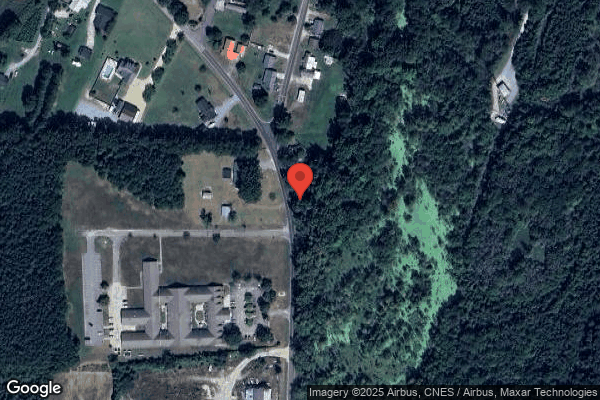
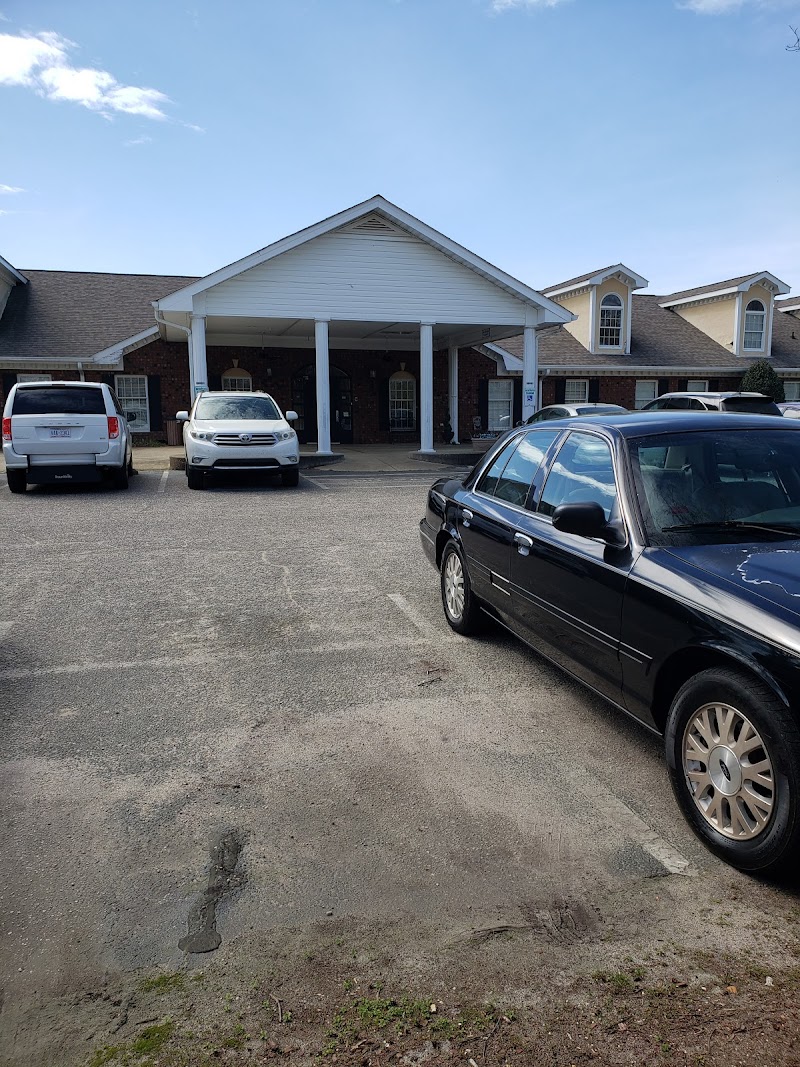
604 Lucas Road, Dunn, NC 28334 (910) 891-4600
For profit - Limited Liability company 100 Beds PRINCIPLE LONG TERM CARE Data: November 2025
Trust Grade
80/100
#100 of 417 in NC
Last Inspection: July 2025

Inspected within the last 6 months. Data reflects current conditions.

Overview

Harnett Woods Nursing and Rehabilitation Center has a Trust Grade of B+, which means it is above average and recommended for families considering care options. It ranks #100 out of 417 nursing homes in North Carolina, placing it in the top half of facilities in the state, and is ranked #1 out of 5 in Harnett County, indicating it is the best local option. The facility is improving, having reduced issues from 5 in 2024 to 2 in 2025, and it maintains a good staffing rating with a turnover of 42%, which is below the state average, suggesting staff stability. There have been no fines reported, which is a positive sign, and while RN coverage is average, it is crucial for ensuring residents receive proper care. However, there are some concerns, including incidents where expired food items were found in the kitchen and the improper administration of melatonin to residents without physician orders, highlighting areas for improvement in food safety and medication management.

Trust Score
B+
80/100
In North Carolina
#100/417
Top 23%
Safety Record
Low Risk
No red flags
Inspections
Getting Better
5 → 2 violations
Staff Stability
○ Average
42% turnover. Near North Carolina's 48% average. Typical for the industry.
Penalties
✓ Good
No fines on record. Clean compliance history, better than most North Carolina facilities.
Skilled Nurses
⚠ Watch
Each resident gets only 27 minutes of Registered Nurse (RN) attention daily — below average for North Carolina. Fewer RN minutes means fewer trained eyes watching for problems.
Violations
○ Average
9 deficiencies on record. Average for a facility this size. Mostly minor or procedural issues.
★★★★☆
4.0
Overall Rating
★★★★☆
4.0
Staff Levels
★★★★☆
4.0
Care Quality
★★★★☆
4.0
Inspection Score
Stable
2024: 5 issues
2025: 2 issues

The Good

  • 4-Star Staffing Rating · Above-average nurse staffing levels
  • 4-Star Quality Measures · Strong clinical quality outcomes
  • Full Sprinkler Coverage · Fire safety systems throughout facility
  • No fines on record
  • Staff turnover below average (42%)

    6 points below North Carolina average of 48%

Facility shows strength in staffing levels, quality measures, fire safety.

The Bad

Staff Turnover: 42%

Near North Carolina avg (46%)

Typical for the industry

Chain: PRINCIPLE LONG TERM CARE

Part of a multi-facility chain

Ask about local staffing decisions and management

The Ugly 9 deficiencies on record

Jul 2025 2 deficiencies
CONCERN (D)

Potential for Harm - no one hurt, but risky conditions existed

Deficiency F0605 (Tag F0605)

Could have caused harm · This affected 1 resident

**NOTE- TERMS IN BRACKETS HAVE BEEN EDITED TO PROTECT CONFIDENTIALITY** Based on record reviews, and staff interviews, the facility failed to ensure residents were free from chemical restraints when M...

Read full inspector narrative →
**NOTE- TERMS IN BRACKETS HAVE BEEN EDITED TO PROTECT CONFIDENTIALITY** Based on record reviews, and staff interviews, the facility failed to ensure residents were free from chemical restraints when Medication Aide (Med Aide) #1 brought melatonin to the facility and administered melatonin to Resident #16 without a physician's order, administered an additional dose of melatonin to Resident #31 with an order for 3 milligrams (mg) of melatonin and administered an additional dose of melatonin to Resident #74 with an order for 10 mg of melatonin because she wanted a quiet night. The deficient practice occurred for 3 of the 9 sampled residents for medication administration (Resident #16, Resident #31 and Resident #74). The findings included:A review of an initial allegation report dated [DATE] revealed Med Aide #1 administered melatonin to Resident #16, Resident #31 and Resident #74 without a physician's order. No physical or mental harm. A review of an investigation report dated [DATE] revealed a summary that included over the counter melatonin bottles were identified in the facility sparking investigation to which the facility determined Med Aide #1 administered over the counter melatonin to three residents without a corresponding physicians order. Residents and staff were interviewed. Medication carts were audited. Residents' charts were reviewed. Residents involved in investigation have been evaluated with no negative outcome identified.Melatonin is a supplement most commonly used for insomnia and regulating sleep cycle.A review of a witness statement dated [DATE] from Med Aide #2 revealed it was probably around 7:00 PM when she noticed the bottles. They were white with purple lids. 2 were 10 milligrams (mg) and one was 12 mg. When she opened the stock drawer they were sitting on the right side of the stock drawer. I can't remember if I pulled them and then told Nurse #1 or told Nurse #1 and then pulled them, but I put them in the cabinet in the nourishment room. A review of a witness statement dated [DATE] from Nurse #1 revealed it was during that first med pass that Med Aide #2 and I noticed the melatonin. The Med Aide stated she saw it right when she opened her drawer with stock meds and notified her. I instructed her to pull it from the cart and place it in the cabinet in the nourishment room in the SPARK (Alzheimer's) unit. That was probably between 7:30-8:00 PM on [DATE]. A review of a witness statement from Med Aide #1 revealed she brought in 3 bottles of melatonin, 5mg, 10 mg and 12 mg on [DATE]. When asked if she brought them in before she stated, No. She stated she did not give out the 12 mg, they were her personal pills. She gave 5 mg of melatonin to Resident #16, Resident #31 and Resident #74. The Med Aide was told they did not find 5 mg bottles and she stated, she only gave 5 mgs. She stated Resident #31 was wandering, Resident #16 was up until 1:00 AM, sleepy and tired and Resident #74 was also tired. She did not alert the nurses of any changes in the residents' condition. a. Resident #16 was admitted to the facility on [DATE] with diagnoses including hypertensive heart disease with heart failure. The diagnoses list included insomnia [DATE], and Alzheimer's disease [DATE]. The quarterly Minimum Data Set (MDS) dated [DATE] had Resident #16 coded as moderately cognitively impaired, and no behaviors were coded. The [DATE] Medication Administration Record (MAR) did not reveal an order for Melatonin. b. Resident #31 was admitted to the facility on [DATE] with diagnoses including chronic obstructive pulmonary disease. The quarterly Minimum Data Set (MDS) dated [DATE] had Resident #31 coded as severely cognitively impaired. Resident #31 had inattention and disorganized thinking. There was no acute change in mental status from the residents' baseline. Required partial/moderate assistance with toileting and hygiene and was occasionally incontinent of bladder and always continent of bowel. The diagnoses list included insomnia [DATE] and dementia [DATE]. [DATE] Medication Administration Record (MAR) revealed an order for Melatonin Tablet 3 MG. Give 3 mg by mouth at bedtime for insomnia. Start date [DATE]. Med Aide #1 signed the MAR on [DATE] at 10:00 PM. An encounter note dated [DATE] revealed the resident is an [AGE] year-old female with a history of dementia, anxiety, wandering behaviors, and insomnia, seen for a follow-up visit. She was resting calmly in bed, reporting no pain or discomfort, and appeared happy and in no overt distress. Staff reported that she is at her baseline in terms of mood and behavior, with no new concerns raised. She is cooperative with care and experiences occasional anxiety and wandering behaviors, which are manageable with redirection. Staff also noted that the Resident had been sleeping well and maintaining a good appetite. There have been no reports of hallucinations or delusions. Her current medication regimen will be continued, and her mood and behavior will be closely monitored. c. Resident #74 was admitted to the facility on [DATE] with diagnoses including atherosclerotic heart disease of native coronary artery without angina pectoris. The quarterly Minimum Data Set (MDS) dated [DATE] had Resident #74 coded as severely cognitively impaired and had memory problems. The diagnoses list included insomnia [DATE] and dementia [DATE]. [DATE] Medication Administration Record (MAR) revealed an order for a melatonin oral tablet 10 mg. Give 10 mg by mouth at bedtime related to primary insomnia. Med Aide #1 signed the MAR as administered at 10:00 PM. An interview with Nurse #4 was conducted on [DATE] at 3:01 PM. The Nurse stated she worked the Spark (Alzheimer's) unit 7:00 AM to 7:00 PM shift on [DATE] and there were no bottles of melatonin on the cart when she left when she counted the cart with Med Aide #1 at 7:00 PM. She also stated she had never given any medications without a physician's order and had not known of this happening prior to this incident. Resident #74 did have anxiety but could be redirected. She further stated she had not seen any changes with all three Residents and was educated on the scope of practice and not to give meds without a physician order. Some non-pharmacological interventions with Resident #74 when she gets anxious were playing music, taking outside if the weather permits, giving snacks and she likes to look at her clothes. She further stated she had not seen any changes with Resident #74 after [DATE]. A telephone interview with Nurse #2 was conducted on [DATE] at 3:24 PM. The Nurse stated she was familiar with Resident #16's care and worked 7:00 PM to 7:00 AM on [DATE]. She was asked if she bought in melatonin and stated, No. Nurse #2 indicated days later she was notified by telephone a Med Aide gave melatonin without a physician's order and all nurses were to be included in the in service. She did not see Med Aide #1 give any residents melatonin and she had never given any residents medications without a physician's order. A telephone interview with Nurse #3 was conducted on [DATE] at 3:37 PM. The Nurse stated she works the 7:00 PM to 7:00 AM shift and she did work the night of [DATE]. Nurse #3 indicated she did not see Med Aide #1 giving medications to residents without a physician's order and Nurse #3 had not given Residents melatonin without an order. The nurse also stated she did not notice any changes in the residents during that shift. An interview with Nurse Aide (NA #3) was conducted on [DATE] at 10:52 AM. The NA stated she did work 7:00 PM to 7:00 AM shift with Resident #31 on [DATE] and she did not see anyone give her medications. She also stated she had not seen any changes in the Resident #31s behaviors after the incident. A telephone interview with Nurse #5 was conducted on [DATE] at 3:50 PM. The Nurse stated she did work 7:00 PM to 7:00 AM on [DATE] and did not see anyone giving melatonin to residents. She also stated she had not given any medications without the physician's order. An interview with NA #1 was conducted on [DATE] at 2:23 PM. The NA stated she works the 7:00 AM to 7:00 PM shift and she did work [DATE], the morning after the incident. She recalled when a Med Aide #1 gave some residents melatonin because they had an in-service. NA #1 had not seen or heard of that happening until they educated them on having a physician's order to give melatonin. NA #1 further stated she did not see any changes in Resident #16 or anything out of the ordinary or she would have reported it to the nurse. An interview with Nurse #6 was conducted on [DATE] at 10:52 AM. The nurse stated she worked from 7:00 AM to 7:00 PM on [DATE]. She counted the cart with Med Aide #1 on [DATE] at 7:00 AM and Med Aide #1 never mentioned melatonin or giving it to residents. The top drawer of the medication cart was not open when they did a count. When she was about to start her med pass, she noticed 2 or 3 bottles of melatonin in the cart. She believed it was 10 mg and not all were opened. Nurse #6 stated she had not seen the bottles of melatonin in the cart before [DATE]. The medication was in the cart that shift until Med Aide #2 noticed them. The nurse also stated she had not seen any changes in Resident #31 and Resident #74 during that shift. An interview with Med Aide #2 was conducted on [DATE] at 1:24 PM. She stated she worked the 7:00 PM to 7:00 AM shift on [DATE] and after she received the cart from Nurse #6 and was about to pass medications, she noticed the melatonin in the top drawer of the cart. She went to get Nurse #1 because the bottles of melatonin did not have a resident's name, and they don't have stock bottles of melatonin in the cart. Nurse #1 told her to take the medication out of the drawer, and she put it in the nourishment room. Med Aide #2 indicated she had never seen or heard of anyone giving medication to residents without an order prior to this incident and she never gave any medications to residents that did not have a physician's order. The Med Aide also stated there were no changes on her shift in the Residents after they were given the melatonin. An interview with the Director of Nursing (DON) was conducted on [DATE] at 2:02 PM. The DON stated she was made aware by Nurse #1 that bottles of melatonin were found on the SPARK units medication cart on [DATE]. The medication came from a popular budget store and all bottles had the same white tablets and the store name across it and some of the bottles were still sealed. The DON asked the Nurse #1 how the medication got there but she did not know. Nurse #1was told to remove them from the cart. All the nursing staff were asked if they brought the medication in and all the nurses stated, No. She continued to call and leave messages for Med Aid #1 because Med Aide #1 was not on the schedule that week. She finally called her back on [DATE] and stated, Yes to bringing in and administering the melatonin to Resident #16, Resident #31 and Resident #74 and forgot to take them with her at the end of her shift on [DATE]. The DON also stated she asked Med Aide #1, why did she give the medication, and Med Aide #1 replied, She wanted a peaceful night. Med Aide #1 was told she was not supposed to give residents unprescribed medication. Med Aide #1 stated she gave 5 mg of melatonin to the 3 residents and no one else. The Med Aide was made aware that she was going to be suspended and the investigation was conducted. The DON indicated the Residents Med Aide #1 administered the melatonin to were assessed, no issues were found, she notified the state agencies and police, but the police did not file a report because it was not a narcotic. The DON noted Med Aide #1 was fired. The staff were educated to have a physician order before administering medications and the DON helped with education. The DON stated she expected the nursing staff to administer medications as ordered and if there is a change in behaviors, then the physician should be notified. The officer that came to the facility did not file a police report because it was not a criminal matter or a narcotic. An interview with the Administrator was conducted on [DATE] at 3:21 PM. The Administrator stated she was made aware by the DON on [DATE] that several bottles of melatonin were found in the med cart on the SPARK unit on [DATE], and it was not from their pharmacy. All nurses and med aides were notified and questioned about the medications and Med Aide #1 finally got back to the DON on [DATE] and admitted to having the melatonin and administering it to Resident #16, Resident #31 and Resident #74. Med Aide #1 was suspended and then fired. The responsible parties (RP) and physician were made aware of no new orders were given. The Residents involved were assessed with no negative findings. They reported to police, and state agencies and completed the plan of correction (POC). An interview with Nurse #1 was attempted but not successful. An interview with the Physician was not conducted because he was out of the country. An interview with Med Aide #1 was attempted but not successful. The facility provided the following corrective action plan with a compliance date of [DATE]. Address how corrective action will be accomplished for those residents found to have been affected by the deficient practice. Problem: Med Aide administered melatonin medication to 3 residents with insomnia without a physician's order.On [DATE], the medications were removed from the medication cart and locked in the nourishment room cabinet. All nursing staff were interviewed concerning the found medications. On [DATE] the incident was reported to the physician and no new orders were given. The Residents where the medications were found were assessed by Nurse #1 and there were no changes found in the residents. On [DATE] The DON spoke with Medication Aide #1 upon interview, Medication Aide #1 stated she purchased the medication from a brand-name retail store and where she placed it on the cart. The Medication Aide #1 did not notify anyone that the medications were brought into the facility. Medication Aide #1 stated she administered a single 5mg dose of the over-the-counter melatonin, to Resident #16, Resident #31, and Resident #74, in effort to ensure she Had a peaceful night. On [DATE], following this admission, Medication Aide #1 was immediately suspended. Resident #16, Resident #31 and Resident #74 were reassessed by the Unit Managers with no negative findings. The nurse notified the physician and resident representatives of all three identified residents of the incident. There were no new orders from the physician. On [DATE], The Administrator and DON immediately initiated an investigation. The Administrator notified the Health Care Personnel Registry (HCPR), local law enforcement, and Adult Protective Services (APS) of the incident. Address how the facility will identify other residents having the potential to be affected by the same deficient practice. On [DATE] the Social Worker interviewed all alert and oriented residents regarding: Have you been given any medications not prescribed? There were no identified areas of concern voiced during the interviews. On [DATE], the Unit Managers initiated an assessment of all residents regarding changes in condition. The purpose of the audit was to identify any residents with a change in condition and ensure the change is not related to the administration of unprescribed medications. There were no identified areas of concern during the audit. The audit was completed on [DATE]. On [DATE], the Director of Nursing (DON) audited all medication carts to ensure there was no over-the-counter melatonin present on the carts. There were no other over the counter melatonin medication bottles identified. On [DATE], interviews were initiated by the Director of Nursing, Assistant Director of Nursing, Unit Managers, and Treatment nurses with nurses and medication aids regarding: To your knowledge, have you ever given a medication that did not have a prescribed order or know of a staff member who has given medication without a prescribed order. On [DATE], the interviews were amended to include 1. To your knowledge, have you ever administered a medication that did not have a prescribed order (nurses and med aides only) 2. Do you know of, or have you heard of any staff member administering medications to a resident without a prescribed order (all staff)? An investigation will be initiated by the Administrator into any identified areas of concern during the interviews. The interviews will be completed on [DATE] for all staff that have worked. The Administrator, Director of Nursing, or Staff Development Coordinator (SDC) will monitor the staff's completion. After [DATE], any staff who have not received the interview will complete upon their next scheduled work shift. On [DATE], the DON and Nursing Consultants initiated medication pass observations with all nurses and medication aides utilizing the Medication Pass Audit Tool. This observation is to ensure all medications are administered according to the physician's orders. All nurses and medication aids will be retrained during the observation for all identified areas of concern. The observations will be completed by [DATE] for all nurses and medication aids that worked. The Administrator, Director of Nursing, or Staff Development Coordinator (SDC) will monitor staff completion. After [DATE], any nurse or medication aid who has not worked and completed the audit will complete it on their next scheduled work shift. All newly hired nurses and medication aides, including the agency, will complete a medication pass audit during orientation to ensure medications are administered by physician's order. On [DATE], the assisting sister facility nurses initiated an audit of all current resident's Medication Administration Record in comparison to medications stored in the medication cart to ensure no unprescribed medications were present in the cart. The assisting sister facility nurses addressed all concerns identified during the audit to include removal of any medications found on the cart not currently prescribed. The audit was completed by [DATE]. On [DATE], the Administrator initiated an audit of all incident reports for the past 30 days to identify trends, and identify any incidents related to medication administration to ensure appropriate interventions were initiated, physician notified, and resident assessed as indicated. There were no identified areas of concern during the audit. The audit was completed by [DATE]. On [DATE], the Director of Nursing reviewed progress notes from [DATE]-[DATE] to identify all residents with a change in condition. A comprehensive review was initiated by all residents identified with changes in condition to ensure the change was not related to the administration of unprescribed medications. There were no changes in the condition identified that were related to medication administration. On [DATE], the Social Worker completed education with all alert and oriented residents regarding medications administration. The education included immediately reporting concerns with medication administration prior to it being administered and reporting to the DON or Administrator if you feel the concern was not resolved. Address what measures will be put into place, or systemic changes made to ensure that the deficient practice will not recur. On [DATE], the SDC initiated an in-service of all nurses and medication aides regarding Rights of Medication Administration with emphasis on (1) administering the right medication, right dose, to the right resident per physician order (2) not administering medications without a physician's order, notifying the DON immediately if you are aware of medications being administered without a physician's order. The in-services will be completed on [DATE]. After [DATE], all nurses and medication aides that have not received the in-services will receive their next scheduled shift. All newly hired nurses and medication aides, including agencies, receive education during orientation by the SDC. Indicate how the facility plans to monitor its performance to make sure that solutions are sustained. On [DATE], the decision was made to monitor the plan for administration of unprescribed medication and presented to the QAPI Committee by the Administrator on [DATE]. On [DATE], the decision was made by the Administrator, for the Unit Managers, MDS, and SDC to complete 5 medication pass audits weekly x 4 weeks then monthly x 1 month to include all shifts to ensure medications are being administered per physician order using the rights of medication administration and that medications were not administered without a physician order. The DON will address all concerns identified during the audit to include but not limited to assessment of the residents, notification of the physician for further recommendations, and retraining of staff. The DON will review the medication pass audits weekly x 4 weeks then monthly x 1 month to ensure all concerns are addressed. The Unit Managers, MDS, and SDC will complete an audit all current resident's Medication Administration Record in comparison to medications stored in the medication cart to ensure no unprescribed medications are present in the cart weekly x 4 weeks then monthly x 1 month. An investigation will be initiated by the Director of Nursing or Administrator of all identified areas of concern. The Unit Managers, MDS, and SDC were notified of this responsibility on [DATE] by the Administrator. The Administrator or DON will present the findings of the Med Pass and Mar/Cart audit tools to the QAPI committee monthly for 1 month for review and to determine trends and/or issues that may need further interventions and the need for additional monitoring.Date corrective actions completed: [DATE] Onsite validation of the corrective action plan was completed on [DATE]. Interviews with the nursing staff in the facility confirmed they received in-service training on Rights of Medication Administration with emphasis on (1) administering the right medication, right dose, to the right resident per physician order (2) not administering medications without a physician's order. A review of the audit tools was conducted including a review of the resident questionnaires for all alert and oriented residents completed on [DATE]. The compliance date was [DATE]. The Plan of Correction was verified on [DATE].
MINOR (B)

Minor Issue - procedural, no safety impact

Deficiency F0628 (Tag F0628)

Minor procedural issue · This affected multiple residents

**NOTE- TERMS IN BRACKETS HAVE BEEN EDITED TO PROTECT CONFIDENTIALITY** Based on record review and staff interviews the facility failed to notify the Resident Representative in writing of the reason f...

Read full inspector narrative →
**NOTE- TERMS IN BRACKETS HAVE BEEN EDITED TO PROTECT CONFIDENTIALITY** Based on record review and staff interviews the facility failed to notify the Resident Representative in writing of the reason for the unplanned transfer/discharge to the hospital for 1 of 1 resident (Resident #21) reviewed for hospitalizations.The findings included:Resident #21 was admitted into the facility on [DATE]. A review of Resident #21's nursing progress notes indicated that she was transferred to the hospital on 9/2/24 and returned to the facility on 9/5/24. Resident #21 was also transferred to the hospital on 3/23/25 and returned to the facility on 3/28/25.A review of Resident #21's quarterly Minimum Data Set assessment dated [DATE] indicated she was severely cognitively impaired.A review of Resident #21's medical record indicated no documentation of the reason for the transfers was sent to the Resident Representative.A telephone interview was attempted with Resident #21's representative but they were unavailable.An interview with the Administrator on 7/9/25 at 10:00 AM indicated that she was aware of the need for documentation to be sent to the Resident Representative and she was the one who had done that during the time the Social Worker was on leave. However, the Administrator reported she stopped sending out the notice when the Social Worker returned from leave and had not informed the Social Worker that she would be responsible for the notices. The Administrator further indicated she had spoken to the Social Worker and confirmed that Resident #21's representative had not been notified of the reason for transfer by mail for either discharge.
May 2024 3 deficiencies
CONCERN (D)

Potential for Harm - no one hurt, but risky conditions existed

PASARR Coordination (Tag F0644)

Could have caused harm · This affected 1 resident

**NOTE- TERMS IN BRACKETS HAVE BEEN EDITED TO PROTECT CONFIDENTIALITY** Based on record review and staff interview, the facility failed to refer residents with newly evident mental health diagnoses fo...

Read full inspector narrative →
**NOTE- TERMS IN BRACKETS HAVE BEEN EDITED TO PROTECT CONFIDENTIALITY** Based on record review and staff interview, the facility failed to refer residents with newly evident mental health diagnoses for Preadmission Screening and Resident Review (PASRR) level II screen for 2 of 5 sampled residents reviewed for PASRR (Resident #44 and Resident #63). Findings included: 1. Resident #44 was admitted to the facility on [DATE] with diagnoses that did not include any mental health diagnoses. The North Carolina PASRR level I screen dated 11/28/2019 revealed no mental health diagnoses. The PASRR level II determination notification dated 11/28/2019 revealed no further PASRR screening was required unless a significant change occurred with the individual's status which suggests a diagnosis of mental illness. The diagnosis report revealed depression was added as a diagnosis on 02/14/2024. The annual Minimum Data Set (MDS) dated [DATE] had Resident #44 coded as alert and oriented and was not currently considered by the state level II PASRR process to have serious mental illness and/or intellectual disability or a related condition. The MDS listed diagnoses including anxiety disorder, depression (other than bipolar), bipolar disorder, and psychotic disorder (other than schizophrenia). There were no moods or behaviors documented. The care plan dated 05/06/2024 had a focus area of a problematic way resident acts characterized by ineffective coping. There was no evidence a referral was made to PASRR when the new mental health diagnoses were identified for Resident #44. An interview with the Director of Nursing (DON) was conducted on 05/29/24 at 3:40 PM. The DON stated PASRRs were completed by the Admissions Director and Accounts Receivable. She reported they were both currently out from work. She indicated Resident #44 did have a new mental health diagnosis after the 11/28/2019 PASRR determination letter. The DON also stated she was not familiar with the PASRR process, and she did not know why they did not complete the referral for a screening when there was a new mental health diagnosis. The DON also stated there would be education completed to ensure this issue was not be repeated. An interview with the Administrator was conducted on 05/29/2024 at 3:59 PM. The Administrator stated Resident #44 did have new mental health diagnoses and a new referral for a PASRR screening should have been completed when the diagnoses were identified. The Administrator indicated it may have been due to confusion or oversite, but the staff would be educated on the PASRR process. 2. Resident #63 was admitted to the facility on [DATE] with diagnoses that included Parkinson's disease, and anxiety disorder. The North Carolina Department of Health of Human Services (NCDHHS) halted PASRR level II determination notification dated 05/04/2023 indicated no further PASRR screening was required unless a significant change occurred with the individual's mental status which suggested a psychiatric disorder that was not dementia. Review of the diagnoses report revealed Resident #63 had a new diagnosis of psychotic disorder dated 11/08/2023. The annual Minimum Data Set (MDS) dated [DATE] indicated Resident #63 was not currently considered by the state level II PASRR process to have serious mental illness and/ or intellectual disability or a related condition. The MDS indicated the resident had behavioral symptoms of rejection of care. It indicated the diagnoses of anxiety disorder and psychotic disorder. The MDS had Resident #63 coded as severely cognitively impaired. The care plan dated 07/06/2023 and updated 04/25/2024 had a focus of a problematic way resident acts characterized by ineffective coping. The resident demonstrates verbal/physical aggression or agitation, combativeness related to cognitive impairment. There was no evidence a referral was made to PASRR when the new mental health diagnosis was identified for Resident #63. An interview with the Director of Nursing (DON) was conducted on 05/29/24 at 3:40 PM. The DON stated PASRRs were completed by the Admissions Director and Accounts Receivable staff. She stated they were both on leave and unavailable for an interview. The DON acknowledged that Resident #63 had a new mental illness diagnosis of psychotic disorder on 11/08/2023 and was not referred for PASRR screening. The DON also stated she was not familiar with the PASRR process, and she did not know the reason the new diagnosis was not screened. The DON indicated that there would be PASRR education completed to ensure this issue did not repeat itself. An interview with the Administrator was conducted on 05/29/2024 at 3:59 PM. The Administrator stated Resident #63 had a new mental Illness that should have been screened when identified on 11/08/2023. She added that the staff would be educated on the PASRR process.
CONCERN (D)

Potential for Harm - no one hurt, but risky conditions existed

Deficiency F0645 (Tag F0645)

Could have caused harm · This affected 1 resident

**NOTE- TERMS IN BRACKETS HAVE BEEN EDITED TO PROTECT CONFIDENTIALITY** 2. Resident #71 was admitted to the facility on [DATE] with diagnoses that included psychotic disorder (onset 02/16/2024). The ...

Read full inspector narrative →
**NOTE- TERMS IN BRACKETS HAVE BEEN EDITED TO PROTECT CONFIDENTIALITY** 2. Resident #71 was admitted to the facility on [DATE] with diagnoses that included psychotic disorder (onset 02/16/2024). The North Carolina PASRR level I screen dated 02/16/2024 revealed no mental health diagnoses. The PASRR level II determination notification dated 02/16/2024 revealed no further PASRR screening was required unless a significant change occurrred with the individual's status which suggested a diagnosis of mental illness. The admission Minimum Data Set (MDS) dated [DATE] had Resident #71 coded as moderately cognitively impaired and was not considered by the state for a PASRR level II to have a serious mental illness. The care plan dated 05/06/2024 had a focus of inappropriate behavior and resistive to treatment and care. An interview with the Director of Nursing (DON) was conducted on 05/29/24 at 3:40 PM. The DON stated PASRRs were completed by the Admissions Director and Accounts Receivable. They were both out from work currently. She indicated Resident #71 did have a mental health diagnosis during the time the screening was completed. The DON also stated she was not familiar with the PASRR process, and she did not know why they did not include the diagnosis in the screening. The DON also stated there would be education completed to ensure this issue did not repeat itself. An interview with the Administrator was conducted on 05/29/2024 at 3:59 PM. The Administrator stated Resident #71 did have a mental health diagnosis of psychotic disorder and the diagnosis should have been included with the screening. The Administrator reported this may have been due to confusion or oversite but the staff would be educated on the PASRR process. Based on staff interviews and record review, the facility failed to apply for a level II Preadmission Screening and Resident Review (PASRR) screening for 2 of 5 residents reviewed for PASRR level II screenings.(Resident #63 and Resident #71) Findings included: 1.Resident #63 was admitted to the facility on [DATE] with diagnoses that included Parkinson's disease and anxiety disorder. Review of the diagnoses report revealed Resident #63 had a diagnosis of anxiety disorder dated 04/25/2023. The North Carolina Preadmission Screening Resident Review (NC PASRR) level I screen dated 05/04/2023 did not include the diagnosis of anxiety disorder. The North Carolina Department of Health of Human Services (NCDHHS) halted PASRR level II determination notification dated 05/04/2023 indicated no further level I screen was required unless a significant change occurred with the individual's mental status which suggested a psychiatric disorder that was not dementia. The annual Minimum Data Set (MDS) dated [DATE] indicated Resident #63 was not currently considered by the state level II PASRR process to have a serious mental illness and/or intellectual disability or a related condition. The MDS indicated the resident had behavioral symptoms of rejection of care and a diagnosis of anxiety disorder. The MDS had Resident #63 coded as severely cognitively impaired. The care plan dated 04/25/2024 had a focus of a problematic way resident acts characterized by ineffective coping. The resident demonstrates verbal/physical aggression or agitation and combativeness related to cognitive impairment. An interview with the Director of Nursing (DON) was conducted on 05/29/24 at 3:40 PM. The DON stated PASRRs were completed by the Admissions Director and Accounts Receivable staff. She stated they were both on leave and unavailable for an interview. The DON acknowledged that Resident #63 had a mental illness diagnosis that was not included in the screening form to determine the PASRR level II before the resident's admission to the facility on [DATE]. The DON also stated she was not familiar with the PASRR process, and she did not know why they did not complete the screening accurately before the resident was admitted to the facility. The DON indicated that there would be PASRR education completed to ensure this issue did not repeat itself. An interview with the Administrator was conducted on 05/29/2024 at 3:59 PM. The Administrator stated Resident #63 had a mental illness that should have been screened before the resident's admission on [DATE]. The Administrator indicated that the anxiety diagnosis may have been missed due to confusion. She added that the staff would be educated on the PASRR process.
CONCERN (D)

Potential for Harm - no one hurt, but risky conditions existed

Deficiency F0688 (Tag F0688)

Could have caused harm · This affected 1 resident

**NOTE- TERMS IN BRACKETS HAVE BEEN EDITED TO PROTECT CONFIDENTIALITY** Based on observation, record review, staff, family and resident interviews the facility failed to provide a restorative maintena...

Read full inspector narrative →
**NOTE- TERMS IN BRACKETS HAVE BEEN EDITED TO PROTECT CONFIDENTIALITY** Based on observation, record review, staff, family and resident interviews the facility failed to provide a restorative maintenance program to prevent further decrease in range of motion/mobility for 1 of 3 residents reviewed for range of motion (Resident #64). Findings included: Resident #64 was admitted into the facility on 5/10/23 with diagnoses of cerebrovascular accident and epilepsy. A review of Resident #64's most recent quarterly Minimum Data Set, dated [DATE] included he was severely cognitively impaired, had no refusal of care, had behavioral symptoms directed towards others on 4-6 day. He was dependent on staff for all his activities of daily living including bed mobility. He had functional limitation of range of motion on both sides in both upper and lower extremities. A review of Resident #64's comprehensive care plan initiated 5/17/23 included a focus of activities of daily living/ personal care with interventions of chair/bed-to-chair transfer: mechanical lift, lower body dressing: dependent, oral hygiene: dependent, personal hygiene: dependent, putting on/taking off footwear: dependent, roll left and right: dependent, shower/bathe self: dependent, toileting hygiene: dependent, tub/shower transfer: dependent., upper body dressing: dependent, bed mobility: totally dependent, ensure proper placement/position when turning. An additional focus initiated 7/3/23 of requires assistance for transferring from one surface to another related to: generalized muscle weakness, physical limitations with interventions including transfers: provide two persons with mechanical aid, resident cannot weight bear and mechanical lift. An observation was made on 5/30/24 of Resident #64's legs revealed the left leg appeared contracted at the knee at approximately a 45-degree angle and the right leg appeared contracted at the knee at approximately a 30-degree angle. When Resident #64 was turned and repositioned by Nurse Aide #1 and the Wound Care Nurse there was no noted change in the positioning of the legs and range of motion was not performed. A telephone interview was conducted on 5/28/24 at 1:00 PM with Resident #64's representative who stated that Resident #64 had some contractures in his lower legs specifically at the knee when he was admitted into the facility however it appeared to him that they had gotten worse. He stated Resident #64 was not receiving therapy to prevent the contractures from getting worse and was not out of bed on a regular basis. An interview was conducted on 5/30/24 at 9:59 AM with the Therapy Director who indicated that Resident #64 had therapy for a few days after he was admitted into the facility, he was then discharged to the hospital and discharged from physical therapy 6/11/23. He was not picked back up for therapy upon his return to the facility 6/19/23. An interview was conducted on 5/30/24 at 11:30 AM. Nurse #1 indicated that Resident #64 only got out of bed when the room was deep cleaned every 4-5 months otherwise, he refused to get out of bed. An interview was conducted on 5/30/24 at 11:45 AM with Resident #64's roommate Resident #51 who was cognitively intact. He revealed that the only time Resident #64 got out of bed was when the room was deep cleaned, about every 4-5 months. He stated that he had never heard the staff ask Resident #64 if he wanted to get up or heard them attempt to get him out of bed. However, the staff had come in and turned and repositioned Resident #64 frequently but denied ever seeing range of motion being provided. An interview was conducted on 5/30/24 at 11:55 AM with Nurse Aide #1 who indicated that she had never transferred Resident #64 out of bed, nor had she assisted with a transfer for Resident #64. She said that she had never performed range of motion on Resident #64. She added that she was normally assigned to Resident #64's hall when she worked. An interview was conducted on 5/30/24 at 12:58 PM with the Activity Director revealed that Resident #64 had not attend activities, but she provided 1 on 1 activities in his room that included playing music, tactile stimulation, reading etc. 1-2 times a week. She stated that Resident #64 was always in bed when the activities were performed. A telephone interview was conducted on 5/31/24 at 9:00 AM with the Physical Therapist who indicated that she had attempted to obtain measurements of the degree of the knee joint limitation for Resident #64 on 5/30/24 for comparison to the measurements obtained from his prior therapy records but was unable due to severe spasming of Resident #64's legs. She further indicated that she could not definitively say the contractures were worse without those measurements. She stated that physical therapy was going to pick him up to see if soft splints at the knee would help prevent breakdown in the area. She further stated that she was unsure why they had not picked him up upon his return to the facility and that a discharge plan had not been developed due to the discharge being unexpected so, the nursing assistants had not been educated on how to perform range of motion, how often to perform range of motion, and what joints to perform range of motion on for Resident #64. An interview was conducted on 5/31/24 at 10:30 AM with Nurse Aide #2 who revealed that she had transferred Resident #64 out of bed when the room was being deep cleaned and that she had performed range of motion on his legs at times but had never received education for providing range of motion to Resident #64. An interview with the Administrator on 5/31/24 at 11:00 AM indicated that she had always seen Resident #64 in bed and could not recall if she had ever seen him out of bed. She also indicated that residents should not stay in bed all the time but assisted out of bed on a regular basis, unless the resident refused. She stated that therapy would have to be involved to determine what type of transfer and mobility device would be needed for Resident #64 to get out of bed and that education would be given to the staff to get residents out of bed on a routine basis. She also indicated that she was unaware if range of motion was being provided or not.
May 2024 2 deficiencies
CONCERN (D) 📢 Someone Reported This

A family member, employee, or ombudsman was alarmed enough to file a formal complaint

Potential for Harm - no one hurt, but risky conditions existed

Notification of Changes (Tag F0580)

Could have caused harm · This affected 1 resident

Based on record review, staff interview, and physician interview the facility failed to notify the physician when a resident developed pain and bruising in the rib area following a fall. This was for ...

Read full inspector narrative →
Based on record review, staff interview, and physician interview the facility failed to notify the physician when a resident developed pain and bruising in the rib area following a fall. This was for one (Resident # 2) of three sampled residents who had sustained bruising. The findings included: Resident # 2 resided at the facility from 6/1/21 to 11/2/23. The resident's diagnoses in part included dementia, polyosteoarthritis, and dorsalgia (back pain). Resident # 2 had an order for Acetaminophen Extra Strength 500 milligrams three times per day. This order originated on 1/13/23. Resident # 2 also had an order for Cymbalta Capsule Delayed release 60 milligrams daily which originated on 8/24/21. (Cymbalta is an antidepressant used at times to manage pain.) On 7/10/23 at 3:37 PM Nurse # 1 documented the following information in a nursing entry. Resident # 2 had been found sitting on the floor and could not say exactly what had occurred. She was assessed and found to have no bumps, bruises or skin tears. She denied pain. Her neurological checks were within normal limits. Her vital signs were stable. The physician was notified without any new orders. According to staffing records, Nurse # 1 had cared for Resident # 2 from 7 AM to 7 PM on 7/10/23. Review of the facility's investigation into the incident revealed a statement by Nurse # 1 noting the following information about the date of 7/10/23. She and another nurse had assisted Resident # 2 to her chair after the fall. The resident had no pain upon assessment. Nurse # 1 further wrote, A little later [Nurse Aide # 1] let me know she was having some pain under her breast area. I took [Nurse # 2] and we looked at it. It was red and looked yeasty. I put some Nystatin powder on it. She didn't wince in pain or anything. She just said 'Oh that feels better. According to staffing records, Nurse Aide (NA) # 1 had cared for Resident # 2 from 7 AM to 7 PM on 7/10/23. Review of Nurse Aide (NA) # 1's written statement revealed the following information. She had checked on Resident # 2 after the fall, and the resident had complained of a burning sensation under her left breast. She looked and her skin looked like it was a little bit raw. That was not unusual for the resident. She (NA # 1) told the nurse, and the nurse put some sort of powder on the area. The resident did not have any further complaints after that on her shift. NA # 1 was interviewed on 5/1/24 at 4:40 PM and reported the following information. She recalled Resident # 1 reporting it burned under her breast. Other than the burning under her breast, she did not complain of any other pain on her 7/10/23 shift. Nurse # 1 was interviewed on 5/2/24 at 1:10 PM and reported the following information. The resident was not bruised or had pain when she assessed her on 7/10/23. She did have some redness that was not bright red under her breast. She had an order for a powder to be used PRN (as needed) if she had a yeast infection. She had not called the physician on 7/10/23 when the resident developed the burning sensation under her breast. According to staff records, Nurse # 3 cared for Resident # 2 beginning at 7 PM on 7/10/23 until 7 AM on 7/11/23. Nurse # 3 documented neurological checks were performed on 7/10/23 at 8:24 PM, 7/10/23 at 9:27 PM, and 7/10/23 at 11:26 PM, 7/11/23 at 1:47 AM, and 7/11/23 at 5:32 AM. Each neurological check noted the resident had no apparent distress. Nurse # 3 was interviewed on 5/2/24 at 2:40 PM and reported the following information. She did not recall the specifics of the shift which began on 7/10/23 at 7 PM. If the resident had complained specifically of rib pain, then she would have documented it in the record. The resident routinely received acetaminophen for generalized pain. On 7/11/23 the psychiatric nurse practitioner documented in the medical record she saw Resident # 2, and the resident complained of mild pain. Review of staffing records revealed NA # 2 had cared for Resident # 2 from 7 AM to 7 PM on 7/11/23. Review of a facility's investigative report revealed a written statement by NA # 2 about the occurrences on the date of 7/11/23. NA # 2 wrote the following information. At 9 AM Resident # 2 had complained of pain beneath her breast while NA # 2 bathed and dressed her. At 1 PM Resident # 2 complained of sharp pain to left rib while being turned in bed for incontinent care. At 3 PM NA # 2 answered Resident # 2's call bell, and the resident complained of pain to her left rib. At 6 PM Resident # 2 complained of pain while rolling over to her left side. At each occurrence of pain, NA # 2 reported the resident's pain to Nurse # 1. NA # 2 was interviewed on 5/3/24 at 12:15 PM and reported the following. Every time she cared for Resident # 2 on 7/11/23 the resident complained of pain. She was alert enough to report where the pain was and she would say, My ribs hurt real bad. She had some bruising also. Although she did not recall for sure where the bruising was, she thought it had been on her back rib area. She also had some redness under her breast which the NA thought was a different issue than the bruise. She had told Nurse # 1 the resident was hurting in her ribs. Review of Nurse # 1's written statement about the details of 7/11/23 revealed the following information. On 7/11/23 the CNA reported that the resident was having pain under her left breast around 9 AM. I went to the room to check the resident and pressed the area under her left breast. It was still red and [Resident # 2] denied pain when I pressed on it. I applied Nystatin Powder on it. She gets Tylenol in the AM and at lunch. The CNA reported resident was having sharp pain at 1 PM and again sometime after supper. I went and checked her each time and [she] denied pain when I pushed on it Nurse # 1 further wrote, Other than the yeast area under her breast that [NA # 1] made me aware of she didn't have pain or seem to be in pain. She was rolling in her wheelchair in the hall also. During the interview with Nurse # 1 on 5/2/24 at 1:10 PM, Nurse # 1 reported the resident did not have any excruciating pain when she checked her on both 7/10/23 and 7/11/23 to signal that there was anything wrong further than a yeast rash under her breast. She had not observed bruising to signify an injury and therefore had not called the physician. According to staffing records, Nurse # 4 cared for Resident # 2 from 7 AM to 7 PM on 7/12/23. Nurse # 4 documented in a nursing entry on 7/12/23 at 1:49 PM that the resident complained of left side discomfort and was medicated with Tylenol. On 7/12/23 at 5:51 PM, Nurse # 4 documented the resident had a very small knot like area under the skin below the rib cage. When manipulated the resident did not complain of pain or grimace. Nurse # 4 further noted the physician would be asked to look at the area when the physician was next in the facility, and they would continue to monitor the resident. Resident # 2's Medication Administration Record included a pain assessment was completed at the times when the resident's routine Acetaminophen was administered. On 7/12/23 Resident # 2's pain was documented to be 0 at 8 AM, 6 at 12:00 PM and 0 at 8 PM. Review of a written statement by Nurse # 4 revealed the following information. On 7/12/23 Resident # 2 had wheeled around as per her normal pattern and did not complain of pain. A physical therapist had asked Nurse # 4 to look at an area on the resident's left lower back below the rib cage. She (Nurse # 4) asked Nurse # 5 to look at the knot with her, and the area looked like a cyst below the skin. Occupational therapist # 1 (OT) was interviewed on 5/2/24 at 10:10 AM and reported the following. On 7/12/23 Resident # 2 was in the therapy gym working on reaching activities. She complained of pain, and she (OT # 1) could feel a palpable mass underneath the resident's clothing in the rib area. The resident was in the gym and therefore she did not raise the resident's clothing to look at the area, but she reported it to the resident's nurse. OT # 1 further reported she had worked with Resident # 2 the previous day (7/11/23) and the resident had complained of left sided pain. Nurse # 4 and Nurse # 5 were interviewed together on 5/1/24 at 4:00 PM and reported the following information. Resident # 2 had not been in pain when they checked the area on her left flank on 7/12/23. There was no bruising they saw. It looked like fatty tissue and they did not call the physician that day. On 7/13/23 at 12:47 AM Nurse # 6 documented in a nursing entry that Resident # 2 had no pain. On 7/13/23 at 10:31 AM Nurse # 4 documented in a nursing entry that Resident # 2 voiced no complaints from her 7/10/23 fall. On 7/13/23 at 1:47 PM Nurse # 4 documented in a nursing entry that Resident # 2 was starting to show some signs of bruising to her left rib area and orders were obtained for an x-ray. Interview with the facility's physical therapy assistant on 5/2/24 at 9:10 AM revealed the following information. The PTA had worked with Resident # 2 on 7/13/23 and she had complained of pain in her ribs. The PTA looked at the rib area and saw she had bruising. She alerted Nurse # 4. During the interview with Nurse # 4 on 5/1/24 at 4:00 PM, Nurse # 4 reported she saw bruising for the first time on 7/13/23 when the PTA called it to her attention. That was when she first talked to the physician about the bruising and orders were obtained for the first time to do an x-ray. On 7/13/23 an x-ray was done. The results showed Acute appearing fractures of the left 4th and 5th ribs, with suspicion of occult fracture of the left 6th rib. (An occult fracture is a hidden fracture.) According to the radiology report, the fractures were minimally displaced (out of alignment). Resident # # 2's physician was interviewed on 5/2/24 at 11:50 AM. During the interview, the physician reviewed NA # 2's written statement noting Resident # 2 had complained of pain multiple times per day on 7/11/23 (the day following the fall of 7/10/23). The physician reported the nurses should have contacted him on 7/11/23 when NA # 2 was reporting to Nurse # 1 multiple episodes of pain. There was no treatment for the resident's rib fractures other than to let them heal and offer pain medication. He (the physician) typically liked to try acetaminophen in the elderly but would use codeine if the pain was severe. Further review of Resident # 2's record revealed following the identification of the rib fractures her acetaminophen was increased to 500 mg four times per day on 7/13/23. On 7/14/23 this was discontinued, and she was placed on Acetaminophen-codeine 300 mg-30 mg every six hours as needed for pain. According to Resident # 2's July 2023 Medication Administration Record, she required three doses of this between the dates of 7/14/23 to 7/31/23. The resident also continued to receive Duloxetine delayed release every day as originally prescribed on 8/24/21. During an interview with the Administrator on 5/2/24 at 3:00 PM the Administrator reported the facility had identified issues with physician notification for Resident # 2 through their quality assurance program and completed a corrective action plan. On 5/2/24 the Administrator presented the following corrective action plan. Corrective Action for Resident Involved On 7/10/2023 at approximately 3:00pm Resident #2 was noted on the floor sitting in front of her Geri-chair. The nurse assessed resident who was able to move all extremities and had no complaints of pain or discomfort. Resident #2 has a history of fungal infections under her breasts. Resident # 2's diagnoses include dorsalgia (chronic back pain) and polyosteoarthritis. She also has documented old rib fractures. She is currently on 60mg of Cymbalta daily and 500mg of Extra Strength Tylenol 3x/day, which has proven to be effective. At approximately 3:15pm the CNA went to the resident's room to check on the resident. Resident reported burning sensation under left breast. The nurse assessed the resident to find fungal rash under left breast and Nystatin powder was applied per wound/skin standing order protocol. Resident stated, oh that feels better and had no further complaints. The resident was provided incontinent care, dinner, and preparation for sleep with no complaints of pain, discomfort, or burning on left breast. Resident slept through the night with uninterrupted sleep. On 7/11/2023 during AM care resident reported to CNA pain under left breast. The nurse performed an assessment including palpation of area and resident denied pain or discomfort. Redness continued under left breast and Nystatin powder applied per wound/skin standing order protocol. At approx. 12:30pm the resident was seen by psych services who noted unspecified mild pain during psych assessment. Resident was provided scheduled Extra Strength Tylenol 500mg and noted to be effective. At approx. 1:00pm during incontinence care, resident complained of sharp rib pain. CNA reported to nurse and nurse assessed resident's pain and resident denied pain. At approx. 4:30pm the resident's dinner tray arrived, and resident sat up in bed to eat without complaints of pain, discomfort, or burning under left breast. On 7/12/2023 at approximately 12:30pm, the physical therapist noted the area to left back and reported to nurse. On assessment, the resident was noted with a small nodule-like area. The Resident had no complaints of pain or discomfort on palpation of the nodule-like area and nurse noted nodule was fatty. The Resident continued with scheduled pain medication with usual pain noted intermittently. However, no pain increase noted from chronic dorsalgia pain. On 7/13/2024 the physical therapist assisted resident with bath and AM care and noted bruising on left back and resident complains of pain on transfer. An order for X-ray was obtained. X-ray results revealed moderate osteoporosis, acute appearing, minimally displaced fractures of lateral aspect of the left 4th and 5th ribs. There is mild deformity of the lateral portion of the left 6th rib, which has the appearance of remote healed fracture. On 7/13/2023 Extra Strength Tylenol straight order was increased to 4x/day. The resident received 3 doses; however, the resident had no complaints of pain. Therefore, on 7/14/2023 Extra Strength Tylenol straight order was discontinued, and order received for Acetaminophen-Codeine 300-30mg every 6 hours as needed for pain. Resident requested only 3 doses from 7/14/2023 to 7/31/2023. Identification and Corrective Action Plan for Other Potentially Impacted Residents On 7/14/23, 100% audit of non-alert residents was completed by the Unit Manager to identify all residents with new bruising, pain, or deformity. On 7/14/23, the Progress notes for the last 14 days were reviewed by the Unit Manager/Director of Nursing (DON) to determine if a resident exhibited a change in condition, to include increased pain, and ensure the practitioner was notified timely. The Director of Nursing will address all areas of concern identified during the audit to include notification of the physician for further instruction. Audit will be completed by 7/17/23. Measures put in Place and Systemic Changes to Ensure the Deficient Practice Will Not Recur On 7/14/2023 an Ad Hoc Quality Assurance Performance Improvement meeting was held with attendance of the Administrator, Director of Nursing, Regional [NAME] President, and Regional Clinical Consultant to review Performance Improvement Plan and put corrective action in place. On 7/14/23, an in-service was initiated by the Administrative Nursing Team with all nurses regarding Assessment and Notification of Changes, and signs/symptoms of fracture. The nurses were educated on notifying physician with any change in resident condition to include but not limited to new bruising, pain, and/or deformity after a fall with documentation in the electronic record. In-service will be completed by 7/17/23. All newly hired nurses will be in-service during orientation regarding Notification of Changes. No nurse will work after 7/17/23 without receiving the in-service. Monitoring Plan to Make Sure that Solutions are Sustained: IDT Team will review Falls, Change of condition, and pain assessments 5x/week x4 weeks then monthly x1 month to ensure the physician was notified of changes in condition and changes related to new bruising, pain, and deformity. The Unit Managers will address all areas of concern identified during the audit. The DON will review the Notification Audit Tool weekly x4 weeks then monthly x1 month to ensure all areas of concern are addressed. The DON will present the findings of the Notification, Pain, and Change of Condition Audit Tools to the Executive Quality Assurance Performance Improvement (QAPI) committee monthly for 2 months. The Executive QAPI Committee will review the Notification, Pain, and Change of Condition Audit Tools to determine trends and/or issues that may need further interventions put into place and to determine the need for further frequency of monitoring. Resolution Date: 7/17/23 The facility's corrective action was validated by the following actions: Beginning on 5/1/24 at 9:05 AM a tour of the facility was made. Multiple residents were interviewed and reported they were pleased with care and services. None of the residents reported a problem with the staff not communicating with their physician. A family member of a cognitively impaired resident was also interviewed and had no concerns about care and services. Other residents were placed on a sample for review. These additional reviews revealed staff were notifying the physician when a change in condition arose with sampled residents. The facility presented documented evidence of their inservice education and audits per their corrective action plan. On 5/3/24 the facility's plan of correction date of 7/17/23 was validated.
CONCERN (D) 📢 Someone Reported This

A family member, employee, or ombudsman was alarmed enough to file a formal complaint

Potential for Harm - no one hurt, but risky conditions existed

Quality of Care (Tag F0684)

Could have caused harm · This affected 1 resident

Based on record review, staff interview, and physician interview the facility failed to ensure a complete assessment was done when Resident # 2 started complaining of rib pain and showing signs of bru...

Read full inspector narrative →
Based on record review, staff interview, and physician interview the facility failed to ensure a complete assessment was done when Resident # 2 started complaining of rib pain and showing signs of bruising following a fall. This was for one (Resident # 2) out of three sampled residents who sustained bruising and/or injuries. The findings included: Resident # 2 resided at the facility from 6/1/21 to 11/2/23. The resident's diagnoses in part included dementia, polyosteoarthritis, and dorsalgia (back pain). Resident # 2 had an order for Acetaminophen Extra Strength 500 milligrams three times per day. This order originated on 1/13/23. Resident # 2 also had an order for Cymbalta Capsule Delayed release 60 milligrams daily which originated on 8/24/21. (Cymbalta is an antidepressant used at times to manage pain.) Resident # 2's quarterly Minimum Data Set assessment, dated 7/10/23, coded the resident as moderately cognitively impaired. She was also assessed to need extensive assistance with her hygiene needs and transferring. Resident # 2's care plan revealed the resident was at risk for falls. This had been added to the resident's care plan at her original admission date and remained as an active part of her care plan as of 7/10/23. On 7/10/23 at 3:37 PM Nurse # 1 documented the following information in a nursing entry. Resident # 2 had been found sitting on the floor and could not say exactly what had occurred. She was assessed and found to have no bumps, bruises or skin tears. She denied pain. Her neurological checks were within normal limits. Her vital signs were stable. The physician was notified without any new orders. According to staffing records, Nurse # 1 had cared for Resident # 2 from 7 AM to 7 PM on 7/10/23. Review of the facility's investigation into the incident revealed a statement by Nurse # 1 noting the following information about the date of 7/10/23. She and another nurse had assisted Resident # 2 to her chair after the fall. The resident had no pain upon assessment. Nurse # 1 further wrote, A little later [Nurse Aide # 1] let me know she was having some pain under her breast area. I took [Nurse # 2] and we looked at it. It was red and looked yeasty. I put some Nystatin powder on it. She didn't wince in pain or anything. She just said 'Oh that feels better. According to staffing records, Nurse Aide (NA) # 1 had cared for Resident # 2 from 7 AM to 7 PM on 7/10/23. Review of Nurse Aide (NA) # 1's written statement revealed the following information. She had checked on Resident # 2 after the fall, and the resident had complained of a burning sensation under her left breast. She looked and her skin looked like it was a little bit raw. That was not unusual for the resident. She (NA # 1) told the nurse, and the nurse put some sort of powder on the area. The resident did not have any further complaints after that on her shift. NA # 1 was interviewed on 5/1/24 at 4:40 PM and reported the following information. She recalled Resident # 1 reporting it burned under her breast. Other than the burning under her breast, she did not complain of any other pain on her 7/10/23 shift. Nurse # 1 was interviewed on 5/2/24 at 1:10 PM and reported the following information. The resident was not bruised or have pain when she looked at her on 7/10/23. She did have some redness that was not bright red under her breast. The resident had an order for a powder to be used PRN (as needed) if she had a yeast infection. According to staff records, Nurse # 3 cared for Resident # 2 beginning at 7 PM on 7/10/23 until 7 AM on 7/11/23. Nurse # 3 documented neurological checks were performed on 7/10/23 at 8:24 PM, 7/10/23 at 9:27 PM, and 7/10/23 at 11:26 PM, 7/11/23 at 1:47 AM, and 7/11/23 at 5:32 AM. Each neurological check noted the resident had no apparent distress. Nurse # 3 was interviewed on 5/2/24 at 2:40 PM and reported the following information. She did not recall the specifics of the shift which began on 7/10/23 at 7 PM. If the resident had complained specifically of rib pain, then she would have documented it in the record. The resident routinely received acetaminophen for generalized pain. On 7/11/23 the psychiatric nurse practitioner documented in the medical record she saw Resident # 2, and the resident complained of mild pain. Review of staffing records revealed NA # 2 had cared for Resident # 2 from 7 AM to 7 PM on 7/11/23. Review of a facility's investigative report revealed a written statement by NA # 2 about the occurrences on the date of 7/11/23. NA # 2 wrote the following information. At 9 AM Resident # 2 had complained of pain beneath her breast while NA # 2 bathed and dressed her. At 1 PM Resident # 2 complained of sharp pain to left rib while being turned in bed for incontinent care. At 3 PM NA # 2 answered Resident # 2's call bell, and the resident complained of pain to her left rib. At 6 PM Resident # 2 complained of pain while rolling over to her left side. At each occurrence of pain, NA # 2 reported the resident's pain to Nurse # 1. NA # 2 was interviewed on 5/3/24 at 12:15 PM and reported the following. Every time she cared for Resident # 2 on 7/11/23 the resident complained of pain. She was alert enough to report where the pain was and she would say, My ribs hurt real bad. She had some bruising also. Although she (NA#2) did not recall for sure where the bruising was, she thought it had been on her back rib area. She also had some redness under her breast which the NA thought was a different issue than the bruise. She had told Nurse # 1 the resident was hurting in her ribs. Review of Nurse # 1's written statement about the details of 7/11/23 revealed the following information. On 7/11/23 the CNA reported that the resident was having pain under her left breast around 9 AM. I went to the room to check the resident and pressed the area under her left breast. It was still red and [Resident # 2] denied pain when I pressed on it. I applied Nystatin Powder on it. She gets Tylenol in the AM and at lunch. The CNA reported resident was having sharp pain at 1 PM and again sometime after supper. I went and checked her each time and [she] denied pain when I pushed on it. Nurse # 1 further wrote in her statement, Other than the yeast area under her breast that [NA # 1] made me aware of she didn't have pain or seem to be in pain. She was rolling in her wheelchair in the hall also. During the interview with Nurse # 1 on 5/2/24 at 1:10 PM, Nurse # 1 reported the resident did not have any excruciating pain when she checked her on both 7/10/23 and 7/11/23 to signal that there was anything wrong further than a yeast rash under her breast. She had not identified the bruising which NA # 2 had observed on 7/11/23 when she assessed Resident # 2. According to staffing records, Nurse # 4 cared for Resident # 2 from 7 AM to 7 PM on 7/12/23. Nurse # 4 documented in a nursing entry on 7/12/23 at 1:49 PM that the resident complained of left side discomfort and was medicated with Tylenol. On 7/12/23 at 5:51 PM, Nurse # 4 documented the resident had a very small knot like area under the skin below the rib cage. When manipulated the resident did not complain of pain or grimace. Nurse # 4 further noted the physician would be asked to look at the area when the physician was next in the facility, and they would continue to monitor the resident. Resident # 2's Medication Administration Record included a pain assessment was completed at the times when the resident's routine Acetaminophen was administered. On 7/12/23 Resident # 2's pain was documented to be 0 at 8 AM, 6 at 12:00 PM and 0 at 8 PM. Review of a written statement by Nurse # 4 revealed the following information. On 7/12/23 Resident # 2 had wheeled around as per her normal pattern and did not complain of pain. A physical therapist had asked Nurse # 4 to look at an area on the resident's left lower back below the rib cage. She (Nurse # 4) asked Nurse # 5 to look at the knot with her, and the area looked like a cyst below the skin. Occupational therapist # 1 (OT) was interviewed on 5/2/24 at 10:10 AM and reported the following. On 7/12/23 Resident # 2 was in the therapy gym working on reaching activities. She complained of pain, and she (OT # 1) could feel a palpable mass underneath the resident's clothing in the rib area. The resident was in the gym and therefore she did not raise the resident's clothing to look at the area, but she reported it to the resident's nurse. OT # 1 further reported she had worked with Resident # 2 the previous day (7/11/23) and the resident had complained of left sided pain. Nurse # 4 and Nurse # 5 were interviewed together on 5/1/24 at 4:00 PM and reported the following information. Resident # 2 had not been in pain when they checked the area on her left flank on 7/12/23. There was no bruising they saw. It looked like fatty tissue or a fatty cyst. They did not see a bruise. The nurses were interviewed regarding whether they had looked at the resident's front side of her ribs under her breast and replied they had not done so. She had been in bed at the time they assessed her. The nurses were also interviewed regarding whether they had been aware that NA # 2 had been reporting to Nurse #1 on 7/11/23 that the resident was hurting in her ribs when they were doing their assessment of the knot. Nurse # 4 reported she was aware Resident # 2 had a fall on 7/10/23 but she had not been aware of the resident's complaints of rib pain the previous day (7/11/23). The pain issue had not been passed along in report to her. On 7/13/23 at 12:47 AM Nurse # 6 documented in a nursing entry that Resident # 2 had no pain. On 7/13/23 at 10:31 AM Nurse # 4 documented in a nursing entry that Resident # 2 voiced no complaints from her 7/10/23 fall. On 7/13/23 at 1:47 PM Nurse # 4 documented in a nursing entry that Resident # 2 was starting to show some signs of bruising to her left rib area and orders were obtained for an x-ray. Interview with the facility's physical therapy assistant on 5/2/24 at 9:10 AM revealed the following information. The PTA had worked with Resident # 2 on 7/13/23 and she had complained of pain in her ribs. The PTA looked at the rib area and saw she had bruising. She alerted Nurse # 4. During the interview with Nurse # 4 on 5/1/24 at 4:00 PM, Nurse # 4 reported she saw bruising for the first time on 7/13/23 during her assessment when the PTA called it to her attention. On 7/13/23 an x-ray was done per physician order. The results showed Acute appearing fractures of the left 4th and 5th ribs, with suspicion of occult fracture of the left 6th rib. (An occult fracture is a hidden fracture.) According to the radiology report, the fractures were minimally displaced (out of alignment). Resident # # 2's physician was interviewed on 5/2/24 at 11:50 AM. During the interview, the physician reviewed NA # 2's written statement noting Resident # 2 had complained of pain multiple times per day on 7/11/23 (the day following the fall of 7/10/23). The physician reported the following information. Skin yeast infections typically do not cause pain under the breast. They might cause discomfort or itching. Nurse # 1's action of pressing at one particular point on Resident # 2's ribs may have not elicited a pain response to signal the rib fractures. This was because Nurse # 1 may have not been pressing on the affected ribs. An indicator that might signify rib fractures is generally that residents cannot take a deep breath without experiencing pain. There was no treatment for the resident's rib fractures other than to let them heal and offer pain medication. He (the physician) typically liked to try acetaminophen in the elderly but would use codeine if the pain was severe. Further review of Resident # 2's record revealed following the identification of the rib fractures her acetaminophen was increased to 500 mg four times per day on 7/13/23. On 7/14/23 this was discontinued, and she was placed on Acetaminophen-codeine 300 mg-30 mg every six hours as needed for pain. According to Resident # 2's July 2023 Medication Administration Record, she required three doses of this between the dates of 7/14/23 to 7/31/23. The resident also continued to receive Duloxetine delayed release every day as originally prescribed on 8/24/21. During an interview with the Administrator on 5/2/24 at 3:00 PM the Administrator reported the facility had identified issues with assessment for Resident # 2 through their quality assurance program and completed a corrective action plan. On 5/2/24 the Administrator presented the following corrective action plan. Corrective Action for Resident Involved On 7/10/2023 at approximately 3:00pm Resident #2 was noted on the floor sitting in front of her Geri-chair. The nurse assessed resident who was able to move all extremities and had no complaints of pain or discomfort. Resident #2 has a history of fungal infections under her breasts. Resident # 2's diagnoses include dorsalgia (chronic back pain) and polyosteoarthritis. She also has documented old rib fractures. She is currently on 60mg of Cymbalta daily and 500mg of Extra Strength Tylenol 3x/day, which has proven to be effective. At approximately. 3:15pm the CNA went to the resident's room to check on the resident. Resident reported burning sensation under left breast. The nurse assessed the resident to find fungal rash under left breast and Nystatin powder was applied per wound/skin standing order protocol. Resident stated, oh that feels better and had no further complaints. The resident was provided incontinent care, dinner, and preparation for sleep with no complaints of pain, discomfort, or burning on left breast. Resident slept through the night with uninterrupted sleep. On 7/11/2023 during AM care resident reported to CNA pain under left breast. The nurse performed an assessment including palpation of area and resident denied pain or discomfort. Redness continued under left breast and Nystatin powder applied per wound/skin standing order protocol. At approx. 12:30pm the resident was seen by psych services who noted unspecified mild pain during psych assessment. Resident was provided scheduled Extra Strength Tylenol 500mg and noted to be effective. At approx. 1:00pm during incontinence care, resident complained of sharp rib pain. CNA reported to nurse and nurse assessed resident's pain and resident denied pain. At approx. 4:30pm the resident's dinner tray arrived, and resident sat up in bed to eat without complaints of pain, discomfort, or burning under left breast. On 7/12/2023 at approx. 12:30pm, the physical therapist noted the area to left back and reported to nurse. On assessment, the resident was noted with a small nodule-like area. The Resident had no complaints of pain or discomfort on palpation of the nodule-like area and nurse noted nodule was fatty. The Resident continued with scheduled pain medication with usual pain noted intermittently. However, no pain increase noted from chronic dorsalgia pain. On 7/13/2024 the physical therapist assisted resident with bath and AM care and noted bruising on left back and resident complains of pain on transfer. An order for X-ray was obtained. X-ray results revealed moderate osteoporosis, acute appearing, minimally displaced fractures of lateral aspect of the left 4th and 5th ribs. There is mild deformity of the lateral portion of the left 6th rib, which has the appearance of remote healed fracture. On 7/13/2023 Extra Strength Tylenol straight order was increased to 4x/day. The resident received 3 doses; however, the resident had no complaints of pain. Therefore, on 7/14/2023 Extra Strength Tylenol straight order was discontinued, and order received for Acetaminophen-Codeine 300-30mg every 6 hours as needed for pain. Resident requested only 3 doses from 7/14/2023 to 7/31/2023. Identification and Corrective Action Plan for Other Potentially Impacted Residents On 7/14/2023 an Ad Hoc Quality Assurance Performance Improvement meeting was held with attendance of the Administrator, Director of Nursing, Regional [NAME] President, and Regional Clinical Consultant to review Performance Improvement Plan and put corrective action in place. On 7/14/23, 100% audit of non-alert residents was completed by the Unit Manager to identify all residents with new bruising, pain, or deformity with no additional concerns identified. On 7/14/23, the Progress notes for the last 14 days were reviewed by the Unit Manager/Director of Nursing (DON) to determine if a resident exhibited a change in condition, to include increased pain, and ensure an assessment was completed if indicated. There were no additional concerns identified. Audit was completed by 7/17/23. On 7/14/23 Interviews were initiated by the unit manager and social worker with alert residents regarding any pain not addressed to ensure proper pain management and/or any additional treatment or diagnostics needed. Interviews were completed by 7/17/23 with no additional concerns. On 7/14/23, the unit manager, Director of Nursing and Administrator initiated an audit of all falls for the past 30 days to ensure residents were assessed and the physician notified for further recommendations. The audit was completed by 7/17/23 with no additional concerns. On 7/14/23, the unit manager and social worker educated the alert and oriented residents regarding reporting new or worsening pain and/or changes in condition to include falls to ensure the resident is assess and the physician is notified for further recommendation. Measures put in Place and Systemic Changes to Ensure the Deficient Practice Will Not Recur On 7/14/23, an in-service was initiated by the Administrative Nursing Team to include Minimum Data Set Nurse, Unit Manager, Director of Nursing with all nurses regarding Residents' changes of condition including (1) completing a full assessment (2) Notification of Changes to the physician/NP and resident representative (3) signs/symptoms of fracture (4) document the findings of the assessment, notification of the physician/NP/resident representative and entering any new orders in the resident's clinical record. Changes in condition include, but are not limited to falls with injury, new onset or increased complaints of pain, and/or an obvious physical change. All newly hired nurses will be in-service during orientation regarding assessment and notification of physician and resident representative upon change of condition. No nurse will work after 7/17/23 without receiving the in-service. Monitoring Plan to Make Sure that Solutions are Sustained: The IDT Team to include Minimum Data Set Nurse, DON, Administrator and Unit Managers will review incident reports, progress notes for changes in condition, and pain assessments 5 x/week x 4 weeks then monthly x 1 month to ensure a full assessment was completed with provider and RR notification and documentation in the clinical record. This will be documented on the IDT audit tools. The Unit Managers will address all areas of concern identified during the audit. The DON will review the audit tools weekly x4 weeks then monthly x1 month to ensure all areas of concern are addressed. The DON will present the findings of audit tools to the Quality Assurance Performance Improvement (QAPI) committee monthly for 2 months. The QAPI Committee will review the audit tools to determine trends and/or issues that may need further interventions put into place and to determine the need for further frequency of monitoring. Resolution Date: 7/17/23 The facility's corrective action was validated by the following actions: Beginning on 5/1/24 at 9:05 AM a tour of the facility was made. Multiple residents were interviewed and reported they were pleased with care and services. None of the residents reported a problem with a lack of medical care or assessment of their medical needs. A family member of a cognitively impaired resident was also interviewed and had no concerns about care and services. Other residents were placed on a sample for review. These additional reviews revealed staff were assessing and providing medical care to sampled residents. The facility presented documented evidence of their inservice education and audits per their corrective action plan. On 5/3/24 the facility's plan of correction date of 7/17/23 was validated.
Mar 2023 2 deficiencies
CONCERN (D)

Potential for Harm - no one hurt, but risky conditions existed

Resident Rights (Tag F0550)

Could have caused harm · This affected 1 resident

**NOTE- TERMS IN BRACKETS HAVE BEEN EDITED TO PROTECT CONFIDENTIALITY** Based on record review, observations and staff interviews, the facility failed to promote dignity for 4 of 4 residents (Resident...

Read full inspector narrative →
**NOTE- TERMS IN BRACKETS HAVE BEEN EDITED TO PROTECT CONFIDENTIALITY** Based on record review, observations and staff interviews, the facility failed to promote dignity for 4 of 4 residents (Resident #50 Resident #48, Resident #23 and Resident #11) reviewed for dining when Resident #48, Resident #23 and Resident #11 were not assisted with their meals immediately after nursing staff delivered the meal trays to the table and when Nurse #1 and Nurse Aide #2 stood while assisting Resident #50 and #48 with eating. The reasonable person concept was applied to this deficiency as individuals in their home environment have the expectation to engage in eating when food is served and to be assisted with eating by staff at an eye level position and not standing over the resident. Finding included: 1. On 2/27/2022 at 12:15 p.m. in a continuous observation, Resident #23, Resident #11, Resident #50 and Resident #48 were observed sitting around a rectangular table in the designated dining room area. Resident #23 and Resident #11 were observed sitting in recliner chairs at opposite ends of the rectangular table. Resident #50 was observed sitting in a high back wheelchair, and Resident #48 was observed positioned in a standard wheelchair positioned six inches apart on the side of the rectangle table. Nursing staff were observed removing four meal trays from the meal cart in the hallway and placing covered meal trays on the table in front of Resident #23, Resident #11, Resident #50 and Resident #48. Nurse # 1 began assisting Resident #50 with her meal. Resident #23, Resident #11 and Resident #48 were observed sitting at the table with meal trays covered while Nurse #1 assisted in feeding Resident #50. On 2/27/2023 at 12:22 p.m., meal trays for Resident #48, Resident #11 and Resident #23 remained covered and positioned in front of each resident at the table. Nurse #1 continued to assist Resident #50 with her meal tray. Nurse #2 was observed entering the dining room, performing hand hygiene and providing Resident #11 with a clothing protector. Nurse #2 repositioned Resident #11's recliner chair to a small square table in the dining room. Nurse #2 began assisting in feeding Resident #11 at 12:26 p.m. on 2/27/2023. On 2/27/2023 at 12:28 p.m., Nurse Aide (NA) #2 and NA #3 entered the dining room and performed hand hygiene. NA #2 began assisting in feeding Resident #48 her meal tray. On 2/27/2023 at 12:30 p.m., NA #3 began assisting in feeding Resident #23 her meal tray. In an interview with Nurse #1 on 2/27/2023 at 12:41 p.m., she stated Resident #23, Resident #11, Resident #50 and Resident #48 receive their meal trays in the dining room, and nursing staff come to help assist in feeding the residents. In an interview with NA #2 on 2/27/2023 at 12:46 p.m., she stated the reason assistance with feeding was not started at the same time for Resident #23, Resident #11, Resident #50 and Resident #48 was because meal trays were delivered to residents that could feed themselves before returning to assist Resident #23, Resident #11 and Resident #48. She stated Resident #23, Resident #11, Resident #50 and Resident #48 should have been fed all at the same time. In an interview with the Administrator on 3/2/2023 at 3:15 p.m., she stated Resident #23, Resident #11, Resident #50 and Resident #48, who were sitting at the same table, should have been fed by the nursing staff at the same time and was unable to explain why the incident occurred on 2/27/2023. 2. a. Resident #50 was admitted to the facility on [DATE]. The care plan dated 9/6/2019 for Resident #50 included a focus for assisting with activities of daily living and included providing total assistance with feeding Resident #50 slowly. The annual Minimum Data Set (MDS) assessment dated [DATE] indicated Resident #50 was severely cognitively impaired and was total dependent of one person for feeding. On 2/27/2023 at 12:15 p.m. in a continuous observation, Nurse #1 was observed standing while assisting Resident #50 with her meal tray on the left side of the high back wheelchair positioned facing the side of the rectangle table in the dining room. There were four standard chairs observed in the dining room, and one standard chair was observed positioned two feet behind Nurse #1. Nurse #1 remained standing to assist with feeding Resident #50 the entire meal. Resident #50 finished her meal tray at 12:40 p.m. on 2/27/2023. In an interview with Nurse #1 on 2/27/2023 at 12:41 p.m., Nurse #1 said she preferred to stand when assisting Resident #50 in feeding, and there were not a lot of chairs in the dining room for sitting while assisting Resident #50 with feeding. She stated she should have been sitting when assisting in feeding Resident #50 her meal. In an interview with the Staff Development Coordinator on 2/28/23 at 2:08 p.m., she stated Nurse #1 was to sit next to Resident #50 when assisting her with feeding. In an interview with the Administrator on 3/2/2023 at 3:15 p.m., she stated Nurse #1 was to be in a sitting position when assisting in feeding Resident #50 her meal. b. Resident #48 was admitted to the facility on [DATE]. The care plan dated 2/18/2021 revealed Resident #48 needed assistance with activities of daily living, Interventions included providing total assistance in feeding Resident #48 slowly. The quarterly Minimum Data Set (MDS) assessment dated [DATE] indicated Resident #48 was moderately cognitively impaired and required total assistance of one person in feeding. On 2/27/2023 at 12:28 p.m., Resident #48 was observed sitting in a standard wheelchair positioned facing her covered meal tray on the rectangular table in the dining room when Nurse Aide (NA) #2 entered the dining room and began assisting in feeding Resident #48. NA #2 was observed standing on the left side of the wheelchair while assisting in feeding Resident #48. This observation continued until 12:40 p.m. on 2/27/2023. In an interview with NA #2 on 2/27/2023 at 12:49 p.m., she said the facility had taught her when assisting residents with feeding to be in a sitting position. She could not explain why she was standing to assist in feeding Resident #48 instead of sitting in a chair. In an interview with the Staff Development Coordinator on 2/28/23 at 2:08 p.m., she stated NA #2 was to sit next to Resident #50 when assisting her with feeding. In an interview with the Administrator on 3/2/2023 at 3:15 p.m., she stated NA#2 was to be in a sitting position when assisting in feeding Resident #48 her meal.
CONCERN (E)

Potential for Harm - no one hurt, but risky conditions existed

Food Safety (Tag F0812)

Could have caused harm · This affected multiple residents

Based on observation and staff interviews, the facility failed to label, date, and/or remove expired food items stored for use in 1 of 1 walk-in coolers and 1 of 3 nourishment rooms (300 Hall Nourishm...

Read full inspector narrative →
Based on observation and staff interviews, the facility failed to label, date, and/or remove expired food items stored for use in 1 of 1 walk-in coolers and 1 of 3 nourishment rooms (300 Hall Nourishment room). These practices had the potential to affect food served to residents. Findings included: 1) An initial inspection of the kitchen area was made with Dietary Aide #1 on 02/27/23 at 9:20 AM revealed the following items stored in the walk-in cooler: - A plastic bag containing what appeared to be fried pork chops dated 02/15/23. - A metal pan containing a cooked pork loin, loosely covered with foil, not labeled or dated - An opened plastic bag containing unidentified cream colored round food items not labeled or dated. In an interview with the Dietary Manager on 02/27/23 at 10:00 AM she stated all foods that had been opened were to be labeled and dated with the open date. She noted the fried pork chops dated 02/15/23 had exceeded the regulated 7-day shelf life and should have been discarded. She explained she had cooked the pork loin the previous day to be used for lunch today. She stated the item should have been labeled and dated but she had been running the kitchen short staffed and had been in a hurry. 2. An inspection of the refrigerator in the 300 Hall nourishment room on 03/01/23 at 1:35 PM revealed the following items stored in the refrigerator: - An open metal can of cola partially used that was not dated - An open plastic cup filled with brown liquid, partially used, with no label or date - A small plastic cup with cola, half full with no lid, label or date - Two small plastic bowls with lids that contained what appeared to be greens that were not labeled or dated - A carton of ice cream in the freezer section that had been partially used with no date and a lose fitting lid In an interview with the Administrator, who was present during the inspection, she stated all foods stored in the refrigerator should have had lids and been labeled and dated. She disposed of the items listed above. A follow-up inspection made on 03/03/23 at 1:15 PM of the refrigerator in the 300 Hall nourishment room revealed the following items in the refrigerator: - A bottle of clear liquid with pieces of lemon, celery, and cucumber in it with no date or label on the bottle - A pitcher of brown liquid from the kitchen with no label or date. In an interview with the Administrator, who was present during the inspection, she stated that all food items and liquids in the refrigerator were to be labeled and dated. She noted the kitchen usually put stickers on the pitchers indicating the contents and date and she was surprised it did not have one.
Understanding Severity Codes (click to expand)
Life-Threatening (Immediate Jeopardy)
J - Isolated K - Pattern L - Widespread
Actual Harm
G - Isolated H - Pattern I - Widespread
Potential for Harm
D - Isolated E - Pattern F - Widespread
No Harm (Minor)
A - Isolated B - Pattern C - Widespread

Questions to Ask on Your Visit

  • "Can I speak with families of current residents?"
  • "What's your RN coverage like on weekends and overnight?"

Our Honest Assessment

Strengths
  • • Grade B+ (80/100). Above average facility, better than most options in North Carolina.
  • • No major safety red flags. No abuse findings, life-threatening violations, or SFF status.
  • • No fines on record. Clean compliance history, better than most North Carolina facilities.
  • • 42% turnover. Below North Carolina's 48% average. Good staff retention means consistent care.
Concerns
  • • No significant concerns identified. This facility shows no red flags across CMS ratings, staff turnover, or federal penalties.
Bottom line: Generally positive indicators. Standard due diligence and a personal visit recommended.

About This Facility

What is Harnett Woods Nursing And Rehabilitation Center's CMS Rating?

CMS assigns Harnett Woods Nursing and Rehabilitation Center an overall rating of 4 out of 5 stars, which is considered above average nationally. Within North Carolina, this rating places the facility higher than 99% of the state's 100 nursing homes. This rating reflects solid performance across the metrics CMS uses to evaluate nursing home quality.

How is Harnett Woods Nursing And Rehabilitation Center Staffed?

CMS rates Harnett Woods Nursing and Rehabilitation Center's staffing level at 4 out of 5 stars, which is above average compared to other nursing homes. Staff turnover is 42%, compared to the North Carolina average of 46%. This relatively stable workforce can support continuity of care.

What Have Inspectors Found at Harnett Woods Nursing And Rehabilitation Center?

State health inspectors documented 9 deficiencies at Harnett Woods Nursing and Rehabilitation Center during 2023 to 2025. These included: 8 with potential for harm and 1 minor or isolated issues.

Who Owns and Operates Harnett Woods Nursing And Rehabilitation Center?

Harnett Woods Nursing and Rehabilitation Center is owned by a for-profit company. For-profit facilities operate as businesses with obligations to shareholders or private owners. The facility is operated by PRINCIPLE LONG TERM CARE, a chain that manages multiple nursing homes. With 100 certified beds and approximately 85 residents (about 85% occupancy), it is a mid-sized facility located in Dunn, North Carolina.

How Does Harnett Woods Nursing And Rehabilitation Center Compare to Other North Carolina Nursing Homes?

Compared to the 100 nursing homes in North Carolina, Harnett Woods Nursing and Rehabilitation Center's overall rating (4 stars) is above the state average of 2.8, staff turnover (42%) is near the state average of 46%, and health inspection rating (4 stars) is above the national benchmark.

What Should Families Ask When Visiting Harnett Woods Nursing And Rehabilitation Center?

Based on this facility's data, families visiting should ask: "Can I visit during a mealtime to observe dining assistance and food quality?" "How do you handle medical emergencies, and what is your hospital transfer rate?" "Can I speak with family members of current residents about their experience?"

Is Harnett Woods Nursing And Rehabilitation Center Safe?

Based on CMS inspection data, Harnett Woods Nursing and Rehabilitation Center has a clean safety record: no substantiated abuse findings (meaning no confirmed cases of resident harm), no Immediate Jeopardy citations (the most serious violation level indicating risk of serious injury or death), and is not on the Special Focus Facility watch list (a federal program monitoring the lowest-performing 1% of nursing homes). The facility has a 4-star overall rating and ranks #1 of 100 nursing homes in North Carolina. While no facility is perfect, families should still ask about staff-to-resident ratios and recent inspection results during their visit.

Do Nurses at Harnett Woods Nursing And Rehabilitation Center Stick Around?

Harnett Woods Nursing and Rehabilitation Center has a staff turnover rate of 42%, which is about average for North Carolina nursing homes (state average: 46%). Moderate turnover is common in nursing homes, but families should still ask about staff tenure and how the facility maintains care continuity when employees leave.

Was Harnett Woods Nursing And Rehabilitation Center Ever Fined?

Harnett Woods Nursing and Rehabilitation Center has no federal fines on record. CMS issues fines when nursing homes fail to meet care standards or don't correct problems found during inspections. The absence of fines suggests the facility has either maintained compliance or corrected any issues before penalties were assessed. This is a positive indicator, though families should still review recent inspection reports for the full picture.

Is Harnett Woods Nursing And Rehabilitation Center on Any Federal Watch List?

Harnett Woods Nursing and Rehabilitation Center is not on any federal watch list. The most significant is the Special Focus Facility (SFF) program, which identifies the bottom 1% of nursing homes nationally based on persistent, serious quality problems. Not being on this list means the facility has avoided the pattern of deficiencies that triggers enhanced federal oversight. This is a positive indicator, though families should still review the facility's inspection history directly.