Laurel Park Rehabilitation and Healthcare Center

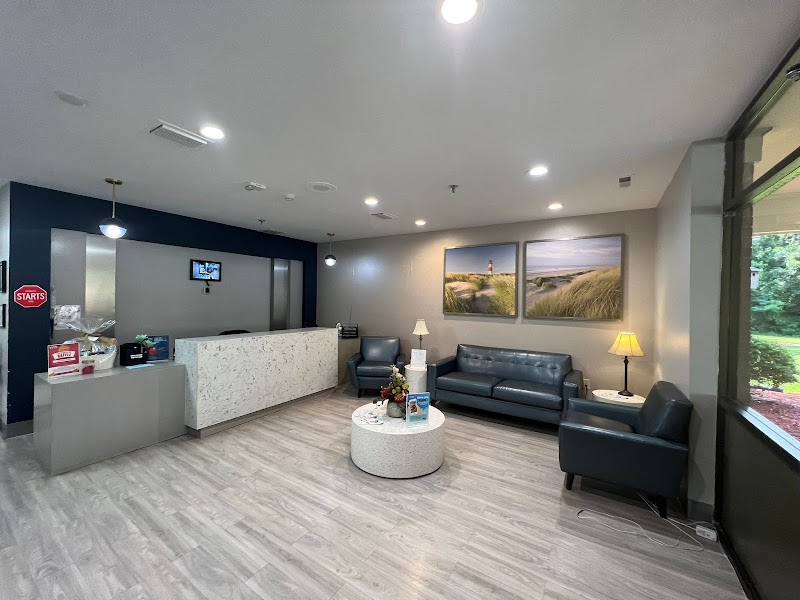
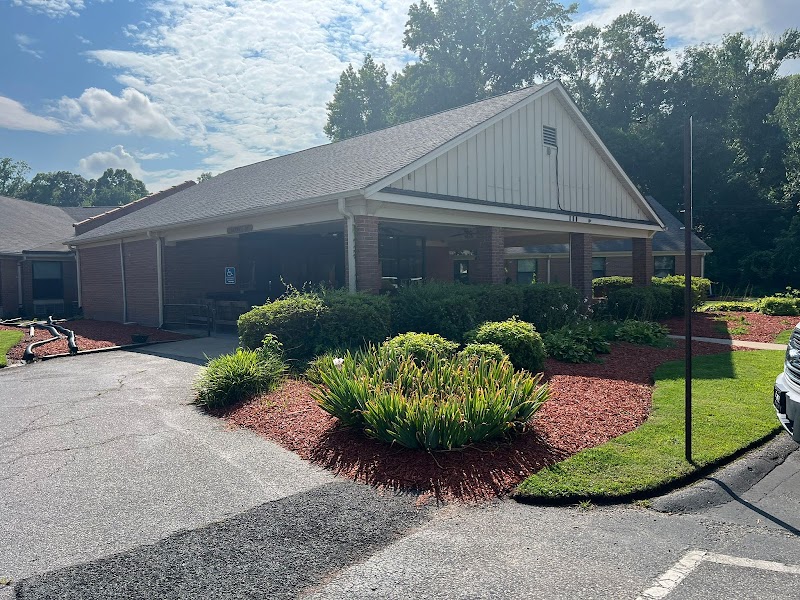
901 Halstead Boulevard, Elizabeth City, NC 27909 (252) 338-0137
For profit - Corporation 108 Beds YAD HEALTHCARE Data: November 2025
Trust Grade
23/100
#347 of 417 in NC
Last Inspection: May 2025

Inspected within the last 6 months. Data reflects current conditions.

Overview

Laurel Park Rehabilitation and Healthcare Center has received a Trust Grade of F, indicating significant concerns about the quality of care provided. They rank #347 out of 417 facilities in North Carolina, placing them in the bottom half of nursing homes in the state, and they are the second option out of two in Pasquotank County. The facility is trending worse, with the number of issues doubling from 6 in 2024 to 12 in 2025, and staffing is a major concern with an 85% turnover rate, well above the state average of 49%. Additionally, the facility has been fined $16,720, which is average for the state, but there are serious incidents reported, including a caregiver physically restraining a resident and forcing medication, as well as failures to address staffing needs and provide residents with information about advance directives. While the facility does have average RN coverage, the overall quality and safety concerns present a significant risk for potential residents.
Trust Score
F
23/100
In North Carolina
#347/417
Bottom 17%
Safety Record
Moderate
Needs review
Inspections
Getting Worse
6 → 12 violations
Staff Stability
⚠ Watch
85% turnover. Very high, 37 points above average. Constant new faces learning your loved one's needs.
Penalties
✓ Good
$16,720 in fines. Lower than most North Carolina facilities. Relatively clean record.
Skilled Nurses
⚠ Watch
Each resident gets only 25 minutes of Registered Nurse (RN) attention daily — below average for North Carolina. Fewer RN minutes means fewer trained eyes watching for problems.
Violations
⚠ Watch
33 deficiencies on record. Higher than average. Multiple issues found across inspections.
★☆☆☆☆
1.0
Overall Rating
★☆☆☆☆
1.0
Staff Levels
★★★☆☆
3.0
Care Quality
★★☆☆☆
2.0
Inspection Score
Stable
2024: 6 issues
2025: 12 issues

The Good

  • Full Sprinkler Coverage · Fire safety systems throughout facility
  • No fines on record

Facility shows strength in fire safety.

The Bad

1-Star Overall Rating

Below North Carolina average (2.8)

Significant quality concerns identified by CMS

Staff Turnover: 85%

39pts above North Carolina avg (46%)

Frequent staff changes - ask about care continuity

Federal Fines: $16,720

Below median ($33,413)

Minor penalties assessed

Chain: YAD HEALTHCARE

Part of a multi-facility chain

Ask about local staffing decisions and management

Staff turnover is very high (85%)

37 points above North Carolina average of 48%

The Ugly 33 deficiencies on record

1 actual harm
May 2025 12 deficiencies 1 Harm
SERIOUS (G) 📢 Someone Reported This

A family member, employee, or ombudsman was alarmed enough to file a formal complaint

Actual Harm - a resident was hurt due to facility failures

Deficiency F0604 (Tag F0604)

A resident was harmed · This affected 1 resident

**NOTE- TERMS IN BRACKETS HAVE BEEN EDITED TO PROTECT CONFIDENTIALITY** Based on record review, and staff, family and Medical Director interviews, the facility failed to protect a severely cognitively...

Read full inspector narrative →
**NOTE- TERMS IN BRACKETS HAVE BEEN EDITED TO PROTECT CONFIDENTIALITY** Based on record review, and staff, family and Medical Director interviews, the facility failed to protect a severely cognitively resident from physical restraint from a private duty Caregiver and chemical restraint. When Resident #199 refused to take medications from the Nurse the private duty Caregiver offered to assist and forced medications into the Resident's mouth, held her hand over the Resident's mouth, to force her to swallow. When Resident #199 became combative, and kicking and spitting out medications the private Caregiver restrained the Resident by placing her leg over Resident #199 legs to prevent her from kicking. The Nurse asked the Caregiver to stop and left the room to call the on-call provider. The Caregiver continued to restrain the Resident until the Nurse returned to the room and administered an intramuscular antipsychotic medication (chemical restraint) to calm her. Resident #199 was assessed and a pea size discoloration on the bottom side of her lip was observed. A reasonable person would expect to be safe from physical and chemical restraints in their own home and could experience anger, anxiety, dehumanization, fear and depressed mood. This deficient practice affected 1 of 1 resident reviewed for restraints (Resident #199). The findings included: Resident #199 was admitted to the facility on [DATE] with diagnoses that included metabolic encephalopathy, Alzheimer's disease, dementia with behaviors, anxiety disorder and atrial fibrillation. Resident #199's admission Minimum Data Set, dated [DATE] revealed she was severely cognitively impaired with no behaviors. A skin assessment dated [DATE] by the Nurse Practitioner revealed Resident #199 had three visible bruises on the right upper extremity, with the largest on the inner right arm. With no signs of acute trauma noted otherwise. In a phone interview on 5/20/25 at 10:53 AM Nurse #2 stated the day of the incident Resident #199 call light rang close to 5:00 PM. Nursing Assistant (NA) #4 answered the call light and reported the Resident needed incontinence care and the private caregiver requested the resident's medications. Nurse #2 indicated she prepared the resident's 5:00 PM Risperdal and entered the room and found Resident #199 sitting on the side of her bed, with her fists balled up, swearing. Nurse #2 reported she explained the medications to the Resident, who refused, when the private caregiver approached the bed and indicated she could get Resident #199 to take her medications. Nurse #2 revealed the Resident refused and tried to swat the medication cup out of the Caregiver's hand when she attempted to give Resident #199 her medications. Nurse #2 indicated she took the medication cup back, and held the Residents hand, trying to calm her, when the Resident laid back across the bed. The Caregiver asked for the medication cup and continued to try to give the resident's her medication, including putting medication into the resident's mouth when Resident #199 would open her mouth to scream, and used a C motion to hold her mouth closed (arm under the chin and hand over the nose to swallow). The Resident tried to spit out the medications and the caregiver put her hand over Resident #199's mouth. Nurse #2 reported that the caregiver laid down beside the Resident on the bed and put her left leg over the Residents legs to prevent her from kicking. Nurse #2 stated she told the Caregiver to stop pushing the medications and she left NA #2 and the Caregiver in the room with the Resident while she went to call the on-call Provider. The Nurse revealed that Nurse #9 was at nurses' station and returned to the room with her, where the Caregiver remained in the same position, lying beside the Resident on the bed with her left leg over the Resident's legs Nurse #2 stated after she cleaned the left outer thigh and administered an IM injection of 2.5 mg of Haldol, the Caregiver released Resident #199 and moved to the side. Nurse #2 revealed she disposed of the needle, returned to sit down beside Resident #199 encouraged her to take deep breaths, to calm down, take a sip of water, and offered incontinence care, which she accepted. Nurse #2 stated the caregiver left the room and she and NA #4 provided Resident #199 her incontinence care. Nurse #2 stated Resident #199 was calm and cooperative with her care. Nurse #2 indicated she left NA #4 with Resident #199 to call the DON and Resident Representative to report the incident. Nurse #2 reported the DON told her the Caregiver was not to touch Resident #199, and the Caregiver had to leave the building. Nurse #2 revealed when she returned to Resident#199 the caregiver was outside the room, was told she had to leave, and the Caregiver left the building. Resident #199's progress notes revealed the following note dated 5/13/25 at 6:30 PM, written by Nurse #2. The resident was observed hitting her private duty caregiver, spitting at staff members, attempting to hit staff members, using extreme profanity towards staff members and her private duty caregiver, attempting to scratch and bite staff members and her private duty caregiver, as well as screaming at staff members and her private duty caregiver. This writer contacted the on-call provider and obtained a verbal order to administer 5mg (milligrams) of IM (intramuscular) Haldol, split into two 2.5mg doses 1 hour apart. This writer administered the first dose now IM into the [outer thigh]. In a phone interview on 5/20/25 at 1:41 PM NA #4 indicated she remembered the incident on 5/13/25 as it was the first time she was assigned to Resident #199. She reported the call light was on when she went to check on Resident #199 and the private Caregiver was in the room and requested incontinence care and evening medications. NA # 4 indicated Nurse #2 entered with the medications and she told Nurse #2 to give medications first as she needed to prepare for incontinence care. NA #4 indicated the Resident stated she was not taking the pills and was very aggressive, swearing and saying no to her medications. NA #4 stated the Caregiver indicated to Nurse #2 the Resident would take medications from her and when she (Caregiver) offered, the Resident refused to take the medications from the Caregiver. She reported that the Caregiver placed the pills into Resident #199's mouth and she spit them back out. NA #4 stated the Nurse and Caregiver continued to encourage Resident #199 to take medications when the Caregiver put her knee on the bed beside the Resident and laid her back on the bed. The Resident was kicking her legs, spitting, when the Caregiver laid down beside the Resident and put her leg over the residents' lower legs. Nurse #2 told the Caregiver to stop pushing medications and told me (NA #4) to stay with Resident #199 and she left the room to call the doctor. Nurse #9 returned with Nurse #2 and remained in the room while Nurse #2 gave the Resident an injection in her upper leg. NA #4 reported she left the 2 nurses in the room and saw the Caregiver leave the hall while she was passing out meal trays. NA #4 reported that Nurse #2 never restrained Resident #199, she held her hand and tried to soothe her. In an interview on 5/20/25 at 12:16 PM the Director of Nursing (DON) revealed she was aware of the incident with Resident #199 and the private Caregiver. She stated she received a call from Nurse #2 on 8/13/25 who reported Resident #199 was refusing her medications and the private Caregiver indicated she could get the Resident to accept her medications. Nurse # 2 explained she handed Resident #199's medications to the Caregiver, and the Resident refused the Caregiver. The Caregiver laid down on the bed beside the Resident and put her leg over Resident #199 to keep her from kicking out. At that point Nurse #2 told the Caregiver to Stop and she took the medication cup back from the Caregiver. Nurse #2 left NA #4 in the room with the Resident and went to call the on-call Provider for orders. The DON reported this was reported to her that once the caregiver was removed from the room Resident #199 began to calm down and allowed staff to provide her with incontinence care. The DON revealed Resident #199 was admitted from the hospital with bruising to her arms, and the skin assessment she conducted on 5/13/25 revealed Resident #199 had a new small bruise to lower lip and denied any pain. The DON reported she told Nurse #2 to make sure the Caregiver left the facility, and she was on her way to the facility to assess Resident #199 and interview staff. A skin assessment dated [DATE] at 5:30 PM completed by the Director of Nursing (DON) indicated that Resident #199 had bruising to the right-hand purple in color, bruising to right arm, and resident had a very small bruise to lower lip on right side green/purple in color, resident denies pain to any of these areas. The assessment was completed by the Director of Nursing (DON). Review of Medical Director's Progress Note dated 5/14/25 at revealed Resident #199 was an [AGE] year-old female patient with a past medical history of atrial fibrillation, hypertension, hyperlipidemia, hypothyroidism, and progressing dementia. The Patient does have multiple bruises to bilateral upper extremities and a new small purple area to the underside of her bottom lip on the right side. Patient does not appear to have had any decline with physical functioning since admission here. Range of motion appears to be appropriate with no changes. She is completely awake and alert with no increase in lethargy or sedation noted. No tearfulness or increased depression noted. The patient appears to be at her normal baseline today with no changes. In an interview on 5/21/25 at 1:05 PM the Medical Director stated he was notified of the incident between Resident #199 and private Caregiver on 5/13/25. He revealed he assessed the Resident on 5/14/25 and found she had no memory of the incident, no bruising and no complaint of pain and was smiling. In an interview on 5/21/25 at 4:45 PM the Administrator stated he was notified by Nurse #2 on 5/13/25 at 7:03 PM of the incident with Resident #199 and her private Caregiver. He stated the Resident was refusing her medications and shut her mouth tight when Nurse #2 offered medications. The Caregiver told Nurse #2 it would be easier for her to take medications from her and asked Nurse #2 to let her give the medications. The Caregiver took the medications, when Resident #199 opened her mouth, the Caregiver dumped the medications in her mouth and put her hand over Residents #199 mouth. The Resident refused, trying to kick and bite the staff, when the Caregiver laid the resident back on the bed and lay beside her. As Resident #199 continued to kick out at staff the Caregiver placed her leg over the Resident's leg to stop her from kicking. At this time Nurse #2 stepped in and told the Caregiver to stop and she tried to calm the resident down. Nurse #2 left NA #4 with the Resident and left to call the on-call Provider who gave an order for Haldol IM (intramuscular). The Administrator stated they determined the private Caregiver's behavior was inappropriate and she was banned from the facility. The Administrator stated they notified the State Agency and Law Enforcement of the incident on 5/13/25 and the staff members involved were sent home pending the facility's investigation.
CONCERN (D)

Potential for Harm - no one hurt, but risky conditions existed

Deficiency F0553 (Tag F0553)

Could have caused harm · This affected 1 resident

**NOTE- TERMS IN BRACKETS HAVE BEEN EDITED TO PROTECT CONFIDENTIALITY** Based on record reviews, and staff and resident interviews, the facility failed to hold a care plan meeting or invite the reside...

Read full inspector narrative →
**NOTE- TERMS IN BRACKETS HAVE BEEN EDITED TO PROTECT CONFIDENTIALITY** Based on record reviews, and staff and resident interviews, the facility failed to hold a care plan meeting or invite the resident to participate in the care planning process for 2 of 26 residents whose care plans were reviewed (Resident #26 and Resident #37). The findings included: 1. Resident #26 was admitted to the facility on [DATE]. Resident #26's most recent quarterly Minimum Data Set (MDS) assessment dated [DATE] revealed Resident #26 had moderate cognitive impairment. Resident #26 was coded for active participation in the assessment and goal setting. Resident #26's care plans were noted as last reviewed or revised on 3/5/2025. Review of Resident #26's electronic medical record revealed no documentation that a care plan meeting was held or that Resident #26 was invited to participate in a care plan meeting during the time between the 12/4/2024 and 3/5/25 care plan meetings. An interview was completed on 5/18/2025 at 2:24 pm with Resident #26. Resident #26 stated she was unable to recall when she last was invited or attended a care plan meeting. Resident #26 stated she would like to have the opportunity to attend her care plan meetings when she felt up to it. An interview was completed on 5/20/2025 at 3:36 pm with the Social Worker. The Social Worker revealed Resident #26's last scheduled care plan meeting was in December 2024. The Social Worker stated Resident #26 declined to attend. The Social Worker stated the next care plan meeting should have been scheduled in March 2025, but she was behind in scheduling care plan meetings and had not scheduled one. The Social Worker stated at the beginning of each month she reviewed the list of residents that had care plans and MDS assessments due for review and scheduled the care plan meetings with residents and their representatives accordingly. An interview was completed on 5/21/2025 at 4:46 pm with the MDS Nurse. The MDS Nurse stated she sent out an email of the upcoming month's MDS assessments that were due for review to the Social Worker so she would know what residents required a care plan meeting to be scheduled. The MDS Nurse stated long-term resident care plan meetings were held quarterly (every 3 months). An interview was completed on 5/21/2025 at 5:03 pm with the Director of Nursing (DON). The DON stated it was the Social Workers' responsibility to schedule care plan meetings and was unsure why the meetings were not being held timely. An interview was completed on 5/21/2025 at 5:17 pm with the Administrator. The Administrator explained the Social Worker had gotten behind with conducting care plan meetings and was currently working to get caught up. 2. Resident #37 was admitted to the facility on [DATE]. Resident #37's most recent quarterly MDS assessment dated [DATE] revealed Resident #37 was cognitively intact. Resident #37 was coded for active participation in the assessment and goal setting. Review of Resident #37's electronic medical record revealed no documentation that a care plan meeting was held or that Resident #37 was invited to participate in a care plan meeting. An interview was completed on 5/19/2025 at 9:24 am with Resident #37. Resident #37 stated she was unable to recall ever having a care plan meeting since her admission to the facility in 2023. An interview was completed on 5/19/2025 at 3:36 pm with the Social Worker. The Social Worker stated Resident #37 attended her scheduled care plan meeting in October 2024. The Social Worker revealed it was her responsibility to schedule and invite residents and their representatives to the care plan meetings. The Social Worker stated she was behind in scheduling care plan meetings for the current year. An interview was completed on 5/21/2025 at 1:37 pm with the DON. The DON stated it was the responsibility of the Social Worker to schedule and invite participants to care plan meetings. The DON stated she was unaware the Social Worker was late in scheduling care plan meetings. An interview was completed on 5/21/2025 at 5:17 pm with the Administrator. The Administrator explained the Social Worker had gotten behind with conducting care plan meetings and was currently working to get caught up.
CONCERN (D)

Potential for Harm - no one hurt, but risky conditions existed

Assessment Accuracy (Tag F0641)

Could have caused harm · This affected 1 resident

**NOTE- TERMS IN BRACKETS HAVE BEEN EDITED TO PROTECT CONFIDENTIALITY** Based on observation, record review, resident and staff interviews, the facility failed to accurately code the Minimum Data Set ...

Read full inspector narrative →
**NOTE- TERMS IN BRACKETS HAVE BEEN EDITED TO PROTECT CONFIDENTIALITY** Based on observation, record review, resident and staff interviews, the facility failed to accurately code the Minimum Data Set (MDS) assessment in the area of smoking and elopement alarms for 1 of 26 residents whose MDS assessments were reviewed (Resident #33). The findings included: Resident #33 was admitted to the facility on [DATE] with diagnoses which included dementia without behavioral disturbances and bipolar disorder. Review of the Safe Smoking Screening assessment dated [DATE] revealed Resident #33 was assessed and determined to require supervision while smoking. The assessment further noted the care plan was updated to reflect Resident #33's smoking status. Resident #33 had a physician order dated 4/29/25 for wander guard (elopement alarm) device, check placement every shift. The nursing progress note dated 4/29/25 at 3:32 pm revealed Resident #33 had a wander guard placed on the right ankle. The care plan initiated on 4/29/25 revealed Resident #33 had a care plan in place for smoking with an intervention which included supervision while smoking. The care plan further revealed Resident #33 was an elopement risk related to dementia with an intervention for wander guard as ordered. Review of the MDS admission assessment dated [DATE] revealed Resident #33 had moderate cognitive impairment and used a wheelchair for mobility. Resident #33 was not coded for tobacco use and was not coded for use of the wander/elopement alarm. An observation and interview were conducted on 5/18/25 at 1:59 pm with Resident #33 who was observed in bed with a wander guard in place. Resident #33 reported he was a smoker at the facility. An interview was conducted on 5/21/25 at 3:08 pm with the MDS Nurse who revealed she did not see Resident #33's wander guard and did not see the order so she did not code the resident for use of a wander guard on the assessment. The MDS Nurse further noted that she was aware of Resident #33's smoking status and had entered a care plan for smoking but just missed the area of tobacco use when she coded the MDS assessment. During an interview on 5/21/25 at 4:23 pm with the Administrator he revealed the MDS Nurse was responsible to ensure Resident #33's assessment was coded correctly.
CONCERN (D)

Potential for Harm - no one hurt, but risky conditions existed

Deficiency F0657 (Tag F0657)

Could have caused harm · This affected 1 resident

**NOTE- TERMS IN BRACKETS HAVE BEEN EDITED TO PROTECT CONFIDENTIALITY** Based on observation, record review, and resident and staff interviews, the facility failed to update the care plan to include h...

Read full inspector narrative →
**NOTE- TERMS IN BRACKETS HAVE BEEN EDITED TO PROTECT CONFIDENTIALITY** Based on observation, record review, and resident and staff interviews, the facility failed to update the care plan to include hearing aids for 1 of 33 residents whose care plans were reviewed (Resident #29). The findings included: Resident #29 was admitted to the facility on [DATE]. Review of the medical record revealed Resident #29 was seen by audiology for evaluation and treatment on 9/12/24. A physician's order dated 2/5/25 indicated the hearing aids were to be inserted every morning. A physician's order dated 2/6/25 indicated the hearing aids were to be removed at bedtime. Review of the quarterly Minimum Data Set (MDS) assessment dated [DATE] revealed Resident #29 had moderate cognitive impairment. The resident was coded as having adequate hearing and wore hearing aids. The care plan, updated 3/19/25, did not include a focus area related to hearing loss or the wearing of new hearing aids. An observation of Resident #29 on 05/19/25 at 9:19 AM revealed the resident was not wearing her hearing aids. An interview with Resident #29 on 5/19/25 at 9:20 AM revealed she did have hearing aids, but she did not like wearing them. She stated the hearing aids felt strange in her ears. An interview conducted with Nurse #9 on 5/19/25 at 9:25 AM revealed Resident #29 had just started wearing hearing aids about a month ago and frequently refused to wear them. An interview conducted with the MDS Nurse on 5/21/25 at 4:45 PM revealed she missed the assessment and did not add the hearing aids to the care plan. The MDS nurse stated updates to resident assessments were discussed in the daily morning meeting. An interview conducted with the Director of Nursing on 5/21/25 at 4:50 PM revealed Resident #29 should have had a care plan to reflect she wore hearing aids. The DON stated care plans were reviewed daily during morning clinical meeting. An interview conducted with the Administrator on 5/21/25 at 4:55 PM revealed he expected care plans to be reviewed during morning clinical meeting and updated to reflect the resident's status.
CONCERN (D) 📢 Someone Reported This

A family member, employee, or ombudsman was alarmed enough to file a formal complaint

Potential for Harm - no one hurt, but risky conditions existed

Incontinence Care (Tag F0690)

Could have caused harm · This affected 1 resident

**NOTE- TERMS IN BRACKETS HAVE BEEN EDITED TO PROTECT CONFIDENTIALITY** Based on observation, record review, resident, staff, and physician interviews, the facility failed to obtain a physician order ...

Read full inspector narrative →
**NOTE- TERMS IN BRACKETS HAVE BEEN EDITED TO PROTECT CONFIDENTIALITY** Based on observation, record review, resident, staff, and physician interviews, the facility failed to obtain a physician order for the use and care of an indwelling urinary catheter for 1 of 2 residents reviewed for urinary catheter (Resident #1). The findings included: Resident #1 was admitted to the facility on [DATE] with diagnoses that included neuromuscular dysfunction of the bladder (a condition where the nerves and muscles that control urination were not working properly causing urinary retention) and a history of a spinal fracture. Resident #1's care plan last revised on 4/30/25 revealed he had an indwelling urinary catheter due to neuromuscular dysfunction of the bladder with interventions which included positioning the catheter bag and tubing below the level of the bladder and away from entrance room door. The Annual Minimum Data Set (MDS) assessment dated [DATE] revealed Resident #1 was cognitively intact and was coded for the use of an indwelling urinary catheter. A hospital Discharge summary dated [DATE] revealed Resident #1 had an indwelling urinary catheter in place during his hospital stay and at the time of discharge. Record review of the Physician's orders revealed no order for Resident #1's indwelling urinary catheter or for the care of the indwelling urinary catheter. An observation on 5/18/25 at 2:49 pm revealed Resident #1 was in bed with the indwelling urinary catheter drainage bag hung from the lower rail on the Resident's bed and below the level of the bladder. An interview was completed on 5/18/25 at 2:55 pm with Resident #1. The Resident stated he has had the indwelling urinary catheter for many years. Resident #1 stated the facility's nursing staff cared for the indwelling urinary catheter on all shifts. An interview was completed on 5/21/25 at 10:55 am with Nurse #6. The Nurse stated she readmitted Resident #1 to the facility on 5/15/25 during her 3:00 pm to 11:00 pm shift. Nurse #6 verified Resident #1 was readmitted to the facility with an indwelling urinary catheter. Nurse #6 stated she reviewed the hospital discharge summary sent with Resident #1 and entered the medications listed on it. Nurse #6 stated she reviewed the medications with the Physician and the oncoming 11:00 pm to 7:00 am nurse. Nurse #6 indicated she did not know how to reactivate the discontinued orders for the indwelling urinary catheter and the care of it and believed the oncoming 11:00 pm to 7:00 am nurse was going to reactivate the indwelling urinary catheter orders. An interview was completed on 5/21/25 at 11:54 am with Nurse #1. The Nurse stated she reviewed Resident #1's discharge medications with Nurse #6 on 5/15/25 for correct dosages and amounts. Nurse #1 stated it was Nurse #6's responsibility to reactivate/enter the orders for the indwelling urinary catheter and the care of it. Nurse #1 stated she was unaware Nurse #6 did not know how to reactivate discontinued orders. An interview was completed on 5/21/25 at 12:35 pm with the Medical Director. He revealed an indwelling urinary catheter required a Physician order. The Medical Director stated the order for Resident #1's indwelling urinary catheter should have been entered upon readmission. An interview was completed on 5/21/25 at 5:09 pm with the Director of Nursing (DON). The DON revealed a Physician order was required for Resident #1's indwelling urinary catheter. The DON was unable to state why the order was not entered or reactivated when Resident #1 was readmitted with the indwelling urinary catheter. The DON stated new admissions and readmissions were reviewed during the facility's daily clinical morning meeting. The DON stated Resident #1's omitted indwelling urinary catheter Physician order was an oversite during the clinical morning meeting. An interview was completed on 5/21/25 at 5:13 pm with the Administrator. The Administrator stated nursing was required to ensure that Physician orders were in place to properly care for Resident #1's indwelling urinary catheter.
CONCERN (D)

Potential for Harm - no one hurt, but risky conditions existed

Pharmacy Services (Tag F0755)

Could have caused harm · This affected 1 resident

**NOTE- TERMS IN BRACKETS HAVE BEEN EDITED TO PROTECT CONFIDENTIALITY** Based on record review, and staff, resident, Pharmacist and Medical Director interviews, the facility failed to have effective s...

Read full inspector narrative →
**NOTE- TERMS IN BRACKETS HAVE BEEN EDITED TO PROTECT CONFIDENTIALITY** Based on record review, and staff, resident, Pharmacist and Medical Director interviews, the facility failed to have effective systems in place to ensure intravenous (a soft, flexible tube placed inside a vein used to give medicine or fluids) antibiotic medication was available as ordered for a newly admitted resident for 1 of 2 residents reviewed for IV antibiotic therapy (Resident #95). The findings included: Review of the hospital Discharge summary dated [DATE] revealed Resident #95 had an order to administer cefazolin (antibiotic) solution 2 grams intravenous (IV) every 8 hours for 42 days. Resident #95 was admitted to the facility on [DATE] with diagnoses which included osteomyelitis (bone infection) of the left ankle and foot. The Admission/readmission assessment dated [DATE] at 8:52 pm completed by Nurse #3 revealed Resident #95 had a bone infection of the left lower extremity and had IV access in the left arm. Resident #95 had a physician order dated 4/29/25 for cefazolin solution injection 2 grams; administer 2 grams intravenously every 8 hours for bone infection for 42 days. The medication was scheduled to be administered at 6:00 am, 2:00 pm, and 10:00 pm. Review of the Medication Administration Record (MAR) for April 2025 revealed the following: 4/29/25 at 10:00 pm the cefazolin administration was noted as 9 by Nurse #3. Further review of the MAR revealed 9 was identified as other see nurse note. The MAR administration note dated 4/29/25 at 9:46 pm by Nurse #3 revealed the cefazolin was on order. 4/30/25 at 6:00 am the cefazolin administration had no administration documentation noted on the MAR by Nurse #1. No further documentation was noted in the medical record. 4/30/25 at 2:00 pm the cefazolin administration was noted as 9 by Nurse #4. The MAR administration note dated 4/29/25 at 2:18 pm by Nurse #4 revealed the cefazolin was awaiting from pharmacy. 4/30/25 at 10:00 pm the cefazolin administration was noted as 9 by Nurse #2. The MAR administration note dated 4/29/25 at 10:44 pm by Nurse #2 revealed the cefazolin medication schedule was updated. The nursing progress note dated 4/30/25 at 9:40 pm by Nurse #2 revealed she contacted the pharmacy regarding Resident #95's cefazolin. Nurse #2 further noted the pharmacy stated Resident #95's cefazolin was not sent in the earlier delivery but it would be sent to the facility on the next run and should arrive around midnight. Nurse #2 informed the pharmacy that Resident #95 needed his medication as soon as possible and that it was a delay in care. Review of the emergency dose kit (a kit that provided certain medications for residents until available from pharmacy) medication list revealed IV cefazolin was not available in the emergency dose kit. The Minimum Data Set (MDS) admission assessment dated [DATE] revealed Resident #95 was cognitively intact and was coded for the use of antibiotic medication and had intravenous access. During an interview on 5/18/25 at 12:39 pm Resident #95 revealed he was worried about his bone infection because he missed several doses of his IV antibiotic when he was admitted to the facility. He stated he was not sure why he didn't get the IV antibiotic for the first few days of his admission, but he stated he told a nurse (unsure of the name) that he needed to have his antibiotic as it was ordered. A telephone interview was conducted on 5/21/25 at 11:32 am with Nurse #3 who was assigned to Resident #95 at the time of the admission. Nurse #3 stated Resident #95 arrived at the facility later in the evening on 4/29/25 and she confirmed the admission medication orders at that time. Nurse #3 stated normally the resident medications would be delivered to the facility the next day when the resident arrived late in the evening. Nurse #3 stated she was not sure what time the pharmacy delivered medications to the facility but she did not have the cefazolin to administer to Resident #95 on 4/29/25 at 10:00 pm. An interview was conducted with Nurse #1 who was assigned to Resident #95 on 4/30/25 for 6:00 am dose of cefazolin. Nurse #1 stated Resident #95's cefazolin was not available at the facility so she contacted the pharmacy and she was told it would be out for delivery to the facility later in the day. Nurse #1 stated the pharmacy normally made a delivery to the facility between 1:00 am and 3:00 am but the medication was not in the delivery so she was unable to administer it to Resident #95 on 4/30/25 at 6:00 am. During an interview on 5/20/25 at 2:28 pm with Nurse #4 she revealed the pharmacy normally would deliver IV antibiotics on the same night the resident was admitted but she stated at times it would take several days to receive IV antibiotics. Nurse #4 stated she did not call the pharmacy to check on the delivery date or time for Resident #95's IV cefazolin 2:00 pm dose on 4/30/25 because he was just admitted the night before and she expected it to be delivered later that day. A telephone interview was conducted with Nurse #2 on 5/20/25 at 11:16 am who revealed when she returned to work on 4/30/25 and saw that the IV cefazolin had not yet been received at the facility and that Resident #95 had missed several doses she contacted the Director of Nursing (DON) and the Pharmacy. Nurse #2 reported that when she called the pharmacy they were unable to tell her why the IV cefazolin was not sent out to the facility but she was told the antibiotic was on the evening delivery and would be available for the 10:00 pm dose on 4/30/25. Nurse #2 stated when the IV medication was still not available for the 10:00 pm dose she called the pharmacy back and told the Pharmacist that Resident #95's care had been delayed due to not having the IV antibiotics as ordered and they stated it would be delivered the next day. Nurse #2 stated she notified the provider and changed the medication administration schedule to start on 5/01/25 when the next expected shipment from pharmacy arrived to ensure all 42 doses would be administered. An interview was conducted with the admission Director on 5/20/25 at 8:46 am who revealed the facility was notified of Resident #95's admission date of 4/29/25 and that the IV cefazolin was needed. The admission Director stated the facility should have been able to obtain Resident #95's IV antibiotic medication when he was admitted . A telephone interview was conducted on 5/20/25 at 3:26 pm with the Pharmacist who revealed the cut-off time for intravenous antibiotics to be sent out for new admissions on the evening delivery was 5:30 pm. He stated if a resident admitted after that time the IV medication would be sent on the first delivery of the next day. The Pharmacist stated Resident #95's cefazolin should have been sent to the facility on the first delivery run on 4/30/25. He stated the delay in the delivery of Resident #95's cefazolin could have been due to an issue with the pharmacy medication log (used to track lot numbers and expiration dates of medications sent to facilities) being incorrectly completed by pharmacy staff or being shorthanded at the pharmacy on 4/30/25. The Pharmacist stated one or both of those reasons could have contributed to the delay of Resident #95's IV cefazolin being available for administration. An interview was conducted on 5/21/25 at 12:53 pm with the Medical Director, who was assigned as the medical provider for Resident #95 at the facility, revealed when medication was not available at the facility for a resident the nurse should contact the pharmacy and the pharmacy would have to be able to provide information about when to expect the medication. The Medical Director stated there should be a better system in place between the pharmacy and the facility to ensure all newly admitted resident medications were available to be administered as ordered. The DON was interviewed on 5/21/25 at 2:29 pm. She revealed the facility had some difficulty obtaining medications timely from the pharmacy for new admissions. The DON stated that when new admissions arrive at the facility the orders were confirmed by the nurse assigned to the resident and that would send the orders to the pharmacy. The DON stated the new admission medications were normally delivered on the same day of admission except for the residents that admitted later in the evening and most often would arrive the next day. She stated the facility had an emergency dose kit which had many common medications that could be used for new admissions until their specific medications arrived at the facility. The DON stated she was not aware if the IV cefazolin was a medication that was available in the emergency dose kit. An interview was conducted on 5/21/25 at 3:01 pm with the Administrator who revealed he was not aware of any issues regarding IV medications from the pharmacy not being delivered timely for new admissions. The Administrator stated the DON was responsible to ensure that Resident #95's IV cefazolin was available and administered as ordered.
CONCERN (D) 📢 Someone Reported This

A family member, employee, or ombudsman was alarmed enough to file a formal complaint

Potential for Harm - no one hurt, but risky conditions existed

Deficiency F0760 (Tag F0760)

Could have caused harm · This affected 1 resident

**NOTE- TERMS IN BRACKETS HAVE BEEN EDITED TO PROTECT CONFIDENTIALITY** Based on record review, staff and resident interviews, and Physician interviews, the facility failed to administer scheduled int...

Read full inspector narrative →
**NOTE- TERMS IN BRACKETS HAVE BEEN EDITED TO PROTECT CONFIDENTIALITY** Based on record review, staff and resident interviews, and Physician interviews, the facility failed to administer scheduled intravenous (a soft, flexible tube placed inside a vein used to give medicine or fluids) antibiotic medication which resulted in 4 doses of the antibiotic being missed for 1 of 2 residents reviewed for IV antibiotic therapy (Resident #95). The findings included: Resident #95 was admitted to the facility on [DATE] with diagnoses which included osteomyelitis (bone infection) of the left ankle and foot. Resident #95 had a physician order dated 4/29/25 for cefazolin (antibiotic) solution injection 2 grams; administer 2 grams intravenously every 8 hours for bone infection for 42 days. The medication was scheduled to be administered at 6:00 am, 2:00 pm, and 10:00 pm. Review of the Medication Administration Record (MAR) for April 2025 revealed the Resident #95's cefazolin was not administered on the following dates: 4/29/25 at 10:00 pm noted as on order by Nurse #3. 4/30/25 at 6:00 am noted as not administered, no further documentation by Nurse #1. 4/30/25 at 2:00 pm noted as awaiting from pharmacy by Nurse #4. 4/30/25 at 10:00 pm noted as not administered and medication schedule updated by Nurse #2. The Minimum Data Set (MDS) admission assessment dated [DATE] revealed Resident #95 was cognitively intact and was coded for the use of antibiotic medication and had intravenous access. During an interview on 5/18/25 at 12:39 pm Resident #95 revealed he missed several doses of his antibiotic when he was admitted to the facility. A telephone interview was conducted on 5/21/25 at 11:32 am with Nurse #3 who was assigned to Resident #95 at the time of the admission on [DATE]. Nurse #3 stated she did not have the cefazolin to administer to Resident #95 on 4/29/25 at 10:00 pm since he was a new admission and the pharmacy had not yet delivered the medication. An interview was conducted on 5/21/25 at 11:48 am with Nurse #1 who was assigned to Resident #95 on 4/30/25 for the 6:00 am dose of cefazolin. Nurse #1 revealed Resident #95's cefazolin was not delivered to the facility by the pharmacy so she was unable to administer the medication to Resident #95. Nurse #1 stated she contacted the pharmacy and was advised that the medication would arrive later in the day. During an interview on 5/20/25 at 2:28 pm with Nurse #4 who was assigned to Resident #95 on 4/30/25 and documented the 2:00 pm noted as awaiting from pharmacy. Nurse #4 revealed the cefazolin was not yet delivered to the facility and she was not able to administer the antibiotic to Resident #95. Nurse #4 stated the facility had a backup box (medication dispensing machine) but she did not think cefazolin was one of the medications that was available. She stated she did not call the pharmacy to check on the delivery because Resident #95 was just admitted the night before and she expected it to be delivered later that day. A telephone interview was conducted with Nurse #2 on 5/20/25 at 11:16 am who was assigned to Resident #95 on 4/30/25 for the 10:00 pm dose of cefazolin. Nurse #2 reported that Resident #95's cefazolin was not available for administration on 4/30/25 at 10:00 pm. She stated she called the pharmacy and was notified that Resident #95's cefazolin would be delivered the next day. Nurse #2 stated she notified the provider and changed the medication administration schedule to start on 5/01/25 when the next expected shipment from pharmacy arrived to ensure all 42 doses of the cefazolin would be administered to Resident #95. An interview was conducted on 5/21/25 at 12:53 pm with the Physician who revealed he was made aware of the medication not being available for Resident #95 and that the cefazolin order was adjusted. He stated he did not feel the missed doses of cefazolin harmed Resident #95 in the grand scheme of his care and treatment. The Physician stated as long as the order was adjusted to ensure the total number of the prescribed doses were in place, he did not feel the missed doses were detrimental to Resident #95's care. The Physician stated there should be a better system in place between the pharmacy and the facility to ensure all newly admitted resident medications were available to be administered as ordered. The DON was interviewed on 5/21/25 at 2:29 pm. The DON revealed that new admission orders were not able to be activated until the resident arrived at the facility and once activated the orders were submitted to the pharmacy to be reviewed and delivered. The DON stated the new admission medications were normally delivered on the same day of admission except for the residents that admitted later in the evening. She stated for those residents that admitted late in the evening there could be a delay until the next day for some of the prescribed medications. The DON stated she was aware of the missed doses of Resident #95's cefazolin and that the order was updated to add the missed doses. An interview was conducted on 5/21/25 at 3:01 pm with the Administrator who revealed the DON was responsible to ensure that Resident #95's IV cefazolin was available to be administered as ordered.
CONCERN (E)

Potential for Harm - no one hurt, but risky conditions existed

Deficiency F0578 (Tag F0578)

Could have caused harm · This affected multiple residents

**NOTE- TERMS IN BRACKETS HAVE BEEN EDITED TO PROTECT CONFIDENTIALITY** Based on record review, resident and staff interviews, the facility failed to provide written information to residents and resid...

Read full inspector narrative →
**NOTE- TERMS IN BRACKETS HAVE BEEN EDITED TO PROTECT CONFIDENTIALITY** Based on record review, resident and staff interviews, the facility failed to provide written information to residents and resident representatives regarding advance directive and/or an opportunity to formulate an advance directive for 19 of 22 residents reviewed for advance directives (Resident #1, #5, #8, #21, #25, #26, #29, #33, #37, #40, #50, #52, #58, #72, #73, #75, #91, #95, and #302). The findings included: a. Review of Resident #1's medical record revealed the Resident was admitted to the facility on [DATE] with diagnoses that included muscle weakness, and hypotension. The review revealed a full code Physician order dated 5/18/25. There was no documentation in the record for education regarding formulation of an advance directive and/or an opportunity to formulate an advance directive. b. Review of Resident #5's medical record revealed the Resident was admitted to the facility on [DATE] with diagnoses that included heart failure, Alzheimer's disease, and cystitis. The review revealed a full code Physician order dated 10/29/24. There was no documentation in the record for education regarding a formulation of an advance directive and/or an opportunity to formulate an advance directive. c. Review of Resident #8's medical record revealed the Resident was admitted to the facility on [DATE] with diagnoses that included hypertension, osteoarthritis, and sleep apnea. The review revealed a do not resuscitate Physician order dated 8/6/24. There was no documentation in the record for education regarding a formulation of an advance directive and/or an opportunity to formulate an advance directive. d. Review of Resident #21's medical record revealed the Resident was admitted to the facility on [DATE] with diagnoses that included hypertension, diabetes, and chronic obstructive pulmonary disease. The review revealed a full code Physician order dated 9/26/22. There was no documentation in the record for education regarding a formulation of an advance directive and/or an opportunity to formulate an advance directive. e. Review of Resident #25's medical record revealed the Resident was admitted to the facility on [DATE] with diagnoses that included hypertension, and chronic pain syndrome. The review revealed a do not resuscitate Physician order dated 4/4/17. There was no documentation in the record for education regarding a formulation of an advance directive and/or an opportunity to formulate an advance directive. f. Review of Resident #26's medical record revealed the Resident was admitted to the facility on [DATE] with diagnoses that included stroke, diabetes, muscle weakness, and high blood pressure. The review revealed a do not resuscitate Physician order dated 11/17/22. There was no documentation in the record for education regarding a formulation of an advance directive and/or the opportunity to formulate an advance directive. g. Review of Resident #29's medical record revealed the Resident was admitted to the facility on [DATE] with diagnoses that included diabetes, peripheral vascular disease, and hypertension. The review revealed a do not resuscitate Physician order dated 1/17/22. There was no documentation in the record for education regarding the formulation of an advance directive and/or an opportunity to formulate an advance directive. h. Review of Resident #33's medical record revealed the Resident was admitted to the facility on [DATE] with diagnoses that included congestive heart failure, epilepsy, and dementia. The review revealed a full code Physician order dated 4/29/25. There was no documentation in the record for education regarding the formulation of an advance directive and/or an opportunity to formulate an advance directive. i. Review of Resident #37's medical record revealed the Resident was admitted to the facility on [DATE] with diagnoses that included heart disease and chronic kidney disease. The review revealed a full code Physician order dated 7/24/24. There was no documentation in the record for education regarding the formulation of an advance directive and/or an opportunity to formulate an advance directive. j. Review of Resident #40's medical record revealed the Resident was admitted to the facility on [DATE] with diagnoses that included heart disease and kidney failure. The review revealed a full code Physician order dated 6/28/24. There was no documentation in the record for education regarding the formulation of an advance directive and/or the opportunity to formulate an advance directive. k. Review of Resident #50's medical record revealed the Resident was admitted to the facility on [DATE] with diagnoses that included congestive heart failure, diabetes, and atrial fibrillation. The review revealed a full code Physician order dated 10/28/24. There was no documentation in the record for education regarding the formulation of an advance directive and/or the opportunity to formulate an advance directive. l. Review of Resident #52's medical record revealed the Resident was admitted to the facility on [DATE] with diagnoses that included hypertension, kidney disease, and heart failure. The review revealed a do not resuscitate Physician order dated 10/9/24. There was no documentation in the record for education regarding the formulation of an advance directive and/or the opportunity to formulate an advance directive. m. Review of Resident #58's medical record revealed the Resident was admitted to the facility on [DATE] with diagnoses that included end stage renal disease and muscle weakness. The review revealed a full code Physician order dated 5/30/23. There was no documentation in the record for education regarding the formulation of an advance directive and/or the opportunity to formulate an advance directive. n. Review of Resident #72's medical record revealed the Resident was admitted to the facility on [DATE] with diagnoses that included seizure disorder, dementia, and heart failure. The review revealed a full code Physician order dated 11/22/23. There was no documentation in the record for education regarding the formulation of an advance directive and/or the opportunity to formulate an advance directive. o. Review of Resident #73's medical record revealed the Resident was admitted to the facility on [DATE] with diagnoses that included muscle weakness, and history right hip fracture. The review revealed a full code Physician order dated 4/18/25. There was no documentation in the record for education regarding the formulation of an advance directive and/or the opportunity to formulate an advance directive. p. Review of Resident #75's medical record revealed the Resident was admitted to the facility on [DATE] with diagnoses that included heart disease and kidney failure. The review revealed a full code Physician order dated 3/29/25. There was no documentation in the record for education regarding the formulation of an advance directive and/or the opportunity to formulate an advance directive. q. Review of Resident #91's medical record revealed the Resident was admitted to the facility on [DATE] with diagnoses that included diabetes and congestive heart failure. The review revealed a do not resuscitate Physician order dated 4/4/17. There was no documentation in the record for education regarding the formulation of an advance directive and/or the opportunity to formulate an advance directive. r. Review of Resident #95's medical record revealed the Resident was admitted to the facility on [DATE] with diagnoses that included depression, sleep apnea, and peripheral neuropathy. The review revealed a do not resuscitate Physician order dated 4/29/25. There was no documentation in the record for education regarding the formulation of an advance directive and/or the opportunity to formulate an advance directive. s. Review of Resident #302's medical record revealed the Resident was admitted to the facility on [DATE] with diagnoses that included chronic renal failure. The review revealed a do not resuscitate Physician order dated 5/10/25. There was no documentation in the record for education regarding the formulation of an advance directive and/or the opportunity to formulate an advance directive. An interview was completed on 5/21/25 at 10:47 a.m. with the facility's Admission's Director. The Admission's Director stated she had a blank template for advance directive if someone needed one but that it was not something she discussed with the resident and/or Resident Representative when she completed the admission packet. She stated she reviewed the advance directive from the hospital if the resident had one and verified the code status with the discharge summary. During an interview with the Social Services Director on 5/21/25 at 1:56 p.m. she revealed she had discovered it was her responsibility to provide advance directive education to the resident and/or their Resident Representative a week ago. In an interview with the Administrator on 5/21/25 at 4:25 p.m. he stated the advance directive education was not something identified and had been missed, and he stated the Social Services Director was responsible for ensuring the Advance Directive discussion was completed with the residents and/or Resident Representative on admission and uploaded in the medical record.
CONCERN (E) 📢 Someone Reported This

A family member, employee, or ombudsman was alarmed enough to file a formal complaint

Potential for Harm - no one hurt, but risky conditions existed

Safe Environment (Tag F0584)

Could have caused harm · This affected multiple residents

**NOTE- TERMS IN BRACKETS HAVE BEEN EDITED TO PROTECT CONFIDENTIALITY** Based on observation, staff interview, and record review the facility failed to clean and maintain resident rooms for 6 of 29 re...

Read full inspector narrative →
**NOTE- TERMS IN BRACKETS HAVE BEEN EDITED TO PROTECT CONFIDENTIALITY** Based on observation, staff interview, and record review the facility failed to clean and maintain resident rooms for 6 of 29 resident rooms on 1 of 4 halls (300 Hall) observed for environment (Resident #39's room, Resident #29's room, Resident #8's room, Resident #56's room, Resident #92's room, and Resident #25's room). The findings included: The Resident Council meeting minutes dated 7/11/24 revealed there were residents' concerns about housekeeping needing to do a better job cleaning residents' room. The residents reported the housekeeping staff were not sweeping and mopping around or under beds. The Resident Council meeting minutes dated 11/22/24 revealed there were residents' voiced concerns about housekeeping not cleaning residents' rooms or emptying resident trash cans in room. The Resident Council meeting minutes dated 3/21/25 revealed the residents felt the rooms were not being swept or mopped. The residents voiced concern that the floors in their rooms were sticky. The Resident Council meeting minutes dated 4/11/25 revealed the residents voiced concern that the housekeeping staff were not sweeping underneath the furniture. The Resident Council Meeting minutes dated 5/16/25 revealed the residents' voiced concern that room cleaning wasn't being done. 1a. An observation was conducted on 5/18/25 at 12:56 PM of Resident #39's room. The floor by the bed was sticky and there was a strong urine odor present in the room. An interview conducted with Resident #39 on 05/18/25 at 01:12 PM revealed she had concerns about the staff not cleaning the rooms properly. Resident #39 stated the floors were often sticky and housekeeping did not do a good job of sweeping and mopping the floors. b. An observation was conducted on 05/18/25 at 2:47 PM of Resident #29's room. There were marble sized holes in the wall above the base board by the bathroom door and above the baseboard near the bed by the door. An interview conducted with Resident #29 on 05/18/25 at 02:47 PM revealed she had concerns that the rooms were not being cleaned. She stated housekeeping was not cleaning the rooms properly and her room had a strong urine scent in it. She stated housekeeping did not sweep underneath the beds nor around the furniture. She stated housekeeping needed to do a better job. c. An interview conducted with Resident #8 on 05/21/25 08:54 AM revealed she was concerned with urine smell in her room by her bed. Resident #8 stated housekeeping staff did not do a good job cleaning the rooms because they did not sweep underneath the beds and often left food crumbs underneath them. She reported the housekeeping staff barely scrubbed the floors and that was one of the reasons the floors were so sticky and stained. Resident #8 stated she often had to tell the housekeeper to sweep under the bed and clean the floor underneath her bedside commode. An observation was conducted on 5/21/25 at 8:59 AM of Resident #8's room. The floor in front of the room door in the hall and floor in the room were sticky. There was encrusted brown matter and trash, consisting of hair, dust and bits of paper around the edges of the baseboards. d. An observation was conducted on 5/21/25 at 9:03 AM of Resident # 56's room. There was encrusted brown matter around the edges of baseboard by the door and trash consisting of dust and dirt around the edges of the baseboards. e. An observation was conducted on 5/21/25 at 9:05 AM of Resident # 92's room. There was dark brown matter and trash consisting of dirt, dust and bits of paper in the corners of the room around the edges of baseboards. f. An observation was conducted on 5/21/25 at 9:06 AM of Resident #25's room. There was a broken floor tile by the closet door, dark brown encrusted matter around door, the window frame had missing caulk on the interior side beneath the window exposing an opening about 2 inches in width, to the inside of the wall. There was also damaged drywall paper, the size of a quarter, beneath the bottom of the window. An interview conducted with the Housekeeping Director on 5/21/25 at 10:27 AM revealed she was responsible for ensuring the housekeeping staff maintained the cleanliness of the environment. The Housekeeping Director stated daily cleaning of resident rooms included sweeping, mopping, and cleaning the bathroom. She stated rooms were deep cleaned with all the furniture moved from the wall, cove base cleaned, and the floors swept and mopped. She further stated the rooms were difficult to clean due to the need for replacement of the cove base (a trim that is installed at the base of a wall where it meets the floor) which was stained and had a buildup of wax that had been there for a while. An interview and observation conducted with the Maintenance Director on 5/21/25 at 1:01 PM revealed he was made aware of issues with resident rooms through the facility's online maintenance management system. The Maintenance Director denied being made aware of the broken tile in room [ROOM NUMBER] and exposed area beneath the windowsill. The Maintenance Director stated staff were to enter issues with rooms and equipment in the online system. He further stated the facility used Ambassador Rounds (Management staff assigned to a section of resident rooms to encourage communication with residents and family members) to assist with the cleanliness and reporting of room issues. An interview was conducted with the Administrator on 5/21/25 at 4:58 PM. The Administrator stated the Housekeeping Director was responsible for ensuring the facility is cleaned and Maintenance was responsible for structural repairs. He stated he was made aware by Housekeeping the facility was not accurately using a deep cleaning schedule. The Administrator stated he also expected that Ambassadors would report housekeeping and structural room issues discovered during their rounding each morning during the daily morning meeting for follow up.
CONCERN (F)

Potential for Harm - no one hurt, but risky conditions existed

Deficiency F0838 (Tag F0838)

Could have caused harm · This affected most or all residents

Based on staff interview and review of the Facility Assessment the facility failed to identify any cultural considerations for the resident population, failed to ensure the staffing plan considered sp...

Read full inspector narrative →
Based on staff interview and review of the Facility Assessment the facility failed to identify any cultural considerations for the resident population, failed to ensure the staffing plan considered specific staffing needs for each unit and shift as required, and failed to evaluate contracted services utilized by the facility to provide necessary care for its residents during normal operations and emergencies which had the potential to affect 88 of 88 residents. The findings included: Review of the Facility Assessment revealed it was revised on 3/12/25. The Facility Assessment did not include any cultural considerations to meet the needs of the residents of the facility. Further review of the Facility Assessment revealed that the staffing plan listed the number of Nurses (Registered Nurse or Licensed Practical Nurse) and Certified Nursing Assistants (CNAs) noted as the desired number FTE (full-time equivalent, the total number of full-time employees working in an organization) of staff and the professional requirement for those staff members. However, the staffing plan did not address staffing needs for each shift and weekends, or address staffing needs in these areas based on changes to the resident population as required. The Facility Assessment did not note if a contract or other agreement was in place related to the provider who was responsible for the provision of goods, medical services, facility management services, emergency services, transportation, and dialysis services for the facility. An interview was conducted with the Administrator on 5/21/25 at 4:12 pm who revealed he thought he had completed the cultural consideration portion of the facility assessment but must have missed it. He reported he was not aware of the requirement to specifically address the nurse staff shift information and emergency staffing plan any further than the FTE information. The Administrator stated he was not aware the contracted services used at the facility had to be included in the Facility Assessment.
MINOR (B)

Minor Issue - procedural, no safety impact

Deficiency F0628 (Tag F0628)

Minor procedural issue · This affected multiple residents

**NOTE- TERMS IN BRACKETS HAVE BEEN EDITED TO PROTECT CONFIDENTIALITY** Based on record review, and staff and Resident Representative interviews, the facility failed to notify the resident, Resident R...

Read full inspector narrative →
**NOTE- TERMS IN BRACKETS HAVE BEEN EDITED TO PROTECT CONFIDENTIALITY** Based on record review, and staff and Resident Representative interviews, the facility failed to notify the resident, Resident Representative and Ombudsman in writing of the reason for transfer/discharge to the hospital and failed to fully complete the bed hold policy document when a resident transferred to the hospital. The deficient practice affected 3 of 3 residents reviewed for hospitalization (Resident #72, Resident #21, Resident #52). The following included: 1. Resident #72 was admitted to the facility on [DATE]. A review of Resident #72's most recent quarterly Minimum Data Set (MDS) assessment dated [DATE] revealed the resident had severe cognitive impairment. A review of Resident #72's nursing progress notes revealed she was discharged to the hospital on 4/30/25 and returned on 5/15/25. a. A review of the bed hold policy dated 4/30/25 revealed Resident #72's Resident Representative had signed the document. Further review of the bed hold policy revealed there were no dates of hospitalization completed and bed hold accept, or decline had not been marked. An interview conducted with the Business Office Manager (BOM) on 05/21/25 at 10:50 AM revealed the bed hold form was prefilled with the dollar amount to hold a bed. The BOM stated she was not responsible for doing anything with the bed hold policy unless the resident or Resident Representative wanted to hold the bed. The BOM stated then she would talk to the Resident Representative about payment. The BOM further stated nursing sent the form with the resident automatically when they went to the hospital. The BOM stated she believed Admissions was supposed to follow up with the resident or Resident Representative to see if they wanted to pay for the bed hold. b. Review of the April 2025 transfer/discharge list revealed no documentation had been sent to the Ombudsman for residents who transferred to the hospital in the month of April. An interview conducted with the Social Worker on 05/20/25 at 12:10 PM revealed she fell behind and had not sent the discharge/transfer list to the Ombudsman for any April discharges yet. The Social Worker stated she normally sent the transfer/discharge list the first week of each month. c. Further review of Resident #72's medical record did not reveal documentation that a written transfer/discharge notice was provided to the resident or Resident Representative when Resident #72 transferred to the hospital on 4/30/25. An interview conducted with Resident #72's Resident Representative on 05/21/25 at 3:30 PM revealed he did not receive a written notice but was told by phone when Resident #72 went to the hospital. An interview conducted with the admission Coordinator on 5/20/25 at 3:38 PM revealed she was not responsible for sending out a written notice of transfer/discharge. An interview conducted with the Social Worker on 5/20/25 at 3:40 PM revealed she was not aware that she needed to send a written notice of transfer/discharge to the resident or Resident Representative when a resident was transferred to the hospital. An interview conducted with the Administrator on 5/21/25 at 4:55 PM revealed he expected that a follow up phone call would be made to the Resident Representative to discuss the bed hold policy and follow up documentation. The Administrator further stated he expected that written notification of transfer/ discharge would be provided to the resident and Resident Representative for residents transferred to the hospital and documentation sent to the Ombudsman. 2. Resident #21 was admitted to the facility on [DATE]. A review of Resident #21's quarterly MDS assessment dated [DATE] revealed the resident was cognitively intact. Review of a nurse's note dated 9/17/24 revealed Resident #21was sent out to the emergency department for evaluation and the Resident Representative was notified. A review of Resident #21's nursing progress notes revealed she was discharged to the hospital on 9/18/24 and returned on 9/26/24. Further review of Resident #21's medical record did not reveal documentation that a written transfer/discharge notice was provided to the resident and Resident Representative when Resident #21 transferred to the hospital on 9/17/24. An interview conducted with the admission Coordinator on 5/20/25 at 3:38 PM revealed she was not responsible for sending out written notices of transfer/discharge. An interview conducted with the Social Worker on 5/20/25 at 3:40 PM revealed she was not aware that she needed to send a written notice of transfer/discharge to the resident or Resident Representative when transferred to the hospital. An interview conducted with the Administrator on 5/21/25 at 4:55 PM revealed he expected that written notification of transfer/ discharge would be sent to the resident and Resident Representative for residents transferred to the hospital. 3. Resident #52 was admitted to the facility on [DATE]. A review of Resident #52's quarterly MDS assessment dated [DATE] revealed the resident had moderate cognitive impairment. A review of Resident #52's nursing progress notes revealed she was discharged to the hospital on 8/9/24 and returned on 8/12/24. Further review of Resident #52's medical record did not reveal documentation that a written transfer/discharge notice was provided to the resident and Resident Representative when Resident #52 transferred to the hospital on 8/9/24. An interview conducted with the admission Coordinator on 5/20/25 at 3:38 PM revealed she was not responsible for sending out written notices of transfer/discharge. An interview conducted with the Social Worker on 5/20/25 at 3:40 PM revealed she was not aware that she needed to send a written notice of transfer/discharge to the resident and Resident Representative when transferred to the hospital. An interview conducted with the Administrator on 5/21/25 at 4:55 PM revealed he expected that written notification of transfer/ discharge would be sent to the resident and Resident Representative for residents transferred to the hospital.
MINOR (B)

Minor Issue - procedural, no safety impact

Deficiency F0655 (Tag F0655)

Minor procedural issue · This affected multiple residents

**NOTE- TERMS IN BRACKETS HAVE BEEN EDITED TO PROTECT CONFIDENTIALITY** Based on record review, staff interviews, resident and Responsible Party (RP) interviews, the facility failed to provide the res...

Read full inspector narrative →
**NOTE- TERMS IN BRACKETS HAVE BEEN EDITED TO PROTECT CONFIDENTIALITY** Based on record review, staff interviews, resident and Responsible Party (RP) interviews, the facility failed to provide the resident or the RP a written summary of the baseline care plan and medication list for 2 of 4 residents reviewed for care planning (Resident #75 and Resident #91). The findings included: 1. Resident #75 was admitted to the facility on [DATE]. The Minimum Data Set (MDS) admission assessment dated [DATE] revealed Resident #75 had severe cognitive impairment. Resident 75's electronic health record revealed no documentation that Resident #75 or his RP received a written summary of the baseline care plan and medications. During an interview on 5/18/25 at 12:23 pm with Resident #75's RP she revealed was at the facility almost every day and she had not been given any information regarding the plan of care or medications for Resident #75. An interview was conducted with the Social Worker on 5/20/25 at 12:04 pm who revealed she was responsible to provide a written summary of the care plan and medication list to the resident and/or their RP. The Social Worker stated she attempted to have the baseline care plan and medication list given to Resident #75 and his RP within 72 hours of admission but she had fallen behind with the process. An interview was conducted on 5/21/25 at 3:41 pm with the Director of Nursing (DON), who revealed the Social Worker was responsible to provide residents and/or their RP with a written summary of the baseline care plan and medication list. The DON stated she was not aware the Social Worker had not provided the information to Resident #75's RP regarding the baseline care plan and medications. During an interview on 5/21/25 at 4:24 pm the Administrator stated that the Social Worker was responsible to ensure the baseline care plan process was completed as required, but he stated the Social Worker just fell off track. 2. Resident #91 was admitted to the facility on [DATE]. The Minimum Data Set (MDS) admission assessment dated [DATE] revealed Resident #91 was cognitively intact. Review of the electronic health record revealed no documentation that Resident #91 received a written summary of his baseline care plan and medications. During an interview on 5/18/25 at 2:38 pm, Resident #91 revealed he had not received any documentation about his plan of care or medications since he was admitted to the facility. An interview was conducted with the Social Worker on 5/20/25 at 12:04 pm who revealed she was responsible to provide a written summary of the care plan and medication list to Resident #91. The Social Worker stated she attempted to have the baseline care plan and medication list given to Resident #91 within 72 hours of admission but she had fallen behind in the process. An interview was conducted on 5/21/25 at 3:41 pm with the Director of Nursing (DON), who revealed the Social Worker was responsible to provide Resident #91 with a written summary of the baseline care plan and medication list. The DON stated she was not aware the Social Worker had not provided the information to Resident #91 regarding the baseline care plan and medications. During an interview on 5/21/25 at 4:24 pm the Administrator stated that the Social Worker was responsible to ensure the baseline care plan process was completed as required, but he stated the Social Worker just fell off track.
May 2024 6 deficiencies
CONCERN (D)

Potential for Harm - no one hurt, but risky conditions existed

Deficiency F0655 (Tag F0655)

Could have caused harm · This affected 1 resident

**NOTE- TERMS IN BRACKETS HAVE BEEN EDITED TO PROTECT CONFIDENTIALITY** Based on record review and staff interviews, the facility failed to develop and implement an individualized person-centered base...

Read full inspector narrative →
**NOTE- TERMS IN BRACKETS HAVE BEEN EDITED TO PROTECT CONFIDENTIALITY** Based on record review and staff interviews, the facility failed to develop and implement an individualized person-centered baseline care plan that included the use of insulin (a medication used to lower the blood glucose [sugar] in the blood) and anticoagulants (a medication use to prevent clotting of the blood) for 1 of 5 residents reviewed for unnecessary medications (Resident #293). Findings included: Resident # 293 was admitted to the facility on [DATE] with diagnoses including Diabetes Mellitus, pulmonary embolism (blockage of a blood vessel) and deep vein thrombosis (blood clot in the blood vessel). Physician's orders dated 5/10/2024 included Apixaban (a medication used to thin the blood) 5 milligrams (mg) twice a day and Humalog 100 units per milliliter sliding scale insulin subcutaneously (under the skin) before meals for blood glucose readings: 0 -150 give 0 units; 151 - 200 give 2 units; 201 - 250 give 4 units; 251 - 300 give 6 units; 301 - 350 give 8 units; 351 - 400 give 10 units and call MD if over 400. The admission Minimum Data Set (MDS) assessment dated [DATE] and was recorded as in progress. Medications on the MDS assessment were not completed. Resident #293's May 2024 electronic Medication Administration Record (MAR) recorded Apixaban was administered twice a day and Humalog sliding scale insulin was administered three times from 5/10/2024 to 5/13/2024. The baseline care plan form dated 5/13/2024 indicated Resident #293 was cognitively intact and had a diagnosis of Diabetes Mellitus. The medication section included a place to indicate when insulin or anticoagulant medications were received, but these were not marked. In an interview on 5/21/2024 at 2:54 p.m. with Nurse #3, she stated Resident #293 was receiving the medications, Apixaban and Humalog insulin, on admission and both of these medications should have been marked on her baseline care plan. She said she did not have a reason why she did not mark Resident #293 was taking insulin and an anticoagulant on the baseline care plan. In an interview on 5/21/2024 at 2:49 p.m. with the Assistant Director of Nursing, she stated she reviewed Resident #293's baseline care plan and signed the information was correct on Resident #293's baseline care plan. She explained based on the physician's orders for Apixaban and Humalog insulin, Resident #293's baseline care plan was not accurate, and insulin and anticoagulant medications should have been marked on the baseline care plan. In an interview on 5/22/2024 at 9:18 a.m. with the Director of Nursing, she explained when Nurse #3 completed the baseline care plan the medications, Insulin and Apixaban, should have been marked since Resident #293 had an order for the medications and was receiving the medications. She stated during Resident #293's 72-hour care plan meeting the baseline care plan was reviewed and could have been corrected if identified as inaccurate during the care plan meeting.
CONCERN (D)

Potential for Harm - no one hurt, but risky conditions existed

Comprehensive Care Plan (Tag F0656)

Could have caused harm · This affected 1 resident

**NOTE- TERMS IN BRACKETS HAVE BEEN EDITED TO PROTECT CONFIDENTIALITY** Based on record review and staff interviews the facility failed to implement an individualized person-centered care plan for a r...

Read full inspector narrative →
**NOTE- TERMS IN BRACKETS HAVE BEEN EDITED TO PROTECT CONFIDENTIALITY** Based on record review and staff interviews the facility failed to implement an individualized person-centered care plan for a resident with impaired vision for 1 of 5 residents reviewed for nutrition (Resident #36). The findings included: Resident #36 was readmitted to the facility on [DATE]. A physician order dated 2/27/24 for Resident #36 revealed that all food was to be placed in individual bowls at all meals to increase with self-feeding secondary to decreased vision. The Minimum Data Set (MDS) Annual assessment dated [DATE] revealed Resident #36 was cognitively intact, had highly impaired vision, and required setup help for eating. Review of Resident #36's active care plan (last revised on 2/27/24) revealed she had malnutrition risk related to history of coronary artery disease, stroke, mixed hyperlipidemia, vertigo, and hypertension. Interventions included: provide food in bowls to assist with completion of meals related to visual deficits. An observation on 5/20/24 at 12:24 PM revealed Resident #36 was observed to have the lunch meal served on a flat plate. The meal ticket stated all food was to be served in bowls. Only the dessert item was placed in a bowl. Resident #36 stated that her lunch meal should have been served in bowls. A new meal placed in bowls was offered to Resident #36, but she declined. An observation and interview with the Director of Rehab took place on 5/20/24 at 9:20 AM, and he confirmed that Resident #36's lunch meal was served on a flat plate. The Director of Rehab stated that he had ordered all food for all meals to be served in bowls, so that Resident #36 had an easier time eating due to blindness in both eyes. He further stated that the food should have been served in separate bowls because Resident #36 could not see the food items. The Director of Rehab indicated that he notified the previous Dietary Manager (DM) back in February 2024 about the new order for adaptive equipment. He stated he was going to go to the kitchen and notify the current DM that Resident #36's lunch was not served in bowls. On 5/21/24 at 10:03 AM, Nurse Aide (NA) #1 was interviewed. She stated that Resident #36's food was usually served in bowls, and if not, she would notify the kitchen. NA #1 confirmed that she saw Resident #36's lunch meal was not served in bowls, but the Director of Rehab went to the kitchen to notify the staff before she could. During an interview with the MDS Nurse on 5/21/24 at 1:28 PM, she revealed that Resident #36's care plan included meals should be served in bowls due to impaired vision. She stated that nursing staff should have double checked Resident #36's lunch meal before it was served to her. The MDS Nurse indicated that Resident #36 should have received food in bowls to make eating easier for her due to highly impaired vision as stated in the care plan. An interview was conducted with the Director of Nursing (DON) on 5/21/24 at 1:36 PM. She stated that if Resident #36's meal was not served in bowls as stated in the care plan, the nursing staff should have ensured the meal served was as ordered. The Administrator was interviewed on 5/21/24 at 1:56 PM. She stated that that the plan of care should have been followed, and Resident #36's lunch meal should have been provided in bowls.
CONCERN (D)

Potential for Harm - no one hurt, but risky conditions existed

Respiratory Care (Tag F0695)

Could have caused harm · This affected 1 resident

**NOTE- TERMS IN BRACKETS HAVE BEEN EDITED TO PROTECT CONFIDENTIALITY** Based on record review, observations and staff interviews, the facility failed to obtain a physician order on a resident's medic...

Read full inspector narrative →
**NOTE- TERMS IN BRACKETS HAVE BEEN EDITED TO PROTECT CONFIDENTIALITY** Based on record review, observations and staff interviews, the facility failed to obtain a physician order on a resident's medical record for the use of supplemental oxygen and apply signage indicating the use of oxygen outside the resident's room for 1 of 2 residents reviewed for oxygen use (Resident #292). Findings included: Resident #292 was admitted to the facility on [DATE] with diagnoses including chronic heart failure and chronic respiratory failure. Discharge orders dated 5/2/2024 included the use of supplemental oxygen to maintain oxygen saturation greater than or equal to 90%. Nursing documentation dated 5/2/2024 recorded Resident #292 on arrival to the facility at 4:40p.m. was receiving oxygen at 2 liters per minute vis nasal cannula. The 5-day admission Minimum Data Set (MDS) assessment dated [DATE] indicated Resident #292 was cognitively intact and the use of oxygen. Further nursing documentation dated 5/8/2024 recorded Resident #292's oxygen saturation decreased to 80%. The physician was notified and Resident #292's oxygen was increased to 3 liters per minute to maintain an oxygen saturation of 96%. A physician progress note dated 5/9/2024 at 8:27 a.m. recorded Resident #292's oxygen saturation was 80% overnight and was placed on 3 liters per minute of oxygen with oxygen saturation increasing to 96%. The physician's note further recorded oxygen was ordered as needed to maintain oxygen saturation above 90%. The care plan dated 5/16/2024 indicated Resident #292's was using oxygen therapy due to congestive heart failure, ineffective gas exchange and respiratory illness. Interventions included giving medications as ordered by the physician. There was no physician order for the use of oxygen therapy in Resident #292's medical record. On 5/19/2024 at 12:07 p.m., there was no signage outside Resident #292's room indicating the use of oxygen. Resident #292 was observed wearing oxygen via nasal cannula at 3.5 liters per minute. On 5/21/2024 at 3:26 p.m. in an interview with Nurse #3, she explained Resident #292 used oxygen continuously and she did not recognize on 5/19/2024 (as nurse assigned to Resident #292) there was no Oxygen in use, no smoking signage outside his door. She stated an Oxygen in use, no smoking sign should have been placed outside Resident #292's door when he was admitted or when nursing staff recognized signage was not outside the door. After reviewing Resident #292's orders, Nurse #3 stated there was no order for the use of 3.5 liters per minute of oxygen for Resident #292 in the physician's orders. She explained the nursing staff could administer up to 2 liters per minute of oxygen when residents were in distress but usually called the physician for an order when oxygen was needed. She explained any nurse could enter a physician order for the use of oxygen and stated she did not know why there was not an order in Resident #262's electronic medial record (EMR) for the use of oxygen. On 5/22/2024 at 11:04 a.m. in an interview with the Director of Nursing, she stated oxygen orders came with discharge orders for Resident #292 and an order for the use of oxygen should have been entered by the nursing staff into the EMR for Resident #292. She further stated when physician was called and supplemental oxygen was increase, the nursing staff should had entered an order into Resident #292's EMR. She explained the nursing staff was responsible to ensure an Oxygen in use, no smoking sign was outside Resident #292's door due to oxygen in use.
CONCERN (D)

Potential for Harm - no one hurt, but risky conditions existed

Deficiency F0810 (Tag F0810)

Could have caused harm · This affected 1 resident

**NOTE- TERMS IN BRACKETS HAVE BEEN EDITED TO PROTECT CONFIDENTIALITY** Based on observations, record review, and staff interviews, the facility failed to provide all food in bowls as ordered by the p...

Read full inspector narrative →
**NOTE- TERMS IN BRACKETS HAVE BEEN EDITED TO PROTECT CONFIDENTIALITY** Based on observations, record review, and staff interviews, the facility failed to provide all food in bowls as ordered by the physician for 1 of 1 residents requiring adaptive equipment for meals (Resident #36). Findings included: Resident #36 was readmitted to the facility on [DATE]. A physician order dated 2/27/24 for Resident #36 revealed that all food was to be placed in individual bowls at all meals to increase with self-feeding secondary to decreased vision. The Minimum Data Set (MDS) Annual assessment dated [DATE] revealed Resident #36 was cognitively intact, had highly impaired vision, and required setup help for eating. An observation on 5/20/24 at 12:24 PM revealed Resident #36 was observed to have the lunch meal served on a flat plate in her room. The meal ticket stated all food was to be served in bowls. Only the dessert item was placed in a bowl. Resident #36 stated that her lunch meal should have been served in bowls. A new meal placed in bowls was offered to Resident #36, but she declined. An observation and interview with the Director of Rehab took place on 5/20/24 at 12:30 PM, and he confirmed that Resident #36's lunch meal was served on a flat plate. The Director of Rehab stated that he had ordered all food for all meals to be served in bowls, so that Resident #36 had an easier time eating due to blindness in both eyes. He further stated that the food should have been served in separate bowls because Resident #36 could not see the food items. The Director of Rehab indicated that he notified the previous Dietary Manager (DM) back in February 2024 about the new order for adaptive equipment. He stated he was going to go to the kitchen and notify the current DM that Resident #36's lunch was not served in bowls. The DM was interviewed on 5/20/24 at 2:55 PM. He stated he began at the facility in early March 2024. The DM indicated that he was aware of the order to provide food in bowls at all meals for Resident #36. He stated the Director of Rehab notified him that her lunch meal was not served in bowls. The DM revealed that he went to Resident #36's room to offer a new meal in bowls, and she declined. The original order was for a divided plate, but therapy requested bowls because she was able to handle the food better. The DM stated this had not been an issue before, and Resident #36 never previously complained to him about not receiving food in bowls at meals. On 5/21/24 at 10:03 AM, Nurse Aide (NA) #1 was interviewed. She revealed that Resident #36's food was usually served in bowls, and if not, she would notify the kitchen. NA #1 stated that this has happened once or twice previously. She confirmed that she saw Resident #36's lunch meal was not served in bowls, but the Director of Rehab went to the kitchen to notify the staff before she could. During an interview with the MDS Nurse on 5/21/24 at 1:28 PM, she revealed that nursing staff should have double checked Resident #36's lunch meal before it was served to her. The MDS Nurse indicated that Resident #36 should have received food in bowls to make eating easier for her due to highly impaired vision. An interview was conducted with the Director of Nursing (DON) on 5/21/24 at 1:36 PM. She revealed that someone in the kitchen should have provided the correct adaptive equipment for Resident #36's lunch meal. If the meal was not served in bowls as ordered, the nursing staff should have looked at the meal ticket and if it was not correct, they should have corrected immediately with kitchen assistance. The Administrator was interviewed on 5/21/24 at 1:56 PM. She revealed that that the plan of care should have been followed, and Resident #36's lunch meal should have been provided in bowls.
CONCERN (E)

Potential for Harm - no one hurt, but risky conditions existed

Deficiency F0657 (Tag F0657)

Could have caused harm · This affected multiple residents

**NOTE- TERMS IN BRACKETS HAVE BEEN EDITED TO PROTECT CONFIDENTIALITY** 3. Resident #26 was admitted to the facility on [DATE] with diagnosis including stroke. Resident #26's electronic medical record...

Read full inspector narrative →
**NOTE- TERMS IN BRACKETS HAVE BEEN EDITED TO PROTECT CONFIDENTIALITY** 3. Resident #26 was admitted to the facility on [DATE] with diagnosis including stroke. Resident #26's electronic medical record revealed the last documented care plan meeting occurred on 2/1/21. Minimum Data Set (MDS) assessments were completed for Resident #26 on the following dates: 4/25/23 (annual), 7/26/23 (quarterly), 10/26/23 (quarterly), and 1/26/24 (quarterly). The annual MDS assessment dated [DATE] revealed Resident #26 was cognitively intact. In an interview with Resident #26 on 5/19/24 at 11:51 am, he stated he had not attended or been invited to a care plan meeting since 2021. During an interview with the MDS Coordinator on 5/21/24 at 2:57 pm, she stated the Social Worker, who left the facility in March 2024, was responsible for creating and maintaining the care plan meeting calendar, sending out care plan meeting invitations, and holding care plan meetings quarterly. In an interview with the Administrator on 5/21/24 at 3:20 pm, she stated the previous Social Worker was responsible for scheduling the care plan meetings. She further stated when she started her position as administrator at the facility, she was unaware the care plan meeting had not been done. She further revealed the Admissions Director was working on scheduling care plan meetings that needed to be completed. Based on record review, resident interviews and staff interviews, the facility failed to conduct and document a care plan meeting with a cognitively intact (Resident #86) and moderately impaired (Resident #38) residents newly admitted to the facility and failed to conduct and invite a cognitively intact resident to participate in care plan meetings after two annual Minimum Data Set (MDS) assessments and three quarterly MDS assessments (Resident #26) for 3 of 6 residents reviewed for care planning. Findings included: 1. Resident # 86 was admitted to the facility on [DATE] with diagnoses including multiple fractures. The admission Minimum Data Set (MDS) assessment dated [DATE] indicated Resident #86 was cognitively intact. Resident #86's baseline care plan was signed by the Assistant Director of Nursing as completing the plan on 5/3/2024. The MDS Nurse signature was not dated and the Director of Nursing signed the baseline care plan on 5/21/2024. Resident # 86's comprehensive care plan dated 5/4/2024 indicated he was on pain medication due to fractures of the humerus and femur bones. On 5/9/2024, the care plan was updated to include a focus indicating Resident #86 had acute pain post a fall resulting in a humerus and femur fracture. In an interview with Resident #86 on 5/19/2024 at 11:49 a.m., he stated the facility had not held a care plan meeting with him since his admission. In an interview with admission Director on 5/22/2024 at 8:31 a.m., she stated she was unable to locate documentation that a care plan meeting was held for Resident #86 after his admission. She said admission Director or the Social Worker (who was no longer employed at the facility) scheduled the 72-hour care plan meetings for newly admitted residents and recorded scheduled care plan meetings on a calendar. The admission Director was unable to provide documentation when a care plan meeting was scheduled for Resident #86. In an interview with the Administrator (who was in the admission Director's office) on 5/22/2024 at 8:31 a.m., she stated Resident #86 should have received a 72-hour care plan meeting after his admission to the facility. She explained there was no documentation of care plan meetings in residents' electronic medical record (EMR) because there was no one assigned to document care plan meetings into resident EMR. Nursing documentation dated 5/21/2024 at 2:15 p.m. by the MDS Nurse recorded a 72-hour care plan meeting was attempted, and the facility was unsuccessful in reaching Resident #86's contact person. In an interview with the MDS Nurse on 5/22/2024 at 9:38 a.m., she explained there was no 72-hour care plan meeting conducted for Resident #86 after his admission. She stated a 72-hour care plan meeting was held on 5/21/2024 and she attempted to contact Resident #86's contact person. She explained she signed the baseline care plan on 5/21/2024 as documentation a care plan meeting was held. She said the admission Director was responsible for setting up the initial 72-hour care plan meeting. 2. Resident #38 was admitted to the facility on [DATE] with diagnoses including stroke. There were no signatures for Resident #38, Resident #38's Representative or staff recorded on Resident #38's baseline care plan dated 1/13/2024. The baseline care plan indicated Resident #38 understood and communicates with staff easily. Resident #38's comprehensive care plan was updated on 3/15/2024 that reflected Resident #38 had a terminal prognosis. The significant change Minimum Data Set (MDS) assessment dated [DATE] indicated Resident #38 was moderately cognitively impaired. There was no documentation in Resident #38's electronic medical record (EMR) that a care plan meeting had been held following admission to the facility for Resident #38. In an interview with Resident #38 on 5/19/2024 at 10:58 a.m., she stated the facility had not conducted a care plan meeting with her to discuss her care, and she was not aware of the facility having a care plan meeting with Resident #38's Representative. An attempt on 5/22/2024 to reach Resident #38's Representative was unsuccessful. In an interview with admission Director/Social Worker on 5/21/2024 at 2:11 p.m., she stated since March 2024 she had been responsible for scheduling the 72-hour care plan meetings after admission and thought a care plan meeting was held for Resident #38. In a follow up interview with admission Director on 5/22/2024 at 8:31a.m., she stated she was unable to locate any documentation that a 72-hour care plan meeting was held for Resident #38. In an interview with the Administrator on 5/22/2024 at 8:31 a.m., she explained 72-hour care plan meeting should be held with new admissions at the facility. She explained there was no documentation of a care plan meeting for Resident #38 because there was no one assigned the responsibility to document a care plan meeting was held into residents' EMR.
CONCERN (E) 📢 Someone Reported This

A family member, employee, or ombudsman was alarmed enough to file a formal complaint

Potential for Harm - no one hurt, but risky conditions existed

Food Safety (Tag F0812)

Could have caused harm · This affected multiple residents

Based on observations, and staff interviews the facility failed to maintain 2 of 4 skillets and 9 of 15 baking sheets free from grease build up and failed to maintain one ice scoop holder free of stan...

Read full inspector narrative →
Based on observations, and staff interviews the facility failed to maintain 2 of 4 skillets and 9 of 15 baking sheets free from grease build up and failed to maintain one ice scoop holder free of standing water and mold. These practices had the potential to affect ice and food served to residents. The facility census was 91 residents. Findings included: 1. An observation of the kitchen dishware on 5/19/24 at 10:20 AM revealed: - 2 skillets hung up, ready for use with grease build up on the bottom of the skillets - 3 baking sheets with dark grease built up under the rims were observed stacked on the drying rack ready for use A second observation of the kitchen dishware on 5/21/24 at 9:33 AM revealed: - 2 skillets hung up, ready for use with grease build up on the bottom of the skillets - 3 baking sheets with dark grease built up under the rims were observed stacked on the drying rack ready for use A third observation of the kitchen dishware on 5/22/24 at 9:57 AM revealed: - 2 skillets hung up, ready for use with grease build up on the bottom of the skillets - 9 baking sheets with dark grease built up under the rims were observed stacked on the drying rack ready for use In an interview on 5/22/24 at 10:21 AM the Administrator indicated if staff could not clean the baking sheets and fry pans then they would purchase new ones. 2. An observation on 5/21/24 at 9:43 AM of the hall ice machine revealed the ice scoop holder with a film of pink water and mold on the bottom of the ice scoop holder. In an interview on 5/21/24 at 9:58 AM the Certified Dietary Manager (CDM) indicated staff on the hall were responsible for the hall ice machine and scoop holder, but he would clean it immediately. In an interview on 5/22/24 at 10:21 AM the Administrator indicated that all staff were responsible for the ice machine and ice scoop holder. She indicated staff should see if the ice scoop holder was removable and washed on a daily basis.
Mar 2023 15 deficiencies
CONCERN (D)

Potential for Harm - no one hurt, but risky conditions existed

Comprehensive Care Plan (Tag F0656)

Could have caused harm · This affected 1 resident

**NOTE- TERMS IN BRACKETS HAVE BEEN EDITED TO PROTECT CONFIDENTIALITY** 3. Resident #14 was admitted to the facility on [DATE] with a diagnosis of dementia. A physician order dated 7/23/22 for Seroque...

Read full inspector narrative →
**NOTE- TERMS IN BRACKETS HAVE BEEN EDITED TO PROTECT CONFIDENTIALITY** 3. Resident #14 was admitted to the facility on [DATE] with a diagnosis of dementia. A physician order dated 7/23/22 for Seroquel (antipsychotic medication) 25 milligram (mg) for vascular dementia with behaviors. The Minimum Data Set (MDS) Quarterly assessment dated [DATE] revealed Resident #14 had severe cognitive impairment, he did not have any behaviors, and received antipsychotic medication. Record review of Resident #14's care plan last revised on 9/27/22 revealed no care plan for antipsychotic medication. During an interview on 3/02/23 at 1:02 pm the MDS Nurse revealed a care plan was required for Resident #14's Seroquel medication which would include information about the medication, monitoring for behaviors, and signs and symptoms of an adverse reactions. The MDS Nurse stated she was responsible to review and update Resident #14's care plan but she stated she was new to the facility and had not yet reviewed his care plan. During an interview on 3/02/23 at 2:14 pm the Director of Nursing (DON) revealed the MDS Nurse was responsible to ensure Resident #14's care plan was accurate. The DON was unable to state why Resident #14's care plan was not in place for the antipsychotic medication as required because she was new to the facility. An interview was conducted on 3/02/23 at 5:01 pm with the Administrator, who revealed the care plan was reviewed and updated as needed at the weekly risk meeting with the DON and MDS Nurse. The Administrator stated she was new to the facility and was unable to state why Resident #14's care plan for antipsychotic medication was not implemented when the order was obtained. Based on observation, record review, resident and staff interview the facility failed to develop an individualized person-centered care plan for 3 of 32 residents whose care plans were reviewed. (Resident #48, Resident #36, Resident #14) The findings included: 1.Resident #48 was admitted to the facility on [DATE] and had a diagnosis of malignant neoplasm of the esophagus. Review of a physician order dated 1/27/23 revealed an order for Hydrocodone-Acetaminophen Oral tablet 5-325 mg (milligram) - Give 0.5 tablet via G-tube (a surgically placed device used to give direct access to the stomach) every six hours as needed for pain. The most recent Minimum Data Set (MDS) assessment dated [DATE] revealed Resident #48 was cognitively intact. The MDS indicated Resident #48 had received opioid pain medication 5 days of the look back period. A review of Resident #48 ' s active care plan dated 2/16/23 did not reveal a care plan for pain management. On 3/2/23 at 3:44 PM the MDS nurse stated Resident #48 should have been care planned for pain due to his diagnosis of malignant neoplasm of the esophagus. An interview was conducted with the Director of Nursing on 3/2/23 at 3:49 PM. The DON stated that the care plan should have been updated to reflect Resident #48 ' s current status. 2.Resident #36 was admitted to the facility on [DATE] and had a diagnosis of chronic obstructive pulmonary disease. Review of physician ' s order dated 10/12/22 revealed an order for oxygen 2 liters via nasal cannula as needed. The most recent Minimum Data Set (MDS) dated [DATE] revealed Resident #36 was cognitively intact and on oxygen therapy. A review of Resident #36 ' s active care plan dated 12/17/22 did not reveal a care plan for respiratory care. An interview was conducted with the MDS Nurse on 3/2/23 at 3:46 PM. The MDS nurse reviewed Resident #36 ' s current care plan and indicated the resident should have had a respiratory care plan. The MDS nurse stated she pulled her information from the nursing notes and resident assessment. The MDS nurse stated she had not been attending the daily clinical meeting and realized that she was missing pertinent resident information. An interview was conducted with the Director of Nursing on 3/2/23 at 3:49 PM. The DON stated that the care plan should have been updated to reflect Resident #36 ' s current status.
CONCERN (D) 📢 Someone Reported This

A family member, employee, or ombudsman was alarmed enough to file a formal complaint

Potential for Harm - no one hurt, but risky conditions existed

ADL Care (Tag F0677)

Could have caused harm · This affected 1 resident

**NOTE- TERMS IN BRACKETS HAVE BEEN EDITED TO PROTECT CONFIDENTIALITY** Based on observations, record review, resident and staff interview the facility failed to provide hair washing for 1 of 3 reside...

Read full inspector narrative →
**NOTE- TERMS IN BRACKETS HAVE BEEN EDITED TO PROTECT CONFIDENTIALITY** Based on observations, record review, resident and staff interview the facility failed to provide hair washing for 1 of 3 residents (Resident #43) reviewed for Activity of Daily Living (ADL) care who required assistance with bathing. The findings included: Resident #43 was admitted to the facility on [DATE] and most recently readmitted on [DATE] with diagnoses that included osteoarthritis, coronary artery disease, and congestive heart failure. Review of the most recent Minimum Data Set, dated [DATE] revealed Resident #43 was cognitively intact. She had no behaviors or rejection of care. She required total assistance, one-person physical assistance with bathing. An observation on 2/27/23 at 11:08 AM revealed Resident #43's hair appeared to be greasy, tangled and matted. During an interview on 2/28/23 at 8:33 AM Resident #43 stated she would like her hair washed and the matted hair on the back of her head addressed. She stated that the staff had not washed her hair in a long time and only partially brushed her hair due to her tangles and mats. An observation on 3/1/23 at 8:55 AM Resident #43's hair appeared to be in an unchanged condition from 2/28/23. On 03/01/23 at 2:12 PM Resident #43 was observed sitting in the Resident Council Meeting. The resident was observed with her hair up in a pony tail and in an unchanged condition. An interview on 3/1/23 at 2:21 PM Nurse Aide (NA) #1 revealed after the resident returned from a hospital stay in January, and she had used a soap less shower cap 3 times to wash her hair. NA #1 stated that she did not know when the resident's hair was last washed. An interview on 3/1/23 at 4:24 PM the Director of Nursing (DON) revealed they had previously used soap less shower caps to wash Resident's #43 hair. The DON indicated they would wash and comb her hair and if needed comb out any tangles in her hair. On 03/02/23 at 9:30 AM Resident #43 was observed with her hair clean and neatly trimmed. The resident stated staff could not detangle her hair and had to cut out the matted parts. She indicated she was pleased with her shorter hair.
CONCERN (D) 📢 Someone Reported This

A family member, employee, or ombudsman was alarmed enough to file a formal complaint

Potential for Harm - no one hurt, but risky conditions existed

Pressure Ulcer Prevention (Tag F0686)

Could have caused harm · This affected 1 resident

**NOTE- TERMS IN BRACKETS HAVE BEEN EDITED TO PROTECT CONFIDENTIALITY** Based on observations, record review, and staff, Nurse Practitioner, and Medical Director interviews the facility failed to foll...

Read full inspector narrative →
**NOTE- TERMS IN BRACKETS HAVE BEEN EDITED TO PROTECT CONFIDENTIALITY** Based on observations, record review, and staff, Nurse Practitioner, and Medical Director interviews the facility failed to follow physician orders for turning and repositioning and failed to monitor specialty air mattress settings to ensure set to correct weight for 1 of 6 residents reviewed for pressure ulcers (Resident #42). Findings included: Record review of the hospital Discharge summary dated [DATE] revealed Resident #42 had a large right ischium (buttock/hip area) pressure ulcer and a large sacral pressure ulcer. Resident #42 was admitted to the facility on [DATE] with diagnoses which included dementia, protein calorie malnutrition, and pressure ulcers to sacrum and right ischium. The care plan dated 1/06/23 and last updated 1/19/23 revealed Resident #42 had multiple pressure ulcers and potential for new pressure ulcer development related to immobility with interventions which included turn and reposition at least every 2 hours by staff and a pressure relieving air mattress on bed. The admission Minimum Data Set (MDS) assessment dated [DATE] revealed Resident #42 had severe cognitive impairment. She was dependent upon two staff members for bed mobility and was not coded for rejection of care. Resident #42 had a stage 3 pressure ulcer to sacrum and a stage 3 pressure ulcer to right ischium, a pressure reducing device on bed, nutrition, or hydration interventions to manage skin problems, and received pressure ulcer care. A physician order dated 1/16/23 to turn and reposition resident every 2 hours. A physician order dated 2/17/23 for specialty air mattress related to wounds. Check functioning and settings each shift. Pressure is set to weight. Resident #42's weight on 2/27/23 was 108 pounds. Record review of the Bedside [NAME] Report (care guide), no date, revealed Resident #42 needed staff to turn/reposition at least every 2 hours, more often as needed or requested. An observation on 2/28/23 at 8:35 am Resident #42 was positioned on her left side with pillows behind her back. The air mattress was set at approximately 85-90 pounds. Further observations on 2/28/23 at 9:11 am, 10:45 am, 12:30 pm, and 2:40 pm Resident #42 was positioned on her left side with pillows behind her back. The air mattress was observed to be set at approximately 85-90 pounds. An interview was conducted on 2/28/23 at 2:42 pm with Nurse Aide (NA) #1, who was assigned to Resident #42 during the 7:00 am-3:00 pm shift, revealed she had worked most of the shift by herself and had not been able to provide the level of care needed due to not having help. She stated she did not turn Resident #42 as ordered and could not remember if she repositioned her during the shift. An observation on 3/01/23 at 9:06 am Resident #42 was positioned on her back. The air mattress was set at 80 pounds. An observation on 3/01/23 at 11:07 am Resident #42 was positioned on her back. The air mattress was set at 80 pounds. An observation on 3/01/23 at 11:50 am and 1: 15 pm Resident #42 was positioned on her back and the air mattress was set at 80 pounds. During an interview on 3/01/23 at 2:27 pm NA #2, who was assigned to Resident #42 from 7:00 am-3:00 pm, revealed she did not turn Resident #42 often because she looked comfortable on her back. NA #2 reported she did turn and reposition Resident #42 but was unable to remember what time or how often she turned and repositioned her during her shift. An interview was conducted on 3/01/23 at 3:52 pm with Nurse #3, who was assigned to Resident #42 during the 7:00 am-3:00 pm shift, revealed she turned and repositioned Resident #42 one time today but could not recall what time. She stated she moved her back onto her back, and she appeared comfortable in that position. Nurse #3 was not aware of the incorrect setting on the air mattress because she does not monitor the air mattress setting. During an interview on 3/01/23 at 3:25 pm the Treatment Nurse revealed she was responsible to monitor and ensure the air mattress was on the correct setting based on Resident #42's weight. She stated she obtained Resident #42's weight from the weekly weight report and documented the weight on her treatment card that was on the treatment cart. The Treatment Nurse stated she checked the air mattress when she completed Resident #42's treatment daily but stated had not noticed the air mattress was not set on the correct weight this week. The Treatment Nurse confirmed the air mattress was set to 80 pounds but was unable to state when the setting was changed and who changed it. During an interview on 3/01/23 at 3:30 pm the Assistant Director of Nursing (ADON) who was present in Resident #42's room during the Treatment Nurse interview, confirmed the air mattress was not set to Resident #42's current weight but was unable to state why the air mattress was not set to the correct setting. During an interview on 3/02/23 at 11:15 am the Nurse Practitioner (NP) revealed Resident #42 was at risk for further pressure injury if she was not turned and repositioned and when the air mattress was not set to the correct setting. An interview on 3/02/23 at 2:34 pm with the Director of Nursing (DON) revealed the Treatment Nurse was responsible for ensuring the air mattress setting was correct. The DON reported the staff was to turn and reposition Resident #42 as ordered. A telephone interview was conducted with the Medical Director on 3/02/23 at 4:26 pm revealed the air mattress not being set at the correct setting and the turning and repositioning not being completed increased Resident #42's risk for worsening of the pressure ulcers or formation of new skin concerns. During an interview on 3/02/23 at 5:09 pm the Administrator revealed the nursing staff was expected to follow physician orders as written for Resident #42.
CONCERN (D)

Potential for Harm - no one hurt, but risky conditions existed

Deficiency F0688 (Tag F0688)

Could have caused harm · This affected 1 resident

**NOTE- TERMS IN BRACKETS HAVE BEEN EDITED TO PROTECT CONFIDENTIALITY** Based on observations, record review, and staff interviews, the facility failed to place hand/wrist splint to the left hand for ...

Read full inspector narrative →
**NOTE- TERMS IN BRACKETS HAVE BEEN EDITED TO PROTECT CONFIDENTIALITY** Based on observations, record review, and staff interviews, the facility failed to place hand/wrist splint to the left hand for contracture management for 1 of 4 residents reviewed for limited range of motion (Resident #2). Findings included: Resident #2 was admitted to the facility on [DATE] with diagnoses which included cerebral palsy and abnormal posture. The Minimum Data Set (MDS) Quarterly assessment dated [DATE] revealed Resident #2 had moderately impaired cognition, had limited range of motion (ROM) of the upper and lower extremities, and was totally dependent on staff members for bed mobility and transfers. Resident #2 was not coded for behaviors. A physician order dated 2/07/23 for Resident #2 to wear her left upper extremity (LUE) hand/wrist orthosis during 7-3 shift. The resident was also able to remove the orthosis herself. Resident #2's care plan last revised on 2/17/23 revealed a care plan for the left resting hand splint to be applied during AM dressing. A care plan for potential pressure ulcer development related to LUE contracture with intervention to check skin integrity and apply left hand splint in morning. Record review of the Bedside [NAME] (care guide) Report (no date) revealed Resident #2's splint was not listed to be placed on her left hand during the 7:00 am -3:00 pm shift. During an observation on 2/27/23 at 12:00 pm Resident #2 was sitting in her wheelchair without a splint on her left hand. The splint was observed on the back of the wheelchair hung from the push handle. Resident #2's left wrist was observed with flexion (bent at wrist) and her fingers pointed towards the forearm. An observation on 2/28/23 at 10:38 am and 12:54 pm revealed Resident #2 was in bed without a splint on her left hand. The splint was observed to be on the back of the wheelchair hung from the push handle. Resident #2's left wrist was observed with flexion (bent at wrist) and her fingers pointed towards the forearm. An interview on 2/28/23 at 12:55 pm Resident #2 stated staff had not put the splint on her hand. She denied pain to the left wrist. Resident #2 was able to confirm the splint hung on the push handle of the wheelchair was her splint. During an interview on 2/28/23 at 1:27 pm the Rehabilitation Director revealed the rehabilitation department evaluated and determined a need for splinting for Resident #2's left hand contracture management. He stated once the need for splinting was determined the nursing staff was educated on how to use the splint and the order was entered for Resident #2. The Rehabilitation Director stated the nursing department was responsible to place the splint on Resident #2's left hand every day as ordered. An interview was conducted on 2/28/23 at 4:19 pm with Nurse #4 who revealed Resident #2 did not have her splint on her left hand recently but had seen her wear it in the past. Nurse #4 stated she was unsure who was responsible to put the splint on and take it off, but she had not seen Resident #2 remove the splint herself when it was in place. An observation on 3/01/23 at 1:08 pm revealed Resident #2 did not have the splint on her left hand. The splint was observed on the back of the wheelchair hung on the push handle. Resident #2's left wrist was observed with flexion (bent at wrist) and her fingers pointed towards the forearm. During an interview on 3/01/23 at 2:24 pm Nurse Aide (NA) #2 revealed she did not know Resident #2 had a splint for her left hand. She stated she was unable to remember if she saw the splint in Resident #2's room. During an interview on 3/02/23 at 2:20 pm the Director of Nursing (DON) revealed she was new to the facility and was not familiar with Resident #2's splint order but stated the nursing staff was responsible to ensure the splint was on Resident #2's left hand as ordered. An interview was conducted on 3/02/23 at 5:05 pm with the Administrator who revealed she was new to the facility and was not able to state why Resident #2's splint was not in place when there was an order. She stated when the order was received the nursing staff was responsible to review the order, update the Bedside [NAME] Report, and ensure front line staff was educated on how to apply the splint and when the splint was to be on Resident #2's left hand.
CONCERN (D)

Potential for Harm - no one hurt, but risky conditions existed

Incontinence Care (Tag F0690)

Could have caused harm · This affected 1 resident

**NOTE- TERMS IN BRACKETS HAVE BEEN EDITED TO PROTECT CONFIDENTIALITY** Based on observations, record review, staff interviews, and physician interviews, the facility failed to maintain an indwelling ...

Read full inspector narrative →
**NOTE- TERMS IN BRACKETS HAVE BEEN EDITED TO PROTECT CONFIDENTIALITY** Based on observations, record review, staff interviews, and physician interviews, the facility failed to maintain an indwelling urinary catheter drainage bag below the bladder to allow for proper drainage and reduce risk for urinary tract infection (Resident #42) and failed to obtain a physician order for indwelling urinary catheter for 2 of 2 residents (Resident #42 and Resident #170) reviewed for urinary catheter. Findings include: 1. Resident #42 was admitted to the facility on [DATE] with diagnoses which included dementia and retention of urine. The Minimum Data Set (MDS) admission assessment dated [DATE] revealed Resident #42 had severe cognitive impairment, required assistance by 2 staff member for bed mobility, and was coded for an indwelling urinary catheter. Resident #42's care plan last revised on 1/19/23 revealed she had an indwelling urinary catheter due to urine retention with interventions which included to position the catheter bag and tubing below the level of the bladder and away from entrance room door. a. Record review of the physician orders revealed no order for Resident #42's indwelling urinary catheter. During an interview on 3/02/23 at 1:11 pm the MDS Nurse revealed she coded for an indwelling catheter and entered a care plan based on review the hospital discharge summary and an observation of Resident #42. The MDS Nurse stated she did not review the orders to confirm an order was in place for the indwelling catheter because she utilizes hospital record and observation to complete the care plan and MDS assessments. A telephone interview on 3/02/23 at 1:30 pm with Nurse #2 revealed Resident #42 admitted to the facility with the indwelling urinary catheter. Nurse #2 stated when a resident admitted with an indwelling urinary catheter, she would continue the order and if there was not an order, she would call the doctor to continue or discontinue the indwelling urinary catheter. Nurse #2 was unable to state why she did not enter an order or call the physician for Resident #42's indwelling urinary catheter. An interview was conducted on 3/02/23 at 2:24 pm with the Director of Nursing (DON) who revealed a physician order was required for Resident #42's indwelling urinary catheter. The DON was unable to state why the order was not obtained when Resident #42 was admitted with the urinary catheter. During a telephone interview on 3/02/23 at 4:26 pm the Medical Director revealed an indwelling urinary catheter required a physician order. The Medical Director stated the order for Resident #42's indwelling urinary catheter should have been entered. b. Observations on 2/27/23 at 10:59 am and 12:27 pm revealed Resident #42 was in bed with the indwelling urinary catheter drainage bag hung from the upper side rail of the left side of the bed positioned above the level of her bladder with urine in the drainage tube. An observation on 2/28/23 at 9:23 am revealed Resident #42 was in bed and the indwelling urinary catheter drainage bag was hung from the upper side rail on the left side of the bed positioned above the level of her bladder and adjacent to her head with urine in the drainage tube. During an interview on 2/28/23 at 10:30 am Nurse Aide (NA) #1 revealed the catheter drainage bag was supposed to be hung from the lower part of the bed. NA #1 denied she placed the urinary catheter bag on the upper side rail and had not noticed it on the side rail. During an interview on 3/02/23 at 2:24 pm the Director of Nursing (DON) revealed Resident #42's indwelling urinary catheter drainage bag was to be hung on the lower portion of her bed to allow for urine to drain into the bag. A telephone interview was conducted on 3/02/23 at 4:26 pm with the Medical Director who revealed Resident #42's indwelling urinary catheter drainage bag hung above the level of the bladder was problematic. He stated when the drainage bag was placed above the level of the bladder the urine was not able to freely drain and could cause reflux (urine to flow back into bladder) and increased potential for urinary tract infections for Resident #42. An interview on 3/02/23 at 5:13 pm the Administrator revealed she was new to the facility but stated nursing was required to ensure that physician orders were in place to properly care for Resident #42's indwelling urinary catheter. 2. Resident #170 was admitted to the facility on [DATE] with a diagnosis of chronic kidney disease. A review of the Minimum Data Set (MDS) assessment dated [DATE] revealed Resident #170 was cognitively intact, was totally dependent on staff for activities of daily living (ADLs) and coded for an indwelling urinary catheter. Resident #170 ' s care plan dated 2/27/23 revealed he had an indwelling urinary catheter due to neurogenic bladder with interventions that included change catheter per physician ' s order and resident has an 18 French indwelling urinary catheter. A review of the physician ' s orders did not reveal an order for Resident #170 ' s indwelling urinary catheter. An interview was conducted with the MDS nurse on 3/2/23 at 3:39 PM. The MDS nurse stated she developed the care plan using information from the hospital discharge summary and observation. The MDS Nurse stated she did not review the physician ' s orders to confirm if there was an order for urinary indwelling catheter. An interview was conducted with the Director of Nursing (DON) on 3/2/23 at 4:12 PM. The DON stated an order was required for Resident #170 ' s urinary catheter. She was unable to state why the order was not obtained when Resident #170 was admitted .
CONCERN (D) 📢 Someone Reported This

A family member, employee, or ombudsman was alarmed enough to file a formal complaint

Potential for Harm - no one hurt, but risky conditions existed

Deficiency F0697 (Tag F0697)

Could have caused harm · This affected 1 resident

**NOTE- TERMS IN BRACKETS HAVE BEEN EDITED TO PROTECT CONFIDENTIALITY** Based on observation, record review, and staff interview the facility failed to follow physician ' s order to administer as need...

Read full inspector narrative →
**NOTE- TERMS IN BRACKETS HAVE BEEN EDITED TO PROTECT CONFIDENTIALITY** Based on observation, record review, and staff interview the facility failed to follow physician ' s order to administer as needed pain medication to control a resident ' s pain for 1 of 1 residents reviewed for pain management. (Resident #48) The findings included: Resident #48 was admitted to the facility on [DATE] and had a diagnosis of malignant neoplasm of the esophagus and Stage 4 pressure ulcer. The most recent Minimum Data Set (MDS) assessment dated [DATE] revealed Resident #48 was cognitively intact. The MDS indicated Resident #48 had received opioid pain medication 5 days of the look back period. Review of the physician ' s orders revealed an order with a start date of 1/27/23 that read as follows: Hydrocodone-Acetaminophen Oral Tablet 5-325 MG (milligrams)-Give 0.5 tablet via G-Tube every 6 hours as needed for pain. Hydrocodone is a narcotic medication used to treat moderate to severe pain. An observation and interview were conducted of Resident #48 on 3/2/23 at 1:45 PM. Resident #48 was grimacing and verbalized pain. Resident #48 rated his pain at 8 on a scale of 10. He stated he had asked the nurse for something for pain. Resident #48 stated that staff usually gave him Hydrocodone if he was in a lot of pain. An interview was conducted with Nurse #1 on 3/2/23 at 1:49 PM. Nurse #1 stated that Resident #48 could only have Tylenol to treat his pain and the resident did not want that. An interview was conducted with the Director of Nursing (DON) on 3/2/23 at 2:00 PM. The DON reviewed Resident #48 ' s physician ' s orders and verified there was an order for Hydrocodone. The DON stated Nurse #1 should have administered Hydrocodone to Resident #48 to treat his pain. The DON further stated any time a resident complains of unrelieved pain the nurse caring for that resident should notify the physician.
CONCERN (D)

Potential for Harm - no one hurt, but risky conditions existed

Deficiency F0698 (Tag F0698)

Could have caused harm · This affected 1 resident

**NOTE- TERMS IN BRACKETS HAVE BEEN EDITED TO PROTECT CONFIDENTIALITY** Based on observation, record review, and staff interview the facility failed to document an assessment of the resident ' s statu...

Read full inspector narrative →
**NOTE- TERMS IN BRACKETS HAVE BEEN EDITED TO PROTECT CONFIDENTIALITY** Based on observation, record review, and staff interview the facility failed to document an assessment of the resident ' s status, shunt cite, and vital signs upon returning to the facility after dialysis for 1 of 2 residents reviewed for dialysis. (Resident #18). The findings included: Resident #18 was admitted to the facility on [DATE] with diagnoses of end stage renal disease and dependence on renal dialysis. Review of the physician ' s orders with a start date of 2/1/23 read in part the following: Dialysis, Monday, Wednesday, Friday. The admission Minimum Data Set (MDS) dated [DATE] revealed Resident #18 was cognitively intact. The MDS noted Resident #18 received dialysis while residing in the facility. Further review of the medical record revealed there were no orders for dialysis access care. An interview was conducted with Resident #18 on 2/28/23 at 3:39 PM. Resident #18 stated that the nurses did not consistently look at his dialysis shunt site when he returned from dialysis. Resident #18 stated he had not had any bleeding from the shunt site, and he removed the dressing the next day. An interview was conducted with the Assistant Director of Nursing (ADON) on 3/2/23 at 2:47 PM who was caring for Resident #18. The ADON stated that dialysis residents are checked prior to going to dialysis and the dialysis shunt is assessed when the resident returns to the facility for bleeding. An interview was conducted with the Medical Director on 03/02/23 at 04:35 PM. The Medical Director revealed that the standard care of practice would indicate that orders should be in place to monitor the dialysis assess site. An interview was conducted with the Director of Nursing on 3/2/23 at 4:54 PM. The DON stated that the admitting nurse was responsible for entering the dialysis access care order. She was unable to say why the order was not entered at admission.
CONCERN (D)

Potential for Harm - no one hurt, but risky conditions existed

Medication Errors (Tag F0758)

Could have caused harm · This affected 1 resident

**NOTE- TERMS IN BRACKETS HAVE BEEN EDITED TO PROTECT CONFIDENTIALITY** Based on record review, staff interviews, Physician interview, and Pharmacy Consultant interview, the facility failed to ensure ...

Read full inspector narrative →
**NOTE- TERMS IN BRACKETS HAVE BEEN EDITED TO PROTECT CONFIDENTIALITY** Based on record review, staff interviews, Physician interview, and Pharmacy Consultant interview, the facility failed to ensure Physician orders for as needed (PRN) psychotropic medications were time limited in duration for 1 of 5 residents reviewed for unnecessary medications (Resident #5). Findings included: Resident #5 was admitted to the facility on [DATE] with diagnoses which included schizophrenia, bipolar disorder, and anxiety. The Minimum Data Set (MDS) Quarterly assessment dated [DATE] revealed Resident #5 was cognitively intact. She was coded as having behaviors which included rejection of care and yelling at others. Resident #5 was coded for antipsychotic and antianxiety medication use during the lookback period. A physician order dated 1/27/23 for Diazepam (anxiety medication) 5 milligram (mg) tablet every 12 hours as needed for anxiety was ordered without a stop date. Record review of the January 2023 Medication Administration Record (MAR) revealed Resident #5 was administered the PRN Diazepam on 1/28/23. Record review of the February 2023 MAR revealed Resident #5 was administered the PRN Diazepam on 2/01/23, 2/10/23, 2/11/23, and 2/14/23. An interview was conducted on 3/02/23 at 1:34 pm with Nurse #2 who revealed she entered the PRN Diazepam order as it was told to her. She stated she did not know to enter a stop date and she was unable to remember who she obtained Resident #5's PRN order from. A telephone interview was conducted on 3/02/23 at 11:25 am with the Pharmacy Consultant who revealed she sent the pharmacy recommendation to the facility for the Diazepam order that required a stop date from her review completed on 2/18/23. The Pharmacy Consultant stated the recommendation noted the discontinuation of the medication or if still needed to add a stop date for Resident #5's PRN Diazepam. During an interview on 3/02/23 at 12:01 pm the Director of Nursing (DON) revealed the Diazepam PRN order was required to have a stop date. She stated she did receive the Pharmacy Consultant recommendation previously but was able to locate it today. The DON stated she has been at the facility for 4 weeks and had not had the opportunity to review psychotropic medication orders yet to check for missing stop dates on PRN orders. During a telephone interview on 3/02/23 at 4:26 pm the Medical Director revealed the Diazepam PRN order required a stop date. He stated he typically wrote the order with a stop date of 10-14 days and would reevaluate the need and order if needed. The Medical Director stated Resident #5 required the medication to manage her anxiety, but the PRN order required a stop date. During an interview on 3/02/23 at 4:58 pm the Administrator revealed new medication orders were to be reviewed in the morning clinical meeting to ensure the orders were entered correctly and follow-up at the risk meeting to ensure the monthly pharmacy recommendations were completed. The Administrator was unable to state why the Diazepam PRN order for Resident #5 did not have a stop date because she was new to the facility.
CONCERN (D)

Potential for Harm - no one hurt, but risky conditions existed

Deficiency F0810 (Tag F0810)

Could have caused harm · This affected 1 resident

**NOTE- TERMS IN BRACKETS HAVE BEEN EDITED TO PROTECT CONFIDENTIALITY** Based on observations, record review, and staff interviews, the facility failed to provide adaptive eating utensils and equipmen...

Read full inspector narrative →
**NOTE- TERMS IN BRACKETS HAVE BEEN EDITED TO PROTECT CONFIDENTIALITY** Based on observations, record review, and staff interviews, the facility failed to provide adaptive eating utensils and equipment as ordered by the physician for 1 of 3 residents requiring adaptive equipment for meals (Resident #2). Findings included: Resident #2 was admitted to the facility on [DATE]. A physician order dated 1/02/23 for regular diet, puree texture, thin liquids, resident uses personal sippy cups, continue built-up utensils, plate guard. The Minimum Data Set (MDS) Quarterly assessment dated [DATE] revealed Resident #2 had moderately impaired cognition, had limited range of motion (ROM) of the upper and lower extremities, and required setup help only for eating. An observation on 2/27/23 at 12:33 pm Resident #2 was observed to have no built-up utensils or plate guard on meal tray. No built-up utensils or plate guard were observed in the resident's room. Review of Resident #2's printed dietary meal ticket on 2/28/23 revealed two handle cup on tray, built-up utensils, and plate guard. An observation on 2/28/23 at 9:20 am revealed Resident #2 did not have built-up utensils or plate guard on meal tray. Resident #2 was observed to have puree texture diet pushed off the plate into the space between the plate and plate warmer base. No built-up utensils or plate guard were observed in the resident's room. An observation on 2/28/23 at 12:53 pm revealed no built-up utensils or plate guard on Resident #2's meal tray. No built-up utensils or plate guard were observed in the resident's room. An interview on 2/28/23 at 1:33 pm the Rehabilitation Director revealed Resident #2 had built-up utensils, but he was usure about the plate guard. He stated the built-up utensils were not ordered by the therapy department, but he stated the information was given to the dietary department for ordering. During an interview on 2/28/23 at 1:47 pm Nurse Aide (NA) #1 revealed Resident #2 did not have the plate guard or built-up utensils on her breakfast or lunch meal trays. She stated she did not know about the built-up utensils or plate guard because she did not look at the meal ticket prior to meal setup for Resident #2. An interview was conducted on 2/28/23 at 3:16 pm with the Dietary Manager who revealed Resident #2 was to receive the built-up utensils and plate guard for meals as listed on her meal ticket. The Dietary Manager stated the adaptive equipment had not been returned to the kitchen and the items could be in the resident room. The Dietary Manager was unable to state why she was not notified by line staff that the adaptive equipment for Resident #2's meal tray was not returned to the kitchen. An interview was conducted with the Director of Nursing (DON) on 3/02/23 at 2:21 pm. The DON revealed the adaptive equipment, which included the built-up utensils and plate guard, were supplied by the dietary department. She stated the dietary department was to send the adaptive equipment from the kitchen on the meal trays as ordered.
CONCERN (D)

Potential for Harm - no one hurt, but risky conditions existed

Food Safety (Tag F0812)

Could have caused harm · This affected 1 resident

Based on observation, and staff interviews the facility failed to maintain 1of 1 nourishment refrigerator in a clean and sanitary manner to prevent cross contamination by failing to clean up liquid sp...

Read full inspector narrative →
Based on observation, and staff interviews the facility failed to maintain 1of 1 nourishment refrigerator in a clean and sanitary manner to prevent cross contamination by failing to clean up liquid spills. The findings included: On 2/28/23 at 2:15 PM an observation of the nourishment refrigerator revealed a clear liquid was pooled underneath the 2 clear drawers. When the empty drawer was pulled out, liquid sloshed out onto the refrigerator frame. On 3/1/23 at 9:35 AM an observation of the nourishment refrigerator revealed a clear liquid was pooled underneath the 2 clear drawers. When the empty drawer was pulled out, liquid sloshed out onto the refrigerator frame and floor. An interview on 3/1/23 at 10:39 AM the dietary manager revealed she would remind staff to check and completely wipe down the nourishment refrigerator. An interview on 3/2/23 at 4:55 PM the Administrator revealed dietary staff had defrosted and drained the nourishment refrigerator and would wipe it down.
CONCERN (E)

Potential for Harm - no one hurt, but risky conditions existed

QAPI Program (Tag F0867)

Could have caused harm · This affected multiple residents

Based on record review, staff, and the facility ' s Quality Assessment and Assurance (QAA) Committee, the facility failed to maintain implemented procedures and monitor interventions the committee put...

Read full inspector narrative →
Based on record review, staff, and the facility ' s Quality Assessment and Assurance (QAA) Committee, the facility failed to maintain implemented procedures and monitor interventions the committee put into place following the 7/14/20 complaint investigation survey, 9/20/20 complaint survey, 5/10/21 complaint survey, and the 3/30/22 recertification and complaint investigation and survey. This was for 5 deficiencies cited on the current recertification and complaint investigation survey of 3/2/23. A deficiency was cited on 3/30/22 in the area of safe/clean/ homelike environment (F584). A deficiency was cited on 9/20/20, 5/10/21, and 3/30/22 in the area of accuracy of assessments (F641). A deficiency was cited on 5/10/21 and 3/30/22 in the area of develop/implement comprehensive care plan (F656). A deficiency was cited on 7/14/20 in the area of bowel and bladder incontinence, catheter, urinary tract infection (F690). A deficiency was cited on 5/10/21 in the area of influenza pneumococcal immunizations (F883). The continued failure during two or more surveys of record shows a pattern of facility ' s inability to sustain an effective QAA committee. The findings included: This tag was cross referenced to: F584 Based on observation and staff interviews the facility failed to provide a clean and sanitary environment by failing to clean a tube feeding pump and pole for 1 of 1 resident observed with a tube feeding pump and pole. (Resident #34) The facility also failed to provide a safe and sanitary environment when food and other debris was found lodged in 1 of 1 resident ' s HVAC (system used to heal and cool an area) unit. (Resident #15) During the recertification and complaint survey dated 3/30/22 the facility was cited at F584 for failing to clean a feeding pump and feeding pump pole. F641 Based on observation and staff interviews the facility failed to provide a clean and sanitary environment by failing to clean a tube feeding pump and pole for 1 of 1 resident observed with a tube feeding pump and pole. (Resident #34) The facility also failed to provide a safe and sanitary environment when food and other debris was found lodged in 1 of 1 resident's HVAC (system used to heal and cool an area) unit. (Resident #15) During the recertification and complaint survey dated 3/30/22 the facility was cited at F641 for failing to accurately code the Minimum Data Set (MDS) assessment for a resident. During the complaint investigation survey dated 5/10/21 the facility was cited at F641 when the facility failed to accurately code a minimum data set assessment for a resident. During the complaint investigation survey dated 9/20/20 the facility was cited at F641 for failing to accurately code the MDS in the areas of skin conditions and pain. F656 Based on observation, record review, resident and staff interview the facility failed to develop an individualized person-centered care plan for 3 of 32 residents whose care plans were reviewed. (Resident #48, Resident #36, Resident #14) During the recertification and complaint survey dated 3/30/22 the facility was cited at F656 when the facility failed to implement a communication deficit care plan and failed to care plan a resident ' s urinary catheter. During the complaint investigation survey dated 5/10/21 the facility was cited at F656 failed to implement care plan interventions for resident at risk for potential accidents/falls. F690 Based on observations, record review, staff interviews, and physician interviews, the facility failed to maintain an indwelling urinary catheter drainage bag below the bladder to allow for proper drainage and reduce risk for urinary tract infection (Resident #42) and failed to obtain a physician order for indwelling urinary catheter for 2 of 2 residents (Resident #42 and Resident #170) reviewed for urinary catheter. During the complaint investigation survey dated 7/14/20 the facility was cited at F690 for failing to keep a urinary catheter drainage bag from coming in contact with the floor. F883 Based on record reviews and staff interviews, the facility failed to assess residents for eligibility and ensure residents were offered the pneumococcal vaccinations upon admittance into the facility (Resident #47) and offer annual influenza vaccine (Resident #40) for 2 of 5 residents reviewed for immunizations. During the complaint investigation survey dated 5/10/21 the facility was cited at F883 for failing to offer a resident the influenza vaccine, administer the influenza vaccine to a resident after informed consent was signed, and offer a resident the 23 Valent Pneumococcal Polysaccharide vaccine. An interview was conducted with the Administrator on 3/2/23 at 5:51 PM. The Administrator stated that the Quality Assurance Performance Improvement meeting was held monthly to discuss various concerns in the facility. She stated that performance improvement plans were based on concerns the facility received in self-audits, daily rounds and observations, and pharmacy reports. The Administrator stated the staff were constantly being educated through in-services and all staff meetings about the performance improvement plans and the facility ' s progress. The Administrator stated that the facility had faced a lot of staff turnover and she felt this change had directly affected the facility ' s ongoing performance improvement plan
CONCERN (E)

Potential for Harm - no one hurt, but risky conditions existed

Deficiency F0883 (Tag F0883)

Could have caused harm · This affected multiple residents

**NOTE- TERMS IN BRACKETS HAVE BEEN EDITED TO PROTECT CONFIDENTIALITY** Based on record reviews and staff interviews, the facility failed to assess residents for eligibility and ensure residents were ...

Read full inspector narrative →
**NOTE- TERMS IN BRACKETS HAVE BEEN EDITED TO PROTECT CONFIDENTIALITY** Based on record reviews and staff interviews, the facility failed to assess residents for eligibility and ensure residents were offered the pneumococcal vaccinations upon admittance into the facility (Resident #47) and offer annual influenza vaccine (Resident #40) for 2 of 5 residents reviewed for immunizations. The Findings included: The facility policy for Pneumococcal Vaccine with the revised date October 28,2020 read in part Each resident will be offered a pneumococcal immunization unless it is medically contraindicated, or the resident has already been immunized. The resident's medical record shall include documentation that indicates at a minimum the resident received the pneumococcal immunization or did not receive due to medical contraindication or refusal. The facility policy for Influenza Vaccine with the revised date October 27, 2020, read in part Influenza vaccinations will be routinely offered annually from October 1st through March 31st unless such immunization is medically contraindicated, the individual has already been immunized during the time period, or refuses to receive the vaccine. It further read, the resident's medical record will include documentation that the resident received or did not receive the immunization due to medical contraindication or refusal. 1. Resident #47 was admitted to the facility on [DATE] with diagnoses that included a history of a stroke and hypertension. The quarterly MDS assessment dated [DATE] revealed Resident #47 had severe cognitive impairment and was coded as not receiving his pneumococcal vaccine. Review of Resident #47's immunization record revealed no documentation that he or his responsible party had been offered, given, or refused the pneumococcal vaccine. An interview was completed with the Infection Control Nurse on 3/2/23 at 3:04pm. The Nurse indicated she was new to the position and facility and had no information regarding the pneumococcal or influenza vaccinations. An interview was completed with Administrator #2 on 3/2/23 at 4:54pm. She revealed there had been a change in leadership at the facility which led to a miscommunication to nursing staff, that resulted in residents not receiving vaccinations. 2. Resident #40 was admitted to the facility on [DATE] with diagnoses that included history of a stroke and high blood pressure. The quarterly Minimum Data Set (MDS) assessment dated [DATE] revealed Resident #40 had severe cognitive impairment and was coded as receiving his last influenza vaccine on 10/21/21. Review of Resident #40's immunization record revealed no documentation that he or his responsible party had been offered, given, or refused the influenza vaccine. An interview was completed with the Infection Control Nurse on 3/2/23 at 3:04pm. The Nurse indicated she was new to the position and facility and had no information regarding the pneumococcal or influenza vaccinations. An interview was completed with Administrator #2 on 3/2/23 at 4:54pm. She revealed there had been a change in leadership at the facility that led to a miscommunication to nursing staff, which resulted in residents not receiving vaccinations.
MINOR (B) 📢 Someone Reported This

A family member, employee, or ombudsman was alarmed enough to file a formal complaint

Minor Issue - procedural, no safety impact

Safe Environment (Tag F0584)

Minor procedural issue · This affected multiple residents

**NOTE- TERMS IN BRACKETS HAVE BEEN EDITED TO PROTECT CONFIDENTIALITY** Based on observation and staff interviews the facility failed to provide a clean and sanitary environment by failing to clean a ...

Read full inspector narrative →
**NOTE- TERMS IN BRACKETS HAVE BEEN EDITED TO PROTECT CONFIDENTIALITY** Based on observation and staff interviews the facility failed to provide a clean and sanitary environment by failing to clean a tube feeding pump and pole for 1 of 1 resident observed with a tube feeding pump and pole. (Resident #34) The facility also failed to provide a safe and sanitary environment when food and other debris was found lodged in 1 of 1 resident ' s HVAC (system used to heal and cool an area) unit. (Resident #15) The findings included: 1.On 2/27/23 at 11:51 AM Resident #34 was observed lying in bed and a pole with a tube feeding pump and a bag of milky tan tube feeding formula was connected to Resident #34 and infusing near the head of the resident ' s bed. The four legs of the pole were observed to have a milky tan substance on all four legs of the pole. The bottom of the tube feeding pump was observed to have a tan substance on the bottom of the pump. On 3/1/23 at 9:08 AM a second observation was conducted of the tube feeding pump and pole. There was a dried milky tan substance on all four legs of the pole and multiple dried spots of a milky tan substance were observed on the bottom of the feeding pump. An interview was conducted with Nurse #1 on 3/1/23 at 1:44 PM. Nurse #1 stated that housekeeping was responsible for cleaning the tube feeding pump and poles. On 3/1/23 at 2:13 PM an observation and interview were conducted with the Director of Nursing (DON). The DON confirmed there was a dried milky tan substance at the bottom of the pump and on the four legs of the pole. The DON stated it was the nurse caring for the resident ' s responsibility to clean the feeding pump and pole. 2.On 2/27/23 at 10:2 AM an observation of room [ROOM NUMBER] Bed B revealed 4- 5 quarter size light brown dried food particles to the left inside wall HVAC unit and multiple wads of paper and multiple unidentified raisin to dime size dried food particles inside the vents. On 2/28/23 at 2:15 PM an observation of room [ROOM NUMBER] Bed B revealed 4- 5 quarter size light brown dried food particles to the left inside vents of the HVAC unit and multiple wads of paper and multiple unidentified raisins to dime size dried food particles inside the vents. On 2/28/23 at 2:45 PM an observation of room [ROOM NUMBER] Bed B's HVAC unit was conducted with the Director of Nursing and the appearance was unchanged from 2/28/23 at 2:15 PM. An interview on 2/28/23 at 2:46 PM the Director of Nursing (DON) indicated she would have staff clean the HVAC unit immediately. An interview on 3/2/23 at 5:02 PM the Administrator revealed she would have the maintenance man begin doing monthly rounds and clean any HVAC units as needed.
MINOR (B)

Minor Issue - procedural, no safety impact

Assessment Accuracy (Tag F0641)

Minor procedural issue · This affected multiple residents

**NOTE- TERMS IN BRACKETS HAVE BEEN EDITED TO PROTECT CONFIDENTIALITY** 2. Resident #14 was admitted to the facility on [DATE] with diagnoses that included dysphagia (difficulty swallowing). Resident ...

Read full inspector narrative →
**NOTE- TERMS IN BRACKETS HAVE BEEN EDITED TO PROTECT CONFIDENTIALITY** 2. Resident #14 was admitted to the facility on [DATE] with diagnoses that included dysphagia (difficulty swallowing). Resident #14's care plan last reviewed 9/27/22 revealed a care plan for nutritional risk with an intervention of diet as ordered. A physician order dated 10/24/22 for Regular diet, mechanical soft texture, regular/thin liquids consistency. The Minimum Data Set (MDS) Quarterly assessment dated [DATE] revealed Resident #14 had severe cognitive impairment and was not coded for a mechanical soft texture diet. The MDS Nurse was interviewed on 3/02/23 at 1:02 pm. The MDS Nurse reviewed Resident #14's physician orders and confirmed a mechanical soft texture diet was in place. She stated the MDS assessment was incorrect and the mechanically textured diet should have been coded for Resident #14. An interview on 3/02/23 at 5:01 pm with the Administrator who revealed the MDS Nurse was responsible to accurately code Resident #14's mechanically altered diet. Based on observations, record review, and staff interviews, the facility failed to code the Minimum Data Set (MDS) assessment accurately for 2 of 2 residents in the areas of pressure ulcer (Resident # 59) and mechanically altered diet (Resident #14). The findings included: 1.Resident #59 was admitted to the facility on [DATE] with diagnoses that included femur fracture. Review of the admission assessment dated [DATE] revealed Resident #59 had a surgical wound and no other skin impairment. A review of the Minimum Data Set (MDS) assessment dated [DATE] revealed Resident #59 had severe cognitive impairment. Resident #59 was coded as having one Stage 3 pressure ulcer that was present on admission. Review of a nursing note dated 2/17/23 revealed Resident #59 had a new skin breakdown to her right buttocks. An interview was conducted with the MDS nurse on 3/2/23 at 3:39 PM. The MDS nurse stated she had coded Resident #59 with a pressure ulcer on the admission MDS. The MDS nurse stated she got the information from the nurses notes and resident assessment. The MDS nurse indicated the pressure ulcer was discovered after the admission MDS.
MINOR (B)

Minor Issue - procedural, no safety impact

Deficiency F0655 (Tag F0655)

Minor procedural issue · This affected multiple residents

**NOTE- TERMS IN BRACKETS HAVE BEEN EDITED TO PROTECT CONFIDENTIALITY** Based on observation, record review and staff interview the facility failed to complete a baseline care plan within 48 hours of ...

Read full inspector narrative →
**NOTE- TERMS IN BRACKETS HAVE BEEN EDITED TO PROTECT CONFIDENTIALITY** Based on observation, record review and staff interview the facility failed to complete a baseline care plan within 48 hours of admission to address the immediate needs for 2 of 2 residents reviewed for new admission. (Resident #18, Resident #170) The findings included: 1.Resident #18 was admitted to the facility on [DATE] with diagnoses that included end stage renal disease and type 2 diabetes mellitus. Review of the medical record revealed Resident #18 had a baseline care plan dated 2/6/23. A review of the Minimum Data Set (MDS) assessment dated [DATE] revealed Resident #48 was cognitively intact and on dialysis. An interview was conducted with the Director of Nursing (DON) on 3/2/23 at 12:02 PM. The DON stated it was the receiving nurse ' s responsibility to initiate the baseline care plan within 48 hours to meet the resident ' s immediate needs. 2.Resident #170 was admitted to the facility on [DATE] with diagnoses that included pressure ulcer and type 2 diabetes mellitus with foot ulcer. Review of the medical record revealed no baseline care plan for Resident #170. A review of the Minimum Data Set (MDS) assessment dated [DATE] revealed Resident #48 was cognitively intact and totally dependent on staff for activities of daily living (ADLS). Resident #170 was coded as having an unhealed stage 4 pressure ulcer, an unstageable wound, and a surgical wound. Resident # 170. An interview was conducted with the Director of Nursing (DON) on 3/2/23 at 12:02 PM. The DON stated it was the receiving nurse ' s responsibility to initiate the baseline care plan within 48 hours to meet the resident ' s immediate needs.
Understanding Severity Codes (click to expand)
Life-Threatening (Immediate Jeopardy)
J - Isolated K - Pattern L - Widespread
Actual Harm
G - Isolated H - Pattern I - Widespread
Potential for Harm
D - Isolated E - Pattern F - Widespread
No Harm (Minor)
A - Isolated B - Pattern C - Widespread

Questions to Ask on Your Visit

  • "Why is there high staff turnover? How do you retain staff?"
  • "Can I speak with families of current residents?"
  • "What's your RN coverage like on weekends and overnight?"

Our Honest Assessment

Strengths
  • • Licensed and certified facility. Meets minimum state requirements.
Concerns
  • • 33 deficiencies on record, including 1 serious (caused harm) violation. Ask about corrective actions taken.
  • • $16,720 in fines. Above average for North Carolina. Some compliance problems on record.
  • • Grade F (23/100). Below average facility with significant concerns.
  • • 85% turnover. Very high, 37 points above average. Constant new faces learning your loved one's needs.
Bottom line: Trust Score of 23/100 indicates significant concerns. Thoroughly evaluate alternatives.

About This Facility

What is Laurel Park Rehabilitation And Healthcare Center's CMS Rating?

CMS assigns Laurel Park Rehabilitation and Healthcare Center an overall rating of 1 out of 5 stars, which is considered much below average nationally. Within North Carolina, this rating places the facility higher than 0% of the state's 100 nursing homes. A rating at this level reflects concerns identified through health inspections, staffing assessments, or quality measures that families should carefully consider.
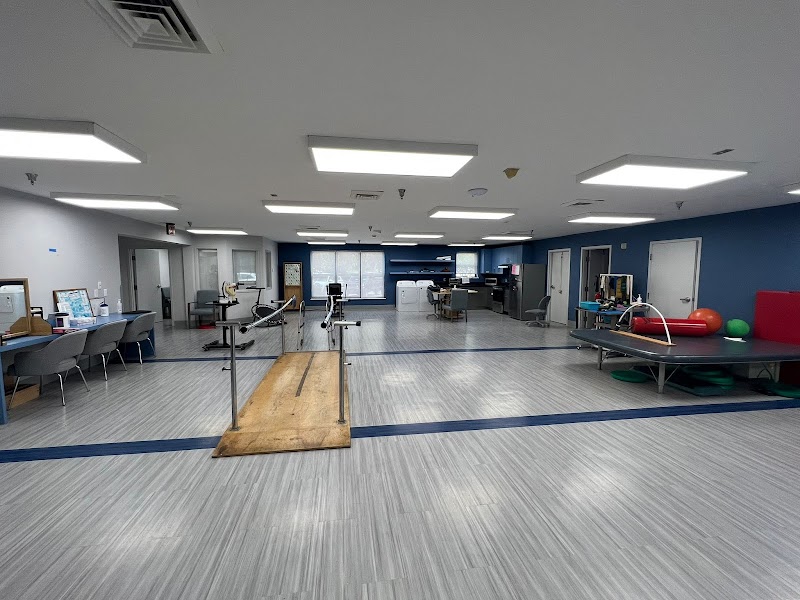
How is Laurel Park Rehabilitation And Healthcare Center Staffed?

CMS rates Laurel Park Rehabilitation and Healthcare Center's staffing level at 1 out of 5 stars, which is much below average compared to other nursing homes. Staff turnover is 85%, which is 39 percentage points above the North Carolina average of 46%. High turnover can affect care consistency as new staff learn residents' individual needs. RN turnover specifically is 67%, which is notably high. RNs provide skilled clinical oversight, so turnover in this role can affect medical care quality.

What Have Inspectors Found at Laurel Park Rehabilitation And Healthcare Center?

State health inspectors documented 33 deficiencies at Laurel Park Rehabilitation and Healthcare Center during 2023 to 2025. These included: 1 that caused actual resident harm, 27 with potential for harm, and 5 minor or isolated issues. Deficiencies causing actual harm indicate documented cases where residents experienced negative health consequences.
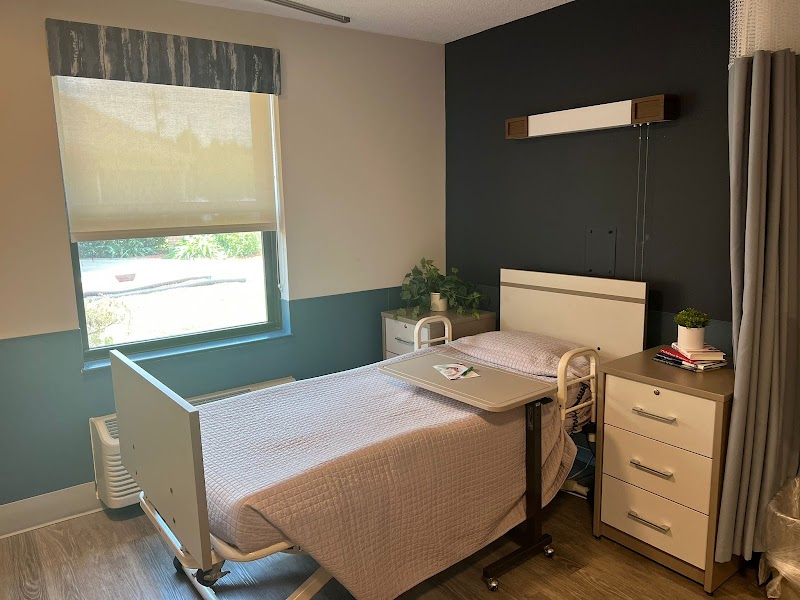
Who Owns and Operates Laurel Park Rehabilitation And Healthcare Center?

Laurel Park Rehabilitation and Healthcare Center is owned by a for-profit company. For-profit facilities operate as businesses with obligations to shareholders or private owners. The facility is operated by YAD HEALTHCARE, a chain that manages multiple nursing homes. With 108 certified beds and approximately 89 residents (about 82% occupancy), it is a mid-sized facility located in Elizabeth City, North Carolina.

How Does Laurel Park Rehabilitation And Healthcare Center Compare to Other North Carolina Nursing Homes?

Compared to the 100 nursing homes in North Carolina, Laurel Park Rehabilitation and Healthcare Center's overall rating (1 stars) is below the state average of 2.8, staff turnover (85%) is significantly higher than the state average of 46%, and health inspection rating (2 stars) is below the national benchmark.

What Should Families Ask When Visiting Laurel Park Rehabilitation And Healthcare Center?

Based on this facility's data, families visiting should ask: "How do you ensure continuity of care given staff turnover, and what is your staff retention strategy?" "Can you walk me through typical staffing levels on day, evening, and night shifts?" "Can I visit during a mealtime to observe dining assistance and food quality?" "How do you handle medical emergencies, and what is your hospital transfer rate?" These questions are particularly relevant given the facility's high staff turnover rate and the below-average staffing rating.

Is Laurel Park Rehabilitation And Healthcare Center Safe?

Based on CMS inspection data, Laurel Park Rehabilitation and Healthcare Center has a clean safety record: no substantiated abuse findings (meaning no confirmed cases of resident harm), no Immediate Jeopardy citations (the most serious violation level indicating risk of serious injury or death), and is not on the Special Focus Facility watch list (a federal program monitoring the lowest-performing 1% of nursing homes). The facility has a 1-star overall rating and ranks #100 of 100 nursing homes in North Carolina. While no facility is perfect, families should still ask about staff-to-resident ratios and recent inspection results during their visit.

Do Nurses at Laurel Park Rehabilitation And Healthcare Center Stick Around?

Staff turnover at Laurel Park Rehabilitation and Healthcare Center is high. At 85%, the facility is 39 percentage points above the North Carolina average of 46%. Registered Nurse turnover is particularly concerning at 67%. RNs handle complex medical decisions and coordinate care — frequent RN changes can directly impact care quality. High turnover means new staff may not know residents' individual needs, medications, or preferences. It can also be disorienting for residents, especially those with dementia who rely on familiar faces. Families should ask: What is causing the turnover? What retention programs are in place? How do you ensure care continuity during staff transitions?

Was Laurel Park Rehabilitation And Healthcare Center Ever Fined?

Laurel Park Rehabilitation and Healthcare Center has been fined $16,720 across 1 penalty action. This is below the North Carolina average of $33,246. While any fine indicates a compliance issue, fines under $50,000 are relatively common and typically reflect isolated problems that were subsequently corrected. Families should ask what specific issues led to these fines and confirm they've been resolved.

Is Laurel Park Rehabilitation And Healthcare Center on Any Federal Watch List?

Laurel Park Rehabilitation and Healthcare Center is not on any federal watch list. The most significant is the Special Focus Facility (SFF) program, which identifies the bottom 1% of nursing homes nationally based on persistent, serious quality problems. Not being on this list means the facility has avoided the pattern of deficiencies that triggers enhanced federal oversight. This is a positive indicator, though families should still review the facility's inspection history directly.