Bladen East Health And Rehab


804 S Poplar Street, Elizabethtown, NC 28337 (910) 862-8100
For profit - Limited Liability company 90 Beds Independent Data: November 2025
Trust Grade
63/100
#81 of 417 in NC
Last Inspection: March 2025

Within standard 12-15 month inspection cycle. Federal law requires annual inspections.

Overview

Bladen East Health and Rehab has a Trust Grade of C+, indicating it is slightly above average but not exceptional. It ranks #81 out of 417 facilities in North Carolina, placing it in the top half of the state, and #1 out of 2 in Bladen County, meaning there is only one other local option available. The facility is improving, with the number of issues decreasing from 5 in 2024 to 3 in 2025. Staffing is a concern, with a rating of 3 out of 5 and a high turnover rate of 77%, which is significantly above the state average of 49%. While the facility's fines of $15,811 are average, they still indicate some compliance issues. The RN coverage is average, which means that while there are enough registered nurses to monitor residents, it is not exceptional. Specific incidents include a serious fall resulting in multiple fractures for one resident due to insufficient supervision, and failures in food safety practices that could lead to foodborne illnesses. Overall, Bladen East Health and Rehab shows both strengths in its rankings and weaknesses in staffing and specific care incidents that families should consider carefully.

Trust Score
C+
63/100
In North Carolina
#81/417
Top 19%
Safety Record
Moderate
Needs review
Inspections
Getting Better
5 → 3 violations
Staff Stability
⚠ Watch
77% turnover. Very high, 29 points above average. Constant new faces learning your loved one's needs.
Penalties
✓ Good
$15,811 in fines. Lower than most North Carolina facilities. Relatively clean record.
Skilled Nurses
⚠ Watch
Each resident gets only 26 minutes of Registered Nurse (RN) attention daily — below average for North Carolina. Fewer RN minutes means fewer trained eyes watching for problems.
Violations
○ Average
10 deficiencies on record. Average for a facility this size. Mostly minor or procedural issues.
★★★★☆
4.0
Overall Rating
★★★☆☆
3.0
Staff Levels
★★☆☆☆
2.0
Care Quality
★★★★☆
4.0
Inspection Score
Stable
2024: 5 issues
2025: 3 issues

The Good

  • Full Sprinkler Coverage · Fire safety systems throughout facility
  • No fines on record

Facility shows strength in fire safety.

The Bad

Staff Turnover: 77%

30pts above North Carolina avg (46%)

Frequent staff changes - ask about care continuity

Federal Fines: $15,811

Below median ($33,413)

Minor penalties assessed

Staff turnover is very high (77%)

29 points above North Carolina average of 48%

The Ugly 10 deficiencies on record

1 actual harm
Apr 2025 1 deficiency
CONCERN (D) 📢 Someone Reported This

A family member, employee, or ombudsman was alarmed enough to file a formal complaint

Potential for Harm - no one hurt, but risky conditions existed

Free from Abuse/Neglect (Tag F0600)

Could have caused harm · This affected 1 resident

**NOTE- TERMS IN BRACKETS HAVE BEEN EDITED TO PROTECT CONFIDENTIALITY** Based on observations, record review, and resident, staff and Medical Director interviews, the facility failed to protect a resi...

Read full inspector narrative →
**NOTE- TERMS IN BRACKETS HAVE BEEN EDITED TO PROTECT CONFIDENTIALITY** Based on observations, record review, and resident, staff and Medical Director interviews, the facility failed to protect a resident's right to be free from resident-to-resident abuse when Resident #2 hit Resident #1 with a grabber-reacher tool (a tool that assists people reach something to pick it up) multiple times on the right hand, injuring his right 4th digit fingernail. This affected 1 of 4 residents reviewed for abuse (Resident #1). The findings included: Resident #1 was admitted to the facility on [DATE] with diagnosis that included multiple sclerosis, psychosis, anxiety disorder and mood disorder due to known physiological condition. Resident #1's Minimum Data Set (MDS), dated [DATE], revealed he was cognitively intact and had no behaviors. He had impairment on both sides of his upper and lower extremities and was dependent on staff for his activities of daily living and independently operated his manual wheelchair. Resident #1's care plan, last revised 01/02/25, indicated Resident #1 had been care planned for manipulative behaviors and physical and verbal aggression towards staff and other residents related to his anger and poor impulse control. Interventions included education to the resident on the importance of avoiding known triggers that could lead to the escalation of retaliatory physical aggression towards other residents, or by other residents to himself. Resident #2 was admitted to the facility on [DATE] with diagnoses which included generalized anxiety disorder and dementia without behavioral disturbance. Resident #2's quarterly MDS, dated [DATE], revealed he was cognitively intact and had no behaviors. He had impairment on one side of his lower extremities, was dependent on staff for bed to chair transfers, and independently operated a manual wheelchair. Resident #2's care plan, last revised 02/18/25, revealed Resident #2 had been care planned for his potential to be physically and verbally aggressive with staff and other residents and making false statements/accusations related to anger and poor impulse control. Interventions included de-escalation of the resident's physical and verbal aggression towards staff and other residents to ensure safety. An Initial Allegation Report for resident-to-resident abuse was completed on 03/11/25 after Resident #2 struck Resident #1 with a grabber-reacher tool and resulted in Resident #1 sustaining an injury to his right 4th digit fingernail. Notifications were made to the local law enforcement agency and to the State Agency on 03/11/25. A Progress Notes note written by Nurse #1 on 03/11/25 at 5:45 PM. in Resident #1's medical record detailed the altercation on 03/11/25 (no time noted) between Resident #1 and Resident #2. The nurse wrote that Resident #2 had been observed by another resident (Resident #6) striking Resident #1 with his reacher-grabber tool which caused injury to Resident #1's right 4th digit fingernail. The nurse indicated that wound care had been provided to Resident #1's finger and stated that a local law enforcement officer came to the facility and took statements from residents involved in the altercation as well as statements from witnesses of the incident. A Progress Note written by Nurse #4 on 03/11/25 at 6:18 PM in Resident #2's Medical Record detailed the 03/11/25 altercation between Resident #2 and Resident #1. The nurse stated Resident #2 said he had been in his room, watching television, when Resident #1 went into his room and started talking s**t to him and told him (Resident #2) that he (Resident #1) was going to f**k him up and that Resident #1 had swung at him. The nurse wrote that Resident #2 told her he had defended himself by hitting Resident #1 with his reacher-grabber tool. The Investigation Report, submitted on 03/14/25 by the Administrator, indicated she substantiated the allegation of resident-to-resident abuse after the investigation concluded. A summary of the incident details included, .All witness statement support incident occurring in hallway outside of [Resident #2's] room. Blood was noted on the floor in the hallway. [Resident #2] continued to state throughout the investigation that [Resident #1] kicked open his door, busted into his room, and asked him if he wanted to fight. None of the witness statements support this. [Resident #1] was in sight of staff in the hallway where they witnessed [Resident #2] hitting him with the reacher . The local law enforcement officer's Incident/Investigation Report, dated 03/11/25, indicated he had been dispatched to the facility and once there, took statements from Resident #1, Resident #2 and witnesses to the altercation. The officer reported Resident #1 informed him he had approached Resident #2 and told him he had a big head and then Resident #2 told him that he had a big head and then Resident #2 began to swing a reacher-grabber tool, hitting him (Resident #1) in his knee and cut his finger with the tool. The officer then spoke with Resident #2 who informed him that Resident #1 always called him names and threatened him. Resident #2 told the officer that Resident #1 had entered his room and told him that he was going to mess him up so he began to hit Resident #1 because he had been scared for his safety. The report indicated the officer also took a statement from Resident #6 who had informed the officer he had observed both of the residents talking in the hallway before Resident #2 hit Resident #1 with his reacher-grabber tool. The officer acknowledged in his report that he had closed the report as closed by exception, victim refused to cooperate. An interview was conducted with Resident #6 on 04/02/25 at 12:58 PM. Resident #6 was coded as being cognitively intact on his 02/01/25 quarterly MDS. Resident #6 explained that on 03/11/25 he had observed Resident #1 in his wheelchair approach Resident #2 who had been sitting in his wheelchair outside of his room in the hall and in front of the doorway to Resident #2's room. As he continued to observe the two residents, Resident #6 described how Nurse #2 approached him as he sat in the hall and said he pointed to the two residents (Residents #1 and Resident #2) in the hall. He said Nurse #2 walked towards both of the residents and then the next thing he (Resident #6) knew, Resident #2 swung his reacher-grabber tool and struck Resident #1 with it and observed Resident #1 swinging his arms. Resident #6 indicated he thought Resident #1 had done that in self-defense from Resident #2. Resident #6 indicated that he did not hear any of the conversation between the two residents but could hear Resident #1 hollering. An interview was conducted with Nurse #2 on 04/02/25 at 2:55 PM. Nurse #2 confirmed she had worked from 3:00 PM until 11:00 PM on 03/11/25. Nurse #2 stated she had been walking down the Skilled A and B hall when Resident #6 stopped her and said, hey, they're fighting and pointed towards Resident #1 and Resident #2. She stated she looked in the direction of the two residents who were outside of Resident #2's doorway, in the hall. Nurse #2 explained Resident #1 was observed sitting in his wheelchair and facing Resident #2 who had been sitting in his wheelchair in the hallway, outside of his room's doorway. Nurse #2 further explained she immediately began walking towards the two residents and before she could get to them, Resident #2 began hitting Resident #1 with his reacher-grabber tool and that Resident #1 was observed trying to back up, holding his arms in a way to deflect the blows. Nurse #2 stated by the time she reached the residents, Resident #2 struck Resident #1 three to four more times with his reacher-grabber tool. She explained she pulled Resident #1's wheelchair away from Resident #2 and started to take him to his room when she noticed he was bleeding from his finger. Nurse #2 explained Resident #1's nurse provided treatment to his injured finger. Nurse #2 stated she did not know how the argument had started. Nurse #2 stated she provided a statement to the local law enforcement officer when he arrived at the facility. When asked about the residents' level of care required to perform their activities of daily living (ADL), the nurse stated Resident #1 was totally dependent on staff for his ADL and stated Resident #2 required extensive assistance with his ADL. She stated both of the residents were able to operate their wheelchairs independently after being placed in the wheelchairs using a mechanical lift. Nurse #2 confirmed both residents were alert, oriented and able to make their needs known. She stated both residents were known to be argumentative with each other, as well as with other residents and staff. An observation and interview were conducted with Resident #1 on 04/02/25 at 10:27 AM. Resident #1 explained that on 03/11/25, around 4:00 PM, he had started rolling down the hall in his wheelchair to visit another resident. Resident #1 further explained he rolled up to Resident #2 who had been sitting in his wheelchair in the hall, outside the door to his room, and told him, you have a big head. Resident #2 responded by saying to him, you have a big head. Resident #1 then asked Resident #2 if he wanted to fight and stated Resident #2 said no. Resident #1 stated Resident #2 then grabbed his reacher and started hitting him with it and he had tried to block Resident #2's blows with his arms. When asked about his relationship with Resident #2, Resident #1 declared that he did not like Resident #2 because he always starts trouble and that he had never liked him. When asked how he felt after being hit by Resident #2, Resident #1 said, I ain't scared of that boy. When asked about the injury he sustained during the incident, Resident #1 held up the fingers on his right hand and said they were fine and could not remember which finger had been injured. An observation of the fingers on his right hand revealed no outward signs of a healing/healed injury to any of the fingers on his right hand. An interview was conducted with Resident #2 on 04/01/25 at 3:10 PM. Resident #2 was observed sitting in his wheelchair in his room. Also present at this time was Nursing Assistant #2 who was providing a one-to-one observation. Resident #2 acknowledged he did not like Resident #1 and said that Resident #1 had told him that he hated white people. Resident #2 explained that on 03/11/25, at some time in the late afternoon, he had been napping while seated in his wheelchair in front of the TV in his room. He said Resident #1 kicked his door in, came into his room and began to fight with him. Resident #2 stated Resident #1 did not say anything to him and remained adamant he had struck Resident #1 with his grabber-reacher tool as a means of self-defense. When Resident #2 was informed that witness accounts of the incident placed both residents out in the hallway, Resident #2 maintained his story that Resident #1 kicked the door to his room open, entered the room and began to fight with him. Resident #2 stated he had witnesses that saw this and said to talk with Nursing Assistant (NA) #1. Resident #2 indicated that he was not afraid of Resident #1 and he had just been trying to protect himself after Resident #1 came into his room. An interview was conducted with NA #1 on 04/02/25 at 3:23 PM. NA #1 confirmed that she had worked from 3:00 PM until 11:00 PM on 03/11/25. NA #1 explained she had been walking towards the Nurses' Station on the Skilled A and B halls when she observed Resident #1 rolling down the hall in his wheelchair and headed towards where Resident #2 was seated in his wheelchair, outside of the doorway to his room. She thought Resident #1 would go on past Resident #2 but then she observed Resident #1 stop and begin to roll backwards, towards Resident #2. NA #1 stated she knew the two of these residents did not get along and started walking towards the two of them to prevent an altercation. Before she could get to them, she said she observed Resident #2 grab his reacher-grabber and swing at and strike Resident #1. NA #1 stated by the time she got to them, Nurse #2 had also arrived and explained that between the two of them, they got the two residents separated. As Nurse #2 pushed Resident #1 to his room, NA #1 said she told Resident #2 that he could not hit people and said he (Resident #2) told her that he could not help it because Resident #1 had told him he was going to beat his a**. She stated she then observed some blood on one of Resident #2's hand, assumed it had been from the altercation, and left him to inform a nurse. At the Nurses' Station, she spoke with the Unit Manager, Nurse #3. An interview was conducted with Nurse #3, on 04/02/25 at 1:45 PM. Nurse #3 confirmed that she was the Unit Manager for the Skilled A and B halls. Nurse #3 explained on 03/11/25 she became aware of the incident between Resident #1 and Resident #2 when she came out of her office located behind the Nurses' Station desk and heard yelling down the hall. Nurse #3 stated when she looked towards the commotion, she saw both residents in the hall, outside of Resident #2's room. She explained she observed Resident #2 swat Resident #1 repeatedly with his grabber-reacher as Resident #1 was trying to shield himself from the blows. She explained that Resident #1 did not have full control of his upper extremities because of his medical diagnosis. She described that Resident #1 sat in a semi-reclined position in his wheelchair and how he would not have been able to hit Resident #2 in retaliation if he wanted to. Nurse #3 described both residents as alert and oriented and stated how neither of them could get up out of their beds without the total assistance of staff using a mechanical lift to do so. She said that Resident #1 often rolled himself via wheelchair to other areas of the facility and enjoyed visiting with other residents and went to therapy and activities, all of which were located past Resident #2's room. Nurse #3 described Resident #2 as more stationary and said he often sat outside of the door to his room or outside in the smoking courtyard. Nurse #3 said Resident #2 had been known to make racist or disrespectful remarks to other residents and staff and would often not tell the truth when asked about incidents he may have been involved in. She also said that while Resident #2 hit Resident #1 during this incident, Resident #1 could be the instigator during arguments with residents and staff and stated that he sometimes feeds off being the victim as well and that he was not always truthful. Nurse #3 indicated that Resident #2's reacher-grabber tool had been removed from him by the Human Resources Director and he (Resident #2) had been placed on a one-to-one observation while out of his bed for his safety as well as the safety of other residents. An interview was conducted with the Human Resources Director on 04/02/25 at 2:39 PM. The Human Resources Director confirmed she had worked on 03/11/25 and stated the incident between Resident #1 and Resident #2 had occurred just prior to her clocking out for the day around 5:30 PM. The Human Resources Director stated after she clocked out and started walking back to her office, she heard Nurse #3 say, Oh my God, Resident #2 is hitting Resident #1. The Human Resources Director explained that she did not see the interaction between the two residents. She said she told Nurse #3 that someone needed to get Resident #2's reacher-grabber tool away from him. She stated she walked down to his (Resident #2's) room and asked him to let her have it. She stated that before he gave it to her, he told her, he started it. The Human Resources Director said she removed the grabber-reacher without incident and told him to stay in his room until everything got sorted out. An interview was conducted with the facility's Medical Director on 04/03/25 at 9:25 AM. The Medical Director explained he had been made aware of the 03/11/25 incident that involved Resident #1 and Resident #2. After talking with the residents, he felt that Resident #1 was the instigator of this incident, and Resident #2 the aggressor. He further explained that both residents lacked the appropriate coping mechanisms for handling a situation when anger and aggression were triggered. He stated Resident #2 had very little threshold for controlling his anger and impulsivity, and he believed Resident #2 was not a danger to himself or others provided he remain on the one-to-one observation. The Medical Director stated it was his expectation the facility provide a safe environment for all the residents who reside there and thought as long as Resident #2 remained on a one-to-one observation when he was out of his bed, that the facility was providing that safe environment. An interview with the Administrator was conducted on 04/03/25 at 10:54 AM. The Administrator stated that since the incident between Resident #1 and Resident #2 on 03/11/25, Resident #2 remained on a one-to-one observation until he went to bed at night. She explained that Resident #2 could not get out of bed by himself and therefore the one-to-one observation was not continued while he was in bed. She explained nursing staff did safety checks of him every 15 minutes. The Administrator further explained staff would continue to monitor Resident #1 and would assist him past Resident #2's room when he wanted to visit friends or attend therapy or activities, all of which were located past Resident #2's room. When asked how she thought this incident might have occurred, the Administrator stated no one could really say. She explained Resident #1 told her that he had planned on visiting his friend who resided across the hall from Resident #2, and she believed Resident #2 had been waiting in his doorway to confront Resident #1 because he thought he (Resident #1) was out to get him. The Administrator stated they tried to keep Resident #1 from any opportunity for him to antagonize Resident #2 as well as trying to keep him safe from Resident #2's aggression. The Administrator explained she put a Plan of Correction (POC) in place after meeting with her Interdisciplinary Team and provided a copy of it for consideration. She stated monitoring for this POC included keeping Resident #2 on a one-to-one observation for the duration of his stay at the facility and it would be reviewed in their monthly Quality Assurance and Performance Improvement (QAPI) meetings. The Administrator explained she did not include a facility-wide in-service training on their Abuse policy as she felt strongly it did not occur because of staff error. She also felt the staff executed their Abuse policy and procedures as they should have after the incident occurred. The Administrator explained she had issued Resident #2 a 30-day notice of discharge on [DATE] and discussed the incident between the two residents at an Ad Hoc QAPI meeting on 03/11/25. She had plans to continue to bring the situation to their monthly QAPI meetings until a safe discharge location for Resident #2 could be arranged. The facility provided a corrective action plan that was not acceptable to the State Agency as it did not include the following required components: address how the facility will identify other residents having the potential to be affected by the same deficient practice; address what measures will be put into place or systemic changes made to ensure that the deficient practice will not recur; and indicate how the facility plans to monitor its performance to make sure that solutions are sustained.
Mar 2025 2 deficiencies
CONCERN (E)

Potential for Harm - no one hurt, but risky conditions existed

Food Safety (Tag F0812)

Could have caused harm · This affected multiple residents

Based on observations and staff interviews, the facility failed to label and date resident's personal food items and discard expired food items stored in 1 of 1 nourishment refrigerator. This practice...

Read full inspector narrative →
Based on observations and staff interviews, the facility failed to label and date resident's personal food items and discard expired food items stored in 1 of 1 nourishment refrigerator. This practice had the potential to cause foodborne illnesses. Findings included: An observation of the nourishment refrigerator with the facility's Dietary Manager on 3/4/25 at 1:28 PM revealed the following: a. 2 yogurt cups with the expiration date of 12/31/24 b. A Ranch dressing bottle with the expiration date of 1/20/25 c. Partially eaten chicken wings and corn on the cob in a disposable plate with no date or label d. A 2-liter soda bottle approximately two thirds full with no label or date e. A plastic bottle with orange colored liquid with no label or date The Dietary Manager, who was present during the observation, stated that nursing staff were supposed to ensure the food items were labeled and dated and that expired items were discarded. An interview was conducted on 3/4/25 at 1:30 PM with the Assistant Director of Nursing (ADON) when she came into the nourishment room and placed the food items in the trash can. The ADON stated that nursing staff should have labeled and dated the food items before placing them in the refrigerator and discarded any expired food items. An interview was conducted with the facility Administrator on 3/4/25 at 2:14 PM. The Administrator stated that if there were any expired food items they should have been thrown out and all foods should have been labeled and dated before being placed in the refrigerator.
MINOR (B)

Minor Issue - procedural, no safety impact

Assessment Accuracy (Tag F0641)

Minor procedural issue · This affected multiple residents

**NOTE- TERMS IN BRACKETS HAVE BEEN EDITED TO PROTECT CONFIDENTIALITY** Based on record review and staff interviews, the facility failed to accurately code the Minimum Data Set (MDS) assessment for 2 ...

Read full inspector narrative →
**NOTE- TERMS IN BRACKETS HAVE BEEN EDITED TO PROTECT CONFIDENTIALITY** Based on record review and staff interviews, the facility failed to accurately code the Minimum Data Set (MDS) assessment for 2 of 2 residents reviewed for restraints (Resident #15 and Resident #62). The findings included: 1. Resident #15 was admitted to the facility on [DATE]. The quarterly Minimum Data Set (MDS) dated [DATE] indicated Resident #15 was cognitively intact, and a physical restraint of a bed rail was used daily. During an interview with Resident #15 on 03/03/2025 at 11:48 AM. The resident stated she did not have bedrails on her bed. An observation of Resident # 15's bed on 03/03/2025 at 11:48 AM did not reveal any bed rails. An interview with the MDS Coordinator was conducted on 03/04/2025 at 12:44 PM. She stated she was not at the facility at the time the screening was completed for Resident #15. She reported Resident # 15 did not have bedrails on her bed and the use of bedrails as a restraint was coded in an error on the MDS. An interview with the Director of Nursing (DON) was conducted on 03/04/2025 at 1:03 PM. The DON stated she completed Resident # 15's MDS assessment because the MDS Coordinator was on leave in December 2024. She reported the facility was restraint free and Resident #15 did not use bedrails on her bed. She stated the use of restraint coding on MDS was an error. An interview with the Administrator was conducted on 03/05/2025 at 3:00 PM. The Administrator explained she and the DON had completed MDS screenings while the MDS Coordinator was on leave in December 2024. She stated the use of restraint coding on MDS was an error and she expected the MDS to be coded correctly. 2. Resident #62 was admitted to the facility on [DATE]. The quarterly Minimum Data Set (MDS) dated [DATE] noted Resident #62 was cognitively intact, and a physical restraint of a bed rail was used less than daily. The care plan dated 02/27/2025 had focus for activity of daily living (ADL) self-care performance deficit. The care plan did not include any interventions for physical restraint or bed rail use. An observation of Resident #62's bed on 03/03/2025 at 10:58 AM did not reveal any bed rails. An interview with Resident #62 was conducted on 03/03/2025 at 10:58 AM. The Resident stated he had never had rails on his bed. An interview with the MDS Coordinator was conducted on 03/04/2025 at 12:44 PM. She stated physical restraints should not be coded because the facility was restraint free. She was not at the facility at the time the screen was completed for Resident #62. She stated it was a coding error because Resident #62 has never had bedrails. An interview with the Director of Nursing (DON) was conducted on 03/04/2025 at 12:51 PM. The DON stated the facility was restraint free and it was a coding error because Resident #62 had not had rails on his bed. An interview with the Administrator was conducted on 03/04/2025 at 1:17 PM. The Administrator explained she and the DON had completed MDS screenings while the MDS Coordinator was on leave in December. The Administrator also explained the facility was restraint free and Resident #62 did not have bedrails. She stated she expected the MDS to be coded correctly.
Oct 2024 1 deficiency
MINOR (B) 📢 Someone Reported This

A family member, employee, or ombudsman was alarmed enough to file a formal complaint

Minor Issue - procedural, no safety impact

Deficiency F0573 (Tag F0573)

Minor procedural issue · This affected multiple residents

**NOTE- TERMS IN BRACKETS HAVE BEEN EDITED TO PROTECT CONFIDENTIALITY** Based on record review, interviews with the Responsible Party (RP) and staff, the facility failed to provide copies of the resid...

Read full inspector narrative →
**NOTE- TERMS IN BRACKETS HAVE BEEN EDITED TO PROTECT CONFIDENTIALITY** Based on record review, interviews with the Responsible Party (RP) and staff, the facility failed to provide copies of the resident's medical records after a request for 1 of 3 sample resident reviewed for medical record access (Resident #1). Findings included: Resident #1 was admitted to the facility on [DATE] Review of Resident #1's admission Record completed on 01/25/2023 revealed a family member was listed as her RP and Power of Attorney. The discharge Minimum Data Set (MDS) dated [DATE] assessed Resident #1 with severe impairment in cognition During a telephone interview on 10/08/2024 at 10:15 AM, the RP stated she spoke to the Business Office Manager about 2 months ago to request Resident #1's copies of the medical records and she had not received copies of the medical records. RP stated that she did not recall the Business Office Manager asking her to come to the facility to sign a release form to receive copies of the medical records.The RP added that she did not know the reason the facility had not sent her Resident #1's copies of the medical records. During an interview on 10/08/2024 at 11:50 AM, the Business Office Manager confirmed that the RP requested Resident #1's copies of the medical records 2 months ago verbally. The Business Office Manager stated that she had not sent the copies of medical records to the RP because she was waiting for the RP to come to the facility to sign a release form before she gave her the copies of the medical records. She did not notify the medical record staff that the RP had requested Resident # 1's copies of the medical records. The Business Office Manager stated she was not aware that a resident or the RP could request the copies of the medical records verbally and she was required to provide them within 2 working business days. The Business Office also stated that next time the RP requests copies of the medical records, she will refer to the request to the medical record staff, and she (medical records staff) will send copies of the medical records requested to the RP within 2 business working days. During an interview on 10/08/2024 at 12:20 PM, the Medical Records staff stated that she did not recall the Business Office Manager notifying her to send the copies of medical records to Resident #1's RP. She stated that if the Business Office Manager had notified her of Resident #1's RP request for the copies of the medical records she would have sent them within 2 working business days per the policy. During an interview on 10/08/2024 at 1:40 PM, the Administrator explained when copies of medical records were requested by the RP, the facility was required to send the copies of the records requested within 2 working business days. She stated the Medical Records staff should have sent copies of the medical records to the RP or asked the RP to come to the facility to pick copies of the medical records up within 2 working business days.
Sept 2024 1 deficiency 1 Harm
SERIOUS (G) 📢 Someone Reported This

A family member, employee, or ombudsman was alarmed enough to file a formal complaint

Actual Harm - a resident was hurt due to facility failures

Accident Prevention (Tag F0689)

A resident was harmed · This affected 1 resident

**NOTE- TERMS IN BRACKETS HAVE BEEN EDITED TO PROTECT CONFIDENTIALITY** Based on record review and staff interviews, the facility failed to provide care in a safe manner resulting in a fall from a bed...

Read full inspector narrative →
**NOTE- TERMS IN BRACKETS HAVE BEEN EDITED TO PROTECT CONFIDENTIALITY** Based on record review and staff interviews, the facility failed to provide care in a safe manner resulting in a fall from a bed that was in the elevated position which resulted in a closed displaced fracture of left clavicle shaft, closed fracture of the left third, fourth and fifth ribs and hospitalization for 1 of 3 sampled residents reviewed for supervision to prevent accidents (Resident #1). The findings included: Resident #1 was initially admitted to the facility on [DATE] with the last readmission on [DATE]. Her diagnoses include diabetes, dementia and heart failure. Resident #1's significant change Minimum Data Set Assessment (MDS) dated [DATE] coded the resident as moderately cognitively impaired and dependent with bed mobility and toileting. Resident #1 was also coded for hospice care. Resident #1's care plan, last updated 6/10/24, revealed the staff identified the resident needing assistance with her activities of daily living due to heart failure. She required extensive assistance by 1 staff for toileting and incontinence care. The care plan also indicated Resident #1 was at risk for falls related to weakness and non-compliance with asking and waiting for assistance. Resident #1's medical records revealed physician order dated 8/2/24 that indicated to admit Resident #1 to hospice services for diagnoses of hypertensive heart and chronic kidney disease with heart failure. Resident #1 had an order dated 8/2/24 for morphine sulfate 0.25 milliliter by mouth every 2 hours as needed for end-of-life pain/discomfort and shortness of breath. Resident #1 was taking morphine for pain as needed prior to the fall injury on 9/4/24. An incident report dated 9/4/24 stated nursing assistant (NA) #1 was in the process of changing Resident #1 and turned away from the resident to get incontinent supplies from the chair. When NA #1 turned back Resident #1 had fallen off the bed to the floor landing on her left side. Resident #1 was assessed for injuries and Resident #1 was unable to rate her pain or describe what hurt. Resident #1 was grabbing her left shoulder stating, it is killing me, help me please. Vital signs were taken, and Resident #1 was sent to the hospital for further evaluation. During an interview on 9/17/24 at 11:42 AM with Nursing Assistant #1 (NA) #1, she indicated she went to provide incontinence care for Resident #1 on 9/4/24 at approximately 5:30 pm and she placed clean bed sheets on Resident #1's wheelchair which was inside the room by the door. She explained she raised Resident #1's bed to her waist level (NA #1 indicated she is 5 feet 8 inches tall), to provide incontinence care. She noticed the bed sheet and under pad were wet too and she tucked the sheet and under pad under Resident #1 who was turned away from her so that she could place a clean bed sheet on the bed. She then turned her back away from Resident #1 to grab the clean sheet which was on the wheelchair by the door and when she turned around Resident #1 had fallen to the floor on the opposite side of the bed. NA #1 went to the doorway and called Nurse #1 who was in the hallway and Nurse #1 came to the room to assess Resident #1. During an interview on 9/17/24 at 11:56 AM with Nurse #1, she revealed she was the primary nurse for Resident #1 when she fell off the bed on 9/4/24. She indicated she became aware of the fall after NA #1 called for assistance from Resident #1's doorway. When she walked into the room Resident #1 was on the floor close to the window and the bed was raised. Resident #1 was saying help me but could state where the pain was. Nurse #1 stated she called emergency services who came to transport Resident #1 to the hospital for further evaluation. Resident #1's pain level on the day of the fall on 9/4/24 during second shift (3 pm- 11pm) was documented as 9 out of 10 in the medication administration record (MAR). Hospital Discharge summary dated [DATE] indicated Resident #1 was seen at the emergency department (ED) on 9/4/24 after a fall at a nursing home. Resident #1 was found to have fractures of the left third, fourth and fifth ribs as well as a left clavicle fracture. The left arm was placed in a sling at the ED. Computed tomography (CT) scan and X- rays completed at the ED revealed negative acute abnormality of the head, cervical spine, pelvis and left knee. Urinalysis showed leukocytes (sign of urinary tract infection) and Resident #1 was given a dose of intravenous Rocephin (antibiotic). Resident # 1 was hospitalized for 2 days and was discharged to the facility on 9/6/24 with instructions to continue adequate analgesia (pain management), sling to the left upper extremity, continue with incentive spirometer-respiratory therapy, and follow up with orthopedic outpatient in 1 - 2 weeks. Resident #1 was also prescribed oral antibiotics (cefdinir) for 5 days for urinary tract infection, and Breo Ellipta inhalation (breathing treatment) for shortness of breath as needed once a day. Review of Resident #1's MAR revealed Resident #1 had not required the breathing treatments since she was readmitted to the facility on [DATE] - 9/17/24. Resident #1 medication administration record (MAR) revealed Resident #1 received morphine 0.25 milliliter on 9/7/24 at 3:57 PM for 6/10 pain, and Percocet 1 tablet on 9/11/24 at 2:30 PM for 10/10 pain, 9/12/24 at 6:34 PM for 5/10 pain and on 9/16/24 at 6:23 AM for 4/10 pain. Documentation of Resident #1's pain assessment on all three shifts from 9/6/24 to 9/17/24 were documented as follows: 6/10 on 9/7/24, 10/10 on 9/11/24, 5/10 on 9/12/24, 4/10 on 9/16/24. All other pain assessments completed from 9/6/24 to 9/17/24 were 0 out of 10. During survey on 9/17/24 at 1:00 PM and 9/18/24 at 10:40 AM Resident #1 was observed in bed with a sling to the left upper extremity, her bed was noted in the lowest position and two fall mats were at bedside. Resident #1 did not appear to be in any pain or distress. She denied pain when asked if she was in any pain, but she was unable to describe what happened on the day she fell or why she had the sling on. During an interview on 9/18/24 at 11:36 AM with the Director of Nursing (DON), she indicated Resident #1 fell while being provided care by NA #1. The DON stated NA #1 should have placed all the items she needed at bedside before she started providing care for Resident #1 or she should have used the call light for another employee to come and get her the bed sheet from the wheelchair which was close to the door. The DON also stated NA #1 should not have left Resident #1 unattended while the bed was in an elevated position. An interview was conducted on 9/18/24 at 11:50 AM with the Administrator. She stated NA#1 should not have left Resident #1 unattended while the bed was in an elevated position. The Administrator verbalized NA #1 should have positioned Resident #1 midline in bed and lowered the bed to the lowest position before stepping away to grab the clean bed sheets.
Feb 2024 3 deficiencies
CONCERN (D) 📢 Someone Reported This

A family member, employee, or ombudsman was alarmed enough to file a formal complaint

Potential for Harm - no one hurt, but risky conditions existed

Resident Rights (Tag F0550)

Could have caused harm · This affected 1 resident

**NOTE- TERMS IN BRACKETS HAVE BEEN EDITED TO PROTECT CONFIDENTIALITY** Based on observations, record review, and staff interviews the facility failed to maintain dignity for a resident with an uncove...

Read full inspector narrative →
**NOTE- TERMS IN BRACKETS HAVE BEEN EDITED TO PROTECT CONFIDENTIALITY** Based on observations, record review, and staff interviews the facility failed to maintain dignity for a resident with an uncovered urinary drainage bag, with urine visible for public view from the hallway. The reasonable person concept was applied as individuals have the expectation of being treated with dignity and would not want their urine visible to visitors, staff, and other residents, for 1 of 2 residents reviewed for dignity (Resident #27). The findings included: Resident #27 was admitted to the facility on [DATE] with diagnoses including unspecified intellectual disabilities, mental disorder. The quarterly Minimum Data Set (MDS) dated [DATE] had Resident #27 coded as moderately cognitively impaired was incontinent of bowel and bladder and had a foley catheter. The care plan dated 12/08/2023 had focus' of the residents impaired cognitive function or impaired thought processes and had a foley catheter in place. The interventions included to position catheter bag and tubing below the level of the bladder and away from the entrance room door. An observation of Resident #27 occurred on 02/26/2024 at 11:47 AM. Resident #27 was observed in his room, in Geri chair, in front of the door, with his urinary drainage bag uncovered and visible from the hallway with light amber urine noted. An observation of Resident #27 occurred on 02/26/24 01:48 PM. Resident #27 was observed in his room, in Geri chair, in front of the door, with his urinary drainage bag uncovered and visible from the hallway with light amber urine noted. An observation of Resident #27 occurred on 02/26/24 03:07 PM. Resident #27 was observed in his room, in Geri chair, in front of the door, with his urinary drainage bag uncovered and visible from the hallway with light amber urine noted. An interview with Nursing Assistant (NA) #1 was conducted on 02/27/2024 at 3:02 PM. The NA stated she was the aide for Resident #27 that day and was aware he had a foley catheter. The Aide stated the foley bag should have been covered. The Aide stated she did not know why it wasn't covered but reported it to the nurse earlier that shift. The aide also stated she would get something to cover his foley drainage bag. An interview with Nurse #1 was conducted on 02/27/2024 at 3:07 PM. The Nurse stated the foley bag should have a cover over it or placed out of site to avoid dignity issues. The Nurse also stated she would get a new bag with a cover. An interview with the Director of Nursing (DON) was conducted on 02/27/2024 at 3:14 PM. The DON stated the residents' foley bags should be covered to avoid any dignity issues. The DON also stated the Residents foley bag is usually away from the door and out of site.
CONCERN (D) 📢 Someone Reported This

A family member, employee, or ombudsman was alarmed enough to file a formal complaint

Potential for Harm - no one hurt, but risky conditions existed

Incontinence Care (Tag F0690)

Could have caused harm · This affected 1 resident

**NOTE- TERMS IN BRACKETS HAVE BEEN EDITED TO PROTECT CONFIDENTIALITY** Based on observations, staff interviews and record review, the facility failed to keep a catheter drainage bag from touching the...

Read full inspector narrative →
**NOTE- TERMS IN BRACKETS HAVE BEEN EDITED TO PROTECT CONFIDENTIALITY** Based on observations, staff interviews and record review, the facility failed to keep a catheter drainage bag from touching the floor to reduce the risk of infection for 1 of 2 sampled resident reviewed for the use of a urinary catheter (Resident #27). The findings included: Resident #27 was admitted to the facility on [DATE] with diagnoses including unspecified intellectual disabilities, mental disorder. The quarterly Minimum Data Set (MDS) dated [DATE] had Resident #27 coded as moderately cognitively impaired was incontinent of bowel and bladder and had a foley catheter. The care plan dated 12/08/2023 had focus' of the residents impaired cognitive function or impaired thought processes and had a foley catheter in place. The interventions included to position catheter bag and tubing below the level of the bladder and away from the entrance room door. A review of the urology report dated 07/14/2022 revealed Resident #27 had a diagnosis of urinary retention with urinary tract infections (UTI) episodes and likely secondary to not completely emptying bladder. An observation of Resident #27 occurred on 02/26/2024 at 11:47 AM. Resident #27 was observed in his room, in Geri chair, in front of the door, with his urinary drainage bag visible from the hallway. The catheter drainage bag was positioned on the floor. An observation of Resident #27 occurred on 02/26/24 01:48 PM. Resident #27 was observed in his room, in Geri chair, in front of the door, with his urinary drainage bag visible from the hallway. The catheter drainage bag was positioned on the floor. An observation of Resident #27 occurred on 02/26/24 03:07 PM. Resident #27 was observed in his room, in Geri chair, in front of the door, with his urinary drainage bag visible from the hallway. The catheter drainage bag was positioned on the floor. An interview with Nursing Assistant (NA) #1 was conducted on 02/27/2024 at 3:02 PM. The NA stated she was the aide for Resident #27 that day and was aware he had a foley catheter. The NA stated the foley bag should not have been touching the floor and she would adjust the drainage bag. An interview with Nurse #1 was conducted on 02/27/2024 at 3:07 PM. The Nurse stated the foley bag is usually on the side of the chair and off the floor and did not understand why it was on the floor. The Nurse also stated she had not noticed the bag on the floor that shift when she cared for the resident. An interview with the Director of Nursing (DON) was conducted on 02/27/2024 at 3:14 PM. The DON stated the residents' foley bags should be positioned off the floor to avoid any infection control issues. The DON also stated the Residents foley bag is usually away from the door, out of site and off the floor.
CONCERN (D)

Potential for Harm - no one hurt, but risky conditions existed

Respiratory Care (Tag F0695)

Could have caused harm · This affected 1 resident

**NOTE- TERMS IN BRACKETS HAVE BEEN EDITED TO PROTECT CONFIDENTIALITY** Based on record review, observations, staff and physician interviews, the facility failed to administer oxygen at the prescribed...

Read full inspector narrative →
**NOTE- TERMS IN BRACKETS HAVE BEEN EDITED TO PROTECT CONFIDENTIALITY** Based on record review, observations, staff and physician interviews, the facility failed to administer oxygen at the prescribed rate for 1 of 2 residents reviewed for respiratory care (Resident #15). The findings included: Resident #15 was initially admitted to the facility on [DATE] with the last readmission on [DATE]. Her diagnoses included chronic obstructive pulmonary disease and heart failure. Resident #15's care plan initiated 2/25/23 indicated Resident #15 was on oxygen therapy related to congestive heart failure. Interventions included oxygen at 2 liters per minute via nasal cannula. A Physician's order dated 9/18/23 indicated administer oxygen at 2 liters/minute via nasal cannula for oxygen saturations less than 90%. Resident #15's quarterly Minimum Data Set (MDS) assessment dated [DATE] indicated Resident #15 was cognitively intact and received oxygen therapy. Diagnoses included heart failure and chronic obstructive pulmonary disease. During observation on 2/26/24 at 10:23 AM Resident #15 was observed with the oxygen nasal canula. Resident #15's oxygen regulator on the concentrator was set at 3.5 liters/minute when viewed horizontally at eye level. During observation on 2/26/24 at 12:24 PM Resident #15 was observed with the oxygen nasal canula. Resident #15's oxygen regulator on the concentrator was set at 3.5 liters/minute when viewed horizontally at eye level. During observation on 2/26/24 at 2:07 PM Resident #15 was observed with the oxygen nasal canula. Resident #15's oxygen regulator on the concentrator was set at 3.5 liters/minute when viewed horizontally at eye level. Resident #15's oxygen regulator was verified with the Staff Development Coordinator (SDC) to be set at 3.5 liters/minute. During an interview on 2/26/24 at 2:07 PM with the SDC, she stated Resident #15 had a physician order for oxygen at 2 liters/minute via nasal cannula for oxygen saturations less than 90% and oxygen regulator should have been set at the physician ' s ordered rate. During an interview on 2/26/24 at 3:00 PM with Nurse #1, she stated Resident #15 had a physician order for oxygen at 2 liters/minute via nasal cannula for oxygen saturations less than 90%. Nurse #1 stated she had not checked Resident #15 ' s oxygen regulator since she started her shift at 7:00 AM. She verbalized she should have checked the regulator earlier when she went to check on Resident #15 and ensured it was set at the physician ' s ordered rate. During an interview on 2/28/24 at 2:34 PM with facility Administrator she stated nurses were supposed to check the oxygen concentrator to make sure it was set at the doctor's ordered rate. An interview was conducted on 2/28/24 at 2:49 PM with the Director of nursing (DON). The DON explained Nurse #1 Nurse should have checked the oxygen concentrator upon entering Resident #15's room during earlier medication administration and assessment to ensure it was set per the doctor's orders. She verbalized nurses were to follow physician ' s orders and obtain another order if they needed to titrate the oxygen rate. An interview was conducted on 2/29/24 at 11:10 AM with the facility Physician. He stated Resident #15 was a hospice patient and was receiving oxygen for comfort. The Physician stated nursing staff were to follow physician orders as given and to call the physician if they needed to titrate the oxygen rate.
Dec 2022 2 deficiencies
CONCERN (D)

Potential for Harm - no one hurt, but risky conditions existed

Assessment Accuracy (Tag F0641)

Could have caused harm · This affected 1 resident

**NOTE- TERMS IN BRACKETS HAVE BEEN EDITED TO PROTECT CONFIDENTIALITY** 2. Resident #38 was admitted to the facility on [DATE] with multiple diagnoses that included anxiety disorder, bipolar disorder,...

Read full inspector narrative →
**NOTE- TERMS IN BRACKETS HAVE BEEN EDITED TO PROTECT CONFIDENTIALITY** 2. Resident #38 was admitted to the facility on [DATE] with multiple diagnoses that included anxiety disorder, bipolar disorder, and major depressive disorder. Record review indicated Resident #38 had a Preadmission Screening and Resident Review (PASRR) Level II Determination Notification dated 6/20/22. The significant change Minimum Data Set (MDS) assessment dated [DATE] was answered No to question A1500 which asked if Resident #38 had been evaluated by a level II PASRR and determined to have a serious mental illness and/or intellectual disability or a related condition. The Minimum Data Set Nurse responsible for completion was not available for an interview during the survey. An interview was conducted on 12/13/22 at 12:24 PM with the Administrator. The Administrator explained she completed the PASRR for the residents at the facility; however, the MDS nurse had failed to complete the coding on the Significant Change MDS dated [DATE]. The Administrator stated the MDS coding should have been completed for Resident #38 PASRR Level II and she did not know why it was not done. Based on record review and staff interviews the facility failed to code the Minimum Data Set (MDS) assessment accurately in the area of Preadmission Screening and Resident Review (PASRR) Level II for 2 of 2 residents (Resident #19 and Resident # 38) reviewed for PASRR. Findings included: 1. Resident #19 was admitted to the facility on [DATE] with multiple diagnoses that included anxiety disorder, bipolar disorder, and major depressive disorder. Record review indicated Resident #19 had a Preadmission Screening and Resident Review (PASRR) Level II Determination Notification dated 11/10/2021. The Annual Minimum Data Set (MDS) assessment dated [DATE] was answered No to question A1500 which asked if Resident #19 had been evaluated by a level II PASRR and determined to have a serious mental illness and/or intellectual disability or a related condition. The Minimum Data Set Nurse responsible for completion was not available for an interview during the survey. During an interview on 12/15/2022 at 11:32 AM, Administrator stated she was responsible for completing the PASRR for the residents at the facility. She indicated Resident#19 had PASRR level II since 11/10/2021 and the MDS should have been coded. The Administrator indicated the MDS nurse failed to code the Annual MDS dated [DATE] to reflect Resident#19 had PASRR level II. She stated she did not know the reason the MDS nurse failed to code the MDS.
CONCERN (F)

Potential for Harm - no one hurt, but risky conditions existed

QAPI Program (Tag F0867)

Could have caused harm · This affected most or all residents

Based on staff interviews and record review, the facility's Quality Assessment and Assurance (QAA) Committee failed to maintain implemented procedures and monitor these interventions that the committe...

Read full inspector narrative →
Based on staff interviews and record review, the facility's Quality Assessment and Assurance (QAA) Committee failed to maintain implemented procedures and monitor these interventions that the committee put into place following the 10/28/2021 recertification survey. This was for a recited deficiency on the current recertification survey in accuracy of assessments. The continued failure during two federal surveys shows a pattern of the facility's inability to sustain an effective QAA program. Findings included: This tag is cross referenced to: F641: Based on record review and staff interviews the facility failed to code the Minimum Data Set (MDS) assessment accurately in Preadmission Screening and Resident Review (PASRR) Level II for 2 of 2 residents (Resident #19 and Resident # 38) reviewed for PASRR. During the recertification survey of 10/28/2021, the facility failed to code the Minimum Data Set (MDS) assessment accurately in the areas of level II Preadmission Screening and Resident Review (PASRR). During an interview on 12/15/22 at 11:10 AM, the Administrator revealed the QAA committee meets monthly to discuss identified issues in the facility. She indicated PASRR level II was not discussed recently in the QAA meetings since she was not aware that the facility had concerns with coding PASRR level II accurately in the MDS.
Understanding Severity Codes (click to expand)
Life-Threatening (Immediate Jeopardy)
J - Isolated K - Pattern L - Widespread
Actual Harm
G - Isolated H - Pattern I - Widespread
Potential for Harm
D - Isolated E - Pattern F - Widespread
No Harm (Minor)
A - Isolated B - Pattern C - Widespread

Questions to Ask on Your Visit

  • "Why is there high staff turnover? How do you retain staff?"
  • "Can I speak with families of current residents?"
  • "What's your RN coverage like on weekends and overnight?"

Our Honest Assessment

Strengths
  • • Licensed and certified facility. Meets minimum state requirements.
Concerns
  • • 10 deficiencies on record, including 1 serious (caused harm) violation. Ask about corrective actions taken.
  • • $15,811 in fines. Above average for North Carolina. Some compliance problems on record.
  • • 77% turnover. Very high, 29 points above average. Constant new faces learning your loved one's needs.
Bottom line: Mixed indicators with Trust Score of 63/100. Visit in person and ask pointed questions.

About This Facility

What is Bladen East Health And Rehab's CMS Rating?

CMS assigns Bladen East Health And Rehab an overall rating of 4 out of 5 stars, which is considered above average nationally. Within North Carolina, this rating places the facility higher than 99% of the state's 100 nursing homes. This rating reflects solid performance across the metrics CMS uses to evaluate nursing home quality.
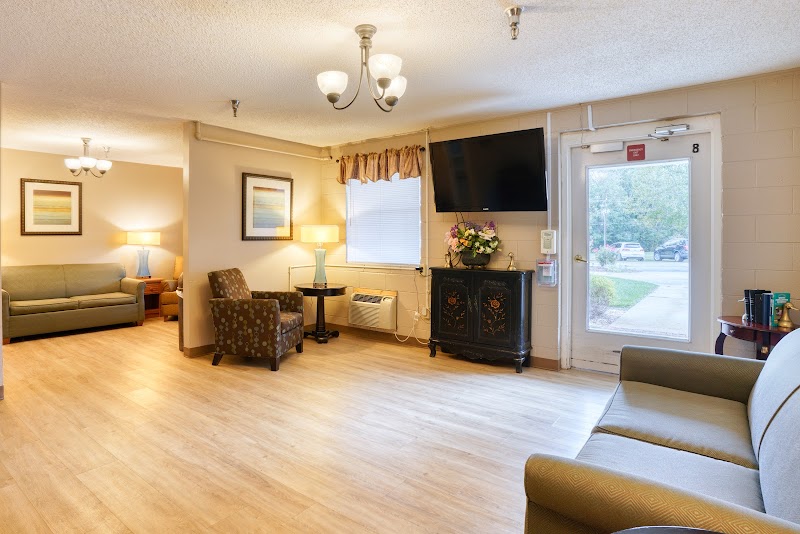
How is Bladen East Health And Rehab Staffed?
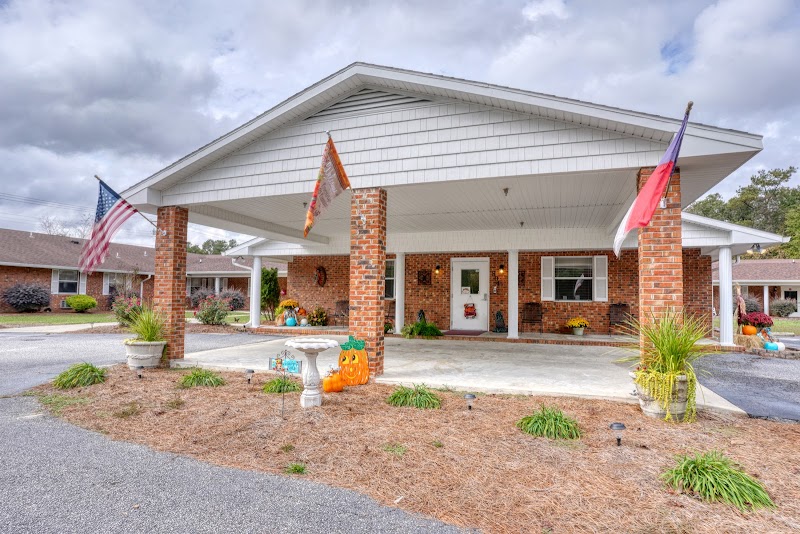
CMS rates Bladen East Health And Rehab's staffing level at 3 out of 5 stars, which is average compared to other nursing homes. Staff turnover is 77%, which is 30 percentage points above the North Carolina average of 46%. High turnover can affect care consistency as new staff learn residents' individual needs.

What Have Inspectors Found at Bladen East Health And Rehab?

State health inspectors documented 10 deficiencies at Bladen East Health And Rehab during 2022 to 2025. These included: 1 that caused actual resident harm, 7 with potential for harm, and 2 minor or isolated issues. Deficiencies causing actual harm indicate documented cases where residents experienced negative health consequences.
Who Owns and Operates Bladen East Health And Rehab?

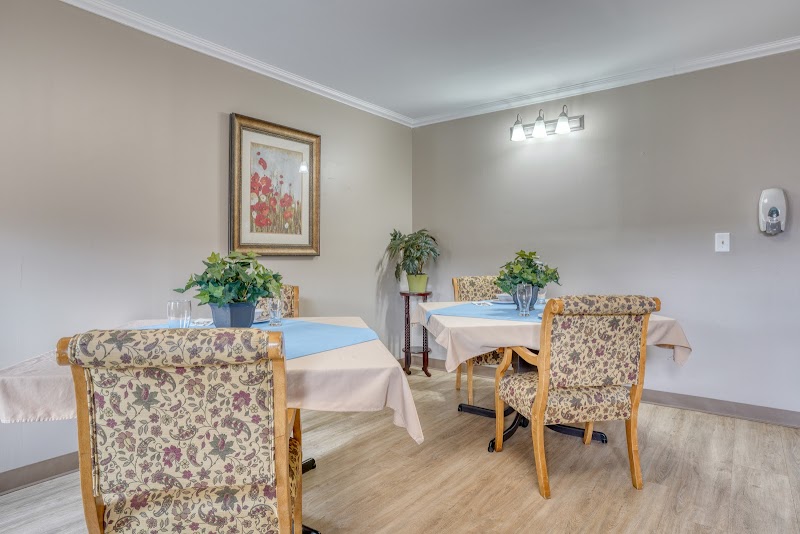
Bladen East Health And Rehab is owned by a for-profit company. For-profit facilities operate as businesses with obligations to shareholders or private owners. The facility operates independently rather than as part of a larger chain. With 90 certified beds and approximately 64 residents (about 71% occupancy), it is a smaller facility located in Elizabethtown, North Carolina.

How Does Bladen East Health And Rehab Compare to Other North Carolina Nursing Homes?

Compared to the 100 nursing homes in North Carolina, Bladen East Health And Rehab's overall rating (4 stars) is above the state average of 2.8, staff turnover (77%) is significantly higher than the state average of 46%, and health inspection rating (4 stars) is above the national benchmark.

What Should Families Ask When Visiting Bladen East Health And Rehab?

Based on this facility's data, families visiting should ask: "How do you ensure continuity of care given staff turnover, and what is your staff retention strategy?" "Can I visit during a mealtime to observe dining assistance and food quality?" "How do you handle medical emergencies, and what is your hospital transfer rate?" "Can I speak with family members of current residents about their experience?" These questions are particularly relevant given the facility's high staff turnover rate.

Is Bladen East Health And Rehab Safe?

Based on CMS inspection data, Bladen East Health And Rehab has a clean safety record: no substantiated abuse findings (meaning no confirmed cases of resident harm), no Immediate Jeopardy citations (the most serious violation level indicating risk of serious injury or death), and is not on the Special Focus Facility watch list (a federal program monitoring the lowest-performing 1% of nursing homes). The facility has a 4-star overall rating and ranks #1 of 100 nursing homes in North Carolina. While no facility is perfect, families should still ask about staff-to-resident ratios and recent inspection results during their visit.

Do Nurses at Bladen East Health And Rehab Stick Around?

Staff turnover at Bladen East Health And Rehab is high. At 77%, the facility is 30 percentage points above the North Carolina average of 46%. High turnover means new staff may not know residents' individual needs, medications, or preferences. It can also be disorienting for residents, especially those with dementia who rely on familiar faces. Families should ask: What is causing the turnover? What retention programs are in place? How do you ensure care continuity during staff transitions?

Was Bladen East Health And Rehab Ever Fined?

Bladen East Health And Rehab has been fined $15,811 across 2 penalty actions. This is below the North Carolina average of $33,237. While any fine indicates a compliance issue, fines under $50,000 are relatively common and typically reflect isolated problems that were subsequently corrected. Families should ask what specific issues led to these fines and confirm they've been resolved.

Is Bladen East Health And Rehab on Any Federal Watch List?

Bladen East Health And Rehab is not on any federal watch list. The most significant is the Special Focus Facility (SFF) program, which identifies the bottom 1% of nursing homes nationally based on persistent, serious quality problems. Not being on this list means the facility has avoided the pattern of deficiencies that triggers enhanced federal oversight. This is a positive indicator, though families should still review the facility's inspection history directly.