Liberty Healthcare Services of Golden Years Nursin
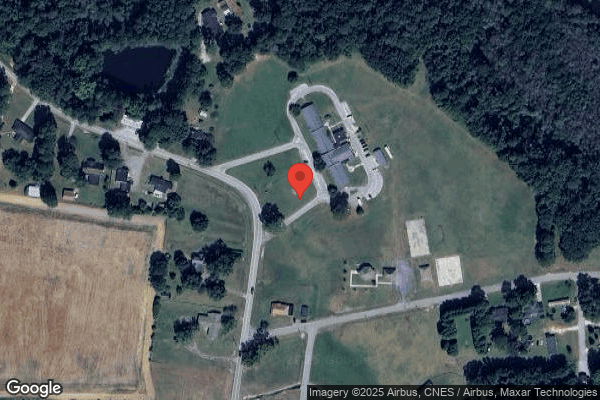
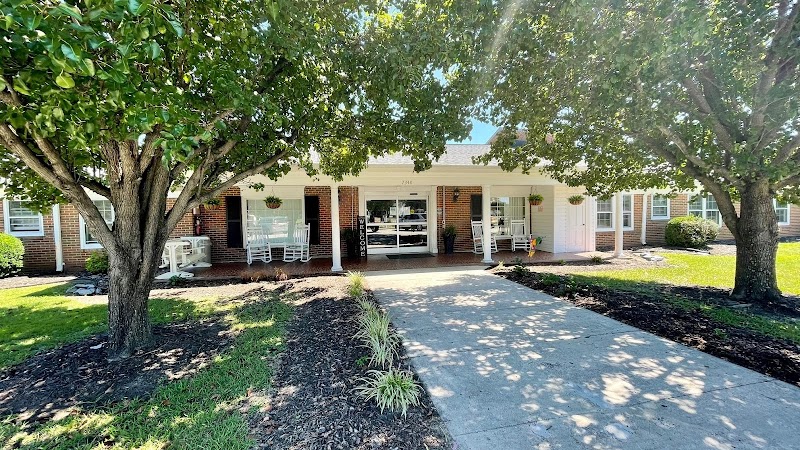
7348 North West Street, Falcon, NC 28342 (910) 980-1271
For profit - Corporation 58 Beds LIBERTY SENIOR LIVING Data: November 2025
Trust Grade
55/100
#174 of 417 in NC
Last Inspection: August 2024

Within standard 12-15 month inspection cycle. Federal law requires annual inspections.

Overview

Liberty Healthcare Services of Golden Years Nursing in Falcon, North Carolina has a Trust Grade of C, meaning it is average and falls in the middle of the pack compared to other facilities. It ranks #174 out of 417 nursing homes in the state, placing it in the top half, and #6 out of 10 in its county, indicating only one local option is better. The facility's performance has been stable with 1 issue reported in both 2024 and 2025, but it has a concerning staffing rating of only 1 out of 5 stars and a high turnover rate of 73%, indicating staff instability. Notably, there have been no fines reported, which is a positive sign, and it offers better RN coverage than many facilities, ensuring that registered nurses can identify issues that might be overlooked by other staff. However, specific incidents of concern include the failure to provide necessary nail care for several residents, and a lack of adequate mental health screening for a resident who was on antipsychotic medication, highlighting areas where care could be improved.

Trust Score
C
55/100
In North Carolina
#174/417
Top 41%
Safety Record
Low Risk
No red flags
Inspections
Holding Steady
1 → 1 violations
Staff Stability
⚠ Watch
73% turnover. Very high, 25 points above average. Constant new faces learning your loved one's needs.
Penalties
✓ Good
No fines on record. Clean compliance history, better than most North Carolina facilities.
Skilled Nurses
⚠ Watch
Each resident gets only 20 minutes of Registered Nurse (RN) attention daily — below average for North Carolina. Fewer RN minutes means fewer trained eyes watching for problems.
Violations
⚠ Watch
13 deficiencies on record. Higher than average. Multiple issues found across inspections.
★★★☆☆
3.0
Overall Rating
★☆☆☆☆
1.0
Staff Levels
★★★★☆
4.0
Care Quality
★★★★☆
4.0
Inspection Score
Stable
2024: 1 issues
2025: 1 issues

The Good

  • 4-Star Quality Measures · Strong clinical quality outcomes
  • Full Sprinkler Coverage · Fire safety systems throughout facility
  • No fines on record

Facility shows strength in quality measures, fire safety.

The Bad

3-Star Overall Rating

Near North Carolina average (2.8)

Meets federal standards, typical of most facilities

Staff Turnover: 73%

27pts above North Carolina avg (46%)

Frequent staff changes - ask about care continuity

Chain: LIBERTY SENIOR LIVING

Part of a multi-facility chain

Ask about local staffing decisions and management

Staff turnover is very high (73%)

25 points above North Carolina average of 48%

The Ugly 13 deficiencies on record

Mar 2025 1 deficiency
CONCERN (D) 📢 Someone Reported This

A family member, employee, or ombudsman was alarmed enough to file a formal complaint

Potential for Harm - no one hurt, but risky conditions existed

ADL Care (Tag F0677)

Could have caused harm · This affected 1 resident

**NOTE- TERMS IN BRACKETS HAVE BEEN EDITED TO PROTECT CONFIDENTIALITY** Based on record review, observations, and interviews of staff and residents, the facility failed to provide nail care for depend...

Read full inspector narrative →
**NOTE- TERMS IN BRACKETS HAVE BEEN EDITED TO PROTECT CONFIDENTIALITY** Based on record review, observations, and interviews of staff and residents, the facility failed to provide nail care for dependent residents (Resident #s 2, 3, 4, 6, and 7). This deficient practice affected 5 of 6 residents reviewed for activity of daily living. Findings included: 1. Resident #2 was admitted to the facility on [DATE] with the diagnosis of chronic obstructive pulmonary disease. Resident #2's care plan dated 2/3/25 documented the resident had an activity of living self-care performance deficit. The intervention was to check nail length and trim as necessary. There was no refusal of care in the plan. The quarterly Minimum Data Set, dated [DATE] for Resident #2 documented he had a severly impaired cognition. The resident was dependent on staff for personal hygiene. On 3/10/25 at 11:10 am an observation was done of Resident #2. He was sitting in his wheelchair in the dining room. The resident was clean and dressed. His nails were long, jagged, and clean. The nail length was approximately 1/4 of an inch. An interview was attempted with the resident which revealed he was aware of the situation and could make his needs known. The resident was able to state yes he would like his nails cut. On 3/10/25 at 12:05 pm an interview was conducted with Nursing Assistant (NA) #1. NA #1 stated she provided a resident's nail care during the bed bath or shower. NA #1 stated if the resident was a diabetic she would inform the nurse to cut the resident's nails. NA #1 stated she was assigned to Resident #2 and knew him well and was not aware his nails needed care. On 3/10/25 at 12:10 pm an interview was conducted with Nurse #1. She stated the NAs were responsible to cut the resident's nails and inform the nurse if unable to provide nail care. 2. Resident #3 was admitted to the facility on [DATE] with the diagnosis of diabetes. Resident #3's care plan dated 1/2/25 documented the resident had an activity of living self-care performance deficit. The intervention was for staff to assist with personal hygiene. There was no refusal of care in the plan. The quarterly Minimum Data Set, dated [DATE] for Resident #3 documented he had moderately impaired cognition. The resident required substantial/maximal assistance from staff for personal hygiene. On 3/10/25 at 11:15 am an observation was done of Resident #3. He was sitting in his wheelchair in the dining room. The resident was clean and dressed. His nails were long, jagged, and clean. His right hand first and second fingers were longer than the rest. The length of the nails were approximately 1/4 to 1/2 of an inch. The resident was interviewed and stated he would like his nails cut. He also commented that nails were cut on shower days but he had not received care. On 3/10/25 at 12:05 pm an interview was conducted with NA #1. NA #1 stated she provided resident's nail care during the bed bath or shower. NA #1 stated if the resident was a diabetic she would inform the nurse to cut the resident's nails. NA #1 stated she was not aware Resident #3's nails were long and that he wanted his nails cut. NA #1 stated she was assigned to the resident today and would inform the nurse if he was a diabetic. On 3/10/25 at 12:10 pm an interview was conducted with Nurse #1. She stated the NAs were responsible to cut the resident's nails and inform the nurse if unable to provide nail care. 3. Resident #4 was admitted to the facility on [DATE] with the diagnosis of Parkinson's disease. The quarterly Minimum Data Set, dated [DATE] for Resident #4 documented he had an intact cognition. The resident required maximal assistance from staff for personal hygiene. Resident #4's care plan dated 2/20/25 documented the resident had an activity of living self-care performance deficit. The intervention was to check nail length and trim and clean as necessary. There was no refusal of care in the plan. On 3/10/25 at 12:00 pm an observation was done of Resident #4. He was sitting on his bed in a gown. The resident was clean. His nails were long and jagged with minimal brown matter underneath. The length was approximately 1/4 to 1/2 of an inch. An interview with the resident revealed he would like his nails cut. The resident stated he was not offered nail care and had not asked the staff. On 3/10/25 at 12:05 pm an interview was conducted with NA #1. NA #1 stated she provided resident's nail care during the bed bath or shower. NA #1 observed Resident #4's nails and confirmed that they were long. NA #1 stated if the resident was a diabetic she would inform the nurse to cut the resident's nails. Nurse #1 was present in the resident's room and informed NA #1 that Resident #4 was not diabetic. NA #1 stated she was assigned and would cut the resident's nails. NA #1 had no further comments about resident's nail care and commented that she was usually assigned to this hall and resident on day shift. On 3/10/25 at 12:10 pm an interview was conducted with Nurse #1. She stated the NAs were responsible to cut the resident's nails and inform the nurse if unable to provide nail care. Nurse #1 stated Resident #4's nails were long and required care. 4. Resident #6 was admitted to the facility on [DATE] with the diagnosis of diabetes. Resident #6's care plan dated 2/7/25 documented the resident had an activity of living self-care performance deficit. The intervention was the resident required staff assistance for grooming and personal hygiene. There was no refusal of care included in the plan. The quarterly Minimum Data Set, dated [DATE] for Resident #6 documented he had an intact cognition. The resident was dependent on staff for personal hygiene. On 3/10/25 at 12:25 pm an observation was done of Resident #6. He was lying in his bed with family at the bedside. The resident was clean and dressed. His nails were long and jagged. The left hand was contracted, and the nails were pressing into the palm. There was no injury or redness noted. The family member commented the nails had been like this for a while. The length was approximately 1/4 to 1/2 of an inch. The resident was sleeping and a limited interview with the resident revealed he was aware of the situation and could make his needs known. The resident was not able to state he wanted his nails cut at this time. The family member requested the resident's nails be trimmed to prevent injury to his palm. On 3/10/25 at 12:30 pm an interview was conducted with Nurse #2. Nurse #2 stated the NAs were required to provide the residents nail care as needed unless the resident was a diabetic, were unable to, or the resident refused. Nurse #2 was not aware of Resident #6's long nails on the left contracted hand that was pressing on the palm. Nurse #2 stated she would address the need for nail care. The resident was a diabetic and would require a nurse to provide nail care because he had the diagnosis of diabetes. 5. Resident #7 was admitted to the facility on [DATE] with the diagnosis of diabetes. The annual Minimum Data Set, dated [DATE] for Resident #7 documented he had an intact cognition. The resident was dependent on staff for personal hygiene. Resident #7's care plan dated 3/7/25 documented the resident had an activity of living self-care performance deficit. The intervention was the resident required staff assistance for grooming and personal hygiene. There was no refusal of care in the plan. On 3/10/25 at 12:25 pm an observation was done of Resident #7. The resident was clean and dressed and was lying in his bed. His nails were long and jagged and approximately ¼ inch long. An interview with the resident revealed he received his shower yesterday (3/9/25) but was not offered nail care. The resident stated he was unable to cut his own nails and had not asked staff to cut them. On 3/10/25 at 12:30 pm an interview was conducted with Nurse #2. Nurse #2 stated the NAs were required to provide the residents nail care as needed unless the resident had the diagnosis of diabetes, or the resident refused. Nurse #2 stated she would address the need for nail care since the resident had the diagnosis of diabetes. She had not received a report from the NA the resident required nail care. On 3/10/24 an interview was conducted with the Corporate Nurse. She stated the Director of Nursing position was open and corporate staff was covering. The Corporate Nurse was not aware of the residents that needed nail care and would follow up. The NAs were expected to provide nail care if not contraindicated (i.e. diabetic) on shower days or report to the nurse.
Aug 2024 1 deficiency
CONCERN (D)

Potential for Harm - no one hurt, but risky conditions existed

Deficiency F0645 (Tag F0645)

Could have caused harm · This affected 1 resident

**NOTE- TERMS IN BRACKETS HAVE BEEN EDITED TO PROTECT CONFIDENTIALITY** Based on staff interviews and record reviews the facility failed to apply for an updated level I Preadmission Screening and Resi...

Read full inspector narrative →
**NOTE- TERMS IN BRACKETS HAVE BEEN EDITED TO PROTECT CONFIDENTIALITY** Based on staff interviews and record reviews the facility failed to apply for an updated level I Preadmission Screening and Resident Review (PASRR) for a resident admitted with mental health diagnoses for 1 of 3 residents reviewed for PASRR (Resident #36). The findings included: A review of the medical record for Resident #36 was admitted into the facility on 4/5/24 with diagnoses that included major depression and psychotic disorder. A review of Resident #36's most recent PASRR Level I screen was dated 11/16/21 and marked no to the question is there a Mental Health diagnosis. The admission Minimum Data Set (MDS) dated [DATE] revealed Resident #36 was cognitively intact and was taking antipsychotic medication. An interview with the Administrator on 8/29/24 at 9:26 AM revealed there was not a Social Worker in the building since the last Social Worker resigned. He stated that the Social Worker duties were supposed to be split between the administrative staff which included reviewing the PASRR. He further stated that Resident #36 should have been screened for a PASRR when admitted into the facility.
Aug 2023 4 deficiencies
CONCERN (D)

Potential for Harm - no one hurt, but risky conditions existed

Assessment Accuracy (Tag F0641)

Could have caused harm · This affected 1 resident

**NOTE- TERMS IN BRACKETS HAVE BEEN EDITED TO PROTECT CONFIDENTIALITY** Based on record review and staff interviews the facility failed to accurately code the Minimum Data Set (MDS) assessment in the ...

Read full inspector narrative →
**NOTE- TERMS IN BRACKETS HAVE BEEN EDITED TO PROTECT CONFIDENTIALITY** Based on record review and staff interviews the facility failed to accurately code the Minimum Data Set (MDS) assessment in the areas of discharge location (Resident #42) and tracheostomy care (Resident #145) for 2 of 12 residents reviewed for MDS accuracy. The findings included: 1. Resident #145 was admitted to the facility on [DATE] with diagnoses that inclued laryngectomy (surgical removal of the larnyx) and tracheostomy (a breathing tube). The 5-day Minimum Data Set (MDS) dated [DATE] had Resident #145 was moderately cognitively. He was coded for suctioning and as not having a tracheostomy. The care plan dated 10/11/2022 had a focus of laryngectomy, tracheal suctioning as needed (PRN) for congestion or unable to clear secretions, change tracheostomy ties weekly and PRN. Monitor skin and document concerns in nursing notes as needed for laryngectomy stoma, and laryngectomy care everyday shift and PRN. An interview with the MDS Coordinator was conducted on 08/01/2023 at 10:11 AM. The MDS Coordinator stated she completed Resident #145's MDS and he did have a tracheostomy. The MDS also stated the MDS was coded incorrectly due to oversite. An interview with the Director of Nursing was conducted on 08/01/2023 at 12:03 PM. The DON stated Resident #145 did have a tracheostomy and it was coded incorrectly on the MDS due to oversite. 2. Resident #42 was admitted to the facility on [DATE]. Review of Nursing Progress Note written by Nurse #1 on 6/28/23 read: Resident discharged home with daughter. The Discharge MDS dated [DATE] was coded in Section A as discharge to hospital. An interview with the Director of Nursing was conducted on 08/02/2023 at 12:35 PM. The DON stated Resident #42 discharged to home on 6/28/23 and the Discharge MDS was coded incorrectly due to oversite. An interview with the MDS Coordinator was conducted on 08/02/2023 at 1:23 PM. The MDS Coordinator verified Resident #42 was discharged home on 6/28/23. She stated she completed Resident #42's Discharge MDS and it was coded incorrectly due to oversite.
CONCERN (D)

Potential for Harm - no one hurt, but risky conditions existed

QAPI Program (Tag F0867)

Could have caused harm · This affected 1 resident

Based on staff interviews, and record review, the facility's Quality Assessment and Assurance (QAA) Committee failed to maintain implemented procedures and monitor these interventions that the committ...

Read full inspector narrative →
Based on staff interviews, and record review, the facility's Quality Assessment and Assurance (QAA) Committee failed to maintain implemented procedures and monitor these interventions that the committee put into place following the 3/18/22 recertification survey. This was for a recited deficiency in the area of Accuracy of Assessments (F641). This deficiency was cited again on the current recertification survey of 8/3/23. The continued failure of the facility during two federal surveys of record shows a pattern of the facility's inability to sustain an effective QAA program. The findings included: This tag is cross referenced to: F641: Based on record review and staff interviews the facility failed to accurately code the Minimum Data Set (MDS) assessment in the areas of discharge location (Resident #42) and tracheostomy care (Resident #145) for 2 of 12 residents reviewed for MDS accuracy. During the recertification survey of 3/18/22, the facility was cited at F641 for failing to accurately code the MDS in the areas of Preadmission Screening and Resident Review level II and personal hygiene. During an interview on 8/3/23 at 12:00 PM, the Director of Nursing (DON) revealed she completed chart audits monthly to review for accuracy of MDS assessments. She addressed findings in QAA meetings monthly. She had not found any issues with accuracy of MDS assessments. During an interview on 8/3/23 at 12:05 PM, the Administrator revealed that monitoring for accuracy of assessments was an ongoing project. He was not aware of any issues with MDS coding accuracy but will be working with a corporate consultant to address the issues found.
MINOR (B)

Minor Issue - procedural, no safety impact

Transfer Notice (Tag F0623)

Minor procedural issue · This affected multiple residents

**NOTE- TERMS IN BRACKETS HAVE BEEN EDITED TO PROTECT CONFIDENTIALITY** Based on staff and resident interviews and record review, the facility failed to provide a written notice of transfer/discharge ...

Read full inspector narrative →
**NOTE- TERMS IN BRACKETS HAVE BEEN EDITED TO PROTECT CONFIDENTIALITY** Based on staff and resident interviews and record review, the facility failed to provide a written notice of transfer/discharge to the hospital to the resident and regional ombudsman for 1 of 1 resident (Resident #18) reviewed for hospitalization. Findings included: Resident #18 was initially admitted to the facility on [DATE]. Her quarterly Minimum Data Set (MDS) dated [DATE] indicated she was cognitively intact. A nursing progress note dated 7/15/23 completed by Nurse #2 indicated Resident #18 was complaining of abdominal pain and was sent to the hospital for evaluation. The progress note did not indicate if Resident #18 was provided written notice of reason for transfer. A nursing progress note dated 7/19/23 indicated Resident #18 returned to the facility from the hospital. During an interview on 8/1/23 at 2:25 PM, Nurse #1 revealed when a resident was discharged to the hospital an Interact Transfer Form was filled out and sent to hospital staff but not provided to the resident. During an interview on 7/31/23 at 2:10 PM, Resident #18 revealed she was not provided written notice that included the reason for transfer to the hospital. During an interview on 8/2/23 at 10:20 AM, the Director of Nursing (DON) revealed written notice of reason for transfer to the hospital was not provided because they were anticipated to return. The DON revealed the regional ombudsman was not notified of transfers or discharges because the facility did not have a social worker, and no one had taken over submitting since she started three months ago. During an interview on 8/3/23 at 10:00 AM, the Administrator revealed he was not aware of the requirement to provide a resident a written notice that included reason for transfer to the hospital. He was not aware no one was contacting the ombudsman of discharges and transfers.
MINOR (C)

Minor Issue - procedural, no safety impact

Deficiency F0727 (Tag F0727)

Minor procedural issue · This affected most or all residents

Based on record review and staff interview, the facility failed to schedule a Registered Nurse (RN) for at least 8 consecutive hours a day for 5 of 90 days reviewed (dates 1/07/23, 1/08/23, 2/18/23, 3...

Read full inspector narrative →
Based on record review and staff interview, the facility failed to schedule a Registered Nurse (RN) for at least 8 consecutive hours a day for 5 of 90 days reviewed (dates 1/07/23, 1/08/23, 2/18/23, 3/04/23, and 3/05/23). The findings included: A review of the facility's Daily Schedules and the Daily Nursing staff posting dated January 2023 through March 2023 was conducted on 8/03/23. The Daily Schedules and the Nursing Staff Postings indicated a Registered Nurse (RN) was not scheduled for at least 8 consecutive hours a day on the following dates: 1/07/23, 1/08/23, 2/18/23, 3/04/23, and 3/05/23. A review of the Payroll Based Journal Report dated Quarter 2 (January 1-March 2023). It triggered no RN hours for four or more days withing the quarter. Those dates included 1/07/23, 1/08/23, 2/18/23, 3/04/23 and 3/05/23. An interview was conducted on 8/03/23 at 10:45 AM with the Director of Nursing (DON). During the interview, the DON stated that she was not employed at the facility during that time. She confirmed with the facility human resource staff there was no RN on shift during 1/07/23, 1/08/23, 2/18/23, 3/04/23, and 3/05/23. She stated there should have been RN coverage for at least 8 consecutive hours 7 days a week. An interview was conducted on 8/03/23 at 11:15 AM with the Administrator. He explained he had been made aware of the Payroll Based Journal Report (PBJ Report) and the staffing issues when he took over as Administrator in late April 2023. He stated he did not know what happened prior to his employment. He stated his expectations are for the current DON to cover if there are any call outs.
Mar 2022 7 deficiencies
CONCERN (D)

Potential for Harm - no one hurt, but risky conditions existed

Deficiency F0583 (Tag F0583)

Could have caused harm · This affected 1 resident

**NOTE- TERMS IN BRACKETS HAVE BEEN EDITED TO PROTECT CONFIDENTIALITY** Based on observation and staff interviews, the facility failed to protect private health information for 1 of 1 resident (Reside...

Read full inspector narrative →
**NOTE- TERMS IN BRACKETS HAVE BEEN EDITED TO PROTECT CONFIDENTIALITY** Based on observation and staff interviews, the facility failed to protect private health information for 1 of 1 resident (Resident #10) by leaving confidential medical information unattended and exposed in an area visible and accessible to the public on 1 of 2 medication cart computers. The findings included: A continuous observation of an unattended medication cart in unit 1 hall was made on 3/16/22 from 8:27 AM to 8:30 AM. Nurse #1 left the medication cart with the computer screen visible outside of room [ROOM NUMBER] while she administered medications to Resident #10 who also resided on unit 1 hall. Resident #10's medical information was visible on the screen. Other residents, staff and visitors were present in the hallway. During an interview on 3/16/22 at 8:30 AM with Nurse #1, she indicated she had left the computer screen unattended in the hallway while she went to administer medications to Resident #10. Nurse #1 explained she should have locked the screen and not left Resident #10's medical information in an area visible to others in the hallway. An interview was conducted on 3/16/22 at 9:35 AM with the Director of Nursing (DON). He indicated Nurse #1 should not have left the computer screen unlocked when she went into Resident #10's room to administer medications. He stated nurses were responsible for protecting Residents' medical information from others' visibility. During an interview on 3/16/22 at 9:40 AM with the facility Administrator, she indicated Nurse #1 should not have left the computer screen unattended while she went into residents' rooms. The Administrator further stated private health information should never be left on the computer screen where it is visible to the public.
CONCERN (D)

Potential for Harm - no one hurt, but risky conditions existed

PASARR Coordination (Tag F0644)

Could have caused harm · This affected 1 resident

**NOTE- TERMS IN BRACKETS HAVE BEEN EDITED TO PROTECT CONFIDENTIALITY** Based on staff interview and record review, the facility failed to obtain a Preadmission Screening and Resident Review (PASRR) L...

Read full inspector narrative →
**NOTE- TERMS IN BRACKETS HAVE BEEN EDITED TO PROTECT CONFIDENTIALITY** Based on staff interview and record review, the facility failed to obtain a Preadmission Screening and Resident Review (PASRR) Level II for a resident with an active diagnosis of a serious mental illness for 1 of 4 residents reviewed for PASRR. (Resident #4) The findings included: The North Carolina Department of Health and Human Services PASRR screening tool dated 03/14/2022 at 2:32 PM revealed a PASRR Level II screening was completed for Resident #4. Resident #4 was admitted to the facility on [DATE] with diagnosis including essential (primary) hypertension. The quarterly Minimum Data Set (MDS) dated [DATE] had Resident #4 coded as cognitively intact and needing total dependence on staff with activities of daily living (ADL). The MDS was also coded for an anxiety disorder and schizophrenia and used an antipsychotic and an antidepressant for 7 days of the 7-day look back period. The annual MDS dated [DATE] had Resident #4 coded as, No for having been considered by the state PASRR Level II process to have serious mental illness and/or intellectual disability or a related condition. The comprehensive care plan dated 01/17/2022 had focus' of have episodes of displaying the following inappropriate behaviors: cursing, yelling at staff, potential to demonstrate verbally abusive behaviors related to (r/t) ineffective coping skills, mental/emotional illness, poor impulse control. The diagnosis list revealed a diagnosis of anxiety disorder 09/17/2020 and schizophrenia 05/11/2021. An interview with the Social Worker (SW) was conducted on 03/15/2022 at 3:49 PM. The SW stated she was familiar with the resident. He was submitted for a PASRR level II on 03/14/2022. He had a new diagnosis in May, and it should have been submitted then. The SW also stated she had been going through the charts in August to get PASRR screening up to date and will continue to update all residents. An interview with the Administrator was conducted on 03/16/2022 at 11:34 AM. The Administrator stated she was new to PASRR's, but she and the social worker was working on the PASRR screening. The Administrator also stated residents with a new mental health diagnosis should have a PASRR Level II screening.
CONCERN (D)

Potential for Harm - no one hurt, but risky conditions existed

Respiratory Care (Tag F0695)

Could have caused harm · This affected 1 resident

**NOTE- TERMS IN BRACKETS HAVE BEEN EDITED TO PROTECT CONFIDENTIALITY** Based on record review, observations, staff and physician interviews, the facility failed to administer oxygen at the prescribed...

Read full inspector narrative →
**NOTE- TERMS IN BRACKETS HAVE BEEN EDITED TO PROTECT CONFIDENTIALITY** Based on record review, observations, staff and physician interviews, the facility failed to administer oxygen at the prescribed rate for 1 of 1 resident (Resident #34) reviewed for respiratory care. The findings included: Resident #34 was admitted to the facility on [DATE] with diagnoses that included chronic obstructive pulmonary disease (COPD), chronic respiratory failure and heart failure. Physician order dated 1/3/22 indicated administer oxygen at 2 liters/minute via nasal cannula continuously. The most recent Minimum Data Set (MDS) assessment dated [DATE] indicated Resident #34 was moderately impaired and received oxygen therapy. Diagnoses included heart failure and respiratory failure. Resident #34's care plan revised 2/8/22 indicated focus areas of chronic heart failure, shortness of breath and continuous oxygen therapy. Interventions included administer oxygen per physician orders. Observation on 03/14/22 at 12:50 PM revealed Resident #34's oxygen regulator on the concentrator was set at 3.5 liters/minute when viewed horizontally at eye level. Observation on 03/15/22 at 9:36 AM revealed Resident #34's oxygen regulator on the concentrator was set at 3.5 liters/minute when viewed horizontally at eye level. Observation on 03/15/22 at 3:00 PM revealed Resident #34's oxygen regulator on the concentrator was set at 3.5 liters/minute when viewed horizontally at eye level. During an interview on 03/15/22 3:02 PM with Medication Aide #1, she stated Resident #34 had a physician order for oxygen at 2 liters/minute via nasal cannula continuously. Resident #34's oxygen regulator was verified with Medication Aide #1 to be set at 3.5 liters/minute. Medication Aide #1 stated she had not adjusted the oxygen levels during her shift and probably the night shift nurse had adjusted the settings. During an interview on 3/15/22 at 3:08 PM with Medication Aide #2, she revealed she had cared for Resident #34 on 3/14/21 night shift. Medication Aide #2 indicated she had noticed Resident #34's oxygen regulator was set at 3.5 liters/minute during her shift but forgot to adjust the setting to the ordered flow rate. She verbalized Resident #34 had a physician order for oxygen at 2 liters/minute via nasal cannula continuously. An interview was conducted 03/15/22 3:15 PM with the Director of nursing (DON). He stated Resident #34 had a physician order for oxygen at 2 liters/minute via nasal cannula continuously and he expected nursing staff to administer oxygen per physician orders. He further stated nurses were to call the physician if they needed to titrate the oxygen rate. During an interview on 03/15/22 at 3:32 PM with the facility Administrator, she indicated Medication Aide #1 should have ensured Resident #34's oxygen regulator was set at the physician ordered rate. The Administrator explained she expected nursing staff to follow physician orders and to request an updated order if there was a need to titrate the oxygen. An interview was conducted on 03/16/22 at 2:49 PM with the facility Physician. He stated he expected nursing staff to follow physician orders as given.
CONCERN (D)

Potential for Harm - no one hurt, but risky conditions existed

Deficiency F0761 (Tag F0761)

Could have caused harm · This affected 1 resident

**NOTE- TERMS IN BRACKETS HAVE BEEN EDITED TO PROTECT CONFIDENTIALITY** Based on observation and staff interviews, the facility failed to secure 1 of 2 medication carts (unit 1 medication cart) when l...

Read full inspector narrative →
**NOTE- TERMS IN BRACKETS HAVE BEEN EDITED TO PROTECT CONFIDENTIALITY** Based on observation and staff interviews, the facility failed to secure 1 of 2 medication carts (unit 1 medication cart) when left unattended in the hallway. The findings included: A continuous observation of an unattended medication cart on the Unit 1 hall was made on 3/16/22 from 8:27 AM to 8:30 AM. The medication cart was noted to be unlocked with the push in lock in the out position. The medication cart was outside room [ROOM NUMBER] and was not visible to Nurse #1 when she was in room [ROOM NUMBER]. Other residents, staff and visitors were present in the hallway. The medication cart was verified to be unlocked with Nurse #1 at 8:30 AM. During an interview on 3/16/22 at 8:30 AM with Nurse #1, she indicated she had left the medication cart unlocked in the hallway while she went into room [ROOM NUMBER] to administer medications. Nurse #1 explained she should have locked the medication cart when she walked away from the cart. An interview was conducted on 3/16/22 at 9:35 AM with the Director of Nursing (DON). He indicated Nurse #1 should not have left the medication cart unlocked while unattended. He stated nurses were responsible for securing the contents of the carts they were assigned. During an interview on 3/16/22 at 9:40 AM with the facility Administrator, she indicated Nurse #1 should not have left the medication cart unlocked and unattended.
CONCERN (E)

Potential for Harm - no one hurt, but risky conditions existed

Assessment Accuracy (Tag F0641)

Could have caused harm · This affected multiple residents

**NOTE- TERMS IN BRACKETS HAVE BEEN EDITED TO PROTECT CONFIDENTIALITY** 2. Resident #19 was initially admitted to the facility on [DATE] with the last readmission on [DATE]. Her diagnoses included vas...

Read full inspector narrative →
**NOTE- TERMS IN BRACKETS HAVE BEEN EDITED TO PROTECT CONFIDENTIALITY** 2. Resident #19 was initially admitted to the facility on [DATE] with the last readmission on [DATE]. Her diagnoses included vascular dementia, bipolar disorder, and anxiety. The North Carolina Department of Health and Human Services PASRR level II determination notification dated 4/23/20 revealed a Level II PASRR for Resident #19. Nursing facility placement was appropriate. The most recent comprehensive Minimum Data Set (MDS) assessment dated [DATE] indicated Resident #19 did not currently have a Level II PASRR. An interview was conducted on 03/16/22 at 08:50 AM with the MDS Nurse. She indicated it was an error and Resident # 19's MDS should have been coded as having a Level II PSARR screening since a Level II PSARR had been submitted to the state agency and received back. An interview was conducted on 03/16/22 at 09:44 AM with the facility Administrator. The Administrator stated the annual MDS should have been coded to indicated Resident #19 had a Level II PSARR. 3. Resident #29 was initially admitted to the facility on [DATE] with the last readmission on [DATE]. His diagnoses included unspecified dementia with behavioral disturbance, adjustment disorder with depressed mood, unspecified mood affective disorder, impulse disorder, and major depressive disorder. The North Carolina Department of Health and Human Services PASRR level II determination notification dated 9/2/21 revealed a Level II PASRR for Resident #29. Nursing facility placement was appropriate. The most recent comprehensive Minimum Data Set (MDS) assessment dated [DATE] indicated Resident #29 did not currently have a Level II PASRR. An interview was conducted on 03/16/22 at 08:50 AM with the MDS Nurse. She indicated it was an error and Resident # 29's MDS should have been coded as having Level II PSARR screening since a Level II PSARR had been submitted to the state agency and received back. An interview was conducted on 03/16/22 at 09:44 AM with the facility Administrator. The administrator stated the annual MDS should have been coded to indicated Resident #29 had a Level II PSARR. Based on record review and staff interviews the facility failed to accurately code the Minimum Data Set (MDS) to reflect the Preadmission Screening and Resident Review (PASRR) Level II status for 3 of 4 residents (Resident #16, #19, and #29) and to correctly code a resident's personal hygiene on a quarterly minimum data set assessent (Resident #23) for 4 of 4 residents reviewed for MDS accuracy. Finding included: 1. The North Carolina Department of Health and Human Services PASRR Level II determination notification dated 08/10/2021 revealed the nursing facility placement was appropriate. Resident #16 was admitted to the facility on [DATE] with diagnosis of type 2 diabetes mellitus. The quarterly Minimum Data Set (MDS) dated [DATE] had Resident #16 coded as cognitively intact and needed extensive assistance with activities of daily living (ADL). The MDS was also coded 7 days for antidepressant use during the 7-day look back period. Resident #16's MDS was coded, No for having been considered by the state PASRR Level II process to have serious mental illness and/or intellectual disability or a related condition. The care plan dated 01/05/2022 had focus' of having had episodes of displaying the following inappropriate behaviors: cursing, yelling at staff, wandering, & violence/aggression towards staff/other residents, and a focus of having a PASRR Level II related to severe mental illness, use anti-anxiety medications with risk for adverse side effects. The diagnosis list revealed Resident #16 was diagnosed with bipolar disorder 05/02/2019, and anxiety disorder 05/02/2019. An interview with the MDS nurse was conducted on 03/15/2022 at 3:47 PM. The nurse stated she was responsible for coding the resident's MDS and the annual MDS was coded as no when it asked if Resident #16 was considered for a PASRR Level II, and it should have been checked, Yes. The nurse also stated the wrong coding was due to human error. An interview with the Administrator was conducted on 03/15/2022 at 3:52 PM. The Administrator stated the MDS nurse is responsible for coding the screening for the PASRR's and they are expected to be coded accurately. 4. Resident #23 was admitted to the facility on [DATE] with most recent readmission on [DATE]. Her active diagnoses included aphasia, cerebral edema, and convulsions. Review of Resident #23 quarterly minimum data set (MDS) assessment dated [DATE] revealed in section G - personal hygiene was coded as total dependence. A review of her most recent MDS assessment dated [DATE] revealed in section G - personal hygiene was coded as needing supervision. The care plan dated 1/17/22 had focus area to include having activities of daily living self-care performance deficit related to encephalopathy. Interventions included tasks to assist with total dependence for dressing and requiring staff assistance with grooming and personal hygiene. During an interview on 3/14/22 at 4:00 PM Nurse Aide #1 stated that Resident #23 required total dependence with personal hygiene and with one-person physical assist. She further stated Resident #23 had always been total dependent to her knowledge. An interview was conducted on 3/16/22 at 3:05 PM with the MDS Nurse. She stated she was responsible for coding Resident #23 activities of daily living. She continued and stated Resident #23 should not have been coded as supervision. An interview was conducted on 3/18/22 at 8:13 AM with the Administrator. She explained Resident #23 coding for the quarterly MDS dated [DATE] was coded incorrectly. She also stated Minimum Data Set assessments should be entered correctly on each assessment.
MINOR (B)

Minor Issue - procedural, no safety impact

Safe Environment (Tag F0584)

Minor procedural issue · This affected multiple residents

**NOTE- TERMS IN BRACKETS HAVE BEEN EDITED TO PROTECT CONFIDENTIALITY** Based on observation and staff interviews the facility failed to maintain ceiling tiles and ceiling vents clean and in good repa...

Read full inspector narrative →
**NOTE- TERMS IN BRACKETS HAVE BEEN EDITED TO PROTECT CONFIDENTIALITY** Based on observation and staff interviews the facility failed to maintain ceiling tiles and ceiling vents clean and in good repair. This was evident in 10 (Rooms 12, 14, 20, 22, 24, 26, 29, 32, 33, 34) of 27 rooms observed. Findings included: On 3/15/22 at 8:10 AM a tour of hallways and ceilings was conducted. Observations were made of the ceiling and the overhead ceiling vents in all rooms. -a. An observation in room [ROOM NUMBER] revealed the ceiling vent at the entrance of the room was heavily covered in dust. -b. An observation in room [ROOM NUMBER] revealed the ceiling vent at the entrance of the room was heavily covered in dust. -c. An observation in room [ROOM NUMBER] revealed the ceiling vent at the entrance of the room was heavily covered in dust. -d. An observation in room [ROOM NUMBER] revealed the ceiling vent at the entrance of the room was heavily covered in dust. -e. An observation in room [ROOM NUMBER] revealed the ceiling vent at the entrance of the room was heavily covered in dust. -f. An observation in room [ROOM NUMBER] revealed the ceiling vent at the entrance of the room was heavily covered in dust. The ceiling also had darkened discolored areas near the bathroom door. -g. An observation in room [ROOM NUMBER] revealed the ceiling vent at the entrance of the room was heavily covered in dust. The ceiling also had a large darken area the ceiling vent. -h. An observation in room [ROOM NUMBER] revealed the ceiling vent at the entrance of the room was heavily covered in dust. The ceiling also had an irregular shaped discolored areas over the head of the resident ' s bed. -i. An observation in room [ROOM NUMBER] revealed the ceiling vent at the entrance of the room was heavily covered in dust. The ceiling also had discolorations along the back corner of the room. -j. An observation in room [ROOM NUMBER] revealed the ceiling vent at the entrance of the room was heavily covered in dust. The ceiling also had large discoloration of irregular shapes in the center of the room. On 3/15/22 at 1:59 PM an interview was conducted with the Housekeeping/Maintenance Supervisor. He acknowledged the dust and stated it was the responsibility of housekeeping to dust and clean the ceiling vents. He explained he was planning to clean the vents and complete some facility repairs in the near future. He discussed having a new filter system to help improve the air circulation. He also stated painting repairs were to be done soon. On 3/15/22 at 5:30 PM a tour of the rooms was conducted with the Administrator. She acknowledged the dust hanging from the overhead vents as soon as you enter each room. The Administrator stated there had been a plan from the corporate office for future improvements. Upon sharing the plan of Golden Year EVS (environmental services) Site Visit dated 3/03/22 listed life safety priority items, general maintenance/housekeeping tasks and projects. The list included vent cleaning, filter changes, and ceiling repairs and paint. The Administrator admitted the list had not been started prior to the survey for vent cleaning or ceiling repairs. Observations of Rooms 12, 14, 20, 22, 24, 26, 29, 32, 33, and 34 on 3/16/22 at 9:00 AM was conducted. The overhead vents at the room entry had been dusted. Some of the dust had been removed from the first grid; but there was dust still hanging on the second grid. On 3/18/22 at 8:13 AM a telephone interview was conducted with the Administrator. The Administrator stated that the facility had completed the dusting of the identified rooms on 3/15/22 and housekeeping/maintenance would be doing a deep cleaning according to the proposed corporate schedule. The Administrator acknowledged her expectation was the facility environment would be maintained in a healthy, clean, and safe manner.
MINOR (B)

Minor Issue - procedural, no safety impact

Transfer Notice (Tag F0623)

Minor procedural issue · This affected multiple residents

**NOTE- TERMS IN BRACKETS HAVE BEEN EDITED TO PROTECT CONFIDENTIALITY** Based on record review and staff interviews, the facility failed to provide written notification of discharge or transfer to the...

Read full inspector narrative →
**NOTE- TERMS IN BRACKETS HAVE BEEN EDITED TO PROTECT CONFIDENTIALITY** Based on record review and staff interviews, the facility failed to provide written notification of discharge or transfer to the resident representative of the reason for discharge to the hospital for 1 of 1 sampled resident (Resident #25) reviewed for hospitalization. This deficient practice had the potential to affect other residents. The findings included: Resident #25 was initially admitted to the facility on [DATE] with the last readmission on [DATE]. The most recent quarterly Minimum Data Set (MDS) dated [DATE] indicated Resident #25 was cognitively impaired. Resident #25's medical records revealed hospital stays from 11/27/21 through 12/4/21, 1/3/22 through 1/10/22 and 3/5/22 through 3/10/22. Review of the Resident's medical record revealed that written notification of discharge was not provided to the resident representative for the hospitalizations on 11/27/21, 1/3/22 and 3/5/22. An interview was conducted on 03/18/22 at 1:16 PM with facility Social Worker (SW). The SW stated she was not aware she was supposed to provide a written notice of the reason for transfer to resident/ resident representative (RR). She indicated going forward she would send a written notice of the reason for transfer to RR. During an interview on 03/18/22 at 11:05 AM with the facility Administrator, she stated nursing staff usually notified RR of resident's transfer by telephone call and documented in resident's record. She indicated the facility had not been providing RR with written notifications of the reason for transfers. She explained going forward she would ensure Social Worker sent a written notice of the reason for transfer to RR.
Understanding Severity Codes (click to expand)
Life-Threatening (Immediate Jeopardy)
J - Isolated K - Pattern L - Widespread
Actual Harm
G - Isolated H - Pattern I - Widespread
Potential for Harm
D - Isolated E - Pattern F - Widespread
No Harm (Minor)
A - Isolated B - Pattern C - Widespread

Questions to Ask on Your Visit

  • "Why is there high staff turnover? How do you retain staff?"
  • "Can I speak with families of current residents?"
  • "What's your RN coverage like on weekends and overnight?"

Our Honest Assessment

Strengths
  • • No major safety red flags. No abuse findings, life-threatening violations, or SFF status.
  • • No fines on record. Clean compliance history, better than most North Carolina facilities.
Concerns
  • • 13 deficiencies on record. Higher than average. Multiple issues found across inspections.
  • • Grade C (55/100). Below average facility with significant concerns.
  • • 73% turnover. Very high, 25 points above average. Constant new faces learning your loved one's needs.
Bottom line: Mixed indicators with Trust Score of 55/100. Visit in person and ask pointed questions.

About This Facility

What is Liberty Healthcare Services Of Golden Years Nursin's CMS Rating?

CMS assigns Liberty Healthcare Services of Golden Years Nursin an overall rating of 3 out of 5 stars, which is considered average nationally. Within North Carolina, this rating places the facility higher than 99% of the state's 100 nursing homes. This mid-range rating indicates the facility meets federal standards but may have areas for improvement.

How is Liberty Healthcare Services Of Golden Years Nursin Staffed?

CMS rates Liberty Healthcare Services of Golden Years Nursin's staffing level at 1 out of 5 stars, which is much below average compared to other nursing homes. Staff turnover is 73%, which is 27 percentage points above the North Carolina average of 46%. High turnover can affect care consistency as new staff learn residents' individual needs. RN turnover specifically is 100%, which is notably high. RNs provide skilled clinical oversight, so turnover in this role can affect medical care quality.

What Have Inspectors Found at Liberty Healthcare Services Of Golden Years Nursin?

State health inspectors documented 13 deficiencies at Liberty Healthcare Services of Golden Years Nursin during 2022 to 2025. These included: 9 with potential for harm and 4 minor or isolated issues.

Who Owns and Operates Liberty Healthcare Services Of Golden Years Nursin?

Liberty Healthcare Services of Golden Years Nursin is owned by a for-profit company. For-profit facilities operate as businesses with obligations to shareholders or private owners. The facility is operated by LIBERTY SENIOR LIVING, a chain that manages multiple nursing homes. With 58 certified beds and approximately 50 residents (about 86% occupancy), it is a smaller facility located in Falcon, North Carolina.

How Does Liberty Healthcare Services Of Golden Years Nursin Compare to Other North Carolina Nursing Homes?

Compared to the 100 nursing homes in North Carolina, Liberty Healthcare Services of Golden Years Nursin's overall rating (3 stars) is above the state average of 2.8, staff turnover (73%) is significantly higher than the state average of 46%, and health inspection rating (4 stars) is above the national benchmark.

What Should Families Ask When Visiting Liberty Healthcare Services Of Golden Years Nursin?

Based on this facility's data, families visiting should ask: "How do you ensure continuity of care given staff turnover, and what is your staff retention strategy?" "Can you walk me through typical staffing levels on day, evening, and night shifts?" "Can I visit during a mealtime to observe dining assistance and food quality?" "How do you handle medical emergencies, and what is your hospital transfer rate?" These questions are particularly relevant given the facility's high staff turnover rate and the below-average staffing rating.

Is Liberty Healthcare Services Of Golden Years Nursin Safe?

Based on CMS inspection data, Liberty Healthcare Services of Golden Years Nursin has a clean safety record: no substantiated abuse findings (meaning no confirmed cases of resident harm), no Immediate Jeopardy citations (the most serious violation level indicating risk of serious injury or death), and is not on the Special Focus Facility watch list (a federal program monitoring the lowest-performing 1% of nursing homes). The facility has a 3-star overall rating and ranks #1 of 100 nursing homes in North Carolina. While no facility is perfect, families should still ask about staff-to-resident ratios and recent inspection results during their visit.

Do Nurses at Liberty Healthcare Services Of Golden Years Nursin Stick Around?

Staff turnover at Liberty Healthcare Services of Golden Years Nursin is high. At 73%, the facility is 27 percentage points above the North Carolina average of 46%. Registered Nurse turnover is particularly concerning at 100%. RNs handle complex medical decisions and coordinate care — frequent RN changes can directly impact care quality. High turnover means new staff may not know residents' individual needs, medications, or preferences. It can also be disorienting for residents, especially those with dementia who rely on familiar faces. Families should ask: What is causing the turnover? What retention programs are in place? How do you ensure care continuity during staff transitions?

Was Liberty Healthcare Services Of Golden Years Nursin Ever Fined?

Liberty Healthcare Services of Golden Years Nursin has no federal fines on record. CMS issues fines when nursing homes fail to meet care standards or don't correct problems found during inspections. The absence of fines suggests the facility has either maintained compliance or corrected any issues before penalties were assessed. This is a positive indicator, though families should still review recent inspection reports for the full picture.

Is Liberty Healthcare Services Of Golden Years Nursin on Any Federal Watch List?

Liberty Healthcare Services of Golden Years Nursin is not on any federal watch list. The most significant is the Special Focus Facility (SFF) program, which identifies the bottom 1% of nursing homes nationally based on persistent, serious quality problems. Not being on this list means the facility has avoided the pattern of deficiencies that triggers enhanced federal oversight. This is a positive indicator, though families should still review the facility's inspection history directly.