PruittHealth-Farmville
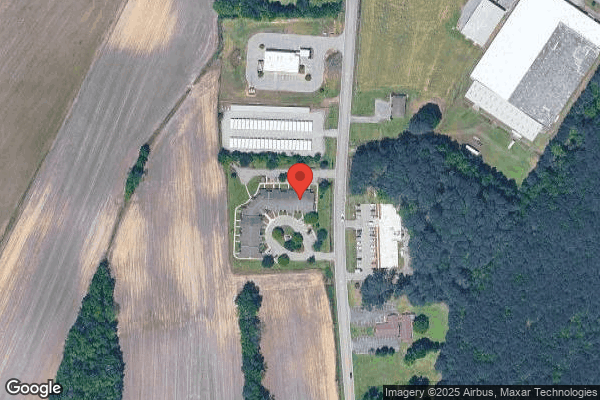
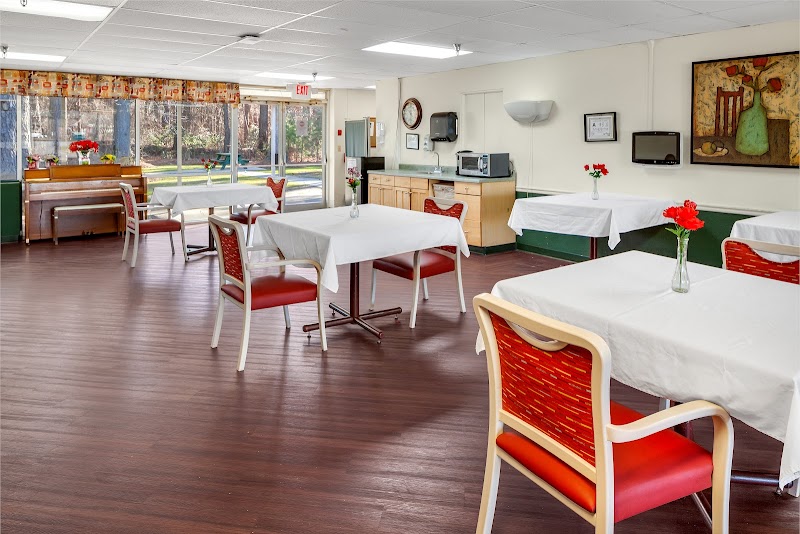
4351 South Main Street, Farmville, NC 27828 (252) 753-5547
For profit - Limited Liability company 56 Beds PRUITTHEALTH Data: November 2025
Trust Grade
50/100
#184 of 417 in NC
Last Inspection: August 2025

Inspected within the last 6 months. Data reflects current conditions.

Overview

PruittHealth-Farmville has a Trust Grade of C, which means it is average and positioned in the middle of nursing homes in North Carolina. It ranks #184 out of 417 facilities in the state, placing it in the top half, and is #3 out of 6 in Pitt County, indicating that only two local options are better. Unfortunately, the facility is worsening, with the number of issues increasing from 3 in 2024 to 6 in 2025. Staffing is a concern with a rating of 2 out of 5 stars and a turnover rate of 43%, which, while below the state average, still suggests instability. On a positive note, the facility has good RN coverage, exceeding 80% of state facilities, which is important for catching potential issues that aides might miss. However, there have been serious findings, such as a resident who suffered a collarbone fracture after staff failed to provide adequate supervision, and concerns regarding infection control measures not being properly tracked or implemented. Overall, while there are some strengths, families should weigh these against the identified weaknesses.

Trust Score
C
50/100
In North Carolina
#184/417
Top 44%
Safety Record
Moderate
Needs review
Inspections
Getting Worse
3 → 6 violations
Staff Stability
○ Average
43% turnover. Near North Carolina's 48% average. Typical for the industry.
Penalties
○ Average
$36,729 in fines. Higher than 62% of North Carolina facilities. Some compliance issues.
Skilled Nurses
○ Average
Each resident gets 36 minutes of Registered Nurse (RN) attention daily — about average for North Carolina. RNs are the most trained staff who monitor for health changes.
Violations
⚠ Watch
23 deficiencies on record. Higher than average. Multiple issues found across inspections.
★★★☆☆
3.0
Overall Rating
★★☆☆☆
2.0
Staff Levels
★★★☆☆
3.0
Care Quality
★★★☆☆
3.0
Inspection Score
Stable
2024: 3 issues
2025: 6 issues

The Good

  • Full Sprinkler Coverage · Fire safety systems throughout facility
  • No fines on record
  • Staff turnover below average (43%)

    5 points below North Carolina average of 48%

Facility shows strength in fire safety.

The Bad

3-Star Overall Rating

Near North Carolina average (2.8)

Meets federal standards, typical of most facilities

Staff Turnover: 43%

Near North Carolina avg (46%)

Typical for the industry

Federal Fines: $36,729

Above median ($33,413)

Moderate penalties - review what triggered them

Chain: PRUITTHEALTH

Part of a multi-facility chain

Ask about local staffing decisions and management

The Ugly 23 deficiencies on record

1 actual harm
Aug 2025 4 deficiencies
CONCERN (D)

Potential for Harm - no one hurt, but risky conditions existed

Assessment Accuracy (Tag F0641)

Could have caused harm · This affected 1 resident

**NOTE- TERMS IN BRACKETS HAVE BEEN EDITED TO PROTECT CONFIDENTIALITY** Based on record review and staff interviews, the facility failed to accurately code the Pre-admission Screening and Resident Rev...

Read full inspector narrative →
**NOTE- TERMS IN BRACKETS HAVE BEEN EDITED TO PROTECT CONFIDENTIALITY** Based on record review and staff interviews, the facility failed to accurately code the Pre-admission Screening and Resident Review (PASARR) status and failed to accurately code the Minimum Data Set (MDS) assessment in the area of oral/dental status for 2 of 15 resident MDS assessments reviewed (Resident #4, Resident #21).Findings included: 1. Resident #4 was admitted to the facility on [DATE]. Her active diagnoses included schizophrenia, major depressive disorder, and anxiety disorder. Review of Resident #4’s PASARR Level II Determination Notification letter dated 4/29/21 revealed it had no end date. Review of Resident #4’s Minimum Data Set (MDS) assessment dated [DATE] revealed she was coded as not currently considered by the state PASARR Level II process to have a serious mental illness. During an interview on 8/5/25 at 11:29 AM the Social Worker stated Resident #4 had a PASARR Level II determination with no end date. During an interview on 8/5/25 at 11:50 AM the MDS Coordinator stated the 12/6/24 MDS assessment for Resident #4 was incorrect. She concluded it was an oversite that would be corrected. During an interview on 8/5/25 at 11:55 AM the Administrator stated MDS assessments should accurately reflect the resident's PASARR status. 2. Resident #21 was admitted to the facility on [DATE]. A review of Resident #21’s nursing admission Observation form dated 11/1/24 at 4:26 PM completed by Nurse #1 revealed documentation that Resident #21 had obvious or likely cavity or broken natural teeth. Attempts for an interview with Nurse #1 were unsuccessful. A review of Resident #21’s admission Minimum Data Set (MDS) assessment dated [DATE] revealed he was severely cognitively impaired. He had no dental issues. The dental care area was not triggered. The dental care planning decision was not checked. On 8/5/25 at 8:14 AM Resident #21 was observed to have three front bottom teeth broken at the gumline and blackened in color, and one darkened discolored front bottom tooth. An interview with Resident #21 at that time indicated he had no dental pain, or trouble eating. On 8/6/25 at 10:23 AM a telephone interview with Dietary Manager #2 indicated she coded the oral/dental section of Resident #21’s MDS assessment dated [DATE]. She reported she did not recall observing Resident #21’s teeth for completion of the assessment, but she recalled asking him if he had any dental issues and he denied any. She went on to say while the nursing admission Assessment form would be something she reviewed to assist with completion of the oral/dental section of the MDS assessment, she could not recall whether or not she had done this for Resident #21’s MDS assessment dated [DATE]. On 8/6/25 at 10:44 AM an interview with the Director of Nursing (DON) indicated she was familiar with Resident #21. She reported Resident #21 had broken and discolored teeth since his admission to the facility. She stated this was documented on his nursing admission Observation dated 11/1/24. The DON stated Resident #21’s admission MDS assessment should have been coded to accurately reflect this. On8/6/25 at 1:32 PM an interview with the Administrator indicated Resident #21’s admission MDS assessment dated [DATE] should have been coded to accurately reflect his oral/dental status.
CONCERN (D)

Potential for Harm - no one hurt, but risky conditions existed

Comprehensive Care Plan (Tag F0656)

Could have caused harm · This affected 1 resident

**NOTE- TERMS IN BRACKETS HAVE BEEN EDITED TO PROTECT CONFIDENTIALITY** Based on observations, record review, and staff interviews, the facility failed to implement the care planned intervention of a ...

Read full inspector narrative →
**NOTE- TERMS IN BRACKETS HAVE BEEN EDITED TO PROTECT CONFIDENTIALITY** Based on observations, record review, and staff interviews, the facility failed to implement the care planned intervention of a fall mat for 1 of 2 residents (Resident #21) reviewed for accidents.Findings included:Resident #21 was admitted to the facility on [DATE] with a diagnosis of dementia.A review of Resident #21's comprehensive care plan revealed a focus area initiated on 11/1/24 and last reviewed on 8/4/25 of at risk for falls related to senile dementia of the brain. The goal was for Resident #21 to not sustain any injury related to falling through the next review. An intervention, dated 6/6/25, was fall mat beside bed right side.A review of Resident #21's quarterly Minimum Data Set (MDS) assessment dated [DATE] revealed he was severely cognitively impaired. He had no functional limitation in range of motion of his upper or lower extremities. He used a wheelchair for mobility. He required supervision to roll left and right in bed, to go from sitting on the side of the bed to lying flat and to go from lying flat on the bed to sitting. Resident #21 required partial assistance to go from sitting to standing and to transfer from bed to chair. He had no falls since his prior assessment.On 8/6/25 at 8:04 AM Resident #21 was observed lying on his bed which was in a low position. No fall mat was observed on the right side of his bed or in his room.On 8/7/25 at 5:05 AM Resident #21 was observed lying on his bed which was in a low position. No fall mat was observed on the right side of his bed or in his room.On 8/7/2025 at 5:08 AM an interview with Nurse Aide (NA) #1 indicated she cared for Resident #21 regularly on the 11PM-7AM shift and was caring for him now. She reported she was familiar with Resident #21. NA #1 stated Resident #21 was at risk for falls. She stated at one time Resident #21 did have a fall mat in place, but he did not have one last night. She indicated she could not recall when she last saw a fall mat beside Resident #21's bed. She reported she did have access to residents' care plans. NA #1 stated the way she knew if a resident should have a fall mat while they were in bed was she would visually see it in the room. She stated that she didn't normally review the care plan for those residents she was familiar with but did for new residents. On 8/7/2025 at 5:18 AM an interview with Nurse #2 indicated she cared for Resident #21 on the 11PM-7AM shift and was familiar with him. She reported she knew at one point Resident #21 did have a fall mat at his bedside, but she hadn't seen one lately. Nurse #2 stated when she first noticed Resident #21's fall mat was not in place, she should have looked into the matter to determine whether it had been discontinued but she had not.On 8/7/25 at 7:26 AM an interview with the Director of Nursing (DON) indicated she was familiar with Resident #21. She reported he was at risk for falls. She indicated the intervention of a fall mat beside bed right side which appeared on Resident #21's comprehensive care plan was still a current appropriate intervention, and this fall mat should have been in place. The DON stated ensuring care planned fall interventions were in place was a team effort.On 8/7/25 at 8:35 AM an interview with the Administrator indicated if a fall prevention intervention appeared on a resident's care plan, it should be in place.
CONCERN (D)

Potential for Harm - no one hurt, but risky conditions existed

Dental Services (Tag F0791)

Could have caused harm · This affected 1 resident

**NOTE- TERMS IN BRACKETS HAVE BEEN EDITED TO PROTECT CONFIDENTIALITY** Based on observations, record review, and resident, staff, and Responsible Party (RP) interviews the facility failed to provide ...

Read full inspector narrative →
**NOTE- TERMS IN BRACKETS HAVE BEEN EDITED TO PROTECT CONFIDENTIALITY** Based on observations, record review, and resident, staff, and Responsible Party (RP) interviews the facility failed to provide or obtain routine dental services for a resident with obvious or likely cavity and broken natural teeth. This was for 1 of 1 resident (Resident #21) reviewed for dental care.Findings included:Resident #21 was admitted to the facility on [DATE] with a diagnosis of dementia.A review of a physician's order for Resident #21 dated 11/1/24 revealed in part May have dental care as needed.A review of Resident #21's nursing admission Observation form dated 11/1/24 at 4:26 PM completed by Nurse #1 revealed documentation that Resident #21 had obvious or likely cavity or broken natural teeth.Attempts at telephone interview with Nurse #1 were unsuccessful.A review of Resident #21's comprehensive care plan revealed a focus area dated as initiated on 11/1/24 and last revised on 7/18/25 for alteration in dentition. The goal was to maximize Resident #21's dentition and resolve to maximize independence through the next review. An intervention was dental consult as needed.A review of Resident #21's admission Minimum Data Set (MDS) assessment dated [DATE] revealed he was severely cognitively impaired. He had no dental issues. The dental care area was not triggered. The dental care planning decision was not checked.On 8/5/25 at 8:14 AM Resident #21 was observed to have three front bottom teeth broken at the gumline and blackened in color, and one darkened discolored front bottom tooth. An interview with Resident #21 at that time indicated he had no dental pain, or trouble eating.A review of Resident #21's facility medical record on 8/5/25 did not reveal any evidence of dental care since his admission to the facility.On 8/6/25 at 2:08 PM a telephone interview with the Responsible Party (RP) listed as the #1 contact on Resident #21's facility medical record face sheet indicated Resident #21 had fragmented and discolored teeth prior to his admission to the facility. She reported Resident #21 had never complained of any dental pain that she was aware of. She stated she did not recall anyone at the facility ever speaking with her about Resident #21's dental issues or informing her of any available dental care options.On 8/5/25 at 1:58 PM a telephone interview with the RP listed as #2 on Resident #21's facility medical record face sheet indicated she visited Resident #21 at least every other day at the facility. She reported that Resident #21 had fragmented and discolored teeth prior to his admission to the facility. She indicated Resident #21 had never complained of any dental pain that she was aware of. She stated she participated in Resident #21's care plan meetings when she was able to. RP #2 reported that she did not recall anyone at the facility ever speaking with her about Resident #21's dental issues or informing her of any available dental care options.On 8/6/25 at 2:14 PM an interview with Resident #21 indicated he used to have a dentist that he visited before he came to live at the facility. He reported he had last seen a dentist about two or three years ago. He stated he did not recall anyone at the facility ever offering him any dental care options. Resident #21 indicated he would like to see a dentist if one was available to him.On 8/6/25 at 10:44 AM an interview with the Director of Nursing (DON) indicated she was familiar with Resident #21. She reported Resident #21 had broken and discolored teeth since his admission but had never complained of any dental pain. She stated if the admitting nurse documented dental issues on the nursing admission assessment, typically nursing would ensure this was reflected on the resident's care plan. The DON reported for any acute dental issues like pain, she would ensure that the resident's dental need was addressed. She went on to say the facility had an inhouse dental provider that came to the facility quarterly (every 3 months) for routine dental care, and she thought the Social Work (SW) handled that.On 8/6/25 at 1:00 PM an interview with the facility's SW indicated Resident #21 was a long term resident at the facility. She reported his payor source was Medicaid. She stated normally a resident's dental care was something that would be addressed during the interdisciplinary team (IDT) process. The SW reported the facility had an inhouse dental provider that saw residents who were on the list quarterly. She stated the dental hygienist had last been at the facility in May 2025, but Resident #21 had not been seen then. She indicated she had not been responsible for adding residents to the list to be seen by the dental provider. She reported she thought the Administrator was working on getting a list together for the next dental visit.On 8/6/25 at 2:24 PM an interview with the Administrator indicated there was no documentation in Resident #21's medical record that he had been offered dental care on admission to the facility or had received dental care in the facility since his admission. She reported Resident #21 was not on the list to be seen by the inhouse dental provider on their next scheduled visit in August 2025. She stated because the facility knew that Resident #21 was going to remain in the facility long term on his admission, the dental care options that were available to him in the facility should have been explained to his RP and either the consent or declination documented in Resident #21's medical record. The Administrator stated she thought she had spoken with Resident #21's RP at some point and she declined dental care for Resident #21.
CONCERN (E)

Potential for Harm - no one hurt, but risky conditions existed

Food Safety (Tag F0812)

Could have caused harm · This affected multiple residents

Based on observations, record review, and staff interviews the facility failed to discard out of date leftover resident food items stored in the facility's resident nourishment refrigerator. This defi...

Read full inspector narrative →
Based on observations, record review, and staff interviews the facility failed to discard out of date leftover resident food items stored in the facility's resident nourishment refrigerator. This deficient practice was for 1 of 1 resident nourishment refrigerators reviewed.Findings included:On 8/5/25 at 11:21 AM an observation of the facility's resident nourishment refrigerator with Dietary Manager #1 revealed a sign on the refrigerator door indicating it was the resident's refrigerator. Blank labels were observed in a plastic sleeve on the door with a sign reading, All food requires a name and date. Food left past 2 days will be discarded. Dietary Manager #1 was interviewed during the observations. The interior of the refrigerator revealed one large white foam container labeled and dated 7/27/25 containing cooked chicken, one large white foam container labeled and dated 7/27/25 containing corn, macaroni and cheese, and cooked greens which all appeared hard and dry, and a plastic bag labeled and dated 7/26/25 containing an unrecognizable hard, light pink rectangular object that Dietary Manager #1 reported appeared to be turkey breast. Continued observations revealed a small square white foam container labeled and dated 8/1/25 containing a slice of blueberry pie topped with whipped cream, an unlabeled and undated square white foam container containing a portion of white cake with frosting, and a rectangular clear plastic container with a red lid labeled and dated 7/25/25 with unrecognizable contents that Dietary Manager #1 indicated were possibly beans. In an interview during the observation, Dietary Manager #1 reported all the items should have already been discarded as they were past the time limit of 3 days and the cake was unlabeled and undated. She reported it was her responsibility to check the resident's nourishment refrigerator daily Monday through Friday for unlabeled or past date items. She stated all food should be labeled with the resident's name and the date it was placed in the refrigerator and should be discarded after 3 days. She reported she had not checked the refrigerator yet today and had not checked it yesterday. She stated she had gotten busy in the kitchen yesterday and forgot. Dietary Manager #1 stated the last time she had checked the refrigerator would have been last week and she did recall some of those items had been in there at that time. On 8/7/25 at 8:32 AM an interview with the Administrator indicated it was Dietary Manager #1's responsibility to check the resident's nourishment refrigerator for out of date food items which should be discarded after 2 days in accordance with the facility's policy.
May 2025 2 deficiencies 1 Harm
SERIOUS (G) 📢 Someone Reported This

A family member, employee, or ombudsman was alarmed enough to file a formal complaint

Actual Harm - a resident was hurt due to facility failures

Accident Prevention (Tag F0689)

A resident was harmed · This affected 1 resident

**NOTE- TERMS IN BRACKETS HAVE BEEN EDITED TO PROTECT CONFIDENTIALITY** Based on record review and staff interviews, the facility failed to provide effective supervision to prevent avoidable falls for...

Read full inspector narrative →
**NOTE- TERMS IN BRACKETS HAVE BEEN EDITED TO PROTECT CONFIDENTIALITY** Based on record review and staff interviews, the facility failed to provide effective supervision to prevent avoidable falls for 2 of 3 residents reviewed for high risk of falls (Resident #1 and Resident #2). Resident #1, a severely cognitively impaired resident, sustained a collarbone fracture and a hematoma (a solid swelling of clotted blood within the tissues) on the left side of the forehead from a fall that occurred after staff monitoring her fell asleep (Nurse Aide #1) and ignored her attempt to stand (Nurse #1). Findings included: 1. Resident #1 was originally admitted to the facility on [DATE] and had multiple diagnoses, some of which included intellectual disabilities, dementia, and age-related osteoporosis. Review of the resident profile in the electronic medical record revealed Resident #1 was at high risk for falls. Documentation on the care plan dated as initiated on 1/25/2024 for Resident #1 revealed a focus area for fall risk related to generalized weakness. Documentation on the care plan listed a recent unwitnessed fall on 2/6/2025 requiring hospitalization for a forehead hematoma. The short-term goal was to not sustain injury related to falling through the next review. Some interventions included keeping the environment safe and queueing for safety awareness. Documentation on a quarterly Minimum Data Set assessment dated [DATE] revealed Resident #1 was severely cognitively impaired. Resident #1 was also assessed as being able to go from a sitting to a standing position independently but required supervision or touching assistance, once standing, to walk 10 feet. The same assessment documented Resident #1 as independent with the use of a manual wheelchair and with a history of falls. Resident #1 was not coded as receiving anticoagulant or antiplatelet medication. The documentation in the nursing progress notes dated 4/27/2025 at 6:00 AM written by Nurse #2 revealed she was notified by staff that Resident #1 was on the floor. The note indicated Resident #1 was observed lying on the floor complaining of pain in her left shoulder. Resident #1 had a large knot on the left side of her forehead. A neurological check was completed prior to moving her from the floor to the wheelchair. Resident #1 was alert and oriented at the baseline level. Staff contacted the Physician Assistant (PA) and informed her that Resident #1 had fallen, had a knot on her forehead, and complained of pain in her left shoulder. The PA advised to send Resident #1 to the hospital for evaluation. Nurse #2 was interviewed on 5/22/2025 at 1:45 PM. Nurse #2 provided the following information. Nurse #2 was assigned from 7:00 PM on 4/26/2025 to 7:00 AM on 4/27/2025 to the hallway where Resident #1 resided. Resident #1 had been a fall risk since she arrived at the facility. Resident #1 was a resident who always required close monitoring. Nurse #2 explained she would sometimes keep Resident #1 near her medication cart, taking her from doorway to doorway down the hallway to keep an eye on her. Resident #1 would not stay in bed and kept trying to get up on the evening of 4/26/2025. At approximately 11:00 PM on 4/26/2025 Resident #1 was put in the dining room by Nurse #2 near the nursing station so she could be monitored more closely. There were two nurses and three nurse aides (Nurse #1, Nurse #2, NA #1, NA #2, and NA #4) who were taking turns watching Resident #1 as she sat in the dining area. Nurse #2 went down the hallway with her medication cart to start administering medications when Nurse #1 came to her telling her Resident #1 had fallen in the dining room at approximately 5:45 AM. Nurse #2 went immediately to the dining room to assess Resident #1 and help her. Nurse #2 revealed Resident #1 had a knot on her head and complained of pain in her shoulder. The Physician's Assistant was called, and Resident #1 was sent to the hospital. Nurse #1 was interviewed on 5/22/2025 at 1:31 PM. Nurse #1 provided the following information. Nurse #1 worked at the facility for a couple of weeks. Nurse #1 was not assigned to the hallway in which Resident #1 resided. Nurse #1 worked from 7:00 PM on 4/26/2025 to 7:00 AM on 4/27/2025. Nurse #1 returned from her break at approximately 5:45 AM on 4/27/2025. Nurse #1 noted Resident #1 was leaning on the table trying to stand up from her wheelchair when she walked past the dining area. Nurse #1 did not intervene as it was not her assigned resident and she did not know her very well. Nurse #1 went to her medication cart outside the dining room when she heard a loud thump. Nurse #1 entered the dining room and saw Resident #1 on the ground. Nurse #1 noted that a nurse aide (NA #1) was at a table in the dining room with her back to Resident #1, the only resident in the dining room. Nurse #1 approached NA #1. Nurse #1 revealed NA #1 was sleeping. She woke NA #1 up by jerking her arm and shaking her. Nurse #1 had to keep jerking her arm to get NA #1 alert to the fact Resident #1 was on the ground. When Nurse #1 was able to get NA #1 alert, she then told NA #1 to stay with Resident #1 while she went down the hall to let Nurse #2 know that Resident #1 had fallen. Nurse #2 declined any further help from Nurse #1, so she returned to her medication cart to start administering medications. Review of the facility nursing staffing schedule dated 4/27/2025 revealed NA #1 was assigned to care for Resident #1 on the 11:00 PM to 7:00 AM shift. Attempts were made to contact NA #1 for an interview on 5/22/2025 without any response. The facility Administrator, on 5/22/2025 at 1:20 PM, provided the following statement taken by the Director of Nursing on 5/1/2025 with NA #1 over the telephone: [Certified Nursing Assistant] stated that she was sitting in the dining room, but she was sitting with her back turned to the resident when [the] fall occurred. She stated that she did not know how the resident fell. An interview was conducted with NA #2 on 5/22/2025 at 2:13 PM. NA #2 revealed she was working on the 11:00 PM to 7:00 AM shift ending on 4/27/2025. NA #2 explained she was not assigned to care for Resident #1 on 4/27/2025, but everybody watched out for all the residents. NA #2 revealed Resident #1 kept getting out of bed on 4/27/2025 so she was put in the dining room so everybody could watch out for her. NA #2 stated that earlier in her shift she was in the dining room making sure Resident #1 was occupied and safe but when Resident #1 fell, NA #2 was in another resident's room. Documentation in a hospital Discharge summary dated [DATE] revealed Resident #1 was admitted to the hospital after a fall in the facility and sustained a frontal scalp hematoma and a non-operable clavicular (collarbone) fracture. An interview was conducted with the Director of Nursing (DON) on 5/22/2025 at 1:25 PM. The DON stated that all staff are responsible for all the residents. The DON indicated the facility census was small enough that it would not take long to get to know the residents. The DON stated the staff should be aware of which residents were at risk for a fall and assist in monitoring those residents. The DON revealed the fall Resident #1 sustained could have been prevented if Nurse #1 had intervened when she saw Resident #1 starting to stand as she walked by and if NA #1 had been paying attention instead of resting in the dining room. The DON thought this was an isolated incident caused by the two specific staff members because the staff in the facility are aware of working together to care for the residents. 2. Resident #2 was admitted to the facility on [DATE] and had cumulative diagnoses, some of which included seizures, cerebral vascular accident, and vascular dementia. Review of the resident profile in the electronic medical record revealed Resident #2 was at high risk for falls. Documentation on a care plan for Resident #2 revealed a problem area dated as initiated on 8/16/2023 for a risk for falls due to a cerebral vascular accident, a history of falls, and generalized weakness. One of the interventions initiated on 12/24/2024 included, Resident noncompliant with interventions to use the call bell for assistance with transfers. Staff will continue to offer assistance with use of toilet. Documentation on an annual Minimum Data Set assessment dated [DATE] coded Resident #2 as having moderately impaired cognition. Resident #2 was also coded as requiring substantial assistance with going from sitting to standing position. Resident #2 was coded as always incontinent of bowel and bladder. Resident #2 was coded as having fallen since his last assessment. Resident #2 was coded as able to independently use a manual wheelchair and as receiving antiplatelet medication. NA #3 was interviewed on 5/22/2025 at 3:09 PM. NA #3 provided the following information. NA #3 had been employed at the facility since February 2025, and she had once or twice been assigned to care for Resident #2. Resident #2 was steady with transfers and could bear his weight with assistance to straighten up from a sitting position. It was unknown if Resident #2 could use a call bell because he was always out of bed and away from the call light. On 5/10/2025 in the morning, Resident #2 vocalized to NA #3 that he wanted to go to the toilet. This was the first occasion NA #3 assisted Resident #2 to the toilet. NA #3 wheeled Resident #2 into the bathroom, locked his wheelchair, and helped him transfer to the toilet. NA #3 then instructed Resident #2 to use the call bell to let her know when he was finished and she would assist him back in the wheelchair. NA #3 went into the hallway and stayed within view of the call light outside the door of Resident #2. NA #3 went back to check on Resident #2 approximately 10 minutes later and she found him on the floor in the bathroom. Resident #2 had attempted to transfer himself and had not pulled the call light to alert her he was finished. NA #3 then alerted Nurse #3 that Resident #2 had fallen. NA #3 explained that she figured out the care needs of the residents as she assisted them or she would ask a coworker. Documentation in a nursing progress note dated 5/10/2025 at 4:51 PM written by Nurse #3 revealed Nurse Aide (NA) #3 reported to Nurse #3 that Resident #2 was on the floor in the bathroom. The documentation in the progress note further revealed NA #3 told Nurse #3 that Resident #2 was taken to the bathroom and was advised to ring bell when finished but, Resident #2 did not ring the call bell and attempted to transfer into his wheelchair falling to the floor. The progress note also indicated Nurse #3 educated NA #3 to monitor Resident #2 while he was using the bathroom. NA #3 verbalized her understanding. Nurse #3 was interviewed on 5/22/2025 at 4:36 PM. Nurse #3 revealed the following information. Nurse #3 had been employed at the facility for two months. Nurse #3 revealed she had documented her actions in the electronic medical record on 5/10/2025 when Resident #2 fell. Resident #2 was able to follow simple commands and that was the first occasion that Nurse #3 had known Resident #2 to request to be taken to the bathroom. Nurse #3 assessed Resident #2 after the fall in the bathroom. Resident #2 sustained a small laceration on his head that was not bleeding and did not require wound care. Nurse #3 confirmed she educated NA #3 not to leave Resident #2 unattended in the bathroom. The Director of Nursing (DON) was interviewed on 5/22/2025 at 3:44 PM. The DON revealed that NA #2 was a new employee who helped care for residents all over the building. The DON indicated that NA #2 would need to be educated that the care needs of the residents could be found on the resident profile in the electronic medical record. The DON felt Resident #2 was very impulsive and NA #3 should have stayed with Resident #2 instead of instructing him to use the call light. The DON stated that NA #3 was educated not to leave Resident #2 in the bathroom.
CONCERN (D) 📢 Someone Reported This

A family member, employee, or ombudsman was alarmed enough to file a formal complaint

Potential for Harm - no one hurt, but risky conditions existed

Quality of Care (Tag F0684)

Could have caused harm · This affected 1 resident

**NOTE- TERMS IN BRACKETS HAVE BEEN EDITED TO PROTECT CONFIDENTIALITY** Based on record review and staff interviews, the facility failed to immediately evaluate a resident for injury after a fall for ...

Read full inspector narrative →
**NOTE- TERMS IN BRACKETS HAVE BEEN EDITED TO PROTECT CONFIDENTIALITY** Based on record review and staff interviews, the facility failed to immediately evaluate a resident for injury after a fall for 1 of 3 residents reviewed for falls (Resident #1). Nurse #1 observed Resident #1 on the floor and instead of immediately assessing the resident she went to find the resident's assigned nurse to complete an assessment. Findings included: Resident #1 was originally admitted to the facility on [DATE] and had multiple diagnoses, some of which included intellectual disabilities, dementia, and age-related osteoporosis. Documentation on a quarterly Minimum Data Set assessment dated [DATE] revealed Resident #1 was severely cognitively impaired. Resident #1 was also assessed as being able to go from a sitting to a standing position independently but required supervision or touching assistance, once standing, to walk 10 feet. Resident #1 was independent with the use of a manual wheelchair and she had a history of falls. Resident #1 was not coded as receiving anticoagulant or antiplatelet medication. The documentation in the nursing progress notes dated 4/27/2025 at 6:00 AM written by Nurse #2 revealed she was notified by staff that Resident #1 was on the floor. The note indicated Resident #1 was observed lying on the floor complaining of pain in her left shoulder. Resident #1 had a large knot on the left side of her forehead. A neurological check was completed prior to moving her from the floor to the wheelchair. Resident #1 was alert and oriented at the base level. Staff contacted the Physician Assistant (PA) and informed her that Resident #1 had fallen, had a knot on her forehead, and complained of pain to her left shoulder. The PA advised to send Resident #1 to the hospital for evaluation. Nurse #2 was interviewed on 5/22/2025 at 1:45 PM. Nurse #2 provided the following information. Nurse #2 was assigned from 3:00 PM on 4/26/2025 to 7:00 AM on 4/27/2025 to the hallway where Resident #1 resided. Resident #1 had been a fall risk since she arrived at the facility. Resident #1 was a resident who always required close monitoring. At approximately 11:00 PM on 4/26/2025 Resident #1 was put in the dining room near the nursing station so she could be monitored more closely. There were two nurses and three nurse aides (Nurse #1, Nurse #2, NA #1, NA #2, and NA #4) who were taking turns watching Resident #1 as she sat in the dining area. Nurse #2 indicated she went down the hallway with her medication cart to start administering medications when a staff member Nurse #1 came to her telling her Resident #1 had fallen in the dining room. Nurse #2 went immediately to the dining room to assess Resident #1 and help her. Nurse #2 revealed Resident #1 had a knot on her head and complained of pain in her shoulder. The PA was called, and Resident #1 was sent to the hospital. Nurse #1 was interviewed on 5/22/2025 at 1:31 PM. Nurse #1 provided the following information. Nurse #1 worked from 7:00 PM on 4/26/2025 to 7:00 AM on 4/27/2025 and was not assigned to the hallway where Resident #1 resided. Nurse #1 returned from her break at approximately 5:45 AM on 4/27/2025. Nurse #1 noted Resident #1 was leaning on the table trying to stand up from her wheelchair when she walked past the dining area. Nurse #1 then went to her medication cart outside the dining room when she heard a loud thump. Nurse #1 entered the dining room and saw Resident #1 on the ground. Nurse #1 noted that a nurse aide (NA #1) was at a table in the dining room with her back to Resident #1. Nurse #1 walked past Resident #1, who she noted was alert and awake on the ground, and approached NA #1. Nurse #1 did not recall any other details of how Resident #1 appeared. Nurse #1 revealed NA #1 was sleeping. She woke NA #1 up by jerking her arm and shaking her. Nurse #1 had to keep jerking her arm to get NA #1 alert to the fact Resident #1 was on the ground. When Nurse #1 was able to get NA #1 alert, she then told NA #1 to stay with Resident #1 while she went down the hall to let Nurse #2 know that Resident #1 had fallen. Nurse #2 immediately went to assess Resident #1. Nurse #2 declined any further help from Nurse #1, so she (Nurse #1) went back to her medication cart to start to administer medications. Nurse #1 admitted she did not do any assessment of Resident #1 because Resident #1 was not her assigned resident. Attempts were made to contact NA #1 for an interview on 5/22/2025 without any response. Documentation in a hospital Discharge summary dated [DATE] revealed Resident #1 was admitted to the hospital after a fall in the facility and sustained a frontal scalp hematoma (a solid swelling of clotted blood within the tissues) and a non-operable clavicular (collarbone) fracture. An interview was conducted with the Director of Nursing (DON) on 5/22/2025 at 1:25 PM. The DON was adamant that all the residents should receive care and attention from all the staff members utilizing their skills and training abilities. In addition, the DON felt Nurse #1 should have been the one to assess and evaluate the care needs of Resident #1 immediately instead of walking past the resident to wake up NA #1. The DON indicated that nursing standards would be for the nurse to stay with the resident to at least do an initial assessment or find a pillow for her head rather than walk past and leave her on the floor with a less trained staff member.
Sept 2024 1 deficiency
CONCERN (D) 📢 Someone Reported This

A family member, employee, or ombudsman was alarmed enough to file a formal complaint

Potential for Harm - no one hurt, but risky conditions existed

Deficiency F0602 (Tag F0602)

Could have caused harm · This affected 1 resident

**NOTE- TERMS IN BRACKETS HAVE BEEN EDITED TO PROTECT CONFIDENTIALITY** Based on record review, resident interview, staff interview, and police staff interview, the facility failed to protect the righ...

Read full inspector narrative →
**NOTE- TERMS IN BRACKETS HAVE BEEN EDITED TO PROTECT CONFIDENTIALITY** Based on record review, resident interview, staff interview, and police staff interview, the facility failed to protect the right of a resident to be free of misappropriation. The facility was aware Nurse Aide # 1 had a history of forgery and other crimes prior to hiring Nurse Aide # 1. While working at the facility, Nurse Aide # 1 took Resident # 1's money after telling Resident # 1 she could not pay her (NA #1's) personal bills and never reimbursed Resident # 1 as the resident thought would happen when giving Nurse Aide # 1 money. Nurse Aide # 1 also stole the resident's debit card number to pay a utility bill. This was for one (Resident # 1) of one resident reviewed for misappropriation. The findings included: Record review revealed Resident # 1 was admitted to the facility on [DATE] with diagnoses in part which included a history of stroke and rheumatoid arthritis. Review of Resident # 1's readmission Minimum Data Set assessment, dated 7/30/24, revealed the resident was cognitively intact. The resident was interviewed on 9/19/24 at 11:58 AM and reported the following information. She had kept her personal banking debit card in her room in a little carry thing that she kept on her table. At times it was unattended in her room. Someone had stolen the number off her debit card and used it to pay an electric bill. She did not recall the exact amount at the time of the interview but thought it was around 200 and something dollars. She thought this was about two months ago. Before the issue with the electric bill, she had also noticed a charge for a water bill and a phone bill about 3 or 4 months ago, but she had not said anything about those. She also reported that she had helped out Nurse Aide #1 (NA #1) while she (Resident # 1) had been residing at the facility by giving the NA # 1 money. Resident # 1 reported, She (NA #1) did not have any gas and there was something else she didn't have. She (Resident # 1) had heard NA # 1 say she could not pay her bills and therefore she had volunteered to help her with the understanding that NA # 1 would pay her back. According to Resident # 1, NA # 1 never paid her back the money. She thought it was about $221.00 in checks she had written to NA # 1. The Administrator was interviewed on 9/19/24 at 9:15 AM and12:30 PM and reported the following information. Resident # 1 had checked her bank account balance around midnight on 8/21/24 and mentioned to the night shift nurse that her account balance seemed off. At that time, Resident # 1 did not allege that anyone had stolen from her or mentioned she suspected someone of taking the money. She had also never reported she was giving NA # 1 money prior to that date. The night shift nurse had reported Resident # 1's concern to the DON (Director of Nursing) and Administrator that morning (8/21/24). The Administrator spoke to Resident # 1, and they called the resident's son to see if he had made some charges, but the resident's son had not done so. The Administrator volunteered to help the resident call the bank and see if the bank could help explain the charges. When they called the bank, they were told that the charge had gone to pay a utility bill, and the charge was showing as pending at the time. The bank started a fraud claim at that time in order to help the resident get the money returned, and the bank put a stop on her debit card. The police were called and filed a report of theft. The Administrator asked the resident if she could lock up her check books for safety and review her check book logs to see if that would help determine what had happened. The resident gave her consent. While reviewing the check book, she (the Administrator) found in the check book where there had been multiple checks written to NA # 1 by Resident # 1. At the time of this finding, it was the end of NA # 1's shift and she talked to NA # 1 about the checks. NA # 1 historically had been a good employee and had provided good resident care. Prior to 8/21/24 she (the Administrator) had never suspected her of doing anything wrong. When she talked to NA # 1, NA # 1 reported to her (the Administrator) that the resident would write checks for her to go to the bank to cash for Resident #1, and then she would give Resident # 1 the money. She (the Administrator) informed NA # 1 that no one was ever to touch a resident's personal money and NA # 1 was sent home. The Administrator then talked again to Resident # 1 and asked about the checks. Resident # 1 reported to the Administrator that she had felt sorry for NA # 1, and she had given her money. That was the reason for the checks. After she (the Administrator) confirmed with Resident # 1 that the checks were not being cashed for her use, she (the Administrator) tried to call NA # 1 but she did not answer. She told the DON to get in touch with NA # 1 and have NA # 1 call her. When NA # 1 called the Administrator back, the number from which NA #1 called showed up on the Administrator's cell phone log as belonging to someone else. The phone used by NA # 1 showed as coming from Non-employee # 1. At the time, the name did not mean anything to the Administrator because she had not been able to find whose name was on the fraudulent utility charge as of the time of the phone call. When the Administrator talked to NA # 1, she informed her she was suspended. While conducting the investigation further in the next few days, she (the Administrator) was able to get in touch with the utility company which had made the unauthorized charge on Resident # 1's debit card. It was for the amount of $372.50. The utility company told her (the Administrator) the name on the transaction, and the name was Non-employee # 1's name. While compiling dates and times for her investigation report, she (the Administrator) looked back at her own phone log and at that time recognized NA # 1 had used Non-employee # 1's number to call and talk. She (the Administrator) reported this new information to the police. She (the Administrator) had kept in touch with the police regarding the theft and had recently been informed by the police that NA # 1 was related to Non-employee # 1. Non-employee # 1 was the daughter of NA # 1 and they resided together. The police were planning to take out charges against NA # 1. The Administrator further reported that she had not been the Administrator when NA # 1 was hired, and she had not been aware of all her criminal background before the incident with Resident # 1 occurred. According to the Administrator, the checks which had been written went back for several months, with the most recent one being made on 8/11/24. The Administrator showed the surveyor some of the check stub copies in Resident # 1's check book log. The copies had NA # 1's name on them. The Administrator was further interviewed about the resident's statement that a water bill and phone bill had been charged at one time and which had gone unreported by her. The Administrator reported she had never seen any evidence of that and the resident at times could become confused about details. To her knowledge the electric bill charged to the debit card in August 2024 and personal checks made out to Nurse Aide # 1 were the only items that could be proven. A review of NA # 1's personnel file revealed she was registered as a Nurse Aide on the state agency registry with no current findings and had been employed at the facility since 7/25/23. A review of NA # 1's criminal background check, which was currently in her personnel file, revealed NA # 1 had a history of multiple misdemeanor convictions including forgery, larceny, disorderly conduct, food stamp fraud, simple assault, and childcare subsidy fraud. For the forgery charge she had been sentenced to pay back $4,495.00 in restitution during the year of 2014. NA # 1 was interviewed by phone on 9/19/24 at 12:14 PM and reported the following information. Resident # 1 would give her checks to go to the bank and then she would use the money to buy the resident things. She did not ever use the resident's debit card, and she knew nothing about how Resident # 1's debit card had been fraudulently used. When asked if she knew anything about someone by the name of Non-employee # 1 using Resident # 1's debit card to pay an electric bill, NA # 1 responded she did not know anything about that either. On 9/20/24 at 11:15 AM it was confirmed with the local police department office's administrator that there were warrants for the arrest of Nurse Aide # 1. It was confirmed that Non-employee # 1 (whose name was on the fraudulent charge made on Resident # 1's debit card) was the daughter of Nurse Aide # 1 and they resided together.
Aug 2024 2 deficiencies
CONCERN (D) 📢 Someone Reported This

A family member, employee, or ombudsman was alarmed enough to file a formal complaint

Potential for Harm - no one hurt, but risky conditions existed

Safe Transfer (Tag F0626)

Could have caused harm · This affected 1 resident

**NOTE- TERMS IN BRACKETS HAVE BEEN EDITED TO PROTECT CONFIDENTIALITY** Based on observations, record review and resident, family, staff, Long Term Care Ombudsman, and hospital Emergency Department (E...

Read full inspector narrative →
**NOTE- TERMS IN BRACKETS HAVE BEEN EDITED TO PROTECT CONFIDENTIALITY** Based on observations, record review and resident, family, staff, Long Term Care Ombudsman, and hospital Emergency Department (ED) Case Manager interviews, the facility failed to allow a resident (Resident #23) to return to the facility to the first available bed after he was transferred to the hospital and cleared by a psychiatric evaluation to return to the facility on 7/25/23. The facility refused readmission, and the resident remained in the in the hospital Emergency Department until 7/27/23 when the State Agency and Long Term Care Ombudsman intervened. This was for 1 of 2 residents whose discharge was reviewed. Findings included: Resident #23 was admitted to the facility on [DATE] with a diagnosis of dementia. A review of Resident #23's care plan revealed in part a focus area initiated on 4/17/23 related to Resident #23 experiencing agitation when he was brought out of his room. The goal was to avoid bringing Resident #23 out of his room. The intervention was that if Resident #23 needed to be brought out of his room for deep cleaning, to sit Resident #23 in his wheelchair outside his room door. A review of Resident #23's quarterly Minimum Data Set (MDS) assessment dated [DATE] revealed he was severely cognitively impaired. He exhibited physical behavioral symptoms directed towards others such as hitting and scratching, and verbal behavioral symptoms directed towards others such as screaming and cursing on 4-6 days of the look back period of the assessment. He exhibited physical behavioral symptoms not directed towards others on 4-6 days of the look back period. He rejected care on 1-3 days of the look back period of the assessment. Resident #23 required the maximal assistance of a helper to go from lying to sitting on the edge of the bed. He did not walk during the assessment period. A review of a nursing progress note for Resident #23 dated 7/25/23 at 3:12 PM written by Nurse #1 revealed the nurse was informed that Resident #23 was in a neighboring residents' room (Resident #33), which was connected to Resident #23's room by an adjoining bathroom. He was sitting on the end of her (Resident #33's) bed. When an attempt was made to redirect Resident #23 back to his room, Resident #23 became agitated, swung his arms at staff, grabbed the window blinds and began to bang the blinds against the window. Resident #23's family member was called in an effort to calm Resident #23 down, but this was unsuccessful. Emergency Medical Services (EMS) was called, and Resident #23 was taken to the hospital for an evaluation. On 8/6/24 at 8:41 AM Resident #23 was observed asleep in his room. He did not respond to attempts to speak with him. On 8/6/24 at 11:49 AM an interview with Nurse #1 indicated she recalled the incident with Resident #23 that occurred on 7/25/23. She stated Resident #26 did not usually walk, but on this occasion had gone into the bathroom that his room shared with an adjoining room, became confused, and exited into another resident's room (Resident #33) instead of his own. Nurse #1 stated Resident #23 had been found sitting on the end this resident's bed. She went on to say she ensured the other resident (Resident #33) was safe by having someone assist her into the activity room. She reported when an attempt was made to redirect Resident #23 back into his room, he became very agitated, got up, and started banging the window blinds against the window. She went on to say she attempted to contact Resident #23's family member to help calm him down. Nurse #1 stated when this was not successful, EMS was called and Resident #23 was taken to the ED for an evaluation. She reported the other resident (Resident #33) was alert and oriented and been very understanding and not upset by the incident at the time. On 8/5/24 at 11:05 AM an interview with Resident #33 indicated she recalled the incident on 7/25/23 when Resident #23 sat on the end of her bed. She stated she had not been upset or afraid and had not been hurt during the incident. She reported this was the only incident she ever had involving Resident #23. A review of a nursing progress note for Resident #23 dated 7/25/23 at 5:58 PM written by the facility's Director of Nursing (DON) revealed she received a call from the hospital regarding Resident #23. It further indicated she told the hospital Resident #23 would need to have a psychiatric evaluation to determine if he could return to the facility or if he might be a better fit at another facility. On 8/6/24 at 12:26 PM an interview with the DON indicated Resident #23 had multiple interventions in place regarding his behaviors. She stated usually if his family member was involved when he became agitated, he could be calmed and reassured. She reported on 7/25/23, this had not been the case. The DON further indicated she had felt that for Resident #23's safety and the safety of other residents he needed to be evaluated in the hospital to determine if he should remain at the facility. She reported with regards to Resident #23 returning to the facility, there would not have been just one person involved in making this decision. She stated this would have involved the interdisciplinary team. A review of a hospital psychiatric evaluation for Resident #23 dated 7/25/23 at 7:50 PM revealed after Resident #23 had an episode of slamming the blinds in another patient's room, the nursing facility had him taken to the Emergency Department (ED) and refused to take him back until a psychiatric evaluation was done. Resident #23 did not appear to be a danger to himself or others and did not meet the criteria for psychiatric hospitalization. Resident #23's disposition (placement) would be turned back over to the ED. A review of a Notice of Termination/Discharge with appeal rights dated 7/27/23 revealed in part Resident #23 was being discharged from the nursing facility because it was necessary for his welfare and his needs could not be met at the facility. It further revealed the safety of individuals in the facility was endangered because of Resident #23's clinical or behavioral status. The notice was signed by the nursing facility's Administrator #2 and indicated a copy of the notice had been sent to the LTC Ombudsman. A review of a hospital physician progress note for Resident #23 dated 7/27/23 at 3:21 PM revealed Resident #23 became agitated while in the ED the previous evening (7/26/23) when the nurse attempted to check his vital signs, and he required a dose of haloperidol (an antipsychotic medication). He became drowsy and slept the rest of the night. Resident #23's family member was with him, and reported she had been informed that the nursing facility was discharging Resident #23. Resident #23's family member had filed a report with the State Agency and had been working with the Ombudsman. The ED Case Manager was searching for another nursing facility for Resident #23. A review of the ED Case Manager's progress note dated 7/27/23 at 3:42 PM, which indicated it was a late entry, revealed she spoke with the Regional Marketing Director of Resident #23's nursing facility and was told that per the nursing facility's Regional [NAME] President (VP) Resident #23 would not be allowed to return to the facility. The ED Case Manager had consulted with the Long Term Care (LTC) Ombudsman regarding Resident #23's situation, and the LTC Ombudsman would follow-up with Resident #23's family and the nursing facility. On 8/7/24 at 9:18 AM a telephone interview with the ED Case Manager indicated Resident #23 had been sent to the hospital ED by his nursing facility (7/25/23) after an incident at the facility. She went on to say Resident #23 had a family member with him the entire time he was in the hospital, and there were no instances of distress for the resident. She stated the facility's Director of Nursing had wanted a medication review and a psychiatric evaluation before allowing Resident #23 to return to the facility. She reported Resident #23 had these completed, and when the hospital was ready to send Resident #23 back to the facility, the facility Regional Marketing Director told her the facility would not be taking Resident #23 back. The ED Case Manager went on to say she contacted the LTC Ombudsman for assistance. She stated she received Resident #23's discharge notice from the facility on 7/27/23 at 11:49 AM and provided this to Resident #23's family member. She reported at 3:23 PM that same day she received the report that the nursing facility would take Resident #23 back. On 8/8/24 at 10:24 AM a telephone interview with Resident #23's family member indicated Resident #23 had remained in the hospital ED after the hospital cleared him to return to the facility on 7/25/23. She stated the nursing facility was not going to allow Resident #23 to return. She went on to say it took her reaching out to the State Agency before the facility would allow Resident #23 to return. She reported she worked closely with the LTC Ombudsman. Resident #23's family member stated after the State Agency intervened, Resident #23 had been allowed to return to the facility on 7/27/23 and remained at the nursing facility with no further issues. She stated while she felt the stress Resident #23 experienced being in the ER those days was unnecessary, she did not indicate Resident #23 experienced any harm. On 8/8/24 at 11:58 AM a telephone interview with the facility's Regional Marketing Director indicated the decision for Resident #23 not to be able to return to the facility would have been made by Administrator #2 and the Regional [NAME] President. She stated she would not be involved in this type of decision making. On 8/8/24 at 12:23 PM an attempt at a telephone interview with the Regional [NAME] President was unsuccessful. On 8/6/24 at 1:08 PM a telephone interview with the LTC Ombudsman indicated she was familiar with Resident #23. She stated he didn't come out of his room very often. She reported on 7/25/23, he became confused and exited the bathroom into an adjoining room and refused to come out. She further indicated he was sent to the hospital and when the hospital was ready to send Resident #23 back to the facility, Administrator #2 refused to take Resident #23 back. The LTC Ombudsman stated on 7/27/23 the nursing facility provided a discharge notice with appeal rights, and she filed for an expedited appeal hearing. She reported Resident #23's family member called the State Agency, and when the State Agency became involved the nursing facility took Resident #23 back. She went on to say it was her understanding that Resident #23 had a family member with him the entire time he was in the hospital. On 8/8/24 at 8:15 AM a telephone interview with Administrator #2 indicated she recalled the incident with Resident #23 on 7/25/23 where he was unexpectedly able to get up and go into the bathroom. She stated this bathroom adjoined his room and the room of another resident. She went on to say Resident #23 had become confused, and gone into the other resident's room, became very agitated and combative, and refused to leave. She reported while Resident #23 had episodes of verbal and physical aggression towards staff, he had never done anything like that before and she felt the facility needed help managing this behavior. Administrator #2 stated Resident #23 needed to be transferred to the hospital for an evaluation. She indicated she had spoken to Resident #23's family, the State Agency, and the LTC Ombudsman. She went on to say the facility had rooms available, but not any rooms that did not have adjoining bathrooms at the time Resident #23 was ready to come back from the hospital, and she had needed time to coordinate room rearrangements with other residents and their families. On 8/8/24 at 1:34 PM in a telephone interview the facility's Corporate Nurse Consultant stated she had been involved in conversations with the facility regarding Resident #23's return from the hospital. She reported it was her understanding that the facility had not ever refused to take Resident #23 back. She did not explain why the facility issued the notice of discharge date d 7/27/23 and it had taken from 7/25/23, when Resident #23 had been cleared by the psychiatric evaluation to return to the facility, until 7/27/23 when the State Agency and the LTC Ombudsman became involved for him to be allowed to return. The Corporate Nurse Consultant stated she did know that it took some time for the facility to rearrange rooms so that it would be safe for the Resident #23 to return to the facility.
CONCERN (D)

Potential for Harm - no one hurt, but risky conditions existed

Deficiency F0700 (Tag F0700)

Could have caused harm · This affected 1 resident

**NOTE- TERMS IN BRACKETS HAVE BEEN EDITED TO PROTECT CONFIDENTIALITY** Based on observations, staff interviews, and record review the facility failed to attempt alternatives prior to installing sider...

Read full inspector narrative →
**NOTE- TERMS IN BRACKETS HAVE BEEN EDITED TO PROTECT CONFIDENTIALITY** Based on observations, staff interviews, and record review the facility failed to attempt alternatives prior to installing siderails (also known as bedrails), complete siderail assessments, assess entrapment risk, review the risks and benefits of siderails with the resident /resident representative and obtain informed consent prior to siderail use for 2 of 2 residents (Resident #24, Resident #37) reviewed for siderails. Findings included: 1. Resident #24 was admitted to the facility on [DATE] with a diagnosis of hemiplegia (complete paralysis) and hemiparesis (partial muscle weakness) following cerebral infarction (stroke) affecting left non-dominant side. A review of Resident #24's electronic chart revealed no siderail screening. A screening titled Restraint and Adaptive equipment observation dated 5/30/24 was reviewed. The screening indicated Resident #24 did not use adaptive equipment. The observation was completed by the Assistant Director of Nursing (ADON). A Significant Change Minimum Data Set (MDS) dated [DATE] revealed Resident #24 was cognitively intact. The MDS indicated Resident #24 required total assistance with bed mobility, transfers, and was non-ambulatory. The MDS revealed Resident #24 had an impairment of both upper and lower extremities. The MDS indicated Resident #24's siderails were not used as a restraint. A care plan with the latest review date of 8/5/24 revealed a problem of using 1/4 siderails to aid/promote independent bed mobility. The goal was Resident #24 would not sustain any injuries related to the use of siderails through next review. Interventions included ensuring siderails were installed properly, do not promote entrapment and Restraint/Adaptive Equipment observation was completed quarterly and as needed. An observation on 8/5/2024 at 2:27 PM revealed Resident #24 resting in bed with bilateral one-quarter length siderails in the up position on the bed. An observation 8/6/2024 at 10:00 am revealed Resident #24 awake in bed with bilateral one-quarter length siderails in the up position on the bed. An interview with Nurse #1 on 8/7/24 at 12:28 PM revealed the Nurses filled out the restraint and adaptive equipment screening on admission and quarterly. Nurse #1 stated this form was what they used for siderail screening. She further stated she always answered no to the question is adaptive equipment in use as she did not see siderails as adaptive equipment. Nurse #1 revealed there was no specific siderail assessment available. Nurse #1 indicated that siderails were on the beds on admission and stayed on the beds even when there was no resident admitted to that bed. She further indicated Nursing did not try alternatives to siderails before they were used. She was not aware of who was responsible for reviewing the risks and benefits with the resident or their representative, assessing entrapment risk, and obtaining the resident or the residents responsible party's consent for siderail use. A telephone interview with the ADON on 8/7/24 at 12:09 PM revealed she completed the restraint and adaptive equipment observation for Resident #24 on 5/30/24 and she marked no to the question if adaptive equipment was in use. She stated she did not see siderails as adaptive equipment. The ADON further stated there was not a specific siderail assessment form for them to complete. In a follow-up telephone interview with the ADON on 8/8/24 at 11:25 AM she stated siderails were on the bed at admission. She further stated they did not attempt interventions before implementation of siderails. The ADON revealed she was unaware of who was responsible for assessment of entrapment risk prior to installation, who discussed risks and benefits of siderail use, or who obtained informed consent from the resident or the resident's responsible party. In a telephone interview with the Director of Nursing (DON) on 8/8/24 at 11:55 AM she stated Nursing completed the restraint and adaptive equipment observation for use of siderails and she was unaware the Nurses had not understood that siderails were considered adaptive equipment until it was brought to her attention during this recertification survey. She further stated the Nurses should have answered yes to the question if adaptive equipment was in use. The DON revealed there was no assessment regarding entrapment risk, discussion of risks and benefits with the resident or their responsible party, or informed consent on the form. She further revealed she thought that the discussion of risks and benefits and informed consent was received on admission although she did not know where that was documented. The DON indicated there was no other siderail assessment available for Nursing to complete. An email from the Administrator on 8/8/24 revealed the facility did not have a form for informed consent for the use of siderails. In a telephone interview with the Administrator on 8/8/24 at 2:50 PM she indicated she thought the restraint and adaptive equipment observation form was meant to include siderails. She was unaware alternatives to siderails needed to be tried and documented before siderails were approved. The Administrator further stated the restraint and adaptive equipment observation form did not address entrapment risk, discussion of risk and benefits regarding siderail use with the resident or their responsible party, informed consent for the use of siderails or alternatives tried beforehand. She indicated Nursing should have had that discussion with the Resident or their responsible party before using siderails. The Administrator revealed she chose the forms the staff completed from options given by the corporate office, and she had been using the restraint and adaptive equipment observation form. She stated she has looked through the options since the issue was brought to her attention during this recertification survey and she had found one specifically for siderails. 2. Resident #37 was admitted to the facility on [DATE] and readmitted on [DATE] with a diagnosis of Chronic Obstructive Pulmonary Disease (COPD), encephalopathy (brain dysfunction) and general muscle weakness. A review of Resident #37's electronic chart revealed no siderail screening. A screening titled Restraint and Adaptive Equipment observation dated 5/17/24 was reviewed. The screening indicated Resident #37 did not use adaptive equipment. It was completed by Nurse #1. A 5 day Minimum Data Set (MDS) dated [DATE] revealed Resident #37 was cognitively intact and had no impairment of upper or lower extremities. The Resident was independent with rolling in bed, sitting to lying and lying to sitting in bed. The MDS indicated Resident #37's siderails were not used as a restraint. A care plan with the latest review date of 8/5/24 revealed a problem of using 1/4 siderails to aid/promote independent bed mobility. The goal was Resident #37 would not sustain any injuries related to the use of siderails through next review. Interventions included ensuring siderails were installed properly, do not promote entrapment and Restraint/Adaptive Equipment observation was completed quarterly and as needed. An observation on 8/5/2024 at 8:38 AM revealed Resident #37's bed with the one-quarter length siderails in the raised position. Resident #37 was not in bed. An observation 8/6/2024 at 10:15 am revealed Resident #37's bed with bilateral one-quarter length siderails in the up position on the bed. Resident #37 was not in the bed. The interview with Nurse #1 on 8/7/24 at 12:28 PM revealed she filled out the restraint and adaptive equipment screening for Resident #37 on 5/17/24. Nurse #1 stated this form was what they used for siderail screening. She further stated she always answered no to the question is adaptive equipment in use as she did not see siderails as adaptive equipment. Nurse #1 revealed there was no specific siderail assessment available. Nurse #1 indicated that siderails were on the beds on admission and stayed on the beds even when there was no resident admitted to that bed. She further indicated Nursing did not try alternatives to siderails before they were used. She was not aware of who was responsible for reviewing the risks and benefits, assessing entrapment risk, and obtaining the resident or resident representatives consent for siderail use. A telephone interview with the Assistant Director of Nursing (ADON) on 8/7/24 at 12:09 PM revealed Nursing used the restraint and adaptive equipment observation assessment for siderail assessment. She stated she marked no to the question if adaptive equipment was in use as she did not see siderails as adaptive equipment. The ADON further stated there was not a specific siderail assessment form for them to complete. In a follow-up telephone interview with the ADON on 8/8/24 at 11:25 AM she stated siderails were on the bed at admission. She further stated they did not attempt interventions before implementation of siderails. The ADON revealed she was unaware of who was responsible for assessment of entrapment risk prior to installation, who discussed risks and benefits of siderail use, or who obtained informed consent from the resident or the resident's responsible party. In a telephone interview with the Director of Nursing (DON) on 8/8/24 at 11:55 AM she stated Nursing completed the restraint and adaptive equipment observation for use of siderails and she was unaware the Nurses had not understood that siderails were considered adaptive equipment until it was brought to her attention during this recertification survey. She further stated the Nurses should have answered yes to the question if adaptive equipment was in use. The DON revealed there was no assessment regarding entrapment risk, discussion of risks and benefits with the resident or their responsible party, or informed consent on the form. She further revealed she thought that the discussion of risks and benefits and informed consent was received on admission although she did not know where that was documented. The DON indicated there was no other siderail assessment available for Nursing to complete. An email from the Administrator on 8/8/24 revealed the facility did not have a form for informed consent for the use of siderails. In a telephone interview with the Administrator on 8/8/24 at 2:50 PM she indicated she thought the restraint and adaptive equipment observation form was meant to include siderails. She was unaware alternatives to siderails needed to be tried and documented before siderails were approved. The Administrator further stated the restraint and adaptive equipment observation form did not address entrapment risk, discussion of risk and benefits regarding siderail use with the resident or their responsible party, informed consent for the use of siderails or alternatives tried beforehand. She indicated Nursing should have had that discussion with the Resident or their responsible party before using them. The Administrator revealed she chose the forms the staff completed from options given by the corporate office, and she had been using the restraint and adaptive equipment observation form. She stated she has looked through the options since the issue was brought to her attention during this recertification survey and she had found one specifically for siderails.
May 2023 11 deficiencies
CONCERN (D)

Potential for Harm - no one hurt, but risky conditions existed

Deficiency F0554 (Tag F0554)

Could have caused harm · This affected 1 resident

**NOTE- TERMS IN BRACKETS HAVE BEEN EDITED TO PROTECT CONFIDENTIALITY** Based on observations, record review, and resident and staff interview the facility failed to determine whether the self-adminis...

Read full inspector narrative →
**NOTE- TERMS IN BRACKETS HAVE BEEN EDITED TO PROTECT CONFIDENTIALITY** Based on observations, record review, and resident and staff interview the facility failed to determine whether the self-administration of medications was clinically appropriate for 1 of 4 residents (Resident #28) reviewed for medication administration. Findings included: Resident #28 was admitted to the facility on [DATE] with a diagnosis of hypertension. A review of Resident #28's quarterly Self Administration of Medications assessment dated [DATE] revealed Resident #28 did not wish to administer her own medications and the plan of care was the facility would administer them for her. A review of Resident #28's quarterly Minimum Data Set (MDS) assessment dated [DATE] revealed she was cognitively intact. Resident #28's medical record did not reveal a physician's order to self-administer medication. On 5/8/23 at 10:04 AM Resident #28 was observed to have a medicine cup containing 6 pills at her bedside. She stated these were her morning medications. She went on to say she usually took her medications right away when the nurse provided them to her but this morning she had not had enough water in her pitcher and was waiting on the nurse aide (NA) to bring her some before taking them. On 5/8/23 at 10:06 AM Nurse #2 was observed at the medication cart approximately 3 rooms away from Resident #28. Resident #28 was out of Nurse #2's line of sight. An interview with Nurse #2 indicated she provided Resident #28 with her medication cup that morning which contained amlodipine (an antihypertensive medication), hydrochlorothiazide (a fluid pill), metformin (a blood sugar medication), Mucinex (a medication which thins mucous), metoprolol (an antihypertensive medication) and losartan (an antihypertensive medication). She stated she was not aware of Resident #28 having a physician's order to self-administer her medications. She went on to say Resident #28 usually took her medications right away when she gave them to her. She further indicated she had not stayed to observe Resident #28 take her medications that morning. Nurse #2 stated she usually did but could not say why she had not today. On 5/10/23 at 11:50 AM an interview with the Director of Nursing (DON) indicated Resident #28 had not had an assessment completed to determine if she could safely self-administer her own medication. She went on to say Resident #28 did not have a physician's order in place to do that. She stated she had been told by Nurse #2 on 5/8/23 that Resident #28 might want to keep her medications at her bedside to take a few at a time so she was in the process of completing this assessment before putting a physician's order in place.
CONCERN (D)

Potential for Harm - no one hurt, but risky conditions existed

Assessment Accuracy (Tag F0641)

Could have caused harm · This affected 1 resident

**NOTE- TERMS IN BRACKETS HAVE BEEN EDITED TO PROTECT CONFIDENTIALITY** 3. Resident #51 was admitted to the facility on [DATE] with diagnoses that included Muscle weakness, Dysphagia, and Acute respir...

Read full inspector narrative →
**NOTE- TERMS IN BRACKETS HAVE BEEN EDITED TO PROTECT CONFIDENTIALITY** 3. Resident #51 was admitted to the facility on [DATE] with diagnoses that included Muscle weakness, Dysphagia, and Acute respiratory failure. Review of the discharge Minimum Date Set (MDS) dated [DATE] indicated Resident #51 was discharged to an acute hospital. A review of the Nurse's note in the Discharge summary dated [DATE] indicated Resident #51 was discharged home with his family. During an interview with the MDS Nurse on 5/10/2023 at 11:19 a.m. she confirmed the MDS entry was incorrect. The MDS nurse explained the entry was coded in error. An interview was conducted with the Director or Nursing (DON) on 5/11/2023 at 11:03 a.m. She stated the MDS nurse was required to enter the correct assessment for Resident #51 in the MDS to reflect the correct discharge. Based on observations, record review and interviews with facility staff the facility failed to accurately code the Minimum Data Set (MDS) Assessment accurately in the areas of oxygen use (Resident #23), pressure ulcers (Resident #29), and discharge destination (Resident #51) for 3 of 18 resident assessments reviewed. The findings included: 1. Resident #23 was admitted to the facility on [DATE]. His diagnosis included laryngectomy with tracheostomy. The quarterly MDS dated [DATE] coded Resident #23 was not receiving oxygen. On 5/8/23 at 2:45 PM Resident #23 was observed to have a tracheostomy. He was receiving oxygen at 5 liters per minute. During an interview with Nurse #1 on 5/11/23 at 10:15 AM she stated Resident #23 had received oxygen during his whole time at the facility. On 5/11/23 at 1:24 PM the MDS nurse said Resident #23 did not have a doctor's order for oxygen when she was completing his MDS, so she was not aware he was receiving oxygen. She stated she did not code it in the MDS. She said if she had been aware he was receiving oxygen she would have indicated the oxygen use on the MDS. On 5/11/23 at 2:10 PM the Director of Nursing said the MDS should have coded Resident #23 was receiving oxygen because he was receiving oxygen during the assessment look back period. 2. Resident #29 was admitted to the facility on [DATE] with diagnoses which included Parkinson's disease and cerebral infarct. A review of the quarterly MDS dated [DATE] indicated Resident #29 had one unstageable pressure ulcer with suspected deep tissue injury which was not present on admission or reentry. A review of the wound nurse's wound treatment documentation dated 11/16/22 revealed the deep tissue pressure injury (DTPI) to the right heel was identified on 11/14/22. The wound nurse's note documented the area to the right heel was resolved on 2/19/23. During an interview with the Wound Treatment Nurse on 5/10/23 at 3:52 PM she stated the wound was healed months ago and her notes indicated it was healed on 2/19/23. On 5/11/23 at 1:31 PM the MDS nurse stated Resident #29 had a DTPI on her heel and the note dated 2/19/23 indicated the heel had a dark area. She said the note dated 2/19/23 was not during 7 days of the look back period for the 3/10/23 MDS assessment so the DTPI indicated on the 3/10/23 MDS was coded in error. On 5/11/23 at 2:17 PM the Director of Nursing stated the 3/10/23 quarterly MDS was incorrect for recording the DTPI which was healed in February. She said a modification to the MDS was completed today.
CONCERN (D)

Potential for Harm - no one hurt, but risky conditions existed

Comprehensive Care Plan (Tag F0656)

Could have caused harm · This affected 1 resident

**NOTE- TERMS IN BRACKETS HAVE BEEN EDITED TO PROTECT CONFIDENTIALITY** Based on record review and resident and staff interviews the facility failed to develop the comprehensive care plan in the area ...

Read full inspector narrative →
**NOTE- TERMS IN BRACKETS HAVE BEEN EDITED TO PROTECT CONFIDENTIALITY** Based on record review and resident and staff interviews the facility failed to develop the comprehensive care plan in the area of anticoagulant (blood thinning) medication (Resident #39). This deficient practice was for 1 of 13 residents whose comprehensive care plans were reviewed. Findings included: Resident #39 was admitted to the facility on [DATE] with a diagnosis of pulmonary emboli (blood clot in the lungs). A review of the annual Minimum Data Set (MDS) assessment for Resident #39 dated 4/3/23 revealed she was cognitively intact. She received anticoagulant medication on 7 of 7 look-back days of the assessment. A review of Resident #39's medical record revealed a physician's order dated 3/22/23 for Eliquis (an anticoagulant medication) 5 milligrams (mg) twice daily for pulmonary emboli. A review of Resident #39's May 2023 Medication Administration Record revealed she received Eliquis twice daily as prescribed. A review of Resident #39's current comprehensive care plan last revised on 5/1/23 did not reveal any care plan focus area or interventions related to receiving an anticoagulant medication. On 5/8/23 at 2:16 PM an interview with Resident #39 indicated she was currently receiving anticoagulant medication. She stated she had not experienced any unusual bleeding or bruising. On 5/11/23 at 10:00 AM an interview with the MDS Nurse indicated Resident #39's care plan should address anticoagulant medication so staff caring for her would be aware she was receiving it. She stated receiving anticoagulant medication put Resident #38 at risk for side effects like bleeding and bruising. She went on to say when she coded Resident #38 as receiving anticoagulant medication on the MDS assessment dated [DATE], this should have alerted her to address the medication on Resident #38's care plan but she had not. She further indicated it had just been an oversight on her part. On 5/11/23 at 10:14 AM an interview with the Director of Nursing (DON) indicated anticoagulant medication was a high-risk medication. She stated it should be addressed in Resident #38's comprehensive care plan so all staff caring for her would be aware she was at risk for side effects like bleeding or bruising.
CONCERN (D)

Potential for Harm - no one hurt, but risky conditions existed

Respiratory Care (Tag F0695)

Could have caused harm · This affected 1 resident

**NOTE- TERMS IN BRACKETS HAVE BEEN EDITED TO PROTECT CONFIDENTIALITY** Based on observations, interviews with facility staff and record review the facility failed to obtain a physician's order for th...

Read full inspector narrative →
**NOTE- TERMS IN BRACKETS HAVE BEEN EDITED TO PROTECT CONFIDENTIALITY** Based on observations, interviews with facility staff and record review the facility failed to obtain a physician's order for the use of supplemental oxygen for 1 of 1 resident (Resident #23) reviewed for respiratory care. The findings included, Resident #23 was admitted to the facility on [DATE]. His diagnosis included laryngectomy with tracheostomy. The quarterly MDS dated [DATE] coded Resident #23 was moderately cognitively impaired. Resident #23's care plan updated 4/19/23 revealed Resident #23 required oxygen therapy via trach collar. The interventions included monitor oxygen saturation via pulse oximetry every shift. On 5/8/23 at 2:45 PM Resident #23 was observed to have a tracheostomy. He was receiving oxygen at 5 liters per minute. A review of the physician's orders for April and May 2023 revealed there was no current order for Resident #23 to receive oxygen. A review of the Medication Administration Record (MAR) for April and May 2023 revealed no documentation for ensuring Resident #23 received oxygen or the rate of the oxygen being administered. There was an order with an original date of 6/26/22 which read to check the pulse oxygen (level) every shift. The order for the pulse oxygen level was signed off by the nursing staff each shift on the April and May 2023 MAR. On 5/10/23 at 2:25 PM an observation of tracheostomy care with Nurse #1 was conducted. During the observation an interview with Nurse #1 was conducted. She stated Resident #23 was receiving oxygen via his tracheostomy site at 5 liters per minute. On 5/11/23 at 10:14 AM Nurse #1 said she Resident #23 had received oxygen daily at 5 liters per minute for the last 4 months since she had worked with him. On 5/11/23 at 10:30 AM the Director of Nursing (DON) stated a physician's order was required for any resident receiving oxygen therapy. The DON said she failed to enter Resident #32's oxygen orders when he returned from the hospital. She said his oxygen rate was increased from 4 liters to 5 liters in November 2022 when he returned. She added since there were no orders the nursing staff would not know the rate of the oxygen Resident #23 should be receiving.
CONCERN (E) 📢 Someone Reported This

A family member, employee, or ombudsman was alarmed enough to file a formal complaint

Potential for Harm - no one hurt, but risky conditions existed

ADL Care (Tag F0677)

Could have caused harm · This affected multiple residents

**NOTE- TERMS IN BRACKETS HAVE BEEN EDITED TO PROTECT CONFIDENTIALITY** Based on record review, observation, resident, and staff interviews the facility failed to provide bathing to residents who were...

Read full inspector narrative →
**NOTE- TERMS IN BRACKETS HAVE BEEN EDITED TO PROTECT CONFIDENTIALITY** Based on record review, observation, resident, and staff interviews the facility failed to provide bathing to residents who were dependent on staff for activities of daily living (ADL) care for 2 of 2 residents (Resident #8 and Resident #24) reviewed for ADL care. Findings included: 1. Resident #8 was admitted to the facility on [DATE] with multiple diagnoses that included diabetes, vascular dementia, and muscle weakness. The annual Minimum Data Set (MDS) dated [DATE] revealed Resident #8 was severely cognitively impaired and required total assistance with one person for bathing. The MDS did not document Resident #8 refusing care. Resident #8's care plan dated 4-26-23 revealed Resident #8 was at risk for deterioration in ADL care self-performance due to muscle weakness and vascular dementia. The goal for Resident #8 was not to have deterioration in self-performance care. The interventions were documenting any deterioration, do not rush the resident, and aid with ADL care. Review of Resident #8's bathing documentation from March 2023 through May 2023 revealed no documentation of Resident #8 receiving a bath or shower on the following days: March 2, 4, 5, 16, 18, 20, 25, and 26. April 2, 4, 5, 7, 8, 9, 10, 11, 13, 16, 17, 26, 29, and 30. May 3, 6, and 7. Review of the nursing documentation for the above dates revealed no documentation of Resident #8 refusing care. Resident #8 was interviewed on 5-8-23 at 9:51am. Resident #8 discussed not receiving a bath every day and stated she would like to have a bath every day. The resident was observed to have oily hair and a slight body odor. Observation of ADL care occurred on 5-9-23 at 7:00am with Nursing Assistant (NA) #3. The resident's hair was observed to be oily, and the resident had a slight body odor prior to the full bed bath. NA #3 was interviewed on 5-10-23 at 10:09am. The NA confirmed she had been assigned to Resident #8 on 3-5-23, 3-18-23, 4-4-23, 4-10-23, and 4-17-23. NA #3 stated when she was assigned to Resident #8, she tried to provide the resident with a full bed bath but explained some days the resident may refuse, or she did not have time to complete a bath. Upon reviewing the documentation for the dates listed, the NA stated she could not confirm she had provided a bath to Resident #8 nor could she confirm if the resident refused. NA #3 explained if a resident refused care, she should document the refusal and inform the nurse who would also write a nursing note. The Director of Nursing (DON) was interviewed on 5-10-23 at 1:16pm. The DON discussed the process for the NAs when they had completed ADL care on a resident was to document what care had been provided in their tablet and if the resident had refused care, the NA should also document the refusal and inform the nurse on duty. She stated the nurse would document in the resident's progress notes the refusal of care. The DON stated she did not know why there was no documentation of ADL care for Resident #8 and could not speak to whether the resident had received a bath. The Administrator was interviewed on 5-11-23 at 2:26pm. The Administrator discussed residents should be receiving or at least offered a full bed bath daily and staff were responsible for documenting the care in their tablet. She stated if a resident was refusing a bath, the NA should document the refusal in their tablet and share the information with the nurse, but the nurse did not necessarily need to document in the progress notes the resident refusal. The Administrator stated she did not know why there was no documentation of Resident #8 receiving a bath, but she expected staff to provide the resident with at least a full bed bath daily. 2. Resident #24 was admitted to the facility on [DATE] with multiple diagnoses that included dementia without behavioral disturbances. The quarterly Minimum Data Set (MDS) dated [DATE] revealed Resident #24 was severely cognitively impaired and required total assistance with two people for bathing. The MDS did not have any documentation of Resident #24 refusing care. Resident #24's care plan dated 4-11-23 discussed Resident #24 was at risk for a decline in ADL functioning. The goal was for Resident #24 to have his ADL needs met and independence maximized within constraints of disease. The intervention for the goal was to aid with ADL care. Review of the Nursing Assistant (NA) documentation for ADL care/bathing for Resident #24 from March 2023 through May 2023 revealed no documentation of Resident #24 receiving a bath for the following days. March 2, 3, 4, 5, 8, 14, 16, 19, 20, 25, and 26. April 7, 8, 9, 10, 11, 16, 28, and 29. May 2, and 6. Review of the nursing documentation for the above dates revealed no documentation of the resident refusing a bath. Resident #24 was interviewed on 5-8-23 at 10:00am. The resident was observed to have an orange substance dried on his face, his hair was uncombed, and he had a brown/black substance caked under his fingernails. Resident #24 discussed not receiving a bath every day and stated he would like to have a bath every day. Observation of ADL care occurred on 5-9-23 at 9:50am with Nursing Assistant (NA) #3. The NA was observed to provide Resident #24 with a full bed bath. NA #3 was interviewed on 5-10-23 at 10:09am. NA #3 confirmed she was assigned to Resident #24 on 3-19-23, 4-11-23, and 4-16-23. The NA stated she did not know why there was no documentation for Resident #24's ADL care and that she could not confirm she had provided a bath to the resident. She explained the night shift sometimes provided the resident with a bath but confirmed there was no documentation of the night shift providing a bath to Resident #24 on the above dates. The NA said the resident would refuse ADL care and she was able to document refusals but stated she could not confirm he refused a bath on the above dates since there was no documentation. The Director of Nursing (DON) was interviewed on 5-10-23 at 1:16pm. The DON discussed the process for the NAs when they had completed ADL care on a resident was to document what care had been provided in their tablet and if the resident had refused care, the NA should also document the refusal and inform the nurse on duty. She stated the nurse would document in the resident's progress notes the refusal of care. The DON stated she did not know why there was no documentation of ADL care for Resident #24 and could not speak to whether the resident had received a bath. A telephone interview occurred on 5-10-23 at 2:46pm with NA #5. NA #5 confirmed she had been assigned to Resident #24 on 3-16-23. She stated she had not provided the resident with a bath or shower on 3-16-23. NA #5 discussed Resident #24 would sometimes try to fight staff when providing him with a bath or shower. The NA stated she had not attempted to provide a bath or shower to Resident #24 on 3-16-23. The Administrator was interviewed on 5-11-23 at 2:26pm. The Administrator discussed residents should be receiving or at least offered a full bed bath daily and staff were responsible for documenting the care in their tablet. She stated if a resident was refusing a bath, the NA should document the refusal in their tablet and share the information with the nurse, but the nurse did not necessarily need to document in the progress notes the resident refusal. The Administrator stated she did not know why there was no documentation of Resident #24 receiving a bath, but she expected staff to provide the resident with at least a full bed bath daily.
CONCERN (E)

Potential for Harm - no one hurt, but risky conditions existed

Deficiency F0847 (Tag F0847)

Could have caused harm · This affected multiple residents

**NOTE- TERMS IN BRACKETS HAVE BEEN EDITED TO PROTECT CONFIDENTIALITY** Based on record review, resident representative and staff interviews, the facility failed to explain the arbitration agreement t...

Read full inspector narrative →
**NOTE- TERMS IN BRACKETS HAVE BEEN EDITED TO PROTECT CONFIDENTIALITY** Based on record review, resident representative and staff interviews, the facility failed to explain the arbitration agreement to the resident representatives prior to having them sign the agreement. This occurred for 3 of 4 residents (Resident #203, Resident #104, and Resident #253) reviewed for arbitration. Findings included: Review of the facility's Arbitration Agreement which was not dated, revealed documentation that the resident and/or the resident's representative acknowledged they had read and understood the agreement and that the agreement had been adequately explained to them in plain language. a. Resident #203 was admitted to the facility on [DATE]. The medical record for Resident #203 did not have a Minimum Data Set (MDS) available. Review of Resident #203's arbitration agreement revealed the resident's representative had signed the agreement on 4-27-23. A telephone interview occurred with Resident #203's representative on 5-9-23 at 10:44am. The resident representative stated the arbitration agreement had not been explained to her and she had not read the agreement. She explained she had been overwhelmed with the amount of paperwork, so she just signed each place she was instructed to sign. b. Resident #104 was admitted to the facility on [DATE]. The medical record for Resident #104 did not have a Minimum Data Set (MDS) available. Review of Resident #104's arbitration agreement revealed the resident's representative had signed the agreement on 4-28-23. During a telephone interview with Resident #104's representative on 5-9-23 at 10:47am, the representative stated the arbitration agreement had not been explained to her and she did not fully understand the agreement when she read it but said she was unable to proceed with the admission process on the computer unless she signed the form. c. Resident #253 was admitted to the facility on [DATE]. The medical record for Resident #253 did not have a Minimum Data Set (MDS) available. Review of Resident #253's arbitration agreement revealed the resident's representative had signed the agreement on 5-2-23. A telephone interview occurred with Resident #253's representative on 5-10-23 at 12:04pm. The representative explained she had not read the arbitration agreement and the agreement had not been explained to her. She stated she was provided with a lot of papers to sign, and she just signed them. Once the arbitration agreement was explained to her, the representative stated she would not have signed the form and questioned who she could speak with to have the agreement voided. The Admissions Coordinator was interviewed on 5-10-23 at 1:00pm. The Admissions Coordinator explained the admissions process was completed using an electronic system. She stated the admissions packet which contained the arbitration agreement would be emailed to the residents' representative or if the resident/resident representative were present, then she would sit with them and review the admissions paperwork with them and have them sign the forms electronically. The Admissions Coordinator said when she emailed the admissions packet to the residents' representative, she would inform them to call her if they had any questions. She acknowledged that she did not follow up with the representatives once she received the admissions packet to ensure the representatives understood the arbitration agreement and stated she was unaware she had to ensure the representatives understood what they were signing when they signed the arbitration agreement. The Director of Nursing (DON) was interviewed on 5-10-23 at 1:16pm. The DON stated she was not familiar with the arbitration agreement other than the agreement was completed by the Admissions Coordinator. The Administrator was interviewed on 5-11-23 at 2:26pm. The Administrator stated she expected the arbitration agreement to be explained to the resident and/or the resident representative in a language they can understand.
CONCERN (F)

Potential for Harm - no one hurt, but risky conditions existed

QAPI Program (Tag F0867)

Could have caused harm · This affected most or all residents

Based on observations, record review and resident and staff interviews the facility's Quality Assessment and Assurance (QAA) Committee failed to maintain implemented procedures and monitor the interve...

Read full inspector narrative →
Based on observations, record review and resident and staff interviews the facility's Quality Assessment and Assurance (QAA) Committee failed to maintain implemented procedures and monitor the interventions that the committee put into place following the 2/23/21 focused infection control and complaint investigation survey, the 1/27/22 recertification and complaint investigation survey and the 11/30/22 complaint investigation survey. This was for one deficiency in the area of F880 Infection Prevention and Control that was cited on the 2/23/21 focused infection control and complaint investigation survey, 2 deficiencies in the areas of F656 Develop and Implement Comprehensive Care Plan and F880 Infection Prevention and Control that were cited on the 1/27/22 recertification and complaint investigation survey and 1 deficiency in the area of F677 Activities of Daily Living Care that was cited on the 11/30/22 complaint investigation survey. These deficiencies were recited on the current recertification and complaint investigation survey of 5/11/23. The continued failure of the facility during two or more federal surveys of record show a pattern of the facility's inability to sustain an effective QAA. Findings included: This tag is cross referenced to: F656: Based on record review and resident and staff interviews the facility failed to develop the comprehensive care plan in the area of anticoagulant (blood thinning) medication (Resident #39). This deficient practice was for 1 of 13 residents whose comprehensive care plans were reviewed. During the recertification and complaint investigation survey on 1/27/22 the facility was cited for failing to develop and implement a comprehensive care plan. F677: Based on record review, observation, resident, and staff interviews the facility failed to provide bathing to residents who were dependent on staff for activities of daily living (ADL) care for 2 of 2 residents (Resident #8 and Resident #24) reviewed for ADL care. During the complaint investigation survey on 11/30/22 the facility was cited for failing to provide a full bed bath which included brushing teeth, washing or brushing hair, nail care, and failed to rinse soap from a resident's skin during a bed bath. F880: Based on record review and staff interviews the facility failed to implement an infection surveillance plan for monitoring and tracking infections in the facility. This practice had the potential to affect 49 of 49 residents in the facility. During the focused infection control and complaint investigation on 2/23/21 the facility was cited for failing to ensure residents were offered or provided hand hygiene during meals. During the recertification and complaint investigation survey on 1/27/22 the facility was cited for failing to follow Infection Control practices when entering an enhanced droplet isolation room and failing to perform hand hygiene between rooms. On 5/11/23 at 3:09 PM an interview with the Administrator indicated she could not speak to what happened in the facility prior to this year because she was not present in the facility. She went on to say there had been a lot of turnover of management staff in the facility and the facility had been using a lot of agency staff. The Administrator stated she felt as a result of that there had not been a lot of consistency or accountability. She stated she was currently precepting a new Administrator and hoped that with her onboard the facility could get back on track.
CONCERN (F)

Potential for Harm - no one hurt, but risky conditions existed

Infection Control (Tag F0880)

Could have caused harm · This affected most or all residents

Based on record review and staff interviews the facility failed to implement an infection surveillance plan for monitoring and tracking infections in the facility. This practice had the potential to a...

Read full inspector narrative →
Based on record review and staff interviews the facility failed to implement an infection surveillance plan for monitoring and tracking infections in the facility. This practice had the potential to affect 49 of 49 residents in the facility. Findings included: The facility's Infection Prevention and Control Surveillance policy reviewed on 4-6-23 documented the Infection Preventionist (IP) conducts surveillance of all infections among residents and partners including tracking and analysis of outbreaks of infections. The Infection Preventionist (IP) nurse was interviewed on 5-11-23 at 11:12am. The IP nurse discussed tracking and analyzing infections in the facility by using an approved tracking form. She explained the form was computerized, so she did not have a paper copy for review. After requesting the IP nurse retrieve the last three months of her tracking for infections on her computer for review, the IP nurse stated she did not have the information. She explained she had not tracked or analyzed any infections in the facility since her arrival in January 2023. The IP nurse also stated during the facility's monthly management meeting with the Physician, she will discuss any infections residents may have but she stated she had not documented the information. A telephone interview occurred with the facility's Medical Director on 5-11-23 at 2:06pm. The Medical Director stated she attended the monthly management meeting and residents who currently had an infection were discussed. She stated she did not know if there was any documentation but said she expected the IP nurse to track the trends in resident infections. The Administrator was interviewed on 5-11-23 at 2:26pm. The Administrator explained the IP nurse was responsible for infection surveillance and was unaware the IP nurse had not been tracking and analyzing the residents' infections. She stated she expected the IP nurse to perform infection surveillance on all the residents who were present with an infection.
CONCERN (F)

Potential for Harm - no one hurt, but risky conditions existed

Antibiotic Stewardship (Tag F0881)

Could have caused harm · This affected most or all residents

Based on record review and staff interviews the facility failed to develop an infection prevention and control program that established an antibiotic stewardship program with written protocols on anti...

Read full inspector narrative →
Based on record review and staff interviews the facility failed to develop an infection prevention and control program that established an antibiotic stewardship program with written protocols on antibiotic prescribing, documentation of the indication, dosage, and duration of use of antibiotics. This was evident in 3 of 3 monthly surveillance data reviewed (February 2023, March 2023, and April 2023). Findings included: The facility's Antibiotic Stewardship Program policy revised on 2-8-23 documented the antibiotic stewardship program will monitor and review infections and antibiotic usage patterns on a regular basis, antibiogram reports for trends of antibiotic resistance, antibiotic resistance pattern for multidrug resistant organisms, number of antibiotics prescribed, and the number of residents treated each month. During an interview with the Infection Preventionist (IP) nurse on 5-11-23 at 11:12am, the IP nurse discussed the facility having an antibiotic stewardship program. Upon requesting to see the tracking of antibiotic use in the facility from February to April 2023, the IP nurse stated she did not have the information. She explained she had not completed any documentation of antibiotic use in the facility since she arrived in January 2023. The IP nurse confirmed there had been residents on antibiotics since her arrival in January 2023 and was able to state the cause for the antibiotics were urinary tract infections and osteomyelitis but could not remember any other infections, how long the residents were on the antibiotics, and what antibiotics they were prescribed. The IP nurse stated once a resident was having symptoms of an infection, she would contact the Physician and inform the Physician of the symptoms and request lab work but said she was not documenting any of the infections, lab work or antibiotics. The Medical Director was interviewed by telephone on 5-11-23 at 2:06pm. The Medical Director stated the nurse would contact her or the Physician on call to obtain orders for lab work if a resident was showing signs of an infection. She said she expected the IP nurse to be tracking trends of infections and the use of antibiotics so the facility could analyze the data and see if there were any trends of infections. The Administrator was interviewed on 5-11-23 at 2:26pm. The Administrator discussed the facility should be tracking trends of infection and the use of antibiotics. She confirmed the IP nurse was responsible for completing the task. The Administrator explained she was unaware the tracking of infections and antibiotic use were not being completed and stated she expected the IP nurse to follow the facility protocol for the antibiotic stewardship program.
CONCERN (F)

Potential for Harm - no one hurt, but risky conditions existed

Deficiency F0882 (Tag F0882)

Could have caused harm · This affected most or all residents

Based on record review and staff interviews the facility failed to designate a qualified Infection Preventionist (IP), who had completed specialized training in infection prevention and control, to be...

Read full inspector narrative →
Based on record review and staff interviews the facility failed to designate a qualified Infection Preventionist (IP), who had completed specialized training in infection prevention and control, to be responsible for the facility's Infection Prevention and Control Program. Findings included: The Administrator was interviewed on 5-9-23 at 2:35pm. The Administrator confirmed she had assigned all infection control activities to the Director of Nursing (DON). During an interview with the DON on 5-11-23 at 11:12am, the DON stated she was also the facility's Infection Preventionist (IP) and confirmed she was the only staff member responsible for the oversite of the infection control duties. The DON explained prior to being employed by the facility, she had been working on obtaining her specialized training for the IP position but was unable to complete the training. She stated since her arrival to the facility in January 2023, she had been too busy to complete any of the required training programs for the IP position. A further interview with the Administrator occurred on 5-11-23 at 2:26pm. The Administrator discussed working on hiring a nurse who had specialized training for the IP position. She also explained the DON was supposed to attend the last specialized training but had not attended. The Administrator said she was aware the IP nurse required specialized training but did not have any staff with the qualifications.
MINOR (C)

Minor Issue - procedural, no safety impact

Deficiency F0813 (Tag F0813)

Minor procedural issue · This affected most or all residents

Based on record review and staff interviews the facility failed to have a policy regarding outside food brought in to residents by family or visitors that allowed for the safe storage of the foods whi...

Read full inspector narrative →
Based on record review and staff interviews the facility failed to have a policy regarding outside food brought in to residents by family or visitors that allowed for the safe storage of the foods which were brought in for residents. This had the potential to affect all residents. The findings included: A review of the policy titled Patients/Residents Personal Food revised on11/11/22 read; It is the policy of (named corporate organization) to allow the patient/resident's family to provide food items for patient/resident consumption. The following process includes measures that (named corporate organization) is taking to prevent and control potential infectious diseases such as food-born illnesses and SARS-CoV-2. The procedure included: 5. Leftovers will not be refrigerated or reheated by the facility. During an interview with the Dietary Manager on 5/10/23 at 11:20 AM she stated the facility provided a refrigerator located in the dining room for residents to store foods brought into the facility that required refrigeration. On 5/10/23 at 2:50 PM Nursing Assistant (NA) #2 said food from outside for any resident at the facility was to be stored in a container in refrigerator in the dining room. She added the container must have the resident's name and the date it was brought in written on the outside of the container. The Administrator was interviewed on 5/11/23 at 10:30 AM She reported she had contacted the corporate office to determine if there was a different policy for the storage of resident's food brought in by outside sources. She stated this was the current policy. She acknowledged the policy did not allow for the safe storage of residents' foods. The Administrator said she was unaware of how the residents were informed of the policy. On 5/11/23 at 11:45 AM the corporate Nurse Consultant stated she had contacted the corporate office and this policy was the current policy.
Jan 2023 2 deficiencies
CONCERN (D) 📢 Someone Reported This

A family member, employee, or ombudsman was alarmed enough to file a formal complaint

Potential for Harm - no one hurt, but risky conditions existed

Notification of Changes (Tag F0580)

Could have caused harm · This affected 1 resident

**NOTE- TERMS IN BRACKETS HAVE BEEN EDITED TO PROTECT CONFIDENTIALITY** Based on record review and staff, Responsible Party (RP), and physician interviews the facility failed to notify the physician w...

Read full inspector narrative →
**NOTE- TERMS IN BRACKETS HAVE BEEN EDITED TO PROTECT CONFIDENTIALITY** Based on record review and staff, Responsible Party (RP), and physician interviews the facility failed to notify the physician when a new onset stage 2 (an open wound with skin loss) pressure ulcer requiring treatment orders was identified (Resident #1) and failed to notify the RP of the initiation of a new medication (Resident #2). This was for 2 of 3 residents reviewed for notification of change. Findings included: 1. Resident #1 was admitted to the facility on [DATE] A review of the admission Minimum Data Set (MDS) assessment for Resident #1 dated 11/12/22 revealed she was moderately cognitively impaired. She was at risk for pressure ulcers. She had no unhealed pressure ulcers. A nursing progress note dated 12/7/22 at 12:15 PM written by Nurse #1 revealed Resident #1 had a new 2-inch area of skin breakdown to her sacral (bottom of spine) area. A physician's order for Resident #1 dated 12/10/22 revealed Wound Dressing for Sacral Area: Cleanse area with normal saline. Apply skin prep to surrounding intact tissue. Apply a hydrocolloid (a gel forming moisture retentive wound dressing) dressing to open area, cut to fit. Change every 72 hours or PRN (as needed) for soiling. Change Saturday, Monday, Thursday. Once A Day; 07:00 AM - 03:00 PM. On 1/4/23 at 3:17 PM a telephone interview with Nurse #1 indicated when she discovered the new open area of skin breakdown on Resident #1's sacrum on 12/7/22 she did not think to notify a provider or get treatment orders for the wound. She stated she covered it with a sacral heart. She further indicated a sacral heart was a foam protective dressing in the shape of a heart. She explained she just thought she was supposed to notify Nurse #2 who was the facility's wound treatment nurse. She went on to say she thought this nurse would take care of the rest. On 1/4/23 at 1:51 PM an interview with Nurse #2 indicated she was the facility's wound treatment nurse. She stated on 12/7/22 she received a text message from Nurse #1 informing her Resident #1 had a new pressure ulcer on her sacrum. She went on to say she had not been in the facility at the time. She further indicated when she returned to work on 12/8/22 she did an assessment of Resident #1's sacral wound. She stated she had not notified a medical provider of Resident #1's new pressure ulcer or obtained any treatment orders for the wound that day. She went on to say she could have called a provider to get treatment orders for the wound, but she knew the Wound Care Nurse Practitioner (NP) was coming on Monday 12/12/22, so she just covered the area to keep it clean and dry. Nurse #2 went on to say she thought it would be okay to keep the wound clean and dry until the wound NP saw Resident #1 on Monday 12/12/22. On 1/4/23 at 2:14 PM a telephone interview with Physician (MD) #1 indicated she was Resident #1's facility physician. She stated she would have expected a medical provider to be notified when Resident #1's new pressure ulcer was first identified on 12/7/22. She stated a provider was available 24 hours a day. She went on to say this would have enabled treatment orders to be put in place in a timely manner to address Resident #1's wound care needs. She went on to say based on her knowledge of Resident #1's medical history she felt her sacral wound was not avoidable. MD #1 further indicated she didn't feel the delay in getting treatment orders caused any harm to Resident #1 or caused her sacral wound to worsen. On 1/4/22 at 2:42 PM an interview with the Director of Nursing (DON) indicated she was called to Resident #1's room on 12/9/22 by her RP. She stated when she observed Resident #1's sacral pressure ulcer that day there was no dressing in place. She went on to say there had been no treatment orders in place for this wound. She further indicated she had not been made aware of the wound prior to that day. The DON stated Resident #1's RP had been very upset and insisted Resident #1 go out to the hospital to have her wound evaluated even after she offered him a telehealth visit with a medical provider. She went on to say she notified NP #1 of the wound and Resident #1's RP's request she be sent to the hospital on [DATE] but did not obtain treatment orders for the wound at that time. She stated there was really no point in getting treatment orders if Resident #1 was going to the hospital. The DON stated when Resident #1 returned from the hospital on [DATE] she did contact a provider to obtain treatment orders for the wound. She went on to say she was not aware of any facility standing wound treatment orders that could have been put in place. She further indicated she would have expected a medical provider to be contacted to obtain wound treatment orders immediately when Resident #1's new sacral pressure ulcer was first identified. The DON stated a lack of timely initiation of proper treatment orders for her sacral pressure ulcer could have put Resident #1 at risk for wound deterioration. 2. Resident #2 was admitted to the facility on [DATE] with a diagnosis of dementia. A review of the annual Minimum Data Set (MDS) assessment for Resident #2 dated 9/29/22 revealed she was severely cognitively impaired. A physician's order for Resident #2 dated 9/28/22 revealed Melatonin (a hormone to promote sleep) 3 milligrams (mg) at bedtime for insomnia (difficulty sleeping). The order was entered into Resident #2's medical record by the Director of Nursing (DON). A review of the September 2022 Medication Administration Record (MAR) for Resident #2 revealed documentation indicating Melatonin 3mg was first administered to her on 9/28/22 at 9:00 PM by Nurse #3. On 1/4/22 at 7:02 PM a telephone interview with Resident #2's RP indicated Resident #2 was not capable of understanding information about new medications. She stated Resident #2 was not capable of understanding the risks or the benefits of any medications. She went on to say she was Resident #2's RP and she expected to be made aware if the facility was going to be changing medication or starting any new medications so she could make an informed decision about whether she wanted Resident #2 to be getting them. The RP stated she had not been made aware of the new order for Melatonin by anyone at the facility. On 1/4/23 at 1:41 PM an interview with the DON indicated she entered the new physician's order for Resident #2's Melatonin on 9/28/22. She stated she had not been aware at the time this was something she needed to notify Resident #2's RP about. She stated she had not been aware of any system in place for notifying a resident or their RP of a new medication order. She went on to say Resident #2's RP had made it very clear since then that she wanted to be notified of any change in Resident #2's treatment orders. On 1/4/23 at 3:41 PM in a telephone interview Nurse #3 stated she had not entered the physician's order for Resident #2's Melatonin into her medical record. She went on to say while she had administered it to her on 9/28/22 at 9:00 PM, she had not notified Resident #2's RP of the new medication because she had no way of knowing it was a new order. She further indicated it was her understanding that the nurse entering a new physician's medication order into a resident's record would be responsible for notifying either the resident or their RP of the new order. Nurse #3 stated if the nurse who entered the order had not been able to notify Resident #2's RP, she would have expected this to have been communicated to her in report so she could have done so. On 1/4/23 at 5:18 PM an interview with the Administrator indicated there was no facility protocol for notification of changes in medications. She stated either the resident, if they were capable of understanding, or the resident's RP should be made aware of any changes in treatment including a new medication order. She went on to say this would be a shared responsibility and she would expect the nurses to communicate amongst themselves to determine who would be responsible for making the notification.
CONCERN (D) 📢 Someone Reported This

A family member, employee, or ombudsman was alarmed enough to file a formal complaint

Potential for Harm - no one hurt, but risky conditions existed

Pressure Ulcer Prevention (Tag F0686)

Could have caused harm · This affected 1 resident

**NOTE- TERMS IN BRACKETS HAVE BEEN EDITED TO PROTECT CONFIDENTIALITY** Based on record review and staff, Resident Representative (RP) and physician interviews the facility failed to obtain a wound tr...

Read full inspector narrative →
**NOTE- TERMS IN BRACKETS HAVE BEEN EDITED TO PROTECT CONFIDENTIALITY** Based on record review and staff, Resident Representative (RP) and physician interviews the facility failed to obtain a wound treatment order when a new onset stage 2 (an open wound with skin loss) pressure ulcer was identified. This was for 1 of 3 residents (Resident #1) reviewed for pressure ulcers. Findings included: Resident #1 was admitted to the facility on [DATE] with a diagnosis of left humerus (upper arm bone) fracture. A review of the admission Minimum Data Set (MDS) assessment for Resident #1 dated 11/12/22 revealed she was moderately cognitively impaired. She required the extensive assistance of 2 persons for bed mobility. She was always incontinent of bowel and bladder. She was at risk for pressure ulcers. She had no unhealed pressure ulcers. A review of the comprehensive care plan for Resident #1 revealed a focus area initiated on 11/9/22 of at risk for skin breakdown. The goal was for Resident #1's skin to remain intact through the next review. An intervention was to report any signs of skin breakdown (sore, tender, red or open areas). A nursing progress note dated 12/7/22 at 12:15 PM written by Nurse #1 revealed Resident #1 had a new 2 inch area of skin breakdown to her sacral (bottom of spine) area. Nurse #1 padded the area and covered it with a sacral heart (a foam dressing in the shape of a heart). The facility wound treatment nurse was notified. On 1/4/23 at 3:17 PM a telephone interview with Nurse #1 indicated when she discovered the new open area of skin breakdown on Resident #1's sacrum, she covered it with a sacral heart. She stated a sacral heart' was a foam protective dressing in the shape of a heart. She went on to say did not think to notify a provider or get treatment orders for the wound, she just though she was supposed to notify the facility's wound treatment nurse. She went on to say she thought this nurse would take care of the rest. A review of a Wound Management Detail Report completed by the facility wound treatment nurse dated 12/8/22 at 3:12 PM revealed Resident #1's sacral wound measured 4.5 centimeters (cm) in length by 3.5 cm in width. There was a light amount of serous (clear, amber, thin and watery) exudate (drainage). A nursing progress note dated 12/8/22 at 6:30 PM written by Nurse #2 revealed she performed a skin observation. It further revealed Resident #1 had a pressure ulcer on her sacrum with partial skin loss and minimal drainage. The area had no depth. Nurse #2 applied barrier cream and a sacral dressing. Resident #1's RP was notified of the pressure ulcer and informed that the wound care nurse practitioner (NP) would be present in the facility on Monday 12/12/22 to assess the area and provide treatment orders. Resident #1's RP indicated his understanding of the information and stated he would be present on Monday 12/12/22 to speak with the NP. On 1/4/23 at 1:51 PM an interview with Nurse #2 indicated she was the facility wound treatment nurse. She stated on 12/7/22 she received a text message from Nurse #1 informing her Resident #1 had a new pressure ulcer on her sacrum. She went on to say she had not been in the facility at the time. She further indicated when she returned to work on 12/8/22 she did an assessment of Resident #1's sacral wound and completed the Wound Management Detail Report. She further indicated she had not notified a medical provider of Resident #1's new pressure ulcer or obtained any treatment orders for the wound that day. Nurse #2 stated she placed a protective dressing on the wound. She went on to say she notified Resident #1's RP of the new wound that same day and let him know Resident #1 would be seen by the facility wound NP when she came to the facility on Monday 12/12/22. She further indicated initially he had been okay with that, and then he became upset and wanted Resident #1 sent to the hospital to have her wound evaluated sooner. In a follow up interview on 1/4/23 at 3:19 PM Nurse #2 stated the protective dressing she placed on Resident #1's sacral wound on 12/8/22 was called a sacral heart. She stated this was a foam protective dressing. She went on to say she could have called a provider to get treatment orders for the wound, but she knew the wound care NP was coming on Monday, so she just covered the area to keep it clean and dry. She stated she was not aware of any facility standing wound treatment orders that could have been initiated. Nurse #2 went on to say she thought it would be okay to keep the wound clean and dry until the wound NP saw Resident #1 on Monday 12/12/22. A nursing progress note dated 12/9/22 at 3:49 PM written by the Director of Nursing (DON) revealed Resident #1's RP expressed concern over the pressure ulcer on Resident #1's sacrum. She assessed Resident #1. An approximately 2 cm by 1 cm area of skin breakdown was present on Resident #1's sacrum. There was no bleeding. The area appeared pink. It appeared to be a stage 2 pressure ulcer. Resident #1 was not complaining of any pain. Her RP was requesting Resident #1 be sent to the hospital for evaluation of the wound by a physician. The DON offered Resident #1's RP a telehealth (computer video) visit in the facility with a medical provider but he refused. She explained to Resident #1's RP an NP would be present in the facility on Monday 12/12/22 to evaluate Resident #1's pressure ulcer but he refused. The DON would transfer Resident #1 to the hospital per her RP's request. On 1/4/22 at 2:42 PM an interview with the DON indicated she was called to Resident #1's room on 12/9/22 by her RP. She stated when she observed Resident #1's sacral pressure ulcer that day there was no dressing in place. She went on to say there had been no treatment orders in place for this wound. She further indicated she had not been made aware of the wound prior to that day. The DON stated Resident #1's RP had been very upset and insisted Resident #1 go out to the hospital to have her wound evaluated even after she offered him a telehealth visit with a medical provider. She went on to say she notified NP #1 of the wound and Resident #1's request she be sent to the hospital on [DATE] but did not obtain treatment orders for the wound at that time. She stated there was really no point in getting treatment orders if Resident #1 was going to the hospital. The DON stated when Resident #1 returned from the hospital on [DATE] she did contact a provider to obtain treatment orders for the wound. She went on to say she was not aware of any facility standing wound treatment orders that could have been put in place. She further indicated she would have expected a medical provider to be contacted to obtain wound treatment orders immediately when Resident #1's new sacral pressure ulcer was first identified. The DON stated a lack of timely initiation of proper treatment orders for her sacral pressure ulcer could have put Resident #1 at risk for wound deterioration. On 1/4/23 at 8:58 AM a telephone interview with Resident #1's RP indicated he had been very upset when he found out Resident #1 developed a pressure ulcer and had not been seen by a physician. He stated he felt that her waiting until Monday 12/12/22 to be seen was not good care. He went on to say when he saw Resident #1's pressure ulcer on 12/9/22 there was no dressing on it, and it didn't look like it had been treated. He further indicated he had her sent to the hospital so a doctor could look at it. A review of Resident #1's hospital emergency room (ER) report dated 12/9/22 revealed she was in the ER for 15 hours from 12/9/22 until 12/10/22. She was seen for a stage 2 pressure ulcer to her sacrum. The area did not appear to be infected. No measurements were provided. Resident #1 was sent back to the facility. A nursing progress note dated 12/10/22 at 9:30 AM written by the DON revealed Resident #1 returned from the ER. She assessed Resident #1's sacral pressure ulcer. She obtained treatment orders to apply a hydrocolloidal (a gel forming moisture retentive wound dressing) dressing to Resident #1's sacral wound and change this every 72 hours and as needed for soiling. A physician's order for Resident #1 dated 12/10/22 revealed Wound Dressing for Sacral Area: Cleanse area with normal saline. Apply skin prep to surrounding intact tissue. Apply a hydrocolloid dressing to open area, cut to fit. Change every 72 hours or PRN for soiling. Change Saturday, Monday, Thursday. Once A Day; 07:00 AM - 03:00 PM. On 1/4/23 at 2:14 PM a telephone interview with Physician (MD) #1 indicated she was Resident #1's facility physician. She stated she would have expected a medical provider to be notified when Resident #1's new pressure ulcer was first identified on 12/7/22. She stated a provider was available 24 hours a day. She went on to say this would have enabled treatment orders to be put in place in a timely manner to address Resident #1's wound care needs. She went on to say based on her knowledge of Resident #1's medical history she felt her sacral wound was not avoidable. MD #1 further indicated she didn't feel the delay in getting treatment orders caused any harm to Resident #1 or caused her sacral wound to worsen. On 1/4/23 at 5:18 PM an interview with the Administrator indicated when Nurse #2 became aware of Resident #1's new sacral pressure wound, she should have made sure there were proper treatment orders put in place to care for the wound. She stated Nurse #2 should have done this either by using the facility formulary or contacting a provider for treatment orders.
Nov 2022 1 deficiency
CONCERN (D) 📢 Someone Reported This

A family member, employee, or ombudsman was alarmed enough to file a formal complaint

Potential for Harm - no one hurt, but risky conditions existed

ADL Care (Tag F0677)

Could have caused harm · This affected 1 resident

**NOTE- TERMS IN BRACKETS HAVE BEEN EDITED TO PROTECT CONFIDENTIALITY** Based on observations, record review, resident and staff interviews, the facility failed to provide a full bed bath which includ...

Read full inspector narrative →
**NOTE- TERMS IN BRACKETS HAVE BEEN EDITED TO PROTECT CONFIDENTIALITY** Based on observations, record review, resident and staff interviews, the facility failed to provide a full bed bath which included brushing teeth, washing or brushing hair, nail care, and failed to rinse soap from a resident's skin during a bed bath (Resident #2). Findings included: Resident #2 was admitted to the facility on [DATE] with diagnoses which included nontraumatic subarachnoid hemorrhage. Review of Resident #2's quarterly Minimum Data Set, dated [DATE] revealed she was cognitively intact with no behaviors or rejection of care. She was totally dependent on staff for personal hygiene and bathing. Resident #2's care plan revised 9/23/22 included a goal that read in part that the resident's activities of daily living (ADL) needs will be met through the next review. During an observation on 11/30/22 at 10:19 AM, Nursing Assistant (NA) #1 was observed providing a bath for Resident #2. NA #1 gathered bathing supplies which included a basin of warm water, washcloths, towels, lotion, brief, and a bottle of body wash. NA #1 handed Resident #2 a wet washcloth for the resident to wash her face. NA #1 then removed the resident's gown, covered her upper body with a towel, applied the body wash to a wet washcloth, and washed the resident's front chest, arms, and hands. She then dried the chest and arms with a towel. She did not rinse the body wash off the resident. NA #1 assisted the resident to turn on her side and then washed the resident's upper back with the soapy washcloth. She dried the resident's back with the towel. NA #1 did not rinse the body wash off the resident. The NA then applied lotion and deodorant to the resident's upper body and put a shirt on her. NA #1 continued the bed bath by removing the wet brief and placed it on the foot of the bed at the resident's feet, washed the resident's lower torso front to back with a soap washcloth and dried her with a towel. The NA did not rinse the body wash off the resident. A dry brief was applied. The NA then gathered up the soiled brief from the foot of the bed and placed it in a plastic bag. She gathered up the used linens and placed them in another bag and emptied the basin of water. The NA did not offer the resident a toothbrush, toothpaste, hairbrush, or make any attempt to provide either fingernail or toenail care. During the bed bath observation, the resident was observed to have ½ inch long fingernails which had jagged edges. Her toenails were observed to very long, and thick. Some of her toenails were yellow and one was black. An interview on 11/30/22 at 10:45 AM with NA #1 confirmed she knew should have rinsed the body wash off Resident #2 and did not know why she had not. She stated that the resident had not asked for a toothbrush, and she had not offered. She also confirmed she had not washed the resident's hair or brushed it. The NA confirmed the resident's nails were long and needed to be trimmed but she had not done them. She stated she never provided toenail care to any residents. NA #1 confirmed she should not have placed the soiled brief on the foot of the resident's bed but stated she hadn't put it in the trashcan as it didn't have a liner. She stated she carried plastic bags in her pocket to use for trash. An interview on 11/30/22 at 11:21 AM with Resident #2 confirmed that her fingernails needed to be trimmed and she was dependent on staff to cut them for her. An interview on 11/30/22 at 12:53 PM with the Director of Nursing (DON) and Administrator revealed that the body wash should have been rinsed off the resident's skin. They also confirmed that the soiled brief should have been placed in the trash and not placed at the foot of the resident's bed. They also confirmed that the resident should have been provided oral care, hair care, and nail care during her morning ADL care and they did not know why this had not been completed.
Understanding Severity Codes (click to expand)
Life-Threatening (Immediate Jeopardy)
J - Isolated K - Pattern L - Widespread
Actual Harm
G - Isolated H - Pattern I - Widespread
Potential for Harm
D - Isolated E - Pattern F - Widespread
No Harm (Minor)
A - Isolated B - Pattern C - Widespread

Questions to Ask on Your Visit

  • "Can I speak with families of current residents?"
  • "What's your RN coverage like on weekends and overnight?"

Our Honest Assessment

Strengths
  • • 43% turnover. Below North Carolina's 48% average. Good staff retention means consistent care.
Concerns
  • • Multiple safety concerns identified: 1 harm violation(s), $36,729 in fines, Payment denial on record. Review inspection reports carefully.
  • • 23 deficiencies on record, including 1 serious (caused harm) violation. Ask about corrective actions taken.
  • • $36,729 in fines. Higher than 94% of North Carolina facilities, suggesting repeated compliance issues.
  • • Grade C (50/100). Below average facility with significant concerns.
Bottom line: Mixed indicators with Trust Score of 50/100. Visit in person and ask pointed questions.

About This Facility

What is Pruitthealth-Farmville's CMS Rating?

CMS assigns PruittHealth-Farmville an overall rating of 3 out of 5 stars, which is considered average nationally. Within North Carolina, this rating places the facility higher than 99% of the state's 100 nursing homes. This mid-range rating indicates the facility meets federal standards but may have areas for improvement.
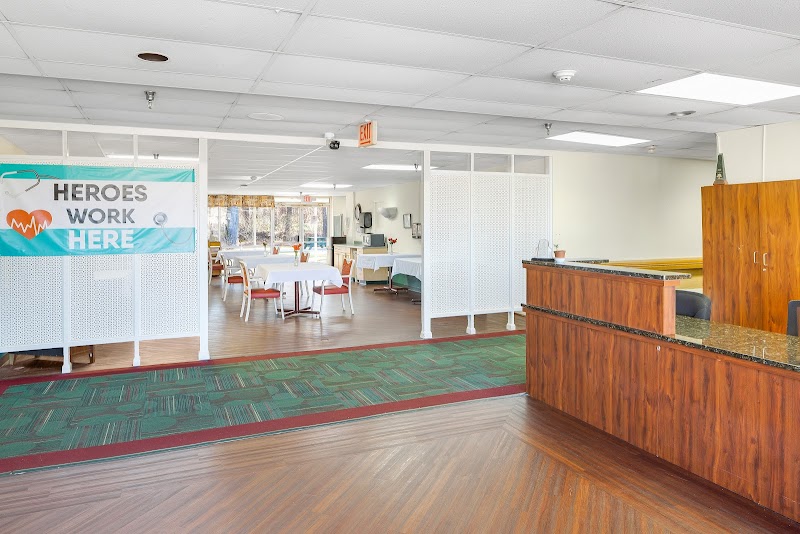
How is Pruitthealth-Farmville Staffed?

CMS rates PruittHealth-Farmville's staffing level at 2 out of 5 stars, which is below average compared to other nursing homes. Staff turnover is 43%, compared to the North Carolina average of 46%. This relatively stable workforce can support continuity of care.

What Have Inspectors Found at Pruitthealth-Farmville?

State health inspectors documented 23 deficiencies at PruittHealth-Farmville during 2022 to 2025. These included: 1 that caused actual resident harm, 21 with potential for harm, and 1 minor or isolated issues. Deficiencies causing actual harm indicate documented cases where residents experienced negative health consequences.
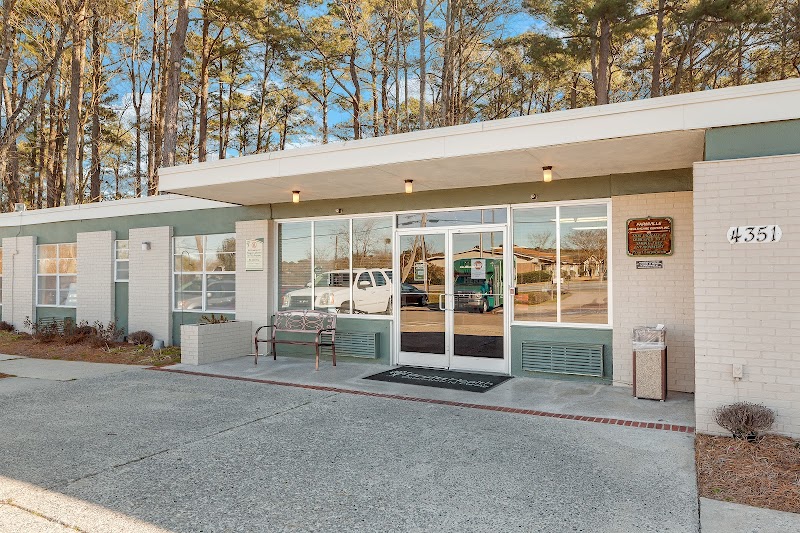
Who Owns and Operates Pruitthealth-Farmville?

PruittHealth-Farmville is owned by a for-profit company. For-profit facilities operate as businesses with obligations to shareholders or private owners. The facility is operated by PRUITTHEALTH, a chain that manages multiple nursing homes. With 56 certified beds and approximately 49 residents (about 88% occupancy), it is a smaller facility located in Farmville, North Carolina.

How Does Pruitthealth-Farmville Compare to Other North Carolina Nursing Homes?

Compared to the 100 nursing homes in North Carolina, PruittHealth-Farmville's overall rating (3 stars) is above the state average of 2.8, staff turnover (43%) is near the state average of 46%, and health inspection rating (3 stars) is at the national benchmark.

What Should Families Ask When Visiting Pruitthealth-Farmville?

Based on this facility's data, families visiting should ask: "Can you walk me through typical staffing levels on day, evening, and night shifts?" "Can I visit during a mealtime to observe dining assistance and food quality?" "How do you handle medical emergencies, and what is your hospital transfer rate?" "Can I speak with family members of current residents about their experience?" These questions are particularly relevant given the below-average staffing rating.

Is Pruitthealth-Farmville Safe?

Based on CMS inspection data, PruittHealth-Farmville has a clean safety record: no substantiated abuse findings (meaning no confirmed cases of resident harm), no Immediate Jeopardy citations (the most serious violation level indicating risk of serious injury or death), and is not on the Special Focus Facility watch list (a federal program monitoring the lowest-performing 1% of nursing homes). The facility has a 3-star overall rating and ranks #1 of 100 nursing homes in North Carolina. While no facility is perfect, families should still ask about staff-to-resident ratios and recent inspection results during their visit.

Do Nurses at Pruitthealth-Farmville Stick Around?

PruittHealth-Farmville has a staff turnover rate of 43%, which is about average for North Carolina nursing homes (state average: 46%). Moderate turnover is common in nursing homes, but families should still ask about staff tenure and how the facility maintains care continuity when employees leave.

Was Pruitthealth-Farmville Ever Fined?

PruittHealth-Farmville has been fined $36,729 across 4 penalty actions. The North Carolina average is $33,446. While any fine indicates a compliance issue, fines under $50,000 are relatively common and typically reflect isolated problems that were subsequently corrected. Families should ask what specific issues led to these fines and confirm they've been resolved.

Is Pruitthealth-Farmville on Any Federal Watch List?

PruittHealth-Farmville is not on any federal watch list. The most significant is the Special Focus Facility (SFF) program, which identifies the bottom 1% of nursing homes nationally based on persistent, serious quality problems. Not being on this list means the facility has avoided the pattern of deficiencies that triggers enhanced federal oversight. This is a positive indicator, though families should still review the facility's inspection history directly.