Autumn Care of Fayetteville
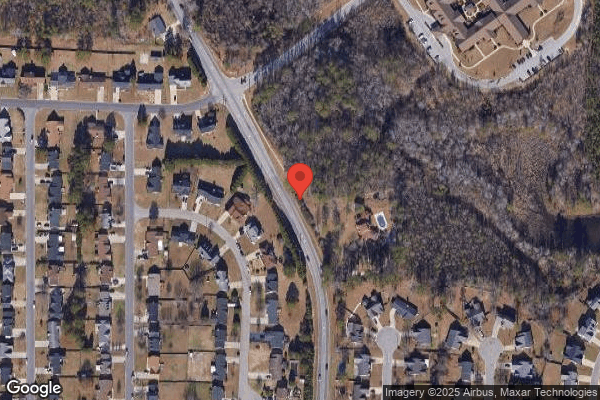
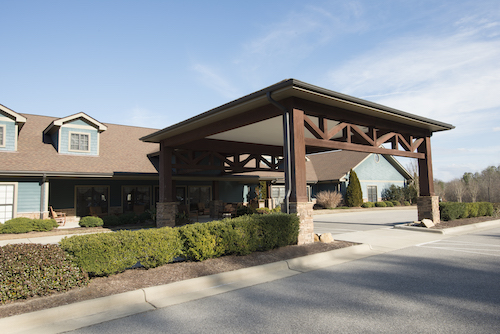
1401 71st School Road, Fayetteville, NC 28314 (910) 867-4960
For profit - Corporation 90 Beds SABER HEALTHCARE GROUP Data: November 2025
Trust Grade
90/100
#6 of 417 in NC
Last Inspection: January 2025

Within standard 12-15 month inspection cycle. Federal law requires annual inspections.

Overview

Autumn Care of Fayetteville has received a Trust Grade of A, indicating an excellent reputation and a high recommendation for families considering this nursing home. It ranks #6 out of 417 facilities in North Carolina, placing it in the top tier of state options, and is the top choice among 10 facilities in Cumberland County. The facility's trend is stable, with a consistent number of issues reported in both 2023 and 2022, totaling six concerns, none of which were life-threatening or serious. Staffing is rated 2 out of 5 stars, which is below average, with a turnover rate of 49%, indicating staff retention could improve. However, there have been no fines reported, which is a positive sign, and RN coverage is average, meaning there is a decent level of nursing oversight. Specific incidents of concern include delays in meal delivery, with lunch served nearly an hour late on one occasion, and issues with food safety, such as improperly dated leftovers in the kitchen. While the facility has several strengths, including excellent health inspections, these concerns highlight areas needing attention.
Trust Score
A
90/100
In North Carolina
#6/417
Top 1%
Safety Record
Low Risk
No red flags
Inspections
Holding Steady
1 → 1 violations
Staff Stability
⚠ Watch
49% turnover. Above average. Higher turnover means staff may not know residents' routines.
Penalties
✓ Good
No fines on record. Clean compliance history, better than most North Carolina facilities.
Skilled Nurses
⚠ Watch
Each resident gets only 25 minutes of Registered Nurse (RN) attention daily — below average for North Carolina. Fewer RN minutes means fewer trained eyes watching for problems.
Violations
○ Average
6 deficiencies on record. Average for a facility this size. Mostly minor or procedural issues.
★★★★★
5.0
Overall Rating
★★☆☆☆
2.0
Staff Levels
★★★★☆
4.0
Care Quality
★★★★★
5.0
Inspection Score
Stable
2023: 1 issues
2025: 1 issues

The Good

  • 4-Star Quality Measures · Strong clinical quality outcomes
  • Full Sprinkler Coverage · Fire safety systems throughout facility
  • No fines on record

Facility shows strength in quality measures, fire safety.

The Bad

Staff Turnover: 49%

Near North Carolina avg (46%)

Higher turnover may affect care consistency

Chain: SABER HEALTHCARE GROUP

Part of a multi-facility chain

Ask about local staffing decisions and management

The Ugly 6 deficiencies on record

Jan 2025 1 deficiency
CONCERN (D)

Potential for Harm - no one hurt, but risky conditions existed

Deficiency F0561 (Tag F0561)

Could have caused harm · This affected 1 resident

**NOTE- TERMS IN BRACKETS HAVE BEEN EDITED TO PROTECT CONFIDENTIALITY** Based on record review, resident interview and staff interviews, the facility failed to honor a dependent resident's preference ...

Read full inspector narrative →
**NOTE- TERMS IN BRACKETS HAVE BEEN EDITED TO PROTECT CONFIDENTIALITY** Based on record review, resident interview and staff interviews, the facility failed to honor a dependent resident's preference for a shower and provided a bed bath instead. This deficient practice affected 1 of 1 sampled resident. (Resident #1). The findings included: Resident #1 was admitted to the facility on [DATE]. The quarterly Minimum Data Set (MDS) dated [DATE] had Resident #1 coded as cognitively intact and was on hospice. The care plan dated 11/28/2024 had a focus area for Resident #1 being on hospice services and for activities of daily living (ADL) self-care deficit related to decreased functional mobility. Resident #1's shower was scheduled to be each Tuesday and Friday during 1st shift. A review of care history dated 09/01/2024 to 12/31/2024 revealed Resident #1 missed 36/36 of her scheduled showers. During an interview with Resident #1 on 01/06/25 at 3:52 PM, the resident stated she was supposed to have a shower twice a week and had not had a shower in a very long time. The staff had not asked her if she wanted a shower and just gave her bed baths. The Resident also stated she did not refuse showers. An interview with the Unit Manager (UM) was conducted on 01/07/2025 at 3:35 PM. The UM stated he never had any reports of Resident #1 refusal of showers. The Nursing Assistants (NA) were supposed to offer showers on shower days and if the showers were refused, then they were to document and report to the Director of Nursing (DON). The UM also stated he was not aware Resident #1 was not getting her scheduled showers. An interview with NA #1 was conducted on 01/08/2025 at 9:13 AM. The NA stated she has been at the facility since October 2024. The NAs were trained to ask the residents on their shower days if the residents wanted a shower. The NA explained she had not asked Resident #1 if she wanted showers because she was on hospice services and thought the hospice NAs gave the resident her showers. The NA also stated Resident #1 always received a bed bath. An interview with the Administrator was conducted on 01/08/2025 at 2:54 PM. The Administrator stated every Resident that wished to have a shower should have a shower on their scheduled shower days. The Administrator also stated she expected her staff to ask the residents if the resident would like a shower and provide the shower for the resident and not to just provide a bed bath. An interview with the DON was conducted on 01/09/2025 at 12:29 PM. The DON stated she was not aware that Resident #1 was not receiving her showers on her scheduled shower days. The nurses reported any refused showers, and she would speak with the Resident or the residents Responsible Party (RP) to update their care plans. The DON also stated she wanted all staff to give showers to the residents on their shower days and report if there were any refusals.
Dec 2023 1 deficiency
CONCERN (E) 📢 Someone Reported This

A family member, employee, or ombudsman was alarmed enough to file a formal complaint

Potential for Harm - no one hurt, but risky conditions existed

Deficiency F0809 (Tag F0809)

Could have caused harm · This affected multiple residents

**NOTE- TERMS IN BRACKETS HAVE BEEN EDITED TO PROTECT CONFIDENTIALITY** Based on observation, record review, resident and staff interview the facility failed to ensure the lunch meal was provided at t...

Read full inspector narrative →
**NOTE- TERMS IN BRACKETS HAVE BEEN EDITED TO PROTECT CONFIDENTIALITY** Based on observation, record review, resident and staff interview the facility failed to ensure the lunch meal was provided at the regularly scheduled mealtime comparable to normal mealtimes in the community for 1 of 1 hall observed (600 hall). This practice had the potential to affect meals served to other residents. The findings included: The scheduled mealtimes were as follows: breakfast 8:30 AM, lunch 12:30 PM and dinner 5:30 PM. The lunch menu for 12/11/2023 indicated the main dish was turkey. An observation of the lunch meal on 12/11/2023 revealed the tray cart arrived on the 600 hall at 1:45 PM. Resident #52 was admitted to the facility on [DATE]. The Minimum Data Set (MDS) dated [DATE] had Resident coded as cognitively intact. An interview with Resident #52 who resided on the 600 hall was conducted on 12/11/2023 at 1:26 PM. The Resident stated he was waiting for lunch, and it was supposed to be served around 12:30 PM but today it was late. He also stated he was not offered a mid-morning snack and was hungry. His breakfast was on time, and he expected to receive his meals according to agreed mealtimes and to at least let him know when they were running late. Resident #52 indicated meals had previously been late, but he was unable to provide specific information on frequency or dates. An observation of lunch on 12/11/2023 for Resident #52 revealed his lunch was delivered at 1:45 PM. An interview with Certified Nursing Assistant #1 was conducted on 12/11/2023 at 1:44 PM. The Assistant stated they were late with meals at times. She did not recall how late the meals were and there had not been any complaints from the residents about late meals. An interview with the Regional Registered Dietitian (RD) was conducted on 12/12/2023 at 10:19 AM. The Regional RD stated she was covering for the Dietary Manager that was out on Family Medical Leave Act (FMLA) and she was there to help them out in the kitchen. Lunch time was supposed to be 12:30 PM, but the late lunch was random. She explained the turkey that was on the lunch menu did not fully cook in time for the regularly scheduled lunch mealtime on 12/11/2023. She also stated they did not have a log that showed when the carts left the kitchen. The Regional RD further stated they would put a plan in place to avoid late meals in the future. An interview with the Director of Nursing (DON) was conducted on 12/14/23 at 9:39 AM. The DON stated the turkey was not done on time, but it was close to mealtime, so they continued to prepare it. The DON also stated they would usually offer a snack if they knew in advance that meals were going to be late but did not get a chance to offer them. An interview with the Administrator was conducted on 12/14/23 at 10:47 AM. The Administrator stated they have not had any issues with late meals but on that day the turkey that was on the menu was still cooking and they could not serve undercooked meat.
Aug 2022 4 deficiencies
CONCERN (D)

Potential for Harm - no one hurt, but risky conditions existed

Deficiency F0554 (Tag F0554)

Could have caused harm · This affected 1 resident

**NOTE- TERMS IN BRACKETS HAVE BEEN EDITED TO PROTECT CONFIDENTIALITY** Based on record review, observation and staff interviews, the facility failed to assess the ability of a resident to self-admini...

Read full inspector narrative →
**NOTE- TERMS IN BRACKETS HAVE BEEN EDITED TO PROTECT CONFIDENTIALITY** Based on record review, observation and staff interviews, the facility failed to assess the ability of a resident to self-administer medications that were left at bedside for 1 of 1 resident (Resident #52) reviewed for self-administration of medications. The findings included: Resident #52 was admitted to the facility on [DATE]. The most recent comprehensive Minimum Data Set (MDS) assessment dated [DATE] indicated Resident #52 was cognitively intact. He required extensive assistance with bed mobility and transfers and required supervision with eating. Resident #52's careplan revised 8/11/22 did not include information regarding Resident #52 self-administering medications. Review of Resident #52's physician orders for August 2022 did not reveal any orders for Resident #52 to self-administer his medications. Resident #52's medical records revealed no self-administration of medication assessment for Resident #52. During observation on 08/22/22 at 11:40 AM Resident #52 was observed lying in bed. Medicine was observed in a medicine cup on Resident #52's bedside table. Resident #52 stated he was not aware he had medication left at bedside. There were 8 pills in the medicine cup which was verified with Nurse #1. Review of Resident #52's Medication Administration Record (MAR) with Nurse #1 on 08/22/22 at 11:45 AM revealed Resident #52's medication scheduled for 8:00 AM and 9:00 AM were documented as administered. The medications documented as administered included amlodipine for hypertension, furosemide for edema, finasteride, meloxicam for inflammation, metformin for diabetes, carvedilol for hypertension, isosorbide dinitrate for hypertension and phenytoin for seizures. During an interview on 08/22/22 at 11:45 AM with Nurse #1, she stated she had left the medicine at around 8:30 AM on the bedside table for resident #52 to swallow after breakfast. Nurse #1 verbalized she should not have left the medicine in Resident #52's room and she should have ensured Resident #52 had swallowed the medicine. Nurse #1 further stated she had not assessed Resident #52 for self-medication administration before she left the medicine at bedside. During an interview on 08/22/22 at 03:02 PM with the Assistant Director of nursing (ADON), he stated Nurse #1 should have assessed Resident #52's ability to self-administer the medications before leaving them at bedside and ensured the medication was swallowed before she documented them as administered. During an interview on 08/22/22 at 03:36 PM with the facility Administrator, she stated Resident #52 had not been assessed for self-medication administration. The Administrator stated she expected nurses to administer all the medication according to physician orders and to document the medicine as administered if they had been administered.
CONCERN (D)

Potential for Harm - no one hurt, but risky conditions existed

Medical Records (Tag F0842)

Could have caused harm · This affected 1 resident

**NOTE- TERMS IN BRACKETS HAVE BEEN EDITED TO PROTECT CONFIDENTIALITY** Based on observations, record review, and staff interviews, the facility failed to accurately document application of palm guard...

Read full inspector narrative →
**NOTE- TERMS IN BRACKETS HAVE BEEN EDITED TO PROTECT CONFIDENTIALITY** Based on observations, record review, and staff interviews, the facility failed to accurately document application of palm guards for 1 of 5 residents (Resident #33) reviewed for a decline in activities of daily living. Findings included: Resident #33 was admitted to the facility on [DATE]. Record review revealed a physician's order dated 1/4/18 for Resident #33 to don palm guards to bilateral hands as tolerated each shift to decrease possibility of skin breakdown. An observation was made on 8/24/22 at 9:50 AM of Resident #33 in bed without palm guards in place. During an interview on 8/24/22 at 9:55 AM, Nurse #2 indicated Resident #33 did not have the palm guards in place and she was not sure where they were. She revealed she did not have the palm guards on during her day shift. Record review of Resident #33 Treatment Administrator Record (TAR) for 8/24/22 indicated her palm guards were administered on the day shift by Nurse #2. During an interview on 8/24/22 at 4:00 PM, Nurse #2 indicated Resident #33 refused the palm guards when she attempted after lunch. She revealed she should have marked refused on the TAR for 8/24/22 day shift but she must have marked administered by mistake. During an interview on 8/25/22 at 10:00 AM, the Director of Nursing revealed nursing staff should make sure the treatment was in place before documenting it was administered. If the treatment was not in place, the nurse should attempt placement. During an interview on 8/25/22 at 1:30 PM, the Administrator revealed the nurse should observe the treatment in place before documenting administered. If the resident refused, it should be documented and reported to the unit manager.
CONCERN (E)

Potential for Harm - no one hurt, but risky conditions existed

Food Safety (Tag F0812)

Could have caused harm · This affected multiple residents

Based on observation, staff interviews, and record review, the facility failed to date and remove leftover food stored for use one of one kitchen walk-in refrigerator and failed to label leftover food...

Read full inspector narrative →
Based on observation, staff interviews, and record review, the facility failed to date and remove leftover food stored for use one of one kitchen walk-in refrigerator and failed to label leftover food in one of one (300 hall) nourishment room refrigerator. Findings included: 1. A tour was conducted on 8/22/22 at 10:45 AM of the kitchen walk-in refrigerator with the facility's Registered Dietitian (RD). Observations were made of a bag of sliced Swiss cheese dated 7/19/22, a bag of sliced provolone cheese with no date, a bag of shredded mozzarella cheese dated 7/5/22. During an interview on 8/22/22 at 10:50 AM, the RD revealed food stored in the walk-in refrigerator should be discarded after seven days of opening. Staff should date all food items placed in the walk-in refrigerator. During an interview on 8/24/22 at 11:45 AM, the Dietary Manager revealed dietary staff should label all food items placed in the refrigerators. The food should be discarded after 7 days. He revealed the cooks were responsible for monitoring refrigerators daily. He was unsure if it was checked over the weekend. 2. An observation was made on 8/22/22 at 11:05 AM of the residents' nourishment room refrigerator of a pizza box with a resident's name and room number with no date, a plastic take-out container with a resident's name and room number with no date, a take-out box with a resident's name and room number and no date, and a Styrofoam box containing food with a resident's name and room number with no date. During an interview on 8/22/22 at 11:10 AM, the RD revealed nursing staff should label food items placed in the nourishment room refrigerator with the resident's name, room number, and date. The food should be discarded by dietary staff within 7 days of being placed in the refridgerator. During an interview on 8/24/22 at 11:45 AM, the dietary manager revealed nursing staff was responsible for labeling items placed into the nourishment room refrigerators. Dietary staff was responsible for monitoring daily. During an interview on 8/25/22 at 1:35 PM, the Administrator revealed nursing staff should label items in the nourishment room refrigerator with the resident's name, room number, and the date. Dietary staff should be monitoring the nourishment room refrigerators daily.
CONCERN (E)

Potential for Harm - no one hurt, but risky conditions existed

QAPI Program (Tag F0867)

Could have caused harm · This affected multiple residents

Based on staff interviews and record review, the facility's Quality Assessment and Assurance (QAA) Committee failed to maintain implemented procedures and monitor these interventions that the committe...

Read full inspector narrative →
Based on staff interviews and record review, the facility's Quality Assessment and Assurance (QAA) Committee failed to maintain implemented procedures and monitor these interventions that the committee put into place following the 8/13/21 recertification survey. This was for a recited deficiency in the area of food safety requirements. This deficiency was cited again on the current recertification survey. The continued failure during two federal surveys of record shows a pattern of the facility's inability to sustain an effective QAA program. The findings included: This tag is cross referenced to: F 812: Based on observation, staff interviews, and record review, the facility failed to date and remove leftover food stored for use one of one kitchen walk-in refrigerator and failed to label leftover food in one of one nourishment room (300 hall) refrigerator. During the recertification survey of 8/13/21, the facility was cited at F812 Food Safety for failing the label food in the kitchen refrigerator. During an interview on 8/25/22 at 2:30 PM, the Administrator revealed they have QAA meetings monthly. She expected the dietary manager to be monitoring food in the walk-in refrigerator in the kitchen and the nourishment room refrigerators. The dietary manager attended QAA monthly or more frequently if needed.
Understanding Severity Codes (click to expand)
Life-Threatening (Immediate Jeopardy)
J - Isolated K - Pattern L - Widespread
Actual Harm
G - Isolated H - Pattern I - Widespread
Potential for Harm
D - Isolated E - Pattern F - Widespread
No Harm (Minor)
A - Isolated B - Pattern C - Widespread

Questions to Ask on Your Visit

  • "Can I speak with families of current residents?"
  • "What's your RN coverage like on weekends and overnight?"

Our Honest Assessment

Strengths
  • • Grade A (90/100). Above average facility, better than most options in North Carolina.
  • • No major safety red flags. No abuse findings, life-threatening violations, or SFF status.
  • • No fines on record. Clean compliance history, better than most North Carolina facilities.
Concerns
  • • No significant concerns identified. This facility shows no red flags across CMS ratings, staff turnover, or federal penalties.
Bottom line: Generally positive indicators. Standard due diligence and a personal visit recommended.

About This Facility

What is Autumn Care Of Fayetteville's CMS Rating?

CMS assigns Autumn Care of Fayetteville an overall rating of 5 out of 5 stars, which is considered much above average nationally. Within North Carolina, this rating places the facility higher than 99% of the state's 100 nursing homes. This rating reflects solid performance across the metrics CMS uses to evaluate nursing home quality.
How is Autumn Care Of Fayetteville Staffed?

CMS rates Autumn Care of Fayetteville's staffing level at 2 out of 5 stars, which is below average compared to other nursing homes. Staff turnover is 49%, compared to the North Carolina average of 46%.

What Have Inspectors Found at Autumn Care Of Fayetteville?

State health inspectors documented 6 deficiencies at Autumn Care of Fayetteville during 2022 to 2025. These included: 6 with potential for harm.
Who Owns and Operates Autumn Care Of Fayetteville?

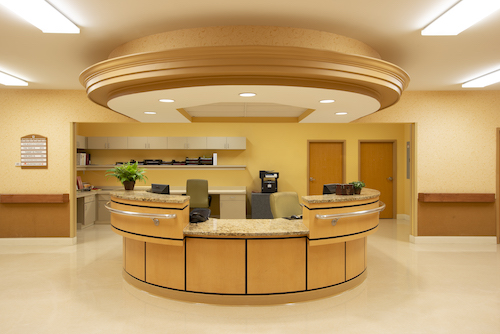
Autumn Care of Fayetteville is owned by a for-profit company. For-profit facilities operate as businesses with obligations to shareholders or private owners. The facility is operated by SABER HEALTHCARE GROUP, a chain that manages multiple nursing homes. With 90 certified beds and approximately 85 residents (about 94% occupancy), it is a smaller facility located in Fayetteville, North Carolina.

How Does Autumn Care Of Fayetteville Compare to Other North Carolina Nursing Homes?

Compared to the 100 nursing homes in North Carolina, Autumn Care of Fayetteville's overall rating (5 stars) is above the state average of 2.8, staff turnover (49%) is near the state average of 46%, and health inspection rating (5 stars) is much above the national benchmark.

What Should Families Ask When Visiting Autumn Care Of Fayetteville?

Based on this facility's data, families visiting should ask: "Can you walk me through typical staffing levels on day, evening, and night shifts?" "Can I visit during a mealtime to observe dining assistance and food quality?" "How do you handle medical emergencies, and what is your hospital transfer rate?" "Can I speak with family members of current residents about their experience?" These questions are particularly relevant given the below-average staffing rating.

Is Autumn Care Of Fayetteville Safe?

Based on CMS inspection data, Autumn Care of Fayetteville has a clean safety record: no substantiated abuse findings (meaning no confirmed cases of resident harm), no Immediate Jeopardy citations (the most serious violation level indicating risk of serious injury or death), and is not on the Special Focus Facility watch list (a federal program monitoring the lowest-performing 1% of nursing homes). The facility has a 5-star overall rating and ranks #1 of 100 nursing homes in North Carolina. While no facility is perfect, families should still ask about staff-to-resident ratios and recent inspection results during their visit.

Do Nurses at Autumn Care Of Fayetteville Stick Around?

Autumn Care of Fayetteville has a staff turnover rate of 49%, which is about average for North Carolina nursing homes (state average: 46%). Moderate turnover is common in nursing homes, but families should still ask about staff tenure and how the facility maintains care continuity when employees leave.

Was Autumn Care Of Fayetteville Ever Fined?

Autumn Care of Fayetteville has no federal fines on record. CMS issues fines when nursing homes fail to meet care standards or don't correct problems found during inspections. The absence of fines suggests the facility has either maintained compliance or corrected any issues before penalties were assessed. This is a positive indicator, though families should still review recent inspection reports for the full picture.

Is Autumn Care Of Fayetteville on Any Federal Watch List?

Autumn Care of Fayetteville is not on any federal watch list. The most significant is the Special Focus Facility (SFF) program, which identifies the bottom 1% of nursing homes nationally based on persistent, serious quality problems. Not being on this list means the facility has avoided the pattern of deficiencies that triggers enhanced federal oversight. This is a positive indicator, though families should still review the facility's inspection history directly.