Highland House Rehabilitation and Healthcare
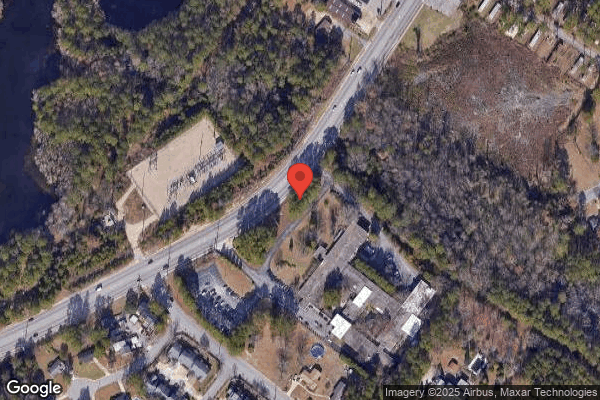
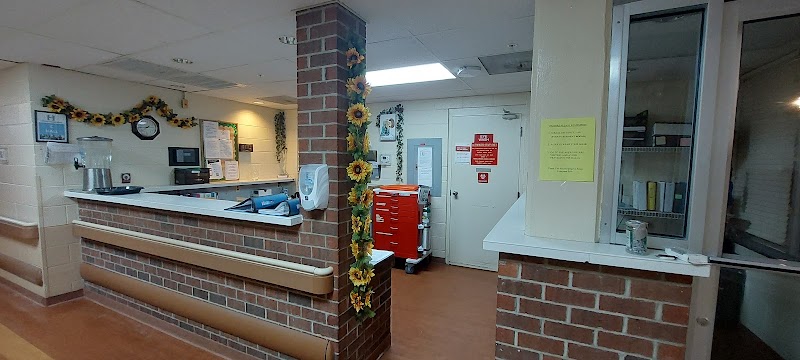
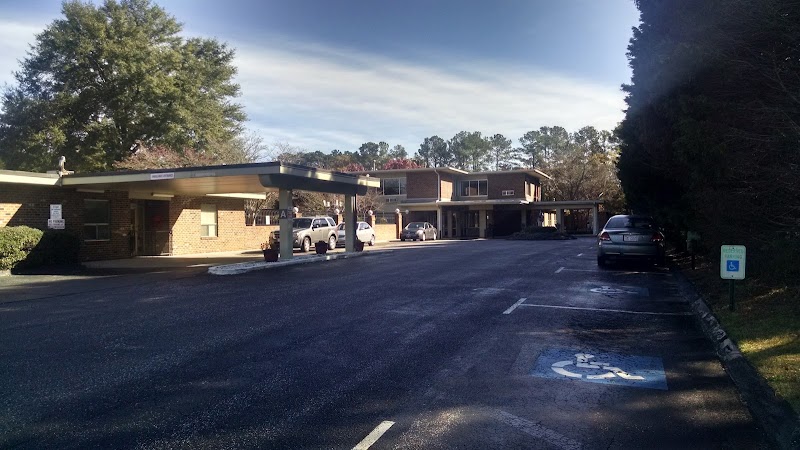
1700 Pamalee Drive, Fayetteville, NC 28301 (910) 488-2295
For profit - Corporation 106 Beds LIBERTY SENIOR LIVING Data: November 2025 2 Immediate Jeopardy citations
Trust Grade
9/100
#343 of 417 in NC
Last Inspection: December 2024

Within standard 12-15 month inspection cycle. Federal law requires annual inspections.

Overview

Highland House Rehabilitation and Healthcare has received a Trust Grade of F, indicating significant concerns about its quality of care. Ranked #343 out of 417 facilities in North Carolina, it is in the bottom half of nursing homes in the state, and it ranks last in Cumberland County. The facility has shown improvement, with issues decreasing from 11 in 2023 to 6 in 2024, but it still has a troubling history, including critical incidents where residents were not protected from physical and emotional harm and where abuse policies were not followed properly. Staffing is a significant weakness, with a poor rating of 1 out of 5 stars and a turnover rate of 56%, which is higher than the state average. Additionally, there is concerning RN coverage, as the facility has less RN support than 93% of North Carolina facilities, which is critical for catching potential health issues. Overall, while there are some signs of improvement, families should weigh these serious concerns carefully when considering this facility.
Trust Score
F
9/100
In North Carolina
#343/417
Bottom 18%
Safety Record
High Risk
Review needed
Inspections
Getting Better
11 → 6 violations
Staff Stability
⚠ Watch
56% turnover. Above average. Higher turnover means staff may not know residents' routines.
Penalties
○ Average
$7,158 in fines. Higher than 56% of North Carolina facilities. Some compliance issues.
Skilled Nurses
⚠ Watch
Each resident gets only 14 minutes of Registered Nurse (RN) attention daily — below average for North Carolina. Fewer RN minutes means fewer trained eyes watching for problems.
Violations
⚠ Watch
24 deficiencies on record. Higher than average. Multiple issues found across inspections.
★☆☆☆☆
1.0
Overall Rating
★☆☆☆☆
1.0
Staff Levels
★☆☆☆☆
1.0
Care Quality
★★★☆☆
3.0
Inspection Score
Stable
2023: 11 issues
2024: 6 issues

The Good

  • Full Sprinkler Coverage · Fire safety systems throughout facility
  • No fines on record

Facility shows strength in fire safety.

The Bad

1-Star Overall Rating

Below North Carolina average (2.8)

Significant quality concerns identified by CMS

Staff Turnover: 56%

10pts above North Carolina avg (46%)

Frequent staff changes - ask about care continuity

Federal Fines: $7,158

Below median ($33,413)

Minor penalties assessed

Chain: LIBERTY SENIOR LIVING

Part of a multi-facility chain

Ask about local staffing decisions and management

Staff turnover is elevated (56%)

8 points above North Carolina average of 48%

The Ugly 24 deficiencies on record

2 life-threatening
Dec 2024 6 deficiencies
CONCERN (D) 📢 Someone Reported This

A family member, employee, or ombudsman was alarmed enough to file a formal complaint

Potential for Harm - no one hurt, but risky conditions existed

Deficiency F0561 (Tag F0561)

Could have caused harm · This affected 1 resident

**NOTE- TERMS IN BRACKETS HAVE BEEN EDITED TO PROTECT CONFIDENTIALITY** Based on record review and interviews of the staff, a family member, and the resident, the facility failed to honor a dependent ...

Read full inspector narrative →
**NOTE- TERMS IN BRACKETS HAVE BEEN EDITED TO PROTECT CONFIDENTIALITY** Based on record review and interviews of the staff, a family member, and the resident, the facility failed to honor a dependent resident's preference for a shower and provided a bed bath instead (Resident #62). This deficient practice affected 1 of 3 sampled residents. Findings included: Resident #62 was admitted to the facility on [DATE] with the diagnosis of stroke. The quarterly Minimum Data Set, dated [DATE] for Resident #23 documented her cognition was moderately impaired. She was able to make herself understood and understands and had not refused care. The resident required substantial assistance for bathing, dressing, and personal care. There was a care plan dated 12/5/24 for Resident #62 that included an activities of daily living (ADL) deficit which required assistance with bathing. Resident #62's Nursing Assistant (NA) [NAME] documented she was to receive showers on Wednesday and Saturday on evening shift. A review of Resident 62's ADL sheets for 11/23/24 through 12/20/24 documented the resident had a bed bath every day and had refused 2 showers. The Administrator provided the 11/23/24 through 12/20/24 activities of daily living for showers documented the list of NA signatures for Resident #62's scheduled shower dates which revealed NO, N/A (not applicable) and REFUSED on the [NAME]. NA [NAME] shower documentation for Resident #62 was as follows: o 11/23/24 NA #3 NO o 11/27/24 NA #6 REFUSED o 11/30/24 NA #2 NO o 12/4/24 NA #2 N/A o 12/7/24 NA #1 NO o 12/11/24 NA #8 REFUSED o 12/14 NA #2 N/A o 12/18/24 NA #2 N/A o 12/20/24 NA #2 N/A On 12/19/24 at 10:53 am Resident #62's bathing and shower record for 11/23/24 through 12/20/24 was reviewed with the Administrator. The NAs documented the showers were not done by response of NO, N/A and two refusals. On 12/16/24 at 3:01 pm an interview was conducted with Resident #62's family member. He stated the resident was mostly non-verbal but could nod her head for yes and no. He stated the resident was not getting showers 2 times a week and she wanted her showers. On 12/16/24 at 2:40 pm Resident #62 was interviewed using yes and no questions. The resident had responded with a head nod of no when asked if she had received her shower. On 12/19/24 at 9:00 am an interview was conducted with Resident #62. She answered yes/no head nod. The resident nodded that she had not received her showers. On 12/19/24 at 9:18 am Nurse #4 was interviewed. Nurse #4 stated she was not aware Resident #62 had not received her showers and she was not informed the resident had refused care. On 12/19/24 at 9:32 an interview was conducted with NA #7. NA #7 stated she was very familiar with Resident #62. The resident was scheduled twice a week Wednesday and Saturday on evening shift for her showers. The NA stated evening shift does not always provide the shower and the NA tried to fit in showers on day shift that were not completed on evening shift. The NA stated there were a couple of residents that had reported to the NA they had not received their showers on evening shift as scheduled. On 12/19/24 at 12:24 PM an interview was unsuccessful with NA #3. On 12/19/24 at 11:58 am NA #1 was interviewed. NA #1 stated she knew the resident well. The resident had already gotten a bed bath on day shift which was received in report and documented NO in the [NAME] the shower was not given on evening shift. She was not aware the resident desired showers. On 12/19/24 at 12:29 pm NA #6 was interviewed. NA #6 stated she was assigned to Resident #62 on evening shift a couple of occasions. The NA asked the resident if she wanted a shower and the resident pointed to her leg and nodded her head yes to pain. NA #6 reported the resident's pain to the nurse. The resident refused once due to pain. NA #6 stated a shower would be given even if a resident had a bed bath the same day. NA #6 stated If an NA documented N/A or NO the shower was not given. On 12/19/24 at 2:40 pm NA #8 was interviewed. NA #8 stated that Resident #62 refused one shower. He also stated that he would offer a shower even if the resident had received a bed bath on the same day. Staff was required to offer. On 12/19/24 at 5:03 pm an interview was conducted with NA #2. NA #2 stated that she remembered Resident #62. She stated that if her documentation for the resident's [NAME] in the kiosk was NO or N/A then the care was not provided.
CONCERN (D) 📢 Someone Reported This

A family member, employee, or ombudsman was alarmed enough to file a formal complaint

Potential for Harm - no one hurt, but risky conditions existed

Grievances (Tag F0585)

Could have caused harm · This affected 1 resident

**NOTE- TERMS IN BRACKETS HAVE BEEN EDITED TO PROTECT CONFIDENTIALITY** Based on record review and interview of the resident and staff, the facility failed to complete and provide a written grievance ...

Read full inspector narrative →
**NOTE- TERMS IN BRACKETS HAVE BEEN EDITED TO PROTECT CONFIDENTIALITY** Based on record review and interview of the resident and staff, the facility failed to complete and provide a written grievance when a resident reported an error on his facility trust fund account statement. This deficient practice affected 1 of 4 residents reviewed for grievances (Resident #24). Findings included: Resident #24 was admitted on [DATE] with the diagnosis of chronic obstructive pulmonary disease. On 12/16/24 at 11:05 am Resident #24 was interviewed. He stated that the facility took over $600 from his facility trust fund account without notifying him way back in April 2024. He noticed on his April 2024 statement the money was taken. The resident stated he notified the business office sometime in April 2024 of the error and he had not been reimbursed. The business office member had not completed a grievance and there was no resolution. On 12/17/24 at 10:32 am an interview was conducted with the Business Office Manager. She stated that back in April 2024 Resident #24 was billed for a second patient monthly liability for February 2024 in error. She also stated the resident reported this to the business office and a grievance was not completed and the Administrator was not notified. On 12/17/24 at 11:53 am the Administrator was interviewed. The Administrator stated she spoke to Resident #24 (12/17/24). The resident informed her money was owed to him and that he had reported the concern to the Business Office Manager months ago. The Administrator stated she spoke to the Business Office Manager and corporate to resolve the concern (12/17/24). The Administrator stated the Business Officer Manager had not completed a written grievance form when the concern was reported.
CONCERN (D) 📢 Someone Reported This

A family member, employee, or ombudsman was alarmed enough to file a formal complaint

Potential for Harm - no one hurt, but risky conditions existed

Assessment Accuracy (Tag F0641)

Could have caused harm · This affected 1 resident

**NOTE- TERMS IN BRACKETS HAVE BEEN EDITED TO PROTECT CONFIDENTIALITY** Based on record review and staff interviews, the facility failed to accurately code the Minimum Data Set (MDS) Assessment in the...

Read full inspector narrative →
**NOTE- TERMS IN BRACKETS HAVE BEEN EDITED TO PROTECT CONFIDENTIALITY** Based on record review and staff interviews, the facility failed to accurately code the Minimum Data Set (MDS) Assessment in the area of feeding tubes for 1 of 23 residents reviewed for MDS accuracy (Resident #6). The findings included: Resident #6 was admitted to the facility on [DATE] with diagnoses which included Parkinson's disease. The quarterly MDS, dated [DATE], indicated Resident #6 was moderately cognitively impaired and had a feeding tube while at the facility. An interview was conducted with Nurse #5 on 12/17/24 at 12:12 P.M. Nurse #5 stated that Resident #6 did not have a feeding tube and had never had one while he was at the facility that she was aware of. An interview was conducted with the MDS Coordinator on 12/17/24 at 3:01 P.M. The MDS Coordinator explained Resident #6 did not have a feeding tube. She further explained the nutrition section of Resident #6's 10/15/24 quarterly MDS assessment had been completed by the Assistant Dietary Manager. An interview was conducted with the Assistant Dietary Manager on 12/18/24 at 12:15 P.M. The Assistant Dietary Manager explained she had mistakenly marked Resident #6 as having had a feeding tube on his 10/15/24 quarterly MDS assessment due to human error. An interview was conducted with the Director of Nursing (DON) on 12/19/24 at 11:55 A.M. The DON stated it was her expectation that the MDS assessment was coded accurately.
CONCERN (D) 📢 Someone Reported This

A family member, employee, or ombudsman was alarmed enough to file a formal complaint

Potential for Harm - no one hurt, but risky conditions existed

PASARR Coordination (Tag F0644)

Could have caused harm · This affected 1 resident

**NOTE- TERMS IN BRACKETS HAVE BEEN EDITED TO PROTECT CONFIDENTIALITY** Based on record review and staff interviews, the facility failed to complete a Preadmission Screening and Resident Review (PASRR...

Read full inspector narrative →
**NOTE- TERMS IN BRACKETS HAVE BEEN EDITED TO PROTECT CONFIDENTIALITY** Based on record review and staff interviews, the facility failed to complete a Preadmission Screening and Resident Review (PASRR) application for a resident with newly evident mental health diagnosis for 1 of 2 sampled residents reviewed for PASRR. (Resident #3) The findings included: The North Carolina Department of Health and Human Services (NCDHHS) PASRR determination letter dated 02/01/2023 revealed a level I screen and a PASRR number that remained valid for the individual's stay and no further PASRR screening is required unless a significant change occurs with the individual's status which suggest a diagnosis of mental illness. Resident #3 was readmitted to the facility on [DATE] with diagnoses including vascular dementia, with psychotic disturbance. The quarterly Minimum Data Set (MDS) dated [DATE] had Resident #3 coded as cognitively intact. A review of the diagnosis list revealed a diagnosis of bipolar II disorder, 04/11/2024. An interview with the Social Worker (SW) was conducted on 12/17/2024 at 10:10 AM. The SW stated he oversaw submitting PASRRs for determinations and when a resident had a new mental health diagnosis the facility submitted a PASRR application for a level II screen. Resident #3 had a new mental health diagnosis since her first determination letter and a new PASRR application was supposed to be submitted when she was diagnosed with bipolar II disorder on 04/11/2024. A PASRR level II screen should have been submitted after the new diagnosis but wasn't due to an oversite. An interview with the Administrator was conducted on 12/17/2024 at 10:38 AM. The Administrator stated Resident #3 did have a negative PASRR level I and did have new mental health diagnoses. The SW who oversaw the PASRRs should have submitted a new PASRR application at the time of a new mental health diagnoses, but it was not done. The Administrator also stated the SW will work with psych closer to get the new diagnoses as it happens so he will not miss any PASRR screenings.
CONCERN (D) 📢 Someone Reported This

A family member, employee, or ombudsman was alarmed enough to file a formal complaint

Potential for Harm - no one hurt, but risky conditions existed

ADL Care (Tag F0677)

Could have caused harm · This affected 1 resident

**NOTE- TERMS IN BRACKETS HAVE BEEN EDITED TO PROTECT CONFIDENTIALITY** Based on observation, record review, and interview of the resident and staff, the facility failed to provide a dependent residen...

Read full inspector narrative →
**NOTE- TERMS IN BRACKETS HAVE BEEN EDITED TO PROTECT CONFIDENTIALITY** Based on observation, record review, and interview of the resident and staff, the facility failed to provide a dependent resident nail care (Resident #23). This deficient practice affected 1 of 3 sampled residents. Findings included: Resident #23 was admitted to the facility on [DATE] with the diagnosis of adult failure to thrive. The care plan for Resident #23 included an activity of daily living deficit. The intervention was for staff to provide bathing, dressing, and all personal care. The quarterly Minimum Data Set, dated [DATE] for Resident #23 documented her cognition was moderately impaired. She was able to make herself understood and understands. The resident required substantial assistance for bathing, dressing, and personal care. On 12/16/24 at 12:30 pm Resident #23 was observed and interviewed. The resident was alert and able to clearly make her needs known. The resident stated she wanted her nails cleaned and trimmed; she could not do this by herself. The resident's nails were long, uneven, jagged, and had black soil underneath with more on the right hand than the left. The staff had not offered nail care, and she had not thought to ask. She has a bed bath each morning during weekdays. On 12/16/24 at 1:22 pm an observation of incontinence care with Resident #23 and NA #5 was completed. The resident had long, uneven and jagged nails with black soil underneath. A concurrent interview was completed with NA #5. She stated she was the assigned NA and was only providing incontinent care and meal set up. The NA commented that the resident's nails were cut during bathing, and the hospice NA was providing the bathing and would provide nail care. The NA observed the long, dirty nails and stated she had not offered the resident nail care today and had not known why. The NA stated she was aware the facility staff were responsible for cleaning and/or cutting the resident's nails. On 12/16/24 at 1:22 pm an interview was conducted with Nurse #2. He stated the facility NAs were responsible for nail care if the hospice NA had not provided nail care during bathing. On 12/19/24 at 11:50 am an interview was conducted with NA #7. She stated that the NAs were responsible for nail care which was completed during bathing or showers and when requested. On 12/19/24 at 1:40 pm an interview was conducted with the Administrator. The Administrator stated she was not aware Resident #23's nails needed care. The facility was responsible for nail care if not completed by hospice staff during bathing.
MINOR (B) 📢 Someone Reported This

A family member, employee, or ombudsman was alarmed enough to file a formal complaint

Minor Issue - procedural, no safety impact

Deficiency F0567 (Tag F0567)

Minor procedural issue · This affected multiple residents

**NOTE- TERMS IN BRACKETS HAVE BEEN EDITED TO PROTECT CONFIDENTIALITY** Based on record review and interviews of the resident, staff, and Department of Social Services, the facility failed to manage a...

Read full inspector narrative →
**NOTE- TERMS IN BRACKETS HAVE BEEN EDITED TO PROTECT CONFIDENTIALITY** Based on record review and interviews of the resident, staff, and Department of Social Services, the facility failed to manage a resident's facility trust fund account when a billing discrepancy was discovered regarding the resident's patient monthly liability (PML) for February 2024. This deficient practice affected 1 of 1 resident reviewed for personal funds (Resident #24). Findings included: Resident #24 was admitted on [DATE]. Resident #24's RTF statement documented Resident #24 had a deduction from his Resident Trust Fund (RTF) for his February 2024 PML. A document from the Department of Social Services (DSS), clarified the amount due to the facility for February 2024 skilled nursing was for the full month and was not prorated, as it should have been for 2 days, starting 2/27/24. On 12/16/24 at 11:05 am Resident #24 was interviewed. He stated the facility charged over $600 from his skilled nursing facility (SNF) resident trust fund (RTF) account without notifying him back in April 2024. He noticed on his April 2024 RTF statement the money was withdrawn. The resident stated he notified the business office sometime in April 2024 of the error and he still had not been reimbursed. According to the resident, the business office member's answer repeatedly was they were working on it. On 12/17/24 at 10:32 am an interview was conducted with the Business Office Manager. The Business Office Manager stated when Resident #24 moved from adult care to SNF care nursing on 2/27/24, he was billed for the entire month of February 2024 for skilled nursing PML instead of 2 days prorated. This mistake was not identified until April 2024 when the Business Officer Manager first started the position. The corporate business office was working on correcting the mistake since it was first identified in April. The resident complained to the Business Office Manager a couple of months after April that he was due money. The resident believed he was due approximately $600 from the mistake. The error had not been corrected and the resident had still not been refunded. The Business Office Manager stated the Administrator was not made aware. The Business Officer Manager provided a copy of an email to DSS staff dated 7/18/24 requesting an answer whether the facility should take the entire month's PML for February for the SNF stay from Resident #24 starting 2/27/24 for that time or partial? The DSS staff responded the facility could bill for the SNF stay from 2/27/24 to 5/31/24. The Business Office Manager provided a copy of an email to the corporate billing office, dated 7/31/24, informing the office Resident #24's DSS case correction was completed. The corporate office could bill PML for 2/27/24 through 5/31/24 for his SNF stay. On 12/17/24 at 11:53 am the Administrator was interviewed. The Administrator stated she spoke to Resident #24 (on 12/17/24). The resident informed her money was owed to him and he had reported the concern to the Business Office Manager months ago. The Administrator stated she spoke to the Business Office Manager and corporate today (12/17/24). The facility was communicating via email regarding the billing discrepancy and money due to the resident but had not acted upon the reimbursement. The Administrator stated she was not aware the resident was owed money. On 12/17/24 at 1:08 pm a second interview was conducted with the Business Office Manager. The Business Office Manager stated after review of the documentation of Resident #24's billing discrepancy, it was identified the resident had 2 days in skilled nursing February 2024 and DSS allowed charges for an entire month, not prorated. DSS provided documentation for the facility to charge for the entire month of February which was not discovered until 5/24/24. DSS was asked to correct their documentation for the facility to bill correctly for February on 12/17/24. The resident was owed approximately $700. The Business Office Manager stated she had not remembered the last date she had spoken to DSS to correct the billing so the facility could release the funds they were holding before today (12/17/24). On 12/17/24 at 3:20 pm a phone interview was conducted with DSS Staff. DSS staff stated she was called today (12/17/24) by the facility Business Office Manager regarding Resident #24's PML for 2 days in February 2024 that he was charged for an entire month. The DSS staff member did not remember communicating on 7/31/24 with the facility Business Officer Manager regarding the PML that was coded for the full month when the timeframe was for 2 days. The DSS staff stated she reviewed her records and found that the State Office decided the PML to be billed for the full month amount. The DSS staff stated normally the amount would be prorated to the actual number of days. The DSS staff had not known why the PML came back as a full month and commented that her supervisor reviewed her work and approved of this amount before it was submitted to the facility. She further stated she could not pro-rate the days on her end, the supervisor would need to address this. On 12/17/24 at 3:30 pm an interview was conducted with the DSS Supervisor. She stated today (12/17/24) was the first time she was made aware by her staff that Resident #24 was charged PML for a full month instead of 2 days for February 2024. She further stated she was not aware and had not remembered the 7/31/24 email to her staff regarding the question from the facility Business Office Manager about the PML charges and that DSS staff was made aware of the mistake. The DSS Supervisor stated she would submit to zero out the PML for 2 days and if the system would not allow the change due to the age of several months, a correction by the State Office would be requested. She stated the paperwork was initiated today (12/17/24) and would be provided to the facility to reimburse the resident.
Aug 2023 2 deficiencies
CONCERN (D) 📢 Someone Reported This

A family member, employee, or ombudsman was alarmed enough to file a formal complaint

Potential for Harm - no one hurt, but risky conditions existed

Deficiency F0660 (Tag F0660)

Could have caused harm · This affected 1 resident

**NOTE- TERMS IN BRACKETS HAVE BEEN EDITED TO PROTECT CONFIDENTIALITY** Based on record review, family Interview, and staff interview, the facility failed to assure a resident they discharged to anoth...

Read full inspector narrative →
**NOTE- TERMS IN BRACKETS HAVE BEEN EDITED TO PROTECT CONFIDENTIALITY** Based on record review, family Interview, and staff interview, the facility failed to assure a resident they discharged to another facility 1) was transitioned to the receiving facility with orders and 2) the receiving facility knew the specific date the resident was coming in order that a room be prepared for the resident. This was for one (Resident # 7) of one resident reviewed for discharge planning. The findings included: Resident # 7 was admitted to the facility on [DATE]. The resident's diagnoses in part included Alzheimer's disease. Resident # 7's quarterly MDS (Minimum Data Set) assessment, dated 7/26/23 coded Resident # 7 as severely cognitively impaired. She also required assistance with her activities of daily living. On 8/22/23 at 10:35 AM Resident # 7's family member was observed to be at the resident's bedside and voiced she had requested Resident # 7 be transferred to another facility (Facility # 2). According to the family member, everything about the transfer had been approved and Resident # 7 was planning to discharge that day (8/22/23) from Facility # 1. She and Resident # 7 were just waiting at that time for the actual transfer to take place. On 8/22/23 at 11:36 AM a progress note was entered into Resident # 7's record noting the resident was transferred to another facility that shift and had departed Facility # 1 by way of Facility # 1's transport system. During a follow up interview with Resident # 7's family member via phone on 8/24/23 at 10:53 AM the family member reported the transition to Facility # 2 had not gone smoothly as she had thought it would. The family member reported the following events. On 8/21/23 she had received a phone call from Facility # 1's Unit Manager asking if she still wanted Resident # 7 moved. She had let the Unit Manager know she did, but it was her understanding that all had not been finalized. She reported she was confused. She explained when she arrived at Facility # 1 on 8/22/23 the Unit Manger asked the family member what time she wanted Resident # 7 to transfer. The family member had informed them that she was waiting on Facility # 1's staff to let her know that. Facility # 1's Social Worker informed her the facility's transporter could take Resident # 7 in their van. Therefore, she thought everything had been worked out with Facility # 2 and asked if 11:00 AM would work. When Facility # 1's staff came to transport Resident # 7, she thought all the paperwork had been sent to Facility # 2 and that Facility # 2 knew Resident # 7 was coming. Before leaving, the Unit Manager gave her Resident # 7's medications, and she followed the van to Facility # 2 where she found Facility # 2 did not know the resident was coming and they had no paperwork for her. They placed Resident # 7 in an activity room for a short period until they could get paperwork and a room cleaned for her. Facility # 2's admission Coordinator was interviewed via phone on 8/23/23 at 10:30 AM and reported the following. Facility # 1 and Facility # 2 were sister facilities (owned by the same corporation), and Facility # 2 had been talking to Facility # 1 about accepting Resident # 7 as an admission when a bed became available. On 8/21/23 she had talked to Facility # 1's Social Worker and informed him that a bed had become available. Facility # 1's SW told her that he would get the paperwork to her. No date of transfer was ever confirmed. On 8/22/23 Resident # 7 arrived at Facility # 2 without her knowing about it. There were no orders accompanying Resident # 7, and the room that had become available had not yet been cleaned. It took Facility # 2 about 30 to 45 minutes to deep clean the room, and then they placed Resident # 7 in her new room. They also contacted Facility # 1 and obtained Resident # 7's orders. She indicated that did not take very long. On 8/23/23 at 3:05 PM Facility # 1's Unit Manager was interviewed and reported the following. The week prior to Resident # 7's discharge, there had been a discussion about Resident # 7 being discharged to another facility. On 8/21/23 Resident # 7's family member informed her that Resident # 7 was going to Facility # 2, and she would like for the transfer to take place on 8/22/23. She confirmed with Resident # 7's Responsible Party (RP) that he also wanted this. She (the Unit Manager) explained medications to the family member and the family member signed for the medications. The Social Worker usually went through discharge paperwork with residents before they leave, and therefore she thought he (the Social Worker) had done so and everything had been done correctly. Facility # 1's Social Worker was interviewed on 8/23/23 at 1:05 PM and reported the following information. Resident # 7's RP (Responsible Party) on record was Resident # 7's husband, but the RP always deferred to the family member for decision making about Resident # 7's care. While Resident # 7 had resided at Facility # 1, Resident # 7 was also followed by hospice services, which were provided by their corporation's hospice provider. The hospice Social Worker had alerted him on 8/18/23 that Resident # 7's family member wanted her transferred to Facility # 2. He had talked to Facility # 1's Business Office Manager, who had alerted him that there were no open beds at Facility # 2. Then on 8/21/23 he received a call from the hospice Social Worker asking if they could move forward with Resident # 7's discharge to Facility # 2. The hospice Social Worker let him know at that time Facility # 2 had a bed open. He informed the hospice Social Worker they could move forward. Later that day (8/21/23) he received a phone call from the Admissions Coordinator at Facility # 2 letting him also know they had a bed which just came available. No definite plans were made at that time for a specific transfer time. On 8/21/23 he talked to the Unit Manger at Facility # 1, who let him know the family member would like Resident # 7 transferred on 8/22/23. The next morning before he arrived at work, he received a text message from the hospice Social Worker asking what time Resident # 7 was going to transfer. He interpreted that was a go. During the morning clinical meeting on 8/22/23 he was informed by the Administrator to ask Facility # 1's transport staff member when they could transport Resident # 7. The physician was scheduled to be at the facility that morning (8/22/23) but did not come till later that day. The plan had been for the physician to sign all the paperwork when she arrived the morning of 8/22/23, but that had not happened. He had not realized that Resident # 7's paperwork had not been signed by the physician and sent to Facility # 2 until after Resident # 7 was sent. At around 11:46 AM on 8/22/23, he received a phone call from Facility # 2's Admission's Coordinator letting him know they had no paperwork and they had not realized she was coming. He immediately went to medical records and Resident # 7's order summary and other paperwork was sent at that time. They used the orders they had on file for Resident # 7. When the physician arrived shortly thereafter on 8/22/23, she signed the paperwork and did not change any of Resident # 7's orders. Therefore, there had been no problems with the orders which had been sent to Facility # 2 being inaccurate since the physician did not change anything. On 8/23/23 at 5:25 PM Facility # 1's Administrator was interviewed and reported the following. Prior to Resident # 7 leaving on 8/22/23, she thought everything had been in place for Resident # 7 to discharge with appropriate paperwork and notification to Facility # 2.
CONCERN (E) 📢 Someone Reported This

A family member, employee, or ombudsman was alarmed enough to file a formal complaint

Potential for Harm - no one hurt, but risky conditions existed

Incontinence Care (Tag F0690)

Could have caused harm · This affected multiple residents

**NOTE- TERMS IN BRACKETS HAVE BEEN EDITED TO PROTECT CONFIDENTIALITY** Based on record review and resident, staff, and Nurse Practitioner and Physician interviews the facility failed to provide servi...

Read full inspector narrative →
**NOTE- TERMS IN BRACKETS HAVE BEEN EDITED TO PROTECT CONFIDENTIALITY** Based on record review and resident, staff, and Nurse Practitioner and Physician interviews the facility failed to provide services for two of three sampled residents (Resident #3 and Resident #5) with a urinary catheter or symptoms of urinary tract infection. For Resident #3 the facility failed to 1) assure an accurate monitoring of his output after a newly placed catheter per the plan of care 2) assure that nursing staff communicated about problems the resident was having with the catheter and 3) clarify with the physician and urologist what measures should be taken if the catheter became occluded or leaking when they became aware Resident #3 had the catheter and was experiencing these problems. For Resident #5 the facility failed to 1) obtain a urine specimen until two days after it was ordered and 2) communicate urinalysis results to the Physician or Nurse Practitioner so an evaluation for possible treatment could be done. The findings included: 1. Resident #3 was admitted to the facility on [DATE]. Resident #3's diagnoses included in part Parkinsons disease, benign prostrate hypertrophy with a history of urinary retention and a history of TURP (transurethral resection of the prostate- a surgery where part of an enlarged prostate is removed.) Resident #3's annual Minimum Data Set (MDS) assessment, dated 5/31/23, coded Resident #3 as cognitively intact. The resident was also coded as needing supervision for hygiene and occasionally incontinent of bladder. Resident #3's care plan, last reviewed on 8/2/23, included the information that Resident #3 was at risk for UTI due to having a history of recurrent indwelling urinary catheter use and a history of ESBL (Extended Spectrum Beta-Lactamase-which are enzymes produced by some bacteria that make them resistant to antibiotics). This had been added to Resident #3's care plan on 1/8/20 and remained part of his active care plan. One of the interventions was to monitor Resident #3's output per the facility's policy. According to hospital records and urology notes, Resident #3 was hospitalized from [DATE] to 6/13/23 after experiencing suprapubic pain and dysuria (painful urination). A bladder scan upon admission showed he had greater than 500 ml (milliliters) in his bladder and a urinary catheter was inserted for retention. He was evaluated by a hospital infectious disease physician and treated with intravenous fluids and antibiotics. Prior to his discharge on [DATE], he was able to successfully void without the urinary catheter, and he was discharged back to the facility with instructions for a urology follow up. According to the Urologist's 7/6/23, After Visit Summary, Resident # 3 was noted to have BPH (an enlarged prostate) with obstruction/lower urinary tract symptoms; urinary retention due to BPH, and recurrent UTI. The summary also noted he was to take an antibiotic for seven days and follow up with the urologist in about 4 weeks around 8/3/23. There were no directions on the Urology summary regarding measures to take if the urinary catheter began to leak or became occluded. On 7/6/23 at 1:32 PM the Unit Nurse Manager made the following notation in the nursing notes. Resident #3 had gone to his urology appointment and returned with a 16 French/ 10 cc indwelling urinary catheter draining clear amber colored urine into a leg bag. The resident also had orders for Flomax 0.4 mg (milligrams) to be administered at bedtime. From 7/6/23 through 7/18/23 there were no recorded urine output measurements for Resident #3 per the plan of care. The Director of Nursing (DON) was interviewed on 8/24/23 at 10:25 AM and reported that per policy residents with new catheters were to have output measured for the first 30 days after insertion. On 7/18/23 at 10:25 PM Nurse #2 documented in Resident #3's Medication Administration Record that she had administered Oxycodone 5 mg (milligrams) per a PRN (as needed order) for pain. On 7/19/23 at 1:47 AM Nurse #2 entered the following information into Resident #3's nursing notes. Resident #3 was complaining of abdominal pain and the pain medication had only been effective for a short while. He was insisting on going to the hospital, had approximately 250 ml of dark urine in his urinary catheter bag, and had positive bowel sounds in all four abdominal quadrants. Nurse #2 further noted his abdomen was soft with some tenderness around his umbilicus. The physician was contacted, and orders received to send the resident to the hospital. Nurse #2 was interviewed on 8/22/23 at 11:08 AM and reported the following. She had started caring for Resident # 3 on 7/18/23 at 7:00 PM. That night he complained of discomfort in his belly. He also reported he could not pee. The Nurse Aide had reported that he had urine output during the day. She had thought the problem could possibly be related to his bowels but was more focused on his bladder being the issue. She did change the urinary drainage bag at 7:00 PM on 7/18/23 so she could determine if any urine was coming out. He did have 250 cc of dark yellow urine before she sent him to the hospital. She had encouraged him to drink fluids, and she thought he drank approximately 32 oz of fluid prior to going out to the hospital. She palpated his bladder, and it was not distended before she sent him out. He seemed to have some relief at intervals prior to being sent out and was not hurting the entire time. Resident #3 was interviewed on 8/22/23 at 2:30 PM and reported the following about the dates of 7/18/23 and 7/19/23. Around 3:00 PM on 7/18/23 they had changed his urinary drainage bag. That evening around 6:00 PM he noticed he was having pain over his bladder. He talked to Nurse #2 who felt of his abdomen and thought it might be related to his bowels. She also encouraged him to drink fluids, and she gave him something for pain. He drank two 500 ml water bottles that evening, but then stopped because the pain was getting much worse and nothing was going into the urinary bag any longer after 7:00 PM that night. He felt the catheter had failed. Finally, he could not take the pain anymore and they sent him to the hospital around midnight. Once they changed the catheter at the hospital, he got relief. According to Resident #3's hospital ED (Emergency Department) notes, dated 7/19/23, Resident #3 arrived at the hospital at 2:44 AM on 7/19/23 and the urinary catheter was able to be replaced by a nurse. The ED physician specifically noted the following in the ED notes. At 4:15 AM he evaluated Resident #3, and the resident was complaining of suprapubic pain and bladder fullness since his catheter bag had been changed around 3:00 PM the previous day. There was 100 ml of urine in his urinary bag. At 4:16 AM the physician talked to the nurse who reported Resident #3's bladder scan showed he had greater than 1275 ml of urine in his bladder. At 4:26 AM the physician noted Resident #3 had a firm mass consistent with a distended bladder palpated to his umbilicus. His plan was to have the urinary catheter replaced and labs completed. At 4:41 AM the physician noted the hospital nurse had successfully replaced the urinary catheter and there was approximately 1400 ml of urine in the urinary drainage bag after replacement of the catheter. The physician further noted the suprapubic pain had resolved. Resident #3 was discharged on 7/19/23 from the hospital ED at 11:38 AM with instructions to follow up with his physician. He was placed on an antibiotic and also instructed to follow up with urology in two weeks. On 7/19/23 Resident #3 returned to the facility and orders were entered for the first time into the electronic record for the Resident to have a 16 French 10 cc balloon indwelling urinary catheter. The bag was to be replaced every two weeks. There was no indication in the record that it was confirmed if the catheter could be replaced or measures to take if it became obstructed again or was found to be leaking. Beginning on 7/19/23 urine output started to be recorded every shift in Resident #3's record. For the date of 8/1/23, there was no urine output recorded. Resident #3 was interviewed on 8/22/23 at 2:30 PM and reported the following. On 8/1/23 he had an appointment for a diagnostic test (a magnetic resonance imaging-MRI) not related to his catheter that morning. He was accompanied by a friend. The appointment was out of town. On the way, he noted there was nothing draining in his urinary bag and mentioned it to the friend who indicated that they would be back at the facility around 1:00 PM to have it checked. When he arrived for his MRI and laid down, suddenly a lot of urine came around his catheter tubing and the staff had to clean the floor and MRI table because of the amount of urine. His RP was made aware of the problem and called before he went back to the facility, to alert the facility staff that there had been problems with his catheter again. He thought that once he arrived back at the facility, someone would check it and make sure things were taken care of. He arrived back at 3:00 PM on 8/1/23, and no one came to check his catheter. The friend, who had accompanied him, also spoke to someone at the nursing desk about him needing to be checked. He laid down because he was in pain again. No one came to check about his catheter until around 6:00 PM that night. He thought the Unit Manager would come and check on his catheter, but she did not do so, and he had been upset about that. Resident #3's RP was interviewed on 8/23/23 at 10:11 AM and reported the following. She felt the staff were not caring for the urinary catheter correctly, and he had experienced problems with it. The date of 8/1/23 was in particular a problem, as he started to have problems early in the morning with the catheter not draining correctly. The friend, who had accompanied Resident #3 on 8/1/23 to the MRI visit, was interviewed on 8/23/23 at 10:10 AM and reported the following. He recalled that when he was driving Resident #3 to his out- of- town appointment on the morning of 8/1/23, that Resident # 3 commented there was nothing in his urinary drainage bag. When they arrived, the MRI staff checked it for kinks but could do nothing further. Following the MRI test, the MRI staff had let the friend know that his bladder had released from around the catheter tubing while he was on the MRI table and urine had gone everywhere. When they returned to the facility, he signed Resident #3 back in at the nursing desk and let the person at the desk know that he was having trouble with the urinary catheter tubing. Resident #3's RP had already called them before they arrived back to alert them to a problem. He stayed for about 30 minutes before having to leave. No one came to check on Resident #3 during that timeframe. On 8/23/23 the Unit Manger provided a written statement regarding the events of 8/1/23. The statement in part read, I spoke to [Resident #3's] RP via telephone regarding MRI appointment on 8/1/23. Per RP, {Resident #3} was placed into MRI machine for procedure when staff noticed large amount of urine leaking from Foley catheter insertion site. RP states staff (from the MRI) informed him that catheter was checked and was noted to be sealed and intact, no urine output was observed in bag possibly due to it being clogged. MRI machine cleaned and test completed. The Unit Manger was interviewed on 8/22/23 at 4:00 PM and reported she did go to speak to Resident #3 after he returned and before she left on 8/1/23. The Unit Manager reported Resident #3 was upset with her and did not want to talk to her at the time. She did not check his urinary catheter. NA #1 was interviewed on 8/24/23 at 9:15 AM and reported the following. NA #1 had cared for Resident #3 between the hours of 3:00 PM to 7:00 PM on 8/1/23. She had been working on another unit that day up until 3 PM. She arrived on Resident #3's unit around 3:15 PM on 8/1/23 and he was already back from his appointment. She looked in and waved to him. He was on the phone at that time, and she did not disturb him. That was her first time caring for Resident #3. Around 5:00 PM, Nurse #3 told her that Resident #3 had soiled himself with stool and needed to be cleaned. She went immediately. He was having some diarrhea and she cleaned him. He told her his catheter was hurting really bad. He was in tears. He wanted to talk to the Unit Manager. She could not find the Unit Manager. Resident #3 then asked to speak to a nurse that was on another hall (Nurse #4). She went to speak to Nurse #4 who told her that Nurse #3 was Resident #3's nurse. She went back to Nurse # 3 and told her about Resident # 3's complaints. She knew Nurse #3 went in to see Resident # 3, but she did not know what all she did. Around dinner time Resident #3 seemed better. She checked him at 6:45 PM before she left, and he was asleep. NA #2, who had cared for Resident # 3 from 7 PM to his transfer to the hospital on 8/1/23, was interviewed on 8/24/23 at 4:55 PM and reported the following. She was aware Resident #3's catheter was not right that night and that it was leaking. She did not recall if he was in pain. She knew that Nurse #3 knew about the issue and the resident talked to the nurse. Nurse #3 was interviewed on 8/23/23 at 11:36 PM and reported the following. She got to work a little after 3:00 PM that day. No one reported anything to her in report about Resident #3 having problems with his catheter earlier that morning while he was at the MRI. She also did not know he had gone to the hospital on 7/19/23 with an occlusion of his catheter. If she had known this information, she would have told the NA to note exactly the fluids he was taking in and she would have made more frequent checks to see his output compared to his intake. She recalled that around 5:00 PM, Resident #3 wanted something for constipation, and she administered his medication. At that time, he did not mention problems with the catheter. Later in the evening, she had to administer medications at different times to him so as to spread his medications apart. At some point, he mentioned to her that he thought his catheter was kinked. She looked at the catheter and there was 150 cc in the urinary drainage bag. His abdomen was not distended. She readjusted the strap. He did mention that if he did not make urine, he wanted to be sent out. Sometime around 9:00 PM, she went to give his medications and he was talking on the phone with his RP. The RP wanted to talk to her. She spoke to the RP who informed her that she wanted Resident #3 sent out for not having urine output. The nurse then let her know she would get the paperwork ready. She called the physician and had the resident sent out. On 8/1/23 at 11:30 PM Nurse #3 entered the following notation into Resident #3's nursing notes. Writer went into resident's room to give medication. Resident was on the phone speaking with [RP}, who requested to speak with writer. Writer explained to RP resident has requested to go to ER if he does not produce urine within a certain amount of time. [RP (Responsible Party)} stated she wanted him to go to the ER (emergency room) as well if he does not urinate. Resident did not produce urine and was encouraged to drink fluids. Writer did call EMS they arrived at 11:14 PM. RP was called and made aware. Review of hospital ED notes revealed Resident #3 had been sent to the ED on 8/1/23 and was there for 12 hours. The ED physician noted Resident # 3 had reported his catheter had not been draining all day, and he was having abdominal pressure. The catheter was exchanged for a new one and drained 1150 ml of urine. He was discharged on 8/2/23 at 12:31 PM with instructions to follow up with his physician. According to the facility record, Resident # 3 returned to the facility on 8/2/23. Review of Resident # 3's Medication Administration Record revealed output monitoring resumed on 8/2/23. Review of a renal ultrasound study, dated 8/4/23, revealed a renal ultrasound was completed on 8/4/23. Review of a urology office visit note, dated 8/9/23, revealed the Urologist saw the resident that day and discussed possible suprapubic catheter placement in future. The Urologist noted she advised Resident #3 he would have to have a negative urine culture prior to a suprapubic catheter being placed. The resident was to continue an antibiotic for 30 days and follow up with the Urologist on 8/31/23 or sooner if problems. Resident #3 was interviewed on 8/22/23 at 2:30 PM and reported the following. During the 8/9/23 urology visit, the Urologist talked to him about having a suprapubic catheter inserted, but the Urologist wanted him to clear a urinary tract infection prior to the procedure being done. Therefore, as of 8/22/23 he continued with the urinary catheter that had been inserted on 8/1/23 and antibiotics. On 8/23/23 at 11:30 PM Nurse #5 documented the following in a nursing note. Resident #5 was complaining of lower abdominal pain, discomfort, pressure, and retaining urine. The nurse noted the following outputs. 3:30 PM -500 ml, 6:00 PM 300 ml, 11:30 PM 100 ml. The nurse further noted she called the on- call provider at 11:45 PM and one of the orders she received was to replace the urinary catheter. The nurse further noted she changed the urinary catheter without difficulty and the volume of residual urine was 500 ml. The Medical Director, who serves as the Resident #3's physician, was interviewed on 8/24/23 at 3:30 PM about the lack of orders in the record for measures to take when the catheter was occluded or leaking given that it had been replaced by a hospital nurse on 7/19/23. The physician reported the following. Typically, with new catheters she wanted the Urologist to be consulted when it needed to be replaced or the resident sent to the emergency department. Given that he had been to the hospital twice with an occlusion/leaking and the facility staff had successfully replaced it after an on- call provider's order on 8/23/23, then she felt the Urologist needed to be consulted and a plan made regarding what to do when it occluded. The Physician reported that at times a catheter can be irrigated rather than replaced and it could be confirmed if that would be an option for Resident # 3. The Physician stated she would clarify that with the urologist. The Physician also reported that every time a catheter is reinserted then there is the potential to introduce bacteria into the bladder. The Physician also reported that if there was build up of urine in the bladder it could potentially cause problems with a resident's ureters, but she was not aware of any harm he had experienced when it had occluded thus far. The facility Nurse Consultant, DON, and Administrator were interviewed on 8/24/23 at 5 PM. The Nurse Consultant reported that on 8/24/23 they had consulted with Resident #3's Urologist that day and received directions that if Resident #3 experienced occlusion problems when the Urology office was open, they were to send the resident there. If the office was closed, then facility staff could try to reinsert the urinary catheter and if unsuccessful then they could send the resident to the hospital. According to the Nurse Consultant, the staff had not been recording Resident #3's specific output from the dates of 7/6/23 through 7/18/23, but they had been monitoring it. The DON had spoken to staff on 8/24/23 to try to recall the output Resident # 3 had between 7/6/23 and 7/18/23 and although not specific, the staff felt the resident was having sufficient output up until 7/18/23 when the urinary catheter occluded. 2. Resident #5 was admitted to the facility on [DATE]. Resident # 5's diagnoses in part included Alzheimer's disease. Resident #5's annual MDS (Minimum Data Set) assessment, dated 8/7/23, coded Resident # 5 as cognitively intact. The resident was also assessed to always be incontinent of urine. On 8/14/23 at 3:59 PM the Unit Manger entered a nursing note noting the following. Resident #5 had been seen by the medical provider due to complaints of burning and discomfort. Orders were given to obtain a urinalysis. On 8/14/23 an order was entered into the electronic record for a urinalysis. Review of documented temperature readings for Resident # 5 between the dates of 8/14/23 and 8/22/23 revealed Resident # 5 was afebrile. The Unit Manger was interviewed on 8/23/23 at 3:05 PM and reported the following. She was unsure what had happened to delay the collection of the urine and the reporting of the results. She had reviewed the MAR (Medication Administration Record) on 8/23/23 and noted Nurse #6 had checked on the MAR that the urine specimen had been collected on 8/14/23 (the day it had been ordered). Nurse #6 was interviewed on 8/24/23 at 9:30 AM and reported the following. She recalled there was something in report about a urine specimen for Resident # 5 one day, but she did not recall it coming up in report that she needed to obtain one, and she had not done so on 8/14/23. She did not recall that she had signed that she had collected a urine specimen on 8/14/23. Two days later, on 8/16/23 at 2:51 PM, Nurse # 2 made a nursing note that she had obtained the urine specimen by performing a straight catheterization. The specimen had a large amount of sediment with a foul odor. The specimen was placed in the refrigerator for lab pick up. Nurse # 2 was interviewed on 8/23/23 at 12:40 PM and reported the following. She had worked with Resident # 5 on 8/14/23 and did not know the resident needed a urine specimen or she would have gotten one. The resident was not difficult to catheterize. She learned about the need for the urine specimen on 8/16/23 and obtained it. A review of labs revealed the 8/17/23 urinalysis was negative for nitrates. It had 4+ bacteria and to numerous to count white blood cells. The culture showed greater than 100,00 colonies of mixed gram- negative rods. There was no predominant microorganism present. The lab report noted, Recollection is suggested if clinically indicated. Between the dates of 8/17/23 and 8/22/23 there was not a notation about follow up regarding the lab or symptoms Resident # 5 was experiencing or that the NP or physician were notified. Resident #5 was interviewed on 8/22/23 at 10:05 AM and reported the following. She had been experiencing urinary burning since the previous Monday (8/14/23) and told the staff about the problem. The staff had collected a urine specimen on 8/16/23. She had never heard anything further after they collected the urine. She was continuing to have urinary burning, and she felt she had a urinary tract infection. On 8/22/23 at 10:12 AM Nurse # 4 was interviewed about Resident # 5's complaints and lack of follow up. Nurse # 4, who was assigned to Resident # 5, was observed to go and find the urine specimen results and stated he would see that there was follow up. On 8/22/23 at 11:57 AM the Unit Manager documented the following in the nursing notes. Results of the urinalysis and culture were called into the Nurse Practitioner. The NP was informed Resident #5 was still complaining of dysuria. The NP gave orders to start Resident #5 on Bactrim DS 800-160 mg (milligrams) daily for five days. The DON (Director of Nursing) was interviewed on 8/23/23 at 5:20 PM and reported the following. She had not been aware there was a delay in getting a urine specimen for Resident #5 or following up about the results. She did not know why it had occurred. It was the facility's procedure to collect the urine specimen on the day it was ordered. The specimen then was placed in the refrigerator where their lab, which came daily, then picked the specimen up. If the urine specimen needed to be picked up sooner than when the lab arrived for the daily pick up, then the lab could be called, and they would come pick up the specimen earlier. Once the results were returned, there was to be follow up with the provider. The Nurse Practitioner (NP) was interviewed on 8/23/23 at 3:00 PM and reported the following. The first time the urine result was brought to her attention was on 8/22/23, and she was in the facility two to three times per week. She had not been aware the urine specimen was not done until two days after she ordered it to be done.
Jun 2023 1 deficiency
CONCERN (D) 📢 Someone Reported This

A family member, employee, or ombudsman was alarmed enough to file a formal complaint

Potential for Harm - no one hurt, but risky conditions existed

Deficiency F0808 (Tag F0808)

Could have caused harm · This affected 1 resident

**NOTE- TERMS IN BRACKETS HAVE BEEN EDITED TO PROTECT CONFIDENTIALITY** Based on observation, record review, resident and staff interview the facility failed to ensure double portions were provided as...

Read full inspector narrative →
**NOTE- TERMS IN BRACKETS HAVE BEEN EDITED TO PROTECT CONFIDENTIALITY** Based on observation, record review, resident and staff interview the facility failed to ensure double portions were provided as ordered by the physician for 1 of 1 resident reviewed for nutrition (Resident #1). The findings included: Resident #1 was readmitted to the facility on [DATE] with diagnosis including diabetes and renal failure. The quarterly Minimum Data Set (MDS) dated [DATE] identified Resident #1 as cognitively intact and was able to communicate needs. The resident was on a regular diet. A review of the diet order dated 11/03/2022 revealed a regular order with double portions. A review of the dietary menu for the week of 06/11/2023 revealed Resident #1 was to receive a regular diet with double portions. The 06/14/2023, planned lunch menu listed 2 cups of cheese ravioli with marinara sauce, 2 cups of Caesar salad, 1 cup mandarin oranges, 1 dinner roll, sweet tea, and water. During an observation of the lunch meal on 06/14/2023 at 12:14 PM, revealed Resident #1 received 1 cup of cheese ravioli with marinara sauce, 2 cups of Caesar salad, 1 cup mandarin oranges, 1 dinner roll, sweet tea, and water. An interview with Resident #1 was conducted on 06/14/2023 at 12:15 PM. The resident stated he was not surprised that they gave him the wrong portions and had not noticed the portions were not doubled. An interview with the Dietary Manager (DM) was conducted on 06/14/2023 at 12:22 PM. The DM entered the resident's room and stated Resident #1 was supposed to receive double portions of his entrées and there was only one portion on the resident's plate. The double portion was missed due to an oversite in the kitchen, during the tray line and she will get him another portion right away. A telephone interview with the Registered Dietician (RD) was conducted on 06/14/2023 at 2:37 PM. The RD stated Resident #1 did have an order for double portions for entrees and expected the facility staff ensured he received the correct order. The RD also stated the resident did not have any weight loss since returning to the facility in April 2023 and was ordered double portions of entrees due to his request. An interview with the Director of Nursing was conducted on 06/14/2023 at 2:44 PM. The DON stated Resident #1 was supposed to receive double portions for his entrees and it was missed in the kitchen. The DON also stated the resident is very hands on with his care and the staff usually double checks his meal trays, but it was an oversite.
Apr 2023 2 deficiencies
CONCERN (E) 📢 Someone Reported This

A family member, employee, or ombudsman was alarmed enough to file a formal complaint

Potential for Harm - no one hurt, but risky conditions existed

Infection Control (Tag F0880)

Could have caused harm · This affected multiple residents

**NOTE- TERMS IN BRACKETS HAVE BEEN EDITED TO PROTECT CONFIDENTIALITY** Based on observation and staff interview the facility 1) failed to implement their policy for transmission-based precautions whe...

Read full inspector narrative →
**NOTE- TERMS IN BRACKETS HAVE BEEN EDITED TO PROTECT CONFIDENTIALITY** Based on observation and staff interview the facility 1) failed to implement their policy for transmission-based precautions when Resident #8 presented with fever and cough and 2) perform hand hygiene during meal delivery and set up which required a Nurse Aide to position residents or their personal belongings on 1 of 2 units. The findings included: Review of the facility's policy, entitled 2022 COVID-19 Response Program revealed the policy originated on 10/2022 and was last reviewed in 4/2023. The policy noted it referenced the CDC's (Centers for Disease Control) recommendations in their policy. The policy directed that health care personnel should initiate transmission- based precautions when there is suspected or confirmed COVID 19 (Coronavirus Disease). 1. Resident # 8 was admitted to the facility on [DATE]. Resident # 8's diagnoses included in part cancer and epilepsy. Resident # 8's quarterly MDS (Minimum Data Set) assessment, dated 12/22/22, coded the resident as cognitively impaired and as not moving around or off the unit on which he resided during the assessment period. On 3/1/23 at 4:09 PM Nurse # 1 made an entry noting the following. Nurse called to resident's room per family request to get his temperature which was 99.7. Resident also noted to have congested non-productive cough. VS (vital signs) 129/87, p (pulse)84- R (Respirations) 18, O2-93% on RA (room air). There was no documentation that Resident # 8 was placed on transmission- based precautions when he started showing signs of a cough and fever. Nursing notes on 3/2/23 at 3:15 PM revealed Resident # 8 was transferred to the hospital on 3/2/23 when he had a change in responsiveness. Hospital records revealed Resident # 8 was evaluated in the hospital on 3/2/23 and found to be COVID positive. Nurse # 1 was interviewed on 4/25/23 at 2:44 PM and again on 4/26/23 at 3:20 PM and reported the following. Resident # 8's family was concerned about Resident # 8 on 3/1/23 because of a cough and low- grade fever. While in the room assessing Resident # 8, she also heard the resident cough, and the resident had a low- grade fever. She had not suspected that Resident # 8 had COVID and did not initiate transmission- based precautions. The facility's DON (Director of Nursing) was interviewed on 4/25/23 at 2:10 PM and 4 PM and again on 4/26/23 at 1:20 PM. The DON reported the following. Testing for other residents and staff had begun on 3/3/23 and transmission- based precautions were put in place on that date for those residents who tested positive. The facility had been able to contain the virus from spreading to their other wing. 2. Meal observations were made on the long -term care wing beginning on 4/26/23 at 12:10 PM and ending at 12:22 PM. Nurse Aide (NA) #1 was observed as he delivered meal trays to residents who were in their rooms. Between the time of 12:10 PM and 12:22 PM, the following was observed. NA # 1 was observed to obtain the meal tray for Resident # 16 and set up the meal tray for Resident # 16 in her room. In doing so, he handled personal items in her room. He then went to the meal cart, obtained Resident # 15's tray and set her meal tray up. NA # 1 then went back to the meal cart, obtained Resident # 17's meal tray. He set up Resident # 17's meal tray. He then helped Resident # 17 to begin eating by placing the spoon in her hand. He then guided her hand and spoon to her mouth several times to encourage her to begin eating. He then went back to the meal cart and obtained Resident # 19's meal tray, assisted her to sit up on the side of the bed and set her meal tray up. He then went back to the meal cart and obtained Resident # 18's meal tray and set her meal tray up for her. He then went to the meal cart and obtained Resident # 21's meal tray, took it to his room, assisted him to sit up and position in bed to eat, and then set his meal tray up. He then went back to the meal cart, obtained Resident # 20's meal tray, and set it up for Resident # 20. Between assisting these residents and going back and forth to the meal cart, NA # 1 did not perform any hand hygiene. It was observed that there were multiple hand sanitizing dispensers on the hallway between the rooms where the residents were served. NA # 1 was interviewed on 4/26/23 at 12:38 PM about the lack of hand hygiene as he was assisting with meal set up between multiple residents, which required him to help position some of them or touch their personal items. NA # 1 acknowledged he had not performed hand hygiene and apologized. NA # 1 reported he needed to get used to doing that. The DON was interviewed on 4/26/23 at 1:20 PM and validated Nurse Aides should be performing hand hygiene between resident contacts. The DON stated the reason the hand sanitizer was on the hallway walls was so the staff would use it.
CONCERN (E) 📢 Someone Reported This

A family member, employee, or ombudsman was alarmed enough to file a formal complaint

Potential for Harm - no one hurt, but risky conditions existed

Deficiency F0886 (Tag F0886)

Could have caused harm · This affected multiple residents

**NOTE- TERMS IN BRACKETS HAVE BEEN EDITED TO PROTECT CONFIDENTIALITY** Based on staff, family, and physician interviews, and record review the facility failed to implement their policy for COVID-19 t...

Read full inspector narrative →
**NOTE- TERMS IN BRACKETS HAVE BEEN EDITED TO PROTECT CONFIDENTIALITY** Based on staff, family, and physician interviews, and record review the facility failed to implement their policy for COVID-19 testing when 1 of 1 sampled resident (Residents # 8) presented with symptoms consistent with possible COVID-19 on 3/1/23 and did not initiate testing of other residents and staff who had been exposed to Resident #8 on 3/1/23 until 3/3/23. On 3/3/23 when testing occurred, twelve residents and three staff members tested COVID positive. The outbreak was contained to one of two facility skilled nursing wings. Findings included: Review of the facility's policy, entitled 2022 COVID-19 Response Program revealed the policy originated on 10/2022 and was last reviewed in 4/2023. The policy noted it referenced the CDC's (Centers for Disease Control) recommendations in their policy. The policy directed that anyone with even mild symptoms of COVID-19, regardless of vaccination status, should receive a viral test for SARS-CoV-2 as soon as possible. The policy also noted the facility should perform testing for all residents and health care personnel identified as close contacts or on the affected unit if using a broad-based approach regardless of vaccination status. The testing was recommended to start immediately (but not earlier than 24 hours after the exposure). Resident # 8 was admitted to the facility on [DATE]. Resident # 8's diagnoses included in part cancer and epilepsy. Resident # 8's quarterly Minimum Data Set (MDS) assessment, dated 12/22/22, coded the resident as cognitively impaired and as not moving around or off the unit on which he resided during the assessment period. A review of activity notes revealed Resident# 8 was one of thirteen residents who attended Bingo at 2:00 PM on 3/1/23. On 3/1/23 at 4:09 PM Nurse # 1 made an entry noting the following. Nurse called to resident's room per family request to get his temperature which was 99.7. Resident also noted to have congested non-productive cough. (Physician) notified of resident's condition. Chest x-ray suggested by nurse, but MD gave order for Mucinex 600 mg (milligrams) BID (twice per day) x 2 weeks instead because of no history of PNA (pneumonia) or COPD (chronic obstructive pulmonary disease). Resident given 1 dose of Tylenol 1000 mg (milligrams) for fever and standing order of 15 ml (milliliters) Robitussin for cough and tolerated well. Will continue to provide care. VS (vital signs) 129/87, p (pulse)84- R (Respirations) 18, O2-93% on RA (room air). Nurse # 1 was interviewed on 4/25/23 at 2:44 PM and again on 4/26/23 at 3:20 PM and reported the following. Resident # 8's family was concerned about Resident # 8 on 3/1/23 because of a cough and low-grade fever. While in the room assessing Resident # 8, she heard the resident cough one time, and it was like a cold cough; but not severe. When Resident # 8 had coughed, he sounded congested. She had called the on- call physician and let the physician know the family was concerned, she also heard the resident cough, and the resident had a low-grade fever. Nurse # 1 had also asked the physician if they could get an x-ray, but at that time the physician did not want to do one. When Resident # 1 started with the cough, there had been no COVID cases in the facility for a very long time. There were supplies to test for COVID in the facility, but she had not thought to perform one or ask the physician about one. In retrospect she felt she should have done so. On 3/2/23 at 3:15 PM Nurse # 2 made an entry noting the following information. She had been summoned to Resident # 8's room due to the resident being nonresponsive. The resident's eyes were closed, his skin warm and dry and his respirations even and unlabored. The resident's oxygen saturation was 78-80% on room air. The resident was provided with oxygen. The resident's physician was in the facility and made aware of the resident's condition. Orders were received to transfer the resident to the hospital. A call was placed to 911 and the resident was transferred to the hospital. Nurse # 2 was not available for interview during the survey. Resident # 8's responsible party was interviewed on 4/26/23 at 11:36 PM and reported the following. On 3/1/23 another family member had been visiting Resident # 8 and had brought to the nursing staff's attention that they felt the resident was running a fever and had a deep cough. Review of Resident # 8's initial hospital physical exam on 3/2/23 revealed his pulmonary effort was normal and he had adequate air entry. He was oriented to person and place. Hospital records included documentation he was tested on [DATE] for COVID and found to be positive. The hospital physician noted that one of Resident # 8's cancer medications could worsen COVID symptoms. The resident was hospitalized for care. Resident # 8's hospital Discharge summary, dated [DATE], revealed Resident # 8's initial chest x-ray upon admission had shown no acute process. At time of hospital discharge, he had been diagnosed with pneumonia due to infectious organism, but the discharge summary did not note the pneumonia had been related to COVID or any other specific organism. On 3/14/23 Resident # 8 was transferred back to the facility for care. Review of facility COVID tracking logs revealed the facility identified they were first in a COVID outbreak on 3/3/23. The facility's first date of initial testing was on 3/3/23. On the initial testing date of 3/3/23, twelve residents tested positive for COVID. The last date noting a resident or staff member tested positive during the outbreak was on 3/22/23; by which date 37 residents had tested positive in the skilled nursing facility. No further resident or staff member tested positive following 3/22/23. A review of records provided by the facility revealed that 83% of residents were currently COVID vaccinated. All staff were vaccinated for COVID or had a documented, approved exemption. Resident # 8's record indicated his Responsible Party reported he was vaccinated prior to admission for COVID. There was no documentation of the vaccine date on the resident's record. The facility's Director of Nursing) (DON) was interviewed on 4/25/23 at 2:10 PM and 4 PM and again on 4/26/23 at 1:20 PM. The DON reported the following. At the time Resident #8 began being symptomatic with a fever and cough on 3/1/23, they had not had COVID in the facility for a long time. At the time, she had been the Infection Preventionist, and it had not occurred to her to test Resident #8 before he was transferred out of the facility on 3/2/23 since they had not had any residents in a long time with COVID. He had resided in a room by himself. The hospital did not let the facility know until 3/3/23 that Resident # 8 was positive for COVID. Therefore, testing for other residents or staff, who had been exposed to Resident # 8 on 3/1/23 when he was coughing and running a fever, did not begin until 3/3/23. On 3/3/23, they tested all their residents and staff in the skilled part of the facility and twelve residents, and three staff members tested COVID positive. Of the twelve residents who tested positive on 3/3/23, only one had mild symptoms of COVID (a runny nose and cough). The residents, who tested positive, were placed on transmission- based precautions. The facility had two wings for their skilled nursing facility. The spread of the infection never traveled to the other skilled nursing wing of the facility, and they were able to contain it once they did start testing and isolating residents. There were no residents hospitalized due to a COVID infection. Physician # 1 was the on-call physician for the date of 3/1/23. Physician # 1 was interviewed on 4/26/23 at 3:00 PM revealing the following. When Nurse # 1 called her on 3/1/23, it was her understanding that only the family and not the nurse had heard the cough and Resident # 8 was not currently febrile at the time of the call. Remotely, she had looked in Resident # 8's record and found that Resident # 8 had just been seen by his primary physician the previous day. Nurse # 1 had let her know that Resident # 8's family members were very supportive and wanted a lot of interventions and services done for any of his problems. At the time, given his history, the fact that he had just been seen by his primary physician, and it appeared that only the family was hearing the cough, she felt Mucinex was the best treatment. She had not ordered a COVID test to be done. During the interview with the facility's Medical Director (Resident #8's Physician) on 4/26/23 at 5:15 PM, the Medical Director reported the following. She did not feel as if the spread of the COVID outbreak could definitively be attributed to Resident #8 or that the lack of immediate testing had contributed to further problems.
Mar 2023 6 deficiencies
CONCERN (D) 📢 Someone Reported This

A family member, employee, or ombudsman was alarmed enough to file a formal complaint

Potential for Harm - no one hurt, but risky conditions existed

Deficiency F0637 (Tag F0637)

Could have caused harm · This affected 1 resident

**NOTE- TERMS IN BRACKETS HAVE BEEN EDITED TO PROTECT CONFIDENTIALITY** Based on record review and staff interview the facility failed to complete a significant change Minimum Data Set (MDS) assessmen...

Read full inspector narrative →
**NOTE- TERMS IN BRACKETS HAVE BEEN EDITED TO PROTECT CONFIDENTIALITY** Based on record review and staff interview the facility failed to complete a significant change Minimum Data Set (MDS) assessment within 14 days of admission to hospice services. This was for one (Resident # 6) of eight sampled residents whose MDS assessments were reviewed. The findings included: Resident # 6 was admitted to the facility on [DATE]. According to orders, on 2/8/23, Resident # 6 was admitted to hospice services. Review of the record on 3/8/23 revealed Resident # 6 had been scheduled to have a significant change MDS assessment completed with an (ARD) assessment reference date set to be 2/21/23, and the assessment had never been completed. The MDS Coordinator was interviewed on 3/8/23 at 2:40 PM and reported the following. She had been the only MDS Coordinator since May 2022. Prior to that date, there had been another nurse to assist her. She was trying her best to keep up but was not able to meet all the MDS deadlines. She confirmed that it had been identified that Resident # 6 was due a significant change assessment, and the ARD had been set up. The MDS Coordinator also confirmed that the assessment should have been completed but had not been. The Administrator was interviewed on 3/8/23 at 5:00 PM and reported the following. At the current time, the facility did not have any plan in place to catch up late MDS assessments. He felt they needed another employee to help the one MDS nurse they had, but that nurses trained in the MDS process were hard to find.
CONCERN (D) 📢 Someone Reported This

A family member, employee, or ombudsman was alarmed enough to file a formal complaint

Potential for Harm - no one hurt, but risky conditions existed

Deficiency F0638 (Tag F0638)

Could have caused harm · This affected 1 resident

**NOTE- TERMS IN BRACKETS HAVE BEEN EDITED TO PROTECT CONFIDENTIALITY** Based on record review and staff interview the facility failed to complete a quarterly Minimum Data Set (MDS) assessment within ...

Read full inspector narrative →
**NOTE- TERMS IN BRACKETS HAVE BEEN EDITED TO PROTECT CONFIDENTIALITY** Based on record review and staff interview the facility failed to complete a quarterly Minimum Data Set (MDS) assessment within 14 days of the Assessment Reference Date. This was for one (Resident # 8) of eight sampled residents whose MDS assessments were reviewed. The findings included: Resident # 8 was admitted to the facility on [DATE]. Resident #8 had a quarterly MDS assessment done on 11/16/22. Review of the record on 3/8/23 revealed Resident # 8 had a quarterly MDS assessment with a ARD (Assessment Reference Date) of 2/8/23 scheduled to be completed, but it had not been completed. The MDS Coordinator was interviewed on 3/8/23 at 2:40 PM and reported the following. She had been the only MDS Coordinator since May 2022. Prior to that date, there had been another nurse to assist her. She as trying her best to keep up, but was not able to meet all the MDS deadlines. She confirmed that Resident # 8 should have had a quarterly MDS assessment completed seven days following the ARD date of 2/8/23, but it had not been completed. The Administrator was interviewed on 3/8/23 at 5:00 PM and reported the following. At the current time, the facility did not have any plan in place to catch up late MDS assessments. He felt they needed another employee to help the one MDS nurse they had, but that nurses trained in the MDS process were hard to find.
CONCERN (D) 📢 Someone Reported This

A family member, employee, or ombudsman was alarmed enough to file a formal complaint

Potential for Harm - no one hurt, but risky conditions existed

Pressure Ulcer Prevention (Tag F0686)

Could have caused harm · This affected 1 resident

**NOTE- TERMS IN BRACKETS HAVE BEEN EDITED TO PROTECT CONFIDENTIALITY** Based on observation, record review, staff interview, and Physician Assistant interview the facility failed to assess a pressure...

Read full inspector narrative →
**NOTE- TERMS IN BRACKETS HAVE BEEN EDITED TO PROTECT CONFIDENTIALITY** Based on observation, record review, staff interview, and Physician Assistant interview the facility failed to assess a pressure sore and communicate about the assessment to assure a specific treatment to the area where the pressure sore was located would be provided. This was for one (Resident # 7) of three sampled residents with pressure sores. The findings included: Resident # 7 was initially admitted to the facility on [DATE]. Following a hospitalization, he was readmitted on [DATE]. Resident # 7's diagnoses included in part diabetes, dementia, ischemic cardiomyopathy, and Parkinson's disease. On 2/7/23 at 1:06 PM Nurse # 1 documented Resident # 7 had redness and opening to Sacrum when he was readmitted from the hospital. No further description was found of the opening to Resident # 7's sacrum on that date or prior to the date of 2/14/23. On 2/7/23 an order was initiated for Zinc Oxide Ointment to be applied to Resident # 7's buttocks topically every day and night shift for redness. Nurse # 1 was interviewed on 3/8/23 at 3:45 PM and reported the following. When Resident # 7 was admitted the opening she had documented was small and appeared as if the top layer of skin had been scratched off from shearing. Resident # 7's admission Minimum Data Set assessment, dated 12/28/22, coded Resident # 7 as unable to complete the brief interview for mental status. He was coded as needing extensive assistance for his bed mobility, always incontinent, and as having no pressure sores. Resident # 7's care plan, last updated on 2/22/23, included the information that Resident # 7 was at risk for pressure sores. An intervention, which had been added to Resident # 7's care plan on the readmission date of 2/7/23, was as follows. Observe/document/ report to MD PRN (as needed) changes in skin status; appearance, color, wound healing, s/sx (signs/symptoms) of infection, wound size (length X width X depth), stage. The care plan also included that staff should consult with the wound physician as needed/ordered. Review of orders and the February 2023 Treatment Administration Record (TAR) revealed no specific order for the opening to Resident # 7's sacrum until the date of 2/14/23. On this date, Nurse # 2 documented the first assessment of the sacral pressure sore; which was noted to be a Stage II, measuring 4 cm (centimeters) X 4 cm X .03 cm. The treatment, which was ordered on 2/14/23, was to cleanse the pressure sore with normal saline and apply Silver Alginate with a foam dressing covering. According to the February 2023 TAR, this was the first treatment provided which was specific to the pressure sore on Resident # 7's sacrum. On 2/16/23, Resident # 7 was seen by the facility's Wound Physician Assistant (PA) for the first time. The Wound PA documented Resident # 7's sacral pressure sore was a Stage III with 70 % Yellow/black necrotic slough. It measured 4 cm X 4.3 cm X 0.3 cm. The Wound PA noted the pressure sore would benefit from debridement and consent would be obtained. The PA further noted follow up would occur in one week. On 2/23/23, the Wound PA noted he completed debridement of Resident # 7's sacral pressure sore and the status of the wound was improving. Most recent Wound PA notes, dated 3/2/23, noted the sacral pressure sore continued to improve and had 95 % granulation tissue. Nurse # 2 was the Manager of the unit where Resident # 7 resides. Nurse # 2 was interviewed on 3/8/23 at 11:10 AM and again on 3/8/23 at 4:40 PM and reported the following. When Resident # 7 was readmitted on [DATE], Nurse # 1 reported he had some redness to his bottom. Nurse # 2 did not recall Nurse # 1 saying there was any open area. The nursing staff were accustomed to having a facility Wound Nurse to assess pressure sores and assure treatments were in place, and they relied on her to do so. Around the time of 2/7/23, the facility's previous Wound Nurse had just stopped coming to work and they were unsure if she would return or not. The facility had standing orders that they could utilize Zinc Oxide for redness, and therefore she (Nurse # 2) initiated the standing order for Resident # 7 when Nurse # 1 told her Resident # 7 had redness. She did not look at Resident # 7's skin between the dates of 2/7/23 and 2/14/23. On 2/14/23, the facility had a new treatment nurse (Nurse # 3). On 2/14/23 she and Nurse # 3 learned that Resident # 7 had more than just redness to his buttocks. Nurse # 3 (the current facility Wound Nurse) was interviewed with Nurse # 2 on 3/8/23 at 11:10 AM. Nurse # 3 reported the following. She had begun work on 2/9/23 and went through training. She had not known until 2/14/23 that Resident # 7 had a pressure sore. On that date, a Nurse Aide had let her know that there was a soiled dressing to Resident # 7's sacral area that they had removed. On 2/14/23 she looked at Resident # 7's record and found there were no treatment orders for the pressure sore. She felt as if some of the nursing staff had been placing some type of dressing on Resident # 7's pressure sore since there had been a dressing found by the Nurse Aide. She assessed the pressure sore for the first time that day and obtained orders. On 2/14/23, the wound bed appeared mostly pink but there was a small amount of yellow slough. On 2/16/23, she asked the Wound PA to look at it. The Wound PA was interviewed via phone on 3/8/23 at 1:25 PM and reported the following. He was at the facility every Thursday, and Resident # 7 was not immediately sent his way for evaluation. He saw him for the first time on 2/16/23. In general, at times off loading and barrier cream could be an appropriate treatment for Stage II pressure sores. He could not say what would have been an appropriate treatment for Resident # 7 between the dates of 2/7/23 and 2/16/23 without an assessment of the pressure sore. Resident # 7 did have comorbidities which could predispose him to the development and decline of the pressure sore. The pressure sore could have declined in a very short time span to the point where it had the necrotic tissue. The facility's Nurse Consultant was interviewed on 3/8/23 at 4:00 PM. According to the Nurse Consultant, when Resident # 7 was readmitted on [DATE], the nursing staff should have assessed and measured the pressure sore. On 3/8/23 at 10:15 AM, Resident # 7 was observed as Nurse # 3 cared for his pressures sore. Resident # 7 was observed to have a pressure sore to the sacral area which appeared predominantly red and healthy.
CONCERN (D) 📢 Someone Reported This

A family member, employee, or ombudsman was alarmed enough to file a formal complaint

Potential for Harm - no one hurt, but risky conditions existed

Deficiency F0760 (Tag F0760)

Could have caused harm · This affected 1 resident

**NOTE- TERMS IN BRACKETS HAVE BEEN EDITED TO PROTECT CONFIDENTIALITY** Based on record review, resident and staff interviews the facility failed to prevent a significant medication error to one (Resi...

Read full inspector narrative →
**NOTE- TERMS IN BRACKETS HAVE BEEN EDITED TO PROTECT CONFIDENTIALITY** Based on record review, resident and staff interviews the facility failed to prevent a significant medication error to one (Resident #4) of two sampled residents whose medications were reviewed. The findings included: Resident #4 was admitted on [DATE] with a diagnosis of stage 5 chronic kidney disease and received dialysis three days per week. Resident # 4's MDS Assessment, dated 9/5/2022 coded the resident as cognitively intact. Review of orders revealed Resident # 4 had an order, dated 1/23/2023, to administer Calcium Acetate 667 mg with meals for hyperphosphatemia. (Calcium Acetate is used to prevent high blood phosphate levels in patients who are on dialysis due to severe kidney disease.) Resident #4 was interviewed about pharmaceutical services on 3/7/2023 at 10:16 am. In the interview the resident reported that he was not getting his mid-day medication for his kidneys on days he went to dialysis. Review if Resident #4's Medication Administration Record (MAR) for February and first week of March 2023, that the midday dose of Calcium Acetate was not initilaed as administered to the resident on days he went to dialysis (Tuesday, Thursday, Saturday) for 13 of 15 days the medication was ordered. An interview with Nurse # 2 was conducted on 3/8/2023 at 3:20 pm. Nurse #2 stated that the medication times to administer the medication were listed on the MAR as 8:30 am, 12:00 pm and 6:00 pm, and on the days the resident was at dialysis, he was out of the facility at 12:00 pm. She did acknowledge that the times should be changed to accommodate the resident, since the resident's order was to take the medication 3 times a day with meals. The resident was given a mid-day meal after returning from his dialysis appointment. Nurse #2 confirmed that the medication had not been given with the meal when he returned.
CONCERN (D) 📢 Someone Reported This

A family member, employee, or ombudsman was alarmed enough to file a formal complaint

Potential for Harm - no one hurt, but risky conditions existed

Deficiency F0887 (Tag F0887)

Could have caused harm · This affected 1 resident

**NOTE- TERMS IN BRACKETS HAVE BEEN EDITED TO PROTECT CONFIDENTIALITY** Based on record review, resident and staff interviews the facility failed to offer all residents a COVID-19 vaccine. This was fo...

Read full inspector narrative →
**NOTE- TERMS IN BRACKETS HAVE BEEN EDITED TO PROTECT CONFIDENTIALITY** Based on record review, resident and staff interviews the facility failed to offer all residents a COVID-19 vaccine. This was for 1 of 1 resident (Resident #4) sampled for COVID-19 booster vaccine. The findings included: Resident # 4 was admitted to the facility on [DATE]. Resident # 4's quarterly Minimum Data Set assessment, dated 9/5/2022, coded Resident # 4 as having intact cognition. Resident #4 was interviewed on 3/8/2023 at 9:54 am. The resident stated that he had signed paperwork to obtain a COVID-19 booster months ago, but had not received the booster. Record review revealed Resident #4 had given consent for the facility to administer the COVID- 19 booster vaccine by signing the facility's COVID-19 Consent Declination Form - Residents on 11/2/2022. An interview with Nurse #2 was held on 3/8/2023 at 4:16 pm. She stated that the last COVID clinic was conducted on 12/5/2022, which was on a Monday. She continued that Resident #4 was out of the facility due to a dialysis appointment that day, and then Resident #4 continued on to the hospital. She also confirmed currently there was no COVID vaccine booster in the facility. The Director of Nursing (DON) and Assistant Director of Nursing (ADON) were not available for interview.
CONCERN (E) 📢 Someone Reported This

A family member, employee, or ombudsman was alarmed enough to file a formal complaint

Potential for Harm - no one hurt, but risky conditions existed

Medical Records (Tag F0842)

Could have caused harm · This affected multiple residents

**NOTE- TERMS IN BRACKETS HAVE BEEN EDITED TO PROTECT CONFIDENTIALITY** Based on record review and staff interview, the facility failed to assure pressure sore dressing changes were documented for thr...

Read full inspector narrative →
**NOTE- TERMS IN BRACKETS HAVE BEEN EDITED TO PROTECT CONFIDENTIALITY** Based on record review and staff interview, the facility failed to assure pressure sore dressing changes were documented for three (Residents # 3, # 6, and #7) of three sampled residents with pressures sores. The findings included. 1. Resident # 6 was admitted to the facility on [DATE] with a Stage IV pressure sore. On 2/2/23 treatment orders were changed for the care of Resident # 6's pressure sore. The new order was to cleanse the pressure sore and apply Dakin's .5 % moistening guaze packing; followed by a foam dressing. Review of Resident # 6's 2023 February and March Treatment Administration Records (TARS) revealed there was no documentation Resident # 6's Stage IV pressure sore dressing change occurred on the following dates on the TARS: 2/3/23 through 2/8/23; 2/10/23 through 2/13/23; 2/15/23; 2/24/23 through 2/28/23; and 3/3/23. Nurse # 2, who was the manager of the unit where Resident # 6 resided, was interviewed on 3/8/23 at 11:10 AM and the blanks on the TARS were reviewed. Nurse # 2 reported the following. Near the first of February 2023, the facility's previous Wound Nurse left employment. There was no Wound Care nurse between 2/3/23 to 2/8/23, but she knew the dressing changes were done by nurses because she oversaw that they were done. They were just not documented as completed. There was a new facility wound nurse (Nurse # 3) who currently alternated with a Nurse Aide (NA # 1) to do dressing changes. NA # 1 was certified as a NA II and was approved to do dressing changes. Also, Nurse # 2 reported the facility was transitioning from paper medical records to electronic records for treatments between February and March 2023. Nurse # 3, who was the facility's new Wound Care Nurse, was interviewed with Nurse 2 on 3/8/23 at 11:10 AM. Nurse # 3 reported she started to work on 2/9/23 and rotated working with a NA # 1 to do dressing changes since 2/9/23. According to Nurse # 3, she and NA # 1 had done Resident # 6's dressing changes but not documented them on the days following 2/9/23 which had incomplete documentation on the TARS. The facility's Nurse Aide II (NA # 1) was interviewed on 3/8/23 at 12:30 PM and corroborated that she alternated working with Nurse # 3 to do dressing changes, and there had been days she had completed Resident # 6's dressing changes but not documented them as complete. 2. Resident # 7 was readmitted to the facility on [DATE]. Orders were obtained on 2/14/23 to apply the following dressing to Resident # 7's Sacral pressure sore. The pressure sore was to be cleansed with normal saline. Silver alginate was then to be applied followed by a foam dressing. The following dates on Resident # 7's February and March treatment administration records revealed no documentation the Sacral pressure sore dressing change was completed: 2/15/23; 2/17/23; 2/25/23 through 2/28/23; and 3/3/23 through 3/4/23. On 3/8/23 at 11:10 AM, the facility's February and March treatment administration records were reviewed with Nurse # 2 (who managed Resident # 7's unit) and Nurse # 3 (who was the facility's current Wound Care Nurse.) Nurse # 3 reported she started to work on 2/9/23 and rotated working with a Nurse Aide II employee (NA # 1) to do dressing changes since 2/9/23. According to Nurse # 3, she and the Nurse Aide II had done Resident # 7's dressing changes but not documented them on the days in February which had incomplete documentation on the TARS. According to Nurse # 2, on the dates of 3/3/23 and 3/4/23, Nurse # 4 would have been responsible for Resident #7's dressing change. The facility's Nurse Aide II was interviewed on 3/8/23 at 12:30 PM and corroborated that she alternated working with Nurse # 3 to do dressing changes, and there had been days she had completed Resident #7's dressing changes but not documented them as complete. Nurse # 4 was interviewed on 3/8/23 at 12:40 PM and reported she had completed dressing changes for Resident #7 in March, 2023 but she thought she missed signing off on some of them. She reported the facility had switched from paper charting to digital charting. She had done paper charting for 25 years, and she had to remember to switch between the Medication Administration and the TAR in the new digital system in order to complete documentation and may have not done so. 3. Resident # 3 resided at the facility from 6/20/22 to 10/28/22. Resident # 3 had an order, dated 9/15/22, to apply a dressing change to a Sacral pressure sore. The order directed the pressure sore was to be cleansed and calcium alginate followed by a foam dressing was to be applied. Resident # 3's September 2022 Treatment Administration Record, revealed no documentation the dressing was completed from 9/28/22 through 9/30/22. According to an interview with Nurse # 2 on 3/8/23 at 11:10 AM, the previous Wound Care Nurse, who had been responsible for Resident # 3's dressing changes during the resident's facility residency, was no longer an employee.
Jun 2022 7 deficiencies 2 IJ
CRITICAL (J)

Immediate Jeopardy (IJ) - the most serious Medicare violation

Free from Abuse/Neglect (Tag F0600)

Someone could have died · This affected 1 resident

**NOTE- TERMS IN BRACKETS HAVE BEEN EDITED TO PROTECT CONFIDENTIALITY** Based on staff interviews, record reviews and Physician interview the facility failed to protect a resident's right to be free f...

Read full inspector narrative →
**NOTE- TERMS IN BRACKETS HAVE BEEN EDITED TO PROTECT CONFIDENTIALITY** Based on staff interviews, record reviews and Physician interview the facility failed to protect a resident's right to be free from physical and emotional injuries for 1 of 2 sampled residents (Resident #222). Resident # 222 sustained a bruising on bilateral upper extremities with open skin tears on anterior right arm, posterior wrist to left arm, bruising on the left upper lip and the resident's emotional response & behaviors were crying, fretful, and agitated. The findings included: Resident #222 was admitted to the facility on [DATE] with diagnoses that included major depressive disorder, dementia with behavioral disturbance, cognitive communication deficit, personal history of transient ischemic attack (TIA) and cerebral infarction without residual deficits. A quarterly Minimum Data Set (MDS) dated [DATE] specified the resident had clear speech and was usually able to make herself understood and usually able to understand others. The MDS also specified the resident had severely impaired cognition. The MDS did not indicate Resident # 222 as resistive to care. A care plan updated [DATE]indicated Resident #222 had an Activities of Daily Living (ADL)self-care performance deficit related to immobility, incontinence, and dementia. The resident's care plan also indicated the resident was combative with care at times. Interventions included: - she requires extensive to total assist with bed mobility - she refuses for her nails to be cut and nail care to be done - skin checks to be done on Nurse Aide (NA) rounds and as needed. Review of the Medication Administration Record (MAR) for the month of [DATE] revealed the resident was prescribed the medication Aspirin 81 milligram 1 tablet every day. The resident was not on any anticoagulant (blood thinner) medication. A 24-Hour Initial Report for an Allegation of abuse was faxed to the Health Care Personnel Registry on [DATE] from the facility. A review of 5- Working Day Report submitted by the facility for all allegation of abuse was faxed to the Health Care Personnel Registry on [DATE]. The report documented the facility's Director of Nursing (DON) and Administrator became aware of the allegation of abuse on [DATE]. Resident #222 was documented as having been severely impaired. The alleged incident occurred on [DATE] at approximately 12:00 PM. The allegation description was an allegation of physical abuse 7am-3pm shift, resident reporting she got bruises on her arms and lip from the morning nurse. Resident stating the nurse from the morning (referring to Nurse Aide (NA)#3) beat me up. NA#3 was placed on suspension pending investigation of allegation. The resident's emotional response & behaviors were crying, fretful, and agitated. The document also indicated the following timeline for allegation of abuse: [DATE] around 2:30PM, NA#2 reported to staff nurse that resident had bruising on left upper lip, and left forearm/ elbow. The nurse stated she and house supervisor went to room and assessed the resident and saw bruising on resident. Resident was asked what happened and resident told nurse she was beat up. Director of Nursing (DON) was notified on [DATE] at 12:20PM and her and unit manager with wound nurse went in room to asses resident. Bruising was noted to lip outside and inside. Red bruising was also noted on left arm. DON notified the police at 6:30 PM of allegation. Police came out at 7:36 PM and interviewed resident. 2 aides gave written statements to DON Aide that was the person in question was an agency aide. DON and Administrator notified nursing agency of allegation and requested personal information and told the agency the nurse aide would no longer be used while investigating allegation DON sent 24-hour report [DATE] at 2:00PM to Department of Social services (DSS). [DATE] allegation was substantiated. Agency was told of findings. Review of the facility's Investigation Guide indicated the following details: On [DATE], Interim DON was notified of an abuse allegation that was alleged to have occurred on [DATE]. On [DATE] NA #1 reported to Nurse #1 that Resident #222 had bruising on left upper left and on left forearm/ elbow. Resident # 222 was assessed by Nurse#1 and Nurse #1 noted the bruising. Nurse #1 asked Resident # 222 what happened, and the resident stated that she was beat up by the morning nurse. Resident # 222 was fully assessed again with bruising and skin tears noted on the assessment. Review of the skin assessments from [DATE] - [DATE] revealed no injury or bruises on Resident # 222's left or right arms. The skin assessments revealed Resident # 222 had no history of bruises. Review of the form dated [DATE] titled, Skin Monitoring: Comprehensive NA Shower Revealed. the resident had scattered bruises on bilateral upper extremities. Open skin tears on right arm and left wrist. Review of Nurse #1's nurse's note written on [DATE], documented Noted bruising on bilateral upper extremities with open skin tears on anterior right arm, posterior wrist to left arm. Resident stated that she got the bruises from the morning nurse. Resident stated, The nurse from the morning beat me up. She snatched my arms and squeezed them. Therefore, all my arms are bruised. The resident indicated she had to grab the nurse breast to stop her from hurting her and that was all she could do. A telephone interview was conducted with Nurse #1 on [DATE] at 9:00AM, Nurse #1 stated on [DATE], NA #2 reported to her that she observed bruises on Resident # 222 bilateral upper extremities with open skin tears and observed the resident bleeding on her lips. Nurse #1 stated she completed the skin assessment and observed the bruises on the resident upper extremities and the resident's lips was injured. Nurse #1 stated she asked the resident what had happened to her and the resident reported that the morning nurse had beat her up. Nurse #1 reported the allegation of the alleged abuse of Resident # 222 to Nurse #2 who was the weekend supervisor. Review of NA#2 statement note dated [DATE] documented she was told by NA#1 that Resident #222 stated NA #3 beat her up. She (NA#2) went to Resident # 222 to check on her and she noticed her lips appeared to be busted. She noticed a medium size skin tear which was flapped over exposing arm tissue. It was bruised on her left wrist. When she asked the resident, what happened she stated the Nurse was mean to her and rough with her when she told her to stop, she started grabbing her by her arms. NA#2 pulled Nurse #1 to the side to let her know her findings and asked if she could go in room with her to assess the resident. Nurse #1 asked the resident what had happened. The resident told Nurse#1 about the same information that she had told her before. A telephone interview was conducted with NA#2 on [DATE] at 9:25 AM, NA#2 stated she was not assigned to Resident # 222 on [DATE]. NA# 2 indicated she was asked to go see Resident # 222 by NA#1 who indicated she had observed bruises on Resident # 222 and the resident reported to her that she had been beaten up by NA#3. NA#2 reported she observed the resident with bruises on her left upper extremities and noticed her lips was bleeding. She asked the resident what happened, and the resident indicated her morning NA had beaten her up. NA#2 stated she reported her observation and the abuse allegation to Nurse #1. Review of NA#1 statement note dated [DATE] documented she overheard Resident#222 yelling and screaming while she was in the process of changing another resident. She didn't think anything of it because Resident #222 always yells when she wants some attention. Later after lunch trays came out her tray was already in her room. She went to check on the resident because she always doesn't like to eat breakfast or lunch and she always needs encouragement. When she went to the resident's room to check if she was eating lunch, she noticed her lip was busted and she looked at the resident's arms and they were bleeding and bruised. The resident was saying that NA #3 beat her up and threw her around. She told NA#2 and told Nurse#1. A telephone interview was conducted with NA#1on [DATE] at 9:30AM, NA#1 stated she was in the process of changing another resident when she had Resident # 222 yelling and screaming. She did not think of anything but after she finished changing the other resident, she went to check on Resident #222. She noticed NA #3 coming from Resident # 222's room. Upon entering Resident # 222's room, she observed the resident with bruises on her left arm upper extremities and her lips was bleeding. She asked NA#2 to go in the resident's room with her to confirm what she observed. NA #1 also indicated she had spoken and observed Resident # 222 in the morning during breakfast and she did not have any bruises on her upper left or right arms. The resident told both NA#1 and NA#2 that NA#3 beat her up. They reported their findings to Nurse # 1. Review of the skin/ wound progress notes written by treatment Nurse #3 dated [DATE] documented Resident provided with full head to toe skin assessment. Generalized skin observed clean dry fragile and warm to touch. Resident is awake and verbally responsive. Reports discomfort to upper extremities and feet. Observed with dark purple bruising to left upper lip. Bottom lip is slightly excoriated. Right forearm observed with a large purplish/ red discolored area that measures 6 inches x 4 inches. Noted with scattered purplish/red discolored areas around large, bruised area. Has a 1 inch linear 100% dermal scab to right lower distal anterior forearm. Left arm observed with multiple purplish/red discoloration extending from the upper arm to hand. Has multiple scattered purplish/ red areas to left upper arm. Noted with 4 distinct purplish/ red oval discoloration consecutive to each other on the lateral left elbow, each measuring 2 cm in size. Has scattered purplish/ red discoloration to left forearm. Noted with a 1 inch linear 100 % dermal scabbed area. Left hand dorsal observed with 1 linear 100% dermal scabbed area with purplish/ red discoloration locally. An interview was conducted with the Nurse #3 on [DATE] at 11:20 AM, Nurse #3 stated she completed Resident #222 skin assessment on [DATE]. She reported she observed bruises on the resident as purple color discolorations on the left arms. Nurse #3 indicated it was consistent with fingerprints on the resident's left upper extremities. She stated she observed Resident #222 bottom lip was excoriated. She further stated the resident reported to her that NA#3 beat her up and that was the reason she had bruises on her left arm and her lips. An interview was conducted with the weekend supervisor Nurse#2 on [DATE] at 3:10PM, Nurse #2 stated Nurse #1 reported to her that Resident # 222 had bruises on her left arm upper extremities and the resident was reporting that NA#3 had beaten her up. Nurse #2 reported she went to Resident #222 to complete the skin assessment. She reported she observed bruises on the resident's left arm. NA#3 was no longer employed at the facility. Review of the abuse investigation revealed no statement written by NA#3. The Director of Nursing who completed the investigation was no longer employed at the facility. The Administrator who completed the abuse investigation was no longer employed at the facility. Resident # 222 was no longer at the facility. She expired on [DATE]. On [DATE] at 10:10 AM the Medical Director (MD) was interviewed and stated she was made aware of the abuse allegation. She stated the resident had history of being combative and resistive of care. MD reported she did not recall Resident # 222 as having history of bruises before [DATE]. MD indicated the abuse allegation happened on the weekend and she did not examine the resident. An interview was conducted with the current Administrator on [DATE] at 11:30 AM. The Administrator stated she was an interim Administrator at the time of Resident # 222 abuse allegation. The Administrator reported she was not part of the staff that investigated the abuse allegation of Resident # 222 in [DATE]. The Administrator stated the staff at the facility should treat the residents with dignity and respect. She reported the staff should not abuse the residents at the facility. She also indicated the staff at the facility will continue to be in serviced on prevention of abuse and especially with residents who had behavioral symptoms and dementia. A telephone interview was conducted with the current DON on [DATE] at 11:41 AM. DON stated she was not employed at the facility when Resident # 222 had an allegation of abuse. She stated the staff at the facility will continue to be educated on how to prevent abuse and neglect. She stated no residents should be abused at any time at the facility. The facility provided the following corrective action plan with a completion date of [DATE] # 1 - Address how corrective action will be accomplished for those residents found to have been affected by the deficient practice; The alleged staff was identified as an agency Certified Nurse Aide (CNA) # 3. The Administrator notified the Staffing Agency of the allegation on [DATE]. The Director of Nursing reported the allegation to the Nurse Aide Registry on [DATE]. The NA #3 no longer could work at the facility. On [DATE] the Administrator requested validation of Abuse and Neglect Training for CNA # 3. The Staffing Agency provided the facility with the Abuse and Neglect Training Post Test that CNA #3 had taken on [DATE]. The test showed a passing score of 100. The Staffing Agency also provided Nurse Aide Skills Competency and Assessment which includes: Patient Rights, Abuse Detection/reporting, Residents refusing care, Dementia Care. # - 2 Address how the facility will identify other residents having the potential to be affected by the same deficient practice; The Director of Nursing and Social Worker interviewed alert and oriented residents on [DATE] to ensure no other allegations of abuse had occurred. There were no other allegations of abuse identified or reported. The Licensed Nursing Staff began a physical assessment of all non-alert/oriented residents to ensure there were no other injuries or evidence of abuse. No other allegations or injuries were identified. The assessments were completed by [DATE]. # -3 Address what measures will be put into place or systemic changes made to ensure that the deficient practice will not recur; [DATE] - The Administrator, Director of Nursing conducted an in-depth analysis of the mechanisms, policies, training of staff relative to Abuse prevention and determined the following would continue and or be implemented: Education and training on Abuse will continue to be provided to all newly hired staff during Facility Orientation. The facility will continue to require any Staffing Agency provide validation that Abuse Screening, Training, and professional licenses if applicable and/or qualifications required by law has been obtained on all their employees prior to them working at the facility. Posting of abuse policy and procedures throughout the facility visible to employees, families and residents. [DATE] - The Staff Development Coordinator began in-servicing all staff (including agency staff) on Abuse Prevention that included how to appropriately care for demented, combative, agitated residents. In-services to be completed by [DATE]. Nursing staff who did not receive the education will not be allowed to work until education is provided. There were at least nine agency staff included in the Abuse Prevention in-services provided by the facility from [DATE] to [DATE]. Continued monitoring of care is completed daily through routine clinical rounds conducted by the Unit Managers and Director of Nursing as well as rounds completed by Clinical Consultants. The monitoring includes observation of providing activities of daily living, and day-to day interaction with residents including those resident's with behavioral issues. # - 4 Indicate how the facility plans to monitor its performance to make sure that solutions are sustained; and Include dates when corrective action will be completed. On [DATE] the facility decided that a) Monitoring for signs/symptoms of abuse will be conducted through weekly skin assessments completed by the Licensed Nursing Staff and review of Incident Accident Reports in routine clinical meetings. B) Continued monitoring of care is completed daily through routine clinical rounds conducted by the Unit Managers and Director of Nursing as well as rounds completed by Clinical Consultants. The monitoring includes observation of providing activities of daily living, and day-to day interaction with residents including those resident's with behavioral issues. Results will be reviewed and discussed in the monthly Quality Assurance Performance Improvement Committee meetings. The Quality Assurance Committee will assess and modify the action plan as needed to ensure continued compliance. The Committee was notified of this responsibility on [DATE]. Completion date: [DATE] Onsite validation was completed on [DATE] through staff interviews and record review. Staff were interviewed to validate in- service completion and prevention of abuse. Observations were made of residents throughout the facility and no bruises or skin tears were observed. Review of the weekly skin assessment was completed, and the Quality Assurance (QA) Committee met to discuss the weekly skin assessments findings. The facility's correction action plan was validated to be [DATE].
CRITICAL (J)

Immediate Jeopardy (IJ) - the most serious Medicare violation

Abuse Prevention Policies (Tag F0607)

Someone could have died · This affected 1 resident

**NOTE- TERMS IN BRACKETS HAVE BEEN EDITED TO PROTECT CONFIDENTIALITY** Based on record reviews and staff interviews, the facility failed to follow their abuse policies and procedures in the areas of ...

Read full inspector narrative →
**NOTE- TERMS IN BRACKETS HAVE BEEN EDITED TO PROTECT CONFIDENTIALITY** Based on record reviews and staff interviews, the facility failed to follow their abuse policies and procedures in the areas of immediately reporting to administration, and protection of residents by allowing the alleged perpetrator to continue to work and be assigned to take care of residents, and notification of law enforcement for two days for 1 of 2 sampled residents (Resident # 222). The findings included: The policy and procedure for Resident Abuse undated stated the following procedure: If abuse or suspicion of abuse is identified, the employee must immediately report the findings to the supervisor. If the supervisor (like stated above) is not the administrator, director of nursing, or the social work, that supervisor must immediately contact either the administrator, director of nursing, or social work of the allegation. Once allegation is known, any employees accused of the allegation, they must be sent home immediately and will be suspended, pending investigation. If any visitors are accused of the allegation, they must be asked to leave the facility to allow for an investigation. Facility is to thoroughly investigate the allegation, contact appropriate departments (i.e., police department, department of social services) and determine whether the allegation will be substantiated or unsubstantiated. Reasonable suspicion of crime against any resident shall be reported to the law enforcement entities - no later than 2 hours following the allegation. A 24-Hour Initial Report for an Allegation of abuse was faxed to the Health Care Personnel Registry on [DATE] from the facility. A review of 5- Working Day Report submitted by the facility for all allegation of abuse was faxed to the Health Care Personnel Registry on [DATE]. The report documented the facility's Director of Nursing (DON) and Administrator became aware of the allegation of abuse on [DATE]. Resident #222 was documented as having been severely impaired. The alleged incident occurred on [DATE] at approximately 12:00 PM. The allegation description was an allegation of physical abuse 7am-3pm shift, resident reporting she got bruises on her arms and lip from the morning nurse. Resident stating the nurse from the morning (referring to Nurse Aide (NA)#3) beat me up. NA#3 was placed on suspension pending investigation of allegation. The resident's emotional response & behaviors were crying, fretful, and agitated. The document also indicated the following timeline for allegation of abuse: [DATE] around 2:30PM, NA#2 reported to staff nurse that resident had bruising on left upper lip, and left forearm/ elbow. The nurse stated she and house supervisor went to room and assessed the resident and saw bruising on resident. Resident was asked what happened and resident told nurse she was beat up. Director of Nursing (DON) was notified on [DATE] at 12:20PM and her and unit manager with wound nurse went in room to assess resident. Bruising was noted to lip outside and inside. Red bruising was also noted on left arm. DON notified the police at 6:30 PM of allegation. Police came out at 7:36 PM and interviewed resident. 2 aides gave written statements to DON Aide that was the person in question was an agency aide. DON and Administrator notified nursing agency of allegation and requested personal information and told the agency the nurse aide would no longer be used while investigating allegation DON sent 24-hour report [DATE] at 2:00PM to Department of Social services (DSS). [DATE] allegation was substantiated. Agency was told of findings. Review of the facility's Investigation Guide indicated the following details: On [DATE], Interim DON was notified of an abuse allegation that was alleged to have occurred on [DATE]. On [DATE] NA #1 reported to Nurse #1 that Resident #222 had bruising on left upper left and on left forearm/ elbow. Resident # 222 was assessed by Nurse#1 and Nurse #1 noted the bruising. Nurse #1 asked Resident # 222 what happened, and the resident stated that she was beat up by the morning nurse. Resident # 222 was fully assessed again with bruising and skin tears noted on the assessment. Review of the form dated [DATE] titled, Skin Monitoring: Comprehensive NA Shower Revealed. the resident had scattered bruises on bilateral upper extremities. Open skin tears on right arm and left wrist. Review of Nurse #1's nurse's note written on [DATE], documented Noted bruising on bilateral upper extremities with open skin tears on anterior right arm, posterior wrist to left arm. Resident stated that she got the bruises from the morning nurse. Resident stated, The nurse from the morning beat me up. She snatched my arms and squeezed them. Therefore, all my arms are bruised. The resident indicated she had to grab the nurse breast to stop her from hurting her and that was all she could do. A telephone interview was conducted with Nurse #1 on [DATE] at 9:00AM, Nurse #1 stated on [DATE], NA #2 reported to her that she observed bruises on Resident # 222 bilateral upper extremities with open skin tears and observed the resident bleeding on her lips. Nurse #1 stated she completed the skin assessment and observed the bruises on the resident upper extremities and the resident's lips was injured. Nurse #1 stated she asked the resident what had happened to her and the resident reported that the morning nurse had beat her up. Nurse #1 reported the allegation of the alleged abuse of Resident # 222 to Nurse #2 who was the weekend supervisor. A telephone interview was conducted with NA#2 on [DATE] at 9:25 AM, NA#2 stated she was not assigned to Resident # 222 on [DATE]. NA# 2 indicated she was asked to go see Resident # 222 by NA#1 who indicated she had observed bruises on Resident # 222 and the resident reported to her that she had been beaten up by NA#3. NA#2 reported she observed the resident with bruises on her left upper extremities and noticed her lips was bleeding. She asked the resident what happened, and the resident indicated her morning NA had beaten her up. NA#2 stated she reported her observation and the abuse allegation to Nurse #1. A telephone interview was conducted with NA#1on [DATE] at 9:30AM, NA#1 stated she was in the process of changing another resident when she had Resident # 222 yelling and screaming. She did not think of anything but after she finished changing the other resident, she went to check on Resident #222. She noticed NA #3 coming from Resident # 222's room. Upon entering Resident # 222's room, she observed the resident with bruises on her left arm upper extremities and her lips was bleeding. She asked NA#2 to go in the resident's room with her to confirm what she observed. NA #1 also indicated she had spoken and observed Resident # 222 in the morning during breakfast and she did not have any bruises on her upper left or right arms. The resident told both NA#1 and NA#2 that NA#3 beat her up. They reported their findings to Nurse # 1. An interview was conducted with the Nurse #3 on [DATE] at 11:20 AM, Nurse #3 stated she completed Resident #222 skin assessment on [DATE]. She reported she observed bruises on the resident as purple color discolorations on the left arms. Nurse #3 indicated it was consistent with fingerprints on the resident's left upper extremities. She stated she observed Resident #222 bottom lip was excoriated. She further stated the resident reported to her that NA#3 beat her up and that was the reason she had bruises on her left arm and her lips. An interview was conducted with the weekend supervisor Nurse#2 on [DATE] at 3:10PM, Nurse #2 stated Nurse #1 reported to her that Resident # 222 had bruises on her left arm upper extremities and the resident was reporting that NA#3 had beaten her up. Nurse #2 reported she went to Resident #222 to complete the skin assessment. She reported she observed bruises on the resident's left arm. NA#3 was no longer employed at the facility. The Director of Nursing who completed the investigation was no longer employed at the facility. The Administrator who completed the abuse investigation was no longer employed at the facility. Resident # 222 was no longer at the facility. She expired on [DATE]. An interview was conducted with the current Administrator on [DATE] at 11:30 AM. The Administrator stated she was an interim Administrator at the time of Resident # 222 abuse allegation. The Administrator reported she was not part of the staff that investigated the abuse allegation of Resident # 222 in [DATE]. The Administrator stated the weekend supervisor Nurse #3 on [DATE] was required to report immediately to the DON and Administrator per facility abuse policy. The Administrator reported CNA#3 should have been suspended immediately and the police should have been notified immediately. She also indicated the staff at the facility will continue to be in serviced on reporting the allegation immediately to their supervisor. A telephone interview was conducted with the current DON on [DATE] at 11:41 AM. DON stated she was not employed at the facility when Resident # 222 had an allegation of abuse. She stated the staff at the facility will continue to be educated reporting an allegation of abuse immediately to their supervisors. She stated no residents should be abused at any time at the facility. The facility provided the following corrective action plan with a completion date of [DATE]. # 1 - Address how corrective action will be accomplished for those residents found to have been affected by the deficient practice; The Director of Nursing submitted the allegation of abuse report to the Division of Health Service Regulation (DHSR) agency on [DATE]. Investigation was initiated. Administrator contacted the local police department [DATE] at 5:10 pm. Police interviewed the resident [DATE] at 7:30 p.m. The alleged staff was identified as an agency CNA#3. The Administrator notified the Staffing Agency of the allegation on [DATE]. The Director of Nursing reported the allegation to the Nurse Aide Registry on [DATE]. The CNA#3 no longer could work at the facility. The Director of Nursing and Nurse Consultant counseled the Nurse Supervisor on [DATE] for failing to report the allegation to Administration immediately. # - 2 Address how the facility will identify other residents having the potential to be affected by the same deficient practice; The Licensed Nursing Staff began a physical assessment of all non-alert/oriented residents to ensure there were no other injuries or evidence of abuse. No other allegations or injuries were identified. The assessments were completed by [DATE]. The Director of Nursing interviewed all alert/oriented residents on [DATE] to determine if other allegations of abuse had occurred. There were no other allegations reported or abuse identified. # -3 Address what measures will be put into place or systemic changes made to ensure that the deficient practice will not recur; After completing a root cause analysis of why the allegation was not reported to Administration immediately, it was determined the Licensed Practical Nurse notified the Nurse Supervisor and thought the supervisor was contacting Administration. The Nurse Supervisor failed to report the allegation timely to Administration. [DATE] Staff Development Coordinator and or Director of Nursing will in-service all staff to ensure each person knows the policy and procedure revision for abuse reporting. The in-service material included identification and reporting of suspected abuse, protecting the resident involved as outlined in the facility policy: 7. B (2) - All alleged violations are to be reported immediately to the Administrator, Director of Nursing, Nursing Supervisor, On-Call Nurse and/or other Administrative Designee. 6. A - Protecting the Resident During the Investigation of the Alleged Abuse: The Administrator in consultation with the appropriate supervisor will decide on an employee working status. The employee may be terminated or suspended from their duties pending the results of the investigation. It will be the direct responsibility of the Nursing Supervisor to ensure that the resident involved continues to receive appropriate care. In-services will be completed by [DATE]. # - 4 Indicate how the facility plans to monitor its performance to make sure that solutions are sustained; and Include dates when corrective action will be completed. [DATE] - The Director of Nursing will monitor all allegations of abuse for one month to determine if facility policy was followed for reporting the allegation to Administration immediately, steps to protect the resident were taken (alleged staff suspended, removed from work duties). Audit results will be documented on the audit tool titled Allegations of Abuse Reporting. Results will be reviewed and discussed in the monthly Quality Assurance Performance Improvement Committee meetings. The Quality Assurance Committee will assess and modify the action plan as needed to ensure continued compliance. The Committee was notified of this responsibility on [DATE]. As part of the validation process on [DATE], the plan of correction was reviewed. The licensed staff, nursing assistants, supervisors who interact with residents and alert and oriented residents that were interviewed were aware of to whom and how to report allegations, incidents, and or complaints. Five direct care staff representing all three shifts were interviewed to determine whether each staff member was trained in and knowledgeable about, how to appropriately intervene in situations involving residents who have aggressive or catastrophic reactions and knowledgeable regarding what, when, and to who to report according to the facility policies. The facility alleges full compliance with this plan of correction effective [DATE].
CONCERN (D)

Potential for Harm - no one hurt, but risky conditions existed

Comprehensive Care Plan (Tag F0656)

Could have caused harm · This affected 1 resident

**NOTE- TERMS IN BRACKETS HAVE BEEN EDITED TO PROTECT CONFIDENTIALITY** Based on record review and staff interviews, the facility failed to develop a careplan related to indwelling urinary catheter ca...

Read full inspector narrative →
**NOTE- TERMS IN BRACKETS HAVE BEEN EDITED TO PROTECT CONFIDENTIALITY** Based on record review and staff interviews, the facility failed to develop a careplan related to indwelling urinary catheter care for 1 of 19 residents sampled for care plans (Resident #71). Findings included: Resident #71 was initially admitted to the facility on [DATE] with the last readmission on [DATE]. His diagnoses included overactive bladder and retention of urine. Physician order dated 4/27/22 indicated provide catheter care every shift 7 am- 3 pm, 3 pm-11 pm, and 11 pm- 7 am. The most recent quarterly Minimum Data Set (MDS) assessment dated [DATE] indicated Resident #71 had an indwelling urinary catheter. Physician order dated 6/9/22 indicated continue with aggressive hygiene, change promptly after bathroom to prevent breakdown and further urinary tract infection (UTI). Resident #71's care plan revised 6/9/2022 did not include information or interventions related to indwelling urinary catheter care. An interview was conducted on 6/22/22 at 2:49 pm with the MDS Nurse. She stated Resident #71 should have had a careplan for indwelling urinary catheter since he had a catheter. The MDS Nurse stated she was responsible for updating the careplan and it was an oversight. During an interview on 6/22/22 at 3:30 pm with the Director of Nursing (DON), she stated Resident #71's careplan should have been updated to include urinary catheter care. During an interview with Facility Administrator on 06/23/22 at 11:32 am, she stated her expectation was Resident #71's careplan should have been updated to reflect the care of Resident #71.
CONCERN (D)

Potential for Harm - no one hurt, but risky conditions existed

Deficiency F0687 (Tag F0687)

Could have caused harm · This affected 1 resident

**NOTE- TERMS IN BRACKETS HAVE BEEN EDITED TO PROTECT CONFIDENTIALITY** Based on observation, record review and staff interviews, the facility failed to provide toenail care for 1 of 1 resident sample...

Read full inspector narrative →
**NOTE- TERMS IN BRACKETS HAVE BEEN EDITED TO PROTECT CONFIDENTIALITY** Based on observation, record review and staff interviews, the facility failed to provide toenail care for 1 of 1 resident sampled for podiatry services (Resident #71). Findings included: Resident #71 was initially admitted to the facility on [DATE] with the last readmission on [DATE]. His diagnoses included diabetes and generalized muscle weakness. The most recent quarterly Minimum Data Set (MDS) assessment dated [DATE] indicated Resident #71 was moderately impaired and was totally dependent on staff for personal hygiene. Resident #71's care plan initiated 3/3/21 indicated he had selfcare deficit and required assistance with activities of daily living. Resident #71's toenails were observed on 6/22/22 at 11:40 am when Nursing Assistant #3 (NA#3) took off his socks. Toenails to both feet were noted to be long and thick. NA #3 stated Resident #71's toenails had been like that since Resident #71 was transferred to C-Hall over a week ago. NA #3 explained she had informed Nurse #4 about the overgrown toenails, and she did not know when the toenails would be clipped. During an interview on 6/22/22 at 12:00 pm with Nurse #3, she indicated Resident #71's toenails were supposed to be clipped by podiatry since he was a diabetic and his toenails were thick. Nurse #3 stated she did not know when Resident #71's toenails would be clipped. During an interview with Nurse #4 on 6/22/22 at 1:40 pm, she stated she was not aware Resident #71's toenails required clipping. She indicated she could not recall a time she was notified by NA#3 or any other staff member that Resident #71's toenails required clipping. An interview was conducted with C-Hall Unit Manager (UM) on 6/22/22 at 1:57 pm. The UM indicated Resident #71 missed being seen by the podiatrist that came to the building on 5/16/22 and was to be transported to podiatry office for toenail clipping. During an interview with facility Social Worker (SW) on 6/22/22 at 2:00 pm, she stated Resident #71 was not on the list to be seen by podiatry at the facility in March, April, and May 2022. The SW stated she had not been notified by anyone to add Resident #71 to the list for podiatry services. An interview was conducted with Director of Nursing (DON) on 6/22/22 at 3:30 pm. The DON stated Resident #71 missed being seen by the Podiatrist that came to the facility in May 2022 and he was scheduled to be seen at podiatry clinic on 6/23/22. She further stated Resident #71's toenails should have been clipped when they were noted to be overgrown. During an interview on 6/22/22 at 4:00 pm with Facility Administrator, she stated she had been informed by long-term care Ombudsman about the overgrown toenails and she thought Resident #71 was added on the list to be seen by podiatrist in May 2022, but he somehow missed being seen. The Administrator stated the facility was planning to send Resident #71 to an offsite podiatrist for nail clipping.
CONCERN (D)

Potential for Harm - no one hurt, but risky conditions existed

Respiratory Care (Tag F0695)

Could have caused harm · This affected 1 resident

**NOTE- TERMS IN BRACKETS HAVE BEEN EDITED TO PROTECT CONFIDENTIALITY** Based on record review, observations, staff and physician interviews, the facility failed to administer oxygen at the prescribed...

Read full inspector narrative →
**NOTE- TERMS IN BRACKETS HAVE BEEN EDITED TO PROTECT CONFIDENTIALITY** Based on record review, observations, staff and physician interviews, the facility failed to administer oxygen at the prescribed rate for 1 of 1 resident (Resident #9) reviewed for respiratory care. The findings included: Resident #9 was initially admitted to the facility on [DATE] with the last readmission on [DATE]. Her diagnoses included cerebrovascular disease, heart failure and dependence on supplemental oxygen. Resident #9's care plan revised 2/1/22 indicated Resident #9 was on oxygen therapy related to congestive heart failure. Interventions included administer oxygen per physician orders. The most recent comprehensive Minimum Data Set (MDS) assessment dated [DATE] indicated Resident #9 was cognitively impaired and received oxygen therapy. Diagnoses included heart failure and respiratory failure. Physician order dated 6/2/22 indicated administer oxygen at 2 liters/minute via nasal cannula as needed to maintain oxygen saturations at 90%. During observation on 06/20/22 at 10:15 AM Resident #9 was observed with the oxygen nasal canula. Resident #9's oxygen regulator on the concentrator was set at 4.5 liters/minute when viewed horizontally at eye level. During observation on 06/20/22 at 2:39 PM Resident #9 was observed with the oxygen nasal canula. Resident #9's oxygen regulator on the concentrator was set at 4.5 liters/minute when viewed horizontally at eye level. Resident #9's oxygen regulator was verified with Nurse #4 to be set at 4.5 liters/minute. During an interview on 06/20/22 at 3:02 PM with Nurse #4, she stated Resident #9 had a physician order for oxygen at 2 liters/minute via nasal cannula as needed. Nurse #4 stated she had not adjusted the oxygen levels during her shift and did not know when the oxygen settings were adjusted. During observation on 06/22/22 at 1:39 PM Resident #9 was observed with the oxygen nasal canula. Resident #9's oxygen regulator on the concentrator was set at 3 liters/minute when viewed horizontally at eye level. Resident #9's oxygen regulator was verified with Medication Aide #1 to be set at 3 liters/minute. During an interview on 06/22/22 at 1:42 PM with Medication Aide #1, she stated she had not adjusted Resident #9's oxygen levels during her shift and did not know when the oxygen settings were adjusted. An interview was conducted on 06/22/22 3:15 PM with the Director of nursing (DON). She stated Nurse #4 and Medication Aide #1 should have ensured Resident #9's oxygen regulator was set at the physician ordered rate. The DON explained she expected nursing staff to follow physician orders and to request an updated order if there was a need to titrate the oxygen. During an interview on 06/23/22 at 11:32 AM with the facility Administrator, she stated she expected nursing staff to administer oxygen per physician orders. An interview was conducted on 06/23/22 at 11:53 AM with the facility Physician. She stated Resident #9 had an order for oxygen at 2 liters/minute via nasal cannula as needed. The Physician stated she expected nursing staff to follow physician orders as given and to call the physician if they needed to titrate the oxygen rate.
CONCERN (D)

Potential for Harm - no one hurt, but risky conditions existed

Infection Control (Tag F0880)

Could have caused harm · This affected 1 resident

Based on observation, record review and staff interviews, the facility failed to implement their infection control policy when 1 of 3 staff (Nursing Assistant #5) failed to wear a mask in resident roo...

Read full inspector narrative →
Based on observation, record review and staff interviews, the facility failed to implement their infection control policy when 1 of 3 staff (Nursing Assistant #5) failed to wear a mask in resident rooms. The failure occurred when the facility was in a Covid outbreak status. Findings included: Facility infection prevention and control policy dated 2/16/22 titled, Personal Protective Equipment (PPE) Policy indicated the type of PPE used would vary based on the level of precautions required, such as standard, droplet or airborne. The facility would provide appropriate PPE for staff, residents, and visitors. The policy indicated a surgical mask should be used for droplet precaution. Mask and goggles or face shield should be used for standard precautions during patient care activities. During facility tour on 6/20/22 at 10:44 am Nursing Assistant #5 (NA#5) was observed sitting behind the curtain next to Resident #13's bed without a mask on. NA#5 was drinking a soda and Resident #13 was lying in bed with eyes closed. NA#5's personal handbag was observed hanging on the doorknob of Resident #13's room. During an interview on 6/20/22 at 10:44 am with NA#5, she stated she had completed rounding on her assigned residents and was taking a break. NA#5 indicated she was aware she was supposed to keep her mask on while in residents' rooms, but she needed to take a break and did not know if the breakroom was open. An interview was conducted with A-Hall Unit Manager (UM) on 6/20/22 at 11:15 am. The UM stated nursing staff were to always don a mask in residents' rooms. She further stated NA#5 should not have taken a break, eat or drink in a resident's room. An interview was conducted on 6/20/22 at 11:40 am with facility Infection Preventionist (IP). The IP indicated facility staff were to don mask and eye protection while in residents' rooms since the facility was in outbreak status. An interview was conducted with Director of Nursing (DON) on 6/20/22 at 12:30 pm. The DON stated she expected all staff to don a mask in all residents' rooms. She indicated NA#5 should have gone to the break room to take a break and drink the soda. During an interview on 6/20/22 at 12:30 pm with Facility Administrator, she indicated NA#5 should not have taken her break in Resident 13's room. She expected all staff to keep mask and eye protection on while in residents' rooms.
CONCERN (E)

Potential for Harm - no one hurt, but risky conditions existed

Deficiency F0727 (Tag F0727)

Could have caused harm · This affected multiple residents

Based on record reviews and staff interviews, the facility failed to schedule a Registered Nurse (RN) for at least 8 consecutive hours a day for 5 of 50 days reviewed (5/9/22, 5/20/22, 5/23/22, 5/30/2...

Read full inspector narrative →
Based on record reviews and staff interviews, the facility failed to schedule a Registered Nurse (RN) for at least 8 consecutive hours a day for 5 of 50 days reviewed (5/9/22, 5/20/22, 5/23/22, 5/30/22 and 6/13/22). Findings included: A review of the Nursing schedule dated 5/1/22 through 6/19/22 revealed no scheduled Registered Nurse (RN) on 5/9/22, 5/20/22, 5/23/22, 5/30/22 and 6/13/22. During an interview on 6/23/22 at 1:21 pm with the facility Scheduler, she indicated she was aware there should have been a Registered Nurse scheduled daily for at least 8 hours. The Scheduler stated she may not have scheduled an RN on some of the days because there was no available RN to schedule. During an interview with the Director of Nursing (DON) on 6/24/22 at 1:25 pm, she indicated the facility did not have an RN on duty for at least 8 hours a day on 5/9/22, 5/20/22, 5/23/22, 5/30/22 and 6/13/22 due to call outs. The DON stated the facility should have had a Registered Nurse on duty for at least 8 hours a day, 7 days a week for the 5 days that an RN was not scheduled. An interview was conducted with the facility Administrator on 6/24/22 at 3:28 pm. She stated she expected the Scheduler to staff a Registered Nurse for 8 hours per day, 7 days a week.
Understanding Severity Codes (click to expand)
Life-Threatening (Immediate Jeopardy)
J - Isolated K - Pattern L - Widespread
Actual Harm
G - Isolated H - Pattern I - Widespread
Potential for Harm
D - Isolated E - Pattern F - Widespread
No Harm (Minor)
A - Isolated B - Pattern C - Widespread

Questions to Ask on Your Visit

  • "What changes have you made since the serious inspection findings?"
  • "Why is there high staff turnover? How do you retain staff?"
  • "Can I speak with families of current residents?"
  • "What's your RN coverage like on weekends and overnight?"

Our Honest Assessment

Strengths
  • • Licensed and certified facility. Meets minimum state requirements.
Concerns
  • • Multiple safety concerns identified: 2 life-threatening violation(s), Payment denial on record. Review inspection reports carefully.
  • • 24 deficiencies on record, including 2 critical (life-threatening) violations. These warrant careful review before choosing this facility.
  • • Grade F (9/100). Below average facility with significant concerns.
  • • 56% turnover. Above average. Higher turnover means staff may not know residents' routines.
Bottom line: Trust Score of 9/100 indicates significant concerns. Thoroughly evaluate alternatives.

About This Facility

What is Highland House Rehabilitation And Healthcare's CMS Rating?

CMS assigns Highland House Rehabilitation and Healthcare an overall rating of 1 out of 5 stars, which is considered much below average nationally. Within North Carolina, this rating places the facility higher than 0% of the state's 100 nursing homes. A rating at this level reflects concerns identified through health inspections, staffing assessments, or quality measures that families should carefully consider.
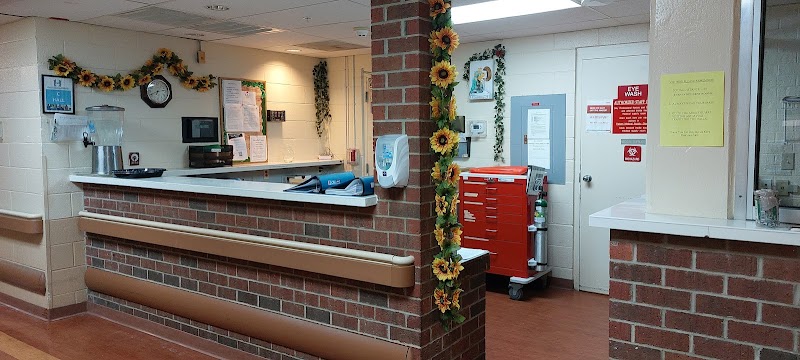
How is Highland House Rehabilitation And Healthcare Staffed?

CMS rates Highland House Rehabilitation and Healthcare's staffing level at 1 out of 5 stars, which is much below average compared to other nursing homes. Staff turnover is 56%, which is 10 percentage points above the North Carolina average of 46%. High turnover can affect care consistency as new staff learn residents' individual needs.

What Have Inspectors Found at Highland House Rehabilitation And Healthcare?

State health inspectors documented 24 deficiencies at Highland House Rehabilitation and Healthcare during 2022 to 2024. These included: 2 Immediate Jeopardy (the most serious level, indicating potential for serious harm or death), 21 with potential for harm, and 1 minor or isolated issues. Immediate Jeopardy findings are rare and represent the most serious regulatory concerns. They require immediate corrective action.

Who Owns and Operates Highland House Rehabilitation And Healthcare?

Highland House Rehabilitation and Healthcare is owned by a for-profit company. For-profit facilities operate as businesses with obligations to shareholders or private owners. The facility is operated by LIBERTY SENIOR LIVING, a chain that manages multiple nursing homes. With 106 certified beds and approximately 74 residents (about 70% occupancy), it is a mid-sized facility located in Fayetteville, North Carolina.

How Does Highland House Rehabilitation And Healthcare Compare to Other North Carolina Nursing Homes?

Compared to the 100 nursing homes in North Carolina, Highland House Rehabilitation and Healthcare's overall rating (1 stars) is below the state average of 2.8, staff turnover (56%) is significantly higher than the state average of 46%, and health inspection rating (3 stars) is at the national benchmark.

What Should Families Ask When Visiting Highland House Rehabilitation And Healthcare?

Based on this facility's data, families visiting should ask: "What changes have been made since the serious inspection findings, and how are you preventing similar issues?" "How do you ensure continuity of care given staff turnover, and what is your staff retention strategy?" "Can you walk me through typical staffing levels on day, evening, and night shifts?" "Can I visit during a mealtime to observe dining assistance and food quality?" These questions are particularly relevant given the facility's Immediate Jeopardy citations, the facility's high staff turnover rate, and the below-average staffing rating.

Is Highland House Rehabilitation And Healthcare Safe?

Based on CMS inspection data, Highland House Rehabilitation and Healthcare has documented safety concerns. Inspectors have issued 2 Immediate Jeopardy citations (the most serious violation level indicating risk of serious injury or death). The facility has a 1-star overall rating and ranks #100 of 100 nursing homes in North Carolina. Families considering this facility should ask detailed questions about what corrective actions have been taken since these incidents.

Do Nurses at Highland House Rehabilitation And Healthcare Stick Around?

Staff turnover at Highland House Rehabilitation and Healthcare is high. At 56%, the facility is 10 percentage points above the North Carolina average of 46%. High turnover means new staff may not know residents' individual needs, medications, or preferences. It can also be disorienting for residents, especially those with dementia who rely on familiar faces. Families should ask: What is causing the turnover? What retention programs are in place? How do you ensure care continuity during staff transitions?

Was Highland House Rehabilitation And Healthcare Ever Fined?

Highland House Rehabilitation and Healthcare has been fined $7,158 across 2 penalty actions. This is below the North Carolina average of $33,150. While any fine indicates a compliance issue, fines under $50,000 are relatively common and typically reflect isolated problems that were subsequently corrected. Families should ask what specific issues led to these fines and confirm they've been resolved.

Is Highland House Rehabilitation And Healthcare on Any Federal Watch List?

Highland House Rehabilitation and Healthcare is not on any federal watch list. The most significant is the Special Focus Facility (SFF) program, which identifies the bottom 1% of nursing homes nationally based on persistent, serious quality problems. Not being on this list means the facility has avoided the pattern of deficiencies that triggers enhanced federal oversight. This is a positive indicator, though families should still review the facility's inspection history directly.