The Carrolton of Fayetteville
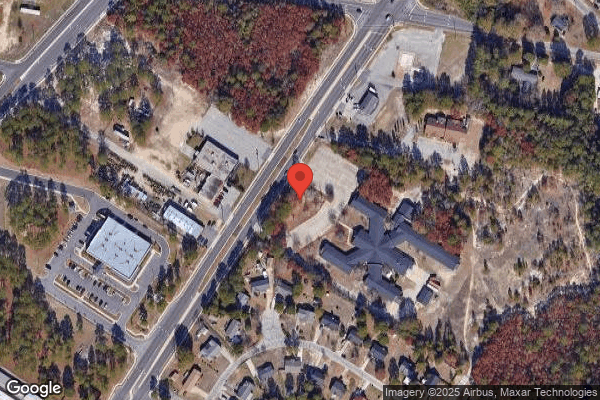

2461 Legion Road, Fayetteville, NC 28306 (910) 424-9417
For profit - Corporation 120 Beds CARROLTON NURSING HOMES Data: November 2025 2 Immediate Jeopardy citations
Trust Grade
16/100
#292 of 417 in NC
Last Inspection: September 2025

Inspected within the last 6 months. Data reflects current conditions.

Overview

The Carrolton of Fayetteville has received a Trust Grade of F, indicating poor performance with significant concerns about care quality. Ranked #292 out of 417 facilities in North Carolina, it falls in the bottom half of state options, and locally, it is #8 out of 10 in Cumberland County, meaning there are only two facilities that rank lower. Despite an improving trend in health inspections, which decreased from 10 issues in 2024 to 4 in 2025, the facility still has a concerning staffing rating of 1 out of 5 stars, with a high turnover rate of 60%, significantly above the state average. The facility has no fines on record, which is a positive aspect, but it also has less RN coverage than 91% of North Carolina facilities, suggesting that residents may not get adequate nursing attention. Specific incidents of concern include the failure to provide necessary tracheostomy care for a resident, which resulted in a hospitalization for a urinary tract infection due to neglecting to change an indwelling urinary catheter as ordered. Overall, while there are some strengths, such as the absence of fines, the facility has serious weaknesses that families should carefully consider.

Trust Score
F
16/100
In North Carolina
#292/417
Bottom 30%
Safety Record
High Risk
Review needed
Inspections
Getting Better
10 → 4 violations
Staff Stability
⚠ Watch
60% turnover. Above average. Higher turnover means staff may not know residents' routines.
Penalties
✓ Good
No fines on record. Clean compliance history, better than most North Carolina facilities.
Skilled Nurses
⚠ Watch
Each resident gets only 17 minutes of Registered Nurse (RN) attention daily — below average for North Carolina. Fewer RN minutes means fewer trained eyes watching for problems.
Violations
⚠ Watch
25 deficiencies on record. Higher than average. Multiple issues found across inspections.
★★☆☆☆
2.0
Overall Rating
★☆☆☆☆
1.0
Staff Levels
★★☆☆☆
2.0
Care Quality
★★★☆☆
3.0
Inspection Score
Stable
2024: 10 issues
2025: 4 issues

The Good

  • Full Sprinkler Coverage · Fire safety systems throughout facility
  • No fines on record

Facility shows strength in fire safety.

The Bad

2-Star Overall Rating

Below North Carolina average (2.8)

Below average - review inspection findings carefully

Staff Turnover: 60%

14pts above North Carolina avg (46%)

Frequent staff changes - ask about care continuity

Chain: CARROLTON NURSING HOMES

Part of a multi-facility chain

Ask about local staffing decisions and management

Staff turnover is elevated (60%)

12 points above North Carolina average of 48%

The Ugly 25 deficiencies on record

2 life-threatening 1 actual harm
Sept 2025 4 deficiencies
CONCERN (D)

Potential for Harm - no one hurt, but risky conditions existed

Deficiency F0552 (Tag F0552)

Could have caused harm · This affected 1 resident

**NOTE- TERMS IN BRACKETS HAVE BEEN EDITED TO PROTECT CONFIDENTIALITY** Based on record review and staff interviews, the facility failed to obtain and document consent from a resident's Responsible Pa...

Read full inspector narrative →
**NOTE- TERMS IN BRACKETS HAVE BEEN EDITED TO PROTECT CONFIDENTIALITY** Based on record review and staff interviews, the facility failed to obtain and document consent from a resident's Responsible Party (RP) for the use of psychotropic medications for 1 of 5 residents reviewed for unnecessary medications (Resident #55).The findings included:Resident #55 was admitted to the facility on [DATE] with diagnoses that included dementia with behavioral disturbance, depression and cerebral infarction (stroke).A physician order dated 8/6/25 indicated mirtazapine (antidepressant) tablet 15 milligram (mg). Give 0.5 tablet by mouth at bedtime for depression.A physician order dated 8/6/25 indicated quetiapine fumarate (antipsychotic) tablet 25 mg. Give 1 tablet by mouth at bedtime for dementia with behavior disturbances.An admission Minimum Data Set (MDS) assessment dated [DATE] coded Resident #55 as severely cognitively impaired. She was coded for having received an antidepressant and antipsychotic in the last 7 days or since admission or reentry if less than 7 days. A review of Resident #55's medical records on 9/9/25 revealed no documentation of consent, a discussion of risk verses benefits, or alternate treatment options with Resident #55's RP for use of psychotropic medications. During an interview with the facility Director of Nursing (DON) on 9/10/25 at 2:00 PM, she indicated that Resident #55 was admitted on [DATE] with psychotropic medications and consent should have been obtained at that time to continue administering the psychotropic medications, but it was missed. The DON stated that it was the responsibility of the admitting nurse, unit manager and all licensed nurses entering the orders to ensure consent was obtained prior to administering psychotropic medications. An interview was conducted with the Unit Manager (UM) on 9/12/25 at 8:53 AM. The UM explained that she would normally obtain consent for psychotropic medications use from the resident or RP when the resident was admitted , or a new psychotropic medication was ordered and that consent for Resident #55 was probably missed because it was an evening admission.During an interview on 9/12/25 at 11:45 AM with the facility Administrator, he stated that consent should have been obtained from the RP prior to administration of psychotropic medications, when Resident #55 was admitted to the facility.
CONCERN (D)

Potential for Harm - no one hurt, but risky conditions existed

Deficiency F0578 (Tag F0578)

Could have caused harm · This affected 1 resident

**NOTE- TERMS IN BRACKETS HAVE BEEN EDITED TO PROTECT CONFIDENTIALITY** Based on record review and staff interviews, the facility failed to inform a resident and/or Responsible Party (RP) of their rig...

Read full inspector narrative →
**NOTE- TERMS IN BRACKETS HAVE BEEN EDITED TO PROTECT CONFIDENTIALITY** Based on record review and staff interviews, the facility failed to inform a resident and/or Responsible Party (RP) of their right to accept or refuse medical or surgical treatment or to formulate an advance directive for 1 of 24 residents reviewed for advance directives (Resident #2).The findings included:Resident #2 was admitted to the facility on [DATE]. The medical record indicated Resident #2's RP was her legal guardian. A physician order for Resident #2 dated 4/30/25 indicated full code status. A social service history and initial assessment form completed by the Social Worker (SW) with an effective date of 5/1/25 included an advanced care planning section that had not been completed. Resident #2's quarterly Minimum Data Set (MDS) assessment dated [DATE] coded Resident #2 as moderately cognitively impaired.A review of the medical record revealed no documentation that Resident #2 or her RP was informed of the right to refuse medical or surgical treatment or to formulate an advance directive. An interview was conducted on 9/12/25 at 8:34 AM with the SW. She indicated she normally discussed advance directives with the resident or resident's RP during admission. She stated that she had been trying to get in touch with Resident #2's RP via telephone to discuss advance directives and that she should have sent a certified letter to the RP informing her to contact the facility after 3 phone call attempts. The SW stated she was able to get in touch with Resident #2's RP on 9/9/25 and discussed the advanced care planning information with RP to include the right to formulate an advance directive and updated Resident #2's medical records to include the information discussed with RP on 9/9/25.During an interview on 9/12/25 at 8:44 AM with the Director of Nursing (DON) she indicated the SW should have followed up with Resident #2's RP to discuss advance directives. During an interview on 9/12/25 at 11:43 AM with the Administrator, he indicated advance directives were normally discussed with resident or RP during admission and that the SW should have followed up and ensured advance directives were discussed and documented in Resident #2's medical records.
CONCERN (D)

Potential for Harm - no one hurt, but risky conditions existed

PASARR Coordination (Tag F0644)

Could have caused harm · This affected 1 resident

**NOTE- TERMS IN BRACKETS HAVE BEEN EDITED TO PROTECT CONFIDENTIALITY** Based on record review and staff interviews, the facility failed to complete a Preadmission Screening and Resident Review (PASRR...

Read full inspector narrative →
**NOTE- TERMS IN BRACKETS HAVE BEEN EDITED TO PROTECT CONFIDENTIALITY** Based on record review and staff interviews, the facility failed to complete a Preadmission Screening and Resident Review (PASRR) application for a resident with newly evident mental health diagnoses for 1 of 2 sampled resident reviewed for PASRR (Resident #10).The findings included:Resident #10 was readmitted to the facility on [DATE] with diagnoses including unspecified psychosis not due to a substance or known physiological condition and psychotic disorder with hallucinations due to known physiological condition.The admission Minimum Data Set (MDS) dated [DATE] had Resident #10 coded as severely cognitively impaired and was not currently considered by the state level II PASRR process to have serious mental illness and/or intellectual disability or a related condition. Resident #10 had listed diagnosis of psychotic disorder (other than schizophrenia) and vascular dementia, unspecified severity, with mood disturbance.An interview with the Social Worker (SW) was conducted on 09/10/2025 at 9:40 AM. The SW stated she was not an employee in 2024 and was currently responsible for completing PASRR screenings for residents. The SW also stated a PASSR level II screening should have been completed and submitted for Resident #10 when she was readmitted to the facility on [DATE] with new mental health diagnoses of unspecified psychosis not due to a substance or known physiological condition and psychotic disorder with hallucinations due to known physiological condition. An interview with the Director of Nursing (DON) was conducted on 09/12/2025 at 10:28 AM. The DON indicated the SW was expected to complete a PASRR level II screening for all residents with a mental health diagnosis.
CONCERN (F)

Potential for Harm - no one hurt, but risky conditions existed

Garbage Disposal (Tag F0814)

Could have caused harm · This affected most or all residents

Based on observation and staff interviews, the facility failed to ensure debris was removed from in front of the dumpsters for 2 of 3 dumpsters observed. The facility also failed to ensure that the do...

Read full inspector narrative →
Based on observation and staff interviews, the facility failed to ensure debris was removed from in front of the dumpsters for 2 of 3 dumpsters observed. The facility also failed to ensure that the doors to the dumpsters were closed for 1 of 3 dumpsters. This practice had the potential to attract pests and rodents.The findings included:An observation of the dumpster area and interview with the Dietary Manager was conducted on 9/8/25 at 7:22 AM. Three dumpsters were observed lined up in a row. The middle dumpster door was open on the right side and debris was in front of the middle dumpster and right dumpster. The debris included used gloves, used napkins, and a large pile of lint from a washing machine. The Dietary Manager stated that his department was responsible for the dumpster area, but all departments used the dumpsters. He further stated that his staff were supposed to clean up the dumpster area daily. The Administrator was interviewed on 9/12/25 at 9:34 AM. He revealed that trash was picked up three days each week and often, debris would be left on the ground afterward and the doors would slide open. There was a reacher available near the dumpsters, so anyone could pick up the loose items or close the dumpster doors as well. The Administrator stated that there was not a cleaning schedule for the dumpster area, but rather staff were expected to pick up any items if seen.
Jun 2024 2 deficiencies
CONCERN (D)

Potential for Harm - no one hurt, but risky conditions existed

Deficiency F0645 (Tag F0645)

Could have caused harm · This affected 1 resident

**NOTE- TERMS IN BRACKETS HAVE BEEN EDITED TO PROTECT CONFIDENTIALITY** Based on record review and staff interviews, the facility failed to apply for a Preadmission Screening and Resident Review (PASR...

Read full inspector narrative →
**NOTE- TERMS IN BRACKETS HAVE BEEN EDITED TO PROTECT CONFIDENTIALITY** Based on record review and staff interviews, the facility failed to apply for a Preadmission Screening and Resident Review (PASRR) Level II screening for 1 of 5 residents reviewed for PASRR Level II screenings (Resident #4). The findings included: A review of the PASRR level I determination letter dated 11/04/2023 revealed a PASRR number already existed for Resident #4. Resident #4 was admitted to the facility on [DATE] with diagnoses including bipolar disorder 12/13/2023. A physician's order dated 12/13/2023 revealed an order for risperidone (antipsychotic medication) extended-release subcutaneous injection (used to administer medications between skin and muscle) 120 milligrams (mg) one time a day every 28 days for psychosis. The admission Minimum Data Set (MDS) dated [DATE] had Resident #4 coded as cognitively intact and was not considered by the state level II PASRR process to have serious mental illness and/or intellectual disability or a related condition. Resident #4 used psychotropic medication related to bipolar disorder. The care plan dated 02/07/2024 had focus of the resident at risk for adverse reaction related to psychotropics. An interview with the Social Worker (SW) was conducted on 06/12/2024 at 10:07 AM. The SW explained that if a newly admitted resident had a PASRR level I at admission and had a psych diagnosis or psych medications, that was her cue to apply for a PASRR level II screening. The SW also stated Resident #4 was admitted on [DATE] with a diagnosis of bipolar disorder and a PASRR level II was not submitted and she did not know why it was not completed. It must have been an oversite. An interview with the Administrator was conducted on 06/12/2024 at 10:35 AM. The Administrator explained that Resident #4 came in with a completed PASRR level I and she should have been screened for a PASRR level II when she was admitted due to her diagnosis of bipolar disorder. The Administrator also stated the SW was the person responsible for this task and in the future, they will have training and a 2nd SW so an issue like this will not happen again.
MINOR (B) 📢 Someone Reported This

A family member, employee, or ombudsman was alarmed enough to file a formal complaint

Minor Issue - procedural, no safety impact

Notification of Changes (Tag F0580)

Minor procedural issue · This affected multiple residents

**NOTE- TERMS IN BRACKETS HAVE BEEN EDITED TO PROTECT CONFIDENTIALITY** Based on record review, Responsible Party (RP) and staff interviews, the facility failed to inform the RP of skin tears and brui...

Read full inspector narrative →
**NOTE- TERMS IN BRACKETS HAVE BEEN EDITED TO PROTECT CONFIDENTIALITY** Based on record review, Responsible Party (RP) and staff interviews, the facility failed to inform the RP of skin tears and bruises for one (1) out of four (4) sampled residents reviewed. (Resident #150) Findings include: Resident #150 was admitted to the facility on [DATE] with diagnoses that included Alzheimer's disease, hypothyroidism and hypertension. The resident was discharged from the facility on 05/25/2024. The quarterly Minimum Data Set (MDS) dated [DATE] revealed Resident #150 had short-term and long-term memory problems and cognitive skills for daily decision making was severely impaired. A review of Resident# 150 Skin Observation Tool dated 12/26/2023 by Nurse #1 revealed the resident was observed with a skin tear on left hand 1st digit. A review of Resident #150 Skin Observation Tool dated 03/05/2024 by Nurse #2 revealed the resident was observed with a skin tear on the right cheek. During an interview on 06/13/2024 at 1:29 PM, Nurse #2 indicated that she did not notify the RP on 03/05/2024 about a skin tear on Resident #150's right check. She indicated the facility protocol was to notify the RP about a skin tear and complete an incident report. She also indicated for the future she will make sure she notifies the RP of a skin tear A review of Resident #150 Skin Observation Tool dated 04/29/2024 by Nurse #3 revealed the resident was observed with a skin tear on the face. During an interview on 06/13/2024 at 12:45 PM, Nurse #3 indicated she observed the skin tear on Resident # 150 on 04/29/2024 but did not notify the RP. She indicated she did not know the reason why she did not notify the RP of the skin tear. She indicated she had been trained to complete an incident report and notify the RP of any skin tear or bruise on a resident at the facility. She reported moving forward she will make sure the RP is notified of a skin tear and bruise on a resident at the facility A review of Resident #150 Skin Observation Tool dated 05/20/2024 by Nurse # 4 revealed the resident was observed with a bruise on the left knee. Review of the nursing progress notes between December 2023 and May 2024 revealed no documentation of the RP being made aware of the discovered injuries. During an interview on 06/13/2024 at 11:00 AM, Resident#150's RP stated she was not notified of the resident's skin tear on left hand 1st digit, right cheek, right face, and a bruise on the resident's knee. During an interview on 06/13/2024 at 11:42 AM, Assistant Director of Nursing (ADON) indicated she was not aware of the reason the staff failed to notify the RP about the Resident #150's skin tears and a bruise. She indicated the staff at the facility was expected to notify the RP about a change in the condition of a resident and document in the progress notes that the RP was notified. She indicated moving forward the staff will call the RP and document that the RP had been notified of the skin tear or a bruise on a resident. An attempt to contact Nurse#1 was unsuccessful. An attempt to contact Nurse #4 was unsuccessful. During an interview on 06/13/2024 at 2:14 PM, the Director of Nursing reported it was his expectation that residents or their RP be notified of skin tears and bruises. He reported the staff at the facility had been trained to notify the RP of any skin tear or bruises. During an interview on 06/13/2024 at 3:00 PM, Administrator reported he did not know the reason for the staff not notifying the RP of the skin tears and a bruise on Resident #150. He indicated his expectation was that RP be notified of skin tears and bruises. He reported the staff would be in serviced in reference to notifying RP of a skin tear or bruise.
Jun 2024 1 deficiency
CONCERN (D) 📢 Someone Reported This

A family member, employee, or ombudsman was alarmed enough to file a formal complaint

Potential for Harm - no one hurt, but risky conditions existed

Deficiency F0760 (Tag F0760)

Could have caused harm · This affected 1 resident

**NOTE- TERMS IN BRACKETS HAVE BEEN EDITED TO PROTECT CONFIDENTIALITY** Based on record review, and staff interviews, the facility failed to ensure the facility was free of medication errors due to an...

Read full inspector narrative →
**NOTE- TERMS IN BRACKETS HAVE BEEN EDITED TO PROTECT CONFIDENTIALITY** Based on record review, and staff interviews, the facility failed to ensure the facility was free of medication errors due to an incorrectly transcribed admission order to stop Lovenox (A medication that helps prevent the formation of blood clots.) when the International Normalized Ratio (INR) (a blood test that indicates how well the blood can clot.) was less than 2.0. The Physician's order was to stop Lovenox when INR was greater than 2.0. The deficient practice was for 1 of 3 residents reviewed for medication errors (Resident #1). The findings included: A review of the hospital summary dated 04/08/2024 revealed the chief complaint was recurrent acute respiratory failure. Resident #1 was readmitted to the facility on [DATE] with diagnoses including acute respiratory failure. The care plan dated 04/09/2024 had focus of at risk of impaired air exchange related to chronic respiratory failure. A review of a physician's note dated 04/09/2024 revealed Resident #1 was currently on Lovenox treatment dose being bridged until INR is greater than 2. A review of the Resident #1's lab result dated 04/09/2024 revealed INR was 1.4. (In healthy people an INR of 1.1 or below is considered normal. An INR range of 2.0 to 3.0 is generally an effective therapeutic range for people on Warfarin.) A review of Physician's readmission orders dated 04/09/2024 revealed Warfarin Sodium Oral Tablet (A medication that helps prevent the formation of blood clots) 10 milligrams (mg) tablet one time a day for deep vein thrombosis (DVT) (blood clot) and 04/10/2024, Enoxaparin Sodium Injection Solution Prefilled Syringe (Lovenox) 80 mg/0.8 milliliter (ml). Inject 0.8 ml subcutaneously one time a day for DVT. Stop Lovenox when INR is greater than 2.0. The April Medication Administration Record (MAR) revealed the following orders: 04/09/2024: Warfarin Sodium Oral Tablet 10 mg tablet one time a day for deep vein thrombosis (DVT). The medication was administered as ordered. 04/10/2024: Lovenox, 80 mg/0.8 ml. Inject 0.8 ml subcutaneously one time a day for deep vein thrombosis (DVT). The medication was held on 04/10/2024, 04/11/2024 and 04/12/2024. It was administered on 04/13/2024 and 04/14/2024. 04/10/2024: Stop Lovenox when INR is less than 2.0. The 5-day Minimum Data Set (MDS) dated [DATE] revealed Resident #1 was coded as moderately cognitively impaired. An interview with Nurse #2 was conducted on 06/04/2024 at 11:14 AM. Her chart was reviewed, and the order for Lovenox 0.8 ml once daily was transcribed incorrectly. The order should have read to stop the Lovenox if the INR was greater than 2.0 and not when it was less than 2.0. The nurse also stated she was removed as admissions nurse to floor nurse. They also educated her and the staff to have two nurses do a second check on all physician orders. An interview with the Physician was conducted on 06/04/2024 at 12:21 PM. Resident #1 had comorbidities including chronic respiratory failure, and a replaced heart valve. The order for Lovenox was transcribed incorrectly. The Lovenox was supposed to be held when the INR was greater than 2.0 but the Nurse put the order to stop the medication when it was less than 2.0. Resident #1 did miss three doses of Lovenox, but she was still receiving Warfarin as directed. The Physician also stated missed doses did not contribute any harm to Resident #1's well-being. An interview with the Administrator was conducted on 06/04/2024 at 1:19 PM. The Resident did miss several doses of Lovenox due to a transcription error made by one of their nurses. The nurse was educated and asked to step down as admission nurse. All the nurses were educated on the importance of transcribing the physicians' orders correctly and going forward, the need for two nurses to check all physician orders. A plan of correction was completed on May 30, 2024. Plan of Correction (POC) Problem: 04/10/2024, 04/11/2024 and 04/12/2024, 9:00 AM doses of Lovenox were missed on Resident #1 due to a transcription error. Address how corrective action will be accomplished for those residents found to have been affected by the deficient practice include: Lovenox order for resident was transcribed in error, stating to hold Lovenox when the INR was greater than 2. The nurse transcribed the order to say hold when INR is less than 2. All residents who are currently taking Lovenox orders were reviewed with no discrepancies noted. Address how the facility will identify other residents having the potential to be affected by the same deficient practice include: All residents who are currently taking Lovenox orders were reviewed by the Administrator with no discrepancies noted. The facility has determined that all residents with Lovenox orders have the potential to be affected. Address what measures will be put into place or systemic changes made to ensure that the deficient practice will not recur include: May 1, 2024, to May 30, 2024, the Director of Nursing and Administrator provided in-service education programs for all licensed staff regarding managing orders including transcription and submission of Physician orders will require two nurse verification. An Ad Hoc Quality Assurance Performance Improvement (QAPI) meeting regarding managing orders including transcription and submission of Physician orders was initiated on May 1, 2024. The admission Nurse who made the transcription error was counseled on 05/14/2024 and removed from the admission nurse position. Indicate how the facility plans to monitor its performance to make sure that solutions are sustained; and include dates when corrective action will be completed: The DON/Designee will monitor all admission orders from 05/01/2024 to 05/30/2024 with audits to ensure transcription of Physician's orders were correct. The nurse consultant will also perform daily chart audits on the previous days admission and report the finding to the DON and ADON. This plan of correction will be monitored at the monthly Quality Assurance meetings until such a consistent substantial compliance has been met. Corrective action completion date: May 30, 2024 On 06/04/2024 the facility's plan of correction was validated by the following: Monitoring using audits started 05/01/2024 when the error was found and was completed on 05/30/2024 with a system in place to review daily chart audits on the previous days admissions to ensure all transcribed Physicians' orders were correct. The audit was found to be completed according to the plan of correction. Staff interviews with nurses verified education was provided on the importance of including 2 nurse verification when transcribing physicians' orders. The staff signed in-service training content included: Provisions of physicians ordered services and Residents admission process. The Administrator stated he and the DON completed training with the nurses at the facility on 05/30/2024 and provided the education via telephone to the nurses that were not in the facility. The training check-off sheets were noted to have DON's and Administrators' signature as the instructors. In-service for all facility staff started 05/01/2024 and was completed on 05/30/2024. The Administrator stated he was responsible for this POC and ensured all new hires will be in-service on needing two nurses to check all physicians' orders. The audit tool revealed the DON completed the audits. The chart audits revealed the corporate Nurse completed the audits. On 06/04/2024 sampled Residents on Lovenox were reviewed and their medications were transcribed and administered as ordered. There were no complaints of medication errors from other sampled residents. The staff Nurses that were interviewed, were able to express understanding of the education. The Risk Management/Quality Assurance Committee form dated 05/01/2024 revealed the issue of following Physician's (admission, Lovenox) orders was addressed in QAPI. An interview with DON was conducted on 06/04/2024 at 1:15 PM. The DON stated he oversaw monitoring by auditing all admission orders from 5/1/2024 to 5/30/2024 and there were no discrepancies found. An interview with the Nurse Consultant was conducted on 06/04/2024 at 1:27 PM. The Nurse Consultant stated she did complete the daily chart audits and there were no discrepancies with the audits. The facility's plan of correction was validated to be completed as of 06/04/2024.
Apr 2024 1 deficiency
CONCERN (D) 📢 Someone Reported This

A family member, employee, or ombudsman was alarmed enough to file a formal complaint

Potential for Harm - no one hurt, but risky conditions existed

Investigate Abuse (Tag F0610)

Could have caused harm · This affected 1 resident

**NOTE- TERMS IN BRACKETS HAVE BEEN EDITED TO PROTECT CONFIDENTIALITY** Based on record reviews and resident, staff and physician interviews, the facility failed to thoroughly investigate an allegatio...

Read full inspector narrative →
**NOTE- TERMS IN BRACKETS HAVE BEEN EDITED TO PROTECT CONFIDENTIALITY** Based on record reviews and resident, staff and physician interviews, the facility failed to thoroughly investigate an allegation of staff to resident physical abuse for 1 of 3 residents reviewed for abuse (Resident #1). The findings included: Review of the facility's Abuse, Neglect and Exploitation policy, last revised 03/20/23, read in part, V. Investigation of Alleged Abuse, Neglect and Exploitation: B4. Identifying and interviewing all involved persons, including the alleged victim, alleged perpetrator, witnesses, and others who might have knowledge of the allegations. B6. Providing complete and thorough documentation of the investigation. Resident #1 was admitted to the facility on [DATE]. A review of the facility's Initial Allegation Report, completed by the Administrator and sent to the State Agency on 04/16/24 revealed that Resident #1 informed the facility that an employee in blue scrubs hit him in the stomach on 04/16/24. The report indicated the facility presented two employees to the resident and Resident #1 identified Nursing Assistant (NA) #1 as the person who hit him in the stomach. The report indicated the facility became aware of the incident on 04/16/23 at 6:45 p.m. and that the facility notified the local police department and Adult Protective Services and suspended NA #1 and began an investigation of the allegation. A review of the facility's Investigation Report, completed by the Administrator on 04/17/24, revealed, during the investigation, resident [Resident #1's] roommate [Resident #2] stated 3 times that nothing ever happened. The report stated that the incident did not result in physical injury or harm to Resident #1, nor did it result in mental anguish for the resident. The report indicated Resident #1 had no emotional response noted. Resident does have manipulative and attention seeking behaviors. The Investigation Report indicated Human Resources reviewed the employee record of NA #1 and there had been no issues noted in it. Corrective actions following the incident included skin assessments and resident interviews as well as an Ad-hoc Quality Assurance Performance Improvement (QAPI) meeting on 04/17/24 was completed to deem compliance and unsubstantiate the allegation. A review of the summary of the incident, written by the Administrator and undated, read as follows: On 4/16/2024 at approximately 6:45 p.m. Chief Clinical Officer was notified that resident [Resident #1] said someone hit him in the stomach. Resident initially described a nurse in blue scrubs with short hair. The nurse that fit that description was presented to the resident and he laughed and stated no. The assigned Certified Nursing Assistant [CNA] was called back to the facility and presented to the resident and he stated yes. CNA did not meet the description provided by resident. Resident had a skin assessment completed with no issues noted. Resident's roommate [Resident #2] (BIMS 15) [brief interview for mental status which scores a resident's cognition] was interviewed and stated he did not hear or see anything occur that day. Nurse interviewed alert and oriented residents on the hall (BIMS 13 or higher) with no issues noted. Nurse completed skin assessments on resident with BIMS less than 13 on hall with no issues noted. [Resident #1] is care planned for manipulative and attention seeking behaviors. Due to inconsistencies of story and other interviews, facility unsubstantiates the allegation of abuse. Review of NA #1's assignments on 04/08/24, 04/09/24, 04/11/24, and 04/14/24 revealed she had cared for residents on the 200 Hall. On 04/15/24, NA #1 cared for residents on the 500 Hall. Resident #1 resided on the 200 Hall and had been assigned to NA #1's care on 04/16/24. An interview was conducted with NA #1 on 04/22/24 at 2:16 p.m. NA #1 confirmed she had worked from 7:00 a.m. until 3:00 p.m. on 04/16/24 and had been assigned to care for Resident #1. She stated after Resident #1 identified her, she left his room, and said that she had been suspended from working during the facility's investigation. She stated she was allowed to return to work after one day of suspension. An interview was conducted with the Director of Nursing (DON) on 04/23/24 at 2:00 p.m. The DON stated she had just begun her job as DON on 04/15/24 and the abuse allegation from Resident #1 related to NA #1 was on 04/16/24. The DON stated she went to Resident #1's room to interview him about the abuse allegation he made on 04/16/24. After interviewing the resident, the DON informed the Chief Clinical Officer of her interview with the resident and then she left. The DON explained the Chief Clinical Officer had been the facility's interim DON prior to her starting at the facility and the Chief Clinical Officer took over the investigation at that point. An interview was conducted with the Chief Clinical Officer on 04/23/24 at 2:21 p.m. The Chief Clinical Officer explained she was informed of the abuse allegation by the DON. She indicated Resident #1 identified NA #1 as the alleged perpetrator. The Chief Clinical Officer explained NA #1 was immediately suspended from work at the facility pending the investigation and then she had a couple of nurses interview alert and oriented residents and perform skin assessments on residents who were not alert and oriented on NA #1's 04/16/24 assignment on the 200 hall as well as other residents who resided in close proximity to NA #1's assignment on the 200 hall. The Chief Clinical Officer explained the interviews and skin assessments did not reveal any positive abuse findings and therefore, the investigation did not expand to other areas of the facility such as the 500 hall where NA #1 had been assigned to work on 04/15/24. An interview was conducted with the Administrator on 04/23/24 at 12:41 p.m. The Administrator explained skin assessments were performed on residents with a BIMS score of less than 13 who resided on the same hall as Resident #1, and they had no signs or symptoms of abuse. He stated interviews were conducted with residents with a BIMS score of 13 or greater who resided on the same hall as Resident #1 which were negative for abuse allegations. When asked to clarify whether he expanded the interviews (of alert and oriented residents) or skin assessments of residents (who were not alert and oriented) in other areas of the facility where NA #1 worked prior to the incident of 04/16/24, the Administrator stated he had not. He explained they had only looked at those residents who had been assigned to her care on 04/16/24 as well as other residents who resided on the 200 hall near the area of her assignment and that they had found no problems or concerns. The Administrator further explained had there been any concerns that alluded to abuse then the investigation would have expanded to other areas of the facility where NA #1 had worked. The Administrator stated by suspending NA #1 immediately after the allegation of abuse was made, he had removed the immediate potential threat. He also stated that the decision to not expand the investigation to other areas in the building was because there had been no positive findings from the resident interviews and skin checks. The Administrator stated after the investigation had been completed, NA #1 had been allowed to return to work.
Apr 2024 2 deficiencies
CONCERN (D) 📢 Someone Reported This

A family member, employee, or ombudsman was alarmed enough to file a formal complaint

Potential for Harm - no one hurt, but risky conditions existed

Deficiency F0602 (Tag F0602)

Could have caused harm · This affected 1 resident

**NOTE- TERMS IN BRACKETS HAVE BEEN EDITED TO PROTECT CONFIDENTIALITY** Based on record reviews, and staff interviews, the facility failed to protect a resident's right to be free from misappropriatio...

Read full inspector narrative →
**NOTE- TERMS IN BRACKETS HAVE BEEN EDITED TO PROTECT CONFIDENTIALITY** Based on record reviews, and staff interviews, the facility failed to protect a resident's right to be free from misappropriation of property when a staff member (Floor Technician #1) took money from a Resident's pants pocket while he was in bed without the resident's consent. The deficient practice was for 1 of 3 residents reviewed for misappropriation of resident property (Resident #2). The findings included: Resident #2 was admitted to the facility on [DATE] with diagnoses including other orthopedic conditions. The admission Minimum Data Set (MDS) dated [DATE] revealed Resident #2 was cognitively intact. The Facility Reportable Incident reported dated 02/26/2024 completed by the Administrator was reviewed. On 02/26/2024 staff notified the Social Worker (SW) and Director of Nursing (DON) that Resident #2 was lying in bed with his head covered, when a staff member (Floor Technician #1) came in the room and took money out of his pocket. A review of the police report dated 02/27/2024 revealed there was a theft at the facility, and the victim (Resident #2) requested no police involvement at that time. An interview with the police officer was attempted by phone but was not successful. A review of the written statement from Floor Technician #1 dated 02/26/2024 revealed he was pulling trash from Resident #2s room and seen some money sticking out the Residents pocket. He took $1.00, was startled by Resident as he woke up, so he exited the room. He apologized for his mistake. An interview with Floor Technician #1 was attempted by phone but was not successful. An interview with Resident #2 was conducted on 04/02/2024 at 9:41 AM. The Resident stated he was in bed and felt someone take money out of his pants pocket and run out of the room. He saw the guy and was able to identify him but did not know his name (Floor Technician #1). He was missing around $25.00 dollars. The police came and he did not want to press charges against the guy (Floor Technician #1). The Resident also stated he felt safe in the facility, and this had never happened before. An interview with the Social Worker (SW) on 04/02/2024 at 9:50 AM revealed the Director of Nursing (DON) notified her that someone came into Resident #2's room and took his money out of his pocket while he was in bed with his head covered with his blanket. The Resident did not know the person but had seen him in the facility. He also stated some money was missing. The DON continued the investigation while the SW went and called the resident's mother, and the Administrator called the police. The detective arrived and she escorted him to the resident's room. The resident told the detective the employee stole money out of his pocket while he was in bed and ran. The detective asked if he wanted to press charges and Resident #2 refused. An interview with the Director of Nursing (DON) was conducted on 04/02/2024 at 10:03 AM. The DON stated Resident #2 reported a staff member (Floor Technician #1) came into his room and took about $25.00 dollars out of his pocket while he was in bed. DON and SW began the investigation. The police were called, and they came but the Resident refused to press charges. The DON escorted the staff member out of the facility, and he was terminated. The initial report was filed, and they reimbursed the Resident $25.00. They also educated the staff what misappropriation of Residents' property was and who, when, how to report it. They had alert and oriented Residents and Residents Responsible Parties (RP) fill out a questionnaire concerning misappropriation of property and no other Resident or RP voiced concerns. They audited the grievances and incidents for and there were no other incidents of misappropriation of property found. It was also included in their Quality Assurance and Performance Improvement (QAPI) committee that meets quarterly. The facility provided the following Plan of Correction (POC) with a compliance date of 04/01/2024: Address how corrective action will be accomplished for those residents found to have been affected by the deficient practice: Law enforcement was called on 02/26/2024. A statement received on 02/26/2024 from Resident #2 revealed he did not want to press charges against Floor Technician #1 and felt safe in the facility. Upon interview with the DON on 02/27/2024, Floor Technician #1 confessed to taking a dollar bill from the resident's pocket. Floor Technician #1 was terminated and escorted out of the facility. Interviews with staff conducted by the DON on 02/27/2024 that were assigned to the resident's hall were conducted. Address how the facility will identify other residents having the potential to be affected by the same deficient practice: All residents have the potential to be affected. On 02/26/2024 through 03/05/24 statements were obtained from all facility employees and questionnaires were obtained from all alert and oriented residents and the Residents Responsible Parties (RPs) for residents who were not alert and oriented. The staff were asked if they were aware of any residents that reporting missing money. The questionnaires asked if they had any money missing at the facility. This was completed by the Social Worker. No concerns were identified. Address what measures will be put into place or systemic changes made to ensure that the deficient practice will not recur: 100 % of staff was in serviced from 02/27/2024 and completed on 03/05/2024 by the DON for Misappropriation of Resident Property. All new hires will continue to receive education on misappropriation of property by DON. This education started on 02/27/24 and was completed on 03/05/24. All new staff are educated on Misappropriation of Property on hire and this process will continue. Indicate how the facility plans to monitor its performance to make sure that solutions are sustained: The Administrator or DON will monitor grievance and incidents weekly in March with the Social Worker to ensure no further incidents of misappropriation have occurred. The DON will present to the Quality Assurance Performance Improvement (QAPI) results of the completed monitoring to the senior team via morning meetings, and to the next quarterly QAPI for the next 2 quarters. Corrective action completion date: 04/01/2024 On 04/02/2024 the facility's plan of correction was validated by the following: Audits conducted by the facility were reviewed and were found to be completed according to the plan of correction. Auditing started 02/26/2024 and was completed 03/27/2024. Staff interviews and verified education were provided on misappropriation of property and staff were able to express verbal understanding of education. The training in-service dated 02/26/2024 to 03/05/2024 content titled Misappropriation of property was signed by staff members. The Interim Director of Nursing (DON) stated she conducted the training for misappropriation of property of the staff at the facility on 02/27/2024 and provided the education via telephone to the staff members that were not in the facility. All staff were educated by 03/05/2024. The DON stated she was responsible for this POC and ensured all new hires would be in-serviced on misappropriation of property. They have audited the grievances for the month of March and there were no other incidents of misappropriation of resident's property. The March audit tool revealed the SW completed the audits of the grievances and incidents without any new complaints of any misappropriation of resident's property. On 04/02/2024 sampled residents and family members were interviewed concerning misappropriation of property and there were no concerns voiced. A review of a receipt dated 03/04/2024 revealed $25.00 was given to Resident #2 for missed money. The Risk Management/Quality Assurance Committee revealed the issue was addressed in QAPI. The facility's plan of correction was validated to be completed as of 04/01/2024.
CONCERN (D) 📢 Someone Reported This

A family member, employee, or ombudsman was alarmed enough to file a formal complaint

Potential for Harm - no one hurt, but risky conditions existed

Deficiency F0760 (Tag F0760)

Could have caused harm · This affected 1 resident

**NOTE- TERMS IN BRACKETS HAVE BEEN EDITED TO PROTECT CONFIDENTIALITY** Based on record review, and staff interviews, the facility failed to ensure the facility was free of medication errors due to a ...

Read full inspector narrative →
**NOTE- TERMS IN BRACKETS HAVE BEEN EDITED TO PROTECT CONFIDENTIALITY** Based on record review, and staff interviews, the facility failed to ensure the facility was free of medication errors due to a missed dose of Intravenous (IV) Therapy. The deficient practice was for 1 of 4 residents reviewed for medication errors (Resident #4). The findings included: Resident #4 was admitted to the facility on [DATE] with diagnoses including infection and inflammatory reaction due to wound infection. The admission Minimum Data Set (MDS) dated [DATE] revealed Resident #4 was severely cognitively impaired. The care plan dated 03/26/2024 had focus of IV Antibiotic Medications related to wound infection. Record review of active medications revealed an order dated 03/20/2024 that read Piperacillin-Tazobactam in Dextrose Intravenous (IV) Solution (an antibiotic to clear infections) 3-0.375 grams (GM)/50 milliliters (ML). Use 50 ml intravenously every 8 hours for wound infection for 23 Days. The Medication Administration Record (MAR) for March 2024 revealed Piperacillin-Tazobactam in Dextrose IV had not been documented as administered as ordered for the 2:00 PM scheduled dose on 03/30/2024 by Nurse #1. A telephone interview with Nurse #1 was conducted on 04/02/2024 at 1:33 PM. The Nurse stated she recalled Resident #4, and she was supposed to administer the IV medication on 03/30/2024 because the Medication Aides cannot administer IV medications. It was missed due to an oversite while working with another resident at that time. The Nurse also stated the next day, she had been educated on the importance of administering the medications as ordered and would be more cautious in the future. An interview with the interim Director of Nursing (DON) on 04/02/2024 at 1:40 PM revealed she received a report on 03/31/2024 that stated Resident #4 did not receive her 2:00 PM dose of IV antibiotics on 03/30/2024. The DON stated after the report, she reviewed Resident #4's MAR and the 2:00 PM dose of IV antibiotic was not documented as administered. She spoke with Nurse #1 that worked with Resident #4 on 03/30/2024 during the missed dose and Nurse #1 informed the DON of the missed 2:00 PM dose due to working with another resident at the time and overlooked Resident #4's medication. A Plan of Correction began then with assessing Resident #4 and calling the family and physician. The Resident was not in distress and had received the next doses as ordered. The DON educated all Nurses in person and by phone, of the importance of administering medications as ordered. All Residents that were on IV therapy and had the potential to be affected were audited. The review of the medications did not reveal any other missed doses of medications. All MARs and Treatment Administration Records (TAR) are now audited daily to ensure all medications are being administered. The DON stated their Quality Assurance Committee meets quarterly and this issue was addressed in the last meeting on 04/01/2024. A telephone interview with the Ombudsman was conducted on 04/02/2024 at 2:04 PM. The Ombudsman stated he had meetings with the family of Resident #4 and was told there was a missed dose of IV therapy on 03/30/2024. The facility was informed, and they completed a POC for the staff there. The Ombudsman also stated the family did not voice any concerns about any effects of missing the medication but was concerned that it was missed. The facility provided the following plan of correction (POC): Problem: 03/30/2024, 2:00 PM dose of IV antibiotics missed on Resident #4. Immediate actions taken for the residents found to have been affected include: The MD was contacted about the missing dose of antibiotic. Orders were given to add another dose to the end of the administration time. Family aware of the missing dose and MD recommendations. The next dose was given as ordered. Identification of other residents having the potential to be affected was accomplished by review of the Matrix to identify all other residents on IV antibiotics. The Medication Administration Records (MAR) and Treatment Administration Records (TARS) were reviewed for all residents on IV antibiotics. Actions taken and systems put into place to reduce the risk of future occurrence include: The Interim DON met with nursing staff on 03/31/2024 and discussed the following items: The importance of giving medications as ordered by the physician. The importance of increased communication between the nurse and medication aide. The importance of reporting any missed medications or med errors as soon as identified. How the corrective actions will be monitored to ensure the practice will not recur: The Corporate Facility Nurse Consult review MARs and TARS daily to ensure all medications and treatments are completed as ordered. Unit managers/Charge nurses will review the audit and take appropriate actions for any missed doses. Audit results will be reviewed by the Risk Management/Quality Assurance Committee during the quarterly meetings until such a time consistent substantial compliance has been achieved as determined by the committee. Corrective action completion date: 04/01/2024 On 04/02/24 the facility's plan of correction was validated by the following: Audits conducted by the facility were reviewed and were found to be completed according to the plan of correction. Auditing started 03/31/2024 and is ongoing with a system in place to review all MARs and TARs daily. Staff interviews with nurses verified education was provided on the importance of giving medications as ordered by the physician. The staff signed in-service training content included: Medication Administration/ Medication Errors were verified for the Nurses. The interim Director of Nursing (DON) stated she conducted the training of the nurses at the facility on 03/31/2024 and provided the education via telephone to the nurses that were not in the facility. The training check-off sheets were noted to have DON's signature as the instructor. In-service for all facility staff started 03/31/2024 and was completed on 03/31/2024. The DON stated she was responsible for this POC and ensured all new hires will be in-serviced on medication administration errors. The Medication Administration Records (MAR) and Treatment Administration Records (TAR) were being audited daily by the Corporate Facility Nurse and the unit managers are to review the audit for any missed doses. The audit tool revealed the Corporate Facility Nurse, and the Unit Managers were completing the audits. On 04/02/2024 sampled residents were reviewed, and their medications were documented as administered. There were no complaints of missing medications from other sampled residents. The staff Nurses that were interviewed, were able to express understanding of the education. The Risk Management/Quality Assurance Committee revealed the issue was addressed in QAPI. An interview with the Corporate Facility Nurse was conducted on 04/02/2024 at 1:52 PM. The Nurse stated she oversees auditing the MARs and TARs daily to make sure the nurses are administering all medications as ordered. The Nurses are completing medications administrations as ordered. The Nurse also stated if there are any discrepancies then the charge nurse will be notified, and actions will be taken immediately. The facility's plan of correction was validated to be completed as of 04/01/2024.
Feb 2024 4 deficiencies
CONCERN (D) 📢 Someone Reported This

A family member, employee, or ombudsman was alarmed enough to file a formal complaint

Potential for Harm - no one hurt, but risky conditions existed

Comprehensive Assessments (Tag F0636)

Could have caused harm · This affected 1 resident

**NOTE- TERMS IN BRACKETS HAVE BEEN EDITED TO PROTECT CONFIDENTIALITY** Based on medical record review and staff interviews the facility failed to complete a comprehensive assessment including Minimum...

Read full inspector narrative →
**NOTE- TERMS IN BRACKETS HAVE BEEN EDITED TO PROTECT CONFIDENTIALITY** Based on medical record review and staff interviews the facility failed to complete a comprehensive assessment including Minimum Data Set (MDS) within 14 days of admission for 1 of 3 residents (Resident #2). The Findings included: Resident #2 was admitted into the facility on [DATE] with diagnoses of chronic peripheral venous insufficiency, vascular dementia and chronic kidney disease stage 3. A review of Resident #2's medical record on 2/28/24 revealed an admission Minimum Data Set (MDS) had not been started or completed, An interview was conducted on 2/28/24 11:39 AM with the Minimum Data Set (MDS) Coordinator and she revealed that she was behind on MDS's due to an influx of residents and the prior MDS Coordinator not putting information into the system. She further revealed when she started in January 2024 she had to input some of the current residents information into the system before she was able to start completing the residents MDS's. An interview with the Chief Clinical Officer on 2/28/24 at 11:39 AM indicated that she was not aware of the comprehensive assessments not being completed until the current MDS Coordinator informed her. The facility is currently recruiting MDS Coordinators from sister buildings to get the comprehensive assessments and comprehensive care plans up to date.
CONCERN (D) 📢 Someone Reported This

A family member, employee, or ombudsman was alarmed enough to file a formal complaint

Potential for Harm - no one hurt, but risky conditions existed

Deficiency F0655 (Tag F0655)

Could have caused harm · This affected 1 resident

**NOTE- TERMS IN BRACKETS HAVE BEEN EDITED TO PROTECT CONFIDENTIALITY** Based on interviews with staff and medical record review the facility failed to develop a baseline care plan within 48 hours aft...

Read full inspector narrative →
**NOTE- TERMS IN BRACKETS HAVE BEEN EDITED TO PROTECT CONFIDENTIALITY** Based on interviews with staff and medical record review the facility failed to develop a baseline care plan within 48 hours after admission for 1 of 1 resident reviewed for pressure ulcers (Resident #1). The findings included: Resident #1 was admitted into the facility on 1/2/24 with diagnoses of protein malnutrition, muscle wasting and atrophy, peripheral vascular disease, and anxiety. He was discharged to the hospital on 2/7/24. A review of the medical records indicated there was no baseline care plan developed. A review of Resident #1's admission Minimum Data Set, dated [DATE] noted he was sometimes understood, usually understands, was severely cognitively impaired, rejected care 1-3 days, was dependent on staff for his activities of daily living, had a urinary catheter, was incontinent of bowel and had a pressure area. A telephone interview was conducted on 2/18/24 at 2:00 PM with the former Social Service Designee who indicated she had overseen the completion of the baseline care plans however, she got behind on them, resulting in some of the baseline care plans not getting completed. She further indicated that she did not remember setting up a care plan meeting with Resident #1 or his family. An interview was conducted with the Director of Nursing on 2/19/24 at 9:27 AM revealed that a base line care plan should have been developed and an initial family care plan meeting scheduled. An interview was conducted with the Administrator on 2/19/24 at 9:00 AM indicated that a base line care plan should have been developed and an initial family care plan meeting scheduled.
CONCERN (D) 📢 Someone Reported This

A family member, employee, or ombudsman was alarmed enough to file a formal complaint

Potential for Harm - no one hurt, but risky conditions existed

Deficiency F0657 (Tag F0657)

Could have caused harm · This affected 1 resident

**NOTE- TERMS IN BRACKETS HAVE BEEN EDITED TO PROTECT CONFIDENTIALITY** Based on interviews with staff and medical record review the facility failed to develop a person-centered comprehensive care pla...

Read full inspector narrative →
**NOTE- TERMS IN BRACKETS HAVE BEEN EDITED TO PROTECT CONFIDENTIALITY** Based on interviews with staff and medical record review the facility failed to develop a person-centered comprehensive care plan for 2 of 3 residents reviewed for care plans (Resident #1 and #2). The findings included: 1) Resident #1 was admitted into the facility on 1/2/24 with diagnoses of protein malnutrition, muscle wasting, and atrophy, and peripheral vascular disease. He was discharged to the hospital on 2-7-24. An admission skin assessment was completed on 1/2/24 indicating a pressure area to the right hip. A review of Resident #1's admission Minimum Data Set, dated [DATE] noted 1 stage 4 pressure area present on admission and noted no pressure ulcer/injury care, applications of nonsurgical dressings, or applications of ointments or medications. The Care Area Assessment (CAA) dated 1/15/24 indicated pressure ulcers were triggered and required a care plan. A review of Resident #1's care plan revealed there a comprehensive care plan had not been developed within 7 days after the completion of the comprehensive assessment and did not have a care plan related to pressure ulcers. An interview was conducted on 2/17/24 at 1:00 PM with the MDS Coordinator who revealed that she was behind on care plans due to an influx of residents. She agreed there was not a care plan developed regarding pressure ulcers for Resident #1 and there should have been one. An interview was conducted with the Director of Nursing on 2/19/24 at 9:27 AM revealed that a care plan regarding pressure ulcers should have been developed. An interview was conducted with the Administrator on 2/19/24 at 9:00 AM indicated that a care plan regarding pressure ulcers should have been developed. 2) Resident #2 was admitted into the facility on [DATE] with diagnoses of chronic peripheral venous insufficiency, vascular dementia with moderate anxiety and psychotic disturbance, insomnia due to other mental disorders and chronic kidney disease stage 3. A review of Resident #2's medical record revealed a comprehensive assessment nor comprehensive care plan had been formulated. An interview was conducted on 2/28/24 11:39 AM with the Minimum Data Set (MDS) Coordinator and she revealed that she was behind on MDS's due to an influx of residents and the prior MDS Coordinator not putting information into the system. She further revealed when she started in January 2024 she had to input some of the current residents information into the system before she was able to start completing the residents MDS's. An interview with the Chief Clinical Officer on 2/28/24 at 11:39 AM indicated that she was not aware of the comprehensive assessments and care plans not being completed until after the current MDS Coordinator informed her. The facility was currently recruiting MDS Coordinators from sister buildings to get the comprehensive assessments and comprehensive care plans up to date.
CONCERN (E) 📢 Someone Reported This

A family member, employee, or ombudsman was alarmed enough to file a formal complaint

Potential for Harm - no one hurt, but risky conditions existed

Pressure Ulcer Prevention (Tag F0686)

Could have caused harm · This affected multiple residents

**NOTE- TERMS IN BRACKETS HAVE BEEN EDITED TO PROTECT CONFIDENTIALITY** Based on record review and staff and Medical Director interviews, the facility failed to complete and document comprehensive wee...

Read full inspector narrative →
**NOTE- TERMS IN BRACKETS HAVE BEEN EDITED TO PROTECT CONFIDENTIALITY** Based on record review and staff and Medical Director interviews, the facility failed to complete and document comprehensive weekly skins assessments and nursing notes related to treatment or prevention of pressure ulcers, provide treatments as ordered, and initiate an air mattress and protective heel boots when recommended for a resident with and at risk for pressure ulcers. Resident #1 developed new pressure ulcers and existing pressure ulcers deteriorated. This deficient practice occurred for 1 of 3 residents reviewed for pressure ulcers (Resident #1). The findings included: Resident #1 was admitted into to the facility on 1/2/24 with diagnoses of dementia, protein malnutrition, muscle wasting/atrophy, paranoid schizophrenia, anxiety, and peripheral vascular disease, protein calorie malnutrition, and muscle weakness. A review of Resident #1's admission skin assessment dated [DATE] noted a pressure wound to his right hip. A review of Resident #1's Braden Scale (a scale composed of six subscales, mobility, activity, sensory perception, skin moisture, nutritional status and friction. Each subscale has its own operational definitions and rate from 1 (least favorable) to 3 or 4 (most favorable) completed on 1/2/24 revealed Resident #1's score was a 13 which meant Resident #1 was at moderate risk for developing pressure areas. A review of Resident #1's admission Minimum Data Set, dated [DATE] noted he was severely cognitively impaired, had one stage 4 pressure area present on admission and noted no pressure ulcer/injury care, applications of nonsurgical dressings, or applications of ointments or medications. It further noted that he had no behaviors, rejected care 1-3 days, had received both antipsychotic and antianxiety medications, had limited range of motion in his bilateral lower extremities. A review of Resident #1's undated care plan revealed there was no care plan regarding pressure ulcers. A review of Resident #1's Physician orders revealed an order dated 1/2/24 for Resident #1was to been seen, evaluated, and treated by Wound Care. a. Resident #1 was seen by the Wound Care Nurse Practitioner (NP) on 1/3/24 who noted a stage 4 right hip posterior wound (Wound A) measured 0.9 cm (centimeters) x 1cm x 1cm (estimated depth) and ordered Calcium Alginate with silver dressing to be applied daily. She also recommended a low air loss mattress and heel suspension boots be utilized. A review of Resident #1's January 2024 Treatment Administration Record (TAR) did not indicate an order for Calcium Alginate with silver dressing to be applied daily. The Medical Director saw Resident #1 on 1/8/24 and noted that Resident #1 had transferred from another nursing home, had been noncompliant quite often, refused medication often, and had a stage 4 pressure injury to the right hip. Resident #1 was seen by the Wound Care NP on 1/10/24. She also noted Wound A had not improved measurements remained the same and ordered Wound A packed with silver hydro-fiber or alginate (rope or sheet cut into strand) and covered with an absorbent dressing. She noted there was no low air loss mattress on the bed and Resident #1's heels were not suspended, she again recommended both be utilized. A culture and bone biopsy were obtained during this visit of Wound A. She noted laboratory blood work completed on 1/9/24 included Albumin level of 2.9 (normal range 3.4-5.4), Total Protein 6, (6.0-8.3) [NAME] blood cell count 10.7 (normal range 4.5- 11), Hemoglobin 10.3 (normal range 12-16), Hematocrit 32.4 % (normal range 36-48%), and Creatinine 1.4 (normal range 0.7-1.3). She also recommended a low air loss mattress and heel suspension boots be utilized. A review of Resident#1's medical record indicated one weekly skin assessment was completed by the licensed nursing staff on 1/16/24 which noted an area to the left buttock measuring 4.5 cm x 3.0 cm with a red fleshy peri wound. This was the only weekly skin assessment documented in the medical record. A review of Resident #1's medical record revealed bone biopsy results reported on 1/16/24 that indicated medullary space tissue with granulation response comprised predominantly of plasma cells, lymphocytes, and a few scattered neutrophils with adjacent trabeculae compatible with chronic non-specific osteomyelitis (bone infection). On 1/17/24 the Physician wrote an order for the for Levofloxacin (antibiotic) 500 mg given once a day by mouth for 22 days (1/18/24 through 2/9/24) for the diagnosis of osteomyelitis. A review of Resident #1's January 2024 Medication Administration Record (MAR) revealed he refused to take this medication on January 24th through the 28th, his February MAR indicated he took the medication as scheduled. Resident #1 was seen by the Wound Care NP on 1/17/24. She noted Wound A had not improved measurements were 0.9 cm x 1 cm x 1 cm with undermining at 12 o'clock of 3 cm, undermining at 6 o'clock of 1 cm, undermining at 3 o'clock of 2 cm and undermining at 9 o'clock 3.5 cm. She continued with the order of calcium alginate with silver and a dry protective dressing. A review of Resident #1's January 2024 (TAR) noted the order to pack Wound A with silver hydro-fiber or alginate (rope or sheet cut into strand) and cover with an absorbent dressing daily was not documented as completed on January 15th, 18th, 20th, 23rd, or 24th. A review of the Registered Dietician noted dated 1/16/24 included Resident #1 was on a regular dysphasia advanced diet with thin liquids noted a 50-100% intake at majority of meals with maximum assistance. Increased nutrient needs to aid in wound healing and recommended 30 milliliters of an advanced wound care ready to drink concentrated liquid protein providing 17 grams of hydrolyzed collagen protein and 100 calories per fluid ounce twice a day, obtain Resident#1's weight, monitor appetite percentage, and labs as ordered. A review of the Wound Care NP note dated 1/24/24 indicated Wound A was not improving and measured 1 cm x 1 cm x 1.5 (estimated depth). The Wound Care NP ordered to cleanse Wound A with normal saline or a wound cleanser, pack with gauze moistened with a mixture of sodium hypochlorite (0.4% to 0.5%), and boric acid (4%) diluted in water and fill all the dead space then cover with an absorbent dressing. She also recommended a low air loss mattress and heel suspension boots be utilized. A review of Resident #1's medical record indicated the Medical Director saw him on 1/24/24 and noted that he was seeing Resident #1 because of a decline in the past several days. He also noted that Resident #1 was currently on antibiotics for a presumed osteomyelitis of the left hip wound and that Resident #1 had been refusing quite a bit of medications and was not eating. It was also noted that Resident #1 had developed six new wounds in the last few days with deep tissue injuries as well. The Medical Director further indicated that he had spoken with Resident #1's sister and updated regarding the new wounds and that he had developed and that he may be in the dying process and suggested Resident #1 be placed on hospice which the sister refused, the sister also declined Resident #1 to have a feeding tube and wanted the facility staff to feed him. The Medical Director advised Resident #1's sister that the facility could not force feed him and if he declined more that he would be sent to the hospital for evaluation. A review of Resident #1's January 2024 Physician orders revealed the order from the Wound Care NP 1/25/24 to cleanse Wound A with normal saline or a wound cleanser, pack with gauze moistened with a mixture of sodium hypochlorite (0.4% to 0.5%) and boric acid (4%) diluted in water and fill all the dead space then cover with an absorbent dressing daily. A review of Resident #1's January TAR revealed the order to cleanse Wound A with normal saline or a wound cleanser, pack with gauze moistened with a mixture of sodium hypochlorite (0.4% to 0.5%) and boric acid (4%) diluted in water and fill all the dead space then cover with an absorbent dressing daily was documented as completed from 1/25/24 through 1/29/24. Further review revealed the treatment was not documented as completed on 1/30/24. A review of the February 2024 TAR indicated the treatment was documented as completed 2/1/24 through 2/7/24. Attempts to interview the Treatment Nurse employed by the facility for the month of January 2024 were unsuccessful. An interview on 2/28/23 at 2:00 PM with the Chief Clinical Officer indicated that the low air loss mattresses and heel suspension boots were in the building on 1/31/24, however if she was notified of a resident requiring one before 1/31/24 one would have been made available. She further revealed that weekly skin assessments on all the residents should be completed by the nursing staff. She indicated Resident #1 had the low air loss mattress placed on his bed on 2/1/24 and that heel suspension boots were placed on Resident #1 the same day. A review of Resident #1's Wound Care NP notes dated 2/7/24 indicated the wound had not improved measured 2.5 cm x 2.5 cm x 1.8 cm and noted that he had had rapid health decline and malnutrition, healing may not be feasible and skin failure was highly suspected. It further noted that his primary care physician had recommended Resident #1 be sent to the Emergency Room. b. A review of Resident #1's Wound Care NP notes dated 1/17/24 noted a new stage 2 pressure area on Resident #1's left buttock (Wound B) measured 4.5 cm x 3.5 cm x 0.1 cm with serosanguinous drainage and ordered hydrophile paste dressing covered with a dry dressing daily. A further review of Resident #1's Physician orders indicated an order from the Wound Care NP dated 1/17/24 to cleanse Wound B with wound cleanser or normal saline, apply hydrophilic paste and cover with a dry dressing daily and prn. She also recommended a low air loss mattress and heel suspension boots be utilized. A review of Resident #1's January 2024 TAR indicated the treatment to cleanse Wound B with wound cleanser or normal saline, apply hydrophilic paste and cover with a dry dressing was not documented as completed on January 18th, 20th, and 23rd. A review of the Wound Care NP notes dated 1/24/24 the area was healed. c. A review of Resident #1's Wound Care NP notes dated 1/17/24 noted a new deep tissue pressure injury area (DTPI) had developed on the left foot 1st digit distal (Wound C) measured 0.5 cm x 0.7 cm x 0.2 cm (estimated depth) and ordered skin prep applied daily to the area. She also recommended a low air loss mattress and heel suspension boots be utilized. A review of Resident #1's January physician orders revealed an order dated 1/17/24 for skin prep daily to the left foot 1st digit distal. A review for Resident #1's Wound Care NP notes dated 1/24/24 noted the DTPI (Wound C) was improved, was smaller by volume without fluctuance or open ulceration. She also recommended a low air loss mattress and heel suspension boots be utilized and to continue the order of skin prep to Wound C. A review of Resident #1's January 2024 TAR revealed the skin prep to the left foot 1st digit distal ordered daily was not documented as completed on January 18th, 20th,23rd, and 30th. A review of Resident #1's Wound Care NP notes dated 1/31/24 noted Wound C had not improved but was stable. She also recommended a low air loss mattress and heel suspension boots be utilized. She continued with the order for skin prep Wound C. A review of Resident #1's Wound Care NP notes dated 2/7/24 noted Wound C was stable in appearance and volume with intact purple discolored skin. She also noted that a low air loss mattress and heel suspension boots were being utilized. d. A review of Resident #1's Wound Care NP notes dated 1/17/24 noted a new deep tissue pressure injury area had developed on the left foot 1st digit medial (Wound D) and measured 1 cm x 1.4 cm x 0.2 cm (estimated depth), she ordered skin prep applied daily to area. She also recommended a low air loss mattress and heel suspension boots be utilized. A review of Resident #1's physician orders indicated an order dated 1/17/24 to apply skin prep to the left foot 1st digit medial daily. A review of Resident #1's Wound Care NP notes dated 1/24/24 noted Wound D had not improved and measured 1.4 cm x 1 cm x 1.4 cm (estimated depth) was stable by volume and appearance and continued the treatment of skin prep to the area. A review of Resident #1's January TAR revealed the skin prep to the left foot 1st digit medial ordered daily was not documented as completed on January 18th, 20th, 23rd, and 30th. A review of Resident #1's Wound Care NP notes dated 1/31/24 noted Wound D measured 1cm x 1.4 cm x 0.2 cm (estimated depth) and was not improved but was stable and continued the treatment of skin prep. She also recommended a low air loss mattress and heel suspension boots be utilized. A review of Resident #1's February TAR included the order for skin prep to the left foot 1st digit was not documented as completed on February 1st, 2nd, 6th, or 7th. A review of Resident #1's Wound Care NP notes dated 2/7/24 noted Area D measured 0.5 cm x 0.3 cm x 0.2 cm (estimated depth) and the deep tissue area had evolved, was now with full thickness depth, exposed smooth bone. Pale pink subcutaneous tissue with scant serous exudate. The wound stage had been changed from deep tissue pressure injury to stage 4 and treatment changed to betadine moist gauze and dry dressing daily for microbial management and osteomyelitis was suspected at the site. She noted that a low air loss mattress and heel suspension boots were being utilized. Resident #1 was sent to the hospital on this day. e. A review of Resident #1's Wound Care NP notes dated 1/24/24 noted a new area to the coccyx and bilateral buttocks (Wound E) was 10% unstageable, was 50% intact and 40% a deep tissue pressure injury. Wound E measured 6 cm x 6 cm with an estimated depth of 0.5 cm, had 10% granulation tissue which was soft and dusky. Wound E presented with purplish non blanching discoloration on both sides of the coccyx with dusky appearing subcutaneous tissue on the left buttock. There was mild serous exudate and the periwound had blanching erythema. She ordered hydrophilic paste with a dry protective dressing done daily. She recommended a low air loss mattress and heel suspension boots be utilized. A review of Resident #1's January 2024 TAR revealed no treatment order for Wound E. A review of Resident #1's Wound Care NP notes dated 1/31/24 indicated wound E was not improving and measured 8.5 cm x 6 cm x 0.5 cm (estimated depth) she further noted the area was slightly larger by length, had non blanching intact skin and intact tissue extending to both buttocks. There was noted a small area of exposed subcutaneous tissue with scant exudate and dusky/pale base. She recommended a low air loss mattress and heel suspension boots be utilized. A review of Resident #1's February TAR revealed an order to cleanse wound on coccyx/buttocks with wound cleanser or normal saline, apply hydrophilic paste and a dressing daily was completed on 2/7/24 through 2/x/24. A review of Resident #1's Wound Care NP notes dated 2/7/24 indicated Wound E had not improved, measured 11.5 cm x 12 cm x 0.8 cm (estimated depth) was now larger by volume with primarily deep maroon discolored skin extending from the sacrum to the bilateral buttocks. She noted that a low air loss mattress and heel suspension boots were both being utilized. f. A further review of Resident #1's Wound Care NP notes dated 1/24/24 noted a new area to the left medial heel (Wound F) which measured 4 cm x 3 cmx 0.3 cm (estimated depth) stage 4 deep tissue pressure injury and ordered skin prep to the area daily. She also recommended a low air loss mattress and heel suspension boots be utilized. A review of Resident #1's Wound Care NP notes dated 1/31/24 noted Wound F was not improved and measured 4 cm x 4.5 cm x 0.3 cm (estimated depth). She noted the area was slightly larger volume with an irregularly shaped deep tissue pressure injury of the posterior/medial heel with bogginess over posterior aspect. She continued with the treatment of skin prep daily to the area. A review of Resident #1's January TAR revealed no treatment order for Wound F. A review of Resident #1's February 2024 physician orders revealed a treatment for skin prep to the left medial heel daily. A review of Resident #1's February 2024 TAR revealed treatment skin prep daily to the left medial heel was not documented as complete on February 1st, 2nd, or 6th. A review of Resident #1's Wound Care NP notes dated 2/7/24 noted measured 4 cm x 4.5 cm x 0.3 cm (estimated depth) was stable. g. A continued review of Resident #1's Wound Care NP notes dated 1/24/24 noted a new area to the right medial ankle (Wound G) which measured 3 cm x1 cm x 0.3 cm (estimated depth) deep tissue pressure injury and ordered skin prep to the area daily. She also recommended a low air loss mattress and heel suspension boots be utilized. A review of Resident #1's January 2024 TAR revealed no treatment order for Wound G. A review of Resident #1's Wound Care NP notes dated 1/31/24 noted Wound G measured 3 cm x 3 cm x 1 cm (estimated depth) and was improved and there was no change to the treatment. A review of Resident #1's Wound Care NP notes dated 2/7/24 noted Wound G measured 1.5 cm x 1.5 cm x 1cm (estimated depth) and the deep tissue pressure injury had evolved and had smaller volume, but primarily black/yellow nonviable tissue curette debridement was preformed to remove the nonviable tissue. The wound base remained obscured due to dusky/purple discoloration and treatment changed to betadine moist gauze with dry gauze dressing. A review of Resident #1's February 2024 TAR revealed no treatment to the area. h. A continued review of Resident #1's Wound Care NP notes dated 1/24/24 noted a new area to the right lower lateral leg (Wound H) measured 1.5 cm x 2 cm x 0.3 cm (estimated depth) was deep tissue pressure injury and ordered skin prep to the area daily. She also recommended a low air loss mattress and heel suspension boots be utilized. A review of Resident #1's Wound Care NP notes dated 1/31/24 noted Wound H had not improved, measured 10.5 cm x 2 cm x 0.3 cm (estimated depth) and was now 70% deep tissue pressure injury and 10% was now open with soft dusky granulation tissue and order was changed to fine gauze mesh cover with gauze dressing every other day. A review of Resident #1's January 2024 TAR revealed no treatment order for Wound H. A review of Resident #1's February 2024 TAR revealed the order for fine gauze mesh and cover with a gauze dressing every other day was documented as completed on the scheduled days. A continued review of Resident #1's Wound Care NP notes dated 2/7/24 noted area not improved, measured 10 cm x 1 cm x 0.3 cm (estimated depth), and noted smaller overall volume, deep tissue pressure injury continues to evolve with dry black/yellow tissue, intact tissue and scant serous exudate. The wound stage had been changed from a deep tissue pressure injury to unstageable. Treatment remained unchanged. Resident #1 was discharged to the hospital 2/7/24. j. A continued review of Resident #1 Wound Care NP notes dated 1/24/24 noted a new area to the left lower medial leg (Wound J) which was 10% unstageable with a soft dusky granulation tissue and 90% intact deep tissue pressure injury measured and 5.5 cm x 1 cm x 0.4 cm (estimated depth) and ordered autolytic foam dressing changed every 3 days. She also recommended a low air loss mattress and heel suspension boots be utilized. A review of Resident #1's January 2024 TAR did not reflect the treatment order for Wound J. A continued review of Resident #1's Wound Care NP notes dated 1/31/24 noted Wound J had not improved and measured 6.5 cm x 2 cm x 0.2 cm (estimated depth). She further noted that Wound J presented with larger volume mostly yellow nonviable adherent tissue with moderate serous exudate. The periwound with mild edema and blanching erythema. Scalpel debridement was performed as medically indicated to viable muscle tissue. Treatment was changed to calcium alginate with silver and covered with dry gauze. A review of the February TAR indicated this treatment was documented completed from 2/2/24 through 2/7/24. A review of Resident #1's Wound Care NP noted dated 2/7/24 noted Wound J was improving with measurements of 5 cm x 2 cm x 0.5 cm (estimated depth) and was smaller with increased soft, pale pink granular tissue. The treatment was changed to betadine moist gauze with a gauze dressing. She also noted a low air loss mattress and heel suspension boots were being utilized. k. The Wound Care NP noted Wound K on 1/31/24 which was a deep tissue pressure injury to the right lateral heel and measured 2 cm x 3 cm x 0.2 cm (estimated depth) and skin prep to the area daily was ordered. A review of Resident #1's Wound Care NP notes dated 2/7/24 was not improved and measured 2 cm x 3 cm x 0.2 cm (estimated depth) and was noted as stable and the treatment remained unchanged. A review of Resident #1's February 2024 TAR revealed the daily skin prep was documented as completed on 2/2/24 through 2/7/24. l. The Wound Care NP noted a deep tissue pressure injury to the right ischium (Wound L) on 1/31/24 measured 2 cm x 1.5 cm x 0.4 cm (estimated depth) and skin prep to the area daily was ordered. A review of Resident #1's Wound Care NP notes dated 2/7/24 noted Wound L was not improved measured 2 cm x 1.5 cm x 0.4 cm (estimated depth) and was noted as stable with intact purple discoloration. A review of Resident #1's February 2024 TAR revealed the daily skin prep was not documented as complete on 2/2/24 through 2/7/24. m. The Wound Care NP noted Wound M on 1/31/24 which was a deep tissue pressure area to the left lower lateral leg measured 3 cm x 1.7 cm x 0.2 cm (estimated depth) and fine mesh gauze and dry dressing to the area every other day was ordered. A review of Resident #1's February 2024 TAR from 2/1/24 through 2/7/24 revealed the order for fine mesh gauze and a dry dressing every other day was documented as completed on 2/3/24 and 2/5/24. A review of Resident #1's Wound Care NP notes dated 2/7/24 indicated the area was improving and measured 1.5 cm x 1 cm x 0.2 cm (estimated depth) and had a smaller volume and increased intact tissue. The treatment remained unchanged to the area. n. A further review of Resident #1's Wound Care NP notes dated 2/7/24 indicated a new area to right upper/mid back (Wound N) which measured 5 cm x 11 cm x0.5 cm (estimate) and an order for skin prep daily was ordered. The Wound Care NP also noted on her notes dated 2/7/24 laboratory blood work completed for Resident #1 on 2/5/24 included an Albumin of 2.7, Total Protein 6, Creatinine 1.0, [NAME] blood count 14.5, hemoglobin 10.1 and Hematocrit 32.4.The Wound Care NP further noted that she discussed her concerns regarding Resident #1's progressive physical/cognitive decline as well as multiple new wounds with rapid onset and lab results with Resident #1's Primary Care Physician and Director of Nursing. In consideration of his rapid health decline and malnutrition, healing may not be feasible and skin failure is highly suspected. The Primary Care Physician ordered Resident #1 to be sent to the Emergency Room. The Director of Nursing noted on the transfer sheet dated 2/7/24 Resident #1 was sent to the Emergency Department (ED) related to possible wound infection. Review of the ED Provider Note dated 2/7/24 revealed Resident #1 was transferred there for an evaluation of a sacral wound of unknown duration. It was noted Resident #1 was unable to provide significant history but denied chest pain or abdominal pain. When asked if he was in pain he stated yes and indicated the pain was in his bottom. Resident #1 was tachycardic (rapid heart rate) with a heart rate of 119 and was hypotensive (low blood pressure) with a blood pressure (BP) of 88/52 (hypotension). Laboratory blood work included [NAME] Blood Cell Count was 14.3 (4.5-11.0), Erythrocyte Sedimentation Rate (measures inflammation in the body) was 96 (0-15), C-Reactive Protein (sign of inflammation due to infection or chronic disease) was 132 (0.8-1.0), Blood Urea Nitrogen (test kidney function) was 44 (7-25), Thyroid Stimulating Hormone 15.95 (0.4-4.0) and blood cultures were obtained. A computed tomography scan was completed and showed posteriorly and lateral right hip fluid collection with some gas in the posterior soft tissues, consistent with an inflammatory infectious process and gas forming organism. Lower extremities with scattered wounds, the sacrum had an unstageable wound with slough (yellow/white material in the wound bed that can be wet or dry, thick, thin, or patchy) and a right hip with ulceration and surrounding erythema with eschar (dead dark tissue) present. General surgery was consulted for surgical debridement of the sacral and right hip pressure ulcers. The ED Provider's impression was mixed cardiogenic and septic shock. Resident #1 received a bolus of 1.5 liters intravenous (IV) fluids due to symptoms of dehydration including very concentrated urine, dry mucosa and poor skin turgor. Initially Resident #1's BP improved but a short time later his BP started to trend down. X-ray results indicated a right-sided pleural effusion with suspected mild infiltrate. A right femoral central line (venous catheter in the femoral artery) was placed for the administration of medications to treat low BP (vasopressor) and two broad spectrum IV antibiotics. Resident #1 was transferred to the Intensive Care Unit for continued vasopressor support. A review of Resident #1's nursing progress notes indicated there were no notes related to his pressure areas, deep tissue pressure injuries, or nursing interventions related to skin integrity. An interview with the Wound Care NP on 2/18/24 at 1:39 PM indicated that skin breakdown interventions, such as orders, should have been put into place for Resident #1. She further revealed that in her opinion some of the wounds may have been avoidable if the measures that she had recommended had been put into place. An interview with the Medical Director on 2/17/24 at 10:30 AM revealed that pressure areas were unavoidable for Resident #1, and he did not expect them to heal due to the resident's poor appetite, refusal of medication, low albumin, and comorbidities. An interview with Nurse #1 on 2/18/24 at 11:26 AM revealed she had worked with Resident #1 in the month of January, and she could not recall if there were treatments ordered when Resident #1 entered the facility. She also revealed she could not recall if there were any skin breakdown precautions in place. An interview with Medication Aide on 2/18/24 at 10:27 AM revealed that she needed to coax Resident #1 to take his medications and she remembered he had an open area on his hip but did not remember if there were treatments being completed on it or if there were skin breakdown precautions put into place. An interview on 2/18/24 at 10:10 AM with Nurse Aide (NA) #1 indicated that Resident #1 required assistance with eating but ate good for him, he was turned and repositioned every two hours but would refuse at times and he assisted with putting an air mattress on Resident #1's bed on 2/1/24, he stated there were no heel boots to put on the resident available that he was aware of. An interview on 2/18/24 at 10:37 AM with NA #2 stated that Resident #1 was very nice, and she had to either help him start eating or at times feed him but would drink sweet tea any time it was offered. She stated he was turned and repositioned every two hours but would try and refuse at times. She further stated that a week or two before he was sent to the hospital he started refusing to eat or turn more. An interview with NA #3 on 2/18/24 at 10:48 AM revealed that Resident #1 was total care and would initially refuse care but after she talked to him for a bit would usually allow care to be given. She further revealed that he needed assistance to eat and was turned every 2 hours, she did not remember heel boots being on. An interview with the Director of Nursing on 2/19/24 at 9:27 AM indicated after the Wound Care NP saw a resident her recommendations and orders should be entered into the physician orders by the treatment nurse, and she expected for treatments to be done as ordered. She further indicated that residents were discussed in the morning meetings held Monday through Friday. On 2/28/24 at a telephone interview with the Medical Director indicated that while Resident #1 was in overall decline but if interventions such as a low air loss mattress and heel suspension boots were put into place it would have probably delayed or prevented the formation of additional pressure areas and injuries. He was not aware of the recommendations from Wound Care NP but regardless any recommendations that are given by Wound Care NP should be implemented and followed. He further indicated that he was concerned about facility treatment nurse(s) prior to the current one because he felt wound care was not being done as ordered or at times not at all. He stated that the facility does not need to ask him about any recommendations from Wound Care NP as he felt they are there to assist in healing or preventing skin issues with the residents, unless there was a concern that the recommendation was harmful in some way to the resident.
Jul 2018 11 deficiencies 2 IJ
CRITICAL (J)

Immediate Jeopardy (IJ) - the most serious Medicare violation

Free from Abuse/Neglect (Tag F0600)

Someone could have died · This affected 1 resident

**NOTE- TERMS IN BRACKETS HAVE BEEN EDITED TO PROTECT CONFIDENTIALITY** Based on observation, record review and resident and staff interviews, the facility neglected to provide tracheostomy care as or...

Read full inspector narrative →
**NOTE- TERMS IN BRACKETS HAVE BEEN EDITED TO PROTECT CONFIDENTIALITY** Based on observation, record review and resident and staff interviews, the facility neglected to provide tracheostomy care as ordered by the medical doctor for 1 of 1 resident reviewed for respiratory care (Resident #25) and the facility neglected to clarify or obtain orders for indwelling urinary catheter changes for 1 of 1 resident reviewed (Resident #25) resulting in a resident's indwelling urinary catheter not being changed for several months and a hospitalization for a urinary tract infection (UTI). Immediate Jeopardy for Resident #25 began on 05/18/18 and was removed on 07/03/18 when the facility provided an acceptable credible allegation of compliance. The facility will remain out of compliance at scope and severity of a G (actual harm that is not Immediate Jeopardy) for example 1b. The Findings Included: Resident #25 was admitted to the facility on [DATE]. Her medical diagnoses included, in part, Multiple Sclerosis (MS), calculus (stone) in urethra, calculus of kidney, chronic obstructive pyelonephritis (kidney infection), reflux uropathy (urine flow from bladder toward the kidney), retention of urine, history of urinary tract infection (UTI), Multiple Sclerosis (MS), chronic obstructive pulmonary disease and tracheostomy status. A review of Resident #25's quarterly Minimum Data Set, dated [DATE], revealed Resident #25 had been cognitively intact and required total assistance of staff for her Activities of Daily Living (ADL). The MDS indicated Resident #25 had an indwelling urinary catheter and had obstructive uropathy. The MDS indicated the resident received oxygen therapy and tracheostomy care. A review of Resident #25's Care Plan revealed the following: 1. At risk for recurrent UTIs, urosepsis, or renal damage due to chronic UTIs or history or recurrent UTIs. Interventions included, in part, catheter care per facility protocol (last revised 12/06/17). 2. Altered pattern of urinary elimination with indwelling catheter - at risk for infection related to urinary retention. Resident with nephrostomy tube and (indwelling urinary) catheter. Interventions included, in part, catheter care per facility protocol, monitor nephrostomy tube and report any changes, change catheter per physician orders and/or facility protocol, monitor for signs and symptoms of UTI (last revised 12/06/17). 3. Resistive to treatment and care (did not want to shower, comb hair, turn off her back, have nails cut, get out of bed, have bed placed in low position, have facial hair removed, have vital signs or weights taken). Interventions included, in part, to allow for flexibility in ADL routine to accommodate the resident's mood, to document the care being resisted per facility protocol and to notify the physician of patterns in behaviors and to discuss the implications of not complying with the therapeutic regiment with the resident (last revised 06/30/17). 4. Had the potential for or actual ineffective breathing pattern related to her tracheostomy. Interventions included, in part, to provide tracheostomy care as ordered by the physician and/or facility protocol and to check dressing to stoma site frequently and replace/change as needed or as ordered (last revised 12/28/17). 1a. A record review of Resident #25's May 2018 Medication Administration Record (MAR) revealed a physician's order for tracheostomy site dressing change every day and the dressing change was scheduled to be completed at 4:00 p.m. Prior to Resident #25 leaving the facility on 05/17/18, there had been 8 dates the order had not been signed off by a nurse as having been completed - May 1, 2, 4, 6, 7, 9, 10 and 15. Prior to being discharged to the hospital on [DATE], the dressing had been documented as completed on 05/16/18. The MAR indicated the dressing had not been completed on 05/17/18. During an interview with Nurse #7 on 05/25/18 at 2:20 p.m., Nurse #7 stated she had worked the 3 p.m. to 11 p.m. shift on 05/16/18 and had remembered changing the dressing on Resident #25's tracheostomy and stated it had looked fine. Nurse #7 stated she worked the 3 p.m. to 11 p.m. shift on 5/17/18 and had been one of the nurses who had assessed Resident #25 when her PEG tube had dislodged. When asked if she had checked Resident #25's tracheostomy site prior to Resident #25 being sent out, Nurse #7 stated she remembered there had been no drainage noted on the sheets. During an interview with Nurse #2 on 05/26/18 at 9:56 a.m., Nurse #2 had been asked why she had not signed her initials on the MAR for Resident #25's tracheostomy site dressing on May 2, 4, 6, 7, 9 and 15, 2018. Nurse #2 stated while she remembered changing the dressing a couple of times she stated she was going to be honest. Nurse #2 stated when she came on duty she was responsible for a medication cart and 30 residents in addition to overseeing 2-3 medication aides. Nurse #2 stated she stayed stressed out because when she would come on duty she had always been pulled here and there dealing with resident issues and behaviors. Nurse #2 stated it had been very challenging and stated she felt it could be the reason why she did not always do the dressing change. During an interview with Nurse #6 on 05/26/18 at 10:40 a.m., Nurse #6 stated she recalled changing Resident #25's tracheostomy site dressing in the past but stated she could not recall whether or not she had changed the dressing on 05/01/18. During an interview with Nurse #7 on 05/26/18 at 12:49 p.m., Nurse #7 stated 5/10/18 had been her first day of employment at the facility. Nurse #7 stated she recalled changing Resident #25's tracheostomy site dressing on 05/10/18 and stated she had forgotten to sign off on the MAR. During an interview with the hospital ED nurse #2 on 07/03/18 at 9:33 a.m., the hospital ED nurse #2 stated Resident #25 arrived in the ED approximately 15 minutes before the end of her 7 a.m. to 7 p.m. shift on 05/17/18. The hospital ED nurse #2 stated Resident #25 smelled like she needed a bath and her nephrostomy and indwelling urinary catheter were in need of some tender loving care however she had not assessed Resident #25's tracheostomy because her oxygen saturation had been okay. During an interview with the hospital ED nurse #3 on 07/03/18 at 11:30 a.m., the hospital ED nurse #3 stated she had cared for Resident #25 during her 7 p.m. to 7 a.m. shift on 05/17/18. The hospital ED nurse #3 stated Resident #25 had been in real bad condition and had focused her care to Resident #25's nephrostomy and indwelling urinary catheter secondary to Resident #25 having had really bad smelling urine. During an interview with the hospital ED nurse #1 on 05/23/18 at 4:25 p.m., the ED nurse #1, who worked the 7 a.m. to 7 p.m. shift on 5/18/18, stated when she had entered the holding room Resident #25 had been placed in she could smell the stench coming off of her and noted that her face had dried spittle on it, her hair had been matted with white flakes and it appeared like it had not been washed in a long time. The ED nurse #1 stated she looked at Resident #25's tracheostomy site and had noted a substance on the tracheostomy which she compared to melted malt chocolate. The ED nurse stated she called a Respiratory Therapist (RT) for tracheostomy care and oxygen needs. The ED nurse stated once the RT had begun tracheostomy care, he had informed her of the presence of maggots on Resident #25's skin surrounding her tracheostomy site. The ED nurse stated she then observed the presence of maggots around the tracheostomy site. During an interview with the hospital's RT #1 on 05/25/18 at 11:15 a.m., the RT #1 stated he recalled Resident #25 in the ED on 05/18/18. The RT stated he had been called to the ED to assess the resident, assess oxygen saturation and perform tracheostomy care. The RT #1 stated upon arrival to Resident #25's ED room, he had noticed a foul odor emanating from the resident. The RT #1 stated when he had assessed the tracheostomy, he noticed the tracheostomy ties were dirty and there were visible dried secretions on her tracheostomy. The RT #1 stated he removed the tracheostomy site sponge (gauze dressing from the facility) and it had been so dirty and had secretions so old the sponge was hard. The RT #1 stated Resident #25's skin underneath the sponge was red and he had noticed maggots under the tracheostomy ties and the sponge. The RT #1 stated he had noticed Resident #25's odor was more prevalent during the tracheostomy care but could not state whether the foul odor was coming from the tracheostomy site or not. The RT #1 stated he cleaned all of the maggots off of Resident #25's skin and cleaned the tracheostomy however he did not have time to change the inner cannula as Resident #25 had to be transferred to another part of the hospital. During a 2nd interview with the hospital RT #1 on -07/03/18 at 8:57 a.m., the hospital RT #1 stated he and another hospital RT #2 had performed Resident #25's tracheostomy care together on 05/18/18 and the hospital RT #2 had documented the care. A review of the hospital's records indicated Resident #25 had arrived at the Emergency Department (ED) on 05/17/18 at 5:50 p.m. with a chief complaint of a dislodged PEG tube. Further review of the hospital record ED notes revealed the following: 1. An RT note, dated 5/18/18 8:33 a.m. - oxygen device = tracheostomy collar (TC), fraction of inspired oxygen (FIO2): 30, breath sounds diminished; note - pt placed on 30% TC at this time, peripheral capillary oxygen saturation (SPO2) 97% 2. An ED nurse note, dated 05/18/18 2:02 p.m. - patient's tracheostomy with brownish drainage, foul odor .called Respiratory Therapist (RT) to clean. RT notified RN that patient has maggots in tracheostomy. RN confirmed this by eyesight. 3. Final order results of a chest x-ray performed on 05/17/18 at 9:15 p.m. revealed findings of tracheostomy tube is stable in position .no acute process A review of a hospital's Tracheostomy Assessment note, dated 5/18/18 at 2:00 p.m., stated called to patient's room for tracheostomy assessment, upon more detailed look at tracheostomy this RT found maggots crawling around tracheostomy site .all maggots that were seen were wiped off .Once RN called to room she asked patient when was the last time they cleaned it at the nursing facility and patient stated they cleaned it 2 days ago. During an interview with Resident #25 on 05/24/18 at 11:35 a.m., Resident #25 was observed to be lying in her hospital bed, awake and alert. Resident #25's skin appeared clean and there had been a slight odor emanating off of her body, possibly coming from her hair which was visibly dirty with a dried brown substance noted in one part of it and areas full of dry white flakes, possibly skin flakes. Resident #25 was observed to have a tracheostomy in place. Resident #25 stated tracheostomy care at the facility hardly ever got done. Resident #25 stated the nurses at the facility were supposed to change it once a week and they did not consistently change it as ordered. Resident #25 stated it made her feel terrible knowing the state her tracheostomy site was in when she got to the hospital. During an interview with the Administrator on 05/26/18 at 2:42 p.m., the Administrator stated his expectation of nursing staff, in regard to tracheostomy care, is to follow the residents' plan of care as directed by the physician. The Administrator stated it was his expectation nursing staff document according to facility training. The Assistant Director of Nursing was notified of the Immediate Jeopardy on 06/29/18 at 3:10 p.m. On 07/03/18 the facility provided the following credible allegation of compliance and Immediate Jeopardy removal: A thorough investigation was completed by the administrator on 7/02/18 to ascertain the cause. It was determined by the administrator that the cause was the failure of nurse #7 not completely reading the Medication Administration Record which resulted in not documenting tracheostomy care provided. During the interview, Nurse #6 and nurse #2 both stated that they did not provide tracheostomy care to resident #25 related to being busy but could not state the reason why they did not ask for assistance. On 5/17/18, Resident #25 was sent out to the hospital for evaluation due to dislodged G-Tube. Resident #25's tracheostomy was assessed by the Treatment Nurse on 4/30/18, 5/7/18, and 5/14/18 with no documentation of larvae, foul odor, or drainage around the tracheostomy site. On 5/17/18 per hospital record at 6:50 pm, one hour after resident was in the Emergency Department, the RN documented Patient Conscious Alert and Oriented x 4, respiration rate even and unlabored, patient has tracheostomy and wears O2 @ 3 liters. No mention of drainage, larvae, or foul-odor in tracheostomy. On 5/17/18 per hospital record at 9:15 pm, resident had a chest x-ray complete. Findings: Tracheostomy tube in stable position. On 5/17/18 per hospital record at 10:42 pm, per the documentation of the Registered nurse, tracheostomy tube in place. O2 @ 3 Liters via tracheostomy mask. On 5/18/18 per hospital record at 5:32 am, per the documentation of the Registered nurse, suction at bedside. On 5/18/18 per hospital record at 8:33 am there is documentation of a Respiratory Therapist treatment assessment. On 5/18/18 per the hospital record at 2:24 pm, there is documentation of the registered nurse Patient's tracheostomy with brownish drainage, foul odor. G-tube site needs cleaning. Called RT to clean g-tube and RT notified RN that patient has maggots in tracheostomy. RN confirmed this by eye site. RN notified physician via phone and awaiting call back. On 5/18/18, the administrator was made aware by resident #25's friend of an allegation that Resident #25 was observed with maggots in her throat while at the hospital. On 5/18/18, an investigation was started by the administrator to include submission of an Initial Allegation Report to Health Care Personnel Investigation (HCPI). On 5/25/18, the investigation was completed and the allegation was unsubstantiated by the administrator. The Investigation Report was submitted to (HCPI) by the administrator. On 5/26/18, Resident #25 returned to the facility and was assessed by the hall nurse to include assessment of the tracheostomy site, which was clean, dry, and covered with a dry dressing. On 5/26/18, the assessment for Resident #25 was documented by the hall nurse in the electronic medical record. The care of the trachea was not documented to show we followed doctor's orders consistently. Therefore we proactively educated nursing personnel to include Nurse # 2, #6, and #7 on following doctor's order and providing trachea care. Nurse #2 will be reported to the Board of Nursing on 7/3/18 for not documenting on the Medication Administration Record by the Director of Nursing. Nurse #2 is no longer staffed at the facility through the Agency. Nurse # 6 and #7 will be reported to the board of Nursing on 7/3/18 for not providing tracheostomy care by the Director Nursing on 7/3/18. Corrective Action A contracted Respiratory Therapist (RT) initiated training on tracheostomy care with licensed nurses to include Nurse #6 and #7 on 7/1/18. The Director of Nursing, Staff Facilitator and eight other nurses have currently received the training by the RT and will complete all resident's tracheostomy care until the remaining nurses complete the training. There are ten licensed nurses that are left to be trained by the RT and will not be allowed to work until the training has been completed. A contracted RT is on site as of 2:15 pm on 7/3/18 and has initiated the remaining licensed nurse training. On 5/22/18, all alert and oriented residents were interviewed for neglect by the Social Worker with no negative findings. On 5/30/18, an in-service was initiated with all license nurses to include agency nurse, and Nurse # 2, #6, and #7 by the facility nurse consultant and the Staff Facilitator (SF) on providing tracheostomy care as ordered by the physician. The in-service also addressed the expectation that documentation must be present on the Medication Administration Record (MAR) after providing tracheostomy care. The in-service was completed on 6/28/18. On 7/2/18, an in-service was initiated with all licensed nurses to include agency nurses and Nurse #6, and Nurse #7 by the Facility Nursing Consultant on reading each tracheostomy order on the MAR, following the physician order for tracheostomy care, documenting on the MAR tracheostomy care provided, checking each page of the MAR to ensure that no medications, treatments and documentation is missed. The in-service also included for licensed nurses to ask for additional assistance from the Director of Nursing, Assistant Director of Nursing, Quality Improvement Nurse, Staff Facilitator, or another hall nurse when feeling like assistance is needed to provide resident care to include tracheostomy care and time management. No licensed nurse will be allowed to work until the training has been completed. On 6/12/18, an observation of all residents to include Resident #25 was completed by the Director of Nursing (DON), the Assistant Director of Nursing (ADON), and the Quality Improvement (QI) Nurse to physically identify all residents with tracheostomies. There were no other residents with tracheostomies identified during the audit. On 6/12/18, an audit of all MARs, including MARs for Resident #25, for the past 30 days, was completed by the ADON and the QI Nurse to ensure orders for respiratory care, including tracheostomy care were provided as evidenced by documentation on the MAR. There were no other identified areas of concern noted during the audit. On 6/12/18, an assessment of all residents with tracheostomies, including Resident #25 was completed by the QI Nurse and the ADON to ensure tracheostomy care was provided as evidenced by observing a clean insertion site and dressing with no drainage present. There were no identified areas of concern during the audit. On 6/12/18, an audit of all residents' physician orders to include Resident #25 was initiated by the QI nurse, the ADON, and the Staff Facilitator (SF) to identify all residents with orders to receive tracheostomy care. The audit was completed on 6/13/18. There were no other identified residents with orders to receive tracheostomy care. On 6/29/18, a 100% return demonstration of tracheostomy care was initiated with all licensed nurses to include agency nurses to include Nurse #2, Nurse #6, and Nurse #7 by the Assistant Director of Nursing (ADON). Retraining will be completed by the ADON during the time of the audit for any nurse that cannot demonstrate successful performance of tracheostomy care per policy and procedure. No nurse will be allowed to perform tracheostomy care on a resident until successful completion of the return demonstration. No licensed nurse will be allowed to work until the return demonstration has been completed. On 6/29/18, an in-service for 100% of all staff was initiated by the SF regarding Neglect to include failure to provide tracheostomy care, signs of neglect, and reporting neglect. No staff will be allowed to work until the in-service is completed. The Quality Improvement Organization was contacted by the Regional [NAME] President of Operations on 7/03/18 for assistance in evaluation of specific steps to be taken to address tracheostomy care and training, staff position/title designated to be responsible for the steps, timeline for accomplishment of the steps, specific methodology to be used to evaluate the plan's success, and frequency of monitoring the effects of the plan initiation. All residents with tracheostomies to include Resident #25 will be physically observed and documentation of the MAR and non-ulcer flow sheet assessment will monitored by the Assistant Director of Nursing (ADON) and/or the Quality Improvement (QI) Nurse 5 days weekly for 4 weeks, 3 days weekly for 4 weeks, then weekly for 4 weeks utilizing a Trach Care Audit tool. This audit is to ensure that tracheostomy care is being performed per policy and procedure, with documentation on the MAR and an assessment has been completed with documentation in the electronic health record and that the tracheostomy site is clean, odor-free, and dressing is dry and intact. A medication pass audit on tracheostomy care will be completed by the Assistant Director of Nursing (ADON) and/or the Quality Improvement (QI) Nurse on 10% of all licensed nurses to include agency nurses and Nurse #6 and Nurse #7, 5 days weekly for 4 weeks, 3 days weekly for 4 weeks, then weekly for 4 weeks utilizing a Medication Pass Tracheostomy Audit Tool. This audit is to ensure that nurses are reading each tracheostomy order on the MAR, following the physician order for tracheostomy care, documenting on the MAR tracheostomy care provided, and managing time to ensure tracheostomy care is provided. Any areas of concern identified during the audits will be addressed immediately by the ADON, QI Nurse, and/or the DON to include providing additional staff training. The DON will present the findings of the Trach Care Audit tool and the Medication Pass Tracheostomy Audit Tool to the Executive Quality Assurance (QA) committee monthly for 3 months. The Executive QA Committee will meet monthly for 3 months and review the Trach Care Audit tool and the Medication Pass Tracheostomy Audit Tool to determine trends and/or issues that may need further interventions put into place and to determine the need for further frequency of monitoring. Final date of compliance 7/03/18. The administrator and DON will be responsible for the implementation of corrective actions to include all 100% audits, in services, and monitoring related to the plan of correction. The Credible Allegation for Immediate Jeopardy removal was validated on 07/03/18, which removed the Immediate Jeopardy on 07/03/18. Interviews were conducted with nursing staff present in the facility on 07/03/18. The staff confirmed the recent in-services and trainings related to tracheostomy care and documentation of tracheostomy care. Reviews of the in-service records, audit tools, audits performed and facility assessments were made. An interview with the DON on 07/03/18 at 2:45 p.m. revealed the named nurses had been reported to the North Carolina Board of Nursing. An interview with the Regional [NAME] President of Operations on 07/03/18 at 2:50 p.m. revealed he had contacted the Quality Improvement Organization for assistance in evaluation of specific steps to be taken to address tracheostomy care and training. 1b. A record review revealed Resident #25 had a hospitalization from 10/20/17 through 10/25/17. A review of Resident #25's admission orders dated 10/25/17 did not include any instructions regarding how often to change her indwelling urinary catheter. Further record review of documentation of revealed two instances the indwelling urinary catheter had been changed - 10/11/17 and 12/20/17. A review of Resident #25's physician orders 10/25/17 to 05/17/18 revealed there had been no physician order to change her indwelling urinary catheter. A review of the hospital's Emergency Department's (ED's) notes revealed Resident #25 presented to the Emergency Department on 05/17/18 with a chief complaint of a dislodged percutaneous endoscopic gastrostomy (PEG) tube. A review of the hospital's ED registered nurse (RN) notes revealed, on 05/18/18 at 3:39 a.m., condition of patient's (indwelling urinary) catheter noted with hardened large amounts of crystalized sediment . A review of the hospital's admission History and Physical (H&P), dated 05/18/18, indicated Resident #25 presents from Skilled Nursing Facility (SNF) complaining of dislodged PEG tube. Patient denied any abdominal pain, nausea, vomiting, fevers, chills. Upon evaluation in the ED, the PEG tube was placed back .upon initial exam by ED provider, it was noted that her right nephrostomy tube was draining purulent material. Abdominal computed tomography (CT) scan was obtained and is suggestive of a right pyelonephritis. Patient denies any symptoms .denies abdominal pain, nausea, vomiting, diarrhea, dysuria . Labs remarkable for grossly positive urine analysis . Patient has been treated in this hospital for Proteus pyelonephritis / UTI / pyelonephritis in October 2017 . Further review of the H&P revealed an assessment of sepsis secondary to complicated UTI and pyelonephritis with planned replacements of the nephrostomy tube and indwelling urinary catheter and Resident #25 being treated with intravenous antibiotics. During an interview with Resident #25's medical doctor (MD) on 05/25/18 at 1:00 p.m., the MD stated it was his expectation for nursing to change residents' indwelling urinary catheters every 30 days. The MD stated the fact Resident #25's indwelling urinary catheter had not been changed 30 days since it had been inserted certainly had been a contributory factor to her current hospital diagnoses. The MD stated residents who have indwelling urinary catheters are at increased risk of UTIs. During an interview with Nurse #4 on 05/26/18 at 12:30 p.m., Nurse #4 stated she thought the order to change the indwelling urinary catheter for Resident #25 had been inadvertently left off the MARs in October 2017 after Resident #25 returned to the facility from a hospitalization for UTI and pyelonephritis. Nurse #4 stated she knew Resident #25's indwelling urinary catheter had been changed since October 2017 but she could not prove it. During an interview with Nurse #8 on 05/26/18 at 12:35 p.m., Nurse #8 stated residents with indwelling urinary catheters have their catheters replaced once a month. Nurse #8 stated the date of the month depends on the resident and when the catheter was first inserted. Nurse #8 stated she frequently had Resident #25 on her assignment and did not remember changing Resident #25's catheter in the recent past. Nurse #8 stated seeing the order to change the catheter on the MAR is a visual reminder to the nurse the catheter needs to be changed. During an interview with Resident #25 on 05/26/18 at 1:20 p.m., the resident stated she could not remember exactly when her indwelling urinary catheter had last been changed at the facility. When she was told the medical record indicated 12/20/17, Resident #25 stated she felt sure it had been changed since but not for the last 2 months. During an interview with the Administrator on 05/26/18 at 2:42 p.m., the Administrator stated, in regard to indwelling urinary catheter changes, he would expect the nursing staff to follow the plan of care as directed by the physician. The Administrator stated he would expect the nursing staff to document according to facility training.
CRITICAL (J)

Immediate Jeopardy (IJ) - the most serious Medicare violation

Respiratory Care (Tag F0695)

Someone could have died · This affected 1 resident

**NOTE- TERMS IN BRACKETS HAVE BEEN EDITED TO PROTECT CONFIDENTIALITY** Based on observation, record review, resident interview and facility staff and hospital staff interviews, the facility failed to...

Read full inspector narrative →
**NOTE- TERMS IN BRACKETS HAVE BEEN EDITED TO PROTECT CONFIDENTIALITY** Based on observation, record review, resident interview and facility staff and hospital staff interviews, the facility failed to provide tracheostomy care as ordered by the medical doctor for 1 of 1 resident reviewed for respiratory care (Resident #25). Immediate Jeopardy began on 05/18/18 and was removed on 07/03/18 when the facility provided an acceptable credible allegation of compliance. The facility will remain out of compliance at scope and severity of D (not actual harm with the potential for more than minimal harm that is not Immediate Jeopardy) to allow for ongoing in-servicing and monitoring to be accomplished. The findings included: Resident #25 was admitted to the facility on [DATE] with diagnoses which included Multiple Sclerosis, chronic obstructive pulmonary disease and tracheostomy status. A review of Resident #25's Minimum Data Set (MDS), dated [DATE], indicated Resident #25 was cognitively intact and required total dependence on staff for her Activities of Daily Living (ADLs). The MDS indicated resident received oxygen therapy and tracheostomy care. A review of Resident #25's Care Plan indicated Resident #25 had the potential for or actual ineffective breathing pattern related to her tracheostomy. Interventions included, in part, to provide tracheostomy care as ordered by the physician and/or facility protocol and to check dressing to stoma site frequently and replace/change as needed or as ordered (last revised 12/28/17). The Care Plan indicated Resident #25 had been resistive to treatment and care (did not want to shower, comb hair, turn off her back, have nails cut, get out of bed, have bed placed in low position, have facial hair removed, have vital signs or weights taken). Interventions included, in part, to allow for flexibility in ADL routine to accommodate the resident's mood, to document the care being resisted per facility protocol and to notify the physician of patterns in behaviors and to discuss the implications of not complying with the therapeutic regiment with the resident (last revised 06/30/17). A record review of Resident #25's May 2018 Medication Administration Record (MAR) revealed a physician's order for tracheostomy site dressing change every day and the dressing change was scheduled to be completed at 4:00 p.m. Prior to Resident #25 leaving the facility on 05/17/18, there had been 8 dates the order had not been signed off by a nurse as having been completed - May 1, 2, 4, 6, 7, 9, 10 and 15. Prior to being discharged to the hospital on [DATE], the dressing had been documented as completed on 05/16/18. The MAR indicated the dressing had not been completed on 05/17/18. During an interview with Nurse #7 on 05/25/18 at 2:20 p.m., Nurse #7 stated she had worked the 3 p.m. to 11 p.m. shift on 05/16/18 and had remembered changing the dressing on Resident #25's tracheostomy and stated it had looked fine. Nurse #7 stated she worked the 3 p.m. to 11 p.m. shift on 5/17/18 and had been one of the nurses who had assessed Resident #25 when her PEG tube had dislodged. When asked if she had checked Resident #25's tracheostomy site prior to Resident #25 being sent out, Nurse #7 stated she remembered there had been no drainage noted on the sheets. During an interview with Nurse #2 on 05/26/18 at 9:56 a.m., Nurse #2 had been asked why she had not signed her initials on the MAR for Resident #25's tracheostomy site dressing on May 2, 4, 6, 7, 9 and 15, 2018. Nurse #2 stated while she remembered changing the dressing a couple of times she stated she was going to be honest. Nurse #2 stated when she came on duty she was responsible for a medication cart and 30 residents in addition to overseeing 2-3 medication aides. Nurse #2 stated she stayed stressed out because when she would come on duty she had always been pulled here and there dealing with resident issues and behaviors. Nurse #2 stated it had been very challenging and stated she felt it could be the reason why she did not always do the dressing change. During an interview with Nurse #6 on 05/26/18 at 10:40 a.m., Nurse #6 stated she recalled changing Resident #25's tracheostomy site dressing in the past but stated she could not recall whether or not she had changed the dressing on 05/01/18. During an interview with Nurse #7 on 05/26/18 at 12:49 p.m., Nurse #7 stated 5/10/18 had been her first day of employment at the facility. Nurse #7 stated she recalled changing Resident #25's tracheostomy site dressing on 05/10/18 and stated she had forgotten to sign off on the MAR. During an interview with the hospital ED nurse #2 on 07/03/18 at 9:33 a.m., the hospital ED nurse #2 stated Resident #25 arrived in the ED approximately 15 minutes before the end of her 7 a.m. to 7 p.m. shift on 05/17/18. The hospital ED nurse #2 stated Resident #25 smelled like she needed a bath and her nephrostomy and indwelling urinary catheter were in need of some tender loving care however she had not assessed Resident #25's tracheostomy because her oxygen saturation had been okay. During an interview with the hospital ED nurse #3 on 07/03/18 at 11:30 a.m., the hospital ED nurse #3 stated she had cared for Resident #25 during her 7 p.m. to 7 a.m. shift on 05/17/18. The hospital ED nurse #3 stated Resident #25 had been in real bad condition and had focused her care to Resident #25's nephrostomy and indwelling urinary catheter secondary to Resident #25 having had really bad smelling urine. During an interview with the hospital ED nurse #1 on 05/23/18 at 4:25 p.m., the ED nurse #1, who worked the 7 a.m. to 7 p.m. shift on 5/18/18, stated when she had entered the holding room Resident #25 had been placed in she could smell the stench coming off of her and noted that her face had dried spittle on it, her hair had been matted with white flakes and it appeared like it had not been washed in a long time. The ED nurse #1 stated she looked at Resident #25's tracheostomy site and had noted a substance on the tracheostomy which she compared to melted malt chocolate. The ED nurse stated she called a Respiratory Therapist (RT) for tracheostomy care and oxygen needs. The ED nurse stated once the RT had begun tracheostomy care, he had informed her of the presence of maggots on Resident #25's skin surrounding her tracheostomy site. The ED nurse stated she then observed the presence of maggots around the tracheostomy site. During an interview with the hospital's RT #1 on 05/25/18 at 11:15 a.m., the RT #1 stated he recalled Resident #25 in the ED on 05/18/18. The RT stated he had been called to the ED to assess the resident, assess oxygen saturation and perform tracheostomy care. The RT #1 stated upon arrival to Resident #25's ED room, he had noticed a foul odor emanating from the resident. The RT #1 stated when he had assessed the tracheostomy, he noticed the tracheostomy ties were dirty and there were visible dried secretions on her tracheostomy. The RT #1 stated he removed the tracheostomy site sponge (gauze dressing from the facility) and it had been so dirty and had secretions so old the sponge was hard. The RT #1 stated Resident #25's skin underneath the sponge was red and he had noticed maggots under the tracheostomy ties and the sponge. The RT #1 stated he had noticed Resident #25's odor was more prevalent during the tracheostomy care but could not state whether the foul odor was coming from the tracheostomy site or not. The RT #1 stated he cleaned all of the maggots off of Resident #25's skin and cleaned the tracheostomy however he did not have time to change the inner cannula as Resident #25 had to be transferred to another part of the hospital. During a 2nd interview with the hospital RT #1 on -07/03/18 at 8:57 a.m., the hospital RT #1 stated he and another hospital RT #2 had performed Resident #25's tracheostomy care together on 05/18/18 and the hospital RT #2 had documented the care. A review of the hospital's records indicated Resident #25 had arrived at the Emergency Department (ED) on 05/17/18 at 5:50 p.m. with a chief complaint of a dislodged PEG tube. Further review of the hospital record ED notes revealed the following: 1. An RT note, dated 5/18/18 8:33 a.m. - oxygen device = tracheostomy collar (TC), fraction of inspired oxygen (FIO2): 30, breath sounds diminished; note - pt placed on 30% TC at this time, peripheral capillary oxygen saturation (SPO2) 97% 2. An ED nurse note, dated 05/18/18 2:02 p.m. - patient's tracheostomy with brownish drainage, foul odor .called Respiratory Therapist (RT) to clean. RT notified RN that patient has maggots in tracheostomy. RN confirmed this by eyesight. 3. Final order results of a chest x-ray performed on 05/17/18 at 9:15 p.m. revealed findings of tracheostomy tube is stable in position .no acute process A review of a hospital's Tracheostomy Assessment note, dated 5/18/18 at 2:00 p.m., stated called to patient's room for tracheostomy assessment, upon more detailed look at tracheostomy this RT found maggots crawling around tracheostomy site .all maggots that were seen were wiped off .Once RN called to room she asked patient when was the last time they cleaned it at the nursing facility and patient stated they cleaned it 2 days ago. During an interview with Resident #25 on 05/24/18 at 11:35 a.m., Resident #25 was observed to be lying in her hospital bed, awake and alert. Resident #25's skin appeared clean and there had been a slight odor emanating off of her body, possibly coming from her hair which was visibly dirty with a dried brown substance noted in one part of it and areas full of dry white flakes, possibly skin flakes. Resident #25 was observed to have a tracheostomy in place. Resident #25 stated tracheostomy care at the facility hardly ever got done. Resident #25 stated the nurses at the facility were supposed to change it once a week and they did not consistently change it as ordered. Resident #25 stated it made her feel terrible knowing the state her tracheostomy site was in when she got to the hospital. During an interview with the Administrator on 05/26/18 at 2:42 p.m., the Administrator stated his expectation of nursing staff, in regard to tracheostomy care, is to follow the residents' plan of care as directed by the physician. The Administrator stated it was his expectation nursing staff document according to facility training. The Assistant Director of Nursing was notified of the Immediate Jeopardy on 06/29/18 at 3:10 p.m. On 07/03/18 at 2:46 p.m., the facility provided the following credible allegation of compliance and Immediate Jeopardy removal: A thorough investigation was completed by the administrator on 7/02/18 to ascertain the cause. It was determined by the administrator that the cause was the failure of nurse #7 not completely reading the Medication Administration Record which resulted in not documenting tracheostomy care provided. During the interview, Nurse #6 and nurse #2 both stated that they did not provide tracheostomy care to resident #25 related to being busy but could not state the reason why they did not ask for assistance. On 5/17/18, Resident #25 was sent out to the hospital for evaluation due to dislodged G-Tube. Resident #25's tracheostomy was assessed by the Treatment Nurse on 4/30/18, 5/7/18, and 5/14/18 with no documentation of larvae, foul odor, or drainage around the tracheostomy site. On 5/17/18 per hospital record at 6:50 pm, one hour after resident was in the Emergency Department, the RN documented Patient conscious, alert and oriented x 4, respiratory rate even and unlabored, patient has tracheostomy and wears O2 @ 3 liters. No mention of drainage, larvae, or foul-odor in tracheostomy. On 5/17/18 per hospital record at 9:15 pm, resident had a chest x-ray complete. Findings: Tracheostomy tube in stable position. On 5/17/18 per hospital record at 10:42 pm, per the documentation of the Registered nurse, tracheostomy tube in place. O2 @ 3 Liters via tracheostomy mask. On 5/18/18 per hospital record at 5:32 am, per the documentation of the Registered nurse, suction at bedside. On 5/18/18 per hospital record at 8:33 am there is documentation of a Respiratory Therapist treatment assessment. On 5/18/18 per the hospital record at 2:24 pm there is documentation of the registered nurse Patient's tracheostomy with brownish drainage, foul odor. G-tube site needs cleaning. Called RT to clean g-tube and RT notified RN that pt has maggots in tracheostomy. RN confirmed this by eye site. RN notified physician via phone and awaiting call back. On 5/18/18, the administrator was made aware by resident #25 friend of an allegation that Resident #25 was observed with maggots in her throat while at the hospital. On 5/18/18, an investigation was started by the administrator to include submission of an Initial Allegation Report to Health Care Personnel Investigation (HCPI). On 5/25/18, the investigation was completed and the allegation was unsubstantiated by the administrator. The Investigation Report was submitted to (HCPI) by the administrator. On 5/26/18, Resident #25 returned to the facility and was assessed by the hall nurse to include assessment of the tracheostomy site, which was clean, dry, and covered with a dry dressing. On 5/26/18, the assessment for Resident #25 was documented by the hall nurse in the electronic medical record. The care of the trachea was not documented to show we followed doctor's orders consistently. Therefore we proactively educated nursing personnel to include Nurse # 2, #6, and #7 on following doctor's order and providing trachea care. Nurse #2 will be reported to the Board of Nursing on 7/3/18 for not documenting on the Medication Administration Record by the Director of Nursing. Nurse #2 is no longer staffed at the facility through the Agency. Nurse # 6 and #7 will be reported to the board of Nursing on 7/3/18 for not providing tracheostomy care by the Director Nursing on 7/3/18. Corrective Action A contracted Respiratory Therapist (RT) initiated training on tracheostomy care with licensed nurses to include Nurse #6 and #7 on 7/1/18. The Director of Nursing, Staff Facilitator and eight other nurses have currently received the training by the RT and will complete all resident's tracheostomy care until the remaining nurses complete the training. There are ten licensed nurses that are left to be trained by the RT and will not be allowed to work until the training has been completed. A contracted RT is on site as of 2:15 pm on 7/3/18 and has initiated the remaining licensed nurse training. On 5/30/18, an in-service was initiated with all license nurses to include agency nurse, and Nurse #6, and Nurse #7 by the facility nurse consultant and the Staff Facilitator (SF) on providing tracheostomy care as ordered by the physician. The in-service also addressed the expectation that documentation must be present on the Medication Administration Record (MAR) after providing tracheostomy care. The in-service was completed on 6/28/18. On 7/2/18, an in-service was initiated with all licensed nurses to include agency nurses and Nurse #6, and Nurse #7 by the Facility Nursing Consultant on reading each tracheostomy order on the MAR, following the physician order for tracheostomy care, documenting on the MAR tracheostomy care provided, checking each page of the MAR to ensure that no medications, treatments, and documentation is missed. The in-service also included for licensed nurses to ask for additional assistance from the Director of Nursing, Assistant Director of Nursing, Quality Improvement Nurse, Staff Facilitator, or another hall nurse when feeling like assistance is needed to provide resident care to include tracheostomy care and time management. No licensed nurse will be allowed to work until the training has been completed. On 6/12/18, an observation of all residents to include Resident #25 was completed by the Director of Nursing (DON), the Assistant Director of Nursing (ADON), and the Quality Improvement (QI) Nurse to physically identify all residents with tracheostomies. One resident was identified with a tracheostomy. On 6/12/18, an audit of all MARs, including MARs for Resident #25, for the past 30 days, was completed by the ADON and the QI Nurse to ensure orders for respiratory care, including tracheostomy care were provided as evidenced by documentation on the MAR. There were no other identified areas of concern noted. On 6/12/18, an assessment of all residents with tracheostomies, including Resident #25 was completed by the QI Nurse and the ADON to ensure tracheostomy care was provided as evidenced by observing a clean insertion site and dressing with no drainage present. There were no identified areas of concern during the audit. On 6/12/18, an audit of all residents' physician orders to include Resident #25 was initiated by the QI nurse, the ADON, and the Staff Facilitator (SF) to identify all residents with orders to receive tracheostomy care. The audit was completed on 6/13/18. There were no other identified residents with orders to receive tracheostomy care. On 6/29/18, a 100% return demonstration of tracheostomy care was initiated with all licensed nurses to include agency nurses and Nurse #6, and Nurse #7 by the Assistant Director of Nursing (ADON). Retraining will be completed by the ADON during the time of the audit for any nurse that cannot demonstrate successful performance of tracheostomy care per policy and procedure. No nurse will be allowed to perform tracheostomy care on a resident until successful completion of the return demonstration. No licensed nurse will be allowed to work until the return demonstration has been completed. The Quality Improvement Organization was contacted by the Regional [NAME] President of Operations on 7/03/18 for assistance in evaluation of specific steps to be taken to address tracheostomy care and training, staff position/title designated to be responsible for the steps, timeline for accomplishment of the steps, specific methodology to be used to evaluate the plan's success, and frequency of monitoring the effects of the plan initiation. All residents with tracheostomies to include Resident #25 will be physically observed and documentation of the MAR and non-ulcer flow sheet assessment will monitored by the Assistant Director of Nursing (ADON) and/or the Quality Improvement (QI) Nurse 5 days weekly for 4 weeks, 3 days weekly for 4 weeks, then weekly for 4 weeks utilizing a Trach Care Audit tool. This audit is to ensure that tracheostomy care is being performed per policy and procedure, with documentation on the MAR and an assessment has been completed with documentation in the electronic health record and that the tracheostomy site is clean, odor-free, and dressing is dry and intact. A medication pass audit on tracheostomy care will be completed by the Assistant Director of Nursing (ADON) and/or the Quality Improvement (QI) Nurse on 10% of all licensed nurses to include agency nurses and Nurse #6 and Nurse #7, 5 days weekly for 4 weeks, 3 days weekly for 4 weeks, then weekly for 4 weeks utilizing a Medication Pass Tracheostomy Audit Tool. This audit is to ensure that nurses are reading each tracheostomy order on the MAR, following the physician order for tracheostomy care, documenting on the MAR tracheostomy care provided, and managing time to ensure tracheostomy care is provided. Any areas of concern identified during the audits will be addressed immediately by the ADON, QI Nurse, and/or the DON to include providing additional staff training. The DON will present the findings of the Trach Care Audit tools and the Medication Pass Tracheostomy Audit Tools to the Executive Quality Assurance (QA) committee monthly for 3 months. The Executive QA Committee will meet monthly for 3 months and review the Trach Care Audit tools and the Medication Pass Tracheostomy Audit Tools to determine trends and/or issues that may need further interventions put into place and to determine the need for further frequency of monitoring. Final date of compliance is 7/03/18. The administrator and DON will be responsible for the implementation of corrective actions to include all 100% audits, in-services, and monitoring related to the plan of correction. The Credible Allegation for Immediate Jeopardy removal was validated on 07/03/18, which removed the Immediate Jeopardy on 07/03/18. Interviews were conducted with nursing staff present in the facility on 07/03/18. The staff confirmed the recent in-services and trainings related to tracheostomy care and documentation of tracheostomy care. Reviews of the in-service records, audit tools, audits performed and facility assessments were made. An interview with the DON on 07/03/18 at 2:45 p.m. revealed the named nurses had been reported to the North Carolina Board of Nursing. An interview with the Regional [NAME] President of Operations on 07/03/18 at 2:50 p.m. revealed he had contacted the Quality Improvement Organization for assistance in evaluation of specific steps to be taken to address tracheostomy care and training.
SERIOUS (G)

Actual Harm - a resident was hurt due to facility failures

Incontinence Care (Tag F0690)

A resident was harmed · This affected 1 resident

**NOTE- TERMS IN BRACKETS HAVE BEEN EDITED TO PROTECT CONFIDENTIALITY** Based on observation, record review and resident and staff interviews, the facility failed to clarify indwelling urinary cathete...

Read full inspector narrative →
**NOTE- TERMS IN BRACKETS HAVE BEEN EDITED TO PROTECT CONFIDENTIALITY** Based on observation, record review and resident and staff interviews, the facility failed to clarify indwelling urinary catheter orders for 1 of 1 resident reviewed (Resident #25) resulting in a resident's indwelling urinary catheter not being changed for several months and a hospitalization for a urinary tract infection (UTI). The Findings Included: Resident #25 was admitted to the facility on [DATE]. Her medical diagnoses included, in part, Multiple Sclerosis (MS), calculus (stone) in urethra, calculus of kidney, chronic obstructive pyelonephritis (kidney infection), reflux uropathy (urine flow from bladder toward the kidney), retention of urine and history of urinary tract infection (UTI). A review of Resident #25's quarterly Minimum Data Set, dated [DATE], revealed Resident #25 had been cognitively intact and required total assistance of staff for her Activities of Daily Living (ADL). The MDS indicated Resident #25 had an indwelling urinary catheter and had obstructive uropathy. A review of Resident #25's Care Plan, last revised 12/06/17, revealed the following: 1. At risk for recurrent UTIs, urosepsis, or renal damage due to chronic UTIs or history or recurrent UTIs. Interventions included, in part, catheter care per facility protocol. 2. Altered pattern of urinary elimination with indwelling catheter - at risk for infection related to urinary retention. Resident with nephrostomy tube and (indwelling urinary) catheter. Interventions included, in part, catheter care per facility protocol, monitor nephrostomy tube and report any changes, change catheter per physician orders and/or facility protocol, monitor for signs and symptoms of UTI. 3. Resistive to treatment and care (did not want to shower, comb hair, turn off her back, have nails cut, get out of bed, have bed placed in low position, have facial hair removed, have vital signs or weights taken). Interventions included, in part, to allow for flexibility in ADL routine to accommodate the resident's mood, to document the care being resisted per facility protocol and to notify the physician of patterns in behaviors and to discuss the implications of not complying with the therapeutic regiment with the resident (last revised 06/30/17). A record review revealed the resident had a hospitalization from 10/20/17 through 10/25/17. A review of Resident #25's admission orders dated 10/25/17 did not include any instructions regarding how often to change her indwelling urinary catheter. Further record review documentation of revealed two instances the indwelling urinary catheter had been changed - 10/11/17 and 12/20/17. A review of Resident #25's physician orders 10/25/17 to 05/17/18 revealed there had been no physician order to change her indwelling urinary catheter. A review of the hospital's Emergency Department's (ED's) notes revealed Resident #25 presented to the Emergency Department on 05/17/18 with a chief complaint of a dislodged percutaneous endoscopic gastrostomy (PEG) tube. A review of the hospital's ED registered nurse (RN) notes revealed, on 05/18/18 at 3:39 a.m., condition of patient's (indwelling urinary) catheter noted with hardened large amounts of crystalized sediment . A review of the hospital's admission History and Physical (H&P), dated 05/18/18, indicated Resident #25 presents from Skilled Nursing Facility (SNF) complaining of dislodged PEG tube. Patient denied any abdominal pain, nausea, vomiting, fevers, chills. Upon evaluation in the ED, the PEG tube was placed back .upon initial exam by ED provider, it was noted that her right nephrostomy tube was draining purulent material. Abdominal computed tomography (CT) scan was obtained and is suggestive of a right pyelonephritis. Patient denies any symptoms .denies abdominal pain, nausea, vomiting, diarrhea, dysuria . Labs remarkable for grossly positive urine analysis . Patient has been treated in this hospital for Proteus pyelonephritis / UTI / pyelonephritis in October 2017 . Further review of the H&P revealed an assessment of sepsis secondary to complicated UTI and pyelonephritis with planned replacements of the nephrostomy tube and indwelling urinary catheter and Resident #25 being treated with intravenous antibiotics. During an interview with Resident #25's medical doctor (MD) on 05/25/18 at 1:00 p.m., the MD stated it was his expectation for nursing to change residents' indwelling urinary catheters every 30 days. The MD stated the fact Resident #25's indwelling urinary catheter had not been changed 30 days since it had been inserted certainly had been a contributory factor to her current hospital diagnoses. The MD stated residents who have indwelling urinary catheters are at increased risk of UTIs. During an interview with Nurse #4 on 05/26/18 at 12:30 p.m., Nurse #4 stated she thought the order to change the indwelling urinary catheter for Resident #25 had been inadvertently left off the MARs in October 2017 after Resident #25 returned to the facility from a hospitalization for UTI and pyelonephritis. Nurse #4 stated she knew Resident #25's indwelling urinary catheter had been changed since October 2017 but she could not prove it. During an interview with Nurse #8 on 05/26/18 at 12:35 p.m., Nurse #8 stated residents with indwelling urinary catheters have their catheters replaced once a month. Nurse #8 stated the date of the month depends on the resident and when the catheter was first inserted. Nurse #8 stated she frequently had Resident #25 on her assignment and did not remember changing Resident #25's catheter in the recent past. Nurse #8 stated seeing the order to change the catheter on the MAR is a visual reminder to the nurse the catheter needs to be changed. During an interview with Resident #25 on 05/26/18 at 1:20 p.m., the resident stated she could not remember exactly when her indwelling urinary catheter had last been changed at the facility. When she was told the medical record indicated 12/20/17, Resident #25 stated she felt sure it had been changed since but not for the last 2 months. During an interview with the Administrator on 05/26/18 at 2:42 p.m., the Administrator stated, in regard to indwelling urinary catheter changes, he would expect the nursing staff to follow the plan of care as directed by the physician. The Administrator stated he would expect the nursing staff to document according to facility training.
CONCERN (D)

Potential for Harm - no one hurt, but risky conditions existed

Assessment Accuracy (Tag F0641)

Could have caused harm · This affected 1 resident

**NOTE- TERMS IN BRACKETS HAVE BEEN EDITED TO PROTECT CONFIDENTIALITY** Based on medical record review and staff interviews, the facility failed to accurately code the Quarterly Minimum Data Set (MDS)...

Read full inspector narrative →
**NOTE- TERMS IN BRACKETS HAVE BEEN EDITED TO PROTECT CONFIDENTIALITY** Based on medical record review and staff interviews, the facility failed to accurately code the Quarterly Minimum Data Set (MDS) assessment for 1 of 1 sampled resident reviewed for hospice care (Resident #15). The findings included: Resident #15 was admitted to the facility on [DATE]. Cumulative diagnoses included pleural effusion, vascular dementia without behavior disturbance, diabetes mellitus, hypokalemia, cerebellar stroke syndrome, acute ischemic heart disease, heart failure, pneumonia, chronic obstructive pulmonary disease, acute respiratory failure, muscle weakness, end stage renal disease, dysphagia, cognitive communication, severe sepsis, gastrostomy status, dependence on renal dialysis, anemia, neuromuscular dysfunction of bladder and urinary tract infection. Review of the Quarterly Minimum Data Set (MDS) assessment dated [DATE] indicated Resident #15 was cognitively intact. Section JI400 prognosis was documented as no for resident having a condition or chronic disease that may result in a life expectancy of less than 6 months. Section O0100 indicated the Resident #15 received hospice care during this assessment period. Review of Resident #15 care plan dated on 02/15/18 revealed that there was no care plan for hospice care. During an interview with the Director of Nursing (DON) on 05/24/18 at 3:15 PM, she confirmed that the resident was not receiving hospice care services. The DON further stated that it was her expectation that the MDS is coded accurately. During an interview with the MDS Coordinator on 05/24/18 at 5:15 PM, she stated that it was a coding error and the resident is not receiving hospice care. During an interview with the Administrator on 05/26/18 at 2:40 PM, he stated that it was his expectation that the MDS is coded accurately for the resident.
CONCERN (D)

Potential for Harm - no one hurt, but risky conditions existed

Deficiency F0675 (Tag F0675)

Could have caused harm · This affected 1 resident

**NOTE- TERMS IN BRACKETS HAVE BEEN EDITED TO PROTECT CONFIDENTIALITY** Based on observations, record review and resident and staff interviews, the facility failed to provide showers as scheduled for ...

Read full inspector narrative →
**NOTE- TERMS IN BRACKETS HAVE BEEN EDITED TO PROTECT CONFIDENTIALITY** Based on observations, record review and resident and staff interviews, the facility failed to provide showers as scheduled for 1 of 3 residents reviewed (Resident #21). The findings included: Resident #21 was admitted to the facility on [DATE] with diagnoses which included muscle weakness and chronic ischemic heart disease. A review of Resident #21's Minimum Data Set (MDS), dated [DATE], revealed Resident #21 was cognitively intact and required extensive assistance with bed mobility, dressing and personal hygiene. A review of Resident #21's Care Plan, last revised 09/29/17, indicated Resident #21 required assistance for personal hygiene. During an interview with Resident #21 on 05/21/18 at 2:47 p.m., Resident #21 stated he had not consistently received showers on his scheduled shower days. Resident #21 indicated agency staff, in particular, do not give him a shower. Resident #21 stated he preferred getting a shower on his scheduled shower days. A review of the Nurse Assistant (NA) Bath Type documentation from 02/17/18 to 05/22/18 indicated nursing staff had documented 8 showers for Resident #21 during that timeframe. A review of the facility shower schedule indicated Resident #21's showers were scheduled twice weekly on the 3pm - 11pm shift on Wednesdays and Saturdays. Resident #21's next shower had been scheduled for 05/23/18 on the 3pm - 11pm shift. During an interview with NA #2 on 05/23/18 at 3:50 p.m., NA #2 stated he was an agency NA and had been assigned to care for Resident #21 for the 3pm - 11pm shift. NA #2 stated he had known there was a shower schedule notebook at the nurses' station. NA #2 stated there had been times he had not been able to provide residents showers as scheduled because he got too busy. When asked which residents on his assignment were scheduled for showers that evening, NA #2 stated he did not know. NA #2 stated the shower schedule notebook confused him stating it was hard for him to determine which resident had been scheduled for a shower and on what day the resident was to have the shower. During an interview with Nurse #4 on 05/24/18 at 8:05 a.m., Nurse #4 stated the agencies the facility contracted with trained the NAs who are sent to the facility on basic Activities of Daily Living (ADLs) care and showers are included in the training. Nurse #4 stated when an agency NA reports to the facility for the first time they are shown the shower schedule notebook and are given instruction on documentation of showers or refusals of showers. Nurse #4 stated she knew Resident #21 got showers more frequently but stated she could not prove it because the showers had not been documented. During an interview with the Administrator on 05/24/18 at 9:08 a.m., the Administrator stated facility staff would obtain the residents' preferences in regard to bathing and then put the preferences on the residents' Care Guide. The Administrator stated the staff would be re-educated on proper documentation. The Administrator stated after these tasks had been completed it was his expectation the nursing staff follow the residents' bathing preference.
CONCERN (D)

Potential for Harm - no one hurt, but risky conditions existed

Accident Prevention (Tag F0689)

Could have caused harm · This affected 1 resident

**NOTE- TERMS IN BRACKETS HAVE BEEN EDITED TO PROTECT CONFIDENTIALITY** Based on observation, record review, and staff interviews the facility failed to implement interventions to prevent falls which ...

Read full inspector narrative →
**NOTE- TERMS IN BRACKETS HAVE BEEN EDITED TO PROTECT CONFIDENTIALITY** Based on observation, record review, and staff interviews the facility failed to implement interventions to prevent falls which resulted in multiple falls for 1 of 1 sampled resident. (Resident #74) The findings included: Record review revealed Resident #74 was admitted to the facility on [DATE] with diagnoses which included dementia, anxiety, depression and hypertension. Review of the quarterly Minimum Data Set (MDS) dated [DATE] revealed Resident # 74 was severely cognitively impaired and required extensive assistance with 2 person with transfer and bed mobility. The MDS further revealed the resident was not steady from moving from seated to standing. She was coded for limited assistance with 1 person for locomotion on the unit. The Resident was coded for 1 fall for the quarterly review. Review of the Care Plan for Resident # 74 dated 5/8/2018 included a focus of risk for falls related to a history of falls, cognitive impairment and lack of safety awareness. The goal was the resident would have no falls with injury through the next review date of 6/12/2018. Interventions implemented since 5/9/2018 included rehab therapy referral, ensure environment is free of clutter and assist resident to negotiate barriers as necessary. The care plan indicated the interventions before the resident's last fall of 5/9/2018 included placing the bed in the lowest position and have commonly used articles within easy reach. The following fall investigations for Resident # 74 were reviewed: 3/2/2018 -Resident # 74 was ambulatory in the locked unit and went to another resident's room. The resident was observed lying on the floor on her left side in another resident's room. Resident was assisted from the floor. Her body checked. Bluish discoloration observed to left elbow. Neurological checks were completed per the facility policy. No new fall interventions were documented. 4/27/2018 - Resident # 74 was trying to get up from bed without assistance. The resident was found lying on the floor beside her bed. No assessed injuries were noted. Neurological checks were completed per the facility policy. No new fall interventions were documented. 5/3/2018-Resident # 74 was walking around in the sitting area of the locked unit and fell on the floor. Resident was in the sitting position and was crying. No injuries were noted. Neurological checks were completed per the facility policy. No new interventions were documented. An observation of Resident # 74 was conducted on 5/23/2018 at 10:55 AM. The resident was sitting in the activity room in a chair. An interview was conducted on 5/ 23/2018 at 3:00 PM with the Quality Assurance (QA) nurse. The QA nurse reported she was aware of Resident # 74's repeated falls. The QA nurse indicated the falls were reviewed at the facility daily by the clinical team and appropriate interventions were put into place. The QA nurse further indicated interventions for Resident # 74 were difficult due to the fact the resident had decreased safety awareness and attempted to get up independently. An interview was conducted on 5/23/2018 at 3:20 PM with Nursing Assistant (NA) # 1. NA # 1 confirmed she was familiar with Resident #74 and worked with her regularly. NA # 1 reported the resident tried to get up and would fall often. NA #1 indicated she did not know what would keep the resident from not falling. NA #1 further indicated all the staff on the hall were aware of the resident's numerous falls and would check on her often. An interview was conducted with the Director of Nursing (DON) on 5/24/2018 at 1:20 PM. The DON revealed she was not familiar with Resident # 74's falls since she had just started working in her new role as DON 3 weeks ago. DON indicated her expectation would be for an intervention to be implemented each time a resident had a fall at the facility. An interview was conducted with the Administrator on 5/24/2018 at 1:50 PM. The Administrator revealed the clinical team met every day and discussed each fall. The Administrator indicated the clinical team tried to find appropriate interventions for all falls. The Administrator reported she was aware of Resident # 74's repeated falls and since the resident was not cognitively able to follow directions the clinical team did not know what else to offer as interventions. The Administrator stated the expectation was for fall interventions to be appropriate and for supervision to be provided to prevent accidents.
CONCERN (D)

Potential for Harm - no one hurt, but risky conditions existed

Unnecessary Medications (Tag F0759)

Could have caused harm · This affected 1 resident

**NOTE- TERMS IN BRACKETS HAVE BEEN EDITED TO PROTECT CONFIDENTIALITY** Based on observation, record reviews and staff interviews the facility's medication error rate was greater than 5% as evidenced ...

Read full inspector narrative →
**NOTE- TERMS IN BRACKETS HAVE BEEN EDITED TO PROTECT CONFIDENTIALITY** Based on observation, record reviews and staff interviews the facility's medication error rate was greater than 5% as evidenced by 2 medication errors out of 25 opportunities. 1 of 5 Residents (Resident #90) reviewed had medication errors during the observation of the medication pass. The Medication error rate was 8 percent. The findings included: Review of medical record for Resident #90 revealed she was admitted [DATE] with diagnoses of fracture of lower end of femur, diabetes, bipolar disorder, major depressive disorder, gastro-esophageal reflux disease, pseudobulbar affect, convulsions, cerebral palsy, paraplegia, dysarthria, and osteoporosis. Review of physician orders and the medication administration record for Resident #90 revealed the following medications and medication administration times: Depakote Sprinkles 375 milligrams (mg) by mouth twice daily for bipolar disorder (8:00 AM & 12 noon) dated 03/14/18; Depakote Sprinkles 500 mg by mouth every night at bedtime for bipolar disorder (8:00 PM) dated 03/14/18 and Voltaren Gel 1 % apply 4 grams gel topically to back and bilateral knees three times a day for pain (8:00 AM, 12 noon, 8:00 PM) dated 04/11/18. During observation of a medication pass with Nurse #3 on 5/23/18 at 11:47 AM the nurse was observed administering medications to Resident #90 that were scheduled for 8:00 AM at 11:47 AM. During an interview with Nurse #3 at 1:00 PM on 5/23/18, when asked about the discrepancy in the administration time Nurse #3 stated she had a lot going on this morning and had not been able to get her medications passed on time. She also stated she had not reported the late administration of Resident #90's medications to her Supervisor or to the physician. She offered no resolution to the late administration of Resident #90's medications. In an interview with the Director of Nursing on 05/23/18 at 3:56 PM, she revealed her expectation was that the medication error rate would be 0%. She had no knowledge of the late administration until the surveyor informed her. The supervisor then verified with Nurse #3, notified the physician and received additional orders for the omitted medications. She stated her expectation was that medications would be administered according to the physician's orders and if there was a discrepancy the staff would notify her and the physician immediately for new orders.
CONCERN (D)

Potential for Harm - no one hurt, but risky conditions existed

Deficiency F0761 (Tag F0761)

Could have caused harm · This affected 1 resident

Based on observations and staff interviews the facility failed to secure a bottle of Humalog insulin and an unopened insulin syringe in a locked medication cart (300 hall cart) for 1 of 3 medication c...

Read full inspector narrative →
Based on observations and staff interviews the facility failed to secure a bottle of Humalog insulin and an unopened insulin syringe in a locked medication cart (300 hall cart) for 1 of 3 medication carts. The findings included: On 5/23/18 at 4:44 PM Nurse # 2 was observed preparing medications. The nurse locked the medication cart, leaving a bottle of Humalog insulin on top of the cart and an unopened insulin syringe. She then entered a resident room. An interview with Nurse #2 was conducted on 5/23/18 at 4:45 PM. The nurse stated she should not have left the bottle of insulin and the unopened insulin syringe on top of the medication cart unattended. The nurse then unlocked the medication cart and placed the medication and the insulin syringe into the cart. An interview with the Director of Nursing (DON) was conducted on 1/25/18 at 10:25 AM. The DON stated medications and syringes should be secured in the locked medication cart when unattended.
CONCERN (F)

Potential for Harm - no one hurt, but risky conditions existed

Food Safety (Tag F0812)

Could have caused harm · This affected most or all residents

Based on observations and interviews, the facility failed to properly label food stored in the reach-in refrigerator, failed to properly store scoops, failed to clean and sanitize food carts, failed t...

Read full inspector narrative →
Based on observations and interviews, the facility failed to properly label food stored in the reach-in refrigerator, failed to properly store scoops, failed to clean and sanitize food carts, failed to clean and sanitize utility carts, failed to clean open floor area below the steam table and failed to clean a wall in the dishwashing area. The findings included: A. An observation of the reach-in refrigerator on 05/21/18 at 12:20 PM revealed 2 unlabeled clear plastic bags that contained a portion of bulk ham and 2 blocks of sliced cheese covered with clear wrap with no date. During an interview with the Certified Dietary Manager on 05/24/18 at 4:25 PM, he stated it was his expectation that all open food items are dated with open date, expiration date and name of food item if removed from the original container. B. An observation was made on 05/21/18 at 12:25 PM of the flour, sugar and cornmeal bins with the scoops stored directly in the food item. During an interview with the Certified Dietary Manager on 05/24/18 at 4:25 PM, he stated it was his expectation that scoops be stored in plastic bags and labeled with date on top of each bin. C. An observation was made on 05/21/18 at 12:30 PM of 3 dirty metal food delivery carts being used during lunch time to deliver meals to the residents with sticky brown substance and built up food debris. The built up food debris covered approximately 50 percent of metal food cart inside and outside. During an interview with the Certified Dietary Manager (CMD) on 05/24/18 at 4:25 PM, he stated it was his expectation that the food delivery carts were cleaned and sanitized after breakfast, lunch and dinner meals. The CDM further stated that whoever was assigned to unload the food delivery carts was responsible for cleaning and sanitizing the food delivery carts. D. An observation was made on 5/21/18 at 12:35 PM of 4 utility carts with a sticky substance and food crumbs on the surface where clean dinnerware and beverage containers were stored. During an interview with the Certified Dietary Manager on 05/24/18 at 4:25 PM, he stated it was his expectation that the utility carts be cleaned and sanitized before storing clean dinnerware and beverage containers on them. E. An observation was made on 05/21/18 at 12:40 PM of an open floor area covered with a thick metal slotted cover (drain cover) below the steam table containing buildup of food particles and trash debris beneath the drain cover and around the edges of drain cover. Observation was made of a foul odor coming from the drain. The area measured 11 inches wide by 8 feet long. During an interview with the Certified Dietary Manager on 05/24/18 at 4:25 PM, he stated it was his expectation that the floor area with drain cover below the steam table be thoroughly cleaned weekly and as needed. The CDM further stated that floor area was not on the cleaning schedule. F. Observation was made on 05/21/18 at 12:45 PM of the wall behind the clean dish rack in the dishwashing area of a brown substance splashed on the wall and a small area had paint peeling from the wall. During an interview with the Certified Dietary Manager (CDM) on 05/24/18 at 4:25 PM, he stated it was his expectation that the wall in the dishwashing area be cleaned weekly and as needed. The CDM further stated that he would put in a work order to have the wall painted. During an interview with the Administrator on 05/26/18 at 2:40 PM revealed that it was his expectation that the dietary staff follow the sanitation guidelines taught by the facility.
CONCERN (F)

Potential for Harm - no one hurt, but risky conditions existed

QAPI Program (Tag F0867)

Could have caused harm · This affected most or all residents

Based on record reviews, observations, and resident and staff interviews the facility Quality Assessment and Assurance (QAA) Committee failed to maintain implemented procedures and monitor the interve...

Read full inspector narrative →
Based on record reviews, observations, and resident and staff interviews the facility Quality Assessment and Assurance (QAA) Committee failed to maintain implemented procedures and monitor the interventions the committee put in place following the recertification/complaint survey of 07/21/17 and the complaint survey of 09/27/17. This was for 2 deficiencies originally cited in July 2017 and 1 deficiency cited in September 2017. These 3 deficiencies were subsequently recited on the current recertification complaint survey of 05/26/18. The continued failure of the facility during 3 federal surveys of record show a pattern of the facility's inability to sustain an effective Quality Assurance Program. The findings included: 1. This tag is cross referenced to: 483.25: Free of Accident Hazards/Supervision/Devices: Based on observation, record review, and staff interviews, the facility failed to implement interventions to prevent falls which resulted in multiple falls for 1 of 11 sampled resident (Resident #74). During the recertification and complaint survey of 07/21/17 the facility was cited for failure to prevent 1 of 2 cognitively impaired residents with exit seeking behaviors from exiting a locked unit in the facility and then eloping from the facility via an unsecured door. The police found the resident on a busy street. The resident was not injured. 2. This tag is cross referenced to: 483.45: Free of Medication Error Rate of 5% or More: Based on observation, record reviews and staff interviews the facility's medication error rate was greater than 5% as evidenced by 2 medication errors out of 25 opportunities for error during the observation of the medication pass. During the complaint survey of 09/27/17 the facility was cited for failure to assure morning insulin coverage was given per sliding scale order for one of three sampled residents, Resident #97, on five days. 3. This tag is cross referenced to: 483.60: Food and Nutrition Services: Based on observations and staff interviews, the facility failed to properly label food stored in the reach in refrigerator, failed to properly store scoops, failed to clean and sanitize food carts, failed to clean and sanitize utility carts, failed to clean open floor area below the steam table and failed to clean a wall in the dishwashing area. During the recertification and complaint survey of 07/21/17 the facility was cited for failure to ensure staff did not handle food with their bare hands for 1 of 1 meal observed for Resident #52. During an interview conducted on 05/26/18 at 3:33 PM the Administrator stated they had multiple turnovers in key departmental staff positions as well as some of the aspects of the citations were different that the previous citations. He continued by stating it was his expectation that they would re-examine systems to find the root cause of the issues and address it with continuous monitoring and improvements.
CONCERN (F)

Potential for Harm - no one hurt, but risky conditions existed

Room Equipment (Tag F0908)

Could have caused harm · This affected most or all residents

Based on observation, record review and interviews the facility failed to ensure the commercial high temperature dishwasher rinse temperature gauge was functioning according to the manufacturer's inst...

Read full inspector narrative →
Based on observation, record review and interviews the facility failed to ensure the commercial high temperature dishwasher rinse temperature gauge was functioning according to the manufacturer's instruction. The findings included: During the initial tour of the kitchen on 05/21/18 at 1:00 PM the high temperature commercial dishwasher rinse temperature gauge was reading 150 degrees Fahrenheit during the rinse cycle. During an observation on 05/21/18 at 1:15 PM indicated that the rinse cycle was at 180 degrees Fahrenheit with the use of a dishwasher temperature test strip. During an interview with the Dietary Aide #1 (DA) on 05/24/18 at 4:02 PM, she stated that she was aware that the rinse temperature gauge on the dishwasher was not functioning properly. During an interview with the DA #2 on 05/25/18 at 10:50 AM, he stated that he was aware of the rinse and wash temperatures on the high temp commercial dishwasher. The DA #2 further stated that he was rarely assigned to the dishwasher. He was not aware that the temperature gauge for the rinse cycle was not functioning. Review of the Food Establishment Inspection Report completed by Environment Health Section dated on 09/30/17 read in part Warewashing (cleaning and sanitizing of utensils and food-contact surfaces of equipment) machines that provide a fresh hot water sanitizing rinse shall be equipped with a pressure gauge that measures and displays the water pressure in the supply line immediately before entering the warewashing machine. The pressure gauge is not functioning according to the date plate instructions. Warewashing machines, temperature measures device - Provide a test strip to test temperature of the hot water in the warewashing machine. Review of a service report invoice for the dish machine dated on 11/29/17 did not address the rinse pressure gauge and only addressed the booster heater. Review of a service report invoice job estimate for the dish machine pressure gauge was dated on 05/23/18 submitted for approval. There were no manufacturer's instruction available at the facility. An interview with the Certified Dietary Manager (CDM) on 05/24/18 at 4:25 PM revealed that it was his expectation that the dietary staff use the dishwasher temperature test strips until the dishwasher rinse pressure gauge was operational. He further stated that the dietary staff document the wash and rinse temperatures in the notebook before each cycle. An interview with the Administrator on 05/26/18 at 2:45 PM revealed that it was his expectation that the dishwasher be operating according to manufacturer's guidelines.
Understanding Severity Codes (click to expand)
Life-Threatening (Immediate Jeopardy)
J - Isolated K - Pattern L - Widespread
Actual Harm
G - Isolated H - Pattern I - Widespread
Potential for Harm
D - Isolated E - Pattern F - Widespread
No Harm (Minor)
A - Isolated B - Pattern C - Widespread

Questions to Ask on Your Visit

  • "What changes have you made since the serious inspection findings?"
  • "Why is there high staff turnover? How do you retain staff?"
  • "Can I speak with families of current residents?"
  • "What's your RN coverage like on weekends and overnight?"

Our Honest Assessment

Strengths
  • • No fines on record. Clean compliance history, better than most North Carolina facilities.
Concerns
  • • Multiple safety concerns identified: 2 life-threatening violation(s), 1 harm violation(s). Review inspection reports carefully.
  • • 25 deficiencies on record, including 2 critical (life-threatening) violations. These warrant careful review before choosing this facility.
  • • Grade F (16/100). Below average facility with significant concerns.
  • • 60% turnover. Above average. Higher turnover means staff may not know residents' routines.
Bottom line: Trust Score of 16/100 indicates significant concerns. Thoroughly evaluate alternatives.

About This Facility

What is The Carrolton Of Fayetteville's CMS Rating?

CMS assigns The Carrolton of Fayetteville an overall rating of 2 out of 5 stars, which is considered below average nationally. Within North Carolina, this rating places the facility higher than 0% of the state's 100 nursing homes. A rating at this level reflects concerns identified through health inspections, staffing assessments, or quality measures that families should carefully consider.

How is The Carrolton Of Fayetteville Staffed?

CMS rates The Carrolton of Fayetteville's staffing level at 1 out of 5 stars, which is much below average compared to other nursing homes. Staff turnover is 60%, which is 14 percentage points above the North Carolina average of 46%. High turnover can affect care consistency as new staff learn residents' individual needs.

What Have Inspectors Found at The Carrolton Of Fayetteville?

State health inspectors documented 25 deficiencies at The Carrolton of Fayetteville during 2018 to 2025. These included: 2 Immediate Jeopardy (the most serious level, indicating potential for serious harm or death), 1 that caused actual resident harm, 21 with potential for harm, and 1 minor or isolated issues. Immediate Jeopardy findings are rare and represent the most serious regulatory concerns. They require immediate corrective action.

Who Owns and Operates The Carrolton Of Fayetteville?

The Carrolton of Fayetteville is owned by a for-profit company. For-profit facilities operate as businesses with obligations to shareholders or private owners. The facility is operated by CARROLTON NURSING HOMES, a chain that manages multiple nursing homes. With 120 certified beds and approximately 114 residents (about 95% occupancy), it is a mid-sized facility located in Fayetteville, North Carolina.

How Does The Carrolton Of Fayetteville Compare to Other North Carolina Nursing Homes?

Compared to the 100 nursing homes in North Carolina, The Carrolton of Fayetteville's overall rating (2 stars) is below the state average of 2.8, staff turnover (60%) is significantly higher than the state average of 46%, and health inspection rating (3 stars) is at the national benchmark.

What Should Families Ask When Visiting The Carrolton Of Fayetteville?

Based on this facility's data, families visiting should ask: "What changes have been made since the serious inspection findings, and how are you preventing similar issues?" "How do you ensure continuity of care given staff turnover, and what is your staff retention strategy?" "Can you walk me through typical staffing levels on day, evening, and night shifts?" "Can I visit during a mealtime to observe dining assistance and food quality?" These questions are particularly relevant given the facility's Immediate Jeopardy citations, the facility's high staff turnover rate, and the below-average staffing rating.

Is The Carrolton Of Fayetteville Safe?

Based on CMS inspection data, The Carrolton of Fayetteville has documented safety concerns. Inspectors have issued 2 Immediate Jeopardy citations (the most serious violation level indicating risk of serious injury or death). The facility has a 2-star overall rating and ranks #100 of 100 nursing homes in North Carolina. Families considering this facility should ask detailed questions about what corrective actions have been taken since these incidents.

Do Nurses at The Carrolton Of Fayetteville Stick Around?

Staff turnover at The Carrolton of Fayetteville is high. At 60%, the facility is 14 percentage points above the North Carolina average of 46%. High turnover means new staff may not know residents' individual needs, medications, or preferences. It can also be disorienting for residents, especially those with dementia who rely on familiar faces. Families should ask: What is causing the turnover? What retention programs are in place? How do you ensure care continuity during staff transitions?

Was The Carrolton Of Fayetteville Ever Fined?

The Carrolton of Fayetteville has no federal fines on record. CMS issues fines when nursing homes fail to meet care standards or don't correct problems found during inspections. The absence of fines suggests the facility has either maintained compliance or corrected any issues before penalties were assessed. This is a positive indicator, though families should still review recent inspection reports for the full picture.

Is The Carrolton Of Fayetteville on Any Federal Watch List?

The Carrolton of Fayetteville is not on any federal watch list. The most significant is the Special Focus Facility (SFF) program, which identifies the bottom 1% of nursing homes nationally based on persistent, serious quality problems. Not being on this list means the facility has avoided the pattern of deficiencies that triggers enhanced federal oversight. This is a positive indicator, though families should still review the facility's inspection history directly.