Woodlands Nursing & Rehabilitation Center
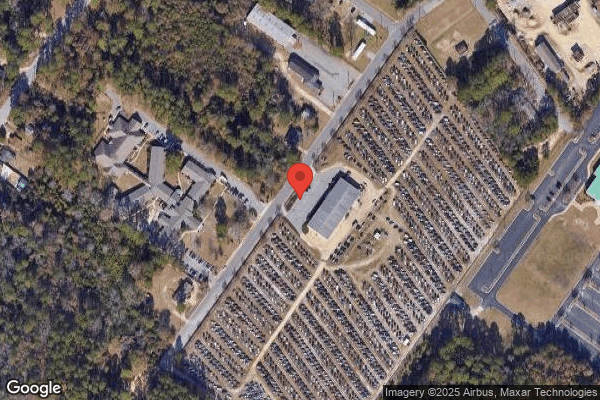

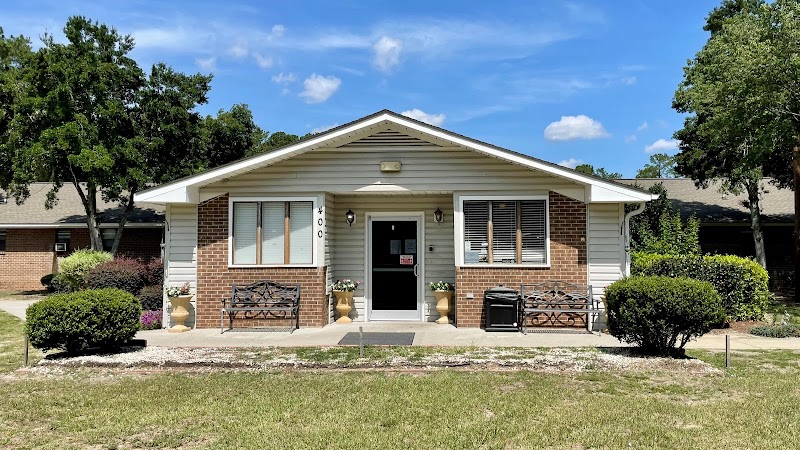
400 Pelt Drive, Fayetteville, NC 28301 (910) 822-0515
For profit - Corporation 80 Beds LIBERTY SENIOR LIVING Data: November 2025 2 Immediate Jeopardy citations
Trust Grade
41/100
#221 of 417 in NC
Last Inspection: August 2025

Inspected within the last 6 months. Data reflects current conditions.

Overview

Woodlands Nursing & Rehabilitation Center has a Trust Grade of D, indicating below-average care with some concerns. It ranks #221 out of 417 facilities in North Carolina, placing it in the bottom half of the state's nursing homes, and #7 out of 10 in Cumberland County, meaning only three local options are worse. The facility is showing improvement, having reduced issues from four in 2024 to two in 2025. Staffing is average with a turnover rate of 54%, which is slightly higher than the state average, and RN coverage is also average, which means they provide just enough registered nurse support. However, there are significant concerns: for example, a resident fell from their wheelchair during transport and was left on the floor of the van without emergency aid, highlighting serious safety risks. Additionally, there were failures in following medication administration guidelines, which could impact resident health. Overall, while there are some strengths, families should be aware of the serious incidents and ongoing issues.
Trust Score
D
41/100
In North Carolina
#221/417
Bottom 48%
Safety Record
High Risk
Review needed
Inspections
Getting Better
4 → 2 violations
Staff Stability
⚠ Watch
54% turnover. Above average. Higher turnover means staff may not know residents' routines.
Penalties
⚠ Watch
$27,393 in fines. Higher than 80% of North Carolina facilities, suggesting repeated compliance issues.
Skilled Nurses
⚠ Watch
Each resident gets only 26 minutes of Registered Nurse (RN) attention daily — below average for North Carolina. Fewer RN minutes means fewer trained eyes watching for problems.
Violations
⚠ Watch
12 deficiencies on record. Higher than average. Multiple issues found across inspections.
★★★☆☆
3.0
Overall Rating
★★★☆☆
3.0
Staff Levels
★★★☆☆
3.0
Care Quality
★★★☆☆
3.0
Inspection Score
Stable
2024: 4 issues
2025: 2 issues

The Good

  • Full Sprinkler Coverage · Fire safety systems throughout facility
  • No fines on record

Facility shows strength in fire safety.

The Bad

3-Star Overall Rating

Near North Carolina average (2.8)

Meets federal standards, typical of most facilities

Staff Turnover: 54%

Near North Carolina avg (46%)

Higher turnover may affect care consistency

Federal Fines: $27,393

Below median ($33,413)

Moderate penalties - review what triggered them

Chain: LIBERTY SENIOR LIVING

Part of a multi-facility chain

Ask about local staffing decisions and management

The Ugly 12 deficiencies on record

2 life-threatening
Aug 2025 2 deficiencies
CONCERN (D)

Potential for Harm - no one hurt, but risky conditions existed

Assessment Accuracy (Tag F0641)

Could have caused harm · This affected 1 resident

**NOTE- TERMS IN BRACKETS HAVE BEEN EDITED TO PROTECT CONFIDENTIALITY** Based on record review and resident and staff interviews, the facility failed to accurately code the Minimum Data Set (MDS) asse...

Read full inspector narrative →
**NOTE- TERMS IN BRACKETS HAVE BEEN EDITED TO PROTECT CONFIDENTIALITY** Based on record review and resident and staff interviews, the facility failed to accurately code the Minimum Data Set (MDS) assessment in the area of oxygen therapy for 1 of 1 resident reviewed for oxygen therapy (Resident #4).The findings included:Resident #4 was admitted to the facility on [DATE] with diagnoses which included chronic obstructive pulmonary disease (COPD) and dependence on supplemental oxygen. The MDS dated [DATE] indicated Resident #4 was cognitively intact and was not coded for oxygen therapy. The Care Plan, last revised 7/21/25, included the focus of requiring oxygen therapy with an intervention that specified to give medications as ordered by physician. An observation and interview with Resident #4 were conducted on 8/7/25 at 10:55 AM. He was observed lying in his bed with oxygen being administered via nasal canula tubing (a tube with nasal prongs that allows oxygen delivery from an oxygen source) which was connected to an oxygen concentrator. He was awake and alert. When asked if he knew what his oxygen rate was supposed to be he stated that he really was not sure. He explained he had COPD and some other lung issues and used oxygen continuously. An interview was conducted with the MDS Coordinator on 8/7/25 at 11:28 AM. The MDS Coordinator stated she did not code Resident #4's oxygen therapy on the 7/21/25 MDS assessment due to operator error. An interview was conducted with the Director of Nursing (DON) on 8/7/25 at 12:04 PM. The DON stated it was her expectation that the MDS Coordinator be aware of residents on oxygen therapy and to make sure the MDS assessments were accurately coded. An interview was conducted with the Administrator on 8/8/25 at 1:38 PM. The Administrator stated it was her expectation that the MDS assessments were coded accurately.
CONCERN (D)

Potential for Harm - no one hurt, but risky conditions existed

PASARR Coordination (Tag F0644)

Could have caused harm · This affected 1 resident

**NOTE- TERMS IN BRACKETS HAVE BEEN EDITED TO PROTECT CONFIDENTIALITY** Based on record review and staff interviews, the facility failed to complete a Preadmission Screening and Resident Review (PASRR...

Read full inspector narrative →
**NOTE- TERMS IN BRACKETS HAVE BEEN EDITED TO PROTECT CONFIDENTIALITY** Based on record review and staff interviews, the facility failed to complete a Preadmission Screening and Resident Review (PASRR) application for a resident with newly evident mental health diagnoses for 1 of 1 sampled resident reviewed for PASRR (Resident #62). The findings included:Resident #62 was readmitted to the facility on [DATE] with diagnoses including major depressive disorder, post-traumatic stress disorder, and adjustment disorder with anxiety.The admission Minimum Data Set, dated [DATE] had Resident #62 coded as cognitively intact and was not currently considered by the state level II PASRR process to have serious mental illness.A review of the North Carolina Medicaid Uniform Screening Tool (NC MUST) for PASRR screenings dated 01/26/2010 revealed a negative PASRR level I determination.An interview with the Social Worker was conducted on 08/08/2025 at 11:15 AM. She stated Resident #62 did not have any mental health diagnoses in 2010 when the PASRR level I was completed but she did have the diagnoses of major depressive disorder, post-traumatic stress disorder, and adjustment disorder with anxiety when she was readmitted on [DATE]. Those diagnoses should have prompted a PASRR level II screening to be completed but it slipped through the cracks. An interview with the Director of Nursing (DON) was conducted on 08/08/2025 at 11:37 AM. She stated Resident #62 did have mental health diagnoses of major depressive disorder, post-traumatic stress disorder, and adjustment disorder with anxiety when she was readmitted on [DATE]. The Social Worker was expected to submit a PASRR level II screening when she was admitted but it was overlooked and there was not a plan of correction (POC) completed prior to investigation.
May 2024 4 deficiencies
CONCERN (D) 📢 Someone Reported This

A family member, employee, or ombudsman was alarmed enough to file a formal complaint

Potential for Harm - no one hurt, but risky conditions existed

Deficiency F0582 (Tag F0582)

Could have caused harm · This affected 1 resident

**NOTE- TERMS IN BRACKETS HAVE BEEN EDITED TO PROTECT CONFIDENTIALITY** Based on record review and staff interviews, the facility failed to provide a CMS-10123 (Centers for Medicare and Medicaid Servi...

Read full inspector narrative →
**NOTE- TERMS IN BRACKETS HAVE BEEN EDITED TO PROTECT CONFIDENTIALITY** Based on record review and staff interviews, the facility failed to provide a CMS-10123 (Centers for Medicare and Medicaid Services) Notice of Medicare Non-Coverage (NOMNC) at least two days prior to discharge from Medicare part A services for 1 of 3 sampled residents (Resident #127). The findings included: Resident #127 was admitted to the facility under skilled Medicare Part A services to receive physical, occupational and speech therapy on 11/02/2023. Review of the admission Minimum Data Set (MDS) dated [DATE] indicated the resident's cognition was intact. She was dependent on staff for eating, toileting and personal hygiene. Review of the Physical Therapy discharge summary note indicated the date of services started on 11/03/2023 until 11/22/2023. Review of the Occupational Therapy discharge summary note indicated the date of services started on 11/03/2023 until 11/23/2023. A review of the medical record revealed a CMS-10123 NOMNC letter was issued, and the Responsible Party (RP) was notified on 11/28/2023 by the Business Office Manager that skilled services would be ending on 11/30/2023. An interview was conducted with the Social Worker (SW) on 05/02/2024 at 2:30PM SW indicated she did not have a reason for why the NOMNC was not sent out as soon as the resident was discharged from Rehab services. She added that the Business Office Manager was responsible for issuing the NOMNC letter. An interview with the Rehabilitation Director on 05/02/2023 at 11:42 AM revealed that the rehabilitation services for Resident #127 ended on 11/23/2023 and the resident did not have any other skilled services remaining. He indicated that the Business Office Manager should have provided the and NOMNC letter to the Responsible Party (RP) when the rehab services ended on 11/23/2023. An interview was conducted with the Business Office Manager on 05/02/2024 at 2:19 PM and she revealed that Resident #127's Medicare A coverage was to end on 11/23/2023 and this should have been discussed with the RP before 11/23/2023. She said that it was her responsibility to check with the family if they had filed for NOMNC appeal. The Business Office Manager added she did not know the reason the NOMNC was not sent out to RP before 11/23/2023. She indicated that she was aware that the NOMNC was to be issued 2 days prior to the end of services. The Business Office Manager indicated she notified the resident and the RP on 11/28/2023 about the NOMNC letter for Resident#127 skilled services. She indicated that The NOMNC letter was missed and was sent later which was on 11/28/2023. An interview was conducted on 05/03/2024 at 3:01 PM with the interim Administrator and she revealed it was her expectation that the residents at the facility or RP should be provided appropriate notices prior to being discharged from Medicare.
CONCERN (D) 📢 Someone Reported This

A family member, employee, or ombudsman was alarmed enough to file a formal complaint

Potential for Harm - no one hurt, but risky conditions existed

Drug Regimen Review (Tag F0756)

Could have caused harm · This affected 1 resident

Based on record review, staff, pharmacist, and Nurse Practitioner (NP) interviews the facility failed to respond to the consultant pharmacist's recommendations for 1 out of 5 residents reviewed for un...

Read full inspector narrative →
Based on record review, staff, pharmacist, and Nurse Practitioner (NP) interviews the facility failed to respond to the consultant pharmacist's recommendations for 1 out of 5 residents reviewed for unnecessary medications (Resident #42). Findings include: Resident #42 was admitted into the facility on 3/11/24 with multiple diagnoses including atrial fibrillation (an irregular rapid heart rate that commonly causes poor blood flow), gastroesophageal reflux disease, and arthritis. A review of Resident #42's admission Physician orders for March 2024 included the following: Cardizem Controlled Delivery 120 milligrams (mg) daily, enteric coated aspirin 81 mg daily, Protonix delayed release 40 mg tablet daily, Tylenol 8 hour extended release one tablet every 8 hours as needed for pain, and pentoxifylline extended release 400 mg tablet twice daily. A review of Resident #42's Pharmacy Consultant review dated 3/21/24 included the following: the electronic medical record indicates medications are crushed. Please consider the following alternatives: 1) Change Cardizem CD 120 milligram (mg) capsule daily to diltiazem 30 mg (work with cardiology for change). 2) Change aspirin enteric coated 81 mg daily to aspirin chewable 81 mg daily. 3) Change Protonix 40 mg delayed release to Protonix 40 mg granule packet daily. 4) Change Tylenol 8 hour extended release 650 mg give one tablet every 8 hours as needed for pain to Tylenol 325 mg give 2 tablets as needed for pain. 5) Evaluate pentoxifylline extended release 40 mg tab twice a day for alternative as this extended release should not be crushed. On the Pharmacy Note to the Attending Physician/Prescriber dated 3/21/24 there was a note dated 3/15/24 stating Cardizem changed to twice a day did not want to make any changes per the Nurse Practitioner. There was no other documentation in Resident #42's medical record regarding the Pharmacy Consultant review dated 3/21/24. An interview with the Director of Nursing on 5/2/24 at 10:00 AM stated that when she gets the Pharmacy Consultant Recommendations that she forwards them to the physician. She further stated that she does not always get them back. She further stated that she did not know who put the note on the Pharmacy Consultant review dated 3/21/24. An interview with the Nurse Practitioner on 5/2/24 at 1:55 PM revealed that she changed the Cardizem in March 2024 due to Resident #42 having increased episodes of atrial fibrillation and had an appointment with cardiology scheduled who manages Resident #42. She stated that the nursing staff usually speaks to her regarding any pharmacy recommendations and did not know why she did not address the other medications at that time. An interview with the Regional Director of Operations on 5/2/24 at 2:15 PM indicated that the physicians should be responding to the pharmacist regarding their medication regime reviews. An interview with the Pharmacy Consultant on 5/3/24 at 3:00 PM indicated that she expected the physician or their designee to respond to her recommendations and if the physician did not want to change a resident's medication that the rationale would be documented in the resident's medical record or on the communication form.
CONCERN (E) 📢 Someone Reported This

A family member, employee, or ombudsman was alarmed enough to file a formal complaint

Potential for Harm - no one hurt, but risky conditions existed

Deficiency F0760 (Tag F0760)

Could have caused harm · This affected multiple residents

**NOTE- TERMS IN BRACKETS HAVE BEEN EDITED TO PROTECT CONFIDENTIALITY** Based on record review and staff interviews the facility failed to administer significant medications to 4 out of 16 residents (...

Read full inspector narrative →
**NOTE- TERMS IN BRACKETS HAVE BEEN EDITED TO PROTECT CONFIDENTIALITY** Based on record review and staff interviews the facility failed to administer significant medications to 4 out of 16 residents (Resident #1, #18, #21, and #48) reviewed for medication administration. The facility also failed to follow medication administration guidelines for not crushing certain medications for 1 out of 16 residents reviewed for medication administration (Resident #42). Findings included: 1a) Resident #1 was admitted originally into the facility 01/31/22 and was readmitted on [DATE] with the diagnoses of cerebral infarction, chronic systolic congestive heart failure, hypothyroidism, hypertensive heart and chronic kidney disease with heart failure, epilepsy, and type 2 diabetes mellitus. A review of Resident #1's quarterly Minimum Data Set, dated [DATE]included that she is severely cognitively impaired, has diagnoses of heart failure, diabetes mellitus, stroke, dementia, seizure disorder, and schizophrenia. It further revealed that she had received insulin injections on 7 days and was taking high risk drug classifications of a diuretic and antidepressant. A review of Resident #1's comprehensive care plan initiated on 3/24/23 included the focus and interventions of a seizure disorder with a risk for injuries, the interventions included give seizure medication as ordered by doctor and to monitor/document the side effects and effectiveness. The focus and interventions of she used an antidepressant medication and had an increased risk for adverse side effects, the interventions included giving the antidepressant medication as ordered by the physician and to observe for/document side effects and effectiveness. The focus and interventions of the potential for dehydration or fluid volume deficit related to status post gastrostomy tube hydration and oral medications the interventions included to administer medications as ordered and monitor/document side effects and effectiveness. A focus and interventions of she had diabetes mellitus with risk for complications interventions included to administer diabetes medication as ordered by the doctor and to monitor/document for side effects and effectiveness, and to monitor blood glucose levels as ordered by the physician. A review of Resident #1's November 2023 Medication Administration Record revealed no documentation of her medications scheduled for 9:00 AM on 11/29/23. These medications included: furosemide 40 mg daily for heart failure, phenobarbital 30 mg twice a day for seizures, and her blood sugar was not documented at 8:00 AM or 11:00 AM which determined if she received any human insulin per sliding scale. A review of Resident #1's facility record did not indicate adverse effects were noted by the medications not being administered. b) Resident #18 was admitted into the facility on 8/2/21 with the diagnoses of dementia, schizophrenia, sick sinus syndrome, hypertensive heart, and chronic kidney disease without heart failure. A review of Resident #18's quarterly Minimum Data Set, dated [DATE] indicated that he was moderately cognitively impaired, and had diagnoses of hypertension, dementia, schizophrenia, renal insufficiency, and coronary artery disease. A review of Resident #18's comprehensive care plan dated 8/2/21 and revised 8/1/24 included the focus he received antipsychotic medication related to a diagnosis of paranoid schizophrenia with a risk of adverse side effects, the interventions included administer medication as ordered by the physician and discuss possible side effects with the resident and his responsible party. A review of Resident #18's Medication Administration Record revealed no documentation of his scheduled medications scheduled for 9:00 AM on 11/29/23. These medications included haloperidol 5 mg daily for schizophrenia, amlodipine besylate 5 mg daily for hypertension, and carvedilol 3.125 mg daily for hypertension. A review of Resident #18 medical record did not indicate adverse effects were noted from the medications not being administered. c) Resident #21 was admitted into the facility on [DATE] and readmitted on [DATE] with diagnoses of cerebrovascular accident, hypertension, and seizures. A review of Resident #21 quarterly Minimum Data Set, dated [DATE] included he was cognitively intact and had diagnoses of a stroke, hypertension, and seizures. A review of Resident #21's comprehensive care plan included a focus initiated on 2/22/16 that he was receiving an antiseizure medication with risk for toxic side effects and was at risk for injury due to seizure activity with interventions to administer medication as ordered by the physician. A focus initiated on 1/26/18 that he had hypertension with interventions to give antihypertensive medications as ordered and monitor for side effects including orthostatic hypotension and increased heart rate and effectiveness. A review of Resident #21's Medication Administration Record revealed no documentation of his scheduled medications for 9 AM on 11/29/23. These medications included levetiracetam 1000mg twice a day for seizures, hydralazine hydrochloride 100 mg three times a day for hypertension, and labetalol hydrochloride 200 mg three times a day for hypertension. An interview conducted with Resident #21 on 5/2/24 at 1:00 PM indicated that he was not aware of ever missing any medications since his admission into the facility. A review of Resident #21's medical record did not indicate adverse effects were noted from the medications not being administered. d) Resident #48 was admitted into the facility on 2/10/21 with diagnoses of cerebral vascular accident, diabetes mellitus, hypertension, and hyperlipidemia. A review of Resident #48's quarterly Minimum Data Set, dated [DATE] included that she was moderately cognitively impaired. A review of Resident #48's Comprehensive Care Plan dated initiated 5/12/21 included a focus of diabetes mellitus with a risk for complications with interventions of administer sliding scale insulin as ordered and give diabetes medications as ordered by the physician. A focus of at risk of complication of coronary artery disease related to hyperlipidemia with interventions of to give medications to control cholesterol level as ordered by the physician. A review of Resident #48's Medication Administration Record revealed no documentation of her scheduled medications for 9:00 AM on 11/29/23. These medications included insulin glargine inject 24 units subcutaneously one time a day for diabetes mellitus, metoprolol tartrate 25 mg daily for hypertension, amlodipine besylate 10 mg daily for hypertension, and a blood glucose check one time a day and to notify the physician if the blood glucose is less than 70 milligrams per deciliter or greater than 220 mg per deciliter. A telephone interview was conducted on 5/6/24 at 10:07 AM with Nurse #12 who was scheduled on 11/29/23 to pass the 9:00 AM medications. She indicated she was not sure what time she had arrived at work on 11/29/23 however the facility was notorious for calling her in at the last minute. She further indicated that when she arrives late, she walks into several things requiring her immediate attention. She further stated that if the medications were not documented then the medications were not passed by her due to other issues, she was taking care of. A review of Nurse #12's timecard indicated that she clocked in for work at 8:00 AM. An interview was conducted on 5/6/24 at 10:33 AM with Medication Aide #12 who was originally scheduled to pass medications on 11/29/23 at 9:00 AM. She revealed that her job duties had been switched from a medication aide to nursing assistant duties due to call-ins on 11/29/23 and that she had not passed any medications prior to her job duties being changed. An interview was conducted on 5/6/24 at 11:09 AM with the Director of Nursing revealed that she could not say if she was aware of the 9:00 AM medications not being administered on 11/29/23. She indicated that the normal procedure was for the nurse to notify the unit supervisor who then notified the Director of Nursing if there was an issue with the nurse passing medications to ensure the medications were given. An interview with the Unit Supervisor could not be completed as he was out of the country. An interview was conducted on 5/6/24 at 12:45 PM with the Physician who stated that there was a potential for harm if blood glucose were not obtained as ordered and if diabetic, antihypertensive, heart failure, antiseizure medications were not administered to Residents as prescribed. He was unaware of any increased monitoring or adverse effects related to the residents not being administered these types of medications the morning of 11/29/23. He stated that he was not aware of the medications not being administered on 11/29/23 which he expected to take place when these types of medications were not administered. An interview was conducted on 5/6/24 at 1:30 PM with the Interim Administrator revealed that if there was an issue with administering medications that the nurse should have notified the unit supervisor so that arrangements to ensure the medications were administered could be accomplished. 2) Resident #42 was admitted into the facility on 3/11/24 with multiple diagnoses including atrial fibrillation (an irregular rapid heart rate that commonly causes poor blood flow), gastroesophageal reflux disease, and arthritis. A review of Resident #42's admission Minimum Data Set, dated [DATE] revealed she was moderately cognitively intact, had loss of food or fluids while drinking or eating, holding food in mouth/cheeks or residual food in mouth after meals, coughing or choking during meals or when swallowing medications, and complained of difficulty or pain with swallowing, she had no weight loss and was on a mechanically altered diet. A review of Resident #42's comprehensive care plan initiated on 3/18/24 included that she needed to be set up and supervised during meals and that she was on a mechanically altered diet. A review of Resident #42's admission Physician orders for March 2024 included the following: Cardizem(used to treat high blood pressure) Controlled Delivery 120 milligrams (mg) daily , enteric coated aspirin (used to lower the risk of a heart attack, stroke and blood clots) 81 mg daily, Protonix (used to treat gastroesophageal reflux disease (GERD) and a damaged esophagus (the tube that allows food and liquid from the throat to pass to the stomach) delayed release 40 mg tablet daily, Tylenol 8 hour extended release one tablet every 8 hours as needed for pain, and pentoxifylline (used to treat poor blood circulation) extended release 400 mg tablet twice daily. A review of Resident #42's Pharmacy Consultant review dated 3/21/24 included the following: the electronic medical record indicates medications are crushed. Please consider the following alternatives: 1) Change Cardizem CD 120 milligram (mg) capsule daily to diltiazem 30 mg (work with cardiology for change). 2) Change aspirin enteric coated 81 mg daily to aspirin chewable 81 mg daily. 3) Change protonix 40 mg delayed release to protonix 40 mg granule packet daily. 4) Change Tylenol 8 hour extended release 650 mg give one tablet every 8 hours as needed for pain to Tylenol 325 mg give 2 tablets as needed for pain. 5) Evaluate pentoxifylline extended release 40 mg tab twice a day for alternative as this extended release should not be crushed An interview with the Pharmacy Consultant on 5/7/24 at 10:22 AM indicated that the aspirin was enteric coated to reduce the risk of stomach irritation, the protonix, pentoxifylline and Tylenol were designed to be released into the resident's system slowly and by crushing the medication the delayed release was compromised. An interview was conducted on 5/7/24 at 10:31 AM with Nurse #13 indicated that she crushed Resident #42's medication prior to giving it to her. She further indicated that she does not remember if the medications are flagged on the electronic record not to be crushed and does not remember if there is a list of do not crush medications on the medication cart. She stated that she was aware of only the enteric coated medications were not to be crushed but not the other medications. An interview was conducted on 5/7/23 at 3:11 PM with Nurse # 14 revealed that she crushed Resident #42's medication. She indicated that there is a list of do not crush medications on the medication cart but does not remember if the medications are flagged in the electronic record to not crush. She stated that she knew the enteric medications should not be crushed and she thought the pentoxifylline was not to be crushed. An interview was attempted with the physician, but he was unavailable.
CONCERN (E) 📢 Someone Reported This

A family member, employee, or ombudsman was alarmed enough to file a formal complaint

Potential for Harm - no one hurt, but risky conditions existed

Deficiency F0887 (Tag F0887)

Could have caused harm · This affected multiple residents

Based on record review and staff interviews the facility failed to maintain documentation of current Covid-19 vaccination status, eligibility screening, education, and offering of Covid-19 vaccination...

Read full inspector narrative →
Based on record review and staff interviews the facility failed to maintain documentation of current Covid-19 vaccination status, eligibility screening, education, and offering of Covid-19 vaccination for facility staff. The failures regarding education, offering the vaccine, and maintaining records were found for 4 of 12 facility staff (Staff #1, Staff #2, Staff #3, and Staff #4) reviewed for infection control. The findings included: Facility Covid-19 Staff Vaccination Policy last revised 8/2023 indicated all newly hired employees will be offered the Covid-19 Vaccine. Current employees will be offered the vaccine when there is a change in the vaccine content or if they previously refused and now would like to obtain the vaccine. The facility Staff Vaccination Policy also indicated a master tracker would be created to list all current staff who routinely enter the facility and updated on an ongoing basis as new staff are onboarded. The tracker will include vaccination status and proof of vaccination will be maintained in a secured location. Review of facility records revealed Staff #1 was hired 2/9/2024, Staff #2 was hired 1/29/24, Staff #3 was hired 1/16/24 and Staff #4 was hired 4/25/24. The facility records revealed no documentation of the facility screening the four staff members for Covid-19 vaccine eligibility, offering the vaccine and educating the staff on the benefits, risks, and potential side effects of the vaccine. An interview was conducted with the facility Infection Preventionist (IP) on 5/3/24 at 9:12 AM. The IP explained she started working at the facility end of January 2024 and she could not find any records of employee Covid-19 vaccination documentation. The IP indicated she started looking for the staff Covid-19 vaccine tracking and documentation when the survey team asked for the information on 4/29/24 which she could not locate, and she started keeping the staff vaccination records straight on 5/2/24. She verbalized she was not made aware during hire that the staff vaccination records were not kept and that she needed to track it, screen, offer and provide education on Covid-19 vaccines to staff. During an interview on 5/3/24 at 9:30 AM with the Director of Nursing (DON), she stated she thought the previous Infection Preventionist (IP) was keeping track of staff Covid-19 vaccination status and offering education regarding Covid-19 vaccination. The DON stated going forward the current IP was going to keep track of employee vaccination status, screen, educate and offer Covid vaccines to facility staff. An interview was conducted on 5/3/24 at 10:11 AM with the facility Interim Administrator. She stated going forward all new hired employees would be screened for Covid-19 vaccination eligibility, offered the vaccine, and educated on the benefits, risks, and potential side effects of the vaccine. The Administrator further stated going forward, the IP or designee would ensure staff Covid vaccination status, screening and education was tracked and documented accurately.
Sept 2023 1 deficiency
CONCERN (D) 📢 Someone Reported This

A family member, employee, or ombudsman was alarmed enough to file a formal complaint

Potential for Harm - no one hurt, but risky conditions existed

Deficiency F0660 (Tag F0660)

Could have caused harm · This affected 1 resident

**NOTE- TERMS IN BRACKETS HAVE BEEN EDITED TO PROTECT CONFIDENTIALITY** Based on record review, staff interview, Physician interview, and Responsible Party interview the facility failed to implement a...

Read full inspector narrative →
**NOTE- TERMS IN BRACKETS HAVE BEEN EDITED TO PROTECT CONFIDENTIALITY** Based on record review, staff interview, Physician interview, and Responsible Party interview the facility failed to implement a discharge planning process that identified changes resulting in modifications to a resident's discharge plan for one (Resident # 1) of three residents reviewed for discharge. The facility failed to follow up on a pending x-ray result before discharging a resident home. When the results came in after the resident was discharged , they showed the resident had a fracture. The findings included: Resident # 1 was admitted to the facility on [DATE]. The resident had diagnoses which in part included dementia, hypertension, diabetes, a history of metabolic encephalopathy, and debility. Resident # 1's care plan, dated 7/13/23, noted the plan was for Resident # 1 to discharge home after therapy was completed. Resident # 1's admission Minimum Data Set assessment, dated 7/21/23, coded the resident as cognitively impaired. She was assessed to need extensive assistance with her transfers and walking. The Rehabilitation Director was interviewed on 8/30/23 at 1:40 PM and reported the following. Resident # 1 had lost an appeal for her insurance to cover her stay any longer. Therefore, she was planning to discharge home with family. The last day therapy provided treatment services was on 7/27/23. At that time, Resident # 1 was ambulatory. Therapy was working on the resident climbing steps. At discharge, staff were still doing 75% of the work to help Resident # 1 up the steps. The facility Social Worker was interviewed on 9/1/23 at 1:10 PM and reported the following. She saw Resident # 1 on the morning of 7/28/23. Insurance was no longer covering for Resident # 1 to be at the facility. The family was planning to take her home on 7/29/23 and discharge home health had been set up. On 7/28/23 at 10:00 AM Nurse # 2 documented a nursing entry for Resident # 1 noting the following. The resident had been found on the floor at the end of the bed laying on her right side. She was alert and oriented. She complained of left hip pain (the hip opposite of the one on which she was found). The physician ordered a two- view x-ray of the left hip. Nurse # 2 was interviewed on 8/31/23 at 1:37 PM and reported the following. She verified Resident #1 had a fall on 7/28/23 and she completed an assessment of the resident. She indicated the resident was not complaining of pain in the hip on which she was found, but rather the opposite hip. She completed her assessment and found no obvious deformity. The physician ordered an x-ray. She administered some pain medication, and the pain medication was helpful. The X-ray technician did not arrive before her shift ended. Nurse # 3 was assigned to care for Resident # 1 on the 3:00 PM to 11:00 PM shift on 7/28/23. An attempt was made to interview Nurse # 3 on 8/31/23 at 2:30 PM and she could not be reached. During an interview with the Director of Nursing (DON) on 9/1/23 at 11:10 AM, the DON reported she had spoken to Nurse # 3 on 8/4/23 while she (the DON) was investigating the care Resident # 1 had received at the facility. The DON indicated Nurse # 3 reported that the x-ray results did not arrive on 7/28/23 during the 3:00-11:00 PM shift and the resident had not complained of pain. during her shift. Nurse # 3 had reported to the DON that she passed the information (that the resident had fallen, and x-rays were pending) on to Nurse # 4 during change of shift report. Nurse # 4 was assigned to care for Resident # 1 on the 11:00 PM to 7:00 AM shift which began on 7/28/23. An attempt was made to reach Nurse # 4 on 8/31/23 at 2:28 PM and the nurse could not be reached for interview. During an interview with the Director of Nursing (DON) on 9/1/23 at 11:10 AM, the DON reported she had spoken to Nurse # 4 on 8/4/23 while she was investigating the care Resident # 1 had received at the facility. The DON indicated Nurse # 4 reported Resident # 1 had not complained of pain during his shift. Nurse # 4 had reported to the DON that he had checked the fax machine for x-ray results and there were none there during his shift. Nurse # 4 also reported to the DON that he passed the information (that the resident had fallen, and x-rays were pending) on to Nurse # 1 during change of shift report. On 7/29/23 at 12:30 PM Nurse # 1 documented the following nursing note in Resident #1's record. Resident has been discharged from facility with daughter. Resident was brought out to car with wheelchair. Resident needed a significant amount of assistance from family to enter into car. Resident was alert and could make needs known. Complained of pain in right hip. Resident was discharged with medications and instructions for medication were gone over with daughter. Daughter voiced understanding. On 7/29/23 at 2:30 PM the physician noted a late entry which in part read, This is a discharge visit as the patient has reached maximum benefits with therapy at this time and will be discharging home. Patient had a fall today, but patient denies pain to me. (During an interview on 9/1/23 at 3:47 PM with Resident # 1's physician, the physician clarified he was aware the fall was 7/28/23 and not 7/29/23).) On 7/29/23 at 4:02 PM Nurse # 1 documented the following note in Resident # 1's record, This nurse just received x-ray results. Shows a mildly comminuted impacted intertrochanteric fracture with various deformity. Physician notified and advised nurse to have family take resident to the [Emergency Room] ER. Daughter informed and stated that she had already taken her to the ER. Nurse # 1 was interviewed on 8/31/23 at 1:53 PM and reported the following. On 7/29/23 she had not received anything in report about Resident # 1 falling the previous day or that an x-ray was done and results were still pending. The resident did have some left hip pain that morning, and the nurse knew the physician had been in to see Resident #1 that morning and thought it was okay to send her home. He had written her prescriptions and did not mention a pending x-ray result. The family came and assisted Resident # 1 to the wheelchair. She then accompanied the resident and her family to the car which was a Sports Utility Vehicle (SUV). Per facility protocol she was not supposed to assist in getting the resident into a private vehicle but she observed as two family members assisted. The resident did not have trouble standing, but she had trouble turning and getting into the vehicle and appeared to have some hip pain. It took about five to ten minutes for the resident to get in the vehicle. When she was in the vehicle, the nurse returned to her unit. She still had medications to pass and then she reviewed Resident # 1's record. She saw for the first time that Resident # 1 had fallen the previous day (7/28/23) and an x-ray had been done with no results ever received. She called the x-ray company and they told her they would send the report. It took a little time for the report to come through. When the report was sent, it noted Resident # 1 had a fractured hip. She immediately called the physician who instructed that she call the family and inform them the resident needed to go to the hospital. She called the family and they said they had already taken the resident to the hospital. Resident # 1's Responsible Party was interviewed on 8/30/23 at 11:55 AM and reported the following. Resident # 1 had hip pain after her last fall (7/28/23) at the facility. They (the facility) had an x-ray completed of the resident's hip, and she had inquired about the results on the day of her fall, but the staff kept saying they were waiting on the results. On the day of discharge, she had assisted Resident # 1 to the wheelchair. The staff told her it was okay for the resident to go home so she interpreted that the x-ray had been okay. It took a long time to get Resident # 1 in the vehicle and she still had some hip pain at that time. Therefore, instead of taking her home, she took her to the hospital where they identified that she had a fractured hip. After she had already taken Resident # 1 to the hospital, the facility called and let her know the x-ray results showed Resident # 1's hip was fractured. Review of Resident # 1's hospital records revealed she was evaluated in the ED (emergency department) on 7/29/23 at 12:54 PM and found to have a left hip fracture. The ED physician noted, On evaluation, patient is lying comfortably in bed and is in no acute distress. Inspection of the left lower extremity reveals minimally shortened and externally rotated left lower extremity with focal bony tenderness to palpation (tenderness limited to the bone when examined by touch) of the left anterior (front) hip. Patient has decreased range of motion of the left hip secondary to pain. Unremarkable examination of the right lower extremity. On 7/31/23 the resident underwent surgery and was discharged from the hospital on 8/3/23. The facility's medical director, who served as Resident # 1's physician during her residency, was interviewed on 9/1/23 at 3:47 PM and reported the following. He had seen Resident # 1 on the morning of discharge (7/29/23). He knew she had fallen the previous day but she had no complaints of pain when he saw her. He recalled the family wanted to leave the facility with Resident #1 by 11:00 AM. He knew the x-ray report was still pending at the time of his discharge visit on the morning of 7/29/23 and thought he had a conversation with the nurse on duty that morning, but he could not recall for sure. He thought the facility would wait to get the x-ray report back before letting the resident leave and was not sure where the breakdown was in communicating about that. The physician felt that standing the resident to get in the wheelchair and into the car probably did not worsen Resident # 1's fracture but he could not say for sure. He reported the fracture was a mild fracture. The Administrator and Director of Nursing were interviewed on 9/1/23 at 11:10 AM and reported the following. They were aware the resident had been discharged without the results of the x-ray being known and had investigated the incident. According to the DON, Nurse # 1 should have reviewed the record prior to discharging the resident to make sure all pending orders were completed and updated the physician when the resident had trouble getting into the vehicle. Also, the DON reported normally they did not have trouble getting an x-ray report from the mobile x-ray company. She had not been able to identify the specific breakdown because Nurse # 3 and Nurse # 4 reported they had passed along the information in shift change report that x-ray results were still pending following Resident # 1's fall, but Nurse # 1 had reported that she had not received the information in shift change report. The Administrator and DON stated they had completed a corrective action plan to address the incident. On 9/1/23 the facility provided the following corrective action plan with a completion date of 8/4/23. Address how corrective action will be accomplished for those residents found to have been affected by the deficient practice. Resident # 1 no longer resides at the facility. Address how the facility will identify other residents having the potential to be affected by the same deficient practice; On 07/31/23 the Director of Nursing identified residents that were potentially impacted by this practice by completing an 100 % audit all current residents with x-rays ordered to ensure they were received and reviewed timely, audits were completed on all current/discharged residents for the past 30 days. This was completed on 07/31/23. The results indicated that no other residents were identified with this concern. Address what measures will be put into place or systemic changes made to ensure that the deficient practice will not recur; On 08/01/23, the Assistant Director of Nursing in-serviced all Nursing, Nursing Assistant and medication Aides staff (including agency) on following up on x-ray results and to report the results timely to the MD (medical physician). On 08/01/23 All Nurses were also educated that if there is a complaint of pain or concern during discharge the resident is to be returned to the facility, assessed and the MD notified. On 08/01/23 In-service for Nursing Assistants: Please inform the nurse if there are any concerns noted for a resident prior to discharge, for example a change in their condition, increase pain or family expressing any concerns. As of 08/04/23 100% of Nurses, Nursing Assistant and Medication Aides members have attended the in-service. The Director of Nursing will ensure that any of the above-identified staff who do not complete the in-service training by 08/04/23 will not be allowed to work until the training is completed. A copy of this in-service will be placed in the agency book so all new agency staff will have this training. This will also be added to the new orientation packet for all new staff. Indicate how the facility plans to monitor its performance to make sure that solutions are sustained; The Director of Nursing will monitor x-ray orders and results being received and reported in a timely manner, weekly for 2 weeks and monthly for 3 months for compliance by utilizing the QA discharge tool. The DON will audit all discharges to ensure there are no x-ray reports pending prior to discharge this will be completed weekly x3, then monthly until resolved utilizing the QA discharge tool. Reports will be presented to the weekly QA committee by the Administrator or Director of Nursing to ensure corrective action initiated as appropriate. Compliance will be monitored, and the on-going auditing program reviewed at the weekly QA Meeting. The weekly QA Meeting is attended by the Administrator, DON, MDS Coordinator, Therapy, HIM, and the Dietary Manager. Date of Compliance 08/04/23 During the complaint investigation of 8/30/23 to 9/1/23 the facility's action plan was validated by the following. Two additional residents, who had been discharged since Resident # 1 resided at the facility, were placed on a sample for review. Record review, staff interviews, and physician interviews revealed staff were assuring diagnostic studies were done and results back before discharge. The facility provided documented evidence of their inservice training and audits which had been noted in the corrective action plan. It was validated with Nurse # 1 on 8/31/23 at 1:53 PM that she had attended the inservice training and was aware not to discharge a resident without reviewing the record. On 9/1/23 the facility's corrective action plan was verified as completed on 8/4/23.
Feb 2023 2 deficiencies 2 IJ
CRITICAL (J) 📢 Someone Reported This

A family member, employee, or ombudsman was alarmed enough to file a formal complaint

Immediate Jeopardy (IJ) - the most serious Medicare violation

Quality of Care (Tag F0684)

Someone could have died · This affected 1 resident

**NOTE- TERMS IN BRACKETS HAVE BEEN EDITED TO PROTECT CONFIDENTIALITY** Based on facility and emergency department record review, observation, and interviews with staff, residents, dialysis staff and ...

Read full inspector narrative →
**NOTE- TERMS IN BRACKETS HAVE BEEN EDITED TO PROTECT CONFIDENTIALITY** Based on facility and emergency department record review, observation, and interviews with staff, residents, dialysis staff and contract transportation staff, the facility failed to ensure a transportation driver followed emergency protocol after Resident #1's fall from his wheelchair during van transportation. The driver failed to request emergency aid and continued driving with Resident #1 on the floor of the van. The resident had bleeding from his below the knee amputation sites and pain on his right shoulder. This situation had the high likelihood to cause serious injury and harm. This deficient practice affected 1 of 3 residents reviewed for accidents (Resident #1). Findings included: Resident #1 was admitted to the facility on [DATE] with diagnoses that included bilateral below the knee (BKA) amputations and kidney failure requiring dialysis. Resident #1's admission Minimum Data Set (MDS) dated [DATE] indicated moderately impaired cognition. He required extensive assistance with transfers and locomotion. He had not had any falls in the past 6 months or since admission. He required pain medication as needed for frequent pain. He had surgical wounds at admission. He required dialysis. A written statement dated 1/6/23 from Resident #1 indicated the transportation driver hit his brakes and the seatbelt hooked to the wall gave out and he fell to the floor. The driver tried to get him up, but Resident #1 asked him to leave him on the floor. Resident #1 was lying on his stomach on the floor of the van. Resident #1 reported pain to bilateral BKA stumps and his shoulder. During an interview on 2/9/23 at 11:35 AM, Resident #1 revealed that on 1/6/23 he did not have his usual driver for dialysis. Resident #1 indicated the driver was speeding during the 8-minute drive to dialysis. A car turned out in front of the van and the driver hit his brakes causing Resident #1 to fall from the chair onto his face and amputation stumps on the floor of the van. Resident #1 indicated the driver continued driving 3-5 minutes to the dialysis clinic. The driver went into the dialysis clinic to ask for help and returned with the Dialysis Nurse Supervisor. Resident #1 indicated he and the Dialysis Nurse Supervisor recommended the driver call an ambulance and he was taken to the hospital via ambulance. A written statement from the transportation driver dated 1/6/23 indicated he had been driving for the contract transportation company for nine months. The day of the accident, he secured Resident #1 and Resident #4 into the van before leaving the facility. During the drive, a car pulled out into the street and the driver slammed on his brakes causing Resident #1 to fall from his wheelchair. The transportation driver pulled over to the side of the road and turned on his hazard lights. Resident #1 indicated he was fine and wanted to get back into his wheelchair. The driver tried to pick Resident #1 up and get him into his wheelchair but was unsuccessful. Resident #1 requested the driver take him to the dialysis clinic for assistance getting up to the chair. The transportation driver drove to the dialysis clinic for assistance. The dialysis clinic suggested the transportation driver call an ambulance. Resident #1's wheelchair remained strapped into the van with a large cushion to the seat. The transportation driver believed Resident slipped through the seatbelt due to the large slippery cushion. A telephone interview was conducted on 2/9/23 at 2:10 PM with the Transportation Driver. He revealed that during a drive to dialysis, a car pulled out in front of him, and he had to hit the brakes to avoid hitting the car. He heard Resident #1 call out and turned around to him lying the floor of the van. The transportation driver revealed he pulled over and turned on the van's hazard lights. Resident #1 requested the driver continue to the dialysis clinic across the street. The transportation driver recalled Resident #1 said he was not hurt and wanted the dialysis staff to assist him back to his chair. The driver then drove the van across the street with Resident #1 lying on the floor of the van. The transportation driver went into the dialysis clinic to request assistance getting Resident back into his chair. The dialysis nurse supervisor instructed the transportation driver to call an ambulance. Resident #1 was taken to the hospital via ambulance. The driver indicated he was trained to pull the vehicle to a safe spot and call 911 in the event of an accident, but Resident #1 stated he was fine and did not need an ambulance. The facility interviewed the other passenger of the van during the drive to dialysis about his account of Resident #1's fall. A written statement on behalf of Resident #4 (no date) indicated that on 1/6/23 the driver stopped suddenly and then he heard the driver say, What are you doing on the floor? He did not know what happened. The driver drove the van to dialysis to ask for help. During an interview on 2/9/23 at 1:10 PM, Resident #4 indicated he did not know how Resident #1 fell from his wheelchair during transportation to dialysis. He did not hear Resident #1 fall; he only heard the driver address the fall. Resident #4 indicated the driver continued driving 1 minute to the dialysis clinic following the fall to ask for assistance. Resident #4 was admitted to the facility on [DATE] with diagnoses that included kidney failure requiring dialysis and blindness. His quarterly MDS dated [DATE] indicated he was cognitively intact. A telephone interview was conducted on 2/9/23 at 1:55 PM, the Dialysis Nurse Supervisor indicated the transportation driver arrived at the clinic and came to her office asking for assistance getting Resident #1 off the floor of the van. When she arrived at the van, Resident #1 was face down on the floor of the van with the wheelchair and seatbelt next to him. She did not recall if the wheelchair was strapped into the van. Resident #1 was requesting a mechanical lift to get him back into his wheelchair. The Dialysis Nurse Supervisor indicated she instructed the van driver to call an ambulance. The emergency medical technicians got Resident #1 into a seated position and revealed bleeding to his amputation sites. Resident #1 was complaining of pain and was taken to the hospital. An Emergency Department Provider note dated 1/6/23 indicated Resident #1 was thrown from his wheelchair onto his bilateral amputation stumps during transportation to dialysis from the facility. Resident #1 was bleeding from his amputation sites. He was not on blood thinners at that time. Resident #1 complained of pain at his amputation sites and his right shoulder. Resident #1's x-rays were negative for leg or arm fractures. A Nursing Progress Note dated 1/6/23 at 9:40 AM indicated Resident #1 called the facility to inform his nurse he fell from his wheelchair in the contract transportation van on the way to dialysis. Resident #1 indicated he fell from his wheelchair when the transportation driver hit his brakes and he was at the hospital. An Investigation Guide to determine the cause of the accident completed by the Administrator dated 1/6/23 indicated Resident #1 fell in the contract transportation van while traveling to dialysis. The transportation driver proceeded to the dialysis clinic for assistance with getting Resident #1 off the floor of the van. The dialysis clinic staff advised the transportation driver to call an ambulance and Resident #1 was taken to the hospital. The investigation guide did not indicate if the driver stopped immediately following the fall. The root cause of the fall was determined to be operator error in securing the resident with safety restraints. A written statement dated 1/6/23 from the Contract Transportation Company owner indicated the transportation driver had been terminated. During an interview on 2/9/23 at 2:35 PM, the Contract Transportation Company owner revealed each transportation van had posted written instructions on what to do in an emergency. The owner revealed the driver should have called an ambulance and not moved the vehicle with Resident #1 on the floor. An observation was made on 2/9/23 at 2:40 PM of signage posted in the contract van In the event of an accident instructions included: pull the van over to a safe area, do not move the resident if they have fallen from the chair, call 911 first then call the facility Director of Nursing (DON). The contract transportation company owner indicated this was posted in the van during the accident. A Google Maps search indicated the distance from the named intersection to the dialysis clinic was 0.2 miles and would take one minute by vehicle. During an interview on 2/10/23 at 3:50 PM, the Director of Nursing (DON) indicated that following Resident #1's fall in the contract consultation van, he was transported to the hospital for evaluation. The DON revealed the driver should have stopped immediately and called an ambulance. During an interview on 2/10/23 at 4:15 PM, the Administrator revealed the driver should have pulled the vehicle over and called an ambulance immediately following Resident #1's fall from his wheelchair. She indicated that services with the contract transportation company were suspended following the accident and had not been reinstated. The facility's transportation staff was educated on what to do in an emergency following the incident. The facility had no further van accidents following Resident #1's fall. The Administrator and DON were notified of the immediate jeopardy on 2/9/23 at 6:15 PM. The facility provided the following corrective action plan with a completion date of 1/12/23. Problem identified: On 1/6/2023, Resident #1 was traveling to the dialysis center via wheelchair transported by the contract transport company. The van driver hit his brakes and Resident #1 was propelled from the wheelchair landing on the floor of the van on his stomach. Immediate action identified: Resident #1 was sent to the emergency room for evaluation on 1/6/2023. Upon completion of the evaluation, the resident was sent back to the facility with pain control medications and bowel protocol. Systemic changes made: On 1/6/2023, the facility suspended all transports scheduled with the contract transportation company until an inspection of the safety mechanisms could be conducted and a review of van driver training was completed. On 1/10/2023, the Administrator began contacting all current van transport companies used to transport facility residents. The following was requested: Current van inspection and training material and documentation of training for all van drivers utilized for facility transports. On 1/11/2023, all nurses, nurse aides, Transportation Aides, Maintenance Staff, and Administration staff were in-serviced by the staff development coordinator on the following: in the event of an emergency, call 911. Monitoring process: A quality assurance monitor Van Transports Audits will be completed by the Transportation Aide or Maintenance Director or designee weekly x 4 weeks then monthly x 3 months until resolved by the Quality Assurance (QA) Committee. The Van Transport QA Tool will monitor all resident transport checklists to ensure checks are being completed prior to each van transport and are compliant. Reports of the audit will be given to the Director of Nursing to report in the weekly Quality of Life- QA committee and corrective action initiated as appropriate. The Quality-of-Life committee consists of the Director of Nursing, Administrator, Staff Development Coordinator, Dietary Manager, Wound Nurse, Minimal Data Assessments Nurse and Support Nurse and Health Information Management and meets weekly Onsite validation was completed on 2/10/23 through staff interviews, observation, and record review. Staff were interviewed to validate in-service completion on van safety and what to do in a van emergency. Residents were interviewed and indicated they felt safe during van transportation. Documentation of van safety audits were reviewed. QA (Quality Assurance) meeting signatures were reviewed. The facility's corrective action plan was validated to be completed as of 1/12/23.
CRITICAL (J) 📢 Someone Reported This

A family member, employee, or ombudsman was alarmed enough to file a formal complaint

Immediate Jeopardy (IJ) - the most serious Medicare violation

Accident Prevention (Tag F0689)

Someone could have died · This affected 1 resident

**NOTE- TERMS IN BRACKETS HAVE BEEN EDITED TO PROTECT CONFIDENTIALITY** Based on facility and emergency department record review, observation, and interviews with staff, residents, dialysis staff and ...

Read full inspector narrative →
**NOTE- TERMS IN BRACKETS HAVE BEEN EDITED TO PROTECT CONFIDENTIALITY** Based on facility and emergency department record review, observation, and interviews with staff, residents, dialysis staff and contract transportation staff, the facility failed to ensure positioning and securement was according to manufacturer's recommendations to provide a safe contract van transport. Resident #1 fell from his wheelchair when the transportation driver put on the brakes. The resident had bleeding from his below the knee amputation sites and pain on his right shoulder. This situation had the high likelihood to cause serious injury and harm. This deficient practice affected 1 of 3 residents (Resident #1). Findings included: According to the Use and Care Manual updated 2014 for the four-point wheelchair securement system used by the contract transportation company details the following instructions for securing a passenger: 1. Make sure chair's Pelvic Belt is buckled over occupant's hips. 2. Attach Shoulder Belt Pin Connector to Pin located on Shoulder Belt Height Adjuster 3. Pull Shoulder Belt over occupant's chest and attach Shoulder Belt Pelvic Connector to Pin on Compliant Pelvic Belt 4. Adjust Shoulder Belt Height so that Shoulder Belt rests on shoulder. After the occupant and vehicle are secured, the occupant is ready for transportation 5. Attach Shoulder Belt Pin Connector to Pin on Rear Retractor closest to wall. 6. Attach the Pelvic Belt Pin Connector to Pin on Rear Retractor closest to the aisle. 7. Pull the Shoulder Belt over occupant's chest and buckle Shoulder Belt Pelvic Connector to Removable Pelvic Belt. 8. Adjust Shoulder Belt Height so that Shoulder Belt rests on shoulder. After the occupant and vehicle are secured, the occupant is ready for transportation. Resident #1 was admitted to the facility on [DATE] with diagnoses that included left below the knee amputation (BKA) performed in December 2022 and a right BKA performed in November 2022 and kidney failure requiring dialysis. Resident #1's admission Minimum Data Set, dated [DATE] indicated moderately impaired cognition. He required extensive assistance with transfers and locomotion. He had not had any falls in the past 6 months or since admission. He required pain medication as needed for frequent pain. He had surgical wounds at admission. He required dialysis. A Nursing Progress Note dated 1/6/23 at 9:40 AM indicated Resident #1 called the facility to inform his nurse that he fell from his wheelchair in the contract transportation van on the way to dialysis. Resident #1 indicated he fell from his wheelchair when the transportation driver hit his brakes and he was at the hospital. An Emergency Department Provider note dated 1/6/23 indicated Resident #1 was thrown from his wheelchair onto his bilateral amputation stumps during transportation to dialysis from the facility. Resident #1 was bleeding from his amputation sites. He was not on blood thinners at that time and did not lose consciousness. Resident #1 complained of pain at his amputation sites and his right shoulder. Redness and bleeding were noted to the amputation sites. Staples were intact to his incisions. Resident #1's x-rays were negative for leg or arm fractures. The Emergency Department After Visit Summary dated 1/6/23 included new orders for a pain medication. Diagnoses included fall and pain of amputation stump of both lower extremities. An Investigation Guide to determine the cause of the accident completed by the Administrator dated 1/6/23 indicated Resident #1 fell in the contract transportation van while traveling to dialysis. The transportation driver proceeded to the dialysis clinic for assistance with getting Resident #1 off the floor of the van. The dialysis clinic staff advised the transportation driver to call an ambulance and Resident #1 was taken to the hospital. The root cause of the fall was determined to be operator error in securing the resident with safety restraints. A written statement dated 1/6/23 from Resident #1 indicated the transportation driver hit his brakes and the seatbelt hooked to the wall gave out and he fell to the floor. The driver tried to get him up but Resident #1 asked him to leave him on the floor. Resident #1 was lying on his stomach on the floor of the van. Resident #1 reported pain to bilateral BKA stumps and his shoulder. During an interview on 2/9/23 at 11:35 AM, Resident #1 revealed that on 1/6/23, he did not have his usual driver for dialysis. The transportation driver pushed Resident #1 in his wheelchair into the van, locked the wheels, and used four straps to secure the wheelchair to the floor of the van. Resident #1 indicated an additional lap belt came up from the floor across his lap and connected a shoulder belt to the wall. Resident #1 indicated the transportation driver was speeding during the 8-minute drive to dialysis. A car turned out in front of the van and the driver hit his brakes. Resident #1 indicated the shoulder belt attached to the wall tightened and then pulled out of the wall causing Resident #1 to fall forward with the wheelchair falling on top of him. Resident #1 indicated the buckle around his waist remained buckled through the fall. Resident#1 fell onto his hands and amputation stumps causing pain and bleeding to his amputation sites. Resident #1 indicated the driver continued driving 3-5 minutes to the dialysis clinic with him on the floor of the van. Resident #1 indicated that he was transported by ambulance to the hospital where he received x-rays of his arms and legs, wound cleaning and dressing changes, and pain medication. The staples to his amputation sites were intact and he did not require hospital admission or additional wound care. He returned to the facility that day. Resident #1 indicated he was seen by the facility's wound care team and the wounds looked ok. Resident #1 revealed he had seen his vascular surgeon and would need further surgery to his amputation site. Resident #1 indicated the transportation company no longer took him to dialysis and that he took the facility's transportation van since the fall. A written statement from the transportation driver dated 1/6/23 indicated he had been driving for the contract transportation company for nine months. He indicated he properly secured Resident #1 into the van prior to leaving the facility. A car pulled out into the street and the driver slammed on his brakes causing Resident #1 to fall from his wheelchair. The transportation driver pulled over to the side of the road and turned on his hazard lights. Resident #1 indicated he was fine and wanted to get back into his wheelchair. The driver tried to pick Resident #1 up and get him into his wheelchair but was unsuccessful. Resident #1 requested the driver take him to the dialysis clinic for assistance getting up to the chair. The transportation driver drove to the dialysis clinic for assistance. The dialysis clinic suggested the transportation driver call an ambulance. Resident #1's wheelchair remained strapped into the van with a large cushion to the seat. The transportation driver believed Resident slipped through the seatbelt due to the large slippery cushion. A telephone interview was conducted on 2/9/23 at 2:10 PM with the Transportation Driver. He revealed that prior to leaving the facility, he strapped Resident #1's wheelchair into the van using four floor straps for the wheels. A lap belt hooked into the floor, went across Resident #1's lap, and connected to a shoulder belt that hooked to the wall. He recalled checking each strap before leaving the facility and did not recall any issues. The Transportation Driver indicated that a car pulled out in front of him while driving and he had to hit the brakes to avoid hitting the car. He heard Resident #1 call out and turned around to find him lying the floor of the van. The transportation driver revealed he pulled over and turned on the van's hazard lights. The transportation driver recalled Resident #1's wheelchair, lap belt, and shoulder belt remained strapped into the van. The driver continued driving to the dialysis clinic to request assistance getting him off the floor. The clinical nurse supervisor assisted him in calling an ambulance. The transportation driver believed Resident #1 slipped under the lap belt or flipped over it. The transportation driver indicated he then noticed two cushions in the seat of Resident #1's wheelchair. He was not aware Resident #1 was sitting on these cushions prior to leaving the facility. A written statement dated 1/6/23 from the Contract Transportation Company owner indicated the transportation driver had been terminated. During an interview on 2/9/23 at 2:35 PM, the Contract Transportation Company owner believed one of the straps must have disconnected for Resident #1 to fall. He indicated all employees were trained on proper strap and belt securement for wheelchair use in the transportation van. He revealed the driver no longer worked for the company. A Wound Care Nurse Practitioner (NP) note dated 1/10/23 indicated Resident #1 was complaining of moderate to severe pain, worse on the left stump than right. The left amputation site appearance was improved with no evidence of dehiscence (separation of wound opening) or infection. Minimal yellow tissue was noted along the incision line. Redness was noted around the wound. The right stump incision was intact and well approximated. Staples were intact to both amputation sites. A Google Maps search indicated the distance from the named intersection to the dialysis clinic was 0.2 miles and would take one minute by vehicle. A telephone interview was conducted on 2/9/23 at 1:55 PM; the Dialysis Nurse Supervisor indicated the transportation driver arrived at the clinic and came to her office asking for assistance getting Resident #1 off the floor of the van. When she arrived at the van, Resident #1 was face down on the floor of the van with the wheelchair and seatbelt next to him. She did not recall if the wheelchair was strapped into the van. The Dialysis Nurse Supervisor indicated she instructed the van driver to call an ambulance. The emergency medical technicians got Resident #1 into a seated position and revealed bleeding to his amputation sites. Resident #1 was complaining of pain. During an interview on 2/9/23 at 5:05 PM, the Wound Care NP revealed that Resident #1's wounds remained intact while at the facility. She noted increased necrotic tissue to the wound site but revealed it could have been natural progression and not caused by the fall. During an interview on 2/10/23 at 3:50 PM, the Director of Nursing (DON) indicated that following Resident #1's fall in the contract transportation van, he was transported to the hospital for evaluation. Upon his return to the facility, a skin assessment was completed, pain checks were initiated, and an investigation was started. Resident #1 did not sustain additional injury to his amputation sites. The DON indicated that the contract transportation company was suspended from transporting residents from the facility. The contract transportation owner brought the van to the facility for a fall reenactment and a safety audit with the regional safety officer. The facility determined the cause of the fall was operator error of van safety belts. Education on van safety, proper cushions and slings for van transport was provided to all staff. The DON indicated that she and the Administrator conducted van safety audits and the maintenance director completed vehicle inspections. During an interview on 2/10/23 at 4:15 PM, the Administrator revealed Resident #1 reported to her in his statement that the transportation driver hit his brakes, his shoulder belt disconnected from the wall, and he was thrown from his wheelchair to the floor of the van. The facility began an investigation on 1/6/23. The Contract Transportation Company owner provided the van for inspection and accident reenactment of the fall. The safety team determined the cause of the fall was operator error due to not properly securing the shoulder belt. The contract transportation company services were suspended pending the company provided education records for their employees. The Administrator indicated that the facility began educating staff on van safety, safe chair devices (pillows, cushions) for transportation use. The DON and administrator began van safety audits, the maintenance director began weekly van inspections, and the facility's transportation driver began filling out a checklist for each ride. The facility had had no further van accidents since Resident #1's fall. The Administrator and DON were notified of the Immediate Jeopardy on 2/9/23 at 6:15 PM. The facility provided the following corrective action plan with a completion date of 1/12/23. Problem identified: On 1/6/2023, resident #1 was traveling to the dialysis center via wheelchair transported the contract transportation company. The van driver hit his brakes and Resident #1 was propelled from the wheelchair landing on the floor of the van on his stomach. Immediate action identified: Resident #1 was sent to the emergency room for evaluation on 1/6/2023. Upon completion of the evaluation, the resident was sent back to the facility with pain control medications and bowel protocol. On 1/9/2023, the administrator initiated a grip mat to his wheelchair while using the sling on dialysis days Monday, Wednesday, and Fridays. This task was initiated in PCC on 1/10/2023 by the nurse consultant. On 1/11/2023, the resident was issued a wheelchair cushion with straps to utilize while sitting up in his wheelchair. On 1/6/2023, the facility suspended all transports scheduled with the contract transportation company until an inspection of the safety mechanisms could be conducted and review of van driver training was completed. On 1/10/2023, the Administrator began contacting all current van transport companies used to transport facility residents. The following was requested: Current van inspections and training material and documentation of training for all van drivers utilized for facility transports. On 1/10/2023, all dialysis residents were reviewed by the DON to identify which residents required the use of a sling for transfer to the dialysis treatment chair. Only one resident was identified and that was Resident #1. On 1/10/2023, the Nurse management team audited all current residents by inspecting each room and current seating device (wheelchair, geriatric recliner, or other chair) for the use of pillows or facility non-issued cushions or cushions of fabric nature. If any of the described cushions were noted, the nurse managers replaced the device with a facility issued cushion Systemic changes made: On 1/11/2023, all nurses, nurse aides, Transportation Aides, Maintenance Staff, and Administration staff were in-serviced by the staff development coordinator on the following: appropriate slings to be used in wheelchairs during transportation, appropriate chair cushions and pillows to be used during transportation. Monitoring process: A quality assurance monitor Van Transports will be completed by the Transportation Aide or Maintenance Director or designee weekly x 4 weeks then monthly x 3 months until resolved by the Quality Assurance (QA) Committee. The Van Transport QA Tool will monitor all resident transport checklists to ensure checks are being completed prior to each van transport and are compliant. Reports of the audit will be given to the Director of Nursing to report in the weekly Quality of Life- QA committee and corrective action initiated as appropriate. The Quality-of-Life committee consists of the Director of Nursing, Administrator, Staff Development Coordinator, Dietary Manager, Wound Nurse, Minimal Data Assessments Nurse and Support Nurse and Health Information Management and meets weekly. Onsite validation was completed on 2/10/23 through staff interviews, observation, and record review. Staff were interviewed to validate in-service completion on van safety and what to do in a van emergency. An observation was made of Resident #1 loaded into the facility's transportation van. Resident #1 was up to his wheelchair with a blue mesh sling in place. Resident #1 and the facility transportation driver indicated this was the sling used at the dialysis clinic. The facility transportation used the chair lift, wheeled Resident #1 into place, and secured his chair using four floor straps with hooks, a lap belt, and a shoulder belt. She tested the straps by moving the wheelchair back and forth. She implemented the wheelchair's brakes. Resident #1 indicated he felt secure and safe. Residents were interviewed and indicated they felt safe during van transportation. Documentation of van safety audits were reviewed. QA (Quality Assurance) meeting signatures were reviewed. The facility's corrective action plan was validated to be completed as of 1/12/23.
Dec 2022 3 deficiencies
CONCERN (D)

Potential for Harm - no one hurt, but risky conditions existed

Deficiency F0578 (Tag F0578)

Could have caused harm · This affected 1 resident

**NOTE- TERMS IN BRACKETS HAVE BEEN EDITED TO PROTECT CONFIDENTIALITY** Based on record review and staff interviews the facility failed to have code status in the medical record for 1 of 1 resident re...

Read full inspector narrative →
**NOTE- TERMS IN BRACKETS HAVE BEEN EDITED TO PROTECT CONFIDENTIALITY** Based on record review and staff interviews the facility failed to have code status in the medical record for 1 of 1 resident reviewed for code status (Resident #46). Findings included: Resident #46 was readmitted to the facility on [DATE] with diagnoses which included anemia, coronary artery disease, heart failure and hypertension. Review of Resident #46' significant change Minimum Data Set (MDS) assessment dated [DATE] revealed the resident's cognition was moderately impaired. An interview with Resident #46 was conducted on 11/28/2022 at 11:29AM. The resident indicated she did not recall any staff member reviewing code status with her. A review of Resident #46's physician orders for the month of November 2022 revealed no order for code status. An interview with Nurse #1 was conducted on 11/30/22 at 9:20 AM. She stated Resident #46's code status should be in the electronic medical record. Resident #46's electronic record was reviewed with Nurse #1, and she indicated the code status should be at the top of the resident's electronic record which would have populated when the code status order was entered. An interview with the admission Coordinator was conducted on 12/01/22 at 12:25 PM. She stated that she reviewed code status information with families or the residents during the admission to the facility. She stated the Social Worker (SW) was responsible for reviewing the code status with families or residents during a readmission. The admission Coordinator indicated she did not know the reason why Resident #46's code status was not indicated in her electronic record. The Social Worker (SW) was unavailable for an interview. An interview was conducted on 12/01/2022 at 11:15 AM with the Director of Nursing (DON). The DON revealed it was her expectation for the resident's code status to be in the medical record on the same day of admission. She indicated Resident #46 should have had orders with her code status in the record. On 12/01/22 at 2:12 PM an interview was conducted with the Administrator who stated she expected all residents to have code status indicated in their electronic medical record when admitted or readmitted to the facility.
CONCERN (E)

Potential for Harm - no one hurt, but risky conditions existed

Deficiency F0742 (Tag F0742)

Could have caused harm · This affected multiple residents

**NOTE- TERMS IN BRACKETS HAVE BEEN EDITED TO PROTECT CONFIDENTIALITY** Based on record review, observations, and interviews with resident and staff, the facility failed to ensure residents diagnosed ...

Read full inspector narrative →
**NOTE- TERMS IN BRACKETS HAVE BEEN EDITED TO PROTECT CONFIDENTIALITY** Based on record review, observations, and interviews with resident and staff, the facility failed to ensure residents diagnosed with Post-Traumatic Stress Disorder (PTSD) had person-centered care plans developed with individualized approaches that direct staff on how to care for their assessed needs for 2 of 3 residents (Resident #24 and Resident #52) reviewed for PTSD. The findings included: 1. Resident #24 was admitted to the facility on [DATE] with multiple diagnoses that included depression and Post Traumatic Stress Disorder (PTSD). A review of the Trauma-Informed Care and Diverse Resident admission Assessment. dated 03/10/2021 revealed Resident#24 was identified with a traumatic life altering circumstances of war. The annual Minimum Data Set (MDS) assessment dated [DATE] indicated Resident #24's cognition was intact. He had no behaviors and no rejection of care. A review of Resident #24's care plan revised on 09/16/22. Revealed Resident #24 was not care planned for individualized approaches related to her history of trauma. An observation and interview were conducted for Resident #24 on 11/29/2022 at 10:30 AM. The resident was lying in bed and no behavioral symptoms were noted. The resident indicated he did not have any psychiatrist services at the moment. An interview was conducted with Nursing Assistant (NA) #1 on 11/29/22 at 10:55 AM. She indicated that she was unaware Resident #24 had a history of PTSD. She further indicated there were no specific interventions or approaches to care for Resident #24. During an interview with the Social Worker (SW) on 11/29/21 at 1:00 PM, She verified that Resident #24's care plan included no person centered and individualized approaches to care for Resident #24 in relation to her diagnosis of PTSD. The SW acknowledged that a care plan that provided the staff with non-pharmacological interventions and approaches to care was essential for the staff to know how best to care for Resident #24. During an interview with Minimum Data Set (MDS) nurse on 11/29/2022 at 1:22 PM, she verified that Resident #24 had a diagnosis of PTSD. She stated that it was essential for the facility staff to have a care plan in place that provided them with person-centered approaches to care for Resident #24 in relation to her history of PTSD. An interview was conducted with Nurse #1 on 11/30/22 at 11:30 AM. She indicated that she was unaware Resident #24 had a diagnosis of PTSD. She further indicated there were no specific interventions or approaches to care for Resident #24 An interview was conducted with the Director of Nursing (DON) and Administrator on 11/30/22 at 12:14 PM. They both indicated their expectation was for a care plan to be developed that included person-centered and individualized approaches to care for residents who had a diagnosis of PTSD. 2. Resident #52 was admitted to the facility on [DATE] with multiple diagnoses that included depression, anxiety, and Post Traumatic Stress Disorder (PTSD). Review of hospital Discharge summary dated [DATE] revealed Resident#52 was discharged from the hospital with a diagnosis of PTSD. The quarterly Minimum Data Set (MDS) assessment dated [DATE] indicated Resident #52's cognition was intact. He had no behaviors and no rejection of care and had a diagnosis of PTSD. A review of Resident #52's care plan revised on 11/16/22. Revealed Resident #52 was not care planned for individualized approaches related to her history of PTSD. An observation and interview were conducted for Resident #52 on 11/28/2022 at 11:30 AM. The resident was lying in bed and no behavioral symptoms were noted. During interview he indicated he was unhappy at the facility because he had been sick and was just readmitted from the hospital recently. He indicated he would like to move to another facility. An interview was conducted with Nursing Assistant (NA) #1 on 11/29/22 at 10:55 AM. She indicated that she was unaware Resident #52 had a history of PTSD. She further indicated there were no specific interventions or approaches to care for Resident #52. An interview was conducted with Nurse #1 on 11/30/22 at 11:30 PM. She indicated that she was unaware Resident #52 had a diagnosis of PTSD. She further indicated there were no specific interventions or approaches to care for Resident #52. During an interview with the SW on 11/29/21 at 1:00 PM, She verified that Resident #52's care plan included no person centered and individualized approaches to care for Resident #52 in relation to her diagnosis of PTSD. The SW acknowledged that a care plan that provided the staff with non-pharmacological interventions and approaches to care was essential for the staff to know how best to care for Resident #24. During an interview with Minimum Data Set (MDS) nurse on 11/29/2022 at 1:22 PM, she verified that Resident #52 had a history of PTSD. She stated that it was essential for the facility staff to have a care plan in place that provided them with person-centered approaches to care for Resident #52 in relation to her history of PTSD. An interview was conducted with the Director of Nursing (DON) and Administrator on 11/30/22 at 12:14 PM. They both indicated their expectation was for a care plan to be developed that included person-centered and individualized approaches to care for residents who had a diagnosis of PTSD.
CONCERN (E)

Potential for Harm - no one hurt, but risky conditions existed

Food Safety (Tag F0812)

Could have caused harm · This affected multiple residents

Based on observations, record review and interviews with facility staff, the facility failed to date opened food items stored for use in the reach-in refrigerator and to discard foods past their use b...

Read full inspector narrative →
Based on observations, record review and interviews with facility staff, the facility failed to date opened food items stored for use in the reach-in refrigerator and to discard foods past their use by date for 1 of 1 reach-in refrigerator. This practice had the potential to affect foods served to the residents. The findings included: On 11/28/22 at 10:36 AM an observation of the of the reach-in refrigerator was conducted with the Dietary Manager. The observation revealed a plastic container of what appeared to be left over pudding unlabeled and there was no date or time noted, and a cheese sandwich unlabeled with no date. There was also a plastic container of leftover sliced mixed fruit dated 11/17/22 and peaches with date of 11/17/22. On 11/28/22 at 10:50 AM the Dietary Manager stated food items that did not contain a label should have been labeled properly. She added the items past seven days old should have been discarded by the dietary staff. The Dietary Manager also continued to explain that staff had called out the weekend and one of cooks had quit so someone had forgot to remove the expired food and failed to label the containers. She was unsure if the items were checked over the weekend and stated all foods in storage should have been labeled and expired dated foods should have been removed after seven days. She stated she did not have enough people in the kitchen on the weekend to complete all the tasks. During an interview with the Administrator on 12/01/22 at 2:00 PM she stated food items stored in any of the facility refrigerators should be labeled and dated correctly.
Understanding Severity Codes (click to expand)
Life-Threatening (Immediate Jeopardy)
J - Isolated K - Pattern L - Widespread
Actual Harm
G - Isolated H - Pattern I - Widespread
Potential for Harm
D - Isolated E - Pattern F - Widespread
No Harm (Minor)
A - Isolated B - Pattern C - Widespread

Questions to Ask on Your Visit

  • "What changes have you made since the serious inspection findings?"
  • "Can I speak with families of current residents?"
  • "What's your RN coverage like on weekends and overnight?"

Our Honest Assessment

Strengths
  • • Licensed and certified facility. Meets minimum state requirements.
Concerns
  • • Multiple safety concerns identified: 2 life-threatening violation(s), $27,393 in fines. Review inspection reports carefully.
  • • 12 deficiencies on record, including 2 critical (life-threatening) violations. These warrant careful review before choosing this facility.
  • • $27,393 in fines. Higher than 94% of North Carolina facilities, suggesting repeated compliance issues.
  • • Grade D (41/100). Below average facility with significant concerns.
Bottom line: Trust Score of 41/100 indicates significant concerns. Thoroughly evaluate alternatives.

About This Facility

What is Woodlands Nursing & Rehabilitation Center's CMS Rating?

CMS assigns Woodlands Nursing & Rehabilitation Center an overall rating of 3 out of 5 stars, which is considered average nationally. Within North Carolina, this rating places the facility higher than 99% of the state's 100 nursing homes. This mid-range rating indicates the facility meets federal standards but may have areas for improvement.

How is Woodlands Nursing & Rehabilitation Center Staffed?

CMS rates Woodlands Nursing & Rehabilitation Center's staffing level at 3 out of 5 stars, which is average compared to other nursing homes. Staff turnover is 54%, compared to the North Carolina average of 46%. RN turnover specifically is 60%, which is notably high. RNs provide skilled clinical oversight, so turnover in this role can affect medical care quality.

What Have Inspectors Found at Woodlands Nursing & Rehabilitation Center?

State health inspectors documented 12 deficiencies at Woodlands Nursing & Rehabilitation Center during 2022 to 2025. These included: 2 Immediate Jeopardy (the most serious level, indicating potential for serious harm or death) and 10 with potential for harm. Immediate Jeopardy findings are rare and represent the most serious regulatory concerns. They require immediate corrective action.

Who Owns and Operates Woodlands Nursing & Rehabilitation Center?

Woodlands Nursing & Rehabilitation Center is owned by a for-profit company. For-profit facilities operate as businesses with obligations to shareholders or private owners. The facility is operated by LIBERTY SENIOR LIVING, a chain that manages multiple nursing homes. With 80 certified beds and approximately 75 residents (about 94% occupancy), it is a smaller facility located in Fayetteville, North Carolina.

How Does Woodlands Nursing & Rehabilitation Center Compare to Other North Carolina Nursing Homes?

Compared to the 100 nursing homes in North Carolina, Woodlands Nursing & Rehabilitation Center's overall rating (3 stars) is above the state average of 2.8, staff turnover (54%) is near the state average of 46%, and health inspection rating (3 stars) is at the national benchmark.

What Should Families Ask When Visiting Woodlands Nursing & Rehabilitation Center?

Based on this facility's data, families visiting should ask: "What changes have been made since the serious inspection findings, and how are you preventing similar issues?" "Can I visit during a mealtime to observe dining assistance and food quality?" "How do you handle medical emergencies, and what is your hospital transfer rate?" "Can I speak with family members of current residents about their experience?" These questions are particularly relevant given the facility's Immediate Jeopardy citations.

Is Woodlands Nursing & Rehabilitation Center Safe?

Based on CMS inspection data, Woodlands Nursing & Rehabilitation Center has documented safety concerns. Inspectors have issued 2 Immediate Jeopardy citations (the most serious violation level indicating risk of serious injury or death). The facility has a 3-star overall rating and ranks #1 of 100 nursing homes in North Carolina. Families considering this facility should ask detailed questions about what corrective actions have been taken since these incidents.

Do Nurses at Woodlands Nursing & Rehabilitation Center Stick Around?

Woodlands Nursing & Rehabilitation Center has a staff turnover rate of 54%, which is 7 percentage points above the North Carolina average of 46%. Moderate turnover is common in nursing homes, but families should still ask about staff tenure and how the facility maintains care continuity when employees leave.

Was Woodlands Nursing & Rehabilitation Center Ever Fined?

Woodlands Nursing & Rehabilitation Center has been fined $27,393 across 3 penalty actions. This is below the North Carolina average of $33,353. While any fine indicates a compliance issue, fines under $50,000 are relatively common and typically reflect isolated problems that were subsequently corrected. Families should ask what specific issues led to these fines and confirm they've been resolved.

Is Woodlands Nursing & Rehabilitation Center on Any Federal Watch List?

Woodlands Nursing & Rehabilitation Center is not on any federal watch list. The most significant is the Special Focus Facility (SFF) program, which identifies the bottom 1% of nursing homes nationally based on persistent, serious quality problems. Not being on this list means the facility has avoided the pattern of deficiencies that triggers enhanced federal oversight. This is a positive indicator, though families should still review the facility's inspection history directly.