Fair Haven of Forest City, LLC
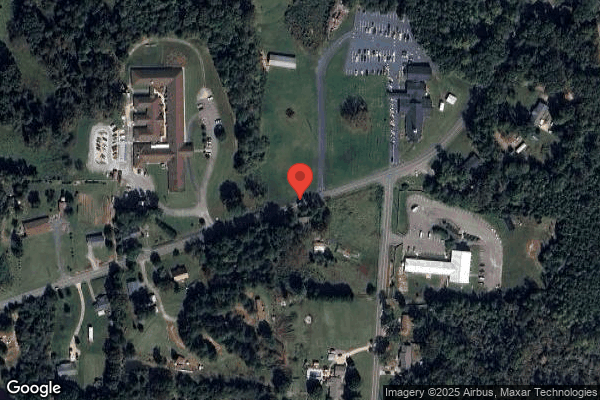
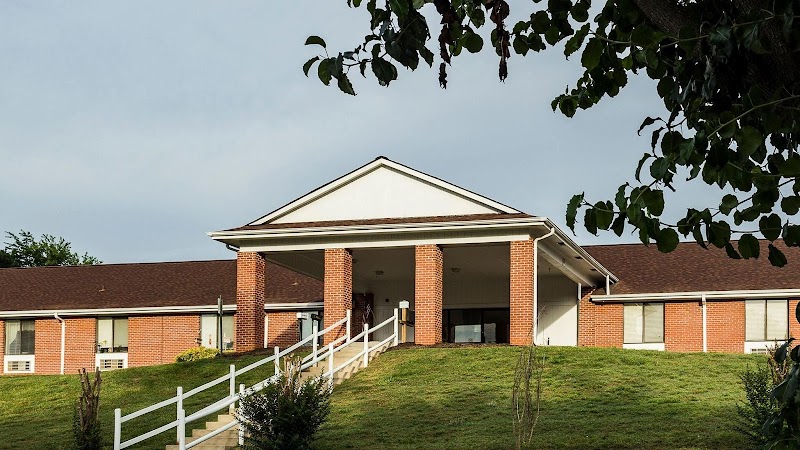
830 Bethany Church Road, Forest City, NC 28043 (828) 245-2852
For profit - Partnership 100 Beds Independent Data: November 2025
Trust Grade
90/100
#31 of 417 in NC
Last Inspection: February 2025

Within standard 12-15 month inspection cycle. Federal law requires annual inspections.

Overview

Fair Haven of Forest City has received an impressive Trust Grade of A, indicating an excellent reputation and high level of care. Ranking #31 out of 417 facilities in North Carolina places them in the top half, and they are #2 of 5 in Rutherford County, meaning only one other local option is rated higher. The facility is showing improvement, with the number of issues decreasing from 2 in 2023 to just 1 in 2025. Staffing is a point of strength, with a turnover rate of 31%, well below the state average, although their overall staffing rating is average at 3 out of 5 stars. While the facility has not incurred any fines, which is a positive sign, there have been concerns regarding expired food and medication management. For instance, expired taco shells were found in the pantry, and a resident was given aspirin for 29 days after the order to discontinue it had been issued. These incidents highlight areas for improvement, even as the facility demonstrates many strengths in its overall care and management.

Trust Score
A
90/100
In North Carolina
#31/417
Top 7%
Safety Record
Low Risk
No red flags
Inspections
Getting Better
2 → 1 violations
Staff Stability
○ Average
31% turnover. Near North Carolina's 48% average. Typical for the industry.
Penalties
✓ Good
No fines on record. Clean compliance history, better than most North Carolina facilities.
Skilled Nurses
⚠ Watch
Each resident gets only 25 minutes of Registered Nurse (RN) attention daily — below average for North Carolina. Fewer RN minutes means fewer trained eyes watching for problems.
Violations
○ Average
7 deficiencies on record. Average for a facility this size. Mostly minor or procedural issues.
★★★★★
5.0
Overall Rating
★★★☆☆
3.0
Staff Levels
★★☆☆☆
2.0
Care Quality
★★★★★
5.0
Inspection Score
Stable
2023: 2 issues
2025: 1 issues

The Good

  • Full Sprinkler Coverage · Fire safety systems throughout facility
  • No fines on record
  • Staff turnover below average (31%)

    17 points below North Carolina average of 48%

Facility shows strength in fire safety.

The Bad

Staff Turnover: 31%

15pts below North Carolina avg (46%)

Typical for the industry

The Ugly 7 deficiencies on record

Feb 2025 1 deficiency
CONCERN (D)

Potential for Harm - no one hurt, but risky conditions existed

Accident Prevention (Tag F0689)

Could have caused harm · This affected 1 resident

**NOTE- TERMS IN BRACKETS HAVE BEEN EDITED TO PROTECT CONFIDENTIALITY** Based on record review and staff interviews the facility failed to provide a safe transfer for Resident #344. On 6/14/24 Nurse A...

Read full inspector narrative →
**NOTE- TERMS IN BRACKETS HAVE BEEN EDITED TO PROTECT CONFIDENTIALITY** Based on record review and staff interviews the facility failed to provide a safe transfer for Resident #344. On 6/14/24 Nurse Aide (NA) #1 attempted to do a stand and pivot transfer with Resident #344 resulting in Resident #344 having to be lowered to the ground. Resident #344 was to be transferred by a mechanical lift. This deficient practice was identified for 1 of 1 resident reviewed for supervision to prevent accidents. The findings included: Resident #344 was admitted to the facility on [DATE] and was discharged on 6/20/24. She was admitted to the facility with diagnoses of heart failure, lumbago with sciatica and alveolar hypoventilation (failure to breathe rapidly or deeply enough). The admission Minimum Data Set (MDS) dated [DATE] revealed that Resident #344 had moderate cognitive impairment and was dependent for chair to bed transfer. The Comprehensive Care Plan dated 6/4/24 had a focus area stating that Resident #344 had limited physical mobility related to her medical and physical condition. One of the interventions was that Resident #344 was dependent on staff to transfer from a bed or chair to chair requiring the use of a mechanical lift. A health status note written on 6/14/24 at 6:28 AM by Nurse #1 revealed that Nurse #1 heard NA #1 yell help. Nurse #1 went to NA #1's location which was Resident #344's room. NA #1 was holding Resident #344 underneath her arms attempting to transfer her from the bed to wheelchair. Nurse #1 attempted to help and was unable to and Resident #344 was lowered to the ground without injury. NA #1 left to get the mechanical lift and sling to move Resident #344 from the floor to the wheelchair. Resident #344 denied any pain or discomfort. An accident report prepared by Nurse #1 indicated that the family representative and physician were notified on 6/14/24. On 2/12/25 at 9:50 AM a telephone interview was conducted with Nurse Aide (NA) #1. NA #1 She stated she had worked at the facility for 5 years and always worked on the rehabilitation unit for both the second and third shift. NA #1 stated that each residents' transfer status was posted on the inside of the residents' closet. NA #1 stated that if the transfer information was not there you would ask the charge nurse. If the resident was a new admission, then you would need to wait until therapy came to do a transfer evaluation. NA #1 could not remember what the transfer status was for Residents #344. NA #1 could recall the incident that happened on 6/14/24. NA #1 stated she was walking by Resident #344's room and noticed she was attempting to get out of her bed, so she went over to stop her from falling. NA #1 stated she was not trying to transfer Resident #344. NA #1 stated she yelled for assistance and Nurse #1 came and they ended up lowering Resident #344 to the floor. Afterwards Nurse #1 gave NA #1 training on proper transfer. NA #1 tried to explain to Nurse #1 that she was not transferring Resident #344. NA #1 stated that this was the first time that Resident #344 tried to transfer herself without assistance. On 2/11/25 at 7:25 PM a telephone interview was conducted with Nurse #1. She stated that early morning on 6/14/24 she heard NA #1 call out for help. Nurse #1 went to Resident #344's room and observed NA #1 trying to transfer Resident #344 from the bed to a wheelchair without using the proper equipment. NA #1 was attempting to do a stand and pivot transfer. Nurse #1 tried to help get Resident #344 into the wheelchair but was unable to do so. Both the NA #1 and Nurse #1 ended up having to lower Resident #344 to the floor. NA #1 left to go get the mechanical lift. They then used the lift and got Resident #344 into her wheelchair. Nurse #1 stated that Resident #344 did not have any injuries. Immediately after the incident Nurse #1 educated NA #1 on using the proper equipment for transfers. Nurse #1 asked NA #1 why she was attempting to transfer without a mechanical lift and NA #1 did not have an explanation. Nurse #1 stated that she informed 2 nursing supervisors of the incident. On 2/12/25 at 10:20 AM an interview was conducted with NA #2. NA #2 stated that she did work on 6/14/24 but was not assigned to Resident #344. She did not remember Resident #344, nor did she hear anything about Resident #344 that day. NA #2 stated that all residents' transfer status was posted on the inside of the closet door. If a resident was a new admission you would need to wait until therapy did their evaluation before doing a transfer. Other ways to get transfer information was from the computer or shift nurse. If staff noticed a change of condition in a resident, the staff could put in a Hey Therapy card to notify them. This would alert therapy that a resident was having a change in condition. On 2/12/25 at 11:10 AM an interview was conducted with the Therapy Manager. She stated she could not remember Resident #344 but would look back on any information regarding her. The Therapy manager was able to find two mechanical lift evaluations dated 5/6/24 and 5/21/24 and both stated that Resident #344 was a total lift for transfer. On 2/12/25 at 11:30 AM an interview was conducted with NA #3 and NA #4. Both NAs stated they had been trained on how to properly use a mechanically lift prior to working on the floor. If the NAs need to know the transfer of a resident it was on the back of the closet door or they could ask therapy or nurse supervisor. On 2/12/25 at 2:15 PM an interview was conducted with a Nursing Supervisor. She stated that Nurse #1 had reported to her about NA #1 transferring Resident #344 improperly. The Nursing Supervisor stated that Resident #344 required total assistance for her transfer and needed a mechanical lift to be used. On 2/13/25 at 2:51 PM an interview was conducted with the Director of Nursing (DON) and the Administrator. They were both aware of the 6/14/24 incident with Resident #344 and they both agreed that it would be expected that staff would follow the proper transfer.
Nov 2023 2 deficiencies
CONCERN (D) 📢 Someone Reported This

A family member, employee, or ombudsman was alarmed enough to file a formal complaint

Potential for Harm - no one hurt, but risky conditions existed

Incontinence Care (Tag F0690)

Could have caused harm · This affected 1 resident

**NOTE- TERMS IN BRACKETS HAVE BEEN EDITED TO PROTECT CONFIDENTIALITY** Based on observations, record review, resident interview, and staff interviews the facility failed to secure a catheter bag to p...

Read full inspector narrative →
**NOTE- TERMS IN BRACKETS HAVE BEEN EDITED TO PROTECT CONFIDENTIALITY** Based on observations, record review, resident interview, and staff interviews the facility failed to secure a catheter bag to prevent the catheter bag from resting on the floor for 1 of 2 residents (Resident #36) were reviewed for urinary catheter. The findings included: Resident #36 was admitted to the facility on [DATE] with diagnoses which included urinary retention. Review of Resident #36's significant change Minimum Data Set (MDS) dated [DATE] revealed Resident #36 was cognitively intact and required extensive assistance with a majority of activities of daily living (ADL). The MDS further revealed Resident #36 was coded for having an indwelling urinary catheter. Review of Resident #36's care plan dated 11/06/23 revealed Resident #36 had an indwelling urinary catheter there was a goal was for the resident to show no signs or symptoms of urinary infection through review date. Interventions included monitoring and documenting intake and output as per facility policy. An observation conducted on 11/14/23 at 1:25 PM revealed Resident #36 outside of the dining room in his wheelchair. It was further observed Resident #36's catheter bag to be partially full with the bag resting on the floor. Observation and interview conducted with Resident #36 and Director of Nursing (DON) on 11/14/23 at 2:45 PM revealed Resident #36's catheter bag was observed to be resting on the floor. Resident #36 indicated nursing staff hung his catheter bag daily under his wheelchair and he was not aware his catheter bag was laying on the floor. The DON stated Resident #36's catheter bag should not have been laying on the floor. Interview conducted with Nurse #2 on 11/14/23 at 4:05 PM revealed she had cared for Resident #36 on 11/14/23 and did not recall the resident's catheter bag on the floor. Nurse #2 further revealed she had been educated for it to be off the floor to avoid contamination. Interview conducted with Nurse Aide (NA) #4 on 11/13/23 at 4:15 PM revealed she had given Resident #36 a shower that morning at 6:30 AM and had hung his catheter bag on the bar below the seat on the resident's wheelchair. NA #4 further revealed she had observed Resident #36's catheter bag on the floor before. The NA indicated she hangs the resident's catheter bag on the bar under the wheelchair, but it sometimes slid to the floor. The NA stated she had been educated to place Resident #36's catheter bag off the floor. Interview conducted with NA #5 and NA #6 revealed on 11/14/23 at 4:40 PM revealed they had placed Resident #36's catheter on a bar that crosses under the resident's wheelchair seat. The NAs further revealed the bag sometimes slid and had been observed resting on the floor before. The NAs indicated they had not been educated on exact location to hang Resident #36's catheter bag to prevent it from touching the floor. An interview conducted with Nurse #3 on 11/15/23 at 2:15PM revealed she had observed Resident #36's catheter bag hanging under the resident's wheelchair and the catheter bag was hitting the floor. Nurse #3 further revealed she moved the catheter bag up and educated NAs where to hang the catheter bag. Nurse #3 indicated a residents catheter bag should kept off the floor to prevent contamination. A further interview conducted with the Director of Nursing on 11/14/23 at 3:50 PM revealed Resident #36's catheter bag was expected to be off the floor and the staff would be educated.
CONCERN (E) 📢 Someone Reported This

A family member, employee, or ombudsman was alarmed enough to file a formal complaint

Potential for Harm - no one hurt, but risky conditions existed

Food Safety (Tag F0812)

Could have caused harm · This affected multiple residents

Based on observations, record review and staff interviews, the facility failed to ensure items stored ready for use were labeled and dated and/or failed to remove expired food items in 1 of 1 pantry a...

Read full inspector narrative →
Based on observations, record review and staff interviews, the facility failed to ensure items stored ready for use were labeled and dated and/or failed to remove expired food items in 1 of 1 pantry and 1 of 2 nourishment rooms (B Hall). These practices had the potential to affect food served to residents. Findings included: a. An initial tour of kitchen and interview with the Dietary Manager (DM) dated 11/13/23 at 10:15 AM revealed a cardboard box of 200 hard taco shells that was opened and not covered with the discard date of 09/16/23. The DM stated she checked the pantry daily and was not aware the hard taco shells were out of date and not covered. The DM indicated dietary staff check the kitchen pantry daily and expired items should be discarded. b. An observation and joint interview conducted with Nurse Aide (NA) #1, NA #2, and NA #3 on 11/13/23 at 10:45 AM revealed in the nourishment room on the B Hall a tube feeding container not labeled or dated with 4 ½ milliliters (ML) used sitting on the counter. Observation further revealed a 4 ounce carton of orange juice with discard date 11/1/23, two 8 ounce nutritional vanilla shakes with discard date 10/28/23, and five 4 ounce cartons of lemon flavor thickened water with discard date 09/19/23 stored in the refrigerator. NA #1, NA #2, and NA #3 indicated they did not know why the tube feeding container was left on the counter and did not recall any expired items in the refrigerator. The NAs revealed the dietary department checked the nourishment rooms daily and was responsible for discarding outdated items. An interview conducted with the Director of Nursing (DON) on 11/13/23 at 12:05 PM revealed the dietary department was responsible for checking nourishment rooms daily, but nursing staff had been educated to also discard outdated items if found. The DON further revealed the tube feeding container should have been labeled, dated, discarded, and not left on the nourishment room counter.
Jun 2022 4 deficiencies
CONCERN (D)

Potential for Harm - no one hurt, but risky conditions existed

ADL Care (Tag F0677)

Could have caused harm · This affected 1 resident

**NOTE- TERMS IN BRACKETS HAVE BEEN EDITED TO PROTECT CONFIDENTIALITY** Based on observations, record review, resident and staff interviews, the facility failed to provide nail care to 1 of 2 dependen...

Read full inspector narrative →
**NOTE- TERMS IN BRACKETS HAVE BEEN EDITED TO PROTECT CONFIDENTIALITY** Based on observations, record review, resident and staff interviews, the facility failed to provide nail care to 1 of 2 dependent residents (Resident #44) reviewed for activities of daily living (ADL). The findings included: Resident #44 was admitted to the facility on [DATE] with diagnoses which included cerebral vascular accident (CVA) or stroke, and muscle weakness. Resident #44's annual Minimum Data Set (MDS) assessment dated [DATE] revealed she was cognitively intact with no behaviors for rejection of care. The assessment also revealed Resident #44 required extensive assistance of 2 staff with transfers, and extensive assistance of 1 staff with dressing, toileting, personal hygiene, and bathing. Resident #44's Care Area Assessment (CAA) summary dated 05/05/22 for activities of daily living (ADL) the resident required extensive assistance with ADL including bed mobility, transfers, personal care, bathing, dressing, and toileting related to muscle weakness and hemiplegia. Resident #44 wears a splint/palm protector to her right had as indicated with passive range of motion (PROM) provided during care. She is at risk of skin breakdown related to incontinent episodes, decreased mobility, and vitamin deficiency. Weekly skin assessments completed by nursing to monitor for changes in skin integrity. Nursing to monitor for continued changes in conditions. Physician to be notified of continued changes. Resident #44's care plan dated 05/10/22 revealed a focus area for ADL self-care performance deficit related to residual effects of stroke and hemiplegia. The interventions included check nail length and trim and clean on bath day and as necessary, report any changes to the nurse, resident has contracture of the right hand so provide skin care daily to keep clean and prevent skin breakdown, staff to don right resting hand splint every day as tolerated and resident may remove, staff to apply palm protector to right hand related to contracture at bedtime and monitor skin integrity and resident may remove. Observation and interview with Resident #44 on 06/06/22 at 3:34 PM revealed her lying in bed watching TV. The resident stated she had asked 3 times to have her nails on her right contracted hand trimmed and said it still had not been done. The resident removed her covers, and her right hand was resting against a pillow with hand splint in place. Resident #44's nails were noted to be ¼ to ½ inch beyond the end of her fingers and some of the nails were jagged. Her hand was noted to be contracted inward into her palm with the nails touching the palm of her hand. The resident indicated she was concerned the nails would cause skin breakdown in her palm. Observation and interview on 06/07/22 at 12:27 PM revealed resident up in her wheelchair outside the dining room propelling back to her room. Her nails on the right hand were noted to still be long and jagged on the right hand and Resident #44 stated they had not been trimmed. Interview on 06/07/22 at 2:08 PM with Nurse Aide (NA) #1 assigned to the resident on 06/07/22 revealed she had not noticed the resident's nails on her right hand and stated she had not clipped her nails. NA #1 further stated she should have inspected Resident #44's nails especially since her hand was contracted and notified the nurse they needed to be trimmed. Observation and interview on 06/07/22 at 3:54 PM revealed Resident #44 lying in bed with her covers over her and watching TV. Resident #44 stated she had her shower today, but they did not clip her nails on her right hand and her splint was noted to be off her hand. Resident #44 further stated they had washed her hand during her shower but had not clipped the nails on her hand. Nurse #4 came into the resident's room and the surveyor asked the resident to show Nurse #4 her nails. Nurse #4 stated her nails should have been clipped after her shower and said no one had mentioned they needed clipping to her but stated she would clip them now. Interview on 06/08/22 at 3:55 PM with the Director of Nursing (DON) revealed she would have expected the resident's nails to have been trimmed after her shower on 06/07/22 without the resident asking for them to be trimmed. The DON stated she didn't know why the resident's nails were not trimmed but said they would be providing additional training to the NAs and nurses regarding trimming nails after showers were given and as needed.
CONCERN (D)

Potential for Harm - no one hurt, but risky conditions existed

Infection Control (Tag F0880)

Could have caused harm · This affected 1 resident

Based on record reviews, observations and staff interviews, the facility failed to implement their infection control policies and the Centers for Disease Control and Prevention (CDC) recommended pract...

Read full inspector narrative →
Based on record reviews, observations and staff interviews, the facility failed to implement their infection control policies and the Centers for Disease Control and Prevention (CDC) recommended practices when 1 of 1 staff member (Nurse #1) failed to perform hand hygiene during wound care on 1 of 2 residents (Resident #9) reviewed for wound care. The findings included: The Centers for Disease Control and Prevention (CDC) guidance entitled, Hand Hygiene Guidance, last reviewed on 1/30/20 indicated the following information: Healthcare personnel should use an alcohol-based hand rub or wash with soap and water for the following clinical indications: immediately after glove removal. Gloves are not a substitute for hand hygiene. Change gloves and perform hand hygiene during patient care, if moving from work on a soiled body site to a clean body site on the same patient or if another clinical indication for hand hygiene occurs. The facility's infection control policy entitled, Hand Hygiene, dated 3/2022 indicated the following statements: The use of gloves does not replace hand hygiene. If your task requires gloves, perform hand hygiene prior to donning gloves, and immediately after removing gloves. An observation of wound care by Nurse #1 on Resident #9 was made on 6/8/22 at 10:10 AM. Nurse #1 was observed using hand sanitizer to both hands prior to putting gloves on to enter the room and start the procedure. Nurse #1 proceeded to remove an old dressing from Resident #9's sacrum and removed her gloves. She then put on a new pair of gloves without sanitizing her hands. She cleaned Resident #9's sacral wound with a wound cleanser-soaked gauze and then removed her gloves. She put on new gloves without sanitizing her hands first and then wiped the wound bed with a dry gauze, applied the ordered treatment to Resident #9's wound and covered it with a foam dressing. She then discarded the unused supplies on the bedside table, removed her gloves and then put on a new pair without doing hand hygiene. She helped reposition Resident #9 in the bed, exited the room, removed her gloves, and then used hand sanitizer to both hands. An interview with Nurse #1 on 6/8/22 at 3:28 PM revealed she had received education on hand hygiene during wound care which consisted of washing hands before starting procedure and making sure to change gloves after removing an old dressing and doing hand hygiene whenever gloves were removed. Nurse #1 stated she had missed the step of doing hand hygiene after removing her gloves because she was a little nervous during the wound care observation and she was distracted. She stated she should have washed her hands in the sink prior to putting on clean gloves during the procedure. An interview with the Infection Preventionist and the Director of Nursing (DON) on 6/8/22 at 3:49 PM revealed Nurse #1 should have washed her hands whenever she removed her gloves when she provided wound care to Resident #9. The DON stated they would need to do more education on hand hygiene.
CONCERN (E)

Potential for Harm - no one hurt, but risky conditions existed

Deficiency F0757 (Tag F0757)

Could have caused harm · This affected multiple residents

**NOTE- TERMS IN BRACKETS HAVE BEEN EDITED TO PROTECT CONFIDENTIALITY** Based on record review, and interviews with staff, pharmacist and Nurse Practitioner, the facility failed to discontinue a medic...

Read full inspector narrative →
**NOTE- TERMS IN BRACKETS HAVE BEEN EDITED TO PROTECT CONFIDENTIALITY** Based on record review, and interviews with staff, pharmacist and Nurse Practitioner, the facility failed to discontinue a medication (Aspirin) as ordered and continued to administer the medication for 29 days after receiving the discontinue order for 1 of 5 residents reviewed for unnecessary medications (Resident #64). The findings included: Resident #64 was admitted to the facility on [DATE] with diagnoses that included hypertensive heart disease with heart failure and history of cerebral infarction. A review of the Physician Orders in Resident #64's medical record indicated an active order dated 2/11/22 for Aspirin tablet chewable 81 mg (milligrams) - give 1 tablet by mouth in the morning for anticoagulation. A document entitled, Individual Patient's Medication Review, dated 4/29/22 in Resident #64's electronic medical record indicated a recommendation by the pharmacist to consider discontinuing Aspirin due to polypharmacy, simultaneous use of multiple drugs to treat a single ailment or condition. A document entitled, Pharmacist Report, dated 5/5/22 indicated a recommendation by the pharmacist to consider discontinuing Aspirin due to polypharmacy. At the bottom of the report was a written response by the Nurse Practitioner that stated she would discontinue Aspirin. The report was signed by the Nurse Practitioner on 5/10/22. A review of Resident #64's Medication Administration Record revealed she received Aspirin 81 mg tablet every morning from 5/11/22 to 6/8/22. A phone interview with the Pharmacist on 6/8/22 at 12:31 PM revealed they had recommended to discontinue Resident #64's Aspirin due to polypharmacy which meant the regular use of at least five medications and to decrease her risk for bleeding with her age. They initially submitted this recommendation to the facility on 4/29/22 and again on 5/5/22. The Pharmacist stated they had not received a faxed order from the facility to discontinue Resident #64's Aspirin and were not aware that Resident #64 continued to receive Aspirin despite the discontinue order. The Pharmacist stated the facility should have sent an order to discontinue the Aspirin and the completed recommendation which was signed by the NP on 5/10/22 should have been faxed to the pharmacy. A phone interview with the Nurse Practitioner (NP) on 6/8/22 at 9:17 AM revealed she decided to agree with the pharmacy recommendation of discontinuing Resident #64's Aspirin. The NP stated she had been told at the facility that she didn't have to re-write an order for pharmacy recommendations that she had followed up on. The NP stated the reviewed pharmacy recommendation which she signed should be enough to serve as an order. An interview with the Director of Nursing (DON) on 6/8/22 at 4:00 PM revealed the Medical Records Director usually received the recommendations from the pharmacy and then she handed them to the rounding nurse so that the rounding nurse could give the recommendations to the medical provider whenever they came to the facility so they could review them. The DON stated the rounding nurse should have received the reviewed pharmacy recommendations after the NP had done rounds on 5/10/22. The DON further stated she should have written an order to discontinue Resident #64's Aspirin and had the NP sign it and faxed it to the pharmacy to carry out the NP's order to discontinue Resident #64's Aspirin on 5/10/22.
CONCERN (E)

Potential for Harm - no one hurt, but risky conditions existed

Deficiency F0761 (Tag F0761)

Could have caused harm · This affected multiple residents

Based on observations and staff interviews, the facility failed to discard expired medications available for use in 2 of 3 medication carts (B hall medication cart and A hall medication cart) and 1 of...

Read full inspector narrative →
Based on observations and staff interviews, the facility failed to discard expired medications available for use in 2 of 3 medication carts (B hall medication cart and A hall medication cart) and 1 of 2 medication rooms (B hall medication room). The findings included: 1.a. An observation of the B hall medication cart with Nurse #2 on 6/8/22 at 2:17 PM revealed an open vial of Insulin detemir available for use in the top drawer and marked as being opened on 4/24/22 and labeled with Resident #41's name. Insulin detemir is a long-acting insulin used to treat diabetes. An interview with Nurse #2 revealed Insulin detemir expired 42 days after being opened and it should have been discarded on 6/5/22. During the interview, Nurse #2 called the pharmacy to request a refill for Resident #41's Insulin detemir and she found out that the order for Resident #41's Insulin detemir had been discontinued on 5/16/22. Further interview with Nurse #2 on 6/8/22 at 2:41 PM revealed the third shift nurses and the supervisors were supposed to check the medication carts for expired medications. Nurse #2 stated she thought the B hall medication cart had just been checked by the third shift nurse from the night before and didn't notice the discontinued insulin. Nurse #2 further stated she didn't pay attention to Resident #41's Insulin detemir because it used to be scheduled to be given only at bedtime. b. An observation of the A hall medication cart with Nurse #3 and the Assistant Director of Nursing (ADON) on 6/8/22 at 2:42 PM revealed forty 1 mg (milligram)/1 ml (milliliter) packets of Lorazepam gel available for use in the narcotic drawer. The Lorazepam gels were marked with an expiration date of 5/25/22 and the sticker on the plastic bag that contained the gels read: do not use after 5/26/22. Lorazepam topical gel is currently widely used for nausea in hospice. An interview with Nurse #3 and the ADON on 6/8/22 at 2:50 PM revealed Nurse #3 last administered a Lorazepam gel to Resident #10 on 6/8/22 at 8:00 AM but she didn't notice the expiration date on the packet. The ADON stated all the nurses were supposed to be checking the medication carts for expired medications as they administer medications. In addition, the unit managers were also responsible for checking the medication carts weekly. 2. An observation of the B hall medication room with Nurse #4 on 6/8/22 at 2:55 PM revealed an open vial of Tuberculin dated as opened on 5/3/22 and available for use in the medication refrigerator. The box which contained the Tuberculin vial had instructions to discard the opened vial after 30 days. Tuberculin, also known as purified protein derivative, is a combination of proteins that are used in the diagnosis of tuberculosis. An interview with Nurse #4 on 6/8/22 at 3:00 PM revealed the opened vial of Tuberculin was expired and it should have been discarded after 30 days of opening. Nurse #4 stated they used the Tuberculin to perform a tuberculin skin test to newly admitted residents, but she wasn't sure about the last time it had been used. Nurse #4 stated the third shift nurses were supposed to be checking the medication rooms for expired medications. An interview with the Director of Nursing (DON) on 6/8/22 at 3:56 PM revealed the third shift nurses were supposed to be checking the medication carts after they check all the new orders for the day and make sure the discontinued and expired medications were pulled off the medication carts. The unit managers last checked the medication rooms the week before and they were responsible for checking them at least weekly.
Understanding Severity Codes (click to expand)
Life-Threatening (Immediate Jeopardy)
J - Isolated K - Pattern L - Widespread
Actual Harm
G - Isolated H - Pattern I - Widespread
Potential for Harm
D - Isolated E - Pattern F - Widespread
No Harm (Minor)
A - Isolated B - Pattern C - Widespread

Questions to Ask on Your Visit

  • "Can I speak with families of current residents?"
  • "What's your RN coverage like on weekends and overnight?"

Our Honest Assessment

Strengths
  • • Grade A (90/100). Above average facility, better than most options in North Carolina.
  • • No major safety red flags. No abuse findings, life-threatening violations, or SFF status.
  • • No fines on record. Clean compliance history, better than most North Carolina facilities.
  • • 31% turnover. Below North Carolina's 48% average. Good staff retention means consistent care.
Concerns
  • • No significant concerns identified. This facility shows no red flags across CMS ratings, staff turnover, or federal penalties.
Bottom line: Generally positive indicators. Standard due diligence and a personal visit recommended.

About This Facility

What is Fair Haven Of Forest City, Llc's CMS Rating?

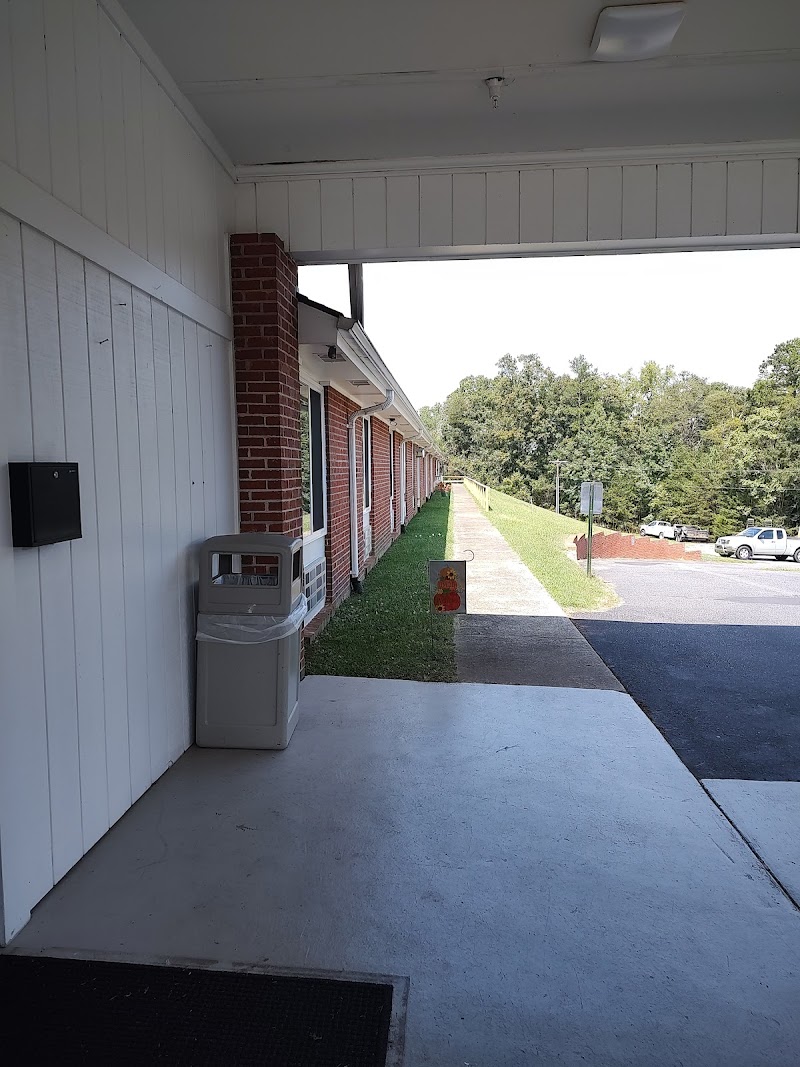
CMS assigns Fair Haven of Forest City, LLC an overall rating of 5 out of 5 stars, which is considered much above average nationally. Within North Carolina, this rating places the facility higher than 99% of the state's 100 nursing homes. This rating reflects solid performance across the metrics CMS uses to evaluate nursing home quality.
How is Fair Haven Of Forest City, Llc Staffed?

CMS rates Fair Haven of Forest City, LLC's staffing level at 3 out of 5 stars, which is average compared to other nursing homes. Staff turnover is 31%, compared to the North Carolina average of 46%. This relatively stable workforce can support continuity of care. RN turnover specifically is 64%, which is notably high. RNs provide skilled clinical oversight, so turnover in this role can affect medical care quality.

What Have Inspectors Found at Fair Haven Of Forest City, Llc?

State health inspectors documented 7 deficiencies at Fair Haven of Forest City, LLC during 2022 to 2025. These included: 7 with potential for harm.
Who Owns and Operates Fair Haven Of Forest City, Llc?

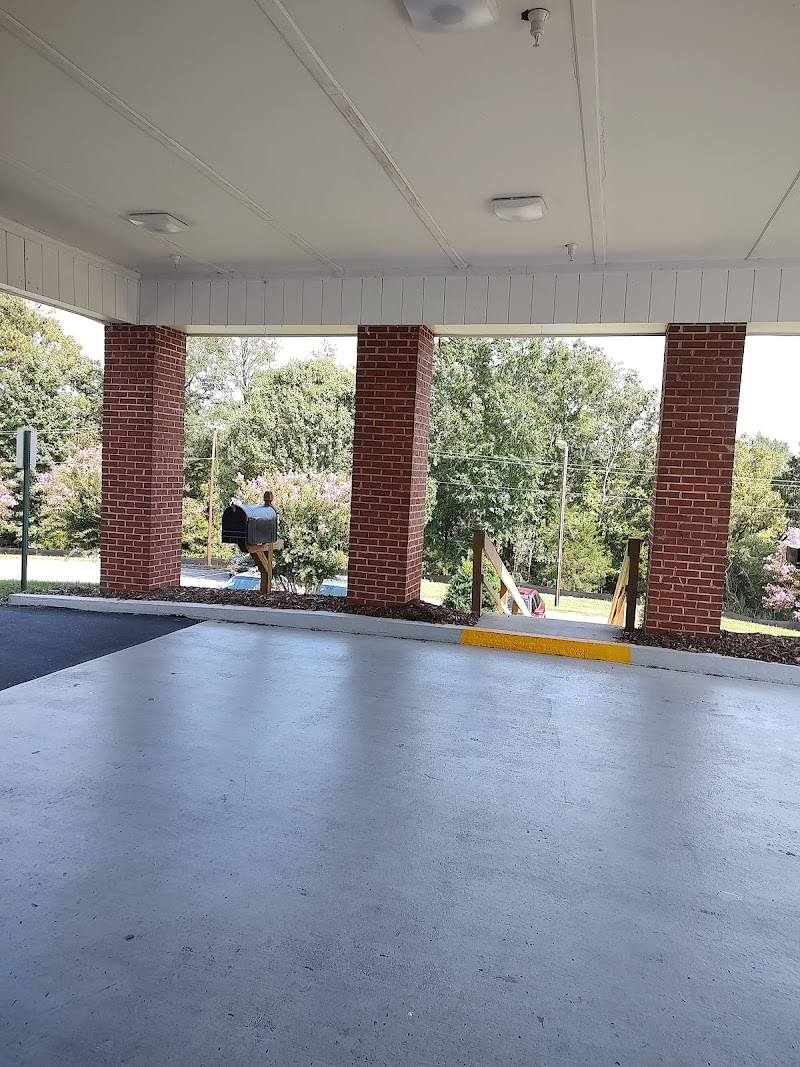
Fair Haven of Forest City, LLC is owned by a for-profit company. For-profit facilities operate as businesses with obligations to shareholders or private owners. The facility operates independently rather than as part of a larger chain. With 100 certified beds and approximately 86 residents (about 86% occupancy), it is a mid-sized facility located in Forest City, North Carolina.

How Does Fair Haven Of Forest City, Llc Compare to Other North Carolina Nursing Homes?

Compared to the 100 nursing homes in North Carolina, Fair Haven of Forest City, LLC's overall rating (5 stars) is above the state average of 2.8, staff turnover (31%) is significantly lower than the state average of 46%, and health inspection rating (5 stars) is much above the national benchmark.

What Should Families Ask When Visiting Fair Haven Of Forest City, Llc?

Based on this facility's data, families visiting should ask: "Can I visit during a mealtime to observe dining assistance and food quality?" "How do you handle medical emergencies, and what is your hospital transfer rate?" "Can I speak with family members of current residents about their experience?"

Is Fair Haven Of Forest City, Llc Safe?

Based on CMS inspection data, Fair Haven of Forest City, LLC has a clean safety record: no substantiated abuse findings (meaning no confirmed cases of resident harm), no Immediate Jeopardy citations (the most serious violation level indicating risk of serious injury or death), and is not on the Special Focus Facility watch list (a federal program monitoring the lowest-performing 1% of nursing homes). The facility has a 5-star overall rating and ranks #1 of 100 nursing homes in North Carolina. While no facility is perfect, families should still ask about staff-to-resident ratios and recent inspection results during their visit.

Do Nurses at Fair Haven Of Forest City, Llc Stick Around?

Fair Haven of Forest City, LLC has a staff turnover rate of 31%, which is about average for North Carolina nursing homes (state average: 46%). Moderate turnover is common in nursing homes, but families should still ask about staff tenure and how the facility maintains care continuity when employees leave.

Was Fair Haven Of Forest City, Llc Ever Fined?

Fair Haven of Forest City, LLC has no federal fines on record. CMS issues fines when nursing homes fail to meet care standards or don't correct problems found during inspections. The absence of fines suggests the facility has either maintained compliance or corrected any issues before penalties were assessed. This is a positive indicator, though families should still review recent inspection reports for the full picture.

Is Fair Haven Of Forest City, Llc on Any Federal Watch List?

Fair Haven of Forest City, LLC is not on any federal watch list. The most significant is the Special Focus Facility (SFF) program, which identifies the bottom 1% of nursing homes nationally based on persistent, serious quality problems. Not being on this list means the facility has avoided the pattern of deficiencies that triggers enhanced federal oversight. This is a positive indicator, though families should still review the facility's inspection history directly.