Windsor Point Continuing Care
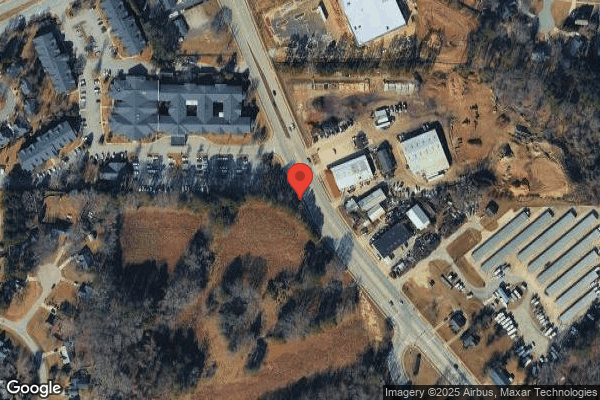
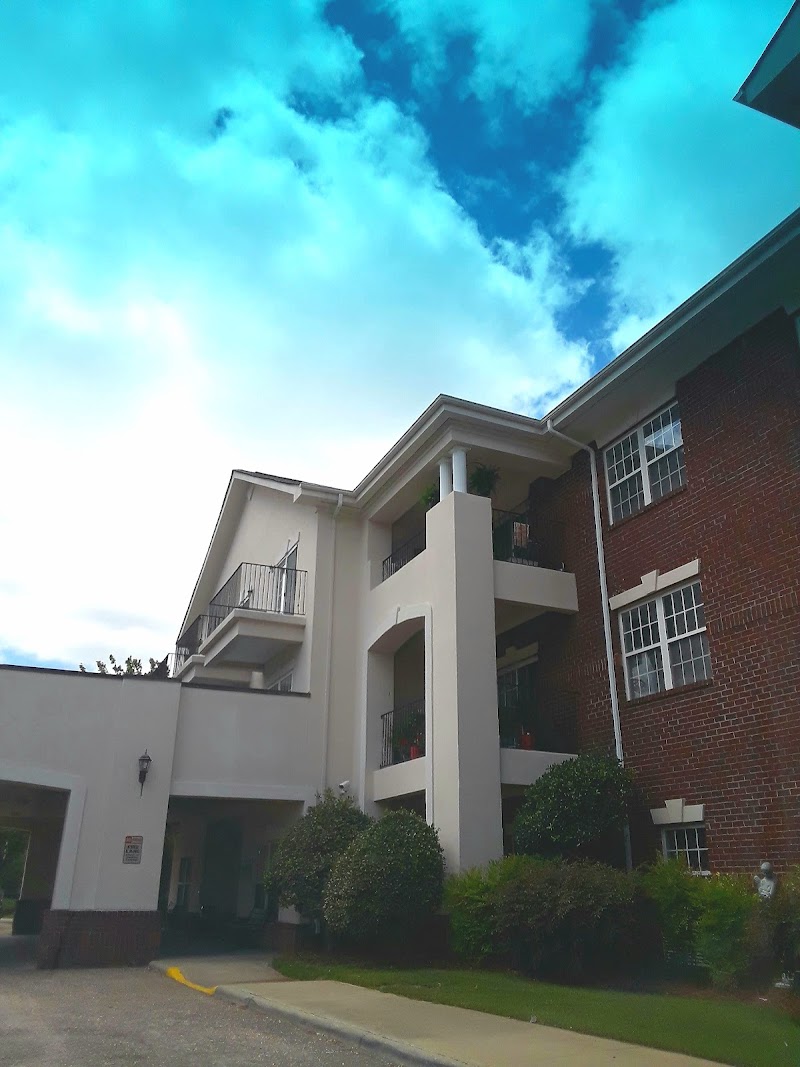
1221 Broad Street, Fuquay-Varina, NC 27526 (919) 552-4580
For profit - Corporation 45 Beds Independent Data: November 2025
Trust Grade
60/100
#220 of 417 in NC
Last Inspection: November 2024

Within standard 12-15 month inspection cycle. Federal law requires annual inspections.

Overview

Windsor Point Continuing Care in Fuquay-Varina, North Carolina holds a Trust Grade of C+, indicating it is slightly above average but not exceptional. It ranks #220 out of 417 facilities in the state, placing it in the bottom half, but it is #2 out of 5 in Harnett County, meaning there is only one local option that performs better. The facility's trend is stable, with the same number of issues reported in both 2023 and 2024, and while staffing received a good rating of 4 out of 5 stars, the turnover rate of 68% is concerning, as it exceeds the state average. There have been no fines, which is a positive aspect, and the facility has more RN coverage than 92% of other North Carolina facilities, ensuring better oversight of resident care. However, there were significant concerns noted during inspections, including requiring residents to sign a binding arbitration agreement without the option to choose a neutral arbitrator or a convenient venue, which could limit their legal options. Overall, while there are strengths in staffing and RN coverage, families should be aware of the compliance issues and high staff turnover.

Trust Score
C+
60/100
In North Carolina
#220/417
Bottom 48%
Safety Record
Low Risk
No red flags
Inspections
Holding Steady
5 → 5 violations
Staff Stability
⚠ Watch
68% turnover. Above average. Higher turnover means staff may not know residents' routines.
Penalties
✓ Good
No fines on record. Clean compliance history, better than most North Carolina facilities.
Skilled Nurses
✓ Good
Each resident gets 68 minutes of Registered Nurse (RN) attention daily — more than 97% of North Carolina nursing homes. RNs are the most trained staff who catch health problems before they become serious.
Violations
⚠ Watch
14 deficiencies on record. Higher than average. Multiple issues found across inspections.
★★★☆☆
3.0
Overall Rating
★★★★☆
4.0
Staff Levels
★★★☆☆
3.0
Care Quality
★★★☆☆
3.0
Inspection Score
Stable
2023: 5 issues
2024: 5 issues

The Good

  • 4-Star Staffing Rating · Above-average nurse staffing levels
  • Full Sprinkler Coverage · Fire safety systems throughout facility
  • No fines on record

Facility shows strength in staffing levels, fire safety.

The Bad

3-Star Overall Rating

Near North Carolina average (2.8)

Meets federal standards, typical of most facilities

Staff Turnover: 68%

21pts above North Carolina avg (46%)

Frequent staff changes - ask about care continuity

Staff turnover is elevated (68%)

20 points above North Carolina average of 48%

The Ugly 14 deficiencies on record

Nov 2024 5 deficiencies
CONCERN (D)

Potential for Harm - no one hurt, but risky conditions existed

Deficiency F0583 (Tag F0583)

Could have caused harm · This affected 1 resident

**NOTE- TERMS IN BRACKETS HAVE BEEN EDITED TO PROTECT CONFIDENTIALITY** Based on observations, record review, and interviews with staff and resident representative, the facility failed to provide pers...

Read full inspector narrative →
**NOTE- TERMS IN BRACKETS HAVE BEEN EDITED TO PROTECT CONFIDENTIALITY** Based on observations, record review, and interviews with staff and resident representative, the facility failed to provide personal privacy when a resident's door to the room was left open during incontinent care allowing the resident to be visible from the hallway for 1 of 2 residents (Resident #16) reviewed for privacy. A reasonable person has an expectation of privacy during care and would have experienced feelings such as embarrassment. The findings included: Resident #16 was admitted to the facility on [DATE] with diagnoses including dementia, anxiety disorder, glaucoma, and age-related physical debility. Resident #16's Minimum Data Set (MDS) dated [DATE] indicated the resident had severe cognitive impairment, was always incontinent of bowel and bladder, and was totally dependent on staff for toilet hygiene. Observation on 11/25/24 at 10:38 a.m. revealed Resident #16's room was close to the nurses' station at the beginning of the hallway. A continuous observation on 11/27/24 from 5:01 a.m. through 5:06 a.m. revealed Resident #16's room door was open approximately 12 inches and Nursing Assistant (NA) #8 was in the room. Resident #16 resided in a room without a roommate. NA #8 was putting a brief onto the resident, who slept in the bed by the door, and the resident's legs and the brief were in view. If the brief was not being put on the resident, her private areas would have been in view. NA #8 had not pulled a privacy curtain. NA #9 walked down the hall, stopped by Resident #16's room, spoke to NA #8, then grabbed the trash bag outside of the room. In an interview on 11/27/24 at 5:06 a.m., NA #8 said that she must have left the door open when she had to get the nurse to change the resident's dressing. She said she should have shut it for privacy when she finished providing care. In an interview on 11/27/24 at 9:15 a.m., Resident #16's representative said she was a very private person who kept to herself. In an interview on 11/27/24 at 11:12 a.m., the Director of Nursing (DON) said NA #8 should have closed the door and pulled the curtain to provide privacy during care.
CONCERN (D)

Potential for Harm - no one hurt, but risky conditions existed

Comprehensive Care Plan (Tag F0656)

Could have caused harm · This affected 1 resident

**NOTE- TERMS IN BRACKETS HAVE BEEN EDITED TO PROTECT CONFIDENTIALITY** 3. Resident #5 was admitted to the facility on [DATE] with diagnoses including dementia and respiratory failure. Resident #5's ...

Read full inspector narrative →
**NOTE- TERMS IN BRACKETS HAVE BEEN EDITED TO PROTECT CONFIDENTIALITY** 3. Resident #5 was admitted to the facility on [DATE] with diagnoses including dementia and respiratory failure. Resident #5's physician's orders revealed an order dated 9/4/24 for oxygen supplementation as needed for shortness of breath, hypoxia, and comfort at 2 liters per minute (Lpm) by nasal canula as needed to maintain oxygen saturation levels above 90%. Resident #5's Minimum Data Set (MDS) dated [DATE] indicated the resident had severe cognitive impairment, had shortness of breath or trouble breathing with exertion, while sitting at rest, and while lying flat. The MDS indicated she used oxygen therapy and received hospice services. Resident #5's care plan last reviewed 10/22/2024 did not include a focus for the use of oxygen. Observation on 11/25/24 at 10:06 a.m. revealed Resident #5 asleep in low bed. She had a nasal cannula on and oxygen was running from her concentrator at 2 Lpm. Observation on 11/26/24 at 11:40 a.m. revealed Resident #5 in bed. She had removed her nasal cannula, but the oxygen concentrator was running at 2 Lpm. In a phone interview with the MDS Nurse #1 on 11/27/2024 at 12:14 pm, she explained she worked part-time on weekends and she had been working as the MDS nurse since the last full time MDS Nurse left the facility in September 2024. She stated as the MDS Nurse, she was responsible for developing the initial care plan and updating residents' care plan quarterly. She stated if Resident #8 was using oxygen, there should be a focused care plan for the use and care of her oxygen. In an interview with the Director of Nursing on 11/27/2024 at 11:50 am, she stated Resident #8 should have had a care plan for the use of oxygen. In an interview with the Administrator on 11/27/2024 at 3:10 pm, she said Resident #8 had a care plan for the use of oxygen and provided a copy of the hospice agency's care plan for pulmonary/dyspnea (shortness of breath), which included instructing the patient and patient caregiver in safe oxygen use. The care plan provided did not include interventions and goals for oxygen usage. Based on record review and staff interviews, the facility failed to develop comprehensive care plans for the care areas of use of anticoagulant medication {medications that prevent or treat blood clots in the heart and blood vessels} (Resident #22), the use of antipsychotic medications {a class of drugs used to treat symptoms of psychosis, such as hallucinations, delusions, and disordered thinking} (Resident #14), and for the care area of respiratory care (Resident #5) for 3 of 14 residents whose comprehensive care plan were reviewed. Findings included: 1. Resident #22 was admitted to the facility on [DATE]. Her diagnoses included heart failure (a condition where the heart is unable to pump enough oxygen-rich blood to the body) atrial fibrillation (a heart condition that causes an irregular and often fast heartbeat), and deep vein thrombosis or DVT (a condition that occurs when a blood clot forms in a vein deep within the body, usually in the lower extremities). Resident #22's quarterly Minimum Data Set (MDS) assessment dated [DATE] revealed she was cognitively intact and was coded for anticoagulant use (a substance or medication that prevents or treats blood clots in the heart and blood vessels). Review of Resident #22's medication administration record (MAR) dated August 2024 revealed she was receiving an anticoagulant medication. Review of Resident #22's care plan dated 9/9/24 and revised on 9/24/24 revealed she did not have a care plan for anticoagulants. An interview was conducted on 11/27/24 at 12:25 PM with MDS Nurse #1. She stated she was an interim MDS nurse and was responsible for care plans. She stated this resident should have been care planned for anticoagulants. She was unable to offer a reason why Resident #22 did not have a care plan for anticoagulants. An interview was conducted on 11/27/24 at 12:33 PM with the Director of Nursing (DON). She stated she expected Resident #22 would have an anticoagulant care plan. 2. Resident #14 was admitted to the facility on [DATE] with diagnoses including dementia. Physician orders dated 9/3/2024 included Quetiapine Fumarate (an antipsychotic medication) half of a 25 milligram tablet twice a day for dementia with agitation. The quarterly Minimal Data Set (MDS) assessment dated [DATE] indicated Resident #14 was severely cognitively impaired and was receiving antipsychotics on a routine basis. Resident #14's care plan last reviewed 9/25/2024 did not include a focus for the use of antipsychotic medications. A review of Resident #14's Medication Administration Record from 9/3/2024 to 11/26/2024 recorded Resident #14 received Quetiapine Fumarate half of a 25 milligram tablet twice a day. In a phone interview with the MDS Nurse #1 on 11/27/2024 at 12:14 pm, she explained she worked part-time on weekends and she had been working as the MDS nurse since the last full time MDS Nurse left the facility in September 2024. She stated as the MDS Nurse, she was responsible for developing the initial care plan and updating residents' care plan quarterly. She stated Resident #14's Quetiapine Fumarate medication was an antipsychotic and Resident #14 was scheduled to receive daily. She stated Resident #14's care plan should have included the use of antipsychotics. She explained with her only working weekends, she had been trying to keep care plans up-to-date and did not know why Resident #14's care plan did not include a focus for the use of antipsychotics. In an interview with the Director of Nursing on 11/27/2024 at 11:17 am, she stated residents' care plans were updated quarterly by the MDS nurse. She explained Resident #14 was receiving Quetiapine Fumarate, an antipsychotic, and should have been care planned for the use of antipsychotics. In an interview with the Administrator on 11/27/2024 at 3:28 pm, she explained the MDS Nurse, who worked part-time, had access to Resident #14's electronic medical records to gather information to care plan for the use of antipsychotic medications when ordered. She stated Resident #14 should have been care planned for the use of antipsychotics.
CONCERN (D)

Potential for Harm - no one hurt, but risky conditions existed

Respiratory Care (Tag F0695)

Could have caused harm · This affected 1 resident

**NOTE- TERMS IN BRACKETS HAVE BEEN EDITED TO PROTECT CONFIDENTIALITY** Based on observations, interviews with staff, and record review, the facility failed to ensure an oxygen filter was clean of dus...

Read full inspector narrative →
**NOTE- TERMS IN BRACKETS HAVE BEEN EDITED TO PROTECT CONFIDENTIALITY** Based on observations, interviews with staff, and record review, the facility failed to ensure an oxygen filter was clean of dust and debris for 1 of 2 residents (Resident #5) reviewed for oxygen use. The findings included: Resident #5 was admitted to the facility on [DATE] with diagnoses including dementia and respiratory failure. Resident #5's physician's orders revealed an order dated 9/4/24 for oxygen supplementation as needed for shortness of breath, hypoxia, and comfort at 2 liters per minute (Lpm) by nasal canula as needed to maintain oxygen saturation levels above 90%. Resident #5's Minimum Data Set (MDS) dated [DATE] indicated the resident had severe cognitive impairment, had shortness of breath or trouble breathing with exertion, while sitting at rest, and while lying flat. The MDS indicated she used oxygen therapy. Observation on 11/25/24 at 10:06 a.m. revealed Resident #5 asleep in low bed. She had a nasal cannula on and oxygen was running from her concentrator at 2 Lpm. The external air filter had a buildup of dust-like gray and white particles. Observation on 11/26/24 at 11:40 a.m. revealed Resident #5 in bed. She had removed her nasal cannula, but the oxygen concentrator was running at 2 Lpm. The external air filter had a build-up of dust-like gray and white particles. In an interview on 11/26/24 at 11:42 a.m., Nurse #10 said that the night shift nurse was normally supposed to change and clean the oxygen filters. When Nurse #10 saw the filter, she said it was extremely dirty and took the filter off to clean it. In an interview on 11/27/24 at 5:15 a.m., the nurse on the night shift, Nurse #11 said she never thought about checking and cleaning the filter when she changed the oxygen tubing. In an interview on 11/27/24 at 11:12 a.m., the Director of Nursing (DON) said the nurses should be monitoring and cleaning the oxygen concentrator filters when they were dirty.
CONCERN (D)

Potential for Harm - no one hurt, but risky conditions existed

Deficiency F0728 (Tag F0728)

Could have caused harm · This affected 1 resident

Based on record review and staff interviews, the facility failed to ensure 2 of 5 staff reviewed who were assigned nurse aide tasks met the minimum qualifications for working as a nurse aide when Staf...

Read full inspector narrative →
Based on record review and staff interviews, the facility failed to ensure 2 of 5 staff reviewed who were assigned nurse aide tasks met the minimum qualifications for working as a nurse aide when Staff #1 and Staff #2 were performing nurse aide tasks without having completed a training and competency evaluation program, or a competency evaluation program approved by the State and were not in a state approved training and competency evaluation program. The findings included: The North Carolina (NC) Department of Health and Human Services (DHHS) Health Care Personnel Education and Credentialing Section's website indicated under the section of Nurse Aide I, last updated 1/24/24, that in accordance with federal law, a facility may employ a nurse aide (NA) for a period of up to 4 months under the following conditions: -During the 4-month grace period, an individual must be deemed competent to provide nursing or nursing-related services by a Registered Nurse and work toward meeting the training and testing requirements by participating in a state-approved Nurse Aide I training and competency evaluation program or a state-approved competency evaluation program. The website clarified that the individual must be actively participating in a state-approved Nurse Aide I training and competency evaluation program during the 4-month grace period. It further indicated the NC Nurse Aide I Registry was a registry of all people who met the state and federal training and testing requirements to perform Nurse Aide I tasks. a. Review of the facility records revealed Staff #1 was hired on 10/23/24. Review of Staff #1's human resource file revealed there was no evidence she had completed a state approved NA training and competency evaluation program, or a competency evaluation program approved by the State. Review of the nursing schedule dated 11/25/24 through 11/29/24 revealed Staff #1 was scheduled to work 8-hour shifts and was assigned NA tasks on 11/25/24, 11/26/24, 11/27/24, and 11/28/24. During an interview on 11/26/24 at 2:19 PM Staff #1 stated she moved to the United States (US) from another country. She further stated while in that other country, she worked as a certified NA. She stated she planned to apply to take the CNA certification test here as a challenge, as North Carolina (NC) did not recognize her certification from her country of origin. She verified she had not completed a state-approved nurse aide training and competency evaluation program or competency evaluation program and that she was not participating in a state approved training and competency evaluation program. b. Review of the facility records revealed Staff #2 was hired on 9/16/24. Review of Staff #2's human resource file revealed there was no evidence she had completed a state approved NA training and competency evaluation program, or a competency evaluation program approved by the State. Review of the nursing schedule dated 11/25/24 through 11/29/24 revealed Staff #2 was scheduled to work 8-hour shifts and was assigned NA tasks on 11/25/24, 11/26/24, 11/27/24, and 11/28/24. During an interview on 11/26/24 at 3:25 PM with Staff #2 he stated he moved to the US from another country. He stated he worked in a hospital in his country of origin as a caregiver, providing direct patient care. He further stated he is registered to begin a CNA certification program in December 2024. He verified he had not completed a state-approved nurse aide training and competency evaluation program or competency evaluation program and that he was not participating in a state approved training and competency evaluation program. An initial interview was conducted on 11/26/24 at 12:03 PM with the Business Administrator, who was also in charge of Human Resources. She stated she thought nurse aides could work if they were in competency skills training at the facility. In a subsequent interview on 11/26/24 at 3:33 PM she explained her role in the hiring process. This included checking the nurse aide registry for certification and placing the information in a folder. The Director of Nursing (DON) retrieves the folder and was responsible for following up on certification status. An interview was conducted with the Director of Nursing (DON) on 11/26/24 at 3:44 PM. She indicated if a potential NA hire did not have a CNA certification, she talked to them about enrolling in CNA school. She stated she was aware Staff #1 and Staff #2 were not certified as CNAs, however she was aware Staff #1 planned to take a challenge exam and Staff #2 was registered to begin a CNA certification program in December 2024. During an interview on 11/27/24 at 12:43 PM with the Administrator she stated if an NA did not have certification, the facility informed them they needed to register for a class within the 4-month period from date of hire. She further stated if they did not complete the class or get their certification within 4 months the employee was let go. She indicated she was unaware the regulation required an NA who had not completed a state-approved training and competency evaluation program and/or competency evaluation program to be actively participating in a state-approved Nurse Aide I training and competency evaluation program or a state-approved competency evaluation program.
MINOR (B)

Minor Issue - procedural, no safety impact

Assessment Accuracy (Tag F0641)

Minor procedural issue · This affected multiple residents

**NOTE- TERMS IN BRACKETS HAVE BEEN EDITED TO PROTECT CONFIDENTIALITY** Based on record review and staff interviews, the facility failed to accurately code the Minimum Data Set (MDS) in the areas of G...

Read full inspector narrative →
**NOTE- TERMS IN BRACKETS HAVE BEEN EDITED TO PROTECT CONFIDENTIALITY** Based on record review and staff interviews, the facility failed to accurately code the Minimum Data Set (MDS) in the areas of Gradual Dose Reduction (Residents #16 and #13) and Restraints (Resident #8) for 3 of 12 residents reviewed. Findings included: 1. Resident #13 was admitted on [DATE] with diagnoses including dementia and major depressive disorder. A psychiatric Nurse Practitioner progress note dated 10/03/24 recorded Resident #13 was to continue taking quetiapine (an antipsychotic medication used to treat mental health conditions) 25 milligrams (mg) and apriprazole 2.5 mg. Her medications were reviewed for possible Gradual Dose Reduction (GDR- to reduce the dose or discontinue the medication) of psychotropics (includes several classifications of medications used to treat mental illness), and it was noted a GDR was not recommended at that time. Review of Resident #13's October 2024 Medication Administration Record revealed she had received quetiapine and aripiprazole daily. Resident #13's significant change MDS assessment dated [DATE] indicated she had received antipsychotic medication routinely and a GDR had not been documented by a physician as clinically contraindicated. The date when a GDR review was completed and not recommended was blank. In an interview on 11/27/24 12:30 PM, MDS Nurse #1 said the information provided by the psychiatric Nurse Practitioner should have been used in the MDS and it was an error to not indicate a GDR review was done and to leave the date it was done blank. 2. Resident #16 was admitted on [DATE] with diagnoses including dementia and bipolar disorder. A psychiatric Nurse Practitioner progress note dated 10/22/24 recorded Resident #16 was to continue taking apriprazole (an antipsychotic medication used to treat mental health conditions) 5 milligrams (mg) in the morning and 2 mg at bedtime. Her medications were reviewed for possible Gradual Dose Reduction (GDR to reduce the dose or discontinue the medication) of psychotropics (includes several classifications of medications used to treat mental illness), and it was noted a GDR was not recommended at that time. Review of Resident #16's October 2024 Medication Administration Record revealed she had received aripiprazole twice daily. Resident #16's quarterly MDS assessment dated [DATE] indicated she had received antipsychotic medication routinely and a GDR had not been documented by a physician as clinically contraindicated. The date when a GDR review was completed and not recommended was blank. In an interview on 11/27/24 12:30 PM, MDS Nurse #1 said the information provided by the psychiatric Nurse Practitioner should have been used in the MDS and it was an error to not indicate a GDR review was done and to leave the date it was done blank. 3. Resident # 8 was admitted to the facility on [DATE] with diagnoses including depression and heart failure. Resident #8's annual Minimum Data Set (MDS) dated [DATE] indicated he was cognitively intact, had no behaviors, and needed assistance with bed mobility and transfers. The MDS also documented that Resident #8 had bed rails used as a physical restraint daily during the observation period. Review of Resident #8's physician's orders from 7/1/24-11/27/24 did not reveal an order for bed rails as a restraint. Review of Resident #8's progress notes from 7/1/24-11/27/24 did not reveal notes that he had any behaviors or any indications of a need for a restraint. The notes did not document that a restraint was used. In an interview on 11/27/24 12:30 PM, MDS Nurse #1 said Resident #8 did not use bed rails as a restraint and the MDS was coded in error. She said Resident #8 used his bed rails for mobility and assistance for bed mobility and transfers. In an interview on 11/27/24 at 8:50 AM, the Director of Nurses (DON) said Resident #8 did not use his bed rails as a restraint and the MDS was coded incorrectly.
Oct 2023 5 deficiencies
CONCERN (D)

Potential for Harm - no one hurt, but risky conditions existed

Comprehensive Care Plan (Tag F0656)

Could have caused harm · This affected 1 resident

**NOTE- TERMS IN BRACKETS HAVE BEEN EDITED TO PROTECT CONFIDENTIALITY** Based on record reviews and staff interviews the facility failed to follow a resident's care plan for transfers for 1 out of 22 ...

Read full inspector narrative →
**NOTE- TERMS IN BRACKETS HAVE BEEN EDITED TO PROTECT CONFIDENTIALITY** Based on record reviews and staff interviews the facility failed to follow a resident's care plan for transfers for 1 out of 22 residents reviewed (Resident #19). Findings included: Resident # 19 was admitted into the facility on [DATE] with diagnoses that included Alzheimer's dementia. A review of Resident #19's most recent comprehensive care plan dated 9/20/23 stated that she was a 1 person assist with transfers via mechanical lift. Resident #19's most recent quarterly Minimum Data Set (MDS) dated [DATE] revealed she was severely cognitively impaired and was totally dependent on one staff member for transfers. On 10/25/23 at 9:28 AM an interview with Nursing Assistant #3, who was caring for Resident #19 that day, revealed that she transferred Resident #19 using a stand pivot transfer. When asked if she knew that it was care planned for a mechanical lift, she stated yes but that Resident #19 did not like the mechanical lift and Resident # 19 was able to stand long enough to complete a stand-pivot transfer. An interview with Nursing Assistant #4 conducted on 10/25/23 at 9:35 AM indicated that she used a stand pivot transfer when transferring Resident #19 from the bed to chair or chair to bed. When she was asked if she knew what the plan of care stated regarding transfers, she stated yes but that Resident #19 did not like the mechanical lift, and she was easy to transfer using the stand pivot method. An interview with the Director of Nursing on 10/25/23 at 10:10 AM revealed that she thought the plan of care stated that Resident #19could be either a stand-pivot or mechanical lift transfer and that staff should follow the plan of care. She further revealed that while two staff were the preference during a transfer with a mechanical lift one staff member was acceptable. An interview with the Administrator on 10/26/23 at 10:30 AM indicated that staff should always follow the plan of care in all areas of patient care including transfers
CONCERN (F)

Potential for Harm - no one hurt, but risky conditions existed

Deficiency F0847 (Tag F0847)

Could have caused harm · This affected most or all residents

Based on a review of the facility arbitration agreement and staff interview, the facility failed to allow residents/resident representatives the right to choose whether or not to enter into a binding ...

Read full inspector narrative →
Based on a review of the facility arbitration agreement and staff interview, the facility failed to allow residents/resident representatives the right to choose whether or not to enter into a binding arbitration agreement when they required a binding arbitration agreement to be signed as a condition of admission to the facility and as a requirement to continue to receive care. This agreement was provided in the admission packet and was required to be signed during the admission process and it remained in effect throughout a residents stay at any level of care within the continuing care community. This affected all facility residents. The findings included: A review of the facility's admission packet titled, Resident Agreement Continuing Care Contract 2023/2024 was conducted on 10/23/2023. The arbitration agreement read in part, In the event either party wishes to seek the enforcement of any remedy or bring any claim arising from or otherwise related to this Agreement of to the [Facility], the parties shall submit the matter to binding arbitration . During the entrance conference on 10/23/2023 at 10:21 AM, the Administrator stated the facility did not have binding arbitration agreements. A follow up interview with the Administrator was completed on 10/23/2023 at 1:45 PM. The Administrator stated the arbitration agreement in the admission packet did not apply to the residents on the healthcare side of the facility in certified nursing home beds within continuing care community. She further stated that the residents on the healthcare side signed a new contract, and it did not contain an arbitration agreement. An interview was conducted with the Executive Director on 10/23/2023 at 1:55 PM. The Executive Director stated everyone signed the arbitration agreement when they signed up to live at the continuing care community. She further stated that either she or the Marketing Specialist were responsible for getting the contracts signed prior to admission. The Executive Director explained that the facility had been using the same arbitration agreement for 20 years. The Executive Director indicated the Marketing Specialist was unavailable at this time. A follow-up interview was conducted with the Executive Director on 10/24/2023 at 09:48 AM. The Executive Director stated she wanted to clarify that the residents were still bound by the arbitration contract when they were in the healthcare unit in certified nursing home beds. She indicated the Marketing Specialist was still unavailable. An interview was conducted with the Administrator on 10/26/2023 at 1:31 PM. The Administrator stated that she had not realized that the arbitration agreement applied to the residents on the healthcare unit. She further stated she had not been aware they were out of compliance with the regulation.
CONCERN (F)

Potential for Harm - no one hurt, but risky conditions existed

Deficiency F0848 (Tag F0848)

Could have caused harm · This affected most or all residents

Based on record review of the facility arbitration agreement and staff interviews, the facility failed to provide an arbitration agreement that provided for 1) a selection of a neutral arbitrator agre...

Read full inspector narrative →
Based on record review of the facility arbitration agreement and staff interviews, the facility failed to provide an arbitration agreement that provided for 1) a selection of a neutral arbitrator agreed upon by both parties and 2) the selection of a venue that was convenient to both parties. This agreement was provided in the admission packet and was required to be signed during the admission process and it remained in effect throughout a residents stay at any level of care within the continuing care community. This affected all facility residents. Findings included: A review of the facility's admission packet titled, Resident Agreement Continuing Care Contract 2023/2024 was conducted on 10/23/2023. The arbitration agreement read in part, In the event either party wishes to seek remedy or bring any claim arising from or otherwise related to this Agreement or to [Facility], the parties shall submit the matter to binding arbitration . It further read in part, Should arbitration between the parties become necessary or ensue, the parties agree that Wake County, North Carolina is a convenient forum and the only forum selection . The agreement listed, Without waiving the arbitration provisions of this agreement, the parties agree that, should litigation between the parties for any reason becomes necessary or ensues, state courts located in Wake County, North Carolina and the federal courts for the Eastern District of North Carolina are convenient forums and are the only forums in which a claim arising from or related to [Facility] may be filed, or litigated, and both parties submit to the jurisdiction of these courts and waive their right to commence or maintain litigation in any other forum. During the entrance conference on 10/23/2023 at 10:21 AM, the Administrator stated the facility did not have binding arbitration agreements. A follow up interview with the Administrator was completed on 10/23/2023 at 1:45 PM. The Administrator stated the arbitration agreement in the admission packet did not apply to the residents on the healthcare side of the facility in certified nursing home beds within the continuing care community. She further stated that the residents on the healthcare side signed a new contract, and it did not contain an arbitration agreement. An interview was conducted with the Executive Director on 10/23/2023 at 1:55 PM. The Executive Director stated everyone signed the arbitration agreement when they signed up to live at the continuing care community. She further stated that either she or the Marketing Specialist were responsible for getting the contracts signed prior to admission. The Executive Director explained that the facility had been using the same arbitration agreement for 20 years and was unaware that the regulation required the selection of a neutral arbitrator agreed upon by both parties and the selection of a venue that was convenient to both parties. She indicated the Marketing Specialist was unavailable at this time. A follow-up interview was conducted with the Executive Director on 10/24/2023 at 09:48 AM. The Executive Director stated she wanted to clarify that the residents were still bound by the arbitration contract when they were in the healthcare unit in certified nursing home beds. She indicated the Marketing Specialist was still unavailable. An interview was conducted with the Administrator on 10/26/2023 at 1:31 PM. The Administrator stated that she had not realized that the arbitration agreement applied to the residents on the healthcare unit. She further stated she had not been aware they were out of compliance with the regulation as their agreement did not provide for the selection of a neutral arbitrator agreed upon by both parties and the selection of a venue that was convenient to both parties.
CONCERN (F)

Potential for Harm - no one hurt, but risky conditions existed

Staffing Data (Tag F0851)

Could have caused harm · This affected most or all residents

Based on record review and staff interviews the facility failed to electronically submit complete and accurate Registered Nurses hours based on payroll data to the Centers for Medicare and Medicaid (C...

Read full inspector narrative →
Based on record review and staff interviews the facility failed to electronically submit complete and accurate Registered Nurses hours based on payroll data to the Centers for Medicare and Medicaid (CMS) for the third quarter of 2023. Findings included: The payroll-based journal staffing report triggered for no Registered Nurses hours on four or more days. A review of the staffing sheets did not include Registered Nurses who were in the building 16 out of 92 days reviewed. A review of the payroll for those days revealed that there were Registered Nurses in the building for 8 consecutive hours on those days. An interview with the Director of Nursing on 10/26/23 at 10:40 AM revealed that she used to input the information into the payroll-based journal but that she no longer did the Administrator now completed that task, she was unable to state as to when the Administrator started inputting the data. She further revealed that she had used the staffing sheets to input the data. An interview with the Administrator on 10/26/23 at 11:25 AM indicated that she now puts in the data for the payroll-based journal, and she used the staffing sheets to ensure accuracy. She further indicated that there would be a continuous check to ensure that the Registered Nurses hours were accurately included in the payroll-based journal.
MINOR (C)

Minor Issue - procedural, no safety impact

Deficiency F0655 (Tag F0655)

Minor procedural issue · This affected most or all residents

**NOTE- TERMS IN BRACKETS HAVE BEEN EDITED TO PROTECT CONFIDENTIALITY** Based on record review, staff and family interviews the facility failed to provide a written summary of the baseline care plan t...

Read full inspector narrative →
**NOTE- TERMS IN BRACKETS HAVE BEEN EDITED TO PROTECT CONFIDENTIALITY** Based on record review, staff and family interviews the facility failed to provide a written summary of the baseline care plan to the resident or family in 2 out of 2 residents (Resident # 21 and Resident #7). Findings included: 1a. Resident #21 was admitted into the facility on 8/16/23 with diagnoses including: dementia and anxiety. A review of Resident 21's admission Minimum Data Set (MDS) dated [DATE] revealed she had severe cognitive impairment. An interview conducted on 10/25/23 at 11:25 AM with her Family Member indicated the Family Member had not received a copy or a summary of the base line care plan, she was informed of and did attend the comprehensive care plan meeting. 1b. Resident #7 was admitted into the facility on 8/15/23. A review of Resident #7's admission MDS dated [DATE] revealed he was cognitively intact. An interview conducted with Resident #7 on 10/25/23 at 10:45 AM indicated he went to the comprehensive care plan meeting but he had not received a copy or summary of his baseline care plan. He further explained the baseline care plan had not been reviewed with him either. A telephone interview with the MDS Coordinator conducted on 10/25/23 at 1:52 PM revealed the MDS Coordinator verbally goes over the resident's baseline care plan with the resident and/or family but she does not provide a summary or a copy of the baseline care plan. An interview with the Director of Nursing conducted on 10/25/23 at 2:15 PM revealed she thought the MDS Coordinator went over the baseline care plan verbally with the resident and/or family and was not aware that a copy or summary of the baseline care plan was to be provided to the family and/or resident. An interview with the Administrator was conducted on 10/26/23 at 11:30 AM and revealed she was aware that the MDS Coordinator went over the baseline care plan verbally with the resident and/or their family. She further revealed in the future a copy or summary would be given either in person, email or mailed to the resident or family.
Jul 2022 4 deficiencies
CONCERN (D)

Potential for Harm - no one hurt, but risky conditions existed

Garbage Disposal (Tag F0814)

Could have caused harm · This affected 1 resident

Based on observation and staff interview, the facility failed to maintain the area surrounding the cardboard dumpster free from trash and debris. This was evident in 1 of 1 observation of the dumpster...

Read full inspector narrative →
Based on observation and staff interview, the facility failed to maintain the area surrounding the cardboard dumpster free from trash and debris. This was evident in 1 of 1 observation of the dumpster area. The findings included: An observation of the cardboard dumpster area on 6/29/2022 at 09:50 AM revealed there was one dumpster on a concrete pad and the doors and lid to the cardboard dumpster were closed. Behind the cardboard dumpster were four large plastic cooking oil containers that were each enclosed in cardboard boxes. Each of the oil containers had the capacity to hold 35 lbs. of cooking oil. And each of the cardboard boxes that contained the jug-like containers were observed to be a dark blackish, brown color and were shriveled, wrinkled, saturated with oil and appeared to be in the process of decomposition and showed signs of rotting and decay. Interview with the dietary manager on 6/29/2022 at 09:50 AM revealed that she was unaware how long the oil containers in cardboard boxes had been in the area near the dumpster. She reported the cooking oil containers had come from the dietary department and had been delivered to the facility in the cardboard boxes. She reported someone from the dietary department probably put the containers in the dumpster area because each of the four containers was surrounded by cardboard. The dietary manager reported she did not know when the area was last cleaned, and she thought all departments worked together to keep the area surrounding the dumpster clean. Interview with the facility administrator on 6/30/2022 at 2:25 PM revealed that all departments in the facility work together to keep the dumpster area clean.
CONCERN (E)

Potential for Harm - no one hurt, but risky conditions existed

Deficiency F0888 (Tag F0888)

Could have caused harm · This affected multiple residents

**NOTE- TERMS IN BRACKETS HAVE BEEN EDITED TO PROTECT CONFIDENTIALITY** Based on observations, staff interviews and record review, the facility failed to implement their policy for COVID-19 vaccinatio...

Read full inspector narrative →
**NOTE- TERMS IN BRACKETS HAVE BEEN EDITED TO PROTECT CONFIDENTIALITY** Based on observations, staff interviews and record review, the facility failed to implement their policy for COVID-19 vaccinations and to meet the requirement for staff vaccinations when Nursing Assistant (NA) #1 and NA #2 worked without being fully vaccinated and without an exemption. This was for 2 of 7 staff members reviewed for COVID-19 vaccinations. The facility was in outbreak status from 6/11/22 to 7/9/22 and had 4 resident infections from 6/11/22 through 6/20/22 (Residents #14, #16, #22 and #4) with one of those residents experiencing a hospitalization (Resident #16). Findings included: The facility's COVID-19 testing documentation revealed there were four resident infections from 6/11/22 through 6/20/22 (Residents #14, #16, #22 and #4) with 1 of those residents experiencing a hospitalization (Resident #16). a. Resident #22 tested positive for COVID-19 on 6/11/2022 and remained in the facility. b. Resident #16 tested positive for COVID-19 on 6/16/2022 and was admitted to the hospital on [DATE] with a diagnosis of pneumonia related to COVID-19. Resident #16 was treated with Dexamethasone (an anti-inflammatory medication) and Remdesivir (an anti-viral medication often used for treatment of COVID-19.) Treatment included oxygen therapy and labs and an ECG (recorded tracing of the electrical component of the heartbeat.) Resident #16 improved and returned to the facility on 6/21/2022. c. Resident #14 tested positive for COVID-19 on 6/16/2022 and remained in the facility. d. Resident #4 tested positive for COVID-19 on 6/19/2022 and remained in the facility. A review of records revealed the facility began an outbreak on 6/11/2022 and remained in outbreak until 7/9/2022. 1. The facility COVID-19 Vaccination Policy, undated, stated employees were required to be fully vaccinated (2 weeks or more since they completed a primary vaccination series for COVID-19 was defined as the administration of a single dose vaccine, or the administration of all required doses of a multi-dose vaccine) against COVID-19. The National Healthcare Safety Network (NHSN) data for the week ending 6/5/22 revealed the facility's recent percentage of staff who were fully vaccinated was 93.1 %. The COVID-19 staff vaccination matrix was provided by the facility Administrator on 6/27/22 and included all facility staff. Nursing Assistant (NA) #1 and NA #2 were each checked as a temporary delay per Center for Disease Control/new hire. a. The timecard sheets for NA #1 revealed the hire date was 5/9/22 and she had worked a regular work week (five days out of seven) every week since then. The daily staffing schedules for the week of 6/27/22 revealed NA #1 was scheduled as a Certified Nursing Assistant with specific assignments each day. NA #1 was observed on 6/27/2022 at 10:30 AM assisting Resident #15 with a bath. On 6/29/22 NA #1 was observed entering residents' rooms and carrying out breakfast trays at 8:30 AM and lunch trays at 12:40 PM. In an interview with NA #1 on 7/5/22, NA #1 stated she received her second dose of a multi-dose COVID-19 vaccine on 7/1/22. The Administrator stated in an interview on 6/29/22 at 2:30 PM, NA #1 received her first dose of a COVID-19 multi-dose vaccine on 5/24/22 and had not received her second dose of the vaccine yet. The Administrator stated NA #1 could have received her second dose as early as 6/23/2022. In a follow up interview on 7/5/22 at 3:45 PM, the Administrator stated NA #1 had received her second dose of a multi-dose COVID-19 vaccine on 7/1/22. The Administrator stated she realized she had filled out the vaccine matrix wrong and understood NA #1 should not have come to work with residents without being fully vaccinated. The Administrator stated she was responsible for vaccination of staff and ensuring staff were fully vaccinated prior to working. b. NA #2's timecard sheet revealed the date of hire was 6/15/22 and NA #2 had worked 6/15/22 through 6/22/22 and returned to work 7/1/22. In an interview on 7/5/22 at 1:43 PM, NA #2 stated she had gotten sick the week of 6/26/22 and had gone to her physician on 7/1/22 and the physician told her to wait at least one week before getting her second dose of the multi-dose COVID-19 vaccine due to an upper respiratory infection. She tested negative for COVID-19. NA #2 stated she had worked giving care to residents and had an assignment since she was hired on 6/15/22. The Administrator stated in an interview on 6/29/22 at 2:30 PM, NA #2 had received her first dose of a multi-dose COVID-19 vaccine on 5/27/22 and had not received her second dose of the vaccine yet. In an interview on 7/5/22 at 3:45 PM, the facility Administrator stated she realized she had filled out the vaccine matrix wrong and understood NA #2 should not have been hired without being fully vaccinated.
CONCERN (F)

Potential for Harm - no one hurt, but risky conditions existed

Food Safety (Tag F0812)

Could have caused harm · This affected most or all residents

Based on observation and staff interviews the facility failed to ensure that food items that had been opened were securely closed, labeled, and dated. The facility also failed to maintain equipment us...

Read full inspector narrative →
Based on observation and staff interviews the facility failed to ensure that food items that had been opened were securely closed, labeled, and dated. The facility also failed to maintain equipment used to prepare, store, and serve food in a sanitary condition. This was evidenced by carts and equipment that had a heavy accumulation of grease and dark matter, items that were stained, and an item with areas that were rusted through the metal surface. This was evident in 2 of 2 kitchen observations. Findings included: An observation of the facility kitchen on 6/27/2022 at 10:03 AM revealed the following: 1. In the reach-in refrigerator, there were two small clear plastic bags of shredded yellow cheese that were opened and not labeled and dated. Both bags were also open and exposed to the air in the refrigerator. An observation of the facility kitchen on 6/29/2022 at 9:50 AM revealed the following: 2. a. On an open storage rack in the kitchen, 14 metal sheet pans were observed to have heavy accumulation of thick, black grease around all four sides of each of the sheet pans. b. Four plastic rolling bins in the kitchen that contained sugar, rice, flour, and seafood breader were observed. Each of the bins was observed to have food product in them and none of them are dated. Each of the bins were labeled. c. Three drains in the floor under 3 sinks that were labeled meat, poultry, vegetable were observed. Each of the three drains were open and were stained with dark brown matter. d. One drain in the floor under a worktable that holds juice equipment was observed. This drain did not have a line draining into it and was not being used. The drain was stained with dark brown matter and there was an empty plastic coffee mug in the drain. e. One can opener that was mounted on a metal worktable was observed to have a heavy accumulation of food on the blade of the can opener. f. A white plastic scoop that was used in the ice machine was observed to be heavily soiled. There were marks of dark black matter on the inside of the scoop. g. A large open metal cart that had the capacity to hold 10 sheet pans was observed positioned next to the stove area. The metal cart was observed to be soiled with a heavy accumulation of grease and dark matter. There were two areas on the lower ledge of the cart that were completely rusted through the metal surface. The dietary manager reported the cart is used to hold desserts, drinks, and cookies that were prepared for the residents and was currently being used in the kitchen to hold food and beverages for the residents. h. A large grey/black service cart that was made of heavy plastic was observed to have a divided area near the handle on the cart. The inside portion of the divided areas was observed to have a heavy accumulation of dark grey matter. i. A smaller grey/black service cart that was made of heavy plastic was observed also. This cart was also observed to have a divided area near the handle of the cart. The divided areas were stained with dark grey matter. j. One square rolling platform that held the racks for the dish machine and currently in use in the dish machine operation was observed to have some dark brown matter accumulated on the inside base of the rack. An interview with the dietary manager was conducted on 6/29/2022 beginning at 9:50 AM. She stated that all food items that have been opened should be labeled and dated. She also reported the large sheet pans probably need to be replaced because of the heavy accumulation of grease and dirt. She reported the sheet pans are used several times daily in preparation for resident meals and should be washed completely between each use. The dietary manager reported the open metal cart that can hold 10 large sheet pans was used to hold desserts, drinks, and cookies that were prepared for the residents and was currently being used in the kitchen to hold food and beverages for the residents. The dietary manager stated she was unaware when the food product was placed in each of the 4 bins and stated she was unaware the bins should be dated. The dietary manager stated the drains that were observed in the floor need to be cleaned to remove the stains. She also stated the can opener and the scoop used in the ice machine need to be cleaned. The dietary manager stated the large, open metal cart that was used to hold the food and beverage for residents will probably need to be replaced because the rusted areas cannot be repaired. And she reported the divided areas on both grey/black carts need to be cleaned. The dietary manager also stated the rolling platform in the dish machine area needs to be thoroughly cleaned. The dietary manager confirmed that these items, except for 1 floor drain, were currently being used in the daily preparation of food and beverages for the residents. She reported that each of these items were on the dietary routine cleaning schedule but was unable to specify when these items were most recently cleaned. A staff interview with the administrator on 6/30/2022 at 10:25 AM revealed that all opened food items in the kitchen should be stored, labeled, and dated according to regulations and all equipment should be maintained in a sanitary condition.
MINOR (B)

Minor Issue - procedural, no safety impact

MDS Data Transmission (Tag F0640)

Minor procedural issue · This affected multiple residents

**NOTE- TERMS IN BRACKETS HAVE BEEN EDITED TO PROTECT CONFIDENTIALITY** Based on record review and staff interviews the facility failed to complete and transmit discharge Minimum Data Set (MDS) assess...

Read full inspector narrative →
**NOTE- TERMS IN BRACKETS HAVE BEEN EDITED TO PROTECT CONFIDENTIALITY** Based on record review and staff interviews the facility failed to complete and transmit discharge Minimum Data Set (MDS) assessments for a resident (Resident #6) and failed to transmit an assessment for a resident (Resident #12). This was for 2 of 3 residents reviewed for Resident Assessment. The findings included: 1. Resident #6 was discharged from the facility on 2/16/22. Record review revealed no discharge MDS was completed for Resident #6. An interview was conducted with the MDS Nurse on 7/1/22 at 10:52 AM. She stated a discharge MDS should have been completed and transmitted for Resident #6. The nurse stated she began working at the facility on 4/16/22. She stated she was unaware the assessment had not been completed. During an interview with the Administrator on 7/1/22 at 3:14 PM she stated the former MDS Nurse left the facility in January. She reported the former MDS Nurse assisted on a part-time basis until a new MDS Nurse was hired in April. She stated completion of the Resident #6's discharge assessment must have been overlooked. 2. Resident #12 was discharged from the facility on 2/16/22. A discharge MDS dated [DATE] was completed but not transmitted for Resident #12. An interview was conducted with the MDS Nurse on 7/1/22 at 10:52 AM. She stated a discharge MDS was completed but not transmitted for Resident #12. The MDS Nurse stated the assessment should have been transmitted. She reported she transmitted assessments weekly. The nurse stated she began working at the facility on 4/16/22. She stated she was unaware the assessment had not been transmitted. During an interview with the Administrator on 7/1/22 at 3:14 PM she stated the former MDS Nurse left the facility in January. She reported the former MDS Nurse assisted on a part-time basis until a new MDS Nurse was hired in April. She stated transmission of the assessment must have been overlooked.
Understanding Severity Codes (click to expand)
Life-Threatening (Immediate Jeopardy)
J - Isolated K - Pattern L - Widespread
Actual Harm
G - Isolated H - Pattern I - Widespread
Potential for Harm
D - Isolated E - Pattern F - Widespread
No Harm (Minor)
A - Isolated B - Pattern C - Widespread

Questions to Ask on Your Visit

  • "Why is there high staff turnover? How do you retain staff?"
  • "Can I speak with families of current residents?"
  • "What's your RN coverage like on weekends and overnight?"

Our Honest Assessment

Strengths
  • • No major safety red flags. No abuse findings, life-threatening violations, or SFF status.
  • • No fines on record. Clean compliance history, better than most North Carolina facilities.
Concerns
  • • 14 deficiencies on record. Higher than average. Multiple issues found across inspections.
  • • 68% turnover. Above average. Higher turnover means staff may not know residents' routines.
Bottom line: Mixed indicators with Trust Score of 60/100. Visit in person and ask pointed questions.

About This Facility

What is Windsor Point Continuing Care's CMS Rating?

CMS assigns Windsor Point Continuing Care an overall rating of 3 out of 5 stars, which is considered average nationally. Within North Carolina, this rating places the facility higher than 99% of the state's 100 nursing homes. This mid-range rating indicates the facility meets federal standards but may have areas for improvement.

How is Windsor Point Continuing Care Staffed?

CMS rates Windsor Point Continuing Care's staffing level at 4 out of 5 stars, which is above average compared to other nursing homes. Staff turnover is 68%, which is 21 percentage points above the North Carolina average of 46%. High turnover can affect care consistency as new staff learn residents' individual needs.

What Have Inspectors Found at Windsor Point Continuing Care?

State health inspectors documented 14 deficiencies at Windsor Point Continuing Care during 2022 to 2024. These included: 11 with potential for harm and 3 minor or isolated issues.

Who Owns and Operates Windsor Point Continuing Care?

Windsor Point Continuing Care is owned by a for-profit company. For-profit facilities operate as businesses with obligations to shareholders or private owners. The facility operates independently rather than as part of a larger chain. With 45 certified beds and approximately 22 residents (about 49% occupancy), it is a smaller facility located in Fuquay-Varina, North Carolina.

How Does Windsor Point Continuing Care Compare to Other North Carolina Nursing Homes?

Compared to the 100 nursing homes in North Carolina, Windsor Point Continuing Care's overall rating (3 stars) is above the state average of 2.8, staff turnover (68%) is significantly higher than the state average of 46%, and health inspection rating (3 stars) is at the national benchmark.

What Should Families Ask When Visiting Windsor Point Continuing Care?

Based on this facility's data, families visiting should ask: "How do you ensure continuity of care given staff turnover, and what is your staff retention strategy?" "Can I visit during a mealtime to observe dining assistance and food quality?" "How do you handle medical emergencies, and what is your hospital transfer rate?" "Can I speak with family members of current residents about their experience?" These questions are particularly relevant given the facility's high staff turnover rate.

Is Windsor Point Continuing Care Safe?

Based on CMS inspection data, Windsor Point Continuing Care has a clean safety record: no substantiated abuse findings (meaning no confirmed cases of resident harm), no Immediate Jeopardy citations (the most serious violation level indicating risk of serious injury or death), and is not on the Special Focus Facility watch list (a federal program monitoring the lowest-performing 1% of nursing homes). The facility has a 3-star overall rating and ranks #1 of 100 nursing homes in North Carolina. While no facility is perfect, families should still ask about staff-to-resident ratios and recent inspection results during their visit.

Do Nurses at Windsor Point Continuing Care Stick Around?

Staff turnover at Windsor Point Continuing Care is high. At 68%, the facility is 21 percentage points above the North Carolina average of 46%. High turnover means new staff may not know residents' individual needs, medications, or preferences. It can also be disorienting for residents, especially those with dementia who rely on familiar faces. Families should ask: What is causing the turnover? What retention programs are in place? How do you ensure care continuity during staff transitions?

Was Windsor Point Continuing Care Ever Fined?

Windsor Point Continuing Care has no federal fines on record. CMS issues fines when nursing homes fail to meet care standards or don't correct problems found during inspections. The absence of fines suggests the facility has either maintained compliance or corrected any issues before penalties were assessed. This is a positive indicator, though families should still review recent inspection reports for the full picture.

Is Windsor Point Continuing Care on Any Federal Watch List?

Windsor Point Continuing Care is not on any federal watch list. The most significant is the Special Focus Facility (SFF) program, which identifies the bottom 1% of nursing homes nationally based on persistent, serious quality problems. Not being on this list means the facility has avoided the pattern of deficiencies that triggers enhanced federal oversight. This is a positive indicator, though families should still review the facility's inspection history directly.