Accordius Health at Gastonia
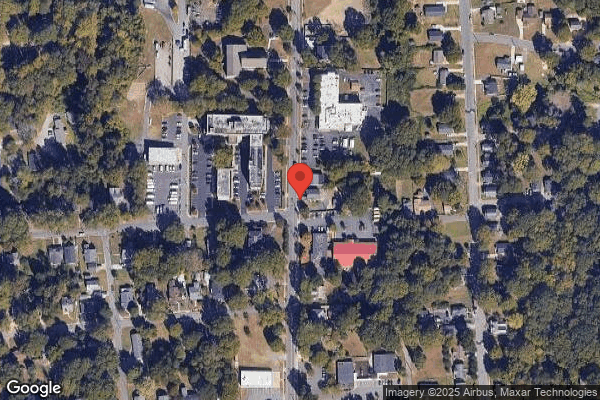
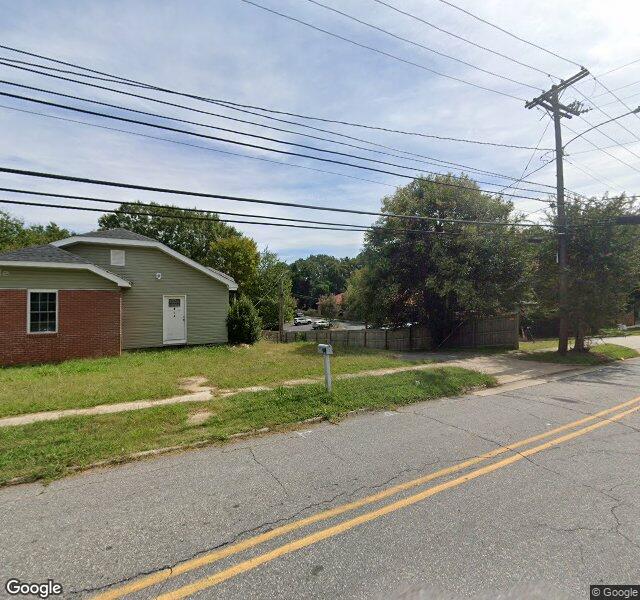
416 N Highland Street, Gastonia, NC 28052 (704) 864-0371
For profit - Corporation 118 Beds SIMCHA HYMAN & NAFTALI ZANZIPER Data: November 2025
Trust Grade
35/100
#308 of 417 in NC
Last Inspection: January 2025

Within standard 12-15 month inspection cycle. Federal law requires annual inspections.

Overview

Accordius Health at Gastonia has received a Trust Grade of F, indicating significant concerns and a poor reputation among nursing homes. It ranks #308 out of 417 in North Carolina, placing it in the bottom half of facilities in the state, and #8 of 10 in Gaston County, meaning there are better local options available. While the facility shows an improving trend, with issues decreasing from 11 in 2023 to 7 in 2025, it still has a high staff turnover rate of 63%, which is concerning compared to the state average of 49%. On a positive note, there are no fines on record, suggesting compliance with regulations, but the facility has faced issues such as failing to provide required discharge notices for residents and not maintaining proper care environments, which includes unsafe wardrobe closets and insufficient call light coverage. Additionally, there were days without the required RN coverage, which raises concerns about the adequacy of care.

Trust Score
F
35/100
In North Carolina
#308/417
Bottom 27%
Safety Record
Low Risk
No red flags
Inspections
Getting Better
11 → 7 violations
Staff Stability
⚠ Watch
63% turnover. Above average. Higher turnover means staff may not know residents' routines.
Penalties
✓ Good
No fines on record. Clean compliance history, better than most North Carolina facilities.
Skilled Nurses
⚠ Watch
Each resident gets only 23 minutes of Registered Nurse (RN) attention daily — below average for North Carolina. Fewer RN minutes means fewer trained eyes watching for problems.
Violations
⚠ Watch
30 deficiencies on record. Higher than average. Multiple issues found across inspections.
★☆☆☆☆
1.0
Overall Rating
★☆☆☆☆
1.0
Staff Levels
★★★★☆
4.0
Care Quality
★★☆☆☆
2.0
Inspection Score
Stable
2023: 11 issues
2025: 7 issues

The Good

  • 4-Star Quality Measures · Strong clinical quality outcomes
  • Full Sprinkler Coverage · Fire safety systems throughout facility
  • No fines on record

Facility shows strength in quality measures, fire safety.

The Bad

1-Star Overall Rating

Below North Carolina average (2.8)

Significant quality concerns identified by CMS

Staff Turnover: 63%

17pts above North Carolina avg (46%)

Frequent staff changes - ask about care continuity

Chain: SIMCHA HYMAN & NAFTALI ZANZIPER

Part of a multi-facility chain

Ask about local staffing decisions and management

Staff turnover is elevated (63%)

15 points above North Carolina average of 48%

The Ugly 30 deficiencies on record

Jan 2025 7 deficiencies
CONCERN (D) 📢 Someone Reported This

A family member, employee, or ombudsman was alarmed enough to file a formal complaint

Potential for Harm - no one hurt, but risky conditions existed

Drug Regimen Review (Tag F0756)

Could have caused harm · This affected 1 resident

**NOTE- TERMS IN BRACKETS HAVE BEEN EDITED TO PROTECT CONFIDENTIALITY** Based on record review, staff and Consultant Pharmacist interviews, the facility failed to follow the pharmacy recommendation to...

Read full inspector narrative →
**NOTE- TERMS IN BRACKETS HAVE BEEN EDITED TO PROTECT CONFIDENTIALITY** Based on record review, staff and Consultant Pharmacist interviews, the facility failed to follow the pharmacy recommendation to update a medication order to include indication for use for 1 of 5 residents reviewed for unnecessary medications (Residents #77). Findings included: Resident #77 admitted to the facility on [DATE] with diagnoses that included dementia, mood disturbance, anxiety disorder and major depressive disorder. An active physician's order dated 08/23/24 for Resident #77 read, Lamotrigine (mood stabilizer) 25 milligrams (mg) - give one tablet by mouth two times a day for There was no diagnosis included on the order indicating reason for use. The significant change Minimum Data Set (MDS) assessment dated [DATE] revealed Resident #77 had severe impairment in cognition. Review of a Pharmacist's Recommendation to Prescriber form dated 10/31/24 read, Resident #77 has an order for Lamotrigine 25 mg - give one tablet by mouth two times a day for Please update order directions to include indication for use. The bottom of the form where the provider would agree or disagree, provide comments and sign the form was blank. The Medication Administration Records (MARs) for October 2024, November 2024, December 2024, and January 2025 revealed Resident #77 received Lamotrigine 25 mg twice daily as ordered. During a phone interview on 01/16/25 at 2:03 PM, the Consultant Pharmacist revealed as part of her monthly medication reviews, she checked to ensure medications had a clinical indication for use and if they did not, she submitted a recommendation to the facility. She confirmed that she submitted a recommendation to the facility on [DATE] to add an indication of use to Resident #77's Lamotrigine medication order. She explained she was out of work November 2024 and December 2024 and the Pharmacists who covered in her absence likely had not known to follow up on the recommendation. The Consultant Pharmacist indicated it was her expectation for the facility to have addressed the recommendation for Resident #77 within 30 days, before the next monthly medication review. During an interview on 01/16/25 at 11:55 AM, the Director of Nursing (DON) revealed she had started back at the facility in December 2024 and since then, the Unit Manager was the person responsible for reviewing and following-up on pharmacy recommendations and then sending them back to her when completed. The DON stated prior to December 2024, she was not sure who was following-up on pharmacy recommendations. The DON confirmed the pharmacy recommendation dated 10/31/24 for Resident #77 had not been addressed and a diagnosis had not been added to the physician order for Lamotrigine as requested. During an interview on 01/16/25 at 3:00 PM, the Administrator revealed she thought the former DON would have been the person following-up to make sure pharmacy recommendations were completed. The Administrator stated she expected pharmacy recommendations to be addressed when provided to the facility.
CONCERN (E)

Potential for Harm - no one hurt, but risky conditions existed

Deficiency F0582 (Tag F0582)

Could have caused harm · This affected multiple residents

**NOTE- TERMS IN BRACKETS HAVE BEEN EDITED TO PROTECT CONFIDENTIALITY** Based on record review and staff interviews, the facility failed to provide Skilled Nursing Facility Advanced Beneficiary Notice...

Read full inspector narrative →
**NOTE- TERMS IN BRACKETS HAVE BEEN EDITED TO PROTECT CONFIDENTIALITY** Based on record review and staff interviews, the facility failed to provide Skilled Nursing Facility Advanced Beneficiary Notices (SNF ABN) prior to discharge from Medicare Part A skilled services for 3 of 3 residents reviewed for beneficiary notification review (Residents #57, #90 and #92). The Findings Included: 1. Resident #57 was admitted to the facility on [DATE]. Review of a Notice of Medicare Non-Coverage (NOMNC) revealed the notice was discussed with Resident #57's Responsible Party (RP) on 08/20/24 which indicated Resident #57's Medicare Part A coverage for skilled services would end on 08/23/24. Resident #57 remained in the facility. Review of Resident #57's medical record revealed no evidence a SNF ABN was reviewed with or provided to Resident #57 or Resident #57's RP. During an interview on 01/16/25 at 11:16 AM, the Business Office Manager (BOM) revealed she issued SNF ABNs for residents covered under Medicare Part B. She stated the Social Worker (SW) issued NOMNC's and SNF ABNs for residents covered under Medicare Part A. During an interview on 01/16/25 at 11:24 AM, the SW confirmed she was responsible for issuing a NOMNC when a resident's Medicare Part A services were ending. The SW stated she did not know what a SNF ABN was or that she was supposed to issue one when a resident had skilled days left and remained in the facility. The SW confirmed a SNF ABN was not issued to Resident #57 or his RP prior to Medicare Part A skilled services ending on 08/23/24. During an interview on 01/16/25 at 3:00 PM, the Administrator revealed the SW was responsible for issuing a NOMNC and/or SNF ABN to the resident or their RP when Medicare Part A services were ending. The Administrator expressed she had assumed the SW was aware to issue a SNF ABN in addition to a NOMNC when needed. The Administrator stated she would have expected for the SW to have issued both notices to Resident #57 or his RP as required. 2. Resident #90 was admitted to the facility on [DATE]. Review of a Notice of Medicare Non-Coverage (NOMNC) revealed the notice was discussed with Resident #90's Responsible Party (RP) on 08/26/24 which indicated Resident #90's Medicare Part A coverage for skilled services would end on 08/28/24. Resident #90 remained in the facility until she discharged home on [DATE]. Review of Resident #90's medical record revealed no evidence a SNF ABN was reviewed with or provided to Resident #90 or Resident #90's RP. During an interview on 01/16/25 at 11:16 AM, the Business Office Manager (BOM) revealed she issued SNF ABNs for residents covered under Medicare Part B. She stated the Social Worker (SW) issued NOMNC's and SNF ABNs for residents covered under Medicare Part A. During an interview on 01/16/25 at 11:24 AM, the SW confirmed she was responsible for issuing a NOMNC when a resident's Medicare Part A services were ending. The SW stated she did not know what a SNF ABN was or that she was supposed to issue one when a resident had skilled days left and remained in the facility. The SW confirmed a SNF ABN was not issued to Resident #90 or her RP prior to Medicare Part A skilled services ending on 08/28/24. During an interview on 01/16/25 at 3:00 PM, the Administrator revealed the SW was responsible for issuing a NOMNC and/or SNF-ABN to the resident or their RP when Medicare Part A services were ending. The Administrator expressed she had assumed the SW was aware to issue a SNF ABN in addition to a NOMNC when needed. The Administrator stated she would have expected for the SW to have issued both notices to Resident #90 or her RP as required. 3. Resident #92 admitted to the facility on [DATE]. Review of a Notice of Medicare Non-Coverage (NOMNC) revealed the notice was discussed with Resident #92 on 08/20/24 which indicated Resident #92's Medicare Part A coverage for skilled services would end on 08/22/24. Resident #92 remained in the facility until he discharged home on [DATE]. Review of Resident #92's medical record revealed no evidence a SNF ABN was reviewed with or provided to Resident #92. During an interview on 01/16/25 at 11:16 AM, the Business Office Manager (BOM) revealed she issued SNF ABNs for residents covered under Medicare Part B. She stated the Social Worker (SW) issued NOMNC's and SNF ABNs for residents covered under Medicare Part A. During an interview on 01/16/25 at 11:24 AM, the SW confirmed she was responsible for issuing a NOMNC when a resident's Medicare Part A services were ending. The SW stated she did not know what a SNF ABN was or that she was supposed to issue one when a resident had skilled days left and remained in the facility. The SW confirmed a SNF ABN was not issued to Resident #92 prior to Medicare Part A skilled services ending on 08/22/24. During an interview on 01/16/25 at 3:00 PM, the Administrator revealed the SW was responsible for issuing a NOMNC and/or SNF-ABN to the resident or their RP when Medicare Part A services were ending. The Administrator expressed she had assumed the SW was aware to issue a SNF ABN in addition to a NOMNC when needed. The Administrator stated she would have expected the SW to have issued Resident #92 both notices as required.
CONCERN (E) 📢 Someone Reported This

A family member, employee, or ombudsman was alarmed enough to file a formal complaint

Potential for Harm - no one hurt, but risky conditions existed

Safe Environment (Tag F0584)

Could have caused harm · This affected multiple residents

**NOTE- TERMS IN BRACKETS HAVE BEEN EDITED TO PROTECT CONFIDENTIALITY** Based on observations and staff interviews, the facility failed to maintain residents' wardrobe closets in good repair by not re...

Read full inspector narrative →
**NOTE- TERMS IN BRACKETS HAVE BEEN EDITED TO PROTECT CONFIDENTIALITY** Based on observations and staff interviews, the facility failed to maintain residents' wardrobe closets in good repair by not replacing knobs on the drawers which left exposed screws sticking out from the drawer that had the potential to cut residents when entering and exiting their rooms (rooms 202, 208, 215, 223, and 225); failed to ensure a resident's wardrobe closet had functioning drawers (room [ROOM NUMBER]); failed to maintain a clean and sanitary wheelchair (room [ROOM NUMBER]-A); and failed to ensure a call light cover was secured to the wall in a resident's bathroom to prevent it from coming loose when the cord was pulled to engage the call light (room [ROOM NUMBER]) for 8 of 31 rooms on 1 of 2 resident halls (200 hall) reviewed for environment. The findings included: 1. a. Observations of room [ROOM NUMBER] on 01/14/25 at 8:44 AM, 01/15/24 at 9:02 AM, and 01/16/25 at 11:00 AM revealed a wardrobe closet located just inside the room door. The bottom drawer on the left side of the wardrobe closet was missing a knob and the end of the screw was sticking out approximately one inch. The bottom drawer was approximately 1 foot from the floor. b. Observations of room [ROOM NUMBER] on 01/15/25 at 9:03 AM and 01/16/25 at 11:01 AM revealed a wardrobe closet located just inside the room door. The bottom drawer on the left side of the wardrobe closet was missing a knob and the end of the screw was sticking out approximately one inch. The bottom drawer was approximately 1 foot from the floor. c. Observations of room [ROOM NUMBER] on 01/15/25 at 9:05 AM and 01/16/25 at 11:03 AM revealed a wardrobe closet located just inside the room door. The top drawer on the left side of the wardrobe closet was missing a knob and the end of the screw was sticking out approximately one inch. The top drawer was approximately 2 feet from the floor. d. Observations of room [ROOM NUMBER] on 01/15/25 at 9:07 AM and 01/16/25 at 11:05 AM revealed a wardrobe closet located just inside the room door. Both the bottom and top drawers on the left side of the wardrobe closet were missing knobs and the end of the screws were sticking out approximately one inch. The top drawer was approximately 2 feet from the floor and the bottom drawer was approximately 1 foot from the floor. e. Observations of room [ROOM NUMBER] on 01/15/25 at 9:08 AM and 01/16/25 at 11:07 AM revealed a wardrobe closet located just inside the room door. The top drawer on the left side of the wardrobe closet was missing a knob and the end of the screw was sticking out approximately one inch. The top drawer was approximately 2 feet from the floor. f. Observations of room [ROOM NUMBER] on 01/15/25 at 9:04 AM and 01/16/25 at 11:02 AM revealed a wardrobe closet located just inside the room door. The bottom two drawers had no knobs and both drawers were off track preventing them from opening and closing properly. An environmental tour and interview was conducted on 01/17/25 at 9:39 AM with the Maintenance Director, which revealed the conditions of rooms 202, 208, 212, 215, 223, and 225 remained unchanged. The Maintenance Director acknowledged the exposed screws on the drawers of the wardrobe closets and the drawers not closing properly were safety concerns due to the potential for causing a skin tear or other injury and needed repaired. He explained he had replaced the left 2 knobs on the closet drawers in room [ROOM NUMBER] last week but was not sure why they were missing now and he was not aware of the missing knobs on the closet drawers in rooms 202, 208, 215 and 225. He explained the bottom 2 wardrobe closet drawers in room [ROOM NUMBER] were replacements and he had ordered new tracking for them to fit properly. The Maintenance Director stated he and the Department Managers made daily rounds to identify concerns but he also relied on floor staff to notify him when repairs were needed. During an interview on 01/17/25 at 11:37 AM, the Administrator stated the Department Managers conducted room rounds twice a day and they should be looking at the wardrobe closet drawers to ensure knobs were in place and were working properly. The Administrator stated the issues with the closet drawers in rooms 202, 208, 212, 215, 223 and 225 should have been identified during daily rounds and staff should have informed the Maintenance Director repairs were needed. 2. Observations of the wheelchair in 227-A on 01/15/24 at 9:04 AM and 01/16/25 at 9:59 AM revealed dried, crusty debris on top and underneath the seat cushion and dried debris on the brake of the wheelchair. During an interview on 01/17/25 at 10:51 AM, the Environmental Services Director revealed her company was new to the facility as of last week and they were currently in the process of developing a schedule for cleaning and disinfecting resident wheelchairs. She stated that some of the resident wheelchairs were washed on Monday (01/13/25) and Tuesday (01/14/25) but she did not have documentation of the specific wheelchairs that were included. During an observation and follow-up interview on 01/17/25 at 11:27 AM, the Environmental Services Director confirmed the wheelchair in room [ROOM NUMBER]-A had dried, crusty debris on top and underneath the seat cushion and dried debris on the brake of the wheelchair. She acknowledged the wheelchair needed a good cleaning. The Environmental Services Director stated she was informed by the Administrator during the morning meeting on Monday (01/13/25) that some of the wheelchairs on the 2nd floor, where room [ROOM NUMBER]-A was located, needed to be cleaned but the Administrator had not provided specific room numbers or resident names. During an interview on 01/17/25 at 11:37 AM, the Administrator revealed she was aware of the issue with resident wheelchairs not being cleaned regularly and explained there had been changes in the environmental services department. She stated she provided the Environmental Services Director with a list of resident wheelchairs that needed cleaned, which included the wheelchair in room [ROOM NUMBER]-A, and had also discussed with the Environmental Services Director to ensure the wheelchair in room [ROOM NUMBER]-A was checked daily and cleaned frequently. The Administrator stated she had been working with the Environmental Services Director on a process to ensure resident wheelchairs were cleaned routinely and a cleaning schedule was recently put into place. 3. Observations of the bathroom in room [ROOM NUMBER] on 01/13/25 at 2:30 PM and 01/16/25 at 8:25 AM revealed when the call light switch was pulled the face plate cover came away from the wall and was not secured in place. An interview and observation was conducted with the Maintenance Director on 01/17/25 at 9:38 AM. The Maintenance Director observed in room [ROOM NUMBER] the call light in the bathroom did work when the switch was pulled but the face plate cover came away from the wall and was not secure. The Maintenance Director revealed Department Heads did daily rounds to check for environment issues and he tried to check call lights as part of his daily round. He revealed environment concerns identified were discussed with him during the morning meetings and staff could report concerns to him verbally or fill out a work order. The Maintenance Director stated he was not aware the face plate cover was not secured to the wall in the bathroom of room [ROOM NUMBER]. During an interview on 01/17/25 at 5:32 PM the Administrator revealed Department Heads did daily room rounds to check for environment issues. The Administrator stated she was not aware the call light switch in the bathroom of room [ROOM NUMBER] was not secured to the wall.
CONCERN (E)

Potential for Harm - no one hurt, but risky conditions existed

Deficiency F0727 (Tag F0727)

Could have caused harm · This affected multiple residents

Based on record review and staff interviews, the facility failed to ensure Registered Nurse (RN) coverage was provided for at least 8 consecutive hours per day for 4 of the 91 days reviewed for RN Cov...

Read full inspector narrative →
Based on record review and staff interviews, the facility failed to ensure Registered Nurse (RN) coverage was provided for at least 8 consecutive hours per day for 4 of the 91 days reviewed for RN Coverage (5/04/24, 5/18/24, 5/25/24, and 6/08/24). Findings included: The Payroll Based Journal (PBJ) report for third quarter of 2024 (April, May, and June) reported the facility without RN coverage for 8 consecutive hours per day for 5/04/24, 5/18/24, 5/25/24, and 6/08/24. a. Review of the daily staffing assignment sheet for Saturday, 5/04/24 revealed no RN assigned. Review of the timecard record for 5/04/24 revealed the former Director of Nursing (DON) had a clock in time of 6:45 AM and a clock out time of 3:15 PM. An interview on 1/16/25 at 3:54 PM with the Scheduler revealed she was aware of the requirement for RN coverage 8 consecutive hours per day. She stated if there she was unable to schedule an RN, she brought it to the Director of Nursing and Administrator's attention for their assistance to ensure RN coverage. An interview on 1/14/25 at 5:01 PM with the Administrator revealed that the former DON worked 5/04/24. She stated that since the former DON was a salaried employee and did not clock in and out. However, the Administrator added a clock in and out for the former DON to show the facility had RN coverage for 8 consecutive hours per day. An interview on 1/15/25 at 1:02 PM with the former DON revealed she was employed at the facility in May 2024. She stated she had never worked at the facility on the weekend and was not at the facility on 5/04/24. A follow up interview on 1/16/25 at 1:11 PM with the Administrator revealed she felt like the former staff denied being at the facility due to 'disgruntlement'. b. No daily staffing assignment sheet for Saturday, 5/18/24 was provided by the facility. Review of the timecard record for 5/18/24 revealed no RN had clocked in or out. An interview on 1/16/25 at 3:54 PM with the Scheduler revealed she was aware of the requirement for RN coverage 8 consecutive hours per day. She stated if there she was unable to schedule an RN, she brought it to the Director of Nursing and Administrator's attention for their assistance to ensure RN coverage. An interview on 1/14/25 at 5:01 PM with the Administrator revealed that the former Assistant Director of Nursing (ADON) worked 5/18/24. She stated that since the former ADON was a salaried employee and did not clock in or out. The Administrator stated she should have added a clock in and out for the former ADON to show the facility had RN coverage for 8 consecutive hours per day, but she had not. No documentation was provided regarding the ADON working on 5/18/24. An interview on 1/15/25 at 4:29 PM with the former ADON revealed that she did not recall ever working a weekend day after she became the ADON on 5/01/24. During a follow up interview on 1/16/25 at 1:11 PM with the Administrator revealed she felt like the former staff denied being at the facility due to 'disgruntlement'. c. The facility was unable to provide the daily nurse staffing assignment sheet for Saturday, 5/25/24. Review of the timecard record for 5/25/24 revealed the former ADON had a clock in time of 6:45 AM and a clock out time of 3:15 PM. An interview on 1/16/25 at 3:54 PM with the Scheduler revealed she was aware of the requirement for RN coverage 8 consecutive hours per day. She stated if there she was unable to schedule an RN, she brought it to the Director of Nursing and Administrator's attention for their assistance to ensure RN coverage. An interview on 1/14/25 at 5:01 PM with the Administrator revealed that the former ADON worked 5/25/24. She stated that since the former ADON was a salaried employee and did not clock in and out. However, the Administrator had added a clock in and out for the former ADON to show the facility had RN coverage for 8 consecutive hours per day. An interview on 1/15/25 at 4:29 PM with the former ADON revealed that she did not recall ever working a weekend day after she became the ADON on 5/01/24. A follow up interview on 1/16/25 at 1:11 PM with the Administrator revealed she felt like the former staff denied being at the facility due to 'disgruntlement'. d. No daily staffing assignment sheet for Saturday, 6/08/24 was provided by the facility. Review of the timecard record for 6/08/24 revealed the former DON had a clock in time of 6:45 AM and a clock out time of 3:15 PM. An interview on 1/16/25 at 3:54 PM with the Scheduler revealed she was aware of the requirement for RN coverage 8 consecutive hours per day. She stated if there she was unable to schedule an RN, she brought it to the Director of Nursing and Administrator's attention for their assistance to ensure RN coverage. An interview on 1/14/25 at 5:01 PM with the Administrator revealed that the former DON worked 6/08/24. She stated that since the former DON was a salaried employee and did not clock in and out. However, the Administrator stated she had added a clock in and out for the former DON to show the facility had RN coverage for 8 consecutive hours per day. An interview on 1/15/25 at 1:02 PM with the former DON revealed she was employed at the facility on 6/08/2024. She stated she had never worked at the facility on the weekend and was not at the facility on 6/08/24. During a follow up interview on 1/16/25 at 1:11 PM with the Administrator revealed she felt like the former staff denied being at the facility due to 'disgruntlement'.
CONCERN (E)

Potential for Harm - no one hurt, but risky conditions existed

Food Safety (Tag F0812)

Could have caused harm · This affected multiple residents

Based on observations and staff interviews the facility failed to maintain a clean floor in 1 of 1 walk-in cooler, 1 of 1 walk-in freezer, and 1 of 1 kitchen; label and date open food items and discar...

Read full inspector narrative →
Based on observations and staff interviews the facility failed to maintain a clean floor in 1 of 1 walk-in cooler, 1 of 1 walk-in freezer, and 1 of 1 kitchen; label and date open food items and discard food with signs of spoilage or use-by date in 1 of 1 walk-in cooler; restrain facial hair during food preparation; and label and date food items in 2 of 2 nourishment room refrigerators and freezer (first and second floor nourishment rooms). Findings included: 1. An initial tour of the walk-in cooler, walk-in freezer, and kitchen on 01/13/25 at 11:10 AM revealed multiple dried white stains and debris scattered on the floor of the walk-in cooler, dried brown stains and scattered debris on the floor of the walk-in freezer, and a dried blue substance to the kitchen floor near the 3 compartment sink, 2 plastic drinking cups on the floor under the dish machine, and a large amount of black debris on the floor under the sink near the dish machine. An interview with the Dietary Manager on 01/13/25 at 3:04 PM revealed the walk-in cooler, walk-in freezer, and kitchen were mopped daily and she expected the floors to be clean. An additional observation of the walk-in cooler, walk-in freezer, and kitchen floor on 01/15/25 at 11:10 AM revealed multiple dried white stains and debris scattered on the floor of the walk-in cooler, dried brown stains and scattered debris on the floor of the walk-in freezer, and a dried blue substance to the kitchen floor near the 3 compartment sink, 2 plastic drinking cups on the floor under the dish machine, and a large amount of black debris on the floor under the sink near the dish machine. An interview with the Administrator on 01/16/25 at 4:05 PM revealed she expected floors of the walk-in cooler, walk-in freezer, and kitchen to be clean and free of debris. 2. An initial observation of the walk-in cooler on 01/13/25 at 11:15 AM revealed an undated bowl of salad, 3 opened and undated packs of sliced cheese, a bag of shredded lettuce with brown discoloration with an opened date of 01/02/25, a metal pan of tomato soup with a date of 01/07/25, and an opened and undated 46-ounce box of thickened orange juice sitting on a shelf. An interview with the Dietary Manager on 01/13/25 at 3:04 PM revealed all food and beverage items should be dated when opened and cooks were responsible for making sure all items were dated on a daily basis. She stated any food with signs of spoilage should be discarded and the tomato soup should have been discarded 3 days after being placed in the cooler. An interview with the Administrator on 01/16/25 at 4:05 PM revealed she expected all food and beverage items to be dated when opened, food with signs of spoilage should be discarded, and food items should be used or discarded according to use-by policies. 3. An observation of [NAME] #1 on 01/13/25 at 11:35 AM revealed he was preparing food for the lunch meal and did not have a restraint in place to cover his facial hair. [NAME] #1 had a partial beard with varying lengths of hair covering mainly his chin and the surrounding skin. In an interview with [NAME] #1 on 01/13/25 at 11:35 AM he confirmed he was not wearing a restraint for his facial hair and stated he was not sure if the kitchen stocked restraints for facial hair. An interview with the Dietary Manager on 01/13/25 at 3:04 PM revealed she had ordered beard guards but had not received them. She stated all employees with facial hair should have a beard guard in place when preparing and serving food. An interview with the Administrator on 01/16/25 at 4:05 PM revealed she expected all dietary staff with facial hair to have a beard guard in place when preparing and serving food. 4. (a). An observation of the first-floor nourishment room refrigerator on 01/14/25 at 8:39 AM revealed an undated 46-ounce box of thickened apple juice sitting on a shelf. (b). An observation of the second-floor nourishment room on 01/14/25 at 8:44 AM revealed the following: (1) an unlabeled and undated bag of meatballs sitting in the door of the refrigerator (2) an unlabeled and undated bag of pizza slices sitting in the door of the refrigerator (3) an unlabeled and undated half empty thawed milkshake sitting on a shelf in the refrigerator (4) an unlabeled and undated pitcher of brown liquid sitting on a shelf in the refrigerator (5) an undated 12-ounce can of soda sitting on a shelf in the freezer (6) 2 unlabeled and undated 16.9-ounce bottles of water sitting in the door of the freezer An interview with the Dietary Manager on 01/15/25 at 11:35 AM revealed the dietary department was responsible for ensuring all items in the nourishment room refrigerators and freezers were labeled and dated on a daily basis. She stated dietary staff would check to ensure all items were labeled and dated but nursing staff would place unlabeled and undated items in the refrigerators or freezers after dietary staff checked for dates and labels. An interview with the Administrator on 01/16/25 at 4:05 PM revealed she expected all items in nourishment room refrigerators and freezers to be labeled and dated.
CONCERN (E)

Potential for Harm - no one hurt, but risky conditions existed

Garbage Disposal (Tag F0814)

Could have caused harm · This affected multiple residents

Based on observations and staff interviews the facility failed to ensure the area surrounding dumpsters remained free of garbage and debris and failed to close the doors to the dumpsters that containe...

Read full inspector narrative →
Based on observations and staff interviews the facility failed to ensure the area surrounding dumpsters remained free of garbage and debris and failed to close the doors to the dumpsters that contained waste for 3 of 3 dumpsters reviewed. These failures had the potential to attract pests and rodents. Findings included: An observation of the dumpster area with [NAME] #1 on 01/13/25 at 11:25 AM revealed the side doors of all 3 dumpsters were open and the door on top of the middle dumpster was open, with multiple cardboard boxes hanging out the top of the dumpster. Further observation of the dumpster area revealed there were 3 gloves, a plastic drinking cup, pieces of tape, a straw, and various condiment packets scattered on the ground around the dumpster area. An interview with [NAME] #1 on 01/13/25 at 11:25 AM revealed he was not sure who was responsible for cleaning the dumpster area and ensuring dumpster lids were closed. An interview with the Dietary Manager on 01/13/25 at 3:04 PM revealed the maintenance department was responsible for cleaning the dumpster area. An interview with the Housekeeping Director on 01/17/25 at 8:26 AM revealed floor technicians and the maintenance department split keeping the dumpster area clean. She stated the dumpster area was supposed to be checked daily for cleanliness and that dumpster lids were closed. An interview with the Maintenance Director on 01/16/25 at 8:30 AM revealed he and the floor technicians were responsible for ensuring the dumpster area was clean and dumpster lids were closed on a daily basis. He stated he had not had an opportunity to check the dumpster area the morning of 01/13/25. An interview with Floor Technician #1 on 01/17/25 at 8:33 AM revealed he and the Maintenance Director were responsible for ensuring the dumpster area was clean and dumpster lids were closed on a daily basis. He stated he had not had an opportunity to check the dumpster area the morning of 01/13/25. An interview with the Administrator on 01/16/25 at 4:05 PM revealed all dumpster lids should be shut and the area around the dumpsters should be clean and free of debris. She stated the housekeeping department was responsible for ensuring the dumpster area was clean.
MINOR (C)

Minor Issue - procedural, no safety impact

Staffing Information (Tag F0732)

Minor procedural issue · This affected most or all residents

Based on record review and staff interviews, the facility failed to post complete and accurate daily licensed nurse staffing information for 19 of the 20 days reviewed 5/04/24, 5/18/24, 5/25/24, 6/08/...

Read full inspector narrative →
Based on record review and staff interviews, the facility failed to post complete and accurate daily licensed nurse staffing information for 19 of the 20 days reviewed 5/04/24, 5/18/24, 5/25/24, 6/08/24, and 1/01/25 through 1/16/25 for sufficient staffing and failed to maintain a posted staffing sheets for one day (5/25/24). Findings included: Reviews of posted staffing for 5/04/24, 5/18/24, 5/25/24, 6/08/24, and 1/01/25 through 1/16/25 revealed one day, 1/16/25, had been updated to accurately reflect the staffing. The facility was unable to provide a staffing sheet for 5/25/24. During an interview on 1/14/25 at 5:01 PM with the Scheduler, she stated she was responsible for the staff posting and that she was unaware of the requirement to adjust the posted staffing information to reflect the actual staff present. She stated that she completed the posted staffing sheets ahead of time based on the staff work schedule. She stated when she was off on the weekend or vacation, she completed the posted staffing sheets ahead of time and they were not adjusted to accurately reflect the actual staffing. The Scheduler was unable to locate the posted staffing sheet for 5/25/24. During an interview on 1/16/25 at 1:11 PM the Administrator, she stated she was aware of the requirement to adjust the posted staffing to accurately reflect the actual staff present. She also stated she was unaware this was not being done and that the Scheduler did not know that the posted staffing should be updated with the actual staff on each shift.
Oct 2023 11 deficiencies
CONCERN (D) 📢 Someone Reported This

A family member, employee, or ombudsman was alarmed enough to file a formal complaint

Potential for Harm - no one hurt, but risky conditions existed

Assessment Accuracy (Tag F0641)

Could have caused harm · This affected 1 resident

**NOTE- TERMS IN BRACKETS HAVE BEEN EDITED TO PROTECT CONFIDENTIALITY** 4. Resident #40 was admitted to the facility 08/08/20 with diagnoses including anemia and muscle weakness. The quarterly Minimu...

Read full inspector narrative →
**NOTE- TERMS IN BRACKETS HAVE BEEN EDITED TO PROTECT CONFIDENTIALITY** 4. Resident #40 was admitted to the facility 08/08/20 with diagnoses including anemia and muscle weakness. The quarterly Minimum Data Set (MDS) dated [DATE] reflected Resident #40 was cognitively intact, required extensive assistance with bed mobility, and was on a turning and repositioning program. An interview with the MDS Coordinator on 10/06/23 at 9:35 AM revealed she received assistance with coding some parts of the MDS from a staff member who worked remotely. She explained the staff member who worked remotely coded the quarterly MDS incorrectly because the facility did not have a turning and repositioning program and the coding error was an oversight. An interview with the Director of Nursing (DON) on 10/06/23 at 4:50 PM revealed she expected the MDS to be coded correctly. 5. Resident #237 was admitted to the facility 12/05/22 with diagnoses including anemia and diabetes. The nutrition care plan initiated 04/26/23 revealed Resident #237 had significant weight loss due to refusing meals and was at risk for malnutrition. Interventions included monitoring Resident #237 for signs or symptoms of malnutrition and providing his diet as ordered. The significant change Minimum Data Set (MDS) dated [DATE] revealed Resident #237 was cognitively intact and did not eat or drink during the look back period. An interview with the MDS Coordinator on 10/06/23 at 9:46 AM revealed she received assistance with coding some parts of the MDS from a staff member who worked remotely. She explained the staff member who worked remotely coded the quarterly MDS incorrectly because even though Resident #237 had a poor appetite, he did eat and drink during the look back and the coding error was an oversight. An interview with the Director of Nursing (DON) on 10/06/23 at 4:50 PM revealed she expected the MDS to be coded correctly. 6. Resident #18 was admitted to the facility 05/04/20 with diagnoses including non-Alzheimer's dementia and diabetes. Review of Resident #18's Physician orders revealed an order dated 02/22/22 for valproic acid (used to treat seizures) oral solution 250 milligrams per 5 milliliters(ml) give 2.5 ml twice a day for seizures. Review of Resident #18's Medication Administration Record (MAR) from June 2022 through October 2023 revealed she received valproic acid as ordered. The quarterly Minimum Data Set (MDS) dated [DATE] revealed Resident #18 was severely cognitively impaired and did not list seizures as a diagnosis. An interview with the MDS Coordinator on 10/06/23 at 9:44 AM revealed the quarterly MDS should have reflected Resident #18 had a diagnosis of seizures and it was an oversight that it was not coded correctly. An interview with the Director of Nursing (DON) on 10/06/23 at 4:50 PM revealed she expected the MDS to be coded correctly. 7. Resident #3 was admitted to the facility 08/01/19 with diagnoses including Alzheimer's disease and hypertension (high blood pressure). Review of the quarterly Minimum Data Set (MDS) dated [DATE] revealed Resident #3 was severely cognitively impaired, required extensive assistance with bed mobility, and was on a turn and reposition program. An interview with the MDS Coordinator on 10/06/23 at 9:32 AM revealed she received assistance with coding some parts of the MDS from a staff member who worked remotely. She explained the staff member who worked remotely coded the quarterly MDS incorrectly because the facility did not have a turning and repositioning program and the coding error was an oversight. An interview with the Director of Nursing (DON) on 10/06/23 at 4:50 PM revealed she expected the MDS to be coded correctly. Based on record review and staff interviews, the facility failed to accurately code Minimum Data Set (MDS) assessments in the areas of Preadmission Screening and Resident Review (PASRR), activities of daily living, diagnoses, and skin conditions for 7 of 27 sampled residents reviewed (Residents #8, #55, #72, #3, #15, #18 and #237). Findings included: 1. Resident #8 was admitted to the facility on [DATE]. Her diagnoses included Parkinson's disease, anxiety, depression, and bipolar disorder. A care plan initiated on 12/04/18 revealed Resident #8 had a mood problem related to disease process and had a [NAME] II PASRR. Interventions included: administer medications as ordered, behavioral health consults as needed, and has a Level II PASRR. The annual MDS assessment dated [DATE] indicated Resident #8 was not currently considered by the state Level II PASRR process to have a serious mental illness and/or intellectual disability or other related conditions. Review of a North Carolina Medicaid Uniform Screening Tool (NC MUST) inquiry document dated 10/05/23 revealed Resident #8 had a Level II PASSR with no expiration date. There was no effective date listed on the NC MUST inquiry. During an interview 10/06/23 at 9:30 AM, the MDS Coordinator explained Resident #8's MDS assessment dated [DATE] was completed by another MDS Coordinator who was no longer employed at the facility. The MDS Coordinator confirmed Resident #8 had a Level II PASRR that should have been reflected on the MDS assessment and it was likely an oversight. During an interview on 10/06/23 at 5:02 PM, the Administrator stated it was her expectation for MDS assessments to be completed accurately. 2. Resident #55 was admitted to the facility on [DATE]. Her diagnoses included depression and bipolar disorder. A PASRR Level II Determination Notification letter dated 08/19/22 revealed Resident #55 had a Level II PASRR with no expiration date. The annual MDS assessment dated [DATE] indicated Resident #55 was not currently considered by the state Level II PASRR process to have a serious mental illness and/or intellectual disability or other related conditions. During an interview on 10/06/23 at 9:30 AM, the MDS Coordinator revealed she was not always informed when a resident had a Level II PASRR and due to changes in staff, she was not sure who was responsible for keeping track to let her know. The MDS Coordinator explained she was not informed Resident #55 had a Level II PASRR which is why the MDS assessment dated [DATE] did not accurately reflect her PASRR status. During an interview on 10/06/23 at 5:02 PM, the Administrator stated it was her expectation for MDS assessments to be completed accurately. 3. Resident #72 was admitted to the facility on [DATE]. Her diagnoses included anxiety and depression. The annual MDS assessment dated [DATE] indicated Resident #72 was not currently considered by the state Level II PASRR process to have a serious mental illness and/or intellectual disability or other related conditions. Review of a North Carolina Medicaid Uniform Screening Tool (NC MUST) inquiry document dated 10/06/23 revealed Resident #72 had a 30-day Level II PASSR effective 07/31/23 with an expiration date of 08/30/23. During an interview on 10/06/23 at 9:30 AM, the MDS Coordinator revealed she was not always informed when a resident had a Level II PASRR and due to changes in staff, she was not sure who was responsible for keeping track to let her know. The MDS Coordinator stated she was not informed Resident #72 had a Level II PASRR which is why the MDS assessment dated [DATE] did not accurately reflect her PASRR status. During an interview on 10/06/23 at 5:02 PM, the Administrator stated it was her expectation for MDS assessments to be completed accurately.
CONCERN (D) 📢 Someone Reported This

A family member, employee, or ombudsman was alarmed enough to file a formal complaint

Potential for Harm - no one hurt, but risky conditions existed

PASARR Coordination (Tag F0644)

Could have caused harm · This affected 1 resident

**NOTE- TERMS IN BRACKETS HAVE BEEN EDITED TO PROTECT CONFIDENTIALITY** Based on record review and staff interviews, the facility failed to request a Preadmission Screening and Resident Review (PASRR)...

Read full inspector narrative →
**NOTE- TERMS IN BRACKETS HAVE BEEN EDITED TO PROTECT CONFIDENTIALITY** Based on record review and staff interviews, the facility failed to request a Preadmission Screening and Resident Review (PASRR) Level II evaluation for a resident with a history of mental health diagnoses for 1 of 5 sampled residents reviewed for PASRR (Resident #53). Findings included: Review of hospital records dated 12/28/22 noted Resident #53 had a diagnosis of bipolar disorder with an effective date of 04/09/21. Resident #53 was admitted to the facility on [DATE] with diagnoses that included manic depression (bipolar disease). The admission Minimum Data Set (MDS) dated [DATE] revealed Resident #53 was not currently considered by the state Level II PASRR process to have a serious mental illness and/or intellectual disability. Review of Resident #53's list of cumulative diagnoses contained in her medical record revealed the following diagnoses: bipolar disorder with a date of 01/02/23, anxiety disorder with a date of 04/05/23, persistent mood disorder with a date of 04/13/23, and schizophrenia with a date of 04/13/23. A hospital psychiatric consult progress note dated 03/29/23 revealed Resident #53 had a psychiatric history of bipolar disorder and anxiety. It further noted a diagnosis of schizoaffective disorder. A psychiatric progress note dated 04/21/23 revealed in part, Resident #53 was seen to evaluate severe mood swings and behaviors. It was also noted Resident #53 had informed a previous provider she was diagnosed with schizophrenia and has had auditory hallucinations. A physician's order dated 04/26/23 for Resident #53 read, Venlafaxine (antidepressant medication) 75 mg one time a day for bipolar depression related to persistent mood disorder. A physician's order dated 06/21/23 for Resident #53 read, Risperidone (antipsychotic medication) 1 mg/milliliter (ml) mouth two times a day for delusions related to schizophrenia. Review of a North Carolina Medicaid Uniform Screening Tool (NC MUST) document dated 10/03/23 revealed Resident #53 had a Level 1 PASRR effective 03/09/21. There were no requests for reevaluation after 03/09/21. During interviews on 10/05/23 at 9:02 AM and 10/06/23 at 10:52 AM the Admissions Director revealed when she started her position in August 2023, no one was keeping up with Level II PASRR's so she started submitting the PASRR requests for reevaluations of time-limited PASRR via NC MUST. The Admissions Director explained as part of the admission process, she checked NC MUST to ensure resident's had a PASRR number prior to their admission but she did not submit requests for PASRR reevaluations if they had mental health diagnoses. The Admissions Director stated going forward the SW would be responsible for managing Level II PASRRs. During an interview on 10/06/23 at 3:30 PM the SW revealed she started her position at the facility in June 2023 and had not yet been trained on the process for requesting Level II PASRR reevaluations. During an interview on 10/06/23 at 5:02 PM, the Administrator stated she expected Level II PASRR requests to be requested per regulatory guidelines. She explained the SW would be the staff member responsible for requesting PASRR reevaluations going forward and corporate would be coming next week to train the SW on the process.
CONCERN (D) 📢 Someone Reported This

A family member, employee, or ombudsman was alarmed enough to file a formal complaint

Potential for Harm - no one hurt, but risky conditions existed

Deficiency F0658 (Tag F0658)

Could have caused harm · This affected 1 resident

**NOTE- TERMS IN BRACKETS HAVE BEEN EDITED TO PROTECT CONFIDENTIALITY** Based on record review and staff interviews the facility failed to provide supporting documentation for a resident with a new di...

Read full inspector narrative →
**NOTE- TERMS IN BRACKETS HAVE BEEN EDITED TO PROTECT CONFIDENTIALITY** Based on record review and staff interviews the facility failed to provide supporting documentation for a resident with a new diagnosis of schizophrenia for 1 of 5 residents reviewed for unnecessary medications (Resident #18). Findings included: Resident #18 was admitted to the facility 05/04/20 with diagnoses including non-Alzheimer's dementia, depression, and anxiety. Review of the care plan for psychotropic medication use (medication that affects mental functions and behaviors) last updated 07/04/23 revealed Resident #18 received medications related to dementia, depression, and anxiety. Interventions included administering Resident #18's medications as ordered and monitoring her for any adverse reaction. Resident #18 had a Physician order dated 12/20/22 for Seroquel (an antipsychotic) 25 milligrams (mg) twice a day for psychosis related to schizophrenia. On 05/05/23 the Physician order for Seroquel 25 mg twice a day was changed to Seroquel 50 mg at bedtime for sleep related to schizophrenia. A summary of Physician #1's progress note dated 02/27/23 is as follows: Resident #13 was seen at the request of staff to evaluate whether she had a diagnosis to justify the use of Seroquel. The note stated Resident #18 was doing reasonably well with some underlying confusion but was not floridly (severely) delusional (beliefs not based in reality). The note further stated Resident #18 had a diagnosis of schizophrenia and dementia, but the delusional disorder predated the onset of her dementia and attempts to wean Seroquel were not successful due to florid psychosis. The quarterly Minimum Data Set (MDS) dated [DATE] revealed Resident #18 was severely cognitively impaired, had no behaviors during the look back period, had a diagnosis of schizophrenia, and received antipsychotic medications 7 out of 7 days during the look back period. Review of Resident #18's medical record revealed there was no further documentation of what specific behaviors she exhibited that resulted in a new diagnosis of schizophrenia on 02/27/23. No orders for a psychiatry consult were observed in Resident #18's medical record. An interview with the Director of Nursing (DON) on 10/06/23 at 8:22 AM revealed she was unable to locate any further documentation for why Resident #18 was given a diagnosis of schizophrenia on 02/27/23. She stated psychiatric services had been offered to Resident #18's family in the past and they declined those services. Physician #1 was unavailable for interview during the investigation. A telephone interview with the Medical Director on 10/06/23 at 12:32 PM revealed any resident with a new diagnosis of schizophrenia should have documentation to support the diagnosis. A joint interview with the DON and Administrator on 10/06/23 at 4:50 PM revealed any resident with a new diagnosis of schizophrenia should have a Physician assessment and documentation to support the diagnosis.
CONCERN (D) 📢 Someone Reported This

A family member, employee, or ombudsman was alarmed enough to file a formal complaint

Potential for Harm - no one hurt, but risky conditions existed

Deficiency F0660 (Tag F0660)

Could have caused harm · This affected 1 resident

**NOTE- TERMS IN BRACKETS HAVE BEEN EDITED TO PROTECT CONFIDENTIALITY** Based on record review, resident and staff interviews, the facility failed to have a discharge planning process in place that in...

Read full inspector narrative →
**NOTE- TERMS IN BRACKETS HAVE BEEN EDITED TO PROTECT CONFIDENTIALITY** Based on record review, resident and staff interviews, the facility failed to have a discharge planning process in place that incorporated the resident in the development of a discharge care plan that addressed the resident's discharge goals and post-discharge needs for a resident who wished to discharge to the community for 1 of 2 sampled residents (Resident #236). Findings included: Resident #236 was admitted to the facility on [DATE] with diagnoses that included cellulitis of left lower limb, obsessive-compulsive personality disorder, major depressive disorder, and anxiety. The baseline care plan initiated on 02/01/23 noted Resident #236's discharge goal was to return to the community. The admission Minimum Data Set (MDS) dated [DATE] revealed Resident #236 had intact cognition. The MDS noted an active discharge plan was in place for Resident #236 to discharge to the community. A physician progress note dated 03/06/23 read in part, Resident #236 was seen for coordination of care in preparation for discharge. Resident #236's level of function improved while at the facility and received maximum inpatient therapy benefit. Decision was made for her to discharge to home with supervision and assistance, therapy and ongoing medical treatment. After review of the discharge plan with the social worker, the Director of Nursing (DON), and Administrator it was uncovered Resident #236 did not have a safe place in which to go to and decision was made to suspend her discharge to try and arrange a safe location. Review of Resident #236's comprehensive care plan, last reviewed/revised 08/24/23, revealed no discharge care plan. A physician's order dated 09/08/23 for Resident #236 read in part, discharge home with home health services. A walker will be needed. Resident #236 discharged to the community on 09/08/23. During an interview on 10/05/23 at 11:09 AM, the Social Worker (SW) revealed she did not develop a discharge care plan for Resident #236 as she was admitted to the facility prior to the SW starting her employment in June 2023. The SW stated prior to Resident #236 discharging from the facility, they had a care plan meeting with Resident #236 and her family member. The SW recalled Resident #236 voicing she wanted to return home and was agreeable to a discharge date of 09/08/23. During an interview on 10/06/23 at 9:55 AM, the MDS Coordinator revealed it depended on the SW as to whether or not a discharge care plan was developed. The MDS Coordinator stated she was not sure of the reason why the previous SW did not develop a discharge care plan for Resident #236 as they had multiple meetings throughout Resident #236's stay regarding her discharge plans. The previous SW was no longer employed at the facility and unable to be interviewed. During an interview on 10/06/23 at 5:02 PM, the Administrator stated it was her expectation for care plans to be developed that reflected a resident's discharge goals and needs. The Administrator explained the discharge planning process initially started during the 72-hour care plan meeting conducted after the resident's admission. The discharge plan was then reviewed and discussed during discharge plan of care meetings and updated accordingly as the discharge plans progressed.
CONCERN (D) 📢 Someone Reported This

A family member, employee, or ombudsman was alarmed enough to file a formal complaint

Potential for Harm - no one hurt, but risky conditions existed

Drug Regimen Review (Tag F0756)

Could have caused harm · This affected 1 resident

**NOTE- TERMS IN BRACKETS HAVE BEEN EDITED TO PROTECT CONFIDENTIALITY** Based on record review and staff, Consultant Pharmacist, and Medical Director interviews the Consultant Pharmacist failed to pro...

Read full inspector narrative →
**NOTE- TERMS IN BRACKETS HAVE BEEN EDITED TO PROTECT CONFIDENTIALITY** Based on record review and staff, Consultant Pharmacist, and Medical Director interviews the Consultant Pharmacist failed to provide recommendations for laboratory tests for drug monitoring for 1 of 5 residents reviewed for unnecessary medications (Resident #3). Findings included: Resident #3 was admitted to the facility 08/01/19 with diagnoses including hypertension (high blood pressure), atrial fibrillation (irregular heartbeat), thyroid disorder, and vitamin D deficiency. The quarterly Minimum Data Set (MDS) dated [DATE] revealed Resident #3 was severely cognitively impaired and received a diuretic 7 out of 7 days during the look back period. Review of Resident #3's Physician orders included the following medications: Digoxin (medication for irregular heartbeat and high blood pressure) 125 micrograms (mcg) every other day ordered 08/03/19 Levothyroxine 125 mcg once a day for low thyroid hormone ordered 08/02/19 Magnesium Oxide 400 milligrams (mg) for low magnesium ordered 07/14/22 Vitamin D 2000 units once a day as a supplement ordered 08/02/19 Potassium 20 milliequivalents (mEq) twice a day ordered 08/01/19 Lasix (a diuretic) 20 mg twice a day ordered 08/01/19 Review of Resident #3's Medication Administration Records (MAR) from April 2023 through October 2023 revealed she received Digoxin, Levothyroxine, Magnesium Oxide, Vitamin D, Potassium, and Lasix as ordered with few noted exceptions. Review of Resident #3's medical record revealed the Consultant Pharmacist had conducted medication regimen reviews (MRRs) monthly from April 2023 through September 2023. No recommendations regarding obtaining a Digoxin level, magnesium level, Vitamin D level, thyroid stimulating hormone (TSH) level (a laboratory test that checks thyroid function), or a potassium level had been made to the Physician. A telephone interview with the Consultant Pharmacist on 10/04/23 at 3:34 PM revealed she conducted MRRs for Resident #3 from April 2023 through September 2023. She stated laboratory tests for a Digoxin level, magnesium level, Vitamin D level, potassium level, and TSH should be obtained annually unless the resident was having symptoms. The Consultant Pharmacist explained she did not provide a recommendation to the Physician to obtain routine laboratory tests because it was overlooked. In an interview with the Director of Nursing (DON) on 10/04/23 at 4:45 PM she confirmed the last Digoxin level, magnesium level, TSH level, and comprehensive metabolic panel (a laboratory test for electrolytes including potassium) for Resident #3 were obtained 07/07/22. An interview with the Medical Director on 10/06/23 at 12:32 PM revealed he expected pharmacy to prompt providers to order laboratory work as indicated by established guidelines. During a joint interview with the DON and Administrator on 10/06/23 at 4:50 PM they stated they expected pharmacy to make recommendations for laboratory work as appropriate.
CONCERN (E) 📢 Someone Reported This

A family member, employee, or ombudsman was alarmed enough to file a formal complaint

Potential for Harm - no one hurt, but risky conditions existed

Deficiency F0565 (Tag F0565)

Could have caused harm · This affected multiple residents

Based on record review, resident and staff interviews, the facility failed to resolve and communicate the facility's efforts to address repeated dietary concerns voiced by residents during Resident Co...

Read full inspector narrative →
Based on record review, resident and staff interviews, the facility failed to resolve and communicate the facility's efforts to address repeated dietary concerns voiced by residents during Resident Council meetings for 4 of 9 months reviewed (January 2023, April 2023, May 2023, and July 2023). Findings included: The Resident Council minutes for the period January 2023 through September 2023 were reviewed and revealed the following: • Resident Council minutes dated 01/23/23 noted in part, residents voiced dietary concerns that food portions were small, not fully cooked, food was cold, bread was hard, and juice was served hot. • Resident Council minutes dated 02/16/23 noted the dietary concerns voiced during the previous month's meeting were reviewed and reported as resolved. There were no new dietary concerns voiced during the meeting. • Resident Council minutes dated 04/20/23 noted residents voiced concerns about call light response timing, laundry and food but did not specify what the concerns were. • Resident Council minutes dated 05/18/23 revealed no documentation that resolution was provided or discussed regarding the concerns voiced during the previous month's meeting. New dietary concerns were voiced regarding cold food and meal trays not being delivered in a timely manner. • Resident Council minutes dated 07/20/23 revealed no documentation that resolution was provided to the residents regarding the dietary concerns voiced during the previous month's meeting. New concerns were voiced regarding the food was too spicy, served late, and staff would not warm up the cold food when requested. • Resident Council minutes dated 08/17/23 revealed the dietary concerns addressed during the previous month's meeting were discussed but did not indicate if the issues were resolved or ongoing. The facility's grievance logs for the period January 2023 through September 2023 were reviewed. The only grievances filed on behalf of the members of the Resident Council regarding dietary concerns were dated 01/25/23, 05/18/23 and 07/20/23. The concerns were all noted as resolved. A Resident Council group interview was conducted on 10/04/23 at 3:04 PM with Resident #1, Resident #7, Resident #35, Resident #40, Resident #51, and Resident #77 in attendance. The residents all reported ongoing dietary concerns, specifically with meals being served cold. The residents voiced it took staff a long time to deliver their meal trays once the meal cart arrived on the hall. When the meal tray was served to them, the food was cold and if ice cream was on the tray, it was usually defrosted. The residents all stated they had voiced these concerns during previous meetings and the only follow-up they received regarding administrative efforts to address their dietary concerns was they are trying and still working on it. During an interview on 10/05/23 at 2:11 PM, the Dietary Manager (DM) revealed she was aware of the repeated dietary concerns voiced at the Resident Council meetings such as food being cold when served to the residents. The DM explained in an effort to address the concerns, they had received a quote on a new pellet warmer system (keeps hot foods at safe temperatures for a longer period of time), completed test tray audits one to two times a week to check the temperature and taste of the food, and provided in-service training to staff on delivering the meal trays more quickly as well as keeping the doors shut on the meal carts in-between delivering meal trays. The DM stated she felt the reason cold food was still a concern for the residents was due to new agency staff that might not have received the in-service training. During an interview on 10/06/23 at 11:21 AM, the Activity Director revealed when concerns were brought up during Resident Council meetings, she wrote them on a concern form for the appropriate Department Manager to address. The Activity Director stated for at least half of this year, residents had brought up repeated dietary concerns, such as cold food, and felt the majority of the time their concerns were addressed. The Activity Director explained once the resolution to the concern was provided to her, she reviewed it with the Resident Council at the next scheduled meeting but did not always document in the Resident Council minutes if the concerns were resolved or improving. During an interview on 10/06/23 at 5:02 PM, the Administrator stated she was aware there had been repeated dietary concerns voiced during Resident Council meetings. She explained they have requested new menus, an increase in the PPD (per patient day) food cost and more training and support for dietary staff in an effort to address the residents' food concerns. The Administrator stated instead of just informing the residents they were working on addressing the issue, she realized they could do better at explaining the process of what they were actually doing to try and resolve their food concerns.
CONCERN (E) 📢 Someone Reported This

A family member, employee, or ombudsman was alarmed enough to file a formal complaint

Potential for Harm - no one hurt, but risky conditions existed

Safe Environment (Tag F0584)

Could have caused harm · This affected multiple residents

**NOTE- TERMS IN BRACKETS HAVE BEEN EDITED TO PROTECT CONFIDENTIALITY** 5. An in-room observation conducted on 10/03/23 at 10:00 AM of room [ROOM NUMBER] revealed an outlet cover was missing leaving t...

Read full inspector narrative →
**NOTE- TERMS IN BRACKETS HAVE BEEN EDITED TO PROTECT CONFIDENTIALITY** 5. An in-room observation conducted on 10/03/23 at 10:00 AM of room [ROOM NUMBER] revealed an outlet cover was missing leaving the cutout in the wall exposed through the adjoining room (room [ROOM NUMBER]) with male resident. On 10/5/23 at 9:56 AM an observation of room [ROOM NUMBER] revealed the cutout in the wall to be unchanged. Resident #73 was interviewed during the observation. She stated the cutout in the wall had been there since she moved into the room. On 10/05/23 at 4:15 PM the Maintenance Manager and the Administrator reported they were not aware of the missing outlet cover for room [ROOM NUMBER], and it would be repaired. 2. a. Observations of room [ROOM NUMBER] on 10/02/23 at 3:31 PM, 10/03/23 at 9:22 AM, 10/04/23 at 9:13 AM, 10/05/23 at 8:52 AM, and 10/06/23 at 12:04 PM revealed a wardrobe closet located just inside the room door. Three of the four drawers of the wardrobe closet were missing a knob leaving the end of the screws sticking out approximately one-half inch. b. Observations of room [ROOM NUMBER] on 10/02/23 at 3:45 PM, 10/03/23 at 9:37 AM, 10/04/23 at 9:20 AM, 10/05/23 at 9:10 AM, and 10/06/23 at 12:05 PM revealed a wardrobe closet located just inside the room door. One of the four drawers of the wardrobe closet was missing a knob leaving the end of the screw sticking out approximately one-half inch. c. Observations of room [ROOM NUMBER] on 10/02/23 at 3:52 PM, 10/03/23 at 9:41 AM, 10/04/23 at 9:24 AM, 10/05/23 at 9:13 AM and 10/06/23 at 12:06 PM revealed a wardrobe closet located just inside the room door. Two of the four drawers of the wardrobe closet were missing a knob leaving the end of the screws sticking out approximately one-half inch. d. Observations of room [ROOM NUMBER] on 10/03/23 at 9:02 AM, 10/03/23 at 9:06 AM, 10/05/23 at 8:36 AM, and 10/06/23 at 12:06 PM revealed a wardrobe closet located just inside the room door. One of the four knobs of the wardrobe closet was missing a knob leaving the end of a screw sticking out approximately one-half inch. e. Observations of room [ROOM NUMBER] on 10/03/23 at 9:31 AM, 10/05/23 at 9:08 AM, and 10/06/23 at 12:08 PM revealed a wardrobe closet located just inside the room door. One of the four knobs of the wardrobe closet was missing a knob leaving the end of a screw sticking out approximately one-half inch. 3. a. Observations of room [ROOM NUMBER] on 10/02/23 at 2:32 PM, 10/04/23 at 9:55 AM, 10/05/23 at 8:33 AM, 10/06/23 at 12:03 PM revealed linear scrapes with exposed sheetrock behind the headboards of A and B beds and a dried black substance on the floor between A and B bed. b. Observations of room [ROOM NUMBER] on 10/02/23 at 3:30 PM, 10/03/23 at 9:15 AM, 10/04/23 at 8:27 AM, 10/05/23 at 8:46 AM, 10/06/23 at 12:04 PM revealed food particles and other debris scattered throughout the floor of both sides of the room. c. Observations of room [ROOM NUMBER] on 10/03/23 at 9:13 AM, 10/04/23 at 8:27 AM, 10/05/23 at 8:46 AM, and 10/06/23 at 12:04 PM revealed an approximately 4-inch by 4-inch area of exposed sheetrock to the wall beside B bed and food particles and other debris scattered throughout the floor of both sides of the room. d. Observations of room [ROOM NUMBER] on 10/02/23 at 3:31 PM, 10/03/23 at 9:22 AM, 10/04/23 at 9:13 AM, 10/05/23 at 8:52 AM, and 10/06/23 at 12:04 PM revealed food particles and other debris scattered throughout the floor on both sides of the room. e. Observations of room [ROOM NUMBER] on 10/02/23 at 3:46 PM, 10/03/23 at 9:37 AM, 10/04/23 at 9:20 AM, 10/05/23 at 9:10 AM, and 10/06/23 at 12:05 PM revealed the baseboard along the wall behind both beds was peeling away from the wall and food particles and other debris were scattered throughout the floor of both sides of the room. f. Observations of room [ROOM NUMBER] on 10/02/23 at 3:36 PM, 10/04/23 at 9:17 AM, 10/05/23 at 8:59 AM, and 10/06/23 at 12:07 PM revealed multiple linear scratches with exposed sheetrock behind B bed, the baseboard peeling away from the wall behind the room entrance door, and food particles and other debris scattered throughout the floor on both sides of the room. g. Observations of room [ROOM NUMBER] on 10/03/23 at 9:18 AM, 10/05/23 at 8:50 AM, and 10/06/23 at 12:07 PM revealed a missing baseboard to the wall beside A bed and the corner of the wall beside A bed had exposed sheetrock. h. Observations of room [ROOM NUMBER] on 10/03/23 at 9:31 AM, 10/05/23 at 9:08 AM, and 10/06/23 at 12:08 PM revealed the corner of the wall beside A bed had exposed sheetrock and food particles and debris scattered throughout the floor on both sides of the room. i. Observations of room [ROOM NUMBER] on 10/02/23 at 3:52 PM, 10/04/23 at 9:24 AM, 10/05/23 at 9:13 AM, and 10/06/23 at 12:06 PM revealed food particles and other debris scattered throughout the floor on both sides of the room. 4. a. Observations of room [ROOM NUMBER]'s shared bathroom on 10/02/23 at 2:37 PM, 10/04/23 at 9:57 AM, 10/05/23 at 8:35 AM, and 10/06/23 at 12:03 PM revealed multiple circular areas of a dried brown substance on the floor beside the toilet. b. Observations of room [ROOM NUMBER]'s shared bathroom on 10/03/23 at 9:31 AM, 10/03/23 at 9:15 AM, 10/04/23 at 8:27 AM, 10/05/23 at 8:46 AM, and 10/06/23 at 12:04 AM revealed scattered debris throughout the floor and a strong odor of urine was noted. c. Observations of room [ROOM NUMBER]'s shared bathroom on 10/02/23 at 3:39 PM, 10/03/23 at 9:29 AM, and 10/04/23 at 9:18 AM, 10/05/23 at 9:08 AM, and 10/06/23 at 12:08 PM revealed circular dried brown stains on the floor beside the toilet and scattered debris throughout the floor. d. Observations of room [ROOM NUMBER]'s shared bathroom on 10/02/23 at 3:31 PM, 10/03/23 at 9:22 AM, 10/04/23 at 9:13 AM, 10/05/23 at 8:52 AM, and 10/06/23 at 12:04 PM revealed scattered debris throughout the floor. e. Observations of room [ROOM NUMBER]'s shared bathroom on 10/02/23 at 3:46 PM, 10/03/23 at 9:37 AM, 10/04/23 at 9:20 AM, and 10/06/23 at 12:05 PM revealed scattered debris throughout the floor. An environmental tour and interview was conducted on 10/06/23 at 3:36 PM with the Administrator, Maintenance Director, and Environmental Services Director which revealed the conditions of rooms 104, 107, 230, 231,232, 234, 236, and 237. The Maintenance Director stated he was unaware of the issues identified with the walls, missing baseboard and exposed screws on the wardrobe closets in residents' rooms. He explained since starting his position in July 2023, he had been trying to train staff to enter work orders into the TELS system instead of on paper so there would be a record of the work order. Both the Maintenance Director and Administrator voiced the exposed screws on the wardrobe closets were potential safety hazards and needed to be repaired. The Administrator explained it was an older building and the Maintenance Director's primary focus had been addressing the plumbing issues within the facility. She stated it was her expectation that residents would have clean rooms that were well-taken care of to live in and the issues identified with the walls, baseboards and wardrobe closets would be addressed. The Environmental Services Director stated housekeeping staff were not mopping or sweeping rooms daily. She further stated resident rooms should be clean and free of odors and she was going to provide education to staff regarding her expectations. The Administrator stated she expected resident rooms to be clean and free of odors. Based on observations and staff interviews, the facility failed to maintain residents' wardrobe closets in good repair by not replacing knobs on the drawers which left exposed screws sticking out from the drawer that had the potential to cut residents when entering and exiting their rooms (rooms 107, 204, 206, 208, 209, 212, 217, 232, 234, 236, and 237); failed to maintain the floors, walls and baseboards of residents' rooms clean and in good repair (rooms 104, 230, 231, 232, 233, 234, 236, and 237); failed to ensure resident bathrooms were clean and sanitary that had strong odors resembling urine and/or buildup of debris on the floor (bathrooms 106, 230, 232, 234, and 236); and failed to place a cover over an outlet leaving the cutout in the wall exposed through the adjoining room (room [ROOM NUMBER]) for 17 of 60 rooms on 2 of 2 resident halls reviewed for environment. The findings included: 1. a. Observations of room [ROOM NUMBER] on 10/03/23 at 9:45 AM, 10/04/23 at 12:33 PM, and 10/05/23 at 9:00 AM revealed the corner of the wall next to the shared bathroom had a section of missing baseboard exposing the sheetrock. The left side of the of door to the wardrobe closet was missing a doorknob. b. Observations of room [ROOM NUMBER] on 10/03/23 at 9:48 AM, 10/04/23 at 12:34 PM, and 10/05/23 at 9:01 AM revealed a wardrobe closet located just inside the room door. The top drawer on the left side of the wardrobe closet was missing a knob and the end of the screw was sticking out approximately one inch. The top drawer was approximately 2 feet from the floor. There was an open, square shaped hole, approximately 2 inches by 2 inches, in the middle of the wooden bathroom door. c. Observations of room [ROOM NUMBER] on 10/03/23 at 9:52 AM, 10/04/23 at 12:35 PM, and 10/05/23 at 9:02 AM revealed on the wall behind the headboard of the A bed were linear and circular scrapes with exposed sheetrock from the top of the headboard and halfway to the floor. d. Observations of room [ROOM NUMBER] on 10/03/23 at 9:55 AM, 10/04/23 at 12:36 PM, and 10/05/23 at 9:03 AM revealed a wardrobe closet located just inside the room door. The bottom drawer on the right side of the wardrobe closet was missing a knob and the end of the screw was sticking out approximately one inch. The bottom drawer was approximately 1 foot from the floor. e. Observations of room [ROOM NUMBER] on 10/03/23 at 10:00 AM, 10/04/23 at 12:37 PM, and 10/05/23 at 9:04 AM revealed on the wall behind the headboard of the B bed were linear and circular scrapes with exposed sheetrock from the top of the headboard and halfway to the floor. f. Observations of room [ROOM NUMBER] on 10/03/23 at 10:04 AM, 10/04/23 at 12:38 PM, and 10/05/23 at 9:05 AM revealed a wardrobe closet located just inside the room door. The top drawer on the left side of the wardrobe closet was missing a knob and the end of the screw was sticking out approximately one inch. The top drawer was approximately 2 feet from the floor. g. Observations of room [ROOM NUMBER] on 10/03/23 at 10:07 AM, 10/04/23 at 12:39 PM, and 10/05/23 at 9:06 AM revealed a wardrobe closet located just inside the room door. The bottom drawer on the left side of the wardrobe closet was missing a knob and the end of the screw was sticking out approximately one inch. The bottom drawer was approximately 1 foot from the floor. h. Observations of room [ROOM NUMBER] on 10/03/23 at 10:23 AM, 10/04/23 at 12:40 PM, and 10/05/23 at 9:07 AM revealed a wardrobe closet located just inside the room door. The top drawers on both the left and right sides of the wardrobe closet were missing knobs and the end of the screws were sticking out approximately one inch. The top drawers were approximately 2 feet from the floor. i. Observations of room [ROOM NUMBER] on 10/03/23 at 10:27 AM, 10/04/23 at 12:41 PM, and 10/05/23 at 9:08 AM revealed a wardrobe closet located just inside the room door. The bottom drawer on the left side of the wardrobe closet was missing a knob and the end of the screw was sticking out approximately one inch. The bottom drawer was approximately 1 foot from the floor. An environmental tour and interview was conducted on 10/06/23 at 3:36 PM with the Administrator, Maintenance Director, and Environmental Services Director which revealed the conditions of rooms 203, 204, 205, 206, 207, 208, 209, 212, and 217 remained unchanged. The Maintenance Director stated he was unaware of the issues identified with the walls, missing baseboard and exposed screws on the wardrobe closets in residents' rooms. He explained since starting his position in July 2023, he had been trying to train staff to enter work orders into the TELS system instead of on paper so there would be a record of the work order. Both the Maintenance Director and Administrator voiced the exposed screws on the wardrobe closets were potential safety hazards and needed to be repaired. The Administrator explained it was an older building and the Maintenance Director's primary focus had been addressing the plumbing issues within the facility. She stated it was her expectation that residents would have clean rooms that were well-taken care of to live in and the issues identified with the walls, baseboards and wardrobe closets would be addressed.
CONCERN (E) 📢 Someone Reported This

A family member, employee, or ombudsman was alarmed enough to file a formal complaint

Potential for Harm - no one hurt, but risky conditions existed

Deficiency F0730 (Tag F0730)

Could have caused harm · This affected multiple residents

Based on record review and staff interviews the facility failed to ensure performance reviews were completed every 12 months for 4 of 4 Nurse Aides (NAs) reviewed to ensure in-service education was de...

Read full inspector narrative →
Based on record review and staff interviews the facility failed to ensure performance reviews were completed every 12 months for 4 of 4 Nurse Aides (NAs) reviewed to ensure in-service education was designed to address the outcome of the performance reviews (NA #1, NA #2, NA #3, and NA #4). The findings included: 1. a. On 10/06/23 at 10:59 AM, a review of NA #1's employee file revealed NA #1 had been employed at the facility for at least 12 months and there was no evidence a performance review was completed in 2022 or 2023. b. On 10/06/23 at 10:59 AM, a review of NA #2's employee file revealed the NA had been employed at the facility for at least 12 months and there was no evidence a performance review was completed in 2022 or 2023. c. On 10/06/23 at 10:59 AM, a review of NA #3's employee file revealed the NA had been employed at the facility for at least 12 months and there was no evidence a performance review was completed in 2022 or 2023. d. On 10/06/23 at 10:59 AM, a review of NA #4's employee file revealed the NA had been employed at the facility for at least 12 months and there was no evidence a performance review was completed in 2022 or 2023. A joint interview on 10/6/23 at 5:21 PM with the Director of Nursing (DON) and the Administrator revealed they were unable to locate any documentation that performance reviews had been completed and stated they were overlooked. They both stated their expectation was for performance reviews to be completed annually with the staff's weaknesses incorporated into the required staff training. The DON stated she was responsible for completing performance reviews.
CONCERN (E) 📢 Someone Reported This

A family member, employee, or ombudsman was alarmed enough to file a formal complaint

Potential for Harm - no one hurt, but risky conditions existed

Food Safety (Tag F0812)

Could have caused harm · This affected multiple residents

Based on record review, observations and staff interviews the facility failed to repair the walk-in refrigerator door seal and remove expired milk stored for use in the walk-in refrigerator. Additiona...

Read full inspector narrative →
Based on record review, observations and staff interviews the facility failed to repair the walk-in refrigerator door seal and remove expired milk stored for use in the walk-in refrigerator. Additionally, the facility failed to maintain a clean and maintain a heating, ventilation, and air conditioning unit (HVAC) located in the kitchen, a vertical pole adjacent to food production, a conduit pipe located above the tray line, and the ceiling area of the dish room free of peeling paint. The practice had the potential to affect the food served to the residents. Findings Included: a. On 10/2/23 at 10:42 AM an observation with the Dietary Manager (DM) of the walk-in refrigerator door seal was observed to be peeling away from the bottom right side door jam and sticking out from the closed refrigerator door. Inside the walk-in refrigerator revealed 2 unopened cases (50 count) pint milk on the bottom shelf of food rack with expiration rack 9/28/23. b. On 10/2/23 at 10:42 AM A heating, ventilation, and air conditioning (HVAC) unit located directly in front of the walk-in refrigerator was observed with a buildup of thick, crumbly to touch debris that spanned the length of the HVAC unit. On 10/2/23 at 10:45 AM The Dietary Manager stated during the observation that the milk had arrived the previous week and had not been used. The District Dietary Manager stated on 10/5/23 at 1:55 PM that he had noted the broken door seal on his inspections for the previous 3 months. The inspection report was sent to the Administrator each month. c. On 10/04/23 at 11:48 AM a vertical pole located directly adjacent to the tray line was observed with brown and sticky to touch debris. d. On 10/4/23 at 12:03 AM an observation in the kitchen of the ceiling area above the tray line revealed a conduit pipe observed with thick clumpy grayish debris. An air vent was blowing directly onto the conduit pipe with the potential to blow debris onto the tray line. During this observation, the dish machine area was also observed and noted to have peeling paint 2-3 inches in length hanging down from the ceiling. The DM and stated on 10/05/23 at 1:49 PM that she posted daily cleaning assignments for dietary staff to complete. She stated the pole next to the tray line, HVAC unit and conduit pipe on the ceiling was not assigned to dietary staff. The Administrator stated on 10/05/23 at 4:15 PM that expired food should have been removed from the walk-in refrigerator and that the peeling paint in the kitchen was an issue and would be repainted. The kitchen should be cleaned as needed and on a cleaning schedule and repairs should be made in the kitchen as soon as possible. On 10/06/23 at 1:01 PM the Maintenance Supervisor stated he was made aware of the peeling paint on the ceiling in the kitchen earlier in the day and had replaced the door seal on the walk-in refrigerator. The walk-in refrigerator door seal had been replaced repaired previously but was not aware it was currently needing to be replaced. He stated the HVAC unit could be cleaned by the dietary staff, and that he would clean the conduit pipe above the tray line.
CONCERN (E) 📢 Someone Reported This

A family member, employee, or ombudsman was alarmed enough to file a formal complaint

Potential for Harm - no one hurt, but risky conditions existed

QAPI Program (Tag F0867)

Could have caused harm · This affected multiple residents

**NOTE- TERMS IN BRACKETS HAVE BEEN EDITED TO PROTECT CONFIDENTIALITY** Based on observations, record review, and interviews, the facility's Quality Assessment and Assurance (QAA) committee failed to ...

Read full inspector narrative →
**NOTE- TERMS IN BRACKETS HAVE BEEN EDITED TO PROTECT CONFIDENTIALITY** Based on observations, record review, and interviews, the facility's Quality Assessment and Assurance (QAA) committee failed to maintain implemented procedures and monitor interventions previously put in place following the recertification and complaint investigation survey that occurred 10/06/23 and the recertification and complaint investigation survey that occurred 05/20/22. This failure was for 3 deficiencies that were originally cited in the areas of Food Procurement, Store/Prepare/Serve-Sanitary (F-812), Accuracy of Assessments (F-641), and Safe/Clean/Comfortable/Homelike Environment (F-584) and were subsequently recited on the current recertification and complaint investigation survey of 10/06/23. The continued failure of the facility during two surveys of record in the same area showed a pattern of the facility's inability to sustain an effective QAA program. Findings included: This tag is cross referenced to: F812: Based on record review, observations and staff interviews the facility failed to repair the walk-in refrigerator door seal and remove expired milk stored for use in the walk-in refrigerator. Additionally, the facility failed to maintain a clean heating, ventilation, and air conditioning unit (HVAC) located in the kitchen, a vertical pole adjacent to food production, a conduit pipe located above the tray line, and the ceiling area of the dish room free of peeling paint. The practice had the potential to affect the food served to the residents. Based on the recertification and complaint investigation survey conducted 05/20/22 the facility failed to discard spoiled and expired food, date milkshakes to identify their use-by date, and label food and drink items in one nourishment room. F641: Based on record review and staff interviews, the facility failed to accurately code Minimum Data Set (MDS) assessments in the areas of Preadmission Screening and Resident Review (PASRR), activities of daily living, diagnoses, and skin conditions for 7 of 27 sampled residents reviewed (Residents #8, #55, #72, #3, #15, #18 and #237). During the recertification and complaint investigation survey conducted 05/20/22 the facility failed to accurately code Minimum Data Set (MDS) assessments in the areas of medications, oral and dental status, and catheter for 3 residents. F584: Based on observations and staff interviews, the facility failed to maintain residents' wardrobe closets in good repair by not replacing knobs on the drawers which left exposed screws sticking out from the drawer that had the potential to cut residents when entering and exiting their rooms (rooms 107, 204, 206, 208, 209, 212, 217, 232, 234, 236, and 237); failed to maintain the floors, walls and baseboards of residents' rooms clean and in good repair (rooms 104, 230, 231, 232, 233, 234, 236, and 237); failed to ensure resident bathrooms were clean and sanitary that had strong odors resembling urine and/or buildup of debris on the floor (bathrooms 106, 230, 232, 234, and 236); and failed to place a cover over an outlet leaving the cutout in the wall exposed through the adjoining room (room [ROOM NUMBER]) for 17 of 60 rooms on 2 of 2 resident halls reviewed for environment. During the recertification and complaint investigation survey conducted 05/20/22 the facility failed to ensure a denture cup was stored properly, ensure a raised toilet seat was clean, clean an interior bathroom door, and maintain clean walls in 5 resident rooms. An interview with the Administrator on 10/06/23 at 6:00 PM revealed the quality assurance team met monthly since she began employment and included the Medical Director, administrative staff, unit managers, Social Worker, MDS Coordinator, therapy, and pharmacy staff. She stated part of the root cause of repeat citations was due to a lack of consistent staff, lack of training, and not having QAA meetings monthly. The Administrator stated she felt she had currently assembled a strong team of employees and once everyone was trained the facility could move forward to achieve and maintain compliance long term.
CONCERN (E) 📢 Someone Reported This

A family member, employee, or ombudsman was alarmed enough to file a formal complaint

Potential for Harm - no one hurt, but risky conditions existed

Deficiency F0947 (Tag F0947)

Could have caused harm · This affected multiple residents

Based on record review and staff interviews the facility failed to ensure Nurse Aides (NA) received at least 12 hours of in-service training yearly and maintain documentation of the in-service trainin...

Read full inspector narrative →
Based on record review and staff interviews the facility failed to ensure Nurse Aides (NA) received at least 12 hours of in-service training yearly and maintain documentation of the in-service training hours provided for 4 of 4 NA employee records reviewed for staffing (NA #1, NA #2, NA #3, and NA #4). The findings included: 1. a. On 10/06/23 at 10:59 AM, a review of NA #1's employee file revealed the NA had been employed at the facility for at least 12 months and there was no evidence of educational hours being completed in 2022 or 2023. b. On 10/06/23 at 10:59 AM, a review of NA #2's employee file revealed the NA had been employed at the facility for at least 12 months and there no evidence of educational hours being completed in 2022 or 2023. c. On 10/06/23 at 10:59 AM, a review of NA #3's employee file revealed the NA had been employed at the facility for at least 12 months and there was no evidence of educational hours being completed in 2022 or 2023. d. On 10/06/23 at 10:59 AM, a review of NA #4's employee file revealed the NA had been employed at the facility for at least 12 months and no evidence of educational hours being completed in 2022 or 2023. An interview on 10/6/23 at 2:48 PM with the Director of Nursing (DON) revealed she was also the Staffing Development Coordinator (SDC) since 6/12/23. The DON explained she was unable to locate documentation of individual NA training hours. In addition, the DON stated she was unaware that NA were still required to receive 12-hours of annual in-service training. She stated going forward they planned to utilize a computer training program to track educational training requirements for staff. A follow-up interview on 10/6/23 at 3:46 PM with the DON revealed there should be 12 hours per year of documented education provided to NAs that included dementia training. She explained the documentation from the previous corporation was very disorganized and she was unable to locate all the training that was provided to NAs by the previous corporation. The DON explained she was used to using a computer training program that tracked the hours of employee education; however, the previous corporation did not utilize a computer training program and the required NA training hours were overlooked. An interview on 10/6/23 at 4:50 PM with the Administrator revealed she expected staff to have the required 12 hours or more of in-service education that included dementia and resident abuse training.
May 2022 12 deficiencies
CONCERN (D)

Potential for Harm - no one hurt, but risky conditions existed

Deficiency F0637 (Tag F0637)

Could have caused harm · This affected 1 resident

**NOTE- TERMS IN BRACKETS HAVE BEEN EDITED TO PROTECT CONFIDENTIALITY** Based on record review and staff interviews, the facility failed to ensure a significant change Minimum Data Set (MDS) assessmen...

Read full inspector narrative →
**NOTE- TERMS IN BRACKETS HAVE BEEN EDITED TO PROTECT CONFIDENTIALITY** Based on record review and staff interviews, the facility failed to ensure a significant change Minimum Data Set (MDS) assessment was completed within 14 days of a resident being admitted into Hospice care for 1 of 2 sampled residents reviewed for Hospice (Resident #193). Findings included: Resident #193 was admitted to the facility on [DATE] with multiple diagnoses that included Alzheimer's disease. The Hospice Nursing Facility Coordinated Plan of Care, with an effective date of 02/17/22, noted Resident #193 was certified to receive hospice services for end-of-life care. Review of Resident #193's electronic medical record revealed a significant change MDS assessment dated [DATE] that was completed on 03/25/22. During an interview on 05/18/22 at 3:33 PM, the MDS Coordinator explained this was her first week at the facility and was informed on hire that MDS assessments were behind. The MDS Coordinator reviewed Resident #193's significant change MDS assessment dated [DATE] and confirmed it was not completed within the regulatory time frame. During interviews on 05/19/22 at 4:10 PM and 05/20/22 at 5:53 PM, the Interim Administrator revealed she was aware that MDS assessments were not being completed within the regulatory timeframe. The Interim Administrator explained they had been without a full-time MDS Coordinator since the previous MDS Coordinator was promoted to Director of Nursing around the end of last year and on two separate occasions, employees they had hired to fill the position both backed out at the last minute. She further explained the plan was to have consistent coverage during the hiring process by utilizing corporate and travelling MDS Coordinators to assist with the completion of MDS assessments and they had managed to get caught up toward the end of last year but then they facility had a COVID-19 outbreak which required them to open a lot of MDS assessments and they just hadn't had the time to get caught back up. The Interim Administrator added a full-time MDS Coordinator started her employment at the facility within the past week and was focused on completing past due MDS assessments.
CONCERN (D)

Potential for Harm - no one hurt, but risky conditions existed

Assessment Accuracy (Tag F0641)

Could have caused harm · This affected 1 resident

**NOTE- TERMS IN BRACKETS HAVE BEEN EDITED TO PROTECT CONFIDENTIALITY** 3. Resident #88 was admitted to the facility 04/12/22 with a diagnosis of obstructive uropathy (a condition in which the flow of...

Read full inspector narrative →
**NOTE- TERMS IN BRACKETS HAVE BEEN EDITED TO PROTECT CONFIDENTIALITY** 3. Resident #88 was admitted to the facility 04/12/22 with a diagnosis of obstructive uropathy (a condition in which the flow of urine is blocked). Review of Resident #88's Physician orders revealed the following: Indwelling catheter care-cleanse with soap and water every shift ordered 04/12/22. The admission Minimum Data Set (MDS) dated [DATE] reflected Resident #88 had an indwelling catheter, an external catheter, and was always continent of bladder. An interview with the MDS Coordinator on 05/20/22 at 01:10 PM revealed she had only worked at the facility for a week and did not complete Resident #88's admission MDS. She stated she reviewed Resident #88's medical record and since he had an indwelling catheter from admission, it appeared being coded as having an external catheter and always being continent of bladder were coding errors. A joint interview with the Interim Administrator and Director of Nursing (DON) on 05/20/22 at 05:50 PM revealed Resident #88 had an indwelling catheter the entire time he resided in the facility and the admission MDS indicating he had an external catheter and was always continent of bladder were coding errors. The Interim Administrator and DON stated MDS assessments should be coded correctly. 2. Resident #56 was admitted to the facility on [DATE]. Her diagnoses included diabetes mellitus and heart failure. Review of the previous annual Minimum Data Set (MDS) dated [DATE] coded Resident #56's oral and dental status as having obvious or likely cavities or broken natural teeth. Review of the dental exam notes dated 12/14/21 revealed Resident #56 requested all remaining teeth be removed. Review of the most recent annual MDS dated [DATE] coded Resident #56's oral and dental status as having no issues. An observation on 05/16/22 at 12:38 PM revealed Resident #56 was edentulous. During an interview on 05/16/22 at 12:38 PM Resident #56 revealed she had no teeth. Resident #56 did not recall exactly when her teeth were removed. During an interview on 05/20/22 at 1:20 PM the MDS Coordinator revealed she had just started her position and did not complete the annual MDS dated [DATE] for Resident #56. The MDS Coordinator revealed a traveling MDS Coordinator had completed that assessment. Attempts of contact the person responsible for completing the oral and dental MDS dated [DATE] were unsuccessful. An interview was conducted on 05/20/22 at 5:50 PM with the Director of Nursing (DON). The DON revealed the oral and dental status for Resident #56 on the MDS dated [DATE] was incorrect and called it a coding error. The DON stated the MDS should paint a picture of the resident and expected the coding to be correct. Based on record review and staff interviews, the facility failed to accurately code Minimum Data Set (MDS) assessments in the areas of medications, oral and dental status, and catheter for 3 of 23 sampled residents reviewed for MDS accuracy (Residents #66, #56 and #88). Findings included: 1. Resident #66 was admitted to the facility on [DATE] with multiple diagnoses that included diabetes and insomnia (sleep disorder). Review of Resident #66's medical record revealed a physician's order dated 03/03/22 that read, Trazodone (antidepressant medication often used to treat insomnia) 50 milligrams (mg) by mouth at bedtime for insomnia. Review of Resident #66's medication administration record for April 2022 revealed Trazodone 50 mg was initialed as administered daily per physician's order. The MDS assessment dated [DATE] noted Resident #66 received antidepressant medication 1 of 7 days during the MDS assessment period. An interview with the MDS Coordinator was conducted on 05/18/22 at 3:33 PM. The MDS Coordinator revealed she did not complete Resident #66's quarterly MDS assessment dated [DATE] as this was her first week of employment at the facility. The MDS Coordinator reviewed Resident #66's MAR and confirmed the MDS dated [DATE] was coded incorrectly and should have reflected Resident #66 received antidepressant medication 7 of 7 days during the MDS assessment period. A joint interview was conducted with the Director of Nursing (DON) and Interim Administrator on 05/20/22 at 5:50 PM. The DON stated based on Resident #66's physician's order and April 2022 MAR, antidepressant medication was incorrectly coded on the quarterly MDS assessment dated [DATE]. Both the DON and Interim Administrator stated MDS assessments should be coded correctly.
CONCERN (D)

Potential for Harm - no one hurt, but risky conditions existed

Comprehensive Care Plan (Tag F0656)

Could have caused harm · This affected 1 resident

**NOTE- TERMS IN BRACKETS HAVE BEEN EDITED TO PROTECT CONFIDENTIALITY** 4. Review of Resident # 17's electronic medical record revealed he was admitted to the facility on [DATE] with diagnoses that in...

Read full inspector narrative →
**NOTE- TERMS IN BRACKETS HAVE BEEN EDITED TO PROTECT CONFIDENTIALITY** 4. Review of Resident # 17's electronic medical record revealed he was admitted to the facility on [DATE] with diagnoses that included pedestrian injured in traffic accident and atrial fibrillation (irregular heartbeat.) Resident # 17's admission Minimum Data Set (MDS) was dated 5/21/21 and revealed he was cognitively intact and required limited assistance of 1 person for activities of daily living (ADL). He was continent of bowel and bladder. A review of the Care Area Assessment (CAA) Summary for the admission MDS indicated he would have a care plan developed that included ADL function, fall risk, nutritional status, pressure ulcer risk and psychotropic drug use. Review of the care plan for Resident #17 revealed a care plan for activities was initiated 5/24/2021 and revised on 7/5/2021. No care plan for ADL function, fall risk, nutritional status, pressure ulcer risk or psychotropic drug use was developed. On 11/30/21, an advance directive care area was added to Resident #17's care plan. A joint interview with the Intermin Administrator and Director of Nursing (DON) on 05/20/22 at 05:50 PM revealed the MDS Coordinator position had been vacant for several months and the corporate office sent traveling MDS teams to the facility to catch up MDS assessments and care plans. The DON indicated the person who completed the MDS assessment should have completed the care plan based on the CAA summary. The DON and Interim Administrator stated Resident #17's care plan should have been comprehensive. Based on observations, record review, and staff interviews the facility failed to develop a care plan for diuretic use, antidepressant medication use, antianxiety medication use, and pain for 1 of 5 residents (Resident #88) reviewed for unnecessary medications; develop a care plan for isolation precautions and impaired skin integrity for 1 of 1 resident reviewed for dialysis (Resident #79); develop a care for dialysis for 1 of 1 resident (Resident #78) reviewed for food; and develop comprehensive care plans for 2 of 4 residents reviewed for abuse and accidents (Residents #17 and #66). Findings included: 1. Resident #88 was admitted to the facility 04/12/22 with diagnoses including heart failure, anxiety, and depression. Review of the admission Minimum Data Set (MDS) dated [DATE] revealed Resident #88 was severely cognitively impaired and was coded as receiving antianxiety medication 2 out of 7 days during the look back period, receiving antidepressant medication 3 out 7 days during the lookback period, receiving a diuretic 3 out of 7 days during the lookback period, and opioid medication (a narcotic pain medication) 2 out of 7 days during the lookback period. Review of the Care Area Assessment (CAA) dated 04/15/22 revealed the care areas of psychotropic medication use and dehydration/fluid maintenance were triggered and addressed in the care plan for psychotropic medication use. Pain was not triggered in the care area assessment. A review of Resident #88's medications revealed the following: Ativan (an antianxiety medication) 0.5 milligrams (mg) once a day for anxiety/insomnia ordered 04/12/22 Citalopram (an antidepressant medication) 20 mg once a day for depression ordered 04/13/22 Lasix (a diuretic medication) 40 mg once a day for heart failure ordered 04/13/22 Mirtazapine (an antidepressant medication) 15 mg once a day for depression ordered 04/12/22 Tramadol (a narcotic pain medication) 50 mg once every 12 hours if needed for pain ordered 04/12/22 Tylenol 325 mg 2 tablets every 6hours if needed for pain ordered 04/12/22 Review of Resident #88's May 2022 Medication Administration Record (MAR) revealed ativan, citalopram, lasix, and mirtazapine were documented as being administered as ordered. Resident #88 received 6 doses of Tramadol according to his May 2022 MAR. Review of Resident #88's care plan last updated last updated 05/11/22 revealed there was no care plan for antianxiety, antidepressant, or diuretic medication use. In addition, there was no care plan for pain. An interview with the MDS Coordinator on 05/20/22 at 12:37 PM revealed she had only been working at the facility for a week but she would have expected to see care plans for Resident #88 for diuretic medication use, antidepressant medication use, antianxiety medication use, and pain and she wasn't sure why they had not been developed. A joint interview with the Interim Administrator and Director of Nursing (DON) on 05/20/22 at 05:50 PM revealed the MDS Coordinator position had been vacant for several months and corporate would send traveling MDS teams in to catch up MDS assessments and care plans. They stated Resident #88 should have had care plans for antianxiety medication use, antidepressant medication use, diuretic medication use, and pain. The DON stated the person who completed the admission MDS assessment should have updated or completed the care plan. 2. Resident #79 was admitted to the facility 03/23/22 with diagnoses including diabetes and heart failure. Review of the medical record revealed Resident #79 was hospitalized [DATE] and returned to the facility 04/14/22. The 5-day Minimum Data Set (MDS) dated [DATE] revealed Resident #79 was cognitively intact, had a surgical wound, and received antibiotics 5 of 7 days during the lookback period. Resident #79 had physician orders for the following: Amoxicillin-potassium clavulanate tablet 500 milligrams (mg) / 125 mg (an antibiotic) once a day at bedtime for a bacterial infection for 19 days ordered on 04/15/22 Wound vac (a vacuum-assisted wound closure device) to right groin change every Monday, Wednesday, and Friday ordered 04/20/22 An observation of Resident #79's door on 05/17/22 at 04:01 PM revealed a sign stating he was on contact isolation (a type of isolation that requires any person who enters the room to wear a gown and gloves while in the room) and a cart of isolation supplies was outside his door. An interview with the Director of Nursing (DON) on 05/19/22 at 11:14 AM confirmed that Resident #79 had been on contact isolation since returning from the hospital 04/14/22 due to a bacteria named extended spectrum beta-lactamase (abbreviated as ESBL and meaning a bacteria that is resistive to multiple antibiotics) growing in his wound. She explained he also returned from the hospital 04/14/22 with a wound vac in place to his groin wound. Review of Resident #79's care plan last revised 04/26/22 revealed there was no care plan for being on isolation and no care plan for wound care to his groin wound. An interview with the MDS Coordinator on 05/20/22 at 12:37 PM revealed she had only been working at the facility for a week but she would have expected to see care plans for isolation and wound care for Resident #79 and she wasn't sure why they had not been developed. A joint interview with the Interim Administrator and Director of Nursing (DON) on 05/20/22 at 05:50 PM revealed the MDS Coordinator position had been vacant for several months and corporate would send traveling MDS teams in to catch up MDS assessments and care plans. They stated Resident #79 should have had care plans for isolation and wound care. The DON stated the person who completed the MDS assessment should have updated or completed the care plan. 3. Resident #78 was admitted to the facility 04/04/22 with a diagnosis of end stage renal disease (abbreviated as ESRD and meaning kidney failure). Review of the admission Minimum Data Set (MDS) dated [DATE] revealed Resident #78 was cognitively intact and received dialysis. Review of the Care Area assessment dated [DATE] revealed the care area of dehydration/fluid maintenance had been triggered and addressed in the care plan. Review of Resident #78's care plan last revised on 05/11/22 revealed there was no care plan for dialysis. An interview with the MDS Coordinator on 05/20/22 at 12:37 PM revealed she had only been working at the facility for a week but she would have expected to see a care plan for dialysis Resident #78 and she wasn't sure why it had not been developed. A joint interview with the Intermin Administrator and Director of Nursing (DON) on 05/20/22 at 05:50 PM revealed the MDS Coordinator position had been vacant for several months and corporate would send traveling MDS teams in to catch up MDS assessments and care plans. They stated Resident #78 should have had a care plan for dialysis. The DON stated the person who completed the MDS assessment should have updated or completed the care plan. 5. Resident #66 was admitted to the facility on [DATE] with diagnoses that included diabetes, depression, and insomnia. The admission Minimum Data Set (MDS) assessment dated [DATE] revealed Resident #66 had intact cognition, received antidepressant medication 1 of 7 days, and felt down/depressed and had trouble sleeping never or one day during the MDS assessment period. Review of Resident 66's active care plans, initiated on 03/26/22 and last reviewed/revised on 05/11/22, revealed a plan that addressed a mood problem related to depression and insomnia. The goals were Resident #66 would have an improved sleep pattern by reporting adequate rest or fewer documented episodes of insomnia and signs/symptoms of depression. There were no interventions included in the care plan. An interview with the MDS Coordinator was conducted on 05/18/22 at 3:33 PM. The MDS Coordinator revealed she did not complete Resident #66's care plans as she had just started her first week of employment at the facility. The MDS Coordinator reviewed the care plan for Resident #66 that addressed a mood problem and stated the care plan should have also included interventions. A joint interview with the Director of Nursing (DON) and Interim Administrator on 05/20/22 at 5:50 PM revealed the MDS Coordinator position had been vacant for several months and during that time, corporate sent traveling MDS teams to the facility to catch up on MDS assessments and care plans. They both stated Resident #66's care plan that addressed a mood problem should have been completed which would include interventions.
CONCERN (D)

Potential for Harm - no one hurt, but risky conditions existed

Deficiency F0657 (Tag F0657)

Could have caused harm · This affected 1 resident

**NOTE- TERMS IN BRACKETS HAVE BEEN EDITED TO PROTECT CONFIDENTIALITY** Based on record review, staff and resident interviews, the facility failed to invite Resident #18 to participate and provide inp...

Read full inspector narrative →
**NOTE- TERMS IN BRACKETS HAVE BEEN EDITED TO PROTECT CONFIDENTIALITY** Based on record review, staff and resident interviews, the facility failed to invite Resident #18 to participate and provide input in care planning for 1 of 2 sampled residents reviewed. This practice had the potential to affect other residents. Findings included: Resident #18 was admitted to the facility on [DATE] with diagnoses including history of a deep vein thrombosis (blood clot). The quarterly Minimum Data Set (MDS) dated [DATE] revealed Resident #18 was cognitively intact for daily decision making. Review of Resident #18's electronic medical record revealed no documentation about care plan meetings or discussions with him about his plan of care. During an interview on 5/16/22 at 2:57 Resident #18 revealed he had not been invited to a care plan meeting or included in the planning of his care. In an interview on 5/20/22 at 12:34 PM, the MDS Coordinator revealed she had been working at the facility less than 1 week. She further revealed she was not aware of the facility's process for inviting residents to the care plan meetings. The MDS coordinator stated she would expect all residents to be invited to the care plan meeting. Social Worker (SW) #1 was interviewed on 5/20/22 at 12:35. She revealed care plan meetings had not happened in a while because the MDS coordinator was promoted, and the facility was using temporary staff to fill the MDS position. In an interview on 5/20/22 at 1:43 PM, SW #2 stated the care plan meetings went by the wayside when the facility lost the MDS nurse near the end of last year. She also revealed she spoke with the residents about their care, but it was not an interdisciplinary meeting. A joint interview was conducted with the Director of Nursing and the Interim Administrator on 5/20/22 at 5:50 PM. Both revealed they were unaware that residents were not included in care plan meetings. The Director of Nursing and the Administrator stated residents should be involved in their care plan meetings.
CONCERN (D)

Potential for Harm - no one hurt, but risky conditions existed

Deficiency F0692 (Tag F0692)

Could have caused harm · This affected 1 resident

**NOTE- TERMS IN BRACKETS HAVE BEEN EDITED TO PROTECT CONFIDENTIALITY** Based on record review and staff interviews the facility failed to obtain weekly weights for 1 of 3 residents reviewed for press...

Read full inspector narrative →
**NOTE- TERMS IN BRACKETS HAVE BEEN EDITED TO PROTECT CONFIDENTIALITY** Based on record review and staff interviews the facility failed to obtain weekly weights for 1 of 3 residents reviewed for pressure ulcers (Resident #57) and 1 of 3 residents reviewed for nutrition (Resident #54). Findings included: 1. Resident #57 was admitted to the facility 02/10/22 with a diagnosis of wound infection and anemia. Review of the admission Minimum Data Set (MDS) dated [DATE] revealed Resident #57 was severely cognitively impaired and had a stage 3 (full thickness skin loss involving damage to subcutaneous tissue) pressure ulcer that was present on admission. Resident #57's care plan for his stage 3 pressure ulcer last updated 03/26/22 had a goal that his pressure ulcer would show signs of healing and remain free from infection through the next review date. Interventions included monitoring Resident #57's nutritional status. Review of Resident #57's weights were as follows: 02/10/22 149.0 pounds 03/30/22 124.8 pounds 04/15/22 129.3 pounds 05/01/22 122.0 pounds Review of the Registered Dietician's (RD) note dated 02/16/22 revealed Resident #57 was on a regular diet with regular liquids and large portions and had orders for 120 milliliters (ml) of house supplement (a nutritional drink) twice a day to aid in meeting nutrition needs. His height was 67 inches, current body weight 149 pounds but was 125 pounds in the hospital, so will await further weights to determine accuracy. Review of the RD's note dated 03/31/22 revealed Resident #57's weight was 124.8 pounds on 03/30/33 and indicated a significant weight loss of 24.2 pounds (16.2%) over 30 days. The RD noted weight loss was likely related to poor intakes and the resident was at risk for malnutrition. The RD recommended weekly weights x 4 weeks, 120 ml of house supplement three times a day with medication pass and record amount consumed, will follow-up with resident as needed. Review of Physician orders revealed an order for weekly weights for 4 weeks ordered 04/04/22. An interview with the RD on 05/20/22 at 10:38 AM revealed she expected weekly weights to be obtained as ordered, especially when weights were needed to evaluate residents for weight loss. During an interview with the Director of Nursing (DON) on 05/19/22 at 04:07 PM she confirmed she could not locate any documentation that weights were obtained weekly for 4 weeks per the Physician's order dated 04/04/22. The DON stated the unit managers put orders for weekly weights in the computer per the RD's recommendation. She explained the order was put in the computer for weekly weights x 4 weeks on 04/04/22 by the Unit Manager #1 and she was not sure why there was no trigger on Resident #57's April 2022 Medication Administration Record (MAR) or Treatment Administration Record (TAR) to remind nurses to obtain his weight weekly for 4 weeks, but she would find out. A follow-up interview with the DON on 05/19/22 at 05:19 PM revealed when unit managers were putting in orders for weekly weights they were communicating the order verbally to restorative staff. She explained the restorative program was on hold until the census reached 90 and restorative staff were working as nurse aides (NAs) until the census rose to 90. The DON stated the weekly weights for 4 weeks order dated 04/04/22 for Resident #57 fell through the cracks since the restorative program was on hold. A joint interview with the Interim Administrator and DON on 05/20/22 at 05:50 PM revealed residents should be weighed as ordered. 2. Resident #54 was admitted to the facility on [DATE] with multiple diagnoses that included non-Alzheimer's dementia, hypertension, hyperlipidemia, and gastro-esophageal reflux disease. The admission Minimum Data Set (MDS) dated [DATE] assessed Resident #54 with severe impairment in cognition, requiring limited staff assistance with meals, and no weight loss. Review of the physician's orders for Resident #54 revealed the following: • 03/07/22: Weekly weights times 4 weeks. • 04/25/22: Weekly weights times 4 weeks. Review of Resident #54's medical record revealed the following weight history with no further weights recorded for the months of February 2022 through April 2022: • 02/28/22, 155 pounds (admitting weight) • 04/12/22, 128 pounds (27-pound loss) • 04/22/22, 126.5 pounds Review of Resident #54's nutrition care plan, initiated on 03/23/22 and last reviewed/revised 05/22/22, identified an actual or potential nutritional problem with risk of significant weight loss, poor oral intake, and malnutrition. The interventions included monitor, record and report to the physician as needed signs or symptoms of malnutrition, provide and serve diet and supplements as ordered, and Registered Dietician (RD) to evaluate and make recommendations as needed. A RD progress note dated 03/24/22 read in part, Resident #54 had a fair to poor appetite, her Current Body Weight (CBW) was 155 pounds, and recommendation was made to obtain a March weight. A RD progress note dated 04/21/22 read in part, Resident #54's CBW as of 04/12/22 was 128 pounds and a 30-day weight was not available. The RD noted Resident #54 had a significant weight loss of 27 pounds (17.4%) in 60 days. The RD recommendations included weekly weights times 4 weeks. A RD progress note dated 05/05/22 read in part, Resident #54's CBW as of 4/22/22 was 126.5 pounds, a confirmed weight loss from admission weight of 155 pounds, question if original admission weight was accurate. The RD further noted Resident #54 was added to weekly weights. During interviews on 05/18/22 at 2:46 PM and 05/20/22 at 10:34 AM, the RD confirmed she was following Resident #54 due to weight loss. The RD explained she felt Resident #54's initial recorded weight of 155 pounds was inaccurate because her recent weights had been stable around 125 pounds. The RD added she felt 125 pounds was more likely a truer representation of Resident #54's actual weight. The RD verified Resident #54's weekly weights were not obtained weekly as ordered and explained she forwarded her recommendations, such as supplements and weights, via email to the Dietary Manager, Unit Manager (UM), Assistant Director of Nursing, and Director of Nursing (DON). The RD stated weights should be obtained as ordered, especially when evaluating a resident's weight loss. During an interview on 05/19/22 at 3:46 PM, the UM explained when she received an order to obtain weekly weights from the RD, she forwarded the order to the appropriate person. The UM stated restorative aides were responsible for obtaining resident weights but was not sure who was responsible for following up to ensure the weights were obtained as ordered. During interviews on 05/19/22 at 4:10 PM and 5:20 PM, the DON revealed due to the current resident census, restorative aides were pulled to work the floor as Nurse Aides (NA). The DON explained NAs were responsible for obtaining residents' monthly weights and nurses were responsible for obtaining daily or weekly weights as ordered which should be entered on the resident's Medication Administration Record (MAR) or Treatment Administration Record (TAR). The DON reviewed Resident #54's physician orders for weekly weights and explained the orders were incorrectly entered as no documentation necessary and therefore, did not show up on Resident #54's MAR or TAR to notify nursing staff. The DON stated it was an administrative issue that Resident #54's weights were not obtained as ordered.
CONCERN (D)

Potential for Harm - no one hurt, but risky conditions existed

Respiratory Care (Tag F0695)

Could have caused harm · This affected 1 resident

**NOTE- TERMS IN BRACKETS HAVE BEEN EDITED TO PROTECT CONFIDENTIALITY** Based on record review, observations, resident, and staff interviews the facility failed to ensure the correct flow rate of supp...

Read full inspector narrative →
**NOTE- TERMS IN BRACKETS HAVE BEEN EDITED TO PROTECT CONFIDENTIALITY** Based on record review, observations, resident, and staff interviews the facility failed to ensure the correct flow rate of supplemental oxygen was administered for 1 of 1 resident reviewed for respiratory care (Resident #56). The findings included: Resident #56 was admitted to the facility on [DATE] with diagnoses including heart failure and chronic obstruction pulmonary disease (COPD). A physician's order written on 09/06/21 read in part, 2 liters of oxygen via nasal canula every shift related to COPD. Review of the annual Minimum Data Set (MDS) dated [DATE] coded Resident #56 was cognitively intact and required extensive to total assistance with activities of daily living. The MDS coded oxygen therapy was received as a special treatment. Review of Resident #56's Treatment Administration Record (TAR) for May 2022 revealed the physician's order was transcribed to administer oxygen at a flow rate of 2 (Liters Per Minute) LPM via nasal canula every day, evening, and night shift with a start date of 09/06/21. An observation made on 05/17/22 at 10:47 AM revealed Resident #56 was alert and oriented and resting in bed. The oxygen concentrator was placed towards the head of the bed where the resident couldn't reach. The flow rate of the oxygen was set at 4 LPM and administered via nasal canula. Resident #56 had no signs of distress or shortness of breath. During an interview on 05/17/22 at 10:47 AM Resident #56 revealed her oxygen flow rate was 4 LPM. Resident #56 revealed she hadn't got out of bed and indicated she couldn't reach her oxygen concentrator. A subsequent observation made on 05/17/22 at 3:45 PM revealed Resident #56's oxygen concentrator remained out of her reach with the flow rate set at 4 LPM. Resident #56 was resting in bed and was alert and oriented with no signs of distress or shortness of breath. An interview was conducted on 05/18/22 at 10:31 AM with Medication Aide (MA) MA #1. MA #1 revealed she was responsible for checking the oxygen concentrator to ensure the flow rate was correct but had not checked Resident #56 at this time. MA #1 was asked to review the TAR for the physician's order and confirmed the oxygen flow rate should be set at 2 LPM. An observation and interview were conducted with MA #1 on 05/18/22 at 10:34 AM. MA #1 observed the flow rate of Resident #56's oxygen concentrator and confirmed it was set at 4 LPM. MA #1 stated the rate was too high and adjusted the concentrator to 2 LPM. An interview was conducted on 05/18/22 at 2:53 PM with the Assistant Director of Nursing (ADON). The previous observations of the flow rate set at 4 LPM and the physician's order transcribed to the TAR were shared with the ADON. The ADON revealed she would expect the flow rate of oxygen for Resident #56 was set at 2 LPM and corrected if not. An interview with the Director of Nursing (DON) on 05/20/22 at 6:59 PM revealed it was her expectation oxygen flow rates were correct and administered as ordered by the physician.
CONCERN (D)

Potential for Harm - no one hurt, but risky conditions existed

Deficiency F0888 (Tag F0888)

Could have caused harm · This affected 1 resident

Based on observations, record review and staff interviews, the facility failed to implement the facility's process for tracking COVID-19 vaccination status for 2 of 10 facility and contract nursing st...

Read full inspector narrative →
Based on observations, record review and staff interviews, the facility failed to implement the facility's process for tracking COVID-19 vaccination status for 2 of 10 facility and contract nursing staff reviewed for vaccinations (Nurse #2 and Nurse Aide #1) and failed to meet the requirement for staff vaccinations. The facility was not currently in outbreak status. Findings included: The facility's Employee COVID-19 Vaccination Mandate Policy with a reviewed/revised date of 04/05/22, read in part: it is the policy of this facility to ensure that all eligible employees are vaccinated against COVID-19 as per applicable Federal, State, and local guidelines. Compliance Guideline #2: Employees who provide any care, treatment or other services for the facility and/or its residents regardless of clinical responsibility or resident contact are required to be fully vaccinated against COVID-19 and include the following: facility employees, licensed practitioners, students, trainees, volunteers, and individuals under contract or by any other arrangement. Compliance Guideline #5: The facility will ensure that all staff (except for staff who have been granted exemptions to the vaccination requirements, or those staff for whom COVID-19 must be temporarily delayed, as recommended by the CDC (Centers for Disease Control and Prevention), due to clinical precautions and considerations, are fully vaccinated or up-to-date for COVID-19. Compliance Guideline #9: The facility will implement additional precautions to mitigate the transmission and spread of COVID-19 for all staff who are not fully vaccinated or up-to-date for COVID-19. These precautions might include but are not limited to weekly COVID-19 testing, wearing N-95 respirator in patient care areas, face shield at all times within the center, and maintaining social distancing. The facility COVID-19 staff vaccination spreadsheet provided by the Administrator on 05/17/22 was reviewed and compared to the 05/16/22 and 05/17/22 daily staff schedules. The spreadsheet included facility and contract/agency staff. There were 10 nursing staff listed on the daily schedules that were not included on the vaccination spreadsheet. A review of the National Healthcare Safety Network (NHSN) data for the week ending 05/01/22 revealed the following: • Recent Percentage of Staff who are Fully Vaccinated = 93.9% Review of NA #1's COVID-19 Vaccination Record Card provided by the Administrator revealed she received the first dose of a two dose vaccination series on 02/04/22. There was no other date listed to indicate the second dose was received. During an observation and interview on 05/20/22 at 11:03 AM, NA #1 confirmed she had only received one dose of the COVID-19 vaccine series and had not yet scheduled a date to receive the second dose. NA #1 explained she received the first vaccine dose at the facility and had not been informed as to when she would receive the second dose. During the interview, NA #1 was wearing a faceshield and medical facemask. NA #1 voiced she was not notified of any other precautions she was supposed to take, such as wearing a N-95 mask, due to only having received one dose of the COVID-19 vaccine. During interviews on 05/20/22 at 1:48 PM, 2:11 PM and 5:53 PM, the Interim Administrator explained the Respiratory Manager kept up with updating the staff vaccination spreadsheet but she was the one responsible for ensuring staff were up to date with their COVID-19 vaccines or had an exemption. Upon review of the staff vaccination spreadsheet and daily staff schedules for 05/16/22 and 05/17/22, the Interim Administrator explained the facility and contract staff who were listed as working on the daily staffing schedules but not included on the vaccination spreadsheet were relatively new to the facility and their vaccine information had just not been added yet. The Interim Administrator was able to provide the vaccination status for 8 of the 10 nursing staff in question which showed they had received all doses of the COVID-19 primary vaccination series. For the remaining 2 nursing staff, the Interim Administrator stated she was unable to locate a copy of the vaccination card for Nurse #2 and had reached out to him but had not heard back. The Interim Administrator was able to provide a copy of the vaccination card for NA #1 that showed she had only received the first dose of the COVID-19 primary vaccination series. The Interim Administrator stated she was unaware NA #1 had not received the second dose and it was something she just overlooked. The Interim Administrator explained they had a clinic at the facility yesterday but due to a misunderstanding, NA #1 thought the clinic was only to receive the booster dose so she did not come. She added NA #1 was sent home and planned on getting the second dose today.
CONCERN (E)

Potential for Harm - no one hurt, but risky conditions existed

Comprehensive Assessments (Tag F0636)

Could have caused harm · This affected multiple residents

**NOTE- TERMS IN BRACKETS HAVE BEEN EDITED TO PROTECT CONFIDENTIALITY** 7. Resident #78 was admitted to the facility 04/04/22 with diagnoses of diabetes and end stage renal disease. Review of the adm...

Read full inspector narrative →
**NOTE- TERMS IN BRACKETS HAVE BEEN EDITED TO PROTECT CONFIDENTIALITY** 7. Resident #78 was admitted to the facility 04/04/22 with diagnoses of diabetes and end stage renal disease. Review of the admission Minimum Data Set (MDS) dated [DATE] revealed Resident #78 was dependent on renal dialysis and received a therapeutic diet. The MDS nutrition Care Area Assessment (CAA) analysis of findings summary read as, resident is on a therapeutic diet. The CAA did not include contributing factors or risk factors related to the care area. An interview with the MDS Coordinator on 05/20/22 at 12:35 PM revealed she had only been employed at the facility for a week and did not complete the nutrition CAA for Resident #78. She stated the Dietary Manager usually completed the nutrition CAA. The Dietary Manager who completed the nutrition CAA for the admission MDS dated [DATE] for Resident #78 was not available for interview during the survey. An interview with the Director of Nursing (DON) on 05/20/22 at 05:50 PM revealed the nutrition CAA for Resident #78 was not comprehensive and should paint a picture of the nutritional status of the resident. She stated information such as weights, diet order, and meal intakes should have been included in the nutrition CAA. 8. Resident #67 was admitted to the facility 03/10/22 with diagnoses including anemia and pressure ulcers. Review of the admission Minimum Data Set (MDS) dated [DATE] revealed Resident #67 had 2 stage 4 (a deep wound that reaches muscles, ligaments, or bone) pressure ulcers that were present on admission. The MDS nutrition Care Area Assessment (CAA) analysis of findings summary read as, Body Mass Index (abbreviated as BMI and meaning a weight-to height ratio) is too low or too high as indicated by BMI=34. The CAA did not include contributing factors or risk factors related to the care area. An interview with the MDS Coordinator on 05/20/22 at 12:35 PM revealed she had only been employed at the facility for a week and did not complete the nutrition CAA for Resident #67. She stated the Dietary Manager usually completed the nutrition CAA. An interview on 05/20/22 at 02:39 PM with the Dietary Manager who completed the nutrition CAA on the admission MDS dated [DATE] revealed she did not remember completing the CAA but she included what information was available at the time the CAA was done. An interview with the Director of Nursing (DON) on 05/20/22 at 05:50 PM revealed the nutrition CAA for Resident #67 was not comprehensive and should paint a picture of the nutritional status of the resident. She stated information such as weights, diet order, and meal intakes should have been included in the nutrition CAA. 9. Resident #56 was admitted to the facility on [DATE]. Her diagnoses included diabetes mellitus and heart failure. Review of the annual Minimum Data Set (MDS) dated [DATE] coded Resident #56's nutritional status as having known weight loss with a mechanically altered diet in place. The MDS Care Area Assessment (CAA) analysis of findings summary read as, nutrition Body Mass Index (BMI) was too low or too high as indicated by a BMI +47. The nutrition CAA did not include underlying causes, risk, and contributing factors. An interview was conducted on 05/20/22 at 1:20 PM with the MDS Coordinator. The MDS Coordinator revealed the person who completed the nutrition CAA was a traveling Certified Dietary Manager (CDM). The MDS Coordinator revealed the nutrition CAA for Resident #56 was incomplete and should list the current weight, diet, meal intake, and any swallowing or chewing issues. During a phone interview on 05/20/22 at 2:39 PM the CDM revealed she did not recall completing the CAA for Resident #56. The CDM stated she put whatever information was available at the time the CAA was done. An interview was conducted on 05/20/22 at 5:50 PM with the Director of Nursing (DON). The DON revealed the MDS/CAA analysis of findings should paint a picture of the resident and would expect a nutrition CAA to include weights, diet orders, and meal intakes. Based on record review and staff interviews, the facility failed to complete comprehensive Minimum Data Set (MDS) assessments within 14 days of the Assessment Reference Date (ARD) for 6 of 23 sampled residents (Residents #3, #7, #11, #15, #54, and #75). The facility also failed to complete Care Area Assessments that addressed the underlying causes and contributing factors for nutrition for 3 of 23 sampled residents (Residents #78, #67, and #56). Findings included: 1. Resident #3 was admitted to the facility on [DATE]. Review of Resident #3's electronic medical record revealed an annual MDS assessment with an ARD of 04/11/22. The MDS assessment was noted as completed on 05/06/22. During an interview on 05/18/22 at 3:33 PM, the MDS Coordinator explained this was her first week at the facility and was informed on hire that MDS assessments were behind. The MDS Coordinator reviewed Resident #3's annual MDS dated [DATE] and confirmed it was late and not completed within the regulatory time frame. During interviews on 05/19/22 at 4:10 PM and 05/20/22 at 5:53 PM, the Interim Administrator revealed she was aware that MDS assessments were not being completed within the regulatory time frame. The Interim Administrator explained they had been without a full-time MDS Coordinator since the previous MDS Coordinator was promoted to Director of Nursing around the end of last year and on two separate occasions, employees they had hired to fill the position both backed out at the last minute. She further explained the plan was to have consistent coverage during the hiring process by utilizing corporate and travelling MDS Coordinators to assist with the completion of MDS assessments and they had managed to get caught up toward the end of last year but then they facility had a COVID-19 outbreak which required them to open a lot of MDS assessments and they just hadn't had the time to get caught back up. The Interim Administrator added a full-time MDS Coordinator started her employment at the facility within the past week and was focused on completing past due MDS assessments. 2. Resident #7 was admitted to the facility on [DATE]. Review of Resident #7's electronic medical record revealed an annual MDS assessment with an ARD of 01/12/22. The MDS assessment was noted as completed on 02/15/22. During an interview on 05/18/22 at 3:33 PM, the MDS Coordinator explained this was her first week at the facility and was informed on hire that MDS assessments were behind. The MDS Coordinator reviewed Resident #7's annual MDS dated [DATE] and confirmed it was not completed within the regulatory time frame. During interviews on 05/19/22 at 4:10 PM and 05/20/22 at 5:53 PM, the Interim Administrator revealed she was aware that MDS assessments were not being completed within the regulatory time frame. The Interim Administrator explained they had been without a full-time MDS Coordinator since the previous MDS Coordinator was promoted to Director of Nursing around the end of last year and on two separate occasions, employees they had hired to fill the position both backed out at the last minute. She further explained the plan was to have consistent coverage during the hiring process by utilizing corporate and travelling MDS Coordinators to assist with the completion of MDS assessments and they had managed to get caught up toward the end of last year but then they facility had a COVID-19 outbreak which required them to open a lot of MDS assessments and they just hadn't had the time to get caught back up. The Interim Administrator added a full-time MDS Coordinator started her employment at the facility within the past week and was focused on completing past due MDS assessments. 3. Resident #11 was admitted to the facility on [DATE]. Review of Resident #11's electronic medical record revealed an admission MDS assessment with an ARD of 12/16/21. The MDS assessment was noted as completed on 01/13/22. During an interview on 05/18/22 at 3:33 PM, the MDS Coordinator explained this was her first week at the facility and was informed on hire that MDS assessments were behind. The MDS Coordinator reviewed Resident #11's admission MDS dated [DATE] and confirmed it was not completed within the regulatory time frame. During interviews on 05/19/22 at 4:10 PM and 05/20/22 at 5:53 PM, the Interim Administrator revealed she was aware that MDS assessments were not being completed within the regulatory time frame. The Interim Administrator explained they had been without a full-time MDS Coordinator since the previous MDS Coordinator was promoted to Director of Nursing around the end of last year and on two separate occasions, employees they had hired to fill the position both backed out at the last minute. She further explained the plan was to have consistent coverage during the hiring process by utilizing corporate and travelling MDS Coordinators to assist with the completion of MDS assessments and they had managed to get caught up toward the end of last year but then they facility had a COVID-19 outbreak which required them to open a lot of MDS assessments and they just hadn't had the time to get caught back up. The Interim Administrator added a full-time MDS Coordinator started her employment at the facility within the past week and was focused on completing past due MDS assessments. 4. Resident #15 was admitted to the facility on [DATE]. Review of Resident #15's electronic medical record on 05/17/22 at 7:45 PM revealed the most recent MDS assessment was coded as an annual with an ARD of 04/22/22. The MDS assessment status was noted as in progress. During an interview on 05/18/22 at 3:33 PM, the MDS Coordinator explained this was her first week at the facility and was informed on hire that MDS assessments were behind. The MDS Coordinator reviewed Resident #15's annual MDS dated [DATE] and confirmed it was not completed within the regulatory time frame. During interviews on 05/19/22 at 4:10 PM and 05/20/22 at 5:53 PM, the Interim Administrator revealed she was aware that MDS assessments were not being completed within the regulatory time frame. The Interim Administrator explained they had been without a full-time MDS Coordinator since the previous MDS Coordinator was promoted to Director of Nursing around the end of last year and on two separate occasions, employees they had hired to fill the position both backed out at the last minute. She further explained the plan was to have consistent coverage during the hiring process by utilizing corporate and travelling MDS Coordinators to assist with the completion of MDS assessments and they had managed to get caught up toward the end of last year but then they facility had a COVID-19 outbreak which required them to open a lot of MDS assessments and they just hadn't had the time to get caught back up. The Interim Administrator added a full-time MDS Coordinator started her employment at the facility within the past week and was focused on completing past due MDS assessments. 5. Resident #54 was admitted to the facility on [DATE]. Review of Resident #54's electronic medical record revealed an admission MDS assessment with an ARD of 03/07/22. The MDS assessment was noted as completed on 03/26/22. During an interview on 05/18/22 at 3:33 PM, the MDS Coordinator explained this was her first week at the facility and was informed on hire that MDS assessments were behind. The MDS Coordinator reviewed Resident #54's admission MDS dated [DATE] and confirmed it was not completed within the regulatory time frame. During interviews on 05/19/22 at 4:10 PM and 05/20/22 at 5:53 PM, the Interim Administrator revealed she was aware that MDS assessments were not being completed within the regulatory time frame. The Interim Administrator explained they had been without a full-time MDS Coordinator since the previous MDS Coordinator was promoted to Director of Nursing around the end of last year and on two separate occasions, employees they had hired to fill the position both backed out at the last minute. She further explained the plan was to have consistent coverage during the hiring process by utilizing corporate and travelling MDS Coordinators to assist with the completion of MDS assessments and they had managed to get caught up toward the end of last year but then they facility had a COVID-19 outbreak which required them to open a lot of MDS assessments and they just hadn't had the time to get caught back up. The Interim Administrator added a full-time MDS Coordinator started her employment at the facility within the past week and was focused on completing past due MDS assessments. 6. Resident #75 was initially admitted to the facility on [DATE], discharged to the hospital on [DATE] and readmitted to the facility on [DATE]. Review of Resident #75's electronic medical record on 05/17/22 at 7:41 PM revealed an admission MDS assessment with an ARD of 04/07/22. The MDS assessment was noted as completed on 05/17/22. During an interview on 05/18/22 at 3:33 PM, the MDS Coordinator explained this was her first week at the facility and was informed on hire that MDS assessments were behind. The MDS Coordinator reviewed Resident #75's admission MDS dated [DATE] and confirmed it was not completed within the regulatory time frame. During interviews on 05/19/22 at 4:10 PM and 05/20/22 at 5:53 PM, the Interim Administrator revealed she was aware that MDS assessments were not being completed within the regulatory time frame. The Interim Administrator explained they had been without a full-time MDS Coordinator since the previous MDS Coordinator was promoted to Director of Nursing around the end of last year and on two separate occasions, employees they had hired to fill the position both backed out at the last minute. She further explained the plan was to have consistent coverage during the hiring process by utilizing corporate and travelling MDS Coordinators to assist with the completion of MDS assessments and they had managed to get caught up toward the end of last year but then they facility had a COVID-19 outbreak which required them to open a lot of MDS assessments and they just hadn't had the time to get caught back up. The Interim Administrator added a full-time MDS Coordinator started her employment at the facility within the past week and was focused on completing past due MDS assessments.
CONCERN (E)

Potential for Harm - no one hurt, but risky conditions existed

Deficiency F0638 (Tag F0638)

Could have caused harm · This affected multiple residents

**NOTE- TERMS IN BRACKETS HAVE BEEN EDITED TO PROTECT CONFIDENTIALITY** Based on record review and staff interviews, the facility failed to complete quarterly Minimum Data Set (MDS) assessments within...

Read full inspector narrative →
**NOTE- TERMS IN BRACKETS HAVE BEEN EDITED TO PROTECT CONFIDENTIALITY** Based on record review and staff interviews, the facility failed to complete quarterly Minimum Data Set (MDS) assessments within 14 days of the Assessment Reference Date (ARD) date for 8 of 23 sampled residents (Residents #3, #4, #6, #7, #8, #10, #11, and #51). Findings included: 1. Resident #3 was admitted to the facility on [DATE]. Review of Resident #3's electronic medical record revealed the following: • A quarterly MDS assessment with an ARD of 11/05/21 was completed on 02/02/22. • A quarterly MDS assessment with an ARD of 01/11/22 was completed on 02/03/22. During an interview on 05/18/22 at 3:33 PM, the MDS Coordinator explained this was her first week at the facility and was informed on hire that MDS assessments were behind. The MDS Coordinator reviewed Resident #3's quarterly MDS assessments dated 11/05/21 and 01/11/22 and confirmed they were not completed within the regulatory time frame. During interviews on 05/19/22 at 4:10 PM and 05/20/22 at 5:53 PM, the Interim Administrator revealed she was aware that MDS assessments were not being completed within the regulatory time frame. The Interim Administrator explained they had been without a full-time MDS Coordinator since the previous MDS Coordinator was promoted to Director of Nursing around the end of last year and on two separate occasions, employees they had hired to fill the position both backed out at the last minute. She further explained the plan was to have consistent coverage during the hiring process by utilizing corporate and travelling MDS Coordinators to assist with the completion of MDS assessments and they had managed to get caught up toward the end of last year but then they facility had a COVID-19 outbreak which required them to open a lot of MDS assessments and they just hadn't had the time to get caught back up. The Interim Administrator added a full-time MDS Coordinator started her employment at the facility within the past week and was focused on completing past due MDS assessments. 2. Resident #4 was admitted to the facility on [DATE]. Review of Resident #4's electronic medical record on 05/17/22 at 7:50 PM revealed the following: • A quarterly MDS assessment with an ARD of 11/04/21 was completed on 02/03/22. • A quarterly MDS assessment with an ARD of 04/22/22 had a status of in progress. During an interview on 05/18/22 at 3:33 PM, the MDS Coordinator explained this was her first week at the facility and was informed on hire that MDS assessments were behind. The MDS Coordinator reviewed Resident #4's quarterly MDS assessments dated 11/04/21 and 04/22/22 and confirmed they were not completed within the regulatory time frame. During interviews on 05/19/22 at 4:10 PM and 05/20/22 at 5:53 PM, the Interim Administrator revealed she was aware that MDS assessments were not being completed within the regulatory time frame. The Interim Administrator explained they had been without a full-time MDS Coordinator since the previous MDS Coordinator was promoted to Director of Nursing around the end of last year and on two separate occasions, employees they had hired to fill the position both backed out at the last minute. She further explained the plan was to have consistent coverage during the hiring process by utilizing corporate and travelling MDS Coordinators to assist with the completion of MDS assessments and they had managed to get caught up toward the end of last year but then they facility had a COVID-19 outbreak which required them to open a lot of MDS assessments and they just hadn't had the time to get caught back up. The Interim Administrator added a full-time MDS Coordinator started her employment at the facility within the past week and was focused on completing past due MDS assessments. 3. Resident #6 was admitted to the facility on [DATE]. Review of Resident #6's electronic medical record revealed the following: • A quarterly MDS assessment with an ARD of 01/12/22 was completed on 02/16/22. • A quarterly MDS assessment with an ARD of 04/14/22 was completed on 05/10/22. During an interview on 05/18/22 at 3:33 PM, the MDS Coordinator explained this was her first week at the facility and was informed on hire that MDS assessments were behind. The MDS Coordinator reviewed Resident #6's quarterly MDS assessments dated 01/12/22 and 04/14/22 and confirmed they were not completed within the regulatory time frame. During interviews on 05/19/22 at 4:10 PM and 05/20/22 at 5:53 PM, the Interim Administrator revealed she was aware that MDS assessments were not being completed within the regulatory time frame. The Interim Administrator explained they had been without a full-time MDS Coordinator since the previous MDS Coordinator was promoted to Director of Nursing around the end of last year and on two separate occasions, employees they had hired to fill the position both backed out at the last minute. She further explained the plan was to have consistent coverage during the hiring process by utilizing corporate and travelling MDS Coordinators to assist with the completion of MDS assessments and they had managed to get caught up toward the end of last year but then they facility had a COVID-19 outbreak which required them to open a lot of MDS assessments and they just hadn't had the time to get caught back up. The Interim Administrator added a full-time MDS Coordinator started her employment at the facility within the past week and was focused on completing past due MDS assessments. 4. Resident #7 was admitted to the facility on [DATE]. Review of Resident #7's electronic medical record revealed a quarterly MDS assessment with an ARD of 04/14/22 that was completed on 05/17/22. During an interview on 05/18/22 at 3:33 PM, the MDS Coordinator explained this was her first week at the facility and was informed on hire that MDS assessments were behind. The MDS Coordinator reviewed Resident #7's quarterly MDS assessment dated [DATE] and confirmed it was not completed within the regulatory time frame. During interviews on 05/19/22 at 4:10 PM and 05/20/22 at 5:53 PM, the Interim Administrator revealed she was aware that MDS assessments were not being completed within the regulatory time frame. The Interim Administrator explained they had been without a full-time MDS Coordinator since the previous MDS Coordinator was promoted to Director of Nursing around the end of last year and on two separate occasions, employees they had hired to fill the position both backed out at the last minute. She further explained the plan was to have consistent coverage during the hiring process by utilizing corporate and travelling MDS Coordinators to assist with the completion of MDS assessments and they had managed to get caught up toward the end of last year but then they facility had a COVID-19 outbreak which required them to open a lot of MDS assessments and they just hadn't had the time to get caught back up. The Interim Administrator added a full-time MDS Coordinator started her employment at the facility within the past week and was focused on completing past due MDS assessments. 5. Resident #8 was admitted to the facility on [DATE]. Review of Resident #8's electronic medical record revealed the following: • A quarterly MDS assessment with an ARD of 01/12/22 was completed on 02/16/22. • A quarterly MDS assessment with an ARD of 04/14/22 was completed on 05/17/22. During an interview on 05/18/22 at 3:33 PM, the MDS Coordinator explained this was her first week at the facility and was informed on hire that MDS assessments were behind. The MDS Coordinator reviewed Resident #8's quarterly MDS assessments dated 01/12/22 and 04/14/22 and confirmed they were not completed within the regulatory time frame. During interviews on 05/19/22 at 4:10 PM and 05/20/22 at 5:53 PM, the Interim Administrator revealed she was aware that MDS assessments were not being completed within the regulatory time frame. The Interim Administrator explained they had been without a full-time MDS Coordinator since the previous MDS Coordinator was promoted to Director of Nursing around the end of last year and on two separate occasions, employees they had hired to fill the position both backed out at the last minute. She further explained the plan was to have consistent coverage during the hiring process by utilizing corporate and travelling MDS Coordinators to assist with the completion of MDS assessments and they had managed to get caught up toward the end of last year but then they facility had a COVID-19 outbreak which required them to open a lot of MDS assessments and they just hadn't had the time to get caught back up. The Interim Administrator added a full-time MDS Coordinator started her employment at the facility within the past week and was focused on completing past due MDS assessments. 6. Resident #10 was admitted to the facility on [DATE]. Review of Resident #10's electronic medical record on 05/14/22 at 7:43 PM revealed the following: • A quarterly MDS assessment with an ARD of 01/11/22 was completed on 02/16/22. • A quarterly MDS assessment with an ARD of 04/23/22 had a status of in progress. During an interview on 05/18/22 at 3:33 PM, the MDS Coordinator explained this was her first week at the facility and was informed on hire that MDS assessments were behind. The MDS Coordinator reviewed Resident #10's quarterly MDS assessments dated 01/11/22 and 04/23/22 and confirmed they were not completed within the regulatory time frame. During interviews on 05/19/22 at 4:10 PM and 05/20/22 at 5:53 PM, the Interim Administrator revealed she was aware that MDS assessments were not being completed within the regulatory time frame. The Interim Administrator explained they had been without a full-time MDS Coordinator since the previous MDS Coordinator was promoted to Director of Nursing around the end of last year and on two separate occasions, employees they had hired to fill the position both backed out at the last minute. She further explained the plan was to have consistent coverage during the hiring process by utilizing corporate and travelling MDS Coordinators to assist with the completion of MDS assessments and they had managed to get caught up toward the end of last year but then they facility had a COVID-19 outbreak which required them to open a lot of MDS assessments and they just hadn't had the time to get caught back up. The Interim Administrator added a full-time MDS Coordinator started her employment at the facility within the past week and was focused on completing past due MDS assessments. 7. Resident #11 was admitted to the facility on [DATE]. Review of Resident #11's electronic medical record revealed the following: • A quarterly MDS assessment with an ARD of 01/10/22 was completed on 02/16/22. • A quarterly MDS assessment with an ARD of 04/12/22 was completed on 05/06/22. During an interview on 05/18/22 at 3:33 PM, the MDS Coordinator explained this was her first week at the facility and was informed on hire that MDS assessments were behind. The MDS Coordinator reviewed Resident #11's quarterly MDS assessments dated 01/10/22 and 04/12/22 and confirmed they were not completed within the regulatory time frame. During interviews on 05/19/22 at 4:10 PM and 05/20/22 at 5:53 PM, the Interim Administrator revealed she was aware that MDS assessments were not being completed within the regulatory time frame. The Interim Administrator explained they had been without a full-time MDS Coordinator since the previous MDS Coordinator was promoted to Director of Nursing around the end of last year and on two separate occasions, employees they had hired to fill the position both backed out at the last minute. She further explained the plan was to have consistent coverage during the hiring process by utilizing corporate and travelling MDS Coordinators to assist with the completion of MDS assessments and they had managed to get caught up toward the end of last year but then they facility had a COVID-19 outbreak which required them to open a lot of MDS assessments and they just hadn't had the time to get caught back up. The Interim Administrator added a full-time MDS Coordinator started her employment at the facility within the past week and was focused on completing past due MDS assessments. 8. Resident #51 was admitted to the facility on [DATE]. Review of Resident #51's electronic medical record revealed a quarterly MDS assessment with an ARD of 03/11/22 that was completed on 03/26/22. During an interview on 05/18/22 at 3:33 PM, the MDS Coordinator explained this was her first week at the facility and was informed on hire that MDS assessments were behind. The MDS Coordinator reviewed Resident #51's quarterly MDS assessment dated [DATE] and confirmed it was not completed within the regulatory time frame. During interviews on 05/19/22 at 4:10 PM and 05/20/22 at 5:53 PM, the Interim Administrator revealed she was aware that MDS assessments were not being completed within the regulatory time frame. The Interim Administrator explained they had been without a full-time MDS Coordinator since the previous MDS Coordinator was promoted to Director of Nursing around the end of last year and on two separate occasions, employees they had hired to fill the position both backed out at the last minute. She further explained the plan was to have consistent coverage during the hiring process by utilizing corporate and travelling MDS Coordinators to assist with the completion of MDS assessments and they had managed to get caught up toward the end of last year but then they facility had a COVID-19 outbreak which required them to open a lot of MDS assessments and they just hadn't had the time to get caught back up. The Interim Administrator added a full-time MDS Coordinator started her employment at the facility within the past week and was focused on completing past due MDS assessments.
CONCERN (E)

Potential for Harm - no one hurt, but risky conditions existed

MDS Data Transmission (Tag F0640)

Could have caused harm · This affected multiple residents

**NOTE- TERMS IN BRACKETS HAVE BEEN EDITED TO PROTECT CONFIDENTIALITY** Based on record review and staff interviews, the facility failed to: 1) complete a death in the facility tracking record within ...

Read full inspector narrative →
**NOTE- TERMS IN BRACKETS HAVE BEEN EDITED TO PROTECT CONFIDENTIALITY** Based on record review and staff interviews, the facility failed to: 1) complete a death in the facility tracking record within 7 days and transmit within 14 days of the of the discharge date for 1 of 23 sampled residents (Resident #193) and 2) failed to complete discharge Minimum Data Set (MDS) assessments within 14 days of the discharge date and transmit within 14 days of the MDS completion date for 6 of 23 sampled residents (Residents #43, #49, #52, #58, #82, and #84). Findings included: 1. Resident #193 was admitted to the facility on [DATE]. Review of Resident #193's electronic medical record revealed a death in the facility tracking record dated 03/07/22 was completed on 03/21/22 and transmitted on 04/11/22. During an interview on 05/18/22 at 3:33 PM, the MDS Coordinator explained this was her first week at the facility and was informed on hire that MDS assessments were behind. The MDS Coordinator reviewed Resident #193's death in the facility tracking record dated 03/07/22 and confirmed it was not completed and transmitted within the regulatory time frames. During interviews on 05/19/22 at 4:10 PM and 05/20/22 at 5:53 PM, the Interim Administrator revealed she was aware that MDS assessments were not being completed and/or transmitted within the regulatory timeframes. The Interim Administrator explained they had been without a full-time MDS Coordinator since the previous MDS Coordinator was promoted to Director of Nursing around the end of last year and on two separate occasions, employees they had hired to fill the position both backed out at the last minute. She further explained the plan was to have consistent coverage during the hiring process by utilizing corporate and travelling MDS Coordinators to assist with the completion of MDS assessments and they had managed to get caught up toward the end of last year but then they facility had a COVID-19 outbreak which required them to open a lot of MDS assessments and they just hadn't had the time to get caught back up. The Interim Administrator added a full-time MDS Coordinator started her employment at the facility within the past week and was focused on completing past due MDS assessments. 2. Resident #43 was admitted to the facility on [DATE]. Review of Resident #43's electronic medical record on 05/17/22 at 7:25 PM revealed a discharge return not anticipated MDS assessment dated [DATE] with a status of in progress. During an interview on 05/18/22 at 3:33 PM, the MDS Coordinator explained this was her first week at the facility and was informed on hire that MDS assessments were behind. The MDS Coordinator reviewed Resident #43's discharge MDS assessment dated [DATE] and confirmed the MDS assessment was currently in progress and not completed or transmitted within the regulatory time frames. During interviews on 05/19/22 at 4:10 PM and 05/20/22 at 5:53 PM, the Interim Administrator revealed she was aware that MDS assessments were not being completed and/or transmitted within the regulatory timeframes. The Interim Administrator explained they had been without a full-time MDS Coordinator since the previous MDS Coordinator was promoted to Director of Nursing around the end of last year and on two separate occasions, employees they had hired to fill the position both backed out at the last minute. She further explained the plan was to have consistent coverage during the hiring process by utilizing corporate and travelling MDS Coordinators to assist with the completion of MDS assessments and they had managed to get caught up toward the end of last year but then they facility had a COVID-19 outbreak which required them to open a lot of MDS assessments and they just hadn't had the time to get caught back up. The Interim Administrator added a full-time MDS Coordinator started her employment at the facility within the past week and was focused on completing past due MDS assessments. 3. Resident #49 was admitted to the facility on [DATE]. Review of Resident #49's electronic medical record 05/17/22 at 7:31 PM revealed a discharge return anticipated MDS assessment dated [DATE] that was noted as completed on 05/17/22 but not transmitted. During an interview on 05/18/22 at 3:33 PM, the MDS Coordinator explained this was her first week at the facility and was informed on hire that MDS assessments were behind. The MDS Coordinator reviewed Resident #49's discharge MDS assessment dated [DATE] and confirmed it was not completed and transmitted within the regulatory time frame. During interviews on 05/19/22 at 4:10 PM and 05/20/22 at 5:53 PM, the Interim Administrator revealed she was aware that MDS assessments were not being completed and/or transmitted within the regulatory timeframes. The Interim Administrator explained they had been without a full-time MDS Coordinator since the previous MDS Coordinator was promoted to Director of Nursing around the end of last year and on two separate occasions, employees they had hired to fill the position both backed out at the last minute. She further explained the plan was to have consistent coverage during the hiring process by utilizing corporate and travelling MDS Coordinators to assist with the completion of MDS assessments and they had managed to get caught up toward the end of last year but then they facility had a COVID-19 outbreak which required them to open a lot of MDS assessments and they just hadn't had the time to get caught back up. The Interim Administrator added a full-time MDS Coordinator started her employment at the facility within the past week and was focused on completing past due MDS assessments. 4. Resident #52 was admitted to the facility on [DATE]. Review of Resident #52's electronic medical record on 05/17/22 at 7:35 PM revealed a discharge return anticipated MDS assessment dated [DATE] with a status of in progress. During an interview on 05/18/22 at 3:33 PM, the MDS Coordinator explained this was her first week at the facility and was informed on hire that MDS assessments were behind. The MDS Coordinator reviewed Resident #52's discharge MDS assessment dated [DATE] and confirmed the MDS assessment was currently in progress and not completed or transmitted within the regulatory time frames. During interviews on 05/19/22 at 4:10 PM and 05/20/22 at 5:53 PM, the Interim Administrator revealed she was aware that MDS assessments were not being completed and/or transmitted within the regulatory timeframes. The Interim Administrator explained they had been without a full-time MDS Coordinator since the previous MDS Coordinator was promoted to Director of Nursing around the end of last year and on two separate occasions, employees they had hired to fill the position both backed out at the last minute. She further explained the plan was to have consistent coverage during the hiring process by utilizing corporate and travelling MDS Coordinators to assist with the completion of MDS assessments and they had managed to get caught up toward the end of last year but then they facility had a COVID-19 outbreak which required them to open a lot of MDS assessments and they just hadn't had the time to get caught back up. The Interim Administrator added a full-time MDS Coordinator started her employment at the facility within the past week and was focused on completing past due MDS assessments. 5. Resident #58 was admitted to the facility on [DATE]. Review of Resident #58's electronic medical record on 05/17/22 at 7:26 PM revealed a discharge return not anticipated MDS assessment dated [DATE] with a status of in progress. During an interview on 05/18/22 at 3:33 PM, the MDS Coordinator explained this was her first week at the facility and was informed on hire that MDS assessments were behind. The MDS Coordinator reviewed Resident #58's discharge MDS assessment dated [DATE] and explained the MDS assessment was completed on 05/18/22 and now had a status of export ready. The MDS Coordinator confirmed the MDS assessment was not completed or transmitted within the regulatory time frames. During interviews on 05/19/22 at 4:10 PM and 05/20/22 at 5:53 PM, the Interim Administrator revealed she was aware that MDS assessments were not being completed and/or transmitted within the regulatory timeframes. The Interim Administrator explained they had been without a full-time MDS Coordinator since the previous MDS Coordinator was promoted to Director of Nursing around the end of last year and on two separate occasions, employees they had hired to fill the position both backed out at the last minute. She further explained the plan was to have consistent coverage during the hiring process by utilizing corporate and travelling MDS Coordinators to assist with the completion of MDS assessments and they had managed to get caught up toward the end of last year but then they facility had a COVID-19 outbreak which required them to open a lot of MDS assessments and they just hadn't had the time to get caught back up. The Interim Administrator added a full-time MDS Coordinator started her employment at the facility within the past week and was focused on completing past due MDS assessments. 6. Resident #82 was admitted to the facility on [DATE]. Review of Resident #82's electronic medical record on 05/17/22 at 7:39 PM revealed a discharge return not anticipated MDS assessment dated [DATE] with a status of in progress. During an interview on 05/18/22 at 3:33 PM, the MDS Coordinator explained this was her first week at the facility and was informed on hire that MDS assessments were behind. The MDS Coordinator reviewed Resident #82's discharge MDS assessment dated [DATE] and confirmed the MDS assessment was currently in progress and not completed or transmitted within the regulatory time frames. During interviews on 05/19/22 at 4:10 PM and 05/20/22 at 5:53 PM, the Interim Administrator revealed she was aware that MDS assessments were not being completed and/or transmitted within the regulatory timeframes. The Interim Administrator explained they had been without a full-time MDS Coordinator since the previous MDS Coordinator was promoted to Director of Nursing around the end of last year and on two separate occasions, employees they had hired to fill the position both backed out at the last minute. She further explained the plan was to have consistent coverage during the hiring process by utilizing corporate and travelling MDS Coordinators to assist with the completion of MDS assessments and they had managed to get caught up toward the end of last year but then they facility had a COVID-19 outbreak which required them to open a lot of MDS assessments and they just hadn't had the time to get caught back up. The Interim Administrator added a full-time MDS Coordinator started her employment at the facility within the past week and was focused on completing past due MDS assessments. 7. Resident #84 was admitted to the facility on [DATE]. Review of Resident #84's electronic medical record on 05/17/22 at 7:34 PM revealed a discharge return not anticipated MDS assessment dated [DATE] with a status of in progress. During an interview on 05/18/22 at 3:33 PM, the MDS Coordinator explained this was her first week at the facility and was informed on hire that MDS assessments were behind. The MDS Coordinator reviewed Resident #84's discharge MDS assessment dated [DATE] and confirmed the MDS assessment was currently in progress and not completed or transmitted within the regulatory time frames. During interviews on 05/19/22 at 4:10 PM and 05/20/22 at 5:53 PM, the Interim Administrator revealed she was aware that MDS assessments were not being completed and/or transmitted within the regulatory timeframes. The Interim Administrator explained they had been without a full-time MDS Coordinator since the previous MDS Coordinator was promoted to Director of Nursing around the end of last year and on two separate occasions, employees they had hired to fill the position both backed out at the last minute. She further explained the plan was to have consistent coverage during the hiring process by utilizing corporate and travelling MDS Coordinators to assist with the completion of MDS assessments and they had managed to get caught up toward the end of last year but then they facility had a COVID-19 outbreak which required them to open a lot of MDS assessments and they just hadn't had the time to get caught back up. The Interim Administrator added a full-time MDS Coordinator started her employment at the facility within the past week and was focused on completing past due MDS assessments.
CONCERN (E)

Potential for Harm - no one hurt, but risky conditions existed

Food Safety (Tag F0812)

Could have caused harm · This affected multiple residents

**NOTE- TERMS IN BRACKETS HAVE BEEN EDITED TO PROTECT CONFIDENTIALITY** Based on observations and staff interviews the facility failed to discard potentially hazardous food with signs of spoilage, dis...

Read full inspector narrative →
**NOTE- TERMS IN BRACKETS HAVE BEEN EDITED TO PROTECT CONFIDENTIALITY** Based on observations and staff interviews the facility failed to discard potentially hazardous food with signs of spoilage, discard expired food items available for resident use, failed to date milkshakes to identify their use-by date in 1 of 1 walk-in coolers; and label and date food and drink items in 1 of 2 nourishment rooms (200 hall nourishment room). Findings included: 1. An initial observation of the walk-in cooler on 05/16/22 at 10:30 AM revealed: a. a box of tomatoes with black and white spots b. 3 and a half bags of hard-boiled eggs with an expiration date of 04/23/22 c. 7 fully thawed 4-ounce manufactured milkshakes with no label to indicate the date they were removed from the freezer or the expiration date An interview with the Dietary Manager on 05/17/22 at 01:21 PM revealed the hard-boiled eggs should have been used or discarded by 04/23/22. She explained the person who stocked the cooler weekly was responsible for checking for and removing expired food items. The Dietary Manager stated the tomatoes were delivered to the facility on [DATE] and the person who stocked the cooler when the truck came in should have checked the tomatoes for signs of spoilage when she placed them in the cooler and notified her if there were any concerns. She stated the person who removed the manufactured milkshakes from the freezer should have recorded the date the milkshakes were removed from the freezer because they were only good for 14 days once removed from the freezer. An interview with the Interim Administrator on 05/20/22 at 05:50 PM revealed she expected food to be used or discarded by the expiration date or before signs of spoilage appear. She also stated she expected manufactured milkshakes to have a date when they were removed from the freezer so they could be used within 14 days of being thawed. 2. An observation of the 200 hall nourishment room refrigerator on 05/19/22 at 12:20 PM revealed an opened and unlabeled 64-ounce container of french vanilla creamer. An observation of the 200 hall nourishment room refrigerator on 05/20/22 at 11:53 AM revealed an undated carafe of cranberry juice, an undated carafe of orange juice, an opened and unlabeled 64-ounce container of french vanilla creamer, and an unlabeled and undated bag of cooked chicken wings. An interview with the Dietary Manager on 05/20/22 at 11:58 AM revealed the dietary department was responsible for checking the nourishment room refrigerators daily for expired food and making sure items were labeled and dated. She stated the cranberry juice, orange juice, creamer, and chicken wings should have been labeled and dated and the person who placed the items in the refrigerator should have labeled and/or dated the items when they were placed in the refrigerator. An interview with the Interim Administrator on 05/20/22 at 05:50 PM revealed she expected items in nourishment room refrigerators to be labeled and dated.
MINOR (B)

Minor Issue - procedural, no safety impact

Safe Environment (Tag F0584)

Minor procedural issue · This affected multiple residents

**NOTE- TERMS IN BRACKETS HAVE BEEN EDITED TO PROTECT CONFIDENTIALITY** Based on observations and staff interviews the facility: a. failed to ensure a denture cup was cleaned and stored properly in 1 ...

Read full inspector narrative →
**NOTE- TERMS IN BRACKETS HAVE BEEN EDITED TO PROTECT CONFIDENTIALITY** Based on observations and staff interviews the facility: a. failed to ensure a denture cup was cleaned and stored properly in 1 of 30 resident bathrooms (room [ROOM NUMBER]); b. failed to ensure a raised toilet seat was clean in 1 of 30 resident bathrooms (room [ROOM NUMBER]); c. failed to clean an interior bathroom door in 1 of 30 resident bathrooms (room [ROOM NUMBER]; d. and failed to ensure walls were clean in 2 of 30 resident rooms (room [ROOM NUMBER] and room [ROOM NUMBER]) on 1 of 2 resident floors (Second Floor). Findings included: a. An observation of the bathroom in room [ROOM NUMBER] was conducted on 5/17/22 at 9:14 AM. Observation revealed a denture cup on top of the toilet tank. The denture cup lid was dusty and soiled with an unidentified brown dried substance. The denture cup was labeled for a resident in room [ROOM NUMBER]. Subsequent observations on 5/18/22 at 8:35 AM, 5/19/22 at 1:37 PM and 5/20/22 at 8:41 AM revealed the condition remained unchanged. An interview and observation were conducted with the Interim Administrator on 5/20/22 at 4:01 PM. The denture cup with the soiled lid remained on the top of the toilet tank. The Interim Administrator stated a denture cup should not be stored on top of the toilet tank with a dirty top. b. An observation of the bathroom in room [ROOM NUMBER] on 5/19/22 at 1:39 PM revealed a raised toilet seat with a dried brown substance on the front bar. A subsequent observation on 5/20/22 at 8:46 AM revealed the condition remained unchanged. Observation and interviews were conducted with the Housekeeping Manager and Interim Administrator on 5/20/22 at 3:56 PM. The Housekeeping Manager stated the toilets, sinks and floors were cleaned daily. She also stated it was housekeeping's responsibility to clean raised toilet seats and it should have been cleaned when the bathroom was cleaned that day. The Interim Administrator stated she expected raised toilet seats to be clean. c. An observation of the bathroom in room [ROOM NUMBER] on 5/17/22 at 9:01 AM revealed a dried and splattered dark brown substance on the lower half of the interior door. Subsequent observations conducted on 5/18/22 at 8:29 AM, 5/19/22 at 9:48 AM, and 5/20/22 at 9:06 AM revealed the conditions remained unchanged. During an observation and joint interview on 05/20/22 at 3:50 PM, both the Housekeeping Manager and Interim Administrator stated the door should be clean. d. During an observation on 05/16/22 at 11:39 AM the wall behind the bed in room [ROOM NUMBER] was dirty with several stains along the bottom portion of the wall. It appeared a brown colored liquid was spilled and splattered onto the wall. Follow-up observations on 05/17/22 at 3:48 PM and 05/18/22 at 7:49 AM revealed no change and the wall in room [ROOM NUMBER] remained dirty and stained with splatter marks. e. During an observation on 05/16/22 at 2:25 PM the wall behind the bed in room [ROOM NUMBER] was dirty with several stains. It appeared a brown colored liquid was spilled and splattered on the wall. Follow-up observations made on 05/17/22 at 3:42 PM and 05/19/22 at 9:42 AM revealed no change and the wall in room [ROOM NUMBER] remained dirty and stained with splatter marks. A walk around observation and interview were conducted on 05/20/22 at 3:26 PM with the Housekeeping Supervisor (HS) and the Interim Administrator. The stains on the walls in room [ROOM NUMBER] and room [ROOM NUMBER] and were observed by both the HS and Interim Administrator. The HS stated housekeeping staff were to clean the walls when they saw a problem. The Interim Administrator stated the stains on the walls should've been cleaned.
Understanding Severity Codes (click to expand)
Life-Threatening (Immediate Jeopardy)
J - Isolated K - Pattern L - Widespread
Actual Harm
G - Isolated H - Pattern I - Widespread
Potential for Harm
D - Isolated E - Pattern F - Widespread
No Harm (Minor)
A - Isolated B - Pattern C - Widespread

Questions to Ask on Your Visit

  • "Why is there high staff turnover? How do you retain staff?"
  • "Can I speak with families of current residents?"
  • "What's your RN coverage like on weekends and overnight?"

Our Honest Assessment

Strengths
  • • No major safety red flags. No abuse findings, life-threatening violations, or SFF status.
  • • No fines on record. Clean compliance history, better than most North Carolina facilities.
Concerns
  • • 30 deficiencies on record. Higher than average. Multiple issues found across inspections.
  • • Grade F (35/100). Below average facility with significant concerns.
  • • 63% turnover. Above average. Higher turnover means staff may not know residents' routines.
Bottom line: Trust Score of 35/100 indicates significant concerns. Thoroughly evaluate alternatives.

About This Facility

What is Accordius Health At Gastonia's CMS Rating?

CMS assigns Accordius Health at Gastonia an overall rating of 1 out of 5 stars, which is considered much below average nationally. Within North Carolina, this rating places the facility higher than 0% of the state's 100 nursing homes. A rating at this level reflects concerns identified through health inspections, staffing assessments, or quality measures that families should carefully consider.

How is Accordius Health At Gastonia Staffed?

CMS rates Accordius Health at Gastonia's staffing level at 1 out of 5 stars, which is much below average compared to other nursing homes. Staff turnover is 63%, which is 17 percentage points above the North Carolina average of 46%. High turnover can affect care consistency as new staff learn residents' individual needs. RN turnover specifically is 88%, which is notably high. RNs provide skilled clinical oversight, so turnover in this role can affect medical care quality.

What Have Inspectors Found at Accordius Health At Gastonia?

State health inspectors documented 30 deficiencies at Accordius Health at Gastonia during 2022 to 2025. These included: 28 with potential for harm and 2 minor or isolated issues.

Who Owns and Operates Accordius Health At Gastonia?

Accordius Health at Gastonia is owned by a for-profit company. For-profit facilities operate as businesses with obligations to shareholders or private owners. The facility is operated by SIMCHA HYMAN & NAFTALI ZANZIPER, a chain that manages multiple nursing homes. With 118 certified beds and approximately 82 residents (about 69% occupancy), it is a mid-sized facility located in Gastonia, North Carolina.

How Does Accordius Health At Gastonia Compare to Other North Carolina Nursing Homes?

Compared to the 100 nursing homes in North Carolina, Accordius Health at Gastonia's overall rating (1 stars) is below the state average of 2.8, staff turnover (63%) is significantly higher than the state average of 46%, and health inspection rating (2 stars) is below the national benchmark.

What Should Families Ask When Visiting Accordius Health At Gastonia?

Based on this facility's data, families visiting should ask: "How do you ensure continuity of care given staff turnover, and what is your staff retention strategy?" "Can you walk me through typical staffing levels on day, evening, and night shifts?" "Can I visit during a mealtime to observe dining assistance and food quality?" "How do you handle medical emergencies, and what is your hospital transfer rate?" These questions are particularly relevant given the facility's high staff turnover rate and the below-average staffing rating.

Is Accordius Health At Gastonia Safe?

Based on CMS inspection data, Accordius Health at Gastonia has a clean safety record: no substantiated abuse findings (meaning no confirmed cases of resident harm), no Immediate Jeopardy citations (the most serious violation level indicating risk of serious injury or death), and is not on the Special Focus Facility watch list (a federal program monitoring the lowest-performing 1% of nursing homes). The facility has a 1-star overall rating and ranks #100 of 100 nursing homes in North Carolina. While no facility is perfect, families should still ask about staff-to-resident ratios and recent inspection results during their visit.

Do Nurses at Accordius Health At Gastonia Stick Around?

Staff turnover at Accordius Health at Gastonia is high. At 63%, the facility is 17 percentage points above the North Carolina average of 46%. Registered Nurse turnover is particularly concerning at 88%. RNs handle complex medical decisions and coordinate care — frequent RN changes can directly impact care quality. High turnover means new staff may not know residents' individual needs, medications, or preferences. It can also be disorienting for residents, especially those with dementia who rely on familiar faces. Families should ask: What is causing the turnover? What retention programs are in place? How do you ensure care continuity during staff transitions?

Was Accordius Health At Gastonia Ever Fined?

Accordius Health at Gastonia has no federal fines on record. CMS issues fines when nursing homes fail to meet care standards or don't correct problems found during inspections. The absence of fines suggests the facility has either maintained compliance or corrected any issues before penalties were assessed. This is a positive indicator, though families should still review recent inspection reports for the full picture.

Is Accordius Health At Gastonia on Any Federal Watch List?

Accordius Health at Gastonia is not on any federal watch list. The most significant is the Special Focus Facility (SFF) program, which identifies the bottom 1% of nursing homes nationally based on persistent, serious quality problems. Not being on this list means the facility has avoided the pattern of deficiencies that triggers enhanced federal oversight. This is a positive indicator, though families should still review the facility's inspection history directly.