Peak Resources - Gastonia

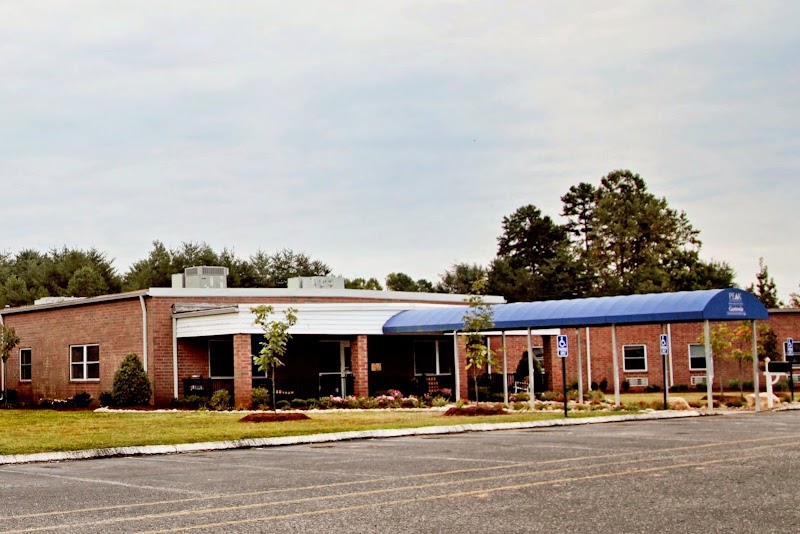
2780 X-Ray Drive, Gastonia, NC 28054 (704) 861-0981
For profit - Corporation 104 Beds PEAK RESOURCES, INC. Data: November 2025
Trust Grade
90/100
#49 of 417 in NC
Last Inspection: April 2025

Within standard 12-15 month inspection cycle. Federal law requires annual inspections.

Overview

Peak Resources - Gastonia has an excellent Trust Grade of A, indicating that it is highly recommended and performs well in various aspects. With a state rank of #49 out of 417 facilities in North Carolina, they are in the top half, and they rank #2 out of 10 in Gaston County, meaning only one local option is better. The facility is improving, as the number of issues reported decreased from three in 2023 to two in 2025. Staffing is average, with a rating of 3 out of 5 stars and a turnover rate of 37%, which is lower than the state average of 49%. There are no fines on record, which is a positive sign. However, there are some concerns to note. Recent inspections found expired food items in the walk-in cooler, including thawed chicken and spoiled green peppers, indicating lapses in food safety practices. Additionally, medications for one resident were not properly secured, which could pose a risk. Despite these issues, the overall quality measures received a 5 out of 5 stars, highlighting strengths in other areas of care.

Trust Score
A
90/100
In North Carolina
#49/417
Top 11%
Safety Record
Low Risk
No red flags
Inspections
Getting Better
3 → 2 violations
Staff Stability
○ Average
37% turnover. Near North Carolina's 48% average. Typical for the industry.
Penalties
✓ Good
No fines on record. Clean compliance history, better than most North Carolina facilities.
Skilled Nurses
⚠ Watch
Each resident gets only 28 minutes of Registered Nurse (RN) attention daily — below average for North Carolina. Fewer RN minutes means fewer trained eyes watching for problems.
Violations
○ Average
7 deficiencies on record. Average for a facility this size. Mostly minor or procedural issues.
★★★★★
5.0
Overall Rating
★★★☆☆
3.0
Staff Levels
★★★★★
5.0
Care Quality
★★★★☆
4.0
Inspection Score
Stable
2023: 3 issues
2025: 2 issues

The Good

  • 5-Star Quality Measures · Strong clinical quality outcomes
  • Full Sprinkler Coverage · Fire safety systems throughout facility
  • No fines on record
  • Staff turnover below average (37%)

    11 points below North Carolina average of 48%

Facility shows strength in quality measures, fire safety.

The Bad

Staff Turnover: 37%

Near North Carolina avg (46%)

Typical for the industry

Chain: PEAK RESOURCES, INC.

Part of a multi-facility chain

Ask about local staffing decisions and management

The Ugly 7 deficiencies on record

Apr 2025 2 deficiencies
CONCERN (D)

Potential for Harm - no one hurt, but risky conditions existed

Deficiency F0761 (Tag F0761)

Could have caused harm · This affected 1 resident

**NOTE- TERMS IN BRACKETS HAVE BEEN EDITED TO PROTECT CONFIDENTIALITY** Based on observations, record review, and resident and staff interviews, the facility failed to secure medications stored in a r...

Read full inspector narrative →
**NOTE- TERMS IN BRACKETS HAVE BEEN EDITED TO PROTECT CONFIDENTIALITY** Based on observations, record review, and resident and staff interviews, the facility failed to secure medications stored in a resident room for 1 of 1 resident reviewed for medication storage (Resident #103). Findings included: Resident #103 was admitted to the facility 03/22/25 with a diagnosis including acute (sudden onset) metabolic encephalopathy (a condition which occurs when problems with metabolism causes brain dysfunction). Review of a Nurse Practitioner (NP) note dated 03/23/25 revealed Resident #103 was cognitively intact. The admission Minimum Data Set (MDS) assessment dated [DATE] was documented as in process. An observation of an uncovered clear plastic storage bin sitting on the counter beside the sink in Resident #103's room on 04/01/25 at 8:44 AM revealed a bottle of eye multivitamin pills, a bottle of Fluticasone nasal spray, and a bottle of Azelastine (antihistamine) nasal spray in the bin. In an interview with Resident #103 at the same date and time he confirmed the medications in the plastic bin belonged to him. He stated he took the eye multivitamins, but he could not remember the last time he took them. Resident #103 stated his family brought the eye multivitamins to him from home and he thought the nasal sprays came from the hospital. He stated he had not been using the nasal sprays since admission to the facility. An observation of an uncovered plastic storage bin sitting beside the sink in Resident #103's room on 04/02/25 at 8:27 AM revealed a bottle of eye multivitamin pills, a bottle of Fluticasone nasal spray, a bottle of Azelastine nasal spray, and two bottles of Ammonia Lactate 12% lotion (topical medication used to treat dry or scaly skin) were in the bin. In an interview with Resident #103 at the same date and time he stated he had not used the ammonia lactate lotion in a while, and he wasn't sure where it came from. An observation of a plastic storage bin sitting beside the sink in Resident #103's room on 04/03/25 at 8:18 AM revealed two bottles of Ammonia Lactate 12% lotion, a bottle of Fluticasone nasal spray, and a bottle of Azelastine nasal spray were sitting in the bin. An interview with Nurse #1 on 04/03/25 at 8:29 AM revealed she had been caring for Resident #103 from 04/01/25 through 04/03/25 on the 7:00 AM to 3:00 PM shift. She stated she had not noticed medications in the bin in Resident #103's room and if she had she would have removed the medications, placed them in a plastic bag, labeled the medications with Resident #103's name, and stored them in the medication room until they could be sent home with family or until he was discharged . She stated unless a resident had a Physician order to self-administer their medications, they should not be stored in a resident's room. An interview with the Director of Nursing (DON) on 04/03/25 at 1:05 PM revealed families brought medications to residents without staff's knowledge and when staff found them, they removed them from the room and sent them home with family. She stated unless a resident had a Physician order to administer their own medication, medications should not be stored in a resident's room.
CONCERN (E)

Potential for Harm - no one hurt, but risky conditions existed

Food Safety (Tag F0812)

Could have caused harm · This affected multiple residents

Based on observations and staff interviews, the facility failed to discard expired and spoiled food items from 1 of 1 walk-in cooler. These failures had the potential to affect food served to resident...

Read full inspector narrative →
Based on observations and staff interviews, the facility failed to discard expired and spoiled food items from 1 of 1 walk-in cooler. These failures had the potential to affect food served to residents. Findings included: An initial observation of the walk-in cooler on 03/31/25 at 10:07 AM revealed a plastic bag containing thawed chicken sitting inside a metal pan with a date of 03/25/25 sitting on a bottom shelf. A box ¾ full of green peppers with a delivery date of 02/20/25 was sitting on a top shelf. An observation of the green peppers at the same date and time revealed the peppers were shriveled and contained multiple brown spots. An interview with the Dietary Manager on 03/31/25 at 10:10 AM revealed it was her responsibility to check for spoiled and expired food items on a daily basis. She stated the green peppers should have been used or discarded before showing signs of spoilage and she just overlooked them. The Dietary Manager stated she thought raw chicken was good for 7 days after being thawed but she would check. A follow-up interview with the Dietary Manager on 03/31/25 at 2:35 PM revealed raw chicken was good for 3 days after being thawed. She stated the chicken should have been used or discarded by 03/28/25. An interview with the Administrator on 04/03/25 at 1:01 PM revealed she expected food to be used or discarded before showing signs of spoilage, and the guidelines for thawed chicken should be followed.
Dec 2023 2 deficiencies
CONCERN (D) 📢 Someone Reported This

A family member, employee, or ombudsman was alarmed enough to file a formal complaint

Potential for Harm - no one hurt, but risky conditions existed

Deficiency F0692 (Tag F0692)

Could have caused harm · This affected 1 resident

**NOTE- TERMS IN BRACKETS HAVE BEEN EDITED TO PROTECT CONFIDENTIALITY** Based on record review and staff interviews the facility failed to ensure recommendations made by the Register Dietitian were im...

Read full inspector narrative →
**NOTE- TERMS IN BRACKETS HAVE BEEN EDITED TO PROTECT CONFIDENTIALITY** Based on record review and staff interviews the facility failed to ensure recommendations made by the Register Dietitian were implemented for 1 of 3 residents reviewed for nutrition (Resident #193). Findings included: Resident #193 was admitted to the facility on [DATE] with diagnoses including protein-calorie malnutrition and history of a cerebrovascular accident (stroke). Resident #193 expired in the facility on 08/02/23. Review of the documented weights revealed from 02/02/23 through 07/08/23 Resident #193 had 18.48 % weight loss. The care plan focus area started on 03/11/23 identified Resident #193 had suboptimal oral intake and needed increased protein related to wounds and being at risk for further skin breakdown. The care plan indicated Resident #193 had unavoidable weight loss due to the refusal for placement of a feeding tube and included the intervention to obtain dietary consults and follow the recommendations. The quarterly Minimum Data Set (MDS) dated [DATE] indicated Resident #193's cognition was moderately impaired and extensive assistance was needed with eating. Review of the Registered Dietitian (RD) weight review dated 07/15/23 revealed Resident #193 had significant weight loss of 18.5% over the past 156 days; had a non-pressure wound on the right elbow; and received protein shakes twice a day and liquid protein daily for wound healing and weight loss. The RD note revealed the Medication Administration Records showed Resident #193 frequently refused the protein shakes and liquid protein and recommended discontinuing those. Meal intakes were noted to range between 0 and 100% but mostly less than 50% and the placement of a feeding tube was declined by family. The RD made new recommendations to add fortified breakfast cereal and double meat proteins to the meal tray and a trial period for a protein dense ice cream as morning snack for 14 days. Review of the physician orders included the following: liquid protein 30 milliliters daily to meet protein needs started on 02/10/23 and discontinued on 07/15/23; protein shake twice daily for prevention of weight loss and malnutrition started on 02/02/23 and discontinued on 07/15/23; regular diet to include finger foods when available started on 06/29/23: and protein dense ice cream daily in the morning started on 07/15/23. There was no physician's diet order for fortified breakfast cereal and double meat proteins started on 07/15/23. During an interview on 12/14/23 at 1:13 PM the Director of Nursing (DON) explained the process in place for implementing the RD recommendations was for the RD to enter her recommendations into the facility's computer system as a physician's diet order and also send the recommendations to her email for review. During the morning meeting the Interdisciplinary Team reviewed the new RD recommendations and the DON would activate the recommendation as a new physician's diet order. After reviewing the diet orders for Resident #193 the DON revealed she could not find a physician's order Resident #193 was to receive fortified breakfast cereal and double meat proteins per the RD recommendation made on 07/15/23. The DON revealed she could not find the email sent by the RD for recommendations made on 07/15/23 and indicated it was sometime ago and she could have deleted the email. A telephone interview was conducted with the RD on 12/14/23 at 4:08 PM. The RD revealed she was included in the morning meeting with the Interdisciplinary Team and had discussed Resident #193 was not eating much and the placement of a feeding tube was refused. The RD revealed the facility's process for her to add diet recommendations for residents into the facility's computer system as a physician's order was a new process and she did not recall the date it started but her recommendations were also sent to the DON and Dietary Manager via email that included Resident #193 receive fortified breakfast cereal and double meat portions. The RD revealed she would expect the recommendations made on 07/15/23 for Resident #193 to receive fortified breakfast cereal and double meat proteins to be included on the meal tray and provided to the resident. During an interview on 12/14/23 at 5:05 PM the Certified Dietary Manager (CDM) revealed the RD sent her and the DON an email that listed diet recommendations for residents. The CDM explained she did not add recommendations to the resident's meal ticket until there was a physician's order in place. She explained after she received the physician's order, she updated the resident's meal ticket to ensure the new recommendations were included on the meal tray and provided to the resident. After review of her email the CDM confirmed she received the recommendation made by the RD on 07/15/23 for Resident #193 to receive fortified breakfast cereal and double meat proteins. She revealed an active physician's order would need to be in place before the meal ticket was updated to ensure Resident #193 received fortified breakfast cereal and double meat proteins on the meal tray. During an interview on 12/14/23 at 6:14 PM the Administrator confirmed the process was for the RD to add recommendations as a diet order and were reviewed by the Interdisciplinary Team prior to being added as an active order and recommendations were also sent via email to the DON and CDM. The Administrator stated she thought the process for implementing the RD recommendations for Resident #193 to receive fortified breakfast cereal and double meat proteins were not added to the resident's diet order due to human error.
CONCERN (E) 📢 Someone Reported This

A family member, employee, or ombudsman was alarmed enough to file a formal complaint

Potential for Harm - no one hurt, but risky conditions existed

Food Safety (Tag F0812)

Could have caused harm · This affected multiple residents

Based on observations and staff interviews the facility failed to date an open food item in 1 of 1 walk-in cooler and remove expired food items from 1 of 1 reach-in cooler and 1 of 1 nourishment refri...

Read full inspector narrative →
Based on observations and staff interviews the facility failed to date an open food item in 1 of 1 walk-in cooler and remove expired food items from 1 of 1 reach-in cooler and 1 of 1 nourishment refrigerator (main dining room). This practice had the potential to affect food and beverages served to the residents. Findings included: 1. An initial tour of the walk-in cooler on 12/11/23 at 9:52 AM revealed an opened and undated 5-pound container of pimento cheese. An interview with the Certified Food Manager (CFM) at the same date and time revealed all food should have an open date and the person who opened the item was responsible for dating it. An interview with the Administrator on 12/14/23 at 5:50 PM revealed all food should be dated when opened. 2. An observation of the reach-in cooler on 12/11/23 at 9:58 AM revealed a half-gallon of orange juice with an expiration date of 12/03/23. An interview with the CFM at the same date and time revealed the orange juice should have been used or discarded on or before the expiration date. She stated it was all staff's responsibility to check for expiration dates. An interview with the Administrator on 12/14/23 at 5:50 PM revealed all food should be used or discarded before the expiration date and expiration dates should be checked daily. 3. An observation of the nourishment refrigerator in the main dining room on 12/11/23 at 10:02 AM revealed 6 cartons of milk with an expiration date of 12/06/23. An interview with the CFM at the same date and time revealed she was responsible for checking expiration dates of food and beverages in the nourishment refrigerator and she last checked the refrigerator on 12/08/23. She stated the milk should have been used or discarded before the expiration date. An interview with the Administrator on 12/14/23 at 5:50 PM revealed all food should be used or discarded before the expiration date and expiration dates should be checked daily.
Feb 2023 1 deficiency
CONCERN (D) 📢 Someone Reported This

A family member, employee, or ombudsman was alarmed enough to file a formal complaint

Potential for Harm - no one hurt, but risky conditions existed

Grievances (Tag F0585)

Could have caused harm · This affected 1 resident

**NOTE- TERMS IN BRACKETS HAVE BEEN EDITED TO PROTECT CONFIDENTIALITY** Based on record review, family interviews, and staff interviews, the facility failed to create a record of an oral grievance fro...

Read full inspector narrative →
**NOTE- TERMS IN BRACKETS HAVE BEEN EDITED TO PROTECT CONFIDENTIALITY** Based on record review, family interviews, and staff interviews, the facility failed to create a record of an oral grievance from an interested family member in accordance with the facility policy for 1 of 2 sampled residents (Resident #4) who were reviewed for social services. Findings included: Resident #4 was admitted to facility on 9/14/20 and had a quarterly Minimum Data Set (MDS) assessment dated [DATE] that indicated she had moderate cognitive impairment. Review of the Grievance Log from September through February 2023 revealed no grievances had been reported on behalf of Resident #4's family member. A review of the Grievance Policy 11/28/2016 revealed the facility would assist residents, their representatives, other interested family members or resident advocates in filing grievances or complaints when such requests are made. Grievances may be submitted orally, in writing, or anonymously. The administrator would be designated as the grievance official and responsible for overseeing the grievance process; receiving and tracking through their conclusion; leading any necessary investigations; and issuing written grievance decisions. The grievance official would assign the investigation to the appropriate department manager, who would investigate and submit findings to the administrator within five (5) working days of receiving the grievance. The grievance official would take immediate action to prevent further potential violations of any resident rights while the alleged violation was being investigated. The person filing the grievance on behalf of the resident, would be informed of the findings of the investigation and the actions that would be taken to correct any identified problems. All grievance reporting forms would be maintained for 3 years from date of the resolution of the grievance. An interview with a family member on 2/21/23 at 10:45 AM revealed she was very upset when she complained to Nurse #1 that Nurse Aide #1 took advantage of Resident #4 by leaving her personal cell phone and charger plugged into Resident #4's plug outlet by her bed and stashed supplies and/ or personal items in the closet. The family member further revealed Resident #4 stated the Nurse Aide usually sits in the chair beside her bed to talk on the cell phone. She also expressed her frustration to the receptionist who coordinated an apology from the Nurse Aide. She was unaware that she could file a grievance. During an interview on 2/21/23 at 4:48 PM the Staff Development Coordinator indicated she was made aware that Resident #4's family member was upset and crying about an incident that took place on 2/15/23, whereas Nurse Aide #1's belongings were found in the Resident's room. The Staff Coordinator further indicated she did not speak to the family member because she had already left the building. She stated that she educated the Nurse Aide on the cell phone policy and having belongings in the room that did not belong to the resident. She further stated she should have followed up with the family member to file a written grievance. During a phone interview on 2/22/23 at 10:15 AM Nurse #1 indicated she was assigned to Resident #4 and heard loud yelling coming from a family member. She then went down the hall and approached the family member to calm her down to ask her what was wrong. She heard the family member yelling and insisting that she wanted to talk to the owner or manager and that this was unacceptable. She further indicated the family member was upset that she saw Nurse Aide #1 sitting in a chair and talking on her cell phone and found other items in the room that did not belong to the Resident. Nurse #1 stated she removed the chair located next to Resident #4's bed and items from the room that the family member identified as not belonging to the resident. She stated she addressed the issue with Nurse Aide #1 and later informed the Director of Nursing (DON) about the incident. She further stated she did not write a grievance because she felt she handled the situation. She was unaware the family member spoke with other staff members about the incident. During a phone interview on 2/22/23 at 10:34 AM the Social Worker stated she was responsible for coordinating the grievance process after a staff member completes and submits it to her. According to the facility's Grievance Policy, she would then add the grievance to a log and place a follow-up call to the family to let them know the issue would be addressed by the department head. She further stated she would place another follow-up call to ensure the family member received an outcome to the grievance. She also indicated she was made aware of the incident on 2/22/23. A phone interview on 2/22/23 at 10:37 AM with the DON revealed she was made aware of the incident details on 2/21/23. She stated she may have been dealing with other family issues during the week the incident took place and could not recall the details. She was unaware Resident #4's family member was upset. She further revealed a grievance should have been submitted but was not. She expected a formal grievance to be submitted and discussed in morning meeting, assigned to the appropriate department who would then follow up with the family within 5 days with a resolution or status update. If the family member was not satisfied with the outcome, the grievance is escalated to the Administrator. An interview with the Administrator on 2/21/23 at 4:33 PM revealed she was made aware there were items found in Resident #4's room that belonged to Nurse Aide #1 and that the family member was upset. She further revealed a grievance was not submitted because she believed it was handled that day, by the Staff Development Coordinator. She stated she was not aware the family member interacted with other staff who also did not escalate the incident to a written grievance. Her expectation was for grievances to be completed, reviewed in morning meeting, and assigned to a department head for investigation.
Jun 2022 2 deficiencies
CONCERN (D)

Potential for Harm - no one hurt, but risky conditions existed

Assessment Accuracy (Tag F0641)

Could have caused harm · This affected 1 resident

**NOTE- TERMS IN BRACKETS HAVE BEEN EDITED TO PROTECT CONFIDENTIALITY** Based on record review and staff interviews, the facility failed to accurately code the Minimum Data Set (MDS) assessments for 2...

Read full inspector narrative →
**NOTE- TERMS IN BRACKETS HAVE BEEN EDITED TO PROTECT CONFIDENTIALITY** Based on record review and staff interviews, the facility failed to accurately code the Minimum Data Set (MDS) assessments for 2 of 35 resident assessments reviewed (Resident #25 and Resident # 87). Findings included: 1. Resident # 25 was admitted to the facility on [DATE] with diagnoses which included dementia, depression, and anxiety disorder. A review of Resident #25's significant change Minimum Data Set (MDS), dated [DATE], revealed Resident #25 was moderately cognitive impaired. The MDS indicated Resident #25 had diagnoses which included, in part, anxiety disorder, depression, dementia and psychotic disorder. A review of Resident #25's Care Plan, last revised 4/25/22, revealed Resident #25 had been care planned for use of psychotropic medications and risk for adverse reactions/side effects related to psychiatric disorder and having a mental illness/intellectual disability. During an interview with the MDS Nurse Consultant on 6/09/22 at 10:00 a.m., the MDS Nurse Consultant stated the psychotic disorder was an error and was keyed in the system accidentally. Interview with the Administrator on 6/09/22 at 2:22 PM revealed she expected all MDS documentation be coded correctly. 2. Resident #87 was admitted to the facility on [DATE] with diagnosis that included diabetes, peripheral vascular disease, hypertension, chronic kidney disease and atrial fibrillation. Resident #87's discharge Minimum Data Set (MDS) dated [DATE] indicated Resident #87 was discharged to an acute hospital. Review of the medical record dated 4/22/22 indicated Resident #87 was discharged to the community with home health services not to an acute hospital. During the interview on 6/09/22 at 11:50 AM, Minimum Data Set (MDS) nurse reviewed Resident #87 discharge MDS and confirmed it was inaccurately coded. The MDS nurse explained it was coded in error as Resident #87 was discharged to the community not to an acute hospital. During an interview on 6/09/22 at 2:19 PM with the Director of Nursing (DON) she acknowledged Resident #87 discharge MDS was inaccurately coded. She indicated that Resident #87 was discharged to the community to assisted living and the MDS dated [DATE] should have been coded to community not to acute hospital. Interview with the Administrator on 6/09/22 at 2:22 PM revealed she expected all MDS documentation be coded correctly.
CONCERN (D)

Potential for Harm - no one hurt, but risky conditions existed

PASARR Coordination (Tag F0644)

Could have caused harm · This affected 1 resident

**NOTE- TERMS IN BRACKETS HAVE BEEN EDITED TO PROTECT CONFIDENTIALITY** Based on record review and staff interviews, the facility failed to make a referral for re-evaluation after a change in mental h...

Read full inspector narrative →
**NOTE- TERMS IN BRACKETS HAVE BEEN EDITED TO PROTECT CONFIDENTIALITY** Based on record review and staff interviews, the facility failed to make a referral for re-evaluation after a change in mental health status for 1 of 2 residents (Resident #25) reviewed for Pre-admission Screening and Resident Review. Findings included: A review of the North Carolina Department of Health and Human Services, Division of Medical Assistance, Preadmission Screening and Annual Resident Review (PASRR) application, dated 1/31/22, revealed Resident #25 had no mental health diagnoses included on the application. Resident #25 had been given the determination of a PASRR Level 1 with no expiration date. Resident # 25 was admitted to the facility on [DATE] with diagnoses which included dementia, depression, and anxiety disorder. A review of Resident #25's significant change Minimum Data Set (MDS), dated [DATE], revealed Resident #25 was moderately cognitive impaired and had not been considered by the State Level II PASRR process to have a serious mental illness. The MDS indicated Resident #25 had diagnoses which included, in part, anxiety disorder, depression, dementia and psychotic disorder. A review of Resident #25's Care Plan, last revised 4/25/22, revealed Resident #25 had been care planned for use of psychotropic medications and risk for adverse reactions/side effects related to psychiatric disorder and having a mental illness/intellectual disability. During an interview with the Administrator on 6/09/22 at 9:45 a.m., the Administrator stated she was aware of the PASRR not being updated and the staff would update it immediately. The Administrator explained there had been a vacancy in the social work position, but PASARR would be corrected immediately. She expected PASRRs to be completed timely as per federal regulations. During an interview with the MDS Nurse Consultant on 6/09/22 at 10:00 a.m., the MDS Nurse Consultant stated the PASRR would be resubmitted for Resident #25 immediately. She explained it was overlooked.
Understanding Severity Codes (click to expand)
Life-Threatening (Immediate Jeopardy)
J - Isolated K - Pattern L - Widespread
Actual Harm
G - Isolated H - Pattern I - Widespread
Potential for Harm
D - Isolated E - Pattern F - Widespread
No Harm (Minor)
A - Isolated B - Pattern C - Widespread

Questions to Ask on Your Visit

  • "Can I speak with families of current residents?"
  • "What's your RN coverage like on weekends and overnight?"

Our Honest Assessment

Strengths
  • • Grade A (90/100). Above average facility, better than most options in North Carolina.
  • • No major safety red flags. No abuse findings, life-threatening violations, or SFF status.
  • • No fines on record. Clean compliance history, better than most North Carolina facilities.
  • • 37% turnover. Below North Carolina's 48% average. Good staff retention means consistent care.
Concerns
  • • No significant concerns identified. This facility shows no red flags across CMS ratings, staff turnover, or federal penalties.
Bottom line: Generally positive indicators. Standard due diligence and a personal visit recommended.

About This Facility

What is Peak Resources - Gastonia's CMS Rating?

CMS assigns Peak Resources - Gastonia an overall rating of 5 out of 5 stars, which is considered much above average nationally. Within North Carolina, this rating places the facility higher than 99% of the state's 100 nursing homes. This rating reflects solid performance across the metrics CMS uses to evaluate nursing home quality.
How is Peak Resources - Gastonia Staffed?
CMS rates Peak Resources - Gastonia's staffing level at 3 out of 5 stars, which is average compared to other nursing homes. Staff turnover is 37%, compared to the North Carolina average of 46%. This relatively stable workforce can support continuity of care.

What Have Inspectors Found at Peak Resources - Gastonia?

State health inspectors documented 7 deficiencies at Peak Resources - Gastonia during 2022 to 2025. These included: 7 with potential for harm.

Who Owns and Operates Peak Resources - Gastonia?

Peak Resources - Gastonia is owned by a for-profit company. For-profit facilities operate as businesses with obligations to shareholders or private owners. The facility is operated by PEAK RESOURCES, INC., a chain that manages multiple nursing homes. With 104 certified beds and approximately 91 residents (about 88% occupancy), it is a mid-sized facility located in Gastonia, North Carolina.

How Does Peak Resources - Gastonia Compare to Other North Carolina Nursing Homes?

Compared to the 100 nursing homes in North Carolina, Peak Resources - Gastonia's overall rating (5 stars) is above the state average of 2.8, staff turnover (37%) is near the state average of 46%, and health inspection rating (4 stars) is above the national benchmark.

What Should Families Ask When Visiting Peak Resources - Gastonia?

Based on this facility's data, families visiting should ask: "Can I visit during a mealtime to observe dining assistance and food quality?" "How do you handle medical emergencies, and what is your hospital transfer rate?" "Can I speak with family members of current residents about their experience?"

Is Peak Resources - Gastonia Safe?

Based on CMS inspection data, Peak Resources - Gastonia has a clean safety record: no substantiated abuse findings (meaning no confirmed cases of resident harm), no Immediate Jeopardy citations (the most serious violation level indicating risk of serious injury or death), and is not on the Special Focus Facility watch list (a federal program monitoring the lowest-performing 1% of nursing homes). The facility has a 5-star overall rating and ranks #1 of 100 nursing homes in North Carolina. While no facility is perfect, families should still ask about staff-to-resident ratios and recent inspection results during their visit.

Do Nurses at Peak Resources - Gastonia Stick Around?

Peak Resources - Gastonia has a staff turnover rate of 37%, which is about average for North Carolina nursing homes (state average: 46%). Moderate turnover is common in nursing homes, but families should still ask about staff tenure and how the facility maintains care continuity when employees leave.

Was Peak Resources - Gastonia Ever Fined?

Peak Resources - Gastonia has no federal fines on record. CMS issues fines when nursing homes fail to meet care standards or don't correct problems found during inspections. The absence of fines suggests the facility has either maintained compliance or corrected any issues before penalties were assessed. This is a positive indicator, though families should still review recent inspection reports for the full picture.

Is Peak Resources - Gastonia on Any Federal Watch List?

Peak Resources - Gastonia is not on any federal watch list. The most significant is the Special Focus Facility (SFF) program, which identifies the bottom 1% of nursing homes nationally based on persistent, serious quality problems. Not being on this list means the facility has avoided the pattern of deficiencies that triggers enhanced federal oversight. This is a positive indicator, though families should still review the facility's inspection history directly.