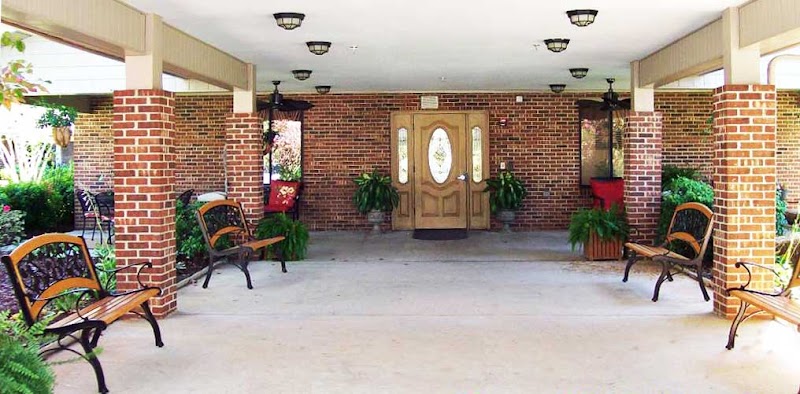
Gastonia Health & Rehab Center

1770 Oak Hollow Road, Gastonia, NC 28054 (704) 853-8175
For profit - Corporation 60 Beds SABER HEALTHCARE GROUP Data: November 2025 4 Immediate Jeopardy citations
Trust Grade
0/100
#161 of 417 in NC
Last Inspection: October 2024

Within standard 12-15 month inspection cycle. Federal law requires annual inspections.

Overview

Gastonia Health & Rehab Center has received a Trust Grade of F, indicating significant concerns regarding their care and operations. They rank #161 out of 417 facilities in North Carolina, placing them in the top half, but their overall performance is still poor. The facility is showing signs of improvement, with a decrease in issues from 9 in 2023 to 3 in 2024. However, staffing is a concern with a below-average rating of 2 out of 5 stars and a high turnover rate of 78%, which is much higher than the state average. Fines at this facility total $47,239, which is troubling as it is higher than 81% of nursing homes in North Carolina. Although they have average RN coverage, this is critical as RNs can identify issues that CNAs may overlook. Specific incidents of concern include a resident being at risk of abuse due to staff failing to follow proper reporting protocols, and another resident's bed sore deteriorating from stage 2 to stage 4 without timely notification to the physician or family, ultimately leading to severe complications. While there are some strengths in quality measures, families should weigh these serious weaknesses when considering this facility.

Trust Score
F
0/100
In North Carolina
#161/417
Top 38%
Safety Record
High Risk
Review needed
Inspections
Getting Better
9 → 3 violations
Staff Stability
⚠ Watch
78% turnover. Very high, 30 points above average. Constant new faces learning your loved one's needs.
Penalties
○ Average
$47,239 in fines. Higher than 73% of North Carolina facilities. Some compliance issues.
Skilled Nurses
○ Average
Each resident gets 36 minutes of Registered Nurse (RN) attention daily — about average for North Carolina. RNs are the most trained staff who monitor for health changes.
Violations
⚠ Watch
20 deficiencies on record. Higher than average. Multiple issues found across inspections.
★★★☆☆
3.0
Overall Rating
★★☆☆☆
2.0
Staff Levels
★★★★☆
4.0
Care Quality
★★★☆☆
3.0
Inspection Score
Stable
2023: 9 issues
2024: 3 issues

The Good

  • 4-Star Quality Measures · Strong clinical quality outcomes
  • Full Sprinkler Coverage · Fire safety systems throughout facility
  • No fines on record

Facility shows strength in quality measures, fire safety.

The Bad

3-Star Overall Rating

Near North Carolina average (2.8)

Meets federal standards, typical of most facilities

Staff Turnover: 78%

31pts above North Carolina avg (46%)

Frequent staff changes - ask about care continuity

Federal Fines: $47,239

Above median ($33,413)

Moderate penalties - review what triggered them

Chain: SABER HEALTHCARE GROUP

Part of a multi-facility chain

Ask about local staffing decisions and management

Staff turnover is very high (78%)

30 points above North Carolina average of 48%

The Ugly 20 deficiencies on record

4 life-threatening 1 actual harm
Oct 2024 3 deficiencies
CONCERN (D)

Potential for Harm - no one hurt, but risky conditions existed

Comprehensive Care Plan (Tag F0656)

Could have caused harm · This affected 1 resident

**NOTE- TERMS IN BRACKETS HAVE BEEN EDITED TO PROTECT CONFIDENTIALITY** Based on observations, record review and staff interviews, the facility failed to develop comprehensive individualized care plan...

Read full inspector narrative →
**NOTE- TERMS IN BRACKETS HAVE BEEN EDITED TO PROTECT CONFIDENTIALITY** Based on observations, record review and staff interviews, the facility failed to develop comprehensive individualized care plans in activities of daily living (ADL) for 1 of 4 residents (Resident #47). Findings included: Resident #47 was admitted to the facility on [DATE] with diagnoses which included non-Alzheimer's dementia. Resident #47's quarterly Minimum Data Set (MDS) dated [DATE] revealed he had moderately impaired cognition and displayed no moods or rejection of care. He was coded for partial assistance with oral hygiene. Resident #47's care plan dated 6/30/24 had a problem category for ADL Functional Status related to weakness and limited mobility. Approaches included assisting with activities of daily living, dressing, grooming, toileting, feeding and oral care. There was no denture care noted on the care plan. Resident #47 was not interviewable. An interview with Nurse #1 conducted in conjunction with an observation of Resident #47 on 10/22/24 at 12:49 PM revealed she was unaware if Resident #47 had dentures. She stated if he had dentures, they should be on his care plan so the Nursing Assistants were aware they should provide denture care. Nurse #1 asked Resident #47 if he had dentures and the resident removed the upper plate but did not remove the lower plate. The upper plate was coated with food debris and had black areas between the teeth. She stated the Nursing Assistants should remove his dentures every night to be cleaned, placed in a cup to soak during the night, and they should be placed back in his mouth every morning before breakfast. An interview on 10/23/24 at 4:42 PM with the MDS Nurse revealed she was aware Resident #47 had dentures. She stated his denture should have been included in his care plan. The MDS Nurse stated it was human error and she had overlooked his dentures when she developed his care plan. An interview on 10/23/24 at 11:22 AM with the Director of Nursing stated Resident #47 should receive oral, or denture care every morning and evening. She stated that he required assistance with his dentures which included cleaning and soaking them, but he could put them in and take them out of his mouth. She also stated that she was aware he had dentures based on his admission assessment, but it should have been on his care plan. An interview on 10/23/24 at 5:19 PM with the Administrator revealed she expected the care plan to be comprehensive and accurate.
CONCERN (D) 📢 Someone Reported This

A family member, employee, or ombudsman was alarmed enough to file a formal complaint

Potential for Harm - no one hurt, but risky conditions existed

ADL Care (Tag F0677)

Could have caused harm · This affected 1 resident

**NOTE- TERMS IN BRACKETS HAVE BEEN EDITED TO PROTECT CONFIDENTIALITY** Based on observations, record review and staff interviews, the facility failed to provide oral care for 1 of 4 dependent residen...

Read full inspector narrative →
**NOTE- TERMS IN BRACKETS HAVE BEEN EDITED TO PROTECT CONFIDENTIALITY** Based on observations, record review and staff interviews, the facility failed to provide oral care for 1 of 4 dependent residents reviewed for activities of daily living (Resident #47). Findings included: Resident # 47 was admitted to the facility on [DATE] with diagnoses which included non-Alzheimer's dementia. Resident #47's quarterly Minimum Data Set (MDS) dated [DATE] revealed he had moderately impaired cognition. He was coded for partial staff assistance with oral hygiene. He was coded for no behaviors or rejection of care. Resident #47's care plan dated 6/30/24 had a problem category for ADL Functional Status related to weakness and limited mobility. Approaches included assisting with activities of daily living to include oral care. There was no other oral care or denture care noted on the care plan. Resident #47 was not interviewable. An interview with Nurse #1 conducted in conjunction with an observation of Resident #47 on 10/22/24 at 12:49 PM revealed she was unaware if Resident #47 had dentures. She stated if he had dentures, they should be on his care plan so the Nursing Assistants (NA) were aware they should provide oral denture care. Nurse #1 asked Resident #47 if he had dentures and the resident removed the upper plate but did not remove the lower plate. The upper plate was coated with debris and had black areas between the teeth. She stated the Nursing Assistants should remove his dentures every night, they should be cleaned, placed in a cup to soak during the night and they should be placed back in his mouth every morning before breakfast. An interview on 10/23/24 at 1:05 PM with Nursing Assistant (NA) #5 revealed she had been assigned to provide care for Resident #47 on the 7 PM to 7 AM shift which started at 7 PM on 10/21/24 and ended at 7 AM on 10/22/24. She stated she was frequently assigned to provide care for him. She stated she was unaware if he had dentures and had not provided oral care for him when she was assigned to him on 10/21/24 into 10/22/24 or any other night. She stated on 10/21/24 night shift she had not removed his dentures or provided him oral or denture care. She stated that she was able to tell if a resident had dentures by looking in their mouth, but she had not looked at his teeth and was unable to state if he had dentures. She was unable to clarify if he required assistance with oral or denture care. An interview on 10/22/24 at 3:28 PM with NA #6 revealed she was assigned to provide care for Resident #47 sometimes and was assigned to provide care for him on 10/22/24 on the 7 AM to 7 PM shift. She stated she did not know if he had dentures and had not provided oral care for him that morning. She stated she usually asked the resident if they had dentures or looked in the nightstand for the denture cup. NA #6 stated Resident #47 required assistance with oral care and residents should be given oral care in the morning and at bedtime. An interview on 10/23/24 at 11:22 AM with the Director of Nursing revealed she was aware Resident #47 had not received oral care on 10/21/24 and 10/22/24. She stated he should receive oral or denture care every morning and evening. She stated that Resident #47 required assistance with his dentures which included cleaning and soaking them, but he could put them in and take them out of his mouth. She also stated that she was aware he had dentures based on his admission assessment. An interview on 10/23/24 at 5:19 PM with the Administrator revealed she expected Resident #47 to received oral care every morning and evening. She stated that dentures should be included on the resident's care plan to ensure staff were aware when residents have dentures, so they provide proper care. She felt lack of staff education had resulted in Resident #47 not receiving adequate oral hygiene.
CONCERN (D)

Potential for Harm - no one hurt, but risky conditions existed

Deficiency F0761 (Tag F0761)

Could have caused harm · This affected 1 resident

Based on observations and staff interviews the facility failed to remove an unidentified resident's medications, failed to remove loose and unsecure pills and failed to remove debris of paper shavings...

Read full inspector narrative →
Based on observations and staff interviews the facility failed to remove an unidentified resident's medications, failed to remove loose and unsecure pills and failed to remove debris of paper shavings and rubber bands from medication cart (medication cart #2) and failed to remove loose and unidentified pills and debris of paper shavings and rubber bands from medication cart (medication cart #1) for 2 of 2 medication carts reviewed for medication storage. The findings included: a. On 10/23/24 at 3:12 PM an observation was made of medication cart #2 along with Nurse #1. Stored in the narcotic drawer was a resident's personal weekly medication container that contained no resident name or information that had 6 pills in the Thursday's slot, 7 pills in the Friday's slot and 7 pills in the Saturday's slot. The medication cart also had 21 loose and unidentifiable pills in the bottom of the drawers along with debris of paper shavings and rubber bands. An interview was conducted with Nurse #1 on 10/23/24 at 3:12 PM. The Nurse explained that the medication container was in the narcotic box when she accepted the keys to the medication cart that morning and when she asked the nurse who reported off to her who's medications they were, the nurse did not know. Nurse #1 stated she should dispose of the medications because they were unidentifiable, and she did not know who they belonged to. The Nurse also explained that every nurse was responsible for keeping the medication carts clean but that was the first time in a long time she was on medication cart #2 and did not have time to clean the medication cart. b. An observation was made on 10/23/24 at 3:39 PM of medication cart #1 along with Nurse #2. The cart yielded 4 loose and unidentifiable pills in the bottom of the drawers as well as debris of paper shavings and rubber bands. During an interview with Nurse #2 on 10/23/24 at 3:39 PM the Nurse explained that the night shift was responsible for keeping the medication carts clean and orderly. She indicated the loose pills should be discarded since she did not know who they belonged to. An interview was conducted with the Director of Nursing on 10/23/24 at 3:50 PM who explained that she thoroughly cleaned and organized both medication carts about a month ago. She stated there should not be any unidentified medications stored on the medication carts and each nurse should keep their medication carts clean and orderly. The DON also stated each nurse was responsible for keeping the medication carts clean and orderly
Sept 2023 6 deficiencies 2 IJ
CRITICAL (J) 📢 Someone Reported This

A family member, employee, or ombudsman was alarmed enough to file a formal complaint

Immediate Jeopardy (IJ) - the most serious Medicare violation

Free from Abuse/Neglect (Tag F0600)

Someone could have died · This affected 1 resident

**NOTE- TERMS IN BRACKETS HAVE BEEN EDITED TO PROTECT CONFIDENTIALITY** Based on record review and resident and staff interviews the facility failed to protect a resident's right to be free from abuse...

Read full inspector narrative →
**NOTE- TERMS IN BRACKETS HAVE BEEN EDITED TO PROTECT CONFIDENTIALITY** Based on record review and resident and staff interviews the facility failed to protect a resident's right to be free from abuse for 1 of 1 resident (Resident #1). Resident # 1 reported she started to cry, was scared, was upset the aide was hurting her. The findings included: Resident #1 was originally admitted to the facility on [DATE] with diagnoses which included muscle weakness, hypertension, lack of coordination, and renal failure. Diagnoses further revealed Resident #1 had a fracture to the right tibia dated 06/30/23 with orders to wear a brace. Review of quarterly Minimum Data Set (MDS) dated [DATE] revealed Resident #1 was cognitively intact and required two plus assist with transfers. The MDS further revealed Resident #1 was not coded for behaviors. Resident #1's care plan revised on 05/05/23 revealed Resident #1 had limited physical mobility due to weakness. The goal was for Resident #1 to remain free of complications related to immobility, including contractures, thrombus formation, skin-breakdown, fall related injury through the next review date. Interventions included to provide gentle range of motion as tolerated with daily care, provide supportive care and assistance with mobility as needed, and requires mechanical lift with two staff assist for transfers. Resident #1's care plan revised on 07/09/23 revealed Resident #1 required the use of an immobilizer to lower right extremity. The goal was for Resident #1 to be free of pain or discomfort through the next review. Interventions included providing verbal prompts. Review of the facility initial allegation report dated 08/25/23 revealed on 08/25/23 at 5:50 PM Resident #1 stated to the MDS Coordinator NA #1 hit her on the right side of the temple. The report further revealed a skin assessment was completed by the MDS Coordinator and there was no evidence of abuse. Review of the investigation completed by the Administrator on 08/31/23 related to Resident #1's incidents revealed the following: -NA #1's written statement dated 08/25/23 revealed NA #1 and NA #2 went into Resident #1's room to provide care and Resident #1 started to fuss and state she was going somewhere else. NA #1 further revealed while she and NA #2 were lifting her into bed and Resident #1 tried to sit up and the resident stated leave me alone and get out. NA #1 indicated she told Resident #1 she needed to check her brief and Resident #1 stated no, I do not want you in here. NA #1 revealed she just wanted to make sure Resident #1 was not wet and started to remove Resident #1's brace on her right leg. Resident #1 started to slap at NA #1, and NA #1 indicated she grabbed Resident #1's right hand and placed it on her chest to keep her from hitting her. The statement revealed NA #1 was taking off Resident #1's right leg brace and Resident #1 balled up her fist and hit NA #1 multiple times. NA #1 stated she got Resident #1's right leg brace and pants off and told Resident #1 that she had to do her job and care for her. The statement indicated Resident #1 stated to get out and not come back and NA #1 indicated she would not return after getting Resident #1 properly positioned into bed. The statement further revealed NA #1 left the room and reported to Nurse #1 Resident #1's aggressive behaviors. The statement indicated later Resident #1's call light was on and NA #1 returned to Resident #1's room and the resident was upset and asked NA #1 to leave again. -NA #2's written statement dated 08/25/23 revealed she witnessed NA #1 put Resident #1 in the bed and Resident #1 stated NA #1 was hurting her. NA #2 further revealed in the statement NA #1 continued to do care and Resident #1 started to swing at her and NA #1 hit Resident #1's right hand and right leg which was in a brace. The statement indicated Resident #1 wanted NA #1 to get out of the room and NA #1 stated she wasn't going anywhere. NA #2 said both NA #1 and Resident #1 were cussing at each other. -Nurse #1's written statement dated 08/25/23 revealed during late evening medication pass Resident #1 wanted to make sure that NA #1 wasn't her NA. The statement further revealed Nurse #1 asked the resident what had happened, and Resident #1 revealed NA #1 moved her right bad leg after Resident #1 had told her not to move it a certain way. Resident #1 indicated NA #1 told her that she was her caregiver, and she would do whatever needed to be done and proceeded to move her right leg. Resident #1 indicated to Nurse #1 that she had hit NA #1. The statement further revealed Nurse #1 spoke to NA #1 and NA #1 reported she did not hit the resident and NA #1 moved her hand close to Resident #1's body after being hit by the resident. -Statement written by the MDS Coordinator dated 08/25/23 revealed at 5:50 PM NA #1 revealed Resident #1 had struck at the NA several times. The statement further revealed the MDS Coordinator went, and interviewed Resident #1 and the resident stated, the NA was moving me and hit my broken leg and told NA #1 that it hurts and don't touch it and to leave me alone. Resident #1 stated NA #1 indicated she was the resident's caregiver, and she was going to help her. The statement further revealed Resident #1 admitted to hitting NA #1 after NA #1 hit her on the temple. The MDS Coordinator notified the Administrator at 5:54 PM and left a voice mail and also contacted the Director of Nursing (DON) and Social Worker (SW). A phone interview with NA #1 on 09/07/23 at 10:20 AM revealed on 08/25/23 NA #1 entered Resident #1's room with NA #2 around 1:30 PM after the resident had returned from dialysis. NA #1 indicated Resident #1 told her she was tired and wanted to be put into bed. NA #1 further revealed they used a mechanical lift and assisted Resident #1 into bed. While assisting Resident #1 into bed NA #1 stated Resident #1 was stating I am leaving and going somewhere else. NA #1 revealed she got Resident #1 into her bed and started to remove her leg brace on her right leg to assist with care and Resident #1 stated to get out and leave me alone. NA #1 revealed Resident #1 began to strike at her and she grabbed her right hand and held it down on her chest. NA #1 indicated Resident #1 continued to state, leave me alone and get out. NA #1 revealed she let go of Resident #1's right hand and the resident began to hit NA #1 with a balled fist. NA #1 indicated she grabbed Resident #1's right arm again and held it down to her chest to restrain her from hitting her. NA #1 further revealed she continued to give care by taking off her right brace and pants. NA #1 indicated Resident #1 complained about her right leg brace being removed. NA #1 indicated Resident #1 was dry and she left the room with NA #2. NA #1 indicated she reported Resident #1's behaviors of hitting to Nurse #1 and Nurse #1 indicated she would report it to upper management on Monday. NA #1 revealed she continued to work on the floor until about 5:50 PM and reported to the MDS Coordinator Resident #1 had shown aggressive behaviors towards NA #1. NA #1 indicated shortly after speaking to the MDS Coordinator she was pulled into the conference room and was suspended for further investigation and was not allowed back in the facility. NA #1 indicated Resident #1 was not normally aggressive and does not feel like she was restraining her. NA #1 stated she had been educated to walk away if a resident became aggressive or combative but felt like she needed to complete Resident #1's care before leaving the room even though the resident had asked her to leave. An interview with NA #2 on 09/07/23 at 10:35 AM revealed on 08/25/23 after lunch she assisted NA #1 with Resident #1 getting into bed. NA #2 further revealed while lifting Resident #1 in the mechanical lift Resident #1 started to complain the lift was hurting her leg and wanted to be put down. NA #2 indicated NA #1 stated she was not putting the resident back down because the resident wanted to get back in the bed. NA #2 and NA #1 got Resident #1 into the bed and Resident #1 stated to NA #1 you are hurting me, and I want you to get out of my room. NA #1 stated I am not going anywhere because I am your caretaker. NA #2 revealed Resident #1 became more agitated and started to slap at NA #1 and NA #1 slapped Resident #1's right hand out of the way and pushed on Residents #1's right fractured leg that was in a brace. NA #2 indicated Resident #1 began to cry in pain and stated again for NA #1 to get out of her room. NA #2 revealed Resident #1 began to hit again at NA #1 and NA #1 took both hands and held them to her chest. NA #2 stated Resident #1 was very upset and continued to tell NA #1 to get out of her room. NA #2 indicated she pushed NA #1 off of Resident #1 and told NA #1 to get out of the room immediately. NA #2 indicated NA #1 stated she wasn't going any damn where that she was caring for the resident. NA #2 stated she told her to leave again, and NA #1 left the room mad. NA #2 revealed she stayed in the room with Resident #1 to calm her down and complete care of the resident. An interview conducted with Resident #1 on 09/07/23 at 11:50 AM revealed on 08/25/23 NA #1 and NA #2 assisted her into the bed and NA #1 was being rough and hurting her. Resident #1 further revealed she stated to NA #1 honey, you are hurting me. Resident #1 stated NA #1 pushed on her hurt right leg and stated she was the caregiver and was going to do what she wanted. Resident #1 further revealed she started to cry and was scared so she started to slap at NA #1 to get her off and asked her to leave. Resident #1 revealed NA #1 took both her hands and held them to her chest and eventually let go. Resident #1 indicated she did not recall if she received care or not because she was so upset. Resident #1 indicted NA #2 did not say anything or intervene until NA #1 had left the room. An interview conducted with the MDS Coordinator dated 09/07/23 at 12:00 PM revealed on 08/25/23 at 5:50 PM she was about to leave, and NA #1 stopped her and indicated Resident #1 was having aggressive behaviors. The MDS coordinator further revealed she went and spoke to Resident #1 and Resident #1 indicated NA #1 hit her right leg and her right temple and had hurt her. The MDS Coordinator stated Resident #1 had indicated NA #1 continued to be rough with her right leg and did not want her back in her room. The MDS coordinator revealed she contacted the Administrator and removed NA #1 off the floor immediately. It was further revealed the MDS coordinator assisted interviewing alert and oriented residents and completing skin audits with other residents who were cognitively impaired An interview conducted with Nurse #1 on 09/07/23 at 1:45 PM revealed on 08/25/23 after dinner she was completing a medication pass and observed Resident #1 looking at her strange and seemed to be scared. Resident #1 stated to Nurse #1 she wanted to make sure she was not NA #1 because NA #1 was rough with her and didn't want NA #1 to take care of her. Nurse #1 further revealed nobody had reported to her the incident or Resident #1's behaviors. Nurse #1 revealed the MDS Coordinator came to the resident's room right after she had spoken to Resident #1. An interview conducted with the Administrator on 09/07/23 at 4:30 PM revealed on 08/25/23 the MDS Coordinator called her about 6:30 PM and revealed Resident #1 reported NA #1 had hit her. The Administrator further revealed she instructed the MDS Coordinator to pull NA #1 off the floor immediately and came to the facility to complete an investigation. The Administrator revealed she received statements from all staff involved and interviewed Resident #1. The Administrator further revealed Resident #1 stated NA #1 had hurt her while putting her into the bed and had hit her right hand and leg. The Administrator indicated adult protective services, law enforcement, the state, and family were notified immediately. The Administrator indicated she completed a thorough investigation and completed in services, interviews with alert and oriented residents, skin audits with other residents, and started audits of care. The Administrator revealed nursing staff had been educated to walk away if a resident was being combative or aggressive. The Administrator further revealed NA #1 and NA #2 should have walked away from Resident #1 when she asked, and NA #2 should have reported immediately to upper management concerns of abuse. The Administrator was notified of immediate jeopardy on 09/08/23 at 9:00 AM. The corrective action plan for noncompliance dated 08/30/23 was as follows: On 8/25/2023 at approximately 5:50pm CNA (Certified Nursing Assistant) #1 informed Nurse #1 (MDS Nurse) that Resident #1 had hit her. Nurse #1 at approximately 5:50PM immediately notified NHA (Nursing Home Administrator) and interviewed Resident #1, who stated that she did indeed hit CNA #1 because she (CNA #1) had hurt her leg and had hit her on her hand and her leg with an open hand. The incident occurred between 2:30pm-3:00pm. On 8/25/2023 at around 6:25pm the Administrator interviewed Resident #1: Resident #1 indicated that CNA #1 and CNA #2 were transferring resident to bed, via mechanical lift and CNA #1 bumped Resident #1 foot on the foot board, which caused pain to her leg. Resident #1 stated she told CNA #1 to get out, but CNA #1 continued to take care of her, so Resident #1 hit CNA #1. Resident #1 indicated when she hit CNA #1, CNA #1 in turn hit Resident #1 on her left side of waist and left leg. Resident #1 denied any injury or pain at that time. On 8/25/2023, between 6:45-7:00pm, CNA #2 was interviewed by the Administrator. Administrator asked CNA #2 why she did not immediately report the abuse to Administrator. CNA #2 stated that she did not report right away because she was pulled away to help with another resident. After assisting other residents, CNA #2 stated she forgot to go back and report to the charge nurse. Upon interview with Administrator CNA #2 was re-educated to immediately report abuse to the facility Abuse Coordinator, the Administrator. On 8/25/2023, Nurse #1 removed CNA #1 from resident care area and placed her in the conference room between 6:00pm-6:05pm as soon as Administrator was made aware. On 8/25/2023, at approximately 6:00PM alleged perpetrator CNA #1 and witness CNA #2 were suspended pending an investigation. On 8/25/2023, staff working on the skilled unit were interviewed regarding abuse allegation, if they were aware of any abuse, neglect or exploitation of residents, or if they were aware of any concerns in this regard in the building at this time. Staff working on this unit (100 Hall) provided written statements regarding this allegation and day. All staff were educated regarding abuse allegation, if they were aware of any abuse, neglect or exploitation of residents, or if they were aware of any concerns. On 8/25/2023, APS and local Police Department were notified. On 8/25/2023, Investigation was initiated and NCDHHS was notified via fax by Administrator at approximately 6:30PM. Administrator immediately reported to NCDHHS after interviewing CNA #1 and CNA #2. On 8/25/2023, Administrator notified resident's daughter. B. How corrective action will be accomplished for resident(s) having potential to be affected by same issue needing to be addressed: On 8/28/2023, skin assessments were completed on all non-interviewable residents on resident #1 ' s unit (100 Hall). No other residents were identified. On 8/28/2023, interviews were completed on all residents cognitively intact on Resident #1's unit (100 Hall). No other residents were identified. On 8/28/2023, interviews were completed on residents cognitively intact on 100 Hall. No other residents were identified. Social Services Director completed interviews with alert and oriented residents with a BIMS (brief interview for mental status) of 12-15 which reflected residents to be cognitively intact. No one reported any abuse allegations. Residents on the skilled unit with a BIMS greater than 12 received education from the Social Services Director regarding abuse, neglect and exploitation and to report this to the Administrator immediately. Questions that were asked are as follow: 1. Do you feel afraid, or humiliated at any time here at the facility? 2. Has anyone said mean things to you? 3. Has anyone hit you or handled you roughly? 4. Has anyone made you feel uncomfortable or touched you inappropriately? 5. Have you seen or heard of any residents being treated like the above mentioned? C. What measure will be put in place or systemic changes made to ensure that the identified issue does not occur in the future? On 8/25/2023, Director of Nursing/Designee started verbal education, to include Dietary, Housekeeping, Therapy, Maintenance, Licensed Nurses, Certified Nursing Assistants, all non-licensed administration personnel, including agency staff on the following: reporting Abuse, Neglect and Exploitation. The facility will not tolerate abuse, neglect, and mistreatment, exploitation of residents and misappropriation of resident's property by anyone. The abuse policy includes the following: Protection of the Resident and Reporting. The abuse policy was included in staff re-education. Facility lesson plan that was delivered included Stopping when a Resident Says Stop, and Protecting Residents from Abuse. Staff were not allowed to work until education was received, which was provided by Charge Nurse and Director of Nursing. Education was directed to each individual department and whom they should report to including during off hours. All staff report up to their supervisor and if their supervisor is not available, report to Charge Nurse. Charge Nurse will contact the Abuse Coordinator. The Abuse Coordinator is the Administrator, contact numbers are posted throughout the facility. This education was completed on 8/28/2023. On 8/28/2023, this education was added to the facility orientation program for all new hires. This includes any new agency staff. This education will be presented during orientation by the Director of Nursing/Designee. The NHA/Designee will track education 5 times weekly to ensure new staff, including agency staff do not work before receiving education. D. Indicate how facility plans to monitor its performance to make sure that solution was achieved and sustained: To monitor and maintain ongoing compliance starting on 8/28/2023 ,when the HR Director was notified, Human Resource Director/Designee will randomly interview 3 employees weekly x 12 weeks to ensure understanding of abuse/neglect/timely reporting/what to do if they witness or hear abuse, which includes ensuring the safety of residents, protection of residents, stopping the abuse, reporting immediately to NHA/supervisor. The Administrator/Designee starting 8/28/2023, will be responsible to report results of all audits to the QAPI (Quality Assurance Performance Improvement) committee for review and revision monthly x 3 months or longer if deemed so by QAPI committee. Alleged Date of Compliance 8/30/23 Validation of the past non-compliance immediate jeopardy corrective action plan was conducted in the facility on 09/13/23. Interviews with alert and oriented residents were reviewed with no concerns noted. Skin assessments of cognitively impaired residents were reviewed with no concerns noted. The education plan conducted along with staff signature sheets to verify completion and understanding of the education were reviewed with no concerns. The education plan included the different types of abuse. The abuse education was verified to be included in the new hire orientation for staff and was included in the orientation for agency staff utilized at the facility. Audits of care were reviewed with no concerns. The staff interviewed were able to verbalize the educational points of recognizing abuse. The corrective action plan was validated for past non-compliance effective 08/30/23.
CRITICAL (J) 📢 Someone Reported This

A family member, employee, or ombudsman was alarmed enough to file a formal complaint

Immediate Jeopardy (IJ) - the most serious Medicare violation

Abuse Prevention Policies (Tag F0607)

Someone could have died · This affected 1 resident

**NOTE- TERMS IN BRACKETS HAVE BEEN EDITED TO PROTECT CONFIDENTIALITY** Based on record review, and resident and staff interviews, the facility failed to follow their abuse policy for protection and r...

Read full inspector narrative →
**NOTE- TERMS IN BRACKETS HAVE BEEN EDITED TO PROTECT CONFIDENTIALITY** Based on record review, and resident and staff interviews, the facility failed to follow their abuse policy for protection and reporting. Nurse Aide (NA) #2 failed to protect the resident from further abuse and immediately report abuse to the Administrator. This deficient practice affected one of one resident reviewed for abuse (Resident #1). The findings included: A review of the facility policy and procedure titled North Carolina Resident Abuse, with a revised date of 10/03/22 read in part facility staff must immediately report all such allegations to the Administrator/ Abuse Coordinator. The Administrator/ Abuse Coordinator will immediately begin an investigation and notify the applicable local and state agencies in accordance with the procedures in this policy. In the section Protect the Resident, the policy read in part, If the resident is injured as a result of the alleged or suspected incident, the facility should take immediate action to treat the resident. A.) staff should report all incidents immediately to their direct supervisor. Resident #1 was originally admitted to the facility on [DATE] with diagnoses which included muscle weakness, hypertension, lack of coordination, and renal failure. Diagnoses further revealed Resident #1 had a fracture to the right tibia dated 06/30/23 with orders to wear a brace. The quarterly Minimum Data Set (MDS) dated [DATE] revealed Resident #1 was cognitively intact. Review of the facility initial allegation report dated 08/25/23 revealed on 08/25/23 at 5:50 PM Resident #1 stated to the MDS Coordinator NA #1 hit her on the right side of the temple. An interview conducted with Resident #1 on 09/07/23 at 11:50 AM revealed on 08/25/23 NA #1 and NA #2 assisted her into the bed and NA #1 was being rough and hurting her. Resident #1 further revealed she stated to NA #1 honey, you are hurting me. Resident #1 stated NA #1 pushed on her hurt right leg and stated she was the caregiver and was going to do what she wanted. Resident #1 further revealed she started to cry and was scared so she started to slap NA #1 to get her off and asked her to leave. Resident #1 revealed NA #1 took both her hands and held them to her chest and eventually let go. Resident #1 indicated she did not recall if she received care or not because she was so upset. Resident #1 indicted NA #2 did not say anything or intervene until NA #1 had left the room. A phone interview with NA #1 on 09/07/23 at 10:20 AM revealed on 08/25/23 NA #1 entered Resident #1's room with NA #2 around 1:30 PM after the resident had returned from dialysis. NA #1 indicated Resident #1 indicated she was tired and wanted to be put into bed. NA #1 further revealed they used a mechanical lift and assisted Resident #1 into bed. NA #1 revealed she got Resident #1 into her bed and started to remove her leg brace on her right leg to assist with care and Resident #1 stated to get out and leave me alone. NA #1 revealed Resident #1 began to strike at her and she grabbed her right hand and held it down on her chest. NA #1 indicated Resident #1 continued to state, leave me alone and get out. NA #1 revealed she let go of Resident #1's right hand and the resident began to hit NA #1 with a balled fist. NA #1 indicated she grabbed Resident #1's right arm again and held it down to her chest to restrain her from hitting her. NA #1 further revealed she continued to care for the resident by taking off her right brace and pants. NA #1 indicated Resident #1 complained about her right leg brace being removed. NA #1 indicated Resident #1 was dry and left the room with NA #2. NA #1 indicated she reported Resident #1's behaviors of hitting to Nurse #1 and Nurse #1 indicated she would report it to upper management on Monday. NA #1 revealed she continued to work on the floor until about 5:50 PM and reported to the MDS Coordinator Resident #1 had shown aggressive behaviors towards NA #1. NA #1 indicated she felt like an upper management staff should be advised of Resident #1's aggressive behaviors. NA #1 indicated shortly after speaking to the MDS Coordinator she was pulled into the conference room and was suspended for further investigation and was not allowed back in the facility. NA #1 indicated Resident #1 was not normally aggressive and does not feel like she was restraining her. NA #1 stated she had been educated to walk away if a resident became aggressive or combative but felt like she needed to complete Resident #1's care before leaving the room even though the resident had asked her to leave. An interview with NA #2 on 09/07/23 at 10:35 AM revealed on 08/25/23 after lunch she assisted NA #1 with Resident #1 into getting into bed. NA #2 further revealed while lifting Resident #1 in the mechanical lift Resident #1 started to complain the lift was hurting her leg and wanted to be put down. NA #2 indicated NA #1 stated she was not putting the resident back down because the resident wanted to get back in the bed. NA #2 and NA #1 got Resident #1 into the bed and Resident #1 stated to NA #1, you are hurting me, and I want you to get out of my room,. NA #1 stated, I am not going anywhere because I am your caretaker. NA #2 revealed Resident #1 became more agitated and started to slap NA #1 and NA #1 slapped Resident #1's right hand out of the way and pushed on Residents #1's right fractured tibia that was in a brace. NA #2 indicated Resident #1 began to cry in pain and stated again for NA #1 to get out of her room. NA #2 revealed Resident #1 began to hit again at NA #1 and NA #1 took both hands and held them to her chest. NA #2 stated Resident #1 was very upset and continued to tell NA #1 to get out of her room. NA #2 indicated she pushed NA #1 off Resident #1 and told NA #1 to get out of the room immediately. NA #2 indicated NA #1 stated she wasn't going any damn where that she was caring for the resident. NA #2 stated she told her to leave again, and NA #1 left the room mad. NA #2 revealed she stayed in the room with Resident #1 to calm her down and to complete care of the resident. NA #2 indicated she did not report to anybody once she left the room because therapy needed her to assist with another resident. NA #2 revealed she identified that NA #1 was being abusive towards Resident #1 and NA #1 had continued to work on the floor until later in the evening around 6:00 PM. NA #2 indicated Resident #1 was rarely aggressive and regrets not intervening sooner. NA #2 stated she was educated to walk away from residents if residents are aggressive or combative and to report abuse to upper management immediately. An interview conducted with the MDS Coordinator dated 09/07/23 at 12:00 PM revealed on 08/25/23 at 5:50 PM she was about to leave, and NA #1 stopped her and indicated Resident #1 was having aggressive behaviors. The MDS coordinator further revealed she went and spoke to Resident #1 and Resident #1 indicated NA #1 hit her right leg and temple and had hurt her. The MDS Coordinator stated Resident #1 had indicated NA #1 continued to be rough with her right leg and did not want her back in her room. The MDS coordinator revealed she contacted the Administrator and removed NA #1 off the floor immediately. An interview conducted with Nurse #1 on 09/07/23 at 1:45 PM revealed on 08/25/23 after dinner she was completing a medication pass and observed Resident #1 looking at her strange and seemed to be scared. Resident #1 stated to Nurse #1 she wanted to make sure she was not NA #1 because NA #1 was rough with her and she didn't want NA #1 to take care of her. Nurse #1 further revealed nobody had reported to her the incident or Resident #1's behaviors. Nurse #1 revealed the MDS Coordinator came to the resident's room right after she had spoken to Resident #1. An interview conducted with the Administrator on 09/07/23 at 4:30 PM revealed on 08/25/23 the MDS Coordinator called her about 6:30 PM and revealed Resident #1 reported NA #1 had hit her. The Administrator further revealed she instructed the MDS Coordinator to pull NA #1 off the floor immediately and came to the facility to complete an investigation. The Administrator revealed she received statements from all staff involved and interviewed Resident #1. The Administrator further revealed Resident #1 stated NA #1 had hurt her while putting her into the bed and had hit her right hand and leg. The Administrator indicated adult protective services, law enforcement, the state, and family were notified immediately. The Administrator indicated she completed a thorough investigation and completed in services, interviews with alert and oriented residents, skin audits with other residents, and started audits of care. The Administrator revealed nursing staff had been educated to walk away if a resident is being combative or aggressive. The Administrator further revealed NA #1 and NA #2 should have walked away from Resident #1 when she asked, and NA #2 should have reported immediately to upper management the concerns of abuse. The Administrator was notified of immediate jeopardy on 09/08/23 at 9:00 AM. The facility submitted the following corrective action plan: A. How corrective action will be accomplished for resident(s) found to have been affected: On 8/25/2023 at approximately 5:50pm CNA (Certified Nursing Assistant) #1 informed the Nurse #1 (MDS Nurse) that Resident #1 had hit her. Nurse #1 immediately at approximately 5:50PM notified NHA (Nursing Home Administrator) and interviewed Resident #1, who stated that she did indeed hit CNA #1 because she (CNA #1) had hurt her leg and had hit her on her hand and her leg with an open hand. The incident occurred between 2:30pm-3:00pm. On 8/25/2023 at around 6:25pm the Administrator interviewed Resident #1: Resident #1 indicated that CNA #1 and CNA #2 were transferring resident to bed, via mechanical lift and CNA #1 bumped Resident #1 foot on the foot board, which caused pain to her leg. Resident #1 stated she told CNA #1 to get out, but CNA #1 continued to take care of her, so Resident #1 hit CNA #1. Resident # 1 indicated when she hit CNA #1, CNA #1 in turn hit Resident #1 on her left side of waist and left leg. Resident #1 denied any injury or pain at that time. On 8/25/2023, between 6:45-7:00pm, CNA #2 was interviewed by the Administrator. Administrator asked CNA #2 why she did not immediately report the abuse to Administrator. CNA #2 stated that she did not report right away because she was pulled away to help with another resident. After assisting other resident, CNA #2 stated she forgot to go back and report to charge nurse. Upon interview with Administrator CNA #2 was re-educated to immediately report abuse to the facility Abuse Coordinator, the Administrator. On 8/25/2023, Nurse #1 removed CNA #1 from resident care area and placed her in the conference room between 6:00pm-6:05pm as soon as Administrator was made aware. On 8/25/2023, at approximately 6:00PM alleged perpetrator CNA #1 and witness CNA #2 were suspended pending an investigation. On 8/25/2023, staff working on the skilled unit were interviewed regarding abuse allegation, if they were aware of any abuse, neglect or exploitation of residents, or if they were aware of any concerns in this regard in the building at this time. Staff working on this unit (100 Hall) provided written statements regarding this allegation and day. All staff were educated regarding abuse allegation, if they were aware of any abuse, neglect or exploitation of residents, or if they were aware of any concerns. On 8/25/2023, APS and the local Police Department were notified. On 8/25/2023, Investigation was initiated and NCDHHS was notified via fax by Administrator at approximately 6:30PM. Administrator immediately reported to NCDHHS after interviewing CNA #1 and CNA #2. On 8/25/2023, Administrator notified resident's daughter. B. How corrective action will be accomplished for resident(s) having potential to be affected by same issue needing to be addressed: On 8/28/2023, skin assessments were completed on all non-interviewable residents on resident #1 ' s unit (100 Hall). No other residents were identified. On 8/28/2023, interviews were completed on all residents cognitively intact on resident #1 ' s unit (100 Hall). No other residents were identified. On 8/28/2023, interviews were completed on residents cognitively intact on 100 Hall. No other residents were identified. Social Services Director completed interviews with alert and oriented residents with a BIMS (brief interview for mental status) of 12-15 which reflected residents to be cognitively intact. No one reported any abuse allegations. Residents on the skilled unit with a BIMS greater than 12 received education from the Social Services Director regarding abuse, neglect and exploitation and to report this to the Administrator immediately. Questions that were asked are as follow: 1. Do you feel afraid, or humiliated at any time here at the facility? 2. Has anyone said mean things to you? 3. Has anyone hit you or handled you roughly? 4. Has anyone made you feel uncomfortable or touched you inappropriately? 5. Have you seen or heard of any residents being treated like the above mentioned? C. What measure will be put in place or systemic changes made to ensure that the identified issue does not occur in the future? On 8/25/2023, Director of Nursing/designee started verbal education, to include Dietary, Housekeeping, Therapy, Maintenance, Licensed Nurses, Certified Nursing Assistants, all non-licensed administration personnel, including agency staff on the following; reporting Abuse, Neglect and Exploitation. The facility will not tolerate abuse, neglect, and mistreatment, exploitation of residents and misappropriation of resident ' s property by anyone. The abuse policy includes the following: Protection of the Resident and Reporting. The abuse policy was included in staff re-education. Facility lesson plan that was delivered included Stopping when a Resident Says Stop, and Protecting Residents from Abuse. Staff were not allowed to work until education was received, which was provided by Charge nurse and Director of Nursing. Education was directed to each individual department and whom they should report to including during off hours. All staff report up to their supervisor and if their supervisor is not available, report to charge nurse. Charge Nurse will contact the Abuse Coordinator. The Abuse Coordinator is the Administrator, contact numbers are posted throughout the facility. This education was complete on 8/28/2023. On 8/28/2023, this education was added to the facility orientation program for all new hires. This includes any new agency staff. This education will be presented during orientation by the Director of Nursing/designee. The NHA/designee will track education 5 times weekly to ensure new staff, including agency staff do not work before receiving education. D. Indicate how facility plans to monitor its performance to make sure that solution are achieved and sustained: To monitor and maintain ongoing compliance starting on 8/28/2023, when the HR Director was notified, Human Resource Director/designee will randomly interview 3 employees weekly x 12 weeks to ensure understanding of abuse/neglect/timely reporting/what to do if they witness or hear abuse, which includes ensuring the safety of residents, protection of residents, stopping the abuse, reporting immediately to NHA/supervisor. The Administrator/designee starting 8/28/2023, will be responsible to report results of all audits to the QAPI (Quality Assurance Performance Improvement) committee for review and revision monthly x 3 months or longer if deemed so by QAPI committee. Alleged Date of Compliance 8/29/23 Validation of the past non-compliance immediate jeopardy plan of correction was conducted in the facility on 09/13/23. The facility's current Abuse Policy and Procedure was reviewed along with facility reported incidents in the last thirty (30) days to ensure timely reporting with no concerns noted. The education plan was reviewed along with staff signature sheets to verify completion and understanding of the education with no concerns. Interviews with staff across all departments and disciplines were conducted and staff were able to verbalize the steps they should take if they witness or suspect any type of abuse. The staff were able to verbalize they must first stop the abuse and stay with the resident providing protection from the abuse and then immediately report the abuse to the Administrator or on weekends to the Manager on Duty or Charge Nurse. The staff understood and were able to verbalize the perpetrator was to be placed on one-on-one supervision immediately for the protection of other residents. The education plan was verified to be part of the orientation program for all newly hired staff. The Administrator was able to verbalize her reporting requirements and time frames after becoming aware of any witnessed or suspected abuse in the facility. The plan of correction was validated for past non-compliance effective 08/29/23.
SERIOUS (G) 📢 Someone Reported This

A family member, employee, or ombudsman was alarmed enough to file a formal complaint

Actual Harm - a resident was hurt due to facility failures

Accident Prevention (Tag F0689)

A resident was harmed · This affected 1 resident

**NOTE- TERMS IN BRACKETS HAVE BEEN EDITED TO PROTECT CONFIDENTIALITY** Based on observations, record reviews, resident, family member, visitor, and staff interviews, the facility failed to lower a re...

Read full inspector narrative →
**NOTE- TERMS IN BRACKETS HAVE BEEN EDITED TO PROTECT CONFIDENTIALITY** Based on observations, record reviews, resident, family member, visitor, and staff interviews, the facility failed to lower a resident's bed before leaving the resident alone after care for 1 of 3 residents reviewed for falls. Resident #3's bed was left in the high position and the resident rolled off the air mattress onto the floor and sustained a laceration to her right forehead measuring 3 centimeters (cm) by 1 millimeter (mm) that required 6 sutures to repair and an acute right comminuted (a bone that is broken in at least 2 places), non-displaced (broken bone that retains proper alignment) femoral neck fracture that was conservatively managed (no surgical intervention). The findings included: Resident #3 was admitted to the facility on [DATE] and readmitted on [DATE] with diagnoses that included dementia, malnutrition, and aphasia. Review of Resident #3's significant change Minimum Data Set (MDS) assessment dated [DATE] revealed she was severely impaired cognitive skills for daily decision making and short-term and long-term memory problems. The MDS also revealed Resident #3 required extensive total assistance with all activities of daily living and impairment on both sides of her upper and lower extremities. Resident #3 had no falls since prior assessment dated [DATE]. Review of Resident #3's care plan dated 07/30/23 revealed a focus area for the resident being at risk for falls characterized by a history of falls, injury and or multiple risk factors related to bladder and bowel incontinence, dementia, and impaired cognition. The interventions included educate resident/family regarding preventative fall interventions and safety devices as appropriate, implement preventative fall interventions and devices, maintain call bell within reach and educate resident to use call bell, maintain resident's needed items within reach, PT/OT/SLP to screen and treat as necessary per physician order and (effective 8/8/23) when resident is in bed and not receiving care, bed in low position. Review of the unwitnessed fall report written by Nurse #3 and Nurse #4 dated 08/07/23 revealed Resident #3 was found lying on the floor on her right side on the left side of the bed. The resident was unable to give a description as to how she had fallen out of bed. She was noted to have a gash in her forehead and a cool compress was applied to the gash. Vital signs were obtained and the physician and family were notified of the fall. An order was received to send the resident out to the hospital for evaluation and treatment. The predisposing factors included confusion (the resident was oriented to person only), gait imbalance and impaired memory. A head-to-toe assessment revealed pain at a level of 3 out of 10 for which the resident refused pain medication, respirations even and unlabored, apical pulse was 107 with regular rhythm and pedal pulses were present on the right and left. Review of witness statements attached to the facility's fall report revealed the fall was unwitnessed and the resident was seen on the floor by Visitor #1 who was there to see her family member. Visitor #1 immediately alerted Nurse #3 that the resident was on the floor and the nurse went in the room and assessed the resident and assisted in getting her back to bed via mechanical lift. The resident was sent out to the hospital via Emergency Medical Services (EMS). Review of an Intradisciplinary Department Team note revealed they had discussed Resident #3's fall on 08/07/23 and the intervention put into place was for her bed to be in low position when the resident was in bed. Review of the hospital records dated 08/07/23 revealed Resident #3 presented to the emergency department of the local hospital in stable condition with a 3 centimeter (cm) by 1 millimeter (mm) diagonal laceration to the right forehead which required 6 sutures. X-ray of her pelvis revealed an acute right femoral neck fracture and the computerized tomography (CT) scan of the pelvis revealed an acute right comminuted, non-displaced intertrochanteric fracture of the right hip. An orthopedic surgeon was consulted while the resident was in the emergency department and the surgeon and family member who was the responsible party made the decision not to treat the fracture surgically but to manage it conservatively with pain medication and follow up with orthopedics. The resident was returned on 08/08/23 to the facility with new orders for pain medication and to follow up with orthopedics in 1 to 2 weeks. A phone interview on 09/07/23 at 9:43 AM with Visitor #1 who had seen the resident on the floor revealed she came to the facility on [DATE] at 9:30 PM and was talking with Nurse #3 in the hallway and looked to her left and saw Resident #3 lying on the floor and stated she said to the nurse oh my gosh you've got one down. Visitor #1 stated she noticed the bed was in a high position and the nurse immediately went into the room and yelled for assistance. Visitor #1 further stated she walked down to her family member's room and relieved NA #3 so she could assist the Nurse with Resident #3. A phone interview on 09/07/23 at 10:53 AM with NA #3 who was assigned to Resident #3 on the evening of her fall revealed she was in another resident's room providing assistance when Visitor #1 came in and relieved her and said Nurse #3 needed her in Resident #3's room. NA #3 stated she had been in Resident #3's room about 30 minutes earlier and had changed her brief and got her ready for bed. NA #3 further stated she couldn't remember what position her bed was in when she left the room. She indicated she was not sure how the resident fell out of bed but had a sheet on her air mattress and that along with the air mattress could have attributed to her fall. NA #3 stated she was aware the resident's bed was now supposed to be in low position when in the bed and she was supposed to be positioned in the center of the bed with fall mats placed on either side of the bed. NA #3 stated all staff had been in-serviced on the resident's positioning after her fall. A phone interview on 09/07/23 at 12:15 PM with Nurse #3 who was assigned to Resident #3 on the evening of her fall revealed when she was alerted by Visitor #1 and went into Resident #3's room she found her lying on the floor on her right side on the left side of her bed. Nurse #3 stated Resident #3 had a gash in her forehead where she had hit the floor or hit something on the way down to the floor. She further stated NA #3 and NA #6 had just been in her room to change her and get her ready for bed. Nurse #3 said she thought NA #3 and NA #6 had positioned the resident too close to the edge of her bed and felt like she either wiggled or the air mattress forced her off the bed. She indicated when she went into the room the bed was not in a low position but was in a higher position for the NAs to change her brief. Nurse #3 further indicated Resident #3 was sent out to the hospital because she had a deep gash in her forehead and they later learned she had broken her hip with the fall. Nurse #3 stated she had been in-serviced after the fall about positioning the resident in the center of the bed and putting her bed in low position when she was in bed and placing fall mats down on either side of the bed. Several attempts were made to contact Nurse #4 without success. Several attempts were made to contact NA #6 without success. An interview on 09/07/23 at 2:34 PM with the Assistant Director of Nursing (ADON) revealed she was familiar with Resident #3's fall. She stated the resident was found lying on her right side on the left side of the bed. The ADON further stated she felt like the resident had been positioned too close to the edge of the bed and either through her movement in the bed or movement of the air mattress, the resident fell out of bed. She indicated Resident #3 was able to move some in bed and able to straighten one of her legs out and wiggle in the bed. The ADON indicated the interventions put into place following Resident #3's fall were to make sure the air mattress was on the right setting, bed in low position when Resident #3 was in the bed and make sure resident is positioned in the center of the bed and fall mats placed on either side of the bed. A phone interview on 09/07/23 at 3:00 PM with the former Director of Nursing (DON) revealed she recalled Resident #3's fall and said she came in the following day and the only conclusions she came to was the sheet on the air mattress and the Resident being positioned too far to the edge of the bed caused her fall or the air mattress settings along with the sheet on the mattress caused her to fall. The former DON stated the resident did move sometimes in the bed and either a positioning problem or problem with the air mattress settings had attributed to her fall. She further stated the resident was able to move some in the bed and was able to straighten out one of her legs and either by doing that or movement from the air mattress she had fallen out of the bed. The former DON explained she had completed a 4-step fall with fracture plan and had in serviced all NAs, Patient Care Assistants (PCAs) and licensed staff on positioning of the resident and her bed and had completed monitoring of residents with fall precautions in place. She stated when she left her position at the facility the monitoring was to continue with the ADON. A phone interview on 09/07/23 with Resident #3's family member and responsible party revealed she had visited Resident #3 on Monday, 09/04/23 at 2:45 PM and she found her in the bed and the bed was in waist high position and the resident was not positioned in the center of the bed but was again positioned on the edge of the bed. The family member stated she told NA #4 who was assigned to the resident but said the bed remained in the same position during her visit. The family member stated she then went to the Administrator with her concerns of the staff not positioning the resident correctly while in bed because she was afraid of her falling out of bed again. She further stated the Administrator told her she would re-educate the staff. A phone interview on 09/11/23 at 11:57 AM with NA #4 revealed he had been assigned to care for the resident on 09/04/23 during the 7:00 AM to 3:00 PM shift. NA #4 did not recall what position the bed was in on that day but said typically the bed was to the floor when the resident was in the bed. He stated Resident #3 leans to the left when in bed and usually ends up on the edge of the bed from leaning. NA #4 further stated he typically raises her bed to change her but makes sure it is lowered before leaving the room but said he could not recall the position of the bed on 09/04/23. NA #4 stated all the staff had been in serviced on positioning the resident in the middle of the bed and ensuring her bed was in low position when she was in the bed. Observation of Resident #3 on 09/07/23 at 9:30 AM revealed resident lying on her left side on the edge of the left side of her bed with half of her pillow hanging off the bed. The resident had her eyes closed with her covers pulled up over her and her air mattress on. Her bed was noted to be in waist high position and was not in low position (close to the floor) as indicated in her care plan. There were no staff in the room at the time providing care. An interview on 09/07/23 with NA #5 who was assigned to Resident #3 on the 7:00 AM to 3:00 PM shift revealed the only time she raised the resident's bed was when she fed the resident in her room or when changing her brief. She stated she always tried to put the resident's bed back down before leaving the room but must have forgotten to do that today after feeding her. NA #5 further stated she knew the bed was supposed to be in low position when the resident was in it and the resident positioned in the middle of her bed. She said they had been in serviced on positioning of the bed and the patient after her fall. A phone interview on 09/11/23 at 3:57 PM with NA #2 revealed she had not been assigned to Resident #3 on 09/07/23 but had lowered the resident's bed to the floor and placed the fall mats on either side of her bed. She stated when she had gone into the room the bed was in waist high position and the fall mats were not at her bedside so she lowered the bed and placed the fall mats down. NA #2 stated they had been in serviced more than once regarding the resident's bed being in low position while she was in it and her being positioned in the middle of the bed with fall mats on either side of her bed. NA #2 stated the resident was able to move one of her legs and tended to lean to her left side while in bed and often wiggled over to the edge of the left side of her bed. An interview on 09/07/23 at 4:58 PM with the Administrator revealed she had talked with Resident #3's family member after her visit on 09/04/23 and her concerns about Resident #3 still not being positioned correctly in bed. The Administrator stated that she, the DON and the ADON had met with the family member and assured her they would re-educate staff about the bed being positioned low when the resident was in bed and the resident being positioned in the center of the bed. The Administrator was made aware of the observation made earlier in the day on 09/07/23 of the resident still not being positioned in the center of the bed and the bed not being positioned in low position and she stated they would have to do more one-on-one education with the staff. Review of a 4-step fall with fracture plan (a 4-step plan including assessment of the fall, identification of other vulnerable residents, interventions to prevent fall from happening again and monitoring for ongoing compliance) dated 08/08/23 revealed on 08/07/23 a head to toe assessment, pain assessment, fall assessment were all completed, the Medical Director (MD) and responsible party for the resident were notified of the fall and an order received to transfer the resident to the hospital for evaluation and treatment. Residents with the potential to be affected were identified by the Director of Nursing (DON)/Designee and all residents were reviewed to ensure the care needs were reflected accurately on the [NAME] and care plans with a completion date of 08/14/23. To prevent this from happening again the DON/Designee educated Nurse Aides (NAs), Patient Care Assistants (PCAs) and licensed staff on positioning of residents in bed, managing settings on the air mattress and making sure the settings are correct on the air mattress. The staff was also shown how to find the [NAME] information on the kiosk and this education will be presented to new staff in the new hire orientation. This education was completed on 08/14/23. To monitor and maintain ongoing compliance the DON/Designee completed an observation audit weekly for 4 weeks then monthly for 2 months to ensure that residents were being cared for appropriately per the plan of care and the results will be presented to the QAPI committee for review and revisions as needed. The audits attached were reviewed with no concerns except Resident #3 was not included in the audits each week and month. The compliance date for the plan was 08/14/23. This was determined not to be past non-compliance because the resident was observed on 09/07/23 in the bed with the bed in waist high position and the resident was observed on the edge of the bed with her pillow hanging halfway off the bed instead of being positioned in the middle of the bed. During the observation there was no staff member in the room with Resident #3. NA #5 was assigned to Resident #3 on 09/07/23 and stated she had been educated to lower the bed after providing care and had forgotten to do so before she left the room. Review of the auditing tools for the 4-step action plan revealed Resident #3 was not consistently included in the weekly and monthly. As a result, the facility remains out of compliance for supervision to prevent accidents.
CONCERN (D) 📢 Someone Reported This

A family member, employee, or ombudsman was alarmed enough to file a formal complaint

Potential for Harm - no one hurt, but risky conditions existed

Deficiency F0692 (Tag F0692)

Could have caused harm · This affected 1 resident

**NOTE- TERMS IN BRACKETS HAVE BEEN EDITED TO PROTECT CONFIDENTIALITY** Based on observations, record review, resident, and staff interviews, the facility failed to follow a physician order for a nutr...

Read full inspector narrative →
**NOTE- TERMS IN BRACKETS HAVE BEEN EDITED TO PROTECT CONFIDENTIALITY** Based on observations, record review, resident, and staff interviews, the facility failed to follow a physician order for a nutritional supplement for 1 of 3 sampled residents reviewed for nutrition (Resident #2). The findings included: 1. Resident #2 was admitted to the facility on [DATE]. A care plan dated 05/25/23 had a focus area for increased nutrition/hydration due to poor by mouth intake. The goal was for the resident to be adequately nourished within limits of her end stage illness. Interventions included providing supplements per order. An annual Minimum Data Set, dated [DATE] revealed Resident #2 was cognitively intact. The resident was coded as receiving a therapeutic diet. Resident #2 was not coded for weight loss or weight gain. A Physician order dated 12/01/22 read, Nutritional supplement three times a day 90 milliliters three times daily, offer non-vanilla flavor, unable to swallow vanilla. Resident #2's Medication Administration Record (MAR) dated September 2023 revealed a physician order dated 12/01/22 which read, Nutritional supplement three times a day 90 milliliters three times daily, offer non-vanilla flavor, unable to swallow vanilla. The order was listed for 9:00 AM, 1:00 PM and 5:00 PM. On 09/07/23 Nurse #2 documented she had administered the supplement to Resident #2 at 9:00 and 1:00 PM. An observation was conducted on 09/07/23 at 11:31 AM of the 100-hall nourishment room. The observation revealed 3 vanilla flavored nutritional supplement drinks in the refrigerator. On 09/07/23 at 10:16 AM an interview was conducted with Resident #2. She stated she did not receive her morning nutritional supplement because Nurse #1 had not asked. The interview revealed she did not like the vanilla flavor the facility often provided and that was all the nurses had been offering to her. She stated she would like to try the chocolate or strawberry flavor. She stated staff had not asked her to try another flavor they just assumed because she did not like vanilla that she would refuse for the day. On 09/07/23 at 3:24 PM an interview was conducted with the Dietary Manager. During the interview she stated the facility had several different flavors of nutritional supplements such as strawberry, chocolate and vanilla. She stated the supplements were provided to the residents by the nurses on the hall unless specified on the dietary card. The Dietary Manager reviewed Resident #2's dietary card and stated the kitchen did not send her supplement out with the meal tray, the nurses on the hall provided it to her. On 09/07/23 at 3:45 PM an interview was conducted with Nurse #2. During the interview she stated she knew Resident #2 had orders for a Nutritional Supplement but was in a hurry and did not give it to her at 9:00 AM or 1:00 PM and the documentation on the MAR was an error. Nurse #2 stated she thought that vanilla was the only flavor in the facility anyway and Resident #2 often refused. The interview revealed Nurse #2 had not asked Resident #2 if she would like to try another flavor or if she wanted to take her supplement on 09/07/23. On 09/07/23 at 4:09 PM an interview was conducted with the Registered Dietitian (RD). She stated she normally prescribed a nutritional supplement to residents that she felt needed additional calories in between meals. The interview revealed she wanted the nurses on the halls to provide the residents with the supplemental drinks she ordered to ensure the residents did not have a weight loss. The RD stated Resident #2's weight was between 97 pounds to 103 pounds, and she wanted her to maintain that weight. She stated she was unaware the resident had not been receiving the nutritional supplement as ordered. On 09/07/23 at 5:10 PM an interview was conducted with the Administrator. She stated Nurse #2 should have given the resident the supplement as ordered or at least have asked if she wanted to take it for the day. She stated since the last survey this concern was in the plan of correction book assigned for the Assistant Director of Nursing (ADON) to ensure an audit was conducted weekly. She stated she did not know how the problem was still occurring. On 09/07/23 at 5:30 PM an interview was conducted with the Assistant Director of Nursing (ADON). During the interview she stated she had been conducting weekly audits of nurses on the medication cart administering nutritional supplements. She stated she knew Resident #2 had not received her nutritional supplement on several days and thought the only flavor of the nutritional supplement the facility had was vanilla. The ADON stated she didn't know she could go to the kitchen and get another flavor per the resident's request.
CONCERN (E) 📢 Someone Reported This

A family member, employee, or ombudsman was alarmed enough to file a formal complaint

Potential for Harm - no one hurt, but risky conditions existed

QAPI Program (Tag F0867)

Could have caused harm · This affected multiple residents

Based on observations, record reviews, and staff interviews, the facility's Quality Assessment and Assurance (QAA) Committee failed to maintain implemented procedures and monitor interventions the com...

Read full inspector narrative →
Based on observations, record reviews, and staff interviews, the facility's Quality Assessment and Assurance (QAA) Committee failed to maintain implemented procedures and monitor interventions the committee put into place following the recertification and complaint investigation surveys that occurred on 02/17/22 and 07/12/23. This failure was for two deficiencies that were originally cited in the areas of Nutrition/Hydration Status Maintenance (F692) and Infection Prevention and Control (F880) and were subsequently recited on the current complaint investigation and revisit survey of 09/13/23. The repeat deficiencies during multiple surveys of record show a pattern of the facility's inability to sustain an effective QA program. The findings included: This tag is cross referred to: F692: Based on observations, record review, resident, and staff interviews, the facility failed to follow a physician order for a nutritional supplement for 1 of 3 sampled residents reviewed for nutrition (Resident #2). During the recertification and complaint investigation survey conducted on 07/12/23, the facility failed to follow a physician's order for a nutritional supplement for a Hospice resident and provide the supplement in the flavor that the resident preferred and could swallow for 1 out of 1 resident. F880: Based on observations, record reviews, and staff interviews, the facility failed to follow their COVID-19 Testing Guidance within their Policy and Procedure when the staff failed to provide testing of residents and staff after a positive COVID-19 test was obtained on a symptomatic resident (Resident #5) on 09/02/23 at 1:30 AM. During the recertification and complaint investigation survey conducted on 02/17/22 the facility failed to implement their infection control policies and the Centers for Disease Control and Prevention (CDC) recommended practices for COVID-19 when staff members working on the 100-hall failed to wear eye protective gear while providing care to residents for 5 out of 10 staff members. During an interview on 09/07/23 at 4:58 PM with the Administrator, she reported her quality assurance (QA) team met monthly and included the Medical Director, department heads, administrative staff, the Nurse Practitioner, and the Regional Dietician and Pharmacist by phone. She reported they currently had Process Improvement Plans (PIPs) addressing the deficiencies of the previous complaint investigations and recertification surveys and had made significant changes but still had work to be done. She further reported they were currently working on PIPs on recruitment and retention to hire their own staff instead of relying on agency staff which would help alleviate some of the issues they were having with nursing, PIP on nutritional supplements which they would need to implement a more significant focus on going forward and infection prevention and control which would need more focused approach. She stated they had hired a new Director of Nursing that would be starting on 09/25/23 and they were sending the Assistant Director of Nursing to SPICE training in November of this year. The Administrator further stated the PIPs in place would be ongoing and monitored extensively to ensure ongoing and future compliance.
CONCERN (E) 📢 Someone Reported This

A family member, employee, or ombudsman was alarmed enough to file a formal complaint

Potential for Harm - no one hurt, but risky conditions existed

Infection Control (Tag F0880)

Could have caused harm · This affected multiple residents

Based on observations, record reviews, and staff interviews, the facility failed to follow their COVID-19 Testing Guidance within their Policy and Procedure when the staff failed to provide testing of...

Read full inspector narrative →
Based on observations, record reviews, and staff interviews, the facility failed to follow their COVID-19 Testing Guidance within their Policy and Procedure when the staff failed to provide testing of residents and staff after a positive COVID-19 test was obtained on a symptomatic resident (Resident #5) on 09/02/23 at 1:30 AM. The findings included: Review of the facility's COVID Testing Guidance under section Testing Summary - under the column Testing Trigger - newly identified COVID-19 positive staff or resident in a facility that is unable to identify close contacts/Broad Based approach. Under the column Staff/Healthcare Personnel (HCP), the guidance read, Test all staff, regardless of vaccination status, facility-wide or at a group level if staff are assigned to a specific location where the new case occurred (e.g., unit, floor, or other specific area(s) of the facility). If negative, test again 48 hours later, and if negative 48 hours after the second test. In general, testing should continue every 3-7 days until 14 days have passed without any new cases. Under the column Residents, the guidance read, Test all residents, regardless of vaccination status, facility-wide or at a group level (e.g., unit, floor, or other specific area(s) of the facility). If negative, test again 48 hours later and, if negative, 48 hours after the second test. In general, testing should continue every 3-7 days until 14 days have passed without any new cases. The Administrator stated on 09/07/23 at 8:45 AM there was one positive case of COVID-19 in the building and the resident remained on transmission-based contact precautions. She further stated Resident #5 had tested positive after exhibiting symptoms of cough and congestion and the test was completed on 09/02/23 at 1:30 AM. The Administrator indicated Resident #5's roommate - Resident #6 had been tested but her results were negative. Observation on 09/07/23 at 09:45 AM of Resident #5's room revealed signage on the door indicating Transmission Based Contact Precautions and instructions for personal protective equipment (PPE) to be worn inside the room. A bin was observed outside the room with all needed PPE contained in the bin. Review of the vaccine status of staff revealed 50 of the 72 staff were fully vaccinated or 69%. Review of the vaccine status of residents revealed 27 of 45 residents were fully vaccinated or 60%. During a follow up interview on 09/07/23 at 5:15 PM with the Assistant Director of Nursing (ADON) who also served as the Infection Preventionist (IP) revealed the facility had only done testing on Resident #5 and Resident #6 for COVID-19. She stated they had not done contact tracing for Resident #5 and they had not done broad based testing of residents and staff because it was her understanding from her Regional Nurse Consultant, they only tested residents and staff that were exhibiting symptoms. The ADON/IP further stated she had not tested any of the residents or staff because none were exhibiting symptoms of COVID-19. She indicated she was aware of their COVID-19 Policy and Procedure but was following instruction from her Regional Nurse Consultant. During a follow-up phone interview on 09/08/23 at 11:45 AM with the ADON/IP information was requested regarding their COVID-19 guidance and specifically their testing guidance, test results for Residents #5 and #6. The ADON/IP again stated they still had not done contact tracing or broad-based testing of the residents and staff. Several attempts were made to interview the Nurse who had tested the two residents with no success. During a follow-up phone interview on 09/08/23 at 12:00 PM with the Administrator and the Clinical Quality Specialist, explained the concern regarding infection control due to staff and residents not being tested after a symptomatic resident tested positive and contact tracing was not initiated. Referred them back to their testing guidance and once reviewed, they both agreed they should have done contact tracing or broad-based testing of the residents and staff. During a phone interview on 09/11/23 at 10:58 AM with the Regional Nurse Consultant, he revealed he had not told the ADON/IP that she only had to test residents and staff who had symptoms once a COVID-19 positive result was obtained. He stated she had misunderstood initial testing with symptoms and testing after a positive test is obtained. He further stated he would talk with the ADON/IP and make sure she understood the testing guidelines outlined in their policy and procedure and they would immediately begin testing residents and staff.
Jul 2023 3 deficiencies
CONCERN (D)

Potential for Harm - no one hurt, but risky conditions existed

Incontinence Care (Tag F0690)

Could have caused harm · This affected 1 resident

**NOTE- TERMS IN BRACKETS HAVE BEEN EDITED TO PROTECT CONFIDENTIALITY** Based on observations, record review, and staff interviews, the facility failed to keep a urinary catheter bag from touching the...

Read full inspector narrative →
**NOTE- TERMS IN BRACKETS HAVE BEEN EDITED TO PROTECT CONFIDENTIALITY** Based on observations, record review, and staff interviews, the facility failed to keep a urinary catheter bag from touching the floor to reduce the risk of infection or injury for 1 of 3 residents (Resident #40) reviewed with indwelling catheters. The findings included: Resident #40 was admitted to the facility on [DATE]. Resident #40 was currently being followed by Hospice and had an indwelling urinary catheter for comfort. A review of Resident #40's care plan dated 03/21/2023 revealed a focus area for indwelling urinary catheter. The interventions included check tubing for kinks each shift, and position catheter bag and tubing below the level of the bladder and provide a privacy cover. A review of Resident #40's significant change Minimum Data Set (MDS) assessment dated [DATE] revealed the resident was cognitively intact, required extensive to total assistance with all activities of daily living (ADL) except eating and had an indwelling urinary catheter. A review of the physician orders for Resident #40 dated 07/01/23 revealed an order for an indwelling urinary catheter size 16 French with a 5 cubic centimeter (cc) bulb (the part of the catheter used to prevent the catheter from sliding out of the urinary bladder) for comfort in a Hospice patient. There were orders to change the catheter every 4 weeks on Monday, catheter care every shift and as needed for preventive measures and an order to drain the catheter every shift and as needed. An observation was conducted of Resident #40 on 07/10/23 at 10:47 AM. Resident #40 was observed sitting in a chair in her room with her urinary catheter bag with a privacy cover that was open on the bottom hanging on the outside of her trash can and the bottom of the bag was touching the floor and the tubing to empty the catheter bag was in direct contact with the floor surface. An observation was conducted of Resident #40 on 07/11/23 at 4:45 PM. Resident #40 was observed sitting in a chair in her room with her urinary catheter bag hanging on the outside of her trash can and the tubing and bottom of the bag were in direct contact with the floor surface. An interview was conducted on 07/12/23 at 11:04 AM with Nursing Assistant (NA) #1 which revealed she was assigned to care for Resident #40 from 7:00 AM to 7:00 PM. She stated she had placed Resident #40's catheter on the side of her chair but that she often moved it to the outside of her trash can because she moved from her chair to her recliner during the day. NA #1 indicated she had been educated to keep a catheter bag off the floor due to infection control and prevention of urinary tract infection. She further stated when the bag was hooked to her chair, the bag and tubing did not touch the floor. An observation was conducted of Resident #40 on 07/12/23 at 11:33 AM. Resident #40 was observed sitting in a chair in her room with her urinary catheter bag hanging on the outside of her trash can and the tubing and bottom of the bag were in direct contact with the floor surface. An interview was conducted with Nurse #1 on 07/12/23 at 11:04 AM in Resident #40's room. Nurse #1 stated she was assigned to care for Resident #40 from 7:00 AM to 7:00 PM on 07/12/23. Nurse #1 observed the resident's urinary catheter bag and tubing resting on the floor. She stated she had seen the bag on the floor and knew it shouldn't be touching the floor but the resident liked to hook it to her trash can. Nurse #1 indicated it was concerning to her that the catheter bag and tubing were in contact with the floor because this placed the resident at greater risk for urinary tract infections. Nurse #1 proceeded to move the catheter bag and tubing and hooked it on the bottom of the chair so the tubing and bag were no longer in contact with the surface of the floor. She further stated she would talk with NA #1 to make sure she kept the bag and tubing off the floor. An interview was conducted with the Director of Nursing (DON) on 07/12/23 at 2:17 PM and she revealed it was her expectation that catheter bags and tubing be placed below the level of the resident's bladder and that they both clear the floor to prevent the resident contracting a urinary tract infection. An interview was conducted with the Administrator on 07/12/23 at 3:30 PM and she revealed that it was her expectation that a urinary catheter bag and tubing be kept below the level of the urinary bladder and off the floor. She added a catheter bag should never be in contact with the floor.
CONCERN (D)

Potential for Harm - no one hurt, but risky conditions existed

Deficiency F0692 (Tag F0692)

Could have caused harm · This affected 1 resident

**NOTE- TERMS IN BRACKETS HAVE BEEN EDITED TO PROTECT CONFIDENTIALITY** Based on observations, record review, resident and staff interview the facility failed to follow a physician order for a nutriti...

Read full inspector narrative →
**NOTE- TERMS IN BRACKETS HAVE BEEN EDITED TO PROTECT CONFIDENTIALITY** Based on observations, record review, resident and staff interview the facility failed to follow a physician order for a nutritional supplement for 2 of 2 sampled residents reviewed (Resident #20 and Resident #7). The findings included: 1. Resident #20 was admitted into the facility on [DATE]. A quarterly Minimum Data Set (MDS) dated [DATE] revealed Resident #20 was alert and oriented. The resident was coded as receiving a therapeutic diet. Resident #20 was not coded for weight loss or weight gain. A care plan dated 05/25/23 had a focus area for increased nutrition/hydration due to poor by mouth intake. The goal was for the resident to be adequately nourished within limits of her end stage illness. Interventions included providing supplements per order. Resident #20's Medication Administration Record (MAR) dated July 2023 revealed a physician order dated 12/01/22 which read, Nutritional supplement three times a day 90 milliliter's three times daily. On 07/12/23 Nurse #1 documented Resident #20 had refused the supplement at 9:00 AM. On 07/12/23 at 8:55 AM an observation was conducted of Nurse #1 administering medication to Resident #20. During the observation Nurse #1 did not provide Resident #20 with the nutritional supplement. Nurse #1 was observed documenting refusal for the ordered supplement. On 07/12/23 at 11:16 AM an interview was conducted with Resident #20. She stated she did not refuse to take her morning nutritional supplement, but Nurse #1 had not asked. The interview revealed she did not like the vanilla flavor the facility often provided and wanted to try chocolate or strawberry instead. She stated staff had not asked her to try another flavor they just assumed because she did not like vanilla that she would refuse for the day. On 07/12/23 at 11:28 AM an interview was conducted with the Dietary Manager. During the interview she stated the facility had several different flavors of nutritional supplements such as strawberry, chocolate and vanilla. She stated the supplements were provided to the residents by the nurses on the hall unless specified on the dietary card. The Dietary manager reviewed Resident #20's dietary card and stated the kitchen did not send her supplement out with the meal tray, the nurses on the hall provided it to her. On 07/12/23 at 2:30 PM an interview was conducted with Nurse #1. During the interview she stated she knew Resident #20 didn't like the vanilla nutritional supplement, so she went ahead and documented refused. Nurse #1 stated she thought that was the only flavor in the facility. The interview revealed Nurse #1 had not asked Resident #20 if she would like to try another flavor or if she wanted to take her supplement on 07/12/23. On 07/12/23 at 1:46 PM an interview was conducted with the Registered Dietitian (RD). She stated she normally prescribed a nutritional supplement to residents that she felt needed additional calories in between meals. The interview revealed she wanted the nurses on the halls to provide the residents with the supplemental drinks she ordered to ensure the residents did not have a weight loss. On 07/12/23 at 2:10 PM an interview was conducted with the Director of Nursing (DON). She stated she had been working with the nurses on orders. She stated Nurse #1 should have given the resident the supplement as ordered or at least have asked if she wanted to take it for the day. 2. Resident #7 was admitted into the facility on [DATE]. A quarterly MDS dated [DATE] revealed Resident #7 was moderately cognitively impaired. The resident was coded as not having a weight loss or weight gain. A care plan dated 03/22/23 had a focus area for increased nutrition/hydration due to a history of significant weight loss. The goal was for Resident #7 to remain free of significant weight changes through the next review. Interventions included providing supplements per orders. On 07/12/23 at 8:58 AM an observation was conducted of Nurse #1 administering Resident #7's medication. During the observation Nurse #1 was not observed administering Resident #7's ordered nutritional supplement. An observation was conducted of Resident #7's breakfast tray sitting on her bedside table. The resident did not have a nutritional supplement on the tray. Resident #7's Medication Administration Record (MAR) dated July 2023 revealed a physician order dated 05/21/23 which read, Nutritional supplement two times a day 90 milliliter's. On 07/12/23 Nurse #1 documented she had administered the prescribed supplement at 8:00 AM. On 07/12/23 at 2:30 PM an interview was conducted with Nurse #1. During the interview she stated she documented she had given Resident #7 her nutritional supplement because she thought it had come out on her breakfast tray. When the surveyor stated the tray had been observed with no supplement Nurse #1 stated she didn't know why it wasn't on there she thought the resident had received it. On 07/12/23 at 11:28 AM an interview was conducted with the Dietary Manager. She stated the supplements were provided to the residents by the nurses on the hall unless specified on the dietary card. The Dietary manager reviewed Resident #7's dietary card and stated the kitchen did not send her supplement out with the meal tray, the nurses on the hall provided it to her. On 07/12/23 at 1:46 PM an interview was conducted with the Registered Dietitian (RD). She stated she normally prescribed a nutritional supplement to residents that she felt needed additional calories in between meals. The interview revealed she wanted the nurses on the halls to provide the residents with the supplemental drinks she ordered to ensure the residents did not have a weight loss. On 07/12/23 at 2:10 PM an interview was conducted with the Director of Nursing (DON). She stated she had been working with the nurses on orders. The interview revealed Nurse #1 should have given Resident #7 the boost supplement during the medication pass.
CONCERN (D)

Potential for Harm - no one hurt, but risky conditions existed

Respiratory Care (Tag F0695)

Could have caused harm · This affected 1 resident

**NOTE- TERMS IN BRACKETS HAVE BEEN EDITED TO PROTECT CONFIDENTIALITY** Based on observations, record review, resident interview, and staff interviews the facility failed to maintain a continuous supp...

Read full inspector narrative →
**NOTE- TERMS IN BRACKETS HAVE BEEN EDITED TO PROTECT CONFIDENTIALITY** Based on observations, record review, resident interview, and staff interviews the facility failed to maintain a continuous supply of supplemental oxygen for 1 of 1 resident reviewed for oxygen therapy (Resident #246). The findings included: Resident #246 was admitted to the facility on [DATE] with diagnoses which included chronic obstructive pulmonary disease (COPD) with exacerbation and abnormalities of breathing. A physician order dated 07/03/23 revealed Resident #246 was ordered supplemental oxygen at 2 liters per minute continuously every day and night shift. The admission evaluation dated 07/05/23 revealed Resident #246 was alert and oriented and required one person assist for majority of activities of daily living (ADL). The admission evaluation further revealed Resident #246 was coded for oxygen use. An observation and interview conducted with Resident #246 on 07/10/23 at 11:50 AM revealed Resident #246 was sitting in her bed with oxygen running through nasal cannula. Resident #246 stated she had told staff on 07/10/23 at 7:00 AM during breakfast that her oxygen tank was empty, and she was unable to go to the dining room for meals and attend activities. It was observed the oxygen tank on her wheelchair was empty by the gauge. Resident #246 indicated staff had not been back into the room to put a new tank on her wheelchair. During the observation of Resident #246 she did not report being short of breath or appear to have signs or symptoms of respiratory distress. An observation and interview was conducted with the Director of Nursing (DON) on 07/10/23 at 12:05 PM. The DON observed Resident #246's oxygen tank on her wheelchair was empty. Resident #246 explained to the DON that she had told staff it was empty while staff had passed tray at an estimated time of 7:00 AM. The DON indicated the tank was empty and should have been replaced immediately once staff was made aware. An interview conducted with Nurse Aide (NA) #3 on 07/11/23 at 2:50 PM revealed on 07/10/23 around 7:00 AM she had assisted passing out breakfast trays and delivered Resident #246's meal. NA #2 further revealed Resident #246 had reported to her and NA #4 her oxygen tank on her wheelchair was empty. NA #3 stated the tank was empty and advised NA #4 to change her tank out. An interview conducted with NA #4 on 07/11/23 at 3:05 PM revealed he assisted NA #3 with passing trays around 7:00 AM. NA #4 further revealed Resident #246 had stated her oxygen tank was empty on her wheelchair. NA #4 indicated he was busy passing trays and had forgotten to get a new tank. An interview conducted with Nurse #2 on 07/12/23 at 2:35 PM revealed she was not aware Resident #246's oxygen tank was empty. Nurse #2 further revealed oxygen tanks were supposed to be checked each shift and Resident #246's tank should have been changed when she had reported to nursing staff. Nurse #3 indicated Resident #246 had enjoyed being out in the dining room for meals and to attend activities. Nurse #3 stated Resident #246 was ordered to have oxygen continuously and when she is not getting oxygen, she was short of breath. A follow up interview with the DON on 07/12/23 at 2:20 PM revealed oxygen tanks were supposed to be checked every shift and anytime nursing staff were in the resident's room. The DON indicated Resident #246 needed to remain on oxygen continuously and her oxygen tank should have never been empty. An interview with the Nurse Practitioner (NP) on 07/12/23 at 2:30 PM revealed Resident #246 had history of chronic obstructive pulmonary disease and respiratory issues that required her to be on oxygen continuously. The NP further revealed Resident #246 was a newer admit, but assumed she would be short of breath without oxygen.
Feb 2022 8 deficiencies 2 IJ
CRITICAL (J)

Immediate Jeopardy (IJ) - the most serious Medicare violation

Notification of Changes (Tag F0580)

Someone could have died · This affected 1 resident

**NOTE- TERMS IN BRACKETS HAVE BEEN EDITED TO PROTECT CONFIDENTIALITY** Based on record reviews, responsible party, staff, and Nurse Practitioner interviews, the facility failed to notify the physicia...

Read full inspector narrative →
**NOTE- TERMS IN BRACKETS HAVE BEEN EDITED TO PROTECT CONFIDENTIALITY** Based on record reviews, responsible party, staff, and Nurse Practitioner interviews, the facility failed to notify the physician of the deterioration of a stage 2 decubitus ulcer (also known as a bed sore that is an injury to the skin and underlying tissues resulting from prolonged pressure on the area) to a stage 4 decubitus ulcer with tunneling and sepsis. The facility also failed to notify the Responsible Party (RP) of the development and deterioration of a pressure ulcer. This was for 1 of 3 residents (Resident #106) reviewed for notification of changes. Immediate jeopardy began on [DATE] when Resident #106 was observed by staff with a deteriorated pressure ulcer with tunneling of the wound and staff failed to notify the physician. The resident was hospitalized on [DATE] when she was unresponsive and was diagnosed with a stage 4 decubitus ulcer with tunneling and sepsis and died in the hospital on [DATE]. The immediate jeopardy was removed on [DATE] when the facility implemented an acceptable credible allegation for Immediate Jeopardy removal. The facility remains out of compliance at a lower scope and severity level of D (no actual harm with the potential for more than minimal harm that is not immediate jeopardy) to ensure education and monitoring systems put into place are effective. Example 1b was cited a scope and severity level of D. The findings included: 1. Resident #106 was admitted to the facility on [DATE]. Resident #106's quarterly Minimum Data Set, dated [DATE] revealed she was moderately cognitively impaired. 1a. An interview on [DATE] at 5:30 PM with Nurse #1 assigned to Resident #106 on [DATE] revealed she observed Resident #106's bottom and described she had several different areas on her bottom and coccyx with one area that resembled a blister with fluid in it. Nurse #1 said she had done the dressing on Resident #106 on [DATE], [DATE], [DATE] and [DATE] and said the wound had progressively gotten redder and was larger than when it was first noted on [DATE]. Nurse #1 indicated she had not contacted the physician or Nurse Practitioner (NP) to notify them of the wound's progression after [DATE]. A Nurse Practitioner (NP) progress note dated [DATE] revealed the resident was being seen for follow up visit for evaluation of buttocks breakdown. Integumentary (includes the skin and all its layers) was noted as being positive for poor healing of wounds. The wounds were described in the notes as multiple denuded areas with top layer of skin sheared off over bilateral upper/posterior thighs, buttocks, and coccyx. An interview on [DATE] at 11:49 AM with Nurse Aide (NA) #2 revealed she had taken care of Resident #106 on [DATE] and had asked the Director of Nursing (DON) to come into her room to look at the residents wound. NA #2 stated the wound was red with some bleeding in some areas and there were areas of black on the wound. The NA stated she could not remember the wound having a foul odor but said it could have and she just didn't remember. NA #2 stated the wound looked worse than the last time she had seen it and taken care of the resident on [DATE]. An interview on [DATE] at 6:42 PM with the Director of Nursing (DON) revealed she had been at the facility on [DATE]. The DON stated she had been asked by the NA (could not recall her name) taking care of the resident on [DATE] to come into the room and look at her wounds while she was performing incontinence care. The DON stated she went into the room and looked at the wounds on her buttocks and coccyx and stated the pressure ulcer had worsened and appeared as though the wound was tunneling. The DON indicated she placed a note in the provider book for the NP to see the resident on her next rounds. The DON explained the NP was at the facility 3 days per week and available by phone as needed but said she had not called her when she noticed the wound had worsened but had opted to place a note in the provider book. A nursing progress noted dated [DATE] written at 6:38 PM by Nurse #5 revealed Resident #106 was observed not in her baseline orientation this morning. Not able to respond to commands, not able to stick her tongue out. No grasp reflex. Not her usual self. DON notified for comparison to normal baseline. Directed from DON to call family and ask if they wanted resident sent out. Family member requested send to emergency department for further evaluation. On call contacted. NP gave order to send to ED (emergency department) to rule out possible transient ischemic attack (TIA)/stroke. Vital signs 107/65, 105, 99.0, 97% and blood sugar 127. Resident #106's hospital admission notes revealed she was admitted to the local hospital on [DATE] through the emergency department (ED) to the ICU (Intensive Care Unit). The resident was evaluated for generalized weakness and altered metal status. The resident had a decubitus ulcer that was undergoing treatment at the facility where she resided. The resident was diagnosed with acute kidney injury, hepatic encephalopathy, hypernatremia, lactic acidosis, respiratory failure, and sacral wound. The resident had a large foul-smelling decubitus ulcer that would likely require surgical evaluation and possibly debridement. They placed a urinary catheter in the ED and gave her bolus fluids, intubated her per the responsible party's (RP) request and admitted her for further management and stabilization to the critical care unit. The resident was initiated on broad-spectrum antibiotics for her sepsis, and it was suspected the wound was the source of her infection. The critical care physician shared with the RP the resident needed surgical intervention for the wound but given her overall condition it was suspected she would not survive surgery, so the family member decided not to actively treat her but to extubate her, provide her with fluids, and make her comfortable. The resident died in the hospital on [DATE] at 4:30 PM. Her death according to the hospital records was attributed to severe sepsis. A phone interview with the Nurse Practitioner (NP) on [DATE] at 3:12 PM revealed she saw the resident on [DATE] and she had multiple denuded areas of sheared skin on her buttocks and coccyx area. She stated she expected the nurses to have notified her of the worsening of the wound and she would have re-evaluated her wounds and possibly ordered a urinary catheter to be placed. According to the NP, had she known the wound had gotten worse she would have referred Resident #106 to the wound physician. An interview on [DATE] at 6:42 PM with the DON revealed she couldn't explain why the physician or NP had not been notified of her worsening decubitus ulcer but stated she expected all changes especially any worsening changes to be communicated to the NP or physician. An interview on [DATE] at 7:32 PM with the Administrator revealed she expected skin changes and wound changes to be discussed with the NP or physician. The nursing home Administrator was notified of Immediate Jeopardy on [DATE] at 9:43 AM. Identify those recipients who have suffered, or are likely to suffer, a serious adverse outcome as a result of the noncompliance: The facility has identified that the use of Staffing Agency personnel led to a breakdown in the system for reporting skin issues and notification of the resident's Attending Physician. The use of multiple Staffing Agency personnel resulted in a failure to report skin issues by the agency CNAs and Agency Nurses. These issues led to a delay in Resident #106's wound deterioration being evaluated by the provider. The Director of Nursing was not aware that the Nurse Practitioner had not been notified of the worsening of the wound. She placed a note in the provider book for the Nurse Practitioner, but she had not notified the Nurse Practitioner by phone. Nurse #1 also placed a note in the provider book but had not notified the Nurse Practitioner by phone. The missing note from Nurse #1 and the Director of Nursing that were placed in the provider book have not been found. Resident #106 is no longer a resident at [NAME] Place and therefore, no interventions are needed for Resident # 106. [NAME] Place has identified that all residents have the potential to be affected by this practice. Specify the action the entity will take to alter the process or system failure to prevent a serious adverse outcome from occurring or recurring, and when the action will be complete: The facility has designated an Administrative Licensed Practical Nurse as the individual that will be completing all notifications to the Attending Physician and contract wound doctor concerning wounds. This Administrative Licensed Practical Nurse has been inserviced on [DATE] by an outside facility consultant concerning notifying the attending physician and contract wound doctor about any changes to wounds. The Director of Nursing and two Nurse Managers were also inserviced by the outside facility consultant on the same topic on [DATE]. If the Administrative Licensed Practical Nurse is not working at the time that a worsening of the wound is noted, the Floor nurse will be responsible for notifying the Attending Physician. An outside facility consultant has inserviced all Nurses that are working on [DATE] on first shift (7am-7pm) on the proper protocol for notifying the Attending Physician concerning changes in condition and worsening of wounds. These inservices included the Director of Nursing, Nurse Managers, and Administrative Licensed Practical Nurse as participants. The Director of Nursing will continue to inservice all staff [DATE] - [DATE] to ensure that all staff have received inservicing on the proper protocols. Any new agency staff that may be coming to the facility in the future will be inserviced at the start of their shift to ensure that they are aware of the facility's protocol. Nurses that have not been inserviced by [DATE] will receive the inservice prior to working on the floor. All CNAs working on [DATE] have been inserviced by the outside facility consultant on what skin changes they need to watch for and to report these to the unit nurse. These inservices included the Director of Nursing as a participant. The Director of Nursing will continue to inservice all staff [DATE] - [DATE] to ensure that all staff have received inservicing on the proper protocols. Any new agency staff that may be coming to the facility in the future will be inserviced at the start of their shift to ensure that they are aware of the facility ' s protocol and what to do in the event that a skin issue appears during their shift. CNAs that have not been inserviced by [DATE] will receive the inservice prior to working on the floor. Date of alleged Immediate Jeopardy Removal: [DATE]. Person responsible for the implementation is the Administrator. On [DATE] the facility's credible allegation was validated through record reviews, staff, and resident interviews. The facility provided education through an outside facility consultant to all nurses on the proper protocol for notifications to the attending physician, nurse practitioner and wound physician any changes to skin integrity or current wounds. A nurse had been designated as the wound nurse and she will be completing all notifications to the providers concerning skin changes and changes in wounds. The nurse has been inserviced by an outside facility consultant concerning when notifications should be made to all providers. The Director of Nursing, Nurse Managers and all Administrative nurses were included in the inservice by the facility consultant. The facility provided signed education sheets on the new system for notification of changes to providers and responsible parties. Interviews conducted with the wound nurse, and administrative nurses validated their responsibilities for notifying the providers of any skin or wound changes in residents. The nurses interviewed were able to explain with accuracy their responsibilities for notifying providers of changes. Nursing assistants were interviewed and described the changes in skin integrity they were expected to watch for when providing resident care and who to report the skin changes to during their shift. The Director of Nursing (DON) will continue to inservice new staff, and new agency staff on the proper protocol for reporting skin changes and what to do in the event of a skin change in residents. The facility provided signed education sheets for the nursing assistants working outlining the skin changes and who they were to report the changes to on their shift. The nursing assistants interviewed were able to explain with accuracy what skin changes were to be reported and to whom they were to be reported. The Director of Nursing was interviewed and was able to describe in detail the new system for reporting changes to ensure changes are identified and reported timely to the providers and responsible parties of the residents. The DON explained she or her designee verified the sheets that identified skin changes and then verified they were reported, and a progress note had been completed. The Administrator was interviewed and described in detail her education with the Nurse Practitioner (NP), Facility Medical Director and Wound physician regarding notification of changes in skin and wounds and their responsibilities for collaboration regarding wounds and notifications to the residents and responsible parties if wounds worsen and their management plan. A resident identified by the facility as alert and oriented with a wound was interviewed and reported she and her son were kept informed by the nurse and Wound Physician of the progress of her stage II wound. The credible allegation for the immediate jeopardy removal was validated on [DATE] with a removal date of [DATE]. 1b. An interview on [DATE] at 5:30 PM with Nurse #1 assigned to Resident #106 on [DATE] revealed she observed Resident #106's bottom and described she had several different areas on her bottom and coccyx with one area that resembled a blister with fluid in it. Nurse #1 said she had done the dressing on Resident #106 on [DATE], [DATE], [DATE] and [DATE] and said the wound had progressively gotten redder and was larger than when it was first noted on [DATE]. Nurse #1 stated she had not notified Resident #106's responsible party (RP) of the skin changes or the worsening wound on Resident #106's buttocks and coccyx. A Nurse Practitioner (NP) progress note dated [DATE] revealed the resident was being seen for follow up visit for evaluation of buttocks breakdown. Integumentary was noted as being positive for poor healing of wounds. The wounds were described in the notes as multiple denuded areas with top layer of skin sheared off over bilateral upper/posterior thighs, buttocks, and coccyx. An interview on [DATE] at 11:49 AM with Nurse Aide (NA) #2 revealed she had taken care of Resident #106 on [DATE] and had asked the Director of Nursing (DON) to come into her room to look at the residents wound. NA #2 stated the wound was red with some bleeding in some areas and there were areas of black on the wound. NA #2 stated the wound looked worse than the last time she had seen it and taken care of the resident on [DATE]. An interview on [DATE] at 6:42 PM with the Director of Nursing (DON) revealed she had been at the facility on [DATE]. The DON stated she had been asked by the NA (could not recall her name) taking care of the resident on [DATE] to come into the room and look at her wounds while she was performing incontinence care. The DON stated she went into the room and looked at the wounds on her buttocks and coccyx and stated the pressure ulcer had worsened and appeared as though the wound was tunneling. Additionally, the DON stated she had not notified Resident #106's responsible party (RP) of the wound changes and stated she could not remember why she had not notified the RP of the changes but said she should have notified her when the wound had worsened. A phone interview on [DATE] with Resident #106's family member revealed she was the responsible party (RP) for the resident. The RP stated she had visited the resident at the facility on [DATE] and was not told the resident had any skin breakdown. The RP indicated she was not aware of Resident #106's worsening decubitus ulcer until she was notified by the hospital emergency department physician that the resident had a stage IV decubitus ulcer with tunneling and severe sepsis. The RP further indicated she should have been notified and kept apprised of the resident's wound and treatment and progress of the wound. An interview on [DATE] at 6:42 PM with the DON revealed she couldn't explain why Resident #106's skin changes had not been reported to the responsible party (RP) and why the RP had not been notified of the worsening condition of the resident's wound. The DON stated the RP should have been notified of the skin changes and the wound worsening as soon as it had occurred. An interview on [DATE] at 7:32 PM with the Administrator revealed she expected responsible parties and any interested family members to be notified of any and all changes in residents.
CRITICAL (J)

Immediate Jeopardy (IJ) - the most serious Medicare violation

Pressure Ulcer Prevention (Tag F0686)

Someone could have died · This affected 1 resident

**NOTE- TERMS IN BRACKETS HAVE BEEN EDITED TO PROTECT CONFIDENTIALITY** 2. Resident #44 was admitted to the facility on [DATE] with diagnoses that included congestive heart failure, adult failure to t...

Read full inspector narrative →
**NOTE- TERMS IN BRACKETS HAVE BEEN EDITED TO PROTECT CONFIDENTIALITY** 2. Resident #44 was admitted to the facility on [DATE] with diagnoses that included congestive heart failure, adult failure to thrive, fracture of left humerus (arm bone between shoulder and elbow) and stage 2 pressure ulcer of left buttock. The Care Area Assessment for Pressure Ulcer on the admission Minimum Data Set (MDS) assessment dated [DATE] indicated Resident #44 had limited mobility and required extensive to total assist with activities of daily living and transfers. She was admitted with an existing pressure ulcer and fracture. She utilized a pressure reduction mattress. Resident #44 was at risk for skin breakdown. A review of Resident #44's Weekly Skin assessment dated [DATE] indicated a rash to the right shoulder, redness to left chest underneath breast area, a shear wound to the left buttock and a purple discoloration to the distal side of the left heel. Resident #44's Wound Assessment Report dated 12/16/21 indicated a new pressure ulcer to the left heel was identified on 12/15/21. It was described as unstageable due to slough/eschar (dead tissue) with the following measurements: length-1.8 cm (centimeters), width-1.8 cm and depth-0 cm. The most recent quarterly MDS assessment dated [DATE] indicated Resident #44 was cognitively intact, required extensive physical assistance with all activities of daily living and had impairment on one side of the upper extremities. She had one unstageable pressure ulcer due to slough/eschar present and continued to have a pressure reducing device for bed. Resident #44's care plan reviewed on 12/17/21 indicated the following interventions under pressure ulcers: refer to wound specialist as needed, treatments as ordered, weekly skin assessment per facility protocol and maintain pressure reduction mattress. A review of a physician order dated 1/24/22 indicated to cleanse wound to left heel with wound cleanser, pat dry, apply (antimicrobial gel) and (collagenase ointment), then gauze, then (foam heel cup), wrap with (bandage roll) and change daily. a. An observation of pressure ulcer care on Resident #44 was made on 2/2/22 at 9:41 AM of Nurse #3. Nurse #3 cleaned the wound to the left heel with a gauze soaked with wound cleanser. She applied a mixture of an antimicrobial gel and collagenase ointment to the surface of the wound using a cotton swab applicator. Nurse #3 covered the wound with a petrolatum gauze, applied a foam heel cup and wrapped it with a bandage roll. The pressure ulcer to the side of the left heel had the following approximate measurements: length-1 cm, width-1cm, depth-0.5 cm. The wound bed was clean with 80% granulation tissue observed surrounded by rough and peeling edges. A phone interview with Nurse #3 on 2/2/22 at 1:10 PM revealed she got confused with the order for Resident #44's left heel pressure ulcer. Nurse #3 explained that she followed a printout with step-by-step directions and items needed to perform the treatment. The printout included a petrolatum gauze but when she verified the order in the electronic medical record after she performed the procedure, she saw the order did not include the use of a petrolatum gauze. Nurse #3 further stated she called the Unit Manager to ask her if it was acceptable to use a petrolatum gauze instead of a regular gauze which was specified in the order. The Unit Manager told her that she was going to check with the wound doctor and clarify the order for Resident #44's left heel pressure ulcer. An interview with the Unit Manager (UM) on 2/2/22 at 3:00 PM revealed she frequently rounded with the wound doctor whenever he came to the facility. The UM confirmed that the last time the wound doctor assessed Resident #44's left heel pressure ulcer, he changed the treatment order from using a petrolatum gauze to collagenase ointment and regular gauze because the wound needed more debridement and he preferred using collagenase for this purpose. The treatment orders were located in the electronic medical record, but the UM also made a book of printouts that had step by step instructions to help the nurses when they performed wound care. The UM reported that Nurse #3 had asked her about the petrolatum gauze after she did Resident #44's treatment to her left heel pressure ulcer and told her she got confused because the printout still had a petrolatum gauze listed as one of the items needed but she failed to read the instructions that only included a regular gauze. The UM stated she told Nurse #3 she should have looked at the Treatment Administration Record in the electronic medical record and not relied on the printout. The UM also stated Nurse #3 should have used a regular gauze instead of a petrolatum gauze. An interview with the wound doctor on 2/3/22 at 10:44 AM revealed he had been following Resident #44 for over 2 months and had been treating her left heel pressure ulcer. It started as a deep tissue injury with unstageable necrosis which he debrided and eventually advanced the staging to stage 4 due to exposure of fascia 2-3 weeks after it was first identified. At some point he had ordered the use of petrolatum gauze because the wound was too dry, and it needed moisture, but he discontinued it on 1/24/22 and changed the treatment to an antibiotic gel and collagenase ointment because it needed debridement. The wound doctor stated Nurse #3 probably did not pick up on the change in the treatment and used petrolatum gauze instead of a regular gauze which might not have been harmful, but it added a lot of moisture to the wound and could cause maceration of the surrounding skin tissue. The wound doctor also stated he expected the nurses to follow his orders and instructions when providing pressure ulcer care to Resident #44. An interview with the Director of Nursing (DON) on 2/3/22 at 6:22 PM revealed Nurse #3 should not have relied on the printout and should have looked at the order on the electronic medical record before doing Resident #44's dressing change. The DON stated she had addressed the issue with the UM and instructed her to do away with the book or at least make a copy of the current order and continually update it to reflect the current treatment orders. b. A review of Resident #44's Treatment Administration Record (TAR) for January 2022 indicated the treatment order for Resident #44's left heel was left blank on 1/15/22 and 1/31/22. An interview with Nurse #4 on 2/3/22 at 2:20 PM revealed she took care of Resident #44 on 1/15/22 and did not remember doing the treatment to her left heel. Nurse #4 stated she had just come off orientation around that time, but she could not remember why she didn't do Resident #44's dressing change to the left heel. Nurse #4 confirmed that if she didn't mark it off as completed in her TAR, she didn't do the treatment. An interview with Nurse #1 on 2/3/22 at 3:35 PM revealed she was supposed to do all the treatments on 1/31/22 but she got pulled to work on a hall when a nurse had to go home. Nurse #1 stated she took over the medication cart around 9:00 AM and got behind doing the medication pass. Nurse #1 said that with everything that went on that day, she didn't have time to do the treatments and she thought someone else was assigned to do them. An interview with the Unit Manager on 2/3/22 at 3:33 PM revealed she was not aware who had been assigned to do the treatments on 1/31/22 and thought the nurses on the halls were supposed to do them. An interview with the Director of Nursing on 2/3/22 at 6:22 PM revealed it was not acceptable that treatments and dressing changes were not getting completed as ordered. The DON stated part of the problem was having agency nurses who didn't even realize that there were treatment records that they needed to review and complete. She further stated that there had been a breakdown in communication and had encouraged the nurses to do bedside rounding and revamped their 24-hour reports to include more information that should be shared between shifts. An interview with the Administrator on 2/3/22 at 7:19 PM revealed she had been aware of issues with wound care not being done according to physician orders because the unit managers had been getting pulled to help with scheduling and weren't able to do their job. Audits were not being done and with the use of agency staff, she acknowledged that care was not where it needed to be. Based on observations, record reviews, staff, Nurse Practitioner, and Wound Physician interviews, the facility failed to complete skin assessments as ordered, effectively assess, and monitor a pressure ulcer, and ensure treatments were ordered by the Nurse Practitioner in accordance with the treatment plan (Resident #106). Resident #106 was hospitalized on [DATE] with a stage 4 pressure ulcer (full-thickness skin and tissue loss) with tunneling (passageway of tissue destruction under the skin surface). The facility also failed to provide pressure ulcer care as ordered by the physician (Resident #44). This was for 2 of 3 residents reviewed for pressure ulcers (Residents #106 and #44). Immediate jeopardy began on 12/19/21 when the facility failed to provide the necessary care and services for a pressure ulcer that deteriorated in condition. The immediate jeopardy was removed on 02/13/22 when the facility implemented an acceptable credible allegation for Immediate Jeopardy removal. The facility remains out of compliance at a lower scope and severity level of D (no actual harm with the potential for more than minimal harm that is not immediate jeopardy) to ensure education and monitoring systems put into place are effective. Example #2 was cited at a scope and severity level of D. The findings included: 1. Resident #106 was admitted to the facility on [DATE] with diagnoses which included congestive heart failure, peripheral vascular disorder, type II diabetes mellitus, dementia, and chronic pain syndrome. Resident #106's quarterly Minimum Data Set, dated [DATE] revealed she was moderately cognitively impaired and required extensive assistance of 2 staff with bed mobility, transfers and toileting. The MDS further revealed Resident #106 was always incontinent of bowel and bladder and at risk for developing pressure ulcers but had none at present. The MDS indicated Resident #106 had a pressure reducing device on her bed. There were no documented behaviors reflected in the MDS. Resident #106's care plan dated 10/07/21 revealed a plan of care for pressure ulcers. The care plan stated Resident #106 had diagnoses of Alzheimer's disease, dementia, congestive heart failure and lymphedema. She was noted with a history of pressure ulcers. She was incontinent of bladder and bowel. Staff assists with toileting and peri care frequently and as needed (prn). She required extensive to total assistance with activities of daily living (ADL) and transfers. Resident #106 was at risk for skin breakdown. The interventions included provide supplemental nutritional support, monitor labs as ordered, weekly skin assessments per facility protocol, encourage good nutritional intake, maintain pressure reduction mattress to bed, provide incontinence care frequently and as needed, monitor skin daily during morning care and treatments as ordered. There was no documented care plan for refusal of care. Resident #106's skin assessment dated [DATE] read in part no issues with skin, skin warm, dry and intact. Further review of the record revealed there was no evidence of any skin assessments completed, signed, and dated from 10/18/21 through 12/07/21. Resident #106's skin assessment dated [DATE] read in part resident would not let nurse check skin that isn't visible. States she had no open areas on her body. No skin issues observed on skin visible. The note was signed by Nurse #2 who had attempted the skin assessment. There were no progress notes or documentation that indicated Nurse #2 attempted the skin assessment later that day. Resident #106's nursing progress note dated 12/09/21 at 4:33 AM, read in part, weekly nursing evaluation completed. Resident would not let nurse check skin that isn't visible, resident stated she has no open areas on her body. No skin issues/abnormalities observed on visible skin during nursing evaluation. Resident remains stable, no s/s distress or discomfort, continues scheduled pain medication with no breakthrough pain. Written by Nurse #5 as part of the weekly nursing evaluation. An interview on 02/02/22 at 11:41 AM with Nurse Aide (NA) #1 revealed she had taken care of Resident #106 on 12/09/21 and reported to Nurse #2 that her skin was red on her buttocks and coccyx area, and she had several areas that looked raw and were red. She stated there were areas on the back of her legs and her bottom and coccyx area. NA #1 stated this was the first day she had noticed her buttocks being red. An interview on 02/03/22 at 5:30 PM with Nurse #1 assigned to Resident #106 on 12/09/21 revealed she had been called into the shower room by the Nurse Aide (could not recall her name) caring for the resident on 12/09/21 to look at her bottom. Nurse #1 stated she went into the shower room to see Resident #106's bottom and described the resident was moaning and groaning and said she had several different areas on her bottom and coccyx with one area that resembled a blister with fluid in it. Nurse #1 further stated she followed the standing orders and completed treatment of cleaning the areas with wound cleanser and applying a foam dressing to the areas. She said she was not aware she was supposed to complete a wound assessment on Resident #106 and said no one had shown her how to do that at the facility. Nurse #1 indicated she had placed a note in the provider book for the Nurse Practitioner to see the resident on her next round. Nurse #1 said she had done the dressing on the resident several times and stated her wound was not getting better and had gotten worse. Nurse #1 indicated the resident was noncompliant with turning and repositioning to offload her buttock and coccyx area and wouldn't allow the staff to assist her in turning and repositioning. She further indicated the resident had refused her meals several times and refused to get up out of bed to assist in offloading her buttocks and coccyx. Nurse #1 stated she had tried to talk the resident into repositioning and tried to talk her into getting up in her chair but Resident #106 still refused to get up. A physician's order for Resident #106 written on 12/09/21 read: cleanse area to left buttock with wound cleanser, pat dry, apply absorbent foam dressing) and change every 3 days and as needed until resolved. Cleanse area to back of upper leg with wound cleanser, pat dry and apply absorbent foam dressing and change every 3 days and as needed until resolved. Cleanse area to coccyx with wound cleanser, pat dry, apply absorbent foam dressing and change every 3 days and as needed until resolved. Complete weekly skin assessments. A Nurse Practitioner (NP) progress note dated 12/10/21 revealed the resident was being seen for follow up visit for evaluation of buttocks breakdown. Integumentary (includes the skin and all its layers) was noted as being positive for poor healing of wounds. The wounds were described in the notes as multiple denuded (stripped of covering) areas with top layer of skin sheared off over bilateral upper/posterior thighs, buttocks, and coccyx. Resident #106 was diagnosed by the NP with non-pressure chronic ulcer of buttock limited to breakdown on skin. The plan was to continue to cleanse area with wound cleanser and apply bordered foam dressing daily and as needed. Notify if areas worsen or stall in healing process. The contingency plan was consider temporary indwelling urinary catheter if skin condition declines. A review of the physician's orders for Resident #106 revealed there was no order written to change the frequency of treatments to daily from every 3 days. A phone interview with the Nurse Practitioner (NP) on 02/01/22 at 3:12 PM revealed she saw the resident on 12/10/21 and she had multiple denuded areas of sheared skin on her buttocks and coccyx area. During the conversation with the NP, she referred to the wound as a pressure wound not a non-pressure chronic ulcer of the buttocks as she had noted in her progress notes on 12/10/21. She stated she had written in Resident #106's treatment plan on her progress note dated 12/10/21 to clean the areas with wound cleanser and apply antibiotic cream and cover with a foam dressing daily and as needed. The NP acknowledged that she had not written orders for the treatment in the physician orders but should have so the nurses would have known the frequency and how to perform the care for Resident #106's pressure ulcer. The NP described Resident #106 as arousable but said she didn't communicate a lot with her. She described her appetite as waxing and waning and said she was immobile during the time she had her wounds and was not motivated to offload while in the bed and was refusing to turn while in the bed and refusing to get up. The NP said given her comorbidities and overall generalized decompensated condition she stated Resident #106's wounds were unavoidable, and she also said she would have expected her wounds to have gotten worse. The NP indicated the wounds could have been a source of her pain, but the resident had been diagnosed with chronic pain. The NP further indicated although she would have anticipated her wounds to have gotten worse given her overall poor health, she would have expected the nurses to have notified her of the worsening of the wound and she would have re-evaluated her wounds and possibly ordered a urinary catheter to be placed. According to the NP she had not referred Resident #106 to the wound physician because she had previous experience with wounds and worked in a wound clinic and felt while the wound was a stage II she could manage and treat it but stated had she known the wound had gotten worse she would have referred Resident #106 to the wound physician. Review of Resident #106's Treatment Administration Record (TAR) for December 2021 revealed the following order: Cleanse area to coccyx with wound cleanser, pat dry, apply Allevyn (foam dressing that removes fluid faster than regular dressings) and change every 3 days and as needed until resolved. Effective date of the order was 12/09/21. The TAR from 12/9/21 through 12/18/21 revealed that treatments were provided as ordered every 3 days on 12/09/21, 12/12/21, 12/15/21, and 12/18/21. There were no PRN treatments documented as provided. The medical record revealed no evidence of any pressure ulcer assessments completed for Resident #106's stage II pressure ulcer after the NP's evaluation on 12/10/21. Further review of the medical record revealed no evidence wound measurements were obtained after the pressure ulcer was first identified on 12/9/21. An interview on 02/02/22 at 11:49 AM with Nurse Aide (NA) #2 revealed she had taken care of Resident #106 on 12/19/21 and had asked the Director of Nursing (DON) to come into her room to look at the residents wound. NA #2 stated the wound was red with some bleeding in some areas and there were areas of black on the wound. The NA stated she could not remember the wound having a foul odor but said it could have and she just didn't remember. NA #2 stated the wound looked worse than the last time she had seen it and taken care of the resident on 12/15/21. An interview on 02/03/22 at 6:42 PM with the Director of Nursing (DON) revealed she had been at the facility on 12/19/21. The DON stated she had been asked by the NA (could not recall her name) taking care of the resident on 12/19/21 to come into the room and look at her wounds while she was performing incontinence care. The DON stated she went into the room and looked at the wounds on her buttocks and coccyx and stated the pressure ulcer had worsened and appeared as though the wound was tunneling. She said she called the Unit Manager at home to ask her about the wound and care of the wound. The DON indicated she did the wound care as ordered and had placed a note in the provider book for the NP to see the resident on her next rounds. The DON further indicated she should have completed an assessment of the wound but had not done so and could not remember why she had not documented her observation of the wounds. She said she should have completed a wound assessment with measurements for the NP to review on her next rounds at the facility. The DON explained the NP was at the facility 3 days per week and available by phone as needed. The facility was unable to locate the note that was placed in the provider book by the DON on 12/19/21. A nursing progress note dated 12/21/21 written at 7:15 AM by Nurse #2 revealed NA came to get nurse to show wounds on bottom. No dressings on bottom. Two (2) absorbent foam dressings placed on buttocks. Wound communication put in provider book. The note was placed in the provider book for the NP to see the resident on her next rounds in the facility. A phone interview was attempted on 02/02/22 at 11:30 AM, 02/03/22 at 9:26 AM, and 02/03/22 at 3:31 PM with Nurse #2 with no return call. The facility was unable to locate the note that was placed in the provider book by Nurse #2 on 12/21/21. A nursing progress noted dated 12/22/21 written at 6:38 PM by Nurse #5 revealed Resident #106 was observed not in her baseline orientation this morning. Not able to respond to commands, not able to stick her tongue out. No grasp reflex. Not her usual self. DON notified for comparison to normal baseline. Directed from DON to call family and ask if they wanted resident sent out. Family member requested send to emergency department for further evaluation. On call contacted. NP gave order to send to ED (emergency department) to rule out possible transient ischemic attack (TIA)/stroke. Vital signs 107/65, 105, 99.0, 97% and blood sugar 127. A phone interview was attempted on 02/02/22 at 11:31 AM, 02/03/22 at 9:28 AM and 02/03/22 at 3:33 PM with Nurse #5 with no return call. Resident #106's hospital admission notes revealed she was admitted to the local hospital on [DATE] through the emergency department (ED) to the ICU (Intensive Care Unit). The resident was evaluated for generalized weakness and altered metal status. The resident had a decubitus ulcer that was undergoing treatment at the facility where she resided. The resident was diagnosed with acute kidney injury, hepatic encephalopathy, hypernatremia, lactic acidosis, respiratory failure, and sacral wound. The resident had a large foul-smelling decubitus ulcer that would likely require surgical evaluation and possibly debridement. She was admitted her for further management and stabilization to the critical care unit. The resident was initiated on broad-spectrum antibiotics for her sepsis, and it was suspected the wound was the source of her infection. A phone interview was attempted with the attending hospital physician on 02/03/22 at 11:30 AM, 02/03/22 at 2:00 PM and 02/03/22 at 4:00 PM with no return call. An interview on 02/03/22 at 6:42 PM with the DON revealed there should have been weekly skin assessments documented for Resident #106 especially since she had developed a stage II decubitus ulcer on 12/09/21. She stated she contributed some of the breakdown to the agency staff in the building. The DON further stated she was planning to implement bedside rounding so the nurses were looking at the residents while giving report. She indicated they had already revamped their 24-hour reporting sheets to include labs and x-ray reports so the nurses would be aware of any pending labs or reports. The DON further indicated since they were using so much agency, she had started bringing them in on meetings monthly and had included them on group texts. The DON said she couldn't explain why Resident #106's weekly skin assessments had not been done and stated there were always opportunities to view a resident's skin during incontinence care, showers, baths and when dressing. She also said the nurses should have asked for assistance with the skin assessments if they were unable to get the resident to allow them to look at her skin. The DON stated she realized they were going to need to provide additional education to the NAs and the nurses about skin assessments and wound care. She further stated she was planning to ask the wound doctor if he could provide some education to the NAs and the nurses regarding wounds. According to the DON, she expected skin assessments to be completed by the nurses, orders for wound care to be written by the providers and wound care to be done by the nurses as ordered by the physician. Additionally, the DON stated they would be doing some education with the Nurse Practitioner regarding the process for writing orders. The DON stated their normal process for verbal or written orders were for them to be written on the physician order sheets not in the treatment plan on progress notes. She indicated the NP notes were not immediately available in the resident's record so she would need to write any orders she wanted carried out in the physician order section of the resident's medical record. An interview with the Administrator on 02/03/22 at 7:32 PM revealed she had just taken over the building as the Administrator in the middle of December 2021. She stated she quickly found out there were systems that were not in place that needed to be in place. She indicated she expected skin assessments and wound care to be done as ordered and stated it should have been done all along for the residents. The nursing home President and owner was notified of Immediate Jeopardy on 02/10/22 at 5:05 PM Identify those recipients who have suffered, or are likely to suffer, a serious adverse outcome as a result of the noncompliance: The facility has identified that the use of Staffing Agency personnel and the actions of the Nurse Practitioner led to a breakdown in the system for reporting skin issues, initiating treatments, effectively assessing, and monitoring identified skin issues, and notification of the resident's Attending Physician as well as the failure to complete weekly skin assessments. The use of multiple Staffing Agency personnel resulted in weekly skin assessments not being completed by Agency nurses and in a failure to report skin issues by the agency CNAs. [NAME] Place has also identified that the Nurse Practitioner failed to actually write the order to change the dressing from every three days to daily or to notify facility staff of her desire to change the order. The Nurse Practitioner included in her progress noted of 12/10/2021 the change in order but failed to write an order as is the facility's system or to notify anyone in Nursing of the need to change the order. The Nurse Practitioner also failed to follow the wound herself and therefore failed to note that a change in dressing order had not been done. The facility does not receive the Nurse Practitioner's dictated progress notes until a full week to two weeks after the note is dictated and was not aware of the Nurse Practitioner's order to change the frequency of the wound dressing. These issues led to Resident #106's wound order not being changed and to the deterioration of the wound not being noted timely. The Director of Nursing was not aware that the Nurse Practitioner had not been notified of the worsening of the wound and was not aware that skin assessments, wound assessments, or measurements had not been done. The Director of Nursing did not complete these tasks herself because she thought the floor staff had completed them. The missing note from the provider book has not been found. Resident #106 is no longer a resident at [NAME] Place and therefore, no interventions are needed for Resident # 106. [NAME] Place has identified that all residents have the potential to be affected by this practice. Specify the action the entity will take to alter the process or system failure to prevent a serious adverse outcome from occurring or recurring, and when the action will be complete: The facility has designated an Administrative Licensed Practical Nurse as the individual that will be completing all skin assessments, wound dressing changes, and notifications to the Attending Physician. This Administrative Licensed Practical Nurse has been inserviced on 02/11/2022 and assisted the Director of Nursing and two Nurse Managers in completing skin audits and order audits for all residents on 02/11/2022. An outside facility consultant conducted the inservice of the Administrative Licensed Practical Nurse and also inserviced the Director of Nursing and two Nurse Managers as well. The results of the audit showed that all residents receiving wound treatments are currently receiving the correct treatment and that no new skin issues exist. The facility has also inserviced all staff that are working on 02/11/2022 on first shift (7am-7pm) on the proper protocol for notifying the Unit Nurse, Administrative Licensed Practical Nurse, Nurse Managers, or Director of Nursing of any skin breakdown or skin integrity issues. The unit nurses have been inserviced on the proper way to assess, document, and notify the physician of any skin issues that may be brought to their attention by the CNAs. CNAs were inserviced on what to do to prevent pressure ulcers, notifying the nurse of resident refusals of turning and repositioning, notifying nurses of resident refusals to get out of bed, and what skin changes they need to watch for and to report these to the unit nurse. These inservices were conducted by an outside facility consultant and included the Director of Nursing as a participant. The Director of Nursing will continue to inservice all staff 02/11/2022 - 02/12/2022 to ensure that all staff have received inservicing on the proper protocols. Any new agency staff that may be coming to the facility in the future will be inserviced at the start of their shift to ensure that they are aware of the facility's protocol and what to do in the event that a skin issue appears during their shift. The Nurse Practitioner has been inserviced by the facility Administrator on the proper protocol for writing orders and notifying the Nursing Staff of any change in orders. She has also been informed that she is to follow all wounds on a weekly basis or more often if needed and is to report off to the Director of Nursing and Administrator any changes in wounds or wound orders. This report will be made in writing. The facility Administrator has contacted the Wound Physician, the Attending Physician, and Attending Nurse Practitioner on 02/11/2022 and has informed each of them of the protocol for writing orders and notifying the staff of any change in orders. All residents that have wounds will also now be referred to the facility's contract wound service by the Administrative Licensed Practical Nurse for follow up and treatment even if they are managed care clients. Any current resident with wounds will be referred to the contract wound service on 02/11/2022 if they are not already being seen by this service. The Administrative Licensed Practical Nurse will accompany the wound physician on their visits to ensure that any dressing changes are properly ordered and entered into the resident's chart. In the event that the Administrative Licensed Practical Nurse is not available to conduct skin assessments, do dressing changes, or to accompany the wound physician, one of the Nurse Managers will fulfill those duties. Date of alleged Immediate Jeopardy Removal: 2/13/2022. Person responsible for the implementation is the Administrator. On 02/17/22 the facility's credible allegation was validated through record reviews, staff, and resident interviews. The facility provided education documentation for all staff on identifying and reporting a change in condition especially in skin integrity. In addition, the facility provided signed education sheets on the new system for completing skin assessments. The education provided detailed how all new admissions, readmissions would have an in[TRUNCATED]
CONCERN (D)

Potential for Harm - no one hurt, but risky conditions existed

Deficiency F0658 (Tag F0658)

Could have caused harm · This affected 1 resident

**NOTE- TERMS IN BRACKETS HAVE BEEN EDITED TO PROTECT CONFIDENTIALITY** Based on observation, record review and staff interviews, the facility failed to follow a physician order to apply antiembolism ...

Read full inspector narrative →
**NOTE- TERMS IN BRACKETS HAVE BEEN EDITED TO PROTECT CONFIDENTIALITY** Based on observation, record review and staff interviews, the facility failed to follow a physician order to apply antiembolism stockings for 2 of 2 residents (Residents #11, #31) and failed to follow a physician order to obtain daily weights for 1 of 1 resident (Resident #31) reviewed for professional standards. The findings included: 1. Resident #11 was admitted to the facility on [DATE] with diagnoses of coronary artery disease and chronic congestive heart failure. a. Review of Resident #11's Physician orders revealed the following: 4/16/2020 - apply antiembolism stockings in the morning and take off in the evening. Elevate lower extremities as much as possible. Resident #11's quarterly Minimum Data Set, dated [DATE] revealed he was cognitively intact and required limited assistance of 1 person for dressing and personal hygiene. Resident #11 was not coded for rejection of care. Review of Resident #11's care plan reviewed on 10/7/2021 revealed a care plan focus on skin with a description that included bilateral lower extremity edema and use of diuretics. The care plan did not include use of antiembolism stockings or elevation of the lower extremities due to congestive heart failure. Observation of Resident #11 on 1/31/2022 at 10:12 AM while sitting in his wheelchair, revealed bilateral lower extremity edema (swelling caused by excess fluid trapped in body tissues). Resident #11 did not have antiembolism stockings on. Review of Resident #11's Treatment Administration Record (TAR) dated 1/31/2022 through 2/3/2022 revealed the antiembolism stocking application had been signed off as completed every day. Observation of Resident #11 on 2/1/2022 at 12:05 PM revealed he was lying in bed and was not wearing antiembolism stockings. Observation of Resident #11 on 2/2/2022 at 9:43 AM revealed the resident sitting in his wheelchair. He was not wearing antiembolism stockings and his feet and ankles were edematous. Interview with the Nurse Practitioner (NP) on 2/3/2022 at 11:36 AM revealed the consequences of not wearing antiembolism stockings as ordered was increased edema. The NP stated she expected her orders to be followed. Telephone interview with Nurse #6 on 2/3/2022 at 2:59 PM revealed he was conssistently assigned to care for Resident #11. Nurse #6 stated he was not aware Resident #11 wore antiembolism stockings and he must have signed for the application by mistake. Interview with Nurse Aide (NA) #3 on 2/3/2022 at 3:03 PM revealed NAs were responsible for applying resident's stockings after bathing. NA #3 stated NAs did not sign for application of stockings, but Nurses were to verify stocking application and sign off for them. NA #3 stated she did not apply Resident #11's stockings because he refused. NA #3 indicated Nurses were aware the resident refused care, but she did not recall specifically informing the Nurse of the refusal of stocking application. Interview with the Director of Nursing on 2/3/2022 at 6:26 PM revealed she expected orders to be completed as written and active diagnoses with treatments to be included in the care plan. The DON stated she expected Nurses to verify application of stockings prior to signing the TAR. b. Review of Resident #11's Physician orders revealed the following: 7/22/2021 - obtain weight daily Review of the facility weight notebook revealed Resident #11 had daily weights recorded for 8/24/2021 through 8/27/2021. No further daily weights were recorded. Review of Resident #11's electronic weight change history revealed Resident #11 did not have a documented weight for 7/24/2021, 9/2/2021, 9/7/2021, 9/8/2021, 9/20/2021, 9/21/2021, 10/8/2021, 10/9/2021, 10/11/2021 through 10/13/2021, 10/15/2021, 10/19/2021 through 10/22/2021, 11/1/2021, 11/15/2021, 11/16/2021, 11/18/2021, 11/29/2021, 12/4/2021, 12/14/2021 through 12/17/2021, 12/20/2021 through 12/24/2021, 12/27/2021, 12/28/2021, 1/3/2022, 1/5/2022, 1/7/2022, 1/12/2022, 1/13/2022, 1/15/2022, 1/18/2022 through 1/21/2022, 1/16/2022 and 1/28/2022. Weights that were obtained revealed weight fluctuations between 292.4 pounds and 339 pounds. Interview with the Nurse Practitioner (NP) on 2/3/2022 at 11:36 AM revealed the consequences of not weighing a CHF resident as ordered was that weights were used to adjust diuretic medications. The NP indicated she used a 3-pound a week weight difference to adjust diuretics (medications that help the body expel extra fluid and salts). The NP stated she expected her orders to be followed. Interview with Medication Aide (MA) #1 on 02/03/22 at 2:54 PM revealed she completed weights in the facility. MA #1 indicated most weights were weekly, monthly, and sometimes daily. MA#1 stated she was not aware Resident #11 was to be weighed daily. MA #1 stated she was updated on new weight orders by Nursing. Interview with the Director of Nursing on 2/3/2022 at 6:26 PM revealed staff had been pulled in many directions due to the COVID outbreak and it was possible orders were missed. The DON stated she expected orders to be completed as written. Any deviation from physician or NP orders should be discussed with the provider and documented in the medical record. 2. Resident #31 was admitted to the facility on [DATE] with diagnoses of coronary artery disease and hypertension. Review of Resident #31's Physician's orders revealed the following: 5/14/2020 - apply antiembolism stockings to bilateral lower extremities every morning and remove at bedtime Review of Resident #31's annual Minimum Data Set (MDS) dated 11/82021 revealed she was moderately cognitively impaired. Resident #31 required extensive assistance of 1 person for dressing and was totally dependent on 1 person for bathing. Review of Resident #31's care plan dated 11/8/2021 revealed no care plan or interventions related to application of antiembolism stockings. Resident #31 had no care plan for rejection of care. Observation of Resident #31 on 1/31/2022 at 2:24 PM revealed the resident seated in a wheelchair wearing white socks, slip-on shoes and no antiembolism stockings. Review of Resident #31's Treatment Administration Record (TAR) for 1/31/2022 through 2/3/2022 revealed the antiembolism stockings application had been signed off as applied every day. Interview with the Nurse #3 on 2/1/2022 at 10:55 AM revealed she performed a variety of tasks in the facility including treatments. Nurse #3 stated she was aware of the treatment order for Resident #31's application of antiembolism stockings. Nurse #3 disclosed that she did not apply Resident #31's antiembolism stockings as it was the responsibility of the hall Nurse. Observation of Resident #31 on 2/2/2022 at 3:13 PM revealed the resident sitting in her wheelchair in the hallway with white socks and shoes on. The resident was not wearing antiembolism stockings. Observation of Resident #31 on 2/3/2022 at 8:53 AM revealed her sitting in her wheelchair wearing pink and white socks and no antiembolism stockings. Telephone interview with the Nurse Practitioner (NP) on 2/3/2022 at 11:36 AM revealed she did not recall Resident #31 had an order for antiembolism stockings. Telephone interview with Nurse #6 on 2/3/2022 at 2:59 PM revealed he was consistently assigned to care for Resident #31. Nurse #6 stated he was not aware Resident #31 wore antiembolism stockings. Nurse #6 stated he had signed for application of the stockings in error. Interview with Nurse Aide (NA) #3 on 2/3/2022 at 3:03 PM revealed NAs were to apply antiembolism stockings after bathing residents and Nurses were responsible for verifying and signing for the application. NA #3 stated she did not apply Resident #31's stockings because it agitated the resident. NA #3 did not recall specifically telling a Nurse that the stockings were not applied. Telephone interview with Nurse #7 on 2/3/2022 at 3:21 PM revealed Resident #31 refused care at times. Nurse #7 stated re-approaching Resident #31 for cooperation most often resulted in completion of care. Interview with the Director of Nursing (DON) on 2/3/2022 at 6:26 PM revealed she expected orders to be completed as written and active diagnoses with treatments to be included in the care plan. The DON stated she expected Nurses to verify application of stockings prior to signing the TAR.
CONCERN (E)

Potential for Harm - no one hurt, but risky conditions existed

Deficiency F0638 (Tag F0638)

Could have caused harm · This affected multiple residents

**NOTE- TERMS IN BRACKETS HAVE BEEN EDITED TO PROTECT CONFIDENTIALITY** Based on record review and staff interviews, the facility failed to complete quarterly Minimum Data Set (MDS) assessments within...

Read full inspector narrative →
**NOTE- TERMS IN BRACKETS HAVE BEEN EDITED TO PROTECT CONFIDENTIALITY** Based on record review and staff interviews, the facility failed to complete quarterly Minimum Data Set (MDS) assessments within the regulatory timeframes as specified in the Resident Assessment Instrument (RAI) manual for 3 of 14 sampled residents reviewed (Residents #20, #23 and #24). The findings included: 1.Resident #20 was admitted to the facility on [DATE]. A review of Resident #20's electronic chart revealed the most recent completed MDS assessment was a quarterly dated 10/14/21. An interview conducted with the MDS Coordinator on 2/3/22 at 3:51 PM revealed Resident #20 had no further MDS assessments since October. The MDS coordinator further revealed she had been pulled from her MDS duties to assist staff and complete tasks for the facility and had not been able to complete multiple MDS assessments that were due in January. The MDS coordinator stated it was expected for her to have resident MDS assessments completed every 90 days. An interview conducted with the Director of Nursing (DON) on 2/3/22 at 6:32 PM revealed she was not aware that Resident #20 had a missed quarterly MDS. The DON further revealed it was expected for Residents to have an MDS assessment every 90 days. An interview conducted with the Administrator on 2/3/22 at 7:26 PM revealed she was not aware that Resident #20's MDS had not been completed. The Administrator further revealed the MDS Coordinator had been pulled to assist with the facility outbreak but expected for residents MDS assessments to be completed in a timely manner. 2. Resident #23 was admitted to the facility on [DATE]. Review of Resident #23's electronic medical record revealed the most recent quarterly MDS assessment was completed on 10/17/2021. Further review of the electronic medical record revealed there were no subsequent MDS assessments completed or in progress. Interview with the MDS Coordinator on 2/2/2022 at 3:34 PM revealed she had not completed an MDS for Resident #23 since October. The MDS Coordinator disclosed she had been on leave for several weeks. The MDS Coordinator indicated following her return to work, she had been working in direct resident care as well as performing other facility duties for the past several months. The MDS Coordinator stated she knew she was responsible for completing resident MDS every 90 days. Interview with the Director of Nursing (DON) on 2/3/2022 at 6:26 PM revealed she was aware MDS were not being done. The DON stated while resident care came first, she understood the requirements for completing the MDS. The DON indicated her expectation was that MDS were completed according to the timeframes outlined in the Resident Assessment Instrument. 3. Resident #24 was admitted to the facility on [DATE]. Review of Resident #24's electronic medical record revealed the most recent MDS assessment was coded as a quarterly MDS with an ARD of 10/23/21. There were no other MDS assessments in progress. An interview with the MDS Coordinator on 2/3/22 at 3:53 PM revealed she was aware of MDS assessments that she hadn't completed yet. She stated she hadn't had time to start Resident #24's quarterly MDS but it was in her calendar. The MDS Coordinator stated she had been busy helping move the residents in and out of quarantine since the facility had been in outbreak. She stated she was more concerned about the residents than paperwork. An interview with the Director of Nursing (DON) on 2/3/22 at 6:22 PM revealed she expected to have MDS assessments completed timely. The DON stated the past month had been crazy with residents testing positive and moving residents to the COVID-19 unit. The DON stated it was not surprising that the MDS assessments didn't get completed on time, but it was not acceptable.
CONCERN (E)

Potential for Harm - no one hurt, but risky conditions existed

MDS Data Transmission (Tag F0640)

Could have caused harm · This affected multiple residents

**NOTE- TERMS IN BRACKETS HAVE BEEN EDITED TO PROTECT CONFIDENTIALITY** 5. Resident #11 was admitted to the facility on [DATE]. Review of Resident #11's MDS revealed a quarterly assessment dated [DAT...

Read full inspector narrative →
**NOTE- TERMS IN BRACKETS HAVE BEEN EDITED TO PROTECT CONFIDENTIALITY** 5. Resident #11 was admitted to the facility on [DATE]. Review of Resident #11's MDS revealed a quarterly assessment dated [DATE] had been initiated but not completed or transmitted. Interview with the MDS Coordinator on 2/3/2022 at 3:56 PM revealed she had been working in direct resident care and had not had time to complete MDS. The MDS Coordinator stated she had a worksheet of MDS that she had not had time to enter into the system. The MDS Coordinator verbalized her responsibility was to complete the MDS assessments and transmit them every 3 months. Interview with the Director of Nursing on 2/3/2022 at 6:26 PM revealed she expected MDS to be completed and transmitted according to the required schedules. Based on record review and staff interviews, the facility failed to complete and transmit Minimum Data Set (MDS) assessments within the regulatory timeframes as specified in the Resident Assessment Instrument (RAI) manual for 5 of 19 sampled residents reviewed (Residents #9, #1, #7, #10 and #11). The findings included: 1. Resident #9 was admitted to the facility on [DATE]. Review of Resident #9's electronic medical record revealed the most recent MDS assessment was coded as a quarterly with an Assessment Reference Date (ARD) of 1/7/22. The MDS assessment had a status of open. An interview with the MDS Coordinator on 2/3/22 at 3:53 PM revealed she was aware of MDS assessments that she hadn't completed and transmitted yet. She knew she had 14 days to complete Resident #9's quarterly MDS assessment and that it had been over 14 days since the ARD date. The MDS Coordinator stated she hadn't had time because she had been busy helping move the residents in and out of quarantine since the facility had been in outbreak. An interview with the Director of Nursing (DON) on 2/3/22 at 6:22 PM revealed she expected to have MDS assessments completed timely. The DON stated the past month had been crazy with residents testing positive and moving residents to the COVID-19 unit. The DON stated it was not surprising that the MDS assessments didn't get completed and transmitted on time, but it was not acceptable. 2. Resident #1 was admitted to the facility on [DATE]. Review of Resident #1's electronic medical record revealed the most recent MDS assessment was coded as a quarterly with an ARD of 1/1/22. The MDS assessment had a status of open. An interview with the MDS Coordinator on 2/3/22 at 3:53 PM revealed she was aware of MDS assessments that she hadn't completed and transmitted yet. She knew she had 14 days to complete Resident #1's quarterly MDS assessment and that it had been over 14 days since the ARD date. The MDS Coordinator stated she hadn't had time because she had been busy helping move the residents in and out of quarantine since the facility had been in outbreak. An interview with the Director of Nursing (DON) on 2/3/22 at 6:22 PM revealed she expected to have MDS assessments completed timely. The DON stated the past month had been crazy with residents testing positive and moving residents to the COVID-19 unit. The DON stated it was not surprising that the MDS assessments didn't get completed and transmitted on time, but it was not acceptable. 3. Resident #7 was admitted to the facility on [DATE]. Resident #7 ' s electronic medical record revealed the most recent MDS assessment was coded as an annual with an ARD of 01/05/22. The MDS assessment had a status of open. An interview with the MDS Coordinator on 02/03/22 at 3:53 PM revealed she was aware of MDS assessments that she had not completed and transmitted. She knew she had 14 days to complete Resident #7 ' s annual MDS assessment and that it had been over 14 days since the ARD date. The MDS Coordinator stated she had not had time because she had been assisting in moving COVID-19 positive residents in and out of the COVID unit since the facility had been in outbreak. An interview with the Director of Nursing (DON) on 02/03/22 at 6:22 PM revealed she expected to have MDS assessments completed timely. The DON stated the past month had been crazy with residents testing positive for COVID-19 and moving residents to the COVID unit. The DON stated it was not surprising MDS assessments didn ' t get completed and transmitted on time, but said it was not acceptable. 4. Resident #10 was admitted to the facility on [DATE] and readmitted on [DATE]. Resident #10'' s electronic medical record (EMR) revealed the most recent MDS assessment was coded as a quarterly with an ARD date of 01/07/22. The MDS assessment had a status of open. An interview with the MDS Coordinator on 02/03/22 at 3:53 PM revealed she was aware of MDS assessments that she had not completed and transmitted. She knew she had 14 days to complete Resident #7 ' s annual MDS assessment and that it had been over 14 days since the ARD date. The MDS Coordinator stated she had not had time because she had been assisting in moving COVID-19 positive residents in and out of the COVID unit since the facility had been in outbreak. An interview with the Director of Nursing (DON) on 02/03/22 at 6:22 PM revealed she expected to have MDS assessments completed timely. The DON stated the past month had been crazy with residents testing positive for COVID-19 and moving residents to the COVID unit. The DON stated it was not surprising MDS assessments didn ' t get completed and transmitted on time, but said it was not acceptable.
CONCERN (E)

Potential for Harm - no one hurt, but risky conditions existed

Comprehensive Care Plan (Tag F0656)

Could have caused harm · This affected multiple residents

**NOTE- TERMS IN BRACKETS HAVE BEEN EDITED TO PROTECT CONFIDENTIALITY** 4.Resident #30 was admitted to the facility on [DATE] with diagnoses which included hypertension and hyperlipidemia. Review of R...

Read full inspector narrative →
**NOTE- TERMS IN BRACKETS HAVE BEEN EDITED TO PROTECT CONFIDENTIALITY** 4.Resident #30 was admitted to the facility on [DATE] with diagnoses which included hypertension and hyperlipidemia. Review of Resident #30's quarterly Minimum Data Set (MDS) dated [DATE] revealed the resident was cognitively intact and independent with no assistance for majority of activities of daily living (ADL). Review of Resident #30's care plan dated 11/4/21 revealed there was no care plan for Resident #30 that addressed smoking. Review of Resident #30's Safe Smoking Evaluation dated 1/26/22 revealed Resident #30 was a safe smoker that required no supervision. The evaluation further revealed to see care plan for further details for interventions. An observation was conducted on 2/1/21 at 11:15 am revealed Resident #30 walked out the front door of the facility and smoked in a designated area unsupervised. An interview conducted with care plan coordinator on 2/2/22 at 3:30 PM revealed a smoking assessment was completed on Resident #30 on 1/26/22. The care plan coordinator further revealed Resident #30 did not have a care plan that addressed smoking. The care plan coordinator stated she was not aware Resident #30 was a smoker but would create a care plan to address Resident #30's smoking. An interview conducted with the Director of Nursing (DON) on 2/3/22 at 7:15 PM revealed Resident #30 was an unsupervised smoker but was not aware that Resident #30 was not care planned for smoking. The DON further revealed she expected for Resident #30's care plan to be updated to address smoking. An interview conducted with the Administrator on 2/3/22 at 7:25 PM revealed she was not aware Resident #30's care plan did not address smoking. The Administrator further revealed the MDS Coordinator who completed care plans had been pulled to assist with the facility outbreak but expected for Resident #30's care plan to address smoking. Based on record review and staff interviews the facility failed to develop and implement a comprehensive care plan and interventions for 4 of 4 residents in the areas of wound care (Resident #31); application of anti-embolism stockings (Resident #31, #11); use of oxygen (Resident #23); and smoking (Resident #30). The findings included: 1.a. Resident #31 was admitted to the facility on [DATE] with diagnoses of coronary artery disease and hypertension. Review of Resident #31's Physician orders revealed the following: 5/14/2020 - apply antiembolism stockings to bilateral lower extremities every morning and remove at bedtime. Review of Resident #31's care plan dated 5/6/2021 and last updated 11/8/2021 revealed no care plan or interventions related to application of antiembolism stockings. An interview with the MDS Coordinator on 2/3/2022 at 3:56 PM revealed she was aware care plans had not been updated. The MDS Coordinator indicated she had been pulled to work in direct resident care. She stated resident care came first, but she acknowledged it was her responsibility to complete care plan reviews and updates every 90 days. An interview with the Director of Nursing on 2/3/2022 at 6:26 PM revealed she expected conditions related to active treatments to be included in the care plan. 1.b. Resident #31 was admitted to the facility on [DATE] with diagnoses of coronary artery disease and hypertension. Review of Resident #31's Physician orders revealed the following: 1/17/2022 - apply antibacterial cream to nasal lesions twice daily. Review of Resident #31's care plan dated 5/6/2021 and last updated 11/8/2021 revealed no care plan or interventions related to the treatment of lesions on the resident's nose. Interview with the MDS Coordinator on 2/3/2022 at 3:56 PM revealed she was aware care plans had not been updated. The MDS Coordinator indicated she had been pulled to work in direct resident care. She stated resident care came first, but she acknowledged it was her responsibility to complete care plan reviews and updates every 90 days. Interview with the Director of Nursing on 2/3/2022 at 6:26 PM revealed she expected conditions related to active treatments to be included in the care plan. 2. Resident #11 was admitted to the facility on [DATE] with diagnoses of coronary artery disease and chronic congestive heart failure. Review of Resident #11's Physician orders revealed the following: 4/16/2020 - apply antiembolism stockings in the morning and take off in the evening. Elevate lower extremities as much as possible. Review of Resident #11's care plan dated 7/8/2021and last reviewed on 10/7/2021 revealed a care plan focus on skin with a description that included bilateral lower extremity edema and use of diuretics. The care plan did not include use of antiembolism stockings or elevation of the lower extremities due to congestive heart failure. Interview with the MDS Coordinator on 2/3/2022 at 3:56 PM revealed she was aware care plans had not been updated. The MDS Coordinator indicated she had been pulled to work in direct resident care. She stated resident care came first, but she acknowledged it was her responsibility to complete care plan reviews and updates every 90 days. Interview with the Director of Nursing on 2/3/2022 at 6:26 PM revealed she expected conditions related to active treatments to be included in the care plan. 3. Resident #23 was admitted to the facility on [DATE] with diagnoses of chronic obstructive pulmonary disease (COPD) requiring the use of oxygen. Review of Resident #23's Physician orders revealed the following: 7/16/2021 - oxygen via nasal cannula at 2 liters per minute Review of Resident #23's care plan dated 7/18/2021 and last reviewed 10/17/2021 revealed no care plan focus or interventions for COPD or the use of oxygen. Interview with the MDS Coordinator on 2/3/2022 at 3:56 PM revealed she was aware care plans had not been updated. The MDS Coordinator indicated she had been pulled to work in direct resident care. She stated resident care came first, but she acknowledged it was her responsibility to complete care plan reviews and updates every 90 days. Interview with the Director of Nursing on 2/3/2022 at 6:26 PM revealed she expected conditions related to active treatments to be included in the care plan.
CONCERN (E)

Potential for Harm - no one hurt, but risky conditions existed

Infection Control (Tag F0880)

Could have caused harm · This affected multiple residents

Based on observations, record reviews, and staff interviews, the facility failed to implement their infection control policies and the Centers for Disease Control and Prevention (CDC) recommended prac...

Read full inspector narrative →
Based on observations, record reviews, and staff interviews, the facility failed to implement their infection control policies and the Centers for Disease Control and Prevention (CDC) recommended practices for COVID-19 when 5 of 10 staff members (Nurse Aide (NA) #6, NA #1, NA #4, NA #2 and NA #5) working on the 100-hall failed to wear eye protective gear while providing care to residents. These failures occurred during a COVID-19 pandemic. The findings included: A review of the Centers for Disease Control and Prevention (CDC) COVID-19 Data Tracker on 01/28/22 indicated that the county where the facility was located had a high level of community transmission for COVID-19. The CDC guidance entitled, Interim Infection Prevention and Control Recommendations for Healthcare Personnel During the Coronavirus Disease 2019 (COVID-19) Pandemic, updated on 9/10/21 indicated the following information under the section Implement Universal Use of Personal Protective Equipment for HCP (Healthcare Personnel): *If SARS-CoV-2 infection is not suspected in a patient presenting for care (based on symptom and exposure history), HCP working in facilities located in counties with substantial or high transmission should also use PPE (Personal Protective Equipment) as described below including eye protection (i.e., goggles or a face shield that covers the front and sides of the face) should be worn during all patient care encounters. A review of the facility policy entitled, COVID-19 Personal Protective Equipment - Eyewear, revised December 2021 indicated: 2. When the county transmission rate is substantial to high protective eyewear must be worn in all areas and all situations where the employee could have an encounter with a resident (i.e. providing direct resident care, walking down the hallway, in dining rooms, etc.), regardless of whether the facility has any actual positive cases. 3. Approved Personal Protective eyewear for this facility includes: facility approved goggles and face shields. An individual's personal glasses or sunglasses are not considered protective eyewear and are not permitted to be used is lieu of facility provided protective eyewear. During a continuous observation of the 100-hall on 02/02/22 from 9:35 AM to 10:01 AM there were six (6) NAs in the hall. Five (5) of the 7 NAs were not wearing eye protection on their eyes. NA #4 was wearing her goggles on top of her head and was seen going in and out of resident rooms and assisting residents and other NAs with resident care. NA #1 was observed providing care in a room with 2 residents and was noted to be assisting a resident with his blanket and spread on his bed with her goggles up on her head and not on her eyes. NA #5 was stopping to assist residents in the hallway and assisted a resident down the hallway into the shower and provided her assistance with her shower while wearing her goggles on top of her head. NA #5 was observed some time later coming out of the shower room with the resident with her goggles still positioned on top of her head. NA #6 was going in and out of rooms assisting residents and was in the hallway charting with her regular glasses on and no goggles or face shield. NA #2 was interacting with residents and other staff in the hallway and going in and out of rooms assisting with resident care with no goggles or face shield. NA #2 was not wearing glasses or any eye protection while providing resident care and charting out in the hallway. An interview on 02/02/2022 at 10:02 AM with NA #6 revealed it was her second day at the facility providing care to the residents. NA #6 stated she had not been told by anyone at the facility she needed to wear goggles or a face shield while caring for the residents. An interview on 02/02/22 at 11:25 AM with NA #1 revealed she worked for an agency and had worked at the facility for a while. NA #1 stated she had received orientation and it included proper use of personal protective equipment (PPE), and social distancing. She stated she sometimes pushed her goggles up on her head and forgot to put them back on but stated she knew she was supposed to have them on at all times while providing care and in the resident hallways when residents were in the hallway as they were today. An interview on 02/02/22 at 11:45 AM with NA #4 revealed she worked for an agency and had worked at the facility on an as needed basis for several months. NA #4 stated when she first came to the facility, they provided her an orientation to the facility and gave her information on the residents she would be taking care of on a regular basis. NA #4 further stated she knew she was supposed to wear goggles and a face mask at all times while in the resident care areas but had pushed her goggles up on top of her head because they were fogged up and said she just forgot to pull them back down over her eyes. An interview on 02/02/22 at 12:08 PM with NA #2 revealed she worked for an agency but had been at the facility for several months. NA #4 stated when she came to the facility, she had received orientation which included PPE and the proper use and wear of PPE. NA #4 further stated she usually had her goggles on and had not realized she didn ' t have them on so when she did realize she got a face shield and put it on. She stated she had provided resident care that morning for several hours before putting on a face shield. An interview on 02/02/22 at 12:36 PM with NA #5 revealed she had worked at the facility for several years. She stated they received frequent in-services on infection control and the proper use of PPE. She stated she had been giving a resident a shower on the 100 hall and was sweating and had pushed her goggles up on top of her head. She further stated she knew she was supposed to have them on at all times while providing resident care but just forgot to pull them down off her head and put them on her eyes. She stated she knew she was supposed to wear the goggles over her eyes but had just gotten hot and sweaty and had pushed them up on her head. NA #5 stated she had not realized she had been in the hallway and in the shower with the resident with her goggles on her head the whole time and said she had not worn the goggles while providing the resident her shower. An interview on 02/02/22 at 3:04 PM with the Unit Manager revealed she had not noticed the NAs on the hallway without their goggles on. She stated she was concentrating on what she was doing and had not noticed there were 3 NAs with goggles on top of their head instead of on their face, 1 NA with just glasses on and one NA with no glasses, goggles, or a face shield on. She further stated all the NAs working on the 100 and 200 hallways had been educated they were to wear goggles on their eyes and a mask on their face at all times while in the hallways and while in resident rooms providing care. An interview on 02/03/22 at 9:54 AM with the Infection Preventionist (IP) and the Nurse Consultant (NC) revealed with the current high level of community transmission, all staff had been educated to wear a mask and goggles at all times and especially now with positive cases in the building. The IP stated COVID education was ongoing all the time and they were performing audits to ensure staff were wearing PPE, performing hand hygiene between residents and donning and doffing PPE appropriately. They both indicated the Administrator gave weekly updates to all staff and just yesterday all staff had been educated again regarding wearing PPE (mask and goggles or face shield) at all times while in the building. The IP further indicated she expected all staff to wear their mask and goggles or face shield at all times. An interview on 02/03/22 at 6:30 PM with the Director of Nursing (DON) revealed it was her expectation while the current community transmission in the county was high it was her expectation that all staff wear their appropriate PPE to include a mask and goggles or face shield while in resident care areas and while providing resident care. An interview with the Administrator on 02/03/22 at 7:32 PM revealed she had just taken over the building as the Administrator in the middle of December 2021. She stated she quickly found out there were systems that were not in place that needed to be in place. The Administrator further stated they had begun to work on some of the systems when their COVID outbreak occurred and then all their attention had been turned to the outbreak and protecting the staff and residents. The Administrator indicated all staff had been educated about the proper use of PPE and it was unacceptable that the staff had not worn their PPE as directed.
MINOR (B)

Minor Issue - procedural, no safety impact

Medical Records (Tag F0842)

Minor procedural issue · This affected multiple residents

**NOTE- TERMS IN BRACKETS HAVE BEEN EDITED TO PROTECT CONFIDENTIALITY** Based on observation, record review and staff interviews, the facility failed to maintain an accurate Treatment Administration R...

Read full inspector narrative →
**NOTE- TERMS IN BRACKETS HAVE BEEN EDITED TO PROTECT CONFIDENTIALITY** Based on observation, record review and staff interviews, the facility failed to maintain an accurate Treatment Administration Record (TAR) for 2 of 2 residents (Resident #11 and #31) reviewed for application of antiembolism stockings. The findings included: 1a. Resident #11 was admitted to the facility on [DATE] with diagnoses of coronary artery disease and chronic congestive heart failure. Review of Resident #11's Physician orders revealed the following: 4/16/2020 - apply antiembolism stockings in the morning and take off in the evening. Elevate lower extremities as much as possible. Observation of Resident #11 on 1/31/2022 at 10:12 AM while sitting in his wheelchair, revealed bilateral lower extremity edema (swelling caused by excess fluid trapped in body tissues). Observation of Resident #11 on 2/1/2022 at 12:05 PM revealed he was lying in bed and was not wearing antiembolism stockings. Observation of Resident #11 on 2/2/2022 at 9:43 AM revealed the resident sitting in his wheelchair. He was not wearing antiembolism stockings and his feet and ankles were edematous. Observation of Resident #11 on 2/2/2022 at 9:43 AM revealed the resident sitting in his wheelchair. He was not wearing antiembolism stockings and his feet and ankles were edematous. Review of Resident #11's TAR revealed staff had signed off that antiembolism stockings had been applied each morning and removed each evening from 1/31/2022 through 2/2/2022. Telephone interview with Nurse #6 on 2/3/2022 at 2:59 PM revealed he was consistently assigned to care for Resident #11. Nurse #6 stated he was not aware Resident #11 wore antiembolism stockings. Nurse #6 indicated he had signed the TAR in error for application of the stockings. Interview with the Director of Nursing on 2/3/2022 at 6:26 PM revealed she expected Nurses to verify completion of treatments prior to signing the TAR. 2. Resident #31 was admitted to the facility on [DATE] with diagnoses of coronary artery disease and hypertension. Review of Resident #31's Physician's orders revealed the following: 5/14/2020 - apply antiembolism stockings to bilateral lower extremities every morning and remove at bedtime. Observation of Resident #31 on 1/31/2022 at 2:24 PM revealed the resident seated in a wheelchair wearing white socks, slip-on shoes and no antiembolism stockings. Observation of Resident #31 on 2/2/2022 at 3:13 PM revealed the resident sitting in her wheelchair in the hallway with white socks and shoes on. The resident was not wearing antiembolism stockings. Observation of Resident #31 on 2/3/2022 at 8:53 AM revealed her sitting in her wheelchair wearing pink and white socks and no antiembolism stockings. Review of Resident #31's TAR for 1/31/2022 through 2/3/2022 revealed the antiembolism stockings application had been signed off as completed every day. Telephone interview with Nurse #6 on 2/3/2022 at 2:59 PM revealed he was consistently assigned to care for Resident #31. Nurse #6 stated he was not aware Resident #31 wore antiembolism stockings. Nurse #6 stated he had signed for application of the stockings in error. Interview with the Director of Nursing on 2/3/2022 at 6:26 PM revealed she expected Nurses to verify completion of treatments prior to signing the TAR.
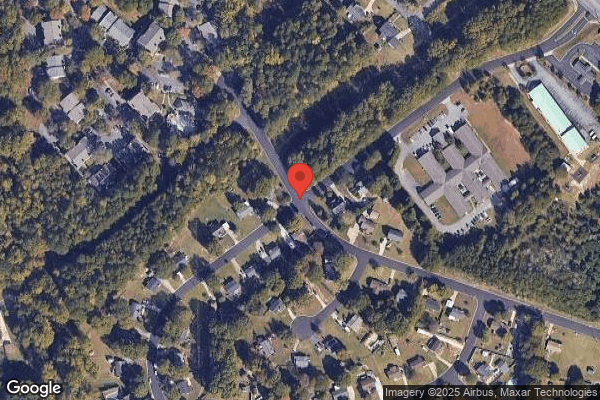
Understanding Severity Codes (click to expand)
Life-Threatening (Immediate Jeopardy)
J - Isolated K - Pattern L - Widespread
Actual Harm
G - Isolated H - Pattern I - Widespread
Potential for Harm
D - Isolated E - Pattern F - Widespread
No Harm (Minor)
A - Isolated B - Pattern C - Widespread

Questions to Ask on Your Visit

  • "What changes have you made since the serious inspection findings?"
  • "Why is there high staff turnover? How do you retain staff?"
  • "Can I speak with families of current residents?"
  • "What's your RN coverage like on weekends and overnight?"

Our Honest Assessment

Strengths
  • • Licensed and certified facility. Meets minimum state requirements.
Concerns
  • • Multiple safety concerns identified: 4 life-threatening violation(s), 1 harm violation(s), $47,239 in fines. Review inspection reports carefully.
  • • 20 deficiencies on record, including 4 critical (life-threatening) violations. These warrant careful review before choosing this facility.
  • • $47,239 in fines. Higher than 94% of North Carolina facilities, suggesting repeated compliance issues.
  • • Grade F (0/100). Below average facility with significant concerns.
Bottom line: This facility has 4 Immediate Jeopardy findings. Serious concerns require careful evaluation.

About This Facility

What is Gastonia Health & Rehab Center's CMS Rating?

CMS assigns Gastonia Health & Rehab Center an overall rating of 3 out of 5 stars, which is considered average nationally. Within North Carolina, this rating places the facility higher than 99% of the state's 100 nursing homes. This mid-range rating indicates the facility meets federal standards but may have areas for improvement.

How is Gastonia Health & Rehab Center Staffed?

CMS rates Gastonia Health & Rehab Center's staffing level at 2 out of 5 stars, which is below average compared to other nursing homes. Staff turnover is 78%, which is 31 percentage points above the North Carolina average of 46%. High turnover can affect care consistency as new staff learn residents' individual needs. RN turnover specifically is 86%, which is notably high. RNs provide skilled clinical oversight, so turnover in this role can affect medical care quality.

What Have Inspectors Found at Gastonia Health & Rehab Center?

State health inspectors documented 20 deficiencies at Gastonia Health & Rehab Center during 2022 to 2024. These included: 4 Immediate Jeopardy (the most serious level, indicating potential for serious harm or death), 1 that caused actual resident harm, 14 with potential for harm, and 1 minor or isolated issues. Immediate Jeopardy findings are rare and represent the most serious regulatory concerns. They require immediate corrective action.

Who Owns and Operates Gastonia Health & Rehab Center?

Gastonia Health & Rehab Center is owned by a for-profit company. For-profit facilities operate as businesses with obligations to shareholders or private owners. The facility is operated by SABER HEALTHCARE GROUP, a chain that manages multiple nursing homes. With 60 certified beds and approximately 54 residents (about 90% occupancy), it is a smaller facility located in Gastonia, North Carolina.

How Does Gastonia Health & Rehab Center Compare to Other North Carolina Nursing Homes?

Compared to the 100 nursing homes in North Carolina, Gastonia Health & Rehab Center's overall rating (3 stars) is above the state average of 2.8, staff turnover (78%) is significantly higher than the state average of 46%, and health inspection rating (3 stars) is at the national benchmark.

What Should Families Ask When Visiting Gastonia Health & Rehab Center?

Based on this facility's data, families visiting should ask: "What changes have been made since the serious inspection findings, and how are you preventing similar issues?" "How do you ensure continuity of care given staff turnover, and what is your staff retention strategy?" "Can you walk me through typical staffing levels on day, evening, and night shifts?" "Can I visit during a mealtime to observe dining assistance and food quality?" These questions are particularly relevant given the facility's Immediate Jeopardy citations, the facility's high staff turnover rate, and the below-average staffing rating.

Is Gastonia Health & Rehab Center Safe?

Based on CMS inspection data, Gastonia Health & Rehab Center has documented safety concerns. Inspectors have issued 4 Immediate Jeopardy citations (the most serious violation level indicating risk of serious injury or death). The facility has a 3-star overall rating and ranks #1 of 100 nursing homes in North Carolina. Families considering this facility should ask detailed questions about what corrective actions have been taken since these incidents.

Do Nurses at Gastonia Health & Rehab Center Stick Around?

Staff turnover at Gastonia Health & Rehab Center is high. At 78%, the facility is 31 percentage points above the North Carolina average of 46%. Registered Nurse turnover is particularly concerning at 86%. RNs handle complex medical decisions and coordinate care — frequent RN changes can directly impact care quality. High turnover means new staff may not know residents' individual needs, medications, or preferences. It can also be disorienting for residents, especially those with dementia who rely on familiar faces. Families should ask: What is causing the turnover? What retention programs are in place? How do you ensure care continuity during staff transitions?

Was Gastonia Health & Rehab Center Ever Fined?

Gastonia Health & Rehab Center has been fined $47,239 across 1 penalty action. The North Carolina average is $33,551. While any fine indicates a compliance issue, fines under $50,000 are relatively common and typically reflect isolated problems that were subsequently corrected. Families should ask what specific issues led to these fines and confirm they've been resolved.

Is Gastonia Health & Rehab Center on Any Federal Watch List?

Gastonia Health & Rehab Center is not on any federal watch list. The most significant is the Special Focus Facility (SFF) program, which identifies the bottom 1% of nursing homes nationally based on persistent, serious quality problems. Not being on this list means the facility has avoided the pattern of deficiencies that triggers enhanced federal oversight. This is a positive indicator, though families should still review the facility's inspection history directly.