The Greens at Gastonia
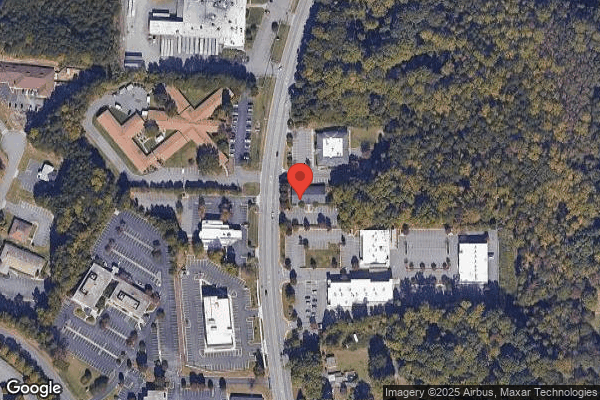
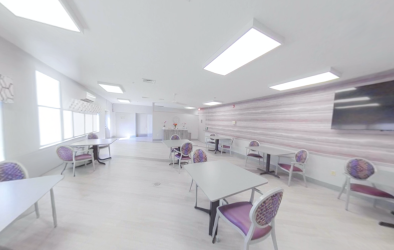
969 Cox Road, Gastonia, NC 28054 (704) 866-8596
For profit - Corporation 162 Beds CCH HEALTHCARE Data: November 2025 2 Immediate Jeopardy citations
Trust Grade
0/100
#398 of 417 in NC
Last Inspection: May 2025

Inspected within the last 6 months. Data reflects current conditions.

Overview

The Greens at Gastonia has received a Trust Grade of F, indicating significant concerns about the quality of care provided. With a state rank of #398 out of 417, they are in the bottom half of North Carolina facilities, and they rank last in Gaston County at #10 out of 10. While the facility is improving, having reduced issues from 23 in 2024 to 15 in 2025, it still has serious problems, including a high staff turnover rate of 73%, which is concerning compared to the state average of 49%. There have been troubling incidents, such as a resident who caught her hair on fire while smoking unsupervised and another resident who was not given pain management for over 28 hours after a serious injury. Additionally, there was a serious case of theft involving a staff member misappropriating a resident's funds, which raises red flags about safety and trust.
Trust Score
F
0/100
In North Carolina
#398/417
Bottom 5%
Safety Record
High Risk
Review needed
Inspections
Getting Better
23 → 15 violations
Staff Stability
⚠ Watch
73% turnover. Very high, 25 points above average. Constant new faces learning your loved one's needs.
Penalties
✓ Good
$146,417 in fines. Lower than most North Carolina facilities. Relatively clean record.
Skilled Nurses
○ Average
Each resident gets 34 minutes of Registered Nurse (RN) attention daily — about average for North Carolina. RNs are the most trained staff who monitor for health changes.
Violations
⚠ Watch
59 deficiencies on record. Higher than average. Multiple issues found across inspections.
★☆☆☆☆
1.0
Overall Rating
★★☆☆☆
2.0
Staff Levels
★★☆☆☆
2.0
Care Quality
★☆☆☆☆
1.0
Inspection Score
Stable
2024: 23 issues
2025: 15 issues

The Good

  • Full Sprinkler Coverage · Fire safety systems throughout facility
  • No fines on record

Facility shows strength in fire safety.

The Bad

1-Star Overall Rating

Below North Carolina average (2.8)

Significant quality concerns identified by CMS

Staff Turnover: 73%

27pts above North Carolina avg (46%)

Frequent staff changes - ask about care continuity

Federal Fines: $146,417

Well above median ($33,413)

Significant penalties indicating serious issues

Chain: CCH HEALTHCARE

Part of a multi-facility chain

Ask about local staffing decisions and management

Staff turnover is very high (73%)

25 points above North Carolina average of 48%

The Ugly 59 deficiencies on record

2 life-threatening 2 actual harm
May 2025 15 deficiencies 1 IJ
CRITICAL (J) 📢 Someone Reported This

A family member, employee, or ombudsman was alarmed enough to file a formal complaint

Immediate Jeopardy (IJ) - the most serious Medicare violation

Accident Prevention (Tag F0689)

Someone could have died · This affected 1 resident

**NOTE- TERMS IN BRACKETS HAVE BEEN EDITED TO PROTECT CONFIDENTIALITY** Based on observations, record reviews, and Nurse Practitioner, resident, and staff interviews, the facility failed to provide ef...

Read full inspector narrative →
**NOTE- TERMS IN BRACKETS HAVE BEEN EDITED TO PROTECT CONFIDENTIALITY** Based on observations, record reviews, and Nurse Practitioner, resident, and staff interviews, the facility failed to provide effective supervision for Resident #3 who had dementia with severe cognitive impairment, hemiparesis (mild or moderate weakness) of the dominant right side due to a stroke, and a history of smoking. A smoking assessent completed on 12/20/24 noted Resident #3 had limited range of motion and unclear speech response but was determined as having no issues with her ability to smoke safely and was determined to be safe to smoke unsupervised. On 3/19/25, Resident #3 was smoking unsupervised in the designated smoking area and caught her hair on fire. Resident #3 patted her hair with her right hand to put out the fire. Resident #3's hair was singed on her right side at least one inch starting from her hairline at her right ear through her hairline to the center part of her hair. Resident #3's right eye lid was blistered, and the palm of her right hand and behind her right ear also received mild burns and all were treated with a topical antibiotic cream. The smoking assessment completed 3/19/25 determined Resident #3 required staff supervision with smoking due to being unable to safely light smoking materials, hold smoking materials safely, and unable to call for emergency assistance. On Sunday 4/20/25 Resident #3 exited the front entrance of the building in her wheelchair and self- propelled herself 151 feet from the entrance of the facility through the parking lot to the parking lot entrance/exit area and was headed toward the main road without staff knowledge. The main road in front of the facility and was four lanes with a speed limit of 35 miles per hour. A facility visitor who was leaving the parking lot telephoned the Weekend Nurse Supervisor around 7:00 PM and stated a resident was in her wheelchair outside at the parking lot entrance/exit and was wheeling herself towards the main road. The Weekend Nurse Supervisor notified Unit Manager #3 and they both responded to the parking lot where Resident #3 was found at the parking lot's entrance/exit area seated in her wheelchair facing the facility with her back towards the main road and self-propelling herself backwards up the exit incline towards the main road. Resident #3 did not have smoking material in her possession but told the staff she was in the parking lot because she wanted to smoke. This deficient practice had a high likelihood of causing serious harm or injury to Resident #3 and affected 1 of 3 residents reviewed for supervision to prevent accidents (Resident #3). Immediate jeopardy began on 3/19/25 when Resident #3 was smoking unsupervised and lit her hair on fire and again on 4/20/25 when Resident #3 exited the facility unsupervised and without staff knowledge. The immediate jeopardy was removed on 5/01/25 when the facility implemented an acceptable credible allegation for immediate jeopardy removal. The facility remains out of compliance at a lower scope and severity level of a D (No actual harm with potential for more than minimal harm that is not immediate jeopardy) to ensure completion of education and monitoring systems put into place are effective. The findings included: Resident #3 was admitted to the facility on [DATE] with diagnoses that included stroke, expressive aphasia (partial loss of the ability to produce language), and hemiparesis (mild or moderate weakness) of the dominant right side, seizure disorder, and muscle weakness. Resident #3 was also diagnosed with dementia in 2015 and anxiety disorder, depression, and bipolar disease in 2018. Resident #3's quarterly smoking safety assessment completed by the previous Administrator dated 7/15/24 revealed Resident #3 was a smoker with a limited range of motion, weak grasps, diminished reflex response, and unclear speech response. Under the direct smoking observation section, Resident #3 was assessed as being unable to hold smoking materials safely and respond quickly to fallen ashes. Therefore, the smoking requirement for Resident #3's safety was for her to be a supervised smoker, wear a smoking apron, and smoking materials to be stored by the facility. The revised care plan dated 7/15/24 revealed Resident #3 was a smoker with a goal that she would not suffer any injuries from unsafe smoking practices through next review date. Interventions included Resident #3 could utilize cigarettes and smoke supervised, wear a smoking apron to protect her clothing, and had been instructed on smoking risks and hazards. Resident #3's quarterly Minimum Data Set (MDS) assessment dated [DATE] revealed she was severely cognitively impaired. Resident #3 was also assessed for use of tobacco, being ambulatory with assistance of a wheelchair, required substantial assistance for transfers, functional limitation of range of motion with impairments to the upper and lower extremities on one side, and no change in behaviors were noted. Resident #3's quarterly smoking safety assessment completed by the MDS Coordinator #2 dated 12/30/24 revealed Resident #3 was a smoker with limited range of motion and unclear speech response. Under the direct smoking observation section, Resident #3 was assessed as having no issues with her ability to smoke safely. Therefore, the smoking requirement for Resident #3's safety was changed for her to become an unsupervised smoker, no smoking apron required, and smoking materials continued to be stored by the facility. Care Plan updated to show change in smoking status from supervised to unsupervised. An interview with the MDS Coordinator #2 on 4/29/25 at 2:06 PM revealed she was familiar with Resident #3 and had completed her smoking evaluation on 12/30/24. She stated she had completed Resident #3's to the best of her knowledge and understanding of the questions. During her observation of Resident #3 smoking she felt Resident #3 was able to light, smoke, and dispose of her cigarette properly, and that was why she made her an unsupervised smoker. She revealed she was aware of Resident #3 being cognitively impaired and of her limited range of motion but felt that she was able to handle and smoke a cigarette safely. When asked if there had been any improvements or changes with Resident #3's cognition, functional abilities, or diagnosis since her last smoking assessment on 7/15/24, the MDS Coordinator #2 stated no but that she believed that Resident #3 was able to hold a cigarette and smoke it safely. The revised care plan dated 12/30/24 revealed Resident #3 was a smoker with a goal that she would not suffer any injuries from unsafe smoking practices through next review date. Interventions included Resident #3 could utilize cigarettes and smoke unsupervised, observe clothing and skin for signs of cigarette burns, and had been instructed on smoking risks and hazards. Resident #3's annual MDS assessment dated [DATE] revealed she was severely cognitively impaired. Resident #3 was also assessed for use of tobacco, being ambulatory with assistance of a wheelchair, required partial assistance for transfers, functional limitation of range of motion with impairments to the upper and lower extremities on one side, and no change in behaviors were noted. Nursing progress note written by Nurse #3 dated 3/19/25 revealed Resident #3 was outside smoking when her hair caught fire. Hair to the right of her head was singed off. Ear and hand to right side noted red. Provider and Responsible Person was updated. The Medical Director responded with the following feedback: Continue to monitor any changes at this time. Resident #3's quarterly smoking assessment completed by Nurse #3 dated 3/19/25 revealed Resident #3 was a smoker with problematic short- and long-term memory, limited range of motion, and unclear speech. Under the direct smoking observations sections, Resident #3 was assessed as being unable to safely light smoking materials, hold smoking materials safely, and unable to call for emergency assistance. Therefore, the smoking requirement for Resident #3's safety was for her to become a supervised smoker, wear a smoking apron, and smoking materials to be stored by the facility. A telephone interview with Nursing Assistant (NA) #7 on 4/29/25 at 3:11 PM revealed she was familiar with Resident #3. She stated on 3/19/25 she had gone into another resident's room to check on them and was looking out of their window to the smoking area and she observed Resident #3 outside at the smoking area patting on the side of her head. She revealed she left the other resident's room, went over to the door that leads out to the smoking area, and saw Resident #3 trying to open the door to come back inside the facility. NA #7 stated she opened the door for Resident #3 to come in and immediately noticed the smell of something burning and when she looked at Resident #3's hair she could tell it had been singed and the right side of her face at her hairline was red. She revealed she immediately assisted Resident #3 over to the nurse's desk and informed Nurse #3 what happened and then went to get the DON. She revealed Nurse #3, and the DON began treating Resident #3 and she went back to her residents. An interview with Nurse #3 on 4/29/25 at 12:34 PM revealed he was familiar with Resident #3. He stated he was standing at the nurse's desk on 3/19/25 when NA #7 brought Resident #3 over to him stating she believed Resident #3 had burned her hair while smoking. He revealed when he began to assess Resident #3, he observed that she had singed her hair starting from her hairline at her right ear up through the hairline at the center part of her hair. He stated he also observed that she had redness behind her right ear, on her face at her hairline, and to the palm of her right hand. Nurse #3 revealed he asked Resident #3 what happened, and she stated she was smoking and her hair caught fire, and she put it out with her hand. He stated he notified the physician who told him to monitor, made a note for the NP to assess Resident #3 for burns, documented in the medical chart, and completed a new smoking assessment for Resident #3 to be a supervised smoker. He revealed after he finished assessing Resident #3, the Director of Nursing (DON) came and took Resident #3 back to her room. Previous infection control nurse progress note dated 3/19/25 revealed the Nurse Practitioner (NP) notified of blistered area (second-degree burn) to right eyelid. New order to apply [a topical antibiotic cream used to treat and prevent infection of serious burns] to area twice a day and Tylenol 650 milligrams (MG) every 8 hours as needed for pain. Resident #3 to be evaluated by NP upon next round. Resident #3 was made aware. NP order for Resident #3 dated 3/19/25 revealed Tylenol Oral Tablet 325 MG (Acetaminophen) give 2 tablets by mouth every 8 hours as needed for pain for 3 Days and apply [topical antibiotic cream] to right upper eyelid twice a day. An NP progress note dated 3/20/25 revealed nursing staff reported Resident #3 was smoking outside and burned her right hand and behind her right ear. Resident #3 was a [AGE] year-old female seen per nursing request for burns to right hand and behind right ear due to smoking. Nursing staff requested a visit for initial evaluation and treatment of burns. The risk of complication was moderate. Burn of unspecified degree of right hand, unspecified site, initial encounter: right hand burn was mild, only redness, no blistering, will start antibiotic cream to area twice a day. Burn of unspecified degree of head, face, and neck, unspecified site, initial encounter: Burn area behind left ear was mild, only redness noted, no blistering, will start antibiotic cream to area twice a day. NP order for Resident #3 dated 3/20/25 revealed clean areas to right upper and lower eyelids, right ear, right face, right forehead and right hand with normal saline (NS) and apply [topical antibiotic cream] twice a day for burns. Resident #3's March 2025 Medication Administration Record revealed she did not require the use of her as needed pain medication. Resident #3 was observed on 4/29/25 at 10:30 AM outside smoking in the designated smoking area. The designated smoking area was a cemented area located inside the fenced courtyard, had a permanent shade to protect from the weather, tables, chairs, ash trays, and fire extinguisher available, and the area was accessible through a door in the dining room. Resident #3 was seated in her wheelchair wearing her smoking apron and using a smoking device to assist with smoking. The smoking device was an ash tray permanently mounted onto a flat wooden board, a long rubber tubing was attached to the ash tray by an adaptor on one end to hold the cigarette and allow ashes to fall into the ashtray safely, and a mouthpiece was attached at the other end of the tubing for Resident #3 to smoke safely. Hospitality Aide #1 was outside with Resident #3 supervising her while smoking. Resident #3 was observed to be able to smoke safely while using the device. When asked Resident #3 how she liked smoking with the device she kept frowning and shaking her head No. An interview and observation with Resident #3 on 4/29/25 at 11:30 AM revealed she was outside smoking unsupervised in the designated smoking area on 3/19/25 and her hair caught fire. She demonstrated she used the palm of her hand to pat out the fire. Observation of Resident #3's hair showed where at least 1 inch of the hair on the right side of head starting from the ear to the center part of head was singed off and was starting to grow back. Observations of Resident #3's palm of her right hand, behind her right ear, and top of her right eyelid revealed no signs of redness, mild burns, or scarring. An interview with Hospitality Aide #1 on 4/29/25 at 10:40 AM revealed he was responsible for taking supervised smokers outside to smoke during their scheduled smoking times, apply their smoking aprons, provide them with their smoking materials from the locked box that was kept at the nurse's station. He stated there was a list of the supervised and unsupervised smokers kept at each nurse's desk, so he was aware of who smoked and if they were supervised or unsupervised. He revealed all smoking materials were kept inside the locked box located at the nurse's desk and residents who were unsupervised smokers would have to request their smoking materials prior to smoking and return their materials when they are finished. Hospitality Aide #1 stated supervised smokers were not allowed to have access to their smoking materials, staff provided them with their smoking materials, light their cigarettes for them, and then place their materials back into the locked box. He revealed supervised smokers have designated smoking times at 10:30 AM, 1:30 PM, and 6:30 PM. An interview with the Nurse Practitioner (NP) on 4/29/25 at 11:00 AM revealed she was familiar with Resident #3. She stated she was notified by telephone on 3/19/25 of Resident #3's smoking incident where her hair caught fire causing some redness to the palm of her right hand and behind her right ear and a blister to her right eyelid. She revealed she ordered on 3/19/25 for a medicated cream to be applied to her right eyelid and an order for as needed pain medication. The NP stated she assessed Resident #3 in person on 3/20/25 and noted mild second-degree burns like a bad sunburn to the palm of her right hand and behind her left ear and continued the order for the medicated cream to the right eyelid to include the right hand and behind the right ear. She revealed she did not recall Resident #3 complaining of any pain from those areas, but she did have as needed pain medications ordered just in case. She stated she was not familiar with Resident #3's smoking abilities but would assume that based on her diagnosis and the fact that she does have some good and some bad days would most likely contribute to her inability to complete certain tasks such as smoking safely. An interview with the Administrator and DON on 4/29/25 at 2:40 PM revealed they were familiar with Resident #3. The Administrator stated she was on leave when the smoking incident with Resident #3 occurred and was notified of the incident when she returned. The DON stated she was working at the facility on 3/19/25 when the smoking incident with Resident #3 occurred, she was notified by NA #7 that Resident #3 had caught her hair on fire while outside smoking. She revealed she went to the nurse station where Nurse #3 was assessing Resident #3 for injuries and observed the hair next to her hairline on the right side had been singed off and she did have some redness on her face, behind her ear, and to the palm of her right hand. The DON stated that after Nurse #3 completed his assessment, she assisted Resident #3 back to her room and asked her what happened, and Resident #3 stated that she was outside smoking, caught her hair on fire and put it out with her hand. She revealed Resident #3 did have right sided weakness with limited range of motion and because of that would sometimes lean more to her right side. The DON stated she had assumed that what caused the incident was Resident #3 had her hand that was holding her cigarette up and as she leaned, she caught her hair on fire. She revealed Resident #3 was an unsupervised smoker prior to the incident. The DON stated an updated smoking assessment was completed on 3/19/25 and Resident #3 was now a supervised smoker, wore a smoking apron, and used a smoking device. Resident #3's wandering assessment dated [DATE] revealed no history of wandering or exit seeking behaviors and no interventions needed. Resident #3's quarterly MDS assessment dated [DATE] revealed she was severely cognitively impaired. Resident #34 was also assessed as being ambulatory with assistance of a wheelchair, functional limitation of range of motion with impairments to the upper and lower extremities on one side, with no history of wandering or exit seeking behaviors. Nursing progress note written by Unit Manager #3 dated 4/20/25 revealed Resident #3 went outside into the front parking lot because She wanted to go smoke, and believed if she went out of the front door staff would come quicker. Resident #3 stated she was not trying to leave the building. A telephone interview with the Weekend Nurse Supervisor on 4/29/25 at 1:19 PM revealed she was familiar with Resident #3. She stated she was working on the evening of 4/20/25 and sometime between 7:00 PM and 7:15 PM she received a telephone call from a visitor who was leaving the facility parking lot (she could not recall the visitor's name) that a resident was out in the parking lot at the entrance/exit area and headed towards the road. She revealed she immediately went to get Unit Manager #3 and when they went outside to the parking lot, they found Resident #3 seated in her wheelchair at the entrance and exit area of the parking lot. Resident #3 was inside her wheelchair facing the facility with her back facing the road and was trying to wheel herself backwards up the entrance/exit incline towards the main road. The Weekend Nurse Supervisor stated she and Unit Manager #3 asked Resident #3 what she was doing out in the parking lot, and she stated she was going to smoke. She revealed she checked, and Resident #3 did not have any smoking materials on her and when asked if she was trying to leave the facility, Resident #3 kept saying she just wanted to go smoke. Weekend Nurse Supervisor stated Resident #3 was a supervised smoker and she had just taken her out to smoke in the designated smoking area for the last scheduled smoking time around 6:30 PM. She revealed after Resident #3 smoked her normal two cigarettes; she assisted Resident #3 back inside the facility which was probably around 6:45 PM and she went back to the hall she was assigned, and Resident #3 was wheeling herself down the hall back towards her room. Weekend Nurse Supervisor stated she was not aware of Resident #3 asking any staff between the time she came back inside from smoking at 6:30 PM and the time she was found outside to go smoke. She stated Unit Manager #3 called the Administrator who advised to take Resident #3 back inside the facility, assess her for any injuries, and then take her to smoke. The Weekend Nurse Supervisor revealed Unit Manager #3 assessed Resident #3 with no injuries noted and then she took her out to smoke with no further issues. She stated to her knowledge Resident #3 had never displayed any wandering or exit-seeking behaviors and she felt this was an isolated incident where Resident #3 wanted to go back out to smoke and that was her way of getting staff's attention so they would take her to go smoke. An interview with Unit Manager #3 on 4/29/25 at 11:42 AM revealed she was familiar with Resident #3. She stated she was working on the evening of 4/20/25 and sometime between 7:00 PM and 7:15 PM the Weekend Nurse Supervisor came to her stating Resident #3 was in the parking lot unattended. She revealed she and the Weekend Nurse Supervisor went outside to the parking lot and found Resident #3 in the parking lot at the bottom of the entrance and exit incline. Resident #3 was seated inside her wheelchair, the wheelchair was turned backwards with her back towards to road, and she was attempting to wheel herself up the incline towards the road. Unit Manager #3 stated she and the Weekend Nurse Supervisor asked Resident #3 why she was outside in the parking lot and where she was going and Resident #3 stated that she was going to smoke. She revealed Resident #3 continued to say that she was going to smoke and when asked if she was trying to leave the facility, Resident #3 shook her head No and said she was not leaving she just wanted to go smoke. The Unit Manager stated she called the Administrator and informed her of Resident #3 being out in the parking lot and the Administrator instructed her and the Weekend Nurse Supervisor to take Resident #3 back inside the facility, assess her for any injuries, and then take her out to smoke. Unit Manager #3 revealed she completed Resident #3's assessment with no injuries noted, the Weekend Nurse Supervisor took Resident #3 out to smoke, and there were no further issues the rest of the evening. She stated to her knowledge Resident #3 had never had any wandering behaviors before and she truly felt that she was just trying to get nursing staff's attention so they would take her out to smoke. An interview with Resident #3 on 4/29/25 at 11:30 AM revealed on the evening of 4/20/25 she exited the facility to the parking lot and was heading towards the road to smoke when staff came and stopped her. She stated she did not have any smoking materials on her, she wanted to go smoke. When asked where she was going to get the smoking materials needed to smoke, Resident #3 stated she would get them at the road. When asked if she was trying to leave the facility, Resident #3 stated, No that she just wanted to go outside and smoke. When asked if she had gone outside to smoke during the last smoking time at 6:30 PM, Resident #3 stated Yes but she just wanted to go smoke. When asked if she had told staff she wanted to go back outside to smoke again, Resident #3 shook her head No. When asked if she was aware of the concerns with her going outside in the parking lot towards the road in her wheelchair by herself, Resident #3 shook her head No and stated again that she was just trying to go smoke. Attempted contact with NA #8 who was scheduled with Resident #3 on the evening of 4/20/25 was unsuccessful. Attempted contact with NA #9 who was scheduled with Resident #3 on the evening of 4/20/25 was unsuccessful. Observation of the facility and route taken by Resident #3 on 4/29/25 at 3:15 PM revealed the facility was a single-story building facing a main four lane road with a speed limit of 35 miles per hour, surrounded by multiple businesses, and within one mile of a hospital. The entrance to the facility was covered, open, with no sidewalks, and accessible from the front parking lot off from the main road. The route taken by Resident #3 as described by Unit Manager #3 and the Weekend Nurse Supervisor revealed Resident #3 was seated in her wheelchair and wheeled herself outside through the unlocked doors located at the front entrance of the facility, went into the front parking lot, took a right towards the parking lot entrance, and was found at the bottom of the incline at the parking lot entrance with her wheelchair turned backwards and wheeling herself towards the road. The estimated length from the front door entrance to the incline at the entrance parking lot was 151 feet, the incline at entrance of the parking lot was a slope of 10 inches, and starting from the bottom of the incline to the top of the incline located at the main road was 56 feet. Per weather.com the weather at the facility on 4/20/25 was sunny and clear, temperature was 78 degrees, and sunset was at 7:50 PM. An interview was conducted with the NP on 4/29/25 at 11:00 AM revealed she was familiar with Resident #3. She stated she was not aware of the incident on 4/20/25 with Resident #3 leaving out of the facility and attempting to go towards the road. She revealed to her knowledge Resident #3 did not have a history of wandering but she still would have liked to have been informed of the incident so she could have assessed if this was an isolated incident related to wanting to go smoke, or a new behavior brought on by a change with her medical conditions. She stated Resident #3 does require a wheelchair for mobility, had right sided weakness with limited range of motion, and diagnosis of dementia, seizures, and expressive aphasia which could put her at risk of accidents in general. The NP revealed Resident #3, being out in the parking lot and attempting to ambulate herself towards the main road could certainly have put her at more of a risk of having a fall or being hit by a car. An interview with the Administrator on 4/29/25 at 2:40 PM revealed she was familiar with Resident #3. The Administrator stated on the evening of 4/20/25 sometime after 7:00 PM she received a telephone call from Unit Manager #3 stating that Resident #3 was found outside the facility, on the sidewalk not far from the front porch. She stated Unit Manager #3 reported that when they found Resident #3 and asked her what she was doing outside that she told them that she was not trying to leave the facility, that she just wanted to go smoke. The Administrator revealed that she instructed Unit Manager #3 to take Resident #3 back inside and assess her for any injuries and then assist Resident #3 with going to smoke. She stated they did not implement any 15-minute checks just continued normal rounds because at that time they did not feel Resident #3 had tried to elope or that she was an elopement risk, she was just trying to get the staff's attention to go smoke. The Administrator revealed to her knowledge Resident #3 had never had any history with wandering or displayed any exit seeking behaviors and prior to this incident had gone out to the front porch to sit with no issues. She stated although she was never told Resident #3 was further out into the parking lot headed towards the road, she did not believe Resident #3 was ever trying to leave the facility, this was an isolated incident, and did not feel Resident #3 was ever an elopement risk. She revealed Resident #3 had been taken out to smoke during the designated smoking time at 6:30 PM, and she was not aware of her asking staff to go back outside again to smoke prior to exiting out of the front of the facility. The Administrator stated she was not aware of Resident #3 not liking the assigned smoking device and they would be reassessing Resident #3's smoking ability to see if there was another option for her to be able to smoke safely without using the smoking device. The Administrator was notified of immediate jeopardy on 4/30/25 at 5:20 PM. The facility provided the following plan for immediate jeopardy (IJ) removal. Identify those recipients who have suffered, or are likely to suffer, a serious adverse outcome as a result of the noncompliance Facility failed to have effective systems in place to ensure all residents are being appropriately assessed for the correct level of supervision required for smoking to prevent accidents. Facility failed to have effective systems in place to ensure severely cognitively impaired residents are not leaving the building unsupervised to prevent accidents. On 12/30/24 a smoking assessment was completed for resident by MDS. The smoking assessment found resident able to smoke unsupervised. Resident had been previously assessed as requiring supervision while smoking due to being unable to hold smoking materials safely or respond to fallen ashes quickly. On 3/19/25 Resident was assessed by licensed nurse with injuries noted to the right forehead, right ear, and right hand pursuant to a smoking incident. The Medical Director was notified by the Director of Nursing with treatment orders obtained. The facility initiated a therapy referral for positioning while in wheelchair on 3/19/25. Therapy followed resident with plan of treatment. The Responsible Person was notified of incident, follow up treatment plan and change in supervision with smoking with resident's consent. Resident's smoking assessment was re-evaluated by charge nurse on 3/19/25 and resident was notified that she was now a supervised smoker, resident verbalized understanding and in agreement. Despite some cognitive impairment she is oriented and conversant. Resident has expressive aphasia and able to communicate needs with some delayed verbalization. Staff notified of change in supervision with smoking and residents' apparatus by the Director of Nursing. Director of Nursing updated smoking binder that is in nurse's stations, front office and therapy department. On 3/19/25 the facility ordered resident #3 a smoking adaptive apparatus to hold her cigarette. Being a supervised smoker, staff will light her cigarettes. Resident's care plan/ kardex updated to reflect that her hair is pulled back per resident acceptance. Smoking apron available per residents' acceptance. Resident has dementia and expressive aphasia and has ability to communicate needs and preferences, and facility will honor that per her rights while providing supervision to promote safety. On 4/20/25 resident was witnessed by a family member in the parking lot approximately 20 feet from the road. The family stayed with the resident and notified the facility that resident was outside and safe as staff were not aware. The resident was witnessed less than 15 minutes prior to at the nurse's station. On 4/20/25 the Unit Manager assessed resident and there was no physical injuries and resident was not in any mental distress. Resident expressed she was not leaving and only wanted a cigarette. The Unit Manager assessed resident for wandering tendencies and resident did not present as a risk as she wanted to go outside and have a cigarette. Resident was provided with a cigarette in designated smoking area. Residents' preference for smoking times to be honored per request with staff supervision. On 4/29/25 facility made aware that resident did not prefer the smoking apparatus and discontinued the apparatus on 4/30/25. Resident can safely hold a cigarette with supervision. Residents that smoke may have potential of being affected by deficient practice, therefore skin assessments were completed on all residents who smoke to ensure no burns identified from smoking. Assessments were completed by licensed nurses on 3/19/25. No areas of burns were identified. The Director of Nursing and licensed nurses re-assessed all residents who wish to smoke for need of supervision and/or adaptive equipment, no additional residents were noted. Assessments were completed on 3/19/25. On 3/19/25 The Director of nursing and licensed nurses reviewed care plans and Kardex's for all supervised and unsupervised smokers to ensure up to date and accurate with no additional concerns noted. On 4/20/25 the charge nurse completed a resident headcount to ensure that all residents were accounted for. There were no concerns with any other res[TRUNCATED]
SERIOUS (G) 📢 Someone Reported This

A family member, employee, or ombudsman was alarmed enough to file a formal complaint

Actual Harm - a resident was hurt due to facility failures

Deficiency F0602 (Tag F0602)

A resident was harmed · This affected 1 resident

**NOTE- TERMS IN BRACKETS HAVE BEEN EDITED TO PROTECT CONFIDENTIALITY** Based on record review, resident, and staff interviews, the facility failed to protect the resident's (Resident #76) right to be...

Read full inspector narrative →
**NOTE- TERMS IN BRACKETS HAVE BEEN EDITED TO PROTECT CONFIDENTIALITY** Based on record review, resident, and staff interviews, the facility failed to protect the resident's (Resident #76) right to be free from misappropriation of property when Hospitality Aide #1 used Resident #76's debit card to withdraw cash from an Automatic Teller Machine (ATM) and purchase various items from several stores without Resident #76's permission or knowledge. Hospitality Aide #1 was alleged to have spent approximately $628.75 on November 29, 2024. Resident #76 stated it made me real sad that she took advantage of me. He indicated he trusted Hospitality Aide #1 as she had been kind to him and was upset she stole his money. This deficient practice occurred for 1 of 3 residents (Resident #76) reviewed for abuse, neglect, and misappropriation of resident property. The findings included: Resident #76 was admitted to the facility on [DATE]. A review of the quarterly Minimum Data Set (MDS) dated [DATE] indicated Resident #76 was cognitively intact. A review of the facility's reportable incidents revealed an initial allegation report dated 12/3/24 indicating the facility became aware on 12/3/24 that money from Resident #76's personal bank account was missing. The report revealed Resident #76 gave Hospitality Aide #1 permission to purchase cigarettes with his debit card, but did not authorize additional purchases. The report indicated there was reasonable suspicion of a crime, and the alleged misappropriation of resident property was reported to law enforcement on 12/3/24. Hospitality Aide #1' statement indicated she used Resident #76's debit card to purchase items for herself, as well as withdrew cash at the ATM. A review of Resident #76's bank account record dated 12/20/24 revealed there were various transactions at local businesses, an ATM cash withdrawal, and an out of network ATM fee. The unauthorized transactions totaled approximately $628.75 and posted to his bank account on 12/2/24. A review of the police department incident report indicated a report was filed on 12/3/24 at 11:42 AM concerning Resident #76 and stolen money from his bank account. An interview with Resident #76 was conducted on 4/10/25 at 3:13 PM. He stated, it made me real sad that she took advantage of me. Resident #76 stated he gave Hospitality Aide #1 his debit card to purchase cigarettes but did not authorize any of the other charges made on 11/29/24. He indicated Hospitality Aide #1 purchased him cigarettes with his debit card many times before, probably once a week for many months. A second interview with Resident #76 on 4/10/25 at 3:51 PM revealed Hospitality Aide #1 returned his debit card and brought him cigarettes after purchasing them on 11/29/24. He indicated a police report was completed, and charges were filed. Resident #76 indicated he was sad about the incident and hoped it was not Hospitality Aide #1 who took his money as she had been very kind to him and took good care of him. Resident #76 stated the Administrator had recently been purchasing cigarettes for him as Hospitality Aide #1 was no longer purchasing them for him. A third interview with Resident #76 on 4/10/25 at 9:06 AM revealed he had not been reimbursed yet for the stolen money and did not understand why it was taking so long for the facility to pay him back. Multiple attempts were made to contact Hospitality Aide #1 and were unsuccessful. A phone interview with the Former Business Office Manager (BOM) conducted on 4/14/25 at 9:17 AM. She revealed she was the BOM at the facility until the middle of March 2025. She explained Resident #76 came to her office to make a payment on his account. The debit card declined when we ran it for the full amount. The former BOM stated she assisted Resident #76 with calling his bank to hear his account balance and found out the unauthorized charges to include an ATM withdraw. She asked Resident #76 if he gave his card to someone, and he stated he had given it to Hospitality Aide #1 to buy him cigarettes. The Former BOM stated Resident #76 did not give permission for other charges. She stated she spoke with the facility's corporate team when this happened as she felt the facility should write off the balance for Resident #76. She was not aware of any efforts to reimburse Resident #76 but indicated she brought up the topic in her corporate meetings often. The Former BOM stated she was not aware of any efforts to purchase him anything such as cigarettes to reimburse him for the money that was stolen. She stated the cigarettes that were purchased for him were paid for with Resident #76's money. The Former BOM indicated when she left her position in March 2025, Resident #76 had not been reimbursed with cash or cigarettes. A phone interview was conducted with the Former Administrator on 4/10/25 at 10:30 AM revealed Resident #76 took his debit card to the former Business Office Manager (BOM) at the beginning of December to pay his patient monthly liability (PML). The full amount of his PML would not go through when the card was processed. The Former BOM called the bank with Resident #76 and found the card had been used many times at various stores and one cash withdrawal at an ATM. The Former Administrator stated that Hospitality Aide #1 was terminated, as she stated she used Resident #76's debit card on various purchases and an ATM withdrawal without his permission. She stated a police report was filed, and charges were filed. The Former Administrator was not aware of any efforts made to reimburse Resident #76. She was unaware if the facility started a reimbursement process after she left her position at the end of February 2025. An interview with the Administrator on 4/10/25 at 5:11 PM revealed she was made aware of the incident with Resident #76's debit card when she came to the facility in March. She stated she understood the Former Administrator investigated the stolen money incident and reported the incident to the State Survey Agency. The Administrator stated she discussed with Resident #76 the idea of reimbursing him for the money owed to him with cigarettes purchased on the corporate credit card for seven or eight months or however long it took to make up the stolen money. The Administrator stated she spoke to Resident #76 about the reimbursement plan the week before last when he ran out of cigarettes. The facility presented a plan of correction that was not accepted by the State Survey Agency. The facility indicated they started reimbursing Resident #76 with cigarettes after the incident, starting on 12/9/24. The facility failed to provide a timeline of cigarettes purchased for Resident #76 after the purchase of cigarettes on 12/9/24. The next receipts for cigarettes and a toiletry item submitted to the State Survey Agency were dated 4/9/25. An interview with the Former BOM on 4/14/25 at 9:17 AM revealed there was no plan for reimbursing Resident #76 when she left the facility in the middle of March and his cigarettes were purchased with his money, not the facility's. An interview with the Former Administrator on 4/14/25 revealed Resident #76 always relied on the facility to buy cigarettes, but there was no plan in place to purchase cigarettes continuously for reimbursement or any other kind of cash reimbursement. She indicated the facility bought Resident #76 cigarettes one time after the incident because he didn't have any to smoke. The Former Administrator stated it was a singular purchase and was not part of any reimbursement plan.
CONCERN (D) 📢 Someone Reported This

A family member, employee, or ombudsman was alarmed enough to file a formal complaint

Potential for Harm - no one hurt, but risky conditions existed

Resident Rights (Tag F0550)

Could have caused harm · This affected 1 resident

**NOTE- TERMS IN BRACKETS HAVE BEEN EDITED TO PROTECT CONFIDENTIALITY** Based on record review, and family member and staff interviews, the facility failed to ensure a dependent resident (Resident #15...

Read full inspector narrative →
**NOTE- TERMS IN BRACKETS HAVE BEEN EDITED TO PROTECT CONFIDENTIALITY** Based on record review, and family member and staff interviews, the facility failed to ensure a dependent resident (Resident #158) had a functioning call light to call staff for assistance with care. Resident #158 told her family member it made her feel helpless not being able to call for assistance. A reasonable person would expect to have their call light function so they could call staff for assistance with care when needed. This deficient practice affected 1 of 3 residents reviewed for dignity and respect (Resident #158). The findings included: Resident #158 was admitted to the facility on [DATE]. Review of Resident #158's annual Minimum Data Set (MDS) assessment dated [DATE] revealed she was severely cognitively impaired but could make her needs known. Resident #158 required substantial/maximal assistance to dependence for all activities of daily living (ADL) care except eating in which she required setup. Resident #158 was incontinent of bowel and bladder and required staff assistance with toileting hygiene. Review of Resident #158's care plan dated 01/25/25 revealed a focus area for Resident # 158 requiring assistance for ADL care related to limited mobility. The goal was for the resident's ADL care needs to be anticipated and met throughout the next review period. The interventions included in part: - Provide resident with assistance for eating, dressing, toileting, transfers, bathing, oral hygiene, personal hygiene, and bed mobility as needed. Review of a grievance form completed on 12/28/24 by the former Administrator revealed a family member had filed a grievance regarding Resident #158's call light issue. The grievance was assigned to the Administrator, and a meeting was held with the family member of Resident #158, the former Administrator, the Regional Director of Operations and the Regional Director of Clinical Services. According to the grievance a self-imposed plan of correction was initiated and 100% audit of all call lights was done to ensure proper working call lights for all residents, timeline of care was completed for Resident #158 to ensure there were no issues with care and all staff received training on call light protocols and audits were completed to ensure working call lights throughout the facility for all residents. Written notification was provided to the family member of Resident #158 and a one-to-one discussion was provided with the family member and staff. An interview on 04/08/25 at 10:21 AM with the former Administrator revealed she recalled Resident #158's call light being tampered with by using a temperature probe and unplugging the call light so the resident could not call staff for assistance. The former Administrator stated it had happened, but they were unable to determine when it had happened or who had done it. A telephone interview on 04/07/25 at 2:42 PM with the family member revealed she had visited Resident #158 on 12/28/24 and when she arrived at the facility the resident's call light was not working. The family member stated she looked at the call light on the wall and it was unplugged and a temperature probe had been placed in the plug to prevent the call light from alarming. The family member reported the incident to the former Administrator who completed a grievance. The family member stated Resident #158 told her it made the resident feel helpless not being able to call for assistance with care when her call light was not working. The family member further stated the call light had been working on 12/27/25 when she had visited the resident during the day. An interview on 04/08/25 at 2:23 PM with Nurse Aide (NA) #3 who was assigned to care for Resident #158 during the 7:00 AM to 3:00 PM shift on 12/28/24 stated she noticed the call light was not plugged in when she was making rounds around 10:00 AM on the resident. NA #3 stated she thought maintenance had put something in the plug because they were working on the call light so she gave Resident #158 the call light from the empty bed next to her bed after she tested it and it worked. She further stated it wasn't until later that day when the family member visited the resident that the family member told her Resident #158's call light was not working because someone had tampered with the call light. NA #3 further indicated she had no idea how long the call light had not been working when she found it that morning on 12/28/24. According to NA #3 Resident #158 was able to use her call light to call for assistance when she needed care. An interview on 04/09/25 at 11:18 AM with NA #5 revealed she recalled taking care of Resident #158. She stated the resident was very pleasant and she was able to use her call light to alert staff of her care needs. NA #5 stated at times Resident #158 rang her call light even when she didn't need assistance or care. An interview on 04/10/25 at 4:15 PM with Unit Manager #1 revealed she recalled Resident #158 and stated she was familiar with the issue with her call light being tampered with and not working. Unit Manager #1 stated Resident #158 was able to use her call light to alert staff when she needed care. She further stated they were never able to determine who tampered with Resident #158's call light. A telephone interview was attempted multiple times with the nurse assigned to care for Resident #158 on the 7:00 AM to 3:00 PM shift on 12/28/24 without success. An interview on 04/10/25 at 5:07 PM with the Director of Nursing and Administrator revealed it was their expectation that all residents had functioning call lights to allow them to call staff for assistance with care.
CONCERN (D)

Potential for Harm - no one hurt, but risky conditions existed

Deficiency F0554 (Tag F0554)

Could have caused harm · This affected 1 resident

**NOTE- TERMS IN BRACKETS HAVE BEEN EDITED TO PROTECT CONFIDENTIALITY** Based on observations, record reviews, resident and staff interviews, the facility failed to stop a resident who had been assess...

Read full inspector narrative →
**NOTE- TERMS IN BRACKETS HAVE BEEN EDITED TO PROTECT CONFIDENTIALITY** Based on observations, record reviews, resident and staff interviews, the facility failed to stop a resident who had been assessed and determined clinically unsafe to self-medicate from self-medicating medications for 1 of 1 resident reviewed for self-administration of medication (Resident # 99). The findings included: Resident #99 was admitted to the facility on [DATE] with diagnoses including chronic obstructive pulmonary disease (COPD) and acute respiratory failure with hypoxia. Review of the self-administration of medication assessment dated [DATE] revealed Resident #99 had been assessed by the interdisciplinary team and determined he was clinically unsafe to self-medicate. The physician's order dated 01/14/25 revealed Resident #99 had an order to inhale 2 puffs of Budesonide-Formoterol (Symbicort) inhalation aerosol 80-4.5 micrograms (mcg) per actuation two times daily for shortness of breath. There was no order for the albuterol. Further review of Resident #99's physician orders since his admission on [DATE] revealed no medications were ordered to be left in his room for him to self-medicate. Review of Resident #99's admission Minimum Data Set (MDS) assessment dated [DATE] revealed Resident #99 was coded with intact cognition and adequate vision. During the initial encounter with Resident #99 on 04/07/25 at 12:53 PM, the Surveyor asked Resident #99 if he kept any medication in his room. Resident #99 showed the Surveyor an opened Symbicort inhaler and an opened albuterol inhaler in the drawer of his bedside table. The manufacturer's expiration dates and opening dates for both inhalers were invisible during the observation. Resident #99 stated a few nursing staff were aware of his Symbicort and let him keep it in his room. However, he could not recall the names of these staff. On the other hand, none of the staff knew that he had an albuterol inhaler in his room. He explained he had breathing problems at times and needed to keep an albuterol inhaler with him in case he needed it as a rescue inhaler. He added he had used the inhalers a few times since admission. On 04/07/25 at 2:35 PM, a joint observation was conducted with Nurse Aide #2 (NA), Nurse #2, and Unit Manager #2 (UM). Resident #99 showed nursing staff the inhalers stored in the drawer of his bedside table. When the Surveyor asked Resident #99 in front of the nursing staff if he had ever used any of the 2 inhalers while in the facility, he confirmed he had used both inhalers but could not recall the exact dates. During an interview conducted on 04/07/25 at 2:38 PM, NA #2 stated she had provided care for Resident #99 but did not notice he had medications in his room. Otherwise, she would report the incident to the nurse. An interview was conducted with Nurse #2 on 04/07/25 at 2:41 PM. She stated she was not aware of the 2 inhalers in Resident #99's room. Resident #99 was not allowed to keep medications in his room unless he was assessed as being able to self-medicate. Nurse #2 added Resident #99 had a physician's order to receive Symbicort inhaler but not the albuterol inhaler. During an interview conducted on 04/07/25 at 2:48 PM, UM #2 stated the medications were most likely brought in by Resident #99's family. The Symbicort inhaler should be stored in the medication cart and albuterol should be returned to Resident #99's family unless he was assessed as being able to self-medicate and had a physician's order to self-medicate both inhalers. An interview was conducted with the Director of Nursing (DON) on 04/08/25 at 2:55 PM. She explained the facility would not search for any resident's drawer without reasons and that was why nursing staff were not aware of the inhalers in the drawer of bedside table in Resident #99's room. She clarified that if the inhalers were visible to the nursing staff in Resident #99's room, she expected them to remove both inhalers as indicated. On 04/10/25 at 5:29 PM, an interview was conducted with the Administrator. She expected residents who had been assessed by the interdisciplinary team and determined to be unsafe or clinically inappropriate to self-medicate to remain free of medications in their room.
CONCERN (D) 📢 Someone Reported This

A family member, employee, or ombudsman was alarmed enough to file a formal complaint

Potential for Harm - no one hurt, but risky conditions existed

Deficiency F0558 (Tag F0558)

Could have caused harm · This affected 1 resident

**NOTE- TERMS IN BRACKETS HAVE BEEN EDITED TO PROTECT CONFIDENTIALITY** Based on record reviews and staff interviews, the facility failed to ensure a call light was plugged in and in working order for...

Read full inspector narrative →
**NOTE- TERMS IN BRACKETS HAVE BEEN EDITED TO PROTECT CONFIDENTIALITY** Based on record reviews and staff interviews, the facility failed to ensure a call light was plugged in and in working order for 1 of 5 dependent residents who were reviewed for reasonable accommodation of needs (Resident #158). The findings included: Resident #158 was admitted to the facility on [DATE] with diagnoses which included diabetes mellitus type II, hypertension and dementia. The resident was discharged to the hospital on [DATE]. Resident #158's quarterly MDS assessment dated [DATE] revealed she was severely cognitively impaired but was sometimes able to make her needs known. The assessment indicated Resident #158 required minimal to maximal assistance with activities of daily living and was always incontinent of bowel and bladder. Resident #158's annual Minimum Data Set (MDS) assessment dated [DATE] revealed she was severely cognitively impaired but was sometimes able to make her needs known. The assessment indicated Resident #158 required substantial to maximal assistance with activities of daily living and was always incontinent of bowel and bladder. Review of a grievance form completed on 12/28/24 by the former Administrator revealed a family member had filed a grievance regarding Resident #158's call light issue. The grievance was assigned to the Administrator and a meeting was held with the family member of Resident #158, the former Administrator, the Regional Director of Operations and the Regional Director of Clinical Services. According to the grievance a self-imposed plan of correction was initiated and 100% audit of all call lights was done to ensure proper working call lights for all residents, timeline of care was completed for Resident #158 to ensure there were no issues with care and all staff received training on call light protocols and audits were completed to ensure working call lights throughout the facility for all residents. Written notification was provided to the family member of Resident #158 and a one-to-one discussion was provided with the family member and staff. A telephone interview on 04/07/25 at 2:42 PM with the family member revealed she had visited Resident #158 on 12/28/24 and when she arrived at the facility the resident's call light was not working. The family member stated she looked at the call light on the wall and it was unplugged and a temperature probe cover had been placed in the plug to prevent the call light from alarming. The family member reported the incident to the former Administrator who completed a grievance. The family member stated Resident #158 told her it made the resident feel helpless not being able to call for assistance with care when her call light was not working. The family member further stated the call light had been working on 12/27/25 when she had visited the resident during the day. A telephone interview on 04/08/25 at 10:21 AM with the former Administrator revealed she recalled Resident #158's call light being tampered with by using a temperature probe cover and unplugging the call light so the resident was not able to call staff for assistance. She stated the resident could call staff for assistance by using her call light but on 12/28/24 it had been tampered with and was not working. The former Administrator further stated they were not able to determine who had tampered with the call light but said once they found out they had fixed the call light so that it worked for the resident. An interview on 04/08/25 at 2:23 PM with Nurse Aide (NA) #3 who was assigned to care for Resident #158 during the 7:00 AM to 3:00 PM shift on 12/28/24 stated she noticed the call light was not plugged in when she was making rounds around 10:00 AM on the resident. NA #3 stated she thought maintenance had put something in the plug because they were working on the call light so she gave Resident #158 the call light from the empty bed next to her bed after she tested it and confirmed it worked. She further stated it wasn't until later that day when the family member visited the resident that the family member told her Resident #158's call light was not working because someone had tampered with the call light. NA #3 further indicated she had no idea how long the call light had not been working when she found it that morning on 12/28/24. According to NA #3 Resident #158 was able to use her call light to call for assistance when she needed care. An interview on 04/09/25 at 11:18 AM with NA #5 revealed she recalled taking care of Resident #158. She stated the resident was very pleasant and she was able to use her call light to alert staff of her care needs. NA #5 stated at times Resident #158 rang her call light even when she didn't need assistance or care. An interview on 04/10/25 at 4:15 PM with Unit Manager #1 revealed she recalled Resident #158 and stated she was familiar with the issue with her call light being tampered with and not working. Unit Manager #1 stated Resident #158 was able to use her call light to alert staff when she needed care. She further stated they were never able to determine who tampered with Resident #158's call light. A telephone interview was attempted multiple times with the nurse assigned to care for Resident #158 on the 7:00 AM to 3:00 PM shift on 12/28/24 without success. An interview on 04/10/25 at 5:07 PM with the Director of Nursing and Administrator revealed it was their expectation that all residents had functioning call lights to allow them to call staff for assistance with care. The Administrator stated that there had been no further issues with resident call lights and that audits continued and no issues were found with call lights being tampered with or not functioning properly. She stated the call light audits were reviewed at each Quality Assurance and Performance Improvement (QAPI) meeting. The facility provided the following corrective action plan: Address how corrective actions will be accomplished for those residents who have been affected by the deficient practice: On 12/28/24 facility identified concern regarding functioning call light not being available to one resident. The Director of Nursing (DON) and Social Worker (SW) immediately completed physical and psychosocial assessment on affected resident with no negative findings. Call light was immediately made functional. How will the facility identify other residents having the potential to be affected by the same deficient practice: On 12/28/24 the facility initiated an audit by the Assistant Director of Nursing (ADON), Unit Managers (UMs) and Nursing Assistants (NAs) of all residents call lights and areas equipped with call lights to ensure they were within reach and functioning appropriately. No additional issues with call lights were noted. No additional residents were affected. What measures will be put into place or systemic changes made to ensure that the deficient practice will not occur: On 12/28/24 the weekend supervisor initiated in-service education to all staff regarding ensuring call lights are within reach of resident and properly functioning. Education of staff to continue upon return to work. Education for newly hired staff will be provided by DON, ADON or Unit Manager upon hire, prior to receiving assignment. How will the facility monitor its corrective actions to ensure that the deficient practice will not recur: The Director of Nursing (DON), Assistant Director of Nursing (ADON), Unit Managers (Ums) and/or Caring Angel will audit five residents, five days a week times four weeks, then three residents five days a week times four weeks to ensure residents call lights are within reach and properly functioning. These audits will be conducted on all three shifts. Results of this monitoring will be brought before the Quality Assurance and Performance Improvement Committee quarterly with the QAPI committee responsible for ongoing compliance. Compliance Date: 12/29/24. The corrective action plan was validated on 04/10/25. During the onsite validation on 04/10/25, call lights were tested and were functioning properly. Observations of call lights ringing and lighting up outside residents doors were completed. Staff interviews with Nurse Aides (NAs), Caring Angels, Unit Managers, and the DON revealed staff had received education on checking call lights to ensure they were functioning and within reach of the residents. Interviews with residents throughout the survey revealed their call lights were functioning and they were able to call staff for care needs. Audits of call lights being monitored were reviewed without any issues. The Administrator was interviewed and stated the results of the call light audits were discussed in each QAPI meeting. The corrective action plan's completion date of 12/29/24 was validated.
CONCERN (D)

Potential for Harm - no one hurt, but risky conditions existed

Deficiency F0578 (Tag F0578)

Could have caused harm · This affected 1 resident

**NOTE- TERMS IN BRACKETS HAVE BEEN EDITED TO PROTECT CONFIDENTIALITY** Based on record review and staff interviews, the facility failed to have advance directives accurate throughout the medical reco...

Read full inspector narrative →
**NOTE- TERMS IN BRACKETS HAVE BEEN EDITED TO PROTECT CONFIDENTIALITY** Based on record review and staff interviews, the facility failed to have advance directives accurate throughout the medical record for 2 of 4 residents (Resident #68 and Resident #48) reviewed for advance directives. The findings included: 1.Resident #68 was admitted to the facility on [DATE]. Resident #68's care plan initiated on 12/18/24 indicated Resident #68's health directive was a full code. Interventions included to intercede rapidly and begin immediate resuscitative efforts utilizing all life-sustaining measures available if the resident's heart stops beating, or the resident stops breathing. The quarterly Minimum Data Set assessment dated [DATE] indicated Resident #68 was severely cognitively impaired. A review of Resident #68's medical record indicated a physician's order dated 2/28/25 for Do Not Resuscitate (DNR). The advance directive binder at the nurses' station indicated a DNR form for Resident #68 which was signed by the Medical Director on 2/24/25. An interview with Nurse #1 on 4/8/25 at 10:34 AM revealed she just started taking care of Resident #68 after he was transferred from another hall today. Nurse #1 stated that she would check Resident #68's chart to find out if he was full code or DNR by looking at the current code status order. After reviewing Resident #68's care plan during the interview, Nurse #1 stated that it could cause confusion because Resident #68's care plan indicated he was a full code while he had a DNR form dated 2/24/25 in the advance directive binder. She further stated that the supervisor and the Social Worker were both responsible for the advance directives. An interview with Unit Manager #1 on 4/8/25 at 10:43 AM revealed Resident #68's care plan was supposed to have been updated, but she wasn't sure who should have done it. An interview with Minimum Data Set (MDS) Coordinator #1 on 4/8/25 at 10:46 AM revealed the Social Worker was responsible for revising the care plans regarding the advance directives. An interview with Social Services Director (SSD) on 4/8/25 at 10:49 AM revealed she was one of the Social Workers who worked at the facility. The SSD stated that she was not aware that Resident #68's code status had been changed from full code to DNR. The SSD stated that the reason for this was that she was out on leave in February 2025, and they had another different Social Worker at that time who had quit. The SSD further stated that the Social Workers usually discussed the advance directives with the residents and their representatives whenever they wanted to update their advance directive, and they would update the care plan as well. An interview with the Administrator on 4/10/25 at 5:23 PM revealed both the Social Workers and the MDS Coordinator were responsible for updating the care plans to indicate a change in the advance directives. 2.Resident #48 was admitted to the facility on [DATE]. Resident #48's care plan last revised on 9/11/23 indicated Resident #48's health directive was a full code. Interventions included to intercede rapidly and begin immediate resuscitative efforts utilizing all life-sustaining measures available if the resident's heart stops beating, or the resident stops breathing. The modification of quarterly Minimum Data Set assessment dated [DATE] indicated Resident #48 was moderately cognitively impaired. A review of Resident #48's medical record indicated a physician's order dated 4/3/25 for Do Not Resuscitate (DNR). The advance directive binder at the nurses' station indicated a DNR form for Resident #48 which was signed by the Medical Director on 4/3/25. An interview with the Social Services Director (SSD) on 4/8/25 at 11:17 AM revealed Resident #48's code status must have changed after he came back to the facility from the hospital, and they didn't catch that it had changed. The SSD stated she didn't attend Resident #48's most recent care plan meeting, and that the Social Services Assistant told her that she didn't know that she was supposed to update the care plans when there was a change in advanced directives. An interview with Minimum Data Set (MDS) Coordinator #1 on 4/8/25 at 11:24 AM revealed Resident #48's code status changed when they discussed this with his responsible party during his care plan meeting on 4/3/25. MDS Coordinator #1 stated that the Social Services Assistant attended the care plan meeting. An interview with the Social Services Assistant on 4/9/25 at 2:18 PM revealed she remembered being in Resident #48's care plan meeting on 4/3/25, and discussing about his code status changing from full code to DNR. The Social Services Assistant stated that she had Resident #48's DNR form signed by the Medical Director, let the nurse on the hall know so she could update the order, and placed it in the advance directive book at the nurses' station. She further stated that she didn't update the care plan regarding the advance directive, and was not sure who was responsible for doing that. She also stated that she was still in training, and had not been doing the full scope of her job duties as a Social Worker. An interview with the Administrator on 4/10/25 at 5:23 PM revealed both the Social Workers and the MDS Coordinator were responsible for updating the care plans to indicate a change in the advance directives.
CONCERN (D)

Potential for Harm - no one hurt, but risky conditions existed

Comprehensive Assessments (Tag F0636)

Could have caused harm · This affected 1 resident

**NOTE- TERMS IN BRACKETS HAVE BEEN EDITED TO PROTECT CONFIDENTIALITY** Based on record review and staff interviews, the facility failed to complete Care Area Assessments (CAA) comprehensively to addr...

Read full inspector narrative →
**NOTE- TERMS IN BRACKETS HAVE BEEN EDITED TO PROTECT CONFIDENTIALITY** Based on record review and staff interviews, the facility failed to complete Care Area Assessments (CAA) comprehensively to address the underlying causes and contributing factors of the triggered areas for 2 of 6 sampled residents reviewed for CAA (Residents #99 and Resident #508). The findings included: a. Resident #99 was admitted to the facility on [DATE] with diagnoses including heart failure, diabetes mellitus, and atrial fibrillation. The admission Minimum Data Set (MDS) assessment dated [DATE] coded Resident #99 with intact cognition. A review of Section V (care area assessment summary) of the admission MDS assessment dated [DATE] revealed 7 care areas were triggered for Resident #99. Other than the care area for nutritional status, the MDS Coordinator #2 did not provide any information for analysis of findings for 6 of the 7 triggered areas to describe the nature of Resident 99's problems, root causes, contributing factors, risk factors related to the care area, and reasons to proceed with care planning for the following triggered care areas: 1. Communication 2. Functional abilities (self-care and mobility) 3. Urinary incontinence and indwelling catheter 4. Falls 5. Dehydration/Fluid maintenance 6. Pressure ulcer/injury b. Resident #508 was admitted to the facility on [DATE] with diagnoses including non-Alzheimer's dementia, anxiety disorder, and depression. The admission MDS assessment dated [DATE] coded Resident #508 with severely impaired cognition. A review of Section V (care area assessment summary) of the admission MDS assessment dated [DATE] revealed 9 care areas were triggered for Resident #508. Other than the care area for nutritional status, the MDS Coordinator #2 did not provide any information for analysis of findings for 8 of the 9 triggered areas to describe the nature of Resident 508's problems, root causes, contributing factors, risk factors related to the care area, and reasons to proceed with care planning for the following triggered care areas: 1. Cognitive loss/dementia 2. Visual function 3. Functional abilities (self-care and mobility) 4. Urinary incontinence and indwelling catheter 5. Falls 6. Dehydration/fluid maintenance 7. Pressure ulcer/injury 8. Psychotropic drug use During an interview conducted on 04/09/25 at 9:22 AM, MDS Coordinator #2 confirmed 6 of the 7 triggered care areas for Resident #99's admission MDS dated [DATE] and 8 of the 9 triggered care areas for Resident #508's admission MDS dated [DATE] were submitted without providing any information for analysis of findings in Section V. She stated she was responsible for both MDS and acknowledged that it was an error to submit them without completing analysis of findings comprehensively for any of the triggered areas. She could not explain how it happened and added she would correct the errors and resubmit both MDS as soon as possible. On 04/09/25 at 10:01 AM an interview was conducted with the Director of Nursing. She stated all the CAAs must be individualized and completed comprehensively. It was her expectation for the MDS Coordinators to complete the analysis of findings for all the triggered areas in Section V comprehensively before submission. An interview was conducted with the Administrator on 04/10/25 at 5:29 PM. She expected the MDS Coordinator to follow MDS guidelines and completed all the CAAs comprehensively before submission.
CONCERN (D)

Potential for Harm - no one hurt, but risky conditions existed

Assessment Accuracy (Tag F0641)

Could have caused harm · This affected 1 resident

**NOTE- TERMS IN BRACKETS HAVE BEEN EDITED TO PROTECT CONFIDENTIALITY** 3. Resident #63 was admitted to the facility [DATE] with diagnoses that included schizoaffective disorder. Resident #63's Preadm...

Read full inspector narrative →
**NOTE- TERMS IN BRACKETS HAVE BEEN EDITED TO PROTECT CONFIDENTIALITY** 3. Resident #63 was admitted to the facility [DATE] with diagnoses that included schizoaffective disorder. Resident #63's Preadmission Screening and Resident Review (PASRR) level II determination letter dated [DATE] revealed nursing facility placement was appropriate for 30 days and the PASRR level II expired on [DATE]. The admission Minimum Data Set (MDS) assessment dated [DATE] revealed Resident #63 had a diagnosis of schizoaffective disorder but was not coded for a PASRR level II. An interview with MDS Nurse #2 on [DATE] at 2:27 PM revealed she was responsible for completing the PASRR level II section of the MDS. MDS Nurse #2 revealed she reviewed Resident #63's PASRR determination letter but was not familiar with a PASRR level II that expired after 30 days and thought it was a PASRR level I. MDS Nurse #2 stated the admission MDS was not coded accurately because she was unaware Resident #63 had a PASRR level II. During an interview with the Administrator on [DATE] at 5:27 PM she indicated a PASRR level II determination should be coded accurately on the resident's MDS assessment. 2. Resident #48 was admitted to the facility on [DATE]. The modification of quarterly Minimum Data Set (MDS) assessment dated [DATE] revealed Resident #48 was taking antibiotics with indication noted. A review of the Medication Administration Record for Resident #48 for February 2025 indicated he did not receive antibiotics from [DATE] to [DATE]. An interview with MDS Coordinator #2 on [DATE] at 3:15 PM revealed Resident #48 was on antibiotics right before he went to the hospital on [DATE], but after he came back to the facility on [DATE], he didn't receive any antibiotics. MDS Coordinator #2 stated that when she reviewed Resident #48's Medication Administration Record from the hospital, she noted that Resident #48 did not receive any antibiotics during the 7-day assessment period. MDS Coordinator #2 further stated that the MDS was marked in error. An interview with the Administrator on [DATE] at 5:23 PM revealed the MDS should be coded correctly. Based on record review and staff interviews, the facility failed to accurately code a Minimum Data Set (MDS) assessment for respiratory care (Resident #91), antibiotic use (Resident #48), and PASRR (Resident #63) for 3 of 29 resident assessments reviewed. Findings included: 1. Resident #91 was admitted to the facility on [DATE] with a diagnosis of sleep apnea. A physician order dated [DATE] revealed Resident #91 wore a continuous positive airway pressure (CPAP). The order was for staff to apply nightly as tolerated and to remove the CPAP in the morning. Review of Resident #91's quarterly MDS assessment dated [DATE] revealed the resident was coded as having no CPAP device. Review of Resident #91's medication administration record (MAR) for February 2025 revealed an order which read, CPAP remove every A.M. when resident wakes, every day and night shift. The order was initialed as completed by nursing staff during the lookback period. On [DATE] at 11:08 AM an interview was conducted with Nurse Aide (NA) 5. During the interview she stated Resident #91 had a CPAP machine that was applied nightly. On [DATE] at 10:11 AM an interview was conducted with Nurse #3. During the interview Nurse #3 stated Resident #91 had a CPAP that was applied nightly and removed in the morning. The interview revealed the physician order was located on the MAR and nursing staff were to sign off if the CPAP was in place for Resident #91. On [DATE] at 10:27 AM an interview was conducted with MDS Nurse #1. She stated she had been responsible for MDS for over a year and a half. The interview revealed she collected her information from the MAR and Treatment Administration Record (TAR) to decide how to code residents for respiratory care. MDS Nurse #1 stated after review of Resident #91's MAR, the MDS had not been coded correctly. She stated, it was just missed. On [DATE] at 5:26 PM an interview was conducted with the Director of Nursing (DON). During the interview she stated she would like for the MDS staff to accurately code all residents for respiratory care. On [DATE] at 5:45 PM an interview was conducted with the Administrator. She stated she would expect Resident #91's MDS to be accurately coded.
CONCERN (D)

Potential for Harm - no one hurt, but risky conditions existed

PASARR Coordination (Tag F0644)

Could have caused harm · This affected 1 resident

**NOTE- TERMS IN BRACKETS HAVE BEEN EDITED TO PROTECT CONFIDENTIALITY** Based on record review and staff interviews, the facility failed to ensure a Preadmission Screening and Resident Review (PASRR) ...

Read full inspector narrative →
**NOTE- TERMS IN BRACKETS HAVE BEEN EDITED TO PROTECT CONFIDENTIALITY** Based on record review and staff interviews, the facility failed to ensure a Preadmission Screening and Resident Review (PASRR) level II was obtained for a resident with an expired PASRR level II. This deficient practice occurred for 1 of 4 residents reviewed for PASRR (Resident #63). The findings included: Resident #63 was admitted to the facility on [DATE] with diagnoses that included schizoaffective disorder. Review of the Preadmission Screening and Resident Review (PASRR) level II dated [DATE] revealed it expired on [DATE]. Resident #63 remained in the facility after [DATE] and a level II PASRR had not been completed since admission. An interview with the Social Services Director on [DATE] at 9:58 AM revealed she was responsible for monitoring and ensuring all level II PASRRs were obtained. She stated Resident #63 was admitted to the facility with a 30-day level II PASRR that expired on [DATE]. She indicated Resident #63 remained in the facility after [DATE] and a new level II PASRR should have been requested but was overlooked. During an interview with the Administrator on [DATE] 02:27 PM she revealed the Social Services Director was responsible for monitoring and ensuring all level II PASRRs were obtained. She stated if a resident was admitted with a PASRR level II that expired after 30 days, and they remained in the facility, a new level II PASRR should be obtained.
CONCERN (D) 📢 Someone Reported This

A family member, employee, or ombudsman was alarmed enough to file a formal complaint

Potential for Harm - no one hurt, but risky conditions existed

Deficiency F0658 (Tag F0658)

Could have caused harm · This affected 1 resident

**NOTE- TERMS IN BRACKETS HAVE BEEN EDITED TO PROTECT CONFIDENTIALITY** Based on observation, record review and staff interviews, the facility failed to administer medications as ordered by the physic...

Read full inspector narrative →
**NOTE- TERMS IN BRACKETS HAVE BEEN EDITED TO PROTECT CONFIDENTIALITY** Based on observation, record review and staff interviews, the facility failed to administer medications as ordered by the physician for 1 of 5 (Resident #2) residents reviewed for medications. Findings included: a. Resident #2 was initially admitted to the facility on [DATE] and readmitted from the hospital on 1/13/2025. Resident #2 had diagnoses including chronic diastolic congestive heart failure, Type 2 diabetes Mellitus with diabetic polyneuropathy (a condition where nerve damage occurs due to persistently high blood sugar levels), intervertebral disc degeneration lumbar region without mention of lumbar back pain or lower extremity pain. Review of quarterly Minimum Data Set (MDS) assessment dated [DATE] revealed Resident #2 was cognitively intact. Resident #2's Physician's order dated 7/24/2024 read Pregabalin Oral Capsule 200mg (narcotic controlled substance) Give one capsule by mouth two times a day for Neuropathy (weakness, numbness and pain from nerve damage) Resident #2's controlled medication declining sheets from October 2024 to April 2025 were reviewed and indicated Resident #2 had not received her scheduled doses of pregabalin 200mg on: 10/20/2025 at 4:00pm 2/27/2025 at 9:00am 3/6/2025 at 9:00am 3/18/2025 at 9:00pm 3/27/2025 at 9:00am Review of Resident #2's October 2024 Medication Administration Record (MAR) indicated: Nurse #10 documented on 10/20/2024 at 4:00pm pregabalin 200mg was administered. Review of Resident #2's February 2025 MAR indicated: Nurse #14 documented on 2/27/2025 at 9:00am pregabalin 200mg was administered. Review of Resident #2's March MAR indicated: Nurse #19 documented on 3/6/2024 at 9:00am pregabalin 200mg administered. Nurse # 1 documented on 3/18/2024 at 9:00pm pregabalin 200mg was administered. Medication Aide (MA) #2 documented on 3/27/2024 at 9:00am pregabalin 200mg was administered. During an interview on 4/10/2025 at 3:10pm MA #2 verified that she worked on 3/27/2025 and did not administer pregabalin 200mg to Resident #2 at 9:00am even though it was signed on the MAR. MA #2 stated she normally worked on second shift but came in early to help that day and must have just missed it by accident. During a telephone interview on 4/11/2025 at 10:11am Nurse #1 stated she had been at the facility as an agency nurse for a year but just signed on as a fulltime staff at the facility. Nurse #1 stated she would agree that she had not administered pregabalin if the narcotic count was correct and she had not signed it out on the narcotic declining inventory sheet. During a telephone interview on 4/11/2025 at 5:18pm Nurse #10 stated if she had signed a med was administered on the MAR, but not on the controlled medication declining count sheets, and the count was correct, then she probably did not administer the medication. Attempted to interview Nurse #19, but phone calls were not returned. During an interview on 4/10/2025 at 11:57am the Director of Nursing (DON) stated if a resident had a medication signed out on the Medication Administration record but not on the controlled medication declining sheets, and the count was correct, then the medication had probably not been administered. The Medical Director (MD) was interviewed on 4/10/2025 at 12:37pm and stated missing doses of pregabalin could cause increased pain or discomfort. The MD expected staff to document accurately and honestly on the MAR and narcotic record and for residents to receive their medications as ordered. During an interview on 4/10/2025 at 5:30pm the Administrator stated she would expect a resident to receive medication as ordered. The Administrator stated she would expect staff to document accurately and honestly on the MAR. b. Resident #2's Physician order dated 1/13/2025 read Tramadol HCL Oral tablet 50 milligram(mg) (narcotic controlled substance) Give one tablet by mouth every six hours as needed for pain. Review of Resident #2's controlled medication declining sheets for March-April 2025 revealed Resident #2 had received tramadol HCL 75mg on 3/6/2025, 3/8/2025, 3/11/2025, 3/12/2025, 3/16/2025, 3/17/2025, 3/19/2025, 4/5/2025 and 4/6/2025. During an interview on 4/10/2025 at 11:50am Unit Manager #2 verified Resident #2's controlled medication declining sheets indicated 75mg of tramadol HCL had been administered on 3/6/2025, 3/8/2025, 3/11/2025, 3/12/2025, 3/16/2025, 3/17/2025, 3/19/2025, 4/5/2025 and 4/6/2025. During an interview on 4/10/2025 at 11:21am Nurse #6 verified Resident #2 had an order for tramadol HCL 50mg by mouth every 6 hours as needed for pain, and that Nurse #6 administered tramadol HCL 75 mg to Resident #2 on 3/11/2025 and 3/19/2025. During a telephone interview on 4/10/2025 at 2:58pm Nurse #11 stated that maybe she didn ' t read the label correctly. Nurse #11 stated if she documented she gave tramadol HCL, she probably gave the 75mg in the blister pack. Nurse #11 stated she thought the correct dose of medication would be in the narcotic drawer. During a telephone interview on 4/11/2025 at 11:48am Nurse #9 stated if she had signed she had administered tramadol HCL, she probably gave 75mg. During a telephone interview on 4/11/2025 at 12:02pm Nurse #8 stated she was an agency nurse and if tramadol HCL 75mg was in the blister pack, that was what she administered. During an interview on 4/10/2025 at 11:57am the Director of Nursing (DON) verified Resident #2 had an order for tramadol HCL 50mg one tab by mouth every 6 hours as needed dated 1/13/2025, and that Resident #2's medication blister packs of tramadol HCL contained 75mg in each blister pack. The Medical Director (MD) was interviewed on 4/10/2025 at 12:37pm and stated it was not good that Resident #2 had received the wrong dose of tramadol HCL multiple times. During an interview on 4/10/2025 the Administrator stated she would expect a resident to receive medication as ordered. The Administrator stated she would expect staff to document accurately and honestly on the MAR.
CONCERN (D) 📢 Someone Reported This

A family member, employee, or ombudsman was alarmed enough to file a formal complaint

Potential for Harm - no one hurt, but risky conditions existed

Deficiency F0760 (Tag F0760)

Could have caused harm · This affected 1 resident

**NOTE- TERMS IN BRACKETS HAVE BEEN EDITED TO PROTECT CONFIDENTIALITY** Based on record review, and resident, staff, Pharmacist, and Medical Director interviews the facility failed to prevent a signif...

Read full inspector narrative →
**NOTE- TERMS IN BRACKETS HAVE BEEN EDITED TO PROTECT CONFIDENTIALITY** Based on record review, and resident, staff, Pharmacist, and Medical Director interviews the facility failed to prevent a significant medication error when scheduled pain medications were not administered as ordered by the physician for 1 of 3 residents (Resident #112) reviewed for assuring facility was free from significant medication errors. Resident #112 was ordered to receive a scheduled pain medication three times a day and failed to receive seven dosages of his scheduled pain medication due to the medication not being available at the facility. The findings included: Resident #112 was admitted to the facility on [DATE] with a readmission on [DATE]. Diagnosis included chronic pancreatitis, severe chronic kidney disease, and chronic pain. Review of the quarterly Minimum Data Set (MDS) assessment dated [DATE] revealed Resident #112 was cognitively intact and was also coded for pain and receiving pain medication. Review of revised care plan dated 3/07/25 revealed goal for Resident #112 to be free of signs of pain or complaints of pain and will state relief of pain daily. Interventions included administer pain medications for pain, observe for effectiveness/side effects and reporting ineffectiveness to physician. Review of the Physician order dated 3/03/25 stated to administer Morphine Sulfate (MS) Contin Oral Tablet Extended Release (ER) 30 milligrams (MG) by mouth three times a day for pain. (narcotic analgesic that releases slowly over 12 hours) Review of the Medication Administration Record (MAR) for March 2025 revealed MS Contin Oral Tablet ER 30MG three times daily (8:00 AM, 1:00 PM, 8:00 PM) was coded as not available to be administered to Resident #112 as scheduled on 3/10/25 at 8:00 PM and 3/31/25 at 1:00 PM and 8:00 PM. Review of Nursing Note written by Nurse #18 dated 3/10/25 at 8:00 PM revealed Resident #112's MS Contin Oral Tablet ER 30 MG give 1 tablet three times a day for pain, was on order and was not available to administer. Review of nursing progress note written by Nurse #16 dated 3/31/25 at 1:00 PM revealed Resident #112's MS Contin Oral Tablet ER 30 MG give 1 tablet by mouth three times a day for pain medication was not available to administer. Resident #112 was still in pain and administered as needed pain medication. A telephone interview with Nurse #16 dated 4/10/25 at 2:15 PM revealed she recalled Resident #112's scheduled pain medication being unavailable to administer during lunchtime on 3/31/25. She stated she did not contact the physician or the pharmacy but believed she did notify the on-coming nurse and documented it in the chart. Review of nursing progress note written by Medication Aide (MA) #2 dated 3/31/25 at 8:00 PM revealed Resident #112's MS Contin Oral Tablet ER 30 MG give 1 tablet by mouth three times a day for pain was on order and was not available to administer. A telephone interview with MA #2 dated 4/10/25 at 3:13 PM revealed she recalled Resident #112's scheduled pain medication being unavailable to administer on the evening of 3/31/25. She stated that she did remember notifying the on-coming nurse of the medication not being available and believed she was able to administer him his as needed pain medication in place of the scheduled pain medication. Review of the Medication Administration Record (MAR) for April 2025 revealed MS Contin Oral Tablet ER 30MG three times daily (8:00 AM, 1:00 PM, 8:00 PM) was coded as not available to be administered to Resident #112 as scheduled on 4/01/25, 4/02/25, and 4/07/25. Review of nursing progress note written by Nurse #17 dated 4/01/25 at 8:00 AM revealed Resident #112's MS Contin Oral Tablet ER 30 MG give 1 tablet by mouth three times a day for pain was not available to be administered. Nurse Practitioner was made aware, and medication was enroute per pharmacy. No new orders received. Review of nursing progress note written by Nurse #17 dated 4/01/25 at 1:00 PM revealed Resident #112's MS Contin Oral Tablet ER 30 MG give 1 tablet by mouth three times a day for pain was not available to administer. Provider was made aware of Resident #112's missed dose, no new orders were received, and medication would resume once arrived from pharmacy. A telephone interview with Nurse #17 on 4/10/25 at 2:25 PM Nurse #17 revealed she recalled Resident #112's scheduled pain medication being unavailable to administer during the morning and at lunchtime on 4/01/25. She stated that typically when a resident's medication was unavailable, she would look to see if the pharmacy had been called and if not, she would call them for a refill. Nurse #17 revealed she did not recall if she called pharmacy about Resident #112's medication not being available or if it was already noted the medication was on order. She stated Resident #112 did have an as needed pain medication that was administered in place of his scheduled pain medication and when requested. Review of nursing progress note written by Nurse Supervisor #1 dated 4/01/25 revealed Resident #112's script for MS Contin Oral Tablet ER 30 MG give 1 tablet by mouth three times a day for pain had been sent to the pharmacy would be delivered on next pharmacy run. An interview was conducted with the Nurse Supervisor #1 on 4/10/25 at 2:58 PM revealed she believed she was notified by Nurse # of Resident #112 scheduled pain medication being unavailable to administer. She stated she contacted the pharmacy and sent them a copy of the medication script and the pharmacy notified her that Resident #112's medication would be delivered on the next pharmacy run either later that evening or the following morning. Review of nursing progress note written by Nurse #20 dated 4/01/25 at 8:00 PM revealed Resident #112's MS Contin Oral Tablet ER 30 MG give 1 tablet by mouth three times a day for pain was not available to administer. Attempted interview with Nurse #20 and was unable to contact. Review of nursing progress note written by Nurse #21 dated 4/02/25 at 8:00 AM revealed Resident #112's MS Contin Oral Tablet ER 30 MG give 1 tablet by mouth three times a day for pain was not available to be administered. Attempted interview with Nurse #21 and was unable to contact. Review of nursing progress note written by Nurse #5 dated 4/02/25 revealed Resident #112's MS Contin Oral Tablet ER 30 MG medication was delivered and available on medication cart. Resume medication as ordered. An interview was conducted with Nurse #5 on 4/10/25 at 10:20 AM. She stated she was familiar with Resident #112 and his medications. She revealed Resident #112 had missed several doses of his scheduled pain medication due to nursing staff not re-ordering the medication from the pharmacy prior to the last dose. She stated resident medications must be ordered prior to the last dosage due to the facility pharmacy being in the eastern part of the state and can take longer for the medication to be delivered. Nurse #5 revealed when a resident's medication runs out the nursing staff are supposed to call the pharmacy and see if they would require a new script or not for reorder, and if a new script was needed then nursing staff would contact the physician to receive the new medication order and send the new order to the pharmacy which can also take time. She stated to her knowledge anytime Resident #112's scheduled medications have not been available he had received his as needed pain medication in place of his scheduled pain medication. Review of nursing progress note written by Nurse #18 dated 4/07/25 at 8:00 PM revealed Resident #112's MS Contin Oral Tablet ER 30 MG give 1 tablet by mouth three times a day for pain was not available to be administered. Awaiting delivery of medication from the pharmacy. Attempted interview with Nurse #18 and was unable to contact. An interview conducted with Resident #112 on 4/07/25 at 11:25 AM revealed he had chronic pancreatitis and was ordered to receive scheduled pain medication three times a day for his chronic pain related to his pancreatitis. He stated on several occasions during March and April 2025 he had not received his scheduled pain medication due to the facility running out of the medication and waiting on the pharmacy to deliver. He revealed he did not understand why the facility was not able to keep his scheduled pain medication in stock especially since he has had that prescription for a while. He also revealed during the times he did not receive his scheduled pain medication he was administered his as needed pain medication, but that medication was short acting, and he could only receive that medication every 8 hours whereas his scheduled pain medication was long acting, and he was able to receive it three times a day. He revealed when he was able to receive his regular scheduled pain medication as ordered his pain was tolerable, and he would only have to take his as needed pain medications in between his scheduled doses when he absolutely needed to. An interview was conducted with Resident #112 on 4/09/25 at 2:40 PM revealed he missed his evening dose of his scheduled pain medication on Monday (4/07/25) due to the facility running out of it but the pharmacy was able to send more, and he received his next scheduled dose the following morning. He stated he still did not understand why the facility was not able to keep his scheduled pain medication in stock or why staff did not send in an order to pharmacy when they would see that his medication was low. He revealed he did receive a dose of his as needed pain medication on Monday evening to help with his pain until he could receive his scheduled dose the following morning. A telephone interview with Pharmacist #1 on 4/09/25 at 4:24 PM revealed she was the pharmacy consultant for the facility. She stated they received a pharmacy re-order for Resident #112's MS Contin Oral Tablet ER 30 MG give 1 tablet by mouth three times a day for pain on 4/01/25 and they delivered 15 pills to the facility during the night of 4/01/25. She also stated they received another re-order for the same medication for Resident #112 on 4/07/25 and delivered another 15 pills during the night of 4/07/25. Pharmacist #1 revealed the best practice for the facility would be for the nursing staff to reorder resident medications prior to the residents' last dose so the pharmacy would have the allotted time needed to fill and deliver the residents' medications prior to them running out. An interview with the Medical Director was conducted on 4/10/25 at 12:07 PM. He stated he was familiar with Resident #112 who suffered from chronic pancreatitis which caused chronic pain. He revealed that the facility should always have resident medications available and should not wait until the last dosage of a medication to re-order especially since they account for resident medications on every shift. The Medical Director stated he would consider Resident #112 missing his scheduled pain medication as a significant medication error due to his pain from his chronic pancreatitis. He revealed Resident #112 does have an order for as needed pain medication to be administered every 8 hours and that should be sufficient to assist with pain. An interview was conducted with the Director of Nursing (DON) on 4/10/25 at 5:45 PM. She stated she also was not aware of Resident #112 missing is scheduled pain medication due to them not being available. She revealed residents should have their medication available to be administered as ordered. The DON stated nursing staff should be re-ordering resident medications prior to the resident's last dosage to keep from running out, and if nursing staff is not aware of how-to re-order medications or does not have access for re-ordering then they should notify their nursing supervisor so the medication could be ordered in a timely manner. An interview with the Administrator was conducted on 4/10/25 at 5:30 PM. She stated she was not aware of Resident #112 missing his scheduled pain medication due to not being available. She revealed the facility should have all resident medications available to be administered as ordered, and nursing staff should be re-ordering resident medications prior to them running out.
CONCERN (D) 📢 Someone Reported This

A family member, employee, or ombudsman was alarmed enough to file a formal complaint

Potential for Harm - no one hurt, but risky conditions existed

Deficiency F0761 (Tag F0761)

Could have caused harm · This affected 1 resident

**NOTE- TERMS IN BRACKETS HAVE BEEN EDITED TO PROTECT CONFIDENTIALITY** 2. Resident #13 was admitted to the facility on [DATE] with diagnoses which included type 2 diabetes and chronic pain. Resident ...

Read full inspector narrative →
**NOTE- TERMS IN BRACKETS HAVE BEEN EDITED TO PROTECT CONFIDENTIALITY** 2. Resident #13 was admitted to the facility on [DATE] with diagnoses which included type 2 diabetes and chronic pain. Resident #13's quarterly Minimum Data Set (MDS) dated [DATE] revealed she was cognitively intact requiring extensive assistance of one staff member for most activities of daily living (ADL). On 4/07/25 at 11:40 AM an observation was conducted of Resident #13's room revealed an open 16-ounce bottle half-full of rubbing alcohol, partially full tube of arthritis 1% medicated gel, two partially full tubes of medicated cortisone cream, 1.76-ounce jar of medicated mentholated vapor rub ointment, and two full tubes of medicated oral pain relief gel located on bedside tray. During the interview with Resident #13 she stated that she used the rubbing alcohol for whatever she needed, arthritis 1% medicated gel for pain in her shoulder, hips, and knees, medicated cortisone cream for rash on her shoulder, medicated mentholated vapor rub ointment on her chest for congestion, and the medicated oral pain relief gel on her gums for discomfort from her teeth. She revealed she was not aware if she had an order to administer the over-the-counter medications herself or not. Resident #13 stated she was not aware if staff knew about her using the over-the-counter medications but that she always kept them on her bedside tray and staff had never asked her about it. She revealed she obtained the over-the-counter medications from her family and friends. Review of Resident #13's electronic medical chart on 4/07/25 revealed no assessments completed for self-administration of medications or treatments. On 4/09/25 at 2:30 PM an observation conducted of Resident #13's room revealed the half full bottle of rubbing alcohol, two tubes of cortisone cream, jar of vapor rub, and two tubes of oral pain relief gel still located on top of Resident #13's bedside table and the partially full tube of arthritis 1% medicated gel lying on top of Resident #13's lap. On 4/10/25 at 10:50 AM an observation conducted on Resident #13's room revealed the same half full bottle of rubbing alcohol, two tubes of cortisone cream, jar of vapor rub, two tubes of oral pain relief gel, and the partially full tube of arthritis 1% medicated gel still lying on top of Resident #13's bedside tray. An interview conducted on 4/10/25 at 11:38 AM with Nurse #5 revealed she was familiar with Resident #13. She stated she was not aware of Resident #13 having over-the-counter medication in her room on her bedside tray or that she was self-administering her own over-the-counter medications. She revealed she had seen items on Resident #13 bedside tray but had never paid attention to what all the items were. Nurse #5 stated to her knowledge no resident was to be in possession of any over-the-counter medications or treatments or allowed to self-administer any over-the-counter medications or treatments without a physician order. A telephone interview was conducted on 4/10/25 at 2:25 PM with Nurse #17 revealed she was familiar with Resident #13. She stated she was not aware Resident #13 had any over-the-counter medications or treatments in her room and had never seen Resident #13 self-administering any over-the-counter medications or treatments. She revealed she did not recall ever seeing Resident #13 with any over-the-counter medications or treatments on her bedside tray but had also never paid close attention. Nurse #17 stated she was not aware of any resident being allowed to keep any over-the-counter medications or treatments in their rooms or allowed to self-administer any over-the-counter medication or treatments without a physician order. A telephone interview was conducted on 4/10/25 at 3:15 PM with Medication Aide (MA) #2 revealed she was familiar with Resident #13. She stated she was not aware Resident #13 had any over-the-counter medications or treatments in her room and had never seen Resident #13 self-administering any over-the-counter medications or treatments. She revealed she was aware that Resident #13 kept a lot of personal items on her bedside tray but had never paid close enough attention to what those items were. MA #2 stated to her knowledge no resident was allowed to have any over-the-counter medications or treatments in their rooms or allowed to self-administer any over-the-counter medication or treatments without a physician order. An interview conducted on 4/10/25 at 12:07 PM with the Medical Director revealed he was familiar with Resident #13. He stated he was not aware of Resident #13 having medications or treatments in her room. He revealed no residents at the facility including Resident #13 should have any type of medications, creams, or treatments at bedside. The Medical Director stated all resident medications including over the counter medications and treatments should be kept on the medication cart, have a physician order and administered by nursing staff. He revealed to his knowledge there were no residents at the facility who had been assessed as being able to administer their own medications or treatments. An interview was conducted on 4/10/25 at 5:40 PM with the Director of Nursing (DON) revealed she was not aware Resident #13 had over-the-counter medications in her possession that she was self-administering. She stated Resident #13 should not have those items in her possession to self-administer. The DON stated residents in the facility should not have access to, be in possession of, or self-administering any medications or treatments without a physician order, a completed assessment for self-administration of medications or treatments, and staff should be more observant of any medications or treatments in resident's rooms. An interview was conducted on 4/10/25 at 5:30 PM with the Administrator revealed she was not aware of Resident #13 being in possession of and self-administering her own over-the-counter medications. She stated no resident should have possession of or be self-administering any medication or treatments without a physician order. The Administrator stated she expected staff to be more observant of any medications or treatments located in residents' rooms. She revealed if nursing staff were to find any resident with medications or treatments in their rooms, they should notify their supervisor immediately so the medication or treatment could be removed and the physician notified. Based on observations, record review, and resident, staff and Medical Director interviews, the facility failed to store a lidded container of prescription topical medicated cream to treat foot pain (Resident #110), a lidded container of topical ointment to treat chest congestion, a lidded tube of topical medicated gel to treat arthritis pain, and a lidded tube of topical anti-itch cream (Resident #13) in a secure locked storage area for 2 of 2 residents observed with medicated creams at the bedside (Resident #110 and Resident #13). The findings included: 1. Resident #110 was admitted to the facility on [DATE] with diagnoses including dementia, gout and peripheral vascular disease. The admission Minimum Data Set (MDS) was in progress and no information was available. The baseline care plan dated 4/06/25 revealed Resident #110 had problem areas including impaired cognitive function and activities of daily living self-care performance deficit. The interventions included providing cues, reorientation and supervision as needed, asking yes or no questions to determine needs, and providing limited assistance with dressing, hygiene and grooming. On 4/07/25 at 11:41 AM Resident #110 was observed to have a lidded pump container of prescription medicated cream to treat foot pain on his bedside table. Resident #110 stated he brought the cream from home, and it was prescribed by a physician a long time ago, but he did not recall the physician's name. Resident #110 further stated he applied the cream to his left foot as needed to help with pain. An observation of Resident #110's room on 4/09/25 at 2:50 PM revealed the lidded pump container of prescription topical medicated cream to treat foot pain remained on his bedside table. An interview conducted with Medication Aide #1 (MA) on 4/09/25 at 2:54 PM revealed she was assigned to Resident #110 on first shift (7:00 am to 3:00 pm) on 4/07/25, 4/08/25 and 4/09/25. MA #1 stated Resident #110 was not able to self-administer medications and did not have an order for a medicated foot cream. MA #1 further stated she did not recall observing a container of prescription foot cream on Resident #110's bedside table or anywhere in his room. During an interview with Nurse #15 on 4/09/25 at 2:57 PM she revealed today was her first day working at the facility and she was the first shift nurse assigned to Resident #110. Nurse #15 stated MA #1 administered most of Resident #110's medications but she did go into his room to administer his morning and afternoon insulin. Nurse #15 indicated while in Resident #110's room she was focused on administering insulin and did not recall observing a prescription foot cream on the bedside table. During an observation and interview conducted on 4/09/25 at 3:03 PM in Resident #110's room with Unit Manager #3 the lidded container of prescription topical medicated cream to treat foot pain was observed on Resident #110's bedside table. Resident #110 stated to Unit Manager #3 that the medicated cream was prescribed by a physician prior to his admission to the facility and he applied at night to help with foot pain. Unit Manager #3 stated there was not an order for the cream and removed it from Resident #110's room. The container had an expiration date of 3/01/25. Unit Manager #3 revealed she was not aware Resident #110 had the medicated foot cream and staff should have been more observant and removed the container of cream from his room. During an interview with the Medical Director on 4/10/25 at 12:15 PM he stated he did not order the prescription foot cream found in Resident #110's room. The Medical Director indicated Resident #110 was not able to self-administer medications and should not have prescription foot cream in his room. During an interview with the Director of Nursing on 4/10/25 at 5:43 PM she indicated Resident #110 was not able to self-administer medications, the medicated topical foot cream should not have been in his room and a physician's order should be obtained for all resident medications including topical creams. An interview conducted with the Administrator on 4/10/25 at 5:40 PM revealed a physician's order should be obtained for all resident medications including topical creams and residents that were unable to self-administer medications should not have medications or topical creams in their room.
CONCERN (D)

Potential for Harm - no one hurt, but risky conditions existed

Medical Records (Tag F0842)

Could have caused harm · This affected 1 resident

Based on observation, record review, Physician and staff interviews, the facility failed to maintain a complete and accurate medical record when staff documented on the MAR that a scheduled medication...

Read full inspector narrative →
Based on observation, record review, Physician and staff interviews, the facility failed to maintain a complete and accurate medical record when staff documented on the MAR that a scheduled medication was administered, but it was not signed as administered on the controlled medication declining sheets for 1 of 3 residents reviewed for medications (Resident #2). Findings included: A physician order dated 7/24/2024 read Pregabalin Oral Capsule 200mg (narcotic controlled substance) Give one capsule by mouth two times a day for Neuropathy. The order was discontinued on 1/10/2025. A physician order dated 1/13/2025 read Pregabalin Oral Capsule 200 mg (narcotic controlled substance) Give one capsule by mouth every 12 hours for pain. Observation on 4/9/2025 at 4:30pm of Resident #2's controlled medication declining sheets indicated Resident #2 had not received doses of pregabalin 200mg on the following: 10/20/2024 at 4:00pm 2/27/2025 at 9:00am 3/6/2025 at 9:00pm 3/18/2025 at 9:00am 3/27/2025 at 9:00am Review of Resident #2's Medication Administration Record (MAR) indicated the following: On 10/20/2024 at 4:00pm pregabalin 200mg was signed as administered by Nurse #10 On 2/27/2025 at 9:00am pregabalin 200mg was signed as administered by Nurse #14 On 3/6/2024 at 9:00pm pregabalin 200mg was signed as administered by Nurse #19 On 3/18/2024 at 9:00am pregabalin 200mg was signed as administered by Nurse #1 On 3/27/2024 at 9:00am pregabalin 200mg was signed as administered by Medication Aide (MA) #2 During a telephone interview on 4/11/2025 at 10:11am Nurse #1 stated she had been agency for a year but just signed on as a fulltime staff at the facility. Nurse #1 stated she would agree that she had not administered pregabalin if the narcotic count was correct and she had not signed it out on the narcotic declining inventory sheet. During a telephone interview on 4/11/2025 at 5:18pm Nurse #10 stated if she had signed a med was administered on the MAR, but not on the controlled medication declining count sheets, and the count was correct, then she probably did not administer the medication. During an interview on 4/10/2025 at 3:10pm MA #2 verified that she worked on 3/27/2025 and did not administer pregabalin 200mg to Resident #2 at 9:00am even though it was signed on the MAR. MA #2 stated she normally works on second shift but came in early to help that day and must have just missed it by accident. During an interview on 4/10/2025 at 11:57am the Director of Nursing (DON) stated administered narcotic medication should be documented on the controlled narcotic declining count sheets and the MAR. The Medical Director (MD) was interviewed on 4/10/2025 at 12:37pm and stated he expected staff to document accurately and honestly on the MAR and narcotic record. During an interview on 4/10/2025 the Administrator stated she would expect a resident to receive medication as ordered. The Administrator stated she would expect staff to document accurately and honestly on the MAR.
CONCERN (D) 📢 Someone Reported This

A family member, employee, or ombudsman was alarmed enough to file a formal complaint

Potential for Harm - no one hurt, but risky conditions existed

Infection Control (Tag F0880)

Could have caused harm · This affected 1 resident

Based on observations, record review, and staff interviews, the facility failed to follow their Handwashing/Hand Hygiene policy when Unit Manager #2 did not perform hand hygiene before donning clean g...

Read full inspector narrative →
Based on observations, record review, and staff interviews, the facility failed to follow their Handwashing/Hand Hygiene policy when Unit Manager #2 did not perform hand hygiene before donning clean gloves while providing suprapubic catheter care to Resident #83. This deficient practice occurred for 1 of 6 staff members observed for infection control practices (Unit Manager #2). The findings included: Review of the facility's policy entitled Handwashing/Hand Hygiene last updated October 2023 read in part: Policy Statement: This facility considers hand hygiene the primary means to prevent the spread of healthcare-associated infections. Indications for Hand Hygiene 1. Hand hygiene is indicated: b. Before performing as aseptic task; c. After contact with blood, body fluids or contaminated surfaces; f. Before moving from work on a soiled body site to a clean body site on the same resident; and g.Immediately after glove removal 2. Use an alcohol-based hand rub containing at least 60% alcohol for most clinical situations. 5. The use of gloves does not replace hand washing/hand hygiene. An observation of Unit Manager #2 providing suprapubic catheter care on Resident #83 was made on 04/09/25 at 2:25 PM. Unit Manager #2 had her supplies laid out on the overbed table. She donned a clean gown and sanitized her hands and donned clean gloves and began cleaning around the catheter site on Resident #83's abdomen with wound cleanser. The area was slightly reddened and Unit Manager #2 stated she would contact the Nurse Practitioner (NP) to get some medicated cream to apply to the reddened area. Unit Manager #2 finished cleaning the area from the inside outward and took a dry gauze and began to pat it dry. She doffed her gloves and without sanitizing her hands, donned new gloves and proceeded to apply a split gauze dressing around the catheter site and taped it into place. Unit Manager #2 then assisted Nurse Aide (NA) #1 with changing the resident's brief, gathered her supplies and trash, doffed her gown and gloves, sanitized her hands and left the room. An interview on 04/10/25 at 1:14 PM with Unit Manager #2 revealed she realized afterwards that she had forgotten to sanitize her hands after doffing her gloves and before applying clean gloves. She stated it was an oversight and that she knew she should have sanitized her hands before donning clean gloves. An interview on 04/10/25 at 1:27 PM with the Infection Preventionist (IP) revealed Unit Manager #2 should have sanitized her hands after doffing her gloves and before donning clean gloves to apply Resident #83's dressing. An interview on 04/10/25 at 5:07 PM with the Director of Nursing and Administrator revealed they expected Unit Manager #2 to follow the Handwashing/Hand Hygiene policy and procedure when providing care to the residents.
CONCERN (E) 📢 Someone Reported This

A family member, employee, or ombudsman was alarmed enough to file a formal complaint

Potential for Harm - no one hurt, but risky conditions existed

Pharmacy Services (Tag F0755)

Could have caused harm · This affected multiple residents

**NOTE- TERMS IN BRACKETS HAVE BEEN EDITED TO PROTECT CONFIDENTIALITY** Based on observations, record reviews, staff, Pharmacist, and Medical Director interviews, the facility failed to have an effect...

Read full inspector narrative →
**NOTE- TERMS IN BRACKETS HAVE BEEN EDITED TO PROTECT CONFIDENTIALITY** Based on observations, record reviews, staff, Pharmacist, and Medical Director interviews, the facility failed to have an effective system in place to ensure a new physician order for an as needed pain medication was available to administer for 1 of 5 residents (Resident #2) reviewed for pharmacy services. Resident #2 received a new order for her as needed pain medication in January 2025. Resident #2 received seven wrong dosages in March 2025 and two wrong dosages in April 2025 of her as needed pain medication due to the pharmacy not having received the new order from January 2025 and the correct dosages not being sent to the facility. The findings included: Resident #2 was initially admitted to the facility on [DATE] and readmitted from the hospital on 1/13/2025. Resident #2 had diagnoses that included chronic diastolic congestive heart failure, Type 2 diabetes Mellitus with diabetic polyneuropathy (a condition where nerve damage occurs due to persistently high blood sugar levels), intervertebral disc degeneration lumbar region without mention of lumbar back pain or lower extremity pain. Record review indicated Resident #2 resided on the 300-hall during the months of March and April 2025. Resident #2's physician order dated 2/24/2024 prescribed Tramadol HCL Oral Tablet 75 milligrams (mg) (narcotic medication for pain) give one tablet and a half by mouth every 6 hours as needed for pain was discontinued. Resident #2 was transferred to the hospital on 1/10/2025 and admitted with COVID-19 and respiratory failure. Resident #2 was discharged back to the facility on 1/13/2025. Resident #2's hospital Discharge summary dated [DATE] revealed a new order for Tramadol HCL 50 mg give one tablet by mouth every six hours as needed for pain. The facility physician order dated 1/13/25 revealed Resident #2 was to receive Tramadol HCL Oral Tablet 50 mg. Give one tablet by mouth every six hours as needed for pain. Review of Resident #2's tramadol order dated 1/13/2025 indicated the order from the provider was written at 1:32pm by a previous Nurse Practitioner and entered by Nurse #10 on 1/13/2025 at 3:5pm. Resident #2's Medication Administration Record (MAR) was reviewed from 1/13/2025 through April 2025 and revealed an active order that read Tramadol HCL Oral Tablet 50mg. Give one tablet by mouth every six hours as needed for pain. During a telephone interview on 4/11/2025 at 5:18 pm Nurse #10 stated she did not remember entering any orders into the electronic medical record for Resident #2 on 1/13/25, but she did remember she verified some orders. Nurse #10 stated orders were entered by the supervisor. Nurse #10 stated she knew narcotic orders had to be faxed from the pharmacy and that when a resident was admitted she would fax the prescriptions that came from the hospital. Nurse #10 was not aware that if a resident had a new order for a different dose of narcotic that a new prescription would have to be sent even though the new order was in the medication profile in the electronic record. The 300-hall medication cart controlled medication declining sheet revealed Resident #2 was administered the discontinued dose of Tramadol HCL 75 mg give 1 tablet by mouth every 6 hours as needed on 3/6/2025 (Nurse #11), 3/8/2025, 3/11/2025 (Nurse #6), 3/12/2025, 3/16/2025 (Nurse #7), 3/17/2025, 3/19/2025 (Nurse #6), 4/5/2025 (Nurse #8) and 4/6/2025 (Nurse #9). Observation of the 300-hall medication cart narcotic box on 4/9/2025 at 5:30pm revealed three blister packs labeled Tramadol HCL for Resident #2 each unpunctured blister contained 75mg of Tramadol HCL. During a telephone interview on 4/10/2025 at 2:58 pm Nurse #11 stated that maybe she didn't read the label correctly. Nurse #11 stated if she signed that she gave tramadol HCL to Resident #2, then she probably gave the 75mg in the blister pack. Nurse #11 stated she thought the correct dose of medication would be in the narcotic drawer. Nurse #11 documented on 3/6/2025 she administered as needed tramadol HCL to Resident #2. During an interview on 4/10/2025 at 11:21am Nurse #6 reviewed Residents #2's order on the MAR and Resident #2's controlled medication declining sheet and verified Resident #2 had an order for tramadol HCL 50mg by mouth every 6 hours as needed for pain. Nurse #6 stated she administered tramadol HCL 75 mg to Resident #2 on 3/11/2025 and 3/19/2025. During a telephone interview on 4/11/2025 at 12:13pm Nurse #7 stated she had been at the facility since July 2023. Nurse #7 stated she did not specifically remember if she administered Resident #2 a PRN on 3/16/2025, but if she signed out it was administered then tramadol HCL 75mg was probably administered. Nurse #7 stated if she had wasted the half tablet it would have been signed with another person as wasted. Nurse #7 stated if there are new orders it usually gets reported from shift to shift, and that if a new dosage of a narcotic was ordered a new script would need to be sent to the pharmacy so the medication would be received. Nurse #7 stated you can ask the provider when they are in the facility to write a script or ask the on-call provider to send an electronic script if it is needed. Nurse #7 stated if a new dose of a narcotic is ordered the discontinued dose can be pulled out, signed with a witness and placed in the return bag to be sent back to pharmacy. Nurse #7 stated it was possible since the dosage on the medication blister pack read 50mg, and the instructions above it were smaller, it was possible the wrong dose was administered. Nurse #7 stated third shift returns most of the narcotics, but she knew other nurses were able to send back medications. During a telephone interview on 4/11/2025 at 12:02pm Nurse #8 stated she was an agency nurse and thought she recalled Resident #2 and had only worked at the facility for one shift on 4/5/2025. Nurse #8 stated if tramadol HCL 75mg was in the blister pack in the medication cart, that is what she administered to Resident #2. Nurse #8 stated she had not received any education regarding returning narcotics to the pharmacy, or that a script was required to receive medication for new narcotic orders. During a telephone interview on 4/11/2025 at 11:48 am Nurse #9 stated she had worked as an agency nurse at the facility off and on since June 2024, and that she worked on different halls. Nurse #9 stated she had not received any education regarding returning narcotics to the pharmacy, and that usually the supervisor on the weekend would take care of sending narcotics back to the pharmacy. Nurse # 9 verified worked with Resident #2 on 4/6/2025 and administered the incorrect dose of tramadol to Resident #2. During an interview on 4/10/2025 at 10:50am Nurse #5 stated she used to be a unit manager but now worked as a floor nurse. Nurse #5 stated if a provider wrote to change the dosage of a medication a script would need to be sent to pharmacy. Nurse #5 stated if the wrong medication was in the drawer the provider could be notified to see what to administer until the correct medication arrived. Nurse #5 stated she would send back the old dose of medication and make sure the pharmacy had the correct script for the new order. During an interview on 4/10/2025 at 11:50 am Unit Manager #2 stated she was new to the facility and did not know if a certain shift was responsible for returning discontinued narcotics to the pharmacy. Unit Manager #2 stated if a resident received a new order for a new dose of a narcotic, then she would send back the discontinued dose and request a new dose from the pharmacy. During an interview on 04/10/25 at 10:14 AM the Unit Manager #1 stated if a resident received an order for a new dose of a narcotic, a new prescription would have to be sent to the pharmacy either faxed by the nurse or sent electronically from the provider. During a telephone interview on 4/10/2025 at 10:19 AM Pharmacist #1 stated the pharmacy had not received any requests for tramadol HCL 50 mg for Resident #2. They would need a prescription to dispense and no prescription for tramadol HCL 50 mg had been received for Resident #2. Pharmacist #1 verified tramadol HCL 50 mg was active in Resident #2's medication profile in the electronic health record. Pharmacist #1 stated she was not familiar with the facility's policy on sending back narcotics when there was a dose change, or if they would continue to use the old pack and waste the extra medication. Pharmacist #1 stated if a new script had been sent for tramadol HCL 50 mg, a new blister pack would have been sent. The Medical Director was interviewed on 4/10/2025 at 12:37 pm and stated he expected discontinued medications to be sent back to the pharmacy and to send in an order to receive blister packs with the correct dosage. The Medical Director expected residents to receive their medications as ordered. During an interview on 4/10/2025 at 11:57 am the Director of Nursing (DON) verified Resident #2 had an active order for tramadol HCL 50 mg one tab by mouth every 6 hours as needed for pain, written on 1/13/2025, and that Resident #2's medication blister packs of tramadol HCL contained 75 mg in each blister pack. The DON verified a new prescription for Tramadol HCL 50mg should have been sent to the pharmacy on 1/13/2025 so Resident #2's new dosage of Tramadol HCL would be sent to the facility. The DON stated when a new order for a narcotic was received normally a written prescription would be faxed to the pharmacy by the nurse, or the provider would send an electronic prescription. During an interview on 4/10/2025 at 3:30pm the Administrator stated she expected a resident's medication to be available and administered as ordered. The Administrator stated she would expect staff to document accurately and honestly on the Medication Administration Record.
May 2024 5 deficiencies
CONCERN (D) 📢 Someone Reported This

A family member, employee, or ombudsman was alarmed enough to file a formal complaint

Potential for Harm - no one hurt, but risky conditions existed

Pressure Ulcer Prevention (Tag F0686)

Could have caused harm · This affected 1 resident

**NOTE- TERMS IN BRACKETS HAVE BEEN EDITED TO PROTECT CONFIDENTIALITY** Based on record reviews, and staff interviews the facility failed to complete and document weekly skin assessments as ordered by...

Read full inspector narrative →
**NOTE- TERMS IN BRACKETS HAVE BEEN EDITED TO PROTECT CONFIDENTIALITY** Based on record reviews, and staff interviews the facility failed to complete and document weekly skin assessments as ordered by the physician for a resident with a known stage IV pressure ulcer to the sacrum and a known stage III pressure ulcer to the right heel for 1 of 3 residents (Resident #3) reviewed for the treatment and prevention of pressure ulcers. The findings included: Resident #3 was admitted to the facility on [DATE] with diagnoses which included cerebrovascular accident (CVA or stroke), left side hemiparesis, and pressure ulcer of the sacral region, unstageable. Review of Resident #3's quarterly Minimum Data Set (MDS) assessment dated [DATE] revealed he was severely cognitively impaired and was dependent on staff for all activities of daily living. Additionally, the assessment revealed Resident #3 had two unhealed, unstageable pressure ulcers, was receiving pressure ulcer care and had pressure reducing devices in his chair and on his bed. Review of Resident #3's quarterly Minimum Data Set (MDS) assessment dated [DATE] revealed he was severely cognitively impaired and was dependent on staff for all activities of daily living. Additionally, the assessment revealed Resident #3 had two unhealed stage III pressure ulcers, was receiving pressure ulcer care and had pressure reducing devices in his chair and on his bed. Review of Resident #3's physician orders for 02/01/24 through 05/01/24 revealed the following order: - Skin checks weekly Thursday one time a day every Thursday 7:00 AM to 3:00 PM and document: I = Intact, E = Existing, N = New and complete skin User Defined Assessment (UDA). Review of Resident #3's February Medication Administration Record (MAR) and electronic medical record (EMR) revealed there was no skin assessment documented for 02/18/24. A telephone interview was attempted numerous times and voicemails left for Nurse #5 who was assigned to care for Resident #3 on the 7:00 AM to 7:00 PM shift on 02/18/24. The voicemails and calls were not returned by Nurse #5. Review of Resident #3's March MAR and EMR revealed there were no skin assessments documented for 03/07/24 or 03/14/24. A telephone interview was attempted for Nurse #6 who was assigned to care for Resident #3 on the 7:00 AM to 7:00 PM shift on 03/07/24 and 03/13/24 but was not successful. Review of Resident #3's April MAR and EMR revealed there were no skin assessments documented for 04/04/24 or 04/19/24. A telephone interview was attempted numerous times and voicemails left for Nurse #7 who was assigned to care for Resident #3 on the 7:00 AM to 7:00 PM shift on 04/04/24. The voicemails and calls were not returned by Nurse #7. An observation of wound care for Resident #3 by the Treatment Nurse with the oncoming Director of Nursing (DON) present in the room was made on 05/14/24 at 10:45 AM. The only open areas or pressure ulcers noted were on Resident #3's right heel and sacrum. A telephone interview on 05/16/24 at 11:25 AM with Nurse #8 who was assigned to care for Resident #3 on the 7:00 AM to 7:00 PM shift on 04/19/24 revealed she was not sure why she would not have completed and documented a skin assessment on the resident on 04/19/24. Nurse #8 stated the only thing she could think of was that it was a busy day, and she was swamped and just did not get to it but said she just couldn't remember that far back in April. She further stated she tried to get all her charting done before leaving for the day but if it was not in the EMR she had not completed it that day. An interview on 05/16/24 at 6:45 PM with the interim Director of Nursing (DON) and the oncoming DON revealed their expectation was for skin assessments to be completed weekly and documented in the resident's EMR when they are done. The interim DON stated the expectation with weekly skin assessments was for residents to be assessed from head to toe and the assessment be documented in the EMR for the resident. She explained the weekly skin assessments should flag in the EMR for the nurse to complete the assessment on the shift it was due and said she was not sure if the system didn't flag or if the nurse omitted the skin assessment. The interim DON further explained that if the assessment was due it should flag in the system and remain flagged until completed but said she had not run a report to see if the skin assessments flagged and were not done or if they didn't flag in the system to be done because she was not aware there was an issue with Resident #3's skin assessments being completed. The interim DON stated it was especially important for residents with pressure ulcers to have weekly skin assessments to ensure no new areas of pressure were developing and they would be providing additional education to the nurses about the importance of completing weekly skin assessments. A telephone interview on 05/15/24 with the Medical Director (MD) revealed he was very familiar with Resident #3 and said he felt like he and the facility were doing everything they could for the resident with promoting wound healing. The MD stated he had ordered the resident Vitamin D, Zinc and Vitamin A to attempt to build up his protein stores but said it was difficult to avoid wounds when residents were unable to move themselves in bed and unable to take nutrition by mouth. He further stated therapy was working with Resident #3 on bed mobility to see if he was capable of moving himself in the bed to offload his wounds. The MD explained that he was not aware Resident #3 was not getting his skin assessments weekly as ordered and would expect the staff to follow the orders and complete and document weekly skin assessments for the resident.
CONCERN (D) 📢 Someone Reported This

A family member, employee, or ombudsman was alarmed enough to file a formal complaint

Potential for Harm - no one hurt, but risky conditions existed

Accident Prevention (Tag F0689)

Could have caused harm · This affected 1 resident

**NOTE- TERMS IN BRACKETS HAVE BEEN EDITED TO PROTECT CONFIDENTIALITY** Based on record review, and staff interviews, the facility failed to prevent a resident (Resident #3) from being fed when his di...

Read full inspector narrative →
**NOTE- TERMS IN BRACKETS HAVE BEEN EDITED TO PROTECT CONFIDENTIALITY** Based on record review, and staff interviews, the facility failed to prevent a resident (Resident #3) from being fed when his diet order was nothing by mouth (NPO) with continuous enteral tube feeding for 1 of 2 residents reviewed for gastrostomy tube care. The findings included: Resident #3 was admitted to the facility on [DATE] with diagnoses which included cerebrovascular accident (stroke), hemiplegia, aphasia, dysphagia, stenosis of carotid arteries, muscle weakness, and gastrostomy tube (G-tube) for feedings. Review of Resident #3's orders for 04/01/24 revealed the following: -Diet: NPO (nothing by mouth). - Enteral Feed Order every shift Enteral Nutrition via Pump - Jevity 1.5 at 50 cubic centimeters (cc)/milliliters (ml) per hour for 24 hours via pump per PEG tube. - Enteral Feed Order every 4 hours auto pump 100 ml flush. - Enteral Feed Order one time a day for hydration 240 cc water flush. Review of Resident #3's quarterly Minimum Data Set (MDS) assessment dated [DATE] revealed he was severely cognitively impaired and was dependent on staff for all activities of daily living. Review of Resident #3's care plan dated 04/10/24 revealed a focus area for the resident requiring tube feedings due to dysphagia. The interventions included check for tube placement and gastric contents/residual volume per facility protocol and record, hold feed if at risk for aspiration, discuss with family/caregivers/resident any concerns about tube feeding, advantages, disadvantages, and potential complications, listen to lung sounds, monitor/document/report to Medical Doctor (MD) prn - aspiration - fever, shortness of breath, tube dislodgement, infection at tube site, self-dislodgement, tube dysfunction or malfunction, abnormal breath/lung sounds, abnormal lab values, abdominal pain, distention, tenderness, constipation or fecal impaction, diarrhea, nausea/vomiting or dehydration, provide local care to gastrostomy tube (G-tube) site as ordered and monitor for signs and symptoms of infection, Registered Dietician (RD) to evaluation quarterly and as needed (prn) to monitor caloric intake, estimate needs and make recommendations for changes to tube feeding as needed and speech therapy evaluation and treatment as ordered. Review of a Situation, Background, Appearance, Review and Notify (SBAR) Communication Form revealed on 04/24/24, Resident #3 received intake by mouth while on a NPO diet. The resident received 2 spoonsful of grits, 1 spoonful of eggs and approximately 2 ounces of orange juice. According to the report, the resident did not exhibit any coughing, shortness of breath, gurgling, lung sounds were clear to auscultation, and his speech pattern remained the same. The report indicated the responsible party for Resident #3 was contacted and he requested the resident be sent out to the hospital emergency department for evaluation and treatment despite the facility offering to perform a chest x-ray and speech evaluation in the facility. Review of the emergency department records dated 04/24/24, Resident #3 received a chest x-ray which was read by the radiologist as clear, and the resident returned to the facility after evaluation and treatment. According to the documented notes the resident did not suffer any ill effects from the intake. While in the hospital at the request of the family, Resident #3 was ordered a modified barium swallow test which was scheduled for 05/16/24 at the hospital. Interview on 05/15/24 at 4:08 PM with Nurse #4 who was assigned to care for Resident #3 on 04/24/24 was conducted. Nurse #4 stated on 04/24/24 she had entered Resident #3's room to provide morning medications through his G-tube and Nurse Aide (NA) #3 was feeding the resident from a tray on his bedside table. Nurse #4 further stated she immediately told NA #3 the resident was NPO and was not to have anything by mouth. Nurse #4 said NA #3 stopped feeding the resident and left the room to provide care to another resident. She indicated a few minutes later the Medical Records/Central Supply representative came to her with a tray in hand and said she had found another resident's tray in Resident #3's room and had removed it during her angel rounds. Nurse #4 explained that angel rounds were rounds done by administrative staff and inter-disciplinary team members on residents assigned to them to check on the residents every morning and every afternoon to be sure the residents did not have any care needs. She stated she told the Medical Records/Central Supply representative that she had already informed NA #3 who was assigned to Resident #3 that he was NPO and not to receive or be fed a tray. The Medical Records/Central Supply representative then pointed out to Nurse #4 that Resident #3 had received another resident's tray. Nurse #4 indicated she then went to the other resident's room to ensure he had received a tray and he had received another tray from the kitchen. Nurse #4 further indicated she reported the incident to the interim Director of Nursing (DON). A telephone interview on 05/16/24 with Nurse Aide (NA) #3 revealed she was assigned to Resident #3 on 04/24/24. She stated she went into his room that morning and found a tray on his bedside table, so she began to feed him. She said after she had fed him a couple of spoons of food, Nurse #4 came into the room to give him his morning medications and told her he was not supposed to have anything by mouth and was NPO. NA #3 further stated she immediately stopped feeding him and left the room to provide care to another resident. She indicated she just left his room and forgot to remove the tray but said a few minutes later, the Medical Records/Central Supply representative removed the tray while doing her angel rounds and informed her that the resident was not supposed to receive a tray and had in fact received another resident's tray. NA #3 further indicated she didn't know how the tray got into his room but admitted she had not checked the name on the ticket before she started feeding the tray to Resident #3. She stated it was the first time she had taken care of Resident #3 and she was not aware until Nurse #4 told her that he was NPO and could not have anything by mouth. An interview on 05/15/24 at 6:40 PM with the Medical Records/Central Supply representative revealed she was assigned to make angel rounds on Resident #3. She stated angel rounds are made by the administrative staff and inter-disciplinary team members on residents to check their rooms for cleanliness, check the residents for cleanliness, monitor for smells, residents needing care or to be changed, check nails to see if they need to be clipped or if residents need referring to podiatry, check for facial hair and grooming and report their findings in morning meetings and afternoon stand down meetings. The Medical Records/Central Supply representative further stated she had gone into Resident #3's room the morning of 04/24/24 and found a tray on his overbed table and said she thought she remembered he was to receive nothing by mouth because he was being fed through his G-tube so she removed the tray from the room and reported it to Nurse #4 who was assigned to Resident #3 on that day. She said she confirmed with Nurse #4 that he was not to receive a tray and told her the tray appeared to have been opened and some of it fed to the resident. The Medical Records/Central Supply representative then said Nurse #4 informed her she had already told NA #3 who was assigned to the resident that he was NPO and not to receive anything by mouth. She explained she then found NA #3 on the hall and told her she had removed the tray from Resident #3's room. The Medical Records/Central Supply representative explained since this incident had occurred, a plan had been put into place for the administrative staff to assist with delivering trays and assisting at mealtime for lunch and dinner when residents were assigned agency NAs. She further explained that she did not come in early enough to assist with delivery of breakfast trays but said the Unit Managers were usually there early and assisted with breakfast trays being passed to residents. An interview on 05/15/24 at 4:17 PM with Unit Manager #1 revealed she was the unit manager for the long-term care halls on which Resident #3 resided. She stated Resident #3 had been NPO (nothing by mouth) since his admission on [DATE]. Unit Manager #1 further stated she was not aware of the incident of Resident #3 being fed by NA #3 until it was brought up and discussed in morning meeting on 04/24/24. She indicated when she had found out about the incident the Medical Doctor and resident representative had already been informed and the resident representative had requested Resident #3 be sent out to the hospital for evaluation and treatment rather than wait at the facility for chest x-ray and speech therapy consult. Unit Manager #1 further indicated she did not know why the resident had received a tray that morning but said she later found out it was another resident's tray and explained they had done education with the agency NA who had been assigned to the resident that morning and fed him on checking the tickets before serving trays to the resident's because the tray had another resident's name on the ticket. She indicated she had verified that Resident #3 was indicated as being NPO on the care tracker that the NAs use for their documentation and said she didn't understand why NA #3 had not known that Resident #3 was NPO. An interview on 05/15/24 at 5:45 PM with the Medical Director revealed he was not aware Resident #3 had been fed on 04/24/24 but said the Nurse Practitioner had probably been notified instead of him. The MD stated he was not sure being fed a small amount of food would cause any adverse effects for the resident but said he would expect the staff to follow Resident #3's orders for nothing by mouth (NPO). A telephone interview was attempted with the former Nurse Practitioner with no return call received. The current Nurse Practitioner's first day was 05/14/24 and he had no knowledge of the incident. An interview on 05/15/24 at 6:45 PM with the interim Director of Nursing (DON) and the oncoming DON revealed it was their expectation that residents who were NPO or nothing by mouth wound not receive and be fed from a tray for any meal. The interim DON stated they had educated staff on NPO status since the incident and were monitoring NPO residents to ensure they were not being fed at mealtime.
CONCERN (D) 📢 Someone Reported This

A family member, employee, or ombudsman was alarmed enough to file a formal complaint

Potential for Harm - no one hurt, but risky conditions existed

Deficiency F0805 (Tag F0805)

Could have caused harm · This affected 1 resident

**NOTE- TERMS IN BRACKETS HAVE BEEN EDITED TO PROTECT CONFIDENTIALITY** Based on record review, family and staff interviews the facility failed to provide food in the form to meet individual needs of ...

Read full inspector narrative →
**NOTE- TERMS IN BRACKETS HAVE BEEN EDITED TO PROTECT CONFIDENTIALITY** Based on record review, family and staff interviews the facility failed to provide food in the form to meet individual needs of 1 of 1 resident (Resident # 2) reviewed for nutrition. The findings included: Resident #2 was admitted to the facility on [DATE] and discharged on 3/15/24. A review of physician orders revealed a regular diet with no end date for Resident #2. Review of Resident #2's dental extraction report dated 12/4/23 revealed the resident had all remaining teeth extracted. The report did not indicate diet consistency changes. A quarterly minimum data set (MDS) dated [DATE] indicated Resident #2 was cognitively intact and required set up with eating. A Nurse Practitioner progress note dated 2/20/24 indicated Resident #2 explained her current biggest concern was her teeth since she was no longer a candidate for dentures and was having difficulty adjusting to her new diet. During a phone interview on 5/14 /24 at 10:16 am Resident #2's family member revealed while visiting during lunch on 3/9/24, the Resident had fried pork chop that was not chopped and the resident had no teeth to chew the meat, even if it was chopped. The family member further revealed she fed the Resident some jello and some chicken noodle soup instead that she brought in from home. The family member also stated the Resident was unable to have dentures due to bone loss. During a phone interview on 5/15/24 at 10:50 am the previous Registered Dietitian (RD) revealed she was unaware why Resident #2 remained on a regular diet after she had all her teeth extracted in December 2023. During a phone interview on 5/14/24 at 5:11 pm the RD indicated she began working at the facility in April 2024, after Resident #2 discharged from the facility. The RD further indicated she reviewed Resident #2's medical record and concluded that the Resident remained on a regular diet after all her teeth were extracted in December 2023. She did not locate any dietary documentation about teeth being removed. During an interview on 5/15/24 at 1:54 pm the Dietary Manager (DM) indicated Resident #2 preferred bacon, boiled eggs, toast, and juice for breakfast, was on a regular diet and she was unaware of a diet change after the Resident's teeth were extracted. The DM further indicated she would have been informed of a diet change by nursing staff. During an interview on 5/15/24 at 3:42 pm Nurse #2 revealed Resident #2 couldn't eat anything hard after all her teeth were pulled and she would always request pudding and applesauce. Nurse #2 could not recall what diet was ordered for the Resident after her teeth were pulled. Nurse #2 further revealed Resident #2 took her medications crushed with applesauce. During an interview on 5/15/24 at 7:37 pm the interim Director of Nursing indicated she began at the facility after Resident #2's discharged and her expectation would been to determine how the Resident tolerated the regular diet then follow recommendations. Attempts to contact the previous DON were unsuccessful.
CONCERN (D) 📢 Someone Reported This

A family member, employee, or ombudsman was alarmed enough to file a formal complaint

Potential for Harm - no one hurt, but risky conditions existed

Infection Control (Tag F0880)

Could have caused harm · This affected 1 resident

Based on observations, record review, and staff interviews, the facility failed to implement their Infection Control Policy for hand hygiene/handwashing when the Treatment Nurse did not perform hand h...

Read full inspector narrative →
Based on observations, record review, and staff interviews, the facility failed to implement their Infection Control Policy for hand hygiene/handwashing when the Treatment Nurse did not perform hand hygiene according to the facility's policy and procedure when providing wound care to 1 of 3 residents (Resident #3) and when Unit Manager #1 did not perform hand hygiene according to the facility's policy and procedure when providing gastrostomy tube site care for 1 of 2 residents (Resident #3) reviewed for infection control practices. The findings included: The facility's policy entitled Handwashing/Hand Hygiene which is part of their Infection Control Policies and Procedures last revised 08/2019 under Policy Interpretation read in part: 7. Use an alcohol-based hand rub (ABHR) containing at least 62% alcohol; or alternatively, soap (antimicrobial or non-antimicrobial) and water for the following situations: b. Before and after direct contact with residents; g. Before handling clean or soiled dressings, gauze pads, etc.; m. After removing gloves; 8. Hand hygiene is the final step after removing and disposing of personal protective equipment (PPE). 9. The use of gloves does not replace hand washing/hand hygiene. Integration of glove use along with routine hand hygiene is recognized as the best practice for preventing healthcare-associated infections. a. An observation of wound care by the Treatment Nurse with the oncoming Director of Nursing (DON) present in the room was made on 05/14/24 at 10:45 AM. The Treatment Nurse had her supplies laid out on a clean surface on the overbed table in Resident #3's room. The Treatment Nurse sanitized her hands, donned clean gloves, and proceeded to remove the old dressing with a small amount of serosanguinous drainage on it from Resident #3's right heel and disposed of it in the trash can. She then doffed her gloves and without sanitizing her hands, donned new gloves, and proceeded to clean the heel wound with wound cleanser. After cleaning the wound bed, she doffed her gloves, sanitized her hands, and donned clean gloves and applied silver alginate to the wound bed and covered it with a bordered gauzed dressing. The Treatment Nurse then doffed her gloves, sanitized her hands, donned clean gloves, and proceeded to the sacral wound. After completing care of the sacral wound, she doffed her gloves, sanitized her hands, donned new gloves, and collected her supplies and the trash and left the room. An interview on 05/14/24 at 5:40 PM with the Treatment Nurse revealed she realized she should have sanitized her hands after she removed the old dressing and before donning clean gloves before proceeding to clean the heel wound. She stated it was her error and she knew better and knew that she was supposed to sanitize her hands every time she removed her gloves but said she forgot to do it. A telephone interview on 05/15/24 at 10:23 AM with the Infection Preventionist (IP) revealed any time gloves were removed the Treatment Nurse was supposed to sanitize her hands. The IP stated she had observed the Treatment Nurse performing wound care during her audits and she had done it correctly and was not sure why she had not performed it correctly but said she knew the Treatment Nurse knew the proper procedure for hand hygiene during wound care. An interview on 05/16/24 at 1:07 PM with the interim Director of Nursing (DON) and the oncoming DON revealed it was the interim DON's expectation that the Treatment Nurse follow the proper procedure according to the policy and procedure for hand hygiene while providing wound care. The DON stated she had audited the Treatment Nurse and when audited she had followed the proper procedure for hand hygiene and did not understand why she had not followed the policy and procedure while being observed. b. An observation of gastrostomy tube care by Unit Manager #1 with the oncoming Director of Nursing (DON) present in the room was made on 05/14/24 at 12:38 PM. Unit Manager #1 had her supplies laid out on a clean surface on the overbed table in Resident #3's room. She began by removing the towel with old tube feeding on it from around the gastrostomy tube and moved his shirt to expose the site to be cleaned. She proceeded to doff her gloves, and without sanitizing her hands donned new gloves and began cleansing the area around the tube insertion site with normal saline and gauze. After cleansing the site, she put a clean towel around the gastrostomy tube site, adjusted the resident's clothing and covered him with his bed covers. Unit Manager #1 doffed her gloves, sanitized her hands, and donned clean gloves and gathered the trash and left the room. An interview on 05/14/24 at 3:31 PM with Unit Manager #1 revealed she knew she should have sanitized her hands after doffing her gloves and before donning clean gloves to provide gastrostomy tube site care to Resident #3. She stated she knew better but just forgot to do it. A telephone interview on 05/15/24 at 10:23 AM with the Infection Preventionist (IP) revealed any time gloves were removed Unit Manager #1 was supposed to sanitize her hands. The IP stated she knew Unit Manager #1 knew the proper procedure for hand hygiene during gastrostomy site care and was not sure why she had not done the procedure correctly according to the hand hygiene policy and procedure. An interview on 05/16/24 at 1:07 PM with the interim Director of Nursing (DON) and the oncoming DON revealed it was the interim DON's expectation that Unit Manager #1 follow the proper procedure according to the policy and procedure for hand hygiene while providing gastrostomy tube site care. The DON stated she knew Unit Manager #1 knew the proper procedure for hand hygiene and did not understand why she had not followed the policy and procedure while being observed.
MINOR (B) 📢 Someone Reported This

A family member, employee, or ombudsman was alarmed enough to file a formal complaint

Minor Issue - procedural, no safety impact

Medical Records (Tag F0842)

Minor procedural issue · This affected multiple residents

**NOTE- TERMS IN BRACKETS HAVE BEEN EDITED TO PROTECT CONFIDENTIALITY** Based on record review and staff interviews, the facility failed to maintain an accurate Treatment Assessment Record (TAR) for s...

Read full inspector narrative →
**NOTE- TERMS IN BRACKETS HAVE BEEN EDITED TO PROTECT CONFIDENTIALITY** Based on record review and staff interviews, the facility failed to maintain an accurate Treatment Assessment Record (TAR) for skin assessments for 1 of 2 residents (Resident #2) sampled for accuracy of resident records (skin assessments). The findings included: Resident #2 was admitted to the facility on [DATE]. A quarterly minimum data set (MDS) dated [DATE] indicated Resident #2 was cognitively intact and required set up with eating, supervision with oral hygiene, dressing and bed mobility; Resident # 2 was dependent for transfers. A review of a physician's order dated 1/1/24 indicated weekly skin assessments were to be completed every Wednesday on day shift. A review of February 2024 TAR indicated the 2/7/24 skin assessment was completed but the nurse who initialed/signed the TAR for 2/7/24 could not be identified. Nurse # 3 signed that skin assessments were completed for Resident #2 on 2/14/24 and 2/21/24 (day shifts). The nurse who initialed/ signed the TAR on the 2/7/24 skin assessment, could not be identified. Further review of the medical record indicated there were no weekly skin assessment documentation diagram sheets completed for Resident #2 on 2/7/24, 2/14/24, and 2/21/24. Due to the lack of documentation diagram sheets, there was no record of what potential skin concerns may have been discovered during the skin assessments. During a phone interview on 5/15/24 at 3:35 pm Nurse #3 revealed she worked with Resident #2 on 2/14/24 and 2/21/24 if the TAR indicated her initials were on those days. Nurse #2 further indicated she usually completed skin assessment documentation diagram forms while she performed the skin the assessment. However, Nurse #2 stated she could not recall why she did not complete the documentation diagram forms (2/14/24 & 2/21/24) that were required when she initialed/signed the TAR. During an interview on 5/15/24 at 7:37 pm the interim Director of Nursing, (DON) # 1, indicated she began working at the facility on 5/1/24 and her expectation was for skin assessment documentation to be completed and documented as completed in the medical record. An attempt to contact the previous DON, DON #2, was unsuccessful.
Mar 2024 7 deficiencies
CONCERN (D) 📢 Someone Reported This

A family member, employee, or ombudsman was alarmed enough to file a formal complaint

Potential for Harm - no one hurt, but risky conditions existed

ADL Care (Tag F0677)

Could have caused harm · This affected 1 resident

**NOTE- TERMS IN BRACKETS HAVE BEEN EDITED TO PROTECT CONFIDENTIALITY** Based on observations, record review, resident, and staff interviews, the facility failed to provide nail care and trim fingerna...

Read full inspector narrative →
**NOTE- TERMS IN BRACKETS HAVE BEEN EDITED TO PROTECT CONFIDENTIALITY** Based on observations, record review, resident, and staff interviews, the facility failed to provide nail care and trim fingernails for 1 of 3 sampled residents (Resident #1) reviewed for activities of daily living (ADL). The findings included: Resident #1 was admitted to the facility on [DATE] and readmitted on [DATE] with diagnoses which included cerebrovascular accident, hemiplegia, and hypertension. Review of Resident #1's most recent quarterly Minimum Data Set (MDS) assessment dated [DATE] revealed he was severely cognitively impaired and required maximal assistance with personal hygiene. An observation and interview with Resident #1 on 03/26/24 at 10:00 AM revealed him lying in bed with his eyes closed. The resident opened his eyes and was able to respond that he was doing well. Resident #1 was able to answer simple questions but unable to carry on a conversation. Observation of his fingernails on both hands revealed his nails were ½ inch beyond the tips of his fingers and he had brown colored debris under the nails on both hands. The resident stated he did not like his fingernails long and would like them to be trimmed but no one had asked him about trimming his fingernails. An observation of Resident #1 on 03/27/24 at 9:20 AM revealed him lying in bed and his fingernails were again observed to be ½ inch beyond the tips of his fingers on both hands and there was brown colored debris under his nails on both hands. He stated the staff still had not trimmed his fingernails. An interview with NA #3 on 03/27/24 at 10:40 AM revealed she frequently cared for Resident #1 from 7:00 AM to 3:00 PM. She stated she usually gave him a bed bath but said she had not noticed his fingernails being long and needing to be trimmed. She stated usually during baths/showers she looked at resident's skin for dry skin, fingernails, toenails, scratches, bruises and to see if they needed to be shaved and either did it or reported it to the nurse for her to take care of the need. NA #3 further stated she had not trimmed Resident #1's fingernails and had not reported to the nurse that his fingernails needed to be trimmed. An interview with NA #7 who was assigned to Resident #1 on 03/27/24 from 7:00 AM to 3:00 PM revealed she had not noticed the resident's fingernails needed to be trimmed and cleaned. She stated this was only the second time she had taken care of the resident and had not noticed his fingernails while in the room providing his care. An interview with Nurse #1 on 03/27/24 at 1:58 PM who was assigned to Resident #1on 03/27/24 from 7:00 AM to 7:00 PM revealed she had taken care of him several times but had not noticed his fingernails needed to be cleaned and trimmed. An observation of his fingernails revealed Nurse #1 agreed the resident needed his fingernails trimmed and cleaned and said she would take care of trimming them for him. Nurse #1 stated she did not know why the Nurse Aides caring for him had not noticed his fingernails and cleaned them and reported to her the nails needed to be trimmed. An interview with the Director of Nursing (DON) on 03/27/24 at 4:52 PM revealed she expected all residents to have their fingernails trimmed as part of their bed bath/shower. She stated the nurses were able to trim fingernails for diabetic residents and the Nurse Aides (NAs) were able to trim the nails for residents that were not diabetic. The DON further stated if the NAs were not comfortable trimming the resident's fingernails, they could tell their nurse and she could trim the resident's nails.
CONCERN (D) 📢 Someone Reported This

A family member, employee, or ombudsman was alarmed enough to file a formal complaint

Potential for Harm - no one hurt, but risky conditions existed

Deficiency F0687 (Tag F0687)

Could have caused harm · This affected 1 resident

**NOTE- TERMS IN BRACKETS HAVE BEEN EDITED TO PROTECT CONFIDENTIALITY** Based on observations, record review, resident, and staff interviews, the facility failed to provide podiatry services and/or to...

Read full inspector narrative →
**NOTE- TERMS IN BRACKETS HAVE BEEN EDITED TO PROTECT CONFIDENTIALITY** Based on observations, record review, resident, and staff interviews, the facility failed to provide podiatry services and/or toenail care for 1 of 3 sampled residents (Resident #1) reviewed for foot care. The findings included: Resident #1 was admitted to the facility on [DATE] and readmitted on [DATE] with diagnoses which included cerebrovascular accident, hemiplegia, and hypertension. Review of Resident #1's most recent quarterly Minimum Data Set (MDS) assessment dated [DATE] revealed he was severely cognitively impaired and required maximal assistance with personal hygiene. Review of a final appointment listing dated 02/05/24 revealed Resident #1 was not seen by the podiatrist on that date. An observation and interview with Resident #1 on 03/26/24 at 10:00 AM revealed him lying in bed with his eyes closed. The resident opened his eyes and was able to respond that he was doing well. Resident #1 was able to answer simple questions but unable to carry on a conversation. Observation of his toes revealed thick, yellow toenails on the 2nd through 4th toes extending ¼ to ½ inch beyond the end of his toes on each foot. The resident stated no one had trimmed his toenails since being at the facility. An observation of Resident #1 on 03/27/24 at 9:20 AM revealed him lying in bed and complained that he wanted a different boot on his left foot so Nurse Aide (NA) #7 who was assigned to Resident #1 from 7:00 AM to 3:00 PM on 03/27/24 came in and changed his boot on the left foot. As she was changing his boot his toenails were again observed to be long, thick, and yellow on the 2nd through 4th toes on each foot and were ¼ to ½ inch beyond the end of his toes. Review of Resident #1's electronic medical record (EMR) revealed there were no progress notes from podiatry in his chart. An interview with NA #3 on 03/27/24 at 10:40 AM revealed she frequently cared for Resident #1 from 7:00 AM to 3:00 PM. She stated she usually gave him a bed bath but said she had not noticed his toenails being long and needing to be trimmed. She stated usually during baths/showers she looked at resident's skin for dry skin, toenails, scratches, bruises and to see if they needed to be shaved and either did it or reported it to the nurse for her to take care of the need. NA #3 further stated she did not trim toenails for residents but said the facility had a podiatrist that came every 3 months to trim toenails. An interview with Nurse #1 on 03/27/24 at 1:58 PM who was assigned to Resident #1 on 03/27/24 from 7:00 AM to 7:00 PM revealed she had taken care of him several times but had not noticed his toenails. An observation of his toenails revealed Nurse #1 agreed the resident needed his toenails trimmed by the podiatrist and said she would refer him to the Social Worker (SW) to have his name placed on the list for the podiatrist at his next visit. An interview with the Director of Nursing (DON) on 03/27/24 at 4:52 PM revealed she would have expected the resident's toenails to have been noted during his bed bath/shower or during his weekly skin assessment. She stated she expected the nurses to refer residents to the SW that needed to be seen by the podiatrist.
CONCERN (D) 📢 Someone Reported This

A family member, employee, or ombudsman was alarmed enough to file a formal complaint

Potential for Harm - no one hurt, but risky conditions existed

Deficiency F0761 (Tag F0761)

Could have caused harm · This affected 1 resident

**NOTE- TERMS IN BRACKETS HAVE BEEN EDITED TO PROTECT CONFIDENTIALITY** Based on observations, record review, resident and staff interviews, the facility failed to secure medications stored at the bed...

Read full inspector narrative →
**NOTE- TERMS IN BRACKETS HAVE BEEN EDITED TO PROTECT CONFIDENTIALITY** Based on observations, record review, resident and staff interviews, the facility failed to secure medications stored at the bedside for 1 of 2 residents reviewed for medication storage (Resident #15). Findings included: Resident #15 was re-admitted to the facility on [DATE] with diagnoses that included shortness of breath and chronic obstructive pulmonary disease (COPD). A quarterly Minimum Data Set (MDS) assessment dated [DATE] indicated Resident #15 was moderately cognitively impaired. A review of Resident #15's March 2024 Physician's Order Summary revealed he was prescribed the following medication on 9/30/23: Symbicort Inhalation Aerosol 160-4.5 MCG/ACT (Budesonide-Formoterol Dihydrate)- 2 puffs inhale orally 2 times a day for COPD. The document did not reveal a current order for Albuterol AER HFA (an inhaled medication used to prevent and treat difficulty breathing, wheezing, shortness of breath, coughing and chest tightness) or Resident #15. An observation was made on 3/26/24 at 11:15 AM which revealed two inhalers placed on a bedside table to the left of Resident #15's bed. Resident #15 was laying in bed at the time of the observation with his eyes closed and did not respond when this writer spoke to him for an attempted interview. Close observation of the inhalers revealed one inhaler included a label with the medication name 1) Albuterol AER HFA and the second was labeled 2) Symbicort 160/4.5. Neither inhaler container contained Resident #15's name or instructions on the label for administration visibly displayed. An observation and interview with Nurse #6 on 3/26/24 at 12:07 PM revealed she was the medicating nurse for the 100 hall on day shift. She observed the inhalers on Resident #15's bedside and stated he did not administer them himself and that they should not have been left in his room. She said she was unsure why they were not secured on the medication cart after administration unless it was by accident. Nurse #6 removed the medication from Resident #15's room and took them to the medication cart and secured them until she could speak to her supervisor. An interview with the Director of Nursing (DON) on 3/27/24 at 3:33 PM revealed she expected nurses to observe a resident while medications were administered and remove all medications and their unused portions from the resident's room after administration for safety. The DON stated all medications should be properly labeled and secured in the medication carts when not being directly administered to a resident and in the direct observance of a nurse.
CONCERN (D) 📢 Someone Reported This

A family member, employee, or ombudsman was alarmed enough to file a formal complaint

Potential for Harm - no one hurt, but risky conditions existed

Medical Records (Tag F0842)

Could have caused harm · This affected 1 resident

**NOTE- TERMS IN BRACKETS HAVE BEEN EDITED TO PROTECT CONFIDENTIALITY** Based on record review and staff interviews the facility failed to maintain complete and accurate medical records related to wou...

Read full inspector narrative →
**NOTE- TERMS IN BRACKETS HAVE BEEN EDITED TO PROTECT CONFIDENTIALITY** Based on record review and staff interviews the facility failed to maintain complete and accurate medical records related to wound treatments for 1 of 3 residents (Resident #5) reviewed for wounds. The finding included: Resident #5 was admitted to the facility on [DATE] with diagnoses that included pyoderma gangrenosum (a rare condition that causes large, painful sores to develop on the skin, most often the legs). Review of Resident #5's physician orders revealed an order dated 02/01/24 to cleanse left lateral medial thigh with soap and water, pat dry, apply non stick contact layer of oil emulsion gauge to wound bed, place calcium alginate on top then cover with ABD pad and secure with tape daily. Resident #5 was discharged home on [DATE]. A review of Resident #5's Treatment Administration Record (TAR) for 02/2024 revealed of the 15 days Resident #5 resided in the facility in the month of February, 4 days were not documented as the Resident receiving the ordered treatment. The days were: 02/01/24, 02/03/24, 02/11/24 and 02/15/24. An interview was conducted with Nurse #5 on 03/26/24 at 9:10 PM who worked on Resident #5's hall on 02/15/24. The Nurse explained that she worked all the halls at the facility and could not be sure if she worked with Resident #5 on 02/15/24 but stated if she did, she would like to think that she completed the treatment and signed off on the TAR. An interview was conducted with Nurse #2 on 03/26/24 at 9:15 PM who confirmed she worked on 02/01/24. The Nurse explained that there was a wound nurse who normally completed the treatments but there were times when no one was scheduled to do the treatments and the nurse on the hall had to do the treatments. Nurse #2 continued to explain that she did remember completing Resident #5's treatment on 02/01/24 but could not remember if she signed off on the treatment. On 03/26/24 at 9:17 PM an interview was conducted with Nurse #4 who confirmed she worked with Resident #5 on 02/15/24. The Nurse explained that she did recall completing Resident #5's wound treatment around the middle of February but could not say whether she signed off on the TAR. Attempts were made to interview Nurse #3 but the attempts were unsuccessful. On 03/26/24 at 2:45 PM an interview was conducted with Unit Manager (UM) #2 who explained that the facility recently hired a full-time wound nurse but before that the treatments were completed by the hall nurses. The UM stated the treatments should be treated like medications and they should be signed off for as soon as they were completed. During an interview with the Director of Nursing (DON) on 03/26/24 at 12:00 PM the DON explained that until recently the Unit Managers and the hall nurses were responsible for completing the treatments. She stated it was possible that some of the treatments could have been completed but regardless she stated they should have been documented as being completed. The DON also stated that they tried to call the nurses back in to complete their documentation. An interview conducted with the Administrator on 03/27/24 at 3:00 PM revealed the Administrator stated her background was clinical and she knew the nurses should sign off on their treatments when they completed the treatments.
CONCERN (D) 📢 Someone Reported This

A family member, employee, or ombudsman was alarmed enough to file a formal complaint

Potential for Harm - no one hurt, but risky conditions existed

Infection Control (Tag F0880)

Could have caused harm · This affected 1 resident

Based on record review, observation, and staff interviews, the facility failed to implement their hand hygiene/handwashing policy as part of their infection control policy, when the Treatment Nurse di...

Read full inspector narrative →
Based on record review, observation, and staff interviews, the facility failed to implement their hand hygiene/handwashing policy as part of their infection control policy, when the Treatment Nurse did not perform hand hygiene according to the facility ' s policy and procedure when providing wound care to 1 of 3 residents (Resident #1) reviewed for wound care. The findings included: The facility ' s policy entitled Handwashing/Hand Hygiene which is part of their Infection Control Policies and Procedures last revised 08/2019 under Policy Interpretation and Implementation read in part: 7. Use an alcohol-based hand rub (ABHR) containing at least 62% alcohol; or alternatively, soap (antimicrobial or non-antimicrobial) and water for the following situations: b. Before and after direct contact with residents; g. Before handling clean or soiled dressings, gauze pads, etc.,; k. After handling used dressings, contaminated equipment, etc.,; m. After removing gloves; 8. Hand hygiene is the final step after removing and disposing of personal protective equipment. 9. The use of gloves does not replace hand washing/hand hygiene. Integration of glove use along with routine hand hygiene is recognized as the best practice for preventing healthcare-associated infections. An observation of wound care by the Treatment Nurse was made on 03/26/24 at 3:30 PM. The Treatment Nurse sanitized her hands, donned clean gloves and removed the old dressing from Resident #1 ' s sacral wound which had a small amount of serous drainage on the dressing. With the same gloves on she proceeded to cleanse the wound with wound cleanser-soaked gauze, doffed her gloves, sanitized her hands, and donned new gloves and patted the wound dry. With the same gloves on, she proceeded to apply ointment around the wound bed and then applied medicated gel to the wound bed and then covered with normal saline moistened gauze and petroleum jelly-treated gauze was applied over the saline gauze and then an ABD (abdominal) pad applied and taped. With the same gloves on the Treatment Nurse adjusted the resident up in bed and positioned him with pillows and placed his covers over him. She doffed her gloves, sanitized her hands and donned clean gloves and collected her supplies and left the room. An interview was conducted with the Treatment Nurse on 03/27/24 at 12:12 PM. When asked the Treatment Nurse stated she should have doffed her gloves, sanitized her hands and donned new gloves after removing the old dressing and before cleansing the wound and said she should have sanitized her hands and changed her gloves before adjusting the resident in bed and touching his pillows and linens on his bed. The Treatment Nurse further stated it was an oversight on her part. An interview with the Infection Preventionist on 03/27/24 at 4:37 PM revealed she agreed the Treatment nurse should have doffed her gloves, sanitized her hands and donned new gloves after removing the old dressing and before cleansing the wound. She also agreed the Treatment Nurse should have doffed her gloves, sanitized her hands and donned new gloves before positioning the resident in bed and touching the resident ' s bed linens. An interview with the Director of Nursing (DON) revealed she would have expected the Treatment Nurse to follow the policy and procedure for Hand Hygiene while performing wound care and said she felt like the Treatment Nurse was probably nervous about being watched.
CONCERN (E) 📢 Someone Reported This

A family member, employee, or ombudsman was alarmed enough to file a formal complaint

Potential for Harm - no one hurt, but risky conditions existed

Deficiency F0804 (Tag F0804)

Could have caused harm · This affected multiple residents

**NOTE- TERMS IN BRACKETS HAVE BEEN EDITED TO PROTECT CONFIDENTIALITY** Based on observations, record reviews, resident and staff interviews, and test tray the facility failed to provide palatable foo...

Read full inspector narrative →
**NOTE- TERMS IN BRACKETS HAVE BEEN EDITED TO PROTECT CONFIDENTIALITY** Based on observations, record reviews, resident and staff interviews, and test tray the facility failed to provide palatable food that was appetizing in temperature for 6 of 6 residents reviewed for food palatability (Resident #9, Resident #10, Resident #11, Resident #12, Resident #13, and Resident #14) . This practice had the potential to affect other residents on all halls. Findings included: a. Resident #9 was re-admitted to the facility on [DATE]. A quarterly Minimum Data Set (MDS) assessment dated [DATE] revealed Resident #9 was cognitively intact. An interview was conducted with Resident #9 on 3/26/24 at 2:00 PM which revealed she resided on the 200 hall. She stated she received a meal for lunch and although the taste was acceptable, the temperature was cold. Resident #9 stated that she often received food items that were not the correct temperature. b. Resident #10 was re-admitted to the facility on [DATE]. A quarterly Minimum Data Set (MDS) assessment dated [DATE] revealed Resident #10 was cognitively intact. An interview was conducted with Resident #10 on 3/26/24 at 2:05 PM which revealed she resided on the 200 hall. She stated she received chicken on her lunch tray that was cold today. Resident #10 stated that she and other residents had voiced concerns about food in the past and although the taste had improved the temperature had not been consistent. c. Resident #11 was admitted to the facility on [DATE]. A quarterly Minimum Data Set (MDS) assessment dated [DATE] revealed Resident #11 was cognitively intact. An interview was conducted with Resident #11 on 3/26/24 at 2:12 PM which revealed he resided on the 400 hall. He stated he received a lunch meal which contained chicken which was of a cool temperature and lima beans which contained no juices. Resident #11 said it did not do any good to continue to complain about the food because he had voiced concerns about food in the past and it did not change. He stated, I gave up trying. d. Resident #12 was re-admitted to the facility on [DATE]. A quarterly Minimum Data Set (MDS) assessment dated [DATE] revealed Resident #12 was cognitively intact. An interview was conducted with Resident #12 on 3/26/24 at 2:18 PM which revealed she resided on the 400 hall. She stated she received a lunch tray which contained chicken that was of a temperature cool enough she was concerned to eat it because she thought it may not have been fully cooked. She stated she and other residents had expressed concerns related to food multiple times and although the taste of the food had improved, at times, there was no consistency for meal with taste or proper temperature. e. Resident #13 was re-admitted to the facility on [DATE]. A quarterly Minimum Data Set (MDS) assessment dated [DATE] revealed Resident #13 was cognitively intact. An interview was conducted with Resident #13 on 3/26/24 at 2:29 PM which revealed he resided on the 300 hall. He stated he received a lunch tray that was cold. He said most of the time he and the other residents either must eat it, go hungry, or use what little money they are given each month to order food for delivery to have good food. He stated the meals delivered from the kitchen were very inconsistent with temperature ranging from cold to barely above lukewarm but never hot enough to need to wait to let it cool and never contained steam from the plate. Resident #13 said at times he asks the nurse aides to re-heat a meal in the microwave, but he knows there are not enough of them to re-heat everyone on the halls meals when he is not the only one who received a meal that was cold. f. Resident #14 was re-admitted to the facility on [DATE]. A 5-day Minimum Data Set (MDS) assessment dated [DATE] revealed Resident #14 was cognitively intact. An interview was conducted with Resident #14 on 3/26/24 at 2:40 PM which revealed he resided on the 300 hall. He stated he received a lunch tray that was cold and he was only able to eat the potatoes. Resident #14 stated the meat was cold and staff was unable to identify what was being served and the lima beans were cold, dry, colorless, and contained no juices. Resident #14 chuckled and said the lima beans looked like they were taken right out of a plastic bag from the grocery store and laid on the plate without cooking. An interview with Nurse Aide #6 on 3/26/24 at 2:22 PM revealed she had been employed on day shift for approximately 4 months and often heard from residents that their meals were cold when they received them. NA #6 stated she has attempted at times to heat up a few residents' meals in the microwave; however, there are just too many residents who complain that their meals are cold at once and there is no way to get them all heated up every meal because it takes too much time making trips back and forth to the microwave. NA #6 stated she has never seen food hot enough to have steam visible from the tray when she lifts the insulated cover to serve it to a resident. A kitchen tour was conducted just prior to the meal service line for the lunch meal on 3/26/24 at 12:15 PM. The test tray was scooped from the steam table in the kitchen following the last resident meal for the 200 hall and was plated by the Dietary Training Manager and delivered to the 200 hall along with the trays for the 200 hall. At 1:00 PM., the lunch meal cart was delivered to the 200 hall from the kitchen in a metal enclosed cart and staff began passing meal trays to residents. When the last tray was delivered to the resident at 1:11 PM, the test tray was sampled. The Dietary Training Manager carried the test tray into the conference room. The plate contained an insulted metal base and the insulated dome lid. The Dietary Training Manager opened the dome lid to reveal no steam from the food. The items were sampled by the surveyor and Dietary Training Manager with taste having good flavor and texture aside from the cornbread which was unevenly cooked with portions being overly cooked and hard and dry and other portions mushy and dough like. The items were cool to lukewarm in temperatures. An interview with the Dietary Training Manager on 3/26/24 at 1:11 PM revealed she believed the food was lukewarm during the testing due to the fact it took time to pass out the trays by staff on the 200 hall and the meal tray was not able to be placed inside the insulated metal cart due to space. The Dietary Training Manager acknowledged the meal would need to have been heated up before serving this meal to a resident and agreed there was not visible steam coming from the plate when the insulated cover was lifted. The Dietary Training Manager stated she believed the metal insulated base warmer, plate warmers, and the insulated dome lid systems were utilized during the lunch meal, and she is unsure why the meal did not stay hotter than it did. An interview with the Administrator on 3/27/24 at 3:33 PM revealed she expected all residents to be served foods at a temperature acceptable to the resident.
CONCERN (E) 📢 Someone Reported This

A family member, employee, or ombudsman was alarmed enough to file a formal complaint

Potential for Harm - no one hurt, but risky conditions existed

QAPI Program (Tag F0867)

Could have caused harm · This affected multiple residents

Based on record reviews, observations, resident, and staff interviews, and a test tray, the facility's Quality Assessment and Assurance (QAA) Committee failed to maintain implemented procedures and mo...

Read full inspector narrative →
Based on record reviews, observations, resident, and staff interviews, and a test tray, the facility's Quality Assessment and Assurance (QAA) Committee failed to maintain implemented procedures and monitor interventions the committee put into place following a recertification and complaint investigation that occurred on 02/01/24, a complaint investigation that occurred on 06/26/23 and a recertification and complaint investigation survey that occurred on 10/03/22 for a deficiency that was cited in the area of Activities of Daily Living for Dependent Residents (F677), a recertification and complaint investigation survey that occurred on 02/01/24, a recertification and complaint investigation survey that occurred on 04/15/21 for a deficiency cited in the area of Label/Storage of Drugs Biologicals (F761), a recertification and complaint investigation survey that occurred on 02/01/24 in the area of Palatable Food (F804), a recertification and complaint investigation survey that occurred on 10/03/22, a recertification and complaint investigation survey that occurred on 04/15/21 for a deficiency that was cited in the area of Resident Records - Identifiable Information (F842), a recertification and complaint investigation survey that occurred on 02/01/24, a complaint investigation survey that occurred on 12/08/21 and a recertification and complaint investigation survey that occurred on 04/15/21 for a deficiency cited in the area of Infection Control (F880) and these were subsequently recited on the current follow up and complaint investigation survey of 03/28/24. The repeat deficiencies during six consecutive surveys of record show a pattern of the facility's inability to sustain an effective QA program. The findings included: This tag is cross referred to: F677: Based on observations, record reviews, resident and staff interviews, the facility failed to provide nail care and trim fingernails for 1 of 3 residents (Resident #1) reviewed for activities of daily living. During the recertification and complaint investigation survey completed on 02/01/24, the facility failed to provide showers to a dependent resident reviewed for activities of daily living. During the complaint investigation survey completed on 06/26/23, the facility failed to provide incontinent care on dependent residents that would prevent residents from soaking through their briefs, turn sheets and fitted sheets for 2 of 4 residents reviewed for activities of daily living (ADL). During the recertification and complaint investigation survey completed on 10/03/22, the facility failed to provide a dependent resident with their preferred method of bathing and the number of showers per week. F761: Based on observations, record review, resident and staff interviews, the facility failed to secure medications stored at the bedside for 1 of 2 residents reviewed for medication storage (Resident #15). During the recertification and complaint investigation survey completed on 02/01/24, the facility failed to date opened multi-dose vials of medications in 1 of 3 medication administration carts. During the recertification and complaint investigation survey completed on 04/15/21 the facility failed to remove 14 blister cards (contained 265 tablets) and 1 bottle (contained 500 tablets) of expired medications. F804: Based on observations, record review, resident, and staff interviews, and test tray, the facility failed to provide palatable food that was appetizing in temperature for 6 of 6 residents (Resident #9, Resident #10, Resident #11, Resident #12, Resident #13, and Resident #14) reviewed for food palatability. This practice had the potential to affect other residents on all halls. During the recertification and complaint investigation survey completed on 04/15/21, the facility failed to serve food that was appetizing temperature for residents reviewed for food palatability. F842: Based on record review and staff interviews the facility failed to maintain complete and accurate medical records related to wound treatments for 1 of 3 residents (Resident #5) reviewed for wounds. During the recertification and complaint investigation survey completed on 02/01/24, the facility failed to maintain complete and accurate medical records related to a resident's blood sugar. During the recertification and complaint investigation survey completed on 10/03/22, the facility failed to document in the medical record a resident's death. F880: Based on record review, observations, and staff interviews, the facility failed to implement their hand hygiene/handwashing policy as part of their infection control policy, when the Treatment Nurse did not perform hand hygiene according to the facility ' s policy and procedure when providing wound care to 1 of 3 residents (Resident #1) reviewed for wound care. During the recertification and complaint investigation survey completed on 02/01/24, the facility failed to implement their infection control policies for the safe handling of soiled laundry when 1 of 5 staff members (Laundry Staff) failed to follow standard precautions during the infection control observation. During the complaint investigation survey completed on 12/08/21, the facility failed to follow CDC guidelines when staff failed to wear eye protection while performing direct care during a COVID-19 pandemic. During the recertification and complaint investigation survey completed on 04/15/21, the facility failed to follow infection control policies and procedures by not sanitizing the injection site with antiseptic pad. During a telephone interview with the Administrator on 03/28/24 at 4:34 PM, she revealed they had been discussing everything associated with the recertification plan of correction following their survey of 02/01/24 and were working closely with corporate consultants on the plans. She stated they had initiated using agency staff for nurses and nurse aides to help fill shifts related to their vacancies and the agency staff had been educated just as their staff had on the plan of correction. Additionally, she reported they were trying to schedule staff consistently on halls to care for residents. The Administrator further stated they would need to provide additional education on documentation to be sure they took credit for the work they were doing for each resident.
Feb 2024 11 deficiencies
CONCERN (D) 📢 Someone Reported This

A family member, employee, or ombudsman was alarmed enough to file a formal complaint

Potential for Harm - no one hurt, but risky conditions existed

Notification of Changes (Tag F0580)

Could have caused harm · This affected 1 resident

**NOTE- TERMS IN BRACKETS HAVE BEEN EDITED TO PROTECT CONFIDENTIALITY** Based on record review, staff and nurse practitioner interviews the facility failed to notify the provider when a resident exper...

Read full inspector narrative →
**NOTE- TERMS IN BRACKETS HAVE BEEN EDITED TO PROTECT CONFIDENTIALITY** Based on record review, staff and nurse practitioner interviews the facility failed to notify the provider when a resident experienced a severely low blood sugar and when a resident experienced a high blood sugar for 2 of 2 residents (Resident #74 and Resident #7) reviewed for notification. Findings included: 1. Resident #74 was admitted to the facility on [DATE] with diagnosis which included diabetes and hypertension. Resident #74's quarterly Minimum Data Set (MDS) dated [DATE] revealed he was moderately cognitively impaired. The MDS further revealed Resident #74 was coded for insulin use. Review of resident #74's physician order dated 01/24/24 revealed the resident required fingerstick blood glucose with meals (ACHS). Review of Resident #74 physican order dated 01/24/24 revealed the resident required NovoLOG Injection Solution 100 unit/milliliters (ML) to i nject as per sliding scale: if 0 - 150 = 0 Units; 151 - 200 = 2 Units; 201 - 250 = 4 Units; 251 - 300 = 6 Units; 301 - 350 = 8 Units; 351 - 400 = 10 Units; 401+ = 12 Units Recheck Blood Sugar in 2 hours and notify Physician, subcutaneously with meals for DM. An interview conducted with Nurse #1 on 01/31/24 at 9:30 AM revealed yesterday evening (01/30/24) around 4:00 PM she entered Resident #74's room and observed the resident visiting with a family member. Nurse #1 further revealed the family member advised the Nurse to take the resident's blood sugar and it was 46. Nurse #1 indicated she gave the resident a diabetic supplement and advised the family to give the resident a snack cake. Nurse #1 revealed she checked her blood sugar twenty minutes later at it was around 250. The Nurse stated she did not contact the provider because she felt that it was not necessary. Review of Resident #74's medical record revealed no incident of a low blood sugar was documented on 01/30/24 or that the physician was notified of the blood sugar of 46mg/dL (milligrams per deciliters). An interview conducted with the Nurse Practitioner (NP) on 01/31/24 at 12:20 PM revealed she had not been notified Resident #74 had a low blood sugar on 01/30/24. The NP further revealed she would have wanted to be notified if the Resident ' s blood sugar was below 70. An interview conducted with the Director of Nursing (DON) on 01/31/24 at 2:40 PM revealed the NP or on-call provider should have been notified of the low blood sugar. 2. Resident #7 was readmitted to the facility on [DATE] with diagnoses which included diabetes mellitus. A quarterly Minimum Data Set (MDS) assessment dated [DATE] indicated Resident #7 was cognitively intact. Resident #7 was coded as receiving insulin on 6 out of the 7 days during the assessment period. A physician order dated 1/30/24 read Insulin aspart solution pen injector 100 units per milliliter (ml) sliding scale at 6:30 AM, 11:30 AM and 4:30 PM. The order indicated if Resident #7's blood sugar was greater than 400 to administer 14 units of insulin, notify a provider and repeat the residents blood sugar within 30 minutes to 1 hour. A review of Resident #7's Medication Administration Record (MAR) dated February 2024 revealed on 2/01/24 at 6:30 AM Resident #7 had a blood sugar reading of 440. Nurse #2 documented he had administered 14 units of insulin. A review of Resident #7's nursing progress notes revealed no note regarding notifying the provider of a blood sugar reading of 440 on 2/01/24. A telephone interview conducted on 2/01/24 at 11:36 AM with Nurse #2 revealed he had worked the 11:00 PM to 7:00 AM shift on 1/31/24. He stated on 2/01/24 he had checked Resident #7's blood sugar at 6:30 AM and received a reading of 440. Nurse #2 stated he administered 14 units of insulin per the physician order but did not notify a provider or recheck the residents blood sugar. Nurse #2 stated he did not read the order entirely and it was his mistake. He stated he notified Nurse #3 during handoff at 7:00 AM that Resident #7's blood sugar was high but did not recall telling her to recheck the residents blood sugar or to notify the provider. An interview conducted on 2/01/24 at 11:34 AM with the Nurse Practitioner (NP) revealed standard orders for insulin were if a blood sugar reading was greater than 400 to administer a sliding scale insulin, notify a provider and recheck the residents blood sugar 30 minutes to 1 hour following administration of the insulin. She stated she was not notified of Resident #7 having an elevated blood sugar that morning but was aware the resident's blood sugar had been elevated in the weeks prior. The NP stated she would have wanted staff to recheck Resident #7's blood sugar within the ordered time frame and to let her know it was elevated. An interview conducted on 2/01/24 at 12:21 PM with the Director of Nursing (DON) revealed she was not aware of Resident #7 having a high blood sugar that morning. She stated Nurse #2 should have followed the physician order and notified the provider. The DON stated nurses should be following the physician orders and reading the orders entirely.
CONCERN (D) 📢 Someone Reported This

A family member, employee, or ombudsman was alarmed enough to file a formal complaint

Potential for Harm - no one hurt, but risky conditions existed

ADL Care (Tag F0677)

Could have caused harm · This affected 1 resident

**NOTE- TERMS IN BRACKETS HAVE BEEN EDITED TO PROTECT CONFIDENTIALITY** Based on record review, observations, resident, family member, and staff interviews, the facility failed to provide showers to a...

Read full inspector narrative →
**NOTE- TERMS IN BRACKETS HAVE BEEN EDITED TO PROTECT CONFIDENTIALITY** Based on record review, observations, resident, family member, and staff interviews, the facility failed to provide showers to a dependent resident for 1 of 6 residents (Resident #83) reviewed for activities of daily living. The findings included: Resident #83 was admitted to the facility on [DATE] and readmitted on [DATE] with diagnoses which included congestive heart failure, cerebral vascular accident (stroke), dementia and chronic pain. The annual Minimum Data Set (MDS) assessment dated [DATE] indicated Resident #83 was moderately cognitively impaired and had no rejection of care behaviors. The MDS further indicated that Resident #83 required total assistance of 2 staff members with bathing and limited assistance of 1 staff with personal hygiene and grooming. Resident #83's care plan dated 12/17/23 indicated that the resident had an activities of daily living self-care performance deficit related to disease processes. The resident requires staff assistance to complete ADL tasks daily. The interventions included resident was totally dependent on 2 staff for showering two times per week and as needed and required limited assistance of 1 staff with personal hygiene and grooming. A review of the undated facility shower schedule indicated Resident #83 was scheduled to receive bathing and personal hygiene twice weekly on Tuesdays and Fridays during day shift (7:00 AM to 3:00 PM) with the shower team. A review of the bathing/shower report for January 2024 indicated Resident #83 was recorded as having showers on 01/02/24, 01/16/24, 01/26/24, and 01/30/24. Not applicable was documented for Resident #83's showers on 01/05/24, 01/09/24, 01/12/24 and 01/23/24. A review of the nurse's progress notes from 01/01/24 through 01/31/24 in Resident #83's medical record indicated no notes regarding Resident #83 refusing showers. An observation and interview with Resident #83 on 01/29/24 at 11:05 AM revealed the resident lying in bed with hair disheveled and appeared oily with white flakes observed on top of his head. Resident #83 stated he had not received all his showers in January and had not had his hair shampooed recently. Resident #83 further stated he had not refused any of his showers. A phone interview with Resident #83's family member on 01/30/24 at 2:41 PM revealed during the month of January the resident had not consistently received his showers and when the family member had visited each week, she stated the resident's hair was oily and he looked disheveled and just appeared to be dirty. The family member stated she had asked Resident #83 if he had refused to take his showers and he told her that he had not refused any of his showers. The family member stated she had asked the NAs when they came into the room about his showers and was told the shower team does his showers during the week. A review of the nursing schedules for 01/05/24, 01/09/24, 01/12/24 and 01/23/24 revealed the following: 01/05/24 - there was no shower team - Nurse Aide (NA) #3 who typically worked on the shower team was pulled to a hall to work as NA on that hall and NA #2 who typically worked on the shower team called out. NA #4 and NA #5 worked on Resident #83's hall during 1st shift (7:00 AM to 3:00 PM). 01/09/24 - there was only 1 shower team member - NA #3 from 7:00 AM to 11:00 AM. NA #4 and NA #5 worked on Resident #83's hall during 1st shift (7:00 AM to 3:00 PM). 01/12/24 - there was a shower team from 6:00 AM to 2:00 PM and they were assigned to be in the dining room during lunch to assist residents with their meals. NA #4 and NA #5 worked on Resident #83's hall during 1st shift (7:00 AM to 3:00 PM). 01/23/24 - there was no shower team - NA #3 who typically worked on the shower team called out and NA #2 who also typically worked on the shower team was pulled to a hall to work as NA on that hall. NA #4 and NA #5 worked on Resident #83's hall during 1st shift (7:00 AM to 3:00 PM). An interview with Nurse Aide (NA) #4 on 01/31/24 at 9:32 AM revealed she typically worked on the hall where Resident #83 resided. She stated the resident typically did not refuse care and to her knowledge had never refused his showers because he liked to get his showers twice a week. NA #4 stated if the shower documentation was listed as Not applicable that typically meant the resident did not get a shower. She further stated it was hard for the NAs on the floor to give showers because a lot of the residents on that floor required mechanical lifts which took 2 staff to get them up and on the shower bed and into the shower room and then 2 staff to get them out of the shower room and back into the bed once they were dried. NA #4 said that meant during that time of getting the resident in and out of the shower room, the floor was left with no NAs to provide care. She explained she could not remember giving the resident a shower during the month of January when assigned to him and if a bed bath was not recorded, she had not given him a bed bath either. An interview with NA #5 on 01/31/24 at 1:32 PM revealed she typically worked on the hall where Resident #83 resided with NA #4. She stated she had never known Resident #83 to refuse his showers because he liked his showers twice a week. NA #4 stated if the shower documentation was listed as Not applicable that typically meant the resident did not get a shower that day. She further stated it was hard for the NAs on the floor to give showers in addition to all the other duties but if the residents didn't get a shower, they would try to provide them with a bed bath. NA #5 indicated if a bed bath was provided it was documented as a bed bath and not as Not applicable. NA #5 stated she did not recall giving the resident a shower for the month of January. An interview with NA #2 and NA #3 on 01/31/24 at 2:34 PM revealed they typically worked the shower team unless they were pulled to work as a NA on the hall. NA #2 and NA #3 stated they worked Monday through Friday from 6:00 AM to 2:00 PM giving the residents their showers. The NAs stated they were able to get the residents on the list for showers that day done provided they were both there and were not pulled to work as a NA on the halls. NA #2 further stated the showers included their shower, nail care for both men and women unless they were diabetic and included shaving the men and women if they had facial hair, they wanted shaved. The NAs said it also included washing their hair unless they didn't want their hair washed. NA #2 indicated they were sometimes pulled to the hall to work as a NA and on those days, it was up to the NA on the floor to complete the resident's showers or bed baths. NA #2 explained she had showered Resident #83 during the month of January but had not showered him as scheduled twice a week. An interview with the Director of Nursing (DON) on 02/01/24 at 4:28 PM revealed she was not aware of Resident #83 not receiving all his showers in January. The DON stated the shower team and hall NAs should be following the bath/shower schedule daily and if the shower team was not available or not able to complete the showers, she expected the NAs on the hall to complete them. She stated there were other staff in the facility that could help with showers if the NAs were not able to get them done and all they had to do was ask for help with the showers. The DON indicated Resident #83 should have received his showers no less than twice a week as scheduled.
CONCERN (D) 📢 Someone Reported This

A family member, employee, or ombudsman was alarmed enough to file a formal complaint

Potential for Harm - no one hurt, but risky conditions existed

Quality of Care (Tag F0684)

Could have caused harm · This affected 1 resident

**NOTE- TERMS IN BRACKETS HAVE BEEN EDITED TO PROTECT CONFIDENTIALITY** Based on observation, record review, and resident, staff, and Nurse Practitioner interviews, the facility failed to follow a phy...

Read full inspector narrative →
**NOTE- TERMS IN BRACKETS HAVE BEEN EDITED TO PROTECT CONFIDENTIALITY** Based on observation, record review, and resident, staff, and Nurse Practitioner interviews, the facility failed to follow a physician order to recheck a resident's blood sugar for 1 of 5 residents (Resident #7) reviewed for unnecessary medication. The findings included: Resident #7 was readmitted to the facility on [DATE] with diagnoses which included diabetes mellitus. A quarterly Minimum Data Set (MDS) assessment dated [DATE] indicated Resident #7 was cognitively intact for decision making. Resident #7 was coded as receiving insulin on 6 out of the 7 days during the assessment period. A physician order dated 1/30/24 read Insulin aspart solution pen injector 100 units per milliliter (ml) sliding scale at 6:30 AM, 11:30 AM and 4:30 PM. The order indicated if Resident #7's blood sugar was greater than 400 to administer 14 units of insulin, notify a provider and repeat the residents blood sugar within 30 minutes to 1 hour. A review of Resident #7's Medication Administration Record (MAR) dated February 2024 revealed on 2/1/24 at 6:30 AM Resident #7 had a blood sugar reading of 440. Nurse #2 documented he had administered 14 units of insulin. A review of Resident #7's nursing progress note revealed no note regarding rechecking the resident's blood sugar after 6:30 AM on 2/01/24. A telephone interview conducted on 2/01/24 at 11:36 AM with Nurse #2 revealed he had worked the 11:00 PM to 7:00 AM shift on 1/31/24. He stated on 2/01/24 he had checked Resident #7's blood sugar at 6:30 AM and received a reading of 440. Nurse #2 stated he administered 14 units of insulin per the physician order but did not notify a provider or recheck the residents blood sugar. Nurse #2 stated he did not read the order entirely and it was his mistake. He stated he notified Nurse #3 during handoff at 7:00 AM that Resident #7's blood sugar was high but did not recall telling her to recheck the residents blood sugar. An interview conducted on 2/01/24 at 11:02 AM with Resident #7 revealed her blood sugar was high around 6:30 AM that morning. She stated Nurse #2 had administered insulin, but nobody had rechecked her blood sugar to see if it had gone down. Resident #7 stated she would like to know what her blood sugar was because 440 was very high for her. She stated she did not have any symptoms of high blood sugar. An observation was conducted on 2/01/24 at 11:29 AM of Nurse #3 checking Resident #7's blood sugar with a reading of 322. Nurse #3 was then observed administering Resident #7 insulin per the physician orders. An interview conducted on 2/01/24 at 1:41 PM with Nurse #3 revealed she had received report from Nurse #2 at 7:00 AM. She stated he did not notify her Resident #7's blood sugar was high or to recheck the blood sugar. She stated the first time she had checked Resident #7's blood sugar was at 11:29 AM during the observation with the surveyor. Nurse #2 stated the residents order read if her blood sugar was higher than 400 to notify a provider and recheck the blood sugar 30 minutes to 1 hour following administration of the insulin. She stated Nurse #2 should have told her or at least rechecked the residents blood sugar prior to him leaving the facility that morning. An interview conducted on 2/01/24 at 11:34 AM with the Nurse Practitioner (NP) revealed standard orders for insulin were if a blood sugar reading was greater than 400 to administer a sliding scale insulin, notify a provider and recheck the residents blood sugar 30 minutes to 1 hour following administration of the insulin. She stated she was not notified of Resident #7 having an elevated blood sugar that morning but was aware the resident's blood sugar had been elevated in the weeks prior. The NP stated she would have wanted staff to recheck Resident #7's blood sugar within the ordered time frame. An interview conducted on 2/01/24 at 12:21 PM with the Director of Nursing (DON) revealed Nurse #2 should have followed the physician order and notified a provider and rechecked the blood sugar within 30 minutes to 1 hour. The DON stated Nurse #2 was still in the building 30 minutes after he had administered the insulin and there was no reason that he couldn't have rechecked Resident #7's blood sugar. The DON stated nurses should be following the physician orders and reading the orders entirely.
CONCERN (D) 📢 Someone Reported This

A family member, employee, or ombudsman was alarmed enough to file a formal complaint

Potential for Harm - no one hurt, but risky conditions existed

Deficiency F0687 (Tag F0687)

Could have caused harm · This affected 1 resident

**NOTE- TERMS IN BRACKETS HAVE BEEN EDITED TO PROTECT CONFIDENTIALITY** Based on record review, responsible party and staff interviews, the facility failed to ensure a resident's toenails were trimmed...

Read full inspector narrative →
**NOTE- TERMS IN BRACKETS HAVE BEEN EDITED TO PROTECT CONFIDENTIALITY** Based on record review, responsible party and staff interviews, the facility failed to ensure a resident's toenails were trimmed and podiatry services were arranged for 1 of 1 resident reviewed for foot care (Resident #56). Finding included: Resident #56 was admitted on [DATE] with diagnoses that included diabetes mellitus, dementia, high blood pressure, and stage III chronic kidney disease. Resident #56 transitioned to Hospice care 10/26/2023 and was discharged home with Hospice services on 01/22/2024. Review of the significant change Minimum Data Set (MDS) dated [DATE] revealed Resident #56's cognition was assessed as moderately impaired, and she required extensive to total assistance with all activities of daily living (ADL). The MDS also revealed Resident #56 transitioned to Hospice care with adult failure to thrive. Resident #56's care plan revised on 11/07/2023 revealed Resident #56 was care planned for ADL self-care performance deficits related to disease processes. The goals included extensive and total staff assistance in all aspects of daily care to ensure all needs were met. Interventions included staff assistance with grooming and personal hygiene. A telephone interview was conducted with Resident #56's responsible party (RP) on 01/29/2024 at 2:21 PM. The RP stated she had requested podiatry care a few months ago when Resident #56 was in the facility because she had thick, sharp, and jagged toenails and her feet were scaly and very dry. The RP confirmed Resident #56 was never seen by a podiatrist. She also indicated Resident #56 was totally dependent on staff for all care needs while she was in the facility. A telephone interview was conducted with Resident #56's Hospice Nurse on 02/01/2024 at 2:45 PM. Hospice nurse indicated that she had assessed Resident #56's feet whike the resident was in the facility and noted her toenails were very long and thick and that her legs and feet were scaly and dry. She further revealed she had spoken to the Social Worker (SW) and asked her to have Resident #56 seen by the podiatrist when Resident #56 was in the facility. An interview was conducted with the SW on 02/01/2024 at 3:15 PM. The SW stated the Hospice nurse had asked her to add Resident #56 to the podiatry list while the resident resided in the facility. The SW indicated the SW Director handled all podiatry requests and referrals and managed the podiatry list and scheduled the podiatry clinics. The SW stated that she asked the SW Director to add Resident #56 to the next podiatry clinic. An interview was conducted with the SW Director on 02/01/2023 at 3:30 PM. The SW Director confirmed that the SW asked her to add Resident #56 to the next podiatry clinic. The SW Director further stated that it must have slipped her mind because Resident #56 was not on the list and was not seen by the podiatrist. Review of the facility's podiatry clinic schedules for September 2023 and November 2023 revealed Resident #56 was not scheduled to be seen by the podiatrist. There were no consultation reports or notations in Resident #56's medical record that she had been seen by a podiatrist. An interview was conducted with the Director of Nursing (DON) on 02/01/2024 at 4:00 PM. The DON stated the SW Director was responsible for scheduling residents for podiatry services and the podiatry clinic was held every 3 months. She further added that depending on the condition, the resident could be sent out for an outpatient podiatry appointment if needed. The DON indicated she expected all residents to receive podiatry services when needed.
CONCERN (D) 📢 Someone Reported This

A family member, employee, or ombudsman was alarmed enough to file a formal complaint

Potential for Harm - no one hurt, but risky conditions existed

Accident Prevention (Tag F0689)

Could have caused harm · This affected 1 resident

**NOTE- TERMS IN BRACKETS HAVE BEEN EDITED TO PROTECT CONFIDENTIALITY** Based on record reviews, and interviews with resident and staff, the facility failed to provide care in a safe manner for 1 of 4...

Read full inspector narrative →
**NOTE- TERMS IN BRACKETS HAVE BEEN EDITED TO PROTECT CONFIDENTIALITY** Based on record reviews, and interviews with resident and staff, the facility failed to provide care in a safe manner for 1 of 4 residents (Resident #49) reviewed for supervision to prevent accidents. On 05/10/23, Resident #49's lower half of his body went off the other side of the bed during incontinence care but did not result in an injury. The findings included: Resident #49 was admitted to the facility on [DATE] and readmitted on [DATE] under Hospice services. His admission diagnoses included nontraumatic spinal cord injury resulting in paraplegia, spondylosis, myelopathy at level of thoracic spine and neurogenic bladder. Resident #49's significant change Minimum Data Set (MDS) assessment dated [DATE] revealed he was cognitively intake. The MDS also revealed the resident required extensive assistance of 2 staff members with bed mobility, transfers, and had impairment on both sides of lower extremities. Review of a fall report dated 05/10/23 and written by Nurse #5 revealed Resident #49 rolled out of his bed while being provided incontinence care by Nurse Aide (NA) #6. According to the report, Resident #49 was found on the side of the bed between the bed and window. NA #6 stated for the report that she was turning him for care and his legs slipped off the bed and the resident continued to roll off the bed. The report indicated the resident did not have any injuries except an abrasion inside his left upper arm. The abrasion was cleaned and Resident #49's family member was notified of the fall. The resident was assisted back to bed via mechanical lift. Several attempts were made to contact Nurse #5 and voicemails and text messages left with no return call. An interview with Resident #49 on 01/31/24 at 11:10 AM revealed he remembered his fall and said the Nurse Aide (NA) assigned to him on 05/10/23, NA #6 was new and had never taken care of him before that day. Resident #49 stated he remembered she was providing him with incontinence care (before he had gotten a colostomy) and when she rolled him, his legs slid off the bed and the momentum caused him to fall off the bed. He stated he thought because she was new, she didn't understand how to turn him and provide care to him and caused him to fall off the bed. Review of the nursing schedule for 05/10/23 revealed the staff caring for Resident #49 on 1st shift (7:00 AM to 3:00 PM) were Nurse #5, NA #6 and NA #7. A phone interview was attempted with NA #6 on 02/01/24 at 1:08 PM but her number had been disconnected and the facility had no other phone number on file for the NA and she was no longer an employee at the facility. A phone interview with NA #7 on 02/01/24 at 1:13 PM revealed if he was on the schedule that he had worked on that date. He stated that he recalled Resident #49 but stated he could not recall anything about his fall because it had been months since he had worked on the hall where Resident #49 resided. An interview with the Unit Manager for 100 hall on 02/01/24 at 2:33 PM revealed she recalled Resident #49's fall and recalled when she entered his room on 05/10/23 the resident was found on the floor between his bed and the window. The Unit Manager stated NA #6 had been providing care to Resident #49 and when she rolled him over to clean him his legs slid off the bed and the momentum of his legs falling off the bed caused him to fall off the bed. She further stated the resident at the time was extensive assistance of 2 staff members with bed mobility and said there should have been 2 staff members in the room while providing him care. The Unit Manager indicated since NA #6 was new and not familiar with Resident #49 she may not have known he needed 2 staff members at the bedside while being provided care but should have known based on the [NAME] (communication for NAs regarding care needs of residents) for the resident. An interview with the Director of Nursing (DON) on 02/01/23 at 4:33 PM revealed she was not at the facility at the time of the fall but said if Resident #49 was indicated as extensive assistance of 2 staff members with bed mobility she would have expected 2 staff members to have been with the resident during the resident's care. Several attempts were made to contact the former Director of Nursing (DON) who was at the facility on 05/10/23 and voicemails and text messages left with no return call.
CONCERN (D) 📢 Someone Reported This

A family member, employee, or ombudsman was alarmed enough to file a formal complaint

Potential for Harm - no one hurt, but risky conditions existed

Deficiency F0725 (Tag F0725)

Could have caused harm · This affected 1 resident

Based on record review, observations, resident, family member and staff interviews, the facility failed to provide sufficient nursing staff to provide showers to a dependent resident for 1 of 6 reside...

Read full inspector narrative →
Based on record review, observations, resident, family member and staff interviews, the facility failed to provide sufficient nursing staff to provide showers to a dependent resident for 1 of 6 residents reviewed for staffing (Resident #83). This tag was cross-referenced to: F677 - Based on record review, observations, resident, family member, and staff interviews, the facility failed to provide showers to a dependent resident for 1 of 6 residents (Resident #83) reviewed for activities of daily living. An interview with NA #2 and NA #3 on 01/31/24 at 2:34 PM revealed they typically worked the shower team unless they were pulled to work as a NA on the hall. NA #2 indicated they were sometimes pulled to the hall to work as a NA and on those days, it was up to the NA on the floor to complete the resident's showers or bed baths. NA #2 and NA#3 stated they had often been pulled from the shower team to a hall assignment due to staffing or call outs in the facility. An interview with NA #9 on 01/31/24 at 9:37 AM revealed since the end of September she had often been on the hall alone to care for 21 or more residents but could not recall the dates. She stated on the days that she was alone on the resident hall she was unable to complete every 2-hour incontinence rounding or showers on the hall because she was watching and answering call lights. NA #9 stated it was hard because residents were complaining, and she felt outnumbered by the amount of residents to herself. She stated the shower team was unable to complete the assigned showers and would say they would get to the residents the next day, however they would not because they were being pulled to work as NAs on a resident hall. An interview with NA #1 on 02/01/24 at 8:43 AM revealed staffing had been rough, but she felt like it was getting better. She stated in the last few weeks she had worked as the only NA on the 300 hall and cared for 21 to 22 residents. She stated if the shower team was pulled to hall due to staffing that she was unable to complete the assigned showers for the day. An interview with NA #10 on 02/01/24 at 9:28 AM revealed that she sometimes had to work on a hall by herself. She stated she could not recall an exact date. She stated when she was by herself, she was unable to get task completed such as getting residents out of bed or showers. She stated often the nurses on the unit did not want to assist the NAs. An interview with the Assistant Director of Nursing (ADON) on 01/30/23 at 2:55 PM revealed she had been in charge of the schedule for the facility. She stated the facility was agency free for nurse aides and was currently using agency staffing for nurses. The interview revealed the facility staffed two NAs on the 100, 200, 300 and 500 halls. She stated there were three NAs assigned to 400 hall. The ADON stated if there was a call out then they would take the shower team NAs and move them to a hall assignment. She stated the second shift was typically scheduled the same and third shift there were 1 NA to each hall from the 11 PM to 7AM shift. An interview with the Director of Nursing (DON) on 02/01/24 at 4:28 PM revealed she felt staffing in the facility was overall good. She stated the NAs have been working hard and she could not recall a date there was only one NA to a hall. She stated staff had not been doing what she told them to regarding letting someone know if they needed extra assistance or help. The interview revealed sometimes the shower team was pulled to a hall assignment when they had staff call out.
CONCERN (D) 📢 Someone Reported This

A family member, employee, or ombudsman was alarmed enough to file a formal complaint

Potential for Harm - no one hurt, but risky conditions existed

Deficiency F0761 (Tag F0761)

Could have caused harm · This affected 1 resident

Based on observations, staff interviews, and record review the facility failed to date opened multi-dose vials of medications in 1 of 3 medication administration carts (400 Hall). The findings include...

Read full inspector narrative →
Based on observations, staff interviews, and record review the facility failed to date opened multi-dose vials of medications in 1 of 3 medication administration carts (400 Hall). The findings included: An observation of the 400 Hall medication cart on 01/31/2024 at 11:14 AM with Nurse #1 revealed two opened and unlabeled vials of Lidocaine (injectable numbing medication). Both vials were available for use in the top drawer of the medication cart. A review of the manufacturer's literature indicated to discard Lidocaine multi-dose vials 28 days after opening. During the observation, an interview with Nurse #1 revealed she was not sure if the open vials of Lidocaine were currently being used. She also stated vials of Lidocaine were usually used to dilute antibiotics. Nurse #1 also indicated that both vials should have been discarded since they were not labeled or dated but she did not notice them when she administered medications from the medication cart that morning. She further stated that the nurses should check the medications in the medication carts when they had time to do so. An interview with the Director of Nursing (DON) on 01/31/2024 at 11:54 AM revealed the open vials of Lidocaine should have been labeled when opened for use. She also indicated that all nurses were responsible for putting the date of opening on multi-dose medication vials and checking all the medications in the medication cart. She stated that she expected all multi-dose vials to be labeled when opened and discarded 28 days after opening.
CONCERN (E)

Potential for Harm - no one hurt, but risky conditions existed

Deficiency F0809 (Tag F0809)

Could have caused harm · This affected multiple residents

**NOTE- TERMS IN BRACKETS HAVE BEEN EDITED TO PROTECT CONFIDENTIALITY** Based on observations, and resident and staff interviews the facility failed to have systems in place for providing evening snac...

Read full inspector narrative →
**NOTE- TERMS IN BRACKETS HAVE BEEN EDITED TO PROTECT CONFIDENTIALITY** Based on observations, and resident and staff interviews the facility failed to have systems in place for providing evening snacks to residents' in 5 of 5 halls. The deficient practice had the potential to affect all residents requesting a evening snack. The findings included: a. Observations of Nourishment room [ROOM NUMBER] on 1/29/24 at 3:30 PM revealed snacks available and dated for 1/29/24 in the refrigerator. There were sandwiches, applesauce, pudding, juice, and milk. The sandwiches were on a tray stacked in three rows, two sandwiches on top of each other. The puddings were in four packs and the applesauce were in bowls on the tray with the sandwiches. There was an undated box full of cookie and crackers sitting next to the refrigerator. When the nourishment room refrigerator was checked on 1/30/24 at 9:00 AM the sandwiches, pudding, apple sauce, juice and milk remained on the tray as observed on 1/29/24. There was still a full box of cookies and crackers observed next to the refrigerator. An observation of Nourishment room [ROOM NUMBER] on 1/30/24 at 4:00 PM revealed snacks dated 1/30/24 in the refrigerator. There were sandwiches, applesauce, pudding, juice, and milk. The sandwiches were on a tray stacked in three rows, two sandwiches on top of each other. The puddings were in four packs and the applesauce were in bowls on the tray with the sandwiches. There was an undated box full of cookie and crackers sitting next to the refrigerator. When the nourishment refrigerator was checked on 1/31/24 at 8:00 AM the sandwiches, pudding, apple sauce, juice and milk remained on the tray as observed on 1/30/24. There was still a full box of cookies and crackers observed next to the refrigerator. An observation of Nourishment room [ROOM NUMBER] on 2/01/24 at 4:15 PM revealed snacks dated 2/01/24 in the refrigerator. There were sandwiches, applesauce, pudding, juice, and milk. The sandwiches were on a tray stacked in three rows, two sandwiches on top of each other. The puddings were in four packs and the applesauce were in bowls on the tray with the sandwiches. There was an undated box full of cookie and crackers sitting next to the refrigerator. When the nourishment refrigerator was checked on 2/02/24 at 7:45 AM the sandwiches, pudding, apple sauce, juice and milk remained on the tray as observed on 1/30/24. There was still a full box of cookies and crackers observed next to the refrigerator. b. Observations of Nourishment room [ROOM NUMBER] on 1/29/24 at 3:40 PM revealed snacks available and dated for 1/29/24 in the refrigerator. There were sandwiches, applesauce, pudding, juice, and milk. The sandwiches were on a tray stacked in three rows, two sandwiches on top of each other. The puddings were in four packs and the applesauce were in bowls on the tray with the sandwiches. There was an undated box full of cookie and crackers sitting next to the refrigerator. When the nourishment room refrigerator was checked on 1/30/24 at 9:10 AM the sandwiches, pudding, apple sauce, juice and milk remained on the tray as observed on 1/29/24. There was still a full box of cookies and crackers observed next to the refrigerator. An observation of Nourishment room [ROOM NUMBER] on 1/30/24 at 4:10 PM revealed snacks dated 1/30/24 in the refrigerator. The sandwiches were on a tray stacked in three rows, two sandwiches on top of each other. The puddings were in four packs and the applesauce were in bowls on the tray with the sandwiches. There was an undated box full of cookie and crackers sitting next to the refrigerator. When the nourishment room refrigerator was checked on 1/31/24 at 8:10 AM the sandwiches, pudding, apple sauce, juice and milk remained on the tray as observed on 1/30/24. There was still a full box of cookies and crackers observed next to the refrigerator. Observation of Nourishment room [ROOM NUMBER] on 2/1/24 at 4:25 PM revealed snacks dated for 2/1/24 in refrigerator. There were sandwiches, applesauce, pudding, cookies, crackers, juice, and milk. The sandwiches were on a tray stacked in three rows, two sandwiches on top of each other. The puddings were in four packs and the applesauce were in bowls on the tray with the sandwiches. There was an undated box full of cookie and crackers sitting next to the refrigerator. When the nourishment room refrigerator was checked on 2/2/24 at 8:10 AM the sandwiches, pudding, apple sauce, juice and milk remained on the tray as observed on 2/1/24. There was still a full box of cookies and crackers observed next to the refrigerator. An interview conducted during a Resident Council Meeting on 01/30/24 at 4:00 PM revealed multiple residents expressed concerns they had not received snacks in the evening. The residents further revealed this was an ongoing issue and had been discussed at last month's meeting. Residents that were vocal were resident council president (Resident #80) and vice president and (Resident #31). Both residents stated they had asked nursing staff on multiple evenings and staff would state that they could not get snacks because they were busy due to low staffing. An interview on 2/2/24 at 11:00 AM with the District Dietary Manager (DDM), revealed when she checked the Nourishment Room refrigerators every morning the week of 1/29/24 through 2/1/24 the previous days evening snacks were still present in refrigerator in both nourishment rooms had to be thrown away. The DDM stated, the night snacks were placed in the nourishment rooms everyday by 3:00 PM. The DDM explained she did not report this to anyone in administration since she was filling in the week of survey and was unsure if this was an ongoing issue. An interview on 2/2/24 at 3:00 PM with Nurse Aid (NA) #1 stated that she will give resident snacks if they ask for something. When asked if she offers snacks to every resident, she responded that if residents want something they will ask so she generally does not ask each resident. If a resident requested snacks from her, she would go to the nourishment room and get them something. An interview on 2/2/24 at 4:00 PM with the Director of Nursing (DON) stated that the expectation was that every resident would be offered a bedtime snack. The DON stated she was not aware that the nighttime snacks were not being passed. The DON also stated they did not have diabetic list since all residents were supposed to be offered a snack. An interview on 2/2/24 at 5:15 PM with the Administrator revealed that her expectation was that evening snacks would be offered to all residents.
CONCERN (E)

Potential for Harm - no one hurt, but risky conditions existed

Food Safety (Tag F0812)

Could have caused harm · This affected multiple residents

Based on observations and staff interviews, the facility failed to date and label fresh vegetables in 1 of 1 kitchen walk-in refrigerators, store a bucket of counter cleaning solution away from food i...

Read full inspector narrative →
Based on observations and staff interviews, the facility failed to date and label fresh vegetables in 1 of 1 kitchen walk-in refrigerators, store a bucket of counter cleaning solution away from food items in kitchen, date and label a resident's food item in 1 of 2 nourishment room refrigerators, and prevent possible cross contamination by storing a dirty meal tray on a cart with trays that had not been served for 1 of 5 tray carts. The findings included: Observations in the kitchen with District Dietary Manager (DDM) revealed the following: 1.a. An observation of the kitchen walk-in refrigerator on 1/29/24 at 9:35 AM revealed a bag of unlabeled and undated assortment of fresh vegetables. The bag full of fresh vegetables were tied off at the top, the vegetables did not appear to be rotten. During an interview with the DDM on 1/31/24 at 8:00 AM, she stated that the vegetables should not have been placed in an unlabeled bag, due to not being able to tell when they were opened and what was in the bag. Dietary staff were expected to label and date all food items before being placed into the refrigerators. b. An observation in the kitchen on 1/29/24 at 9:35 AM revealed a red bucket with clear solution sitting on a bottom shelf in the kitchen next to covered bowls of dry cereal. The DDM stated that the red bucket contained cleaning solution for the counter tops. When the surveyor inquired about the red bucket it was removed by the DDM immediately and staff instructed to redo cereal bowls. 2. An observation of the 500-hallway nourishment room refrigerator on 1/29/24 at 4:16 PM revealed a blender container with a brown liquid substance. The container was not dated or labeled with any identifying information. The Director of Nursing (DON) was present during the observation and stated that a family member was known to make his mother vegan shakes and store the remaining shake in the nourishment room. The DON stated the family member had been educated that this was not allowed and should have staff date and label anything that was put in the refrigerator. During an interview with the DDM on 1/31/24 at 8:00 AM, revealed if residents or family members store any food items in the nourishment room it should be labeled and dated. She stated that either the nursing or dietary staff should have identified the container and removed it from the refrigerator. 3. On 1/30/24 at 8:30 AM an observation on the 500-hallway revealed a dirty breakfast tray stored on the tray cart with four unserved clean breakfast trays. Nursing Aide #4 was asked about the dirty trays that was placed directly above the clean trays, and she responded, I did not even think about it, I should have placed it on top of the cart not in the cart. During an interview on 1/31/24 at 8:00 AM the DON indicated that dirty trays were not picked up until all the trays were passed and staff should never place dirty and clean trays on the same cart. During an interview with the Administrator on 2/1/24 at 5:35 PM, she stated that that she was made aware of the food storage concerns identified in the dietary department and expected the dietary staff to maintain food storage per manufacturer recommendations. The Administrator stated that anything placed in the nourishment room refrigerators should be labeled and dated.
CONCERN (E) 📢 Someone Reported This

A family member, employee, or ombudsman was alarmed enough to file a formal complaint

Potential for Harm - no one hurt, but risky conditions existed

QAPI Program (Tag F0867)

Could have caused harm · This affected multiple residents

Based on record reviews, observations, and family and staff interviews, the facility's Quality Assessment and Assurance (QAA) Committee failed to maintain implemented procedures and monitor interventi...

Read full inspector narrative →
Based on record reviews, observations, and family and staff interviews, the facility's Quality Assessment and Assurance (QAA) Committee failed to maintain implemented procedures and monitor interventions the committee put into place following a complaint investigation that occurred on 06/26/23 and a recertification and complaint investigation survey that occurred on 10/03/22 for a deficiency that was cited in the area of Activities of Daily Living for Dependent Residents (F677), a recertification and complaint investigation survey that occurred on 10/03/22 for a deficiency that was cited in the area of Free of Accidents/Hazards (F689), a recertification and complaint investigation survey that occurred on 04/15/21 for a deficiency cited in the area of Label/Storage of Drugs Biologicals (F761), a recertification and complaint investigation that occurred on 10/03/22 in the area of Food Procurement/Storage/Preparation/Serve Under Sanitary Conditions (F812), a recertification and complaint investigation survey that occurred on 10/03/22 for a deficiency that was cited in the area of Resident Records - Identifiable Information (F842), a complaint investigation survey that occurred on 12/08/21 and a recertification and complaint investigation that occurred on 04/15/21 for a deficiency cited in the area of Infection Control (F880) and these were subsequently recited on the current recertification and complaint investigation survey of 02/01/24. The repeat deficiencies during five consecutive surveys of record show a pattern of the facility's inability to sustain an effective QA program. The findings included: This tag is cross referred to: F677: Based on record review, observations, resident, family member, and staff interviews, the facility failed to provide showers to a dependent resident for 1 of 6 residents (Resident #83) reviewed for activities of daily living. During the complaint investigation survey completed on 06/26/23, the facility failed to provide incontinent care on a dependent resident to prevent them from soaking through their briefs, turn sheet, and fitted sheet for 2 of 4 residents. During the recertification and complaint investigation survey completed on 10/03/22, the facility failed to provide a dependent resident with their preferred method of bathing and the number of showers per week for 2 of 3 residents. F689: Based on record reviews, and interviews with resident and staff, the facility failed to provide care in a safe manner for 1 of 4 residents (Resident #49) reviewed for supervision to prevent accidents. On 05/10/23, Resident #49's lower half of his body went off the other side of the bed during incontinence care but did not result in an injury. During the recertification and complaint investigation survey completed on 10/03/22, the facility failed to provide care in a safe manner resulting in a resident falling from bed to floor sustaining a fracture to the left ulna (forearm) for 1 of 2 residents. F761: Based on record review, observations and staff interviews, the facility failed to date opened multi-dose vials of medications in 1 of 3 medication administration carts (400 Hall). During the recertification and complaint investigation survey completed on 04/15/21 the facility failed to remove 14 blister cards (contained 265 tablets) and 1 bottle (contained 500 tablets) of expired medications for 3 of 6 medication carts. F812: Based on observations and staff interviews, the facility failed to date and label fresh vegetables in 1 of 1 kitchen walk-in refrigerators, store a bucket of counter cleaning solution away from food items in kitchen, date and label a resident's food item in 1 of 2 nourishment room refrigerators, and prevent possible cross contamination by storing a dirty meal tray on a cart with trays that had not been served for 1 of 5 tray carts. During the recertification and complaint investigation survey completed on 10/03/22, the facility failed to maintain a clean and sanitary kitchen to prevent ice build up and repair a damaged door seal for a freezer, remove expired food ingredients stored ready for use in dry storage, cover and/or seal food left open to air in the walk-in refrigerator and not store staff food in resident food areas in reach in refrigerator. The facility also failed to repair leaking sink drains in 3-compartment sink, prevent standing water from accumulating on the kitchen floor, maintain clean ice coolers for 1 of 4 coolers, prevent the buildup of debris above the meal tray line and maintain intact ceiling above the clean dish area of the dish room. F842: Based on record review and staff interviews, the facility failed to maintain complete and accurate medical records related to a resident's blood sugar for 1 of 2 residents reviewed (Resident #74). During the recertification and complaint investigation survey completed on 10/03/22, the facility failed to document in the medical record a resident's death for 1 of 1 resident. F880: Based on record reviews, observations and staff interviews, the facility failed to implement their infection control policies for the safe handling of soiled laundry when 1 of 5 staff members (Laundry Staff) failed to follow standard precautions during the infection control observation. During the complaint investigation survey completed on 12/08/21, the facility failed to follow CDC guidelines when staff failed to wear eye protection while performing direct care during a COVID-19 pandemic. During the recertification and complaint investigation survey completed on 04/15/21, the facility failed to follow infection control policies and procedures by not sanitizing the injection site with antiseptic pad for 1 of 2 residents observed for insulin administration. This occurred during a COVID-19 pandemic. During an interview with the Administrator on 02/01/24 at 4:00 PM she revealed she had not been at the facility for the other surveys of record but said she attributed the repeat deficiencies to changes in leadership and staff. She stated the facility was working diligently to replace agency staff in the building with facility staff so there would be more continuity of resident care. The Administrator further stated they were constantly doing in-services and providing education to staff and would be initiating process improvement plans and monitoring to ensure residents received appropriate care.
CONCERN (E) 📢 Someone Reported This

A family member, employee, or ombudsman was alarmed enough to file a formal complaint

Potential for Harm - no one hurt, but risky conditions existed

Infection Control (Tag F0880)

Could have caused harm · This affected multiple residents

Based on record reviews, observations and staff interviews, the facility failed to implement their infection control policies for the safe handling of soiled laundry when 1 of 5 staff members (Laundry...

Read full inspector narrative →
Based on record reviews, observations and staff interviews, the facility failed to implement their infection control policies for the safe handling of soiled laundry when 1 of 5 staff members (Laundry Staff) failed to follow standard precautions during the infection control observation. The findings included: The facility's policy on Handling, Transport and Storage of Laundry dated July 22, 2020, stated Staff should handle all used laundry as potentially contaminated and use standard precautions (i.e., gloves). Laundry workers must always wear the proper protective equipment when handling the soiled linen. Contaminated linen and laundry bags are not held close to the body or squeezed. On 1/30/24 at 3:02 pm, the Laundry Staff was observed wearing a short rubber glove while sorting out the soiled laundry in the dirty side of the laundry room. The soiled laundry containing white sheets, towels, and personal clothes were in a black buggy. The staff was leaning closely over the buggy while sorting. The soiled laundry was touching his forearm and shirt, and the side of the black buggy was in contact with his pants. During an interview on 1/30/24 at 3:06 pm, the Laundry Staff stated he always wore gloves when sorting the soiled linens. During an interview on 01/31/24 at 10:37 am, the Laundry Supervisor stated all laundry staff should wear long rubber gloves and wear nursing gloves underneath it while sorting the soiled laundry. They also used an apron and mask. When staff were onboarding, they watched videos on laundry infection. During an interview on 2/1/24 at 5:00 pm, the Director of Nursing stated all staff should follow instructional signs for personal protective equipment. She stated she would discuss with the infection Preventionist and plan on follow up training with staff. During an interview on 2/1/24 at 6:05 pm, the Administrator stated the staff should follow the infection control guidelines, especially during an outbreak. She stated it was her goal to improve performance in the facility for the residents to receive quality care.
Jun 2023 8 deficiencies 1 IJ
CRITICAL (J) 📢 Someone Reported This

A family member, employee, or ombudsman was alarmed enough to file a formal complaint

Immediate Jeopardy (IJ) - the most serious Medicare violation

Deficiency F0697 (Tag F0697)

Someone could have died · This affected 1 resident

**NOTE- TERMS IN BRACKETS HAVE BEEN EDITED TO PROTECT CONFIDENTIALITY** Based on record review, staff, family, Hospice Nurse, Hospice Medical Director, and Nurse Practitioner (NP) interviews, the faci...

Read full inspector narrative →
**NOTE- TERMS IN BRACKETS HAVE BEEN EDITED TO PROTECT CONFIDENTIALITY** Based on record review, staff, family, Hospice Nurse, Hospice Medical Director, and Nurse Practitioner (NP) interviews, the facility failed to manage the pain of 1 of 1 resident (Resident #1) who complained of pain and exhibited non-verbal cues of pain that included moaning, groaning, and grimacing as staff moved or touched her after returning to the facility from Emergency Department (ED) following a fall that resulted in a cervical one (C-1 - upper vertebrae in the neck) fracture in her neck and left humerus (upper arm) fracture on [DATE]. There was no pain treatment from the time Resident #1 returned from the ED until she was transferred to an inpatient hospice facility approximately 28 hours later. Immediate Jeopardy began on [DATE] when Resident #1 complained of pain and exhibited nonverbal signs of pain and no pain management was offered or administered. Immediate Jeopardy was removed on [DATE] when the facility implemented an acceptable credible allegation of immediate jeopardy removal. The facility will remain out of compliance at a lower scope and severity D (no actual harm with more than minimal harm that is not immediate jeopardy) to ensure monitoring systems are in place and the completion of staff education. The findings included: Resident #1 was admitted to the facility from a hospital on [DATE] with diagnoses that included rheumatoid polyneuropathy (disease affecting multiple nerves of the body causing pain) with rheumatoid arthritis of multiple sites and chronic pain. Review of Resident #1's most current care plan dated [DATE] read, resident was at risk for uncontrolled pain because of the physical effects of aging, and history of chronic pain. Resident had diagnoses of rheumatoid arthritis, cervical spondylosis (deterioration of the spinal vertebrae), and acute pain related to fall with fracture to left lower leg. The goal read: The resident's pain would be managed to the greatest extent possible, so it did not affect day-to-day activities. Interventions included: evaluate the effectiveness of pain interventions every shift and as needed, to be gentle with care as movements could be very painful, give pain medications as needed within doctor's order guidelines, offer/provide non-medication interventions such as heat or cold, exercise, rest, guided imagery, repositioning. An additional intervention dated [DATE] was added: monitor for non-verbal expression of pain such as agitation, facial expression such as wincing, holding a body part, change in posture, refusing to eat, decreased level of activity, increased heart rate/rate of breathing, dilated pupils, sweating, anxiety, restlessness, difficulty sleeping, irritability or depression). Note vocalization such as moaning, crying, or screaming. Review of Resident #1's quarterly Minimum Data Set (MDS), dated [DATE] revealed Resident #1 was severely cognitively impaired, was not on a schedule pain medication regime, had not received any opioid's during the seven day look back period, and received Hospice services. Review of the physician orders revealed: [DATE] -Tylenol Tablet 325 milligram (mg) Give two 325 mg tablets by mouth every 6 hours as needed for fever/pain. [DATE] - Oxycodone HCL Tablet, give one 20 mg tablet by mouth every 6 hours as needed for pain. [DATE] - Hospice to provide care and services as appropriate. Resident #1's admission diagnosis was polyneuropathy of rheumatoid arthritis of multiple sites with a life expectancy of 6 months or less. Review of the [DATE] Medication Administration Record (MAR) from [DATE] through [DATE] revealed zero (no pain) was documented as Resident #1's pain level every shift. The MAR further revealed no pain medications were administered to Resident #1 during this time period. A nursing progress note written by Nurse #4 dated [DATE] at 1:12 PM indicated the resident was observed sitting on floor and Nurse #4 and a Nurse Aide (NA) assisted Resident #1 into the bed. Resident #1 was assessed, and vital signs were taken. The Nurse Practitioner (NP) came to observe Resident #1 and gave an order to send Resident #1 to Emergency Department (ED). Resident #1 was given her ordered PRN (as needed) pain medication and Emergency Medical Services (EMS) was called. Multiple attempts were made to contact Nurse #4 with no success. The March MAR on [DATE] indicated a score of ten (worst possible pain) on [DATE] immediately after she fell from her wheelchair and Resident #1 received a 20-milligram tablet of Oxycodone at 1:09PM which was administered by Medication Aide (MA) #2. In an interview on [DATE] at 11:41 AM with MA #2, she revealed she came into Resident #1's room on [DATE] when she heard a commotion and saw staff helping Resident #1 back to bed after she fell out of her wheelchair in her room. She stated she medicated Resident #1 with an Oxycodone 20mg tablet at 1:09 PM for pain just before Resident #1 went to the hospital. An ED physician progress note dated [DATE], revealed a computerized tomography scan (CT scan - technique used to obtain detailed internal images of the body) of the cervical spine revealed a cervical one (C-1 - upper vertebrae in the neck) fracture in her neck and an x-ray of the left shoulder/arm confirmed a left humerus (upper arm) fracture. The ED physician documented Resident #1 was medicated with 15 mg of Ketorolac Tromethamine (non-steroidal anti-inflammatory pain medication) for pain on [DATE] at 2:31PM. Additionally, he documented that Resident #1 already had pain medication ordered for her at the facility, so no additional pain medication orders were written. A nursing progress note written by Nurse #2 on [DATE] at 6:00 PM, read, resident was assisted into the bed by two EMS staff. Resident has a splint on her left arm. Elbow placed on pillow for comfort. Resident is arousable but sleepy. During an interview on [DATE] at 1:10 PM with Nurse #2, she stated she cared for Resident #1 after EMS brought her back to the facility on [DATE] from the ED. Nurse #2 stated Resident #1 was calm and sleepy and was put directly in bed upon re-admission. Nurse #2 stated Resident #1 was confused but did not require any extra care more the normal level of care that shift. Nurse #2 stated she gave Resident #1 her regular medications but did not give any pain medications because she did not feel Resident #1 was in any pain as she did not ask for pain medicine. In an interview on [DATE] at 3:24 PM with Nurse Aide (NA) #8, she stated she was not assigned to Resident #1 on [DATE] but assisted with Resident #1's transfer from the EMS stretcher back to bed when she returned from the ED on [DATE] at approximately 5:45 PM. She stated she could tell Resident #1 was in pain because she was moaning, groaning, her face was curled up, and she grimaced as they moved her. She stated she informed the nurse of Resident #1's pain but unsure if Resident #1 received any pain medication. She stated she could not recall who the nurse was to whom she reported the pain concerns. The MAR for [DATE] for the night shift revealed Nurse #3 documented a pain level of 10 and no pain medication was administered. In a phone interview with Nurse #3 on [DATE] at 10:10 AM, he stated he cared for Resident #1 on the night shift that began on [DATE] and ended on [DATE] when Resident #1 returned from the ED. He stated she was confused and not communicative or verbal, had an uneventful shift and was in bed all night. He stated she could not vocalize her needs, but he looked for non-verbal cues of pain such as clenching her teeth or grimacing and did not recall any. He stated he did not recall that he documented Resident #1 had a pain level of 10 on the [DATE] night shift pain scale. He stated her pain level might have been a 1-2, but not a 10. He stated he had never scored anyone's pain as a 10. Nurse #3 stated if Resident #1's pain had been a 10, he would have medicated her for pain and called the physician. He stated he would not let a resident be in that kind of pain. He stated he did not administer any pain medication to Resident #1. Nurse #3 indicated he was unable to recall which NA worked with him and/or cared for Resident #1. The [DATE] MAR revealed only one pain level was recorded by Nurse #6. On [DATE] during the day shift, Resident #1's pain score was recorded as zero. The MAR further revealed Resident #1 had not been administered pain medication at the facility. In an interview on [DATE] at 11:07 AM with Nurse Aide #7 he stated he cared for Resident #1 on [DATE], the day shift after her fall. He stated Resident #1 had arm pain that afternoon and she asked for pain medicine. He stated she was often confused but that day she could tell him that she was in pain. He stated Resident #1 showed signs of pain such as she grimaced when she moved and wouldn't eat since the fall. He stated he reported Resident #1's pain and request for pain medicine to the MA working the 100 hallways, but he could not recall the MA's name or if she ever medicated Resident #1. He stated she stayed in bed all day on his shift. In a phone interview [DATE] at 2:30 PM with Nurse #6, she stated she worked the day shift on [DATE] on the 100 hallway. She stated she was supposed to still be in her training period but had to work a cart until 3:00 PM because a MA did not show up for work. She stated she did not receive any report and did not know anything about Resident #1. She stated she recalled when she first saw Resident #1 on [DATE] she was covered in bruises. She stated no one could tell her what happened to Resident #1, and she did not know how to navigate the electronic medical record well enough to look at her history. She explained that she had received very little training on the electronic medical record system prior to working on the floor on [DATE]. She did not recall that Resident #1 was in any pain, so she didn't offer pain medications. She stated when she gave Resident #1 her other scheduled medications, she spit them out. She stated at 3:00 PM, a MA came to take over the cart, but she did not know the name of the MA. She stated Resident #1's Family Member #2 came to see her in the afternoon and asked her what exactly had happened, and she had to tell the family member she did not know. Nurse #6 stated the family member did not tell her Resident #1 was in pain. An interview was conducted on [DATE] at 10:10 AM with Family Member #1. The Family Member #1 stated Resident #1 fell out of her wheelchair in her room and was sent to the ED and she was diagnosed with a fractured left arm and a neck fracture. Family Member #1 stated Resident #1 was always in a lot of pain from her rheumatoid arthritis and other medical issues. Family Member #1 stated they knew the facility could only give a certain amount of pain medication, and Hospice could give more pain medication and had heard Hospice was much better at pain control, so the family placed her in Hospice care. Family Member #1 stated the day after Resident #1 fell ([DATE]), Family Member #2 was with her during the day and called him and stated Resident #1 had been sitting up all day in her wheelchair and was in excruciating pain and did not get any pain medicine all day. Family Member #1 stated after he heard from Family Member #2, he immediately called the Hospice Nurse and asked her to come relieve Resident #1's pain because he knew she could do more for her than the facility staff, and he wanted Hospice to take her out of the facility and transfer her to an inpatient hospice facility. In a phone interview on [DATE] at 1:50 PM with the Hospice Nurse who was on-call the weekend of the fall ([DATE]), she stated she received a voicemail from the facility on Friday night, [DATE], and was told that Resident #1 had fallen but they did not mention that they had sent her to the hospital. She explained that she was the on-call nurse for hospice and was not familiar with Resident #1. The Hospice Nurse stated she tried to call the facility several times on Friday night ([DATE]), but the phone was never answered. She stated she called the facility on Saturday, [DATE] around noon, and was told that Resident #1 was fine so she assumed the resident was not sent to the hospital. She stated Resident #1's Family Member #1 called her on [DATE] at 6:28 PM and told her Resident #1 had fallen the day before and was sent out to the hospital and sustained fractures in her neck and left arm. The Hospice Nurse stated Family Member #1 told her Resident #1 was in excruciating pain and had been up in a wheelchair all day. The Hospice Nurse stated Family Member #1 asked the Hospice Nurse for help with Resident #1's pain and told her the family wanted their mother transferred to an inpatient facility for Hospice services. The Hospice Nurse stated she called the Hospice Medical Director who was on-call for the weekend and received new pain medication orders for liquid morphine (pain medicine) and Ativan (anti-anxiety medication). She stated she again tried to call the facility and former Director of Nursing (DON) #1 (DON at the time of the incident on [DATE] - [DATE]) regarding the new pain medication orders without success. The Hospice Nurse arrived at the facility on [DATE] at 8:10 PM and was directed by staff to several incorrect hallways but finally located Resident #1 on the 100 hallway. She stated Resident #1 was confused and grimaced when she moved and was guarded and did not want the Hospice Nurse to touch her left arm. The Hospice Nurse stated Resident #1 was grinding her teeth while trying to breathe and her respirations were 28-30 a minute. The Hospice Nurse stated she spoke with a facility nurse whose name she could not remember and told the facility nurse she had new pain medication orders for Resident #1. The facility nurse stated she did not know if they had any liquid morphine or Ativan in the facility. The facility nurse stated former DON #2 was coming in at 11:00 PM (the nursing supervisor at the time of the incident on [DATE] - [DATE]) and she would know if they had the medications. The facility nurse stated she didn't want to call former DON #2 because she was working that night and she didn't want to wake her up. In a second phone interview with the Hospice Nurse on [DATE] at 3:46 PM, she stated when she spoke with the MA on the 100 hallway, the MA stated she did not know Resident #1 and she had not gotten to her room yet to see her. The Hospice Nurse then tried to find someone in charge to help her with getting the new pain medication orders faxed to the pharmacy. The Hospice Nurse stated she ended up on the 500 hallway and a nurse whose name she did not recall, and she was also unsure about what medications were on hand in the facility. An unknown facility nurse finally called former DON #2 who told the Hospice Nurse she would be there at 11:00 PM and she would then check on what medications they had on hand. The Hospice Nurse stated she asked the former DON #2 if they transferred out Resident #1 for immediate pain management, would Resident #1 still have a bed available when she was ready to return to the facility. The Hospice Nurse indicated former DON #2 stated she thought the bed would be held for 30 days. The Hospice Nurse stated originally they planned to move Resident #1 the next day on [DATE], but once it was clear Resident #1 would have to wait until at least 11:00 PM for pain medication, and because the level of Resident #1's pain, she called her Hospice Medical Director and the Hospice Administrator and they all felt it was unsafe to leave Resident #1 in the facility until the next day and decided to immediately transfer Resident #1 to an inpatient hospice facility for pain management. Resident #1 was transferred to an inpatient hospice facility by EMS on [DATE] at 10:15 PM. In a phone interview with MA #3 on [DATE] at 3:22 PM, he stated he worked on [DATE] the day after Resident #1 fell. He stated he took over a medication cart at 3:00 PM from Nurse #6, but soon was pulled to another hall and could not remember who took over for him or where he was pulled to work. He stated he never saw Resident #1 that shift and denied that he spoke to a Hospice Nurse regarding Resident #1. He confirmed that anyone assigned to a cart, nurse, or MA, had keys to the narcotic box and could obtain and administer narcotics. He further stated liquid morphine was kept in narcotic cart. In an interview on [DATE] at 5:19 PM with NA #9, she stated she worked the 100 hallway for the 3:00 PM-11:00 PM shift on [DATE] and stated she recalled Resident #1 and did care for her on that shift. She stated she was the only NA on the 100 hallway that shift. She stated Resident #1 was calm and hard to wake up, but she would open eyes and mumbled. She stated she informed a nurse that Resident #1 was not communicating or showed any kind of reaction to anything. NA #9 could not recall which nurse she spoke with about Resident #1. She stated later in her shift a nurse, or a doctor came to check on Resident #1 and then someone called EMS and an ambulance came and took Resident #1 away. She stated she did not know who called EMS or where Resident #1 was going. In a phone interview with former DON #2 on [DATE] at 2:20 PM, she stated that nobody ever called her about liquid morphine or Ativan or any other pain medication on [DATE], for Resident #1. She stated if they had called her, she only lived three minutes away from the facility and would have immediately gone to the facility and assisted with Resident #1's pain management issues. In a phone interview on [DATE] at 3:18 PM with Nurse #5, she stated she was not assigned to Resident #1, but did go see her sometime on [DATE] on the 3-11 PM shift because she just wanted to see her. She stated Resident #1 was able to tell her she was in pain, and she was grimacing when she tried to move and was making facial grimaces. She stated she didn't tell anyone because she knew Resident #1 was already on daily pain medication. She stated she recalled that a Hospice Nurse came and asked for help with gathering the paperwork for Resident #1's transfer to an inpatient hospice facility. Nurse #5 denied that she had any discussion with the Hospice Nurse about pain medication for Resident #1. In an interview with the Unit Manager on [DATE] at 10:26 AM, she stated the facility had a safe for narcotics for emergencies and they had liquid morphine and Ativan. She stated all the nurses and MAs had the code and access to the safe. In an interview on [DATE] at 12:00 PM with the Nurse Practitioner (NP), she stated Resident #1 was usually in a confused state. She saw the resident after the fall on [DATE] and sent her to the ED for evaluation. She stated Resident #1 had severe rheumatoid arthritis, but she hadn't heard any complaints of pain lately. She stated when she was alert and oriented, she was very vocal about getting her pain medication, but as she declined, she had stopped asking for pain medication. The NP stated she didn't see Resident #1 after she went to the hospital. A phone interview was conducted on [DATE] at 5:15 PM with the Hospice Medical Director and she stated she was contacted by the Hospice Nurse on [DATE] to discuss Resident #1's lack of pain management after a fall where she sustained serious injuries. The Hospice Medical Director stated she gave the Hospice Nurse new pain medication orders, but the Hospice Nurse ran into many barriers in the facility as she tried to get Resident #1 adequately medicated for pain. She stated the Hospice Nurse, the Hospice Administrator and herself made the decision to have Resident #1 transferred to an inpatient hospice facility that evening for pain management. She stated that Hospice inpatient called her when Resident #1 arrived and told her Resident #1 was in intense pain, yelling and moaning in pain when touched or with any gentle movement, and had bruises on her hands, face, and legs. She stated once they stabilized her neck, medicated her for pain, she was calm and comfortable. The Hospice Medical Director stated they gave her pain medications around the clock to keep her comfortable. The Hospice Medical Director stated it was never their first choice to put a resident through the pain and stress of a transfer out of their home, but in this case, Resident #1 was not receiving appropriate pain management so for her well-being an intervention was required. She stated it would have been much easier on Resident #1 if she could have stayed in the facility and had her pain managed appropriately. She stated the staff were clearly not reading or responding to Resident #1's non-verbal pain cues. The Medical Director stated Resident #1 died on [DATE]. In an interview with the Interim DON, on [DATE] at 4:30 PM, she stated Resident #1's pain should have been handled better. She stated the staff should have completed more pain assessments and looked more carefully for non-verbal pain cues such as guarding, moaning, grinding teeth, and have medicated Resident #1 and called the provider. On [DATE] at 1:52 PM, the Interim Director of Nursing and the Regional [NAME] President of Operations were notified via phone of immediate jeopardy. The facility provided the IJ removal plan: Identify those recipients who have suffered, or are likely to suffer, a serious adverse outcome as a result of the noncompliance. Based on record review and staff interviews, the facility failed to manage the pain of Resident #1. Resident #1 had complained of pain and exhibited non-verbal cues of pain which included moaning, groaning, and grimacing. Resident #1 had returned from the Emergency Department on [DATE] at 5:45 PM following a fall with serious injuries. Resident had an order for PRN (as necessary) pain medication upon readmission. Resident received routine medication of Ativan at 10:00 PM and had no documentation of pain after the 10:00 PM medication administration. Resident #1 received no PRN pain medication after her return from the Emergency Department, although medication was available if needed. Resident #1 expressed pain at the facility to a non-facility staff person (Hospice Nurse) which precipitated transfer to an inpatient hospice for pain management. Current facility residents are at risk of being affected by the alleged deficient practice of not managing pain despite non-verbal cues observed by staff. The Director of Nursing and nurse supervisors completed an audit of facility residents on [DATE] to include a pain assessment to ensure no other residents were affected by the deficient practice. There were no adverse effects or other residents identified. Specify the action the entity will take to alter the process or system failure to prevent a serious adverse outcome from occurring or recurring, and when the action will be complete. The Director of Nursing and Nurse supervisors completed education to nurses, medication aides, and nursing assistants on [DATE], regarding non-verbal cues of pain. Nurses, medication aides and nursing assistants not working on [DATE] received education prior to starting shift, including Agency staff. New nursing staff will receive education regarding non-verbal cues of pain and medication for pain management by the Director of Nursing or nurse supervisors. The Director of Nursing or nursing supervisor will be responsible for ensuring that this education is provided prior to the start of any assignment in which they are working. On [DATE] licensed nursing staff were educated by the Director of Nursing and nurse supervisors to ensure appropriate documentation was completed on residents with pain. Nurses and medication aides not working on [DATE] received education prior to starting shift, including agency staff for substantial compliance. The facility alleges the removal of the immediate jeopardy on [DATE]. Validation of the immediate jeopardy removal plan was conducted in the facility on [DATE]. The facility's initial audit was verified and signature sheet for education reviewed with no concerns. Facility nurses were interviewed and were aware of the pain management protocol, how and when to assess pain and how to appropriately respond to a resident's request or nonverbal signs of pain. Facility Medication Aides were also aware of the pain protocol and how to observe for nonverbal signs of pain and how to respond. Facility Nurse Aides were also interviewed and were able to verbalize how to respond to resident complaint of pain and recognize nonverbal signs of pain and who to report them to. The facility's immediate jeopardy removal date of [DATE] was validated.
CONCERN (D) 📢 Someone Reported This

A family member, employee, or ombudsman was alarmed enough to file a formal complaint

Potential for Harm - no one hurt, but risky conditions existed

Resident Rights (Tag F0550)

Could have caused harm · This affected 1 resident

**NOTE- TERMS IN BRACKETS HAVE BEEN EDITED TO PROTECT CONFIDENTIALITY** Based on observations, record reviews and staff interviews the facility failed to treat dependent residents in a dignified manne...

Read full inspector narrative →
**NOTE- TERMS IN BRACKETS HAVE BEEN EDITED TO PROTECT CONFIDENTIALITY** Based on observations, record reviews and staff interviews the facility failed to treat dependent residents in a dignified manner by not providing incontinent care (Resident #13) and for placing two incontinent products on Resident #12 for 2 of 4 residents (Resident #13 and #12) reviewed for dignity. The findings included: 1. Resident #13 was admitted to the facility on [DATE]. The quarterly Minimum Data Set (MDS) assessment dated [DATE] revealed Resident #13 had severe cognitive impairment and could make himself understood as well as being able to understand others. On 06/07/23 at 7:50 AM an observation was made of Nurse Aide (NA) #5 who went in to provide incontinent care to Resident #13 and upon entering the room a strong urine odor was immediately noted. The Resident was noted to be wearing two briefs layered on top of each other which were both soaked with urine and the turn sheet which was made from a flat sheet folded three times and the fitted sheet that were both soaked with urine as well. The briefs were so full of urine that they made a loud thud sound when the NA tossed the briefs into the trash can. An interview was conducted with Nurse Aide (NA) #5 on 06/07/23 at 7:50 AM who stated that it was not uncommon to find some of the residents wearing two briefs when she came on shift. The NA explained that when she asked why the residents were double briefed, she was told because it made the incontinent rounds easier for the third shift staff. The NA continued to explain that she was unable to get report from the third shift staff because when she came on shift around 7:00 AM the third shift was already gone off the hall. She also indicated that Resident #13 was a heavy wetter and needed to be checked and changed often. During an interview with Nurse Aide (NA) #3 on 06/07/23 at 2:45 PM the NA confirmed that she worked Resident #13's hall often and she frequently found the residents double briefed because it reduced the times the third shift staff had to provide incontinent care and turn and reposition the residents. The NA continued to explain that she did not know who was responsible for double briefing because she was not able to receive shift report from the third shift staff because they left the hall before she arrived. She stated that she has reported the double briefing to the day shift nurse when she found it, but it continued to happen. On 06/07/23 at 3:10 PM an interview was conducted with Nurse Aide (NA) #4 who explained that she often worked with Resident #13, and she often found the Resident wearing two briefs when she made the first round on first shift and thought it was for convenience. She stated because third shift did not provide a shift report she could not report which nurse aide was responsible for doing it. On 06/07/23 at 4:15 PM an interview was conducted with Nurse #1 who confirmed she often worked on Resident #13's hall and informed that no one had explained that third shift was double briefing the residents. The Nurse stated she thought it would be okay especially if the resident was a heavy wetter. Multiple attempts were made to interview Nurse Aide #6 who worked on 06/06/23 third shift but the attempts were unsuccessful. During an interview with the interim Director of Nursing (DON) on 06/07/23 at 5:10 PM the DON explained that she was not aware of any resident wearing two briefs and that it was not acceptable for it to be done. She stated she felt that allowing double briefing would give the nursing staff the false impression that they did not have to check and change the residents as often as they needed, especially if they were heavy wetter's. 2. Resident #12 was admitted to the facility on [DATE]. Resident #12's quarterly Minimum Data Set (MDS) assessment dated [DATE] revealed her cognition was severely impaired and she required extensive assistance of 2 staff for bed mobility, toileting and hygiene. During an observation on 06/07/23 at 7:40 AM Nurse Aide (NA) #5 provided incontinent care to Resident #12. During the procedure it was noted that the Resident had on 2 briefs layered on top of each other with the inner brief being wet with urine. The NA provided incontinence care and applied a fresh brief. An interview was conducted with Nurse Aide (NA) #5 on 06/07/23 at 7:50 AM who stated that it was not uncommon to find some of the residents wearing two briefs when she came on shift. The NA explained that when she asked why the residents were double briefed, she was told because it made the incontinent rounds easier for the third shift staff. The NA continued to explain that she was unable to get report from the third shift staff because when she came on shift around 7:00 AM the third shift was already gone off the hall. During an interview with Nurse Aide (NA) #3 on 06/07/23 at 2:45 PM the NA confirmed that she worked Resident #12's hall often and she frequently found the residents double briefed because it reduced the times the third shift staff had to provide incontinent care and turn and reposition the residents. The NA continued to explain that she did not know who was responsible for double briefing because she was not able to receive shift report from the third shift staff because they left the hall before she arrived. She stated that she has reported the double briefing to the day shift nurse when she found it, but it continues to happen. On 06/07/23 at 3:10 PM an interview was conducted with Nurse Aide (NA) #4 who explained that she often worked with Resident #12, and she often found the Resident wearing two briefs when she made the first round on first shift and thought it was for convenience. She stated because third shift does not provide a shift report she could not report which nurse aide was responsible for doing it. On 06/07/23 at 4:15 PM an interview was conducted with Nurse #1 who confirmed she often worked on Resident #12's hall and informed that no one had explained that third shift was double briefing the residents. The Nurse stated she thought it would be okay especially if the resident was a heavy wetter. Multiple attempts were made to interview Nurse Aide #6 who worked on 06/06/23 third shift but the attempts were unsuccessful. During an interview with the interim Director of Nursing (DON) on 06/07/23 at 5:10 PM the DON explained that she was not aware of any resident wearing two briefs and that it was not acceptable for it to be done. She stated she felt that allowing double briefing would give the nursing staff the false impression that they did not have to check and change the residents as often as they needed to especially if they were heavy wetter's.
CONCERN (D) 📢 Someone Reported This

A family member, employee, or ombudsman was alarmed enough to file a formal complaint

Potential for Harm - no one hurt, but risky conditions existed

Deficiency F0583 (Tag F0583)

Could have caused harm · This affected 1 resident

**NOTE- TERMS IN BRACKETS HAVE BEEN EDITED TO PROTECT CONFIDENTIALITY** Based on observations, record reviews and staff interviews, the facility failed to provide a privacy curtain to provide visual p...

Read full inspector narrative →
**NOTE- TERMS IN BRACKETS HAVE BEEN EDITED TO PROTECT CONFIDENTIALITY** Based on observations, record reviews and staff interviews, the facility failed to provide a privacy curtain to provide visual privacy during care for 1 of 1 resident (Resident #13) reviewed for privacy. As a result, a reasonable person would experience embarrassment. The finding included Resident #13 was admitted to the facility on [DATE]. The quarterly Minimum Data Set (MDS) assessment dated [DATE] revealed Resident #13 had severe cognitive impairment. The Resident required extensive assistance of one staff for bed mobility and toileting. Resident #13 was frequently incontinent of bladder and always incontinent of bowel. During an observation on 06/07/23 at 7:50 AM it was noted that Nurse Aide (NA) #5 provided incontinent care for Resident #13 that included changing his brief, turn sheet and the bottom sheet of his bed. At the time of the incontinent care there was no privacy curtain in the semi-private room to provide full visual privacy for Resident #13. The Resident's roommate appeared to be sleeping. An interview was conducted with Nurse Aide (NA) #5 on 06/07/23 at 7:50 AM who stated she was aware that there was no privacy curtain for Resident #13 before she provided care to the Resident. The NA stated she did not know why a privacy curtain was not in the Resident's room. An interview was conducted with Housekeeper #1 on 06/07/23 at 1:55 PM who confirmed that she was the Housekeeper on Resident #13's hall for that day. The Housekeeper explained that she did not know how often the privacy curtains were washed and replaced in the residents' rooms and the Housekeeping Supervisor was responsible for that. She stated if she found a room without a privacy curtain, she would notify the Housekeeping Supervisor. The Surveyor accompanied Housekeeper #1 to Resident #13's room where she noticed that there was no privacy curtain in the room. She stated she had already cleaned the Resident's room that day but did not notice the room did not have a privacy curtain and she thought she needed to pay closer attention to that when she cleaned the rooms. During an interview with the Housekeeping Supervisor on 06/07/23 at 2:00 PM the Housekeeping Supervisor explained that the privacy curtains were taken down and washed once a month on a schedule and as needed. He stated there was also a periodic audit for privacy curtains and one was done that morning and found that a privacy curtain had to be replaced in a room at the end of the hall. The Housekeeping Supervisor was asked about the privacy curtain, and he explained that the last time the privacy curtain in room the Resident's room was replaced was on the second Friday of last month (05/12/23). The Surveyor accompanied the Housekeeping Supervisor to the Resident's room where he noticed there was no privacy curtain in the semi-private room. The Housekeeping Supervisor stated someone must have taken it down and not replaced it. An interview was conducted with Nurse Aide (NA) #4 on 06/07/23 at 3:10 PM who confirmed that she often worked Resident #13's hall on first shift and the last time was on 06/06/23. The NA explained that she worked the hall one day the previous week and noticed that Resident #13 did not have a privacy curtain and reported it to the nurse on the hall at the time but could not remember which day it was, or which nurse she reported it to. She stated that she noticed yesterday that there still was no privacy curtain in the Resident's room. During an interview with the interim Director of Nursing on 06/07/23 at 5:10 PM she reported she was not aware that Resident #13 did not have a privacy curtain and it was essential for him to have a privacy curtain to provide full visual privacy especially since he was in a semi-private room.
CONCERN (D) 📢 Someone Reported This

A family member, employee, or ombudsman was alarmed enough to file a formal complaint

Potential for Harm - no one hurt, but risky conditions existed

Deficiency F0658 (Tag F0658)

Could have caused harm · This affected 1 resident

**NOTE- TERMS IN BRACKETS HAVE BEEN EDITED TO PROTECT CONFIDENTIALITY** Based on record review, staff, and Gastroenterology Medical Staff interviews the facility failed to prepare a resident for a med...

Read full inspector narrative →
**NOTE- TERMS IN BRACKETS HAVE BEEN EDITED TO PROTECT CONFIDENTIALITY** Based on record review, staff, and Gastroenterology Medical Staff interviews the facility failed to prepare a resident for a medical procedure by administering medications when the resident was ordered to remain nothing by mouth for the procedure, which resulted in the medical procedure being canceled. This affected 1 of 3 residents reviewed for professional standards (Resident #6). The findings included: Resident #6 was admitted to the facility on [DATE] with diagnoses that included dysphagia, heart disease, and others. Review of a physician order dated 07/20/22 read, Plavix (antiplatelet) 75 milligrams (mg) by mouth every day for heart disease. Review of a physician order dated 01/24/23 read, Esophagogastroduodenoscopy (EGD) (a diagnostic procedure to visualize the esophagus and other structures) on 03/31/23, nothing by mouth (NPO) starting on 03/30/23 at 11:59 PM and end on 03/31/23 at 11:59 PM and hold Plavix for three days started on 03/28/23 for endoscopy procedure. The orders were entered by the Former Director of Nursing (DON) #2. Review of the quarterly Minimum Data Set (MDS) assessment dated [DATE] revealed that Resident #6 was cognitively intact and required extensive to total assistance with activities of daily living. No anticoagulation medication were received during the assessment reference period. Review of the Medication Administration Record (MAR) dated 03/01/23 through 03/31/23 revealed Resident #6's Plavix was held on 03/28/23, 03/29/23, and 03/30/23. The MAR further revealed that Resident #6's Plavix was administered on 03/31/23 at 10:00 AM. On 03/31/23 the Plavix was administered by Medication Aide (MA) #1. Former DON #2 was interviewed via phone on 06/06/23 at 1:08 PM and again on 06/07/23 at 9:48 AM. She reported that in January 2023 Resident #6 had gone to the Gastroenterologist for a consult and they had scheduled a EGD procedure and had sent orders for Resident #6 to be NPO for the procedure and to hold her Plavix for three days prior to the procedure. She stated that she carried out those orders and entered them into the electronic health record. Former DON #2 stated that she was aware the procedure was scheduled for 03/31/23 so three days prior would have been 03/28/23, 03/29/23, and 03/30/23. She stated that in addition Resident #6 was to be NPO after midnight on the day of the procedure so none of her morning medications on 03/31/23 should have been given. She stated that she was aware that someone, but she could not recall who had given Resident #6 her morning medications on 03/31/23 and her EGD procedure had to be canceled because she had taken her medications that included Plavix that morning. The procedure was rescheduled but the family did not want to wait six weeks so they were going to find another doctor that could do the procedure sooner but before that could occur Resident #6 was discharged from the facility. Medication Aide #1 was interviewed via phone on 06/06/23 at 1:49 PM and again on 06/07/23 at 3:01 PM. MA #1 stated if a resident's medications were on hold it would be indicated on the MAR and would not show up for administration. MA #1 did not recall anything specific about Resident #6's Plavix but stated if it was on the MAR to be administered then she would have signed it off and administered the medication as ordered. MA #1 stated that she was not aware that Resident #6 was NPO on 03/31/23, and if she was aware she would have asked the nurse if any of her medications could be given. She stated each resident that was scheduled for procedures had different stipulations, like some take a few medications with a sip of water and some take nothing, so she would have had to clarify the situation but again stated she had no idea that Resident #6 was NPO on 03/31/23 and administered her medications as she was directed by the MAR. MA #1 could not say how she would be aware if a resident was to be NPO. She stated I have asked that question several times but cannot seem to get a definitive answer. The Gastroenterology Medical Assistant was interviewed via phone on 06/06/23 at 4:45 PM and again on 06/07/23 at 1:15 PM. The Medical Assistant stated that Resident #6 had been seen in the office on 01/24/23 and given instructions regarding her EGD procedure scheduled for 03/31/23. She stated that Resident #6 was having difficulty swallowing and had the EGD procedure in the past. The plan was to do the procedure and see if there were any areas of concern and if so, they would take a biopsy, they would also be looking for indications that Resident #6's esophagus needed to be dilated again or not. On the morning of 03/31/23 Resident #6 had informed the hospital staff that she had taken her Plavix that morning, and per the protocols of the office they immediately canceled her EGD procedure because if the doctor performing the procedure needed to biopsy any area there would be chance that Resident #6 could bleed uncontrollably so as a precaution, they canceled the procedure and rescheduled for a later date. The interim DON was interviewed on 06/07/23 at 4:19 PM who stated that she had only been at the facility for one week and was not at all familiar with Resident #6. After reviewing the documentation and situation the interim DON stated that Former DON #2 could have scheduled the hold order better. I am sure that it ended too early. She added that she would expect the Plavix to be held until after the procedure and for Resident #6 to have been NPO as instructed so that her procedure could have been completed on 03/31/23 as scheduled.
CONCERN (D) 📢 Someone Reported This

A family member, employee, or ombudsman was alarmed enough to file a formal complaint

Potential for Harm - no one hurt, but risky conditions existed

ADL Care (Tag F0677)

Could have caused harm · This affected 1 resident

**NOTE- TERMS IN BRACKETS HAVE BEEN EDITED TO PROTECT CONFIDENTIALITY** Based on observations, record review and staff interviews the facility failed to provide incontinent care on dependent residents...

Read full inspector narrative →
**NOTE- TERMS IN BRACKETS HAVE BEEN EDITED TO PROTECT CONFIDENTIALITY** Based on observations, record review and staff interviews the facility failed to provide incontinent care on dependent residents that would prevent residents from soaking through their briefs, turn sheets and fitted sheets for 2 of 4 residents (Resident #11 and #13) reviewed for activities of daily living (ADL). The findings included: 1. Resident #11 was admitted to the facility on [DATE] with diagnoses that included chronic urinary retention (requiring an indwelling urinary catheter). The admission nursing assessment dated [DATE] indicated Resident #11 was alert and oriented. The assessment indicated the Resident had an indwelling urinary catheter and was continent of bowel. Resident #11's care plan was incomplete. An interview was conducted with Nurse Aide (NA) #5 on 06/07/23 at 7:50 AM who confirmed that she was assigned to care for Resident #11 that shift. NA #5 explained that she was not able to obtain shift report from the third shift staff because they were already gone when she came on duty that morning around 7:00 AM which was the normal routine. The NA stated she did not know when Resident #11 was last provided incontinent care. On 06/07/23 at 8:15 AM an observation was made of Nurse Aide (NA) #3 and NA #5 providing incontinent care to Resident #11. The Resident had a urinary catheter and wore a brief. Upon removal of the brief, Resident #11 had a bowel movement that was dried to his skin, and he was soaked with urine because his urinary catheter was kinked preventing gravity urine drainage into his drainage bag. The Resident's brief and turn sheet (which was a flat sheet folded three times) was soaked with urine. Resident #11's fitted sheet had a large brown dried ring twice the circumference of the Resident's buttocks on which he laid. The Resident was gotten out of bed and his bed had to be stripped of all linen and remade. On 06/07/23 at 8:35 AM an interview was attempted with Resident #11. Resident #11 could not voice whether or not he realized he was wet and soiled but was able to nod no when asked if his lower abdomen was painful. An interview was conducted with Nurse Aide (NA) #3 on 06/07/23 at 2:45 PM who explained that she did not know when Resident #11 was last provided incontinent care because she did not make rounds with the third shift nurse aide because the nurse aide had already left the hall. The NA stated she heard the resident hollering, and when she went into see what was wrong, she found that his urinary catheter was leaking, and his brief was soiled with urine and feces. The NA continued to explain that Resident #11's turn sheet was wet with urine and his fitted sheet had a large brown dried ring and she had to change his whole bed. Multiple attempts were made to interview Nurse Aide #6 who worked 06/06/23 third shift but the attempts were unsuccessful. An interview conducted with Nurse #3 on 06/09/23 at 2:30 PM who confirmed that he was the Nurse on duty on third shift 06/06/23 but was not made aware of anything wrong with Resident #11's urinary catheter. The Nurse stated the staff made rounds about every two to three hours on third shift and rendered care as needed. He continued to explain that Nurse Aide #6 should have notified him about Resident #11's catheter being kinked. An interview was conducted with the interim Director of Nursing (DON) on 06/07/23 at 5:10 PM who explained that the staff should be making incontinent rounds every 2-3 hours and if anything was abnormal during the round that it should be reported to the nurse on duty. 2. a. Resident #13 was admitted to the facility on [DATE] with diagnoses that included cerebral vascular accident and dementia. A review of Resident #13's physician orders revealed he was not on a diuretic. The quarterly Minimum Data Set (MDS) assessment dated [DATE] revealed Resident #13 had severe cognitive impairment. The Resident required extensive assistance of one staff for bed mobility and toileting. Resident #13 was frequently incontinent of bladder and always incontinent of bowel. On 06/07/23 at 7:50 AM an observation was made of Nurse Aide (NA) #5 who went in to provide incontinent care to Resident #13 and upon entering the room a strong urine odor was immediately noted. The Resident was noted to be wearing two briefs which were both soaked with urine and the turn sheet which was made from a flat sheet folded three times and the fitted sheet that were both soaked with urine as well. The briefs were so full of urine that they made a loud thud sound when the NA tossed the briefs into the trash can. An interview with Nurse Aide #5 on 06/07/23 at 7:50 AM who explained that she did not know how long it had been since Resident #13 had been checked and changed because the third shift staff had already left the hall before she came on shift around 7:00 AM. The NA explained that Resident #13 was a heavy wetter and needed to be checked and changed often. Multiple phone attempts were made to interview Nurse Aide #6 who worked on 06/06/23 third shift but the attempts were unsuccessful. An interview was conducted with the interim Director of Nursing (DON) on 06/07/23 at 5:10 PM. The DON explained the nurse aides should be making rounds every two hours and providing incontinent care when needed which would prevent having to change the bed linen. The DON stated the staff should not be double briefing the residents even if they were heavily incontinent because it gave the staff an excuse not to check and change them.
CONCERN (D) 📢 Someone Reported This

A family member, employee, or ombudsman was alarmed enough to file a formal complaint

Potential for Harm - no one hurt, but risky conditions existed

Incontinence Care (Tag F0690)

Could have caused harm · This affected 1 resident

**NOTE- TERMS IN BRACKETS HAVE BEEN EDITED TO PROTECT CONFIDENTIALITY** Based on observation, record review and staff interviews the facility failed to secure a resident's urinary catheter tubing in a...

Read full inspector narrative →
**NOTE- TERMS IN BRACKETS HAVE BEEN EDITED TO PROTECT CONFIDENTIALITY** Based on observation, record review and staff interviews the facility failed to secure a resident's urinary catheter tubing in a manner to allow urine flow into the catheter drainage bag for 1 of 1 resident (Resident #11) reviewed for urinary catheter. The finding included: Resident #11 was admitted to the facility on [DATE] with diagnoses that included chronic urinary retention. Review of Resident #11's physician orders dated 06/03/23 revealed 1) Suprapubic urinary catheter to gravity drainage due to chronic urinary retention and 2) change urinary catheter bag monthly. The nursing admission assessment dated [DATE] revealed Resident #11 was alert and oriented to person, place and time and had a suprapubic urinary catheter in place on admission. On 06/07/23 at 8:15 AM an interview and observation of Resident #11 was made during morning catheter care given by Nurse Aide (NA) #3. The Resident's urinary catheter tubing was noted to be twisted backwards in a V shape and secured in the stabilizing device (a device that secures the catheter tubing to prevent trauma from tension on the tubing) which impeded the flow of urine through the tubing to the catheter bag. The Resident's brief and draw sheet were wet. No urine was in the catheter tubing and approximately 150 milliliters (ml) of urine was noted in the catheter bag. Resident #11 denied having pain in his bladder region. Nurse #1 was summoned to the room by NA #3 and replaced the stabilizing device and positioned the catheter tubing correctly in the device. Immediately, medium yellow colored urine started to drain from the Resident's bladder. An interview was conducted with Nurse Aide (NA) #4 on 06/07/23 at 3:10 PM. NA #4 worked with Resident #11 on 06/06/23 on first and second shift. The NA explained that on 06/06/23 the Resident had a large bowel movement, and his bed was wet at the same time, so she reported it to the nurse on duty who said the wetness was from the bowel movement. She stated she did not notice the catheter tubing was kinked in the stabilizing device. NA #4 reported that she emptied about 400 ml of urine from Resident #11's catheter bag for both shifts on 06/06/23. At 4:15 PM on 06/07/23 during an interview with Nurse #1 she explained that she worked with Resident #11 on 06/06/23 on first shift. The Nurse explained that it was normal procedure for the nurses to check for stabilizing devices to be in place on residents who had urinary catheters. She stated that when she assessed Resident #11 yesterday (06/06/23) morning the catheter tubing was positioned correctly in the stabilizing device. During an interview with Nurse #2 on 06/07/23 at 4:30 PM the Nurse confirmed that she worked on 06/06/23 on second shift. The Nurse explained that she was made aware that Resident #11 was having bowel movements but was not told his bed was wet from urine. She stated she was so busy that she did not have time to ensure the Resident had a stabilizing device in place or if it was positioned correctly. On 06/09/23 at 2:30 PM during an interview with Nurse #3 the Nurse confirmed that he worked on third shift on 06/06/23. The Nurse explained that his normal routine was to observe the catheter tubing and bag to ensure the bag was below the residents' bladder and the tubing was not kinked to ensure flow of urine into the catheter bag. The Nurse stated when he looked at Resident #11's catheter tubing and catheter bag, he did not notice a problem that would indicate a drainage problem. The Nurse stated he could not recall if there was urine in the catheter tubing when he assessed the Resident's catheter. Attempts were made to interview via phone call Nurse Aide #6 who worked 06/06/23 third shift but the attempts were unsuccessful. An interview was conducted with the Interim Director of Nursing on 06/07/23 at 5:10 PM who explained that the urinary catheter tubing should be monitored every shift by the nurses to ensure the tubing was positioned correctly in the stabilizing device in order to prevent trauma and that there were no kinks or twists in the catheter tubing that would prevent urine flow to the catheter bag.
CONCERN (D) 📢 Someone Reported This

A family member, employee, or ombudsman was alarmed enough to file a formal complaint

Potential for Harm - no one hurt, but risky conditions existed

QAPI Program (Tag F0867)

Could have caused harm · This affected 1 resident

Based on observations, record reviews, and staff interviews, the facility's Quality Assessment and Assurance (QAA) committee failed to maintain implemented procedures and monitor interventions the com...

Read full inspector narrative →
Based on observations, record reviews, and staff interviews, the facility's Quality Assessment and Assurance (QAA) committee failed to maintain implemented procedures and monitor interventions the committee put into place following the recertification and complaint survey conducted on 10/03/22. This failure was for 01 deficiency that was originally cited in the area of Quality of Life (F677) that was subsequently recited on the current complaint investigation survey of 06/26/23. The repeat deficiency during two federal surveys of record showed a pattern of the facility's inability to sustain an effective QA program. The findings included: This tag is cross referred to: F677: Based on observations, record reviews and interviews the facility failed to provide incontinent care on dependent residents that would prevent residents from soaking through their briefs, turn sheets and fitted sheets for 2 of 4 residents (Resident #11 and #13) reviewed for activities of daily living (ADL). During the recertification and complaint investigation of 10/03/22 the facility failed to provide dependent residents with their preferred method of bathing and number of showers per week for 2 of 3 residents reviewed for Activities of Daily Living (ADL). The Administrator was interviewed via phone on 06/07/23 at 5:42 PM. The Administrator stated that QA committee met monthly and explained she had only been at the facility for one month and had the opportunity to meet with QA committee one time. She stated that they had made big changes in the last month, and she was sure they were moving the in the right direction. The Administrator stated that they had lots of performance improvement plans in place and were working on them all simultaneously and she believed that would help them achieve and maintain compliance long term.
MINOR (B) 📢 Someone Reported This

A family member, employee, or ombudsman was alarmed enough to file a formal complaint

Minor Issue - procedural, no safety impact

Safe Environment (Tag F0584)

Minor procedural issue · This affected multiple residents

Based on observations and staff interviews the facility failed to ensure a sanitary and orderly interior when there were observations of lingering incontinence smells on 2 of 4 halls (halls 1 &2). The...

Read full inspector narrative →
Based on observations and staff interviews the facility failed to ensure a sanitary and orderly interior when there were observations of lingering incontinence smells on 2 of 4 halls (halls 1 &2). The findings included: An initial walk through of the facility on 06/06/23 starting at 10:31 AM and ending at 11:01 AM revealed the 100 and the 200 hall with an overwhelming, stale odor of ammonia lingering in the main hallway. Call lights were being answered and a housekeeper was observed cleaning a resident room. A follow up observation of the 100 hall and the 200 hall completed on 06/06/23 from 1:47 PM through 1:55 PM revealed the overwhelming stale odor of ammonia remained. Additional observations of the 100 and 200 halls were completed on 06/07/23 from 9:15 AM through 9:20 AM. The observations revealed a continued overwhelming stale odor of ammonia emanating from both halls. An interview with Housekeeper #1 on 06/07/23 at 2:02 PM revealed she was assigned to the 100 hall that day and had been assigned to the 100 hall the day before. She reported initially that she smelled incontinence smells often on the 100 hall and that facility staff working on the hall had complained to her about the smell of incontinence on the hall. She reported she did have access and utilized an odor eliminator and felt when she used the odor eliminator, the smell did not return. Housekeeper #1 could not remember if she had used the odor eliminator on 06/06/23 or 06/07/23. A walk through of halls 100 and 200 with the Regional [NAME] President of Operations on 06/07/223 at 2:14 PM revealed the ammonia smell remained. The Regional [NAME] President of Operations reported since she had been diagnosed with COVID-19, she had not been able to smell scents. She reported she had been informed by several staff that the 100 and 200 halls had a lingering odor of incontinence at times. She reported she had reached out to the Regional Director of Environmental Services and requested he investigate the issue and come up with a plan to remedy the situation. She stated incontinence odors should not linger on halls. An interview with Housekeeper #2 on 06/07/23 at 2:46 PM revealed she had been at the facility for approximately 2 years. She also reported she was typically assigned to the 500 hall but was filling in on the 200 hall on 06/07/23. Housekeeper #2 stated she had not noticed an overwhelming odor of ammonia, but it could have been related to the 200 hall keeping a trash can in the hallway. She reported each housekeeping cart should have a spray bottle of odor eliminator on it and stated that the cart she utilized on the 200 hall did not have a spray bottle of odor eliminator. She indicated she had not used odor eliminator on 06/07/23. During an interview with the Environmental Services Director on 06/07/23 at 2:53 PM, he reported he had spoken with his regional director shortly before the interview and was informed that there needed to be a bed audit completed on the 100 and 200 halls to ensure the ammonia odor was not coming from the resident beds. He also reported he was instructed to make plans to strip and rewax the floor. He stated each housekeeping cart should have a spray bottle of odor eliminator which should be utilized to ensure that ammonia and other unpleasant smells do not linger. He reported ultimately, it fell to his staff to ensure that there were no unpleasant smells in the facility.
Oct 2022 13 deficiencies 1 Harm
SERIOUS (G)

Actual Harm - a resident was hurt due to facility failures

Accident Prevention (Tag F0689)

A resident was harmed · This affected 1 resident

**NOTE- TERMS IN BRACKETS HAVE BEEN EDITED TO PROTECT CONFIDENTIALITY** Based on record review and interviews with the Medical Doctor and staff the facility failed to provide care in a safe manner res...

Read full inspector narrative →
**NOTE- TERMS IN BRACKETS HAVE BEEN EDITED TO PROTECT CONFIDENTIALITY** Based on record review and interviews with the Medical Doctor and staff the facility failed to provide care in a safe manner resulting in a resident falling from the bed to the floor and sustaining a fracture to the left ulna (forearm) for 1 of 2 residents reviewed for falls (Resident #315). The findings included: Resident #315 was readmitted to the facility on [DATE] with diagnoses including quadriplegia and bilateral below the knee amputations. The quarterly Minimum Data Set (MDS) dated [DATE] assessed Resident #315's cognition as intact and his functional status for activities of daily living as needing extensive 2-person assistance with bed mobility and total 2- person assistance with toilet use. One fall was coded with no injury. Review of a fall investigation dated 07/05/22 described Resident #315 fell during care and was transferred to the medical center for evaluation. New interventions recommended by the Interdisciplinary Team was to provide 2-person assistance with activities of daily living care as accepted. Review of the Nurse Practitioner (NP) progress note written on 07/05/22 revealed during personal care provided by the Nurse Aide (NA) Resident #315 rolled out of bed onto the floor. The NP instructed Resident #315 be sent to the emergency room for evaluation. Review of nurse progress note written on 07/05/22 revealed Resident #315 returned to the facility with his left arm, wrist, and hand wrapped with ace bandages and a new order for oxycodone (a opiate pain medication) 5 milligrams every 4 hours as needed for pain. Review of the NP progress note written on 07/06/22 revealed Resident #315 was being seen for a follow-up for a fractured arm and pain. The NP noted oxycodone 5 milligrams every 4 hours as needed for pain and Resident #315 was to follow-up with orthopedics on 07/08/22. During an interview on 09/29/22 at 12:37 PM the Medical Doctor (MD) revealed he spoke with Resident #315 about his fall. The MD indicated the NA was unsafe during care that resulted in Resident #315 falling from the bed onto the floor and sustained a fractured arm. An interview was conducted on 09/29/22 at 3:17 PM with NA #2, the staff member who was providing care for Resident #315 on 07/05/22 when he fell from the bed to the floor. NA #2 revealed she rolled Resident #315 away from her during incontinence care and that's when he leaned towards the edge of the bed and fell to the floor before she could grab him. NA #2 revealed she was trained to roll a resident towards her during care but was in a hurry getting him ready for an appointment and wasn't thinking. An attempt to interview the previous Staff Development Coordinator/Assistant Director of Nursing who signed the fall investigation dated 07/05/22 was unsuccessful. An interview was conducted on 10/03/22 at 8:17 AM with the Director of Nursing (DON). The DON revealed she assumed the position of the Staff Development Coordinator and provided training for NA staff. She revealed NA staff were trained to roll a resident towards them when providing care for safety and prevent them from falling off the bed.
CONCERN (D)

Potential for Harm - no one hurt, but risky conditions existed

Deficiency F0558 (Tag F0558)

Could have caused harm · This affected 1 resident

**NOTE- TERMS IN BRACKETS HAVE BEEN EDITED TO PROTECT CONFIDENTIALITY** Based on observations, record review, resident, and staff interviews, the facility failed to provide a specialty/adaptive call b...

Read full inspector narrative →
**NOTE- TERMS IN BRACKETS HAVE BEEN EDITED TO PROTECT CONFIDENTIALITY** Based on observations, record review, resident, and staff interviews, the facility failed to provide a specialty/adaptive call bell for 1 of 1 resident reviewed for accommodation of needs (Resident #8). The findings included: Resident #8 was admitted to the facility on [DATE] with diagnoses including diabetes, hemiplegia and high blood pressure. The most recent quarterly Minimum Data Set (MDS) dated [DATE] assessed Resident #8 as cognitively intact and able to make decisions about his care. Resident #8 needed assistance with bed mobility, toileting and was always incontinent of bladder and bowel. The care plan last revised on 6/17/22 identified Resident #8 as having a self-care performance deficit related to history of a stroke, upper extremity contractures and hemiplegia. The care plan stated in part, I utilize a pancake call bell. Keep within reach of hands or elbows. An observation and resident interview were conducted on 09/27/22 at 10:28 AM. Resident #8 was observed with contractures of both arms and both hands. A push button call bell was observed on the floor at the head of bed. He stated he wanted a call bell but could not use a push button call bell. He stated he needed the call bell that he could press but has been yelling out to get help when he needed it. An observation on 09/28/22 at 7:58 AM revealed the resident was lying in bed with his eyes closed and had no needs at that time. A push button call bell was on the floor at the head of the bed. An interview was conducted with assigned nurse #1 on 09/28/22 at 10:27 AM. He stated Resident #8 was not able to use a push button call bell or a pancake call bell. He stated Resident #8 called out when he needed something. An interview was conducted with the MDS nurse #1 and the Social Work Assistant on 9/28/22 at 11:08 AM. The MDS nurse stated Resident #8 was moved from the 400 hall to the 200 hall on 6/13/22. The Social Work Assistant stated she was sure Resident #8 had the pancake bell while he was on the 400 hall. The MDS nurse stated a bedside care plan meeting was held on 7/13/22. The call bell should have been assessed at that time and noticed that he did not have the appropriate pancake call bell at that time. He should have the pancake call bell for which he was care planned. An observation on 09/29/22 at 8:20 AM revealed the push button call light was switched to a pancake call bell but was on the floor at the head of the bed. The resident had no needs at the time of the observation. An interview with assigned nurse aide #1, who was very familiar with Resident #8, was conducted on 09/29/22 11:01 AM. She stated when Resident #8 was on the 200 hall before, he could use the pancake call bell with his elbow before he was moved to the 400 hall. When he was moved back to the 200 hall several months ago, the special pancake call light was not brought with him. She stated the push button call bell was replaced with the pancake call bell yesterday afternoon. She stated she placed the pancake call bell underneath his hands yesterday, but he was unable to press it. An interview with MDS nurse #1 was conducted on 9/29/2022 at 11:30 AM. She stated a pancake call bell was put into place on 9/28/22. Resident #8 demonstrated multiple times the ability to appropriately use the pancake call bell if the pancake call bell was placed underneath his wrists. An interview conducted with the Administrator on 9/29/22 at 4:11 PM revealed this was isolated to one person so she needed to know why his call light was on the floor and why it was not the right kind of call light. Resident #8 needed to have a call light he could use with his contractures. A phone interview was conducted with the Director of Nursing on 9/30/22 at 10:31 AM. She stated the pancake call light should have been transferred with Resident #8 to the 200 hall in June and is unsure why it was not sent. Staff should have realized it was not available and reported it.
CONCERN (D)

Potential for Harm - no one hurt, but risky conditions existed

Deficiency F0561 (Tag F0561)

Could have caused harm · This affected 1 resident

**NOTE- TERMS IN BRACKETS HAVE BEEN EDITED TO PROTECT CONFIDENTIALITY** Based on record review, observations, resident and staff interviews, the facility failed to accommodate a resident's request to ...

Read full inspector narrative →
**NOTE- TERMS IN BRACKETS HAVE BEEN EDITED TO PROTECT CONFIDENTIALITY** Based on record review, observations, resident and staff interviews, the facility failed to accommodate a resident's request to be assisted out of bed at their preferred time of day for 1 of 7 residents reviewed for choices (Resident #106). Findings included: Resident #106 was admitted to the facility on [DATE] with multiple diagnoses that included unspecified convulsions, spinal stenosis (narrowing of the spine), and tobacco use. The annual Minimum Data Set (MDS) dated [DATE] assessed Resident #106 with intact cognition. She required total staff assistance of two staff members with transfers and displayed no rejection of care during the MDS assessment period. Review of Resident #106's care plans, last reviewed/revised on 09/20/22, revealed a plan of care that addressed her need for help with ADL. Interventions included: please assist with all ADL that I am unable to complete independently but encourage me to do as much as possible for myself and I transfer using a mechanical lift, please help me to the degree that I need. During an interview on 09/26/22 at 3:34 PM, Resident #106 was lying in bed, dressed in a nightgown. Resident #106 voiced she preferred to be up out of bed before lunchtime because she liked to go outside to smoke after eating lunch. Resident #106 revealed she was not assisted up out of bed today because there was only one Nurse Aide (NA) on the hall. A subsequent observation conducted on 09/28/22 at 12:50 PM revealed Resident #106 was sitting up in bed, dressed in a nightgown, eating her lunch. A follow-up interview and observation was conducted with Resident #106 on 09/29/22 at 11:58 AM. Resident #106 was sitting up in bed and spoke with a slightly agitated, high-pitched tone. Resident #106 stated someone took her wheelchair out of the room yesterday and now no one can find it. She stated she didn't get assisted up out of the bed yesterday or so far today and wanted to get dressed and up in her wheelchair so she could go outside to smoke. During an interview on 09/29/22 at 12:00 PM, Nurse #3 confirmed Resident #106 liked to get up out of bed in the mornings so she could go outside to smoke and had been requesting to get up out of bed this morning but they hadn't been able to find her wheelchair. Nurse #3 stated NA #3 was aware Resident #106 wanted up out of bed and was looking for her wheelchair. During an interview on 09/29/22 at 12:20 PM, NA #3 confirmed Resident #106 preferred to be up out of bed after breakfast and was not assisted up out of bed yesterday because she couldn't find her wheelchair. NA #3 further stated Resident #106 had not been assisted up out of bed yet today because she hadn't had time to locate her wheelchair. During a follow-up interview at 12:30 PM, Nurse #3 reported they located Resident #106's wheelchair on the service hall and informed Resident #106 they would assist her up out of bed after lunch. During a telephone interview on 10/03/22 at 10:27 AM, the Administrator stated she spoke with NA #3 on 09/29/22 and was informed Resident #106 was not assisted up out of bed because they were unable to locate her wheelchair. The Administrator stated it only took her about 14 seconds to find Resident #106's wheelchair where it was stored on the service hall. She explained, due to space, they placed the larger wheelchairs on the service hall and NA #3 had to have walked right by it after clocking in to work. The Administrator stated she would expect for residents to be assisted up out of bed when requested.
CONCERN (D)

Potential for Harm - no one hurt, but risky conditions existed

Assessment Accuracy (Tag F0641)

Could have caused harm · This affected 1 resident

**NOTE- TERMS IN BRACKETS HAVE BEEN EDITED TO PROTECT CONFIDENTIALITY** Based on record review and interviews with staff the facility failed to accurately complete the Minimum Data Set (MDS) assessmen...

Read full inspector narrative →
**NOTE- TERMS IN BRACKETS HAVE BEEN EDITED TO PROTECT CONFIDENTIALITY** Based on record review and interviews with staff the facility failed to accurately complete the Minimum Data Set (MDS) assessments in the areas of pressure ulcers and Pre-admission Screening and Resident Review (PASRR) for 2 of 4 residents reviewed for MDS accuracy (Resident #315 and #33). The findings included: 1. Resident #315 was admitted to the facility on [DATE]. His diagnoses included diabetes mellitus, chronic kidney disease, and pressure ulcer of the lower back. Review of a Head-to-Toe Check dated 11/27/21 indicated an existing sacrum wound was present. Review of a weekly pressure ulcer record dated 12/21/21 for Resident #315 revealed an existing sacrum ulcer was present on admission with the date of onset as 08/16/20. Review of a discharge MDS dated [DATE] revealed Resident #315 did not currently have a pressure ulcer. An interview was conducted on 10/03/22 at 9:43 AM with MDS Nurse #1. MDS Nurse #1 revealed she was unable to find documentation to support Resident #315 was admitted with a stage 4 pressure ulcer and stated the coding was incorrect. MDS Nurse #1 revealed the assessments should have been coded to indicate one stage 4 pressure ulcer was facility acquired and needed to be modified. During an interview on 10/03/22 at 8:17 the Director of Nursing (DON) revealed she expected the MDS assessments to be accurate and Resident #315 ' s pressure ulcer be coded correct if facility acquired. 2. a. Resident #33 was admitted to the facility on [DATE] and discharged to the community on 06/25/22. Her diagnoses included schizoaffective disorder bipolar type and anxiety disorder. Review of Resident #33's medical record revealed a North Carolina Medicaid Uniform Screening Tool (NC MUST) inquiry document dated 05/09/22 that indicated Resident #33 had a Level II PASSR ending in an E with an expiration date of 05/27/22. Review of the North Carolina Skilled Nursing Facility Preadmission Screening and Resident Review (PASRR) authorization codes document revealed a PASRR ending in E indicated Level II: 30-day rehabilitation services authorization only. The admission Minimum Data Set (MDS) dated [DATE] revealed Resident #33 was not currently considered by the state Level II PASRR process to have a serious mental illness and/or intellectual disability. During an interview on 09/29/22 at 9:08 AM, MDS Coordinator #2 explained she was instructed if the NC MUST inquiry was noted as no under the column sent to Level II then it was not considered a Level II PASRR and did not need to be coded as a Level II on MDS assessments. MDS Coordinator #2 confirmed Resident #33's MDS assessment dated [DATE] did not reflect she had a Level II PASRR and stated she coded the assessment based on what she was instructed and understood. During a telephone interview on 09/30/22 at 3:15 PM, the PASRR Representative revealed the last PASRR review request they received from the facility for Resident #33 was in July 2022 at which time her PASSR was extended with an expiration date of 08/12/22. During a telephone interview on 10/03/22 at 7:40 PM, the Administrator stated she would expect for MDS assessments to be coded correctly. b. Resident #33 was readmitted to the facility on [DATE]. Her diagnoses included schizoaffective disorder bipolar type and anxiety disorder. Review of Resident #33's medical record revealed a NC MUST inquiry document dated 05/09/22 that indicated Resident #33 had a Level II PASSR ending in an E with an expiration date of 05/27/22. Review of the North Carolina Skilled Nursing Facility Preadmission Screening and Resident Review (PASRR) authorization codes document revealed a PASRR ending in E indicated Level II: 30-day rehabilitation services authorization only. The admission MDS dated [DATE] revealed Resident #33 was not currently considered by the state Level II PASRR process to have a serious mental illness and/or intellectual disability. During an interview on 09/29/22 at 9:08 AM, MDS Coordinator #2 explained she was instructed if the NC MUST inquiry was noted as no under the column sent to Level II then it was not considered a Level II PASRR and did not need to be coded as a Level II on MDS assessments. MDS Coordinator #2 confirmed Resident #33's MDS assessment dated [DATE] did not reflect she had a Level II PASRR and stated she coded the assessment based on what she was instructed and understood. During a telephone interview on 09/30/22 at 3:15 PM, the PASRR Representative revealed the last PASRR review request they received from the facility for Resident #33 was in July 2022 at which time her PASSR was extended with an expiration date of 08/12/22. During a telephone interview on 10/03/22 at 7:40 PM, the Administrator stated she would expect for MDS assessments to be coded correctly.
CONCERN (D)

Potential for Harm - no one hurt, but risky conditions existed

PASARR Coordination (Tag F0644)

Could have caused harm · This affected 1 resident

**NOTE- TERMS IN BRACKETS HAVE BEEN EDITED TO PROTECT CONFIDENTIALITY** Based on record review and staff interviews, the facility failed to request a Preadmission Screening and Resident Review (PASRR)...

Read full inspector narrative →
**NOTE- TERMS IN BRACKETS HAVE BEEN EDITED TO PROTECT CONFIDENTIALITY** Based on record review and staff interviews, the facility failed to request a Preadmission Screening and Resident Review (PASRR) before the expiration date for 1 of 1 resident reviewed with a Level II PASRR (Resident #33). Findings included: Resident #33 was admitted to the facility on [DATE] with diagnoses that included schizoaffective disorder bipolar type and anxiety disorder. Review of Resident #33's medical record revealed a NC MUST (online system used for PASRR screenings) inquiry document dated [DATE] that indicated Resident #33 had a time-limited Level II PASSR ending in an E with an expiration date of [DATE]. Review of the North Carolina Skilled Nursing Facility Preadmission Screening and Resident Review (PASRR) authorization codes document revealed a PASRR ending in E indicated Level II: 30-day rehabilitation services authorization only. The Minimum Data Set (MDS) admissions assessment dated [DATE] revealed Resident #33 was not currently considered by the state Level II PASRR process to have a serious mental illness and/or intellectual disability. During a telephone interview on [DATE] at 3:15 PM, the PASRR Representative revealed the last PASRR review request they received from the facility for Resident #33 was in [DATE] at which time her PASSR was extended with an expiration date of [DATE]. During a telephone interview on [DATE] at 10:06 AM, the Administrator explained the Business Office Manager was responsible for requesting PASRR screenings when needed and prior to the expiration date, if applicable. The Administrator explained Resident #33's expired Level II PASRR just got missed and a request for review was submitted on [DATE].
CONCERN (D)

Potential for Harm - no one hurt, but risky conditions existed

ADL Care (Tag F0677)

Could have caused harm · This affected 1 resident

**NOTE- TERMS IN BRACKETS HAVE BEEN EDITED TO PROTECT CONFIDENTIALITY** Based on record review, observations, resident and staff interviews, the facility failed to provide dependent residents with the...

Read full inspector narrative →
**NOTE- TERMS IN BRACKETS HAVE BEEN EDITED TO PROTECT CONFIDENTIALITY** Based on record review, observations, resident and staff interviews, the facility failed to provide dependent residents with their preferred method of bathing and number of showers per week (Residents #47 and #33) for 2 of 3 residents reviewed for Activities of Daily Living (ADL). Findings included: 1. Resident #47 was admitted to the facility on [DATE] with multiple diagnoses that included a condition in which the immune system that attacks the nerves, respiratory failure, and heart disease. 2. A concern form dated 09/12/22 filed by Resident #47's family member revealed she did not receive her scheduled shower the previous Friday. The concern was investigated by the Director of Nursing and read in part, interviewed Resident #47 who stated she did not get a shower on Friday. Arrangements made to have staff give her a shower on 09/13/22. Shower given on 09/14/22. Review of Resident #47's care plans, last reviewed/revised on 09/19/22, revealed a plan of care that addressed an ADL self-care performance deficit related to disease process, requiring staff assistance to complete ADL task and risk for decline in physical function. Interventions included: two-person assist with the use of a mechanical lift for transfers and bari-bed and grab bars to aid with independence. The 5-day Prospective Payment System (PPS) assessment dated [DATE] assessed Resident #47 with intact cognition. She required total staff assistance of one staff member for bathing and displayed no rejection of care during the assessment period. Review of the Nurse Aide (NA) weekly shower schedule sheets provided by the facility revealed the following: 08/01/22 to 08/05/22: Resident #47 was not listed on the schedule as receiving a shower. 08/15/22 to 08/19/22: Resident #47 was not listed on the schedule as receiving a shower. 08/22/22 to 08/26/22: Resident #47 was not listed on the schedule as receiving a shower. Review of the NA daily shower assignment schedules provided by the Director of Nursing (DON) on 09/28/22 at 2:56 PM, for the period 09/21/22 to 09/24/22, read in part, please ensure showers are completed. A bed bath is not a shower. Resident #47 was not listed on the daily assignment schedules to receive a shower. The undated Master Shower Schedule (MSS) provided by the DON on 09/28/22 at 2:56 PM revealed Resident #47 was scheduled to receive showers on Tuesdays and Fridays. Review of the NA September 2022 bathing documentation report provided by the facility for Resident #47 revealed she received a daily bed bath. There were no showers documented as provided. During an observation and interview on 09/26/22 at 3:29 PM, Resident #47 was lying in bed, her hair disheveled and there was a brown colored substance underneath the middle finger of her left hand. Resident #47 stated she was supposed to receive 2 showers per week but at best, only gets one. During a follow-up observation and interview on 09/29/22 at 3:45 PM, Resident #47 was lying in bed, her hair disheveled and there was a brown colored substance underneath the middle finger of her left hand. Resident #47 stated she was supposed to get showers on Tuesdays and Fridays every week but had not received one this past week nor had her roommate who was scheduled to receive showers on the same day as her. Resident #47 stated she preferred showers instead of bed baths and the bed baths she received daily was basically just cleaning her up after an incontinence episode and did not include washing her hair. Resident #47 stated her hair tended to get oily when not washed which made her feel bad. Resident #47 couldn't recall the date but stated the last time she received a shower was after she had her husband file a grievance. Resident #47 looked at her left hand and confirmed her fingernails were dirty. She stated staff had not cleaned her fingernails and she wasn't able to get them clean enough herself. During interviews on 09/27/22 at 8:45 AM and 09/29/22 at 12:20 PM, NA #3 revealed she was typically assigned to the bottom half of 400 Hall. NA #2 stated there were a lot of residents who required extensive to total staff assistance with ADL on 400 Hall which made it difficult to get all resident care done, including showers. NA #3 explained she had to prioritize resident care, such as meals and incontinence care, and unfortunately, showers would not get provided. NA #3 stated all of her assigned residents received a partial bed bath daily, which she described as washing the face, armpits, and peri-area, and every now and then she might have time to give the resident a complete bed bath. NA #3 stated she was usually able to provide Resident #47 at least one shower per week but she had not been able to provide her a shower this past week. During an interview on 09/29/22 at 2:11 PM, NA #4 revealed she was typically assigned to the top half of 400 Hall. NA #4 explained a lot of residents on the 400 Hall required extensive to total staff assistance with ADL and at least half of them required transfers with the use of a mechanical lift. NA #4 stated she and NA #3 worked together to assist with resident transfers and did their best to make sure the residents were kept clean as possible. NA #4 stated she was not always able to provide her assigned residents with their scheduled showers but did give them a good bed bath. NA #4 explained some days her assigned residents would get a partial bed bath and other days a complete bed bath which she described as washing the resident head-to-toe. NA #4 stated although she realized a bed bath did not compensate for a complete shower, residents did get some sort of bathing activity daily. During an interview on 09/28/22 at 2:56 PM and follow-up telephone interview on 10/03/22 at 10:27 AM, the DON stated the only resident shower schedules they had were the ones provided for the period 08/01/22 to 08/26/22 and 09/21/22 to 09/24/22. The DON explained the daily assignment shower schedule was recently created after they found a glitch in the NA point of care documentation system where the shower activity task was not populating for NA staff to enter when a shower was provided. The DON stated NA staff were instructed to initial the daily shower schedule when completed but it was still a new process and they likely forgot. The DON could not explain why Resident #47 was not listed on the shower assignment schedules and was unaware of any recent complaints from Resident #47 about not receiving her preferred number of showers each week. In addition, the DON stated she had not been notified by NA staff of showers not being provided. During an interview on 09/29/22 at 3:52 PM and follow-up telephone interview on 10/03/22 at 10:06 AM, the Administrator stated she was aware of a previous concern filed by Resident #47 related to not getting her scheduled shower and one was provided as part of the resolution. The Administrator stated just last week, a daily shower schedule was created for NA staff. The Administrator could not explain why Resident #47 was not listed on the shower assignment schedules for 08/01/22 to 08/26/22 and 09/21/22 to 09/24/22. She stated they were revamping the system and it may not be the best system but she knew showers were being completed. The Administrator stated it was her expectation for NA staff to complete showers as scheduled for their assigned residents. 2. Resident #33 was admitted to the facility on [DATE] with multiple diagnoses that included chronic respiratory failure with hypoxia, diabetes, and anxiety disorder. The admission Minimum Data Set (MDS) dated [DATE] assessed Resident #33 with intact cognition. She had an impairment on one side of the upper extremity, displayed no rejection of care during the MDS assessment period and required total staff assistance of one staff member for bathing. Review of Resident #33's care plans, last reviewed/revised on 09/02/22, revealed a plan of care that addressed an ADL self-care performance deficit related to disease process, requiring staff assistance to complete ADL task and risk for decline in physical function. Interventions included: one-person assist to move between surfaces. Review of the Nurse Aide (NA) weekly shower schedule sheets provided by the facility revealed the following: 08/01/22 to 08/05/22: Resident #33 was not listed on the schedule as receiving a shower. 08/15/22 to 08/19/22: Resident #33 was not listed on the schedule as receiving a shower. 08/22/22 to 08/26/22: Resident #33 was not listed on the schedule as receiving a shower. Review of the NA daily shower assignment schedules provided by the Director of Nursing (DON) on 09/28/22 at 2:56 PM, for the period 09/21/22 to 09/24/22, read in part, please ensure showers are completed. A bed bath is not a shower. Resident #47 was not listed on the daily assignment schedules to receive a shower. The undated Master Shower Schedule (MSS) provided by the DON on 09/28/22 at 2:56 PM revealed Resident #33 was scheduled to receive showers on Tuesdays and Fridays. Review of the Nurse Aide (NA) September 2022 bathing documentation report provided by the facility for Resident #33 revealed she received a daily bed bath. There were no showers documented as provided. During an observation and interview on 09/26/22 at 3:20 PM, Resident #33 was sitting in her wheelchair and dressed in a nightgown. Resident #33 voiced she preferred at least 2 showers per week and could not recall when she last received a shower. Resident #33 stated she preferred showers in lieu of a bed bath. During a follow-up observation and interview on 09/28/22 at 1:35 PM, Resident #33 was sitting up in her wheelchair and dressed in clean clothing. Resident #33 stated she did not receive her scheduled shower on 09/27/22. During interviews on 09/27/22 at 8:45 AM and 09/29/22 at 12:20 PM, NA #3 revealed she was typically assigned to the bottom half of 400 Hall. NA #2 stated there were a lot of residents who required extensive to total staff assistance with ADL on 400 Hall which made it difficult to get all resident care done, including showers. NA #3 explained she had to prioritize resident care, such as meals and incontinence care, and unfortunately, showers would not get provided. NA #3 stated all of her assigned residents received a partial bed bath daily, which she described as washing the face, armpits, and peri-area, and every now and then she might have time to give the resident a complete bed bath. NA #3 stated she was usually able to provide Resident #33 at least one shower per week but she had not been able to provide her a shower this past week. During an interview on 09/29/22 at 2:11 PM, NA #4 revealed she was typically assigned to the top half of 400 Hall. NA #4 explained a lot of residents on the 400 Hall required extensive to total staff assistance with ADL and at least half of them required transfers with the use of a mechanical lift. NA #4 stated she and NA #3 worked together to assist with resident transfers and did their best to make sure the residents were kept clean as possible. NA #4 stated she was not always able to provide her assigned residents with their scheduled showers but did give them a good bed bath. NA #4 explained some days her assigned residents would get a partial bed bath and other days a complete bed bath which she described as washing the resident head-to-toe. NA #4 stated although she realized a bed bath did not compensate for a complete shower, residents did get some sort of bathing activity daily. During an interview on 09/28/22 at 2:56 PM and follow-up telephone interview on 10/03/22 at 10:27 AM, the DON stated the only resident shower schedules they had were the ones provided for the period 08/01/22 to 08/26/22 and 09/21/22 to 09/24/22. The DON explained the daily assignment shower schedule was recently created after they found a glitch in the NA point of care documentation system where the shower activity task was not populating for NA staff to enter when a shower was provided. The DON stated NA staff were instructed to initial the daily shower schedule when completed but it was still a new process and they likely forgot. The DON could not explain why Resident #33 was not listed on the shower assignment schedules and was unaware of any complaints from Resident #33 about not receiving her preferred number of showers each week. In addition, the DON stated she had not been notified by NA staff of showers not being provided. During an interview on 09/29/22 at 3:52 PM and follow-up telephone interview on 10/03/22 at 10:06 AM, the Administrator stated she was aware of previous concerns from residents related to not getting their scheduled showers and just last week, a daily shower schedule was created for NA staff. The Administrator could not explain why Resident #33 was not listed on the shower assignment schedules for 08/01/22 to 08/26/22 and 09/21/22 to 09/24/22. She stated they were revamping the system and it may not be the best system, but she knew showers were being completed. The Administrator stated it was her expectation for NA staff to complete showers as scheduled for their assigned residents.
CONCERN (D)

Potential for Harm - no one hurt, but risky conditions existed

Pressure Ulcer Prevention (Tag F0686)

Could have caused harm · This affected 1 resident

**NOTE- TERMS IN BRACKETS HAVE BEEN EDITED TO PROTECT CONFIDENTIALITY** Based on record review, observations, and interviews with the Physician's Assistant (PA) and staff the facility failed to follow...

Read full inspector narrative →
**NOTE- TERMS IN BRACKETS HAVE BEEN EDITED TO PROTECT CONFIDENTIALITY** Based on record review, observations, and interviews with the Physician's Assistant (PA) and staff the facility failed to follow treatment orders for a stage 4 pressure ulcer for 1 of 3 residents reviewed for pressure ulcer (Resident #102). The findings included: Resident #102 was admitted to the facility on [DATE] with diagnoses including a sacrum pressure ulcer and adult failure to thrive. Review of the admission Minimum Data Set (MDS) dated [DATE] assessed Resident #102 as being severely impaired cognitively and requiring extensive assistance with bed mobility. The MDS assessment of skin conditions indicated one stage 4 pressure ulcer was present on admission. Review of the current physician's order provided directions to cleanse the wound with wound cleanser and pack with a gauze soaked in a solution of 0.5% sodium hypochlorite (a topical antiseptic solution) and cover with a silicone bordered dressing. Review of the care plan initiated on 09/15/22 identified an existing pressure ulcer to the sacrum and Resident #102 remained at high risk for developing ulcers. Interventions included provide treatment as ordered and monitor for effectiveness. Review of Resident #102's wound evaluation dated 09/20/22 revealed the sacrum pressure ulcer measured 9 centimeters (cm) x 6 cm x 3 cm. An observation of wound care was made on 09/27/22 at 10:39 AM with the PA who provided the treatment order and the Wound Care Nurse. A border gauze not a silicone gauze dressing was in place with no date or initials to indicate who or when it was placed. The back of dressing was heavily soiled with a bloody drainage. There was no packed gauze to remove indicating the 0.5 % hypochlorite solution was not used. The wound bed had slough (non-viable tissue) and granulation (pink-red tissue that fills the wound when healing) tissue with no odor. The wound measured 8 cm x 6 cm x 1.9 cm indicating it was smaller in size. During an interview on 09/27/22 at 10:41 AM the PA revealed he expected the correct dressing would be in place and the treatment orders followed for consistency. The PA stated he wanted the correct dressing and treatments in place for him to know if it was effective or needed to be changed. The PA revealed Resident #102's stage 4 pressure had improved since his last assessment and described the wound bed as having 80 % granulation tissue and 10% slough, intact and smaller in size. An interview was conducted on 10/03/22 at 8:30 AM with the Director of Nursing (DON). The DON revealed it was her expectation treatment orders were followed as written and the correct dressing was in place for a pressure ulcer.
CONCERN (D)

Potential for Harm - no one hurt, but risky conditions existed

Deficiency F0745 (Tag F0745)

Could have caused harm · This affected 1 resident

**NOTE- TERMS IN BRACKETS HAVE BEEN EDITED TO PROTECT CONFIDENTIALITY** Based on record review, observations, and interviews with the resident and staff the facility failed to arrange a consult with a...

Read full inspector narrative →
**NOTE- TERMS IN BRACKETS HAVE BEEN EDITED TO PROTECT CONFIDENTIALITY** Based on record review, observations, and interviews with the resident and staff the facility failed to arrange a consult with a Dermatologist for 1 of 2 residents reviewed for non-pressure skin conditions (Resident #23). The findings included: Resident #23 was admitted to the facility on [DATE] with diagnoses including diabetes mellitus and anxiety. Review of Resident #23's care plan revised on 07/11/22 identified he was at risk for skin breakdown and included the interventions to complete referrals from the Interdisciplinary Team as indicated, obtain lab and diagnostic work as ordered, and report results to the Medical Doctor. Review of the quarterly Minimum Data Set (MDS) dated [DATE] assessed Resident #23 as being cognitively intact with no rejection of care behaviors. The MDS skin condition assessment indicated no issues were identified during the lookback period and treatments included the application of ointments and medications to areas other than the feet. A physician's order written on 08/19/22 revealed Resident #23 was referred to a Dermatologist for a chronic and generalized rash. During an interview and observation on 09/26/22 at 3:04 PM Resident #23 revealed he was referred to a Dermatologist for a rash. Resident #23's arms, chest, and abdomen had several small, circular in shape areas with no drainage. Resident #23 indicated his referral was made some time ago but to his knowledge hadn't been scheduled. An interview was conducted on 10/03/22 at 8:04 AM with the Director of Nursing (DON). The DON explained the person who received the physician's order was expected to notify the Unit Manager (UM) and the UM sent the necessary paperwork to get the appointments scheduled. The DON revealed she received the physician's order for the Dermatologist referral on 08/19/22 and was also the acting UM at that time. The DON revealed she should have followed the process in place and ensured the paperwork was sent and the Dermatologist appointment was scheduled for Resident #23.
CONCERN (D)

Potential for Harm - no one hurt, but risky conditions existed

Deficiency F0840 (Tag F0840)

Could have caused harm · This affected 1 resident

Based on record review, an interview with Transportation Owner, and staff the facility failed to ensure a transportation service agreement specified what a driver was supposed to do in the event a res...

Read full inspector narrative →
Based on record review, an interview with Transportation Owner, and staff the facility failed to ensure a transportation service agreement specified what a driver was supposed to do in the event a resident became unresponsive. The findings included: Review of the Transportation Service Agreement revealed the facility entered an agreement with an independent contractor on 10/15/19 to provide transportation services for facility residents. The agreement acknowledge it was the transportation company's responsibility to hire and train employees but did not specify what an employee was supposed to do if a resident became unresponsive during transport. A phone interview was conducted on 09/27/22 at 3:30 PM with the Manager/Owner of transportation company contracted by the facility to transport their residents. The Manager/Owner wouldn't provide specifics related to the education provided to drivers if a resident became unresponsive during transport and ended the call. During an interview on 09/29/22 at 4:19 PM the Administrator stated she would expect transportation drivers who transport facility residents would know to pullover and call 911 if a resident was having a medical emergency.
CONCERN (F)

Potential for Harm - no one hurt, but risky conditions existed

Food Safety (Tag F0812)

Could have caused harm · This affected most or all residents

Based on observations and staff interviews the facility failed to maintain a clean and sanitary kitchen to prevent ice build-up and repair a damaged door seal for 1 of 1 walk- in freezers, remove expi...

Read full inspector narrative →
Based on observations and staff interviews the facility failed to maintain a clean and sanitary kitchen to prevent ice build-up and repair a damaged door seal for 1 of 1 walk- in freezers, remove expired food ingredients stored ready for use in the dry in 1 of 1 dry storage rooms, cover and/or seal food left open to air in 1 of 1 walk-in refrigerators and not store staff food in resident food areas in 1 of 1 reach-in refrigerators. The facility also failed to repair leaking sink drains in the 3-compartment sink prevent standing water from accumulating on the kitchen floor, maintain clean ice coolers for 1 of 4 coolers (the 400-unit hallway), prevent the buildup of debris above the meal tray line, and maintain an intact ceiling above the clean dish area of the dish room. This practice had the potential to affect food served to residents. Findings included: 1. An observation conducted on 9/26/22 at 10:02 AM with a Dietary Aide revealed in the walk-in freezer had ice buildup of approximately 1.5 feet long hanging from an insulated pipe under the freezer fan box. Thawed and refrozen ice was on the top of one box of vanilla frozen nutritional treats and one box of ready care supplements. Observation of the freezer door revealed the lower right corner of the door was missing a section of the door seal approximately 6 inches long. The missing section of door seal contained ice buildup preventing the door from sealing. An interview the DM on 9/26/22 at 10:45 AM revealed that he was aware of the ice build up and had been cleaning the ice buildup every two days. 2. An observation conducted in the dry storage room on 9/26/22 at 10:10 AM with a Dietary Aide found 3 large plastic bins on wheels labeled flour, sugar, and thickener respectively all with written dates 8/8 - 9/8. The bins indicated the food supplies had expired. The DM indicated the marked dates on the 3 bins were incorrect and should have been dated when the new supplies arrived the last delivery day. 3. An observation in the walk-in refrigerator on 9/28/22 at 9:12 AM with the Dietary Manager revealed an open to air box of thawed raw sausage patties with a received date 9/21/22 and a thawed date 9/27/22. The DM stated at the same time of the observation that the cook had used the sausage for breakfast and should have closed or covered the box of sausage. 4. An observation in the kitchen reach-in refrigerator on 9/28/22 at 9:20 AM revealed a clear plastic zipped bag with lunch meat in it dated 9/26/22 stored with resident food. The DM indicated that it belonged to a dietary staff member and was taken home each day at end of shift and that staff food should not have been stored with resident food. 5. A kitchen observation on 9/28/22 at 9:30 AM conducted with the DM found the three-compartment sink to have leaking drains from each of the sinks. The left sink had a bowl underneath to collect the dripping water. The other two sink drains were dripping water onto the floor. The DM stated at that time that the Maintenance Director was aware of the leaking drains and was waiting on parts to arrive to fix them. 6. An observation conducted in the kitchen on 9/28/22 at 11:43 AM revealed standing brownish colored water around a floor drain located approximately 5 feet from the tray line. The Regional Dietary Consultant revealed at the same time, that the water was from the dish room and maintenance was made aware of the standing water in early August 2022 and kitchen staff should have swept the water into the drain. 7. An observation made on 400-unit hallway on 9/27/22 at 9:00 AM revealed an ice chest with black colored specks/debris visible on the inside walls of the cooler and small black colored specks/debris on some of the ice in the cooler. The ice chest was used to pass ice to residents on that hall earlier that day. An interview with a Nursing Aide at that time revealed the ice had been passed to residents on 400 unit at 6:30 AM. The NA indicated that the former Infection Preventionist would have taken the ice coolers to the kitchen daily to be cleaned and she last worked on the previous Thursday. The DM indicated on 9/87/22 at 9:42 AM that he is unsure of the process for cleaning the ice coolers on the unit. missing interview with DM or whoever on system for cleaning ice chests 8. On 9/28/22 at 12:06 PM a kitchen observation revealed 2 eye hooks attached to the ceiling directly above the tray line with thick build-up of fuzzy debris. An electrical conduit pipe located on the tray line with thick fuzzy debris build up spanning the length of the pipe. The DM indicated that he was unaware of the fuzzy debris build up. 9. On 9/28/22 at 12:15 PM an observation in the dish room revealed an area approximately 4 feet by 1 foot with chipped and loose hanging paint hanging from the ceiling. The area contained 3 punctured areas in the ceiling with exposed sheetrock and contained visible insulation directly above the clean dish area in the dish room. An interview with the Maintenance Director on 09/29/22 at 2:57 PM indicated there were maintenance logs hanging on each unit's wall that staff would write on to indicate what needs repairs. The Maintenance Director stated the kitchen does not have a maintenance log in the kitchen, they are to use a log on a hall. The former DM would verbally have told him of any repairs needed in the kitchen and the logs are checked about every 2 hours daily. The Maintenance Director indicated he was aware that one of the three-compartment sink drains was leaking and unaware the other two drains had been leaking. The Maintenance Director did not indicate that he was waiting of parts to arrive to repair one of the leaking sinks. He was not aware of the missing section of seal on the walk-in freezer and that moisture entering the freezer when the door was opened caused the ice buildup. The Maintenance Director said he was aware of the standing water around the kitchen drain and has plans to fix it and the area above the clean dishes area of the dish room was due to a recently removed light was going to be replaced with a new one. The Administrator reported on 9/29/22 at 4:23 PM that the Kitchen should follow sanitary practices and repairs should occur timely.
MINOR (B)

Minor Issue - procedural, no safety impact

MDS Data Transmission (Tag F0640)

Minor procedural issue · This affected multiple residents

**NOTE- TERMS IN BRACKETS HAVE BEEN EDITED TO PROTECT CONFIDENTIALITY** Based on record review and staff interviews, the facility failed to complete a discharge Minimum Data Set (MDS) assessment withi...

Read full inspector narrative →
**NOTE- TERMS IN BRACKETS HAVE BEEN EDITED TO PROTECT CONFIDENTIALITY** Based on record review and staff interviews, the facility failed to complete a discharge Minimum Data Set (MDS) assessment within 14 days of the discharge date for 1 of 4 sampled residents reviewed for discharge (Resident #91). Findings included: Resident #91 was admitted to the facility on [DATE]. A nurse progress note dated 09/12/22 at 2:54 PM revealed Resident #91 discharged home with family at 2:30 PM. Review of Resident #91's medical record revealed the last completed MDS assessment was an admission dated 09/01/22. There was no discharge assessment completed or transmitted. During an interview on 09/29/22 at 9:08 AM, MDS Coordinator #1 explained she completed the appropriate MDS assessments when notified of discharges or deaths during morning clinical meetings. MDS Coordinator #1 confirmed there was no discharge MDS assessment completed for Resident #91. She stated it was an oversight and should have been completed within 14 days of Resident #91's discharge. During a telephone interview on 10/03/22 at 10:06 AM, the Administrator stated she would expect for MDS assessments to be completed and transmitted within the regulatory timeframes.
MINOR (B)

Minor Issue - procedural, no safety impact

Deficiency F0661 (Tag F0661)

Minor procedural issue · This affected multiple residents

**NOTE- TERMS IN BRACKETS HAVE BEEN EDITED TO PROTECT CONFIDENTIALITY** Based on record review and staff interviews, the facility failed to complete a recapitulation of stay for 3 of 4 residents revie...

Read full inspector narrative →
**NOTE- TERMS IN BRACKETS HAVE BEEN EDITED TO PROTECT CONFIDENTIALITY** Based on record review and staff interviews, the facility failed to complete a recapitulation of stay for 3 of 4 residents reviewed for a planned discharge to the community (Residents #363, #365, and #366). This practice had the potential to affect other residents who discharged from the facility. Findings included: 1. Resident #363 was admitted to the facility on [DATE] and discharged to the community on 07/08/22. The admission Minimum Data Set (MDS) assessment dated [DATE] assessed Resident #363 with severe impairment in cognition. Review of Resident #363's medical record revealed a Discharge summary dated [DATE] that included a discharge plan and location, diagnoses, vital signs, and attached list of medications. There was no documentation that included all the components of the recapitulation of stay, such as course of illness, treatments and pertinent laboratory and radiology results, and a final summary of the resident's status at discharge. During an interview on 09/28/22 at 4:19 PM, the Social Worker (SW) stated a recapitulation of resident stay was documented as a Bridge to Home Discharge Summary (summary of a resident's stay while in the skilled nursing facility) assessment in the resident's medical record. The SW explained when a resident was ready to discharge, he initiated the Bridge to Home Discharge Summary assessment and completed his section, then emailed the other department managers for them to complete their sections. The SW stated he was not sure who was responsible for ensuring the Bridge to Home Discharge Summary assessment was completed and stated he tried to follow-up when he could. The SW reviewed Resident #363's Bridge to Home to Discharge Summary assessment dated [DATE] and confirmed it was not complete and did not contain all the required components. During a telephone interview on 10/03/22 at 10:06 AM, the Administrator explained the Bridge to Home Discharge Summary assessment was a new form that was implemented when the new corporation took over in July 2022. The Administrator stated staff were still getting used to using the new form and the department managers overlooked completing their sections of the Bridge to Home Discharge Summary assessment. 2. Resident #365 was admitted to the facility on [DATE] and discharged to the community on 08/16/22. The admission Minimum Data Set (MDS) assessment dated [DATE] assessed Resident #365 with severe impairment in cognition. Review of Resident #365's medical record revealed a Discharge summary dated [DATE] that included a discharge plan and location, vital signs, diet, and rehabilitation progress. There was no documentation that included all the components of the recapitulation of stay, such as course of illness and treatments, pertinent laboratory and radiology results, and a final summary of the resident's status at discharge. During an interview on 09/28/22 at 4:19 PM, the Social Worker (SW) stated a recapitulation of resident stay was documented as a Bridge to Home Discharge Summary (summary of a resident's stay while in the skilled nursing facility) assessment in the resident's medical record. The SW explained when a resident was ready to discharge, he initiated the Bridge to Home Discharge Summary assessment and completed his section, then emailed the other department managers for them to complete their sections. The SW stated he was not sure who was responsible for ensuring the Bridge to Home Discharge Summary assessment was completed and stated he tried to follow-up when he could. The SW reviewed Resident #365's Bridge to Home Discharge Summary assessment dated [DATE] and confirmed it was not complete and did not contain all the required components. During a telephone interview on 10/03/22 at 10:06 AM, the Administrator explained the Bridge to Home Discharge Summary assessment was a new form that was implemented when the new corporation took over in July 2022. The Administrator stated staff were still getting used to using the new form and the department managers overlooked completing their sections of the Bridge to Home Discharge Summary assessment. 3. Resident #366 admitted to the facility on [DATE] and discharged to the community on 09/12/22. The quarterly Minimum Data Set (MDS) assessment dated [DATE] assessed Resident #366 with intact cognition. Review of Resident #366's medical record revealed a Discharge summary dated [DATE] that included a discharge plan and location, vital signs, diet, and rehabilitation progress. There was no documentation that included all the components of the recapitulation of stay, such as course of illness and treatments, pertinent laboratory and radiology results, and a final summary of the resident's status at discharge. During an interview on 09/28/22 at 4:19 PM, the Social Worker (SW) stated a recapitulation of resident stay was documented as a Bridge to Home Discharge Summary (summary of a resident's stay while in the skilled nursing facility) assessment in the resident's medical record. The SW explained when a resident was ready to discharge, he initiated the Bridge to Home Discharge Summary assessment and completed his section, then emailed the other department managers for them to complete their sections. The SW stated he was not sure who was responsible for ensuring the Bridge to Home Discharge Summary assessment was completed and stated he tried to follow-up when he could. The SW reviewed Resident #366's Bridge to Home Discharge Summary assessment dated [DATE] and confirmed it was not complete and did not contain all the required components. During a telephone interview on 10/03/22 at 10:06 AM, the Administrator explained the Bridge to Home Discharge Summary assessment was a new form that was implemented when the new corporation took over in July 2022. The Administrator stated staff were still getting used to using the new form and the department managers overlooked completing their sections of the Bridge to Home Discharge Summary assessment.
MINOR (B)

Minor Issue - procedural, no safety impact

Medical Records (Tag F0842)

Minor procedural issue · This affected multiple residents

**NOTE- TERMS IN BRACKETS HAVE BEEN EDITED TO PROTECT CONFIDENTIALITY** Based on record review and staff interviews, the facility failed to document in the medical record a resident's death for 1 of 1...

Read full inspector narrative →
**NOTE- TERMS IN BRACKETS HAVE BEEN EDITED TO PROTECT CONFIDENTIALITY** Based on record review and staff interviews, the facility failed to document in the medical record a resident's death for 1 of 1 sampled resident (Resident #85). Findings included: Resident #85 was admitted to the facility on [DATE]. The Minimum Data Set (MDS) dated [DATE] indicated Resident #85 expired in the facility. Review of the nurse progress notes for Resident #85 revealed no entry describing the event such as the time of her death, who pronounced her death, or if the family and physician were notified. During an interview on [DATE] at 4:23 PM, the Director of Nursing (DON) reviewed Resident #85's medical record and confirmed there was no nurse progress note detailing the events of Resident #85's death in the facility on [DATE]. The DON confirmed Nurse #2 was the nurse on duty at the time of Resident #85's death and recalled Nurse #2 stating she had documented the event in the medical record; however, they haven't been able to find where. The DON explained when a resident passed away, she would expect for the nurse to document a progress note in the resident's medical record describing what had transpired such as the condition when found (no pulse or respirations, etc.), time of death, and notification of the physician, family, and funeral home. An unsuccessful telephone attempt was made on [DATE] at 12:30 PM for an interview with Nurse #2 who was assigned to work with Resident #85 on [DATE] when she passed away at the facility.
Understanding Severity Codes (click to expand)
Life-Threatening (Immediate Jeopardy)
J - Isolated K - Pattern L - Widespread
Actual Harm
G - Isolated H - Pattern I - Widespread
Potential for Harm
D - Isolated E - Pattern F - Widespread
No Harm (Minor)
A - Isolated B - Pattern C - Widespread

Questions to Ask on Your Visit

  • "What changes have you made since the serious inspection findings?"
  • "What safeguards are in place to prevent abuse and neglect?"
  • "Why is there high staff turnover? How do you retain staff?"
  • "Can I speak with families of current residents?"
  • "What's your RN coverage like on weekends and overnight?"

Our Honest Assessment

Strengths
  • • Licensed and certified facility. Meets minimum state requirements.
Concerns
  • • Multiple safety concerns identified: Federal abuse finding, 2 life-threatening violation(s), 2 harm violation(s), $146,417 in fines, Payment denial on record. Review inspection reports carefully.
  • • 59 deficiencies on record, including 2 critical (life-threatening) violations. These warrant careful review before choosing this facility.
  • • $146,417 in fines. Extremely high, among the most fined facilities in North Carolina. Major compliance failures.
  • • Grade F (0/100). Below average facility with significant concerns.
Bottom line: This facility has a substantiated abuse finding. Extreme caution advised. Explore alternatives.

About This Facility

What is The Greens At Gastonia's CMS Rating?

CMS assigns The Greens at Gastonia an overall rating of 1 out of 5 stars, which is considered much below average nationally. Within North Carolina, this rating places the facility higher than 0% of the state's 100 nursing homes. A rating at this level reflects concerns identified through health inspections, staffing assessments, or quality measures that families should carefully consider.
How is The Greens At Gastonia Staffed?

CMS rates The Greens at Gastonia's staffing level at 2 out of 5 stars, which is below average compared to other nursing homes. Staff turnover is 73%, which is 27 percentage points above the North Carolina average of 46%. High turnover can affect care consistency as new staff learn residents' individual needs. RN turnover specifically is 64%, which is notably high. RNs provide skilled clinical oversight, so turnover in this role can affect medical care quality.

What Have Inspectors Found at The Greens At Gastonia?

State health inspectors documented 59 deficiencies at The Greens at Gastonia during 2022 to 2025. These included: 2 Immediate Jeopardy (the most serious level, indicating potential for serious harm or death), 2 that caused actual resident harm, 50 with potential for harm, and 5 minor or isolated issues. Immediate Jeopardy findings are rare and represent the most serious regulatory concerns. They require immediate corrective action.
Who Owns and Operates The Greens At Gastonia?

The Greens at Gastonia is owned by a for-profit company. For-profit facilities operate as businesses with obligations to shareholders or private owners. The facility is operated by CCH HEALTHCARE, a chain that manages multiple nursing homes. With 162 certified beds and approximately 93 residents (about 57% occupancy), it is a mid-sized facility located in Gastonia, North Carolina.

How Does The Greens At Gastonia Compare to Other North Carolina Nursing Homes?

Compared to the 100 nursing homes in North Carolina, The Greens at Gastonia's overall rating (1 stars) is below the state average of 2.8, staff turnover (73%) is significantly higher than the state average of 46%, and health inspection rating (1 stars) is much below the national benchmark.

What Should Families Ask When Visiting The Greens At Gastonia?

Based on this facility's data, families visiting should ask: "What changes have been made since the serious inspection findings, and how are you preventing similar issues?" "What safeguards and monitoring systems are in place to protect residents from abuse or neglect?" "How do you ensure continuity of care given staff turnover, and what is your staff retention strategy?" "Can you walk me through typical staffing levels on day, evening, and night shifts?" These questions are particularly relevant given the facility's Immediate Jeopardy citations, the substantiated abuse finding on record, the facility's high staff turnover rate, and the below-average staffing rating.

Is The Greens At Gastonia Safe?

Based on CMS inspection data, The Greens at Gastonia has documented safety concerns. The facility has 1 substantiated abuse finding (meaning confirmed case of resident harm by staff or other residents). Inspectors have issued 2 Immediate Jeopardy citations (the most serious violation level indicating risk of serious injury or death). The facility has a 1-star overall rating and ranks #100 of 100 nursing homes in North Carolina. Families considering this facility should ask detailed questions about what corrective actions have been taken since these incidents.

Do Nurses at The Greens At Gastonia Stick Around?

Staff turnover at The Greens at Gastonia is high. At 73%, the facility is 27 percentage points above the North Carolina average of 46%. Registered Nurse turnover is particularly concerning at 64%. RNs handle complex medical decisions and coordinate care — frequent RN changes can directly impact care quality. High turnover means new staff may not know residents' individual needs, medications, or preferences. It can also be disorienting for residents, especially those with dementia who rely on familiar faces. Families should ask: What is causing the turnover? What retention programs are in place? How do you ensure care continuity during staff transitions?

Was The Greens At Gastonia Ever Fined?

The Greens at Gastonia has been fined $146,417 across 3 penalty actions. This is 4.2x the North Carolina average of $34,543. Fines at this level are uncommon and typically indicate a pattern of serious deficiencies, repeated violations, or failure to correct problems promptly. CMS reserves penalties of this magnitude for facilities that pose significant, documented risk to resident health or safety. Families should request specific documentation of what issues led to these fines and what systemic changes have been implemented.

Is The Greens At Gastonia on Any Federal Watch List?

The Greens at Gastonia is not on any federal watch list. The most significant is the Special Focus Facility (SFF) program, which identifies the bottom 1% of nursing homes nationally based on persistent, serious quality problems. Not being on this list means the facility has avoided the pattern of deficiencies that triggers enhanced federal oversight. This is a positive indicator, though families should still review the facility's inspection history directly.