O'Berry Neuro-Medical Treatment Center

400 Old Smithfield Road, Goldsboro, NC 27533 (919) 581-4001
Government - State 144 Beds Independent Data: November 2025 8 Immediate Jeopardy citations
Trust Grade
0/100
#364 of 417 in NC
Last Inspection: December 2024

Within standard 12-15 month inspection cycle. Federal law requires annual inspections.

Overview

O'Berry Neuro-Medical Treatment Center in Goldsboro, North Carolina has received a Trust Grade of F, indicating significant concerns about the quality of care provided. Ranking #364 of 417 facilities in the state places it in the bottom half, and it is the lowest-ranked facility out of four in Wayne County. While the facility shows an improving trend, having reduced its issues from 18 to 4 over the past year, it still faces serious deficiencies, including a troubling $167,242 in fines, which is higher than 86% of North Carolina facilities. Staffing is a notable strength with a turnover rate of 0%, suggesting that staff members are dedicated and familiar with the residents. However, critical incidents have been reported, including a nurse aide physically abusing a resident and another resident's repeated ingestion of medical gloves due to inadequate supervision, highlighting serious oversight and safety concerns.

Trust Score
F
0/100
In North Carolina
#364/417
Bottom 13%
Safety Record
High Risk
Review needed
Inspections
Getting Better
18 → 4 violations
Staff Stability
○ Average
Turnover data not reported for this facility.
Penalties
⚠ Watch
$167,242 in fines. Higher than 100% of North Carolina facilities. Major compliance failures.
Skilled Nurses
○ Average
RN staffing data not reported for this facility.
Violations
⚠ Watch
27 deficiencies on record. Higher than average. Multiple issues found across inspections.
★☆☆☆☆
1.0
Overall Rating
☆☆☆☆☆
0.0
Staff Levels
★★☆☆☆
2.0
Care Quality
★☆☆☆☆
1.0
Inspection Score
Stable
2024: 18 issues
2025: 4 issues

The Good

  • Full Sprinkler Coverage · Fire safety systems throughout facility
  • No fines on record

Facility shows strength in fire safety.

The Bad

1-Star Overall Rating

Below North Carolina average (2.8)

Significant quality concerns identified by CMS

Federal Fines: $167,242

Well above median ($33,413)

Significant penalties indicating serious issues

The Ugly 27 deficiencies on record

8 life-threatening
Feb 2025 4 deficiencies 3 IJ
CRITICAL (J) 📢 Someone Reported This

A family member, employee, or ombudsman was alarmed enough to file a formal complaint

Immediate Jeopardy (IJ) - the most serious Medicare violation

Notification of Changes (Tag F0580)

Someone could have died · This affected 1 resident

**NOTE- TERMS IN BRACKETS HAVE BEEN EDITED TO PROTECT CONFIDENTIALITY** Based on record review, and staff and physician interviews, the facility failed to consult with the physician immediately when R...

Read full inspector narrative →
**NOTE- TERMS IN BRACKETS HAVE BEEN EDITED TO PROTECT CONFIDENTIALITY** Based on record review, and staff and physician interviews, the facility failed to consult with the physician immediately when Resident #2, who had a tracheostomy, experienced a medical emergency. On 1/16/25, Resident #2 exhibited signs of pain, and her oxygen saturation levels were at 69% on room air (normal range is 95%-100%). Nurse #1 was able to stabilize the resident's oxygen saturation through administration of oxygen and she medicated the resident for pain. Later in the shift, Nurse #1 was notified by Nurse Aide (NA) #1 Resident #2's oxygen saturation levels had dropped to 55% (a life threatening level), the resident was crying, and her tongue was blue. Emergency Medical Services (EMS) and the physician were not notified immediately. After notifying the physician and calling EMS Resident #2 was transferred to the hospital and was diagnosed with acute hypoxia (lack of oxygen in the body) respiratory failure (occurs when the body is unable to maintain adequate oxygen levels in the blood due to a sudden impairment of lung function) and a heart attack related to a lack of oxygen. This deficient practice affected 1 of 6 residents reviewed for notification of physician. Immediate jeopardy began on 1/16/25 when the facility failed to immediately notify the physician when the resident experienced a medical emergency in condition when the Resident #2's oxygen saturation level dropped to 55%. The immediate jeopardy was removed on 2/7/25 when the facility implemented an acceptable credible allegation of immediate jeopardy removal. The facility will remain out of compliance at a lower scope and severity of D to ensure education is completed and monitoring systems put in place are effective. The findings included: Resident #2 was admitted to the facility 10/30/14. Resident #2's cumulative diagnoses included respiratory failure with hypoxia (low oxygen level) and a tracheostomy. Resident #2's Minimum Data Set (MDS) dated [DATE] indicated she had severe cognitive impairment. Resident #2 was not documented for use of supplemental oxygen. Resident #2's nursing progress note dated 1/16/25 at 3:30 AM written by Nurse #1 noted while performing personal care by staff, Resident #2 started crying and her oxygen saturation levels fell to 69% on room air. Nurse #1 noted she changed the tracheostomy inner cannula, suctioned her (tracheostomy canula) three times, raised the head of her bed, and supplemental oxygen was started and increased to 10 liters per minute (lpm) via trach collar. Resident #2's oxygen saturation rose to 99% and the oxygen was titrated (monitored and adjusted) down to 4 lpm. Resident #2's oxygen saturation was 93% when retested and her vital signs were normal. Physician #1 was notified that Resident #2 had been given a dose of tramadol 50 milligrams (mg) at 12 midnight but the resident was still in pain. Physician #1 gave a new order for one dose of morphine 2 mg subcutaneously (SQ) to be given immediately, a urinalysis was to be completed in the morning, and to titrate (adjust) the supplemental oxygen to keep Resident #2's oxygen saturation above 92%. Nurse #1 noted she gave Resident #2 morphine, and the resident tolerated the medication well. Resident #2's Resident Monitoring Check Sheet (a routine monitoring sheet completed for all residents in the facility to demonstrate staff were monitoring residents at set time periods) for 1/15/25 11:00 PM to 1/16/25 7:00 AM noted residents were to be checked by staff every 30 minutes. The last time NA #1 initialed checking on Resident #2 was 4:15-4:30 AM on 1/16/25. Further review of the Resident Monitoring Check Sheet revealed documentation from a nurse Resident #2 was checked at 11:00-11:15 PM and 1:45-2:00 AM. A nursing note dated 1/16/25 at 4:40 AM completed by Nurse #1 indicated at 4:40 AM, Nurse #1 was called to Resident #2's room by Nurse Aide (NA) #1. When Nurse #1 entered the room, Resident #2's oxygen saturation levels were 55%. Resident #2 was documented as crying and her tongue appeared blue. Nurse #1 raised the supplemental oxygen from 4 lpm to 8 lpm and notified Physician #1. Physician #1 ordered for Resident #2 to be sent out to the Emergency Department (ED). Nurse #1 noted she called Emergency Medical Services (EMS) and Resident #2 left the facility with EMS at 5:00 AM. Resident #2's physician orders dated 1/16/25 at 4:40 AM revealed an order to send Resident #2 to the ED. In a written statement dated 1/17/25, Nurse #1 said when she called Physician #1 on 1/16/25 at approximately 3:30 AM, he ordered morphine 2mg SQ and to monitor her. She administered the morphine and Resident #2 stabilized. At around 4:40 AM, NA #1 notified her that Resident #2's oxygen levels were dropping again. She said she asked Nurse #2 to come to Resident #2's room to stay with her (the resident) while Nurse #1 called Physician #1 to send her out to the ED. Nurse #1 then called EMS and Resident #2 left the facility at 5:00 AM. In a phone interview on 1/30/25 at 2:14 AM, Nurse #1 said she was notified by NA #1 on 1/16/25 at 4:40 AM that Resident #2's oxygen saturation levels were dropping as reported by NA #1. She went to Resident #2's room, took Resident #2's oxygen saturation level, which was 55%, turned the supplemental oxygen level up from 4 lpm to 8 lpm, and then went to get Nurse #2. After turning the oxygen concentration level up, Resident #2's oxygen saturation level increased to 70%. She asked Nurse #2 to stay in the room so she could call Physician #1. Nurse #2 was unable to recall specific information about times about what happened after NA #1 notified her at 4:40 AM while she was helping Resident #2 and said the situation seemed to happen very quickly. In a statement written by Nurse #2 on 1/17/25, she indicated on 1/16/25, Nurse #1 requested assistance with Resident #2. She wrote she saw Nurse #1 called Physician #1 and obtained an order for morphine. Nurse #1 administered the morphine and Nurse #2 went back to her office. A little while later Nurse #1 called Nurse #2 back for help due to Resident #2's oxygen saturation levels dropping and Nurse #1 needed to call Physician #1 to send Resident #2 to the hospital. She noted she stayed with Resident #2 while Nurse #1 got the transfer paperwork ready. When EMS arrived, Nurse #1 stayed with the resident and Nurse #2 went to help direct EMS to Resident #2's room when they arrived at the facility. Nurse #2 did not note how long it took to call the physician. In a phone interview on 1/30/25 at 2:30 AM, Nurse #2 indicated she heard Nurse #1 ask for help with Resident #2 on 1/16/25 at approximately 4:30-4:45 AM though she could not remember the exact time. She stated Resident #2's oxygen levels had dropped again, and Nurse #1 asked her to stay with Resident #2 while she called the physician. Nurse #2 stayed in the room assisting Resident #2 until Nurse #1 returned to the room. Nurse #2 could not say how much time had passed. Review of a phone record provided by the facility revealed the resident's physician was called at 3:30 AM and 4:57 AM. Resident #2's EMS record dated 1/16/25 indicated they received the call from the facility at 4:58 AM requesting assistance due to a sick person. Resident #2's oxygen saturation levels were 70% and she was experiencing respiratory distress with hypoxia. She continued on 8 lpm of supplemental oxygen via tracheostomy. EMS noted her pulse was 70 (normal range 60-100), her respirations were 16 (normal range 12-20), her breath sounds in her lungs were normal, and she did not show signs of pain. Resident #2's hospital documentation indicated the resident presented to the ED on 1/16/25 with shortness of breath and her oxygen saturation level was 50%. Resident #2 required up to 15 lpm of supplemental oxygen upon arrival to the ED and her oxygen saturation rose to 90%. She was also initially suspected to have demand ischemia (a type of heart attack due to the heart not getting enough oxygen) in the setting of her degree of hypoxia. The ED physician assessed her with diagnoses of acute hypoxia respiratory failure requiring 15 lpm of supplemental oxygen and a heart attack related to a lack of oxygen. The hospital record indicated Resident #2 discharged from the hospital back to the facility on 1/21/25. In an interview on 1/30/25 at 4:45 PM, the Director of Nursing (DON) said Nurse #2 stayed with Resident #2 the whole-time interventions were being put into place while Resident #2's oxygen saturation levels were low and provided care for the resident in the emergency situation but did not say Nurse #1 did not notify the physician immediately. In an interview on 1/31/25 at 11:42 AM, Physician #1 said he was notified of Resident #2's first change of condition at approximately 3:15-3:30 AM, though he was unsure of the time. He said he wasn't too concerned about the resident because she had just had surgery on 1/10/25 for a kidney stone and they were going to do a urinary analysis (UA) but wanted to give her something for the pain. He stated he received another phone call at 5:00 AM from Nurse #1. He explained he was concerned and said she needed to be sent out to the hospital because she couldn't be cared for at the facility with oxygen levels that low and he ordered for Resident #2 to be sent to the hospital. He further explained due to the potential for Resident #2's condition, including her tongue turning blue, she could change within minutes, he would have expected to be notified quickly. The Administrator was notified of Immediate Jeopardy on 1/31/25 at 12:54 PM. The facility provided the following credible allegation of immediate jeopardy removal: Identify those recipients who have suffered, or are likely to suffer, a serious adverse outcome as a result of the noncompliance: Resident #2 experienced an emergency change of condition at 4:40 AM and the physician was not notified until 5:00 AM. Once the physician was notified, he ordered to send Resident #2 to the emergency department. The delay in notifying the physician delayed the transfer of Resident #2 to the hospital. Resident #2 was non-verbal, vulnerable, and had a tracheotomy. On 1/16/25 at 4:40 AM, Nurse #1 was notified by NA #1 that Resident #2's oxygen saturation levels dropped to 55%, she was crying, and her tongue was blue. Nurse #2 was then called to the room. The physician and Emergency Medical Services were not called immediately. Emergency Medical Services was notified at 4:58 AM and the physician was not notified at 5:00 AM. Resident #2 was sent to the hospital on 1/16/25 at 5:00 AM. The hospital documented Resident #2 oxygen saturation levels were 50% on room air with no supplemental oxygen. She was diagnosed with acute on chronic hypoxic respiratory failure due to accidental overdose and a Non-ST-segment elevation myocardial infarction (NSTEMI, a type of heart attack that occurs when there's a partial blockage in a coronary artery) likely due to demand ischemia due to overdose. She was put on 15 liters of oxygen and admitted to the hospital. There is a potential for 119 residents to be impacted by the deficient practice of failing to contact the doctor in a timely manner during an emergency. On 1/16/25 there were no other residents identified who had an acute change of condition based on the 24-hour nursing report, and verified during management rounds, attended by the Unit Nurse Managers, Facility Director, The Assistant Director of Nursing, Business Officer and Standards Manager, when the Unit Nurse Managers discussed all events, significant changes, and concerns for the residents, residential units and staffing. The doctor who was on call on 1/16/25 shared that he had not received any notifications of any other significant change and there were none discussed by other doctors during their daily rounds the morning of 1/16/25. Specify the action the entity will take to alter the process or system failure to prevent a serious adverse outcome from occurring or recurring, and when the action will be complete: On 1/31/25 the Director of Nursing educated the Unit Nurse Managers, and Nurse Educators in his office, that immediately upon being notified of a significant change of status for a resident, the doctor is to be notified. They were provided with the emergency number (Code Blue number) for the doctor to ensure expedient responses by the doctor. In addition, the doctor's telephone numbers will be programmed into the residential unit cellphone, kept by the unit nurse, to contact doctors during non-emergent times and to call 911 immediately in case of an emergency followed by with a call to the doctor. Nurses not present will be in-serviced upon return to work by the Unit Nurse Manager, Floor Shift Nurse Supervisor Nurse Educator or any lead nurse who has been previously in-serviced. New Hires will be educated on this during their orientation period by the Nurse Educator. All nursing department staff will be in-serviced by the Unit Nurse Manager, Nurse Educators, Floor shift Nurse Supervisor or the Director of Nursing on the Code Blue Policy to ensure activation for life threatening emergencies to include notification of EMS and the doctor. This was completed on 2/6/25 or prior to start of next assigned shift. On 1/31/25 the Unit Nurse Manager sent an all nursing department staff notification through CareTracker Electronic Data collection and messaging system in addition to in person in-servicing to increase the number of times the message is seen, heard, and received, to all direct staff, and nursing staff to report all changes in condition to nurse immediately or activate the Code Blue Policy by calling #4545 (This will call 911 and notify the doctor). Message was verified by the Unit Nurse Manager having staff members check CareTracker. Staff must read and acknowledge the message in CareTracker prior to being able to complete any documentation in the CareTracker system. This will be an addition to the in-person training. A read receipt will be sent to the Unit Nurse Manager once the message has been read. Direct Care and nursing staff not receiving message by 2/6/25 will be in-serviced in person upon return to duty by the Director of Nursing, immediate supervisors, or designee. The Unit Nurse Managers, Floor Shift Nurse Supervisors and the Facility Support Specialist are responsible for tracking the receipt of message and/or inservices and ensure that no nursing staff work after 2/6/25 until completed. The Floor Shift Nurse Supervisor, Unit Nurse Manager or the Facility Support Specialist and the Home Life Support Assistant (Charge CNA), once in-serviced, will in-service the Home Life Support Assistants and all CNAs on the importance of reporting all change in conditions, behaviors or appearance immediately to the nurse assigned to the resident's living area. This information will be discussed during their shift exchange daily and added to 24-hour shift report. In addition, a CareTracker message was sent out read receipt on 1/31/25 inclusive of this information for repetitive learning. Any staff not trained by 2/6/25 will be in-serviced prior to resident contact by the nurse manager or designee. The Unit Nurse Managers, Floor Shift Nurse Supervisors and the Facility Support Specialists are responsible for tracking the inservices and ensuring no nursing staff work after 2/6/25 until completed. IJ Removal Date 2/7/25 An onsite validation was conducted on 02/06/25 of the facility's implementation of their credible allegation for immediate jeopardy removal. The initial audit was verified. A review of in-service records revealed all nurses were in-service that the physician is to be notified immediately upon being notified of a significant change of status for a resident. The protocol for notification was included in the education. Nurses were instructed to call 911 immediately in case of an emergency followed by with a call to the physician. All nursing staff were educated on the following: the facility's Code Blue Policy and protocol to ensure activation for life threatening emergencies to include notification of EMS and the physician; and the importance of reporting any change in conditions immediately or to activate the Code Blue Policy. All NAs and Home Life Support Assistants were educated on the importance of reporting all changes in condition, behaviors, or appearance immediately to the nurse assigned to the resident's living area. Interviews conducted with nursing staff during the onsite validation were completed and the staff were able to verbalize knowledge of the policy and procedures for notification. The DON verified that no staff would work after 2/6/25 until education was received as noted in the removal plan. The immediate jeopardy removal date was validated as 2/7/25.
CRITICAL (J) 📢 Someone Reported This

A family member, employee, or ombudsman was alarmed enough to file a formal complaint

Immediate Jeopardy (IJ) - the most serious Medicare violation

Quality of Care (Tag F0684)

Someone could have died · This affected 1 resident

**NOTE- TERMS IN BRACKETS HAVE BEEN EDITED TO PROTECT CONFIDENTIALITY** Based on record review and interviews with staff and physician, the facility failed to provide nursing assessments and monitorin...

Read full inspector narrative →
**NOTE- TERMS IN BRACKETS HAVE BEEN EDITED TO PROTECT CONFIDENTIALITY** Based on record review and interviews with staff and physician, the facility failed to provide nursing assessments and monitoring for Resident #2 following an acute change of condition. On 1/16/25 at approximately 3:30 AM, Resident #2 exhibited signs of pain and her oxygen saturation levels were at 69% (normal range is 95%-100%). Supplemental oxygen was applied, the physician ordered morphine 2 milligrams (mg) subcutaneously (under the skin), and instructed Nurse #1 to monitor the resident closely. Nurse #1 inadvertently administered 20 mg of morphine to Resident #2 at approximately 3:45 AM rather than the 2mg ordered by the physician. Nurse #1 nor any other nurse monitored or assessed on Resident #2 until approximately 4:40 AM when Nurse #1 was notified by Nurse Aide (NA) #1 that Resident #2's oxygen saturation levels dropped to 55%, she was crying, and her tongue was blue. Emergency Medical Services were not contacted until 4:58 AM. Resident #2 was transferred to the hospital and was diagnosed with acute hypoxia respiratory failure (occurs when the body is unable to maintain adequate oxygen levels in the blood due to a sudden impairment of lung function) and a heart attack related to a lack of oxygen. This deficient practice affected 1 of 3 residents reviewed for change of condition. Immediate jeopardy began on 1/16/25 when the facility failed to ensure nursing assessments and monitoring was provided for Resident #2 following an acute change of condition. The immediate jeopardy was removed on 2/7/25 when the facility implemented an acceptable credible allegation of immediate jeopardy removal. The facility will remain out of compliance at a lower scope and severity of D to ensure education is completed and monitoring systems put in place are effective. The findings included: Resident #2 was admitted to the facility 1/15/13 with diagnoses including respiratory failure with hypoxia (low oxygen level). Resident #2's Minimum Data Set (MDS) dated [DATE] indicated she had severe cognitive impairment, had no indications of pain, and did not take any scheduled or as needed pain relieving medications or opioids. Resident #2 did not use supplemental oxygen. Resident #2's comprehensive care plan dated 11/14/24 indicated she had a tracheotomy to maintain effective breathing patterns with a goal for her oxygen levels to remain above 90%. Interventions included to provide tracheotomy care per facility protocol, to report any changes in breathing patterns, congestion, or cough, and to report adverse symptoms to Medical Doctor (MD) or nurse immediately. Resident #2's physician orders dated 1/14/25 noted an order for Tramadol (narcotic pain medication) 50 mg per feeding tube every 8 hours for 3 days for pain after surgery. Resident #2's physician progress notes dated 1/15/25 noted the resident returned to the facility the previous day (1/14/25) after surgery to remove kidney stones and to place an indwelling ureteral stent (a tube inserted to help urine drain from the kidney to the bladder). Resident #2's nursing progress note dated 1/16/25 at 3:30 AM written by Nurse #1 noted while performing personal care by staff, Resident #2 started crying and her oxygen saturation levels fell to 69% on room air (no supplemental oxygen used). Nurse #1 noted she changed the tracheostomy inner cannula, suctioned her three times, raised the head of her bed, supplemental oxygen was started and increased to 10 liters per minute (lpm). Resident #2's oxygen saturation rose to 99% and the oxygen was titrated down to 4 lpm. Resident #2's oxygen saturation was 93% when retested and her vital signs were normal. Physician #1 was notified that Resident #2 had been given a dose of Tramadol at 12 midnight but was still in pain, so Physician #1 gave a new order for one dose of morphine 2 mg subcutaneously (SQ) to be given immediately, for laboratory tests to be done in the morning, and to titrate the supplemental oxygen to keep Resident #2's oxygen saturation above 92%. Nurse #1 noted she gave Resident #2 morphine and the resident tolerated the medication well. In a phone interview on 1/30/25 at 2:14 AM, Nurse #1 said she was notified by NA #1 on 1/16/25 at 3:30 AM that Resident #2 was crying, grimacing, and appeared to be in pain. Her oxygen saturation levels were 69-70% on room air. She said she called for Nurse #2 to stay with Resident #2 while she got an oxygen concentrator. Resident #2 was placed on 10 lpm of oxygen. She said she called Physician #1, who told her to give morphine 2 mg SQ and to keep monitoring her (the resident). She said she (Nurse #1) administered the dose of morphine at approximately 3:45 AM and Resident #2 appeared to be stable. She said she then went back to the nurses' station. She said there was no specified time ordered to monitor Resident #2 and that NA #1 was sitting outside Resident #2's room and could monitor her. In a phone interview on 1/30/25 at 2:30 AM, Nurse #2 indicated she heard Nurse #1 ask for help with Resident #2 on 1/16/25 at approximately 3:30 AM. She (Nurse #2) went to Resident #2's room, helped apply oxygen and stayed with Resident #2 while Nurse #1 called Physician #1. She went to the nurses' station once Resident #2 stabilized and heard Nurse #1 acknowledge the order for morphine and to monitor the resident. Nurse #1 administered the morphine to Resident #2. Nurse #2 said Resident #2's oxygen levels stabilized at 95-96% and she went back to work in her office. Resident #2's Resident Monitoring Check Sheet (a monitoring sheet completed for all residents in the facility to demonstrate staff were monitoring residents at set time periods) for 1/15/25-1/16/25 noted residents were to be checked by staff every 30 minutes during bed time. There was documentation for NAs and nurses to initial when they checked on the resident. NA #1 initialed that she checked on Resident #2 during the time periods of 3:15-3:30 AM, 3:45-4:00 AM, and 4:15-4:30 AM on 1/16/25. Nurse #1 and Nurse #2 did not initial that either checked on Resident #2 during that time period. In an interview on 1/31/25 at 3:10 PM, the Director of Nursing (DON) said all residents have a regular monitoring sheet to document when the residents were last checked. A nursing note dated 1/16/25 completed by Nurse #1 indicated at 4:40 AM, Nurse #1 was called to Resident #2's room by Nurse Aide (NA) #1. When Nurse #1 entered the room, Resident #2's oxygen saturation levels were 55%. Resident #2 was documented as crying and her tongue appeared blue. Nurse #1 raised the supplemental oxygen from 4 lpm to 8 lpm and notified Physician #1. Physician #1 ordered for Resident #2 to be sent out to the Emergency Department (ED). Nurse #1 noted she called Emergency Medical Services (EMS) and Resident #2 left the facility with EMS at 5:00 AM. Resident #2's physician orders dated 1/16/25 at 4:40 AM revealed an order to send Resident #2 to the ED. Resident #2's EMS report dated 1/16/25 indicated they received the call from the facility at 4:58 AM requesting assistance due to low oxygen saturation levels. They were enroute at 5:05 AM and onsite with the resident at 5:15 AM. Staff reported a few hours prior [the resident] began exhibiting poor [oxygen saturation levels] so she should be sent out for evaluation. Resident #2's oxygen saturation levels were 70% and she was experiencing respiratory distress with hypoxia. She continued on 8 lpm of supplemental oxygen. EMS noted her pulse was 70 (normal range 60-100), her respirations were 16 (normal range 12-20), her breath sounds in her lungs were normal, and she did not show signs of pain. EMS left the facility with Resident #2 at 5:25 AM. In a phone interview on 1/30/25 at 2:14 AM, Nurse #1 revealed she did not check on Resident #2 after the morphine administration on 1/16/25 until she was notified by NA #1 that Resident #2's oxygen levels were dropping approximately an hour later. She said NA #1 sat outside of Resident #2's room in the hallway throughout that time period to monitor her and take Resident #2's vital signs. She said she wasn't aware of how much time it took to stabilize Resident #2 and to call the Physician and EMS, saying everything happened so fast Attempts to interview NA #1 were unsuccessful. In a phone interview on 1/30/25 at 2:30 AM, Nurse #2 she said she did not check on Resident #2 on 1/16/25 after the morphine was administered until Nurse #1 requested help again approximately an hour or two later. She explained that Nurse #1 called her to Resident #2's room for a second incident of low oxygen saturation levels. She was unable to recall the exact time. She indicated she went to the room to assist. Nurse #2 said she attempted to suction Resident #2 and her oxygen saturation level went up to 70%. She said she stayed with Resident #2 until EMS came to the facility. Resident #2's hospital documentation indicated the resident presented to the ED on 1/16/25 with shortness of breath and her oxygen saturation level was 50%. Resident #2 required up to 15 lpm of supplemental oxygen upon arrival to the ED and her oxygen saturation rose to 90%. She was also initially suspected to have demand ischemia (a type of heart attack due to the heart not getting enough oxygen, also referred to as an NSTEMI) in the setting of her degree of hypoxia. The ED physician assessed her with diagnoses of acute hypoxia respiratory failure requiring 15 lpm of supplemental oxygen and an NSTEMI. The hospital record indicated Resident #2 discharged from the hospital back to the facility on 1/21/25. Resident #2's nursing progress notes dated 1/16/25 at 7:02 PM by Unit Manager #2 notified Resident #2's resident representative that Resident #2 receiving 20 mg of morphine that morning prior to transferring to the hospital. In an interview on 1/30/25 at 2:28 PM, Unit Manager #2 said she received a text message from Nurse #1 on 1/16/25 at 12:37 PM saying that she had used 2 vials of morphine because she had mixed up the amount of medicine in the vial and the dose per milliliter (ml). There was 1 ml of 10 mg of morphine in each vial, and Nurse #1 told her that she drew 2 ml thinking it was 2 mg. In an interview on 1/30/25 at 4:45 PM, the Director of Nursing (DON) said Nurse #2 stayed with Resident #2 continuously during both incidents at 3:30 AM and 4:40 AM and assisted with interventions that were being put into place while Resident #2's oxygen saturation levels were low. He was not aware a licensed nurse had not checked on Resident #2 between 3:45 AM when the morphine was administered and Resident #2 oxygen levels stabilized and 4:40 AM when Resident #2 went into respiratory distress. He acknowledged the notification of the Physician and EMS were approximately 20 minutes after Nurse #1 became aware of Resident #2's condition, but said Nurse #2 was with the resident the entire time to stabilize her. In an interview on 1/31/25 at 11:42 AM, Physician #1 said he was notified of Resident #2's first change of condition on 1/16/25 at approximately 3:15-3:30 AM, though he was unsure of the time. He ordered the dose of morphine and for the nurse to closely monitor Resident #2. He said he did not have a specific monitoring time ordered, but expected a nurse to check on Resident #2 every few minutes, not an NA. He said he received another phone call at 5:00 AM from Nurse #1. He was sure it was 5:00 AM and he ordered for Resident #2 to be sent to the hospital immediately with emergency medical services. He said the resident's oxygen levels were in the 50s, the facility could not manage the level of care she needed, and that she needed to go to the hospital. Resident #2 suffered an NSTEMI heart attack which the hospital physician attributed to the overdose of morphine. He said he was not sure if Resident #2 had a heart attack due to the morphine overdose causing a lack of oxygen to the heart or if she had a heart attack before the morphine was administered which was why she was showing signs of pain. Physician #1 indicated that the morphine slowed her breathing which may have helped her survive the heart attack. The Administrator was notified of Immediate Jeopardy on 1/31/24 at 10:38 AM. The facility provided the following credible allegation of immediate jeopardy removal: Identify those recipients who have suffered, or are likely to suffer, a serious adverse outcome as a result of the noncompliance: Resident #2 was non-verbal, vulnerable, and had a tracheotomy. She showed signs of pain by crying and grimacing on 1/16/25 at 3:30 AM and her oxygen saturation levels declined to 69-70%. Nurse #1 obtained an order for a one-time dose of morphine 2 mg subcutaneously and to closely monitor Resident #2. Oxygen was applied but there was a lack of ongoing nursing assessment/monitoring. At approximately 3:45 AM, Nurse #1 administered 2 milliliters instead of milligrams of morphine to Resident #2, which was equal to 20 mg of morphine. At 4:40 AM, Nurse #1 was notified by NA #1 that Resident #2's oxygen saturation levels dropped to 55%, she was crying, and her tongue was blue. Nurse #2 was then called to the room. Neither nurse had checked on Resident #2 since 3:45 AM. Emergency Medical Services was notified at 4:58 AM and the physician was notified at 5:00 AM The physician and EMS were not called immediately. Resident #2 was sent to the hospital on 1/16/25 at 5:00 AM. The hospital documented Resident #2 oxygen saturation levels were 50% on room air with no supplemental oxygen. She was diagnosed with acute on chronic hypoxic respiratory failure due to accidental overdose and a Non-ST-segment elevation myocardial infarction (NSTEMI, a type of heart attack that occurs when there is a partial blockage in a coronary artery) likely due to demand ischemia due to overdose. She was put on 15 liters of oxygen and admitted to the hospital. 119 residents could be impacted by this deficient practice if experiencing an acute change of condition and are not provided necessary care, medical evaluations and or treatment. There were no other residents identified who had an acute change of condition based on the 24-hour nursing report, and verified during management rounds, attended by the Unit Nurse Managers, Facility Director, The Assistant Director of Nursing, Business Officer and Standards Manager, when the Unit Nurse Managers discussed all events, significant changes, and concerns for the residents, resident units, and staffing on 1/16/25. Specify the action the entity will take to alter the process or system failure to prevent a serious adverse outcome from occurring or recurring, and when the action will be complete. The Director of Nursing in-service the Unit Nurse Managers and Nurse Educator on 1/31/25 to ensure that when medication or treatment is given for an acute condition the nurse will monitor every 15 minutes for 2 hours and document all findings to include vital signs and reactions to treatment/medication in a progress note. If a decision is made to transport resident to emergency department, a nurse will remain with the resident until care is transferred to EMS. All nurses present today, 1/31/25, will be in-serviced. All other nurses will be in-serviced upon return to duty by the Unit Nurse Manager, Nurse Educator, or the Director of Nursing. This will become an established procedure for the nursing department. Effective 2/6/25 all nursing department staff will be in-serviced prior to start of shift by the Unit Nurse Manager, Nurse Educators, Floor shift Nurse Supervisor or the Director of Nursing on the Code Blue Policy to ensure activation for life threatening emergencies to include notification of EMS and the doctor. All nursing department staff not present will receive in-service upon return to duty prior to start of shift by the Unit Nurse Manager, Floor Shift Nurse Supervisor, Nurse Educator, Facility Support Specialists, or a Manager who have been trained. The Unit Nurse Managers, Floor Shift Nurse Supervisors and the Facility Support Specialist will be responsible for tracking the inservices and ensuring they are completed prior to the start of their shift. On 1/31/25 the Unit Nurse Manager sent an all nursing department staff notification through CareTracker Electronic Data collection and messaging system in addition to in person in-servicing to increase the number of times the message is seen, heard, and received, to all direct staff, and nursing staff to report all changes in condition to nurse immediately or activate the Code Blue Policy by calling #4545 (This will call 911 and notify the doctor). Message was verified by the Unit Nurse Manager having staff members check CareTracker. Staff must read and acknowledge the message in CareTracker prior to being able to complete any documentation in the CareTracker system. This will be an addition to the in-person training. A read receipt will be sent to the Unit Nurse Manager once the message has been read. Direct Care and nursing staff not receiving message by 2/6/25 will be in-serviced in person upon return to duty by the Director of Nursing, immediate supervisors, or designee. The Unit Nurse Managers are responsible for tracking the receipt of message and/or inservices and ensuring no nursing staff work after 2/6/25 until completed. The Floor Shift Nurse Supervisor, Unit Nurse Manager or the Facility Support Specialist and the Home Life Support Assistant (Charge CNA), once in-serviced, will in-service the Home Life Support Assistants and all CNAs on the importance of reporting all change in conditions, behaviors or appearance immediately to the nurse assigned to the resident's living area. This information will be discussed during their shift exchange daily and added to 24-hour shift report. In addition, a CareTracker message was sent out read receipt on 1/31/25 inclusive of this information for repetitive learning. Any staff not trained by 2/6/25 will be in-serviced prior to resident contact by the nurse manager or designee. The Unit Nurse Managers, Facility Support Specialist and the Floor Shift Nurse Supervisors are responsible for tracking the receipt of message and/or inservices and ensuring no nursing staff work after 2/6/25 until completed. The Floor Shift Nurse Supervisor, Unit Nurse Manager or the Facility Support Specialist and the Home Life Support Assistant (Charge CNA), once in-serviced, will in-service the Home Life Support Assistants and all CNAs on the understanding of oxygen saturation levels and their impact to sustaining life. This information will be discussed during their shift exchange daily and added to 24-hour shift report. Any staff not trained by 2/6/25 due to absence will be in-serviced prior to resident contact by the nurse manager or designee. The Unit Nurse Manager, Floor Shift Nurse Supervisor, and the Facility Support Specialists are responsible for tracking the inservices and ensuring no nursing staff work after 2/6/25 until completed. This competency check will become part of the new employee competency checks conducted by the nurse educators effective immediately. Just Culture Review was conducted on 1/17/25 by the Unit Nurse Manager for both nurses involved in this deficient practice regarding their failure to respond appropriately to get the resident needed care with appropriate actions to be taken. IJ Removal Date 2/7/25 Onsite validation was conducted on 02/06/25. The initial audit was verified. A review of the in-service records revealed that education was provided to all Licensed Nurses on when a medication or treatment is given for an acute condition, the nurse will monitor the resident every 15 minutes for 2 hours and document all findings to include vital signs and reactions to treatment/medication in a progress note, and if the resident needed to be transported to the hospital, a nurse must remain with the resident until care is transferred to EMS. All nursing staff were educated on the facility's Code Blue Policy and protocol to ensure activation for life threatening emergencies to include notification of EMS and the doctor. All NAs and Home Life Support Assistants were educated on the following: the importance of reporting all change in conditions, behaviors, or appearance immediately to the nurse assigned to the resident's living area; and on understanding oxygen saturation levels, their impact on a resident's condition, and to report any value below 90% immediately. Interviews conducted with nursing staff verified their knowledge of this training. The DON verified that no staff would work after 2/6/25 until education was received as noted in the removal plan. The immediate jeopardy removal date was validated as 2/7/25.
CRITICAL (J) 📢 Someone Reported This

A family member, employee, or ombudsman was alarmed enough to file a formal complaint

Immediate Jeopardy (IJ) - the most serious Medicare violation

Deficiency F0760 (Tag F0760)

Someone could have died · This affected 1 resident

**NOTE- TERMS IN BRACKETS HAVE BEEN EDITED TO PROTECT CONFIDENTIALITY** Based on record review and interviews with staff and the physician, the facility failed to prevent a significant medication erro...

Read full inspector narrative →
**NOTE- TERMS IN BRACKETS HAVE BEEN EDITED TO PROTECT CONFIDENTIALITY** Based on record review and interviews with staff and the physician, the facility failed to prevent a significant medication error when Nurse #1 administered ten times the ordered amount of morphine (narcotic pain medication) to Resident #2. On 1/16/25, Resident #2 exhibited signs of pain and her oxygen saturation levels were at 69% (normal range is 95%-100%). Supplemental oxygen was applied and the physician ordered morphine 2 milligrams (mg) subcutaneously (under the skin). Nurse #1 obtained two vials of morphine and administered them to Resident #2. She believed each vial contained 1 mg of morphine rather than the actual content of 10 mg per vial resulting in the resident receiving 20 mg instead of the physician ordered 2 mg. Approximately one hour later the resident's tongue appeared blue and her oxygen saturation level dropped to 55% on 4 liters per minute of supplemental oxygen. She was transferred to the hospital and was diagnosed with acute hypoxia respiratory failure (occurs when the body is unable to maintain adequate oxygen levels in the blood due to a sudden impairment of lung function) and a heart attack related to a lack of oxygen This deficient practice affected 1 of 5 residents reviewed for medication errors. Immediate jeopardy began on 1/16/25 when the facility failed to ensure Resident #2 was administered the ordered dose of morphine. The immediate jeopardy was removed on 2/2/25 when the facility implemented an acceptable credible allegation of immediate jeopardy removal. The facility will remain out of compliance at a lower scope and severity of D to ensure education is completed and monitoring systems put in place are effective. The findings included: Resident #2 was admitted to the facility 1/15/13 with diagnoses including respiratory failure with hypoxia (low oxygen level). Resident #2's Minimum Data Set (MDS) dated [DATE] indicated she had severe cognitive impairment, had no indications of pain, and did not take any scheduled or as needed pain relieving medications or opioids. Resident #2 did not use supplemental oxygen. Resident #2's physician orders dated 1/14/25 noted an order for Tramadol (narcotic pain medication) 50 mg per feeding tube every 8 hours for 3 days for pain after surgery. Resident #2's nursing progress note dated 1/16/25 at 3:30 AM written by Nurse #1 noted while performing personal care by staff, Resident #2 started crying and her oxygen saturation levels fell to 69% on room air. Nurse #1 noted she changed the tracheostomy inner cannula, suctioned her three times, raised the head of her bed, supplemental oxygen was started and increased to 10 liters per minute (lpm). Resident #2's oxygen saturation rose to 99% and the oxygen was titrated down to 4 lpm. Resident #2's oxygen saturation was 93% when retested and her vital signs were normal. Physician #1 was notified that Resident #2 had been given a dose of Tramadol at 12 midnight but was still in pain, so Physician #1 gave a new order for one dose of morphine 2 mg subcutaneously (SQ) to be given immediately and for laboratory tests to be done in the morning, and to titrate supplemental oxygen to keep Resident #2's oxygen saturation above 92%. Nurse #1 noted she gave Resident #2 morphine and the resident tolerated the medication well. The facility Night Cabinet Sign Out Log (a sign out sheet for a locked cabinet of backup medications) noted Nurse #1 took 2 vials of morphine, 2 ml. Nurse #2 also signed that 2 vials were taken. Resident #2's January 2025 Medication Administration Record (MAR) indicated Nurse #1 gave one dose of morphine 2 mg SQ on 1/16/25 at 3:30 AM. A nursing note dated 1/16/25 completed by Nurse #1 indicated at 4:40 AM, Nurse #1 was called to Resident #2's room by Nurse Aide (NA) #1. When Nurse #1 entered the room, Resident #2's oxygen saturation levels were 55%. Resident #2 was documented as crying and her tongue appeared blue. Nurse #1 raised the supplemental oxygen from 4 lpm to 8 lpm and notified Physician #1. Physician #1 ordered for Resident #2 to be sent out to the Emergency Department (ED). Nurse #1 noted she called Emergency Medical Services (EMS) and Resident #2 left the facility with EMS at 5:00 AM. In a phone interview on 1/30/25 at 2:14 AM, Nurse #1 said she was notified by NA #1 on 1/16/25 at 3:30 AM that Resident #2 was crying and appeared to be in pain. Her oxygen saturation levels were 69-70% on room air. She said she called for Nurse #2 to stay with Resident #2 while she got an oxygen concentrator. Resident #2 was placed on 10 lpm of oxygen. She said she called Physician #1, who told her to give morphine 2 mg SQ and to keep monitoring her (the resident). She said she (Nurse #1) went to the night cabinet, which held medications for when the pharmacy was not open, and prepared syringes from two vials of morphine. She said each vial contained 1 milliliter (ml) of morphine, so she believed she drew (the process of filling the syringe to prepare for administration) 2 mls to equal 2 mg. She said she had not written the physician's order down, but she verbally told the order to Nurse #2, who verified she drew 2 vials of the medication. She administered the morphine into Resident #2's legs, and she appeared to be stable. In a phone interview on 1/30/25 at 2:30 AM, Nurse #2 indicated she heard Nurse #1 ask for help with Resident #2 on 1/16/25 at approximately 3:30 AM. She (Nurse #2) went to Resident #2's room, helped apply oxygen and stayed with Resident #2 while Nurse #1 called Physician #1. Nurse #1 obtained an order for morphine and Nurse #2 went to the medication room night cabinet with her to verify the amount of morphine drawn. Nurse #2 said Nurse #1 verbally told her the order for the morphine was 2 ml, but Nurse #1 did not have the order written down so she (Nurse #2) did not know the actual dose prescribed. Nurse #2 said she verified the first vial was drawn because Nurse #1 showed her that 1 ml of medication was in a syringe, but she (Nurse #2) did not verify the amount of medication in the second syringe as Nurse #1 did not show the syringe or the vial to her while drawing it. She did not see the label on the vial. She saw Nurse #1 with two syringes of medication on the way to the room. Nurse #1 administered the morphine to Resident #2. Nurse #2 said Resident #2's oxygen levels stabilized at 95-96% and she went back to work in her office. She said she signed off on the Night Cabinet Sign Out Log at the end of her shift but did not read what Nurse #1 wrote on the sheet. Resident #2's EMS report dated 1/16/25 indicated Resident #2's oxygen saturation levels were 70% and she was experiencing respiratory distress with hypoxia. She continued on 8 lpm of supplemental oxygen. EMS noted her pulse was 70 (normal range 60-100), her respirations were 16 (normal range 12-20), her breath sounds in her lungs were normal, and she did not show signs of pain. Resident #2's hospital documentation indicated the resident presented to the ED on 1/16/25 with shortness of breath and her oxygen saturation level was 50%. She was given 15 lpm of supplemental oxygen and preventative antibiotics to rule out a respiratory infection. Her physical exam approximately 2 hours after arrival to the ED indicated her pulse was 93, her respirations were 10, and her oxygen saturation levels were 81%. The ED physician noted that after further investigation, the hospital learned that Resident #2 had received 10 times the dose of morphine than what was ordered which likely lead to her episode of hypoxic respiratory failure. Resident #2 required up to 15 lpm of supplemental oxygen upon arrival to the ED and her oxygen saturation rose to 90%. She was also initially suspected to have demand ischemia (a type of heart attack due to the heart not getting enough oxygen, also referred to as an NSTEMI) in the setting of her degree of hypoxia. The ED physician assessed her with diagnoses of acute hypoxia respiratory failure requiring 15 lpm of supplemental oxygen and an NSTEMI. The hospital record indicated Resident #2 discharged from the hospital back to the facility on 1/21/25. In an interview on 1/29/25 at 11:37 AM, Nurse #3 said on 1/16/25 at approximately 9:00 AM as pharmacist was doing the daily audit of the night cabinet of medication used the previous evening, the pharmacist asked her (Nurse #3) if there was a document showing how much morphine was taken and how much was discarded. The Night Cabinet Sign Out Log indicated 2 vials were removed from the cabinet. Nurse #3 text messaged Nurse #1, who told her there was none discarded. In a written statement dated 1/17/25, Nurse #1 said when she called Physician #1 on 1/16/25 he ordered morphine 2mg SQ. She (Nurse #1) went to the night cabinet in the medication room, took out morphine, and drew the amount from the vial and then another vial. Nurse #2 was in the medication room as well sitting in a chair at the desk. Nurse #1 indicated she wasn't sure if the morphine dose was verified. She (Nurse #1) had not written the order for the morphine but had her notes with her that she took to the medication room to verify the amount. She (Nurse #1) was not sure if the morphine dose was right but thought Nurse #2 would catch any mistakes and would have said something. The next morning (no time specified), Nurse #3 text messaged her (Nurse #1) about signing a sheet about the amount of morphine that was not given. Nurse #1 text messaged Nurse #3 back that there was no discarded amount, that she gave 2 vials. She then text messaged Unit Manager #2 that she thought she made a mistake with the morphine. During a phone interview on 1/30/25 at 2:14 AM Nurse #1 revealed that on 1/16/25 at approximately 9:00 AM, after her shift, she received a call from Nurse #3, who asked her for documentation of what she (Nurse #1) had done with the doses of morphine not used. Nurse #1 indicated she informed Nurse #3 she did not have any morphine left over after administration. She explained that later that same day (1/16/25), she called Unit Manager #1 and told her she realized she had given Resident #2 more morphine than ordered, that each vial contained 10 mg, not 1 mg as she had thought, so she had given Resident #2 a total of 20 mg of morphine. Nurse #1 said she should have written down the order so the dose could be verified by both nurses. In a statement written by Nurse #2 on 1/17/25, she indicated on 1/16/25 she did not see or observe an order written by Nurse #1 from Physician #1 for Resident #2. Nurse #1 verbally told Nurse #2 to give one dose of 2 ml of morphine SQ. Nurse #1 gave the first syringe to Nurse #2 to verify that 1 ml had been drawn. Nurse #1 then drew morphine into the second syringe, but did not ask Nurse #2 to verify the amount drawn, so Nurse #2 could not verify the amount. Nurse #1 had put the Night Cabinet Sign Out Log on Nurse #2's desk, so she (Nurse #2) signed the book and asked the next shift to put it back into the night cabinet. When she left work after her shift, she did not know anything was wrong. During the investigation, she (Nurse #2) said to Unit Manager #2 that in her opinion, 2 ml was a lot of morphine to give in an SQ injection, but she (Nurse #2) figured the doctor knew what he was doing so she did not question it. Resident #2's nursing progress notes dated 1/16/25 at 7:02 PM by Unit Manager #2 notified Resident #2's resident representative that Resident #2 receiving 20 mg of morphine that morning prior to transferring to the hospital. In an interview on 1/30/25 at 2:28 PM, Unit Manager #2 said she received a text message from Nurse #1 on 1/16/25 at 12:37 PM saying that she had used 2 vials of morphine because she had mixed up the amount of medicine in the vial and the dose per ml. There was 1 ml of 10 mg of morphine in each vial, and Nurse #1 told her that she drew 2 ml thinking it was 2 mg. Nurse #1 wrote in her statement to Unit Manager #2 that she did not write down the order before drawing morphine and administering the medication, which she (Unit Manager #2) believed would have prevented the mistake. In an interview on 1/30/25 at 4:45 PM, the Director of Nursing (DON) said, based on the facility investigation into the medication error for Resident #2, that because Nurse #1 had not written down the order for the morphine before verifying the dosage drawn from the vial, Nurse #2 was unable to verify that the correct amount of medication was ready to give. Nurse #1 should have written the order, taken the order with her to the night cabinet, showed it to Nurse #2, and both verified the amount removed and the equivalent dosage. In an interview on 1/31/25 at 11:42 AM, Physician #1 said he prescribed a low dose of morphine, 2 mg, due to Resident #2's history of not needing pain relieving medications beyond Tylenol and her tracheostomy and respiratory status. Resident #2 suffered an NSTEMI heart attack which the hospital physician attributed to the overdose of morphine. He said he was not sure if Resident #2 had a heart attack due to the morphine overdose causing a lack of oxygen to the heart or if she had a heart attack before the morphine was administered which was why she was showing signs of pain. The Administrator was notified of Immediate Jeopardy on 1/30/24 at 4:28 PM. The facility provided the following credible allegation of immediate jeopardy removal: Identify those recipients who have suffered, or are likely to suffer, a serious adverse outcome as a result of the noncompliance: The facility failed to ensure Resident #2 was free from significant medication errors when Nurse #1 administered 20 mg of Morphine instead of 2 mg of Morphine as ordered by the doctor. Resident #2 was non-verbal, vulnerable, and had a tracheotomy. She showed signs of pain by crying and grimacing on 1/16/25 at 3:30 AM and her oxygen saturation levels declined to 69-70%. Nurse #1 obtained an order for a one-time dose of morphine 2 mg subcutaneously. Nurse #1 and Nurse #2 went to the night medication cabinet. Nurse #1 verbally received the doctor's order but did not write the order for Nurse #2 to verify the correct amount was obtained. Each vial of morphine had 1 milliliter (ml) of morphine, which was equivalent to 10 milligrams (mg) of morphine. Nurse #1 drew 2 vials of morphine. Nurse #2 validated the amount drawn for the first vial but not the second vial. Nurse #1 administered both syringes of morphine to Resident #2 equal to 20 mg of morphine. At 4:40 AM, Resident #2's oxygen saturation levels dropped to 55%, she was crying, and her tongue was blue. The physician was notified at 5:00 AM and ordered the nurse to send Resident #2 to the hospital. Resident #2 was sent to the hospital on 1/16/25 at 5:00 AM. The hospital documented Resident #2 oxygen saturation levels were 50% on room air with no supplemental oxygen. She was diagnosed with acute on chronic hypoxic respiratory failure due to accidental overdose and a Non-ST-segment elevation myocardial infarction (NSTEMI, a type of heart attack that occurs when there's a partial blockage in a coronary artery) likely due to demand ischemia due to overdose. She was put on 15 liters of oxygen and admitted to the hospital. One resident suffered because of this medication error with the potential for all 119 residents to be impacted if needing medication prescribed through a verbal doctor's order that must be transcribed by the nurse and verified. Immediately upon notification of this error, on 1/16/25, the 24-hour nursing report was reviewed by the unit nurse manager and the assistant director of nursing, and no other prn (as needed) medications had been given per verbal order. This was confirmed by the on-call doctor to the Director of Nursing on 1/31/25. In addition, there was no medication error reports submitted to the director of nursing 24-hours prior to and 24-hours afterwards. The medication night cabinet was checked by pharmacy on 1/16/25, and no other medication had been removed. Nurse #1 was reported to the NCBON on 1/16/25 by the Assistant Director of Nursing. Board on Nursing contacted Director of Nursing and Nurse #1's and #2's actions were discussed on 1/21/25. Specify the action the entity will take to alter the process or system failure to prevent a serious adverse outcome from occurring or recurring, and when the action will be complete: On 1/17/25 A Just Culture Algorithm was performed for staff involved to determine appropriate outcomes for each of them by the Unit Nurse Manager. Medication dose calculation test, created by the nurse educators and approved by the Director of Nursing, was implemented on 1/16/25 by the nurse educators. Nurse educators will be responsible for keeping track of who needs the test, and all new hires through staff development as agreed upon with the Director of Nursing. All nurses will be tested by 1/31/25 with those involved being tested immediately prior to return to duty on 1/16/25. The remaining nurses will be tested upon their return to duty. All new nurses will be tested upon hire with a state approved medication administration test. Competency of Nurse #1 was verified by a floor shift nurse supervisor utilizing the Medication Administration Evaluation tool on her next scheduled shift. completed 1/16/25. All Nurses were re-inserviced by the unit nurse managers on medication night cabinet policy and procedure to include obtaining a doctor's order, immediately transcribing it, and having the order verified by a second nurse prior to removing the medication. This was completed on 1/16/25. The Unit Nurse Managers and Nurse Educator were inserviced on 1/31/25 by the Director of Nursing to ensure that when a verbal order is given by a doctor it is transcribed by the nurse receiving the verbal order and a second nurse will verify the doctor's order by calling the doctor back to confirm it for all medications not filled by pharmacy or over-the-counter medications. All other nurses will be inserviced upon return to duty by the Unit Nurse Manager, the floor shift nurse supervisor or the Director of nursing. To be completed by 2/1/25. On 1/17/25 the Pharmacy Director and the Assisted Director of Nursing discussed the occurrence, and the Pharmacy Director decided to exchanged Morphine in the night cabinet from 10 mg vial to 5 mg vial. This was completed by the Pharmacy Director on 1/17/25. In October of 2024, The Director of Nursing and Unit Nurse Managers implemented nurses receiving annual training on medication administration best practices and competencies annually by the nurse educators. On 1/21/25 it was also decided by the Director of Nursing that all nurses will take the state approved medication administration written test during annual written competencies, The nurse educators were informed of this decision by the Director of Nursing. Effective immediately. Date of immediate jeopardy removal 2/2/25. An onsite validation was conducted on 02/06/25. The initial audit and reporting of Nurse #1 to the NCBON was verified. A review of the in-service records revealed that education was provided to all Licensed Nurses on medication dose calculations. All nurses completed and passed an exam that tested their knowledge and competency on medication dosage. Also, all nurses were educated on the facility's policy and procedures for the medication night cabinet, which included having a second nurse verify the order obtained from the physician and transcribed by the first nurse. Education was provided to the Unit Nurse Managers and Nurse Educator by the DON as indicated. Interviews conducted with nurses verified their knowledge of this education. The immediate jeopardy removal date of 02/02/25 was validated.
CONCERN (D) 📢 Someone Reported This

A family member, employee, or ombudsman was alarmed enough to file a formal complaint

Potential for Harm - no one hurt, but risky conditions existed

Medical Records (Tag F0842)

Could have caused harm · This affected 1 resident

**NOTE- TERMS IN BRACKETS HAVE BEEN EDITED TO PROTECT CONFIDENTIALITY** Based on record reviews and staff interviews, the facility failed to have a complete and accurate medication administration reco...

Read full inspector narrative →
**NOTE- TERMS IN BRACKETS HAVE BEEN EDITED TO PROTECT CONFIDENTIALITY** Based on record reviews and staff interviews, the facility failed to have a complete and accurate medication administration record for 1 of 3 residents reviewed for medical record accuracy (Resident #2). The findings included: Resident #2 was admitted to the facility on [DATE] with diagnoses including respiratory failure with hypoxia (low oxygen level). Resident #2's physician orders dated 1/14/25 noted an order for Tramadol (narcotic pain medication) 50 milligrams (mg) per feeding tube every 8 hours for 3 days for pain after surgery. Resident #2's physician progress notes dated 1/15/25 noted the resident returned to the facility the previous day (1/14/25) after surgery to remove kidney stones and to place an indwelling ureteral stent (a tube inserted to help urine drain from the kidney to the bladder). Resident #2's nursing progress note dated 1/16/25 at 3:30 AM written by Nurse #1 noted she had given Resident #2 a dose of Tramadol at 12 midnight. Resident #2's January 2025 Medication Administration Record (MAR) did not document that Tramadol had been administered to Resident #2 at midnight. The entry was blank. In an interview on 1/30/25 at 3:07 PM, Nurse #1 said she forgot to sign the MAR when she gave Resident #2 Tramadol and that she should have signed it when she gave the medicine. In an interview on 1/30/25 at 4:45 PM, the Director of Nursing (DON) said the nurses had been trained on completing the MAR accurately when medications and treatments were given.
Dec 2024 12 deficiencies 2 IJ
CRITICAL (J) 📢 Someone Reported This

A family member, employee, or ombudsman was alarmed enough to file a formal complaint

Immediate Jeopardy (IJ) - the most serious Medicare violation

Notification of Changes (Tag F0580)

Someone could have died · This affected 1 resident

Based on record review, and staff and Medical Director interviews, the facility failed to notify the primary care physician when Resident #103 was not provided bolus tube feedings (a way to send formu...

Read full inspector narrative →
Based on record review, and staff and Medical Director interviews, the facility failed to notify the primary care physician when Resident #103 was not provided bolus tube feedings (a way to send formula through a tube directly into the stomach) per the physician order. On 9/28/24 Nurse #1 did not feed Resident #103 his bolus tube feeding because she believed he was full. Nurse #1 was aware of the physician's orders, she deliberately disregarded them, and she independently made the decision to deviate from the physician's orders without notifying the physician. Nurse #1 confirmed this was not a new practice for her and she had done this previously for an undetermined number of times and instances without notifying the physician. Deviating from the physician orders by not providing tube feeding formula without notifying the physician deprived Resident #103 of his assessed nutritional needs. When staff purposefully disregard physician's orders and make treatment decisions on their own, it places all residents at risk of serious harm and/or death. This deficient practice was identified for 1 of 1 resident (Resident #103) reviewed for notification of changes. Immediate jeopardy began on 9/28/24 when Nurse #1 did not provide Resident #103's bolus tube feeding without notifying the physician. Immediate jeopardy was removed on 12/14/24 when the facility implemented an acceptable credible allegation of immediate jeopardy removal. The facility will remain out of compliance at a lower scope and severity of D to ensure education is completed and monitoring systems put in place are effective. The findings included: Resident #103 was re-admitted to the facility 3/17/24 with diagnoses which included esophageal dysmotility (esophagus does not move in a coordinated way), recurrent aspiration pneumonia, dysphagia (difficulty swallowing), a gastric tube (feeding tube), and a history of weight loss. Resident #103's physician order dated 4/11/24 revealed he was to receive a 2-Calorie formula bolus (poured directly into the gastric tube through a syringe or through gravity) one carton 4 times a day at midnight, 6:00 AM, noon, and 6:00 PM and Check residuals before accessing the gastric tube and hold the bolus for one hour if residuals were greater than 30 cc (cubic centimeters). Resident #103's Treatment Administration Record (TAR) for 8/01/24 through 9/30/24 revealed Nurse #1 initialed the TAR for having administered Resident #103's 12 midnight and 6:00 AM bolus tube feeding twenty-seven times in that time period. There were no notes on the TAR to indicate the resident had to have his feeding held for any reason by Nurse #1. Resident #103's nursing progress notes from 8/1/24 to 9/30/24 did not document any notes that Nurse #1 had to hold Resident #103's tube feeding for residuals, nausea, vomiting, or gagging. In an interview on 12/12/24 at 8:55 AM, Nurse Aid (NA) #1 said she reported to Unit Manager #2 that Nurse #1 didn't provide Resident #103 his formula (bolus tube feeding) during the night shift from 9/28/24 at 11:00 PM through 9/29/24 at 7:00 AM. NA #1 said she sent an email to Unit Manager #2 on 9/29/24 after her shift (time sent not available), reporting her concerns that Resident #103 was not fed by Nurse #1. NA #1 said this was not the first time Nurse #1 had not fed Resident #103. NA #1 said she had witnessed Nurse #1 not providing Resident #103 his feedings multiple times since she started working on his unit approximately one year ago. NA #1 stated there had been so many times she couldn't count them or remember exact dates when this occurred. The interview further revealed NA #1 had reported her concerns to other staff, including NA #10, and charge nurses on previous occasions (names of nurses and dates reported not recalled), but said nothing ever seemed to be done. An incident report written by Unit Manager #2 dated 9/30/24 alleged that Nurse #1 did not give Resident #103 his midnight or 6:00 AM formula feeding and was not seen on the unit all night long. The allegation continued to say that Nurse #1 did not provide the 6:00 AM feeding as ordered as well and the resident was not fed until 8:00 AM. The incident report noted the nurse had not given the resident his feedings several times in the past as well. In an interview on 12/13/24 2:51 PM, Unit Manager #2 stated she had received an email on 9/30/24 from NA #1, who was working with Resident #103 during night shift (11:00 PM to 7:00 AM) the weekend of 9/28/24 and 9/29/24. NA #1 said in her email that she never saw Nurse #1 on the unit the night shift from 11:00 PM on 9/28 to 9/29/24 at 7:00 AM and Resident #103 had not received his formula feeding. UM #2 indicated management, including Unit Manager #2, the Director of Standards, and the Advocate, started an investigation. She said they suspended Nurse #1 and talked with other staff who worked on the unit. They reviewed the video recording of the unit during the night shift from 9/28/24 at 11:30 PM through 9/29/24 at 6:30 AM and noted that they did not see Nurse #1 on Resident #103's hall during the whole shift. Unit Manager #2 said when management interviewed Nurse #1, she indicated when she usually went to feed Resident #103 at midnight, he had residual feeding in stomach, so she would not give him his formula. Unit Manager #2 revealed in a subsequent interview with management, Nurse #1 told the management team that because Resident #103 always had residuals, she would not go to assess him at midnight on the nights she worked. Nurse #1 told the management team that she did not think she needed to tell the doctor or obtain a doctor's order to hold the feeding. She was unable to tell management how often Resident #103 did not get his midnight formula. Unit Manager #2 recalled that Nurse #1's account of what occurred changed multiple times when she was interviewed. In a statement written by Nurse #1 on 9/30/24, she documented she did not provide Resident #103 with his ordered formula on the night of 9/29/24 at midnight because she thought he was full. She wrote she would not give him his feeding from time to time. In a written statement to management, taken by Unit Manager #2 and the Director of Nurses (DON) on 10/2/24, Nurse #1 stated she did not get a doctor's order to hold Resident #103's feeding because she thought a feeding could be held if the nurse observed a need to hold the feeding, such as if a resident had behaviors that interfered with the feeding being provided In a further written statement to management, taken by Unit Manager #2 and the Director of Nurses (DON) on 10/9/24, Nurse #1 noted she did not give Resident #103 his feeding at midnight on 9/29/24. She thought that he was not able to tolerate his whole midnight feeding so she skipped it. She wrote that the signs he was not tolerating the feeding were that the feeding would stop flowing to his gastric tube or he would gag. She wrote that on 9/28/24 to 9/29/24, she did not assess him for residual formula or functionality of his feeding tube. She wrote it was not her usual way of behavior and was a mistake on her part. Nurse #1 documented if she skipped or made an adjustment to his feeding, she should have discussed with the team and have the team make a decision together. Multiple attempts to interview Nurse #1 were unsuccessful. Medical Doctor #2, Resident #103's primary care physician, was unable to be interviewed due to being out of the country at the time of the survey. In an interview on 12/13/24 at 11:36 AM, the Medical Director said she would expect to be notified if a nurse was not following an order due to their nursing judgment, especially if the situation happened repeatedly. The Medical Director stated that since the situation of holding Resident #103's bolus feedings was not an emergency, she would expect the nurse to call first so she could ascertain the current status of a resident. The Medical Director indicated the resident's primary doctor would want to know the residual amount and any other complicating factors first so the doctor could ask for more questions about the resident. She would expect the nurse to assess the resident before calling the doctor. In an interview on 12/12/24 at 3:28 PM, the Director of Standards said the facility substantiated that Nurse #1 did not give Resident #103 his formula tube feeding. She said Nurse #1 had not notified the physician of not giving the resident his formula and that the nurse no longer worked at the facility because of the incident. She stated that education was provided to nurses about following doctor's orders and notifying the doctor for orders. The Director of Standards was notified of Immediate Jeopardy on 12/12/24 at 6:35 PM. The Administrator was out of the facility and the Director of Standards was the Administrator on Duty. The facility provided the following credible allegation of immediate jeopardy removal: Identify those recipients who have suffered, or are likely to suffer, a serious adverse outcome as a result of the noncompliance. On 9/30/24 a neglect allegation was reported for Nurse #1 not administering Resident #103's tube feed. The nurse admitted during the investigation that she did not provide one of the tube feedings on the night shift 9/29/24 into 9/30/24 and did not notify the physician. She further revealed this was not the first time she did not administer the tube feeding as ordered. She indicated she used her nursing judgement when she did not administer the tube feeding as ordered and did not think to contact the physician or obtain an order to hold the tube feeding. Nurse #1 was removed from duty effective 9/30/24. The Director of Nursing notified Resident #103's physician of Nurse #1's failure to administer the tube feeding as ordered on 9/30/24. Immediately the DON reviewed weight information, provider's, and nurse's notes on all 43 residents who had orders for tube feeding and found no discrepancies with their feedings and no expressed concerns by their treating physicians. The Director of Nursing met with the physicians during morning rounds on 10/01/24 and inquired if they had concerns regarding tube feedings. No concerns were expressed. Specify the action the entity will take to alter the process or system failure to prevent a serious adverse outcome from occurring or recurring, and when the action will be complete. On 10/8-10/16/24 all nurses were inserviced by the Director of Nursing and the Unit Nurse Managers on giving tube feedings, medications, and treatment as ordered by the physician and if there were any changes needed to that, it would require an assessment and a new provider order obtained. On 12/13/24 all medical staff (nurses and physicians) were re-inserviced on: If changes are needed to an existing order or a new order is needed, communicate the concerns with the physician. It is never ok to disregard a physician's order. You can get clarification on an order, provide feedback regarding orders and voice concerns you have regarding orders to include significant changes. This was completed by the Medical Director and the Unit Nurse Managers. The Medical Director and Director of Nursing will track education to ensure no staff will work on the floor after 12/13/24 until the education is received. The Unit Nurse Managers and Floor Shift Nurse Supervisors will provide the training to those reporting to work after 12/13/24. Newly hired staff will be educated by their direct supervisors and training rosters will be submitted to Staff Development to be entered into their training records effective 12/13/24. Alleged date of immediate jeopardy removal: 12/14/24 On 12/13/24, the credible allegation of the IJ removal plan was validated through interviews with nurses, nursing assistants, cooks, a Home Life Specialist, a Social Worker, and an Administrative Assistant. All staff had participated in abuse/neglect in-service and nursing staff participated in tube feed/following physician orders and notification of physician in-service in addition to the abuse in-service. All staff interviewed had signed an in-service attendance sheet on 12/13/24. The immediate jeopardy removal date of 12/14/24 was validated.
CRITICAL (J) 📢 Someone Reported This

A family member, employee, or ombudsman was alarmed enough to file a formal complaint

Immediate Jeopardy (IJ) - the most serious Medicare violation

Free from Abuse/Neglect (Tag F0600)

Someone could have died · This affected 1 resident

**NOTE- TERMS IN BRACKETS HAVE BEEN EDITED TO PROTECT CONFIDENTIALITY** Based on record review, and staff and Medical Director interviews, the facility failed to protect the residents' right to be fre...

Read full inspector narrative →
**NOTE- TERMS IN BRACKETS HAVE BEEN EDITED TO PROTECT CONFIDENTIALITY** Based on record review, and staff and Medical Director interviews, the facility failed to protect the residents' right to be free from neglect when Nurse #1 did not provide the necessary care and services as assessed and ordered by the physician to Resident #103. On 9/28/24 Nurse #1 did not provide Resident #103 his bolus tube feeding (a way to send formula through a tube directly into the stomach) because she thought he was full. Nurse #1 was aware of the physician's orders, she deliberately disregarded them, and she independently made the decision to deviate from the physician's orders and deprive the resident of his assessed nutritional needs. Nurse #1 revealed this was not a new practice for her and she had done this previously for the resident an undetermined number of times. When staff purposefully disregard physician's orders and make treatment decisions on their own, it places all residents at risk of serious harm and/or death. This deficient practice affected 1 of 7 residents reviewed for tube feedings (Resident #103). Immediate jeopardy began on 9/28/24 when Nurse #1 disregarded the physician's orders and did not provide the resident with his bolus tube feeding. Immediate jeopardy was removed on 12/14/24 when the facility implemented an acceptable credible allegation of immediate jeopardy removal. The facility will remain out of compliance at a lower scope and severity of D to ensure education is completed and monitoring systems put in place are effective. The findings included: Review of Nurse #1's personnel file revealed she was employed in February 2013. Nurse #1's personnel file documented orientation training of the facility policies and procedures which included written tests on these policies and procedures. Resident #103's care plan dated 2/15/22 revealed a focus that he received all his nutrition and hydration by his gastric tube due to aspiration with recent pneumonia. Interventions included to administer formula per physician's order. Resident #103 was re-admitted to the facility 3/17/24 with diagnoses which included esophageal dysmotility (esophagus does not move in a coordinated way), recurrent aspiration pneumonia, dysphagia (difficulty swallowing), a gastric tube (feeding tube), and a history of weight loss. Resident #103's physician order dated 4/11/24 revealed he was to receive a 2-Calorie formula bolus (poured directly into the gastric tube through a syringe or through gravity) one carton 4 times a day at midnight, 6:00 AM, noon, and 6:00 PM and to Check residuals before accessing the gastric tube and hold the bolus for one hour if residuals were greater than 30 cc (cubic centimeters). Resident #103's Treatment Administration Record (TAR) for 8/01/24 through 9/30/24 revealed Nurse #1 initialed the TAR for having administered Resident #103's 12 midnight and 6:00 AM bolus tube feeding twenty-seven times during that time period. There were no notes on the TAR to indicate the resident had to have his feeding held for any reason by Nurse #1. Resident #103's nursing progress notes from 8/1/24 to 9/30/24 did not document any notes that Nurse #1 had to hold Resident #103's tube feeding for residuals, nausea, vomiting, or gagging. In an interview on 12/12/24 at 8:55 AM, Nurse Aid (NA) #1 said she reported that Nurse #1 didn't provide Resident #103 his formula (bolus tube feeding) during the night shift from 9/28/24 at 11:00 PM through 9/29/24 at 7:00 AM. NA #1 said she sent an email to Unit Manager #2 on 9/29/24 after her shift (time sent not available), reporting her concerns that Resident #103 was not fed by Nurse #1. NA #1 said this was not the first time Nurse #1 had not fed Resident #103. NA #1 said she had witnessed Nurse #1 not providing Resident #103 his feedings multiple times since she started working on his unit approximately one year ago. NA #1 stated there had been so many times she couldn't count them or remember exact dates when this occurred. NA #1 explained she and Nurse #1 were the regularly assigned staff to work the overnight shift on the unit. NA #1 indicated she was working directly with Resident #103 one-on-one during the night shift on 9/28/24-9/29/24 and she saw signs that the resident was hungry including making whining noises and getting noticeably uncomfortable, touching his stomach and fidgeting. NA #1 said she could hear his stomach growling throughout the night. NA #1 revealed she had never observed Resident #103 have any signs of distress or behaviors when receiving his bolus tube feeding. NA #1 recalled she told NA #9, who was the NA on the next shift on 9/29/24 that Nurse #1 had not fed Resident #103. The interview further revealed NA #1 had reported her concerns to other staff, including NA #10, and charge nurses on previous occasions (names of nurses and dates reported not recalled), but she said nothing ever seemed to be done. Attempts to interview NA #9 were unsuccessful. In an interview on 12/13/24 at 2:15 PM, NA #10 said she could not remember anyone who reported to her that residents were not receiving their tube feedings. An incident report written by Unit Manager #2 dated 9/30/24 alleged that Nurse #1 did not give Resident #103 his midnight or 6:00 AM formula feeding and was not seen on the unit all night long. The allegation continued to say that Nurse #1 did not provide the 6:00 AM feeding as ordered as well and the resident was not fed until 8:00 AM. The incident report noted the nurse had not given the resident his feedings several times in the past as well. In an interview on 12/13/24 2:51 PM, Unit Manager (UM) #2 stated she had received an email on 9/30/24 from NA #1, who was working with Resident #103 during night shift (11:00 PM to 7:00 AM) the weekend of 9/28/24 and 9/29/24. NA #1 said in her email that she never saw Nurse #1 on the unit on the night shift from 11:00 PM on 9/28 to 9/29/24 at 7:00 AM and Resident #103 had not received his formula feeding. UM #2 indicated management, including Unit Manager #2, the Director of Standards, and the Advocate, started an investigation. She said they suspended Nurse #1 and talked with other staff who worked on the unit. They reviewed the video recording of the unit during the night shift from 9/28/24 at 11:30 PM through 9/29/24 at 6:30 AM and noted that they did not see Nurse #1 on Resident #103's hall during the whole shift. Unit Manager #2 said when management interviewed Nurse #1, she indicated when she usually went to feed Resident #103 at midnight, he had residual feeding in stomach, so she would not give him his formula. Unit Manager #2 revealed in a subsequent interview with management, Nurse #1 told the management team that because Resident #103 always had residuals, she would not go to assess him at midnight on the nights she worked. Nurse #1 told the management team that she did not think she needed to tell the doctor or obtain a doctor's order to hold the feeding. She was unable to tell management how often Resident #103 did not get his midnight formula. Unit Manager #2 recalled that Nurse #1's account of what occurred changed multiple times when she was interviewed. In a statement written by Nurse #1 on 9/30/24, she documented she did not provide Resident #103 with his ordered formula on the night of 9/29/24 at midnight because she thought he was full. She wrote she would not give him his feeding from time to time. In a written statement to management, taken by Unit Manager #2 and the Director of Nurses (DON) on 10/2/24, Nurse #1 stated she did not get a doctor's order to hold Resident #103's feeding because she thought a feeding could be held if the nurse observed a need to hold the feeding, such as if a resident had behaviors that interfered with the feeding being provided In a further written statement to management, taken by Unit Manager #2 and the Director of Nurses (DON) on 10/9/24, Nurse #1 noted she did not give Resident #103 his feeding at midnight on 9/29/24. She thought that he was not able to tolerate his whole midnight feeding so she skipped it. She wrote that the signs he was not tolerating the feeding were that the feeding would stop flowing to his gastric tube or he would gag. She wrote that on 9/28/24 to 9/29/24, she did not assess him for residual formula or functionality of his feeding tube. She wrote it was not her usual way of behavior and was a mistake on her part. Nurse #1 documented if she skipped or made an adjustment to his feeding, she should have discussed with the team and the team would make a decision on what to do. Multiple attempts to interview Nurse #1 were unsuccessful. In an interview on 12/12/24 at 2:48 PM, NA #6 stated she thought she remembered NA #1 telling her about her concerns that Resident #103 did not receive his bolus tube feedings but didn't remember any details, including what date it was discussed. She did not think it was neglect or that it was necessary to report NA #1's concerns. Attempts to interview NAs #2 and #7, who also worked the 9/28/24-9/29/24 shift from 11:00 PM- 7:00 AM on Resident #103's unit were unsuccessful. The Registered Dietician's (RD) progress note for Resident #103 dated 8/24/24 indicated his current weight was 104 pounds, a decrease in 30 days and 180 days, with no significant weight changes. The usual body weight (UBW) range was 109-112 pounds. The RD noted the gastric feeding was held on 8/22/24 due to residuals greater than 30 cc. The medical team was aware of his weight loss and were monitoring this closely. The RD noted she may consider adding a 1/2 carton bolus to meet his nutritional needs. The RD's quarterly Nutrition assessment dated [DATE] indicated Resident #103 weighed 106.2 pounds and had no significant weight changes. She noted his estimated nutritional needs were 1344-1536 calories a day with greater than or equal to 48 grams of protein a day. The assessment noted that his tube feeding order would provide 1900 calories a day with 80 grams of protein. The RD noted Resident #103's weight fluctuated between 107-110 pounds and that his current tube feeding order exceeds his estimated needs and should promote weight stability and gradual weight gain. His desired body weight (DBW) had been changed to 100 pounds from 115 pounds the past quarter. She noted he had some nausea and an upset stomach and was started on a new medication for gastric reflux on 9/13/24. His estimated needs were being met due to no tube feeding or tolerance issues reported per staff. Resident remained taking nothing by mouth. The RD noted she would continue to monitor his weight stability and follow up with the medical team. She recommended to continue his current tube feeding orders in order to monitor his weight stability and tube feeding tolerance. In an interview on 12/11/24 at 4:19 PM, the RD said Resident #103 was a patient assigned to her and she knew him well. The RD indicated Resident #103 had a history of complicated gastrointestinal issues that required monitoring. The RD stated she was not made aware of Resident #103 not receiving all of his bolus feedings when it was reported to the facility this September and it would have been important information for her to know because if Resident #103 was not receiving all of his feedings throughout the day and night, he would not get enough calories. The RD noted Resident #103 had some gradual weight loss, his weight would fluctuate due to different situations, such as going to the hospital, but said his bolus feedings would exceed his caloric and protein needs if he was getting all of it. The RD further stated she had not recommended the additional bolus feeding mentioned in her note (8/24/24) at that time because his weight was beginning to stabilize. Medical Doctor #2, Resident #103's primary care physician, was unable to be interviewed due to being out of the country at the time of the survey. In an interview on 12/13/24 at 11:36 AM, the Medical Director said she would expect to be notified if a nurse was not following an order due to their nursing judgment, especially if the situation happened repeatedly. The Medical Director stated since the situation of holding Resident #103's bolus feedings was not an emergency, she would expect the nurse to call first so she could ascertain the current status of a resident. The Medical Director indicated the resident's primary doctor would want to know the residual amount and any other complicating factors first so the doctor could ask for more information about the resident. She would expect the nurse to assess the resident before calling the doctor. The Medical Director indicated it was necessary to call the physician about any order changes so the resident did not have any negative effects such as weight loss. In an interview on 12/12/24 at 3:28 PM, the Director of Standards stated the facility substantiated that Nurse #1 neglected Resident #103 by not providing him with his formula feeding. She stated that education was provided to nurses about following doctor's orders and with nurse aides about reporting suspicions of abuse and neglect. She said Nurse #1 no longer worked at the facility because of the incident. The Director of Standards was notified of Immediate Jeopardy (IJ) on 12/12/24 at 6:35 PM. The Administrator was out of the facility and the Director of Standards was the Administrator on Duty. The facility provided the following credible allegation of immediate jeopardy removal: Identify those recipients who have suffered, or are likely to suffer, a serious adverse outcome as a result of the noncompliance. The facility failed to protect Resident #103's right to be free from neglect when Nurse #1 deliberately disregarded the physician's order for bolus tube feeding when she withheld the resident's tube feeding on multiple occasions depriving the resident of his nutritional needs. Resident #103 was non-verbal, vulnerable, and received all nutrition from a bolus tube feed. His dietary orders were as follows: 2 Cal formula bolus 1 carton 4 times a day at midnight, 6:00 AM, 12:00 AM, 12:00 PM, and 6:00 PM. On 9/30/24 a neglect allegation was reported for Nurse #1 not administering Resident #103's tube feed. The nurse admitted she did not provide one of the tube feedings because it was her opinion the resident was still full from his earlier feeding. When asked if she assessed the resident, she revealed she did not assess nor consult with the physician. She further revealed this was not the first time she did not administer the tube feeding as ordered. NA #1 indicated she worked with Nurse #1 on the unit Resident #103 resided on. She indicated she saw Nurse #1 not administer the bolus feeding as ordered so many times she couldn't count. She reported she could hear the resident's stomach growling. Nurse #1 was removed from duty effective 9/30/24. The Director of Nursing notified Resident #103's physician of Nurse #1's failure to administer the tube feeding as ordered on 9/30/24. Immediately the DON reviewed weight information, provider's, and nurse's notes on all 43 residents who had orders for tube feeding and found no discrepancies with their feedings and no expressed concerns by their treating physicians. The Director of Nursing met with the physicians during morning rounds on 10/01/24 and inquired if they had concerns regarding tube feedings. No concerns were expressed. On 12/13/24 attempts were made to report Nurse #1 to the Board of Nursing but was unable to due to them only accepting information during business hours. A report will be made by the Director of Nursing on Monday morning, 12/16/24. Specify the action the entity will take to alter the process or system failure to prevent a serious adverse outcome from occurring or recurring, and when the action will be complete. On 10/8-10/16/24 all nurses were in-serviced by the Director of Nursing and the Unit Nurse Managers on giving tube feedings, medications, and treatment as ordered by the physician and if there were any changes needed to that, it would require an assessment and a new provider order obtained. On 10/3-10/17/24 Certified Nursing Assistants were educated on the importance of reporting their concerns and ensuring it gets to the appropriate people to assist with resolving issues/concerns. This was completed by the floor shift nurse supervisors and Unit Nurse Managers. On 12/13/24 all medical staff (nurses and physicians) were re-inserviced on: If changes are needed to an existing order or a new order is needed, communicate the concerns with the physician. It is never ok to disregard a physician's order. You can get clarification on an order, provide feedback regarding orders and voice concerns you have regarding orders to include significant changes. This was completed by the Medical Director and the Unit Nurse Managers. The Medical Director and Director of Nursing will track education to ensure no staff will work on the floor after 12/13/24 until the education is received. The Unit Nurse Managers and Floor Shift Nurse Supervisors will provide the training to those reporting to work after 12/13/24. On 12/13/24 all staff were in serviced on abuse, neglect, exploitation, and rights infringements with emphasis on Neglect to include a failure to follow a physician's order is neglect, a failure to report that meals are withheld to include tube feedings from an individual without a physician's order to hold the meal is neglect, and if you witness, hear or suspect that it has occurred and fail to report, you are as guilty as the person committing the act and will be held accountable through the Just Culture Process. (Just culture is a system that encourages accountability and fair treatment of employees in an organization. It's based on the idea that people make mistakes, and that employees should feel safe reporting safety issues without fear of punishment.) Training was conducted by Standards Director, Chief Financial Officer, Unit Nurse Managers, Floor Shift Nurse Supervisors and Department Supervisors campus wide. Each manager and supervisor will track education to ensure no staff will work on the floor after 12/13/24 until the education is received. The Managers, Supervisors and designee will provide the training to those reporting to work after 12/13/24. Once training is complete, rosters will be turned into Staff Development to be added to their training record. Newly hired staff will be educated by their direct supervisors effective 12/13/24. Alleged date of immediate jeopardy removal: 12/14/24 On 12/13/24, the credible allegation of the IJ removal plan was validated through interviews with nurses, nursing assistants, cooks, a Home Life Specialist, a Social Worker, and an Administrative Assistant. All staff had participated in abuse/neglect in-service and nursing staff participated in tube feed/following physician orders in-service in addition to the abuse in-service. All staff interviewed had signed an in-service attendance sheet on 12/13/24. In addition, Resident #s 19, 20, 27, 33, 56, 62, and 73's tube feedings were observed and orders checked for accuracy. All tube feedings were running or on hold as ordered. The immediate jeopardy removal date of 12/14/24 was validated.
CONCERN (D)

Potential for Harm - no one hurt, but risky conditions existed

Assessment Accuracy (Tag F0641)

Could have caused harm · This affected 1 resident

**NOTE- TERMS IN BRACKETS HAVE BEEN EDITED TO PROTECT CONFIDENTIALITY** Based on record review and staff interviews, the facility failed to accurately code the Minimum Data Set (MDS) assessment for th...

Read full inspector narrative →
**NOTE- TERMS IN BRACKETS HAVE BEEN EDITED TO PROTECT CONFIDENTIALITY** Based on record review and staff interviews, the facility failed to accurately code the Minimum Data Set (MDS) assessment for the use of anticoagulants (medications that increased the time it takes for blood to clot) for 1 of 31 residents whose MDS assessments were reviewed (Resident #63). Findings included: Resident #63 was admitted to the facility on [DATE] and diagnoses included coronary artery (heart) disease. Physician orders dated 10/17/2024 included Apixaban (an anticoagulant used to reduce the risk of forming blood clots) 5 milligrams (mg) every twelve hours. The October 2024 Medication Administration Record (MAR) recorded Resident #63 received Apixaban 5 mg every twelve hours from 10/17/24 to 10/31/24. The November 2024 MAR recorded Resident #63 received Apixaban 5 mg every twelve hours from 11/1/2024 to 11/30/2024. The quarterly MDS assessment dated [DATE] indicated Resident #63 was receiving an antiplatelet (a medication to prevent platelets from sticking together and forming blood clots). In an interview with MDS Nurse #1 on 12/12/2024 at 12:07 pm, she explained Apixaban was a blood thinner and was classified as an anticoagulant and not an antiplatelet. She stated Resident #63's MDS assessment dated [DATE] coded for antiplatelets was a data entry error and would need to be corrected. In an interview with Unit Manager #1 on 12/12/2024 at 12:11 pm, she stated Apixaban was not an antiplatelet. She said the medication was an anticoagulant, and Resident #63's MDS assessment was miscoded for the use of antiplatelets. In an interview with the Director of Nursing on 12/12/2024 at 6:15 pm, he stated MDS Nurse #1 should have coded Resident #63's MDS assessment for the use of anticoagulants instead of antiplatelets.
CONCERN (D)

Potential for Harm - no one hurt, but risky conditions existed

Comprehensive Care Plan (Tag F0656)

Could have caused harm · This affected 1 resident

**NOTE- TERMS IN BRACKETS HAVE BEEN EDITED TO PROTECT CONFIDENTIALITY** 2. Resident #101 he was readmitted on [DATE]. His diagnoses included seizures (sudden, abnormal burst of electrical activity in ...

Read full inspector narrative →
**NOTE- TERMS IN BRACKETS HAVE BEEN EDITED TO PROTECT CONFIDENTIALITY** 2. Resident #101 he was readmitted on [DATE]. His diagnoses included seizures (sudden, abnormal burst of electrical activity in the brain that causes temporary changes in behavior, muscle tone, or awareness). Review of physician order dated 4/8/24 revealed Resident #101 was prescribed Lacosamide 50 milligrams (mg) by mouth every 12 hours for seizures. Resident #101's quarterly Minimum Data Set (MDS) assessment dated [DATE] revealed he was severely cognitively impaired and was coded for seizures. Review of Resident #101's medication administration record (MAR) dated December 2024 revealed he was receiving an anti-seizure medication. Review of Resident #101's care plan dated 7/19/21 and revised on 10/3/24 revealed he did not have a care plan for seizures/anti-seizure medication. An interview was conducted on 12/11/24 at 9:49 AM with Unit Manager #1. She stated this resident should have been care planned for seizures/anti-seizure medication. She was unable to offer a reason why Resident #101 did not have a care plan for seizures/anti-seizure medication. An interview was conducted on 12/12/24 at 4:25 PM with the Director of Nursing (DON). He stated he expected all residents to have appropriate care plans in place. An interview was conducted with the Director of Standards on 12/12/24 at 4:33 PM. She stated it was the facility's expectation that all residents had person-centered care plans to ensure the wellbeing of individual residents. She further stated that care plans help to guide the facility in service provision, and they should be adhered to. Based on record review and staff interviews, the facility failed to develop a comprehensive care plan in the area of the use of blood thinner and/or anticoagulants (a medication that increases the time it takes for blood to clot) (Resident #63) and in the area for seizures and the use of antiepileptic medications (Resident #101) for 2 of 31 residents whose comprehensive care plan was reviewed. Findings included: 1. Resident #63 was admitted to the facility on [DATE] and diagnoses included coronary artery (heart) disease. Physician orders dated 10/17/2024 included Apixaban (an anticoagulant used to reduce the risk of forming blood clots) 5 milligrams (mg) every twelve hours. The October 2024, November 2024 and December 2024 Medication Administration Record (MAR) recorded Resident #63 received Apixaban 5 mg every twelve hours from 10/17/24 to 12/11/2024. The quarterly MDS assessment dated [DATE] indicated Resident #63 was receiving an antiplatelet (a medication to prevent platelets from sticking together and forming blood clots). Resident #63's care plan dated reviewed 11/14/2024 did not include a focus for the use of blood thinners and/ or anticoagulants. In an interview with MDS Nurse #1 on 12/12/2024 at 12:07 pm, she explained she was responsible for creating and updating Resident #63's care plan. She stated Resident #63 was receiving anticoagulant, and Resident #63's care plan should have included the use of anticoagulants. MDS Nurse #1 was unable to provide an explanation why anticoagulants were not included in Resident #63's care plan. In an interview with Unit Manager #1 on 12/12/2024 at 12:11 pm, she stated MDS Nurse #1 was responsible for updating Resident #63's care plan. She said since Resident #63 was receiving Apixaban, a blood thinner, Resident #63 was a risk for bleeding, and the use of anticoagulants should have been included in Resident #63's care plan. In an interview with the Director of Nursing on 12/12/2024 at 6:15 pm, he stated Resident #63's care plan was reviewed at care plan meetings, and Resident #63's care plan should have included a focus for the use of blood thinner and/or anticoagulants.
CONCERN (D) 📢 Someone Reported This

A family member, employee, or ombudsman was alarmed enough to file a formal complaint

Potential for Harm - no one hurt, but risky conditions existed

Tube Feeding (Tag F0693)

Could have caused harm · This affected 1 resident

**NOTE- TERMS IN BRACKETS HAVE BEEN EDITED TO PROTECT CONFIDENTIALITY** Based on record review, and staff, and Registered Dietician (RD) interviews, the facility failed to administer tube feedings via...

Read full inspector narrative →
**NOTE- TERMS IN BRACKETS HAVE BEEN EDITED TO PROTECT CONFIDENTIALITY** Based on record review, and staff, and Registered Dietician (RD) interviews, the facility failed to administer tube feedings via a gastrostomy tube (a tube to provide formula directly to the stomach) as ordered by the physician for 1 of 7 residents reviewed with tube feeding orders (Resident #103). The findings included: Resident #103 was initially admitted to the facility on [DATE] and most recently readmitted to the facility on [DATE] with diagnoses that included esophageal dysmotility (esophagus did not move in a coordinated way), recurrent aspiration pneumonia, dysphagia (difficulty swallowing), a gastric tube, and history of weight loss. Resident #103 quarterly Minimum Data Set (MDS) dated [DATE] indicated he had no speech, rarely or never understood others and was rarely or never understood. He had severe cognitive impairment. He required the use of a feeding tube for nutrition and consumed more than half his calories through the feeding tube daily. The MDS indicated he had not had any significant weight gain or loss. Resident #103's care plan updated 2/15/22 revealed a focus that he received all his nutrition and hydration by his gastric tube due to aspiration with recent pneumonia. Interventions included to administer formula per physician's order. Resident #103's physician order dated 4/11/24 revealed he was to receive a 2-Calorie formula bolus (poured directly into the gastric tube through a syringe or through gravity) one carton 4 times a day at midnight, 6:00 AM, noon, and 6:00 PM and to Check residuals before accessing the gastric tube and hold the bolus for one hour if residuals were greater than 30 cc (cubic centimeters). An incident report written by Unit Manager #2 dated 9/30/24 alleged that Nurse #1 did not give Resident #103 his midnight or 6:00 AM formula feeding on 9/28/24-9/29/24. The allegation continued to note the resident did not receive his tube feeding until 8:00 AM. The incident report noted Nurse #1 had not given the resident his feedings several times in the past as well. In a statement written by Nurse #1 on 9/30/24, she documented she did not provide Resident #103 with his ordered formula on the night of 9/29/24 at midnight because she thought he was full. She wrote she would not give him his feeding from time to time. In an interview on 12/12/24 at 8:55 AM, Nurse Aid (NA) #1 said she reported that Nurse #1 didn't provide Resident #103 his formula all night on the 11:00 PM- 7:00 AM shift on 9/28/24 through 9/29/24. NA #1 said Nurse #1 had not fed him so many times she couldn't count them or remember exact dates when this occurred. NA #1 indicated on 9/28/2409/29/24 overnight shift, she was working directly with Resident #103 one-on-one. She saw signs that the resident was hungry including making whining noises and got noticeably uncomfortable, touching his stomach and fidgeting. NA #1 said she could hear his stomach growling throughout the night. NA #1 revealed she had never observed Resident #103 have any signs of distress or behaviors when receiving his bolus tube feeding. In a written statement to management, taken by Unit Manager #2 and the Director of Nurses (DON) on 10/2/24, Nurse #1 stated she did not get a doctor's order to hold Resident #103's feeding because she thought a feeding could be held if the nurse observed a need to hold the feeding, such as if a resident had behaviors that interfered with the feeding being provided. In a further statement to management on 10/9/24, Nurse #1 noted she did not give Resident #103 his midnight feeding. She thought that he was not able to tolerate his whole midnight feeding so she skipped it. She wrote that the signs he was not tolerating the feeding were that the feeding would stop flowing to his gastric tube or he would gag. She wrote that on 9/28-9/29/24, she did not assess him. Attempts to interview Nurse #1 were unsuccessful. The Registered Dietician's (RD) progress note for Resident #103 dated 8/24/24 indicated his current weight was 104 pounds, a decrease in 30 days and 180 days, with no significant weight changes. His usual body weight (UBW) range was 109-112 pounds. The RD noted the gastric feeding was held on 8/22/24 due to residuals greater than 30 cc. The medical team was aware of his weight loss and were monitoring closely. The RD noted she may consider adding a 1/2 carton bolus to meet his nutritional needs. The RD's quarterly Nutrition assessment dated [DATE] indicated Resident #103 weighed 106.2 pounds and had no significant weight changes. She noted his estimated nutritional needs were 1344-1536 calories a day with greater than or equal to 48 grams of protein a day. The assessment noted that his tube feeding order would provide 1900 calories a day with 80 grams of protein. The RD noted Resident #103's weight fluctuated between 107-110 pounds and that his current tube feeding order exceeds his estimated needs and should promote weight stability and gradual weight gain. His desired body weight (DBW) had been changed to 100 pounds from 115 pounds the past quarter. She noted he had some nausea and an upset stomach and was started on a new medication for gastric reflux on 9/13/24. His estimated needs were being met due to no tube feeding or tolerance issues reported per staff. The resident remained taking nothing by mouth. The RD noted she would continue to monitor his weight stability and follow up with the medical team. She recommended to continue his current tube feeding orders in order to monitor his weight stability and tube feeding tolerance. In an interview on 12/11/24 at 4:19 PM, the RD said Resident #103 was a patient assigned to her and she knew him well. She said he had a history of complicated gastrointestinal issues that required monitoring. She said she was not made aware of Resident #103 not receiving all of his feedings. She said he had some gradual weight loss, his weight would fluctuate due to different situations, such as going to the hospital, but said his bolus feedings would exceed his caloric and protein needs if he was getting all of it. If Resident #103 was not receiving all of his feedings throughout the day and night, he would not get enough calories. She had not recommended the additional bolus feeding mentioned in her note at that time because his weight was beginning to stabilize.
CONCERN (D)

Potential for Harm - no one hurt, but risky conditions existed

Deficiency F0761 (Tag F0761)

Could have caused harm · This affected 1 resident

**NOTE- TERMS IN BRACKETS HAVE BEEN EDITED TO PROTECT CONFIDENTIALITY** 2. An observation of the medication cart in Building 2 on Hall 2 was conducted on [DATE] at 12:01 PM. One bottle of Sterilid eye...

Read full inspector narrative →
**NOTE- TERMS IN BRACKETS HAVE BEEN EDITED TO PROTECT CONFIDENTIALITY** 2. An observation of the medication cart in Building 2 on Hall 2 was conducted on [DATE] at 12:01 PM. One bottle of Sterilid eye wash for Resident #58 was found in the medication cart. The eye wash bottle expired [DATE]. An interview on [DATE] at 12:01 PM with Nurse #2 was conducted. She stated it should have been removed from the medication cart when it expired. An interview was conducted with the Director of Nursing (DON) on [DATE] at 4:25 PM. He stated his expectation was that nurses check all medications on the carts for expiration. An interview was conducted with the Director of Standards on [DATE] at 04:33 PM. She stated she expected nursing staff to ensure medications and items on the medication carts not to be outdated (expired). 3 a. On [DATE] at 12:01 PM an observation was conducted of the medication refrigerator in Building/Cluster 2 Hall 2. During the observation, this surveyor removed the thermometer located inside the medication refrigerator and viewed the registered reading was 50F. There was no temperature log observed for [DATE]. An interview was conducted on [DATE] at 12:05 PM with Nurse #2. She stated she was unsure why the temperature logs were not completed or who was responsible for monitoring the medication refrigerator temperatures and completing the temperature logs. 3 b. On [DATE] at 9:02 AM an observation was conducted of the medication refrigerator in Building/Cluster 4 Hall 3. The observation revealed temperature log for December was incomplete except for [DATE] and [DATE]. An interview on [DATE] at 9:02 AM was conducted with Nurse # 5. She stated she was not aware of who takes care of the refrigerator temperature logs. An interview was conducted on [DATE] at 4:25 PM with the Director of Nursing (DON). Temperature checks should be done daily by nursing staff and recorded on the temperature log sheet. An interview was conducted on [DATE] at 4:33 PM with the Director of Standards. She stated temperature logs should be completed. Based on record review, observation and staff interviews, the facility failed to secure medications in an unlocked medication room and unlocked medication cart (Building 1 Hall 4 medication room and medication cart), failed to dispose of an expired medication (Building 2 Hall 2 medication cart), failed to maintain a temperature range of 36 to 46 degrees Fahrenheit (F) for refrigerated medications and monitor the internal temperature of medication refrigerators (Building 2 Hall 2 and Building 4 Hall 3 medication rooms) for 3 of 6 medication rooms and medication carts reviewed for medication storage. Findings included: 1. On [DATE] at 12:47 pm, Building 1 Hall 4 medication room was observed unlocked with no staff observed in the medication room, and the medication cart located inside the unlocked Building 1 Hall 4 medication room was observed unlocked when a resident's medication drawer on the medication cart was able to be pulled open. A continuous observation of the Building 1 hall 4 medication room began until Nurse #12 reported to the Building 1 Hall 4 medication room. Housekeeper #1 was observed walking by the unlocked medication room during the continuous observation. On [DATE] at 12:49 pm, Nurse #12 reported to the Building 1 Hall 4 medication room and stated the Building 1 Hall 4 medication room was unlocked because she had left the medication room without locking the door to go collect laboratory tests on a resident. She explained the Building 1 Hall 4 medication room door was to be locked when not occupied. When Nurse #12 checked to ensure the medication cart inside Building 1 Hall 4 medication room was locked, Nurse #12 pulled a resident's medication drawer open and stated the medication cart that also contained residents' controlled medications was not locked. Nurse #12 stated she had completed administering her medications, and when she received orders for laboratory and radiology test for a resident, she left Building 1 Hall 4 medication room without locking the door and the medication cart to address those orders. She stated Building 1 Hall 4 medication room and medication cart should have been locked before exiting, and residents' medications were left unsecured. In an interview with the Unit Manager #3 on [DATE] at 3:44 pm, she explained that residents' controlled medications required a secured double locking system that the locked Building 1 Hall 4 medication door and the medication cart provided. She stated Nurse #12 should have ensured Building 1 Hall 4 medication room and medication cart located inside the Building 1 Hall 4 medication room was locked to secure residents' medications before leaving the Building 1 Hall 4 medication room. In an interview with the Director of Nursing on [DATE] at 6:15 pm, he stated Building 1 Hall 4 medication room and the medication cart located inside Building 1 Hall 4 medication room should be locked at all times when no in use by Nurse #12 to secure residents' medications.
CONCERN (D) 📢 Someone Reported This

A family member, employee, or ombudsman was alarmed enough to file a formal complaint

Potential for Harm - no one hurt, but risky conditions existed

Medical Records (Tag F0842)

Could have caused harm · This affected 1 resident

Based on record reviews and staff interviews, the facility failed to have a complete and accurate medication and treatment administration record for 1 of 7 residents reviewed for medical record accura...

Read full inspector narrative →
Based on record reviews and staff interviews, the facility failed to have a complete and accurate medication and treatment administration record for 1 of 7 residents reviewed for medical record accuracy (Resident #103). The findings included: Resident #103's physician order dated 4/11/24 revealed he was to receive a 2-Calorie formula bolus (poured directly into the gastric tube)1 carton 4 times a day at midnight, 6:00 AM, noon, and 6:00 PM and to check residuals before accessing the gastric tube and hold the bolus for 1 hour if residuals were greater than 30 cc (cubic centimeters). Resident #103's Treatment Administration Record (TAR) for September 28-30, 2024 revealed Nurse #1 signed she provided Resident #103 his ordered tube feeding at midnight and 6:00 AM. There were no notes on the TAR to indicate the resident had to have his feeding held for any reason by Nurse #1. In a statement written by Nurse #1 on 9/30/24, she said she did not provide Resident #103 with his ordered formula on the night of 9/29/24 at midnight because she thought he was full. She wrote she would not give him his feeding from time to time (no dates noted). Attempts to interview Nurse #1 were unsuccessful. In an interview on 12/13/24 at 2:51 PM, Unit Manager #2, who was Nurse #1's supervisor, said Nurse #1 admitted to management during an investigation that she signed the TAR indicating she provided the tube feeding on 9/29/24 even though the tube feeding was not given to Resident #103.
CONCERN (E)

Potential for Harm - no one hurt, but risky conditions existed

Deficiency F0578 (Tag F0578)

Could have caused harm · This affected multiple residents

**NOTE- TERMS IN BRACKETS HAVE BEEN EDITED TO PROTECT CONFIDENTIALITY** Based on record review and staff interviews, the facility failed to document written advance directive information and/or an opp...

Read full inspector narrative →
**NOTE- TERMS IN BRACKETS HAVE BEEN EDITED TO PROTECT CONFIDENTIALITY** Based on record review and staff interviews, the facility failed to document written advance directive information and/or an opportunity to formulate an advance directive was provided for 16 of 19 residents reviewed for advance directives. (Resident's #'s 19, 30, 40, 42, 48, 59, 63, 71, 72, 73, 83, 87, 88, 97, 99 and 125). Findings included: The Advance-Care Directives and Right for a Nature Death policy dated [DATE] read in part: (1) that patients/residents who have the capacity to receive the advance care directive information and to articulate whether they have made an advance care directive be given the information upon admission or when they gain/regain such capacity, (2) the facility should periodically review the capacity status of patients/residents, (3) designated appropriate staff at each facility shall have resource information of organizations that have agreed to assist facility patients/residents in making advance care directives, and (4) facilities shall regularly review advance care directives and verify that legal requirements are met and that the terms of any such directive continue to represent the patient's/resident's wishes. The policy further stated any living will and health care power of attorney, portable Do Not Resuscitate (DNR) or Medical Order for Scope of Treatment (MOST) form shall be reviewed with the patient/resident when there is a substantial change in condition, when there is a change in treatment preferences, and annually by the attending physician or other person designated by the treatment team to ensure the advance directive and/or physician orders continue to comply with the patient/resident 's wishes. This review shall be documented in the patient's/resident's medical record. Findings included: a. Resident #19 was re-admitted to the facility on [DATE] with diagnoses including seizures (convulsions). The quarterly Minimum Data Set (MDS) assessment dated [DATE] indicated Resident #19 was severely cognitively impaired. Physician orders dated [DATE] included an order for cardiopulmonary resuscitation (CPR). There was no documentation in Resident #19's medical record that education regarding the formulation of advance directives and/or an opportunity to formulate an advance directive was offered. b. Resident #30 was admitted to the facility on [DATE] with diagnoses including hypertension and heart failure. The quarterly Minimum Data Set (MDS) assessment dated [DATE] indicated Resident #30 was severely cognitively impaired. Physician orders dated [DATE] included an order for cardiopulmonary resuscitation (CPR). There was no documentation in Resident #30'a medical record that education regarding the formulation of advance directives and/or an opportunity to formulate an advance directive was offered. c. Resident #40 was admitted to the facility on [DATE] with diagnoses including diabetes mellitus, hypertension, and coronary (heart) arterial disease. The quarterly Minimum data Set (MDS) assessment dated [DATE] indicated Resident #40 was severely cognitively impaired. Resident #40's medical record indicated that Resident #40's code status was a full code (all resuscitative measures would be attempted). There was no documentation in Resident #40'a medical record that education regarding the formulation of advance directives and/or an opportunity to formulate an advance directive was offered. d. Resident #42 was admitted to the facility on [DATE] with diagnoses that include pneumonia and cerebral palsy. The quarterly Minimum Data Set (MDS) assessment dated [DATE] indicated Resident #42 was severely cognitively impaired. Physician orders dated [DATE] for Resident #42 included a code status of full code. There was no documentation in Resident #42's medical record that education regarding formulation of advance directives and/or an opportunity to formulate an advance directive was offered. e. Resident #48 was re-admitted to the facility on [DATE] with diagnoses that include diabetes mellitus, depression, and dementia. The admission Minimum Data Set (MDS) assessment dated [DATE] indicated Resident #48 was severely cognitively impaired. Resident #48's medical record indicated that Resident #48's code status was a full code. There was no documentation in Resident #48's medical record that education regarding formulation of advance directives and/or an opportunity to formulate an advance directive was offered. f. Resident #59 was admitted to the facility on [DATE] with diagnoses that included profound intellectual disabilities. The quarterly Minimum Data Set (MDS) assessment dated [DATE] indicated Resident #59 was severely cognitively impaired. Resident #59's medical record indicated that Resident #59's code status was a full code. There was no documentation in Resident #59's medical record that education regarding formulation of advance directives and/or an opportunity to formulate an advance directive was offered. g. Resident #63 was admitted to the facility on [DATE] with diagnoses that include heart failure. The annual Minimum Data Set (MDS) assessment dated [DATE] indicated Resident #63 was severely cognitively impaired. Physician orders dated [DATE] included a code status for cardiopulmonary resuscitation (CPR). There was no documentation in Resident #63's medical record that education regarding formulation of advance directives and/or an opportunity to formulate an advance directive was offered. h. Resident #71 was admitted to the facility on [DATE] with diagnoses that include Alzheimer's disease and seizures (convulsions). The quarterly Minimum Data Set (MDS) assessment dated [DATE] indicated Resident #71 was severely cognitively impaired. There was no documentation in Resident #71's medical record that education regarding formulation of advance directives and/or an opportunity to formulate an advance directive was offered. i. Resident #72 was admitted to the facility on [DATE] with diagnoses that include anxiety disorder and epilepsy (convulsions). The quarterly Minimum Data Set (MDS) assessment dated [DATE] indicated Resident #72 was severely cognitively impaired. Resident #72's medical record indicated that Resident #72's code status was do not resuscitate (DNR). There was no documentation in Resident #72's medical record that education regarding formulation of advance directives and/or an opportunity to formulate an advance directive was offered. j. Resident #73 was re-admitted to the facility on [DATE] with diagnoses that include seizure (convulsions) disorder. The quarterly Minimum Data Set (MDS) assessment dated [DATE] indicated Resident #73 was severely cognitively impaired. Resident #73's medical record indicated that Resident #73's code status was a full code. There was no documentation in Resident #73's medical record that education regarding formulation of advance directives and/or an opportunity to formulate an advance directive was offered. k. Resident #83 was admitted to the facility on [DATE] with diagnoses that include depression. The quarterly Minimum Data Set (MDS) assessment dated [DATE] indicated Resident #83 was severely cognitively impaired. Resident #83's medical record indicated that Resident #83's code status was a full code. There was no documentation in Resident #83's medical record that education regarding formulation of advance directives and/or an opportunity to formulate an advance directive was offered. l. Resident #87 was admitted to the facility on [DATE] with diagnoses that include hypertension and seizures (convulsions). The quarterly Minimum Data Set (MDS) assessment dated [DATE] indicated Resident #87 was severely cognitively impaired. Resident #87's medical record indicated that Resident #87's code status was a full code. There was no documentation in Resident #87's medical record that education regarding formulation of advance directives and/or an opportunity to formulate an advance directive was offered. m. Resident #88 was admitted to the facility on [DATE] with diagnoses that include seizures (convulsions). The quarterly Minimum Data Set (MDS) assessment dated [DATE] indicated Resident #88 was severely cognitively impaired. Resident #88's medical record indicated that Resident #88's code status was a full code. There was no documentation in Resident #88's medical record that education regarding formulation of advance directives and/or an opportunity to formulate an advance directive was offered. n. Resident #97 was readmitted to the facility on [DATE] with diagnoses that include seizures (convulsions) and depression. The quarterly Minimum Data Set (MDS) assessment dated [DATE] indicated Resident #97 was severely cognitively impaired. Physician orders dated [DATE] included a code status for full code. There was no documentation in Resident #97's medical record that education regarding formulation of advance directives and/or an opportunity to formulate an advance directive was offered. o. Resident #99 was admitted to the facility on [DATE] with diagnoses that include depression. The quarterly Minimum Data Set (MDS) assessment dated [DATE] indicted Resident #99 was severely cognitively impaired. Resident #99's medical record indicated that Resident #99's code status was a full code. There was no documentation in the medical record that education regarding formulation of advance directives and/or an opportunity to formulate an advance directive was offered. p. Resident #125's was admitted to the facility on [DATE], with diagnoses that include stroke, chronic kidney disease, and diabetes. The annual Minimum Data Set (MDS) assessment dated [DATE] indicated Resident #125 was severely cognitively impaired. Resident #125's care plan dated [DATE] recorded Resident #125 wished to be a full code. Resident #125's medical record indicated that Resident #125's code status was a full code. There was no documentation in Resident #125's medical record that education regarding formulation of advance directives and/or an opportunity to formulate an advance directive was offered. In an interview with Floor Shift Supervisor #2 on [DATE] at 2:20 pm, she explained the physician was the person who addressed advance directives with the residents' responsible party and documented the discussion in the physician progress notes. She stated advance directives were reviewed during care plan meetings with residents' responsible party. In an interview with the Director of Standards on [DATE] at 11:30 am, she said documentation that the physician discussed advance directives with residents' responsible party should be located in physician progress notes, and the residents' code status was reviewed during care plan meetings. In an interview with Medical Doctor #1 on [DATE] at 10:52 am, he explained on admission to the facility that all residents were recognized as a full code status until a relationship was established with the residents' responsible party or there was a change in the residents' condition to discuss code status and advance directives. He stated due to his unawareness of the need to document discussion of advance directives and code status in the medical record, there was no documentation addressing advance directives with the residents' responsible party in the medical records. In a phone interview with the Administrator on [DATE] at 11:36 am, she explained advance directives were to be addressed with the residents' responsible party on admission and readmission to the facility, when there was a significant change in the resident, and during the annual care plan meeting. She stated advance directives were discussed in the residents' annual care plan meeting with the residents' responsible party but the facility had not documented the discussion of advance directives in the residents' medical record. She further explained that not all residents' responsible party attend the annual care plan meeting, and the facility had not called the residents' responsible party that were not present at the annual care plan meeting to address advance directives.
CONCERN (E)

Potential for Harm - no one hurt, but risky conditions existed

Pharmacy Services (Tag F0755)

Could have caused harm · This affected multiple residents

Based on record review and staff interviews, the facility failed to document on residents' controlled medication records that two different nurses ensured accurate reconciliation and accounting of con...

Read full inspector narrative →
Based on record review and staff interviews, the facility failed to document on residents' controlled medication records that two different nurses ensured accurate reconciliation and accounting of controlled medications for 1 of 1 medication cart reviewed for controlled medication records (Cluster 1 Hall 2 medication cart). Findings included: The facility's Diversion Prevention Policy dated last reviewed 9/9/2020 stated documentation of access and inventory was performed by both off going and ongoing personal during shift change by use of an ancillary form, a controlled substance shift change accountability record. A review of residents' controlled medication records for Cluster1 Hall 2 medication cart on 12/11/2024 indicated there was no nurse signature for an oncoming shift, an off going shift or the same nurse signed as the oncoming and off going nurse for a shift on the following dates on the residents' controlled medication record: - Resident #81's Phenobarbital 64.8 milligrams (mg) controlled medication record on December 1, 2, 3, 4, 5, 6, 7, 8, 9 and 10. - Resident #123's Tramadol, 50 mg controlled medication record on December 1, 2, 3, 4, 5, 6, 7, 8, 9 and 10. - Resident #123's Vimpat, 150 mg controlled medication record on December 1, 2, 4, 5, 6, 7, 8, 9 and 10. - Resident #74's Vimpat, 150 mg controlled medication record on December 1, 2, 3, 4, 5, 6, 7, 8, 9 and 10. -Resident #128's Klonopin 0.5 mgcontrolled medication record on December 1, 2, 3, 4, 5, 6, 7, 8, 9 and 10. In an interview with Nurse #10 on 12/12/2024 at 7:17 am, she stated she reconciled and accounted for residents' controlled medications on Cluster 1 Hall 2 medication cart by counting the controlled medications at the beginning and end of her shift with another nurse and signed the residents' controlled medication record after performing the controlled medication count. She explained where to sign on the new controlled medication record to document accounting for the controlled medications was confusing, and she had signed Cluster 1 Hall 2 controlled medication record incorrectly. In an interview with Nurse #11 on 12/12/2024 at 7:17 am, she stated the facility started a new controlled medication record that documented reconciliation and accounting for residents' controlled medications on Cluster 1 Hall 2 medication cart. She explained as the only night nurse for Cluster 1 that consisted of four different halls and medication carts, she counted residents' controlled medications on the Cluster 1 Hall 2 medication cart and signed as the oncoming and off going nurse for the 11pm to 7 am shift on the controlled medication record. She stated usually the nursing staff worked 12-hour shifts, and there was no one to account for the controlled medications with her during the 11p-7am shift. She stated that the controlled medication record documented there was an accurate number of the residents' controlled medications on Cluster 1 Hall 2 medication cart and residents' controlled medications were to be reconciled and accounted for by two different nurses. In an interview with Unit Manager #3 on 12/12/2024 at 5:00 pm, she explained two different nurses (the oncoming nurse and the off going nurse) were to count to ensure the accuracy of residents' controlled medications on the Cluster 1 Hall 2 medication cart at the change of each shift or when the medication cart keys were transferred to another nurse. She stated the two nurses conducting the count of controlled medications were to sign the residents' controlled medication record to document each count of the controlled medications. She said she had not been monitoring residents' controlled medication records to ensure there was documentation that two different nurses accounted for the controlled medications at the change of shift for Cluster 1 Hall 2 medication cart. In an interview with the Director of Nursing on 12/12/2024 at 6:15 pm, he stated the account of residents' controlled medications on Cluster 1 Hall 2 medication cart required two different nurses to reconcile that the number of controlled medications on the medication cart was accurate at the change of the shift or when transferring medication cart keys to another nurse. He stated signatures on the residents' controlled medication record with each account of the controlled medications represented accuracy and who had counted the controlled medications for the shift. He explained when there was no nurse signatures on residents' controlled medication record or the same nurse signature as the oncoming nurse and off going nurse at the change of a shift, the residents' controlled medication record for Cluster 1 Hall 2 medication cart was incomplete and inaccurate.
MINOR (B)

Minor Issue - procedural, no safety impact

Deficiency F0567 (Tag F0567)

Minor procedural issue · This affected multiple residents

Based on record reviews and staff and legal guardian interviews, the facility failed to manage a resident trust fund account by not crediting interest earned on resident trust accounts with a balance ...

Read full inspector narrative →
Based on record reviews and staff and legal guardian interviews, the facility failed to manage a resident trust fund account by not crediting interest earned on resident trust accounts with a balance over $100 for 1 of 1 resident reviewed for personal funds (Resident #103). The findings included: Resident #103 was re-admitted to the facility 3/17/24. Review of Resident #103's trust fund statement dated 12/12/24 revealed he had more than $100 in his trust fund account. The statement did not contain information about interest payments or fees paid to the bank for the account. In an interview on 12/13/24 at 10:06 AM, the Business Manager said the resident's trust funds were pooled into one account. None of the residents received interest on their accounts because, after subtracting the amount paid to the bank in fees, the interest would only amount to approximately a penny. She said interest used to be paid to the residents' accounts years ago (how many years was not recalled) but no longer was included. In an interview on 12/16/24 at 2:22 PM, the Administrator said the resident trust fund statements did not include information about interest because the fees charged by the bank were usually higher than the amount of interest that accrued on the account, so there was no money to disperse among the residents.
MINOR (B)

Minor Issue - procedural, no safety impact

Grievances (Tag F0585)

Minor procedural issue · This affected multiple residents

**NOTE- TERMS IN BRACKETS HAVE BEEN EDITED TO PROTECT CONFIDENTIALITY** 2. Resident #8 was admitted to the facility on [DATE]. Review of a grievance form dated 10/15/24 written by Home Life Specialis...

Read full inspector narrative →
**NOTE- TERMS IN BRACKETS HAVE BEEN EDITED TO PROTECT CONFIDENTIALITY** 2. Resident #8 was admitted to the facility on [DATE]. Review of a grievance form dated 10/15/24 written by Home Life Specialist #3 revealed Resident #8's guardian had concerns related to Resident #8's medications, rehabilitation therapy, and wanting to speak with the dietitian and the physician. Home Life Specialist #3 documented she referred the concerns to recreation therapy, rehabilitation therapy, and psychology. She noted only the recreation therapy department had contacted the guardian. The form contained areas to document the findings from the grievance investigation, the name of the investigator into the grievance, the date the investigation was completed, and that the person expressing the grievance was notified of the results of the facility's actions. All these areas on the form were blank. In an interview on 12/12/24 at 3:28 PM, The Director of Standards said Home Life Specialist #3 no longer worked at the facility and she had the grievance forms that were left by Home Life Specialist #3. She said the forms should have been completely filled out with how the grievance was investigated and that the person filing the grievance was notified. In an interview on 12/13/24 at 10:21 AM, Home Life Specialist #2 said Home Life Specialist #3 no longer worked at the facility. He said when a concern was reported, the Home Life Specialist will attempt to address the concern immediately. After the investigation of the concern, the Home Life Specialist was responsible for calling the person who filed the grievance to make sure it was resolved. He said all grievance information should be documented on the form. 3. Resident #46 was admitted to the facility on [DATE]. Review of a grievance form dated 10/22/24 revealed Resident #46's representative expressed a concern to Home Life Specialist #3 about receiving a call that Resident #46 may have needed surgery and when he attempted to call the facility to discuss her condition, no one called him back. Home Life Specialist #3 documented the actions taken were to refer the matter to the Medical/Health and Wellness nurse, Nurse #9, on 10/22/24 to call the resident's representative. All other areas to document the findings from the grievance investigation, the name of the investigator into the grievance, the date the investigation was completed, and that the person expressing the grievance was notified of the results of the facility's actions were blank. In an interview on 12/12/24 at 3:28 PM, The Director of Standards said Home Life Specialist #3 no longer worked at the facility and she had the grievance forms that were left by Home Life Specialist #3. She said the forms should have been completely filled out with how the grievance was investigated and that the person filing the grievance was notified. In an interview on 12/13/24 at 10:21 AM, Home Life Specialist #2 said Home Life Specialist #3 no longer worked at the facility. He said when a concern was reported, the Home Life Specialist will attempt to address the concern immediately. After the investigation of the concern, the Home Life Specialist was responsible for calling the person who filed the grievance to make sure it was resolved. He said all grievance information should be documented on the form. In an interview on 12/13/24 at 11:08 AM, Nurse #9 said he was contacted by Home Life Specialist #3, who asked him to call Resident #46's representative about her possible surgery need. He said he called the representative as a favor to Home Life Specialist #3 and was not aware the representative had filed a grievance, just that the representative had requested information. Nurse #9 said he did not document the conversation with the representative. 4. Resident #33 was admitted to the facility on [DATE]. Review of a grievance form dated 11/18/24 revealed Resident #33's representative called Home Life Specialist #3 and filed a grievance requesting information about what was done to resolve a nursing incident and medical follow up. Home Life Specialist #3 documented she referred the grievance to the nursing department on 11/18/24. Unit Manager #2 documented that the findings from the grievance investigation were that initially Resident #33's doctor ordered regular vital signs to be taken and to monitor the resident. The form indicated nurses (no names specified) spoke with the representative that day (11/19/24) and the representative asked for x-rays to be done for the resident. The form documented that the nurses relayed the representative's request to the doctor who stated he did not feel that an x-ray was necessary and for the nurses to continue to monitor the resident. All other areas to document the actions taken, the name of the investigator into the grievance, the date the investigation was completed, and the person expressing the grievance was notified of the results of the facility's actions were blank. In an interview on 12/12/24 at 3:28 PM, The Director of Standards said Home Life Specialist #3 no longer worked at the facility and she had the grievance forms that were left by Home Life Specialist #3. She said the forms should have been completely filled out with how the grievance was investigated and that the person filing the grievance was notified. In an interview on 12/13/24 at 10:21 AM, Home Life Specialist #2 said Home Life Specialist #3 no longer worked at the facility. He said when a concern was reported, the Home Life Specialist would attempt to address the concern immediately. After the investigation of the concern, the Home Life Specialist was responsible for calling the person who filed the grievance to make sure it was resolved. He said all grievance information should have been documented on the form. In an interview on 12/13/24 at 2:51 PM with Unit Manager #2, she said she had investigated the incident and had spoken with the representative about the doctor's opinion of the representative's request for x-rays. She said she did not document the information on a grievance form. Based on record review, Resident's Representative interview, and staff interviews, the facility failed to maintain documentation of grievances by failing to: (1) document the steps taken to investigate a grievance expressed on behalf of the resident, (2) document the findings and conclusion reached based on the investigation, and (3) document that the results of the investigation were reported to the Resident's Representative with a written grievance decision for 4 of 4 residents reviewed for grievances (Resident #125, #8, #33 and #46). Findings included: Review of the facility policy dated last reviewed 6/18/2019 titled Resident Representative Grievance policy read in part: (1) A grievance may be filed on behalf of a resident by the Resident Representative, (8) The Resident Representative will receive a written response within five working days of the grievance presentation (10) documentation for each step of the grievance will be in writing and will include at least the following: a description of the grievance to include the date, time and to whom the grievance was reported, all parties involved and actions taken. 1. Resident #125 was admitted to the facility on [DATE]. The annual Minimum Data Set (MDS) assessment dated [DATE] indicated Resident #125 was severely cognitively impaired and required substantial assistance for ambulation (walking). On 12/10/2024 at 11:21 am, a review of an incomplete grievance form dated 11/25/2024 during an annual care plan meeting for Resident #125 and written by Home Life Specialist #2 reported Resident #125's Representative voiced concerns related to Resident #125 decline in walking and requested physical therapy to assist Resident #125 in maintaining his ability to walk. The grievance form reported physical therapy declined. The following areas on Resident #125's grievance form were blank with no information recorded: department the grievance referred to, findings from grievance investigation, actions taken, date completed by name of investigator and Administrator, person filing grievance informed of results, name of staff informing person filing grievance and the date. In a phone interview with Resident #125's Representative on 12/16/2024 at 9:23 am, she stated she had not officially been told anything different from the facility related to her grievance. She explained Home Life Specialist #2 informed her on 12/12/2024 that he had heard unofficially physical therapy was not working with Resident #125 to walk. She also stated when the physician called her that week (unable to recall date), the physician informed her Resident #125's ability to walk would be discussed in a team meeting. She said she had asked the physician to attend the team meeting and had not heard from the facility about the team meeting. Attempts to contact Home Life Specialist #2 for an interview were unsuccessful. In an interview on 12/12/24 at 3:28 pm, the Director of Standards said grievance forms should be completely filled out with how the grievance was investigated and that the person filing the grievance was notified. In a phone interview with the Administrator on 12/16/2024 at 11:36 am, she stated grievances form should be completed, and grievances were investigated and resolved within five days unless there was a medical condition to consider. She explained there was an extension on the time frame to complete the grievance for Resident #125 due to requesting physical therapy to complete an evaluation on Resident #125. She said Resident #125's physical therapy evaluation was conducted on 12/6/2024, and she had not reviewed or discussed the evaluation with physical therapy. She stated she had not contacted Resident #125's Representative related to concerns voiced in the grievance dated 11/25/2024 and she didn't know if Home Life Specialist #2, physical therapy or the physician had contacted Resident #125's Representative.
MINOR (C)

Minor Issue - procedural, no safety impact

Staffing Information (Tag F0732)

Minor procedural issue · This affected most or all residents

Based on record review and staff interviews, the facility failed to complete and/or record accurate nurse staffing information of hours worked for licensed and unlicensed nursing staff on the census d...

Read full inspector narrative →
Based on record review and staff interviews, the facility failed to complete and/or record accurate nurse staffing information of hours worked for licensed and unlicensed nursing staff on the census daily staffing form for 3 of 3 resident buildings whose census daily staffing forms were reviewed (Building 1, Building 2, and Building 4). Finding included: A review of the census daily staffing forms for November 1-30, 2024 and December 1, 2024 to December 9, 2024 for the three resident buildings included the following: a. Building 1: There were no census daily staffing forms for November 1-30, 2024 and December 1, 2024 to December 9, 2024. b. Building 2: The census daily staffing forms did not include the number of licensed and unlicensed staff and actual hours worked for each shift for November 1, 6, 7, 8, 12, 15,17, 18, 19, 20, 21, 26, 27, and 28, 2024 and December 4 and 9, 2024. There were no census daily staffing forms for November 2, 3, 13,14, 22 and 30, 2024 and December 1,2,3,5,6 and 7, 2024. c. Building 4: There was no calculation of the hours worked by the licensed and unlicensed staff on the census daily staffing forms for November 1, 4, 5, 6, 7, 8, 12, 13, 14, 18, 19, 21, 22, 25 and 26, 2024 and December 2, 3, 4, 5, 6 and 9, 2024. There were no census daily staffing forms for November 2, 3, 9, 10, 11, 15, 16, 17, 20, 23, 24, 27, 28, 29 and 30, 2024 and December 1, 7 and 8, 2024. In an interview with Unit Manager #3 of Building 1 on 12/12/2024 at 5:00 pm, she stated Building 1 had not been completing a census daily staffing form before 12/12/2024. She stated she was not aware a census daily staffing form needed to be completed until 12/11/2024 when the Director of Nursing asked for Building 1's census daily staffing sheets and there were none for November 1-30, 2024 and December 1 through December 9, 2024. An attempt to interview Secretary #1 of Building 1 was unsuccessful. In a phone interview with Unit Manager #1 of Building 2 on 12/16/2024 at 9:41am, she stated a census daily staffing form that included the census, number of licensed and unlicensed staff and the actual hours worked were to be completed by one of the following: the floor shift supervisor, home life specialist or the secretary. She explained currently Building 2 was without one floor shift supervisor and the home life specialist was to complete the census daily staffing form in the absence of the floor shift supervisor. She stated the secretary checked the census daily staffing form for accuracy and had not brought to her attention any census daily staffing forms from November 1-30, 2024 or December 1-9, 2024 that were inaccurate and/or not completed. In a phone interview with Home Life Specialist #4 in Building 2 on 12/16/2024 at 10:10 am, she explained when there was no floor shift supervisor, she was responsible for completing the census daily staffing form for Building 2. She stated the secretary of Building 2 was to make sure that the census daily staffing sheet was accurately completed and stated there was no reason for the census daily staffing form not to be completed daily. In a phone interview with Secretary #3 of Building 2 on 12/16/2024 at 11:08 am, she stated she was responsible for collecting the census daily staff form each morning and storing the forms in her office. She explained she had not been informed to ensure that the census daily staffing form was accurate and completed with the number of licensed and unlicensed staff and calculations of actual hours worked before filing . She did not know to inform Unit Manager #1 that the census daily staffing form was incomplete. She stated the floor shift supervisor and the home life specialist in the absence of the floor shift supervisor was responsible for completing the census daily staffing form. In a phone interview with Unit Manger #2 of Building 4 on 12/16/2024 at 9:49 am, she explained there were two different census forms that each building completed and did recall the use of a census daily staffing form. She stated the floor shift supervisor and the home life specialist were responsible for completing the census daily staffing form and calculating the licensed and unlicensed actual hours worked. She stated the secretary monitored the census daily staffing sheets for accuracy and completeness. In a phone interview with Nurse #7 (floor shift supervisor) for Building 4 on 12/16/2024 at 11:32 am, she stated the reason the November 1-30, 2024 and December 1-9, 2024 census daily staffing forms were incomplete or not completed was due to Building 4 not always having a floor shift supervisor scheduled or the floor shift supervisor forgetting to complete the census daily staffing form. She explained when there was not a floor shift supervisor, the home life specialist was to complete the census daily staffing form. She stated she collected the census daily staffing form each morning and placed the form in the secretary's mailbox or office. She stated she did not complete the census daily staffing form if it was observed not completed for all shifts because she was not present to account that the staff actually worked scheduled hours. In a phone interview with Secretary #2 for Building #4 on 12/16/2024 at 11:16 am, she stated she was responsible for storing the census daily staffing forms, and she kept them in a book. She stated she had not received any instructions on how to complete the census daily staffing form and would not know if the form was complete or incomplete when placed in the office for filing. She stated she did not know who was responsible for completing the census daily staffing form. In an interview with the Director of Nursing on 12/12/2024 at 6:15 pm, he explained he was responsible to ensure the accuracy of the census daily staffing forms and stated he had not been monitoring the staff for completion of the census daily staffing forms. He explained he had learned during the recertification survey that each of the three resident buildings were not completing the census daily staffing forms, and the staff of each resident building were conducting and posting the census daily staffing differently. He stated the census daily staffing form should have been accurate in representing the licensed and unlicensed staff hours worked and the resident census for each building. He also stated it was the responsibility of the secretary of each resident building to ensure the census daily staffing form was accurately completed, collected and stored.
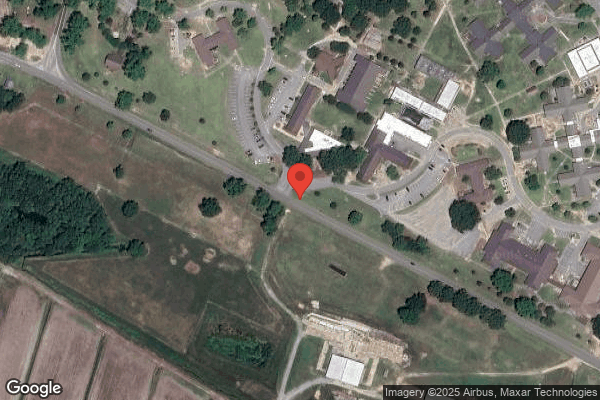
Apr 2024 4 deficiencies 2 IJ (2 affecting multiple)
CRITICAL (K) 📢 Someone Reported This

A family member, employee, or ombudsman was alarmed enough to file a formal complaint

Immediate Jeopardy (IJ) - the most serious Medicare violation

Free from Abuse/Neglect (Tag F0600)

Someone could have died · This affected multiple residents

Based on observation, record review, Responsible Party interview, staff interviews and a Physician interview, the facility failed to protect Resident #1 from neglect by not implementing effective inte...

Read full inspector narrative →
Based on observation, record review, Responsible Party interview, staff interviews and a Physician interview, the facility failed to protect Resident #1 from neglect by not implementing effective interventions to prevent a resident with a known diagnosis of PICA disorder (a mental health condition where a person compulsively eats non-food items that are harmful or toxic) from repeated incidents of accessing and ingesting medical examination gloves. On 2/21/2024, Resident #1 vomited two medical examination gloves. On 2/24/2024, a dime size object resembling a part of a medical examination glove was observed in Resident #1's enteral feeding (nutrition delivered through a tube placed into the stomach or small intestine) residual (enteral feeding not digested from the stomach). On 3/24/2024, Resident #1 vomited two medical examination gloves. On 4/5/2024, Resident #1 was found lying in bed with a medical examination glove in emesis under her pillow. The ingestion and vomiting of examination gloves created a high likelihood of serious harm such as a blockage of Resident #1's airway, choking, and aspiration (when something swallowed or vomited enters the airway or lungs). This deficient practice was for 1 of 3 residents reviewed for neglect (Resident #1). Immediate jeopardy began on 2/21/2024 when the facility neglected to implement effective interventions to prevent Resident #1 from accessing and ingesting medical examination gloves. Immediate jeopardy was removed on 4/20/2024 when the facility implemented an acceptable credible allegation of Immediate Jeopardy removal. The facility remains out of compliance at a lower level and severity of E (no harm with the potential for more than minimal harm that is not Immediate Jeopardy) to ensure monitoring systems put in place were effective. Findings included: This tag is cross referenced to: F689: Based on observation, record review, Responsible Party interview, staff interviews and a Physician interview, the facility failed to provide supervision to prevent a resident with a known diagnosis of PICA disorder (a mental health condition where a person compulsively eats non-food items that are harmful or toxic) from engaging in PICA behaviors. On 2/21/2024, Resident #1 vomited two medical examination gloves. On 2/24/2024 a dime size object resembling a part of a medical examination glove was observed in Resident #1's enteral feeding (nutrition delivered through a tube placed into the stomach or small intestine) residual (enteral feeding not digested from the stomach area). On 3/24/2024, Resident #1 vomited two medical examination gloves. On 4/5/2024 Resident #1 was found lying in bed with a medical examination glove in vomit under the edge of her pillow. The ingestion and vomiting of examination gloves created a high likelihood of serious harm such as a blockage of the resident's airway, choking, and aspiration (when something swallowed or vomited enters the airway or lungs). This deficient practice was for 1of 3 residents reviewed for accidents (Resident #1). In an interview with Advocate #1 on 4/17/2024 at 4:00 p.m., she explained she advocated for resident's rights and her investigation consisted of ensuring Resident #1's rights were not infringed upon, and abuse and neglect of care had not occurred. She stated she substantiated neglect in her investigations of Resident #1's incidents for PICA behaviors on 2/21/2024, 3/24/2024 and 4/5/2024. She explained the fact that Resident #1 swallowing gloves endangered her life, the interventions for PICA behaviors were not working to prevent Resident #1's ingestion of gloves and staff failed to ensure Resident #1's safety when a glove was found in the bed on 4/5/2024 that Resident #1 could have ingested and endangered her life. She explained since Resident #1 didn't have the behavior to search for gloves, the staff were leaving gloves where Resident #1 could find and ingest. She explained she did not investigate the incident on 2/242024 because Unit Nurse Manager #1 thought the piece of glove in the enteral residual came from a pinched/torn glove when conducting procedures with Resident #1's gastrotomy tube. The Administrator was notified of immediate jeopardy on 4/16/2024 at 12:20 PM. The facility provided the following credible allegation of immediate jeopardy removal: Identify those recipients who have suffered, or are likely to suffer, a serious adverse outcome as a result of the non-compliance. On 2/21/2024, while in the medication room, Resident #1 was observed by Nurse #1 gagging and vomiting two medical examination gloves into her lap. Resident #1 was assessed by Nurse #1 and Medical Provider. There were no signs of distress after vomiting and no further concerns. Per the facility's Policy ADM 09-25 our facility resident advocacy department and management were contacted. On 2/21/2024, the Division of Health Service Regulation (DHSR) initial report was completed and faxed. No Adult Protective Services and Law Enforcement notifications were made due to abuse not being suspected. Resident Guardian was notified by the charge nurse on duty. On, 2/21/2024, the facility Resident Advocate, Management Investigator, and Unit Nurse Manager initiated an investigation. They interviewed 5 Certified Nursing Assistants (CNA's) and 2 Registered Nurses (RN's). The results of the investigation were inconclusive. No staff acknowledges leaving gloves in proximity of the resident, we were not able to determine a trigger event, and we could not conclude with certainty when the gloves were swallowed. On 2/23/2024 Interdisciplinary Team (Occupational Therapy, Management Investigator, Speech Language Pathologist, Recreation Therapy Assistant, Risk Manager, Facility Advocate, Performance Improvement Specialist, Non-Certified Unit Manager, Behavior Specialist, MDS Nurse) meeting was held. The team agreed to place Resident #1 on enhanced supervision defined as visual monitoring while in wheelchair and a special care sheet was implemented which is written instructions for level of supervision. Resident #1 was placed on 1:1 coverage when in wheelchair not in group setting. Sufficient staffing for this unit is currently identified at 4 nurse aids for each 12 residents during waking hours. There are staff assigned to visual monitoring at the beginning of each shift. On 02/24/2024, Floor Shift Nurse Supervisors ensured staff's understanding of the changes in resident supervision requirements and the importance of maintaining enhanced supervision with her due to her PICA behavior as indicated by the Special Care Sheet during shift change briefing through a question-and-answer session. The Unit Nurse Manager followed-up to ensure understanding of the Special Care Sheet on 2/24/24 by walking rounds and conversation with cluster 2 staff. On 2/24/2024, Nurse #2 observed an approximately dime size object resembling a part of a medical examination glove in the residual enteral feeding (enteral feeding not digested from the stomach area). It was determined by the medical provider to be part of the previous ingestion. On 3/24/2024 at 10:45a.m. while staff was brushing resident's hair in the dayroom, Resident #1 gagged and coughed up two gloves. Resident was assessed by the Floor Shift Nurse Supervisor. Resident was placed on 1:1 for 24 hours by Floor Shift Nurse Supervisor until additional safety measures could be put in place. Per the facility's Policy ADM 09-25 our facility resident advocacy department and management was contacted. On 3/24/2024, the Division of Health Service Regulation (DHSR) initial report was completed and faxed. No Adult Protective Services and Law Enforcement notifications were made due to abuse not being suspected. Resident Guardian was notified by the charge nurse on duty. On, 3/24/2024, the facility Resident Advocate, Management Investigator and Unit Nurse Manager initiated an investigation. They interviewed 4 CNA's, and 1 Floor Shift Nurse Supervisor, and reviewed video footage. The results of the investigation once again inconclusive. No staff acknowledges leaving gloves in proximity of the resident, we were not able to determine a trigger event, and we could not conclude with certainty when the gloves were swallowed. On 3/24/2024 In person, in-service of Unit 2-1 staff (the unit Resident #1 resided in) on resident's change in supervision as related to PICA was initiated by Floor Shift Nurse Supervisor. Supervision was increased for Resident #1 to 1:1 for 24 hours until an area assessment could be complete. Additionally, Resident #1's supervision level was changed upon the completion of the assessment to visual supervision while in wheelchair, 15 minute checks while awake not in wheelchair, 30 minute checks while sleeping. A monitoring sheet was to be completed anytime, not in group setting. On 4/05/2024, a glove was found in Resident #1's bed between two pillows. The resident's bed had sputum and vomit in the bed, but the glove was found separate from the debris. Resident was assessed by medical provider, and the area was surveyed for additional inedible debris by the Minimum Data Set (MDS) Coordinator. Per Policy AM 09-25 the Facility Advocacy and management was contacted. Facility Advocacy determine that this was not an advocacy issue based on the glove being found between two pillows with no vomit on the second pillow. Since the pillows were stacked and vomit was only found on the top pillow, it was the conclusion of the facility advocate and management that the glove found had not yet been ingested. Based on the investigation findings, the Division of Health Service Regulation (DHSR) initial report was not completed due to the findings that this was a near miss event. On 04/05/2024 Management investigation initiated by the Unit Consultant and Unit Nurse Manager for a Root Cause Analysis and Systems improvements. The root cause analysis determined that despite education, Resident #1 still had nonedible objects in proximity. The most likely cause would be inadvertently dropping gloves or the resident pulling them out of staff pockets while staff were occupied doing resident care such as bathing, toileting, or repositioning. Resident #1 is listed as one of 13 residents with documented and care planned historical diagnosis of PICA. Due to behavior consistent with individual medical diagnosis, no other residents are actively engaging in PICA behaviors. All known behaviors are reviewed as part of the annual Minimum Data Set (MDS) assessments, care plans meetings quarterly and as part of our monthly reviews of the residents with the interdisciplinary teams including of psychology, pharmacy, dieticians, medical providers, social workers, and other members of the care team. Specify the action the entity will take to alter the process or system failure to prevent a serious adverse outcome from occurring or reoccurring, and when the action will be complete. On 2/21/2024, staff assigned to Unit 2-1 (the unit where Resident #1 resides) were in-serviced on PICA and Positive behavior supports as trained in Person Centered Care including redirection when seeking behavior (residents with compulsive behaviors tend to seek the compulsions) is observed. This was completed by the Unit Nurse Manager and the Floor Shift Nurse Supervisors in Building 2. This training was completed with direct care providers who work with Resident #1 in Unit 2-1 and staff who provide coverage from other units in Building 2. On 3/25/2024, a unit assessment was completed to determine possible sources of gloves by the Unit Nurse Manager in resident's unit (Unit 2-1) as it is not likely the resident would be moved to a different unit. The source of the gloves was not determined but the following interventions were put in place. If the resident would be relocated, the incoming Unit Nurse Manage would be responsible to ensure current interventions will be completed as part of the incoming process. The Nursing Home Administrator informed the Unit Nurse Managers present on campus of this responsibility 4/19/2024. Unit Nurse Managers not informed of this responsibility will be informed on the first day returning to work at the start of shift during morning briefing by the Nursing Home Administrator. - Removed gloves from tube feeding cart. Completed by the Unit Nurse Manager 03/24/2024 - Removed all trash cans without lids from patient care areas. Completed by the Unit Nurse Manager. 03/24/2024 - Ensured all trash cans in patient care area had lids. Completed by the Unit Nurse Manager. 03/24/2024 - Raised glove holder in medication room to prevent access completed by Unit Nurse Manager and maintenance. Work order was submitted on 3/25/24 completed on 3/28/24. On 3/26/24, the Floor Shift Nurse Supervisor initiated an in person in-service at shift change for all Unit 2-1 staff on the following. This will continue with roster at shift change until all staff have been in-serviced. This roster will be turned in to the facility compliance officer as part of the plan of correction weekly until all staff have been training or until new measures are put in place. - When providing care, ensure trash can is used and not to place trash in bags on the floor or bed. - Keep bedside free of gloves and other objects resident may ingest to be monitored by direct care staff, environmental services, and supervisors. - Change resident's supervision to Enhanced supervision to when resident is in wheelchair, she is visually supervised at all times and 15 minutes checks when in her bedroom, in her recliner with 30 minute checks when asleep. Monitoring of enhanced supervision will be conducted by the Home Life Support Assistance/charge person. On-going - Monitoring for compliance with all expectations to be done daily by Floor Shift Nurse Supervisor, Unit Nurse Manager, Nurse Aide II, Non-Certified Unit Manager by visual monitoring and paperwork review. On-going - Training of all new staff on care plans prior to working with residents with pica history will be completed by their assigned Nurse Aide II mentor and followed-up by their Floor Shift Nurse Supervisor. Rosters will be maintained on the unit. - [NAME] data to be discussed at QAA meetings quarterly and more frequently as determined by trends or frequency by the Quality Data Managers. First Meeting on 4/17/24. On 04/05/2024, in person in-servicing was initiated by the Risk Management Department and the facility advocate. This training was presented to all staff in Building 2-1 inclusive of ancillary staff such as housekeeping assigned to the area. This in-service was completed to all Unit 1 assigned staff on: - Proper use of gloves for patient care - Not wearing gloves down the halls when not providing patient care - Not keeping extra gloves in their pockets - When providing care for resident, two people should be present when providing care and to ensure proper disposal of gloves. - Document on the flow sheet proper disposal of gloves and that two people were present. - While resident is in common areas, the area should be checked for inedible objects Resident #1 may be able to consume and documented by the charge Nurse Aide every thirty minutes. - While resident is the bedroom, the resident bedroom should be checked for inedible objects Resident #1 may be able to consume by assigned staff and documented per supervision guidelines currently established as q15 (every 15 minutes) awake and q30 asleep. On 4/18/2024, the facility compliance office initiated a review by the interdisciplinary team that will review Care Plans for all (13) residents on campus who has a history of or a diagnosis of PICA to ensure appropriateness of interventions/strategies and the effectiveness of them. This will be done by 4/19/2024. The non-certified home manager will coordinate the meeting and the results will be documented in the medical records and psychology will up-date their assessments if changes are made. PICA behaviors will be monitored by Psychologist quarterly and more often as determined by changes to include an increase in behaviors being monitored. Direct Care staff will continue to input data into the Kiosk (electronic data collection system) regarding behaviors being exhibited based on the strategies determined by the team to be monitored. This process for Kiosk data input is already in place. The psychologist will collect and analyze the data to determine Behavior Strategies if needed, and Behavior Strategies will be reviewed by the clinical review team quarterly as assigned and more often based on need. Once PICA strategies are validated, the non-certified unit managers and the Unit Nurse Managers will conduct in-person in-services to educate direct care staff on understanding where to locate the PICA strategies of all residents assigned to their unit by 4/19/2024. All staff will be made aware of the location of the supervision forms containing PICA information and the requirement to carry the form on their person for the entirety of their shift. The forms for each unit will be located in a predetermined location for ease of staff will be picked up at the beginning of each shift and placed in an appropriate container for shredding at the end of shift. Any staff not receiving training by 4/19/2024 will be required to be training by the manager prior to the beginning of the next shift. The same PICA training will be presented, in person, by workforce development Nurse Educators for future New Employee Orientation. The Workforce development office was made aware of this requirement by the Compliance Officer on 04/19/2024. On 4/17/2024, in-person, campus-wide, education was initiated on PICA behaviors, and potential side effects to include death. This education will be provided by Managers with rosters to be completed and signed acknowledging the training had occurred and opportunities had been provided to ask questions. Supervisors will receive a list of all residents with PICA behaviors. This will be completed by 4/19/2024 with rosters turned in to managers to ensure all staff are trained. Once completed, rosters will be turned in to the Compliance Officer by 4/19/2024. Any staff not receiving training by 4/19/2024 will be required to be trained by the manager prior to the beginning of the next shift. The same PICA training will be presented, in person, for future New Employee Orientation by workforce development Nurse Educators for future New Employee Orientation. The Workforce development office was made aware of this requirement by the Compliance Officer on 04/19/2024. On 4/19/2024, in-person, campus-wide, education was initiated on the importance of compliance, with all prescribed treatment to include interventions, and a failure to being a negligent act. This education will be provided by Managers with rosters to be completed and signed acknowledging the training had occurred and opportunities had been provided to ask questions. This will be completed by 4/19/2024 with rosters turned in to the Compliance Officer to ensure all staff are trained. Any staff not receiving training by 4/19/2024 will be required to be trained by the manager prior to the beginning of the next shift. The same Neglect training will be presented, in person, for future New Employee Orientation. The Workforce development office was made aware of this requirement by the Compliance Officer on 04/19/2024. Alleged date of immediate jeopardy removal: 4/20/2024 Onsite validation of the immediate jeopardy removal plan was completed on 4/21/2024. Review was completed of in-service logs dated 2/21/2024 showed staff in Unit 2-1 were provided training on PICA behaviors, Resident #1's supervision level, removing objects from arms reach she can swallow, and completing a room sweep. The training was provided by the Unit Manager to staff who provided direct care to Resident #1. Interview randomly completed with a Unit Manager indicated she had received training she was responsible for communicating resident's needs to new supervisors, she removed gloves from tube feeding carts, removed all trash cans without lids from patient care areas, ensured all trash cans in patient care areas had lids, and raised a glove holder in the medication room. Record review showed the glove holder in the medication room was raised on 3/28/2024. Observations completed on 4/21/2024 showed the trash cans in Resident #1's living area had lids, there were no gloves within reach around the unit to include Resident #1's room and there were no gloves observed on the tube feeding cart. Review completed of an in-service log dated 3/26/2024 showed staff in Unit 2-1 were provided training on not placing trash bags on floor or bed when providing care, keep bedside free of gloves and other nonedible items, Resident #1 is to be supervised at all times, 15 minutes checks when in bedroom and 30 minutes checks when she's asleep. Review was completed of in-service logs dated 4/5/2024 showed staff in Unit 2-1 were provided training on only wearing gloves when providing resident care, not keeping extra gloves in their pockets, two staff were required to be present providing care to ensure proper disposal of gloves, document on flow sheet proper disposal of gloves and two people present, check the area around Resident #1 for inedible objects and document every thirty minutes, check Resident #1's bedroom for inedible objects and document every 15 minutes when awake and thirty minutes when sleeping. Review of Resident #1's enhanced monitoring was randomly checked and was completed by staff. Through interviews shift floor nurse supervisors, unit nurse managers, nurse aide II were aware they were responsible for ensuring Resident #1's monitoring sheets were completed. Record review showed the Quality Assurance and Performance Improvement (QAPI) committee had a meeting on 4/17/24 and discussed Resident #1. A review was completed of the audited list of care plans reviewed and a random selection of residents was made to ensure meetings were conducted to discuss interventions/strategies. Review of randomly selected in-service logs dated 4/19/2024 showed the Unit Nurse Manager or Non-Certified Unit Manager had in-serviced staff in their unit about the interventions in place for residents with a diagnosis of PICA. Staff were able to show where the supervision forms were stored, and staff had a current form on their person. Review of completed campus wide in-services dated 4/19/2024 showed staff received training about PICA behaviors, potential side effects of PICA behaviors, and neglect of residents. Randomly selected names from different units and shifts were selected from each in-service and were interviewed to verified they had received training. The immediate jeopardy removal date of 4/20/24 was validated.
CRITICAL (K) 📢 Someone Reported This

A family member, employee, or ombudsman was alarmed enough to file a formal complaint

Immediate Jeopardy (IJ) - the most serious Medicare violation

Accident Prevention (Tag F0689)

Someone could have died · This affected multiple residents

**NOTE- TERMS IN BRACKETS HAVE BEEN EDITED TO PROTECT CONFIDENTIALITY** Based on observation, record review, Responsible Party interview, staff interviews and a Physician interview, the facility faile...

Read full inspector narrative →
**NOTE- TERMS IN BRACKETS HAVE BEEN EDITED TO PROTECT CONFIDENTIALITY** Based on observation, record review, Responsible Party interview, staff interviews and a Physician interview, the facility failed to provide supervision to prevent a resident with a known diagnosis of PICA disorder (a mental health condition where a person compulsively eats non-food items that are harmful or toxic) from engaging in PICA behaviors. On 2/21/2024, Resident #1 vomited two medical examination gloves. On 2/24/2024 a dime size object resembling a part of a medical examination glove was observed in Resident #1's enteral feeding (nutrition delivered through a tube placed into the stomach or small intestine) residual (enteral feeding not digested from the stomach area). On 3/24/2024, Resident #1 vomited two medical examination gloves. On 4/5/2024 Resident #1 was found lying in bed with a medical examination glove in vomit under the edge of her pillow. The ingestion and vomiting of examination gloves created a high likelihood of serious harm such as a blockage of the resident's airway, choking, and aspiration (when something swallowed or vomited enters the airway or lungs). This deficient practice was for 1of 3 residents reviewed for accidents (Resident #1). Immediate jeopardy began on 2/21/2024 when Resident #1 vomited an ingested pair of medical examination gloves. Immediate jeopardy was removed on 4/20/2024 when the facility implemented an acceptable credible allegation of Immediate Jeopardy removal. The facility remains out of compliance at a lower level and severity of E (no harm with the potential for more than minimal harm that is not Immediate Jeopardy) to ensure monitoring systems put in place were effective. Findings included: Resident #1 was admitted to the facility on [DATE] with diagnoses that included intellectual disability and PICA disorder. The quarterly Minimum Data Set (MDS) assessment dated [DATE] indicated Resident #1 was rarely and/or never understood and she rarely and/or never understood others communicating with her. The staff assessment for mental status indicated the resident had short term and long-term memory problems, her cognitive skills for daily decision making were severely impaired, and she had inattention (difficulty focusing attention) that varied in frequency and severity. She used a wheelchair and required partial to moderate assistance (helper does less than half the effort) with wheeling 50 feet with two turns. She was dependent on others for all activities of daily living. Resident #1's care plan last reviewed on 1/11/2024 indicated due to her intellectual disability, she may sometimes exhibit challenging behaviors that included wandering and PICA. The goal stated Resident #1's behaviors would be managed with positive behavior and support and included different set of interventions for supervision and swallowing inedible objects. The interventions listed on the care plan for Resident #1's supervision included: standard supervision when in her bedroom that included documentation of checking her every 15 minutes; before leaving Resident #1 alone, checking that her room was clear of items that she could reach and ingest (hairbands, dryer sheets, small pieces of plastic, gloves); checking her every 30 minutes when asleep; staff continuously present and visually monitoring Resident #1 when not in her room; watching closely when self-propelling wheelchair because she is at risk for falls and PICA behavior; and watching her even when sitting still in wheelchair because she can unlock the brakes on the wheelchair brakes. The interventions due to Resident #1's history of swallowing inedible objects included: she could be [NAME] and very fast if she saw an item that she wanted to ingest; always keeping areas clear of objects within her reach she could swallow; providing redirection if she attempted to ingest an item; keeping in mind that she was capable of swallowing items that may surprise one (hair bands, dryer sheets, cotton balls, gloves, pieces of plastic); watching for signals as potential indications of PICA behaviors (frequent coughing or throat clearing, vomiting, depression, signs of nausea or stomach pain); and notifying medical staff immediately if you suspect the ingestion of something. On 2/21/2024 the following supervision protocol sheet dated 9/23/2020 (a listing of residents on the unit and their supervision level) was in place for unit 2-1 and listed Resident #1's supervision as standard supervision as follows: - 15-minute checks while awake daily. - Standard bed checks 15 minutes when in bed awake and 30 minutes checks when in bed asleep. - Close visual supervision when self-propelling her wheelchair inside her unit (example: in the hallways outside the activity/day room self-propelling her wheelchair, as long as she remained in the eyesight of the staff was fine; as soon as Resident #1 is not within staff eyesight, staff must locate her quickly) and when outside (if outside self-propelling her wheelchair, staff should be with her and keep her in their eyesight to minimize distractions or any outside hazards). - She needed to be visually monitored whenever she was in her wheelchair at all times even if she was sitting still due to her ability to unlock her brakes on the wheelchair. - Monitor Resident #1 closely during the day when in her room or activity/day room and keep areas within her arms' reach clear of objects she could swallow. - Keep her environment free of all items that she would pick up and put in her mouth. Size doesn't matter if it was something she could pick up in her hands. She may try to put it in her mouth. - Do a room sweep of her room or any room she was to enter to ensure no objects were within her reach that she could ingest. An observation of the facility campus on 4/15/2024 at 09:55 a.m. revealed there were three separate buildings on the campus that were housing residents. Each building consisted of four separate units and Resident #1 resided in unit 2-1 (Building 2, Unit 1). a. On 2/21/2024 at 2:10 p.m. Nurse #1 recorded at 9:35 a.m. that day, Resident #1 rolled herself back into the medication room; began gagging and vomited a pair of gloves. Nurse #1 recorded vital signs were checked, and Resident #1's respirations were even and unlabored, and auscultation (the action of listening to sounds from the lungs typically with a stethoscope) of the lungs was normal. A review of the Initial Allegation Report for an allegation of neglect completed on 2/22/2024 by Unit Consultant #1 indicated the facility became aware on 2/21/2024 at 10:10 a.m. of an incident that occurred at approximately 9:30 a.m. involving Resident #1. It was reported Resident #1 began gagging while in the medication/treatment room with Nurse #1 and Nurse #3 and vomited a pair of gloves. In an interview with Nurse #1 on 4/17/2024 at 1:45 p.m., she stated on the morning of 2/21/2024 after Resident #1 was administered her medications through the gastrotomy tube without any problems, she was rolled back into the hallway. She stated Resident #1 could independently self-propel her wheelchair in the hallway of the unit. She stated assigned staff were on the hall when Resident #1 was placed in the hallway, but couldn't say for certain if someone was watching Resident #1 because the staff could have been with other residents. She stated Resident #1 returned to the medication room and proceeded to vomit one inflated (filled with air) glove and then vomited another glove. She said the staff were unable to determine where Resident #1 got the gloves. At the time of the incident, she stated Resident #1 was on standard supervision with standard 15-minutes checks in the room and close visual monitoring (keep eye on) when up in wheelchair. In an interview with Unit Nurse Manager #1 on 4/15/2024 at 4:34 p.m., she stated on 2/21/2024 she observed two gloves on the floor in the medication room lying side by side that Resident #1 had vomited. The gloves were moist and there was no food observed in the emesis (vomit). She stated she didn't think that Resident #1 obtained the gloves when in the medication room because the door to the medication room and where the medication cart was positioned blocked Resident #1 from accessing the gloves in the glove holder on the wall in the medication room. She explained when Resident #1 was in the hallway, the staff were on the hallway getting other residents ready. She explained when Resident #1 was in her wheelchair, she was to be within a staff members eyesight. In an interview with Nurse Aide (NA) #2 on 4/15/2024 at 2:33 p.m. she stated the morning of 2/21/2024 Resident #1 had received a bath from the previous shift (11:00 p.m. to 7:00 a.m.). She reported she checked on Resident #1 multiple times. When Resident #1 got up to the wheelchair, she left her in the medication room to receive her medications and she proceeded to another resident's room to provide care. NA #2 stated Resident #1 was not able to stand and walk but could self-propel the wheelchair in the hallway. She explained Resident #1 was to be watched when up in the wheelchair due to PICA behaviors and stated there was someone always in the hallway. She stated when Resident #1 was in her room during the day, the assigned staff checked on her every 15 minutes to make sure no inedible objects were in her reach. When in the activity/day room, there was always someone assigned in the activity/day room to watch Resident #1 and the other residents. She explained when Resident #1 was in the activity/day room the staff were not required to document every 15-minute checks. A training roster dated 2/21/2024 documented Unit Nurse Manager #1 provided training on PICA behaviors and Resident #1's level of supervision to the nurse aides assigned to unit 2-1 where Resident #1 resided. The training information included the supervision level from the supervision protocol sheet dated 9/23/2020. Documentation of a core team meeting (interdisciplinary meeting) completed by Non-Certified Unit Manager #2 dated 2/23/2024 reported on the morning of 2/21/2024 a significant event occurred with Resident #1. It was reported that after receiving her medications, Resident #1 left the medication room. She self-propelled herself back to the medication room, gagged and a pair of medical examination gloves came out of her mouth. Physician #1 was called and didn't believe the gloves had been in the body except for a few minutes and there were no adverse effects reported. The core team reported the following actions for Resident #1's PICA behavior: - Continue standard supervision. - Continuous monitoring visually when up in wheelchair. - Staff to check and clear items in room so Resident #1 couldn't reach and ingest before leaving the room. - Communicate when assigned to Resident #1 with staff when providing activities of daily living to other residents in the unit. - Ensure someone monitored Resident #1 if assigned staff member assisting other resident in the unit. - Medication issues and anxiety needed monitoring closer at this time. - Cruise (moving about in an area with no precise destination) the hallway and notify other staff if there is reason to believe Resident #1 ingested an inedible object. Recommendations from the core meeting included: enhanced supervision for Resident #1 that consisted of the every 15-minutes checks during the day and every 30 minutes checks when asleep, before leaving the room check for inedible objects in Resident #1's reach, using trash cans with closed lids and not filling trash cans to the top, and continuous monitoring visually when Resident #1 was up in wheelchair. There was a Physician order written on 2/23/2024 for enhanced supervision while in wheel chair for Resident #1. The event follow-up report completed by Floor Shift Nurse Supervisor #2 on 2/24/2024 at 2:30 a.m. indicated Resident #1 recently had an event of trying to swallow gloves on 2/21/2024. Floor Shift Nurse Supervisor #2 marked the event as not being a significant, serious, sentinel event (an unanticipated event in patient safety event that signals a need for immediate investigation and response). The event follow-up report indicated an administrative review was conducted on 2/24/24. The management investigation report completed by Unit Manager #1 dated 2/28/2024 stated on 2/21/2024 Nurse #1 pushed Resident #1 back into the hallway after completing administration of medications . A few minutes later, Resident #1 rolled herself to the medication room, gagged and vomited an unknown object into her lap, she quickly grabbed the object and pushed it to the side of the wheelchair. When Nurse #3 moved the object, she discovered Resident #1 had vomited two examination gloves. While Nurse #3 stayed with Resident #1, Nurse #1 went to inform Unit Nurse Manager #1, Advocate #1 and Physician #1. The investigation could not identify which staff left gloves for Resident #1 to access and determined due to the failure to provide care or services necessary to prevent Resident #1 from accessing and ingesting gloves, there was a need to develop preventative measures to ensure Resident #1 had no access to examination gloves. The action plan included the following: - Re-inservicing staff on PICA and the care plan for challenging behaviors related to PICA and positive behaviors for Resident #1 on 2/21/2024. It was recorded as completed on 3/8/2024. - Re-inservicing staff on supervision level and monitoring of Resident #1 on 2/24/2024. It was recorded as completed on 3/8/2024. - Holding a core meeting with management to discuss changing supervision level for Resident #1 and following through with core meeting recommendations. It was recorded as completed on 2/23/2024. -Special care instructions (specific written instructions of care communicated to staff for a resident) for enhanced supervision for Resident #1. When she was in her wheelchair, she should have continuous visual monitoring. This was recorded as completed on 2/23/2024. - Addressing staff not conducting body checks (two staff members visualizing the resident) at the end and beginning of the work shift on 2/23/2024. It was recorded as completed on 3/15/2024. The Investigation Report sent to the state agency completed on 2/29/2024 by the Unit Consultant #1 indicated Resident #1 was in the medication room with Nurse #1 and Nurse #3 receiving her morning medications through her G-tube. Nurse #1 guided Resident #1 back into the hallway. A few seconds later, Resident #1 self-propelled her wheelchair back into the medication room. She began to gag and vomited a pair of examination gloves. The report stated Resident #1's ingestion of the examination gloves posed a risk of choking. b. Nurse #2 documented in the nurse's notes on 2/24/2024 at 2:30 a.m. the residual of Resident #1's enteral feeding was greater than 200 milliliters, and she observed small glove fragment in the enteral residual. Nursing documentation also recorded observation of coffee ground substance in the enteral residual and the gastric fluid tested positive for hidden blood. Nurse #2 recorded prior to checking the enteral residual, nursing staff reported Resident #1 was gagging. After the enteral residual was removed, Resident #1 was observed not gagging or displaying any signs of distress. A review of a facility event report dated 2/24/2024 at 2:00 a.m. completed by Nurse #2 reported when checking residuals at 2:00 a.m. a small part of grey glove was found in the gastric fluid. Nurse #2 documented coffee ground substance was also noted and the gastric fluid tested positive for blood not visualized in the gastric fluid. The severity index (category of injury on the event report) completed by Nurse #2 indicated there was no harm to Resident #1 and monitoring may have been required but no treatment. In an interview with Nurse #2 on 4/16/2024 at 6:55 a.m., she stated when checking Resident #1's enteral residual on 2/24/2024 a dime size piece of glove was observed in the enteral residual. She indicated an incident report was completed with Floor Shift Nurse Supervisor #2. Further nursing documentation on 2/24/2024 at 7:15 a.m. by Floor Shift Nurse Supervisor #2 recorded Resident #1 was to be sent to the emergency room via Emergency Medical Services (EMS) due to no gastric intake, history of PICA and vomiting. On 2/24/2024 at 7:40 a.m. Floor Shift Nurse Supervisor #2 documented the physician was called and verified reason for transferring to emergency room was due to possible gastric outlet obstruction. In an interview with Floor Shift Nurse Supervisor #2 on 4/16/2024 at 8:08 a.m., he stated on 2/24/2024 he did not observe the small fragment that looked like a piece of glove found in the enteral residual by Nurse #2. He stated he was aware of Resident #1 swallowing gloves a few days earlier (2/21/2024) and called the physician and EMS. He stated an event report was completed because he did not know if the small fragment was from a new PICA incident or from the previous incident on 2/21/2024. In an interview with Unit Nurse Manager #1 on 4/16/2024 at 1:48 p.m., she explained when investigating the incident/event of a small piece of glove in the enteral feeding residual, she felt the piece of glove could have come from a torn/pinched piece of glove when worn by the staff when caring for the gastrostomy tube. She stated no staff member had reported gloves tearing when working with the gastrotomy tube and noted the gloves Resident #1 had swallowed on 2/21/2024 were intact when vomited. In a follow up phone interview with Nurse #2 on 4/16/2024 at 4:24 p.m., she stated she did not think the small fragment of glove in Resident #1's enteral residual came from a pinched/torn glove through the G-tube port. She explained the fragment of glove was not observed in the first enteral residual. She stated she removed over 200 milliliters of enteral residual, and the glove fragment was observed in the last removal of enteral residual. A review of Resident #1's hospital records dated 2/24/2024 reported no vomiting episodes of inedible objects, and radiology tests did not report any visualization of foreign objects in the esophagus (the muscular tube that connects the throat to the stomach), stomach and intestines or a gastric obstruction. In a phone interview with NA #4 on 4/19/2024 at 8:57 a.m., she explained on the night shift (11:00 p.m. to 7 :00 a.m.) beginning on 2/23/2024 and ending on 2/24/2024 when Resident #1 vomited, she did not observe any gloves or parts of a glove in the emesis (vomit). She stated she checked on Resident #1 at night every 30 minutes and ensured there were no inedible objects in her reach. She said Resident #1 did not get out of bed during the night shift, and she was not able to reach the box of gloves on the wall at the sink in her room from her bed. The review of a significant, serious, or sentinel event follow-up report with an incident date of 2/24/2024 and signed by Floor Shift Nurse Supervisor #2 and Non-Certified Unit Manager #1 on 2/24/2024, Unit Nurse Manager #1 on 2/28/2024 and Unit Consultant #1 on 2/29/2024 indicated the following procedures were in place for Resident #1: 15-minute checks while awake in the room and 30-minute checks while in the room sleeping for supervision. The report stated on 2/23/2024 the core team agreed to enhanced supervision for Resident #1 which included continuous visual monitoring when in her wheelchair. The report indicated Resident #1's risk behaviors were managed by ensuring no items were left in her room within her reach, conducting a room sweep of every room she enters and following her supervision level (enhanced). The report stated Resident #1 had a history of PICA and needed to be monitored closely at all times. Recommendations for actions to be taken included conducting a core (interdisciplinary) team meeting. The completion date for the core team meeting was recorded as 2/28/2024. Other recommended actions that were recorded as ongoing with no completion date included following her supervision level at all times, doing a room sweep of any room Resident #1 went into to ensure no objects were close by and reporting all incidents of PICA to nursing as soon as noted. Documentation of a core team meeting (interdisciplinary meeting) completed by Non-Certified Unit Manager #1 dated 2/28/2024 reported the event of 2/21/2024 and 2/24/2024 could be linked, and Resident #1 could have swallowed some of the examination glove in the event of 2/21/2024. The core team recommended to continue enhanced supervision as recommended on 2/21/2024 and to visually monitor Resident #1 continuously when up in wheelchair and to check Resident #1 every 15-minutes when in bed or recliner during the day and 30-minute checks during the hours of sleep. Additional interventions included: (1) ensuring the room was clear of items in her reach to ingest before leaving her room; (2) communicating with fellow staff members when performing personal care to other residents to ensure someone was monitoring Resident #1 when assigned staff were with other residents; (3) having trash cans with lids that close and not filling the trash can with trash to the top; (4) staff cruising the hallway where Resident #1 resided and notify other staff members if having to leave the unit; (5) conducting a room sweep of any room Resident #1 went into to ensure no inedible objects were in her reach; and (6) monitoring more closely when Resident #1 showed signs of anxiety or experiencing medical issues. In an interview with the Director of Nursing (DON) on 4/16/2024 at 3:40 p.m. he stated he was aware of the incident/event on 2/24/2024 when a small fragment of glove was observed in Resident #1's enteral residual. He stated the event was investigated by the facility, and no new interventions for providing care to Resident #1 were needed. He explained a couple of days prior to 2/24/2024, the gloves Resident #1 had swallowed and vomited were intact (2/21/2024). He stated when Unit Nurse Manager #1 investigated the incident she reported she thought the small fragment of glove could have entered the gastrostomy tube (G-tube) through pinching and tearing a piece of a staff member's glove when connecting the syringe tip into the G-tube. He indicated at the time of the 2/24/2024 incident/event, Resident #1 had only exhibited PICA behavior once (2/21/2024). c. Nursing documentation on 3/24/2024 at 11:10 a.m. by Nurse #4 recorded nursing staff reported Resident #1 had vomited a moderate amount of emesis (vomit) and two gray gloves in the emesis. Vital signs recorded were stable, and Resident #1 was awake and alert with no distress or pain noted by Nurse #4. In an interview with Nurse #4 on 4/16/2024 at 7:27 a.m., she explained Resident #1 was fast in obtaining inedible objects and had been placed on enhanced supervision (someone watching her) when she was in her wheelchair after the event on 2/21/2024. She said she had heard Resident #1 gag like a wrenching sound in the last few months but had not witnessed her vomiting. She explained Resident #1 had gone years without exhibiting PICA behaviors and did not know why she had started back ingesting inedible objects. She said she did not know when Resident #1 ingested the gloves on 3/24/2024, and Floor Shift Nurse Supervisor #1 responded to the activity/day room to assess Resident #1. She further stated her concern with Resident #1 swallowing and vomiting gloves was the gloves would get stuck in her esophagus (muscular tube that connects the throat and stomach). A handwritten nurse's notes by Floor Shift Nurse Supervisor #1 dated 3/27/2024 stated on 3/24/2024 at 9:45 a.m. Resident #1 was found to have ingested two gloves and she was placed on one-to-one supervision for three shifts. In an interview with the Floor Shift Nurse Supervisor #1 on Unit 2-1 on 4/16/2024 at 8:44 p.m., she stated when she arrived in the activity/day room on the morning of 3/24/2024, NA #4 was holding a towel with small amount of emesis (vomit) and two whole gloves that were intact. She described the gloves as wet on the outside and squishy (soft, moist, able to squeeze). She stated there were food particles filling the fingers of the gloves and Resident #1 was observed in no distress. She explained the facility was unable to determine where Resident #1 obtained the gloves. A review of the Initial Allegation Report completed on 3/25/2024 by Unit Nurse Manager #2 indicated the facility became aware of an incident on 3/24/2024 at 10:25 a.m. of Resident #1's ingestion of gloves. The report stated while Resident #1 was unattended she ingested two gloves during a time period while in the care of a staff member (NA #2) receiving a bath and feeding. Resident #1 was transported by NA #2 to the activity/day room at 9:45 a.m. where she was in eyesight of other staff members. Within 15-30 minutes in the activity/day room, Resident #1 started gagging and vomited two gloves. Under the section of physical or mental injury/harm it indicated neglect/harm-ingestion of a foreign object- unattended. A revised Initial Allegation Report was completed on 3/26/2024 by Unit Nurse Manager #2 for the 3/24/2024 incident/event. The allegation stated Resident #1 ingested two gloves and in the activity/day room Resident #1 started gagging and vomited two gloves approximately 9:45 a.m. to 10:25 a.m. on 3/24/2024. Staff notified the nurse and an intervention was initiated immediately. Resident #1 was placed on one-to-one supervision. In an interview with NA #2 (NA assigned to Resident #1 on 3/24/2024) on 4/15/2024 at 2:33 p.m., she stated on 3/24/2024 she gave Resident #1 a shower and disposed of her gloves in the trash. She explained while providing care to another resident, NA #3 was watching Resident #1. She stated Resident #1 usually ate independently with supervision, but when she took Resident #1 to the dining area in the kitchen (the kitchen area had dining table) to eat breakfast on 3/24/2024 she acted like she wanted her (NA #2) to feed her. She said Resident #1 only ate about 50% of her meal and was not observed experiencing any problems with swallowing. She explained she took Resident #1 down to the activity/day room after breakfast where another staff member (NA #1) was present. In a follow up interview with NA #2 on 4/16/2024 at 7:53 a.m., she stated on 3/24/2024 she gave Resident #1 a shower on the trolley (stretcher). She explained she always pushed the trolley from Resident #1's room to the shower using the door in the medication room. She stated on 3/24/2024 after showering Resident #1, she left Resident #1 within her sight at the medication door while walking down the hall to obtain Resident #1's wheelchair that was located outside Resident #1 door. NA #2 stated Resident #1 was not left in reach of any gloves while in her care. In a phone interview with NA #1 on 4/20/2024 at 1:50 p.m., she stated on 3/24/2024 around 10:30 a.m. while brushing Resident #1's hair in the activity/day room, the resident began to gag. She explained she observed Resident #1 gag and vomit out two gray colored gloves from her mouth. She stated Resident #1 was not observed having any trouble expelling the gloves from her mouth and was not observed in any distress after vomiting the gloves. She said she didn't know where Resident #1 got the gloves. She explained she was not assigned to Resident #1 on 3/24/2024 and was fixing her hair as requested by NA #2. In an interview with NA #3 on 4/15/2024 at 2:52 p.m., she stated on the morning of 3/24/2024 she watched Resident #1 while the assigned NA, NA #2, provided another resident care. She explained Resident #1 was up in her wheelchair the morning of 3/24/2024 and could self-propel her wheelchair in the hallways. She said she did not provide one-to-one supervision while watching Resident #1. She explained Resident #1 remained in her eyesight along the doorway of the hall when assisting another resident until NA #2 assisted Resident #1 in her wheelchair to the dining area in the kitchen to eat. She stated she did not see Resident #1 with any gloves while watching her. In an interview with Unit Nurse Manager #2 on 4/17/2024 at 12:37 p.m., she explained she was the on-call the weekend of 3/24/2024 when staff reported Resident #1 had vomited two gloves. She stated Resident #1 was immediately placed on one-to-one supervision. The glove holder in the medication room was raised to prevent residents from reaching the gloves and all trash cans on Unit 2-1 where changed to the trash cans with lids that opened with a foot pedal. She stated she could not determine when or where Resident #1 obtained the gloves to swallow. Documentation by Non-Certified Unit Manager #1 of the core (interdisciplinary) meeting held on 3/24/2024 recorded while NA #1 was brushing Resident #1's hair, she began to gag and vomited out one glove followed by another glove. The core team reported this was the third incident of PICA behavior in the last two months. Previous interventions to supervise and to prevent Resident #1 from accessing gloves to ingest were reviewed and continued. Resident #1 was placed on one-to-one supervision on 3/24/2024 and the core team agreed that enhanced supervision (continuous visual monitoring when Resident #1 was in her wheelchair) should continue. Lids were to be placed on all the trash cans in unit 2-1 and the core team suggested utilization of trash cans with foot pedals to prevent reoccurrences of Resident #1's ingestion of gloves. The core team reported most trash cans in unit 2-1 and the activity/day room utilized foot pedals except in the bathroom, and the bathroom trash cans had lids. Staff were to ensure lids were on the trash cans in the bathroom at all times. A work order was submitted to raise the medication room glove container higher to prevent Resident #1 or other residents from getting gloves out of the container. A physician order written on 3/26/2024 indicated enhanced supervision when in the wheelchair and to ensure all trash can had lids in place. A maintenance work order dated 3/27/2024 at 12:01 p.m. by Non-Certified Unit Manager #1 requested the glove container in unit 2-1 medication room to be raised a little higher to prevent resident from reaching for gloves. The facility's plan of correction/interventions dated 3/24/2024 for Resident #1's ingestion of gloves included: - Placing Resident #1 on one-to-one supervision for 24 hours. It was recorded completed on 3/24/2024. - Unit Nurse Manager #1 to access Unit 2-1 for possible sources of gloves. As a result, the following items were completed: 1. Removal of gloves from the tube feeding cart in the medication room by Unit Nurse Manager #1. It was recorded as completed on 3/25/2024. 2. Glove holder in the medication room was raised. It was recorded as completed on 3/28/2024. 3. Ensure all trash cans in patient care area had lids. It was recorded as completed on 3/26/2024. 4. Removal of all trash cans without lids from patient care areas. It was recorded as completed on 3/25/52024. 5. When providing care ensure trash cans were used and do not place trash bags on floor or bed. This would be monitored by Floor Shift Supervisors and Non-Certified Unit Managers. It was recorded as completed on 3/26/2024. 6. Re-inservice staff on Resident #1's care plan as related to PICA by Floor Shift Supervisor #1. It was recorded as competed on 3/24/024. 7. Direct care staff, environmental services and supervisors were to keep the bedside free of gloves and other objects Resident #1 may ingest. It was recorded as completed on 3/26/2024. - Enhanced supervision when resident was in wheelchair. The Non-Certified Unit Manager and/or charge NA was to monitor enhanced supervision of Resident #1. It was recorded as completed on 3/26/2024. - Monitoring for compliance with all expectations to be done daily by the Floor Shift Supervisors, Unit Nurse Manager and Non-Certified Unit Managers. It was recorded as completed on 3/24/2024. - Verify and assess the strategies during the look back period of the annual review date for all residents with a diagnosis of PICA to [TRUNCATED]
CONCERN (E) 📢 Someone Reported This

A family member, employee, or ombudsman was alarmed enough to file a formal complaint

Potential for Harm - no one hurt, but risky conditions existed

Report Alleged Abuse (Tag F0609)

Could have caused harm · This affected multiple residents

Based on record review and staff interviews, the facility failed to report allegations of neglect to the state agency within the required timeframe. Additionally, the facility failed to report allegat...

Read full inspector narrative →
Based on record review and staff interviews, the facility failed to report allegations of neglect to the state agency within the required timeframe. Additionally, the facility failed to report allegations of neglect to Adult Protective Services (APS) and law enforcement. This deficient practice was for 1 of 3 resident reviewed for neglect. Finding included: a. A review of the Initial Allegation Report for an allegation of neglect submitted on 2/22/2024 at 2:37 p.m. indicated the facility became aware of an incident on 2/21/2024 at 10:10 a.m. for Resident #1. The initial report did not indicate local law enforcement or APS were notified. The Investigation Report completed on 2/29/2023 by for the 2/21/24 incident Resident #1 did not indicate local law enforcement or APS were notified. In a phone interview with the Administrator and Deputy Director of Standards on 4/19/2024 at 4:54 p.m., they stated the incident on 2/21/2024 was not reported to the local APS and police department because those agencies were only notified if the facility was not able to provide Resident #1 protection. They explained that generally neglect was not reported to APS and the police department unless there was a suspicion of a crime. b. A review of a facility event report dated 2/24/2024 at 2:00 a.m. indicated when checking residuals (enteral feeding not digested from the stomach area) at 02:00 a.m. a small part of a grey glove was found in the gastric fluid and a coffee ground substance. During a complaint investigation and revisit survey, the Administrator was officially notified of neglect on 4/16/2024 at 12:20 p.m. related to the 2/24/2024 incident for Resident #1. An immediate jeopardy template was provided to the Administrator. The facility did not have an initial report or an investigation report that was sent to the state agency reporting the 2/24/2024 incident regarding the small glove fragment observed in the enteral residual for Resident #1. Additionally, there was no documentation of notification to APS or the local police department. In an interview on 4/17/2024 at 4:30 p.m., the Director of Nursing (DON) verified the 2/24/2024 incident was not reported to the state agency because it was reported that the small piece of glove could have been from the 2/21/2024 incident or torn from a nurse's glove when caring for Resident #1's gastrotomy tube. In a phone interview with the Administrator and Deputy Director of Standards on 4/19/2024 at 4:54 p.m., they stated the incident on 2/24/2024 was not reported to the local APS and police department because those agencies were only notified if the facility was not able to provide Resident #1 protection. They explained that generally neglect was not reported to APS and the police department unless there was a suspicion of a crime. c. A review of the Initial Allegation Report for an allegation of neglect submitted on 3/25/2024 with no fax information for the time and the revised Initial Allegation Report submitted on 3/26/2024 at 11:29 a.m. indicated the facility became aware of an incident on 3/24/2024 at 10:25a.m. for Resident #1. The initial report and revised initial report did not indicate local law enforcement or APS were notified. The Investigation Report submitted on 3/28/2023 for the 3/24/24 incident for Resident #1did not indicate local law enforcement or APS were notified. In a phone interview with the Administrator and Deputy Director of Standards on 4/19/2024 at 4:54 p.m., they stated the incident on 3/24/2024 was not reported to the local APS and police department because those agencies were only notified if the facility was not able to provide Resident #1 protection. They explained that generally neglect was not reported to APS and the police department unless there was a suspicion of a crime. d. A core (interdisciplinary) meeting report dated 4/5/2024 recorded on the morning of 4/5/2024 at 7:50 a.m., Floor Shift Supervisor #1 was called to Resident #1's room where the resident was lying in the bed with vomit on the bed and the pillow, and there was an intact gray glove in the vomit. During a complaint investigation and revisit survey, the Administrator was officially notified of neglect on 4/16/24 at 12:20 p.m. related to the 4/5/24 incident for Resident #1. An immediate jeopardy template was provided to the Administrator. The facility did not have an initial allegation report nor an investigation report sent to the state agency related to the 4/5/2024 incident for Resident #1. Additionally, there was no documentation of notification to APS or the local police department. In an interview with the Director of Nursing (DON) on 4/17/2024 at 4:35 p.m., he verified the 4/5/2024 incident was not reported to the state agency because it was not reported to him that Resident #1 ingested the glove located on Resident #1's bed. In a phone interview with the Administrator and Deputy Director of Standards on 4/19/2024 at 4:54 p.m., they explained that generally neglect was not reported to APS and the police department unless there was a suspicion of a crime.
CONCERN (E) 📢 Someone Reported This

A family member, employee, or ombudsman was alarmed enough to file a formal complaint

Potential for Harm - no one hurt, but risky conditions existed

QAPI Program (Tag F0867)

Could have caused harm · This affected multiple residents

Based on observations, record review, responsible party interview, staff interviews and a Physician interview, the facility's Quality Assessment and Assurance (QAA) Committee failed to maintain implem...

Read full inspector narrative →
Based on observations, record review, responsible party interview, staff interviews and a Physician interview, the facility's Quality Assessment and Assurance (QAA) Committee failed to maintain implemented procedures and monitor interventions that the committee had put in place in the area of abuse and neglect (F600) following the complaint investigation survey of 11/7/2023 and the complaint investigation survey of 2/23/2024. This deficient practice was subsequently recited on the current complaint investigation survey of 4/21/2024. The continued failure during three federal surveys showed a pattern of the facility's inability to sustain an effective Quality Assurance Program. Findings included: This tag is cross referenced to: F600: Based on observation, record review, Responsible Party interview, staff interviews and a Physician interview, the facility failed to protect Resident #1 from neglect by not implementing effective interventions to prevent a resident with a known diagnosis of PICA disorder (a mental health condition where a person compulsively eats non-food items that are harmful or toxic) from repeated incidents of accessing and ingesting medical examination gloves. On 2/21/2024, Resident #1 vomited two medical examination gloves. On 2/24/2024, a dime size object resembling a part of a medical examination glove was observed in Resident #1's enteral feeding (nutrition delivered through a tube placed into the stomach or small intestine) residual (enteral feeding not digested from the stomach). On 3/24/2024, Resident #1 vomited two medical examination gloves. On 4/5/2024, Resident #1 was found lying in bed with a medical examination glove in emesis under her pillow. The ingestion and vomiting of examination gloves created a high likelihood of serious harm such as a blockage of Resident #1's airway, choking, and aspiration (when something swallowed or vomited enters the airway or lungs). This deficient practice was for 1 of 3 residents reviewed for neglect (Resident #1). During the complaint investigation survey of 11/7/2023, the facility was cited for failure to protect a resident's right to be free from staff to resident verbal abuse. During the complaint investigation survey of 2/23/2024, the facility was cited for failure to protect a resident's right to be free from staff to resident physical abuse. In an interview with the Administrator on 4/17/2024 at 5:48 p.m., she stated the Quality Assurance Performance Improvement (QAPI) committee meet quarterly and had not met since the 2/23/2024 complaint investigation survey. She indicated the previous deficiency on 2/23/2024 was related to physical abuse, not neglect.
Feb 2024 2 deficiencies 1 IJ (1 affecting multiple)
CRITICAL (K) 📢 Someone Reported This

A family member, employee, or ombudsman was alarmed enough to file a formal complaint

Immediate Jeopardy (IJ) - the most serious Medicare violation

Free from Abuse/Neglect (Tag F0600)

Someone could have died · This affected multiple residents

**NOTE- TERMS IN BRACKETS HAVE BEEN EDITED TO PROTECT CONFIDENTIALITY** Based on record review, observation, staff interviews, and review of the facility's video footage the facility failed to protect...

Read full inspector narrative →
**NOTE- TERMS IN BRACKETS HAVE BEEN EDITED TO PROTECT CONFIDENTIALITY** Based on record review, observation, staff interviews, and review of the facility's video footage the facility failed to protect the resident's right to be free from abuse when Resident #1 physically abused by Nurse Aide (NA) #1. On 2/8/24 Resident #1 was attempting to leave a common area of the facility when NA #1 stopped him from leaving by blocking the resident's exit, physically turning the resident around with her hands on his arms, and then proceeded to use the resident's ambulatory assistance device (gait vest) to forcefully move the resident 14 feet to the couch. NA #1 attempted to get Resident #1 to sit on the couch by using both hands to push on Resident #1's torso. Resident #1 resisted the seated position and attempted to stand back up twice. On the first instance, NA #1 again pushed the resident with both hands on the front of his torso to a seated position. On the second instance, Resident #1 stood up with his feet crossed resulting in the resident falling to the floor and sustaining a laceration above his right eye. He required Emergency Department treatment and 4 sutures to close the laceration. A reasonable person would have been traumatized by being physically abused by their caregiver in their home environment. This deficient practice affected 1 of 3 residents reviewed for abuse. Immediate Jeopardy began on 2/8/24 when Resident #1 was in the day room area where Resident #1 experienced physical abuse as he attempted to leave the day room area. Immediate Jeopardy was removed on 2/21/24 when the facility provided and implemented an acceptable credible allegation of Immediate Jeopardy removal. The facility remains out of compliance at a lower level and severity of D (no harm with the potential for more than minimal harm that is not Immediate Jeopardy) to ensure monitoring systems put in place were effective. Findings included: Resident #1 was admitted to the nursing facility 7/5/22. His diagnoses included intellectual disability, schizophrenia, and seizure disorder. Resident #1's most recent Minimum Data Set (MDS) assessment dated [DATE], a quarterly assessment, revealed he had severe cognitive impairment. He had physical behaviors 1-3 days directed towards others and other behaviors not directed towards others 1-3 days during the 7-day lookback period. Resident #1 was coded as needing supervision with ambulation. A review of the initial incident report dated 2/8/24 written by Nurse #3 revealed Resident #1 sustained a laceration to his head after being pushed by NA #1. There was no further information provided in the report. A phone interview was conducted with NA #1 on 2/17/24 at 10:18 AM. She reported at approximately 2:45 PM on 2/8/24 she had returned from the bathroom to the dayroom. When she got to the doorway of the dayroom, she stated she saw Resident #1 trying to leave the dayroom. She stated she asked Resident #1 to wait until another staff member came back and then she would accompany him to his room. NA #1 reported that she was unable to escort Resident #1 to his room because she didn't want to leave the NA #2 in the dayroom alone due to there not being another NA in the immediate area. NA #1 stated she turned him around using the handle on his gait vest (a vest with a handle on the back which allows caregivers to have a secure grip on the resident to safely ambulate a resident) and escorted him to the sofa. She stated he tried to get up off the sofa and she gently redirected him back. NA #1 stated the second time he tried to get up he fell over and hit the floor. NA #1 stated she was in shock and Resident #1 was bleeding. She stated she went to the bathroom to get some paper towels. She stated Resident #1 went to the hospital and she had not returned to work since the incident. NA #1 stated Resident #1 was unstable when he walked, and staff had to provide supervision when he ambulated. During an interview with NA #2, on 2/17/24 at 11:30 AM she stated she was sitting in a rolling chair in front of a sofa in the adjoining room but was able to see the incident through a large doorway. She reported she was looking at magazines with another resident and heard NA #1 state loudly to Resident #1 he needed to sit down. She stated when she heard NA #1 speaking loudly to Resident #1, she looked up and witnessed NA #1 push Resident #1 onto the sofa. NA#2 stated when he attempted to get up from the sofa, she pushed him down on the sofa again. She stated when the resident tried to get up from the sofa a second time, she witnessed Resident #1 hit the floor on his side. She stated she witnessed NA #1 leave the room headed towards the bathroom outside the day room. NA #2 stated NA #1 didn't say anything when she left the room. She went over to Resident #1 to assist. NA #2 stated she observed Resident #1 was bleeding and sat with Resident #1 until NA #1 returned with some paper towels. She stated it seemed like NA #1 was gone a long time. She further stated he had begun to cry. NA #2 stated after NA #1 came back and began to care for the resident, she went to Nurse #1 and told her that Resident #1 was bleeding due to a fall. NA #2 stated she knew a nurse was needed so she went to get one. She reported after Resident #1 left with emergency services she told her supervisor, Nurse #2, she had seen NA #1 push Resident #1 roughly and pushed him which caused him to fall to the floor. During an interview with NA #3 on 2/17/24 at 2:55 PM she stated she overhead NA #1 loudly tell Resident #1 to sit down on 2/8/23. NA #3 stated she entered the doorway of the dayroom and she saw NA #1 handle Resident #1 roughly and pushed him twice on his shoulders onto the couch. NA #3 stated Resident #1 seemed to flop in the chair when he was pushed. She reported it appeared when Resident #1 fell he was trying to get back on the sofa but missed. A review of the facility's video footage, which had no audio, from the camera view of the day room for the date of 2/8/24 (the video was not timestamped). The video footage revealed Resident #1 in the day room walking to the doorway to the hallway and was stopped by NA #1 at the doorway who was entering the dayroom from the hallway. NA #1 put her body in front of Resident #1 in the doorway, forcefully turned him around by putting her hands on his shoulders. Resident #1 tried to escape the NA's grasp by moving away from her, she grabbed him again, she was observed to spin Resident #1 around until he was facing into the day room, while the two remained at the doorway from the dayroom to the hallway. The NA then placed her hands on his shoulders and pushed him towards the sofa. Resident #1 attempted to get around her again by turning and heading back towards the doorway around NA #1, but NA #1 continued to push the resident into the dayroom and did not let the resident turn around. NA #1 placed her hands on the handle on the back of Resident #1's gait vest (a vest with a handle on the back which allows caregivers to have a secure grip on the resident to safely ambulate a resident) and turned him around towards the sofa. She then forcefully pushed and directed him to the sofa while both of them were ambulating using the handle of the gait vest to direct him where she wanted him to go. Resident #1 was resistant with NA #1 but did not exhibit any behaviors such as hitting or striking the NA. Resident #1 made an attempt to get away from NA #1. She then pushed/shoved him down onto the sofa. After she pushed him down on the sofa into a seated position with force which caused him to bounce almost instantaneously from a seated position back up to a standing position in front of NA #1. When Resident #1 got up from the sofa NA #1 pushed him down forcefully for a second time to a seated position on the sofa which caused him to bounce almost instantaneously to a standing position. When Resident #1 rose from the sofa after being pushed down onto the sofa the second time his feet were crossed at the ankles, and he fell to the floor on his right side. Resident #1 struck his head on the floor. NA #1 was standing beside Resident #1 when he fell. She looked briefly at the resident on the floor and left the room towards the bathroom outside the dayroom. NA #2 came through the large doorway from the adjoining dayroom to Resident #1 and provided care. NA #1 returned with what appeared to be paper towels and NA #2 left the area. Multiple staff were observed on the video surveillance providing care for Resident #1. Two other residents were observed in the video during the interaction between Resident #1 and NA #1. There were no observable reactions from the residents. No residents were in the path taken by NA #1 when she forcefully directed and pushed Resident #1 to the sofa. NA #3 was not visible in the video surveillance. An investigation report dated 2/16/24, written by the Unit Coordinator, revealed on the afternoon 0f 2/8/24 NA #1 reported to nursing management Resident #1 fell on the floor of the dayroom and was bleeding above his right eye. Afterwards it was discovered NA #1 pushed Resident #1 on the sofa to make him sit down. Resident #1 stood up a third time, lost his balance and fell to the floor sustaining an injury, a laceration over his right eyebrow. The incident was substantiated as abuse. An interview was conducted with Nurse #2, who was the direct supervisor of NA #1 at the time of the incident, on 2/17/24 at 2:50 PM who stated she witnessed Resident #1 on the floor of the dayroom on 2/8/24 with blood coming from his head above his right eyebrow. She reported she performed vital signs and contacted the on-call provider who stated he needed to be sent to the local emergency room. She stated she was advised by NA #1 Resident #1 tried to get off the sofa and toppled over and hit his head. Nurse #2 stated she was informed by NA #2 that NA #1 had handled Resident #1 roughly and shoved him on the couch twice which caused him to fall. She stated she immediately ensured NA #1 was taken off the floor away from residents. She stated she instructed NA #1 to sit in the employee lounge while she called her supervisor, Nurse #3. Nurse #2 stated she was instructed by Nurse #3 to send NA #1 to the Administration building. An interview was conducted with Nurse #1 on 2/17/24 at 2:33 PM who stated she was advised by NA #1 on 2/8/24 she was needed because Resident #1 was injured. She stated NA #2 told her that Resident #1 had hit his head. Nurse #1 stated she went to the dayroom and Nurse #2 was present in the dayroom. She reported Nurse #2 (the unit supervisor) assessed Resident #1 and performed vital signs. Nurse #1 stated she contacted the on-call medical provider and emergency services for transport. An interview was conducted with Nurse #3, the unit manager, on 2/17/24 at 3:00 PM. She stated she overhead a staff member say Resident #1 had fallen and he was bleeding. Nurse #2 stated when she entered the day room Resident #1 was sitting on the couch receiving care. She stated she then heard from Nurse #2 that NA #1 was abusive to Resident #1. Nurse #3 stated she ensured NA #1 was sent to the Administration building. Review of a Physician Assistant's (PA) note dated 2/8/24 revealed Resident #1 lost his balance and struck the floor face first according to information gathered from nursing. Resident #1 was seen by the physician assistant prior to transfer to the hospital. He had a 1-centimeter laceration above his right eyebrow and a developing hematoma on his right forehead and cheek. Emergency Medical Services were contacted for transport for further imaging and suture repair. Review of hospital notes dated 2/8/24 revealed Resident #1 had 4 sutures placed above his right eye. A CT (computer tomography) scan of Resident #1's head and cervical spine were negative for acute injuries. Resident #1 was sent back to the facility after being seen at the Emergency Department. During an interview conducted on 2/17/24 at 10:35 AM with the facility Deputy Director of Standards (an Assistant Administrator who supervised the Quality Assurance (QA) process), who supervised the investigation process, she stated Nurse Aide #2 and Nurse Aide #3 had stated NA #1 had pushed Resident #1 and caused him to fall. She stated she had reviewed the video surveillance and Resident #1 got up and tried to walk out of the room. She stated NA #1 pulled Resident #1 violently towards the sofa and pushed him on the sofa. The Deputy Director stated NA #1 was on investigatory leave status. She stated she had viewed the video surveillance and the actions taken by NA #1 constituted abuse. An interview with the Director of Nursing (DON) on 2/17/24 at 11:20 AM revealed NA #2 reported her concerns about NA #1 being rough with Resident #1 to Nurse #2. He reported he was meeting with Nurse #3 when she received a phone call from Nurse #2 who stated there were concerns voiced in the unit that NA #1 pushed Resident #1 and caused him to fall. He stated Nurse #3 instructed Nurse #2 to send NA #1 to the Administration building. DON stated he had viewed the video surveillance and stated NA #1 acted inappropriately and her actions constituted abuse. A phone interview was conducted with the Unit Coordinator on 2/18/24 at 9:40 AM. He stated he was very familiar with Resident #1. He stated he was involved with the investigation and had seen the video surveillance of the incident. The Unit Coordinator stated from his observation of the video surveillance it showed NA #1 place her open hands on Resident #1's chest to move him from the door way of the day rom. She used the handle on the back of the gait vest to turn him and lead him to the sofa. He stated NA #1 let go of the handles of the gait vest which caused him to flop onto the sofa. Once he was initially seated on the sofa he tried to get up and she pushed him back down. He stated he attempted to get up a second time and she pushed him down again. The Unit Coordinator stated the third time Resident #1 attempted to get up he lost his balance and hit the floor. He further stated NA #1 was not using the gait vest correctly and was forcing him to the sofa. The Unit Coordinator stated she was not being gentle in her interaction with Resident #1. An observation of Resident #1 and the day room were conducted on 2/17/23 at 11:35 AM revealed him sitting quietly in the dayroom with two other residents. He had a bandage over his right eye which and his eye was observed to be purple, discolored and bruised. Attempts to interview Resident #1 were not successful. Measurements of the distance between the doorway of the dayroom and the sofa where the fall occurred were 14 feet. An interview was conducted with the Deputy Director of Professional Services (an Assistant Administrator who supervised therapy services) on 2/18/24 at 10:35 AM who stated the gait vest worn by Resident #1 was made on-site at the facility. He stated Resident #1 required one handle on the back of his vest for stability. The Deputy Director of Professional Services stated the gait vest's handle was to be used for stability when assisting with ambulation. He stated gait vests were not to be used for directing residents to an area. The Administrator was notified of immediate jeopardy on 2/17/24 at 3:30 PM. The facility provided the following credible allegation of Immediate Jeopardy removal: Identify those recipients who have suffered, or are likely to suffer, a serious adverse outcome as a result of the non-compliance. On 2/8/24 review of surveillance video revealed at 2:57 pm, Resident #1 was attempting to leave the day room of Home 2-3 when Nurse Aide (NA) #1 came through the door, stopped Resident #1 from leaving by blocking the resident's exit, physically turning the resident around with her hands on his arms, and then proceeded to use the resident's ambulatory assistance device (gait vest) to forcefully move the resident 14 feet to the couch. When they arrived at the couch NA #1 pushed with both hands on the front of the torse of Resident #1 to a seated position. Resident #1 promptly attempted to stand, and NA #1 again pushed the resident with both hands on the front of the torso to a seated position back on the couch. Resident #1 for a second time attempted to stand, with his feet crossed, with no physical contact from anyone, fell to his right-side landing with the side of his face to the floor causing a laceration above the resident's right eye. NA #1 left the resident and day room to call for assistance. NA #2 stopped her interaction with other residents in the next room and came with material to stop the bleeding and applied pressure to Resident #1's injury on his forehead. NA #1 came back after calling for assistance and took over applying pressure to Resident #1's forehead. Nurse #1 came in and assessed Resident #1. The Physician Assistant came in and assessed Resident #1. On 2/8/2024 the Physician Assistant assessed the resident and gave orders to send Resident #1 out to the emergency department for an evaluation. On 2/8/2024 once Resident #1 was sent out via EMS, NA #2 informed Nurse #1 of the allegation of abuse regarding NA #1. Nurse #1 removed NA #1 from the area immediately upon receiving the allegation. NA#1 did not provide care to any other residents prior to being removed from the area. On 2/8/24, NA #1 was placed on investigatory leave (suspended with pay) by the Unit Nurse Manager. NA #1 was relieved of her keys and badge and instructed to report to administration. NA #1 remains on suspension pending Human Resources review. On 2/8/24, Home 2-3 nurse aides conducted body checks of remaining residents living on group home 2-3 where NA #1 was permanently assigned to ensure no signs of physical abuse were evident. On 2/8/24, the Division of Health Service Regulation (DHSR) initial report was completed and faxed. On, 2/8/24, The facility Resident Advocate, Management Investigator, and Unit Nurse Manager initiated an investigation. They interviewed NA# 1, NA# 2, Nurse# 1, and reviewed video footage. On 2/8/24, local Police were notified of the suspicion of a crime. Video footage was reviewed by the local police department. Officer #1 determined that there was not sufficient evidence of a crime for prosecution. On 2/8/24, Resident #1 returned from the local hospital where he was evaluated for the potential of a head injury. Resident #1 received 5 stiches to the laceration above his right eye and a Computed Tomography (CT) Scan was completed with negative results. No additional injuries were noted. On 2/8/24, per policy, Neuro Checks were initiated for Resident #1. No signs of impairment noted. Specify the action the entity will take to alter the process or system failure to prevent a serious adverse outcome from occurring or reoccurring, and when the action will be complete. On, 2/8/24, Director of Nursing and Facility Compliance Officer met with Floor Shift Nurse Supervisors, Home Managers, Nurse Aide Leads, Nurse Aide Administrators on Duty, and the Unit Nurse Managers present on campus and provided train the trainer education on the roles in responsibility/accountability to include: - the safety and well-being of residents, - abuse, - neglect, - exploitation, - observations and monitoring of residents, - resident involvement in activities and choices The Unit Nurse Managers, Floor Shift Nurse Supervisors, Home Managers, Nurse Aide Leads, Nurse Aide Administrators on Duty were instructed to provide training to all direct care staff at the beginning of their shifts, prior to them providing patient care and completing rosters for the training. This education was continued in person by each Floor Shift Nurse Supervisor at every group home on campus at each shift change starting 2/8/24 for all direct care staff to include, NAs, and nurses to ensure all direct care staff training was completed. To account for staff leave days and absences, The Floor Shift Nurse Supervisors will monitor the training rosters to ensure all staff permanently assigned to their group home are trained prior to resident care. The Unit Nurse Manager will review the rosters to ensure/validate all assigned staff to their clusters (3-4 group homes under one roof) are trained and submit rosters to the Compliance Officer to track progress of completion for the entire campus. Training rosters are validated and have been completed as of 2/16/2024 for all staff that worked on or before 2/16/24. Unit Nurse Managers will continue monitor staffing to ensure all staff are trained prior to start of shift after returning from leave of absence. On 2/20/24 the Facility Compliance Officer and Director of Nursing met with the facility support managers (Dietary, Housekeeping, Facility Maintenance, Business Office, Administration, Professional Services, Activities, Medical, & Human Resources) and provided train the trainer education on the roles in responsibility/accountability to include: - the safety and well-being of residents, - abuse, - neglect, - exploitation - observations and monitoring of residents, - resident involvement in activities and choices The facility support managers were instructed to provide training to all remaining staff who had not received the training on 2/8/24. The facility support managers were directed to train the staff they supervise at the beginning of their shifts completing rosters for the training. This education was conducted in person by managers starting 2/20/24 for support staff to include Dietary, Housekeeping, Facility Maintenance, Business Office, Administration, Professional Services, Activities, Medical, & Human Resources. Training rosters were submitted to the Compliance Officer to track progress of completion for the entire campus. No staff will be allowed to work until they have received the in- person education from their manager. Managers will continue monitor staffing to ensure all staff are trained prior to start of shift after returning from leave of absence. New Hires will continue to receive this training in Staff Development during New Employees Orientation. On 2/20/24 all staff train the trainer education was initiated by the Facility Director during morning rounds with the Compliance Officer, Business Manager, Director of Nursing, Assistance Director of Nursing, Unit Nurse Managers, and Director of Professional Services to ensure understanding of the following: Abuse o the facility's zero tolerance policy and o exchange of responsibility (to reemphasize the employees' ability to ask for relief when dealing with a resistant resident to decrease the likelihood of abuse occurring). Each manager and supervisor were informed of the requirement to provide educational in-services in their specific departments. This training was to be conducted in person and rosters are to be turned in to the Compliance Officer to validate against employee roster. No staff will be allowed to work until they have received the in- person education from their manager. Department Managers are instructed to monitor the training within their assigned areas by checking their staff listing against their training rosters to ensure that all assigned staff are trained, and the Compliance Officer will monitor campus wide and send out notices to supervisors to remind them to ensure their staff completes the training prior to the start of shift after returning from a leave of absence. This information will continue to be a part of New Employee Orientation. On 2/20/24 all staff were assigned Dementia training in our Learning Management System (LMS) electronic training module. This training emphasizes the following: - resident staff interactions and - gentle redirection. Completion is based upon a test of knowledge. Managers and supervisors will ensure this training is completed by all staff at the start of shift prior to resident engagement. This will be monitored by managers and staff development. Staff Development will receive confirmation when staff completes the assigned training electronically and will send out daily reports of staff who have not completed training to all managers and supervisors to ensure follow-up and completion of training by all staff. Managers will follow-up with supervisors to ensure staff are provided the opportunity to complete training prior to start of shift and supervisors will provide instructions to staff on completing the assigned training. The same Dementia Training will be presented, in person, for future New Employee Orientation. Alleged date of IJ removal: 2/21/24 Onsite validation of the immediate jeopardy removal plan was completed on 2/23/24. Interviews confirmed all staff were educated on the safety and well-being of residents, abuse, neglect, exploitation, observation and monitoring of residents and resident involvement in activities and choices. Education included review of the facility's zero tolerance policy on abuse and the exchange of responsibility. Record review also revealed the Unit Nurse Managers, Floor Shift Supervisors, Home Managers, Nurse Aide Leads and Nurse Aide Administrators of Duty were educated by the Director of Nursing and Facility Compliance Officer on the abuse policy and the facility responsibility of maintaining an effective process to ensure residents did not experience abuse. The immediate jeopardy removal date of 2/21/24 was validated.
CONCERN (E) 📢 Someone Reported This

A family member, employee, or ombudsman was alarmed enough to file a formal complaint

Potential for Harm - no one hurt, but risky conditions existed

QAPI Program (Tag F0867)

Could have caused harm · This affected multiple residents

Based on record review, observation, staff interview, and review of the facility's video footage, the facility's Quality Assessment and Assurance Committee failed to maintain implemented procedures an...

Read full inspector narrative →
Based on record review, observation, staff interview, and review of the facility's video footage, the facility's Quality Assessment and Assurance Committee failed to maintain implemented procedures and monitor interventions that the committee had previously put in place following the complaint investigation survey of 11/7/23. The deficiency is in the area of prevention of staff to resident abuse (F600). The continued failure during two federal surveys showed a pattern of the facility's inability to sustain an effective Quality Assurance Program. Findings included: This tag is cross referenced to: F600: Based on record review, observation, staff interviews, and review of the facility's video footage the facility failed to protect the resident's right to be free from abuse when Resident #1 physically abused by Nurse Aide (NA) #1. On 2/8/24 Resident #1 was attempting to leave a common area of the facility when NA #1 stopped him from leaving by blocking the resident's exit, physically turning the resident around with her hands on his arms, and then proceeded to use the resident's ambulatory assistance device (gait vest) to forcefully move the resident 14 feet to the couch. NA #1 attempted to get Resident #1 to sit on the couch by using both hands to push on Resident #1's torso. Resident #1 resisted the seated position and attempted to stand back up twice. On the first instance, NA #1 again pushed the resident with both hands on the front of his torso to a seated position. On the second instance, Resident #1 stood up with his feet crossed resulting in the resident falling to the floor and sustaining a laceration above his right eye. He required Emergency Department treatment and 4 sutures to close the laceration. A reasonable person would have been traumatized by being physically abused by their caregiver in their home environment. This deficient practice affected 1 of 3 residents reviewed for abuse.
Nov 2023 2 deficiencies
CONCERN (D) 📢 Someone Reported This

A family member, employee, or ombudsman was alarmed enough to file a formal complaint

Potential for Harm - no one hurt, but risky conditions existed

Free from Abuse/Neglect (Tag F0600)

Could have caused harm · This affected 1 resident

**NOTE- TERMS IN BRACKETS HAVE BEEN EDITED TO PROTECT CONFIDENTIALITY** Based on observations, record review, and staff, responsible party, and physician interviews the facility failed to protect a re...

Read full inspector narrative →
**NOTE- TERMS IN BRACKETS HAVE BEEN EDITED TO PROTECT CONFIDENTIALITY** Based on observations, record review, and staff, responsible party, and physician interviews the facility failed to protect a resident's right to be free from staff (Nurse Aide #2) to resident verbal abuse. This was for 1 of 3 residents (Resident #1) investigated for abuse. Findings included: Resident #1 was admitted to the facility on [DATE] with a diagnosis of traumatic brain dysfunction. A review of Resident #1's quarterly minimum data set (MDS) assessment dated [DATE] revealed she was severely cognitively impaired. Her hearing was adequate. Her vision was highly impaired. She had no speech. Resident #1 rarely or never understood or was understood. She was short tempered or easily annoyed on 2-6 days of the assessment period. There were no behaviors or rejection of care. A review of her comprehensive care plan revealed in part a problem area initiated on 3/14/23 of due to her depressive disorder due to TBI (traumatic brain injury) and intellectual disability, [name of resident] sometimes exhibits challenging behaviors, such as aggression (hitting, grabbing, pulling hair, pinching, kicking others) and agitation (banging her hands, arms, legs, feet against objects and walls). The goal dated 8/7/23 was that [name of resident]'s challenging behaviors would be managed with positive behavioral support. An approach was help [name of resident] stay calm and comfortable throughout the day: she could likely understand everything going on around her, so staff should be mindful of conversations they were having or what was on the television. A review of an Initial Allegation Report dated 10/30/23 and signed by the Director of Nursing (DON) revealed in part on 10/30/23 at 8:00 AM nurse aide (NA) #1 reported she witnessed NA #2 physically abuse and verbally threaten Resident #1 on 10/27/23. A review of the facility's investigation report dated 11/3/23 revealed in part on 10/27/23 NA #1 and NA #2 were providing care to Resident #1. Resident #1 began hitting NA #2 with her right fist. NA #2 told Resident #1 to stop hitting but Resident #1 continued to hit NA #2. NA #2 stated, My momma taught me, if anybody hits me, I supposed to hit back. It further revealed during the investigation NA #2 was asked if she made the comment in the presence of Resident #1 on 10/27/23 and NA #2 said she had. When NA #2 was asked why she made the comment, she stated it was just a conversation she was having with NA #1 at the time. When asked if she had hit Resident #1 before she made the statement, NA #2 replied, No. On 11/6/23 at 10:08 AM an interview with NA #1 indicated on 10/27/23 at about 11:30 AM she was assisting NA #2, who was assigned to Resident #1, place a lift pad under Resident #1 to transfer Resident #1 into her wheelchair. She stated it was not unusual for Resident #1 to be combative during care and try to strike the person who was on her right with her right fist or kick with her right leg. She further indicated during the care process on 10/27/23 Resident #1 began hitting NA #2, who was on Resident #1's right, with her right fist. She went on to say NA #2 took hold of Resident #1's right arm and held it down towards the bed for about 2 seconds and said, [name of resident], stop it. She stated Resident #1 struck out at NA #2 again with her right fist, NA #2 hit Resident #1's right forearm with a closed fist, took hold of Resident #1's right arm, and held it down on the bed for about 2 seconds and said, My momma taught me that if someone hits you, you hit them back and I'm not gonna let you or nobody else hit me. She went on to say Resident #1 had not appeared to react with pain or be bothered by what was said. She stated she did think Resident #1 understood things that were said. NA #1 stated while she thought that NA #2 had possibly struck Resident #1's right forearm accidentally while attempting to get ahold of it the second time, she felt the back-and-forth exchange and the words NA #2 spoke were abusive to Resident #1. On 11/6/23 at 1:04 PM a telephone interview with NA #2 indicated on 10/27/23 around 9:00 AM she and NA #1 were assisting Resident #1 with care. She stated she was positioned on Resident #1's right and NA #1 was positioned on Resident #1's left. She went on to say Resident #1 had behaviors at times which included being combative. NA #2 stated that morning Resident #1 began to hit her with her right fist in the stomach, scratch her and tried to bite her right wrist when Resident #1 was facing her although both she and NA #1 were attempting to calm Resident #1 down by reassuring her and explaining to her what they were doing. She went on to say she had briefly held Resident #1's right wrist once for about 2 seconds with her left hand while she moved her own right hand out of the way and then used both hands to roll Resident #1 towards NA #1 to complete care. She further indicated Resident #1 had not tried to hit or bite again. NA #2 stated she said to NA #1 at the time, My momma taught me if someone hits you, you hit them back. She went on to say she had not been talking to Resident #1. She further indicated she didn't know whether or not Resident #1 understood what she said, but she realized now she should not have said that. NA #2 stated she had not hit Resident #1 and would never hit a resident. On 11/6/23 at 4:12 PM a telephone interview with Nurse #1 indicated he was familiar with Resident #1. He stated he had been caring for her since her admission to the facility. He went on to say he was assigned to care for Resident #1 on 10/27/23 on the 7AM-3PM shift. He further indicated he had not observed any changes in Resident #1's behavior or emotional state that day. Nurse #1 stated it was difficult for him to say how much understanding Resident #1 had of what was said. He went on to say Resident #1's understanding seemed to fluctuate. On 11/6/23 at 4:33 PM an interview with the DON indicated a skin assessment was performed on Resident #1 on 10/30/23 and no injuries were noted. He further indicated it was determined there was no psychosocial change in Resident #1 after the event by reviewing the behavior documentation and interviewing staff who knew her well. The DON went on to say on some days Resident #1 seemed to understand and respond appropriately and on other days she did not. On 11/7/23 at 9:43 AM a telephone interview with Resident #1's Responsible Party (RP) indicated she visited Resident #1 at the facility on 10/29/23. She stated she did feel that Resident #1 understood a great deal of what was said to her. She stated Resident #1 could be very difficult at times and would strike out at you for no apparent reason. On 11/6/23 at 11:25 AM an observation of Resident #1's transfer, bathing, dressing, and grooming was conducted in the facility. Resident #1 appeared calm during care. She was not observed to exhibit any aggressive behavior. Resident #1 briefly made eye contact but was not observed to respond in any way when spoken to. On 11/7/23 at 11:16 AM a telephone interview with Resident #1's physician indicated Resident #1 had challenging behaviors including punching and kicking and was very fast. He stated he could not be sure what happened on 10/27/23. He went on to say there had probably been a lot going on. He further indicated he really couldn't say for sure if Resident #1 had understood what was said at the time or not. On 11/7/23 at 12:32 PM an interview with the Center Director indicated the facility had completed the investigation of the incident that occurred with Resident #1 on 10/27/23. She stated the investigation concluded verbal abuse had occurred but had been unable to prove physical abuse. She went on to say she had a great deal of experience with severely cognitively impaired residents. The Center Director stated it was not about the understanding of the resident. She went on to say severely cognitively impaired residents could internalize what was said in their presence even if it was not directed towards them. She further indicated the statement NA #2 made in Resident #1's presence on 10/27/23 constituted a verbal threat.
CONCERN (D) 📢 Someone Reported This

A family member, employee, or ombudsman was alarmed enough to file a formal complaint

Potential for Harm - no one hurt, but risky conditions existed

Abuse Prevention Policies (Tag F0607)

Could have caused harm · This affected 1 resident

**NOTE- TERMS IN BRACKETS HAVE BEEN EDITED TO PROTECT CONFIDENTIALITY** Based on record review and staff interviews the facility failed to implement their abuse policy for reporting an abuse allegatio...

Read full inspector narrative →
**NOTE- TERMS IN BRACKETS HAVE BEEN EDITED TO PROTECT CONFIDENTIALITY** Based on record review and staff interviews the facility failed to implement their abuse policy for reporting an abuse allegation and failed to provide protection for all residents after an abuse allegation was made. This was for 1 of 3 residents (Resident #1) investigated for abuse. Findings included: The facility's policy titled, Management Investigations last revised [DATE] read in part, Purpose: To ensure [name of facility] responds in a consistent manner in determining when an investigation is warranted and conducted relating to alleged rights infringements, significant events, and personnel situations. Policy: [name of facility] believes that each resident has the right to be free from verbal, sexual, physical, and mental abuse, corporal punishment, and involuntary seclusion, mistreatment, neglect, and misappropriation of property/exploitation. B. 1. Protective intervention: a. Upon observing, discovering, or hearing about suspected rights infringements, staff will immediately intervene, within the scope of their ability, to protect the health and safety of the resident (s) involved. c. It is solely management's responsibility to determine the need for and implement a plan of protection to safeguard resident (s) involved. The plan of protection remains in place for the duration of the investigation. D. 2. All alleged violations involving abuse, neglect, exploitation, or mistreatment, including injuries of unknown source and misappropriation of resident property, are reported immediately to the Facility Director/Administrator, to the Director of Nursing, the Medical Director or designee, Director of Standards Management, and to the facility Advocate. All alleged violations are reported to other officials as follows: a. If the events that cause the alleged violation involve abuse or result in serious bodily injury, the facility must report no later than 2 hours after the allegation is made to the state survey agency, the HCPR (Health Care Personnel Registry), and adult protection services. Resident #1 was admitted to the facility on [DATE] with a diagnosis of traumatic brain dysfunction. A review of her quarterly minimum data set (MDS) assessment dated [DATE] revealed she was severely cognitively impaired. A review of an Initial Allegation Report dated [DATE] and signed by the Director of Nursing (DON) revealed it was submitted to the state survey agency by the facility on [DATE] at 2:33 PM. It further revealed on [DATE] at 8:00 AM nurse aide (NA) #1 reported she witnessed NA #2 physically abuse and verbally threaten Resident #1 on [DATE] and failed to report it at that time. On [DATE] at 10:08 AM an interview with NA #1 indicated on [DATE] at about 11:30 AM she was assisting NA #2, who was assigned to Resident #1, place a lift pad under Resident #1 to transfer Resident #1 into her wheelchair. She stated it was not unusual for Resident #1 to be combative during care and try to strike the person who was on her right with her right fist or kick with her right leg. NA #1 went on to say if Resident #1 continued with these behaviors during care staff would stop and come back later to try again when Resident #1 calmed down. She further indicated during the care process on [DATE] Resident #1 began hitting NA #2, who was on Resident #1's right, with her right fist. She went on to say NA #2 took hold of Resident #1's right arm and held it down towards the bed for about 2 seconds and said, [name of resident], stop it. She stated NA #2 let go of Resident #1's arm when Resident #1 stopped trying to hit her. NA #1 went on to say she and NA #2 then continued care. She stated Resident #1 struck out at NA #2 again with her right fist, NA #2 hit Resident #1's right forearm with a closed fist, took hold of Resident #1's right arm, and held it down on the bed for about 2 seconds and said, My momma taught me that if someone hits you, you hit them back and I'm not gonna let you or nobody else hit me. NA #1 stated by this time they had the lift sling connected to the lift and Resident #1 had stopped trying to hit. She went on to say they then placed Resident #1 into her wheelchair. She further indicated both she and NA #2 left Resident #1's room. She went on to say Resident #1 had not appeared to react with pain or be bothered by what was said. She stated she did think Resident #1 understood things that were said. NA #1 stated while she thought that NA #2 had possibly struck Resident #1's right forearm accidentally while attempting to get ahold of it the second time, she felt the back-and-forth exchange and the words NA #2 spoke were abusive to Resident #1. She went on to say she did not report this to anyone that day, although she knew she was supposed to report abuse immediately. She stated there was a nurse on duty she could have reported to, but she felt if she had, nothing would have been done. She went on to say she could not explain why she felt this way. NA #1 stated she had not gone back into Resident #1's room the rest of the day because the situation bothered her so much. She stated NA #2 continued to care for Resident #1 the remainder of the shift until 3:30 PM. She went on to say she had not been worried about NA #2 abusing Resident #1 again, because she felt NA #2 knew she had seen what happened and wouldn't do anything else. She stated she had not worked on [DATE] or [DATE] but had thought about the incident a lot. NA #1 stated she felt like she could talk to the Nurse Supervisor because she knew her from outside the facility so when she returned to work on [DATE], she reported the incident to the Nurse Supervisor. On [DATE] at 1:04 PM a telephone interview with NA #2 indicated on [DATE] around 9:00 AM she and NA #1 were assisting Resident #1 with care. She stated she was positioned on Resident #1's right and NA #1 was positioned on Resident #1's left. She went on to say Resident #1 had behaviors at times which included being combative. NA #2 stated that morning Resident #1 began to hit her with her right fist in the stomach, scratch her and tried to bite her right wrist when Resident #1 was facing her although both she and NA #1 were attempting to calm Resident #1 down by reassuring her and explaining to her what they were doing. She went on to say she had briefly held Resident #1's right wrist once for about 2 seconds with her left hand while she moved her own right hand out of the way and then used both hands to roll Resident #1 towards NA #1 to complete care. She further indicated Resident #1 had not tried to hit or bite again. NA #2 stated she said to NA #1 at the time, My momma taught me if someone hits you, you hit them back. She went on to say she had not been talking to Resident #1. She further indicated she didn't know whether or not Resident #1 understood what she said, but she realized now she should not have said that. NA #2 stated she had not hit Resident #1 and would never hit a resident. She went on to say NA #1 had not expressed any concern to her that day about the way things went with Resident #1. She further indicated she continued to care for Resident #1 on [DATE] until her shift ended at 3:30 PM. NA #2 stated she was off [DATE] and [DATE]. She went on to say on in the morning on [DATE] the Nurse Supervisor pulled her from providing care in the living area where Resident #1 resided to another living area. She stated she provided care to the residents in this other living area until she was called to administration around 10:00 AM that morning. On [DATE] at 3:09 PM an interview with the Nurse Supervisor indicated she was working in the facility on [DATE] from 6:45 AM to 3:45 PM. She stated NA #1 did not report anything to her that day. She stated on [DATE] at about 7:45 AM NA #1 came to her and asked her what she should do if she thought she saw something she shouldn't. She went on to say she asked NA #1 what that was. She further indicated NA #1 stated she saw NA #2 hit Resident #1 on [DATE]. The Nurse Supervisor stated she immediately notified the DON and the Advocate. She went on to say the DON asked her if NA #2 was in the facility, she told him NA #2 was, and the DON told her to remove NA #2 from the living area. The Nurse Supervisor further indicated she moved NA #2 from the living area where Resident #1 resided to another living area. She stated NA #2 continued to provide care to residents in this other living area on [DATE] until NA #2 was called to administration shortly after. The Nurse Supervisor stated because the allegation of abuse was only alleged, she knew NA #2 should not be providing care to Resident #1, but because NA #2 would be called to administration shortly for questioning, she moved NA #2 to another living area until then. She went on to say this was the first abuse allegation that had been reported to her in the 7 months she had been working as the Nurse Supervisor. On [DATE] at 4:33 PM an interview with the DON indicated he thought the Advocate instructed the Nurse Supervisor to just move NA #2 to another living area on [DATE] when they became aware of the abuse allegation. On [DATE] at 11:48 AM in a follow-up interview the DON stated NA #1 should have reported the allegation of abuse immediately on [DATE] as soon as she witnessed it. He stated a skin assessment was performed on Resident #1 on [DATE] and no injuries were noted. He further indicated it was determined there was no psychosocial change in Resident #1 after the event by reviewing the behavior documentation and interviewing staff caring who knew her well. He went on to say if there was an abuse allegation the did not result in injury, the facility had 24 hours to submit the initial report to the state survey agency. The DON stated the Nurse Supervisor was new to her position. He stated she did not realize when she was told to remove NA #2 from the living area this meant she should be removed from the care of all residents and not just Resident #1. He stated once an employee was accused of resident abuse, they should immediately be removed from the care of all residents until the investigation was completed. On [DATE] at 8:35 AM an interview with Home Life Specialist #1 indicated she was the Home Life Specialist in the living area where Resident #1 resided. She stated she was working there on [DATE]. She further indicated around 7:30 AM that morning the Nurse Supervisor told her she needed to move NA #2 from where NA #2 was working (in the living area where Resident #1 resided) to another resident living area. She went on to say NA #2 was not on this other living area very long that morning until NA #2 was called to administration. Home Life Specialist #1 stated she estimated NA #2 was on this other living area from about 7:30 AM until 9:30 AM before being called to administration. On [DATE] at 8:49 AM a telephone interview with Home Life Specialist #2 indicated she was the Home Life Specialist in this other living area. She stated in the morning on [DATE] NA #2 was moved to the living area she supervised. She stated there were a lot of residents on one assignment, so she replaced an NA with NA #2. She went onto say before being called to administration that morning, NA #2 completed activities of daily living (ADL) care for one resident and assisted this resident with eating breakfast. On [DATE] at 9:05 AM a telephone interview with the Advocate indicated she was notified by the Nurse Supervisor on [DATE] that NA #1 witnessed an incident of abuse directed at Resident #1 by NA #2 on [DATE] and had not reported it. She stated she asked the Nurse Supervisor if NA #2 was working on [DATE], was told she was, and instructed the Nurse Supervisor to remove NA #2 from Resident #1's living area. She went on to say she further instructed the Nurse Supervisor to notify the DON. She stated she was not aware NA #2 continued to provide care to residents on [DATE] after the facility became aware of the abuse allegation. She went on to say she did not have anything to do with that. On [DATE] at 12:32 PM an interview with the Center Director indicated NA #1 should have reported the allegation of abuse immediately on [DATE]. She stated she was not aware NA #2 continued to provide care to residents after the facility became aware on [DATE] of the allegation she physically and verbally abused Resident #1. She stated the facility's normal procedure was a staff accused of resident abuse was removed from resident care completely. She went on to say for an allegation of abuse where there was no serious injury, the facility had 24 hours to make the initial report to the state survey agency.
Aug 2023 3 deficiencies
CONCERN (D) 📢 Someone Reported This

A family member, employee, or ombudsman was alarmed enough to file a formal complaint

Potential for Harm - no one hurt, but risky conditions existed

Deficiency F0761 (Tag F0761)

Could have caused harm · This affected 1 resident

Based on record review and staff interviews, the facility failed to ensure medications were under direct observation when Nurse #5 left medications unattended on the medication cart while she administ...

Read full inspector narrative →
Based on record review and staff interviews, the facility failed to ensure medications were under direct observation when Nurse #5 left medications unattended on the medication cart while she administered medications for 1 of 1 medication administration passes reviewed for medication storage. The Findings included: An interview was conducted on 8/14/23 at 12:15 P.M. with Nurse #5. During the interview, Nurse #5 indicated on 4/14/23 during the 8:00 A.M. medication pass, she had crushed and placed Resident #61's medications in an 8-ounce cup with approximately less than 4 ounces of water in preparation to administer Resident #61 her medication. Resident #61 was unavailable to receive the medications. Therefore, Nurse #5 stated she placed the prepared medications on the top of the medication cart. She explained she continued the medication pass and prepared medications for Resident #27. During the interview, Nurse #5 stated when she entered Resident #27's room, the medication cart was insight at the door, and she only turned away from the medication cart when retrieving a paper towel from the paper towel dispenser in Resident #27's room. Nurse #5 said when she returned to the medication cart, she observed the cup that held Resident #61's medications dissolved in water was empty except for some medication residue at the bottom of the cup. During the interview, Nurse #5 recalled observing Resident #331, who was severely cognitively impaired and able to self-propel her wheelchair, moving toward the medication cart when she entered Resident #27's room. Nurse #5 further explained she had not observed Resident #331 with Resident #61's medication cup and she was unable to say what happened to the medications she left in the cup on the medication cart. During the interview, Nurse #5 stated on 4/14/23, Resident #331 was closely observed throughout the day and had no change in her medical condition. Due to the length of time since the incident occurred, Nurse #5 was unable to recall the name of the medication she left in the cup on the medication cart. Nurse #5 stated she should have never left the medication sitting on the top of the medication cart where anyone could have removed the medications. She further explained good nursing practice was to always secure medication in a locked drawer of the medication cart until the resident was available to receive the medication. Review of Resident #61's Medication Administration Record (MAR) on 8/15/23 showed Resident #61 was ordered the following medication on 4/14/23 at 8:00 A.M: calcium carbonate 600 milligrams (mg)/vitamin D 800 units (dietary supplement) for bone health, cetirizine (antihistamine) 10mg for allergies, docusate sodium with senna (stool softener with laxative) 2 tablets for constipation, metoclopramide (assists with gut mobility stimulator) 10mg for gastroparesis (treats delayed gut emptying), omeprazole (treats heart burn) 40mg for gastritis (treats inflamed stomach lining), sorbitol solution 70% solution (laxative) 30 milliliters for constipation, sucralfate (treats stomach ulcers) 1 gram for gastritis (inflamed stomach lining). An interview was conducted on 8/14/23 at 11:50 A.M. with the Unit Manager. During the interview, the Unit Manager indicated Nurse #5 reported to her she had left Resident #61's medication unsecured on the medication cart during her 8:00 A.M. medication administration on 4/14/23. Nurse #5 told the Unit Manager when she returned to the cart after administering Resident #27 her morning medication, Nurse #5 observed the medication cup left on top of her medication cart was missing water and medication. The Unit Manager further stated she was told by Nurse #5, she had observed Resident #331 in a wheelchair self-propelling in the hallway, but she had not observed Resident #331 to take the medications. The Unit Manager stated she had observed nurses pushing medication carts down the hallway during medication administration but had not observed a nurse leaving medications unsecured on top of the medication cart. During the interview, the Unit Manager stated Nurse #5 should have locked up Resident #61's medications inside the medication cart when she was unable to administer Resident #61 their medication instead of leaving the medication unsecured on top the medication cart. An interview was conducted on 8/18/23 at 11:45 A.M. with the Administrator. During the interview, the Administrator stated all medication errors were reported to her and an investigation into the incident on 4/14/23 that involved Nurse #5 was completed. The Administrator stated the investigation determined Nurse #5 had left Resident #61's medication unattended on the top of her medication cart, but the investigation was unable to determine what happened to the medications. The Administrator stated Nurse #5 was responsible to keep all medications secured until she was actively administering the medication to the resident prescribed the medication and she further indicated medication should never be left unattended on a medication cart. The facility provided a corrective action plan on 8/19/23 at 9:45 A.M. which alleged a date of compliance of 5/5/23. The corrective action plan included. How corrective action will be accomplished for those residents found to have been affected by the deficient practice. On 4/14/23 the responsible nurse was educated by Nurse #4 the Unit Manager, on her responsibility to secure medication and the Medication Administration Policy. A Just Culture Algorithm was completed. How the facility will identify other residents having the potential to be affected by the same deficient practice: All nurses were in serviced on Safe Medication Practice and the Medication Administration policy (NSPR B 18) by Nurse #2, Nurse #3, and Nurse #4, the Unit Nurse Managers. Measures will be put into place or systemic changes made to ensure that the deficient practice will not recur: Medication was added to nurse competences for 2023 with return demonstration and knowledge test. All nurses reviewed a training power point on preventing medication errors facility by the Nurse Educator. Nurse Managers and Nurse Educator will ensure all new nurses are properly trained during new employee orientation (NEO) by administering the state approved medication administration test, completing the medication evaluation form, and verifying their nursing skills prior to them performing any duties independently. How the facility plans to monitor its performance to make sure that solutions are sustained. Nurse Managers and/or Floor Shift Nurse Supervisors will perform eight (8) monthly medication administration evaluations on nurses in their assigned clusters to ensure competencies and consistent effective performance is observed. They will provide immediate correction/remediation as needed. Evaluations will be turned into the Director of Nursing by the 5th of the following month. Medication events will be discussed during QAA (Quality Assurance Agency) quarterly meetings or more often as needed to provide a continuous assessment of trends that impact an overall reduction in medication events and safety for all. Date of compliance 5/5/23. The facility provided a corrective action plan for the incident that happened on 4/14/23. The facility corrected the deficient practice on 5/5/23. The validation process was completed on 8/18/23. Staff from different departments and who worked different shifts were interviewed and verified they had received training on safe medication practices and the medication administration policy. A review was completed of the training in-service provided to staff during the in-service and the medication administration policy. The in-service logs were reviewed, staff names were randomly selected and verified to have received training. Training records for all newly hired nurses and current staff were reviewed and the medication administration test and medication evaluation form were included in competency training for 2023. A review of the monitoring tool revealed staff had completed monthly medication administration evaluations on nurses in different clusters. The QAPI plans to include this monitoring in their next meeting. The facility's alleged date of compliance was validated to be effective 8/18/23.
CONCERN (E)

Potential for Harm - no one hurt, but risky conditions existed

Food Safety (Tag F0812)

Could have caused harm · This affected multiple residents

**NOTE- TERMS IN BRACKETS HAVE BEEN EDITED TO PROTECT CONFIDENTIALITY** Based on observations and staff interviews, the facility failed to discard expired food items from reach-in refrigerators (Clust...

Read full inspector narrative →
**NOTE- TERMS IN BRACKETS HAVE BEEN EDITED TO PROTECT CONFIDENTIALITY** Based on observations and staff interviews, the facility failed to discard expired food items from reach-in refrigerators (Cluster 1 Kitchen 101 and Cluster 2 Kitchen 201 and Kitchen 202) and dry storage area (Cluster 2 Kitchen 204) in 4 of the 10 kitchens observed at the facility. This practice had the potential to cause food borne illness. Findings Included: 1. On 8/14/2023 at 11:43 a.m. in Cluster 1 Kitchen 101, one unopened package of boiled eggs dated used by 7 [DATE] (8/7/2023) and one unopened package of boiled eggs dated used by 9 [DATE] (8/9/23) were observed in the reach-in refrigerator. In an interview with Dietary [NAME] #1 on 8/14/2023 at 11:43 a.m., she read the expirations for the packaged boiled eggs as expiring August 23rd. When asked what the number 7 and 9 were before the initials Aug on the package, she explained the eggs were to be used by 8/7/2023 and 8/9/2023. Dietary [NAME] #1 stated the two packages of eggs could not be used and discarded the two packages of eggs in the trash can. She explained it was the dietary cook's responsibility to check the reach-in refrigerator for expired food items daily and time had slipped by, and she had not checked the reach-in refrigerator that morning. She stated the kitchen's food inventory was checked weekly, and food items were rotated so food items could be used before the expired dates and the expiration for foods was checked before using to prepare food for the residents. 2. a. On 8/14/2023 at 12:07 a.m. in Cluster 2 Kitchen 201, two unopened packages of boiled eggs were observed in a reach-in refrigerator dated used by 7 [DATE] (8/7/2023). In an interview with the Food Service Supervisor #1 on 8/14/2023 at 12:07 p.m., she stated the unopened packages of boiled eggs were out of date. She explained dietary cooks checked food items in the reach-in refrigerator for expirations daily and had read the expiration date backwards. In an interview with Dietary [NAME] #2 on 8/14/2023 at 12:13 p.m., he read the expiration on the unopened packages of boiled eggs as expiring on August 23. When asked what the 7 in front of Aug meant on the package of boiled eggs, he stated he had read the expiration date backwards. He stated the two unopened packages expired 8/7/2023 and discarded the two unopened packages of eggs in the trash. b. On 8/14/2023 at 12:17 p.m. in Cluster 2 Kitchen 201, a quart of whole liquid eggs was observed in the reach in refrigerator with an expiration date 5/5/2023 on the carton. The carton of whole liquid eggs was stamped with a label dated 5/10/2023 indicating the date when the carton of whole liquid eggs was received into the kitchen. In an interview with the Food Service Supervisor #1 on 8/14/2023 at 12:17 p.m., she stated the carton of whole liquids eggs was out of date and gave the carton of whole liquid eggs to Dietary [NAME] #2 who discarded the carton of whole liquid eggs in the trash. In an interview with Dietary [NAME] #2 on 8/14/2023 at 12:18 p.m., he stated whole liquids eggs were usually delivered in a frozen state to the kitchen and stated he had not checked the reach-in refrigerator for expired food items for that day. 3. On 8/14/2023 at 12:32 p.m. in Cluster 2 Kitchen 202, seven quarts of think and easy honey consistency dairy product was observed in the reach-in refrigerator with a used by 7/27/2023 date. In an interview with Food Service Supervisor #1 on 8/14/2023 at 12:32 p.m., she stated the seven quarts of think and easy honey consistency dairy product was out of date. She removed the seven quarts out of the reach-in refrigerator and handed them to Dietary [NAME] #3 who disposed of the liquid content of the seven quarts in the sink before disposing of the cartons in the trash. In an interview with the Dietary [NAME] #3 on 8/14/2023 at 12:34 p.m., she stated all dietary cooks were to check items in the reach-in refrigerator daily for expirations. She explained it was her first day back to work from being off a few days and had missed checking the items in the reach-in refrigerator for expirations and discarding when expired. 4. On 8/14/2023 at 12:35 p.m. in Cluster 2 Kitchen 204, a 12 ounce can of cranberry was observed sitting on the front of the top shelf of the dry storage area with an expiration date of 7/10/2023 observed on the bottom of the can. Food Service Supervisor #1 removed the can of cranberry from the cabinet and discarded the can of cranberry in the trash. In an interview with Dietary [NAME] #4 on 8/14/2023 at 12:43 p.m., she explained when Cluster 2 Kitchen 204 received their shipment of new food items every Tuesday, food items were checked for expiration and old food items were rotated to the front of the cabinet. She stated when rotating and checking dry stored food items weekly, any item expired was to be discarded, and she did not know why the can of cranberry had not been discarded. In an interview with Food Service Supervisor #2 on 8/18/2023 at 12:37 p.m., he stated dietary cooks were to check and discard expired food items as needed from the reach-in refrigerators daily. He explained new food items were to be checked on delivery to the kitchens for expirations and rotated to the back of the food stock. He stated the dietary cooks did not have a daily check sheet for checking expirations in the reach-in refrigerator, but a weekly inventory was conducted in each kitchen that listed food items currently in the kitchen and if a food item was discarded due to expiration. He explained there had not been a need for the can of cranberry since the kitchens had not been able to receive turkey for months to cook, and the dietary cooks missed discarding the expired can of cranberry. He stated food items was stamped immediately with the date of delivery into the kitchen, and dietary cooks were to check expiration dates at the time of delivery for expirations also. In an interview with Facility Director on 8/18/2023 at 1:38 p.m., she stated food items were dated with an expiration dated upon delivery to the kitchens. She explained it was a standard of practice for dietary staff to check expiration of food items upon delivery, weekly with inventory, daily and before use in the reach-in refrigerators and dry storage areas. She stated any food item with an expiration date should be discarded.
MINOR (B)

Minor Issue - procedural, no safety impact

Transfer Notice (Tag F0623)

Minor procedural issue · This affected multiple residents

**NOTE- TERMS IN BRACKETS HAVE BEEN EDITED TO PROTECT CONFIDENTIALITY** Based on record review and staff interviews, the facility failed to provide a written notice of transfer/discharge for residents...

Read full inspector narrative →
**NOTE- TERMS IN BRACKETS HAVE BEEN EDITED TO PROTECT CONFIDENTIALITY** Based on record review and staff interviews, the facility failed to provide a written notice of transfer/discharge for residents who were transferred from the facility to the resident's representative or guardian and the ombudsman for 3 of 3 residents reviewed for hospitalization (Resident #14, Resident #15, and Resident #281). Findings included: 1. Resident #14 was admitted to the facility on [DATE]. A physician order dated 4/25/2023 for Resident #14 stated: To Emergency Department for bronchial asthma due to decreased oxygen saturations. A discharge Minimum Data Set (MDS) assessment dated [DATE] indicated Resident #14 was severely impaired cognitively and was discharged to an acute hospital. There was no written notice of transfer/discharge located in Resident #14's medical record. In an interview with Nurse #1 on 8/17/2023 at 11:26 a.m., she stated the physician called the Resident's Representative or Guardian before transferring residents to the hospital, and the written notice of transfer/discharge was handled by the administrative staff. She stated nursing staff did not complete a written notice of transfer/discharge when transferring residents to the hospital from the facility. In an interview with Nurse #2 on 8/18/2023 at 11:44p.m., she explained nursing staff didn't complete and send a written notice of transfer/discharge with all residents transferred to the hospital. The written notice of transfer/discharge was completed only for residents that the nursing staff thought might be admitted to the hospital and sent a copy of the written notice of transfer/discharge to the Social Worker. Nurse #2 reported she was unable to locate a written notice of transfer/discharge for Resident #14 and did not know why a written notice of transfer had not been completed on 4/25/2023. In an interview with the Social Worker Supervisor on 8/18/2023 at 11:10 am, she explained the nursing staff was responsible for completing the written notice of transfer/discharge for residents transferred from the facility. The original copy was sent with the resident to the hospital, and a copy was sent to the social worker to mail to the Resident Representative or Guardian. She stated the social workers did not keep a copy of the written notice of transfer. She said social workers were not sending a copy of the written notice of transfer/discharge to the Ombudsman because it was not part of their policy, and they were not aware they were required to send a copy to the Ombudsman. In an interview with the Social Worker #1 on 8/18/2023 at 11:10 a.m., she stated the written notice of transfer/discharge was completed by the nursing staff, and she did not keep a copy of written notices of transfer/discharge. She said she had not received a written notice of transfer for Resident #14 from the nursing staff. On 8/18/2023 at 1:08 p.m., an attempt to interview the facility's ombudsman per phone was unsuccessful. In an interview with the Director of Nursing on 8/18/2023 at 1:20 pm, he explained the written notification of transfer/discharge was completed by the nursing staff and sent with the resident to the hospital when admitted , and a copy was also sent to the Social Worker. When informed there was no written notice of transfer/discharge for Resident #14, he stated the facility did not have a procedure for checking after a resident was transferred from the facility to assure a written notice of transfer/discharge had been completed for Resident #14. In an interview with Standards Management on 8/18/2023 at 1:15 p.m., she stated nursing staff was responsible for completing the written notice of transfer/discharge and sending a copy to the Social Worker to mail to the Resident Representative or Guardian. She stated she was not aware the facility was to send a copy of the written notice of transfer/discharge to the Ombudsman, and it was not part of the facility's policy for transfers and discharges. 2. Resident #15 was admitted to the facility on [DATE]. Nursing documentation dated 7/22/2023 reported Resident #15 was transferred from the facility to the hospital for an evaluation of the left femur and returned to the facility diagnosed with a left femur fracture for pain management until since by an orthopedist. Further nursing documentation on 7/31/2023 indicated Resident #15 went to an orthopedic appointment and was sent to the hospital for surgery. A review of the orthopedic notes indicated Resident #15 was referred to the emergency room on 7/31/2023 as a direct admission to the hospital. The discharge Minimum Data Set (MDS) assessment dated [DATE] indicated Resident #15 was severely cognitively impaired and was discharged to an acute hospital. There was no written notice of transfer/discharge date d for 7/22/2023 and 7/31/2023 located on Resident #15's chart. In an interview with Nurse #2 on 8/18/2023 at 11:44 a.m., she explained a written notice of transfer/discharge was not completed by the nursing staff for all resident transfers to the hospital. A written notice of transfer/discharge was only completed for the residents admitted to the hospital, and a copy of the written notice of transfer/discharge was sent to the Social Worker. She stated she was unable to locate a copy of the written notice of transfer/discharge for Resident #15. She explained on 7/22/2023, Resident #15 was sent to the emergency room, but was not admitted and explained the reason a written notice of transfer/discharge was not completed on 7/31/2023 was because Resident #15 was a direct admit to the hospital from the orthopedic office and not from the facility. In an interview with the Social Worker Supervisor on 8/18/2023 at 11:10 am, she explained nursing staff was responsible for completing the written notice of transfer/discharge for residents transferred from the facility. The original copy was sent with the resident to the hospital, and a copy was sent to the social worker to mail to the Resident Representative or Guardian. She stated the social workers did not keep a copy of the written notice of transfer/discharge, and social workers were not sending a copy of the written notice of transfer/discharge to the Ombudsman because it was not part of their policy, and they were not aware they were required to send a copy to the Ombudsman. In an interview with the Social Worker #1 on 8/18/2023 at 11:10 a.m., she stated nursing staff completed the written notice of transfer/discharge, and she did not keep a copy of written notices of transfer/discharge. She said she had not received any written notices of transfer/discharge for Resident #15 from the nursing staff. On 8/18/2023 at 1:08 p.m., an attempt to interview the facility's ombudsman per phone was unsuccessful. In an interview with the Director of Nursing (DON) on 8/18/2023 at 1:20 pm, he explained the written notification of transfer/discharge was completed by the nursing staff and sent with the resident to the hospital when admitted , and a copy was also sent to the Social Worker. The DON could not explain why Resident #15 did not have a written notice of transfer/discharge for 7/22/2023 and 7/31/2023 and stated the facility did not have a procedure for checking after Resident #15 was transferred from the facility to assure a written notice of transfer/discharge had been completed. In an interview with Standards Management on 8/18/2023 at 1:15 p.m., she stated nursing staff was responsible for completing the written notice of transfer/discharge and sending a copy to the Social Worker to mail to the Resident Representative or Guardian. She stated she was not aware the facility was to send a copy of the written notice of transfer/discharge to the Ombudsman, and it was not part of the facility's policy for transfers and discharges. 3. Resident #281 was admitted to the facility on [DATE]. A nurse's progress note dated 4/20/23 revealed Resident #281 was discharged to a local hospital due to low oxygen levels. In an interview with the Social Worker #2 on 8/16/2023 at 4:35 PM, he stated the written notice of transfer/discharge was completed by the nursing staff and was sent to Resident #281's responsible party. He stated he was not aware the ombudsman needed to be notified. In an interview with Standards Management on 8/16/2023 at 5:17 PM, she stated nursing staff was responsible for completing the written notice of transfer/discharge and sending a copy to the Social Worker to mail to the Resident Representative or Guardian. She stated she was not aware the facility was to send a copy of the written notice of transfer/discharge to the Ombudsman, and it was not part of the facility's policy for transfers and discharges.
Understanding Severity Codes (click to expand)
Life-Threatening (Immediate Jeopardy)
J - Isolated K - Pattern L - Widespread
Actual Harm
G - Isolated H - Pattern I - Widespread
Potential for Harm
D - Isolated E - Pattern F - Widespread
No Harm (Minor)
A - Isolated B - Pattern C - Widespread

Questions to Ask on Your Visit

  • "What changes have you made since the serious inspection findings?"
  • "What safeguards are in place to prevent abuse and neglect?"
  • "Can I speak with families of current residents?"
  • "What's your RN coverage like on weekends and overnight?"

Our Honest Assessment

Strengths
  • • Licensed and certified facility. Meets minimum state requirements.
Concerns
  • • Multiple safety concerns identified: Federal abuse finding, 8 life-threatening violation(s), Special Focus Facility, $167,242 in fines, Payment denial on record. Review inspection reports carefully.
  • • 27 deficiencies on record, including 8 critical (life-threatening) violations. These warrant careful review before choosing this facility.
  • • $167,242 in fines. Extremely high, among the most fined facilities in North Carolina. Major compliance failures.
  • • Grade F (0/100). Below average facility with significant concerns.
Bottom line: This facility has a substantiated abuse finding. Extreme caution advised. Explore alternatives.

About This Facility

What is O'Berry Neuro-Medical Treatment Center's CMS Rating?

CMS assigns O'Berry Neuro-Medical Treatment Center an overall rating of 1 out of 5 stars, which is considered much below average nationally. Within North Carolina, this rating places the facility higher than 0% of the state's 100 nursing homes. A rating at this level reflects concerns identified through health inspections, staffing assessments, or quality measures that families should carefully consider.

How is O'Berry Neuro-Medical Treatment Center Staffed?

Detailed staffing data for O'Berry Neuro-Medical Treatment Center is not available in the current CMS dataset.

What Have Inspectors Found at O'Berry Neuro-Medical Treatment Center?

State health inspectors documented 27 deficiencies at O'Berry Neuro-Medical Treatment Center during 2023 to 2025. These included: 8 Immediate Jeopardy (the most serious level, indicating potential for serious harm or death), 15 with potential for harm, and 4 minor or isolated issues. Immediate Jeopardy findings are rare and represent the most serious regulatory concerns. They require immediate corrective action.

Who Owns and Operates O'Berry Neuro-Medical Treatment Center?

O'Berry Neuro-Medical Treatment Center is owned by a government entity. Government-operated facilities are typically run by state, county, or municipal agencies. The facility operates independently rather than as part of a larger chain. With 144 certified beds and approximately 119 residents (about 83% occupancy), it is a mid-sized facility located in Goldsboro, North Carolina.

How Does O'Berry Neuro-Medical Treatment Center Compare to Other North Carolina Nursing Homes?

Compared to the 100 nursing homes in North Carolina, O'Berry Neuro-Medical Treatment Center's overall rating (1 stars) is below the state average of 2.8 and health inspection rating (1 stars) is much below the national benchmark.

What Should Families Ask When Visiting O'Berry Neuro-Medical Treatment Center?

Based on this facility's data, families visiting should ask: "What changes have been made since the serious inspection findings, and how are you preventing similar issues?" "What safeguards and monitoring systems are in place to protect residents from abuse or neglect?" "Can I visit during a mealtime to observe dining assistance and food quality?" "How do you handle medical emergencies, and what is your hospital transfer rate?" These questions are particularly relevant given the facility's Immediate Jeopardy citations and the substantiated abuse finding on record.

Is O'Berry Neuro-Medical Treatment Center Safe?

Based on CMS inspection data, O'Berry Neuro-Medical Treatment Center has documented safety concerns. The facility has 1 substantiated abuse finding (meaning confirmed case of resident harm by staff or other residents). Inspectors have issued 8 Immediate Jeopardy citations (the most serious violation level indicating risk of serious injury or death). The facility is currently on the Special Focus Facility watch list (a federal program monitoring the lowest-performing 1% of nursing homes nationwide). The facility has a 1-star overall rating and ranks #100 of 100 nursing homes in North Carolina. Families considering this facility should ask detailed questions about what corrective actions have been taken since these incidents.

Do Nurses at O'Berry Neuro-Medical Treatment Center Stick Around?

O'Berry Neuro-Medical Treatment Center has not reported staff turnover data to CMS. Staff turnover matters because consistent caregivers learn residents' individual needs, medications, and preferences. When staff frequently change, this institutional knowledge is lost. Families should ask the facility directly about their staff retention rates and average employee tenure.

Was O'Berry Neuro-Medical Treatment Center Ever Fined?

O'Berry Neuro-Medical Treatment Center has been fined $167,242 across 1 penalty action. This is 4.8x the North Carolina average of $34,751. Fines at this level are uncommon and typically indicate a pattern of serious deficiencies, repeated violations, or failure to correct problems promptly. CMS reserves penalties of this magnitude for facilities that pose significant, documented risk to resident health or safety. Families should request specific documentation of what issues led to these fines and what systemic changes have been implemented.

Is O'Berry Neuro-Medical Treatment Center on Any Federal Watch List?

O'Berry Neuro-Medical Treatment Center is currently an SFF Candidate, meaning CMS has identified it as potentially qualifying for the Special Focus Facility watch list. SFF Candidates have a history of serious deficiencies but haven't yet reached the threshold for full SFF designation. The facility is being monitored more closely — if problems continue, it may be added to the official watch list. Families should ask what the facility is doing to address the issues that led to this status.