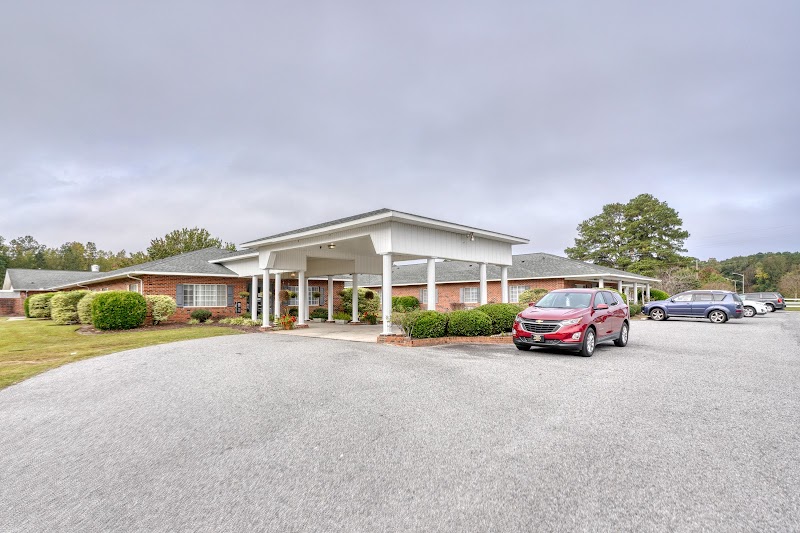
East Carolina Rehab and Wellness
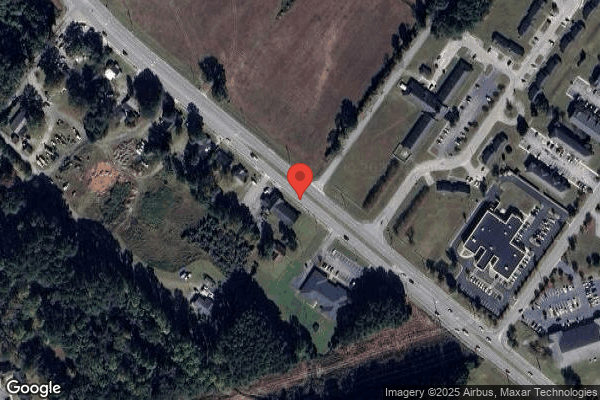

2575 W 5th Street, Greenville, NC 27834 (252) 830-9100
For profit - Limited Liability company 130 Beds Independent Data: November 2025
Trust Grade
15/100
#335 of 417 in NC
Last Inspection: December 2024

Within standard 12-15 month inspection cycle. Federal law requires annual inspections.

Overview

East Carolina Rehab and Wellness has received a Trust Grade of F, indicating significant concerns about the facility's care and management. Ranked #335 out of 417 facilities in North Carolina, they are in the bottom half, and #5 out of 6 in Pitt County means there is only one local option that is better. Although the facility is improving, having reduced issues from 22 in 2024 to just 3 in 2025, it still faces serious staffing challenges, with a turnover rate of 61%, which is higher than the state average. The facility has reported fines totaling $51,965, which is concerning but average compared to other facilities in the area. Additionally, there have been serious incidents, such as a resident sustaining a fractured arm due to a broken mechanical lift sling during transfer and a lack of fall prevention measures that led to injuries for another resident. While there are improvements in some areas, the facility's overall performance raises significant red flags for families considering care for their loved ones.
Trust Score
F
15/100
In North Carolina
#335/417
Bottom 20%
Safety Record
High Risk
Review needed
Inspections
Getting Better
22 → 3 violations
Staff Stability
⚠ Watch
61% turnover. Above average. Higher turnover means staff may not know residents' routines.
Penalties
○ Average
$51,965 in fines. Higher than 61% of North Carolina facilities. Some compliance issues.
Skilled Nurses
○ Average
Each resident gets 36 minutes of Registered Nurse (RN) attention daily — about average for North Carolina. RNs are the most trained staff who monitor for health changes.
Violations
⚠ Watch
48 deficiencies on record. Higher than average. Multiple issues found across inspections.
★☆☆☆☆
1.0
Overall Rating
★☆☆☆☆
1.0
Staff Levels
★★★☆☆
3.0
Care Quality
★★☆☆☆
2.0
Inspection Score
Stable
2024: 22 issues
2025: 3 issues

The Good

  • Full Sprinkler Coverage · Fire safety systems throughout facility
  • No fines on record

Facility shows strength in fire safety.

The Bad

1-Star Overall Rating

Below North Carolina average (2.8)

Significant quality concerns identified by CMS

Staff Turnover: 61%

15pts above North Carolina avg (46%)

Frequent staff changes - ask about care continuity

Federal Fines: $51,965

Above median ($33,413)

Moderate penalties - review what triggered them

Staff turnover is elevated (61%)

13 points above North Carolina average of 48%

The Ugly 48 deficiencies on record

2 actual harm
Sept 2025 3 deficiencies 1 Harm
SERIOUS (G) 📢 Someone Reported This

A family member, employee, or ombudsman was alarmed enough to file a formal complaint

Actual Harm - a resident was hurt due to facility failures

Accident Prevention (Tag F0689)

A resident was harmed · This affected 1 resident

**NOTE- TERMS IN BRACKETS HAVE BEEN EDITED TO PROTECT CONFIDENTIALITY** Based on observation, record review, and interviews with resident, staff, and a representative from the company that manufacture...

Read full inspector narrative →
**NOTE- TERMS IN BRACKETS HAVE BEEN EDITED TO PROTECT CONFIDENTIALITY** Based on observation, record review, and interviews with resident, staff, and a representative from the company that manufactures the mechanical lifts used at the facility, the facility failed to ensure a resident was safely transferred by a mechanical lift. A mechanical lift sling broke while Resident # 3 was being transferred resulting in Resident # 3 sustaining a fractured humerus (large bone of the upper arm). This was for 1 of 3 residents reviewed for accidents (Resident # 3).The findings included:Resident # 3 was admitted to the facility on [DATE]. The resident had diagnoses which included stroke and chronic pain.Resident # 3's quarterly Minimum Data Set assessment, dated 7/18/25, coded Resident # 3 as cognitively intact and as totally dependent on staff for transfers.Resident # 3's care plan, last updated on 8/29/25, included the information that Resident # 3 required total staff assistance for transfers.On 1/7/25 at 12:33 PM Nurse # 4 documented the following information. Two Nurse Aides were transferring Resident # 3 with a mechanical lift when one of the four straps broke, and the resident was lowered to the floor. The resident hit her head and her left shoulder. The Nurse Practitioner was made aware, and the resident was sent to the hospital for evaluation.Nurse Aide (NA) # 3 was one of the Nurse Aides who had been assisting in the transfer on 1/7/25. NA # 3 was interviewed on 9/10/25 at 3:11 PM and reported the following information. As he and NA # 4 were transferring Resident # 3 with the mechanical lift one of the straps tore away from the body of the sling where the strap was joined into the body of the sling. He had not noticed anything wrong with the sling or strap prior to the transfer, and they had been using the correct size lift sling also.NA # 4 was one of the Nurse Aides who had been assisting in the transfer on 1/7/25. NA # 4 was interviewed on 9/10/25 at 3:19 PM and reported the following information. On the day of the incident one of the straps broke away from the body of the lift sling where the strap joined the body of the sling. She had not noticed anything wrong with the lift sling prior to the incident. They lowered the resident to the floor and called the nurse immediately.Nurse # 4 was interviewed on 9/10/25 at 3:05 PM and reported the following information. It was reported to her that one of the straps broke and the resident was lowered to the floor. Resident # 3 bumped her head and left arm on the bed rail while going down. She did not recall what the sling looked like specifically that day. In general, she thought some of the slings had looked thin. After the incident Resident # 3 was sent to the hospital.Resident # 3 was interviewed on 9/9/25 at 10:00 AM and reported the following information. She recalled earlier in the year NA # 3 and NA # 4 were helping transfer her in the mechanical lift when the sling broke and she was dropped. It hurt when they dropped her. As she recalled it was her collarbone area that was broken.Review of 1/7/25 hospital records revealed Resident # 3 was evaluated in the hospital ED (Emergency Department) for left shoulder pain. The ED physician documented the following information. The resident was on Eliquis (an anticoagulant medication) at the facility. She was transferred to the ED for assessment following a fall. He had spoken to the facility staff who reported that a strap on the mechanical lift had broken, and the resident did not fully fall out of the lift. Her left arm dropped, and she hit her head on the bed rail. She was then lowered to the ground. X-rays and a CT (computerized tomography) scan were done. Resident # 3 was identified to have a left humerus fracture. An orthopedic consult was done, and the resident was not deemed to need surgery. Her arm was placed in a sling for immobilization with plans for an orthopedic follow up in three weeks. A CT of the head showed no evidence signs of hemorrhage. The resident's facility medications were reviewed by the ED physician who noted the resident already had orders for Cymbalta (used for chronic pain), baclofen (a muscle relaxer), and gabapentin (a seizure medication used to treat chronic pain) and also had orders for acetaminophen and tramadol (a controlled medication used for pain control) to be used as needed for pain. She was discharged back to the facility on 1/7/25 at 5:01 PM in stable condition according to hospital records. On 9/10/25 at 3:40 PM a Representative from the manufacturing company of the mechanical lifts was interviewed and reported the following information. It would be hard to say what had occurred with the sling without viewing the sling. It could have been that the sling was worn from normal use and laundering, or it could have been defective. The Representative indicated when incidents occur, the facility was welcome to call one of their regional representatives and the representative would come and view the sling to see if they could determine what had occurred.The Director of Nursing (DON) was interviewed on 9/8/25 at 7:38 AM and reported the following information. The lift sling was assessed by the facility after the incident, and it had been broken. The weight limit for all their slings was 600 pounds and Resident # 3 had not exceeded the weight limit of the sling. After the incident the Administrator and the Maintenance Director looked at all the lift slings and any old slings were thrown away by them. New slings were ordered by the Administrator. Every resident had a lift sling. If a lift sling was sent to laundry for laundering, the laundry personnel checked the sling before it was returned for use. There were two laundry staff members during the day and then a staff member who worked from 3:00 PM to midnight in the laundry room. These laundry staff were available to give the lift slings to a Nurse Aide after laundering. There was an in-service for the laundry room staff incident regarding checking the lift slings after laundering. The Administrator and the Maintenance Director were interviewed on 9/11/25 at 9:07 AM. The Administrator reported the following information. He had obtained the broken sling after the 1/7/25 incident and saw that it was ripped at the seam. The hook itself was not broken. He did not want the sling to ever be used again and therefore he threw it in the dumpster that day. The sling wasn't very old. Slings were replaced every six months. Resident # 3's weight had not been an issue because the sling went up to 600 pounds. After the incident, maintenance went through every sling in the facility to ensure they were in good condition and did not find other slings in disrepair. He (the Administrator) ordered new slings as well. Because the slings were seen by laundry the most, the laundry staff were inserviced to check the slings after they went through the laundry each time they were laundered to ensure they remained in good condition after the laundry process.The Administrator presented a corrective action plan which they had implemented on 1/7/25 and completed on 1/8/25. A review of the corrective action plan revealed it did not include training for the nursing staff regarding the safety of the slings. Therefore, the corrective action plan was not accepted.
CONCERN (E) 📢 Someone Reported This

A family member, employee, or ombudsman was alarmed enough to file a formal complaint

Potential for Harm - no one hurt, but risky conditions existed

Notification of Changes (Tag F0580)

Could have caused harm · This affected multiple residents

**NOTE- TERMS IN BRACKETS HAVE BEEN EDITED TO PROTECT CONFIDENTIALITY** Based on observation, record review, and interviews with staff and Physicians the facility failed to notify the physician when r...

Read full inspector narrative →
**NOTE- TERMS IN BRACKETS HAVE BEEN EDITED TO PROTECT CONFIDENTIALITY** Based on observation, record review, and interviews with staff and Physicians the facility failed to notify the physician when residents developed pressure sores for 2 of 3 sampled residents with pressure sores (Residents # 1 and Resident #8).The findings included:1. Resident # 1 resided at the facility from 3/11/25 until her discharge to the hospital on 8/29/25. Resident # 1's diagnoses included cellulitis of the lower extremities, lymphedema, venous insufficiency, chronic kidney disease, anxiety, and gout.Resident # 1's electronic record included pictures as part of the documentation regarding Resident # 1's sacral pressure sore development and assessment. The first picture was recorded on 4/4/25. In the documented picture, the sacral pressure sore appeared to have both black and yellow slough tissue in the wound bed.The electronic record did not include orders on 4/4/25 for the treatment of the pressure sore or that the physician was contacted.The Wound Care Nurse was interviewed on 9/9/25 at 4:15 PM and on 9/10/25 at 11:13 AM and reported she (the Wound Care Nurse) kept written notes that had not been included in the resident's electronic record. The Wound Care Nurse referenced these notes and reported the following information. Resident # 1 had been noncompliant with care. Resident # 1's sacral pressure sore was first identified by her on 4/1/25. She had been caring for the resident's legs on 4/1/25 because the resident had cellulitis. On 4/1/25 she saw the sacral pressure sore and measured the pressure sore. It was 7 cm (centimeters) X 6 cm and was not stageable because it had black necrosis (dead tissue). The Nurse Aide had not let her know about the pressure sore before she (the Wound Nurse) found it. She (the Wound Care Nurse) had been working closely with the Wound Physician, who visited every week, and the Wound Physician had educated her that black necrosis would need to be removed for healing to take place. In working with the Wound Physician, she had been told that skin prep would be an appropriate measure for necrotic tissue. Therefore, she applied skin prep for the first few days when she found the pressure sore with the plan that the Wound Physician would look at the pressure sore when the Wound Physician was next at the facility. She (the Wound Care Nurse) did not call and talk with the Wound Physician or the primary physician. She did not enter orders into the resident's record for skin prep to the pressure sore. On 4/4/25 Nurse Aide (NA) # 1 came to get her (the Wound Care Nurse) and told her that NA # 2 was applying a cream on the resident's bottom and that she (NA #1) thought it needed something more than a barrier cream. She again looked at the pressure sore and decided to use Santyl (which is a chemical debriding topical cream) and she dressed and cared for the pressure sore on that date. She again did not call the physician and notify the physician of the new pressure sore. On 4/8/25 the Wound Physician was notified when she was there to make rounds. On 4/8/25 the Wound Physician initiated a plan of care and orders were received.A review of the Wound Physician's 4/8/25 treatment plan revealed the orders included more than just the Santyl which the Wound Care Nurse had last initiated on 4/4/25. Both Santyl and calcium Alginate were to be applied to the wound bed daily per the Wound Physician's plan of care.The Wound Care Physician was interviewed on 9/10/25 at 4:32 PM and reported the following information. If she (the Wound Care Physician) had been contacted on 4/1/25 when Resident # 1 first was observed to have an unstageable wound to her sacrum she probably would not have ordered skin prep. The facility could contact her at any time to consult about orders. According to the Wound Physician, if she had been contacted on 4/1/25 she would have needed to consider how long it would be before she could actually see the resident and taken that into consideration in ordering what needed to be applied in the interim.During an interview with the Director of Nursing (DON) on 9/11/2025 at 7:55 AM the DON reported the following information. The facility does have standing orders for wound care. Nurses are supposed to apply Wet to Dry dressings until they can contact the physician for further orders if they identify new wounds. The facility also has protocols to use based on the appearance of the wound bed and the nurse should still contact the physician and obtain orders when a resident has a pressure sore. The DON indicated all this information is kept in a binder at the nursing desk and the nurses should know that.2. Resident # 8 was initially admitted to the facility on [DATE]. The resident had diagnoses which included diabetes, hypertension, history of stroke, dysphagia, and pain.On 7/28/25 a documented skin assessment showed no areas of skin breakdown.According to the record, Resident # 8 was hospitalized from [DATE] to 8/4/25 for altered mental status and a urinary tract infection.Upon the resident's return on 8/4/25 Nurse # 3 documented a nursing assessment. The assessment form included an area which included directions note all skin issues. On this part of the assessment form, Nurse # 3 noted sacrum. There was no further information about the size or description of what the issue was with Resident # 8's sacrum skin. There was no documentation the physician was notified on 8/4/25.Nurse # 3 was interviewed on 9/10/25 at 2:20 PM and reported she recalled Resident # 8 had an open area on the sacrum which was not deep when she was readmitted . She did not recall specific details other than that. Nurse #3 indicated would have told the Wound Care Nurse and did not recall anything else she did.On 8/4/25 the Wound Care Nurse documented a skin assessment and noted Resident # 8 had a 5.02 cm X 3.84 cm deep tissue injury to her right heel. A heel protector and specialized boot was applied. The Wound Care Nurse did not note any area of skin breakdown to Resident # 8's sacrum and she did not note the physician was notified.During interviews with the Wound Care Nurse on 9/9/25 at 4:15 PM and 9/10/25 at 11:13 AM the Wound Care Nurse reported she assessed Resident # 8's skin on 8/4/25 and she did not see an area of skin breakdown on 8/4/25 on the resident's sacrum. She did have a deep tissue injury to her right heel and she knew that skin prep would be appropriate for that. She began doing that daily with the plan for the Wound Physician to see the resident. She did not call the physician and notify the physician of any pressure sores. The Wound Care Nurse was also interviewed about how other nurses would know to do treatments when she was not there if the physician had not been consulted and orders been entered, and the Wound Care Nurse had not recognized that as a problem.There were no documented orders or treatment for any pressure sores from 8/4/25 to 8/9/25.On 8/10/25 at 9:00 PM Nurse # 2 documented Resident # 8 had a sacral wound which was observed to be open with no bleeding. The area was cleansed with normal saline and a dressing applied.Nurse # 2 was interviewed on 9/11/25 at 11:19 AM and reported the following information. She did not recall the specific appearance of Resident # 8's pressure sore on 8/10/25 when she got the one-time order to dress the pressure sore. She did recall it was open and appeared to be more than a stage one. She had told the oncoming nurse about the pressures sore and assumed that the information would be passed along to the Wound Care Nurse and physician.Review of orders and the treatment records revealed Nurse # 1 obtained a one-time order on 8/10/25 for the sacral dressing she applied and documented the dressing change on 8/10/25 on the MAR (medication administration record).Following the one-time sacral dressing application order on 8/10/25 there was no documentation the physician was consulted following the 8/10/25 one -time order for the dressing change to the sacrum until the resident was seen on 8/20/25 by the Wound Physician. On 9/11/25 at 12:05 PM the shift change report was reviewed with the Director of Nursing (DON). According to the DON, Nurse # 2 had worked a double shift which included 7:00 AM to 11:00 PM on 8/10/25. There was a notation on the shift change report that the information had been passed along to the nurse who started work at 11:00 PM on 8/10/25 that the resident had a sacral wound. According to the DON, Nurse # 3 cared for Resident # 8 on the following day of 8/11/25 starting at 7:00 AM.Nurse # 3 was interviewed on 9/11/25 at 12:15 PM and reported she could not recall specifically what she did when the information had been passed along to her in shift change report that Resident # 8 had a sacral wound on 8/11/25. She reported she would have passed the information along to the Wound Care Nurse.From 8/11/25 until 8/20/25 there was no further documentation the physician was notified about pressure sores.On 8/20/25 the Wound Physician documented she saw Resident # 8 and found a dressing to the resident's sacrum dated 8/12/25 on 8/20/25. The Wound Physician further documented the following. Resident # 8 had a Stage 4 pressure sore to the sacrum which measured 2.3 cm X 2 cm X 1 cm. There was 90 % slough and 10 % granulation tissue in the wound bed. The Wound Physician noted the area had not been known to exist by her or the Wound Care Nurse until that date (8/20/25). The treatment plan was for a medical honey and calcium alginate to be applied daily. The Wound Physician also noted Resident # 8 had deep tissue injury to her right heel which measured 5.1 x 4.7 x Not Measurable cm. The treatment plan was for a daily application of skin prep.The Wound Physician was interviewed on 9/10/25 at 4:32 PM and clarified she was not aware of the resident's sacral pressure sore until 8/20/25 and on 8/20/25 there was a dressing that was dated 8/12/25. The Wound Physician reported the facility could contact her at any time to obtain orders.The Wound Care Nurse was interviewed on 9/10/25 at 11:13 AM and reported the following information. She did not recall an old dressing being on Resident # 8's sacrum when the pressure sore was found on 8/20/25. She did not know about the pressure sore until 8/20/25. She had been on vacation from 8/11/25 to 8/15/25.On 9/8/25 an order was entered into the electronic record per the Nurse Practitioner for a hospice referral.During an interview with the DON on 9/11/25 at 7:55 AM, the DON reported the following information. Resident # 8 had been declining recently. She used to eat and be involved in activities in the facility but had stopped eating and attending activities. Resident #8 also had some underlying medical problems and recent gynecological bleeding problems that had not fully been diagnosed yet. Regarding the care of Resident # 8's pressure sores, the DON reported the nurses should contact the physician about new pressures sores and obtain orders to treat any new pressure sores.On 9/10/25 at 1:30 PM the Wound Care Nurse was observed as she provided wound care for Resident # 8. Resident # 8's right heel appeared to have both pink and black tissue in the wound bed and was approximately the size of a baby food jar lid. The sacral pressure sore wound bed appeared to be pink and healing. During the interview with the Wound Care Physician on 9/10/25 at 4:32 PM the Wound Care Physician reported Resident # 8's sacral pressure sore had improved, and she did not think a lack of notifying the physician and carrying out wound care orders had resulted in the resident having a negative outcome. During an interview with the facility Medical Director on 9/11/25 at 11:45 AM, who served as the resident's primary physician, the physician reported the following information. The NP who had given the hospice order was not available that day. If Resident # 8 was appropriate for hospice services and also a diabetic, then it might be that the wounds would not heal regardless of treatment. She had not been aware of problems with communication about wound care to the facility's Wound Physician.
CONCERN (E) 📢 Someone Reported This

A family member, employee, or ombudsman was alarmed enough to file a formal complaint

Potential for Harm - no one hurt, but risky conditions existed

Pressure Ulcer Prevention (Tag F0686)

Could have caused harm · This affected multiple residents

**NOTE- TERMS IN BRACKETS HAVE BEEN EDITED TO PROTECT CONFIDENTIALITY** Based on observation, record review, and interviews with staff and physicians the facility failed to 1) ensure Nurse Aides repor...

Read full inspector narrative →
**NOTE- TERMS IN BRACKETS HAVE BEEN EDITED TO PROTECT CONFIDENTIALITY** Based on observation, record review, and interviews with staff and physicians the facility failed to 1) ensure Nurse Aides reported skin breakdown to a nurse prior to the wound bed being unstageable (Resident # 1); 2) ensure effective communication amongst nursing staff and the Wound Physician to ensure orders were obtained, initiated, and carried out for pressure sore treatments per the Wound Care Physician's plan of care (Resident # 1 and Resident #8); 3) ensure further diagnostic studies were completed per the Wound Care Physician's directions when a wound continued not to heal (Resident # 1), and 4) ensure the settings of a pressure relieving air mattress were set correctly for pressure relief (Resident # 8). This was for 2 of 3 of three sampled residents with pressure sores (Residents # 1 and # 8). The findings included:1. Resident # 1 resided at the facility from 3/11/25 until her discharge to the hospital on 8/29/25. Resident # 1's diagnoses included cellulitis of the lower extremities, lymphedema, venous insufficiency, chronic kidney disease, anxiety, and gout.Resident # 1's admission Minimum Data Set assessment, dated 3/17/25, coded Resident # 1 as cognitively intact and as needing substantial to maximum staff assistance for bathing needs. The resident was coded as needing partial to moderate assistance with turning in bed. Resident # 1 was not coded as having a pressure sore upon admission. She was coded as having verbal behaviors.Resident # 1's care plan, initiated on 3/12/25 and last updated on 8/29/25, included information that Resident # 1 had a pressure sore to her sacrum for which she required treatment. The care plan also included information that Resident # 1 had the potential to show verbal and physical aggression and that she could be resistive to wound care. Staff were directed on the care plan to educate the resident about possible outcomes of noncompliance.Resident # 1's electronic record included pictures as part of the documentation regarding Resident # 1's sacral pressures sore development and assessment. The first picture was recorded on 4/4/25. In the documented picture, the sacral pressure sore appeared to have both black and yellow slough tissue in the wound bed.The electronic record did not include orders on 4/4/25 for the treatment of the pressure sore.A review of Resident # 1's April 2025 Medication Administration Record and Treatment Administration Record revealed no documented treatment from 4/1/25 through 4/11/25. Documentation on these records showed that sacral pressure sore treatment began on 4/12/25.The Wound Care Nurse was interviewed on 9/9/25 at 4:15 PM and on 9/10/25 at 11:13 AM and reported she (the Wound Care Nurse) kept written notes that had not been included in the resident's electronic record. The Wound Care Nurse referenced these notes and reported the following information. Resident # 1 had been noncompliant with care. Resident # 1's sacral pressure sore was first identified by her on 4/1/25. She had been caring for the resident's legs on 4/1/25 because the resident had cellulitis. On 4/1/25 she saw the sacral pressure sore and measured the pressure sore. It was 7 cm (centimeters) X 6 cm and was not stageable because it had black necrosis (dead tissue). The Nurse Aide had not let her know about the pressure sore before she (the Wound Nurse) found it. She (the Wound Care Nurse) had been working closely with the Wound Physician, who visited every week, and the Wound Physician had educated her that black necrosis would need to be removed for healing to take place. In working with the Wound Physician, she had been told that skin prep would be an appropriate measure for necrotic tissue. Therefore, she applied skin prep for the first few days when she found the pressure sore with the plan that the Wound Physician would look at the pressure sore when the Wound Physician was next at the facility. She (the Wound Care Nurse) did not call and talk with the Wound Physician or the primary physician. She did not enter orders into the resident's record for skin prep to the pressure sore. On 4/4/25 Nurse Aide (NA) # 1 came to get her (the Wound Care Nurse) and told her that NA # 2 was applying a cream on the resident's bottom and that she (NA #1) thought it needed something more than a barrier cream. She again looked at the pressure sore and decided to use Santyl (which is a chemical debriding topical cream). She dressed and cared for the pressure sore on that date by doing so. During the interview with the Wound Care Nurse, the yearly calendar was reviewed with the Wound Care Nurse, and it was pointed out that the dates of 4/5/25 and 4/6/25 would have corresponded to a week-end. The Wound Care Nurse reported she worked week-days and that the floor nurses would have cared for the pressure sore on the week-end. The Wound Care Nurse was interviewed regarding how the primary care nurses would have known that the resident had a sacral pressure sore or what treatment orders should be followed if there were no orders entered into the resident's record. The Wound Care Nurse reported she had not recognized that as a problem.NA # 1 was interviewed on 9/10/25 at 2:50 PM and reported the following information. She did not recall a specific date but recalled that NA # 2 had called her to look at Resident # 1's bottom. NA # 2 was putting a barrier cream on an open skin area the resident had, and NA # 2 wanted her (NA # 1) to look at it. At the time, the open skin area was black and white, and she (NA # 1) told NA # 2 that it needed to be reported to the Wound Care Nurse. The Wound Care Nurse was notified that day.The Wound Care Physician was interviewed on 9/10/25 at 4:32 PM and reported the following information. She perceived the Wound Care Nurse to be very diligent in her work and very reliable but if she (the Wound Care Physician) had been contacted on 4/1/25 when Resident # 1 first was observed to have an unstageable wound she probably would not have ordered skin prep. The facility can contact her at any time to consult about orders. According to the Wound Physician, if she had been contacted on 4/1/25 she would have needed to consider how long it would be before she could actually see the resident and taken that into consideration in ordering what needed to be applied in the interim.Interview with the DON (Director of Nursing) on 9/11/25 at 11:10 AM revealed the following. NA # 2 was not available for interview during the survey. Nurse # 1 had cared for Resident # 1 on 4/5/25 (Saturday) and Nurse # 2 had cared for Resident # 1 on 4/6/25 (Sunday).An attempt was made to interview Nurse # 1 on 9/11/25 at 11:33 AM and she could not be reached for interview.Nurse # 2, who had cared for Resident # 1 on 4/6/25 (Sunday), was interviewed on 9/11/25 at 11:19 AM and reported the following information. She did not work full time at the facility, and she would not have known Resident # 1 had a pressure sore in order to do a treatment for the resident if there had been no orders. She did not ever recall caring for a pressure sore for Resident # 1.According to the record, Resident # 1 was seen by the Wound Physician on 4/8/25 for the first time. The Wound Physician documented the following information. The resident had a pressure sore with a duration of greater than four days. It measured 7 cm x 6 cm with a not measurable depth. It was 70% black necrotic tissue and, 20 % thick devitalized necrotic tissue, and 10 % granulation tissue. The Wound Physician's treatment plan for the sacral pressure sore included the following. The pressure sore was to be cleaned and an application of Santyl and Calcium Alginate was to be applied to the pressure sore on a daily basis or as needed for soiling.According to Resident # 1's electronic record, the Wound Physician's 4/8/25 treatment plan was entered in the resident's orders on 4/11/25 with a start date on the resident's MAR for 4/12/25.During the interview with the Wound Care Nurse on 9/9/25 at 4:15 PM and 9/10/25 at 11:13 AM the Wound Care Nurse reported the following information. When the Wound Physician made rounds, the Wound Physician would report to her (the Wound Care Nurse) the treatment orders/plan. She would start doing the treatments, but she would not enter the orders into the electronic record immediately. After the Wound Physician left, the Wound Physician would write the treatment plan orders and enter into a document that she (the Wound Care Nurse) would then download. From the downloaded document, she (the Wound Care Nurse) entered the orders. This was not always done on the same day that the Wound Physician visited and saw the resident. Therefore, that was why Resident # 1 had no orders from 4/8/25 until 4/11/25. Once the orders were entered they appeared on the MAR which was utilized for documentation of treatments in addition to medications.Continued review of Resident # 1's electronic record revealed the Wound Physician continued to follow Resident # 1 and on 5/30/25 orders were changed to include the application of a wound vac to the sacral pressure sore three times per week.During the interviews on 9/9/25 at 4:15 PM and 9/10/25 at 11:13 AM the Wound Care Nurse reported the following information. Resident # 1's pressure sore did not heal over several months and the Wound Physician ordered the wound vac. Resident # 1 was non-compliant and at times the wound vac seal would not work regardless of efforts to apply the dressing correctly. When the seal would break or there were problems with the wound vac, the resident would not report the issue although she was alert and oriented because she was non-compliant with the care.On 8/1/25 the Wound Physician documented the following assessment and notes. The sacral pressure sore measured 4 cm X 2.8 cm by 4.1 cm and also had undermining of 1.5 cm at the 12 o'clock position in the wound bed. (Undermining in a wound is when the edges of the wound are not connected to the lower tissues and there is an empty space beneath the edge of the wound.) The treatment still included the wound vac. Additionally the Wound Physician noted she performed a culture swab on 8/1/25. She further recommended obtaining lab work in the treatment plan to include the following: a complete blood count, an ESR (erythrocyte sedimentation rate), and a c-reactive protein. (These lab tests can help detect a possible infection and inflammation). Additionally, she recommended the resident have a x-ray of her lumbar sacral spine and coccyx to evaluate for underlying osteomyelitis or other pathology due to the resident having a chronic wound with pain.On 8/6/25 the Wound Physician documented the following assessment. The sacral pressure sore measured 6 cm X 1.4 cm X 4.6 cm with undermining of 1.3 cm at the 3 o'clock position in the wound bed. The wound bed included 10 % slough, 10 % granulation tissue, 60 % viable tissue which included subcutaneous/muscle/or fascia tissue, and 20 % skin. The Wound Physician noted the resident's lab work and x-ray were still pending and the wound culture had demonstrated that the resident had staph aureus in the wound. The antibiotic Doxycycline was ordered to be administered twice daily for 14 days.A review of Resident # 1's August 2025 MAR revealed the resident received the prescribed Doxycycline.On 8/13/25 the Wound Physician documented the following assessment. Resident # 1's sacral pressure sore measured 4.5 cm X 1.5 cm X 3. 5 cm with a total surface area of 6. 75 square cm. There was 2.5 cm undermining at the 12 o'clock position in the wound. The wound bed included 10 % slough, 40 % granulation tissue, 30 % viable tissue, and 20 % skin. The labs and the x-ray were still pending.On 8/20/25 the Wound Physician documented the following assessment. The sacral pressure sore measured 6.5 cm X 4.8 cm X 5.5 cm with a total surface area of 31.20 square centimeters. (This indicated a 24.45 square centimeter increase in total surface area in the wound bed since the Wound Physician's last assessment on 8/13/25.) The Wound Physician noted in her documentation that the lab work and x-ray were still pending.During the interview with the Wound Physician on 9/10/25 at 4:32 PM the Wound Physician reported the following information. Noncompliance could have contributed to the poor healing of Resident # 1's pressure sore. She was exceedingly unhappy if she was not on her back and would not let the staff turn her. At times she would wiggle, and the wound vac tubing would kink and turn off the vacuum. The wound started to become more painful and she had requested the labs and the x-ray to investigate if there were further problems below the wound also contributing. She thought the Wound Care Nurse was working on getting the x-ray and labs. On 8/20/25 the wound bed seemed to [NAME] even more and she became louder about the need to get the x-ray and the labs.On 8/29/25 the Wound Physician documented the following assessment. Resident # 1's sacral pressure sore measured 6.5 cm X 4.8 cm X 5.5 cm. The total surface area was 31.20 square cm. There was 2.7 cm undermining at the 12 o'clock position in the wound bed. The wound bed included 20 % slough, 40 % granulation, 40 % subcutaneous and muscle tissue. The physician's goal for the wound had not been met. Part of the problems which contributed to the lack of progress were documented to be patient non-compliant and nutritional compromise. The physician noted the labs and x-ray were still pending.Review of lab work revealed the labs were completed on 8/29/25 with the following results noted. Resident # 1's white blood count was 12.72 (normal 4.50 to 11.0). (At times an increase in white blood cells can indicate infection.) Resident # 1's c-reactive protein was 119.1 (normal <5.0). Resident # 1's ESR was 66 (normal <30). (Elevated ESR lab values and elevated c-reactive proteins can indicate inflammation in the body). Additionally, the resident's hemoglobin showed a panic value of 6.4 (normal 12.0 to 16.0).During an interview with the DON (Director of Nursing) on 9/11/2025 at 7:55 AM the DON reported the following information. She had made rounds with the Wound Physician on 8/29/25 and she was made aware of the need for the x-rays and the labs on that date. The labs were obtained, and the resident was sent to the hospital based on her lab values. The x-ray was never done at the facility since she was transferred to the hospital and the DON had not known about the need prior to that.Review of hospital records for Resident # 1's hospitalization of 8/29/25 to 9/5/25 revealed the following information. The resident underwent conservative treatment for anemia and blood loss. Additionally Resident # 1 was diagnosed with osteomyelitis and underwent surgical debridement of the sacral pressure sore with administration of intravenous antibiotics. She was discharged to another facility for continued care on 9/5/25.During an interview with the Wound Care Nurse on 9/11/25 at 9:40 AM the Wound Care Nurse reported the following. When a resident had an existing pressure sore then she would print out the previous orders the Wound Physician had given during the previous week and carry it with her as she made rounds with the Wound Physician. As the Wound Physician would make treatment changes based on a new assessment, she (the Wound Care Nurse) would make notations about any new orders or changes. She was on vacation for a portion of August 2025, from 8/11/25 to 8/15/25. She did not recall the Wound Physician mentioning the needed labs and the needed x-ray in August 2025. The first she recalled about the needed lab and x-ray was when the DON talked to her about it on 8/29/25. The Wound Care Nurse reported she kept all the printed out records with notes from the weekly wound rounds in a binder. During the interview she reviewed her printed out records where she and the Wound Physician had made rounds on 8/1/25. There was a written notation on the printed out record that Resident # 1 needed the lab work and the x-rays. According to the Wound Care Nurse, the notation had been made by the physician, and she did not notice it. The Wound Care Nurse was also able to locate the printed out record for the date of 8/20/25 and it included the information that the labs and the x-ray were needed. She was not sure what happened that she had not seen the orders, transcribed them and made sure they were done.During the interview with the DON on 9/11/2025 at 7:55 AM the DON reported the following information. The facility does have standing orders for wound care. Nurses are supposed to apply Wet to Dry dressings until they can contact the physician for further orders if they identify new wounds. They should also contact the physician for changes in a wound. The facility also has protocols to use based on the appearance of the wound bed and the nurse should still contact the physician and obtain orders. All this information is kept in a binder at the nursing desk and the nurses should know that. Once orders are obtained then they are placed into the electronic medical record so they can be initiated. When the Wound Physician made rounds the protocol should be that the Wound Physician writes the orders on a physician order sheet so they can be entered into the electronic record that day or she can also enter them into the electronic record herself. The primary physician does not need to approve the Wound Physician's orders in order for them to be initiated. She did not routinely read all the Wound Physician's notes and if the Wound Physician had come to her about the need for the x-ray and lab work she would have made sure it was done. When Resident # 1 had resided at the facility she had been alert and oriented. She had also been noncompliant with some aspects of her care to include refusal of therapy and refusal of medications. The DON was also interviewed about the Nurse Aides not reporting the pressure sore before it was found by the Wound Care Nurse to be unstageable and the DON reported that the Nurse Aides are going to tell you what is going on. According to the DON, NA # 2 had been assigned to Resident # 1 on the date the Wound Care Nurse reported she found the pressure sore and she (the DON) did not know why NA # 2 had not gone to the Wound Care Nurse. During an interview with the facility Medical Director on 9/11/25 at 11:45 AM, who served as Resident # 1's primary physician, the physician reported the following information. She did not recall being made aware of problems with providing wound care for Resident # 1's pressure sore. In general, if a resident was non-compliant and uncooperative with care, then it was her opinion that any problems that might have arisen with a wound could not be attributed as harm to the resident.During an interview with the Administrator on 9/11/25 at 10:30 AM, the Administrator reported the following information. No one had reported any problems with wound care at the facility or communication about orders between the Wound Physician and the staff. If he had known, he would have put a corrective action plan in place.2a. Resident # 8 was initially admitted to the facility on [DATE]. The resident had diagnoses which included diabetes, hypertension, history of stroke, dysphagia, and pain.On 7/28/25 a documented skin assessment showed no areas of skin breakdown.According to the record, Resident # 8 was hospitalized from [DATE] to 8/4/25 for altered mental status and a urinary tract infection.Upon the resident's return on 8/4/25 Nurse # 3 documented a nursing assessment. The assessment form included an area which included directions note all skin issues. On this part of the assessment form, Nurse # 3 noted sacrum. There was no further information about the size or description of what the issue was with Resident # 8's sacrum skin.Nurse # 3 was interviewed on 9/10/25 at 2:20 PM and reported she recalled Resident # 8 had an open area on the sacrum which was not deep when she was readmitted . She did not recall specific details other than that. She would have told the Wound Care Nurse.On 8/4/25 the Wound Care Nurse documented a skin assessment and noted Resident # 8 had a 5.02 cm X 3.84 cm deep tissue injury to her right heel. A heel protector and specialized boot was applied. The Wound Care Nurse did not note any area of skin breakdown to Resident # 8's sacrum.During an interview with the Wound Care Nurse on 9/10/25 at 11:13 AM the Wound Care Nurse reported she assessed Resident # 8's skin on 8/4/5 and she did not see an area of skin breakdown on 8/4/25. She did have a deep tissue injury to her right heel and she knew that skin prep would be appropriate for that. She began doing that daily with the plan for the Wound Physician to see the resident. She did not call the physician and obtain orders for the right heel deep tissue injury on 8/4/25.On 8/9/25 orders were entered into Resident # 1's electronic record to apply skin prep to the right heel deep tissue injury daily. The first documented treatment of skin prep to the right heel was on 8/10/25.There was no documented treatment for any area on the resident's sacrum from 8/4/25 to 8/9/25.On 8/10/25 at 9:00 PM Nurse # 2 documented Resident # 8 had a sacral wound which was observed to be open with no bleeding. The area was cleansed with normal saline and a dressing applied.Review of orders and the treatment records revealed Nurse # 1 obtained a one time order on 8/10/25 for the dressing she applied and documented the dressing change on 8/10/25 on the MAR (medication administration record).Following the dressing application of 8/10/25 there were no orders or plan to treat the Sacrum pressure sore until 8/20/25. There were no documented dressing changes until 8/20/25.Nurse # 2 was interviewed on 9/11/25 at 11:19 AM and reported the following information. She did not recall the specific appearance of Resident # 8's pressure sore on 8/10/25 when she got the one time order to dress the pressure sore. She did recall it was open and appeared to be more than a stage one. She had told the oncoming nurse about the pressures sore and assumed that the information would be passed along to the Wound Care Nurse and physician. She did not routinely work at the facility full time. She was not aware of any protocols the facility had.On 9/11/25 at 12:05 PM the shift change report was reviewed with the DON (Director of Nursing). According to the DON, Nurse # 2 had worked a double shift which included 7:00 AM to 11:00 PM on 8/10/25. There was a notation on the shift change report that the information had been passed along to the nurse who started work at 11:00 PM on 8/10/25 that the resident had a sacral wound. According to the DON, Nurse # 3 cared for Resident # 8 on the following day of 8/11/25 starting at 7:00 AM.Nurse # 3 was interviewed on 9/11/25 at 12:15 PM and reported she could not recall specifically what she did when the information had been passed along to her in shift change report that Resident # 8 had a sacral wound on 8/11/25. She reported she would have passed the information along to the Wound Care Nurse.On 8/20/25 the Wound Physician documented she saw Resident # 8 and found a dressing to the resident's sacrum dated 8/12/25 on the date of 8/20/25. The Wound Physician further documented the following. Resident # 8 had a Stage 4 pressure sore to the sacrum which measured 2.3 cm X 2 cm X 1 cm. There was 90 % slough and 10 % granulation tissue in the wound bed. The Wound Physician noted the area had not been known to exist by her or the Wound Care Nurse until that date (8/20/25). In part of the documentation the Wound Care Physician documented noted to be present on admission per staff. In another part of the documentation the Wound Physician noted not present upon admission. The treatment plan was for a medical honey and calcium alginate to be applied daily. The Wound Physician also noted Resident # 8 had deep tissue injury to her right heel which measured 5.1 x 4.7 x Not Measurable cm. The treatment plan was for a daily application of skin prep.The Wound Physician was interviewed on 9/10/25 at 4:32 PM and clarified her notation that read not present upon admission should have read noted present upon admission because it was her understanding the area had existed upon admission on [DATE]. She was not aware of it until 8/20/25 and on that date there was a dressing that was dated 8/12/25. That was disturbing to her that a dressing could have been on for eight days and therefore she had documented it. She did not recall how soiled the dressing was. The wound bed did not look infected.The Wound Care Nurse was interviewed on 9/10/25 at 11:13 AM and reported the following information. She did not recall an old dressing being on Resident # 8's sacrum when the pressure sore was found on 8/20/25. She did not know about the pressure sore until 8/20/25. She had been on vacation from 8/11/25 to 8/15/25.On 8/22/25 the first orders for more than a one- time treatment were entered into the electronic medical record for the resident's sacral pressure sore. The order was for the medical honey and calcium alginate to be applied daily. The first application of this dressing was documented on 8/23/25.During an interview with the Wound Care Nurse on 9/9/25 at 4:15 PM and 9/10/25 at 11:13 the Wound Care Nurse reported she would have done the dressing change to Resident # 8's sacrum on 8/21/25 and 8/22/25 per the directions of the Wound Physician. She had not entered the order into the electronic system until she downloaded the Wound Physician's instructions on a date following 8/20/25.On 8/27/25 the Wound Physician noted the following assessment and plan. Resident # 8's right heel deep tissue injury measured 5.2 cm X 5 cm X not measurable depth. There was a plan to change the treatment to an application of medical honey and calcium alginate daily. Resident # 8's sacrum pressure sore was noted to have improved and measured 2.3 cm X 1.5 cm X 0.7 cm and included 60 % granulation tissue and 40 % slough. The treatment plan remained the same for the sacral pressure sore.A review of the record revealed the new treatment plan for Resident # 8's right heel never got transcribed as an order into the electronic record. According to treatment documentation the skin prep continued.On 9/8/25 the Wound Physician documented the following assessment. Resident # 8's right heel had improved and measured 3 cm X 4.7 cm X 0.3 cm. The wound bed included 60 % necrotic tissue and 40 % granulation tissue. The treatment plan was to apply calcium alginate with a nickel thick layer of Santyl to the right heel daily. Resident # 8's sacral pressure sore had improved and was 1.4 cm X 1.6 cm X 0.1 cm. It was 100 % granulation tissue.On 9/8/25 an order was entered into the electronic record per the Nurse Practitioner for a hospice referral.During an interview with the DON on 9/11/25 at 7:55 AM, the DON reported the following information. Resident # 8 had been declining recently. She used to eat and be involved in activities in the facility but had stopped eating and attending activities. She also had some underlying medical problems and recent gynecological bleeding problems that had not fully been diagnosed yet. Regarding the care of Resident # 8's pressure sores, the DON reported the nurses should contact the physician and obtain orders to treat any new pressure sores. There was a protocol to follow. Orders should be entered into the system and be followed.According to the electronic record, orders were entered to start on 9/11/25 for the calcium alginate and Santyl to the right posterior heel. The orders, which should have been discontinued on 8/27/25 for skin prep to the right heel, were discontinued on 9/10/25.On 9/10/25 at 1:30 PM the Wound Care Nurse was observed as she provided wound care for Resident # 8. The Wound Care Nurse reported she would apply the calcium alginate to the right heel but she did not yet have the Santyl that was part of the Wound Physician's treatment plan on 9/8/25. This was because the order had not been entered on 9/8/25 and therefore the pharmacy had not sent the Santyl yet. Resident # 8's right heel appeared to have both pink and black tissue in the wound bed and was approximately the size of a baby food jar lid. The Wound Care Nurse was observed to care for Resident # 8's sacrum pressure sore as per the Wound Care Physician's orders. The wound bed appeared to be pink and healing. During the interview with the Wound Care Physician on 9/10/25 at 4:32 PM the Wound Care Physician reported Resident # 8's sacral pressure sore had improved, and she did not think a lack of communication and not carrying out orders had resulted in the resident having a negative outcome. It was her expectation that the treatment plan be carried out when she made the rounds and not days later. She routinely put the treatment plan in her notes and provided her notes to the facility before leaving the parking lot on wound round days.During an interview with the facility Medical Director on 9/11/25 at 11:45 AM, who served as the resident's primary physician, the physician reported the following information. The NP who had given the hospice order was not available that day. If Resident # 8 was appropriate for hospice services and also a diabetic, then it might be that the wounds would not heal regardless of treatment. She had not been aware of problems with communication about wound care. The Wound Physician could enter her own orders in the electronic system and did not need her (the primary physician's approval).2b. Review or Resident # 8's quarterly Minimum Data Set assessment, dated 8/10/25, revealed the resident weighed 188 pounds.On 9/9/25 at 10:27 AM Resident # 8's air mattress was observed to be on a setting for an individual that weighed 420 pounds. (The air mattress had settings which correlated to a resident's weight.) On 9/10/25 at 1:30 PM Resident # 8's air mattress was again observed to be on a setting for an individual that weighed 420 pounds. The Wound Care Nurse was interviewed at the time and reported the setting was incorrect. She reported that at times the staff might turn the setting higher to make the mattress firmer in order to turn and reposition her easier. The Wound Care Nurse reported the setting should be at 150 pounds because that was the weight setting closest to the resident's weight. The Wound Care Nurse was interviewed regarding who was responsible for checking the settings and reported that everyone was accountable to look at it and make sure it was right when they cared for Resident #8.During the interview with the Wound Care Physician on 9/10/25 at 4:32 PM the Wound Care Physician reported that if the air mattress was set for a weight more than what an individual weighed then this meant there would be more pressure on the resident.
Dec 2024 7 deficiencies
CONCERN (D)

Potential for Harm - no one hurt, but risky conditions existed

Deficiency F0553 (Tag F0553)

Could have caused harm · This affected 1 resident

**NOTE- TERMS IN BRACKETS HAVE BEEN EDITED TO PROTECT CONFIDENTIALITY** Based on record review, resident, Resident Representative (RR), and staff interviews, the facility failed to invite a resident t...

Read full inspector narrative →
**NOTE- TERMS IN BRACKETS HAVE BEEN EDITED TO PROTECT CONFIDENTIALITY** Based on record review, resident, Resident Representative (RR), and staff interviews, the facility failed to invite a resident to participate in the development of his plan of care for 1 of 3 residents were reviewed for care planning (Resident #271). The findings included: Resident #271 was admitted to the facility on [DATE], and his diagnosis included non-traumatic brain dysfunction, renal insufficiency, diabetes, and hypertension. Resident #271's care plan dated 11/22/24 revealed a goal to discharge to the community by the next review period with a target date of 12/11/24. Review of the admission Minimum Data Set (MDS) dated [DATE] revealed resident #271 was cognitively intact. An interview with Resident #271 was held on 12/16/24 at 2:18 PM during which he stated he had never been invited to participate in the development of his plan of care. An interview with Resident #271's Resident Rrepresentative was held on 12/18/24 at 2:02 PM, she stated she had not ever been invited to participate in the development of Resident #271's plan of care. The Social Worker was interviewed on 12/17/14 at 4:04 PM and stated Resident #271 had not had a care plan meeting. Her expectation would have been a care planning meeting was held that included Resident #271 and his representative within 21 days after admission which would have been by 12/12/24. The Social Worker also stated this Resident should be on her care plan meeting scheduled for the week of 12/30/24 but could not produce evidence that the meeting had been scheduled or anyone invited to participate. The Administrator was interviewed on 12/18/24 at 3:48 PM at which time he stated he would expect a care planning meeting to be held within 21 days of admission that included Resident #271 and the resident representative. The Social Worker is tasked with scheduling and facilitating care planning meetings.
CONCERN (D)

Potential for Harm - no one hurt, but risky conditions existed

Deficiency F0638 (Tag F0638)

Could have caused harm · This affected 1 resident

**NOTE- TERMS IN BRACKETS HAVE BEEN EDITED TO PROTECT CONFIDENTIALITY** Based on record review and staff interviews, the facility failed to complete a quarterly Minimum Data Set (MDS) assessment withi...

Read full inspector narrative →
**NOTE- TERMS IN BRACKETS HAVE BEEN EDITED TO PROTECT CONFIDENTIALITY** Based on record review and staff interviews, the facility failed to complete a quarterly Minimum Data Set (MDS) assessment within 14 days following the Assessment Reference Date (ARD, last day of the assessment period) for 1 of 2 residents reviewed for assessments (Resident #48). Findings included: Resident #48 was admitted to the facility on [DATE]. Review of Resident #48's MDS assessments revealed a quarterly MDS assessment with an ARD of 11/15/24 in the electronic health record with the status of in progress. During an interview on 12/17/24 at 12:45 PM MDS Nurse #1 and MDS Nurse #2 stated quarterly MDS assessments were to be completed no later than the ARD plus 14 calendar days. Due to staffing challenges, they were behind with Resident #48's quarterly MDS assessment and it was not completed timely according to the Resident Assessment Instrument (RAI) manual requirements as the assessment was still in progress. During an interview on 12/18/24 at 8:23 AM the Administrator stated MDS assessments should be completed according to the RAI manual's schedule.
CONCERN (D)

Potential for Harm - no one hurt, but risky conditions existed

Assessment Accuracy (Tag F0641)

Could have caused harm · This affected 1 resident

**NOTE- TERMS IN BRACKETS HAVE BEEN EDITED TO PROTECT CONFIDENTIALITY** 2. Resident #173 was admitted to the facility on [DATE] with diagnoses that included congestive heart failure. The hospice admi...

Read full inspector narrative →
**NOTE- TERMS IN BRACKETS HAVE BEEN EDITED TO PROTECT CONFIDENTIALITY** 2. Resident #173 was admitted to the facility on [DATE] with diagnoses that included congestive heart failure. The hospice admission paperwork revealed she was admitted to hospice on 11/26/24. Resident #173's payor source on her face sheet in the record was hospice Medicaid dated 11/26/24. The admission Minimum Data Set (MDS) dated [DATE] indicated Resident #173 was severely cognitively impaired and was not coded for hospice services. In an interview with MDS Nurse #1 on 12/18/24 at 1:40 PM she stated Resident #173's MDS should have been coded for hospice as she was admitted to hospice on 11/26/24. In an interview with the Administrator on 12/18/24 at 10:33 AM he stated that the MDS should be coded accurately according to the resident's situation and Resident #173 should have been coded as receiving hospice services. 3. Resident #58 was admitted to the facility on [DATE] with diagnoses that included cutaneous abscess of left lower limb. A review of the hospital Discharge summary dated [DATE] revealed he was discharged with a wound from surgical abscess removal. No other wounds were noted. A review of Resident #173's wound care sheets indicated he was admitted to the facility with a surgical wound from abscess removal in the hospital. No other wounds were noted. The quarterly Minimum Data Set (MDS) dated [DATE] revealed that Resident #58 was moderately cognitively impaired and had a stage III pressure ulcer. In an interview with the Wound Care Nurse on 12/17/24 at 1:19 PM she stated Resident #58 did not have a pressure wound. She indicated he had a wound from an abscess removal done in the hospital. An interview with MDS Nurse #1 was conducted on 12/18/24 at 8:51 AM during which she stated the quarterly MDS for Resident #58 was miscoded for a pressure ulcer because he did not have one. In an interview with the Administrator on 12/18/24 at 10:33 AM he stated that the MDS should be coded accurately according to the resident's situation and Resident #58 should not have been coded as having a pressure ulcer. Based on record review and staff interviews, the facility failed to accurately code a Minimum Data Set (MDS) assessment for antipsychotic use, hospice status, and wound status for 3 of 18 resident assessments reviewed (Resident #50, Resident #58, and Resident #173). Findings included: 1. Resident #50 was admitted to the facility on [DATE]. Review of Resident #50's Minimum Data Set (MDS) assessment dated [DATE] revealed Resident #50 was assessed to have received an antipsychotic medication during the 7-day look back period. Review of Resident #50's Medication Administration Record (MAR) for November 2024 revealed Resident #50 did not receive an antipsychotic medication in November 2024. During an interview on 12/17/24 at 12:54 PM MDS Nurse #1 and MDS Nurse #2 stated due to staffing difficulties they were pulling answers forward from the previous assessment and then validating the information to save time when completing MDS assessments. Risperdal was discontinued on 10/2/24 for Resident #50 but the question was not corrected and was miscoded on the 11/12/24 MDS assessment. During an interview on 12/18/24 at 8:23 AM the Administrator stated MDS assessments should be accurate to the resident's status.
CONCERN (D)

Potential for Harm - no one hurt, but risky conditions existed

Comprehensive Care Plan (Tag F0656)

Could have caused harm · This affected 1 resident

**NOTE- TERMS IN BRACKETS HAVE BEEN EDITED TO PROTECT CONFIDENTIALITY** Based on record review and staff interviews, the facility failed to develop and implement a comprehensive care plan for a reside...

Read full inspector narrative →
**NOTE- TERMS IN BRACKETS HAVE BEEN EDITED TO PROTECT CONFIDENTIALITY** Based on record review and staff interviews, the facility failed to develop and implement a comprehensive care plan for a resident that exhibited aggressive verbal behaviors, a resident prescribed an antipsychotic medication, and a resident that had a surgical wound, for 3 of 18 residents reviewed for development and implementation of a comprehensive care plan (Resident #55, Resident #62 and Resident #58). The findings included: 1. Resident #55 was admitted to the facility on [DATE] with diagnosis that included cerebral infarction, encephalopathy, and cognitive communication deficit. A review of the comprehensive care plan dated 10/3/23 and last revised on 7/30/24 did not reveal a comprehensive care plan about behaviors. A review of Resident #55's Minimum Data Set (MDS) dated [DATE] revealed he was mildly cognitively impaired and did exhibit verbal behavioral symptoms directed toward others. An interview with the Social Worker on 12/17/24 at 1:37 PM, revealed Resident # 55 was referred to Psychiatric Therapy for counselling on 7/19/23, 3/20/24, 10/16/24, and 11/27/24 to address his verbal outbursts towards other residents. The Social Worker further stated she missed adding behavioral outbursts to Resident #55's care plan on the 07/30/24 care plan update. Her expectation would be that behaviors would be included in Resident #55's care plan. An interview was conducted with the Administrator on 12/18/24 at 3:43 PM, he stated he would expect behaviors to be added to the care plan. 2. Resident #62 was admitted to the facility on [DATE] with diagnosis that included hypertension, cystitis, dementia, psychotic disturbance and mood disturbance. A review of Resident #62's quarterly Minimum Data Set (MDS) assessment dated [DATE] revealed he was cognitively intact. The assessment also revealed Resident #62 received an antipsychotic medication. Review of the December 2024 Medication Administration Record (MAR) revealed an antipsychotic medication was started on 8/30/24 and was prescribed to be given two times per day for a dementing illness with psychosis. The MAR indicated the medication was given two times a day as ordered. A review of the comprehensive care plan dated 10/1/24 and last revised on 12/16/24 did not reveal a comprehensive care plan had been established for the use of antipsychotic medication. An interview with the Social Worker on 12/18/24 at 12:00 PM revealed she would not put information regarding antipsychotic medication on a care plan unless the resident exhibited behaviors related to the side effects of the antipsychotic medication. The Director of Nursing was interviewed on 12/18/24 at 1:09 PM, she stated she would expect an antipsychotic medication would be included in the comprehensive care plan. The interventions would be added if behaviors related to the medication were exhibited. An interview with the Administrator on 12/18/24 at 3:45 PM revealed he would expect an antipsychotic medication to be included in comprehensive care plans. 3. Resident #58 was admitted to the facility on [DATE] with diagnoses that included cutaneous abscess (pocket of infection under the skin) of the left leg. The quarterly Minimum Data Set (MDS) dated [DATE] revealed that Resident #58 was moderately cognitively impaired, and the assessment did not indicate the resident had a surgical wound. A review of Resident #58's record revealed there was not a care plan for wounds. In an interview with the Wound Care Nurse on 12/17/24 at 1:19 PM she stated Resident #58 had a wound from a surgical abscess removal done in the hospital. She was unaware he did not have a wound care plan. An interview with MDS Nurse #1 was conducted on 12/18/24 at 8:51 AM when she stated she was aware Resident #58 had a surgical wound. She was unaware he did not have a care plan for wounds. MDS Nurse #1 indicated nursing would have implemented a wound care plan on admission. In an interview with the Director of Nursing (DON) on 12/18/24 at 9:03 AM she indicated she did not see a care plan for wounds for Resident #58. She stated he should have had a care plan for wounds implemented by nursing upon admission. In an interview with the Administrator on 12/18/24 at 10:33 AM he stated Resident #58 should have had a wound care plan implemented upon admission.
CONCERN (D)

Potential for Harm - no one hurt, but risky conditions existed

Tube Feeding (Tag F0693)

Could have caused harm · This affected 1 resident

Based on observations, record review, and staff interviews, the facility failed to store the wet syringe separately from the barrel when Nurse #3 did not separate a bolus enteral feeding syringe (a la...

Read full inspector narrative →
Based on observations, record review, and staff interviews, the facility failed to store the wet syringe separately from the barrel when Nurse #3 did not separate a bolus enteral feeding syringe (a large 2 part syringe used to administer oral medications or liquid feedings) used for medication administration through a gastrostomy tube (a hollow tube inserted directly through the skin of the abdomen into the stomach to deliver nutrition, hydration, and medication) for one of one resident (Resident #21). The deficient practice occurred for one of one staff member observed for medication administration via a gastrostomy tube. Findings included: During an observation of medication administration on 12/18/24 at 1:52 PM Nurse #3 entered Resident #21's room to administer medications via a gastrostomy tube. Nurse #3 administered the medication using a 2-part piston and barrel bolus enteral feeding syringe through a gastrostomy tube, rinsed the piston and barrel syringe with water and replaced the piston into the barrel and then placed the wet syringe back into a plastic storage bag. An interview conducted with Nurse #3 on 12/18/24 at 1:52 PM revealed she stored the syringe with the piston inserted into the barrel and did not separate them to dry. She stated she was not supposed to leave the piston and barrel separated to dry and stored them together and placed them in the plastic storage bag. During an interview with the Director of Nursing (DON) on 12/18/24 3:26 PM she stated Nurse #3 should have separated the bolus feeding syringe that was used to administer medication to Resident #21 to prevent the growth of bacteria in the syringe during storage.
CONCERN (D)

Potential for Harm - no one hurt, but risky conditions existed

Infection Control (Tag F0880)

Could have caused harm · This affected 1 resident

Based on observations, record review, and staff interviews, the facility failed to implement their policy for Enhanced Barrier Precautions (EBP) when Nurse #3, the Wound Nurse, and the Wound Physician...

Read full inspector narrative →
Based on observations, record review, and staff interviews, the facility failed to implement their policy for Enhanced Barrier Precautions (EBP) when Nurse #3, the Wound Nurse, and the Wound Physician failed to apply a gown before entering residents' rooms to provide high contact care activities for two of two residents (Resident #21 and Resident #58). The deficient practice occurred for three of three caregivers observed for infection control practices. These deficient practices placed residents at risk for infection. Findings included: Review of the facility policy on EBP, dated 4/1/2024, revealed in part EBP was an infection control intervention designed to reduce the transmission of multidrug-resistant organisms that employed the use gloves and gowns during high contact resident care activities. The policy further stated EBP use included care for residents with indwelling medical devices during high contact resident care. High contact care was further defined to include feeding tubes. 1. During an observation of medication administration on 12/18/24 at 1:52 PM Nurse #3 entered Resident #21's room to administer medications via a gastrostomy tube. Nurse #3 performed hand hygiene upon entering the room and donned (put on) a clean pair of gloves but did not don a gown. Nurse #3 administered the medication using a bolus enteral feeding syringe (a large 2-part syringe used to administer oral medications or liquid feedings) through a gastrostomy tube (a hollow tube inserted directly through the skin of the abdomen into the stomach to deliver nutrition, hydration, and medication). Review of the careplan for Resident #21 dated 7/17/24 revealed she was care planned for EBP related to a feeding tube. In an interview with Nurse #3 on 12/18/24 at 3:22 PM she stated the facility did not practice EBP for indwelling devices and was not aware she should have worn a gown for a Resident #21 when she administered medications via a gastrostomy tube. An interview was conducted with the Wound Physician on 12/18/24 at 2:45 PM. During the interview she stated the facility should have followed EBP for a resident with an indwelling device. She stated Nurse #3 should have worn gloves and a gown when she administered medications to Resident #21. She further indicated that there was risk for transmission of multidrug resistant organisms (bacteria) or other bacteria from the healthcare provider to the resident and vice versa and infection could be spread to other residents or staff members. She went on to state EBP should have been followed because it was recommended by the Centers for Disease Control and Prevention (CDC) to prevent the spread of infection. During an interview with the Director of Nursing (DON) on 12/18/24 3:26 PM she stated Nurse #3 should have worn gloves and a gown to provide care to protect the resident from infection. The DON stated staff were trained on EBP on hire and as needed. She stated EBP signage was not posted for residents with indwelling medical devices because it was not required. The DON further stated residents that were on EBP were care planned and staff had access to the careplan. In an interview with the Administrator on 12/19/24 at 11:17 AM he stated all staff were educated on EBP upon hire as it is part of the infection control training they received. He further stated Nurse #3 should have worn a gown when she provided care to Resident #21. The Administrator further indicated staff were trained on infection control on hire and that included EBP. 2. A review of the facilities policy titled Enhanced Barrier Precautions (EBP) dated 4/1/24 stated in part: For residents for whom EBP are indicated (ie: wounds), EBP is employed when performing the following high-contact resident care activities: wound care: any skin opening requiring a dressing. During an observation on 12/18/24 at 2:02 PM, the Wound Care Physician and Wound Care Nurse entered Resident #58's room to provide wound care without donning gowns. The Wound Care Physician performed a wound treatment with an ultrasonic mist machine that sprays mist onto the wound to help with wound healing. She provided this treatment for three minutes wearing clean gloves and no gown. Afterwards, the Wound Care Nurse went into the hall to collect supplies to cover the wound. The Wound Care Nurse collected the supplies, put on clean gloves and entered the room again without donning a gown. She proceeded to apply the ordered wound dressing to the wound. The care plan dated 7/2/24 indicated Resident #58 was on EBP. The goal was for EBP to be maintained by staff during high contact resident care. Interventions included staff to don disposable gown and gloves for chronic wound care. In an interview with the Wound Care Physician and the Wound Care Nurse on 12/18/24 at 2:19 PM the Wound Care Physician stated she was unaware that the resident was on EBP and if she had known she would have worn a gown. The Wound Care Nurse stated she was unaware that the facility used EBP, that she was not trained on EBP and had worked there since May of 2024. An interview with the Director of Nursing (DON) was conducted on 12/18/24 at 2:29 PM. The DON stated the Wound Care Physician and the Wound Care Nurse should have worn gloves and a gown to provide wound care to protect the resident from possible infection. She further stated they did not use EBP signage. The DON indicated that staff should know which resident needs EBP based on the policy, education they received, and the Residents needs. In an interview with the Administrator on 12/18/24 at 2:34 PM he stated all staff were educated on EBP upon hire as it is part of the infection control training they received. He further stated the Wound Care Physician and Wound Care Nurse should have worn a gown when providing wound care to Resident #58. The Administrator indicated the facility did not use EBP signage but that staff were trained on the policy upon hire.
CONCERN (D)

Potential for Harm - no one hurt, but risky conditions existed

Deficiency F0945 (Tag F0945)

Could have caused harm · This affected 1 resident

Based on record review and staff interviews, the facility failed to follow their infection control policy and procedure to ensure facility staff received infection control training on Enhanced Barrier...

Read full inspector narrative →
Based on record review and staff interviews, the facility failed to follow their infection control policy and procedure to ensure facility staff received infection control training on Enhanced Barrier Precautions (EBP) to know what required EBP and when to implement EBP for 1 of 1 staff reviewed for infection control training (Wound Care Nurse). The findings included: The facility Enhanced Barrier Precautions Policy stated in part: East Carolina Rehab and Wellness will educate all employees on the reason for EBP. In an interview with the Wound Care Nurse on 12/18/24 at 2:19 PM, she stated she had worked at the facility since May of 2024, she had not been trained on EBP and was unaware that the facility used EBP. An interview with the Director of Nursing (DON) on 12/18/24 at 2:29 PM revealed she did not know if the Wound Care Nurse had been educated on EBP. She further stated the Staff Development Coordinator (SDC) provided the education and the DON did not know where those education documents were located. The SDC was no longer employed at the facility. The DON was not able to produce evidence that the Wound Care Nurse was trained in EBP since being hired. In an interview with the Administrator on 12/18/24 at 2:34 PM he stated staff were trained on EBP when hired and the SDC or DON would have those records. He was unaware the DON did not know where the training records were kept.
Sept 2024 1 deficiency
CONCERN (D) 📢 Someone Reported This

A family member, employee, or ombudsman was alarmed enough to file a formal complaint

Potential for Harm - no one hurt, but risky conditions existed

Comprehensive Care Plan (Tag F0656)

Could have caused harm · This affected 1 resident

**NOTE- TERMS IN BRACKETS HAVE BEEN EDITED TO PROTECT CONFIDENTIALITY** Based on record review and staff interview the facility failed to develop and implement a comprehensive care plan for 1 of 1 res...

Read full inspector narrative →
**NOTE- TERMS IN BRACKETS HAVE BEEN EDITED TO PROTECT CONFIDENTIALITY** Based on record review and staff interview the facility failed to develop and implement a comprehensive care plan for 1 of 1 resident reviewed for physical environment (Resident #6). The findings included: Resident #6 was admitted to the facility on [DATE] with diagnoses that included essential hypertension (high blood pressure) and dysphagia (trouble swallowing). A review of Resident #6's medical record on 9/17/24 at 3:32 PM did not reveal comprehensive care plans had been developed and implemented. In an interview with the Minimum Data Set (MDS) nurse on 9/18/24 at 8:38 AM she looked for Resident #6's care plan in the EMR and stated he did not have one. She further stated he had been here for about 6 weeks and should have had a comprehensive care plan done within the first 21 days after admission. She felt that it was not completed as the previous MDS nurse left the facility around the time of his admission. An interview with the Director of Nursing (DON) on 9/18/24 at 8:40 AM revealed the MDS nurse was ultimately responsible for developing care plans. She stated nurses can add to care plans as long as they notify the MDS nurse. She was unaware Resident #6 did not have a care plan. The DON further stated she believed it was missed as the Resident moved from a lesser level of care (assisted living) to a higher level of care (long term care) within the facility and the MDS nurse left at the same time he was transferred. She felt it was a communication issue. An interview with the Administrator was conducted on 9/18/24 at 12:43 PM where he stated he was not aware Resident #6 did not have a care plan. He further stated he felt the care plan was not completed as the previous MDS nurse left employment at the facility on the same day the resident was admitted to long term care.
Apr 2024 7 deficiencies 1 Harm
SERIOUS (G) 📢 Someone Reported This

A family member, employee, or ombudsman was alarmed enough to file a formal complaint

Actual Harm - a resident was hurt due to facility failures

Accident Prevention (Tag F0689)

A resident was harmed · This affected 1 resident

**NOTE- TERMS IN BRACKETS HAVE BEEN EDITED TO PROTECT CONFIDENTIALITY** Based on observation, record review, and interviews with staff, Physician, Psychiatric Nurse Practitioner, and the facility's Ph...

Read full inspector narrative →
**NOTE- TERMS IN BRACKETS HAVE BEEN EDITED TO PROTECT CONFIDENTIALITY** Based on observation, record review, and interviews with staff, Physician, Psychiatric Nurse Practitioner, and the facility's Pharmacy Consultant the facility failed to 1) analyze Resident #2's falls to determine causative factors and implement interventions to reduce the risk for further falls and 2) ensure a paraplegic resident (Resident # 1) did not roll out of bed during care. Resident # 2 was identified to have an impacted arm fracture (a fracture that generally occurs following a fall). This was for two of three sampled residents reviewed for accidents. The findings included: 1. Resident # 2 was admitted to the facility on [DATE]. Resident # 2's diagnoses in part included vascular dementia, bipolar disorder, personality disorder, chronic kidney disease, and hypertension. Resident # 2's quarterly Minimum Dat Set assessment, dated 1/11/24, coded Resident # 2 as the following. The resident was severely cognitively impaired; dependent on staff for bathing and dressing; required substantial to maximum assistance for transfers and going from a sitting to standing position; required partial to moderate assistance with rolling in bed, going from a sitting to lying position, and going from a lying to sitting position; had a history of one fall without injury since the last assessment, and required substantial to maximum assistance to walk 10 feet. Resident # 2's care plan, dated 3/7/24, noted Resident # 2 had a history of falls related to poor balance and unsteady gait. One of the care plan interventions directed to determine and address causative factors of the resident's falls. On 1/11/24 at 6:39 PM the wound care nurse, who was no longer employed at the facility, documented in a nursing note the following information. Resident # 2 had an unwitnessed fall in her room. The resident reported that God had told her to walk. Resident # 2 was noted to have a nose bleed and no other injuries. The medical Nurse Practitioner was notified and instructed that Resident # 2 be monitored. On the date of the 1/11/24 fall, a review of Resident # 2's vital signs log revealed the following: 1/11/24 at 10:25 PM pulse was 57; on 1/11/24 at 10:26 PM pulse was 59. Resident # 2's blood pressure registered 109/57 on 1/11/24 at 10:25 PM. The day following the fall, Resident # 2's pulse was documented to be 59 at 12:11 AM on 1/12/24 and her blood pressure was 113/63 while lying down. On 3/28/24 the DON (Director of Nursing) provided the facility's investigation documentation into the 1/11/24 fall. The notes were dated 1/12/24 and read, Therapy evaluate. Wearing proper footwear at all time. Make sure bed to lowest position while in bed with call bell within reach but has cognitive changes. Up in chair during day to engage in activities. Nursing focal rounds. The rehabilitation manager was interviewed on 3/27/24 at 2:40 PM and reported the following. There was no documentation Resident # 2 had been evaluated or screened by therapy staff since the date of 12/7/23. That was the date of the last documented screen. At that time, therapy was not indicated because the resident did not have the cognitive abilities to follow commands and participate. A review of physician orders revealed that at the time of the 1/11/24 fall Resident # 2 was receiving Risperdal (an antipsychotic medication) 1.5 mg (milligrams) two times per day. This dosage had been prescribed since 12/15/23. Resident # 2 was also ordered to receive Minipress (a hypertension medication) 1 milligram daily. This dosage had been prescribed since 6/21/22. On 1/15/24 the medical Nurse Practitioner (NP) noted she saw Resident # 2 for a fall and that nursing staff were reporting Resident # 2 had been deteriorating mentally for the last 6 months. The NP noted the resident's medications were reviewed and that her current medications would be continued. On 1/17/24 Resident # 2's medical physician saw Resident # 2. At that time the physician noted the following. All meds were evaluated individually and felt to have a positive risk/benefit ratio. There were no side effects reported by nursing at this time. The nursing staff were to let her know if there were problems. At time of the assessment, the physician noted the resident's pulse was 54. On 1/17/24 Resident # 2 was also seen by the Psychiatric Nurse Practitioner who noted staff reported Resident # 2's hallucinations had worsened. On 1/17/24 Resident # 2's Risperdal was increased to 2 mg two times per day. On 1/21/24 at 8:16 PM the wound care nurse documented in a nursing note the following information. Resident # 2 had been found on the floor and was bleeding from her head. She was transferred to the hospital ED (Emergency Department) for evaluation. Review of hospital ED records revealed Resident # 2 had lab work, CT (computed tomography) studies of her head/ spine, and an EKG (electrocardiogram) performed. According to the ED notes, the CT scans were negative. On 1/22/24 at 1:32 AM a facility nursing entry noted Resident # 2 returned at 11:50 PM on 1/21/24 with her head bandaged and her x-rays had been clear. On 3/28/24 the DON (Director of Nursing) provided the facility's investigation documentation into the 1/21/24 fall. The notes on the investigation were made on 1/22/24 and read, Therapy evaluate. Make sure wearing proper footwear at all times. Make sure bed to lowest position while in bed with call bell within reach but has cognitive changes. Up in chair during day to engage in activities. Nursing focal rounds. Resident was sent to the hospital for evaluation. On 1/22/24 Resident # 2 was seen by the medical NP again who noted the following. Resident # 2 had fallen over the weekend. The NP noted Resident # 2 was sent to the ED because she had hit her head, and all scans were negative. The resident could not tell the NP how she had fallen. The NP noted she had reviewed the medications, and they would be continued. Two days after the 1/22/24 fall, on the date of 1/24/24 at 12:00 AM Resident # 2's pulse was documented to be 51. Her blood pressure was documented to be 106/67 at that time while lying down. On 1/25/24 at 12:28 AM Resident # 2's pulse was documented to be 59 and her blood pressure was 128/73 while lying down. On 1/26/24 at 8:38 AM Nurse # 2 documented in a nursing note the following information. The nurse had been exiting the room across the hallway when she saw Resident # 2 on the floor. The resident was not able to verbalize how she had gotten on the floor. She was assessed and found to have no injuries. Nurse # 2 was interviewed on 3/27/24 at 11:05 PM via phone and reported the following. The staff had recently seen Resident # 2 prior to her being found on the floor. She (the nurse) was exiting the room across the hall when she looked into Resident # 2's room and saw that she was on the floor. She was assessed and not found to have any injuries. On 3/28/24 the DON (Director of Nursing) provided the facility's investigation documentation into the 1/26/24 fall. The notes on the investigation were made on 1/26/24 and read, Therapy evaluate. Make sure wearing proper footwear at all times. Make sure bed to lowest position while in bed with call bell within reach but has cognitive changes. Up in chair during day to engage in activities. Nursing focal rounding. There was no documentation Resident # 2's medications were evaluated in relation to her falls. On 1/29/24 at 4:42 AM there was a note in the vital sign log that Resident # 2's pulse was 58 and irregular. Beside this documentation, there was a note which read, new onset. At the time her blood pressure was 132/74 while lying down. On 1/31/24 Resident # 2 was seen by the Psychiatric NP who noted staff reported no new concerns. On 2/2/24 at 6:25 AM Nurse # 2 documented the following in a nursing note. She had been called to the room at 4:30 AM by a Nurse Aide. Resident # 2 had been found lying on the floor. Resident # 2 reported she had hit her head and her head hurt. A total physical assessment was performed and there were no contusions, bruising, or bleeding noted. The resident was able to move all her extremities. The on- call provider was contacted and ordered the resident to be evaluated at the hospital. The resident was transported to the ED at 5:50 AM. Review of Resident # 2's hospital 2/5/24 discharge summary revealed following the fall on 2/2/24 she was hospitalized from [DATE] to 2/5/24. The hospital physician noted Resident # 2 had been admitted for recurrent falls. It was identified that Resident # 2 had orthostatic hypotension and bradycardia. (Orthostatic hypotension occurs when an individual's blood pressure suddenly drops when they stand up from a sitting or lying position and can cause someone to feel dizzy or faint. Bradycardia is an abnormally low heart rate). On the discharge summary the physician further noted the following. Resident # 2's medications were reviewed and her Risperdal and prazosin (Minipress) were discontinued due to the side effect of orthostatic hypotension. Her EKG's (electrocardiogram) had shown she had bradycardia (a low heart rate). Cardiology was consulted and recommended a zio patch and to replete her electrolytes. She was to follow up with cardiology. The physician further noted, repeat blood pressure check and monitoring at facility. (A zio patch is a patch which monitors an individual's heart activity.) On 3/28/24 the DON (Director of Nursing) provided the facility's investigation documentation into the 2/2/24 fall. The notes were dated 2/2/24 and read, Therapy continued. Make sure wearing proper footwear at all times. Make sure bed to lowest position while in bed with call bell within reach but had cognitive changes. Up in chair during day to engage in activities. Nursing focal rounding. Resident was sent to the hospital for further evaluation. Upon Resident # 2's return to the facility on 2/7/24 her Minipress and Risperdal were not continued. On 2/14/24 Resident # 2 was seen by the Psychiatric NP, who noted since Resident # 2's return to the facility she had been experiencing distressing hallucinations. The Psychiatric NP noted Resident # 2's Risperdal would be restarted at 2 mg twice per day. Review of physician orders revealed on 2/14/24 Resident # 2's Risperdal was restarted at 2 mg twice per day. On 3/28/24 at 9 AM the Psychiatric NP was interviewed and reported the following. She was not aware the hospital thought that Resident # 2's medications were contributing to orthostatic hypotension and falls. She was not aware Resident # 2 had sustained four falls in less than a month's time period. The Psychiatric NP was interviewed regarding if there were other medications that might not cause the orthostatic hypotension and stated she could try other alternatives that might not. The facility's Consultant Pharmacist was interviewed on 3/28/24 at 1:15 PM and reported the following. She was familiar with Resident # 2 and knew she had undergone multiple attempts at Risperdal drug reduction and failed. She had severe psychiatric problems. She was not aware of any other medications that would help with Resident # 2's psychiatric problems and not contribute to orthostatic hypotension, and she was not aware of any other good medication alternative to the Risperdal for Resident # 2. The consulting pharmacist thought the Minipress probably had contributed more to the Resident's orthostatic hypotension than Risperdal. Between the dates of 2/5/24 and 3/4/24 there were no documented falls or accidents for Resident # 2 within her medical record. On 3/4/24 at 1:58 PM the ADON (Assistant Director of Nursing) documented in a nursing entry that Resident # 2 complained of left arm pain with movement and the medical Nurse Practitioner had ordered an x-ray to be completed. On 3/4/24 the medical Nurse Practitioner noted the following. Resident # 2 was complaining of left arm pain. The nursing staff were unaware of any recent falls or traumatic injury to her left arm. When attempts were made to gently rotate and lift Resident # 2's arm, the resident screamed in pain. There was no bruising, swelling, or abrasions noted. The medical NP noted she would order an x-ray of the resident's arm. On 3/4/24 at 10:26 PM Nurse # 9 documented the following in a nursing note. Resident # 2's x-ray result had returned and showed she had an impacted fracture of the humerus (arm bone) and shoulder. She was transferred to the hospital for care. Review of hospital records for the dates of 3/4/24 to 3/7/24 revealed the following. The hospital physician noted Resident # 2 had a mildly displaced, moderately impacted, mildly comminuted and minimally angulated left metaphyseal/humeral neck fracture. (A comminuted fracture is where the bone is fractured into more than one piece. An impacted fracture is where the ends of bones are driven into each other from the injury.) According to the hospital physician, the resident was seen by an orthopedic who recommended immobilizing Resident # 2's arm in a sling. Surgery was not recommended. While hospitalized , Resident # 2 was also found to have a pulmonary embolism for which she was treated. She was discharged on 3/7/24. On 3/7/24 the ADON noted at 2:57 PM in a nursing entry that Resident # 2 had returned with her left arm in a shoulder sling. Swelling and bruising were noted. She had no complaints at the time of the ADON's assessment. NA # 3 and NA # 4 were interviewed on 3/27/24 at 4:15 PM together. These two NAs reported they had worked together to care for Resident # 2 on the 3:00 PM to 11:00 PM shift of 3/3/24. The Nurse Aides reported the following. Resident # 2 had been fine on their shift and had no complaints of pain nor did she fall. She hallucinated at times and believed that Jesus would tell her to get up and walk. Nurse 7 was interviewed on 3/27/24 at 5:59 PM. Nurse # 7 had cared for Resident # 2 on the 3:00 to 11:00 PM shift on 3/3/24. Nurse # 7 reported the following. Resident # 2 was in bed on 3/3/24 and did not fall. She was okay during the shift. She had worked with Resident # 2 a few times. When she worked with her, Resident # 2 could not stand up and walk by herself. She did not recall speaking to the Director of Nursing or Administrator about how Resident # 2 could have injured herself after Resident # 2 was determined to have a fracture. Nurse # 1 was interviewed on 3/28/24 at 8:09 AM and reported the following. She had cared for Resident # 2 on the night shift which began at 11:00 PM on 3/3/24 and extended to 7:00 PM on 3/4/24. Nothing had happened on that shift of which she was aware. She (Nurse # 1) generally worked at the facility about five times per month part time. When she had worked with Resident # 2, the resident had been fine since her 2/2/24 fall. She could walk some but was unsteady. At times Resident # 2 would come to her room's door and staff would have to redirect her. She (Nurse # 2) was not aware of what had occurred to cause Resident # 2's fracture. After Resident # 2's fracture was identified, none of the administrative staff had talked to her about the events of her night shift which began on 3/3/24. NA # 5 was interviewed on 3/27/24 at 11:10 PM and reported the following. She had cared for Resident # 2 on the night shift which began at 11:00 PM on 3/3/24 and extended to 7:00 AM on 3/4/24. Resident # 2 had not fallen on her shift. With every round check, Resident # 2 had been in bed and had no complaints. NA # 1 was interviewed on 3/27/24 at 12:25 PM and reported the following. He had cared for Resident # 2 on the 7:00 AM to 3:00 PM shift on 3/4/24. When he arrived Resident # 2 was in bed. He helped feed Resident # 2 breakfast. She did not have to move her arm at that time to eat, and she did not complain of anything. After breakfast he went into provide care. He began to remove her gown for care and had barely pulled on the gown to remove it. As he moved her arm, she began to scream. She complained her arm was hurting. He immediately stopped and got a nurse. Medication Aide # 1 was interviewed on 3/27/24 at 12:15 PM and reported the following. She had been the Medication Aide on 3/4/24 on the shift which began at 7:00 AM. There had been nothing in the morning's nursing report about her arm hurting. NA # 1 had alerted her on 3/4/24 that Resident # 2 was having pain in her arm when he started to prepare to bathe her. She informed a nurse that the resident was having pain in her arm, and they obtained an order to x-ray her arm. MA # 1 further reported that before the fracture, Resident # 2 thought she could walk but she really could not do so. The staff had to keep an eye on her. On 3/27/24 at 12:10 PM, Resident # 2 was observed in bed. She appeared confused. She was not able to say how her arm had been hurt. The Director of Nursing was interviewed on 3/28/24 at 8:00 AM and reported the following. She had verbally talked to the staff who had cared for Resident # 2 on the shifts before Resident # 2 had a fracture. No one had said anything had happened to cause the fracture. She did not investigate further because she thought the fracture was due to the fall which had occurred on 2/2/24 and had not been identified at the time of the 2/2/24 fall. During a follow up interview with the Director of Nursing on 3/28/24 at 10:30 AM the DON reported Resident # 2 would remove her heart monitor. Without the data, the cardiologist would not see her and therefore Resident # 2 had not had a follow up appointment with cardiology. The DON was interviewed about how the facility reviews falls and reported that every Friday all disciplines look at the past week's falls. They discuss such things as therapy screens, medications, proper footwear, and communication with the physician. She recalled that she had talked to Resident # 2's medical director about Resident # 2's fracture. The resident's physician, who serves as the facility's medical director, was interviewed on 3/28/24 at 2:15 PM and reported the following. Generally, an impacted fall occurs when an individual puts out their arm to break a fall. The pressure on the bones to break the fall then breaks the bone. The physician reported in general if someone falls, then they would push with their arms and/or legs to get themselves up. She was unsure if Resident # 2 would have the physical capability to get herself off the floor if she had fallen. As medical director she did not recall anyone speaking to her about the events that transpired before the fracture occurred or discussed her medical opinion regarding the fracture. The physician noted that there was no indication in the record that the 2/2/24 fall had contributed to the fracture. The physician was also interviewed about the frequency of Resident # 2's falls since January 2024 and the resident's medications. The physician reported that at times the medical NP sees the resident in between the physician's visits, and she (the physician) had not realized the number of falls Resident # 2 had sustained until the discussion with the surveyor. She further reported that Resident # 2 had been on Risperdal for a long time, and she felt that Minipress had contributed more to her orthostatic hypotension than the Risperdal. The facility's Administrator was interviewed on 4/5/24 at 8:53 AM and reported the following. The facility talked about falls every day. He could not recall specifics of their daily discussions. 2. Resident #1 had multiple diagnoses some of which included paraplegia, cerebral vascular accident with left sided weakness, aphasia, and post percutaneous gastrostomy tube placement. Documentation on the most recent quarterly Minimum Data Set assessment dated [DATE] revealed Resident #1 had moderately impaired cognition and was dependent on staff for all activities of daily living. Resident #1 was also coded on the same assessment as having range of motion impairment on both sides of upper and lower extremities. Documentation on a care plan dated 2/8/2024 for Resident #1 revealed a focus area for a high risk for falls relative to muscle weakness and cerebral vascular accident with left hemiparesis. Documentation in an incident note dated 2/21/2024 at 12:49 PM revealed, [Nursing Assistant #1] (NA #1) called this writer in the resident's room, on arrival, Resident (#1) is seen lying down on the floor with head up. Quick assessment done, noted resident to be bleeding from the right-side forehead. Code green activated, Vitals done [Blood Pressure] 115/70 [millimeters mercury] [pulse] 68 [beats per minute] [Temperature] 97.5 [Fahrenheit] [Respirations] 18 [Saturation of Peripheral Oxygen] 97 [Room Air]. Resident points to the head if asked if in pain. Dressing applied with cold pack. 911 called, [Medical Director] paged in the building came at bedside to assess [patient]. Wound Nurse, DON (Director of Nursing), ADON (Assistant Director of Nursing) at bedside relatives made aware 911 arrived and transferred resident to hospital. Documentation in a hospital emergency department note dated 2/21/2024 revealed Resident #1 was treated for a superficial forehead laceration on the right side with tissue adhesive and returned to the facility. An interview was conducted with NA #1 on 3/27/2024 at 12:44 PM. NA #1 explained that he had been giving Resident #1 a bath when he fell out of bed on 2/21/2024. NA #1 revealed the short upper side rails were up and Resident #1 was on his left side and grabbing onto the side rail with his right hand. NA #1 stated that it was usually not a problem to give Resident #1 a bath by himself but on this occasion the arm of Resident #1 must have gave out and he rolled off the bed so fast I couldn't catch him. An interview was conducted with the Rehabilitation Manager on 3/29/2024 at 1:46 PM. The Rehabilitation Manager revealed there had not been a recent rehabilitation screen for Resident #1, but Resident #1 did have a bed rail/ assist evaluation completed on 2/28/2024. The Rehabilitation Manager stated that after the fall from the bed the abilities of Resident #1 had not changed but Resident #1 had the upper side rails changed from a short rail to a half rail to aid in bed mobility and positioning. The Rehabilitation Manager revealed Resident #1 had no ability to move his entire left side and on his right side he had no lower or upper body strength but could grip with his right hand for a brief amount of time. NA #1 was interviewed again on 3/27/2024 at 2:38 PM. NA #1 revealed he had pulled Resident #1 to the middle of the bed prior to him falling, but Resident #1 just couldn't hold himself using the rail and he rolled so quickly NA #1 was not able to catch him. NA #1 stated that Resident #1 did have a different side rail now after the fall. An interview was conducted with the DON on 3/27/2024 at 2:45 PM. The DON stated that Resident #1 would not have fallen from the bed had good body mechanics and positioning been used by NA #1. The DON stated that an in-service was conducted with all the nurse aides to include NA #1 on falls prevention with positioning during the provision of activities of daily living. The DON was interviewed again on 3/28/2024 at 10:38 AM. The DON explained that she verbally questions the staff as to what happened in each fall or injury a resident has but does not document these interviews. The DON explained that the facility interdisciplinary team meets every Friday to go over the falls in the facility and to discuss interventions. The DON explained the interventions usually included having a therapy screen, keeping the bed in the lowest position, frequent monitoring by staff, call bell in place, and appropriate footwear.
CONCERN (D) 📢 Someone Reported This

A family member, employee, or ombudsman was alarmed enough to file a formal complaint

Potential for Harm - no one hurt, but risky conditions existed

Deficiency F0602 (Tag F0602)

Could have caused harm · This affected 1 resident

**NOTE- TERMS IN BRACKETS HAVE BEEN EDITED TO PROTECT CONFIDENTIALITY** Based on record review, staff interviews, resident interviews, Medical Director interview, and Pharmacist interview the facility...

Read full inspector narrative →
**NOTE- TERMS IN BRACKETS HAVE BEEN EDITED TO PROTECT CONFIDENTIALITY** Based on record review, staff interviews, resident interviews, Medical Director interview, and Pharmacist interview the facility failed to protect residents right to be free from potential diversion of a total of seventeen narcotic tablets for two (Resident #7 and Resident #6) of three residents reviewed for diversion of narcotics. Findings included: Documentation on the facility abuse prevention program policies and procedures, dated as last reviewed on 3/6/2023, revealed the facility residents have the right to be free from verbal, sexual, physical, and mental abuse. The documentation further stated the following definition for misappropriation of property, is the deliberate misplacement, exploitation, or wrongful, temporary, or permanent use of a patient's belongings or money without a patient's permission. 1. Resident #7 was admitted to the facility on [DATE] with multiple diagnoses some of which included an ankle fracture, osteoarthritis, polyneuropathy, and fibromyalgia. Documentation on admission physician orders revealed an order for Dilaudid 2 milligram (mg) tablets to be administered as one tablet by mouth every 6 hours as needed for pain. Documentation on the Controlled Drug Receipt/Record/Disposition Form for Resident #7 had the following information: Twenty pills of Hydromorphone (Dilaudid) 2 mg tablets were received by the facility on 3/22/2024. One tablet of Dilaudid 2 mg was signed out by Nurse #5 and lost on the floor on 3/22/2024 at 3:30 PM leaving 19 tablets remaining. One tablet of Dilaudid 2mg was signed out by Nurse #5 on 3/22/2024 at 3:30 PM leaving 18 tablets remaining. One tablet of Dilaudid 2 mg was signed out by Nurse #5 on 3/22/2024 at 8:00 PM leaving 17 tablets remaining. One tablet of Dilaudid 2 mg was signed out by Nurse #5 on 3/22/2024 at 10:40 PM leaving 16 tablets remaining. There was no documentation on the Medication Administration Record for the administration of the medication Dilaudid to Resident #7 on 3/22/2024. Documentation on a Basic Interview for Mental Status (BIMS) assessment dated [DATE] revealed Resident #7 was assessed as cognitively intact with a score of 15 out of 15. Resident #7 was interviewed on 4/1/2024 at 4:56 PM. Resident #7 said she did remember Nurse #5. Resident #7 acknowledged that she would not be able to specifically say on what date and time she received medications from Nurse #5. Resident #7 stated that on one previous occasion at another facility she was given a Dilaudid tablet of 3 mg, and she was so sleepy her family was concerned she would not wake up. Resident #7 stated she knew that she was not supposed to take more than 2 mg of Dilaudid every 6 hours, and she would not have taken that much Dilaudid in such a short time if it was offered to her. Nurse #5 was interviewed on 4/1/2024 at 9:16 AM. Nurse #5 stated he was very bad at documentation but, if he removed narcotics from the medication cart then he administered them to Resident #7. When questioned if he called the physician to request permission for administration outside of the parameters of the order for Dilaudid for Resident #7, Nurse #5 stated he did not. An interview was conducted with the facility Pharmacist on 4/2/2024 at 9:13 AM. The Pharmacist stated the facility needed to bring the medication delivery concerns to the physician for Resident #7 and investigate according to the facility protocol if drug diversion was suspected. The Pharmacist indicated it was very concerning if Resident #7 had been administered her Dilaudid in the amounts and times listed on the Controlled Drug Receipt/Record/Disposition Form. The facility Administrator was interviewed on 4/3/2024 at 12:55 PM. The Administrator stated had known Nurse #5 for years and known him to be competent and well liked. The Administrator stated Nurse #5 had worked in the facility for two years without any disciplinary action and he did not suspect drug diversion, or he would follow through with the facility protocol. The facility Medical Director, who was also the physician for Resident #7, was interviewed on 4/4/2024 at 2:30 PM. The Medical Director stated she had seen Resident #7 on 4/3/2024 when she visited the facility. The Medical Director confirmed she thought Resident #7 was very much aware of her care and was a competent resident. The Medical Director stated that she thought Resident #7 would have been knocked out and extremely sleepy had she been administered the three doses of Dilaudid within a seven-hour and ten-minute time frame. The Medical Director stated the facility should be monitoring the Controlled Drug Receipt/Record/Disposition forms and the medication administration records so that the narcotic medication can be accounted for. The Medical Director revealed she did not know if narcotic medication was being diverted from the facility. 2. Resident #6 had multiple diagnoses some of which included benign neoplasm of the pituitary gland, history of cerebral infraction, and anxiety disorder. Documentation on a Basic Interview for Mental Status assessment dated [DATE] coded Resident #6 as a 9 out of 15 or having severely impaired cognition. Documentation on the current March 2024 orders revealed Resident #6 had a physician's order initiated on 10/27/2023 for Oxycodone with Acetaminophen 5-325 milligrams (mg) tablets to be administered as 1 tablet by mouth every 4 hours as needed for severe pain at the 8 to 10 level not to exceed 3250 milligrams per day. Documentation on the Controlled Drug Receipt/Record/Disposition Form for Resident #6 had the following information. One tablet of Oxycodone with Acetaminophen 5-325 mg was removed for Resident #6 on 3/26/2024 at 3:30 PM by Nurse #5. One tablet of Oxycodone with Acetaminophen 5-325 mg was removed for Resident #6 on 3/26/2024 at 5:20 PM by Nurse #5. One tablet of Oxycodone with Acetaminophen 5-325 mg was removed for Resident #6 on 3/26/2024 at 7:10 PM by Nurse #5. One tablet of Oxycodone with Acetaminophen 5-325 mg was removed for Resident #6 on 3/26/2024 at 8:00 PM by Nurse #5. One tablet of Oxycodone with Acetaminophen 5-325 mg was removed for Resident #6 on 3/26/2024 at 9:10 PM by Nurse #5. One tablet of Oxycodone with Acetaminophen 5-325 mg was removed for Resident #6 on 3/26/2024 at 10:00 PM by Nurse #5. One tablet of Oxycodone with Acetaminophen 5-325 mg was removed for Resident #6 on 3/26/2024 at 11:00 PM by Nurse #5. There was no documentation on the Medication Administration record for the administration of Oxycodone with Acetaminophen 5-325 mg on 3/26/2024 from 3:00 PM to 11:00 PM. An interview was conducted with Nurse #9 who was working on the 11:00 PM 3/26/2024 to 7:00 AM 3/27/2024 shift for the medication cart for the hallway Resident #6 resided. Nurse #9 confirmed the number of tablets of Oxycodone with Acetaminophen for Resident #6 matched the Controlled Drug Receipt/Record/Disposition form for Resident #6 when she took over the medication cart from Nurse #5 on 3/26/2024. Nurse #9 stated she started working at the facility on 3/8/2024 and did not usually work on the hallway Resident #6 resided. Nurse #9 stated she did not recall any unusual behavior or concerns for Resident #6 that night and did not recall the nurse aides coming to her with any concerns for Resident #6. Nurse #9 stated she did not recall giving Oxycodone to Resident #6 on morning of 3/27/2024 but she knew he would have requested it if he needed it. An interview was conducted with Nurse #6 on 4/1/2024 at 9:54 AM. Nurse #6 stated that on the morning of 3/27/2024 as she began her 7:00 to 3:00 PM shift, Resident #6 was requesting his pain medication Oxycodone. Nurse #6 stated when she looked at the Controlled Drug Receipt/Record/Disposition form, she noted eight doses of Oxycodone with Acetaminophen was removed from the medication cart for Resident #6 on the 3:00 PM to 11:00 PM shift on 3/26/2024. Nurse #6 stated this was concerning to her, so she called the Director of Nursing (DON) to alert her to the increased number of narcotics that were removed from the medication cart for Resident #6, but the DON did not respond to the phone call. Documentation on the Controlled Drug Receipt/Record/Disposition form for Resident #6 had the following information. One tablet of Oxycodone with Acetaminophen 5-325 mg was removed for Resident #6 on 3/27/2024 at 3:15 PM by Nurse #5. One tablet of Oxycodone with Acetaminophen 5-325 mg was removed for Resident #6 on 3/27/2024 at 5:10 PM by Nurse #5. One tablet of Oxycodone with Acetaminophen 5-325 mg was removed for Resident #6 on 3/27/2024 at 6:20 PM by Nurse #5. One tablet of Oxycodone with Acetaminophen 5-325 mg was removed for Resident #6 on 3/27/2024 at 8:20 PM by Nurse #5. One tablet of Oxycodone with Acetaminophen 5-325 mg was removed for Resident #6 on 3/27/2024 at 10:30 PM by Nurse #5. There was no documentation on the Medication Administration record for the administration of Oxycodone with Acetaminophen 5-325 mg on 3/27/2024 from 3:00 PM to 11:00 PM. Medication Aide #2 (Med Aide #2) was interviewed on 4/2/2024 at 8:49 AM. Med Aide #2 confirmed she took over the medication cart from Nurse #5 at 11:00 PM on 3/27/2024. Med Aide #2 confirmed the number of tablets of Oxycodone with Acetaminophen for Resident #6 matched the Controlled Drug Receipt/Record/Disposition form for Resident #6 when she took over the medication cart from Nurse #5 on 3/27/2024. Med Aide #2 stated that Resident #6 immediately was requesting pain medication from her as soon as she started her shift at 11:00 PM. Med Aide #2 stated when she looked at the Controlled Drug Receipt/Record/Disposition form for Resident #6, she had to tell Resident #6 she was not able to give him any pain medication until 2:30 AM because he had last received the pain medication Oxycodone at 10:30 PM. Med Aide #2 said Resident #6 kept on requesting pain medication until 2:30 AM on 3/28/2024 and Resident #6 did not go to sleep or relent in his requests for pain medication. Med Aide #2 revealed she administered Oxycodone pain medication to Resident #6 at 2:30 AM and again at 6:00 AM on 3/28/2024 per his request. Med Aide #2 revealed she notified the DON on the morning of 3/28/2024 prior to leaving at the end of her shift at 7:00 AM, that she had a concern for the amount of Oxycodone removed for Resident #6 on the 3:00 PM to 11:00 PM shift on 3/27/2024. The DON and ADON were interviewed on 3/28/2024 at 1:50 PM. The DON revealed Nurse #5 had been working at the facility for 2 years. The DON stated that despite being severely cognitively impaired, Resident #6 was very capable and knowledgeable of when his pain medication had been given to him. The DON stated it was her speculation that Resident #6 had been administered all of the doses of Oxycodone removed from the medication cart by Nurse #5 on 3/26/2024 and 3/27/2024. The DON did not think Resident #6 would suffer any ill effects of receiving eight doses of Oxycodone on the 3:00 PM to 11:00 shift on 3/26/0224 and 5 doses of Oxycodone on 3:00 PM to 11:00 PM shift on 3/27/2024. The DON and the ADON confirmed Med Aide #2 alerted them to documentation on the Controlled Drug Receipt/Record/Disposition form for Resident #6 because it didn't look correct. Med Aide #2 had stated to the DON and the ADON the medication count of the Oxycodone left in the medication drawer on the medication cart matched the amount documented on the Controlled Drug Receipt/Record/Disposition form for Resident #6. The DON stated the nurses in the facility did not speculate about diversion if the narcotic medication was accounted for on the medication cart. The DON confirmed the Controlled Drug Receipt/Record/Disposition form should match the Medication Administration record for each resident. The DON stated that Nurse #6 should have alerted her to the unusual amount of Oxycodone removed for Resident #6 by Nurse #5 on 3/26/2024. Nurse #5 was interviewed on 4/1/2024 at 9:16 AM. Nurse #5 stated he was very bad at documentation but, if he removed narcotics from the medication cart then he administered them to Resident #6. Nurse #5 revealed Resident #6 was complaining on the 3:00 PM to 11:00 PM shift of terrible neck pain on 3/26/27 and again on 3/27/2024 so Nurse #5 gave him Oxycodone. When questioned if he called the physician to request permission for administration outside of the parameters of the order for Oxycodone for Resident #6, Nurse #5 stated he did not. Nurse #5 revealed he no longer worked at the facility due to calling in sick too many times. Nurse #5 stated he was scheduled to work on 3/31/2024, but he was too sick to go to work, so he was fired. Resident #6 was interviewed on 4/1/2024 at 5:11 PM. Resident #6 stated that the nurses in the facility only gave him the pain medication Oxycodone when he was allowed to have it. Resident #6 stated he was only allowed to have his Oxycodone every 4 hours and Nurse #5 never gave him his Oxycodone as frequently as every 2 hours or every 1 hour. He stated, It never happened referring to getting his pain medication more frequently than ordered. Resident #6 revealed the exact opposite was true because he had to beg Nurse #5 to give him his pain medication when it was time for it to be given. An interview was conducted with the facility pharmacist on 4/2/2024 at 9:13 AM. The facility pharmacist confirmed that if the medication Oxycodone was removed from the medication cart at the intervals documented by Nurse #5 on 3/26/2024 and 3/27/2024 for Resident #6, it would be a medication error. The facility pharmacist stated that if Resident #6 runs out of Oxycodone at an interval greater than expected both the pharmacy and the resident's physician would be alerted to a discrepancy because a new order for Oxycodone would need to be written. The facility Administrator was interviewed on 4/3/2024 at 12:55 PM. The Administrator stated had known Nurse #5 to be competent and well liked with no record of discipline at the facility. The Administrator stated Nurse #5 had worked in the facility for two years and he did not suspect drug diversion, or he would follow through with the facility protocol. The facility Medical Director was interviewed on 4/4/2024 at 2:30 PM. The Medical Director was informed of the 8 doses of Oxycodone removed from the medication cart by Nurse #5 for Resident #6 on 8/26/2024 and the 5 doses of Oxycodone removed from the medication cart by Nurse #5 for Resident #6 on 8/27/2024. The Medical Director stated it was incredulous and didn't make any sense. The Medical Director stated she had been with the facility for 13 years and had never been apprised of any diversion of medication and that she did not know if Nurse #5 was diverting medication from Resident #6.
CONCERN (D) 📢 Someone Reported This

A family member, employee, or ombudsman was alarmed enough to file a formal complaint

Potential for Harm - no one hurt, but risky conditions existed

Deficiency F0849 (Tag F0849)

Could have caused harm · This affected 1 resident

**NOTE- TERMS IN BRACKETS HAVE BEEN EDITED TO PROTECT CONFIDENTIALITY** Based on observation, record review, staff interview, hospice staff interview, and physician interview the facility failed to co...

Read full inspector narrative →
**NOTE- TERMS IN BRACKETS HAVE BEEN EDITED TO PROTECT CONFIDENTIALITY** Based on observation, record review, staff interview, hospice staff interview, and physician interview the facility failed to communicate and coordinate with hospice to identify a resident had sustained a dislocated finger. This was for one (Resident # 3) of two sampled hospice residents. The findings included: Resident # 3 was admitted to the facility on [DATE]. The resident's diagnoses in part included a history of stroke, hemiplegia and hemiparesis, dysphagia, and advanced dementia. According to a hospital Discharge summary, dated [DATE], Resident # 3 had been hospitalized from [DATE] until 1/19/24. The hospital discharge summary also included the following information. The resident had pulled out his gastrostomy tube and nasogastric tube multiple times. A discussion was held with the family and he was to be made hospice with comfort care provided. According to the facility record, on 1/19/24 Resident # 3 was transferred to the facility as a hospice resident. On 1/25/24 a significant change Minimum Data Set assessment was completed. Resident # 3 was coded as severely cognitively impaired. Resident # 3's care plan, reviewed on 2/8/24, noted Resident # 3 had behavioral issues. On 2/27/24 Resident # 3's physician saw the resident and noted that he would be under hospice's care at the facility. Under the physician's assessment, there was no documentation of a joint deformity. Review of hospice documentation revealed Hospice Nurse # 2 obtained an order on 2/27/24 to clean Resident # 3's second digit on his left hand (the index finger) with saline and apply a 2 X 2 border dressing. The dressing was to be done two times per week and facility staff were to perform as needed. An order with a start date of 2/29/24 was entered into the facility electronic record to clean the second digit with saline, pat dry, and apply a 2 X 2 border dressing twice per week. The order was signed off by the facility physician who noted it was per hospice. According to an interview with the Director of Nursing (DON) on 3/27/24 at 1:45 PM the Hospice nurses changed Resident # 3's dressing to his index finger when they visited twice per week. On 3/28/24 at 10:00 AM Resident # 3 was observed as Hospice Nurse # 1, who reported she routinely visited Resident # 3 twice per week, cared for Resident # 3's left index finger. The following observation was made. When the dressing and gauze wrap were removed, the knuckle area had a pink open wound. At the middle joint of the index finger, there appeared to be a deformity and the finger deviated at an abnormal angle at the joint. This was an obvious contrast to the other three left fingers which were kept in a closed, curled up position at rest. The contrast was apparent upon removal of the dressing but not before the removal. The DON was interviewed on 3/28/24 at 10:30 AM and asked if she was aware there was a deformity of the joint. The DON reported the following. There had been no documentation by a facility nurse or Nurse Aide, and therefore the DON said, How could we know? Further interview with Hospice Nurse # 1 on 3/28/24 at 11 AM revealed she had routinely cared for Resident # 3 since his facility admission under hospice. She had been off work from 2/21/24 until 3/1/24 and Hospice Nurse # 2 had seen the resident during that time. When she (Hospice Nurse # 1) returned on 3/5/24 for the first time since being off work, there were orders in place to treat a sore to his left index knuckle. His index finger also looked different at the joint when she first dressed it. She did not mention the joint deformity to the facility's Director of Nursing when she first noted it. Hospice Nurse # 2 was interviewed on 4/4/24 at 8:50 AM and reported the following. Orders had been initiated on 2/27/24 to care for an open area to Resident # 3's left index knuckle. She was able to gently do range of motion on the finger. The finger could be flexed and extended. There was no deformity of the finger when she had cared for Resident # 3. On 3/28/24 at 2:15 PM Resident # 3's physician, who serves as the facility's medical director, was interviewed. The physician did not know about a deformity of Resident # 3's finger and stated she would look at it when she was at the facility on 4/3/24. Interview with the facility physician on 4/4/24 at 9:23 AM revealed she had seen Resident # 3 the previous day and also saw a x-ray had been done. She was not sure at the time of the interview when the x-ray had been done, but stated it showed Resident # 3's finger was dislocated. She thought it had occurred from him chewing on his finger. She reported at times Resident # 3 would pull his fingers to his mouth. From this action he would obtain sores which would heal, scar, and reopen. When she first saw the x-ray report she wondered if more follow- up needed to be done related to possible infection in the joint, but there had since been a discussion with hospice, and it was decided no further treatment was indicated. Hospice Nurse # 1 was interviewed again via phone on 4/4/24 at 1:15 PM and reported the following. The x-ray had been done on 3/30/24. The report had shown the left index finger was dislocated but was not fractured. There was small bone erosion on either side. It also showed that the resident might have septic arthritis of the joint. She had talked to the hospice physician who felt since the visible wound on the finger had no outward sign of infection that nothing further would be done. They would continue their dressing changes. On 4/4/24 at 3:00 PM the facility provided a copy of the x-ray report. The x-ray had been completed on 3/30/24. The report showed on the second finger, there was a dislocation at the proximal interphalangeal joint with suspicion of small bone erosions of either side. It noted that septic arthritis could be possible. The Administrator was interviewed on 4/5/24 at 8:53 AM and reported the following. He did not know that Resident # 3's finger had been dislocated until the x-ray had been done on 3/30/24. His staff were there 24 hours a day, and hospice staff should communicate with his staff about changes they see when caring for a resident.
CONCERN (E) 📢 Someone Reported This

A family member, employee, or ombudsman was alarmed enough to file a formal complaint

Potential for Harm - no one hurt, but risky conditions existed

Tube Feeding (Tag F0693)

Could have caused harm · This affected multiple residents

**NOTE- TERMS IN BRACKETS HAVE BEEN EDITED TO PROTECT CONFIDENTIALITY** Based on record review, staff interviews, and an emergency room physician interview the facility failed to provide care to a fee...

Read full inspector narrative →
**NOTE- TERMS IN BRACKETS HAVE BEEN EDITED TO PROTECT CONFIDENTIALITY** Based on record review, staff interviews, and an emergency room physician interview the facility failed to provide care to a feeding tube site for one (Resident #1) of three sampled residents reviewed for feeding tube care. Findings included: Resident #1 was readmitted to the facility after a hospital admission from 2/8/2024 to 2/13/2024. Resident #1 had cumulative diagnoses, one of which included oropharyngeal dysphagia status post percutaneous gastrostomy tube placement. Documentation on a skin assessment dated [DATE] by Nurse #10 did not reveal a description or any representation of what the gastrostomy tube site looked like upon the return of Resident #1 from the hospital. Nurse #10 no longer worked for the facility at the time of the investigation and contact information was not available for an interview. Resident #1 had an active February 2024 enteral feed order initiated on 9/9/2022 for, every night shift clean tube site daily with normal saline, pat dry, and apply drain sponge if drainage noted. Documentation on the Medication Administration Record (MAR) for Resident #1 revealed the cleaning of the gastrostomy tube site had been performed on 2/13/2024 by Nurse #2. An interview was conducted with Nurse #2 on 3/28/2024 at 5:25 AM. Nurse #2 stated she did not recall if she changed the dressing on the gastrostomy tube site after Resident #1 returned to the facility on 2/13/2024 or what the bandage or site looked like. Documentation on the MAR for Resident #1 revealed the cleaning of the gastrostomy tube site had been performed on 2/14/2024 by Nurse #4. Nurse #4 no longer worked for the facility and contact information was not available for an interview. Documentation on the MAR for Resident #1 revealed the cleaning of the gastrostomy tube treatment was blank on 2/15/2024. Documentation on the MAR for Resident #1 revealed the cleaning of the gastrostomy tube site had been performed on 2/16/2024 and 2/18/2024 by Nurse #1. An interview was conducted with Nurse #1 on 3/27/2024 at 12:13 PM. Nurse #1 stated she was familiar with Resident #1, but she did not recall changing the dressing or what the dressing looked like for the gastrostomy tube site for Resident #1 after he returned from the hospital stay on 2/13/024. Documentation on the MAR for Resident #1 revealed the cleaning of the gastrostomy tube site had been performed on 2/17/2024 by Nurse #3. An interview was conducted with Nurse #3 on 3/28/2024 at 1:30 PM. Nurse #3 stated she did not recall the gastrostomy tube site or the bandage over the site for Resident #1 going back to February. Nurse #3 stated it was too long ago for her to recall if she performed a task she checked off as completing on 2/17/2024. Documentation on the MAR for Resident #1 revealed the cleaning of the gastrostomy tube site had been performed on 2/19/2024 by Med Aide #1. There was no documentation in the electronic medical record of the appearance of the gastrostomy tube site for Resident #1 for the time period of his return from the hospital on 2/13/2024 to 2/20/2024, when he went to the emergency room. Documentation in a nursing note dated 2/20/2024 at 6:55 AM written by Nurse #2 revealed, [Medication] aide came and stated that something is wrong with resident's [gastrostomy] tube at 6:20 AM. Observed crack in main portal intake. The documentation additionally revealed the on-call physician was called and Resident #1 was sent to the emergency department for gastrostomy tube replacement via emergency medical services at 6:45 AM. An interview was conducted with Med Aide #1 on 3/28/2024 at 10:48 AM. Med Aide #1 confirmed she notified Nurse #2 that the portal on the tube feeding was cracked. Med Aide #1 stated she would not have been the one to change the dressing on the tube feeding because this was the job of the nurse. Med Aide #1 insinuated that she was told by the nurse the dressing change was completed 2/19/2023 so she checked it off on the MAR as completed. Med Aide #1 did not recall what the bandage looked like because a nurse aide brought it to her attention the tubing was loose and fell out. Med Aide #1 stated she tried to put the tubing back in, but it was split and had a hole in it. An interview was conducted with Nurse #2 on 3/28/2024 at 5:25 AM. Nurse #2 stated the Medication Aide (Med Aide #1) came to her and told her something was wrong with the gastrostomy tube site for Resident #1. Nurse #2 confirmed she did look at the gastrostomy tube and she observed a crack in the main portal intake, so she sent Resident #1 to the hospital to have the tube replaced. Nurse #2 stated she did not know what the gastrostomy tube site looked like prior to sending Resident #1 to the hospital on 2/20/2024. Nurse #2 further stated that her focus was on the hole in the split between the two ports on the gastrostomy tube. Documentation in a hospital Emergency Department note dated 2/20/2024 written by MD #1, a hospital emergency room physician, revealed Resident #1 was sent to the emergency room due to a cracked adapter on the gastrostomy tube and then returned to the facility. The documentation in the note also revealed the physician commented that the dressing on the gastrostomy tube was very unclean and was dated 2/8/2024. Further physician comments revealed gastric contents were leaking from the site and the balloon had ruptured. An interview was conducted with MD #1 on 3/28/2024 at 2:30 PM. MD #1 revealed the following information. MD #1 stated while he was in the emergency room on 2/20/2024, Resident #1 was brought in by the emergency medical services with a cracked adapter for his gastrostomy tube and it was malfunctioning. MD #1 noted that the bandage on the gastrostomy tube site was clearly labeled 2/8/2024 and had the appearance of being 12 days old. MD #1 removed the dressing and saw the skin was very red and irritated from the leakage of gastric contents around the site as well as being very malodorous. MD #1 stated that the [NAME] had less than 10 cc (cubic centimeter) of fluid and had to be replaced. (The end of the tube inside the stomach has a small balloon filled with water to keep the tube in place.) MD #1 stated he had a concern for poor hygiene care of the gastrostomy tube site. An interview with the Director of Nursing (DON) and the Assistant Director of Nursing (ADON) was conducted on 3/28/2024 at 2:45 PM. The DON stated that the gastrostomy tube sites are cleaned, and the bandages changed on the 11:00 PM to 7:00 AM shift for the residents with gastrostomy tubes. The DON stated that if her staff checked off the cleaning of the gastrostomy tube site for Resident #1 was completed then she believed it was completed as ordered. The DON stated she did not believe MD #1's description of the gastrostomy tube feeding site for Resident #1 as he saw it and documented on 2/20/2024. The ADON stated the medication cart, wound cart, and in the top drawer of each gastrostomy tube feeding resident's room had supplies for dressing changes for the gastrostomy tube sites. The DON and the ADON stated the nurses provided good communication regarding the gastrostomy tube sites and any wound care that was needed.
CONCERN (E) 📢 Someone Reported This

A family member, employee, or ombudsman was alarmed enough to file a formal complaint

Potential for Harm - no one hurt, but risky conditions existed

Pharmacy Services (Tag F0755)

Could have caused harm · This affected multiple residents

**NOTE- TERMS IN BRACKETS HAVE BEEN EDITED TO PROTECT CONFIDENTIALITY** Based on record review, staff interview, Medical Director/Physician interview, and Pharmacist interview the facility failed to r...

Read full inspector narrative →
**NOTE- TERMS IN BRACKETS HAVE BEEN EDITED TO PROTECT CONFIDENTIALITY** Based on record review, staff interview, Medical Director/Physician interview, and Pharmacist interview the facility failed to remove narcotic pain medications from the medication cart within the parameters set by the physician's orders for narcotic medication; failed to follow procedures for disposal of wasted narcotic medication; and failed obtain an order for narcotic pain medication prior to removing narcotic pain medication from the medication cart. Additionally, the facility failed to have effective safeguards and systems in place to control for, account for, and periodically reconcile controlled medications to protect the residents right to be free from potential drug diversion. This was for three residents, (Resident #6, Resident #7, Resident #8) of three residents reviewed for pharmacy services for narcotic medication. Findings included: 1. Resident #6 was admitted to the facility on [DATE] with multiple diagnoses some of which included benign neoplasm of the pituitary gland, history of cerebral infraction, and anxiety disorder. Documentation on the current March 2024 orders revealed Resident #6 had a physician's order initiated on 10/27/2023 for Oxycodone with Acetaminophen 5-325 milligrams (mg) tablets to be administered as 1 tablet by mouth every 4 hours as needed for severe pain at the 8 to 10 level not to exceed 3250 milligrams per day. Additional documentation on the current March 2024 orders revealed Resident # 6 had a physician's order initiated on 9/13/2023 for observation of signs and symptoms of pain to be documented using chart codes. Documentation of the pain level of Resident #6 on the Medication Administration Record (MAR) revealed a level of 0 on 3/21/2024 written at 10:57 PM by Nurse #5. Documentation on the Controlled Drug Receipt/Record/Disposition Form for Resident #6 had the following information. One tablet of Oxycodone with Acetaminophen 5-325 mg was removed for Resident #6 on 3/21/2024 at 4:00 PM by Nurse #5. Two hours later, one tablet of Oxycodone with Acetaminophen 5-325 mg was removed for Resident #6 on 3/21/2024 at 6:00 PM by Nurse #5. Two hours later, one tablet of Oxycodone with Acetaminophen 5-325 mg was removed for Resident #6 on 3/21/2024 at 8:00 PM by Nurse #5. There was no documentation on the MAR on 3/21/2024 for the administration of Oxycodone with Acetaminophen 5-325 mg tablets for the 3:00 PM to 11:00 PM shift. Documentation of the pain level of Resident #6 in the MAR revealed a level of 5 on 3/26/2024 at 6:54 PM written by Nurse #5. Documentation on the Controlled Drug Receipt/Record/Disposition Form for Resident #6 had the following information. One tablet of Oxycodone with Acetaminophen 5-325 mg was removed for Resident #6 on 3/26/2024 at 3:30 PM by Nurse #5. One hour and fifty minutes later, one tablet of Oxycodone with Acetaminophen 5-325 mg was removed for Resident #6 on 3/26/2024 at 5:20 PM by Nurse #5. One hour and fifty minutes later, one tablet of Oxycodone with Acetaminophen 5-325 mg was removed for Resident #6 on 3/26/2024 at 7:10 PM by Nurse #5. Fifty minutes later, one tablet of Oxycodone with Acetaminophen 5-325 mg was removed for Resident #6 on 3/26/2024 at 8:00 PM by Nurse #5. One hour and ten minutes later, one tablet of Oxycodone with Acetaminophen 5-325 mg was removed for Resident #6 on 3/26/2024 at 9:10 PM by Nurse #5. Fifty minutes later, one tablet of Oxycodone with Acetaminophen 5-325 mg was removed for Resident #6 on 3/26/2024 at 10:00 PM by Nurse #5. One hour later, one tablet of Oxycodone with Acetaminophen 5-325 mg was removed for Resident #6 on 3/26/2024 at 11:00 PM by Nurse #5. There was no documentation on the MAR for the administration of Oxycodone with Acetaminophen 5-325 mg on 3/26/2024 from 3:00 PM to 11:00 PM. Documentation of the pain level of Resident #6 in the MAR revealed a level of 6 on 3/27/2024 at 6:54 PM written by Nurse #5 for the evening shift. Documentation on the Controlled Drug Receipt/Record/Disposition form for Resident #6 had the following information. One tablet of Oxycodone with Acetaminophen 5-325 mg was removed for Resident #6 on 3/27/2024 at 3:15 PM by Nurse #5. One hour and fifty minutes later, one tablet of Oxycodone with Acetaminophen 5-325 mg was removed for Resident #6 on 3/27/2024 at 5:10 PM by Nurse #5. One hour and ten minutes later, one tablet of Oxycodone with Acetaminophen 5-325 mg was removed for Resident #6 on 3/27/2024 at 6:20 PM by Nurse #5. Two hours later, one tablet of Oxycodone with Acetaminophen 5-325 mg was removed for Resident #6 on 3/27/2024 at 8:20 PM by Nurse #5. Two hours and ten minutes later, one tablet of Oxycodone with Acetaminophen 5-325 mg was removed for Resident #6 on 3/27/2024 at 10:30 PM by Nurse #5. There was no documentation on the MAR for the administration of Oxycodone with Acetaminophen 5-325 mg on 3/27/2024 from 3:00 PM to 11:00 PM. The Director of Nursing (DON) and Assistant Director of Nursing (ADON) were interviewed on 3/28/2024 at 1:50 PM. The DON revealed Nurse #5 had been working at the facility for 2 years. The DON stated that despite being severely cognitively impaired, Resident #6 was very capable and knowledgeable of when his pain medication had been given to him. The DON stated Resident #6 had been administered all the doses of Oxycodone removed from the medication cart by Nurse #5 on 3/21/2024, 3/26/2024 and 3/27/2024. The DON did not think Resident #6 would suffer any ill effects of receiving Oxycodone with Acetaminophen outside the parameters stipulated by the physician. The DON confirmed the Controlled Drug Receipt/Record/Disposition form should match the Medication Administration record for each resident and the nurses should follow the physician orders and provide the medication within the parameters set by the physician. The DON indicated the nursing staff at the end of each shift make sure that the number of narcotic medications left on the medication card for each resident matched the number of narcotic medications signed out on the Controlled Drug Receipt/Record/Disposition form. The DON further explained that if after counting the number of narcotic medications for each resident and assuring the count matches the Controlled Drug Receipt/Record/Disposition form for each resident at the end of each shift then, speculation of a medication error or diversion was not made. Nurse #5 was interviewed on 4/1/2024 at 9:16 AM. Nurse #5 stated he was very bad at documentation but, if he removed narcotics from the medication cart then he administered them to Resident #6. Nurse #5 revealed Resident #6 was complaining on the 3:00 PM to 11:00 PM shift of terrible neck pain on 3/21/2024, 3/26/2024, and on 3/27/2024 so Nurse #5 gave him Oxycodone. When questioned if he called the physician to request permission for administration outside of the parameters of the order for Oxycodone for Resident #6, Nurse #5 stated he did not. Nurse #5 stated that if residents were in pain, he gave them pain medication. An interview was conducted with the facility pharmacist on 4/2/2024 at 9:13 AM. The Pharmacist stated the facility needed to provide education for Nurse #5. The Pharmacist explained that Resident #6 needs to be asked what his pain level was, the pain medication signed out on the Controlled Drug Receipt/Record/Disposition form if appropriate for the pain level, administer the medication to the resident, and then sign the medication administration record that the medication was given. The Pharmacist stated it had not been brought to her attention that there was any concern with the narcotic medications being administered outside of the orders. The Pharmacist stated when she comes to the facility, she made sure the number of narcotic medications in the cart for each resident matched the number of medications on the Controlled Drug Receipt/Record/Disposition forms for each resident. The Pharmacist stated she did not compare the MAR to each residents Controlled Drug Receipt/Record/Disposition form unless the facility brought a concern to her attention. The Medical Director, who was also the physician for Resident #6, was interviewed on 4/4/2024 at 2:30 PM. The Medical Director stated that Resident #6 was on a very high dose of Oxycodone and nurses should be following the parameters of the physician's order for the Oxycodone unless there was authorization to do otherwise. The Medical Director stated narcotic pain medication cannot be arbitrarily given to the residents. 2. Resident #7 was admitted to the facility on [DATE] with multiple diagnoses some of which included an ankle fracture, osteoarthritis, polyneuropathy, and fibromyalgia. Documentation on admission physician orders revealed an order for Hydromorphone (Dilaudid) 2 milligram (mg) tablets to be administered as one tablet by mouth every 6 hours as needed for pain. Documentation on the Controlled Drug Receipt/Record/Disposition Form for Resident #7 had the following information: Twenty pills of Hydromorphone (Dilaudid) 2 mg tablets were received by the facility on 3/22/2024. One tablet of Dilaudid 2 mg was signed out by Nurse #5 and lost on the floor on 3/22/2024 at 3:30 PM leaving 19 tablets remaining. The Diludid tablet that was lost on the floor did not have any corresponding nursing signature or initials from another nurse confirming the pill was lost on the floor. One tablet of Dilaudid 2mg was signed out by Nurse #5 on 3/22/2024 at 3:30 PM leaving 18 tablets remaining. Four hours and thirty minutes later, one tablet of Dilaudid 2 mg was signed out by Nurse #5 on 3/22/2024 at 8:00 PM leaving 17 tablets remaining. Two hours and forty minutes later, one tablet of Dilaudid 2 mg was signed out by Nurse #5 on 3/22/2024 at 10:40 PM leaving 16 tablets remaining. There was no documentation on the Medication Administration Record for the administration of the medication Dilaudid to Resident #7 on 3/22/2024. There was no documentation written by Nurse #5 revealing what the pain level of Resident #7 was or if Resident #7 obtained relief from the three doses of Dilaudid removed from the medication cart on 3/22/2024. Nurse #5 was interviewed on 4/1/2024 at 9:16 AM. Nurse #5 stated he was very bad at documentation but, if he removed narcotics from the medication cart then he administered them to Resident #7. When questioned if he called the physician to request permission for administration outside of the parameters of the order for Dilaudid for Resident #7, Nurse #5 stated he did not. Documentation on a Basic Interview for Mental Status (BIMS) assessment dated [DATE] revealed Resident #7 was assessed as cognitively intact with a score of 15 out of 15. Resident #7 was interviewed on 4/1/2024 at 4:56 PM. Resident #7 said she did remember Nurse #5. Resident #7 acknowledged that she would not be able to specifically say on what date and time she received medications from Nurse #5. Resident #7 stated that on one previous occasion at another facility she was given a Dilaudid tablet of 3 mg, and she was so sleepy her family was concerned she would not wake up. Resident #7 stated she knew that she was not supposed to take more than 2 mg of Dilaudid every 6 hours, and she would not have taken that much Dilaudid in such a short time if it was offered to her. The Director of Nursing (DON) and Assistant Director of Nursing (ADON) were interviewed on 3/28/2024 at 1:50 PM. The DON confirmed the Controlled Drug Receipt/Record/Disposition form should match the Medication Administration record for each resident and the nurses should follow the physician orders and provide the medication within the parameters set by the physician. The DON indicated the nursing staff at the end of each shift make sure that the number of narcotic medications left on the medication card for each resident matched the number of narcotic medications signed out on the Controlled Drug Receipt/Record/Disposition form. The DON further explained that if after counting the number of narcotic medications for each resident and assuring the count matches the Controlled Drug Receipt/Record/Disposition form for each resident at the end of each shift then, speculation of a medication error or diversion was not made. An interview was conducted with the facility pharmacist on 4/2/2024 at 9:13 AM. The Pharmacist stated the facility needed to provide education for Nurse #5. The Pharmacist explained that Resident #6 needs to be asked what his pain level was, the pain medication signed out on the Controlled Drug Receipt/Record/Disposition form if appropriate for the pain level, administer the medication to the resident, and then sign the medication administration record that the medication was given. The Pharmacist confirmed that when a controlled medication was wasted, another signature or initial was needed by a nurse on the Controlled Drug Receipt/Record/Disposition form. The Pharmacist stated when she comes to the facility, she made sure the number of narcotic medications in the cart for each resident matched the number of medications on the Controlled Drug Receipt/Record/Disposition forms for each resident. The Pharmacist stated she did not compare the MAR to each residents Controlled Drug Receipt/Record/Disposition form unless the facility brought a concern to her attention. The Medical Director, who was also the Physician for Resident #7, was interviewed on 4/4/2024 at 2:30 PM. The Medical Director stated nurses should be following the parameters of the physician's order for the Dilaudid unless there was authorization to do otherwise. The Medical Director stated Nurse #5 should have known better than to administer that much Dilaudid within the time frame of approximately 7 hours. The Medical Director was unsure if Resident #7 could have handled that much of the medication Dilaudid. 3. Resident #8 was admitted on [DATE] and had multiple diagnoses some of which included dementia, osteoarthritis, and breast cancer. Documentation on the current November 2023 physician's orders revealed Resident #8 had a physician's order initiated on 4/5/2023 for Oxycodone HCL (Hydrocholoride) 5 milligrams (mg) to be administered by mouth in the form of one tablet every six hours for pain. Documentation on a Controlled Drug Receipt/Record/Disposition form revealed 60 tablets of Oxycodone HCL 5 mg tablets were received for the use of Resident #8 on 11/10/2023. Resident #8 was discharged to the hospital on [DATE] and was readmitted to the facility on [DATE]. Documentation on physician orders for Resident #8 dated 11/17/2023 revealed an order for Hydrocodone-Acetaminophen oral tablets 5-325 mg to be administered by mouth every 6 hours as needed for pain for three days only until 11/20/2023. There were no additional orders for narcotic pain medication Hydrocodone-Acetaminophen 5-325 mg in the electronic medical record for Resident #8 in the month of November 2023 or December 2023. Documentation of the pain level of Resident #8 in the vital signs portion of the electronic record revealed a pain level of 0 on 11/21/2023 at 6:00 PM by Nurse #5. Documentation on the Controlled Drug Receipt/Record/Disposition form for Resident #8 revealed on 11/21/2023 one tablet of Oxycodone 5 mg was removed from the medication cart by Nurse #5 at 8:00 PM without an order to do so. There was no documentation on the MAR (Medication Administration Record) of the administration of oxycodone 5 mg to Resident #8 on 11/21/2023. Documentation of the pain level of Resident #8 in the vital signs portion of the electronic record revealed a pain level of 0 on 11/22/2023 at 5:34 PM. Documentation on the Controlled Drug Receipt/Record/Disposition form for Resident #8 revealed on 11/22/2023 one tablet of Oxycodone 5 mg was removed from the medication cart by Nurse #5 at 8:00 PM without an order to do so. There was no documentation on the MAR of the administration of oxycodone 5 mg to Resident #8 on 11/22/2023. Documentation on the Controlled Drug Receipt/Record/Disposition form for Resident #8 revealed on 11/23/2023 one tablet of Oxycodone 5 mg was removed from the medication cart by Nurse #5 at 7:30 PM without an order to do so. There was no documentation on the MAR of the administration of Oxycodone HCL 5 mg to Resident #8 on 11/23/2023. Documentation of the pain level of Resident #8 in the vital signs portion of the electronic record revealed a pain level of 4 on 11/23/2023 at 9:59 PM. Documentation of the pain level of Resident #8 in the vital signs portion of the electronic record revealed a pain level of 5 on 12/21/2023 at 4:12 PM. Documentation on the Controlled Drug Receipt/Record/Disposition form for Resident #8 revealed on 12/21/2023 one tablet of Oxycodone HCL 5 mg was removed from the medication cart by Nurse #5 at 7:50 PM with no order to do so. There was no documentation on the MAR of the administration of Oxycodone HCL 5 mg to Resident #8 on 12/21/2023. Documentation on the current March 2024 Physician orders revealed an order for Resident #8 dated as initiated on 1/8/2024 for Oxycodone HCL 5 mg tablets to be administered as one tablet by mouth every 6 hours as needed for moderate to severe pain. Documentation on the Controlled Drug Receipt/Record/Disposition form for Resident #8 revealed one dose of Oxycodone HCL 5 mg tablet was removed from the medication cart by Nurse #5 on 3/22/2024 at 4:40 PM. Documentation of the pain level of Resident #8 in the vital signs portion of the electronic record revealed a pain level of 4 on 3/22/2024 at 5:39 PM by Nurse #5. Two hours and 30 minutes later, documentation on the Controlled Drug Receipt/Record/Disposition form revealed one dose of Oxycodone HCL 5 mg tablet was removed from the medication cart on 3/22/2024 at 7:10 PM. Two hours and 40 minutes later, documentation on the Controlled Drug Receipt/Record/Disposition form for Resident #8 revealed one dose of Oxycodone HCL 5 mg tablet was removed from the medication cart by Nurse #5 on 3/22/2024 at 10:50 PM. There was no documentation on the MAR of the administration of Oxycodone 5 mg tablets to Resident #8 by Nurse #5 on 3/22/2024. Documentation on the nursing staffing schedule revealed Nurse #5 worked on the hallway Resident #8 resided on 3/23/2024 for the 3:00 PM to 11:00 PM shift. Documentation on Controlled Drug Receipt/Record/Disposition form for Resident #8 revealed one dose of Oxycodone HCL 5mg was removed from the medication cart on 3/23/2024 at an undiscernible time by Nurse #5 leaving 6 doses remaining. Documentation of the pain level of Resident #8 in the vital signs portion of the electronic record revealed a pain level of 4 on 3/23/2024 at 5:51 PM by Nurse #5. Documentation on the Controlled Drug Receipt/Record/Disposition form for Resident #8 revealed one dose of Oxycodone HCL 5mg was removed from the medication cart by Nurse #5 on 3/23/2024 at 8:10 PM leaving 5 doses remaining. Documentation on the Controlled Drug Receipt/Record/Disposition form for Resident #8 revealed one dose of Oxycodone HCL 5 mg was removed from the medication cart by Nurse #5 on 3/23/24 at 3:00 PM leaving 4 doses remaining. There was no documentation on the MAR of the administration of Oxycodone 5 mg tablets to Resident #8 by Nurse #5 on 3/23/2024. Nurse #5 was interviewed on 4/1/2024 at 9:16 AM. Nurse #5 stated he was very bad at documentation but, if he removed narcotics from the medication cart then he administered them to Resident #8. When questioned if he called the physician to request permission for administration outside of the parameters of the order for Oxycodone 5 mg for Resident #7, Nurse #5 stated he did not. Nurse #5 stated that if residents were in pain, he gave them pain medication. The Director of Nursing (DON) and Assistant Director of Nursing (ADON) were interviewed on 3/28/2024 at 1:50 PM. The DON confirmed the Controlled Drug Receipt/Record/Disposition form should match the Medication Administration record for each resident and the nurses should follow the physician orders and provide the medication within the parameters set by the physician. The DON indicated the nursing staff at the end of each shift make sure that the number of narcotic medications left on the medication card for each resident matched the number of narcotic medications signed out on the Controlled Drug Receipt/Record/Disposition form. The DON further explained that if after counting the number of narcotic medications for each resident and assuring the count matches the Controlled Drug Receipt/Record/Disposition form for each resident at the end of each shift then, speculation of a medication error or diversion was not made. An interview was conducted with the facility pharmacist on 4/2/2024 at 9:13 AM. The Pharmacist stated the facility needed to provide education for Nurse #5. The Pharmacist explained that Resident #8 needs to be asked what her pain level was, the pain medication signed out on the Controlled Drug Receipt/Record/Disposition form if appropriate for the pain level, administer the medication to the resident, and then sign the medication administration record that the medication was given. The Pharmacist confirmed that when a controlled medication was wasted, another signature or initial was needed by a nurse on the Controlled Drug Receipt/Record/Disposition form. The Pharmacist confirmed medication should only be given if there was a physician's order to do so. The Pharmacist stated when she comes to the facility, she made sure the number of narcotic medications in the cart for each resident matched the number of medications on the Controlled Drug Receipt/Record/Disposition forms for each resident. The Pharmacist stated she did not compare the MAR to each residents Controlled Drug Receipt/Record/Disposition form unless the facility brought a concern to her attention. An interview was conducted with the Medical Director, who was also the Physician for Resident #8, on 4/4/2024 at 2:30 PM. The Medical Director confirmed nurses should be following the parameters of the physician's order narcotic pain medication unless there was authorization to do otherwise. The Medical Director stated the facility needed to monitor the Controlled Drug Receipt/Record/Disposition form versus the MAR so that the pain medication orders were followed for Resident #8, because she really needed her pain medication.
CONCERN (E) 📢 Someone Reported This

A family member, employee, or ombudsman was alarmed enough to file a formal complaint

Potential for Harm - no one hurt, but risky conditions existed

Medical Records (Tag F0842)

Could have caused harm · This affected multiple residents

Based on record review, staff interview, and Pharmacist interview the facility failed to document the administration of narcotic medication in the medication administration record for 3 (Resident #6, ...

Read full inspector narrative →
Based on record review, staff interview, and Pharmacist interview the facility failed to document the administration of narcotic medication in the medication administration record for 3 (Resident #6, Resident #7, and Resident #8) of 3 residents reviewed for accuracy of documentation of narcotic medication. Findings included: 1. Resident #6 had a current March 2024 physician's order for Oxycodone with Acetaminophen 5-325 milligram (mg) tablets to be administered by mouth every 4 hours as needed for severe pain at the 8 to 10 level. Documentation on the Controlled Drug Receipt/Record/Disposition form dated as initiated on 2/26/2024 recorded the removal of a dose of Oxycodone with Acetaminophen 5-325 mg tablet for Resident #6 on the following dates and times by Nurse #5: 3/1/2024 at 6:00 PM, 3/1/2024 at 10:10 PM, 3/4/2024 at 4:10 PM, and 3/4/2024 at 10:05 PM. There was no corresponding documentation on the Medication Administration Record (MAR) of Resident #6 for the administration of the doses of Oxycodone with Acetaminophen on 3/1/2024 and 3/4/2024 removed from the cart by Nurse #5. Nurse #5 was interviewed on 4/1/2024 at 9:16 AM. Nurse #5 stated he was very bad at documentation but, if he removed narcotics from the medication cart then he administered them to Resident #6. Documentation on the Controlled Drug Receipt/Record/Disposition form dated as initiated on 3/1/2024 revealed the removal of a dose of Oxycodone with Acetaminophen 5-325 mg tablet for Resident #6 on 3/13/2024 at 6:00 AM by Nurse #9. There was no corresponding documentation on the MAR for the Administration of the Oxycodone with Acetaminophen on 3/13/2024 removed from the cart by Nurse #9. Nurse #9 was interviewed on 4/3/2024 at 11:23 AM. Nurse #9 stated she was certain she administered the dose of Oxycodone with Acetaminophen to Resident #6 on 3/13/2024 and had just forgot to document it on the MAR. Nurse #9 stated she was new to the facility, but she had learned that Resident #6 frequently requested pain medication multiple times a shift even when it was not due. Documentation on the Controlled Drug Receipt/Record/Disposition form dated as initiated on 3/1/2024 revealed the removal of a dose of Oxycodone with Acetaminophen 5-325 mg tablet for Resident #6 on 3/14/2024 at 10:00 AM and 3/18/2024 at 10:00 AM by Nurse #6. There was no corresponding documentation on the March MAR for the administration of the Oxycodone with Acetaminophen to Resident #6 on 3/14/2024 and 3/18/2024 by Nurse #6. Nurse #6 was interviewed on 4/1/2024 at 9:54 AM. Nurse #6 stated that it had to be an oversight on her part in not documenting the administration of the Oxycodone with Acetaminophen dose for Resident #6 on 3/14/2024 and 3/18/2024. Nurse #6 stated that Resident #6 asks so frequently for his pain medication that she had to remember to document on the MAR each time it is due that she gave it to him. The Director of Nursing (DON) was interviewed on 3/28/2024 at 1:50 PM. The DON confirmed the Controlled Drug Receipt/Record/Disposition form should match the Medication Administration record for each resident for accuracy of documentation. 2. Resident #7 had a physician's order initiated on 3/22/2024 for Hydromorphon 3 milligram (mg) tablets to be administered as one tablet every 6 hours as need for pain. Documentation on the Controlled Drug Receipt/Record/Disposition form for Resident #7 dated as initiated on 3/22/2024 revealed the removal of one dose of Hydromorphon 3 mg for Resident #7 on 3/25/2024 at 12:30 PM, 3/252024 at 4:00 PM, and 3/27/2024 at 10:00 AM by Nurse #11. Documentation on the March 2024 Medication Administration Record (MAR) for Resident #7 revealed there was no corresponding dose of Hydromorphon 3 mg administered on 3/25/2024 at 12:30 PM, 3/25/2024 at 4:00 PM, or 3/27/2024 at 10:00 AM by Nurse #11. Documentation on the March 2024 MAR indicated Resident #7 received a dose of Hydromorphon 3 mg on 3/26/2024 at 3:34 PM by Nurse #11 with no corresponding documentation on the Controlled Drug Receipt/Record/Disposition form documenting the removal of the Hydromorphon from the medication cart. Nurse #11 did not respond to requests for interviews. The Director of Nursing (DON) was interviewed on 3/28/2024 at 1:50 PM. The DON confirmed the Controlled Drug Receipt/Record/Disposition form should match the Medication Administration record for each resident for accuracy of documentation. An interview was conducted with the facility Pharmacist on 4/2/2024 at 9:13 AM. The Pharmacist stated she knew Nurse #11 very well and suspected Nurse #11 was pulled in two different directions causing an error in not documenting correctly on the MAR and/or the Controlled Drug Receipt/Record/Disposition form. 3. Resident #8 had a physician's order initiated on 1/8/2024 for Oxycodone HCL (Hydrochloride) 5 milligrams (mg) to be administered by mouth every 6 hours as needed for moderate to severe pain. Documentation on the Controlled Drug Receipt/Record/Disposition form for Resident #8 dated as initiated on 11/10/2023 revealed the removal of a dose of Oxycodone HCL 5 mg on 1/17/2024 at 9:40 PM, 2/8/2024 at 9:00 PM, 2/10/2024 at 5:10 PM, 2/14/2024 at 5:20 PM, 2/14/2024 at 10:20 PM, 2/15/2024 at 5:15 PM, 2/15/2024 at 9:45 PM, 2/21/2024 at 9:10 PM, 3/5/2024 at 8:25 PM, 3/7/2024 at 5:00 PM, 3/9/2024 at 5:10 PM, and 3/14/2024 at 9:08 PM by Nurse #5. There was no corresponding documentation on the January, February, and March MARs for Resident #8 for the administration of the Oxycodone HCL 5 mg doses on 1/17/2024, 2/10/2024, 2/14/2024, 2/15/2024, 2/21/2024, 3/5/2024, 3/7/2024, 3/9/2024, and 3/14/2024 by Nurse #5. Nurse #5 was interviewed on 4/1/2024 at 9:16 AM. Nurse #5 stated he was very bad at documentation but, if he removed narcotics from the medication cart then he administered them to Resident #8. Documentation on the Controlled Drug Receipt/Record/Disposition form for Resident #8 dated as initiated on 11/10/2023 revealed the removal of a dose of Oxycodone HCL 5 mg on 1/08/2024 at 12:17 PM and 2/29/2024 at 8:39 AM by Med Aide #3. There was no corresponding documentation on the January 2024 and February 2024 MARs for Resident #8 for the administration of the Oxycodone HCL 5 mg doses on 1/8/2024 and 2/29/2024 administered by Med Aide #3. Medication Aide (Med Aide) #3 was interviewed on 4/1/2024 at 2:22 PM. Med Aide #3 revealed that if the documentation was not correct in the morning it was possibly because Resident #8 has a lot of behaviors in the morning. Med Aide #3 indicated it was sometimes difficult to get Resident #8 to take her medication before morning care was provided. Med Aide #3 stated there must have been something going on for her to not document on the MAR the provision of Oxycodone to Resident #8. Med Aide #3 stated she usually was very good at documenting on the MAR after she administered narcotics to Resident #8 but, she must have overlooked documenting the administration of the Oxycodone on the MAR on those days. Documentation on the Controlled Drug Receipt/Record/Disposition form for Resident #8 dated as initiated on 11/10/2023 revealed the removal of a dose of Oxycodone HCL 5 mg on 2/24/2024 at 9:30 PM by Nurse #7. There was no corresponding documentation on the February 2024 MAR for Resident #8 for the administration of the Oxycodone HCL 5 mg dose on 2/24/2024 administered by Nurse #7. Nurse #7 was interviewed on 4/1/2024 at 10:15 AM. Nurse #7 stated it was an oversight on 2/24/2024 when she did not document the dose of Oxycodone administered to Resident #8 because she always administered narcotic medication to residents after she signed it out. Documentation on the Controlled Drug Receipt/Record/Disposition form for Resident #8 dated as initiated on 11/10/2023 revealed the removal of a dose of Oxycodone HCL 5 mg on 2/28/2024 at 3:23 PM by Nurse #8. There was no corresponding documentation on the February 2024 MAR for Resident #8 for the administration of the Oxycodone HCL 5 mg dose on 2/28/2204 administered by Nurse #8. Nurse #8 was interviewed on 4/1/2024 at 11:06 AM. Nurse #8 stated she was only at the facility on an as needed basis. Nurse #8 revealed she usually always wrote the narcotic medication that was administered on the MAR but, she indicated she must have made a human error on 2/28/2024. The Director of Nursing (DON) was interviewed on 3/28/2024 at 1:50 PM. The DON confirmed the Controlled Drug Receipt/Record/Disposition form should match the Medication Administration record for each resident for accuracy of documentation.
CONCERN (E) 📢 Someone Reported This

A family member, employee, or ombudsman was alarmed enough to file a formal complaint

Potential for Harm - no one hurt, but risky conditions existed

QAPI Program (Tag F0867)

Could have caused harm · This affected multiple residents

Based on observation, record review, staff interviews, hospice staff interview, physician interview, pharmacy consultant interview, and psychiatric nurse practitioner interview the facility's Quality ...

Read full inspector narrative →
Based on observation, record review, staff interviews, hospice staff interview, physician interview, pharmacy consultant interview, and psychiatric nurse practitioner interview the facility's Quality Assessment and Assurance Committee failed to maintain implemented procedures and monitor the interventions that the committee put into place following the recertification and complaint investigation of 4/13/2021, the recertification and complaint survey of 6/30/2022, the recertification and complaint investigation of 11/2/2023, and the complaint investigation of 2/27/2024. This was for 3 repeat deficiencies in the areas of supervision to prevent accidents, hospice services, and pharmacy services. The continued failure of the facility during four federal surveys showed a pattern of the facility's inability to sustain an effective Quality Assessment and Assurance Program. The findings included: This citation is cross referenced to: F689: Based on observation, record review, and interviews with staff, Physician, Psychiatric Nurse Practitioner, and the facility's Pharmacy Consultant the facility failed to 1) analyze Resident #2's falls to determine causative factors and implement interventions to reduce the risk for further falls and 2) ensure a paraplegic resident (Resident # 1) did not roll out of bed during care. Resident # 2 was identified to have an impacted arm fracture (a fracture that generally occurs following a fall). This was for two of three sampled residents reviewed for accidents. During a recertification and complaint investigation survey of 4/13/2021 the facility failed to repair a loose siderail which resulted in a fall with injuries for 1 of 4 residents reviewed for accidents. During a recertification and complaint investigation survey of 6/30/2022 the facility failed to ensure a fall mat was in place according to the care planned fall safety interventions for 1 of 3 residents reviewed for supervision to prevent accidents. During a recertification and complaint investigation survey of 11/2/2023 the facility failed to provide supervision to a resident who was assessed as a supervised smoker, while a resident was smoking in a designated smoking area, secure a resident's smoking materials and complete quarterly smoking assessments for a resident, who was assessed as no requiring supervision when smoking for 2 of 2 reviewed for accidents. F755: Based on record review, staff interview, Medical Director/Physician interview, and Pharmacist interview the facility failed to remove narcotic pain medications from the medication cart within the parameters set by the physician's orders for narcotic medication; failed to follow procedures for disposal of wasted narcotic medication; and failed obtain an order for narcotic pain medication prior to removing narcotic pain medication from the medication cart. Additionally, the facility failed to have effective safeguards and systems in place to control for, account for, and periodically reconcile controlled medications to protect the residents right to be free from potential drug diversion. This was for three residents, (Resident #6, Resident #7, Resident #8) of three residents reviewed for pharmacy services for narcotic medication. During a complaint investigation of 2/27/2024 the facility failed to provide pharmacy services within the time frame for a scheduled dose of medication for one of four residents observed during a medication pass observation. F849: Based on observation, record review, staff interview, hospice staff interview, and physician interview the facility failed to communicate and coordinate with hospice to identify a resident had sustained a dislocated finger. This was for one (Resident # 3) of two sampled hospice residents. During a recertification and complaint investigation of 6/30/2022 the facility failed to obtain a Physician's order for hospice services for 2 of 4 residents reviewed for hospice. The facility Administrator was interviewed on 4/3/2024 at 12:55 PM. The Administrator explained that the facility interdisciplinary team met every Friday to discuss falls and accidents so that interventions could be put in place to prevent reoccurrence. The Administrator indicated he did not feel further monitoring was warranted. The Administrator stated that the facility was monitoring the issue the facility was previously cited regarding having enough of liquid medication available for the residents and monitoring the medication pass. The Administrator further explained that the facility interdisciplinary team also discussed every Friday the results of the medication pass monitoring they had just started and had not identified any other issues with pharmacy services. The Administrator was interviewed again on 4/5/24 at 8:53 AM. The Administrator indicated the facility was monitoring hospice services but the hospice nursing staff needed to communicate with the facility if there was an issue going on so it could be addressed.
Feb 2024 7 deficiencies
CONCERN (D) 📢 Someone Reported This

A family member, employee, or ombudsman was alarmed enough to file a formal complaint

Potential for Harm - no one hurt, but risky conditions existed

Free from Abuse/Neglect (Tag F0600)

Could have caused harm · This affected 1 resident

**NOTE- TERMS IN BRACKETS HAVE BEEN EDITED TO PROTECT CONFIDENTIALITY** Based on record review, staff interview, and resident interview the facility failed to protect a resident's right to be free fro...

Read full inspector narrative →
**NOTE- TERMS IN BRACKETS HAVE BEEN EDITED TO PROTECT CONFIDENTIALITY** Based on record review, staff interview, and resident interview the facility failed to protect a resident's right to be free from mistreatment when an employee (Housekeeper #2) hit Resident #5 with a cell phone charging cord causing pain. This was for one (Resident #5) of three residents reviewed for abuse. Findings included: Resident #5 had multiple diagnoses including diabetes mellitus, heart failure, and hypertension. Documentation on a quarterly Minimum Data Set assessment dated [DATE] revealed Resident #5 was coded as having moderately impaired cognition with no moods or behaviors. He was also assessed as using a wheelchair. An interview was conducted with Resident #5 on 2/23/2024 at 1:04 PM. Resident #5 stated that in January he was sitting in his wheelchair talking with other residents in the hallway when Housekeeper #2 came up to him, swung a cell phone charging cord, and hit him in the leg. Resident #5 stated he hollered and cussed because of the pain. Resident #5 stated Housekeeper #2 tried to say she was sorry and tried to rub on his arm, but he was so mad he cussed and told her to get off him. Resident #5 revealed Housekeeper #2 was trying to get out of it so she wouldn't tell anyone what happened, and he didn't want to get her in trouble. He revealed, God knows it really hurt when she hit me. Resident #5 confirmed he was assessed by the nursing staff and had no injuries or marks on his leg. An interview was conducted with Medication Technician #1 (Med Tech #1) on 2/23/2024 at 4:05 PM. Med Tech #1 stated she was sitting at the nursing desk when she observed Housekeeper #2 coming down the hall with a cell phone charging cord in her hand. Med Tech #1 explained, as Housekeeper #2 came around the corner where Resident #5 was sitting at the medication cart, she saw the top of the cell phone charging cord swing and she heard a whipping noise. Med Tech #1 revealed Resident #5 hollered out and cussed. Med Tech #1 stated she then ran around the from behind the nursing desk to see Housekeeper #2 rubbing on the arm of Resident #5, but he was telling her to get away. Med Tech #1 described how the Director of Nursing (DON) and the Schedule/Staff Coordinator came immediately down the hall to assess the situation. Med Tech #1 indicated Housekeeper #2 still had the cell phone charging cord in her hand but was at that point standing back. Housekeeper #2 did not respond to attempts to contact her via telephone for an interview. An interview was conducted with the DON on 2/24/2024 at 10:24 AM. The DON described the following events as happening on January 16, 2024, at approximately 4:00 PM. The DON was sitting in her office when she heard Resident #5 hollering and cussing in the hallway. The DON left her office and immediately went to see what happened. The DON stated she found Resident #5 angry and cussing in the hallway. The cognitively impaired resident next to Resident #5 was pointing at Housekeeper #2. The DON asked Housekeeper #2 what happened, and she stated she did not know. Resident #5 started crying and said he did not want to tell her what had happened. The DON got the Interim Administrator and they both walked Housekeeper #2 to the laundry room. Housekeeper #2 refused to tell them what had happened and denied anything happened. The DON then went to talk to Resident #5 who confessed that Housekeeper #2 had hit him in the thigh with her phone cord, but he did not want her to get into trouble. The DON returned to the laundry room and told Housekeeper #2 what Resident #5 had said happened. Housekeeper #2 told the DON she was just playing and was joking around. The DON escorted Housekeeper #2 out of the building and stayed with her until her ride arrived. The DON stated that Resident #5 was wearing thick pants when he was hit, saving him from any serious injury. Resident #5 had a full skin assessment, and no injuries were found on his skin. The DON revealed that Resident #5 was initially crying but he calmed down. The DON stated that it was very unlike Resident #5 to have outbursts or any overly emotional reactions. The DON also revealed Housekeeper #2 and Resident #5 had been friends and spoke with each other often prior to him being struck by the cell phone charging cord. Documentation in a social service progress note dated 1/17/2024 revealed, This [Social Worker] did counsel [Resident #5] today. [Resident #5] was in good spirits. He was smiling and talkative. [Social Worker] talked with [Resident #5] about the incident on 1/16/2024. {Resident #5] stated that he felt safe and believed that the staff at [facility name] will continue to look out for him. [Resident #5] left this [Social Worker] office to visit on the of the residents. [Resident #5] has made lots of friends at [Facility name] and visit those that are not able to get [out of bed]. An interview was conducted with the facility Administrator on 2/24/2024 at 2:02 PM. The Administrator stated that he did not believe Housekeeper #2 was trying to hurt Resident #5 out of meanness or anger but that she did not take responsibility for her actions. The Administrator revealed he felt compelled to take the action of terminating the employment of Housekeeper #2 despite her being a long-time employee with no previous disciplinary action in her file.
CONCERN (D) 📢 Someone Reported This

A family member, employee, or ombudsman was alarmed enough to file a formal complaint

Potential for Harm - no one hurt, but risky conditions existed

Investigate Abuse (Tag F0610)

Could have caused harm · This affected 1 resident

Based on record review and staff interview the facility failed to complete a thorough investigation of an allegation of staff to resident abuse by not obtaining a written statement from the perpetrato...

Read full inspector narrative →
Based on record review and staff interview the facility failed to complete a thorough investigation of an allegation of staff to resident abuse by not obtaining a written statement from the perpetrator for 1 (Resident #5) of 3 residents reviewed for abuse investigations. The findings included: Documentation in the facility Abuse Prevention Program Policies and Procedures, dated as last reviewed on 3/6/2023 revealed a policy on investigation of incidents and allegations. The policy stated, All reports of resident abuse, neglect, and misappropriation of resident property shall be promptly and thoroughly investigated by facility management. Documentation under the procedures stated, 5. The following actions may be taken to investigate an allegation of abuse or neglect . Interview staff members (on any shift) who have had contact with the resident during the period of the alleged incident. Documentation in a facility reported incident dated 1/19/2024 revealed in the results of the 5-day investigation in part, On 1/16/2024 it was reported that [Resident #5] was stating that someone had hit him. Upon immediate investigation it was determined that an environmental services employee, [Housekeeper #2] was the employee in question. [Resident #5] stated that it hurt when he struck. When interviewed [Housekeeper #2] stated that she did not see anything or know anything about what had happened. [Housekeeper #2] was standing next to [Resident #5] at the time of the incident. [Housekeeper #2] was immediately told to go home and was escorted out of the facility. [Housekeeper #2] was informed that she would be contacted with the results of the investigation upon its completion. A review of the facility investigation file did not reveal a written statement was taken from Housekeeper #2 as a part of the investigation. A review of the facilities abuse investigation files and an interview was conducted with the facility Director of Nursing (DON) on 2/24/2024 at 12:39 PM. The DON provided the investigation file for the facility reported incident involving staff to resident abuse involving Resident #5. The investigation file contained two witness statements from staff members who were nearby when Resident #5 was struck by Housekeeper #2. The file did not contain a statement from Housekeeper #2. The DON revealed Housekeeper #2 gave a verbal statement she was playing around, and a written statement was not obtained.
CONCERN (D) 📢 Someone Reported This

A family member, employee, or ombudsman was alarmed enough to file a formal complaint

Potential for Harm - no one hurt, but risky conditions existed

Incontinence Care (Tag F0690)

Could have caused harm · This affected 1 resident

**NOTE- TERMS IN BRACKETS HAVE BEEN EDITED TO PROTECT CONFIDENTIALITY** Based on observation, record review, and staff interview the facility failed to use the urinary tract prevention method of keepi...

Read full inspector narrative →
**NOTE- TERMS IN BRACKETS HAVE BEEN EDITED TO PROTECT CONFIDENTIALITY** Based on observation, record review, and staff interview the facility failed to use the urinary tract prevention method of keeping the drainage bag and tubing off the floor for 1 of 3 (Resident #4) residents reviewed for indwelling catheter care. Findings included: Resident #4 had multiple diagnoses some of which included hemiplegia and hemiparesis following cerebral infraction affecting right dominant side and urinary retention. Resident #4 had a physician's order initiated on 12/7/2023 for an indwelling catheter for the diagnosis of urinary retention. Documentation on a significant change Minimum Data Set assessment dated [DATE] revealed Resident #4 was coded as severely cognitively impaired, dependent for activities of daily living care, had an indwelling catheter, and a urinary tract infection in the last 30 days. Resident #4 was observed on an initial tour on 2/23/2024 at 9:55 AM. Resident #4 was lying in a low bed that was positioned almost to the floor. The catheter drainage bag and tubing were hooked to the bed and were laying on the floor. Nurse #1 was interviewed on 2/23/2024 at 10:04 AM regarding why the catheter drainage bag and tubing were laying on the floor. Nurse #1 revealed the catheter drainage bag had to be below the bladder and Resident #4 had to be in a low bed due to the resident moving and turning in the bed. Nurse #1 stated that the catheter drainage bag could not be any higher on the bed. Nurse #1 was observed at the time of the interview to unhook the catheter drainage bag from the low bed and re-hook the catheter drainage bag back to the bed placing the bag and tubing back on the floor. Resident #4 was observed on 2/24/2024 at 7:54 AM, 9:48 AM, and 11:31 AM to be lying in a low bed positioned almost to the floor. The catheter drainage bag and tubing for Resident #4 were lying on the floor at each of the 2/24/2024 observation times. An interview was conducted with the Director of Nursing on 2/24/2024 at 12:39 PM. The Director of Nursing revealed it was the facility policy that the catheter drainage bag and tubing of the residents should never be positioned so that they are on the floor.
CONCERN (D) 📢 Someone Reported This

A family member, employee, or ombudsman was alarmed enough to file a formal complaint

Potential for Harm - no one hurt, but risky conditions existed

Unnecessary Medications (Tag F0759)

Could have caused harm · This affected 1 resident

**NOTE- TERMS IN BRACKETS HAVE BEEN EDITED TO PROTECT CONFIDENTIALITY** Based on observations, interviews with staff and the consultant pharmacist and record reviews the facility failed to have a medi...

Read full inspector narrative →
**NOTE- TERMS IN BRACKETS HAVE BEEN EDITED TO PROTECT CONFIDENTIALITY** Based on observations, interviews with staff and the consultant pharmacist and record reviews the facility failed to have a medication error rate of less than 5% as evidenced by 2 medication errors out of 25 opportunities resulting in a medication error rate of 8% for 2 (Resident #6 and Resident #8) of 4 residents observed during the medication administration observation. The findings included: 1.Resident #6 was admitted on [DATE] and had cumulative diagnoses including seizures. On 2/24/2024 at 7:57 AM, Nurse #1 was observed and interviewed as she prepared and administered medications to Resident #6. Nurse #1 indicated Resident #6 had an order for Levetiracetam oral solution and that the bottle was almost empty. Nurse #1 explained that in the electronic medication administration record she could see the Levetiracetam solution had already been ordered from the pharmacy and did not come in. Nurse #1 further explained she would administer what was left of the Levetiracetam in the bottle to Resident #6 and call the pharmacy to obtain more. Nurse #1 was observed to open the bottle of Levetiracetam solution and pour the liquid to just below 5 milliliters (ml) in the medication cup, emptying the bottle. Nurse #1 then administered the Levetiracetam to Resident #6 along with two other medications in the form of pills at 8:00 AM. A review of Resident #6's medication orders included an order initiated on 11/15/2023 for Levetiracetam oral solution 100 milligram (mg)/ml to be administered in the form of 10 ml by mouth two times a day for seizures. On 2/24/2024 at 3:14 PM Nurse #1 was interviewed. Nurse #1 revealed the Levetiracetam oral solution for Resident #6 had not yet arrived from the pharmacy and she had obtained a one-time order from the physician for Keppra to be administered in the form of a 500 mg tablet. Keppra is a name brand of the generic Levetiracetam. On 2/24/2024 at 3:17 PM Nurse #1 was observed as she prepared and administered medication to Resident #6. Nurse #1 removed one 500 mg dose of Keppra from a pill package of another resident, put it in a medication cup, and administered it to Resident #6. An interview was conducted with the Director of Nursing (DON) on 2/24/2024 at 4:39 PM. The DON stated the Administrator went to the back up pharmacy locally and obtained a 300 ml bottle of Levetiracetam oral solution for the use of Resident #6. The DON also stated that because the Levetiracetam dose at 8:00 AM was not the full dose and the Keppra was administered in the late afternoon, the next dose of Levetiracetam that was due for Resident #6 at 5:00 PM would have to be delayed because if administered at 5:00 PM it would be too much of the medication. The DON did not know why the correct amount of Levetiracetam was not available from the pharmacy for administration at 8:00 AM. An interview was conducted with the consultant Pharmacist on 2/27/2024 at 8:50 AM. The consultant Pharmacist stated that the nursing staff was in-serviced routinely on reordering prescriptions so the medication was available at the scheduled time and that the Levetiracetam should have been available for administration to Resident #6 on the morning of 2/24/2024. 2. Resident #8 was admitted to the facility on [DATE] and had cumulative diagnoses including a Vitamin D deficiency. On 2/24/2024 at 9:21 AM, Nurse #3 was observed as she prepared and administered medications to Resident #8. Nurse #3 removed one tablet of D3 1000 units and put it into the medication cup along with the rest of the scheduled medications for Resident #8. Nurse #3 then administered the medications to Resident #8. Review of the medication orders for Resident #8 included an order initiated on 3/16/2021 for Vitamin D3 1000-unit tablets to be given as three tablets by mouth one time a day related to a Vitamin D deficiency. Nurse #3 was interviewed on 2/24/2024 at 12:35 PM. Nurse #3 reviewed the medication orders in the electronic medical record and acknowledged she should have given Resident #8 two more Vitamin D3 tablets. Nurse #3 said it was a mistake. The Director of Nursing (DON) was interviewed on 2/24/2024 at 12:39 PM. The DON confirmed the correct dosage of medications needs to be confirmed for each resident prior to administration.
CONCERN (D) 📢 Someone Reported This

A family member, employee, or ombudsman was alarmed enough to file a formal complaint

Potential for Harm - no one hurt, but risky conditions existed

Infection Control (Tag F0880)

Could have caused harm · This affected 1 resident

Based on observation and staff interview the facility failed to follow infection control procedures for the cleaning and disinfecting of a glucometer during a medication pass observation for one (Nurs...

Read full inspector narrative →
Based on observation and staff interview the facility failed to follow infection control procedures for the cleaning and disinfecting of a glucometer during a medication pass observation for one (Nurse #1) of two nurses observed for infection control procedures during medication pass. Finding included: A review of the facility's policy entitled Obtaining a Fingerstick Glucose Level dated October 2011 included in part: 18. Clean and disinfect reusable equipment between uses according to the manufacturer's instructions and current infection control standards of practice. A review of an additional facility policy entitled Glucometer Cleaning Instructions (not dated) included the following instructions: -Perform hand hygiene before handing the meter, then don gloves. -Use [Name Brand] Germicidal Disposable Wipes to wipe down Glucometer. -Then, allow 2 minutes wet time. -Do not allow cleaning solution to run into the meter through areas such as around the buttons or the meter's test strip or data ports. -This will be performed after each use of a glucometer. -Disinfection will also be performed daily on each shift. The manufacturer's user guide for the glucometer used at the facility included a section titled, Cleaning and disinfecting the [Brand Name] These instructions noted, The meter should be disinfected after each use on each patient. The manufacturer guidelines recommended following the facility's policies and procedures for infection control with the recommended [Name Brand] Germicidal Disposable Wipes used by the facility. The following observations and interviews with Nurse #1 were made during a medication pass observation on 2/24/2024 at 8:15 AM. Nurse #1 indicated she was going to obtain the blood glucose level for Resident #7. Nurse #1 removed the glucometer labeled with the name of Resident #7 from the medication cart drawer and placed it on top of the medication cart. Nurse #1 obtained a glucose monitoring strip, alcohol wipe, gauze, and a lancet from the drawer and set it on the top of the medication cart. Nurse #1 then donned gloves and carried the glucose monitoring test strip, lancet, gauze, alcohol wipe, and the glucometer into the room of Resident #1. Nurse #1 placed the glucose monitoring test strip and the glucometer on the blanket on the resident's bed. Nurse #1 wiped the finger of the Resident #7 with an alcohol wipe, obtained a spot of blood on a finger using the lancet, wiped away the spot with gauze, and obtained an additional spot of blood from the finger. Nurse #1 placed the used alcohol wipe, alcohol wipe wrapper, gauze pad, and the lancet on the bed cover. Using the glucometer and the test strip from the bed, Nurse #1 obtained the blood glucose level. Nurse #1 returned to her medication cart, placed the glucometer on the top of the nursing cart, disposed of the test strip, alcohol wipe, gauze pad, and lancet before removing her gloves. The glucometer remained untouched on top of the nursing cart as Nurse #1 administered insulin to Resident #7 and then subsequently prepared scheduled medications for Resident #7. Prior to crushing the medications in preparation for administration of medications to Resident #7, Nurse #1 put the glucometer into a drawer with the other glucometers in the medication cart. Nurse #1 revealed she would clean the top of the medication cart and the glucometer at the end of her medication pass. The following additional observation and interview were made with Nurse #1 on 2/24/2024 at 9:40 AM. Nurse #1 stated she had completed her medication pass and was going to clean her medication cart. Nurse #1 obtained from a drawer a container of bactericidal, tuberculocidal, and viricidal in 2 minutes disposable wipes. Nurse #1 used a disposable wipe to wipe down her scissors, another disposable wipe to wipe down her medication cart surface, and a third disposable wipe to wipe down her ink pen. Nurse #1 then opened the drawer that contained the glucometers and removed the glucometer for Resident #7 and Resident # 5. Nurse #1 obtained a disposable wipe and wiped down both glucometers using the same disposable wipe for less than 10 seconds. Nurse #1 set both the glucometers on the surface of the medication cart and in less than a minute picked them up, getting ready to put them in the drawer. Nurse #1 stated the disposable wipes had alcohol in them, so the glucometers dried fast. Nurse #1 put the glucometer labeled for Resident #5 in a plastic bag and placed the glucometer for Resident #7 on top without a plastic bag. Nurse #1 stated she probably threw out the plastic bag for Resident #7 as she no longer had it. An interview was conducted with the facility Director of Nursing and Infection Preventionist on 2/24/2024 at 10:24 AM. The Director of Nursing explained the following procedure was to be followed for infection control with the use of personal glucometers. Clean gloves should be donned. A barrier was to be put down on a clean table on which the glucometer and test strip should be placed when not in use. The resident's finger should be pricked, wiped off the blood with gauze pad, and obtain another drop of blood. Use the test strip to test with the personal glucometer to obtain the blood glucose level. The barrier and the disposable testing material should be disposed of along with gloves. Hand hygiene should be performed, and new gloves put on. The glucometer should be wiped down with the disposable germicidal wipes and kept wet for two minutes and then allowed to dry. Each resident should have their own glucometer and each glucometer should have its own separate bag for storage.
CONCERN (E) 📢 Someone Reported This

A family member, employee, or ombudsman was alarmed enough to file a formal complaint

Potential for Harm - no one hurt, but risky conditions existed

Pharmacy Services (Tag F0755)

Could have caused harm · This affected multiple residents

**NOTE- TERMS IN BRACKETS HAVE BEEN EDITED TO PROTECT CONFIDENTIALITY** Based on observation, record review, staff interview, pharmacy consultant interview, and pharmacy operations manager interview t...

Read full inspector narrative →
**NOTE- TERMS IN BRACKETS HAVE BEEN EDITED TO PROTECT CONFIDENTIALITY** Based on observation, record review, staff interview, pharmacy consultant interview, and pharmacy operations manager interview the facility failed to provide pharmacy services within the time frame for a scheduled dose of a medication for one (Resident #6) of four residents observed during a medication pass observation. Findings included: 1.Resident #6 was admitted on [DATE] and had cumulative diagnoses including seizures. On Saturday 2/24/2024 at 7:57 AM, Nurse #1 was observed and interviewed as she prepared and administered medications to Resident #6. Nurse #1 indicated Resident #6 had an order for Levetiracetam oral solution and that the bottle was almost empty. Nurse #1 explained that in the electronic medication administration record she could see the Levetiracetam solution had already been ordered from the pharmacy and did not come in. Nurse #1 further explained she would administer what was left of the Levetiracetam in the bottle to Resident #6 and call the pharmacy to obtain more. Nurse #1 was observed to open the bottle of Levetiracetam solution and pour the solution to just below 5 milliliters (ml) in the medication cup, emptying the bottle. Nurse #1 then administered Levetiracetam to Resident #6 along with two other medications in the form of tablets at 8:00 AM. A review of Resident #6's medication orders included an order initiated on 11/15/2023 for Levetiracetam oral solution 100 milligram (mg)/ml to be administered in the form of 10 ml by mouth two times a day for seizures. Resident #6 had an additional physician's order for the receipt of Hospice services initiated on 10/4/2023. An interview was conducted with Nurse #1 on 2/24/2024 at 9:54 AM. Nurse #1 stated she would call the pharmacy regarding the Levetiracetam and if she could not get the pharmacy to send the medication, she would go around to all the other medication carts in the building and inquire if any of the other nurses had Levetiracetam solution on their medication carts. Nurse #1 was observed at that point in the interview to pick up the telephone and left a message for the pharmacy regarding Levetiracetam for Resident #6. Nurse #1 resumed explaining she would likely have to obtain a tablet of Levetiracetam from another resident if she could not obtain the Levetiracetam solution for Resident #6. Nurse #1 was observed on 2/24/2024 at 10:04 AM to receive a phone call back from the pharmacy regarding the Levetiracetam solution for Resident #6. Nurse #1 stated out loud that she needed to ask the Director of Nursing (DON) what local pharmacy to send the medication to. Nurse #1 was observed going into the DON office and returned to the phone moments later. The Director of Nursing came out of her office as Nurse #1 hung up the phone and explained to Nurse #1 that in the future she needed to call Hospice for any pharmacy needs for a Hospice patient instead of the back up pharmacy. The DON further stated that she would send someone to the local pharmacy to obtain Levetiracetam for Resident #6. An interview was conducted with the schedule/staff coordinator on 2/24/2024 at 2:46 PM. The schedule/staff coordinator revealed she had contacted Hospice and the local back up pharmacy and determined an order for Levetiracetam solution for Resident #6 was never received. Nurse #1 was interviewed and observed on 2/24/2024 at 3:07 PM. Nurse #1 stated that the Levetiracetam solution for Resident #6 had not arrived from the back up pharmacy. Nurse #1 revealed the facility schedule/staff coordinator had called Hospice services and obtained a one- time order for Resident #6 to have one 600 mg tablet of Keppra to be administered at 3:00 PM. Keppra is a brand name of the generic medication Levetiracetam. Nurse #1 went into the medication storage room and went to the automated medication dispensing system to try to obtain a tablet of Keppra for Resident #6. Nurse #1 tried to find Keppra 500 mg tablets in the automated medication dispensing system but declared the system did not contain Keppra tablets. Nurse #1 then returned to her medication cart and retrieved a medication card with Keppra 500 mg tablets for another resident. Nurse #1 then put one tablet of 500 mg Keppra into a medication cup and administered this medication to Resident #6 at 3:17 PM. An interview was conducted with the Director of Nursing (DON) on 2/24/2024 at 4:39 PM. The DON stated the Administrator went to the backup pharmacy locally and obtained a 300 ml bottle of Levetiracetam solution for the use of Resident #6. The DON also stated that because the Levetiracetam dose at 8:00 AM was not the full dose and the Keppra was administered in the late afternoon, the next dose of Levetiracetam that was due for Resident #6 at 5:00 PM would have to be delayed because if administered at 5:00 PM it would be too much of the medication. The DON did not know why the correct amount of Levetiracetam was not available from the pharmacy for administration at 8:00 AM. An interview was conducted with the Operations Manager at the facility pharmacy on 2/26/2024 at 9:25 AM. The Operations Manager revealed the pharmacy records showed that the last time Levetiracetam was reordered for Resident #6 was on 1/22/2024 and there were no electronic refill requests after that date. The Operations Manager confirmed the pharmacy call center received a request for an order for Levetiracetam solution to be sent to the back up pharmacy for Resident #6 on 2/24/2024 at 10:11 AM as well as an order for a one-time dose of Keppra 500 mg for Resident #6 on 2/24/2024. The Operations Manager stated the pharmacy was not open on the weekends but that the facility could call in a refill request before the close of business on Friday and the medication would be sent to the facility by that evening if a resident was running low on a medication that might run out over the weekend. The Operations Manager stated the policy was that a five-day window was needed for an electronic refill request but if a medication was urgently needed the facility could always call the pharmacy and have the pharmacy send the medication sooner. An interview was conducted with the facility Consultant Pharmacist on 2/27/2024 at 10:24 AM. The Consultant Pharmacist stated on 2/5/2024 an electronic refill request was sent to the pharmacy from the facility for a refill of Levetiracetam solution for Resident #6, but this request was rejected because it was too soon for the insurance to pay for the renewed prescription. The Consultant Pharmacist stated it was the expectation the nurses would call the pharmacy if a prescription was running low and to see why the prescription refill was not arriving at the facility if the electronic medication administration system was saying a refill request had already been made.
CONCERN (E) 📢 Someone Reported This

A family member, employee, or ombudsman was alarmed enough to file a formal complaint

Potential for Harm - no one hurt, but risky conditions existed

QAPI Program (Tag F0867)

Could have caused harm · This affected multiple residents

Based on observations, record review, resident, and staff interview the facility's Quality Assessment and Assurance (QAA) committee failed to maintain implemented procedures and monitor the interventi...

Read full inspector narrative →
Based on observations, record review, resident, and staff interview the facility's Quality Assessment and Assurance (QAA) committee failed to maintain implemented procedures and monitor the interventions that the committee put into place following the recertification survey and complaint investigation completed on 11/2/2023, the recertification survey and complaint investigation completed on 6/30/2022, and the recertification survey and complaint investigation completed on 4/13/2021. This was for one repeat deficiency in the area of catheter care originally cited on 11/2/2023 during a recertification survey and complaint investigation, for one repeat deficiency in the area of infection control that was cited on 6/30/2022 during a recertification survey and complaint investigation, and for one repeat deficiency in the area of infection control cited during a recertification survey and a complaint investigation completed on 4/13/2021. The continued failure of the facility during three federal surveys showed a pattern of the facility's inability to sustain an effective Quality Assessment and Assurance Program. The findings included: This citation is cross referenced to: F690: During the complaint investigation survey of 2/27/2024 the facility failed to use the urinary tract prevention method of keeping the drainage bag and tubing off the floor for 1 of 3 (Resident #4) residents reviewed for indwelling catheter care. During the recertification survey and complaint investigation of 11/2/2023 the facility failed to attach an indwelling urinary catheter tubing to a secure device to prevent tension and possible injury, to position the urinary collection bag at a lower level than the urinary bladder to allow gravity drainage of urine into the collection bag, and to ensure the urinary tubing was not touching the floor for 1 of 2 residents reviewed for urinary catheter. F880: During the complaint investigation of 2/27/2204 the facility failed to follow infection control procedures for the cleaning and disinfecting of a glucometer during a medication pass observation for one (Nurse #1) of two nurses observed for infection control procedures during medication pass. During the recertification survey and complaint investigation of 6/30/2022 the facility failed to wear Personal Protective Equipment (PPE) per the Centers of Disease Control and Prevention (CDC) guidelines for 1 of 6 residents reviewed for Activities of Daily Living (ADL) care. This occurred when a Nursing Assistant did not don eye protection while providing ADL care and while performing COVID 19 testing for 2 of 2 residents and when a Nurse did not don a gown. During the recertification survey and complaint investigation of 4/13/2021 the facility failed to ensure staff wore face masks or wore face masks correctly while interacting with residents and in resident care areas and failed to have staff offer hand hygiene to residents during meal service. In addition, the facility failed to ensure completion of hand hygiene upon entrance screening to the facility and failed to ensure a staff member completed entrance screening to the facility prior to entrance of the facility for 6 of 29 staff observed. An interview was conducted with the Director of Nursing (DON) on 2/24/2024 at 12:39 PM. The DON regarding the Quality Assessment and Assurance process at the facility. The DON provided the following information. The DON stated that the Quality Assessment and Assurance committee meets monthly and included all the department heads. During the monthly meeting catheter care and infection control compliance were discussed. Ongoing audits for catheter care and for infection control were conducted. The DON provided a Quality Assessment audit for catheter care that was completed on 1/23/2024 indicating catheter tubing and drainage bags were not observed to be on the floor for any of the assessed residents to include Resident #4. The DON explained that she was the facility Infection Control Preventionist, and she performed infection control audits by observing staff compliance with infection control standards to include during medication pass administration. The Director of Nursing stated that if any infection control concerns are observed during her observational rounds, she immediately corrected the staff and provided education.
Nov 2023 8 deficiencies
CONCERN (D)

Potential for Harm - no one hurt, but risky conditions existed

Assessment Accuracy (Tag F0641)

Could have caused harm · This affected 1 resident

**NOTE- TERMS IN BRACKETS HAVE BEEN EDITED TO PROTECT CONFIDENTIALITY** Based on record review and staff interviews, the facility failed to accurately assess cognitive patterns, anticoagulant medicati...

Read full inspector narrative →
**NOTE- TERMS IN BRACKETS HAVE BEEN EDITED TO PROTECT CONFIDENTIALITY** Based on record review and staff interviews, the facility failed to accurately assess cognitive patterns, anticoagulant medication use, and mood for 3 of 20 Minimum Data Set (MDS) assessments reviewed (Resident #55, Resident #47, and Resident #62). Findings included: 1. Resident #55 was admitted to the facility on [DATE] with diagnoses including non-Alzheimer's dementia. The annual Minimum Data Set (MDS) assessment dated [DATE] indicated Resident #55 spoke clearly, made herself understood and had the ability to understand others. The assessment for the Brief Interview for Mental Status (BIMS) indicated an interview was not conducted because the resident is rarely/never understood. A staff assessment for Resident #55's cognitive pattern was completed and noted short- and long-term memory problems and moderately impaired cognitive skills for daily decision making. During an interview with Resident #55 on 10/30/2023 at 12:10 p.m., she was observed understanding questions asked and clearly speaking, making herself understood in answering. Resident #55 was able to verbalize how she changed her dressings to both of her lower legs daily. In an interview with Social Worker (SW) #1 on 11/2/2023 at 10:29 p.m., she explained Resident #55's hearing, speech, and vision on the MDS assessment was completed by an MDS consultant who was helping the facility, and that she completed the cognitive pattern assessment. She stated Resident #55 could clearly verbalize answers to questions and participated in interviews depending on her mood. She stated rarely understood meant not participating in conversation, and the resident did not want to participate in the interview because she usually was found completing personal care. She explained she should have entered a note in the resident's record to explain why Resident #55 did not participate in the brief interview to assess mental status. In an interview with the Director of Nursing on 11/2/2023 at 12:35 p.m., she stated Resident #55's speech was clear and was able to understand. She explained Resident #55 could answer questions if asked, and if she didn't answer at first, one needed to ask again, and she would answer. She stated SW #1 should have completed the brief interview for mental status on the MDS assessment for Resident #55 so a BIMS score could be calculated. 2. Resident # 47 was admitted to the facility on [DATE], and diagnoses included coronary artery disease. Physician orders dated 9/14/2023 included Aspirin (an antiplatelet that helps to thin the blood and prevent blood clots) 81 milligrams in the morning for cardiac disease. The admission Minimum Data Set (MDS) assessment dated [DATE] indicated Resident #47 received anticoagulants (reduces the blood's ability to clot; increasing the risk for bleeding) for seven days in the 7-day look back period. The care plan dated 10/11/2023 indicated Resident #47 was on antiplatelet (prevents platelets from sticking together and forming a blood clot) therapy, and interventions included administering antiplatelet medications as ordered by physician. In an interview with MDS Nurse #1 (MDS Coordinator) on 11/2/2023 at 10:47 a.m., she explained Aspirin was an antiplatelet medication. After reviewing the physician orders, she stated Resident #47 should not have been coded for receiving anticoagulants and referred questioning why Resident #47 was coded for the use of anticoagulants to MDS Nurse #2 since she was the person responsible for completing MDS assessments. In a telephone interview with MDS Nurse #2 on 11/2/2023 at 11:17 a.m., she stated she coded Resident #47's use of Aspirin wrong. She stated Aspirin was an antiplatelet and should not have been coded as an anticoagulant. She was not able to give a reason why Resident #47's MDS was coded incorrectly. In an interview with the Administrator on 11/2/23 at 11:45 a.m., he stated the MDS assessment should be an accurate assessment of Resident #47. In an interview with the Director of Nursing on 11/2/2023 at 12:39 p.m., she stated Aspirin was an anticoagulant and Resident #47's MDS was coded wrong. 3. Resident #62 was admitted to the facility on [DATE]. Diagnoses included, in part, non-Alzheimer's dementia. The admission MDS assessment dated [DATE] revealed Resident #62 was coded as usually understands others and was understood by others. She had clear speech. The Brief Interview for Mental Status (BIMS) was completed with the resident and she was coded as having severe cognitive impairment. Further review of the MDS assessment demonstrated the mood section was completed by Social Worker (SW) #1. The resident mood interview was not completed with Resident #62. A review of the first question in the mood section, Should resident mood interview be conducted? was coded as, No, resident is rarely/never understood. Resident #62 was interviewed on 10/30/23 at 11:45 AM. During the interview, the resident's speech was clear. She stated she thought she had been at the facility for a couple of days. During an interview with SW #1 on 10/31/23 at 11:08 AM, she explained she was responsible for completion of the mood section of the MDS assessment. SW #1 stated she had not documented whether Resident #62 responded verbally to her when she attempted the mood interview but thought the resident must have been uncooperative and unresponsive which is why she coded her as rarely/never understood. The Speech Therapist was interviewed on 11/1/23 at 9:55 AM. She shared she conducted the BIMS interview for all new admissions. She verified she met with Resident #62 and interviewed her for the BIMS portion of the cognition section of the MDS assessment. She stated during her interview with Resident #62, the resident verbally communicated her wants and needs. Additionally, the Speech Therapist explained during the BIMS interview, the resident heard the questions but had not correctly answered the questions. She added staff understood Resident #62's speech but it may not have been appropriate. In an interview with MDS Nurse #1 on 10/31/12 at 11:30 AM, she shared she had worked at the facility for two months and was new to the MDS position. She stated if the communication section indicated the resident was understood, and the BIMS interview was completed with the resident, then the resident mood interview should have also been completed. MDS Nurse #2 was interviewed by telephone on 11/1/23 at 1:21 PM. She shared when she met with Resident #62 and completed her portion of the MDS assessment, the resident answered her questions with clear speech. She stated Resident #62 should have been able to understand and respond to the SW's questions for the mood interview. During an interview with the Administrator on 11/2/23 at 10:55 AM, he explained when Resident #62 first came to the facility she was not always cooperative with care. He thought the reason SW #1 coded the resident as being rarely understood was because the resident wouldn't answer the mood interview questions.
CONCERN (D)

Potential for Harm - no one hurt, but risky conditions existed

PASARR Coordination (Tag F0644)

Could have caused harm · This affected 1 resident

**NOTE- TERMS IN BRACKETS HAVE BEEN EDITED TO PROTECT CONFIDENTIALITY** Based on record review and staff interviews, the facility failed to complete a Preadmission Screening and Resident Review (PASRR...

Read full inspector narrative →
**NOTE- TERMS IN BRACKETS HAVE BEEN EDITED TO PROTECT CONFIDENTIALITY** Based on record review and staff interviews, the facility failed to complete a Preadmission Screening and Resident Review (PASRR) screening for 1 of 1 resident reviewed for PASRR (Resident #51). Findings included: Review of Resident #51's PASRR dated [DATE] revealed her PASRR number ended in an 'E' (which was a level II PASRR) and expired on [DATE]. Resident #51 was admitted to the facility on [DATE]. Her active diagnoses included schizophrenia. Review of Resident #51's significant change Minimum Data Set assessment dated [DATE] revealed she was assessed as not being considered by the state level II PASRR process to have serious mental illness and/or intellectual disability or a related condition. Review of North Carolina Medicaid Uniform Screening Tool (NC MUST) documentation on [DATE] at 10:34 AM with Social Worker #1 revealed Resident #51's most recent PASRR screen was on [DATE] and her PASRR number ended in an 'E' and was expired on [DATE]. Resident #51 did not have a current PASRR. During an interview on [DATE] at 10:36 AM Social Worker #1 stated Resident #51 was transferred from the facility's Assisted Living section to the facility's Skilled Nursing section, and she was unsure what happened during the transfer and why Resident #51 did not have a PASRR upon admission to Skilled Nursing. The admission from Assisted Living to Skilled Nursing was handled by Rest Home Care Coordinator #1 (RCC #1) who was on vacation today, but the Administrator also may have further information. She concluded resident's PASRRs were to be sent in for a rescreen if it expired or if there was a significant change in status completed on the resident. During an interview on [DATE] at 10:51 AM the Administrator stated RCC #1 was responsible for ensuring residents transferred from the Assisted Living to Skilled Nursing with the appropriate documentation. He concluded all residents should have a PASRR screen prior to being admitted to Skilled Nursing and he did not know what happened with Resident #51. During an interview on [DATE] at 9:49 AM RCC #1 stated Resident #51 had been on hospice while she was in Assisted Living and RCC #1 did not think hospice residents required a PASRR. She concluded when Resident #51 transferred to Skilled Nursing, she did not know anything about Skilled Nursing and let them handle that part of the admission to Skilled Nursing.
CONCERN (D)

Potential for Harm - no one hurt, but risky conditions existed

Deficiency F0657 (Tag F0657)

Could have caused harm · This affected 1 resident

**NOTE- TERMS IN BRACKETS HAVE BEEN EDITED TO PROTECT CONFIDENTIALITY** Based on record review and staff interviews, the facility failed to ensure an individualized person-centered care plan was accur...

Read full inspector narrative →
**NOTE- TERMS IN BRACKETS HAVE BEEN EDITED TO PROTECT CONFIDENTIALITY** Based on record review and staff interviews, the facility failed to ensure an individualized person-centered care plan was accurate for smoking for 1 of 19 residents reviewed for comprehensive care plan (Resident #47). Findings included: Resident #47 was admitted to the facility on [DATE]. The 5-day admission Minimum Data Set (MDS) assessment dated [DATE] indicated Resident #47 was moderately cognitive impaired and did not use tobacco products. The smoking assessment dated [DATE] indicated Resident #47 was safe to smoke with supervision based on Resident #47 cognitive loss, visual deficits, and dexterity problems. The smoke assessment further indicated Resident #47 needed adaptive equipment (smoking apron) when smoking, and the facility was to store Resident #47's cigarette and lighter. The care plan dated 10/4/2023 indicated Resident #47 wished to smoke cigarettes and had been assessed as safe to smoke independently. Interventions included Resident#47 was informed on the facility's smoking policy and encouraged to adhere, and Resident #47 may have access to smoking materials. The care was updated on 10/18/2023 that directed Resident #47 may smoke only with the use of a smoking apron. On 11/2/2023 at 10:58 a.m. in an interview with MDS Nurse #1, she stated she had been at the facility for two months and was responsible for completing and updating care plans. She explained Resident #47 was not identified as a smoker after the completion of the admission MDS assessment when the family brought Resident #47 some cigarettes. She stated when the smoking assessment was completed, Resident #47 was care planned as an independent smoker because she understood Resident #47 was identified as a safe smoker. She recalled around 10/18/2023, the administrative staff questioning his cognitive status and were planning to reassess the cognitive status of Resident #47. She stated she didn't want to change the care plan to indicate Resident #47 was an unsafe smoker until someone informed her different than what was on his care plan. She said she attended morning meetings and didn't recall that a final decision as to if Resident #47 was a safe smoker or unsafe smoker that needed supervision was discussed or was informed to change Resident #47's care plan to require supervision for smoking. On 11/2/2023 at 11:17 a.m. in a phone interview with MDS #2, she stated she recalled although there was some discussion of nursing administration reassessing Resident #47 cognitive status, the MDS department staff were not informed of any changes in Resident #47's admission assessment. Therefore, since the smoking assessment was used to care plan for smoking, Resident #47 care plan should had been changed to reflect he was a supervised smoker when the care plan was revised on 10/18/2023 for the use of a smoking apron. She explained there were two MDS nurses in the department, and she conducted the MDS assessments and MDS Nures #1 was responsible for the care plans. On 11/2/2023 at 11:39 a.m. in an interview with the Assistant Director of Nursing/Staff Development Coordinator, she stated she did not reassess Resident #47's cognitive status, and she based the need for supervision when smoking on Resident #47 cognitive status when the smoking assessment was conducted on 10/4/2023 due to Resident #47 being confused at times. On 11/2/2023 at 11:45 a.m. in an interview with the Administrator, he stated nursing staff should notify a member of the administrative staff when there was a difference in Resident #47's care plan and his smoking assessment to be addressed. Since Resident #47 was assessed as a resident needing supervision to smoke, he should had been care planned as a supervised smoker and not an independent smoker. On 11/2/2023 at 12:39 a.m. in an interview with the Director of Nursing, she stated based on Resident #47's smoking assessment, he should had been care plan as requiring supervision when smoking instead of an independent smoker.
CONCERN (D)

Potential for Harm - no one hurt, but risky conditions existed

Incontinence Care (Tag F0690)

Could have caused harm · This affected 1 resident

**NOTE- TERMS IN BRACKETS HAVE BEEN EDITED TO PROTECT CONFIDENTIALITY** Based on record review, observations, resident interview and staff interviews, the facility failed to attach an indwelling urina...

Read full inspector narrative →
**NOTE- TERMS IN BRACKETS HAVE BEEN EDITED TO PROTECT CONFIDENTIALITY** Based on record review, observations, resident interview and staff interviews, the facility failed to attach an indwelling urinary catheter tubing to a secure device to prevent tension and possible injury, to position the urinary collection bag at a lower level than the urinary bladder to allow gravity drainage of urine into the collection bag, to ensure the urinary tubing was not touching the floor for 1 of 2 residents reviewed for urinary catheter (Resident #47). Findings included: Resident #47 was admitted to the facility on [DATE], and diagnoses included obstructive uropathy. The 5-day admission Minimum Data Set (MDS) assessment dated [DATE] indicated Resident #47 was moderately cognitively impaired and used an indwelling catheter for urination. Physician orders dated 9/13/2023 included using an indwelling catheter to bedside drainage for urinary retention. In reviewing the electronic medical record from 9/13/2023 to 11/2/2023, there was no nursing documentation indicating the use of a catheter secure device for Resident #47. On 10/30/2023 at 10:31 a.m., after Nurse Aide (NA) #1 had assisted him to his wheelchair, Resident #47 was observed in the hallway self-propelling the wheelchair with other residents in the hallway. Resident #47's catheter bag was observed hanging from the arm of the wheelchair on the right side, which would have been either above or equal to the resident's bladder. The level of urine in the bag was observed to be at the fifty milliliters mark. On 10/30/2023 at 11:49 a.m., Resident #47 was observed lying in the bed with the head of bed elevated. The observation was conducted in conjunction with an interview with the resident. The urine collection bag was observed positioned at the top of the footboard on the bed. The urine collection bag was positioned higher than Resident #47's bladder as evidenced by the bag being at a level above the resident's hips, and yellow urine was observed in the urine collection bag at the fifty milliliters mark. He explained the urine collection bag was usually positioned on the side to the bed frame, and a girl placed it on the footboard. He said it got on his nerves that the urine collection bag was not positioned lower so urine would drain into the collection bag. On 10/30/2023 at 12:05 p.m., the catheter tubing was observed lying alongside the right leg while the resident rested in bed. The observation was conducted in conjunction with an interview. There was no secure device observed on either thigh to secure the indwelling catheter. Resident #47 stated the secure device was lost about three months ago and had not been replaced. He stated he had to be careful when moving so the catheter would not pull because it hurt when the indwelling catheter was pulled. On 10/30/2023 at 2:08 p.m., Resident #47 was observed self-propelling his wheelchair in the hallway with the urine collection bag hanging under the seat of the wheelchair, and the tubing was touching the floor. On 10/31/2023 at 2:07 p.m. in an interview with NA #1 (assigned to Resident #47 on 10/30/2023 7:00 a.m. to 3:00 p.m.), she stated Resident #47 used a dressing to keep the indwelling catheter tubing from pulling and thought Resident #47 had a dressing securing the indwelling catheter tubing when she was dressing Resident #47 on 10/30/2023. She further explained she placed the indwelling catheter with enough tubing to not pull when Resident #47 was moving. When NA #1 was asked about the positioning of the urine collection bag on the arm of the wheelchair and footboard of the bed observed on 10/30/2023, NA #1 stated the urine collection bag was to be at the lower level of the bed frame to allow urine to flow into the urine collection bag and she did not position the urine collection bag on the arm rest of the wheelchair or the footboard of the bed on 10/30/23. She explained Resident #47 would reposition the urine collection bag. She further stated the indwelling catheter tubing should not touch the floor, and she did not see the tubing touching the floor when she placed the urine collection bag underneath the wheelchair. On 11/1/2023 at 9:10 a.m., Resident #47's indwelling catheter was observed not secured with a device when NA #2 and Nurse #3 (Wound Nurse) removed Resident #47's adult brief for wound care. The indwelling catheter tubing was positioned upward out of the brief on the left hip area underneath the adult brief. There was no secure device observed on the right or left thigh. On 11/1/2023 at 09:15 a.m., NA #2 was observed reapplying Resident #47's adult brief after wound care was completed without securing the urinary catheter to a secure device. In an interview with NA #2 on 11/1/2023 at 9:15 a.m., she said the facility used a secure strap to secure the indwelling catheter and Resident #47 may have taken it off. She stated his assigned nurse would need to reapply a secure strap for the catheter. In an interview with Medication Aide #1 on 11/1/2023 at 2:13 p.m., she stated NA #2 had informed her Resident #47 needed a secure device for the indwelling catheter. NA #2 explained nurse aides and nurses could apply a secure device and did not know why a secure device had not been applied to Resident #47. In an interview with the Central Supply Coordinator on 11/1/2023 at 2:44 p.m., she stated no one had requested a secure device and a cover for the urine collection bag for Resident #47. She explained the secure device was part of the indwelling catheter kits and were also assessable in central supply for use on Resident #47 as needed. In an interview with the Director of Nursing on 11/1/2023 at 4:18 p.m., she explained when Resident #47's indwelling catheter.
CONCERN (D)

Potential for Harm - no one hurt, but risky conditions existed

Respiratory Care (Tag F0695)

Could have caused harm · This affected 1 resident

**NOTE- TERMS IN BRACKETS HAVE BEEN EDITED TO PROTECT CONFIDENTIALITY** Based on record review, observations, resident and staff interviews, the facility failed to administer supplemental oxygen as pr...

Read full inspector narrative →
**NOTE- TERMS IN BRACKETS HAVE BEEN EDITED TO PROTECT CONFIDENTIALITY** Based on record review, observations, resident and staff interviews, the facility failed to administer supplemental oxygen as prescribed by the physician and failed to place signage indicating the use of oxygen for 1 of 1 resident reviewed for oxygen use (Resident #269). Findings included: Resident #269 was admitted to the facility on [DATE], and diagnoses included chronic obstructive pulmonary disease (COPD). The baseline care plan dated 10/20/2023 indicated Resident #269 was cognitively intact, received oxygen therapy while a resident in the facility and had COPD. Interventions included setting oxygen at 3 liters per minute by nasal prongs continuously and humified (increased moisture level). Physician orders dated 10/20/2023 included oxygen via nasal cannula at 3 liters per minute every shift for shortness of breath. Nursing documentation dated 10/20/2023 at 5:40 p.m. by Nurse #2 reported Resident #269 was receiving oxygen at 4 liters via nasal cannula on admission. There was no further documentation in Resident #269 electronic medical record related to his use of oxygen, complaints of shortness of breath, or increasing the oxygen level of administration. Hospice medication list dated 10/23/2023 included wearing oxygen at 3 liters per minute. A review of the admission Minimum Data Set (MDS) assessment dated [DATE] was shown as in progress, and there was no data recorded related to the use of oxygen. A review of the October 2023 Treatment Administration Record (TAR) reported nursing staff recorded Resident #269 received 3 liters per minute of oxygen every shift. On 10/30/2023 at 11:03 a.m., there was no Oxygen in Use signage observed outside Resident #269's room, and Resident #269's oxygen was observed set delivering 4 liters of oxygen per minute via nasal cannula. On 10/31/2023 at 3:30 p.m. in an interview with the Assistant Director of Nursing/ Staff Development Coordinator, she stated since Resident #269 was using oxygen, a Oxygen in Use sign was to be placed outside the door. She said the nurse who admitted Resident #269 or applied Resident #269's oxygen was responsible for initially placing the Oxygen in Use signage outside the door. She explained she checked daily for Oxygen in Use signs were outside residents' door and had not checked Resident #269's room on this day. On 11/1/2023 at 2:14 p.m., Resident #269 was observed sitting in his wheelchair in the center of his room wearing oxygen via nasal cannula with oxygen administration level set at 4 liters per minute. On 11/1/2023 at 2:20 p.m. in an interview with Medication Aide #1, she stated she was responsible for checking the oxygen administration level was set to deliver oxygen as prescribed by the physician. She explained she checked the oxygen administration level that morning and was unable to recall the oxygen administration level setting. After reviewing Resident #269's Medication Administration Record, she stated Resident #269 was receiving oxygen at 3 liters per minute. When informed Resident #269's oxygen was observed set at 4 liters per minute, she stated she didn't know why Resident #269's oxygen would be set at 4 liters per minute, and the oxygen administration level should be set as ordered by the physician. On 11/1/2023 at 1:59 p.m. in a phone interview with Nurse #2, she recalled admitting Resident #269 to the facility on [DATE] and stated on arrival at the facility the transportation team connected Resident #269 to the facility's oxygen concentrator. She explained she was responsible for continuing oxygen therapy on admission as ordered and documenting in the admission note and was not able to recall physician's order. She stated she did not place a Oxygen in Use sign outside Resident #269's door and did not know whose responsibility it was for putting the Oxygen in Use signage outside the door. On 11/1/2023 at 4:18 p.m. in an interview with the Director of Nursing, she stated the nursing staff should have placed Oxygen in Use sign outside Resident #269's door due to his use of oxygen. She explained Resident #269 increased the level of oxygen administration if he was feeling short of breath. She stated nursing staff were to ensure the oxygen administration level was set at 3 liters per minute as ordered by the physician and were to call the physician if oxygen administration levels needed to be increased for Resident #269. On 11/2/2023 at 9:28 a.m. in an interview with Resident #269, the oxygen administration level was observed set at 3 liters per minute. Resident #269 stated since admission to the facility, he had not increased the oxygen administration level or experienced shortness of breath that required the oxygen administration level to be increased to 4 liters per minute.
CONCERN (D)

Potential for Harm - no one hurt, but risky conditions existed

QAPI Program (Tag F0867)

Could have caused harm · This affected 1 resident

Based on observations, record review and resident and staff interview, the facility's Quality Assessment and Assurance Committee failed to maintain implemented procedures and monitor interventions tha...

Read full inspector narrative →
Based on observations, record review and resident and staff interview, the facility's Quality Assessment and Assurance Committee failed to maintain implemented procedures and monitor interventions that the committee had previously put in place following the recertification and complaint surveys of 6/30/22 and 4/13/21. This was for 5 recited deficiencies in the areas of Accuracy of Assessments (F641), Preadmission Screening and Resident Review (PASRR) (F644), Baseline Care Plans (F655), Care Plan Timing and Revision (F657), and Free of Accident Hazards/ Supervision/Devices (F689). The continued failure during 2 or more federal surveys of record showed a pattern of the facility's inability to sustain an effective Quality Assurance Program. The findings included: The tag is cross-referenced to: F641-Based on record review and staff interviews, the facility failed to accurately assess cognitive patterns, anticoagulant medication use, and mood for 3 of 20 Minimum Data Set (MDS) assessments reviewed (Resident #55, Resident #47, and Resident #62). During the recertification and complaint survey of 4/13/21 the facility was cited for failing to code the MDS accurately in the areas of discharge planning, hospice, PASRR, and pressure ulcers. During the recertification and complaint survey of 6/30/22 the facility was cited for failing to accurately code the MDS in the areas of hospice, discharge status, tobacco use, urinary continence, bowel continence, oxygen therapy, and falls. F644-Based on record review and staff interviews, the facility failed to complete a Preadmission Screening and Resident Review (PASRR) screening for 1 of 1 resident reviewed for PASRR (Resident #51). During the recertification and complaint survey of 4/13/21 the facility failed to complete a PASRR screening for a resident. F655-Based on staff interviews and record review, the facility failed to document evidence that a copy of the baseline care plan was offered or provided to the resident or Resident Representative for 1 of 5 residents (Resident #62) reviewed for baseline care plans. During the recertification and complaint survey of 4/13/21 the facility failed to complete a baseline care plan. F657-Based on record review and staff interviews, the facility failed to ensure an individualized person-centered care plan was accurate for smoking for 1 of 19 residents reviewed for comprehensive care plan (Resident #47). During the recertification and complaint survey of 4/13/21 the facility failed to review and revise the plan of care related to discharge planning and invite a resident's representative to a care plan meeting. During the recertification and complaint survey of 6/30/22 the facility failed to include the interdisciplinary team (IDT) and the resident's representative (RP) in the development of the comprehensive care plan after a significant change and quarterly assessment, failed to develop a comprehensive care plan, and failed to include hospice in the current comprehensive care plan. F689-Based on record review, observations, resident interview and staff interviews, the facility failed to provide supervision to a resident (Resident # 47), who was assessed as a supervised smoker, while Resident #47 was smoking in the designated smoking area, secure Resident #47's smoking materials and complete quarterly smoking assessments for a resident (Resident #7 ), who was assessed as not requiring supervision when smoking, for 2 of 2 residents reviewed for accidents. During the recertification and complaint survey of 4/13/21 the facility failed to repair a loose siderail which resulted in a fall with injuries. During the recertification and complaint survey of 6/30/22 the facility failed to ensure a fall mat was in place according to the care planned fall safety interventions. During an interview on 11/02/23 01:16 PM the Administrator stated they provided in-services on a regular basis to prevent repeat deficiencies. He further stated a large amount of turnover, especially within the MDS department including the department head had contributed to some repeat deficiencies. He indicated he felt many of the concerns were isolated and not a systemic issue which meant the concerns were human error and not a fault of the systems in place.
CONCERN (E)

Potential for Harm - no one hurt, but risky conditions existed

Accident Prevention (Tag F0689)

Could have caused harm · This affected multiple residents

**NOTE- TERMS IN BRACKETS HAVE BEEN EDITED TO PROTECT CONFIDENTIALITY** Based on record review, observations, resident interview and staff interviews, the facility failed to provide supervision to a r...

Read full inspector narrative →
**NOTE- TERMS IN BRACKETS HAVE BEEN EDITED TO PROTECT CONFIDENTIALITY** Based on record review, observations, resident interview and staff interviews, the facility failed to provide supervision to a resident (Resident # 47), who was assessed as a supervised smoker, while Resident #47 was smoking in the designated smoking area, secure Resident #47's smoking materials and complete quarterly smoking assessments for a resident (Resident #7 ), who was assessed as not requiring supervision when smoking, for 2 of 2 residents reviewed for accidents. Findings included: 1. The facility's undated Smoking Policy stated a safe to smoke with supervision-assisted smoker: a. Must request smoking items, which are to be stored at the nursing station, form staff daily and return them to the station at end of day. b. All tobacco products must be lit by either a staff member of a responsible adult. c. May not possess or use matches, lighters, or any other flame producing device. d. Must smoke in designated areas. Resident #47 was admitted to the facility on [DATE]. The 5-day admission Minimum Data Set (MDS) assessment dated [DATE] indicated Resident #47 was moderately cognitive impaired and did not use tobacco products. The smoking assessment dated [DATE] indicated Resident #47 was safe to smoke with supervision based on Resident #47 cognitive loss, visual deficits, and dexterity problems. The smoke assessment further indicated Resident #47 needed adaptive equipment (smoking apron) when smoking, and the facility was to store Resident #47's cigarette and lighter. The care plan dated 10/4/2023 indicated Resident #47 wished to smoke cigarettes and had been assessed as safe to smoke independently. Interventions included Resident#47 was informed on the facility's smoking policy and encouraged to adhere, and Resident #47 may have access to smoking materials. The care was updated on 10/18/2023 that directed Resident #47 may smoke only with the use of a smoking apron. A white smoking apron was observed in a chair in Resident #47's room. An observation and interview with Resident #47 were conducted on 10/30/2023 at 11:56 a.m. A pack of cigarettes and a lighter were observed on Resident #47's bedside table. Resident #47 stated he was allowed to keep his smoking materials in his room. He explained he did not require staff to supervise him when he smoked, and he wore an apron when he was outside in the designated smoking area smoking. On 10/31/2023 at 1:47 p.m. an observation and interview were conducted. Resident #47 was observed sitting outside in the designated smoking area not wearing a smoking apron and holding a lit cigarette in his left hand between his second and third fingers. There were no staff members observed in the smoking area to supervise Resident #47 while he smoked. Resident #47 stated he lit his own cigarette and forgot to bring his smoking apron. At 1:51 p.m., Resident #47 was observed dropping a lit cigarette he was holding between his lips when he spoken to another resident in the designated smoking area. The cigarette fell from his lips, onto his shirt and between his legs before landing onto the concrete. There were no burnt areas observed to Resident #47's clothing. Resident #47 was observed picking up the lit cigarette from the concrete and continued to smoke. On 10/31/2023 at 1:53 p.m. in an interview with Medication Aide #2 (assigned to Resident #47), she stated Resident #47 was able to keep his smoking materials in his room. She explained Resident #47 was to wear a smoking apron when smoking and did not require supervision (watching) to smoke in the designated smoking area. She stated NA #3 (NA assigned to Resident #47) assisted Resident #47 to the designated smoking area. In a follow up interview with Medication Aide #2 on 10/31/2023 at 3:09 p.m., she stated she learned from the Assistant Director of Nursing/Staff Development Coordinator Resident #47 required supervision when smoking after his observation smoking outside in the designated smoking area without supervision earlier in the day, and he was to wear the smoking apron when smoking. She said she had not observed Resident #47 smoking in his room or with burnt holes in his clothes. On 10/31/2023 at 1:56 p.m. in an interview with the Assistant Director of Nursing/Staff Development Coordinator, she stated she conducted Resident #47's smoking assessment on 10/4/2023. She said a staff member was to accompany Resident #47 to the designated smoking area when he was smoking, and Resident #47 was to wear a smoking apron when smoking. She further stated Resident #47's smoking materials were to be locked in the medication cart and obtained from the nursing prior to smoking. She further stated Resident #47 had not smoked in his room, and she had not observed burnt areas on Resident #47's clothing. On 10/31/2023 at 2:14 p.m. in an interview with NA #3, she stated Resident #47 kept his smoking materials in his room and was able to go to the designated smoking area at any time. She explained Resident #47 did not require supervision when smoking and usually did not wear the smoking apron. She stated she tried to get Resident #47 to wear the smoking apron when she observed him going to the designated smoking area, and Resident #47 would not wear the smoking apron. In a follow up interview with NA #3, she stated she had not observed anything written at the facility identifying Resident #47 as a supervised smoker or communicated by the nurse. On 10/31/2023 at 2:17 p.m., the Administrator was informed how Resident #47 was observed with smoking materials in his room on 10/30/2023 and 10/31/2023 and smoking in the designated smoking area not supervised and dropping his cigarette on 10/31/2023. The Administrator explained residents requiring supervision when smoking could not keep smoking materials in their room. He stated Resident #47 wore an apron majority of the time, and he had not been observed smoking unsafely. In a follow up interview with the Administrator on 11/2/2023 at 11:45 a.m., he stated since Resident #47's was assessed as a supervised smoker, a staff member should supervise Resident #47 when he is smoking in the designated smoking area. In an interview with the Director of Nursing on 11/2/2023 at 12:39 p.m., she explained the facility was not aware Resident #47 was a smoker until the family brought smoking materials into the facility for Resident #47. She stated after the family brought Resident #47 smoking materials, a smoking assessment was conducted, and Resident #47 was assessed as requiring staff supervision and the use of an apron when smoking. She explained nurse aides did not have access to Resident #47's smoking assessment. She stated if a smoking task for Resident #47 was not listed in the electric medical record for nurse aides, the nurse aide must ask the nurse for instructions on Resident #47 smoking. 2. Review of the facility's undated smoking policy revealed all smokers were required to undergo a smoking assessment quarterly. Resident #7 was admitted to the facility on [DATE]. Review of Resident #7's comprehensive Minimum Data Set assessment dated [DATE] revealed he was assessed to use tobacco. Review of Resident #7's quarterly Minimum Data Set assessment dated [DATE] revealed he was assessed as cognitively intact. Review of Resident #7's care plan dated 9/29/23 revealed he was care planned to wish to smoke cigarettes and had been assessed as safe to smoke independently. The interventions included to inform the resident of facility smoking policy and encourage adherence, inform the resident that noncompliance could lead to removal of smoking items, monitor for adherence to smoking policy, orient resident to designated smoking areas, resident may have access to smoking materials, and update the smoking assessment quarterly. Review of Resident #7's medical record revealed his last smoking assessment was completed on 3/21/22. He was assessed to be safe to smoke without supervision. During an interview on 10/30/23 at 10:59 AM Resident #7 stated he was a safe smoker and was able to smoke independently. During an interview on 10/31/23 at 9:00 AM Nurse #1 stated smoking assessments were done quarterly and the electronic health record automatically populated an alert for the staff if smoking assessments were due. She stated she did not know why Resident #7's assessment had not been done since 2022 and why the electronic health record was not notifying staff of the need for a smoking assessment. During an interview on 10/31/23 at 9:07 AM the Director of Nursing stated smoking assessments were to be completed quarterly and the last that was done for Resident #7 was in March of 2022. She reported there should have been smoking assessments quarterly throughout 2023 for Resident #7. She concluded she would complete a smoking assessment on Resident #7. Review of the smoking assessment completed on 10/31/23 by the Director of Nurisng revealed Resident #7 was assessed as safe to smoke without supervision. During observation on 10/31/23 at 2:27 PM Resident #7 was observed smoking in the smoking area smoking. No concerns were identified with Resident #7's ability to smoke independently.
MINOR (B)

Minor Issue - procedural, no safety impact

Safe Environment (Tag F0584)

Minor procedural issue · This affected multiple residents

**NOTE- TERMS IN BRACKETS HAVE BEEN EDITED TO PROTECT CONFIDENTIALITY** Based on observations and staff interviews, the facility failed to maintain bathroom and closet doors in good repair in 5 of 13 ...

Read full inspector narrative →
**NOTE- TERMS IN BRACKETS HAVE BEEN EDITED TO PROTECT CONFIDENTIALITY** Based on observations and staff interviews, the facility failed to maintain bathroom and closet doors in good repair in 5 of 13 rooms (Rooms 302, 304, 306, 313 and 316) on the 300 hallway. Findings included: a. During a tour of room [ROOM NUMBER] on 11/1/23 at 3:08 PM, an observation revealed a horizontal length of splintered wood at the bottom of the bathroom door. room [ROOM NUMBER]'s bathroom door was observed with the Environmental Services Director on 11/2/23 at 9:21 AM. In an interview with the Environmental Services Director on 11/2/23 at 9:22 AM, he stated the splintered wood at the bottom of the bathroom door was ten to twelve inches in length. b. During a tour of room [ROOM NUMBER] on 11/1/23 at 3:10 PM, an observation revealed a horizontal length of splintered wood at the bottom of the bathroom door. room [ROOM NUMBER]'s bathroom door was observed with the Environmental Services Director on 11/2/23 at 9:23 AM. In an interview with the Environmental Services Director on 11/2/23 at 9:24 AM, he stated the maintenance department had placed wood putty at the bottom of the door, but it came off and there was a five inch wide length of splintered wood at the bottom of the bathroom door. c. During a tour of room [ROOM NUMBER] on 11/1/23 at 3:11 PM, an observation revealed a hole near the bottom of the bathroom door. room [ROOM NUMBER]'s bathroom door was observed with the Environmental Services Director on 11/2/23 at 9:25 AM. In an interview with the Environmental Services Director on 11/2/23 at 9:26 AM, he stated the hole in the bathroom door was the size of a fist and he thought it was caused from a wheelchair that bumped up against the door. d. During a tour of room [ROOM NUMBER] on 11/1/23 at 3:14 PM, an observation revealed a horizontal length of splintered wood at the bottom of the A bed closet door. room [ROOM NUMBER] bed A's closet door was observed with the Environmental Services Director on 11/2/23 at 9:27 AM. In an interview with the Environmental Services Director on 11/2/23 at 9:28 AM, he verified the horizontal length of splintered wood at the bottom of the closet door. e. During a tour of room [ROOM NUMBER] on 11/1/23 at 3:12 PM, an observation revealed a hole near the bottom of the bathroom door. room [ROOM NUMBER]'s bathroom door was observed with the Environmental Services Director on 11/2/23 at 9:28 AM. In an interview with the Environmental Services Director on 11/2/23 at 9:29 AM, he stated the hole in the bathroom door measured two and a half to three inches. An interview was conducted with the Environmental Services Director on 11/2/23 at 9:30 AM. He oversaw the housekeeping and maintenance duties at the facility. He explained there were work order forms located in a plastic bin on the wall outside of the maintenance office. He said if staff observed an issue in a resident's room that needed to be addressed or repaired, they filled out the work order slip and placed it inside the bin on the wall or slid it under the maintenance office door. He shared once or twice a month the maintenance staff went through each room with a checklist and completed room audits that identified repairs needed in each room. The Environmental Services Director said he was aware of other rooms in the building that needed door repairs but had not been notified of rooms on the 300 hall with issues that needed to be addressed by maintenance staff. He added there had not been any work orders written in the past 3-6 months that specifically requested repairs of doors on the 300 hall. The Administrator was interviewed on 11/2/23 at 10:41 AM. He shared the bathroom doors were hollow and it doesn't take much to punch through them. He said the maintenance staff checked rooms frequently and thought it was hard to know when it happened. He added when there was a hole or splintered wood in a door, staff either placed a patch on the door or replaced the door. The Administrator stated all staff looked in resident rooms for maintenance/environmental concerns but was not sure if everyone reported issues. He stated work orders were filled out by any staff member, usually for bigger items/repairs. Often staff just called maintenance or told them of repair needs when they saw the maintenance/environmental staff in the hallway.
Aug 2023 1 deficiency
MINOR (B) 📢 Someone Reported This

A family member, employee, or ombudsman was alarmed enough to file a formal complaint

Minor Issue - procedural, no safety impact

Notification of Changes (Tag F0580)

Minor procedural issue · This affected multiple residents

**NOTE- TERMS IN BRACKETS HAVE BEEN EDITED TO PROTECT CONFIDENTIALITY** Based on record review, staff interviews, and Responsible Party (RP) interviews, the facility failed to notify the RP of pressur...

Read full inspector narrative →
**NOTE- TERMS IN BRACKETS HAVE BEEN EDITED TO PROTECT CONFIDENTIALITY** Based on record review, staff interviews, and Responsible Party (RP) interviews, the facility failed to notify the RP of pressure ulcer changes and newly identified pressure ulcers for 2 of 2 residents reviewed for notification of change (Resident #2 and Resident #3). The findings included: 1. Record review of the hospital wound documentation dated 6/15/23 revealed Resident #2 had a right foot deep tissue pressure injury (DTI) which included the heel, plantar (arch), and ankle that was purple in color, a left ankle DTI that was maroon in color, and a left buttock abrasion upon discharge from the hospital on 6/15/23. Resident #2 was admitted to the facility on [DATE] with diagnoses which included kidney stone with stent placement and kidney failure. The admission Skin Assessment completed by the Wound Treatment Nurse dated 6/15/23 revealed Resident #2 had a right heel deep tissue injury (DTI), a left heel DTI, and an unstageable (unable to visualize the wound bed) pressure ulcer injury to her sacrum. The Minimum Data Set (MDS) admission assessment dated [DATE] revealed Resident #2 had unhealed pressure ulcers upon admission to the facility which included 1 stage 2 pressure ulcer and 2 unstageable DTI pressure ulcers. A nursing progress note dated 7/10/23 by Nurse #2 revealed Resident #2's right heel DTI was black and dry. An attempt to interview Nurse #2 on 8/01/23 at 12:30 pm was unsuccessful. The Skin/Wound Note dated 7/17/23 by the Wound Treatment Nurse revealed Resident #2's sacral pressure ulcer was observed to be necrotic with undermining. Review of Resident #2's progress notes revealed there was no documentation that her RP was notified of the changes to her right heel DTI and her sacral pressure ulcer. During an interview on 8/01/23 at 1: 24 pm with the Wound Treatment Nurse she revealed she did not notify Resident #2's RP of the decline of her pressure ulcers. She stated she expected the cart nurse to notify the family, but she did not follow-up with the cart nurse. A telephone interview was conducted on 8/01/23 at 4:00 pm with Resident #2's RP who revealed he did not receive notification from the facility regarding Resident #2's pressure ulcers. An interview on 8/01/23 at 4:25 pm with the Assistant Director of Nursing/Staff Development Coordinator revealed Resident #2 had right and left heel DTIs that were purple in color upon admission. She was unable to state when the right heel DTI and the sacrum pressure ulcer became necrotic (dead tissue black in color), but she stated she was aware of the change in Resident #2's DTI and sacral pressure ulcer because they were discussed in the clinical meeting. She stated the Wound Treatment Nurse was responsible to notify the RP of changes and she stated she assumed Resident #2's RP was notified of the changes to the pressure ulcers. An interview was conducted on 8/01/23 at 4:53 pm with the Director of Nursing (DON) who revealed the Wound Treatment Nurse was responsible to notify the RP of the changes to Resident # 2's pressure ulcers. During an interview on 8/01/23 at 5:00 pm with the Assistant Administrator she revealed the Wound Treatment Nurse was responsible to notify Resident #2's RP of the change in pressure ulcers. 2. Resident #3 was admitted to the facility on [DATE] with diagnoses which included diabetes, anemia, chronic venous insufficiency of lower extremities, and congestive heart failure. Record review of the hospital wound documentation dated 4/20/23 revealed Resident #3 had a left heel deep tissue pressure injury that was purple in color and a medial (center of sacral region) sacral abrasion which was pink in color. The Skin/Wound Note dated 4/26/23 by the Wound Treatment Nurse revealed Resident #3's left heel was unstageable, and the sacral area was unmeasurable. There were no descriptions of the pressure ulcers in the documentation. The Minimum Data Set (MDS) admission assessment dated [DATE] revealed Resident #3 had moderate cognitive impairment and required extensive assistance for turning and repositioning. Resident #3 was coded for 1 stage 2 pressure ulcer and 1 deep tissue injury upon admission to the facility. The Skin/Wound Note dated 5/10/23 by the Wound Treatment Nurse revealed Resident #3's sacral pressure ulcer resolved. The Skin/Wound Note dated 5/17/23 by the Wound Treatment Nurse revealed Resident #3's left heel wound was necrotic. The Skin/Wound Note dated 5/18/23 by the Wound Treatment Nurse revealed an open area to Resident #3's sacrum was identified. The Skin/Wound Note dated 6/16/23 by the Wound Treatment Nurse revealed Resident #3 had a newly identified wound to the right heel with eschar (black, dry necrotic tissue). Review of Resident #3's progress notes revealed there was no documentation that her Responsible Party (RP) was notified of the changes to her left heel deep tissue injury, the reopening of the sacral pressure ulcer, or the newly identified right heel DTI. A telephone interview was conducted on 8/01/23 at 10:00 am with Resident #3's RP who revealed he was the only RP listed for Resident #3 and he stated the facility had not notified him about the pressure ulcer decline or the new pressure ulcer to her right foot. During an interview on 8/01/23 at 1: 24 pm with the Wound Treatment Nurse she revealed she did not notify Resident #3's RP of the decline of her pressure ulcers. She stated she expected the cart nurse to notify the family, but she did not follow-up with the cart nurse. An interview was conducted on 8/01/23 at 4:53 pm with the Director of Nursing (DON) who revealed the Wound Treatment Nurse was responsible to notify the RP of the changes to Resident # 3's pressure ulcers. During an interview on 8/01/23 at 5:00 pm with the Assistant Administrator she revealed the Wound Treatment Nurse was responsible to notify Resident #3's RP when changes occurred to her skin.
Jun 2022 14 deficiencies
CONCERN (D)

Potential for Harm - no one hurt, but risky conditions existed

Deficiency F0561 (Tag F0561)

Could have caused harm · This affected 1 resident

**NOTE- TERMS IN BRACKETS HAVE BEEN EDITED TO PROTECT CONFIDENTIALITY** Based on record review, resident and staff interviews, the facility failed to provide scheduled showers for 1 of 2 residents (Re...

Read full inspector narrative →
**NOTE- TERMS IN BRACKETS HAVE BEEN EDITED TO PROTECT CONFIDENTIALITY** Based on record review, resident and staff interviews, the facility failed to provide scheduled showers for 1 of 2 residents (Resident #46) reviewed for choices. Findings included: Resident #46 was admitted to the facility on [DATE]. The quarterly Minimum Data Set, dated [DATE] indicated that Resident #46 had moderately impaired cognition. She was coded for no behaviors or rejection of care. Resident #46 required extensive assistance or was totally dependent on staff for activities of daily living (ADL). She was totally dependent on staff for bathing with one-person physical assistance for bathing. An interview on 6/26/22 at 11:16 AM with Resident #46 revealed she has not been offered a shower. She stated she enjoys a hot shower and wants her hair washed. She stated she gets bed baths but didn't remember the last time she had or was offered a shower. An interview on 6/27/22 at 1:21 PM with Nursing Assistant (NA) #3 revealed she provided care for Resident #46 on a regular basis on the day shift. She stated she had never offered her a shower and did not know that the facility had a shower schedule for residents. She stated she provided a bed bath to the resident during her morning care. An interview on 6/29/22 at 9:45 AM with Nurse #1 revealed there used to be a shower book with specific days for residents to get showers, but it had not been updated in a while and as far as she knew there was no set schedule for residents to get showers. She stated she had never heard that Resident #46 refused a shower. An interview on 6/28/22 at 6:35 PM with the Director of Nursing revealed she was unaware of Resident #46's concerns related to showers, and she did not know why she had not been offered a shower. An interview on 6/29/22 at 3:30 PM with the Administrator revealed that he was unaware of Resident #46's concerns related to showers.
CONCERN (D)

Potential for Harm - no one hurt, but risky conditions existed

Deficiency F0638 (Tag F0638)

Could have caused harm · This affected 1 resident

**NOTE- TERMS IN BRACKETS HAVE BEEN EDITED TO PROTECT CONFIDENTIALITY** Based on record review and staff interviews the facility failed to complete a quarterly Minimum Data Set (MDS) assessment within...

Read full inspector narrative →
**NOTE- TERMS IN BRACKETS HAVE BEEN EDITED TO PROTECT CONFIDENTIALITY** Based on record review and staff interviews the facility failed to complete a quarterly Minimum Data Set (MDS) assessment within the required time frame for 1 of 1 resident reviewed for quarterly MDS assessments timing. (Resident #4) Findings included: Resident #4 was admitted to the facility on [DATE]. Record review revealed Resident #4's last comprehensive MDS was dated 11/28/21 and her last quarterly MDS was dated 2/26/22. During an interview on 6/27/22 at 10:35 AM the MDS Nurse stated she had been at the facility for 30 days and a corporate MDS Nurse was helping orient her as well as completing MDS assessments while they hired an MDS Coordinator. She concluded she did not know why Resident #4 had not had another quarterly MDS assessment. During an interview on 6/27/22 at 10:45 AM the MDS Consultant stated Resident #4 should have had a quarterly MDS prior to now and it was not done. She concluded she would complete a late quarterly MDS. During an interview on 6/27/22 at 11:34 AM the Administrator stated MDS assessments should be completed according to the regulations.
CONCERN (D)

Potential for Harm - no one hurt, but risky conditions existed

Deficiency F0657 (Tag F0657)

Could have caused harm · This affected 1 resident

**NOTE- TERMS IN BRACKETS HAVE BEEN EDITED TO PROTECT CONFIDENTIALITY** Based on record review and staff and family interviews the facility failed to include the interdisciplinary team (IDT) and the r...

Read full inspector narrative →
**NOTE- TERMS IN BRACKETS HAVE BEEN EDITED TO PROTECT CONFIDENTIALITY** Based on record review and staff and family interviews the facility failed to include the interdisciplinary team (IDT) and the resident's representative (RP) in the development of the comprehensive care plan after a significant change and quarterly assessment for 1 of 4 residents (Resident #41) reviewed for unnecessary medication, failed to develop a comprehensive care plan (Resident #259) and failed to include hospice in the current comprehensive care plan for 1 of 4 residents (Resident #42) reviewed for hospice. Findings included: 1. Resident #41 was readmitted to the facility after a hospitalization on 02/02/2022 with a diagnosis of congestive heart failure. A review of her significant change Minimum Data Set (MDS) assessment dated [DATE] revealed she was severely cognitively impaired. Resident #41's quarterly MDS assessment dated [DATE] revealed she was moderately cognitively impaired. A review of the current comprehensive care plan for Resident #41 revealed multiple care plan focus areas first initiated on 02/10/2022 including: congestive heart failure, hypothyroidism, gastroesophageal reflux disease, antidepressant medication, right hemiparesis (paralysis), and oxygen therapy. A care plan focus area of unplanned weight loss was first initiated on 02/22/2022. There was no documentation in Resident #41's medical record to indicate Resident 41's RP was invited to or that a care plan meeting which included her RP and the IDT team was held when Resident #41's comprehensive care plan was developed after her 02/09/2022 significant change MDS assessment or after her 05/09/2022 quarterly MDS assessment. A care plan review note dated 04/20/2022 at 12:19 PM revealed the IDT met with Resident #41's RP to discuss each care plan focus area, goal and intervention. Resident #41's RP verbalized understanding and denied any questions or concerns. On 06/29/2022 at 9:59 AM an interview with the Social Worker (SW) indicated she received the care plan meeting schedule from the MDS Nurse. She stated she used this schedule to coordinate with residents and their RPs and sent out a letter or contacted them by phone to arrange their participation in the meetings. She went on to say care plan meetings had gotten behind due to staffing changes. On 06/29/2022 at 10:32 AM an interview with the MDS Nurse indicated she was new. She stated she had not provided the SW with any care plan meeting schedules in the 30 days she had been in her position. She stated the MDS Consultant had been helping her work on schedules but they were not finished yet. On 06/29/2022 at 12:52 PM a telephone interview with Resident #41's RP indicated he recalled participating in a care plan meeting for Resident #41 in April 2022. He stated the only other care plan meeting he participated in was when Resident #41 was first admitted to the facility in 2019. He further indicated he did not recall being invited to attend any other care plan meetings. He stated he thought the facility had a couple of changes in management over the last couple of years and that could be the reason. He went on to say he would have participated in other care plan meetings if he had been invited. He further indicated he felt he understood the care his family member was receiving. In a follow up interview on 06/29/2022 at 1:07 PM the SW stated she had no record of any other care plan meetings for Resident #41 except on 04/20/2022. On 06/29/2022 at 1:23 PM a telephone interview with the MDS Consultant stated the facility had some staff turnover in the MDS role. She went on to say she was working with the MDS Nurse on care plan meeting schedules to get care plan meetings back on track. She further indicated care plan meetings should be held after each comprehensive MDS assessment including a significant change assessment, and at least every 92 days. She stated these meetings should include the participation of the IDT and the resident and RP. On 06/30/2022 at 11:42 AM an interview with the Director of Nursing (DON) indicated residents should be having their care plan meetings when they are due. She stated these meetings should include the participation of resident and resident's family and all other members of the IDT team. On 06/30/2022 at 12:56 PM an interview with the Administrator indicated he was not aware care plan meetings were not being held. He stated care plan meetings were normally held as scheduled at least quarterly and should include the resident and their RP. 2. Resident #259 was admitted to the facility on [DATE] with diagnoses that included hypertension and Diabetes Mellitus. The admission Minimum Data Set, dated [DATE] indicated that Resident #259 was cognitively intact and was independent or required limited assistance for activities of daily living (ADL). He was coded for hospice. Review of Resident #259's electronic medical health record revealed no care plan. An interview on 6/28/22 at 11:20 AM with the MDS Consultant and MDS Nurse confirmed that Resident #259 did not have a comprehensive care plan. The MDS Consultant stated that a paper baseline care plan had been completed, but that a comprehensive care plan had not been initiated or completed. An interview on 6/28/22 at 10:35 AM with the Director of Nursing revealed the facility had a new MDS nurse but that the comprehensive care plan should still have been completed. An interview on 6/29/22 at 3:30 PM with the Administrator revealed that he was unaware of Resident #259's lack of care plan. 3. Resident #42 was admitted to the facility on [DATE]. Her active diagnoses included duodenal ampullary adenocarcinoma. Resident #42's Facility Notification of Hospice admission revealed Resident #42 was admitted to hospice services on 2/2/22. Resident #42's care plan dated 3/15/22 revealed she was not care planned for hospice care. During an interview on 6/29/22 at 2:44 PM the MDS Consultant stated Resident #42 should have had their care plan revised to reflect their hospice status prior to now. During an interview on 6/29/22 at 3:02PM the Director of Nursing stated hospice status should have been reflected on the care plan prior to now for Resident #42.
CONCERN (D)

Potential for Harm - no one hurt, but risky conditions existed

ADL Care (Tag F0677)

Could have caused harm · This affected 1 resident

**NOTE- TERMS IN BRACKETS HAVE BEEN EDITED TO PROTECT CONFIDENTIALITY** Based on observations, staff interviews, and record review the facility failed to rinse soap from a resident's skin per manufact...

Read full inspector narrative →
**NOTE- TERMS IN BRACKETS HAVE BEEN EDITED TO PROTECT CONFIDENTIALITY** Based on observations, staff interviews, and record review the facility failed to rinse soap from a resident's skin per manufacture's directions during a bath for 1 of 6 resident reviewed for activities of daily living care. (Resident #13) Findings included: Resident #13 was admitted to the facility on [DATE]. Her active diagnoses included coronary artery disease and hypertension. Resident #13's quarterly minimum data set assessment dated [DATE] revealed she was assessed as cognitively intact. She had no moods or behaviors and required extensive assistance with personal hygiene. She was also assessed to be totally dependent on staff for bathing. Resident #13's care plan dated 3/17/22 revealed she was care planned for activities of daily living self-care performance deficit related to osteoarthritis, osteoporosis and muscle weakness. The interventions included to provide sponge bath when a full bath or shower cannot be tolerated and provide extensive assist by 1 staff to turn and reposition in bed. Upon observation on 6/26/22 at 11:20 AM of the soap used for Resident #13's bath the directions on the back of the bottle indicated to apply soap to a wet washcloth, gently massage into skin, and then rinse with clean water. During observation on 6/26/22 at 11:15 AM Nurse Aide #1 was observed providing a bath to Resident #13. Nurse Aide #1 was observed to collect warm water in a basin. She then took a washcloth, dampened it with water, and put soap on the washcloth and then rung it out into the basin. There were soap suds visible in the basin. She then washed Resident #13 and soap suds were visible on Resident #13's skin. Nurse Aide #1 then dabbed Resident #13 dry with a dry towel and did not rinse the soap from Resident #13's skin. Nurse Aide #1 washed Resident #13's body in this manner. Soap suds were visible on Resident #13's skin each time Nurse Aide #1 dabbed him dry with a dry towel. During an interview on 6/26/22 at 11:23 AM Nurse Aide #1 stated she thought the soap she was using was a non-rinse soap and did not realize it was not. The nurse aide concluded she should have rinsed the soap from the resident's skin before drying the resident to avoid skin irritation. During an interview on 6/26/22 at 2:57 PM the Director of Nursing stated the facility used non-rinse soap as well as soap that needed to be rinsed from the resident's skin. She concluded Nurse Aide #1 should have rinse the soap from the resident after applying the soap to prevent skin irritation.
CONCERN (D)

Potential for Harm - no one hurt, but risky conditions existed

Quality of Care (Tag F0684)

Could have caused harm · This affected 1 resident

**NOTE- TERMS IN BRACKETS HAVE BEEN EDITED TO PROTECT CONFIDENTIALITY** Based on observation, record review, staff and Physician interviews the facility failed to obtain a Physician ordered lab (6-9-2...

Read full inspector narrative →
**NOTE- TERMS IN BRACKETS HAVE BEEN EDITED TO PROTECT CONFIDENTIALITY** Based on observation, record review, staff and Physician interviews the facility failed to obtain a Physician ordered lab (6-9-22) result for 1 of 1 resident (Resident #49) who had been coughing up green colored sputum, resulting in the Physician re-ordering the culture and sensitivity lab for Resident #49 on 6-29-22. Findings included: Resident #49 was admitted to the facility on [DATE] with multiple diagnoses that included chronic obstructive pulmonary disease. Resident #49's care plan dated 2-28-22 revealed a goal that he would not have any signs or symptoms of poor oxygen absorption. The interventions for the goal were monitor for respiratory distress, oxygen by nasal canula continuously. The quarterly Minimum Data Set (MDS) dated [DATE] revealed Resident #49 was moderately cognitively impaired. Nursing note dated 6-9-22 at 2:05pm revealed Resident #49 was spitting out green thick sputum. The note documented the Physician was present and ordered a sputum culture and sensitivity test as well as a chest x-ray. Review of the preliminary sputum culture revealed it was returned to the facility on 6-9-22 with the Physicians signature on 6-15-22. The preliminary culture showed many gram-positive cocci (classification of bacteria). Resident #49's medical record did not have any documentation of the final sputum culture report or the sensitivity results. During an interview with Nurse #1 on 6-28-22 at 1:35pm, the nurse stated there was not one specific person assigned to monitor lab reports. She said she and another nurse (Nurse #2) were trying to keep track of the labs ordered and results but stated somedays she had to work the medication cart and did not have time to track labs. The nurse discussed the lab ordered on 6-9-22 for Resident #49's culture and sensitivity and stated the results had not been returned from the hospital lab and said the hospital should have been called to have the results faxed to the facility but it had been overlooked. Nurse #2 was interviewed on 6-28-22 at 1:38pm. Nurse #2 discussed not having a point person to keep track of lab results. She explained she and another nurse (Nurse #1) had tried to keep track but sometimes she was asked to work the hall and could not always track the labs. Nurse #2 discussed the final culture and sensitivity results for Resident #49 from 6-9-22 were not faxed to the facility. The nurse stated the results should have been returned within 72 hours and when they were not. Someone should have followed up with the hospital lab to receive the test results. An interview with Nurse #3 occurred on 6-28-22 at 2:08pm. Nurse #3 confirmed he was the nurse for Resident #49 and stated he did not know who was responsible for following up with lab results but said he thought it was Nurse #1 or Nurse #2. He explained he had never followed up on labs for his assigned residents. The facility Physician was interviewed on 6-29-22 at 1:00pm. The Physician stated she had been informed today (6-29-22) that Resident #49's sputum culture and sensitivity results had not been completed and said she had ordered a new sputum specimen to be obtained today (6-29-22) for another culture and sensitivity test since Resident #49 continued to cough up green sputum. She stated she would have expected staff to follow up with the hospital lab for the final report and said she did not know why that did not occur. The Physician explained the turn around time for a culture and sensitivity test was a minimum of 72 hours and staff should have followed up within the time frame for the results. During an interview with the Administrator on 6-30-22 at 12:57pm, the Administrator explained the nurse who obtained the lab from Resident #49 should have followed through to ensure the results were received and the Physician was made aware of the results.
CONCERN (D)

Potential for Harm - no one hurt, but risky conditions existed

Accident Prevention (Tag F0689)

Could have caused harm · This affected 1 resident

**NOTE- TERMS IN BRACKETS HAVE BEEN EDITED TO PROTECT CONFIDENTIALITY** Based on observations, record review and staff interviews the facility failed to ensure a fall mat was in place according to the...

Read full inspector narrative →
**NOTE- TERMS IN BRACKETS HAVE BEEN EDITED TO PROTECT CONFIDENTIALITY** Based on observations, record review and staff interviews the facility failed to ensure a fall mat was in place according to the care planned fall safety interventions. This was for 1 of 3 residents reviewed for supervision to prevent accidents. (Resident #50) Findings included: Resident #50 was admitted to the facility on [DATE] with a diagnosis of dementia. A fall risk assessment for Resident #50 dated 02/17/2022 revealed he was at high risk for falls. A review of a nursing progress note for Resident #50 dated 03/22/2022 at 3:00 PM revealed Resident #50 was found with his head off his bed between his nightstand and mattress. His bed was in the low position, a fall mat was at his bedside and his call light was within his reach. He had an approximately 1 inch cut to his head. The area was treated in the facility. It did not require stitches or hospital evaluation. Resident #50's room was rearranged to prevent a recurrence. A review of the quarterly Minimum Data Set (MDS) assessment for Resident #50 dated 05/24/2022 revealed he was severely cognitively impaired. He required the extensive assistance of one person for bed mobility and transfers. Resident #50 had one fall with no injury, one fall with injury, and one fall with major injury since his prior MDS assessment on 02/21/2022. A review of the current comprehensive care plan for Resident #50 last reviewed on 06/14/2022 revealed a focus area of high risk for falls related to cognitive deficits and a history of falls. The goal was for Resident #50 to have no serious injury from fall through the next review. An intervention dated 05/04/2021 was fall mat to bedside. On 06/26/2022 at 2:49 PM Resident #50 was observed in bed. His bed was in the low position and his call light was in reach. No fall mat was observed at his bedside. On 06/27/2022 at 8:10 AM Resident #50 was observed in bed. His bed was in the low position and his call light was in reach. No fall mat was observed at his bedside. On 06/28/2022 at 8:23 AM Resident #50 was observed in bed. His bed was in the low position and his call light was in reach. No fall mat was observed at his bedside. On 06/29/2022 at 9:55 AM Resident #50 was observed in bed. His bed was in the low position and his call light was in reach. No fall mat was observed at his bedside. On 06/29/2022 at 10:37 AM an interview with Nurse Aide (NA) #2 indicated he was caring for Resident #50. He stated he also provided care to Resident #50 on 06/28/2022. He further indicated he was familiar with Resident #50. NA #2 stated Resident #50 was at risk for falls. He went on to say Resident #50 should have a fall mat at his bedside whenever he was in bed. A follow-up interview with NA #2 on 06/29/2022 at 10:56 AM indicated he did not know if Resident #50 had his fall mat in place on 06/28/2022 or 06/29/2022. He further indicated he should have made sure Resident #50 had his fall mat in place when he cared for him. NA #2 stated if there was no fall mat in Resident #50's room, he could have gotten one from the storage room. On 06/29/2022 at 10:50 AM an interview with Nurse #4 indicated she was caring for Resident #50 that day. She stated she was familiar with him. She further indicated Resident #50 should have a fall mat at his bedside whenever he was in bed. She went on to say she could not recall whether Resident #50 had this in place when she saw him that morning or not. On 06/29/2022 at 11:11 AM an interview with the Director of Nursing (DON) indicated Resident #50 was at high risk for falls. She stated a fall mat at bedside was an intervention initiated to prevent a serious injury if Resident #50 had a fall from his bed. She went on to say she would expect both the nurse and the NA caring for Resident #50 to be observing to make sure this mat was in place. She went on to say if Resident #50 did not have a fall mat in his room, either the nurse or the NA caring for him should have gotten one from the storage room. The DON stated the facility had plenty of fall mats available.
CONCERN (D)

Potential for Harm - no one hurt, but risky conditions existed

Infection Control (Tag F0880)

Could have caused harm · This affected 1 resident

**NOTE- TERMS IN BRACKETS HAVE BEEN EDITED TO PROTECT CONFIDENTIALITY** 2. Review of the Center for Disease Control (CDC) guidance Performing Broad-Based Testing for SARS-CoV-2 in Congregate Settings ...

Read full inspector narrative →
**NOTE- TERMS IN BRACKETS HAVE BEEN EDITED TO PROTECT CONFIDENTIALITY** 2. Review of the Center for Disease Control (CDC) guidance Performing Broad-Based Testing for SARS-CoV-2 in Congregate Settings dated March 29, 2021, revealed the following items were required while performing COVID Testing; mask, gloves gown and eye protection. The facility's policy and procedure Coronavirus Disease Testing Staff dated September 2021 did not include procedures on what PPE was required while performing testing. Observation of COVID testing on Resident #21 and Resident #23 with Nurse #7 occurred on 6-28-22 at 4:35pm. The nurse was observed to be wearing goggles, mask and gloves but no gown while she performed the COVID test. Nurse #7 was interviewed on 6-28-22 at 4:40pm. Nurse #7 stated she was not aware she needed a gown while performing COVID testing. She explained she was trained by the Director of Nursing (DON) on performing COVID testing but did not remember being educated on the need for a gown. The DON was interviewed on 6-29-22 at 10:18am. The DON stated Nurse #7 was educated on the proper Personal Protective Equipment (PPE) needed while performing COVID testing. She stated the education included wearing a mask, gown, gloves and eye protection. The DON commented that Nurse #7 had told her she had forgotten to wear the gown. The facility physician was interviewed on 6-29-22 at 1:00pm. The Physician stated she did not know why staff did not wear the PPE that was available to them but expected staff to wear a mask, gown, gloves and eye protection when they were performing COVID testing. Based on observations, record review, staff and Physician interviews, the facility failed to wear Personal Protective Equipment (PPE) per the Centers of Disease Control and Prevention (CDC) guidelines for 1 of 6 residents (Resident #13) reviewed for Activities of Daily Living (ADL) care. This occurred when Nursing Assistant (NA) #1 did not don eye protection while providing ADL care and while performing COVID 19 testing for 2 of 2 residents (Resident #21 and Resident #23) when Nurse #7 did not don a gown. Findings Included: 1. The Centers for Disease Control and Prevention (CDC) guideline entitled Interim Infection Prevention and Control Recommendations for Healthcare Personnel During the Coronavirus Disease 2019 (COVID-19) Pandemic updated 2/2/22 contained the following statements: If SARS-CoV-2 infection is not suspected in a patient presenting for care (based on symptom and exposure history), HCP should follow Standard Precautions (and Transmission-Based Precautions if required based on the suspected diagnosis). Additionally, HCP working in facilities located in counties with substantial or high transmission should also use PPE as described below: · Eye protection (i.e., goggles or a face shield that covers the front and sides of the face) should be worn during all patient care encounters. Review of the COVID-19 Community Levels, calculated on 6/23/22, revealed the [NAME] County community level was high. During observation on 6/26/22 at 11:15 AM Nurse Aide #1 was observed providing a bed bath and activities of daily living care to Resident #13. During the interaction with the resident, Nurse Aide #1 did not wear a face shield. During an interview on 6/26/22 at 11:23 AM Nurse Aide #1 stated to her knowledge staff were not required to wear a face shield during resident care by the facility. During an interview on 6/26/22 at 12:05 PM the Director of Nursing stated the Administrator looks at the county transmission rate weekly, usually on Mondays or Tuesdays. The Director of Nursing indicated she was the infection preventionist. The Director of Nursing stated she was not aware face shields or goggles needed to be worn by staff when the county transmission rate was high. She stated the health department had told her all they needed was face mask. During an interview on 6/28/22 at 9:31 AM the Health Department Nurse stated he was the health department point person for the facility and stated he had never told the Director of Nursing that face shields or goggles were not needed when the transmission rate was high. He stated if any facility called and asked, he would inform them that face shields and goggles were needed during high transmission. During an interview on 6/28/22 at 11:03 AM the Health Department Supervisor from the health department stated she had told the facility that during high transmission rate and if the facility had a positive COVID19 resident then eye protection had to be worn.
CONCERN (E)

Potential for Harm - no one hurt, but risky conditions existed

Deficiency F0886 (Tag F0886)

Could have caused harm · This affected multiple residents

Based on record review, review of the COVID19 Staff Vaccination Status for Providers, staff and Physician interviews the facility failed to follow the Center for Disease Control (CDC) guidelines for t...

Read full inspector narrative →
Based on record review, review of the COVID19 Staff Vaccination Status for Providers, staff and Physician interviews the facility failed to follow the Center for Disease Control (CDC) guidelines for testing not up to date staff per their county's transmission rate. This occurred for 3 of 3 staff members (Nursing Assistant (NA) #6, Dietary Aide (DA) #1, and NA #7) who were not up to date with their COVID19 vaccine. Findings included: Review of the CDC guidelines dated May 24th, 2022, revealed the term up to date as you are up to date with your COVID-19 vaccines when you have received all doses in the primary series and all boosters recommended for you, when eligible. The guideline further documented if you are not up to date you should be tested based on county transmission rates. Review of the facility's county transmission rate dated 6-18-22 through 6-24-22 showed the county transmission rate at a high level. Review of the COVID19 Staff Vaccination Status for Providers information provided on 6-28-22 revealed the facility had 111 employees with 10 employees exempt from the COVID 19 vaccine and a total of 62 employees who had received the COVID 19 vaccine but had not received their booster. Nurse #7 was interviewed on 6-28-22 at 4:35pm. Nurse #7 stated she, Nurse #2 and the Director of Nursing (DON) were responsible for resident and staff testing. She stated she was testing non-vaccinated staff once weekly. She discussed not knowing about the county transmission rate and what that had to do with the number of times non-vaccinated staff had to test. The nurse also stated she did not know that staff who were eligible for boosters and did not get them were considered not up to date and needed to test per the county transmission rate level. During an interview with Nurse #2 on 6-28-22 at 4:54pm, Nurse #2 said she, Nurse #7 and the DON were responsible for the staff and resident testing. She discussed not being informed of the county transmission rate, so the unvaccinated staff were testing once weekly. The nurse stated she was not aware that staff who were eligible for their booster and did not receive a booster were considered not up to date and need to test per the county transmission rate. The DON was interviewed on 6-29-22 at 10:18am. The DON stated she understood the booster was a recommendation and not needed if the staff member did not want the booster. She also said she was not aware that if a staff member who was eligible for the booster and had not received the booster they were considered not up to date and had to test per the county transmission rate. She confirmed the COVID19 Staff Vaccination Status for Providers information was correct and there were 62 employees who were eligible for their booster but had not received them. The DON explained the non-vaccinated staff were testing per the county transmission rate. The facility physician was interviewed on 6-29-22 at 1:00pm. The Physician stated she was not aware when staff needed to test in relation to their vaccination status but expected staff to test following the CDC guidelines. An interview occurred with NA #6 on 6-29-22 at 3:15pm. NA #6 stated he had received his COVID19 vaccination series sometime in 2021. He said he had not received the booster because he thought it was for people over 55. The NA stated he had not tested and had not been asked to test since he received his COVID19 vaccine. Dietary Aide (DA) #1 was interviewed on 6-29-22 at 3:31pm. The DA stated she had received her COVID vaccine in the spring of 2021. She explained the vaccine had made her sick, so she was not wanting to receive the booster. The DA stated no one had asked her to test since she received the vaccine last year but stated she would volunteer to test weekly or every other week. She also said she was unaware of the county transmission rate and the need to test according to the county transmission rate. During an interview with NA #7 on 6-29-22 at 3:15pm, the NA stated he had received his COVID 19 vaccine in 2021. He said he had not received his booster vaccine because 'I just forgot about it. NA #7 discussed not being asked to test since he had received his vaccine and stated he had not tested. He stated he was not aware of the guidelines related to the booster and the need to test according to the county transmission rate. The Administrator was interviewed on 6-30-22 at 12:57pm. The Administrator stated he was unaware that staff who were eligible for their booster and had not received the booster were required to test per the county transmission rate. He further said he believed the booster was optional.
CONCERN (F)

Potential for Harm - no one hurt, but risky conditions existed

Food Safety (Tag F0812)

Could have caused harm · This affected most or all residents

Based on observations, record review and staff and Registered Dietitian interviews, the facility failed to maintain food items in the walk in freezer in a frozen state for 2 of 2 freezer observations,...

Read full inspector narrative →
Based on observations, record review and staff and Registered Dietitian interviews, the facility failed to maintain food items in the walk in freezer in a frozen state for 2 of 2 freezer observations, failed to maintain the correct concentration of sanitizer in the three compartment sink for 2 of 2 observations and failed to maintain the dish machine wash temperature at the minimum manufacture requirements for 2 of 2 wash cycles. The findings included: 1. On 6/26/22 at 10:15 AM an observation of the walk in freezer with [NAME] #2 revealed foods in the freezer including hush puppies, three boxes of vegetables, and ice cream felt soft and not frozen. [NAME] #2 opened a sealed box of ice cream. One 3 ounce container of ice cream was removed. When the exterior of the ice cream cup was slightly compressed the lid popped off because the ice cream was soft and not frozen solid. On 6/28/22 at 4:50 PM an observation of the walk in freezer with the Certified Dietary Manager (CDM) revealed food items including a box of vegetables and a box of ice cream were soft to the touch. The CDM stated he had contacted a repair service to determine why the freezer was not keeping the foods frozen. 2. On 6/28/22 at 4:40 PM [NAME] #1 was observed placing pots and pans into the sanitizer sink of the three compartment manual washing sink. She used a test strip for chlorine to test the strength of the sanitizer. The test strip read 0 ppm (parts per million). During the observation at 4:45 PM the CDM obtained a quaternary test strip to test the sanitizer strength. The test strip read 0 ppm. On 6/29/22 at 9:40 AM the CDM used a quaternary test strip and checked the sanitizer in the 3 compartment sink. The test strip registered 100 ppm. The CDM confirmed the 3 compartment sink used quaternary sanitizer and stated the sanitizer was not strong enough and needed to be 200 ppm. On 6/30/33 at 11:30 AM the corporate Registered Dietitian (RD) stated the 3 compartment sink sanitizer should be at 200 ppm for proper sanitizing. 3. A review of the manufacturer ' s guide for the dish machine used by the facility with an effective date June 2008 read on page 4 of 8, If the water temperature does not reach 120 degrees F (Fahrenheit).drain water from machine and continue to fill until proper temperature is obtained. On 6/29/22 at 9:50 AM the temperature of the dish washer wash temperature registered 100 degrees F. On 6/29/22 at 9:55 AM the dish washer wash temperature registered 102 degrees F. On 6/29/22 at 10:02 AM the Certified Dietary Manager (CDM) obtained a handheld thermometer and checked the temperature of the wash water in the dish machine. The thermometer registered 108 degrees F. The Registered Dietitian was interviewed on 6/30/22 at 11:30 AM. She stated the dish machine wash temperature should be 120 degrees F. She added the dish machine was required to operate at the correct wash temperature so if it was not at the correct temperature the facility should call a repair person to have it worked on.
MINOR (B)

Minor Issue - procedural, no safety impact

MDS Data Transmission (Tag F0640)

Minor procedural issue · This affected multiple residents

**NOTE- TERMS IN BRACKETS HAVE BEEN EDITED TO PROTECT CONFIDENTIALITY** Based on record review and staff interviews the facility failed to transmit a comprehensive Minimum Data Set (MDS) assessment fo...

Read full inspector narrative →
**NOTE- TERMS IN BRACKETS HAVE BEEN EDITED TO PROTECT CONFIDENTIALITY** Based on record review and staff interviews the facility failed to transmit a comprehensive Minimum Data Set (MDS) assessment for 1 of 1 resident (Resident #1) reviewed for resident assessment. Findings included: Resident #1 was admitted to the facility on [DATE] A nursing progress note dated 3-2-22 at 5:21pm revealed Resident #1 was sent to the hospital emergency room department. Review of the discharge MDS dated [DATE] revealed the MDS was completed but had not been transmitted. During a telephone interview with the facility's corporate MDS consultant on 6-29-22 at 2:28pm, the MDS consultant stated Resident #1's discharge MDS should have been transmitted within 14 days of its completion.
MINOR (B)

Minor Issue - procedural, no safety impact

Assessment Accuracy (Tag F0641)

Minor procedural issue · This affected multiple residents

**NOTE- TERMS IN BRACKETS HAVE BEEN EDITED TO PROTECT CONFIDENTIALITY** 6. Resident #50 was admitted to the facility on [DATE] with a diagnosis of dementia. A review of Resident #50's medical record r...

Read full inspector narrative →
**NOTE- TERMS IN BRACKETS HAVE BEEN EDITED TO PROTECT CONFIDENTIALITY** 6. Resident #50 was admitted to the facility on [DATE] with a diagnosis of dementia. A review of Resident #50's medical record revealed he had one fall with injury on 03/22/2022. He was found with his head between his nightstand and mattress. He sustained an approximately 1 inch long cut to his head. This was treated at the facility. It did not require stiches. He did not require treatment at the hospital. No other falls were documented in Resident #50's medical record from 2/21/2022 through 5/24/2022. A review of the quarterly Minimum Data Set (MDS) assessment for Resident #50 dated 05/24/2022 revealed he was severely cognitively impaired. Resident #50 had one fall with no injury, one fall with injury, and one fall with major injury since his prior MDS assessment dated [DATE]. On 06/29/2022 at 9:25 AM an interview with the MDS Nurse indicated she completed the falls section of Resident #50's MDS assessment dated [DATE]. She stated she was new to MDS and had been in training. She went on to say she must have misinterpreted the instruction manual for completing MDS assessments. The MDS Nurse further indicated Resident #50 only had one fall with injury since his prior MDS assessment. She stated he should not have been coded as having additional falls with no injury and major injury. She stated she would correct this. On 06/29/2022 at 11:11 AM an interview with the Director of Nursing (DON) indicated Resident #50 should have had one fall with injury coded on his MDS assessment dated [DATE]. She stated the other falls coded on this assessment were an error. She went on to say the MDS assessment should accurately reflect the status of Resident #50. 5. Resident #49 was admitted to the facility on [DATE] with multiple diagnoses that included chronic obstructive pulmonary disease. An active Physician order dated 2-19-20 revealed an order for Resident #49 to have oxygen by nasal canula at 2 liters per minute continuously. Resident #49's care plan dated 2-28-22 revealed a goal that he would not have signs or symptoms of poor oxygen absorption. The interventions for the goal were in part to monitor for respiratory distress and oxygen by nasal canula continuously. The quarterly Minimum Data Set (MDS) dated [DATE] revealed Resident #49 was moderately cognitively impaired and was not coded for oxygen therapy. During an interview with the facility's MDS consultant on 6-30-22 at 10:32am, the MDS consultant stated Resident #49 should have been coded for oxygen therapy and that it was a coding error. She explained the facility had hired a new MDS nurse and she was in training but planned on completing an audit to correct the MDS error. The Administrator was interviewed on 6-30-22 at 12:57pm. The Administrator explained there had been much turnover in staffing but expected the residents to have the correct information on their MDS. Based on record review and staff interviews the facility failed to accurately code Minimum Data Set (MDS) assessments for 6 of 24 MDS assessments reviewed. (Resident #42, Resident #60, Resident #12, Resident #6, Resident #49 and Resident #50) Findings included: 1. Resident #42 was admitted to the facility on [DATE]. Resident #42's Facility Notification of Hospice admission revealed Resident #42 was admitted to hospice services on 2/2/22. Resident #42's quarterly MDS assessment dated [DATE] revealed she was coded to not be receiving hospice care. During an interview on 6/27/22 at 10:35 AM the MDS Nurse stated she had been at the facility for 30 days and a corporate MDS Consultant was helping orient her as well as completing MDS assessments while they hired an MDS Coordinator. She stated the previous MDS Coordinator was the one who completed the 5/9/22 MDS assessment for Resident #42 and the coding for hospice was incorrect and she did not know why. During an interview on 6/27/22 at 10:40 AM the MDS Consultant stated Resident #42's 5/9/22 MDS was coded incorrectly for hospice, and they would correct it. During an interview on 6/27/22 at 11:34 AM the Administrator stated resident status should be accurately reflected on the MDS. 2. Resident #60 was admitted to the facility on [DATE]. Resident #60's Discharge summary dated [DATE] revealed Resident #60 was discharged home. Resident #60's discharge MDS assessment dated [DATE] revealed Resident #60's discharge status on 5/4/22 was to an acute hospital. During an interview on 6/27/22 at 1:18 PM the Director of Nursing stated Resident #60 did not discharge to the hospital on 5/4/22 but instead went home. During an interview on 6/27/22 at 1:37 PM the MDS Consultant stated Resident #60 was not hospitalized and the MDS dated [DATE] was incorrect and she would correct it. She concluded previous MDS Coordinator must have seen that a stretcher was used during transport and assumed it was a hospitalization. During an interview on 6/27/22 at 11:34 AM the Administrator stated resident status should be accurately reflected on the MDS. 3. Resident #12 was admitted to the facility on [DATE]. His diagnoses included diabetes and orthopedic aftercare following surgical amputation. A smoking assessment dated [DATE] revealed resident was safe to smoke without supervision. The care plan for Resident #12 dated 3/17/22 stated he wished to smoke cigarettes and has been assessed as safe to smoke independently. A smoking assessment dated [DATE] revealed Resident #12 was safe to smoke without supervision and was able to store items safely. The quarterly Minimum Data Set (MDS) assessment dated [DATE] revealed Resident #12 was cognitively intact and was independent with activities of daily living. The MDS indicated he had no tobacco use. On 6/26/22 at 2:23 PM Resident #12 was observed in his room as he discarded an empty box of cigarettes into the trash can. Resident #12 stated he goes outside to smoke daily. On 6/29/22 at 10:56 AM Nurse #1 stated she completed the smoking assessment on 3/21/22 and she had to observe Resident #12 while he was smoking prior to completing the assessment. She confirmed she had observed Resident #12 smoke on the day of the assessment. On 6/29/22 at 11:25 AM the MDS Nurse stated the look back period for the quarterly MDS dated [DATE] was 7 days and included 3/21/22. She stated the smoking assessment indicated Resident #12 was a smoker and used tobacco. The MDS Nurse reported the MDS was incorrect. During an interview with the Administrator on 6/27/22 at 11:34 AM he stated the resident status should be accurately reflected on the MDS. 4. Resident #6 was admitted to the facility on [DATE] with diagnoses including chronic pain, hypertension, and urinary incontinence. The quarterly Minimum Data Set (MDS) dated [DATE] indicated Resident #6 was cognitively intact. He required extensive assistance with his activities of daily living. He was coded as always continent of bowel and bladder. A review of the plan of care documentation for Resident #6 from 3/3/22 through 3/9/22 was coded as incontinent of bowel except on 3/8/22 when he was coded as continent for 1 of 2 bowel movements that day. The documentation for urinary continence indicated he was incontinent of urine 2-3 times every day. On 6/28/22 at 12:09 PM the MDS Consultant stated the 3/9/22 MDS where Resident #6 was coded as continent was incorrect. During an interview with the Administrator on 6/27/22 at 11:34 AM he stated the resident status should be accurately reflected on the MDS.
MINOR (B)

Minor Issue - procedural, no safety impact

Deficiency F0813 (Tag F0813)

Minor procedural issue · This affected multiple residents

Based on record review and staff interviews the facility failed to have a policy regarding outside food brought into residents by visitors that addressed the safe handling practices of foods for consu...

Read full inspector narrative →
Based on record review and staff interviews the facility failed to have a policy regarding outside food brought into residents by visitors that addressed the safe handling practices of foods for consumption. This had the potential to affect all residents. The findings included: A review of the facility policy titled Food Brought in From Outside (undated) revealed the policy would ensure proper handling, serving and storage of any food items brought into our community from outside sources. The Procedures included food items may be stored in facility refrigerators in the nourishment rooms or in personal refrigerators located in the resident ' s room. The policy addressed the foods would be dated when stored and discarded after 72 hours. The policy did not address safe reheating processes or other preparation activities for assisting residents or visitors with safe food handling practices. On 6/30/22 at 8:07 AM the admission Director stated he told the resident or the responsible party that food items from outside of the facility needed to be in sealed containers or storage bags. He said he did not discuss how foods should be reheated or other safe food handling practices. He said he was not aware of the need to address the education or reheating procedures to ensure the food was safe. On 7/2/22 at 10:30 AM the Administrator reported the policy did not cover all the required elements and he was not aware the facility was responsible for providing education to ensure safe food reheating procedures were followed.
MINOR (B)

Minor Issue - procedural, no safety impact

Deficiency F0849 (Tag F0849)

Minor procedural issue · This affected multiple residents

**NOTE- TERMS IN BRACKETS HAVE BEEN EDITED TO PROTECT CONFIDENTIALITY** Based on observation, record review, staff interviews the facility failed to obtain a Physician's order for hospice services for...

Read full inspector narrative →
**NOTE- TERMS IN BRACKETS HAVE BEEN EDITED TO PROTECT CONFIDENTIALITY** Based on observation, record review, staff interviews the facility failed to obtain a Physician's order for hospice services for 2 of 4 residents (Residents #58 and #259) reviewed for hospice. Findings included: 1. Resident #58 was admitted to the facility on [DATE] with diagnoses that included non-Alzheimer's dementia and cerebrovascular accident. The significant change Minimum Data Set, dated [DATE] indicated that Resident #58 had severe cognitive impairment and was coded for hospice. Review of Resident #58's electronic medical health record and paper chart revealed no order for hospice. An interview on 6/28/22 at 10:35 AM with the Director of Nursing revealed that the resident should have an order for hospice, and she did not know why they did not. An interview on 6/29/22 at 3:30 PM with the Administrator revealed that he was aware of Resident #58's lack of hospice order and had already in-serviced the staff regarding this concern. 2. Resident #259 was admitted to the facility on [DATE] with diagnoses that included hypertension and Diabetes Mellitus. The admission Minimum Data Set, dated [DATE] indicated that Resident #259 was cognitively intact and was coded for hospice. Review of Resident #259's electronic medical health record and paper chart revealed no order for hospice. An interview on 6/28/22 at 10:35 AM with the Director of Nursing revealed that the resident should have an order for hospice, and she did not know why they did not. An interview on 6/29/22 at 3:30 PM with the Administrator revealed that he was aware of Resident #259's lack of hospice order and had already in-serviced the staff regarding this concern.
MINOR (C)

Minor Issue - procedural, no safety impact

Deficiency F0582 (Tag F0582)

Minor procedural issue · This affected most or all residents

**NOTE- TERMS IN BRACKETS HAVE BEEN EDITED TO PROTECT CONFIDENTIALITY** Based on record review and staff and family interviews the facility failed to provide a completed Centers for Medicare and Medic...

Read full inspector narrative →
**NOTE- TERMS IN BRACKETS HAVE BEEN EDITED TO PROTECT CONFIDENTIALITY** Based on record review and staff and family interviews the facility failed to provide a completed Centers for Medicare and Medicaid Services (CMS) Skilled Nursing Facility Advance Beneficiary Notice of Non-coverage (SNFABN) (Form CMS-10055) which included the estimated cost prior to discharge from Medicare Part A skilled services for 3 of 3 residents reviewed for beneficiary protection notification. (Resident #15, Resident #309, and Resident #17) Findings included: 1. Resident #15 was re-admitted to the facility on [DATE]. He was admitted to Medicare Part A on 03/21/2022. A review of his quarterly MDS assessment dated [DATE] revealed he was moderately cognitively impaired. A record review revealed Resident #15's family member was his responsible party (RP) and primary financial contact. The SNFABN reviewed had Resident #15's name, the care listed as inpatient skilled nursing facility stay, that Medicare may not pay because he only needed assistive or supportive care and did not require a daily professional nurse or therapist, the date his services were to end (04/03/2022), and a check by option 3 (he didn't want the care listed and understood he was not responsible for paying for it). The form was signed by Resident #15's RP on 04/03/2022. The space for estimated cost of services was blank. Resident #15 remained in the facility on private pay on 04/04/2022. On 06/29/2022 at 11:50 AM an interview with the Business Office Manager (BOM) indicated she completed Resident #15's SNFABN. She stated she had not filled in the estimated cost on the form. The BOM went on to say residents might be going to a different payor source, they might be going to private pay and already have been on private pay so knew how much they would be paying or might be going on Medicaid. She stated residents going on Medicaid received an estimated cost in the mail directly from Medicaid. She further indicated she never filled the estimated cost in and did not provide this information to residents or their RPs. On 06/29/2022 at 11:42 AM a telephone interview with Resident #15's RP indicated she did not recall anyone from the facility giving her an estimated cost when Resident #15 went to private pay on 04/04/2022. She stated he had been on private pay before and she had an idea what she had been paying per day. She stated she just paid the bills when they arrived. On 06/30/2022 at 12:56 PM an interview with the Administrator indicated he was not aware the SNFABN forms were not being filled out to include the estimated cost. He stated he would expect the SNFABN forms to be filled out completely. 2. Resident #309 was admitted to the facility on [DATE]. He was admitted to Medicare Part A on 03/15/2022. A review of the admission MDS assessment for Resident #309 dated 03/22/2022 revealed he was cognitively intact. A record review revealed Resident #309 was his own responsible party (RP) and primary financial contact. The SNFABN reviewed had Resident #309's name, the care listed as inpatient skilled nursing facility stay, that Medicare may not pay because he only needed assistive or supportive care and did not require a daily professional nurse or therapist, the date his services were to end (04/04/2022), and a check by option 3 (he didn't want the care listed and understood he was not responsible for paying for it). The form was signed by Resident #309 on 03/31/2022. The space for estimated cost of services was blank. Resident #309 was discharged home on [DATE]. On 06/29/2022 at 11:50 AM an interview with the Business Office Manager (BOM) indicated she completed Resident #17's SNFABN. She stated she had not filled in the estimated cost on the form. The BOM went on to say residents might be going to a different payor source, they might be going to private pay and already have been on private pay so knew how much they would be paying or might be going on Medicaid. She stated residents going on Medicaid received an estimated cost in the mail directly from Medicaid. She further indicated she never filled the estimated cost in and did not provide this information to residents or their RPs. On 06/30/2022 at 12:56 PM an interview with the Administrator indicated he was not aware the SNFABN forms were not being filled out to include the estimated cost. He stated he would expect the SNFABN forms to be filled out completely. 3. Resident #17 was admitted to the facility on [DATE]. She was admitted to Medicare Part A on 02/15/2022. A review of the admission Minimum Data Set (MDS) assessment for Resident #17 dated 02/22/2022 revealed she was cognitively intact. A record review revealed Resident #17's family member was her responsible party (RP) and primary financial contact. The SNFABN reviewed had Resident #17's name, the care listed as inpatient skilled nursing facility stay, that Medicare may not pay because she only needed assistive or supportive care and did not require a daily professional nurse or therapist, the date her services were to end (06/14/2022), and a check by option 3 (she didn't want the care listed and understood she was not responsible for paying for it). The form was signed by Resident #17's RP on 06/13/2022. The space for estimated cost of services was blank. Resident #17 was discharged to the hospital on [DATE]. On 06/29/2022 at 11:50 AM an interview with the Business Office Manager (BOM) indicated she completed Resident #17's SNFABN. She stated she had not filled in the estimated cost on the form. The BOM went on to say residents might be going to a different payor source, they might be going to private pay and already have been on private pay so knew how much they would be paying or might be going on Medicaid. She stated residents going on Medicaid received an estimated cost in the mail directly from Medicaid. She further indicated she never filled the estimated cost in and did not provide this information to residents or their RPs. On 06/30/2022 at 12:56 PM an interview with the Administrator indicated he was not aware the SNFABN forms were not being filled out to include the estimated cost. He stated he would expect the SNFABN forms to be filled out completely.
Understanding Severity Codes (click to expand)
Life-Threatening (Immediate Jeopardy)
J - Isolated K - Pattern L - Widespread
Actual Harm
G - Isolated H - Pattern I - Widespread
Potential for Harm
D - Isolated E - Pattern F - Widespread
No Harm (Minor)
A - Isolated B - Pattern C - Widespread

Questions to Ask on Your Visit

  • "Why is there high staff turnover? How do you retain staff?"
  • "Can I speak with families of current residents?"
  • "What's your RN coverage like on weekends and overnight?"

Our Honest Assessment

Strengths
  • • Licensed and certified facility. Meets minimum state requirements.
Concerns
  • • Multiple safety concerns identified: 2 harm violation(s), $51,965 in fines, Payment denial on record. Review inspection reports carefully.
  • • 48 deficiencies on record, including 2 serious (caused harm) violations. Ask about corrective actions taken.
  • • $51,965 in fines. Extremely high, among the most fined facilities in North Carolina. Major compliance failures.
  • • Grade F (15/100). Below average facility with significant concerns.
Bottom line: Trust Score of 15/100 indicates significant concerns. Thoroughly evaluate alternatives.

About This Facility

What is East Carolina Rehab And Wellness's CMS Rating?

CMS assigns East Carolina Rehab and Wellness an overall rating of 1 out of 5 stars, which is considered much below average nationally. Within North Carolina, this rating places the facility higher than 0% of the state's 100 nursing homes. A rating at this level reflects concerns identified through health inspections, staffing assessments, or quality measures that families should carefully consider.
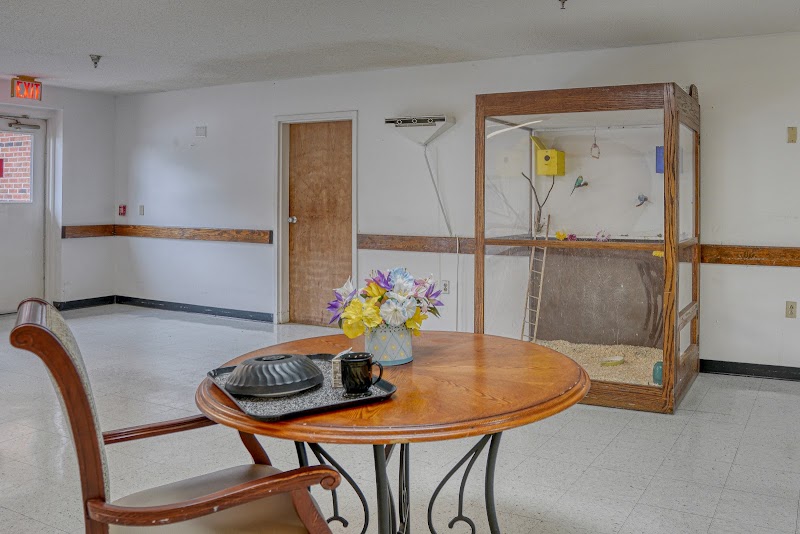
How is East Carolina Rehab And Wellness Staffed?

CMS rates East Carolina Rehab and Wellness's staffing level at 1 out of 5 stars, which is much below average compared to other nursing homes. Staff turnover is 61%, which is 15 percentage points above the North Carolina average of 46%. High turnover can affect care consistency as new staff learn residents' individual needs. RN turnover specifically is 64%, which is notably high. RNs provide skilled clinical oversight, so turnover in this role can affect medical care quality.

What Have Inspectors Found at East Carolina Rehab And Wellness?

State health inspectors documented 48 deficiencies at East Carolina Rehab and Wellness during 2022 to 2025. These included: 2 that caused actual resident harm, 39 with potential for harm, and 7 minor or isolated issues. Deficiencies causing actual harm indicate documented cases where residents experienced negative health consequences.

Who Owns and Operates East Carolina Rehab And Wellness?

East Carolina Rehab and Wellness is owned by a for-profit company. For-profit facilities operate as businesses with obligations to shareholders or private owners. The facility operates independently rather than as part of a larger chain. With 130 certified beds and approximately 71 residents (about 55% occupancy), it is a mid-sized facility located in Greenville, North Carolina.

How Does East Carolina Rehab And Wellness Compare to Other North Carolina Nursing Homes?

Compared to the 100 nursing homes in North Carolina, East Carolina Rehab and Wellness's overall rating (1 stars) is below the state average of 2.8, staff turnover (61%) is significantly higher than the state average of 46%, and health inspection rating (2 stars) is below the national benchmark.

What Should Families Ask When Visiting East Carolina Rehab And Wellness?

Based on this facility's data, families visiting should ask: "How do you ensure continuity of care given staff turnover, and what is your staff retention strategy?" "Can you walk me through typical staffing levels on day, evening, and night shifts?" "Can I visit during a mealtime to observe dining assistance and food quality?" "How do you handle medical emergencies, and what is your hospital transfer rate?" These questions are particularly relevant given the facility's high staff turnover rate and the below-average staffing rating.

Is East Carolina Rehab And Wellness Safe?

Based on CMS inspection data, East Carolina Rehab and Wellness has a clean safety record: no substantiated abuse findings (meaning no confirmed cases of resident harm), no Immediate Jeopardy citations (the most serious violation level indicating risk of serious injury or death), and is not on the Special Focus Facility watch list (a federal program monitoring the lowest-performing 1% of nursing homes). The facility has a 1-star overall rating and ranks #100 of 100 nursing homes in North Carolina. While no facility is perfect, families should still ask about staff-to-resident ratios and recent inspection results during their visit.

Do Nurses at East Carolina Rehab And Wellness Stick Around?

Staff turnover at East Carolina Rehab and Wellness is high. At 61%, the facility is 15 percentage points above the North Carolina average of 46%. Registered Nurse turnover is particularly concerning at 64%. RNs handle complex medical decisions and coordinate care — frequent RN changes can directly impact care quality. High turnover means new staff may not know residents' individual needs, medications, or preferences. It can also be disorienting for residents, especially those with dementia who rely on familiar faces. Families should ask: What is causing the turnover? What retention programs are in place? How do you ensure care continuity during staff transitions?

Was East Carolina Rehab And Wellness Ever Fined?

East Carolina Rehab and Wellness has been fined $51,965 across 1 penalty action. This is above the North Carolina average of $33,599. Fines in this range indicate compliance issues significant enough for CMS to impose meaningful financial consequences. Common causes include delayed correction of deficiencies, repeat violations, or care failures affecting resident safety. Families should ask facility leadership what changes have been made since these penalties.

Is East Carolina Rehab And Wellness on Any Federal Watch List?

East Carolina Rehab and Wellness is not on any federal watch list. The most significant is the Special Focus Facility (SFF) program, which identifies the bottom 1% of nursing homes nationally based on persistent, serious quality problems. Not being on this list means the facility has avoided the pattern of deficiencies that triggers enhanced federal oversight. This is a positive indicator, though families should still review the facility's inspection history directly.