Macgregor Downs Health Center by Harborview
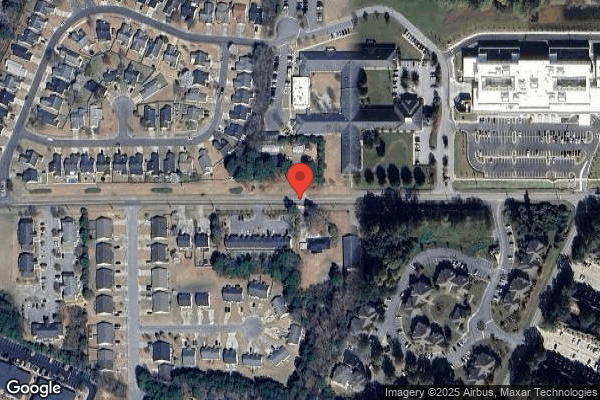

2910 Macgregor Downs Road, Greenville, NC 27834 (252) 758-4121
For profit - Limited Liability company 152 Beds HARBORVIEW HEALTH SYSTEMS Data: November 2025 1 Immediate Jeopardy citation
Trust Grade
31/100
#263 of 417 in NC
Last Inspection: February 2025

Within standard 12-15 month inspection cycle. Federal law requires annual inspections.

Overview

Macgregor Downs Health Center by Harborview has received a Trust Grade of F, indicating significant concerns about the facility's overall quality and care. Ranking #263 out of 417 facilities in North Carolina, they fall in the bottom half of nursing homes in the state, and #4 out of 6 in Pitt County, suggesting limited better options nearby. The facility is worsening, as issues increased from 2 in 2024 to 12 in 2025. Staffing is rated 2 out of 5 stars, with a turnover rate of 57%, which is average but indicates instability among staff. Additionally, there have been serious issues, such as a resident experiencing multiple encounters with mice in her bed, which poses health risks, and failures in properly notifying residents about changes in their Medicare services, signaling lapses in care and communication. Overall, while there are some average staffing levels, the facility has alarming problems that families should carefully consider.

Trust Score
F
31/100
In North Carolina
#263/417
Bottom 37%
Safety Record
High Risk
Review needed
Inspections
Getting Worse
2 → 12 violations
Staff Stability
⚠ Watch
57% turnover. Above average. Higher turnover means staff may not know residents' routines.
Penalties
✓ Good
$10,023 in fines. Lower than most North Carolina facilities. Relatively clean record.
Skilled Nurses
○ Average
Each resident gets 37 minutes of Registered Nurse (RN) attention daily — about average for North Carolina. RNs are the most trained staff who monitor for health changes.
Violations
⚠ Watch
34 deficiencies on record. Higher than average. Multiple issues found across inspections.
★★☆☆☆
2.0
Overall Rating
★★☆☆☆
2.0
Staff Levels
★★★☆☆
3.0
Care Quality
★★☆☆☆
2.0
Inspection Score
Stable
2024: 2 issues
2025: 12 issues

The Good

  • Full Sprinkler Coverage · Fire safety systems throughout facility
  • No fines on record

Facility shows strength in fire safety.

The Bad

2-Star Overall Rating

Below North Carolina average (2.8)

Below average - review inspection findings carefully

Staff Turnover: 57%

11pts above North Carolina avg (46%)

Frequent staff changes - ask about care continuity

Federal Fines: $10,023

Below median ($33,413)

Minor penalties assessed

Chain: HARBORVIEW HEALTH SYSTEMS

Part of a multi-facility chain

Ask about local staffing decisions and management

Staff turnover is elevated (57%)

9 points above North Carolina average of 48%

The Ugly 34 deficiencies on record

1 life-threatening
Feb 2025 12 deficiencies
CONCERN (D)

Potential for Harm - no one hurt, but risky conditions existed

Deficiency F0554 (Tag F0554)

Could have caused harm · This affected 1 resident

**NOTE- TERMS IN BRACKETS HAVE BEEN EDITED TO PROTECT CONFIDENTIALITY** Based on observation and staff and resident interviews, the facility failed to assess the ability of a resident to self-administ...

Read full inspector narrative →
**NOTE- TERMS IN BRACKETS HAVE BEEN EDITED TO PROTECT CONFIDENTIALITY** Based on observation and staff and resident interviews, the facility failed to assess the ability of a resident to self-administer medications and vitamins for 1 of 1 resident with medications observed at bedside (Resident #42). Findings included: Resident #42 was admitted to the facility on [DATE]. Her active diagnoses included anemia, heart failure, hypertension, diabetes, and respiratory failure. Review of Resident #42's Minimum Data Set assessment dated [DATE] revealed she was assessed as cognitively intact. Review of Resident #42's electronic health record on 2/10/25 at 1:06 PM revealed there was no physician's order for self-administration of medications and no self-administration of medication assessment. During observation on 2/9/25 at 11:24 AM two medication cups with pills were observed in Resident #42's room on the resident's bedside table. There were no facility staff members in the resident's room. Resident #42 was in bed and the bedside table with the medication placed in front of her. Review of the Medication Administration Record on 2/10/25 at 8:04 AM revealed Resident #42's morning medications were signed as given by Nurse #2 on 2/9/25 were Amiodarone HCl Oral Tablet 200 milligrams (MG), Ascorbic Acid Tablet 250 MG, Citalopram Hydrobromide Oral Tablet 20 MG, Clopidogrel Bisulfate Oral Tablet 75 MG, Cyanocobalamin Tablet 250 micrograms (MCG), Decubi-Vite Oral Capsule (Multiple Vitamins with Minerals) 1 tablet, Ferrous Sulfate Oral Tablet Delayed Release 1 tablet, Potassium Chloride Extended Release 10 milliequivalents (MEQ), Prednisone Oral Tablet 10 MG, Apixaban Oral Tablet 2.5 MG, Carvedilol Oral Tablet 12.5 MG, and Glucosamine-Chondroitin DS Oral Tablet 500-400 MG. During an interview on 2/9/25 at 11:25 AM Resident #42 stated the nurse left the medications for her on the bedside table and had told her one medication cup contained regular meds and the other contained Vitamins but she did not know which medication cup was which. She concluded she had not taken the medications yet because she did not know which was which. During an interview on 2/9/25 at 11:29 AM Nurse #2 stated she did not intentionally leave the medications in Resident #42's room but now that the surveyor was asking, she remembered she did leave them in the room. She stated the medications cups contained Resident #42's morning medications and when she arrived in the room to administer them that morning, she could not recall the exact time, but the breakfast tray was arriving. She helped other staff pull Resident #42 up in bed and then was pulled to another room to assist another resident. She stated she put the medication cups down on Resident #42's bedside table and told the resident she would be right back. She forgot and did not return to administer the morning medications. She stated she was trained to put non-administered medications back in the locked medication cart if leaving a resident's room to assist another resident. She stated the reason she left them in the room was because she thought she was coming right back. She stated the medication cups contained her scheduled morning medications. During an interview on 2/10/25 at 2:26 PM the Director of Nursing stated medication should not be left at the bedside for Resident #42. Nurse #2 should administer the medications and ensure the medications were taken by the resident before leaving the room. If the nurse needed to leave the room prior to the resident taking all medications, the nurse should lock the remaining medications in her cart after identifying the medication cup with the resident's name.
CONCERN (D) 📢 Someone Reported This

A family member, employee, or ombudsman was alarmed enough to file a formal complaint

Potential for Harm - no one hurt, but risky conditions existed

Deficiency F0578 (Tag F0578)

Could have caused harm · This affected 1 resident

**NOTE- TERMS IN BRACKETS HAVE BEEN EDITED TO PROTECT CONFIDENTIALITY** 2. Resident #114 was admitted to the facility on [DATE] with a diagnosis of left leg fracture. A review of Resident #114's admis...

Read full inspector narrative →
**NOTE- TERMS IN BRACKETS HAVE BEEN EDITED TO PROTECT CONFIDENTIALITY** 2. Resident #114 was admitted to the facility on [DATE] with a diagnosis of left leg fracture. A review of Resident #114's admission Minimum Data Set (MDS) assessment dated [DATE] revealed he was severely cognitively impaired. A review of Resident #114's medical record did not reveal any documentation of a discussion to determine whether or not Resident #114 had formulated any advanced directives such as a living will or a health care power of attorney or would like to formulate one. Additionally, there were no copies of such documents in Resident #114's medical record. On 2/12/25 at 8:33 AM in a telephone interview Resident #114's family member stated she did not recall anyone at the facility having a conversation with her regarding the formulation of advanced directives. She stated Resident #114 had both living will and a health care power of attorney documents. She reported she could not recall anyone from the facility asking her to bring copies of the documents to the facility, and she had not done so. On 2/12/25 at 9:42 AM an interview with Admissions Nurse #2 indicated she did not have conversations with residents or their family regarding advanced directives such as a living will or a heath care power of attorney during her admissions process. She stated she only discussed code status. On 2/12/25 at 9:52 AM an interview with the Admissions Director indicated she spoke with resident's and their family members regarding advanced directives such as living wills or health care powers of attorney during the admissions process and asked them to bring copies of any documents they had already formulated. She stated she did not document these conversations anywhere, and she could not recall whether Resident #114 or his family member reported having a living will or a health care power of attorney to her. The Admissions Director stated she didn't see anything in his medical record. On 2/12/25 at 11:28 AM an interview with Social Worker #2 indicated she did not recall ever having a conversation with Resident #114 or his family member regarding advanced directives such as a living will or a health care power of attorney. She stated typically if a resident had a living will or a health care power of attorney the resident or a family member would bring her a copy. She stated she did not see either of these documents in Resident #114's medical record. On 2/12/25 at 11:33 AM an interview with Social Worker #3 indicated she did not know whether or not Resident #114 had a living will or a health care power of attorney. She stated typically if a resident had either of these documents, they would bring a copy in for the medical record. She reported the only thing with regards to advanced directives she could see in Resident #114's medical record was the desire to be a full code status. Social Worker #3 stated if a resident or a family member brought up the desire to formulate other advanced directives at the care plan meeting, she would have a discussion with them at that time, but Resident #114 had not had a long-term care plan meeting yet. On 2/13/25 at 8:09 AM an interview with the Director of Nursing indicated that when a resident was admitted to the facility, the Admissions Director would get any copies of advanced directive paperwork such as a living will or a health care power of attorney a resident had. She reported if someone needed assistance with formulating an advanced directive, the SW would assist with this. On 2/13/25 at 9:44 AM an interview with the Administrator indicated the facility should have a process in place for determining whether a resident had or would like to formulate advanced directives such as a living will or a health care power of attorney. Based on record review, and resident, family and staff interviews, the facility failed to ensure a copy of the resident's advanced directive was included in the resident's record and failed to provide written advance directive information and/or an opportunity to formulate an advance directive (Residents #105 and #114). This was for 2 of 4 residents reviewed for advance directive. The findings included: A review of the facility's policy titled Residents' rights Regarding Treatment and Advance Directives dated 3/1/22 and reviewed/revised on 3/1/24 revealed it is the policy of this facility to support and facilitate a residents' right to formulate an advance directive. On admission the facility will determine if the resident has executed an advance directive, and if not determine whether the resident would like to formulate an advance directive. Upon admission, should the resident have an advance directive, copies will be made and placed on the chart as well as communicated to the staff. 1. Resident # 105 was admitted to the facility on [DATE]. A review of Resident #105's quarterly Minimum Data Set (MDS) assessment dated [DATE] revealed she was cognitively intact. Resident #105's care plan last revised on 12/3/24 indicated the resident's code status was full code. There was no documentation in the record for education regarding the formulation of advanced directives and /or an opportunity to formulate advanced directives. An interview was held with Social Worker #3 on 2/10/25 at 11:35 AM and she revealed she did not discuss advance directives. She stated the admission nurse or Social Worker # 2 would have been responsible for that task. In an interview with Social Worker #2 on 2/10/25 at 11:45 AM, she stated she had only been employed at the facility for two months and did not have to deal with advance directives. If there was a request for help with advance directives she would help them. She further stated the admission nurse was responsible for advance directives. An interview with admission Nurse #1 on 2/11/25 at 3:45 PM who admitted Resident #105 revealed if a resident had advance directives in place upon admission, the document was downloaded into the system by the Administrative Ambassador. If a resident did not have advance directives in place she did not initiate a conversation to educate or formulate advance directives. She went on to state she thought the Admissions Director was responsible for that task. An interview with the Admissions Director was conducted on 2/11/25 at 4:00 PM at which time she stated she did not discuss advance directives with families or residents. She indicated that would be the admission nurse's responsibility. An interview was completed with the Administrator and the Director of Nursing on 2/11/25 at 4:10 PM. The DON indicated the social worker assigned to each resident was tasked to speak with and educate the resident and the resident's responsible party about advance directives.
CONCERN (D)

Potential for Harm - no one hurt, but risky conditions existed

Deficiency F0582 (Tag F0582)

Could have caused harm · This affected 1 resident

**NOTE- TERMS IN BRACKETS HAVE BEEN EDITED TO PROTECT CONFIDENTIALITY** Based on record review and staff interviews, the facility failed to provide a CMS-10055 (Centers for Medicare and Medicaid Servi...

Read full inspector narrative →
**NOTE- TERMS IN BRACKETS HAVE BEEN EDITED TO PROTECT CONFIDENTIALITY** Based on record review and staff interviews, the facility failed to provide a CMS-10055 (Centers for Medicare and Medicaid Services) Skilled Nursing Facility Advanced Beneficiary Notice of Non-coverage (SNF/ABN) for 1 of 3 residents reviewed for beneficiary notices (Resident #89). Findings included: Resident #89 was admitted to the facility on [DATE]. Review of Resident #89's electronic health record revealed Medicare part A services began on 1/6/25. The resident's last covered day of Medicare Part A was 1/19/25. Resident #89 remained in the facility following her discharge from Medicare Part A. There was no evidence a SNF/ABN form was provided to the resident or resident representative. During an interview on 2/11/25 at 11:19 AM Social Worker #3 stated Resident #89's last covered date was 1/19/25 for Medicare part A. A SNF/ABN was missed and not provided to Resident #89 and it should have been. The SNF/ABN was used to provide the resident or representative information regarding what costs they would be responsible to pay out of pocket should they continue the services which were no longer covered by insurance. During an interview on 2/11/25 at 11:45 AM the Administrator stated Resident #89 should have received a SNF/ABN.
CONCERN (D)

Potential for Harm - no one hurt, but risky conditions existed

Comprehensive Care Plan (Tag F0656)

Could have caused harm · This affected 1 resident

**NOTE- TERMS IN BRACKETS HAVE BEEN EDITED TO PROTECT CONFIDENTIALITY** Based on record review and staff interviews, the facility failed to develop the comprehensive care plan in the area of pain for ...

Read full inspector narrative →
**NOTE- TERMS IN BRACKETS HAVE BEEN EDITED TO PROTECT CONFIDENTIALITY** Based on record review and staff interviews, the facility failed to develop the comprehensive care plan in the area of pain for 1 of 28 residents (Resident #114) whose comprehensive care plans were reviewed. Findings included: Resident #114 was admitted to the facility on [DATE] with a diagnosis of left leg fracture. A review of Resident #114's admission Minimum Data Set (MDS) assessment dated [DATE] revealed he was severely cognitively impaired. He had been on a scheduled pain medication regime. He had pain almost constantly. His pain affected his sleep and interfered with his daily activities almost constantly. Resident #114 rated his pain as a 10 on a zero to 10 scale with zero being no pain and 10 being the greatest pain. The Care Area Assessment (CAA) for pain was triggered. A review of Resident #114's comprehensive care plan dated as initiated on 1/27/25 did not reveal a focus area for pain. On 2/11/25 at 10:11 AM in an interview the MDS Director stated Resident #114's comprehensive care plan should have been developed by 1/27/25 based on his comprehensive admission MDS assessment date of 1/14/25. She stated the MDS Coordinator completing Resident #144's comprehensive MDS assessment dated [DATE] would have been responsible for ensuring the CAA for pain which was triggered on the assessment was developed on this comprehensive care plan. On 2/11/25 at 10:20 AM an interview with the MDS Coordinator indicated she completed Resident #114's MDS assessment dated [DATE]. She stated the presence of Resident #114's pain during this assessment was something that triggered the CAA for pain. She went on to say this should have been reflected on Resident #114's comprehensive care plan when it was developed, and it was not. She reported this was an oversight on her part. On 2/13/25 at 8:09 AM an interview with the Director of Nursing indicated Resident #144's pain was something that should have been included on his comprehensive care plan.
CONCERN (D)

Potential for Harm - no one hurt, but risky conditions existed

Deficiency F0658 (Tag F0658)

Could have caused harm · This affected 1 resident

**NOTE- TERMS IN BRACKETS HAVE BEEN EDITED TO PROTECT CONFIDENTIALITY** Based on observations, record review, and staff and physician interviews, the facility failed to follow a physician's order for ...

Read full inspector narrative →
**NOTE- TERMS IN BRACKETS HAVE BEEN EDITED TO PROTECT CONFIDENTIALITY** Based on observations, record review, and staff and physician interviews, the facility failed to follow a physician's order for placement of a lidocaine (topical pain medication) patch on a resident's left hip when the patch was applied to the resident's back. This was for 1 of 2 residents (Resident #114) reviewed for professional standards of practice. Findings included: Resident #114 was admitted to the facility on [DATE] with a diagnosis of left leg fracture. A review of Resident #114's admission Minimum Data Set (MDS) assessment dated [DATE] revealed he was severely cognitively impaired. He had been on a scheduled pain medication regime. He had pain almost constantly. His pain affected his sleep and interfered with his daily activities almost constantly. Resident #114 rated his pain as a 10 on a zero to 10 scale with zero being no pain and 10 being the greatest pain. Resident #114's active physician's orders as of 2/10/25 revealed a physician's order dated 1/16/25 for a lidocaine (topical pain medication) 5 percent (%) patch to be applied topically to Resident #114's left hip in the morning and at bedtime for pain. There was no physician's order for a lidocaine patch to be applied to Resident #114's back. Resident #114's February 2025 Medication Administration Record (MAR) revealed documentation indicating Nurse #10 applied a lidocaine 5% patch topically to Resident #114's lower back on at 9:00 AM on 2/10/25. On 2/11/25 at 8:09 AM an observation of bathing activity was conducted for Resident #114 with Nurse Aide #3. During the activity, a topical pain patch was observed on Resident #114's mid-back dated 2/10/25 with the initials that corresponded to Nurse #10. On 2/11/25 at 8:39 AM in an interview Nurse #10 stated she applied a lidocaine 5 % patch topically to Resident #114's back in the morning on 2/10/25. She stated that when she went in to administer Resident #114's medication that morning, he refused for her to put the patch on his left hip and asked her to place the patch on his back, so she had. She reported she should not have applied a lidocaine patch on Resident #114's back without a physician's order to do so. Nurse #10 stated she should have gotten a physician's order first. On 2/11/25 at 8:50 AM an interview with the Director of Nursing indicated Nurse #10 should not have applied a lidocaine patch to Resident #144's back without a physician's order to do so. She stated if Resident #114 had been requesting to have a lidocaine patch for his back, Nurse #10 should have contacted the physician. On 2/11/25 at 11:47 AM in an interview Resident #114's Physician stated Nurse #10 should not have applied a lidocaine patch to a body part she did not have an order for. The Physician stated she was present in the facility on 2/10/25, and Nurse #10 should have spoken to her and gotten an order before she did this. On 2/13/24 at 9:44 AM in an interview the Administrator stated Nurse #10 should not have applied a lidocaine patch to Resident #114's back without a physician's order to do so.
CONCERN (D)

Potential for Harm - no one hurt, but risky conditions existed

Quality of Care (Tag F0684)

Could have caused harm · This affected 1 resident

**NOTE- TERMS IN BRACKETS HAVE BEEN EDITED TO PROTECT CONFIDENTIALITY** Based on record review, staff, resident and physician interview, the facility failed to clarify orders for blood sugar monitorin...

Read full inspector narrative →
**NOTE- TERMS IN BRACKETS HAVE BEEN EDITED TO PROTECT CONFIDENTIALITY** Based on record review, staff, resident and physician interview, the facility failed to clarify orders for blood sugar monitoring and insulin administration for short and long-acting insulins (insulin is a medication injected into the skin to control blood sugar) from the hospital discharge summary for a resident with a diagnosis of diabetes (Resident #81). This was for 1 of 2 residents reviewed for professional standards of practice. The findings included: The hospital discharge summary for Resident #281 dated 2/7/25 stated in part: - Monitor blood sugars closely - Sliding scale insulin (short acting insulin) - Continue Lantus (long-acting insulin) The hospital discharge summary revealed that upon Resident #281's arrival in the emergency department on 1/17/25 he told hospital staff that he had not been taking his diabetic medication for some time as he did not believe it would help him. Resident #281 was admitted to the facility on [DATE] with diagnoses that included Diabetes Mellitus II, osteomyelitis (bone infection) and sepsis (blood infection from osteomyelitis) and surgical removal of last two toes on left foot due to gangrene caused by Diabetes Mellitus II. Review of physician orders for Resident #281 revealed there were no orders for blood sugar monitoring, sliding scale insulin or Lantus insulin. Resident #281's Medication Administration Record (MAR) for February 2025 did not include blood sugar monitoring, Lantus insulin or short-acting insulin. Further review of the MAR revealed that Resident #281 had not received blood sugar monitoring or insulin administration since admission. A review of Resident #281's medical record did not reveal documentation of blood sugar monitoring since admission on [DATE]. Resident #281's admission Minimum Data Set (MDS) was not yet available. An interview was conducted on 2/10/25 at 9:04 AM with Resident #281. The resident stated he was diabetic and was admitted to the facility after having two toes removed on his left foot due to diabetes. He further stated he was supposed to be on insulin at home before the operation to remove his toes. Resident #281 revealed he did not believe that insulin or blood sugar monitoring would help him in any way and that was why he had two toes removed. In an interview with Admissions Nurse #1 on 2/11/25 at 2:25 PM she revealed she was the Nurse that completed the admission orders for Resident #281 on 2/7/25. Admissions Nurse #1 stated she was unaware Resident #281 was to have orders for Diabetes Mellitus II monitoring and management including blood sugar checks, short-acting insulin and long-acting insulin. She further stated the resident was admitted in the evening on a Friday (2/7/25) and she overlooked the text box that gave instructions for blood sugars to be monitored closely and for short-acting and long-acting insulin to be administered, as this was written above the medication orders section in the hospital discharge summary. The nurse added, had she seen these instructions, she would have contacted the on-call physician or Nurse Practitioner for specific orders regarding a schedule for blood sugar monitoring and administration of insulin. Nurse #1 indicated she did call the on-call Nurse Practitioner to sign off on the admission orders. Resident #281's Physician (Medical Director) was interviewed on 2/11/25 at 3:01 PM. She stated she was just made aware Resident #281 needed orders to check his blood sugars and for short acting and Lantus insulin. She further stated she wrote orders for blood sugar checks, short acting insulin and Lantus insulin starting the evening of 2/11/25. She further stated Resident #281 just had his blood sugar checked at 2:55 PM and was within normal limits at 135 milligrams per deciliter. The Physician indicated that Resident #281 could have had adverse effects to an extremely high or extremely low blood sugar while it was not monitored or treated. Some effects included changes in mental status, kidney damage or unconsciousness. Resident #281 had not received oral diabetic medications or insulin prior to the blood sugar check at 2:55 PM. In an interview with the Director of Nursing (DON) on 2/11/25 at 3:10 PM she stated that Admissions Nurse #1 should have read the discharge summary in its entirety. She further stated the admissions order process was for the Admissions Nurse to transcribe the orders from the hospital discharge summary, have a second Nurse review the discharge summary and orders and then have them signed off on by a provider. A review of the orders with the DON during the interview revealed that Admissions Nurse #1 signed off on the orders as both the first and second check. In an interview with the Administrator on 2/11/25 at 3:17 PM he stated he was not aware of the admissions process from the point of the nursing process.
CONCERN (D) 📢 Someone Reported This

A family member, employee, or ombudsman was alarmed enough to file a formal complaint

Potential for Harm - no one hurt, but risky conditions existed

Accident Prevention (Tag F0689)

Could have caused harm · This affected 1 resident

**NOTE- TERMS IN BRACKETS HAVE BEEN EDITED TO PROTECT CONFIDENTIALITY** 2. Resident #92 was admitted to the facility on [DATE] with a diagnosis of heart failure. A review of Resident #92's quarterly M...

Read full inspector narrative →
**NOTE- TERMS IN BRACKETS HAVE BEEN EDITED TO PROTECT CONFIDENTIALITY** 2. Resident #92 was admitted to the facility on [DATE] with a diagnosis of heart failure. A review of Resident #92's quarterly Minimum Data Set (MDS) assessment dated [DATE] revealed she was cognitively intact. She had functional impairment in range of motion on one side of her upper extremities and both sides of her lower extremities. She required substantial assistance to roll from left to right in bed. She was always incontinent of bladder. She had no falls since her prior assessment. A review of a nursing progress note for Resident #92 dated 12/5/24 at 8:11 PM written by Nurse #1 indicated Resident #92 experienced a fall from bed at 6:00 PM that day. Nurse Aide (NA) #1 was present during the fall and provided Nurse #1 with a full statement of the incident. NA #1 had been attempting to change Resident #92's bed sheets, turned Resident #92 away from herself, pulled on the bed sheets, and Resident #92 fell off the bed onto her right side. Resident #92 had not hit her head. A full body assessment and vital signs were done. Resident #92 any pain. Resident #92 had a right arm skin tear which was cleaned, and a dry dressing was applied. Her family member and physician were notified. A review of a written statement by Nurse #1 dated 12/5/24 revealed NA #1 had been educated on how to change a resident with one assist. NA #1 was instructed that when changing a resident with one assist, she should turn the resident towards herself and not away from herself. When using a turn sheet, she should be mindful of how light or heavy the resident was and how fast or slow she was pulling the sheet with consideration to where the resident's body was positioned in bed. On 2/12/25 at 3:43 PM an interview with NA #1 indicated she recalled Resident #92's fall on 12/5/24. She stated when she went into Resident #92's room that day, Resident #92's sheets had been wet. She went on to say Resident #92 had been positioned more toward the right side of her bed and when she pulled on the draw sheet to bring Resident #92 closer to herself to turn Resident #92, instead of coming towards her, Resident #92 had rolled off the right side of her bed. She reported Resident #92's bed had been approximately 3 feet from the floor at the time, and Resident #92's upper body had gone off the bed first followed by Resident #92's legs. She stated Resident #92 had not said anything, and she could see that Resident #92 did not hit her head during the fall. NA #1 went on to say she immediately called for Nurse #1 who came to assess Resident #92. She stated although Resident #92 needed only one person to assist with bed mobility, she thought because her bed had been wet the use of the draw sheet had not gone as planned. She reported she had received education after the incident, and in the future would get another person to assist her if a resident's bed was wet. On 2/12/25 at 8:02 AM an interview with Nurse #1 indicated she recalled Resident #92's fall on 12/5/24. She stated when NA #1 notified her she immediately went to assess Resident #92. She reported Resident #92's bed had been positioned approximately 2 feet from the floor and Resident #92 had been lying on the floor beside her bed on her right side. Nurse #1 went on to say she completed a full body assessment of Resident #92 and took her vital signs. She stated Resident #92 had denied any pain, denied hitting her head during the incident and had not seemed upset at the time but was just asking them to get her up. She reported Resident #92 had a skin tear to her right arm which she cleaned and dressed. She went on to say she had notified Resident #92's family member and physician of the fall, and after getting a full statement of the event from NA #1, had notified admission Nurse #1 who had been her supervisor at the time. Nurse #1 stated she provided immediate education to NA #1 after the incident that NA #1 should always roll residents towards herself when turning them in bed. A physician's order for Resident #92 dated 12/6/24 indicated to clean her right arm skin tear with normal saline and apply a non-adherent gauze dressing every Monday and Friday for skin tear. On 2/12/25 at 7:56 AM an interview with Resident #92 indicated she did not recall ever having fallen from bed during care. She stated she had no concerns with the way NAs provided care to her, and she always felt safe during care. On 2/12/25 at 8:15 AM an interview with Admissions Nurse #1 indicated she did not think she had been present in the facility when Nurse #1 notified her of Resident #92's fall on 12/5/24, and after Nurse #1 notified her by telephone, she notified the Director of Nursing (DON). On 2/12/25 at 8:22 AM an interview with the DON indicated she had been notified of the circumstances of Resident #92's fall on 12/5/24 and immediate education had been provided to NA #1 regarding always turning residents towards herself when turning them in bed. She went on to say she thought an in-service had also been provided to all staff regarding this after the incident. On 2/13/25 at 8:09 AM a follow-up interview with the DON indicated 100 percent staff education had not been completed after Resident #92's fall on 12/5/24. On 2/12/25 at 12:28 PM a telephone interview with Resident #92's Physician indicated Resident #92 had not experienced any major injury as a result of the fall that occurred on 12/5/24. She reported Resident #92 would have been at risk for any injury that could occur as a result of a fall. She stated a fall from bed would not be an anticipated outcome during the provision of care and it must have been a frightening experience for both Resident #92 and NA #1. On 2/13/25 at 9:44 AM an interview with the Administrator indicated Resident #92 should not have sustained a fall during the provision of care. On 2/12/25 a review of an in-service training record dated 12/11/24 provided by the Staff Development Coordinator (SDC) revealed the attached procedure titled: Turning a Resident on His/her Side Away From You which included in part the following: Steps in the Procedure: 5. Slide both your arms under the resident's back to his/her far shoulder. 6. Slide the resident's shoulders towards you on your arms. 7. Slide both your arms (as far as you can) under the resident's buttocks. 8. Slide the resident's buttocks towards you. 9. Slide both arms under the resident's feet and ankles. 10. Slide the resident's feet towards you. On 2/12/25 at 10:44 in an interview the SDC stated she provided an in-service training on the proper procedure for turning a resident on their side away from you in bed to nurses and nurse aides on 12/11/24 in response to Resident #92's fall from bed during care on 12/5/24. She reported that while the in-service did not specifically address the use of a draw sheet, it was standard practice to use a draw sheet when repositioning residents. Based on record review, and resident, staff, and physician interviews, the facility failed to provide care in a safe manner when Resident #42 rolled out of bed during care and sustained a skin tear to the left forearm, skin tear to the right upper arm, and hematoma (bruise) to the left hip and when Resident # 92 was rolled out of bed during care and sustained a right arm skin tear this was for 2 of 6 residents reviewed for accidents. (Resident #42 and Resident #92) Findings included: 1. Resident #42 was admitted to the facility on [DATE]. Her active diagnoses included anemia, heart failure, hypertension, diabetes, and respiratory failure. Review of the care guide posted in Resident #42's closet door dated 1/7/25 revealed she was extensive 1 person assistance with transfers and activities of daily living. Review of Resident #42's Minimum Data Set assessment dated [DATE] revealed she was assessed as cognitively intact. She required partial/moderate assistance with the ability to roll from lying on back to left and right side, and returning to lying on back on the bed. Resident #42 was on blood thinner medication. Review of Resident #42's care plan dated 1/9/25 revealed Resident #42 was care planned to be at risk for falls related to deconditioning, back pain, history of falls, impaired balance, gait, and mobility. The interventions included to anticipate and meet the resident's needs, encourage the resident to participate in activities that promote exercise, physical activity for strengthening and improved mobility. She was care planned to require assistance by staff to turn and reposition in bed as necessary. Review of a progress note dated 1/13/25 noted as a fall note written by Nurse #1 revealed Resident #42 was being changed by the Nurse Aide #2 and slid to the floor. Upon assessment, Resident #42 had a skin tear on her right upper arm and a small skin tear on her left forearm. She also had a bruise on her left hip on the backside that was blackish blue. She was transported to the emergency department. During an interview on 2/10/25 at 3:06 PM Nurse Aide #2 stated she was changing Resident #42 and standing on the side of the bed towards the door changing her brief. She unstrapped the brief and then went to the window side and using the draw sheet, pulled towards herself to turn the resident to face the door. The resident kept rolling which was not something she normally did and her bottom half slid off the side of the bed. When she saw this, she lowered the bed and the resident slid down to a sitting position on the floor with her back against the bed. She stated the resident did not hit the ground hard as she had been able to lower the bed as she was sliding out of it. Her skin would easily bruise and bleed and she was on a blood thinner. She immediately got Nurse #1 and the nurse assessed the resident and it was decided to send the resident to the hospital. She stated she stayed with Resident #42 until the ambulance came to the facility to take her to the hospital. She stated she had been trained when turning a resident to turn them towards herself instead of facing away from herself. She stated she did not know why she turned the resident away from herself that day. She concluded after the resident left in the ambulance, Nurse #1 reeducated her in regards to turning residents towards herself so that her body would be in front of the resident and prevent the resident from continuing to roll. During an interview on 2/10/25 at 11:33 AM Nurse #1 stated she usually worked with Resident #42 and knew her well. She required limited assistance with dressing and one person assistance with turning and repositioning as well as transfers. Nurse #1 stated Resident #42 was at this functioning level since she started working at the facility the beginning of November 2024. She stated Nurse Aide #2 was trying to change Resident #42's brief and instead of rolling the resident towards herself she rolled the resident in the opposite way (the other side of the bed from where the nurse aide was standing) and Resident #42 continued to roll, and her legs fell off the side of the bed. This caused Resident #42 to begin to slide off the bed. Nurse Aide #2 started lowering the bed as the resident slid to the floor. The nurse aide then came and got the nurse who did an assessment. She saw that Resident #42's right leg was bent oddly, and she had two skin tears. One skin tear on each forearm. It wasn't fast or heavy bleeding but it was enough they had to hold pressure to her arms. She also had a bruise on her left hip that was blackish blue. From there she got admission Nurse #1 (who was the unit manager at the time) and they got an order to send the resident to the hospital. Resident #42 did not want to go but the Responsible Party wanted her to go to the hospital and because the Responsible Party wanted her to go to the hospital she agreed to go. The resident was sent directly to the hospital, and she did not provide the resident with any pain medication at that time as Resident #42 had indicated to her she did not want pain medication. The resident stated she had pain but kept stating she was fine and did not want to go to the hospital until the nurse informed the resident that her Responsible Party wanted her to go to the hospital. She stated she then reeducated Nurse Aide #2 to ensure she turned residents towards herself and not away from herself when providing activities of daily living care. Review of the hospital Discharge summary dated [DATE] revealed Resident #42 had sustained an accidental fall which resulted in a left hip hematoma. A CT (Computed Tomography) scan of the head and a CT scan of the cervical spine for Resident #42 were negative for acute intracranial abnormality. A CT scan of the abdomen and pelvis were noted to have hematoma within the subcutaneous tissues of the left lateral lower abdominal wall and hip. Resident #42 was hospitalized for unrelated health concerns. During an interview on 2/9/25 at 11:44 AM Resident #42 stated two weeks ago she fell in her room but did not really remember the details. Resident #42 stated her left hip had pain, and she sustained a large bruise as a result of the fall. Resident #42 stated a nurse aide was providing care to her at the time but did not remember the nurse aide's name or the time of day. Resident #42 stated the nurse aide placed her on the edge of the bed, and she fell to the floor. The nurse aide was upset and got a nurse. The nurse told the resident she should go to the hospital. Resident #42 stated she told the staff she was fine and did not need any pain medications and just needed to be put back in bed, but they worried her Responsible Party, and he wanted her to go to the hospital. She stated she was in pain following her bottom hitting the floor and estimated the pain was an 8 out of 10 and did not remember if she got pain medication. The pain did not last long and got much better before she arrived at the hospital. She could not remember what all happened at the hospital or how long she was there. She stated it was an accident and did not have anything else to add about the fall. During an interview on 2/12/25 at 7:53 AM admission Nurse #1 stated she was the unit manager at the time of Resident #42's fall. Staff yelled for help and when she arrived, Nurse #1 was concerned the resident might have broken her hip, but Resident #42 kept stating she was okay, did not want to go to the hospital, and was not in pain. The physician was called, and the Responsible Party was called, and they were trying to convince the resident to go to the hospital, which she did finally agree to when they told her that her Responsible Party wanted her to go as well as the physician. Because the resident was stating she did not have pain and just asking staff to put her back in bed, they did not provide any pain medication at that time. Emergency Medical Services arrived quickly, and they took her out to the hospital, and she did not have any fractures, just a large bruise on her left hip and skin tear to both arms. She stated she then spoke to Nurse Aide #2 separately and re-educated the nurse aide to always turn residents towards herself instead of away from herself to prevent accidents like this. During an interview on 2/11/25 at 11:01 AM the Physician stated it sounded like Nurse Aide #2 thought she was providing care correctly and then was educated later after the incident by nursing how to appropriately turn residents. The nurse aide should have turned the resident towards herself in order for the nurse aide's body to prevent the resident from continuing to roll off the bed so the reeducation was appropriate. She stated the outcome for Resident #42 was a skin tear to each forearm and a hematoma to the left hip. She stated the resident did not hit her head so she felt there were no other outcomes that could have resulted from this incident for the resident or other residents. During an interview on 2/10/25 at 3:28 PM the Director of Nursing stated a resident should never sustain a fall during care and she was notified when Resident #42 sustained her fall. She stated Nurse Aide #2 should have turned the resident towards herself in order for her body to prevent the resident from rolling further. She stated this was how staff were trained to turn and reposition residents. During a follow up interview on 2/13/24 at 8:10 AM the Director of Nursing stated upon review of the documentation regarding Resident #42's fall, the facility did not complete 100% in-services of all nurses and nurse aides in the facility following the fall. She further stated they reviewed three residents following the incident and did not complete a 100% audit of all residents who could have been affected.
CONCERN (D)

Potential for Harm - no one hurt, but risky conditions existed

Deficiency F0700 (Tag F0700)

Could have caused harm · This affected 1 resident

**NOTE- TERMS IN BRACKETS HAVE BEEN EDITED TO PROTECT CONFIDENTIALITY** Based on observations, record review, and staff and family interviews, the facility failed to attempt alternatives to bed rail u...

Read full inspector narrative →
**NOTE- TERMS IN BRACKETS HAVE BEEN EDITED TO PROTECT CONFIDENTIALITY** Based on observations, record review, and staff and family interviews, the facility failed to attempt alternatives to bed rail use and document how these alternatives failed to meet the resident's needs prior to the installation of bed rails. This was for 1 of 6 residents (Resident #114) reviewed for accidents. Findings included: Resident #114 was admitted to the facility on [DATE] with a diagnosis of left leg fracture. A review of Resident #114's medical record revealed an informed consent for the use of bed rails dated 1/7/25 that indicated the risks versus the benefits of bed rail use. This was signed by Resident #114's family member indicating she consented to the use of bed rails for Resident #114. A review of Resident #114's nursing admission assessment dated [DATE] at 4:51 PM completed by Admissions Nurse #2 revealed Resident #114 would have quarter (1/4) length rails on his bed to assist with bed mobility and positioning and to provide a handhold area for support by staff. Resident #114's family member requested to keep side rails on the bed for assistance with positioning and mobility. A review of a side rail/entrapment risk evaluation for Resident #114 dated 1/7/25 at 5:26 PM completed by Admissions Nurse #2 revealed Resident #114 wanted side rails in place and used them for positioning and mobility. The side rails did not inhibit Resident #114's mobility or freedom and were not a restraint. He would have ¼ length rails on both sides of his bed. The entrapment risk section of the evaluation indicated because Resident #114 had dementia, was able to notify staff of his needs, and had trouble sleeping at night that alternatives to bed rail use should be considered. A review of Resident #114's medical record did not reveal a physician's order for bed rails or any documentation that alternatives to bed rail use were attempted. A review of Resident #114's admission Minimum Data Set (MDS) assessment dated [DATE] revealed he was severely cognitively impaired. He had no impairment in range of motion of his upper or lower extremities. He required moderate assistance (helper does less than half the effort) to roll from left to right in bed, go from sitting on the side of the bed to lying in bed, and to go from lying on the bed to sitting on the side of the bed. He required maximal assistance (helper does more than half the effort) to safely come to a standing position from sitting on the side of the bed. He did not walk. He did not use restraints. On 2/9/25 at 2:09 PM Resident #114 was observed his room. He had ¼ length bed rails in the raised position on both the left and right side of his bed. On 2/11/25 at 8:01 AM Resident #114 was observed in bed. He had ¼ length bed rails in the raised position on both the left and right side of his bed. He did not indicate he knew what the bed rails were for. On 2/11/25 at 4:27 PM an interview with Resident #114's family member indicated she had signed a consent form for bed rail use when Resident #114 was admitted to the facility. She stated she felt he could use these for help with repositioning. She reported she did not recall anyone ever discussing alternatives to bed rail use with her. On 2/12/25 at 9:42 AM an interview with Admissions Nurse #2 indicated she did not ever discuss or attempt any alternatives to bed rail use with residents or their family. She stated she just explained what they were and what they were for. She reported bed rails were already on most of the beds, and if a resident or family member didn't want them, they could be taken off. On 2/12/25 at 1:15 PM an interview with the Director of Nursing indicated she was not aware of any alternatives to bed rail use used by the facility. On 2/13/25 at 9:44 AM an interview with the Administrator indicated he did not know what alternatives to bed rails were attempted prior to their use. He stated he would need to discuss that with the therapy team.
CONCERN (D)

Potential for Harm - no one hurt, but risky conditions existed

Deficiency F0806 (Tag F0806)

Could have caused harm · This affected 1 resident

**NOTE- TERMS IN BRACKETS HAVE BEEN EDITED TO PROTECT CONFIDENTIALITY** Based on record review, staff and resident interviews the facility failed to assess for food preferences for 1 of 1 resident rev...

Read full inspector narrative →
**NOTE- TERMS IN BRACKETS HAVE BEEN EDITED TO PROTECT CONFIDENTIALITY** Based on record review, staff and resident interviews the facility failed to assess for food preferences for 1 of 1 resident reviewed for food preferences (Resident #280). Findings included: Resident #280 was admitted to the facility on [DATE]. Resident #280's 5-day Minimum Data Set (MDS) dated [DATE] indicated the resident was moderately cognitively impaired. An interview with Resident #280 was conducted on 2/9/25 at 12:41 PM. Resident #280 stated she wished the kitchen would stop sending pork products on her tray because she doesn't like pork. She further stated no one had asked her about her food preferences. An interview was conducted on 2/10/25 at 11:18 AM with the Dietary Manager. The Dietary Manager stated food preference assessments were conducted upon admission. A record review by the Dietary Manager was observed at this time that revealed no food preferences had been documented in the computer for Resident #280 and the Dietary Manager was not able to locate the paper assessment for the resident's food preferences. She stated that up until two weeks ago she had an assistant that completed the resident food preferences assessments. An interview was conducted on 2/10/25 at 11:43 AM with the Administrator. The Administrator stated he expected the Kitchen Manager to ensure newly admitted residents are assessed for food preferences upon admission.
CONCERN (E)

Potential for Harm - no one hurt, but risky conditions existed

Food Safety (Tag F0812)

Could have caused harm · This affected multiple residents

Based on observations and staff interviews, the facility failed to store a sugar scoop in a manner that prevented the potential for cross contamination by storing the scoop in the bulk sugar bin with ...

Read full inspector narrative →
Based on observations and staff interviews, the facility failed to store a sugar scoop in a manner that prevented the potential for cross contamination by storing the scoop in the bulk sugar bin with the scoop handle touching the sugar. This was for 1 of 3 pantry's observed. This had the potential to affect food served to residents. Findings included: On 2/11/25 at 4:05 PM an observation of the bulk sugar bin in Hall 2 pantry revealed the sugar scoop was stored directly in the bulk sugar bin with the handle of the scoop in contact with the sugar. In an interview with Dietary Aide #1 at that time she stated she was assigned to the Hall 2 pantry that day. She reported that when she had gone on her break a little after 3:00 PM that day the scoop had not been in the sugar. She stated the sugar scoop should always be stored separately and not in contact with the sugar in the bin for sanitary reasons to prevent the potential for cross contamination. She reported this had probably been done by [NAME] #1. On 2/11/25 at 4:13 PM an interview with the Dietary Manager indicated a scoop should never be stored directly in the bulk sugar bin. She reported this was to prevent the potential cross contamination of the sugar by the scoop. In an interview on 2/11/25 at 4:15 PM [NAME] #1 stated he recently used the sugar from the bulk sugar bin in Hall 2 pantry to make sweet tea for the resident's supper meal. He reported he knew that after using the scoop it should not be stored directly in the sugar to prevent cross contamination of the sugar by the scoop. He stated he accidentally left the scoop in the sugar after he used it. On 2/13/25 at 9:44 AM an interview with the Administrator indicated a scoop should never be stored directly in the bulk sugar bin after it was used. He stated [NAME] #1 knew better than to do this.
CONCERN (E)

Potential for Harm - no one hurt, but risky conditions existed

Infection Control (Tag F0880)

Could have caused harm · This affected multiple residents

**NOTE- TERMS IN BRACKETS HAVE BEEN EDITED TO PROTECT CONFIDENTIALITY** 2. Resident #57 active diagnoses included influenza. Review of the signage on the door to Resident #57's room read in part, Dro...

Read full inspector narrative →
**NOTE- TERMS IN BRACKETS HAVE BEEN EDITED TO PROTECT CONFIDENTIALITY** 2. Resident #57 active diagnoses included influenza. Review of the signage on the door to Resident #57's room read in part, Droplet Contact Precautions. Everyone must: Clean hands before entering and when leaving room. Wear a gown when entering the room and remove before leaving. Wear surgical/procedure mask when entering the room. Remove immediately before leaving room. Wear gloves when entering room. Perform hand hygiene after removing gloves. During observation on 2/9/25 at 10:56 AM the Director of Nursing entered Resident #57's room with no gown or gloves and a surgical/procedure mask, touched the privacy curtain while speaking with Resident #57, washed her hands, and left the room. During an interview on 2/9/25 at 10:57 AM the Director of Nursing, upon looking at the signage on the door, stated she thought it was enhanced barrier precautions room instead of droplet precautions room and she should have put on a gown and gloves prior to entering the room. During an interview on 2/9/25 at 11:03 AM the Administrator stated infection prevention protocols must be followed at all times. 3. During an observation on 2/9/25 at 12:50 PM Nurse #3 and the Administrative Ambassador entered the room of Residents #286 and Resident #287 (room [ROOM NUMBER]). Both residents had been diagnosed with Influenza A and were on droplet precautions for infection control. There were two signs on the door entitled droplet precautions describing what personal protective equipment (PPE) must be worn if entering the room. The required PPE was a gown, gloves and mask in addition to performing hand hygiene before donning PPE. Both Nurse #3 and the Administrative Ambassador walked into the room to investigate a beeping noise without performing hand hygiene or donning the required PPE. In an interview with Nurse #3 on 2/9/25 at 12:54 PM she stated she was worried the beeping noise was an oxygen concentrator and didn't think about donning PPE or performing hand hygiene before entering the room. Nurse #3 further stated she should have performed hand hygiene and donned the proper PPE to enter the room as both residents tested positive for influenza A and were on droplet precautions to prevent the spread of virus. In an interview with the Administrative Ambassador on 2/9/25 at 12:56 PM he stated he was aware of the droplet precautions signage and policy and he should have stopped to don PPE before entering the room. The Director of Nursing (DON) stated in an interview on 2/10/25 at 2:53 PM that all staff were trained on infection control practices such as donning PPE before entering a room with droplet precaution signage. An interview with the Administrator was conducted on 2/11/25 at 11:58 AM. He stated all staff were provided with education on infection prevention and control practices upon hire. He further stated all residents on droplet precautions have a sign attached to their door so staff can easily know what precautions are required and for which tasks. 4. A review of the facility policy titled Hand Hygiene dated 7/1/2023 stated in part: 1. Staff will perform hand hygiene when indicated, using proper technique consistent with accepted standards of practice. 6. (a.) the use of gloves does not replace hand hygiene. If your task requires gloves, perform hand hygiene prior to donning (putting on) gloves, and immediately after removing gloves. An observation of a blood glucose check was conducted on 2/11/25 at 9:49 AM. During the observation, Nurse #1 failed to perform hand hygiene before putting on gloves. She carried the gloves into the resident's room with her. Nurse #1 set down the blood glucose monitoring supplies and subsequently dropped one of the gloves on the floor at the resident's bedside. The Nurse then picked up the dropped glove and put it on, put on the other glove and proceeded to check the residents blood sugar. Nurse #1 then failed to perform hand hygiene after removing the gloves and returning to her medication cart where she opened the cart and proceeded to begin pouring medications for the next resident. During an interview, Nurse #1 stated she should have performed hand hygiene before putting on gloves and after taking them off. She further stated using the glove she dropped was a breach in infection control as the floor is considered dirty and it should not have been used on the resident. Nurse #1 indicated she was aware hand hygiene should be performed before donning and after doffing gloves. Nurse #1 indicated she had been educated about infection control upon hire. In an interview on 2/11/25 at 9:59 AM the Director of Nursing (DON) stated hand hygiene such as using hand sanitizer or washing with soap and water should be performed before putting on gloves and after removing them. She further stated anything dropped on the floor is considered contaminated and should be thrown away instead of being used on a resident. This is to avoid introducing infection to the resident. The DON indicated all staff were trained in infection control procedures. An interview with the Administrator was conducted on 2/11/25 at 11:58 AM. He stated all staff were provided with education on infection prevention and control practices upon hire. He further stated that hand hygiene is the frontline defense against the spread of infection and should be performed both before putting on gloves and after removing them. In an interview with the Regional Director of Operations on 2/13/25 at 9:02 AM she revealed that the facility was unable to find documentation that Nurse #1 was educated on infection control at any time since hired on 10/15/24. Based on observations, record reviews and staff interviews, the facility failed to implement their infection control policies and procedures when Housekeeper #1 failed to wear an isolation gown while cleaning the room of two residents on droplet contact precautions and the Director of Nursing (DON) failed to wear personal protective equipment (PPE) before entering the room of a resident on droplet contact precautions. In addition, Nurse #3 and the Administrative Ambassador failed to wear PPE and perform hand hygiene before entering the room of two residents on droplet contact precautions and Nurse #1 failed to perform hand hygiene before putting on clean gloves and after removing soiled gloves. This deficient practice occurred for 5 of 24 staff (Housekeeper #1, Administrative Ambassador, Director or Nursing, Nurse #3 and Nurse #1) observed for infection control practices. The findings included: 1. The facility policy implemented on 3/1/22 and reviewed/revised on 7/1/24 titled Transmission-Based (Isolation) Precautions read in part It is our policy to take appropriate precautions to prevent transmission of pathogens, based on the pathogens' modes of transmission. Droplet precautions refer to actions designed to reduce/prevent the transmission of pathogens spread through close respiratory or mucous membrane contact with respiratory secretions. During continuous hall observation on 2/9/25 at 12:15 PM it was observed that a sign was posted on the door to room [ROOM NUMBER] in which Residents #16 and #122 were residing. Both residents had been diagnosed with Influenza A and were on droplet precautions for infection control. The signage stated in part: Droplet Contact Precautions, everyone must 1. Clean hands before entering and when leaving, 2. Wear a gown when entering the room and remove before leaving, 3. Wear a surgical/procedure mask when entering, 4. Wear gloves when entering. Housekeeper #1 was observed wearing only gloves and a surgical mask while wet mopping the floor. In an interview with Housekeeper #1 on 2/9/25 at 12:30 PM he revealed he should have worn a gown into the room, he went on to say he didn't realize the sign on the door showed he needed to wear an isolation gown. An interview was conducted on 2/10/25 at 1:50 PM with the Director of Facility Services. He stated his expectation would have been that his staff wear gowns, masks and gloves when a droplet contact precaution sign is posted on the door. An interview with the Director of Nursing (DON) was held on 2/10/25 at 2:15 PM. The DON stated she revealed her expectation would have been the housekeepers wear a gown, mask, and gloves when working in a droplet precaution room. In an interview with the Administrator on 2/11/25 at 11:58 AM, he stated there had been extensive training regarding precautions, there were signs on the doors that told the staff what PPE they should wear. The staff should wear gowns, gloves, and masks when entering a droplet precaution room as the residents may cough or sneeze and spread infection.
MINOR (B)

Minor Issue - procedural, no safety impact

Medical Records (Tag F0842)

Minor procedural issue · This affected multiple residents

**NOTE- TERMS IN BRACKETS HAVE BEEN EDITED TO PROTECT CONFIDENTIALITY** Based on record review and staff interviews, the facility failed to have a complete and accurate Medication Administration Recor...

Read full inspector narrative →
**NOTE- TERMS IN BRACKETS HAVE BEEN EDITED TO PROTECT CONFIDENTIALITY** Based on record review and staff interviews, the facility failed to have a complete and accurate Medication Administration Record (MAR) for 1 of 2 residents who received enteral formula (a method of providing nutrition directly into the gastrointestinal tract through a tube) who were reviewed for medical record accuracy (Resident #333). Findings included: Resident #333 was admitted to the facility on [DATE]. Resident #333 Physician's orders included an order dated 11/12/24 for enteral formula Osmolite 1.5, 237 milliliters (ml) to be administered every 6 hours. In a telephone interview with Nurse #4 on 2/11/24 at 8:20 AM she revealed when she started to pour the enteral formula into the tube Resident #333 stated he did not want the formula, she then stopped pouring the enteral formula. She went on to say Resident #333 had not refused his enteral formula to her in times past. Attempts made to reach Nurse #4 for further investigation were not successful. Review of the MAR for 11/27/24 revealed the midnight dose of enteral formula was given as prescribed by Nurse #4. An interview with Nurse #6 was held on 2/11/24 at 12:30 PM at which time she revealed that if a resident refused an enteral formula, she would document the refusal on the MAR as refused. An interview with Nurse #8 was held on 2/11/25, she revealed if a resident refused an enteral formula after she started pouring, she would stop and document on the MAR the resident had refused. In an interview with the Director of Nursing on 2/12/25 at 9:40 AM, she revealed if a resident refused the enteral formula after the start of pouring the enteral formula she would mark refused on the MAR. An interview with the Administrator was held on 2/13/25 at 9:30 AM, he stated the staff should document what happened. He would expect the documentation would state the administration of the enteral formula was incomplete and the resident refused.
Aug 2024 2 deficiencies 1 IJ (1 affecting multiple)
CRITICAL (K) 📢 Someone Reported This

A family member, employee, or ombudsman was alarmed enough to file a formal complaint

Immediate Jeopardy (IJ) - the most serious Medicare violation

Deficiency F0925 (Tag F0925)

Someone could have died · This affected multiple residents

**NOTE- TERMS IN BRACKETS HAVE BEEN EDITED TO PROTECT CONFIDENTIALITY** Based on observation, record review and interviews with pest control staff, resident and facility staff, the facility failed to ...

Read full inspector narrative →
**NOTE- TERMS IN BRACKETS HAVE BEEN EDITED TO PROTECT CONFIDENTIALITY** Based on observation, record review and interviews with pest control staff, resident and facility staff, the facility failed to maintain an effective pest control program to prevent an infestation of mice and to protect a vulnerable resident from mice. On 7/1/24 Resident #18 was in bed when she felt something touch her foot. She pressed her call bell for assistance and when Nurse Aide (NA) #7 responded the NA pulled the blankets off the bed and a mouse jumped out of the bed and onto the floor. On 7/7/24 Resident #18 was in bed when NA #7 pulled the covers down to provide care and a mouse jumped out of the bed and onto the floor. On 7/26/24 Resident #18 saw a mouse running across the floor of her room. Resident #18 was shocked when the mouse was in her bed, and she was afraid of being bitten by a mouse. Mice are known to carry multiple diseases that can be life threatening. Diseases can spread by rodent bites and contact with their feces, urine, and saliva. This deficient practice affected 1 of 3 residents and had a high likelihood of affecting other vulnerable residents in the facility. Immediate jeopardy began on 7/1/24 when the facility failed to maintain an effective pest control program. The immediate jeopardy was removed on 8/2/24 when the facility implemented an acceptable credible allegation of immediate jeopardy removal. The facility remains out of compliance at a lower level and severity of E (no harm with the potential for more than minimal harm that is not immediate jeopardy) to ensure education is completed and monitoring systems put in place are effective. Findings included: The Centers for Disease Control and Prevention's website indicates rodents such as mice are known to carry many diseases that can spread directly to people through: contact with rodent feces, urine, and saliva; rodent bites; and the handling of rodents. Rodent feces, urine, and saliva can spread by breathing in air or eating food that is contaminated with rodent waste. Rodents can spread bacterial and viral diseases that can be life threatening. Review of facility Pest Control Treatment Logs from Pest Control Company #1 dated 6/25/24 indicated Pest Control Technician #1 inspected and treated all offices, restrooms, pantries, dining rooms, medical offices, and nurses' stations. The exterior bait boxes were cleaned and rebaited. No mice were found in the facility or the bait stations. In an interview with the Maintenance Director on 7/18/24 at 10:07 am, he stated he had been in this position for approximately two years. He explained construction began in the field beside the facility on 1/11/24. He stated shortly after the construction began he started receiving reports of rodent activity in the facility but cannot recall who reported it and the exact dates. The facility had a contract with Pest Control Company #1 and they came weekly to service the facility. This weekly service was in place prior to the identification of rodent activity. The pest control service included treating the interior and exterior of the facility. The facility had rodent bait stations placed every 20 feet around the facility. The facility had a total of 44 black exterior rodent bait stations around the entire facility. The rodent bait stations were serviced monthly on 5/28/24 and 6/25/24. A review of Resident #18's quarterly Minimum Data Set (MDS) dated [DATE] revealed she was cognitively intact. She required assistance from one staff member to turn and reposition her in the bed. She also required a mechanical lift with two staff members for transfers. She had limited physical mobility on her left side related to a stroke. In a phone interview with Nurse Aide (NA) #7 on 7/18/24 at 9:17 am, she stated she worked with Resident #18 on night shift that began at 11:00 pm on 6/30/24 and ended at 7:00 am on 7/1/24. She further stated she answered the call light for Resident #18 on 7/1/24 within 5 minutes of activation. Resident #18 reported she felt something on her foot and when NA# 7 pulled the blankets off the bed, a mouse jumped out of the bed onto the floor. She stated Resident #18 was surprised it was a mouse. Resident #18 did not have any bite marks noted on her. She reported the event to Nurse #3. Nurse #3 did not assess Resident #18. No crumbs were noted in the room and Resident #18's food/snacks were in plastic containers. NA #7 was unaware that mice could carry diseases. She indicated she had seen mice throughout the facility in the past two months. NA #7 explained maintenance was not available during her shift to report the pest activity. She reported to the nursing staff about pest activity. It was her understanding that the nursing staff would contact maintenance about the pest activity during day shift (7:00 am until 3:00 pm). The facility educated the staff and the residents after reports of mice activity about keeping food/snacks in enclosed containers in the residents' rooms. NA #7 was unable to recall the exact date of this training. During a phone interview with Nurse #3 on 7/18/24 at 9:17 am, she stated she was working on Resident #18's hall on night shift that began at 11:00 pm on 6/30/24 and ended at 7:00 am on 7/1/24. She remembered hearing about a mouse from NA #7 during her shift on 7/1/24. She indicated NA #7 did not state the mouse was in a resident's bed. She indicated she had not seen any mouse activity in the facility. Nurse #3 further stated she reported the mouse activity to Nurse #6 for day shift. She did not report it to maintenance because maintenance was not in the building during night shift. She explained she did a verbal report to the oncoming shift in the morning of what happened during her shift. She did not know if it was reported to maintenance or anyone in administration. Attempts were made to interview Nurse #6 via phone with messages left on 7/31/24 with no return phone call received. Nurse #6 was the day shift supervisor scheduled to work on 7/1/24. Attempts were made to interview NA #8 (Medication Aide) via phone with messages left on 7/31/24 with no return call received. NA #8 was scheduled to work on Hall 4 (the hall where Resident #18's resided) on 7/2/24 for day shift (6:45 am until 3:15 pm on 7/2/24). The pest control treatment log from Pest Control Company #1 dated 7/2/24 revealed, Pest Control Technician #1 treated the interior and exterior of the facility. The dining rooms, pantries, and the main kitchen were all treated and inspected. The 44 exterior bait boxes around the exterior of the facility were cleaned and rebaited. No mice were identified on this visit. In a phone interview with NA #7 on 7/18/24 at 9:17 am, she stated she worked with Resident #18 on night shift that began at 11:00 pm on 7/6/24 and ended at 7:00 am on 7/7/24. On 7/7/24 Resident #18 was in bed when NA #7 came to the room to provide incontinence care. NA #7 reported she pulled the covers down to provide care and a mouse jumped out of the bed and onto the floor. She stated Resident #18 was shocked because it was another mouse found in her bed. Resident #18 did not have any bite marks noted on her. She reported the event to Nurse #3. Nurse #3 did not assess Resident #18. No crumbs were noted in the room and Resident #18's food/snacks were in plastic containers. During a phone interview with Nurse #3 on 7/18/24 at 9:17 am, she stated she was working on Resident #18's hall on night shift that began at 11:00 pm from 7/6/24 and ended at 7:00 am on 7/7/24. She remembered hearing about a mouse from NA #7 during her shift 7/7/24. She indicated NA #7 did not state the mouse was in a resident's bed. She further stated she reported the mouse activity to the oncoming nurse for day shift (Nurse #4). She did not know if it was reported to maintenance or anyone in administration. In a phone interview with Nurse #4 on 7/31/24 at 10:39 am, she stated she was the day shift nurse (6:45 am until 7:15 pm) on 7/7/24 on Resident #18's hall. She further stated she was not given a report from Nurse #3 related to a mouse being found in Resident #18's bed. She indicated she had seen mice in Nurses' Station 1 running under the chairs on the floor but could not recall the dates the mice were seen. Attempts were made to interview Nurse #6 via phone with messages left on 7/31/24 with no return phone call received. Nurse #6 was the day shift supervisor scheduled to work on 7/7/24. The pest control treatment log from Pest Control Company #1 dated 7/9/24 revealed Pest Control Technician #1 treated and inspected all the rooms in Hall 4, all dining rooms, pantries, and the kitchen area. No mice were found during this inspection. The previous DON was interviewed via phone on 7/18/24 at 9:43 am. Her last day of employment in the facility was 7/10/24. She stated she recalled being told about a mouse in Resident #18's room by the ADON but did not recall the exact date. She was unaware the mouse was found in the bed. She explained she informed the Maintenance Director and the Housekeeping Supervisor about the mouse activity. She indicated Resident #18's room was cleaned by housekeeping staff immediately. She was unaware of the second incident involving a mouse in Resident #18's bed. In an interview with the Maintenance Director on 7/18/24 at 10:07 am he explained he had the pest control company come again and rebaited the exterior rodent bait stations on 7/2/24 and 7/9/24 after reports of mice. He explained he would receive texts via his cell phone from the staff about the mice and where the mice were located. He was unaware of a mouse being found in a resident's bed. He indicated the pest control company donated glue traps in addition to the exterior rodent bait stations and explained how to use these traps. He placed glue traps when he received a text message. The glue traps were small boxes with a sticky substance on the inside. The mice would go into the trap and get stuck on the glue in the box. He did not have a log of when and where he placed the glue traps. He checked the glue traps daily. He reported a significant amount of mice had been caught with the glue traps throughout the facility. He stated the mice could enter in deceivingly small places. He could not determine any specific entry point in the facility. He indicated he contacted another pest control company in June with a rodent specialist for more options to treat the rodent issue. This meeting was scheduled for later this day (7/18/24). The facility educated the staff and the residents after reports of mice activity about keeping food/snacks in enclosed containers in the residents' rooms. During an interview with the Housekeeping Supervisor on 7/17/24 at 5:01pm, he stated he was called about mouse activity by the previous DON in Resident #18's room. He could not recall the exact date. He was unaware of the second incident. He reported Resident #18's room was cleaned immediately. No crumbs were noted and all Resident #18's snacks/food were in sealed plastic containers. He further stated Resident #18's room was deep cleaned last Thursday (7/11/24). (The process of deep cleaning a room involved moving every dresser and nightstand, cleaning along the walls of the room, cleaning every vent in the room, and everything in the bathroom.) Resident #18 was interviewed on 7/17/24 at 4:26 pm and stated the facility had a problem with mice and has had the problem for the past 3 to 4 months. She indicated last week she felt something on her foot, and she pushed her call bell for assistance. Within 5 minutes the NA came into her room and pulled the blankets off her bed, a mouse jumped off the bed onto the floor. She explained this happened twice in the last week but could not recall exact dates. She stated there was no injury or harm from the mice. The NA reported this incident to the floor nurse. She also stated after this happened, she had seen several mice in her room and on the dresser beside the bed. She stated she reported this to the staff. She further stated she did not want mice in her room and was afraid of getting bitten. During an observation of Resident #18's room on 7/17/24 at 4:45 pm, the facility had placed a glue trap on the floor (date unknown) beside the air conditioning (AC) unit on the wall. No cracks or holes were noted around the AC unit. The glue trap was a small white box approximately 7 inches in height by 3 and ½ inches in width. A sticky substance was located on the inside of the box. Small black pellets were observed around and on inside of the glue trap. Resident #18 gave permission to look in the dresser's top drawer and there was no evidence of mice activity observed. No food or crumbs were noted in Resident #18's room. The service inspection report from Pest Control Company #2 dated 7/23/24 control on the first Thursday of each month and the interior of the facility on the third Friday of each month. Pest Control Technician #2 installed 50 rodent bait stations spaced 20 feet apart on the exterior of the facility (replacing the existing rodent bait stations), 3 boxes of glue boards, and installation of 60 metal rodent traps placed in the following locations: - 2 metal rodent traps at each exit of nursing stations - 2 metal rodent traps in each dining room - 1 metal rodent trap in each pantry - 5 metal rodent traps in the main kitchen Attempts were made to interview Pest Control Technician #2 via phone with messages left on 7/31/24 with no return phone call received. In an interview with Resident #18 on 7/30/24 at 3:19 pm, she stated she had seen one mouse in her room since 7/18/24. She further stated the mouse ran from under her bureau out into the hall on 7/26/24. Resident #18 revealed she reported the sighting to the Social Worker and to someone in Housekeeping. On 7/30/24 at 4:15 pm an interview was conducted with Floor Technician #1. He stated Resident #18 reported to him that she had seen a mouse on 7/26/24. The Floor Technician further stated he checked the traps in her room, finding one with a mouse in it. He revealed he disposed of the trap and replaced it with a new one the same day. He reported this to the Maintenance Director and asked for another glue trap. An interview was conducted on 7/30/24 at 4:25 pm with the Social Worker (SW). She stated Resident #18 reported on 7/26/24 she saw a mouse in her room the same day. The SW indicated she looked for the mouse and did not find it but later heard that Floor Technician #1 had found it in a trap in her room and disposed of it. During a text conversation with the Maintenance Director on 7/30/24, he indicated texting was the quickest and easier way of communication. He stated the facility met with another Pest Control Company in July but did not provide the date of this meeting. He further indicated he had found a few possible entries for mice (did not indicate locations) and he had sealed them. He stated he was still currently looking for points of entry. He further stated he checked the glue traps in the room Resident #18 resided in yesterday (7/30/24) and no mouse was found. (The Maintenance Director identified the room by room number and did not use resident specific information in the text messages.) A phone interview with a contracted Pest Control Account Manager for Pest Control Company #1 on 7/18/24 at 12:45 pm revealed they provided pest control services to the facility and treated the facility. He stated the facility had 44 exterior rodent bait stations with poison placed around the building to help prevent mice from entering the building. He indicated mice could enter the building through small holes. He confirmed the pest control company donated glue traps during the visits in July to the Maintenance Director for the interior of the facility. During a phone interview with the Pest Control Technician #1 on 7/30/24 at 2:19 pm, he stated he treated the facility weekly interiorly and exteriorly. No mice were found on the interior of the facility. He did find a couple of dead mice on his visits in July outside around the bait boxes and he disposed of them. He indicated he was made aware of the mice problem by the Maintenance Director. In an interview with the previous administrator, Administrator #1, on 7/17/24 at 3:56 pm she stated she was aware the facility had a problem with mice and connected it to the construction which began in January 2024. The facility sent out notification flyers to the family members. The flyer asked the family members to help decrease the clutter in the residents' rooms and ensure all food items were in plastic containers. She indicated the facility had contracted with a pest control company and they came to the facility weekly and as needed. She further indicated she was not aware of a mouse being found in a resident's bed. In an interview with the current administrator, Administrator #2, on 7/30/24 at 5:24 pm, she revealed she had visited Resident #18 on 7/29/24 and the resident reported she had not seen any mice recently. The Administrator stated Resident #18 asked her to spray peppermint spray around her bed as she had seen mice in the past. Peppermint spray is one of the interventions they have added. She further stated she has added a new intervention each week; the first week was to change poisons, this week was to add the peppermint spray as a deterrent and next week she would add high frequency noise plug-ins. During a follow up phone interview with Administrator #2 on 7/31/24 at 4:44 pm, she stated mice had been seen throughout the facility and in the attic. She indicated the flyers were placed in all resident rooms on Station 2 on 6/27/24. The facility held a family council meeting on 7/16/24 to inform the family members about the mice activity. The flyers were mailed to the family members on 7/25/24 as a reminder. She also stated that she thinks the interventions from Pest Control Company #2 have shown improvement with the rodent activity. The maintenance department was responsible for disposing of the mice. She further stated the facility had a manager on the weekends who checked the traps and housekeeping staff also checked the traps during the weekends. In a phone interview with the Physician on 7/31/24 at 5:03 pm, she stated she was made aware of the mice in the facility today. She further stated her concern was mice carry germs and diseases. She stated she had never heard of a mouse biting a human, but it was possible. The resident would be exposed to the germs and diseases the mice carried. She explained she has worked in the facility for 5 years and has never seen any insects, roaches, or mice. Administrator #2 was notified of immediate jeopardy on 7/31/24 at 10:58 am. The facility provided the following credible allegation of immediate jeopardy removal: 1. Identify those recipients who have suffered, or are likely to suffer, a serious adverse outcome as a result of the noncompliance: - On 7/1/24 Resident #18 was in bed when she felt something touch her foot. She pressed the call bell for assistance and NA #7 responded. NA #7 pulled the blankets off the bed and a mouse jumped out of the bed and onto the floor. - On 7/7/24 Resident #18 was in bed when NA #7 came to the room to provide routine incontinence care. NA #7 pulled the covers down to provide care and a mouse jumped out of the bed and onto the floor. - On 7/26/24 Resident #18 saw a mouse run out from under her bureau in the room and out of the door to her room. She reported to staff who checked an interior mouse trap and the mouse was there. - Resident #18 was unable to get out of bed without staff assistance to protect herself. - On 7/31/24 the DON notified Resident #18's responsible party about the Pest Control problem. She voiced understanding. - On 7/31/24 NHA and DON also offered room change to Resident #18 and Resident #18's roommate and both said they did not want to move. - The Administrator reviewed grievances for the last 30 days with no concerns regarding mice in resident rooms on 8/1/24 - The wound nurse will complete skin checks on 8/1/24 to ensure cognitively impaired residents with Brief Interview for Mental Status (BIMS) of 12 or less do not have any evidence of mouse bites. - Resident #18 was provided with education by the Administrator regarding room decluttering for prevention of pests on 8/1/24 and was educated regarding facility pest control program, education about mice of why to be concerned inclusive of bite wounds, consumption of food/water for breathing dust contaminated by rodent droppings and other waste products, what you can do to prevent rodents by keeping living spaces clean, clutter free eliminating potential nesting areas, sealing up access points and reporting to staff when rodent is seen. 2. Specify the action the entity will take to alter the process or system failure to prevent a serious adverse outcome from occurring or recurring, and when the action will be complete: - Facility provided education to Responsible Parties by sending out a mailer regarding decluttering of resident rooms on 7/25/24. Residents and Responsible Parties were sent another mailer with a letter on 8/1/24 regarding education about mice of why to be concerned inclusive of bite wounds, consumption of food/water for breathing dust contaminated by rodent droppings and other waste products, what you can do to prevent rodents by keeping living spaces clean, clutter free eliminating potential nesting areas, sealing up access points and reporting to staff when rodent a is seen. - Social Workers also went to every resident room on 8/1/24 and reviewed the mailer that went out responsible parties and education about mice of why to be concerned inclusive of bite wounds, consumption of food/water for breathing dust contaminated by rodent droppings and other waste products, what you can do to prevent rodents by keeping living spaces clean, clutter free eliminating potential nesting areas, sealing up access points and reporting to staff when rodent a is seen. For residents that were not interviewable, a copy was left in the room for education for visitors. There are 2 different exterminator companies (Pest Control Company #1 and Pest Control Company #2) working on their common practices of rounding the facility and inspecting for entry points for mice removal in the building along with re-baiting the outside traps. Pest Control Company #1 was at the facility on 7/2/24 and 7/9/24. Pest Control Company #1 and Pest Control Company #2 were both at facility on 7/23/24. - Glue traps provided by the exterminators were placed approximately every 10 feet within the attic space on 7/31/24 by the Maintenance Director and Maintenance Assistant. The traps will be checked Monday through Friday by the Maintenance Director and/or Maintenance Assistant and replaced if necessary and designated housekeeping and manager on duty will complete task on the weekend. Additional traps will be placed 8/1/24 in many outlying areas such as closets and break rooms etc. by the Maintenance Director. These will be mapped out and checked Monday through Friday by the Maintenance Director and/or Maintenance Assistant and designated housekeeping and manager on duty will complete tasks on the weekend. The staff who are responsible for this on the weekend were educated by the Administrator on this responsibility on 8/1/24. - The facility's policy and procedures for Pest Control Program was reviewed on 7/31/24 at approximately 1pm by the Director of Nursing, Administrator, Infection Preventionist, Environmental Services Supervisor, Maintenance Director and Corporate Maintenance Director. The Corporate Maintenance Director inserviced the participants on the Pest Control Program policy and the importance ensuring all residents are kept safe from household pests and rodents. - All staff from all departments will be 100% educated on facility Pest Control Policy, education regarding mice, what to be concerned about, what we can do to prevent and eliminate rodents and will understand the diseases mice can carry. Education included reporting any sightings or droppings to their supervisor. Supervisors who receive reports of mice sightings or droppings will then call Maintenance Director who will advise on how to trap the mouse/mice and if that is unsuccessful Maintenance Director will come to the facility to ensure the process was successful. Inservice began on 7/31/24 at approximately 3pm by the Administrator, DON and/or Maintenance Director. Effective 8/2/24, no Staff shall work without having gone through the inservice training. This will include agency and new staff. The Director of Nursing and/or Maintenance Director were educated by the Administrator on the pest control policy, mice, reasons to be concerned, what to do to prevent rodents and the process for trapping on 8/1/24. The Director of Nursing/Maintenance Director will be responsible for keeping up the list of staff training completion. - The Medical Director was informed by the Director of Nursing services on 7/31/24 of the Immediate Jeopardy related to Pest Control. The Medical Director had no recommendations. Alleged Date of Immediate Jeopardy Removal: 8/2/24 Onsite validation of the immediate jeopardy removal plan was conducted on 8/2/24. The following was verified: Resident #18's responsible party was informed of the pest control problem. A room change was offered to Resident #18 and Resident #18's roommate and the residents declined. Resident #18 was provided with education that included the pest control program, education about mice, and pest prevention. Grievances were reviewed by the Administrator with no additional concerns and skin checks were conducted with all residents with a BIMS of 12 or less. Education via mailers was confirmed for responsible parties. Residents were provided with mailers and residents who were interviewable had education completed by the Social Worker. Interventions by Pest Control Company #1 and Pest Control Company #2 were verified to be completed as indicated via interview and observations. The policy and procedure were reviewed for the Pest Control Program as indicated. Staff interviews with staff from various departments confirmed education was completed on the Pest Control Policy, education regarding mice, what to be concerned about, prevention and elimination techniques, and the dangers of mice to include the diseases that they can carry. The facility's immediate jeopardy removal date of 8/2/24 was verified.
CONCERN (D) 📢 Someone Reported This

A family member, employee, or ombudsman was alarmed enough to file a formal complaint

Potential for Harm - no one hurt, but risky conditions existed

Incontinence Care (Tag F0690)

Could have caused harm · This affected 1 resident

**NOTE- TERMS IN BRACKETS HAVE BEEN EDITED TO PROTECT CONFIDENTIALITY** Based on observation, record review, and staff interviews the facility failed to maintain an indwelling urinary catheter drainag...

Read full inspector narrative →
**NOTE- TERMS IN BRACKETS HAVE BEEN EDITED TO PROTECT CONFIDENTIALITY** Based on observation, record review, and staff interviews the facility failed to maintain an indwelling urinary catheter drainage tubing from touching the floor for 1 of 1 resident reviewed for indwelling urinary catheter use (Resident #14). This deficient practice placed the resident at increased risk for infection of the urinary system. The findings included: Resident #14 was admitted to the facility on [DATE] with diagnoses that included obstructive and reflux uropathy (a condition in which the flow of urine is blocked and can cause urine to back up and injure one or both kidneys). Review of the care plan dated 6/17/24 indicated Resident #14 was at risk for alteration of elimination of bladder with a goal of no complications related to indwelling urinary catheter use. Interventions included to check catheter tubing for proper drainage and positioning. A review of Resident #14's admission Minimum Data Set (MDS) assessment dated [DATE] revealed Resident #14 was cognitively intact. He required partial to moderate assistance for toileting. The MDS assessment indicated Resident #14 had an indwelling urinary catheter. An observation was conducted of Resident #14 's urinary catheter drainage collection system on 7/18/24 at 9:30 am. Resident #14 was noted to be sitting in a wheelchair in his room. He was observed to have an indwelling urinary drainage catheter system in place. The urinary drainage bag was noted to have a privacy cover in place. The bag had been secured to the framework of Resident #14's wheelchair beside the seat. The urinary drainage tubing was noted to be partially lying on the floor of the resident's room underneath his wheelchair. In an interview with Nurse #1 on 7/18/24 at 9:49 am she stated she had been assigned to Resident #14 on 7/18/24 and was not aware that Resident #14's urinary catheter drainage tubing was in contact with the floor. She stated the drainage bag should have been attached to a metal bar on the wheelchair frame so that it was situated lower than the bladder to ensure proper drainage, but no parts of the urinary catheter drainage system, to include the drainage tubing should have been in contact with the floor. She indicated there was a concern for infection for the resident if the drainage tubing touched the floor. She further indicated the Nursing Assistant (NA) should have known how to position the tubing to keep it off the floor. During an interview with NA #1 on 7/18/24 at 9:51 am it was revealed that NA's complete urinary catheter care and that the urinary catheter drainage tubing should not touch the floor. She stated that she had not assisted Resident #14 with his morning care on 7/18/24. She further indicated that care for a resident with an indwelling urinary catheter care included hanging the urinary catheter drainage bag on the metal frame of the wheelchair and clipping the tubing to a metal bar under the wheelchair so that the drainage tubing did not touch the floor. She stated that if the tubing touched the floor, it was unsanitary and created a risk for infection for the resident. During an interview with NA #2 on 7/18/24 at 9:58 am it was revealed that she was assigned to care for Resident #14 on 7/18/24 after she had been called in because the facility was short of staff. She stated she arrived at work late on 7/18/24. She stated she did not check on Resident #14 when she first arrived to work because he was already up in his wheelchair and breakfast trays were already on the hall, so she immediately assisted with serving breakfast trays. She stated when she checked on him after breakfast she did not look to see if the tubing touched the floor. She stated that if the urinary tubing touched the floor, it created a risk of infection for the resident. The interview further revealed that NA #2 received training on indwelling urinary catheter care and maintenance at least once a year by the facility and the training included to keep the urinary catheter drainage tubing straight so it would drain properly and to keep it off the floor. In an interview with the Director of Nursing (DON) on 7/18/24 at 1:19 pm she stated Resident #14's indwelling urinary catheter drainage tubing should not have been in contact with the floor. She stated that Resident #14's urinary catheter drainage tubing should have been secured underneath the wheelchair seat so that it did not touch the floor. She stated the tubing on the floor was an infection control concern. She further indicated that staff received training when hired and annually in a skills fair on how to maintain a urinary catheter that included tubing placement. She stated that the skills fair included firsthand practice with indwelling urinary catheter care and maintenance. In a follow-up interview with the DON on 7/18/24 at 2:59 pm she stated that the facility had a policy on urinary catheter care and the facility further followed the urinary catheter manufacturer recommendations on catheter use and maintenance. The interview further revealed that the facility's infection preventionist/staff development coordinator was on vacation and unavailable for interview. In an interview with the facility Administrator on 7/18/24 at 3:18 pm she stated the urinary drainage bag tubing for Resident #14 should not have been on the floor.
Dec 2023 8 deficiencies
CONCERN (D)

Potential for Harm - no one hurt, but risky conditions existed

Notification of Changes (Tag F0580)

Could have caused harm · This affected 1 resident

**NOTE- TERMS IN BRACKETS HAVE BEEN EDITED TO PROTECT CONFIDENTIALITY** Based on observation, record review and staff, resident, nurse practitioner, and podiatrist interviews, the facility failed to n...

Read full inspector narrative →
**NOTE- TERMS IN BRACKETS HAVE BEEN EDITED TO PROTECT CONFIDENTIALITY** Based on observation, record review and staff, resident, nurse practitioner, and podiatrist interviews, the facility failed to notify the resident's physician of a change in condition for 1 of 1 resident (Resident #118) reviewed for Notification of Changes. Resident #118 experienced bleeding following the debridement of her right great toenail. This change in condition was not reported to the resident's attending Physician or the Podiatrist. Findings included: Resident # 118 was admitted to the facility on [DATE] with a diagnosis that included type 2 diabetes with neuropathy, and chronic kidney disease (CKD) stage 3. Review of podiatry visit summary and progress notes dated 12/6/23 revealed that Resident #118 had a podiatric diagnosis of atherosclerosis (a thickening or hardening of the arteries) of the extremities, onychomycosis (fungal infection of the nail unit); type 2 diabetes mellitus with peripheral circulation disorders. Resident #118 was evaluated, examined, and treated at bedside. The note further the toenails were debrided without incident. No signs of infection were noted. The nails were debrided by manual method. On 12/17/23 at 1:57 PM an interview with Resident #118 revealed she was concerned about a wound on her right great toe from where the Podiatrist cut her toenails recently. She stated she was diabetic and was concerned it would get infected. Resident #118 stated that she did not notice the wound right away because she had no feeling in her feet, so it did not hurt. Resident #118 stated it was a family member that first noticed blood on her sock over the right great toe when she visited the following day (12/7/23) and notified staff and they cleaned it and put an adhesive bandage on her toe. She did not recall the name of the staff that was notified. In a phone interview with Nurse #2 on 12/19/23 at 8:43 AM it was revealed that Nurse #2 was familiar with and assigned to Resident #118 when on duty. Nurse #2 indicated that the podiatry clinic was held on Tuesday 12/5/23 or Wednesday 12/6/23 and she next saw the resident on Thursday 12/7/23 or Friday 12/8/23. She further indicated that when she saw Resident #118 that there was an adhesive bandage on her right great toe that had residual dried blood on it, so she cleaned it and left it open to air, so it would not get infected. She stated there was also dried blood noted on the right great toe of Resident #118 and you could see the indentation of where the cut toenail had previously been, but the tissue looked healthy. Nurse #2 indicated that when the family member of Resident #118 came and asked about her toe on 12/7/23 or 12/8/23 that she went to the room with the family member, looked at the toe together and removed the adhesive bandage and showed her that it was clean and there was no swelling or odor, but the nail was noticeably cut too short. On 12/21/23 at 9:58 AM in a phone interview with the facility contract Podiatrist it was revealed that he recalled providing podiatry services of toenail debridement (trimming) to Resident #118 on 12/6/23 at the facility. He reported that Resident #118 was a poorly controlled diabetic with poor circulation and had weak pulses to the lower extremities, had chronic kidney disease, fungal toenails and a poor immune system placing her at high risk for infection. The Podiatrist further indicated Resident #118 had on blue nail polish and that nail polish can harbor infection further increasing her risk for infection. He did not recall cutting her nails too short and did not notice blood at the time. The interview further revealed that bleeding can occur later after nail debridement, and it was not uncommon for a patient with her diagnosis. He stated that she was on low dose aspirin and that would cause bleeding to be present longer. He indicated that when the nurse noted that the area had bled that she should have cleaned the toe, applied antibiotic ointment, and covered it with a band aid and then should have notified the on-call podiatrist for further instructions.
CONCERN (D) 📢 Someone Reported This

A family member, employee, or ombudsman was alarmed enough to file a formal complaint

Potential for Harm - no one hurt, but risky conditions existed

Deficiency F0602 (Tag F0602)

Could have caused harm · This affected 1 resident

**NOTE- TERMS IN BRACKETS HAVE BEEN EDITED TO PROTECT CONFIDENTIALITY** Based on record review, resident, staff, family, responsible party, and police detective interviews the facility failed to preve...

Read full inspector narrative →
**NOTE- TERMS IN BRACKETS HAVE BEEN EDITED TO PROTECT CONFIDENTIALITY** Based on record review, resident, staff, family, responsible party, and police detective interviews the facility failed to prevent misappropriation of resident property when a nurse aide (NA #8) took resident's credit cards and used them without permission to make purchases. This was for 2 of 2 residents (Resident #286 and Resident #12) reviewed for misappropriation. Findings included: 1. Resident #286 was admitted to the facility on [DATE] with a diagnosis of right femur (leg bone) fracture. A review of Resident #286's admission Minimum Data Set (MDS) assessment dated [DATE] revealed she was cognitively intact. A review of the facility's initial allegation report dated 4/25/23 revealed in part Resident #286's Responsible Party (RP) notified the Administrator on 4/25/23 at 2:00 PM that when he was paying Resident #286's credit card bill he noticed fraudulent charges. The RP reported the fraudulent charges began on 4/15/23 and the most recent one on the billing statement was on 4/19/23. He further reported Resident #286 had the physical card in her possession, but it was now bent. The facility notified law enforcement on 4/25/23 at 2:30 PM. A review of the facility's investigational summary dated 4/25/23 revealed in part Resident #286 and her family denied seeing anyone take Resident #286's credit card. Resident #286 had the physical credit card in her possession, but it was bent now and had not been bent before. The Administrator notified law enforcement but had been told that due to the police policy on credit card fraud, Resident #286's family would first have to contact the credit card company and obtain an affidavit (a legal sworn witnessed statement) or confirmation of the fraudulent charges before an officer could be sent. The Administrator and Director of Nursing (DON) interviewed all staff that worked with Resident #286 at the time of the fraudulent charges. All staff denied seeing or hearing anything regarding the incident. All staff denied any involvement in the incident. Residents residing on the same hall as Resident #286 were randomly interviewed regarding any concerns during their stay so far in the facility. These residents denied any concerns. The DON initiated in-servicing with staff regarding misappropriation of resident's property. A review of a Greenville North Carolina (NC) police report dated 5/9/23 revealed in part Resident #286's RP reported he discovered fraudulent charges on Resident #286's credit card bill. There was no way Resident #286 could have made the purchases herself as she had not left the facility since her admission on [DATE]. Resident #286 had never noticed her credit card missing as it had been in her purse every morning when she verified that it was there. There were several charges on the card from the surrounding areas totaling $1425.85. Resident #286's credit card had been cancelled, and the credit card company refunded the stolen money. Resident #286's RP had Power of Attorney to protect Resident #286 against any further theft. Resident #286's RP provided an affidavit for the fraudulent credit card charges. A review of the Greenville NC police case supplemental report dated 5/17/23 written by Investigator #1 revealed in part on 5/12/23 after reviewing Resident #286's credit card account activity he responded to the businesses where the card transactions occurred. Investigator #1 was able to view video surveillance footage at several of these businesses and confirm that the same female suspect was identified making the transactions. Investigator #1 obtained a picture of this suspect and brought it back to the facility's Human Resources Director for identification. The Human Resources Director identified the suspect as Nurse Aide (NA) #8. The Human Resources Director reported NA #8 had been working at the facility during the time the charges were made but she had been terminated on 5/3/23 for unrelated reasons. On 5/17/23 Investigator #1 secured an arrest warrant for NA #8 for 1 count of financial card theft and 7 counts of obtaining property under false pretenses for the incidents. On 12/19/23 a review of NA #8's employee file revealed her hire date was 2/28/22. It further revealed her employment was terminated on 5/4/23. NA #8's last day worked at the facility was 5/2/23. She was not eligible for rehire. On 12/19/23 at 9:50 AM an interview with the Administrator indicated she initiated the facility investigation of this incident on 4/25/23. She stated staff who were working on the same assignment at the time the charges occurred were interviewed to determine if they had seen or heard anything suspicious and written statements were obtained. She went on to say no staff indicated they had seen or heard anything suspicious. She stated Social Worker #2 had interviewed alert and oriented residents who resided on the same hall as Resident #286 at the time of the incident. She went on to say no other residents reported any concerns. The Administrator stated in-service education had been provided to staff regarding misappropriation of resident property after the incident. She went on to say initially, the police would not come out to do an investigation until Resident #286's family got a statement from the credit card company. She further indicated by the time the investigator brought the picture of NA #8 to the Human Resources Director for identification, NA #8's employment with the facility had already been terminated for attendance issues. On 12/19/23 at 10:55 AM an attempt at telephone interview with NA #8 revealed the phone number provided by the facility was no longer in service. There were no other contact numbers for NA #8. On 12/19/23 at 1:04 PM a telephone interview with Investigator #1 indicated he viewed video surveillance footage at multiple businesses for the date and time Resident #286's credit card was used. He stated he brought a photo from the footage back to the facility and the Human Resources Director identified the suspect as NA #8. He went on to say based on this evidence, an arrest warrant had been issued for NA #8 for the incidents. On 12/19/23 at 2:38 PM a telephone interview with Resident #286's RP indicated Resident #286 brought her credit card with her to the facility when she was admitted there on 4/13/23. He stated an employee at the facility stole Resident #286's credit card and used it to make fraudulent purchases. He went on to say thankfully that employee had been caught. He further indicated Resident #286 had not suffered any financial hardship as a result of the theft and she was not charged for the fraudulent charges by the credit card company. On 12/20/23 at 10:15 AM an interview with the DON indicated she provided staff in-service education related specifically to stealing from residents on 4/27/23 and on 5/22/23 regarding misappropriation. During a review of these in-service education attendance forms with the DON she stated neither in-service attendance form included all staff. On 12/20/23 at 10:55 AM in an interview the Human Resources Director confirmed she was able to identify NA #8 when Investigator #1 showed her the picture of the suspect. 2. Resident #12 was admitted to the facility on [DATE] with a diagnosis of cerebrovascular disease. A review of Resident #12's admission Minimum Data Set (MDS) assessment dated [DATE] revealed she was cognitively intact. A review of the facility's initial allegation report dated 6/19/23 revealed in part on 6/19/23 Resident #12's family member reported to the facility that a fraudulent charge made on 4/21/23 had shown up on Resident #12's credit card statement. Resident #12's family member had gone through Resident #12's personal belongings and discovered her credit card was missing. The Greenville North Carolina (NC) police were notified. A review of the facility's investigational summary dated 6/19/23 revealed in part that on 6/19/23 the Administrator contacted Resident #12's family member to discuss her concerns with a fraudulent charge made with Resident #12's credit card on 4/21/23. The Administrator advised Resident #12's family member that law enforcement would not typically take a police report for fraudulent charges without an affidavit (a legal sworn witnessed statement) from the credit card company confirming the charges were made fraudulently. Resident #12 was confused and was not able to be interviewed. Resident #12's family member told the Administrator she asked Resident #12 about the missing credit card and Resident #12 had not been able to give much information due to her confusion. Statements were collected from staff that worked with Resident #12 from 4/20/23 to 4/22/23. No issues were reported. Interviews with alert and oriented residents related to resident's rights and resident's belongings were conducted. No issues were reported. Staff had been in-serviced on resident's rights and misappropriation of resident property. It was further revealed on 6/23/23 the Administrator reached back out to Resident #12's family to update her on the progress of the investigation. Nurse Aide (NA) #8's employment with the facility had been terminated on 5/4/23 due to attendance issues. NA #8 was connected to a different allegation of misappropriation of resident property that occurred on 4/15/23. NA #8 was identified by the facility for the Greenville NC Police Department on 5/12/23. NA #8 was found to have worked on Resident #12's assignment on 4/20/23, the day before the fraudulent charge was placed. A review of the Greenville NC police report dated 9/27/23 written by Greenville NC Police Investigator #1 revealed in part Resident #12 had been under the care of NA #8 at the facility. On 4/21/23 a charge of $350.46 was made at a business with Resident #12's credit card. Investigator #1 had investigated a similar case at the same facility during the same time frame where NA #8 had been charged with 1 count of financial card theft and 7 counts of obtaining property under false pretenses for those incidents. What was significant was that Resident #12's credit card was used at one of the same businesses involved in the previous case. Investigator #1 was waiting to see if he could obtain video footage from this business. A supplemental entry to this police report dated 11/27/23 revealed Investigator #1 had not been able to obtain video footage for the incident from the business. Due to circumstances surrounding the case, probable cause existed, and a warrant was secured for the arrest of NA #8 for 1 count of financial card theft and 1 count of obtaining property under false pretenses in Resident #12's case. On 12/17/23 at 2:05 PM an interview with Resident #12 indicated she had an issue when she was first admitted to the facility with a staff member stealing her things, but this had been resolved by the facility. On 12/19/23 a review of NA #8's employee file revealed her hire date was 2/28/22. It further revealed her employment was terminated on 5/4/23. NA #8's last day worked at the facility was 5/2/23. She was not eligible for rehire. On 12/19/23 at 9:50 AM an interview with the Administrator indicated she initiated the facility investigation of this incident on 6/19/23. She stated staff who were working on the same assignment at the time the credit card charge occurred were interviewed to determine if they had seen or heard anything suspicious and written statements were obtained. She went on to say no staff indicated they had seen or heard anything suspicious. She stated Social Worker #2 had interviewed alert and oriented residents who resided on the same hall as Resident #12 at the time of the incident. She went on to say no other residents reported any concerns. The Administrator stated family members of cognitively impaired residents had not been interviewed regarding any missing property or unrecognized credit card charges. The Administrator stated in-service education had been provided to staff regarding misappropriation of resident property. She further indicated by the time the investigator brought the picture of NA #8 to the Human Resources Director for identification, NA #8's employment with the facility had already been terminated for attendance issues. She stated after this second allegation, she provided an update to the Health Care Personnel Registry regarding NA #8, asked if she needed to do a new investigation, and was told she did not. On 12/19/23 at 10:37 AM a telephone interview with Social Worker (SW) #2 indicated she recalled participating in an investigation regarding misappropriation of resident property. She stated she recalled this being for Resident #286. She went on to say she had interviewed alert and oriented residents on whether they had observed anything suspicious. She stated she did not recall interviewing families of any cognitively impaired residents. She went on to say she did not recall doing this again for Resident #12. On 12/19/23 at 10:55 AM an attempt at telephone interview with NA #8 revealed the phone number provided by the facility was no longer in service. There were no other contact numbers for NA #8. On 12/19/23 at 12:06 PM a telephone interview with Resident #12's family member indicated Resident #12 had her credit card with her when she was admitted to the facility. She stated Resident #12 had not used her credit card for over a year. She went on to say she got a bill from the credit card company for over $300.00 and knew that it had to be fraudulent. She further indicated she had immediately called the credit card company, cancelled the card, and gone to the facility to find out what happened. She stated when she got to the facility, she realized Resident #12's credit card was missing from her purse. She stated the police had been notified, and although she had never gotten the credit card back, the credit card company had not billed Resident #12 for the charges. Resident #12's family member stated Resident #12 had not experienced any financial hardship as a result of the fraudulent charges. On 12/19/23 at 1:04 PM a telephone interview with Investigator #1 indicated he investigated another case involving a resident of the same facility previously. He stated in that case he viewed video surveillance footage at multiple businesses for the date and time the resident's credit card was used. He stated he brought a photo from the footage back to the facility and the Human Resources Director identified the suspect as NA #8. He went on to say based on this evidence, an arrest warrant for NA #8 for those incidents. He further indicated although he was not able to view video footage for the case involving Resident #12, because Resident #12's credit card was used at one of the same businesses, he had probable cause to obtain an arrest warrant for NA #8 in Resident #12's case as well. On 12/20/23 at 10:15 AM an interview with the DON indicated she provided staff in-service education related specifically to stealing from residents on 4/27/23 and on 5/22/23 regarding misappropriation. During a review of these in-service education attendance forms with the DON she stated neither in-service attendance form included all staff. On 12/20/23 at 10:55 AM in an interview the Human Resources Director confirmed she was able to identify NA #8 when Investigator #1 showed her the picture of the suspect.
CONCERN (D) 📢 Someone Reported This

A family member, employee, or ombudsman was alarmed enough to file a formal complaint

Potential for Harm - no one hurt, but risky conditions existed

Abuse Prevention Policies (Tag F0607)

Could have caused harm · This affected 1 resident

**NOTE- TERMS IN BRACKETS HAVE BEEN EDITED TO PROTECT CONFIDENTIALITY** Based on record review and, staff, family, responsible party, and police detective interviews the facility failed to implement t...

Read full inspector narrative →
**NOTE- TERMS IN BRACKETS HAVE BEEN EDITED TO PROTECT CONFIDENTIALITY** Based on record review and, staff, family, responsible party, and police detective interviews the facility failed to implement their abuse policy and procedure by failing to maintain evidence of proof of preemployment screening and failing to maintain documentation of a complete and thorough investigation of allegations of misappropriation. This was for 2 of 2 residents (Resident #286 and Resident #12) reviewed for misappropriation. Findings included: A review of the facility policy titled Abuse, Neglect and Exploitation last revised 6/1/23 revealed in part, It is the policy of this facility to provide protection for the health, welfare, and rights of each resident by developing and implementing written policies and procedures that prohibit and prevent abuse, neglect, exploitation and misappropriation of resident property. The components of the facility abuse prohibition plan are discussed herein: 1. Screening A. Potential employees will be screened for a history of abuse, neglect, exploitation, or misappropriation of resident property. 1. Background, reference, and credentials' checks shall be conducted on potential employees, contracted temporary staff, students affiliated with academic institutions, volunteers, and consultants. 2. Screenings may be conducted by the facility itself, third party agency, or academic institution. 3. The facility will maintain documentation of proof that the screening occurred. V. Investigation of Alleged Abuse, Neglect and Exploitation A. An immediate investigation is warranted when suspicion of abuse, neglect or exploitation, or reports of abuse, neglect or exploitation occur. B. Written procedures for investigations include: 6. Providing complete and thorough documentation of the investigation. 1. Resident #286 was admitted to the facility on [DATE] with a diagnosis of right femur (leg bone) fracture. A review of Resident #286's admission Minimum Data Set (MDS) assessment dated [DATE] revealed she was cognitively intact. A review of the facility's initial allegation report dated 4/25/23 revealed in part Resident #286's Responsible Party (RP) notified the Administrator on 4/25/23 at 2:00 PM that when he was paying Resident #286's credit card bill he noticed fraudulent charges. The RP reported the fraudulent charges began on 4/15/23 and the most recent one on the billing statement was on 4/19/23. He further reported Resident #286 had the physical card in her possession, but it was now bent. The facility notified law enforcement on 4/25/23 at 2:30 PM. A review of the Greenville NC police case supplemental report dated 5/17/23 written by Investigator #1 revealed in part on 5/12/23 after reviewing Resident #286's credit card account activity he responded to the businesses where the card transactions occurred. Investigator #1 was able to view video surveillance footage at several of these businesses and confirm that the same female suspect was identified making the transactions. Investigator #1 obtained a picture of this suspect and brought it back to the facility's Human Resources Director for identification. The Human Resources Director identified the suspect as Nurse Aide (NA) #8. The Human Resources Director reported NA #8 had been working at the facility during the time the charges were made but she had been terminated on 5/3/23 for unrelated reasons. It was further revealed on 5/17/23 Investigator #1 secured an arrest warrant for NA #8 for 1 count of financial card theft and 7 counts of obtaining property under false pretenses for the incidents. On 12/19/23 a review of NA #8's employee file revealed her hire date was 2/28/22. There was no evidence of a preemployment criminal background check or preemployment Nurse Aide Registry check. On 12/19/23 at 9:50 AM an interview with the Administrator indicated she initiated the facility investigation of this incident on 4/25/23. She stated staff who were working on the same assignment at the time the charges occurred were interviewed to determine if they had seen or heard anything suspicious and written statements were obtained. She went on to say she did not know what happened to the written statements as they were not in the investigation folder. The Administrator stated she thought they must have been taken by the police investigator. She stated Social Worker #2 had interviewed alert and oriented residents who resided on the same hall as Resident #286 at the time of the incident. She further indicated she did not know why there was no documentation of these resident interviews in the facility's investigation of the incident. At 3:00 PM a follow-up interview with the Administrator indicated she did not know why there was no record of NA #8's preemployment criminal background check or preemployment Nurse Aide Registry check in the facility investigation. She stated the facility required these when NA #8 was hired. She went on to say she knew these had been done because she had seen them. She further indicated NA #8 had nothing on her preemployment criminal background check and no findings against her on her preemployment Nurse Aide Registry check, but she did not know where the documents had gone. On 12/19/23 at 1:04 PM a telephone interview with Investigator #1 indicated he viewed video surveillance footage at multiple businesses for the date and time Resident #286's credit card was used. He stated he brought a photo from the footage back to the facility and the Human Resources Director identified the suspect as NA #8. He went on to say based on this evidence, an arrest warrant had been issued for NA #8 for the incidents. On 12/19/23 at 10:37 AM a telephone interview with Social Worker (SW) #2 indicated she recalled participating in an investigation regarding misappropriation of resident property. She stated she recalled this being for Resident #286. She went on to say she had interviewed alert and oriented residents on whether they had observed anything suspicious. SW #2 stated she could not recall which residents she interviewed, and she did not document these interviews anywhere. She stated she did not recall interviewing families of any cognitively impaired residents. On 12/20/23 at 10:55 AM in an interview the Human Resources Director confirmed she was able to identify NA #8 when Investigator #1 showed her the picture of the suspect. She stated NA #8's preemployment criminal background check and Nurse Aide Registry check were things that should have been done and then placed in NA #8's employment folder. She went on to say she had gone into the computer system and tried to pull them up again but had been unable to locate them. 2. Resident #12 was admitted to the facility on [DATE] with a diagnosis of cerebrovascular disease. A review of Resident #12's admission Minimum Data Set (MDS) assessment dated [DATE] revealed she was cognitively intact. A review of the facility's initial allegation report dated 6/19/23 revealed in part on 6/19/23 Resident #12's family member reported to the facility that a fraudulent charge on 4/21/23 had shown up on Resident #12's credit card statement. Resident #12's family member had gone through Resident #12's personal belongings and discovered her credit card was missing. The Greenville North Carolina (NC) police were notified. A review of the Greenville NC police report dated 9/27/23 written by Greenville NC Police Investigator #1 revealed in part Resident #12 had been under the care of NA #8 at the facility. On 4/21/23 a charge of $350.46 was made at a business with Resident #12's credit card. Investigator #1 investigated a similar case at the same facility during the same time frame where NA #8 was charged with 1 count of financial card theft and 7 counts of obtaining property under false pretenses for those incidents. What was significant was that Resident #12's credit card was used at one of the same businesses involved in the previous case. Investigator #1 was waiting to see if he could obtain video footage from the business. A supplemental entry to this police report dated 11/27/23 revealed Investigator #1 had not been able to obtain video footage for the incident from the business. Due to circumstances surrounding the case, probable cause existed, and a warrant was secured for the arrest of NA #8 for 1 count of financial card theft and 1 count of obtaining property under false pretenses in Resident #12's case. On 12/19/23 a review of NA #8's employee file revealed her hire date was 2/28/22. There was no evidence of a preemployment criminal background check or preemployment Nurse Aide Registry check. On 12/19/23 at 9:50 AM an interview with the Administrator indicated she initiated the facility investigation of this incident on 6/19/23. She stated staff who were working on the same assignment at the time the credit card charge occurred were interviewed to determine if they had seen or heard anything suspicious and written statements were obtained. She stated she did not recall which staff were interviewed. She went on to say she did not know what happened to the written statements as they were not in the investigation folder. The Administrator stated she thought they must have been taken by the police investigator. She stated Social Worker #2 had interviewed alert and oriented residents who resided on the same hall as Resident #12 at the time of the incident. She further indicated she did not know why there was no documentation of these resident interviews in the facility's investigation of the incident. The Administrator stated family members of cognitively impaired residents had not been interviewed regarding any missing property or unrecognized credit card charges. At 3:00 PM a follow-up interview with the Administrator indicated she did not know why there was no record of NA #8's preemployment criminal background check or preemployment Nurse Aide Registry check in the facility investigation. She stated the facility required these when NA #8 was hired. She went on to say she knew they had been done because she had seen them. She further indicated NA #8 had nothing on her preemployment criminal background check and no findings against her on her preemployment Nurse Aide Registry check, but she did not know where the documents had gone. She stated after this allegation, she provided an update to the Health Care Personnel Registry regarding NA #8, asked if she needed to do a new investigation, and was told she did not. On 12/19/23 at 10:37 AM a telephone interview with Social Worker (SW) #2 indicated she recalled participating in an investigation regarding misappropriation of resident property. She stated she recalled this being for Resident #286. She went on to say she had interviewed alert and oriented residents on whether they had observed anything suspicious. SW #2 stated she could not recall which residents she interviewed, and she did not document these interviews anywhere. She stated she did not recall interviewing families of any cognitively impaired residents. She went on to say she did not recall doing this again for Resident #12. On 12/19/23 at 1:04 PM a telephone interview with Investigator #1 indicated he investigated another case involving a resident of the same facility previously. He stated in that case he viewed video surveillance footage at multiple businesses for the date and time the resident's credit card was used. He stated he brought a photo from the footage back to the facility and the Human Resources Director identified the suspect as NA #8. He went on to say based on this evidence, an arrest warrant for NA #8 for those incidents. He further indicated although he was not able to view video footage for the case involving Resident #12, because Resident #12's credit card was used at one of the same businesses, he had probable cause to obtain an arrest warrant for NA #8 in Resident #12's case as well. On 12/20/23 at 10:55 AM in an interview the Human Resources Director confirmed she was able to identify NA #8 when Investigator #1 showed her the picture of the suspect. She stated NA #8's preemployment criminal background check and Nurse Aide Registry check were things that should have been done and then placed in NA #8's employment folder. She went on to say she had gone into the computer system and tried to pull them up again but had been unable to locate them.
CONCERN (D) 📢 Someone Reported This

A family member, employee, or ombudsman was alarmed enough to file a formal complaint

Potential for Harm - no one hurt, but risky conditions existed

Quality of Care (Tag F0684)

Could have caused harm · This affected 1 resident

**NOTE- TERMS IN BRACKETS HAVE BEEN EDITED TO PROTECT CONFIDENTIALITY** Based on observation, record review and staff, and resident interviews the facility failed to complete an accurate assessment fo...

Read full inspector narrative →
**NOTE- TERMS IN BRACKETS HAVE BEEN EDITED TO PROTECT CONFIDENTIALITY** Based on observation, record review and staff, and resident interviews the facility failed to complete an accurate assessment for 1 of 1 resident reviewed. Resident #118 experienced bleeding following the debridement of her right great toenail. Findings included: Resident # 118 was admitted to the facility on [DATE] with a diagnosis that included type 2 diabetes with neuropathy, and chronic kidney disease (CKD) stage 3. Review of the quarterly Minimum Data Set (MDS) dated [DATE] revealed resident #118 was cognitively intact. Review of care plan dated 5/5/23 and revised 10/16/23 revealed a problem that Resident #118 was at risk for altered non pressure related skin integrity related to fragile skin. With Interventions that included staff would manage factors that increased risks for altered skin integrity, skin would be observed during activities of daily living care for any changes in skin condition and the nurse would be notified, and weekly skin assessments would be done by the treatment nurse. Review of podiatry visit summary and progress notes dated 12/6/23 revealed that Resident #118 had a podiatric diagnosis of atherosclerosis (a thickening or hardening of the arteries) of the extremities, onychomycosis (fungal infection of the nail unit); type 2 diabetes mellitus with peripheral circulation disorders. Resident #118 was evaluated, examined, and treated at bedside. The note further the toenails were debrided without incident. No signs of infection were noted. The nails were debrided by manual method. On 12/17/23 at 1:57 PM an interview with Resident #118 revealed she was concerned about a wound on her right great toe from where the Podiatrist cut her toenails recently. She stated she was diabetic and was concerned it would get infected. Resident #118 stated that she did not notice the wound right away because she had no feeling in her feet, so it did not hurt. Resident #118 stated it was a family member that first noticed blood on her sock over the right great toe when she visited the following day (12/7/23) and notified staff and they cleaned it and put an adhesive bandage on her toe. She did not recall the name of the staff that was notified but, since the injury, staff sometimes cleaned the wound and left it open to air and that her family members also cleaned it when they visited. In a phone interview with Nurse #2 on 12/19/23 at 8:43 AM it was revealed that Nurse #2 was familiar with and assigned to Resident #118 when on duty. Nurse #2 indicated that she did the skin assessments for Resident #118 on Tuesdays on day shift when Resident #118 got her bath. Nurse #2 indicated that she did the previous 3 skin assessments dated 11/21/23, 12/5/23, and 12/12/23 on Resident #118. She further indicated that the podiatry clinic was held on Tuesday 12/5/23 or Wednesday 12/6/23 and she next saw the resident on Thursday 12/7/23 or Friday 12/8/23. She further indicated that when she saw Resident #118 that there was an adhesive bandage on her right great toe that had residual dried blood on it, so she cleaned it and left it open to air, so it would not get infected. She stated there was also dried blood noted on the right great toe of Resident #118 and you could see the indentation of where the cut toenail had previously been, but the tissue looked healthy. She stated the blood on the adhesive bandage was old blood and she only cleaned the wound because the resident said she wanted it cleaned. Nurse #2 indicated that a family member of Resident #118 was concerned about her toe when she visited on 12/7/23 or 12/8/23. She further indicated that she and the family member went to the room of Resident #118, removed the adhesive bandage and looked at the toe together. She indicated to the family member that the wound was clean and without swelling or odor, but the nail was noticed to be cut too short. Nurse #2 stated that she did not notify the physician or the podiatrist. Record review of skin assessment dated [DATE] completed by Nurse #2 revealed no new skin changes.
CONCERN (D)

Potential for Harm - no one hurt, but risky conditions existed

Deficiency F0883 (Tag F0883)

Could have caused harm · This affected 1 resident

**NOTE- TERMS IN BRACKETS HAVE BEEN EDITED TO PROTECT CONFIDENTIALITY** Based on record review and resident, staff, Responsible Party and the Vaccine Distribution and Help Desk Supervisor at the North...

Read full inspector narrative →
**NOTE- TERMS IN BRACKETS HAVE BEEN EDITED TO PROTECT CONFIDENTIALITY** Based on record review and resident, staff, Responsible Party and the Vaccine Distribution and Help Desk Supervisor at the North Carolina Immunization Registry interviews the facility failed to provide education regarding the benefits and possible side effects of a pneumococcal vaccine, offer a pneumococcal vaccine, and then document either a refusal or the administration of a pneumococcal vaccine for 1 of 5 residents (Resident #19) reviewed for immunizations. Findings included: A review of the facility policy titled Vaccination of Residents last revised October 2019 read in part, All residents will be offered vaccines that aid in preventing infectious diseases unless the vaccine is medically contraindicated, or the resident has already been vaccinated. All new residents shall be assessed for current vaccination status on admission. Certain vaccines (e.g., influenza and pneumococcal vaccines) may be administered per the physician-approved facility protocol (standing orders) after the resident has been assessed by the physician for medical contraindications for each vaccine. A review of the CDC (Centers for Disease Control and Prevention) document titled, Pneumococcal Vaccination: Summary of who and when to vaccinate dated last reviewed on 9/22/23 indicated in part for adults aged 65 years and older who had never received any pneumococcal vaccine one dose of either a 15 valent pneumococcal conjugate vaccine (PCV) or one dose of a 20 valent PCV vaccine should be administered. Resident #19 was admitted to the facility on [DATE] with a diagnosis of diabetes. A review of her quarterly Minimum Data Set (MDS) assessment dated [DATE] revealed in part she was [AGE] years old. She was cognitively intact. Her pneumococcal vaccination was not up to date. A pneumococcal vaccine had not been offered. On 12/19/23 a review of the immunizations tab in Resident #19's electronic medical record revealed no historical data regarding the administration of a pneumococcal vaccine. On 12/20/23 at 8:15 AM the facility Corporate Nurse Consultant provided a document titled North Carolina Immunization Registry Client Schedule for Resident #19. The document revealed a vaccine History section. The vaccine History section did not include documentation of any pneumococcal vaccine. At 9:18 AM during a review of the document with the Corporate Nurse Consultant she indicated the document titled North Carolina Immunization Registry Client Schedule printed from the North Carolina Immunization Registry website was the record Resident #19 received a pneumococcal vaccine. On 12/20/23 at 9:02 AM a telephone interview with the Vaccine Distribution and Help Desk Supervisor at the North Carolina Immunization Registry indicated she was currently viewing the North Carolina Immunization Registry Client Schedule document for Resident #19. She stated the list of Vaccines Recommended by Selected Tracking Schedule section was a list of vaccines recommended for Resident #19. She stated there was not a record of the vaccine administration for the pneumococcal vaccine. She went on to say the North Carolina Immunization Registry had no record of a history of pneumococcal vaccine for Resident #19. She further indicated the North Carolina Immunization Registry was initiated in 2005 for pediatric patients. She stated most older adults would not have an immunization history with the Registry unless a provider uploaded them. On 12/20/23 at 8:28 AM an interview with Resident #19 indicated she thought she had received a pneumococcal vaccine at the facility a couple of months ago. She stated if she were due for a pneumococcal vaccine, she would want to receive one. On 12/20/23 at 8:32 AM a telephone interview with Resident #19's Responsible Party (RP) indicated she was not aware of Resident #19 ever having received a pneumococcal vaccine. She stated if Resident #19 was due for a pneumococcal vaccine, she would want her to have one. On 12/20/23 at 9:21 AM an interview with the Director of Nursing (DON) indicated there was no documentation Resident #19 ever received a pneumococcal vaccine. She went on to say the facility's Staff Development Coordinator (SDC) was responsible for tracking and making sure resident's vaccines were up to date. She stated there had been a lot of turnover in the SDC position. The DON stated she had been trying to fill in but had been concentrating on making sure residents were up to date with the influenza vaccine. She went on to say the next focus would be pneumococcal vaccines. On 12/20/23 at 10:39 AM an interview with the Corporate Nurse Consultant indicated there had been staffing changes at the facility with regards to who was tracking resident's immunizations and the ball had gotten dropped. She stated the facility would now focus on which residents needed what vaccines and would fix it.
CONCERN (E)

Potential for Harm - no one hurt, but risky conditions existed

Food Safety (Tag F0812)

Could have caused harm · This affected multiple residents

Based on observations and staff interviews the facility failed to prevent the potential for cross-contamination by storing plastic scoops inside dry ingredient bins allowing the handles to touch the d...

Read full inspector narrative →
Based on observations and staff interviews the facility failed to prevent the potential for cross-contamination by storing plastic scoops inside dry ingredient bins allowing the handles to touch the dry ingredients for 2 of 2 observations. Findings included: During an observation of the kitchen on 12/17/23 at 10:35 AM the flour and sugar scoops were observed in the flour and sugar bins and the handles were visibly touching the flower and sugar. During observation of the kitchen on 12/18/23 at 12:43 PM the flour and sugar scoops were again observed in the flour and sugar bins and the handles were visibly touching the flower and sugar. During an interview on 12/18/23 at 12:46 PM the Kitchen Supervisor stated scoops were not to be stored inside the storage bin due to sanitation concerns with the handle. The scoops would normally be put on a container on top of the storage bin. He concluded he was unsure why they were all stored in the storage bins, and they should not have been stored in that way. During an interview on 12/18/23 at 10:55 AM the Dietary Manager stated the scoops for the flour and sugar bins were to be stored outside of the flour and sugar bins to prevent contamination of the product by the scoop handle.
CONCERN (E)

Potential for Harm - no one hurt, but risky conditions existed

QAPI Program (Tag F0867)

Could have caused harm · This affected multiple residents

Based on observation and staff interviews, the facility's Quality Assessment and Assurance (QAA) committee failed to maintain implemented procedures and monitor interventions that the committee had pr...

Read full inspector narrative →
Based on observation and staff interviews, the facility's Quality Assessment and Assurance (QAA) committee failed to maintain implemented procedures and monitor interventions that the committee had previously put into place. This was for one repeat deficiency in the area of Food Procurement, Store/Prepare/Serve-Sanitary (F812) originally cited on 5/14/21 during a recertification and complaint investigation survey and subsequently cited on 12/22/23 during the recertification and complaint investigation survey. The continued failure of the facility during two federal surveys of record shows a pattern of the facility's inability to sustain an effective Quality Assessment and Assurance Program. This tag is cross referenced to: F812: Based on observations and staff interviews the facility failed to prevent the potential for cross-contamination by storing plastic scoops inside dry ingredient bins allowing the handles to touch the dry ingredients for 2 of 2 observations. During the recertification and complaint investigation survey of 5/14/21 the facility was cited for failing to keep food on the tray line at a safe temperature, to discard expired foods, and to label food from outside of the food. In an interview with the Administrator on 12/22/23 at 1:45 PM she stated she was not employed by the facility during the 2021 survey and she was unsure of what the performance improvement plan was for that deficiency. She further stated that there was a lot of staff turnover in the kitchen which may have contributed to the repeat concern.
MINOR (B)

Minor Issue - procedural, no safety impact

Deficiency F0657 (Tag F0657)

Minor procedural issue · This affected multiple residents

**NOTE- TERMS IN BRACKETS HAVE BEEN EDITED TO PROTECT CONFIDENTIALITY** Based on record review, resident, and staff interviews, the facility failed to have care plan meetings for 1 of 2 residents revi...

Read full inspector narrative →
**NOTE- TERMS IN BRACKETS HAVE BEEN EDITED TO PROTECT CONFIDENTIALITY** Based on record review, resident, and staff interviews, the facility failed to have care plan meetings for 1 of 2 residents reviewed for care plan meetings (Resident #2). Findings included: Resident #2 was admitted to the facility on [DATE] with diagnoses which included chronic obstructive pulmonary disease and neurogenic bladder. The annual Minimum Data Set, dated [DATE] indicated that Resident #2 was cognitively intact. An interview on 12/17/23 at 2:33 PM with Resident #2 revealed they had not been invited to a care plan meeting since February 15, 2023. An interview on 12/19/23 at 9:00 AM with the Social Worker (SW) #1 revealed that Resident #2 had not had a care plan meeting since 2/15/23. She stated she was aware of the requirement to have a care plan meeting quarterly but had not done so for Resident #2. She stated that it was not a priority for her and it had not been done. An interview on 12/20/23 at 8:30 AM with the Administrator revealed she was unaware that Resident #2 had not had a care plan meeting quarterly as required and did not know why.
Jan 2023 12 deficiencies
CONCERN (D)

Potential for Harm - no one hurt, but risky conditions existed

Assessment Accuracy (Tag F0641)

Could have caused harm · This affected 1 resident

**NOTE- TERMS IN BRACKETS HAVE BEEN EDITED TO PROTECT CONFIDENTIALITY** Based on record review and staff interviews the facility failed to accurately note antipsychotic use on the Minimum Data Set (MD...

Read full inspector narrative →
**NOTE- TERMS IN BRACKETS HAVE BEEN EDITED TO PROTECT CONFIDENTIALITY** Based on record review and staff interviews the facility failed to accurately note antipsychotic use on the Minimum Data Set (MDS) assessments for 1 of 32 MDS assessments reviewed (Resident #107 ). Findings included: Resident #107 was admitted to the facility on [DATE]. The Medication Administration Record for December 2022 was reviewed and revealed Resident #107 received Seroquel (an antipsychotic medication) daily during the lookback period (consists of seven consecutive days ending on the assessment date) of the quarterly MDS assessment dated [DATE]. Resident #107's quarterly MDS assessment dated [DATE] indicated he had received antipsychotic medications daily, but the Antipsychotic Medication Review section indicated antipsychotic medications had not been received. During an interview on 1/26/23 at 11:13 AM MDS Nurse #1 stated Resident #107 did receive antipsychotic medication during the lookback period of the and the Antipsychotic Medication Review section in the 12/12/22 MDS was incorrect. During an interview on 1/26/23 at 11:14 AM the Administrator stated MDS assessments should accurately reflect resident antipsychotic usage.
CONCERN (D)

Potential for Harm - no one hurt, but risky conditions existed

PASARR Coordination (Tag F0644)

Could have caused harm · This affected 1 resident

**NOTE- TERMS IN BRACKETS HAVE BEEN EDITED TO PROTECT CONFIDENTIALITY** Based on record review and staff interviews the facility failed to refer a resident with a new diagnosis of mental illness for a...

Read full inspector narrative →
**NOTE- TERMS IN BRACKETS HAVE BEEN EDITED TO PROTECT CONFIDENTIALITY** Based on record review and staff interviews the facility failed to refer a resident with a new diagnosis of mental illness for a Preadmission Screening and Resident Review (PASARR) evaluation for 1 of 2 residents reviewed for PASARR (Resident #75). Findings included: Resident #75 was originally admitted to the facility on [DATE] with diagnoses that included hypertension. Resident #75 had been readmitted to the facility on [DATE] with diagnoses including bipolar disorder and was prescribed an antipsychotic (to help stabilize symptoms) medication. Resident #75's admission Minimum Data Set (MDS) assessment dated [DATE] revealed she was not currently considered by the state Level II PASARR process to have a serious mental illness. Her diagnoses included bipolar disorder. A review of Resident #75's care plan revealed a plan initiated on 6/28/22 for psychotropic [medication] use related to depression and bipolar disorder. The interventions included to administer psychotropic medications as ordered by the physician, monitor for adverse effects of antipsychotic use, and monitor for target behaviors and notify physician if behaviors worsen or increase in frequency. During an interview on 1/25/23 at 10:30 AM Social Worker #2 stated she was responsible for referring residents with new psychiatric diagnosis to PASARR for an evaluation. She indicated she was advised of new psychiatric diagnoses during the clinical morning meetings and if she missed a meeting, she would not be aware of the new diagnoses. She explained she had not been aware of Resident #75's diagnosis and did not initiate a PASARR referral. During an interview on 1/26/22 at 1:00 PM the Administrator indicated if a new psychiatric diagnosis required a new referral for PASARR evaluation, then the Social Worker #2 should have followed the correct referral process.
CONCERN (D)

Potential for Harm - no one hurt, but risky conditions existed

Deficiency F0711 (Tag F0711)

Could have caused harm · This affected 1 resident

**NOTE- TERMS IN BRACKETS HAVE BEEN EDITED TO PROTECT CONFIDENTIALITY** Based on record review and medical provider interview the Nurse Practitioner failed to accurately review and document the reside...

Read full inspector narrative →
**NOTE- TERMS IN BRACKETS HAVE BEEN EDITED TO PROTECT CONFIDENTIALITY** Based on record review and medical provider interview the Nurse Practitioner failed to accurately review and document the resident's medications for two consecutive visits for 1 of 1 resident (Resident #84) reviewed for anticoagulant medication. The findings included: Resident #84 was admitted to the facility on [DATE], His diagnoses included atrial fibrillation and multiple falls. The quarterly Minimum Data Set assessment dated [DATE] documented Resident #84 was severely cognitively impaired. The physician order dated 10/12/22 for Apixaban (anticoagulant medication) read Give 5 mg (milligrams) by mouth two times per day for continuation of treatment for DVT (deep vein thrombosis)/PR for 30 days. A review of the October 2022 and November 2022 Medication Administration Records (MAR) revealed Resident #84 received the Apixaban 5 mg two times per day from 10/12/22 through 11/10/22. He received one dose on 11/12/22. This medication was held for the next 2 doses, the evening dose on 11/11/22 and the morning does on 11/12/22. The MAR indicated he did not receive any additional doses of Apixaban during November. The December 2022 MAR revealed no Apixaban was administered. The provider note dated 10/26/22 written by Nurse Practitioner (NP) #1 under the subtitle Medication List listed Apixaban Tablet 5 MG, Give 5mg by mouth two times a day for continuation of treatment for DVT/PR for 30 days .Active 10/13/22 to 11/12/22. Under the subtitle of Plan was documented A. fib (atrial fibrillation) Stable. The patient's cardiac status and atrial fibrillation have been extensively assessed. The patient is adequately anticoagulated and rate is controlled on the present medical regimen. We will continue to monitor closely and adjust regimen as appropriate. Patient is on [trade name for Apixaban] 5 mg twice daily. The provider note dated 11/15/22 written by NP #1 under the subtitle Medication List listed Apixaban Tablet 5 MG, Give 5mg by mouth two times a day for continuation of treatment for DVT/PR for 30 days .Active 10/13/22 to 11/12/22. Under the subtitle of Plan was documented A. Fib. Stable. The patient's cardiac status and atrial fibrillation have been extensively assessed. The patient is adequately anticoagulated and rate is controlled on the present medical regimen. We will continue to monitor closely and adjust regimen as appropriate. Patient currently on [trade name for Apixaban] 5 mg twice daily. The provider note dated 12/15/22 written by NP #1 under the subtitle Medication List listed Apixaban Tablet 5 MG, Give 5mg by mouth two times a day for continuation of treatment for DVT/PR for 30 days .Active 10/13/22 to 11/12/22. Under the subtitle of Plan documented A. Fib. Stable. The patient's cardiac status and atrial fibrillation have been extensively assessed. The patient is adequately anticoagulated and rate is controlled on the present medical regimen. We will continue to monitor closely and adjust regimen as appropriate. Patient currently on [trade name for Apixaban] 5 mg twice daily. On 1/25/23 at 9:05 AM NP #1 stated his notes in November 2022 and December 2022 documented Resident #84 was on Apixaban and he was unsure when he was taken off the medication. He said he would review the record to see. NP #1 then said it was stopped based on his admission order which indicated it was to be stopped on 11/12/22 because it was only ordered to be given for 30 days. NP #1 stated he documented it wrong, and he did not take it out of his note when it was stopped.
CONCERN (D)

Potential for Harm - no one hurt, but risky conditions existed

Drug Regimen Review (Tag F0756)

Could have caused harm · This affected 1 resident

**NOTE- TERMS IN BRACKETS HAVE BEEN EDITED TO PROTECT CONFIDENTIALITY** Based on record review and Pharmacist and staff interviews the pharmacist failed to identify and report the lack of monitoring f...

Read full inspector narrative →
**NOTE- TERMS IN BRACKETS HAVE BEEN EDITED TO PROTECT CONFIDENTIALITY** Based on record review and Pharmacist and staff interviews the pharmacist failed to identify and report the lack of monitoring for a resident on antipsychotic medication for 1 of 5 residents reviewed for unnecessary medications (Resident #117). Findings included: Resident #117's discharge summary from the hospital dated 11/22/22 revealed Resident #117 was ordered Seroquel (antipsychotic)100 milligrams by mouth at bedtime for mild neurocognitive disorder due to multiple etiologies and major depressive disorder. Resident #117 was admitted to the facility on [DATE]. Her active diagnoses included mild neurocognitive disorder (dementia) due to multiple etiologies and major depressive disorder. Resident #117's physician orders revealed on 11/22/22 she was ordered Seroquel 150 milligrams by mouth at bedtime. Resident #117's Minimum Data Set assessment dated [DATE] revealed she was assessed as receiving an antipsychotic 7 days of the 7-day look back period. Resident #117's care plan dated 12/3/22 revealed she was care planned to be at risk for drug related complications associated with use of psychotropic medications related to antipsychotic medications. The interventions included to monitor for side effects and report to physician any medication-sedation, drowsiness, dry mouth, constipation, blurred vision, extrapyramidal side effects, weight gain, edema, postural hypotension, sweating loss of appetite, urinary retention, monitor for target behaviors/symptoms and document, and report behavior changes to physician. On 12/27/22 Resident #117's Seroquel was increased to Seroquel 100 milligrams by mouth two times a day. Review of Resident #117's medical record revealed there was no documented AIMS (Abnormal Involuntary Movement Scale: a rating scale to measure involuntary movements that sometimes develop as a side effect of long-term treatment with antipsychotic medications) screening from 11/22/22 through 1/24/22. Review of Resident #117's monthly medication regimen reviews dated 12/15/22 and 1/19/23 revealed the pharmacist did not recommend an AIMS test be completed for Resident #117 and documented the monthly regimen review was completed with no recommendations. During an interview on 1/25/23 at 8:39 AM the Director of Nursing stated Resident #117 was admitted on [DATE] and was on an antipsychotic from the hospital. She further stated the monthly pharmacy medication regimen review should identify that an AIMS had not been completed and she could not speak to why it was not identified on the monthly medication review by the Pharmacist. She concluded an AIMS screening should be completed for residents on antipsychotics upon admission and then every six months. During an interview on 1/25/22 at 1:51 PM Pharmacist #1 stated if the facility did not have a recommendation from him for an AIMS on Resident #117 then he probably did not recommend an AIMS. He did not know why Resident #117's lack of an AIMS was missed on his monthly medication regiment review. He concluded an AIMS should be completed every 6 months on residents receiving an antipsychotic to monitor for side effects of the medication and he did review the clinical justification of the Seroquel.
CONCERN (D) 📢 Someone Reported This

A family member, employee, or ombudsman was alarmed enough to file a formal complaint

Potential for Harm - no one hurt, but risky conditions existed

Medication Errors (Tag F0758)

Could have caused harm · This affected 1 resident

**NOTE- TERMS IN BRACKETS HAVE BEEN EDITED TO PROTECT CONFIDENTIALITY** Based on record review and staff interviews the facility failed to complete an AIMS (Abnormal Involuntary Movement Scale: a rati...

Read full inspector narrative →
**NOTE- TERMS IN BRACKETS HAVE BEEN EDITED TO PROTECT CONFIDENTIALITY** Based on record review and staff interviews the facility failed to complete an AIMS (Abnormal Involuntary Movement Scale: a rating scale to measure involuntary movements that sometimes develop as a side effect of long-term treatment with antipsychotic medications) for a resident prescribed an antipsychotic medication for 1 of 5 residents reviewed for unnecessary medications (Resident #117). Findings included: Resident #117's discharge summary from the hospital dated 11/22/22 revealed Resident #117 was ordered Seroquel 100 milligrams by mouth at bedtime. Resident #117 was admitted to the facility on [DATE]. Her active diagnoses included mild neurocognitive disorder due to multiple etiologies, major depressive disorder and mood disorder with delusions. Resident #117's Admission/readmission Nursing Evaluations Packet dated 11/22/22 revealed in section XII: AIMS Rating, the Admissions Nurse documented Resident #117 was not receiving any antipsychotic medications. The Admissions Nurse did not complete an AIMS screening on Resident #117. During an interview on 1/25/22 at 9:42 AM Admissions Nurse #1 stated she did not know Seroquel was an antipsychotic medication which was why she documented the resident was not receiving an antipsychotic and did not complete an AIMS. Resident #117's Minimum Data Set assessment dated [DATE] revealed she was assessed as receiving an antipsychotic 7 days of the 7-day look back period. Resident #117's care plan dated 12/3/22 revealed she was care planned to be at risk for drug related complications associated with use of psychotropic medications related to antipsychotic medications. The interventions included to monitor for side effects and report to physician any medication-sedation, drowsiness, dry mouth, constipation, blurred vision, extrapyramidal side effects, weight gain, edema, postural hypotension, sweating loss of appetite, urinary retention, monitor for target behaviors/symptoms and document, and report behavior changes to physician. Resident #117's orders revealed on 11/22/22 she was ordered Seroquel 150 milligrams by mouth at bedtime. This order was discontinued on 12/27/22 and a new order was written for Seroquel 100 milligrams by mouth two times a day. Review of Resident #117's medical record revealed there was no documented AIMS screening from 11/22/22 through 1/24/22. During an interview on 1/25/23 at 8:39 AM the Director of Nursing stated Resident #117 was admitted on [DATE] and was on an antipsychotic from the hospital. She stated the admission Nurse would complete the Admission/readmission Nursing Evaluations Packet for new admissions and if the resident was prescribed an antipsychotic, they would document this on that evaluation packet which would then trigger their system to initiate AIMS screening on the resident every six months. She stated when Admissions Nurse #1 completed the form, she documented in error that Resident #117 was not on an antipsychotic resulting in the AIMS screening not being trigged for Resident #117. She further stated the monthly pharmacy medication regimen review would also identify that an AIMS had not been completed and she could not speak to why it was not identified on the monthly medication review. She concluded an AIMS screening should be completed for residents on antipsychotics upon admission and then every six months. During an interview on 1/25/22 at 1:51 PM Pharmacist #1 stated an AIMS should be completed every 6 months on residents receiving an antipsychotic to monitor for side effects of the medication.
CONCERN (D)

Potential for Harm - no one hurt, but risky conditions existed

Deficiency F0805 (Tag F0805)

Could have caused harm · This affected 1 resident

**NOTE- TERMS IN BRACKETS HAVE BEEN EDITED TO PROTECT CONFIDENTIALITY** Based on observations, staff interviews and record review the facility failed to provide food in the correct consistency per the...

Read full inspector narrative →
**NOTE- TERMS IN BRACKETS HAVE BEEN EDITED TO PROTECT CONFIDENTIALITY** Based on observations, staff interviews and record review the facility failed to provide food in the correct consistency per the physician's orders for 1 of 4 residents reviewed for food. (Resident #33) The findings included: Resident #33 was admitted to the facility on [DATE]. Her diagnosis included dysphagia. The 5-day Minimum Data Set, dated [DATE] indicated Resident #33 was cognitively intact. She required supervision for eating. She had range of motion limitations on both the upper and lower extremity on one side. The care plan revised on 12/19/22 indicated Resident #33 was at risk for alteration in nutritional status related to mechanically altered diet. The interventions included: Continue to monitor food and fluids for appropriate texture and consistency. Diet as ordered. Set up meal tray, assist as needed. The care plan also indicated Resident #33 had a swallowing problem related to dysphagia with interventions which included: All staff to be informed of resident's special dietary and safety needs. Observe for shortness of breath, choking, labored respirations, lung congestion. Observe/document report PRN (as needed) any s/sx (signs/symptoms) of dysphagia. A review of the physician's orders dated 1/3/23 revealed a diet order Regular diet, pureed texture, regular/thin consistency. On 1/23/23 at 12:55 PM Social Worker (SW) #1 was observed sitting next to Resident #33's bed with the meal tray on the over the bed table. During the observation SW #1 stated she was feeding Resident #33, but the resident was not eating very much. The meal tray ticket was present on the tray and indicated Resident #33's diet was pureed and pureed apple crisp was included. The observation revealed the dessert in a blue insulated bowl was apple slices with bread like topping. SW #1 said the apple crisp was not pureed so she did not attempt to feed it to Resident #33. She did not replace the apple crisp with the pureed one because Resident #33 told the SW she was not going to eat anything else. On 1/26/23 at 9:00 AM Speech Therapist #1 said she completed a swallowing evaluation for Resident #33 to determine what texture the resident was safe consuming. She said Resident #33 had oral dysphagia where she would chew food and then expel it from her mouth. She added the apple crisp should have been pureed unless a speech therapist was feeding her. She added the resident did not require any special feeding technique as long as she received pureed textures. On 1/26/23 at 10:41 AM the Director of Nursing reported SW #1 told her Resident #33's tray had food on it that was not pureed. The Director on Nursing stated if the resident received the wrong consistency food it would put her at risk for aspiration. On 1/26/23 at 11:22 AM the Dietary Manager stated the apple crisp was prepared and sent to each pantry for placement into the serving bowls by the dietary assistants. The bowls of apple crisp were placed on the residents' trays according to the meal tray ticket. She said the nursing assistants were also trained to read the meal ticket. She added all the items on the tray have a lid on them. Attempts to interview Resident #33 were unsuccessful. On 1/26/23 at 12:37 PM Resident #33's physician stated although the apple crisp had cooked apples the consistency should have been pureed.
CONCERN (D) 📢 Someone Reported This

A family member, employee, or ombudsman was alarmed enough to file a formal complaint

Potential for Harm - no one hurt, but risky conditions existed

QAPI Program (Tag F0867)

Could have caused harm · This affected 1 resident

Based on record review and staff interview the facility's Quality Assessment and Assurance Committee failed to maintain implemented procedures and monitor interventions that the committee had previous...

Read full inspector narrative →
Based on record review and staff interview the facility's Quality Assessment and Assurance Committee failed to maintain implemented procedures and monitor interventions that the committee had previously put into place following the recertification and complaint investigation survey of 5-14-21 and a complaint investigation of 3-22-21. The deficiencies were in the areas of Free from Unnecessary Psychotropic Medications/as needed use (F758) and Accuracy of Assessments (F641). The continued failure during two federal surveys of record showed a pattern of the facility's inability to sustain an effective Quality Assurance Program. Findings included: This tag is cross referenced to: F758 Based on record review and staff interviews the facility failed to complete an AIMS (Abnormal Involuntary Movement Scale: a rating scale to measure involuntary movements that sometimes develop as a side effect of long-term treatment with antipsychotic medications) for a resident prescribed an antipsychotic medication for 1 of 5 residents reviewed for unnecessary medications (Resident #117). During the recertification and complaint investigation survey of 5-14-21, the facility was cited for not completing an antipsychotic medication gradual dose reduction as recommended by the pharmacist and ordered by the physician. F641 Based on record review and staff interviews the facility failed to accurately note antipsychotic use on the Minimum Data Set (MDS) assessments for 1 of 32 MDS assessments reviewed (Resident #107). During a complaint investigation survey of 3-22-21 the facility was cited for not accurately coding an admission Minimum Data Set for functional limitations in range of motion. The Administrator was interviewed on 1-26-23 at 2:10pm. The Administrator discussed the facility had more than one performance improvement plan a year and tried to correct any on-going issues that were identified.
CONCERN (D)

Potential for Harm - no one hurt, but risky conditions existed

Deficiency F0948 (Tag F0948)

Could have caused harm · This affected 1 resident

Based on observations, staff interviews and record review the facility failed to ensure paid feeding assistants completed a state approved training program prior to feeding a resident at meals for 1 o...

Read full inspector narrative →
Based on observations, staff interviews and record review the facility failed to ensure paid feeding assistants completed a state approved training program prior to feeding a resident at meals for 1 of 1 (Social Worker #1) paid feeding assistant observed feeding a resident. The findings included: On 1/23/23 at 12:55 PM Social Worker (SW) #1 was observed sitting next to Resident #33's bed with the meal tray on the over the bed table. During the observation SW #1 stated she was feeding Resident #33, but the resident was not eating very much. The meal tray ticket was present on the tray and indicated Resident #33's diet was pureed. During a lunch meal observation on 1/25/23 at 12:45 PM SW #1 was sitting next to Resident #33's bed. She said she attempted to feed Resident #33 but the resident wanted to hear music so she was attempting to find the correct song on her telephone. SW #1 said she attempted to feed Resident #33 her meat but she spit it back out. She said she had attempted other foods too but the Resident would not eat them. The observation of the food items on the tray revealed SW #1 had attempted to feed some of the pureed food items from the meal tray. On 1/26/23 at 8:16 AM the Administrator said the facility did not employ paid feeding assistants. On 1/26/23 at10:24 AM SW #1 said she was feeding Resident #33. She said she wanted to help the nursing assistants because the nursing assistants were busy helping other residents. She said she had not received any formal training about feeding residents. On 1/26/23 at 10:41 AM the Director of Nursing stated she was not aware the SW could not feed residents unless trained to do so. She said the facility had never employed paid feeding assistants. On 1/26/23 at the Administrator said she was not aware the SW was feeding residents, but she knew staff had to be trained to be paid feeding assistants because one of the other facilities where she previously was the Administrator had a feeding assistant program.
CONCERN (E)

Potential for Harm - no one hurt, but risky conditions existed

Deficiency F0847 (Tag F0847)

Could have caused harm · This affected multiple residents

**NOTE- TERMS IN BRACKETS HAVE BEEN EDITED TO PROTECT CONFIDENTIALITY** Based on record review, staff, resident, and resident representative interviews the facility failed to explain the arbitration a...

Read full inspector narrative →
**NOTE- TERMS IN BRACKETS HAVE BEEN EDITED TO PROTECT CONFIDENTIALITY** Based on record review, staff, resident, and resident representative interviews the facility failed to explain the arbitration agreement to cognitive residents and/or their representative prior to having them sign the agreement. This occurred for 2 of 3 residents (Resident #230, and Resident #5) reviewed for arbitration. Findings included: The facility's Alternative Dispute Resolution Agreement dated 5-17-22 stated signature on behalf of the facility hear by attest that before the resident and/or residents representative signed the document the facility offered the resident and/or resident representative the opportunity to read the document in full or to have the document read to them. The agreement also stated the resident and/or the resident representative understood what they were signing. a. Resident #230 was admitted to the facility on [DATE] The 5-day Minimum Data Set (MDS) revealed Resident #230 was cognitively intact. A review of the arbitration agreement for Resident #230 revealed a resident representative signed the form and the form was not dated. A telephone interview occurred with Resident #230 on 1-24-23 at 10:39am. The resident stated he was not aware of an arbitration agreement and the form had not been explained to him. He also stated if the facility had allowed him to be present and explained the form to him, he would have declined to have the arbitration form signed. Resident #230's representative was interviewed by telephone on 1-24-23 at 10:53am. The representative stated she had signed the arbitration agreement but did not know what she was signing. She explained Resident #230 could have signed for himself but stated once they arrived at the facility, she was escorted into an office and told to sign the forms. The representative said no one explained to her what she was signing other than they were admission forms. b. Resident #5 was admitted to the facility on [DATE]. The admission Minimum Data Set (MDS) dated [DATE] revealed Resident #5 was cognitively intact. Review of Resident #5's arbitration agreement revealed a representative had signed for the resident and the agreement was not dated. During an interview with Resident #5 on 1-25-23 at 12:13pm, the resident stated she could not remember what was discussed during her admission process. She stated she was not present when her representative signed the admission paperwork. A telephone interview with Resident #5's representative occurred on 1-25-23 at 12:57pm. The representative stated she was the one who signed the arbitration agreement but stated she did not know what she was signing. She explained when she arrived in the facility with Resident #5, she was escorted into an office, handed a stack of papers, and was told the papers were admission papers that she needed to sign for the resident. The representative stated no one explained any of the papers to her, she just signed them. During an interview with the Admissions Manager on 1-24-23 at 9:26am, the Admissions Manager explained she decided on who signs the arbitration agreement by looking at the resident's hospital discharge summary to see who the resident's emergency contact person was. She said if the emergency contact person was not the resident's representative, she would ask the emergency contact person who was the representative for the resident. The Admissions Manager explained most people signing the paperwork for the resident were not the resident's legal representative. She stated the facility does not request legal papers from representatives unless the representative wants medical records or to remove money from the resident's account. The Admissions Manager discussed most of the time the resident was present when the arbitration agreement was being discussed but said the resident would often request their representative to sign for them. She said she could not remember if Resident #230 and Resident #5 were present. She also stated the arbitration agreement does not include an area for when the resident was present but requested the representative to sign and she stated she does not document that the resident was present or understood the agreement. The Admissions Manager discussed the date the agreement was signed was the admission date most of the time but not always. She stated she would not know when the signing of the agreement took place since there was no date present. The Administrator was interviewed on 1-24-23 at 9:40am. The Administrator stated the arbitration agreement was discussed during their morning meeting on Fridays to ensure the agreement was completed. She discussed reviewing random agreements to ensure they were completed but had not noticed they were not dated and was unaware the residents were not being included but stated she thought the agreement was being explained to the resident representatives.
CONCERN (E)

Potential for Harm - no one hurt, but risky conditions existed

Deficiency F0848 (Tag F0848)

Could have caused harm · This affected multiple residents

**NOTE- TERMS IN BRACKETS HAVE BEEN EDITED TO PROTECT CONFIDENTIALITY** Based on record review and staff interviews the facility failed to include the selection of a venue that was convenient to both ...

Read full inspector narrative →
**NOTE- TERMS IN BRACKETS HAVE BEEN EDITED TO PROTECT CONFIDENTIALITY** Based on record review and staff interviews the facility failed to include the selection of a venue that was convenient to both parties in the Arbitration Agreement. This occurred for 3 of 3 residents (Resident #229, Resident #230, and Resident #5) who entered into an Arbitration Agreement with the facility. Findings included: a. Resident #229 was admitted to the facility on [DATE]. The 5-day Minimum Data Set (MDS) dated [DATE] revealed Resident #229 was cognitively intact. Review of the Arbitration Agreement signed by Resident #229's representative on 1-12-23 revealed there was no information to address the selection of a venue convenient to both parties. b. Resident #230 was admitted to the facility on [DATE] The admission Minimum Data Set (MDS) revealed Resident #230 was cognitively intact. Review of the Arbitration Agreement signed by Resident #230's representative, which was not dated revealed no information to address the selection of a venue convenient to both parties. c. Resident #5 was admitted to the facility on [DATE]. The admission Minimum Data Set (MDS) dated [DATE] revealed Resident #5 was cognitively intact. Review of the Arbitration Agreement signed by Resident #5's representative, which was not dated revealed there was no information to address the selection of a venue convenient to both parties. During an interview with the Admissions Manager on 1-24-23 at 9:26am, the Admissions Manager stated she was responsible for explaining the Arbitration Agreement to new admissions. She said she was not aware the Agreement did not provide information regarding venue selection. The Administrator was interviewed on 1-24-23 at 9:40am. The Administrator stated she was not aware the Arbitration Agreement did not have information regarding venue selection. She explained when the facility changed ownership, the new corporation had provided the facility with a new Arbitration Agreement form and stated she would inform the corporation that the Agreement needed information regarding venue selection.
CONCERN (F)

Potential for Harm - no one hurt, but risky conditions existed

Deficiency F0582 (Tag F0582)

Could have caused harm · This affected most or all residents

**NOTE- TERMS IN BRACKETS HAVE BEEN EDITED TO PROTECT CONFIDENTIALITY** Based on record review and staff interviews, the facility failed to provide a Centers for Medicare and Medicaid Services (CMS) S...

Read full inspector narrative →
**NOTE- TERMS IN BRACKETS HAVE BEEN EDITED TO PROTECT CONFIDENTIALITY** Based on record review and staff interviews, the facility failed to provide a Centers for Medicare and Medicaid Services (CMS) Skilled Nursing Facility Advanced Beneficiary Notice (SNF-ABN) prior to discharge from Medicare Part A skilled services for 2 of 2 residents reviewed for beneficiary protection notification review who required the provision of the SNF-ABN form (Resident #427 and Resident #109). The findings included: 1. Resident #427 was admitted to the facility on [DATE]. Review of CMS-R-131 (a form used to indicate Medicare Part B services are ending) revealed Resident #427's Medicare Part A skilled services ended on 7/13/22. He remained in the facility with benefit days remaining. Record review revealed that Resident #427 was not given the CMS-10555 Skilled Nursing Facility Advanced Beneficiary Notice (SNF-ABN). During an interview with Social Worker #2 on 1/24/23 at 3:20 PM she stated she was instructed by the former Administrator to use CMS-R-131. She reported the facility had been using the form for approximately a year. An interview was conducted with the Administrator on 1/24/23 at 9:56 AM who indicated Resident #427 should have received the CMS-10555 as required by Federal guidelines. The Administrator stated the facility social workers were responsible for providing the form. She reported the facility was not using the correct notification form. The Administrator reported the facility will begin using the correct form. 2. Resident #109 was admitted to the facility on [DATE]. Review of CMS-R-131 (a form used to indicate Medicare Part B services are ending) revealed Resident #109's Medicare Part A skilled services ended on 8/10/22. She remained in the facility with benefit days remaining. Record review revealed that Resident #109 was not given the CMS-10555 Skilled Nursing Facility Advanced Beneficiary Notice (SNF-ABN). During an interview with Social Worker #2 on 1/24/23 at 3:20 PM she stated she was instructed by the former Administrator to use CMS-R-131. She reported the facility had been using the form for approximately a year. An interview was conducted with the Administrator on 1/24/23 at 9:56 AM who indicated Resident #427 should have received the CMS-10555 as required by Federal guidelines. The Administrator stated the facility social workers were responsible for providing the form. She reported the facility was not using the correct notification form. The Administrator reported the facility will begin using the correct form.
MINOR (B) 📢 Someone Reported This

A family member, employee, or ombudsman was alarmed enough to file a formal complaint

Minor Issue - procedural, no safety impact

Safe Environment (Tag F0584)

Minor procedural issue · This affected multiple residents

**NOTE- TERMS IN BRACKETS HAVE BEEN EDITED TO PROTECT CONFIDENTIALITY** Based on observations and resident and staff interviews the facility failed to maintain resident's walls in good repair for 1 of...

Read full inspector narrative →
**NOTE- TERMS IN BRACKETS HAVE BEEN EDITED TO PROTECT CONFIDENTIALITY** Based on observations and resident and staff interviews the facility failed to maintain resident's walls in good repair for 1 of 15 rooms (room [ROOM NUMBER]) on Hall 4 reviewed for environment. The findings included: On 1/23/23 at 11:26 AM an observation of room [ROOM NUMBER] revealed 4 areas of unpainted dry wall repair approximately 5 feet from the floor along the wall beside Resident A's bed. These areas were 2 inches wide by 6 - 8 inches long. There were also 5-6 patches of unpainted dry wall repair of various sizes beside and behind the resident's bed. There were an additional 4 areas of unpainted dry wall repair on the wall just above the Resident B's bed. An interview was conducted in conjunction with the observation on 1/23/23 at 11:26 AM with the resident in room [ROOM NUMBER] (bed A). During the interview the resident was alert and oriented to person, place, time and situation. The resident stated the walls had remained in the observed condition since she was assigned to the room [ROOM NUMBER] months ago. She said it was not very pretty to have to look at those places on the wall every day. She said she could not believe no one had come to paint over the patches so the room would seem more homelike. On 1/26/23 at 9:45 AM the Maintenance Director reported he had been working to patch the wall throughout the building then he was planning to paint the whole building but was waiting on administration to decide on the paint colors. On 1/26/23 at 2:48 PM the Administrator observed the unpainted dry wall patches in room [ROOM NUMBER]. She stated waiting 7 months to get the room painted was too long and the room should have been painted just after the repairs in that room were completed. She said she was not aware of a plan for selecting paint colors or waiting to paint the whole building.
Understanding Severity Codes (click to expand)
Life-Threatening (Immediate Jeopardy)
J - Isolated K - Pattern L - Widespread
Actual Harm
G - Isolated H - Pattern I - Widespread
Potential for Harm
D - Isolated E - Pattern F - Widespread
No Harm (Minor)
A - Isolated B - Pattern C - Widespread

Questions to Ask on Your Visit

  • "What changes have you made since the serious inspection findings?"
  • "Why is there high staff turnover? How do you retain staff?"
  • "Can I speak with families of current residents?"
  • "What's your RN coverage like on weekends and overnight?"

Our Honest Assessment

Strengths
  • • Licensed and certified facility. Meets minimum state requirements.
Concerns
  • • Multiple safety concerns identified: 1 life-threatening violation(s). Review inspection reports carefully.
  • • 34 deficiencies on record, including 1 critical (life-threatening) violation. These warrant careful review before choosing this facility.
  • • $10,023 in fines. Above average for North Carolina. Some compliance problems on record.
  • • Grade F (31/100). Below average facility with significant concerns.
Bottom line: Trust Score of 31/100 indicates significant concerns. Thoroughly evaluate alternatives.

About This Facility

What is Macgregor Downs Health Center By Harborview's CMS Rating?

CMS assigns Macgregor Downs Health Center by Harborview an overall rating of 2 out of 5 stars, which is considered below average nationally. Within North Carolina, this rating places the facility higher than 0% of the state's 100 nursing homes. A rating at this level reflects concerns identified through health inspections, staffing assessments, or quality measures that families should carefully consider.
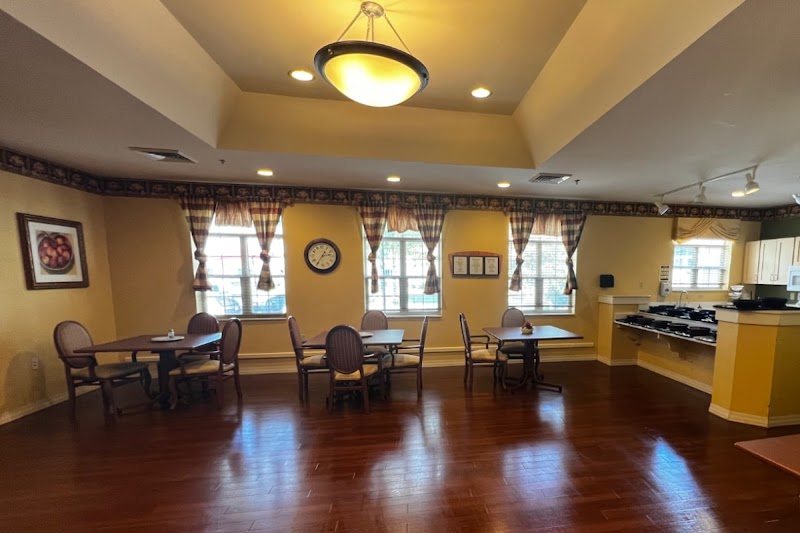
How is Macgregor Downs Health Center By Harborview Staffed?

CMS rates Macgregor Downs Health Center by Harborview's staffing level at 2 out of 5 stars, which is below average compared to other nursing homes. Staff turnover is 57%, which is 11 percentage points above the North Carolina average of 46%. High turnover can affect care consistency as new staff learn residents' individual needs. RN turnover specifically is 62%, which is notably high. RNs provide skilled clinical oversight, so turnover in this role can affect medical care quality.

What Have Inspectors Found at Macgregor Downs Health Center By Harborview?

State health inspectors documented 34 deficiencies at Macgregor Downs Health Center by Harborview during 2023 to 2025. These included: 1 Immediate Jeopardy (the most serious level, indicating potential for serious harm or death), 30 with potential for harm, and 3 minor or isolated issues. Immediate Jeopardy findings are rare and represent the most serious regulatory concerns. They require immediate corrective action.
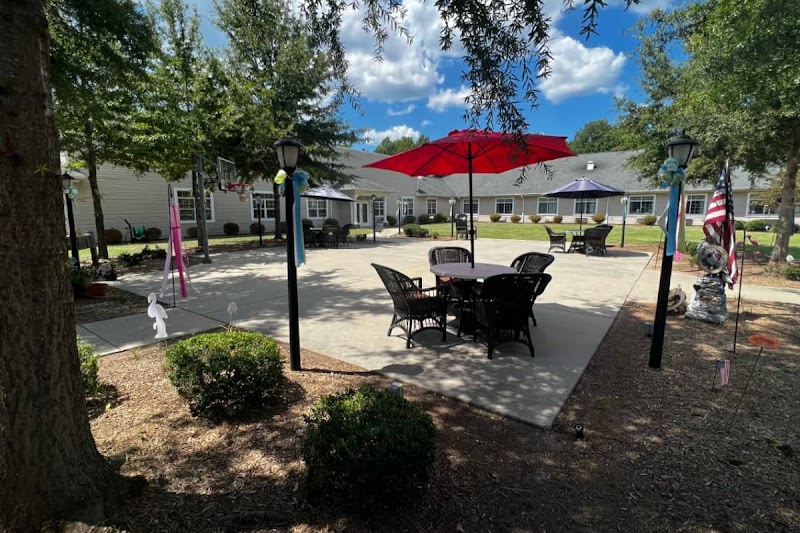
Who Owns and Operates Macgregor Downs Health Center By Harborview?

Macgregor Downs Health Center by Harborview is owned by a for-profit company. For-profit facilities operate as businesses with obligations to shareholders or private owners. The facility is operated by HARBORVIEW HEALTH SYSTEMS, a chain that manages multiple nursing homes. With 152 certified beds and approximately 136 residents (about 89% occupancy), it is a mid-sized facility located in Greenville, North Carolina.

How Does Macgregor Downs Health Center By Harborview Compare to Other North Carolina Nursing Homes?

Compared to the 100 nursing homes in North Carolina, Macgregor Downs Health Center by Harborview's overall rating (2 stars) is below the state average of 2.8, staff turnover (57%) is significantly higher than the state average of 46%, and health inspection rating (2 stars) is below the national benchmark.

What Should Families Ask When Visiting Macgregor Downs Health Center By Harborview?

Based on this facility's data, families visiting should ask: "What changes have been made since the serious inspection findings, and how are you preventing similar issues?" "How do you ensure continuity of care given staff turnover, and what is your staff retention strategy?" "Can you walk me through typical staffing levels on day, evening, and night shifts?" "Can I visit during a mealtime to observe dining assistance and food quality?" These questions are particularly relevant given the facility's Immediate Jeopardy citations, the facility's high staff turnover rate, and the below-average staffing rating.

Is Macgregor Downs Health Center By Harborview Safe?

Based on CMS inspection data, Macgregor Downs Health Center by Harborview has documented safety concerns. Inspectors have issued 1 Immediate Jeopardy citation (the most serious violation level indicating risk of serious injury or death). The facility has a 2-star overall rating and ranks #100 of 100 nursing homes in North Carolina. Families considering this facility should ask detailed questions about what corrective actions have been taken since these incidents.

Do Nurses at Macgregor Downs Health Center By Harborview Stick Around?

Staff turnover at Macgregor Downs Health Center by Harborview is high. At 57%, the facility is 11 percentage points above the North Carolina average of 46%. Registered Nurse turnover is particularly concerning at 62%. RNs handle complex medical decisions and coordinate care — frequent RN changes can directly impact care quality. High turnover means new staff may not know residents' individual needs, medications, or preferences. It can also be disorienting for residents, especially those with dementia who rely on familiar faces. Families should ask: What is causing the turnover? What retention programs are in place? How do you ensure care continuity during staff transitions?

Was Macgregor Downs Health Center By Harborview Ever Fined?

Macgregor Downs Health Center by Harborview has been fined $10,023 across 1 penalty action. This is below the North Carolina average of $33,179. While any fine indicates a compliance issue, fines under $50,000 are relatively common and typically reflect isolated problems that were subsequently corrected. Families should ask what specific issues led to these fines and confirm they've been resolved.

Is Macgregor Downs Health Center By Harborview on Any Federal Watch List?

Macgregor Downs Health Center by Harborview is not on any federal watch list. The most significant is the Special Focus Facility (SFF) program, which identifies the bottom 1% of nursing homes nationally based on persistent, serious quality problems. Not being on this list means the facility has avoided the pattern of deficiencies that triggers enhanced federal oversight. This is a positive indicator, though families should still review the facility's inspection history directly.