Universal Health Care/Greenville
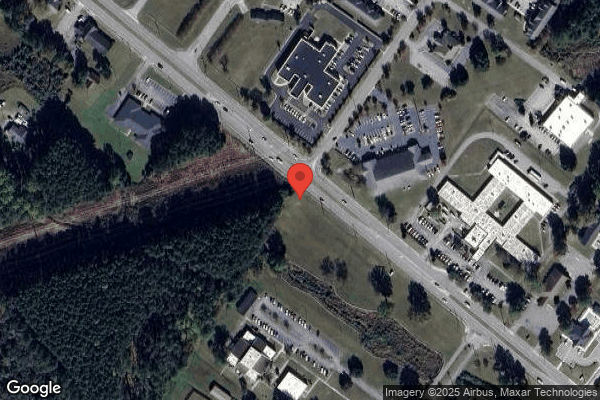

2578 West Fifth Street, Greenville, NC 27834 (252) 758-7100
For profit - Corporation 120 Beds Independent Data: November 2025 1 Immediate Jeopardy citation
Trust Grade
0/100
#406 of 417 in NC
Last Inspection: June 2025

Inspected within the last 6 months. Data reflects current conditions.

Overview

Universal Health Care in Greenville, North Carolina, has received a Trust Grade of F, indicating significant concerns and poor overall performance. It ranks #406 out of 417 facilities in the state, placing it in the bottom half, and #6 out of 6 in Pitt County, meaning it is the least favorable option locally. The facility's situation is worsening, with the number of reported issues increasing from 12 in 2024 to 13 in 2025. Staffing is a concern, rated 1 out of 5 stars, and turnover is high at 59%, which is above the state average, suggesting instability in staff. Additionally, the facility has been fined a concerning $105,102, indicating serious compliance issues. There are notable weaknesses, as incidents include a resident suffering a minor injury from falling out of bed due to inadequate assistance, and another resident sustaining a toe injury while being loaded into a transportation van. On a positive note, the nursing staff's coverage includes more registered nurses than 75% of similar facilities, which can help address health issues that other staff may overlook. However, overall, families should be cautious when considering this facility for their loved ones.

Trust Score
F
0/100
In North Carolina
#406/417
Bottom 3%
Safety Record
High Risk
Review needed
Inspections
Getting Worse
12 → 13 violations
Staff Stability
⚠ Watch
59% turnover. Above average. Higher turnover means staff may not know residents' routines.
Penalties
✓ Good
$105,102 in fines. Lower than most North Carolina facilities. Relatively clean record.
Skilled Nurses
⚠ Watch
Each resident gets only 23 minutes of Registered Nurse (RN) attention daily — below average for North Carolina. Fewer RN minutes means fewer trained eyes watching for problems.
Violations
⚠ Watch
41 deficiencies on record. Higher than average. Multiple issues found across inspections.
★☆☆☆☆
1.0
Overall Rating
★☆☆☆☆
1.0
Staff Levels
★★☆☆☆
2.0
Care Quality
★☆☆☆☆
1.0
Inspection Score
Stable
2024: 12 issues
2025: 13 issues

The Good

  • Full Sprinkler Coverage · Fire safety systems throughout facility
  • No fines on record

Facility shows strength in fire safety.

The Bad

1-Star Overall Rating

Below North Carolina average (2.8)

Significant quality concerns identified by CMS

Staff Turnover: 59%

13pts above North Carolina avg (46%)

Frequent staff changes - ask about care continuity

Federal Fines: $105,102

Well above median ($33,413)

Significant penalties indicating serious issues

Staff turnover is elevated (59%)

11 points above North Carolina average of 48%

The Ugly 41 deficiencies on record

1 life-threatening 2 actual harm
Jun 2025 10 deficiencies 1 IJ
CRITICAL (J)

Immediate Jeopardy (IJ) - the most serious Medicare violation

Accident Prevention (Tag F0689)

Someone could have died · This affected 1 resident

**NOTE- TERMS IN BRACKETS HAVE BEEN EDITED TO PROTECT CONFIDENTIALITY** 2. Resident #85 was re-admitted to the facility on [DATE] with a diagnosis of cerebral infarction (disrupted blood supply to the...

Read full inspector narrative →
**NOTE- TERMS IN BRACKETS HAVE BEEN EDITED TO PROTECT CONFIDENTIALITY** 2. Resident #85 was re-admitted to the facility on [DATE] with a diagnosis of cerebral infarction (disrupted blood supply to the brain). A review of his admission Minimum Data Set (MDS) assessment dated [DATE] revealed he was severely cognitively impaired. He had functional limitation in range of motion on both sides of his upper and lower extremities. He required substantial/maximal assistance to roll left and right in bed. Resident #85 was always incontinent of bladder. He had no falls since his re-entry to the facility. On 6/2/25 at 3:37 PM a review of an unsigned incident report provided by the Director of Nursing (DON) dated 10/9/24 at 7:12 PM revealed at 3:30 PM on 10/9/24 staff was assisting Resident #85 with incontinence care, Resident #85 rolled out of bed face down sustaining a small skin tear on his forehead. Resident #85's family member was at his bedside, and Emergency Medical Services (EMS) was called. On 6/5/25 at 3:45 PM a telephone interview with Nurse #5 indicated she responded to Nurse Aide (NA) #4's call for assistance with Resident #85 on 10/9/24. She stated when she entered Resident #85's room, he was lying on the floor on the left side of his bed which was positioned approximately 3 feet from the floor. She reported she completed vital signs and a head to toe assessment of Resident #85 and observed a small bleeding cut on his forehead. Nurse #5 went on to say Resident #85 was sent to the hospital for evaluation. She stated NA #4 reported to her that while she had been providing Resident #85 with incontinence care, he fell off the bed. Nurse #5 reported she did not recall receiving any in-service education after this incident regarding ensuring residents were positioned in the center of the bed and turning residents towards yourself rather than away from yourself when providing care. Multiple attempts at telephone interview with NA #4 were unsuccessful. NA #4 no longer worked at the facility. A review of Resident #85's hospital record for his admission to the hospital on [DATE] revealed in part Resident #85 presented to the emergency room at approximately 3:30 PM on 10/9/24 after falling face down while being turned at the facility. He had a small cut on his forehead. Diagnostic imaging studies of his head, spine, wrists, hands and knees did not reveal any abnormalities. Resident #85 returned to the facility on [DATE]. On 6/2/25 at 3:37 PM an interview with Resident #85's family member indicated there was an instance within the last year where Resident #85 fell out of bed when someone was turning him. She stated she was outside his room at the time, and while she did not witness the incident, she saw Resident #85 on the floor in front of his bed after he fell. She reported he was not complaining of any pain, but he had a small cut on his forehead from his glasses, and she asked that he be sent to the hospital. She indicated she was not aware of any other injuries from the incident. On 6/4/25 at 9:07 AM an interview with the Director (DON) indicated she was not the DON at the time of Resident #85's fall from bed during care on 10/9/25. She stated Nurse #6, who no longer worked at the facility, was the DON at the time of the fall. She went on to say there was an incident report regarding the fall, but she did not have an investigation file for the incident. A review of a Post Fall Investigation report dated 10/12/24 at 5:51 PM completed by Nurse #6 revealed in part Resident #85 had a fall in his room on 10/9/24. There was no additional information related to what steps were taken to investigate this fall. On 6/4/25 at 10:51 AM a telephone interview with Administrator #2 indicated he was the facility's Administrator on 10/9/24. He stated he did not recall Resident #85 having a fall from bed during care. He reported this would have been a serious incident, and an investigation would have been done. Administrator #2 stated residents should not fall out of bed when staff were providing care to them. On 6/4/25 at 2:27 PM a telephone interview with Nurse #6 indicated she had been the DON at the facility on 10/9/24 when Resident #85 fell out of bed during care. She stated an investigation had been conducted but she did not know where the investigation file would be. She reported the investigation revealed NA #4 had been providing Resident #85 with incontinence care by herself, did not have Resident #85 positioned in the middle of the bed, and turned Resident #85 away from herself during the care. Nurse #6 stated Resident #85 had rolled off the left side of his bed face first onto the floor. She went on to say Resident #85 sustained a small cut to his forehead and had been sent to the hospital for evaluation. On 6/5/25 at 3:34 PM a telephone interview with the Medical Director indicated she was Resident #85's facility physician. She stated all residents should receive care in a safe manner and Resident #85 should not have experienced a fall from bed during the provision of care. On 6/6/25 at 11:33 AM an interview with the Administrator indicated she was not the Administrator on 10/9/24. She stated she had looked, but did not have an investigation file for Resident #85's fall incident on that date. She reported residents should receive care in a safe manner and should not experience a fall from bed during the provision of care. Based on observation, record review, and interviews with family, staff, physician, Nurse Practitioner (NP), Medical Director, and the Director of Rehabilitation, the facility failed to prevent a resident with severe cognitive impairment and exit seeking behaviors from exiting the facility without supervision. On Saturday, 5/31/25, the Receptionist observed an elderly male (Resident #76) exit the facility behind a male resident who was discharging from the facility and a female family member who was moving that resident out. She did not recognize the elderly male as Resident #76, and she believed he was part of the discharging resident's family. Later that morning, as Nurse Aide (NA) #1 was driving in the community, she saw an individual who she thought looked like a resident walking without staff accompaniment approximately 0.7 miles away from the facility. She contacted the facility by phone, provided a description of the resident and staff who were working realized Resident #76 was missing. There was a high likelihood of serious harm, injury, or death for Resident #76 as the area he traversed included a well-travelled State Highway immediately outside of the facility's parking lot and multiple intersecting roads including a 4-lane intersection that was a major thoroughfare through the city. In addition, the facility failed to provide care in a safe manner when Resident #85 rolled out of bed during care and sustained a small cut to his forehead. These deficient practices affected 2 of 6 residents reviewed for accidents (Resident #76 and Resident #85). Immediate Jeopardy began on 5/31/25 when Resident #76 exited the facility without supervision. Immediate jeopardy was removed on 6/6/25 when the facility implemented an acceptable credible allegation of immediate jeopardy removal. The facility will remain out of compliance at a lower scope and severity level of D (no actual harm with potential for more than minimal harm that is not immediate jeopardy) to ensure education is completed and monitoring systems put into place are effective. Example #2 was cited at scope and severity level of D. The findings included: 1. Resident #76 was admitted to the facility on [DATE] with diagnoses which included dementia, psychotic disturbance, and anxiety disorder. A review of the elopement risk tool assessment dated [DATE] revealed Resident #76 was at low risk for elopement. A review of the care plan dated 4/28/25 revealed a focus area for Resident #76 being at risk for falls related to cognitive impairment, poor balance, and poor safety awareness and a focus area for Resident #76 being at risk for complications related to cognitive impairment with interventions that included reorienting resident as needed to person, place, time, and location. There was also a focus area also for the resident being at risk for adverse reactions related to the use of antipsychotics secondary to the diagnosis of delirium and dementia related behaviors. The Minimum Data Set (MDS) admission assessment dated [DATE] revealed Resident #76 had severe cognitive impairment and no wandering or behavioral symptoms. He was assessed as needing moderate assistance walking 10 feet. He received antipsychotic medication and Physical Therapy services. Resident #76 found it very important to go outside to get fresh air when the weather was good. An interview with the Director of Rehabilitation on 6/4/25 at 1:41 PM revealed Resident #76 was provided with physical therapy services from 4/29/25 through 5/28/25. At the time of discharge from physical therapy, he walked 600 feet with supervision for safety. The nursing progress note written by Nurse #1 dated 5/30/25 at 10:23 PM revealed Resident #76 was exit seeking, became confused and started yelling at staff and forgot how to get back to his room. Once the resident was back in his room he began to calm down. Telephone interviews with Nurse #1 were conducted on 6/3/25 at 4:15 PM and 6/11/25 at 10:15 AM. She revealed she worked on 5/30/25 from 3:00 PM until 11:00 PM. She went on to say Resident #76 attempted to leave the facility on 5/30/25 at approximately 3:40 PM. She stated the resident was exit seeking, became confused and started yelling at staff and walking to the front exit door. Nurse #1 then placed herself between Resident #76 and the front exit door until the DON was able to redirect him and walk with him back to his room. She stated this was the first time she had witnessed his exit seeking behavior. Nurse #1 indicated she was an agency nurse and had not worked with Resident #76 often. The Director of Nursing (DON) was in the facility at the time Resident #76 exhibited exit seeking behaviors on 5/30/25. Nurse #1 reported that the DON asked Nurse #1 to call Resident #76's family to see if they would come and sit with him. The family did not answer her call. Resident #76 was in his room with a roommate, who was cognitively intact, and she (Nurse #1) checked on him often throughout her shift. Nurse #1 stated she did report Resident #76's exit seeking behaviors to the oncoming nurse. An interview with the DON was held on 6/3/25 at 4:30 PM, she revealed she did not recall Resident #76 exhibiting exit seeking behavior, but she felt he was only upset on 5/30/25. She stated Resident #27 said, I don't want to go to the pea patch. The DON then went with Nurse #1 to take the resident to his room. She added that she did not ask Nurse #1 to call the family as the facility provided one-to-one service if needed. A telephone interview with Nurse Aide (NA) #1 was conducted on 6/3/25 at 3:20 PM. She revealed on 5/31/25 she had left the facility via her car during her break and while she was enroute back to the facility she saw whom she thought might be a resident walking on the sidewalk towards a fast-food restaurant. She called the facility at 9:11 AM and spoke with the Receptionist to let her know his location and described the clothes he was wearing. She indicated at that point the Receptionist identified the resident as Resident #76. Nurse Aide #1 then turned the car around and sat with Resident #76 until Nurse #2 and the Receptionist arrived to pick him up. Resident #76 was wearing black pants, a purple T-shirt and tennis shoes. He was kneeling on one knee when she saw him. Nurse Aide #1 stated he appeared very tired but not overheated. He was easily redirected into the Receptionist's car. A telephone interview was conducted with the Receptionist on 6/3/25 at 3:30 PM. She indicated that prior to working as the Receptionist, she was an NA at the facility. She revealed there were several discharges at the facility on 5/31/25, the date Resident #76 exited the facility without staff supervision. A male resident was moving out with the assistance of a female family member. The Receptionist stated she observed the male resident and the female family member exiting the facility with an elderly male behind them and did not realize that this elderly male was a resident at the facility. She explained she thought Resident #76 was part of that resident's family. The resident was wearing black pants and a purple t-shirt and walked out behind the family members of the discharged resident. The Receptionist reported that she could not recall what time this happened. The Receptionist stated she went to get Resident #76 with Nurse #2 after NA #1 contacted the facility and the resident seemed very tired but not overheated. She stated Resident #76 was severely cognitively impaired and the road he was walking on was a highly traveled main thoroughfare from downtown Greenville, NC to Falkland, NC. The door that Resident #76 used to exit was the front entrance door to the building which was unlocked every morning at 8:00 AM until 8:00 PM. She added that the facility did not utilize a wander guard system. Follow-up interviews with the Receptionist on 6/4/25 at 10:20 AM and 6/11/25 at 9:30 AM indicated the admission Nurse would verbally tell the receptionists if there was a resident that they should be on the lookout for exit seeking behaviors. She revealed there was no photo book at the reception desk to identify residents at risk for elopement. The nursing note dated 5/31/25 at 9:15 AM written by Nurse #2 revealed Resident #76 was off the premises of the facility and was returned to the facility with no injuries. An interview with Nurse #2 on 6/3/25 at 2:15 PM revealed she gave Resident #76 his medication on 5/31/25 at 8:30 AM which was the last time she saw him prior to learning of the unsupervised exit. The Receptionist notified her at approximately 9:11 AM that Nurse Aide #1 had called the facility to make them aware of a resident was walking down the road. The facility staff were unaware Resident #76 was not in the facility. She went on to say she (Nurse #2) remembered Resident #76 coming to the nurse's station prior to this day and said he wanted to go see his family. Nurse #2 went with the Receptionist at approximately 9:15 AM to pick him up and he was located on a grassy area between the sidewalk and a restaurant. Resident #76 was found kneeling on one knee, wearing black pants and a purple t-shirt. When they returned to the facility, Nurse #2 assessed him and identified no injuries noted. A follow up telephone interview was conducted with Nurse #2 on 6/11/25 at 8:45 AM. She revealed she did not know, nor did anyone tell her that Resident #76 had been exit seeking on 5/30/25, the day prior to the elopement on 5/31/25. She went on to say she did not know Resident #76 well enough to know if he would have been safe outside without facility staff supervision, but she felt the road he walked along would have been dangerous for him. A telephone interview was conducted on 6/11/25 at 8:50 AM with NA #11. He stated he worked on 5/31/25 from 7:00 AM to 3:00 PM. He indicated 5/31/25 was his first shift working with Resident #76 and he was unaware the resident had exit seeking behaviors on 5/30/25. He also stated he last saw Resident #76 when breakfast was served but did not know the time. He was not aware Resident #76 was out of the facility prior to NA #1 calling the facility to alert the staff. According to the Global Positioning System (GPS) traffic application, the location Resident #76 was found to be approximately 0.7 miles from the facility. On 6/4/25, beginning at approximately 11:45 AM, the Surveyor walked approximately 0.7 miles from the facility to the location where Resident #76 was picked up by the staff on 5/31/25. The walk revealed the resident would have to walk through the facility's parking lot that contained loose gravel and multiple potholes. Directly outside of the facility's parking lot was a well-traveled 4 lane divided State Highway, NC 43, with a speed limit of 45 miles per hour. The highway had a sidewalk. Resident #76 would then have had to cross over the following intersections: a 2-lane entrance to an apartment complex; a 4-lane intersection at [NAME] Arlington Blvd., a major thoroughfare through the city with a traffic light and a crosswalk; an apartment complex entrance road and exit road; and a gated driveway entrance and exit to an assisted living facility. Along the route there were 2 large ditches on the side of the sidewalk: one ditch approximately 3 feet deep partially covered by brush/bush-like vegetation and one ditch approximately 12 feet deep containing water and rock. There was a large volume of traffic observed during this walk. The weather underground website shows it was 66 degrees Fahrenheit in Greenville on 5/31/25 at 9:15 AM. An interview with the Medical Director was conducted on 6/4/25 at 11:07 AM. She stated the facility reported the elopement with no injuries on 5/31/25. She went on to say something failed and there were always risks of injury when someone eloped from a facility. During a follow up interview with the Medical Director on 6/11/25 at 9:05 AM she revealed the Nurse Practitioner was more familiar Resident #76 and indicated she would be able to provide further resident specific information. An interview with the NP on 6/11/25 at 9:10 AM revealed Resident #76 had dementia. She indicated she could not say whether or not Resident #76 was safe to be outside of the facility without supervision, but she did say it was concerning. She stated the roads in the area were dangerous. She reported there was not any medical reason that would have triggered the new exit seeking behavior for Resident #76. In follow-up interviews with the Director of Nursing on 6/4/25 at 2:30 PM and 6/11/25 at 10:30 AM she indicated there was a receptionist at the front desk daily Monday through Sunday from 8:00 AM until 8:00 PM. She reported that the facility did not utilize a wander guard system. She stated prior to 5/30/25, there was no system in place to identify residents that were unsafe to exit the facility unsupervised. She revealed there should have been a picture of anyone with a high risk of elopement at the reception desk to prevent a resident at risk from going outside without supervision. She stated she felt the road Resident #76 traversed would not be a safe walk for someone with cognitive issues. She went on to say it was a well-traveled road with a high volume of vehicles daily. An interview with the Administrator on 6/4/25 at 4:25 PM revealed there should have been a sign on the door asking families to check with a nurse prior to letting a resident out of the facility to prevent residents from exiting the building. She went on to say a photo book should have been created to let the staff know any resident at risk for elopement. These books should have been at all 3 nurses' stations and at the reception desk. During a follow-up telephone interview with the Administrator on 6/11/25 at 10:51 AM she stated there were not any residents at risk of elopement prior to Resident #76's elopement on 5/31/25, therefore there was not a system in place to identify residents at risk. She revealed she felt the road Residents #76 was walking on was dangerous and that it was well traveled road with a high volume of vehicles daily. The facility provided a corrective action plan that was not acceptable to the State Agency as it did not address the issue of the Receptionist not being able to distinguish between residents and visitors and not being aware of what residents were safe to be outside without supervision. It additionally did not address how the facility would ensure staff were aware of residents who were at risk for wandering and exit seeking. On 6/4/25 at 8:40 AM the Administrator was notified of immediate jeopardy. The facility provided the following Immediate Jeopardy removal plan: Identify those recipients who have suffered, or are likely to suffer, a serious adverse outcome because of the non-compliance: Resident #76 was admitted on [DATE] with a diagnosis of muscle wasting, muscle weakness, dysphagia, anxiety disorder, abnormalities of gait and mobility and unspecified dementia. On 4/28/2025, an initial elopement assessment was completed by the Unit Manager that resulted in the resident being at low risk for elopement (referring to the act of an older adult leaving a safe environment without supervision). On 5/30/2025, a progress note written by the hall nurse identified Resident #76 as exit seeking. He was given a snack and drink, and he returned to his room to watch TV with his roommate. The hall nurse notified the Director of Nursing. He had no further behavior throughout the shift. At approximately 9:00 a.m. on 5/31/2025, Resident #76 was identified by a staff member driving by and thought she recognized the resident walking on the sidewalk about 0.7 miles from the facility. The resident at that time had not been reported as missing. The staff member that spotted him kept him in eyesight and stayed with him and called the facility. She spoke with the Receptionist and together they realized he was resident at the facility. The Receptionist alerted the nurse and together they immediately went and brought Resident #76 back to the facility. The Receptionist is a certified nursing assistant, however, has not worked as one in this facility since 5/19/2022 and was unfamiliar with the newer residents. The Receptionist observed Resident #76 exit the facility with other individuals who were visiting the facility, but she did not identify that he was a resident and therefore did not stop the resident from exiting. A full skin assessment was performed by the hall nurse on 5/31/2025 with no negative findings. The Responsible Party (RP) and physician were notified by the hall nurse, and new orders were obtained for urinalysis and a psychiatry consultation. The urinalysis resulted negative on 5/31/2025. The psychiatry visit was completed on 6/2/2025 with no new orders. Resident #76 was placed on one-on-one supervision until further notice while the social worker / discharge planner work with the family members to find a memory care unit. On 5/31/2025 the Administrator met with the Assistant Director of nursing, floor nurse and Receptionist and determined staff did not intervene with the resident's exit seeking behavior, nursing staff did not follow up on exit seeking behaviors the night prior to the elopement, and there was no wandering book at the front desk or nursing stations with residents with exit seeking behaviors pictures. The floor nurses completed a 100% head count of all residents; all were present and accounted for. On 5/31/2025, the Director of Nursing (DON) initiated an audit of resident progress notes to include Resident #76 for the past 14 days. The audit was completed with no other residents' issues identified. On 5/31/2025, the Assistant Director of Nursing (ADON) completed an audit of all wandering assessments to ensure assessments were completed accurately and to ensure all residents who triggered as at risk were care planned for wandering risk. No other residents were identified. Specify the action the entity will take to alter the process or system failure to prevent a serious adverse outcome from occurring or recurring, and when the action will be complete: On 5/31/2025, the Administrator & ADON initiated an in-service with all nurses regarding initiating an intervention if residents are exhibiting wandering behaviors or statements about seeking exit and notify the DON/ADON. On 5/31/2025 an in-service was also initiated by the ADON & Administrator with all staff, including agency staff, regarding not assisting any person known or unknown outside of the facility without checking with nursing staff to ensure the resident is safe to be outside unsupervised. The DON created on 6/4/2025 wandering books for all nurses' stations and the front desk with pictures and resident demographics for any resident identified to be an elopement risk. The Activity Director has placed pictures of residents from the wandering book on the bulletin board in the employee dining room to assist staff in identifying residents with exit seeking behaviors. The DON started all staff in-services on 6/5/2025 on the wandering books at the nurses' stations and the front desk and the notification board in the employee break room. Any new residents identified with exit seeking behaviors will be added to the wandering books and bulletin board along with being added to the Kardex used by the certified nursing assistants for charting care given. The Minimum Date Set (MDS) nurse will update the Kardex as residents are identified to be exit seeking. This in-service will be completed by 6/5/2025 and any staff who are not in serviced will be in serviced prior to their next shift. The ADON will be responsible for updating the wandering books at the nurses' station and front desk and updating the bulletin board in the employee dining room. The nursing staff that identifies the exit seeking behaviors will complete the Elopement Assessment in the electronic medical record as directed by the DON/ADON upon notification. The Regional Clinical Director in serviced the DON/ADON on 6/5/2025 on steps to direct the nursing staff upon any notification of exit seeking behaviors, these steps will include completing an Elopement Assessment. The ADON will then notify the MDS nurse to update the Kardex. All in-services will be completed by 6/5/2025. The Staff Development Coordinator (SDC) and Scheduler will be responsible for tracking staff needing an in-service prior to working. All in-services will be added to the orientation for all new staff to be completed by the SDC. A sign was placed on the front door on 6/4/2025 by the Administrator to alert any visitors or other family members not to assist anyone outside and to seek help from the receptionist. The Social Worker has drafted a letter to the families of current residents to remind them not to assist residents outside without checking with the nursing staff or the receptionist. This letter will be post marked 6/5/2025 and will be mailed on 6/5/2025 by the Social Worker. Alleged date of immediate jeopardy removal: 6/6/2025 Onsite validation of the immediate jeopardy removal plan was completed on 6/6/25 as follows: Review of the facility documentation revealed the facility completed an audit of resident progress notes for the past 14 days. Review of the facility education materials and sign-in sheets were reviewed to confirm that education was provided as indicated in the removal plan. Interviews were conducted on 6/6/25 with facility staff to confirm that education was received regarding elopement risk residents. Observed the elopement risk photo binders located on all 3 nurses' stations and at the reception desk. Observed the signs posted on the interior and exterior of the front door asking all visitors to check with a nurse prior to assisting residents outside. Observed the residents' photos at risk for elopement that were posted in the staff break room. Reviewed evidence of the letters that were sent to the families of current residents asking them not to assist residents outside without checking with a nurse or the receptionist. The facility's immediate jeopardy removal date of 6/6/25 was validated.
CONCERN (D)

Potential for Harm - no one hurt, but risky conditions existed

Safe Environment (Tag F0584)

Could have caused harm · This affected 1 resident

Based on observation and interviews with staff, the facility failed to secure a packaged terminal air conditioner (PTAC) unit to the wall on 1 of 5 resident halls reviewed for the environment (Residen...

Read full inspector narrative →
Based on observation and interviews with staff, the facility failed to secure a packaged terminal air conditioner (PTAC) unit to the wall on 1 of 5 resident halls reviewed for the environment (Resident #280's room). The findings included: An observation of Resident #280's room on 6/3/25 at 8:20 AM revealed a packaged terminal air conditioner (PTAC) unit which is a self-contained heat and air conditioning unit was not secured to the wall. An area of outdoor grass was visible through the approximately ½ inch gap. An interview and observation of the PTAC unit in Resident #280's room was conducted on 6/4/25 at 10:50 AM with the Maintenance Director, he revealed the unit was coming away from the wall due to a screw missing which created an approximately ½ inch gap between the unit and the wall which allowed for the grass outside to be visible. The Maintenance Director stated he was not aware of this needed repair as no one had reported it to him. An interview with the Administrator was conducted on 6/6/25 at 8:40 AM. At that time, she revealed the department managers were tasked to conduct room inspections daily. These inspections should have found the unit missing a screw and coming away from the wall and been reported to the Maintenance Director for repair.
CONCERN (D)

Potential for Harm - no one hurt, but risky conditions existed

Grievances (Tag F0585)

Could have caused harm · This affected 1 resident

**NOTE- TERMS IN BRACKETS HAVE BEEN EDITED TO PROTECT CONFIDENTIALITY** Based on record review and staff interviews, the facility failed to file a grievance on behalf of a resident when the resident r...

Read full inspector narrative →
**NOTE- TERMS IN BRACKETS HAVE BEEN EDITED TO PROTECT CONFIDENTIALITY** Based on record review and staff interviews, the facility failed to file a grievance on behalf of a resident when the resident reported a grievance verbally to the Social Worker (SW) related to multiple items missing from her belongings after returning from a short hospital stay. The missing items were not located. This deficient practice affected 1 of 1 resident reviewed for grievances Resident #93). Findings included: A review of the facility policy titled Service Concerns/Grievances dated 3/1/25 indicated that nursing staff, Social Work and Discharge Planners or any other team member receiving questions or issues of concern regarding care and/or services are to immediately respond at the point of service in an effort to satisfactorily resolve issues of concern. The policy stated the patient had the right to voice/file grievances/complaints (orally, in writing or anonymously) without fear of discrimination or reprisal. Resident #39 was readmitted to facility on 10/15/24 with a diagnosis of non-Alzheimer's dementia. A review of Resident #39's medical record revealed she was sent to the hospital on 4/27/25 and returned on 5/5/25 and was discharged on 5/23/25. A review of Resident #39's admission Minimum Data Set (MDS) dated [DATE] revealed she was moderately cognitively impaired. During an interview with the SW on 6/4/25 at 1:12 PM she revealed Resident #39 was admitted to the hospital from the facility on 4/27/25. The SW stated that she packed Resident #39's belongings and put them in storage on facility grounds on 4/28/25. When Resident #39 returned from the hospital on 5/5/25 her belongings were returned to her and put away in her room by staff. The SW was unable to state which staff put the items away. The SW further stated that Resident #39 told her on more than one occasion between the dates of 5/5/25 and her discharge on [DATE] that she was missing a small suitcase, a pair of shoes, and two cotton nightgowns. The SW indicated she remembered the suitcase, as she had packed items in it to go to storage. The SW indicated she did not tell other staff Resident #39 reported missing items to her. The SW revealed she did not file a grievance on behalf of Resident #39, nor did she look for the items, as she was waiting for the resident to provide her with a written list including sizes. The SW indicated she would have been responsible for locating the items and that the items were never located. The SW further stated she should have written a grievance on behalf of Resident #39 given her cognitive status and to ensure her concerns were followed up on. Attempts to reach Resident #39 by telephone were unsuccessful. In an interview with the Administrator on 6/4/25 at 1:30 PM she stated she was not aware Resident #39 was missing a small suitcase, a pair of shoes and two cotton nightgowns. She further stated the SW should have made a list of the missing items for Resident #39 given her cognitive status. The Administrator revealed she did not think a grievance should have been filed right away, but rather after the missing items were not located after a week or so.
CONCERN (D)

Potential for Harm - no one hurt, but risky conditions existed

Assessment Accuracy (Tag F0641)

Could have caused harm · This affected 1 resident

**NOTE- TERMS IN BRACKETS HAVE BEEN EDITED TO PROTECT CONFIDENTIALITY** Based on record review and staff interviews, the facility failed to accurately code the Minimum Data Set (MDS) assessment in the...

Read full inspector narrative →
**NOTE- TERMS IN BRACKETS HAVE BEEN EDITED TO PROTECT CONFIDENTIALITY** Based on record review and staff interviews, the facility failed to accurately code the Minimum Data Set (MDS) assessment in the area of high risk drug class medications. This was for 1 of 5 residents reviewed for unnecessary medications (Resident #30). Findings included: Resident #30 was admitted to the facility on [DATE]. A review of Resident #30's admission Minimum Data Set (MDS) assessment dated [DATE] revealed coding that Resident #30 received anticoagulant (blood thinning) medication during the look-back period of the assessment. A review of Resident #30's Medication Administration Record (MAR) for February 2025 did not reveal any documentation indicating a physician's order for anticoagulant medication or that anticoagulant medication was administered to Resident #30 in February 2025 since her admission to the facility. On 6/6/25 at 8:35 AM an interview with MDS Nurse #2 indicated she coded the high risk drug class medication section of Resident #30's MDS assessment dated [DATE]. She stated although Resident #30 had not taken any anticoagulant medication in the look back period of this assessment since her admission to the facility, she had received heparin (a blood thinning medication) in the hospital in the 2 days prior to her admission. She reported it was her understanding that the anticoagulant medication Resident #30 received in the hospital should be reflected on Resident #30's MDS assessment dated [DATE]. On 6/6/25 at 8:51 AM an interview with the Director of Nursing indicated it was her understanding that the anticoagulant medication Resident #30 received in the hospital prior to her admission to the facility should be reflected on Resident #30's MDS assessment dated [DATE]. She reported that resident's MDS assessments should be accurate. On 6/6/25 at 10:00 AM an interview with the Administrator indicated everyone understood that the high risk drug class section of a resident's MDS assessment should be coded based on a 7 day look back period which included any of these medications a resident received outside the facility during a 7 day look back period. She reported MDS assessments should be coded accurately.
CONCERN (D)

Potential for Harm - no one hurt, but risky conditions existed

Comprehensive Care Plan (Tag F0656)

Could have caused harm · This affected 1 resident

**NOTE- TERMS IN BRACKETS HAVE BEEN EDITED TO PROTECT CONFIDENTIALITY** Based on observations, record review and staff interviews, the facility failed to develop a comprehensive care plan for a reside...

Read full inspector narrative →
**NOTE- TERMS IN BRACKETS HAVE BEEN EDITED TO PROTECT CONFIDENTIALITY** Based on observations, record review and staff interviews, the facility failed to develop a comprehensive care plan for a resident in the areas of bed rails (Resident #94) and for the use of a Continuous Positive Airway Pressure (CPAP) machine for one resident (Resident #63). This was for 2 of 24 residents reviewed for comprehensive care plans. Findings included: 1. Resident #94 was admitted to the facility on [DATE]. A review of Resident #94's comprehensive care plan dated 11/3/24 revealed she did not have a care plan that included the use of bilateral quarter length side rails. Resident #94's quarterly Minimum Data Set (MDS) dated [DATE] revealed bed rails were not used as a restraint. An observation was conducted on 6/3/25 at 12:43 PM in Resident #94's room. The resident was lying in bed with bilateral quarter length side rails in the raised position. In an interview with Resident #94 on 6/3/25 at 12:43 PM, she stated she had always had the side rails on her bed. An interview with the admission Nurse was conducted on 6/5/25 at 2:03 PM. She stated she did the admission side rail assessment for Residents #94. The admission Nurse reviewed the side rail assessment during the interview and revealed that it was marked as not using bilateral quarter length side rails which was not correct. She was unsure why she had marked it as such. In an interview with MDS Nurse #2 on 6/5/25 at 1:46 PM she stated the care plan was updated by MDS coding and any other department in the facility such as nursing, activities or dietary. MDS Nurse #2 further stated MDS coding for side rails comes from the side rail assessment completed by nursing and MDS Nurse's do not go to the residents' room to observe for side rails. An observation and interview was conducted with the Director of Nursing (DON) on 6/3/25 at 2:31 PM. Resident #94 was lying in bed with bilateral quarter length side rails in the raised position. The DON stated Resident #94 should have had a care plan that included the use of bilateral quarter length side rails. In an interview with the Administrator on 6/3/25 at 3:07 PM, she stated Residents #94 should have had a care plan that included the use of bilateral quarter length side rails since the side rails were on the bed. The Administrator further stated she was only aware that the comprehensive care plan was developed automatically based on nursing assessments and other departments can add to it. 2. Resident #63 was admitted to the facility on [DATE]. Resident #63's hospital Discharge summary dated [DATE] indicated she brought her CPAP machine from home and used it nightly in the hospital. The admission Minimum Data Set (MDS) assessment dated [DATE] for Resident #63 indicated she was cognitively intact and required no CPAP machine usage. An interview with the admission Nurse was conducted on 6/5/25 at 2:03 PM. She stated she did the admission nursing assessments for Resident #63. The admission Nurse indicated she was unaware the resident had a CPAP machine. The admission Nurse stated she did go into the resident's room when she completed the assessment but she did not notice the CPAP machine A review of Resident #63's comprehensive care plan dated 3/24/25 revealed she did not have a care plan that included nightly use of a CPAP machine. On 6/2/25 at 1:15 PM an interview with Resident #63 and an observation of her room was conducted. The resident had a CPAP machine next to her bed, and she stated she brought it with her from the hospital when she was admitted to the facility. Resident #63 further stated it was her personal CPAP machine that she had brought to the hospital before coming to the facility. Resident #63 indicated she used it every night for sleep apnea (when a person has breathing interruptions in their sleep). In an interview with MDS Nurse #2 on 6/5/25 at 1:46 PM, After that, the care plan was updated by MDS coding and any other department in the facility such as nursing, activities or dietary. MDS Nurse #2 further stated MDS coding for side rails comes from the side rail assessment completed by nursing and MDS Nurse's do not go to the residents' room to observe for a CPAP machine. An interview with the Unit Manager (UM) #1 and NA #1 was conducted on 6/5/25 at 1:59 PM. They both stated Resident #63 brought the CPAP machine with her from the hospital and wore it nightly. They indicated she put it on and took it off independently. In an interview with the Administrator on 6/3/25 at 3:07 PM she stated Resident #63 should have had a care plan for the use of the CPAP machine. The Administrator further stated she was only aware that the comprehensive care plan was developed automatically based on nursing assessments and other departments can add to it.
CONCERN (D) 📢 Someone Reported This

A family member, employee, or ombudsman was alarmed enough to file a formal complaint

Potential for Harm - no one hurt, but risky conditions existed

Quality of Care (Tag F0684)

Could have caused harm · This affected 1 resident

**NOTE- TERMS IN BRACKETS HAVE BEEN EDITED TO PROTECT CONFIDENTIALITY** Based on observation, record review, and staff and Wound Care Nurse Practitioner (NP) interviews, the facility failed to obtain ...

Read full inspector narrative →
**NOTE- TERMS IN BRACKETS HAVE BEEN EDITED TO PROTECT CONFIDENTIALITY** Based on observation, record review, and staff and Wound Care Nurse Practitioner (NP) interviews, the facility failed to obtain a provider order for and implement the recommended pressure relief measure of a heel protection boot for 1 of 1 resident reviewed for a non-pressure related heel wound (Resident #62). Findings included: Resident #62 was admitted to the facility on [DATE] with a diagnosis of diabetes mellitus. A review of a Wound Care NP progress note for Resident #62 dated 2/25/25 at 10:50 PM revealed Resident #2 had a new non-thermal blister to his left heel. A review of Resident #62's annual Minimum Data Set (MDS) assessment dated [DATE] revealed Resident #62 was moderately cognitively impaired and he had one open lesion on the foot. Resident #62 required moderate assistance with sit to lying position, lying to sitting on the side of the bed, and sit to stand position. Resident #62 was maximal assistance with putting and taking off footwear. Resident #62 was moderate assistance with lower body dressing and setup with upper body dressing. He was moderate assistance with bathing and personal hygiene. A review of a Wound Care NP's progress note for Resident #62 dated 4/21/25 at 9:31 AM revealed Resident #61's left heel wound was an arterial ulcer. A review of a Wound Care NP's progress note for Resident #62 dated 5/13/2025 at 6:14 PM revealed the recommendation to float Resident #62's left heel while in bed using a soft protective boot. Review of the medical record and physician orders view of Resident #62's orders did not reveal a provider order for a protective boot for Resident #62's left heel. On 6/2/25 at 11:00 AM an observation of Resident #62 revealed him to be lying on his back in bed. Resident #62's bilateral heels were observed to be in contact with his mattress. No protective boot was observed on his left heel. On 6/4/25 at 1:30 PM an observation of Resident #62 revealed him to be lying on his back in bed. Resident #62's bilateral heels were observed to be in contact with his mattress. No protective boot was observed on his left heel. On 6/5/2025 at 2:42 PM an observation of Resident #62's left heel wound was conducted with the facility's Treatment Nurse. This wound was observed to appear clean, with no foul odor, and no drainage was present. An interview completed with the Treatment Nurse at the time of the observation revealed she had been the treatment nurse at the facility for a month and was familiar with Resident #62's left heel wound. She reported the wound was improving. Treatment Nurse stated when she and the Wound Care NP did wound care together the Wound NP informed her of her reccomendation. On 6/05/2025 at 3:29 PM an interview with Nurse Aide (NA) #6 revealed Resident #62 had been in his current room for a couple of months and since Resident #62 had been in his current room she had not placed a protective boot on Resident #62. In an interview on 6/5/2025 at 2:02 PM the Wound Care NP stated when she made a recommendation, the report was sent via e-mail to the Director of Nursing (DON). The DON then printed the report and gave a copy to the facility's treatment nurse. The facility's treatment nurse was then responsible for obtaining a facility provider's order for the recommendation. On 6/5/2025 at 3:18 PM an interview with the DON indicated after each visit, the Wound Care NP e-mailed her a report. She stated this report did not include the Wound Care NP's recommendations. The DON reported these recommendations were provided to the Treatment Nurse at the time of visit with each resident. She went on to say the Wound Care NP would verbally communicate her recommendations to the DON before the Wound Care NP exited the building. The DON stated she was not aware of the recommendation for a soft protection boot for Resident #62's left heel. She reported that if this wasn't part of the conversation she had with the Wound Care NP when she exited the building after seeing Resident #62, or on the e-mail report, then it would have gotten missed. On 6/5/2025 at 3:49 PM an interview with the Administrator indicated the Wound Care NP's recommendation for Resident #82 to have a soft protection boot to his left heel had gotten missed.
CONCERN (D)

Potential for Harm - no one hurt, but risky conditions existed

Respiratory Care (Tag F0695)

Could have caused harm · This affected 1 resident

**NOTE- TERMS IN BRACKETS HAVE BEEN EDITED TO PROTECT CONFIDENTIALITY** Based on observations, record review, and staff and Nurse Practitioner interviews, the facility failed to ensure infection contr...

Read full inspector narrative →
**NOTE- TERMS IN BRACKETS HAVE BEEN EDITED TO PROTECT CONFIDENTIALITY** Based on observations, record review, and staff and Nurse Practitioner interviews, the facility failed to ensure infection control standards were followed when Nurse #8 did not remove soiled gloves, perform hand hygiene, and don sterile gloves during tracheostomy (a surgically created opening in the windpipe through the neck to provide an airway for breathing) care for a resident and also failed to change the tracheostomy ties per the Physician's order (Resident #33). In addition, the facility failed to obtain a Physician's order for the use of a Continuous Positive Airway Pressure (CPAP) machine for one resident (Resident #63). This deficient practice affected 2 of 2 residents reviewed for respiratory care (Resident #33 and Resident #63). The findings included: 1. Resident #33 was admitted to the facility on [DATE] with diagnoses that included tracheostomy status. The quarterly Minimum Data Set (MDS) dated [DATE] revealed Resident #33 was severely cognitively impaired and was coded as receiving tracheostomy care. Resident #33's current comprehensive care plan dated 8/22/24 revealed a problem of being at risk for complications secondary to tracheostomy. Interventions included tracheostomy care per physician orders. a.) An observation of tracheostomy care was conducted with Nurse #8 on 6/4/25 at 10:51 AM. Nurse #8 washed her hands with soap and water, set up the tracheostomy care supplies on the bedside table. She then opened the container that held sterile supplies and donned sterile gloves. Nurse #8 then opened the sterile drape, placed it on the resident's chest and set the new sterile split sponge on the drape. She proceeded to remove the soiled split sponge from behind the phalange of the tracheostomy cannula with her left hand, then removed the soiled inner cannula from the tracheostomy with both hands by holding the phalange in place with her left hand and removing the inner cannula with her right. She then opened the sterile inner cannula and placed it in the tracheostomy using both hands. Nurse #8 poured sterile water in a sterile cup, opened a sterile cotton swab, dipped it in the sterile water and cleaned around the outside of the tracheostomy with it. Next, Nurse #8 wet a sterile gauze with the sterile water, squeezed out the excess water with her right hand, cleaned around the tracheostomy with her right hand and dried it with a dry sterile gauze with her right hand and then placed sterile split sponge behind tracheostomy phalange with both hands. In an interview with Nurse #8 on 6/4/25 at 11:05 AM she stated she was an agency Nurse, and this was her second day at the facility. She indicated she was trained in infection control practices and tracheostomy care before being allowed to work at the facility. Nurse #8 further stated she did not remove her soiled gloves, perform hand hygiene and don sterile gloves during tracheostomy care because she was nervous and forgot. In an interview with the Infection Preventionist on 6/4/25 at 11:09 AM, she stated Nurse #8 should have removed her soiled gloves, washed her hands with soap and water, then donned new sterile gloves before touching the sterile items needed for tracheostomy care. The Director of Nursing (DON) was interviewed on 6/4/25 at 11:15 AM. The DON stated Nurse #8 should have removed the soiled gloves, washed her hands with soap and water and donned sterile gloves before moving on to the sterile part of tracheostomy care. This was to prevent introducing disease causing bacteria into the respiratory tract of the resident via his tracheostomy. The Administrator was interviewed on 6/4/25 at 11:19 AM. She indicated that in order to prevent bacteria from entering the tracheostomy, Nurse #8 should have removed her soiled gloves, washed her hands with soap and water, then donned sterile gloves to complete the tracheostomy care. On 6/5/25 at 3:12 PM, the Nurse Practitioner (NP) was interviewed. She stated proper infection control practices such as hand hygiene between dirty and sterile procedure is important to cut down on the chance of bacteria getting into the resident's lungs through the tracheostomy and causing illness. The NP indicated Nurse #8 should have removed the soiled gloves, washed her hands with soap and water, then donned new sterile gloves. b.) Resident #33's physician orders an order tracheostomy ties daily written on 6/3/25. An observation of tracheostomy care and interview was conducted with Nurse #8 on 6/4/25 at 10:51 AM. During tracheostomy care, which included replacing the used inner cannula with a new one, changing a used split gauze for a new one, and cleaning around the tracheostomy site, Nurse #8 did not change Resident #33's tracheostomy ties. The ties appeared to have a dried yellow substance near the tracheostomy site. Nurse #8 removed her gown and gloves, performed hand hygiene and exited the resident's room. During the interview Nurse #8 stated she forgot to change the tracheostomy ties when doing tracheostomy care. In an interview with the Director of Nursing (DON) on 6/5/25 at 11:15 AM she stated Resident #33 had been a resident at the facility for several years. The DON indicated she expected Nurse #8 to have followed the physicians order to change the tracheostomy ties. An interview was conducted with the Administrator on 6/5/25 at 3:40 PM. The Administrator indicated she expected that Nurse #8 would have followed the physicians order to change the tracheostomy ties. 2. Resident #63 was admitted to the facility on [DATE] with diagnoses that included urinary tract infection, diabetes mellitus II and muscle wasting. There was no diagnosis for sleep apnea (interruptions in breathing while asleep requiring the use of a CPAP machine.) The hospital Discharge summary dated [DATE] for Resident #63 revealed documentation that the resident brought her CPAP machine to the hospital from home, used it nightly, and was encouraged to take it to the facility with her at discharge. An interview with the Admissions Nurse was conducted on 6/5/25 at 2:03 PM. She stated she did the admission nursing assessments for Resident #63. She indicated she was unaware the resident had a CPAP machine as she did not see the documentation in the hospital discharge summary. The admission Minimum Data Set (MDS) assessment dated [DATE] revealed Resident #63 was cognitively intact. The MDS was not coded for the use of a CPAP machine. Resident #63's Physician's orders for the months of March, April, May and June 2025 revealed there was no order written for use of the CPAP machine. An observation and interview were conducted on 6/2/25 at 1:15 PM in Resident #63's room. The resident had a CPAP machine next to her bed, and she stated she brought it with her from the hospital when she was admitted to the facility. Resident #63 further stated it was her personal CPAP machine that she had brought to the hospital before coming to the facility. Resident #63 indicated she used it every night for sleep apnea (a condition where a person has breathing interruptions in their sleep). In an interview with Nurse Aide (NA) #1 on 6/5/25 at 1:59 PM she stated Resident #63 used the CPAP machine nightly and that she brought it with her when she was admitted . She indicated she was familiar with Resident #63 and would see her wearing her CPAP mask when the NA arrived each morning. In an interview with Unit Manager (UM) #1 on 6/5/25 at 1:59 PM she stated Resident #63 used the CPAP machine nightly and she brought it with her when she was admitted . UM#1 reviewed Resident #63's physicians orders and stated there was no order for use of the CPAP machine. UM #1 indicated that use of a CPAP machine should have a physician's order. In an interview with the Administrator on 6/3/25 at 3:07 PM she stated Resident #63 should have had orders for use of the CPAP machine.
CONCERN (D)

Potential for Harm - no one hurt, but risky conditions existed

Deficiency F0700 (Tag F0700)

Could have caused harm · This affected 1 resident

**NOTE- TERMS IN BRACKETS HAVE BEEN EDITED TO PROTECT CONFIDENTIALITY** Based on observations, record review and staff interviews the facility failed to attempt alternative interventions, assess for e...

Read full inspector narrative →
**NOTE- TERMS IN BRACKETS HAVE BEEN EDITED TO PROTECT CONFIDENTIALITY** Based on observations, record review and staff interviews the facility failed to attempt alternative interventions, assess for entrapment risk, review the risks and benefits of the use of side rails, and/or obtain consent from the resident or resident representative prior to installing bilateral quarter length side rails (Resident #94 and Resident #172). In addition, the facility failed to attempt alternative interventions prior to installing bilateral quarter length side rails (Resident #63). This deficient practice affected 3 of 3 residents reviewed for side rails (Resident #94, Resident #172, and Resident #63). Findings included: 1. Resident #94 was admitted to the facility on [DATE] with diagnoses that included dementia, arthritis and heart failure. Resident #94's Minimum Data Set (MDS) revealed she required partial to moderate assistant with bed mobility and that she had impairment to both lower extremities. The MDS indicated Resident #94 was moderately cognitively impaired. Resident #94's comprehensive care plan dated 11/3/24 revealed she did not have a care plan that included the use of side rails. Resident #94's bed side rail tool, dated 1/23/25 and completed by the admission Nurse, indicated the resident did not use side rails, risks versus benefits and consent were not completed, and there was no assessment for entrapment risk. The bed side rail tool revealed no alternative interventions were tried before the installation and use of bilateral quarter length side rails. An interview with the admission Nurse was conducted on 6/5/25 at 2:03 PM. She stated she did the admission side rail assessment for Resident #94. The admission Nurse reviewed the assessment during the interview and revealed it was marked that the resident did not use bilateral quarter length side rails which she confirmed was not correct. The admission Nurse indicated she could not remember if the side rails were on the bed at the time of her assessment. The admission Nurse further stated review of risks and benefits, consent, and entrapment risk would not have been completed unless Resident #39 was approved for use of bilateral quarter length side rails. She was unsure why she had marked Resident #39 as not using side rails and was unaware alternative interventions needed to be tried and documented before the installation and use of side rails. An observation was conducted on 6/3/25 at 12:43 PM in Resident #94's room. The resident was lying in bed with bilateral quarter length side rails in the raised position. In an interview with Resident #94 on 6/3/25 at 12:43 PM, she stated she had always had the side rails on her bed and she used them to assist staff to help her roll over or to sit on the side of the bed. In an interview with the Director of Nursing (DON) on 6/3/25 at 2:22 PM she reviewed Resident #94's bed side rail tool assessment and stated that it indicated she did not use side rails. A follow-up observation and interview was conducted with the DON on 6/3/25 at 2:31 PM. Resident #94 was lying in bed with bilateral quarter length side rails in the raised position. The DON stated Resident #94's bed side rail tool should have indicated she did use side rails, an entrapment risk evaluation should have been completed, risks vs benefits should have been reviewed, and consent should have been received. She further stated she was unaware alternative interventions needed to be tried and documented before the installation and use of bilateral quarter length side rails. In an interview with the Administrator on 6/3/25 at 3:07 PM, she stated Residents #94 should have had an accurate bed side rail tool to include the use of bilateral quarter length side rails. The Administrator further stated she was unaware alternative interventions to bilateral quarter length side rails needed to be tried and documented before the installation and use of side rails. 2. Resident #172 was admitted to the facility on [DATE] with diagnoses that included acquired loss of left leg below the knee. Resident #172's admission nursing assessment dated [DATE] indicated he was cognitively intact. Resident #172's Minimum Data Set (MDS) was not available. Resident #172's bed side rail tool dated 5/29/25 and completed by the admission Nurse indicated the resident did not use side rails, entrapment risk was not evaluated, risks and benefits were not discussed and consent was not obtained from the resident or his responsible party. The bed side rail tool did not have alternative interventions listed before the installation and use of the side rails. An interview with the Admissions Nurse was conducted on 6/3/25 at 2:07 PM. She stated she did the admission side rail assessment for Resident #172. The admission Nurse reviewed the assessment during the interview and revealed it was marked that the resident did not use bilateral quarter length side rails which she confirmed was not correct. The admission Nurse indicated she could not remember if the side rails were on the bed at the time of her assessment. The admission Nurse further stated review of risks and benefits, consent, and entrapment risk would not have been completed unless Resident #172 was approved for use of bilateral quarter length side rails. She was unsure why she had marked Resident #172 as not using side rails and was unaware alternative interventions needed to be tried and documented before the installation and use of side rails. An observation was conducted on 6/2/25 at 11:30 AM in Resident #172's room. The resident was sitting on the side of his bed with bilateral quarter length side rails in the raised position. In an interview with Resident #172 on 6/2/25 at 11:30 AM he stated the side rails had been on the bed since his admission. In an interview with the Director of Nursing (DON) on 6/3/25 at 2:15 PM she reviewed Resident #172's bed side rail tool assessment and stated that it indicated he did not use side rails. A follow-up observation and interview was conducted with the DON on 6/3/25 at 2:29 PM. Resident #172 was sitting on the side of the bed with bilateral quarter length side rails in the raised position. The DON stated Resident #172's bed side rail tool should have indicated he did use side rails, an entrapment risk evaluation should have been completed, risks vs benefits should have been reviewed, and consent should have been received. She further stated she was unaware alternative interventions needed to be tried and documented before the installation and use of bilateral quarter length side rails. In an interview with the Administrator on 6/3/25 at 3:07 PM, she stated Resident #172 should have had an accurate bed side rail tool completed to include the use of bilateral quarter length side rails. The Administrator further stated she was unaware alternative interventions to bilateral quarter length side rails needed to be tried and documented before the installation and use of side rails. 3. Resident #63 was admitted to the facility on [DATE] with diagnoses that included urinary tract infection, diabetes mellitus II and muscle wasting. Resident #63's admission Minimum Data Set (MDS) assessment dated [DATE] revealed she was cognitively intact and required partial/moderate assistance with bed mobility. The MDS further revealed she had impairment of both upper and lower bilateral extremities. Resident #63's bed side rail tool dated 3/20/25 and completed by the admission Nurse did not include documentation regarding the use of alternative interventions before the installation of side rails. The updated care plan for Resident #63 dated 4/2/25 included a focus of short term care: the resident requires assistance with activities of daily living (ADL). The goal was for the resident to improve their ADL functionality through the next review. Interventions included half length bed side rails. An interview with the admission Nurse was conducted on 6/5/25 at 2:03 PM. She stated she completed the bed side rail tool for Resident #63. She indicated she was unaware alternative interventions needed to be tried and documented prior to the installation and use of bilateral quarter length side rails. An observation of Resident #63 was conducted on 6/2/25 at 10:50 AM. The resident was lying in bed with bilateral quarter side rails in the raised position. A follow up observation and interview was conducted with Resident #63 on 6/3/25 at 1:25 PM. The resident was lying in bed with bilateral quarter side rails in the raised position. Resident #63 indicated she used the side rails to assist her when rolling over or repositioning in bed and they had been in place since her admission. In an interview with the Administrator on 6/3/25 at 3:07 PM she stated she was unaware alternative interventions were required to be tried and documented before the installation and use of bilateral quarter length side rails.
CONCERN (D)

Potential for Harm - no one hurt, but risky conditions existed

Medical Records (Tag F0842)

Could have caused harm · This affected 1 resident

Based on record review and staff interviews, the facility failed to document the completion of wound treatments provided to a resident. This was for 1 of 3 residents (Resident #85) reviewed for pressu...

Read full inspector narrative →
Based on record review and staff interviews, the facility failed to document the completion of wound treatments provided to a resident. This was for 1 of 3 residents (Resident #85) reviewed for pressure ulcers. Findings included: A review of Resident #85's physician's orders revealed an order dated 6/5/25 with an order start date of 6/5/25 at 7:00 AM indicated to cleanse Resident #85's posterior (further back position) scrotal (a muscular skin covered sack in front of the pelvis covering the testicles) skin tear with soap and water, pat dry, apply collagen particles (a protein that provides support and strength to skin) covered by a thin layer of zinc oxide paste (a medicated cream), and apply bordered gauze (an absorptive dressing) daily and as needed. An additional physician's order dated 6/5/25 with an order start date of 6/5/25 at 12:00 PM indicated to cleanse his right groin (the area where the thigh and abdomen meet) abrasion (a superficial injury to the skin) with wound cleanser, apply calcium alginate with silver (an antimicrobial dressing) and leave open to air three times daily and as needed. On 6/6/25 at 11:00 AM a review of Resident #85's medical record and June 2025 Treatment Administration Record (TAR) did not reveal any documentation indicating that his right groin abrasion or scrotal skin tear wound treatments had been completed on 6/5/25. On 6/6/25 at 11:21 AM an interview with the Wound Care Nurse indicated she completed all Resident #85's right groin abrasion and posterior scrotal skin tear treatments on 6/5/25 as ordered by his physician. She stated she could not say why she had not documented the completion of these treatments in Resident #85's medical record or on Resident #85's TAR for that date, but she should have. In an interview on 6/6/25 at 11:30 AM the Director of Nursing (DON) stated Resident #85's medical record should accurately reflect the wound treatments provided to him by the Wound Care Nurse on 6/5/25. On 6/6/25 at 11:33 AM an interview with the Administrator indicated the Wound Care Nurse should have documented the wound treatments she provided to Resident #85 on 6/5/25 to ensure his medical record was complete and accurate.
CONCERN (D)

Potential for Harm - no one hurt, but risky conditions existed

Infection Control (Tag F0880)

Could have caused harm · This affected 1 resident

Based on observation, record review, and staff and Nurse Practitioner(NP) interviews, the facility failed to ensure infection control standards were followed when Nurse #3 dropped a residents medicati...

Read full inspector narrative →
Based on observation, record review, and staff and Nurse Practitioner(NP) interviews, the facility failed to ensure infection control standards were followed when Nurse #3 dropped a residents medication on the top of the medication cart, picked it up with her bare fingers, placed it in the medication cup and gave the medications to the resident. This was for 1 of 11 staff members reviewed for infection control practices (Nurse #3). Findings included: An observation was conducted on 6/4/25 at 8:35 AM during medication pass. Nurse #3 was preparing several medications for a resident when she popped a pill out of the back of the bubble pack and it missed the medication cup and landed on the top of the medication cart. Nurse #3 picked the pill up off the medication cart with her bare fingers and placed it in the medication cup. She stated Ooops, I probably shouldn't have done that. Oh well. Nurse #3 then gave the medications to the resident. She had last performed hand hygiene before starting to prepare the medications for this resident. She had touched 5 bottles of stock medications, 3 bubble pack cards and the drawer handles of the cart while preparing the medications for this resident. She was not observed to clean the top of the medication cart at any time during the medication pass observation. In an interview with Nurse #3 on 6/4/25 at 8:45 AM she stated she knew she should have thrown the pill away after it touched the top of the medication cart and she touched it with her bare hands as that would have been proper infection control procedure. She further stated she didn't know why she continued to put it in the cup and give it to the resident. During an interview with the Infection Preventionist on 6/4/25 at 11:45 AM, she stated Nurse #3 should have thrown the pill away after picking it up from the top of the medication cart with her bare hands. She revealed both the medication cart and her hands could have transmitted a disease causing organism to the resident. On 6/5/25 at 3:12 PM, the NP was interviewed. She stated Nurse #3 should have thrown the pill away after it touched the top of the medication cart and she picked it up with her bare hands. The NP revealed that people's hands are the number one way bacteria and viruses are passed from person to person, either from the person themselves or after touching a contaminated surface such as the top of the medication cart. In an interview with the Director of Nursing on 6/4/25 at 11:50 AM she stated Nurse #3 should have thrown the pill away after it touched the top of the medication cart. She further stated that Nurse #3's hands, or the top of the medication cart, could have been contaminated and that could have been passed to the resident via the pill. An interview with the Administrator and the Director of Clinical Services was conducted on 6/4/25 at 11:55 AM. The Director of Clinical Services stated they did not have a policy directly related to the deficiency of touching a pill with bare hands that had been on top of the medication cart and then giving it to a resident. The Administrator indicated that it would be common nursing practice to throw the pill away and get a clean one for the resident, and that is what she would have expected Nurse #3 to have done.
Jan 2025 3 deficiencies
CONCERN (D) 📢 Someone Reported This

A family member, employee, or ombudsman was alarmed enough to file a formal complaint

Potential for Harm - no one hurt, but risky conditions existed

Grievances (Tag F0585)

Could have caused harm · This affected 1 resident

Based on record review and staff interviews, the facility failed to maintain documentation of grievances and evidence of the result of all grievances for 7 of 7 months reviewed. Findings included: Re...

Read full inspector narrative →
Based on record review and staff interviews, the facility failed to maintain documentation of grievances and evidence of the result of all grievances for 7 of 7 months reviewed. Findings included: Review of the facility policy dated 1/23/2020 titled Grievances read in part: (4) The Administrator will maintain a file for tracking and referencing grievances received and responses provided for a period of 3 years. A review of the grievance logs from June 2024 to January 2025 revealed all logs from June 2024 to January 2025 were unavailable. In a telephone interview with previous Administrator #2 on 1/28/25 at 2:40 PM he stated when he left employment at the facility two weeks ago the grievance log binder was on the shelf behind the desk in the Administration office. In an interview with current Administrator #1 on 1/28/25 at 3:30 PM she stated she had been unable to locate the grievance log binder for the time period of June 2024 to January 2025. She stated she would continue to search for it. In a follow-up interview with Administrator #1 on 1/30/25 at 11:00 AM she stated she still had not located the missing grievance log binder covering the time frame of June 2024 to January 2025. She was aware complete grievance logs including the result of the grievance investigation were to be maintained for three years or longer.
CONCERN (D) 📢 Someone Reported This

A family member, employee, or ombudsman was alarmed enough to file a formal complaint

Potential for Harm - no one hurt, but risky conditions existed

Deficiency F0658 (Tag F0658)

Could have caused harm · This affected 1 resident

**NOTE- TERMS IN BRACKETS HAVE BEEN EDITED TO PROTECT CONFIDENTIALITY** Based on record review, and staff interviews and Pharmacist interviews, the facility failed to provide care according to profess...

Read full inspector narrative →
**NOTE- TERMS IN BRACKETS HAVE BEEN EDITED TO PROTECT CONFIDENTIALITY** Based on record review, and staff interviews and Pharmacist interviews, the facility failed to provide care according to professional standards when Nurse #1 borrowed medication from Resident #6 to administer to Resident #5. The findings included: Resident #6 was admitted to the facility on [DATE] with diagnoses that included diabetes with neuropathy (nerve pain). Physician orders dated 10/19/24 for Resident #6 revealed an order for gabapentin (a medication used to treat nerve pain) 100 milligrams (mg) to be administered once a day. The admission Minimum Data Set (MDS) assessment for Resident #6 dated 10/22/24 revealed she was cognitively intact. Resident #6 was no longer at the facility and was not available for interview. Resident #5 was admitted to the facility on [DATE] with diagnoses that included pain of lower extremities. Physician orders dated 10/19/24 for Resident #5 revealed an order for gabapentin 100 mg to be administered 3 times a day for pain. The admission Minimum Data Set (MDS) assessment for Resident #5 dated 10/22/24 revealed he was moderately cognitively impaired. Review of the Medication Administration Record (MAR) for Resident #5 for the month of October 2024 revealed the ordered gabapentin 100mg had been signed off as administered by Nurse #1 on 10/19/24 at 9:00 am and 2:00 pm. Resident #5 was no longer at the facility and was not available for interview. During an interview with Administrator #2 on 1/29/25 at 11:43 am he stated he was the Administrator in October of 2024 and recalled that Resident #5's family member had a concern that Nurse #1 borrowed 2 pills of gabapentin (not sure of the dosage) from Resident #6 and administered them to Resident #5. He stated Nurse #1 told the facility she borrowed the gabapentin from Resident #6 to administer to Resident #5 because gabapentin was not in the ADS. Administrator #2 stated Nurse #1 should not have borrowed the gabapentin and should have called the on-call pharmacist if the gabapentin was not available. In a telephone interview with Nurse #1 on 1/29/25 at 7:25 pm she stated she borrowed 2 capsules of gabapentin 100 mg from Resident #6 and administered the capsules to Resident #5 on 10/19/24, one capsule at 9:00 am and one capsule at 2:00 pm, for a total of 2 capsules borrowed and administered. Nurse #1 stated she borrowed the gabapentin because Resident #5 was a new admission, his medication supply had not yet come in, and the gabapentin was not available in the automated dispensing system (a pharmacy device designed to provide secure surplus medication storage on patient care units). She further stated that she should have called the on-call pharmacist to have the gabapentin called into the back-up pharmacy but did not. Nurse #1 stated she did not know she could not borrow medications from one resident to give to another resident. An interview was conducted with the Director of Nursing (DON) on 1/30/25 at 9:55 am. The DON stated Administrator #2 told her on 10/21/24 that Nurse #1 borrowed 2 gabapentin 100 mg capsules from Resident #6 and administered them to Resident #5 on 10/19/24. The DON further indicated she completed an investigation that revealed Nurse #1 borrowed 2 gabapentin 100 mg capsules for Resident #5 on 10/19/24 because he was newly admitted , and his medication supply had not yet arrived from the pharmacy. The DON stated the facility had a process in place to ensure residents did not miss any doses of prescribed medications while they waited for the pharmacy to deliver their medications. She stated Nurse #1 should not have borrowed medications from Resident #6 but should have first attempted to obtain the needed medication from the on-site automated dispensing system and if it was not available to call the on-call pharmacist to have the medication called in to a local pharmacy for delivery to the facility. During an interview with the Regional Director Clinical Consultant on 1/29/25 at 10:15 am she stated she was contacted by Administrator #2 on 1/22/24 and asked to assist with an investigation where Nurse #1 borrowed gabapentin from Resident #6 and administered it to Resident #5. The Regional Director Clinical Consultant stated she assisted the DON in the completion of the investigation and formulated a plan of correction on borrowing medications and the use of the back-up medication system. She further indicated that the nurse had borrowed the gabapentin for Resident #5 because a family member had demanded that it be administered right away, and the medication was not available in the automated dispensing system. During an interview with the Pharmacist on 1/30/25 at 10:00 am he stated Resident #5 was admitted to the facility on the evening of 10/18/24 and his order for gabapentin 100 mg was received in the pharmacy on 10/19/24 at 12:31 am, was filled and sent out to the facility for the next night's delivery on 10/20/24. The interview revealed Nurse #1 should not have borrowed medications from Resident #6 to administer to Resident #5. The Pharmacist went on to explain Nurse #1 should have obtained the medication from the automated dispensing system and if it was not available, she should have called the on-call pharmacist, and the medication would have been called into a local back-up pharmacy for the medication to be delivered to the facility. The facility provided the following corrective action plan with a completion date of 10/24/2024: Address how the facility will correct the deficiency as it relates to the individual. Nurse #1 was suspended by the Administrator on 10/21/2024 pending investigation. The Administrator submitted a report to North Carolina Department of Health and Human Services (NCDHHS). Medications for Resident #5 were delivered on 10/19/2024. Medications were replaced for Resident #6 by the facility at the facility's cost. Address how the facility will act to protect residents in similar situations. A 100% admissions audit for the last 14 days (October 8-22) was performed by the Regional Director of Clinical Services on 10/22/2024 for medication delivery within 24 hours of admission. All residents admitted in the last 14 days had all ordered medications on the medication cart. Address what measures will be put into place or systemic changes made to ensure that the problem does not recur. All licensed nurses and medication aides were educated by the Staff Development Coordinator and DON on using the automated dispensing system (a pharmacy device designed to provide secure surplus medication storage on patient care units) for medications and never borrowing medications from one resident to give to another resident on 10/22/2024 and 10/23/2024. The DON ensured all licensed nurses had access to the automated dispensing system on 10/21/2024. Indicate how the facility will monitor its performance to make sure that solutions are sustained. The DON or Unit Manager will audit all new admissions to verify that medications were received within 24 hours of admission as they are admitted to the facility. These audits will occur 5 times a week for 2 weeks then 3 times a week for 2 weeks to ensure compliance has been achieved. The plan of correction must provide dates when corrective action will be completed: Compliance date: 10/24/2024 The facility's corrective action plans date of compliance of 10/24/24 was verified on 1/30/2025 by review of the following: Interviews and record review verified Resident #6's gabapentin was replaced on 10/25/24 by the facility at the facility's expense. Record review revealed a 100% admissions audit was completed 10/8/24 through 10/22/24 to ensure new admission medications were received. Interviews with Nurses revealed they were educated on how to obtain medications for new admissions and not to borrow medications from one resident to administer to another. Record reviews and interviews confirmed audits were performed 5 times a week for 2 weeks and then 3 times a week for 2 weeks to ensure compliance was achieved. The compliance date of 10/24/2024 was validated.
MINOR (B) 📢 Someone Reported This

A family member, employee, or ombudsman was alarmed enough to file a formal complaint

Minor Issue - procedural, no safety impact

Medical Records (Tag F0842)

Minor procedural issue · This affected multiple residents

**NOTE- TERMS IN BRACKETS HAVE BEEN EDITED TO PROTECT CONFIDENTIALITY** Based on record review and staff interviews, the facility failed to have a complete and accurate Medication Administration Recor...

Read full inspector narrative →
**NOTE- TERMS IN BRACKETS HAVE BEEN EDITED TO PROTECT CONFIDENTIALITY** Based on record review and staff interviews, the facility failed to have a complete and accurate Medication Administration Record (MAR) for 1 of 3 residents (Resident #11) reviewed for record accuracy. Findings included: Resident #11 was admitted to the facility on [DATE]. Resident #11's Physician's orders included: - Administer enteral feed Jevity 1.5, 237 milliliters (mls) (1 carton) twice a day at 5:00 AM and 11:00 PM with an order date of 10/23/24. - Flush feeding tube every 6 hours at midnight, 6:00 AM, noon and 6:00 PM with 150 mls of free water with an order date of 10/23/24. Resident #11's December 2024 MAR revealed the enteral feed had not been documented as given or refused on: -12/10/24 at 5:00 AM by Nurse #2 -12/19/24 at 5:00 AM by Nurse #3 -12/24/24 at 5:00 AM by Nurse #4 -12/26/24 at 6:00 AM by Nurse #2 The December 2024 MAR further revealed the 150 mls of free water was not documented as given or refused on: -12/10/24 at 6:00 AM by Nurse #2 -12/12/24 at 6:00 AM by Nurse #4 -12/19/24 at 6:00 AM by Nurse #3 -12/24/24 at 6:00 AM by Nurse #4 -12/26/24 at 6:00 AM by Nurse #2 In a telephone interview on 1/28/25 at 3:10 PM with Nurse #3 she stated she forgot to sign the MAR after giving the enteral feed and 150 ml free water flush to Resident #11 on 12/19/24. She further stated she was aware all medications should have been signed off in the MAR as soon as they were given. In a telephone interview on 1/28/25 at 6:40 PM with Nurse #4 she stated she must have forgotten to sign the MAR after giving the 150 ml free water flush on 12/12/24 and the enteral feed and free water flush to Resident #11 on 12/24/24. Nurse #1 revealed she was aware all medications were to be signed off in the MAR as soon as they were given. In a telephone interview on 1/29/25 at 9:27 AM with Nurse #2 she stated she must have forgotten to sign the MAR on 12/10/24 and 12/26/24 after giving the enteral feed and 150 ml free water flush as well as after giving the free water flush on 12/12/24 to Resident #11. Nurse #2 revealed she was aware all medications needed to be signed off in the MAR as soon as they were given. An interview with the Director of Nursing (DON) was conducted on 1/29/25 at 9:40 AM. The DON stated all medications were to be signed off in the MAR as soon as they were given. She further stated that if a medication was not given, the Nurse was to use one of the codes available in the MAR to indicate why it was not given. There should not have been empty spaces in the MAR where it should have been signed off by the Nurse. In an interview with Administrator #1 on 1/29/25 at 9:50 AM she revealed all medications were to be signed off in the MAR as soon as possible, and available coding was to be used if medication was not given. The signature space for the medication should never be left empty. She stated all new hires including agency staff are educated regarding signing the MAR.
Nov 2024 2 deficiencies
CONCERN (D) 📢 Someone Reported This

A family member, employee, or ombudsman was alarmed enough to file a formal complaint

Potential for Harm - no one hurt, but risky conditions existed

Quality of Care (Tag F0684)

Could have caused harm · This affected 1 resident

**NOTE- TERMS IN BRACKETS HAVE BEEN EDITED TO PROTECT CONFIDENTIALITY** Based on record review and interviews with facility staff and the Nurse Practitioner (NP), the facility failed to ensure there w...

Read full inspector narrative →
**NOTE- TERMS IN BRACKETS HAVE BEEN EDITED TO PROTECT CONFIDENTIALITY** Based on record review and interviews with facility staff and the Nurse Practitioner (NP), the facility failed to ensure there was effective communication during shift to shift report between facility nursing staff to avoid a lapse between the time Resident #1's STAT (immediately) lab was obtained to when the results for a STAT complete blood count (CBC) were received resulting in failure to identify critically low laboratory results. This deficient practice occurred for 1 of 3 residents (Resident #1) reviewed for quality of care. The findings included: A review completed of Resident #1's hospital lab results dated 10/30/24 revealed on 10/29/24 her hemoglobin was 8.4 (normal values 12.0-16.0) and her hematocrit was 27.7 (normal values 35.0-47.0). Resident #1 was admitted to the facility on [DATE] with diagnoses that included heart disease, anemia, a viral infection of the liver causing inflammation and swelling of the liver, diabetes, parathyroid disease, history of a stroke, and hypertension A progress note dated 11/1/24 at 2:43pm stated the facility's NP was in the facility and notified Resident #1 having episodes of vomiting. The NP gave an order to have a STAT CBC lab drawn and notify the provider as soon as the lab results were available for review. A telephone interview was completed on 11/12/24 at 3:30pm with the facility's NP. The NP stated she was in the facility on 11/1/24 completing resident visits. The NP stated during her visit she reviewed Resident #1's hospital records for her 10/22/24-10/30/24 stay and spoke to the Resident's assigned nurse on that day. The NP stated it was in her medical opinion the Resident's diagnosis of liver disease resulted in her ongoing anemia and abnormal lab results. The NP stated that because of Resident #1's abnormal lab values during her hospital stay and multiple health diagnoses, she ordered STAT labs to be completed. The NP stated she requested the facility contact her or the provider on-call when the lab results were received. The NP stated she did not receive a call from the facility nor was there a notation that the on-call provider received a telephone call regarding the lab results. An interview was completed on 11/12/24 at 11:09am with Minimum Data Set (MDS) Nurse Coordinator. The Nurse stated the NP was in the facility on 11/1/24 and ordered stat labs for Resident #1. The Nurse stated she called the lab at approximately 2:43pm to place the STAT lab order. The MDS Coordinator stated she notified the Resident's assigned 7am-3pm Nurse of the STAT lab order and entered a progress note in Resident #1's medical record regarding the order. A telephone interview was completed on 11/12/24 at 12:00pm with Nurse #2. The Nurse stated she was assigned to Resident #1 during the 7am-3pm shift on 11/1/24. Nurse #2 revealed she was unable to recall if she had notified the oncoming 3pm-11pm nurse of the pending STAT labs or written it on the 24-hour Report Sheet. Nurse #3 stated it was her routine to alert the oncoming nurse of pending labs during shift report. Nurse #2 stated she informed the NP she felt Resident #1's jaundice had increased since she worked with her the day before. An interview was completed on 11/12/24 at 4:30pm with Nurse #5. The Nurse stated she was assigned to Resident #1 during the 3pm-11pm shift on 11/1/24. Nurse #5 revealed she did not recall Nurse #2 notifying her of pending STAT labs for Resident #1. Nurse #5 stated she did not recall seeing a 24-hour Report Sheet alerting Resident #1 had pending labs. Lab results dated 11/1/24 revealed the lab phlebotomist (medical professional who draws blood) obtained the blood sample on Resident #1 at 6:10pm on 11/1/24. The laboratory received the blood sample at 7:15pm from the phlebotomist and the result of the CBC lab was received at the laboratory at 7:35pm. The CBC results were as follows: hemoglobin 5.5 and hematocrit 17.8. The laboratory noted these values to be at a critical level. A telephone interview was completed on 11/12/24 at 1:43pm with Nurse #4. The Nurse stated she was assigned to Resident #1 during the 11pm-7am shift on 11/1/24. Nurse #4 stated she did not recall the 3pm-11pm nurse notifying her Resident #1 had pending STAT labs. Nurse #4 stated she did not recall seeing Resident #1 had pending labs on the 24-hour report sheet. A telephone interview was completed on 11/12/24 at 3:20pm with the facility's contracted laboratory's Regional Service Representative. The Representative stated the hospital laboratory, and the facility contracted laboratory attempted to contact the facility multiple times on 11/1/24 and 11/2/24 of Resident #1's critically low lab values without success. The 5 day stay MDS assessment dated [DATE] revealed Resident #1 was cognitively impaired. A progress note dated 11/3/24 at 4:03pm stated Resident #1's responsible party (RP) requested to have the Resident sent to the hospital for evaluation due to Resident #1 not being at her normal baseline. The note stated Resident #1's vital signs were as follows: blood pressure: 106/62, pulse: 70 beats per minute, and respirations were 20 breaths per minute. The note stated the nurse called Resident #1's name, she opened her eyes and looked toward the nurse. Emergency Services were alerted and Resident #1 was transferred to the hospital for evaluation and treatment at approximately 3:15pm. A review of Resident #1's hospital history and physical note dated 11/3/24 revealed Resident #1 arrived at the emergency department at approximately 3:39pm was alert to person but not time or place. Her vital signs were as follows: blood pressure: 127/74, pulse: 82 beats per minute, and respirations: 16 breaths per minute. The CBC lab was completed and at approximately 4:03pm Resident #1's hemoglobin had decreased to 4.2 and her hematocrit had decreased to 13.4. A progress note dated 11/4/23 stated the STAT labs obtained on 11/1/24 for Resident #1 did not populate into Resident #1's electronic medical record from the laboratory company. An interview was completed on 11/12/24 at 11:15am with the Director of Nursing (DON). The DON stated on 11/4/24 it was discovered the facility had not received results from STAT labs completed on Resident #1 on 11/1/24. The DON stated when lab results were completed the results were populated into the resident's electronic medical record and the laboratory called with critically low lab values. The DON stated due to the results not populating into Resident #1's electronic medical record, the assigned nurse was not aware of the critically low results. The DON stated the facility did not receive calls from the lab regarding the critically low results. The DON stated nurses communicated a resident's acute issues and pending labs during shift report and by writing them on a 24-hour Report Sheet that was kept at the nurses' station. The DON revealed she was unaware if Resident #1's pending STAT labs were communicated shift to shift between the Resident's assigned nurses. The DON stated she was unable to locate a 24-hour Report Sheet alerting oncoming nurses of Resident #1's pending labs. A follow-up interview was completed on 11/13/24 at 2:56pm with the DON. The DON stated the failure of Resident #1's assigned nurses to communicate Resident #1's pending labs shift to shift resulted in the labs not being addressed timely. An interview was completed on 11/13/24 at 3:15pm with the facility's Administrator. The Administrator stated it was his expectation nursing staff communicate shift to shift of any pending labs to be completed and results waiting to be received. The facility provided the following corrective action plan with a date of 11/4/24 to begin monitoring and a completion date of 11/7/24. Problem: Communication between nurses shift to shift. Immediate Response-what was done at the time. The Resident is no longer at the facility. How to Identify other residents. All residents have the potential to be affected. 24-hour report sheets were reviewed by the DON on 11/5/24 for the last 14 days to ensure all acuities reported were followed up on. What Measures were put in place to prevent reoccurrence. Licensed nurses and medication aides were in-serviced by the Regional Director of Clinical Services and the Administrator on 11/5/24-11/6/24 on communication during verbal shift to shift report with the oncoming shift and written communication on the 24-hour report to include all acuities. How to monitor to ensure the problem does not reoccur. The DON or Unit Manager will monitor 24-hour reports daily 5 times per week for 4 weeks. Then 3 times per week for 4 weeks and finally 2 times per week for 2 weeks to ensure all acuities have been reviewed and followed up on. The results will be reported to the monthly Quality Committee meeting (11/20/24) for review and discussion to ensure substantial compliance. Once the Quality Assurance Committee determines the problem no longer exists, then the review will be completed on a random basis. Alleged date of compliance: 11/7/24 Onsite validation was completed on 11/13/24 through staff interviews, observations, and record reviews. Inservice was confirmed to be provided on lab tracking and Provider notification of lab results. Staff were interviewed to validate the in-service was completed on shift-to-shift communication. A review of 24-hour report sheets for 11/8/24, 11/10/24, and 11/11/24 revealed no concerns. A review of the 24-hour Report Audit-DON Monitoring tool was reviewed for 11/7/24, 11/9/24, and 11/10/24 revealed no concerns. An interview was completed on 11/13/24 at 2:47pm with Nurse #6. The Nurse stated when she received a lab order or noted any acute concerns with a resident during her shift, she notified the oncoming nurse and entered any new orders and acute concerns on the 24-hour Report Sheet. The Nurse confirmed she had received education regarding communication between nursing staff shift to shift. An interview was completed on 11/13/24 at 2:50pm with Nurse #7. The Nurse verified he had received education regarding shift-to-shift communication and completing the 24-hour Report Sheet with any acute concerns or labs pending on residents. The facility's corrective action plan was validated to be completed as of 11/7/24.
CONCERN (D) 📢 Someone Reported This

A family member, employee, or ombudsman was alarmed enough to file a formal complaint

Potential for Harm - no one hurt, but risky conditions existed

Laboratory Services (Tag F0770)

Could have caused harm · This affected 1 resident

Based on record review and interviews with facility staff, Nurse Practitioner (NP), and the facility's contracted laboratory company, the facility failed to ensure there was effective communication be...

Read full inspector narrative →
Based on record review and interviews with facility staff, Nurse Practitioner (NP), and the facility's contracted laboratory company, the facility failed to ensure there was effective communication between facility staff and the lab company to avoid a lapse of multiple days between the time Resident #1's STAT (immediately) lab was obtained to when the results for a STAT complete blood count (CBC) were received resulting in failure to identify critically low laboratory results timely. This deficient practice occurred for 1 of 3 residents (Resident #1) reviewed for laboratory services. The findings included: A progress note dated 11/1/24 at 2:43pm stated the facility's NP was in the facility and notified Resident #1 having episodes of vomiting. The NP gave an order to have a STAT CBC lab drawn and notify the provider as soon as the lab results were available for review. Lab results dated 11/1/24 revealed the lab phlebotomist (medical professional who draws blood) obtained the blood sample on Resident #1 at 6:10pm on 11/1/24. The laboratory received the blood sample at 7:15pm from the phlebotomist and the result of the CBC lab was received at the laboratory at 7:35pm. The CBC results were as follows: hemoglobin 5.5 and hematocrit 17.8. The laboratory noted these values to be at a critical level. A progress note dated 11/4/23 stated the results from STAT labs obtained on Resident #1 on 11/1/24 did not populate into Resident #1's electronic medical record from the laboratory company. An interview was completed on 11/12/24 at 11:09am with Minimum Data Set (MDS) Nurse Coordinator. The Nurse stated the NP was in the facility on 11/1/24 and ordered stat labs for Resident #1. The Nurse stated she called the lab at approximately 2:43pm to place the STAT lab order. The MDS Coordinator stated she notified the Resident's assigned 7am-3pm Nurse of the STAT lab order. The Nurse stated on 11/4/24 she discovered Resident #1's STAT lab results were not in her electronic medical record. The Nurse stated the lab results are normally populated into the electronic medical record by the lab once the results are in. The Nurse stated she contacted the lab on 11/4/24 to make it aware Resident #1's lab results did not populate into her electronic medical record. An interview was completed on 11/12/24 at 11:15am with the Director of Nursing (DON). The DON stated on 11/4/24 it was discovered the facility had not received results from STAT labs completed on Resident #1 on 11/1/24. The DON stated when lab results were completed the results were populated into the resident's electronic medical record and the laboratory called with critically low lab values. The DON stated due to the results not populating into Resident #1's electronic medical record, the assigned nurse was not aware of the critically low results. The DON stated the facility did not receive calls from the lab regarding the critically low results. The DON revealed she was unaware if Resident #1's pending STAT labs were communicated shift to shift between the Resident's assigned nurses. The DON stated she normally reviewed all pending labs daily, including weekends, to assure the facility had received the results and notified the provider. The DON stated she was unable to say why she did not review Resident #1's labs to ensure the results were received and the provider notified. The DON stated MDS Coordinator Nurse and herself are now reviewing, printing, and assuring medical providers are contacted regarding resident's lab results daily. A telephone interview was completed on 11/12/24 at 12:00pm with Nurse #2. The Nurse stated she was assigned to Resident #1 during the 7am-3pm shift on 11/1/24. Nurse #2 revealed she was unable to recall if she notified the oncoming 3pm-11pm nurse of the pending STAT labs. Nurse #3 stated it was her routine to alert the oncoming nurse of pending labs during shift report. A telephone interview was completed on 11/12/24 at 1:43pm with Nurse #4. The Nurse stated she was assigned to Resident #1 during the 11pm-7am shift on 11/1/24. Nurse #4 stated she did not recall receiving a phone call from the laboratory regarding Resident #1's critically low hemoglobin and hematocrit. The Nurse stated she was unable to recall if the 3pm-11pm nurse alerted her to Resident #1's pending STAT labs. A telephone interview was completed on 11/1/24 at 3:20pm with the facility's contracted laboratory's Regional Service Representative. The Representative stated at approximately 7:32pm on 11/1/24 the hospital laboratory contacted the facility by phone to notify Resident 1's nurse of a critically low lab result. The Representative stated a facility staff member answered the phone and revealed to the laboratory employee there was no Resident by the name of Resident #1 residing in the facility. The hospital laboratory attempted to contact the facility once more at approximately 5:22am on 11/2/24 without success. On 11/2/24 at approximately 6:01am the hospital laboratory contacted the facility's contract laboratory company regarding the inability to communicate to the facility Resident #1's critically low lab result. On 11/2/24 at approximately 6:08am the contracted lab attempted to contact the facility without success. The Representative stated there were no further attempts made by the contracted laboratory to notify the facility of the critically low lab result. A telephone interview was completed on 11/12/24 at 3:30pm with the facility's NP. The NP stated she was in the facility on 11/1/24 completing resident visits. The NP stated during her visit she reviewed Resident #1's hospital records for her 10/22/24-10/30/24 stay and spoke to the Resident's assigned nurse on that day. The NP stated that because of Resident #1's abnormal lab values during her hospital stay and multiple health diagnoses, she ordered STAT labs to be completed. The NP stated she requested the facility contact her or the provider on-call when the lab results were received. The NP stated she did not receive a call from the facility nor was there a notation that the on-call provider received a telephone call regarding the lab results. An interview was completed on 11/12/24 at 4:30pm with Nurse #5. The Nurse stated she was assigned to Resident #1 during the 3pm-11pm shift on 11/1/24. Nurse #5 revealed she did not recall Nurse #2 notifying her of pending STAT labs for Resident #1. The Nurse revealed she did not receive a telephone call from the laboratory regarding the lab results for Resident #1. A follow-up interview was completed on 11/13/24 at 2:56pm with the DON. The DON stated the failure of the lab results to populate into the Resident's electronic medical record and the failure of communication between the laboratory and the facility caused the lab to not be addressed timely. An interview was completed on 11/13/24 at 3:15pm with the facility's Administrator. The Administrator stated it was his expectation lab results are received and follow up on timely. The facility provided the following corrective action plan with a date of 11/4/24 to begin monitoring and a completion date of 11/5/24. Problem: On 11/1/24 the Resident had an episode of vomiting. The NP assessed the Resident and ordered STAT labs to be drawn that day. The facility's contracted laboratory obtained the labs and sent them to the hospital laboratory. At approximately 7:32pm the hospital laboratory called and reportedly was told there was no resident in the facility by the Resident's name. On 11/2/24 at 5:22am the hospital laboratory called the facility, and no one answered. On 11/2/24 at approximately 6:01am the hospital laboratory called the facility's contracted laboratory to notify them of the unsuccessful attempts to notify the facility. On 11/2/24 at approximately 6:08am the contracted laboratory called the facility and there was no answer. There were no further calls made to the facility. On 11/3/24 the Resident's RP noticed a change in the Resident's condition and requested for her to be sent out to the emergency department. The assigned nurse assessed the Resident, obtained vital signs, called emergency services, and sent the Resident to the emergency department. Immediate Response-what was done at the time. The Resident is no longer at the facility. How to identify other residents. On 11/4/24 the Minimum Data Set (MDS) Coordinator and DON reviewed all labs for the last 30 days to ensure there were no critical results that had not been reported or followed up on. On 11/4/24 the MDS Coordinator emailed the contracted laboratory in regard to lab results not populating in electronic medical records. What measures were put in place to prevent reoccurrence. One 11/4/24 and 11/5/24 the DON educated the MDS Coordinator, Unit Manager, Wound Nurse, and Charge Nurse on the process of accessing lab results each morning for review and follow-up. How to monitor to ensure the problem does not reoccur. The DON or MDS Coordinator will assess lab results daily and complete a lab tracking tool daily for 12 weeks. The results will be presented in the clinical meeting to ensure all lab results have been reported and have received follow-up. The results will be reported to the monthly Quality Committee meeting (11/20/24) for review and discussion to ensure substantial compliance. Once the Quality Assurance Committee determines the problem no longer exists, then the review will be completed on a random basis. Alleged date of compliance: 11/5/24 Onsite validation was completed on 11/13/24 through staff interviews, observations, and record reviews. Inservice was confirmed to be provided on lab tracking and Provider notification of lab results. Staff were interviewed to validate the in-service was completed on lab tracking and Provider notification. A review of education conducted with the MDS Nurse Coordinator regarding steps to take when a facility Provider orders labs. A review of labs ordered on residents on 11/7/24, 11/8/24, and 11/9/24 revealed no concerns. A review of the Lab Monitoring Tracker audit tool for 11/5/24, 11/6/24, and 11/724 revealed no concerns. An interview was completed on 11/13/24 at 9:30am with the MDS Nurse Coordinator. The Nurse revealed every day she reviewed labs ordered by the facility's Providers, printed all lab results for that day and ensured the Provider was notified of the results. An interview was completed on 11/13/24 at 2:47pm with Nurse #6. The Nurse stated when she received an order for a STAT lab during her shift, she contacted the laboratory to place an order for the lab, completed a progress note in the resident's medical record regarding the order, and when the lab was not collected prior to the end of her shift, she notified the oncoming nurse. The facility's corrective action plan was validated to be completed as of 11/5/24.
May 2024 10 deficiencies 1 Harm
SERIOUS (G) 📢 Someone Reported This

A family member, employee, or ombudsman was alarmed enough to file a formal complaint

Actual Harm - a resident was hurt due to facility failures

Accident Prevention (Tag F0689)

A resident was harmed · This affected 1 resident

**NOTE- TERMS IN BRACKETS HAVE BEEN EDITED TO PROTECT CONFIDENTIALITY** Based on observations, staff, Podiatrist, and resident interviews and record review the facility failed to ensure a resident was...

Read full inspector narrative →
**NOTE- TERMS IN BRACKETS HAVE BEEN EDITED TO PROTECT CONFIDENTIALITY** Based on observations, staff, Podiatrist, and resident interviews and record review the facility failed to ensure a resident was free from injury while being loaded into the transportation van for 1 of 6 residents reviewed for accidents. Resident #72's right foot became caught between the van ramp and hydraulic lift platform and she sustained an avulsion to her right great toe (forcible tearing off of skin), the skin was unable to be sewn together, x-ray results showed the toe had a minimally displaced fracture (Resident #72). Findings included: Resident #72 was admitted to the facility on [DATE]. Her active diagnoses included coronary artery disease, heart failure, end stage renal disease, and diabetes. Resident #72's minimum data set assessment dated [DATE] revealed she was assessed as cognitively intact. She was independent with sit to stand function and chair/bed to chair transfers. She was documented to receive dialysis. Review of a nursing note dated [DATE] noted as late entry for [DATE] revealed Resident #72 was being loaded to be transported to dialysis by the Transport Driver and Resident #72 moved her foot up too far while the lift was in motion. Resident #72's right great toe was caught on the lift gate as she was being lifted into the transport vehicle. She sustained a laceration on her right great toe. Wound care was provided by this nurse (Staff Development Coordinator) and the Corporate Nurse Consultant. There was minimal bleeding at that time, pressure bandage applied so resident could go to dialysis, and Resident #72 stated the toe was not hurting anymore. Review of a nursing note dated [DATE] noted as late entry for [DATE] revealed Resident #72 returned from dialysis. The dressing to her right great toe was noted to be bloody. The wound was cleansed, and a pressure dressing applied. Resident #72 complained of pain from touch. As needed pain medication was offered, and on a follow-up assessment it was noted the bandage was soaked with blood. The physician was notified, 911 called, and the transfer was paperwork completed. Report was given to Emergency Medical Services on arrival and then transported to the hospital for further evaluation. Review of the hospital Discharge summary dated [DATE] for Resident #72 revealed the physician documented upon initial examination; Resident #72 did appear to have a laceration but upon further inspection there was no large area to sew however there was avulsed (forcible tearing off of skin) skin removed to the toe. X-ray showed a minimally displaced fracture to the right great toe metatarsal. Due to the open fracture, Resident #72 was given Keflex (a type of cephalosporin antibiotic that treats bacterial infections) in the emergency department and sent back to the facility with a prescription for 5 days. The laceration was repaired after washing with soap and water and irrigation. Steri-Strips were used. The right great toe was wrapped in sterile gauze and Coban (a self-adhering, elastic bandage). Resident #72 was advised to follow up with her regular doctor in the next couple of days for wound check and resident was agreeable to the plan. During an interview on [DATE] at 2:57 PM Resident #72 stated in [DATE] the Transport Driver was taking her to dialysis and she was in the van lift as he began to operate the lift. She stated he had placed her feet flat on the lift instead of on the wheelchair footrests. As the lift went up, she screamed out in pain. Her right great toe had been caught in the lift as she was going up. She shouted, put it down, put it down, and he heard her and let the lift down. The Corporate Nurse Consultant must have heard her yell from inside and she came out and asked what was wrong. Resident #72 told her that her toe got caught in the lift of the van. The Corporate Nurse Consultant got down on her knees to check Resident #72's toe and got someone to bring her ointment and gauze. The Corporate Nurse Consultant treated the toe and got her fixed up so she could go to dialysis. Resident #72 went to dialysis because she told them she still wished to go, and she was not hurting. When she got up to leave dialysis the toe started to bleed again. The dialysis nurse treated the toe and she returned to the facility. The toe started to bleed when she returned, and the nurse was concerned and sent Resident #72 to the hospital for evaluation of the toe. She stated at the hospital she discovered her right great toe was broken, and the toenail was damaged and killed the toenail. She concluded her toe had healed but the toenail died. She stated she had been unable to wear shoes for some time which was why she did not have any on during the incident. During an interview on [DATE] at 10:15 AM the Podiatrist stated he had seen Resident #72 today for an exam and reviewed her right great toe as well. She was seen last by podiatry in [DATE] and since then she had several missed appointments due to resident refusals and today was the first she had been seen by podiatry since 2022. He stated upon review of her right great toe, the toenail looked dystrophic (thick and crumbly and discolored due to past trauma). The toe itself had proper alignment with no obvious signs of injury. He stated based on his review this morning the toenail probably would not regrow. It is likely to remain dystrophic, however the toe itself was healed and did not impact her daily life. During an interview on [DATE] at 12:16 PM the Transport Driver stated he remembered the incident with Resident #72 in [DATE]. He further stated he was taking Resident #72 to dialysis, and he placed her on the lift for the transport van. He then positioned the resident on the lift and one step he had to perform each transport was looking to see if the resident's feet were on the wheelchair footrests. He stated everything was good and she was positioned correctly with her feet on the footrests of the wheelchair. He stated he was standing on her right side, by the lift where he was supposed to stand and had the lift control in his hand and began to raise her up as he watched the lift. He stated he was responsible for observing the closing back ramp which would prevent the resident from rolling back and off the ramp as he was trained. Because of this and the resident's size, he did not see that she removed her right foot from her footrest and placed it on the lift with her right great toe under the yellow ramp which folds down to the van entrance as the lift elevated to the floor of the van. As the ramp made it to the highest elevation, Resident #72 said, Oh, my feet! He stopped the lift immediately and then lowered the lift. Resident #72 then told him her foot was in pain, so he called for nursing assistance and two nurses came and checked Resident #72. Following their treatment of the resident's right great toe he was told she could go to dialysis. He raised the lift fully without the resident to ensure the lift was working properly and no issues were found. With the two nurses observing him, he again put the resident on the same lift, and he had no issues as the resident was placed on the van and taken to dialysis. Later he was informed Resident #72 had to go to the hospital for her right great toe. He then had to watch a training video regarding the van and the lift. Training was also given by a staff member after the video training. He was then monitored for multiple weeks after the incident by a staff member and there were no issues with any of his transports. During an interview on [DATE] at 11:37 AM the Corporate Nurse Consultant stated she was one of the first staff to respond from the facility to Resident #72's incident in the van. She further stated there was a call overhead for nursing assistance at the front of the building. She was in the building that day and she went to respond. Resident #72 was at the front of the building in her wheelchair with the Transport Driver. Resident #72's right great toe was bleeding. She had yellow non-skid socks on with no shoes and she removed the sock as the Staff Development Coordinator came to her and then went to collect wound supplies. At the time she did not complain of pain, and the Corporate Nurse Consultant did not know how much the resident could feel her feet due to her diabetic history. She held pressure at the tip of her toe, cleaned the wound, and dressed it. Resident #72 said she wanted to proceed to dialysis and have the doctor look at it there. They then had the Transport Driver do a return demonstration for the Staff Development Coordinator and herself. He did everything as he should and used the correct process. When they interviewed the resident, Resident #72 stated she had moved her foot as the lift was going up and felt a pinch. Resident #72 could not wear shoes before the incident due to edema. The Corporate Nurse Consultant stated at no time did she recall Resident #72 say to her that the transport driver had put her feet on the lift floor instead of the wheelchair footrests or had issues with the lift. Even though they did not find any issues with the Transport Driver's return demonstration, he was monitored afterword, given education as well as watching the van driver training in order to complete a plan of correction since there was an injury. Resident #72 often preferred to not use her wheelchair footrests and would slide down in her wheelchair with her feet on the floor to feel more comfortable. During an interview on [DATE] at 12:01 AM the Staff Development Coordinator stated she was the unit manager for Resident #72's hall at the time of the incident in [DATE]. She further stated a page for nursing to come to the front was heard overhead and she and the Corporate Nurse Consultant responded to the page. She saw that Resident #72's sock had blood on it, so she went to get supplies while the Corporate Nurse Consultant remained with Resident #72. She returned and the Corporate Nurse Consultant and herself dressed Resident #72's wound. At the time the wound was barely bleeding, and Resident #72 showed no signs of pain and denied pain as well. Resident #72 was given the option to not go to dialysis, but she stated she wanted to go and was not in discomfort. They asked Resident #72 how her foot became injured, and she told them that the yellow flap which flipped down hit her toe as she was going up. She did not say she was positioned incorrectly or that she moved as far as the Staff Development Coordinator could recall. She stated the Transport Driver indicated to them that she would often move her feet after he had correctly positioned her and would move her feet out of the wheelchair footrests onto the lift gate. She stated because Resident #72 wanted to go to dialysis, the Corporate Nurse Consultant and herself observed him operating the lift and he did it correctly. Resident #72 did not remove her feet from the wheelchair footrests. The Staff Development Coordinator stated they then monitored the Transport Driver loading residents on the lift for several weeks following the incident for a plan of correction, and each time she was assigned to observe him operating the lift on the van, he did it correctly. She stated she could not remember what they found in the hospital once the resident agreed to go to the hospital following her toe being injured on the lift as it was a long time ago. During observation on [DATE] at 12:40 PM the Transport Driver was observed demonstrating the lift of the van used during the incident in [DATE] and the lift operated correctly. During an interview on [DATE] at 7:27 AM the Director of Nursing stated she was notified of the incident with the van on the evening of [DATE]. She stated upon investigation, it came to her attention that Resident #72 did not wish to use the leg rests on her wheelchair and the van driver was unable to visualize her entire body during the lift process. Because Resident #72 could move her legs herself, she was able to remove her feet from the leg rest on her wheelchair during the lift process with the hydraulic lift. This resulted in her putting her foot down on the lift with her toe under the yellow ramp which folds down to the van entrance as the lift goes up. Because he could not visualize her entire body during the lift process, Resident #72 sustained a cut to her right great toe and a fracture to her right great toe. In response to this incident the Transport Driver was asked to provide a demonstration of how he had lifted Resident #72, and this was when she discovered the space where the resident could place her foot and the van driver could not see it. She stated they reeducated the Transport Driver to no longer utilize the hydraulic lift with Resident #72. She stated Resident #72 was then transported by a different transport service with a platform ramp. Due to her weight they had to send two staff members everywhere she was transported, and she went to dialysis three days a week. Because of the requirement of multiple staff, they then changed to a different transport company who could transport her via bariatric stretcher. The transport driver was given education regarding safe transportation as well as in-house training. The Transport Driver was then monitored for approximately 6 weeks and the results were reported to QAPI monthly. During an interview on [DATE] at 8:35 AM the Administrator stated on [DATE] Resident #72 was being transported to dialysis. The Transport Driver placed her on the lift and had given her instructions about the placement of her feet during the lift operation. As the lift was going up to the height of the van entrance, she moved her foot, and her right great toe was far enough forward to get pinched by the yellow ramp which folds down to the van entrance. The Transport Driver responded immediately and lowered the lift. He stated he did not know if the Transport Driver could see Resident #72's toe or not during the lift process but because she moved her foot right as the lift was reaching the van height, her toe was pinched by the lift against the van ramp causing a laceration and toe fracture to her right great toe. He stated they reevaluated how she would go on future transports and identified that the Transport Driver had had issues with Resident #72 maintaining safe positioning during lift operation and Resident #72 had acknowledged to the Administrator that the Transport Driver had given her instructions for safe positioning prior to the incident but that she moved her foot which resulted in the facture on [DATE]. Due to this information, it was decided the resident would transport via either platform ramp or stretcher only and no longer use the hydraulic lift. The facility provided and implemented the following corrective action plan with a completion date of [DATE]. Problem Identified: On [DATE], [Resident #72] was being loaded onto the facility van by the facility's van driver when she moved her foot sustaining a laceration to the great toe. Address how corrective action will be accomplished for resident(s) found to have been affected: [Resident #72]'s foot was assessed, cleaned and dressed by the nurse consultant and unit manager. [Resident #72] requested to proceed to her scheduled dialysis appointment following wound care. This was completed on [DATE]. Address how corrective action will be accomplished for resident(s) having potential to be affected by the same issue needing to be addressed: A review of facility transports for the last 30 days revealed no other injuries during the unloading or loading process by the van driver were found. This was completed on [DATE]. On [DATE] a return demonstration by the van driver revealed the correct procedure was followed. Address what measures will be put in place and systemic changes made to ensure that the identified issue does not occur in the future: The van driver was educated by the [Maintenance Director] on [DATE] regarding safe loading and unloading of passengers. The van driver completed Transportation in Healthcare/Van driver training in Relias on [DATE]. On [DATE], transportation mode changed from hydraulic lift to a manual ramp. Indicate how the facility plans to monitor its performance to make sure that solutions are sustained. Starting [DATE] the DON or unit manager will observe the loading or unloading of 1 resident daily Monday through Friday x 2 weeks, then one resident 3x/week x 2 weeks and 1 resident weekly x 4 weeks to ensure the correct procedure is followed. Results of the DON's transportation audits will be reviewed in the facility Quality Assurance and Performance Improvement meeting monthly until compliance is achieved starting [DATE]. The corrective action plan was validated on [DATE]. Interviews and observations confirmed the transport driver was educated about the safe loading and unloading of passengers and van safety. Monitoring tools, staff education, and Performance Improvement Plan were reviewed. The corrective action was verified as completed on [DATE].
CONCERN (D)

Potential for Harm - no one hurt, but risky conditions existed

Deficiency F0578 (Tag F0578)

Could have caused harm · This affected 1 resident

**NOTE- TERMS IN BRACKETS HAVE BEEN EDITED TO PROTECT CONFIDENTIALITY** Based on records review, and staff interviews, the facility failed clarify code status in the residents' record for 1 (Resident ...

Read full inspector narrative →
**NOTE- TERMS IN BRACKETS HAVE BEEN EDITED TO PROTECT CONFIDENTIALITY** Based on records review, and staff interviews, the facility failed clarify code status in the residents' record for 1 (Resident #59) of 23 residents reviewed for Advance Directives. Findings included: Resident #59 was admitted to the facility on [DATE] and readmitted on [DATE] with diagnoses that included heart failure, coronary artery disease, and diabetes. Resident #59's physical chart was observed to contain a Full Code (cardiopulmonary resuscitation (CPR) would be performed if the resident stopped breathing and heart stopped beating) Agreement dated [DATE] signed by Resident #59's family member. The chart further contained a Do Not Resuscitate (DNR) document dated [DATE] with no expiration date, and a physician's order dated [DATE] that indicated Resident #59's code status was a full code. A review of Resident #59's electronic medical record (EMR) and an order dated [DATE] revealed Resident's #59's code status was a full code. A review of the quarterly Minimum Data Set (MDS) dated [DATE] revealed that Resident #59 was cognitively intact. A review of Resident #59's care plan dated [DATE] revealed that he had an advance directive of full code in place with a start date of [DATE]. The goal was that the advance directive would be honored by staff. In an interview with Nurse #5 on [DATE] at 12:48 pm she stated that she checked the electronic medical record (EMR) for code status when a resident's health declined. Nurse #5 accessed Resident # 59's EMR and the information indicated Resident #59 was a full code. She then checked Resident #59's physical chart under advance directives and it contained an advance directive for full code dated [DATE] and a DNR form with an effective date of [DATE] for Resident # 59. She stated that if he had experienced cardiopulmonary arrest (cessation of pulse and respirations) that she would have honored the DNR because it had the most current date. During an interview with the ADON on [DATE] at 12:50 pm she stated that the DNR form should not have been on the physical chart and should have been removed by Medical Records when Resident #59's advance directive changed to a full code. The ADON then removed the DNR form from the physical chart. During an interview with the Medical Records clerk on [DATE] at 12:54 pm she indicated that she filed Resident #59's advance directive of full code in his physical chart and should have removed the DNR document. During an interview with the Admissions Director on [DATE] at 1:08 pm revealed that she was responsible for intake paperwork when residents were admitted to the facility. She stated when Resident # 59 was readmitted to the facility on [DATE] after a hospital stay that he chose to be a full code. She further indicated that the unit nurses should have verified the code status with the resident and should have removed the Do Not Resuscitate document from the physical chart and given it to Medical Records to be filed. She stated that after Resident #59 was readmitted to the facility on [DATE] that she called his resident representative (RR) and made her aware of Resident 59's desire to be a Full Code. She further stated that she emailed the advance directive form to the RR to be signed but had not yet received the updated signed Full Code Agreement. The Full Code Agreement on the chart was from a previous advance directive update for Resident # 59. During an interview with the Administrator on [DATE] at 9:46 am he stated the DNR document should not have been on Resident 59's chart if he was a full code.
CONCERN (D) 📢 Someone Reported This

A family member, employee, or ombudsman was alarmed enough to file a formal complaint

Potential for Harm - no one hurt, but risky conditions existed

Free from Abuse/Neglect (Tag F0600)

Could have caused harm · This affected 1 resident

**NOTE- TERMS IN BRACKETS HAVE BEEN EDITED TO PROTECT CONFIDENTIALITY** Based on record review and staff and Nurse Practitioner interviews the facility failed to protect a cognitively intact resident ...

Read full inspector narrative →
**NOTE- TERMS IN BRACKETS HAVE BEEN EDITED TO PROTECT CONFIDENTIALITY** Based on record review and staff and Nurse Practitioner interviews the facility failed to protect a cognitively intact resident from verbal abuse by another cognitively intact resident that escalated into physical abuse when Resident #216 called Resident #51 a fat b**** and Resident #51 proceeded to purposefully run into Resident #216 with her electric motorized wheelchair (WC) resulting in an abrasion and bruising to Resident #216's right leg. This was for 2 of 4 residents reviewed for abuse. Findings included: Resident #51 was admitted to the facility on [DATE] with a diagnosis of stroke (disrupted blood flow to the brain). A review of Resident #51's care plan revealed in part a focus area initiated on 9/26/23 and last reviewed on 11/13/23 of verbally abusive behavior. The goal was for Resident #51 to decrease her instances of verbally abusive behaviors by 50 percent through the next review. Interventions included not to argue with Resident #51, and to reinforce the unacceptability of verbal abuse. A review of Resident #51's annual Minimum Data Set (MDS) assessment dated [DATE] revealed she was cognitively intact. She had no behaviors in the assessment look-back period. She had functional limitation in range of motion of her upper and lower extremity on one side. She used a motorized WC and was independent with wheeling this 50 feet making 2 turns. Resident #216 was admitted to the facility on [DATE] with a diagnosis of stroke (disrupted blood flow to the brain). A review of Resident #216's care plan revealed in part a focus area initiated on 11/13/23 and last reviewed on 12/22/23 of physically aggressive behavior (pulled call bell out of wall and threw it in the Director of Nursing's (DON) office, wrote a letter to the Business Office Manager threatening to kill her). The goal was for aggressive behaviors to reduce by 50 percent. Interventions included reinforce unacceptability of verbal abuse, and one to one until further notice. A review of Resident #216's quarterly Minimum Data Set (MDS) assessment dated [DATE] revealed he was cognitively intact. He had verbal behavioral symptoms directed towards others on 1 to 3 days of the assessment look-back period. He had functional limitation in range of motion of his upper and lower extremity on one side. He used a WC for mobility. Resident #216 was able to wheel this 50 feet making 2 turns with partial/moderate assistance. He received anti-psychotic medication on a routine basis. A review of a psychiatric progress note for Resident #216 dated 12/19/23 revealed in part Resident #216 had worsening mood lability (constantly undergoing change), increasing irritability, and restlessness. He had been placed on 24 hour 7 day per week supervision by nursing staff, with little improvement from redirection and/or behavioral intervention. In an effort to decrease his mood lability and paranoid behavior his antipsychotic medication dose was increased. A review of a nursing progress note for Resident #216 dated 1/13/24 at 4:11 PM written by Nurse #2 revealed in part Resident #216 was seated in his WC in the doorway of his room with his sitter (NA #4) in attendance. Resident #51 had stopped in her motorized WC and began talking with Resident #216. Resident #216 became upset and told Resident #51 Go back to your hall. You don't have any business over here. Resident #51 replied to Resident #216 that she wasn't going anywhere and Resident #216 did not own the hall. Resident #216 called Resident #51 names, Resident #51 turned her WC around and went back towards the nurses station while both residents continued shouting at each other. Resident #51 then propelled herself into Resident #216 as he continued to sit in his doorway. Resident #216 sustained 2 small skin tears to his right lower extremity that were cleaned with normal saline and a dressing was applied. Resident #216's vital signs were taken. Resident #216 was his own Responsible Party, and he called the police. Resident #51 no longer resided at the facility. Attempts at telephone interview with Resident #51's family member on 5/29/24 at 11:56 AM, and 5/30/24 at 8:08 AM and 3:29 PM were unsuccessful. On 5/29/24 at 5:21 PM a telephone interview with Nurse #2 indicated on 1/13/24 on the 3PM-11PM shift she was at the nurses station and could see Resident #51 go down Resident #216's hall in her motorized WC and stop at Resident #216's door where Resident #216 was seated in his WC. She reported she could not hear what was being said, but she could see the expressions on both residents' faces were angry and they were exchanging words. Nurse #2 stated she went down, separated the residents, asked Resident #51 to head back towards her room, and asked Resident #216 to head back into his room. She reported Resident #51 was headed down the hall towards her room, and then suddenly turned her motorized WC around, headed straight towards Resident #216 who was still seated in his WC in the doorway of his room, and ran her WC into his legs. Nurse #2 stated the two were separated again, and Resident #51 was escorted to her room. She went on to say Resident #216 had a scrape on his leg, she cleaned it, put a dry dressing on it, and offered to send Resident #216 to the hospital for evaluation but he refused. Nurse #2 reported Resident #216 called the police, and pressed charges against Resident #51 for assault. On 5/29/24 at 4:00 PM an interview with NA #1 indicated she was working on the hall where Resident #216 resided on 1/13/24 on the 3PM-11PM shift. She stated Resident #216 had a sitter (NA #4) with him and was receiving one to one supervision. NA #1 reported that while she was performing her rounds (inspection) of residents that shift, she saw Resident #51, who was in her motorized WC, come past Resident #216 while Resident #216 was sitting in his WC in the doorway of his room. NA #1 went on to say she heard Resident #216 call Resident #51 a fat b**** and tell Resident #51 not to come down his hall again. NA #1 further indicated when Resident #216 got angry, it took him a long time to stop being angry. She stated Resident #51 was returning insults to Resident #216, calling him a racist. NA #1 stated she spoke with Resident #216 and reinforced to Resident #216 that it was not okay for him to call people names. She reported Resident #51 turned around and went back towards her room. NA #1 stated a few minutes later, when she was in a room next to Resident #216's, she heard a commotion. She went on to say she came out into the hall, and Resident #51 had run into Resident #216 with her WC. NA #1 reported Resident #216 had a small open area on his leg and a bruise. On 5/29/24 at 4:21 PM an interview with NA #2 indicated she was assigned to Resident #51 on 1/13/24 on the 3PM-11PM shift. NA #2 stated Resident #51 was independent with her motorized WC. NA #2 further indicated she had witnessed a verbal interaction between Resident #216 and Resident #51 prior to 1/13/24, where Resident #51 told Resident #216 he got his pastoral degree online, and Resident #216 replied to Resident #51 that she got her wigs online for two dollars. She reported on 1/13/24 she witnessed an exchange of words between Resident #216 and Resident #51 where Resident #51 was telling Resident #216 he couldn't tell her where she could go. NA #2 went on to say Nurse #2 went down to Resident #216 and Resident #51, separated them, and asked Resident #51 to try not to come down Resident #216's hall. She stated she then saw Resident #51 going towards her room in her WC, but Resident #51 suddenly turned her WC around, quickly drove back towards Resident #216, and hit him with her WC. NA #2 stated she had run after Resident #51, attempting to catch her before she got to Resident #216, but had she not been able to. She reported Resident #216's one to one sitter (NA #4) had been seated at a table just outside Resident #216's door and stood up when she saw Resident #51 coming towards them, but she had not been able to prevent the contact. NA #2 reported Resident #51 had never done anything physically like that before, and she didn't think anyone expected the verbal altercation to turn physical. She went on to say Resident #216 appeared shocked after the incident and had some open skin on his leg that needed to be cleaned and bandaged. NA #2 reported Resident #51 was visibly upset after the incident. She reported she escorted Resident #51 down the hall and took Resident #51's vital signs, which were normal, after Resident #51 got to her room. NA #2 stated Resident #51 normally got into bed at this time daily, so she was assisted into her bed. She went on to say Resident #51 was not able to get out of bed into her WC herself and remained in bed the rest of the evening. NA #2 indicated an investigation was conducted of the events, and everyone involved had to write witness statements. She went on to say the incident information was passed along in shift report. She stated she cared for Resident #51 multiple times after the incident and was not aware of any further interactions between Resident #51 and Resident #216. On 5/29/24 at 4:59 AM an interview with the Assistant Director of Nursing (ADON) indicated on 1/13/24 she was at the nurses station and observed Resident #51 and Resident #216 get into a verbal altercation. She stated she couldn't hear what they were saying, but they were getting loud. She went on to say the NA was trying to defuse the situation, but Resident #51 continued to yell. She reported she recalled Resident #216 was seated in his WC in the doorway of his room. The ADON went on to say she recalled Resident #216 had been wearing shoes and had his paralyzed leg on one footrest of his WC with his other leg resting on the floor as he used this leg when he wanted to propel his chair. She stated she did not see Resident #51 make impact with Resident #216. The ADON stated after the incident, she spoke with both residents. She reported Resident #216 had already called the police himself to press charges against Resident #51, and Resident #51 was tearful and reported the incident to her family. The ADON stated after the incident, efforts were made to keep the residents separated. She reported this was done by instructing Resident #216's one to one sitters to avoid situations where the two residents would meet and asking Resident #51 to avoid travelling down Resident #216's hall when she visited with other residents. Attempts for telephone interview with NA #4, who was Resident #216's one to one sitter on 1/13/24 on the 3PM-11PM shift, on 5/30/24 at 8:06 AM and 3:40 PM, and on 5/31/24 at 8:12 AM were unsuccessful. Resident #216 no longer resided at the facility. Attempts for telephone interview with Resident #216 on 5/30/24 at 10:08 AM and 3:42 AM, and on 5/31/24 at 9:07 AM were unsuccessful. On 5/31/24 at 8:41 AM in an interview the Social Worker (SW) reported although he did not witness the event on 1/13/24 between Resident #216 and Resident #51, he spoke with both residents afterwards. The SW stated Resident #126 admitted to calling Resident #51 names. The SW further indicated Resident #216 initially pressed assault charges against Resident #51, but Resident #216 later dropped the charges expressing remorse for insulting Resident #51. The SW stated initially, Resident #51 denied hitting Resident #216 with her WC, but when he interviewed the witnesses to the event, it was determined she had. He further indicated that both residents were angry after the incident. He went on to say Resident #216 had wanted to apologize to Resident #51, but Resident #51 had refused to accept. The SW reported he counseled both residents after the incident. He went on to say he asked the residents to stay away from each other, and if they did ever happen to cross paths in the hallway, for each to be the bigger person and walk away. The SW stated he asked Resident #51 to agree that if she needed to travel past Resident #216's room, she would have someone escort her. He went on to say he asked both residents about potentially moving rooms, so they weren't residing on the halls that were close to one another, but both refused. On 5/31/24 at 9:37 AM a telephone interview with the Nurse Practitioner (NP) indicated she was notified of the incident between Resident #51 and Resident #216 on 1/13/24. She stated she spoke with both residents after the incident. The NP reported Resident #51 indicated she had purposefully gone down Resident #216's hall even though Resident #51 was familiar with Resident #216, knew he could be antagonistic, and that Resident #51 did not care for Resident #216. She reported Resident #216's injury from the incident had been very minor and healed in a couple of days. The NP stated neither resident had any long term negative effects from the encounter. She reported multiple safety interventions were in place including psychiatry involvement, behavioral contracts, medication changes, and one to one staff supervision. On 5/31/24 at 12:31 PM in an interview the Administrator reported there had been some issues with Resident #216 threatening staff after his admission to the facility that resulted in Resident #216 being placed on one to one supervision with staff on 10/31/23 that continued until Resident #216's planned discharge from the facility on 2/5/24. He reported he was able to speak with Resident #216's family member when these issues started and discovered that although Resident #216 had some verbally abusive behaviors prior to his stroke, these had been made worse by the affect of the stroke disrupting his inhibitions. He indicated Resident #51 had some behavioral issues as well, but these had mostly been verbal abuse of staff members and false accusations. The Administrator stated previously, Resident #51 had been very courteous with other residents. He went on to say on 1/13/24, Resident #216 had been extremely verbally inappropriate with Resident #51 and even with staff members trying to intervene, Resident #51's personality just did not allow her to just turn and leave the situation. The Administrator stated Resident #51 told him she was insulted by what Resident #216 said to her that day, and that no one had ever spoken like that to her before. He went on to say initially when he spoke with Resident #51, she denied the incident. He stated after talking with Resident #51 and explaining to her that the potential consequences of her deliberately hitting another resident with her motorized WC would be her not being able to use a motorized WC in the facility, she became tearful, admitted to hitting Resident #216 with her WC on purpose. The Administrator reported Resident #51 expressed regret for doing it. He stated that even prior to the incident on 1/13/24, he had asked Resident #51 to visit residents on Resident #216's hall via an alternate route rather than going past Resident #216's room, because Resident #216 had made statements before that included Resident #51 thought she was a queen and did not belong on his hall. He reported just a couple of days prior to the incident, Resident #51 had confirmed to him that she was able to visit her friends via an alternate route that would not include her going past Resident #216's room. He went on to say on 1/13/24, Resident #51 had deliberately gone to Resident #216's room despite this. He stated after the incident on 1/13/24, Resident #51 remained true to her word and there had been no further incidents. The Administrator reported it had been very challenging managing Resident #216's behaviors. He stated at one point he had even involved a mobile crisis unit from the local hospital in an attempt to get Resident #216 some intervention that would stabilize him but was told there was nothing they could do.
CONCERN (D) 📢 Someone Reported This

A family member, employee, or ombudsman was alarmed enough to file a formal complaint

Potential for Harm - no one hurt, but risky conditions existed

Deficiency F0602 (Tag F0602)

Could have caused harm · This affected 1 resident

**NOTE- TERMS IN BRACKETS HAVE BEEN EDITED TO PROTECT CONFIDENTIALITY** Based on staff, nurse practitioner, and resident interviews and record review the facility failed to protect a resident's right ...

Read full inspector narrative →
**NOTE- TERMS IN BRACKETS HAVE BEEN EDITED TO PROTECT CONFIDENTIALITY** Based on staff, nurse practitioner, and resident interviews and record review the facility failed to protect a resident's right to be free from misappropriation of a narcotic medication (oxycodone) for 2 of 2 residents reviewed for misappropriation of property. (Resident #84, Resident #72) Findings included: a. Resident #84's Minimum Data Set assessment dated [DATE] revealed he was assessed as cognitively intact. He was assessed to have rare pain which rarely or never affected his sleep, therapy activities, and day to day activities. Review of Resident #84's orders revealed on 2/14/23 he was ordered oxycodone 10 milligrams (mg) tablet by mouth at bedtime daily. Review of Resident #84's Medication Administration Record (MAR) for July 2023 revealed on 7/10/23 he was documented to have been administered oxycodone 10 mg at 9 PM by Medication Aide #1. Review of Resident #84's controlled drug reconciliation form for July 2023, used to keep track of the doses of oxycodone for Resident #84, revealed on 7/10/23 at 8 PM Resident #84's oxycodone 10 mg was signed out by Medication Aide #1. b. Resident #72's Minimum Data Set assessment dated [DATE] revealed she was assessed as cognitively intact. She denied pain presence at the time of the assessment. Review of Resident #72's orders revealed on 7/4/23 she was ordered oxycodone 5 mg one tablet daily by mouth every eight hours as needed for pain. Review of Resident #72's Medication Administration Record (MAR) for July 2023 revealed on 7/10/23 she was documented to have been administered oxycodone 5 mg at 8 PM by Medication Aide #1. Review of Resident #72's controlled drug reconciliation form for July 2023, used to keep track of the doses of oxycodone for Resident #72, revealed on 7/10/23 at 6 PM Resident #72's oxycodone 5 mg was signed out by Medication Aide #1. Review of Resident #72's progress notes for 7/10/23 revealed no progress note indicated Resident #72 had requested her as needed oxycodone 5 mg or indicated she had pain. Review of a written statement dated 7/11/23 revealed Patient Care Aide #1 wrote on 7/10/23 after he clocked out from work, he was walking behind Medication Aide #1 and saw a packet fall out of Medication Aide #1's bag by the breakroom door. There were two pills in the packet. One white and one pink. He called Medication Aide #2 to ask her about them to find out what type of pills they were. Medication Aide #2 told him to go take a picture but when he returned the packet was not there. Patient Care Aide #1 was not available for interview. Medication Aide #2 was not available for interview. Review of a written statement dated 7/10/23 revealed Nurse Aide #7 wrote as she was walking to clock into her shift, she noticed the pills in a pill crushing sleeve on the floor. There was a male resident up who was sitting in his doorway. She picked up the pill crushing sleeve with the medications because she did not want the resident to pick up the pills. She then clocked in and went straight to the 500 hall where Nurse #6 was located. She handed Nurse #6 the pill crushing sleeve with the medications in it and explained to her where the medications were found. She documented the time she found the medications to the time handing them to Nurse #6 was about 5 to 6 minutes. There were two pills in the pill crushing sleeve. During an interview on 5/29/24 at 5:24 PM Nurse Aide #7 stated she was starting her shift around 11 PM on 7/10/24 and saw a pill crush sleeve containing two pills on the floor near the timeclock. She picked the pill crush sleeve up with the two medications in it, clocked in, and took the pills to her supervisor, Nurse #6, and explained where she found them. During an interview on 5/29/24 at 7:31 PM, Nurse #6 stated Nurse Aide #7 came to the facility at 11 PM on 7/10/24 and gave her (Nurse #6) a pill crushing sleeve which contained two pills, one pink and one white. She asked Nurse Aide #7 where she found the pills and Nurse Aide #7 stated between room [ROOM NUMBER] and the housekeeping doors to the room where staff clock in and out. She stated upon looking at the pills they appeared to be oxycodone. She used a pill identification application to confirm that the two pills were oxycodone 5mg and oxycodone 10mg. Nurse #4 was working another hall and she (Nurse #6) asked her to come to the 500 hall nursing station to verify what she believed at that point to be oxycodone 5mg and oxycodone 10mg. Nurse #4 also identified the pills were oxycodone 5 mg and oxycodone 10 mg. She then took the pill crushing sleeve with both medications still inside, wrote a note that the medications were found by Nurse Aide #7 and where they were found and that they were both in the same pill crushing sleeve. Then she took another piece of paper and stapled it to make an envelope for the note as well as the medications and pushed this package under the Director of Nursing's locked office door and notified the Director of Nursing. During an interview on 5/29/24 at 3:47 PM Nurse #4 stated she went to Nurse #6's nursing station at the start of 11P-7A shift on 7/10/23 at the 500 hall. Nurse #6 had two pills in a medicine cup and said she needed Nurse #4 to confirm the identity of the pills. Nurse #4 stated she identified them as oxycodone 5 mg and 10 mg respectively and used a drug identification application. Nurse #6 then told Nurse #4 the pills were found on the floor by the time clock in a single pill crushing sleeve. She stated they put the medications in the crush sleeve the way they were found, secured them by pushing them under the locked Director of Nursing's door in a sealed envelope, and notified the Director of Nursing. Review of an investigational summary dated 7/15/23, written by the Administrator, revealed at approximately 11 PM on 7/10/23 Patient Care Aide #1 observed a small clear plastic bag (pill crushing sleeve) fall to the floor from the carry bag that was being carried by Medication Aide #1. Medication Aide #1 was in the process of leaving her shift as she walked down the 700 hall towards the time clock Patient Care Aide #1 went to look at the plastic sleeve and noted there were two small round pills in the sleeve, one pink and one white. He indicated in his interview that he was concerned and did not want to touch the bag and instead walked around the nursing station and called Medication Aide #2, who was off duty, to ask her how he should handle it. Medication Aide #2 told Patient Care Aide #1 to take the sleeve to Nurse #6. Patient Care Aide #1 returned to where the sleeve was and noted that it was gone. Patient Care Aide #1 then went to Nurse #6 to tell her what he had seen. When he approached her with the story, he learned that Nurse #6 already had the sleeve and pills. A few minutes earlier, as Patient Care Aide #1 was walking away from the sleeve, Nurse Aide #7 was walking down the same hall and observed the sleeve on the floor with two pills in it. She picked it up and brought it to Nurse #6. Nurse #6 used a pill identification application and determined that one pill was oxycodone 5 mg (white pill), and one pill was oxycodone 10 mg (pink pill). Nurse #4 also examined the two pills in the sleeve and confirmed they were both oxycodone 5 mg and 10 mg respectively. The morning of 7/11/23 the Director of Nursing began an investigation and determined that the two oxycodone tablets that fell from Medication Aide #1 were consistent with medication that was located on the medication cart that Medication Aide #1 had on her 200 hall assignment that evening. There were two residents with Physician's orders for oxycodone. One was Resident #84 with an order for oxycodone 10 mg and the other was Resident #72 with an order for oxycodone 5 mg. Documentation on the MAR reflected that both residents were given oxycodone during the shift that Medication Aide #1 was working the medication cart and electronically noted as given by Medication Aide #1. During interviews with each resident (Residents #84 and #72) by the Staff Development Coordinator, both Resident #84 and Resident #72 indicated they did not receive their oxycodone medication from Medication Aide #1 during the shift. Both residents were alert and oriented. Furthermore, Resident #72's order for 5 mg oxycodone was an as needed order and she did not ask for her oxycodone during that shift. The Administrator interviewed Medication Aide #1 at approximately 3 PM on 7/11/23 with the Director of Nursing and Staff Development Coordinator present. Medication Aide #1 denied taking the oxycodone pills or having any intent to take the oxycodone with her out of the facility. Medication Aide #1 was asked to take a drug urine test. She agreed to do so and produced a urine sample, which tested positive for oxycodone. Medication Aide #1 was then asked to explain the positive test results. Medication Aide #1 stated she took some gummies on Sunday before the 4th of July. She stated someone must have put something in them. She denied ever taking oxycodone and confirmed she did not have a prescription for oxycodone. At this point she was asked to write her statement in which she denied any allegation that she had done anything to divert medications. Medication Aide #1 was placed on suspension and a final disciplinary action of termination of employment resulted following a review from the facility's corporate Human Resource Director. Review of a written statement by the Staff Development Coordinator dated 7/11/23 revealed Resident #84 was interviewed by the Staff Development Coordinator, and he stated he did not get his pain medication on 7/10/23 at bedtime. He denied pain or discomfort. During an interview on 5/28/24 at 11:09 AM Resident #84 stated he remembered a nurse or medication aide had documented he had taken a pain medication last year and he did not take it. He stated he did not remember which staff member he told he did not take the medication, but he told someone. Resident #84 stated he found out from someone that a staff member had documented he had taken the medication when he had not. He concluded he did not have pain as a result that evening and was able to sleep. Review of a written statement by the Staff Development Coordinator dated 7/11/23 revealed Resident #72 was interviewed by the Staff Development Coordinator. Resident #72 stated she did not have pain and did not request her as needed pain pill the evening of 7/10/23. During an interview on 5/30/24 at 10:18 AM Resident #72 stated the Staff Development Coordinator asked her sometime in July 2023 if she had asked for an as needed oxycodone 5 mg tablet the evening before. Resident #72 told the Staff Development Coordinator no; she had not asked for it and did not take any oxycodone the evening in question, but that was all she could really remember from the incident and did not believe she had any pain, or she would have asked for the medication. During an interview on 5/29/24 at 4:08 PM the Staff Development Coordinator stated it was a while ago so she would have a hard time remembering the details, but she was notified either on 7/10/23 or 7/11/23 via phone by Medication Aide #2 that Patient Care Aide #1 had witnessed a pill crush sleeve fall from Medication Aide #1's bag near the timeclock. She stated she notified the Director of Nursing and Administrator. The morning of 7/11/23 when she arrived at the facility, she was notified by someone that two pills, a 5 mg and a 10 mg oxycodone were found on the floor in a pill crush sleeve. The pills in question were secured and pushed under the Director of Nursing's locked door. The Administrator took over the investigation of drug diversion at that point. She was asked to interview Resident #84 and Resident #72 about their pain medications and if they had pain. Both residents denied pain and denied taking pain medication the evening of 7/10/23. She reviewed Resident #84's record to find that at 7/10/23 at 9 PM he was documented 0 for pain, at 7/11/23 at 2:19 AM he was documented 0 for pain, and at 10 AM on 7/11/23 his pain remained a 0. Review of a written statement dated 7/11/23 revealed Medication Aide #1 wrote on 7/10/23 she was on 200 hall and was pulling Resident #84's medications. The only medication she pulled was a narcotic and put it in a crush pack. She then left the cart with the pill and sat it down to try and control a resident on another hall. After handling the situation, she went to handle another situation and clocked out after grabbing her things from the cart. She wrote she did not intentionally take the meds with her. She did not know the medications were somehow still attached to her when she left. Medication Aide #1 was not available for interview. During an interview on 5/30/24 at 3:13 PM, the Director of Nursing verified the information in the investigational summary. She stated that although Medication Aide #1 did test positive for oxycodone, she (the Director of Nursing) was unable to prove other medications were diverted from Resident #84 and Resident #72, but common sense would indicate she had diverted other medications as well which resulted in her positive urine test and the facility terminating her employment and implemented a plan of correction. During an interview on 5/31/24 at 10:02 AM the Nurse Practitioner stated she was notified of the concern of drug diversion on 7/10/23 because she was required to be made aware of the situation. No one suffered any ill outcome due to the drug diversion and residents affected denied pain due to the drug diversions. The facility provided and implemented the following corrective action plan with a completion date of 7/20/23. Problem Identified: The medication aide was clocking out on 7/10/23 when a pouch containing 2 pills, one pink and one white, fell from her personal bag. This was witnessed by another employee. Upon investigation, these medications (Oxycodone 5mg and Oxycodone 10mg) belonged to two residents on 200 hall where the medication aide had been assigned on 2nd shift. Address how corrective action will be accomplished for resident(s) found to have been affected: On the morning of 7/11/23 100% of the resident narcotic count sheets were reviewed, and residents identified with Oxycodone 5mg and 10mg were interviewed to determine if they requested pain medicine and if so, did they receive it. Pain assessments were completed on the identified residents, and both were found to be in no pain at the time assessed. [Medication Aide #1] arrived at the facility at approximately 3 PM on 7/11/23 and was brought into the Administrator's office and was interviewed and terminated prior to her shift. An initial and 5 day report was submitted to DHSR on 7/11/23 at 7:16 PM and 7/15/23 at 6:24 PM respectively. The Greenville City Police were notified on 7/11/23 at 3:00 PM. Address how corrective action will be accomplished for resident(s) having potential to be affected by the same issue needing to be addressed: All narcotic count sheets were reviewed by the Regional Nurse for accuracy and possible discrepancies. This was completed on 7/11/23. All alert and oriented residents with Brief Interview for Mental Status (BIMS) score greater than 13 were interviewed by Nursing Management Team to determine whether they were receiving their medications as ordered and requested. This was completed on 7/11/23. Address what measures will be put in place and systemic changes made to ensure that the identified issue does not occur in the future: All licensed nurses and medication aides were educated by the Director of Nursing regarding the abuse policy as it relates to misappropriation and the consequences of diversion. All new licensed employees will receive this education in orientation prior to taking the assignment. This was completed on 7/12/23. Indicate how the facility plans to monitor its performance to make sure that solutions are sustained: Starting 7/12/24, Narcotic count sheets will be reviewed by DON or designee weekly for discrepancies. Corresponding residents will be interviewed weekly to determine if they are receiving medications as ordered. The audit will consist of 5 residents every week x 12 weeks. The DON or unit manager will present the audits to the Interdisciplinary Team during the facility Quality Assurance and Performance Improvement meeting monthly until compliance is achieved starting 7/12/23. The corrective action plan was reviewed on 5/31/24. Interviews confirmed all staff responsible for medication administration and storage were educated about the facility's abuse policy regarding misappropriation of resident property. Monitoring tools, staff education, and Performance Improvement Plan were reviewed. The corrective action was verified as completed on 7/20/23.
CONCERN (D)

Potential for Harm - no one hurt, but risky conditions existed

Assessment Accuracy (Tag F0641)

Could have caused harm · This affected 1 resident

**NOTE- TERMS IN BRACKETS HAVE BEEN EDITED TO PROTECT CONFIDENTIALITY** Based on record review and staff interviews the facility failed to accurately code the Minimum Data Set (MDS) assessment in the ...

Read full inspector narrative →
**NOTE- TERMS IN BRACKETS HAVE BEEN EDITED TO PROTECT CONFIDENTIALITY** Based on record review and staff interviews the facility failed to accurately code the Minimum Data Set (MDS) assessment in the areas of medications and diagnoses. This was for 2 of 5 residents reviewed for unnecessary medication (Resident #98 and Resident #262). Findings included: 1. Resident #98 was admitted to the facility on [DATE] with a diagnosis of stroke (disrupted blood flow to the brain). A review of Resident #98's quarterly MDS assessment dated [DATE] revealed she received injections on 5 days of the look back period of the assessment and insulin orders and insulin injections on 4 days of the look back period of the assessment. A review of Resident #98's physician orders and Medication Administration Record (MAR) for March 2024 did not reveal any physician's orders for injections, insulin or insulin injections, or documentation injections or insulin injections were administered to Resident #98 in March 2024. On 5/30/24 at 10:14 PM an interview with MDS Nurse #2 indicated she completed the medication section of Resident #98's MDS assessment dated [DATE]. She stated looking at Resident #98's physician orders and MAR for March 2024, she could not see where Resident #98 had any injections, insulin injections, or insulin orders. She reported she coded the medication section of Resident #98's 3/7/24 MDS incorrectly. MDS Nurse #2 stated Resident #98's MDS assessments should be an accurate. On 5/30/24 at 10:26 AM an interview with the Director of Nursing indicated Resident #98's MDS assessment should accurately reflect what medications she was receiving. On 5/31/24 at 12:51 PM an interview with the Administrator indicated Resident #98's MDS assessments should be accurate. 2. Resident #262 was admitted to the facility on [DATE] with a diagnosis of debility. A review of Resident #262's Discharge summary dated [DATE] did not reveal diagnoses of anxiety, depression, or schizophrenia. A review of Resident #262's admission Minimum Data Set (MDS) assessment dated [DATE] revealed he was coded for diagnoses of anxiety, depression, and schizophrenia. On 5/30/24 at 12:10 AM an interview with MDS Nurse #1 indicated she coded the diagnoses section of Resident #262's MDS assessment dated [DATE]. She stated she was not sure where she got the information that Resident #262 had diagnoses of anxiety, depression, and schizophrenia. She reported she had thought it was strange when she coded these diagnoses on his MDS assessment but saw that he wasn't taking any medication for these diagnoses. MDS Nurse #1 indicated she would normally get a resident's diagnoses by looking at their discharge summary, but when she looked at Resident #262's now, she didn't see these diagnoses listed. She reported she must have coded these diagnoses on Resident #262's MDS assessment dated [DATE] in error. On 5/30/24 at 2:04 PM an interview with the Director of Nursing (DON) indicated Resident #262's MDS assessment should be accurate. She stated if MDS Nurse #1 had any concerns related to Resident #262's diagnoses, she should have clarified this before coding his MDS assessment. On 5/31/24 at 12:51 PM an interview with the Administrator indicated Resident #262's MDS assessment should be accurate.
CONCERN (D)

Potential for Harm - no one hurt, but risky conditions existed

Comprehensive Care Plan (Tag F0656)

Could have caused harm · This affected 1 resident

**NOTE- TERMS IN BRACKETS HAVE BEEN EDITED TO PROTECT CONFIDENTIALITY** Based on record review and staff interviews the facility failed to develop the comprehensive care plan in the area of anticoagul...

Read full inspector narrative →
**NOTE- TERMS IN BRACKETS HAVE BEEN EDITED TO PROTECT CONFIDENTIALITY** Based on record review and staff interviews the facility failed to develop the comprehensive care plan in the area of anticoagulant (blood thinning) medication for 1 of 5 residents (Resident #98) reviewed for unnecessary medications. Findings included: Resident #98 was admitted to the facility on [DATE] with a diagnosis of atrial fibrillation (an irregular heartbeat which can lead to blood clots). A review of Resident #98's quarterly Minimum Data Set (MDS) assessment dated [DATE] revealed she received anticoagulant medication. A review of Resident #98's physician's orders revealed a current active order for apixaban (an anticoagulant medication) 5 milligrams (mg) twice daily for atrial fibrillation with a start date of 12/6/23. A review of Resident #98's March 2024, April 2024, and May 2024 Medication Administration Records revealed documentation apixaban 5 mg was administered to her twice daily as prescribed by her physician. A review of Resident #98's current comprehensive care plan dated last reviewed on 4/10/24 did not reveal a care plan focus area or interventions related to receiving anticoagulant medication. On 5/30/24 at 10:14 AM an interview with MDS Nurse #2 indicated she coded Resident #98's MDS assessment dated [DATE] that indicated Resident #98 was receiving anticoagulant medication. She stated she would have been responsible for ensuring that Resident #98 had a care plan focus area that addressed this. She reported this was an oversight on her part. On 5/30/24 at 10:26 AM an interview with the Director of Nursing indicated Resident #98's comprehensive care plan should accurately reflect the whole picture of Resident #98, including addressing that Resident #98 was receiving anticoagulant medication.
CONCERN (D)

Potential for Harm - no one hurt, but risky conditions existed

Deficiency F0657 (Tag F0657)

Could have caused harm · This affected 1 resident

**NOTE- TERMS IN BRACKETS HAVE BEEN EDITED TO PROTECT CONFIDENTIALITY** 1. Resident #362 was admitted to the facility on [DATE] with diagnoses which included chronic obstructive pulmonary disease and ...

Read full inspector narrative →
**NOTE- TERMS IN BRACKETS HAVE BEEN EDITED TO PROTECT CONFIDENTIALITY** 1. Resident #362 was admitted to the facility on [DATE] with diagnoses which included chronic obstructive pulmonary disease and diabetes type 2. The admission Minimum Data Set (MDS) assessment dated [DATE] indicated that Resident #2 was moderately cognitively impaired. Review of care plan dated 4/23/24 revealed that a care plan had been developed on 4/11/24 and reviewed and revised on 4/18/24, and 4/23/24. Interviews with Resident #362 on 05/29/24 at 8:46 am and on 5/30/24 at 1:48 PM revealed she had not been invited to a care plan meeting since she was admitted to the facility on [DATE]. She indicated that no one had talked to her about her care. She further stated she could not say whether or not a family member had been invited to a care plan meeting. In an interview with Resident #362's resident representative on 5/30/24 at 2:26 pm, it was revealed that he had not been invited to a care plan meeting since Resident #362 had been admitted to the facility. Review of the electronic medical record (EMR) for Resident #362 revealed there was no documentation of a care plan meeting being held with the resident or family. In an interview with the Social Worker (SW) on 5/29/24 at 2:02 pm it was revealed that he was unaware of when Resident #362's last care plan meeting was held. He further indicated that he had held his position since November of 2023 and that he did not have a formal system to track care plan meetings and kept notes in spiral notebooks. He stated he was in the process of transcribing care plan meeting documentation into the EMR from the notebooks. He further indicated that he could not find any handwritten notes for Resident # 362 in his notebooks that indicated that she had a care plan meeting. The SW indicated that he typically mailed a written invitation to the resident representative and hand delivered an invitation to the resident for care plan meetings. He stated he had not prepared or delivered an invitation to Resident # 362 or her representative. An interview with MDS Nurse #1 on 5/30/24 at 12:58 pm revealed that Resident # 362 was admitted on [DATE] and the 48-hour care plan was completed by nursing on admission. She accessed the EMR and stated she could see where Nurse #4 completed the baseline care plan. She further indicated that the resident and the family should have been invited to participate in the care plan meeting. In an interview with Nurse #4 on 5/30/24 at 8:26 am she stated she did not recall attending a care plan meeting for Resident # 362 or completing the paperwork, but that she attended many care plan meetings. She further indicated that she often attended care plan meetings with a team that included the Social Worker, a Nurse, Activities Director, Dietary Manager, and the resident, and/or the resident representative. She stated that care plan meetings were typically held in the resident's room with family present but sometimes the family member would attend by phone during the care plan meeting. She further stated that when a care plan meeting was completed, that was documented in the EMR by the Social Worker and all attendees signed an attendance roster. In an interview with the Administrator on 05/30/24 at 9:25 am he stated that he was unaware that Resident # 362 was not invited to a care plan meeting. He added that 48-hour baseline care plans were completed on admission within 48 hours then quarterly at a minimum. He further indicated that if there was a change in condition a care plan meeting was held, and the care plan revised as necessary. He stated that he had a systemic problem related to staff turnover of the MDS position and he hired a new Social Worker in November of 2023. The Administrator stated that care plan meetings should have been held on admission and quarterly and that the resident and/or the resident representative should have been invited. 2. Resident #53 was admitted to the facility on [DATE] with diagnoses which included fracture of the right femur, neurogenic bladder, and osteoarthritis. The Quarterly Minimum Data Set assessment dated [DATE] indicated that Resident #53 was cognitively intact. Review of Resident 53's care plan revealed that the care plan had been revised on 11/15/23, 12/18/23, 12/21/23 and had a last review date of 2/18/24. An interview with Resident #53 on 05/28/24 at 3:35 pm revealed he had not been invited to a care plan meeting recently and could not remember when he last attended a care plan meeting. He stated that no one had come to his room to discuss his care with him. Review of the care conference meeting documented in the electronic medical record (EMR) revealed that the last quarterly care plan meeting held for Resident #53 was 6/16/23 and that Resident # 53 attended the meeting along with the interdisciplinary team participants that included the Activities Director, Social Worker and MDS Nurse #2. The next care conference was scheduled for 9/15/23. In an interview with the Social Worker (SW) on 5/29/24 2:07 pm he stated that Resident #53 had one care plan meeting since he took the position in November of 2023 and that was a grievance meeting, but he could not recall the date. He further indicated that a grievance meeting did not take the place of the required quarterly care plan meeting. The SW stated that he had not held a quarterly care plan meeting for Resident #53 since he was hired in November of 2023 because he met with Resident #53 one on one many times about grievances. He indicated that he just made notes in a spiral notebook when he met with residents and did not document it in the resident's chart. The SW indicated that he hand delivered care plan invitations to residents. He further indicated that he had not invited Resident #53 to a care plan meeting since he was hired. In an interview with the Director of Nursing on 5/31/24 at 11:08 am she stated that she did not know when a care plan meeting was held for Resident #53 or who was invited. She further indicated that Resident #53 should have had quarterly care plan meetings, and the resident should have been invited to attend. She stated that there had been turnover in the social work department that could have contributed to the care plan meetings not being done. Interview with the Administrator on 05/30/24 at 9:25 am he stated that he was unaware that Resident #53 had not been invited to or had a care plan meeting since 6/16/23 and that baseline care plans were done on admission within 48 hours, then quarterly at a minimum. He further indicated that if there was a change in condition that a care plan meeting was held, and the care plan was revised as necessary. He stated that he had a systemic problem related to staff turnover of the MDS position and he hired a new MDS nurse a month ago and he had previously hired a new Social Worker as well. The Administrator stated that care plan meetings should be held quarterly. Based on record review, resident, family and staff interviews, the facility failed to ensure residents rights and invite residents/resident representatives to participate in care plan meetings 3 of 7 residents reviewed for care plan meetings (Residents #31, Resident #53 and Resident #362). The findings included: 3. Resident #31 was admitted to the facility on [DATE] with diagnoses which included hypertension and hip fracture. Resident #31's admission Minimum Data Set (MDS) dated [DATE] revealed she was cognitively intact. An interview on 5/28/24 at 1:29 PM with Resident #31 revealed she did not remember being invited to or attending any care plan meetings. An interview on 5/29/24 at 3:24 PM with the Social Worker (SW) revealed that he scheduled care plan meetings based on the MDS calendar. He stated that he looked at the upcoming month and sent out letters to the Responsible Party about 3 weeks in advance. He stated that Resident #31 had not had a care plan meeting. He also stated that he had had many different conversations with the resident's family about concerns and had gotten that confused with the care plan meetings. An interview on 5/30/24 at 10:02 AM with the Administrator revealed that he was aware of the requirement for care plan meetings to be held. He was also aware that care plan meetings were not being held. He stated there was a breakdown in the process and the SW had not established a tracking system to ensure timelines were met.
CONCERN (D)

Potential for Harm - no one hurt, but risky conditions existed

Unnecessary Medications (Tag F0759)

Could have caused harm · This affected 1 resident

**NOTE- TERMS IN BRACKETS HAVE BEEN EDITED TO PROTECT CONFIDENTIALITY** Based on observation, record review, staff interviews, and Pharmacist interview, the facility failed to maintain a medication er...

Read full inspector narrative →
**NOTE- TERMS IN BRACKETS HAVE BEEN EDITED TO PROTECT CONFIDENTIALITY** Based on observation, record review, staff interviews, and Pharmacist interview, the facility failed to maintain a medication error rate of less than 5%. Two (2) medication errors were observed out of 25 opportunities which resulted in a medication error rate of 8%. This occurred for 1 of 3 residents reviewed during a medication pass observation (Resident #7). The findings included: Resident #7 was admitted to the facility on [DATE] with diagnoses which included asthma. The Minimum Data Set (MDS) quarterly assessment revealed Resident #7 had severe cognitive impairment. a. An active physician order was in place for ultra-lubricating eye drops to instill 2 drops in each eye daily for dry eyes. During a medication administration observation on 5/30/24 at 8:30 am, Nurse #1 was observed administering ultra-lubricating eye drops to Resident #7. The bottle of ultra-lubricating eye drops had a blue label attached which read shake well before use. An interview was conducted on 5/30/24 at 8:44 am with Nurse #1 who confirmed the blue label attached to the ultra-lubricating eye drops stated to shake well before use. Nurse #1 stated he was aware of the instructions for the eye drops to shake well before use, but stated he forgot to shake the medication. A telephone interview was conducted on 5/30/24 2:02 pm with the Pharmacist who revealed the pharmacy placed the blue labels on the ultra-lubricating eye drops medication to ensure the nurse knew to follow the manufacturer's recommendations. During an interview on 5/30/24 at 10:47 am the Director of Nursing (DON) stated Nurse #1 should have read the label and administered the medication to Resident #7 as directed on the label. The DON stated the ultra-lubricating eye drops were to be shaken prior to being administered to Resident #7. b. An active physician order was in place for budesonide formoterol fumarate inhalation aerosol (a steroid inhaler used to reduce inflammation in the lungs) 1 puff twice a day for asthma. During a medication administration observation on 5/30/24 at 8:30 am, Nurse #1 was observed to administer budesonide formoterol fumarate inhalation aerosol two puffs to Resident #7. The inhaler had a blue label attached which read shake well before use; and rinse mouth with water and spit afterwards. Nurse #1 did not shake the inhaler prior to administration and failed to have Resident #7 rinse her mouth and spit after the inhaler was administered. An interview was conducted on 5/30/24 at 8:44 am with Nurse #1 who confirmed the blue label attached to the budesonide formoterol fumarate inhalation aerosol read to shake well before use and rinse mouth with water and spit afterwards. Nurse #1 stated he was aware of the instructions for the inhaler to shake well before use, but stated he forgot to shake the medication. He stated he did know he was supposed to have Resident #7 rinse mouth and spit after the budesonide formoterol fumarate inhalation aerosol was administered but he forgot. A telephone interview was conducted on 5/30/24 2:02 pm with the Pharmacist who revealed the pharmacy placed the blue labels on the budesonide formoterol fumarate inhalation aerosol medication to ensure the nurse knew to follow the manufacturer's recommendations. The Pharmacist stated the budesonide formoterol fumarate inhalation aerosol should have been shaken to ensure the medication was mixed well before administration and Resident #7's mouth should have been rinsed and the water and spit out after the administration to prevent oral thrush (an infection in the mouth common with use of steroid sprays/inhalers for asthma). During an interview on 5/30/24 at 10:47 am the Director of Nursing (DON) stated Nurse #1 should have read the label and administered the medication to Resident #7 as directed on the label. The DON stated the budesonide formoterol fumarate inhalation aerosol was to be shaken prior to use and Nurse #1 was required to have Resident #7 rinse her mouth and spit after the inhaler was administered.
CONCERN (E)

Potential for Harm - no one hurt, but risky conditions existed

Deficiency F0761 (Tag F0761)

Could have caused harm · This affected multiple residents

3. The facility treatment cart was observed on 5/31/24 at 8:07 AM with the lock not engaged as evidenced by the red dot on the lock being visible. The cart was parked at the end of 500 hall in front o...

Read full inspector narrative →
3. The facility treatment cart was observed on 5/31/24 at 8:07 AM with the lock not engaged as evidenced by the red dot on the lock being visible. The cart was parked at the end of 500 hall in front of a resident's room whose door was closed. There was no staff member at the treatment cart. Several staff members were observed walking near the treatment cart. At 8:19 AM, Nurse #5 came out of the resident room the cart was parked in front of. The surveyor asked Nurse #5 to open the top drawer. She then realized she had left the cart unlocked when she left it earlier. Nurse #5 stated she usually locks her cart. She further stated the cart should be always locked when she was not directly using it. Nurse #5 revealed there were medicated treatments inside the cart such as wound cleanser and medicated creams and ointments. An interview with the Director of Nursing (DON) on 5/31/24 at 8:58 AM was completed. The DON stated the treatment cart should have been secured and locked unless the nurse was present at the cart. The DON further stated that the nurse assigned to the treatment cart was responsible for it and ensuring that it was secured. An interview with the Administrator on 5/31/24 at 9:05 AM revealed treatment carts should not be unlocked unless the Nurse is standing in front of it. The Nurse assigned to that medication cart is responsible for it for their entire shift. Based on observations, record review, and staff interviews, the facility failed to remove an open and expired medication from 1 of 2 medication storage rooms observed (Hall 300/400) and failed to ensure 1 of 5 medication carts (Hall 300) and 1 of 1 wound treatment carts were secured while unattended. The findings included: 1. An observation of the Hall 300/400 medication storage room was conducted on 5/30/24 at 10:24 am with the Assistant Director of Nursing (ADON) and the following was observed. The ADON confirmed the findings before removal of the item. One open vial of tuberculin purified protein derivative solution (PPD solution/TB solution) with an open date of 4/25/24 noted on the box was observed in the medication refrigerator in the Hall 300/400 medication storage room. The manufacturer's recommendation for the tuberculin purified protein derivative noted on the package was once opened vial should be discarded after 30 days. An interview was conducted on 5/30/24 at 10:25 am with the ADON who reported she was not sure how long the open vial of the PPD solution was able to be used for. The ADON reviewed the PPD solution box and confirmed the manufacturer's recommendation was to discard after 30 days of opening. The ADON stated the PPD solution should have been removed and discarded from the Hall 300/400 medication storage room refrigerator and she was unable to state why the PPD solution was still there. During an interview on 5/31/24 at 9:51 am the Director of Nursing (DON) stated the Hall 300/400 medication storage room was checked for expired medications before the observation and she was unable to state how the expired vial of tuberculin purified protein derivative solution was missed when it was checked. 2. A continuous observation on 5/30/24 at 8:06 am through 8:10 am revealed the Hall 300 medication cart was observed with the key hanging from the narcotic drawer lock in the inward (pushed in) position. The medication cart was located in Hall 300 between the nursing station and beginning of the resident rooms on Hall 300 without staff present. At 8:10 am Nurse #1 was observed to exit a resident room at the end of Hall 300 and walk towards the Hall 300 medication cart. An interview was conducted on 5/30/24 at 8:10 am with Nurse #1 who reported he got distracted and he left the keys in the Hall 300 medication cart when we went down the hall to administer medication. Nurse #1 stated he realized he forgot to take the keys when he left the resident room to return to the medication cart and did not have the keys with him. An interview was conducted on 5/30/24 at 10:49 am with the Director of Nursing (DON) who stated Nurse #1 was expected to lock the medication cart and take the keys with him when he left the Hall 300 medication cart to pass medications.
CONCERN (F)

Potential for Harm - no one hurt, but risky conditions existed

Infection Control (Tag F0880)

Could have caused harm · This affected most or all residents

Based on record review and staff interviews the facility failed to have a documented water management program for Legionella. The facility further failed to ensure hand hygiene was performed during me...

Read full inspector narrative →
Based on record review and staff interviews the facility failed to have a documented water management program for Legionella. The facility further failed to ensure hand hygiene was performed during medication administration for 1 of 2 nurses observed (Nurse #1). Findings included: 1. In an interview with the facility Assistant Maintenance Manager on 5/30/24 at 8:06 AM he stated the Director of Maintenance left the position a couple of months ago and he had been responsible for water management, including an assessment to identify where water borne pathogens could grow and spread. He further stated he had no knowledge of what the water management system entails, how they were to assess for or prevent Legionella or who should have been notified should there be a concern with Legionella in the building. An interview with the Administrator on 05/30/24 8:59 AM revealed he did not know what measures were in place to assess the growth or spread of Legionella in the facility water system. He was able to provide the water management system binder for review. A review of the water management system binder revealed there was no plan in place to assess and identify the growth and spread of Legionella or to assess areas of the water system where growth may accumulate. A water management policy was not found in the binder. In a follow up interview with the Administrator on 05/30/24 at 3:38 PM he reviewed the water management plan and stated that the plan was not up to date or complete. The Administrator further stated there was no water management policy in place. He revealed that the previous Director of Maintenance took the correct documentation with him when he left in March of 2024. 2. The facility policy titled Handwashing/Hand Hygiene last revised in August 2023, revealed that the purpose of the policy was to provide guidelines for staff, patients, and visitors in utilizing hand hygiene and it stated that appropriate hand hygiene was essential in preventing transmission of infectious agents. The policy further stated that staff were to perform hand hygiene before and after contact with residents, after contact with objects in residents' room, and after removing personal protection equipment such as gloves. The facility policy titled Oral Inhalation Administration, no date, revealed after the administration of the oral inhalation medication, gloves (if worn) were to be removed and discarded and hand hygiene was to be completed with soap and water or facility-approved hand sanitizer. During a continuous observation on 5/30/24 at 8:30 am through 8:40 am of Resident #7's medication administration, Nurse #1 was observed to prepare Resident #7's medications, enter Resident #7's room and administer the oral medications. Nurse #1 was then observed to perform hand hygiene with soap and water, don (put on) clean gloves, and administer eye drops to Resident #7. Nurse #1 removed his gloves, and without performing hand hygiene with soap and water or hand sanitizer, donned clean gloves. Resident #7 was observed to blow her nose with a tissue and hand the used tissue to Nurse #1. Nurse #1 threw the used tissue in the trash, removed his gloves, and without performing hand hygiene with soap and water or hand sanitizer, donned clean gloves. He then administered the nasal spray to Resident #7, removed the gloves, and donned clean gloves without performing hand hygiene. Nurse #1 was observed to remove the cap of the oral inhaler with gloved hands, place the inhaler tip into Resident #7's mouth, administer the medication, and replace the cap on the oral inhaler. Nurse #1 then removed his gloves, retrieved the medications from the overbed table, exited Resident #7's room, and returned Resident #7's medications to the cart. Nurse #1 was not observed to perform hand hygiene with soap and water or hand sanitizer after he administered Resident #7's medications. During an interview on 5/30/24 at 8:55 am Nurse #1 stated he performed hand hygiene with soap and water before putting on his gloves the first time and he did not think he needed to do it again. Nurse #1 stated he normally would not perform hand hygiene again during medication administration. Nurse #1 stated he did use hand sanitizer after he returned Resident #7's medications to the cart before pulling the next resident's medication, but not when he left the room. An interview was conducted with the Director of Nursing (DON) on 5/30/24 at 10:47 am who revealed Nurse #1 should have performed hand hygiene between glove changes, and when he exited Resident #7's room after the medication administration. The DON stated she spoke with Nurse #1 who reported he was nervous and just forgot to perform hand hygiene during the medication administration observation.
Mar 2023 16 deficiencies 1 Harm
SERIOUS (G) 📢 Someone Reported This

A family member, employee, or ombudsman was alarmed enough to file a formal complaint

Actual Harm - a resident was hurt due to facility failures

Resident Rights (Tag F0550)

A resident was harmed · This affected 1 resident

**NOTE- TERMS IN BRACKETS HAVE BEEN EDITED TO PROTECT CONFIDENTIALITY** 2. Resident #48 was admitted to the facility on [DATE] with diagnoses to include rheumatoid arthritis and paraplegia. The quarte...

Read full inspector narrative →
**NOTE- TERMS IN BRACKETS HAVE BEEN EDITED TO PROTECT CONFIDENTIALITY** 2. Resident #48 was admitted to the facility on [DATE] with diagnoses to include rheumatoid arthritis and paraplegia. The quarterly Minimum Data Set (MDS) assessment dated [DATE] revealed Resident #48 was cognitively intact and was dependent on staff assistance with activities of daily living (ADL). Review of the plan of care for activity preference dated 10/2/2019 listed Resident #48 preferred independent and self-directed leisure activities with an intervention for: staff will encourage active conversation with me while they are in my room. An observation and interview with Resident #48 occurred on 03/07/2023 at 02:35 P.M. Resident was observed to be laying on an air mattress and the lights were off on the control unit at the foot of the bed. Resident #48 stated that his call bell device was not working and the facility gave him a tap bell to ring. He further stated that his air mattress must have come unplugged when they weighed him in bed this morning. Resident #48 tapped his bell for assistance with the mattress. Resident #48 stated that Nurse #8 was the dayshift nurse. He further stated that Nurse #8 treated him like he was in the army and doesn't know how to talk to residents. Resident #48 indicated that Nurse #8 yelled and argued with him when he asked Nurse #8 questions. He stated that Nurse #8 would say, I am the nurse and I know what I am doing. Resident #48 stated that, Nurse #8 gets me upset and makes me feel bad. Resident #48 further stated that they don't speak to each other. He indicated that if he needed something or had an issue he would wait until he saw another nurse ask them to help him. Resident #48 stated that he was not happy with the way Nurse # changed his catheter so he had asked Nurse #5 to change it. Resident #48 stated that the facility had offered to move him to another hall and that he had refused. He further stated that this was his home, and he didn't see why he was the one who should have to move. Resident #48 indicated that Nurse #8 should have to move off the unit not him. He further stated that Nurse #8 always won and was still the nurse on the unit. Nurse #8 was asked to come to Resident #48's room by this surveyor on 03/07/2023 at 02:50 P.M. Nurse #8 stated that he had not heard the tap bell. He further stated that the mattress was not plugged in and he plugged it into the unit and left the room. Nurse #8 did not speak or look at Resident #48 when he was in the room. An interview with Nurse #5 was completed on 03/08/2023 at 07:20 A.M. Nurse #5 stated that Resident #48 and Nurse #8 do not get along. She further stated that she had changed Resident #48's catheter change time to night shift so she could do it for him, because he did not want Nurse #8 to change it. Nurse #5 indicated that Resident #48 had not told her Nurse #8 yelled at him. She further stated that she had not told anyone in administration. An interview with the Director of Life Enhancement occurred on 03/08/2023 at 07:54 A.M. She stated that Resident #48 told her that he didn't like Nurse #8 because of his attitude and that he doesn't listen to him. The Director of Life Enhancement indicated that Resident #48 and Nurse #5 don't get along. An interview with Unit Manager #2 was completed on 03/08/2023 at 4:09 P.M. Unit Manager #2 stated that was a time period when Resident #48 refused to accept medications from Nurse #8. She further stated that she had given Resident #48 his medications during that time. Unit Manager #2 indicated that the prior administration had been aware of the issues between Resident #48 and Nurse #8. An interview with the Central Supply Coordinator occurred on 03/08/2023 at 04:18 P.M. The Central Supply Coordinator stated that Nurse #8 was very militant in his interactions with others. She further stated that Nurse #8 treats everyone like they are in the military. An interview with the Staff Development Coordinator was completed on 03/08/2023 at 4:24 P.M. She stated that when she interviewed Resident #48 today, he told her Nurse #8 made him feel bad when he talked loudly and argued with him. An interview with the Administrator and the Director of Nursing (DON) occurred on 03/09/2023 at 11:36 A.M. The Administrator stated that she had been unaware of any issues between Nurse #8 and Resident #48. She further stated that Nurse #8 was suspended pending further investigation and that the facility had filed a 24-hour report with the State. The DON stated that now that the facility was aware of the allegations, they were taking care of the issue. A telephone interview with Nurse #8 was completed on 03/13/2023 at 2:49 P.M. Nurse #8 stated that he and Resident #48 had a very respectful relationship. He further stated that he was respectful to Resident #48 and in return Resident #48 was respectful to him. Nurse #8 stated that to his knowledge we don't have a communication problem. 3. Resident #18 was admitted to the facility on [DATE] with diagnosis to include unspecified asthma and anxiety. The annual Minimum Data Set (MDS) assessment dated [DATE] revealed Resident #18 was cognitively intact and was not hard of hearing. An interview with Resident #18 was completed on 03/06/2023 at 11:58 A.M. Resident #18 stated that Nurse #8 yelled at him sometimes and made him feel bad. He stated that he was not a child and should not be treated like one. An interview with Nurse #5 was completed on 03/08/2023 at 07:20 A.M. Nurse #5 stated that Resident #18 told her he was upset because Nurse #8 had talked to him like a child when he asked about his inhaler. She further stated that she told Resident #18 he had a breathing treatment and an inhaler that were ordered as needed. An interview with the Central Supply Coordinator occurred on 03/08/2023 at 04:18 P.M. The Central Supply Coordinator stated that Nurse #8 was very militant in his interactions with others. She further stated that Nurse #8 treats everyone like they are in the military. An interview with the Staff Development Coordinator was completed on 03/08/2023 at 4:24 P.M. She stated that when she interviewed Resident #18 today, he told her Nurse #8 made him feel bad when he spoke loudly to him. An interview with the Administrator and the Director of Nursing (DON) occurred on 03/09/2023 at 11:36 A.M. The Administrator stated that Nurse #8 was suspended pending further investigation. She further stated that Resident #18 had not complained about Nurse #8 making him feel like a child or speaking to him in a loud voice. A telephone interview with Nurse #8 was conducted on 03/13/2023 at 2:49 P.M. Nurse #8 stated that to his knowledge he did not have a communication issue with Resident #18. He further stated that he always talked respectful to Resident #18. Based on observations, staff and resident interviews and record review the facility failed to maintain a resident's dignity when incontinent care for a bowel movement was not provided when requested prior to the meal causing the resident to feel nasty while trying to eat (Resident #71), and when a staff member spoke in a loud stern harsh voice causing the residents to feel bad and upset (Residents #48 & #18) for 3 of 5 residents reviewed for dignity. The findings included; 1. Resident #71 was admitted to the facility on [DATE] with diagnoses which included chronic obstructive pulmonary disease, hypertension, and chronic pancreatitis. The quarterly Minimum Data Set assessment dated [DATE] documented Resident #71 had no behaviors, required extensive assistance with toileting, was frequently incontinent of urine, and always incontinent of bowel. The care plan with a review date of 3/6/23 revealed Resident #71 had urinary and bowel incontinence so was at risk for infection or skin condition. The interventions included assist with perineal cleaning as needed. On 3/6/23 at 1:19 PM Resident #71 stated he had an incontinent bowel movement and was still waiting to be changed. Resident #71 added he told the Nursing Assistant (NA) when his meal tray was passed. On 3/6/23 at 1:21 PM NA #8 reported she passed the lunch meal tray to resident #71 and he told her he was soiled. NA #8 said she informed Resident #71 it was facility protocol not to provide incontinent care while passing meal trays. She added she was not sure the last time he had received incontinent care because he was not on her room assignment. On 3/6/23 at 1:22 PM NA #9 reported she was assigned to provide care for Resident #71 during the 7:00 AM to 3:00 PM shift and she last provided incontinent care to him at around 9:30 AM. On 3/6/23 at 1:29 PM the Director of Nursing said if meal trays were being passed and a resident needed incontinent care the NA should remove the meal tray from the room then provide the incontinent care. After the incontinent care was provided and the NA performed hand hygiene the meal tray could then be provided to the resident. On 3/6/23 at 1:45 PM NA #9 stated she provided incontinent care for Resident #71, and he had a loose bowel movement. During an additional interview with Resident #71 on 3/7/23 at 11:35 AM he said it made him feel nasty to try to eat while being soiled and not getting changed prior to eating.
CONCERN (D) 📢 Someone Reported This

A family member, employee, or ombudsman was alarmed enough to file a formal complaint

Potential for Harm - no one hurt, but risky conditions existed

Deficiency F0561 (Tag F0561)

Could have caused harm · This affected 1 resident

**NOTE- TERMS IN BRACKETS HAVE BEEN EDITED TO PROTECT CONFIDENTIALITY** Based on record review, resident and staff interviews the facility failed to honor a resident choice to get out of bed for 1 of ...

Read full inspector narrative →
**NOTE- TERMS IN BRACKETS HAVE BEEN EDITED TO PROTECT CONFIDENTIALITY** Based on record review, resident and staff interviews the facility failed to honor a resident choice to get out of bed for 1 of 1 resident (Resident #52) reviewed for choices. Findings included: Resident #52 was admitted to the facility on [DATE]. The quarterly Minimum Data Set (MDS) dated [DATE] revealed Resident #52 was cognitively intact and required total assistance with two people for transfers. The MDS did not document Resident #52 refusing care. Resident #52's care plan dated 2-28-23 revealed the resident required assistance for mobility, transfers, dressing, grooming, toileting, and bathing related to hemiplegia. The care plan goal was for Resident #52 to be clean, dry, and dressed appropriately for the season. The interventions for the goal were in part for Resident #52 to be out of bed by 10:00am. Resident #52 was interviewed on 3-6-23 at 11:25am. The resident stated she was not able to get out of bed on the weekends because there were not enough staff. She explained on Sunday (3-5-23) she was informed by the nurse that she would have to stay in bed because there was not going to be enough staff to put her back to bed on the 3:00pm to 11:00pm shift due to a staff call off. Resident #52 stated she had to stay in bed all day. During an interview with Nursing Assistant (NA) #1 on 3-7-23 at 9:09am, the NA stated she was assigned to Resident #52 on 3-5-23 and explained the resident wanted to be up out of bed everyday by 10:00am. The NA also explained she had been informed by the nurse on 3-5-23 that Resident #52 would need to stay in bed because there had been a staff call out on the 3:00pm to 11:00pm shift so there would not be enough staff to place the resident back in bed. She said this had happened a few times before on weekends she had worked but was unable to specify specific dates. NA #1 stated she did not get the resident out of bed on 3-5-23. Nurse #1 was interviewed by telephone on 3-7-23 at 10:51am. The nurse confirmed he had been assigned to Resident #52 on 3-5-23. He stated Resident #52 and NA #1 were mistaken and he had not told them the resident could not get out of bed due to decreased staff on the 3:00pm to 11:00pm shift. Nurse #1 stated the resident had made the choice to stay in the bed on 3-5-23 and he had not had a conversation with the resident regarding staffing. Nurse #1 said there had been other weekends when he worked Resident #52 had not gotten out of bed, but he could not remember exact dates and stated he did not think it was due to a staffing issue. The Administrator and Director of Nursing (DON) were interviewed on 3-9-23 at 12:07pm. The DON discussed the facility being adequately staffed for the facility's acuity and census. She also stated she could not recall if there had been a call out on the 3:00pm to 11:00pm shift on 3-5-23 that would of caused Resident #52 to not be able to get out of bed. The Administrator explained if a resident had requested to get out of bed, then the resident should have been gotten out of bed and she said staffing should never be an issue when residents made request.
CONCERN (D)

Potential for Harm - no one hurt, but risky conditions existed

Assessment Accuracy (Tag F0641)

Could have caused harm · This affected 1 resident

**NOTE- TERMS IN BRACKETS HAVE BEEN EDITED TO PROTECT CONFIDENTIALITY** Based on record review and resident interviews the facility failed to code the Minimum Data Set (MDS) assessment accurately in t...

Read full inspector narrative →
**NOTE- TERMS IN BRACKETS HAVE BEEN EDITED TO PROTECT CONFIDENTIALITY** Based on record review and resident interviews the facility failed to code the Minimum Data Set (MDS) assessment accurately in the areas of the administration of an antidepressant and history of falls prior to admission for 1of 23 residents (Resident #31) reviewed for MDS assessments. Findings included: Resident #31 was admitted on [DATE] with diagnosis which included in part fall with head trauma and major depressive disorder. Review of Resident #31's physician orders revealed a 1/31/23 order for paroxetine (a medication used to treat depression) 20 milligrams (mg) daily. Review of Resident #31's February 2023 Medication Administration Record (MAR) revealed resident received paroxetine 20 milligrams (mg) daily. Nursing progress note on 2/2/23 indicated Resident #31 had a fall from bed with a wound to the forehead and was sent to the emergency room. Progress note indicated Resident #31 returned to the facility from the emergency room later on 2/2/23 with no fracture. An orthopedic consult note on 2/6/23 indicated resident with left hip osteoarthritis and bony contusion to the left hand/wrist and Resident#31 was to wear a left wrist brace at all times for two weeks. Resident #31's 2/7/23 admission MDS assessment revealed resident was cognitively intact and required extensive assistance with bed mobility, transfers, and toileting. Resident #31 was assessed as no falls during the month before admission and no falls in 2-6 months before admission. MDS assessment indicated Resident #31 had one fall since admission with no injury and did not receive an antidepressant during the look back period. Progress note on 2/13/23 by the Nurse Practitioner included diagnosis of repeated falls and that Resident #31 had been hospitalized [DATE]-[DATE] due to a fall at home. Progress note further indicated Resident #31 was sent to the emergency room on 2/2/23 following a fall and returned the same day. Interview on 3/6/23 at 11:30 AM with Resident #31 revealed resident had fallen prior to admission to the facility and sustained an injury to her wrist and her head. Interview on 3/8/23 at 1:11 PM with the MDS Coordinator revealed Resident #31's 2/7/23 admission MDS should have listed history of falls and received antidepressant during the look back period. MDS Coordinator stated she did not know what the medication paroxetine listed on Resident #31's medication administration record was so she did not list antidepressant on the assessment. MDS Coordinator stated the assessment should reflect accurate information and be checked for accuracy prior to finalization and transmission. Interview on 3/9/23 at 2:20 PM with the Director of Nursing (DON) revealed that MDS data should be accurate for all resident assessments.
CONCERN (D)

Potential for Harm - no one hurt, but risky conditions existed

Comprehensive Care Plan (Tag F0656)

Could have caused harm · This affected 1 resident

**NOTE- TERMS IN BRACKETS HAVE BEEN EDITED TO PROTECT CONFIDENTIALITY** Based on record review, observation, and resident and staff interviews, the facility failed to develop a comprehensive person ce...

Read full inspector narrative →
**NOTE- TERMS IN BRACKETS HAVE BEEN EDITED TO PROTECT CONFIDENTIALITY** Based on record review, observation, and resident and staff interviews, the facility failed to develop a comprehensive person centered care plan in the areas of psychotropic medications and falls for 1 of 7 residents (Residents #31) reviewed for comprehensive care plans. Findings included: Resident #31 was admitted on [DATE] with diagnosis which included, in part, fall resulting in head trauma and major depressive disorder. Review of Resident #31's physician orders revealed a 1/31/23 order for paroxetine (a medication used to treat depression) 20 milligrams (mg) daily. Review of Resident #31's February 2023 Medication Administration Record (MAR) revealed resident received: paroxetine 20 milligrams (mg) daily. Nursing progress note on 2/2/23 indicated Resident #31 had a fall from bed with a wound to the forehead and was sent to the emergency room. Progress note indicated Resident #31 returned to the facility from the emergency room later 2/2/23. Resident #31's 2/7/23 admission Minimum Data Set (MDS) assessment revealed resident was cognitively intact and had no falls during the month before admission and no falls in 2-6 months before admission. MDS assessment indicated Resident #31 had one fall since admission with no injury. Resident #31's assessment further indicated she did not receive an antidepressant during the look back period. The Care Area Assessments (CAAs) indicated falls was to be addressed and the care plan decision indicated to proceed to care plan to address falls. Progress note dated 2/13/23 by the Nurse Practitioner included diagnosis of repeated falls and indicated Resident #31 had been hospitalized [DATE]-[DATE] due to a fall at home with head trauma. The progress note further indicated Resident #31 was sent to the emergency room on 2/2/23 following a fall at the facility and returned the same day. An interview and observation were conducted on 3/6/23 at 11:30 AM with Resident #31 that revealed the resident in bed with fall mats on the floor on both sides of the bed. Resident #31 indicated she had a fall prior to going to the hospital and a fall here at the facility. Review of Resident #31's active care plan included a focus area of falls initiated on 2/22/23. The interventions were listed as follows: allow rest breaks, assist as needed, Physical Therapy, encourage to request assist, use wheelchair, incontinence pad, provide verbal cues, monitor for changes in condition and keep call bell within arm's length. This care plan related to falls did not include any mention of the fall mat intervention observed to be in place. Additionally, the care plan had not addressed psychotropic medication for Resident #31. Interview with the MDS Coordinator on 3/8/23 at 1:11 PM revealed that if antidepressant medication had been coded on the MDS a CAA would have been triggered for psychotropic medication. She explained that if a CAA was triggered for psychotropic medications then that would have resulted in care plan development identifying a problem, goal, and interventions. After reviewing Resident #31's care plan with the MDS Coordinator, she confirmed that psychotropic medication should have been included in Resident #31's care plan. The MDS Coordinator further indicated the care plan interventions related to falls should have been person-centered and included the specific intervention of a fall mat that was observed to be in place during the survey. An interview with the Director of Nursing (DON) on 3/9/23 at 2:20 PM revealed that areas pertinent to a resident's care should be addressed in the care plan. The DON further indicated the care plan should be person centered to accurately reflect the resident's current care needs.
CONCERN (D)

Potential for Harm - no one hurt, but risky conditions existed

Deficiency F0688 (Tag F0688)

Could have caused harm · This affected 1 resident

**NOTE- TERMS IN BRACKETS HAVE BEEN EDITED TO PROTECT CONFIDENTIALITY** Based on observation, record review, and staff interviews the facility failed to ensure mobility aides were provided as ordered ...

Read full inspector narrative →
**NOTE- TERMS IN BRACKETS HAVE BEEN EDITED TO PROTECT CONFIDENTIALITY** Based on observation, record review, and staff interviews the facility failed to ensure mobility aides were provided as ordered for 1 of 1 resident (Resident #47) reviewed for range of motion. Findings included: Resident #47 was admitted to the facility on [DATE] with multiple diagnoses that included joint derangements of the right hand, joint derangements of the left elbow, joint derangements of the left hand and non-traumatic intracerebral hemorrhage. Physician order dated 1-8-23 revealed an order to apply elbow splint alternating from left to right for a maximum of 6 hours on each elbow as tolerated. Physician order dated 1-8-23 revealed an order to apply right- and left-hand splints for a maximum of 6 hours daily as tolerated. Physician order dated 1-12-23 revealed an order to apply protective boots to bilateral feet as tolerated. Remove boots for skin checks every shift. The quarterly Minimum Data Set (MDS) dated [DATE] revealed Resident #47 was severely cognitively impaired and required total assistance with two people for bed mobility, toileting, and extensive assistance with two people for transfers. Resident #47's care plan dated 1-25-23 revealed Resident #47 required assistants for eating mobility, transfers, dressing, grooming, toileting, and bathing related to non-traumatic intracerebral hemorrhage. The goal for Resident #47 was to be clean, dry, and appropriately dressed for the season. The interventions associated with the goal were to apply right- and left-hand splints for a max of six hours a day as tolerated, apply elbow splint alternating from left to right for a max of 6 hours on each elbow as tolerated, and assist with donning protective boots daily. An observation of Resident #47 occurred on 3-6-23 at 10:10am. The resident was observed laying in his bed moving his arms and legs. The observation revealed Resident #47's hand splints, elbow splint or the protective boots to his bilateral feet were not present. Observation of the resident's room revealed his hand splints, and his protective boots were located on a chair. Resident #47's elbow splints were not visible during the room observation. An observation of Resident #47 occurred on 3-6-23 at 12:23pm. The observation revealed Resident #47 was not wearing his hand splints, elbow splint or the protective boots to his bilateral feet. Observation of the resident's room revealed his hand splints, and his protective boots were located on a chair. Resident #47's elbow splints were not visible during the room observation. An observation of Resident #47 occurred on 3-7-23 at 8:00am. The resident was observed laying in his bed with his eyes closed. The observation revealed Resident #47 was not wearing his hand splints, elbow splint or the protective boots to his bilateral feet. Observation of the resident's room revealed his hand splints, and his protective boots were located on a chair. Resident #47's elbow splints were not visible during the room observation. An observation of Resident #47 occurred on 3-7-23 at 2:09pm. The observation revealed Resident #47 was not wearing his hand splints, elbow splint or the protective boots to his bilateral feet. Observation of the resident's room revealed his hand splints, and his protective boots were located on a chair. Resident #47's elbow splints were not visible during the room observation. A Nursing Assistant (NA) #6 was interviewed on 3-7-23 at 2:25pm. The NA discussed she was aware a resident required splints or protective boots by looking at a resident for contractures. She stated she was aware Resident #47 was to receive hand splints and the protective boots to his feet because she saw them laying in his chair but was unaware the resident was to receive elbow splints as well. NA #6 explained she would apply the splints and boots sometimes and stated night shift (11:00pm to 7:00am) would apply them sometimes. The NA stated if night shift had applied the splints and protective boots she would know because she would remove them when she started her shift at 7:00am. She said she was unaware the resident had to keep the protective boots on daily. NA #6 discussed removing his protective boots and hand splints when she arrived at work this morning (3-7-23). During an interview with Nurse #6 on 3-7-23 at 2:34pm, the nurse discussed knowing when a resident required splints and/or protective boots by the order appearing in the resident's Medication Administration Record (MAR) where the nurse could document the time the splints were placed and what time the splints were removed. She stated she was aware Resident #47 was to receive hand splints and protective boots because she had seen them in his room but said the resident did not like his protective boots and only wore them 3-4 times a week. She discussed Resident #47's Physician order for his hand and elbow splints were not on the MAR so there was no documentation when the splints were placed or removed. The nurse stated she would normally apply the splints and protective boots during her shift (7:00am to 3:00pm) but said she had not done so today (3-7-23) or yesterday (3-6-23). Nurse #6 also explained night shift would also apply the splints sometimes and report during shift report that they had applied the splints. The nurse stated the 11:00pm to 7:00am nurse had not reported that she had applied Resident #47's splints during her shift on 3-6-23. The Rehabilitation Director was interviewed on 3-8-23 at 9:13am. The Rehabilitation Director discussed Resident #47 being discharged from services in January 2023 with orders for bilateral hand splints and bilateral elbow splints to be worn up to 6 hours a day. She explained if the splints were not worn as instructed there could be a negative effect on the resident with possible worsening of his contractures. A telephone interview occurred with Nurse #7 on 3-8-23 at 9:40am. Nurse #7 confirmed she worked the 11:00pm to 7:00am shift on 3-6-23. Nurse #7 explained when a resident was ordered splints and or protective boots, the order would be populated onto the resident's MAR so the nursing staff could document when the splints were placed and when they were removed. She stated she was unaware Resident #47's splint orders were not on his MAR. Nurse #7 explained night shift did not place splints on residents so she would not expect to see the order populate on the MAR for her shift. The nurse clarified she had not placed Resident #47's hand splints on the resident during her shift on 3-6-23 and she stated she had not seen the resident wearing his protective boots. The Director of Nursing was interviewed on 3-8-23 at 10:22am. The DON explained when there was an order for a resident to wear splints and/or protective boots the order would populate on the residents MAR and care guide. The DON examined Resident #47's medical record and confirmed the order for his hand and elbow splints were not on the MAR. She examined Resident #47's Physician orders and discovered the order for the resident's hand and elbow splints were entered incorrectly causing the order to not populate onto the resident's MAR. The DON confirmed there was no documentation if or when Resident #47's splints had been applied. The Administrator and DON were interviewed on 3-9-23 at 12:07pm. The Administrator explained Physician orders were reviewed every morning during their Administrative meeting for accuracy. The DON stated Resident #47's order had been entered incorrectly and the Administrative team had not seen that the order was incorrectly entered.
CONCERN (D)

Potential for Harm - no one hurt, but risky conditions existed

Deficiency F0757 (Tag F0757)

Could have caused harm · This affected 1 resident

**NOTE- TERMS IN BRACKETS HAVE BEEN EDITED TO PROTECT CONFIDENTIALITY** Based on observations, record review, and resident, staff, physician and nurse practitioner interviews the facility failed to fo...

Read full inspector narrative →
**NOTE- TERMS IN BRACKETS HAVE BEEN EDITED TO PROTECT CONFIDENTIALITY** Based on observations, record review, and resident, staff, physician and nurse practitioner interviews the facility failed to follow physician's orders for a change in medication. This was for 1 of 5 residents reviewed for unnecessary medication (Resident #73). Findings included: Resident #73 was admitted to the facility on [DATE] with a diagnosis of anemia (a lack of healthy red blood cells). A review of her quarterly Minimum Data Set (MDS) assessment dated [DATE] revealed she was severely cognitively impaired. A review of her ferritin test (a blood test that helps the physician understand how much iron the body stores) dated 12/1/22 revealed the result was 848.70 (the normal reference range is 30 to 400) nanograms (ng) per milliliter (ml). A physician's order for Resident #73 dated 2/20/23 indicated to discontinue the ferrous sulfate (an iron supplement) 325 milligrams (mg) daily and start ferrous sulfate 325 mg every other day. It further indicated to discontinue the multivitamin. The order was written by Nurse Practitioner (NP) #1 and signed by Nurse #8 indicating he received the order. An additional physician's order for Resident #73 dated 2/20/23 at 5:30 PM indicated to discontinue the ferrous sulfate and vitamin C. The order was written by Nurse #9 as a telephone order from NP #1. It was signed by Nurse #9 indicating she received the order. A review of Resident #73's February 2023 Medication Administration Record (MAR) revealed ferrous sulfate 325 mg by mouth daily for anemia with a start date of 1/18/22 was discontinued on 2/20/23. It further revealed ferrous sulfate 325 mg by mouth every other day for anemia with a start date 2/21/23, multivitamin by mouth daily with supper with a start date of 11/13/20, and vitamin C 500 mg by mouth daily with a start date of 11/13/20 was discontinued on 2/20/23. Additional documentation indicated Resident #73 was administered ferrous sulfate 325 mg daily on 2/1/23 through 2/20/23, every other day on 2/23/23 through 2/27/23 and a multivitamin daily from 2/1/23 through 2/28/23. A review of Resident #73's March 2023 Medication Administration Record (MAR) revealed ferrous sulfate 325 mg by mouth every other day for anemia with a start date 2/21/23 and multivitamin by mouth daily with supper with a start date of 11/13/20. It further revealed documentation Resident #73 was administered ferrous sulfate 325 mg every other day and a multivitamin daily from 3/1/23 through 3/6/23. On 3/7/23 at 2:40 PM an interview with Nurse #9 indicated she was the unit manager. She stated on 2/20/23 she was looking over some of the paperwork for Resident #73 and had some things she needed clarified. She stated she called NP #1 for clarification and received the telephone order at that time to discontinue the ferrous sulfate and vitamin C. She went on to say she wrote this as a telephone order, discontinued the medications in the computer system, and forwarded the physician's order sheet to medical records to be scanned into Resident #73's medical record. Nurse #9 stated in looking at the computer record for Resident #73, it looked like Nurse #8 came back in the computer system on 2/21/23 and entered the order for ferrous sulfate 325 mg every other day. She stated the telephone order to discontinue the ferrous sulfate she received from NP #1 on 2/20/23 at 5:30 PM would have come after the order for the ferrous sulfate every other day and would be the correct order. She stated Resident #73 should not have an active order for ferrous sulfate. On 3/7/23 at 3:07 PM an interview with Nurse #8 indicated he received the order dated 2/20/23 to discontinue ferrous sulfate 325 mg daily, start ferrous sulfate 325 mg every other day, and discontinue the multivitamin daily for Resident #73. He stated in looking at Resident #73's computer record he did not see that he discontinued the multivitamin like he should have. He went on to say he could not say for sure why he entered the order for ferrous sulfate every other day on 2/21/23, but he thought maybe he had not quite finished entering the physician's orders that were on his desk on 2/20/23 so he came back in on 2/21/23 and finished the orders. Nurse #8 stated he could not see that Nurse #9 had discontinued the ferrous sulfate on 2/20/23 in the computer system when he entered his orders, he had not seen that order in Resident #73's chart, and he was not aware there had been a subsequent order to discontinue the ferrous sulfate altogether. On 3/8/23 at 12:12 PM an interview with Physician #1 indicated while the facility should be following physician's orders, continuing to receive ferrous sulfate 325 mg every other day and the multivitamin daily did not put Resident #73 at risk for any harm. On 3/9/23 at 10:16 AM an interview with the Director of Nursing (DON) indicated Nurse #8 had one physician's order and Nurse #9 had another physician's order. She went on to say physician's orders should be entered into the computer system by the nurse when they were received, and while a copy of physicians orders should go to medical records, the physician's order sheets should always remain in the residents chart so nurses would know when new orders came in. On 3/9/23 at 1:14 PM a telephone interview with NP #1 indicated Resident #73 had some anemia which was probably over corrected. She stated the ferrous sulfate, and the multivitamin should have been discontinued in accordance with her order. She went on to say she had been encountering some issues with the facility not carrying out physician's orders, but the issue was improving.
CONCERN (D)

Potential for Harm - no one hurt, but risky conditions existed

Medical Records (Tag F0842)

Could have caused harm · This affected 1 resident

**NOTE- TERMS IN BRACKETS HAVE BEEN EDITED TO PROTECT CONFIDENTIALITY** Based on record review and staff interviews the facility failed to ensure the medical record contained dental consultation notes...

Read full inspector narrative →
**NOTE- TERMS IN BRACKETS HAVE BEEN EDITED TO PROTECT CONFIDENTIALITY** Based on record review and staff interviews the facility failed to ensure the medical record contained dental consultation notes resulting in a delay with dental extractions needed to obtain dentures for 1 of 3 residents (Resident #65) reviewed for dental services. The findings included: Resident #65 was admitted to the facility on [DATE]. The Nurse Practitioner (NP) note dated 8/25/22 included the past history of previous physician/NP notes. This 8/25/22 note revealed the following information related to Resident #65's dental care needs: -The 3/10/22 routine physician visit indicated, in part, dental consult -The 5/11/22 routine physician visit indicated, in part, dental consult re: extractions (reordered from previously) A review of Resident #65's medical record did not reveal any information about Resident #65s' consultations with an out of the facility dental provider. On 3/8/23 at 2:35 PM the current Medical Records Clerk stated she was previously responsible for transportation and was aware of the procedure for outside dental appointments. She said Resident #65 had a referral for the dentist on 10/25/22 but the consultation sheet was not returned. She said someone else set up the next appointment on 2/7/23. She saw the consultation sheet for that appointment but now the consultation sheet couldn't be found so they didn't know what the outcome of the appointment was. On 3/9/23 at 11:47 AM Unit Manager #1 reported the normal protocol to follow if the consulting physician consult sheet was not returned with the resident was that the nurse was to call the consulting physician's office to see what was done and what the plan was. On 3/8/23 at 2:35 PM the nursing Corporate Consultant reported the facility had changed dental providers and Resident #65 was seen by the newest dental provider on 2/7/23 but they were not able to locate the consultation report from that visit, so they were going to have the dental provider fax the information to the facility. She said she was unsure why the consultation sheet was not able to be located. On 3/8/23 the following dental notes for Resident #65 were received at the facility via fax: - The dental consult note dated 10/25/22 read Established teeth no viable teeth for lower partial except #20. Patient will need FU/FL [full upper/full lower] denture. Patient agrees with treatment. FU/FL extracting remaining teeth. - A dental clinical note report dated 2/7/23 read in part, Patient is present today wanting to get extractions done. Pt was originally in office on 5/18/22 where he was treatment planned for full mouth extraction with full upper and lower denture. The patient was informed we need medical clearance from his primary provider stating the precautions or concerns with his health condition and getting dental work done. During an interview on 03/08/23 at 05:02 PM Resident #65's physician stated she had not seen the dental consult report dated 2/7/23 and was not aware she needed to provide medical clearance for Resident #65 to get his teeth extracted. She said she would immediately provide the clearance for Resident #65 to get his teeth extractions.
CONCERN (E)

Potential for Harm - no one hurt, but risky conditions existed

Deficiency F0558 (Tag F0558)

Could have caused harm · This affected multiple residents

**NOTE- TERMS IN BRACKETS HAVE BEEN EDITED TO PROTECT CONFIDENTIALITY** Based on observations, record review, and resident and staff interviews the facility failed to accommodate a resident's need for...

Read full inspector narrative →
**NOTE- TERMS IN BRACKETS HAVE BEEN EDITED TO PROTECT CONFIDENTIALITY** Based on observations, record review, and resident and staff interviews the facility failed to accommodate a resident's need for bed size as evidenced by a bedframe and mattress that was approximately 4 inches shorter than the resident's height for 1 of 1 resident reviewed for accommodation of needs (Resident #48). Findings included: Resident #48 was admitted to the facility on [DATE] with diagnoses to include paraplegia and rheumatoid arthritis. The quarterly Minimum Data Set (MDS) assessment dated [DATE] revealed Resident #48 was cognitively intact and 78 inches tall. An interview and observation were conducted with Resident #48 on 03/06/2023 at 11:25 P.M. Resident #48 was laying in bed on an air mattress. The head of the bed was raised at approximately a 90 degree angle, his feet were up against a pillow at the foot of the bed, and his head was approximately 4 inches above the top of the mattress at the head of the bed. Resident #48 stated that he was 6 feet 6 inches tall and that his bed was too short for him. He further stated that the facility had replaced his old bed in December 2022 with this new bed, but it was still too short. Resident #48 stated that the bed was uncomfortable, and he wanted a bed the correct size. An interview was completed with the Wound Care Nurse on 03/08/2023 at 3:33 P.M. The Wound Care Nurse stated that Resident #48 did not appear to fit in that bed. She further stated that it was a new bed that the facility got for him in December because he had complained his old bed was too short. An interview was conducted with the Central Supply Coordinator on 03/08/2023 at 4:05 P.M. The Central Supply Coordinator stated that Resident #48's bed was the longest bed that the facility's vendor had available. She further stated that the Maintenance Director had checked the bed and it was extended as far as possible. The Central Supply Coordinator indicated that she was going to order a four-inch extender for the bedframe and a longer mattress so that Resident #48 would be able to fit comfortably in bed. An interview was conducted with the Administrator on 03/08/2023 at 4:26 P.M. The Administrator stated that the facility had been unaware that Resident #48 was still not able to fit comfortably in his bed. She further stated that if the 4-inch extender was not long enough for Resident #48 to fit comfortably in his bed then they would reach out to other vendors for a different bed. An interview was conducted with the Director of Nursing (DON) on 03/08/23 4:30 P.M. The DON stated that she could not say if the bed was the wrong size because she had not seen the bed or measured it with him lying in the bed. She further stated that if the bed was not the correct size the facility would order him a new bed.
CONCERN (E)

Potential for Harm - no one hurt, but risky conditions existed

Deficiency F0578 (Tag F0578)

Could have caused harm · This affected multiple residents

**NOTE- TERMS IN BRACKETS HAVE BEEN EDITED TO PROTECT CONFIDENTIALITY** Based on record review and staff interviews, the facility failed to ensure the advanced directive information was accurate throu...

Read full inspector narrative →
**NOTE- TERMS IN BRACKETS HAVE BEEN EDITED TO PROTECT CONFIDENTIALITY** Based on record review and staff interviews, the facility failed to ensure the advanced directive information was accurate throughout the medical record for 3 of 7 residents (Resident #25, #31 and #395) reviewed for advanced directives. Findings included: 1). Resident #25 was admitted to the facility on [DATE] with diagnoses which included in part multiple sclerosis. Resident #25's electronic medical record indicated a [DATE] physician order for Full Code. Review of Resident #25's hard chart revealed a form titled No Code Agreement signed by Resident #25 on [DATE]. Resident #25's signature indicated that resident's wishes were that at the time of the absence of heartbeat or respirations, no extraordinary or heroic measures would be performed. Physician signed the No Code Agreement form on [DATE]. The No Code Agreement form indicated a physician's order for no extraordinary means was required. Resident #25's [DATE] admission Minimum Data Set (MDS) assessment indicated resident had mild cognitive impairment and was able to make self understood and understand others. A yellow Do Not Resuscitate (DNR) form was not observed in Resident #25's hard chart. Resident #25's electronic medical record revealed a Cardiopulmonary Resuscitation (CPR)/Full Code Status displayed on the dashboard of the resident's record. Resident #25's [DATE] care plan dated indicated resident wished to be a Full Code. Interview with Unit Manager #1 on [DATE] at 1:45 PM verified that Resident #25 had signed the No Code Agreement form on [DATE] but there was no order for DNR or no yellow Do Not Resuscitate form in the hard chart. Unit Manager #1verified the electronic medical record listed Resident #25 as FULL Code and this was incorrect. Unit Manager #1 stated she did not audit the charts for advanced directives but maybe she should. Interview with the Director of Nursing (DON) on [DATE] at 1:57 PM revealed when Resident #25 signed the No Code Agreement on [DATE] the Do Not Resuscitate order should have been obtained. DON stated she did not know why but it must not have been communicated to obtain DNR orders and paperwork for Resident #25. DON verified the No Code Agreement was missing from Resident #31's medical record 2). Resident #31 was admitted to the facility on [DATE] with diagnosis which included head trauma with history of falls, pulmonary hypertension, atrial fibrillation, major depressive disorder, and congestive heart failure. Medical record indicated yellow do not resuscitate form in advanced directive section of resident's chart with effective date of [DATE]. A [DATE] written physician order for do not resuscitate was observed in Resident #31's hard chart. A signed No Code Agreement form between Resident #31 and the facility dated [DATE] was not found in the record. Resident #31's electronic medical record indicated a [DATE] Do Not Resuscitate order was entered. Resident #31's [DATE] care plan indicated a focus of advanced directives do not resuscitate. Interview with Unit Manager #1 on [DATE] at 1:45 PM revealed a signed No Code Agreement between Resident #31 and the facility was not found in the medical record. Unit Manager #1 stated the signed No Code Agreement should have been in place. Interview with the DON on [DATE] at 1:57 PM revealed the No Code Agreement form signed by Resident #31 and the facility was not found in the medical record. DON stated she did not know why the No Code Agreement was not in the record. DON further revealed that the default was Full Code and if a No Code Agreement was not signed the resident was Full Code status. 3). Resident #395 was admitted to the facility on [DATE] with diagnoses which included dementia and chronic obstructive pulmonary disease. A Full Code Agreement signed between the responsible party and the facility on [DATE] was found in Resident #395's medical chart. Resident #395's [DATE] quarterly Minimum Data Set (MDS) assessment indicated resident had severe cognitive impairment and impaired communication. Resident #395's medical chart contained a yellow Do Not Resuscitate form signed by the physician on [DATE]. A No Code Agreement form signed between the responsible party and the facility dated [DATE] was not observed in Resident #395's medical record. Resident #395's [DATE] care plan indicated a focus of advanced directives Do Not Resuscitate. Resident #395's medical chart contained a [DATE] written physician order for Do Not Resuscitate. Resident #395's electronic medical record indicated a [DATE] Do Not Resuscitate order was entered. Interview on [DATE] at 1:57 PM with the DON revealed the No Code Agreement was missing from Resident #31's medical record. DON stated the Full Code Agreement should have been removed and a signed No Code Agreement form should have been in Resident #395's medical record. Interview on [DATE] at 2:57 PM with NA #7, who also worked as a medication aide, indicated DNR status was listed in the electronic health record and showed up when you looked at the medication administration record. NA#7 indicated there was a yellow sheet in the chart also if the resident was a DNR. NA #7 stated she did not know who obtained the order or filled out the paperwork for full code or DNR status. In the event of an emergency, NA #7 indicated she would go to the hard chart and look for the yellow sheet. NA#7 stated if she saw the yellow sheet in the advanced directives section of the hard chart, she would know they were a DNR. Interview with the Social Worker (SW) on [DATE] at 3:15 PM revealed the Admissions Coordinator addressed advanced directives during the admissions process and relayed the information to the doctor to write the orders. SW stated the nurses were responsible for follow up regarding the orders for advanced directives. SW stated she was not involved in the advanced directives process. Interview with Nurse #4 on [DATE] at 3:28 PM revealed the computer and the hard paper chart had code status information. In an emergency, Nurse #4 indicated she would check the hard chart to determine the resident's advanced directives. Nurse #4 stated she would look for the yellow do not resuscitate form in the hard chart to determine next steps. If a yellow Do Not Resuscitate form was observed in the chart CPR would not be initiated. Interview on [DATE] at 10:39 AM with Unit Manager #2 revealed she had been in the position since [DATE]. Unit Manager #2 stated nursing discussed advanced directives with the resident and family on admission. Unit Manager #2 indicated residents are considered a Full Code until otherwise noted. Unit Manager #2 stated to be considered a DNR, the facility required a signed consent form, a written order by the physician, a yellow Do Not Resuscitate form and the order in the electronic medical record. Unit Manager #2 stated in the event of an emergency, the nurse looked in the electronic medical record for the physician order. Interview with Unit Manager #1 on [DATE] at 11:30 AM revealed she had been in the position since [DATE]. Unit Manager #1 indicated nursing asked the resident and the responsible party on admission about advanced directives. Unit Manager #1 stated a resident was considered Full Code until able to determine code status. Unit Manager #1 stated she thought the Social Worker was supposed to be involved in the advanced directives process. Unit Manager #1 stated the Do Not Resuscitate information requirements were a consent form signed by the resident or responsible party, a written physician order, the yellow Do Not Resuscitate form in the medical chart, and the physician order in the electronic medical record. In the event of an emergency, the staff checked the electronic medical record or the paper chart for a DNR order. Unit Manager #1 stated a lot of times the staff know what the code status is, but it might change. Unit Manager #1 stated she did not audit the charts for advanced directives but maybe she should. Interview on [DATE] at 1:57 PM with the Director of Nursing (DON) revealed she had been in the position at the facility since [DATE] and the Admissions Coordinator had recently left. DON stated the process for advanced directives consisted of the Admissions Coordinator had the resident or responsible party sign the No Code Agreement or FULL Code status agreement. The Admissions Coordinator informed nursing to obtain orders after advanced directives were established with the resident or responsible party.
CONCERN (E)

Potential for Harm - no one hurt, but risky conditions existed

Deficiency F0657 (Tag F0657)

Could have caused harm · This affected multiple residents

**NOTE- TERMS IN BRACKETS HAVE BEEN EDITED TO PROTECT CONFIDENTIALITY** 2). Resident #52 was admitted to the facility on [DATE]. Resident #52's 2/1/23 annual Minimum Data Set (MDS) assessment reveale...

Read full inspector narrative →
**NOTE- TERMS IN BRACKETS HAVE BEEN EDITED TO PROTECT CONFIDENTIALITY** 2). Resident #52 was admitted to the facility on [DATE]. Resident #52's 2/1/23 annual Minimum Data Set (MDS) assessment revealed resident was cognitively intact and was able to understand others and make self understood. A review of Resident #52's comprehensive care plan revealed the active focus areas had a date of 2/28/23. There was no evidence in Resident #52's medical record that an interdisciplinary care plan meeting had been held following the 2/1/23 annual MDS assessment or corresponding to the 2/28/23 updating of the care plan. There was no evidence that Resident #52 was invited to or attended a care plan meeting following the 2/1/23 annual MDS. Interview with Resident #52 on 3/9/23 at 11:15 AM revealed resident had not attended a care plan meeting for a long time, and she estimated it had been about a year. Resident #52 indicated she would be interested in having a care plan meeting again with the interdisciplinary team. Resident #52 stated it would be helpful to have a time to discuss her care with her team. Interview with the MDS Coordinator on 3/07/23 at 2:08 PM revealed care plan meetings were scheduled by MDS Nurse #1. The MDS Coordinator stated MDS Nurse #1 called the resident's responsible party, arranged a time for the meeting and communicated this to the interdisciplinary team. The MDS Coordinator stated MDS Nurse #1and the interdisciplinary team met with the residents and/or the responsible party and the care plan was reviewed. Interview on 3/07/23 at 2:24 PM with MDS Nurse #1 revealed in the past she used to schedule the care plan meetings and invited the team, but she had not been doing this for about a year. MDS Nurse #1 stated she had some families that contacted her about scheduling meetings, and she met with them. Currently, MDS Nurse #1 stated the Social Worker was supposed to schedule the care plan meetings with resident and the family and coordinate with the rest of the interdisciplinary team. MDS Nurse #1 stated she had not attended a care plan meeting for about a year. MDS #1 stated she was not aware of a care plan meeting being held for Resident #52 recently and was unable to provide evidence that resident was invited, or a meeting occurred. Interview on 3/07/23 at 3:02 PM with the Social Worker (SW) revealed MDS Nurse #1 scheduled the care plan meetings with the residents and/or responsible parties and coordinated the meetings with the interdisciplinary team. SW was unable to provide evidence that a care plan meeting invitation had been extended to Resident #52. Interview on 3/09/23 at 10:49 AM with the Director of Nursing revealed she just returned to the position at the facility in December 2022 and was recently made aware that care plan meetings were not being done. Based on record review, and staff, resident and Resident Representative (RP) interviews the facility failed to ensure the resident and/or the RP was involved in the review and revision of the comprehensive care plan by the interdisciplinary team (IDT) for 3 of 3 residents reviewed for care planning. (Resident #38, Resident #52, and Resident #42) Findings included: 1. Resident #38 was admitted to the facility on [DATE] with a diagnosis of stroke. A review of her quarterly Minimum Data Set (MDS) assessment dated [DATE] revealed she was severely cognitively impaired. A review of Resident #38's current comprehensive care plan revealed 15 active focus areas last updated on 1/31/23. A review of Resident #38's medical record did not reveal any evidence of a care plan meeting was held for this updating of her care plan on 1/31/23. On 3/8/23 at 11:00 AM a telephone interview with Resident #38's RP indicated he used to regularly receive invitations to participate in Resident #38's care plan meetings from the facility. He stated he had not received an invitation since June of 2022. He went on to say while the facility kept him updated with changes in Resident #38's condition, attending care plan meetings were the only way he was able to keep up with everything. He further indicated he would like to continue to receive invitations and participate in Resident #38's care plan meetings. On 3/8/23 at 2:39 PM an interview with the MDS Nurse #1 indicated she reviewed Resident #38's care plan on 1/31/23 herself in conjunction with Resident #38's quarterly MDS assessment dated [DATE]. She stated she did not recall Resident #38 having a care plan meeting with the IDT at that time. She went on to say in the past she used resident's MDS assessment dates to create a calendar for care plan meetings, sent out letters inviting RPs to care plan meetings, and arranged the care plan meetings with the IDT team but she was not doing this now. MDS Nurse #1 stated she had become overwhelmed with all the things she was responsible for and had stopped doing this. She further indicated it was her understanding the Social Worker (SW) was now responsible for this. She went on to say it had been almost a year that not all residents were having regular care plan meetings. She further indicated she had she had spoken with the previous administrator and the MDS Corporate Consultant about the issue and been told a new plan was to be put in place but that had not happened. She went on to say she continued speaking with any RPs and families that called her and wanted to talk and had been passing on any changes she made to care plans to the Director of Nursing (DON), the nurse on the floor, or whatever department head would be affected by the changes. On 9/9/23 at 9:13 AM an interview with the MDS Corporate Consultant indicated the information MDS Nurse #1 shared was correct. She stated there had been a conversation with the previous administrator regarding care plan meetings and the outcome had been that the SW would oversee them. She further indicated the SW had been informed. She went on to say as a courtesy, MDS Nurse #1 continued helping with the care plan scheduling and sending out invitations to RPs. The MDS Corporate Consultant stated there seemed to be great confusion, and care plan meetings were not happening like they should. She stated it was a work in progress. She went on to say resident's care plan meetings should be happening at least quarterly and include members of the IDT team including nursing, dietary, social work, and others as appropriate. She stated residents and RPs should also be given the opportunity to participate. She went on to say the meeting, including who attended, should be documented in the resident's medical record. On 3/9/23 at 9:43 AM an interview with the SW indicated it had not been communicated to her that she was responsible for scheduling or arranging resident's care plan meetings or sending out invitations to them to RPs. She stated she was not doing it. She went on to say MDS had always been responsible for this. She further indicated she could not find any documentation that Resident #38 had a care plan meeting related to the updating of her care plan on 1/31/23 in Resident #38's medical record. On 3/9/23 at 10:49 AM an interview with the DON indicated care plan meetings should include members of the IDT team including nursing, dietary, social work, therapy and others as appropriate. She stated she just recently found out that these meetings had not been getting done. On 3/9/23 at 3:02 PM an interview with the Administrator indicated she was not certain which residents had not had care plan meetings. She stated she had spoken to some resident's family members herself by telephone, but these conversations were not care plan meetings. 3. Resident #42 was admitted to the facility on [DATE] with diagnoses which included stroke and diabetes. The quarterly Minimum Data Set (MDS) assessment dated [DATE] indicated Resident #42 was moderately cognitively impaired. He was able to understand others and make himself understood by others. Resident #42's current comprehensive care plan had a review date of 1/30/23. There was no evidence in Resident #42's medical record of an interdisciplinary care plan meeting being held following the 1/24/23 quarterly MDS assessment. There was no evidence in the medial record that Resident #42 was invited to or attended a care plan meeting following the 1/24/23 quarterly MDS. On 3/6/23 at 3:20 PM Resident #42 said he had not attended a meeting with facility staff to discuss his plan of care. He stated he had never received an invitation to attend a care plan meeting with the interdisciplinary team. Resident #42 said he would be interested in participating in his care plan meeting. On 3/7/23 at 2:08 PM the MDS Coordinator said care plan meetings were scheduled by MDS Nurse #1. The MDS Coordinator stated MDS Nurse #1 called the resident's responsible party, arranged a time for the meeting and communicated this to the interdisciplinary team. The MDS Coordinator stated MDS Nurse #1and the interdisciplinary team met with the residents and/or the responsible party and the care plan was reviewed. An interview on 3/07/23 at 2:24 PM with MDS Nurse #1 revealed in the past she scheduled the care plan meetings and invited the team, but she had not been doing this for about a year. MDS Nurse #1 stated she had some families that contacted her about scheduling meetings, so she met with them. MDS Nurse #1 stated now the process was the Social Worker (SW) was supposed to schedule the care plan meetings with resident and the family and coordinate with the rest of the interdisciplinary team. MDS Nurse #1 stated she had not attended a care plan meeting for about a year. MDS #1 stated she was not aware of a care plan meeting being held for Resident #42 recently and was unable to provide evidence that resident was invited, or a meeting occurred. On 3/07/23 at 3:02 PM with the SW stated MDS Nurse #1 scheduled the care plan meetings with the residents and/or their RP and coordinated the meetings with the interdisciplinary team. The SW was unable to provide evidence of a care plan meeting invitation for Resident #42. On 3/9/23 at 10:49 AM an interview with the DON indicated care plan meetings should include members of the IDT team including nursing, dietary, social work, therapy and others as appropriate. She stated she just recently found out that these meetings had not been getting done. On 3/9/23 at 3:02 PM an interview with the Administrator indicated she was not certain which residents had not had care plan meetings. She stated she had spoken to some resident's family members herself by telephone, but these conversations were not care plan meetings.
CONCERN (E)

Potential for Harm - no one hurt, but risky conditions existed

Respiratory Care (Tag F0695)

Could have caused harm · This affected multiple residents

**NOTE- TERMS IN BRACKETS HAVE BEEN EDITED TO PROTECT CONFIDENTIALITY** Based on observations, record review, and resident, staff, physician and nurse practitioner interviews the facility failed to fo...

Read full inspector narrative →
**NOTE- TERMS IN BRACKETS HAVE BEEN EDITED TO PROTECT CONFIDENTIALITY** Based on observations, record review, and resident, staff, physician and nurse practitioner interviews the facility failed to follow up on a physician's recommendation on the hospital discharge summary. This was for 1 of 4 residents reviewed for hospitalization (Resident #70). Findings included: Resident #70 was admitted to the facility on [DATE] and re-admitted on [DATE] with a diagnosis of obstructive sleep apnea (OSA is a sleep related breathing disorder). A review of the quarterly Minimum Data Set (MDS) assessment for Resident #70 dated 12/31/22 revealed she was cognitively intact. A review of the hospital discharge summary for Resident #70 dated 12/29/22 revealed a discharge diagnosis of OSA not on continuous positive airway pressure (CPAP) and a recommendation for nocturnal (nighttime) oxygen at 2 liters per minute until Resident #70 could have a sleep study and initiation of CPAP. A review of Resident #70's medical record did not reveal any physician's order for oxygen 2 liters per minute at night nor any follow up for a sleep study or CPAP. On 3/8/23 at 6:26 A an observation of Resident #70 in her room revealed there was no oxygen administration or CPAP equipment. An interview with Resident #70 at that time indicated no one at the facility had ever spoken with her about oxygen at night, a sleep study or a CPAP. She stated when she was in the hospital in December 2022, she used a CPAP, but this had not come with her to the facility. She went on to say she had used a CPAP at home prior to entering the facility in 2020, but when she left her home at that time it was an emergency, and she did not think she would be gone for years. Resident #70 stated she had not brought her CPAP with her. She went on to say she never mentioned it to anyone at the facility because she had seen a recall on CPAP machines and was a little scared of them now. She further indicated she did snore a lot and had sleep apnea but had thought she was doing fine without oxygen or a CPAP. On 3/8/23 at 8:11 AM an interview with the Director of Nursing (DON) indicated she initialed the hospital discharge summary for Resident #70 dated 12/29/22 indicating she reviewed it. She stated she could not find any documentation that oxygen 2 liters per minute at night was ever ordered for Resident #70 or that Resident #70 received any follow up for a sleep study or CPAP. She went on to say she should have entered the order for oxygen 2 liters per minute for Resident #70 and if she had questions about the sleep study referral, she should have contacted Nurse Practitioner #1. She further indicated she could not say for certain why she had not. On 3/8/23 at 12:22 PM an interview with Physician #1 indicated she recalled that Resident #70 had some respiratory issues when she was hospitalized in December 2022 related to a virus. She stated while the hospital discharge recommendations for oxygen 2 liters per minute at night and a sleep study should have been addressed, she did not think there had been any harm to Resident #70. She went on to say the recommendations had probably been overlooked. On 3/9/23 at 1:14 PM a telephone interview with Nurse Practitioner (NP) #1 indicated she had not been made aware of the hospital discharge recommendations for Resident #70. She stated Physician #1 made her aware of these yesterday. She went on to say she would be addressing these recommendations. She further indicated she previously had problems with the facility not providing her with resident's hospital discharge summaries, but currently had a new system in place where the facility provided her the hospital discharge summaries for residents via e-mail. NP #1 stated hopefully that would take care of the problem.
CONCERN (E)

Potential for Harm - no one hurt, but risky conditions existed

Deficiency F0761 (Tag F0761)

Could have caused harm · This affected multiple residents

Based on observation and staff interviews, the facility failed to: accurately record an opened dated for a tube of eye ointment, a bottle of eye drops, and dispose of an expired inhaler on the 300 hal...

Read full inspector narrative →
Based on observation and staff interviews, the facility failed to: accurately record an opened dated for a tube of eye ointment, a bottle of eye drops, and dispose of an expired inhaler on the 300 hall medication cart. The facility failed to accurately record an opened date for two bottles of eye drops, dispose of an expired inhaler and dispose of an opened Lantus insulin pen with no resident name or opened date on the 200 hall medication cart. This was for 2 of 3 medication carts observed for medication storage. The facility failed to dispose of an expired box of bisacodyl suppositories in 1of 2 medication storage rooms observed for medication storage. Findings included: 1). Observation on 3/08/23 at 10:47 AM of the 300 Hall medication cart with Nurse #3 in attendance revealed: Resident #10's tube of Systane nighttime eye ointment with no open date. Resident #62's bottle of olopatadine eye drop with no open date. Manufacturer information indicated discard 28 days after opening. Resident #72's Ipratropium bromide and albuterol sulfate inhaler with expiration date of 2/6/23. Interview on 3/8/23 at 10:50 AM with Nurse #3 revealed someone audits the medication carts but she was not sure who was responsible for this or how often it was done. 2). Observation on 3/08/23 at 11:04 AM of the 200 hall medication cart with Nurse #2 in attendance revealed: Resident #24's bottle of alphagan eye drops with no open date. Manufacturer information indicated discard 28 days after opening the bottle. Resident #28's bottle of combigan eye drops with no open date. Manufacturer information indicated discard 28 days after opening the bottle. Resident #17's Budesonide form 160-4.5 inhaler with open date of 11/23/22 and expiration date 2/21/23. An opened Lantus insulin pen with no pharmacy label indicating the resident name and dispensed date was observed in a plastic bag containing a glucometer. The Lantus insulin pen had no opened date recorded. The plastic bag had Resident #8 's name handwritten on the outside. Manufacturer information indicated discard a Lantus insulin pen 28 days after first use. Interview on 3/8/23 at 11:10 AM with Nurse #2 revealed that all nurses were supposed to audit the carts including checking that all medications were labelled and dated. Nurse #2 further revealed the pharmacy conducted a monthly audit of the medication carts. Nurse #2 stated the Lantus insulin pen should have been labelled with a printed label from the pharmacy containing the resident name and the dispensed date. Nurse #2 stated that when the Lantus pen was opened it should have been labelled with the date it was first used. 3). Observation on 3/8/23 at 11:22 AM of the 100/200 Hall medication storage room revealed a box of bisacodyl suppositories 10 milligrams with a manufacturer expiration date printed on the box of February 28, 2023. Interview with the Director of Nursing on 3/08/23 at 4:53 PM revealed there was a process for an administrative nurse, including the Unit Managers and Staff Development Coordinator, to audit the medication carts twice weekly and the pharmacy also audited the medication carts and medication storage rooms monthly. DON revealed that medications should be accurately labelled and dated and expired medications were to be discarded.
CONCERN (E)

Potential for Harm - no one hurt, but risky conditions existed

Dental Services (Tag F0791)

Could have caused harm · This affected multiple residents

**NOTE- TERMS IN BRACKETS HAVE BEEN EDITED TO PROTECT CONFIDENTIALITY** Based on observations, interviews with residents, staff and physician the facility failed to obtain dental extractions based on ...

Read full inspector narrative →
**NOTE- TERMS IN BRACKETS HAVE BEEN EDITED TO PROTECT CONFIDENTIALITY** Based on observations, interviews with residents, staff and physician the facility failed to obtain dental extractions based on the dental provider's recommendations and failed to provide or obtain from outside sources routine dental services for 2 of 3 residents (Resident #65 & # 26) reviewed for dental. The findings included: 1. Resident #65 was admitted to the facility on [DATE]. His diagnoses included stroke, congestive heart failure, and diabetes. Resident #65's payor source was listed as Medicaid. The notes from the in-house dental provider documented on 4/6/22 and 5/8/22 indicated Resident #65 was not seen because he was at his scheduled dialysis. On 7/19/22 the note documented he was not seen due to his current medical condition. A review of the grievances revealed a grievance from Resident #65 dated 8/22/22 which read wants to go to the dentist to get new teeth. The resolution to the grievance read; Per ADON [Assistant Director of Nursing] conversation resident is requesting to have his remaining teeth pulled and get dentures. Resident is scheduled to see an in-house dentist and to follow up with this request. The Nurse Practitioner (NP) note dated 8/25/22 included the past history of previous physician/NP notes. This 8/25/22 note revealed the following information related to Resident #65's dental care needs: - The 3/10/22 routine physician visit indicated, in part, dental consult - The 5/11/22 routine physician visit indicated, in part, dental consult re: extractions (reordered from previously) The annual Minimum Data Set assessment dated [DATE] indicated Resident #65 was cognitively intact. His vision was severely impaired and required extensive assistance with eating. He had no weight loss of 5 percent (%) or more in the last month or 10% or more in the last 6 months. He was coded as having no natural teeth or tooth fragments. On 3/7/23 at 10:14 AM Resident #65 stated he had many missing teeth. He added insurance had approved for him to get dentures years ago, but the facility did not schedule him to have his teeth removed so he could get dentures. On 3/8/23 at 12:45 PM the Social Worker (SW) said the nursing staff told her and the Director of Nursing (DON) which residents needed to be seen by the contracted in-house provider. She said the contracted in-house dental provider would email her and the DON the list of residents they planned to see, and the facility would add to the list of residents any new residents who needed to be seen. On 3/8/23 at 2:35 PM the current Medical Records Clerk stated she was previously responsible for transportation and was aware of the procedure for outside dental appointments. She said Resident #65 had a referral for the dentist on 10/25/22 but the consultation sheet was not returned. She said someone else set up the next appointment on 2/7/23. She saw the consultation sheet for that appointment but now the sheet couldn't be found so they didn't know what the outcome of the appointment was. On 3/9/23 at 11:32 AM Nurse #3 stated whenever a resident was sent for an appointment including outside dental appointments a packet was sent with them that included a consultation sheet for the provider to complete. Nurse #3 said when any consultation sheets or reports from an outside appointment were received, they were reviewed by the nurse then placed in the inside front pocket of the physician's logbook to be reviewed by the physician or the nurse practitioner. Nurse #3 stated if the completed consult sheet or the report from the outside provider was not with the resident upon return from the appointment the nurse should call the provider and request the information be faxed to the facility. On 3/9/23 at 11:47 AM Unit Manager #1 reported the normal protocol to follow if the consulting physician consult sheet was not returned with the resident, then the nurse was to call the consulting physician's office to see what was done and what the plan was. On 3/8/23 at 2:35 PM the nursing Corporate Consultant reported the facility had changed dental providers and Resident #65 was seen by the newest dental provider on 2/7/23 but they were not able to locate the consultation report from that visit, so they were going to have the dental provider fax the information to the facility. She said she was unsure why the consultation sheet was not able to be located. On 3/8/23 following dental notes for Resident #65 were received via fax: - The dental consult note dated 10/25/22 read Established teeth no viable teeth for lower partial except #20. Patient will need FU/FL [full upper/full lower] denture. Patient agrees with treatment. FU/FL extracting remaining teeth. - The dental clinical note report dated 2/7/23 read in part, Patient is present today wanting to get extractions done. Pt was originally in office on 5/18/22 where he was treatment planned for full mouth extraction with full upper and lower denture. The patient was informed we need medical clearance from his primary provider stating the precautions or concerns with his health condition and getting dental work done. During an interview on 3/08/23 at 05:02 PM Resident #65's physician stated she had not seen the dental consult report dated 2/7/23 and was not aware she needed to provide clearance for the resident to get his teeth extracted. She said she would immediately provide the clearance for Resident #65 to get the extractions. 2. Resident #26 was admitted to the facility on [DATE] with diagnoses which included diabetes and hypertension. Resident #26's payor source was listed as Medicaid. A nursing progress note dated 12/9/22 documented Resident #26 was alert and oriented for person, place and time with occasional episodes of confusion. The annual Minimum Data Set assessment dated [DATE] revealed Resident #26 was cognitively impaired and required supervision with eating. She had no weight loss of 5 percent (%) or more in the last month or 10% or more in the last 6 months. Resident #26 had no dental concerns. On 3/6/23 at 12:11 PM Resident #26 stated she had not seen a dentist since being at the facility and she did not know why. She said she had no mouth, teeth or gum pain or bleeding. She said she would like to have the dentist see her. During the interview on 3/6/23 at 12:11 PM Resident #26 was observed eating her regular consistency diet. She was able to chew her food. A record review revealed no documentation from any dental provider during her stay at the facility. On 3/8/23 at 12:45 PM the Social Worker (SW) said the nursing staff told her and the Director of Nursing which residents needed to be seen by the contracted in-house provider. She said the contracted in-house dental provider would email her and the DON the list of residents they planned to see, and the facility would add to the list of residents any new residents who needed to be seen including residents who were newly admitted since the last in-house dental visit. During an interview on 03/08/23 at 5:02 PM Resident #26's physician stated she was not aware Resident #26 had not received any dental services. On 3/8/23 at 2:35 PM the nursing Corporate Consultant reported the facility had changed in-house dental providers who provided routine dental services for the facility. She stated there were also changes in management staff.
CONCERN (E)

Potential for Harm - no one hurt, but risky conditions existed

QAPI Program (Tag F0867)

Could have caused harm · This affected multiple residents

Based on observations, record review and resident, Resident Representative (RP) and staff interviews the facility's Quality Assessment and Assurance (QAA) Committee failed to maintain implemented proc...

Read full inspector narrative →
Based on observations, record review and resident, Resident Representative (RP) and staff interviews the facility's Quality Assessment and Assurance (QAA) Committee failed to maintain implemented procedures and monitor the interventions that the committee put into place following the 3/11/22 focused infection control and complaint investigation survey and the 6/25/21 recertification/complaint survey .This was for 1 deficiency in the area of F761 Medication Storage and Labeling that was cited on the 3/11/22 focused infection control and complaint investigation survey and again cited on the current recertification and complaint investigation survey of 3/9/23 and 7 deficiencies in the areas of F550 Resident Rights, F561 Self Determination, F641 Accuracy of Assessments, F656 Develop/Implement Comprehensive Care Plan, F657 Care Plan Timing and Revision, F688 Range of Motion and Mobility and F761 Medication Storage and Labeling cited on the 6/25/21 recertification and complaint investigation survey that were cited again on the current recertification survey of 3/9/23. The continued failure of the facility during three federal surveys of record show a pattern of the facility's inability to sustain an effective QAA. Findings included: This tag is cross referenced to: F550: Based on observations, staff and resident interviews and record review the facility failed to maintain a resident's dignity when incontinent care for a bowel movement was not provided when requested prior to the meal causing the resident to feel nasty while trying to eat (Resident #71), and when a staff member spoke in a loud stern harsh voice causing the residents to feel bad and upset (Residents # 18 & # 40) for 3 of 5 residents reviewed for dignity. During the recertification/complaint survey of 6/25/21 the facility was cited for failing to maintain the dignity of dependent residents during dining and failing to keep the collection bag of an indwelling catheter covered. F561: Based on record review, resident and staff interviews the facility failed to honor a resident choice to get out of bed for 1 of 1 resident (Resident #52) reviewed for choices. During the recertification/complaint survey of 6/25/21 the facility was cited for failing to provide an opportunity for residents on the isolation hall to smoke. F641: Based on record review and resident interviews the facility failed to code the Minimum Data Set (MDS) assessment accurately in the areas of the administration of an antidepressant and history of falls prior to admission for 1of 23 residents (Resident #31) reviewed for MDS assessments. During the recertification/complaint survey of 6/25/21 the facility was cited for failing to accurately code the MDS. F656: Based on record review and staff interviews the facility failed to develop and update the comprehensive care plan for 1 of 7 residents (Residents #31) reviewed for comprehensive care plans. During the recertification/complaint survey of 6/25/21 the facility was cited for failing to develop the comprehensive care plan and establish discharge goals. F657: Based on record review, and staff, resident and Resident Representative (RP) interviews the facility failed to ensure the resident and/or the RP was involved in the review and revision of the comprehensive care plan by the interdisciplinary team (IDT) for 3 of 3 residents reviewed for care planning. (Resident #38, Resident #52, and Resident #42) During the recertification/complaint survey of 6/25/21 the facility was cited for failing to schedule a care plan meeting for a newly admitted resident and failing to invite the resident to care plan meetings. F688: Based on observation, record review, and staff interviews the facility failed to ensure mobility aides were provided as ordered for 1 of 1 resident (Resident #47) reviewed for range of motion. During the recertification/complaint survey of 6/25/21 the facility was cited for failing to ensure mobility aides were available as ordered. F761: Based on observation and staff interviews, the facility failed to: accurately record an opened dated for a tube of eye ointment, a bottle of eye drops, and dispose of an expired inhaler on the 300 hall medication cart. The facility failed to accurately record an opened date for two bottles of eye drops, dispose of an expired inhaler and dispose of an opened Lantus insulin pen with no resident name or opened date on the 200 hall medication cart. This was for 2 of 3 medication carts observed for medication storage. The facility failed to dispose of an expired box of bisacodyl suppositories in 1of 2 medication storage rooms observed for medication storage. During the 3/11/22 focused infection control and complaint investigation survey the facility was cited for failing to remove loose unsecured pills, discard expired medications, and ensuring all medications had resident identifier information. During the recertification/complaint survey of 6/25/21 the facility was cited for failing to secure the medication cart when left unattended. On 3/9/23 at 3:20 PM during an interview the Administrator stated the facility's entire nursing administration team was new. She stated it had been a challenge for the team to learn the residents and for the residents to learn the new administration team. She went on to say even though meetings were held to let residents and staff know they could come forward with any issues or problems, it took time to build trust. She further indicated there had been a short period where the facility was using agency staff, and when the MDS staff had been out. The Administrator stated she felt all those things compounded together contributed to the facility having repeated issues in certain areas.
MINOR (B)

Minor Issue - procedural, no safety impact

MDS Data Transmission (Tag F0640)

Minor procedural issue · This affected multiple residents

**NOTE- TERMS IN BRACKETS HAVE BEEN EDITED TO PROTECT CONFIDENTIALITY** Based on record review and staff interviews, the facility failed to complete and/or transmit discharge Minimum Data Set (MDS) as...

Read full inspector narrative →
**NOTE- TERMS IN BRACKETS HAVE BEEN EDITED TO PROTECT CONFIDENTIALITY** Based on record review and staff interviews, the facility failed to complete and/or transmit discharge Minimum Data Set (MDS) assessments (Resident #85, Resident #86, and Resident #87) and an entry tracking MDS assessment (Resident #31) within the required timeframes for 4 of 23 residents reviewed for MDS assessments. Findings included: 1. Resident #85 was readmitted to the facility on [DATE] and discharged from the facility on 11/17/22. Resident #85's discharge MDS with an assessment reference date (ARD) of 11/17/22 was signed as completed by the corporate MDS Nurse Consultant on 3/7/23. This discharge MDS was not encoded or transmitted within the required timeframe. Interview on 3/07/23 at 1:48 PM with the MDS Coordinator indicated she had been in the position for 6 years and was responsible for signing off on the completion and transmission of resident assessments. The MDS Coordinator stated she reviewed the validation reports after she transmitted assessments to check for any warnings related to discrepancies in data. The MDS Coordinator stated assessments were to be completed and transmitted with the required time frames. The MDS Coordinator stated she did not have a system in place to check that all assessments were completed, transmitted, and accepted within the required time frames. The MDS Coordinator stated she might need to implement as system for that. The MDS Coordinator stated Resident #85's discharge MDS assessment was in a batch of assessments that were transmitted but was not accepted. The MDS Coordinator revealed she did not realize Resident #85's assessment was not accepted. The MDS Coordinator stated the corporate MDS Consultant discovered Resident #85's assessment had not been accepted when it was transmitted so she resigned it as completed on 3/7/23. Interview on 3/07/23 at 2:15 PM with the corporate MDS Nurse Consultant revealed she opened and resigned Resident #85's discharge tracking form on 3/7/23 when she determined the form had not been accepted when it was transmitted. The corporate MDS Nurse Consultant revealed the process was to compare the lists of assessments that were transmitted with the validation report to check that all assessments were completed timely, transmitted, and accepted. The validation report indicated if the assessments that were transmitted were accepted or rejected. If assessments that were transmitted did not appear on the validation report the MDS Coordinator should have followed up to determine why. Interview on 3/9/23 at 2:30 PM with the Director of Nursing (DON) revealed that it was her expectation that MDS assessments were completed and transmitted within the regulatory timeframes. DON stated she was new to the position and was not aware that there had been any problems with completion or transmission of assessments. 2. Resident #31 was admitted to the facility on [DATE]. Resident #31's entry tracking MDS assessment with an assessment reference date (ARD) of 1/31/23 was signed as completed by the corporate MDS Consultant on 3/6/23. This entry tracking MDS assessment was not encoded or transmitted within the required timeframe. Interview on 3/7/23 at 1:48 PM with the MDS Coordinator indicated she had been in the position for 6 years and was responsible for signing off on the completion and transmission of resident assessments. She revealed Resident #31's entry tracking assessment was signed as completed late due to a discrepancy with the resident's name listing from a prior admission. The MDS Coordinator stated she was not aware of the discrepancy until 3/6/23. Interview on 3/07/23 at 2:15 PM with the corporate MDS Nurse Consultant revealed she discovered on 3/6/23 that there were duplicate records for Resident #31 in the computer system, so she opened the entry tracking form and resigned it on 3/6/23 to try to correct the problem. The MDS Nurse Consultant stated the MDS Coordinator was responsible for checking for duplicate records in the computer system. Interview on 3/9/23 at 2:30 PM with the Director of Nursing revealed that it was her expectation that MDS assessments were completed and transmitted within the regulatory timeframes. DON stated she was new to the position and was not aware that there had been any problems with completion or transmission of assessments. 3.Resident #86 was admitted to the facility on [DATE] and discharged on 11/18/22. Resident #86's discharge MDS assessment with an assessment reference date of 11/18/22 was signed as complete by the corporate MDS Consultant on 3/7/23. This discharge tracking MDS assessment was not encoded or transmitted within the required timeframe. Interview on 3/7/23 at 1:50 PM with the MDS Coordinator indicated she had been in the position for 6 years and was responsible for signing off on the completion and transmission of resident assessments. She revealed she did not realize Resident #86's discharge tracking MDS assessment had not been accepted on 11/23/22 when it was transmitted. The MDS Coordinator stated the corporate MDS Consultant discovered on 3/7/23 that Resident #86's discharge assessment was not accepted when it was transmitted on 11/23/22 so she opened the assessment, resigned it with the completion date of 3/7/23 and transmitted it again on 3/7/23. Interview on 3/07/23 at 2:15 PM with the corporate MDS Nurse Consultant revealed she discovered Resident #86's discharge assessment had not been accepted so she resigned the assessment as completed on 3/7/23. The corporate MDS Nurse Consultant stated she did not know why the assessment had not been accepted when it was transmitted. The MDS Nurse Consultant further stated the process was for the MDS Coordinator to compare the lists of assessments that were transmitted with the validation report to check that all assessments were completed timely, transmitted, and accepted. The validation report indicated if the assessments that were transmitted were accepted or rejected. If assessments that were transmitted did not appear on the validation report the MDS Coordinator should have followed up to determine why. Interview on 3/9/23 at 2:30 PM with the Director of Nursing revealed that it was her expectation that MDS assessments were completed and transmitted within the regulatory timeframes. DON stated she was new to the position and was not aware that there had been any problems with completion or transmission of assessments. 4. Resident #87 was admitted to the facility on [DATE] and discharged on 11/12/22. Resident #87's discharge MDS assessment with an Assessment Reference Date (ARD) of 11/12/22 was transmitted and accepted on 3/7/23. Interview on 3/7/23 at 1:50 PM with the MDS Coordinator revealed she thought Resident #87's discharge MDS assessment was previously transmitted but it was not accepted. The MDS Coordinator stated she may need to check her lists of assessments that were transmitted with the validation report to be sure that all assessments were accepted. Interview on 3/07/23 at 2:15 PM with the corporate MDS Nurse Consultant revealed the process was to compare the lists of assessments that were transmitted with the validation report to check that all assessments were completed timely, transmitted, and accepted. The validation report indicated if the assessments that were transmitted were accepted or rejected. If assessments that were transmitted did not appear on the validation report the MDS Coordinator should have followed up to determine why. Interview on 3/9/23 at 2:30 PM with the Director of Nursing revealed that it was her expectation that MDS assessments were completed and transmitted within the regulatory timeframes. DON stated she was new to the position and was not aware that there had been any problems with completion or transmission of assessments.
MINOR (C)

Minor Issue - procedural, no safety impact

Staffing Information (Tag F0732)

Minor procedural issue · This affected most or all residents

Based on record review and staff interviews the facility failed to post accurate nurse staffing information for Registered Nurses (RN) for 13 of 76 days reviewed for daily posted staffing. Findings i...

Read full inspector narrative →
Based on record review and staff interviews the facility failed to post accurate nurse staffing information for Registered Nurses (RN) for 13 of 76 days reviewed for daily posted staffing. Findings included: Review of the daily posted staffing sheets from December 2022 through February 2023 revealed there was no RN included on the posting sheets for the following days: -December 2022: 12/19/22, 12/22/22, 12/23/22, 12/24/22, 12/26/22, 12/27/22, 12/31/22. -January 2023: 1/1/23, 1/7/23, 1/21/23, 1/22/23. -February 2023: 2/4/23, 2/15/23. The facility scheduler was interviewed on 3-6-23 at 3:57pm. The scheduler discussed there was always a RN present in the facility for at least 8 hours a day. The scheduler reviewed the schedules and the posting and stated the posting was correct, there had not been a RN scheduled for the above dates. The scheduler explained when she could not find a RN she would inform the Director of Nursing (DON). During an interview with the DON on 3-6-23 at 4:05pm, the DON stated the facility had not had any issues with RN coverage since she arrived at the facility in December 2022. The DON reviewed the schedules and the daily posting sheets and explained the unit manager was a RN which was observed to be on the schedule and the Staff Development Coordinator (SDC) was also a RN which was not placed on the schedule but had worked on the days in question. She stated the scheduler did not think of the unit manager as a RN and that was why she had not documented a RN on the daily posting sheets. A follow up interview occurred with the facility scheduler on 3-9-23 at 8:30am. The scheduler stated she had not thought about adding the unit manager or the SDC to the daily posting for RN coverage. She said she had now learned she could add the unit manager and/or the SDC to the daily posting for RN coverage. The Administrator and DON were interviewed on 3-9-23 at 12:07pm. The Administrator stated she looked at the daily staff posting everyday but just to see it was posted and not for accuracy. She explained the facility scheduler had not been counting the management staff (unit manager and SDC) as RN coverage.
Understanding Severity Codes (click to expand)
Life-Threatening (Immediate Jeopardy)
J - Isolated K - Pattern L - Widespread
Actual Harm
G - Isolated H - Pattern I - Widespread
Potential for Harm
D - Isolated E - Pattern F - Widespread
No Harm (Minor)
A - Isolated B - Pattern C - Widespread

Questions to Ask on Your Visit

  • "What changes have you made since the serious inspection findings?"
  • "Why is there high staff turnover? How do you retain staff?"
  • "Can I speak with families of current residents?"
  • "What's your RN coverage like on weekends and overnight?"

Our Honest Assessment

Strengths
  • • Licensed and certified facility. Meets minimum state requirements.
Concerns
  • • Multiple safety concerns identified: 1 life-threatening violation(s), 2 harm violation(s), $105,102 in fines. Review inspection reports carefully.
  • • 41 deficiencies on record, including 1 critical (life-threatening) violation. These warrant careful review before choosing this facility.
  • • $105,102 in fines. Extremely high, among the most fined facilities in North Carolina. Major compliance failures.
  • • Grade F (0/100). Below average facility with significant concerns.
Bottom line: Trust Score of 0/100 indicates significant concerns. Thoroughly evaluate alternatives.

About This Facility

What is Universal Health Care/Greenville's CMS Rating?

CMS assigns Universal Health Care/Greenville an overall rating of 1 out of 5 stars, which is considered much below average nationally. Within North Carolina, this rating places the facility higher than 0% of the state's 100 nursing homes. A rating at this level reflects concerns identified through health inspections, staffing assessments, or quality measures that families should carefully consider.

How is Universal Health Care/Greenville Staffed?

CMS rates Universal Health Care/Greenville's staffing level at 1 out of 5 stars, which is much below average compared to other nursing homes. Staff turnover is 59%, which is 13 percentage points above the North Carolina average of 46%. High turnover can affect care consistency as new staff learn residents' individual needs. RN turnover specifically is 71%, which is notably high. RNs provide skilled clinical oversight, so turnover in this role can affect medical care quality.

What Have Inspectors Found at Universal Health Care/Greenville?

State health inspectors documented 41 deficiencies at Universal Health Care/Greenville during 2023 to 2025. These included: 1 Immediate Jeopardy (the most serious level, indicating potential for serious harm or death), 2 that caused actual resident harm, 35 with potential for harm, and 3 minor or isolated issues. Immediate Jeopardy findings are rare and represent the most serious regulatory concerns. They require immediate corrective action.

Who Owns and Operates Universal Health Care/Greenville?

Universal Health Care/Greenville is owned by a for-profit company. For-profit facilities operate as businesses with obligations to shareholders or private owners. The facility operates independently rather than as part of a larger chain. With 120 certified beds and approximately 115 residents (about 96% occupancy), it is a mid-sized facility located in Greenville, North Carolina.

How Does Universal Health Care/Greenville Compare to Other North Carolina Nursing Homes?

Compared to the 100 nursing homes in North Carolina, Universal Health Care/Greenville's overall rating (1 stars) is below the state average of 2.8, staff turnover (59%) is significantly higher than the state average of 46%, and health inspection rating (1 stars) is much below the national benchmark.

What Should Families Ask When Visiting Universal Health Care/Greenville?

Based on this facility's data, families visiting should ask: "What changes have been made since the serious inspection findings, and how are you preventing similar issues?" "How do you ensure continuity of care given staff turnover, and what is your staff retention strategy?" "Can you walk me through typical staffing levels on day, evening, and night shifts?" "Can I visit during a mealtime to observe dining assistance and food quality?" These questions are particularly relevant given the facility's Immediate Jeopardy citations, the facility's high staff turnover rate, and the below-average staffing rating.

Is Universal Health Care/Greenville Safe?

Based on CMS inspection data, Universal Health Care/Greenville has documented safety concerns. Inspectors have issued 1 Immediate Jeopardy citation (the most serious violation level indicating risk of serious injury or death). The facility has a 1-star overall rating and ranks #100 of 100 nursing homes in North Carolina. Families considering this facility should ask detailed questions about what corrective actions have been taken since these incidents.

Do Nurses at Universal Health Care/Greenville Stick Around?

Staff turnover at Universal Health Care/Greenville is high. At 59%, the facility is 13 percentage points above the North Carolina average of 46%. Registered Nurse turnover is particularly concerning at 71%. RNs handle complex medical decisions and coordinate care — frequent RN changes can directly impact care quality. High turnover means new staff may not know residents' individual needs, medications, or preferences. It can also be disorienting for residents, especially those with dementia who rely on familiar faces. Families should ask: What is causing the turnover? What retention programs are in place? How do you ensure care continuity during staff transitions?

Was Universal Health Care/Greenville Ever Fined?

Universal Health Care/Greenville has been fined $105,102 across 3 penalty actions. This is 3.1x the North Carolina average of $34,130. Fines at this level are uncommon and typically indicate a pattern of serious deficiencies, repeated violations, or failure to correct problems promptly. CMS reserves penalties of this magnitude for facilities that pose significant, documented risk to resident health or safety. Families should request specific documentation of what issues led to these fines and what systemic changes have been implemented.

Is Universal Health Care/Greenville on Any Federal Watch List?

Universal Health Care/Greenville is not on any federal watch list. The most significant is the Special Focus Facility (SFF) program, which identifies the bottom 1% of nursing homes nationally based on persistent, serious quality problems. Not being on this list means the facility has avoided the pattern of deficiencies that triggers enhanced federal oversight. This is a positive indicator, though families should still review the facility's inspection history directly.