Senior Citizens Home
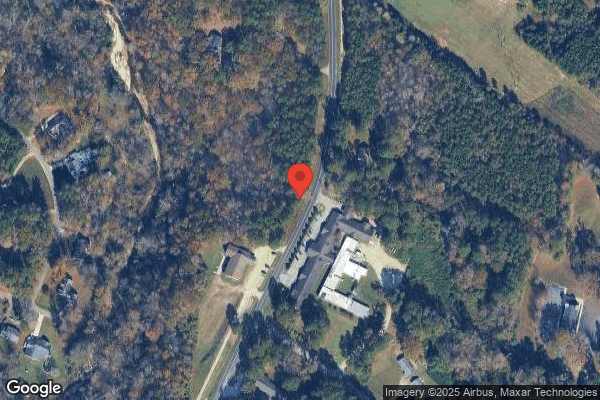
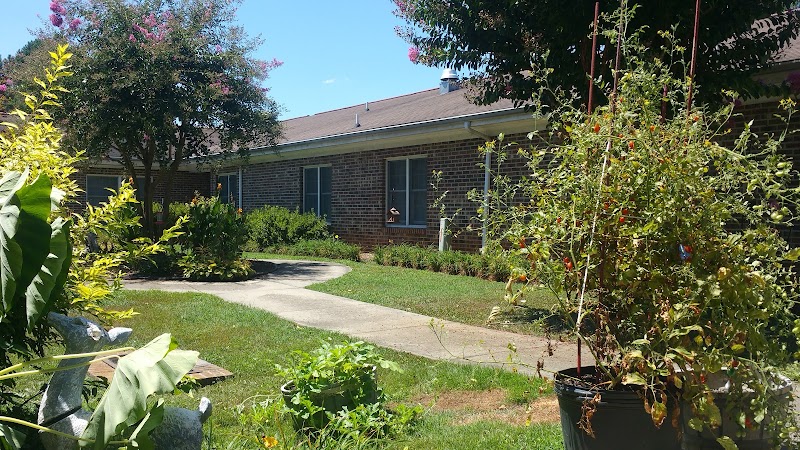
2275 Ruin Creek Road, Henderson, NC 27537 (252) 492-0066
For profit - Limited Liability company 60 Beds MAXIMUS HEALTHCARE GROUP Data: November 2025
Trust Grade
15/100
#387 of 417 in NC
Last Inspection: December 2024

Within standard 12-15 month inspection cycle. Federal law requires annual inspections.

Overview

Senior Citizens Home in Henderson, North Carolina has received a Trust Grade of F, indicating significant concerns about its care quality and safety. It ranks #387 out of 417 facilities in the state, placing it in the bottom half, and #3 out of 3 in Vance County, meaning there are no better local options. While the trend shows improvement with the number of issues decreasing from 17 in 2023 to 6 in 2024, the overall situation remains serious. Staffing is a weakness here, with a low rating of 1 out of 5 stars and a turnover rate of 57%, which is higher than the state average. Additionally, the home has been fined $55,760, which is concerning and indicates ongoing compliance issues. Specific incidents include the facility's failure to ensure adequate staffing for care needs, raising potential risks for residents, and a lack of involvement from direct care staff in assessing the facility’s care capabilities. Overall, while there are some signs of improvement, families should carefully consider the significant weaknesses highlighted in this facility.

Trust Score
F
15/100
In North Carolina
#387/417
Bottom 8%
Safety Record
High Risk
Review needed
Inspections
Getting Better
17 → 6 violations
Staff Stability
⚠ Watch
57% turnover. Above average. Higher turnover means staff may not know residents' routines.
Penalties
✓ Good
$55,760 in fines. Lower than most North Carolina facilities. Relatively clean record.
Skilled Nurses
⚠ Watch
Each resident gets only 15 minutes of Registered Nurse (RN) attention daily — below average for North Carolina. Fewer RN minutes means fewer trained eyes watching for problems.
Violations
⚠ Watch
27 deficiencies on record. Higher than average. Multiple issues found across inspections.
★☆☆☆☆
1.0
Overall Rating
★☆☆☆☆
1.0
Staff Levels
★☆☆☆☆
1.0
Care Quality
★★☆☆☆
2.0
Inspection Score
Stable
2023: 17 issues
2024: 6 issues

The Good

  • Full Sprinkler Coverage · Fire safety systems throughout facility
  • No fines on record

Facility shows strength in fire safety.

The Bad

1-Star Overall Rating

Below North Carolina average (2.8)

Significant quality concerns identified by CMS

Staff Turnover: 57%

11pts above North Carolina avg (46%)

Frequent staff changes - ask about care continuity

Federal Fines: $55,760

Above median ($33,413)

Moderate penalties - review what triggered them

Chain: MAXIMUS HEALTHCARE GROUP

Part of a multi-facility chain

Ask about local staffing decisions and management

Staff turnover is elevated (57%)

9 points above North Carolina average of 48%

The Ugly 27 deficiencies on record

2 actual harm
Dec 2024 6 deficiencies
CONCERN (D)

Potential for Harm - no one hurt, but risky conditions existed

Assessment Accuracy (Tag F0641)

Could have caused harm · This affected 1 resident

**NOTE- TERMS IN BRACKETS HAVE BEEN EDITED TO PROTECT CONFIDENTIALITY** 2. Resident #23 was admitted to the facility on [DATE]. Resident #23 had an active physician order dated 12/31/21 for 1/4 bed ra...

Read full inspector narrative →
**NOTE- TERMS IN BRACKETS HAVE BEEN EDITED TO PROTECT CONFIDENTIALITY** 2. Resident #23 was admitted to the facility on [DATE]. Resident #23 had an active physician order dated 12/31/21 for 1/4 bed rails to be used as assist device for bed mobility only. The care plan last reviewed on 5/27/24 revealed Resident #23 had an activities of daily living self-care performance deficit related to limited mobility with an intervention of 1/4 side rails to assist with bed mobility. The Minimum Data Set (MDS) quarterly assessment dated [DATE] revealed Resident #23 was cognitively intact and was coded for physical restraints noted as bed rails, used daily. An observation and interview were conducted on 12/02/24 at 11:34 am with Resident #23. The bed was noted to have 2 upper side rails in place. Resident #23 stated she used the side rails to move and turn herself when she was in bed. A telephone interview was conducted on 12/04/24 at 8:15 am with MDS Nurse #2 who stated when a resident used side rails for mobility they were not to be coded as a restraint. MDS Nurse #2 stated she must have made an error when she coded Resident #23's side rails as a restraint. During an interview on 12/05/24 at 9:40 am with the Director of Nursing (DON) who revealed Resident #23 used the side rails to allow for turning and repositioning in bed and they should not have been coded as restraints. An interview was conducted with the Administrator on 12/05/24 at 10:44 am who revealed the MDS Nurse was responsible to ensure the resident assessments were coded accurately. Based on observations, record reviews, resident interview, and staff interviews the facility failed to correctly code the Minimum Data Set (MDS) assessment in the areas of falls and restraints for 2 of 23 residents whose MDS assessments were reviewed for accuracy (Residents #45 and #23). The findings included: 1. Resident #45 was admitted to the facility on [DATE] with diagnoses that included osteoarthritis, dementia, and a history of a stroke. An incident report dated 8/5/24 at 5:37pm stated Resident #45 was observed laying on the floor in front of her personal recliner. The note stated Resident #45's lower extremities had normal range of motion and were without pain. The facility Nurse Practitioner (NP) was notified and an order for an x-ray of the Resident's left hip was received. The quarterly MDS dated [DATE] revealed Resident #45 was severely cognitively impaired and was coded no for any falls since admission/entry, reentry, or prior assessment. The review further revealed the questions regarding the number of falls and major injury since admission/entry, reentry or prior assessment sections were disabled. An interview was completed on 12/4/24 at 10:46am with the MDS Nurse. The Nurse stated the MDS assessment was coded inaccurately and should have been coded for 1 fall with a major injury. An interview was completed on 12/5/24 at 10:01am with the Director of Nursing (DON). The DON stated the MDS assessment was coded in error. The DON stated the MDS Nurse had completed a modification to the inaccurate MDS assessment on 12/5/24. An interview was completed on 12/5/24 at 11:09am with the facility's Administrator. The Administrator stated it was her expectation that the MDS assessment be coded correctly and reflect an accurate picture of the Resident.
CONCERN (D)

Potential for Harm - no one hurt, but risky conditions existed

Deficiency F0698 (Tag F0698)

Could have caused harm · This affected 1 resident

**NOTE- TERMS IN BRACKETS HAVE BEEN EDITED TO PROTECT CONFIDENTIALITY** Based on record review and staff interviews, the facility failed to have a physician order for dialysis in the medical record fo...

Read full inspector narrative →
**NOTE- TERMS IN BRACKETS HAVE BEEN EDITED TO PROTECT CONFIDENTIALITY** Based on record review and staff interviews, the facility failed to have a physician order for dialysis in the medical record for 1 of 1 resident reviewed for dialysis (Resident #204). Findings included: Resident #204's hospital Discharge summary dated [DATE] included instructions that included the name, address and telephone number of the dialysis center and indicated Resident #204's chair time was Monday, Wednesday, and Friday at 12:00 PM. Resident #204 was admitted to the facility on [DATE] with diagnosis including end stage renal disease stage 5. The admission Minimum Data Set (MDS) assessment dated [DATE] revealed Resident #204 was coded for dialysis. During an interview with the Unit Manager on 12/3/2024 at 2:51 p.m. she revealed she was responsible for admitting Resident #204 to the facility. She stated she reviewed the hospital discharge summary for Resident #204, and she did not remember how she omitted entering the physician order for dialysis in his medical record. In an interview with Nurse #2 on 12/3/2024 at 2:58 p.m. she revealed she could not locate a physician order for dialysis for Resident #204 but was aware Resident #204 received dialysis. During an interview with the Director of Nursing (DON) on 12/4/2024 at 9:50 a.m. she revealed that it was the responsibility of the admission nurse to ensure the physician orders were entered. The DON stated that the Unit Manager omitted the order for dialysis for Resident #204 in error. During an interview with the Administrator on 12/5/2024 at 8:25 a.m. she revealed it was the responsibility of nursing staff to ensure physician orders were transcribed upon receipt. She further stated that the admitting nurse should have reviewed the hospital discharge summary for Resident #204 and included the order for dialysis.
CONCERN (E)

Potential for Harm - no one hurt, but risky conditions existed

Deficiency F0657 (Tag F0657)

Could have caused harm · This affected multiple residents

**NOTE- TERMS IN BRACKETS HAVE BEEN EDITED TO PROTECT CONFIDENTIALITY** Based on record review and staff interviews, the facility failed to conduct quarterly reviews of resident care plans for 5 of 23...

Read full inspector narrative →
**NOTE- TERMS IN BRACKETS HAVE BEEN EDITED TO PROTECT CONFIDENTIALITY** Based on record review and staff interviews, the facility failed to conduct quarterly reviews of resident care plans for 5 of 23 resident care plans that were reviewed (Resident #23, Resident #6, Resident #9, Resident #8, and Resident #45). The findings included: 1. Resident #23 was admitted to the facility on [DATE] with chronic obstructive pulmonary disease (COPD) and osteoarthritis. A review of Resident #23's care plan revealed the most recent review date of 7/30/24 and no further reviews or updates had been completed. The Minimum Data Set (MDS) quarterly assessment dated [DATE] revealed Resident #23 was cognitively intact. An interview was completed on 12/3/24 at 10:03 am with the Director of Nursing (DON) who revealed she was both the MDS Nurse and the DON for the facility. She stated she was responsible for reviewing resident care plans. The DON verified Resident #23's care plan review was overdue. The DON stated she was aware the resident care plans were behind, and she was working on getting them completed. An interview was completed on 12/5/24 at 11:07 am with the Administrator who revealed she was not aware the resident care plans were not being reviewed. The Administrator stated the MDS Nurse was responsible to review and update resident care plans as required. 2. Resident #6 was admitted to the facility on [DATE] with diagnoses which included diabetes, chronic kidney disease, and stroke. A review of Resident #6's care plan revealed the most recent review date of 5/23/24 and no further reviews or updates had been completed. The MDS quarterly assessment dated [DATE] revealed Resident #6 was cognitively intact. An interview was completed on 12/3/24 at 10:03 am with the Director of Nursing (DON) who revealed she was both the MDS Nurse and the DON for the facility. She stated she was responsible for reviewing resident care plans. The DON verified Resident #6's care plan review was overdue. The DON stated she was aware the resident care plans were behind, and she was working on getting them completed. An interview was completed on 12/5/24 at 11:07 am with the Administrator who revealed she was not aware the resident care plans were not being reviewed. The Administrator stated the MDS Nurse was responsible to review and update resident care plans as required. 3. Resident #9 was admitted to the facility on [DATE] with diagnoses that included heart disease, chronic obstructive pulmonary disease, and atrial fibrillation. A review of Resident #9's care plan list revealed the most recent review date of 7/15/24 and no further reviews or updates had been completed. A Minimum Data Set (MDS) assessment dated [DATE] revealed Resident #9 was cognitively intact. An interview was completed on 12/5/24 at 9:59am with the Director of Nursing (DON). The DON verified Resident #9's care plan review was overdue. The DON stated she was currently working to ensure all resident care plans were reviewed and updated in a timely manner. An interview was completed on 12/5/24 at 11:15am with the facility's Administrator. The Administrator stated it was her expectation residents' care plan were reviewed and updated timely. 4. Resident #8 was admitted to the facility on [DATE] with diagnoses that included dementia and atrial fibrillation. A review of Resident #8's care plan list revealed the most recent review date of 7/22/24 and no further reviews or updates had been completed. A MDS assessment dated [DATE] revealed Resident #8 was severely cognitively impaired. An interview was completed on 12/5/24 at 9:59am with the Director of Nursing (DON). The DON verified Resident #8's care plan review was overdue. The DON stated she was currently working to ensure all resident care plans were reviewed and updated in a timely manner. An interview was completed on 12/5/24 at 11:15am with the facility's Administrator. The Administrator stated it was her expectation residents' care plan were reviewed and updated timely. 5. Resident #45 was admitted to the facility on [DATE] with diagnoses that included diabetes, dementia, and a history of a stroke. A review of Resident #45's care plan list revealed the most recent review date of 7/15/24 and no further reviews or updates had been completed. A MDS assessment dated [DATE] revealed Resident #45 was severely cognitively impaired. An interview was completed on 12/5/24 at 9:59am with the Director of Nursing (DON). The DON verified Resident #45's care plan review was overdue. The DON stated she was currently working to ensure all resident care plans were reviewed and updated in a timely manner. An interview was completed on 12/5/24 at 11:15am with the facility's Administrator. The Administrator stated it was her expectation residents' care plan were reviewed and updated timely.
CONCERN (F)

Potential for Harm - no one hurt, but risky conditions existed

Deficiency F0838 (Tag F0838)

Could have caused harm · This affected most or all residents

Based on staff interview and review of the Facility Assessment the facility failed to ensure the required parties were involved in developing the Facility Assessment, failed to evaluate contracted ser...

Read full inspector narrative →
Based on staff interview and review of the Facility Assessment the facility failed to ensure the required parties were involved in developing the Facility Assessment, failed to evaluate contracted services utilized by the facility to provide necessary care for its residents during normal operations and emergencies, and failed to ensure the staffing plan considered specific staffing needs for each unit and shift as required, which had the potential to affect 49 of 49 residents. The findings include: Review of the Facility Assessment revealed it was revised 8/13/24 and updated on 9/24/24 and 11/01/24. The persons involved in completing the assessment were listed as the Administrator, the Director of Nursing (DON), the Medical Director, Social Service Director, Food Service Director, Environmental Operations Director, Therapy Director, and a Governing Board Member. There was no indication that direct care staff were involved in completing the assessment or that the facility solicited and considered input from residents, resident representatives and family members. The Facility Assessment did not note if a contract or other agreement was in place related to which provider was responsible for medical supplies, ambulance, or emergency services, and dialysis services for the facility. Further review of the Facility Assessment revealed that the staffing plan listed the number of Nurses (Registered Nurse or Licensed Practical Nurse), and Certified Nursing Assistants (CNAs) noted as the desired number FTE (full-time equivalent, the total number of full-time employees working in an organization) of staff and the professional requirement for those staff members. However, the staffing plan did not address staffing needs for each shift and weekends, or address staffing needs in these areas based on changes to the resident population as required. During an interview with the Administrator on 12/05/24 at 10:57 am she revealed the facility assessment was usually completed as a collaboration of department heads. She stated she was not in the facility when the new process was implemented, and she did not complete the provided facility assessment. The Administrator reported she did update the new management team on the facility assessment when she started at the facility, but she did not update or review any other information.
CONCERN (F)

Potential for Harm - no one hurt, but risky conditions existed

Staffing Data (Tag F0851)

Could have caused harm · This affected most or all residents

Based on record review and staff interviews, the facility failed to submit accurate payroll data on the Payroll Based Journal (PBJ) report to the Centers for Medicare and Medicaid Services (CMS) relat...

Read full inspector narrative →
Based on record review and staff interviews, the facility failed to submit accurate payroll data on the Payroll Based Journal (PBJ) report to the Centers for Medicare and Medicaid Services (CMS) related to Registered Nurse (RN) hours and licensed nursing coverage 24-hours per day. This was for 1 of 3 quarters reviewed for sufficient nurse staffing (Quarter 3 2024). Findings included: Review of the PBJ for Fiscal Year Quarter 3 2024 (April 1 through June 30) revealed there were no Registered Nurse (RN) hours for 4/13/24, 4/14/24, 4/27/24, 4/28/24, and 6/15/24. The PBJ report also noted the facility failed to have licensed nursing coverage 24 hours per day for 4/13/24, 4/14/24, 4/28/24, 6/15/24, and 6/16/24. Review of the Posted Daily Nursing Staffing Forms, Daily Staffing Sheet, and the nursing staff time detail reports for 4/13/24, 4/14/24, 4/27/24, 4/28/24, and 6/15/24 revealed there were RN hours for the 3rd quarter of the fiscal year 2024. The Posted Daily Nursing Staffing Forms, Daily Staffing Sheet, and the nursing staff time detail reports for 4/13/24, 4/14/24, 4/28/24, 6/15/24, and 6/16/24 were reviewed and revealed there were 24-hour per day licensed nursing coverage for the 3rd quarter of the fiscal year 2024. An interview was conducted on 12/04/24 at 12:01 pm with the Human Resources Manager who revealed she was responsible for entering all nursing hours into the payroll system and the corporate office submitted the data to CMS for the PBJ reports. The Human Resources Manager stated she did recall that there were times that she submitted the payroll data to corporate without all the licensed nursing staff because she had not yet received the information from agency staff. The Human Resources Manager stated she did update the payroll system with the licensed nursing and RN hours when she received the information from the agency staff and she thought the PBJ reports would be resubmitted and updated once the payroll report was corrected. During an interview on 12/04/24 at 12:04 pm with the Administrator she revealed the PBJ data was submitted based off the information entered by the Human Resources Manager. The Administrator stated the facility had RN hours and licensed nursing staff as required but there must have been an error when the data was reported.
MINOR (C)

Minor Issue - procedural, no safety impact

Staffing Information (Tag F0732)

Minor procedural issue · This affected most or all residents

Based on record review and staff interviews, the facility failed to post accurate licensed nurse staffing data for 18 of 30 days reviewed for sufficient staffing (11/02/24, 11/03/24, 11/05/24, 11/06/2...

Read full inspector narrative →
Based on record review and staff interviews, the facility failed to post accurate licensed nurse staffing data for 18 of 30 days reviewed for sufficient staffing (11/02/24, 11/03/24, 11/05/24, 11/06/24, 11/09/24, 11/10/24, 11/13/24, 11/15/24, 11/16/24, 11/17/24, 11/18/24, 11/22/24, 11/23/24, 11/24/24, 11/25/24, 11/27/24, 11/28/24, 11/30/24). The findings included: A review of the posted Daily Nursing Staffing Forms from 11/01/24 through 11/30/24 revealed the following: a. A review of the Daily Nursing Staffing Form for the 7:00 am-3:00 pm shift revealed the licensed nursing staff was not recorded accurately for the following days: 11/02/24-Daily Nursing Staffing Form recorded 3 Licensed Practical Nurses (LPNs); the Daily Staffing Sheet recorded 1 LPN. 11/03/24- Daily Nursing Staffing Form recorded 1 Registered Nurse (RN) and 3 LPNs; the Daily Staffing Sheet recorded 0 RN and 2 LPNs. 11/09/24-Daily Nursing Staffing Form recorded 1 RN and 3 LPNs; the Daily Staffing Sheet recorded 0 RN and 2 LPNs. 11/10/24-Daily Nursing Staffing Form recorded 3 LPNs; the Daily Staffing Sheet recorded 1 LPN. 11/16/24-Daily Nursing Staffing Form recorded 3 LPNs; the Daily Staffing Sheet recorded 1 LPN. 11/17/24-Daily Nursing Staffing Form recorded 3 LPNs; the Daily Staffing Sheet recorded 1 LPN. 11/23/24-Daily Nursing Staffing Form recorded 1 RN and 3 LPNs; the Daily Staffing Sheet recorded 0 RN and 2 LPNs. 11/24/24-Daily Nursing Staffing Form recorded 1 RN and 3 LPNs; the Daily Staffing Sheet recorded 0 RN and 2 LPNs. 11/28/24-Daily Nursing Staffing Form recorded 1 RN and 3 LPNs; the Daily Staffing Sheet recorded 1 LPN. 11/30/24-Daily Nursing Staffing Form recorded 1 RN and 3 LPNs; the Daily Staffing Sheet recorded 0 RN and 2 LPNs. b. A review of the Daily Nursing Staffing Form for the 3:00 pm-11:00 pm shift revealed the licensed nursing staff was not recorded accurately for the following days: 11/02/24-Daily Nursing Staffing Form recorded 0 RN and 2 LPNs; the Daily Staffing Sheet recorded 1 RN and 1 LPN. 11/06/24-Daily Nursing Staffing Form recorded 0 RN and 2 LPNs; the Daily Staffing Sheet recorded 1 RN and 1 LPN. 11/09/24-Daily Nursing Staffing Form recorded 0 RN and 2 LPNs; the Daily Staffing Sheet recorded 1 RN and 1 LPN. 11/10/24-Daily Nursing Staffing Form recorded 0 RN and 2 LPNs; the Daily Staffing Sheet recorded 1 RN and 1 LPN. 11/13/24-Daily Nursing Staffing Form recorded 0 RN and 2 LPNs; the Daily Staffing Sheet recorded 1 RN and 1 LPN. 11/17/24-Daily Nursing Staffing Form recorded 0 RN and 2 LPNs; the Daily Staffing Sheet recorded 1 RN and 1 LPN. 11/23/24-Daily Nursing Staffing Form recorded 0 RN and 2 LPNs; the Daily Staffing Sheet recorded 1 RN and 1 LPN. 11/24/24-Daily Nursing Staffing Form recorded 0 RN and 2 LPNs; the Daily Staffing Sheet recorded 1 RN and 1 LPN. 11/28/24-Daily Nursing Staffing Form recorded 0 RN and 2 LPNs; the Daily Staffing Sheet recorded 1 RN and 1 LPN. 11/30/24-Daily Nursing Staffing Form recorded 0 RN and 2 LPNs; the Daily Staffing Sheet recorded 1 RN and 1 LPN. c. A review of the Daily Nursing Staffing Form data sheets for the 11:00 pm-7:00 am shift revealed the licensed nursing staff was not recorded accurately for the following days: 11/05/24-Daily Nursing Staffing Form recorded 0 RN and 2 LPNs; the Daily Staffing Sheet recorded 1 RN and 1 LPN. 11/09/24-Daily Nursing Staffing Form recorded 0 RN and 2 LPNs; the Daily Staffing Sheet recorded 1 RN and 1 LPN. 11/15/24-Daily Nursing Staffing Form recorded 0 RN and 2 LPNs; the Daily Staffing Sheet recorded 1 RN and 1 LPN. 11/17/24-Daily Nursing Staffing Form recorded 0 RN and 2 LPNs; the Daily Staffing Sheet recorded 1 RN and 1 LPN. 11/18/24-Daily Nursing Staffing Form recorded 0 RN and 2 LPN; the Daily Staffing Sheet recorded 1 RN and 1 LPN. 11/22/24-Daily Nursing Staffing Form recorded 0 RN and 2 LPNs; the Daily Staffing Sheet recorded 1 RN and 1 LPN. 11/25/24-Daily Nursing Staffing Form recorded 0 RN and 2 LPNs; the Daily Staffing Sheet recorded 1 RN and 1 LPN. 11/27/24-Daily Nursing Staffing Form recorded 0 RN and 2 LPNs; the Daily Staffing Sheet recorded 1 RN and 1 LPN. 11/30/24-Daily Nursing Staffing Form recorded 0 RN and 2 LPNs; the Daily Staffing Sheet recorded 1 RN and 1 LPN. An interview was conducted on 12/04/24 at 12:37 pm with the Scheduler who revealed she used a staffing template when she completed the Daily Staffing Form, and she tried to make sure the staffing numbers were correct when she completed the form. The Scheduler stated she must have missed the days where the staffing was incorrect when she completed the form. During an interview with the Director of Nursing (DON) on 12/05/24 at 9:42 am who revealed she was new to the facility, and she was not aware the Daily Staffing Form information was being completed incorrectly. The DON stated she had not checked the Daily Staffing Forms for accuracy in the past, but she stated the Scheduler should verify the information was correct before posting the information.
Nov 2023 2 deficiencies
CONCERN (D) 📢 Someone Reported This

A family member, employee, or ombudsman was alarmed enough to file a formal complaint

Potential for Harm - no one hurt, but risky conditions existed

Pharmacy Services (Tag F0755)

Could have caused harm · This affected 1 resident

**NOTE- TERMS IN BRACKETS HAVE BEEN EDITED TO PROTECT CONFIDENTIALITY** Based on record review, staff interview, pharmacy director interview, physician assistant interview, and resident interview the ...

Read full inspector narrative →
**NOTE- TERMS IN BRACKETS HAVE BEEN EDITED TO PROTECT CONFIDENTIALITY** Based on record review, staff interview, pharmacy director interview, physician assistant interview, and resident interview the facility failed to provide medications upon admission for 18 hours for 1 (Resident #1) of 3 residents reviewed for provision of medication upon admission. Findings included: Resident #1 had cumulative diagnoses some of which included Type 2 diabetes, Hypertension, Bipolar disorder, congestive heart failure, anxiety disorder, status post orthopedic surgery, and post-traumatic stress disorder. Documentation in the electronic medical record of Physician orders listed as entered on 10/30/2023 by Nurse #2 at 12:57 PM for Resident #1 included the following medications: - Novolin (Insulin) 70/30 Flex Pen Subcutaneous Suspension Pen 60 units of insulin to be injected subcutaneously every morning for Type 2 diabetes. 15 units of insulin were to be injected subcutaneously if Resident #1 was not eating breakfast. - Novolin (Insulin) 70/30 Flex Pen Subcutaneous Suspension Pen 30 units of insulin were to be injected subcutaneously every evening for Diabetes Mellitus. - Aspirin in the form of an 81-milligram (mg) tablet taken by mouth once daily as supplement. - Atorvastatin Calcium in the form of an 80-mg tablet taken by mouth at bedtime for coronary artery disease. - Empagliflozin in the form of a 10 mg tablet taken by mouth once a day for Diabetes Mellitus. - Prasugrel HCL in the form of a 10 mg tablet taken by mouth one time a day as supplement. - Carvedilol in the form of a 3.125-mg tablet twice daily for Hypertension. - Sertraline HCL in the form of two 100 mg tablets taken by mouth one time a day for bipolar disorder. - Buspirone HCL in the form of a 7.5 mg tablet to be taken by mouth one time a day for bipolar disorder. - Icosapent Ethyl in the form of a 2-gram capsule to be taken by mouth two times daily for coronary artery disease. - Lamotrigine in the form of a 200 mg tablet to be taken by mouth two times a day coronary artery disease. - Pregabalin in the form of a 100 mg capsule to be taken by mouth two times a day for pain. - Ranolazine extended release in the form of a 1000 mg tablet to be taken by mouth two times a day for Hypertension. - Probiotic Acidophilius in the form of a capsule to be taken by mouth three times a day as supplement. - Alprazolam in the form of a 0.5 mg table to be taken by mouth every 24 hours as needed for anxiety. - Nitroglycerin Sublingual in the form of a 0.4 mg tablet to be taken sublingually every 5 minutes as needed for chest pain. Repeated every 5 minutes up to 3 0.4 mg tablets maximum. - Levofloxacin in the form of a 500 mg tablet to be administered by mouth one time a day for 10 days for amputation. - Metronidazole in the form of a 500 mg tablet to be administered by mouth two times a day for 14 days for antiinfection. - Oxycodone HCL in the form of a 5 mg tablet to be administered by mouth every 6 hours as needed for pain. Documentation in an admission summary dated [DATE] written by Nurse #1 indicated Resident #1 arrived at the facility at approximately 2:00 PM. Nurse #1 was interviewed on 11/11/2023 at 5:03 PM. Nurse #1 revealed that another nurse entered the medications from the hospital discharge summary for Resident #1 to the electronic medical record system for transmission to the pharmacy on 10/30/2023. Nurse #1 additionally revealed she did not contact the physician or the pharmacy regarding the medications for Resident #1 because she assumed the medications for Resident #1 were already verified by the physician and would come in on the night shift. Nurse #1 confirmed she worked from 7:00 AM to 11:00 PM on 10/30/2023 and the medications for Resident #1 did not come in on that shift from the pharmacy. Nurse #2 was interviewed on 11/11/2023 at 3:53 PM. Nurse #2 revealed she entered the physician orders for medications from the hospital discharge summary into the electronic medical record system for Resident #1. Nurse #2 stated a second nurse was to confirm the physician orders with the facility physician and then have the orders sent to the pharmacy. Review of the Medication Administration Record (MAR) for October 2023 revealed Resident #1 did not receive any medications on 10/30/2023 after his arrival at 2:00 PM. Nurse #3 was interviewed on 11/11/2023 at 6:28 PM. Nurse #3 confirmed she worked from 11:00 PM on 10/30/2023 to 7:00 AM on 10/31/2023. Nurse #3 conveyed the following information regarding the medication orders for Resident #1. Nurse #3 was informed at the start of her nursing shift on 10/30/2023 Resident #1 was admitted to the facility that afternoon and did not have any medications in the facility yet. Nurse #3 looked in the electronic record system and compared the discharge summary from the hospital to orders that were entered into the electronic medical record system. Nurse #3 found no discrepancies except for the lack of information on allergies. Nurse #3 completed the allergy information and submitted the orders to the pharmacy. Review of the MAR for October 2023 revealed Resident #1 received his ordered dose of Aspirin as the only medication received at 9:00 AM on 10/31/2023. The Physician Assistant (PA #1) for Resident #1 was interviewed on 11/13/2023 at 1:29 PM. PA #1 stated was made aware on the morning of 10/31/2023 that Resident #1 did not have his medications delivered from the pharmacy at that time as she was reviewing his chart as a new admission. PA #1 stated her specific concern was that insulin was not available for Resident #1. PA #1 revealed she went with Nurse #4 to check the blood sugar of Resident #1 and find insulin by any means necessary if insulin was required. PA #1 revealed she called the pharmacy to order the medications for Resident #1 to be sent as soon as possible. Nurse #4 was interviewed on 11/13/2023 at 12:25 PM, who worked the 7:00 Am to 3:00 PM shift on 10/31/2023. Nurse #4 stated that on the morning of 10/31/2023 Resident #1 still did not have his medications to include insulin. Nurse #4 stated she went to PA #1, who was in the building, and notified her of the lack of medications for Resident #1. Nurse #4 explained she went with PA #1 to check the blood sugar of Resident #1 and it was within normal limits, not requiring insulin administration. Nurse #4 revealed Resident #1 did not require pain medication on the morning of 10/31/2023. Documentation in electronic medication administration notes for Resident #1 on 10/31/2023 revealed the evening dose of Novolin insulin to be administered at 5:00 PM stated, Medication not available from pharmacy. Documentation on the MAR for 10/31/2023 revealed Resident #1 received his evening medication ordered doses of Atorvastatin, Buspirone, Carvedilol, Icosapent Ethyl, Lamotrigine, Pregabalin, Ranolazine extended release, and Oxycodone. An interview was conducted with Nurse #6 on 11/13/2023 at 2:28 PM. Nurse #6 confirmed she was working on the 7:00 AM to 3:00 PM shift on 11/01/2023 and was assigned to the medication cart on the hall Resident #1 resided. Nurse #6 confirmed the morning medications were available for Resident #1 to include his morning dose of insulin. An interview with the Director of Nursing was conducted on 11/11/2023 at 3:04 PM. The facility policy, as explained by the DON, was for a nurse to enter the physician orders into the MAR and once on the MAR, the orders were to be transmitted to the pharmacy. The DON revealed that the facility received two deliveries of medications from the pharmacy, one at approximately 2:00 PM and another at approximately 9:00 PM. The DON further revealed that the pharmacy was a new pharmacy for the facility and the facility had no back up medications onsite in an automated medication dispensing system. An interview was conducted with the Pharmacy Director for the facility pharmacy on 11/11/2023 at 3:19 PM. The Pharmacy Director was able to convey the following information from the pharmacy records. The first facsimile from the facility regarding the medications for Resident #1 was received by the pharmacy at 5:42 PM on 10/30/2023, after the closing time of 5:30 PM for the pharmacy. At 11:30 PM on 10/30/2023 the facility pharmacy received a lot of physician orders for Resident #1. The orders for Resident #1 were processed when the pharmacy reopened on 10/31/2023. The first delivery of medications was sent with the driver at 1:19 PM on 10/31/2023. The driver delivered the medications for Resident #1 at 8:44 PM on 10/31/2023 to the facility and the medications were signed for by Nurse #3 at that time. The Pharmacy Director had no explanation for why the pharmacy driver delivered the medications for Resident #1 outside of the expected delivery times contracted by the facility. The Pharmacy Director explained that it was the expectation of the pharmacy that if medications were needed after the close of business of the pharmacy, the backup pharmacy needed to be called by the facility so that medications were obtained by morning for the resident. The Pharmacy Director confirmed the facility did not currently have an automated medication dispensing machine that contained insulin as a backup for needed medications. Documentation on a Brief Interview for Mental Status dated 10/31/2023 revealed Resident #1 was screened as cognitively intact. Resident #1 was interviewed on 11/11/2023 at 4:13 PM. Resident #1 stated it was a stressful and frustrating 2 days when he was first admitted to the facility as he did not understand why his medications were not available to him. Resident #1 stated he did not suffer anything health wise from not having his medications available to him but reiterated it was stressful worrying about not having his insulin, blood thinners, antibiotics, and pain medication after surgery. Resident #1 stated he was able to tolerate the pain while he waited for his medication to arrive at the facility.
CONCERN (D) 📢 Someone Reported This

A family member, employee, or ombudsman was alarmed enough to file a formal complaint

Potential for Harm - no one hurt, but risky conditions existed

Deficiency F0760 (Tag F0760)

Could have caused harm · This affected 1 resident

**NOTE- TERMS IN BRACKETS HAVE BEEN EDITED TO PROTECT CONFIDENTIALITY** Based on record review, staff interview, Physician Assistant interview, Pharmacy Director interview, Surgical Physician intervie...

Read full inspector narrative →
**NOTE- TERMS IN BRACKETS HAVE BEEN EDITED TO PROTECT CONFIDENTIALITY** Based on record review, staff interview, Physician Assistant interview, Pharmacy Director interview, Surgical Physician interview and resident interview the facility failed to provide antibiotic, diabetic, hypertension, antiepileptic, and pain medication as ordered resulting in significant errors by omission of high alert medications for one (Resident #1) of one resident reviewed for significant medication errors. Antibiotic medications were delayed after admission to the facility due to a transcription error for Resident #1. Diabetic, hypertension, antiepileptic, and pain medication were omitted initially upon admission due to a delay obtaining required medications from the pharmacy for Resident #1. Findings included: 1.Documentation on a hospital Discharge summary dated [DATE] revealed Resident #1 was to be discharged to the facility post operation for an amputation. The problem list on the discharge summary revealed Resident #1 had a diabetic infection of his left foot. The surgical wound was cultured and grew out bacteria. The plan was to continue at least 4 weeks of the antibiotics Levaquin and Flagyl when Resident #1 discharged to the facility as discussed with the infectious disease specialist. Documentation on the same hospital discharge summary revealed physician orders for Levaquin in the form of a 500- milligram (mg) tablet administered by mouth every day and Flagyl in the form of a 500 mg tablet to be administered by mouth twice a day. Resident #1 was admitted to the facility on [DATE] with cumulative diagnoses some of which included diabetes mellitus, status post amputation of left great toe and left forefoot, and diabetic left foot infection. Documentation in the electronic medical record system revealed Nurse #2 entered an order on 10/30/203 for Resident #1 to receive Levaquin in the form of a 500 mg tablet by mouth one time daily for 10 days with a start date of 11/9/2023. Documentation on the Medication Administration Record (MAR) for November of 2023 revealed the first day the antibiotic Levaquin was administered to Resident #1 was 11/9/2023, 10 days from 10/30/2023. Documentation in the electronic medical record system revealed Nurse #2 entered an order on 10/30/2023 for Resident #1 to receive Flagyl in the form of a 500 mg tablet by mouth two times a day for 14 days with a start date of 11/13/2023. At the time of the survey the documentation on the MAR for November 2023 revealed the first day the antibiotic Flagyl was to be administered to Resident #1 was 9:00 PM on 11/13/2023, 14 days from 10/30/2023. An interview was conducted with Nurse #2 on 11/13/2023 at 1:01 PM. Nurse #2 indicated she thought she was putting in the orders for the antibiotic medication Levaquin and Flagyl to be started immediately upon admission of Resident #1 on 10/30/2023. Nurse #2 confirmed she made an error and put the wrong start dates for the antibiotics for Resident #1. An interview was conducted with the Physician Assistant (PA #1) on 11/13/2023 at 1:29 PM. PA #1 confirmed she saw Resident #1 on the morning of 10/31/2023 and reviewed his chart as a new admission. PA #1 confirmed the antibiotics Levaquin and Flagyl, according to the hospital discharge summary, were supposed to continue to be administered when he arrived at the facility. PA #1 noted Resident #1 was on intravenous antibiotics in the hospital but was to switch to administration by mouth at the facility. PA #1 confirmed the antibiotics Levaquin and Flagyl should have been started immediately upon admission because that was what the order was for. PA #1 revealed delaying the provision of antibiotics could have a potential effect or outcome on the healing process and the infection in the left foot of Resident #1 but, he had not shown any signs of a systemic change since admission. Documentation on a Brief Interview for Mental Status dated 10/31/2023 revealed Resident #1 was screened as cognitively intact. Resident #1 was interviewed on 11/11/2023 at 4:13 PM. Resident #1 indicated he did not suffer anything health wise from not having his antibiotics available to him but revealed it was stressful worrying about not having his antibiotics after surgery. The Surgical Physician who performed the amputation procedure on the left foot of Resident #1 was interviewed on 11/15/2023 at 9:08 AM. The Surgical Physician revealed the following information. The Surgical Physician saw Resident #1 during a follow up appointment on 11/14/2023. The open wound looked good, was very much improved, and did not show signs of infection. It was not an ideal situation regarding Resident #1 not continuing with his antibiotics when he was first admitted to the facility but, more importantly the facility provided good wound care with the wound VAC (vacuum-assisted closure). Resident #1 was always at a higher risk for infection because he had diabetes and had always had uncontrolled blood glucose levels. 2. Resident #1 had cumulative diagnoses some of which included Type 2 diabetes, Hypertension, Bipolar disorder, congestive heart failure, anxiety disorder, status post orthopedic surgery, and post-traumatic stress disorder. Documentation in the electronic medical record of Physician orders listed as entered on 10/30/2023 by Nurse #2 at 12:57 PM for Resident #1 included some of the following medications. Novolin (Insulin) 70/30 Flex Pen Subcutaneous Suspension Pen 60 units of insulin to be injected subcutaneously every morning for Type 2 diabetes. 15 units of insulin were to be injected subcutaneously if Resident #1 was not eating breakfast. Novolin (Insulin) 70/30 Flex Pen Subcutaneous Suspension Pen 30 units of insulin were to be injected subcutaneously every evening for Diabetes Mellitus. Empagliflozin in the form of a 10 mg tablet taken by mouth once a day for Diabetes Mellitus. Carvedilol in the form of a 3.125-mg tablet twice daily for Hypertension. Lamotrigine in the form of a 200 mg tablet to be taken by mouth two times a day for coronary artery disease. (Lamotrigine is a medication that requires periodic monitoring of levels of the medication in the blood.) Pregabalin in the form of a 100 mg capsule to be taken by mouth two times a day for pain. Ranolazine extended release in the form of a 1000 mg tablet to be taken by mouth two times a day for Hypertension. Documentation in an admission summary dated [DATE] written by Nurse #1 indicated Resident #1 arrived at the facility at approximately 2:00 PM. Nurse #1 was interviewed on 11/11/2023 at 5:03 PM. Nurse #1 confirmed she worked from 7:00 AM to 11:00 PM on 10/30/2023 and the medications for Resident #1 did not come in on that shift from the pharmacy. Nurse #2 was interviewed on 11/11/2023 at 3:53 PM. Nurse #2 revealed she entered the physician orders for medications from the hospital discharge summary into the electronic medical record system for Resident #1. Nurse #2 stated a second nurse was to confirm the physician orders with the facility physician and then have the orders sent to the pharmacy. Review of the Medication Administration Record (MAR) for October 2023 revealed Resident #1 did not receive any medications on 10/30/2023 after his arrival at 2:00 PM to include his Novolin insulin, Carvedilol, Lamotrigine, Pregabalin, and Ranolazine. Nurse #3 was interviewed on 11/11/2023 at 6:28 PM. Nurse #3 confirmed she worked from 11:00 PM on 10/30/2023 to 7:00 AM on 10/31/2023. Nurse #3 conveyed the following information regarding the medication orders for Resident #1. Nurse #3 was informed at the start of her nursing shift on 10/30/2023 Resident #1 was admitted to the facility that afternoon and did not have any medications in the facility yet. Nurse #3 looked in the electronic record system and compared the discharge summary from the hospital to orders that were entered into the electronic medical record system. Nurse #3 found no discrepancies except for the lack of information on allergies. Nurse #3 completed the allergy information and submitted the orders to the pharmacy. Review of the MAR for October 2023 revealed Resident #1 did not receive his ordered 7:30 AM dose of Novolin insulin nor his 9:00 AM ordered doses of Empagliflozin, Carvedilol, Lamotrigine, Pregabalin, and Ranolazine on 10/31/2023. The Physician Assistant (PA #1) for Resident #1 was interviewed on 11/13/2023 at 1:29 PM. PA #1 stated was made aware on the morning of 10/31/2023 that Resident #1 did not have his medications delivered from the pharmacy at that time as she was reviewing his chart as a new admission. PA #1 stated her specific concern was that insulin was not available for Resident #1. PA #1 revealed she went with Nurse #4 to check the blood sugar of Resident #1 and find insulin by any means necessary if insulin was required. PA #1 revealed she called the pharmacy to order the medications for Resident #1 to be sent as soon as possible. Nurse #4 was interviewed on 11/13/2023 at 12:25 PM, who worked the 7:00 Am to 3:00 PM shift on 10/31/2023. Nurse #4 stated that on the morning of 10/31/2023 Resident #1 still did not have his medications to include insulin. Nurse #4 stated she went to PA #1, who was in the building, and notified her of the lack of medications for Resident #1. Nurse #4 explained she went with PA #1 to check the blood sugar of Resident #1 and it was within normal limits, not requiring insulin administration. Nurse #4 revealed Resident #1 did not require pain medication on the morning of 10/31/2023. Documentation in electronic medication administration notes for Resident #1 on 10/31/2023 revealed the evening dose of Novolin insulin to be administered at 5:00 PM stated, Medication not available from pharmacy. Documentation on the MAR for 10/31/2023 revealed Resident #1 received his evening medication ordered doses of Carvedilol, Lamotrigine, Pregabalin, and Ranolazine extended release. An interview was conducted with the Pharmacy Director for the facility pharmacy on 11/11/2023 at 3:19 PM. The Pharmacy Director was able to convey the following information from the pharmacy records. The first facsimile from the facility regarding the medications for Resident #1 was received by the pharmacy at 5:42 PM on 10/30/2023, after the closing time of 5:30 PM for the pharmacy. At 11:30 PM on 10/30/2023 the facility pharmacy received a lot of physician orders for Resident #1. The orders for Resident #1 were processed when the pharmacy reopened on 10/31/2023. The first delivery of medications was sent with the driver at 1:19 PM on 10/31/2023. The driver delivered the medications for Resident #1 at 8:44 PM on 10/31/2023 to the facility and the medications were signed for by Nurse #3 at that time. The Pharmacy Director had no explanation for why the pharmacy driver delivered the medications for Resident #1 outside of the expected delivery times contracted by the facility. The Pharmacy Director explained that it was the expectation of the pharmacy that if medications were needed after the close of business of the pharmacy, the backup pharmacy needed to be called by the facility so that medications were obtained by morning for the resident. The Pharmacy Director confirmed the facility did not currently have an automated medication dispensing machine that contained significant medications such as insulin as a backup for needed medications. An interview with the Director of Nursing was conducted on 11/11/2023 at 3:04 PM. The facility policy, as explained by the DON, was for a nurse to enter the physician orders into the MAR and once on the MAR, the orders were to be transmitted to the pharmacy. The DON revealed that the facility received two deliveries of medications from the pharmacy, one at approximately 2:00 PM and another at approximately 9:00 PM. The DON further revealed that the pharmacy was a new pharmacy for the facility and the facility had no back up medications onsite in an automated medication dispensing system. The DON indicated the delivery times from the pharmacy needed to change and an automated medication dispensing system for a back-up of medications would need to be obtained from the pharmacy to prevent significant medication errors. Documentation on a Brief Interview for Mental Status dated 10/31/2023 revealed Resident #1 was screened as cognitively intact. Resident #1 was interviewed on 11/11/2023 at 4:13 PM. Resident #1 stated it was a stressful and frustrating 2 days when he was first admitted to the facility as he did not understand why his medications were not available to him. Resident #1 stated he did not suffer anything health wise from not having his medications available to him but reiterated it was stressful worrying about not having his insulin, heart medications, and pain medication after surgery. Resident #1 stated he was able to tolerate the pain while he waited for his medication to arrive at the facility.
Sept 2023 15 deficiencies 2 Harm
SERIOUS (G) 📢 Someone Reported This

A family member, employee, or ombudsman was alarmed enough to file a formal complaint

Actual Harm - a resident was hurt due to facility failures

Accident Prevention (Tag F0689)

A resident was harmed · This affected 1 resident

Deficiency Text Not Available

Read full inspector narrative →
Deficiency Text Not Available
SERIOUS (G) 📢 Someone Reported This

A family member, employee, or ombudsman was alarmed enough to file a formal complaint

Actual Harm - a resident was hurt due to facility failures

Deficiency F0925 (Tag F0925)

A resident was harmed · This affected 1 resident

Deficiency Text Not Available

Read full inspector narrative →
Deficiency Text Not Available
CONCERN (D) 📢 Someone Reported This

A family member, employee, or ombudsman was alarmed enough to file a formal complaint

Potential for Harm - no one hurt, but risky conditions existed

Deficiency F0553 (Tag F0553)

Could have caused harm · This affected 1 resident

**NOTE- TERMS IN BRACKETS HAVE BEEN EDITED TO PROTECT CONFIDENTIALITY** Based on record review, resident, and staff interviews the facility failed to invite the resident to participate in the developm...

Read full inspector narrative →
**NOTE- TERMS IN BRACKETS HAVE BEEN EDITED TO PROTECT CONFIDENTIALITY** Based on record review, resident, and staff interviews the facility failed to invite the resident to participate in the development of care planning for 1 of 14 Residents care plans reviewed (Resident #41). The findings included: Resident #41 was admitted to the facility on [DATE], and recently readmitted on [DATE] with diagnoses that included Anemia, Type 2 Diabetes Mellitus, Chronic Kidney disease and Hyperlipidemia. A review of Resident #41's most recent Quarterly Minimum Data Set (MDS) assessment dated [DATE] revealed she was cognitively intact. A review of Resident #41's care plan revealed it was updated on 7/23/2023. A review of Resident #41's nursing progress notes revealed there was a care plan meeting on 4/13/23 and 7/19/23. There was no documentation to indicate Resident # 41 was included in her care plan development and/or invited to participate in her care plan meeting. During an interview with Resident #41 on 9/24/2023 at 12:00 P.M. Resident #41 stated she has not participated in any care plan meeting since her admission to the facility. She revealed she never received a verbal or written invitation. She explained further she would be readily available to attend any meeting when invited. An interview on 9/25/2023 at 10:19A.M. with the MDS Nurse revealed she was not sure why she did not involve or invite Resident #41 to her care plan meeting. She stated it was her responsibility to invite Resident #41 to her care plan meeting. An interview was conducted with the Director of Nursing (DON) on 9/26/2023 at 10:58 A.M. She stated it was the responsibility of the MDS nurse to invite Resident #41 to the care plan meeting. During an interview with the Administrator on 9/27/2023 at 1:28 P.M. he stated the MDS Nurse had the responsibility of inviting Resident #41 to the care plan meeting. He stated he was not aware Resident #41 never participated in her care plan meeting.
CONCERN (D) 📢 Someone Reported This

A family member, employee, or ombudsman was alarmed enough to file a formal complaint

Potential for Harm - no one hurt, but risky conditions existed

ADL Care (Tag F0677)

Could have caused harm · This affected 1 resident

**NOTE- TERMS IN BRACKETS HAVE BEEN EDITED TO PROTECT CONFIDENTIALITY** Based on observations, record review, and staff interviews, the facility failed to provide nail care to 1 of 3 dependent residen...

Read full inspector narrative →
**NOTE- TERMS IN BRACKETS HAVE BEEN EDITED TO PROTECT CONFIDENTIALITY** Based on observations, record review, and staff interviews, the facility failed to provide nail care to 1 of 3 dependent residents reviewed for activities of daily living (ADL) (Resident #27). The findings included: Resident #27 was admitted to the facility on [DATE] with diagnoses which included stroke with hemiplegia (paralysis one side of body) on the right side and dementia. The Minimum Data Set (MDS) quarterly assessment dated [DATE] revealed Resident #27 had severe cognitive impairment and required staff assistance for personal hygiene and bathing. Resident #27 was not coded for behaviors and had impaired range of motion on one side for the upper and lower extremities. Resident #27's care plan, last revised on 9/09/23, revealed he had an activities of daily living (ADL) self-care performance deficit related to history of stroke with hemiplegia and was dependent on staff for personal care and bathing. Review of Resident #27's care guide (no date) revealed he was scheduled for showers on Monday and Thursday on the 3:00 pm-11:00 pm shift. Record review of the Resident #27's shower documentation by Nurse Aide (NA) #2 revealed his shower was documented as not applicable (NA) on 9/25/23 on the 3:00 pm-11:00 pm shift. No further documentation regarding why the shower was not completed for Resident #27. An attempt to interview NA #2 on 9/27/23 at 8:41 am, who was assigned to Resident #27 on the 3:00 pm-11:00 pm shift on 9/25/23 (a scheduled shower day) was unsuccessful. An observation on 9/24/23 at 11:12 am of Resident #27 revealed the fingernails of his left hand were trimmed and there was a dark brown substance under all of his nails. A telephone interview was conducted on 9/26/23 at 2:27 pm with Nurse Aide (NA) #3 who was assigned to Resident #27 on 9/24/23 during the 7:00 am-3:00 pm. NA #3 stated she usually tried to do nail care when she gave a bed bath, but she did not give Resident #27 a bed bath or provide nail care when she was assigned to his care on 9/24/23. NA #3 stated the facility was short one NA and everyone was helping provide care to all the residents, so she just did not have enough time to check if Resident #27's fingernails were dirty. An observation was conducted on 9/25/23 at 12:46 pm of Resident #27 revealed the fingernails of his left hand were trimmed and there was a dark brown substance under all of his nails. An interview was conducted on 9/25/23 at 2:56 pm with NA #1 who confirmed she was assigned to provide care to Resident #27 on 9/25/23 during the 7:00 am -3:00 pm shift. She stated nail care was completed as needed and on scheduled shower days. NA #1 reported she provided nail care if she had time if not it would be done on his shower day which was Monday and Thursday on the 3:00 pm to 11:00 pm shift. NA #1 stated she gave Resident #27 a bed bath in the morning, but she did not provide nail care on her shift because she did not have enough time to check Resident #27's nails today to see if nail care was needed. An observation on 9/26/23 at 8:29 am of Resident #27 revealed the fingernails of his left hand were trimmed and there was a dark brown substance under all of his nails. An interview was conducted on 9/26/23 at 3:23 pm with the Nurse Manager who revealed Resident #27's nail care was to be completed daily during ADL care and as needed when nails were observed to be dirty. During an interview with the Interim Director of Nursing on 9/27/23 at 12:33 pm she reported that Resident #27's nail care was to be completed daily if they were dirty.
CONCERN (D) 📢 Someone Reported This

A family member, employee, or ombudsman was alarmed enough to file a formal complaint

Potential for Harm - no one hurt, but risky conditions existed

Medication Errors (Tag F0758)

Could have caused harm · This affected 1 resident

**NOTE- TERMS IN BRACKETS HAVE BEEN EDITED TO PROTECT CONFIDENTIALITY** Based on record reviews, staff interviews, Physician interview, and Pharmacy Consultant interview, the facility failed to ensure...

Read full inspector narrative →
**NOTE- TERMS IN BRACKETS HAVE BEEN EDITED TO PROTECT CONFIDENTIALITY** Based on record reviews, staff interviews, Physician interview, and Pharmacy Consultant interview, the facility failed to ensure Physician's orders for PRN (as needed) psychotropic medications were time limited in duration for 1 of 7 Residents (Resident #24) reviewed for unnecessary medications. The findings included: Resident #24 was admitted to the facility on [DATE] with diagnoses that included Lewy Body dementia, anxiety disorder, and diabetes. The admission Minimum Data Set (MDS) assessment dated [DATE] revealed the Resident was cognitively impaired. She was coded as not having any behaviors during the assessment period. A Physician order dated 8/10/23 indicated Lorazepam 0.5 milligrams (mg) 1 tab by mouth every 12 hours as needed (PRN) was ordered without a stop date. The Note to Attending Physician/Prescriber dated 8/15/23 revealed the facility was notified by the Pharmacy Consultant that Resident #24's PRN lorazepam medication did not have a stop date. A care plan was last revised on 8/20/23 for impaired cognitive function related to dementia. Interventions included administering medications as ordered, cue, reorient, and supervise as needed, and present one thought, idea, or question at a time. Review of Resident #24's August 2023 and September 2023 Medication Administration Report revealed the Resident had not received any doses of the medication. An interview was completed on 9/26/23 at 9:40am with the facility's Nurse Manager. The Nurse stated she was aware PRN psychotropic medications required a stop date and was unsure why Resident #24's PRN medication did have a stop date. An interview was completed on 9/27/23 at 9:52am with the Pharmacy Consultant. He indicated PRN psychotropic medications required an initial 14 day stop date. The Pharmacy Consultant revealed the Physician then reevaluated the Resident for continued use of the medication and documented the rationale for extending the medication. An interview was completed on 9/27/23 at 10:52am with the facility's Medical Director. She stated when she prescribed a PRN psychotropic medication, it was ordered with an initial stop date. The Physician revealed she then revaluated the resident and if required, extended the medication for a period she felt appropriate. An interview was completed on 9/27/23 at 12:59pm with the facility's Interim Director of Nursing. The DON stated she was aware that all PRN psychotropics required a stop date and was unaware why a stop date had not been included in the medication order. The DON revealed she felt the recent staff turnover resulted in the failure to follow through with following through on notification of a stop date required for the medication.
CONCERN (D) 📢 Someone Reported This

A family member, employee, or ombudsman was alarmed enough to file a formal complaint

Potential for Harm - no one hurt, but risky conditions existed

Deficiency F0761 (Tag F0761)

Could have caused harm · This affected 1 resident

**NOTE- TERMS IN BRACKETS HAVE BEEN EDITED TO PROTECT CONFIDENTIALITY** Based on observations and staff interviews the facility failed to ensure 1 of 1 wound treatment carts and 1 of 2 medication cart...

Read full inspector narrative →
**NOTE- TERMS IN BRACKETS HAVE BEEN EDITED TO PROTECT CONFIDENTIALITY** Based on observations and staff interviews the facility failed to ensure 1 of 1 wound treatment carts and 1 of 2 medication carts (Hall 2) were not secured while unattended. The findings included: 1. A continuous observation on 9/25/23 at 8:22 am through 8:38 am of the wound treatment cart revealed the cart was unlocked with the lock in the outward position and the key hanging from the lock. The wound treatment cart was located outside room [ROOM NUMBER], without staff present. At 8:38 am the Infection Preventionist (IP) came from another hall and removed the key from the cart and pushed the lock in to secure the wound treatment cart and entered room [ROOM NUMBER]. The IP and the Minimum Data Set (MDS) Nurse exited the room. An interview was conducted with the MDS Nurse on 9/25/23 at 9:22 am who revealed she was told by the IP that she left the wound treatment cart unlocked with the key in the lock when she entered room [ROOM NUMBER]. The MDS Nurse stated she was trying to help with wound treatments and should have locked the cart and taken the keys with her into the room. The MDS Nurse was unable to state why she left the wound treatment cart unsecure. An interview was conducted with the IP on 9/25/23 at 11:38 am who revealed she was notified by the Social Worker that the wound treatment cart was unlocked so she came to lock the cart. The IP stated the treatment cart had resident creams/ointments, medicated dressings, and treatment supplies. She stated the MDS Nurse was required to lock the cart and hold the keys when the wound treatment cart was unattended. During an interview with the Interim Director of Nursing on 9/27/23 at 12:41 pm revealed the wound treatment cart was to be locked when unattended. 2. A continuous observation on 9/25/23 at 11:12 am through 11:14 am revealed the Hall 2 medication cart was outside room [ROOM NUMBER] unlocked with the lock button in the outward position and unattended. Nurse #2 was observed to be in room [ROOM NUMBER]. An interview was conducted with Nurse #2 on 9/25/23 at 11:14 am. She revealed she was just right in the room and forgot to lock the cart. Nurse #2 stated the medication cart was to be locked when she was in room [ROOM NUMBER]. During an interview with the Interim Director of Nursing on 9/27/23 at 12:41 pm she revealed the medication cart was to be locked when unattended.
CONCERN (D) 📢 Someone Reported This

A family member, employee, or ombudsman was alarmed enough to file a formal complaint

Potential for Harm - no one hurt, but risky conditions existed

Infection Control (Tag F0880)

Could have caused harm · This affected 1 resident

Based on observations, record review, and staff interviews, the facility failed to implement their infection control policy and policy for handling soiled linen. Laundry Aide #1 was observed having so...

Read full inspector narrative →
Based on observations, record review, and staff interviews, the facility failed to implement their infection control policy and policy for handling soiled linen. Laundry Aide #1 was observed having soiled linens come in contact with her clothing while sorting them into the washing machine and transporting soiled linens from a resident hall to the laundry room in a wire laundry basket with no lid for 1 of 2 laundry aides observed (Laundry Aide #1). The findings included: Review of the facility policy titled Infection Prevention and Control Program last reviewed/revised in January 2023 revealed was to provide a safe, sanitary, and comfortable environment and to help prevent the development and transmission of communicable diseases and infections as per accepted national standards and guidelines. The policy further read laundry and direct care staff shall handle, store, process, and transport linens to prevent the spread of infection. The environmental services staff shall not handle soiled linen unless it was properly bagged. Review of the facility policy titled Handling Soiled Linen (no date) revealed all used linen should be handled using standard precautions and treated as potentially contaminated. The policy stated all used or soiled linen shall be collected at the bedside (or point of use) and placed in a bag or designated lined receptacle and when task complete the bag should be closed securely. The policy also stated the linen should not be allowed to touch the uniform or floor and should be handled as little as possible to avoid contamination of air, surfaces, and persons. The policy further stated the sorting of contaminated linen at the point of use such as hallways or other open resident care spaces was prohibited. a. An observation on 9/24/23 at 11:37 am revealed Laundry Aide #1 was observed pushing a wheeled wire laundry basket of soiled linen with a white sheet over the top of the soiled linens into the laundry room. She was observed to sort the visibly wet soiled linen from the wheeled laundry basket with gloves and place it into the washing machine. During the process of placing the visibly wet soiled linen in the washing machine the soiled linen touched the Laundry Aide #1's uniform on the left leg and hip area on three occasions. An interview was conducted with Laundry Aide #1 on 9/24/23 at 11:39 am who revealed she used gloves to sort the soiled linen and has at times gotten stuff on her arms and had to scrub them. Laundry Aide #1 stated she was not told to use a gown to sort soiled linen and the facility did not offer any personal protective equipment (PPE) to prevent the soiled linen from touching her uniform that she was aware of. No isolation gowns were observed in the soiled laundry area during the interview. An observation and interview were conducted on 9/25/23 at 1:57 pm with Laundry Aide #2 in the soiled laundry room who was observed to have a blue cloth gown over her clothing while sorting soiled linen from the large gray laundry container. Laundry Aide #2 stated the facility had blue cloth gowns to wear over their clothing when sorting soiled linen and that the gowns were in a box on the clean side of the laundry room. She stated the facility provided education in the past to wear a gown when sorting soiled linen. An interview was conducted on 9/26/23 at 10:32 am with the Maintenance Director who revealed he was responsible for the oversight of Laundry Aide #1. He stated the facility had blue isolation gowns that were available for staff to wear when collecting and sorting soiled linen. The Maintenance Director stated in the past he was only responsible for the maintenance of equipment and ordering supplies and the previous Staff Development Coordinator was responsible for the education and discipline of the department. He stated the previous Staff Development Coordinator gave varied information to staff regarding handling of soiled linen so Laundry Aide #1 may have been confused. A telephone interview was conducted with the Administrator on 9/27/23 at 11:21 am who revealed the IP was responsible for providing education to staff regarding the handling of soiled linen. During an interview on 9/25/23 at 11:29 pm with the Infection Preventionist (IP) she revealed she was new to the position, and she did not know the facility's policy on handling soiled linen. b. An observation on 9/25/23 at 9:01 am revealed Laundry Aide #1 removed soiled linen from the soiled linen bin located in the resident hallway and placed the linen into a wheeled wire laundry basket with no lid. Laundry Aide #1 continued to the next soiled linen bin and repeated the process of placing the soiled linen in the wire laundry basket with no lid. Laundry Aide #1 was then observed to cover the top of the wheeled wire laundry basket with a sheet and leave the resident hall and proceed to the laundry room. An interview was conducted with Laundry Aide #1 on 9/25/23 at 9:25 am who stated she did not like to use the large gray laundry bin that was fully enclosed with a lid because it was hard to push and difficult to get the soiled items out of it. An observation and interview were conducted on 9/25/23 at 1:57 pm with Laundry Aide #2 in the soiled laundry room who stated the soiled linen on the hall was to be placed in the large gray laundry container with the lid closed when transporting to the laundry area. An interview was conducted on 9/26/23 at 10:32 am with the Maintenance Director who revealed he was responsible for the oversight of Laundry Aide #1. He stated in the past, he was only responsible for the maintenance of equipment and ordering supplies and the previous Staff Development Coordinator was responsible for the education and discipline of the department. The Maintenance Director stated the facility had large fully enclosed laundry bins with lids that were to be used to gather soiled linen from the nursing halls. The Maintenance Director stated the wheeled wire laundry basket was used for clean linen and should not have been used to transport soiled linen since it was not fully contained. A telephone interview was conducted with the Administrator on 9/27/23 at 11:21 am who revealed the IP was responsible for providing education to staff regarding the handling of soiled linen. During an interview on 9/25/23 at 11:29 am with the Infection Preventionist (IP) revealed she was new to the position and had not received training on the facility's infection control policy and the handling of soiled linen.
CONCERN (D) 📢 Someone Reported This

A family member, employee, or ombudsman was alarmed enough to file a formal complaint

Potential for Harm - no one hurt, but risky conditions existed

Deficiency F0883 (Tag F0883)

Could have caused harm · This affected 1 resident

**NOTE- TERMS IN BRACKETS HAVE BEEN EDITED TO PROTECT CONFIDENTIALITY** Based on record review and staff interviews, the facility failed to assess residents for eligibility and ensure residents were o...

Read full inspector narrative →
**NOTE- TERMS IN BRACKETS HAVE BEEN EDITED TO PROTECT CONFIDENTIALITY** Based on record review and staff interviews, the facility failed to assess residents for eligibility and ensure residents were offered the pneumococcal vaccine upon admittance to the facility for 2 of 5 residents reviewed for immunizations (Resident #12 and Resident #33). The findings included: The facility policy for Pneumococcal Vaccine last reviewed on 8/31/22 read in part to encourage qualifying residents to have a pneumococcal vaccine appropriate to their age and medical conditions. Upon admission the resident and/or their responsible party will be educated about and offered the pneumococcal vaccine. The resident/responsible party will sign a consent and the facility will maintain an immunization record. a. Resident #12 was admitted to the facility on [DATE] with a diagnosis of Parkinson's disease. The Minimum Data Set (MDS) quarterly assessment dated [DATE] revealed Resident #12 was not up to date with the pneumococcal vaccine and that it was not offered. Review of Resident #12's immunization record revealed no documentation that he or his responsible party had been offered, provided with education, given, or refused the pneumococcal vaccine. During an interview on 9/25/23 at 11:29 am the Infection Preventionist revealed she was new to the position and did not know about offering pneumococcal vaccinations to residents upon admission. The Infection Preventionist was unable to state why Resident #12 was not offered the pneumococcal vaccination. An interview was conducted with the MDS Nurse on 9/26/23 at 12:59 pm who revealed she reviewed the admission record for Resident #12, and it did not show that he had received the pneumococcal vaccine prior to admission. The MDS Nurse stated she documented the resident was not up to date because the vaccine was appropriate for Resident #12. The MDS Nurse reported she had requested the facility provide pneumococcal vaccines for residents, but she stated the previous ownership did not offer the pneumococcal vaccine to residents due to the high cost of the vaccine. During a telephone interview with the Administrator on 9/27/23 at 1:17 pm he revealed he was not aware pneumococcal vaccines were not offered to residents upon admission. The Administrator stated the previous owner was in charge of obtaining pneumococcal vaccines and she did not share any information regarding not ordering the vaccine. b. Resident #33 was admitted to the facility on [DATE] with diagnoses which included stroke and heart failure. The Minimum Data Set (MDS) annual assessment dated [DATE] revealed Resident #33 was not up to date with the pneumococcal vaccine and that it was not offered. Review of Resident #33's immunization record revealed no documentation that he or his responsible party had been offered, provided with education, given, or refused the pneumococcal vaccine. During an interview on 9/25/23 at 11:29 am the Infection Preventionist revealed she was new to the position and did not know about offering pneumococcal vaccinations to residents upon admission. The Infection Preventionist was unable to state why Resident #33 was not offered the pneumococcal vaccination. An interview was conducted with the MDS Nurse on 9/26/23 at 12:59 pm who revealed she reviewed Resident #33's record and it did not show that he had received the pneumococcal vaccine previously. The MDS Nurse stated she documented the resident was not up to date since the vaccine was appropriate for Resident #33. The MDS Nurse reported she had requested the facility provide pneumococcal vaccines for residents, but she stated the previous ownership did not offer the pneumococcal vaccine to residents due to the high cost of the vaccine. During a telephone interview with the Administrator on 9/27/23 at 1:17 pm he revealed he was not aware pneumococcal vaccines were not offered to residents upon admission. The Administrator stated the previous owner was in charge of obtaining pneumococcal vaccines and she did not share any information regarding not ordering the vaccine.
CONCERN (E) 📢 Someone Reported This

A family member, employee, or ombudsman was alarmed enough to file a formal complaint

Potential for Harm - no one hurt, but risky conditions existed

Deficiency F0727 (Tag F0727)

Could have caused harm · This affected multiple residents

Based on staff interviews and record review, the facility failed to have a Registered Nurse (RN) for at least eight consecutive hours a day, 7 days week for 8 of 62 days reviewed (7/15/23, 7/16/23, 7/...

Read full inspector narrative →
Based on staff interviews and record review, the facility failed to have a Registered Nurse (RN) for at least eight consecutive hours a day, 7 days week for 8 of 62 days reviewed (7/15/23, 7/16/23, 7/22/23, 7/23/23, 7/29/23, 7/30/23, 8/6/23 and 8/13/23). Findings include: The nursing staff schedule and the staff posting was reviewed from 5/1/223 through 9/15/23. The daily staffing sheet indicated a Registered Nurse (RN) was not scheduled for at least eight consecutive hours a day on the following dates: 7/15/23, 7/16/23, 7/22/23, 7/23/23, 7/29/23, 7/30/23, 8/6/23 and 8/13/23. In an interview with the Nurse Manager (NM) on 9/25/23 at 8:37 A.M. she stated she was the scheduler for the facility. She revealed the staffing agency was contracted by her facility to assign an RN to the facility on 7/15/23, 7/16/23, 7/22/23, 7/23/23, 7/29/23, 7/30/23, 8/6/23 and 8/13/23 but failed to do so. During an interview with the prior DON on 9/25/2023 2:33 P.M. she stated she was the RN on weekdays. She revealed they relied on an agency for weekend RN coverage, and the agency was unable to provide RN coverage on 7/15/23, 7/16/23, 7/22/23, 7/23/23, 7/29/23, 7/30/23, 8/6/23 and 8/13/23. An interview was conducted on 9/25/23 at 8:37 A.M. with the Director of Nursing (DON). She revealed she was aware of no RN coverage on 7/15/23, 7/16/23, 7/22/23, 7/23/23, 7/29/23, 7/30/23, 8/6/23 and 8/13/23. She stated they have had difficulty hiring RN's and the agency was not able to provide an RN to assist with the coverage on those dates.
CONCERN (E) 📢 Someone Reported This

A family member, employee, or ombudsman was alarmed enough to file a formal complaint

Potential for Harm - no one hurt, but risky conditions existed

Deficiency F0805 (Tag F0805)

Could have caused harm · This affected multiple residents

Based on a lunch meal tray line observation, staff interviews and record review the facility failed to provide pureed food items with a smooth consistency. This failure had the potential to affect 7 o...

Read full inspector narrative →
Based on a lunch meal tray line observation, staff interviews and record review the facility failed to provide pureed food items with a smooth consistency. This failure had the potential to affect 7 of 45 residents with diet orders for a pureed diet texture. The findings included: A review of the Diet Order Report dated 9/27/23 revealed 7 residents with diet orders for a pureed diet texture. Review of the menus revealed the facility followed the National Dysphagia Diet (NDD) for residents with diet orders for a pureed diet texture. The NDD recorded a dysphagia pureed diet required all foods pureed and thickened, if necessary, to a pudding-like consistency, lump free, requiring little to no chewing. An observation was conducted on 9/25/23 at 12:46 pm of Resident #27 eating his lunch meal in the dining room. Resident #27's meal ticket indicated he was on a pureed diet. The observation revealed no issues with the consistency of the pureed meal. A continuous observation of the lunch meal tray line on 9/26/23 from 11:45 AM - 12:01 PM revealed the Certified Dietary Manager (CDM) recorded the internal temperature of the food items stored on the tray line intended for the lunch meal service, including pureed green beans and pureed meat sauce, were observed with a lumpy consistency smaller than pea-sized when the food was stirred. The CDM observed the lumpy consistency but did not say anything until the surveyor intervened. [NAME] #1 was instructed by the CDM to use a standard blender to further puree these foods until a smooth consistency was achieved. The pureed bread was a smooth pureed consistency. An observation was conducted on 9/26/23 at 8:19 am of Resident #27 eating his breakfast meal independently in his room. Resident #27's meal ticket indicated he was on a pureed diet. The observation revealed no issues with the consistency of the pureed meal. Cook #1 was interviewed on 9/26/23 at 11:45 AM. She stated that she had been preparing the pureed foods with chunks for the last 2 months because the new owners would not purchase a new immersion blender. The current immersion blender was broken, and she had to use a standard blender. An interview was conducted with the District Manager on 9/26/23 at 2:52 PM. She stated if the surveyor did not intervene, the pureed green beans and meat sauce with a lumpy consistency would have been served to residents with a puree diet order. She stated that the immersion blender was broken, and a standard blender was provided as a replacement. However, a standard blender would not have been sufficient in an industrial kitchen to produce pureed foods for three meals each day. The District Manager indicated that she notified the interim Director of Nursing (DON) about the broken immersion blender. The CDM stated on 9/26/23 at 2:58 PM that she told the interim DON during the morning meeting on 9/13/23 that the immersion blender was broken. The CDM told the interim DON that the previous owners provided a standard blender. The interim DON told her that a replacement immersion blender was too expensive. The CDM indicated the standard blender provided by the previous owners stopped working on 9/24, and she had to borrow the standard mixed drinks blender from the activities department to puree food for meal service. She stated that the spaghetti noodles would have been pureed further, but if the surveyor had not intervened, she would have served the pureed meat sauce and pureed green beans with lumps. If she had an operational/appropriate blender, then the pureed foods would have been at the correct consistency. The Speech Language Pathologist (SLP) was interviewed on 9/27/23 at 10:55 AM. During the interview, she stated she had worked at the facility for the last 2 weeks. She further stated she fed one resident pureed food and did not find an issue with the consistency at that time. However, if pureed foods had chunks in them, the risks would be choking, aspiration pneumonia or death. The SLP indicated that no concerns about the consistency of pureed foods were brought to her attention. A phone interview with the Registered Dietitian (RD) occurred on 9/27/23 at 10:59 AM. The RD stated he had seen the pureed foods (spaghetti, meat sauce and green beans) on 9/26/23 lunch meal tray line as Dysphagia Advanced mechanical consistency rather than puree. He stated that he noticed puree food items with a lumpy consistency within the past month due to the broken immersion blender, and he and the CDM notified the interim DON multiple times about the broken immersion blender. The Administrator stated in an interview on 9/27/23 at 1:26 PM that he was on Family Medical Leave Act absence since the second week of July 2023. He stated that a new immersion blender was purchased 3-6 months ago, and he was unaware that it was broken. As soon as management staff were notified of a broken immersion blender, it should have been serviced or replaced immediately. Standard blenders were used in the past for emergency purposes until the immersion blender was replaced. The standard blenders needed to blend food for longer to achieve the proper consistency of pureed foods.
CONCERN (E) 📢 Someone Reported This

A family member, employee, or ombudsman was alarmed enough to file a formal complaint

Potential for Harm - no one hurt, but risky conditions existed

Food Safety (Tag F0812)

Could have caused harm · This affected multiple residents

Based on observation and staff interviews, the facility failed to 1) maintain the temperature of potentially hazardous cold foods at 41 degrees Fahrenheit or below (yogurt and milk) prior to delivery ...

Read full inspector narrative →
Based on observation and staff interviews, the facility failed to 1) maintain the temperature of potentially hazardous cold foods at 41 degrees Fahrenheit or below (yogurt and milk) prior to delivery 2) label/date, store, and discard perishable foods beyond the use date in one of two kitchen refrigerators and failed to 3) allow plates to air dry prior to assemblage and stacking for one of two observations. These practices had the potential to affect all residents. The findings included: 1. An observation of the lunch meal dining service occurred on 9/26/23 at 12:01 PM. Perishable dairy products for the lunch meal were displayed on a meal tray adjacent to the tray line. The following temperatures were obtained at the request of the surveyor by the District Manager and these foods were ready for service: - single serve yogurt container: 59.8 degrees Fahrenheit - whole milk carton: 49 degrees Fahrenheit As a result, all perishable dairy products were discarded by the District Manager and Certified Dietary Manager (CDM). During an interview with the CDM on 9/26/23 at 2:58 PM, she revealed that if the surveyor did not intervene, the yogurt and milk would have been served at unsafe temperatures. She stated the cold dairy items should have been on ice prior to meal service and not have exceeded 41 degrees Fahrenheit. The Administrator was interviewed on 9/27/23 at 1:26 PM. He revealed that all dairy products used for meal service should come directly from the refrigerator and placed in an ice bath to remain below 41 degrees Fahrenheit. 2. An observation of the kitchen and an interview with the CDM were conducted on 9/24/23 at 10:23 AM. The following food items were found in the refrigerator in front of the ice chest: 1 package of turkey slices not dated or sealed, 1 opened plastic bag of hot dogs dated 9/15, 1 plastic bag of cabbage not sealed and dated 9/8, chunks of ham wrapped in plastic without a date, 1 plastic container labeled beef and dated 9/17, 1 not sealed plastic bag of parmesan cheese dated 9/1, 1 plastic container of baked beans dated 9/9, 1 plastic bag of ham slices dated 9/8, 1 plastic container of greens dated 9/6, 1 plastic container of diced tomatoes dated 9/12, 1 not sealed plastic bag of coleslaw dated 9/19, 1 plastic container of tuna salad dated 9/13, 1 not sealed plastic bag of sliced yellow cheese dated 9/11, 1 bag of shredded yellow cheese wrapped in plastic and not dated. The Dietary Manager stated the shelf life of prepared foods/opened containers was 7 days. She stated she normally went through the refrigerator every Monday and discarded necessary items. An interview was conducted with the Administrator on 9/26/23 at 10:59 AM, and he stated that food should be labeled, dated, and stored properly. 3. An observation of the kitchen and an interview with the CDM were conducted on 9/24/23 at 10:48 AM. Thirty-one out of fifty-eight plates were observed to be stacked wet and ready for use on a shelf underneath the tray line. The CDM stated there was not enough space in the kitchen to air dry the plates. Also, there was only one air drying cart available used for the dome lids. During an interview with the Administrator on 9/27/23 at 1:26 PM, he revealed the plates should have been air dried prior to storage for meal service.
CONCERN (E) 📢 Someone Reported This

A family member, employee, or ombudsman was alarmed enough to file a formal complaint

Potential for Harm - no one hurt, but risky conditions existed

QAPI Program (Tag F0867)

Could have caused harm · This affected multiple residents

Based on observations, record review, resident and staff interviews, the facility's Quality Assessment and Assurance (QAA) Committee failed to maintain implemented procedures and monitor interventions...

Read full inspector narrative →
Based on observations, record review, resident and staff interviews, the facility's Quality Assessment and Assurance (QAA) Committee failed to maintain implemented procedures and monitor interventions the committee put into place following the recertification and complaint investigation survey of 5/12/22. This was for two deficiencies cited in the areas of food procurement store/prepare/serve sanitation (F812) and infection prevention/control (F880). The continued failure during 2 federal surveys of record showed a pattern of the facility's inability to sustain an effective QAA program. Findings Included: This tag was cross-referenced to: 1. F812: Based on observation and staff interviews, the facility failed to 1) maintain the temperature of potentially hazardous cold foods at 41 degrees Fahrenheit or below (yogurt and milk) prior to delivery 2) label/date, store, and discard perishable foods beyond the use date in one of two kitchen refrigerators and failed to 3) allow plates to air dry prior to assemblage and stacking for one of two observations. These practices had the potential to affect all residents. During the recertification survey that concluded on 5/12/22, the facility failed to maintain kitchen equipment clean, in good repair and in a sanitary manner to prevent cross contamination by failing to remove excessive ice and food debris from 2 of 4 freezers, failed to make repairs to a damaged freezer, failed to clean 1 of 2 ovens, 3 of 3 heating/ventilation/air conditioners (HVAC) filters, 1 of 1 can openers, and clean 1 of 1 nourishment room refrigerators. On 9/26/23 at 10:59 AM, the Administrator was interviewed. He revealed that F812 was a repeat tag due to excessive turnover in the kitchen. He indicated that the Certified Dietary Manager (CDM) had been working unnecessary hours, as well covering open shifts. The Administrator stated that more education/auditing was needed for kitchen staff and follow-up actions to be performed by the management team. 2. F880: Based on observations, record review, and staff interviews, the facility failed to implement their infection control policy and policy for handling soiled linen. Laundry Aide #1 was observed having soiled linens come in contact with her clothing while sorting them into the washing machine and transferring unbagged soiled linens from a soiled linen bin on a resident hall to an open laundry basket to transport the linens to the laundry room for 1 of 2 laundry aides observed (Laundry Aide #1). During the recertification survey that concluded on 5/12/22, the facility failed to implement a Legionella prevention program. This deficient practice had the potential to affect all 44 residents. The Administrator was interviewed on 9/27/23 at 1:40 PM. He revealed that the F880 tag was a repeat due to the turnover of staff and recent change of ownership.
CONCERN (F) 📢 Someone Reported This

A family member, employee, or ombudsman was alarmed enough to file a formal complaint

Potential for Harm - no one hurt, but risky conditions existed

Deficiency F0882 (Tag F0882)

Could have caused harm · This affected most or all residents

Based on record review and staff interviews, the facility failed designate a qualified Infection Preventionist (IP), who had completed specialized training in infection prevention and control, to be r...

Read full inspector narrative →
Based on record review and staff interviews, the facility failed designate a qualified Infection Preventionist (IP), who had completed specialized training in infection prevention and control, to be responsible for the facility's Infection Prevention and Control Program. The findings included: During an interview with the Interim Director of Nursing (DON) on 9/24/23 at 11:30 am she revealed the Infection Preventionist (IP) was responsible for the facility's Infection Prevention and Control Program. The DON stated the IP was new to the position and had not completed any of the required training programs for the IP position yet. The DON stated the facility did not have any staff members with specialized training to meet the qualifications for the IP role. An interview was conducted with the IP on 9/25/23 at 11:29 am who revealed she was new to the position and the facility planned for her to attend the next training session to complete the required specialized training. She stated she was shown how to monitor infections in the facility but had not had any other education regarding the Infection Prevention and Control Program. During an interview on 9/26/23 at 11:21 am the Administrator revealed he was aware the IP had not completed the required training for the Infection Preventionist position. The Administrator stated he was aware the IP role required specialized training, but he thought the Interim DON had completed the training and would be responsible until the IP was able to complete the training.
MINOR (C) 📢 Someone Reported This

A family member, employee, or ombudsman was alarmed enough to file a formal complaint

Minor Issue - procedural, no safety impact

Deficiency F0576 (Tag F0576)

Minor procedural issue · This affected most or all residents

Based on resident and staff interviews, the facility failed to provide mail delivery to the residents on Saturdays. This had the potential to affect all 45 of 45 residents residing in the facility. Th...

Read full inspector narrative →
Based on resident and staff interviews, the facility failed to provide mail delivery to the residents on Saturdays. This had the potential to affect all 45 of 45 residents residing in the facility. The findings included: An interview with members of the Resident Council on 9/26/23 at 11:22 am revealed the facility did not deliver any mail on Saturdays. The members present for the meeting were Resident #41, Resident #28, Resident #11, Resident #35, Resident #6, and Resident #2. The Resident Council members stated the mail was only delivered during the week by the Activities Director and they had to wait until Monday to have Saturday's mail delivered. An interview was conducted with the Activities Director on 9/26/23 at 11:40 am who revealed she did not collect or hand out mail to residents on Saturday because she did not work on the weekend. The Activities Director stated when she returned to work on Monday, she would pass out Saturday's mail to the residents. During an interview on 9/27/23 at 1:11 pm with the Administrator he revealed the Activities Director delivered resident mail Monday through Friday and he was aware the mail was not delivered to the residents on Saturdays. He stated he wanted to make sure the mail was delivered to the residents properly, so he thought it was best to wait for the Activities Director to return on Monday and deliver Saturday's mail to the residents.
MINOR (C) 📢 Someone Reported This

A family member, employee, or ombudsman was alarmed enough to file a formal complaint

Minor Issue - procedural, no safety impact

Staffing Information (Tag F0732)

Minor procedural issue · This affected most or all residents

Based on observations and staff interviews the facility failed to post nurse staffing in a location that was readily accessible to residents and visitors on 3 of 4 days during the survey (9/24/23, 9/2...

Read full inspector narrative →
Based on observations and staff interviews the facility failed to post nurse staffing in a location that was readily accessible to residents and visitors on 3 of 4 days during the survey (9/24/23, 9/25/23, and 9/26/23). The findings included: An observation on 9/24/23 at 9:30 am revealed the daily nurse staff posting was hung on the wall behind the nursing station, which was accessible for staff only. The daily nurse staffing sheet was a white, 8 X 10-inch piece of paper with both sides of the posting curled toward the center of the paper. The daily nurse staff posting was not visible or accessible for residents or visitors to view. Additional observations on 9/25/23 at 12:15 pm, and 9/26/23 at 1:05 pm of the facility's daily nurse staff posting revealed it was hung on the back wall behind the nursing station, which was restricted for staff only per the signage. The daily nurse staffing sheet was a white, 8 x 10-inch piece of paper and was not visible or accessible for residents or visitors to view. An interview was conducted on 9/26/23 at 2:33 pm with the Interim Director of Nursing who revealed the Nurse Manager was responsible for posting the facility's daily nurse staff posting. An interview was completed on 9/26/23 at 3:25pm with the Nurse Manager who revealed she was new to the position, and she was never instructed where to place the facility's daily nurse staff posting. She stated she was not aware the daily nurse staff posting had to be visible to residents and visitors. A telephone interview was conducted on 9/27/23 at 1:11 pm with the Administrator who revealed the facility's daily staff posting was to be placed in an area that was visible for residents and visitors to view, but he was not aware it was placed behind the nursing station.
May 2022 4 deficiencies
CONCERN (D)

Potential for Harm - no one hurt, but risky conditions existed

Deficiency F0806 (Tag F0806)

Could have caused harm · This affected 1 resident

**NOTE- TERMS IN BRACKETS HAVE BEEN EDITED TO PROTECT CONFIDENTIALITY** Based on observations, record review, resident and staff interviews the facility failed to honor food preferences for 1 of 1 res...

Read full inspector narrative →
**NOTE- TERMS IN BRACKETS HAVE BEEN EDITED TO PROTECT CONFIDENTIALITY** Based on observations, record review, resident and staff interviews the facility failed to honor food preferences for 1 of 1 resident reviewed for food preferences (Resident #37). The findings included: Resident #37 was admitted to the facility on [DATE]. Review of the annual Minimum Data Set (MDS) assessment dated [DATE] revealed Resident #37 was cognitively intact, had no weight changes, and was independent with eating. Review of Resident #37's food preferences dated 5/7/22 revealed Resident #37 had classified corn as a dislike. The physician orders for Resident #37 were reviewed. An order on 6/4/21 for no added salt and regular consistency diet with a special request by Resident #37 to not receive corn, oatmeal, grits, and okra at meals. During an observation on 5/9/22 at 12:45 PM, Resident #37 had corn on her lunch meal tray. The meal ticket stated capri vegetable blend. During an interview with Resident #37 on 5/9/22 at 1:09 PM, she revealed her food preferences included not to receive corn at meals, but she had received it today at lunch. She stated she often did not receive what the menu stated on her meal tray. Resident #37 indicated she had complained to dietary staff in the past, but there had been a lot of turn over in the kitchen. During a follow-up interview with Resident #37 on 5/11/22 at 9:45 AM, she revealed corn was a dislike for her because it caused digestive discomfort and she had acid reflux. An interview was conducted with the Dietary Manager (DM) on 5/10/22 at 1:35 PM. She revealed Resident #37 received corn yesterday at lunch meal because corn was a substitute for capri vegetables, and the computer program used by the kitchen did not identify substitutes only set menu items. She stated she just started working at the facility 1 week ago and was reviewing food preferences with residents. The DM confirmed Resident #37 disliked corn. During an interview with the Registered Dietitian (RD) on 5/10/22 at 1:46 PM, he revealed he had been the RD at the facility since February 2022. He stated he expected the DM to input all resident preferences into the computer program used by the kitchen, so that residents did not receive dislike items. The RD indicated there was no way for dietary staff to accommodate Resident #37's food preferences due to a substitute used at lunch meal on 5/9/22. He stated he planned to discuss with the DM to notify him when substitutions were made with the menu to ensure it met the needs of all residents and that food preferences were honored as well. The Administrator was interviewed on 5/10/22 at 3:23 PM, and he revealed Resident #37's preferences should have been honored. He stated he completely agreed with the RD's statements, and they planned to evaluate the process for meal substitutions to determine how they can ensure it would not impact resident preferences.
CONCERN (E)

Potential for Harm - no one hurt, but risky conditions existed

Incontinence Care (Tag F0690)

Could have caused harm · This affected multiple residents

**NOTE- TERMS IN BRACKETS HAVE BEEN EDITED TO PROTECT CONFIDENTIALITY** Based on observation, record review and staff interview the facility failed to secure indwelling urinary catheter tubing to prev...

Read full inspector narrative →
**NOTE- TERMS IN BRACKETS HAVE BEEN EDITED TO PROTECT CONFIDENTIALITY** Based on observation, record review and staff interview the facility failed to secure indwelling urinary catheter tubing to prevent tugging or pulling for 2 sampled residents out of 2 residents who used catheters in the nursing home. (Resident #45, Resident #96) The findings included: 1. Resident #96 was admitted to the facility on [DATE] with diagnoses that included stage IV pressure ulcer to sacrum and urinary retention. A review of a physician's order dated 5/19/21 revealed an order for urinary catheter to straight drain for urinary retention. A review of Resident #96's most recent Minimum Data Set (MDS) dated [DATE] revealed that she had severe cognitive impairment and was coded as having an indwelling urinary catheter. An observation of Resident #96's urinary catheter was conducted on 5/11/22 at 10:31 AM with the Wound Treatment Nurse. There was no securement device for the urinary catheter. An interview was conducted with the Wound Nurse on 5/11/22 at 10:35 AM. The Wound Nurse stated that residents with a catheter should have a leg band to secure the catheter. 2. Resident #45 was admitted to the facility on [DATE] with diagnoses that included diabetes mellitus and hypertension. A review of Resident #45's most recent Minimum Data Set (MDS) dated [DATE] revealed no indwelling urinary catheter. Resident #45 was coded as occasionally incontinent of urine. A review of the physician's order dated 5/10/22 revealed an order for straight catheter, leave in place if urinary residual is greater than 150 ml (milliliters). A review of a health status note dated 5/10/22 revealed that an 18 French 10 ml balloon indwelling urinary catheter was inserted without difficulty and a urine specimen was collected for culture and sensitivity testing. Resident #45 had 800 ml of residual urine and the urinary indwelling catheter was left in place. An observation was conducted of Resident #45 on 5/11/22 at 10:56 AM with Nurse #1 present. Resident #45 had an indwelling urinary catheter but no securement device. An interview was conducted with Nurse #1 and Nurse #2 on 5/11/22 at 10:40 AM. Nurse #1 stated that residents with an indwelling urinary catheter should have a leg band to secure the device and keep it from pulling on the neck of the bladder. Nurse #1 further stated it was the nurse's responsibility to make sure residents with a catheter had a securement device. Nurse #2 stated that the catheter securement devices were kept in the storage room and were available to the nurses. An interview was conducted with the Director of Nursing (DON) on 5/11/22 at 2:40 PM. The DON stated that she expected that residents with an indwelling urinary catheter would have a securement device in place to prevent trauma to the bladder.
CONCERN (F)

Potential for Harm - no one hurt, but risky conditions existed

Food Safety (Tag F0812)

Could have caused harm · This affected most or all residents

Based on observation and staff interviews the facility failed to maintain kitchen equipment clean, in good repair and in a sanitary manner to prevent cross contamination by failing to remove excessive...

Read full inspector narrative →
Based on observation and staff interviews the facility failed to maintain kitchen equipment clean, in good repair and in a sanitary manner to prevent cross contamination by failing to remove excessive ice and food debris from 2 of 4 freezers, failed to make repairs to a damaged freezer, failed to clean 1 of 2 ovens, 3 of 3 HVAC filters, 1 of 1 can openers, and clean 1 of 1 nourishment room refrigerators. The findings included: During the initial kitchen tour on 5/09/22 at 11:17 AM 4 of 4 freezers were observed. Freezer #4 (chest freezer) The left side of the lid frame was missing, and the insulation was visible. Freezer #4 was observed with 2-3 inches of ice buildup on the interior. The bottom of the freezer had loose corn, carrots, and peas in 1 inch of ice. Freezer #3 was observed with ice buildup and frozen food debris in the bottom of the freezer. 1 of 2 ovens were observed with a film of golden grease on the top and inside the oven door. A second observation of the kitchen was conducted on 5/10/22 at 11:34 AM. Six trays of stacked drinks were observed held on the sink side ready to be served. Three HVAC intake filters located directly above the trays of stacked drinks were observed covered with a film of black dust. The tabletop can opener was observed with dark sticky substance on the side of the can opener housing. On 5/11/22 at 9:13 AM a kitchen observation was conducted with the certified dietary manager. Freezer #4 (chest freezer) the left side of the lid frame was missing, and the insulation was visible. Freezer #4 was observed with 2-3 inches of ice buildup on the interior. The bottom of the freezer had loose corn, carrots, and peas in 1 inch of ice. Freezer #3 was observed with ice buildup and frozen food debris in the bottom of the freezer. 1 of 2 ovens were observed with a film of golden grease on the top and inside the oven door. Three HVAC intake filters located directly above the sink side apron were observed covered with a film of black dust. The tabletop can opener was observed with dark sticky substance on the side of the can opener housing. An observation of the nourishment room was conducted on 5/11/22 at 9:25 AM. The refrigerator was noted with a thin white liquid on each shelf and the refrigerator door had dried food particles. During an interview on 5/11/22 at 9:22 AM the certified dietary manager (CDM) revealed she had been in her position less than one week and would maypost the new cleaning schedules. She indicated the freezers should be free of ice and the areas would be cleaned. The CDM revealed she was not sure who was responsible to clean the nourishment refrigerator and would find out. During an interview on 5/11/22 at 10:24 AM the Director of Nursing (DON) stated the kitchen area should be cleaned and have no ice buildup or spilled food in any of the freezers. She indicated she was not aware that Freezer #4 lid frame was missing. The DON indicated housekeeping was responsible for wiping the nourishment room counters daily and nursing staff were to wipe out the refrigerator every other day. The DON stated she would have staff clean the refrigerator. In an interview on 5/11/22 at 11:42 AM the maintenance man stated he had glued the freezer lid part on before, but it continued to be knocked off. He indicated management was aware and he was told to glue the freezer lid part back on. During a phone interview on 5/11/22 at 12:13 PM the administrator revealed their CDM was new and was working on cleaning the kitchen. The administrator revealed the maintenance man had the freezer part and would glue it back in place. He indicated he would have the kitchen staff clean the freezers, oven, can opener and HVAC vents.
CONCERN (F)

Potential for Harm - no one hurt, but risky conditions existed

Infection Control (Tag F0880)

Could have caused harm · This affected most or all residents

Based on record review and Administrator interview, the facility failed to implement a Legionella prevention program. This deficient practice had the potential to affect all 44 residents. Findings inc...

Read full inspector narrative →
Based on record review and Administrator interview, the facility failed to implement a Legionella prevention program. This deficient practice had the potential to affect all 44 residents. Findings included: Review of the Emergency Preparedness and Infection Control Programs revealed the facility did not have a policy, procedures, or program for Legionella prevention. During an interview with the Administrator on 5/11/22 at 9:05 AM, he revealed there had not been a Legionella Prevention Program in place. He stated his expectation was to have one implemented immediately with a policy and procedures to be created that will include a facility assessment, water management program and testing protocols. The Administrator indicated a testing kit had been purchased and was due to arrive next week.
Understanding Severity Codes (click to expand)
Life-Threatening (Immediate Jeopardy)
J - Isolated K - Pattern L - Widespread
Actual Harm
G - Isolated H - Pattern I - Widespread
Potential for Harm
D - Isolated E - Pattern F - Widespread
No Harm (Minor)
A - Isolated B - Pattern C - Widespread

Questions to Ask on Your Visit

  • "Why is there high staff turnover? How do you retain staff?"
  • "Can I speak with families of current residents?"
  • "What's your RN coverage like on weekends and overnight?"

Our Honest Assessment

Strengths
  • • Licensed and certified facility. Meets minimum state requirements.
Concerns
  • • Multiple safety concerns identified: 2 harm violation(s), $55,760 in fines, Payment denial on record. Review inspection reports carefully.
  • • 27 deficiencies on record, including 2 serious (caused harm) violations. Ask about corrective actions taken.
  • • $55,760 in fines. Extremely high, among the most fined facilities in North Carolina. Major compliance failures.
  • • Grade F (15/100). Below average facility with significant concerns.
Bottom line: Trust Score of 15/100 indicates significant concerns. Thoroughly evaluate alternatives.

About This Facility

What is Senior Citizens Home's CMS Rating?

CMS assigns Senior Citizens Home an overall rating of 1 out of 5 stars, which is considered much below average nationally. Within North Carolina, this rating places the facility higher than 0% of the state's 100 nursing homes. A rating at this level reflects concerns identified through health inspections, staffing assessments, or quality measures that families should carefully consider.

How is Senior Citizens Home Staffed?

CMS rates Senior Citizens Home's staffing level at 1 out of 5 stars, which is much below average compared to other nursing homes. Staff turnover is 57%, which is 11 percentage points above the North Carolina average of 46%. High turnover can affect care consistency as new staff learn residents' individual needs. RN turnover specifically is 90%, which is notably high. RNs provide skilled clinical oversight, so turnover in this role can affect medical care quality.

What Have Inspectors Found at Senior Citizens Home?

State health inspectors documented 27 deficiencies at Senior Citizens Home during 2022 to 2024. These included: 2 that caused actual resident harm, 22 with potential for harm, and 3 minor or isolated issues. Deficiencies causing actual harm indicate documented cases where residents experienced negative health consequences.

Who Owns and Operates Senior Citizens Home?

Senior Citizens Home is owned by a for-profit company. For-profit facilities operate as businesses with obligations to shareholders or private owners. The facility is operated by MAXIMUS HEALTHCARE GROUP, a chain that manages multiple nursing homes. With 60 certified beds and approximately 55 residents (about 92% occupancy), it is a smaller facility located in Henderson, North Carolina.

How Does Senior Citizens Home Compare to Other North Carolina Nursing Homes?

Compared to the 100 nursing homes in North Carolina, Senior Citizens Home's overall rating (1 stars) is below the state average of 2.8, staff turnover (57%) is significantly higher than the state average of 46%, and health inspection rating (2 stars) is below the national benchmark.

What Should Families Ask When Visiting Senior Citizens Home?

Based on this facility's data, families visiting should ask: "How do you ensure continuity of care given staff turnover, and what is your staff retention strategy?" "Can you walk me through typical staffing levels on day, evening, and night shifts?" "Can I visit during a mealtime to observe dining assistance and food quality?" "How do you handle medical emergencies, and what is your hospital transfer rate?" These questions are particularly relevant given the facility's high staff turnover rate and the below-average staffing rating.

Is Senior Citizens Home Safe?

Based on CMS inspection data, Senior Citizens Home has a clean safety record: no substantiated abuse findings (meaning no confirmed cases of resident harm), no Immediate Jeopardy citations (the most serious violation level indicating risk of serious injury or death), and is not on the Special Focus Facility watch list (a federal program monitoring the lowest-performing 1% of nursing homes). The facility has a 1-star overall rating and ranks #100 of 100 nursing homes in North Carolina. While no facility is perfect, families should still ask about staff-to-resident ratios and recent inspection results during their visit.

Do Nurses at Senior Citizens Home Stick Around?

Staff turnover at Senior Citizens Home is high. At 57%, the facility is 11 percentage points above the North Carolina average of 46%. Registered Nurse turnover is particularly concerning at 90%. RNs handle complex medical decisions and coordinate care — frequent RN changes can directly impact care quality. High turnover means new staff may not know residents' individual needs, medications, or preferences. It can also be disorienting for residents, especially those with dementia who rely on familiar faces. Families should ask: What is causing the turnover? What retention programs are in place? How do you ensure care continuity during staff transitions?

Was Senior Citizens Home Ever Fined?

Senior Citizens Home has been fined $55,760 across 1 penalty action. This is above the North Carolina average of $33,636. Fines in this range indicate compliance issues significant enough for CMS to impose meaningful financial consequences. Common causes include delayed correction of deficiencies, repeat violations, or care failures affecting resident safety. Families should ask facility leadership what changes have been made since these penalties.

Is Senior Citizens Home on Any Federal Watch List?

Senior Citizens Home is not on any federal watch list. The most significant is the Special Focus Facility (SFF) program, which identifies the bottom 1% of nursing homes nationally based on persistent, serious quality problems. Not being on this list means the facility has avoided the pattern of deficiencies that triggers enhanced federal oversight. This is a positive indicator, though families should still review the facility's inspection history directly.