Life Care Center of Hendersonville
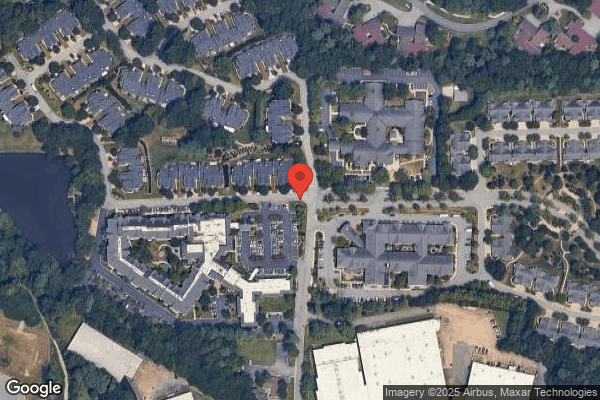

400 Thompson Street, Hendersonville, NC 28792 (828) 697-4348
For profit - Limited Liability company 80 Beds LIFE CARE CENTERS OF AMERICA Data: November 2025
Trust Grade
35/100
#260 of 417 in NC
Last Inspection: August 2025

Inspected within the last 6 months. Data reflects current conditions.

Overview

Life Care Center of Hendersonville has received a Trust Grade of F, indicating poor performance with significant concerns. Ranking #260 out of 417 facilities in North Carolina places it in the bottom half of the state, and at #4 out of 9 in Henderson County, meaning there are only three local options that are better. The facility's trend is improving, with issues decreasing from 16 in 2024 to 5 in 2025, but the staffing rating is poor at 1 out of 5 stars, and a high turnover rate of 62% is concerning. The nursing home has incurred $48,621 in fines, which is higher than 78% of facilities in North Carolina, suggesting ongoing compliance problems. Residents benefit from good RN coverage, exceeding that of 76% of other facilities, but there have been serious incidents, such as failing to provide required two-person assistance for transfers and not maintaining adequate RN coverage for several days, which raises concerns about resident safety. Additionally, there were failures in proper food handling practices, which could affect residents' health. Overall, while there are some strengths in RN coverage and a trend towards improvement, significant weaknesses in staffing and compliance issues are concerning for families considering this facility.

Trust Score
F
35/100
In North Carolina
#260/417
Bottom 38%
Safety Record
Moderate
Needs review
Inspections
Getting Better
16 → 5 violations
Staff Stability
⚠ Watch
62% turnover. Above average. Higher turnover means staff may not know residents' routines.
Penalties
⚠ Watch
$48,621 in fines. Higher than 76% of North Carolina facilities, suggesting repeated compliance issues.
Skilled Nurses
○ Average
Each resident gets 34 minutes of Registered Nurse (RN) attention daily — about average for North Carolina. RNs are the most trained staff who monitor for health changes.
Violations
⚠ Watch
32 deficiencies on record. Higher than average. Multiple issues found across inspections.
★★☆☆☆
2.0
Overall Rating
★☆☆☆☆
1.0
Staff Levels
★★★★★
5.0
Care Quality
★★☆☆☆
2.0
Inspection Score
Stable
2024: 16 issues
2025: 5 issues

The Good

  • 5-Star Quality Measures · Strong clinical quality outcomes
  • Full Sprinkler Coverage · Fire safety systems throughout facility
  • No fines on record

Facility shows strength in quality measures, fire safety.

The Bad

2-Star Overall Rating

Below North Carolina average (2.8)

Below average - review inspection findings carefully

Staff Turnover: 62%

15pts above North Carolina avg (46%)

Frequent staff changes - ask about care continuity

Federal Fines: $48,621

Above median ($33,413)

Moderate penalties - review what triggered them

Chain: LIFE CARE CENTERS OF AMERICA

Part of a multi-facility chain

Ask about local staffing decisions and management

Staff turnover is elevated (62%)

14 points above North Carolina average of 48%

The Ugly 32 deficiencies on record

1 actual harm
Aug 2025 5 deficiencies
CONCERN (D)

Potential for Harm - no one hurt, but risky conditions existed

Deficiency F0808 (Tag F0808)

Could have caused harm · This affected 1 resident

**NOTE- TERMS IN BRACKETS HAVE BEEN EDITED TO PROTECT CONFIDENTIALITY** Based on observations, record review, and interviews with the Registered Dietitian (RD) and staff, the facility failed to follow...

Read full inspector narrative →
**NOTE- TERMS IN BRACKETS HAVE BEEN EDITED TO PROTECT CONFIDENTIALITY** Based on observations, record review, and interviews with the Registered Dietitian (RD) and staff, the facility failed to follow the physician's diet order to provide double portions (Resident #10) and nutritional supplements (Resident #54) for 2 of 4 residents reviewed for nutrition (Resident #10 and Resident #54). Findings included:1. Resident #10 was admitted to the facility 04/28/25 with diagnoses including diabetes and malnutrition. Review of Resident #10's physician orders revealed an order dated 05/09/25 for a mechanical soft diet (a texture modified diet which restricts foods that are difficult to chew or swallow) and double portions. Resident #10's nutrition care plan initiated 05/16/25 revealed he had a nutritional problem related in part to malnutrition and diabetes. Interventions included having the Registered Dietitian (RD) evaluate and make diet changes as needed and providing and serving Resident #10's diet as ordered. Review of the quarterly Minimum Data Set (MDS) assessment dated [DATE] revealed Resident #10 was severely cognitively impaired and received a mechanically altered diet. The MDS assessment further indicated he had a weight loss of 5% or more in the last month or weight loss of 10% or more in the last 6 months. An observation of Resident #10's lunch meal ticket on 08/24/25 at 11:59 AM revealed he was to receive a mechanically altered diet with double portions. An observation of Resident #10's meal tray at the same date and time revealed he received a large serving of mashed potatoes and cooked carrots and one small scoop of beef on his plate. An interview with Nurse Aide #1 on 08/24/25 at 11:59 AM revealed she set-up Resident #10's meal tray and did not notice he did not receive a double portion of beef. An observation of Resident #10's lunch meal with [NAME] #1 on 08/24/25 at 12:00 PM revealed he did not receive a double portion of beef on his meal tray. She stated double portions were considered to be 2 servings of a food item. [NAME] #1 stated she was working as a dietary aide on 08/24/25 and was responsible for checking meal trays for accuracy and she overlooked providing Resident #10 with a double portion of meat. An interview with the Dietary Manager on 08/27/25 at 9:16 AM revealed he expected residents to receive double portions as ordered. A telephone interview with the Registered Dietitian (RD) on 08/27/25 at 10:39 AM revealed she made a recommendation for Resident #10 to receive double portions as an intervention for weight loss. She stated she expected residents to receive double portions as ordered. An interview with the Administrator on 08/27/25 at 4:25 PM revealed she expected residents to receive double portions as ordered. 2. Resident #54 was admitted to the facility 11/18/16 with a diagnosis of stroke. Resident #54's nutrition care plan last revised 04/10/25 revealed she was at risk for weight fluctuation related to her current health status and interventions included providing assistance with meals as needed and providing supplements as ordered. The quarterly Minimum Data Set (MDS) assessment dated [DATE] revealed Resident #54 was severely cognitively impaired and did not have weight loss. Review of Resident #54's physician orders revealed an order dated 08/13/25 for a frozen nutritional supplement two times a day to promote weight stability.An observation of Resident #54's lunch meal ticket on 08/24/25 at 12:33 PM revealed she was to receive a 4-ounce frozen nutritional treat. An observation of Resident #54's meal tray at the same date and time revealed the frozen nutritional treat was not provided with her lunch meal. An interview with [NAME] #1 on 08/24/25 at 12:43 PM revealed the kitchen was out of frozen nutritional treats and she was unsure how long the facility had been out of the supplement. An additional observation of Resident #54's lunch meal ticket on 08/25/25 at 12:33 PM revealed she was to receive a 4-ounce frozen nutritional treat. An observation of Resident #54's meal tray at the same date and time revealed the frozen nutritional treat was not provided with her lunch meal. An interview with the Dietary Manager on 08/27/25 at 9:16 AM revealed dietary staff usually notified him if the facility ran out of nutritional supplements and he followed-up with the resident's nurse, but he had been out of town on 08/24/25 and 08/25/25. He stated in his absence, dietary staff should have notified the resident's assigned nurse that the frozen nutritional treat was unavailable. A follow-up interview with [NAME] #1 on 08/27/25 at 10:35 AM revealed she would usually notify the Dietary Manager when the facility was out of frozen nutritional treats, but he was unavailable and she did not notify Resident #54's nurse that the supplement was unavailable. A telephone interview with the Registered Dietitian (RD) on 08/27/25 at 10:39 AM revealed she expected residents to receive nutritional supplements as ordered. She stated if the facility ran out of ordered supplements, dietary staff should notify nursing staff so orders for an appropriate substitute could be obtained. An interview with the Administrator on 08/27/25 at 4:25 PM revealed she expected residents to receive nutritional supplements as ordered and if they were unavailable, then nursing staff should have been notified so an appropriate substitute could be ordered.
CONCERN (D)

Potential for Harm - no one hurt, but risky conditions existed

Infection Control (Tag F0880)

Could have caused harm · This affected 1 resident

Based on observations, record review and staff interviews, the facility failed to follow their infection control policy and procedure to implement Enhanced Barrier Precautions (EBP) for a resident wit...

Read full inspector narrative →
Based on observations, record review and staff interviews, the facility failed to follow their infection control policy and procedure to implement Enhanced Barrier Precautions (EBP) for a resident with a diabetic foot ulcer (Resident #10) and failed to wear a protective gown during tracheostomy care (a surgical opening in the neck), and a dressing change for an endoscopic gastrostomy (feeding tube) for a resident on EBP (Resident #3). Additionally, the facility failed to follow their hand hygiene policy and procedure to remove gloves and perform hand hygiene when a soiled dressing was changed from around a feeding tube (Resident #3). The deficient practice occurred for 1 of 3 staff members observed for infection control practices (Treatment Nurse). The findings included: The facility’s EBP policy last revised on 4/22/25 revealed EBP was used as an additional MDRO (multidrug-resistant organism) mitigation strategy for any resident who met the criteria during high-contact resident care activities. Examples that met criteria for the use of EBP included chronic wounds and listed diabetic foot ulcers as a chronic wound. The policy’s definition of high-contact resident care activities that required glove and gown use included wound care of any skin opening that required a dressing. The policy included the facility had discretion in using EBP for residents who do not have a chronic wound. The policy indicated EBP should not be used for residents who are infected or colonized with an MDRO for which contact precautions were recommended in Appendix A of the Center for Disease Control and Prevention (CDC) guideline for isolation precautions. The CDC Appendix A guideline for a pressure ulcer with a minor or limited infection and if a dressing covered and contained drainage was to use standard precautions. 1. An observation of Resident #10’s wound care for a diabetic foot ulcer performed by the Treatment Nurse was conducted on 8/25/25 at 1:58 PM. There was no dressing in place at the time of the observation, and the wound did not have visible drainage. The Treatment Nurse used an alcohol-based hand sanitizer and put on a pair of gloves prior to care. The Treatment Nurse wiped the ulcer with gauze moistened with normal saline, applied a petroleum infused dressing, and covered the ulcer with a protective dressing. The Treatment Nurse did not wear a protective gown during Resident #10’s wound care for the diabetic ulcer on the right foot. During an interview on 8/25/25 at 3:44 PM, the Treatment Nurse revealed the old dressing was removed prior to the observation for assessment by the Wound Care Nurse Practitioner. The Treatment Nurse was asked if EBP were used for Resident #10 during care for the diabetic foot ulcer. The Treatment Nurse stated it was her understanding if the wound was 3 months old EBP were used and if not, she did not wear a protective gown during wound care for Resident #10’s diabetic foot ulcer. An interview was conducted with Director of Nursing (DON) in the presence of the Infection Preventionist on 8/27/25 at 8:30 AM and at 9:18 AM. It was explained the Treatment Nurse did not wear a protective gown while she provided wound care for Resident #10’s diabetic foot ulcer because EBP were not implemented. The DON confirmed EBP were not implemented for Resident #10 and only used for wounds that were present for 3 months or longer. The DON stated in the policy the facility had the discretion to use EBP for any resident who did not have a chronic wound. The DON stated she did not consider Resident #10’s diabetic ulcer as a chronic wound since it had not been present for 3 months. The DON stated the facility’s EBP policy included the CDC Appendix A and based on the guidance for pressure ulcers she had determined standard precautions should be used for Resident #10. During an interview on 8/27/25 at 3:56 PM, it was explained to the Administrator, EBP were not implemented for Resident #10 who had a diabetic foot ulcer, and during wound care the Treatment Nurse did not wear a protective gown when the wound was cleaned, and a new dressing applied. The Administrator stated based on the facility’s EBP policy the examples of chronic wounds included diabetic foot ulcers and should be implemented for Resident #10 and followed during wound care. 2. Review of the facility’s Enhanced Barrier policy last revised 04/22/25 read in part as follows: “Policy: The facility should use Enhanced Barrier Precautions (EBP) as an additional MDRO [multidrug-resistant organisms] mitigation [prevention] strategy for residents that meet the following criteria, during high contact resident care activities; EBP are indicated for residents with any of the following: Indwelling medical device examples includ[ing] feeding tubes and tracheostomies (a surgical opening in the neck that allows breathing). EBP should be used for any residents who meet the above criteria. Enhanced Barrier Precautions (EBP)-refer to an infection control intervention designed to reduce transmission of multidrug-resistant organisms that employs targeted gown and glove use during high contact resident care activities. Examples of high-contact resident care activities requiring gown and glove use include device care or use: feeding tube [and] tracheostomy/ventilator.” An observation of Resident #3’s door on 08/25/25 at 2:45 PM revealed signage indicating Resident #3 was on EBP and a shelf was hanging on the door containing gowns and gloves. A continuous observation of the Treatment Nurse on 08/25/25 from 2:47 PM through 2:58 PM revealed she entered Resident #3’s room, performed hand hygiene with alcohol-based hand rub (abhr), donned (put on) gloves, opened the tracheostomy care kit and added normal saline (salt water), removed the inner cannula (tube) and discarded it in the trash, removed her gloves and performed hand hygiene with abhr, donned sterile gloves, inserted a new inner cannula into Resident #3’s tracheostomy, removed the soiled gauze from the tracheostomy, removed her gloves, performed hand hygiene with abhr, donned clean gloves, cleaned around the tracheostomy with normal saline moistened gauze, removed her gloves, performed hand hygiene with abhr, donned clean gloves, applied a clean gauze to the tracheostomy, removed her gloves, and performed hand hygiene with abhr. The Treatment Nurse did not don a gown while providing tracheostomy care. An additional continuous observation of the Treatment Nurse on 08/25/25 at 2:59 PM through 3:02 PM revealed she performed hand hygiene with abhr, donned clean gloves, entered Resident #3’s room, removed the soiled gauze from Resident #3’s feeding tube, cleaned around the feeding tube with normal saline moistened gauze, dried the area around the feeding tube with gauze, applied clean gauze around the feeding tube, removed her gloves, performed hand hygiene with abhr, and exited Resident #3’s room. The Treatment Nurse did not don a gown while providing feeding tube care. An interview with the Treatment Nurse on 08/25/25 at 3:04 PM revealed she should have donned a gown when providing tracheostomy care and feeding tube care and she did not because it was an oversight. An interview with the Director of Nursing (DON) on 08/25/25 at 3:18 PM revealed she expected nursing staff to follow EBP when providing as indicated. An interview with the Administrator on 08/27/25 at 4:25 PM revealed she expected staff to follow EBP when providing care as indicated. 3. Review of the facility’s hand hygiene policy last reviewed 07/07/25 read in part as follows: “Policy: The facility has adopted CDC [Centers for Disease Control] Core Infection Prevention and Control Practices for Safe Healthcare Delivery in All Settings for indications for hand hygiene that are generally consistent with the WHO [World Health Organization] 5 moments for hand hygiene. Definitions: Alcohol-based hand rub (ABHR) refers to a 60-95 percent ethanol [alcohol] or isopropyl alcohol-containing preparation base designed for application to the hands to reduce the number of viable micro-organisms. Hand hygiene refers to a general term that applies to hand washing, antiseptic handwash, and alcohol-based hand rub. Procedure: Associates perform hand hygiene (even if gloves are used) in the following situations: a. before and after contact with the resident; b. after contact with body fluids; c. after removing personal protective equipment (gloves, gown, eye protection, facemask) Introduction: An alcohol-based hand rub is appropriate for decontaminating the hands when moving from a contaminated body site to a clean body site during patient care and after contact with bodily fluids. 5 Moments for Hand Hygiene 1. before touching a patient 2. before a clean procedure 3. after body fluid exposure risk 4. after touching a patient 5. after touching patient surroundings.” A continuous observation of the Treatment Nurse on 08/25/25 at 2:59 PM through 3:02 PM revealed she performed hand hygiene with abhr, donned clean gloves, entered Resident #3’s room, removed the soiled gauze containing a small amount of white drainage from Resident #3’s feeding tube, cleaned around the feeding tube with normal saline moistened gauze, dried the area around the feeding tube with gauze, applied clean gauze around the feeding tube, removed her gloves, performed hand hygiene with abhr, and exited Resident #3’s room. The Treatment Nurse did not remove her gloves and perform hand hygiene after removing the soiled gauze and before cleaning around the feeding tube. An interview with the Treatment Nurse on 08/25/25 at 3:04 PM revealed she would not remove her gloves and perform hand hygiene after removing soiled gauze and before cleaning around the feeding tube unless her gloves were visibly soiled. An interview with the Director of Nursing (DON) on 08/25/25 at 3:18 PM revealed she expected nursing staff to remove their gloves and perform hand hygiene after removing soiled gauze around a feeding tube. An interview with the Administrator on 08/27/25 at 4:25 PM revealed she expected staff to remove their gloves and perform hand hygiene when moving from a dirty task to a clean task.
CONCERN (E)

Potential for Harm - no one hurt, but risky conditions existed

Food Safety (Tag F0812)

Could have caused harm · This affected multiple residents

Based on observations, record review, and staff interviews the facility failed to discard expired milk in 1 of 1 walk-in cooler; label and date a food item in 1 of 1 walk-in freezer; label and date op...

Read full inspector narrative →
Based on observations, record review, and staff interviews the facility failed to discard expired milk in 1 of 1 walk-in cooler; label and date a food item in 1 of 1 walk-in freezer; label and date open food items and store food off the floor in 1 of 1 dry storage room; maintain a clean and sanitary ice machine for 1 of 2 ice machines; and maintain a clean and sanitary refrigerator in 1 of 2 nourishment rooms (500/600 hall nourishment refrigerator). Findings included:1. An initial observation of the walk-in cooler on 08/24/25 at 9:22 AM revealed a 3/4 full box of 8-ounce cartons of 2% milk with a use-by date of 08/21/25. An interview with the Dietary Manager on 08/27/25 at 9:16 AM revealed the milk should have been used or discarded on or before the use-by date. He stated all dietary staff were responsible for checking for and removing expired food and beverage items. An interview with the Administrator on 08/27/25 at 4:25 PM revealed she expected all food and beverages to be used or discarded on or before the use-by date. 2. An observation of the walk-in freezer on 08/24/25 at 9:28 AM revealed an unlabeled and undated bag of boneless chicken breasts sitting on a shelf. An interview with the Dietary Manager on 08/27/25 at 9:16 AM revealed he expected all food items to be labeled and dated. An interview with the Administrator on 08/27/25 at 4:25 PM revealed she expected all food items to be labeled and dated. 3. An observation of the dry storage room on 08/24/25 at 9:32 AM revealed the following:a. an open and undated bag of powdered sugar sitting on a shelfb. an open and undated bag of graham crackers sitting on a shelfc. three boxes of nutritional supplement stored on the floorAn interview with the Dietary Manager on 08/27/25 at 9:16 AM revealed all opened food items should be labeled and dated by the staff member opening the items and no stock should be stored on the floor. An interview with the Administrator on 08/27/25 at 4:25 PM revealed she expected all open food items to be labeled and dated, and no stock should be stored on the floor. 4. An observation of the ice machine in the dining room on 08/24/25 at 9:40 AM revealed a build-up of gray debris on the left vent. An interview with [NAME] #1 on 08/26/25 at 11:52 AM revealed maintenance was supposed to clean the ice machine. An interview with the Maintenance Director on 08/27/25 at 8:34 AM revealed a contract company de-limed and de-scaled the ice machine quarterly and he was responsible for ensuring the outside of the ice machine was clean. He stated he cleaned the ice machine if dietary staff made him aware of any areas that were visibly dirty, and he had not been informed of any concerns with the ice machine. An interview with the Administrator on 08/27/25 at 4:25 PM revealed she expected the ice machine to be clean and free of debris. 5. An observation of the 500/600 hall nourishment room refrigerator on 08/24/25 at 11:17 AM revealed a large area of a dried white substance with cardboard stuck in the center on the middle shelf of the refrigerator. An interview with the Dietary Manager on 08/27/25 at 9:16 AM revealed he expected dietary staff to clean nourishment room refrigerators when they noticed they were dirty. An interview with the Administrator on 08/27/25 at 4:25 PM revealed she expected the nourishment room refrigerators to be checked daily for cleanliness.
CONCERN (F)

Potential for Harm - no one hurt, but risky conditions existed

Deficiency F0727 (Tag F0727)

Could have caused harm · This affected most or all residents

Based on record review and staff interviews, the facility failed to ensure Registered Nurse (RN) coverage was provided for at least 8 consecutive hours per day for 5 of 6 days reviewed (Dates 02/01/25...

Read full inspector narrative →
Based on record review and staff interviews, the facility failed to ensure Registered Nurse (RN) coverage was provided for at least 8 consecutive hours per day for 5 of 6 days reviewed (Dates 02/01/25, 02/02/25, 02/09/25, 03/01/25, and 03/02/25). Findings included:Review of the daily nurse staffing sheets and associated time clock reports for the period 01/01/25 through 03/31/25 revealed the facility did not have the required RN coverage on the following dates: 02/01/25, 02/02/25, 02/09/25, 03/01/25, and 03/02/25.During an interview on 08/27/25 at 1:52 PM, the Central Supply Manager revealed she handled the Skilled Nursing staff schedules in January 2025 through March 2025. She stated there were times when no RN was scheduled daily from 8 to 12 hours, although she could not recall specific dates. The Central Supply Manager stated that when there was no RN scheduled for at least 8 consecutive hours, she notified the Former Administrator, and the Former Administrator handled the situation from that point.A telephone interview with the Former Administrator on 08/27/25 at 2:49 PM revealed she was employed at the facility in January 2025 through mid-to-late March 2025 and was aware that there were times when an RN was not scheduled for 8 consecutive hours on weekends. She stated she had a Minimum Data Set (MDS) Nurse who was an RN, work one weekend, and the Treatment Nurse, who was also an RN, work the opposite weekend to ensure there was RN coverage for 8 consecutive hours. The Administrator stated after she implemented having the MDS Nurse and Treatment Nurse working on alternating weekends she was not aware of any issues with not having an RN scheduled for 8 hours a day. She stated she could not recall the date when she implemented placing the 2 RNs on alternating weekends. During an interview with the Regional Director of Clinical Operations on 08/27/25 at 3:54 PM she acknowledged the facility did not have documentation of the required RN coverage on 02/01/25, 02/02/25, 02/09/25, 03/01/25, and 03/02/25. She stated she thought having the MDS Nurse and Treatment Nurse alternate weekends addressed the lack of RN coverage on weekends but there may have been times when there were call-outs or staff worked in a sister facility. The Regional Director of Clinical Operations stated with the change in nursing administration in May 2025 nurse staffing had improved and the facility had sufficient RN staff to ensure required RN coverage was met consistently.
MINOR (C)

Minor Issue - procedural, no safety impact

Staffing Information (Tag F0732)

Minor procedural issue · This affected most or all residents

Based on record review and staff interviews, the facility failed to ensure daily nurse staffing sheets accurately reflected the nursing staff who worked for 4 of 6 days reviewed (02/01/25, 02/02/25, 0...

Read full inspector narrative →
Based on record review and staff interviews, the facility failed to ensure daily nurse staffing sheets accurately reflected the nursing staff who worked for 4 of 6 days reviewed (02/01/25, 02/02/25, 02/09/25, and 03/02/25).Findings included:Review of the facility's daily nurse staffing sheet revealed underneath the facility's name was a space to specify the date along with columns to specify the resident census, number of staff and hours worked for Registered Nurses (RNs) and Licensed Practical Nurses (LPNs) for each 12-hour shift, 7:00 AM to 7:00 PM (day shift) and 7:00 PM to 7:00 AM (night shift). a. The daily nurse staffing sheet dated 02/01/25 revealed on day shift there was 1 RN and 3 LPNs. The nursing staff time clock report for 02/01/25 revealed there were 3 LPNs and no RN.b. The daily nurse staffing sheet dated 02/02/25 revealed on day shift there was 1 RN and 3 LPNs. The nursing staff time clock report for 02/02/25 revealed there were 3 LPNs and no RN. c. The daily nurse staffing sheet dated 02/09/25 revealed on day shift there was 1 RN and 3 LPNs. The nursing staff time clock report for 02/02/25 revealed there were 3 LPNs and no RN. d. The daily nurse staffing sheet dated 03/02/25 revealed on day shift there was no RN and 3 LPNs. The nursing staff time clock report for 03/02/25 revealed there was an RN for 3 hours and 3 LPNs. An interview with the Assistant Director of Nursing (ADON) on 08/27/25 at 12:56 PM revealed since beginning employment in May 2025 she was responsible for completing daily nurse staffing sheets. She stated on weekends the nursing supervisor was responsible for updating the daily nurse staffing sheets to reflect call-outs and/or schedule changes. The weekend nursing supervisor was unavailable for interview during the survey. An interview with the Central Supply Manager on 08/27/25 at 1:52 PM revealed in February 2025 and March 2025 she was responsible for completing the daily nurse staffing sheets. She stated on Fridays she would complete and give the receptionist the daily nurse staffing sheets for Saturday, Sunday, and Monday and the receptionist would fill in the census and post the staffing each weekend day. She stated it was the responsibility of the nursing staff working the weekend to update the daily staffing sheets to reflect information such as call-outs and/or schedule changes. An interview with the Administrator on 08/27/25 at 4:18 PM revealed the ADON was responsible for posting and updating daily nurse staffing sheets throughout the week and the weekend nursing supervisor was responsible for posting and updating the sheets on weekends. She stated she expected the daily nurse staffing sheets to be updated as needed to reflect the correct number and hours of nursing staff that worked each shift.
Nov 2024 2 deficiencies
CONCERN (D) 📢 Someone Reported This

A family member, employee, or ombudsman was alarmed enough to file a formal complaint

Potential for Harm - no one hurt, but risky conditions existed

Notification of Changes (Tag F0580)

Could have caused harm · This affected 1 resident

**NOTE- TERMS IN BRACKETS HAVE BEEN EDITED TO PROTECT CONFIDENTIALITY** Based on staff and Physician Assistant (PA) interviews and record review, the facility failed to notify the Physician or Physici...

Read full inspector narrative →
**NOTE- TERMS IN BRACKETS HAVE BEEN EDITED TO PROTECT CONFIDENTIALITY** Based on staff and Physician Assistant (PA) interviews and record review, the facility failed to notify the Physician or Physician Assistant (PA) about a newly identified pressure ulcer for 1 of 4 residents reviewed (Resident #3). The findings included: Resident #3 was admitted to the facility on [DATE] with diagnosis that included dementia and protein-calorie malnutrition. Resident #3 was discharged from the facility on 10/31/24. Review of a wound observation tool for Resident #3's sacrum dated 10/24/24 revealed that this was a facility acquired stage 2 pressure ulcer which was first identified on 10/18/24. The Wound observation tool was completed by Nurse #1. A phone interview with Nurse #1 on 11/22/24 at 8:39 AM revealed that she was aware of a new wound for Resident #3 on the sacrum on 10/18/24. She further revealed that she did not document the occurrence or the treatment of the wound, nor did she inform the PA about the wound. She stated that she knew she should have told the PA and obtained an order for treatment. An interview with the PA on 11/22/24 at 11:31 AM revealed that if a skin issue that could result in a pressure ulcer was discovered the Nurse could start treatment but she would like to be notified as soon as possible. An interview with the Director of Nursing (DON) on 11/22/24 at 3:05 PM revealed that she recalled Resident #3. Nurse #1 told the DON that she did not notify the Physician or PA and get treatment orders. The DON stated that she was unsure why Nurse #1 did not complete the protocol that was in place for addressing new wounds. She stated that her expectation was that when a nurse discovered a new wound that they contact the Physician or PA and get a treatment order to start wound care. An interview with the Administrator on11/22/24 at 3:28 PM revealed that her expectation was that when a nurse discovered a new wound that she contacts the Physician or PA and obtains orders for treatment and documents that appropriately.
CONCERN (D) 📢 Someone Reported This

A family member, employee, or ombudsman was alarmed enough to file a formal complaint

Potential for Harm - no one hurt, but risky conditions existed

Pressure Ulcer Prevention (Tag F0686)

Could have caused harm · This affected 1 resident

**NOTE- TERMS IN BRACKETS HAVE BEEN EDITED TO PROTECT CONFIDENTIALITY** Based on record review, and staff and Physician Assistant (PA) interviews, the facility failed to complete weekly skin assessmen...

Read full inspector narrative →
**NOTE- TERMS IN BRACKETS HAVE BEEN EDITED TO PROTECT CONFIDENTIALITY** Based on record review, and staff and Physician Assistant (PA) interviews, the facility failed to complete weekly skin assessments and comprehensive assessments including measurements of newly identified pressure ulcer and failed to obtain treatment orders which resulted in no treatment being completed for five days for 1 of 4 residents reviewed for pressure ulcers (Resident #3). The findings included: Resident #3 was admitted to the facility on [DATE] with diagnosis that included dementia and protein-calorie malnutrition. Resident #3 was discharged from the facility on 10/31/24. Review of the admission skin assessment dated [DATE] for Resident #3 revealed that there were no skin issues. Review of the admission minimum data set (MDS) dated [DATE] revealed that Resident #3 was severely cognitively impaired. Resident #3 was at risk for pressure ulcers. Resident #3 had no skin issues or injuries and had a pressure-reducing device on her bed. Review of the care plan dated 10/16/24 revealed that Resident #3 was at risk of developing a pressure ulcer due to a decrease in mobility. Goals included Resident #3, will be without the development of pressure areas through next review. Interventions included assist as needed to reposition/shift weight to relieve pressure. Clean and dry skin after each incontinent episode. Complete Braden scale risk assessment monthly and as needed. Encourage use of side rails to assist turning in bed. Float heels when in bed as needed/ordered. Minimize pressure over boney prominences. Notify nurses immediately of any new areas of skin breakdown, redness, blisters, bruises, discoloration noted during bathing or daily care. Pressure reducing mattress. Weekly skin checks. No weekly skin assessments were documented as completed during Resident #3's stay at the facility. Review of a wound observation tool for Resident #3's sacrum dated 10/24/24 revealed this was a facility acquired stage 2 pressure ulcer which was first identified on 10/18/24. The wound observation tool was completed by Nurse #1. There was no documentation present on 10/18/24 to indicate the initial discovery of this pressure ulcer. A physician's order dated 10/24/24 read, cleanse sacral wound with normal saline. Pat dry, apply calcium alginate (a material that absorbs excess moisture and promotes healing of wounds) inside wound border only, not touching edges. Cover wound with bordered foam gauze everyday. Turn resident every two hours every day shift for wound care. The order was discontinued on 10/31/24. Review of the treatment administration record (TAR) for the month of October 2024 revealed the treatment to Resident #3's sacrum was completed as ordered from 10/24/24 through 10/31/24. A phone interview with Nurse #1 on 11/22/24 at 8:39 AM revealed that she was aware of a new wound for Resident #3 on the sacrum on 10/18/24. She stated that she cleansed the wound with normal saline and applied a foam border dressing but did not stage the wound. She further revealed that she did not document the occurrence or the treatment of the wound. She stated that she knew she should have told the PA and obtained an order for treatment. An interview with the PA on 11/22/24 at 11:31 AM revealed that if a skin issue could result in a pressure ulcer was discovered the Nurse could start treatment. She stated that treatment orders being placed would have been nice but with Resident #3's poor nutrition and refusal to offload she felt this delay in treatment had not impacted the outcome of Resident #3's pressure ulcer. An interview with the Director of Nursing (DON) on 11/22/24 at 3:05 PM revealed that she recalled Resident #3. She spoke with Nurse #1 who discovered Resident #3's sacral wound, and Nurse #1 told the DON that she discovered the wound on 10/18/24 and cleaned the wound with normal saline and applied a foam border dressing. The DON stated that she was unsure why Nurse #1 did not complete the protocol that was in place for addressing new wounds. She stated that her expectation was that when a nurse discovered a new wound that they would contact the Physician or PA and get a treatment order to start wound care. An interview with the Administrator on11/22/24 at 3:28 PM revealed that her expectation was that when a nurse discovered a new wound that she contact the Physician or PA and obtained orders for treatment and documented that appropriately.
Aug 2024 4 deficiencies
CONCERN (D) 📢 Someone Reported This

A family member, employee, or ombudsman was alarmed enough to file a formal complaint

Potential for Harm - no one hurt, but risky conditions existed

Comprehensive Assessments (Tag F0636)

Could have caused harm · This affected 1 resident

**NOTE- TERMS IN BRACKETS HAVE BEEN EDITED TO PROTECT CONFIDENTIALITY** Based on record review and staff interviews, the facility failed to complete a comprehensive Minimum Data Set (MDS) assessment w...

Read full inspector narrative →
**NOTE- TERMS IN BRACKETS HAVE BEEN EDITED TO PROTECT CONFIDENTIALITY** Based on record review and staff interviews, the facility failed to complete a comprehensive Minimum Data Set (MDS) assessment within 14 days of the Assessment Reference Date (abbreviated as ARD and referring to the last day of the assessment period) for 1 of 6 sampled residents (Resident #6). Findings included: Resident #6 was admitted to the facility on [DATE]. Review of Resident #6's electronic health record revealed an annual MDS assessment with an ARD of 08/01/24 was noted as in progress. During a telephone interview on 08/22/24 at 6:09 PM, the Corporate MDS Consultant confirmed Resident #6's annual MDS assessment dated [DATE] was not completed within the regulatory timeframe. He explained the facility had been without a MDS Coordinator for some time and the staff that had been assisting from other facilities had focused on current MDS assessments to prevent more from being completed late. The Corporate MDS Consultant stated he was actively working on completing the MDS assessments that were currently late and hoped to have them all caught up by next week. During an interview on 08/22/24 at 7:00 PM, the Administrator stated she realized there was an issue with the timely completion of MDS assessments when she did an audit for the Plan of Correction from the recertification survey on 07/19/24. She stated the issue was discussed with the Corporate MDS Consultant but they had not had enough time to get them all caught back up. The Administrator felt the breakdown was due primarily to only having one permanent MDS Coordinator completing assessments and now that they have hired an additional MDS Coordinator, they would be able to stay caught up with completing MDS assessments. The Administrator stated it was her expectation for MDS assessments to be completed within the regulatory timeframes.
CONCERN (D) 📢 Someone Reported This

A family member, employee, or ombudsman was alarmed enough to file a formal complaint

Potential for Harm - no one hurt, but risky conditions existed

Deficiency F0638 (Tag F0638)

Could have caused harm · This affected 1 resident

**NOTE- TERMS IN BRACKETS HAVE BEEN EDITED TO PROTECT CONFIDENTIALITY** Based on record review and staff interviews, the facility failed to complete quarterly Minimum Data Set (MDS) assessments within...

Read full inspector narrative →
**NOTE- TERMS IN BRACKETS HAVE BEEN EDITED TO PROTECT CONFIDENTIALITY** Based on record review and staff interviews, the facility failed to complete quarterly Minimum Data Set (MDS) assessments within 14 days of the Assessment Reference Date (abbreviated as ARD and referring to the last day of the observation period) for 3 of 6 sampled residents (Residents #2, #3, and #5). Findings included: 1. Resident #2 was admitted to the facility on [DATE]. Review of Resident #2's Electronic Health Record (EHR) on 08/22/24 revealed a quarterly MDS assessment with an ARD of 07/23/24 was noted as in progress. During a telephone interview on 08/22/24 at 6:09 PM, the Corporate MDS Consultant confirmed Resident #2's quarterly MDS assessment dated [DATE] was not completed within the regulatory timeframe. He explained the facility had been without a MDS Coordinator for some time and the staff that had been assisting from other facilities had focused on current MDS assessments to prevent more from being completed late. The Corporate MDS Consultant stated he was actively working on completing the MDS assessments that were currently late and hoped to have them all caught up by next week. During an interview on 08/22/24 at 7:00 PM, the Administrator stated she realized there was an issue with the timely completion of MDS assessments when she did an audit for the Plan of Correction from the recertification survey on 07/19/24. She stated the issue was discussed with the Corporate MDS Consultant but they had not had enough time to get them all caught back up. The Administrator felt the breakdown was due primarily to only having one permanent MDS Coordinator completing assessments and now that they have hired an additional MDS Coordinator, they would be able to stay caught up with completing MDS assessments. The Administrator stated it was her expectation for MDS assessments to be completed within the regulatory timeframes. 2. Resident #5 was admitted to the facility on [DATE]. Review of Resident #5's Electronic Health Record (EHR) on 08/22/24 revealed a quarterly MDS assessment with an ARD of 07/26/24 was noted as in progress. During a telephone interview on 08/22/24 at 6:09 PM, the Corporate MDS Consultant confirmed Resident #5's quarterly MDS assessment dated [DATE] was not completed within the regulatory timeframe. He explained the facility had been without a MDS Coordinator for some time and the staff that had been assisting from other facilities had focused on current MDS assessments to prevent more from being completed late. The Corporate MDS Consultant stated he was actively working on completing the MDS assessments that were currently late and hoped to have them all caught up by next week. During an interview on 08/22/24 at 7:00 PM, the Administrator stated she realized there was an issue with the timely completion of MDS assessments when she did an audit for the Plan of Correction from the recertification survey on 07/19/24. She stated the issue was discussed with the Corporate MDS Consultant but they had not had enough time to get them all caught back up. The Administrator felt the breakdown was due primarily to only having one permanent MDS Coordinator completing assessments and now that they have hired an additional MDS Coordinator, they would be able to stay caught up with completing MDS assessments. The Administrator stated it was her expectation for MDS assessments to be completed within the regulatory timeframes. 3. Resident #3 was admitted to the facility on [DATE]. Review of Resident #3's Electronic Health Record (EHR) on 08/22/24 revealed a quarterly MDS assessment with an ARD of 08/06/24 was noted as in progress. During a telephone interview on 08/22/24 at 6:09 PM, the Corporate MDS Consultant confirmed Resident #3's quarterly MDS assessment dated [DATE] was not completed within the regulatory timeframe. He explained the facility had been without a MDS Coordinator for some time and the staff that had been assisting from other facilities had focused on current MDS assessments to prevent more from being completed late. The Corporate MDS Consultant stated he was actively working on completing the MDS assessments that were currently late and hoped to have them all caught up by next week. During an interview on 08/22/24 at 7:00 PM, the Administrator stated she realized there was an issue with the timely completion of MDS assessments when she did an audit for the Plan of Correction from the recertification survey on 07/19/24. She stated the issue was discussed with the Corporate MDS Consultant but they had not had enough time to get them all caught back up. The Administrator felt the breakdown was due primarily to only having one permanent MDS Coordinator completing assessments and now that they have hired an additional MDS Coordinator, they would be able to stay caught up with completing MDS assessments. The Administrator stated it was her expectation for MDS assessments to be completed within the regulatory timeframes.
CONCERN (E) 📢 Someone Reported This

A family member, employee, or ombudsman was alarmed enough to file a formal complaint

Potential for Harm - no one hurt, but risky conditions existed

Deficiency F0761 (Tag F0761)

Could have caused harm · This affected multiple residents

Based on observation, staff interviews and record reviews, the facility failed to remove an opened eye medication from the medication cart as specified by manufacturer's guidelines and failed to disca...

Read full inspector narrative →
Based on observation, staff interviews and record reviews, the facility failed to remove an opened eye medication from the medication cart as specified by manufacturer's guidelines and failed to discard expired antiseptic wound care solutions from another medication cart in accordance with the manufacturer's expiration date for 2 of 5 medication carts observed during medication storage checks (200 halls and 600 halls). The findings included: a. The manufacturer's package inserts for Latanoprost eye drops revealed an unopened bottle should be stored under refrigeration between the temperature of 36° to 46° Fahrenheit (F) and protected from light. Once it was opened, Latanoprost could be stored at room temperature up to 77° F for up to six weeks. A medication storage audit was conducted on 08/22/24 at 10:10 AM for 200 halls medication cart in the presence of Nurse #1. One opened bottle of Latanoprost 0.005% eye drops was found in the medication cart under room temperature and ready to be used. The handwriting on the label indicated it was opened on 04/28/24. An interview was conducted with Nurse #1 on 08/22/24 at 10:11 AM. She acknowledged that the bottle of Latanoprost eye drops was opened and stored in the medication cart since 04/28/24. She stated that she saw the eye drops when she checked the medication cart in the morning. She did not discard it as she thought it could be stored in the medication cart under room temperature until the manufacturer's expiration date in June 2026. b. During a medication storage audit conducted on 08/22/24 at 11:09 AM for 600 halls medication cart in the presence of Nurse #2, an opened bottle containing approximate 90 milliliters (ml) of Povidone Iodine 10 % solution expired on 10/31/23 was found in the medication cart and ready to be used. An interview was conducted with Nurse #2 on 08/22/24 at 11:12 AM. She stated the topical solution was for wound care and it had not been used for quite a while. She explained she checked the medication cart in the morning and did not know why she missed the topical solution. She acknowledged that the topical solution should be removed from the medication cart as it was expired. During an interview conducted on 08/22/24 at 11:25 AM, the Director of Nursing (DON) stated Latanoprost should be stored in the refrigerator until it was opened. Once it was opened, it could be stored in room temperature for up to 42 days. She stated that the facility had conducted in-service after the previous survey and the administrative staff had audited the medication carts and storage rooms as outlined in the auditing tools. She did not understand why the staff missed the expired eye drops and the topical solution. It was her expectation for the facility to remain free of expired medications. An interview was conducted with the Administrator on 08/22/24 at 6:51 PM. She expected the facility to remain free of expired medication and discard eye drops in a timely manner as specified by the manufacturer's guidelines.
MINOR (B) 📢 Someone Reported This

A family member, employee, or ombudsman was alarmed enough to file a formal complaint

Minor Issue - procedural, no safety impact

MDS Data Transmission (Tag F0640)

Minor procedural issue · This affected multiple residents

**NOTE- TERMS IN BRACKETS HAVE BEEN EDITED TO PROTECT CONFIDENTIALITY** Based on record review and staff interviews, the facility failed to complete a discharge-return anticipated Minimum Data Set (MD...

Read full inspector narrative →
**NOTE- TERMS IN BRACKETS HAVE BEEN EDITED TO PROTECT CONFIDENTIALITY** Based on record review and staff interviews, the facility failed to complete a discharge-return anticipated Minimum Data Set (MDS) within 14 days of the discharge date and an entry tracking record within 14 days of the admission date for 1 of 6 sampled residents (Resident #5). Findings included: Resident #5 was admitted to the facility on [DATE]. Review of Resident #5's electronic health record on 08/22/24 revealed the following: a. A discharge-return anticipated MDS assessment dated [DATE] noted a status of in progress. b. An entry tracking record dated 07/24/24 noted a status of in progress. During a telephone interview on 08/22/24 at 6:09 PM, the Corporate MDS Consultant confirmed Resident #5's entry tracking record and discharge MDS assessment were not completed within the regulatory timeframe. He explained the facility had been without a MDS Coordinator for some time and the staff that had been assisting from other facilities had focused on current MDS assessments to prevent more from being completed late. The Corporate MDS Consultant stated he was actively working on completing the MDS assessments that were currently late and hoped to have them all caught up by next week. During an interview on 08/22/24 at 7:00 PM, the Administrator stated she realized there was an issue with the timely completion of MDS assessments when she did an audit for the Plan of Correction from the recertification survey on 07/19/24. She stated the issue was discussed with the Corporate MDS Consultant but they had not had enough time to get them all caught back up. The Administrator felt the breakdown was due primarily to only having one permanent MDS Coordinator completing assessments and now that they have hired an additional MDS Coordinator, they would be able to stay caught up with completing MDS assessments. The Administrator stated it was her expectation for MDS assessments to be completed within the regulatory timeframes.
Jul 2024 10 deficiencies 1 Harm
SERIOUS (G) 📢 Someone Reported This

A family member, employee, or ombudsman was alarmed enough to file a formal complaint

Actual Harm - a resident was hurt due to facility failures

Accident Prevention (Tag F0689)

A resident was harmed · This affected 1 resident

**NOTE- TERMS IN BRACKETS HAVE BEEN EDITED TO PROTECT CONFIDENTIALITY** 2. Resident #8 was admitted to the facility on [DATE] with diagnoses including multiple sclerosis and right foot drop. The quart...

Read full inspector narrative →
**NOTE- TERMS IN BRACKETS HAVE BEEN EDITED TO PROTECT CONFIDENTIALITY** 2. Resident #8 was admitted to the facility on [DATE] with diagnoses including multiple sclerosis and right foot drop. The quarterly Minimum Data Set (MDS) assessment dated [DATE] revealed Resident #8 was cognitively intact and dependent on staff for transfers from the bed to the chair. There had been no falls since the previous assessment and Resident #8 used a wheelchair/scooter for mobility. The activities of daily living care plan last reviewed on 05/30/24 identified Resident #8 as having a deficit in her ability to perform self-care. Her deficit was related to musculoskeletal impairment due to the diagnosis of multiple sclerosis. The goal was to maintain the current level of functioning through the review date. One of the interventions in place required staff use a total mechanical lift with 2-person assistance. During an interview on 07/15/24 at 11:08 AM Resident #8 revealed she needed staff assistance with transfers and used a powered wheelchair for mobility. She stated the nursing staff used different techniques to transfer her and sometimes one-person assistance was provided. She revealed nursing staff had physically lifted her from underneath her arms or used a mechanical lift with a sling. She revealed it hurt her left shoulder when staff physically lifted her under the arms. Resident #8 denied any falls had occurred while a resident at the facility. Review of the [NAME] updated on 07/19/24 revealed the guidance for transferring Resident #8 was to use the total mechanical lift with 2-person assistance. During an observation and interview on 07/19/24 at 8:18 AM Resident #8 was in bed and stated someone would need to assist her out of bed but she preferred to wait at this time. Resident #8 stated some of the nursing staff continued to transfer her without the use of the mechanical lift and two-person assistance. During an observation on 07/19/24 at 9:55 AM NA #2 exited the room with no mechanical lift. At 10:00 AM Resident #8 was observed out of the bed and sitting in her power wheelchair brushing her hair with no signs of distress or pain. Resident #8 revealed she was transferred by NA #2 without the use of a mechanical lift and was able to transfer without incident. A total mechanical lift was available on the hall where Resident #8's room was located. An interview was conducted on 07/19/24 at 10:25 AM with NA #2. NA #2 confirmed she had transferred Resident #8 from the bed to the wheelchair using one-person physical assistance. She did not ask for help and stated she felt safe transferring Resident #8 by herself because the resident could bear weight on one leg and was able to stand and pivot and she had used a gait belt during the transfer. She revealed a total mechanical lift was available and could be used to transfer the resident, but she was not directed to use it and stated it was more difficult to have two-person assist when transferring Resident #8. She did have access to Resident #8's care plan/[NAME] and could review the level of assistance needed prior to transferring and stated she had not recently checked it. NA #2 revealed she worked as needed and recently started working on the floor as a NA. She stated if she noticed a change in the resident's ability to transfer, she would notify the nurse and there was a form to fill out and give to therapy or she would verbally tell the Rehab Director or other therapist. NA #2 confirmed she had not informed therapy or anyone Resident #8 was able bear weight and pivot with 1 person assistance using a gait belt to transfer from the bed to wheelchair. During an interview on 07/19/24 at 10:46 AM the Director of Nursing (DON) was made aware NA #2 transferred Resident #8 using one person assist and without the use of a total mechanical lift. The DON stated Resident #8 required two-person assistance using the total mechanical lift for transfers and she had spoken to the nursing staff about where to find transfer status and safety for residents using the [NAME]. She stated NA #2 should not have transferred Resident #8 without using the total mechanical lift with 2-person assistance. An interview was conducted on 07/19/24 at 11:06 AM with the Administrator. The Administrator confirmed Resident #8's care plan was to use the total mechanical lift with two-person assistance for transfers. The Administrator stated she expected NA #2 to check the care plan before providing care prior to transferring a resident. Based on observation, record review and Responsible Party, Physician Assistant, resident and staff interviews, the facility failed to include a resident's transfer status in the comprehensive care plan for staff to safely transfer a resident from the wheelchair to bed resulting in the resident falling to the floor (Resident #44) and failed to transfer a dependent resident from the bed to the wheelchair using a mechanical lift and two-person assistance as indicated on the care plan (Resident #8) for 2 of 3 residents reviewed for accidents and mobility. On the evening of 05/17/24, Nurse Aide #1 attempted to independently transfer Resident #44 to the bed resulting in Resident #44 falling to the floor onto her left side. Upon initial nurse assessment, Resident #44 complained of no pain and had a small topical abrasion to the left elbow with no other obvious injuries identified. Later that same evening, Resident #44 complained of hip pain, the on-call provider was notified and new orders for a STAT (immediate) x-ray was obtained. Early in the morning of 05/18/24, x-rays revealed Resident #44 had an acute (sudden in onset) left intertrochanteric fracture (type of hip fracture that occurs between the two bony points of the thighbone where the muscles of the thigh and hip attach) with mild displacement (when the bone breaks in two or more parts and moves so that the two ends do not line up straight) with varus (occurs when the broken bones are turned toward the center of the body) angulation. Resident #44 was admitted to the hospital on [DATE] for evaluation and treatment, underwent surgical repair for the hip fracture and returned to the facility on [DATE]. Findings included: 1. Resident #44 was admitted to the facility on [DATE] with diagnoses that included right foot pathological fracture, muscle weakness, abnormal posture, right and left hip contractures, and age-related physical debility. A Physical Therapy (PT) evaluation and plan of treatment dated 04/03/23 revealed in part, Resident #44 reported she had not walked or stood for at least a year and was unable. She required total dependence with transfer to bed from wheelchair due to both lower extremity weakness and non-weight bearing on the right leg due to fracture. She was unable to complete sit-to-stand as she could not stand but was able to complete wheelchair to bed transfer with PT assistance. She was able to assist with upper extremities but very little with lower extremities. Resident #44 was maximum assistance with bed mobility tasks due to inability to move her legs on her own but did use her upper extremities to help as able. An Activity of Daily Living (ADL) care plan, initiated on 04/19/23, revealed Resident #44 had an ADL self-care performance deficit related to inability to move bilateral legs, needs assistance. There were no interventions regarding transfer status until the care plan was revised on 05/21/24 which noted Resident #44 required total staff assistance with transfers. The annual Minimum Data Set (MDS) dated [DATE] assessed Resident #44 with intact cognition. Resident #44 required partial to moderate staff assistance for sit-to-stand and chair/bed-to-chair transfers. An incident/accident report dated 05/17/24 completed by Nurse #3 revealed around 8:00 PM, she was notified by Nurse Aide (NA) #1 that Resident #44 had fallen out of her motorized wheelchair onto the floor. NA #1 reported that as she was turning down the covers on Resident #44's bed, Resident #44 was sitting toward the edge of the seat of the motorized wheelchair when she (Resident #44) accidentally hit the hand control causing it to jerk backwards and Resident #44 fell forward onto the floor. Upon assessment, Nurse #3 noted Resident #44's passive range of motion was within normal limits and Resident #44 voiced no complaints of pain. The only injury identified at the time of Nurse #3's assessment was a small topical abrasion to the left elbow and a bandaid was applied. Around 10:00 PM, Resident #44 complained of left hip pain, as needed Tylenol was administered and ice applied to her left hip. The on-call provider was notified and provided orders for a 2-view STAT x-ray of the left hip. Radiology results dated 05/18/24 revealed in part, Resident #44 had an acute left intertrochanteric fracture with mild displacement with varus angulation. A physician's order dated 05/18/24 read, send to emergency room (ER) due to left femoral fracture with displacement. Review of hospital records dated 05/20/24 revealed on 05/18/24 Resident #44 who is paralyzed from the legs down presented to the ER for evaluation of left hip pain after being dropped by staff while being transferred between surfaces. X-rays obtained revealed she had an acute minimally displaced left intertrochanteric fracture. On 05/18/24, Resident #44 underwent a successful cephalomedullary intertrochanteric nailing (surgical procedure to treat displaced intertrochanteric femur fractures) and was discharged back to the facility on [DATE]. During an interview on 07/17/24 at 3:15 PM and follow-up interviews on 07/18/24 at 8:55 AM and 07/18/24 at 4:18 PM, Resident #44 revealed NA #1 had dropped her to the floor while trying to transfer her from the motorized wheelchair to her bed. Resident #44 could not recall the date but stated she was seated in her motorized wheelchair in-between the door of the room and wall of the bathroom door approximately 6 feet from the foot of her bed when NA #1 had come into the room to assist her with getting into bed for the night. Resident #44 recalled when NA #1 stated she was going to transfer her to the bed, Resident #44 told NA #1 that she needed to move closer to the bed because she too heavy and too far away for NA #1 to lift her but NA #1 told her no, I can lift you. Resident #44 stated she never hit the hand control on the motorized wheelchair causing her to fall forward onto the floor. She explained NA #1 stood in front of the motorized wheelchair, put her arms underneath Resident #44's arms, and lifted her up. She stated NA #1 took 2 steps backwards toward the bed while lifting Resident #44 and was then dropped to the floor landing on her left side. Resident #44 did not recall having any immediate pain but stated she did have pain later and was sent out to the hospital due to a fracture. During a telephone interview on 07/19/24 at 2:28 PM, Resident #44's Responsible Party (RP) revealed on the evening of 05/17/24 she was notified that while being transferred, Resident #44 hit the hand control on the motorized wheelchair causing her to fall out onto the floor and her (RP) immediate response was to ask why the motorized wheelchair was left on if staff were transferring her out of it. Then early the next morning (05/18/24) she received a call that Resident #44 was in pain, x-rays were obtained and she was being sent out to the hospital. When the RP arrived at the hospital, she asked Resident #44 how she had hit the hand control on the motorized wheelchair and Resident #44 stated she didn't. Resident #44 told the RP that the NA had dropped her when trying to transfer her without using a mechanical lift. The RP stated she immediately called and spoke with the Administrator who confirmed that when they interviewed the NA, she admitted attempting to transfer Resident #44 without assistance or using a mechanical lift. During a telephone interview on 07/18/24 at 12:05 PM, NA #1 revealed she typically worked 7:00 PM to 7:00 AM and confirmed she was assigned to provide care to Resident #44 the evening of 05/17/24 when Resident #44 fell. NA #1 stated that night (05/17/24) was the first time she had attempted to transfer Resident #44 because she was usually already in bed when she started her shift at 7:00 PM. She explained when she checked the [NAME] (NA reference guide that summarizes a resident's needs) there was nothing listed regarding Resident #44's transfer status and she did not think to ask anyone about Resident #44's transfer status or for assistance because at first, she thought she would be able to transfer Resident #44 herself. NA #1 recalled Resident #44 was facing the bed while seated in her motorized wheelchair in-between the door of the room and wall of the bathroom, when she (NA #1) put her arms underneath Resident #44's arms, started to lift her up and quickly realized she wouldn't be able to lift her so she sat Resident #44 back down on the seat of the motorized wheelchair. NA #1 could not recall for certain if she or Resident #44 hit the hand control on the motorized wheelchair but stated it jerked backwards and then Resident #44 fell forward onto the floor landing on her left side. NA #1 stated she only lifted Resident #44 up from the seat but not away from the wheelchair and did not drop Resident #44 to the floor. When asked why she thought Resident #44 would state that NA #1 had dropped her while trying to lift and move her to the bed, NA #1 provided no response. NA #1 stated when Resident #44 fell to the floor, she made sure Resident #44 was ok, told her not to move and then left the room to inform Nurse #3 what happened. During a telephone interview on 07/18/24 at 11:57 PM, Nurse #3 confirmed she was notified by NA #1 that Resident #44 had fallen to the floor and she immediately went to the room to assess Resident #44. When she entered the room, she recalled Resident #44 was lying on her left side on the floor in front of her motorized wheelchair with her head toward the bed. Nurse #3 stated upon assessment, Resident #44 had no obvious or visible signs of fracture and she displayed no non-verbal indicators of pain such as grimacing nor voiced any complaints of pain when she (Nurse #3) lifted her legs up and outward to assess her range of motion. Nurse #3 stated she and NA #1 assisted Resident #44 up off the floor and into bed. Later that evening, Nurse #3 stated Resident #44 started complaining of pain, she notified the on-call provider, obtained orders for an x-ray and when the results revealed a hip fracture, Resident #44 was sent out to the hospital. Nurse #3 recalled when she initially assessed Resident #44, she had asked her what happened and all Resident #44 would state was that lady did it or that lady dropped me. Nurse #3 could not recall for certain Resident #44's exact wording but stated that Resident #44 was a reliable historian and did imply the fall was NA #1's fault. Nurse #3 stated when she talked with NA #1 about the incident, NA #1 gave two different versions of what happened. NA #1 first stated that Resident #44 was sitting on the edge of the motorized wheelchair and while NA #1 was getting the bed ready, Resident #44 accidentally hit the hand control of the motorized wheelchair causing it to go backwards and Resident #44 fell forward onto the floor. Then later when Nurse #3 asked NA #1 to write a statement, NA #1 revealed she had tried to lift Resident #44 from the motorized wheelchair to transfer her to the bed but couldn't and accidentally hit the hand control of the motorized wheelchair causing Resident #44 to fall out of the motorized wheelchair onto the floor. Nurse #3 stated based on how Resident #44 was lying on the floor when she first entered the room, NA #1's description of what happened didn't seem plausible as she would have expected for Resident #44 to have landed on her knees or stomach and not on her side if she had fell forward out of the motorized wheelchair. Nurse #3 recalled when she asked NA #1 why she tried to transfer Resident #44 independently, NA #1 stated she was not aware of Resident #44's transfer status or that she required a two-person assist. Nurse #3 stated even though she was certain she had told NA #1 of Resident #44's transfer status, NA #1 never asked anyone what level of assistance Resident #44 required before attempting to transfer her independently which she (Nurse #3) felt ultimately caused Resident #44 to fall to the floor. During an interview on 07/18/24 at 4:28 PM, the Rehab Director revealed when a resident admitted to the facility, upon initial assessment therapy specified the specific type of mechanical lift to be used if that was determined to be the safest way to transfer, otherwise, they would indicate 2-person total assist which she explained could be 2 staff members providing physical assistance without the use of a mechanical lift. The Rehab Director stated Resident #44 was unable to use her lower extremities or stand on her own but could bear weight on her legs with maximum staff assistance which she described as the person assisting performed 100 percent of the work. The Rehab Director stated when Resident #44 was first admitted , she was evaluated by PT on 04/03/23 as a 2-person total assist unless the staff member was trained with using a sliding board and then one-person could assist. The Rehab Director stated with therapy, Resident #44 transitioned to a sit-to-stand mechanical lift with 2-person assist that was still her current baseline. During interviews on 07/18/24 at 11:26 AM and 07/19/24 at 10:46 AM, the Director of Nursing (DON) stated it was the facility's policy to always have 2 staff members when transferring residents using a mechanical lift. The DON recalled Resident #44 stating that NA #1 was going to transfer her to the bed but she accidentally hit the hand control of the motorized wheelchair and fell to the floor. She stated Resident #44 had not mentioned anything about a mechanical lift being in the room. The DON stated when she talked with NA #1 about what happened, NA #1's stories did not remain consistent. At first, NA #1 stated Resident #44 was on the edge of the seat of the motorized wheelchair, Resident #44 hit the hand control which caused it to jerk backwards and Resident #44 fell forward onto the floor. Then later, NA #1 stated she had tried to independently transfer her without a mechanical lift but realized she couldn't and when she sat Resident #44 back into the seat of the motorized wheelchair somehow the hand control was accidentally hit which caused Resident #44 to fall forward onto the floor. The DON stated when she and Nurse #3 discussed the incident, they didn't find NA #1's story plausible based on how Resident #44 was observed on the floor by Nurse #3. The DON stated through their investigation, they determined the fall was the result of NA #1 transferring Resident #44 without 2-person assist and staff education regarding safe transfers and residents transfer status was initiated. During an interview on 07/19/24 at 11:15 AM, the Administrator revealed she spoke with Resident #44 when she returned from the hospital and Resident #44 stated the fall occurred when NA #1 was transferring her from the motorized wheelchair. She stated Resident #44 indicated the poor girl was trying to transfer her but couldn't do it and she (Resident #44) did not know what happened during the transfer to cause NA #1 to drop her. The Administrator stated that based on what NA #1 and Resident #44 both stated happened as well as how Resident #44 was observed on the floor by Nurse #3, they determined NA #1's account of what happened didn't seem plausible since Resident #44 had landed on her side and not on her hands or knees which was what they would have expected to happen if someone fell forward out of the wheelchair as NA #1 had stated. She stated she had staff assess the palms of Resident #44's hands and forehead to see if there were any carpet burns indicative of her falling forward out of the chair onto the floor but there was nothing. The Administrator stated she felt the incident scared NA #1 which led her not to disclose certain details about what happened and during the course of the investigation, it was determined that NA #1 did in fact attempt to lift Resident #44 out of the motorized wheelchair without the use of a mechanical lift or additional staff assistance. The Administrator stated she was not certain if the hand control of Resident #44's motorized wheelchair was hit by accident, if at all; however, she did not think the outcome would have been any different as NA #1 did not follow proper protocol for transferring a resident and if she was unsure of Resident #44's transfer status she should have asked someone. During an interview on 07/18/24 at 11:30 AM, the Physician Assistant (PA) stated she was not at the facility on 05/17/24 when Resident #44 fell but she did examine her upon her return to the facility from the hospital. The PA stated she would expect for staff to follow PT recommendations regarding a resident's transfer status.
CONCERN (D)

Potential for Harm - no one hurt, but risky conditions existed

Deficiency F0578 (Tag F0578)

Could have caused harm · This affected 1 resident

**NOTE- TERMS IN BRACKETS HAVE BEEN EDITED TO PROTECT CONFIDENTIALITY** The facility failed to ensure the physician's order for an advanced directive matched the medical orders for scope of treatment ...

Read full inspector narrative →
**NOTE- TERMS IN BRACKETS HAVE BEEN EDITED TO PROTECT CONFIDENTIALITY** The facility failed to ensure the physician's order for an advanced directive matched the medical orders for scope of treatment (MOST) form signed by the resident's family for 1 of 18 residents (Resident #270) reviewed for advanced directives. The findings included: Resident #270 was admitted to the facility on [DATE]. Review of the brief interview for mental status (BIMS) interview dated [DATE] revealed that Resident #270 was moderately cognitively impaired. Review of the baseline care plan dated [DATE] revealed resident #270 was documented as a full code (lifesaving efforts such as Cardiopulmonary Resuscitation (CPR) were to be conducted). Review of the physician's orders dated [DATE] revealed an order for the resident to be a full code. Review of the MOST form dated [DATE] revealed (section A) do not resuscitate (DNR) (lifesaving efforts such as CPR are not to be conducted) with (section B) limited interventions to use medical treatment, intravenous (IV) fluid and cardiac monitoring as indicated. Do not use intubation or mechanical ventilation. May consider the use of less invasive airway support such as BIPAP or CPAP. Also provide comfort measures. Transfer to hospital if indicated. Avoid intensive care. (section C) Antibiotics if indicated. (section D) IV fluids if indicated and no feeding tube. (section E) Signed by Resident #270's family. An interview with the Assistant Director of Nursing (ADON) on [DATE] at 1:26 PM revealed that the facility received situation, background, assessment, recommendation (SBAR) report (a communication framework that nurses used to share important information about a patient's condition with other health care team members) from the hospital which included code status as full code. The ADON entered the order for Resident #270's code status of full code into the electronic health record. It was expressed to the family and Resident #270 upon arrival to the facility that they could change Resident #270's code status if they wanted from full code to DNR. The family of Resident #270 decided to change her code status from full code to DNR with limited interventions upon Resident #270's admission. The facility interdisciplinary team (IDT) reviewed all new residents code status the following business day to ensure accuracy in the event the families or residents made changes upon admission. Resident #270 was admitted on Friday [DATE] so her code status and the MOST form should have been reviewed Monday [DATE] to ensure they matched but it must have been overlooked. When asked what would have happened if Resident #270 had an emergency that required her code status, the ADON stated that staff were trained to check in the physical chart for the MOST form for the most up to date code status for new residents before providing medical intervention. An interview with the Director of Nursing (DON) on [DATE] at 1:46 PM revealed that if residents were DNR the facility would confirm that with the resident or family and ensure the code status orders and MOST/ DNR forms match. The MOST form was filled out at admission and reviewed with the physician. She stated her expectation was that code status ordered in the electronic health record should match the MOST form for the resident. An interview with the Executive Director on [DATE] at 10:57 AM revealed that her expectation was the order for the code status should match the MOST form signed by the family.
CONCERN (D) 📢 Someone Reported This

A family member, employee, or ombudsman was alarmed enough to file a formal complaint

Potential for Harm - no one hurt, but risky conditions existed

ADL Care (Tag F0677)

Could have caused harm · This affected 1 resident

**NOTE- TERMS IN BRACKETS HAVE BEEN EDITED TO PROTECT CONFIDENTIALITY** Based on record review, observations, and interviews with staff, the facility failed to provide oral hygiene assistance for a de...

Read full inspector narrative →
**NOTE- TERMS IN BRACKETS HAVE BEEN EDITED TO PROTECT CONFIDENTIALITY** Based on record review, observations, and interviews with staff, the facility failed to provide oral hygiene assistance for a dependent resident with visibly dirty dentures and teeth for 1 of 11 residents reviewed for activities of daily living (Resident #64). Findings included: Resident #64 was admitted to the facility on [DATE] with diagnoses including dementia and seizure disorder. The admission Minimum Data Set assessment dated [DATE] revealed Resident #64's cognition was severely impaired and setup assistance was needed with oral hygiene. The activities of daily living care plan last reviewed on 06/18/24 revealed Resident #64 required assistance to maintain or attain the highest level of functioning. Interventions included to assist with activities of daily living care as needed. Observations on 07/15/24 at 2:20 PM and 07/16/24 at 3:27 PM revealed Resident #64's upper denture and lower teeth appeared dirty with a visible white colored buildup of debris on several of the front upper and lower teeth. An observation and interview was conducted on 07/18/24 at 11:35 AM with the Director of Nursing (DON). Resident #64 removed his lower plate and upper denture and gave them to the DON. A white colored buildup was observed on several of the teeth and gums of the upper denture and lower plate. The DON stated she was not sure when Resident #64 last received assistance with oral hygiene, but both the upper denture and lower plate needed to be cleaned and she placed them in a denture cup to soak. It was shared with the DON previous observations were made and there had been no change in the appearance of Resident #64's teeth that continued to appear dirty with a white colored buildup. An interview was conducted on 07/18/24 at 12:03 PM with NA #3. NA #3 revealed she was not aware Resident #64 had dentures and usually was not on her assignment. She stated Resident #64 needed setup assistance and confirmed she had not provided assistance for oral hygiene on 7/16/24 or 07/18/24. When asked why setup assistance for oral hygiene was not provided NA #3 reiterated, she was not aware Resident #64 had dentures. A follow-up observation and interview was conducted on 07/18/24 at 3:52 PM with the DON. The DON stated oral care was done in morning when getting residents up and dentures were soaked overnight. Resident #64 showed his upper and lower teeth that appeared clean with no visible white colored buildup of debris. During an interview on 07/19/24 at 4:46 PM the Administrator revealed NA staff were expected to provide assistance with oral hygiene daily and as needed when teeth were visibly dirty.
CONCERN (D) 📢 Someone Reported This

A family member, employee, or ombudsman was alarmed enough to file a formal complaint

Potential for Harm - no one hurt, but risky conditions existed

Deficiency F0692 (Tag F0692)

Could have caused harm · This affected 1 resident

**NOTE- TERMS IN BRACKETS HAVE BEEN EDITED TO PROTECT CONFIDENTIALITY** Based on observations, record review, Registered Dietitian, Physician Assistant, and staff interviews, the facility failed to fo...

Read full inspector narrative →
**NOTE- TERMS IN BRACKETS HAVE BEEN EDITED TO PROTECT CONFIDENTIALITY** Based on observations, record review, Registered Dietitian, Physician Assistant, and staff interviews, the facility failed to follow a physicians order to administer the correct amount of a high protein, fiber fortified nutritional supplement as recommended by the Registered Dietitian for 1 of 2 residents reviewed for tube feeding (Resident #15). Findings included: Resident #15 was admitted to the facility on [DATE] with multiple diagnoses that included dysphagia (difficulty swallowing) following cerebral infarction (stroke) and diabetes. The quarterly Minimum Data Set (MDS) assessment dated [DATE] revealed Resident #15 was severely impaired with cognitive skills for daily decision making and was dependent on staff assistance for all self-care tasks, bed mobility and transfers. Resident #15 received tube feeding while a resident and received 51% or more of total calories and 501 cubic centimeters (cc) or more of fluid intake via tube feeding. Review of Resident #15's comprehensive care plans, last reviewed/revised on 05/31/24, revealed a plan that addressed her nutritional needs related to tube feedings. Interventions included to provide total staff assistance with tube feeding and water flushes, see physician orders for current tube feeding orders, and the Registered Dietitian (RD) to make recommendations for changes to tube feeding as needed. A RD progress note dated 06/05/24 revealed in part, Resident #15's estimated oral intake was exceeding her estimated calorie and protein needs but was not meeting her estimated fluid needs as evidenced by recent laboratory results indicating poor hydration status. The RD recommended either 1) decreasing the fortified nutritional supplement 1.5 tube feedings to 55 milliliters (ml)/hour (hr.) with water flushes of 20 ml/hr. for 22 hours from 8:00 PM to 6:00 AM or 2) change to fortified nutritional supplement 1.2 tube feedings at 70 ml/hr. with water flushes of 10 ml/hr. for 22 hours from 8:00 PM to 6:00 AM. A physician order dated 06/27/24 for Resident #15 read in part, fortified nutritional supplement 1.5 at 55 ml/hr. and add water flushes of 20 ml/hr. for 22 hours, from 8:00 PM to 6:00 AM two times a day. Review of Resident #15's July 2024 Medication Administration Record (MAR) revealed tube feedings were initialed as completed per physician order. An observation of Resident #15 on 07/15/24 at 11:37 AM revealed her tube feeding was running through the pump at 50 ml/hr. with water flushes at 20 ml/hr. The bottle of tube feeding was dated 07/15/24 at 6:00 PM. A second observation of Resident #15 on 07/16/24 at 8:16 AM revealed her tube feeding was running through the pump at 50 ml/hr. with water flushes at 20 ml/hr. The bottle of tube feeding was dated 07/16/24 at 11:00 PM and initialed by Nurse #2. An observation and interview was conducted with the Director of Nursing (DON) on 07/16/24 at 8:30 AM. The DON confirmed that Resident #15's tube feeding was set at 50 ml/hr. and should have been set at 55 ml/hr. The DON stated the physician order should be followed for the proper tube feeding settings and felt Nurse #2 likely just misread the order. During a telephone interview on 07/16/24 at 4:51 PM, the RD revealed her recommendations for tube feedings depended on what the provider agreed with and/or what the resident could tolerate. The RD stated that since she didn't observe Resident #15's tube feeding settings at 50 ml/hr. or speak with Nurse #2, she could not state what her expectation was regarding why her recommendation for Resident #15 to receive tube feedings at 55 ml/hr. was not followed. Telephone attempts for an interview with Nurse #2 on 07/18/24 at 10:51 AM and 07/18/24 at 3:02 PM were unsuccessful. During an interview on 07/18/24 at 10:59 AM, the Physician Assistant stated that she would like for staff to follow the tube feeding orders recommended by the RD. During an interview on 07/18/24 at 5:09 PM, the Administrator stated she was not clinical and could not state what she would expect without first talking to Nurse #2 to see why Resident #15's tube feeding settings did not match the physician's order.
CONCERN (D)

Potential for Harm - no one hurt, but risky conditions existed

Deficiency F0806 (Tag F0806)

Could have caused harm · This affected 1 resident

**NOTE- TERMS IN BRACKETS HAVE BEEN EDITED TO PROTECT CONFIDENTIALITY** Based on record review, observations, and staff and resident interviews the facility failed to honor food preferences for 1 of 3...

Read full inspector narrative →
**NOTE- TERMS IN BRACKETS HAVE BEEN EDITED TO PROTECT CONFIDENTIALITY** Based on record review, observations, and staff and resident interviews the facility failed to honor food preferences for 1 of 3 residents reviewed for food preferences (Resident #9). Findings included: Resident #9 was admitted to the facility 06/12/22 with diagnoses including anemia and malnutrition. Review of Resident #9's Physician orders revealed an order dated 06/08/24 for a regular diet. The quarterly Minimum Data Set (MDS) assessment dated [DATE] indicated Resident #9 was cognitively intact, required set-up or clean-up assistance with eating, and no weight loss or weight gain. Resident #9's nutrition care plan last revised on 06/18/24 revealed she had a potential nutritional problem related to coughing during meals. Interventions included providing and serving diet as ordered and assuring Resident #9 was out of bed for all meals. An interview with Resident #9 on 07/15/24 at 11:47 AM revealed she had asked dietary staff (the Dietary Manager and other dietary employees) multiple times for yogurt with each meal and had not received yogurt on her meal trays. Resident #9 was observed with her meal trays on 07/15/24 at 12:36 PM, 07/16/24 at 8:32 AM, and 07/17/24 at 8:20 AM. No yogurt was observed on her meal trays and no request for yogurt with all meals was observed on her meal ticket until 07/17/24. An interview with the Dietary Manager on 07/16/24 at 12:12 PM revealed he was aware Resident #9 had requested to receive yogurt on all her meal trays, yogurt was available from the kitchen, and he was not aware of any concerns that she had not been receiving yogurt per her preference. He stated he had not performed any audits of meal trays to ensure residents were receiving food per their preference since he began employment approximately one month ago. An interview with the Administrator on 07/19/24 at 4:16 PM revealed she expected residents' food preferences to be followed.
CONCERN (D)

Potential for Harm - no one hurt, but risky conditions existed

Deficiency F0809 (Tag F0809)

Could have caused harm · This affected 1 resident

Based on observations and resident and staff interviews, the facility failed to offer and provide nighttime snacks for 3 of 4 sampled residents (Residents #2, #9 and #44). The findings included: Durin...

Read full inspector narrative →
Based on observations and resident and staff interviews, the facility failed to offer and provide nighttime snacks for 3 of 4 sampled residents (Residents #2, #9 and #44). The findings included: During a resident council meeting on 07/17/24 at 3:05 PM, Resident #2, Resident #9 and Resident #44 all stated they were not offered nighttime snacks and when they did ask staff if there were any snacks available in the nourishment room, there wasn't much of a variety. The residents also stated they would enjoy receiving a healthy snack in the evenings because they usually ate dinner around 5:00 PM and sometimes they got hungry before breakfast was served the next morning around 8:45 AM to 9:00 AM. Observations of the 500/600 Hall nourishment room and activity nourishment room were conducted on 07/18/24 at 7:15 AM. The 500/600 Hall nourishment room revealed the only snacks available were a container of individually packaged peanut butter crackers and saltine crackers. The activity nourishment room revealed the only snacks available were two bags of saltine crackers. During an interview on 07/18/24 at 3:32 PM, the Dietary Manager (DM) revealed evening snacks were available for residents upon request prior to dietary staff leaving for the day between 7:00 PM and 7:30 PM. The DM stated if a resident did not request a snack before dietary staff left for the day, they could choose from the snacks available in the nourishment rooms. The DM was unsure who was responsible for ensuring that the nourishment rooms were stocked with various snacks for the residents. During a joint interview on 07/18/24 at 5:09 PM with the Administrator, the Corporate Consultant explained when she was the Interim Administrator last year, dietary staff used to bring out a tray of snacks labeled with resident's names before they left for the day and she was not sure if that was still being done. During a joint interview on 07/18/24 at 5:09 PM with the Corporate Consultant, the Administrator stated since she had started her employment at the facility in April 2024, dietary staff had not brought out a tray of snacks for residents prior to them leaving for the day. The Administrator explained there were plenty of snacks available, such as crackers, chips and cookies, and all staff had access to the nourishment rooms to get snacks for residents when they requested. During a follow-up interview on 07/19/24 at 4:10 PM, the Administrator was unaware there were only few snacks available in the nourishment rooms upon observation and stated dietary staff were responsible for ensuring the nourishment rooms remained stocked with various snacks for the residents.
CONCERN (E)

Potential for Harm - no one hurt, but risky conditions existed

Assessment Accuracy (Tag F0641)

Could have caused harm · This affected multiple residents

**NOTE- TERMS IN BRACKETS HAVE BEEN EDITED TO PROTECT CONFIDENTIALITY** 3. Resident #13 was admitted to the facility 01/23/24 with diagnoses including malnutrition and muscle weakness. Resident #13's...

Read full inspector narrative →
**NOTE- TERMS IN BRACKETS HAVE BEEN EDITED TO PROTECT CONFIDENTIALITY** 3. Resident #13 was admitted to the facility 01/23/24 with diagnoses including malnutrition and muscle weakness. Resident #13's weights for the past 6 months were as follows: 01/29/24 137 pounds 02/26/24 124 pounds 03/0424 131 pounds 04/01/24 118.2 pounds 05/01/24 114.8 pounds 06/01/24 113.8 pounds Review of Resident #13's weights from January 2024, through June 2024, reflected a 20.39% weight loss over the last 6 months. Review of Resident #13's quarterly Minimum Data Set (MDS) assessment dated [DATE] revealed she was severely cognitively impaired and did not reflect that she had a weight loss of 5% or more in the last month or loss of 10% or more in the last 6 months. The facility's MDS Coordinator was unavailable for interview during the investigation. In a telephone interview with the Corporate MDS Coordinator on 07/19/24 at 3:35 PM he confirmed Resident #13's quarterly MDS dated [DATE] should have been coded to reflect a 10% weight loss over the past 6 months. He explained the facility's MDS Coordinator had recently been having a number of health problems and he felt that contributed to the error in MDS coding. An interview with the Administrator on 07/19/24 at 4:05 PM revealed she expected MDS assessments to be coded correctly. 4. Resident #7 was admitted to the facility 03/27/24 with diagnoses including anemia and malnutrition. Review of Resident #7's admission MDS assessment dated [DATE] revealed she was moderately cognitively impaired and bowel continence was not rated. The facility's MDS Coordinator was unavailable for interview during the investigation. In a telephone interview with the Corporate MDS Coordinator on 07/19/24 at 3:35 PM he confirmed Resident #7's admission MDS dated [DATE] should have been coded to reflect she was incontinent of bowel. He explained the facility's MDS Coordinator had recently been having a number of health problems and he felt that contributed to the error in MDS coding. An interview with the Administrator on 07/19/24 at 4:05 PM revealed she expected MDS assessments to be coded correctly. 5. Resident #2 was admitted to the facility 04/17/13 with diagnoses including malnutrition. Review of Resident #2's colostomy (a surgically created opening from the colon through the abdomen) care plan last revised 02/15/24 revealed she removed her colostomy pouch and wafer frequently and interventions included providing colostomy care as ordered and as needed and assessing the skin around the stoma site for signs of irritation with each wafer change. Resident #2 had a Physician order dated 05/06/24 to change her colostomy bag and wafer every 2 days and as needed. Review of Resident #2's quarterly MDS assessment dated [DATE] revealed she was not coded as having an appliance, including a colostomy. The facility's MDS Coordinator was unavailable for interview during the investigation. In a telephone interview with the Corporate MDS Coordinator on 07/19/24 at 3:35 PM he confirmed Resident #2's quarterly MDS dated [DATE] should have been coded to reflect Resident #2 had a colostomy. He explained the facility's MDS Coordinator had recently been having a number of health problems and he felt that contributed to the error in MDS coding. An interview with the Administrator on 07/19/24 at 4:05 PM revealed she expected MDS assessments to be coded correctly. Based on record review and staff interviews, the facility failed to accurately code Minimum Data Set (MDS) assessments in the areas of falls, functional limitation in range of motion, anticoagulant (blood thinner) use, weight loss, colostomy status, and bowel incontinence for 5 of 18 sampled residents (Residents #44, #17, #2, #7, and #13). Findings included: 1. Resident #44 was admitted to the facility on [DATE] with diagnoses that included abnormal gait and muscle weakness. An incident/accident report dated 05/17/24 revealed Resident #44 had a witnessed fall from her wheelchair to the floor. Upon nurse assessment, Resident #44 had a small topical abrasion to the left elbow, passive range of motion was within normal limits and she voiced no complaints of pain. Approximately 2 hours later, Resident #44 complained of left hip pain, the on-call provider was notified and orders were obtained for a STAT (immediate) left hip x-ray. Review of left hip x-ray results dated 05/18/24 revealed Resident #44 had an acute (sudden in onset) intertrochanteric femoral (hip) fracture with mild displacement. The significant change Minimum Data Set (MDS) assessment dated [DATE] revealed Resident #44 had an intertrochanteric fracture of left femur. Further review revealed that Resident #44 did not fall any time in the last month or 2 to 6 months prior to admission or reentry and did not have any fracture related to a fall in the 6 months prior to admission or reentry. The facility's MDS Coordinator was unavailable for interview during the investigation. During a telephone interview on 07/19/24 at 3:28 PM with the Director of Nursing (DON) present, the Corporate MDS Consultant revealed Resident #44's significant change MDS assessment dated [DATE] should have accurately reflected she had a fall with fracture in the last month. The MDS Consultant explained the facility's MDS Coordinator was currently out due to health problems and he felt the coding inaccuracies were likely due to an oversight. During an interview on 07/19/24 at 4:10 PM, the Administrator stated she expected for MDS assessments to be completed accurately. 2. Resident #17 was admitted to the facility on [DATE] with diagnoses that included hemiplegia (paralysis on one side of the body) and hemiparesis (weakness on one side of the body) following cerebral infarction (stroke) affecting the right dominant side and right hand contracture. A physician's order dated 02/27/24 for Resident #17 read, Xarelto (anticoagulant medication) 20 milligrams (mg) every evening related to hemiplegia and hemiparesis following cerebral infarction affecting right dominant side. Review of the May 2024 Medication Administration Record for Resident #17 revealed Xarelto 20 mg was initialed as administered every evening per physician order. The annual Minimum Data Set (MDS) assessment dated [DATE] revealed Resident #17 was not taking anticoagulant medication and he had no impairment of his upper extremities. The activities of daily living Care Area Assessment (CAA) associated with the annual MDS assessment dated [DATE] revealed in part, Resident #17 had a right hand contracture and received anticoagulant medication daily. During a telephone interview on 07/19/24 at 3:28 PM with the Director of Nursing (DON) present, the Corporate MDS Consultant revealed Resident #17's annual MDS assessment dated [DATE] should have reflected that he had upper extremity impairment due to right hand contracture and that he received anticoagulant medication during the MDS assessment period. The Corporate MDS Consultant explained the facility's MDS Coordinator was currently out due to health problems and he felt the coding inaccuracies were likely due to an oversight. During an interview on 07/19/24 at 4:10 PM, the Administrator stated she expected for MDS assessments to be completed accurately.
CONCERN (E)

Potential for Harm - no one hurt, but risky conditions existed

Deficiency F0761 (Tag F0761)

Could have caused harm · This affected multiple residents

Based on record review, observations, and interviews with staff the facility failed to date two open and in use bottles of medicated eye drops being stored at room temperature on 1 of 4 medication car...

Read full inspector narrative →
Based on record review, observations, and interviews with staff the facility failed to date two open and in use bottles of medicated eye drops being stored at room temperature on 1 of 4 medication carts (Hall 400 med cart) and failed to date three in use multi-dose vials of tuberculin purified protein derivative (a diagnostic antigen used in testing for tuberculosis) and failed to remove expired medications and influenza vaccines from 2 of 2 medication room refrigerators (medication room for halls 200, 300, 400, 500, and 600) reviewed for medication storage and labeling. Findings revealed: a. Review of manufacturer's package insert for latanoprost eye drops read in part, store unopened bottle(s) under refrigeration at 36 to 46°F. Once it was opened for use, it may be stored at room temperature for 6 weeks. An observation of the Hall 400 med cart and interview with Nurse #1 were conducted on 07/18/24 at 4:26 PM. Two opened bottles of latanoprost 0.005% were being stored at room temperature with no open date of when it was put in use. Nurse #1 stated latanoprost eye drops were kept in the refrigerator and should be dated when removed and could be left at room temperature in the med cart when in use. Nurse #1 was unsure how long the latanoprost eye drops were in use and revealed she had not administered them and usually was not assigned to administer medications from the Hall 400 med cart. During an interview on 07/19/24 at 12:35 PM the Director of Nursing (DON) revealed latanoprost eye drops were stored in the refrigerator and should be dated when removed and placed on the medication cart for in use. During an interview on 07/19/24 at 4:41 PM the Administrator revealed it was the expectation the nurse who removed the latanoprost eye drops from the refrigerator and placed it on the medication cart for use to date the bottle. b. Review of manufacturer's package insert for tuberculin read in part, this product should be stored between 36 and 46°F and vials in use more than 30 days should be discarded due to possible oxidation and degradation which may affect potency. An observation of the medication storage room for halls 200, 300, and 400 with the DON was conducted on 07/18/24 at 4:03 PM. Stored in the refrigerator were two open vials of tuberculin purified protein derivative with no date of when they were put in use. The DON revealed she was unsure when the 2 vials were opened. An observation of the medication storage room for halls 500, and 600 with the DON was conducted on 07/19/24 at 12:37 PM. Stored in the refrigerator was one open vial of tuberculin purified protein derivative with no date of when it was put in use, four boxes containing 10 individual influenza vaccines with an expiration date 06/30/24 and five acetaminophen suppositories with the expiration date 06/24/24. The DON revealed either her or the Assistant Director of Nursing checked the refrigerators in the medication rooms for unlabeled and expired medications and the Infection Preventionist was responsible for checking the expiration dates on the influenza vaccines. During an interview on 07/19/24 at 3:47 PM the Infection Preventionist revealed she was not aware she was supposed to check the expiration dates for the influenza vaccines stored in the medication rooms. An interview was conducted on 07/19/24 at 4:41 PM with the Administrator. The Administrator revealed the nurses administered the tuberculin purified protein derivative and were responsible for dating the vial when accessed and put in use. She revealed it was her expectation the medication rooms were regularly checked and expired medications and vaccines were removed from the refrigerator.
CONCERN (E)

Potential for Harm - no one hurt, but risky conditions existed

Menu Adequacy (Tag F0803)

Could have caused harm · This affected multiple residents

Based on observation of the meal service tray line, record review, and Registered Dietician and dietary staff interviews the facility failed to provide all food items as specified by the planned menu ...

Read full inspector narrative →
Based on observation of the meal service tray line, record review, and Registered Dietician and dietary staff interviews the facility failed to provide all food items as specified by the planned menu for residents receiving a pureed (foods that have a smooth consistency and don't have to be chewed) diet. This practice had the potential to affect 6 of 6 residents receiving a pureed diet. Findings included: During a continuous observation of the lunch meal tray line on 07/17/24 from 11:50 AM until 12:50 PM [NAME] #1 plated pureed chicken and dumplings and pureed beets using a 4-ounce serving utensil. No pureed bread was provided on pureed meal trays. Review of the menu revealed the following portions were to be served on 07/17/24 for the lunch meal: -pureed chicken and dumplings 4-ounce serving -pureed beets 4-ounce serving -1 serving of pureed bread mix Cook #1 was unable to be interviewed during the survey. An interview with the Dietary Manager on 07/17/24 at 1:05 PM revealed [NAME] #1 was responsible for following the menu and he was not sure why she had not prepared pureed bread. A telephone interview with the Registered Dietician (RD) on 07/17/24 at 1:26 PM revealed she expected dietary staff to follow the menu as planned and she was not sure why pureed bread had not been prepared. An interview with the Administrator on 07/19/24 at 4:16 PM revealed she expected menus to be followed as planned unless a substitution approved by the RD was provided.
CONCERN (F) 📢 Someone Reported This

A family member, employee, or ombudsman was alarmed enough to file a formal complaint

Potential for Harm - no one hurt, but risky conditions existed

Food Safety (Tag F0812)

Could have caused harm · This affected most or all residents

Based on observations and staff interviews the facility failed to maintain a clean fan in the food preparation area of 1 of 1 kitchen; maintain clean walls and a clean ceiling in 1 of 1 walk-in cooler...

Read full inspector narrative →
Based on observations and staff interviews the facility failed to maintain a clean fan in the food preparation area of 1 of 1 kitchen; maintain clean walls and a clean ceiling in 1 of 1 walk-in cooler; label and date open food items, discard expired food, and discard food with signs of spoilage in 1 of 1 walk-in cooler; date milkshakes to identify their use-by date in 1of 1 walk-in cooler; date an opened food item in 1 of 1 walk-in freezer; discard expired food items in 1 of 1 kitchen; and ensure food and beverage items were labeled and dated and date milkshakes to identify their use-by date in 2 of 2 nourishment rooms (activity room refrigerator and 500/600 hall). These practices had the potential to affect food served to the residents. Findings included: 1. An initial observation of the kitchen on 07/15/24 at 09:28 AM revealed a fan with gray debris to the front and back covers mounted on the wall near the walk-in cooler blowing toward the food preparation area. An additional observation of the kitchen on 07/16/24 at 12:12 PM revealed a fan with gray debris to the front and back covers mounted on the wall near the walk-in cooler blowing toward the food preparation area. An interview with the Dietary Manager on 07/16/24 at 12:12 PM revealed he expected the fan to be clean and free of debris. He explained he had only been employed at the facility around a month and he was not sure if there was a deep cleaning schedule or who was responsible for cleaning the fan. An interview with the Administrator on 07/19/24 at 4:16 PM revealed she expected all kitchen fans to be clean and free of debris. 2. An initial observation of the walk-in cooler on 07/15/24 at 09:29 AM revealed a thick build-up of gray debris near the ceiling light and on the wall of the entry door. An additional observation of the walk-in cooler on 07/16/24 at 12:15 PM revealed a thick build-up of gray debris near the ceiling light and on the wall of the entry door. An interview with the Dietary Manager on 07/16/24 at 12:15 PM revealed he expected the cooler to be clean and free of debris. He explained he had only been employed at the facility around a month and he was not sure if there was a deep cleaning schedule or who was responsible for cleaning the cooler. An interview with the Administrator on 07/19/24 at 4:16 PM revealed she expected the walk-in cooler to be clean and free of debris. 3. An initial observation of the walk-in cooler on 07/15/24 at 09:30 AM revealed the following: (a). an opened and undated pack of sliced cheese (b). an opened and undated 5-pound container of cottage cheese (c). an opened and undated container of shredded cheese (d). 2 opened and undated loaves of bread which did not contain an expiration date (e). 3 heads of iceberg lettuce with brown discoloration (f). an unopened 32-ounce bag of collard greens with a best-by date of 07/10/24 (g). an opened and undated 5-pound bag of shredded carrots (h). a cardboard box of 12 fully thawed 4-ounce manufactured milkshakes with no label to indicate the date they were removed from the freezer or the expiration date An additional observation of the walk-in cooler on 07/16/24 at 12:20 PM revealed 3 heads of iceberg lettuce with brown discoloration and 2 opened and undated loaves of bread which did not contain an expiration date sitting on a shelf. An interview with the Dietary Manager on 07/16/24 at 12:20 PM revealed he expected all food items to be labeled and dated by the person placing the item in the cooler. He stated it was the responsibility of each dietary staff member to check for and discard any food with signs of spoilage or expired food. The Dietary Manager stated he was not sure of the shelf life of thawed manufactured milkshakes. A follow-up interview with the Dietary Manager on 07/16/24 at 2:46 PM revealed thawed manufactured milkshakes were good for 14 days after being thawed and he expected dietary staff to date the milkshakes when they were removed from the freezer. An interview with the Administrator on 07/19/24 at 4:16 PM revealed she expected all food items to be labeled and dated when placed in the cooler, food to be used or discarded on or by the best-by date, food with signs of spoilage to be discarded, and manufactured milkshakes to be used or discarded within 14 days of being thawed. 4. An initial observation of the walk-in freezer on 07/15/24 at 09:38 AM revealed an opened and undated bag of French fries. An additional observation of the walk-in freezer on 07/16/24 at 12:22 PM revealed an opened and undated bag of French fries. An interview with the Dietary Manager on 07/16/24 at 12:22 PM revealed he expected all opened food items to be labeled and dated by the person placing the item in the freezer. An interview with the Administrator on 07/19/24 at 4:16 PM revealed she expected all opened food items to be dated when placed in the freezer. 5. An initial observation of a food preparation table on 07/15/24 at 09:40 AM revealed a bin of all-purpose flour with a use-by date of 12/28/23, a bin of breadcrumbs with a use-by date of 04/12/24, and a bin of sugar with a use-by date of 04/12/24. An additional observation of a food preparation table on 07/16/24 at 12:25 PM revealed a bin of all-purpose flour with a use-by date of 12/28/23, a bin of breadcrumbs with a use-by date of 04/12/24, and a bin of sugar with a use-by date of 04/12/24. An interview with the Dietary Manager on 07/16/24 at 12:25 PM revealed all dietary staff were responsible for checking for and discarding expired food items daily. An interview with the Administrator on 07/19/24 at 4:16 PM revealed she expected all food items to be used or discarded by the use-by date. 6. (a) An observation of the activity room refrigerator on 07/18/24 at 7:15 AM revealed 7 fully thawed 4-ounce manufactured milkshakes with no label to indicate the date they were removed from the freezer or the expiration date. (b). An observation of the 500/600 hall nourishment room refrigerator on 07/18/24 at 07:25 AM revealed the following: -an opened and unlabeled 33.8-ounce bottle of water -an opened and unlabeled 6-ounce can of pineapple juice -an opened and unlabeled 20-ounce bottle of diet soda -an opened and unlabeled prepacked container of salad with a best-by date of 07/21/24 -an opened and unlabeled 16.9-ounce bottle of diet soda -an undated and unlabeled container of cake -1 fully thawed 4-ounce manufactured milkshake with no label to indicate when it was removed from the freezer or the expiration date An interview with the Dietary Manager on 07/18/24 at 7:45 AM revealed dietary aides were responsible each shift for ensuring all food and beverages were labeled and dated and discarding any items that were not labeled or dated. He stated dietary aides were also responsible for ensuring manufactured milkshakes were used or discarded 14 days after being thawed. An interview with the Administrator on 07/19/24 at 4:16 PM revealed she expected all food and beverage items in nourishment rooms to be labeled and dated and manufactured milkshakes to be used or discarded within 14 days of being thawed.
Feb 2023 11 deficiencies
CONCERN (D) 📢 Someone Reported This

A family member, employee, or ombudsman was alarmed enough to file a formal complaint

Potential for Harm - no one hurt, but risky conditions existed

Deficiency F0554 (Tag F0554)

Could have caused harm · This affected 1 resident

**NOTE- TERMS IN BRACKETS HAVE BEEN EDITED TO PROTECT CONFIDENTIALITY** Based on observations, record review, and resident and staff interviews the facility failed to assess the ability of a resident ...

Read full inspector narrative →
**NOTE- TERMS IN BRACKETS HAVE BEEN EDITED TO PROTECT CONFIDENTIALITY** Based on observations, record review, and resident and staff interviews the facility failed to assess the ability of a resident to self-administer medications for 1 of 1 resident reviewed for self-administration of medication (Resident #27). Findings included: Resident #27 was admitted to the facility 10/06/22 with diagnoses including hyperlipidemia (high cholesterol) and hypertension (high blood pressure). The quarterly Minimum Data Set (MDS) dated [DATE] revealed Resident #23 was cognitively intact. Review of the medical record revealed no documentation that Resident #27 had been assessed for self-administration of medications. An observation of Resident #27's overbed table on 02/06/22 at 10:38 AM revealed 1 white pill and 1 green pill lying on a napkin on the table. An interview with Resident #27 on 02/10/23 at 10:39 AM revealed the green pill was for cholesterol and she wasn't sure what the white pill was for. She stated the nurses usually stayed with her while she used her inhaler but frequently left her pills on her bedside table for her to take when she was ready. An interview with Nurse #1 on 02/06/23 at 10:43 AM revealed she usually watched each resident take their medications but she placed Resident #27's medication on her overbed table the morning of 02/06/23 around 09:50 AM and was called away. Nurse #1 confirmed she did not watch Resident #27 take all of her morning medications and did not follow-up with Resident #27 to make sure she took all of her morning medications. She stated the white pill was probably magnesium oxide (a magnesium supplement) 400 milligrams (mg) and the green pill was probably pravastatin 40 mg (a medication for high cholesterol). An interview with the Regional Director of Clinical Services (RDCS) was conducted on 02/10/23 at 04:20 PM. The RDCS stated she had been filling in wherever there was a need due to the DON leaving in October 2022 and confirmed there were no residents who had been assessed to self-administer medications. She stated if a resident wanted to self-administer medications the resident would be assessed by nursing to make sure they were able to administer their own medications and an order would be obtained from the Physician for the resident to administer their own medications. The RDCS stated since Resident #27 had not been assessed to self-administer her medications the administering nurse should have stayed with Resident #27 until all her medications were taken and should not have left medications unattended at the bedside.
CONCERN (D) 📢 Someone Reported This

A family member, employee, or ombudsman was alarmed enough to file a formal complaint

Potential for Harm - no one hurt, but risky conditions existed

Deficiency F0657 (Tag F0657)

Could have caused harm · This affected 1 resident

**NOTE- TERMS IN BRACKETS HAVE BEEN EDITED TO PROTECT CONFIDENTIALITY** Based on observations, record review, and interviews with staff, the facility failed to ensure the comprehensive care plan was u...

Read full inspector narrative →
**NOTE- TERMS IN BRACKETS HAVE BEEN EDITED TO PROTECT CONFIDENTIALITY** Based on observations, record review, and interviews with staff, the facility failed to ensure the comprehensive care plan was updated in the area for the use of palm guards for 1 of 1 resident reviewed for limited range of motion (Resident #15). The findings included: Resident #15 was admitted to the facility on [DATE] with diagnoses including bilateral contractures of multiple sites and paralytic syndrome following a cerebrovascular accident. Review of the physician's order dated 09/23/22 provided instructions for Resident #15 to wear bilateral palm guards. Review of the quarterly Minimum Data Set, dated [DATE] revealed Resident #15 was assessed as having moderately impaired cognition and needed extensive to total assistance with activities of daily living. Review of the care plan revised on 01/17/23 revealed Resident #15 was at risk for alterations in skin integrity related to decreased and impaired mobility and fragile skin. An observation of Resident #15 was made on 02/06/23 at 2:38 PM. Resident #15's fingers on both hands curled inward towards the palm of the hand. There were no palm guards in place. An observation made on 02/07/23 at 1:52 PM revealed no palm guards were in place. Resident #15 fingers continued to curl inward towards the palm of the hand. An interview was conducted on 02/07/23 at 4:16 PM with the Assistant Director of Rehab. The Assistant Director of Rehab revealed Resident #15 was admitted with flexor tone meaning both hands curl inward and the fingers into the palm. The Assistant Director of Rehab stated the Occupational Therapist worked with Resident #15 to increase upper extremity tone and gave directions for the use of palm guards to prevent Resident #15's fingers from going into the palm to help prevent skin breakdown and possible bacterial infection. The Assistant Director of Rehab revealed initially therapy applied the palm guards and then nursing took over after the staff were provided education. An interview was conducted on 02/07/23 at 4:28 PM with the Director of Rehab. The Director of Rebab stated the palm guards were initiated upon Resident #15's admission due to bilateral hand contractures to prevent skin breakdown and wound development and increase hygiene. The Director of Rehab revealed she trained the Nurse Aide (NA) staff to don and doff the palm guards and stated Resident #15 tolerated wearing them. The Director of Rehab revealed the right hand was worse and really needed the palm guard. An observation and interview were conducted on 02/07/23 at 4:33 PM with the Director of Rehab. The Director of Rehab confirmed Resident #15's palm guards were not in place and observed there was no skin breakdown. The Director of Rehab explained if the NA didn't feel comfortable applying or couldn't find the palm guards, they should notify therapy and all therapy staff were trained and knew how to apply Resident #15's palm guards. An interview was conducted on 02/07/23 04:47 PM with NA #4. NA #4 confirmed he was assigned to provide care for Resident #15 on 02/06/23 and 02/07/23 and he was aware the palm guards were to be donned each day. NA #4 revealed he had not put the palm guards on because he could not find them. NA #4 revealed when he could not find the palm guards, he left them off and did not notify the nurse or therapy. NA #4 confirmed he knew how to place the guards on Resident #15 hands and was comfortable doing so. An interview was conducted on 02/10/23 at 5:03 PM with the Regional Director of Clinical Services. The Regional Director of Clinical Services revealed the care plan intervention for the palm guards should be implemented by staff. The Regional Director of Clinical Services stated anyone who updated the care plan needed to ensure the care guide used by the NA staff was also updated to ensure the NA staff were aware to don Resident #15's palm guards.
CONCERN (D) 📢 Someone Reported This

A family member, employee, or ombudsman was alarmed enough to file a formal complaint

Potential for Harm - no one hurt, but risky conditions existed

ADL Care (Tag F0677)

Could have caused harm · This affected 1 resident

**NOTE- TERMS IN BRACKETS HAVE BEEN EDITED TO PROTECT CONFIDENTIALITY** Based on observations, record review, and interviews with Family Members, residents, and staff the facility failed to provide or...

Read full inspector narrative →
**NOTE- TERMS IN BRACKETS HAVE BEEN EDITED TO PROTECT CONFIDENTIALITY** Based on observations, record review, and interviews with Family Members, residents, and staff the facility failed to provide oral hygiene assistance for 2 of 8 dependent residents reviewed for activities of daily living (Resident #20 and #41). The findings included: 1. Resident #20 was admitted to the facility on [DATE] with diagnoses including cerebrovascular accident and hemiplegia (paralysis on one side of the body). Review of the care plan initiated on 08/18/22 revealed Resident #20 had oral and dental health problems. Interventions included provide mouth care daily. Review of the significant change in status Minimum Data Set (MDS) dated [DATE] revealed Resident #20 was assessed as having severely impaired cognition and needed extensive assistance with personal hygiene. The MDS revealed the oral and dental status of Resident #20 included obvious or likely cavities or broken natural teeth. An observation on 02/07/23 at 8:39 AM revealed Resident #20's upper and lower teeth had a white colored buildup surrounding the gums and teeth. An electric toothbrush was being stored in the bathroom and available for use. An observation and interview were conducted on 02/08/23 at 9:28 AM with Resident #20. Resident #20's teeth and gums continued to have a white colored buildup around the teeth and gums. Resident #20 stated staff at the facility did not assist him with brushing his teeth. Resident #20 revealed Family Member #1 visited every day and would clean his teeth. An interview was conducted on 02/08/23 at 10:51 AM with Family Member #1. Family Member #1 revealed she visited Resident #20 daily and usually arrived around 9:30 AM and left at 1:30 PM. Family Member #1 stated she setup the electric toothbrush for Resident #20 to brush his own teeth. Family Member #1 revealed she had asked someone at the facility who was responsible for helping setup the toothbrush but never got an answer and noticed it was not being done. Family Member #1 revealed when she noticed Resident #20's oral hygiene wasn't being done she started cleaning his teeth. Family Member #1 revealed Resident #20 didn't get out of bed and needed someone to assist with oral hygiene. An interview was conducted on 02/08/23 at 10:59 AM with Nurse Aide (NA) #1. NA #1 confirmed she was assigned to assist Resident #20 with activities of daily living. NA #1 revealed Resident #20 was dependent and needed extensive assistance with activities of daily living including personal hygiene. NA #1 revealed staff were to assist residents with brushing their teeth as part of their personal hygiene. NA #1 revealed she hadn't offered to assist Resident #20 with oral hygiene and stated Family Member #1 did it. A joint interview was conducted on 02/10/23 at 5:12 PM with the Regional Director of Clinical Services and the Director of Nursing (DON). The Regional Director of Clinical Services and DON revealed NA staff should be offering residents assistance with mouth care twice a day, once in the morning and again at bedtime. 2. Resident #41 was admitted to the facility on [DATE] with diagnoses including heart failure and debility. Review of the significant change in status MDS dated [DATE] revealed Resident #41 was assessed as having severely impaired cognition and needed extensive assistance with personal hygiene. The MDS revealed no oral and dental status assessment for Resident #41 was done due to not being able to examine. Review of the care plan initiated on 01/26/23 revealed Resident #41 was at risk for altered nutrition related to variable intake of meals and hospice. Interventions included provide oral hygiene at least every shift and as needed. During an observation on 02/06/23 at 2:57 PM Resident #41's teeth, gums, and tongue had a significant amount of white colored buildup. NA #2 was observed attempting to clean the mouth of Resident #41 using a glycerin swab to wipe the around the teeth and gums. During oral care Resident #41 begun to get upset and stuck her tongue out and repeated the word nasty over and over. NA #2 offered sips of water and cued Resident #41 to swish the water in her mouth then spit out. NA #2 offered several sips of water and Resident #41 continued to swish and spit. NA #2 offered oral hygiene using a toothbrush and toothpaste and begun to clean the teeth, gums, and tongue for Resident #41. Resident #41 was accepting of oral hygiene care and easily followed the cues from NA #2. NA #2 brushed the teeth, gums, and tongue and was able to easily remove the white colored buildup using the toothbrush. An interview was conducted on 02/06/23 at 2:57 PM with NA #2. NA #2 revealed she typically used the glycerin swabs to provided mouth care for Resident #41. NA #2 revealed she wasn't assigned to provide Resident #41's care on 02/06/23 and indicated assistance was offered after surveyor made her aware the condition of Resident #41's mouth. NA #2 stated Resident #41 couldn't brush her own teeth and staff needed to do it for her each day. NA #2 confirmed there was a significant amount or white colored buildup on the resident's gums, teeth, and tongue that was easy for her to remove using the toothbrush. An interview was conducted on 02/08/23 at 5:34 PM with NA #3. NA #3 revealed she was assigned morning care for Resident #41 on 02/06/23 and provided oral care using the glycerin swabs. NA #3 stated she cleaned Resident #41's mouth and did notice the white colored buildup and indicated the resident accepted oral care. An interview was conducted on 02/08/23 at 7:59 PM with Family Member #2. Family Member #2 revealed she would visit Resident #41 most days and would assist with brushing the resident's teeth. Family Member #2 revealed staff didn't provide setup for Resident #41 to brush her own teeth when first admitted or provide oral hygiene after the resident's abilities declined. Family Member #2 stated Resident #41 shouldn't have to go without basic hygiene needs. A joint interview was conducted on 02/10/23 at 5:12 PM with the Regional Director of Clinical Services and the DON. The Regional Director of Clinical Services and DON revealed NA staff should be offering residents assistance with mouth care twice a day, once in the morning and again at bedtime.
CONCERN (D) 📢 Someone Reported This

A family member, employee, or ombudsman was alarmed enough to file a formal complaint

Potential for Harm - no one hurt, but risky conditions existed

Tube Feeding (Tag F0693)

Could have caused harm · This affected 1 resident

**NOTE- TERMS IN BRACKETS HAVE BEEN EDITED TO PROTECT CONFIDENTIALITY** Based on record review, observations, and interviews with the Medical Director and staff the facility failed to monitor the wate...

Read full inspector narrative →
**NOTE- TERMS IN BRACKETS HAVE BEEN EDITED TO PROTECT CONFIDENTIALITY** Based on record review, observations, and interviews with the Medical Director and staff the facility failed to monitor the water flush settings on the feeding pump to ensure those were consistent with the physician's order as transcribed on the Medication Administration Record to flush 23 milliliters every hour for 1 of 1 resident reviewed for tube feeding (Resident #15). The findings included: Resident #15 was admitted to the facility on [DATE] with diagnoses including dysphasia, tracheostomy, and paralytic syndrome following a cerebrovascular accident. Review of the care plan initiated on 09/07/22 revealed Resident #15 required tube feedings via percutaneous endoscopic gastrostomy tube (a feeding tube placed in the stomach) related to swallowing problems. Interventions included review physician orders for current feeding orders and indicated Resident #15 was dependent with tube feeding and water flushes. Review of the physician order for Resident #15's water flush dated 10/17/22 provided directions to flush 23 milliliters (ml) of water every hour. Review of the quarterly Minimum Data Set, dated [DATE] revealed Resident #15 was assessed as having moderately impaired cognition with no speech and being totally dependent for assistance with eating and received fluids and nutrition via a feeding tube. An observation was made on 02/06/23 at 1:53 PM of Resident #15's feeding pump. The feeding pump setting for water flushes read flush 23 milliliters (ml) every 4 hours. An observation was made on 02/07/23 at 1:55 PM of Resident #15's feeding pump. The water flush settings continued at 23 ml every 4 hours. An observation and interview were conducted on 02/09/23 at 10:34 AM with Nurse #2. Observation of Resident #15's feeding pump with Nurse #2 revealed the water flush settings continued at 23 ml every 4 hours. Nurse #2 revealed she was the assigned nurse for Resident #15 and explained the night shift nurses were responsible for replacing the water used to flush the feeding pump. Nurse #2 revealed the feeding pump settings were checked and signed off on the Medication Administration Record (MAR) during each shift to ensure those were correct. After review of the physician order transcribed on Resident #15's MAR, Nurse #2 revealed she had initialed to indicate the feeding pump settings were correct and delivering 23 ml of water every hour. Nurse #2 stated she didn't notice the setting on feeding pump for the water flush was incorrectly set to deliver 23 ml every 4 hours. Nurse #2 changed the setting on Resident #15's feeding pump to deliver 23 ml of water every hour. During an interview on 02/10/23 at 1:16 PM the Medical Director revealed the physician's order for Resident #15's water flush needed to be followed. He explained he wasn't concerned it caused any harm related to the resident's hydration status, but the water flush was in place mainly to keep the feeding pump patent to ensure the tubing didn't clog. The Medical Director stated it would be difficult to replace the feeding tube for Resident #15 if it was clogged. An interview was conducted on 02/10/23 at 5:17 PM with the Director of Nursing (DON). The DON stated the nurse staff should check the water flush on the feeding pump to ensure the setting was correct and the same as the physician order transcribed on the MAR if they initialed it was.
CONCERN (E) 📢 Someone Reported This

A family member, employee, or ombudsman was alarmed enough to file a formal complaint

Potential for Harm - no one hurt, but risky conditions existed

Drug Regimen Review (Tag F0756)

Could have caused harm · This affected multiple residents

**NOTE- TERMS IN BRACKETS HAVE BEEN EDITED TO PROTECT CONFIDENTIALITY** 2. Resident #27 was admitted to the facility 10/06/22 with diagnoses including hyperlipidemia (high cholesterol) and depression....

Read full inspector narrative →
**NOTE- TERMS IN BRACKETS HAVE BEEN EDITED TO PROTECT CONFIDENTIALITY** 2. Resident #27 was admitted to the facility 10/06/22 with diagnoses including hyperlipidemia (high cholesterol) and depression. Review of Resident #27's active Physician orders dated 10/06/22 for Citalopram (an antidepressant medication) 40 milligrams (mg) one time a day, Fenofibrate (a medication for cholesterol) 160 mg once a day, and Pravastatin Sodium (a medication for cholesterol) 40 mg one time a day. Review of a Consultation Report dated 10/21/22 read, Resident #27 receives a statin (cholesterol medication), Pravastatin Sodium, and a fibric acid derivative (cholesterol medication), Fenofibrate. Please consider discontinuing Fenofibrate if risks outweigh the benefits of combined therapy. If Fenofibrate is discontinued, please monitor a fasting lipid panel (a blood test that monitors cholesterol) in 4 weeks and every 12 months thereafter. A Consultation Report also dated 10/21/22 read, Resident #27 is receiving Citalopram 40 mg one time a day for depression, which exceeds the maximum recommended daily dose of 20 mg in those over [AGE] years of age. Please decrease Citalopram to 20 mg daily or consider alternative therapy. Rationale (reason) for recommendation: Due to the risk of QT prolongation (a disturbance in how the heart's bottom chambers send signals), the maximum recommended dose of Citalopram is 20 mg daily for individuals who are over [AGE] years of age. The bottom of the forms where the provider would accept or decline the recommendation and sign were blank. The quarterly Minimum Data Set (MDS) dated [DATE] revealed Resident #27 was cognitively intact and received antidepressant medication 7 out of 7 days during the look-back period. Review of Resident #27's Medication Administration Record (MAR) for October 2022, November 2022, December 2022, January 2023, and February 2023 revealed Resident #27 received Citalopram, Fenofibrate, and Pravastatin Sodium as ordered. During a telephone interview with the Consultant Pharmacist on 02/10/23 at 11:46 AM he explained he usually made notes when completing his monthly medication reviews and followed up on any outstanding recommendations verbally during the exit call with the Director of Nursing (DON). The Consultant Pharmacist confirmed he submitted recommendations for Resident #27 for Citalopram, Fenofibrate, and Pravastatin Sodium on 10/21/22 but did not recall the date he followed up with facility staff on the recommendations. He stated the recommendations for Resident #27 dated 10/21/22 were still open and should have already been addressed by the provider. During a telephone interview with the Medical Director (MD) on 02/10/23 at 01:28 PM he explained due to turnover with facility staff there had been some confusion as to where the pharmacy recommendations were going after being received from the Consultant Pharmacist. He stated usually the DON placed pharmacy recommendations in the physician communication book to be addressed and he did not recall seeing the recommendations for Resident #27's Citalopram, Fenofibrate, and Pravastatin Sodium. The Medical Director stated if he had seen the pharmacy recommendations he would have discontinued Fenofibrate, assessed Resident #27 to see if she was appropriate for a gradual dose reduction (GDR), and would have considered obtaining an electrocardiogram (a test to evaluate electrical signals in the heart). An interview with the Regional Director of Clinical Services (RDCS) on 02/10/23 at 04:20 PM revealed the DON was the person responsible for ensuring the physician received pharmacy recommendations from the Consultant Pharmacist. She explained the DON made a copy of the recommendation, placed the original in the physician communication book to be addressed and when the recommendations were returned by the physician, the DON discarded the copy and followed up on any recommendations not addressed. The RDCS could not explain why the pharmacy recommendations for Resident #27 dated 10/21/22 were not addressed and stated she felt the process had fallen apart when the DON left employment in October 2022. An interview with the Administrator on 02/10/23 at 05:33 PM revealed he was unaware pharmacy recommendations dated 10/21/22 had not been addressed for Resident #27. He stated he was aware there was a problem in general with pharmacy recommendations and had reached out to the Consultant Pharmacist so they could meet with the Medical Director to discuss a plan to ensure pharmacy recommendations were addressed. Based on record review and staff, Consultant Pharmacist, and Medical Director interviews, the facility failed to follow-up on the monthly pharmacist consultation reports for 2 of 5 residents reviewed for unnecessary medications (Residents #32 and #27). Findings included: 1. Resident #32 admitted to the facility on [DATE] with diagnoses that included depression. An active physician's order dated 04/06/22 for Resident #32 read, Zoloft (antidepressant medication) 75 milligrams (mg) by mouth one time a day for depression. Review of a Consultation Report issued on 10/20/22 read, Resident #32 has received an antidepressant, Sertraline (generic form of Zoloft medication) 75 mg one time a day for management of depressive symptoms, since 04/07/22. Please attempt a Gradual Dose Reduction (GDR) for Sertraline to 50 mg one time a day. The bottom of the form where the provider would accept or deny the GDR recommendation and sign the form was blank. The quarterly Minimum Data Set (MDS) assessment dated [DATE] revealed Resident #32 had severe impairment in cognition and received antidepressant medication daily during the 7-day MDS assessment period. The Medication Administration Records (MARs) for November 2022, December 2022, January 2023 and February 2023 revealed Resident #32 received Zoloft 75mg once daily as ordered. During a phone interview on 02/10/23 at 11:46 AM, the Consultant Pharmacist explained he typically made notes when completing his monthly medication reviews and followed up on any outstanding recommendations verbally during the exit call with the Director of Nursing (DON). The Consultant Pharmacist confirmed he submitted a recommendation on 10/20/22 for a GDR of Zoloft 75 mg for Resident #32 but could not recall the date when he had followed up with facility staff on the recommendation. He added the recommendation for Resident #32 dated 10/20/22 was still open. During a phone interview on 02/10/23 at 1:16 PM, the Medical Director (MD) explained due to turnover in facility staff, there had been some confusion as to where the pharmacy recommendations were going when received from the Consultant Pharmacist. The MD further explained typically, the DON would be the person responsible for ensuring the pharmacy recommendations were placed in the physician communication book to be addressed. The MD did not recall receiving a pharmacy recommendation for a GDR for Resident #32's Zoloft medication and if he had, he would have addressed. During an interview on 02/10/23 at 4:31 PM, the Regional Director of Clinical Operations revealed the DON was the person responsible for ensuring the physician received pharmacy recommendations from the Consultant Pharmacist. The Regional Director of Clinical Operations explained the DON made a copy of the recommendation, placed the original in the physician's communication book to be addressed and when the recommendation was returned by the physician, the DON discarded the copy and followed up on any recommendations not addressed. The Regional Director of Clinical Operations could not explain why the pharmacy recommendation for Resident #32 dated 10/20/22 was not addressed and stated she felt the process had fallen apart in October 2022 when the DON left employment. During an interview on 02/10/23 at 5:33 PM, the Administrator revealed he was unaware a pharmacy recommendation dated 10/20/22 had not been addressed for Resident #32. The Administrator stated he was aware there was a problem in general with pharmacy recommendations and had reached out to the Consultant Pharmacist so they could meet with the MD to discuss a plan to ensure pharmacy recommendations were addressed.
CONCERN (E) 📢 Someone Reported This

A family member, employee, or ombudsman was alarmed enough to file a formal complaint

Potential for Harm - no one hurt, but risky conditions existed

Food Safety (Tag F0812)

Could have caused harm · This affected multiple residents

Based on observations, record review, and staff interviews the facility failed to ensure foods were dated after opened and failed to ensure thickened liquids were discarded prior to the use by date af...

Read full inspector narrative →
Based on observations, record review, and staff interviews the facility failed to ensure foods were dated after opened and failed to ensure thickened liquids were discarded prior to the use by date after being opened. These failures occurred in 1 of 1 walk-in refrigerator and 1 of 2 nourishment room refrigerators (500/600 Hall). The findings included: 1. A tour of kitchen was conducted on 02/06/23 from 9:02 AM through 9:36 AM with the Dietary Manager (DM). Observation of the walk-in refrigerator in the kitchen revealed opened containers included mayonnaise dated 01/27, Tuscan dressing dated 11/08, teriyaki marinade dated 05/17, chunky salsa dated 10/31, and a large block of cream cheese half used dated 01/03. During an interview on 02/06/23 at 9:02 AM the DM explained the dates on the open containers in the walk-in refrigerator indicated the date the items were delivered not the date the items were opened or the use by date. The DM revealed the open containers in the walk-in refrigerator were kept in use until the expiration date on the container. It was pointed out to the DM the chunky salsa had an expiration date of 02/15/24. The DM stated it would be used before then. A second tour of the kitchen and interview were conducted on 02/09/23 at 11:10 AM with the DM. The DM revealed it was her responsibility to check and ensure open containers were labeled with the date it was opened. The DM revealed the open containers in the walk-in refrigerator were stored on the top shelf and it was an oversight she didn't check the dates on the containers. The DM revealed food should be labeled with the date it was open by the person who opened the item, and she used a guide to determine when those items should be discarded. 2. An observation and interview of the nourishment room refrigerators were conducted on 02/09/23 at 12:04 PM with the DM. The nourishment room refrigerator located on the 500/600 hall revealed a 46 fluid ounce container of nectar-thick sweet tea was opened and dated 1/30 and a 46 fluid ounce container of honey-thick water was opened and dated 1/17. The DM revealed dietary staff stocked the nourishment room refrigerators, but the nursing staff were responsible for labeling an open date on the container and discard after 7 days in use. An interview was conducted on 02/09/23 at 12:22 PM with Nurse Aide (NA) #5. NA #5 revealed it the responsibility of the person who opened the container it to write the date it was opened. NA #5 revealed thickened liquids were okay to use for 7 days after opened and it was the responsibility of the nursing staff to check the dates and discard if necessary.
CONCERN (E) 📢 Someone Reported This

A family member, employee, or ombudsman was alarmed enough to file a formal complaint

Potential for Harm - no one hurt, but risky conditions existed

Infection Control (Tag F0880)

Could have caused harm · This affected multiple residents

**NOTE- TERMS IN BRACKETS HAVE BEEN EDITED TO PROTECT CONFIDENTIALITY** Based on observations, record review, and staff interviews, the facility failed to implement their policy for Personal Protectiv...

Read full inspector narrative →
**NOTE- TERMS IN BRACKETS HAVE BEEN EDITED TO PROTECT CONFIDENTIALITY** Based on observations, record review, and staff interviews, the facility failed to implement their policy for Personal Protective Equipment (PPE) when 2 of 2 staff members (Health Information Manager and Nurse Aide #7) failed to don N95 masks and goggles or faceshield before entering and change facemasks upon exiting 2 of 2 resident rooms who were positive for COVID-19. Findings included: The facility's policy, Transmission-based Precautions and Isolation Procedures, last revised 08/22/22, read in part, For a resident with known or suspected COVID-19, associates should wear gloves, isolation gown, eye protection, and a N95 or higher-level respirator if available. An observation of the 500 Hall on 02/06/23 at 11:00 AM revealed rooms [ROOM NUMBERS] were on droplet/contact precautions and both residents were positive for COVID-19. 1. During an observation on 02/06/23 at 11:08 AM, the Health Information Manager went into room [ROOM NUMBER] to answer the call light. The Health Information Manger wore a surgical face mask, donned a gown and gloves, and entered the resident's room. Prior to exiting the room, the Health Information Manager doffed her gown and gloves, sanitized her hands, and proceeded down the hall toward the nurses' station. During an interview on 02/06/23 at 11:14 AM, the Health Information Manager confirmed she donned a gown and gloves but did not put on a N95 mask or eye protection when entering room [ROOM NUMBER] and did not change her face mask upon exiting the room. The Health Information Manager stated she did not read the posted signage and did not know that she was supposed to wear a N95 mask and goggles or faceshield when entering a resident's room who was COVID-19 positive. The Health Information Manager could not recall what she was trained to do regarding donning/doffing PPE and stated, I should have asked. During a follow-up interview on 02/06/23 at 3:29 PM, the Health Information Manager stated she spoke with the Assistant Director of Nursing who confirmed she should have donned a gown, gloves, N95 mask and goggles or faceshield prior to entering a COVID-19 positive room and she would make sure to do that next time she entered a resident's room on isolation precautions for COVID-19. During an interview on 02/08/23 at 9:48 AM, the Regional Director of Clinical Services revealed prior to the Staff Development Coordinator leaving employment in November 2022, staff had received frequent training on COVID-19 policies and procedures which included donning/doffing the appropriate PPE when entering and exiting resident rooms on droplet/contact precautions for COVID-19. The Regional Director of Clinical Services stated the Health Information Manager should have donned a N95 mask and goggles or faceshield from the PPE bin outside room [ROOM NUMBER] prior to entering and change her facemask upon exiting the room. During an interview on 02/10/23 at 5:33 PM, the Administrator explained staff had been trained repeatedly on COVID precautions and should be donning/doffing the appropriate PPE when entering/exiting COVID positive rooms. 2. During an observation on 02/06/23 at 12:10 PM, Nurse Aide (NA) #7 went into room [ROOM NUMBER] to deliver the resident's lunch tray. NA #7 wore a surgical face mask, donned a gown and gloves, and entered room [ROOM NUMBER]. NA #7 placed the food items on the resident's overbed table, went into the bathroom to wet a towel, cleaned the overbed table and moved the overbed table closer to the resident. NA #7 then doffed his PPE, sanitized his hands upon exiting the room and went back to the meal cart in the hallway to retrieve another meal tray. During an interview on 02/06/23 at 12:15 PM, NA #7 revealed he was trained to don eye protection and a N95 mask when entering and changing his face mask upon exiting COVID positive rooms. NA #7 stated he was focused on delivering the meal tray to the resident and just forgot to don/doff the appropriate PPE. During an interview on 02/08/23 at 9:48 AM, the Regional Director of Clinical Services revealed prior to the Staff Development Coordinator leaving employment in November 2022, staff had received frequent training on COVID-19 policies and procedures which included donning/doffing the appropriate PPE when entering and exiting resident rooms on droplet/contact precautions for COVID-19. The Regional Director of Clinical Services stated NA #7 should have donned a N95 mask and goggles or faceshield from the PPE bin outside room [ROOM NUMBER] prior to entering and change his facemask upon exiting the room. During an interview on 02/10/23 at 5:33 PM, the Administrator explained staff had been trained repeatedly on COVID precautions and should be donning/doffing the appropriate PPE when entering/exiting COVID positive rooms.
CONCERN (F) 📢 Someone Reported This

A family member, employee, or ombudsman was alarmed enough to file a formal complaint

Potential for Harm - no one hurt, but risky conditions existed

Garbage Disposal (Tag F0814)

Could have caused harm · This affected most or all residents

Based on observations and interviews with staff, the facility failed to dispose of trash and keep the area surrounding the dumpster free of debris for 1 of 2 dumpsters reviewed. The findings included:...

Read full inspector narrative →
Based on observations and interviews with staff, the facility failed to dispose of trash and keep the area surrounding the dumpster free of debris for 1 of 2 dumpsters reviewed. The findings included: An observation was made on 02/06/23 at 9:36 AM of the dumpster area. The dumpster doors were closed. Three clear plastic bags of garbage were laying on the ground below the closed doors of dumpster. The garbage bags contained what appeared as soiled briefs and personal protective equipment including disposable gloves and gowns. On the side of the dumpster 2 personal protective (PPE) gowns were laying directly on the ground. An interview was conducted on 02/06/23 at 9:36 AM with the Dietary Manager (DM). The DM explained the garbage thrown on ground was from nursing staff and they were responsible for ensuring the trash was placed inside the dumpster. An interview was conducted on 02/09/23 at 4:30 PM with Assistant Director of Nursing (ADON). The ADON explained housekeeping staff disposed of the trash for nursing until 5:00 PM but after that the Nurse Aides (NA) were responsible for it. The ADON stated the NA staff should ensure the garbage area was kept clean when they threw away trash. During an interview on 02/10/23 at 5:38 PM the Administrator revealed the garbage was picked up on 02/06/23 in the morning and maintenance was responsible for cleaning around the dumpster. The Administrator revealed he thought the trash bags fell from the dumpster when lifted and dumped during pickup and maintenance didn't have time to clean it up before the surveyor observed the dumpster area.
CONCERN (F) 📢 Someone Reported This

A family member, employee, or ombudsman was alarmed enough to file a formal complaint

Potential for Harm - no one hurt, but risky conditions existed

Deficiency F0886 (Tag F0886)

Could have caused harm · This affected most or all residents

Based on record review and staff interviews, the facility failed to follow their COVID-19 testing policy and the nationally recognized standard to test residents and staff immediately, but not earlier...

Read full inspector narrative →
Based on record review and staff interviews, the facility failed to follow their COVID-19 testing policy and the nationally recognized standard to test residents and staff immediately, but not earlier than 24 hours after the exposure, for 4 of 4 residents (Resident #12, Resident #56, Resident #59, Resident #60) and 5 of 5 staff members who tested positive for COVID-19 (Nurse Aide #2, Nurse Aide #6, Nurse Aide #7, Nurse #3, and Receptionist #1) and were identified through contract tracing as having close contact. Findings included: The facility's COVID-19 Testing policy, last revised on 12/01/22, noted testing must be conducted according to nationally recognized guidelines as outlined by the CDC. The facility's resident and staff COVID-19 infection surveillance spreadsheet revealed the facility was currently in a COVID-19 outbreak that started on 01/27/23. Further review revealed the following: • Resident #12 was tested for COVID-19 on 01/26/23 due to confusion and increased temperature with negative results. On 01/27/23 she was sent out to the hospital for evaluation and tested positive for COVID-19 on 01/27/23. Contact tracing was completed by the facility with no residents identified as having close contact. Staff identified as having close contact were not tested for COVID-19. • Resident #56 was tested for COVID-19 on 01/31/23 due to symptoms of fever and chills and tested positive. Contact tracing was completed by the facility with no residents identified as having close contact. Staff identified as having close contact were not tested for COVID-19. • Nurse Aide (NA) #6 was tested for COVID-19 on 02/01/23 due to symptoms of body aches and tested positive. Contact tracing was completed by the facility; however, no residents or staff potentially exposed by NA #6 were tested for COVID-19. • Resident #60 was tested for COVID-19 on 02/02/23 due to symptoms of nausea and vomiting and tested positive. Contact tracing was completed by the facility with no residents identified as having close contact. Staff identified as having close contact were not tested for COVID-19. • Resident #59 had an episode of loss of consciousness while out of the facility with family on 02/06/23, was taken to the hospital for evaluation and tested positive for COVID-19. Contact tracing was conducted by the facility with no residents identified as having close contact. Staff identified as having close contact were not tested for COVID-19. • NA #2 was tested for COVID-19 on 02/06/23 due to symptoms of body aches and tested positive. Contact tracing was completed by the facility; however, no residents or staff potentially exposed by NA #2 were tested for COVID-19. • Nurse #3 was tested for COVID-19 on 02/07/23 due to symptoms of cough, fever and body aches and tested positive. Contact tracing was completed by the facility; however, no residents or staff potentially exposed by Nurse #3 were tested for COVID-19. • Receptionist #1 was tested for COVID-19 on 02/07/23 due to symptoms of cough and tested positive. Contact tracing was completed by the facility with no residents identified as having close contact and staff identified as having close contact were not tested. • NA #7 was tested for COVID-19 on 02/07/23 due to symptoms of body aches and sore throat and tested positive. Contact tracing was completed by the facility; however, no residents or staff potentially exposed by NA #8 were tested for COVID-19. During a joint interview with the Regional Director of Clinical Services and Divisional [NAME] President (VP) on 02/09/23 at 4:09 PM, the Divisional VP stated when a resident and/or staff member tested positive for COVID-19, their process was to conduct contact tracing in lieu of facility-wide testing as they felt it was less invasive for the residents. The Divisional VP confirmed the facility was currently in a COVID-19 outbreak as of 01/27/23 and stated although it was their policy to test residents and staff according to the Centers for Disease Control (CDC) guidelines, they had not conducted testing on the residents and/or staff identified through contact tracing due to confusion with the definition of close contact/high risk exposure in regard to 15-minute cumulative versus 15-minute constant exposure with someone positive for COVID-19. She added they had also gotten conflicting information from the Health Department and were told that if both parties were wearing masks, it wasn't considered a close contact/high-risk exposure and no testing was needed. The Divisional VP stated they had reached out to the Health Department to discuss their plan going forward. During a follow-up interview on 02/10/23 at 4:31 PM, the Regional Director of Clinical Services stated she felt the breakdown in the facility's infection control processes was due to multiple factors such the Director of Nursing/Infection Preventionist leaving employment in October 2022 and their misunderstanding of what close contact/high risk exposure meant regarding 15-minute constant versus 15-minute cumulative exposure with someone positive for COVID-19.
MINOR (B) 📢 Someone Reported This

A family member, employee, or ombudsman was alarmed enough to file a formal complaint

Minor Issue - procedural, no safety impact

Safe Environment (Tag F0584)

Minor procedural issue · This affected multiple residents

**NOTE- TERMS IN BRACKETS HAVE BEEN EDITED TO PROTECT CONFIDENTIALITY** 3. An observation of room [ROOM NUMBER]-B on 02/07/23 at 09:13 AM revealed a circular dried purple stain on the floor in front o...

Read full inspector narrative →
**NOTE- TERMS IN BRACKETS HAVE BEEN EDITED TO PROTECT CONFIDENTIALITY** 3. An observation of room [ROOM NUMBER]-B on 02/07/23 at 09:13 AM revealed a circular dried purple stain on the floor in front of B bed and a plastic necklace on the floor under the head of the bed. An observation of room [ROOM NUMBER]-B on 02/08/23 at 03:21 PM revealed a circular dried purple stain on the floor in front of B bed and a plastic necklace on the floor under the head of the bed. An observation of room [ROOM NUMBER]-B on 02/09/23 at 08:14 AM revealed a circular dried purple stain on the floor in front of B bed and a plastic necklace on the floor under the head of the bed. An observation of room [ROOM NUMBER]-B on 02/10/23 at 01:39 PM revealed a circular dried purple stain on the floor in front of B bed and a plastic necklace on the floor under the head of the bed. An interview with Housekeeper #1 on 02/10/23 at 01:52 PM revealed she worked Monday through Friday on the 08:00 AM to 04:00 PM shift and was usually assigned to the 200 hall. Housekeeper #1 stated she was assigned 200 hall and rooms 301 to 306 on 02/09/23 but did not recall what her room assignments were other days of the week beginning 02/06/23. She explained daily cleaning of resident rooms involved sweeping, mopping, and cleaning the bathroom and was unable to recall if she cleaned room [ROOM NUMBER]-B during the week beginning 02/06/23. An interview with the Director of Environmental Services on 02/10/23 at 02:03 PM revealed resident rooms were supposed to be swept and mopped daily and he expected floors in resident rooms to be clean and free of items on the floor. He stated recently a member of the housekeeping staff left employment that was usually assigned to the 300 hall. The Director of Environmental Services explained it may not have been clear to housekeeping staff who was assigned to clean 300 hall the week beginning 02/06/23 since the usual housekeeper had left employment, and he should have followed-up to make sure housekeeping staff understood which rooms they were assigned so all rooms were cleaned. 2. During an observation on 02/07/23 at 1:44 PM the bathroom in room [ROOM NUMBER] had a strong odor resembling urine. The caulking at the base of the toilet had black colored stains and areas where the caulking was missing. The odor was noted to linger out into the hallway. An interview and observation were conducted on 02/10/23 at 2:00 PM with Housekeeper #1 (HK). Observation of the bathroom in room [ROOM NUMBER] with HK #1 revealed the bathroom floor was dry and appeared clean but continued to have an odor resembling urine. HK #1 revealed she noticed the odor in the bathroom smelled like urine on 02/09/23 while she cleaned the floor and indicated the odor seemed to be coming from underneath the tile at the base of toilet where the caulking was stained and missing. HK #1 revealed she notified her boss, the Director of Environmental Services and thought maintenance was aware of the issue. HK #1 explained when she noticed environment issues, she either told her boss verbally or wrote the concern on a paper document staff used to inform maintenance of any issues. HK #1 stated she verbally told the Director of Environmental Services about the odor issues in room [ROOM NUMBER], and he wanted her to write a concern form but then said he would. An interview and observation were conducted on 02/10/23 at 2:25 PM with the Director of Environmental Services. Observation of the bathroom in room [ROOM NUMBER] with the Director of Environmental Services revealed the floor was not wet and appeared clean. The caulking at the base of the toilet was either missing or stained black and there was strong odor resembling urine continued to linger into the hallway. The Director of Environmental Services revealed the issues he was aware of for room [ROOM NUMBER] was HK staff had to clean the bathroom every day because of urine and feces being on the floor. The Director of Environmental Services revealed he wasn't aware the caulking at base of toilet was an issue but was under the impression HK #1 had reported concerns to maintenance. The Director of Environmental Services stated he had not reported issues for room [ROOM NUMBER] and thought it was a miscommunication between him and HK #1. An interview and observation were conducted on 02/10/23 at 2:31 PM with the Maintenance Director. Observation of the bathroom in room [ROOM NUMBER] with the Maintenance Director revealed there was no change and a strong odor resembling urine continued to linger into the hallway. The Maintenance Director explained he would have to remove the old caulking and assess for leaks around the base of the toilet and may have to cut the linoleum floor and replace to get rid of the odor. The Maintenance Director revealed he just received a call from Director of Environmental Services informing him about the bathroom in room [ROOM NUMBER] related to the caulking around the base of toilet and a possible leak. The Maintenance Director revealed he did quarterly room audits that included review of the bathrooms in resident rooms and received either verbal or written work orders from other staff who noticed environment issues. Based on observations and staff interviews, the facility: 1) failed to ensure personal care equipment was labeled and covered and a bathroom was clean that had a strong odor of urine for 3 of 22 resident bathrooms (Rooms 501, 510 and 305) and 2) failed to maintain a homelike environment in 1 of 12 resident rooms observed to have debris and stains on the floor (room [ROOM NUMBER]). This deficient practice affected 2 of 5 resident halls (300 and 500 Halls). Findings included: 1. a. An observation of the shared bathroom of room [ROOM NUMBER] on 02/06/23 at 10:49 AM revealed 3 gray bath basins, unlabeled and uncovered, stacked inside each other and sitting on the bathroom shelf. Additional observations conducted of the shared bathroom of room [ROOM NUMBER] on 02/07/23 at 8:29 AM, 02/08/23 at 5:43 PM, and 02/09/23 at 12:24 PM revealed the gray bath basins remained stacked inside each other on the shelf, unlabeled and uncovered. b. An observation of the shared bathroom of room [ROOM NUMBER] on 02/06/23 at 10:44 AM revealed a gray bath basin, unlabeled and uncovered, sitting on the bathroom shelf and 2 gray bath basins, unlabeled and uncovered, stacked inside of each other on the floor beside the toilet. There were also 2 uncovered toilet plungers placed on the floor in between the bath basins and toilet. Additional observations of the shared bathroom of room [ROOM NUMBER] on 02/08/23 at 5:44 PM and 02/09/23 at 12:25 PM revealed the bath basin on the shelf and the 2 bath basins on the floor remained unlabeled and uncovered. Also, the 2 toilet plungers remained uncovered on the floor between the bath basins and toilet. An interview and tour conducted with the Regional Director of Clinical Services on 02/10/23 at 1:40 PM revealed the conditions of the shared bathrooms in rooms [ROOM NUMBERS] remained unchanged. The Regional Director of Clinical Services explained the Nurse Aides were aware of how personal care equipment should be stored when not in use. She further stated resident's personal care equipment should be labeled, individually covered in a clear, plastic bag, and stored off the floor.
MINOR (B) 📢 Someone Reported This

A family member, employee, or ombudsman was alarmed enough to file a formal complaint

Minor Issue - procedural, no safety impact

Deficiency F0661 (Tag F0661)

Minor procedural issue · This affected multiple residents

**NOTE- TERMS IN BRACKETS HAVE BEEN EDITED TO PROTECT CONFIDENTIALITY** Based on record review and staff interviews the facility failed to complete a recapitulation of stay for 3 of 4 closed records r...

Read full inspector narrative →
**NOTE- TERMS IN BRACKETS HAVE BEEN EDITED TO PROTECT CONFIDENTIALITY** Based on record review and staff interviews the facility failed to complete a recapitulation of stay for 3 of 4 closed records reviewed for discharge (Resident #264, Resident #63, and Resident #61). Findings included: 1. Resident #264 was admitted to the facility 03/04/22 with diagnoses including hypertension (high blood pressure) and heart failure. The discharge Minimum Data Set (MDS) dated [DATE] revealed Resident #4 was severely cognitively impaired and was discharged to the community. Review of the medical record revealed Resident #264 was discharged home 07/04/22. Review of the Discharge Information Summary dated 07/04/22 for Resident #264 revealed the only areas completed under section E titled Recapitulation of Stay was the Dietary Discharge Summary which stated Resident #264 was on a regular diet with easy to chew foods and thin liquids and Activity Discharge Summary which stated Resident #264 could complete activities with assistance. The areas of Social Service Discharge Summary, Nursing (course of treatment while in facility including complications), Pertinent Lab Tests and Results, Pertinent Consultation Findings and Recommendations, Pertinent Radiology and Other Tests and Results, and Rehabilitation/Therapy parts of section E were blank. An interview with the Social Services Director on 02/09/23 at 02:24 PM revealed he usually opened the Discharge Summary Information document, and each department was responsible for completing their section. He stated he was not aware there was an area for Social Services to document information under the Recapitulation of Stay. The Social Services Director stated he was not sure who was responsible for ensuring the recapitulation of stay was completed before a resident was discharged home. An interview with the Regional Director of Clinical Services (RDCS) on 02/10/23 at 04:20 PM revealed she had been filling in wherever she was needed since the Director of Nursing (DON) left employment in October 2022. She stated the DON was responsible for ensuring recapitulations of stay were completed before a resident was discharged and she was not sure why the recapitulation of stay was not completed for Resident #264. 2. Resident #63 was admitted to the facility 12/16/22 with diagnoses including fracture (broken bone) of the left patella (knee) and heart failure. The admission Minimum Data Set (MDS) dated [DATE] revealed Resident #63 was cognitively intact and an active discharge plan was in place for her to return to the community. Review of the medical record revealed Resident #63 was discharged to the community 01/10/23. Review of the Discharge Summary Information dated 01/10/23 for Resident #63 revealed the only area completed under section E titled Recapitulation of Stay was the Activity Discharge Summary which stated Resident #63 was discharged home with her husband and would continue with activities of her choice. The areas of Dietary Discharge Summary, Social Service Discharge Summary, Nursing (course of treatment while in facility including complications), Pertinent Lab Tests and Results, Pertinent Consultation Findings and Recommendations, Pertinent Radiology and Other Tests and Results, and Rehabilitation/Therapy parts of section E were blank. An interview with the Social Services Director on 02/09/23 at 02:24 PM revealed he usually opened the Discharge Summary Information document, and each department was responsible for completing their section. He stated he was not aware there was an area for Social Services to document information under the Recapitulation of Stay. The Social Services Director stated he was not sure who was responsible for ensuring the recapitulation of stay was completed before a resident was discharged home. An interview with the Regional Director of Clinical Services (RDCS) on 02/10/23 at 04:20 PM revealed she had been filling in wherever she was needed since the Director of Nursing (DON) left employment in October 2022. She stated the DON was responsible for ensuring recapitulations of stay were completed before a resident was discharged and since there had not been a DON from October 2022 until February 6, 2023, there was not a staff member that had been making sure recapitulations of stay were completed during that time. The RDCS stated she was going to work with the new DON to develop a process to ensure recapitulations of stay were completed before residents were discharged . 3. Resident #61 was admitted to the facility 12/18/22 with diagnoses including fracture (broken bone) and multiple traumas. The admission Minimum Data Set (MDS) dated [DATE] revealed Resident #61 was cognitively intact and there was an active discharge plan in place for her to return to the community. Review of the medical record revealed Resident #61 was discharged to the community 01/17/23. Review of the Discharge Summary Information dated 01/17/23 for Resident #61 revealed the only areas completed under section E titled Recapitulation of Stay were the Dietary Discharge Summary which stated Resident #61 was on a regular diet with thin liquids and Nursing (course of treatment while in facility including complications) which stated Resident #61 required assistance with activities of daily living (ADL), received physical therapy (PT) services, and received antibiotic treatment. The areas of Activity Discharge Summary, Social Service Discharge Summary, Pertinent Lab Tests and Results, Pertinent Consultation Findings and Recommendations, Pertinent Radiology and Other Tests and Results, and Rehabilitation/Therapy parts of section E were blank. An interview with the Social Services Director on 02/09/23 at 02:24 PM revealed he usually opened the Discharge Summary Information document, and each department was responsible for completing their section. He stated he was not aware there was an area for Social Services to document information under the Recapitulation of Stay. The Social Services Director stated he was not sure who was responsible for ensuring the recapitulation of stay was completed before a resident was discharged home. An interview with the Regional Director of Clinical Services (RDCS) on 02/10/23 at 04:20 PM revealed she had been filling in wherever she was needed since the Director of Nursing (DON) left employment in October 2022. She stated the DON was responsible for ensuring recapitulations of stay were completed before a resident was discharged and since there had not been a DON from October 2022 until February 6, 2023, there was not a staff member that had been making sure recapitulations of stay were completed during that time. The RDCS stated she was going to work with the new DON to develop a process to ensure recapitulations of stay were completed before residents were discharged .
Understanding Severity Codes (click to expand)
Life-Threatening (Immediate Jeopardy)
J - Isolated K - Pattern L - Widespread
Actual Harm
G - Isolated H - Pattern I - Widespread
Potential for Harm
D - Isolated E - Pattern F - Widespread
No Harm (Minor)
A - Isolated B - Pattern C - Widespread

Questions to Ask on Your Visit

  • "Why is there high staff turnover? How do you retain staff?"
  • "Can I speak with families of current residents?"
  • "What's your RN coverage like on weekends and overnight?"

Our Honest Assessment

Strengths
  • • Licensed and certified facility. Meets minimum state requirements.
Concerns
  • • Multiple safety concerns identified: 1 harm violation(s), $48,621 in fines, Payment denial on record. Review inspection reports carefully.
  • • 32 deficiencies on record, including 1 serious (caused harm) violation. Ask about corrective actions taken.
  • • $48,621 in fines. Higher than 94% of North Carolina facilities, suggesting repeated compliance issues.
  • • Grade F (35/100). Below average facility with significant concerns.
Bottom line: Trust Score of 35/100 indicates significant concerns. Thoroughly evaluate alternatives.

About This Facility

What is Life Care Center Of Hendersonville's CMS Rating?

CMS assigns Life Care Center of Hendersonville an overall rating of 2 out of 5 stars, which is considered below average nationally. Within North Carolina, this rating places the facility higher than 0% of the state's 100 nursing homes. A rating at this level reflects concerns identified through health inspections, staffing assessments, or quality measures that families should carefully consider.

How is Life Care Center Of Hendersonville Staffed?

CMS rates Life Care Center of Hendersonville's staffing level at 1 out of 5 stars, which is much below average compared to other nursing homes. Staff turnover is 62%, which is 15 percentage points above the North Carolina average of 46%. High turnover can affect care consistency as new staff learn residents' individual needs. RN turnover specifically is 86%, which is notably high. RNs provide skilled clinical oversight, so turnover in this role can affect medical care quality.

What Have Inspectors Found at Life Care Center Of Hendersonville?

State health inspectors documented 32 deficiencies at Life Care Center of Hendersonville during 2023 to 2025. These included: 1 that caused actual resident harm, 27 with potential for harm, and 4 minor or isolated issues. Deficiencies causing actual harm indicate documented cases where residents experienced negative health consequences.

Who Owns and Operates Life Care Center Of Hendersonville?

Life Care Center of Hendersonville is owned by a for-profit company. For-profit facilities operate as businesses with obligations to shareholders or private owners. The facility is operated by LIFE CARE CENTERS OF AMERICA, a chain that manages multiple nursing homes. With 80 certified beds and approximately 65 residents (about 81% occupancy), it is a smaller facility located in Hendersonville, North Carolina.

How Does Life Care Center Of Hendersonville Compare to Other North Carolina Nursing Homes?

Compared to the 100 nursing homes in North Carolina, Life Care Center of Hendersonville's overall rating (2 stars) is below the state average of 2.8, staff turnover (62%) is significantly higher than the state average of 46%, and health inspection rating (2 stars) is below the national benchmark.

What Should Families Ask When Visiting Life Care Center Of Hendersonville?

Based on this facility's data, families visiting should ask: "How do you ensure continuity of care given staff turnover, and what is your staff retention strategy?" "Can you walk me through typical staffing levels on day, evening, and night shifts?" "Can I visit during a mealtime to observe dining assistance and food quality?" "How do you handle medical emergencies, and what is your hospital transfer rate?" These questions are particularly relevant given the facility's high staff turnover rate and the below-average staffing rating.

Is Life Care Center Of Hendersonville Safe?

Based on CMS inspection data, Life Care Center of Hendersonville has a clean safety record: no substantiated abuse findings (meaning no confirmed cases of resident harm), no Immediate Jeopardy citations (the most serious violation level indicating risk of serious injury or death), and is not on the Special Focus Facility watch list (a federal program monitoring the lowest-performing 1% of nursing homes). The facility has a 2-star overall rating and ranks #100 of 100 nursing homes in North Carolina. While no facility is perfect, families should still ask about staff-to-resident ratios and recent inspection results during their visit.

Do Nurses at Life Care Center Of Hendersonville Stick Around?

Staff turnover at Life Care Center of Hendersonville is high. At 62%, the facility is 15 percentage points above the North Carolina average of 46%. Registered Nurse turnover is particularly concerning at 86%. RNs handle complex medical decisions and coordinate care — frequent RN changes can directly impact care quality. High turnover means new staff may not know residents' individual needs, medications, or preferences. It can also be disorienting for residents, especially those with dementia who rely on familiar faces. Families should ask: What is causing the turnover? What retention programs are in place? How do you ensure care continuity during staff transitions?

Was Life Care Center Of Hendersonville Ever Fined?

Life Care Center of Hendersonville has been fined $48,621 across 3 penalty actions. The North Carolina average is $33,565. While any fine indicates a compliance issue, fines under $50,000 are relatively common and typically reflect isolated problems that were subsequently corrected. Families should ask what specific issues led to these fines and confirm they've been resolved.

Is Life Care Center Of Hendersonville on Any Federal Watch List?

Life Care Center of Hendersonville is not on any federal watch list. The most significant is the Special Focus Facility (SFF) program, which identifies the bottom 1% of nursing homes nationally based on persistent, serious quality problems. Not being on this list means the facility has avoided the pattern of deficiencies that triggers enhanced federal oversight. This is a positive indicator, though families should still review the facility's inspection history directly.